SARASOTA HEALTH AND REHABILITATION CENTER
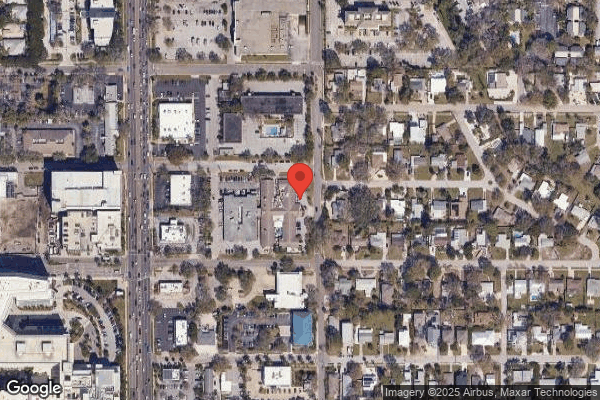
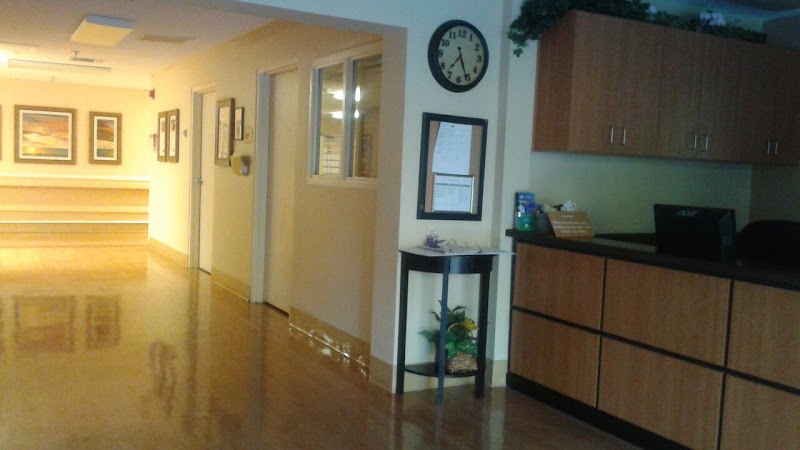
1524 EAST AVENUE SOUTH, SARASOTA, FL 34239 (941) 365-2422
Non profit - Other 144 Beds FLORIDA INSTITUTE FOR LONG-TERM CARE Data: November 2025 2 Immediate Jeopardy citations
Trust Grade
0/100
#670 of 690 in FL
Last Inspection: June 2024

Within standard 12-15 month inspection cycle. Federal law requires annual inspections.

Overview

Sarasota Health and Rehabilitation Center has received an "F" Trust Grade, indicating significant concerns about the quality of care provided. Ranking #670 out of 690 facilities in Florida places it in the bottom half, while its county rank of #26 out of 30 suggests that only a few local options are better. Although the facility's trend is improving-having reduced issues from 12 in 2024 to 6 in 2025-there are still serious deficiencies to consider, including critical incidents of inadequate supervision leading to resident altercations and falls. Staffing is a relative strength with a 4 out of 5-star rating, though the turnover rate is around average at 48%. However, the facility's fines totaling $230,102 are concerning and higher than 94% of Florida facilities, indicating ongoing compliance issues.

Trust Score
F
0/100
In Florida
#670/690
Bottom 3%
Safety Record
High Risk
Review needed
Inspections
Getting Better
12 → 6 violations
Staff Stability
⚠ Watch
48% turnover. Above average. Higher turnover means staff may not know residents' routines.
Penalties
✓ Good
$230,102 in fines. Lower than most Florida facilities. Relatively clean record.
Skilled Nurses
✓ Good
Each resident gets 46 minutes of Registered Nurse (RN) attention daily — more than average for Florida. RNs are trained to catch health problems early.
Violations
⚠ Watch
21 deficiencies on record. Higher than average. Multiple issues found across inspections.
★☆☆☆☆
1.0
Overall Rating
★★★★☆
4.0
Staff Levels
★★★★☆
4.0
Care Quality
★☆☆☆☆
1.0
Inspection Score
Stable
2024: 12 issues
2025: 6 issues

The Good

  • 4-Star Staffing Rating · Above-average nurse staffing levels
  • 4-Star Quality Measures · Strong clinical quality outcomes
  • Full Sprinkler Coverage · Fire safety systems throughout facility
  • No fines on record

Facility shows strength in staffing levels, quality measures, fire safety.

The Bad

1-Star Overall Rating

Below Florida average (3.2)

Significant quality concerns identified by CMS

Staff Turnover: 48%

Near Florida avg (46%)

Higher turnover may affect care consistency

Federal Fines: $230,102

Well above median ($33,413)

Significant penalties indicating serious issues

Chain: FLORIDA INSTITUTE FOR LONG-TERM CAR

Part of a multi-facility chain

Ask about local staffing decisions and management

The Ugly 21 deficiencies on record

2 life-threatening 1 actual harm
May 2025 2 deficiencies 2 IJ (2 affecting multiple)
CRITICAL (K) 📢 Someone Reported This

A family member, employee, or ombudsman was alarmed enough to file a formal complaint

Immediate Jeopardy (IJ) - the most serious Medicare violation

Free from Abuse/Neglect (Tag F0600)

Someone could have died · This affected multiple residents

**NOTE- TERMS IN BRACKETS HAVE BEEN EDITED TO PROTECT CONFIDENTIALITY** Based on observation, review of facility's policies and procedures, and staff interviews, the facility failed to protect the res...

Read full inspector narrative →
**NOTE- TERMS IN BRACKETS HAVE BEEN EDITED TO PROTECT CONFIDENTIALITY** Based on observation, review of facility's policies and procedures, and staff interviews, the facility failed to protect the residents' right to be free from abuse. The facility neglected to have effective processes in place in the secured unit to supervise 15 (Residents #13, #6, #14, #1, #2, #15, #16, #17, #3, #4, #7, #8, #10, #9, #12) of 15 cognitively impaired residents with aggressive behaviors resulting in multiple avoidable resident-to-resident altercations. On 3/12/25, Resident #13 with known aggressive behavior towards others was not adequately supervised. Resident #6 was blocking the door to the hallway. Resident #13 hit Resident #6 to get past him. On 3/12/25, Resident #14 with known aggressive behavior towards others was not adequately supervised. Resident #14 ran into Resident #13 with her wheelchair then hit Resident #13. On 3/14/25, Resident #2 with a diagnosis of dementia with other behavioral disturbance wandered unsupervised into Resident #1's room. Resident #2 scratched Resident #1's cheek when she asked him to leave the room. On 3/18/25, Resident #15 with a history of anxiety, Resident #16 with a history of verbal aggression related to dementia and Resident #17 with impaired cognition and agitation were not adequately supervised in the activity room of the secured unit. Resident #15 hit Resident #16. Resident #17 then hit Resident #15. On 3/20/25, Resident #4 with a history of wandering behavior and agitation wandered unsupervised into Resident #3's room. Resident #4 grabbed Resident #3's arm when she asked him to leave her room causing a skin tear to Resident #3's right forearm. On 3/28/25, staff did not adequately supervise Resident #8 who had a care plan for aggression with other residents. Resident #8 hit Resident #7 causing a scratch to Resident #7's left hand. On 3/29/25, staff did not adequately supervise residents in the dining room. Resident #4 scratched Resident #6. Resident #6 sustained scratches to bilateral cheeks, left ear and left upper arm. On 4/7/25, Resident #9 wandered unsupervised into Resident #10's room. Resident #10 hit Resident #9. On 4/8/25, staff did not adequately supervise residents in the activity room. Resident #13 hit Resident #16. On 4/8/25, Residents #13 and #12 were not adequately supervised. Resident #13 hit Resident #12 in the hallway. The facility failure to have effective processes in place to supervise cognitively impaired residents with known aggressive behaviors toward others resulted in physical injuries to Residents #1, #3, #6 and #7 from the altercations and resulted in the determination of Immediate Jeopardy. On 5/1/25 at 5:57 p.m., the Administrator was notified of the determination of Immediate Jeopardy. The findings included: Cross reference to F689 Review of the facility's Abuse Prevention Program, with a change date of November 2024 revealed, The facility has designated and implemented processes, which strive to reduce the risk of abuse, neglect . Prevention . Facility leadership will identify situations in which abuse, neglect, mistreatment . may be more likely to occur, such as: Residents with needs/behaviors which might lead to conflict or abuse/neglect . Analyze the occurrences to determine what changes are needed, if any, to policies & procedures and education to prevent further occurrences . Tracking and trending. A monthly report of reportable events is prepared and provided to the Quality Assurance, Assessment, and Compliance committee for review. Events are tracked and trended to identify similarities, causative factors and any other area that may increase the risk of repeat occurrences of the same or similar nature. Review of the facility's Abuse/Neglect log for February 2025 revealed the facility investigated four incidents of resident-to-resident allegations of physical abuse and one incident of resident-to-resident verbal abuse. On 4/7/25 at 2:06 p.m., in an interview the Assistant Director of Nursing (ADON) stated that on 2/15/25 the facility implemented a monitoring program called the eagle eye program to address incidents of resident-to-resident altercations. A Certified Nursing Assistant (CNA) is assigned to monitor the dementia unit to make sure residents are observed every 15 minutes for their safe whereabouts. The facility provided a document showing the eagle eye CNA documented rounds every 15 minutes. On 4/7/25 at 2:32 p.m., during a tour of the secured unit, Resident #10 was observed standing in the doorway of room [ROOM NUMBER] facing outside of the room. Resident #9 was observed sitting in a wheelchair in front of room [ROOM NUMBER], facing Resident #10. No staff was observed supervising the residents. Residents #9 and #10 started to argue loudly. Resident #9 started to stand up. Resident #10 pushed Resident #9 back in the wheelchair. No staff responded to the resident-to-resident altercation. Three female staff were observed at the nursing station to the right of the hallway. Residents #9 and #10 were not visible from the nurse's station. When notified of the verbal and physical altercation between Residents #9 and #10 the three staff members got up and walked towards room [ROOM NUMBER]. On 4/7/25 at 5:27 p.m., an interview was held with the Director of Nursing (DON) to discuss incidents of resident-to-resident physical aggression and altercations in the secured unit. The DON said when he began employment at the facility approximately 1.5 month ago, he had never seen so many incidents of resident-to-resident altercations. He said since the implementation of the eagle eye program, the incidents of resident-to-resident altercations on the secured unit have been reduced by 50%. The DON said he and the Administrator take turns coming to the facility on weekends to supervise staff and make sure the program is being conducted. The DON said he thought they were doing good. On 4/8/25 at 8:58 a.m., in an interview the Administrator said he thoroughly investigates all allegations of abuse, including resident-to-resident abuse. The Administrator said he verified the resident-to-resident abuse involving Residents #1, #3, #6 and #7 and started an investigation of the altercation between Residents #8 and #9. The Administrator said on 2/15/25 the eagle eye program was implemented. One staff member was assigned to tour the dementia unit every 15 minutes to ensure residents' safety and prevent incidents of resident-to-resident altercation. The assigned staff person is to round and redirect residents on the secured unit. The staff person is to report to the IDT (Interdisciplinary Team) any new resident behavior. The IDT care plans the behavior, do psychosocial consultation and discuss/monitor the resident's behavior. The IDT implements safety measures such as activities, verifies any trauma and develops a care plan to add to the resident's quality of life. The eagle eye staff is to delegate a relief person for breaks to ensure no gaps in supervision of the secured unit. He keeps a spreadsheet to monitor the program daily (coverage/behavior). Review of the facility's investigations of incidents of resident-to-resident altercations/abuse for March 2025 revealed: On 3/12/25, Resident #13 was not adequately supervised. Resident #6 was blocking the door to the hallway. Resident #13 hit Resident #6 to get past him. On 3/12/25, Resident #14 was not adequately supervised. Resident #14 ran into Resident #13 with her wheelchair then hit Resident #13. On 3/14/25, Resident #2 wandered unsupervised into Resident #1's room. Resident #2 scratched Resident #1's cheek when she asked him to leave the room. On 3/18/25, Residents #15, #16 and #17 were not adequately supervised in the activity room of the secured unit. Resident #15 hit Resident #16. Resident #17 then hit Resident #15. On 3/20/25, Resident #4 wandered unsupervised into Resident #3's room. Resident #4 grabbed Resident #3's arm when she asked him to leave her room causing a skin tear to Resident #3's right forearm. On 3/28/25, staff did not adequately supervise Resident #8. Resident #8 hit Resident #7 causing a scratch to Resident #7's left hand. On 3/29/25, staff did not adequately supervise residents in the dining room. Resident #4 scratched Resident #6. Resident #6 sustained scratches to bilateral cheeks, left ear and left upper arm. On 4/8/25, staff did not adequately supervise residents in the activity room. Resident #13 hit Resident #16. On 4/8/25, Residents #13 and #12 were not adequately supervised. Resident #13 hit Resident #12 in the hallway. On 4/29/25 at 12:40 p.m., an interview was held with the Administrator to discuss the effectiveness of the eagle eye program implemented on 2/15/25. The Administrator said they added a designated Activity Staff to the secured unit instead of an activity floating staff. They re-educated the staff on abuse, neglect, reporting and redirecting residents. He said at the end of January 2025, they implemented a weekly behavior management meeting. The Psychiatric Advanced Practice Registered Nurse (APRN) attends the meetings. When asked about the multiple incidents of resident-to-resident altercations since 2/15/25, the Administrator said they were monitoring the residents' behaviors. The Administrator said the facility held a Quality Assurance and Performance Improvement (QAPI) meeting on 4/9/25 to discuss the effectiveness of the eagle eye program and residents' supervision on the secured unit. He said they added an additional eagle eye staff person. They trained staff on behavioral management and de-escalation techniques and added the training to their new hire orientation program. He was also hiring an Activity Director with more specific dementia training and behavior management. The DON and him review potential new admission together, including their history before accepting them. He said since April 1, 2025, they admitted four new residents to the dementia unit and had three re-admissions. He said since April 9, 2025, there has not been another incident of resident-to-resident altercation on the secured unit. The Administrator said the next QAPI meeting was scheduled for 4/30/25 to discuss the effectiveness of the new interventions. The immediate actions implemented by the facility and verified by the survey team on 5/2/25 included: The Risk Consultant educated the Administrator and Director of Nursing on abuse, neglect, and exploitation as well as the reporting requirements to the Facility Risk Manager, Nursing Home Administrator, or direct supervisor as they relate to ensuring adequate supervision to ensure the safety of cognitively impaired residents on the secured dementia unit to prevent further incidents of resident-to-resident physical altercations and abuse. This education was completed on 4/9/25. On 5/2/25 the surveyor verified through review of the abuse education and interview with the Administrator. Administrator educated staff on abuse, neglect, and exploitation as well as the reporting requirements to the Facility Risk Manager, Nursing Home Administrator, or direct supervisor. Education started 4/9/25 and was completed on 4/12/25. 147 out of 147 staff members were educated. On 5/2/25 the survey verified through review of the education documentation provided. 147 of 146 staff members were educated. Random staff interviewed and verified receipt of the education. Administrator educated staff on abuse, neglect, and exploitation as they relate to ensuring adequate supervision to ensure the safety of cognitively impaired residents on the secured dementia unit to prevent further incidents of resident-to-resident physical altercations and abuse. Education started 4/9/25 and was completed on 4/12/25. 147 out of 147 staff members were trained. On 5/2/25 the surveyor verified through review of the education provided to the staff and random staff interviews. Observation of the dementia unit revealed adequate staffing and supervision. Process Change: An ADHOC (unplanned) Quality Assurance and Assessment meeting was held on 04/09/2025. Psychiatric services attended with the facility interdisciplinary team and reviewed high risk residents with behaviors. Medications and care planned interventions for behaviors were reviewed. Psychiatric service visits were increased to three times per week for high-risk residents. In the ADHOC Quality Assurance meeting, facility leadership along with the interdisciplinary team planned for enhanced oversight of the secured unit to monitor hallways and common areas for negative behaviors that could lead to a resident to-resident altercation. Enhanced oversight was initiated 4/10/25. Two staff were assigned per shift to conduct enhanced oversight. The Administrator or designee is responsible for ensuring that enhanced oversight of the secured unit is in place. Additionally, a qualified activity staff member was assigned to activities in the secured unit on 4/10/25. On 5/2/25 the surveyor verified through review of the content of the Ad Hoc QAPI meeting and interview with the Administrator. Another Ad Hoc Quality Assurance meeting was conducted on 04/30/2025 to review the effectiveness of the implemented interventions. The interventions have been a success. There has been no verified resident to resident altercations on the secured unit since implementation. On 5/2/25 the surveyor verified through review of the content of the Ad Hoc QAPI meeting and interview with the Administrator. Review of the incident investigation log revealed no incident of resident-to-resident altercations since 4/9/25.
CRITICAL (K) 📢 Someone Reported This

A family member, employee, or ombudsman was alarmed enough to file a formal complaint

Immediate Jeopardy (IJ) - the most serious Medicare violation

Accident Prevention (Tag F0689)

Someone could have died · This affected multiple residents

**NOTE- TERMS IN BRACKETS HAVE BEEN EDITED TO PROTECT CONFIDENTIALITY** Based on observation, record review and interviews, the facility failed to implement processes on the secured dementia unit to e...

Read full inspector narrative →
**NOTE- TERMS IN BRACKETS HAVE BEEN EDITED TO PROTECT CONFIDENTIALITY** Based on observation, record review and interviews, the facility failed to implement processes on the secured dementia unit to ensure adequate supervision of 15 (Residents #13, #6, #14, #1, #2, #15, #16, #17, #3, #4, #7, #8, #10, #9, #12) of 15 cognitively impaired residents with aggressive behaviors to prevent multiple avoidable incidents of resident-to-resident physical altercations. On 3/12/25, Resident #13 was not adequately supervised. Resident #6 was blocking the door to the hallway. Resident #13 hit Resident #6 to get past him. On 3/12/25, Resident #14 was not adequately supervised. Resident #14 ran into Resident #13 with her wheelchair then hit Resident #13. On 3/14/25, Resident #2 wandered unsupervised into Resident #1's room. Resident #2 scratched Resident #1's cheek when she asked him to leave the room. On 3/18/25, Residents #15, #16 and #17 were not adequately supervised in the activity room of the secured unit. Resident #15 hit Resident #16. Resident #17 then hit Resident #15. On 3/20/25, Resident #4 wandered unsupervised into Resident #3's room. Resident #4 grabbed Resident #3's arm when she asked him to leave her room causing a skin tear to Resident #3's right forearm. On 3/28/25, staff did not adequately supervise Resident #8. Resident #8 hit Resident #7 causing a scratch to Resident #7's left hand. On 3/29/25, staff did not adequately supervise residents in the dining room. Resident #4 scratched Resident #6. Resident #6 sustained scratches to bilateral cheeks, left ear and left upper arm. On 4/7/25, Resident #9 wandered unsupervised into Resident #10's room. Resident #10 hit Resident #9. On 4/8/25, staff did not adequately supervise residents in the activity room. Resident #13 hit Resident #16. On 4/8/25, Residents #13 and #12 were not adequately supervised. Resident #13 hit Resident #12 in the hallway. The facility's failure to provide the necessary structures to closely supervise cognitively impaired residents with aggressive behaviors on the secured unit resulted in physical altercations and injuries to Residents #1, #3, #6, and #7. This failure created a likelihood that other residents could be seriously harmed or injured from physical resident-to-resident altercations and resulted in the determination of Immediate Jeopardy as a scope and severity of pattern (K) starting on 3/12/25. On 5/1/25 at 5:57 p.m., the Administrator was notified of the Immediate Jeopardy (IJ). The census was 60 residents on the secured memory care unit. The findings included: Cross reference to F600 Review of the facility's Abuse Prevention Program with a change date of November 2024 revealed, Abuse . Willful infliction of injury by . another resident . Willful is defined as meaning the individual must have acted deliberately, not that the individual must have intended to inflict injury or harm . 1. Review of the clinical record for Resident #14 revealed an admission date of 11/4/24. Diagnoses included encephalopathy (brain disease that alters brain function), altered mental status, and unspecified dementia. Review of the Quarterly Minimum Data Set (MDS) assessment with a target date of 2/3/25 noted Resident #14 scored 04 on the Brief Interview for Mental Status, indicating severe cognitive impairment. The care plan created on 1/22/25 noted Resident #14 becomes agitated with staff when they try to redirect her at times. Resident #14 was resistive to care and exhibited aggressive behaviors towards others at times. The goal as of 1/22/25 was to Honor Resident's rights. The interventions included to administer psychotropic medications as ordered. Observe/document for side effects and effectiveness. Document episodes of behavior and review to determine the effectiveness of intervention. Do not corner if agitated. Provide space, remove other residents, remain calm and call for assistance. Review of the facility's event notes revealed a resident-to-resident altercation between Residents #14 and #13 in the hallway near the nursing station on 3/12/25 at 2:30 p.m. Resident #14's description of the event was she thought Resident #13 was striking her friend, so she slapped him in the back of the head. The event note documented the cause of the event was, Close proximity. Review of the nursing progress note dated 3/12/25 at 3:27 p.m., revealed at 2:30 p.m., the nurse was advised that Resident #14 became agitated while standing at the nurses station and began swatting her hand striking another resident on the top of his head. The resident was redirected to her room. Resident #14 stated that she struck Resident #13 because she witnessed him hitting another female resident that she knew. On 3/12/25 at 4:28 p.m., a general progress note documented the Advanced Practice Registered Nurse ordered to increase Depakote 125 milligrams (mg) to two capsules twice daily for mood disorder/agitation. On 3/12/25 the facility updated the care plan with intervention for Continuous monitoring 1:1 (one to one supervision) with every 15-minute documentation. On 3/14/25 at 6:01 a.m., an interdisciplinary progress note documented Resident #14 had no further aggressive behaviors and the medication adjustment appears effective. Recommendation to remove the 1:1 sitter and introduce 15 minute checks for 24 hours and review. On 4/7/25 Resident #14 was discharged to an Assisted Living Facility. 2. Review of the clinical record for Resident #13 revealed an admission date of 10/31/24. Diagnoses included Alzheimer's disease, and unspecified dementia. The Quarterly Minimum Data Set (MDS) assessment with a target date of 2/3/25 noted Resident #13 scored 03 on the Brief Interview for Mental Status (BIMS), indicating severe cognitive impairment. Review of the behavioral care plan initiated on 1/7/25 revealed Resident #13 was easily agitated, was combative with staff at times, climbs on furniture at times, refuses care and exhibits aggressive behavior towards others at times. The goal was, Will not harm staff. The interventions included, Do not corner if agitated. Provide space, remove other Residents, remain calm & call for assistance. The care plan did not include individualized interventions to ensure adequate supervision of Resident #13 and protect other residents from Resident #13's aggressive behavior. Review of the facility's event notes revealed a resident-to-resident altercation in the dining room on 3/12/25 at 3:30 p.m. Resident #13, Struck other resident (Resident #6) in the side three times. Resident #13's description of the event read, He was standing too close to me, and I wanted him to back up. The event note documented Resident #13 was having a new onset or escalation of the following behaviors: Anger, agitation, distress causing increased or new onset of aggression. Shoving, biting, scratching self or others, threatening, screaming, cursing, crying, moaning, combative behavior that was above baseline. The cause of the resident-to-resident altercation was, Behaviors related to dementia, residents in close proximity to each other. On 3/13/25, Resident #13's care plan was updated with Continuous Monitoring 1:1 (one to one supervision) with every 15-minute documentation. On 3/14/25 at 8:41 p.m., a progress note documented the 1:1 monitoring was completed. Resident #13 was calm and pleasant. On 3/15/25 at 4:41 a.m., a progress note documented, The following interventions are in place to assist in the prevention of another altercation: Regular rounds . On 4/8/25 at 3:00 p.m., a progress note documented, Resident (#13) was observed pushing other resident in wheelchair and struck resident in the head. The resident has provided the following description of the event: unable to describe . This event was caused by: Resident wandering. This resident is noted to be the aggressor in this event. 1:1 has been initiated as an intervention . On 4/8/25 at 3:29 p.m., a behavior note documented Resident #13, used open hand and slapped a female resident, when female resident got too close. Both parties separated and engaged in other activities . Review of the incident investigation dated 4/8/25 revealed a resident-to-resident physical abuse involving Residents #13, #16 and #12. The investigation noted: Resident #16 was admitted to the facility on [DATE]. Diagnoses included dementia, major depressive disorder, mood disorder, anxiety disorder. Resident #16 was rarely/never understood. Resident #12 was admitted to the facility on [DATE] and had a BIMS score of 00 On 4/8/25 at 3:20 p.m., Resident #13 and #16 were in the activity room. Resident #13 hit Resident #16. Resident #13 also hit Resident #12 in passing in the hallway. The Registered Nurse on duty redirected Resident #13 and placed him on one-to-one supervision. The psychiatric Practitioner reviewed and changed Resident #13's psychotropic medications. On 4/11/25, the progress notes documented Resident #13 became agitated, angry at the sitter. He hit the sitter in the back , began swinging his arms and fists and making racial slurs towards the sitter. Resident #13 was transferred to an acute hospital under a [NAME] Act (Temporary involuntary detention for evaluation and treatment). 3. Review of the clinical record for Resident #2 revealed an admission date of 11/20/24. Diagnoses included: Brain disorder, communication deficit, dementia with other behavioral disturbance and major depressive disorder. Review of the Quarterly MDS with a target date of 3/3/25 revealed Resident #2 scored 03 on the BIMS, indicating severe cognitive impairment. Resident #2 was independent for walking 150 feet. Review of the care plan initiated on 11/26/24 revealed Resident #2 had impaired cognitive function/dementia or impaired thought processes related to severely impaired BIMS score. The goal was for the resident to remain oriented to person, place, situation, time within current cognitive capacity. The interventions included re-approach later if the resident was restless or agitated, cue, reorient and supervise as needed. The care plan noted Resident #2 had a wander bracelet (alerts staff when a resident is leaving a safe area). On 2/20/25 at 3:12 p.m., an activity progress note documented Resident #2, wanders hallways during the day and enjoys sitting at outside patio doors in the sun . On 3/14/25 at 2:45 p.m., Resident #2 was not adequately supervised and wandered into Resident #1's room. Review of the post event note dated 3/14/25 at 2:45 p.m., revealed, Resident to Resident Altercation . This event was caused by: Resident wandered into other resident's room. This resident (Resident #2) is noted to be the aggressor in this event. What caused this event? Resident wandered into other resident's room. Review of the progress note dated 3/14/25 at 8:30 p.m., revealed, Staff heard yelling and responded immediately. Noted Resident (Resident #2) sitting on other resident's bed (Resident #1). Other resident (Resident #1) had a fine red line of discoloration noted to right cheek. Resident (Resident #2) was escorted from the room and placed on 1:1 observation . The progress note documented the psychiatric Advanced Practice Registered Nurse (APRN) was notified and ordered Depakote 125 milligrams (mg) in the morning then 250 mg at 5:00 p.m. Depakote is anti-seizure medication that is sometimes used as a mood stabilizer. On 3/16/25 at 8:32 a.m., an interdisciplinary (IDT) note documented Resident #2 remained on one-to-one supervision. The medication change was effective. No additional behaviors identified or reported by the nursing staff. On 3/16/25 at 9:10 a.m., an IDT progress note documented the psychiatric practitioner agreed to discontinue the one-to-one supervision and start every 15 minutes check. On 3/18/25 an IDT progress note documented the one-to-one supervision was discontinued and every 15-minute check was initiated. The care plan updated on 3/19/25, five days after the altercation, noted Resident #2 was noted with the following behaviors, Resident exhibits aggressive behaviors towards others at times. The goal was for Resident #2 not to harm other residents and to honor the residents' rights. The interventions included redirect resident to decrease and manage behaviors, administer psychotropic medications, document episodes of behavior and review to determine the effectiveness of intervention, do not corner if agitated. Provide space, remove other residents, remain calm and call for assistance. The care plan did not address necessary supervision to prevent Resident #2 from wandering into other residents' rooms. On 4/4/25 at 5:00 p.m., a nursing progress note documented Resident #2 was, increasingly wandering into other residents' rooms and lying in other residents' beds. Resident at times responding angrily when redirected. On 4/4/25 the care plan was not updated with appropriate interventions, including necessary supervision to prevent Resident #2 from wandering into other residents' rooms which could lead to further incidents of resident-to-resident physical altercations. On 4/7/25 at 3:38 during a telephone interview, Resident #1's son said the nurse called him to inform him of the altercation. He said the nurse told him the resident involved in the altercation with his mother wandered into other residents' rooms unsupervised. The nurse told him that his mother was hit or pushed. Resident #1's son said he was upset and moved Resident #1 out of the facility. He said the facility did not properly supervise the residents on the secured dementia unit and nobody would be happy about that. On 4/8/25 at 8:58 a.m., in an interview the Administrator said Resident #2 wandered into Resident #1's bedroom unsupervised. Staff did not see the altercation. The Administrator said the investigation determined abuse was verified. On 4/8/25 at 1:40 p.m., in an interview Licensed Practical Nurse (LPN) Staff A said she was receiving report and did not witness the altercation. She said she went to the room and Resident #2 was on Resident #1's bed. Resident #1 was crying and holding her right cheek. LPN Staff A said she did not see Resident #2 wander into the room and said the facility does a good job at keeping residents safe. Review of the Psychiatric follow up visit note dated 4/15/25 revealed staff reported Resident #2 can be irritable with redirection. Psychiatry discontinued the Depakote 125 and started Resident #2 on Depakote 500 mg twice a day (BID). On 4/18/25, the psychiatrist documented in a progress note Resident #2 was seen for aggressive, agitated behaviors. Resident #2 was seen as he continues to be wandering, trying to get out of his bed and becomes agitated. The practitioner added Ativan (relieves anxiety) 0.5 mg every four hours as needed. 4. Review of the clinical record for Resident #15 revealed an admission date of 1/7/25. Diagnoses included major depressive disorder, unspecified mood disorder, cognitive communication deficit, anxiety and brief psychotic disorder. Review of the admission MDS assessment with a target date of 1/14/25 revealed Resident #15 scored 10 on the BIMS, indicating moderate cognitive impairment. Resident #15 required partial/moderate assistance to walk 150 feet. Resident #15 also used a wheelchair and required supervision to wheel 150 feet. Review of the physician's orders revealed Resident #15's medication regimen as of 1/7/25 included Depakote Sprinkles oral capsule delayed release 125 mg, two capsules by mouth two times a day for mood disorder. The care plan initiated on 1/8/25 noted the resident receives psychotropic medications related to behavior/Mood management. The goals included for the resident to be at the lowest dose required to reduce symptoms while minimizing adverse effects to ensure maximum functional ability both mentally and physically. The interventions included to monitor for side effects of the psychotropic medication, administer the medication as ordered and observe/document for side effects and effectiveness. The care plan did not specify the target behaviors to be monitored. Review of the Medication Administration Record (MAR) and the Treatment Administration Record (TAR) for January 2025, February 2025, March 2025 and April 2025 failed to show documentation of target behaviors to be monitored. The MARs and TARs noted, No order data found for behavior monitoring. On 2/7/25 at 2:53 p.m., a psychotropic medication note documented Resident #15 was prescribed an antipsychotic. Under Targeted Behaviors: What behaviors is the resident demonstrating that warrants the use of the psychotropic medication?: Agitated, anxious, Restless . On 3/3/25 an IDT note documented, . Resident has history of wandering and anxiety . On 3/12/25 at 10:36 p.m., a progress note documented the IDT review during monthly behavior management meeting. Resident behaviors have been stable. Mood is stable on current medications. Continue current interventions. On 3/14/25 a post event note documented Resident #15 was involved in a resident-to-resident altercation. The resident's current mood and/or behavior was, calm and cooperative. The following interventions are in place to assist in the prevention of another altercation: Monitor resident behavior . The progress note did not document details of the resident-to-resident altercation. Review of the facility's incident investigations revealed on 3/18/25 at 10:12 a.m., Residents #15, #16 and #17 were in the activity room. Staff witnessed Resident #16 reaching for Resident #15's cookie. Resident #15 took the cookie back and hit Resident #16. Resident #17 then hit Resident #15 in defense of Resident #16. The facility's incident investigation verified the resident-to-resident physical abuse. Resident #15 was placed on one to one monitoring until 3/21/25. 5. Review of the clinical record for Resident #4 revealed an admission date of 3/30/24. Diagnoses included Dementia with behavioral disturbances. Resident #4 was admitted on [DATE]. Diagnoses included syncope, collapse, dementia with unspecified severity with other behavioral disturbances. Review of the Quarterly Minimum Data Set (MDS) assessment with a target date of 2/11/25 noted the resident's cognition was severely impaired with a Brief Interview for Mental Status score of 03. The MDS noted the resident was independent for transferring and walking 150 feet. Review of the resident's care plan initiated on 9/13/23 and revised on 2/12/25 noted Resident #4 exhibited the following behaviors: Wandering behaviors. Resident #4 becomes agitated at times and when other residents enter his room and when redirected by staff. The goal was to Honor Resident's rights. The interventions dated 9/13/23 included but were not limited to observe for behaviors, administer psychotropic medications, observe for changes in behavior and report to the physician, do not corner if agitated. Provide space, remove other residents, remain calm and call for assistance. Review of the progress notes revealed on 1/13/25 Staff saw Resident #4 in the dining room upset at another resident and threatened to hit them. Staff intervened and separated the residents. On 1/16/25 Resident #4 became upset with a staff and tried to assault staff. Resident was placed on one to one supervision. On 1/16/25 the Psychiatric practitioner was notified of the resident's aggressive behavior towards staff. A new order was given for Vistaril (can be used to treat short term anxiety) 50 milligrams daily for seven days. On 2/25/25 at 8:00 p.m., a progress note documented Resident #4 was pushing another resident in a wheelchair up and down the hallway. The resident in the wheelchair started to have episodes of yelling out loud repeatedly. Resident #4 told the other resident in the wheelchair to please stop yelling and appeared to become increasingly irritable that the resident would not stop yelling. Resident #4 became triggered by the excessive yelling and yelled at the resident from behind the wheelchair and appeared to be attempting to initiate a physical altercation from behind the wheelchair. The resident in the wheelchair was not able to see the potential assault. Staff separated the residents and took Resident #4 to his room. On 3/20/25 Resident #4 was not adequately supervised and wandered into Resident #3's room. On 3/20/25 at 7:37 p.m., a nursing progress note documented at approximately 7:00 p.m., staff heard Resident #3 screaming for assistance. Upon investigation staff observed Resident #4 confused and agitated, exiting Resident #3's room. Resident #3 said Resident #4 was retrieving clothing from her closet. When she attempted to stop him, Resident #4 reportedly grabbed Resident #3's hand. Staff observed a skin tear to Resident #3's left wrist. Resident #4 was placed on one to one supervision until 3/26/25. On 3/26/25 at 3:15 p.m., a progress note documented Resident #4 was placed on every 15 minutes checks to assist in the prevention of another altercation. On 3/29/25 Resident #4 was not adequately supervised and got into a physical altercation with Resident #6. Review of the facility's investigation dated 3/29/25 revealed the facility nurse heard raised voiced from the hallway. She entered the dining room and witnessed Resident #4 scratch Resident #6. Resident #4 was redirected and placed on one to one supervision. The psychiatric Advanced Practice Registered Nurse (APRN) was notified and made changes to Resident #4's medications. Residents #4 and #6 had severe cognitive impairment with a BIMS of 06 and were not able to provide information related to the incident. Review of the post event noted effective 3/29/25 at 3:38 p.m., revealed Resident #6 sustained scratches to the left cheek, left ear, right cheek, underside of left upper arm, and a small scratch to the right side of the neck. The cause of the event was, Unknown. The facility's investigation did not include how the residents were supervised to prevent the physical altercation. On 3/29/25 at 3:24 p.m., a progress note documented a Certified Nursing Assistant notified the nurse of a resident-to-resident altercation. The nurse went to the resident and separated in room. The nurse documented Resident #4 was on every 15 minutes checks and was last seen in the dining room, resting in a chair. Resident #4 was again placed on one to one observation. On 4/7/25 at 1:50 p.m., in an interview Certified Nursing Assistant (CNA) Staff B said she was collecting dinner trays and did not see Resident #4 wandering into Resident #3's room. She said she saw Resident #4 in the wrong room trying to open the closet and take the clothes out. Staff B said she saw Resident #4 grab Resident #3's arm causing a skin tear. She told Resident #4 it was not his room and redirected him. She went and got the nurse and gave her statement. 6. Review of the clinical record for Resident #8 revealed an admission date of 3/4/24. Diagnoses included early onset Alzheimer's disease, and anxiety. Review of the Quarterly MDS with a target date of 2/28/25 revealed Resident #8's cognition was moderately impaired with a BIMS score of 12. He used a wheelchair for mobility. Review of the behavioral care plan initiated on 11/22/24 and revised on 3/28/25 revealed Resident #8 was accusatory of staff, made inappropriate comments at times. Resident #8 refused care and medications at times, used profanities towards staff at times and may show aggression with other residents at times. The goal was for the resident to take medications as prescribed. The interventions initiated on 11/22/24 included to document episodes of behavior and review to determine the effectiveness of the interventions, observe for changes in behavior, do not corner if agitated. Provide space, remove other residents, remain calm and call for assistance. Review of the progress notes revealed on 2/12/25 at 6:51 p.m., Resident #8 was observed arguing with another resident. Staff immediately separated the residents. On 3/28/25 Resident #8 with known behavior of aggression towards other residents was not adequately supervised to prevent a physical altercation with his roommate, Resident #7. Review of the facility's incident investigations revealed on 3/28/25 at 12:30 a.m., the nurse heard raised voices from the hallway and entered Resident #8's room. The nurse observed Resident #8 hit Resident #7. Review of the initial event note dated 3/28/25 at 12:55 a.m., revealed Resident #7 sustained bruising to the right upper chest and a skin tear to the dorsal area of the left hand from the physical altercation. On 3/28/25 at 1:05 a.m., a progress note documented the residents were last seen 10 to 15 minutes prior to the incident. Resident #7 was in bed and Resident #8 was in his wheelchair. Resident #8 was assigned a one-to-one sitter and separated from the roommate. The Physician was notified and gave a new order for Trazodone 50 mg at bedtime (antidepressant that can be used for conditions like anxiety and agitation). Resident #8 description of the event was, You guys keep putting a bunch of predators in my room to attack me. Residents #8 and #7 remained roommates despite the physical altercation. Resident #8 was placed on one to one supervision. 7. Review of the clinical record revealed Resident #9 was admitted to the facility on [DATE]. Review of the care plan initiated on 12/11/24 revealed Resident #9 had anxiety, depression with progressing dementia. The resident was intermittently aggressive with other residents at times. Resident #9 also lowered herself to the floor at times. The goal was for the resident to have fewer episodes of lowering herself to the floor. There was no goal addressing the intermittent aggressivity with other residents and prevent resident to resident altercations. The interventions in the care plan included but were not limited administering medications as ordered, document behaviors, and resident's response to interventions, intervene as necessary to protect the rights and safety of others, approach, speak in a calm manner, divert attention, remove from situation and take to alternative location as needed, redirect resident to decrease and manage behavior as needed. The care plan initiated on 5/15/24 and revised on 8/28/24 noted Resident #9 was at risk for elopement and resided in the secured unit of the facility. The interventions included to offer Resident #9 frequent rests and snacks if she was wandering. On 4/7/25 at 2:32 p.m., Residents #10 and #9 were not adequately supervised. Resident #10 was observed standing in the doorway of room [ROOM NUMBER] facing outside of the room. Resident #9 was observed sitting in a wheelchair in front of room [ROOM NUMBER], facing Resident #10. No staff was observed supervising the residents. Residents #9 and #10 started to argue loudly. Resident #9 started to stand up. Resident #10 pushed Resident #9 back in the wheelchair. Staff did not respond to the resident-to-resident altercation. Three female staff were observed at the nursing station to the right of the hallway. Residents #9 and #10 were not visible from the nurse's station. When notified of the verbal and physical altercation between Residents #9 and #10 the three staff member got up and walked towards room [ROOM NUMBER]. Review of the facility's incident investigations revealed on 4/7/25 at 2:00 p.m., Resident #10 was lying in bed when Resident #9 entered the room and grabbed Resident #10's collar. Resident #10 hit resident #9 in defense. Resident #9 was redirected by the facility nurse and provided one-on-one supervision. On 4/7/25 at 2:06 p.m., in an interview the Assistant Director of Nursing (ADON) said the facility implemented a monitoring (Eagle Eye) program on 2/15/25 to address incidents of resident-to-resident altercations. The ADON said the Eagle Eye program consists of one Certified Nursing Assistant (CNA) who is assigned to monitor the dementia unit to make sure residents are observed every 15 minutes for their safe whereabouts. Documents provided by the facility showed the Eagle Eye CNA documented every 15 minutes rounds on a form. On 4/7/25 at 5:27 p.m., an interview was held with the Director of Nursing (DON) to discuss the supervision of the cognitively impaired and confused residents on the secured unit and the multiple incidents of resident-to-resident physical altercations. The DON said when he began working at the facility he had never seen so many resident altercations. He said the resident altercations on the secured dementia unit have been reduced by half, and he thought they were doing good. The immediate actions implemented by the facility and verified by the survey team on 5/2/25 included: The Risk Management Consultant educated the Administrator and Director of Nursing on ensuring that residents on the secured dementia unit are provided with adequate supervision to prevent incidents of resident-to-resident physical altercations and ensure resident safety. This education was completed on 4/9/25. On 5/2/25 the surveyor verified through review of the of the education provided by the Risk Management Consultant to the Administrator and the Director of Nursing and interview with the Administrator. The Administrator educated staff on ensuring that residents on the secured dementia unit are provided with adequate supervision to prevent incidents of resident-to-resident physical altercations and ensure resident safety. Additionally, the Administrator/designee gave specific examples of behavioral patterns that potentially lead to resident-to-resident altercations such as wandering patterns and behaviors, proximity of residents, verbal queues, and physical queues. Education started 4/9/25 and was completed on 4/12/25. 147 out of 147 staff members were educated. On 5/2/25 the surveyor verified through review of the education provided and interview with one CNA, two Licensed Practical Nurses and one Registered Nurse. All verified they received the education and were able to verbalize content of the education. Process Change: An Ad Hoc Quality Assurance Meeting was held on 4/9/2025 and the following was developed: Enhanced monitoring and oversight was initiated by facility leadership over the secured unit in order to monitor patient care areas and resident rooms for resident behaviors that could lead to resident-to-resident altercations. Enhanced monitoring and oversight was initiated 4/10/25. The Administrator and Director of Nursing will be responsible for ensuring that enhanced oversight of the secured unit is in place. On 5/2/25 the surveyor verified through review of the content of the AD Hoc QAPI meeting held on 4/9/25 and interview with the Administrator. On 5/2/25 the surveyor verified through documentation provided the enhanced monitoring and oversight was initiated on 4/10/25. An Ad Hoc Quality Assurance meeting was held on 04/30/2025 to review the process change. The process change has been successful as there have been no resident to resident altercations in the secured unit. On 5/2/25 the surveyor verified through review of the content of the Ad Hoc QAPI meeting held on 4/30/25 and interview with the Administrator. Review of the facility's incident log revealed no incident of resident-to-resident altercation since 4/9/25.
Feb 2025 1 deficiency
CONCERN (D) 📢 Someone Reported This

A family member, employee, or ombudsman was alarmed enough to file a formal complaint

Potential for Harm - no one hurt, but risky conditions existed

Abuse Prevention Policies (Tag F0607)

Could have caused harm · This affected 1 resident

Based on review of the facility's policies and procedures and staff interviews, the facility failed to protect the health, welfare and rights of each resident by failing to ensure 1 (Staff A) of 5 sta...

Read full inspector narrative →
Based on review of the facility's policies and procedures and staff interviews, the facility failed to protect the health, welfare and rights of each resident by failing to ensure 1 (Staff A) of 5 staff reviewed was screened for a history of abuse, neglect, exploitation, or misappropriation of resident property before beginning employment. The findings included: Review of the facility's Abuse Prevention Program effective 2012 and most recent change date of November 2024 revealed, The facility has designated and implemented processes, which strive to reduce the risk of abuse, neglect, exploitation, mistreatment, and misappropriation of resident's property . Implementation and ongoing monitoring . Potential employees will be screened, per federal &/or state regulation, during the hiring process for history of abuse, neglect, or mistreatment of residents. Screening will consist of . Criminal background checks will be completed to identify any potential employee unfit to work in LTC (Long Term Care) . Review of the facility's current employees list revealed Staff A was a dietary aide with a date of hire of 1/14/25. On 2/26/25, review of the Florida Agency For Healthcare Administration's Care Provider Background Screening Clearing house revealed Staff A's last employment at a position that requires a background screening ended on 5/8/23. Staff A's employment at the facility was not entered in the background screening clearinghouse. The last eligibility determination for employment at a Medicaid/Medicare Participating Provider was 3/23/23. On 2/26/25 at 12:43 p.m., in an interview the Human Resources Director verified Staff A date of hire was 1/14/25. She verified Staff A was not entered in the Background Screening Clearing house. She verified Staff A had a break in employment greater than 90 days when he was hired on 1/14/25 and the facility failed to obtain a new background screening as required by the Florida Agency for Healthcare Administration. Review of Staff A's timecard revealed Staff A worked on 2/16/25, 2/17/25, 2/20/25, 2/21/25, 2/22/25, 2/23/25, and 2/25/25 without the required screening.
Jan 2025 3 deficiencies
CONCERN (D) 📢 Someone Reported This

A family member, employee, or ombudsman was alarmed enough to file a formal complaint

Potential for Harm - no one hurt, but risky conditions existed

Deficiency F0552 (Tag F0552)

Could have caused harm · This affected 1 resident

**NOTE- TERMS IN BRACKETS HAVE BEEN EDITED TO PROTECT CONFIDENTIALITY** Based on interview and record review, the facility failed to honor the resident or the responsible party's right to be informed ...

Read full inspector narrative →
**NOTE- TERMS IN BRACKETS HAVE BEEN EDITED TO PROTECT CONFIDENTIALITY** Based on interview and record review, the facility failed to honor the resident or the responsible party's right to be informed of the risks, benefits, side effects, and alternatives of psychotropic medications administered by the facility to 1 resident (#7) of 3 reviewed for informed consent for psychotropic medications. The findings included: Review of the medical record revealed Resident #1was admitted to the facility on [DATE]. The comprehensive assessment dated [DATE] revealed Resident #7 had diagnosis of non-Alzheimer's dementia. The resident's diagnosis list did not include anxiety, depression, or psychotic disorder. The resident's Brief Interview for Mental Status (BIMS) score was 3, indicating severe cognitive impairment. On 7/30/24, the physician certified the resident was incapable of making informed medical decisions because the resident could not understand the consequences. The resident's son was appointed as health care surrogate (HCS) on 7/29/24. The HCS was responsible for making health care decisions on behalf of Resident #7. The medication administration record MAR for January 2025 revealed an active order dated 10/22/24 for Buspirone 10milligrams (mg) 3 times a day for anxiety. The MAR for August 2024 revealed the facility administered Seroquel 50 milligrams at bedtime for anxiety on 8/26/24. Seroquel is an antipsychotic used to treat several kinds of mental health conditions. The MAR for January 2025 revealed an active order dated 8/27/24 for Trazodone 50mg at bedtime for depression/insomnia. Review of the MAR for August revealed the facility began administering the medication on 8/27/24. The January 2025 MAR revealed an active order for Depakote Sprinkles 125mg twice a day to stabilize Resident #7's mood. The physician's order was dated 10/22/24. Review of the MAR for October 2024 revealed the facility began administering the medication on 10/22/24. The Advanced Registered Nurse Practitioner (ARNP) Psychiatric Specialist's note dated 11/12/24 revealed the following medications: Buspirone for anxiety; Trazodone for major depressive disorder, and Depakote sprinkles for mood disorder. The note stated that Risks (including but not limited to black box warning), benefits and alternatives were discussed. On 1/13/25 at 2:30 p.m., the clinical nurse consultant said the facility does not obtain signed consent forms prior to administering psychotropic medications. The nursing home administrator (NHA), who was present at the time, said he only worked at the facility for approximately 2 weeks and was not sure of the facility's policy. On 1/13/25 at 4:25 p.m. during a telephone interview with the HCS, he said he did not consent to the psychotropic drugs the facility is administering to Resident #7. He said the facility staff did not inform him of the risks, benefits, side effects, or alternatives to the medications. He said he specifically told the staff he did not want antipsychotics. He said his communication with the facility is mainly with the business office manager. On 1/14/25 at 10:45 a.m., during an interview with the ARNP psychiatric specialist, said the facility staff usually obtain consent for psychotropic medications and discuss any side effects, risks, benefits, and alternatives with the resident or the HCS. She said she could not remember discussing the information with the HCS. She said she was under the impression the facility obtained signed consents for psychotropic medications. The medical record review on 1/13/25 and 1/14/25, including the paper record and the electronic record, nursing progress notes, physician's progress notes and physician's orders, revealed no indication the staff or psychiatric ARNP informed the HCS of the risks, benefits, side effects and alternatives to treatment. There was no indication the HCS gave consent for the psychotropic medications to be given to Resident #7.
CONCERN (D) 📢 Someone Reported This

A family member, employee, or ombudsman was alarmed enough to file a formal complaint

Potential for Harm - no one hurt, but risky conditions existed

Investigate Abuse (Tag F0610)

Could have caused harm · This affected 1 resident

**NOTE- TERMS IN BRACKETS HAVE BEEN EDITED TO PROTECT CONFIDENTIALITY** Based on interview and record review the facility failed to thoroughly investigate one (Resident #1) of two residents surveyed f...

Read full inspector narrative →
**NOTE- TERMS IN BRACKETS HAVE BEEN EDITED TO PROTECT CONFIDENTIALITY** Based on interview and record review the facility failed to thoroughly investigate one (Resident #1) of two residents surveyed for an injury of unknown origin when the injury was identified as being an older injury the facility failed to look back at an injury which had occurred three days prior to the injury being assessed and investigate if the injury had occurred during that same time period. The findings included: Resident #1 is a [AGE] year-old female who was admitted to the facility on [DATE] with Cerebral Infarct, Schizophrenia, Dementia, Bipolar Disorder, Hemiplegia of the left side, Anxiety, EPS, Chronic Pain, and Osteoarthritis. The Quarterly Minimum Data Set (MDS) dated [DATE] shows Resident #1 had a Brief Mental Status Interview (BIMS) score of 00. This score shows a severe cognitive impairment. Section GG of the MDS shows Resident #1 was dependent on staff for providing personal care and mobility of transferring and toileting. A progress note dated 6/20/24 at 5:36 p.m. reads, Staff notice resident favoring left arm. Resident begin screaming when arm is touched. Resident unable to follow instructions during evaluation. Resident given Tylenol for the pain. DON notified. X-ray ordered. A radiology report dated 6/21/24 at 8:56 p.m. shows no evidence of fracture or dislocation to Resident #1's left arm. A Progress not dated 6/23/24 at 8:49 p.m. reads, CNA (Certified Nursing Assistant) inform nurse that resident is complaining of pain to right forearm. Upon assessment, the forearm has swelling, yellowish discoloration, and the resident is yelling out in pain when touching area. Spoke with [physician] new order received to send resident out to SMH for evaluation and Treatment. On 6/24/24 at 12:27 a.m., the emergency room physician documented, On my exam patient is unable to provide any history. She has severe dementia and appears confused. She does have old appearing ecchymosis across the forearm. No other bruises noted or evidence of trauma .X-ray imaging of the right forearm does identify an oblique minimally displaced fracture of the ulna. She was placed in an ulna gutter splint. She is given orthopedic follow-up .social work was consulted to assist with DCF case and investigate to determine the root cause of the patient's injury. The facilities investigation of the injury shows the injury to the resident's right arm occurring on 6/24/24. The investigation shows no documentation of the facility looking at the potential for the injury to have occurred on 6/20/24 when the nurse documented an injury to the resident's left arm even though the emergency room physician documented the right arm bruising was older and not acute. There is no signs of any trauma documented to the left arm after 6/20/24. The only bruising noted on either of the resident's arms was noted to the right arm on 6/24/24 by the emergency room physician. The facilities investigation showed no written statements from facility staff. The Investigation has no interview with the Licensed Practical Nurse who documented an injury on 6/20/24 to Resident #1's left arm to verify if the resident had an injury to the left or right arm or if there were any signs of the resident having an injury to the right arm on 6/20/24. On 1/13/24 at 1:40 p.m. The current Administrator and the Interim Director of Nursing verified a more thorough investigation should have been completed to investigate if the fracture of the right arm occurred at the same time as the injury to the left arm was documented on 6/20/24.
CONCERN (D) 📢 Someone Reported This

A family member, employee, or ombudsman was alarmed enough to file a formal complaint

Potential for Harm - no one hurt, but risky conditions existed

Deficiency F0745 (Tag F0745)

Could have caused harm · This affected 1 resident

**NOTE- TERMS IN BRACKETS HAVE BEEN EDITED TO PROTECT CONFIDENTIALITY** Based on interview and record review, the facility failed to provide the delivery of social services for discharge and transfer ...

Read full inspector narrative →
**NOTE- TERMS IN BRACKETS HAVE BEEN EDITED TO PROTECT CONFIDENTIALITY** Based on interview and record review, the facility failed to provide the delivery of social services for discharge and transfer assistance for 1 (Resident #7) of 3 residents reviewed for discharge and transfer from the facility. The findings included: Review of the facility Social Work policy effective February 2021 revealed, The facility will provide an adequate number of staff to provide for the medically related social services needs of resident/patient(s). The Social Worker/designee .function as the Discharge Planner and are responsible for formulating the initial discharge plan and projected discharge date .Identify and seek ways to support residents' individual needs and preferences, customary routines, concerns and choices. Review of the record revealed Resident #7 was admitted on [DATE] with diagnosis of toxic encephalopathy (A brain disease that can cause memory loss, seizures and coma.) and dementia. Review of the care plan by the social worker initiated on 4/24/24 revealed Resident #7 and the family want to relocate the resident to a skilled nursing facility in the [NAME] area to be closer to family. The goal was for the resident to relocate by the next review date. The intervention dated 7/29/24 revealed the social worker will assist in making referrals to facilities in the [NAME] area and will help facilitate safe discharge and assist with needed referrals. Review of the social services note dated 7/29/24 revealed Resident #7's son informed the social worker of the desire to relocate the resident to the [NAME] area. The resident's son requested a referral to be faxed to [NAME] Rehab Center in [NAME]. Review of the facility document, Acceptance of Health Care Proxy Designation dated 7/29/24 revealed Resident #7's son assumed appointment as Health Care Proxy for the resident. Review of the facility document, Activation of Authority for Incapable Residents, dated 7/30/24 revealed Resident #7 was incapable of making informed medical decisions. Review of the social services note dated 12/12/24 revealed Resident #7 would remain in the facility for long term care. The Social Services Director (SSD) would follow up as needed. On 1/13/25 at 2:26 p.m., the SSD said the Health Care Surrogate (HCS) expressed the desire to relocate the resident to a facility in the [NAME] area. The SSD said the Nursing Home Administrator told her to have the family find the facility and then fax over the referral. She said the referral was faxed to [NAME] Park Rehab on behalf of the resident and HCS. The SSD said there was one other referral during that time, but there have been none since. She said she has not heard much from the HCS and has not assisted the HCS to find a suitable facility. On 1/13/25 at 4:25 p.m., during a telephone interview Resident #7's son and Health Care Surrogate, said he asked the facility for help in relocating Resident #7 to a facility in [NAME]. He said the facility response was, You do the leg work and find the place and we will send the referral. He said the resident needs a specific type of facility that specializes in residents with dementia who require a locked, secure unit. He said he does not know the first thing about finding a skilled nursing facility that offers the type of care the resident needs. He said he asked the social worker for help but has gotten no help in finding a suitable facility. He said the facility has known about the issue since Resident #7 was admitted on [DATE]. On 1/13/25 at 3:37 p.m., the Nursing Home Administrator said he has been an administrator for about 10 years and has worked at the facility for about 2 weeks. He said he did not instruct the SSD on how to relocate the resident closer to family. He said if the family needs assistance relocating a resident out of town to a facility closer to them, then the SSD should certainly help them. The NHA said there are multiple ways to help and faxing a referral to the new facility is only one of the ways to assist in the transfer and relocation.
Jun 2024 10 deficiencies
CONCERN (D)

Potential for Harm - no one hurt, but risky conditions existed

Deficiency F0578 (Tag F0578)

Could have caused harm · This affected 1 resident

**NOTE- TERMS IN BRACKETS HAVE BEEN EDITED TO PROTECT CONFIDENTIALITY** Based on clinical record review, and staff interviews the facility failed to obtain a Do Not Resuscitate Order (DNRO) in accorda...

Read full inspector narrative →
**NOTE- TERMS IN BRACKETS HAVE BEEN EDITED TO PROTECT CONFIDENTIALITY** Based on clinical record review, and staff interviews the facility failed to obtain a Do Not Resuscitate Order (DNRO) in accordance with the advanced directives of 1(Resident #92) of 2 residents reviewed for code status and advanced directives. The findings included: Review of the clinical record for Resident #92 revealed an admission date of [DATE]. Diagnoses included anxiety disorder, and Parkinson's disease. The admission Minimum Data Set (MDS) assessment with a target date of [DATE] noted the resident's cognition was severely impaired with a Brief Interview for Mental Status score of 4. The Quarterly MDS assessment with a target date of [DATE] noted a BIMS score of 3 (severe cognitive impairment). Review of the resident's advance directives dated February 5, 2024, noted Resident #92 designated his sister as durable power of attorney. This designation did not include health care decisions. Review of the physician's orders revealed on [DATE] the physician issued a Do Not Resuscitate Order (DNR), directing the withholding or withdrawing of cardiopulmonary resuscitation in the event of cardiac or respiratory arrest. The clinical record lacked documentation Resident #92 verbalized the wish to not receive CPR in the event of cardiac or respiratory arrest. Review of the Policy on CPR, Code Status Orders and Response Updated February 2023, noted, If the resident or resident representative verbalizes the wish not to receive CPR, two staff members will witness and document this request, the conversation of the request will be printed and placed as the first document of the medical record. On [DATE] at 9:10 a.m., in an interview the Social Services Director (SSD) said Resident #92's sister made the decision and signed the yellow State of Florida Do Not Resuscitate Order. She said the form was in her office waiting for the physician's order. On [DATE] at 4:50 p.m., the SSD provided a yellow Florida DNR Order form dated [DATE] and signed by Resident #92's sister directing the withholding or withdrawing of CPR. The form was not signed by the physician and was not in the clinical record available to staff in the event of cardiac or respiratory arrest. The clinical record lacked documentation of an incapacity statement noting Resident #92 lacked health care decision making capacity and authorized his sister to make health care decisions on his behalf. On [DATE] at 5:22 p.m., in an interview Licensed Practical Nurse (LPN) Staff N said she was always under the impression if there is no yellow in the chart, you perform CPR even if the computer and order said they are DNR. She said, You need the yellow DNR form to withhold CPR. On [DATE] 1:50 p.m., in an interview LPN Staff U said if a resident goes into cardiac arrest, she checks the computer and then the paper chart. She said if the computer lists the resident as DNR but there was no signed yellow Florida DNR form the resident is given full CPR. She said the DNR is not valid until the physician signs the form.
CONCERN (D)

Potential for Harm - no one hurt, but risky conditions existed

Assessment Accuracy (Tag F0641)

Could have caused harm · This affected 1 resident

**NOTE- TERMS IN BRACKETS HAVE BEEN EDITED TO PROTECT CONFIDENTIALITY** Based on observation, clinical record review, and staff interview, the facility failed to ensure the MDS (Minimum Data Set) asse...

Read full inspector narrative →
**NOTE- TERMS IN BRACKETS HAVE BEEN EDITED TO PROTECT CONFIDENTIALITY** Based on observation, clinical record review, and staff interview, the facility failed to ensure the MDS (Minimum Data Set) assessment accurately reflected the dental status for 1 (Resident #25) of 4 residents reviewed for accurate dental assessment. Inaccurate MDS assessments could result in a resident not receiving or a delay in the appropriate health care. The findings included: On 6/2/24 at 10:55 a.m. via observation noted Resident #25 had multiple missing and broken teeth. Resident #25 said she was admitted to the facility with multiple missing, and broken teeth. She said she had told multiple nursing staff she would like to have all her teeth extracted so she could get upper and lower dentures. Review of the MDS, a resident assessment and care screening tool, dated 2/15/24 coded Resident #25's Brief Interview for Mental Status (BIMS) score as 14 out of 15. A BIMS score of 13 to 15 meant the resident was cognitively intact and capable of daily decision making. Section L (Oral/Dental Status) stated Resident #25 had natural teeth which were not broken, cracked, uncleaned, or loose. Nursing admission Data Collection and Baseline Care Plan form dated 2/13/24 stated the resident had natural teeth which were not broken or carious. On 6/4/24 at 5:58 p.m., during an interview with the Social Service Director (SSD), she said when a resident is admitted to the facility each department does a full resident assessment, and uses the information to complete their portion of the admission MDS which is reviewed for accuracy by the MDS Coordinator. The SSD said all residents' dental status was assessed and documented on the MDS assessment form. If a resident's teeth were noted to be missing, broken, cracked and/or discolored the facility staff would arrange for a dental consult as needed and/or requested by the resident or their legal representative. The SSD reviewed Resident #25's medical record and confirmed the resident was admitted to the facility on [DATE]. She said the MDS dated [DATE] and Nursing admission Data Collection dated 2/13/24 noted Resident #25 had all her natural teeth which were not broken, cracked, unclean, or loose teeth. On 6/4/24 at 6:30 p.m., the SSD and this surveyor conducted an interview with Resident #25. Resident #25 told the SSD she was admitted to the facility with broken, missing, and cracked teeth and she told multiple people in nursing she would like her remaining teeth pulled so she could get a full set of dentures. Resident #25 proceeded to show the SSD her missing, broken, cracked and discolored teeth. In an interview with the SSD on 6/5/24 at 6:40 p.m., she confirmed Resident had missing, broken, cracked and discolored teeth. The SSD said the MDS dated [DATE] and Nursing admission Data Collection dated 2/13/24 for Resident #25 were coded incorrectly and did not reflect Resident #25's missing, broken, cracked, unclean, and/or loose teeth as required. On 6/5/24 at 11:05 a.m., in an interview with the MDS Coordinator, she said when a resident was admitted to the facility each department did their resident assessment and used the information to complete their portion of the admission MDS which was reviewed for accuracy by the MDS Coordinator. The MDS Coordinator reviewed Resident #25's medical record and said she had completed Resident #25's admission MDS assessment dated [DATE]. She confirmed she had coded Resident #25 as having her natural teeth which were not broken, missing, cracked and/or discolored teeth. On 6/5/24 at 11:35 a.m., MDS Coordinator and this surveyor conducted an interview with Resident #25. Resident #25 told the MDS Coordinator she was admitted to the facility with broken, missing, and cracked teeth and she told multiple people in nursing she would like her remaining teeth pulled so she could get a full set of dentures. Resident #25 proceeded to show the MDS Coordinator her missing, broken, cracked and discolored teeth. In an interview with the MDS Coordinator on 6/5/24 at 11:45 a.m., she confirmed Resident #25 had missing, broken, cracked and discolored teeth. The MDS Coordinator said the admission MDS dated [DATE] for Resident #25 was coded incorrectly and did not reflect Resident #25's missing, broken, cracked, uncleaned, and/or loose teeth as required. She said she would update the admission MDS dated [DATE] to accurately reflect Resident #25 was admitted to the facility with missing, broken, cracked and discolored teeth.
CONCERN (D)

Potential for Harm - no one hurt, but risky conditions existed

ADL Care (Tag F0677)

Could have caused harm · This affected 1 resident

**NOTE- TERMS IN BRACKETS HAVE BEEN EDITED TO PROTECT CONFIDENTIALITY** Based on observation, record review and staff interview the facility failed to provide necessary assistance with grooming and na...

Read full inspector narrative →
**NOTE- TERMS IN BRACKETS HAVE BEEN EDITED TO PROTECT CONFIDENTIALITY** Based on observation, record review and staff interview the facility failed to provide necessary assistance with grooming and nail care for 2 (Resident #29 and #44) of 3 dependent residents reviewed for activities of daily living. The findings included: Review of facility Certified Nursing Assistant (CNA) job description, indicated the CNA is responsible for assisting with direct resident care within the scope of their practice. Work includes components of direct patient care such as hygiene. Direct care responsibilities include: Ensures that each resident's personal care needs are being met in accordance with the resident's wishes, Bathes residents, provides nail and hair care and provides denture care. 1. Review of Resident #29's clinical record revealed admitting diagnoses included a history of traumatic brain injury, epilepsy, dementia, stiffness of joints, speech and language deficit. The Quarterly Minimum Data Set (MDS) dated [DATE] indicated that Resident #29 had a Brief Interview for Mental Status (BIMS) score of 3, which indicated severe cognitive impairment. The assessment indicated that the resident did not have the behavior of rejecting care. The Resident had functional limitation in range of motion of both upper and lower extremities and was dependent for all care such as oral hygiene, toileting, shower/bathing, and personal hygiene. Review of Resident #29's Activities of Daily Living Care Plan initiated on 12/6/17 and last revised on 2/23/23 indicated that resident will have his ADL needs anticipated and met by staff. The Care Plan indicated the resident was dependent for personal hygiene and on bathing days to check nail length, trim and clean on bath day and as necessary report any changes to the nurses. On 6/2/24 at 10:48 a.m., Resident #29 was observed in the day room area sitting in a Broda Chair (a special type of wheelchair). The resident was noted to have a beard growth of approximately two to three days. The resident's fingernails extended approximately half to three quarters of an inch. A scratch mark was observed to the right side of the resident's face and the left forearm. On 6/3/24 at 9:56 a.m., Resident #29 was observed in the day room. His fingernails were still long. The resident's left hand appeared contracted (fixed deformity). Resident #29 attempted to use his right hand to open his left hand. The left hand fingernails extended approximately ½ to ¾ of an inch. On 6/4/24 at 1:05 p.m., Resident #29 was observed sitting in a Broda chair in the day room. The fingernails of both hands remained long, extending approximately ¾ of an inch. Review of Resident #29 Plan of Care Response History for nail care from 5/8/24 to 6/5/24 showed documentation the resident received nail care only once on 5/19/24 at 6:29 p.m. On 6/4/24 at 1:13 p.m., CNA Staff O said Resident #29 received a shower on Mondays and Thursdays during the 3:00 p.m., to 11:00 p.m. shift. She said the resident was not able to take care of himself and did not refuse his showers. Staff O stated that normally the resident gets shaved and his nails trimmed on shower days. Staff O observed and acknowledged that the resident's nails were long and extending at least ½ inch and needed to be trimmed. 2. Review of Resident #44's clinical record revealed admitting diagnoses included Cerebral infarction (stroke), muscle wasting and atrophy (wasting), dementia, depression and muscle weakness. The significant change in status Minimum Data Set (MDS) dated [DATE] indicated that Resident #44 scored a 10 on the Brief Interview for Mental Status (BIMS), which indicated moderate cognitive impairment. The assessment indicated the resident did not have the behavior of rejecting care. The resident had functional limitation in range of motion on one upper and one lower extremity. The resident's assistance for care such as oral hygiene, toileting, shower/bathing and personal hygiene was maximal assistance to dependent. On 6/2/24 at 10:40 a.m.,, Resident #44 was observed outside in the patio area sitting in a wheelchair. Resident #44 appeared very thin. His fingernails extended past his fingertip approximately ¾ of an inch, and he had facial hair growth of approximately three to four days. Resident #44 stated he needed assistance with showering, dressing and to get cleaned up. On 6/3/24 at 9:33 a.m., Resident #44 was observed in bed dressed in a hospital gown. His fingernails remained long, extending approximately ¾ of an inch. The resident remained with the facial hair growth of approximately three to four days. Review of Resident #44's Activities of Daily Living Care Plan initiated on 1/31/23 and last revised on 1/31/23 noted the goal was to prevent decline in ADL self-performance. The Care Plan noted the resident required the assistance of one staff member for personal hygiene, incontinence care, bathing, and showers. The Care Plan did not address nail care. Review of Resident #44's Plan of Care Response History showed no documentation that the resident received nail care from 5/7/24 to 6/5/24. On 6/4/24 at 1:25 p.m., in an interview CNA Staff O said Resident #44's shower days were scheduled for Mondays and Thursdays on the day shift, and he did not refuse care. Staff O said that normally the resident gets shaved and gets their nails trimmed on shower days. CNA observed and acknowledged the resident's nails were long, extended at least ½ an inch and needed to be trimmed. She said the resident was unable to shave or cut his own nails. On 6/4/24 at 4:40 p.m., in an interview the Director of Nursing (DON) said normally residents are showered and shaved twice a week. The residents' nails are trimmed on shower days if needed. She said her expectation is for the CNAs to trim the residents' nails on shower days if needed. The DON said she was not aware of Resident #44's loose dentures. On 6/5/24 at 11:50 a.m., in an interview the Regional Nurse Consultant said the facility did not have a policy for ADL, and nail care. She said it was included in the CNAs job description. On 6/5/24 at 4:14 p.m., Licensed Practical Nurse Staff U said if a resident refuses care, such as shower or hygiene, the CNA would notify her. She would try to get the resident to receive care and document if the resident refused.
CONCERN (D)

Potential for Harm - no one hurt, but risky conditions existed

Deficiency F0679 (Tag F0679)

Could have caused harm · This affected 1 resident

**NOTE- TERMS IN BRACKETS HAVE BEEN EDITED TO PROTECT CONFIDENTIALITY** Based on observation, record review, and staff interview, the facility failed to ensure 2 Residents (#24, and #106) of 5 residen...

Read full inspector narrative →
**NOTE- TERMS IN BRACKETS HAVE BEEN EDITED TO PROTECT CONFIDENTIALITY** Based on observation, record review, and staff interview, the facility failed to ensure 2 Residents (#24, and #106) of 5 residents reviewed for attended activities of their choice, to ensure they maintained and/or improved their psychosocial well-being and independence. The findings included: 1. On 6/2/24 at 10:30 a.m., 11:16 a.m., 12:35 p.m., and 3:00 p.m., Resident #24 was observed in her room, in bed. The television or radio was not on and the resident was not observed in an in-room or an out of room facility activity program during the day. On 6/4/24 at 9:30 a.m., 11:30 a.m., 1:25 p.m., and 4:00 p.m. Resident #24 was observed in her room, in bed, without the television or radio on. The resident was not observed in an in-room or an out of room facility activity program during the day. Review of Resident #24's clinical record revealed she was admitted to the facility on [DATE] with diagnoses of anemia, end stage renal disease, heart failure, history of falling, gastroenteritis, and colitis. The Activity admission assessment dated [DATE] stated Resident #24 preferred activities in the afternoon, to include watching television and movies, word puzzles and attending small and large group, in room activities and general facility activities programs. Resident #24's quarterly activity assessment dated [DATE] stated Resident #24 preferred one-to-one activities, watching television and movies, and pet interaction. Resident #24's activity care plan dated 1/15/24 stated Resident #24 required staff assistance with involvement in activities, preferred to stay in her room and required physical assistance to and from activities. The goal of the care plan stated the resident would participate in activities of choice; the resident would receive one-to-one activities two times a week. The staff was to encourage the resident to participate in activities of choice. The care plan noted Resident #24 would benefit from attending small and large group activities and preferred going to activities in the afternoon. Review of the Director of Activities (DOA) job description stated they were responsible for supervising and provide an activity program appropriate to meet the physical, social, cultural, spiritual, emotional, and recreational needs and interests of each resident. They were required to provide the opportunity for the resident to engage in normal pursuits, as well as promoting a successful and well-balanced leisure lifestyle. The DOA was required to plan, develop, organize, implement, evaluate and direct the activity program. She was also required to assess individual/group resident needs and develop a related meaningful morning, afternoon, evening and special program for each resident. The DOA would coordinate, direct and/or conduct all planned activities, and document in the resident's medical record as appropriate, and chart the resident's attitude, participation level, etc. On 6/5/24 at 12:00 p.m., in an interview the DOA said she had worked at the facility for almost two years. The DOA said the facility had 169 licensed beds and she was responsible for ensuring all the residents in the facility received the activity of their choice on a routine basis. The DOA said as part of her job duties she was responsible for supervising and providing an activity program appropriate to meet the physical, social, cultural, spiritual, emotional, and recreational needs and interests of each resident. She was required to provide each resident the opportunity for the resident to engage in the normal pursuits, as well as promoting a successful and well-balanced leisure lifestyle. The DOA confirmed the job duties of the DOA was required to plan, develop, organize, implement, evaluate and direct the activity program, to assess individual/group resident needs and develop related meaningful morning, afternoon, evening and special programs. The DOA would coordinate, direct and/or conduct all planned activities, and document in the resident's medical record as appropriate, and chart the resident's attitude and participation level. The DOA further said as part of her job duties she was required to document in each resident's medical record an admission and quarterly activity assessment. She said she documented on a daily basis what activity the resident attended each day to ensure each resident had attended and participated in an activity of their choice. She used the documentation/data to assist her in completion of an accurate activity daily documentation/data to create an accurate activity assessment on a quarterly assessment. The DOA said she spent the majority of her time in the memory care unit because those residents were at a higher level of care and needed a structured activity program. She said she had one part-time activity assistant who worked Mondays, Wednesdays and Fridays for about four to five hours in the afternoon. She said she tried to follow the posted activity calendar in the memory care unit and in the nursing home side. She said when she was running the activity program in the memory care unit, the activity program on the nursing home side of the facility was conducted by the residents. She said the facility did not assign a staff member to ensure the activities posted on their activity calendar were conducted as required at the time noted on their activity calendar. On 6/5/24 at 3:10 p.m., the DOA reviewed Resident #24's medical record. The DOA confirmed Resident #24 was admitted to the facility on [DATE] with diagnoses of anemia, end stage renal disease, heart failure, history of falling, gastroenteritis, and colitis. The Activity admission assessment dated [DATE] stated Resident #24 enjoyed activities in the afternoon, watching television and movies, word puzzles and attending small and large group activities, in room activities and general facility activity programs. The quarterly activity assessment dated [DATE] stated the Resident #24 preferred one-to-one activities, watching television and movies, and pet interaction. She confirmed Resident #24's activity care plan dated 1/15/24 stated Resident #24 required staff assistance with involvement in activities, preferred to stay in her room and required physical assistance to from activities. The goal was stated that the resident would participate in activities of choice, the resident would receive one-to-one activities two times a week, and the staff was to encourage the resident to participate in activities of choice. The care plan noted Resident #24 would benefit attending small and large group activities and preferred going to activities in the afternoon. She reviewed Resident #24's documentation/data for April 2024 and confirmed the record revealed the resident had pet therapy on April 11 and 25 at 7:15 a.m. and 7:17 a.m. On April 1, 2, 3, 8, 9, 10, 11, 12,15, 16, 17, 19, 22, 24, 25, 26, 29, and 30, Resident #24 was documented as watching television between 7:00 a.m. and 7:17 a.m. Review of the activity daily tracking for May 2024 revealed Resident #24 had pet therapy on May 2, 16 and 23 between 7:15 a.m. and 7:20 a.m. On May 1, 2, 3, 6, 7, 8, 9, 10, 15, 16, 17, 20, 21, 22, 23, 28, 29, 30, and 31, Resident #24's documentation/data revealed the documentation for the activity being completed that day for watching television was completed between 7:00 a.m. and 7:20 a.m. The DOA said the on the days she documented Resident #24 had watched television she did not observe the activity been completed that day. She stated she had assumed staff would turn on the television for Resident #24 at some time during the day. She further said there was no documentation in-room one-on-one activity visits had occurred on a weekly basis as noted in the quarterly activity assessment dated [DATE] as required. 2. On 6/2/24, at 10:36 a.m., 11:26 a.m., 12:29 p.m., and 3:10 p.m., Resident #106 was observed in her room, in bed without the television or radio on and was not observed in a facility activity program during the day. On 6/3/24 at 9:10 a.m., 11:40 a.m., 1:45 p.m., and 4:15 p.m., Resident #106 was observed in her room, in bed without the television or radio on. The resident was not observed in a facility activity program during the day. Review of Resident #106's clinical record revealed an initial admission date to the facility on 2/20/24 and readmission on [DATE] with diagnoses of anxiety, aphasia following cerebral infarction, cognitive communication deficit, displaced fracture of the right femur neck, and unsteadiness on her feet. Review of the activity daily tracking for April 2024 revealed Resident #106 had pet therapy on April 11 and 25 at 7:11 a.m. and 7:15 a.m. On April 1, 2, 3, 8, 9, 10, 11, 12, 15, 16, 17, 19, 22, 24, 25, 26, 29, and 30, Resident #106 was documented as watching television, socialization with peers, and outdoors between 7:00 a.m. and 7:27 a.m. Review of the activity daily tracking for May 2024 revealed Resident #106 had pet therapy on May 2, and 23 between 7:13 a.m. and 7:18 a.m. On May 1, 2, 3, 6, 7, 8, 9, 10, 20, 21, 22, 23, 28, 29, 30, and 31 Resident #106 was documented as watching television, being outdoors, and socialization with peers, between 7:00 a.m. and 7:18 a.m. Resident #106's activity progress note dated 2/23/24 stated the DOA met with Resident #106 regarding leisure pursuits and determined Resident #106 could not make her activity needs known. The DOA wrote Resident #106 enjoyed sitting outside on the patio and staff would encourage participation in group activities of choice in order to promote socialization and stimulation. The Activity admission assessment dated [DATE] stated Resident #106 preferred activities in the afternoon, preferred small and large group activities, and preferred in room and general activity programs. The assessment also stated Resident #106 liked to watch television, and movies. On the readmission Activity assessment dated [DATE] the documentation stated Resident #106 liked to watch television and movies, listen to music, and pet interaction. On 6/5/24 at 3:25 p.m., in an interview the DOA confirmed Resident #106 initial admission on [DATE] and readmission on [DATE] with diagnoses of anxiety, aphasia following cerebral infarction, cognitive communication deficit, displace fracture of the right femur neck, and unsteadiness on feet. She confirmed Activity admission Assessments dated 2/23/24 and 5/20/24 stated Resident #106 likes to watch television, and movies. On the readmission Activity assessment dated [DATE] stated Resident #106 likes to watch television and movies, listening to music and pet interaction. The DOA confirmed the documentation on the activity daily tracking form for April 2024, Resident #106 had pet therapy on April 11 and 25 at 7:11 a.m. and 7:15 a.m. On April 1, 2, 3, 8, 9, 10, 11, 12, 15, 16, 17, 19, 22, 24, 25, 26, 29, and 30 Resident #106 was documented as watching television, socialization with peers, and outdoors between 7:00 a.m. and 7:27 a.m. The DOA confirmed the documentation on the activity daily tracking form for May 2024 revealed Resident #106 had pet therapy on May 2, and 23 between 7:13 a.m. and 7:18 a.m. On May 1, 2, 3, 6, 7, 8, 9, 10, 20, 21, 22, 23, 28, 29, 30, and 31, Resident #106 was documented as watching television, being outdoors, and socializing with peers, between 7:00 a.m. and 7:18 a.m. The DOA said she did not observe and/or confirm the activities she documented as having occurred in April and May 2024 because she assumed the facility staff would have turned on Resident #106's television at some point during the day and assisted the resident to an outdoor activity and socialization with her peers. The DOA said she did not have documentation that these activities had occurred as noted on the daily activity tracking documentation/data for April and May 2024.
CONCERN (D)

Potential for Harm - no one hurt, but risky conditions existed

Deficiency F0685 (Tag F0685)

Could have caused harm · This affected 1 resident

Based on observations, record review, review of facility's policy and procedure, resident and staff interviews, the facility failed to provide timely assistance to address lost prescription glasses fo...

Read full inspector narrative →
Based on observations, record review, review of facility's policy and procedure, resident and staff interviews, the facility failed to provide timely assistance to address lost prescription glasses for 1 (Resident #94) of 2 residents reviewed for vision services. The findings included: Review of the facility's policy and procedures titled, Vision/Hearing Services with an effective date of February 2021 noted, The facility will assist residents in obtaining routine and prompt vision/hearing care. The Social Services department will work to assist and /or coordinate services, such as . Prompt referrals (i.e. glasses, etc.) 3. Identify those residents who require a prompt referral . Lost . glasses, or other assisted devices. Review of the clinical record for Resident #94 revealed an admission date of 11/1/23. The admission Minimum Data Set (MDS) assessment with a target date of 11/8/23 noted Resident #94's ability to see in adequate light (with glasses or other visual appliances) was impaired. Resident #94 was able to see large print but not regular print in newspapers/books. Resident #94's cognition was moderately impaired with Brief Interview for Mental Status score of 12. The Quarterly MDS assessment with a target date of 5/8/24 noted Resident #94's ability to see in adequate light (with glasses or other visual appliances) was adequate. The resident was able to see fine detail, including regular print in newspapers/books. The undated Inventory Changes sheet noted Resident #94's personal possession included eyeglasses. The care plan initiated on 11/2/23 noted Resident #94 had impaired visual function related to glaucoma. The interventions included as of 11/2/23 to assist with cleaning or placing glasses as needed and report any damage to nurse/social service. The care plan was updated on 5/10/24 to, Assist with cleaning glasses as needed. On 6/2/24 at 11:00 a.m., Resident #94 was observed without glasses. In an interview the resident said her glasses went missing. She could not say how long the glasses have been missing but said, I haven't had my glasses for a while. They were trifolds. Resident #94 said she reported the missing glasses to the staff. Review of the Social Services progress notes showed the last entry related to the resident's vision was dated 2/2/24 and read, No issues with vision reported at this time. SSD (Social Service Director) to follow up as needed. On 6/3/24 at 9:23 a.m., in an interview Resident #94 said she liked artwork but needed her glasses to be able to read. On 6/4/24 at 10:35 a.m., Resident #94 was observed watching television. She was not wearing her prescription glasses. On 6/5/24 at 10:04 a.m., Resident #94 was observed holding a magazine. She said her glasses went missing and she could not read without them. Review of the grievance log from October 2023 to May 2024 failed to show a written grievance for Resident #94's missing glasses and steps taken to assist the resident with appointments to replace the lost glasses. On 6/5/24 review of the eye doctor's progress notes provided by the Director of Nursing showed: On 12/18/23 the eye doctor documented, Diagnosis and plan: new glasses; patient understands they will have a line. Monitor condition. On 3/18/24 the eye doctor documented, Diagnosis and Plan: monitor condition and continue current glasses. On 6/5/24 at 10:09 a.m., in an interview the Social Service Director said she was not aware Resident #94's glasses were missing. She did not arrange any appointment to assist the resident replace the missing glasses. On 6/5/24 at 1:15 p.m., in an interview the Clinical Reimbursement Director said she contacted the eye doctor to replace Resident #94's missing glasses.
CONCERN (D)

Potential for Harm - no one hurt, but risky conditions existed

Deficiency F0688 (Tag F0688)

Could have caused harm · This affected 1 resident

**NOTE- TERMS IN BRACKETS HAVE BEEN EDITED TO PROTECT CONFIDENTIALITY** Based on observations, interviews, and record reviews, the facility failed to provide care and services to prevent a decline in ...

Read full inspector narrative →
**NOTE- TERMS IN BRACKETS HAVE BEEN EDITED TO PROTECT CONFIDENTIALITY** Based on observations, interviews, and record reviews, the facility failed to provide care and services to prevent a decline in range of motion for 1(Resident #23) of 3 sampled residents with limited range of motion. The findings included: Review of the facility's policy titled, Restorative Nursing Programs with a revision date of October 2017 showed, The facility provides Restorative Nursing Programs that involve interventions to improve or maintain the optimal physical, mental and psychological functioning. The Interdisciplinary Team (IDT), resident, and or family identify the needs of the resident, and collaboratively determine appropriate Restorative Nursing Programs to achieve the resident's goals. The programs include: Contracture Management and Prevention-This program includes the provision of active, and or passive range of motion exercises/movements to maintain or improve joint flexibility as well as strength. This program also involves splint/brace assistance to protect joint and skin integrity. Combinations to consider that may enhance the Restorative Nursing Process: Passive Range of Motion (PROM) plus splint/brace assist. PROM/AROM (Active range of motion) plus splint/brace assist. Review of the clinical record for Resident #23 revealed an admission date of 10/31/23. The Annual Minimum Data Set (MDS) assessment with a target date of 2/16/24, and the Quarterly MDS assessment with a target date of 5/16/24 noted Resident #23's cognition was severely impaired with a Brief Interview for Mental Status score of 03. The resident functional range of motion was impaired on both upper extremities. Resident #23 required substantial/maximal assistance of staff for upper and lower body dressing. Both assessments noted Resident #23 did not receive passive or active range of motion or assistance with brace or splint for at least 15 minutes in the last seven calendar days. Resident #23 did not receive Occupational Therapy in the seven days preceding the target date. The care plan initiated on 12/17/2020 and revised on 5/20/24 noted Resident #23 has a risk or actual limitation in range of motion to bilateral hands as evidenced by risk for contractures (permanent stiffness of joints). The goal was to improve the range of motion. The interventions included to apply an orthotic device (splint) to the resident's hands after morning care and remove for care and meals. If the resident removed the splints, staff was to encourage the resident to maintain the splint application per recommended duration and inform the resident of the benefits and negative outcomes of removing the splints. The [NAME] (Provides instructions for care) noted in the Restorative section to apply hand/wrist orthotic (splint) to bilateral upper extremities in the morning after washing and drying the resident's hands and remove in the afternoon. On 6/2/24 at 10:33 a.m., observed Resident #23 in a wheelchair, with bilateral hand contractures. Resident #23 was not wearing splints to both hands. Two splints were observed on the nightstand. Photographic Evidence Obtained On 6/2/24 the Licensed Nurse placed an X on the Treatment Administration Record (TAR) noting the splints were not applied to the resident's hands after morning care. There was no documentation the resident refused the application of the splints. On 6/3/24 at 9:41 a.m., a Certified Nursing Assistant (CNA) was observed trimming Resident #23's nails. The CNA said she had just showered the resident and she checks her nails after her showers. On 6/3/24 at 9:55 a.m., 11:33 a.m., and 4:34 p.m., Resident #23 was observed in the dining/activity area. She was not wearing the splints to her hands as per the care plan. Review of the Treatment Administration Record for 6/3/24 showed the nurse placed her initials and a check mark indicating the splints were applied to the residents hands after morning care. On 6/4/24 at 8:58 a.m., and 9:41 a.m., Resident #23 was observed in the dining/activity area. She was not wearing the splints to her hands as per the care plan. On 6/4/24 at 4:32 p.m., in an interview Restorative CNAs Staff P and Staff A said they were not currently working with Resident #23 since she was receiving occupational therapy. On 6/4/24 at 4:51 p.m., in an interview Licensed Practical Nurse Staff N said the splints were not always applied to Resident #23's hands. She said it was the nurse's responsibility to apply the splints. She said if the splinting devices were not in place, the resident wouldn't get better and prevent further decline in range of motion. She verified on Sunday 6/2/24 she documented on the TAR the splints were not applied to the resident's hands. Review of the Occupational Therapy Progress for Resident #23 dated 6/4/24 noted a start of care date of 4/2/24. The therapist documented the resident had functional deficit on both upper extremities. The analysis of functional outcome, skilled services provided, patient/caregiver training, the short term and long term goals did not address the resident's bilateral hand contractures, or the use of splints to prevent further decline in range of motion of the resident's hands. On 6/4/24 at 5:56 p.m., in an interview the therapy Program Manager said Resident #23 was not receiving therapy and had no goals for the bilateral hand contractures. On 6/5/24 at 5:19 p.m., in an interview the Director of Nursing said she did not know when Resident #23 developed the contractures and was not able to provide notes related to the resident's bilateral hand contractures.
CONCERN (E)

Potential for Harm - no one hurt, but risky conditions existed

Deficiency F0698 (Tag F0698)

Could have caused harm · This affected multiple residents

**NOTE- TERMS IN BRACKETS HAVE BEEN EDITED TO PROTECT CONFIDENTIALITY** Based on record review, and staff interviews, the facility failed to ensure they maintained communication between the nursing fa...

Read full inspector narrative →
**NOTE- TERMS IN BRACKETS HAVE BEEN EDITED TO PROTECT CONFIDENTIALITY** Based on record review, and staff interviews, the facility failed to ensure they maintained communication between the nursing facility and the dialysis center related to the ongoing assessment of a dialysis resident before and after each dialysis treatment for 1 (Resident #24) of 1 resident who was receiving dialysis. The findings included: The facility's undated policy titled, Dialysis Management (Hemodialysis) stated the facility would coordinate care and services for hemodialysis residents . Complete the Dialysis Communication Tool before and after dialysis and follow up on any special instructions from the dialysis center. The Dialysis Communication Tool form instruction stated the purpose of the form was to maintain communication between the dialysis provider and the facility clinical staff. The nurse assigned to the resident scheduled for dialysis would ensure a dialysis communication tool was completed and sent with the resident to the dialysis center. Nursing would ensure sections 1, 2 and 3 were completed and the clinician would sign/date/time the bottom of the dialysis communication form and place it in the resident's permanent medical record. The Dialysis Communication Tool used by the facility noted the facility nurse was to complete section 1 before sending the resident to dialysis which included: Medication given in the six hours prior to sending the resident for dialysis treatment. The presence of bruit/thrill (audible sound and palpable vibratory sensation of the dialysis access site). Signs of infection. Bleeding after the last treatment. Time of last meal. Any change in condition or information. Isolation precautions and personal protective equipment required. Transfer wheelchair cushion to dialysis center. If elopement risk identified, escort accompanied? Section 3 was to be completed by the facility nurse upon return of the resident from the dialysis center and included: Vital signs (Temperature, pulse, respiration and blood pressure). Evaluation of the access site for bruit and thrill. Evaluation of the dressing to the access site. Any changes in condition of the resident. Review of the clinical record for Resident #24 revealed an admission date to the facility of 1/11/24 with diagnoses of anemia, end stage renal disease, heart failure, history of falling, gastroenteritis, and colitis. Resident #24 had physician order to attend hemodialysis every Monday, Wednesday and Friday. Review of Resident #24's Dialysis Communication Tool form binder noted the form was missing for April 3, 5, 8, 12, 22, 24, 26, 29, May 1, 6, 8, 10, 13, 15, 17, 24, 31, June 3 and 5 of 2024. Review of the Dialysis Communication Tool form in Resident #24's dialysis binder noted the completed forms dated April 1, 10, 15, 17, 19, 22, May 3, 20, 22, 27, and 29, were missing required information in Section 1 and 3 and were not signed, timed and dated as required in the dialysis communication tool form instruction procedure. On 6/5/24 at 9:45 a.m., in an interview Registered Nurse (RN) Staff G, a Registered Nurse confirmed Resident #24 was admitted to the facility on [DATE] and currently went to dialysis every Monday, Wednesday and Friday in the morning and returned to the facility prior to dinner. Staff G reviewed Resident #24's dialysis logbook and medical record and stated he was unable to find the Dialysis Communication Tool forms for April 3, 5, 8, 12, 22, 24, 26, 29, May 1, 6, 8, 10, 13, 15, 17, 24, 31, June 3 and 5 of 2024. He further said the Dialysis Communication Tool form in Resident #24's dialysis binder noted the forms dated April 1, 10, 15, 17, 19, 22, May 3, 20, 22, 27, and 29 were missing required information in Section 1 and 3 and were not signed, timed and dated as required by the nurse as required as per the dialysis communication tool form instruction procedure. He said nursing would send a dialysis resident to the dialysis center and was required to complete Section 1 prior to the resident leaving the facility and complete Section 3 when the resident returned to the facility to ensure the dialysis resident was stable upon return to the facility. Staff G said the nurse was to assess the resident's dialysis access port to ensure it was in good condition. On 6/5/24 at 3:36 p.m., Unit Manager Staff K said their facility policy stated the nurse was required to complete a Dialysis Communication Tool form Section 1 every time a dialysis resident went to the dialysis center for hemodialysis. When the dialysis resident returned to the facility, the nurse was required to review Section 2, which was filled out by the dialysis center for communication from the dialysis center to the facility, and complete Section 3 of the form, and sign, date and time the form and place the completed form in the resident's permanent medical record. Staff K reviewed Resident#24's medical record and confirmed it was missing the Dialysis Communication Tool forms for April 3, 5, 8, 12, 22, 24, 26, 29, May 1, 6, 8, 10, 13, 15, 17, 24, 31, June 3 and 5 of 2024. She further said the Dialysis Communication Tool form in Resident #24's dialysis binder noted the forms dated April 1, 10, 15, 17, 19, 22, May 3, 20, 22, 27, and 29 were missing required information in Section 1 and 3 and were not signed, timed and dated as required by the nurse as required as per the dialysis communication tool form instruction procedure. She said the facility would start conducting education with the nursing staff to ensure they understood they were required to complete and ensure all sections of the Dialysis Communication Tool form was completed, signed, dated and timed prior to putting the form in the resident's permanent medical record.
CONCERN (E)

Potential for Harm - no one hurt, but risky conditions existed

Dental Services (Tag F0791)

Could have caused harm · This affected multiple residents

**NOTE- TERMS IN BRACKETS HAVE BEEN EDITED TO PROTECT CONFIDENTIALITY** 3. Review of the clinical record for Resident #94 revealed an admission date of 11/1/23. The admission Minimum Data Set (MDS) as...

Read full inspector narrative →
**NOTE- TERMS IN BRACKETS HAVE BEEN EDITED TO PROTECT CONFIDENTIALITY** 3. Review of the clinical record for Resident #94 revealed an admission date of 11/1/23. The admission Minimum Data Set (MDS) assessment with an assessment reference date of 11/8/23 noted Resident #94 did not have any broken or missing teeth. The resident's cognition was moderately impaired with a Brief Interview for Mental Status score of 12. On 6/2/24 at 10:59 a.m., Resident #94 was observed with broken front upper teeth. Resident #94 was able to respond appropriately to interview questions. Resident #94 said she would like to know how much it would cost to have her teeth fixed. On 6/3/24 at 9:19 a.m., Resident #94's teeth were observed with her permission. The upper front teeth were broken at the gum line and the resident had missing teeth to the back. Resident #94's care plan initiated on 11/1/23 noted the resident had self-care performance deficit for activities of daily living. The interventions noted Resident #94 was independent with oral care daily and as needed, brush teeth, clean gums with toothette (disposable oral care swabs), rinse mouth with wash. Staff was to encourage the resident to observe and report broken/chip denture/teeth, bleeding, pain and mouth sores and report to the nurse. The care plan did not reflect the resident's dental status and interventions to address the resident's broken upper teeth. On 6/5/24 at 10:40 a.m., in an interview Licensed Practical Nurse (LPN) Staff K, Unit Manager, said she would notify the physician and schedule a dental visit if a resident had dental issues. They would reassess the mouth for pain with chewing and swallowing. On 6/5/24 at approximately 10:45 a.m., LPN Staff K was observed asking Resident #94 if she had any pain or chewing issues. Resident #94 said she would like her teeth fixed but was concerned about the cost. LPN Staff K said she would schedule a speech evaluation and find out from the Social Service Director about the resident seeing a dentist. On 6/5/24 at 1:15 p.m., Licensed Practical Nurse Staff M observed Resident #94's mouth and verified Resident #94's front upper teeth were broken at the gum line. When asked about the broken upper front teeth, Resident #94 said, They have been bad for a long time. In an interview Staff M reviewed the resident's clinical record and said there were no issues with the resident's teeth when she completed the admission MDS. Staff M verified the care plan was not updated to reflect the resident's dental status. She said she was not consistent in asking each resident about their dental status and only documented if a resident complained about dental issues. Based on observation, record review, review of facility's policies and procedures, residents and staff interviews, the facility failed to provide or obtain dental services to meet the needs of 4 (Resident #25, #44, #45, #94) of 6 residents reviewed for dental services. The findings included: The facility Dental Services Policy and Procedure effective March 2023 stated, The facility will assist residents in obtaining routine care, 24-hour emergency dental care and denture replacement in the case of loss, damage, or ill-fitting dentures. This dental care may be provided in-facility or by scheduling and transporting to a dental provider. In case of an emergency the resident will be transported to a facility that provides emergency dental services. Whenever possible the facility will secure a dental contract to provide in-house dental services; If an in-house dental contract is not available, the facility will maintain a dental provider list in the community that will provide dental services to the residents; The facility will maintain a list of emergency dental care providers in the community for resident use; The facility will identify dental needs of the residents through interview, assessment, and observation; Any resident identified needing dental services will be referred to the dental provider within 3 days of the identification; The Care Plan and [NAME] will be updated as needed. 1. Review of Resident #45's clinical record revealed an admission date of 12/11/17. The admission MDS assessment with a target date of 12/19/17, and the Annual MDS assessment with a target date of 1/11/24 noted Resident #45 was edentulous (toothless). The Quarterly MDS assessment with a target date of 4/11/24 noted the resident's cognition was moderately impaired with a BIMS score of 9. The care plan initiated on 12/12/17 noted the resident was edentulous, required monitoring for potential oral discomfort and/or difficulty chewing. The care plan noted the resident said she has full dentures at home. Review of the Social Service progress notes revealed on 12/13/2017, the resident was offered dental services. Resident #45 accepted and a referral was faxed to the dental company for review. On 6/5/2024 at 4:00 p.m., Resident #45 was interviewed. She was pleasant and able to answer questions appropriately. Observation of the resident's mouth with her permission showed she was edentulous. Resident #45 said she has not seen a dentist or had dentures since her admission to the facility. She said she would like to have dentures but no one at the facility has ever spoken to her about dentures. On 6/5/2024 at 4:15 p.m., in an interview Registered Nurse (RN) Staff F said she has been employed at the facility for approximately four months. The nurses make all the appointments for the residents. She said she has never seen Resident #45 with dentures and has never spoken to her about her teeth. On 6/5/2024 at 4:20 p.m., in an interview Licensed Practical Nurse (LPN) Staff U said she does not have enough time to schedule appointments for the residents. She said when she make appointments the providers' offices will call the day before and cancel the appointment because, they don't take their insurance. She said the facility needed to have someone dedicated to making and tracking appointments for the residents. She said there was no way to track the appointments made as they were not documented anywhere. LPN Staff U said there was no way to tell which resident needed what services. On 6/5/24 at 4:45 p.m., a joint interview was conducted with the Interim Administrator, the Director of Nursing (DON), and the new Administrator. The DON said the Social Service department only arranges for in-house dentistry. The nurses make all other appointments. All appointments are documented on the Medication Administration Record. The DON said if Resident #45 saw the dentist, the dental notes should be in the hard chart. She said she could not find documentation of dental appointments in the clinical record of Resident #45. She said someone should have asked the resident if she wanted or needed to see a dentist. The new Administrator said, Having teeth makes you feel better. It probably should have been addressed before now if even for her dignity. No additional documentation related to assisting Resident #45 with appointments for evaluation for dentures was provided as requested during the survey. 4. Review of Resident #44's clinical record revealed an admission date of 1/31/23. Diagnoses included dementia, muscle weakness, depression and gastrostomy status (feeding tube surgically inserted into the stomach through the abdomen). The Significant Change in Status Minimum Data Set (MDS) assessment dated [DATE] noted Resident #44 scored 10 on the BIMS (Brief Interview for Mental Status), indicative of moderate cognitive impairment. Resident #44's range of motion was impaired on upper and lower extremities on one side. The resident required maximal assistance or was dependent on staff for care such as personal, oral hygiene. Resident #44 was six feet tall and weighed 122 pounds. The assessment noted the resident had no teeth, had a 5% weight loss in the last month or 10% or more in the last six months. On 6/2/24 at 10:40 a.m., in an interview Resident #44 said he needed assistance with showering and dressing. Resident #44 appeared very thin. His upper dentures were loose and moving around as he spoke. On 6/3/24 at 9:33 a.m., Resident #44 was observed in bed. In an interview, Resident #44 said his top dentures were, flopping up and down in his mouth. Review of Resident #44's care plan for activities of daily living initiated on 1/31/23 noted the resident wore full upper dentures and needed assistance of one staff member for personal hygiene. Staff was to observe, document and report to the physician signs and symptoms of oral, dental problems needing attention. On 6/4/24 at 8:35 a.m., in an interview the Registered Dietitian (RD) said she was not aware of Resident #44's loose dentures. She said the resident had not been eating sufficiently and had lost some weight. The RD said she had to increase the feeding the resident receives through the feeding tube to increase his calories and nutrition. The RD said the loose dentures may be causing a problem with the resident's food consumption. On 6/4/24 at 1:25 p.m., in an interview Certified Nursing Assistant Staff O said she assists Resident #44 with mouth care, including cleaning his dentures. She said Resident #44 does not talk too much, she did not notice the dentures were loose or did not fit well. Staff O said she did not know if denture adhesive was available for the residents and would have to ask the nurse. On 6/4/24 at 4:10 p.m., in an interview the Social Service Director said she was not aware of Resident #44's loose dentures and would have to research and find a dentist who accepts the resident's insurance. On 6/4/24 at 4:40 p.m., in an interview the Director of Nursing said she was not aware of Resident #44's loose dentures. On 6/5/24 at 12:19 p.m., in an interview the Speech Therapist said he evaluated Resident #44 the previous week and did not notice the resident's dentures were loose or moving around during the evaluation. On 6/5/24 at 2:40 p.m., in an interview Licensed Practical Nurse Staff M said when she completed the oral assessment for the Significant Change in Status MDS on 5/7/24 she was not aware the resident's upper dentures were loose therefore she did not code it on the assessment. 2. On 6/2/24 at 10:55 a.m., via observation, Resident #25 was noted to have multiple missing and broken teeth. Resident #25 said she was admitted to the facility with multiple missing, and broken teeth. She said she had told multiple nursing staff she would like to have all her teeth extracted so she could get upper and lower dentures. She said someone told her due to the type of insurance she had, she would have to see an out of facility dentist. She said no one had gotten back to her about a dentist who would take her insurance to extract her remaining teeth so she could receive upper and lower dentures. Review of the Minimum Data Set (MDS), a resident assessment and care screening tool, dated 2/15/24, coded Resident #25's Brief Interview for Mental Status (BIMS) score as 14 out of 15. with a BIMS score of 13 to 15 meaning the resident is cognitively intact and capable of daily decision making. Section L (Oral/Dental Status) stated Resident #25 had natural teeth which were not broken, cracked, uncleaned, or loose. Nursing admission Data Collection and Baseline Care Plan form dated 2/13/24 stated the resident had natural teeth which were not broken or carious. On 6/4/24 at 5:58 p.m., in an interview with the Social Service Director (SSD), she said when a resident was admitted to the facility each department did a full resident assessment. She said all resident's dental status were assessed and documented in the medical record. If a resident's teeth were noted to be missing, broken, cracked and/or discolored the facility staff would arrange for a dental consult as needed and/or requested by the resident or their legal representative. She said if a resident had insurance, the social service department would arrange for the resident to be seen by the facility's dental service and any follow-up services recommended by the dental service or if the resident had Medicaid as their insurance, nursing was responsible to arrange for the dental service and any follow up service recommended by the dental service. The SSD reviewed Resident #25's medical record and confirmed the resident was admitted to the facility on [DATE]. The SSD said Resident #25 was currently not receiving dental services. On 6/4/24 at 6:30 p.m., the SSD and this surveyor conducted an interview with Resident #25. Resident #25 told the SSD she was admitted to the facility with broken, missing, and cracked teeth and she told multiple people in nursing she would like her remaining teeth pulled so she could get a full set of dentures. Resident #25 proceeded to show the SSD her missing, broken, cracked and discolored teeth. In an interview with the SSD on 6/5/24 at 6:40 p.m., the SSD confirmed Resident had missing, broken, cracked and discolored teeth. She said she would talk with nursing related to setting up a dental service visit for Resident #25 to evaluate and treat any dental concerns identified during the dental service assessment. On 6/5/24 at 11:05 a.m., in an interview with the MDS Coordinator said when a resident was admitted to the facility each department did their resident assessment. She stated the initial dental assessment was completed by nursing as part of their admission assessment. The MDS Coordinator confirmed the nursing dental assessment did not note Resident #25 had missing, broken, cracked and discolored teeth. She said after reviewing Resident #25's medical record, no dental visits had been conducted and no appointments scheduled by nursing for the dental concerns reported by Resident #25. The MDS coordinator said if a resident had Medicaid as their primary insurance, the nursing department was responsible to set up the initial dental service appointment and any follow-up appointments. On 6/5/24 at 11:35 a.m., MDS Coordinator and this surveyor conducted an interview with Resident #25. Resident #25 told the MDS Coordinator she was admitted to the facility with broken, missing, and cracked teeth and she told multiple people in nursing she would like her remaining teeth pulled so she could get a full set of dentures. Resident #25 proceeded to show the MDS Coordinator her missing, broken, cracked and discolored teeth. In an interview with the MDS Coordinator on 6/5/24 at 11:45 a.m., she confirmed Resident #25 had missing, broken, cracked and discolored teeth that had not been addressed by the facility.
CONCERN (E)

Potential for Harm - no one hurt, but risky conditions existed

Social Worker (Tag F0850)

Could have caused harm · This affected multiple residents

Based on a review of the facility's policy and procedure and staff interview, the facility licensed for 169 beds failed to ensure the full-time social worker had the required qualifications. The find...

Read full inspector narrative →
Based on a review of the facility's policy and procedure and staff interview, the facility licensed for 169 beds failed to ensure the full-time social worker had the required qualifications. The findings included: On 6/1/124, review of the daily census showed 119 current residents. Review of the facility Policy and Procedure for Social Services effective February 2021 noted, The facility strives to ensure the Social Services staff have qualifications that are commensurate with State and Federal regulations, defined job responsibilities, applicable licensure law, regulation and applicable certification to meet the residents/patient's needs . On 6/4/24 at 9:10 a.m., the Social Service Director said she became the full-time Social Worker at the facility in March 2024 when the previous Social Worker left. She said she held a bachelor's degree in social work; however, she did not have one year of supervised social work experience in a health care setting working directly with individuals. On 6/4/24 at 6:00 p.m., in an interview the Regional Consultant said the previous social worker left in March and has not returned. She said the facility did not have a qualified regional social worker to fill-in until they hire a qualified social worker. The Regional Consultant and the Human Resources Assistant said they could not locate a signed job description on file for the current social worker.
MINOR (B)

Minor Issue - procedural, no safety impact

Staffing Information (Tag F0732)

Minor procedural issue · This affected multiple residents

Based on observations, record review and staff interview the facility failed to ensure the required nursing staff information was posted daily and failed to maintain the posted daily nurse staffing da...

Read full inspector narrative →
Based on observations, record review and staff interview the facility failed to ensure the required nursing staff information was posted daily and failed to maintain the posted daily nurse staffing data for 18 months as required. The findings included: On 6/2/24, 6/3/24 and 6/4/24, during random observations, the daily nurse staffing with the required information was not posted or readily available to residents and visitors. On 6/4/24 at 12:30 p.m., in an interview the Administrator stated that the facility had not posted the required daily staffing with the required information since 2/29/24. The Administrator provided one daily nursing staff posting dated 2/29/24. He acknowledged that the Federal Staffing should be posted daily in a prominent place in the facility.
Mar 2024 1 deficiency 1 Harm
SERIOUS (G) 📢 Someone Reported This

A family member, employee, or ombudsman was alarmed enough to file a formal complaint

Actual Harm - a resident was hurt due to facility failures

Accident Prevention (Tag F0689)

A resident was harmed · This affected 1 resident

Based on observation, record review and interview, the facility failed to provide adequate supervision to prevent repeated falls for 3 (Residents #1, #2 and #3) of 3 residents identified to be at risk...

Read full inspector narrative →
Based on observation, record review and interview, the facility failed to provide adequate supervision to prevent repeated falls for 3 (Residents #1, #2 and #3) of 3 residents identified to be at risk for falls and sustained multiple falls at the facility, including falls with injuries requiring emergent transfers to acute care hospitals. The findings included: The facility policy titled Fall and Injury Reduction Policy, effective March 2023 indicated the policy was to assist the facility with reducing the likelihood of a fall or injury while maintaining or maximizing dignity and independence through education of staff and residents, early identification of risk factors by collecting data, identifying resident behaviors which may increase the likelihood of such occurrence. 1. Review of Resident #1's clinical record revealed an admission date of 11/1/23. Diagnoses included vascular dementia, generalized anxiety disorder, and insomnia. Review of the admission Minimum Data Set (MDS) Assessment with an assessment reference date of 11/8/23 noted the resident's cognition was severely impaired with a Brief Interview for Mental Status (BIMS) score of 03. Resident #1 required substantial/maximal assistance to roll left and right, sitting on the side of the bed to lying flat on the bed, safely move from lying on the back to sitting on the side of the bed, safely stand from sitting position, toilet transfer and showers. The care plan initiated on 11/1/23 noted the resident was at risk for falls or fall related injuries due to a history of fall prior to admission, psychoactive drug use, and weakness. The goal was to minimize the risk of falls and have no untreated fall related injury. The interventions included to encourage the resident to wear non-skid socks, shoes when out of bed; lock brakes on the bed and chair before transferring, observe for side effects of drugs such as gait disturbance, weakness, sedation, drop in blood pressure, lightheadedness, dizziness and change in mental status; call light within reach, adequate lighting, and area free of clutter. Review of the progress notes revealed Resident #1 sustained six falls from 12/9/23 through 2/17/24. Fall #1: On 12/9/23 at 6:50 p.m., a nursing progress note documented the nurse was sitting at the nurse's station when she heard someone yelling for help. She ran down the hallway and found the resident laying on the floor. The resident did not sustain any injuries. She was assisted off the floor by two nurses into a wheelchair and assisted to bed by a Certified Nursing Assistant (CNA). The Interdisciplinary Team (IDT) progress note dated 12/11/23, two days after the fall showed the fall occurred around start of dinner meal. Resident to be encouraged to eat meals in dining room. On 12/11/23 the care plan was updated to encourage the resident to eat meals in the dining room. Fall #2: On 12/17/23 at 8:30 a.m., a nursing progress note documented the nurse was called to the resident's room. Resident #1 was on the floor. Upon entering the room Resident #1 was sitting on her bottom on the floor next to the bed. Resident #1 had non-slip footwear on. Resident was ambulating without her walker. She had previously been sitting in her wheelchair in the room eating breakfast. No visible injuries were noted. The progress note dated 12/19/23 at 9:10 a.m., (two days after the fall) noted the IDT reviewed due to recent fall. Resident #1 was receiving Hospice services. A nutritional review was completed. The resident had a recent decrease of oral intake. Shakes were added and a perimeter mattress (raised, define perimeter for enhanced fall prevention) was added. On 12/19/23 the care plan was updated to include a perimeter mattress. Fall #3: On 12/30/23 at 5:50 p.m., a nursing progress note showed Resident #1 was observed sitting on the shower room floor having a bowel movement on the floor. Resident #1 was assessed and denied injuries. On 1/2/24 at 8:58 a.m., three days after the fall, the IDT progress note documented the resident was reviewed due to recent fall. Resident had taken herself to the shower room which she thought was a bathroom. Staff to toilet resident on a routine schedule. On 1/2/24, toilet upon rising, before and after meals, at bedtime and as needed was added to the care plan. On 3/6/24 at 10:16 a.m., in an interview the Director of Nursing (DON) said on 12/30/23 at approximately 3:30 p.m., Resident #1 went to the shower room next to the nurse's station. She thought it was the bathroom. She was found on the floor in the shower room. The intervention added was routine toileting because she was looking for a bathroom. Fall #4: On 1/10/24 at 2:15 a.m., a nursing progress note documented Resident #1 had an unwitnessed fall. At 2:15 a.m., the CNA observed resident on the floor next to the bed. The nurse observed the resident sitting in a wheelchair holding her head. Resident #1 complained of pain when assessing the head. A bump was noted to the right side of the head. On 1/10/24 at 9:23 a.m., the IDT progress note documented the perimeter mattress was in place. Will implement floor mats to prevent injury. Resident had a recent weight loss and the Registered Dietitian was to evaluate for nutritional supplement. On 1/10/24 the care plan was updated to reflect, Floor mats to sides of bed while in bed. Fall #5: On 1/31/24 at 12:15 p.m., a nursing progress note documented Resident #1 was observed lying on the floor in the resident's room next to the bed. Resident had been laying down on bed. The resident was wearing nonskid socks, the walker was at the resident's said. Resident #1 had a raised 5.5 centimeters (cm) by 6.0 cm raised area to the back of the head. On 2/1/24 at 8:49 a.m., the IDT progress note documented the resident was reviewed due to recent fall from bed. The perimeter mattress was in place as well as fall mats next to the bed. The DON documented in the note she will obtain orders for routine anti-anxiety medication as well as routine analgesic. The care plan was not updated with safety measures, including supervision to minimize the risk of further falls. Fall #6: On 2/17/24 at 6:41 p.m., a nursing progress note documented Resident #1 was following another resident into a room. The nurse observed Resident #1 turn around to exit the room. The nurse went to assist the other resident out of the room. She then heard Resident #1 yell I'm falling. She noted Resident #1's head was bleeding. She called EMS to transfer Resident #1 to the emergency room for evaluation and treatment. Resident #1 was admitted to the hospital and has not returned to the facility. Review of the hospital record for Resident #1 dated 2/17/24 showed Resident #1 was diagnosed with a small parietal (Top posterior) scalp hematoma (Pool of blood in tissue). The hospital progress note documented Resident #1 was admitted for further evaluation and additional testing. On 3/5/24 at 1:33 p.m., in an interview the Director of Nursing (DON) said Resident #1 did not have a real steady gait. She often forgot her walker. Staff would have to go back and get her walker. They encouraged her to eat her meals in the dining room, put a perimeter mattress. In January they initiated a routine toileting schedule and added fall mats. They also asked hospice to review her medications. On 3/6/24 at 11:49 a.m., in an interview Registered Nurse (RN) Staff A said he remembered Resident #1. She was very confused, used a walker and did not have good balance at all. She also had very poor hearing. 2. Review of the clinical record for Resident #2 revealed an admission date of 11/8/22. Review of the Annual MDS assessment with a target date of 11/16/23 noted Resident #2's cognition was severely impaired with a BIMS score of 03. Diagnoses included osteoporosis (weak, brittle bones), fracture, unspecified dementia, mood disturbance, anxiety, lack of coordination and abnormal posture. The resident required substantial/maximal assistance for Activities of Daily Living, including toileting, dressing showering, roll left and right. Resident #2 was dependent for transfers. The care plan initiated on 11/9/22 noted the resident was at risk for falls or fall related injury because of history of fall prior to admission, deconditioning, gait, balance problems, psychoactive drug use and weakness. The goal was to minimize the risk of falls, and not have untreated fall related injury. The interventions included to encourage meals in the dining room (11/11/22); Encourage participation in activities after lunch as tolerated (4/21/23); Neuro follow up (3/20/23); Perimeter mattress (2/27/23); Therapy screen (1/23/23); Therapy to assess for wheelchair positioning (11/11/22); Assess wheelchair for auto-locks (1/23/23); Encourage to wear non-skid socks/shoes when out of bed (11/9/22). Review of the progress notes revealed Resident #2 sustained seven falls from 1/4/24 through 2/28/24. Fall #1: On 1/4/24 at 5:30 p.m., a progress note documented the nurse heard Resident #2 yell out from the room, Help I fell. The nurse observed the resident sitting upright on his bottom with his back against the side of the bed. The bed was in low position. No visible injuries. On 1/4/24 the care plan was updated with the use of fall mats to side of the bed while in bed. On 1/9/24 (five days after the fall), the IDT note documented IDT review due to fall from bed. Resident has perimeter mattress in place. Floor mats placed next to bed. Resident had been placed in bed 30 minutes prior to fall. A nutritional review was completed. Resident has episodes of anxiety and yells out. Fall #2: On 1/24/24 at 4:49 p.m., a progress note documented the nurse was informed by another nurse that Resident #2 was noted on the floor sitting in front of his wheelchair. The resident was assisted back to the wheelchair. No injuries were noted. No update to the care plan was noted for 1/24/24. Fall #3: On 1/26/24 at 5:15 p.m., a progress note documented a therapist alerted the nurse the resident was on the floor. Resident #2 was observed sitting up against the bed on his buttocks with one non-skid sock on. No injury noted. On 1/29/24 the IDT note documented Initial intervention after the fall on 1/24/24 was to lay resident down after meals. Most recent fall was from bed. Resident has perimeter mattress and floor mats in place. Nutritional review was completed. As needed anxiolytic ordered due to increased restlessness and yelling out. Assess for pain and discuss with physician routine analgesics. On 1/26/24 the care plan was updated to lie resident down after meals. Fall #4: On 2/7/24 at 6:45 p.m., a progress note documented Resident #2 was observed sitting on his bottom in the room in front of his wheelchair with his back up against the bed. Resident had previously been sitting up in wheelchair. No injuries noted. The resident was brought to the nursing station for monitoring. A 15 minute observation log showed Resident #2 was on 15 minutes check which started on 2/7/24 at 7:00 p.m., and ended on 2/8/24 at 6:45 a.m. On 2/8/24 the IDT note documented Resident #2 was reviewed after falling from the wheelchair in his room. Staff to encourage resident to stay in common area when up in wheelchair. On 2/8/24 the care plan was updated to encourage the resident to stay in common area when up in wheelchair. Fall #5: On 2/10/24 at 12:20 p.m., a progress note documented Resident #2 was observed laying on his right side on the floor next to his wheelchair in the dining room. The resident was not able to describe the event. On 2/12/24 the IDT progress note documented Resident #2 had taken self to the dining room. Resident has had increased restlessness, contact psych (psychiatry) to order anxiolytic routine. Continue with other interventions as resident tolerates. On 2/12/24 the care plan noted Psych eval and medication review. Fall #6: On 2/25/24 at 6:39 p.m., a progress note documented Resident #2 was observed lying on the floor next to the dining room. The cushion of the chair was near the edge of the chair as if it was sliding out. No injuries noted. On 2/26/24 the IDT progress note documented the resident was reviewed due to recent fall from wheelchair outside of the dining room. Therapy to assess proper wheelchair positioning and devices. On 2/26/24 the care plan noted, Therapy to assess for wheelchair positioning. Fall #7: On 2/28/24 at 11:30 a.m., a progress note documented Resident #2 was observed lying on his right side in front of his wheelchair on the floor in the dining room. No visible injuries. The resident was confused per baseline. Resident #2 was brought to the nurse's station for closer monitoring. On 2/29/24 the IDT progress note documented the resident was reviewed due to recent fall from wheelchair. Resident was previously in his room. Resident made his way to the dining room. Will contact physician for routine pain medication and psych for change in anxiolytic. Continue current fall prevention interventions. On 3/5/24 at 1:41 p.m., Resident #2 was observed in his room in a wheelchair unsupervised watching television. On 3/6/24 at 11:47 a.m., Resident #2 was observed in a wheelchair in his room with the Occupational Therapist. On 3/6/24 at 11:49 a.m., in an interview Registered Nurse (RN) Staff A said Resident #2 spins himself in the wheelchair, will have his legs over the arm rest. Staff has to help him sit back into the wheelchair. He gets restless, is impulsive and screams out for his wife. 3. Review of the clinical record for Resident #3 revealed an admission date of 10/18/23. The admission MDS with a target date of 10/20/23 noted Resident #3's cognition was intact with a BIMS score of 15. Diagnoses included Dementia, unspecified lack of coordination and other neurological conditions. Resident #3 required partial/moderate assistance with activities of daily living, transfer, toilet transfer, shower, walking. The MDS noted the resident had a fall in the last month prior to admission, and one fall with injury (except major injury) since admission to the facility. The care plan initiated on 10/19/23 noted Resident #3 was at risk for falls or fall related injury because of poor safety awareness, psychotropic medication use, and weakness. The goal was to minimize the risk of fall and have no untreated fall related injury. The 5-day scheduled MDS assessment with a target date of 11/13/23 noted the resident's BIMS score was 12, indicative of moderate cognitive impairment. The care plan initiated on 11/13/23 noted Resident #3 had impaired cognitive function/dementia or impaired thought processes related to dementia and BIMS score of 8-12. Review of the progress notes revealed Resident #3 sustained 11 falls from 11/1/23 through 2/23/24. Fall #1: On 11/1/23 at 4:59 p.m., a progress note documented a CNA witnessed Resident #3 slide out of the chair onto the floor. No injuries were noted. On 11/2/23 the IDT progress note documented Resident #3 has been having difficulty sleeping, and had a recent medication change to assist with sleep. The resident was also referred to Physical and Occupational therapy. The care plan was updated to toilet upon rising, before and after meals, at bedtime and as needed (11/1/23); encourage fluid intake (11/2/23). Fall #2: On 11/4/23 at 3:40 p.m., a progress note documented the nurse was notified by staff that Resident #3 had a fall. The resident stood up in common area lost her balance and fell on her right knee. Resident #3 complained of right knee pain. The physician was notified and ordered a right knee X-ray. On 11/6/23 the IDT progress note documented Resident #3 was reviewed due to recent fall from wheelchair, Will have resident in common area during waking hours and initiate 15 minutes checks. Encourage fluids. Review of the 15 minute observation log for Resident #3 showed Resident #3 was observed every 15 minutes starting on 11/6/23 at 11:00 p.m., and ending on 11/7/23 at 11:00 p.m. On 11/8/23 at 1:34 p.m., a progress note documented staff reported to the nurse Resident #3 was in pain. The resident said her right leg hurts, I'm in so much pain. The resident yelled out ouch during passive range of motion to the right upper leg in the hip/femur area. Resident #3 stated she has not had any more falls since Saturday and her leg was not injured during care or any other way. The Advanced Practice Registered Nurse was notified and ordered an X-ray of the right hip, and right femur (thigh bone). On 11/8/23 at 5:15 p.m., a progress note documented the X-ray showed a right hip fracture. Resident #3 was transferred to the emergency room for evaluation. On 11/11/23 at 3:56 p.m., a progress note documented the resident came back after a hospital stay for a right hip replacement. Fall #3: On 11/30/23 at 1:30 p.m., a progress note documented Resident #3 was sitting in a wheelchair in the hallway in front of the nurse's station. The resident was observed standing up from the wheelchair without assistance and sit down on the floor before staff member could get to her from behind the nurse's station. The brakes were locked and the resident was wearing non-skid socks. No visible injuries were noted. On 12/1/23 the IDT progress note documented Resident #3 was reviewed due to recent fall from wheelchair. Resident #3 was sitting at the nurse's station when she stood up quickly from her chair and fell to the floor before staff could reach her. Resident is impulsive and at times restless. The physician renewed the anxiolytic order. Current interventions are high back wheelchair, perimeter mattress, floor mats, keep in common area while awake. Resident receives analgesics as needed. She is able to ask for the medication when she is in pain. On 12/1/23 the care plan was updated to include incontinence or toileting plan and a high back reclining wheelchair. Fall #4: On 12/10/23 at 7:17 p.m., a progress note documented Resident #3 was noted sitting on the floor in the hallway in front of the door. Resident stated she was trying to go home. No obvious injuries were noted. Resident was wearing non-skid socks at the time of the fall. On 12/11/23 the IDT progress note documented Resident #3 was in a common area. Dinner meal was being served. The physician to evaluate for routine anxiolytic as well as routine pain medication. Continue all other current interventions. On 12/11/23 the care plan was updated to include the physician's evaluation for routine anxiolytic. Fall #5: On 12/14/23 at 7:48 p.m., a progress note documented Resident #3 was noted lying on the right side on the floor mats. Resident stated she was trying to go to the county fair. Resident reopened skin tear to left elbow and a small new skin tear to the left forearm. No other injuries noted. On 12/15/23 an IDT progress note documented Resident #3 was reviewed due to recent fall from bed. Resident had been resting in bed prior to the fall. Nurse removed the staples so she was woken up for that procedure. Continue to encourage rest periods after meals. Continue all other current interventions. On 12/15/23 the care plan was updated to offer rest periods after meals. Fall #6: On 12/29/23 at 5:01 a.m., a post event note documented Resident #3 had an unwitnessed fall on 12/29/23 at 3:45 a.m., in the hallway. The resident was last toileted on 12/29/23 at 12:00 a.m. Fall #7: On 12/29/23 at 11:55 a.m., a progress note documented staff notified the nurse Resident #3 was on the floor. The nurse observed the resident on the floor in a sitting position. Resident #3 sustained a laceration to the right eyebrow and a skin tear to the right elbow. The resident was not able to give a description on what occurred. Fall #8: On 12/29/23 at 8:27 p.m., a progress note documented the nurse observed Resident #3 on the floor in a sitting position in the hallway with the wheelchair nearby. The resident was not able to give a description on what occurred. Resident #3 sustained a skin tear to the left hand and thumb area. The care plan was updated on 1/1/24 for a lap buddy (pillow that snugs into the frame of the wheelchair to prevent falls) when in wheelchair due to poor safety awareness and release during meals. On 1/2/24 an IDT progress note documented Resident #3 was reviewed due to recent falls. Resident has poor safety awareness due to cognitive deficits. Lab buddy was initiated. Floor mats in place and psych to follow up. Fall #9: On 1/19/24 at 3:19 p.m., a progress note documented the nurse was behind the nurse's station when, I heard the resident [sic] help. By the time she got to the resident, she had fallen on her left side and obtained a skin tear to her left wrist. Resident #3 was assisted back in the wheelchair. On 1/22/24 an IDT progress note documented the resident was reviewed due to recent fall from the wheelchair. Resident was in a common area. The physician to evaluate for medication changes to routine anxiolytic and pain medications. Fall #10: On 2/4/24 at 10:48 a.m., a progress note documented Resident #3 was noted lying on the floor on her right side on the side of her bed on the floor mats. Bed was in low position. No injuries noted. A skin check was performed 30 minutes prior to fall. On 2/5/24 an IDT progress note documented Resident #3 was reviewed due to a recent fall from the bed. Resident stated she was getting up for the day. Resident is an early riser. Interventions were in place to prevent falls as well as injury. A nutritional review was completed. Resident #3 to be assisted out of bed earlier in the morning per her preference. Fall #11: On 2/23/24 at 10:22 a.m., a progress note documented staff notified the nurse Resident #3 was on the floor. Resident #3 was observed on the floor in her room in a sitting position. Resident #3 sustained an abrasion to the right side of the forehead. Resident #3 was assisted to her wheelchair. On 2/26/24 an IDT progress note documented current interventions were perimeter mattress, floor mats, routine analgesics, routine anxiolytic, lap buddy to the wheelchair. Resident continues to be restless at times. Medications were reviewed with psych for possible increase in Clonazepam (psychotropic medication for anxiety). On 3/5/24 at 1:50 p.m., Resident #3 was observed unsupervised in the hallway in a wheelchair with a lap buddy on the wheelchair. On 3/6/24 at 10:16 a.m., the Director of Nursing (DON) said, if there is a fall, they dig in, they have an Inter Disciplinary Team (IDT) meeting. They put in IDT notes and come up with new interventions and the care plan coordinator updates the care plan during the meeting. She said they do referrals for vision, the Dietitian does a nutritional review, and some residents are referred to neurology. On 3/6/24 at 11:56 a.m., in an interview the Director of Rehabilitation said Residents #2 and #3 both have fallen from their wheelchairs. They both were assessed for cushions. Both are very impulsive. Resident #2 was still receiving therapy with some improvement on bed mobility transition. He said he attended the IDT meetings and no changes were needed to the residents' wheelchairs. He said Resident #3's therapy stopped on January third since she plateaued. She requires moderate to maximum assistance depending on her level of alertness. On 3/6/24 at 1:24 p.m., in an interview the DON said she felt they were seeing a decrease in the falls over two to three months. She said a clinical meeting was held each morning and if something is in place they know if it is effective or not. She said she felt the interventions were effective, but the circumstances around each fall for each resident differed and they continued to add interventions. She said the CNAs sit in the hallways to do charting so they can keep an eye on the hallways for added supervision.
Jan 2024 1 deficiency
CONCERN (E) 📢 Someone Reported This

A family member, employee, or ombudsman was alarmed enough to file a formal complaint

Potential for Harm - no one hurt, but risky conditions existed

ADL Care (Tag F0677)

Could have caused harm · This affected multiple residents

**NOTE- TERMS IN BRACKETS HAVE BEEN EDITED TO PROTECT CONFIDENTIALITY** Based on observations, records review, staff interviews and facility policy review the facility failed to provide personal hygie...

Read full inspector narrative →
**NOTE- TERMS IN BRACKETS HAVE BEEN EDITED TO PROTECT CONFIDENTIALITY** Based on observations, records review, staff interviews and facility policy review the facility failed to provide personal hygiene care and incontinence care for 5 ( Residents #1, #3, #4, #5, and #6) of 6 residents reviewed for personal hygiene and incontinence care. The findings included: 1. Review of clinical records for Resident #1 admitted to the facility on [DATE] and transferred to the hospital on 1/19/2024. Resident care plan documents Resident #1 has an ADL (Activities of Daily Living) Self Care Performance Deficit due to pain, weakness. Interventions included Assist of one for personal hygiene and an assist of two staff for toileting. Review of past 30-day Certified Nursing Assistant (CNA) Point of Care (POC) documentation (documents care provided) from the transfer to the hospital on 1/19/24 showed 57 opportunities to provide personal hygiene care with 15 shifts documented and 42 shifts with no documentation. Review of incontinence care provided to resident showed 57 opportunities for CNAs to provide care,17 shifts documented and 40 shifts with no documentation. No resident refusals for care were documented in the clinical record. 2. Review of clinical record for Resident #3 admitted to the facility on [DATE]. Resident care plan documents Resident #3 has an ADL (Activities of Daily Living) Self Care Performance Deficit. Interventions included Assist of one for personal hygiene and an assist of one staff for toileting. Review of the Certified Nursing Assistant (CNA) Point of Care (POC) documentation for December 2023 and January 2024 (Past 30 days) for providing resident personal hygiene care showed 60 opportunities to provide personal hygiene care with 30 shifts documented and 30 shifts with no documentation. Review of incontinence care provided to resident showed 60 opportunities for CNAs to provide care, 30 shifts documented and 30 shifts with no documentation. No resident refusals for care were documented in the clinical record. On 1/25/24 at 10:30 a.m., Resident #3 was observed in bed in a hospital gown. She was not able to answer questions. Her hair was uncombed. 3. Review of clinical records for Resident #4 admitted to the facility on [DATE]. Resident care plan documents Resident #4 has an ADL (Activities of Daily Living) Self Care Performance Deficit. Interventions included resident is dependent on staff for both personal hygiene and toileting. Review of the Certified Nursing Assistant (CNA) Point of Care (POC) documentation for January 2024 for providing resident personal hygiene care showed 42 opportunities since admission to provide personal hygiene care with 17 shifts documented and 25 shifts with no documentation. Review of incontinence care provided to resident showed 42 opportunities for CNAs to provide care, 17 shifts documented and 25 shifts with no documentation. No resident refusals for care were documented in the clinical record. On 1/25/24 at 10:15 a.m., observed resident #4 in bed wearing hospital gown. Resident seemed confused and was not able to answer questions when asked if staff kept her clean and dry and if the staff offers her help with personal hygiene care such as washing her face and brushing her teeth. 4. Review of clinical records for Resident #5 admitted to the facility on [DATE]. Resident care plan documents Resident #5 has an ADL (Activities of Daily Living) Self Care Performance Deficit due to cognitive impairment. Interventions included resident is an assist of one staff member for both personal hygiene and toileting. Review of the Certified Nursing Assistant (CNA) Point of Care (POC) documentation for December 2023 and January 2024 (Past 30 days reviewed) for providing resident personal hygiene care showed 60 opportunities to provide personal hygiene care with 41 shifts documented and 19 shifts with no documentation. Review of incontinence care provided to resident showed 60 opportunities for CNAs to provide care, 40 shifts documented and 20 shifts with no documentation. No resident refusals for care to be provided were documented in the clinical record. On 1/25/24 at 11:15 a.m., observed Resident #5 in wheelchair in hall by the nurse's station. The resident's hair was disheveled. Resident #5 was dressed in shorts and a shirt with stains. Resident #5 was not able to answer questions. 5. Review of clinical records for Resident #6 admitted to the facility on [DATE]. Resident care plan documents Resident #6 has an ADL (Activities of Daily Living) Self Care Performance Deficit. Interventions included resident is dependent on staff member for both personal hygiene and toileting. Review of past 30-day (from 1/25/24) Certified Nursing Assistant (CNA) Point of Care (POC) documentation for providing resident personal hygiene care showed 60 opportunities to provide personal hygiene care with 31 shifts documented and 29 shifts with no documentation. No resident refusals for care to be provided were documented in the clinical record. On 1/25/24 at 11:30 a.m., observed resident #6 in bed asleep with hospital gown on. The resident was unshaved with hair disheveled. On 1/25/24 at 11:00 a.m., interviewed CNA Staff A who confirmed CNAs are expected to check and change residents every two hours for incontinence. Confirmed that if a resident refuses care for ADLs she is to document and report to the nurse. Said she documents the cares that she provides in POC. On 1/25/24 at 12:05 p.m., interviewed facility clinical educator who confirmed staff have been educated to document resident care provided in the clinical records. Saying, Staff know to document if a resident refuses care, including CNAs for POC documentation of bathing, bowel and bladder. On 1/25/24 at 12:15 p.m., interviewed CNA Staff D who confirmed she had taken care of Resident #1 many times. Said she did not usually refuse care for keeping clean and dry. She refused other care but not that. CNA Staff D confirmed the expectation is to document the care provided in POC. If a resident refused care, it is reported to the nurse. On 1/25/24 at 12:25 p.m., interviewed Licensed Practical Nurse (LPN) Staff E who was assigned Resident #1 many times. LPN Staff E confirmed that the resident refused to do therapy but did not recall resident refusing hygiene cares. Confirmed the expectation is if a resident is refusing care that the CNAs tell him so he can assess the resident to see why they are refusing. He would also write a note and let the physician know about the refusals. On 1/25/24 at 12:40 p.m., during an interview with Interim Director of Nursing (DON) the clinical records for Resident #1 were reviewed including POC documentation for personal hygiene and bladder incontinence care. The Interim DON validated that the records did not show Resident #1 receiving care as expected. The DON said, The expectation is to have personal hygiene and incontinence care offered and it should be documented every shift. The Interim DON reviewed bowel and bladder POC documentation for Resident #1 and said, there is missing documentation. When asked how she would know the care was provided as expected, the Interim DON replied, We have to assume that we don't know if it was provided or not. The Interim Director of Nursing (ADON) said, Risks of not having appropriate incontinence care includes skin breakdown, and infection. On 1/25/24 at 3:00 p.m., during an interview the Interim DON reviewed the clinical records for Residents #3, #4, #5, and #6. The Interim DON confirmed Residents #3, #4, #5, and #6 did not have the expected care documented making it impossible to know if the care had been provided or not.
Aug 2022 2 deficiencies
CONCERN (D)

Potential for Harm - no one hurt, but risky conditions existed

Quality of Care (Tag F0684)

Could have caused harm · This affected 1 resident

**NOTE- TERMS IN BRACKETS HAVE BEEN EDITED TO PROTECT CONFIDENTIALITY** Based on observation, interview, and record review, the facility failed to ensure common practice standards were followed for ti...

Read full inspector narrative →
**NOTE- TERMS IN BRACKETS HAVE BEEN EDITED TO PROTECT CONFIDENTIALITY** Based on observation, interview, and record review, the facility failed to ensure common practice standards were followed for timely dressing changes for a PICC (Peripherally Inserted Central Catheter) inserted into the arm through a vein into a larger vein in the chest for 1 Resident (#313) of 1 resident reviewed with a PICC line. Timely dressing changes decrease the risk of complications including local and systemic infection related to the intravenous catheter. The findings included: The Facility's Policy for Dressing Change for Vascular Access Devices, 08/16, from the Infusion Therapy Policy & Procedure Manual copyright 2011 PharMerica Corporation read, Central venous access device and midline dressing changes will be done at established intervals and immediately if the integrity of the dressing is compromised, if moisture, drainage or blood is present or for further assessment if infection is suspected. Transparent semi-permeable membrane dressings are changed every 7 days and PRN (As needed) . On 8/22/22 at 10:25 a.m., observed Resident #313 in his room in bed with a PICC in his right arm. The PICC insertion site was covered with a transparent dressing dated 8/10/22. Resident #313 was awake, alert, oriented, and said the PICC was inserted in his right arm while he was in the hospital. He looked at the date on the dressing and confirmed it read 8/10/22. Resident #313 said the facility was using the PICC to administer medication through his veins. On 8/22/22 at 10:38 a.m., Licensed Practical Nurse (LPN) Staff A confirmed Resident #313 received Vancomycin Hydrochloride (an antibiotic) via PICC line every 12 hours since his admission on [DATE] through 8/19/22. LPN Staff A said presently, Resident #313 was receiving Meropenem Sodium Chloride (an antibiotic) Intravenous Solution every 8 hours through the PICC since his date of admission on [DATE]. The most recent dose of Meropenem Sodium Chloride Intravenous Solution was administered on 8/22/22 at 6:00 a.m. LPN Staff A observed the date on the PICC dressing and confirmed the dressing was outdated and should have been changed every seven days. She confirmed the dressing date indicated the dressing change had not been changed for 12 days. On 8/23/22 at 2:09 p.m., the Director of Nursing (DON) said she was aware of a concern regarding someone's PICC at the facility. She confirmed to reduce risk of infection, the policy and standard is to change the dressing every seven days. She said the nurse should have obtained an order from the physician to change the PICC dressing every seven days. She said it was a facility error.
CONCERN (E)

Potential for Harm - no one hurt, but risky conditions existed

Respiratory Care (Tag F0695)

Could have caused harm · This affected multiple residents

**NOTE- TERMS IN BRACKETS HAVE BEEN EDITED TO PROTECT CONFIDENTIALITY** Based on record review, review of policies and procedures, observation, and staff interviews, the facility failed to provide oxy...

Read full inspector narrative →
**NOTE- TERMS IN BRACKETS HAVE BEEN EDITED TO PROTECT CONFIDENTIALITY** Based on record review, review of policies and procedures, observation, and staff interviews, the facility failed to provide oxygen therapy in accordance with physician's orders for 2 (Resident #82 and #94) of 4 residents reviewed for oxygen administration. Failure to follow prescribed oxygen therapy may result in inadequate oxygen treatment or increased risk of side effects and complications. The findings included: The facility's Oxygen Therapy policy (SMS O 2 ED 2013) documented, Initiation of oxygen. Verify physician order . Apply device to the patient with appropriate liter flow. The Oxygen concentrator policy (undated) noted to, Verify and understand the physician's order, know the flow rate and duration of use . Adjust the flow meter control knob to the flow setting prescribed by the physician. The graduated line of the meter should be aligned with the center of the floating ball. 1. Review of the clinical record revealed an admission Minimum Data Set (MDS) assessment dated [DATE], noting resident#82 was receiving oxygen therapy. The assessment also noted Resident #82's scored 3 on the brief interview mental status (BIMS), indicating severe cognitive impairment. The diagnoses included acute respiratory failure with hypoxia (low level of oxygen in body tissues). Resident #82 was totally dependent on one person's physical assistance for locomotion (If in wheelchair, self-sufficiency once in chair). The Physician's order dated 7/23/22 included to administer oxygen at 2 liters per minute (LPM) via nasal cannula as needed every 23 hours as needed for shortness of breath. The care plan initiated on 7/25/22 noted the resident was receiving oxygen therapy related to pneumonitis, pleural effusion and heart failure. The goal was for Resident #82 to have no sign or symptom of poor oxygen absorption. The interventions included to administer oxygen as ordered, monitor for changes in or development of signs and symptoms of breathing difficulty, and report shortness of breath, cough, fever, chills, difficulty speaking, bluish skin color, changes in cognition. On 8/22/22 at 11:55 a.m., 8/23/22 at 10:27 a.m., and 8/23/22 at 1:00 p.m., Resident #82 was observed in a wheelchair receiving oxygen therapy via nasal cannula. The oxygen concentrator was observed behind the wheelchair against the wall and set at 1.5 LPM. On 8/23/22 at 1:17 p.m., the Assistant Director of Nursing (ADON) verified Resident #82's oxygen was set to 1.5 LPM. She said staff decreased the liter flow to 1.5 LPM to wean the resident from the oxygen so she can return to the assisted living facility. She said nursing staff was checking the oxygen saturation rate. The Treatment Administration Record for August 2022 did not have documentation of signs or symptoms warranting the use of the oxygen, including the oxygen saturation rate. The clinical record did not include a physician's order to decrease the oxygen to 1.5 LPM or wean Resident #82 from the oxygen. 2. Review of the clinical record for Resident #94 revealed a physician's order dated 7/14/22 to administer oxygen at 2 LPM continuously via nasal cannula or BiPAP (machine that delivers higher air pressure when you breathe in) for shortness of breath. The care plan revised o 4/5/22 noted Resident #94 required the use of oxygen and monitoring for potential complications related to obesity hypoventilation syndrome (condition in which severely overweight people fail to breathe rapidly or deeply enough resulting in low blood oxygen level and high carbon dioxide level). The interventions included to provide oxygen as ordered. The Quarterly MDS dated [DATE] noted Resident #94 required extensive physical assistance of two persons for bed mobility (How resident moves to and from lying position, turns side to side, and positions body while in bed). On 8/23/22 at 9:04 a.m., and 8/23/22 at 1:15 p.m., Resident #94 was observed lying flat on her back, receiving oxygen via nasal cannula. The cannula was connected to an oxygen concentrator set at 3.5 LPM. The Medication Administration Record (MAR) for August 2022 showed the nurses placed their initials each day, including on 8/23/22 indicating Resident #94 was receiving oxygen at 2 LPM in accordance with the physician's order. On 8/23/22 at 1:15 p.m., the Assistant Director of Nursing (ADON) verified the oxygen concentrator was set at 3.5 LPM. She said it was an error and decreased the flow on the concentrator to 2 LPM.
Mar 2021 1 deficiency
CONCERN (E)

Potential for Harm - no one hurt, but risky conditions existed

Safe Environment (Tag F0921)

Could have caused harm · This affected multiple residents

**NOTE- TERMS IN BRACKETS HAVE BEEN EDITED TO PROTECT CONFIDENTIALITY** Based on observation and staff interview, the facility failed to maintain a safe and comfortable environment for residents by no...

Read full inspector narrative →
**NOTE- TERMS IN BRACKETS HAVE BEEN EDITED TO PROTECT CONFIDENTIALITY** Based on observation and staff interview, the facility failed to maintain a safe and comfortable environment for residents by not ensuring chairs were cleaned, closets and dresser drawers were functional, overbed tables were free from rust, walls and doors were maintained without damage and air vents were cleaned and uncovered on 1(Memory Care Unit) of 1 Memory Care Unit reviewed. The findings included: On 3/1/21 at 10:00 a.m., a wall outlet was observed uncovered in the activity room on the Memory Care Unit. ** Photographic evidence obtained ** On 3/4/21 8:51 a.m., observed damage to the entrance door of room [ROOM NUMBER] and a dresser drawer was missing from room [ROOM NUMBER]. ** Photographic evidence obtained ** On 3/4/21 at 8:52 a.m., observed damage to the entrance door of room [ROOM NUMBER], the dresser drawer was observed off the track and not functional. There was a brown stain observed on a seat of a chair next to the A-bed, and there was damage on the wall observed next to the chair. There was damage on the wall at the back of the room near B-bed. ** Photographic evidence obtained ** On 3/4/21 at 8:53 a.m., observed the closet door off the track in room [ROOM NUMBER], and, a dark substance observed around the basin of the sink in the room. ** Photographic evidence obtained ** On 3/4/21 at 8:55 a.m., observed the closet door off the track and damage to the wall near the air vent and baseboard of room [ROOM NUMBER]. ** Photographic evidence obtained ** On 3/4/21 at 8:57 a.m., the wall was observed damaged near the air vent and baseboard and underneath the blinds in room [ROOM NUMBER]. ** Photographic evidence obtained ** On 3/4/21 at 8:58 a.m., observed the closet door off the track room [ROOM NUMBER]. ** Photographic evidence obtained ** On 3/4/21 at 8:59 a.m., observed the closet door off the track room [ROOM NUMBER]. ** Photographic evidence obtained ** On 3/4/21 at 9:01 a.m., tape was observed covering an air vent on the ceiling in front of the nursing station on the Memory Care Unit. ** Photographic evidence obtained ** On 3/4/21 at 9:03 a.m., observed an overbed table with rusted legs in room [ROOM NUMBER]. ** Photographic evidence obtained ** On 3/4/21 at 9:04 a.m., observed a stained chair in the hallway in front of the nursing station on the memory care unit. ** Photographic evidence obtained ** On 3/4/21 9:04 a.m., observed a damaged emergency exit door on the Memory Care Unit. ** Photographic evidence obtained ** On 3/4/21 at 9:05 a.m., observed an overbed table near the A-bed in room [ROOM NUMBER] with an unknown substance grey and red in color covering the top of the overbed table. A bottom drawer was observed to be missing from the dresser drawer. The closet door was observed off the track. ** Photographic evidence obtained ** On 3/4/21 at 9:05 a.m., observed a stained chair seat next to the A-bed in room [ROOM NUMBER]. A closet door was observed to be missing. ** Photographic evidence obtained ** On 3/4/21 at 9:06 a.m., observed a damaged overbed tabletop in room [ROOM NUMBER]. Both overbed table legs next to A-bed, and, B-bed were covered in rust. The closet door was off the tracks and not functional. There was an air vent on top of the entrance door covered in dirt. ** Photographic evidence obtained ** On 3/4/21 from 11:20 a.m., through 11:45 a.m., toured the building with the Maintenance Director and Regional Maintenance Director. They verified all areas in need of repair. The Maintenance Director said if he had known about the needed repairs, he would have fixed them. On 3/4/21 at 12:27 p.m., the Administrator verified he was aware of the needed repairs on the memory care unit. After a discussion regarding the Maintenance Director not being aware of the needed repairs, the Administrator said he would be conducting an in-service for staff on reporting needed repairs to the Maintenance Director.
Understanding Severity Codes (click to expand)
Life-Threatening (Immediate Jeopardy)
J - Isolated K - Pattern L - Widespread
Actual Harm
G - Isolated H - Pattern I - Widespread
Potential for Harm
D - Isolated E - Pattern F - Widespread
No Harm (Minor)
A - Isolated B - Pattern C - Widespread

Questions to Ask on Your Visit

  • "What changes have you made since the serious inspection findings?"
  • "What safeguards are in place to prevent abuse and neglect?"
  • "Can I speak with families of current residents?"
  • "What's your RN coverage like on weekends and overnight?"

Our Honest Assessment

Strengths
  • • Licensed and certified facility. Meets minimum state requirements.
Concerns
  • • Multiple safety concerns identified: Federal abuse finding, 2 life-threatening violation(s), Special Focus Facility, 1 harm violation(s), $230,102 in fines. Review inspection reports carefully.
  • • 21 deficiencies on record, including 2 critical (life-threatening) violations. These warrant careful review before choosing this facility.
  • • $230,102 in fines. Extremely high, among the most fined facilities in Florida. Major compliance failures.
  • • Grade F (0/100). Below average facility with significant concerns.
Bottom line: This facility has a substantiated abuse finding. Extreme caution advised. Explore alternatives.

About This Facility

What is Sarasota Center's CMS Rating?

CMS assigns SARASOTA HEALTH AND REHABILITATION CENTER an overall rating of 1 out of 5 stars, which is considered much below average nationally. Within Florida, this rating places the facility higher than 0% of the state's 100 nursing homes. A rating at this level reflects concerns identified through health inspections, staffing assessments, or quality measures that families should carefully consider.
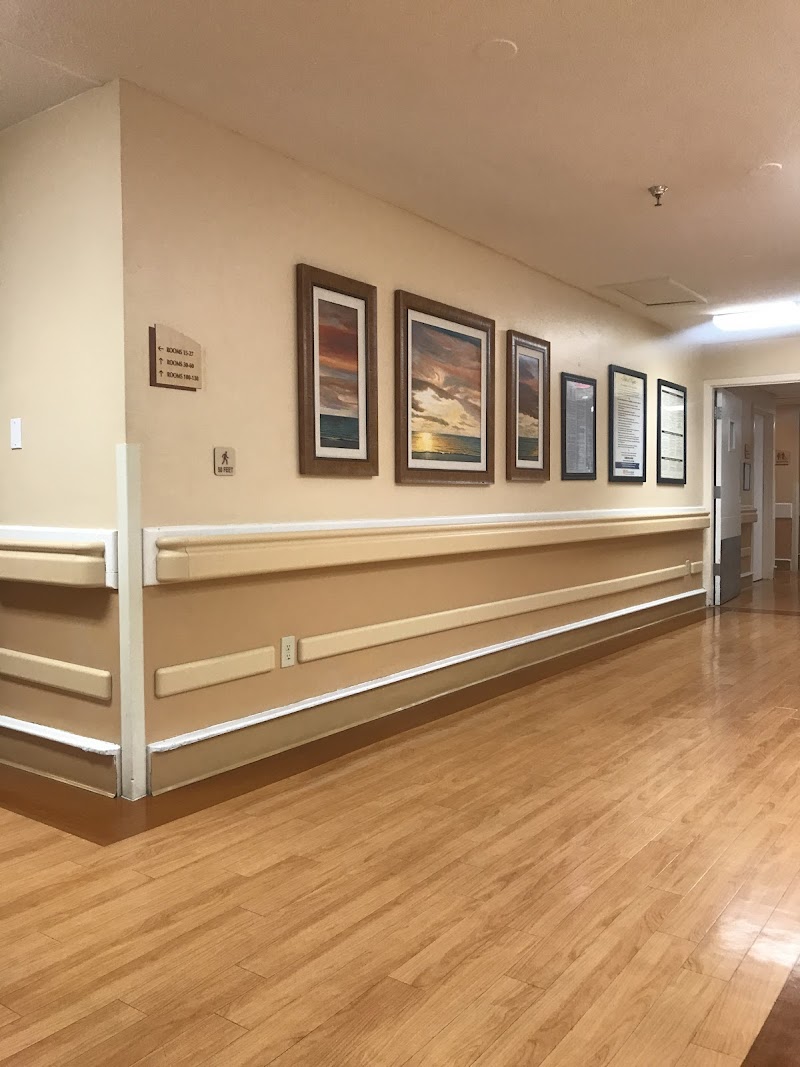
How is Sarasota Center Staffed?

CMS rates SARASOTA HEALTH AND REHABILITATION CENTER's staffing level at 4 out of 5 stars, which is above average compared to other nursing homes. Staff turnover is 48%, compared to the Florida average of 46%. RN turnover specifically is 58%, which is notably high. RNs provide skilled clinical oversight, so turnover in this role can affect medical care quality.

What Have Inspectors Found at Sarasota Center?

State health inspectors documented 21 deficiencies at SARASOTA HEALTH AND REHABILITATION CENTER during 2021 to 2025. These included: 2 Immediate Jeopardy (the most serious level, indicating potential for serious harm or death), 1 that caused actual resident harm, 17 with potential for harm, and 1 minor or isolated issues. Immediate Jeopardy findings are rare and represent the most serious regulatory concerns. They require immediate corrective action.
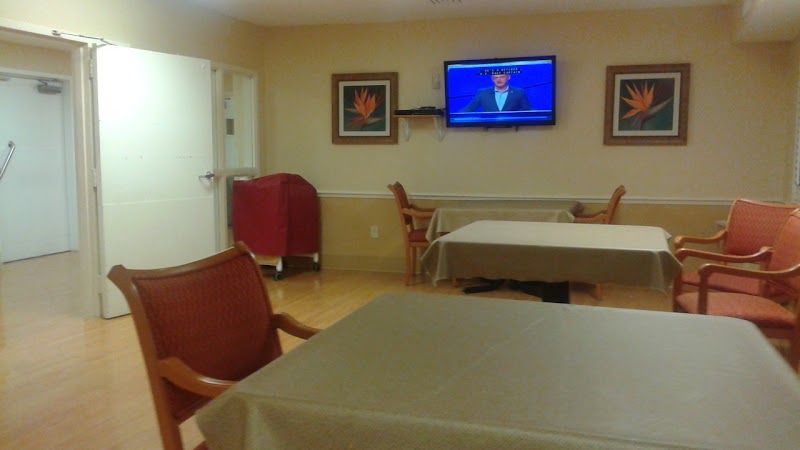
Who Owns and Operates Sarasota Center?

SARASOTA HEALTH AND REHABILITATION CENTER is owned by a non-profit organization. Non-profit facilities reinvest revenue into operations rather than distributing to shareholders. The facility is operated by FLORIDA INSTITUTE FOR LONG-TERM CARE, a chain that manages multiple nursing homes. With 144 certified beds and approximately 128 residents (about 89% occupancy), it is a mid-sized facility located in SARASOTA, Florida.
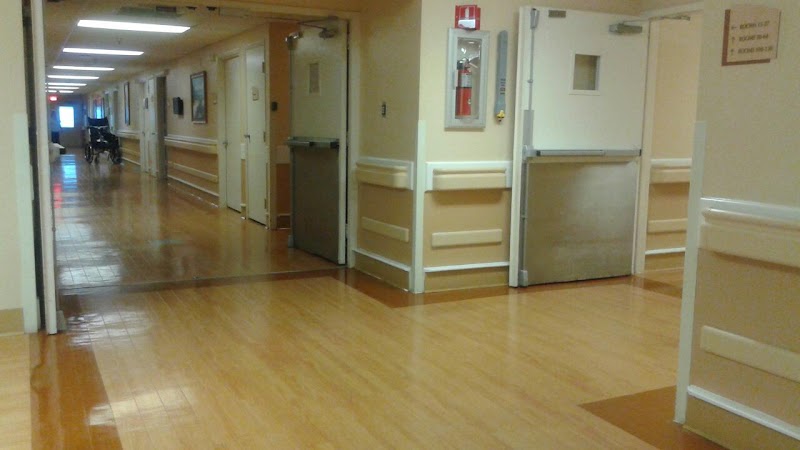
How Does Sarasota Center Compare to Other Florida Nursing Homes?

Compared to the 100 nursing homes in Florida, SARASOTA HEALTH AND REHABILITATION CENTER's overall rating (1 stars) is below the state average of 3.2, staff turnover (48%) is near the state average of 46%, and health inspection rating (1 stars) is much below the national benchmark.

What Should Families Ask When Visiting Sarasota Center?

Based on this facility's data, families visiting should ask: "What changes have been made since the serious inspection findings, and how are you preventing similar issues?" "What safeguards and monitoring systems are in place to protect residents from abuse or neglect?" "Can I visit during a mealtime to observe dining assistance and food quality?" "How do you handle medical emergencies, and what is your hospital transfer rate?" These questions are particularly relevant given the facility's Immediate Jeopardy citations and the substantiated abuse finding on record.

Is Sarasota Center Safe?

Based on CMS inspection data, SARASOTA HEALTH AND REHABILITATION CENTER has documented safety concerns. The facility has 1 substantiated abuse finding (meaning confirmed case of resident harm by staff or other residents). Inspectors have issued 2 Immediate Jeopardy citations (the most serious violation level indicating risk of serious injury or death). The facility is currently on the Special Focus Facility watch list (a federal program monitoring the lowest-performing 1% of nursing homes nationwide). The facility has a 1-star overall rating and ranks #100 of 100 nursing homes in Florida. Families considering this facility should ask detailed questions about what corrective actions have been taken since these incidents.

Do Nurses at Sarasota Center Stick Around?

SARASOTA HEALTH AND REHABILITATION CENTER has a staff turnover rate of 48%, which is about average for Florida nursing homes (state average: 46%). Moderate turnover is common in nursing homes, but families should still ask about staff tenure and how the facility maintains care continuity when employees leave.

Was Sarasota Center Ever Fined?

SARASOTA HEALTH AND REHABILITATION CENTER has been fined $230,102 across 5 penalty actions. This is 6.5x the Florida average of $35,380. Fines at this level are uncommon and typically indicate a pattern of serious deficiencies, repeated violations, or failure to correct problems promptly. CMS reserves penalties of this magnitude for facilities that pose significant, documented risk to resident health or safety. Families should request specific documentation of what issues led to these fines and what systemic changes have been implemented.

Is Sarasota Center on Any Federal Watch List?

SARASOTA HEALTH AND REHABILITATION CENTER is currently an SFF Candidate, meaning CMS has identified it as potentially qualifying for the Special Focus Facility watch list. SFF Candidates have a history of serious deficiencies but haven't yet reached the threshold for full SFF designation. The facility is being monitored more closely — if problems continue, it may be added to the official watch list. Families should ask what the facility is doing to address the issues that led to this status.