SARASOTA MEMORIAL NURSING & REHABILITATION CENTER
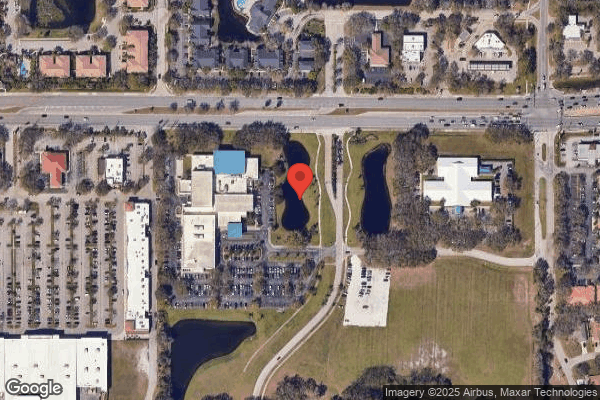

5640 RAND BLVD, SARASOTA, FL 34238 (941) 917-4950
Non profit - Corporation 120 Beds Independent Data: November 2025
Trust Grade
90/100
#105 of 690 in FL
Last Inspection: March 2025

Within standard 12-15 month inspection cycle. Federal law requires annual inspections.

Overview

Sarasota Memorial Nursing & Rehabilitation Center has received an excellent Trust Grade of A, indicating a high level of care and reliability. It ranks #105 out of 690 facilities in Florida, placing it in the top half of all nursing homes in the state, and #5 out of 30 in Sarasota County, meaning only four local facilities are better. The facility shows an improving trend, with issues decreasing from three in 2022 to two in 2025. Staffing is a strong point, earning 5 out of 5 stars, with a low turnover rate of 15%, which is well below the state average, suggesting experienced staff who know the residents well. There have been no fines, and there is more RN coverage than 80% of Florida facilities, which helps ensure better care oversight. However, there were serious incidents, including a failure to follow discharge orders, leading to a resident's rehospitalization, and concerns about maintaining personal hygiene for several residents. Additionally, there were issues with proper storage of medications, which could pose health risks. Overall, while the facility has strong points in staffing and care quality, families should be aware of the specific care concerns noted in the inspection findings.

Trust Score
A
90/100
In Florida
#105/690
Top 15%
Safety Record
Moderate
Needs review
Inspections
Getting Better
3 → 2 violations
Staff Stability
✓ Good
15% annual turnover. Excellent stability, 33 points below Florida's 48% average. Staff who stay learn residents' needs.
Penalties
✓ Good
No fines on record. Clean compliance history, better than most Florida facilities.
Skilled Nurses
✓ Good
Each resident gets 65 minutes of Registered Nurse (RN) attention daily — more than 97% of Florida nursing homes. RNs are the most trained staff who catch health problems before they become serious.
Violations
○ Average
10 deficiencies on record. Average for a facility this size. Mostly minor or procedural issues.
★★★★★
5.0
Overall Rating
★★★★★
5.0
Staff Levels
★★★★★
5.0
Care Quality
★★★★☆
4.0
Inspection Score
Stable
2022: 3 issues
2025: 2 issues

The Good

  • 5-Star Staffing Rating · Excellent nurse staffing levels
  • 5-Star Quality Measures · Strong clinical quality outcomes
  • Low Staff Turnover (15%) · Staff stability means consistent care
  • Full Sprinkler Coverage · Fire safety systems throughout facility
  • No fines on record
  • Staff turnover is low (15%)

    33 points below Florida average of 48%

Facility shows strength in staffing levels, quality measures, staff retention, fire safety.

The Bad

No Significant Concerns Identified

This facility shows no red flags. Among Florida's 100 nursing homes, only 1% achieve this.

The Ugly 10 deficiencies on record

1 actual harm
Mar 2025 2 deficiencies
CONCERN (D)

Potential for Harm - no one hurt, but risky conditions existed

Deficiency F0761 (Tag F0761)

Could have caused harm · This affected 1 resident

**NOTE- TERMS IN BRACKETS HAVE BEEN EDITED TO PROTECT CONFIDENTIALITY** Based on observation, review of facility policy and procedure and resident and staff interviews, the facility failed to ensure m...

Read full inspector narrative →
**NOTE- TERMS IN BRACKETS HAVE BEEN EDITED TO PROTECT CONFIDENTIALITY** Based on observation, review of facility policy and procedure and resident and staff interviews, the facility failed to ensure medications were safely stored at the bedside for 1 (Resident #52) of 8 residents observed during medication administration. The facility failed to ensure medications were secured when unattended and properly labeled in 1 (North Unit Medication Cart B) of 2 medication carts observed. This had the potential for residents and others to have access to medications that could create hazardous health consequences for residents in the facility. The findings included: The facility policy Administration of Medications documented Facility staff should avoid touching the medication with bare hands when opening unit dose package. Only prepare medications for one resident at a time. Ensure that medication carts are always locked when out of sight or unattended. On 3/11/25 at 8:53 a.m., during a medication administration with LPN Staff J, a tube of Voltaren Gel was observed on the bedside table of Resident #52. The resident said she puts the gel on her right knee daily for pain relief. Review of the clinical record revealed there was no physician order for the medication and Resident #52 had not been assessed to see if she was able to self-administer the medication. On 3/12/25 at 8:46 a.m., in an interview Registered Nurse (RN) Unit Manager Staff C said Resident #52 had the Voltaren Gel since her admission on [DATE]. Staff C said the resident must have bought it at the store because they were not aware she had it. On 3/11/25 at 9:15 a.m., Licensed Practical Nurse (LPN) Staff F was observed at the North Unit medication cart B with three medication cups containing unidentified pills on top of the cart. LPN Staff F grabbed the three medication cups from the cart and placed them into her right hand. LPN Staff F said she was just going to give them to Resident #98 and #350. LPN Staff F confirmed she prepared the medications for both residents and was going to administer them to the residents. On 3/12/25 at 9:26 a.m., North Unit medication cart B was observed unlocked. The medication cart was against the wall with the drawers facing the hallway. There were residents, staff and visitors in the hall passing by the unsecured medication cart. Three medication cups with unidentified pills were observed in the unlocked, top drawer of the medication cart. One cup containing a white liquid was stacked in one of the cup of pills. Approximately three minutes later, RN Staff H came to the unsecured cart. She verified she left the medication cart unlocked and unattended and the unlabeled medication cups in the top drawer. She said she got interrupted by staff and residents. Photographic evidence obtained.
CONCERN (E)

Potential for Harm - no one hurt, but risky conditions existed

ADL Care (Tag F0677)

Could have caused harm · This affected multiple residents

Based on observations, review of clinical records, review of policy and procedure, resident and staff interviews, the facility failed to provide the necessary care and services to maintain personal hy...

Read full inspector narrative →
Based on observations, review of clinical records, review of policy and procedure, resident and staff interviews, the facility failed to provide the necessary care and services to maintain personal hygiene for 3 (Resident #18, #26 and #53) of 3 residents reviewed for activities of daily living (ADL's). The findings included: Review of the facility policy Bath/Shower effective 1/24/21 (revised 1/6/25) revealed, Patients will be showered twice weekly on the shift they request. If patients decline a shower, they will be offered one at another time as per their request. Patients may always have additional showers per request. 1. Review of the clinical record for Resident #18 revealed an Annual Minimum Data Set (MDS) assessment with an assessment reference date of 1/21/25. The MDS noted Resident #18's cognition was intact with a Brief Interview for Mental Status (BIMS) score of 14. Resident #18 required substantial to maximum assistance with bathing, dressing and toileting, and partial assistance with personal hygiene. On 3/10/25 at 10:49 a.m., in an interview Resident #18 said she was not getting her showers in the morning. She said, They give them to me at night before bed and I want morning showers. I spoke to the Unit Manager last week and she said she would fix it for me but here it is my shower day and there is no shower yet. Review of the Certified Nursing Assistant (CNA) shower schedule revealed Resident #18's showers were scheduled on Tuesdays, Thursdays, and Saturdays, on the 7:00 p.m., to 7:00 a.m., shift. Review of the CNA shower documentation for February 2025, and March 2025 failed to reveal Resident #18 received her scheduled showers on 2/6/25 (Tuesday), 2/11/25 (Tuesday), 2/13/25 (Thursday), 2/15/25 (Saturday), 2/20/25 (Thursday), 2/25/25 (Tuesday), 3/4/25 (Tuesday), 3/6/25 (Thursday), 3/8/24 (Saturday) and 3/11/25 (Tuesday). 2. Review of the clinical record for Resident #26 revealed an admission date of 5/10/24. Diagnoses included Peripheral Vascular Disease, Osteoarthritis, artificial knee and joint pain. Review of the Quarterly MDS with an assessment reference date of 2/11/25 revealed Resident #26 required substantial to maximal assistance with showers, and partial to moderate assistance with dressing and personal hygiene. Resident #26's cognition was intact with a BIMS score of 15. On 3/10/25 at 11:42 a.m., in an interview Resident #26 said the staff do not always give the showers as scheduled. He said he sometimes does not get his showers. Resident #26's family member was present during the interview and said Resident #26 did not get his scheduled shower on Friday 3/7/25. The resident's family said, He needs to get showers. He wets himself and has a wound on his buttocks. Review of the CNA shower schedule revealed Resident #26's showers were scheduled on the night shift (7:00 p.m., to 7:00 a.m.) on Mondays, Wednesdays and Fridays. Review of the CNA shower documentation for February 2025 and March 2025 failed to reveal Resident #26 received a shower as scheduled on 2/3/25 (Monday), 2/5/25 (Wednesday), 2/7/25 (Friday), 2/10/25 (Monday), 2/12/25 (Wednesday), 2/14/25 (Friday), 2/17/25 (Monday), 2/19/25 (Wednesday), 2/21/25 (Friday), 2/24/25 (Monday), 2/28/25 (Friday), 3/3/25 (Monday), 3/5/25 (Wednesday), 3/7/25 (Friday) and 3/10/25 (Monday). 3. Review of Resident #53's clinical record revealed a Quarterly MDS with an assessment reference date of 12/18/24. The assessment noted Resident #53's cognition was intact with a BIMS of 13. Resident #53 was dependent on staff for personal hygiene and showers. Diagnoses included right hemiplegia (paralysis of right side of the body), and Fibromyalgia (widespread body pain). On 3/11/25 at 11:21 a.m., in a telephone interview, a family member said Resident #53 did not speak English but had all her senses. She said Resident #53 calls her at night to tell her she wet herself because no one answered her call light. She spoke to the Unit Manager who said she would take care of it. She said, It is good for a few days then things will go back the way they were. They do not give her showers. She is to get them on Tuesdays, Thursdays and Saturdays. She needs them because she wets herself. Review of the CNA documentation revealed Resident #53's showers were scheduled on Mondays, Wednesdays, and Fridays on the day shift (7:00 a.m., to 7:00 p.m.). Review of the CNA shower documentation for February 2025 and March 2025 failed to reveal Resident #53 received her scheduled showers on 2/3/25 (Monday), 2/5/25 (Wednesday), 2/7/25 (Friday), 2/10/25 (Monday), 2/12/25 (Wednesday), 2/14/25 (Friday), 2/19 25 (Wednesday), 2/21/25 (Friday), 2/24/25 (Monday), 2/26/25 (Wednesday), 2/28/25 (Friday), 3/3/25 (Monday), and 3/5/25 (Wednesday). There was little to no documentation to show Resident #53 received toileting assistance for each shift in February 2025 and March 2025. On 3/10/25 at 11:43 a.m., in an interview CNA staff I said Resident #53 was total care with her Activities of Daily Living and incontinent at night. On 3/12/25 at 9:26 a.m., in an interview CNA Staff D said each unit has a shower schedule in the CNA assignment book and we follow the shower list. If a resident refuses we can ask them on the next day or the next shift. Each resident receives three showers a week. If the resident is always refusing, I let the nurse know, We document the showers in the computer. On 3/12/25 at 9:30 a.m., in an interview CNA Staff E said there was a shower list in the assignment book at the desk. We document the showers in the electronic record. Sometimes the resident will refuse and say we did not offer the shower; we can't always change the shower day because you get behind. Some residents refuse and then will take a shower the next day, if I can do it I will. Sometimes we forget to put it in the computer but we gave the shower. On 3/12/25 at 9:39 a.m., in an interview, Unit Manager Registered Nurse (RN) Staff C said, The shower assignments are in the CNA assignment book and staff use electronic charting, there is no paper documentation. RN Staff C said she was working on creating a new sheet for the showers. The Unit Manager said sometimes the residents will refuse showers and the staff go back later in the day or the next day to shower the resident. I understand if it wasn't documented what that means. There are times when the staff give them showers at night instead of the day and they have nowhere to document it. I'm working on changing the way we document the showers so if it is given on a different day the aids can chart it. RN Staff C said, Resident #18 did tell me last week that she wanted showers in the morning but I have not changed it yet, I'm working on a new system. She said, Resident #53 is showered and toileted, but she will tell her daughter she did not get care.
Dec 2022 3 deficiencies
CONCERN (D)

Potential for Harm - no one hurt, but risky conditions existed

Resident Rights (Tag F0550)

Could have caused harm · This affected 1 resident

**NOTE- TERMS IN BRACKETS HAVE BEEN EDITED TO PROTECT CONFIDENTIALITY** 3. On 12/6/22 at 09:32 a.m., Resident #6 said she has been a resident at the facility for several years and always ate her meals...

Read full inspector narrative →
**NOTE- TERMS IN BRACKETS HAVE BEEN EDITED TO PROTECT CONFIDENTIALITY** 3. On 12/6/22 at 09:32 a.m., Resident #6 said she has been a resident at the facility for several years and always ate her meals in the dining room. She said she is very social and likes talking to people. Resident #6 said dining in her room was terrible, she did not like it. On 12/7/22 at 9:08 a.m., in a telephone interview, Resident #6' Health Care Surrogate said the resident told her she wants to eat in the dining room. She said Resident #6 told her it was disappointing she had to eat Thanksgiving dinner in her room. On 12/07/22 at 12:04 p.m., Resident #6 said she has been telling the staff she wants to dine in the dining room. She said there were other residents who do not like eating in their rooms either. 4. On 12/6/22 at 11:00 a.m., Resident #11 said she misses having her meals in the dining room. She misses the social aspect of dining in the dining room. On 12/6/22 at 2:05 p.m., Certified Nursing Assistant (CNA) Staff N said all residents dine in their rooms and have been doing it since COVID-19 began. She said some residents don't like it, but that's the way it is. Based on observation, staff and residents' interview, the facility failed to promote the resident's rights to make choices related to dining location for 3 (#44, #6, #11) of 10 residents reviewed for choices. The findings included: 1. On 12/5/22 at 12:51 p.m., during observation of the lunch service, residents were noted to have trays being delivered to their rooms and eating at the bedside table in their rooms. No residents were in the dining room. The same observation was made for the lunch meal of 12/6/22, 12/7/22, and 12/8/22. On 12/5/22 at 12:47 p.m., the Certified Dietary Manager (CDM) said communal dining never resumed since the COVID pandemic. She said residents had been dining in their rooms for the past 2-3 years. She said they had begun discussing going back to using the dining room, but it has not happened. 2. On 12/5/22 at 12:57 p.m., Resident 44 said he didn't know why they ate in their rooms. He said he would prefer to eat in the dining room to be able to talk with people. He said they just redid the dining room, and it was a waste of money to not use it. On 12/7/22 at 9:18 a.m., the Administrator said the residents have not dined in the dining room in at least three years. The Administrator said he was aware pandemic restrictions on communal dining were lifted over a year ago. He said initially the pandemic shut the dining room down and then they did a renovation which the pandemic caused issues with getting supplies. He said the renovation was completed shortly after Hurricane [NAME] which occurred on 9/28/22. He said they had not had servers for the dining room in at least three years and they needed to get the dining room in order with staff, but had no specific date or plans when the dining room would be reopened for dining.
CONCERN (D)

Potential for Harm - no one hurt, but risky conditions existed

Deficiency F0554 (Tag F0554)

Could have caused harm · This affected 1 resident

**NOTE- TERMS IN BRACKETS HAVE BEEN EDITED TO PROTECT CONFIDENTIALITY** Based on observation, staff and resident interview and record review, the facility failed to ensure an assessment for clinically...

Read full inspector narrative →
**NOTE- TERMS IN BRACKETS HAVE BEEN EDITED TO PROTECT CONFIDENTIALITY** Based on observation, staff and resident interview and record review, the facility failed to ensure an assessment for clinically appropriate self-administration of medications and a care plan was completed for 3 (Residents #301, #303 and #11) of 20 residents reviewed for medications left at the bedside. The findings included: The Self-administration policy provided by facility revised 5/9/22 indicated, Residents have the right to self-administer medications if the interdisciplinary has determined that it is clinically appropriate and safe for the resident to do so. As part of their overall evaluation .2-The Nursing Assessment of Self-Medication tool is completed which identifies the resident's ability to read and understand medication labels . 1. Resident #301 was admitted on [DATE] with diagnoses of unspecified glaucoma, hypertension, and major depression. On 12/5/22 at 11:24 a.m., observation revealed a bottle of artificial tears, a bottle of Timolol Maleate 0.5 % ophthalmic solution, and a bottle of Alphagan 0.1% ophthalmic solution stored on Resident #301's nightstand. Resident #301 said she has been self-administering her drops since her admission on [DATE]. Photographic evidence obtained. The physician's order for Resident #301 included Timolol Maleate 0.5 % eye drops, one drop by ophthalmic (eye) route in left eye two times per day and Alphagan 0.1 % eye drops, one drop by ophthalmic (eye) route in left eye two times per day. On 12/5/22 at 11:35 a.m., a review of the clinical record failed to reveal documentation the interdisciplinary determined it was clinically appropriate and safe for the resident to self-administer the Timolol Maleate, the artificial tears or the Alphagan. On 12/7/22 at 8:10 a.m., review of the Medication Administration Record (MAR) for Resident #301 revealed Registered Nurse (RN) Staff C signed administration of the timolol on 12/3/22 at 8:00 a.m. RN Staff C said Resident #301 told her she had already done it and she signed. She said, I don't necessarily observe her doing so. On 12/7/22 at 9:04 a.m., Licensed Practical Nurse (LPN) Unit Manager Staff I said it was her understanding Resident #301 has been self-administering her eye drops since her admission and the nurses have been signing off the administration of the eye drops on the MAR. Staff I said, we did not have a self-administration tool until 12/5/22. On 12/8/22 at 9:12 a.m., LPN Staff G said Resident #301 mentioned wanting to administer her eye drops and could not remember if she had told the management or followed up. 2. On 12/5/22 at 12:57 p.m., observation revealed a bottle of Nyamyc powder (antifungal) stored on Resident #303's nightstand. Resident #303 said she came with the medication from the hospital and has been using it since admission on a small area on her abdomen. Photographic evidence obtained On 12/5/22 at 1:18 p.m., a review of Resident #303's clinical record revealed an admission date of 11/14/22. The physician's order did not include the use of Nyamyc powder to the resident's abdomen. On 12/8/22 at 9:58 a.m., Registered Nurse Minimum Data Set Coordinator said Resident #303 did not have a care plan for self -administration of medication or a self-administration assessment. On 12/7/22 at 9:04 a.m., Licensed Practical Nurse (LPN) Unit Manager, Staff I said she was told Resident #303 had an ointment in her possession. She said Resident #303 came with it from the hospital, and she did not know she was using it. On 12/8/22 at 12:01 p.m., the Director of Nursing (DON) said she was aware medications were left at bedside and facility protocols were not followed. 3. Review of Section C of the Minimum Data Set (MDS) for Resident #11 dated 11/1/22 revealed a Brief Interview for Mental Status (BIMS) score of 13, indicating intact cognition. Review of the Medication Administration Records (MARs) for Resident #11 dated December 2022 revealed a physician's order for antacid, 2 tablets, two times a day with food at 9:00 a.m. and 5:00 p.m. starting 8/2/22. The antacid was signed off each day from 12/1/22 through 12/8/22 at 9:00 a.m., indicating the nurse gave the medication. On 12/06/22 at 11: 00 a.m. and 12:15 p.m., Resident #11 was observed in her room sitting up in a chair, tray table in front of the resident. There were two round tablets in a plastic medication cup on the tray table in front of her. Resident #11 confirmed they were the antacid the nurse gives her at 9:00 a.m. with meals to prevent gas. She said the nurse gives them to her in the cup and she takes them when she wants to. She said if she does not take them, she puts them in her drawer. On 12/08/22 at 9:47 a.m., Unit Manager Staff M said there is no medication self-administration assessment for Resident #11. Staff M said before a resident can self-administer medications on their own at the facility, they must pass an assessment indicating it is a safe thing for the resident to do. The Unit Manager said if the resident passes the assessment, an order is obtained from the physician, and it is documented in the care plan. Staff M said she was not aware staff was allowing Resident #11 to take the antacid on her own. On 12/08/22 at 9:57 a.m., Minimum Data Set (MDS) Registered Nurse (RN) Staff L confirmed there was no assessment, physician's order, or care plan indicating Resident #11 was deemed safe to take her own antacid while at the facility. On 12/8/22 at 10:22 a.m., the Unit Manager said Resident #11 confirmed with her staff was allowing her to self-administer the antacid.
CONCERN (D)

Potential for Harm - no one hurt, but risky conditions existed

Deficiency F0761 (Tag F0761)

Could have caused harm · This affected 1 resident

Based on observation, record review and resident and staff interview, the facility failed to ensure proper storage of medications left at the bedside for 2 (Residents #301, and #303) of 20 residents r...

Read full inspector narrative →
Based on observation, record review and resident and staff interview, the facility failed to ensure proper storage of medications left at the bedside for 2 (Residents #301, and #303) of 20 residents reviewed for medication storage. The facility failed to remove expired medications in 1 ( South Unit Medication Cart A) of 3 medication carts reviewed for proper storage and labeling of medications. The findings included: The facility's Medication Storage and Disposal/Destruction policy revised on 5/23/22 noted medications and biologicals including treatments items are secured in a locked cart which is inaccessible to residents or visitors. Medications with expiration dates will not be kept stored and will be disposed of as per appropriate procedure. Facility should dispose of discontinued medication, outdated medications or medications left in facility after a resident has been discharged in a timely fashion. 1. On 12/5/22 at 11:24 a.m., observation revealed a bottle of artificial tears, a bottle of Timolol Maleate 0.5 % ophthalmic solution, and a bottle of Alphagan 0.1% ophthalmic solution stored on Resident #301's nightstand. Resident #301 said she did not have a locked box to store the bottles of eye drops. Photographic evidence obtained. On 12/7/22 at 11:50 a.m., Certified Nursing Assistant (CNA) Staff B said Resident #301 kept the bottles of eye drops on the table. On 12/8/22 at 9:12 a.m., Licensed Practical Nurse (LPN) Staff G said Resident #301 mentioned wanting to administer her eye drops and could not remember if she had told the management or followed up. 2. On 12/5/22 at 12:57 p.m., observation revealed a bottle of Nyamyc powder (antifungal) stored on Resident #303's nightstand. Resident #303 said she came with the medication from the hospital and has been using it since admission on a small area on her abdomen. Photographic evidence obtained On 12/7/22 at 9:04 a.m., Licensed Practical Nurse (LPN) Unit Manager, Staff I said she was told Resident #303 had an ointment in her possession. She said Resident #303 came with it from the hospital, and she did not know she was using it. 3. On 12/5/22 at 12:02 p.m., observation of South Unit medication cart A with Registered Nurse Staff F revealed one bottle of Nitroglycerin 0.4 milligram (mg) with an expiration date of 11/2022, and two bottles of Nitroglycerin 0.4 mg with an expiration date of 9/11/22. On 12/5/22 at 12:12 p.m., RN Staff F said the expired Nitroglycerin should not be in the cart and should have been sent to pharmacy . On 12/8/22 at 12:01 p.m., the Director of Nursing (DON) said she was aware medications were left at bedside and facility protocols were not followed.
May 2021 5 deficiencies 1 Harm
SERIOUS (G)

Actual Harm - a resident was hurt due to facility failures

Deficiency F0624 (Tag F0624)

A resident was harmed · This affected 1 resident

**NOTE- TERMS IN BRACKETS HAVE BEEN EDITED TO PROTECT CONFIDENTIALITY** Based on record review, review of facility policy and procedure, resident and staff interview, the facility failed to follow the...

Read full inspector narrative →
**NOTE- TERMS IN BRACKETS HAVE BEEN EDITED TO PROTECT CONFIDENTIALITY** Based on record review, review of facility policy and procedure, resident and staff interview, the facility failed to follow the physician's discharge orders and ensure 1 (Resident #340) of 2 residents received home health services as ordered resulting in rehospitalization. The findings included: The facility policy, Resident Transfer and Discharge (revised 4/21/21) specified, Social Services will collaborate with the resident/ resident representative the Physician and the Interdisciplinary Team (IDT) to assist in planning the discharge care and services for the resident. Review of the clinical record showed Resident #340 was admitted to the facility on [DATE] after a hospitalization for acute respiratory failure and discharged home on 2/13/21, where he lived independently. The discharge summary created on 2/10/21 and completed on 2/18/21 noted Resident #340 lived alone and was discharged home with Home Health Services. Further review of the clinical record showed Resident #340 was admitted to the hospital on [DATE] for hemorrhagic shock and abdominal wound and discharged to the facility on 4/15/21. Review of the hospital record revealed a physician's progress note dated 3/26/21 that read . He was discharged from [hospital name] 2 months ago to rehabilitation for 2 weeks, then went home where he lives alone. Sustained a burn to his abdominal wall skin, at the large hernia site 2 weeks ago from hot ball . Started bleeding last night . On my exam, removing the abdominal binder that is soaked with large quantity of red blood, he has a 3 cm [3 centimeters] round necrotic wound with oozing blood . Home medications: 1. Warfarin (anticoagulant). Past medical history: 1. Atrial fibrillation/flutter, on anticoagulation with Warfarin. He could not afford the recently prescribed Eliquis when he was discharged from [hospital name] early February 2021, has had difficulty monitoring his Warfarin at home with a nonfunctioning machine. A facility IDT discharge summary completed on 4/24/21 noted Resident #340 was alert, oriented and lived alone. The Discharge Summary included a physician's order dated 4/20/21 to discharge home on 4/24/21 with home health care, registered nurse to draw PT/INR (lab test to measure how long it takes for your blood to clot) every Monday and Thursday and report results to primary care physician. The physician's orders included a wound care to abdomen, clean with normal saline, pat dry, apply calcium alginate, and cover with sacral foam dressing daily. Further review of the record showed Resident #340 was admitted to the hospital on [DATE] and discharged to the facility on 5/7/21. Diagnoses listed in the clinical record included a burn of unspecified degree of abdominal wall, repeated falls, hypertensive heart disease with heart failure, dilated cardiomyopathy, unspecified atrial flutter, presence of cardiac implants and grafts, non-rheumatic aortic valve, and tricuspid valve insufficiency, hypertension, anticoagulant use, peripheral vascular disease, type 2 diabetes, and chronic obstructive pulmonary disease. On 5/10/21 at 10:12 a.m., in an interview Resident #340 said this was his third admission to the facility in 4 months. Resident #340 said he was discharged home and was too weak to care for himself. He said he was bleeding from an abdominal wound and called 911. Resident #340 said he was supposed to receive Home Health services after each discharge but there was no follow through, and he did not receive it. Resident #340 said he lived alone, in a 1-bedroom apartment, on an upper floor, and required continuous oxygen. The resident said he needed the home health services and was not able to care for himself. Resident #340 said he called for emergency transport to the hospital and was admitted to the hospital on [DATE]. He said the hospital discharged him to the facility because I was too weak and could not do anything. On 5/12/21 at 8:30 a.m., in an interview Resident #340 said he had an abdominal wound when he was discharged home on 4/24/21. He said Home Health never came and he was doing his own wound care even though he was not taught how. On 5/11/21 at 1:30 p.m., in an interview, the Social Service Director (SSD) said Resident #340 was on his 3rd admission to the facility. The SSD said the resident's insurance informs the facility of the resident's last covered day. The SSD said she talked with the resident and set up home health. The SSD said Resident #340 did not want to apply for Medicaid during the last admission for fear of having to get rid of his possessions and lose control of his money to live in an assisted living facility. The SSD said Resident #340 filed and lost an appeal during his last admission and was discharged on 4/24/21. The SSD said she faxed the physician's order for Home Health to Home Health Agency (HHA) A and called to make sure they had received it. The SSD said the facility did not provide follow up once the resident was discharged to ensure the resident received home health services as ordered. She said she would not be aware of a resident needing community resources or additional health care services. The SSD said the resident's insurance company was responsible to determine if the resident was safe to discharge home. The SSD also confirmed she had no documentation she notified the HHA of Resident #340's discharge orders. On 5/12/21 at 11:30 a.m., in an interview, the Administrator said the facility was aware the HHA did not accept Resident #340's insurance upon discharge on [DATE] and did not refer the resident to another HHA that would accept his insurance. The Administrator said, Normally it is the home health agency that will refer the resident to another agency that accepts the insurance of the resident. On 5/12/21 at 1:00 p.m., in an interview, Resident #340 confirmed he never received a home health visit after his discharge on [DATE] or 4/24/21. Resident #340 said, They told me I would get help, but I never did get any visit from home health. Resident #340 said the SSD did not tell him the HHA did not accept his insurance. He said he did not receive information regarding community services that would have provided him with assistance after discharge. Resident #340 said, They are planning to discharge me on 5/14/21 and I don't know what I will do. I have no phone and relatives in the area that can help me. I need help, even taking a shower after 3 minutes feels like an eternity. I don't know what I'm going do, I can't take care of myself. On 5/12/21 at 1:08 p.m., in a telephone interview, the home health director for home health agency A said there was no record of Resident #340 being referred to the HHA. The Home Health Director said, Even if we do not accept the patient, we would still put the referral into the electronic record system but there is no record the patient was ever referred. The Home Health Director said if they did not accept a referral's insurance plan, they would contact the facility, but the facility usually knew before they even got a referral, whether the HHA would accept the insurance. The Home Health Director confirmed there was no record Resident #340 was referred to the HHA upon discharge on [DATE] and 4/24/21.
CONCERN (D)

Potential for Harm - no one hurt, but risky conditions existed

Deficiency F0554 (Tag F0554)

Could have caused harm · This affected 1 resident

Based on observation, record review, review of facility policy and procedure, resident and staff interview, the facility failed to complete an assessment to determine the ability to self-administer me...

Read full inspector narrative →
Based on observation, record review, review of facility policy and procedure, resident and staff interview, the facility failed to complete an assessment to determine the ability to self-administer medications for 1 (Resident #339) of 1 resident observed with unsecured medication at the bedside. The findings included: The facility policy, Self Administration of Medications-Assessment (revised 4/18/19) documented, For those residents who have expressed a desire to self-administer their own medications. This form takes in to account all aspects of their ability to do so. It provides a working tool from which the interdisciplinary team (IDT) can base its decisions for approval and disapproval of self-administration of medications by the resident .An individual resident may self -administer drugs if the IDT has determined that this is a safe practice. On 5/10/21 at 9:45 a.m., during an interview with Resident #339, a medication cup with six unidentified white tablets were observed at the bedside in a clear plastic medication cup. Resident #339 said the pills were her morning medications provided by the nurse. The resident said, I take them slowly one at a time, so I don't get an upset stomach and it takes me until 1:00 p.m., to take them. The nurse can't stay here all day to watch me. Resident #339 said she did not know what pills were in the medication cup. On 5/12/21 at 8:35 a.m., during an interview with Resident #339, an observation was made of 4 white, loose pills on the bedside table. The resident said the pills were her morning medications but did not know what they were. The resident said, I can't take them all at once, so they leave them, and I take them a little at a time. Review of Resident #339's clinical record revealed no evidence a Self-Administration of Medications Assessment had been completed for Resident #339. On 5/12/21 at 8:39 a.m., in an interview Licensed Practical Nurse (LPN) Staff D confirmed Resident #339's medications were left at the bedside table and verified the resident was not assessed to self-administer the medications. On 5/12/21 at 9:00 a.m., in an interview, North Wing Unit Manager LPN Staff F said Resident #339 had not been assessed to self-administer her medications. LPN Staff F said no residents were currently identified to self-administer medications on the North Unit. The North Wing Unit Manager LPN Staff F confirmed the medications should not have been left with Resident #339 to self-administer.
CONCERN (D)

Potential for Harm - no one hurt, but risky conditions existed

Incontinence Care (Tag F0690)

Could have caused harm · This affected 1 resident

Based on record review, review of facility policy and procedure, resident and staff interview, the facility failed to provide necessary services and assistance to maintain continence for 1 (Resident #...

Read full inspector narrative →
Based on record review, review of facility policy and procedure, resident and staff interview, the facility failed to provide necessary services and assistance to maintain continence for 1 (Resident #341) of 1 resident sampled. The failure to provide the needed incontinence care caused the resident embarrassment, and has the potential to cause anxiety, skin breakdown and psychological harm to the resident. The findings included: The facility policy, Bowel and Bladder Management Program (revised 4/12/21) specified, .All new admissions are evaluated for continence through the bowel and bladder assessment. A patterning assessment will be completed to assist in assessing the resident's continence.Based on the nursing assessment, facility will develop a plan of care based on residents' needs. On 5/10/21 at 10:10 a.m., in an interview, Resident #341 said it was hard for her to get help in the evening and she waited to be toileted. Resident #341 said she required assistance with toileting and during the night of 5/7/21 she waited over an hour for help and wet herself. The resident said she reported it to the nurse and said the facility staff tried to tell me I did not have my light on that long, but I still have my mind and I know how long I waited. I don't like to mess the bed. On 5/11/21 at 9:14 a.m., in an interview, Resident #341 said she waited over an hour the previous night to use the toilet. Resident #341 said, It is urgent for me, with my bladder I can't hold it. The resident said it was worse on the night shift to get the help she needed, and she reported it to the nurse. Resident #341 said, I can't hold it and I don't want to mess up the bed. On 5/12/21 at 8:42 a.m., in an interview, Resident #341 said the previous night she had a problem with her bladder and bowels. The resident said, It depends on the staff working. I have an urgent need and when I feel the urge, they cannot come fast enough because they are busy with other residents. I need them instantly when I feel the pressure to go but I know they cannot always be there. They had to clean me, and I don't like it. On 5/12/21 at 8:56 a.m., in an interview, the North Wing Unit Manager said there were no residents on the North Wing who were on a bladder program and said the procedure was all residents were toileted upon rising, before and after meals, and before bed, then as needed. The North Wing Unit Manager said she was notified on 5/11/21 of an incident with Resident #341 and her toileting needs that occurred over the weekend and she would discuss it with the resident. On 5/12/21 at 3:22 p.m., in an interview Certified Nursing Assistant (CNA) Staff E said she was working a 12-hour shift and had been an employee for 11 years. CNA Staff E said Resident #341 puts the call light on when she needs to use the toilet and I know when she puts the light on, she really needs to go. CNA Staff E said Resident #341 required extensive assistance with ambulating to the toilet. A review of the clinical record for Resident #341 showed a Bowel/Bladder Patterning Assessment for 5/7/21, 5/8/21 and 5/9/21 which documented Resident #341 was continent of bowel and bladder. On 5/12/21 the North Wing Unit Manager completed a Nursing Bladder Assessment Form created on 5/9/21 which noted Resident #341 was continent of bowel and bladder and no further assessment was necessary. On 5/13/21 at 8:50 a.m., in an interview, the North Wing Unit Manager said she went by what the CNAs had documented in their charting, to determine if the resident was continent or not. The North Wing Unit Manager said the process was, We have 7 days to assess a new admissions bowel and bladder pattern and determine if they are continent or incontinent. The North Wing Unit Manager said, I did not go and talk to Resident # 341. I heard she was incontinent a few days ago. Her family member called, and a grievance was filled out. I did not talk with Resident #341 when completing the bladder assessment, I went by the CNA documentation only. On 5/13/12 at 9:05 a.m., in an interview, the Director of Nursing (DON) said she received a grievance on 5/10/21 from a family member of Resident #341 regarding call lights and she placed a request with the Maintenance Director to check the call light to see if it was functioning correctly as no staff reported call lights not answered timely. A review of the Grievance/Complaint Investigation Report dated 5/10/21 for Resident #341 documented, 2 x's [two times] she had urinary urgency during the nighttime and had to wait too long for someone to come. She urinated and was embarrassed to have to be cleaned up. On 5/13/21 at 10:00 a.m., in an interview, the North Wing Unit Manager confirmed there were no interventions initiated once she was made aware of the grievance concerning Resident #341's bowel and bladder needs.
CONCERN (D)

Potential for Harm - no one hurt, but risky conditions existed

Unnecessary Medications (Tag F0759)

Could have caused harm · This affected 1 resident

Based on observation, staff interview, and record review, the facility failed to ensure its medication error rate remained below 5%. Four licensed nurses with 31 opportunities were observed. Two medic...

Read full inspector narrative →
Based on observation, staff interview, and record review, the facility failed to ensure its medication error rate remained below 5%. Four licensed nurses with 31 opportunities were observed. Two medication errors were identified resulting in a 6.45% error rate. The findings included: The facility policy, Administering Medication (reviewed / revised 5/2/2021) specified, Medications shall be administered in a safe and timely manner, and as prescribed. Procedure item #6 said, The licensed nurse administering the medication must check the label to verify the following before administering the medication: (a)Right medication, (b)Right dosage, (c)Right time. (d)Right method of administration. 1. On 5/11/21 at 8:50 a.m., Licensed Practical Nurse (LPN) Staff G was observed administering four medications, including Ventolin HFA 90 mcg/actuation aerosol inhaler (medication used for management of chronic obstructive pulmonary disease) to Resident #4. LPN Staff G shook the Ventolin inhaler and handed the inhaler to Resident #4. Resident #4 took two puffs of medication orally, 5 seconds apart. Review of the pharmacy packaging revealed documentation to Wait 1 minute between puffs. Review of the Ventolin manufacturer's insert revealed in the instructions for use, If your healthcare provider has told you to use more sprays, wait 1 minute and shake the inhaler again. On 5/11/21 at 9:00 a.m., in an interview LPN Staff G confirmed the pharmacy packaging for the Ventolin inhaler specified to, Wait 1 minute between puffs. LPN Staff G confirmed she did not wait or instruct Resident #4 to wait 1 minute between puffs per the pharmacy label or manufacturer's specification. 2. On 5/11/21 at 9:05 a.m., LPN Staff H was observed administering 11 medications, including Advair HFA 45 mcg-21 mcg/actuation aerosol inhaler to treat COPD to Resident #9. LPN Staff H shook the Advair inhaler and handed the dispenser to Resident #9. Resident #9 inhaled two puffs orally, 7 seconds apart. Review of the pharmacy label revealed to Wait 1 minute between puffs. Review of the manufacturer's specification for use of the Advair inhaler revealed to Push the top of the metal canister firmly all the way down while you breathe in deeply and slowly through your mouth . Breathe out slowly as long as you can. Wait about 30 seconds and shake the inhaler well for 5 seconds . Repeat steps 2 through 6. On 5/11/21 at approximately 9:15 a.m., LPN Staff H confirmed the pharmacy packaging for the inhaler specified to, Wait 1 minute between puffs. LPN Staff H confirmed she did not wait or instruct the Resident #9 to wait 1 minute between puffs per specification on the pharmacy label. On 5/13/21 at 10:20 a.m., in an interview, the Director of Nursing (DON) confirmed the nurses were expected to follow the instructions on the medication label. The DON said, It would be a medication error if a nurse did not follow labeled pharmacy instructions. **Photographic Evidence Obtained**
CONCERN (D)

Potential for Harm - no one hurt, but risky conditions existed

Deficiency F0909 (Tag F0909)

Could have caused harm · This affected 1 resident

Based on observation, record review, and staff interview, the facility failed to assess for compatibility of the bed frame and mattress to identify areas of possible entrapment for 1 (Resident #239) o...

Read full inspector narrative →
Based on observation, record review, and staff interview, the facility failed to assess for compatibility of the bed frame and mattress to identify areas of possible entrapment for 1 (Resident #239) of 1 resident reviewed for accident hazards. The findings included: The Hospital Bed System Dimensional and Assessment Guidance to Reduce Entrapment for Industry and Food and Drug Administration (FDA) issued on March 2006, identified the area between the head or foot board and the end of the mattress a risk for head entrapment. Entrapment is a situation where an individual can become caught by their head, neck, chest, or other body parts. The FDA Hospital Bed System Dimensional and Assessment Guidance to Reduce Entrapment document can be found at: https://www.fda.gov/downloads/MedicalDevices/DeviceRegulationandGuidance/GuidanceDocuments/UCM072729.pdf On 5/10/21 at 11:32 a.m., Resident #239 was observed lying in bed. Resident #239 was confused and unable to be interviewed. A 6-inch gap was observed between the footboard and frame/mattress with an open area to floor, creating a large area for potential entrapment. On 5/11/21 at 1:55 p.m., in an interview, Licensed Practical Nurse (LPN) Staff K said Resident #239 was confused and could be restless in bed. On 5/11/21 at 2:11 p.m., in an interview, Certified Nursing Assistant (CNA) Staff I said Resident #239 was confused most of the time. When he first came, he tried to get up unassisted, so a bed alarm was placed on him to alert staff if he did try to get up. Resident #239's clinical record revealed a Nursing admission Data Collection form completed on 4/21/21. The form included a Fall Risk Assessment, which identified the resident as high risk for falls. On 5/12/21 at 8:38 a.m., in an interview, the facility's Project Coordinator said he used the FDA Bed Safety measuring kit to check for entrapment zones in the bed environment. He said all the beds were checked annually and/or if any change or if bed rails were required. Nursing notified him of any issues. Resident #239's bed was measured by the Project Coordinator at the time of the interview and he confirmed a 6-inch gap was present between the bed frame/mattress and footboard. He said it was way too much of a gap and the bed frame needed to be adjusted to fit the mattress. He also confirmed the mattress was slippery on the bed and could easily move on the frame. On 5/13/21 at 8:54 a.m., in a follow up interview, Project Coordinator said he used the FDA guidelines for bed safety to check for entrapment zones, including zone 7 (area between mattress and footboard). The guidelines did not specify the size of the space but if it was too large the risk increased. He would consider 4 and 3/4 inches a potential entrapment zone (the measurement guide for between the mattress and a bed rail if in use). **Photographic Evidence Obtained**
Understanding Severity Codes (click to expand)
Life-Threatening (Immediate Jeopardy)
J - Isolated K - Pattern L - Widespread
Actual Harm
G - Isolated H - Pattern I - Widespread
Potential for Harm
D - Isolated E - Pattern F - Widespread
No Harm (Minor)
A - Isolated B - Pattern C - Widespread

Questions to Ask on Your Visit

  • "Can I speak with families of current residents?"
  • "What's your RN coverage like on weekends and overnight?"

Our Honest Assessment

Strengths
  • • Grade A (90/100). Above average facility, better than most options in Florida.
  • • No fines on record. Clean compliance history, better than most Florida facilities.
  • • 15% annual turnover. Excellent stability, 33 points below Florida's 48% average. Staff who stay learn residents' needs.
Concerns
  • • 10 deficiencies on record, including 1 serious (caused harm) violation. Ask about corrective actions taken.
Bottom line: Generally positive indicators. Standard due diligence and a personal visit recommended.

About This Facility

What is Sarasota Memorial Nursing & Rehabilitation Center's CMS Rating?

CMS assigns SARASOTA MEMORIAL NURSING & REHABILITATION CENTER an overall rating of 5 out of 5 stars, which is considered much above average nationally. Within Florida, this rating places the facility higher than 99% of the state's 100 nursing homes. This rating reflects solid performance across the metrics CMS uses to evaluate nursing home quality.
How is Sarasota Memorial Nursing & Rehabilitation Center Staffed?

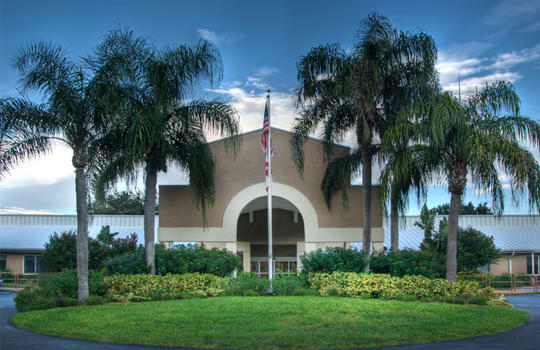
CMS rates SARASOTA MEMORIAL NURSING & REHABILITATION CENTER's staffing level at 5 out of 5 stars, which is much above average compared to other nursing homes. Staff turnover is 15%, compared to the Florida average of 46%. This relatively stable workforce can support continuity of care.

What Have Inspectors Found at Sarasota Memorial Nursing & Rehabilitation Center?

State health inspectors documented 10 deficiencies at SARASOTA MEMORIAL NURSING & REHABILITATION CENTER during 2021 to 2025. These included: 1 that caused actual resident harm and 9 with potential for harm. Deficiencies causing actual harm indicate documented cases where residents experienced negative health consequences.
Who Owns and Operates Sarasota Memorial Nursing & Rehabilitation Center?

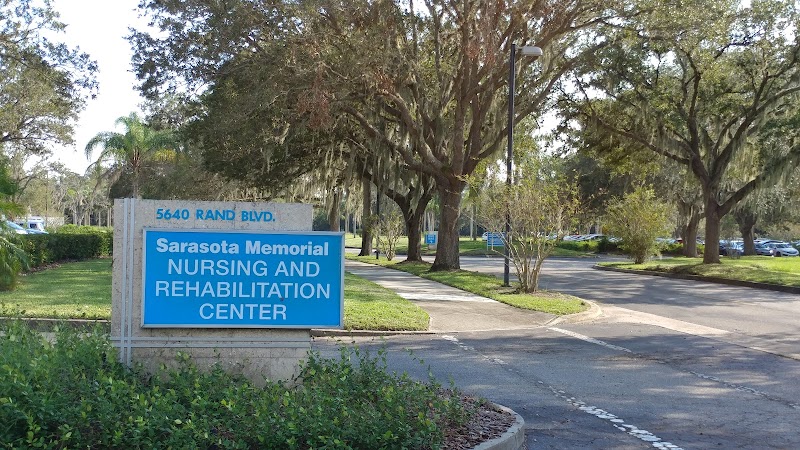
SARASOTA MEMORIAL NURSING & REHABILITATION CENTER is owned by a non-profit organization. Non-profit facilities reinvest revenue into operations rather than distributing to shareholders. The facility operates independently rather than as part of a larger chain. With 120 certified beds and approximately 99 residents (about 82% occupancy), it is a mid-sized facility located in SARASOTA, Florida.
How Does Sarasota Memorial Nursing & Rehabilitation Center Compare to Other Florida Nursing Homes?

Compared to the 100 nursing homes in Florida, SARASOTA MEMORIAL NURSING & REHABILITATION CENTER's overall rating (5 stars) is above the state average of 3.2, staff turnover (15%) is significantly lower than the state average of 46%, and health inspection rating (4 stars) is above the national benchmark.

What Should Families Ask When Visiting Sarasota Memorial Nursing & Rehabilitation Center?

Based on this facility's data, families visiting should ask: "Can I visit during a mealtime to observe dining assistance and food quality?" "How do you handle medical emergencies, and what is your hospital transfer rate?" "Can I speak with family members of current residents about their experience?"

Is Sarasota Memorial Nursing & Rehabilitation Center Safe?

Based on CMS inspection data, SARASOTA MEMORIAL NURSING & REHABILITATION CENTER has a clean safety record: no substantiated abuse findings (meaning no confirmed cases of resident harm), no Immediate Jeopardy citations (the most serious violation level indicating risk of serious injury or death), and is not on the Special Focus Facility watch list (a federal program monitoring the lowest-performing 1% of nursing homes). The facility has a 5-star overall rating and ranks #1 of 100 nursing homes in Florida. While no facility is perfect, families should still ask about staff-to-resident ratios and recent inspection results during their visit.

Do Nurses at Sarasota Memorial Nursing & Rehabilitation Center Stick Around?

Staff at SARASOTA MEMORIAL NURSING & REHABILITATION CENTER tend to stick around. With a turnover rate of 15%, the facility is 30 percentage points below the Florida average of 46%. Low turnover is a positive sign. It means caregivers have time to learn each resident's needs, medications, and personal preferences. Consistent staff also notice subtle changes in a resident's condition more quickly. Registered Nurse turnover is also low at 15%, meaning experienced RNs are available to handle complex medical needs.

Was Sarasota Memorial Nursing & Rehabilitation Center Ever Fined?

SARASOTA MEMORIAL NURSING & REHABILITATION CENTER has no federal fines on record. CMS issues fines when nursing homes fail to meet care standards or don't correct problems found during inspections. The absence of fines suggests the facility has either maintained compliance or corrected any issues before penalties were assessed. This is a positive indicator, though families should still review recent inspection reports for the full picture.

Is Sarasota Memorial Nursing & Rehabilitation Center on Any Federal Watch List?

SARASOTA MEMORIAL NURSING & REHABILITATION CENTER is not on any federal watch list. The most significant is the Special Focus Facility (SFF) program, which identifies the bottom 1% of nursing homes nationally based on persistent, serious quality problems. Not being on this list means the facility has avoided the pattern of deficiencies that triggers enhanced federal oversight. This is a positive indicator, though families should still review the facility's inspection history directly.