SARASOTA POINT REHABILITATION CENTER
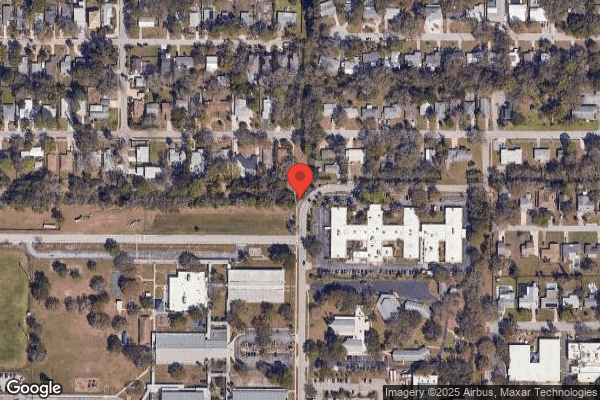
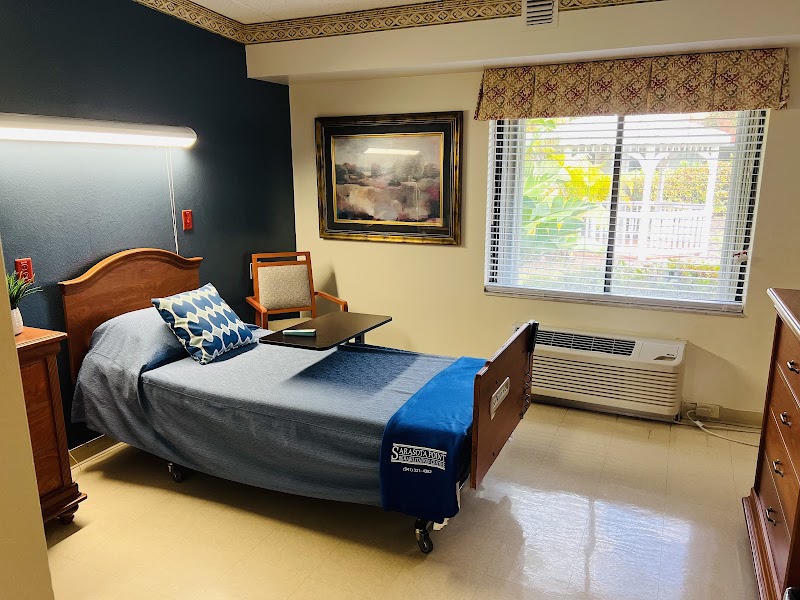
2600 COURTLAND STREET, SARASOTA, FL 34237 (941) 952-9070
For profit - Limited Liability company 120 Beds SOVEREIGN HEALTHCARE HOLDINGS Data: November 2025
Trust Grade
68/100
#273 of 690 in FL
Last Inspection: October 2024

Within standard 12-15 month inspection cycle. Federal law requires annual inspections.

Overview

Sarasota Point Rehabilitation Center has a Trust Grade of C+, indicating it is slightly above average but not exceptional. With a state rank of #273 out of 690 and a county rank of #9 out of 30, it falls within the top half of Florida facilities, but there are better options nearby. Unfortunately, the facility is experiencing a worsening trend, with the number of issues increasing from 1 in 2023 to 5 in 2024. Staffing is rated 4 out of 5 stars, indicating a good level of care, but the 52% turnover rate is average, suggesting some staff stability but room for improvement. There have been serious incidents, including a case of physical abuse by a staff member against a resident and a failure to secure timely dental care for another resident, both of which raise concerns about residents' safety and well-being.

Trust Score
C+
68/100
In Florida
#273/690
Top 39%
Safety Record
Moderate
Needs review
Inspections
Getting Worse
1 → 5 violations
Staff Stability
⚠ Watch
52% turnover. Above average. Higher turnover means staff may not know residents' routines.
Penalties
⚠ Watch
$8,648 in fines. Higher than 92% of Florida facilities. Major compliance failures.
Skilled Nurses
✓ Good
Each resident gets 49 minutes of Registered Nurse (RN) attention daily — more than average for Florida. RNs are trained to catch health problems early.
Violations
⚠ Watch
11 deficiencies on record. Higher than average. Multiple issues found across inspections.
★★★★☆
4.0
Overall Rating
★★★★☆
4.0
Staff Levels
★★★★★
5.0
Care Quality
★★★☆☆
3.0
Inspection Score
Stable
2023: 1 issues
2024: 5 issues

The Good

  • 4-Star Staffing Rating · Above-average nurse staffing levels
  • 5-Star Quality Measures · Strong clinical quality outcomes
  • Full Sprinkler Coverage · Fire safety systems throughout facility
  • No fines on record

Facility shows strength in staffing levels, quality measures, fire safety.

The Bad

Staff Turnover: 52%

Near Florida avg (46%)

Higher turnover may affect care consistency

Federal Fines: $8,648

Below median ($33,413)

Minor penalties assessed

Chain: SOVEREIGN HEALTHCARE HOLDINGS

Part of a multi-facility chain

Ask about local staffing decisions and management

The Ugly 11 deficiencies on record

2 actual harm
Oct 2024 4 deficiencies
CONCERN (D)

Potential for Harm - no one hurt, but risky conditions existed

Deficiency F0657 (Tag F0657)

Could have caused harm · This affected 1 resident

**NOTE- TERMS IN BRACKETS HAVE BEEN EDITED TO PROTECT CONFIDENTIALITY** Based on observation, record review, resident and staff interview, the facility failed to update the care plan to accurately ref...

Read full inspector narrative →
**NOTE- TERMS IN BRACKETS HAVE BEEN EDITED TO PROTECT CONFIDENTIALITY** Based on observation, record review, resident and staff interview, the facility failed to update the care plan to accurately reflect safety precautions for 1 (Resident #30) of 2 sampled residents at risk for elopement. The findings included: Review of the clinical record revealed Resident #30 was admitted to the facility on [DATE]. Diagnoses included non-Alzheimer's dementia. The Elopement risk evaluations completed on 4/26/24, 5/21/24, and 10/14/24 noted Resident #30 scored 2, indicating the resident was at risk for elopement. Review of the care plan initiated on 5/21/24 and revised on 10/14/24 noted Resident #30 was at risk for elopement. The goal was Attempts to prevent resident from eloping from facility will be provided. The interventions included an alerting bracelet (alerts staff when the resident leaves a designated safe area) placed to the right ankle. The care plan specified to check the alerting bracelet function and placement every day. Review of the Order Summary Report revealed a physician's order dated 10/16/24 to, Check placement of Alerting Bracelet walker every shift for monitoring. The care plan was not updated to reflect the alerting bracelet to the resident's walker. On 10/21/24 at 3:30 p.m., on 10/22/24 at 11:00 a.m., and on 10/23/24 at 11:13 a.m., Resident #30 was observed in her bedroom. The resident was not wearing an alert bracelet to the right ankle. An alert bracelet was observed attached to the resident's rolling walker. On 10/22/24 at 11:02 a.m., in an interview Resident #30 said she used to have an alert bracelet to her right ankle but she used a butter knife to cut it off. On 10/23/24 at 4:57 p.m., in an interview Minimum Data Set Registered Nurse (RN) Staff F said the physician's order and the care plan should match. She verified on 10/16/24 the physician's order for the alert bracelet to the rolling walker. Staff F said the care plan should have been revised to reflect the alert bracelet on the rolling walker. On 10/23/24 5:14 p.m., the MDS coordinator said she verified Resident #30's alert bracelet was attached to the rolling walker and not to the resident's right ankle. She said the care plan was incorrect.
CONCERN (D)

Potential for Harm - no one hurt, but risky conditions existed

Quality of Care (Tag F0684)

Could have caused harm · This affected 1 resident

Based on observation, record review, resident and staff interviews, the facility failed to provide care and services in accordance with physician's orders to meet the needs of 1 (Resident #30) of 1 re...

Read full inspector narrative →
Based on observation, record review, resident and staff interviews, the facility failed to provide care and services in accordance with physician's orders to meet the needs of 1 (Resident #30) of 1 resident observed with edema (swelling) of the legs. The findings included: Review of the clinical record for Resident #30 revealed an admission to the facility of 4/25/24. Diagnoses included heart failure. The physician's orders dated 6/10/24 noted to apply [NAME] hose (compression garment to legs to help circulation and lower swelling) in the morning and off in the evening for edema. The care plan initiated on 4/25/24 noted Resident #30 was at risk for altered cardiovascular status related to hypertension and congestive heart failure. The goal was for the resident to have decreased risk of signs and symptoms of cardiac complications. The interventions included to observe for changes in lung sounds, edema or changes in weight. The care plan initiated on 5/6/24 noted Resident #30 is resistive to care and medications related to adjustment to admission, and new environment, and on 6/10/24 refused to wear the [NAME] Hose. Interventions included to allow the resident to make decisions about treatment regime to provide sense of control, give clear explanation of all care activities prior to and as they occur during each contact. On 10/21/24 at 3:30 p.m., 10/22/24 at 10:53 a.m., and 10/23/24 at 11:13 a.m., Resident #30 was observed sitting in her room with her legs in dependent position. Resident #30 was not wearing the [NAME] Hose. Her legs were swollen. Review of the Treatment Administration Record (TAR) for October 2024 showed on 10/21/24, 10/22/24 and 10/23/24 the nurse placed her initials indicating the [NAME] hose were applied in the morning. On 10/22/24 at 10:53 a.m., in an interview Resident #30 said no one offered to apply the [NAME] hose on 10/21/24 or today (10/22/24). On 10/23/24 at 11:13 a.m., in an interview Resident #30 complained her legs were swollen. She said she has not refused to wear the [NAME] hose, but no one offered to apply them recently. Review of the Medication Administration Audit Report revealed the [NAME] hose were scheduled to be applied at 7:00 a.m. Licensed Practical Nurse (LPN) Staff D documented on the TAR the [NAME] hose were applied on 10/23/24 at 11:57 a.m. On 10/23/24 at 12:25 p.m., Resident #30 was observed in her room. She was not wearing the [NAME] Hose. On 10/23/24 at 1:09 p.m., in an interview Certified Nursing Assistant (CNA) Staff C said she was assigned to care for Resident #30. Staff C said she knew Resident #30 needed the [NAME] hose. The resident did not refuse the [NAME] hose but it slipped her mind and she did not offer to apply the [NAME] hose. On 10/23/24 at 1:23 p.m., in an interview LPN Staff D said the CNAs are supposed to apply the [NAME] hose. She said she did not verify Resident #30 had the [NAME] hose on before documenting on the TAR the [NAME] hose were applied as ordered. On 10/23/24 at 1:30 p.m., Resident #30 was observed in her room. She was not wearing the [NAME] hose to her legs as ordered. Unit Manager Registered Nurse Staff E verified Resident #30's legs were swollen and she did not have the [NAME] hose on. She said staff should not be documenting a treatment before confirming it was completed. On 10/24/24 at 10:30 a.m., in an interview the Director of Nursing said staff should not document a treatment was completed before they confirmed that it was done.
CONCERN (D) 📢 Someone Reported This

A family member, employee, or ombudsman was alarmed enough to file a formal complaint

Potential for Harm - no one hurt, but risky conditions existed

Deficiency F0760 (Tag F0760)

Could have caused harm · This affected 1 resident

Based on observation of medication administration, record review, staff and resident interviews, the facility failed to ensure 2 (Residents #74 and #38) of 3 sampled residents were free from significa...

Read full inspector narrative →
Based on observation of medication administration, record review, staff and resident interviews, the facility failed to ensure 2 (Residents #74 and #38) of 3 sampled residents were free from significant medication error related to the administration of transdermal pain patches. The findings included: 1. Review of the clinical record for Resident #74 revealed a physician's order dated 5/25/23 for Lidocaine (topical anesthetic) External Patch 4%, apply to hip topically in the morning for pain and remove per schedule. Review of the Medication Administration Record (MAR) for October 2024 revealed the Lidocaine Patch was scheduled to be applied every day at 6:00 a.m. and removed every day at 6:00 p.m. The MAR for October 2024 had an order dated 5/12/23 to validate the Lidocaine Patch to the right hip was present every shift. The diagnoses for the Lidocaine Patch was fracture of the right femur. On 10/22/24 at 9:10 a.m., Licensed Practical Nurse (LPN) Staff A was observed administering medications to Resident #74. An undated Lidocaine Patch was observed on the resident's right thigh, near his groin. LPN Staff A said the previous shift applied the Lidocaine Patch. She said the patch should have been applied to the resident's right hip, not his thigh and should have been dated. On 10/22/24 at 10:21 a.m., Resident #74 was observed with the Director of Nursing and the Regional Clinical Director. Resident #74 remained with the undated patch to the right thigh. A Lidocaine Patch dated 10/18/24 was observed to the resident's left thigh. Review of the packaging for the Lidocaine patch revealed a warning label that said, Do not use more than one patch on your body at a time . Do not use more than one patch in a 12-hour period. Maximum 2 patches per day. Photographic evidence obtained. 2. On 10/22/24 review of the clinical record for Resident #38 revealed a physician's order dated 9/28/24 to apply a Lidocaine Patch 4% topically to the resident's right shoulder in the morning for pain and remove at bedtime, remove per schedule. Review of the MAR for October 2024 revealed the Lidocaine Patch was scheduled to be applied every day at 6:00 a.m., and removed at 5:59 p.m. The MAR noted the Lidocaine Patch was applied as ordered on 10/22/24 at 6:00 a.m. On 10/22/24 at 10:40 a.m., in an interview Resident #38 said she felt the Lidocaine Patch was just cold and did nothing to help her pain. She said she had not used the Lidocaine Patch in about 10 days. Resident #38 showed a patch to her right shoulder which she said was a Thermacare Patch. She said Physical Therapy applied the Thermacare patch to her right shoulder which worked better. The Director of Nursing and the Regional Clinical Director were present during the interview, and observation. Review of the facility policy and procedure titled Medication Pass and Med Pass with Medication Cart Updated 8/14/24 noted to, Complete documentation on the medication MAR. Record the name, dose, route, and time of medication on the Medication Administration Record. Initial the record after the medication is administered to the resident. Record the reason for not administering the medication. On 10/22/24 at 10:45 a.m., the DON said there was no separate policy for transdermal patches, but the process was patches should be dated on the day they are placed. She said she was not aware of an order for Resident #74 to have a patch on his left thigh and the Lidocaine Patch should not have been left in place for four days. She also agreed Resident #38's MAR documented the patch as given and it was not in place on Resident #38's shoulder. The Regional Clinical Director said transdermal patches should be dated when applied.
CONCERN (F)

Potential for Harm - no one hurt, but risky conditions existed

Food Safety (Tag F0812)

Could have caused harm · This affected most or all residents

Based on observation, record review and staff interviews, the facility failed to ensure 1 (Dietary Staff B) of 1 dietary staff observed operating the dishwasher was trained, and competent to test the ...

Read full inspector narrative →
Based on observation, record review and staff interviews, the facility failed to ensure 1 (Dietary Staff B) of 1 dietary staff observed operating the dishwasher was trained, and competent to test the sanitizing solution of the low temp dishwasher to ensure dishes were properly sanitized to prevent foodborne illnesses of residents consuming an oral diet. The findings included: The facility's policy and procedure titled, Testing Sanitizer & Temperature in Low Temp Dish Machines revised 8/2023 noted, Test sanitizing solution and temperature before cleaning each meal's dishes . Test the sanitizer with chlorine test strips obtained by the chemical vendor or food distributor. A proper level is 50 ppm (part per million) chlorine in the rinse water. An appropriated temperature is 120 - 160 F (Fahrenheit) . Record water temperature and sanitizer levels on the Dishwashing Temperature/Sanitizer Record. On 10/24/2024 at 9:20 a.m., during a tour of the kitchen with the Certified Dietary Manager (CDM), Food and Nutrition Aide Staff B was observed using the low temp dishwasher. In an interview Staff B said she has been employed at the facility for 2.5 years and had not received any training or instructions on testing the sanitizing solution of the dishwasher. Staff B said she signed the Dishwashing Temperature/Sanitizer log every day she worked but did not know what the log was for. She said, I just sign it because I was told to. She said she filled in the blanks with numbers on the form but did not know what it was for. The CDM was present during the observation and interview She told Staff B her where the chlorine test strips were kept and began to instruct her on how to test the dishwasher sanitizer. The CDM said she did not know if Staff B had been trained to use the dishwasher. She said Staff B only uses it sometimes and she signs the logbook for the person who is doing the testing. On 10/24/24 review of the Dishwashing Temperature/Sanitizer Record for October 2024 showed Staff B signed the log for 64 of the 67 meals documented. No temperature or sanitizer level was documented for the dinner meal on 10/21/24, 10/22/24 and 10/23/24. On 10/24/2024 at 10:30 a.m., documentation of Staff B's training and competency to test the water temperature and sanitizing solution for the dishwasher was requested. The CDM said she began employment at the facility six months ago. She did not know what training the dietary staff had received but she was working on that. On 10/24/2024 at 12:00 p.m., in an interview the Administrator said Staff B had been trained on using the dishwasher upon hire but did not provide the requested documentation Staff B was trained upon hire and competent to use the dishwasher, including measuring the water temperature and the sanitizing solution level to ensure dishes were properly washed and sanitized.
Jun 2024 1 deficiency
CONCERN (E) 📢 Someone Reported This

A family member, employee, or ombudsman was alarmed enough to file a formal complaint

Potential for Harm - no one hurt, but risky conditions existed

Safe Environment (Tag F0921)

Could have caused harm · This affected multiple residents

**NOTE- TERMS IN BRACKETS HAVE BEEN EDITED TO PROTECT CONFIDENTIALITY** Based on observation and interview, the facility failed to ensure a safe, functional, sanitary and comfortable environment for r...

Read full inspector narrative →
**NOTE- TERMS IN BRACKETS HAVE BEEN EDITED TO PROTECT CONFIDENTIALITY** Based on observation and interview, the facility failed to ensure a safe, functional, sanitary and comfortable environment for residents, staff and the public in 3 (Halls 100, 300 and 400) of 4 halls observed. The findings included: During a tour of the facility on 6/4/24 multiple environmental issues were observed, including: Common hallways with tiles cracked, missing or stained throughout the building. Photographic evidence obtained The hallway handrail near the activity director room was missing with an exposed nail. Photographic evidence obtained rooms [ROOM NUMBER] were observed with damage to the wall near the window and electrical outlet for the air conditioning unit with wall plaster missing, cracked, peeled paint and dirty surfaces. Photographic evidence obtained Rooms 330, 105, 328 and 408 had cracked tiles in the residents' rooms and bathrooms. photographic evidence obtained room [ROOM NUMBER]'s bathroom had plaster missing off the wall and peeled paint. Photographic evidence obtained room [ROOM NUMBER] had the walls scraped, and plaster missing with a dirty surface. photographic evidence obtained Multiple areas throughout building had warped and/or missing cove base with exposed, cracked plaster and dirty surfaces including the hallway near exit door by room [ROOM NUMBER], room [ROOM NUMBER] and room [ROOM NUMBER]. Photographic evidence obtained On 6/4/24 at 12:08 p.m., in an interview Resident #5 said they recently they went through and repainted the hallways. She said the hallways looked beautiful but the resident rooms could use some love. She said the cover base in her room had been peeled away for quite some time and they had told her when they fixed the hallways it would be fixed, but it never was done. On 6/4/24 at 10:07 a.m., in an interview the Maintenance Director said he had only been with the facility for two months. He said corporate had just had the building painted and were in the works of having the floors and shower rooms redone. The Maintenance Director said there were only two people in the building working maintenance and they were responsible for all the sheet rock repairs and painting. On 6/4/24 at 12:41 p.m., in an interview the Administrator said they had painted the hallways but maybe should have addressed floors first. She agreed with the surfaces disrupted in the various materials (plaster, cove base, cracked tiles) there was no way to thoroughly clean and it could pose infection control issues.
Mar 2023 1 deficiency 1 Harm
SERIOUS (G) 📢 Someone Reported This

A family member, employee, or ombudsman was alarmed enough to file a formal complaint

Actual Harm - a resident was hurt due to facility failures

Free from Abuse/Neglect (Tag F0600)

A resident was harmed · This affected 1 resident

**NOTE- TERMS IN BRACKETS HAVE BEEN EDITED TO PROTECT CONFIDENTIALITY** Based on record review, review of facility's incidents, and policy and procedure, resident and staff interview, the facility fai...

Read full inspector narrative →
**NOTE- TERMS IN BRACKETS HAVE BEEN EDITED TO PROTECT CONFIDENTIALITY** Based on record review, review of facility's incidents, and policy and procedure, resident and staff interview, the facility failed to protect residents' right to be free from abuse for 1 (Resident #1) of 3 sampled residents reviewed. Resident #1 was admitted to the facility on [DATE] with diagnoses including bipolar disorder (mental health condition causing dramatic shifts in mood), and alcohol abuse. On 3/10/23 Resident #1 was agitated and shoving his walker at Certified Nursing Aide (CNA) Staff C. Therapy Staff observed CNA Staff C raise his right hand and made contact with the left side of the resident's face. The findings included: The facility's Abuse, Neglect and prohibition policy with a date effective 10/24/22 noted, Each resident has the right to be free of mistreatment, neglect, and abuse . Physical abuse includes hitting, slapping, punching, biting, and kicking. It also includes controlling behavior through corporal punishment . The facility will make efforts to ensure all residents are protected from physical and psychosocial harm, as well as additional abuse, during and after the investigation . Review of the clinical record revealed Resident #1 was admitted to the facility on [DATE] with diagnoses including bipolar disorder and ETOH (alcohol) abuse. The care plan initiated on 3/10/23 noted Resident #1 had behaviors of cursing at staff, using racial slurs, and spitting at staff. The goal was for the resident to demonstrate effective coping skills. The interventions included anticipate resident's needs: food, thirst, toileting needs, comfort level, body positioning, pain etc. Evaluate for side effects of medications. Give as many choices as possible about care and activities. Medications as ordered. Psychiatric evaluation as needed. Review of the facility's incidents investigations revealed on 3/10/23 at 10:35 a.m., Occupational Therapist (OT) Staff A and Physical Therapist (PT) Staff B reported they were in Resident #1's room to provide therapy services while Certified Nursing Assistant (CNA) Staff C was assisting the resident to get out of bed. Both therapists reported they observed Resident #1 sitting on the edge of the bed with the walker in front of him. CNA Staff C was standing to the resident's left side and the resident was repeatedly picking up the walker and slamming it back down on the floor. Both therapists reported they observed CNA Staff C raise his right hand and mad contact with the left side of the resident's face. The therapists did not hear any noise with the contact they observed. They then observed CNA Staff C immediately exit the room. Both therapists reported Resident #1 said, Did you see him hit me? That's abuse. On 3/10/23 at 10:40 a.m., the Nursing Home Administrator documented she interviewed CNA Staff C who reported he was in Resident #1's room providing personal care. CNA Staff C stated throughout the morning the resident had been swearing at him and calling him, the N-word. CNA Staff C reported therapy personnel entered the resident's room as he was assisting him up to the edge of the bed. Resident #1 took the walker that was in front of the bed as he sat up and was shoving it at him and hitting him in the groin repeatedly. CNA Staff C stated the resident was yelling to get the fuck out of the way. He reported he was to the resident's left side. CNA Staff C said Resident #1 continued to call him the N-word and hit him with the walker. He reacted and pushed against the left side of the resident's head with his right hand. CNA Staff C described the action as pushing with mild force and stated it was a reflex after being hit with the walker in the groin area. CNA Staff C was immediately removed from the facility with statement obtained and sent home. The investigation noted Registered Nurse (RN) Unit Manager completed a head to toe skin assessment on 3/10/23 with no injury noted. Resident #1 reported a mild headache to the RN Unit Manager on 3/10/23 around 11:00 a.m. On 3/13/23 the Clinical Psychologist documented Resident #1 reported that he was abused by the staff and documented a diagnosis of Acute Stress reaction. On 3/20/23 at 12:46 p.m., OT Staff A stated she and PT Staff B were going to do an evaluation, CNA Staff C was already present in the room when they got there. The CNA was attempting to get Resident #1 out of bed. The resident was agitated, had come to sitting part of the way, and became more frustrated. The CNA was standing next to the bed bedside the walker. The patient became agitated, took the walker and was slamming it down on the floor. The CNA said the walker hit him. That's when he took his right hand and hit the resident with an open hand. OT Staff A said she did not hear any sound but saw the resident kind of move in a backward motion. CNA Staff C walked out of the room. He just said, I am sorry, and walked out in general. On 3/20/23 at 12:46 p.m., PT Staff B said she saw the same thing OT Staff A reported. She said they made sure Resident #1 was toileted and safe then went directly to the Administrator and gave their statements. Resident #1 did not voice any complaint about his head hurting. There were no marks on the resident's face. She said, We did not hear a slap noise as you hear when someone is slapped. It just happened so fast. On 3/20/23 at 3:30 p.m., Resident #1 was observed in his room. The resident asked the surveyor if she's heard about, the guy hitting him. He said, I get very anxious, and I do have issues with mood. I yell when I am angry, and these people need to be put in their place. The resident added, I like things done a certain way, half of these people I don't even want them in my room, period!. Resident #1 said he felt safe after CNA Staff C was sent home.
Sept 2022 2 deficiencies 1 Harm
SERIOUS (G)

Actual Harm - a resident was hurt due to facility failures

Dental Services (Tag F0791)

A resident was harmed · This affected 1 resident

**NOTE- TERMS IN BRACKETS HAVE BEEN EDITED TO PROTECT CONFIDENTIALITY** Based on record review, review of the facility's policies and procedures, observation, staff, and resident interview the facilit...

Read full inspector narrative →
**NOTE- TERMS IN BRACKETS HAVE BEEN EDITED TO PROTECT CONFIDENTIALITY** Based on record review, review of the facility's policies and procedures, observation, staff, and resident interview the facility failed to promptly obtain needed dental services for 1 (Resident #18) of 1 resident reviewed with repeated requests to see a dentist for dental pain. The findings included: The facility policy Dental Services SHC04004.08 revised 8/29/2017 read, The facility provides each resident with access to dental services. Residents will be referred to a dentist based on assessed need. The facility will obtain services of a qualified dental provider.Basic services will be provided in-house. Facility staff will assess dental status through the interdisciplinary resident assessment process and daily provision of care. The physician, residents and family/responsibility party may request dental services at any time . Social Services designee will be responsible for coordinating dental services in the facility. Review of the clinical record revealed Resident #18 was admitted to the facility on [DATE]. The admission Minimum Data Set (MDS) assessment with a target date of 12/29/21 noted Resident #18 had no natural teeth or tooth fragments (edentulous). The Quarterly MDS assessment with a target date of 6/29/22 noted the resident scored 15 on the Brief Interview for Mental Status (BIMS), indicating intact cognition. The care plan initiated on 12/20/21 noted Resident #18 had dental health problems related to being edentulous. The goal was for the resident to be able to eat and drink free of pain through the next review date. The interventions included to monitor for signs and symptoms of oral/dental problems such as pain to gums, toothache, palate, abscess, teeth missing, loose, broken, eroded, decayed. Coordinate arrangements for dental care, transportation as needed/ordered. On 8/29/22 at 2:30 p.m., Resident #18 said for the past eight months she has repeatedly asked to see a dentist since her admission to the facility. The Resident said she had missing teeth and her gums hurt. Observation of the resident's mouth on 8/29/22 at 2:35 p.m., with her permission showed red gums and small pieces of damaged teeth. Resident #18 said she has not seen a dentist since her admission to the facility. On 8/31/22 at 10:38 a.m., Resident #18 said she has pain when chewing and when the food goes into the open pockets in her gums. The staff give her Tylenol, but feels she needs something stronger. Resident #18 said her brother has also called to find out why they have not done anything with her teeth since she has been here for almost a year. Resident #18 said she spoke to the social worker again one week ago about her teeth and seeing a dentist. Review of progress notes revealed on 4/1/22 the dentist documented, Unable to locate patient-attempted twice. On 5/2/2022 the dental hygienist documented Resident #18 stated she has pain all over and would like dental care. Finding/Observation: . Possible fistula (abnormal passage) #7 facial, generalized root tips and severe gingival (gums) redness and swelling. Very large bilateral mandibular [NAME] (bumps in both sides of the lower jaw made of bone tissue covered by gum tissue). She needs to be seen by a dentist and have radiographs to review. On 6/7/22 the dental hygienist documented Resident #18, stated she has pain all over and would like dental care. Finding/Observation: . She pointed to the root tips on the upper anterior and 31 area root tip. She expressed more interest in the area on the lower right (31) causing pain. She asked about pain medication. The floor nurse stated she will administer Tylenol. Informed the floor nurse she needs the dentist to examine and radiographs to determine treatment plan. I stressed the need for the dentist to examine the patient. Informed the resident of severe gingival swelling and redness especially lower right . Possible fistula #7 facial, generalized root tips and severe gingival redness and swelling . On 9/1/22 at 8:57 a.m., the Social Services Director said the dentist and or the dental hygienist are at the facility every month. He confirmed Resident #18 had not seen the dentist since her admission on [DATE] and said, I apologize for that. He said since Resident #18's admission, the only intervention implemented for her dental issues/pain was Tylenol. The Social Services Director said there was no system in place to follow up and ensure residents who need dental services were seen by the dentist. He said Resident #18 asks him to see the dentist almost every day. He has sent multiple emails to the dentist on her behalf. On 9/1/22 at 9:53 a.m., Certified Nursing Assistant (CNA) Staff H said Resident #18 complains of teeth pain at least twice a week and she informs the nurses. On 9/1/22 at 12:04 p.m., the Director of Nursing (DON) said she was aware of Resident #18's requests to see the dentist. She said, She did ask me to see the dentist. The DON said she thought the resident's request for dental care was being addressed. The Administrator who was present during the interview said, I am not the person to ask about a reasonable time frame when asked about suitable time frame to see a dentist. The DON said they will have Resident #18 see the dentist immediately.
CONCERN (D)

Potential for Harm - no one hurt, but risky conditions existed

Report Alleged Abuse (Tag F0609)

Could have caused harm · This affected 1 resident

**NOTE- TERMS IN BRACKETS HAVE BEEN EDITED TO PROTECT CONFIDENTIALITY** Based on record review, review of facility's policies and procedures, staff and resident interviews , the facility failed to imm...

Read full inspector narrative →
**NOTE- TERMS IN BRACKETS HAVE BEEN EDITED TO PROTECT CONFIDENTIALITY** Based on record review, review of facility's policies and procedures, staff and resident interviews , the facility failed to immediately report an alleged violation that could constitute neglect within specified time frame to the State Survey and Certification Agency for 1 (Resident #75) of 3 residents reviewed for incidents. The findings included: The Facility policy titled, Incident Reporting for Residents or Visitors revised 1/13/2017 noted, All accidents and unusual occurrences involving a resident or visitor will be documented and reported so as to meet all regulatory (state and federal) . requirements. Unusual Occurrence or Event. Any event not consistent with routine resident care; Any event reportable to federal and state agencies as defined by those agencies; An event or happening involving a resident . with unintended, undesirable, or unexpected results or outcomes. Review of the clinical record revealed Resident #75 was admitted to the facility on [DATE]. The 5-day scheduled Minimum Data Set (MDS) assessment with a target date of 8/24/2022 noted Resident #75 scored 15 on the Brief Interview for Mental Status, indicating intact cognition. Resident #75 required extensive physical assistance of two persons for transfers (How resident moves between surfaces, including to and from bed, wheelchair). The Care Plan initiated on 12/8/21 noted Resident #75 was at risk for falls related to impaired mobility secondary to paraplegia (paralysis of the lower body) due to lumbar osteomyelitis (inflammation of bone caused by infection). The care plan was revised on 2/7/22 and documented, Fall with injury noted. On 2/13/22 the care plan noted Hip fractured [sic] noted via radiology report. The facility's investigation for the incident of 2/7/22 included a typewritten statement dated 2/8/22 noting Resident #75 was interviewed related to the pain in his leg. Resident #75 stated during the transfer via the Hoyer lift (Total body electric lift) he was uncomfortable and demanded to be lowered to the floor. When lowered to the floor his right leg was to the right side of the lift and while on the ground he noted to be in pain. The Nurses Progress Note dated 2/8/22 at 10:03 a.m., noted Resident #75 reported pain to the right lower extremity. Resident has been medicated with routine pain medications per orders. The physician was notified, and new orders received to send the resident to the emergency room for evaluation and treatment. The Emergency Department physician's note dated 2/8/22 at 10:41 a.m., noted Resident #75 stated at his nursing facility staff was trying to lift him with a Hoyer lift and his leg got caught resulting in significant amount of pain in his right anterior thigh. concerned because this morning he woke up with excruciating leg pain and increasing swelling. The X-Ray of the pelvis dated 2/8/22 noted, Clinical Indication: Fall. Hip pain. Result: Generalized osteopenia (reduced bone mass). No acute fracture or dislocation is seen. The Nurses Progress Note dated 2/8/22 at 3:09 p.m., noted Resident #75 returned from the hospital with no acute changes. No acute fractures found from the X-ray. The Nurses Progress Note dated 2/13/22 at 3:30 p.m., noted Resident #75 called EMS (Emergency Medical Services) to be transferred to the hospital, due to pain. The Hospitalist History and Physical report with a date of service of 2/13/2022 noted Resident #75 . presented to the Emergency Department with complaints of right thigh pain. Patient was dropped while trying to move into a Hoyer lift, after which he developed right thigh pain. Patient was seen in the Emergency Department about 4 days ago where he had an x-ray and venous doppler were both negative for acute findings he was discharged back to the nursing facility. CT (Computerized Tomography) right hip subcapital right femoral neck fracture. and soft tissue swelling . On 8/29/2022 at 11:25 a.m., Resident #75 said he sustained a broken right femur on February 7, 2022, when he was dropped from the Hoyer lift. The resident said four staff members manually picked up each corner of the Hoyer sling. The sling slipped out of their hands, and he was dropped to the ground. He said he immediately felt pain. Resident #75 said he was sent to the hospital on 2/8/22 but the right hip X-ray came back negative for a fracture. He was discharged back to the facility but continued to have pain and bruising to his right upper leg. He continually complained of pain to everyone, including his doctor on 2/13/22. Resident #75 said he called 911 himself on 2/13/22 because he was in severe pain. The CT scan done at the emergency room showed a right femur (thigh bone) fracture. On 8/30/2022 at 10:45 a.m., the Administrator said the facility did not report the incident to the State Survey Agency. He said Resident #75 was not dropped, he was lowered to the ground. He said there was no documentation of the incident in the Resident's medical record. He said he conducted a full investigation after the incident. The resident told him he was flailing in the Hoyer lift and asked to be lowered to the ground. After landing on the ground, he developed right upper leg pain. He said the resident then agreed to let staff move him from the floor to the bed using the Hoyer lift. He said the resident was complaining of pain the next morning, so he was sent to the hospital for evaluation. He said his first x-ray report was negative. The incident was never reported to anyone by the involved staff. The Administrator said he concluded the incident was not avoidable, so it was not reported.
Feb 2021 3 deficiencies
CONCERN (D)

Potential for Harm - no one hurt, but risky conditions existed

Grievances (Tag F0585)

Could have caused harm · This affected 1 resident

Based on observation, record review and interview the facility failed to maintain evidence of investigation and resolution of expressed grievances for 1 (Resident #60) of 6 residents reviewed for grie...

Read full inspector narrative →
Based on observation, record review and interview the facility failed to maintain evidence of investigation and resolution of expressed grievances for 1 (Resident #60) of 6 residents reviewed for grievances. The findings included: Review of the facility's policy 'Grievances' (revised 10/30/19) read: 2. Grievances may be submitted orally or in writing; they may be submitted anonymously. The resident, or anyone acting on their behalf submitting the grievance, should be encouraged to utilize the Grievance Report. When a grievance is submitted orally, the facility employee accepting the grievance must document it on the Grievance Report. 5. The Grievance Official will document receipt of all grievances on the Grievance QAPI Log. 7. The Grievance Official will review the conclusion with the person investigating the grievance to determine what corrective actions need to be taken. 8. The resident, or anyone acting on their behalf filing the grievance, will be communicated with regarding the conclusion of the investigation and the corrective actions that will be taken. On 2/1/21 at 10:30 a.m., in an interview Resident #60 said she was unhappy due to Certified Nursing Assistant (CNA) Staff K assigned to her care. Resident #60 said she and her Power of Attorney (POA) had asked numerous times that she be removed from CNA Staff K's assignment. She said CNA Staff K was rough with her and had an attitude. She said it was most recently addressed the previous week. On 2/2/21 at 11:37 a.m., in an interview Resident #60 said she was unhappy due to CNA Staff K being assigned to her for the day. On 2/2/21 at 11:50 a.m., observation of assignment board at the nurse's station showed CNA Staff K was assigned to care for Resident #60. On 2/2/21 at 1:04 p.m., during a telephone interview Resident #60's designated power of attorney (POA) expressed concerns over CNA Staff K caring for Resident # 60. She said because of complaints Resident #60 felt uncomfortable with this CNA. The POA said she had taken the concern to the Administrator numerous times, most recently the prior week. The Administrator said CNA Staff K would no longer be assigned to care for Resident #60. On 2/2/21 at 4:09 p.m., during an interview Social Services Director Staff V said he was working part-time in facility and the Administrator had been handling grievances. SSD Staff V said the normal process dealing with complaints and grievances was anyone can write a grievance. When he hears of a grievance in morning meeting, he talks to the resident, identifies the matter, and hands it to appropriate authority to address. Once the investigation is completed, he reviews it and then it would go to the Administrator. On 2/2/21 at 4:50 p.m., during an interview the Administrator said he was not aware of any grievances regarding staff members. He acknowledged he spoke with Resident #60's POA the prior week regarding a concern involving a CNA but did not have a name and felt this was not a grievance. On 2/2/21 at 5:33 p.m., during an interview the Administrator said he had just gone to speak with Resident #60 who confirmed concerns regarding Staff K. He said if he had been told this last week, he did not take notes of conversation, and did not feel it was a grievance. He says he did not write it down, but possibly made staffing aware to remove her from schedule. On 2/3/21 at 9:53 a.m., during an interview CNA Staff K said she has gone to Director of Nursing (DON) numerous times regarding allegations made against her by Resident #60. CNA Staff K said the Unit Managers and the scheduler were also aware of allegations made by Resident #60 against her. CNA Staff K said the DON had told her that Resident #60 was on a lot of psych meds and to take a witness in when dealing with her. On 2/3/21 at 11:05 a.m., during an interview the Clinical Resources Coordinator Staff L said she was responsible for making the schedule and she was not aware any resident in the facility had requested not to have a certain CNA assigned to them. On 2/3/21 at 11:15 a.m., SSD Staff V said he was made aware of a grievance regarding Resident #60 and CNA Staff K last evening, at which time he went to speak with her. On 2/3/21 at 11:27 a.m., during an interview Registered Nurse Unit Manager Staff S said it was very well known Resident #60 had requested CNA Staff K not be assigned to her. On 2/3/21 at 11:44 a.m., during an interview Licensed Practical Nurse Staff M said she was aware Resident #60 on numerous occasions had requested CNA Staff K to not be assigned to her, and this had been discussed many times with the DON over the past months. On 2/3/21 at 1:27 p.m., during an interview the DON said she was made aware of an issue with Resident #60 and CNA Staff K last Thursday or Friday, and it was addressed at that time. The DON said Resident #60 never told her she did not want CNA Staff K to care for her, Resident #60 told the Administrator.
CONCERN (D)

Potential for Harm - no one hurt, but risky conditions existed

Pharmacy Services (Tag F0755)

Could have caused harm · This affected 1 resident

Based on observation and staff interview, the facility failed to secure medications in 2 of 3 (Lido and Siesta halls)) medication carts reviewed. The facility also failed to have a system of record ke...

Read full inspector narrative →
Based on observation and staff interview, the facility failed to secure medications in 2 of 3 (Lido and Siesta halls)) medication carts reviewed. The facility also failed to have a system of record keeping ensuring an accurate inventory and reconciliation of controlled substances stored for destruction. The findings included: 1. On 2/1/21 at 11:00 a.m., observation of the Lido 2 medication cart with Licensed Practical Nurse (LPN) Staff U revealed five whole unidentified pills and four half tablets of unidentified pills in drawer of the medication cart. LPN Staff U confirmed the observation of loose, unidentified pills in the drawers. Photographic evidence obtained. 2. On 2/1/21 at 11:42 a.m., the medication cart on the Siesta hall was observed unlocked and unattended. Several staff and 2 residents were observed passing by the unlocked cart. The cart contained medications used for residents on the Siesta hall. On 2/2/21 at 11:47 a.m., the Director of Nursing confirmed the medication cart was unlocked and unattended. She proceeded to lock the cart. Photographic evidence obtained. 3. On 2/2/21 at 4:00 p.m., LPN Staff R was observed going into Resident #70's room to administer medications. LPN Staff R left a medication card of Tizanidine (used to treat muscle spasms) 2 milligrams unlocked, unattended and out of her line of vision on top of the Lido 2 cart. The medication was easily accessible to several residents observed, walking or wheeling themselves past the unsecured medication. 4. On 2/3/21 at 11:30 a.m., the process for reconciliation and disposition of controlled substances was reviewed with the Director of Nursing (DON). The DON said she counted and reconciled each medication with the count sheet with the nurse then locked all controlled substances in a file cabinet in her office. The DON said she was the only one with access to the file cabinet. The pharmacist came in monthly to count and destroy the controlled substances with her. The DON said she did not have a way to reconcile the medications or quantity of controlled substances in the locked cabinet.
CONCERN (E)

Potential for Harm - no one hurt, but risky conditions existed

Unnecessary Medications (Tag F0759)

Could have caused harm · This affected multiple residents

Based on observation, clinical record review, and staff interviews, the facility failed to ensure its medication error rate remained below 5%. Three errors occurred while observing five licensed nurse...

Read full inspector narrative →
Based on observation, clinical record review, and staff interviews, the facility failed to ensure its medication error rate remained below 5%. Three errors occurred while observing five licensed nurses on two different shifts with 27 medication administration opportunities. Three medication errors were identified resulting in an 11.11% error rate. The failure to administer medications as per the pharmacy labeling and manufacture guidelines placed the residents at risk for harmful errors, sub-optimal therapy, or pharmacological effects. The findings included: Facility policy SHCRC30004.01 Medication Pass Guidelines (revised 4/25/2017) specified The nurse is responsible to read and follow precautionary or instructions on prescription labels and Check the Do Not Crush list before crushing medications. 1. On 2/1/21 at 10:15 a.m., the Director of Nursing (DON) was observed administering nine different medications to Resident #486 including Ventolin 90 micrograms inhaler (used to prevent and treat shortness of breath), and Trelegy EL (100-62.5-25) inhaler (used for chronic lung conditions). The DON handed the Ventolin to Resident #486 who inhaled two puffs without pausing between puffs. The DON immediately handed the Trelegy to Resident #486 who inhaled one puff of the medication. Review of the pharmacy label for the Ventolin inhaler revealed instructions to wait 1 minute between puffs. **Photographic evidence obtained** Review of the pharmacy label for the Trelegy inhaler revealed to rinse the mouth after using the Trelegy. Rinsing the mouth and spitting out the water prevents oral thrush, a fungal infection of the mouth. **Photographic evidence obtained** On 2/3/21 at 11:30 a.m., in an interview the DON confirmed she did not instruct Resident #486 to wait one minute between puffs of the Ventolin inhaler and did not instruct the resident to wait one minute between use of the two inhalers. The DON confirmed she did not instruct Resident # 486 to rinse his mouth after using the Trelegy inhaler as directed on the medication label. 2. On 2/3/21 at 9:15 a.m., Licensed Practical Nurse Staff U was observed administering eight medications to Resident #27 including Aspirin Enteric Coated (coating to prevent stomach ulcers and bleeding and is not to be crushed) 325 milligrams tablet. Staff U placed the enteric coated aspirin into a plastic pouch with other pills to be administered and crushed them together. Staff U verified she crushed the enteric coated aspirin.
Understanding Severity Codes (click to expand)
Life-Threatening (Immediate Jeopardy)
J - Isolated K - Pattern L - Widespread
Actual Harm
G - Isolated H - Pattern I - Widespread
Potential for Harm
D - Isolated E - Pattern F - Widespread
No Harm (Minor)
A - Isolated B - Pattern C - Widespread

Questions to Ask on Your Visit

  • "Can I speak with families of current residents?"
  • "What's your RN coverage like on weekends and overnight?"

Our Honest Assessment

Strengths
  • • Licensed and certified facility. Meets minimum state requirements.
Concerns
  • • 11 deficiencies on record, including 2 serious (caused harm) violations. Ask about corrective actions taken.
Bottom line: Mixed indicators with Trust Score of 68/100. Visit in person and ask pointed questions.

About This Facility

What is Sarasota Point Rehabilitation Center's CMS Rating?

CMS assigns SARASOTA POINT REHABILITATION CENTER an overall rating of 4 out of 5 stars, which is considered above average nationally. Within Florida, this rating places the facility higher than 99% of the state's 100 nursing homes. This rating reflects solid performance across the metrics CMS uses to evaluate nursing home quality.
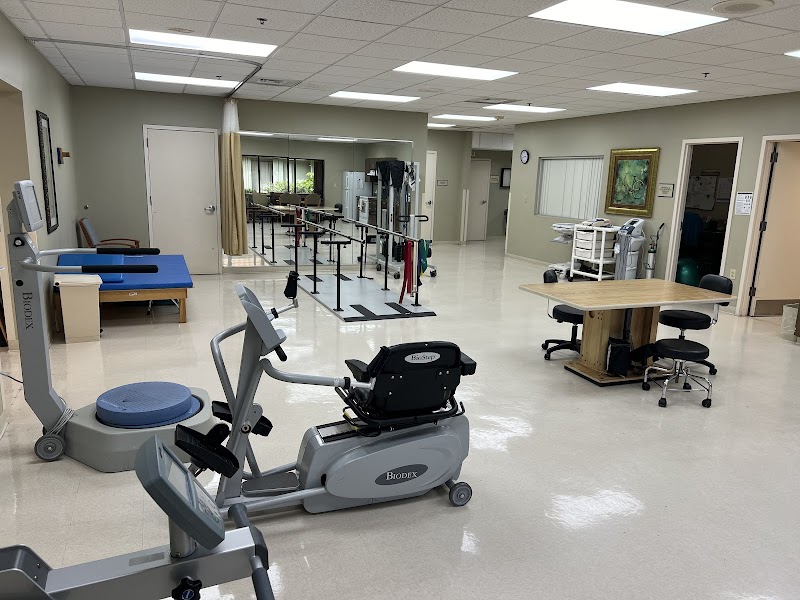
How is Sarasota Point Rehabilitation Center Staffed?

CMS rates SARASOTA POINT REHABILITATION CENTER's staffing level at 4 out of 5 stars, which is above average compared to other nursing homes. Staff turnover is 52%, compared to the Florida average of 46%. RN turnover specifically is 72%, which is notably high. RNs provide skilled clinical oversight, so turnover in this role can affect medical care quality.

What Have Inspectors Found at Sarasota Point Rehabilitation Center?

State health inspectors documented 11 deficiencies at SARASOTA POINT REHABILITATION CENTER during 2021 to 2024. These included: 2 that caused actual resident harm and 9 with potential for harm. Deficiencies causing actual harm indicate documented cases where residents experienced negative health consequences.
Who Owns and Operates Sarasota Point Rehabilitation Center?

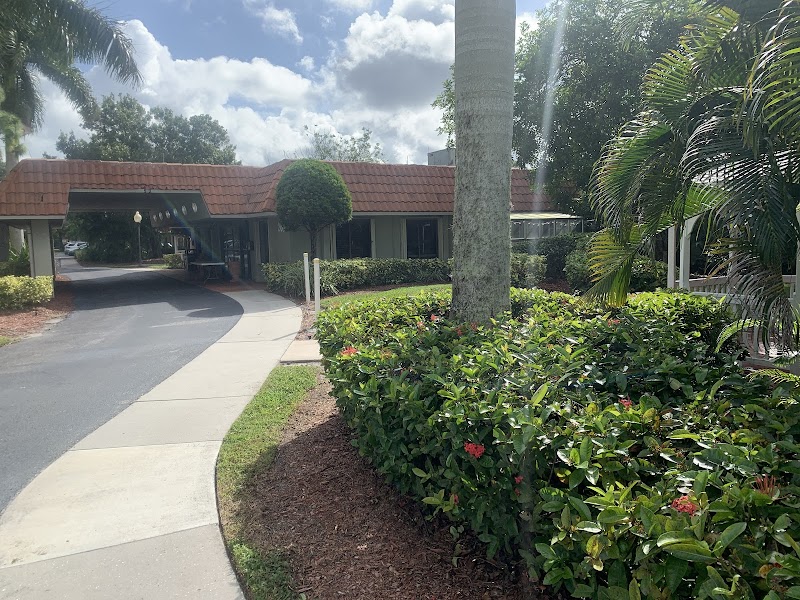
SARASOTA POINT REHABILITATION CENTER is owned by a for-profit company. For-profit facilities operate as businesses with obligations to shareholders or private owners. The facility is operated by SOVEREIGN HEALTHCARE HOLDINGS, a chain that manages multiple nursing homes. With 120 certified beds and approximately 99 residents (about 82% occupancy), it is a mid-sized facility located in SARASOTA, Florida.
How Does Sarasota Point Rehabilitation Center Compare to Other Florida Nursing Homes?

Compared to the 100 nursing homes in Florida, SARASOTA POINT REHABILITATION CENTER's overall rating (4 stars) is above the state average of 3.2, staff turnover (52%) is near the state average of 46%, and health inspection rating (3 stars) is at the national benchmark.

What Should Families Ask When Visiting Sarasota Point Rehabilitation Center?

Based on this facility's data, families visiting should ask: "Can I visit during a mealtime to observe dining assistance and food quality?" "How do you handle medical emergencies, and what is your hospital transfer rate?" "Can I speak with family members of current residents about their experience?"

Is Sarasota Point Rehabilitation Center Safe?

Based on CMS inspection data, SARASOTA POINT REHABILITATION CENTER has a clean safety record: no substantiated abuse findings (meaning no confirmed cases of resident harm), no Immediate Jeopardy citations (the most serious violation level indicating risk of serious injury or death), and is not on the Special Focus Facility watch list (a federal program monitoring the lowest-performing 1% of nursing homes). The facility has a 4-star overall rating and ranks #1 of 100 nursing homes in Florida. While no facility is perfect, families should still ask about staff-to-resident ratios and recent inspection results during their visit.

Do Nurses at Sarasota Point Rehabilitation Center Stick Around?

SARASOTA POINT REHABILITATION CENTER has a staff turnover rate of 52%, which is 6 percentage points above the Florida average of 46%. Moderate turnover is common in nursing homes, but families should still ask about staff tenure and how the facility maintains care continuity when employees leave.

Was Sarasota Point Rehabilitation Center Ever Fined?

SARASOTA POINT REHABILITATION CENTER has been fined $8,648 across 1 penalty action. This is below the Florida average of $33,165. While any fine indicates a compliance issue, fines under $50,000 are relatively common and typically reflect isolated problems that were subsequently corrected. Families should ask what specific issues led to these fines and confirm they've been resolved.

Is Sarasota Point Rehabilitation Center on Any Federal Watch List?

SARASOTA POINT REHABILITATION CENTER is not on any federal watch list. The most significant is the Special Focus Facility (SFF) program, which identifies the bottom 1% of nursing homes nationally based on persistent, serious quality problems. Not being on this list means the facility has avoided the pattern of deficiencies that triggers enhanced federal oversight. This is a positive indicator, though families should still review the facility's inspection history directly.