SPRINGS AT LAKE POINTE WOODS
3280 LAKE POINTE BLVD, SARASOTA, FL 34231 (941) 929-2700
For profit - Limited Liability company 101 Beds SUMMITT CARE II, INC. Data: November 2025 1 Immediate Jeopardy citation
Trust Grade
16/100
#567 of 690 in FL
Last Inspection: December 2023

Within standard 12-15 month inspection cycle. Federal law requires annual inspections.

Overview

The Springs at Lake Pointe Woods has received a Trust Grade of F, indicating significant concerns about the care provided at this facility. With a state rank of #567 out of 690, they are in the bottom half of nursing homes in Florida, and #19 out of 30 in Sarasota County, meaning there are many better options nearby. The facility's performance is stable, with 14 issues identified during inspections, including one critical finding where a cognitively impaired resident wandered outside unsupervised, posing a serious risk. Staffing is average with a 3/5 star rating and a turnover rate of 43%, which is on par with the state average, but they still have a concerning health inspection score of 1/5 stars. Additionally, $22,856 in fines indicates some compliance issues, while the facility has average RN coverage, which is important for catching potential problems that nursing assistants might miss.

Trust Score
F
16/100
In Florida
#567/690
Bottom 18%
Safety Record
High Risk
Review needed
Inspections
Holding Steady
2 → 2 violations
Staff Stability
○ Average
43% turnover. Near Florida's 48% average. Typical for the industry.
Penalties
✓ Good
$22,856 in fines. Lower than most Florida facilities. Relatively clean record.
Skilled Nurses
○ Average
Each resident gets 41 minutes of Registered Nurse (RN) attention daily — about average for Florida. RNs are the most trained staff who monitor for health changes.
Violations
⚠ Watch
14 deficiencies on record. Higher than average. Multiple issues found across inspections.
★★☆☆☆
2.0
Overall Rating
★★★☆☆
3.0
Staff Levels
★★★★★
5.0
Care Quality
★☆☆☆☆
1.0
Inspection Score
Stable
2024: 2 issues
2025: 2 issues

The Good

  • 5-Star Quality Measures · Strong clinical quality outcomes
  • Full Sprinkler Coverage · Fire safety systems throughout facility
  • No fines on record
  • Staff turnover below average (43%)

    5 points below Florida average of 48%

Facility shows strength in quality measures, fire safety.

The Bad

2-Star Overall Rating

Below Florida average (3.2)

Below average - review inspection findings carefully

Staff Turnover: 43%

Near Florida avg (46%)

Typical for the industry

Federal Fines: $22,856

Below median ($33,413)

Minor penalties assessed

Chain: SUMMITT CARE II, INC.

Part of a multi-facility chain

Ask about local staffing decisions and management

The Ugly 14 deficiencies on record

1 life-threatening 2 actual harm
Jun 2025 2 deficiencies 2 Harm
SERIOUS (G) 📢 Someone Reported This

A family member, employee, or ombudsman was alarmed enough to file a formal complaint

Actual Harm - a resident was hurt due to facility failures

Free from Abuse/Neglect (Tag F0600)

A resident was harmed · This affected 1 resident

**NOTE- TERMS IN BRACKETS HAVE BEEN EDITED TO PROTECT CONFIDENTIALITY** Based on record review, review of facility's policies and procedures and staff interviews, the facility failed to protect the re...

Read full inspector narrative →
**NOTE- TERMS IN BRACKETS HAVE BEEN EDITED TO PROTECT CONFIDENTIALITY** Based on record review, review of facility's policies and procedures and staff interviews, the facility failed to protect the resident's rights to be free from neglect by failing to follow safety precautions specified in the care plan to prevent avoidable accident with injury for 1 (Resident #1) of 3 dependent residents reviewed. The findings included: Review of facility Policy titled Abuse, Neglect, Exploitation, Misappropriation, not dated, indicated: Neglect is the failure of the facility, its employees or service providers to provide goods and services to a resident that are necessary to avoid physical harm, pain, mental anguish, or emotional distress. Neglect occurs when the facility is aware of or should be aware of goods and services that a resident requires, but the facility fails to provide them to the resident resulting in or may result in physical harm. Review of facility Policy titled Mechanical Lifts, not dated, indicated: The facility will encourage the use of mechanical lifts with resident transfers. Using mechanical lifts helps to minimize the risk of injury to the resident due to mishandling and serves to reduce the risk of injury to the caregiver as well. Policy also indicates: 3. The resident's level of assistance needed with transfers and repositioning along with lift type and sling size when applicable should be included in the resident's plan of care. Review of medical records revealed Resident #1 was admitted to the facility on [DATE] for short term rehab with diagnosis including Chronic Obstructive Pulmonary Disease, kidney disease and neuropathy (damage or disease to the nerves). Skin assessment noted resident had fragile skin. The admission Minimum Data Set (MDS) with a target date of 4/30/25 revealed Resident #1 had a Brief Interview for Mental Status (BIMS) score of 11 indicating moderate cognitive impairment. Review of the care plan revealed Resident #1 required assistance with Activities of Daily Living (ADL) related to decreased mobility and generalized weakness. Resident #1 required Full-body lift for transfers with 2 staff Hoyer (mechanical lift for transfer) and had Bilateral 1/4 assist bars to promote independence and mobility. Review of Kardex (an electronic system used to summarize resident information) revealed Resident #1 required full body mechanical lift with assist of 2 staff for transfers. Review of Change in Condition Form dated 4/8/25 indicated Resident #1 obtained a skin tear to the left lateral leg during transfer, steri-strips applied. A Physician Progress note dated 4/9/25 indicated: called last night, laceration left leg. Patient refused emergency room (ER). A Nursing progress note on 4/9/25 indicated Deep laceration to left lower extremity, steri-strips in place. A Nursing progress notes on 4/10/25 indicated Resident #1 previously refused to go to ER, was now agreeable to go to ER and was sent out. Patient returned the same day with 7 sutures to close left leg wound. On 6/26/25 at 12:00 p.m., Resident #1 said she had received a cut to her leg from the transfer. She said they didn't use the Hoyer to transfer. She said Staff B had put her arms around her with her leg between her knees to transfer her, but it wasn't far enough away from the enabler bar and when they turned, her leg scraped against it and caused the injury. Resident #1 said the enabler bar had a gap in it which was rough and caused the tear and she had needed 7 stitches to close the wound. She said there were 2 people in the room at the time, but Staff B chose to do it herself. She said since the injury, she had continued working with physical therapy and no longer required the Hoyer lift to transfer. Record Review of Resident #3's Kardex indicated she was a full body mechanical lift for transfers with 2 assist. On 6/26/25 at 12:19 p.m., the Resident said she is transferred using a Hoyer lift. She said they use 2 people to transfer with the Hoyer, but not always, especially on the evening shift. She said it hurt and was not safe. She said she had not sustained any injuries during transfers. Record review of Resident #2 Kardex indicated she requires full body mechanical lift with assist of 2 staff. On 6/26/25 at 2:20 p.m., Resident #2 said she is transferred using a Hoyer lift. She said they don't use 2 people, it's always one person, and it was not safe. Resident #2 said she felt they needed more help. She said she had not sustained any injuries during transfer. On 6/26/25 at 2:28 p.m., Staff A Certified Nurse Assistant (CNA) said on 4/8/25 Resident #1 wanted to go back to bed. Staff A said she went to get Staff B (CNA) to assist. Staff A said she noticed the Hoyer pad wasn't under Resident #1 and she told Resident #1 they would scoot the pad under her to transfer her. Resident #1 told us we didn't have to because therapy had gotten her up without it. Staff A said she said to Staff B let's get her up together, but Staff B said No, I got it. And positioned herself in front of Resident #1, put her arms around her waist and stood her up to guide her to the bed. Resident #1 said ouch and they looked down and saw blood on her leg. There was some kind of thing on the side that wasn't covered, and her leg had scraped across and caused the injury. Staff A said now the first thing she does is check the Kardex and see if the person is a Hoyer lift and always uses 2 people. Per the facility investigation, Staff B said Staff A had asked for help to transfer Resident #1. Staff B said Resident #1 didn't have the Hoyer pad underneath because therapy had gotten her up, so they put her in bed. On 6/26/25 at 3:44 p.m., Staff C Licensed Practical Nurse (LPN) evening supervisor said Staff A came to her upset about Resident #1, saying Staff B came in to assist to transfer, but moved her out of the way and transferred Resident #1 by herself and caused an injury. Staff C said she went to Resident #1's room and Resident #1 was screaming that she was not going to the hospital. Staff C said she tried to calm Resident #1 down and explained she may need stitches. Resident #1 was adamant about not going, so the wound was cleaned and steri-stripped. Staff C said she saw the Hoyer pad and asked about it and Resident #1 said therapy had got her up that morning and never put it in the chair. Staff C said she then asked why the staff didn't put the pad back under her and Resident #1 said she told them not to and started saying again she would not go to the hospital. Staff A was saying Staff B had just moved her out of the way and said I got it and lifted Resident #1 and Staff B kept saying there were 2 people in the room. Staff C said she asked Staff A and Staff B to leave the room. Staff C said as Resident#1 was talking she said she didn't want to get anyone in trouble and that Staff B had moved her by herself. On 6/26/25 at 3:50 p.m., the Director of Nursing said the staff had not followed Resident #1's Plan of Care for transfer. She said staff re-education had been in process and provided documentation of what they are trained. The documentation provided indicated: Kardex must be verified for all transfer status, any full body lift transfer must have the mechanical lift utilized for transfers and 2-person assistance for all full body lift transfers.
SERIOUS (G) 📢 Someone Reported This

A family member, employee, or ombudsman was alarmed enough to file a formal complaint

Actual Harm - a resident was hurt due to facility failures

Accident Prevention (Tag F0689)

A resident was harmed · This affected 1 resident

**NOTE- TERMS IN BRACKETS HAVE BEEN EDITED TO PROTECT CONFIDENTIALITY** Based on record review, review of facility's policies and procedures and staff interviews, the facility failed to protect the re...

Read full inspector narrative →
**NOTE- TERMS IN BRACKETS HAVE BEEN EDITED TO PROTECT CONFIDENTIALITY** Based on record review, review of facility's policies and procedures and staff interviews, the facility failed to protect the resident's rights to be free from accidents by failing to follow safety precautions specified in the care plan resulting in an injury for 1 (Resident #1) of 3 dependent residents reviewed. The findings included: Review of facility Policy titled Abuse, Neglect, Exploitation, Misappropriation, not dated, indicated: Neglect is the failure of the facility, its employees or service providers to provide goods and services to a resident that are necessary to avoid physical harm, pain, mental anguish, or emotional distress. Neglect occurs when the facility is aware of or should be aware of goods and services that a resident requires, but the facility fails to provide them to the resident resulting in or may result in physical harm. Review of facility Policy titled Mechanical Lifts, not dated, indicated: The facility will encourage the use of mechanical lifts with resident transfers. Using mechanical lifts helps to minimize the risk of injury to the resident due to mishandling and serves to reduce the risk of injury to the caregiver as well. Policy also indicates: 3. The resident's level of assistance needed with transfers and repositioning along with lift type and sling size when applicable should be included in the resident's plan of care. Review of medical records revealed Resident #1 was admitted to the facility on [DATE] for short term rehab with diagnosis including Chronic Obstructive Pulmonary Disease, kidney disease and neuropathy (damage or disease to the nerves). Skin assessment noted resident had fragile skin. The admission Minimum Data Set (MDS) with a target date of 4/30/25 revealed Resident #1 had a Brief Interview for Mental Status (BIMS) score of 11 indicating moderate cognitive impairment. Review of the care plan revealed Resident #1 required assistance with Activities of Daily Living (ADL) related to decreased mobility and generalized weakness. Resident #1 required Full-body lift for transfers with 2 staff Hoyer (mechanical lift for transfer) and had Bilateral 1/4 assist bars to promote independence and mobility. Review of Kardex (an electronic system used to summarize resident information) revealed Resident #1 required full body mechanical lift with assist of 2 staff for transfers. Review of Change in Condition Form dated 4/8/25 indicated Resident #1 obtained a skin tear to the left lateral leg during transfer, steri-strips applied. A Physician Progress note dated 4/9/25 indicated: called last night, laceration left leg. Patient refused emergency room (ER). A Nursing progress note on 4/9/25 indicated Deep laceration to left lower extremity, steri-strips in place. A Nursing progress notes on 4/10/25 indicated Resident #1 previously refused to go to ER, was now agreeable to go to ER and was sent out. Patient returned the same day with 7 sutures to close left leg wound. On 6/26/25 at 12:00 p.m., Resident #1 said she had received a cut to her leg from the transfer. She said they didn't use the Hoyer to transfer. She said Staff B had put her arms around her with her leg between her knees to transfer her, but it wasn't far enough away from the enabler bar and when they turned, her leg scraped against it and caused the injury. Resident #1 said the enabler bar had a gap in it which was rough and caused the tear and she had needed 7 stitches to close the wound. She said there were 2 people in the room at the time, but Staff B chose to do it herself. She said since the injury, she had continued working with physical therapy and no longer required the Hoyer lift to transfer. Record Review of Resident #3's Kardex indicated she was a full body mechanical lift for transfers with 2 assist. On 6/26/25 at 12:19 p.m., the Resident said she is transferred using a Hoyer lift. She said they use 2 people to transfer with the Hoyer, but not always, especially on the evening shift. She said it hurt and was not safe. She said she had not sustained any injuries during transfers. Record review of Resident #2 Kardex indicated she requires full body mechanical lift with assist of 2 staff. On 6/26/25 at 2:20 p.m., Resident #2 said she is transferred using a Hoyer lift. She said they don't use 2 people, it's always one person, and it was not safe. Resident #2 said she felt they needed more help. She said she had not sustained any injuries during transfer. On 6/26/25 at 2:28 p.m., Staff A Certified Nurse Assistant (CNA) said on 4/8/25 Resident #1 wanted to go back to bed. Staff A said she went to get Staff B (CNA) to assist. Staff A said she noticed the Hoyer pad wasn't under Resident #1 and she told Resident #1 they would scoot the pad under her to transfer her. Resident #1 told us we didn't have to because therapy had gotten her up without it. Staff A said she said to Staff B let's get her up together, but Staff B said No, I got it. And positioned herself in front of Resident #1, put her arms around her waist and stood her up to guide her to the bed. Resident #1 said ouch and they looked down and saw blood on her leg. There was some kind of thing on the side that wasn't covered, and her leg had scraped across and caused the injury. Staff A said now the first thing she does is check the Kardex and see if the person is a Hoyer lift and always uses 2 people. Per the facility investigation, Staff B said Staff A had asked for help to transfer Resident #1. Staff B said Resident #1 didn't have the Hoyer pad underneath because therapy had gotten her up, so they put her in bed. On 6/26/25 at 3:44 p.m., Staff C Licensed Practical Nurse (LPN) evening supervisor said Staff A came to her upset about Resident #1, saying Staff B came in to assist to transfer, but moved her out of the way and transferred Resident #1 by herself and caused an injury. Staff C said she went to Resident #1's room and Resident #1 was screaming that she was not going to the hospital. Staff C said she tried to calm Resident #1 down and explained she may need stitches. Resident #1 was adamant about not going, so the wound was cleaned and steri-stripped. Staff C said she saw the Hoyer pad and asked about it and Resident #1 said therapy had got her up that morning and never put it in the chair. Staff C said she then asked why the staff didn't put the pad back under her and Resident #1 said she told them not to and started saying again she would not go to the hospital. Staff A was saying Staff B had just moved her out of the way and said I got it and lifted Resident #1 and Staff B kept saying there were 2 people in the room. Staff C said she asked Staff A and Staff B to leave the room. Staff C said as Resident#1 was talking she said she didn't want to get anyone in trouble and that Staff B had moved her by herself. On 6/26/25 at 3:50 p.m., the Director of Nursing said the staff had not followed Resident #1's Plan of Care for transfer. She said staff re-education had been in process and provided documentation of what they are trained. The documentation provided indicated: Kardex must be verified for all transfer status, any full body lift transfer must have the mechanical lift utilized for transfers and 2-person assistance for all full body lift transfers.
Sept 2024 1 deficiency 1 IJ
CRITICAL (J) 📢 Someone Reported This

A family member, employee, or ombudsman was alarmed enough to file a formal complaint

Immediate Jeopardy (IJ) - the most serious Medicare violation

Accident Prevention (Tag F0689)

Someone could have died · This affected 1 resident

**NOTE- TERMS IN BRACKETS HAVE BEEN EDITED TO PROTECT CONFIDENTIALITY** Based on record review, review of the facility's policies and procedures, and staff interviews, the facility failed to provide a...

Read full inspector narrative →
**NOTE- TERMS IN BRACKETS HAVE BEEN EDITED TO PROTECT CONFIDENTIALITY** Based on record review, review of the facility's policies and procedures, and staff interviews, the facility failed to provide adequate supervision to prevent unsafe wandering and elopement for 1 (Resident #1) of 1 newly admitted cognitively impaired, confused resident exhibiting exit seeking behaviors. On 8/20/24 shortly after 4:15 a.m., Resident #1 who was confused, wandered and had documented exit seeking behaviors walked out of the facility through the front lobby. Staff was not aware of the resident's exit until 8/20/24 at 4:40 a.m. Resident #1 walked approximately half a mile through the parking lot, down a private road with a nearby unfenced pond, to a busy four lane main road. Resident #1 could have been hit by a car, assaulted, or fallen into the pond and drowned. The facility failure to implement adequate supervision to prevent unsafe wandering and elopement of cognitively impaired, and confused residents created a likelihood of avoidable accidents for Resident #1 and other cognitively impaired and confused residents at risk for elopement which could result in serious harm, serious injury, serious impairment or death of the residents. This failure resulted in the determination of Immediate Jeopardy. The Immediate Jeopardy began on 8/20/24. On 9/19/24 after verification of an acceptable removal plan, the Immediate Jeopardy was removed as of 8/23/24. The findings included: The facility's Risk Management/Nursing Policies-Elopement Risk (undated) included, . An elopement risk evaluation will be completed as part of screening upon admission to the facility . If the resident is identified as an elopement risk based on the evaluation, a care plan will be developed to reduce elopement risk. Facility staff will provide supervision and engage the resident as needed to minimize wandering or exit seeking behavior according to the plan of care . Review of the clinical record revealed Resident #1 was admitted to the facility on [DATE] following hospitalization for a traumatic subdural hemorrhage (bleeding near the brain). Diagnoses included encephalopathy (disorder that can affect the function of the brain), and alcohol use. The Nursing admission Note documented Resident #1 was alert, oriented with short term memory loss, and occasional confusion. The resident's daughter said it was her normal since the injury. The elopement risk evaluation used by the facility consisted in six questions. A score of 7 or higher is considered at risk. The Elopement Risk evaluation dated 8/19/24 at 6:27 p.m., showed question 1 (Mood/Mental Status), question 3 (Relationships), and question 6 (Elopement history) were not answered, resulting in a score of 2, indicating the resident was not an elopement risk. A Nursing Progress note dated 8/20/24 at 6:42 a.m., noted Resident #1 was exhibiting exit seeking behavior, going to doors and attempting to leave. The resident stated her daughter was here to pick her up and bring her home. Verbal redirection was initially effective. However, due to the resident's cognitive deficits, she forgets and attempts to leave shortly after. Review of the facility's incident investigations revealed that Resident #1 was last seen in bed on 8/20/24 at approximately 4:00 a.m. On 8/20/24 at approximately 4:30 a.m., the laboratory technician arrived at the facility and was not able to locate the resident on Unit C where she resided to draw her blood. Staff began to search for the resident at that time. Licensed Practical Nurse (LPN) Staff A said on 9/20/24 at approximately 4:15 a.m., she saw Resident #1 on Unit B. The resident asked LPN Staff A to direct her to the lobby. She said she had been visiting and needed to wait in the lobby for her daughter to pick her up. Resident #1 was dressed in sweatpants, tennis shoes, a shirt and a jacket covering her arms, so an arm band would not have been seen. She was carrying a purse. Staff A escorted Resident #1 to the front lobby where she said she would sit and wait for her daughter. LPN Staff A returned to her unit. The investigation noted, Unwitnessed, (Resident #1) pushed the lobby's door's red release button and left the facility for a walk. While searching for the resident, the laboratory technician mentioned he observed a woman in the driveway on his way to the facility. Facility staff, and the laboratory technician exited the facility to search for the resident. The laboratory technician located Resident #1 and the facility staff returned her to the facility at approximately 5:10 a.m. On 9/16/24 at 9:45 a.m., in an interview the Administrator said Resident #1 eloped from the facility in the early morning hours of 8/20/24. The Administrator provided the investigation, and actions taken to prevent recurrence. On 9/16/24 at 6:15 p.m., in an interview Licensed Practical Nurse (LPN) Staff C said she was working the night Resident #1 eloped. She said she saw Resident #1 walking by with a pillow and bags and thought maybe she was a dialysis resident. She said they began looking for the resident when the laboratory technician could not locate Resident #1 to draw her blood. LPN Staff C said the laboratory technician and her got in their car to search for the resident. The laboratory technician found her. Staff C said she brought the resident back to the facility. Resident #1 was pleasant and had no visible injuries. On 9/16/24 at 3:00 p.m., in an interview the Director of Nursing (DON) said she interviewed staff on duty the night Resident #1 eloped. She said when Resident #1 approached LPN Staff A, said she was a visitor and asked for assistance to exit the facility, Staff A did not verify the resident's identity. The DON said staff needed to be aware of new admissions and verify whether they are a visitor or resident before allowing them to leave. The DON said Staff A and Staff B (Charge nurse on Unit C where Resident #1 resided) were no longer employed at the facility. On 9/18/24 at 10:20 a.m., in a meeting with the DON and Administrator they said after Resident #1 eloped, she was fitted with a wander alert bracelet (wearable device that alerts staff when a resident leaves a designated safe area). Resident #1 was also placed on checks every 15 minutes until she was safely discharged to a secured facility on 8/22/24. The DON and Administrator said they in-serviced staff on elopement policies, conducted numerous elopement drills on all shifts and continued to audit to prevent further elopement incidents. The facility submitted an acceptable Immediate Jeopardy Removal Plan on 9/19/24, and the Immediate Actions implemented by the facility and verified by the surveyor included: All exterior doors were checked by the Director of Nursing, Administrator, and Maintenance Technician. All were in good working order with no deficiencies noted. The maintenance department conducts routine door inspections during their work shifts. On 9/16/24 at 12:20 p.m., the surveyor conducted a tour with the DON and verified all doors were functioning properly. Resident #1 was placed on enhanced monitoring on 8/20/24 with continuous 15-minute checks for supervision in addition to wander management bracelet until discharge date of 8/22/24. On 9/16/24 the surveyor verified through review of the monitoring documentation beginning on 8/20/24 at 6:00 a.m., until 8/22/24 at 2:15 p.m., when Resident #1 was discharged to a secured facility. Exit button used by Resident #1 in front lobby to exit front door was disabled by the Administrator. Secured lock box was placed over exit button. A sign was placed on the lock box to see nurse to exit facility after hours on 8/20/24. The front door is monitored by the receptionist from 8 AM to 6:30 PM. The front door automatically locks at 6:30 PM and automatically unlocks at 8 AM. On 9/16/24 the surveyor verified through observation of the sign located over the exit button. On 9/16/24 a receptionist was observed at the desk during the day. On 9/16/24 after 6:30 p.m., the door was locked. A staff member had to open the door for the surveyor to exit the facility. Elopement education for staff began on 8/20/24 with 6:00 a.m., to 2:00 p.m., 2:00 p.m., to 10:00 p.m., and subsequent shifts on elopement policy and procedure, wander management devices, identifying residents at risk for elopement, and steps to identify a resident versus a visitor. Education was completed with 100% participation of current staff on 8/23/24. There were 173 staff members trained out of 173 current staff members. On 9/19/24 the surveyor verified participation through review of the sign-in sheets for the education provided. On 9/19/24, interviews with staff member corroborated trainings. Ninety-one of 99 direct care staff have participated in one of more elopement drills. Staff members have participated in one or more elopement drills related to performance improvement plan initiated by this resident event. Elopement drills were conducted by the Assistant Director of Nursing, RN Unit Supervisors, the Administrator, and the Infection Preventionist. Those staff members who did not participate in an elopement drill will not work until participation in an elopement drill is completed. On 9/19/24 the surveyor verified through review of sign-in sheets for elopement drills. On 9/19/24 interviews with staff corroborated multiple elopement drills held on all shifts. QAPI (Quality Assurance and Performance Improvement) meeting was held with QAPI committee members on 8/20/24 at 10:00 a.m., to review resident elopement performance improvement plan. The Medical Director participated in the QAPI meeting as well as all facility members. All members approved the performance improvement plan as written. On 9/16/24 the surveyor verified through review of minutes from the QAPI meeting held on 8/20/24 and ad hoc (unplanned) follow up held on 9/16/24. Root Cause Analysis (RCA) was completed on 8/20/24. RCA determined the individual nurse did not follow facility practice in identifying residents. Facility nurse was educated on elopement procedure prior to the event. On 9/16/24 the surveyor verified through review of the education on elopement procedure prior to 8/20/24. All residents currently identified at risk for elopement were verified to have their wander management device in place and was functioning properly on 8/20/24. Residents who are at risk for elopement are audited twice daily by nurses for device placement and function. Nurses document in the resident Treatment Administration Record (TAR) that device is present and functioning. Elopement books are brought to clinical meeting to verify list of residents are correct, all resident sheets are in the book, and device placement is correct. On 9/16/24 the surveyor verified through observation of residents at risk for elopement wearing a wander alarm band during tour with the DON and documentation of placement and function of the wander alert band in the Treatment Administration Record. Elopement books were reviewed and contained the current information. The elopement risk binders located at nurses' stations, front desk, and risk manager office were verified as current and accurate on 8/20/24. Audits conducted weekly by Risk Manager with no identified areas of concern noted. On 9/16/24 the surveyor verified through review of the information in the elopement books for accuracy. Current residents were re-evaluated for elopement risk and documented in PCC (Point Click Care) electronic clinical record by nurse managers. All evaluations were found to be accurate with no changes indicated on 8/21/24. On 9/16/24 the surveyor verified through review of the elopement risk re-evaluation. Staff Elopement drills were initiated on the 6:00 a.m. to 2:00 p.m. shift on 8/20/24. They continued every eight hours for the next seven days. These drills were completed by nurse managers and Administrator. After the initial seven days, elopement drills have been conducted weekly and will continue weekly until 9/27/24. After 9/27 they will be completed twice monthly per facility protocol. On 9/16/24 the surveyor verified through review of the elopement drills. Director of nursing/designee has been auditing elopement evaluations in morning clinical meeting daily on new/readmission residents. No new residents have been identified at risk since the incident. On 9/16/24 the surveyor verified through review of the completed audits. Twenty-three of 25 licensed nurses were educated on 8/23/24 regarding taking new admission photos and uploading them into Point Click Care upon admission. This is verified in morning clinical meeting audits by nurse leadership and/or Administrator. Those PRN (as needed) nurses who have not been educated will not work until education is completed. On 9/19/24 the surveyor verified through review of the documentation of the education. A total of 26 nurses have been educated. On 8/28/24, a 15 day Adverse Incident was completed by DON and submitted to AHCA (Agency for Health Care Administration), (State Survey Agency). On 9/16/24 the surveyor verified through review of the Adverse Incident submitted. New staff are educated/oriented to elopement/missing resident policy and procedures upon general orientation which occurs prior to working in their assigned department. On 9/18/24 the surveyor verified through review of eight personnel files. All eight randomly selected staff received training. Employees receive education annually on elopement/missing resident policy and procedures. On 9/18/24 the surveyor verified through review of eight personnel files. All eight staff selected received training. Residents at risk for elopement are supervised by multiple interventions: Encouraged to participate in activities offered on units in Avalon rooms. These rooms are monitored by staff assigned to area for increased supervision. Encouraged to eat in Avalon rooms with other residents or in the main dining room for a higher level of supervision. Encouraged to attend group activities in supervised areas provided by the activity department. On off hour shifts, increased supervision is provided for those residents at risk by nurses during room rounds, medication pass, wound care treatments. Increased supervision is also provided by Certified Nursing Assistants (CNAs) by increased room rounds and monitoring. Staff are encouraged to provide 1:1 (one to one) or group activities if needed for residents with wandering behaviors. CNAs have [NAME] (Provides instructions for care) and pocket care guides to have information on residents at risk for elopement. On 9/16/24 through 9/18/24 the surveyor verified through observation of residents at risk for elopement and review of [NAME] and pocket care guides.
Apr 2024 1 deficiency
CONCERN (D) 📢 Someone Reported This

A family member, employee, or ombudsman was alarmed enough to file a formal complaint

Potential for Harm - no one hurt, but risky conditions existed

Free from Abuse/Neglect (Tag F0600)

Could have caused harm · This affected 1 resident

Based on record review and interview, the facility failed to protect the right to be free from abuse for 1 (Resident #2) of 5 residents reviewed for abuse. The findings included: Review of the undat...

Read full inspector narrative →
Based on record review and interview, the facility failed to protect the right to be free from abuse for 1 (Resident #2) of 5 residents reviewed for abuse. The findings included: Review of the undated Facility policy titled Abuse, Neglect, Exploitation and Misappropriation noted, Abuse is the willful infliction of injury . with resulting physical harm, pain or mental anguish. Willful, as used in this definition of abuse, means the individual must have acted deliberately, not that the individual must have intended to inflict injury or harm. Record review of Resident #2's clinical chart revealed a progress note dated 3/19/24 that indicated she had areas of bruising to her left forearm and complained of pain to the area. On 4/8/24 at 11:29 a.m., in an interview Certified Nurse Assistant (CNA) Staff A said he had tried to provide incontinent care to Resident #2. He said he was providing care alone without anyone to assist. He said Resident #2 became resistive to care and he had to grab her because he didn't want her to fall from the bed. He said he always called someone to help with her as she is often resistant to care, but that night he tried to do it by himself, because the other people were busy. On 4/8/24 at 12:41 p.m., an attempt to interview Resident #2 was made. Resident #2 is aphasic (difficulty communicating), however, when asked her how she felt the care was, she became restless, pointed to her left arm and appeared to be trying to communicate something. On 4/9/24 at 9:30 a.m., in an interview Resident #2's sister said Resident #2 indicated a staff member had been rough with her during care. The sister said she did not feel it was an accident but deliberate manipulation of her arm and that Resident #2 had been very upset at the time. On 4/9/24 at 11:17 a.m., the Director of Nursing (DON) said they had done an investigation into this incident, however they did not find the incident to be abuse as there was no intent to cause harm. The DON said Staff A had been holding Resident #2's arm so she would not put her hand in the bowel movement during incontinent care. The DON said at the time of the incident Resident #2 had been care planned for one person assist, but the care plan had been adjusted now to two people assist due to the resistive behaviors. Review of the care plan at this time revealed it had not been updated to two person assist with Activities of Daily Living. The DON agreed the care plan still indicated one person assist and it should be two.
Dec 2023 7 deficiencies
CONCERN (D) 📢 Someone Reported This

A family member, employee, or ombudsman was alarmed enough to file a formal complaint

Potential for Harm - no one hurt, but risky conditions existed

Free from Abuse/Neglect (Tag F0600)

Could have caused harm · This affected 1 resident

Based on record review and staff interview, the facility neglected to protect the resident's right to be free from neglect. The facility failed to provide physician ordered treatment of pressure ulcer...

Read full inspector narrative →
Based on record review and staff interview, the facility neglected to protect the resident's right to be free from neglect. The facility failed to provide physician ordered treatment of pressure ulcers for 1 (Resident #244) of 3 sampled residents surveyed for prevention and treatment of pressure ulcer. The findings included: The facility policy Abuse, Neglect, Exploitation and Misappropriation documented It is the policy of this facility to take appropriate steps to prevent abuse (be it verbal, sexual, physical or mental) neglect exploitation and misappropriation and the occurrence of any injury of unknown source and to ensure that all lead alleged violations of federal and or state laws are reported immediately to the administrator the risk manager the social service director and the director of nursing. The facility shall make all reasonable efforts to determine the cause of the suspected maltreatment and take corrective action consistent with the investigation findings to eliminate any ongoing danger to the resident or other residents. The facility policy Skin Care and Wound Management - Manage Wound Care documented The facility will manage wound care based upon current standards of practice. The nurse will document the identification of impaired skin, resident representative notification, physician notification and initiation of ordered treatment in the residence medical record. Review of Resident #244's clinical record revealed Resident #244 had an admission date of 1/31/23 with diagnoses including dementia, cerebrovascular disease, hemiplegia, and hemiparesis affecting the left side, anemia, and hypertensive heart disease. The clinical record documented Resident #244 was admitted with bi-lateral pressure wounds to the heels. The physician order at admission documented cleanse bilateral heels with normal saline, apply silver alginate, and cover with foam dressing daily/prn (as needed) every day shift for wound care. The wound care was scheduled to be completed on the 6 a.m., to 6 p.m., shift. Review of the nursing progress note dated 2/4/23 documented Resident #244's niece reported to the charge nurse, the dressings on Resident #244's heels were dated 2/1/23. The Charge Nurse then provided the wound care to bi-lateral heels and contacted the physician. A new order was received from the physician for Doxycycline Hyclate Oral Tablet 100 milligram (mg) give 100 mg by mouth two times a day for Wound Prophylaxis for 10 Days. Review of the treatment administration record (TAR) documented the wound care to both heels was completed on 2/2/23 and 2/3/23 as ordered by the physician. On 12/13/23 at 1:15 p.m., in an interview, the Director of Nursing (DON) confirmed Resident #244's wound care was signed as completed on the TAR on 2/2/23 and 2/3/23 but the treatment was not rendered as ordered by the physician. The DON said the root cause of the wound care not being provided was an agency nurse. The DON confirmed she did not do audits of the wounds in house to ensure the wound care was being completed. She said she had someone looking daily at Resident #244's wound but had nothing in writing. The DON said the root cause of the event was an agency nurse and the facility no longer has agency staff. I did not substantiate the investigation because the wound was unchanged so there was no neglect.
CONCERN (D) 📢 Someone Reported This

A family member, employee, or ombudsman was alarmed enough to file a formal complaint

Potential for Harm - no one hurt, but risky conditions existed

PASARR Coordination (Tag F0644)

Could have caused harm · This affected 1 resident

Based on record review, staff interviews, and review of facility policy the facility failed to ensure the accuracy of a Pre-admission Screening and Resident Review (PASARR), and make the necessary cor...

Read full inspector narrative →
Based on record review, staff interviews, and review of facility policy the facility failed to ensure the accuracy of a Pre-admission Screening and Resident Review (PASARR), and make the necessary corrections for 1(Resident #73) of 2 residents reviewed for PASARR. The findings included: The facility policy Pre-admission Screening and Resident Review (PASRR) with no date of implementation stated: The purpose of PASRR is to ensure individuals who are being considered for placement in a Nursing Facility are evaluated for serious mental illness and/or intellectual disability and are offered the most integrated setting appropriate for their long term care needs including determining whether a Nursing Facility is appropriate. All persons, regardless of payer or age, needing admission to a Nursing Facility must first be screened for possible mental illness or the presence of an intellectual disability or both (Level 1). If a mental illness or intellectual disability appears to exist, the person must be referred for further evaluation (Level II) before Nursing Facility admission. Review of the clinical record for Resident #73 revealed an admission date of 8/18/22. The documented medical history at the time of admission included a primary diagnosis of Dementia, and Depression and Anxiety. Resident #73 was confused and unable to state her medical history. Her Brief Interview for Mental Status (BIMS) score was documented as a 3 on her Minimum Data Set (MDS). BIMS is a tool used to screen and identify the cognitive condition of residents upon admission into a long-term care facility. A score of 3 out of 15 indicates severe cognitive impact. On 12/14/2023 at 12:00 p.m. in an interview with the Director of Nursing, (DON), she verified that the PASARR form dated 8/14/2022 was inaccurate and did not list the Diagnoses of Dementia, Anxiety, or Depression. There was no documentation that the facility completed an accurate Level 1 PASARR. The DON said that all new admissions are to get PASARR's reassessed for accuracy.
CONCERN (D) 📢 Someone Reported This

A family member, employee, or ombudsman was alarmed enough to file a formal complaint

Potential for Harm - no one hurt, but risky conditions existed

Accident Prevention (Tag F0689)

Could have caused harm · This affected 1 resident

**NOTE- TERMS IN BRACKETS HAVE BEEN EDITED TO PROTECT CONFIDENTIALITY** Based on observation, interviews, and record review, the facility failed to provide adequate supervision prevent falls for 2 res...

Read full inspector narrative →
**NOTE- TERMS IN BRACKETS HAVE BEEN EDITED TO PROTECT CONFIDENTIALITY** Based on observation, interviews, and record review, the facility failed to provide adequate supervision prevent falls for 2 residents (#9 and #18) of 3 residents reviewed for falls. The findings included: 1. Review of the Policy Fall Risk Reduction Program: Residents at risk for falls will be identified and the interdisciplinary team will work with the residents, caregivers, and family to reduce the risk of falls while maximizing dignity and independence. Components of the fall risk reduction program include but are not limited to: Addressing underlying medical issues that may contribute to fall risk and resident/responsible party/family education. Reducing the risk of falls included placing in Rising Star Program to promote communication of high risk to all staff. Providing assistance whenever the resident ambulates. Moving the resident to a room closer to a nurse's station or in a higher traffic hallway. Requesting family or friends to stay with resident at all times or use of sitters, and supervised activities when up out of bed. Review of the Rising Star Program revealed it includes assisting with ambulation as needed, anticipate needs of resident, and check on regularly/frequently. 1. Review of the hospital records dated 4/20/23, revealed Resident #9 had 2 unwitnessed falls at home, sustaining a nasal fracture. One fall was in the bathroom. The resident was noted to be alert and oriented, but not a great historian. Review of the admission record face sheet revealed Resident #9 was elderly, aged in the 9th decade, admitted to the facility on [DATE] with diagnoses of repeated falls, fracture, pacemaker, age related osteoporosis, and need for assistance with personal care. Review of the admission Minimum Data Set (MDS) dated [DATE] section GG revealed Resident #9 required partial to moderate assistance for toileting, required supervision or touching assistance for transfers, sitting to standing, and walking 50 feet with 2 turns. Review of section I revealed diagnoses of seizure disorder and pacemaker. Review of the incident reports revealed Resident #9 had multiple falls after being admitted to the facility including falls on 5/6/23; 7/9/23; 7/10/23; 8/16/23; 9/24/23; 10/2/23; 10/26/23; and 11/13/23. Review of the Activities of Daily Living (ADLs) care plan initiated on 4/28/23 revealed the resident required touching or supervision assistance for transfers. Review of the fall care plan initiated on 4/28/23 revealed Resident #9 was at risk for further falls due to fall history, weakness, advanced age, and history of seizures. The interventions put in place on 4/28/23 included anticipate needs; be sure call light in reach and remind resident to use it; resident needs prompt response to all request for assistance; educate the resident family/care givers about safety reminders and what to do if a fall occurs; encourage activities that promote strength and improved mobility. Review of the incident report dated 5/6/23 at 2:48 a.m. revealed Resident #9 had an unwitnessed fall in the bathroom. The resident stated, I was getting into my wheelchair and didn't lock the brakes and slipped in these socks. The facility identified poor safety awareness and using wheeled walker as predisposing factors. The care plan was updated on 5/6/23 to include non-skid socks at bedtime. A Restorative Therapy care plan was initiated on 6/5/23 to maintain ambulation and mobility. Review of the incident report dated 7/9/23 at 1:45 p.m. revealed Resident #9 had a witnessed fall in the bathroom reaching for a towel and lost his balance. The facility predisposing factors were weakness/fainted, ambulating without assistance, recent c/o sore throat and general malaise. Review of the incident report dated 7/10/23 at 2:50 p.m. revealed Resident #9 had an unwitnessed fall in the bathroom. The resident took himself to the bathroom and lost balance when he stood up. The facility's immediate action was the call, don't fall sign and reeducate the resident to call for assistance. The pre-disposing factors were poor safety awareness, recent illness, weakness/fainted, confusion. The care plan was updated on 7/10/23 to increase visual checks and place a call, don't fall sign in the room. On 7/11/23 the care plan was updated with Rising Star Program. On 7/24/23 the facility updated the fall care plan to include antiseizure medications as ordered and if seizure activity noted provide safety and notify MD. Review of the incident report dated 8/16/23 at 11:16 p.m. revealed Resident #9 had an unwitnessed fall next to the bathroom door. Resident said he got up to use the bathroom. The facility instructed the resident to call for assistance before getting up. Predisposing factors identified were gait imbalance, impaired memory, weakness/fainted, improper footwear, and ambulating without assistance. Resident #9's fall care plan was updated on 8/17/23 to include prompted toileting upon rising before or after meals/activities, before bed, upon request, and as needed. Review of the incident report dated 9/24/23 at 9:45 a.m. revealed Resident #9 had an unwitnessed fall in the bathroom. He said he spit in the toilet and slipped. The predisposing factors were confused, impaired memory, poor safety awareness. The care plan was updated on 9/25/23 for medication review. Review of the incident report dated 10/2/23 at 8:10 a.m. revealed Resident #9 had an unwitnessed fall in the bathroom but was unable to give a description. The predisposing factors were confusion and poor safety awareness. The nursing to therapy communication form dated 10/5/23 by the therapist indicated Physical Therapy evaluated the resident for fall prevention. The care plan was updated on 10/5/23 to include continue current interventions. Review of the Rehabilitation and Skilled Nursing Facility Therapy to Nursing Communication form dated 10/19/23 revealed Resident #19 may ambulate in the hallways without walker. Review of the incident report dated 10/26/23 at 10:40 p.m. revealed Resident #9 had an unwitnessed fall in the doorway of his room. Predisposing factors included ambulating without assistance. The care plan was updated on 10/27/23 to re-educate Resident #9 on calling for assistance. Review of the incident report dated 11/13/23 at 8:30 p.m. revealed Resident #9 had an unwitnessed fall at the foot of the bed. Predisposing factors included impaired memory, poor safety awareness and ambulating without assistance. The root cause of the fall was resident was cleared by therapy for self-ambulation with walker. On 12/11/23 at 8:03 a.m., observed Resident #9 in his room eating breakfast. The room was located away from the nurses' station in the middle of the hallway. Resident #9 could not tell me why he had so many falls at the facility. On 12/11/23 at 12:27 p.m., Licensed Practical Nurse (LPN) Staff H said Resident #9 has fallen numerous times, has been cleared by therapy to walk without a walker, and will probably fall again. On 12/13/23 at 10:01 a.m., Physical Therapist (PT) Staff G said she discharged Resident #9 from therapy on 10/19/23. She said she completed the Therapy to Nursing Daily Communication form on 10/19/23 indicating Resident #9 may ambulate in hallways without walker. She said short-term and long-term goals were met on 10/19/23 for gait with safe ambulation on level surfaced unlimited distance using no assistive device, supervision, or touching assistance. On 12/13/23 at 3:06 p.m. LPN Staff E said Resident #9 is confused and does not think the resident would remember if told something. She said he is on the Rising Star Program because he is a fall risk. On 12/13/23 at 12:08 p.m., the Director of Nursing (DON) said we do not have enough staff to give Resident #9 one to one supervision. She said every time he falls, he is screened or evaluated by therapy. She said he is continent and not a candidate for the toileting program. She said we call the family each time he falls. On 12/13/23 at 12:21 p.m., LPN Staff D said she was unaware Resident #9 had a pacemaker and did not know who monitored the pacemaker. On 12/13/23 at 12:31 p.m. review of the medical chart revealed no interventions for monitoring the pacemaker. On 12/13/23 at 12:38 p.m., the DON verified there were no instructions in the medical record to indicate the pacemaker was being monitored. She said most residents with pacemakers have a machine in the room. On 12/13/23 at 12:53 p.m., during observation of Resident #9's room with the DON, there was no machine for monitoring the pacemaker. On 12/13/23 at 12:55 p.m., the DON said Resident #9's stepson has been monitoring the pacemaker. She said they were not aware of it until now. On 12/13/23 at 2:55 p.m., Certified Nursing Assistant (CNA) Staff F said Resident #9 is unstable on his feet, hard of hearing and confused. She said he falls, but not a lot. She said the Rising Star Program means you check on them every 30 minutes or so. On 12/14/23 at 9:16 a.m., Resident #9's son-in-law said the facility called him about the pacemaker on 12/13/23. He said they never asked about the pacemaker before then. On 12/14/23 at 10:52 a.m., during an interview with the DON and Registered Nurse (RN) Unit Manager Staff B, they acknowledged repeated falls in the bathroom for Resident #9. They said the interventions for prompted toileting and increased visual checks did not include specific times to check the resident and did not prevent Resident #9 from falling. The DON acknowledged reminding resident to call for assistance was not effective in that the resident had confusion and impaired memory. The DON said the pacemaker was an underlying medical issue that may contribute to fall risk and the facility was not monitoring it for proper functioning. The DON said Resident #9 fell two more times after therapy indicated the resident could ambulate without assistance, and there were no additional evaluations or screenings after those falls. On 12/14/23 at 11:30 a.m., Therapist Staff G confirmed Resident #9 was not re-evaluated or re-screened after the the falls on 10/26/23 and 11/13/23. 2. Review of the facility admission face sheet for Resident #18 revealed admission on [DATE] with diagnoses of dementia and repeated falls. Review of the admission MDS with ARD of 4/24/23 revealed the resident's BIMS was 3, meaning severe cognitive impairment. Review of Section GG revealed Resident #18 was dependent on staff for eating and toileting. Resident #18 used a wheelchair and was dependent on the helper to do all the effort. Review of the Resident 18's care plan dated 4/25/23 revealed interventions in place to prevent falls were anticipate needs, call light in reach and encourage resident to use it, resident needs prompt response to all requests for assistance, educate resident/family/caregivers about safety reminders and what to do if fall occurs, encourage resident to participate in activities that promote exercise, physical activity for strengthening and improved mobility, physical therapy evaluate and treat as ordered and as needed. Review of the incident reports revealed Resident #18 had multiple falls after admission to the facility including falls on 4/27/23, 6/9/23, 6/23/23, and 11/16/23. Review of the incident report dated 4/27/23 at 4:40 p.m., revealed Resident #18 had an unwitnessed fall in her room. Predisposing factors were listed as confusion, impaired memory, and poor safety awareness. The care plan was updated on 4/28/23 with bilateral fall mats and low bed. Review of the incident report dated 6/9/23 at 11:54 a.m., revealed Resident #18 had an unwitnessed fall in the Sunroom/Avalon Room. The predisposing factors were listed as confusion, gait imbalance, impaired memory, poor safety awareness, and ambulating without assistance. The care plan was updated on 6/9/23 with the Rising Star Program. Review of the incident report dated 6/23/23 at 6:59 a.m., revealed Resident #18 had a witnessed fall in front of the nursing station. The resident leaned forward and fell. Confusion, gait imbalance, poor safety awareness and ambulating without assistance were listed as predisposing factors. The care plan was updated on 6/23/23 to offer books, magazines, etc. to distract. Review of the incident report dated 11/16/23 at 2:10 p.m., revealed an unwitnessed fall for Resident #18. The resident fell out of bed. The care plan was updated with the call don't fall sign on 11/17/23. On 12/11/23 at 8:02 a.m., observed Resident #18 in room in bed. The bedside tray with breakfast on it was located at the end of the bed up against the wall. The resident did not respond to verbal stimulation. On 12/14/23 at 10:10 a.m., the DON acknowledged Resident #18 had severe cognitive impairment and some of the interventions to prevent falls were not appropriate. The DON said there was no evaluation to ensure Resident #18 would know what the call don't fall sign meant, so it was probably ineffective. The DON acknowledged placing the resident in the Sun/Avalon Room for supervision was ineffective because the resident had an unwitnessed fall while she was in the Sunroom/Avalon Room. The DON said the Rising Star Program was ineffective because it did not include specific time frames for checking on the resident and Resident #18 fell twice after it was added to the care plan. The DON acknowledged the resident's room was far from the nurses' station and not in a high traffic area where the resident would be seen by more staff.
CONCERN (D)

Potential for Harm - no one hurt, but risky conditions existed

Incontinence Care (Tag F0690)

Could have caused harm · This affected 1 resident

Based on record review, staff interview, and observation the facility failed to maintain an indwelling catheter in a safe and sanitary manner for 1(Resident #82) of 1 resident sampled with an indwelli...

Read full inspector narrative →
Based on record review, staff interview, and observation the facility failed to maintain an indwelling catheter in a safe and sanitary manner for 1(Resident #82) of 1 resident sampled with an indwelling catheter. This has the potential to cause injury and urinary tract infection. The facility policy Catheter Care, Including Drainage Bag Care /Maintenance documented the purpose of the policy: To provide safe and proper care of the resident with an indwelling urinary catheter. To minimize the risk of bladder infection. Procedure #8 documented: Position the drainage bag below the level of the residence bladder. Secure to the bed or wheelchair in such a manner that neither the bag nor the spigot touches the floor. Review of Resident #82's clinical record revealed a physician order for an indwelling catheter (tube inserted into the bladder to drain urine) for comfort at end of life. On 12/11/23 at 9:41 a.m., during an observation, Resident #82 was in bed and not responsive. The catheter drainage bag was observed lying on the floor. Photographic evidence obtained. On 12/11/23 at 1:56 p.m., during an observation, Resident #82's catheter drainage bag was in the same position on the floor. On 12/11/23 at 2:00 p.m., during an observation and interview, Licensed Practical Nurse Staff A confirmed the catheter drainage bag should not be on the floor.
CONCERN (D) 📢 Someone Reported This

A family member, employee, or ombudsman was alarmed enough to file a formal complaint

Potential for Harm - no one hurt, but risky conditions existed

Respiratory Care (Tag F0695)

Could have caused harm · This affected 1 resident

Based on observation, review of facility policy and procedures, record review, and staff interview, the facility failed to provide oxygen therapy, in accordance with physician orders, for 1 (Residents...

Read full inspector narrative →
Based on observation, review of facility policy and procedures, record review, and staff interview, the facility failed to provide oxygen therapy, in accordance with physician orders, for 1 (Residents #82) of 1 resident reviewed for oxygen therapy. The facility also failed to have a system to maintain CPAP (continuous positive airway pressure therapy) and BIPAP (bi-level positive airway pressure therapy) machines in a sanitary manner for 2 (Resident #27 and #248) of 2 residents who use a CPAP/BIPAP machines (helps you breathe more easily when you sleep). This has the potential to cause respiratory infection. The findings included: The facility policy Oxygen Administration documented, The purpose of this procedure is to provide guidelines for oxygen administration. Turn on the oxygen. Start the flow of oxygen at the prescribed rate. Adjust the delivery device so that it is comfortable to the resident and the proper flow of oxygen is being administered. Observe the resident to be sure oxygen is being tolerated. 1. Review of Resident #82's clinical record revealed an admission date of 9/28/23 with diagnoses including dementia, protein calorie malnutrition and hypertensive heart disease. On 12/11/23 at 9:49 a.m., during an observation Resident #82 was in her bed and was not responsive to verbal stimuli. The resident had an oxygen concentrator to deliver oxygen through a nasal cannula. The oxygen concentrator was set at 0.5 L/M. Photographic evidence obtained. On 12/11/23 at 1:53 p.m., during an observation Resident #82's oxygen concentrator was turned on and set at 0.5 L/M. Review of the physician's admission orders for Resident #82 documented oxygen at 3 liters/minute (L/M) via nasal cannula continuous. On 12/11/23 at 2:15 p.m., Licensed Practical Nurse Staff A verified the oxygen concentrator was not set at 3 L/M as ordered by the physician. Staff A attempted to adjust the oxygen concentrator but was not able to increase the flow rate to 3 L/M. Staff A said the concentrator was broken. Staff A said there was no way of knowing how long Resident #82 was not receiving the physician ordered flow rate of the oxygen. The facility policy Nursing-Use of CPAP/BIPAP/APAP documented the purpose of the policy was To provide guidelines for use of CPAP (continuous positive airway pressure therapy) or BIPAP (bi-level positive airway pressure therapy) or APAP (auto adjusting positive airway pressure therapy) for the treatment of obstructive sleep apnea. Guidelines for use: Obtain MD order that includes the following: a. Specifies what type of machine is required (CPAP, BIPAP, APAP) b. Contains the specific pressure. c. Diagnosis for use (obstructive sleep apnea). d. For cleaning mask and tubing instructions. Care and maintenance specified keep the area around the machine clean and dusted to improve the air quality delivered by the machine. 2. Review of the clinical record revealed Resident #248 had an admission date of 11/25/23 with diagnoses including morbid obesity and obstructive sleep apnea. On 12/11/23 at 11:00 a.m., during an observation Resident #248 had a CPAP machine on her bedside table. The CPAP mask was lying on top of the nightstand uncovered and in contact with other items on the nightstand, including the phone. Resident #248 said the nurse takes care of filling the water reservoir but she did not know who was responsible for the care of the mask, I suppose I am. Photographic evidence obtained. During random observation on 12/12/23 at 9:12 a.m., and 12/13/23 at 8:30 a.m., Resident #248 CPAP mask was uncovered on top of the nightstand lying on the phone and in contact with other items on the nightstand. There was debris from an artificial Christmas trees sprayed on snow next to the CPAP machine and the mask. On 12/13/23 at 10:32 a.m., Registered Nurse Unit Manager, Staff B and the Director of Nursing (DON) went to Resident #248's room and confirmed the findings with the storage of the CPAP mask. The DON confirmed the CPAP mask was not stored properly. On 12/13/23 at 10:00 a.m., in an interview Staff B said the process for the CPAP machine masks was to place the mask in a plastic bag when not in use. Staff B said we follow the physician order for the settings, and we make sure the CPAP is set to that level. Further review of Resident #248's clinical record found no documentation of a physician order for the use of the CPAP machine. 3. Medical record review for Resident #27 showed a Physician order dated 1/18/2023 to apply at pre-programmed settings with heated humidification at bedtime. Remove in the morning. On 12/11/23 at 12:15 p.m., a BIPAP oxygen mask was observed sitting on Resident #27's bedside table. Resident #27 said that staff come in every night and put the mask on him, and he takes it off and sets it on the table when he's done with it. On 12/12/23 at 12:36 p.m., observed Resident #27 sitting up in his wheelchair sleeping. His BIPAP mask was lying on the bedside table in his room uncovered. *Photographic evidence obtained. On 12/12/23 at 12:36 p.m., observed Resident #27 sitting up in his wheelchair sleeping. His BIPAP mask was lying on the bedside table in his room uncovered. Photographic evidence obtained. On 12/13/23 at 11:10 a.m. observed BIPAP mask on bedside table uncovered. On 12/14/2023 at 10:30 a.m. observed BIPAP still laying on the bedside table uncovered. On 12/14/23 at 10:40 a.m., in an interview Staff D, LPN, said the night nurse puts the BIPAP on Resident #27 when he will let them. She said the BIPAP should be stored in a plastic bag and the tubing dated and labeled. On 12/14/2023 at 10:45 a.m., in an interview Staff E, LPN said that BIPAP masks are supposed to be cleaned and covered and the tubing labeled. On 12/14/2023 at 12:00 p.m., in an interview, the DON she said CPAP BIPAP masks should be taken off in the morning by the nurse and placed in a plastic bag.
CONCERN (D) 📢 Someone Reported This

A family member, employee, or ombudsman was alarmed enough to file a formal complaint

Potential for Harm - no one hurt, but risky conditions existed

Deficiency F0761 (Tag F0761)

Could have caused harm · This affected 1 resident

**NOTE- TERMS IN BRACKETS HAVE BEEN EDITED TO PROTECT CONFIDENTIALITY** Based on observation, review of facility policy and procedures and staff interviews, the facility failed to ensure insulin was p...

Read full inspector narrative →
**NOTE- TERMS IN BRACKETS HAVE BEEN EDITED TO PROTECT CONFIDENTIALITY** Based on observation, review of facility policy and procedures and staff interviews, the facility failed to ensure insulin was properly dated when opened and stored on one (1) of three (3) medication carts observed. Without an open date on the medications there was no way to know when it would expire. The facility also failed to ensure expired medications were removed and disposed of in one (1) of two (2) medication rooms observed. The findings included: The facility policy Medication Storage in the Facility documented when the original seal of a manufacturers container or vial is initially broken, the container or vial will be dated. The nurse shall place a date open sticker on the medication and enter the date opened and the new date of expiration. The expiration date of the vial or container will be 30 days unless manufacturer recommends another date or regulations guidelines require different dating. The nurse will check the expiration date of each medication before administering it. No expired medication will be administered to a resident. All expired medications will be removed from the active supply and destroyed in the facility regardless of amount remaining. On 12/11/23 at 8:05 a.m., during an observation on the [NAME] Unit, medication cart 1 contained a vial of Tresiba insulin. The date opened was 9/30/23. The expiration date was 11/25/23. The findings in medication cart 1 were verified with Licensed Practical Nurse Staff C. Photographic evidence obtained. On 12/11/23 at a.m., 8:20 a.m., during an observation of the the locked medication refrigerator on the [NAME] Unit there were four (4) purified protein derivative (PPD's) single injection skin tests for tuberculosis with the expiration date 12/10/23 and 1 PPD with the expiration date 12/6/23. Registered Nurse Unit Manage Staff B confirmed the findings. Photographic evidence obtained.
CONCERN (E) 📢 Someone Reported This

A family member, employee, or ombudsman was alarmed enough to file a formal complaint

Potential for Harm - no one hurt, but risky conditions existed

Safe Environment (Tag F0584)

Could have caused harm · This affected multiple residents

**NOTE- TERMS IN BRACKETS HAVE BEEN EDITED TO PROTECT CONFIDENTIALITY** Based on observation interview and record review the facility failed to maintain a comfortable safe temperature within the facil...

Read full inspector narrative →
**NOTE- TERMS IN BRACKETS HAVE BEEN EDITED TO PROTECT CONFIDENTIALITY** Based on observation interview and record review the facility failed to maintain a comfortable safe temperature within the facility. The findings included: On 12/11/23 at 9:30 a.m., air temperatures were obtained from the conference room at the entrance of the building, the 200 hall nursing station, and in the halls and rooms of the 200 hall. The temperatures obtained in theses areas ranged from 69.4 to 69.8 degrees Fahrenheit. On 12/11/23 at 1:52 p.m., Resident #1 said the thermostat in his room was not working and it was either to hot or too cold. Most of the time it is too cold. The resident said the heat had not been working in his room for more than a month. On 12/12/23 at 1:52 p.m., Resident #19 said the thermostat in her room was not working. She said the facility staff keep telling her they are working on the heat. Resident #19 said she had problems with the temperature almost since she was admitted to the facility. Resident #19 said she had no heat in her room, and she had to use three blankets to stay warm. On 12/13/23 at 9:38 a.m., Resident #82's husband said it was very cold in his wife's room. The staff had to get an extra blanket for his wife. On 12/14/23 at 10:44 a.m., the Maintence Director said the main issue with the heat not functioning properly was the thermostats in the resident's rooms. There was not enough pressure in the lines. The Maintenance Director said the heat in the building had not been working properly for about three months. A subcontractor had been in the building working on the problem for about a month. The Maintenance Director said the rooms are below 71 degrees first thing in the morning in the morning when he takes the temperatures. If I know it's cool he tries to leave the air handlers off to quit blowing the air in the building. He said it had been very difficult to maintain appropriate temperatures in the building over the last three months due to the colder weather. The Maintence Director provided documentation of temperatures being obtained once a day in 66 rooms in the facility from 10/2/23 through 12/12/23. There were 13 days in which temperatures were documented in October of 2023. There were no days where all of the rooms were documented as being 71 degrees or higher. On 10/27/23 there were 28 of the 66 rooms documented with temperatures below 71 degrees. There were documented temperatures as low as 64 degrees noted on some of the days in some of the rooms. There were 7 days documented in November where temperatures were obtained. There were no days where all of the rooms were 71 degrees or above. On 11/13/23 there were 36 rooms documented as being below 71 degrees. room [ROOM NUMBER] was documented at 65 degrees. room [ROOM NUMBER] was 63 degrees, room [ROOM NUMBER] was 64 degrees, and room [ROOM NUMBER] was 65 degrees. There was no documentation of follow up temperatures or documentation the heaters in the rooms were not working. There were 5 days documented in December of 2023 were temperatures were documented. None of the days documented showed all 66 rooms with temperatures at 71 degrees or greater. On 12/12/23 there were 48 of the 66 rooms documented as being below 71 degrees. 25 of the rooms were documented at 69 degrees or lower. Two rooms were documented as being 66 degrees. There was no documentation found of any follow-up temperatures or any actions the facility took to maintain comfortable temperatures in the residents rooms. On 12/14/23 at 11:30 a.m., the Administrator said they had given residents extra blankets and in-serviced staff members who were instructed to call maintenance with any issues with the room temperatures. The Administrator verified there was only one temperature being obtained and many of the temperatures were below an exceptable temperature, and no documented follow-up as to what interventions were in place to ensure patient comfort and safety.
Mar 2022 3 deficiencies
CONCERN (D)

Potential for Harm - no one hurt, but risky conditions existed

Deficiency F0679 (Tag F0679)

Could have caused harm · This affected 1 resident

**NOTE- TERMS IN BRACKETS HAVE BEEN EDITED TO PROTECT CONFIDENTIALITY** Based on observation, record review, resident and staff interview, the facility failed to ensure they provided an ongoing progra...

Read full inspector narrative →
**NOTE- TERMS IN BRACKETS HAVE BEEN EDITED TO PROTECT CONFIDENTIALITY** Based on observation, record review, resident and staff interview, the facility failed to ensure they provided an ongoing program to support residents in their choice of activities which are designed to meet the resident's interests and support the resident physical, mental and psychosocial well-being for 1 (Residents #38) of 2 residents reviewed for involvement in the activity program. The lack of an ongoing activity program could lead to a decline in the residents' self-esteem, physical, mental, and psychosocial well-being. The findings included: On 2/28/22 at 10:28 a.m. Resident #38 was observed in her room lying in bed wearing a hospital gown. Via observation noted the television or the radio were not on, and Resident #38 was not participating in a facility activity. On 3/1/22 at 11:22 a.m., Resident #38 was observed in her wheelchair in the day room next to the nursing station. Via observation noted the television or the radio were not on, and Resident #38 was not participating in a facility activity. On 3/3/22 review of Resident #38's medical record revealed she was admitted to the facility on [DATE] with diagnoses including dementia without behaviors, hypertension, insomnia, heart failure and neuropathy. The quarterly MDS (Minimum Data Set) assessment dated [DATE], a tool used for clinical assessment of a resident assessed Resident #38 a cognitive BIMS (Brief Interview for Mental Status) of 3 out of 15. A BIMS score between 0 to 7 means severe cognitive impairment. The Activity Quarterly Participation Review dated 1/12/22 stated Resident #38 was alert and able to make her own decisions pertaining to her leisure activities. Resident #38 enjoyed watching television, card games, going outside, keeping up with the news, and reading the newspaper daily. Resident #38's activity plan of care dated 7/22/20 and revised 7/4/21 listed a goal for Resident #38 to attend at least three weekly activity programs. On 3/3/22 at 9:08 a.m., in an interview the Activity Director said she was the only person in the activity department until early this year. She said when a resident attends a facility activity, she would put their name on the attendance sheet for that activity, and that is how she keeps track of what activities the residents' attend. The Activity Director reviewed Resident #38's medical record and confirmed Resident #38 enjoys watching television, card games, going outside, keeping up with the news, and reading the newspaper daily as noted in the Activity Quarterly Participation Review dated 1/12/22. She also said Resident #38 has dementia but enjoys going to bingo activity which are held 3 times a week. The Activity Director reviewed the activity sign-in sheets for January 2022 and February 2022 and was only able to find documentation Resident #38 attended morning resident social on 1/23/22 and did an outside activity for fresh air on 2/20/22. She said over the past two months from 1/1/22 to 3/3/22 she was only able to find documentation of Resident #38 attended two facility activities. The Activity Director said she was unable to find documentation the facility had provided an ongoing activity program for January and February 2022 which supported Resident #38's activity choices, as documented in the activity quarterly assessment dated [DATE] which are designed to meet the resident's interests and maintain Resident #38's physical, mental, and psychosocial well-being.
CONCERN (D)

Potential for Harm - no one hurt, but risky conditions existed

Incontinence Care (Tag F0690)

Could have caused harm · This affected 1 resident

**NOTE- TERMS IN BRACKETS HAVE BEEN EDITED TO PROTECT CONFIDENTIALITY** Based on observation, record review, staff and resident interviews, the facility failed to ensure 1 resident (Resident #35) of 4...

Read full inspector narrative →
**NOTE- TERMS IN BRACKETS HAVE BEEN EDITED TO PROTECT CONFIDENTIALITY** Based on observation, record review, staff and resident interviews, the facility failed to ensure 1 resident (Resident #35) of 4 residents who entered the facility with an indwelling catheter was assessed for appropriate diagnosis and removal of the catheter. The findings included: On 2/28/22 at 10:55 a.m., Resident# 35 was observed with an indwelling urinary catheter (a tube inserted in the bladder that allows urine to drain from the bladder into a bag). Resident #35 said prior to going to the hospital she did not have a Foley catheter and did not ask why she still ha the urinary catheter because the nurses know better than I do. Clinical record for Resident #35 was reviewed on 2/28/22 at 11:50 a.m. An admission MDS (Minimum Data Set) dated 12/17/21 showed that resident admitted on [DATE] with an indwelling urinary catheter. There was no physician's order for the use of indwelling urinary catheter and no assessment conducted for the possible discontinue of the urinary catheter. On 3/2/22 at 08:37 a.m., in an interview Licensed Practical Nurse (LPN) Staff F said Resident #35's clinical condition did not support the use of an indwelling urinary catheter. On 3/2/22 9:15 a.m., LPN Staff B was unable to provide the clinical indication for use for the catheter, and the record did not contain documentation for the use of the catheter. On 3/2/22 at 2:20 p.m., in an interview the Director of Nursing (DON) stated that although their policy did not state so the Urinary Catheter should be discontinued within 24 hours of admission to avoid complications such as UTIs [Urinary Tract Infections]. A Bowel and Bladder pattern is initiated, and resident is assessed for toileting plan. The DON said there was no documentation in the Resident's clinical record indicating the need for an indwelling urinary catheter and the nursing staff failed to assess Resident#35 for removal of the indwelling urinary catheter. On 3/2/2022 at 2:56 p.m., Resident #35's attending physician gave an order for the indwelling urinary catheter be removed. Documentation after removal of urinary catheter showed Resident#35 was able to void without difficulty and complaints.
CONCERN (F)

Potential for Harm - no one hurt, but risky conditions existed

Infection Control (Tag F0880)

Could have caused harm · This affected most or all residents

Based on observation, record review and interview, the facility the facility failed to maintain an effective water management program to minimize the risk of outbreak of water borne pathogens. The fin...

Read full inspector narrative →
Based on observation, record review and interview, the facility the facility failed to maintain an effective water management program to minimize the risk of outbreak of water borne pathogens. The findings included: The Center for Clinical Standards and Quality/Survey and Certification group (Ref S&C 17-30) revised on 6/9/17 directs facilities to, implement a water management program that considers the ASHRAE [American Society of Heating, Refrigerating, and Air Conditioning Engineers] industry standards and the CDC [Center for Disease Control] toolkit, and includes control measures such as physical controls, temperature management, disinfectant level control, visual inspection, and environmental testing for pathogens. Specify testing protocols and acceptable range for control measures and document the result of testing and corrective actions taken when control limits are not maintained . The Centers for Disease Control and Prevention (CDC) at https://www.cdc.gov/safewater/chlorine-residual-testing.html notes, The presence of free chlorine (also known as chlorine residual, free chlorine residual, residual chlorine) in drinking water indicates that: 1) a sufficient amount of chlorine was added initially to the water to inactivate the bacteria and some viruses that cause diarrhea disease; and 2) the water is protected from recontamination during storage. The presence of free chlorine in drinking water is correlated with the absence of most disease-causing organisms, and thus is a measure of the potability of water. The facility's policy titled Legionella Water Management Program, (MED-PASS, Inc. (Revised July 2017) read, Our facility is committed to the prevention, detection, and control of water-borne contaminants, including Legionella . The water management team will consist of at least the following personnel: The infection preventionist; the administrator; the medical director (or designee), the director of maintenance; and the director of environmental services . The water management program includes the following elements: The identification of areas in the water system that could encourage the growth and spread of Legionella or other waterborne bacteria, including: storage tanks, water heaters, filters, aerators, showerheads and hoses, misters, atomizers, air washers and humidifiers, hot tubs, fountains, and medical devices . The identification of situations that can lead to Legionella growth, such as: . construction; .water main breaks; . changes in municipal water quality; . the presence of biofilm, scale, or sediment; .water temperature fluctuations; .water pressure changes; . water stagnation; and . inadequate disinfection. Specific measures used to control the introduction and/or spread of Legionella (e.g., temperature, disinfectants); The Control limits or parameters that are acceptable and that are monitored . A system to monitor control limits and the effectiveness of control measures . Documentation of the program . On 3/3/22 at 9:03 a.m., the administrator said he was responsible for the water management program since the previous maintenance director left. The administrator said each month the chemical services company comes to the facility and tests the water in the cooling tower. He said the cooling tower supplies the water to the heating, ventilation, and air conditioning (HVAC) system. He said the company does the testing monthly. The administrator submitted the Service Report dated 2/8/22, as an example. Review of the chemical services company service report dated 2/8/22, which included water testing for facility's HVAC system. The report did not contain testing of any other water in the facility. On 3/3/22 at 9:15 a.m., during observation of the outdoor cooling tower, the administrator said the water in the cooling tower does not supply drinking water to the facility. He said the facility's water is supplied by the county and the facility does not test the municipal water supply for chlorine or bacteria. On 3/3/22 at 9:20 a.m., during observation of the pond and fountain in the facility's courtyard, the administrator said residents and/or family members like to sit around the fountain. The administrator said chlorine tablets from the home improvement store are added to the pond (and fountain). He said here is no documentation of how much or when the chlorine tablets are added. He said the water in the pond and fountain is not tested for chlorine amount or content. The administrator said there is no routine testing for chlorine levels of water inside the facility used for such things as drinking, showering, eye wash station or ice machines. On 03/3/22 at 9:58 a.m., the Infection Preventionist said she is not involved in the Water Management Program. On 03/3/22 at 10:05 a.m., the Environmental Services Director said she does not know anything about Legionella. On 3/3/22 at 10:21 a.m., the administrator submitted the facility's Water Management Program book, which included Centers for Disease Control (CDC) guidelines, Facility Risk Assessment for Legionella, facility H2O (water) flow chart, and additional monthly Service Reports from the chemical services company for the HVAC system. He said the Maintenance Director is new and did not know he was supposed to test the water for chlorine or bacteria. On 3/3/22 at 10:48 a.m. during a telephone interview, the sales representative from the contracted chemical services company verified testing and treating of the cooling tower only. He said there was no testing of facility water supplying drinking, showering, eye wash station, ice machines, or fountains. On 3/3/22 at 11:14 a.m., the administrator again verified they were not monitoring or testing facility water for chlorine levels or Legionella.
Understanding Severity Codes (click to expand)
Life-Threatening (Immediate Jeopardy)
J - Isolated K - Pattern L - Widespread
Actual Harm
G - Isolated H - Pattern I - Widespread
Potential for Harm
D - Isolated E - Pattern F - Widespread
No Harm (Minor)
A - Isolated B - Pattern C - Widespread

Questions to Ask on Your Visit

  • "What changes have you made since the serious inspection findings?"
  • "What safeguards are in place to prevent abuse and neglect?"
  • "Can I speak with families of current residents?"
  • "What's your RN coverage like on weekends and overnight?"

Our Honest Assessment

Strengths
  • • 43% turnover. Below Florida's 48% average. Good staff retention means consistent care.
Concerns
  • • Multiple safety concerns identified: Federal abuse finding, 1 life-threatening violation(s), 2 harm violation(s). Review inspection reports carefully.
  • • 14 deficiencies on record, including 1 critical (life-threatening) violation. These warrant careful review before choosing this facility.
  • • $22,856 in fines. Higher than 94% of Florida facilities, suggesting repeated compliance issues.
  • • Grade F (16/100). Below average facility with significant concerns.
Bottom line: This facility has a substantiated abuse finding. Extreme caution advised. Explore alternatives.

About This Facility

What is Springs At Lake Pointe Woods's CMS Rating?

CMS assigns SPRINGS AT LAKE POINTE WOODS an overall rating of 2 out of 5 stars, which is considered below average nationally. Within Florida, this rating places the facility higher than 0% of the state's 100 nursing homes. A rating at this level reflects concerns identified through health inspections, staffing assessments, or quality measures that families should carefully consider.
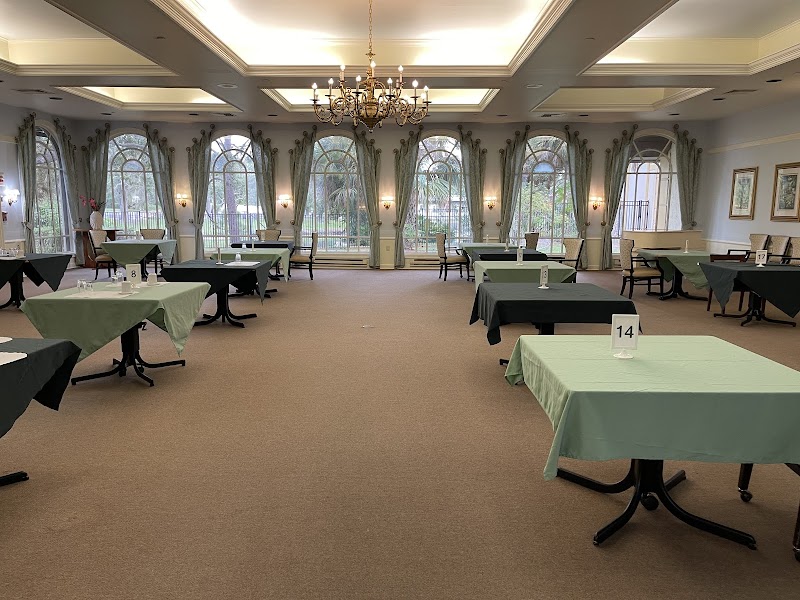
How is Springs At Lake Pointe Woods Staffed?

CMS rates SPRINGS AT LAKE POINTE WOODS's staffing level at 3 out of 5 stars, which is average compared to other nursing homes. Staff turnover is 43%, compared to the Florida average of 46%. This relatively stable workforce can support continuity of care. RN turnover specifically is 60%, which is notably high. RNs provide skilled clinical oversight, so turnover in this role can affect medical care quality.

What Have Inspectors Found at Springs At Lake Pointe Woods?

State health inspectors documented 14 deficiencies at SPRINGS AT LAKE POINTE WOODS during 2022 to 2025. These included: 1 Immediate Jeopardy (the most serious level, indicating potential for serious harm or death), 2 that caused actual resident harm, and 11 with potential for harm. Immediate Jeopardy findings are rare and represent the most serious regulatory concerns. They require immediate corrective action.
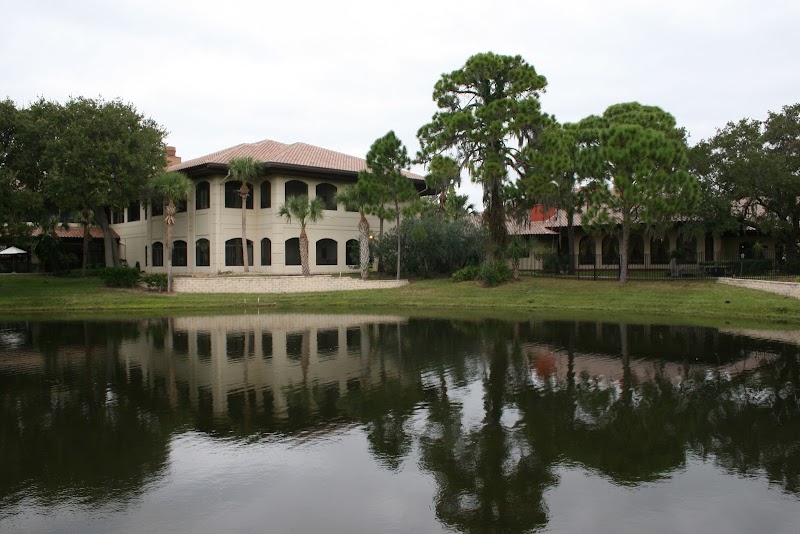
Who Owns and Operates Springs At Lake Pointe Woods?

SPRINGS AT LAKE POINTE WOODS is owned by a for-profit company. For-profit facilities operate as businesses with obligations to shareholders or private owners. The facility is operated by SUMMITT CARE II, INC., a chain that manages multiple nursing homes. With 101 certified beds and approximately 98 residents (about 97% occupancy), it is a mid-sized facility located in SARASOTA, Florida.
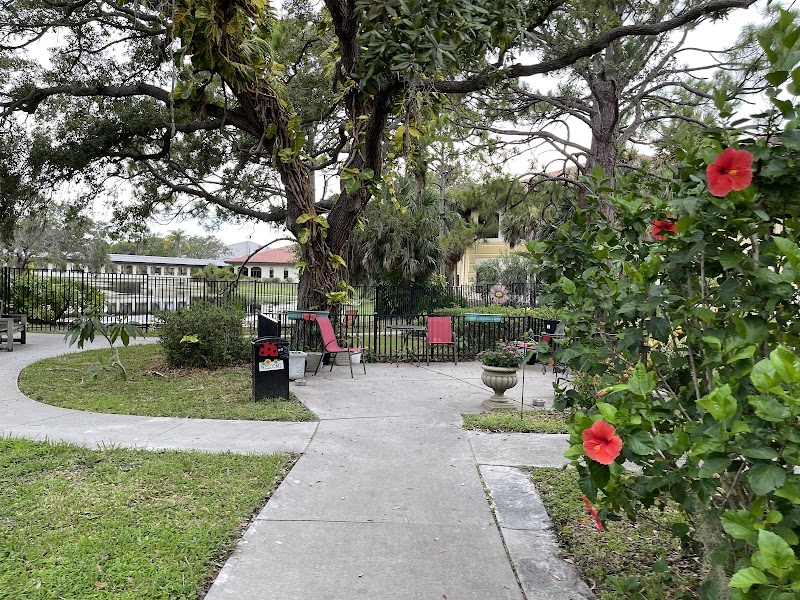
How Does Springs At Lake Pointe Woods Compare to Other Florida Nursing Homes?

Compared to the 100 nursing homes in Florida, SPRINGS AT LAKE POINTE WOODS's overall rating (2 stars) is below the state average of 3.2, staff turnover (43%) is near the state average of 46%, and health inspection rating (1 stars) is much below the national benchmark.

What Should Families Ask When Visiting Springs At Lake Pointe Woods?

Based on this facility's data, families visiting should ask: "What changes have been made since the serious inspection findings, and how are you preventing similar issues?" "What safeguards and monitoring systems are in place to protect residents from abuse or neglect?" "Can I visit during a mealtime to observe dining assistance and food quality?" "How do you handle medical emergencies, and what is your hospital transfer rate?" These questions are particularly relevant given the facility's Immediate Jeopardy citations and the substantiated abuse finding on record.

Is Springs At Lake Pointe Woods Safe?

Based on CMS inspection data, SPRINGS AT LAKE POINTE WOODS has documented safety concerns. The facility has 1 substantiated abuse finding (meaning confirmed case of resident harm by staff or other residents). Inspectors have issued 1 Immediate Jeopardy citation (the most serious violation level indicating risk of serious injury or death). The facility has a 2-star overall rating and ranks #100 of 100 nursing homes in Florida. Families considering this facility should ask detailed questions about what corrective actions have been taken since these incidents.

Do Nurses at Springs At Lake Pointe Woods Stick Around?

SPRINGS AT LAKE POINTE WOODS has a staff turnover rate of 43%, which is about average for Florida nursing homes (state average: 46%). Moderate turnover is common in nursing homes, but families should still ask about staff tenure and how the facility maintains care continuity when employees leave.

Was Springs At Lake Pointe Woods Ever Fined?

SPRINGS AT LAKE POINTE WOODS has been fined $22,856 across 5 penalty actions. This is below the Florida average of $33,307. While any fine indicates a compliance issue, fines under $50,000 are relatively common and typically reflect isolated problems that were subsequently corrected. Families should ask what specific issues led to these fines and confirm they've been resolved.

Is Springs At Lake Pointe Woods on Any Federal Watch List?

SPRINGS AT LAKE POINTE WOODS is not on any federal watch list. The most significant is the Special Focus Facility (SFF) program, which identifies the bottom 1% of nursing homes nationally based on persistent, serious quality problems. Not being on this list means the facility has avoided the pattern of deficiencies that triggers enhanced federal oversight. This is a positive indicator, though families should still review the facility's inspection history directly.