WRIGHTS HEALTHCARE AND REHABILITATION CENTER
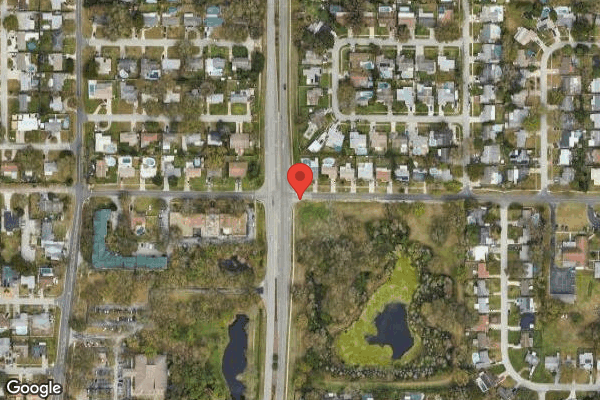
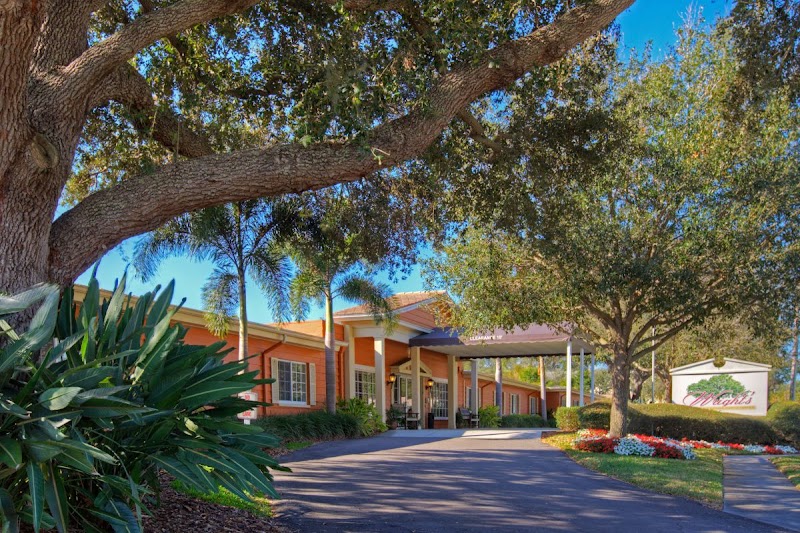
11300 110TH AVE N, SEMINOLE, FL 33778 (727) 391-9986
For profit - Individual 60 Beds KR MANAGEMENT Data: November 2025
Trust Grade
35/100
#447 of 690 in FL
Last Inspection: September 2023

Over 2 years since last inspection. Current conditions may differ from available data.

Overview

Wrights Healthcare and Rehabilitation Center has a Trust Grade of F, indicating significant concerns about the quality of care provided. They rank #447 out of 690 facilities in Florida, placing them in the bottom half, and #24 out of 64 in Pinellas County, suggesting only a few local options are better. While the facility is improving-having reduced issues from 8 in 2023 to just 1 in 2024-staff turnover is a concerning 57%, which is higher than the state average, and they have received $34,333 in fines, which is above 85% of Florida facilities. Additionally, there is less RN coverage than 91% of state facilities, which can affect the quality of care. Specific incidents raised by inspectors include a serious case of abuse involving a resident and inadequate handling of grievances, indicating both a failure to protect residents and a lack of responsiveness to their concerns. Overall, while there are strengths such as a high score in quality measures, the weaknesses highlighted present serious issues that families should consider.

Trust Score
F
35/100
In Florida
#447/690
Bottom 36%
Safety Record
High Risk
Review needed
Inspections
Getting Better
8 → 1 violations
Staff Stability
⚠ Watch
57% turnover. Above average. Higher turnover means staff may not know residents' routines.
Penalties
○ Average
$34,333 in fines. Higher than 70% of Florida facilities. Some compliance issues.
Skilled Nurses
⚠ Watch
Each resident gets only 22 minutes of Registered Nurse (RN) attention daily — below average for Florida. Fewer RN minutes means fewer trained eyes watching for problems.
Violations
⚠ Watch
13 deficiencies on record. Higher than average. Multiple issues found across inspections.
★★★☆☆
3.0
Overall Rating
★★☆☆☆
2.0
Staff Levels
★★★★★
5.0
Care Quality
★★☆☆☆
2.0
Inspection Score
Stable
2023: 8 issues
2024: 1 issues

The Good

  • 5-Star Quality Measures · Strong clinical quality outcomes
  • Full Sprinkler Coverage · Fire safety systems throughout facility
  • No fines on record

Facility shows strength in quality measures, fire safety.

The Bad

3-Star Overall Rating

Near Florida average (3.2)

Meets federal standards, typical of most facilities

Staff Turnover: 57%

11pts above Florida avg (46%)

Frequent staff changes - ask about care continuity

Federal Fines: $34,333

Above median ($33,413)

Moderate penalties - review what triggered them

Chain: KR MANAGEMENT

Part of a multi-facility chain

Ask about local staffing decisions and management

Staff turnover is elevated (57%)

9 points above Florida average of 48%

The Ugly 13 deficiencies on record

1 actual harm
Nov 2024 1 deficiency 1 Harm
SERIOUS (G) 📢 Someone Reported This

A family member, employee, or ombudsman was alarmed enough to file a formal complaint

Actual Harm - a resident was hurt due to facility failures

Free from Abuse/Neglect (Tag F0600)

A resident was harmed · This affected 1 resident

**NOTE- TERMS IN BRACKETS HAVE BEEN EDITED TO PROTECT CONFIDENTIALITY** Based on observations, interviews, and record review, the facility failed to protect the residents' right to be free from abuse ...

Read full inspector narrative →
**NOTE- TERMS IN BRACKETS HAVE BEEN EDITED TO PROTECT CONFIDENTIALITY** Based on observations, interviews, and record review, the facility failed to protect the residents' right to be free from abuse by an agency staff member, for one resident (#1) out of 3 residents sampled for abuse. On 11/04/2024 a physical altercation was witnessed to occur between Staff A, Agency Certified Nursing Assistant and Resident #1. Resident #1 suffered injuries to include: purple discoloration of the left eye on the eye lid and under the eyebrow, purplish discoloration along his left jaw line, and a swollen right forearm with redness near his elbow extending down to his mid forearm. Resident #1 was transferred to a higher level of care for evaluation and treatment as a result of the altercation. Findings included: Review of Resident #1's admission Record revealed he was admitted to the facility on [DATE]. His diagnoses included dementia without behavioral disturbances, glaucoma, Type 2 Diabetes Mellitus without complications, personal history of transient ischemic attack, cerebral infarction without residual deficits, hypertension, hyperlipidemia, retention of urine, anemia, benign prostatic hyperplasia without lower urinary tract symptoms, and cerebral vascular disease. Review of Resident #1's admission Minimum Data Set (MDS), dated [DATE], Section C, Cognitive Patterns, revealed a Brief Interview for Mental Status (BIMS) score of 3 out of 15, indicating severe cognitive impairment. Review of Resident #1's Determination of Incapacity form, dated 8/30/24, revealed he was deemed incapacitated as of 8/30/24. An observation was made on 11/12/24 at 9:45 AM of Resident #1. He was observed to be lying in bed on his right side with his eyes closed. His left forearm was observed to be larger than his right forearm with redness near his elbow extending down to his mid forearm. He was observed to have a bandage on his left wrist and a discolored area to his left and right hand. There was no bruising observed on the left side of the residents face. The right side of his face was not visible. An observation was conducted on 11/4/24 at 12:00 PM of Resident #1. He was observed to be in his wheelchair in the dining room being assisted by staff eating his ice cream. There was no facial bruising observed. His left forearm arm was observed to be larger than his right with a red area from his mid forearm to his elbow. Review of Resident #1's late entry incident note, dated 11/4/24 at 7:10 AM, revealed: Staffing coordinator [sic] responded to a female voice yelling from behind the closed door of resident' room. Upon entering room to investigate she observed assigned agency CNA [Certified Nursing Assistant] involved in a physical and verbal altercation with the resident. Resident was naked and lying on his back in his bed. The staffing coordinator [sic] directed the agency CNA to exit the room/facility and summoned the nurse to evaluate resident. Another CNA assisted staffing coordinator [sic] in applying brief and covering resident for comfort pending [sic] action by abuse prevention coordinator. Review of Resident #1's late entry incident note, dated 11/4/24 at 8:00 AM, written by the Director of Nursing (DON), revealed: This writer rec'd [received] call from staffing coordinator [sic] at approximately 7:10 a [AM] reporting that she had witnessed a physical altercation between the resident and the CNA assigned to him. She had already directed the CNA to exit the facility and the nurse on duty had completed an initial evaluation of the resident. Upon arriving at the facility, this writer approached resident at his bedside where he was observed lying on his right side in reverse direction (head towards footboard) in his bed resting quietly. This writer immediately noted purplish-red discoloration of resident's left eye orbit/lid extending corner to corner and around the outside, as well as purplish-red discoloration along his lower left jawline. Resident initially attempted to push this writer away, but calmed with soothing verbal reassurance and touch. This writer lifted the sheet that was covering him and noted that resident's left forearm was swollen, red and warm to touch. Resident would not allow the writer to assess further. No additional acute injuries were apparent. Resident known to have multiple other areas of bruising, skin tears and abrasions of various sizes and healing stages to bilateral upper and lower extremities, as well as left forehead/upper eyebrow prior to this incident. This writer notified the APRN [Advanced Practical Registered Nurse] of the event and requested a bedside visit ASAP [as soon as possible]. Additional notifications and reports were made to the resident's daughter, law enforcement, and regulatory agencies as required. Review of Resident #1's late entry Transfer to Hospital Summary, dated 11/4/24 at 10:12 AM, revealed: At the direction of [Sheriff's Office] resident transferred to [Emergency Room] via [Emergency Medical Services (EMS)] for further evaluation and treatment r/t [related to] incident that occurred earlier this morning. Resident was assisted from bed to stretcher w/o [without] incident by EMS and facility staff. Resident somnolent but responsive at the time of transfer. VSS [vital signs stable]. [Family]aware of transfer. Review of Resident #1's admission Note, dated 11/4/24 at 7:51 AM, revealed: Resident readmitted with a red area to left arm and ecchymosis noted to left eye and left [NAME] [sic] Discoloration noted to upper and lower extremities Sitting [sic] up in bed at present eating dinner NO [sic] s/s [signs/symptoms] of respiratory distress Call [sic] bell in reach. Review of Resident #1's Incident note, dated 11/6/24 at 11:10 PM, revealed: Resident continues to be monitored following incident on 11/4. Resident out of bed in main common area. Today seating was changed to gerichair per therapy to improve comfort and reduce restless behaviors when out of bed with good results. Resident rested quietly for most of the day. Monitoring of injuries ongoing. Left eyelid and inner canthum remain dark purple in color - fading bruising of outer canthum and left lower jaw line. Swelling and redness of left forearm improved, but elbow remains swollen andtender [sic] to touch. Resident also has multiple areas of bruising, skin tears and abrasions of multiple sizes at various stages of healing r/t other events (e.g. falls), including nearly resolved area of discoloration above left eyebrow. Seen today by medical director during rounds. Resident exhibiting no obvious adverse response to 11/4 incident. Will continue to monitor. Review of Resident #1's Hospital Transfer Form, dated 11/4/2024 at 9:38 AM, revealed: Other Reason for Transfer: pain and swelling left arm, pain and bruising jaw. .Skin/Wound Care .2. Other wounds or bruises present (describe): Left eye bruised Left jaw bruised Review of Resident #1's Trauma/Stressful Event Screening Tool, dated 11/8/24 at 4:59 PM, revealed: Indicate which individual participated in the interview 1. Other (explain below) 1a. Explain other Staff-Director of Nursing 2. Instructions: Say to the resident: Sometimes things happen to people that are unusual or especially frightening, horrible or traumatic. For example: a serious accident or fire, physical or sexual assault or abuse, an earthquake or flood, a war, seeing someone killed or seriously injured or having lost a love through homicide, suicide or an unusual accident or event? 2a. Have you ever experienced this kind of event? Yes 2aa. Information on the traumatic event as per residents choice to share details (explain below). Resident experienced physical and verbal abuse by a caregiver on 11/4/24. As of 11/8/24 - resident demonstrates baseline behaviors with no obvious indicators of residual psychological distress related to the incident. Resident has severe cognitive deficits secondary to dementia diagnosis and may have no recall/memory of event. Ongoing monitoring. 2b. Ask the Resident or Representative: In your life, have you ever had any experience that was so frightening, horrible or upsetting that I the past month you/they have experienced: NONE of the above experienced, no further intervention required. Review of Resident #1's care plan with a creation date of 9/19/24 revealed; [Resident #1] has cognitive deficits R/T a diagnosis of dementia. On 11/8/24 the care plan was updated to include He is at increased risk for adverse interactions due to dementia-related behaviors that include resistance to care, verbal outbursts and physical defensiveness. The goal revealed [Resident #1] will be safe, free of distress and will maintain current cognitive function for as long as possible through next review date. The interventions revealed Administer medications as ordered. Monitor resident response in regard to need, effectiveness and side effects. Attempt to identify specific stressors and educate staff to what they are so they can be minimized if possible. Ensure safety then leave and reapproach when demonstrating care resistance. Explain all care prior to starting and talk to resident throughout care. Identify things resident[sic] enjoy (e.g. music, preferred TV show, etc.) that can be played during care. If able, plan care during time of day/shift when resident is more approachable and allow rest periods if necessary to complete task. If resistive, seek out caregivers that resident is familiar with and trusts to assist with care. Reorient resident as needed and provide TLC [tender loving care] and reassurance. Speak clearly and slowly in a calm voice using short, simple sentences. An interview was conducted on 11/12/24 at 12:05 PM with the Staffing Coordinator. She said at 6:40 AM she was looking for a broom. Resident #1' s room and her office share a wall. She walked out of her office to get a broom from the housekeeper and as she was walking back she heard a female voice, screaming, yelling, and cursing coming from Resident #1's room so she entered his room, his bed was near the window and the dividing curtain was not drawn so she saw Resident #1 on his back completely nude, his head was at the foot of the bed and his feet were at the head of the bed with his legs bent and together. Staff A, Agency, CNA, was between the window and his bed standing towards the middle of the bed where his knees were bent. Staff A, Agency, CNA's back was to the window and when the Staffing Coordinator opened the door her and Staff A, Agency, CNA made eye contact. The Staffing Coordinator said to Staff A, Agency, CNA What the [expletive] are you doing, get out of here! as the Staffing Coordinator was saying that, Staff A, Agency, CNA looked at Resident #1 and said, You're piece of [expletive] and she was shoving his legs and arms pushing him away from her and when she would push his legs and his arm on his left side he would recoil back because he does not move that way. The Staffing Coordinator repeated herself and said Get out of here! As Staff A, Agency, CNA was walking out of the residents room she threw a pile of sheets, Resident #1's clothing for the day, and a folded up unused brief at his face. The Staffing Coordinator called out for help and Staff B, Agency, CNA came in as Staff A, Agency, CNA was exiting. Resident #1 was swinging his fists at that time and He was scared and reactive, I talked softly to him, got a sheet on him, and pillow under his head. Then the Staffing Coordinator said she called out for Staff C, LPN Supervisor and he came in and then the Staffing Coordinator exited the room. She saw Staff A, Agency, CNA was gathering her belongings in the small dinning room and the Staffing Coordinator followed behind her until she was out of the building. The Staffing Coordinator said there were no other altercations with Staff A, Agency, CNA with staff or other residents as she was exiting the facility, There was not even a word spoken from her. She exited the facility and the doors were locked. The Staffing Coordinator said she went back to Resident #1's room, Staff C, LPN Supervisor was assessing Resident #1 and The Staffing Coordinator called the Director of Nursing (DON) and put her on speaker phone so the Staffing Coordinator and Staff C, LPN Supervisor could tell her what they saw. Staff C, LPN Supervisor told the Staffing Coordinator 20 minutes prior to the incident he did not notice any facial bruising or swelling to the residents' left forearm. The Staffing Coordinator said she saw Resident #1 had bruising on his left eye and under his left jaw. On his left hand, the first knuckle was red from where he swung at Staff A, Agency, CNA and she hit his hand away. His left forearm was red, hot, and swollen from about his mid forearm up to his bicep area. When the staff member pushed him the second time, the Staffing Coordinator said she noticed Resident #1 had a bandage on his left bicep, from a previous skin tear, had attached to Staff A, Agency, CNA's glove and completely removed it off his skin. The Staffing Coordinator said Resident #1 was very scared. She sat with him until he calmed down and he said to her Let's just all be nice to each other, and he ended up going back to sleep with no further incident. By then the DON came in and she started her assessment and he was still a little skittish with her but then calmed down and she was able to finish her assessment. The Staffing Coordinator said Resident #1 enjoyed music and was a very sweet man. She said she did not provide him with personal care but from what she knew he was not resistive to personal care or had any behaviors. The Staffing Coordinator said Staff A, Agency, CNA had abuse and neglect training with an 88% passing rate through her agency in July of 2024. She said Staff A, Agency CNA used to work at the facility through a different agency company and the only concern was she was not reliable, she had a lot of call outs. The Staffing Coordinator said Staff A, Agency, CNA had worked with Resident #1 a total of five times including the day of the event. A phone interview was conducted on 11/4/24 at 1:16 PM with Staff C, LPN Supervisor. He said, on 11/4/24, he was giving report to the oncoming nurse. The staff coordinator went into Resident #1's room because she heard something and that's when he heard the Staffing Coordinator tell Staff A, Agency, CNA she had to leave. Then he saw Staff A, Agency, CNA exit the room and Staff B, Agency, CNA went in the room with the Staffing Coordinator to finish providing care. Staff C, LPN Supervisor said when Staff A, Agency, CNA exited the room she told him Resident #1 was resisting care and she was leaving and probably won't be able to come back. Staff C, LPN, Supervisor said Oh okay what happened? but she just left. Then the Staffing Coordinator called him into the room to assess Resident #1 and he said, Why what's wrong and [Staffing Coordinator] said to me something happened in here with [Resident #1]. Staff C, LPN, Supervisor said he assessed Resident #1, and saw his left arm was swollen and red. Staff C, LPN Supervisor, said Resident #1 doesn't really feel pain but he was acting like it was hurting him. Then when the resident looked at him, he saw Resident #1 had a blue area under his eye and above his eye and he said What happened in here because he did not have that when I was in his room less than an hour before that. He said he told the DON what he saw and gave a statement. Staff C, LPN Supervisor said his interactions with Resident #1 were minimal because he did not get any medications on the night shift, but he would get restless at night and Staff C, LPN Supervisor would talk with him and get him in his chair But he was a very pleasant person. I did not know him to be resistive to care. A family phone interview was conducted on 11/12/24 at 1:56 PM. She said she was told One of the other nurses or someone from agency slapped [Resident #1]. She said the police and the Nursing Home Administrator had told her that his arm was really swollen, and they were going to order a mobile X-ray but it was going to take too long so they recommended to have him sent out to the hospital. The family member said they called the deputy a couple days after the event and the deputy said Staff A, Agency, CNA was cooperative with the investigation and is denying she hurt him and saying the person who reported her does not like her. The family member said But I can't see someone making up a story like that. The family member said they saw his left arm was red and swollen but the hospital told them they took X-ray's, and it wasn't broken or fractured. The hospital also said he had a bruise under his jaw. I just don't see how someone could do that to [Resident #1]. He's cooperative and such a nice person I don't know how someone could do that. An interview was conducted on 11/12/24 at 2:04 PM with the DON. She said she received a phone call at home about 10 minutes after 7:00 AM on 11/4/24. The Staffing Coordinator called and said she had witnessed Staff A, Agency, CNA slapping at Resident #1. Staff C, LPN Supervisor was at the bedside so she asked about Resident #1's condition and the DON had asked the Staffing Coordinator where Staff A, Agency, CNA was and she said the CNA had left the building and Staff C, LPN Supervisor was in the middle of evaluating Resident #1 and the DON said she got dressed and came to the facility. Then she got to the facility and immediately went into Resident #1's room and did an assessment and found purple discoloration of the left eye on the eye lid and under his eyebrow. There was also purplish discoloration along his left jaw line. She said Resident #1 was covered with the sheet at the time so she removed the sheet, and she noticed his left arm was red and swollen but he would not let her assess it any further. At first when she assessed Resident #1, he was comfortable, in bed, and quiet. It wasn't until she went to assess his arm he tried to push her away with his other arm and started to move about in the bed but, she reassured him by kneeling down next to him and rested her hand on his head and let him know it was okay they were going to take care of him and he calmed right down, nodded his head, and closed his eyes, and went back to sleep. The DON said that was when she started making the notifications to the authorities, Resident #1's family, and Resident #1's ARNP and asked her to do an urgent onsite visit. Law Enforcement came out and they took over and they said it was their protocol for the resident be taken to the hospital. So, EMS came and the ARNP showed up, but she was not able to see the resident before he left. Resident #1 was evaluated in the emergency room and they did numerous X-ray's and cat scans and they didn't find any acute fractures and he returned to the facility. He returned to the facility and his injuries and behaviors were monitored. The DON said she did training with the staff related to abuse neglect and exploitation. Dementia training was done in January for all staff which included managing difficult behaviors. 100% of staff have completed the abuse and neglect training which included a post test. She said she was not sure how many of the staff have received dementia training because they had newly hired staff but she plans to do the training with all her staff. The DON said Resident #1 can be very, very sweet but when it comes to personal bedside care, he can be resistive and push you away, Kind of like what he did when I went to assess his arm. But if he does not want to be bothered, he'll push you away. The DON said they had not had any previous concerns with Staff A, Agency, CNA. The DON said after their 5-day investigation they determined Staff A, Agency, CNA's actions did meet the definition of abuse and due to Resident #1's injuries the facility believe abuse did occur. A phone interview was conducted on 11/12/24 at 4:44 PM with Resident #1's APRN she said on the day of the event (11/4/24) the resident went out to the hospital to be assessed. The APRN said she came to the facility and the sheriff's office had been notified and they said it was their protocol to have the resident evaluated in the emergency room. In the emergency room they took X-ray's and there were no fractures present. She said she was able to see the resident yesterday (11/11/24) and upon her exam the resident's left arm was red and swollen and there was some old bruising around the eye. She said Resident #1 was at his normal baseline, tired after lunch and pleasantly confused. She said she has heard from the staff Resident #1 can have some periods of combativeness with care, but he has not been combative or resistive to care during her exams. Review of Staff A, Agency, CNA's Agency credentialing documentation revealed FL. Alzheimer 's Disease & Dementia Awareness was missing. An interview was conducted on 11/12/24 at 4:34 PM. With the Staffing Coordinator, she said the facility has a binder of all of the facility's policies and procedures and when the Agency staff accept the position on the agency portal they acknowledge they know where the binder is but they are not required to review the binder of policy's prior to starting their shift, it is just used as a reference. If we were to go over all the contents in the book, that would be an hour that they would not be caring for the residents. I cannot force them to read the book. Review of the facility's Abuse, Neglect, and Exploitation Policy with a revision date of June 20, 2024, revealed Purpose: Wrights Healthcare and Rehabilitation Center has developed operational polices and procedures for screening and training employees, protection of residents and for the prevention, identification, investigation, and reporting of abuse, neglect, mistreatment, and misappropriation of property; to include the use of physical and/or chemical restraints. The Administrator, Director of Nursing and Risk Manger in the facility are responsible for ensuring the implementation and ongoing monitoring of these requirements. Definitions: Abuse is the willful infliction of injury, unreasonable confinement, intimidation, or punishment with resulting harm, physical pain, mental anguish. .physical abuse includes, hitting, slapping, pinching, pulling, and kicking. It also includes controlling behavior through corporal punishment. .The facility's abuse prevention officer is the Director of Nursing or designee. The Risk Manger is the Assistant Director of Nursing or Designee. Residents of this facility shall be protected from occurrences of abuse, neglect, exploitation, misappropriation of property, mistreatment of neglect. Staff and other relevant parties as determined by management shall be trained at least annually on abuse, neglect and exploitation, procedures for reporting incidents of this nature, dementia management, and abuse prevention. .II Training: Train employees through orientation and on-going sessions on issues related to abuse prohibition practices such as: 1) Appropriate interventions to deal with aggressive and/or catastrophic reactions of residents. .5) In addition to the freedom from abuse, neglect, and exploitation, requirements in 483.12, facilities must also provide training to their staff that at a minimum educates all staff on: 483.95(c) Activities that constitute abuse, neglect, exploitation, and misappropriation of resident property as set forth at 483.12. 483.95(c) Procedures for reporting incidents of abuse, neglect, exploitation, or the misappropriation of resident property. 483.95(c) Dementia management and resident abuse prevention
Sept 2023 8 deficiencies
CONCERN (D)

Potential for Harm - no one hurt, but risky conditions existed

Deficiency F0554 (Tag F0554)

Could have caused harm · This affected 1 resident

Based on observation, record review, and interview, the facility failed to ensure two (Resident #103 and #13) of twenty-two sampled residents were assessed for the self-administration of medications. ...

Read full inspector narrative →
Based on observation, record review, and interview, the facility failed to ensure two (Resident #103 and #13) of twenty-two sampled residents were assessed for the self-administration of medications. Findings included: 1. An observation and interview was conducted on 9/18/23 at 11:29 a.m., with Resident #103. An over-bed table was positioned in front of the resident and a medication cup containing two white round tablets was within reach of the resident. The resident identified the tablets as Xanax then said they were a name brand pain reliever/anti-inflammatory. A review of Resident #103's New admission Evaluation, dated 9/14/23 at 3:45 p.m., revealed the resident had not expressed a desire to self-administer medications. The review of the resident's evaluations on 9/18/23 at 12:53 p.m. showed the resident had not been evaluated for self-administration of medications. (Photographic Evidence Obtained) The Order Summary Report, active as of 9/19/23 at 7:37 p.m., for Resident #103 did not include a physician order allowing the resident to self-administer any medications. A review of Resident #103's care plan on 9/18/23 at 3:27 p.m. included a focus area that showed the resident had episodes of pain and the interventions were, Staff will administer medications as per MD order. 2. An observation was conducted with Staff B, Licensed Practical Nurse (LPN) of administration of medications for Resident #13. The staff member dispensed oral medications and removed a bottle of Artificial Tears for the resident. Staff B administered the oral medications and informed the resident of the application of eye drops. The resident and a family member (who was at bedside) reported Resident #13 had a bottle of eye drops in a small black pouch hanging from the residents neck. The resident stated that the eye drops were needed every 4 hours and there was no one at the facility to give them every 4 hours. The family member reported supplying the eye drops, in various brands, to Resident #13 for about ten (10) years. The resident has had them in the pouch, which the family member made, since the resident's admission to the facility. The family member removed a bottle of Artificial Tears from the resident's black pouch. A review of the admission Record for Resident #13 showed an admission date of 9/12/22 and included diagnoses not limited to unspecified dementia. A review of the Order Summary Report, active as of 9/19/22 at 7:45 p.m., included an order, dated 4/12/23 for Artificial Tears Ophthalmic solution 0.2-0.2-1% - Instill one drop in both eyes two times a day for dry eyes. The Order Summary did not include an order from the physician allowing the resident to self-administer any medication. A review of Resident #13's September Medication Administration Record (MAR) showed staff had administered the resident's Artificial Tears twice daily except for the refusal that was observed. The MAR showed the resident did not self-administer the ophthalmic solution every 4 hours as reported. Review of Resident #13's progress notes revealed the following: - 9/19/23 at 8:02 a.m., Resident declined for resident self-medicating self at bedside with own artificial tears. MD to be notified and resident need to be evaluated if resident can be administered correctly. Family member at bedside stated that family supplying medication. - 9/19/23 at 6:11 p.m., an Administration note for Artificial Tears identified supervised self-administration. - 9/19/23 at 7:55 p.m., the Director of Nursing (DON) noted Resident verbalized a desire to self-administer her eye drops earlier today during medication pass. Eye drops are an over-the counter (OTC) item, however, there is concern regarding (re:) resident's ability to properly store and access the medication as she is not able to independently retrieve items stored in her bedside table. Will collaborate with (w/) resident, physician, Interdisciplinary team (IDT) and request Occupational Therapy (OT) input. A review of Resident #13's New admission Data Collection and Observation, dated 9/14/22, showed the resident had not expressed a desire to self-administer medications. A review of Resident #13's care plan included a focus that showed the resident had a vision deficit and required glasses. The interventions associated with this focus instructed staff to Administer eye drops as ordered. The care plan did not show the resident had the ability to self-administer eye drops or any other medication. A review of Resident #13's evaluations revealed one Medication Self-Administration Safety Screen, dated 9/19/23, which was the initial screen, was not locked (completed), and had errors. The instructions for the Safety Screen instructed to Complete this assessment prior to resident initiating self administration of medication and with any medication order changes, change in function/condition that might affect the residents ability to safely self-administer medications. Ongoing assessment should occur at a minimum of quarterly. Use clinical judgment with section B to determine if or what level of self-administration will be allowed. The Self-Administration screen showed the resident was being considered for the self-administration of Artificial Tears Ophthalmic Solution and the medication would be kept at the residents bedside. The evaluation portion of the screening showed the resident required assistance with reading the label and/or identifying the medication, was unable to demonstrate secure storage of medications kept in room, and required assistance with correctly administer eye drops or eye ointments correctly. The approval portion of the evaluation was incomplete and did not identify if the physician order had been obtained for unsupervised administration, with supervision administration, or may not self-administer medications. On 9/19/23 at 9:30 a.m., the Director of Nursing (DON) reported that no resident had been evaluated for self-administration of medications, however; Resident #13 had asked to be evaluated this morning. The DON stated on 9/20/23 during an interview that began at 2:22 p.m., leaving Resident #103's medication unattended at bedside was a big no no. The policy - Resident Self-Administration of Medication, implemented 10/24/22, revealed It is the policy of this facility to support each resident's right to self administer medication. A resident may only self administer medications after the facility's interdisciplinary team has determined which medications may be self administered safely. The policy explanation and compliance guidelines revealed that Each resident is offered the opportunity to self administer medications during the routine assessment by the facilities interdisciplinary team. The Residents preference will be documented on the appropriate form and placed in the medical record. Review of the explanation and guidelines revealed the following: 3. When determining if self administration is clinically appropriate for a resident the interdisciplinary team should at a minimum consider the following: - a. The medications appropriate and safe for self administration; - b. The residence physical capacity to swallow without difficulty, open medication bottles, (and) administer injections; - d. The residents capability to follow directions until time to know when medications need to be taken; - g. The residents ability to ensure that medication is stored safely and securely. 4. The results of the interdisciplinary team assessment are recorded on the medication self administration assessment form which is placed in the residence medical record. 8. All nurses and aides are required to report to the charge nurse on duty any medication found at the bedside not authorized for bedside storage. Unauthorized medications are given to the charged nurse for return to the family or responsible party. Families are responsible parties are reminded of the policy and procedures regarding resident submission when necessary. 13. The care plan must reflect resident self administration and storage arrangements for such medications.
CONCERN (D)

Potential for Harm - no one hurt, but risky conditions existed

Deficiency F0583 (Tag F0583)

Could have caused harm · This affected 1 resident

Based on observation, record review, and interview, the facility failed to protect the Private Healthcare Information and personal data for three (Residents #55, #46, and #54) of 28 sampled residents ...

Read full inspector narrative →
Based on observation, record review, and interview, the facility failed to protect the Private Healthcare Information and personal data for three (Residents #55, #46, and #54) of 28 sampled residents as evidence by conversations held at the receptionist desk with a visitor standing nearby and with resident documents left unattended at the receptionist desk. Findings included: On 9/18/23 at 2:50 p.m., Staff D, Executive Assistant/Receptionist, was talking on the telephone at the reception desk making an appointment for a walker to be delivered to an unknown resident's home address. The name, date of birth , and home address of the resident was given to the recipient of the phone call. This information was overheard by this writer as well as other team members from the conference room across the hallway, approximately 12 feet, from the receptionist's desk. On 9/19/23 at 10:45 a.m., Staff D was sitting at the receptionist's desk while a female visitor was standing directly in front of the desk. The staff member was speaking to an unknown person on the telephone and provided the Medicare or Medicaid number of a resident to the recipient of the call. On 9/19/23 at 4:52 p.m., Staff D was sitting at the reception desk on the telephone making a follow up appointment for Resident #55. The staff member provided the recipient of the call with the name and date of birth of the resident, Medicare Part A number of the resident, and identified the secondary insurance held by the resident. This information was overheard while this writer was sitting in the conference room across from the reception desk. On 9/20/23 at 1:58 p.m., the Nursing Home Administrator reported that Staff D was at lunch. An observation at that time showed the reception desk in the front lobby of the facility was unoccupied and unattended. On 9/20/23 at 2:01 p.m., the reception desk was observed, still unoccupied. On top of the desk, in front of the computer keyboard was Resident #54's Photo and Other Media Release Form, dated 9/20/23 and signed by the resident's emergency contact. Next to Resident #54's form was a pad of paper listing several residents' names. On the other side of the form was a piece of yellow paper that showed Resident #46 had an appointment with a Primary Care Physician, date of the appointment, and specific information regarding the appointment. The observation revealed an open yellow binder with the Vaccine Consent Form for Resident #54 on top of contents. The consent was filled out and signed by the resident's representative on 9/20/23 and showed the vaccine consents for the Flu, Pneumonia, and COVID vaccines. (Photographic Evidence Obtained) An interview was conducted on 9/20/23 at 4:03 p.m. with Staff D. She stated the receptionist desk was her office. She reported receiving HIPAA (Health Insurance Portability Accountability Act) training upon hire, two (2) years ago. Staff D stated appointments and transportation needs were regularly made from the reception desk and when making an appointment the provider would ask for the resident's name and date of birth . Staff D reviewed the photographic evidence obtained and stated normally turns it over and said it was her fault. An interview was conducted on 9/20/23 at 4:24 p.m., with the Nursing Home Administrator (NHA). The NHA said HIPAA meant Privacy of Protected Information and included everything, name, medication information, date of birth , and Medicare/Medicaid numbers. The observation and overheard conversations were reviewed and discussed with the NHA who stated that it was inappropriate (to be seen and overheard). The NHA agreed that visitors and other residents could hear Protected Health Information (PHI) from the reception desk. The admission Handbook, which the facility identified as being given to each resident at the time of his/her admission identified in the section - Confidentiality/HIPAA, All your healthcare information is considered protected healthcare information. To maintain continuity of care, it is only disclosed in the course of normal health care operations. Except for normal healthcare operations your healthcare information can only be assessed with your permission. The policy - HIPAA Security Measures, implemented 10/21/22 revealed, It is the facility's policy to implement reasonable and appropriate measures to protect and maintain the confidentiality, integrity, and availability of the resident's identifiable information and/or records that are in electronic format. The policy did not address the protection of written Protected Health Information (PHI). The policy's Explanation and Compliance Guidelines included the following: - Facility leadership will ensure the implementation of policies and procedures to prevent, detect, contain, and correct any security violations. - Security measures will be implemented to manage risk and vulnerabilities as identified in the risk analysis. - Only appropriate employees will have access to electronic protected health information (EPHI). These employees will receive appropriate training related to the security of the information for which they have access. - The facility will perform a periodic technical and non-technical evaluation of its security plans and procedures to ensure it continued compliance in response to environmental or operational changes that affect the security of EPHI. - The facility will implement policies and procedures that specify the proper functions to be performed, the manner in which those functions are to be performed, and the physical attributes of the surroundings of a specific workstation or class of workstation that can access EPHI. All workstations that access EPHI will have restricted access.
CONCERN (D)

Potential for Harm - no one hurt, but risky conditions existed

Comprehensive Care Plan (Tag F0656)

Could have caused harm · This affected 1 resident

**NOTE- TERMS IN BRACKETS HAVE BEEN EDITED TO PROTECT CONFIDENTIALITY** Based on record review, interview, and observation, the facility failed to assess and develop a comprehensive care plan related ...

Read full inspector narrative →
**NOTE- TERMS IN BRACKETS HAVE BEEN EDITED TO PROTECT CONFIDENTIALITY** Based on record review, interview, and observation, the facility failed to assess and develop a comprehensive care plan related to side rails for two (Residents #12 and #18) out of twenty-eight sampled residents. Findings Included: 1. On 9/18/23 at 1:33 p.m., an observation was conducted of Resident #12's bed. The observation showed a mattress that was bolstered at the head of bed (HOB) and end of bed (EOB) with 1/4 rails lowered in a manner that produced a 1/2 rail covering the distance in between the two bolsters. A review of Resident #12's admission Record showed the resident was admitted on [DATE] and readmitted on [DATE]. The record included diagnoses not limited to unspecified severity unspecified dementia without behavioral disturbance, psychotic disturbance, mood disturbance, and anxiety, Post-Traumatic Stress Disorder (PTSD), and Parkinson's Disease. A review of the annual comprehensive assessment, dated 7/22/23, showed Resident #12 had a Brief Interview of Mental Status score of 4, indicative of severe cognition impairment. A review of Resident #12's Side Rail Evaluation and Consent, dated 8/18/23, revealed the plan for 1/2 side rails was to enable positional changes and improve bed mobility and for use during resident care/mobility. The evaluation did not show a physician's order was obtained or the resident's representative signed the consent. Review of Resident #12's care plan identified the following: - was a fall risk related to requiring extensive to total assistance by staff, poor safety awareness, and poor balance. The interventions did not include the use of side rails. - very limited mobility with poor coordination and balance related to weakness and Parkinson's disease. The interventions associated with this focus did not include the use of side rails. - need for Activities of Daily Living (ADL) assist due to weakness and cognitive deficits. The interventions did not include the use of side rails for positioning assistance. 2. On 9/18/23 at 9:30 AM, Resident #18, was observed in bed with a side rail up on each side of bed. Resident #18 was asking for help in a low voice, stating she wanted to go home because she must take care of her bills. The resident was neatly groomed, she was clothed in day attire, her hair was brushed, her glasses were on, and a lift sling was underneath her. A review of the electronic medical record) revealed Resident #18 was admitted to the facility with an initial admit date of 11/16/2015 with diagnoses to include essential hypertension, atrial fibrillation, major depressive disorder, and chronic renal disease, stage three. Resident #18 had a readmit date of 8/31/2021 with additional diagnoses of unspecified dementia, unspecified severity, without behavioral disturbance, psychotic disturbance, mood disturbance and anxiety, malignant neoplasm of the cecum (anatomically part of the gastrointestinal system assisting in digestion), and anxiety disorder. A record review of Resident #18's Minimum Data Set (MDS), dated [DATE], showed in Section C - (Cognitive Patterns) a Brief Interview for Mental Status (BIMS) score of four which indicated severe impaired cognition. Upon further review of the MDS, Section E -(Behavior) showed no potential indicators for psychosis, wandering, or rejection of care. Review of Section G -(Functional Status) had Resident #18 as requiring total assistance (two + persons physical assist) for bed mobility, transfers, dressing, toilet use, personal hygiene and locomotion on unit and set up (help only) for eating. The answer was not used for the MDS Section P - (Restraints and Alarms) for P0100, Bed Rails. An observation on 9/19/23 at 11:30 a.m. of Resident #18's room revealed the right side rail in an upright vertical position and the left side rail in a horizontal position parallel to the bed in the upright position (Photographic Evidence Obtained.) Resident was not present. An interview was conducted with Staff C, Certified Nursing Assistant (CNA) on 9/19/23 at 9:44 a.m. Staff C confirmed Resident #18 required total care related to toileting, bathing, transferring and required some assistance with eating and minor ADLs (Activities of Daily Living). She was verbal and could ask for things usually by a one-word request. Staff C stated Resident #18 might have mild verbal outbursts but was cooperative with bathing and transfers to her wheelchair. Staff C stated Resident #18 had a [spouse] who was a resident here at some point in time but stated she had never seen him come to visit the resident. Staff C stated the resident had a [family member] who would visit. Staff C stated Resident #18 had not tried to get out of bed on her own. A record review of Resident #18's physician orders for the month of September showed no current orders for side rails. A review of the most recent care plan, dated 8/31/23, showed no care plan areas identified for utilization of side rails. A record review of Nursing Side Rail Evaluation and Consent in Resident #18's electronic medical records, dated 8/11/23, documented side rails (enablers) were indicated to enable positional changes and improve bed mobility and for use during resident care/mobility. There was no resident or resident representative documented as being involved in the consenting process. An interview with the Director of Nursing (DON) was conducted on 9/19/23 at 3:00 p.m. The DON stated residents should have a care plan for side rails. The DON stated the residents should be evaluated, consented to and care planned for the side rails. The DON agreed Resident #18 was not properly care planned for the use of siderails. A review of the facility's policy titled, Comprehensive Care Plans, implemented on 10/17/2018 and revised on 01/23/2021, documented, It is the policy of this facility to develop and implement a comprehensive person- centered care plan for each resident, consistent with resident rights, includes measurable objectives and timeframes to meet our resident's medical, nursing, and mental and psychosocial needs are identified and the resident's comprehensive assessment. Policy explanation and compliance guidelines included the following items: 1. The care planning process will include an assessment of the resident's strengths and needs and will incorporate the residents [sic] personal and cultural preferences in developing goals of care. Services provided or arranged by the facility, as outlined by the comprehensive care plan, shall be culturally competent and trauma induced . 5. The comprehensive care plan will be reviewed and revised by the interdisciplinary team after each comprehensive and quarterly MDS assessment. 6. The comprehensive care plan will include measurable objectives and time frames to meet the residents' needs as identified in the residence comprehensive assessment. The objectives will be utilized to monitor their resident's progress. Alternative interventions will be documented, as needed. 7. The physician, other practitioner or professional will inform the resident and/ or resident's representative of the risks and benefits of proposed care, of treatment, and treatment alternatives options. The facility will attempt alternate methods for refusal of treatment and services and document such attempts in the clinical record including discussions with the resident and or resident representative. 8. Qualified staff responsible for carrying out interventions specified in the care plan will be notified of their roles and responsibilities for carrying out the interventions, initially and when changes are made.
CONCERN (D)

Potential for Harm - no one hurt, but risky conditions existed

Deficiency F0657 (Tag F0657)

Could have caused harm · This affected 1 resident

**NOTE- TERMS IN BRACKETS HAVE BEEN EDITED TO PROTECT CONFIDENTIALITY** Based on observation, record review, and interview, the facility failed to revise the care plan with appropriate interventions f...

Read full inspector narrative →
**NOTE- TERMS IN BRACKETS HAVE BEEN EDITED TO PROTECT CONFIDENTIALITY** Based on observation, record review, and interview, the facility failed to revise the care plan with appropriate interventions following a fall on 04/20/23 for one resident (Resident #37) out of the sampled twenty-eight residents. The resident had a second fall on 04/23/23 in the same location and around the same time. Resident #37 was discharged to the hospital on [DATE] and was found to have a fractured cervical spine (C1). Findings included: On 09/18/23 at 11:43 a.m., Resident #37 was observed sitting in the main dining room in a wheelchair and wearing a neck brace. On 09/19/23 at 10:27 a.m., Resident #37 was observed sitting in the dining room in a wheelchair and wearing a neck brace. The admission Record showed Resident #37 was admitted to the facility on [DATE] with diagnoses to include progressive supranuclear ophthalmoplegia, unspecified displaced fracture of first cervical vertebra, subsequent encounter for fracture with routine healing, unspecified dementia, unspecified severity, without behavioral disturbance, psychotic disturbance, mood disturbance, anxiety, major depressive disorder, and history of falling. Section C (Cognitive Patterns) of the Minimum Data Set (MDS) dated [DATE] showed Resident #37 had a Brief Interview for Mental Status (BIMS) score of 09 out of 15 which indicated moderately impaired cognition. Section G (Functional Status) showed Resident #37 required extensive assistance with two plus persons physical assist for bed mobility and transfers. He needed extensive assistance with one-person physical assist for walk in the room, walk in the corridor, locomotion on and off the unit, dressing, toilet use, and personal hygiene. Resident #37 needed limited assistance with one person physical assist with eating. Section J Health Conditions showed Resident #37 has had a fall with a major and minor injury. A review of the progress notes showed the following: 04/20/23 (no time) - Staff heard a thud in the large dining room and saw Resident #37 on the floor on his knees with his head on the floor. The resident leaned forward and fell out of the wheelchair. He was assessed and found to have a complaint of pain to the head, a hematoma to the forehead, and a skin tear to the dorsal right hand between the first finger and thumb. 04/20/23 at 14:04 (2:04 p.m.) - The Advanced Registered Nurse Practitioner (ARNP) was notified of the fall with no new orders. The family was contacted. 04/20/23 at 22:37 (10:37 p.m.) - Resident #37 was doing well post fall from this afternoon. He had a bump on the right side of his forehead and an ice pack has been placed on and off as he will allow. His vital signs improved throughout the evening and were all within normal limits at 2200. He tore the first bandage off the right hand but was replaced with an allevyn. He denied any pain or discomfort other than the soreness of the bump on his head. Post fall monitoring continued for 72 hours total and is on the 24-hour report sheet. 04/23/23 (illegible time) - Resident #37 experienced a ground level unwitnessed fall. He was found on the floor of the main dining room next to a wheelchair on the left side. The resident was assessed, and a laceration was noted on the right side of the forehead accompanied by swelling. Resident #37 complained of pain to the head/headache with no other injuries or complaint of pain or discomfort. His vitals were within normal limits. He was returned to wheelchair, placed in an environment for additional monitoring, and administered as needed (PRN) pain medication. Resident #37 was able to answer yes or no questions and agree with statements when interviewed for root cause. He agreed that he was trying to put his shoe back on. He was alert and oriented to baseline. Neuro checks were initiated. An attempt to contact the family was made. The on-call physician was contacted. The on-call physician agreed with the plan of care and asked to be notified of any change in condition. 04/24/23 at 21:12 (9:12 p.m.) - Resident continues 72-hour post fall monitoring. He had bruising on the right side of his forehead. He complained of pain in his head and was given acetaminophen at dinner time to good effect. Neuro checks were within normal limits at this time. Monitoring will continue. 04/25/23 at 22:09 (10:09 p.m.) - Resident continues 72-hour post fall monitoring. He had new bruising developed on bilateral eyes from fall which happened Sunday afternoon. His family member pointed out that he had bruising around both eyes. He denied any facial pain and had not complained of pain during this shift. He was taking scheduled acetaminophen to good effect every 6 hours. 04/26/23 at 22:20 (10:20 p.m.) - Resident #37 continues 72-hour post fall monitoring. He had facial bruising around both eyes and bruising on his forehead, he denied any pain. Neuro checks were within normal limits. 04/28/23 at 21:07 (10:07 p.m.) - Resident #37 returned from the hospital. His family member and hospital staff reported the resident had a fracture of cervical spine (C1) and will require cervical collar to be worn at all times for 2 months at least. The Fall Scale with an effective date of 04/20/23 showed Resident #37 had intermittent confusion. He had fallen before and had 1-2 falls in the past 3 months. His vision was poor. Resident #37 overestimates or forgets the limits of his ability to ambulate safely. He had a score of 18 which indicated a low risk of falls. This form was dated 05/15/23 and signed by the Risk Manager. The Fall Scale with an effective date of 04/23/23 showed Resident #37 was disoriented. He had fallen before, and he had 3 or more falls in the past 3 months. His vision was poor, and his gait was weak. Resident #37 overestimates or forgets the limits of his ability to ambulate safely. He had a score of 21 which indicated a moderate risk of falls. This form was dated 04/23/23 and signed by Staff B, Licensed Practical Nurse (LPN). The Nursing Home Transfer and Discharge Notice dated 04/28/23 showed the resident was transferred to a local hospital due to increased confusion. The care plan with a focus area related to falls showed Resident #37 had multiple falls and continues to be a fall risk related to having poor safety awareness due to impaired cognition and weakness with decreased mobility and balance (falls may be unavoidable due to multiple risk factors). The intervention initiated after the fall on 04/20/23 was the care plan to discuss the resident's progression of disease and safety. The intervention initiated after the fall on 04/23/23 was a lap buddy should be placed on his wheelchair when in his chair. Resident #37 was preoccupied with anything on the floor. An appropriate intervention to prevent Resident #37 from falling was not implemented after the fall on 04/20/23. On 09/19/23 at 1:50 p.m., Staff B, LPN, reported on the day of the fall, the resident was trying to stand. His head was observed on the floor. He assessed him. He was not complaining of pain at the time. No one witnessed the fall. The resident could not what happened. He did not go out to the hospital on that day. On 09/20/23 at 9:09 a.m., the Assistant Director of Nursing (ADON) reported they have a post fall monitoring sheet that was utilized to monitor the resident for 72 hours. They reviewed falls in morning meetings and discuss interventions to put in place. Sometimes they would put the new intervention in the Certified Nursing Assistant (CNA) task, if it looked like an infection they would do labs, and therapy was involved. They would send a resident out to the hospital depending on the situation. Resident #37 looked like he had a headache because he was holding his forehead. One time he said he was trying to pick up a shoe. He liked to be to himself. In an emergency, they must contact the doctor to get further directions about sending a resident out to the hospital. The doctor was notified of the fall. He was continuing to have headaches prior to being sent out to the hospital. He was later discharged to the hospital and was found to have a C1 fracture. The fall was unwitnessed, and his head was on the floor. On 09/20/23 at 9:25 a.m., the Director of Nursing (DON) stated they did an interdisciplinary review with the team. Resident #37 spent much of his day in the dining room because he had a significant history of falls. One of the falls happened after lunch while staff were prepping, and one was after lunch while staff was doing their after-lunch routine. They generally lay him down after lunch and get him back up for dinner. Staff heard a sound that was suspicious, and Resident #37 was found on the floor. He was responsive, alert, and wanted to get up. He was assessed and a hematoma was observed on his head and ice was applied to it. Staff notified the physician. Resident #37 was not on any blood thinners. If he was on blood thinners, they would have sent him out immediately. No post fall huddle form, Situation Background Assessment Recommendation (SBAR), or Change in Condition (CIC) form was completed. The DON stated they generally just chart in the chart and notify family. If there was loss of consciousness or an obvious injury, they would send a resident out to the hospital. With a head injury, they don't automatically send them out and the doctor made that determination unless the family or the resident said they want to go out to the hospital. Resident #37 had a fall on 04/20 and a second fall on 04/23. He did not have a head injury on the second fall. While monitoring him, he was holding his head and they became concerned. He was not as active as he normally was, and they wanted to have him evaluated due to the back-to-back falls. The DON stated he just was not acting himself. They did not send a resident out to the hospital unless there were neurological changes. He only complained that his head hurts which she would expect. The resident required three people to get him up. They always talk to staff to get statements and follow up after a fall. The root cause was he was probably trying to go back to bed after lunch. The second fall was three days later just before lunch. The fall was unwitnessed, and they really did not know what happened. When asked what kind of intervention was put in place after the first fall, the DON stated she believed they had a care plan meeting and tried to figure out other things from an Interdisciplinary Team (IDT) standpoint. They were questioning if they should put a helmet on him because they were starting to see more of him coming forward when falling. Having an IDT meeting was standard stated the DON. This meeting was held with a family member. Prior to these two falls, they moved him to the dining setting to have more opportunities to see him. The procedure provided by the facility Prevention of Falls Program revised 06/09/22 revealed the following: Intent Care plans will be created and implemented based on the individual's risk factors to aid in the prevention of falls. II. Quality Assurance/Risk Management Guidelines A. Responsibility of Risk Manager/Designee Care plan is to be updated with any new interventions. B. The Interdisciplinary Plan of Care (IPOC) team will meet within the same period of time and discuss the causative factors, interventions to prevent another fall, make therapy referral as necessary and revise the care plan if necessary.
CONCERN (D)

Potential for Harm - no one hurt, but risky conditions existed

Quality of Care (Tag F0684)

Could have caused harm · This affected 1 resident

**NOTE- TERMS IN BRACKETS HAVE BEEN EDITED TO PROTECT CONFIDENTIALITY** Based on observation, interview, and record review, the facility did not ensure one (Resident #14) of twenty-eight sampled resid...

Read full inspector narrative →
**NOTE- TERMS IN BRACKETS HAVE BEEN EDITED TO PROTECT CONFIDENTIALITY** Based on observation, interview, and record review, the facility did not ensure one (Resident #14) of twenty-eight sampled residents received on-going nursing assessments following a change in condition during 2 of 3 days of survey. Findings included: Review of an undated facility policy titled, Resident Right-Notification of Change, showed it is the policy of the facility to inform the resident and or their legal representative of changes in the resident's condition or plan of care in such a manner to acknowledge and respect resident rights. A need to alter treatment significantly means a need to stop a form of treatment . or commence a new form of treatment to deal with a problem. On 09/18/23 at 12:30 p.m., Resident #14 was observed sleeping in her bed all morning. The resident did not eat lunch. The resident did not respond to the interview. A review of an admission record for Resident #14 showed she was admitted to the facility on [DATE] with a primary diagnosis of unspecified dementia. On 09/18/23 at 12:34 p.m., an interview was conducted with Staff L, Certified Nursing Assistant (CNA). She stated Resident #14 did not look well. She said, it looks like she is not feeling well. Staff L stated she would notify the nurse. On 09/19/23 9:22 a.m. an interview was conducted with Staff M, Licensed Practical Nurse (LPN). She stated the resident was sick. She said, the resident has had a lingering cough for quite some time. She stated the resident had been tested for Covid twice and the results came back negative. Staff M stated the resident had a negative chest x-ray on 09/17/23, but her condition had not improved. Staff M stated she normally worked in this hall, and she thought the ARNP (Advanced Registered Nurse Practitioner) had seen the resident the day before. Staff M reviewed the resident's record with the surveyor and confirmed there had been no current notes or nursing progress notes indicating the resident's condition. A review of Resident #14's EMR (electronic Medical Record) revealed the resident did not have any notes from 08/22/23 to 09/19/23. A review of physician orders for Resident #14 revealed no new orders. A review of Evaluations conducted on Resident #14 showed no health assessments/ evaluations documented. On 09/19/23 at 2:40 p.m., an interview was conducted with Staff L, CNA. She stated Resident #1 was about the same. Staff L said, there has been no change. She is not eating. Staff L confirmed Resident #14 had not been feeling well for some time and that she was not herself. Staff L stated the nurses knew and she did not need to notify anyone. On 09/19/23 at 2:45 p.m., an interview was conducted with Staff K, LPN. She stated Resident #14 was still not feeling well. She stated the resident had had some lingering cough and sore throat. Staff K stated she had texted the doctor. She said, I don't know the last time she was seen. I'm waiting for notification that the doctor has received the message. Staff K confirmed resident #14 had not been feeling well for at least a couple weeks. Staff K stated there should have been nursing notes showing the resident's progress. A review of Resident #14's weight and vitals summary log dated 09/01/23 to 09/19/23 showed the resident's temperature was checked on 09/3/23 and 09/19/23. The reading on 09/19/23 showed 97.2, with a notation low of 97.8 exceeded The resident's blood pressure was obtain one time during this period on 09/19/23, with a reading of 102/69. The record revealed no further evaluation and monitoring. On 09/19/23 at 02:48 p.m., an interview was conducted with Staff N, CNA. She stated the resident had not been feeling well for at least 2 days. She stated the resident ate a little that morning but had not eaten lunch. Staff N stated she worked with this resident almost daily. She stated if a resident was unwell, they notify the nurse or the DON. On 09/19/23 at 02:50 p.m., an interview was conducted with the Director of Nursing (DON). The DON stated if a resident was not feeling well, she would expect nursing staff to complete a 24-hour report. She stated a CNA can initiate a Stop and Watch program when they note a change in condition (CIC) such as a resident not eating or if they had increased pain. She stated nursing staff including CNA's can initiate an alert. The DON stated she had not received a 24-hour report or any alerts on Resident #14. She stated the resident had a chronic cough and swallowing problems, but she was not aware she had not been eating or that her condition had changed. The DON said, I'd expect a nurse to put in a note regarding the resident's health care status and note if there was a CIC. The DON stated vitals should be taken regularly to monitor the resident's progress. 09/19/23 at 3:42 p.m., a follow -up was conducted with the DON. She stated she assessed the resident herself and put in a note. The DON read the progress note revealing the resident was, tired, weak, confused, and drowsy. Resident care of intermittent sore throat with dry cough . lung sounds clear but diminished on auscultation . Follow-up call placed today as resident's symptoms persist and intake is decreased. The DON stated she would expect staff to notify the physician and family if a resident was not feeling well. She stated she would expect the resident to be closely monitored. She said, This would include vitals, frequent checks and pushing fluids. Review of an undated facility policy titled, Notification of Change in Condition, showed the purpose of the policy is to ensure the facility promptly informs the resident, consults the resident's physician, and notify, consistent with his or her authority, the resident's representative when there's a change in the resident's condition requiring notification. Under procedure, the facility will inform the resident, consult with the resident's physician and/ or notify the resident's family member or legal representative when there's a change requiring such notification. This process is reinforced as part of the facility QAPI (quality assurance and performance improvement) program through communication systems and processes such as walking rounds, shift hurdles, Stop and Watch and use of predictive data. Situations requiring notification include: 1 (b.) potential to require physician intervention. (2.) A significant change in resident's physical mental or psychosocial status that is a deterioration in health mental all psychosocial status.
CONCERN (E) 📢 Someone Reported This

A family member, employee, or ombudsman was alarmed enough to file a formal complaint

Potential for Harm - no one hurt, but risky conditions existed

Deficiency F0565 (Tag F0565)

Could have caused harm · This affected multiple residents

Based on interview and record review, the facility did not ensure grievances were addressed in a timely manner for resident council members with the potential to affect a census of 50 residents. Findi...

Read full inspector narrative →
Based on interview and record review, the facility did not ensure grievances were addressed in a timely manner for resident council members with the potential to affect a census of 50 residents. Findings included: A review of an undated document titled, Nursing Home Resident's Rights, showed each resident shall have the right to present grievances and recommend changes in policies and services free from restraint, interference, coercion, discrimination, or reprisal. A review of the facility's grievance logs dated May 2023 to September 2023 showed the facility did not have any grievances recorded. The review showed no documentation related to any concerns/complaints the residents may have had. A review of Resident council meeting minutes revealed on-going grievances reported as follows: On 08/31/23 at 2:00 p.m., a resident council meeting was held attended by 7 residents. The residents reported concerns with, increased bugs sightings. Call lights responses still longer than they would appreciate. Nurses and CNAs (certified Nursing assistants) on personal phone calls and using earbuds while giving medications/care. Concerns with the upcoming football season and how it will affect call light response times during game times. The review did not show any recorded resolutions. On 07/26/23 at 2:00 p.m., a resident council meeting was held attended by 9 residents. The residents reported concerns about, earphones/phone use within rooms or at the end of hall. Shift change is very loud and disruptive. Residents are upset that CNA's are made aware of trays they do not like or want. CNAs are reportedly not coming back with alternative. Lack of name tags and/or not introducing themselves or explaining the purpose of visit. Residents reported cockroaches and cockroach eggs in clothes/ closet. The review did not show any recorded resolutions. On 06/29/23 at 2:00 p.m., a resident council meeting was held. The residents reported they had the same concerns with call lights, staff being loud in hallways, use of personal cell phones in care areas, and medications not given when asked. The review did not show any recorded resolutions. A review of council meetings held on 5/24/23, 4/26/23, and 3/21/23 revealed the same on-going concerns without documented evidence of facility ensuring or attempting to provide a resolution. On 09/19/23 at 11:00 a.m., this surveyor conducted a resident council meeting attended by 12 residents. The residents confirmed they had been reporting concerns or complaints to the Activities Director. The residents stated they did not always receive a response. The residents stated they tell staff when they had a problem and did not necessarily fill out a grievance form. They said, We just tell them if there is a problem. They work on resolving it. The residents reported sometimes some staff were very rude and they waited a long time to receive care. The Group voiced concerns related to staff use of personal cell phones during care, Food concerns, meal tickets were ignored, medications were not administered in a timely manner, and activities were baby-like. These residents stated they had reported their grievances to nursing staff, social services, and the Nursing Home Administrator (NHA). The group confirmed the activities director would document their issues in the council meeting minutes. On 09/19/23 at 12:32 p.m. an interview was conducted with the Activities Director. She stated she would consider a grievance to be anything that could not be resolved in the moment. She confirmed residents voiced grievances in resident council meetings sometimes they go to her with concerns such as missing clothing issues, food not palatable, residents not happy with nursing staff, meds not passed on time, staff being on the phone, and inappropriate loud conversations during shift changes. She stated she did not fill out a grievance form. She said, I defer to the appropriate department. I address the issue verbally. All managers get a copy of resident council minutes. She stated she expected the appropriate departments to provide the residents with feedback. She stated if the issue was not resolved, it was revisited and reported to the NHA. She stated the residents concerns were generally discussed in team meetings and education went out to staff. She confirmed she had not filled out individual grievances for residents who voiced concerns. On 09/19/23 at 1:09 p.m., an interview was conducted with the NHA, DON (Director of Nursing) and the Activities coordinator. The NHA stated a grievance was a concern that could not be rectified on the spot, or anything that required a follow-up action. The DON stated they were notified of resident's concerns through their procedure box. She stated the box had forms and anyone could ask for a form if they felt their issue was not resolved. She stated staff and residents could fill out the form. The NHA stated they did not have any grievances listed on the logs because he thought they had resolved all the issues. He stated he was not aware of any outstanding concerns. The DON stated she would normally review issues from resident council and send a form to the departments. The DON said, I know it is not documented, but we speak to the residents all the time. She stated she recently received a concern that a staff had an issue with a resident. She said, I addressed the dynamics of the staffing, same day. I addressed the issue pertaining to that resident. I did not fill out a grievance form. I know the staff behaviors are on-going. I see how there should be a grievance filed for that resident. The NHA confirmed he was aware of grievances related to staff and residents verbal interactions. He said, I know we address issues all the time but, if it is not documented it did not happen. We can do better at logging the issues and providing follow -up. Review of a facility policy titled, Resident Rights-Grievances, dated 06/07/22, showed it is the policy of the facility to allow the resident and or legal representative to voice a grievance in such a manner to acknowledge and respect resident rights. (1.) The resident has the right to voice grievances to the facility or other agency or entity that hears grievances without discrimination or reprisal and without fear of discrimination or reprisal. Such grievances include those with respect to care and treatment which has been furnished as well as that which has not been furnished, the behavior of staff and of other residents and other concerns regarding their LTC (long term care) facility stay. (2.) The resident has the right to, and the facility will make prompt efforts, to resolve grievances the residents may have in accordance with this paragraph.
CONCERN (E)

Potential for Harm - no one hurt, but risky conditions existed

Deficiency F0645 (Tag F0645)

Could have caused harm · This affected multiple residents

**NOTE- TERMS IN BRACKETS HAVE BEEN EDITED TO PROTECT CONFIDENTIALITY** Based on observation, record review, and interview, the facility failed to confirm the accuracy of a Pre-admission Screening and...

Read full inspector narrative →
**NOTE- TERMS IN BRACKETS HAVE BEEN EDITED TO PROTECT CONFIDENTIALITY** Based on observation, record review, and interview, the facility failed to confirm the accuracy of a Pre-admission Screening and Resident Review and failed to correct the document for two (Residents #6, and #12) of twenty-eight sampled residents. Findings Included: 1. A review of Resident #6's admission Record revealed the resident was admitted on [DATE] with unspecified severity unspecified dementia without behavioral disturbance, psychotic disturbance, mood disturbance, and anxiety and unspecified single episode major depressive disorder. The Preadmission Screening and Resident Review (PASRR), dated 8/3/23, for Resident #6 did not include any Mental Illness diagnoses. Section IV of the screening revealed that the resident did not have a diagnosis or suspicion of Serious Mental Illness or Intellectual Disability and a Level II PASRR evaluation was not required. A review of Resident #6's active Order Summary Report identified the resident received the antipsychotic medication of Aripiprazole daily for mood disorder with psychosis, Memantine twice daily for dementia, the antidepressant Trazodone for unspecified single episode of Major Depressive Disorder, and Venlafaxine (antidepressant) daily for depression. An interview was conducted on 9/20/23 at 2:22 p.m. with the Director of Nursing (DON). The DON reported that the residents' PASRR's are done in the hospital and when the resident was admitted , she scans through the PASRR to ensure if Level II had been done if indicated. The DON reviewed Resident #6's admission Record and PASRR and identified that the PASRR was incorrect. The Director stated she would have to look into having someone redo them, either a Registered Nurse or physician. 2. A review of Resident #12's admission Record revealed the resident was admitted on [DATE] and 6/10/21. The admission record included the principal diagnosis of unspecified severity unspecified dementia without behavioral disturbance, psychotic disturbance, mood disturbance, and anxiety, and secondary diagnoses of chronic Post-Traumatic Stress Disorder (PTSD), and unspecified recurrent major depressive disorder. The mental illness diagnoses, including dementia had an onset date of 2/25/21. A review of Resident #12's Preadmission Screening and Resident Review (PASRR), dated 12/20/20, did not identify the resident had any mental illness or suspected mental illness. The services section of the screening did list dementia as additional information. A further review of the PASRR revealed that it did not identify the residents dementia diagnosis as primary. The screening revealed No diagnosis or suspicion of Serious Mental Illness of Intellectual Disability indicated. Level II PASRR evaluation not required. During an interview on 9/20/23 at 2:27 p.m., the Director of Nursing reviewed Resident #12's PASRR and admission Record then confirmed the primary diagnosis of the resident was dementia and that the PASRR should identify PTSD and the dementia diagnosis.
CONCERN (E)

Potential for Harm - no one hurt, but risky conditions existed

Food Safety (Tag F0812)

Could have caused harm · This affected multiple residents

Based on observations, interview, and record review, the facility failed to store and prepare food in accordance with professional standards for food service safety related to labeling and dating food...

Read full inspector narrative →
Based on observations, interview, and record review, the facility failed to store and prepare food in accordance with professional standards for food service safety related to labeling and dating foods, discarding expired foods, and using appropriate hand hygiene. Findings included: On 09/18/23 at 9:58 a.m., an initial tour of the kitchen was conducted with the Certified Dietary Manager (CDM). The following concerns were observed: the wall in the kitchen was ripped and missing tiles; a box of bruised, cut, and sprouted potatoes; two opened bags of blueberries, one opened bag of strawberries, one opened bag of pineapple chunks, one opened bag of cauliflower florets, one opened bag of broccoli, and one opened bag of egg patties was observed in the reach in freezer undated; an opened bag of hotdog buns and one opened container of garlic parmesan wing sauce was observed in the dry storage room undated; one opened 16 oz bottle of water was observed in the dry storage room; two bottles of heavy-duty degreaser and two containers of sanitizers were observed sitting on the top of boxes of water with water damage in the outside storage area outside of the walk in freezer; an opened bag of unknown food was observed in the walk-in freezer without a label and date; spillage, 16 oz white Styrofoam cup with an unknown frozen substance, small frozen substance in a fast-food cup was observed in the freezer of the homestyle refrigerator without a label and date; and one unknown container of food, an opened stick of butter, a small container of corn and spaghetti, and food in a fast-food wrapper was observed in the bottom of the homestyle refrigerator without a label and date (photographic evidence obtained). The CDM confirmed that this refrigerator was for residents only. On 09/19/23 at 11:40 a.m., Staff H, Dietary Aide, took the temperature of the foods for lunch. She took the temperature of a milk and walked towards the trash can, removed the lid from the trash can, discarded the milk, and proceeded to finish taking the temperatures. She was wearing gloves, did not perform hand hygiene, or change gloves after touching the lid of the trash can. On 09/19/23 at 11:55 a.m., the CDM reported all foods should be labeled and dated. He stated he had explained hand washing to staff this morning. The CDM stated the water damage on the boxes of water was probably from a roof leak. The policy and procedure provided by the facility Maintenance Log with an effective date of 09/01/14 revealed the following: Policy Statement Our facility shall strive to ensure that the facility systems and building will be in good repair and free of potential hazards. The one-on-one in-service record provided by the facility Labeling and Dating Foods undated revealed the following: Why Label? Foods are labeled for food safety. Information on the label tells staff when food is approaching dates from when it would be removed from service. Labels include the name of the item, date it was prepared or opened and a date the time should be used by. General Labeling Items are labeled when opened with opening date. Use By Details All foods placed in the refrigerator are to be labeled with name of item, date item is placed and date it is to be used. The in-service manual provided by the facility Hand Washing and Glove Usage dated 2019 revealed the following: Learning Objectives 1. The Employee will be aware of requirements for frequency of hand washing. 2. The Employee will be able to identify situations in which hands require washing. Hands should be washed when contaminated and after handling soiled dishes and trash. Always change gloves if the gloves get ripped, torn, or contaminated. Contamination can occur after touching a nonfood item such as the door or trash can. Hands should be washed when contaminated and after handling soiled dishes or trash.
Sept 2021 2 deficiencies
CONCERN (D)

Potential for Harm - no one hurt, but risky conditions existed

Resident Rights (Tag F0550)

Could have caused harm · This affected 1 resident

**NOTE- TERMS IN BRACKETS HAVE BEEN EDITED TO PROTECT CONFIDENTIALITY** Based on observations, interview and record review the facility failed to ensure each resident was provided with dignity related...

Read full inspector narrative →
**NOTE- TERMS IN BRACKETS HAVE BEEN EDITED TO PROTECT CONFIDENTIALITY** Based on observations, interview and record review the facility failed to ensure each resident was provided with dignity related residents exposed body and confidentiality regarding resident's bodily functions for 2 (#30 and #39) of 27 sampled residents. Findings included: 1. Observations on 9/09/21 at 7:46 AM from the hallway outside the resident's room, Resident#30 was noted to be in her room moving around organizing her closet. The resident was noted to be wearing a hospital gown that was open in the back exposing her bare back and her incontinent brief. It was also noted the curtain to the window that looks out to the enclosed patio was open about 2 feet and a staff member was noted to be walking back and forth on the patio repeatedly passing the resident's window. Continued observation at this time revealed that Staff A, Certified Nursing Assistant (CNA) was standing in the hallway and said good morning to the resident from the hallway and explained to this surveyor that the resident was going home today. Continued interview during the observation with Staff A at this time revealed staff probably opened the resident's window curtain so the resident could see while moving around her room. Staff A proceeded to walk down the hall to obtain towels from a bin in the center hallway. She did not attempt to close the window curtain, the privacy curtain, or the door to allow for privacy for Resident #30. During an interview on 9/09/21 at 7:48 AM, Resident#30 reported she is scheduled to go home today and is excited. The resident reported she did not open the window curtain and did not ask anyone to open them and does not know who opened them or when they were opened. She reported she does not like to be exposed but the gown does not close in the back. An interview on 9/09/21 at 7:50 AM with Staff A, CNA revealed she was aware the resident had on a gown which exposed her back and her incontinent brief. The staff reported she should have helped cover her up or close the window and door, and that she was sorry for that. She reported the resident's aide probably opened the curtain for the resident because she likes it open. An interview on 9/09/21 at 7:52 AM with Staff B, CNA revealed he is assigned to the resident and the resident is going home today. He reported he did not open the residents window curtain this morning and the resident will request when she wants the window curtain open, which is usually after she gets dressed. On 9/09/21 at 7:54 AM an interview with the Director of Nursing (DON) revealed if residents are exposed staff are to offer help and ensure privacy. On 9/09/21 at 8:07 AM an Interview with the DON revealed all staff are to intervene timely to protect all resident's dignity and offer help. she stated she will speak to all staff regarding resident privacy and dignity. Review of Resident #30's record revealed a Minimum Data Set (MDS) for a 5-day admission dated 8/2/21, which indicated that the resident has a Brief Review for Mental Status (BIMS) score of 14 (cognitively intact); feels that it is very important to choose what to wear and very important to take care of her personal belongings. 2. Observations on 9/10/21 at 8:08 AM revealed that while seated in the work area room which was in the front of the building adjacent to the lobby a transport vehicle was observed to pull in front of the building and the driver came into the building and requested a resident. On 9/10/21 at 8:11 AM while in the work area Staff A, CNA was heard talking loud in the lobby and indicated that Resident #39 can't come now she's on the toilet she's got diarrhea, he has to wait. The lobby area instantly became quiet, Staff A then passed the door to the work area and stated, Oh I'm sorry. On 9/10/21 at 8:13 AM an interview with the DON revealed she was present when Staff A was speaking loudly about Resident #39, and she has already spoken to her. She reported that all the residents should be protected, and resident conditions should be reported to the nurse in a manner to protect privacy. Review of the Resident #39's record revealed a Quarterly MDS dated [DATE] which indicate that she has a BIMS score of 13 (Cognitively intact) 3. Review of the facility policy titled Promoting/Maintaining Resident Dignity with a review date of 10/14/2020 revealed that It is the practice of this facility to protect and promote resident rights and treat each resident with respect and dignity as well as care for each resident in a manner and in an environment, that maintains or enhances resident's quality of life by recognizing each resident's individuality. Continued review of the policy found that under the sub-section titled Compliance Guidelines: included the following: 1. All staff members are involved in providing care to residents to promote and maintain resident dignity and respect resident rights. 10. Speak respectfully to residents; avoid discussions about residents that may be overheard. 12. Maintain resident privacy. Review of the facility policy titled Confidentiality of Personal and Medical Records with an effective date of October 13, 2019 revealed that Employees should not discuss resident information in public or semi-public areas.
CONCERN (D)

Potential for Harm - no one hurt, but risky conditions existed

Quality of Care (Tag F0684)

Could have caused harm · This affected 1 resident

**NOTE- TERMS IN BRACKETS HAVE BEEN EDITED TO PROTECT CONFIDENTIALITY** Based on observation, interview and record review, the facility failed to ensure wound care orders and consistent treatment were...

Read full inspector narrative →
**NOTE- TERMS IN BRACKETS HAVE BEEN EDITED TO PROTECT CONFIDENTIALITY** Based on observation, interview and record review, the facility failed to ensure wound care orders and consistent treatment were in place for one Resident (#40) of three residents reviewed. Findings Included: During an interview and observation of Resident #40 on 9/8/21 at 10:52 a.m. she stated she had a fall recently and sustained a skin tear to the left arm and left lower leg. The resident stated someone changed the dressing and pulled up her left sleeve which revealed an oval shaped white dressing with illegible writing on her left arm and left leg. During an interview with Staff Member E, Licensed Practical Nurse (LPN) on 9/9/21 at 3:49 p.m. she stated the resident had a fall a few weeks ago and scraped her left arm and left leg. [NAME] said a dressing was applied for pressure and protection as the scrapes were scabbed over. Staff Member E, LPN stated she did not document what the wounds looked like and called them 'scabs.' Staff Member E, LPN stated she did not get an order for wound care as she probably had an order before and could not say where the dressings were documented as changed and when she last changed them. During observation of Resident #40 on 9/9/21 at 4:29 p.m. with Staff Member E, LPN and Staff member C, Registered Nurse (RN), Staff Member C, RN removed the resident's left lower leg dressing. The wound was observed with slough, redness and slightly swollen with drainage. Staff Member E, LPN conveyed the wounds were from the August fall to Staff member C, RN. Staff member C, RN stated the wound was moist from the scab falling off and stated the wound was red but did not appear infected. The resident pulled up her sleeve to look at her left arm. The left arm did not reveal a dressing, blood was observed on the resident's sweater and a skin tear was observed on the left arm. Staff Member E, LPN stated she did have a dressing on the residents left arm and was not sure what happened to it. She confirmed it was bleeding and said they would clean and dress the wounds and obtain a physician's order for wound care on the left arm and left leg. A review of a health status note dated 9/9/21 at 5:28 p.m. included the resident had a skin tear to left lower extremity that scab had come off. Dressing was removed, small amount of serosanguineous drainage on dressing. Also noted skin tear to left forearm with moderate amount of serosanguineous drainage noted. Both skin tears documented as occurring during a prior fall. Nurse Practitioner notified. Skin tear cleansed with normal saline, triple antibiotic ointment applied and covered dressing. Treatment orders placed on the Medication Administration Record (MAR). A review of an Infection Note dated 8/22/21 at 5:02 a.m. included, Dressing remains intact, clean, and dry to left arm and left leg. A review of an Infection Note dated 8/10/21 at 4:23 p.m. included skin tear to left top forearm. A review of an Infection note dated 8/10/21 at 2:54 p.m. included Resident received two skin tears. Physician notified. A continued review of the health status note dated 8/9/21 at 7:50 p.m. revealed the resident was found on the floor in front of her wheelchair and next to the sink. Large skin tear found on left lateral lower leg and one large skin tear on left forearm. Nurse applied adaptic, steristrips, pads and kerlex to both skin tears. Physician called. Review of physician orders documented skin check by licensed nurse every Saturday on evening shift ordered on 5/19/21. Review of the care plan revealed a focus area for risk of skin tears initiated on 3/13/18 included interventions to maintain clutter free environment, moisturize skin implemented 3/13/18. Focus area risk for infection related to arthritis initiated 9/29/17. Interventions included monitor resident for any signs and symptoms of infection and notify physician as indicated, initiated on 9/29/17. Review of the treatment administration record (TAR) included skin check by licensed nurse every Saturday on evening shift. Start date 5/25/19 last completed on 9/4/21. Review of the wound/skin evaluation dated 9/4/21 included cellulitis to lower extremities on antibiotics. No dressing medically required. Review of the Minimum Data Set (MDS) revealed a Brief interview for mental status (BIMS) of 13, no cognitive impairment dated 8/12/21. During an interview with the Director of Nursing (DON) on 9/9/21 at 3:56 p.m. she stated that anytime a dressing is in place there should be a treatment ordered, skin sheets should be charted, and orders should be obtained. Review of facility policy for wound management dated 6/10/18, two pages, revealed: 5. Weekly during the scheduled weekly skin evaluation the nurse responsible for that week's evaluation will document the wounds on the weekly skin check. When there is noted deterioration in the wound the nurse will notify the physician and consult for additional treatment orders. The nurse will notify the resident's responsible party regarding the change in condition, and this will be documented in the resident's record. This process will continue weekly until the wound is healed. Review of facility policy for wound prevention dated 6/10/18, two pages, revealed: The purpose of this program is to assist the facility in the care, services and documentation related to the occurrence, treatment, and prevention of pressure as well as, non-pressure related wounds. Review of facility policy for skin integrity dated 6/10/18 page one revealed: It is the policy of the facility to ensure that the residents receive care and services to prevent the development and promote the healing of pressure sores, in accordance with State and Federal Regulations.
Feb 2020 2 deficiencies
CONCERN (D)

Potential for Harm - no one hurt, but risky conditions existed

Deficiency F0582 (Tag F0582)

Could have caused harm · This affected 1 resident

Based on interview and facility record review, the facility failed to provide the Skilled Nursing Facility Advanced Beneficiary Notice (form CMS-10055) to two (Residents #8 and #15) of three residents...

Read full inspector narrative →
Based on interview and facility record review, the facility failed to provide the Skilled Nursing Facility Advanced Beneficiary Notice (form CMS-10055) to two (Residents #8 and #15) of three residents reviewed for notification of potential liability of skilled services and the right to appeal the Medicare Non- Coverage. Findings included: 1. A brief interview was conducted on 02/19/20 at 08:57 a.m. with the Social Services Director. The Social Work Director stated she completed the request for residents selected for the Beneficiary Protection Notification. Three residents were selected for the review. 2. A review of the Skilled Nursing Facility Beneficiary Protection Notification document revealed Resident #8's Medicare Part A Skilled Services episode start date was on 9/5/2019. The last day covered was 11/25/2019. The facility initiated the discharge from Medicare Part A services when benefit days were not exhausted. The Skilled Nursing Facility Advance Beneficiary Notice of Non-coverage - Form CMS 10055 (SNF ABN) was not provided to the resident. She transitioned to long term care under Medicaid. Further review revealed the resident's daughter/Health Care Proxy was contacted by phone on 11/22/19 at 1:55 p.m. and was explained the notice of non-coverage and appeal rights as documented on the CMS- 10123-Notice of Medicare Non-Coverage (NOMNC) form. The resident remained in the facility. 3. A review of the Skilled Nursing Facility Beneficiary Protection Notification document revealed Resident #15's Medicare Part A Skilled Services Episode start date was on 12/11/2019. The last day covered was 12/30/19. The Social Services Director revealed on the worksheet that Resident #15 was switched from Medicare Part A to Veteran's Administration (VA) skilled services. The resident did not receive Form CMS-10055 (SNF ABN). Form CMS-10123 (NOMNC) was not provided as the discharge from Medicare Part A was family initiated. He remained in the facility. There was no break in skilled service when resident went from Medicare A to VA Skilled Services. A review of resident's hospital patient registration form revealed Resident #15 was covered by the Veterans Administration Tri [NAME] PCCC insurance and Medicare. The resident's census sheet revealed the resident was covered by Medicare Part A on 12/11/19 to 12/31/19. From 12/31/19 to 2/10/20, resident was covered by Veteran's Administration RUGS. An interview was conducted on 02/20/20 at 10:42 a.m. with the Social Services Director. For Resident #15, she stated, the daughter did not want to incur the co-pay after 20 days of resident's admission. It was decided prior to admission that resident would use Medicare Part A to day 20 and on day 21, access his VA benefits. She stated there was no break in services, as the rehabilitation department re-evaluated the resident and was submitted to the VA for continued skilled care. The Social Services Director stated the Pre-admission Nurse completed the documentation prior to resident's admission into the facility and she verified the resident did not receive the CMS- 10055 and the NOMNC. The surveyor requested a copy of the pre-admission documentation. The Social Services Director did not provide the pre-admission documentation with daughter's request. 4. Further interview with Social Services Director revealed Resident #8 was transferred into long-term (section of the facility). She verified resident/family representative was not provided the CMS- 10055 - Skilled Nursing Facility Advance Beneficiary Notice of Non-coverage Form. 5. An interview was conducted on 02/20/20 at 12:02 p.m. with the Administrator. He stated the facility does not have a policy on beneficiary notices. The Administrator verified Resident #8 remained in the facility and was on Medicaid following the Part A services. The facility did not provide the CMS- 10055 - Skilled Nursing Facility Advance Beneficiary Notice of Non-coverage form and her daughter was contacted via phone. The Administrator verified Resident #15 was on Medicare Part A for 20 days and then day 21 on Veterans Administration (VA) Insurance. He stated resident remained in the facility on the VA Insurance from 12/31/19 to 2/10/20 and was then discharged to home. The Administrator stated resident did not receive the CMS- 10055 - Skilled Nursing Facility Advance Beneficiary Notice of Non-coverage form.
CONCERN (D)

Potential for Harm - no one hurt, but risky conditions existed

Infection Control (Tag F0880)

Could have caused harm · This affected 1 resident

Based on observation, interview and policy review, the facility did not ensure that infection control standards were consistently applied during meal tray pass on the west wing, and in the assisted di...

Read full inspector narrative →
Based on observation, interview and policy review, the facility did not ensure that infection control standards were consistently applied during meal tray pass on the west wing, and in the assisted dining room for three (Staff B, C, & D) of nine staff reviewed. Findings included: On 02/17/20 at 11:55 AM, observation of the mid-day meal tray pass began on the west wing. Staff B, Staff C, and Staff E, all CNAs, were passing the mid-day meal trays. At 11:58 am, Staff C walked out of a resident's room with her gloves on carrying a used brief that was wrapped around itself in her right hand, above her head. She told Staff E, Let me throw this away and I'll be right there. As Staff C was talking, Staff E was pushing the meal cart down the hallway, passing Staff C while she held the used brief in her hand. At 12:01 pm Staff B, walked into an isolation room with a meal tray. She did not put on any personal protective equipment (PPE) before entering. At 12:05 pm Staff C walked out of a room with her gloves on into the hallway. After exiting the room, she stopped, removed her gloves, and walked back into the room. She then exited the room and walked to the meal tray cart. During observation of meal tray pass of the assisted dining room on 02/17/20 at 12:37 pm, Staff D, RN, was observed fixing empty meal trays on top of the meal tray delivery cart. She was observed multiple times removing dirty trays from the resident tables and then placing them on top of the cart. She would then retrieve a new tray from the cart to provide a meal to another resident seated in the dining room. At one point, Staff D was observed touching a small open, used carton of milk a resident had been drinking out of before meal trays were available. She then went on to check a meal ticket on a new unserved tray before passing the tray to a resident. Hand hygiene was not performed between these actions. At 12:43 pm, Staff D walked out of the dining room to get a resident a cup of coffee. On her way back to the dining room, she dropped dry non-dairy creamer packets onto the floor. She bent over, picked them up, walked into the dining room where the resident was sitting, opened the packets, and poured and stirred them into the resident's coffee. On 02/17/20 at 1:00 pm in a double interview with Staff B, CNA and Staff C, CNA, Staff C she said that did not think about it when she walked out of the room both times. Staff B said that she didn't think she had to get another tray for the resident because she didn't put the tray down inside of the room or take the cover off. She said that she didn't need PPE in the isolation room because she didn't touch anything. At 4:30 pm, the DON added to the interview that she holds agency staff to the same standards as her facility hired staff. She also reiterated that the facility does include agency staff in their education and in-services. Review of the facility policy titled Infection prevention and control and surveillance program with the date of 6/20/2017 under Procedure #3 The facility will provide personal protective equipment (PPE) to support compliance with standard and transmission-based precautions and ensure that it is readily available for staff use. Staff are required to adhere to standard precautions and use PPE according to standard precautions. Under #5 The facility will require staff to perform hand hygiene as indicated by national guidelines. Review of the Centers for Disease Control and Prevention's hand hygiene for providers revealed that hand hygiene should be performed after touching a patient (resident) or the patient's (resident's) immediate environment.
Understanding Severity Codes (click to expand)
Life-Threatening (Immediate Jeopardy)
J - Isolated K - Pattern L - Widespread
Actual Harm
G - Isolated H - Pattern I - Widespread
Potential for Harm
D - Isolated E - Pattern F - Widespread
No Harm (Minor)
A - Isolated B - Pattern C - Widespread

Questions to Ask on Your Visit

  • "What safeguards are in place to prevent abuse and neglect?"
  • "Why is there high staff turnover? How do you retain staff?"
  • "Can I speak with families of current residents?"
  • "What's your RN coverage like on weekends and overnight?"

Our Honest Assessment

Strengths
  • • Licensed and certified facility. Meets minimum state requirements.
Concerns
  • • Multiple safety concerns identified: Federal abuse finding, 1 harm violation(s), $34,333 in fines. Review inspection reports carefully.
  • • 13 deficiencies on record, including 1 serious (caused harm) violation. Ask about corrective actions taken.
  • • $34,333 in fines. Higher than 94% of Florida facilities, suggesting repeated compliance issues.
  • • Grade F (35/100). Below average facility with significant concerns.
Bottom line: This facility has a substantiated abuse finding. Extreme caution advised. Explore alternatives.

About This Facility

What is Wrights Healthcare And Rehabilitation Center's CMS Rating?

CMS assigns WRIGHTS HEALTHCARE AND REHABILITATION CENTER an overall rating of 3 out of 5 stars, which is considered average nationally. Within Florida, this rating places the facility higher than 0% of the state's 100 nursing homes. This mid-range rating indicates the facility meets federal standards but may have areas for improvement.
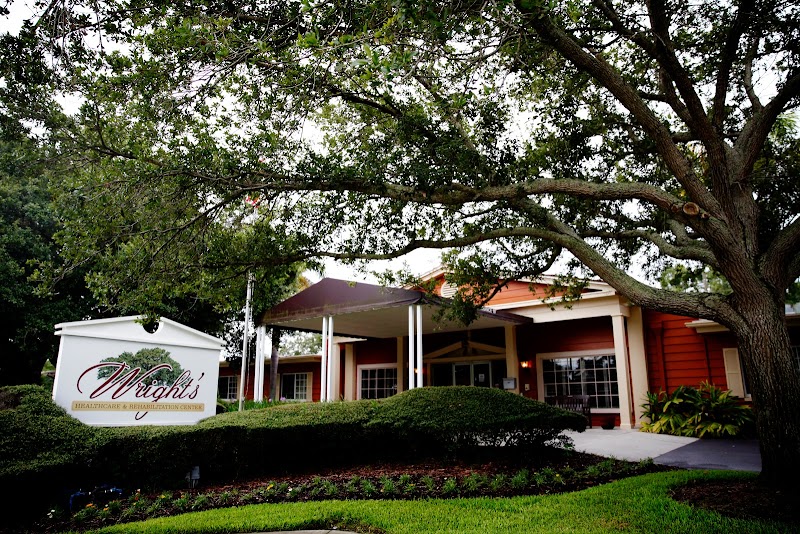
How is Wrights Healthcare And Rehabilitation Center Staffed?

CMS rates WRIGHTS HEALTHCARE AND REHABILITATION CENTER's staffing level at 2 out of 5 stars, which is below average compared to other nursing homes. Staff turnover is 57%, which is 11 percentage points above the Florida average of 46%. High turnover can affect care consistency as new staff learn residents' individual needs. RN turnover specifically is 60%, which is notably high. RNs provide skilled clinical oversight, so turnover in this role can affect medical care quality.

What Have Inspectors Found at Wrights Healthcare And Rehabilitation Center?

State health inspectors documented 13 deficiencies at WRIGHTS HEALTHCARE AND REHABILITATION CENTER during 2020 to 2024. These included: 1 that caused actual resident harm and 12 with potential for harm. Deficiencies causing actual harm indicate documented cases where residents experienced negative health consequences.
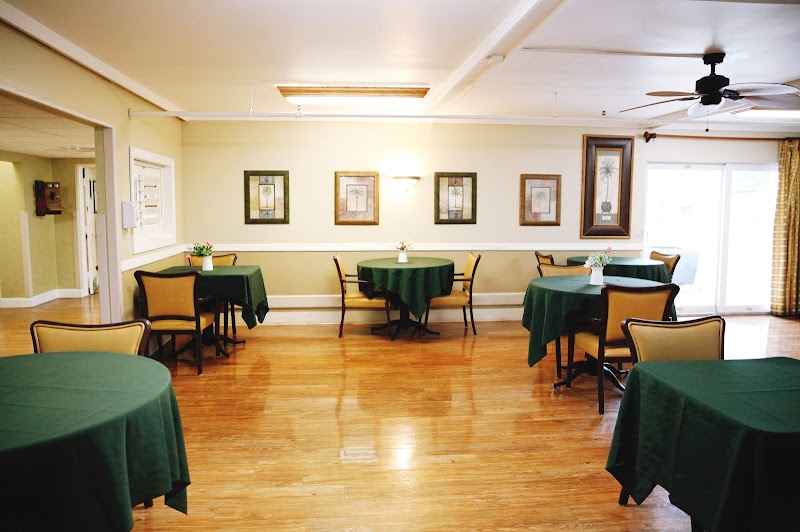
Who Owns and Operates Wrights Healthcare And Rehabilitation Center?

WRIGHTS HEALTHCARE AND REHABILITATION CENTER is owned by a for-profit company. For-profit facilities operate as businesses with obligations to shareholders or private owners. The facility is operated by KR MANAGEMENT, a chain that manages multiple nursing homes. With 60 certified beds and approximately 47 residents (about 78% occupancy), it is a smaller facility located in SEMINOLE, Florida.
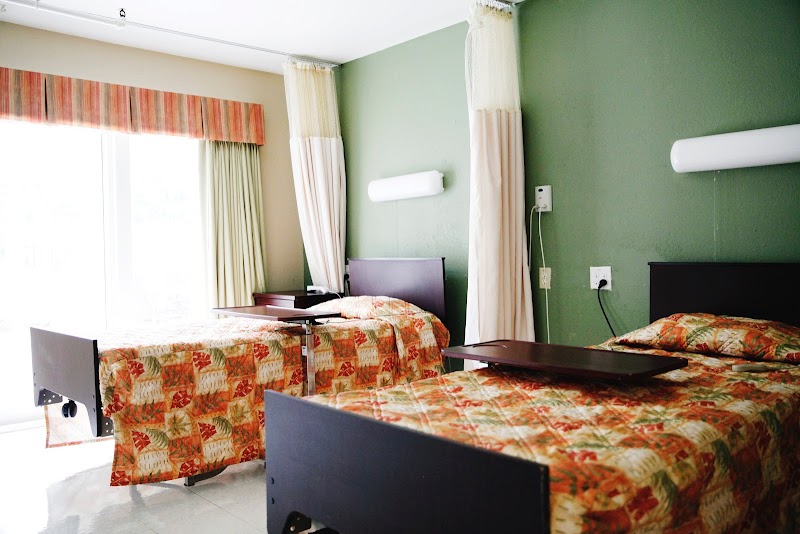
How Does Wrights Healthcare And Rehabilitation Center Compare to Other Florida Nursing Homes?

Compared to the 100 nursing homes in Florida, WRIGHTS HEALTHCARE AND REHABILITATION CENTER's overall rating (3 stars) is below the state average of 3.2, staff turnover (57%) is significantly higher than the state average of 46%, and health inspection rating (2 stars) is below the national benchmark.

What Should Families Ask When Visiting Wrights Healthcare And Rehabilitation Center?

Based on this facility's data, families visiting should ask: "What safeguards and monitoring systems are in place to protect residents from abuse or neglect?" "How do you ensure continuity of care given staff turnover, and what is your staff retention strategy?" "Can you walk me through typical staffing levels on day, evening, and night shifts?" "Can I visit during a mealtime to observe dining assistance and food quality?" These questions are particularly relevant given the substantiated abuse finding on record, the facility's high staff turnover rate, and the below-average staffing rating.

Is Wrights Healthcare And Rehabilitation Center Safe?

Based on CMS inspection data, WRIGHTS HEALTHCARE AND REHABILITATION CENTER has documented safety concerns. The facility has 1 substantiated abuse finding (meaning confirmed case of resident harm by staff or other residents). The facility has a 3-star overall rating and ranks #100 of 100 nursing homes in Florida. Families considering this facility should ask detailed questions about what corrective actions have been taken since these incidents.

Do Nurses at Wrights Healthcare And Rehabilitation Center Stick Around?

Staff turnover at WRIGHTS HEALTHCARE AND REHABILITATION CENTER is high. At 57%, the facility is 11 percentage points above the Florida average of 46%. Registered Nurse turnover is particularly concerning at 60%. RNs handle complex medical decisions and coordinate care — frequent RN changes can directly impact care quality. High turnover means new staff may not know residents' individual needs, medications, or preferences. It can also be disorienting for residents, especially those with dementia who rely on familiar faces. Families should ask: What is causing the turnover? What retention programs are in place? How do you ensure care continuity during staff transitions?

Was Wrights Healthcare And Rehabilitation Center Ever Fined?

WRIGHTS HEALTHCARE AND REHABILITATION CENTER has been fined $34,333 across 1 penalty action. The Florida average is $33,422. While any fine indicates a compliance issue, fines under $50,000 are relatively common and typically reflect isolated problems that were subsequently corrected. Families should ask what specific issues led to these fines and confirm they've been resolved.

Is Wrights Healthcare And Rehabilitation Center on Any Federal Watch List?

WRIGHTS HEALTHCARE AND REHABILITATION CENTER is not on any federal watch list. The most significant is the Special Focus Facility (SFF) program, which identifies the bottom 1% of nursing homes nationally based on persistent, serious quality problems. Not being on this list means the facility has avoided the pattern of deficiencies that triggers enhanced federal oversight. This is a positive indicator, though families should still review the facility's inspection history directly.