REGENTS PARK OF SUNRISE
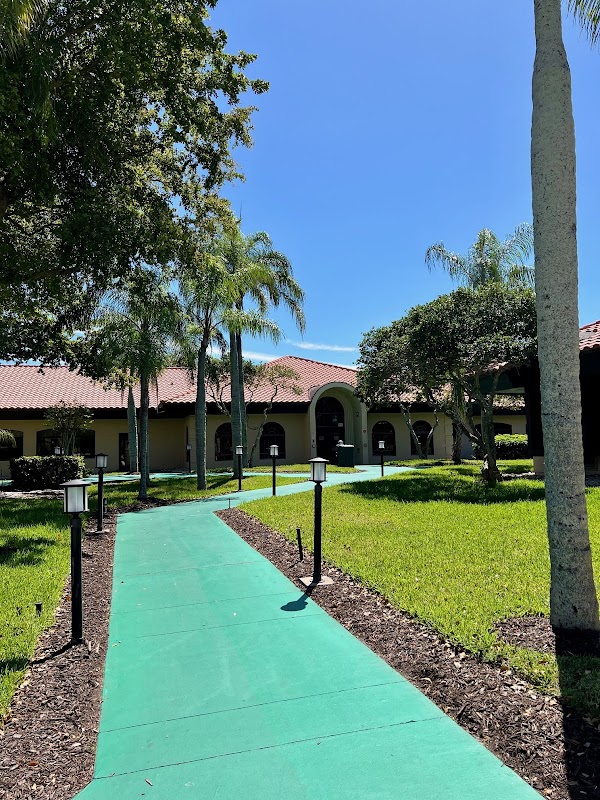
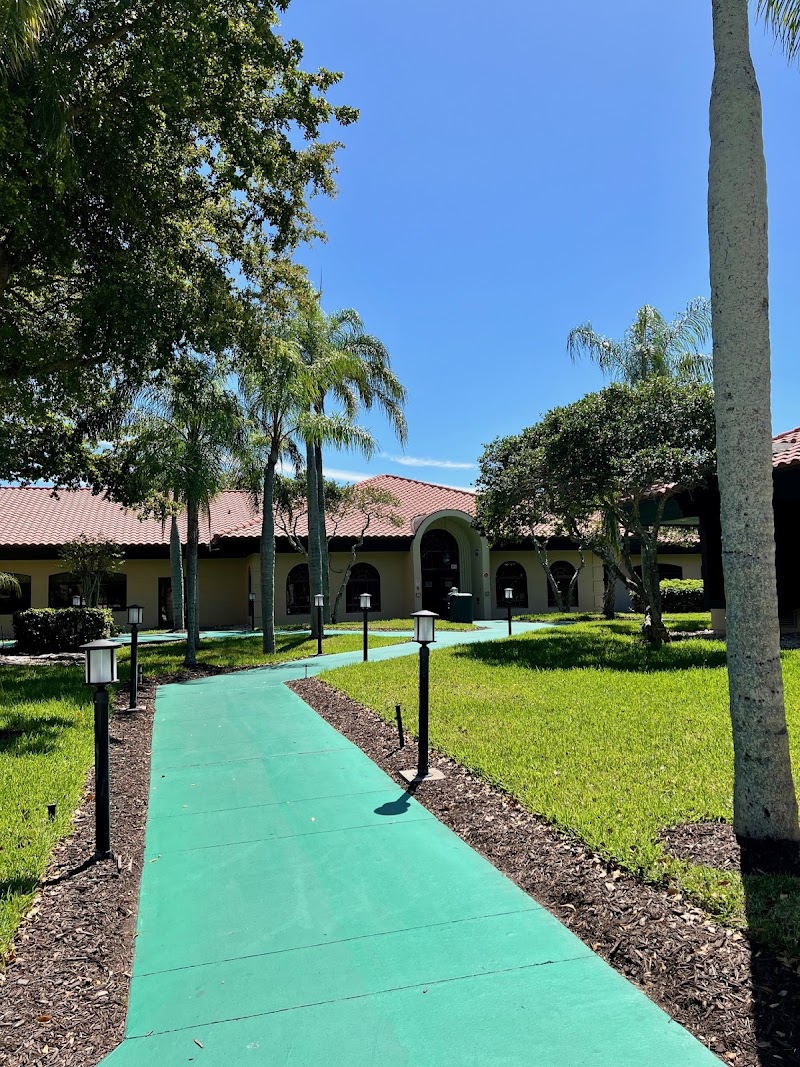
9711 W OAKLAND PARK BLVD, SUNRISE, FL 33351 (954) 572-4000
For profit - Corporation 120 Beds ROBERT SCHOENFELD Data: November 2025
Trust Grade
90/100
#97 of 690 in FL
Last Inspection: April 2024

Within standard 12-15 month inspection cycle. Federal law requires annual inspections.

Overview

Regents Park of Sunrise holds a Trust Grade of A, indicating it is excellent and highly recommended, making it one of the better choices in the area. It ranks #97 out of 690 facilities in Florida, placing it in the top half, and #8 out of 33 in Broward County, meaning only seven local options are better. However, the facility is worsening, with issues increasing from 7 in 2023 to 8 in 2024. Staffing is a relative strength, with a turnover rate of 20%, significantly lower than the state average of 42%, but the staffing rating is average at 3 out of 5 stars. Notably, while there have been no fines recorded, recent inspections revealed serious concerns, such as failures in food safety practices and infection control protocols, highlighting areas that need improvement despite the overall positive evaluations.

Trust Score
A
90/100
In Florida
#97/690
Top 14%
Safety Record
Low Risk
No red flags
Inspections
Getting Worse
7 → 8 violations
Staff Stability
✓ Good
20% annual turnover. Excellent stability, 28 points below Florida's 48% average. Staff who stay learn residents' needs.
Penalties
✓ Good
No fines on record. Clean compliance history, better than most Florida facilities.
Skilled Nurses
○ Average
Each resident gets 30 minutes of Registered Nurse (RN) attention daily — about average for Florida. RNs are the most trained staff who monitor for health changes.
Violations
⚠ Watch
19 deficiencies on record. Higher than average. Multiple issues found across inspections.
★★★★★
5.0
Overall Rating
★★★☆☆
3.0
Staff Levels
★★★★★
5.0
Care Quality
★★★★☆
4.0
Inspection Score
Stable
2023: 7 issues
2024: 8 issues

The Good

  • 5-Star Quality Measures · Strong clinical quality outcomes
  • Low Staff Turnover (20%) · Staff stability means consistent care
  • Full Sprinkler Coverage · Fire safety systems throughout facility
  • No fines on record
  • Staff turnover is low (20%)

    28 points below Florida average of 48%

Facility shows strength in quality measures, staff retention, fire safety.

The Bad

Chain: ROBERT SCHOENFELD

Part of a multi-facility chain

Ask about local staffing decisions and management

The Ugly 19 deficiencies on record

Aug 2024 2 deficiencies
CONCERN (D) 📢 Someone Reported This

A family member, employee, or ombudsman was alarmed enough to file a formal complaint

Potential for Harm - no one hurt, but risky conditions existed

Grievances (Tag F0585)

Could have caused harm · This affected 1 resident

**NOTE- TERMS IN BRACKETS HAVE BEEN EDITED TO PROTECT CONFIDENTIALITY** Based on interviews and record review, the facility failed to making prompt efforts to resolve a resident's Power of Attorney (P...

Read full inspector narrative →
**NOTE- TERMS IN BRACKETS HAVE BEEN EDITED TO PROTECT CONFIDENTIALITY** Based on interviews and record review, the facility failed to making prompt efforts to resolve a resident's Power of Attorney (POA) grievance sent on [DATE], as evidenced by the lack of written documentation of follow-up communication with the representative until the representative sent another communication on [DATE], for 1 of 3 sampled residents, Resident #1. The findings included: On [DATE] at 12:05 PM, an interview was conducted with the Business Office Manager (BOM) who stated she had been working at the facility as BOM since 09/2023, and her role included management of the resident's personal funds account utilizing the Resident Funds Management System (RFMS). The BOM stated the facility had a new owner effective [DATE] and was waiting for the RFMS accounts to merge, and added, that as of [DATE], the merged had not been completed. The BOM stated that Resident #1 was admitted to the facility on [DATE] and had expired in the facility on [DATE]. The BOM stated the resident's Power of Attorney (POA) was aware of the merge. The BOM was asked to submit letters or written evidence of communicating with the resident's POA regarding Resident #1's funds reimbursement. The BOM stated she did not send the POA a letter but had an electronic communication from the POA. A side-by-side review of Resident #1's POA electronic communication to the Administrator dated [DATE] documented, I need assistance in getting in touch with your home office .Resident name (Resident #1) passed away on [DATE] still has a trust account that I am trying to close and receive the remaining funds .let me know what needs to be done . The BOM's response via electronic communication dated [DATE] documented, .had previously explained we had to transfer funds from the old owners to the new owner's bank .everything has been finalized .account has been closed today. It takes about 24 hours to update, and the account will be closed. Once the account is closed, I will be able to issue the payment . A side-by-side review of the resident's POA's electronic communication to the Administrator and the BOM dated [DATE] documented, Please provide me with an update on the status of check for closed account (Resident #1). The POA-mailing address was noted. The BOM's response dated [DATE] documented, I will have the check ready for pick up this week. I will call you Monday to coordinate a time or I can put it in the mail. The resident's POA response dated [DATE] documented, please mail to address below and make check payable to . During the review, the BOM was asked what happened from [DATE] since the POA request for assistance and there was no response to her request until she contacted you again on [DATE]. The BOM stated they were waiting for the merge of the funds accounts from the old owner to the new owner. The resident's POA reimbursement check was dated [DATE].
CONCERN (E) 📢 Someone Reported This

A family member, employee, or ombudsman was alarmed enough to file a formal complaint

Potential for Harm - no one hurt, but risky conditions existed

Deficiency F0569 (Tag F0569)

Could have caused harm · This affected multiple residents

**NOTE- TERMS IN BRACKETS HAVE BEEN EDITED TO PROTECT CONFIDENTIALITY** Based on interviews and record review, the facility failed to ensure residents funds account were disbursed in 30 days to the re...

Read full inspector narrative →
**NOTE- TERMS IN BRACKETS HAVE BEEN EDITED TO PROTECT CONFIDENTIALITY** Based on interviews and record review, the facility failed to ensure residents funds account were disbursed in 30 days to the representative after the residents' death for 3 of 3 sampled residents, Resident #1, #2 and #3. The findings included: Review of the facility's policy, titled, Resident Personal Funds, date implemented [DATE], documented, in part, .conveyance upon discharge, eviction, or death: upon discharge, eviction or death of a resident with a personal fund deposited with the facility, the facility will convey within 30 days the resident's funds and a final account of those funds to the resident, in case of death, the individual or probate jurisdiction administering the resident's estate, in accordance with State law. 1. Review of Resident #1 clinical record documented an admission on [DATE] and an expiration date of [DATE] in the facility. Review of the resident's nursing noted dated [DATE] documented .nurse was called inside patient's room, resident was assessed and noted with no pulse, no respiration .Rescue called in, and pronounce patient's death. Review of the resident's profile record documented the resident had a Power of Attorney (POA) listed on the record. On [DATE] at 12:05 PM, an interview was conducted with the Business Office Manager (BOM) who stated she had been working at the facility as BOM since 09/2023. she stated her role included management of the residents' personal funds account utilizing the Resident Funds Management System (RFMS). The BOM stated the facility had a new owner effective [DATE] and was waiting for the RFMS accounts to merge. The BOM stated that as of [DATE], the merged had not been completed. On [DATE] at 12:35 PM, a side-by-side review with the BOM of the Resident #1's Resident Fund Management Services (RFMA) account report, provided by the BOM, dated [DATE] through [DATE], was conducted. The report documented an entry described as Care Cost Payment with amount of $165 debited to account [# provided]. The BOM was asked why the account number was different from all other debited monies (account # provided]. She stated she was not working back then and did not know what happened. Further review revealed that Resident #1's account was closed dated [DATE], and a check had been disbursed to POA dated [DATE]. The BOM stated Resident #1's POA came to the facility every day, every week, was always in touch with the BOM regarding the funds and was given a copy of the statement when she was in the building. The BOM added the POA was handling everything for the resident. The BOM stated Resident #1 had $394.86 when the account was closed, and the account was transferred from old owner to the facility's new owner in [DATE]. The BOM stated she did not have access to the resident's old account system and the new owner was effective [DATE] and some records did not transfer over. The BOM stated the POA got a refund for $130 prepared on [DATE], added she remembered the daughter calling her because the check was made out on the resident's name and she called to have it redone. The refund was made because of the company owner change and every account with a credit had to be refunded. The BOM was asked why it was taking so long to refund / disburse Resident #1's funds to the POA. The BOM stated the facility was waiting for everything to merge. The BOM was asked regarding the timeline to refund funds and stated it had to be done in 30 days. 2. Record review of Resident #2's nursing note dated [DATE] documented Resident's granddaughter is informed that resident has expired. The clinical record documented a granddaughter as an emergency contact #1, Son as an emergency contact #2 and a daughter-in-law as an emergency contact #3. On [DATE] at 12:45 PM, a side-by-side review of Resident #2's RFMA was conducted with the BOM that revealed the resident had a current balance account for the amount of $100.02. The BOM stated Resident #2 was admitted to the facility on [DATE], was on hospice care and had expired in the facility on [DATE]. The BOM was asked if she sent a letter to the resident representative regarding the account funds and replied that the account was still open, and she had not sent a letter to the representative. The BOM stated she usually closed the account right then and there and I own this one. The BOM stated she does not send letters out. 3. Record review of Resident #3's nursing progress notes dated [DATE] documented Called [hospital] ED [Emergency Department] and spoke with [staff name]. He informed this writer that the resident was still in the ED but would be admitted to the Progressive Care Unit with diagnoses of Pneumonia and Sepsis. The clinical record documented a cousin as the responsible party / guardian and emergency contact. On [DATE] at 1:05 PM, a side-by-side review of Resident #3's RFMA was conducted with the BOM that revealed the resident had current balance account for the amount of $63.03. The BOM stated Resident #3 was admitted to the facility on [DATE], was transferred to a local hospital on [DATE] and did not return to the facility and was told the resident had expired. The BOM was asked if she sent a letter to the resident representative regarding the account funds and replied that the account was still open and did not send a letter to the representative. The BOM stated Resident #3's funds account was still open. She would be sending to unclaimed property since there was no POA on file. The BOM stated there was a cousin as an emergency contact on file and she did not know if she had POA papers. On [DATE] at 1:45 PM, a joint interview was conducted with the Administrator and the BOM. The Administrator was asked for the regulation regarding timeline to refund resident's funds and stated 30 days. The Administrator was apprised of the findings. The Administrator stated the facility's transition to new owner happened in [DATE].
Jul 2024 1 deficiency
CONCERN (E) 📢 Someone Reported This

A family member, employee, or ombudsman was alarmed enough to file a formal complaint

Potential for Harm - no one hurt, but risky conditions existed

Infection Control (Tag F0880)

Could have caused harm · This affected multiple residents

**NOTE- TERMS IN BRACKETS HAVE BEEN EDITED TO PROTECT CONFIDENTIALITY** Based on observation, interviews, record and policy review, the facility failed to implement an effective infection control prog...

Read full inspector narrative →
**NOTE- TERMS IN BRACKETS HAVE BEEN EDITED TO PROTECT CONFIDENTIALITY** Based on observation, interviews, record and policy review, the facility failed to implement an effective infection control program as evidenced by the facility failed to follow recommendations by the Centers for Disease Control (CDC) and failed to follow through with N95 mask recommendations by the Florida Department of Health (DOH) after 3 visits by DOH were made to the facility following a COVID-19 outbreak, affecting 3 of 5 Personal Protective Equipement (PPE) linen carts on the first and 2nd floor of the facility. The findings included: 1. Review of the CDC recommendations for Interim Infection Prevention and Control Recommendations for Healthcare Personnel During the Coronavirus Disease 2019 (COVID-19) Pandemic, Updated March 18, 2024, recommended, Place a patient with suspected or confirmed SARS-CoV-2 infection in a single-person room. The door should be kept closed (if safe to do so). Ideally, the patient should have a dedicated bathroom. HCP who enter the room of a patient with suspected or confirmed SARS-CoV-2 infection should adhere to Standard Precautions and use a NIOSH Approved particulate respirator with N95 filters or higher, gown, gloves, and eye protection (i.e., goggles or a face shield that covers the front and sides of the face). Respirators should be used in the context of a comprehensive respiratory protection program, which includes medical evaluations, fit testing and training in accordance with the Occupational Safety and Health Administration's (OSHA) Respiratory Protection standard (29 CFR 1910.134) On 07/08/24 at 9:09 AM, an initial tour of the facility was conducted which focused on the isolation carts. The surveyor observed the 100 unit, which revealed a three (3) drawer isolation cart outsideof room [ROOM NUMBER]. The sign by the door read Special Droplet / Contact precautions. Photographic Evidence Obtained. Further observation revealed a box of KN95 and a box of surgical facial masks in the cart first drawer. The observation revealed no N95 respirators (mask) in any of the cart drawers or eye protection. Photographic Evidence Obtained. Three of the five PPE carts observed throughout the facility did not have N95 masks or face shields in the carts upon the initial tour of the facility. 2. Review of the Florida Department of Health (DOH) recommendations provided to the facility post DOH visit on 06/29/24 revealed during the facility tour, the Personal Protective Equipment (PPE) carts were not readily accessible near the room of residents on isolation for COVID-19. The PPE carts were not stocked with N95 masks. Addionally, DOH had observed that staff exited a resident's isolation room wearing a KN95 mask instead of a National Institute for Occupational Safety and Health (NIOSH) approved particulate N95 mask. An interview was conducted with the Director of Nurses (DON) on 07/08/24 at 10:30 AM. She stated an Infection Preventionist (IP) from the Florida Department of Health (DOH) visited the facility on 06/28/24, 07/01/24 and 07/02/24 and made the following recomendations. She made recommendations that the N95 masks needed to be in the isolation carts, and they needed more carts out. On 07/02/24, the DOH emailed the DON and IP stating she was able to obtain a Fit Testing kit for the facility free of charge and to let her know when they are ready to do that. The DON stated that she put more carts out and put N95 masks on the carts. She stated that everyone is responsible for making sure the carts are stocked with N95 masks but she and the IP from the facility make sure when they come in that the carts are stocked. The DON stated that on the weekend, the supervisor stocks the carts, and during the week central supply stocks when she starts her shift at 2:00 PM and when she leaves for the day. The DON was asked who is ultimately responsible for keeping the carts stocked and she replied that we all are. All nurses have access to central supply where the masks are kept and there are plenty of masks. Discussed with the DON that some carts have 3 different types of masks in them. She stated that she was making it easier for the staff to obtain all types of masks available if they do not need an N95 for an isolation room. Discussed how staff know what type of mask to wear upon entering an isolation room and she replied that she did constant education for the staff regarding the type of mask and handed each one an N95 mask as an example of the mask to wear when they enter an isolation room. Discussed with the DON that upon the initial tour of the facility, N95 masks were not available in 3 of 5 carts and no eye protection was available in the carts. She stated she was surprised that that was true but when she looked at the pictures taken, she acknowledged that there were no N95 masks or eye protection in 3 of the carts. The DON was then asked about the start of the COVID-19 outbreak. She stated on 06/24/24, she became aware that one of the residents had tested positive for COVID-19 when they went to the hospital for a urinary tract infection (UTI). She then tested the whole facility and found that 18 residents tested positive on 06/24/24. Eight (8) residents tested positive on 06/26/24. Four (4) residents tested positive on 07/02/24. One (1) resident tested positive on 07/03/24. At that time, a total of 39 residents had tested positive and 16 staff had tested positive from 06/24/24 to 07/05/24. They immediately closed the dining room down and did room visits for activities on 06/24/24. After today (07/08/24), there are 6 residents positvie with COVID-19. Two (2) residents were admitted from the hospital with COVID-19. On 07/08/24 at 11:40 AM, an interview was conducted with Staff A, Certified Nursing Assistant (CNA). Staff A stated she had in-services about how to wear a mask and make sure before they enter the room that that put on a mask and gloves and gown. She was asked what type of mask she would wear to enter a resident's room with COVID-19. She chose a KN95 mask that she was wearing at the time of the interview. The surveyor pointed to an N95 mask on the table in front of her and asked her if she would ever put that mask on and she said she would not. She has no residents with COVID-19 now, but she had residents with COVID-19 previously. She stated there were always masks available and she would ask a supervisor if she did not see any masks in the cart. She is a full-time employee. An interview was conducted with the IP on 07/08/24 at 2:33 PM. She stated she returned to work on July 1 after being on leave for 6 weeks. When she returned, the COVID-19 positive residents were isolated in their rooms, testing and notification was done to the DOH. She was aware that the IP from the DOH was here. She said she was coming in early to do staff in-services. Central supply was accountable for putting the masks in the carts, but she starts her shift at 2 PM. In the mornings her and the DON were putting masks in. The Supervisor stocks on the weekend. The surveyor asked why all of the carts were not stocked this morning with N95 masks and she stated that she was doing other tasks this morning and the DON was not scheduled to come in today. She felt she was caught up to speed with the COVID-19 outbreak when she returned. She was asked about the Fit testing recommendations and she stated that she would have to bring this up to the Regional Nurse. When asked if she had discussed this with her yet, she replied that she did not. An interview was conducted with Staff K, Central Supply person, on 07/08/24 at 3:13 PM. She stated she has worked in central supply for about a year. When she comes in, she makes sure everything is in the carts. Face shield, gloves and the KN95 and the N95 and the surgical masks are stocked. Then she checks in between and when she leaves. She works Monday through Friday. On the weekend the supervisor does it for her. The DON helps in the daytime. She always had enough N95 masks even before the outbreak. There are usually 1-2 masks left when she comes in. She does not track how many are used. She puts a full box of N95 in the carts before she leaves at night. She does not get complaints about lack of supplies. 3. Review of the facility's Standards and Guidelines: Screening, Testing, Return to Work (HCP), Personal Protective Equipment, Isolation, Reporting- Section Infection Control COVID-19 issued on 01/15/24 provided by the Director of Nursing documented under PPE (Personal Protective Equipment) Hand Hygiene, .Transmission Based Precautions will be implemented and signage instructing the appropriate use of PPE's will be posted outside the resident's door. Hand hygiene should be performed for at least 20 seconds with soap and water: before donning and doffing PPE . On 07/08/24 at 9:13 AM, observation revealed a three (3) drawer isolation cart outside room [ROOM NUMBER]. Further observation revealed a box of KN95 and a box of surgical facial masks in the cart first drawer. Further observation revealed no N95 respirators (mask) in any of the cart drawers (Photographic evidence). On 07/08/24 at 9:18 AM, observation revealed two isolation cart next to room [ROOM NUMBER]'s door. Further observation revealed neither cart contained N95 masks or eye protection gears /face shields. Photographic Evidence Obtained. On 07/08/24 at 9:21 AM, observation revealed Staff E, Licensed Practical Nurse (LPN), wearing a KN95 mask. An interview was conducted with Staff E who stated she had residents in room [ROOM NUMBER] and 226 on isolation due to a positive COVID-19 testing. Staff E stated she wore a KN95 mask and switch to an N95 mask when entering a resident's room who was positive for COVID-19. Staff E was asked where she would get the N95 mask from and pointed to room [ROOM NUMBER] isolation cart. A side by side observations with Staff E of room [ROOM NUMBER]'s isolation cart was conducted and Staff E confirmed there was no N95 masks in the cart. On 07/08/24 at 9:24 AM, observations revealed room [ROOM NUMBER]'s door wide open, no isolation cart noted outside the room. The room door had a sign that read Special Droplet / Contact Precaution - Personal Protective Equipment .put on mask and eye protection . Further observation revealed the lack of an isolation cart next to room [ROOM NUMBER]'s door. Observation of room [ROOM NUMBER] door's sign read Special Droplet / Contact Precaution - Personal Protective Equipment .everyone MUST clean hands when entering and leaving the room .wear a NIOSH-approved N95 wear an eye protection .keep door close . Further observation revealed that there was no consistent with the door signs for residents on Droplet / Contact Precautions as evidenced by one sign specified the use of N95 and the other sign did not. On 07/08/24 at 9:26 AM, an interview was conducted with Unit Manager (UM) who stated that residents in room [ROOM NUMBER] and 215 recovered and would be removed from isolation today. Observation revealed the isolation cart for room [ROOM NUMBER] did not contain any eye protection gear / face shields. On 07/08/24 at 9:08 AM, a tour to the facility's C-wing revealed Staff B, Registered Nurse, at the nurses station wearing a KN95 facial mask. An interview was conducted with Staff B who stated she worked the night shift (11:00 PM to 7:00 AM) and finishing up her documentation. Staff B was asked how many residents she had that were on precautions due to a positive test for COVID-19 infection and replied five (5). Staff B was asked which facial mask she wore when she entered those residents' room and pointed to the one she wearing. On 07/08/24 at 9:15 AM, observation revealed Staff C, Certified Nursing Assistant / CNA, wearing a KN95 facial mask. An interview was conducted with Staff C who stated she used an N95 mask for a week when the COVID-19 outbreak started, then was out due to COVID-19 infection. Staff C stated on her return she was told she did not have to use an N95 mask. Staff C was asked if she was assigned to any residents that were currently on precautions due to a positive test for COVID-19 infection and replied she had residents in room [ROOM NUMBER] and room [ROOM NUMBER]. Staff C was asked which mask she wore while caring for those residents and pointed to the one she was wearing (KN95). Staff C was asked why she was not wearing an N95 when taking care of a resident positive with COVID-19 and replied the residents were in the facility for a while and she did not have to use an N95 mask to work with them. Staff C was stated she did not change her KN95 mask every time she enter room [ROOM NUMBER] or 230 and added, foe example, like when she answered a call light for residents positive for COVID-19 infection. On 07/08/24 at 9:18 AM, observation revealed Staff D, CNA, wearing a surgical mask, then she removed the surgical mask and put on a KN95 mask. Staff D stated she had a resident in room [ROOM NUMBER] who was positive for COVID-19. When asked which mask she uses when taking care of a resident on isolation due to COVID-19, Staff D pointed to the mask she had just changed to, a KN95 mask. On 07/08/24 at 9:27 AM, observation revealed Staff F, CNA, walking down the C wing hallway and wearing a surgical mask. Staff F stated she wore a surgical mask while on break and just came back from break. Staff F was asked which mask she would use when taking care of a resident positive for COVID and stated she would use a KN95 mask. Staff F then pulled a KN95 from her uniform pocket. Staff F was assigned to rooms [ROOM NUMBERS], who had residents who were positive for COVID-19. On 07/08/24 at 11:50 AM, observation revealed Staff E, LPN, in room [ROOM NUMBER]. The door was slightly opened and Staff E was observed wearing a gown, gloves and an N95 mask. Further observation revealed an isolation cart with N95 masks and surgical mask on the first drawer next to room [ROOM NUMBER]'s door. This cart was not there earlier during the morning tour. On 07/08/24 at 11:57 AM, observation revealed a random resident in the facility's gymnasium exercising, not wearing a facial mask and Staff G, Occupational Therapist (OT), sitting by her desk apart from the resident and was not wearing a facial mask. An interview was conducted with Staff G who stated the resident was not on contact isolation and she was more than six feet apart from the resident. Observation revealed a KN95 mask on top of her desk. Staff G was asked when she would use a facial mask and replied that she would use a KN95, while picking up the KN95 on top of her desk, when she goes to an isolation room then would change it to a regular, surgical mask. Staff G stated she attended the facility's in-service provided related to COVID-19 and what personal protective equipment to use when providing care to a resident on isolation due to COVID infection. On 07/08/24 at 12:04 PM, observation revealed Staff H, Physical Therapist (PT), in the therapy gymnasium wearing a KN95 mask. An interview was conducted with Staff H who stated she had been using a KN95 mask since the facility's COVID-19 outbreak. Staff H stated that she wore a KN95 when treating residents positive for COVID-19 in their room. Staff H stated she attended the facility's in-service provided related to COVID-19 and what personal protective equipment to use when providing care to a resident on isolation due to COVID infection. 3a. Review of Resident #1's clinical record documented an admission to the facility on [DATE] with no readmissions. The resident's physician order dated 07/03/24 documented, Transmission Based Precautions due to r/o [related to] COVID-19 and/or possible exposure every shift. The resident nursing progress note dated 07/03/24 documented Aware of COVID positive status. Sister too. On 07/08/24 at 12:35 PM, observation revealed Staff I, CNA, standing by room [ROOM NUMBER] with a sign of Droplet / Contact Precautions, with the door wide open, wearing a disposable yellow gown and a KN95 mask, and no eye protection was noted. Staff I came out of the room and rummaged through the isolation cart's first drawer. The isolation cart was now next to room [ROOM NUMBER]'s door which it was not there before. Staff I then moved to rummaged through isolation cart next to room [ROOM NUMBER]'s door and retrieved an N95 mask. Further observation revealed Staff I placed the two N95 mask's straps and left them on top of her head, rather that placing one over her neck to obtain a good seal. Further observation revealed Staff I asked for both residents' lunch tray to be delivered at the same time. On 07/08/24 at 12:36 PM, observation revealed Staff I, CNA, entered Resident #1's room and delivered his lunch tray. At 12:37 PM, Staff I came out of the room wearing the yellow gown, and N95, and kept the room door wide open while waiting for Staff E to bring the roommate's tray. On 07/08/24 at 12:47 PM, observation revealed Staff J, Occupational Therapist Assistant (OTA), donning a PPE gown, gloves and wearing KN95 mask. Staff J entered Resident #1's without donning an N95 mask. At 1:06 PM, observation revealed Staff J in the residnet's room, who stated he was treating Resident #1 and had 7 more minutes to go of treatment. On 07/08/24 at 3:36 PM, a telephone interview was conducted with Staff J, OTA, who stated he was supposed to wear an N95 when he was providing therapy session today to Resident #1. He added it slipped on me and stated he was aware that they have to use an N95 when in room with resident positive with COVID-19. 3b. Review of Resident #2's clinical record documented an admission to the facility on [DATE] with no readmissions. The resident's physician order dated 07/03/24 documented, Transmission Based Precautions due to r/o COVID-19 and/or possible exposure every shift. The resident nursing progress note dated 07/02/24 documented, Late Entry: wife and MD [medical doctor] notified of COVID positive status. On 07/08/24 at 12:39 PM, observation revealed Staff E, LPN, brought Resident #2's lunch tray and handed it to Staff I, CNA, who then proceeded to set up the food for the resident, the room door was open from 12:35 PM to 12:45 PM. Staff I did not change her gown or N95 mask before caring for Resident #2. Staff I removed the yellow gown at the resident's room door, and walked away with the N95 mask on. An interview was conducted with Staff I who stated she was supposed to take the N95 mask off and forgot. On 07/08/24 at 12:42 PM, an interview was conducted with Staff E, LPN, who stated Resident #1's door was supposed to be closed at all times and the staff had to change gowns between resident care and confirmed Staff I did not keep the door closed or change the gown between the 2 residents' lunch tray's set up. On 07/08/24 at 12:57 PM, observation revealed Staff I, CNA, wearing a gown, delivered a lunch tray to room [ROOM NUMBER] and kept the room door wide open. On 07/08/24 at 1:02 PM, observation revealed the Unit Manager stated Staff I, CNA, did not need a red bag and instructed her to drop the yellow gown in a regular trash bag. Staff I then performed hand hygiene by using hand sanitizer from the canister outside room [ROOM NUMBER] rather than soap and water as per the facility's guidelines. Staff I then retrieved a resident's lunch tray from the trays cart.
Apr 2024 5 deficiencies
CONCERN (D)

Potential for Harm - no one hurt, but risky conditions existed

ADL Care (Tag F0677)

Could have caused harm · This affected 1 resident

**NOTE- TERMS IN BRACKETS HAVE BEEN EDITED TO PROTECT CONFIDENTIALITY** Based on observations, interviews, and record review, the facility failed to provide assistance during dining for 1 of 2 sampled...

Read full inspector narrative →
**NOTE- TERMS IN BRACKETS HAVE BEEN EDITED TO PROTECT CONFIDENTIALITY** Based on observations, interviews, and record review, the facility failed to provide assistance during dining for 1 of 2 sampled residents reviewed for nutrition (Resident #44). The findings included: Record review revealed Resident #44 was initially admitted to the facility on [DATE] with diagnoses of muscle wasting, anemia, and depression. The Quarterly Minimum Data Set (MDS) assessment revealed Resident #44 has a Brief Interview of Metal Status (BIMS) score of 03, indicating severe cognitive impairment. Section GG of this MDS under eating showed that Resident #44 required supervision with touch-up assistance. In an observation conducted on 04/22/24 at 9:56 AM, Resident #44 was asleep in bed. Closer observation showed a breakfast tray untouched with the following food items: one slice of bread, two pieces of bacon, cereal, and one carton of milk. Continued observation did not show that the staff encouraged or queued Resident #44 to eat her breakfast meal. In an observation conducted on 04/22/24 at 12:06 PM, the staff finished passing all the lunch trays on the B-wing. At 12:07 PM, the Surveyor observed the resident did not have her tray, and asked Staff J, Registered Nurse (RN), why Resident #44 did not get her lunch tray. Staff J then said she would call the central kitchen to request Resident #44's lunch tray. Further observation revealed that her tray arrived from the kitchen at 12:14 PM. The lunch tray consisted of the following food items: Regular diet, chicken parmesan, linguine pasta, broccoli, garlic bread, and a fruit cup. At 12:24 PM, Staff J took the lunch tray untouched from Resident #44's room and left with the tray. In an interview conducted on 04/23/24 at 9:00 AM, Staff K, Certified Nursing Assistant (CNA), stated that Resident #44 ate about 25% of her breakfast meal and can eat independently with no issues. In an observation conducted on 04/23/24 at 11:56 AM, Resident #44 was asleep in her bed. The lunch tray arrived in the room and was placed near her. A continued observation at 12:15 PM revealed the tray untouched, with Resident #44 asleep in the bed. In an observation conducted on 04/23/24 at 12:28 PM, Resident #44 was asleep in her bed. The lunch tray was still untouched, and no staff was noted in the room encouraging or attempting to wake her up to eat her lunch meal. In an observation conducted on 04/24/24 at 8:16 AM, Resident #44 was asleep in her bed. At 8:20 AM, Staff L, CNA, brought the breakfast tray into the room and set it up for Resident #44. In this observation, Staff L stated that Resident #44 can eat on her own with no issues and that she usually eats 100% of her meals when she has an appetite. Record review of the CNAs' tasks, under section 'task' for eating, revealed the following: on 04/22/24, Resident #44 ate 26% to 50% of her breakfast meal, and 26% to 50% of her lunch meal, which was not as observed by the surveyor. Review of the weight log revealed that Resident #44's weight was trending down from 149 pounds on 12/06/23 to 141.8 pounds on 04/04/24. A new weight of 139.6 pounds, was taken on 04/24/24. In an interview conducted on 04/24/24 at 10:09 AM with Staff A, Minimum Data Set Coordinator, she stated that Resident #44 is coded for supervision with touch-up assistance for eating. According to Staff A, Resident #44 needs to be watched over, placed tray closer for better access, and may be struggling or trying to reach the food items on the tray. State A stated it also means Resident #44 may need reminders to eat periodically. In an interview conducted on 04/24/24 at 12:00 PM, Staff A stated that she reassessed Resident #44 and that she needed supervision with touch-up assistance during dining.
CONCERN (D)

Potential for Harm - no one hurt, but risky conditions existed

Quality of Care (Tag F0684)

Could have caused harm · This affected 1 resident

**NOTE- TERMS IN BRACKETS HAVE BEEN EDITED TO PROTECT CONFIDENTIALITY** 2. Record review documented Resident #59 was admitted to the facility on [DATE] with diagnoses that included Cerebral Infarction...

Read full inspector narrative →
**NOTE- TERMS IN BRACKETS HAVE BEEN EDITED TO PROTECT CONFIDENTIALITY** 2. Record review documented Resident #59 was admitted to the facility on [DATE] with diagnoses that included Cerebral Infarction, Chronic Obstructive Pulmonary Disease and Type 2 Diabetes. Review of the annual Minimum Data Set (MDS) with an assessment reference date of 04/06/24 documented the Brief Interview for Mental Status (BIMS) score was 12, indicating the resident had mild cognitive impairment. On 04/23/24 at 10:21 AM, an interview was conducted with the resident. She stated she was having burning with urination. Upon leaving the room, Staff C, LPN was standing outside of the room. Staff C was asked if she was the nurse for this resident and she said that she was. The surveyor relayed to Staff C that the resident stated she had burning with urination and asked if she could go to check on her. Staff C stated she would follow up and speak with the resident. On 04/24/24 at 11:00 AM while doing a record review for Resident #59, there were no progress notes written about a conversation with the resident regarding burning with urination or any new orders. On 04/24/24 at 1:55 PM, the surveyor spoke with Staff C again and asked if she followed up with the resident since there are no progress notes to this effect. She stated she called the resident's primary doctor yesterday and he said no new orders. She stated that she did not write a progress note but will put one in the record today. Review of a 'general note', dated 04/24/24 at 2:00 PM, documented: nurse follow up with resident regarding resident stating that she has pain while urinating. Resident stated, I still have a little bit of pain while urinating. Nurse called MD and left a message, waiting for a call back. Care continues. Review of the progress note written by Staff C dated 04/24/24 at 2:50 PM revealed Nurse followed up with resident today, resident stated I still have a little bit of pain while urinating. Nurse called MD yesterday and received NNO [no new orders]. Nurse called MD [Medical Director] back today regarding resident still c/o [complaining of] pain while urinating, received new orders for U/A C&S [Urinalysis Culture & Sensitivity] to be collected. On 04/24/24 at 2:57 PM, the surveyor called the nurse who stated she takes care of the nursing home calls for the doctor. She stated the facility called an hour ago and got an order from the physician for a urine problem for that resident. She was asked if the facility had called yesterday for this resident, and she looked in her records and stated that there was no call yesterday. On 04/24/24 at 4:30 PM, a phone interview was conducted with the Physician, who stated there was no call yesterday to him regarding this resident. On 04/24/24 at 5:00 PM, the findings were discussed with the Regional Nurse Consultant. On 04/24/24 at 7:20 PM, the Director of Nurses received an order for Pyridium for Resident #59. Pyridium is a medication used to relieve symptoms caused by irritation of the urinary tract such as pain and burning. On 04/25/24 at 12:30 PM during interview the resident stated that she is not feeling the burning today. On 04/25/24 at 1:00 PM, the Regional Nurse Consultant revealed that a urine sample was obtained and was picked up this morning by the lab. Based on observation, interview, and record review, the facility failed to address a skin rash for 1 of 1 resident sampled for skin condition, Resident #97; and failed to address new symptoms of a Urinary Tract Infection in a timely manner for 1 of 1 sampled resident, Resident #59. The findings included: 1. Record review documented Resident #97 was admitted to the facility on [DATE]. A comprehensive assessment dated [DATE] documented the resident had severe cognitive impairment, was dependent for activities of daily living, and had a tracheostomy and feeding tube. The record documented Resident #97 was care planned for a rash/itching to upper back on 04/01/24. Interventions included: give anti-pruritic (anti-itching) medications as ordered by physician. Monitor/document side effects and effectiveness. Monitor skin rash for increased spread or signs of infection. Record review revealed an order dated 03/30/24 for Permethrin External Lotion 1 % (medication to treat Scabies) to apply to right lower back topically two times a day for Itching. Review of the progress note dated 03/30/24 at 4:05 PM documented: Resident's family inquire about cream for itching and rash on right lower back. Order received today to start on Permethrin 1% lotion to apply to lower back for itching. Review of Resident #97's Medication Administration Record revealed the medication was not administered until 04/05/24 at 5:00 PM. Further record review did not reveal any documentation of why the medication was not administered when ordered. Further record review revealed an order dated 04/21/24 for Permethrin External Lotion 1% to apply to upper back topically every day and evening shift for Itching for 2 weeks. There was no documentation of the condition of Resident #97's rash since the initial order of the medication for itching on 03/30/24. An interview was conducted with the Director of Nursing (DON) on 04/24/24 at 11:00 AM. The DON stated she was not aware of Resident #97's rash and prescribed treatment. The DON acknowledged the prescribed treatment is used to treat scabies. The DON further acknowledged the lack of documentation of the resident's rash, and the resident did not have a dermatologist consult ordered. An interview was conducted with Staff G, Licensed Practical Nurse (LPN), on 04/24/24 at 11:20 PM. Staff G stated she was aware of the rash on Resident #97's back. Staff G stated she did not know if the rash itched, as the resident could not verbalize if it did. An interview was conducted with Resident #97's Power of Attorney (POA) at bedside on 04/25/24 at 11:00 AM. The POA stated she was aware of the rash on the resident's back and the facility had prescribed a cream for the rash. The POA stated she had inquired if the rash was scabies and was told no. The POA did not know if the resident was still receiving the cream. A phone interview was conducted with the Nurse Practitioner (NP) on 04/25/24 at 1:15 PM. The NP stated Resident #97 did not have Scabies. The NP stated she prescribed Permethrin for Resident #97 due to the fact the resident was in the hospital for 2 months, was now bedbound, and at high risk for infection. The medication is to prevent an infection. The surveyor questioned the NP about a dermatologist consult for the resident's rash. The NP replied, That's a good idea. A phone interview was conducted with the Consultant Pharmacist on 04/25/24 at 1:25 PM. The Consultant Pharmacist stated Permethrin is used to treat Scabies. The Consultant Pharmacist stated he was not aware of any off-label use for the medication.
CONCERN (D)

Potential for Harm - no one hurt, but risky conditions existed

Pressure Ulcer Prevention (Tag F0686)

Could have caused harm · This affected 1 resident

**NOTE- TERMS IN BRACKETS HAVE BEEN EDITED TO PROTECT CONFIDENTIALITY** Based on observation, interviews, record, and policy review; the facility failed to maintain physician oversight for worsening p...

Read full inspector narrative →
**NOTE- TERMS IN BRACKETS HAVE BEEN EDITED TO PROTECT CONFIDENTIALITY** Based on observation, interviews, record, and policy review; the facility failed to maintain physician oversight for worsening pressure wounds for 1 of 1 sampled resident reviewed for pressure wounds, Resident #64. The findings included: The facility's policy, titled, Pressure Injury Prevention and Management, implemented 11/2020 and revised 07/25/22, revealed The facility shall establish and utilize a systematic approach for pressure injury prevention and management, including prompt assessment and treatment; intervening to stabilize, reduce, or remove underlying risk factors; monitoring the impact of the interventions; and modifying the interventions as appropriate. Record review revealed Resident #64 was admitted to the facility on [DATE] post hospitalization. The documented diagnoses included Cerebral Infarction, Type 2 Diabetes, and Dysphagia. The quarterly Minimum Data Set (MDS) with an assessment reference date of 02/21/24, documented the Brief Interview for Mental Status (BIMS) score was 01, indicating the resident had severe cognitive impairment. Review of the wound documentation included: On admission [DATE]), the resident was evaluated with the Braden Scale for Predicting Pressure Sore Risk with a score of 13, indicating the resident had a mild risk of developing pressure sores. On 01/05/24, an event note was created in the electronic health record (EHR) that revealed open skin to sacrum area 4 cm (centimeter) length x 5 cm width x 1 cm depth. On 01/25/24, the wound to the sacrum measured 4 cm x 1.5 cm. On 02/01/24, the wound on the sacrum was unstageable and measured 3.5 cm x 2.5 cm x 0.1 cm. On 02/07/24, a 6.0 cm x 4.0 x 0.1 cm unstageable pressure wound was found on the right hip. On 02/10/24, a nursing progress note documented the skin on the right hip worsened and has become a Stage 2 pressure ulcer (partial thickness skin loss). On 02/15/24, the wound note revealed the sacrum had slough, (non-viable stringy tissue) and was worsening. It documented 25 % necrotic and measured 6 cm x 6 cm x 0 unstageable. On 02/21/24, the wound note revealed the right hip was necrotic and measured 5.5 cm x 4 cm x 0. The wound was worsening. The sacrum measured 6 cm x 7 cm x 0 cm and was 10% necrotic. The right hip had 100% necrotic tissue and measured 5.5 cm x 3.5cm x 0. On 02/29/24, the sacrum had granulation tissue present and measured 5 cm x 4.5 cm x 0. The right hip was necrotic and measured 6 cm x 6 cm x 0 with the wound worsening. On 03/06/24, the right hip was necrotic and measured 5 cm x 5 cm x 0. The sacrum had granulation and slough tissue and measured 5 cm x 5 cm x 0.5 cm. On 03/15/24, the sacrum was unstageable and measured 5 cm x 5 cm x 0 cm. The right hip had necrotic tissue present and measured 6 cm x 5.5 cm x 0 cm with purulent (contains pus) drainage. On 03/21/24, the sacrum measured 6 cm x 5 cm x 0 and unstageable. The right hip is unstageable at 6 cm x 4.5 cm x 0.2 cm with purulent drainage. On 03/21/24, a nursing progress note revealed the resident was noted with redness and scab to left hip. On 03/29/24, the resident was first seen by a wound care nurse practitioner. The Wound assessment of the right hip wound revealed a pressure wound stage 4 (full thickness skin and tissue loss). Size of 5.5 cm x 5 cm x 4.5 cm. Undermining from 11 o'clock to 7 o'clock, 4 cm. (the destruction of tissue or ulceration extending under the skin edges (margins) so that the pressure ulcer is larger at its base than at the skin surface.) Sacrum wound. pressure stage 3 (full thickness skin loss). Size 4.5 cm x 5 cm x 0.2 cm. Wound left hip. Pressure wound and unstageable measured 3 cm x 2 cm x 0.1 cm. On 040/5/24, the right hip measured 5 cm x 5 cm x 4.5 cm undermining from 11 o'clock to 7 o'clock, 4 cm. Surgical Wound Debridement done to the right hip. Sacrum wound measured 4.5 cm x 5 cm x 0.2 cm. The left hip wound is unstageable 3 cm x 1.5 cm x 0.1 cm. On 04/12/24, the right hip measured 5 cm x 5 cm x 4.5 cm with undermining from 11 o'clock to 7 o'clock, 4 cm. The sacrum measured 4 cm x 4 cm x 0.2 cm. The left hip measured 5 cm x 1.5 cm x 0.1 cm. On 04/19/24, the right hip measured 5 cm x 5 cm x 4.5 cm with undermining from 11 o'clock to 7 o'clock, 4 cm. The sacrum measured 3.5 cm x 4 cm x 0.2 cm. The left hip stable eschar 5 cm x 1.5 cm x 0.1 cm. Review of the Physician note dated 01/05/24 revealed the patient used to be on PO (by mouth) and PEG (Percutaneous Endoscopic Gastrostomy) feeds but got overweight, so PEG was d/c [discontinued]. Now weight loss, weight change -13 pounds. Her previous weight was 158 pounds, now she is 146 pounds. On 01/08/24, seen by the Nurse Practitioner (NP) with no note regarding a wound. On 01/10/24, Physician visit with no note regarding a wound. On 01/12/24, Physician visit with no wound note. On 01/24/24, Physician visit with no wound note. On 03/05/24, NP visit with no wound note. On 03/29/24, the resident had the PEG tube reinserted. On 04/02/24, NP visit note with no wound note. An interview was conducted with the son of Resident #64 on 04/24/24 at 1:28 PM. He had a concern that on Wednesday through Sunday when he feeds her, she doesn't always have protein with her meal, sometimes it is 2 starches. He said she is very fussy with meals and textures and doesn't always want to eat the food she is given. The Dietician encouraged putting back the PEG tube due to weight loss. The first time she had a PEG tube was due to a bowel resection. Interview with the Dietary Manager on 04/25/24 at 9:23 AM revealed she is aware that they always need puree chicken and beef available for this resident and she says she goes through the ticket daily. They realized there was a problem with meal tracker with the protein-and her dislikes and it was brought to her attention by one of the cooks that there was no protein on her plate. She stated this could have happened a few times. This was identified with the transition, and they started the new meal tracker in February 2024 and now they know they have to scan the tickets. Observation of wound care with Staff G, Licensed Practical Nurse / LPN, was conducted on 04/25/24 at 10:32 AM. The right hip was cleansed with wound cleanser / normal saline, patted dry and Collagen and Medi Honey was applied. The wound was covered with Bordered Foam. The sacrum was cleansed with wound cleanser / normal saline, patted dry and Medi-honey and Collagen were applied. The wound was covered with bordered gauze. The resident had slight discomfort while the wound was being cleaned. The wound care to left hip was not observed. On 04/25/24 at 12:15 PM, an interview was conducted with the Director of Nurses (DON) regarding wound care in the facility. She stated that prior to January 2024, they had a directive to stop the wound care physician from coming in and the nurse manager would do the weekly pressure wound checks. The wound care physician started coming to the facility again on 03/29/24 and comes weekly. An interview was conducted with the resident's physician via telephone on 04/25/24 at 1:50 PM. He stated that he cannot say that he visually saw the wounds on Resident #64, but he did say that if he saw them, he would have documented it in his notes. Interview was conducted with Staff H, Certified Nursing Assistant (CNA), on 04/25/24 at 2:03 PM. She stated every 2 hours she turns and repositions Resident #64. It takes 2 of them to do that. They had been putting her from bed to chair but after the wounds she stays mostly in bed. Interview was conducted with Staff D, CNA, on 04/25/24 at 2:08 PM. She stated that she is aware of the wounds, they go in, 2 of them, every 2 hours to turn her. Even before the wounds started, they would turn and reposition her. She mostly stays in bed now. Staff D stated before the wounds, she would get up. Interview was conducted with Staff I, Registered Nurse (RN) / Unit Manager, on 04/25/24 at 2:12 PM. She stated the physician knew of the wounds and if there was a change she notified the physician. The physician was not with her during weekly wound rounds. She previously did wound rounds with the prior wound physician, so she was asked to do the wound rounds after the wound care physician was no longer coming. She stated it had been a while since he came. She stated that sometimes the wounds looked better and sometimes they looked worse. Orders were changed when the wounds looked worse. She stated the physician comes to the facility on Monday, Wednesday, and Friday. She stated that they spoke in general about the wounds, but he was not given the specific measurements of the wounds. An interview was conducted with the DON on 04/25/24 at 2:19 PM. She stated she kept the physician updated about the wounds and she would tell him the wounds were stable, or if they got worse, then she would call him to get orders. She stated she was happy when the wound care physician came because the wounds needed to be debrided.
CONCERN (D)

Potential for Harm - no one hurt, but risky conditions existed

Tube Feeding (Tag F0693)

Could have caused harm · This affected 1 resident

**NOTE- TERMS IN BRACKETS HAVE BEEN EDITED TO PROTECT CONFIDENTIALITY** Based on observations, interviews, and record review, the facility failed to timely identify residents with malnutrition status ...

Read full inspector narrative →
**NOTE- TERMS IN BRACKETS HAVE BEEN EDITED TO PROTECT CONFIDENTIALITY** Based on observations, interviews, and record review, the facility failed to timely identify residents with malnutrition status and provide nutritional interventions, which resulted in weight loss and pressure ulcer development for 1 of 4 sampled residents, Resident #64, reviewed for tube feeding (GT). The findings included: Review of the Clinical Nutrition: the American Society for Parenteral and Enteral Nutrition (ASPEN) / Academy of Nutrition and Dietetics Consensus: Characteristics of Protein / Calorie Malnutrition, dated 07/2018, documented in part, the following two characteristics: severe calories and protein malnutrition is classified as eating less than 75% of estimated energy requirement for over one month, and 5% weight loss in one month. A minimum of 2 of the six characteristics (as shown above) is recommended for diagnosis of either severe or moderate protein-calorie malnutrition. (https://www.[NAME].com/searchq=aspen+malnutrition+assessment+pdf&FORM=QSRE1&ntref=1). Record review showed Resident #64 was initially admitted to the facility on [DATE] with diagnoses of Cerebral Infarction, Dysphagia, Muscle Weakness, and Type 2 Diabetes. Resident #64 had a Percutaneous Endoscopic Gastrostomy (PEG) tube, which was removed on 11/07/23 and reinserted on 03/29/24. Review of the Minimum Data Set (MDS) quarterly assessment, dated 02/21/24, revealed a Brief Interview of Mental Status (BIMS) score of 01, indicating severe cognitive impairment. Record review of the current physician order showed the following: On 04/22/24, Jevity 1.2 at 75 ml an hour for 12 hours once. On 04/19/24, House 2.0 nutritional supplements two times a day. On 04/05/14, Every shift administer Glucerna 1.5 (tube feeding formulary type) continuous at 75 ml an hour for 12 hours for a total volume of 900 ml and to start at 6:00 PM. On 12/27/23, Carbohydrate diet, pureed texture, thin consistency. Review of the weight log for Resident #64 revealed the following: On 01/05/24, a physician note documented the patient used to be on PO (by mouth) and PEG (Percutaneous Endoscopic Gastrostomy) feeds but got overweight, so PEG was d/c [discontinued]. Now weight loss, weight change -13 pounds. Her previous weight was 158 pounds, now she is 146 pounds. On 01/25/24, 147 pounds. On 02/14/24, 142 pounds. On 02/21/24, 140.6 pounds. On 02/28/24, 137 pounds. On 03/13/24, 133 pounds. On 04/11/24 , 132 pounds. On 04/19/24, 130 pounds. In an observation conducted on 04/23/24 at 4:17 PM, Resident #64 was in bed with the tube (Percutaneous Endoscopic Gastrostomy (PEG) tube) feeding bottle on hold with a formulary Jevity 1.2 at 75 milliliters (ml) an hour. The tube feeding had a start date of 04/22/24 with no start time. The tube feeding bottle was noted at the 250 ml mark out of the 1000 ml capacity bottle. The tube feeding, Jevity 1.2 at 75 ml an hour for 12 hours, provided 1080 calories and 50 grams of protein. In an observation conducted on 04/24/24 at 7:40 AM, the tube feeding bag noted formulary Glucerna 1.5 running at 75 ml an hour. Closer observation revealed the start date on the bottle was 04/23/24, but there was no start time. The tube feeding bag was noted at the 450 ml mark out of a 1000 ml capacity bottle. The tube feeding Glucerna 1.5 times 75 ml an hour for 12 hours provided 1350 calories and 75 grams of protein. In an interview conducted on 04/24/24 at 7:43 AM, Staff C, Licensed Practical Nurse (LPN), stated that Resident #64 tolerates her tube feeding well. She further said that the tube feeding bag was already started and running when she arrived for her shift this morning. In an interview conducted on 04/24/24 at 7:45 AM, Staff B, LPN, stated that when she arrived at her shift last night at 11:00 PM, the tube feeding bag was already started by the 3:00 PM to 11:00 PM shift nurse. According to Staff B, the tube feeding was still noted at the top level when she arrived for her shift (11 PM). In an observation conducted on 04/24/24 at 8:47 AM, Resident #64 was in the room with the tube feeding running at 75 ml an hour. Staff D, Certified Nursing Assistant (CNA), was noted at the bedside, sitting near Resident #64, feeding her the breakfast tray while the tube feeding was still running. In an observation conducted on 04/24/24 at 9:23 AM, Staff D was in the room still feeding Resident #64 her breakfast meal. The tube feeding was still running at the time of this observation and was noted at the 300 ml mark out of a 1000 ml capacity bottle. In an interview conducted on 04/24/24 at 12:30 PM, Resident #64's family stated that at times, the meal trays would not have any protein on the trays and only had servings of starches and vegetables. They further stated that they come to visit Resident #64 at least four times a week, that many times the meal trays were missing the nutritional supplements, and that they needed to call the kitchen to request the supplements. Review of the Physician's note dated 01/12/24 revealed Resident #64 used to eat by mouth with a PEG in place but got overweight, and the PEG was removed. No weight loss was noted, but Resident #64 was still with poor intake. The diet was modified to a mechanical soft diet with a dietitian consultation. Another Physician's note dated 01/24/24 revealed Resident #64's appetite was better, with diet modification and dietitian consultation in place. The next Physician' progress note was not until 03/05/24, 41 days later. Review of the Medication Administration Record (MAR) for the month of January 2024 showed that an order for 30 ml (milliliters) of Prostat (protein supplement) was added twice a day, which provided 200 calories and 30 grams of protein a day. Review of the Nutrition Risk Screen completed on 01/25/24 by the facility's Dietitian revealed the following: Resident #64 was on a pureed diet texture and receiving Mighty Shakes (nutritional supplements) twice a day with no proof of documentation provided showing that Resident #64 received the Mighty Shakes daily. On this note, Resident #64 ate between 0-75% of her meals, with estimated daily caloric needs between 1670 calories and 2000 calories and between 84 and 100 grams of protein. Review of Resident #64's weight log showed that from 02/05/24 to 03/06/24, the resident dropped from 145 pounds to 135 pounds in one month, a 6.9% weight loss. Review of the follow-up nutrition note dated 02/14/24 revealed Resident #64's weight was trending down, and a house 2.0 nutritional supplement was recommended, which provided an extra 240 calories and 10 grams of protein a day. A nutrition progress note dated 02/21/24 revealed Resident #64 had a severe weight loss of 11.1 % in 90 days. Intake of meals was noted between 0-75%, and Resident #64 was to be receiving a House 2.0 nutritional shake twice a day (no evidence it was provided twice daily) and was only receiving it once a day. Review of the Nutrition Risk Screen dated 02/28/24 revealed Resident #64's meal intake was between 26% and 50%, with weight trending down. It further revealed that Resident #64 received one house 2.0 supplement and 30 grams of protein daily. Estimated caloric needs were changed from 1910 calories to 2237 calories a day and 80 grams to 97 grams of protein a day. Resident #64 was on a diet by mouth, providing about 2000 calories and 100 grams of protein daily. The resident's 25% intake of meals with the nutritional supplements provided 940 calories a day and 65 grams of protein a day. The resident's 50% intake of meals with dietary supplements provided 1440 calories a day and 90 grams of protein a day. Review of the Nutrition Risk Screen completed on 03/07/24 showed that Resident #64 was still eating between 26% and 50% of her meals. A severe weight loss of 6.9% was noted, with pressure ulcer wounds noted to the sacrum and right hip areas. On this note, the facility's Dietitian recommended continuing the same nutritional supplements in place (Prostat twice a day and House 2.0 once a day). There were no other additional supplements were recommended or provided. The Dietitian recommended the insertion of the PEG in place, which was done on 03/29/24. Further review of the MAR revealed that the house 2.0 nutritional supplements were not documented as provided from 04/01/24 to 04/12/24. It further showed that an order for house 2.0 nutritional supplements increased to twice a day on 04/19/24, after poor intake of 0 to 50% of meals. Review of the nutrition progress note dated 03/13/24 revealed Resident #64's Body Mass Index (BMI) was at 21.5, which dropped from 23.7 on 01/25/24 to 21.5 on 03/13/24. The BMI range of 21.5 is within normal ranges (underweight range is 19 and below). On this note, the facility's Dietitian reported an intake of 0 to 50% of meals for Resident #64. Resident #64 was still receiving two scoops of Prostat (providing 200 calories and 30 grams of protein) and a house 2.0 nutritional supplement once a day, which was providing an extra 240 calories and 10 grams of protein. The facility's Dietitian did not recommend increasing the house 2.0 to twice or three times a day to provide additional calories and protein to Resident #64. Review of another follow-up nutritional progress note dated 03/20/24 revealed that Resident #64 had a severe weight loss of 5.1% in one month and was still eating 0 to 50% of her meals. The resident was on a pureed texture diet and received two scoops of Prostat (200 calories and 30 grams of protein) and a house 2.0 nutritional supplement once a day, providing an extra 240 calories and 10 grams of protein. On this progress note, the facility's Dietitian failed to identify or document Resident #64 at moderate to severe malnutrition status as per ASPEN guidelines above. The facility's Dietitian failed to recommend an additional nutritional supplement that could have been given by nursing with the percent intake documented to aid with the 0-50% intake of meals. Review of the Nutrition Risk Screen dated 04/05/24 showed the following: Resident #64 was receiving tube feeding with Glucerna 1.5 at 65 ml an hour, which provided 1170 calories and 64 grams of protein, and was eating by mouth with 0 to 50% intake of meals. On this note, the facility's Dietitian recommended increasing the rate to 75 ml an hour for 12 hours because Resident #64 had inadequate oral intake with increased protein needs related to pressure injuries. The tube feeding Glucerna 1.5 at 75 ml an hour provides 1350 calories and 75 grams of protein. The Dietitian also recommended decreasing the protein supplements from twice a day to once a day, providing 15 grams extra protein a day instead of 30 grams of protein a day. Review of the Certified Nursing Assistant tasks for intake of meals showed the following percentages for Resident #64: from 03/25/24 to 04/23/24, 86 meals were consumed between 26% to 31% for a total of 86 meals documented. Review of the Weekly Pressure Wound Evaluation dated 02/08/24 and 03/15/24 showed a right hip pressure wound was acquired on 02/07/24. Review of the Weekly Pressure Wound Evaluation dated 02/21/24 and 03/21/24 showed a sacrum pressure wound was acquired on 02/05/24. Review of the nutrition progress note dated 04/23/24 revealed Resident #64 had a stage 3 pressure ulcer on the sacrum area and a stage 4 pressure ulcer on the right hip. Review of Resident #64's primary Physician's follow up assessments did not show that the nutritional status of Resident #64, the development of pressure ulcers, weight loss, and poor appetite were addressed. Further review did not show that an appetite stimulant was recommended or ordered for Resident #64. Review of the care plan initiated on 04/01/24 revealed Resident #64 received enteral feeding to supplement dietary intake. It showed tube feeding was administered as ordered to obtain adequate nutrition and hydration. A nutritional care plan revised on 04/08/24 showed that Resident #64 will have no signs and symptoms of malnutrition and will consume at least 25% of at least three meals daily. In an interview conducted on 04/24/24 at 12:53 PM with the facility's Dietitian, she stated that she placed an order for Jevity 1.2 (one day only 04/22/24) instead of Glucerna 1.5 for Resident #64 because they were out of the Glucerna 1.5 but did not adjust the tube feeding rate and hours, for the change in the tube feeding formulary. She acknowledged that Resident #64 had a severe weight loss of 6.9% from 02/05/24 to 03/06/24. When asked why she did not increase the House 2.0 nutritional supplement daily, she said she provided Resident #64 with a Mighty Shake supplement on the meal trays. She could not show documentation that the Mighty Shakes were provided on the meal trays or ordered on the MAR According to the facility's Dietitian, the Mighty Shakes are provided on the trays, but the percent intake of these nutritional supplements was not documented. She stated this is why she went ahead and increased the house shake to 2.0 twice a day, which was on 04/19/24. These would have provided higher calories and ensured that they were given by nursing staff with the percentage of intake documented, which was better than the mighty shakes on the meal trays. When asked why she did not provide additional nutritional supplements until 04/19/24, she did not have an answer. The clinical Dietitian acknowledged that Jevity 1.2 at 75 ml an hour did not provide the same calories and protein as the Glucerna 1.5 at 75 ml an hour. She further said that she discussed restarting the tube feeding with Resident #64's family around March of 2024 and it was placed later on 03/29/24. She was then asked why Resident #64 did not have protein food items on her meal trays. The facility's Dietitian stated that Resident #64 had over 86 dislikes on her food preference list and that she only eats meat and chicken, which may not have been on the menu that day. The surveyor expressed concerns regarding the nutritional interventions that were not implemented in a timely manner from January 2024 to April 2024. An interview was conducted on 04/24/24 at 2:00 PM with the facility's Dietitian who stated that the tube feeding needs to be on hold during meal times for Resident #64 to eat her meals.
CONCERN (D)

Potential for Harm - no one hurt, but risky conditions existed

Medication Errors (Tag F0758)

Could have caused harm · This affected 1 resident

**NOTE- TERMS IN BRACKETS HAVE BEEN EDITED TO PROTECT CONFIDENTIALITY** Based on observation, interviews, policy and record review, the facility failed to limit a new order for a psychotropic drug use...

Read full inspector narrative →
**NOTE- TERMS IN BRACKETS HAVE BEEN EDITED TO PROTECT CONFIDENTIALITY** Based on observation, interviews, policy and record review, the facility failed to limit a new order for a psychotropic drug used on a PRN (as needed) basis for 1 of 5 sampled residents reviewed for unnecessary medication review, Resident #156. The findings included: The facility's policy, titled, Unnecessary Drugs-Without Adequate Indication for Use, implemented 11/2020 and revised 08/02/22, revealed in part, A new order for a psychotropic or antipsychotic medications used on a PRN basis should follow the requirements for PRN use of psychotropic or antipsychotic medications. Record review documented Resident #156 was admitted to the facility on [DATE], post hospitalization with diagnoses that included Chronic Obstructive Pulmonary Disease (COPD), Syncope, Diabetes Type 2, and Anxiety Disorder. Review of the admission Minimum Data Set (MDS) with an assessment reference date of 04/08/24 documented the Brief Interview for Mental Status (BIMS) score was 15 indicating the resident was cognitively intact. On 04/04/24, the physician documented an order for Alprazolam Oral Tablet 2 MG (milligrams) Give 1 tablet by mouth as needed for sleep at bedtime. On 04/24/24 at 10:07 AM, pharmacy recommendations were discussed with the consultant pharmacist. The consultant pharmacist revealed that he reviewed the medications for Resident #156 on 04/10/24 and recommended to either discontinue or add a stop date to the PRN Alprazolam, or update to schedule dosing. The physician disagreed with the recommendation on 04/12/24 but gave no rational in the medical record or no indication for the duration for the PRN order. The finding was reviewed and discussed with the Regional Nurse Consultant on 04/24/24 at 5:00 PM who stated she was aware of the recommendation and the order had just been changed to Alprazolam 1 milligram, give 1 tablet by mouth at bedtime for Anxiety.
Feb 2023 7 deficiencies
CONCERN (D)

Potential for Harm - no one hurt, but risky conditions existed

Safe Environment (Tag F0584)

Could have caused harm · This affected 1 resident

**NOTE- TERMS IN BRACKETS HAVE BEEN EDITED TO PROTECT CONFIDENTIALITY** Based on observations and interviews, the facility failed to maintain a clean, sanitary, homelike environment for the residents ...

Read full inspector narrative →
**NOTE- TERMS IN BRACKETS HAVE BEEN EDITED TO PROTECT CONFIDENTIALITY** Based on observations and interviews, the facility failed to maintain a clean, sanitary, homelike environment for the residents in the facility. The findings included: 1. During the initial tour of the facility conducted on 02/06/23 at 9:30 AM, it was observed that the resident in room [ROOM NUMBER]B had a broken, jagged stone windowsill. This jagged edge could potentially cause injury to a resident, staff member, or visitor due to the uneven and jagged surface. Photographic evidence obtained. 2. During the initial tour of the facility conducted on 02/06/23 at 9:45 AM, it was observed that the resident in room [ROOM NUMBER]A had a nightstand with chipped, missing and broken façade visible on the front leg of the nightstand. Photographic evidence obtained. 3. During the initial tour of the facility conducted on 02/06/23 at 9:45 AM, it was observed by the surveyor that the resident in room [ROOM NUMBER]B had a dresser with a broken drawer. The drawer was observed to be hanging out of the dresser at an odd angle. Further observation also revealed the chair in the resident's room had two large, dark stains on the seat cushion. Photographic evidence obtained. 4. During the initial tour of the facility conducted on 02/06/23 at 10:23 AM, it was observed that the resident in room [ROOM NUMBER]B had a large, dark, point-shaped chip present in the middle of the flooring of her side of the room. Photographic evidence obtained. 5. During the initial tour of the facility conducted on 02/06/23 at 10:30 AM, it was observed that the resident in room [ROOM NUMBER]A had a large crack present in the flooring of his side of the room. Further observation also revealed a nightstand with chipped, missing and broken façade visible on the front leg of the nightstand. Photographic evidence obtained. 6. During the initial tour of the facility conducted on 02/06/23 at 10:35 AM, it was observed that the resident in room [ROOM NUMBER]B had a nightstand with chipped/missing/broken façade visible on the front leg of the nightstand. Further observation also revealed this resident's bedside rolling table had a broken and chipped top which was being held together with clear box tape. Photographic evidence obtained. 7. During the initial tour of the facility conducted on 02/06/23 at 10:45 AM, it was observed that the resident in room [ROOM NUMBER] had a leaking faucet in her bathroom. Further observation of the bathroom revealed the raised toilet seat had two large rust spots and cracked, jagged and peeling paint. These rust spots and peeling paint posed a potential hazard, as these could cause a skin tear when a resident is sitting on the seat. Further observation of the resident room revealed the flooring transition (from the hallway into the resident room) was missing flooring, causing a large gap, approximately 1 inch wide. This gap posed a potential tripping hazard; it was also not possible for the staff to properly clean this area of the floor, which caused a potential for contamination. Photographic evidence obtained of these three areas of concern. 8. During the initial tour of the facility conducted on 02/06/23 at 10:50 AM, it was observed that the resident in room [ROOM NUMBER] had paint which was raised, bubbled and stained surrounding the air conditioning vent in the ceiling of entry way of the room. Photographic evidence obtained. 9. During the initial tour of the facility conducted on 02/06/23 at 12:08 PM, it was observed that the Women's Shower Room on the 200 Unit had a large area of black and slimy substance on the floor of the shower area. It appeared that this area of the shower room had not been cleaned recently. Photographic evidence obtained. 10. During the initial tour of the facility conducted on 02/06/23 at 12:10 PM, it was observed that the Men's Shower Room on the 200 Unit had 2 of 2 floor drains caked with dirt, dust, and hair along with a small area of black and slimy substance on the floor of the shower area. It appeared that these areas of the shower room had not been cleaned recently. Photographic evidence obtained. A tour of the facility was conducted on 02/09/23 at 9:50 AM with the facility's Maintenance Director, the facility's Housekeeping Director, and a Corporate Environmental Services Director-in-Training. During this tour, the above-mentioned areas of concern were shared with all of these directors. During this tour, in the Men's Shower Room on the 200 Unit, the shower had been left running by an unknown staff member and it was observed that this shower room was flooding and not properly draining due to the clogged drains. The facility's Maintenance Director stated he would conduct a full tour of the facility to identify any further areas of concern later.
CONCERN (D)

Potential for Harm - no one hurt, but risky conditions existed

ADL Care (Tag F0677)

Could have caused harm · This affected 1 resident

**NOTE- TERMS IN BRACKETS HAVE BEEN EDITED TO PROTECT CONFIDENTIALITY** Based on observations, interviews, and record review, the facility failed to assist a resident during dining for 1 of 1 sampled ...

Read full inspector narrative →
**NOTE- TERMS IN BRACKETS HAVE BEEN EDITED TO PROTECT CONFIDENTIALITY** Based on observations, interviews, and record review, the facility failed to assist a resident during dining for 1 of 1 sampled resident reviewed for Activities of Daily Living (ADL), Resident #16. The findings included: The facility's policy, titled, ADL: Assitance, effective July 2022, stated that resident evaluations would be conducted by nursing staff and results documented for the level of assistance needed. The information will be added to the care plan. Record review documented Resident #16 was admitted on [DATE] with diagnoses to iinclude Dementia, Respiratory Disorder, and Anemia. Review of the Quarterly Minimum Data Set (MDS) dated [DATE] showed that Resident #16 had a Brief Interview of Mental Status (BIMS) score of 03, which is severely cognitively impaired. Section G for eating showed that Resident #16 needs total independence with one person's assistance. Review of the care plan dated 02/14/23 documented Resident #16 had a nutritional problem with a history of weight loss and electrolyte imbalance. The care plan indicated to: Observe / document as indicated: Meal Consumption, Amount of assistance needed with the meal, tolerance to diet/fluids. It further showed to provide physical assistance with bathing, dressing, nail/hair care and hygiene, eating, or other ADLs as indicated. A review of the Task/Eating under question 3, showed that Resident #16 was documented as set up only for 20 meals, and four meals were documented as one-person assistance from 02/01/23 to 02/08/23. In an observation conducted on 02/6/23 at 12:06 PM, the lunch tray was brought into Resident #16's room and placed at the bedside. The tray was observed with oven-fried chicken, mashed potatoes, spinach, fortified pudding, and 4 ounces of a mighty shake (nutritional supplements). Staff was not in the room and Resident #16 did not eat anything on her lunch tray. Continued observation at 12:34 PM did not show any staff in the room assisting Resident #16 with her meal which was 100% untouched. At 12:45 PM, the lunch tray was taken out of the room. In an observation conducted on 02/07/23 at 7:46 AM, the second meal cart arrived on the Unit. The tray was taken into the room at 8:16 AM and was set up by Staff. Closer observation showed the following: two hard-boiled eggs, wheat toast, and fortified oatmeal. In an observation conducted at 8:25 AM, Resident #16 was eating on her own with no staff in the room. Continued observation at 8:38 AM, showed that she only ate one boiled egg and her oatmeal with no staff in the room. In an interview conducted on 02/08/23 at 10:00 AM, Staff A, Certified Nursing Assistant (CNA), stated Resident #16 does not need any help with her meals and can eat on her own consistently. When asked how well she eats, she said that she eats about 75% of breakfast and she eats about 25% of her meals for lunch. In an interview conducted on 02/08/23 at 11:20 AM, Staff B, MDS coordinator, stated the resident uses the interviews with staff and observations to evaluate residents' needs with all ADLs' activities and to eat. She also said Resident #16 was coded as needing total dependence on one person's assistance. When asked what this meant, she said that someone had to be in the room at all times to assist Resident #16 with her meals. Staff B stated that staff need to do all the work for Resident #16 because she depends on staff for eating.
CONCERN (D)

Potential for Harm - no one hurt, but risky conditions existed

Deficiency F0687 (Tag F0687)

Could have caused harm · This affected 1 resident

**NOTE- TERMS IN BRACKETS HAVE BEEN EDITED TO PROTECT CONFIDENTIALITY** Based on observations, interviews and record review, the facility failed to provide podiatry care in a timely manner for 1 of 1 ...

Read full inspector narrative →
**NOTE- TERMS IN BRACKETS HAVE BEEN EDITED TO PROTECT CONFIDENTIALITY** Based on observations, interviews and record review, the facility failed to provide podiatry care in a timely manner for 1 of 1 sampled resident reviewed for Podiatry Care, Resident #100. The findings included: Review of the facility's policy, titled, Referral Services, effective 02/21, documented in part, .the Social Services Director or designee works with the interdisciplinary team to identify needs, evaluate resources and coordinate community resources to meet the needs of resident .referral services may include .Podiatry Care .assist with arranging appointments .follow up on referrals .as appropriate and document the outcome of referrals . in the resident chart . Review of Resident #100's clinical record documented an admission to the facility on [DATE] with no readmissions. The resident's diagnoses included Essential (Primary) Hypertension, Type 2 Diabetes Mellitus, Malignant Neoplasm of Bladder, Dysphagia following Cerebral Infarction, Major Depressive Disorder, Bacteremia, Hemiplegia and Hemiparesis following Cerebral Infarction affecting Left Non-Dominant Side, Atrial Fibrillation, Congestive Heart Failure, Presence of Cardiac Pacemaker, Cardiomyopathy, Edema, Memory Deficit Following Cerebral Infarction and Other Speech and Language Deficits following Cerebral Infarction. Review of Resident #100's Minimum Data Set (MDS) quarterly assessment, dated 01/28/23, documented a Brief Interview of the Mental Status (BIMS) score of 15 indicating the resident has no cognition impairment. The assessment documented under Functional Status the resident needed extensive to total assistance from the staff with his activities of daily living (ADLs). Review of Resident #100's care plan, titled, documented, Diabetes Mellitus: The resident has Diabetes Mellitus as evidence by: CVA (stroke), High Cholesterol, Hypertension, Type 2 Diabetes initiated on 10/26/22. The care plan interventions included: to Inspect feet weekly - initiated on 10/26/22; Podiatry Consult as Needed - initiated on 10/26/22. Review of Resident #100's physician order, dated 10/26/22, documented, Ophthalmic, Auditory, Psychological, Psychiatric, Dental, Physiatry, and Podiatry services as needed. On 02/06/23 at 10:52 AM, during an interview Resident #100 stated he had an in-grown toe nail and the Podiatrist came in when he was not in the facility. The resident stated he told the nurse that he missed the Podiatrist visit and nothing have been done about it. On 02/08/23 at 10:49 AM, an interview was conducted with the facility's Social Services Director (SSD) who stated the Social Services department did not do Podiatry Care arrangements. The SSD stated that nursing arranged for Podiatry care. The SSD stated the facility had a Podiatrist that comes to the facility. On 02/08/23 at 11:47 AM, an interview was conducted with Staff D, Registered Nurse, (RN). Staff D stated Resident #100 had an X-ray of left ankle due to pain and added that the X-rays done 01/19/23 showed an old fracture to the distal tibia. Staff D added the resident was ordered a Podiatry Consult. A side by side review of Resident #100's physician's order for Podiatry Consult, dated 01/04/23 for Ingrown toenails, was conducted with Staff D. Staff D stated the Podiatry came to the facility over three (3) weeks later on 01/28/23 (Saturday) and the resident was out with his family. Staff D was asked why Resident #100 had not been rescheduled to be seen by the Podiatrist since it was missed on 01/28/23. Staff D did not have an answer and searched for nursing documentation related to missed visits. Staff D stated she did not see any documentation regarding contacting the Podiatry to see the resident again. Staff D, RN stated they will call the podiatry to come back to see the resident, but it had not done. Staff D and the DON (Director of Nursing) were asked to submit a copy of the last Podiatry care visit note. On 02/09/23 at 11:08 AM, an interview was conducted with Staff D, RN who stated the podiatrist came in on 02/08/23 to see Resident #100. Staff D stated that the podiatrist ordered treatment for a scab on the resident's left foot and did not see that the resident had an ingrown toe nail. Staff D stated the Podiatrist told her that she comes to the facility every other Friday. On 02/09/23 at 2:10 PM, the DON provided Resident #100's podiatry consult note, dated 02/08/23. The note documented .seen at bedside for .right great toe pain. Patient states foot is sensitive to touch .left lateral ankle noted superficial skin ulcer .black scab .3.1 x 3.4 x 0.1 .Toenails plates dystrophy, discolor .A/P (assessment/plan) right and left distal .ingrown excised .TAO (triple antibiotic ointment) applied .dorsal foot skin scalp - skin prep applied to continue .left lateral ankle ulcer - Diabetic - cleansed area with moist saline gauze, TAO . At the end of the survey, previous Podiatry Care note had not been provided.
CONCERN (D)

Potential for Harm - no one hurt, but risky conditions existed

Pharmacy Services (Tag F0755)

Could have caused harm · This affected 1 resident

Based on observations, interviews and record review, the facility failed to ensure the E-kit (emergency medications kit), kept in the locked medication room refrigerator, had not expired medications f...

Read full inspector narrative →
Based on observations, interviews and record review, the facility failed to ensure the E-kit (emergency medications kit), kept in the locked medication room refrigerator, had not expired medications for 1 of 2 medication storage room's refrigerator reviewed on the C-wing. The findings included: Review of the facility's policy, titled, Emergency Pharmacy Service and Emergency Kits (E-Kits), dated 2007, documented, in part, .the nursing staff, consultant pharmacist and provider pharmacy designee checks the emergency kits regularly for expiration dating of the contents. The date of expiration is noted on the outside of the kit . Review of the pharmacy E-Kit swap out record history provided by the facility's Director of Nursing documented the last E-Kit was delivered on 06/15/22 with an expiration date on 07/22. On 02/07/23 at 12:10 PM, a side by side review of the C-wing's medication room was conducted with Staff H, Licensed Practical Nurse (LPN) and Staff D, Registered Nurse (RN). The review revealed a refrigerator with a medication box under a double lock, labeled E-kit. The outside label documented multiple medications with expired dates. A side by side review of E-kit box medication box from the refrigerator was conducted with Staff H, LPN. The box contained the following expired medications and insulin pen needles: - One (1) Insulin Lispro Pen with an expiration date on 07/2022 - One (1) Lantus Insulin Pen with an expiration date on 11/2022 - One (1) Novolin N- multi dose vial Insulin with an expiration date on 07/2022 - Four (4) Promethegan 25 mg suppositories with an expiration date on 01/2023 - Five (5) Auto shield insulin pen needle with an expiration date on 11/2022 During the review, Staff D, RN, stated that it was the pharmacy responsibility to check on the E-kit medications expiration dates, not nursing. On 02/09/23 at 12:49 PM, an interview was conducted with the facility's Director of Nursing (DON). The facility's E-kit policy was reviewed during the interview. The DON stated the consultant pharmacist comes to the facility monthly and was supposed to review the E-kit. The DON stated in addition to the monthly check, the pharmacy sends new E-kits periodically to the facility to swap out. When asked if anyone on the staff was responsible to check the E-kits or if they depend on the pharmacy for this responsibility, the DON stated, 'we depend on the pharmacy'. When asked if anyone at the facility was responsible for conducting any checks of the E-kit, the DON said 'no'. When asked if she was aware of the expired E-kit identified by the surveyor during the medication storage observations, the DON stated she was aware there were expired medications found during the medication storage observations. The DON then stated she spoke to pharmacist and the pharmacist was not aware of where the breakdown was but he would look into it and let her know.
CONCERN (D)

Potential for Harm - no one hurt, but risky conditions existed

Dental Services (Tag F0791)

Could have caused harm · This affected 1 resident

**NOTE- TERMS IN BRACKETS HAVE BEEN EDITED TO PROTECT CONFIDENTIALITY** Based on observations, record review and interviews, the facility failed to ensure dental care was provided to 1 of 1 sampled re...

Read full inspector narrative →
**NOTE- TERMS IN BRACKETS HAVE BEEN EDITED TO PROTECT CONFIDENTIALITY** Based on observations, record review and interviews, the facility failed to ensure dental care was provided to 1 of 1 sampled resident reviewed for dental services, Resident #70. The findings included: Review of the facility's policy, titled, Referral Services Dental, effective 02/21, documented in part, Determine / schedule the dates for the contracted dental services to be available at the center. Identified those residents/patients who need routine services that include but are not limited to: inspection of oral cavity (new admission or annual), dental cleaning .identify residents / patients that need emergency dental services including, but not limited to the following: broken or otherwise damaged teeth, any problem requiring the immediate attention of a dentist .document all interventions in the resident/patient's medical record. Review of Resident #70's clinical record documented an admission on [DATE] with no readmissions. The resident's diagnoses included Hemiplegia and Hemiparesis following Cerebrovascular Disease Affecting Left Non-Dominant Side, Cerebral Infarction, Occlusion or Stenosis of Right Vertebral Artery, Type 2 Diabetes Mellitus, Cerebral Infarction due to Thrombosis of Right Middle Cerebral Artery, Muscle Wasting and Atrophy, and Dysphagia following Cerebral Infarction. Review of Resident #70's physician orders, dated 02/20/19, documented, Ophthalmic, Auditory, Psychological, Psychiatric, Dental and Podiatry services as needed. Physician order, dated 01/09/22, documented, Regular diet Regular texture, Regular(Thin) consistency. Review of Resident #70 Minimum Data Set (MDS) annual assessment, dated 01/24/23, documented a Brief Interview of the Mental Status (BIMS) score of 9, indicating the resident has moderate cognition impairment. The assessment documented under Functional Status the resident needed extensive assistance from the staff for her activities of daily living (ADLs) including personal hygiene. Review of the assessment's section L documented no dental issues. Review of Resident #70's care plan, titled, DENTAL: The resident has a potential or actual oral/dental problem, initiated on 03/11/21, with revision date on 03/11/21, documented an intervention as: Observe / document / report to MD (Medical Doctor) PRN (as needed) s/sx (sign and symptoms) of oral/dental problems needing attention: Pain (gums, toothache, palate), Abscess, Debris in mouth, Lips cracked or bleeding, teeth missing, loose, broken, eroded, decayed, [not previously identified] tongue (black, coated, inflamed, white, smooth), Ulcers in mouth, Lesions. The intervention was initiated on 03/11/21; Dental Consult as needed intervention initiated on 03/11/2021, revision date on 03/11/21. Further review of Resident #70's clinical record lacked evidence of a Dental Services consultation record or dental care provided since admission. On 02/06/23 at 9:49 AM, during an interview with Resident #70, it was noted that one of her top front teeth was moving back and forth while the resident was talking. The resident had bottom missing teeth. An inquiry was made and the resident stated that she had not had her teeth checked and had loose tooth for a long time. The resident added that her bottom teeth were also loose. The resident was asked if she was having trouble eating because of the loose tooth and stated she was having a hard time eating hard food like meat. This interview was conducted in English and Spanish. On 02/08/23 at 9:53 AM, an interview was conducted with Staff C, Certified Nursing Assistant (CNA) who was assigned to Resident #70. Staff C stated she was familiar with the resident's care. Staff C was asked if she noticed Resident #70's front tooth moving back and forth when she was talking. Staff C stated that on 02/06/23, she noticed the resident had a front loose tooth but did not tell the nurse. Staff C stated she will tell the Unit Manager today. On 02/08/23 at 10:01 AM, an interview was conducted with Staff E, Licensed Practical Nurse (LPN). Staff E stated that on 02/06/23, she noticed that Resident #70's front tooth was moving but thought it was her tongue. Staff E stated she would tell the Unit Manager today so the resident can be seen by the Dentist. Staff E, LPN stated a Dental group comes to the facility every 1-2 weeks and added she was not sure about the frequency. At this time, a joint interview was conducted with Resident #70 and Staff E, LPN. Staff E confirmed that Resident #70's front tooth was loose, moving back and forth during the interview. During the interview, the resident pointed to Staff E that her bottom teeth were also loose. The resident stated in Spanish there was certain hard food that she could not chew because of her loose tooth. The resident added she was waiting for her niece to work on it because she did not understand the process. On 02/08/23 at 10:16 AM, an interview was conducted with the facility's Social Services Director (SSD). The SSD stated that she was informed today (02/08/23) by the Unit Manager that Resident #70 had a loose tooth. The SSD stated the dental hygienist was in the facility last week and this current week but had not see the resident. The SSD stated the resident was placed on the dentist list to be seen. During the interview, the SSD was asked to provide Resident #70's dental care record who stated she had to check with the medical record staff who puts the records in a certain drive, which she (SSD) did not have access to it. The SSD was apprised that there was not dental care notes in the resident's clinical record. The SSD stated Resident #70 was eligible to get dental cleaning every three (3) months. A side by side review of the resident's electronic clinical record under the record, Documents tab, was conducted with the SSD. The SSD confirmed there was not one dental care visit note uploaded in the record. The SSD who stated the Long Term Care residents are seen by a dentist regardless if they have dental issues or not. The SSD stated that residents' dental cleaning is done three times a year. The SSD stated the facility's process was that she and the MDS Coordinator meet with new residents and long term care residents to assess them for the need of a dental care. The SSD stated if the resident needs dental care, their name will be added to the dental care group log. The SSD provided the list of residents the Dental Group will be provided service to. The SSD stated that dental care was a basic need and if the resident did not have money to pay for, the facility will pay it because it's a basic need. The SSD was asked when Resident #70 was seen by the dental group and stated she could not tell. The SSD added that she will contact the dental group to find out. During this interview with the SSD, the facility's administrator came in to the SSD office and was asked what the surveyor needed to review. The administrator was informed that Resident #70's clinical record lack documentation of dental care services provided. The administrator was informed that on 02/06/23, it was obvious and noticeable that the resident had a loose tooth, and that the staff noticed and it was not reported until today. On 02/08/23 at 12:14 PM, a joint interview was conducted with the Medical Records Custodian (MRC) and the SSD. The MRC stated she checked Resident #70's thin charts and did not see any dental care records. The SSD confirmed the resident had not been seen by the dentist in the last 12 months. On 02/08/23 at 2:34 PM, an interview was conducted with the MDS Coordinator / LPN who stated she completed the resident's assessments by getting information from documentation in the chart, meet with the resident, and does assess / evaluate the resident. The MDS Coordinator stated she did not notice any dental issues during Resident #70's assessment and that the resident did not voice any mouth pain or issues. On 02/08/23 at 2:50 PM, during an interview, the facility's administrator stated that the Dentist came in today and saw Resident #70. The administrator added that the dentist was going to pull the loose top tooth and fit her for dentures. The administrator was asked why Resident #70 had not been seen by the dentist and stated that the Dental group told the facility the resident was not eligible for service. The administrator added that at the end of the day if there is a dental issue, like a loose tooth, they will make sure it is taking care of. The administrator stated that it is not required that the resident gets a dental cleaning every six months. On 02/09/23 at 10:58 AM, a joint interview was conducted with Resident #70 and the Unit Manager (UM). The resident stated that she was having a hard time chewing meat, bread and fruits. The UM stated the dentist came in on 02/08/23. During the interview, the resident again pointed to the UM that her bottom tooth were also loose. The UM did not know if the resident had dental coverage or not. The UM stated she was not sure if the resident was seen for dental cleaning or not. During the interview, the UM stated Resident #70 could have an infection under the loose tooth if it is not treated. The UM informed the resident that she will have her diet change to soft foods. On 02/09/23 at 11:41 AM, an interview was conducted with the facility's Business Office Manger (BOM) who stated that Resident #70 was enrolled with Liberty Dental plan through Medicaid. The BOM stated that she did not know when her dental plan was effective but that it was effective in 2022. On 02/09/23 at 1:21 PM, the facility's Director of Nursing submitted Resident #70's Dental Services- Screening Report, dated 02/08/23. The report documented patient has upper partial very old and loose teeth (tooth #9, 23 and 26) .patient interested in extraction of the loose teeth followed up by upper denture and lower partial. On 02/09/23 at 2:21 PM, the administrator submitted Resident #70's Dental Services- Diagnosis and Recommended Treatment, dated 05/25/21, documented patient presents for screening .tooth #9 and #26 have (class III) mobility. Patient has upper partial that does not fit due to several missing teeth. Patient interested in extractions of #9 and #26 and upper and lower partials. Need Medical Clearance.
CONCERN (D)

Potential for Harm - no one hurt, but risky conditions existed

Garbage Disposal (Tag F0814)

Could have caused harm · This affected 1 resident

Based on observations, and interviews, the facility failed to dispose of refuse in a sanitary and timely manner to prevent overflowing of the debris. The findings included: In a tour conducted on 02/...

Read full inspector narrative →
Based on observations, and interviews, the facility failed to dispose of refuse in a sanitary and timely manner to prevent overflowing of the debris. The findings included: In a tour conducted on 02/06/23 at 9:40 AM, in the main dumpster area with the facility's Registered Dietitian (RD) and the Food Service Director (FSD), the following were noted a large metal container was filled with garbage bags of all sizes that was overflowing. The metal container had no lid and various types of debris were noted around the container on the ground. In this observation, the facility's Maintenance Director stated the compactor had been broken for two weeks and was waiting for a replacement. He further stated the metal container is used as a dumpster until they get the new compactor and that it gets picked up every two days. An interview was conducted on 02/06/23 at 1:50 PM with the facility's Administrator who stated she was told of the findings this morning and said the metal garbage container would get picked up daily. In an interview conducted on 02/09/23 at 9:42 AM with Maintenance Director, he stated, 'you should call the city regarding the pick-up of the dumpster. It is their responsibly, not the facility.' He further stated' 'if the state came in on a weekday, it would be all cleaned, but since they came in on a Monday, it was not.'
CONCERN (D)

Potential for Harm - no one hurt, but risky conditions existed

Room Equipment (Tag F0908)

Could have caused harm · This affected 1 resident

Based on observations, interviews and record review, the facility failed to keep the laundry room in a safe, clean, operating condition, during tour of the laundry room. The findings included: A tour ...

Read full inspector narrative →
Based on observations, interviews and record review, the facility failed to keep the laundry room in a safe, clean, operating condition, during tour of the laundry room. The findings included: A tour of the laundry area was conducted on 02/08/23 at 3:30 PM with the facility's Housekeeping Director and the corporate Environmental Services Director-in-Training. The following areas of concern were observed, and photographic evidence was obtained: 1. In the dirty linen sorting area and in the washing machine room, it was noted there were several blue isolation gowns hanging on the walls on hooks. 2. Initial observation of the washing machines revealed that the first washing machine had two tubes which were rusted off. The Housekeeping Director stated this machine was out-of-service and had been disconnected from power so the staff could not accidentally turn it on. The surveyor observed that there was laundry present in this washing machine (visible from the door). The Housekeeping Director and the corporate Environmental Services Director-in-Training stated a housekeeping staff member must have put the laundry in the washer recently. Neither the Housekeepiing Director or the corporate Environmental Service Director-in-Traing could say how long the laundry had been in the washing machine nor why it had not been removed due to the machine being out-of-service. 3. Observation of the second washing machine revealed this machine had 2 external filters, one of which was laden with dust and dirt, one of which looked as if it had been cleaned more recently. It was noted by the surveyor that there was a sign directly under each of the filters which stated, Clean filter daily. Neither the Housekeeping Director nor the corporate Environmental Services Director-in-Training were able to tell the surveyor when the filters had been cleaned last. 4. Initial assessment of the dryers revealed the first dryer had a gasket which was torn and jagged, causing a surface which was unable to be kept clean. This dryer also had a drum which appeared to be rusted and burned and had unidentified melted substances around the entire surface. The Housekeeping Director stated this dryer was in the process of being serviced and that the staff had been instructed to not use it unless necessary. He further stated a component of the drum was broken and it would only spin one way which caused the drum to become burned and have the substances melted to it. 5. Observation of the second dryer revealed this dryer's drum contained unidentified melted substances around the entire surface as well. The facility's Administrator provided copies of the work orders for the first washing machine and first dryer, both work orders were dated 02/01/23. Photographic evidence obtained. The Administrator stated she did not know how long these machines had been out-of-service. An interview was conducted on 02/09/23 at 9:17 AM with the facility's Maintenance Director who stated the first washing machine had been down for approximately four weeks. When asked why the work order was dated 02/01/23, he stated the original email with the original date was lost, and what was provided to the surveyor was a new email that had been sent to the facility and that was why it contained a new date. He stated the washing machine is broken because the computer was damaged due to the chemicals leaking from the lines which had rusted off. He said the leaking, rusted lines had also damaged wires inside the washing machine's door. He further stated the door wires had already been replaced, the chemical lines were going to be replaced, and that the facility was waiting on a new computer to be delivered for the washing machine. The Maintenance Director then stated he told the Housekeeping Director that the surveyors would be touring the laundry on Wednesday and that they should clean up the laundry room early in the week. The Maintenance Director became upset during this interview and stated the tour of the laundry room should not have happened on 02/08/23 without him. The surveyor explained that he was requested but the Administrator did not call him. The Maintenance Director then stated the Housekeeping Director did not know the proper responses and that he was responsible (referring to himself) for the maintenance of the laundry room. In an interview with a staff person in the laundry room at 9:43 AM, he stated he is not responsible for the care and maintenance of the laundry. A secondary tour of the laundry facility was conducted on 02/09/23 at 9:30 AM with the Maintenance Director and another surveyor. The following additional areas of concern were observed, and photographic evidence was obtained: 6. The Maintenance Director stated and it was observed that the dryer drums had been cleaned, but the drum in the first dryer continued to have a rusted and burned appearance. Further observation of the lint area below the first dryer revealed mounds of dark, burned unidentified brown substance. When the surveyors showed this to the Maintenance Director, he became upset and stated he would have to pull the whole drum out to service this area of concern. The Maintenance Director further stated the first dryer is not broken and he did not know why the Housekeeping Director would tell the surveyors that it was broken. When the surveyor asked why there was a work order for the dryer if it was not broken, the Maintenance Director did not respond. 7. In the washing machine room, it was observed that the drainage area behind both washing machines was caked with an unidentified substance which was peeling off. Further observation of the drain behind the second washing machine revealed a build-up of debris, including dirty gloves, packages, caps, coins, and papers. This drain area also had a back-up of milky water. The Maintenance Director stated he had cleaned this area one week ago. He further stated that it is not his responsibility to clean the laundry room but it is the responsibility of the housekeeping staff. When asked why the laundry room is in this state if it was cleaned one week ago, the Maintenance Director became upset and stated it is because the housekeeping staff is not keeping up with it.
Oct 2021 4 deficiencies
CONCERN (D)

Potential for Harm - no one hurt, but risky conditions existed

Pressure Ulcer Prevention (Tag F0686)

Could have caused harm · This affected 1 resident

**NOTE- TERMS IN BRACKETS HAVE BEEN EDITED TO PROTECT CONFIDENTIALITY** Based on observation, record review and interview, the facility failed to practice appropriate wound care in an attempt to preve...

Read full inspector narrative →
**NOTE- TERMS IN BRACKETS HAVE BEEN EDITED TO PROTECT CONFIDENTIALITY** Based on observation, record review and interview, the facility failed to practice appropriate wound care in an attempt to prevent potential wound infection during a wound care observation for 1 of 1 sampled resident, Resident #16, reviewed for wound care. The findings included: Review of the facility's employee handbook Personal, Hygiene and Dress Code provided by the Employee Services Coordinator documented .Minimal jewelry should be worn due to safety and infection control concerns . Review of Resident #16's clinical record revealed documentation of an initial admission to the facility on [DATE], with the latest readmission on [DATE]. The resident's diagnoses included, in part, Multiple Sclerosis, Anemia, Paraplegia, Respiratory Disorders, Disorders of Bone Density and Heart Diseases. Review of the resident's Minimum Data Set (MDS) quarterly assessment, dated 07/20/21, documented the resident was totally dependent on the staff for her activities of daily living (ADLs). The resident's Brief Interview Mental Status (BIMS) score was 3 of 15, indicating severe cognition impairment. Review of the physician orders, dated 10/01/21, documented, cleanse wound to sacrum with normal saline solution (NSS), apply Aquacel AG and cover with a dry dressing daily. On 10/25/21 at 3:08 PM, observation revealed Resident #16 was lying down in bed on her back with an air mattress in place. An interview was conducted with the resident who stated she had a sore on her back, but was unsure if the dressing was changed every day. During the interview, the resident agreed with the surveyor observing her dressing change by the nurse. On 10/26/21 at 9:25 AM, arrangements for Resident #16's wound care observation to be done by Staff E, a Licensed Practical Nurse (LPN), was made. On 10/26/21 at 9:35 AM, an interview was conducted with the Director of Nursing (DON) who stated the wound care specialist did the resident's dressing early that morning. The DON stated Resident #16 was admitted with a right buttock stage 4 pressure ulcer. On 10/27/21 at 9:58 AM, wound care observation for Resident #16 was performed by Staff E, LPN, who was assisted by the facility's Staff Development Coordinator (SDC). At 9:59 AM, observation revealed Staff E retrieved the wound care supplies that included a jar of normal saline solution, Aquacel AG, a red bag, wad of gauzes, two drapes, two foam trays, a barrier and dry dressings, and entered the resident's room. Staff E draped the resident's overbed table, placed the red bag on top of the trash can, performed hand hygiene and donned gloves. Staff E then opened the supplies packaging, dated the dry dressing foam, grabbed the trash can, placed it behind her, continued with the same pair of gloves and pulled the resident's overbed table up. Staff E continued to wear the same gloves that she had touched the contaminated trash can and the table with, and placed her contaminated gloved hands on top of the clean gauzes located in the clean field. Staff E removed her gloves, performed hand hygiene, donned gloves, returned to the resident's bedside, removed the resident's brief, placed a drape under the resident's buttocks, and removed the soiled wound dressing. Observation revealed Resident #16's wound was bleeding a moderate amount of blood on the drape. Staff E removed her gloves, performed hand hygiene, and donned gloves. Continued observation revealed Staff E was ready to clean the resident's wound with the gauzes that she contaminated with her gloved hands prior. Staff E was noted to also be wearing a bracelet on her right wrist with several charms dangling, the charms were not inside her gloves. Continued observation revealed Staff E reached for the normal saline jar that was located behind the tray containing the gauzes and her bracelet charms were observed touching the clean gauzes. Staff E was stopped and was apprised of the observations. She stated she did not realize she had touched the gauzes with her gloves. Staff E was asked to get new gauzes because she had contaminated the field. Observation revealed Staff E cleaned the resident's sacrum wound with a gauze and her dangling bracelet charms were touching the blood collected on the drape underneath the resident's buttock. At 10:30 AM, Staff E stated there was no paper towel in the room. Observation revealed Staff E was provided with several loose paper towel by a staff member. Staff E then placed them under her left arm touching her uniform while she was performing hand hygiene, then dried her hands with the loose paper towel. On 10/27/2 at 10:59 AM, a joint interview was conducted with Staff E and the SDC. They were apprised of observations and the concerns. Staff E stated the bracelet charms were inside the gloves. She was apprised the charms were not inside the gloves. She stated she did not realize the bracelet was touching the blood on the drape. The SDC stated she did not notice that Staff E charms were touching the blood on the drape. She stated that they should have waited for a paper towel to be put on canister rather that holding it under the arm. She confirmed the concern with the bracelet charms touching the clean gauzes and the bloody drape. Observation then revealed Staff E disinfecting her bracelet with a Sani Cloth wipe on her hand. She wiped her bracelet with bare hands, and was no wearing gloves. She was apprised that she was cleaning a blood contaminated bracelet with bare hands. On 10/27/21 at 11:03 AM, a side-by-side review of the Sani Cloth wipes container was conducted with the SDC that documented that the wipes are to be use with protective disposable gloves.
CONCERN (D)

Potential for Harm - no one hurt, but risky conditions existed

Deficiency F0692 (Tag F0692)

Could have caused harm · This affected 1 resident

**NOTE- TERMS IN BRACKETS HAVE BEEN EDITED TO PROTECT CONFIDENTIALITY** 2. Review of the facility's policy titled, Nutrition Assessment and Progress Note, dated January 2021, documented the following:...

Read full inspector narrative →
**NOTE- TERMS IN BRACKETS HAVE BEEN EDITED TO PROTECT CONFIDENTIALITY** 2. Review of the facility's policy titled, Nutrition Assessment and Progress Note, dated January 2021, documented the following: Assessment and documentation of nutritional concerns is recorded in a timely manner in the medical record. Progress notes are completed for intermittent documentation as needed and with changes in nutrition status or care. Review of the facility's policy titled, Weight Management, dated January 2021, documented the following: The dietitian or authorized clinical designee, in conjunction with the facility interdisciplinary team (IDT), will monitor and evaluate resident weights for significant changes or other changes that may indicate changing nutritional status. The dietitian will document assessment of weight change and interventions. The dietitian will reassess the nutritional needs and intake of the resident with a weight change. The dietitian and/or designee will track resident weights monthly to ensure that all significant weight changes are recognized. Review of the record showed that Resident #28 was admitted to the facility on [DATE] with the following diagnoses: Dehydration, Hypokalemia, Hypomagnesemia, Weakness, Dysphagia, and Cognitive Communication Deficit. Review of Section C of the Quarterly Minimum Data Set (MDS) dated [DATE] documented that Resident #28 had a Brief Interview for Mental Status of 10, which indicated that she was moderately cognitively impaired. Review of the Care Plan dated 08/20/21 documented that Resident #28 had a nutritional problem or potential nutritional problem related to Dehydration, Hypokalemia, and Hypomagnesemia. Interventions were for the Registered Dietitian (RD) to consult and follow as needed. Review of the weights showed that Resident #28 weighed 131.4 lbs. on 07/04/21, 114 lbs. on 08/05/21, and 109 lbs. on 09/02/21. This showed that Resident #28 experienced a severe weight loss of 13.2% between 07/04/21 - 08/05/21. This further showed that Resident #28's weight continued to trend downwards from 08/05/21 - 09/02/21. Review of the Certified Nursing Assistant (CNA) Tasks for Amount Eaten dated 09/27/21 - 10/25/21 showed that Resident #28 had a varied oral intake with mostly a 25-50% consumption of her meals. Review of the Nutrition Progress Note dated 09/01/21 documented that Resident #28 experienced a 15% weight loss in 30 days and had a varied oral intake. The RD recommended Medpass (nutritional supplement) twice per day for additional calories. This showed that an assessment regarding Resident #28's severe weight loss of 13.2% was not assessed by the RD until 27 days after the weight loss had occurred. During an interview conducted on 10/26/21 at 1:59 PM, the RD stated that she was responsible for conducting comprehensive assessments, quarterly assessments, monthly assessments, and progress notes. She reported that all of her assessments and notes were documented in PointClickCare (electronic charting system). According to her, residents would be considered to be at high nutritional risk if they were on dialysis, had wounds, or experienced weight loss. When asked what would be considered a significant change in weight, she stated that a significant change in weight would be 2% in one week, 5% in 30 days, 7.5% in 90 days, and greater than 10% in 180 days. According to her, PointClickCare would notify her of any residents that experienced a significant change in weight. If a resident experienced a significant change in weight, she stated that she would follow up with them the same day. When asked about Resident #28, the RD stated that she was considered to be at high nutritional risk. When asked about the severe weight loss of 13.2% between 07/04/21 - 08/05/21, the RD stated that her and the Director of Nursing noticed in the beginning of September 2021 that an assessment was not done to address this weight loss. She further stated, I did my interventions and documented on that day and put a Quality Assurance and Performance Improvement plan in place. It was discussed with the Interdisciplinary Team that same day. It was an oversight. Based on observation, interview, and record review, the facility failed to ensure a timely nutritional assessment, provide dietary supplements, and ensure consistent weight documentation for 2 of 2 sampled residents reviewed for nutrition, Resident #93 and #28. Resident #93 had a significant weight loss and had a pressure ulcer, which would indicate a need for increased nutrition. The findings included: A review of the facility's policy titled, Weight Management, revised October 2017, showed that weights are completed on admission and readmission, then weekly for 4 weeks, then monthly unless the physician orders more frequently. Weight loss with 5 percent or more in 30 days should be documented in the progress note and the care plan updated with interventions. 1. Record review revealed Resident #93 was readmitted to the facility on [DATE], with diagnoses to include anemia, type 2 diabetes, dysphagia (difficulty swallowing), and unspecific protein-calorie malnutrition. A review of the admission MDS (Minimum Data Set) assessment, dated 09/30/21, showed Resident #93 needed extensive assistance of one person for eating. A physician order, dated 09/30/21, documented, weekly weights times 4 every 7 days for 4 weeks. A review of the weight log revealed an admission [DATE]) weight documented at 118.0 pounds, and another weight was taken on 10/04/21 at 118.0 pounds. No other weights were recorded between 10/04/21 and 10/25/21. The care plan, dated 10/06/21, showed that Resident #93 is at nutritional risk related to significant weight loss and a mechanically altered diet. The Nutritional Evaluation Comprehensive, dated 09/30/21, revealed no recommendations for dietary supplements to be provided for Resident #93. Review of the progress note dated 10/21/21 showed that Resident #93 has an unstageable right buttock wound, right anterior foot wound, and right heel wound. It further showed that a Prostat sugar-free (protein supplement) is given for wound healing to Resident #93. During an observation on 10/24/21 at 12:52 PM, Resident #93 was in her room eating her lunch meal. A closer observation did not show any nutritional supplements provided with the lunch meal. During an observation on 10/24/21 at 12:20 PM, Resident #93 was in her room eating her lunch meal. The closer observation did not show any nutritional supplements provided with the lunch meal. In an observation conducted on 10/26/21 at 9:10 AM, Resident #93 was in her room eating her breakfast meal. Closer observation showed Staff B (Certified Nursing Assistant) helping Resident #93 with her breakfast. In this observation, Staff B stated that Resident #93 is eating very well and usually consumes 100 percent of her meals. A review of the task section in the electronic system for a percentage of food consumed showed that between 10/13/21 and 10/25/21, Resident %93 ate only 11 meals at 100 percent. In an interview conducted on 10/26/21 at 10:15 AM with Staff D (Restorative Certified Nurse Assistant), she stated weekly weights are taken on Mondays; and monthly weights are taken on the first day of the month. They use 2 Hoyer lift scales on each unit. Staff D reported that the Dietitian gives her the list of all residents who needed to be weighed weekly. She then gives it back to the Dietitian when she is done. She said, she could input the weighs into the electronic system. A copy of the weights is also given to the unit manager. All resident's weights are taken upon admission and for 4 weeks after. In an interview conducted on 10/26/21 at 12:06 PM with Staff C (Restorative Certified Nurse Assistant), she stated weekly weights are taken on Mondays. And monthly weights are taken on the first day of the month. Staff C reported working mainly on the C wing and showed surveyors the weights recorded on 10/04/21 for the C wing. A closer observation of the written weight log showed that Resident #93 recorded weight was 96 pounds and not 118 pounds (lbs) as recorded by the Dietitian in the electronic system. Staff C confirmed that the facility's Dietitian is the one who provides her with the list of residents who are on weekly weights. In an observation conducted on 10/26 21 at 12:35 PM, the surveyor requested a new weight be taken on Resident #93. Staff B and Staff C (Restorative Certified Nursing Assistants) were observed using a Hoyer lift with serial number 04H790688 to take the weight on Resident #93. The first weight was recorded at 110.0 pounds, and a second reweight was noted at 108.0 pounds. This was a 8.47 percent weight loss which is significant weight loss. In an interview conducted on 10/26/21 at 12:50 PM with the facility's Maintenance Director, he reported that two Hoyer lift scales are used to take the weights on all residents. One is located on the C wing, and the other one is located on the B wing. When asked the last time the two Hoyer lift scales were calibrated, he said, on March 30, 2021, of this year. He further said that the two scales were supposed to be calibrated 3 weeks ago but were not. He called to request the outside company to come in for the scheduled maintenance that was missed but was told that they do not have anyone available to come to calibrate the scales. In an interview conducted on 12/26/21 at 1:56 PM with the facility's clinical Dietitian, she reported that she is in constant communication with the nurse manager regarding who has an order for weekly weights. She said she provides a list to Staff C and Staff D on a Monday, and they will take the weekly weights for the residents on the list. The completed list is given to her the next day on a Tuesday. The Dietitian reported that the nursing supervisor is the one who puts the weights in the electronic system. A weight loss that is more than 5 percent in 30 days is considered significant weight loss. She said she would try and address the weight loss that same day as it is identified. In this interview, she acknowledged that the weight loss that was missed on Resident #93, was an oversight on her part. She also said that she did not know that Resident #93 had an order for weekly weights but now she knows. The surveyor expressed concern regarding the Prostat supplements not given to Resident #93. 2. Review of the facility's policy titled, Nutrition Assessment and Progress Note, dated January 2021, documented the following: Assessment and documentation of nutritional concerns is recorded in a timely manner in the medical record. Progress notes are completed for intermittent documentation as needed and with changes in nutrition status or care. Review of the facility's policy titled, Weight Management, dated January 2021, documented the following: The dietitian or authorized clinical designee, in conjunction with the facility interdisciplinary team (IDT), will monitor and evaluate resident weights for significant changes or other changes that may indicate changing nutritional status. The dietitian will document assessment of weight change and interventions. The dietitian will reassess the nutritional needs and intake of the resident with a weight change. The dietitian and/or designee will track resident weights monthly to ensure that all significant weight changes are recognized. Review of the record showed that Resident #28 was admitted to the facility on [DATE] with the following diagnoses: Dehydration, Hypokalemia, Hypomagnesemia, Weakness, Dysphagia, and Cognitive Communication Deficit. Review of Section C of the Quarterly Minimum Data Set (MDS), dated [DATE], documented that Resident #28 had a Brief Interview for Mental Status of 10, which indicated that she was moderately cognitively impaired. Review of the care plan, dated 08/20/21 documented that Resident #28 had a nutritional problem or potential nutritional problem related to Dehydration, Hypokalemia, and Hypomagnesemia. Interventions were for the Registered Dietitian (RD) to consult and follow as needed. Review of the weights showed that Resident #28 weighed 131.4 lbs. on 07/04/21, 114 lbs. on 08/05/21, and 109 lbs. on 09/02/21. This showed that Resident #28 experienced a severe weight loss of 13.2% between 07/04/21 and 08/05/21. This further showed that Resident #28's weight continued to trend downwards from 08/05/21 to 09/02/21. Review of the Certified Nursing Assistant (CNA) Tasks for 'Amount Eaten', dated 09/27/21 - 10/25/21, showed that Resident #28 had a varied oral intake with mostly a 25-50% consumption of her meals. Review of the Nutrition Progress Note, dated 09/01/21, documented that Resident #28 experienced a 15% weight loss in 30 days and had a varied oral intake. The RD recommended Medpass (nutritional supplement) twice per day for additional calories. This showed that an assessment regarding Resident #28's severe weight loss of 13.2% was not assessed by the RD until 27 days after the weight loss had occurred. During an interview conducted on 10/26/21 at 1:59 PM, the RD stated that she was responsible for conducting comprehensive assessments, quarterly assessments, monthly assessments, and progress notes. She reported that all of her assessments and notes were documented in PointClickCare (electronic charting system). She said, residents would be considered to be at high nutritional risk if they were on dialysis, had wounds, or experienced weight loss. When asked what would be considered a significant change in weight, she stated that a significant change in weight would be 2% in one week, 5% in 30 days, 7.5% in 90 days, and greater than 10% in 180 days. She further said, PointClickCare would notify her of any residents that experienced a significant change in weight. If a resident experienced a significant change in weight, she stated that she would follow up with them the same day. When asked about Resident #28, the RD stated that she was considered to be at high nutritional risk. When asked about the severe weight loss of 13.2% between 07/04/21 - 08/05/21, the RD stated that her and the Director of Nursing noticed in the beginning of September 2021 that an assessment was not done to address this weight loss. She further stated, I did my interventions and documented on that day and put a Quality Assurance and Performance Improvement plan in place. It was discussed with the Interdisciplinary Team that same day. It was an oversight.
CONCERN (D)

Potential for Harm - no one hurt, but risky conditions existed

Tube Feeding (Tag F0693)

Could have caused harm · This affected 1 resident

**NOTE- TERMS IN BRACKETS HAVE BEEN EDITED TO PROTECT CONFIDENTIALITY** Based on observations, interviews and record review, the facility failed to ensure that enteral nutrition were followed by the p...

Read full inspector narrative →
**NOTE- TERMS IN BRACKETS HAVE BEEN EDITED TO PROTECT CONFIDENTIALITY** Based on observations, interviews and record review, the facility failed to ensure that enteral nutrition were followed by the physician's order and did not exceed the expiration date for 3 of 3 sampled residents, Resident #64, #73, #55, reviewed for tube feeding. The findings included: 1. Record review showed that Resident #64 was readmitted [DATE] with diagnoses of Cerebral infarction, Dysphagia, and muscle wasting. Review of Minimum Data Set (MDS) assessment, dated 08/20/21, showed that Resident #64 is with no Brief Interview of Mental Status (BIMS) score, which is indicative of severe cognitive impairment. A physician order, dated 09/14/21, showed, to provide enteral feeding one time a day with TwoCal (tube feeding formulary) to infuse at a rate of 55 milliliters (ml) until a total volume of 1100ml is infused and to start at 1:00 PM. In an observation conducted on 10/24/21 at 9:10 AM, Resident #64 was observed in bed. Closer observation showed tube feeding TwoCal running at 55ml which started at 11:00 AM on 10/23/21. The tube feeding bottle was at the 250ml mark out of the 900ml total capacity bottle. According to the Physician's order, the tube feeding infusing for 20 hours, should have administered 1100ml, and a new tube feeding bottle should have started after the 900ml capacity bottle finished. In another observation conducted on 10/24/21 at 12:50 PM, the same tube feeding bottle was still infusing at 55ml and noted to be at the 100ml mark out of 900ml total capacity bottle. According to the Physician's order, the tube feeding infusing for 20 hours, should have administered 1100ml, and a new tube feeding bottle should have started after the 900ml capacity bottle finished. In an observation conducted on 10/25/21 at 1:46 PM, Resident #64 was observed in bed. His tube feeding bottle was running at 55ml which started at 12:00 PM on 10/24/21. Closer observation showed that the tube feeding mark was at 100ml out of the 900ml total capacity bottle. According to the Physician's order, the tube feeding infusing for 20 hours, should have administered 1100ml, and a new tube feeding bottle should have started after the 900ml capacity bottle finished. Review of the care plan dated 11/19/21 showed that Resident #64 is on tube feeding because of dysphagia, and to administer the enteral feeding as ordered by the Doctor. Resident #64 is also dependent on enteral feeding for nutrition and hydration. In an interview conducted on 10/25/21 at 1:50 PM, with Staff A, (Registered Nurse), she stated that the tube feeding bottle was already running at 55ml when she arrived this morning. She further stated that it is due to be changed now, after 24 hours as per order. Staff A further reported Resident #64 is tolerating his tube feeding well with no issues. In an interview conducted on 10/25/21 at 2:10 PM, with the facility's Administrator, she stated that Resident #64's tube feeding was stopped yesterday due to the president's wife visiting from 2:00 PM to 6:00 PM. She continued to say Resident #64's likes to take Resident #64 outside and asked for the tube feeding to be stopped. The Administrator said the tube feeding was probably held for 4 hours for the duration of the visit. A telephone interview was conducted with Resident #64's wife on 10/25/21 at 2:25 PM who confirmed that she was at the facility visiting her husband on 10/24/21. She stated that she was here from 2 PM to 4 PM and did not request the tube feeding to be stopped. The wife expressed concern that the tube feeding was not be stopped during her visits. Record review of the Clinical Dietitian Assessment, dated 10/14/21, revealed the tube feeding regimen of TwoCal 55ml for 20 hours for a total volume of 1100ml will be providing 100 percent of Resident #64's nutritional needs. She further reported that Resident #64 is tolerating his tube feeding well. In an observation conducted on 10/26/21 at 9:03 AM, Resident #64 was observed in bed. Observation of the tube feeding bottle showed that it was running with Nutren 2.0 at 55ml, which started on 10/25/21 at 2:00 PM. The bottle showed that 300ml of formula was administered, with 600ml of formula left in the bottle. In an interview conducted on 10/26/21 at 1:50 PM, with the facility's Clinical Dietitian, she stated that the tube feeding was not administered according to the Physician's orders. She further reported the tube feeding may have been stopped for personal care by staff. The surveyor expressed concern regarding the tube feeding not being administered according to physician's orders. 2. Review of the record showed that Resident #73 was admitted to the facility on [DATE] with the following diagnoses: Gastrostomy Status, Dysphagia, Cerebral Infarction, Protein Calorie Malnutrition, Muscle Wasting and Atrophy, Congestive Heart Failure, Chronic Kidney Disease, Type 2 Diabetes Mellitus, and Dementia. Review of the 5-Day Minimum Data Set (MDS) assessment, dated 10/16/21, documented that Resident #73 had a Brief Interview for Mental Status of 00, which indicated that she was severely cognitively impaired. Review of Section K of the MDS, dated [DATE], documented that Resident #73 was on a feeding tube while a resident in the facility. Review of the care plan, dated 10/03/21, documented that Resident #73 was receiving enteral nutrition because of dysphagia. Interventions were to administer enteral nutrition as ordered. Review of the Physician's Orders documented that Resident #73 was to receive, Glucerna 1.2 (tube feeding formula) via percutaneous endoscopic gastrostomy (PEG) at 60 milliliters (ml) per hour until a total volume of 1,200 ml had infused in 24 hours. It was further documented that the tube feeding was to start at 1:00 PM. During an observation conducted on 10/24/21 at 11:16 AM, Resident #73 was observed sleeping in her bed. Resident #73's tube feeding was running at 45 ml per hour with a bottle of Glucerna 1.2 which was noted with a start date and time of 10/23/21 at 2:00 PM. Closer observation showed that there was about 600 ml out of 1,500 ml of formula remaining in the bottle. This showed that about 900 ml of formula had been infused and that Resident #73 had only received 900 ml (1,080 calories) out of 1,200 ml (1,440 calories) from her Physician ordered tube feeding regimen. During an observation conducted on 10/24/21 at 12:51 PM, Resident #73 was observed sleeping in her bed. Resident #73's tube feeding was running at 45 ml per hour with a bottle of Glucerna 1.2 which was noted with a start date and time of 10/23/21 at 2:00 PM. Closer observation showed that there was about 550 ml out of 1,500 ml of formula remaining in the bottle. This showed that about 950 ml of formula had been infused and that Resident #73 had only received 950 ml (1,140 calories) out of 1,200 ml (1,440 calories) from her Physician ordered tube feeding regimen. During an observation conducted on 10/25/21 at 9:06 AM, Resident #73 was observed laying in her bed. Resident #73's tube feeding pump was turned off and a bottle of Glucerna 1.2, dated 10/25/21, was hanging from the pole. Closer observation showed that there was about 700 ml of formula remaining in the 1,000 ml formula bottle. During an observation conducted on 10/25/21 at 11:06 AM, Resident #73 was observed laying in her bed. Resident #73's tube feeding pump was turned off and a bottle of Glucerna 1.2, dated 10/25/21, was hanging from the pole. Closer observation showed that there was still about 700 ml of formula remaining in the 1,000 ml formula bottle. This showed that Resident #73's tube feeding formula had not been infused in 2 hours. During an interview conducted on 10/25/21 at 1:46 PM, Staff E, Licensed Practical Nurse, stated that nurses were responsible for hanging, starting, and stopping tube feedings. Staff E said, tube feedings would be stopped for care, administration of medications, distension, if a resident felt full or uncomfortable, if the residuals were greater than the doctor's recommendations, or if the tube feeding was complete. When asked about Resident #73, Staff E stated that Resident #73 was to receive Glucerna 1.2 at 60 ml per hour until a total volume of 1,200 ml had been infused over 24 hours. She further stated that her tube feeding was to start at 1:00 PM. When asked how Resident #73 tolerated her tube feeding, Staff E stated that Resident #73 tolerated her tube feeding well and had no issues. When asked why Resident #73's tube feeding formula had not been infused for 2 hours, Staff E stated that she turned the tube feeding on between 8:15 AM - 8:20 AM. The surveyor informed Staff E that the tube feeding was off at 9:06 AM and 11:06 AM and that the amount of formula administered had not changed. Staff E stated that when she went into Resident #73's room at 11:30 AM, the tube feeding pump was already on. She stated, Maybe one of the aides was in there and stopped it and put it back on. During an interview conducted on 10/25/21 at 2:39 PM, Staff F, Certified Nursing Assistant, stated that she started a bed bath for Resident #73 between 10:00 AM - 10:30 AM. Staff F said, bed baths take about 25-30 minutes to complete. Staff F reported that she also changed Resident #73's adult briefs around 8:00 AM, 10:30 AM, 12:30 PM, and 1:20 PM. She said the tube feedings were placed on hold when residents received care. She further stated that she usually called the nurse to turn on and turn off the tube feeding for care. When asked about Resident #73, Staff F stated that she called the nurse to turn it on and off for her care today. During an interview conducted on 10/26/21 at 1:59 PM, the Registered Dietitian (RD) stated that nurses were responsible for starting and stopping tube feedings. The RD said, tube feedings would be stopped for care, for cleaning, and for bowel movement changes. She reported that tube feeding would typically be stopped for an hour for care. When asked about Resident #73, she stated that she would be considered high nutritional risk and that she was on a tube feeding due to having a poor intake. According to her, Resident #73 had a Physician's Order for Glucerna 1.2 at 60 ml per hour until a total volume of 1,200 ml had been infused within 20 hours. She further reported that the start time was 1:00 PM. The RD stated that Resident #73 tolerated her tube feeding well. The surveyor informed the RD of the findings and the RD acknowledged that Resident #73's tube feeding had not been administered as per Physician's Orders. 3. Review of Resident #55's clinical record documented an initial admission to the facility on [DATE] with no readmissions. The resident's diagnoses included in part, Hemiplegia and Hemiparesis following Cerebral Infarction affecting left non-dominant side, Type 2 Diabetes Mellitus, Epilepsy, Major Depressive Disorder, Gastrostomy Status (a stomach tube feeding in place), Cognitive Communication Deficit, Hypernatremia (high level of sodium-salt), Hypocalcemia (low level of calcium), Schizoaffective Disorder and Anemia. Review of the Minimum Data Set admission assessment, dated 06/14/21, documented a Brief Interview Mental Status (BIMS) score 2 of 15, indicating severe cognitive impairment. The record also documented that the resident was totally dependent on staff for tube feeding. Review of the physicians' orders, dated 06/14/21, documented, One time a day Enteral Feed: Glucerna 1.2 via PEG (a stomach tube feeding) tube to infuse at a rate of 85 ml (millimeters)/hr (hour) until a total volume of 1700 ml is infused in 24 hours. Start at 1:00 PM .every shift verify infusion . The physician orders, dated 06/11/21, documented, NPO (Nothing by Mouth) diet. The physician's order, dated 06/11/21, documented, Delegate to dietitian the responsibility to alter, change, or modify dietary orders including . enteral feeding . On 10/24/21 at 1:01 PM, observation revealed Resident #55's tube feeding formula bottle labeled as, 10/24/21 at 12:00 AM at 85 ml/hr. Observation revealed approximately 800 ml of formula remaining in 1,500 ml bottle indicating that 700 ml was actually infused and the amount that should have been infused in 13 hours should have been 1,105 ml. Resident #55 had 405 ml of his feeding formula missing. Further observation revealed the resident tube feeding was not connected. On 10/24/21 at 3:17 PM, observation revealed Resident #55's tube feeding formula bottle labeled as 10/24/21 at 12:00 AM at 85 ml/hr. Observation revealed approximately 550 ml of formula remaining in 1,500 ml bottle indicating that 950 ml was actually infused and the amount that should have been Infused in 15.25 hours should have been 1,296 ml. Resident #55 had 346 ml of his feeding formula missing. On 10/24/21 at 3:22 PM, an interview was conducted with Staff I, a Licensed Practical Nurse, and stated that she reconnected Resident #55 to the same bottle that was hanged on the pole dated and timed as 10/24/21 12:00 AM. On 10/25/21 at 8:55 AM, observation revealed Resident #55's tube feeding formula bottle labeled as 10/24/21 at 9:00 PM at 85 ml/hr. Observation revealed approximately 700 ml of formula remaining in 1,500 ml bottle indicating that 800 ml was actually infused and the amount that should have been Infused in 12 hours should have been 1,020 ml. Resident #55 had 220 ml of his feeding formula missing. On 10/25/21 at 12:13 PM, observation revealed Resident #55's tube feeding formula bottle labeled as 10/24/21 at 9:00 PM at 85 ml/hr. Observation revealed approximately 700 ml of formula remaining in 1,500 ml bottle indicating that 800 ml was actually infused and the amount that should have been Infused in 15.25 hours should have been 1,296 ml. Resident #55 had 496 ml of his feeding formula missing. Further observation revealed the resident tube feeding was not connected. On 10/25/21 at 3:28 PM, an interview was conducted with Staff I who stated she stopped Resident #55 tube feeding around 8:30 AM and connected him back at 1:00 PM. On 10/26/21 at 9:00 AM, observation revealed Resident #55's tube feeding formula bottle labeled as 10/25/21 at 1:00 PM at 85 ml/hr. Observation revealed approximately 150 ml of formula remaining in 1,500 ml bottle indicating that 1350 ml was actually infused and the amount that should have been infused in 20 hours should have been 1,700 ml. Resident #55 had 350 ml of his feeding formula missing. On 10/26/21 at 10:44 AM, an interview was conducted with Staff J, a Registered Nurse, who stated that she will be connecting Resident #55's his tube feeding around 1:00 PM. Observation revealed the resident tube feeding formula bottle, dated 10/25/21, hung at 1:00 PM, was running at 85 ml/hr. and still had 50 ml remaining in 1500 ml bottle. On 10/26/21 at 1:00 PM, observation of Resident #55 tube feeding administration performed by Staff J, a Registered Nurse, was conducted. An interview was conducted with Staff J who stated Resident #55's physician order for tube feeding was Glucerna at 85 ml/hr. for a total of 1700 ml in 24 hrs. She stated once 1700 ml is infused, they turn the machine off. She stated they initiate a new bottle every day at 1:00 PM. Observation revealed Staff J labeled a bottle of Glucerna 1.2 with date of 10/26/21 and time as of 1:08 PM. The bottle had 1500 ml of Glucerna formula. Staff J then proceeded to connect the resident tube feeding formula.
CONCERN (F)

Potential for Harm - no one hurt, but risky conditions existed

Food Safety (Tag F0812)

Could have caused harm · This affected most or all residents

Based on observations, interviews, and record review, the facility failed to maintain food safety requirements with storage, preparation, and distribution in accordance with professional standards for...

Read full inspector narrative →
Based on observations, interviews, and record review, the facility failed to maintain food safety requirements with storage, preparation, and distribution in accordance with professional standards for food service safety that included failure to maintain sanitary conditions and failure to maintain adequate holding temperatures. The findings included: A. During the initial tour of the kitchen conducted on 10/24/21 at 8:52 AM, accompanied by the Administrator and Staff K, Cook, the following were noted: 1. At the request of the surveyor, Staff K calibrated the facility's metal stemmed thermometer to check the temperature of the cold items for the breakfast tray line. The temperature test revealed that the temperature of the thickened milk inside of the milk cooler was at 50 degrees F. It was noted that the ice inside the milk cooler had melted. Staff K stated, Maybe we need to put in more ice because the ice is melting and going towards the drain. Staff K acknowledged that the thickened milk was not at the regulatory temperature of 41 degrees F or below. 2. In the dishwashing area, about 30 utensils were stored in the handwashing sink. Staff K and Staff G, Porter, stated that they did not know why the utensils were stored in the handwashing sink. 3. In the dishwashing area, one serving utensil with food residue was stored on top of about 25 clean cups. Closer observation showed that there was food residue inside of the tray that the clean cups were stored in. 4. At the request of the surveyor, Staff K checked the chemical concentration of the sanitation bucket located underneath the thawing sink using the facility's test strips. The concentration was recorded at about 400 parts per million (ppm). It was discussed with Staff K that a high chemical concentration of 400 ppm would result in a toxic chemical residue that would remain on the surface of the products being cleaned. 5. At the request of the surveyor, Staff K checked the chemical concentration of the sanitation bucket located underneath the milk cooler using the facility's test strips. The concentration was recorded at about 400 ppm. Staff H, Diet Aide, stated that she normally filled the sanitation buckets and that the chemical concentration should have been around 200 ppm. 6. At the request of the surveyor, Staff K checked the chemical concentration of the sanitation bucket located underneath the prep sink using the facility's test strips. The concentration was recorded at about 400 ppm. 7. In the dry storage area, one box of 1000 count plastic knives, one box of 1000 count plastic forks, and one box of 1000 count plastic spoons were uncovered. Staff K stated that staff were always leaving the bags of utensils opened. 8. In the dry storage area, one, 46 fluid ounce can of V8 vegetable juice was observed with a dent. 9. The floor of the walk-in freezer was observed with paper garbage and an accumulation of debris. Staff K stated that he was surprised that the floors were not cleaned. Staff K and the Administrator stated that the floors were swept daily and that the stock person cleaned the freezer floors with a mop twice per week. 10. In the walk-in refrigerator, one hotel pan of food was missing a label identifying the product and use-by date. The Administrator stated that she was informed by the kitchen staff that someone must have torn the label off of the pan of food. 11. The floor of the walk-in refrigerator was observed with 5 plastic containers of juice, 1 orange, and onion peels. B. During an observation of the breakfast tray line conducted on 10/25/21 at 7:15 AM, accompanied by the Food Service Director (FSD), the following were noted: 12. At the request of the surveyor, the FSD calibrated the facility's digital thermometer to check the temperature of the items on the breakfast tray line. The temperature test revealed that the temperature of the sausage patties was at 115 degrees F (Fahrenheit), the temperature of one cottage cheese plate was at 47.5 degrees F, and the temperature of a second cottage cheese plate was at 46.8 degrees F. The FSD stated that the sausage patties needed to go back and that the cottage cheese plates would be discarded. The FSD acknowledged that the temperature of the cottage cheese plates were not at the regulatory temperature of 41 degrees F or below and that the sausage patties were not at the regulatory temperature of 135 degrees F or above. 13. During the temperature test of the breakfast tray line, one brown pest crawled up the side of the plate warmer and onto the clean plates. The surveyor informed the FSD and the FSD stated that the plates needed to be cleaned.
Understanding Severity Codes (click to expand)
Life-Threatening (Immediate Jeopardy)
J - Isolated K - Pattern L - Widespread
Actual Harm
G - Isolated H - Pattern I - Widespread
Potential for Harm
D - Isolated E - Pattern F - Widespread
No Harm (Minor)
A - Isolated B - Pattern C - Widespread

Questions to Ask on Your Visit

  • "Can I speak with families of current residents?"
  • "What's your RN coverage like on weekends and overnight?"

Our Honest Assessment

Strengths
  • • Grade A (90/100). Above average facility, better than most options in Florida.
  • • No major safety red flags. No abuse findings, life-threatening violations, or SFF status.
  • • No fines on record. Clean compliance history, better than most Florida facilities.
  • • 20% annual turnover. Excellent stability, 28 points below Florida's 48% average. Staff who stay learn residents' needs.
Concerns
  • • 19 deficiencies on record. Higher than average. Multiple issues found across inspections.
Bottom line: Generally positive indicators. Standard due diligence and a personal visit recommended.

About This Facility

What is Regents Park Of Sunrise's CMS Rating?

CMS assigns REGENTS PARK OF SUNRISE an overall rating of 5 out of 5 stars, which is considered much above average nationally. Within Florida, this rating places the facility higher than 99% of the state's 100 nursing homes. This rating reflects solid performance across the metrics CMS uses to evaluate nursing home quality.
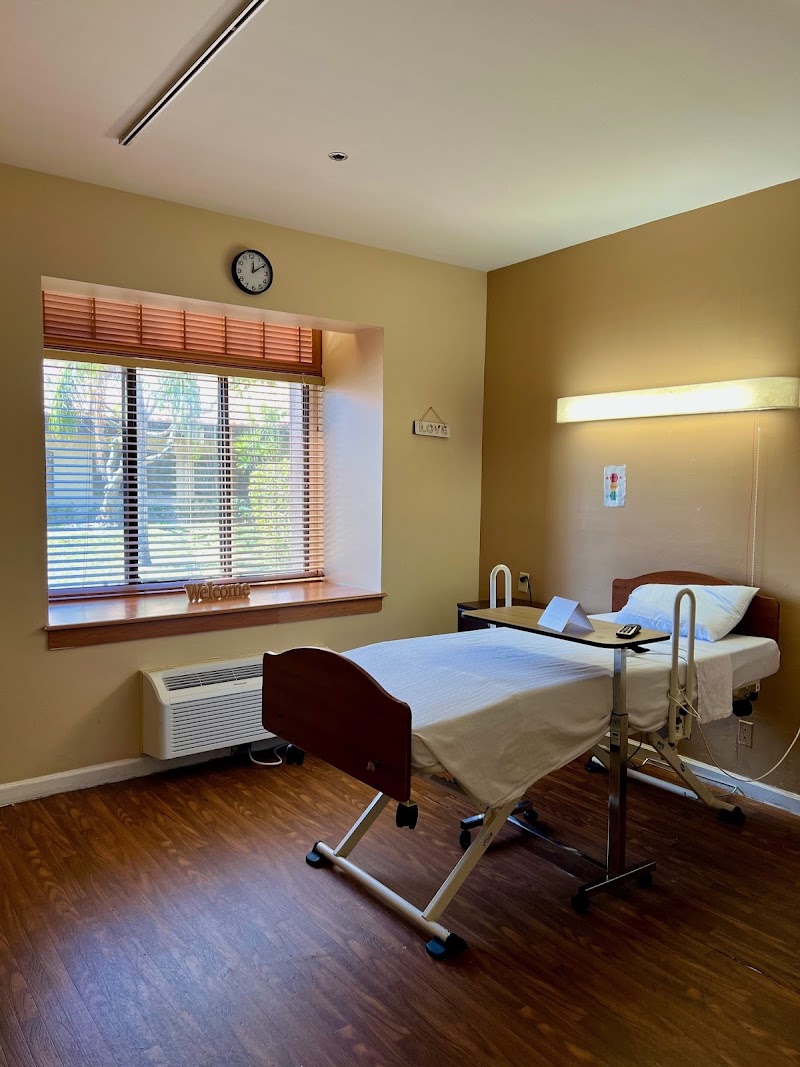
How is Regents Park Of Sunrise Staffed?

CMS rates REGENTS PARK OF SUNRISE's staffing level at 3 out of 5 stars, which is average compared to other nursing homes. Staff turnover is 20%, compared to the Florida average of 46%. This relatively stable workforce can support continuity of care.

What Have Inspectors Found at Regents Park Of Sunrise?

State health inspectors documented 19 deficiencies at REGENTS PARK OF SUNRISE during 2021 to 2024. These included: 19 with potential for harm.
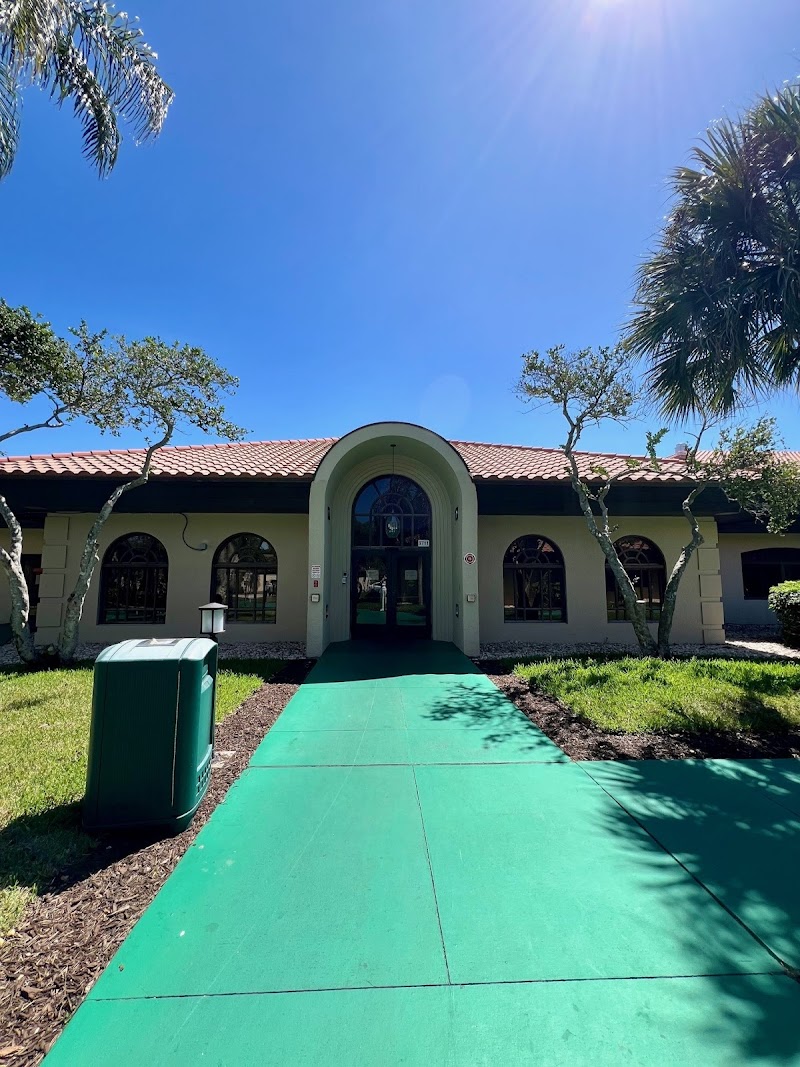
Who Owns and Operates Regents Park Of Sunrise?

REGENTS PARK OF SUNRISE is owned by a for-profit company. For-profit facilities operate as businesses with obligations to shareholders or private owners. The facility is operated by ROBERT SCHOENFELD, a chain that manages multiple nursing homes. With 120 certified beds and approximately 110 residents (about 92% occupancy), it is a mid-sized facility located in SUNRISE, Florida.
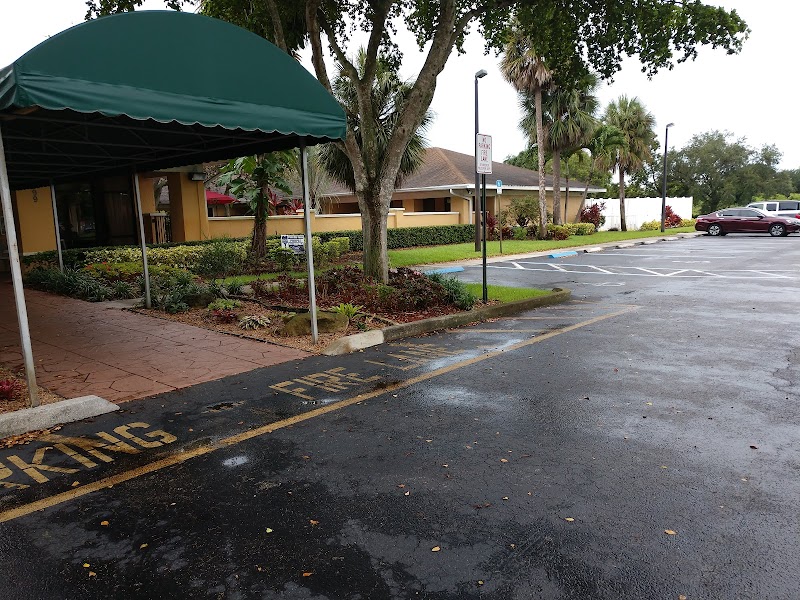
How Does Regents Park Of Sunrise Compare to Other Florida Nursing Homes?

Compared to the 100 nursing homes in Florida, REGENTS PARK OF SUNRISE's overall rating (5 stars) is above the state average of 3.2, staff turnover (20%) is significantly lower than the state average of 46%, and health inspection rating (4 stars) is above the national benchmark.

What Should Families Ask When Visiting Regents Park Of Sunrise?

Based on this facility's data, families visiting should ask: "Can I visit during a mealtime to observe dining assistance and food quality?" "How do you handle medical emergencies, and what is your hospital transfer rate?" "Can I speak with family members of current residents about their experience?"

Is Regents Park Of Sunrise Safe?

Based on CMS inspection data, REGENTS PARK OF SUNRISE has a clean safety record: no substantiated abuse findings (meaning no confirmed cases of resident harm), no Immediate Jeopardy citations (the most serious violation level indicating risk of serious injury or death), and is not on the Special Focus Facility watch list (a federal program monitoring the lowest-performing 1% of nursing homes). The facility has a 5-star overall rating and ranks #1 of 100 nursing homes in Florida. While no facility is perfect, families should still ask about staff-to-resident ratios and recent inspection results during their visit.

Do Nurses at Regents Park Of Sunrise Stick Around?

Staff at REGENTS PARK OF SUNRISE tend to stick around. With a turnover rate of 20%, the facility is 26 percentage points below the Florida average of 46%. Low turnover is a positive sign. It means caregivers have time to learn each resident's needs, medications, and personal preferences. Consistent staff also notice subtle changes in a resident's condition more quickly.

Was Regents Park Of Sunrise Ever Fined?

REGENTS PARK OF SUNRISE has no federal fines on record. CMS issues fines when nursing homes fail to meet care standards or don't correct problems found during inspections. The absence of fines suggests the facility has either maintained compliance or corrected any issues before penalties were assessed. This is a positive indicator, though families should still review recent inspection reports for the full picture.

Is Regents Park Of Sunrise on Any Federal Watch List?

REGENTS PARK OF SUNRISE is not on any federal watch list. The most significant is the Special Focus Facility (SFF) program, which identifies the bottom 1% of nursing homes nationally based on persistent, serious quality problems. Not being on this list means the facility has avoided the pattern of deficiencies that triggers enhanced federal oversight. This is a positive indicator, though families should still review the facility's inspection history directly.