SPRINGTREE REHABILITATION & HEALTH CARE CENTER
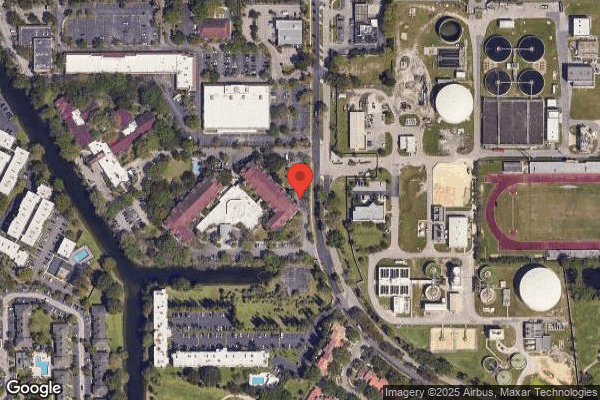

4251 SPRINGTREE DRIVE, SUNRISE, FL 33351 (954) 572-4251
For profit - Limited Liability company 110 Beds MILLENNIUM HEALTH SYSTEMS Data: November 2025
Trust Grade
90/100
#118 of 690 in FL
Last Inspection: May 2024

Within standard 12-15 month inspection cycle. Federal law requires annual inspections.

Overview

Springtree Rehabilitation & Health Care Center has received a Trust Grade of A, indicating it is an excellent facility that is highly recommended for families considering nursing home options. It ranks #118 out of 690 facilities in Florida, placing it in the top half overall, and #9 out of 33 in Broward County, meaning there are only eight local facilities rated higher. However, it is concerning that the facility's trend is worsening, with reported issues increasing from 3 in 2023 to 7 in 2024. Staffing is a strong point, boasting a 5/5 star rating and a low turnover rate of 15%, which is significantly better than the state average. On the downside, there have been some serious concerns, including inadequate housekeeping, food safety issues, and failures in implementing proper infection control precautions, which could pose potential risks to residents.

Trust Score
A
90/100
In Florida
#118/690
Top 17%
Safety Record
Low Risk
No red flags
Inspections
Getting Worse
3 → 7 violations
Staff Stability
✓ Good
15% annual turnover. Excellent stability, 33 points below Florida's 48% average. Staff who stay learn residents' needs.
Penalties
✓ Good
No fines on record. Clean compliance history, better than most Florida facilities.
Skilled Nurses
○ Average
Each resident gets 39 minutes of Registered Nurse (RN) attention daily — about average for Florida. RNs are the most trained staff who monitor for health changes.
Violations
⚠ Watch
13 deficiencies on record. Higher than average. Multiple issues found across inspections.
★★★★★
5.0
Overall Rating
★★★★★
5.0
Staff Levels
★★★★★
5.0
Care Quality
★★★☆☆
3.0
Inspection Score
Stable
2023: 3 issues
2024: 7 issues

The Good

  • 5-Star Staffing Rating · Excellent nurse staffing levels
  • 5-Star Quality Measures · Strong clinical quality outcomes
  • Low Staff Turnover (15%) · Staff stability means consistent care
  • Full Sprinkler Coverage · Fire safety systems throughout facility
  • No fines on record
  • Staff turnover is low (15%)

    33 points below Florida average of 48%

Facility shows strength in staffing levels, quality measures, staff retention, fire safety.

The Bad

Chain: MILLENNIUM HEALTH SYSTEMS

Part of a multi-facility chain

Ask about local staffing decisions and management

The Ugly 13 deficiencies on record

May 2024 7 deficiencies
CONCERN (D)

Potential for Harm - no one hurt, but risky conditions existed

Quality of Care (Tag F0684)

Could have caused harm · This affected 1 resident

**NOTE- TERMS IN BRACKETS HAVE BEEN EDITED TO PROTECT CONFIDENTIALITY** 2. Review of the facility policy and procedure on 05/22/24 at 11:50 AM, titled, Catheter Care provided by the Assistant Director...

Read full inspector narrative →
**NOTE- TERMS IN BRACKETS HAVE BEEN EDITED TO PROTECT CONFIDENTIALITY** 2. Review of the facility policy and procedure on 05/22/24 at 11:50 AM, titled, Catheter Care provided by the Assistant Director of Nursing (ADON) revised 03/2024, documented, in part, in the Policy Statement: It is the policy of this facility to ensure that residents with indwelling catheters receive appropriate catheter care and maintain their dignity and privacy when indwelling catheters are in use Policy Explanation: 6. Leg bags will be attached to the resident's thigh or calf making sure to have slack on the tubing to minimize pressure and tension. Ensure straps are snug but not tight as appropriate. 7. Leg bags may be stored in a clean, plastic bag when not in use or as per facility policy. Record review documented Resident #92 was re-admitted to the facility on [DATE] with diagnoses that included Obstructive and Reflux Uropathy, Atherosclerotic Heart Disease, Sepsis, Hematuria, Urinary Tract Infection, Anxiety Disorder, Anemia, Acute Respiratory Failure with Hypoxia and Hypertension. The record documented a Brief Interview Mental Status (BIMS) score of 15, indicating cognition was intact. On 02/21/24, the Physician's order documented, Leg strap to anchor indwelling catheter in place. During a Foley catheter / Peri-care observation conducted on 05/22/24 at 10:27 AM with Staff B, Certified Nursing Assistant (CNA), it was observed that Resident # 92's peri-area (penis and scrotum) was clean, but with slight redness noted to his upper thigh and penile area. Resident #92 stated, during the Peri-Foley catheter care session, that it felt a little tender and sore there, and he said that is often that way especially when they put on the leg bag which, as it fills up, it pulls, weighs down, moves all around, and hurts him. The resident further stated he told the nurses, but they just adjust or empty the bag. Resident #92 stated, they should have some type of support strap on, but they don't usually. Photographic Evidence Obtained. On 05/22/24 at 10:41 AM, Staff B acknowledged that they use the strap / anchor sometimes, but she also stated that the dirty strap had been directly placed and not bagged into Resident #92's dresser drawer just across from the resident's bed. There was no accompanying anchor portion in place, none in the resident's room, as ordered, and none on the resident today. The ADON obtained the anchor from the Central Supply room and then applied it following Foley/Peri-care. On 05/22/24 at 11:24 AM, an interview was conducted with Staff C, Registered Nurse (RN), who acknowledged that the Foley catheter strap and anchor were not in place per the physician's orders. Staff C stated, ordinarily the CNAs will take care of this and will tell her if there is a problem. During a side-by-side record review conducted with Staff C, of the Treatment Administration Record (TAR) dated 05/22/24, it was revealed that Staff C had initialed that the Foley strap and anchor for Resident #92's Foley catheter were in place, when in fact, it had not been. Record review of Resident #92' care plan dated 03/11/24 revealed that .Focus: Resident #92 has a Foley Catheter related to Urinary Retention, History of Pyelonephritis, has Benign Prostatic Hypertrophy which may impact, and a diagnosis of Obstructive Uropathy. Interventions included: Position catheter bag and tubing below level of the bladder and away from room door. Check tubing for kinks as needed and every shift, monitor for signs and symptoms of discomfort or urination and frequency. Monitor / document for pain / discomfort due to catheter. Monitor / document / report to Doctor signs and symptoms of Urinary Tract Infection: pain / suprapubic tenderness, burning, blood tinged urine, no output, increased pulse, dysuria, Urinary frequency, Urinary urgency fever or Hypothermia, chills, altered mental status, change in eating patterns or decline in function. Goals: Resident will be/remain free from catheter-related trauma through review date. There was no documentation included in the care plan with regard to the resident's Foley strap or anchor. On 05/22/24 at 11:37 AM, during an interview with the ADON regarding the absence of both the Foley leg strap and anchor for Resident #92, he acknowledged that both should have been in place as ordered. Neither the Foley leg strap nor the accompanying anchor had been applied, until after surveyor inquisition/intervention. On 05/22/24 at 11:40 AM, the Director of Nursing (DON) acknowledged the absence of both the Foley leg strap and anchor for Resident #25, that both should have been in place as ordered and this was not done. Based on record review, interview, and observation, the facility failed to address a urine culture and sensitivity result in a timely manner for 1 of 2 sampled residents reviewed for hospitalizations (Resident #103); and failed to maintain a secure catheter tubing for 1 of 1 sampled resident reviewed for urinary catheters (Resident #92). The findings included: Review of the facility's policy, titled, Laboratory Services and Reporting, dated 2/2023 and revised 2/2024, documented, in part: The facility must provide or obtain laboratory services to meet the needs of its residents. The facility is responsible for the timeliness of the services. Promptly notify the ordering physician, physician assistant, nurse practitioner, or clinical nurse specialist of laboratory results that fall outside the clinical reference range. 1. Record review documented Resident #103 was admitted to the facility on [DATE]. Review of the comprehensive assessment dated [DATE] documented the resident was cognitively intact and required substantial / maximum assist with activities of daily living (ADLs). Record review revealed a Progress Note dated 04/03/24 at 11:37 AM that documented Resident #103 was not feeling well and appeared weak and listless. The physician was notified, and orders were received for blood labs to be done. Subsequently, on 04/03/24 at 10:47 PM (2247 hours), an order was received for a urinalysis with reflex to culture in AM (04/04/24). A progress note dated 04/04/24 at 6:39 PM documented the results of Resident #103's urinalysis was read to the physician and no new orders were obtained. A progress note dated 04/05/24 at 9:06 AM documented Resident #103's urinalysis on 04/04/24 was indicative of a Urinary Tract Infection (UTI). The progress note further indicated the urine culture and sensitivity was not available, the physician was notified and no new orders were received. A review of Resident #103's Urinalysis result revealed it was received on 04/04/24 at 12:27 PM, and the results were reported on 04/06/24 at 10:09 AM. A progress note dated 04/08/24 at 12:05 PM documented Resident #103's urine tested was positive for a specific organism, with sensitivities to antibiotics. An order for Cipro (an antibiotic) was received from the physician (2 days after the results were received, 5 days after initial symptoms). An interview was conducted with the Infection Control Preventionist (ICP) on 05/22/24 at 12:00 PM. The ICP stated they generally wait until the culture and sensitivity results are received before antibiotics are prescribed to avoid Multiple Resistant Drug Organisms. The ICP acknowledged the results of Resident # 103's culture and sensitivity came back on 04/06/24, the weekend, and it was not addressed until Monday, 04/08/24 (2 days later). Resident #103 was transferred to the hospital on [DATE] for diagnosis of Urinary Tract Infection, weakness, and lower extremities edema.
CONCERN (D)

Potential for Harm - no one hurt, but risky conditions existed

Deficiency F0697 (Tag F0697)

Could have caused harm · This affected 1 resident

**NOTE- TERMS IN BRACKETS HAVE BEEN EDITED TO PROTECT CONFIDENTIALITY** Based on observation, interview, and record review, the facility failed to administer pain medicine as ordered for 1 of 4 sample...

Read full inspector narrative →
**NOTE- TERMS IN BRACKETS HAVE BEEN EDITED TO PROTECT CONFIDENTIALITY** Based on observation, interview, and record review, the facility failed to administer pain medicine as ordered for 1 of 4 sampled residents reviewed for pain (Resident #85). The findings included: Record review revealed Resident #85 was admitted to the facility on [DATE]. Review of the comprehensive assessment dated [DATE] documented the resident was cognitively intact and required partial / moderate assistance with activities of daily living (ADLs). Record review documented Resident #85 was care planned for pain and had interventions in place to assess and document pain and monitor effectiveness of interventions. An interview was conducted with Resident #85 on 05/21/24 at 12:00 PM. The resident stated he was only getting Tylenol for pain, and it was not effective. Record review revealed an order of 05/03/24 for Oxycodone 5 milligrams (mg) every 4 hours as needed for acute pain on a scale of 5-10 out of 10. Further review of the resident's orders revealed an order for Extra Strength Tylenol 500 mg every 6 hours as needle for pain level 3-10. A secondary interview was conducted with Resident #85 on 05/22/24 at 12:30 PM. Resident #85 acknowledged he had pain medicine Oxycodone ordered for pain, but stated the medication had not been available for some time. Resident #85 stated the pain medication had to be reordered and had not come from pharmacy. A review of Resident #85's Medication Administration Record (MAR) revealed the last time the resident was medicated with Oxycodone was on 05/17/24. Further review of the MAR revealed the resident was medicated with Tylenol Extra Strength on 05/17/24, 05/18/24, 05/19/24, 05/20/24, and 05/21/24. Prior to 05/17/24, the resident had not received Tylenol Extra Strength. A review of Resident #85's Medication Monitoring / Control Record revealed the resident ran out of Oxycodone medication on 05/17/24. An interview was conducted with Staff Z, Licensed Practical Nurse / LPN, on 05/22/24 at 12:50 PM. Staff Z stated she realized Resident #85 was out of his pain medication Oxycodone on 05/21/24, and had gotten a prescription and was awaiting the medication to be delivered from pharmacy. Staff Z did not have an explanation as to why the resident was without the pain medication since 05/17/24.
CONCERN (D)

Potential for Harm - no one hurt, but risky conditions existed

Deficiency F0761 (Tag F0761)

Could have caused harm · This affected 1 resident

**NOTE- TERMS IN BRACKETS HAVE BEEN EDITED TO PROTECT CONFIDENTIALITY** Based on review of policy and procedure, observation, interview and record review, the facility failed to ensure it secured and ...

Read full inspector narrative →
**NOTE- TERMS IN BRACKETS HAVE BEEN EDITED TO PROTECT CONFIDENTIALITY** Based on review of policy and procedure, observation, interview and record review, the facility failed to ensure it secured and locked two (2) over-the-counter (OTC) medications and one (1) prescription medication for 3 of 3 sampled residents observed, Resident #63, Resident #79 and Resident #73; and failed to promptly discard one (1) expired OTC medication and one (1) prescription medication for 2 of 3 sampled residents, Resident #63 and Resident #79. The findings included: Review of the facility policy and procedure on 05/23/24 at 11:23 AM, titled, Storage of Medications, provided by the Assistant Director of Nursing (ADON), reviewed May 2022, documented, in part, in the Policy Statement: Medications and biologicals are stored safely, securely, and properly, following manufacturer's recommendations or those of the supplier. The medication supply is accessible only to licensed nursing personnel, pharmacy personnel, or staff members lawfully authorized to administer medications .Procedures: .B. Only licensed nurses, pharmacy personnel, and those lawfully authorized to administer medications (such as medication aides) are permitted to access medications. Medication rooms, carts and medication supplies are locked when not attended by persons with authorized access .All expired medications will be removed from active supply and destroyed in the facility, regardless of amount remaining. The medication will be destroyed in the usual manner. 1. Record review revealed Resident # 79 was admitted to the facility on [DATE] with diagnoses that included Syncope and Collapse, Cerebrovascular Disease, Urinary Tract Infection, Hypertension, Gastroesophageal Reflux Disease and Epilepsy. The record documented a Brief Interview Mental Status (BIMS) score of 13, indicating cognition was intact. During an initial observational tour conducted on 05/20/24 at 9:57 AM, Resident # 79's room was noted to have a used expired bottle of prescription 10 ml Bausch & Lomb Neomycin Polymyxin B Sulfate and Hydrocortisone Otic Suspension drops with an expiration date of 04/16, located atop the resident's bedside dresser tabletop. It was visible, unsecured and accessible to other residents, staff members and visitors. During a brief interview conducted on 05/20/24 at 9:59 AM with Resident #79 regarding the Otic drops, she stated that she brought the Otic drops from home. She also stated that she uses them every day, if needed. Photographic Evidence Obtained. On 05/20/24 at 3:11 PM, Resident # 79's room was still noted to have the used expired bottle of prescription 10 ml Bausch & Lomb Neomycin Polymyxin B Sulfate and Hydrocortisone Otic Suspension drops located atop the resident's bedside dresser tabletop. An interview was conducted on 05/22/24 at 12:04 PM with Resident #79's nurse, Staff D, Licensed Practical Nurse (LPN), regarding the prescription Otic drop medication bottle observed on Resident #79's bedside table. Staff D acknowledged the medication Otic drop bottle should not have been there. Staff D added this resident does not self-administer any of her own medications and was not assessed to be able to do so. A side-by-side record review was conducted with Staff D, in which it was noted that neither Resident #79's hard copy chart nor her computerized Point-Click-Care (PCC) medical record indicated that the resident had any self-assessment completed in order for her to be able to administer her own medications. On 05/22/24 at 10:06 AM an interview was conducted with Staff D, in which she stated there are only two (2) individual packet types of House stock barrier cream (Periguard Ointment Skin Protectant with Vitamins A, D, E, Aloe Vera and Zinc) or Derma - Fungal Antifungal Cream with 2% Miconazole Nitrate, that the facility utilizes. Staff D added they are kept in the locked Treatment cart and it is distributed to the Certified Nursing Assistants (CNAs) to apply to the residents who have orders for it. Staff D further stated any unused packets of either barrier cream type would be discarded. There was no order on Resident #79's Medication Administration Record (MAR) or Treatment Administration Record (TAR) for this prescription Otic drop medication to be administered to this resident. 2. Record review revealed Resident # 63 was admitted to the facility on [DATE] with diagnoses that included Alzheimer's Disease, Dementia, Malignant Neoplasm of Brain, Nondisplaced Intertrochanteric Fracture of Right Femur and Hypertension. The record documented a Brief Interview Mental Status (BIMS) score of 12, indicating moderate cognitive impairment. During a subsequent observational tour conducted on 05/20/24 at 11:08 AM, Resident # 63's room was noted to have a used expired bottle of OTC Tums with an expiration date of March 2024 located in the second drawer of a small portable rolling cart in her room just across from her bed. It was visible, un-secured and accessible to other residents, staff members and visitors. Photographic Evidence Obtained. On 05/20/24 at 3:29 PM, Resident #63's room was still noted to have the used expired bottle of OTC Tums located in the second drawer of a small portable rolling cart in her room just across from her bed. On 05/21/24 at 11:58 AM, Resident #63's room was still noted to have the used expired bottle of OTC Tums located in the second drawer of a small portable rolling cart in her room just across from her bed. On 05/21/24 at 4:07 PM, Resident #63's room was still noted to have the used expired bottle of OTC Tums located in the second drawer of a small portable rolling cart in her room just across from her bed. During a brief interview conducted on 05/21/24 at 4:15 PM with Resident #63, regarding the Antacid tablets, she stated that she brought the Antacids from home, and she uses them all the time, every day, if needed. On 05/22/24 at 9:50 AM, Resident #63's room still noted to have the used expired bottle of OTC Tums located in the second drawer of a small portable rolling cart in her room just across from her bed. An interview was conducted on 05/22/24 at 12:17 PM with Resident # 63's nurse, Staff D, regarding the expired bottle of OTC Tums medication bottle observed on Resident #63's bedside table. Staff D acknowledged the medication bottle should not have been there. During an interview conducted on 05/22/24 at 12:20 PM with Staff D, for the 1st Unit, she indicated that this resident does not self-administer any of her own medications and was not assessed to be able to do so. A side-by-side record review conducted with Staff D indicated that neither Resident #63's hard copy chart nor her computerized Point-Click-Care (PCC) medical record indicated that the resident had any self-assessment completed in order for her to be able to administer her own medications. There was no order on Resident #63's MAR or TAR for this OTC medication to be administered to this resident. 3. Record review revealed Resident #73 was admitted to the facility on [DATE] with diagnoses that included Cerebral Atherosclerosis, Seizures, Atrial Fibrillation, Dementia, Cerebral Infarction, Malignant Neoplasm of Prostate, Anxiety Disorder and Hypertension. The record documented a Brief Interview Mental Status (BIMS) score of 14, indicating cognition is intact. During a Medication Administration Observation conducted on 05/21/24 at 10:03 AM with Staff D for Resident #73, it was observed that there was a used unsecured jar of House stock OTC Zinc Oxide 20% medicated cream ointment located on the bedside dresser. During a brief interview conducted on 05/21/24 at 10:08 AM with Resident #73, he stated that his sister brought the jar of butt cream in from home. The resident added that the nurses apply this to his skin as he needs it. An interview was conducted on 05/21/24 at 10:18 AM with Resident #73's nurse, Staff E, regarding the House stock OTC Zinc Oxide 20% medicated cream ointment jar observed on Resident #73's bedside table. Staff E acknowledged that it was an OTC medication, and this medicated cream ointment jar should not have been there. On 05/22/24 at 9:28 AM, an interview was conducted with the facility's Lead Pharmacist. She indicated that Zinc Oxide 20% medicated cream ointment is considered to be an OTC medication. During an interview conducted on 05/22/24 at 2:17 PM with Staff F, Registered Nurse / Unit Manager (RN/UM), for the 2nd Unit, he indicated this resident did not self-administer any of his own medications and was not assessed to be able to do so. A side-by-side record review conducted with Staff F indicated that neither Resident #73's hard copy chart nor his computerized Point-Click-Care (PCC) medical record indicated the resident had any self-assessment completed in order for him to be able to administer his own medications. An interview was conducted on 05/22/24 at 12:25 PM with the ADON (Assistant Director of Nursing) , regarding both the OTC and prescription medications observed on Resident #79's bedside table. He acknowledged the OTC and prescription medications should not have been there. The jar of House stock OTC medicated cream ointment was not removed from this resident's bedside until after surveyor intervention. On 05/22/24 at 2:28 PM, the Director of Nursing (DON) further acknowledged and recognized that the OTC and prescription medications should not have been left at either of the resident's bedsides. The DON indicated that all expired medications are to be promptly discarded. She further indicated that the medications should be kept locked at all times. This was not done.
CONCERN (D)

Potential for Harm - no one hurt, but risky conditions existed

Deficiency F0805 (Tag F0805)

Could have caused harm · This affected 1 resident

Based on observation, interview, and record review, the facility failed to prepare food in a pureed form designed to meet the needs of 2 of 4 sampled residents of 7 residents with physician ordered pu...

Read full inspector narrative →
Based on observation, interview, and record review, the facility failed to prepare food in a pureed form designed to meet the needs of 2 of 4 sampled residents of 7 residents with physician ordered pureed diets, Residents #40 and #58, and that included sampled residents, Residents #20, and #373, who were on pureed diets. The census at the time of survey was 108 residents. The findings included: During the review of the facility's Level 4 Pureed Diet, the following were noted: a. Grains - Recommend Pureed soft-cooked hot cereals smooth with no lumps. Served without excess liquid. Do not serve any cooked cereal that is not pureed and has no lumps. b. Pasta - Recommend Pureed moist pasta without lumps. Liquids / sauces do not separate from food. Do not serve and cooked pasta that is not pureed and has no lumps. 1. During the observation of the lunch meal in the main dining room on 05/20/24 at 12:30 PM, it was noted that Resident #40 was served a Pureed Diet. Further observation noted that the pureed Spaghetti was not smooth in texture and there were visible lumps. At the request of the surveyor, a test tray of the pureed lunch meal was requested. The surveyor requested the facility administrator to taste test the pureed meal. The test revealed that the pureed Spaghetti was not smooth in texture and contained numerous lumps and was validated by the Administrator. It was noted that the Administrator went into the kitchen and requested that the pureed spaghetti be prepared to the proper smooth consistency without lumps. 2. During the observation of the breakfast meal on 05/22/24 at 8:15 AM, it was noted that the food tray was served to the room of Resident #58. Observation of the pureed tray noted that the Oatmeal was not smooth in consistency and lumps could be observed. At the request of the surveyor, he met the administrator in the main kitchen to taste test the cooked Oatmeal. The tasting was confirmed, by the surveyor and Administrator, that the cooked Oatmeal was not smooth in consistency and lumps could be tasted in the pureed mixture. The Administrator stated to the surveyor the issues would be corrected immediately. During the review of the facility's Diet Census for 05/20/24, it was noted that there were currently 7 facility residents with physician ordered Pureed Diet which included sampled Resident's #20, #40, #58, and #373.
CONCERN (E)

Potential for Harm - no one hurt, but risky conditions existed

Safe Environment (Tag F0584)

Could have caused harm · This affected multiple residents

**NOTE- TERMS IN BRACKETS HAVE BEEN EDITED TO PROTECT CONFIDENTIALITY** Based on observation and interview, the facility failed to provide housekeeping and maintenance services necessary to maintain a...

Read full inspector narrative →
**NOTE- TERMS IN BRACKETS HAVE BEEN EDITED TO PROTECT CONFIDENTIALITY** Based on observation and interview, the facility failed to provide housekeeping and maintenance services necessary to maintain a sanitary orderly, and comfortable interior for Unit 1, for 7 of 7 observed resident rooms and the community shower, and Unit 2, for 1 of 1 observed resident rooms. The findings included: During the resident screenings performed by the surveyors on 05/20-21/24 and the Environment observation tour conducted on 05/22/24 at 1:00 PM, accompanied with the Administrator and Corporate Director of Procurement, the following findings were noted: 1. Unit 1: room [ROOM NUMBER]: A - The overbed light cord was too short (cord extension missing), the bathroom door frame & walls were scuffed and in disrepair, and the privacy curtain stained. room [ROOM NUMBER]: The call bell cord was too short; and bathroom ceiling vent-dust laden. room [ROOM NUMBER]: The room walls were in disrepair with scuff marks, the privacy curtain was stained, and the bathroom toilet was running continuously. room [ROOM NUMBER]: The privacy curtain was stained, the bottom of bathroom door corner had loose lower panels, the room walls had numerous large black scuff marks, and the room's privacy curtain (W-bed) was too short to adequately block visual of the resident for privacy. room [ROOM NUMBER]: The A/C-PTAC unit vents (air conditioner) were dirty, the bedside table had broken corners on the surface of the table, the privacy curtain was stained, and the privacy curtain (W-bed) was too short to adequately block visual of the resident for privacy. room [ROOM NUMBER]: The room dresser had missing a drawer knob, and 3 walls were in disrepair. room [ROOM NUMBER]: The furniture dresser had missing drawer pull knobs, the bathroom call bell cord was too short, and the metal plate beneath door knob on the door entry to room was not secure. Community Shower: The Emergency call bell cord located in the toilet room was too short, and the entry door was damaged and in disrepair. 2. Unit 2: room [ROOM NUMBER]: The B-bed fall-floor mat on floor was in poor condition (torn and ripped), and the room entry door had loose lower panels. Following the 05/22/24 environmental tour, the findings were again confirmed with the Administrator. The Administrator was noted to state that the facility has a computerized TELS system for staff to report maintenance and housekeeping issues via the computer. The Administrator further stated that staff is continuously in-serviced on the use of the TELS system, however staff are not utilizing the system.
CONCERN (E)

Potential for Harm - no one hurt, but risky conditions existed

Food Safety (Tag F0812)

Could have caused harm · This affected multiple residents

Based on observation and interview, the facility failed to store, prepare, distribute, and served food in accordance with professional standards for food services safety. The findings included: 1. Dur...

Read full inspector narrative →
Based on observation and interview, the facility failed to store, prepare, distribute, and served food in accordance with professional standards for food services safety. The findings included: 1. During the initial observation tour conducted of the Main Kitchen on 05/20/24 at 9:00 AM and accompanied with the facility cook supervisor (Staff G), the following were noted: (a) A soiled rag was located on the clean food preparation counter next to the commercial toaster. The surveyor informed Staff G that all cleaning cloths must be stored within a chemical sanitizing solution when not in use. (b) The floor area located in front of the commercial toaster and food preparation counter was noted to have numerous missing tiles and holes (3). (c) The ceiling vent located outside of the paper / disposable room was noted to be soiled and dust laden. (d) Observation of the paper / disposable room noted to have freezer jackets that were hanging on shelving and coming into contact with paper / disposable goods. The surveyor informed Staff G that the jackets are soiled and sweaty and are contaminating disposable supplies (cups, bowls napkins, etc.). (e) The ceiling mounted light located in the pantry room was noted to have a broken / cracked cover and could possibly allow pieces of plastic fall into foods stored within the room. (f) The hallway located outside of the walk-in freezer was noted to have cleaning equipment (broom, dust pans, etc.) leaning up against shelving of which potatoes and onions were being stored. The surveyor informed Staff G that soiled cleaning equipment could come into contact with fresh foods. (g) The pot & pan storage racks / shelving were noted to house skillets and pans that were soiled and covered with black carbon. The pans were also noted to have water that was not drained properly after washing. The surveyor requested to Staff G that the food preparation equipment be replaced. (h) Observation of the Artic Aire Reach-in Refrigerator #1 was noted to have 8 internal food storage shelves the were rust laden and had the plastic coating peeling off. The surveyor requested that the shelving be replaced. (i) Observation of the dish machine room noted that soiled water and garbage were backing up and out of the machine into the clean dish run area. The surveyor informed Staff G that the clean dish exiting the machine was becoming contaminated from the waste water from the dish machine. (j) The stainless steel dish runs leading up to the dish machine were noted to have caulking to the walls that had a black mold type matter, The surveyor requested that the molded caulking be removed. (k) Observation of the dish machine room noted to have clean dish racks that were being stored directly on the soiled dish room floor. Further observation noted that the racks were soiled, stained, in disrepair, and in need of replacement. (l) Observation of the commercial meat slicer was noted to have particles of dried food debris around the slicing blade. It was discussed with Staff G that the slicer was not being properly cleaned and sanitized after each use. (m) Observation of the commercial ovens (2) noted that the interior cavity was covered with a black carbon coating. The surveyor informed Staff G that the ovens are not being cleaned and maintained on a regular basis. (n) The kitchen utility cart located in the food preparation area was noted to have metal shelving (3) that was rust laden and in need of replacement. 2. During an observation tour of the facility's pantry kitchens conducted on 05/21/24 at 2:00 PM with the Assistant Director of Nursing (ADON), the following were noted: a. The refrigerator located within the 100 Unit pantry was noted to have torn gaskets on both the freezer and refrigerator doors. b. The refrigerator located in the 200 Unit pantry was noted to have a large tear in the freezer door. It was also noted that the carton of portion control milk (8 ounces) was opened for use and placed back into the refrigerator. It was also noted that a bottle of soda was open, partially empty (drank from) and placed back into the refrigerator.
CONCERN (E)

Potential for Harm - no one hurt, but risky conditions existed

Infection Control (Tag F0880)

Could have caused harm · This affected multiple residents

**NOTE- TERMS IN BRACKETS HAVE BEEN EDITED TO PROTECT CONFIDENTIALITY** Based on observations, interviews and record review, the facility failed to implement Enhanced Barrier Precautions (EBP) per Cen...

Read full inspector narrative →
**NOTE- TERMS IN BRACKETS HAVE BEEN EDITED TO PROTECT CONFIDENTIALITY** Based on observations, interviews and record review, the facility failed to implement Enhanced Barrier Precautions (EBP) per Centers for Disease Control (CDC) guidelines and facility policies and procedures for 10 of 10 sampled residents reviewed for Transmission-based precautions, Residents #18, #20, #33, #60, #77, #85, #92, #327, #334, and #371. The census at the time of survey was 108 residents. The findings included: Review of the Center for Disease Control (CDC) guidance for Enhanced Barrier Precautions (EBP), documented, in part, the following: When implementing Contact Precautions or Enhanced Barrier Precautions, it is critical to ensure that staff have awareness of the facility's expectations about hand hygiene and gown/glove use, initial and refresher training, and access to appropriate supplies. To accomplish this: o Make PPE [Personal Protective Equipment], including gowns and gloves, available immediately outside of the resident room. The guidance for the Enhanced Barrier Precautions is located at: CDC_Implementation_Of_Personal_Protective_Equipment_(PPE)_Use_In_Nursing_Homes_To_Prevent_Spread_Of_Multidrug-resistant_Organisims_(MDROs). Review of the facility's policy, titled, Enhanced Barrier Precautions, with a reference date of 04/01/24, documented, in part: Policy: It is the policy of this facility to implement enhanced barrier precautions for the prevention of transmission of multidrug-resistant organisms. 3. Implementation of Enhanced Barrier Precautions: a. Make gowns (may be reusable gowns) and gloves available immediately near or outside of the resident's room. Note: face protection may also be needed if performing activity with risk of splash or spray (i.e. wound irrigation, tracheostomy, etc.). b. PPE (Personal Protective Equipment) for enhanced barrier precautions is only necessary when performing high-contact car activities and may not need to be donned prior to entering the resident's room. 4. High-contact resident are activities include: a. Dressing b. Bathing c. Transferring d. Providing hygiene e. Changing linens f. Changing briefs or assisting with toileting g. Device care or use: central lines, urinary catheters, feeding tubes, tracheostomy/ventilator tubes h. Wound care: any skin opening requiring a dressing. During a unit-by-unit tour of the facility on 05/20/24 at 10:18 AM, it was noted that there was a total of 9 resident rooms that had signage at the entrance to the rooms that informed staff and visitors that the resident / residents in the room were on 'Enhanced Barrier Precautions' (EBP). These rooms were observed to be the resident rooms of Residents #18, #20, #33, #60, #77, #85, #92, #327, #334, and #371. Further observation revealed that there was no personal protective equipment (PPE) at or near the entrance to the rooms. During an interview, on 05/20/24 at 10:20 AM, during the unit-by-unit tour, with Staff D, Licensed Practical Nurse (LPN), when asked about the availability of gowns for the residents on EBP, Staff D replied, they usually bring it out to here (referring to a clean linen cart on the unit). We have masks at the nurse's station and gloves in the residents' rooms. During an interview, on 05/20/24 at 10:30 AM, during the unit by unit tour, with Staff I, Registered Nurse (RN), when asked about the availability of gowns for the residents on EBP, Staff I replied, the gowns are kept on the cart and gloves are on the nurse's carts and in the residents' bathrooms, gowns are on the linen carts (referring to the linen carts that were placed outside in the halls) and by the nurse's station. During the tour, the following observations were made: On the 100 unit: a. The hall that included Rooms #100 to 109, had a linen cart placed outside of room [ROOM NUMBER] that contained no gowns. b. The hall that included Rooms #111 to 119, had a linen cart placed outside of room [ROOM NUMBER] that contained 1 gown. c. The hall that included Rooms #121 to 131, had a linen cart placed outside of room [ROOM NUMBER] that contained no gowns. On the 200 unit d. The hall that included Rooms #201 to 210, had a linen cart placed outside of room [ROOM NUMBER] that contained no gowns. e. The hall that included Rooms #211 to 220, had a linen cart placed outside of room [ROOM NUMBER] that contained no gowns. f. The hall that included Rooms #221 to 230, had a linen cart placed outside of room [ROOM NUMBER] that contained no gowns. During a unit-by-unit tour of the facility, on 05/21/24 at 7:40 AM, the following observations were noted: a. On the 100 unit, the hall that included Rooms 111 to 119, had a linen cart outside of room [ROOM NUMBER] that had one gown. The remaining carts on the other two halls contained no gowns. b. On the 200 unit, the hall that included Rooms #221 to 231, had a linen cart placed outside of room [ROOM NUMBER] that contained an unopened package of ten disposable gowns. The remaining carts on the other two halls contained no gowns. During an interview, on 05/22/24 at 10:36 AM, with Staff J, Certified Nursing Assistant (CNA) when asked about the availability of gowns for residents on EBP, Staff J stated that they were kept at a cart at the nurse's stations. Staff J also stated that there was no other place where the gowns would be stored. During an interview, on 05/22/24 at 12:12 PM, with the Wound Care Nurse, when asked about the facility's policy for PPE, the Wound Care Nurse replied, 'if they have a wound they have EBP, we have to wear a yellow gown, when CNAs are providing care and when I am taking care of the wound and residents with a Foley catheter. If they have an IV (intravenous) or a PICC (peripherally inserted central catheter) line and the nurses are hanging the fluids, they have to wear the yellow gown as well. There is a cart by the desk, they put them [gowns] in there. They have the disposable ones and the ones that get washed. The washable and reusable ones are kept in a cart at the nurse's stations. During an interview, on 05/23/24 at 10:51 AM, with the Infection Preventionist (IP), when asked about the facility's policy for providing PPE for residents on EBP, the IP replied, we started them off in the linen carts, the main ones that are on the floor and moved them from the large carts to the small carts on each unit. Housekeeping said that there was not enough room on the big cart so they brought them straight to the small carts that are on the individual units. At the conclusion of the interview, the IP was made aware of the findings and the carts that had been void of gowns during the three tours of the facility.
Jun 2023 3 deficiencies
CONCERN (D)

Potential for Harm - no one hurt, but risky conditions existed

Deficiency F0687 (Tag F0687)

Could have caused harm · This affected 1 resident

**NOTE- TERMS IN BRACKETS HAVE BEEN EDITED TO PROTECT CONFIDENTIALITY** Based on observations, record review and interviews, the facility failed to provide foot care to 4 of 4 sampled residents review...

Read full inspector narrative →
**NOTE- TERMS IN BRACKETS HAVE BEEN EDITED TO PROTECT CONFIDENTIALITY** Based on observations, record review and interviews, the facility failed to provide foot care to 4 of 4 sampled residents reviewed for foot care, Residents #7, #28, #54, and #65. The findings included: Review of the facility's policy, titled, Skin Integrity- Foot Care, implemented on 01/2023, documented, in part, .comprehensive assessment will include an assessment of the feet for disorders which may require treatment .nail disorders. Nursing assistants will inspect skin during bath and will report any concerns to the resident's nurse immediately after the task .the attending physician will assume responsibility for the overall care and treatment of the resident's medical conditions . 1. Review of Resident #7's, clinical record documented an admission to the facility on [DATE] with no readmissions documented. The resident's diagnoses included Ataxic (awkward, uncoordinated walking) Gait, Unspecified Mood, Anxiety Disorder and Hereditary and Idiopathic Neuropathy (an illness where sensory and motor nerves of the peripheral nervous system are affected) and Muscle Weakness. Review of Resident #7's Minimum Data Set (MDS) quarterly assessment dated [DATE] documented a Brief Interview of the Mental Status (BIMS) score of 6 indicating that the resident had severe cognition impairment. The assessment documented under Functional Status that the resident needed extensive assistance from the staff to complete her activities of daily living (ADL's). Review of Resident #7's care plan, titled, [resident's name] presents with a decline in functional mobility and ADL task performance related to generalized weakness . The care plan did not document that the resident refuse toenail care. Review of Resident #7's electronic clinical record under the Miscellaneous section revealed the lack evidence of any uploaded files related to a podiatrist consultation visit. On 06/05/23 at 9:37 AM, an interview was conducted with Resident #7 who stated she has not been seen by a foot doctor. The resident was accompanied by a female and a male who she stated they were her children. The resident allowed for the surveyor to check her feet. Observation revealed elongated toenails with fungus like nails. On 06/06/23 at 2:05 PM, a side-by-side observation and review of Resident #7's toe nails was conducted with Staff A, Licensed Practical Nurse (LPN). Staff A stated definitely the resident needed toenail care. During the review, Resident #7 stated I really do appreciate it, I'm tired at looking at my ugly nails. On 06/06/23 at 2:25 PM, a side-by-side review of Resident #7's uploaded files was conducted with Staff A who stated there was not a podiatrist consult uploaded. On 06/06/23 at 2:45 PM, an interview was conducted with Staff B, Certified Nursing Assistant (CNA), who stated she saw Resident #7's long toenails and did not tell the nurse because the podiatrist comes automatically every two months and sees them. A joint interview was conducted with Staff A, LPN, and Staff B, CNA. Staff A educated Staff B to tell her when the residents' toenails are long so she can tell the podiatrist. On 06/06/23 at 3:42 PM, during an interview, the Assistant Director of Nursing (ADON) stated that as far as she knew, Resident #7 had not been seen by a podiatrist but that she would be contacting the Managed Care insurance's podiatrist to check and see if he had seen her. On 06/07/23 at 8:35 AM, the ADON submitted Resident #7's podiatrist note dated 12/29/22. The note documented .a mechanical and surgical debridement of all nails was accomplished (acc). Provider to return (ptr) in two months. The ADON confirmed that Resident #7 had not been seen since 12/29/22. On 06/07/23 at 8:45 AM, an interview was conducted with the Director of Nursing (DON) who stated that she saw the podiatrist documentation and the unapproved abbreviations. The DON was asked what the facility's protocol was related to foot care. The DON replied there was not a protocol and added that the residents are seen as needed. 2. Review of Resident #28's clinical record documented an admission on [DATE] and a readmission on [DATE]. The resident diagnoses included COPD (Chronic Obstructive Pulmonary Disease), Polymyalgia (muscle pain and stiffness) and Anxiety. Review of Resident #28's MDS's quarterly assessment dated [DATE] documented a BIMS score of 6, indicating the resident had severe cognition impairment. The assessment documented under Functional Status that the resident needed extensive to total assistance from the staff to complete her activities of daily living. Review of Resident #'s care plan, titled, Resident presents with a decline in functional mobility and ADL task performance . initiated on 08/26/19 and revised on 03/17/2, documented an intervention that read .provide daily bed bath . The care plan did not document the resident refused toenail care. On 06/05/23 at 12:02 PM, observation revealed Resident #28 sitting up in a wheelchair in her room. An attempted to interview the resident was made and she was not answering the questions asked. Further observation revealed the resident was using open-toed sandals. The observation revealed Resident #28's feet skin was very dry and scaly with jagged and elongated toenails. On 06/06/23 at 10:34 AM, a telephone interview was conducted with Resident #28's responsible representative who stated the facility was supposed to cut the resident's toenails. On 06/06/23 at 2:01 PM, a side-by-side review and observation of Resident #28's toenails was conducted with Staff A, LPN. Staff A confirmed the resident's toenails were jagged and needed to be trimmed. Staff A stated the resident had very dry skin and needed a good moisturizing lotion. Staff A stated she would check with someone about who would come to do the resident's toenails. On 06/06/23 at 2:13 PM, a side-by-side review of Resident #28's clinical record was conducted with Staff A, who stated the dermatologist saw the resident on 05/09/23 and ordered Triamcinolone for three (3) weeks for a body rash, but no treatment for the resident's scaly/crusted skin of the feet. Continued review revealed a podiatrist consult report, dated 10/06/22. Staff A stated she did not see any other podiatrist's note for Resident #28. On 06/07/23 at 8:38 AM, during an interview, the ADON stated Resident #28 was seen by the Podiatrist on 04/25/23 and that he did not see her on 06/06/23 because it was less than two months. The ADON was apprised of the resident's long and jagged toenails and her toenails should have been done on 06/06/23 when the Podiatrist was in the facility. On 06/07/23 at 8:45 AM, an interview was conducted with the DON who was asked what the facility's protocol was related to foot care and hospice care. The DON replied there was not a protocol. The DON added the residents are seen by the Podiatrist regardless of been on hospice and they are seen as needed even if the insurance did not pay for it, the facility would. The DON was apprised of Resident #28's toenails long and jagged and was not seen on 06/06/23. The DON added this is their home, so the facility would pay for podiatry care if needed. 3. Review of Resident #54's clinical record documented an admission on [DATE] and a readmission on [DATE]. The resident diagnoses included Cerebral Infarction, Type 2 Diabetes Mellitus, Anemia, Depressive Episodes, Gout and Malignant Neoplasm of Prostate. Review of Resident #54's MDS quarterly assessment dated [DATE] documented a BIMS score of 12 indicating that the resident had moderate cognition impairment. The assessment documented under Functional Status that the resident needed extensive to total assistance from the staff to complete his ADLs. Review of Resident #54's care plan, titled, Resident presents with a decline in functional mobility and ADL task performance .initiated on 02/14/22 and revised on 05/11/23, documented an intervention that read .provide daily bed bath . The care plan did not document that the resident refused toenail care. On 06/05/23 at 11:56 AM, observation revealed Resident #54 lying in bed with eyes open. During an interview, the resident was not able to tell if his toenails had been trimmed or not. Resident #54 agreed to have the surveyor look at his toenails. Observation revealed elongated toenails. On 06/06/23 at 1:55 PM, a side-by-side review and observation of Resident #54's toenails was conducted with Staff A, who confirmed the resident had elongated toenails. Staff A stated definitely, his toenails need trimming. Staff A stated the facility had two podiatrists coming to see the residents. On 06/06/23 at 2:25 PM, a side-by-side review of Resident #54's clinical record was conducted with Staff A who stated there was not a podiatrist consult in the resident's record. On 06/06/23 at 2:41 PM, an interview was conducted with Staff C, CNA, who stated that she washed Resident #54 today, and noticed his toenails were long. Staff C stated she was supposed to tell the nurse but had not done so at the time of the interview. On 06/06/23 at 3:42 PM during an interview, the ADON stated that as far as she knew the resident had not been seen by a podiatrist, but she would be contacting the HMO podiatrist to check and see if he had seen the resident. On 06/07/23 at 8:39 AM, the ADON submitted Resident #54's last Podiatrist note which was dated 09/27/22. The note documented patient is type 2 diabetic with severe onychauxis (an overgrowth or thickening of the nail) all nails . mechanical and surgical debridement of all nails was accomplished (acc). Provider to return (ptr) in two months. The ADON confirmed that Resident #7 had not being seen since 09/27/22. 4. Review of Resident #65's clinical record documented an admission on [DATE] with no readmissions. The resident's diagnoses included Heart Failure, Anxiety Disorder, Chronic Pulmonary Edema, Dyspnea and Atrial Fibrillation. Review of Resident #65's MDS quarterly assessment dated [DATE] documented a BIMS score of 14 indicating that the resident had no cognition impairment. The assessment documented under Functional Status that the resident needed extensive to total assistance from the staff to complete his ADLs. Review of Resident #65's care plan, titled, Resident's name has an ADL self-care performance deficit related to weakness, poor endurance .on hospice care .initiated on 02/15/23 and revised on 02/23/23, documented an intervention that read .check nail length .on bath days and as necessary. Report any changes to the nurse. The care plan did not document that the resident refused toenail care. On 06/05/23 at 10:10 AM, an interview was conducted with Resident #65 who stated he had not been seen by the foot doctor. Observation revealed elongated toenails. During the resident's interview, a hospice aide came into the room and stated the resident was on hospice and that she has seen the resident 3 times a week to do personal care. On 06/06/23 at 1:45 PM, an interview was conducted with Staff D, CNA, who stated a foot doctor comes to see Resident #65. Staff D was asked if she had seen the resident's toenails and stated she had not seen his toenails in a longtime. On 06/06/23 at 1:54 PM, a side-by-side review and observation of Resident #65's toenails was conducted with Staff A, LPN. Staff A confirmed the resident's toenail were elongated and stated the resident's left foot toenail needed trimming. Staff A added the right foot toenails were up to the flesh. On 06/06/23 at 2:25 PM, a side-by-side review of Resident #65's clinical record was conducted with Staff A who stated there was not a podiatrist consult in the resident's record. On 06/07/23 at 8:35 AM during an interview, the ADON stated Resident #65 was seen by the Podiatrist for the first time on 06/06/23. On 06/07/23 at 10:34 AM, an interview was conducted with Resident #65 who stated the doctor came in on yesterday and cut his toenails.
CONCERN (D)

Potential for Harm - no one hurt, but risky conditions existed

Deficiency F0761 (Tag F0761)

Could have caused harm · This affected 1 resident

**NOTE- TERMS IN BRACKETS HAVE BEEN EDITED TO PROTECT CONFIDENTIALITY** Based on observations, interviews, and record review, the facility failed to ensure medications were not stored at residents' be...

Read full inspector narrative →
**NOTE- TERMS IN BRACKETS HAVE BEEN EDITED TO PROTECT CONFIDENTIALITY** Based on observations, interviews, and record review, the facility failed to ensure medications were not stored at residents' bedsides for 4 sampled residents, Residents #240, 44, 45, 255; failed to ensure proper medication disposal; failed to maintain medication carts in proper order for 1 of 3 medication carts reviewed for medication storage; and failed to ensure expired medications were properly disposed of in 1 of 1 treatment carts reviewed for medication storage. The findings included: Review of the facility policy, titled, Medication Storage in the Facility, last revised January 2018 revealed the following, in part: Medications and biologicals are stored safely, securely, and properly following manufacturers recommendations. The medication supply is accessible only to licensed nursing personnel, pharmacy personnel, or staff members lawfully authorized to administer medications. Outdated medications are immediately removed from inventory, disposed of according to procedures for medication disposal, and reordered from the pharmacy. All expired medications will be removed from the active supply and destroyed in the facility. Review of the facility policy, titled, Disposal of Medications and Medication-Related Supplies, last revised January 2018 revealed the following: Unused, unwanted, and non-returnable medications should be removed from their storage area and secured until destroyed. Mix drugs with an undesirable substance. Put the mixture into a disposable container with a lid. 1. Resident #240's admission Minimum Data Set (MDS) was In Progress at the time of the survey; and there was no Brief Interview of Mental Status (BIMS) score documented. An admission Summary Note written on 06/01/23 at 12:28 PM documented Resident #240 was alert and oriented x 3. An observation was conducted on 06/05/23 at 7:59 AM during a medication administration observation for Resident #240 which revealed Resident #240 had a container of Tums on his nightstand. A secondary observation was conducted on 06/07/23 at 3:44 PM of Resident #240 which revealed the Tums bottle was still present on his nightstand. Record review revealed Resident #240 did not have an active order for Tums. No documentation was found of a Medication Self-Administration Assessment in Resident #240's chart. No care plan was found regarding self-administration of medication. A Health Status Note written on 06/07/23 at 9:02 PM documented, Dr. [name documented] on call physician for Dr. {name provided] made aware of resident request to have tums as needed in his profile for potential heartburn/indigestion, see new order. Further record review revealed an order was written on 06/07/23 for Tums. 2. An observation conducted on 06/05/23 at 8:43 AM during the initial tour of the facility revealed Resident #44 had a bottle of Biofreeze muscle relaxer cream on her bedside table and a tube of Hemorrhoid cream next to the toilet in her bathroom. A secondary observation was conducted on 06/07/23 at 3:38 PM of Resident #44 and the muscle relaxer cream was still present on her bedside table and the hemorrhoid cream was still present in her bathroom. Record Review revealed Resident #44 did not have an active order for Biofreeze or Hemorrhoid cream. No documentation was found of a Medication Self-Administration Assessment in Resident #44's chart. No care plan was found regarding Medication Self-Administration. A quarterly MDS was documented on 05/04/23. This MDS documented Resident #44 had a BIMS score of 15, which indicated she was cognitively intact. A Health Status Note written on 06/07/23 at 11:22 PM stated, RESIDENT ROOM CHECKED AND SOME OVER THE COUNTER MEDICATIONS FOUND. RESIDENT MADE AWARE THE FACILITY NOT ALLOW MEDICATION IN THE ROOM AND AGREE TO THE REMOVAL OF ALL OTC MEDICATIONS. Further record review revealed an order was written on 06/07/23 for Hemorrhoid cream and Biofreeze muscle relaxer cream. 3. An observation was conducted on 06/07/23 at 4:06 PM during a medication administration observation which revealed Resident #45 had a tube of medicated skin cream on her bedside table. The name of the cream was written in Spanish, so it was not clear what the cream was for. Record review revealed Resident #45 did not have an active order for medicated skin cream. No documentation was found of a Medication Self-Administration Assessment in Resident #45's chart. No care plan was found regarding Self-Administration of medication. An admission MDS was documented on 05/25/23. This MDS documented Resident #45 had a BIMS score of 14, which indicated she was cognitively intact. Further record review revealed Resident #45 was going to be discharged home on [DATE]. 4. An observation was conducted on 06/07/23 at 4:06 PM during a medication administration observation for Resident #255 which revealed Resident #255 had a bottle of Refresh eye drops on her bedside table. Record review revealed Resident #255 did not have an active order for eye drops. No documentation was found of a Medication Self-Administration Assessment in Resident #255's chart. No care plan was found regarding Medication Self-Administration. An admission MDS was In Progress at the time of this survey; there was no Brief Interview of Mental Status (BIMS) score documented. An admission Summary Note written on 05/30/23 at 12:56 PM documented Resident #255 was alert and oriented x3. A Health Status Note written on 06/07/23 at 9:03 PM stated, Dr. [name provided] on call physician for Dr. [name provided] made aware of resident request for refresh eye drops three times daily for dry eye syndrome, see new order. Further record review revealed an order was written on 06/08/23 for Refresh Eye Drops. 5. A medication administration opportunity was conducted on 06/05/23 7:46 AM with Staff G, Licensed Practical Nurse (LPN), for Resident #240. While Staff G was preparing Resident #240's medications, one medication capsule fell onto the top of the medication cart. Staff G picked up the capsule and placed it into the garbage on the side of the medication cart. An interview was conducted with Staff G after the medication administration was complete. The surveyor asked Staff G what the proper protocol for disposal of medications was. She stated she would normally crush a tablet and then put it into the garbage can, but since this was a capsule, she just threw it away. When the surveyor asked her about a drug disposal chemical such as Drug Buster, she stated she was unaware of what Drug Buster was. The surveyor then asked the facility's Consultant Nurse if a Drug Buster is kept in each medication cart or in the medication rooms. The Consultant Nurse stated the Drug Buster is kept in each cart; she then looked in Staff G's medication cart and found the Drug Buster container in the bottom drawer of the medication cart. The Consultant Nurse then explained the use of this chemical to Staff G. Staff G donned gloves and retrieved the medication capsule from the medication cart garbage and placed it into the Drug Buster. Interviews were conducted with the facility's Director of Nursing, Administrator, and Assistant Administrator on 06/07/23 at 5:10 PM regarding these observations. They stated they would have staff check each room and remove any found medications. They also stated continuing education would be conducted regarding proper medication disposal. 6. On 06/07/23 at 9:34 AM, a side-by-side review of the facility's unit treatment cart #1 was conducted with the Wound Care Nurse (WCN). The review revealed one Arnica (pain relief gel) tube with an expiration date of 05/2023 for Resident #2. The WCN stated the floor nurses are responsible to check the tube expiration date. 7. On 06/07/23 at 1:17 PM, a side-by-side review of the facility unit two's medication cart #2 was conducted with Staff E, LPN. The medication cart review revealed one loose blue in color capsule, one opened / undated bottle of sterile water, and one unwrapped normal saline syringe of 10 cc with 7 cc left in the syringe. During an interview, Staff E stated she did not use the sterile water or the normal saline. Staff E stated the saline or sterile water are not supposed to be left in the cart once they are opened. On 06/07/23 at 3:45 PM, during an interview, the DON was apprised of the treatment and medication cart findings.
CONCERN (E)

Potential for Harm - no one hurt, but risky conditions existed

Safe Environment (Tag F0584)

Could have caused harm · This affected multiple residents

**NOTE- TERMS IN BRACKETS HAVE BEEN EDITED TO PROTECT CONFIDENTIALITY** 2. A tour was conducted of the facility's laundry area with the District Manager over Environmental Services on 06/07/23 at 2:20...

Read full inspector narrative →
**NOTE- TERMS IN BRACKETS HAVE BEEN EDITED TO PROTECT CONFIDENTIALITY** 2. A tour was conducted of the facility's laundry area with the District Manager over Environmental Services on 06/07/23 at 2:20 PM. Staff F, Laundry Services, was present during this tour as well. There were two washing machines present, both in working order. The District Manager stated the laundry machines are rented and the maintenance is done regularly by the rental company. There were two dryers also present. Both dryers had gaskets which were torn and not in proper working condition Photographic Evidence Obtained. Both dryers had lint traps which were full of lint, despite the documentation that they had been cleaned at 2:00 PM. Photographic Evidence Obtained. After showing the District Manager and Staff F the lint concern, Staff F used a broom and swept the lint trap areas clean. After the tour, the facility's Assistant Administrator brought the surveyor an invoice which stated two dryer gaskets were ordered for the dryers on 06/05/23. The Assistant Administrator did not know when the gaskets would be delivered or installed. Based on observation, interview and record review, the facility failed to provide housekeeping and maintenance services necessary to maintain a sanitary, orderly, and comfortable interior that included 2 of 2 residential areas (Unit 1 and Unit 2) and the facility's laundry department. The findings included: 1. During the initial resident screening conducted on 06/05/23 and the Environment Tour conducted on 06/07/23 at 12:30 PM, accompanied with the facility's Assistant Administrator, and corporate Housekeeping Director, the following were noted the following: (a.) 100 Unit: room [ROOM NUMBER]: The room walls were noted to be damaged and in disrepair and required repainting, an approximate 2 feet of floor damage next to the A-bed, and the exterior of the bathroom entry door was damaged and in a state of disrepair. room [ROOM NUMBER]: The room walls were noted to be damaged and in disrepair, and the exterior of the bathroom entry door was damaged and was in a state of disrepair. room [ROOM NUMBER]: The room walls were noted to be damaged and in disrepair, and the exterior of the bathroom entry door was damaged and was in a state of disrepair. room [ROOM NUMBER]: The exterior of the metal bed frame (B-bed) was noted to be rust laden and areas of peeling paint, large hole in room wall, exterior of the bathroom entry door was damaged and was in a state of disrepair, and bathroom toilet required re-caulking to the floor. room [ROOM NUMBER]: The room walls were noted to be damaged and in disrepair, and the exterior of the bathroom entry door was damaged and was in a state of disrepair, room wall electric light switches (2) were noted to be broken, and dresser drawer (A-bed) was broken and would not shut properly. Room # 108: The room walls were noted to be damaged and in disrepair, and the exterior of the bathroom entry door was damaged and was in a state of disrepair, room wall electric light switches (2) were noted to be broken, and bathroom walls were in disrepair and required re-painting. room [ROOM NUMBER]: The room walls were noted to be damaged and in disrepair, and the exterior of the bathroom entry door was damaged and was in a state of disrepair, room wall electric light switches (2) were noted to be broken, and over-bed light pull cord was missing from A-bed. room [ROOM NUMBER]: The room walls were noted to be damaged and in disrepair, and bathroom toilet was soiled and stained. room [ROOM NUMBER]: The bathroom floor was heavily stained in black color, and room wall electric light switches (2) were noted to be broken. room [ROOM NUMBER]: The room walls were noted to be damaged and in disrepair, and the exterior of the bathroom entry door was damaged and was in a state of disrepair, metal bed frame (B-bed) was stained and rust laden, and over-bed light pull cord was missing from A-bed. Room# 119: The bathroom walls were noted to be damaged and in disrepair, the floor area at the entry to the bathroom was in disrepair and was a fall hazard. room [ROOM NUMBER]: The dresser (B-bed) was soiled with an unidentified white matter. room [ROOM NUMBER]: The floor area at the entry to the bathroom was in disrepair and was a fall hazard. room [ROOM NUMBER]: The bathroom entry door was damaged and was in a state of disrepair. room [ROOM NUMBER]: The bathroom entry door was damaged and was in a state of disrepair, and over-bed light pull cord was missing from B-bed. room [ROOM NUMBER]: The metal bed frame (B-bed) was noted to be rust laden and areas of peeling paint, The bathroom entry door was damaged and was in a state of disrepair, and landing/fall mat (B-bed) was noted to have a large tear and in need of replacement. (b) 200 Unit: room [ROOM NUMBER]: The room electric wall light switches (2) were broken and in need of replacement. room [ROOM NUMBER]: The room electric wall light switches (2) were broken and in need of replacement. room [ROOM NUMBER]: The room electric wall light switches (2) were broken and in need of replacement. room [ROOM NUMBER]: The room electric wall light switches (2) were broken and in need of replacement and exterior of bathroom entry door was in a state of disrepair. room [ROOM NUMBER]: The room electric wall light switches (2) were broken and in need of replacement and exterior of bathroom entry door was in a state of disrepair. room [ROOM NUMBER]: The room entry door was in disrepair. room [ROOM NUMBER]: The room electric wall light switches (2) were broken and in need of replacement, IV Pole (B-bed) was soiled and stained, portable commode seat was rust laden, and the bathroom toilet requires re-caulking to the floor, room [ROOM NUMBER]: The room electric wall light switches (2) were broken and in need of replacement. (c). Main Hallway: The handrail located outside of the entry room to the rehab department was broken and noted to have exposed sharp plastic edges. Following the Environment Tour conducted on 06/06/23, the findings were again confirmed with the administrative staff and were discussed with the facility's Administrator.
Feb 2022 3 deficiencies
CONCERN (D)

Potential for Harm - no one hurt, but risky conditions existed

Deficiency F0761 (Tag F0761)

Could have caused harm · This affected 1 resident

**NOTE- TERMS IN BRACKETS HAVE BEEN EDITED TO PROTECT CONFIDENTIALITY** Based on observation, interview and review of policy and procedure, it was determined that the facility failed to ensure that it...

Read full inspector narrative →
**NOTE- TERMS IN BRACKETS HAVE BEEN EDITED TO PROTECT CONFIDENTIALITY** Based on observation, interview and review of policy and procedure, it was determined that the facility failed to ensure that it secured medications for Resident #37, during a Medication Pass Observation and properly disposed of over-the-counter (OTC) medication for Resident #13, during an observational room tour. The findings included: 1) On 02/07/22 at 9:50 AM during a Medication Administration Observation, it was noted that there were three (3) unidentified, loose pills---one (1) orange and two (2) pink on Resident #37's floor, one (1) near the doorway and two (2), near her bedside table, unsecured and accessible to other residents, staff and visitors. Resident #37 was originally admitted to the facility on [DATE] with diagnoses which included Dementia, Osteoarthritis, Major Depressive Disorders and History of Falling. She had a Brief Interview Mental Status (BIM) score of 6 (severely impaired). Photographic evidence obtained of the three (3) loose, unidentified pills located on the floor in Resident #37's room. On 02/07/22 at 9:52 AM an interview was conducted with Staff A, a Registered Nurse (RN), in which she acknowledged that the pills should not have been there and should have been discarded. 2) During an observational room tour conducted on 02/07/22 at 11:15 AM of Resident #13's room, it was noted that there was a container of (OTC) vaporizing Chest rub sitting on Resident #13's bedside table; the container had no expiration date on it. And, in Resident #13's bathroom located on the over-sink shelf, it was noted that there was a one-half (1/2) used bottle of (OTC) Sore Throat Spray with an expiration date of 07/23, also unsecured and accessible to other residents, staff and visitors. Resident #13 was re-admitted to the facility on [DATE] with diagnoses which included Chronic Obstructive Pulmonary Disease, Asthma, Shortness of Breath, Emphysema, Diabetes Mellitus and Obesity. Resident #13 is currently out of the facility since 02/02/22 after transfer to Hospital with a determined diagnosis of Renal Failure. She had a Brief Interview Mental Status (BIM) score of 13 (cognitively intact). Photographic evidence obtained of the container of (OTC) Chest rub on the resident's bedside table and (OTC) Sore Throat Spray in the resident's bathroom. On 02/07/22 at 12:47 PM it was still noted that there was a container of vaporizing Chest rub sitting on Resident #13's bedside table and it was also still noted on the over-sink shelf, that there was a one-half (1/2) used bottle of Sore Throat Spray. On 02/07/22 04:08 PM it was still noted that there was a container of vaporizing Chest rub sitting on Resident #13's bedside table and it was also still noted on the over-sink shelf, that there was a one-half used bottle of Sore Throat Spray. On 02/08/22 at 10:30 AM An interview was conducted with Staff B, a Licensed Practical Nurse (LPN), in which she acknowledged that neither the chest rub medication nor the sore throat spray bottle, should have been there and should have been properly stored/secured. 3) On 02/07/22 at 3:56 PM during an evening observational tour, it was noted that there was a single, loose, unidentified green pill located on the floor of unit two (2) in the 100's unit hallway leading down to the resident rooms. The pill was unsecured and accessible to residents, staff members and visitors. Photographic evidence obtained of the loose, unidentified green pill on the 100-unit hallway. During an interview conducted on 02/07/22 at 4:06 PM with Staff C, an (LPN) she indicated that the pill looks like a green iron tablet and she acknowledged that the pill should not have been there and should have been properly discarded. On 02/08/22 at 12:02 PM an interview was conducted with the Director of Nursing (DON) and she further acknowledged that the loose pills should have been discarded and that the chest rub medication and the sore throat spray bottle, should not have been there and should have been properly stored/secured. Review of facility policy and procedure for Medication Storage in the Facility---Storage of Medications, provided by the Director of Nursing (DON), dated April 2018 Policy: Medications and biologicals are stored safely, securely and properly following manufacturer's recommendations or those of the supplier. The medication supply is accessible only to licensed nursing personnel, pharmacy personnel, or staff members lawfully authorized to administer medications.
CONCERN (E)

Potential for Harm - no one hurt, but risky conditions existed

Food Safety (Tag F0812)

Could have caused harm · This affected multiple residents

Based on observation, interview, and record review, it was determined that the facility failed to store, prepare, distribute and serve food in accordance with professional standards for food service s...

Read full inspector narrative →
Based on observation, interview, and record review, it was determined that the facility failed to store, prepare, distribute and serve food in accordance with professional standards for food service safety that included; failure to hold hot foods at regulatory temperatures at 135 degrees or greater. This potentially effected 28 facility residents that included sampled Residents #5, #7, #38, #59. and #184. The findings included; During the second Kitchen/Food service observation tour conducted on 02/08/22 at 9:30 AM, it noted that numerous containers of foods were noted to be located on a utility cart near the oven area. Further observation noted that the pans contained : Ground Cooked Beef - 10 portions prepared on 02/07/22. Pureed Chicken - 10 Portions prepared on 02/07/22. Baked Fish - 6 portions prepared on 02/07/22. Baked Potatoes - 8 portions prepared on 02/07/22. At the request of the surveyor the temperatures of these foods were taken by the Corporate Food Service Manager with the use of the facility's calibrated digital thermometer and were recorded as follows; Ground Cooked Beef = 60 degrees F Pureed Chicken = 56 degrees F Baked Fish = 53 degrees F Baked Potatoes = 60 degrees F Interview with the cook at the time of the observation noted that the foods were prepared on 02/07/22 and were going to be reheated and served as menu alternates, mechanical soft, and pureed foods for the lunch meal of 02/08/22. The cook stated that the foods were taken out of the refrigerator and were waiting to reheated for the lunch meal. It was also discussed that potentially hazardous foods are to be held at regulatory temperatures of below 41 degrees F or above 135 degrees F . It was also discussed that foods (Chicken, fish, beef should be prepared daily and not ahead of time and served as left overs. A review of the facility's Diet Census for 02/08/22 noted that there were 21 residents with physician ordered mechanical Soft Diet that included; Residents #5, #59, and #184, and 7 residents with physician ordered pureed diets that included: Residents #7, and #38).
CONCERN (E)

Potential for Harm - no one hurt, but risky conditions existed

Garbage Disposal (Tag F0814)

Could have caused harm · This affected multiple residents

Based on observation and interview, it was determined that the facility failed to dispose of garbage and refuse in a safe and sanitary manor. The findings included: During the observation of the dump...

Read full inspector narrative →
Based on observation and interview, it was determined that the facility failed to dispose of garbage and refuse in a safe and sanitary manor. The findings included: During the observation of the dumpster/refuse area accompanied with the Corporate Food Service Manager on 02/08/22 at 9:30 AM, the following were noted: 1) Upon exit of the rear door of the facility in route to the dumpster area, it was noted that there was an open trash barrel next to the exit door. Further observation noted that the open barrel was full of staff discarded Personal Protection Equipment (PPE) that included masks, gloves, and gowns. The Corporate Director stated that it was not the facility's procedure for disposing of infectious PPE's. The surveyor requested that the barrel contents be safely discarded as soon as possible and educate staff on proper disposal of PPE's. 2) Observation of the dumpster noted that 1 of 2 garbage dumpsters was noted to have a large hole in the bottom right corner. It was also noted that a rag had been placed in the hole. It was discussed with the Corporate Director that the hole was large enough for the entrance of vermin or potential leakage out of the dumpster of garbage/trash. The surveyor requested that the Dumpster Company be contacted immediately for a replacement dumpster. 3) Observation of the dumpsters (2) noted that there was thick build-up of black mold matter between the 2 dumpsters. The surveyor discussed with the Corporate Director that the area is not being being cleaned and sanitized on regular basis. 4) Observation noted that the walk way from the facility exit door to the dumpster (approximately 25 feet) was stained and covered with a thick black mold type matter. It was discussed with the Corporate Director that each time staff walk through the area that mold type matter is transferred into the facility. * Photographic evidence obtained.
Understanding Severity Codes (click to expand)
Life-Threatening (Immediate Jeopardy)
J - Isolated K - Pattern L - Widespread
Actual Harm
G - Isolated H - Pattern I - Widespread
Potential for Harm
D - Isolated E - Pattern F - Widespread
No Harm (Minor)
A - Isolated B - Pattern C - Widespread

Questions to Ask on Your Visit

  • "Can I speak with families of current residents?"
  • "What's your RN coverage like on weekends and overnight?"

Our Honest Assessment

Strengths
  • • Grade A (90/100). Above average facility, better than most options in Florida.
  • • No major safety red flags. No abuse findings, life-threatening violations, or SFF status.
  • • No fines on record. Clean compliance history, better than most Florida facilities.
  • • 15% annual turnover. Excellent stability, 33 points below Florida's 48% average. Staff who stay learn residents' needs.
Concerns
  • • 13 deficiencies on record. Higher than average. Multiple issues found across inspections.
Bottom line: Generally positive indicators. Standard due diligence and a personal visit recommended.

About This Facility

What is Springtree Rehabilitation & Health's CMS Rating?

CMS assigns SPRINGTREE REHABILITATION & HEALTH CARE CENTER an overall rating of 5 out of 5 stars, which is considered much above average nationally. Within Florida, this rating places the facility higher than 99% of the state's 100 nursing homes. This rating reflects solid performance across the metrics CMS uses to evaluate nursing home quality.
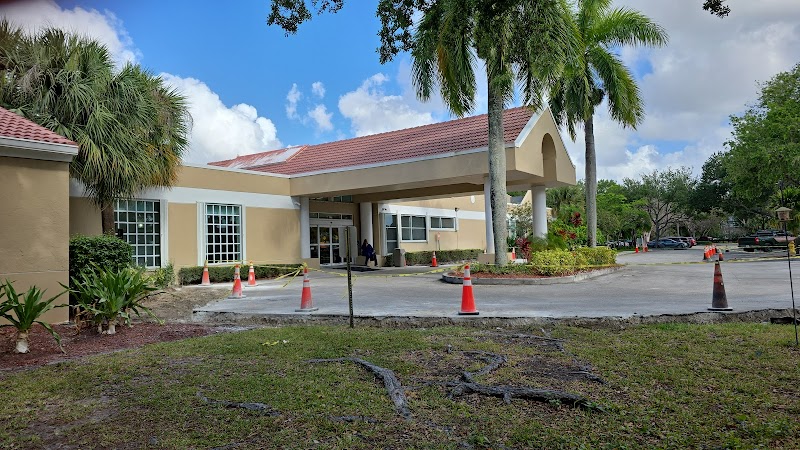
How is Springtree Rehabilitation & Health Staffed?

CMS rates SPRINGTREE REHABILITATION & HEALTH CARE CENTER's staffing level at 5 out of 5 stars, which is much above average compared to other nursing homes. Staff turnover is 15%, compared to the Florida average of 46%. This relatively stable workforce can support continuity of care.

What Have Inspectors Found at Springtree Rehabilitation & Health?

State health inspectors documented 13 deficiencies at SPRINGTREE REHABILITATION & HEALTH CARE CENTER during 2022 to 2024. These included: 13 with potential for harm.
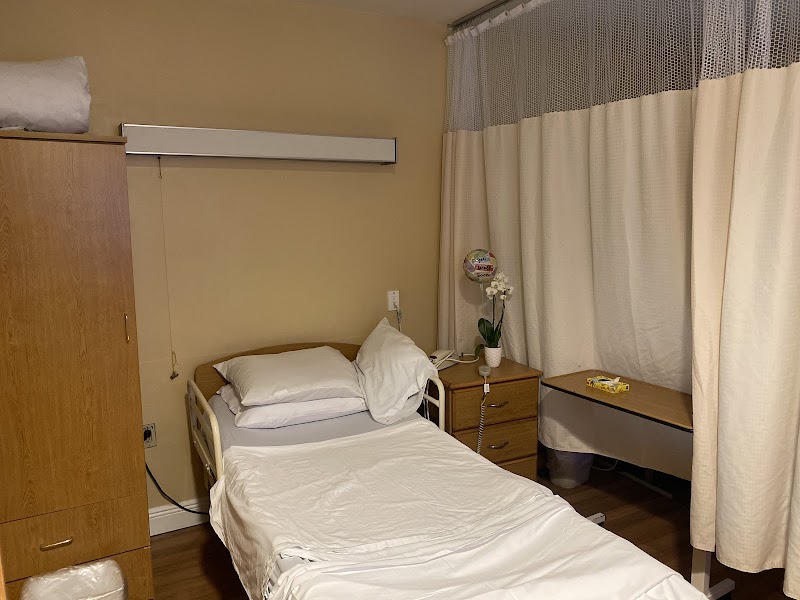
Who Owns and Operates Springtree Rehabilitation & Health?

SPRINGTREE REHABILITATION & HEALTH CARE CENTER is owned by a for-profit company. For-profit facilities operate as businesses with obligations to shareholders or private owners. The facility is operated by MILLENNIUM HEALTH SYSTEMS, a chain that manages multiple nursing homes. With 110 certified beds and approximately 105 residents (about 95% occupancy), it is a mid-sized facility located in SUNRISE, Florida.
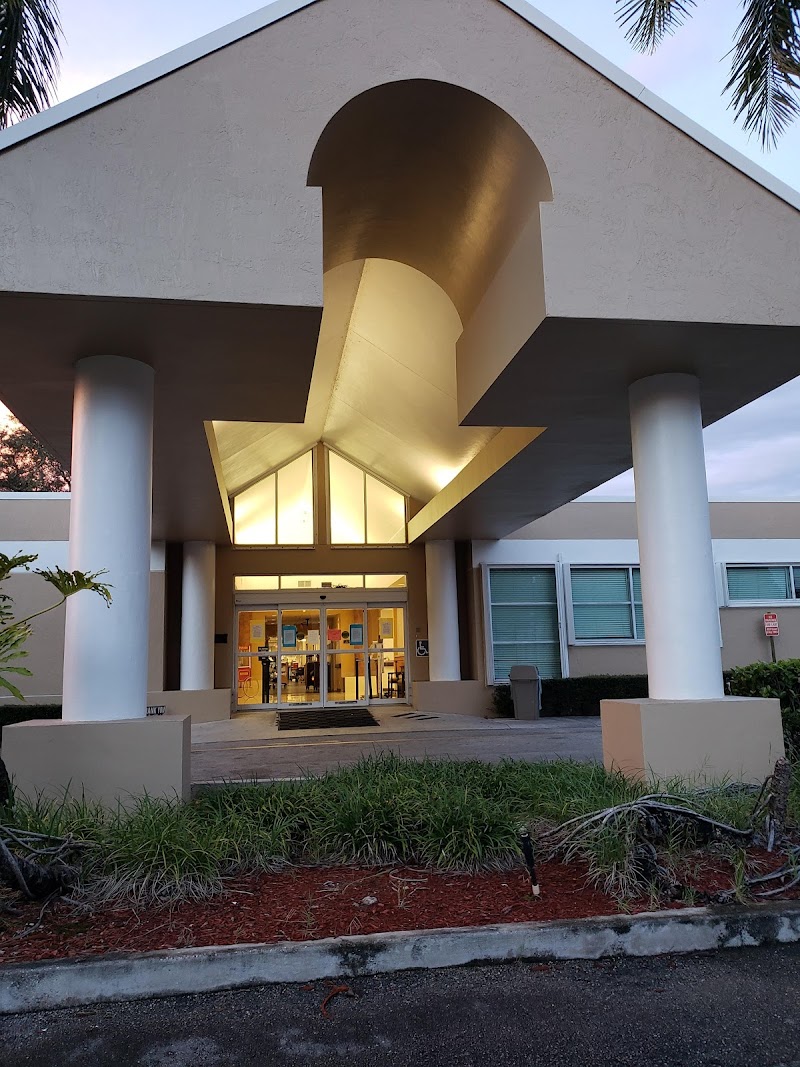
How Does Springtree Rehabilitation & Health Compare to Other Florida Nursing Homes?

Compared to the 100 nursing homes in Florida, SPRINGTREE REHABILITATION & HEALTH CARE CENTER's overall rating (5 stars) is above the state average of 3.2, staff turnover (15%) is significantly lower than the state average of 46%, and health inspection rating (3 stars) is at the national benchmark.

What Should Families Ask When Visiting Springtree Rehabilitation & Health?

Based on this facility's data, families visiting should ask: "Can I visit during a mealtime to observe dining assistance and food quality?" "How do you handle medical emergencies, and what is your hospital transfer rate?" "Can I speak with family members of current residents about their experience?"

Is Springtree Rehabilitation & Health Safe?

Based on CMS inspection data, SPRINGTREE REHABILITATION & HEALTH CARE CENTER has a clean safety record: no substantiated abuse findings (meaning no confirmed cases of resident harm), no Immediate Jeopardy citations (the most serious violation level indicating risk of serious injury or death), and is not on the Special Focus Facility watch list (a federal program monitoring the lowest-performing 1% of nursing homes). The facility has a 5-star overall rating and ranks #1 of 100 nursing homes in Florida. While no facility is perfect, families should still ask about staff-to-resident ratios and recent inspection results during their visit.

Do Nurses at Springtree Rehabilitation & Health Stick Around?

Staff at SPRINGTREE REHABILITATION & HEALTH CARE CENTER tend to stick around. With a turnover rate of 15%, the facility is 31 percentage points below the Florida average of 46%. Low turnover is a positive sign. It means caregivers have time to learn each resident's needs, medications, and personal preferences. Consistent staff also notice subtle changes in a resident's condition more quickly. Registered Nurse turnover is also low at 10%, meaning experienced RNs are available to handle complex medical needs.

Was Springtree Rehabilitation & Health Ever Fined?

SPRINGTREE REHABILITATION & HEALTH CARE CENTER has no federal fines on record. CMS issues fines when nursing homes fail to meet care standards or don't correct problems found during inspections. The absence of fines suggests the facility has either maintained compliance or corrected any issues before penalties were assessed. This is a positive indicator, though families should still review recent inspection reports for the full picture.

Is Springtree Rehabilitation & Health on Any Federal Watch List?

SPRINGTREE REHABILITATION & HEALTH CARE CENTER is not on any federal watch list. The most significant is the Special Focus Facility (SFF) program, which identifies the bottom 1% of nursing homes nationally based on persistent, serious quality problems. Not being on this list means the facility has avoided the pattern of deficiencies that triggers enhanced federal oversight. This is a positive indicator, though families should still review the facility's inspection history directly.