NSPIRE HEALTHCARE TAMARAC
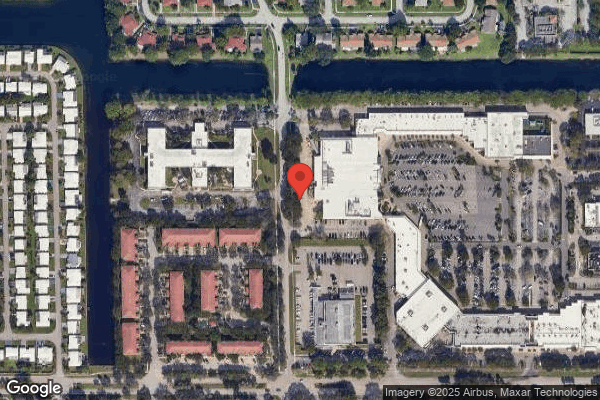
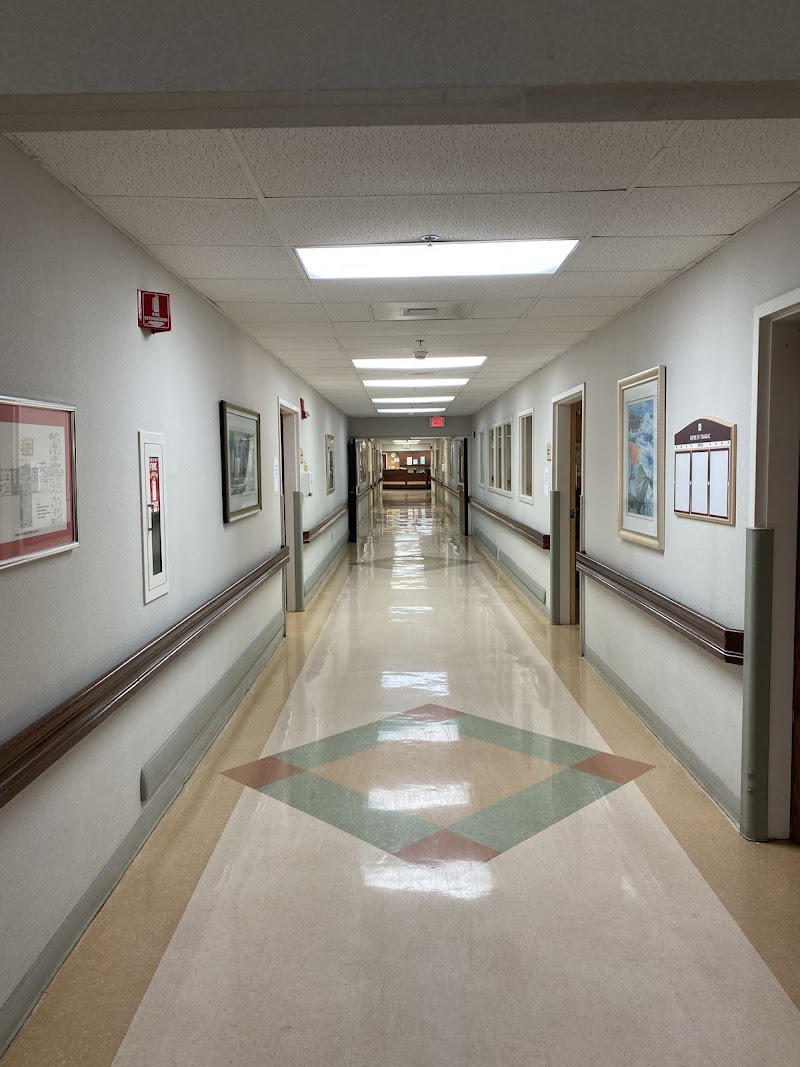
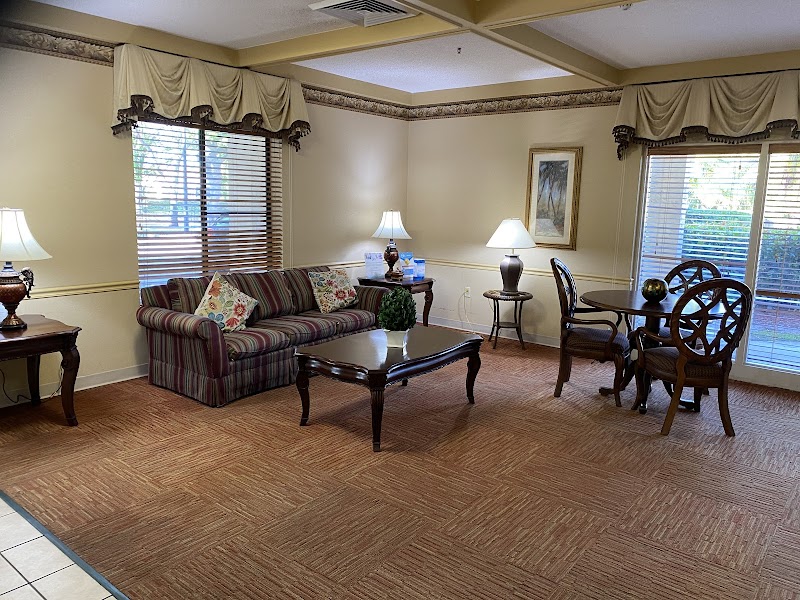
5901 NW 79TH AVENUE, TAMARAC, FL 33321 (954) 722-7001
For profit - Corporation 141 Beds CONSULATE HEALTH CARE/INDEPENDENCE LIVING CENTERS/NSPIRE HEALTHCARE/RAYDIANT HEALTH CARE Data: November 2025
Trust Grade
50/100
#536 of 690 in FL
Last Inspection: June 2024

Within standard 12-15 month inspection cycle. Federal law requires annual inspections.

Overview

NSPIRE HEALTHCARE TAMARAC has received a Trust Grade of C, which means it is average and falls in the middle of the pack among nursing homes. It ranks #536 out of 690 facilities in Florida, placing it in the bottom half, and #29 out of 33 in Broward County, indicating that there are significantly better local options. The facility has shown a worsening trend, with issues increasing from 9 in 2023 to 14 in 2024. Staffing is a relative strength, rated at 4 out of 5 stars, with a turnover of 40%, which is better than the state average. However, there are concerns regarding sanitation and medication management; for instance, a shower room was found with soiled gloves and a lack of running water, and there were issues with the proper disposal of controlled medications. Additionally, the facility has not been meeting dietary needs, as refrigeration failures affected food storage for residents. Overall, while there are positive aspects such as good staffing, significant improvements are needed to address critical concerns about the environment and care quality.
Trust Score
C
50/100
In Florida
#536/690
Bottom 23%
Safety Record
Low Risk
No red flags
Inspections
Getting Worse
9 → 14 violations
Staff Stability
○ Average
40% turnover. Near Florida's 48% average. Typical for the industry.
Penalties
✓ Good
No fines on record. Clean compliance history, better than most Florida facilities.
Skilled Nurses
✓ Good
Each resident gets 66 minutes of Registered Nurse (RN) attention daily — more than 97% of Florida nursing homes. RNs are the most trained staff who catch health problems before they become serious.
Violations
⚠ Watch
37 deficiencies on record. Higher than average. Multiple issues found across inspections.
★★☆☆☆
2.0
Overall Rating
★★★★☆
4.0
Staff Levels
★★☆☆☆
2.0
Care Quality
★★☆☆☆
2.0
Inspection Score
Stable
2023: 9 issues
2024: 14 issues

The Good

  • 4-Star Staffing Rating · Above-average nurse staffing levels
  • Full Sprinkler Coverage · Fire safety systems throughout facility
  • No fines on record
  • Staff turnover below average (40%)

    8 points below Florida average of 48%

Facility shows strength in staffing levels, fire safety.

The Bad

2-Star Overall Rating

Below Florida average (3.2)

Below average - review inspection findings carefully

Staff Turnover: 40%

Near Florida avg (46%)

Typical for the industry

Chain: CONSULATE HEALTH CARE/INDEPENDENCE

Part of a multi-facility chain

Ask about local staffing decisions and management

The Ugly 37 deficiencies on record

Jun 2024 14 deficiencies
CONCERN (D)

Potential for Harm - no one hurt, but risky conditions existed

Deficiency F0558 (Tag F0558)

Could have caused harm · This affected 1 resident

**NOTE- TERMS IN BRACKETS HAVE BEEN EDITED TO PROTECT CONFIDENTIALITY** Based on observations, interviews, and record review, the facility failed to provide a wheelchair to a resident for mobility and...

Read full inspector narrative →
**NOTE- TERMS IN BRACKETS HAVE BEEN EDITED TO PROTECT CONFIDENTIALITY** Based on observations, interviews, and record review, the facility failed to provide a wheelchair to a resident for mobility and to allow the resident to attend activities, for 1 of 1 sampled resident, Resident #13. The findings included: Record review revealed Resident #13 was admitted to the facility on [DATE] with the following diagnoses that included COPD (Chronic Obstructive Pulmonary Disease), Chronic Bronchitis, Depression, and Left Below the Knee Amputation (BKA). Review of the most recent Quarterly Minimum Data Set (MDS) dated [DATE], Section C revealed Resident #13 had a Brief Interview for Mental Status (BIMS) score of 11, indicating moderate cognitive impairment. Review of Section GG of this MDS revealed Resident #13 was dependent on some functional abilities such as toileting, dressing, transferring from bed to wheelchair (vice-versa), and changing positions from lying down flat on his bed to sitting up. Review of Physician's Orders dated 03/21/24 included notes for Resident#13 to participate in activities of choice 2 times weekly for the next review date, and to modify the daily schedule treatment plan as needed [PRN] to accommodate activity participation as requested by the resident. Review of Physical Therapy Evaluation on 03/21/24 showed the following Treatment Approaches: Therapeutic exercise, Neuromuscular re-education, and Therapeutic activities. The Goal was for Resident # 13 to improve ability to safely and efficiently transfer to and from bed to a chair (wheelchair) with maximal assist, and with ability to achieve maintain balance (Target 04/03/24). Further record review of Therapy Skilled Notes on 03/21/24 showed Resident # 13 received an assessment on Standard Activities of Daily Living (ADL), which indicated he needed assistance in functional activities such as moving out of bed, transferring from bed to wheelchair, toileting, and gait. Review of the Nurses' Notes dated 03/26/24 documented the following: Level of Consciousness (LOC): oriented to person, oriented to place; Mood: Status is pleasant; Behavioral problems are not noted; Oxygen is used via nasal cannula (NC); Physical Therapy/Occupational Therapy (PT/OT): assistance in Activities of Daily Living (ADL); Functional Status noted as generalized weakness. During observation and interview on 06/09/2024 at 11:30 AM, and 4:00 PM, Resident # 13 stated he does not know where his wheelchair is. He stated it has been missing for months now. He stated he had questioned both the morning and evening staff about his wheelchair status, but they did not give him any response. He added staff do not let him do anything especially activities outside his room. There was no wheelchair observed inside the resident's room. During observation on 06/10/2024 at 3:00 PM, Resident #13 was awake and still looking for his wheelchair. There was no wheelchair observed in the room. In an interview with an afternoon Staff B, Licensed Practical Nurse (LPN) at 12:00 noon, this surveyor asked if she knew where Resident #13'swheelchair was. Staff B did not respond. In an interview on 06/10/24 at 9:30 AM and 1:30 PM, Resident# 13 was asked about his wheelchair. He said he asked the staff several times, they gave him 'attitude', but no answer about his wheelchair. He added he wanted to go outside his room. There was no wheelchair observed inside his room. In an interview with Staff W, Certified Nursing Assistant (CNA), on 06/12/2024 at 3:06 PM, she stated that she does not know where Resident #13's wheelchair is. In an interview with the MDS coordinator on 06/11/24 at 4:00 PM, she did not know where the resident's wheelchair was. Review of March 2024 and May 2024 paper, titled, Daily Recreation Activity Participation Documentation, provided by the Director of Activities showed Resident # 13 as Absent (designated by Capital Letter, A), and Independent (designated by Capital Letter, I), in activities which included arts and crafts, singing/music, puzzles, spiritual/religious, etc. In an interview with the Director of Activities on 06/11/224 at 4:42 PM, she stated she has been working in the facility for a year. When asked about Resident # 13's participation in activities, she responded, she invited him every other day, but he refused. She did not provide any documentation of refusal. When asked about Resident # 13's missing wheelchair, she stated she does not know. When asked how Resident # 13 would go to activities if he does not have a wheelchair, she did not respond. A few seconds later, she stated her assistant knows Resident # 13 better. When asked when the assistant would be available for additional interview, she stated she is not available. Review of the resident's Electronic Health Record (EHR) revealed there was no evidence that these orders were followed or documentation of Resident # 13's refusal. Review of the Occupational Therapy (OT) notes dated 03/21/24 for Resident #13, they showed the Plan was for therapeutic activities, self-care management training, and wheelchair management training. When the surveyor asked the OT Director for documentation showing the above plan was followed for Resident # 13, she stated, she would provide them later. On 06/11/2024 at 3:30 PM, the Speech Therapist stated she found Resident #13's wheelchair and will deliver it to him soon. When this surveyor asked where she located the wheelchair, and why was it not with Resident #13, she did not say anything. Review of another OT note dated 03/25/2024 revealed Resident # 13 actively participated with skilled interventions with maximal encouragement. The notes did not clarify what skilled interventions Resident #13 participated in specifically regarding to wheelchair management training. When OT Director was asked on 06/11/2024 at 2:30 PM to provide more Interventions, and Outcomes documentations during the months of April, May, and June 2024 for Resident # 13, she responded she would submit them later. No further documentation was provided to the surveyor by the end of the survey. In an interview with Physical Therapist (PT) Director on 06/12/24 at 1:30 PM, the surveyor asked where to locate the OT/PT Interventions and Outcomes during the months of April, May and June 2024, for Resident # 13 in the Electronic Health Records. She stated she would provide paper copies, but she was unable to locate them electronically. No further documentation was provided to the surveyor by the end of the survey.
CONCERN (D)

Potential for Harm - no one hurt, but risky conditions existed

ADL Care (Tag F0677)

Could have caused harm · This affected 1 resident

**NOTE- TERMS IN BRACKETS HAVE BEEN EDITED TO PROTECT CONFIDENTIALITY** Based on review of policy and procedure, interview and record review, the facility failed to ensure that it provided appropriate...

Read full inspector narrative →
**NOTE- TERMS IN BRACKETS HAVE BEEN EDITED TO PROTECT CONFIDENTIALITY** Based on review of policy and procedure, interview and record review, the facility failed to ensure that it provided appropriate personal assistive care and services for 1 of 1 sampled resident observed for Activities of Daily (ADLs), Resident #68. The findings included: Review of the facility policy and procedure on 06/12/24 at 10 AM, titled, Bathing/Showering, provided by the Director of Nursing (DON) revised 09/01/17, documented in the Policy Statement: Assistance with showering and bathing will be provided at least twice a week and PRN (as needed) to cleanse and refresh the resident The resident's frequency and preferences for bathing will be reviewed at least quarterly during care conference. Procedure .Identify resident. Explain procedure to resident .Escort resident to shower room and assure privacy .Document in the medical record. Record review documented Resident #68 was admitted to the facility on [DATE] with diagnoses that included Multiple Sclerosis, Acute Respiratory Failure with Hypoxia, Hypothyroidism and Muscle Weakness. He had a Brief Interview Mental Status (BIM) score of 15, indicating cognition was intact. Review of the admission MDS Assessment, of 12/21/23, documented in section F, Preferences for Customary Routine & Activities, for Resident #68, that it was very important for him to choose between a tub bath, shower, bed bath, or sponge bath. Review of Resident #68's care plan, for 12/21/23, documented the resident has limited physical mobility related to his Disease Process referring to his ambulation, locomotion, activities, range of motion and therapy only; and nothing specific to ADL care for this Resident. During an observational tour and interview conducted on 06/09/24 at 11:43 AM, Resident #68 stated to the surveyor that it was very bothersome / troubling to him that his shower days, which were originally on Mondays and Thursdays, were moved to the afternoon on Wednesdays and Saturdays. Resident # 68 stated that he has not had a shower in over a week. Resident #68 also said that no one even came back to ask him about having shower assistance, nor was it offered to him, even after he mentioned it directly to them the first time. Resident #68 said that he needs assistance and prefers his showers on Mondays and Thursdays during the day shift and mentioned one (1) Certified Nursing Assistant (CNA), Staff E, in particular by name, who works on the 7 AM to 3 PM shift every other weekend, according Resident #68. On 06/09/24 at 4:12 PM, an interview was conducted with Staff F, Licensed Practical Nurse (LPN) / Minimum Data Set (MDS) Coordinator, who was asked whether or not Resident #68 had a specific ADL care plan. Staff F reviewed the care plan and indicated that it does not include / pertain specifically to any personal ADL care and services for this resident. Staff F also stated that this care plan had been completed by part-time Staff G, Registered Nurse (RN) / MDS Coordinator, who also acknowledged the fact that Resident #68's care plan dated 12/14/23 primarily involved the resident's limited physical mobility as related to his general Disease Process, but not specifically to any personal ADL care and services for this resident. Record review of the resident's shower schedule documented he is scheduled for a shower on Wednesday and Saturday evenings. Further record review of Resident #68's Task List shower schedule revealed that the resident's last documented shower had been on the previous week of Saturday 06/01/24 at 1:02 PM, on the day shift on the 7 AM-3:30 PM shift. It was documented that Resident #68 was given a bed bath, instead of a shower as per his evening 3-11:30 PM shift shower schedule, on Wednesday 05/29/24 at 10:59 PM, Wednesday 06/05/24 at 5:38 PM, and again on Saturday 06/08/24 at 6:53 PM. Further record review of the Resident's Task List shower schedule dated for 06/01/24 documented that Resident #68 had a shower at 1:02 PM, on the day shift, but Resident #68 maintained that he had not been showered in this facility since the previous week of Saturday 06/01/24. There is no documentation in the record to indicate that Resident #68 ever refused to have any showers while residing in the facility. On 06/10/24 at 11:03 AM, a subsequent interview was conducted with Resident #68, in which he stated that he has still not had a shower to this day for over 10 days. He reiterated this fact that the last time he had a shower was on Saturday 06/01/24. He said the previous Wednesday and the following past Wednesday was when he did ask one (1) of the CNAs about having a shower, but he indicated that the CNA said to him that it was not his day for a shower. Resident #68 stated again that his showers were originally on Monday and Wednesday mornings, then the schedule was changed to the evenings. Resident #68 stated he was unhappy with this, so the facility changed his showers to Wednesday and Saturday mornings, and Saturday 06/01/24 was the last one. He stated ever since then he only had two (2) showers and no more since then. On 06/11/24 at 9:50 AM, an interview was conducted with Resident #68, who he stated he has still not had a shower to this day for over ten (10) days, and that Staff E, who normally works with him said that she would be in tomorrow, Wednesday, to give him a shower on her normal workday of every other Wednesday. On 06/11/24 at 10 AM, an interview was conducted with the facility's Regional Nurse, regarding the resident's showers, who stated the schedule is set according to the resident's preferences, they pick their own days and times. An interview was conducted on 06/11/24 at 3:14 PM with the assigned Staff H, CNA, who worked Wednesday 05/29/24 evenings 3 PM-11 PM shift and Saturday 06/08/24 evenings 3 PM-11 PM shift, Staff H was asked, according to the resident's (assigned) shower schedule for Wednesday and Saturdays, was he assisted or provided a shower or a bed bath on 05/29/24. Staff H responded, a bed bath. When asked if his preferences for a shower were honored that day, Staff H stated the morning CNA should have been charting when she gave him a shower because she said that the morning CNA tells her when she gives a shower to the Resident. Staff H stated the resident was given a bed bath instead of a shower, as per his schedule because the resident preferred to have a shower in the morning. The CNA stated that when Resident #68 was upstairs on another unit, he had always wanted his showers in the morning because he had more energy, and when he moved downstairs, she said that he wanted to keep this schedule. Staff H noted that Resident #68's shower schedule days were still reflected as Wednesdays and Saturdays in the evenings. Staff H was also asked if it was important for staff members to ask, honor and clarify a resident's preferences and she responded, yes. Staff H acknowledged the last documented shower for this resident was between the dates of Monday 05/27/24 and Saturday 06/08/24 was only one (1) time, when it should have been a total of three (3) times. On 06/11/24 at 3:38 PM, a telephone interview was conducted with Staff E, CNA, who works on the 7 AM to 3 PM shift every other weekend for the past two years, with the DON present. Staff E stated that she did not work on Wednesday June 5th nor on Saturday June 8th. She said that she did work on Saturday 06/01/24 on the day shift. She said that she assisted Resident #68 with a shower on that day, which was the last day that she showered him. Staff E stated Resident #68 was supposed to shower twice a week Wednesday and Saturday. She said that he used to be scheduled on the evening shift, but he told her that he was not getting showers in the evenings, and he wanted to change this schedule to the mornings. She further reiterated and acknowledged that the last documented shower for Resident #68 occurred between Monday 05/27/24 and Sunday 06/09/24, and he only one shower during this time, when it should have been three (3). The documentation and interviews confirmed that the two (2) CNA revealed that the daytime staff indicated that the evening staff were providing Resident #68's showers, while in turn, the evening staff indicated that the daytime staff were providing Resident #68's showers. Resident #68 had only received one (1) shower from Monday 05/27/24 and Sunday 06/09/24 during his facility stay, and per Resident #68's own verbal account. Resident #68 was not provided a shower again in the facility, until after surveyor intervention. The DON further recognized and acknowledged on 06/11/24 at 4:30 PM that Resident #68 was given a bed bath on three (3) different occasions (Wednesday 05/29/24, Wednesday 06/05/24, and again on Saturday 06/08/24) instead of a shower, as per his schedule. The DON acknowledged that it was important for nursing staff members to ask, honor and clarify a resident's preferences and to provide assistance with ADL shower care.
CONCERN (D)

Potential for Harm - no one hurt, but risky conditions existed

Incontinence Care (Tag F0690)

Could have caused harm · This affected 1 resident

**NOTE- TERMS IN BRACKETS HAVE BEEN EDITED TO PROTECT CONFIDENTIALITY** Based on review of policy and procedure, observation, interview and record review, the facility failed to follow appropriate car...

Read full inspector narrative →
**NOTE- TERMS IN BRACKETS HAVE BEEN EDITED TO PROTECT CONFIDENTIALITY** Based on review of policy and procedure, observation, interview and record review, the facility failed to follow appropriate care and services for 1 of 1 sampled resident observed during a Foley catheter and peri care observation, Resident #8. The findings included: Review of the facility policy and procedure on 06/11/24 at 1:02 PM, titled, Perineal Care, provided by the Director of Nursing (DON), revised 09/05/17, documented, in part, in the Policy Statement: .provide privacy .Perform hand hygiene . Review of the facility policy and procedure on 06/11/24 at 1:26 PM, titled, Urinary Catheter Care, provided by the Director of Nursing (DON), revised 09/05/17, documented, in part, in the Policy Statement: .Provide privacy .Perform hand hygiene .Put on gloves. Remove catheter securement device while maintaining connection with drainage tube .Reattach catheter securement device .Perform hand hygiene. Record review revealed Resident #8 was admitted to the facility on [DATE] with diagnoses that included Neuromuscular Dysfunction of Bladder, Peripheral Vascular Disease, Hypertension, Multiple Sclerosis, Major Depressive Disorder, Seizures, Polyneuropathy and Muscle Weakness. She had a Brief Interview Mental Status (BIM) score of 15, indicating cognition was intact. Record review for 05/08/24 revealed Resident #8's care plan had a documented Focus for: The resident has a Foley catheter: Neurogenic Bladder. Interventions / Tasks: .Check tubing for kinks each shift .Monitor / document for pain / discomfort due to catheter .Position catheter bag and tubing below the level of the bladder . On 06/11/24 at 10:50 AM, Peri-care and Foley catheter care observation was conducted by Staff I, Certified Nursing Assistant (CNA). Staff I was observed gathering her pre-bagged supplies. She had initially dropped the bagged towels and supplies in the garbage can next to Resident #8's bed. Staff I closed the privacy curtain, but she left the door to the resident's room wide open. Staff I then began to perform Resident #8's pericare without first donning a gown. Staff I was observed placing Resident #8's Foley catheter on top of her bed above the level of her chest and left the Foley bag in that position throughout the entire observation. Staff I proceeded to take the resident's basin and fill it water from the sink. During the observation, Resident #8 was not observed with a Foley catheter strap and anchor in place to secure her Foley catheter. There ws no physician's order for a anchor or strap. Photographic Evidence Obtained. Staff I was observed using a washcloth folded in four parts to which she added soap and washed Resident #8's peri-area, using different sections of the cloth to wash the outer and inner peri-area. Staff I turned Resident #8 over and washed the bottom area using different sections of another washcloth while motioning as if she was done. Staff I was reminded that Foley care was also requested to be observed. Staff I asked the two surveyors to provide her with some towels. She was told that we were only there to observe what she usually does all the time. Staff I was then observed using the same pair dirty gloves that she cleaned Resident #8's perineal area. She then proceeded to touch the bedside dresser, Resident #8's table and dresser across from the resident's bed without first removing those gloves, and without washing her hands and applying a new pair while she searched for additional towels and supplies. Staff I then asked the two surveyors if she could leave the room to get additional supplies, but she was again told that we were only there to observe what she usually does and that we could not tell her what to do. Staff I then left Resident #8's bedside to go out into the hallway. At this time, she was again observed touching all the following surfaces, without any type of hand sanitation and no protective gloves: the clean linen cart and the inside of her red blouse, in an effort to fix her bra. During this time, Staff I was observed leaving Resident #8's bed in high position while leaving the resident unattended on the far-right corner edge of her bed to obtain additional supplies outside of Resident #8's room. After returning to Resident #8's room, Staff I began to do Foley catheter care, without first donning a gown. Staff I then took Resident #8's basin into the bathroom to change the water, without protective gloves and she touched the faucet to wash the basin in the sink. The CNA was observed putting on a clean pair of gloves, without first sanitizing or washing her hands, to take the basin back to Resident #8's bed. Staff I was observed using a washcloth folded in four parts, added soap to the washcloth and performed Foley care for the resident. She was observed wiping the area with different parts of the washcloth and holding the Foley catheter tubing in place while she cleaned from the base out. Staff I was observed wearing the same dirty gloves that she cleaned Resident #8's peri-area and then she proceeded again to touch multiple surfaces in Resident #8's room, cross-contaminating them all. Staff I then removed those dirty gloves and sanitized her hands. Following the Peri-care and Foley care procedure, Staff I was asked to check in the resident's room for Resident #8's Foley catheter leg strap and anchor. There was no Foley catheter leg strap and anchor noted anywhere at Resident #8's bedside or in her room, to use as an anchor her Foley catheter that was in place. During a brief interview conducted on 06/11/24 at 11:10 AM with Resident #8, shortly after the peri-care and Foley care observation, Resident #8 was asked if she ever had or wore a Foley catheter strap and anchor for her Foley. She responded, no, she had not. On 06/11/24 at 11:18 AM, an interview was conducted with both Staff A, RN and with Staff I, CNA, in which they were informed of the peri-care and Foley care observation concerns and they both acknowledged that during Peri-care and Foley care that Staff I was not well prepared, and she should have followed appropriate procedures including wearing a gown, changing gloves and hand hygiene. On 06/11/24 at 12:10 PM, in an interview with the Director Of Nursing (DON), the DON recognized and acknowledged the CNA should have been better prepared, and she should have utilized appropriate infection control techniques throughout the procedure and this was not done.
CONCERN (D)

Potential for Harm - no one hurt, but risky conditions existed

Deficiency F0698 (Tag F0698)

Could have caused harm · This affected 1 resident

**NOTE- TERMS IN BRACKETS HAVE BEEN EDITED TO PROTECT CONFIDENTIALITY** Based on record review and interview, the facility failed to ensure residents received ongoing communication and collaboration w...

Read full inspector narrative →
**NOTE- TERMS IN BRACKETS HAVE BEEN EDITED TO PROTECT CONFIDENTIALITY** Based on record review and interview, the facility failed to ensure residents received ongoing communication and collaboration with the dialysis center, for 1 of 1 sampled resident, Resident #106, reviewed for dialysis, regarding dialysis observation, care and services. The findings included: Record review of Resident #106 on 06/11/24, noted a re-admission date of 04/07/24 to the facility with diagnoses that included Chronic Kidney Disease and Altered Mental Status. It was also noted that the resident receives in-house dialysis three times per week (M/W/F) (Monday, Wednesday, Friday). Review of the current MDS dated [DATE] noted the resident had a Brief Interview for Mental Status (BIMS) score of 15, indicating no cognitive impairment, and is independent in Activities of Daily Living (ADLs). Review of the Hemodialysis Communication Record noted that the assessment forms did not have the proper documentation on them by the facility (prior to leaving and on return to the facility) and by the dialysis center. The findings for the dialysis visits' documentation forms included the following: a. 6/10/24: *Facility Prior: Failure to document time of transfer to the dialysis center. *Dialysis Center: Failure to document pre and post dialysis weights, no lab values, and no finish time documented. *Facility Post: Failure to document time of return from the dialysis center, and no documentation of return shunt site observation. b. 06/05/24: *Facility Prior: Failure to document time of transfer to dialysis center. *Dialysis Center: failure to document pre and post dialysis weights, shunt site observation, dialysis center information, no lab values, and dialysis finish time. *Facility Post: Failure to document shunt site observation and time of return from dialysis. c. 06/03/24: *Facility Prior; Failure to document medications administered prior to dialysis, and time of transfer to the dialysis center. *Dialysis Center: Failure to document per and post dialysis weights, shunt site observation, dialysis center information, and dialysis finish time. Facility Post: Failure to document shunt site observation, and time of return from the dialysis center. d. 05/31/24: *No documented completion of the Hemodialysis Communication Record. e. 05/29/24: *No documented completion of the Hemodialysis Communication Record. f. 05/27/24: *No documented completion of the Hemodialysis Communication Record. g. 05/24/24: *No documented completion of the Hemodialysis Communication Record. h. 05/22/24: *No documented completion of the Hemodialysis Communication Record. i. 05/20/24: *Facility Prior: No documentation of medications administered prior to dialysis, no shunt cite observation, no time of transfer to dialysis. *Dialysis Center: No documentation of pre and post dialysis weights, no shunt site observation, no dialysis center information, no lab values, and no and time of dialysis finish time. *Facility Post: No documentation of shunt site observation, and no time of return from dialysis. j. 05/17/24: *Facility Prior: No documentation of medications administered prior to dialysis, no shunt site observation, and no time of transfer to the dialysis center. *Dialysis Center; No documentation of shunt site observation, pertinent observations, dialysis center information. *Facility Post: No documentation of shunt site observation, and no time of return from the dialysis center. k. 05/15/24: *Facility Prior: No documentation of medications administered prior to dialysis, and shunt site observation. *Dialysis Center: No documentation of pre and post dialysis weight, no shunt site observation, no dialysis center information, and no time of dialysis finish time. *Facility Post: No documentation of shunt site observation, and no time of return from dialysis. Following the review of the Hemodialysis Communication Records for Resident #106, they were reviewed with the Corporate Nurse Consultant. The consultant confirmed the surveyor's findings.
CONCERN (D)

Potential for Harm - no one hurt, but risky conditions existed

Unnecessary Medications (Tag F0759)

Could have caused harm · This affected 1 resident

**NOTE- TERMS IN BRACKETS HAVE BEEN EDITED TO PROTECT CONFIDENTIALITY** Based on observation, interview, and record review, the facility failed to ensure the medication error rate was not 5 percent (%...

Read full inspector narrative →
**NOTE- TERMS IN BRACKETS HAVE BEEN EDITED TO PROTECT CONFIDENTIALITY** Based on observation, interview, and record review, the facility failed to ensure the medication error rate was not 5 percent (%) or greater. The medication error rate was 14.70 percent (%), five (5) medication errors were identified while observing a total of 34 opportunities, affecting Resident #499 and Resident #8. The findings included: 1. Record review documented Resident #499 was admitted to the facility on [DATE] with diagnoses that included Chronic Obstructive Pulmonary Disease, Malignant Neoplasm of Colon, Type 2 Diabetes Mellitus, Hypertension, Depression, End Stage Renal Disease, Dependence of Renal Dialysis, and Presence of Cardiac Pacemaker. A medication administration observation was conducted on 06/10/24 8:16 AM with Staff A, Registered Nurse (RN), for Resident #499. Staff A was observed preparing 6 medications for Resident #499, including Methocarbamol tablet 500mg used for Muscle Spasm. Review of the Methocarbamol Blister card revealed it was labeled with a different resident's name, Resident #498. After preparing the medications, Staff A locked the computer and the medication cart. She was about to enter Resident #499's room when the surveyor stopped her and questioned the medications in the cup. Staff A returned to the cart and reviewed the medications for Resident #499 and stated that she would restart the medication preparation for Resident #499. Staff A was again observed preparing the medications for Resident #499 to include 5 medications. Staff A administered the 5 medications to Resident #499. The above medications administered to Resident #499 were reconciled to the Medication Administration Record (MAR) of the documented physician orders. Resident #499 was scheduled to receive 7 medications in the morning that included the 5 medications already administered. Staff A omitted to adminsiter Cyanocobalamin (Vitamin B12) tablet 250mcg (give 0.5 tablet daily for vitamin deficiency) and Pantoprazole Sodium tablet delayed release 40mg (daily for Gastroesophageal Reflux Disease (GERD)). An interview was conducted on 06/10/24 at 10:04 AM with Staff A. She acknowledged not administering the Pantoprazole Sodium tablet to Resident #499 because the pharmacy had not delivered it, and she has not contacted the pharmacy to inquire about delivery time for the medication. When questioned about the Vitamin B12 omission, she stated that Resident #499 is a new admission and she is not familiar with his medication's regimen, but she did not recall administering the medication. 2. Record review documented Resident #8 was admitted to the facility on [DATE] with diagnoses that included Multiple Sclerosis (MS), Iron Deficiency Anemia, Sarcopenia, Muscle Weakness, and Polyneuropathy. A medication administration observation was conducted on 06/10/24 at 8:40 AM with Staff A for Resident #8. Staff A was observed preparing 6 medications for Resident #8. Staff A administered the 6 medications to Resident #8. The medications that were administered to Resident #8 were reconciled to the MAR of the documented physician orders. Resident #8 was to receive 8 medications in the morning but only 6 medications were administered. Staff A omitted to administer Ferrous Sulfate tablet 325 (65 Fe) mg daily for anemia and Magnesium Oxide tablet 400mg daily for muscle. An interview was conducted on 06/10/24 at 10:43 AM with Resident #8. She acknowledged feeling tired all the time and her legs being weak, but she is aware that it is all part of her disease. An interview was conducted on 06/10/24 at 10:48 AM with Staff A. She does not recall administering Ferrous Sulfate or Magnesium Oxide to Resident #8. She acknowledged that she was very nervous this morning because the surveyor was observing her. An interview was conducted on 06/10/27 at 11:30 AM with the Director of Nurses (DON) apprising her of the medication administration observation and the reconciliation of the medications administered by Staff A. The DON verbalized understanding.
CONCERN (D)

Potential for Harm - no one hurt, but risky conditions existed

Deficiency F0865 (Tag F0865)

Could have caused harm · This affected 1 resident

Based on observations, interviews and record reviews, the facility failed to ensure it developed and implemented an effective Quality and Performance Improvement Plan (QAPI) that addressed residents' ...

Read full inspector narrative →
Based on observations, interviews and record reviews, the facility failed to ensure it developed and implemented an effective Quality and Performance Improvement Plan (QAPI) that addressed residents' food concern needs, failed to ensure kitchen euipement was repaired timely and failed to make effective efforts to provide meals that were palatable, appealing and at appropriate temperatures. The findings included: Review of the QAPI Committee activities revealed the facility had not addressed and made an effective effort to address, rectify, even temporarily, and develop a plan to address residents' food concerns and repairs for kitchen equipment since August 2023, and, most recently, regarding the broken walk-in cooler that has not been working since May 31, 2024. The facility resorted to serving the emergency food menu unnecessarily. The facility made no other efforts to ensure that the food was palatable (e.g. changes in procedures for hot holding, other means to ensure that the food was an appropriate temperature {per residents}, interview with residents for quality concerns,or to monitor how long the food sits in carts before being delivered. 1. During the initial kitchen tour, on 06/09/24 at 9:25 AM, accompanied by the Dietary Manager (DM) / Certified Dietary Manager (CDM), it was noted that the walk-in cooler was out of order with a sign on the door. During an interview, the Dietary Manager/CDM stated that the walk in cooler had not been working since Wednesday of previous week and that the facility was using the disaster emergency menu and products. The Dietary Manager stated that the facility expected to have parts repaired near the end of the week. During a follow up interview, on 06/11/24 at 6:32 AM, with the DM/CDM, the Dietary Manager/CDM stated that the walk-in cooler had been down since 05/31/24 and was hoping to be repaired by 06/12/24. During an interview, on 06/09/24 at 11:38 AM, with Resident #10, with a Brief Interview for Mental Status (BIMS) score of 15, Resident stated that he was served peanut butter and white toast grape Jelly and Corn flakes with Milk yesterday breakfast and today. He said that it was ok, but not substantial and varied as breakfast. Resident #10 stated that he did speak with someone yesterday morning from the Kitchen that he was not happy with his breakfast. He said that they did not offer him anything else for Breakfast. Resident was offered alternative today for lunch of a cheese sandwich. During an interview, on 06/09/24 at 1:36 PM, with Resident #109 with a BIMS score of 15, when asked about the food served to the residents, Resident #109 stated that she was served peanut butter and Jelly with either bread or graham crackers and some dry cereal and milk the previous day, yesterday breakfast and today. When asked if the food served was her preference, Resident #109 stated, no, I would prefer some eggs, grits, bacon. Resident #108 stated that she told the Dietician about this some months ago. Resident #109 stated, Everything was ok, up until a few days ago. Resident #109 stated that she was not given any explanation. And, she added that she believes that all of the residents got this as well. During a follow up interview, on 06/10/24 at 10:14 AM, Resident #10 stated that for dinner the previous evening, he had Chicken Tenders again, more often and [NAME] and Ravioli. Corn Flakes with Milk, Peanut Butter [NAME] crackers for Breakfast, today. Resident #10 stated that they used to give him a menu, but he does not get a menu in order to select his own food preferences, on a regular basis. Resident #10 stated that he would prefer some eggs and cheese/Omelet/Scrambled with Bacon and some white toast, or a bagel with cream cheese. During an interview, on 06/10/24 at 10:28 AM, with Resident #32, with a BIMS score of 15, Resident #32 stated, It's their fault that the cooler is not working. A year ago, they had a repair guy working on it when it broke last year. He put a band aid on it and didn't fix it and now it doesn't work, and they can't serve what they are supposed to on the menu. The food here is crap so I have to order out. During an interview, on 06/10/24 at 3:32 PM, the Dietary Director/CDM stated that the decision to serve meals from the emergency food menu was explained to the residents during a Resident Council Meeting on 06/06/24 During an interview, on 06/11/24 at 7:51 AM, with the Director of Maintenance, when asked about the walk in cooler and the reach in cooler being repaired, the Director of Maintenance stated, Direct Supply Sales is coming to make repairs, Direct Supply will be bring the part with them between 12-2 or earlier, he was supposed to be here yesterday. I put in the request on 05/31/24. Usually I would rent one (referring to renting a cooler). They (referring to facility administration) were on the way between that week and now to rent one from Sysco or Direct Supply. On 06/11/24 at 1:30 PM the survey team (Registered Dietitian and Health Facility Evaluator) requested a meeting with the Administrator and CDM to discuss the current status of resident meals. The meeting revealed the following: * The walk-in refrigeration unit stopped working on 05/31/24, and the reach in refrigeration unit stopped working on 06/04/24. * The administration has made numerous attempts to have the refrigeration units repaired without success. * The facility failed to utilize refrigerators (4) located within the facility to refrigerate perishable foods that include: fresh eggs, breakfast meats, cheeses, yogurts, fresh fruits and vegetables. * The failed to contact their grocery vendor to have a refrigerated truck to be located at the facility for storage of perishable foods to be able to continue with the approved cycle menu and avoid the implementation of the emergency food menu. Following the meeting it was noted that the administrator contacted their grocery vendor and arrangements were made to have a refrigerated truck delivered to the facility. * The facility was able to prepare fresh hot foods and other menu items without the use of refrigeration units which included: hot cereals, use of frozen pasteurized eggs, preparation serving of fresh entree and preparation and serving of frozen vegetables. preparation and serving of fresh beards and desserts. Following the 06/11/24 meeting it was concluded that the facility failed to investigate the options of utilizing refrigeration units in the facility and contact grocery vendor for use of a refrigerated truck. The facility still had the use of the freezer unit as well as use of all major cooking equipment to be able to follow the approved menu and avoid the implementation of the emergency food menu. It was also revealed that the administration was not aware of the following: * Resident's complaints concerning the implementation of the canned/non-perishable emergency food menu and poor quality and acceptance of the meals being served. * Unaware the resident's knowledge that the facility's refrigeration units had stopped working for weeks and failure of the administration to correct the issues and develop alterative refrigeration options. * Unaware that residents were viewing and could smell the catered meals being served to staff for days while they were being served canned/non-perishable foods. * The facility acknowledged that the refrigeration issues could and should have been handled in a more positive manner for the facility residents. 2. During the follow up kitchen tour, on 06/11/24 at 11:45 AM, it was noted that the kitchen staff were not using the pellet warmer while plating the lunch meal. The pellet warmer was unplugged on a shelf by the assembly line. During an interview, on 06/12/24 at 9:51 AM, with the Long Term Care Ombudsman, the Ombudsman stated that she was at the facility in May with the Executive Director and came back last week. The Ombudsman stated, The residents were complaining that the eggs are cold, all of the warm food is cold when it gets to the resident's rooms, because the warmer plates don't work. They ordered the warmer that wasn't compatible with the plates that they had. They were ordering one that was compatible with the plates that they have, they were ordering it, but it's very expensive. In March she said that they are being ordered. In April, she said that they are still waiting for it. In May, I came back and they were still waiting for the heating element to come in. She said 'each unit has a microwave and if the residents request it, staff can use the microwave to reheat the food'. Last week when I was here, she said 'we are still waiting on it.' I have been discussing this with her since February. There was no evidence provided that they have ordered. The CEO in May said that she will light a fire under her supplier. She said that she would call the distributor and light a fire. 3. During the follow up kitchen tour, on 06/11/24 at 11:45 AM, it was noted that the kitchen staff were not using the pellet warmer while plating the lunch meal. The pellet warmer was unplugged on a shelf by the assembly line. During an observation of lunch being served to the residents in their rooms on the 2-East Unit, on 06/09/24 at 12:56 PM, it was noted that the meals were delivered to the units in metal carts that did not have any additional heat source. The plates that the meals were served on were noted to be at an ambient temperature to the touch. During an interview, on 06/12/24 at 9:51 AM, with another Agency, the Agency staff stated that she was at the facility in May with the Executive Director and came back last week. The other Agnecy stated, The residents were complaining that the eggs are cold, all of the warm food is cold when it gets to the resident's rooms, because the warmer plates don't work. They ordered the warmer that wasn't compatible with the plates that they had. They were ordering one that was compatible with the plates that they have, they were ordering it, but it's very expensive. In March she said that they are being ordered. In April, she said that they are still waiting for it. In May, I came back, and they were still waiting for the heating element to come in. She said, 'each unit has a microwave and if the residents request it, staff can use the microwave to reheat the food'. Last week when I was here, she said 'we are still waiting on it.' I have been discussing this with her since February. There was no evidence provided that they have ordered. The CEO in May said that she will light a fire under her supplier. She said that she would call the distributor and light a fire. The other Agency provided documentation of visits to the facility that reflected the concerns related to the temperature of the food upon arriving to the residents' rooms on 02/16/24, 03/21/24, 04/25/24, 05/23/24, and 06/05/24, as well as documentation of the facility being made aware of the concerns during the visits. During an interview, on 06/12/24 at 10:20 AM, with Resident #32, with a BIMS score of 15, Resident #32 stated, this morning's breakfast was the first time for a hot meal and has been an issue for months. The facility provided documentation in the form of invoices that revealed that the warmer had not worked as of 09/07/23. During an interview, on 06/12/24 at approximately 1:00 PM, with the Registered Dietitian, when asked if there was any documentation that the facility made any other efforts to remedy the concerns in lieu of not having a working pellet warmer, the Registered Dietitian stated that she was not aware of any efforts. On 06/12/24 at approximately 1:30 PM, the Registered Dietitian stated that she had reached out to the Dietary Director/CDM, who was off site at the time, stated that there had been no additional efforts made. There was no evidence the facility implemented an effective plan to address the foods, the kitchen equipment timely and residents' food concerns.
CONCERN (D)

Potential for Harm - no one hurt, but risky conditions existed

Deficiency F0919 (Tag F0919)

Could have caused harm · This affected 1 resident

**NOTE- TERMS IN BRACKETS HAVE BEEN EDITED TO PROTECT CONFIDENTIALITY** 3. Record review revealed Resident # 13 was admitted to the facility on [DATE] with the diagnoses that included Chronic Obstruct...

Read full inspector narrative →
**NOTE- TERMS IN BRACKETS HAVE BEEN EDITED TO PROTECT CONFIDENTIALITY** 3. Record review revealed Resident # 13 was admitted to the facility on [DATE] with the diagnoses that included Chronic Obstructive Pulmonary Disease (COPD, Chronic Bronchitis, Depression. Review of the most recent Quarterly MDS dated [DATE], Section C revealed Resident #13 had a BIMS score of 11, indicating moderate cognitive impairment. Review of Section GG of the MDS revealed Resident #13 was dependent on some functional abilities such as toileting, dressing, transferring from bed to wheelchair, and/or changing position from lying down flat on his bed to sitting up. Record review of the Nursing Progress Notes on 06/10/24 at 3:50 PM performed by Staff RN on 03/26/24 showed the following: Level of Consciousness (LOC) as oriented to person, oriented to place; Mood status is pleasant; Behavioral problems are not noted; Oxygen is used via nasal cannula (NC); Activities of Daily Living (ADL) is assisted; Functional status noted as generalized weakness. In an interview and observation on 06/09/24 at 11:35 AM, it was observed that the call light was stuck underneath the bed of Resident #13, making it impossible to call staff for assistance. The metal and rubber parts supporting the top part of the bed were pressing the call light cord. The resident stated he is is blind in one (left) eye. He stated he could not turn on the overhead light because the string was too short for him to reach (about 2-3 cm in length), versus the distance from the resident's right hand to the overhead light string (approximately more than 3 feet). He added the staff do not let him do what he wants, and he is unable to find his call light several times a day. In an interview with Staff B, LPN, conducted at the front desk on 06/09/24 at 3:36 PM, she stated Resident #13 calls the staff all the time. When asked if Resident #13 has access to the call light button, she stated, All residents have access. When asked how the facility residents would call staff when they needed help, she stated, They must use the call lights. When asked how the residents would call staff if call lights were unreachable, she stated, Staff makes rounds. A few minutes later, Staff B stated Resident # 13's call light was stuck under the bed and she needed to call Maintenance since she does not know how to unstick the call light from Resident #13's bed. The Maintenance staff arrived after 20 minutes. During observation and interview with Resident #13 on 06/09/24 at 4:05 PM, he stated he cannot call staff to inform them his undergarment was wet, his overhead string light was short, when there was no overhead light, he was unable to locate his call light button, and the call light button was under his bed. During observation on 06/10/24 at 10:00 AM, Resident #13's call light was still under his bed, his overhead string light was still short, and when asked him if he had seen his call light button, he stated I do not know where my call light button is. During observation on 06/10/24 at 3:05 PM, Resident # 13's call light was still under his bed. There was a housecleaning staff who noticed the call light was under the bed. When Resident #13 asked her where his call light button was, she replied, I am not allowed to give you the call light. When Resident #13 asked her to call a staff member to help him find his call light, she kept cleaning the floor. In an interview with the Senior Facilities Director on 06/10/24 at 4:01 PM, he stated the staff should be able to move the bed pinching on Resident #13's call light cord. He said he would check Resident #13's bed today to make sure staff can move his bed to prevent his call light cord from being stucked underneath again. During observation on 06/11/24 at 3:00 PM, Resident #13's call light was within reach, but when Resident #13 pressed the call light button, the light bulb above his door did not turn on and a beeping sound was not heard outside his room. A few minutes later, Maintenance staff appeared and stated he needed to fix Resident #13's call light. After few minutes, it was observed that both the rectangular-shaped bulb above Resident #13's door blinked with a yellowish colored light, and a faintly beeping sound was heard while the Maintenance staff was inside Resident #13's room. 2. During the facility tour, an interview was conducted on 06/09/24 at 10:28 AM with Resident #481. The resident stated she needed assistance this morning, but she could not find the call light. Observation of Resident #481's room revealed the end of the call light cable, where the call light button is located, was observed inside the nightstand (unable to be reached by the resident). Photographic Evidence Obtained. Another interview was conducted on 06/10/24 at 4:06 PM with Resident #481. She acknowledged not having the call light and was unsure where it was. Upon observation of the room, it was noted the call light was on the floor. Photographic Evidence Obtained. Based on observations, interviews and record reviews, the facility failed to maintain call lights within reach of residents for 3 of 3 sampled residents reviewed, Residents #23, 481 and 13, as evidenced by call lights being out of the residents' reach. The findings included: The facility's policy, titeled, Call Bell System - Inoperable, effective date 11/30/14, with a revision date of 08/22/17, documented, in part, Resident must have, at all times, a system to notify staff when assistance is needed . The facility did not provide a policy for call light placement after being asked for ti. 1. Record review documented Resident #23 was admitted to the facility on [DATE]. Review of the resident's most recent complete assessment, an Annual Minimum Data Set (MDS) assessment, dated 03/08/24, documented Resident #23 had a Brief Interview for Mental Status (BIMS) score of 09, indicating a moderate cognitive impairment. The MDS documented the resident required Partial to moderate assist for activities of daily living (ADLs), except for eating and was frequently incontinent of urine and always incontinent of bowel. Resident #23's diagnoses at the time of the MDS included: Anemia, Coronary Artery Disease (CAD), Hypertension, Peripheral Vascular Disease (PVD), Gastro-esophageal reflux disease (GERD), Diabetes Mellitus (DM), Hyperlipidemia, Thyroid disorder, Non-Alzheimer's Dementia, presence of artificial left leg, Muscle weakness, Unsteadiness on feet, Abnormalities of gait and mobility, repeated falls, and Cognitive Communication Deficit. Review of Resident #23s care plan for ADLs, dated 05/31/22 with a revision date of 09/20/22, documented, The resident has an ADL self-care performance deficit related to Fatigue, Hemiplegia, Limited mobility, pain, left lower prosthesis. Intervention to the care plan included: Encourage the resident to use call bell for assistance. Review of Resident #23's care plan for falls, dated 05/31/22, documented, The resident is at Hight risk or falls related to Gait/balance problems, Incontinence, Paralysis. Intervention to the care plan included, Be sure the resident's call light is within reach and encourage the resident to use it for assistance as needed. The resident needs prompt response to all requests for assistance. On 06/09/24 at 12:42 PM, Resident #23's was observed in bed. It was observed that the call light was clipped to the cord that extends from the wall between the beds and out of reach of the resident. When asked, Resident #23 stated that he would not be able to reach the call light should he need to the way that it was placed. On 06/10/24 at 7:18 AM, Resident #23 was observed in bed sleeping with the call light on the floor to the resident's left side of the bed. During an interview, on 06/11/24 at 2:14 PM, with Staff W, Certified Nursing Assistant (CNA), when the concern was brought to her attention, Staff W stated that she didn't notice the call light on the floor.
CONCERN (E)

Potential for Harm - no one hurt, but risky conditions existed

Safe Environment (Tag F0584)

Could have caused harm · This affected multiple residents

**NOTE- TERMS IN BRACKETS HAVE BEEN EDITED TO PROTECT CONFIDENTIALITY** Based on observation and interview, the facility failed to provide housekeeping and maintenance services necessary to maintain a...

Read full inspector narrative →
**NOTE- TERMS IN BRACKETS HAVE BEEN EDITED TO PROTECT CONFIDENTIALITY** Based on observation and interview, the facility failed to provide housekeeping and maintenance services necessary to maintain a sanitary, orderly, and comfortable interiors for residential rooms, community shower rooms, activity rooms, and common areas) located on First Floor West, Second Floor East, and Second Floor West. The findings included: During the resident screenings conducted by the surveyors on 06/09-10/24 and environment observation tour conducted on 06/11/24 at 9:00 AM, and on 06/12/24, accompanied with the Corporate Nurse Consultant and Corporate Director of Maintenance, the following were noted: 1. First Floor [NAME] Unit: a. 1500 Unit Community Shower Room: One of two hand wash sinks did not have running water and soiled gloves located in the sink basin, large rotting piece of wood (2 X 4 ') located on shower floor, three privacy curtains too short to promote privacy during bathing and toileting, shower stall floor soiled and heavily stained, and broken wall tiles (4). b. room [ROOM NUMBER]: Room floor soiled and stained, room privacy curtains (x 2) too short to promote resident privacy, room walls in disrepair and numerous large holes, and room base boards soiled and in disrepair. c. room [ROOM NUMBER]: bathroom floor soiled and black stains throughout, and portable over commode seat rust laden. d. room [ROOM NUMBER]: Privacy curtain (D -bed) too short to promote resident privacy, bathroom toilet requires re-caulking to the floor, bathroom floor soiled and heavily stained, and portable over commode seat rust laden. e. room [ROOM NUMBER]: Privacy curtain (D -bed) too short to promote resident privacy, and bathroom floor heavily soiled and stained. f. room [ROOM NUMBER]: Privacy curtains (D & W-beds) too short to promote resident privacy. g. Nurses Station: Station carpet floor heavily soiled and with numerous large black stains. h. room [ROOM NUMBER]: Privacy curtains (D & W-beds) were too short to promote resident privacy, 1/3 dresser drawers broken, and room wall room damaged and in disrepair. i. room [ROOM NUMBER]: Privacy curtains (D & W-beds) were too short to promote resident privacy, bathroom floor soiled and stained j. room [ROOM NUMBER]; Bathroom toilet requires re-caulking to the floor. k. room [ROOM NUMBER]: room [ROOM NUMBER]; Bathroom toilet requires re-caulking to the floor, bathroom floor soiled and stained. l. room [ROOM NUMBER]: Pervasive room odor, bathroom floor soiled and stained, numerous black scuff marks to room walls, bathroom toilet requires re-caulking to the floor. 2. Second Floor East Unit: a. room [ROOM NUMBER]: Privacy curtains (D & W-beds) were too short to promote resident privacy. b. room [ROOM NUMBER]: Bathroom walls in disrepair. c. room [ROOM NUMBER]: Room ceiling light not working, and privacy curtains (D & W-beds) were too short to promote resident privacy. d. room [ROOM NUMBER]: Privacy curtains (D & W-beds) were too short to promote resident privacy, sink requires re-caulking, and bathroom floor soiled and stained. e. room [ROOM NUMBER]: Privacy curtains (D & W-beds) were too short to promote resident privacy, and closet wall in disrepair. f. Two East Community Shower: Shower stall faucet will not shut off, room and shower stall floor soiled and stained, and emergency call cord wrapped around the wall handrail. g. Two East Nurse's station: There was an accumulation of dust on the air conditioning vents and the ceiling tiles around them. h. room [ROOM NUMBER]: Observed a brown smeared substance on the floor from the entrance to the room that led into the bathroom floor and was noted on the toilet seat as well i. room [ROOM NUMBER]: Room floor soiled and stained, broken dresser drawers (3), and privacy curtains (D & W-beds) were too short to promote resident privacy j. room [ROOM NUMBER]: Privacy curtains (D & W-beds) were too short to promote resident privacy, two unlabeled urinals on bathroom sink full of urine, and exterior of room chair was heavily worn. k. room [ROOM NUMBER]: Privacy curtains (D & W-beds) were too short to promote resident privacy. l. room [ROOM NUMBER]: Privacy curtains (D & W-beds) were too short to promote resident privacy, dresser drawers broken (3/3), and room floor soiled and stained, corner wall frame protector located close to the bathroom was noted to be in disrepair and separated from the wall m. room [ROOM NUMBER]: Room walls damaged and in disrepair, bathroom floor soiled and stained, and bathroom toilet requires re-caulking to the floor. n. room [ROOM NUMBER]: Numerous holes (10) in room walls. o. room [ROOM NUMBER]: Pervasive room urine odor. 3. Second Floor [NAME] Unit: a. room [ROOM NUMBER]: Bathroom floor numerous black stains, portable over-commode seat was rust laden, and privacy curtain (W-bed) to short to provide visual privacy for the resident. b. room [ROOM NUMBER]: Bathroom floor had numerous areas of black stains, toilet requires re-caulking, bathroom walls in disrepair, room floor and baseboards soiled, stained and in disrepair, and air condition caulking strip was off of the unit. c. room [ROOM NUMBER]: Toilet seat was loose, room walls and base board were soiled, stained and in disrepair, and privacy curtain (D & W - Beds) were too short to promote resident privacy. d. room [ROOM NUMBER]: Bathroom walls torn and in disrepair, room walls and base boards soiled and stained, and privacy curtains (W-bed) were soiled. e. room [ROOM NUMBER]: Bathroom floor in disrepair, soiled and stained, and portable over-commode seat was rust laden. f. room [ROOM NUMBER]: Offensive and pervasive urine odor in room. g. room [ROOM NUMBER]: Bathroom floor in disrepair with large area of buckling, privacy curtain soiled, and privacy curtain (W-bed) was too short to promote resident privacy. h. room [ROOM NUMBER]: Bathroom floor in disrepair with large area of buckling, toilet required caulking to the floor, room wall damage, and wall area around air conditioning unit was damaged. i. room [ROOM NUMBER]: Bathroom walls damaged and in disrepair. j. Two [NAME] Activity Room: Numerous areas of peeling and torn wallpaper, and exteriors of 2 room chairs were heavily worn. k. Two [NAME] Nurses Station: The walls around the station (3) were noted to have numerous large black scuff marks and there was an accumulation of dust on the air conditioning vents and the tils around them. l. Two [NAME] Nourishment Room: Exterior of refrigerator was soiled and worn, the ceiling air condition vent was dust laden, large area of damage to ceiling area, one ceiling light #1 not working, and ceiling light #2 large crack and broken light cover. m. Two [NAME] Community Shower: Three shower stalls (3/3) and 1 toilet (1/) area were not equipped with privacy curtains, and ceiling vent dust laden. n. room [ROOM NUMBER]: Room walls damaged and in disrepair, exterior of room chair was heavily worn, poor TV reception (W-bed), and large screws left in wall. o. room [ROOM NUMBER]: Large area of bathroom floor was buckled, stained and soiled, privacy curtains (D & W - beds) were too short to provide resident privacy, wheelchair arms (D-bed) were damaged and torn. p. room [ROOM NUMBER]: Privacy curtains (D & W -beds) were too short to promote resident privacy. q. room [ROOM NUMBER]: Room walls damaged and in disrepair. r. room [ROOM NUMBER]: Room walls and baseboards damaged and in disrepair. s. room [ROOM NUMBER]: Bathroom floor damaged and in disrepair, exterior seat of room chair was stained, privacy curtains (D & W - beds) were too short to promote resident privacy, privacy curtains stained and soiled, and Geri chair seat was broken (D-bed). t. room [ROOM NUMBER]: Privacy curtains (D & W-beds) were too short to promote resident privacy, large area of ceiling stains and damage, 2 of 3 dresser drawers of track and would not close. u. room [ROOM NUMBER]: Toilet seat loose. v. room [ROOM NUMBER]: Privacy curtains (D & W-beds) were too short to promote resident privacy, bathroom floor soiled and stained, toilet requires re-caulking to the floor, and portable toilet commode seat was rust laden. w. room [ROOM NUMBER]: Privacy: curtains (D & W-beds) were too short to promote resident privacy, exterior of room chair was heavily worn, privacy curtain (A-bed) missing, and privacy curtains soiled and stained. Following the 06/11/24 environment tour, it was noted that the Corporate Maintenance Director stated that the facility has a computerized TELS that enables staff to document and report housekeeping and maintenance issues. It was further stated that facility staff are failing to utilize the system for the proper reporting of housekeeping and maintenance services. The surveyor requested that all environment concerns from the tours to be reviewed with the Administrator.
CONCERN (E)

Potential for Harm - no one hurt, but risky conditions existed

Deficiency F0761 (Tag F0761)

Could have caused harm · This affected multiple residents

**NOTE- TERMS IN BRACKETS HAVE BEEN EDITED TO PROTECT CONFIDENTIALITY** Based on observations, interviews, and record review, the facility failed to properly remove and dispose of controlled medicatio...

Read full inspector narrative →
**NOTE- TERMS IN BRACKETS HAVE BEEN EDITED TO PROTECT CONFIDENTIALITY** Based on observations, interviews, and record review, the facility failed to properly remove and dispose of controlled medications for 2 of 3 discharged residents reviewed during medication storage observation, affecting Residents #497 and #496; failed to secure and properly lock 3 of 3 emergency crash carts observed during the initial tour; failed to safely secure prescription and over-the-counter (OTC) medications; failed to properly date stamp an opened insulin bottle observed during medication storage opportunities in the 1-East unit; and failed to discard expired topical medication stored in the wound treatment cart observed during medication storage tour. The findings included: Review of the facility's policy, titled, Storage of Medications, dated [DATE], included, in part, the following: Medications and biologicals are stored safely, securely, and properly, following manufacturer's recommendations or standards of the supplier. The medication supply is accessible only to licensed nursing personnel, pharmacy personnel, or staff members lawfully authorized to administer medications. Procedures: H. Outdated, contaminated, or deteriorated medications and those in containers that are cracked, soiled, or without secure closures are immediately removed from inventory, disposed of according to procedures for medication disposal. Review of the facility's policy, titled, Controlled Drug Disposal, dated [DATE], included, in part, the following: To ensure controlled drugs are disposed of and records maintained to Federal and State Laws and regulations by the Director of Nursing and Consultant Pharmacist. Discontinued Controlled Drugs are controlled drugs that have been discontinued or the resident has been discharged : Nurse to remove the controlled drugs from medication cart along with the Controlled Drug Declining Inventory sheet. Controlled drug to be given to Director of Nursing. 1. Record review for Resident #497 revealed the resident was admitted to the facility on [DATE] with diagnoses that included Type 2 Diabetes Mellitus, Seizure, and Hypertension. Review of the Physician's orders showed Resident #497 had an order dated [DATE] for Lacosamide tablet 200mg two times daily for Seizure. Record review revealed Resident #497 was discharged from the facility on [DATE] to an Assisted Living Facility (ALF). A medication cart storage observation was conducted on [DATE] at 1:52 PM with Staff A, Registered Nurse (RN). Random inspection of the Controlled Drug Inventory binder revealed a pharmacy labeled sheet for Resident #497 for Lacosamide. Staff A removed the blister card from the controlled substance locked drawer. Further observation revealed the blister card was for Resident #497's Lacosamide. The Controlled Drug Declining Inventory sheet documented Resident #497 received Lacosamide until [DATE]. An interview was conducted on [DATE] at 4:03 PM with Staff C, Supervisor/RN of 2-West unit. She stated Resident #497 no longer resides at the facility. She acknowledged the resident was discharged on [DATE] and that his medications should have been removed from the controlled medications box and given to the Director of Nursing (DON) for disposal. 2. Record review revealed that Resident #496 was admitted to the facility on [DATE] and was discharged on [DATE]. A medication storage room observation located at the 2-East unit was conducted on [DATE] at 2:28 PM, with Staff B, Licensed Practical Nurse (LPN). Inspection of the refrigerator revealed a locked box containing controlled medications which included Lorazepam Intensol oral concentrate 2mg. Upon closer examination, the medication was labeled with Resident #496's information. An interview was conducted with Staff B, who revealed Resident #496 no longer resides at the facility. Staff B stated she could not recall when the resident was discharged . Staff B confirmed that controlled medications for discharge residents are removed from the refrigerator by the floor nurses and given to the DON for disposal. On [DATE] at 9:08 AM, an interview was conducted with the DON. She acknowledged that controlled medications are to be removed from the medication carts and refrigerator by the floor nurses and brought to her to be turned in to pharmacy for disposal. 7. During an observation of the emergency crash cart at the 2-East Nurse's station on [DATE] at 11:39 AM, it was noted that the crash cart was not secured. The cart opened easily with no resistance and minimal effort. During an interview at the time of the observation, Staff R, LPN, stated the crash cart had not been used recently. During an observation of the emergency crash cart at the 2-West Nurse's station, on [DATE] at approximately 11:45 AM, it was noted that the cart was not secured and opened with no resistance and minimal effort. During an interview at the time of the observation, Staff N, RN, stated the crash cart had not been used this day. 3. During an observational tour conducted on [DATE] at 11:17 AM near the one (1) East Nurses' station, an observation was made of the fifth (5th) drawer of the 1st floor Emergency Crash cart noted to be partially open and unsecured with no lock securely in place. The Emergency Crash cart contained both sterile and non-sterile emergency supplies. The third drawer of the Emergency Crash cart contained several syringes of normal saline dated [DATE] x 2 and [DATE], one (1) syringe with a capped needle, and two (2) bottles of Normal saline with expiration dates of [DATE] and [DATE]. The first (1st) floor Emergency Crash cart was unlocked, unattended, unsecured and accessible to residents, employees and visitors. On [DATE], the Emergency Cart Checklist documented that the Emergency Crash Cart was last checked by Staff J, Registered Nurse (RN), working on the previous 7 PM to 7 AM night shift. On [DATE] at 11:22 AM, an interview was conducted with Staff K, RN, who acknowledged the Emergency Crash cart was unlocked, unattended and unsecured. On [DATE] at 4:00 PM, a telephone interview was conducted, with the DON present, with Staff J, RN, who worked the previous 7 PM to 7 AM shift. Staff J was asked if he had locked and properly secured the one (1) East Emergency Crash cart on the early morning of [DATE]. Staff J responded he was not sure if the lock was placed on the Emergency Crash cart that morning, and he could not remember if he put it on or not. 4. During a Medication Storage Observation conducted on [DATE] at 2:13 PM of the one (1) East medication cart with Staff L, RN, along with the DON, it was noted that there was one (1) loose, unidentified tan pill located in the bottom of the second (2nd) drawer of the medication cart, and one (1) small loose, unidentified orange pill located in the bottom of the third (3rd) drawer of the medication cart. Photographic Evidence Obtained. 5. On [DATE] at 2:42 PM, a Medication Storage Observation was conducted with the RN Wound Care Nurse, who noted that there were two (2) tubes of over-the-counter (OTC) Zinc Oxide 20% Ointment with expiration dates 04/24 Both were located in the top drawer of the one (1) East Wound Care Cart. Photographic Evidence Obtained. 6. While exiting a resident's room in which a Foley care and pericare observation was conducted on [DATE] at 11:35 AM, the surveyor, accompanied by Staff A, RN, both observed there were two (2) boxes each of fifteen (15) OTC 4% Lidocaine Pain Relief Gel Patches with an expiration date of [DATE]. The two (2) boxes were sitting atop the north-side Medication cart of the two (2) [NAME] facility floor. These medications were unattended, unsecured and accessible to residents, employees and visitors. During an interview with Staff A on [DATE] at 11:35 AM, she stated that the Central Supply office staff had just left the two boxes of 4% Lidocaine Pain Relief Gel Patches for her for Resident #482. Staff A acknowledged that the OTC medications should not have been left there unattended, and should have been secured. On [DATE] at 4:07 PM, in review with the DON, the DON recognized and acknowledged the Emergency Crash carts and residents' medications must be kept secured at all times, and the expired wound care ointments must be promptly discarded.
CONCERN (E)

Potential for Harm - no one hurt, but risky conditions existed

Deficiency F0800 (Tag F0800)

Could have caused harm · This affected multiple residents

Based on observation, interview, and record review, the facility failed to provide residents with a nourishing, palatable, well-balanced diet and to meet the preferences of potentially 117 facility re...

Read full inspector narrative →
Based on observation, interview, and record review, the facility failed to provide residents with a nourishing, palatable, well-balanced diet and to meet the preferences of potentially 117 facility residents. The findings included: During routine interview conducted with the Administrator and Certified Dietary Manager (CDM) on 06/10/24 and 06/11/24, it was noted the facility's Walk-in Refrigerator had stopped working on 05/31/24 and Reach-in Refrigerator had stopped working on 06/04/24. They stated a refrigeration contractor evaluated the issues and parts were ordered to repair the units. They further stated the contractor was contacted for days when the repairs were to be completed but the facility was informed the shipped parts have not been received to complete the repairs. They stated there was not proper refrigerator space (walk-in and reach-in refrigerators) to store and thus prepare and serve foods that require refrigeration. They stated a decision was made by the facility's administration to put into place the Emergency Menu (non-perishable food that require no refrigeration) beginning on 06/08/24 and was to continue until the refrigeration units were repaired and functioning properly. Review of the facility's Emergency Food Menu was submitted to the surveyors for review. The review noted the following: 1) Breakfast Meal: *Only dry cereal served. *Only Peanut Butter served as a protein serving, *No cottage cheese, yogurts etc. served. *No toast, muffins, fresh breads, etc. served. *No hot breakfast foods served (eggs, sausage, bacon, etc.) *Only [NAME] Crackers served. 2) Lunch: *Only canned entrees heated and served (7/7 lunch meals). *Instant Mashed Potatoes served 7 /7 lunch meals. *Only canned vegetables served 7/7 lunch meals. *Desserts included on canned fruits or canned puddings. *No fresh breads served. 3) Dinner: *Only canned entrees served for 7/7 dinner meals. *Instant Mashed potatoes served for 5/7 meals. *Saltine Crackers served for 2/7 Dinner meals. *No fresh breads served. *canned pudding served for dessert 5/7 meals. *Canned fruit served for 2/7 dinner meal. During resident screening and interviews performed by the surveyor and 06/9-10/24, it was noted that numerous alert and oriented residents complained concerning no hot foods for breakfast and horrible tasting canned foods for the lunch and dinner meals. The residents further stated they were aware of the dietary refrigeration units but stated there was ample time for repairs and the restart of preparing and serving of fresh made foods for all meals. Specific interview conducted with Resident #54 on 06/11/24 noted to state that the situation of being forced to eat horrible, canned foods and no hot foods for the breakfast meals were terrible. During multiple interviews conducted with Resident #32 on 06/11/24, it was noted the resident was alert, orientated and able to make own decisions and has been residing at the facility for over ten years. The resident stated the issues with the food, specifically the issues with broken refrigeration units, that the refrigeration units (2) have been broken since 05/31/24 and have not been repaired, and that due to the this, the emergency menu of mostly canned and non-perishable foods were served for all 3 meals since this date. Resident #32 further stated that staff have meals catered in daily and staff eat these meals in view of the residents, they smell the staff's fresh food when residents are forced to be served and eating terrible canned food for days now. On 06/11/24 at 1:30 PM, interview with the Administrator and CDM, by the survey team, revealed the current status of resident meals, to include the following: *The walk-in refrigeration unit stopped working on 05/31/24, and the reach in refrigeration unit stopped working on 06/04/24. *The administration has made numerous attempts to have the refrigeration units repaired without success. *The facility failed to utilize refrigerators (4) located within the facility to refrigerate perishable foods that include: fresh eggs, breakfast meats, cheeses, yogurts, fresh fruits and vegetables. *The failed to contact their grocery vendor to have a refrigerated truck to be located at the facility for storage of perishable foods to be able to continue with the approved cycle menu and avoid the implementation of the emergency food menu. Following the meeting it was noted that the administrator contacted their grocery vendor and arrangements were made to have a refrigerated truck delivered to the facility. *The facility was able to prepare fresh hot foods and other menu items without the use of refrigeration units which included: hot cereals, use of frozen pasteurized eggs, preparation serving of fresh entree and preparation and serving of frozen vegetables. preparation and serving of fresh beards and desserts. Following the 06/11/24 meeting, it was concluded the facility failed to investigate the options of utilizing refrigeration units in the facility and contact grocery vendor for use of a refrigerated truck. The facility still had the use of the freezer unit as well as use of all major cooking equipment to be able to follow the approved menu and avoid the implementation of the emergency food menu. It was also revealed that the administration was not aware of the following: a. Resident's complaints concerning the implementation of the canned, non-perishable emergency food menu and poor quality and acceptance of the meals being served. b. Unaware of the residents' knowledge that the facility's refrigeration units had stopped working for weeks and failure of the administration to correct the issues and develop alterative refrigeration options. c. Unaware that residents were viewing and could smell the catered meals being served to staff for days while they were being served canned/non-perishable foods. d. The facility acknowledged that the refrigeration issues could and should have been handled in a more positive manner for the facility residents.
CONCERN (E)

Potential for Harm - no one hurt, but risky conditions existed

Deficiency F0804 (Tag F0804)

Could have caused harm · This affected multiple residents

Based on observation, interview and record review, the facility failed to prepare foods in a manner to maintain the nutritional value of the foods, for potentially 117 residents. The findings include...

Read full inspector narrative →
Based on observation, interview and record review, the facility failed to prepare foods in a manner to maintain the nutritional value of the foods, for potentially 117 residents. The findings included: During the initial kitchen tour, on 06/09/24 at 9:25 AM, accompanied by Staff R, [NAME] and the Dietary Manager, it was noted that the hot holding unit was already set up for the lunch meal that included: chicken and mechanically altered chicken, chicken and dumplings, mashed potatoes, rice, pureed chicken, pureed peas, mechanical soft peas, gravy and carrots. Staff R confirmed that the food was for the lunch meal on this day. When asked when the items that were being 'hot held' for lunch were cooked stated, we finished breakfast at about 8:30 AM and then started cooking for lunch. Staff R further stated that the carrots were canned and took approximately 20 minutes to prepare. When asked about the facility's policy for preparing foods prior to meal being served, Staff R did not provide a response. The Dietary Director acknowledged concerns related to preparing and hot holding vegetables for extended amount of time, over 2 hours from being cooked, hot held and then served. The facility's recipe for the canned carrots and canned peas did not address hot holding for extended periods of time.
CONCERN (E)

Potential for Harm - no one hurt, but risky conditions existed

Food Safety (Tag F0812)

Could have caused harm · This affected multiple residents

Based on observations, interviews and record reviews, the facility failed to prepare, store and serve foods in a sanitary manner in accordance with professional standards for food safety. The finding...

Read full inspector narrative →
Based on observations, interviews and record reviews, the facility failed to prepare, store and serve foods in a sanitary manner in accordance with professional standards for food safety. The findings included: 1. During the initial kitchen tour, on 06/09/24 at 9:25 AM, accompanied by Staff S, cook, and the Dietary Director / Certified Dietary Manager (CDM), the following were noted: a. The internal temperature of a full-sized 4-inch deep pan of canned carrots that was being 'hot held' in the steamer was 93 degrees Fahrenheit (F). b. The concentration of the quaternary ammonia based sanitizer in a bucket on the assembly line less than 200 Parts per Million (PPM). c. In the walk in freezer, there was a canned beverage and a bottle of water placed directly on top of a case of milk shakes. The Dietary Director confirmed that the beverages were employees' drinks. d. On the top shelf of the walk in freezer, there was a box of dough that was uncovered and the uncooked dough that was exposed to contamination. e. There was an accumulation of dust on the fan guards in the walk in freezer. f. There was an accumulation of dust on the air conditioning vents throughout the kitchen and food preparation areas. g. There was an accumulation of food residue on the blade of the table mounted can opener. h. There were several serving utensils (scoops, spoodles) that the handles were worn and created a surface that could not be cleaned and sanitized. 2. The facility's policy, titled, Thawing Meat, effective date 01/0/11 with a revision date of 03/19/12, documented, in part, the following: Policy - meat or other food items which should be thawed prior to cooking will be thawed according to current FDA (Food and Drug Administration) Food Code regulations. Meat may be thawed under running water which is 70 degrees Fahrenheit or less. The product must be placed in a pan which allows water to drain away from the item. The meat item may not sit in standing water. a. During a return visit to the kitchen, on 06/10/24 at 6:53 AM, accompanied by the Dietary Director/CDM , there was a 5-gallon bucket of raw chicken drumsticks observed in a prep sink. It was noted that there was no water running into the bucket to aid in thawing and to slack any food and ice particles from them. Staff D, Cook, stated the chicken was in the process of thawing. Staff D stated she had left the water running because the chicken was frozen and somebody else 'must have turned it off.' Staff D then turned the water on over the container of chicken. It was noted the chicken was in the bottom approximately one third of the container and the water was not running onto the product to slack any loose particles and ice from the chicken. b. During observation and interview regarding the thawing process for the chicken, after turning the water back on to aid in the process of thawing the chicken, Staff D was observed donning a pair of clean single use gloves without performing hand hygiene. 3. During the follow up kitchen tour, on 06/11/24 at 11:45 AM, accompanied by the Dietary Director/CDM, the following was noted: a. While plating the meal for lunch, Staff T, cook, was observed reaching over a full-sized six-inch deep pan of mashed potatoes. During the observation, Staff R was noted to be dragging the sleeve of a loose fitting sweatshirt across the top of the mashed potatoes. b. Staff T, cook, was observed changing single use and disposable gloves without performing hand hygiene. c. Staff T , cook, was observed making mashed potatoes. During the process, Staff T used a spatula to stir the ingredients together and then placed the spatula in the prep sink at the food prep table. After continuing to mix the ingredients, Staff T took another spatula from over the food prep table and stirred the ingredients more. After stirring the ingredients with the spatula, Staff T then rinsed one of the spatulas and then hung it back over the food preparation table with other cleaned and sanitized utensils. e. After mixing the potatoes, Staff T placed the potatoes in the steamer and then went to the convection oven and the steamer and then donned single use gloves without performing hand hygiene. f. There was a waste receptacle in the processing area that was nearly full that did not have a cover. 4. During a tour of the unit pantry on the 1-East Unit, on 06/12/24 at 10:48 AM, the following was noted: a. There was an accumulation of a black mold type substance in the chute of the ice dispenser. b. In the reach in cooler compartment of an upright refrigerator / freezer unit, there was no working thermometer. 5. a. During an observation of lunch served to the residents in their rooms, on 06/09/24 at 12:30 PM, Staff D, Cook, and the Activity Director were observed serving the meals to the residents' rooms. It was noted there was no hand hygiene performed by either staff members, but continued lunch tray distribution. After distribution of 3-4 residents, Staff X, Registered Nurse (RN), placed a bottle of hand sanitizer on top of the tray cart. Staff D and the Activity Directors started to pick up a tray without using hand sanitizer and the RN intervened and offered the hand sanitizer bottle. b. On 06/12/24 at 1:10 PM, an interview was conducted with the Activity Director. She stated that she has participated in infection control and hand washing in-service education during meetings as well as in the computer. She acknowledged that she performs hand sanitizing prior to activities and sanitizes the Bingo chips and cards. In addition, she acknowledged that recently she was made aware that she needs to perform hand hygiene via hand sanitizer when passing meal trays and in between each meal tray.
CONCERN (E)

Potential for Harm - no one hurt, but risky conditions existed

Infection Control (Tag F0880)

Could have caused harm · This affected multiple residents

**NOTE- TERMS IN BRACKETS HAVE BEEN EDITED TO PROTECT CONFIDENTIALITY** 3. A tour of the in-house Dialysis suite was conducted on 06/11/24 at 9:20 AM. It was revealed that 4 residents receiving dialys...

Read full inspector narrative →
**NOTE- TERMS IN BRACKETS HAVE BEEN EDITED TO PROTECT CONFIDENTIALITY** 3. A tour of the in-house Dialysis suite was conducted on 06/11/24 at 9:20 AM. It was revealed that 4 residents receiving dialysis treatment. Upon observation of the room, the following concerns were noted: a. Uncovered trash cans near the treatment chairs containing gowns and soiled gloves. b. The cover of the infectious waste cans was broken revealing the contents (syringes, bloody tubes). c. The infectious waste cans were stored on the floor and unlocked. d. Five Citrapure 4-gallon bottles (an essential component in the preparation of Dialysis fluid) were stored on the floor and then placed on the clean equipment for use. e. A personal soiled coffee metal cup stored in the unlocked medicine cabinet. Based on observations, interviews, review of policy and procedures, and record review, the facility failed to implement Enhanced Barrier Precautions (EBP) per Centers for Disease Control (CDC) guidelines and facility policies and procedures for 24 of 24 sampled residents on Enhanced Barrier Precautions, Residents #478, 86, 494, 23, 475, 106, 489, 482, 491, 29, 15, 98, 495, 474, 40, 70, 72, 17, 498, 8, 49, 81, 30, and 124. The facility failed to follow procedures for donning appropriate PPE (Personal Protective Equipment) during Foley catheter care for 1 of 1 sampled residents observed during catheter care, Resident #8. The facility failed to follow procedures for donning appropriate PPE for 1 of 1 sampled resident observed while initiating enteral feeding to Resident #41. The findings included: Review of the Center for Disease Control (CDC) guidelines documented, in part, that for residents on EBPs that PPE (gowns and gloves) are to be located at the residents' doors. The CDC website is: CDC_Implementation_Of_Personal_Protective_Equipment_(PPE)_Use_In_Nursing_Homes_To_Prevent_Spread_Of_Multidrug-resistant_Organisims_(MDROs). The facility's policy for Enhance Barrier Precautions, with a reference date of August 2022, documented: Enhanced barrier precautions (EBPs) are utilized to prevent the spread of multi-drug resistant organisms (MDROs). 1. Enhanced barrier precautions (EBPs) are used as an infection prevention and control intervention to reduce the spread of multi-drug resistant organisms (MDROs) to residents. 2. EBPs employ targeted gown and glove use during high contact resident care activities when contact precautions do not otherwise apply. a. Gloves and gown are applied prior to performing the high contact resident care activity (as opposed to before entering the room). b. Personal protective equipment (PPE) is changed before caring for another resident. c. Face protection may be used if there is also a risk of splash or spray. 3. Examples of high-contact resident care activities requiring the use of gown and gloves for EBPs include: a. dressing b. bathing/showering c. transferring d. Providing hygiene e. changing linens f. changing briefs or assisting with toileting g. device care or use (central line, urinary catheter, feeding tube, tracheostomy/ventilator, etc.) h. wound care (any skin opening requiring a dressing 5. EBPs are indicated (when contact precautions do not otherwise apply) for residents with wounds and/or indwelling mediation devices regardless of MDRO colonization. 11. PPE is available outside of the resident rooms. During a unit by unit tour of the facility, beginning on 06/09/24 at 8:00 AM, the following was noted: On the 1500 unit, there were two residents on Enhanced Barrier Precautions (EBP) with a sign at the door that indicated the precautions at Rooms #1504 and #1510. Further observation revealed that there was no PPE at the entrance to the rooms. On the 1600 unit, there was one resident on Enhanced Barrier Precautions with a sign at the door that indicated the precautions at Room#1602. Further observation revealed that there was no PPE at the entrance to the room. On the 2100 unit, there were 5 residents on Enhanced Barrier Precautions with a sign at the door that indicated the precautions at Rooms #2101, 2102, 2103, and 2104. Further observation revealed that there was no PPE at the entrance to the room. On the 2200 unit, there was one resident on Enhanced Barrier Precautions with a sign at the door that indicated the precautions at room [ROOM NUMBER]. Further observation revealed that there was no PPE at the entrance to the room, and no PPE available on the unit. On the 2300 unit, there were 5 residents on Enhanced Barrier Precautions with a sign at the door that indicated the precautions at Rooms #2300, 2305, 2307, and 2310. Further observation revealed that there was no PPE at the entrance to the rooms. On the 2400 unit, there were 3 residents on Enhanced Barrier Precautions with a sign at the door that indicated the precautions at Rooms #2400, 2402, and 2406. Further observation revealed that there was no PPE at the entrance to the rooms. On the 2500 unit, there were 3 residents on Enhance Barrier Precautions with a sign at the door that indicated the precautions at Rooms #2503, 2509, and 2512. Further observation revealed that there was no PPE at the entrance to the rooms. On the 2600 unit, there were 5 residents on Enhanced Barrier Precautions with a sign at the door that indicated the precautions at Rooms #2602, 2608, and 2607. Further observation revealed that there was no PPE at the entrance to the rooms. During an interview, on 06/09/24 at 11:14 AM, with Staff C, Registered Nurse (RN) Supervisor, and Staff V, RN, when asked about the policy for Enhanced Barrier Precautions, Staff V replied, Residents with Foleys, wounds, residents on antibiotics, we don't have anybody on actual precautions. There is one box for each wing (referring to the availability of PPE). During an interview, on 06/09/24 at 11:20 AM, with Staff R, Licensed Practical Nurse (LPN), when asked about residents on EBP, Staff R replied, the sign means that when we are handling a catheter to make sure we wear gowns and wash hands and everything and that is why the sign is there (referring to the signage at the residents' room doors that indicated the precautions). During an interview, on 06/10/24 at 8:08 AM, with Staff B, LPN, when asked about residents being on EBP, Staff B replied, they are for anyone with an open wound, catheter, tube feeding, any opening on the body. Staff B stated that the PPE should be at the entrance to the residents' rooms. During an interview, on 06/10/24 at 8:17 AM, with Staff U, RN, when asked about the facility's policy for placing PPE for residents on EBP, Staff U replied, it should be on the door. During an interview, on 06/12/24 at 7:05 AM, with the Director of Nursing / Infection Preventionist (DON/IP), the DON/IP acknowledged understanding of the EBP concerns. The DON/IP stated that the facility's policy for PPE for residents on EBPs was based on recommendations made by CMS. The DON/IP was made aware of the concerns based on observations during Foley catheter care and tube feeding care by other members of the survey team. The DON/IP stated, Each hallway has one(referring to carts that contained PPE). 2. Record review revealed Resident #8 was admitted to the facility on [DATE] with diagnoses that included Neuromuscular Dysfunction of Bladder, Peripheral Vascular Disease, Hypertension, Multiple Sclerosis, Major Depressive Disorder, Seizures, Polyneuropathy and Muscle Weakness. Resident #8 had a Brief Interview Mental Status (BIMS) score of 15 (cognitively intact). During a Peri-care and Foley catheter care observation conducted on 06/11/24 at 10:50 AM by Staff I, Certified Nursing Assistant (CNA), Staff I was observed doing the following: a. while gathering her pre-bagged supplies, she initially dropped the bagged towels and supplies in the garbage can next to Resident #8's bed b. Staff I began to perform Resident #8's pericare, in her same uniform, without first donning a gown. c. Staff I was observed placing Resident #8's Foley catheter on top of her bed above the level of her chest, and she left the Foley bag in that position throughout the entire observation. d. Staff I was then observed using the same pair of dirty gloves that she cleaned Resident #8's perineal area and proceeded to touch the bedside dresser, Resident #8's table and dresser across from the resident's bed without first removing those gloves, washing her hands and applying a new pair, in search of additional towels and supplies. e. Staff I left Resident #8's bedside to go out into the hallway, and at that time she was again, observed touching the following surfaces (without any type of hand sanitation and no protective gloves): the clean linen cart and the inside of her red blouse, in an effort to fix her bra. f. Staff I was observed taking Resident #8's basin into to bathroom to change the water, without protective gloves in which she touched the faucet to wash the basin in the sink. g. Staff I was observed wearing the same dirty gloves that she cleaned Resident #8's peri-area and then she proceeded again to touch multiple surfaces in Resident #8's room, cross-contaminating them all. On 06/11/24 at 11:18 AM, an interview was conducted with both Staff A, RN and with Staff I, who were informed of the Infection Control concerns observed during Resident #8's peri-care and Foley care observation. They both acknowledged that during peri-care and Foley care that Staff I should have followed appropriate Infection Control procedures. On 06/11/24 at 12:10 PM, the Director of Nursing (DON) recognized and acknowledged that Staff I should have implemented appropriate Infection Control Techniques throughout the procedure; this was not done.
CONCERN (E)

Potential for Harm - no one hurt, but risky conditions existed

Room Equipment (Tag F0908)

Could have caused harm · This affected multiple residents

Based on observations, interviews and record reviews, the facility failed to make prompt efforts to repair and replace necessary kitchen equipment in order to provide wholesome and palatable food at t...

Read full inspector narrative →
Based on observations, interviews and record reviews, the facility failed to make prompt efforts to repair and replace necessary kitchen equipment in order to provide wholesome and palatable food at the appropriate temperatures. The findings included: 1. During the initial kitchen tour, on 06/09/24 at 9:25 AM, accompanied by the Dietary Manager (DM) / Certified Dietary Manager (CDM), it was noted that the walk-in cooler was out of order with a sign on the door. During an interview, the Dietary Manager/CDM stated that the walk-in cooler had not been working since Wednesday of previous week and that the facility was using the disaster emergency menu and products. The Dietary Manager stated that the facility expected to have parts repaired near the end of the week. During a follow up interview, on 06/11/24 at 6:32 AM, with the Dietary Manager/CDM, the Dietary Manager/CDM stated that the walk-in cooler had been down since 05/31/24 and was hoping to be repaired by 06/12/24. 2. During the follow up kitchen tour, on 06/11/24 at 11:45 AM, it was noted that the kitchen staff were not using the pellet warmer while plating the lunch meal. The pellet warmer was unplugged on a shelf by the assembly line. During an interview, on 06/12/24 at 9:51 AM, with another Agency, the Agency staff stated that she was at the facility in May 2024 with the Executive Director and retruned last week. The Agency staff stated, The residents were complaining that the eggs are cold, all of the warm food is cold when it gets to the resident's rooms, because the warmer plates don't work. They ordered the warmer that wasn't compatible with the plates that they had. They were ordering one that was compatible with the plates that they have, they were ordering it, but it's very expensive. In March 2024, she said that they are being ordered. In April 2024, she said that they are still waiting for it. In May 2024, I came back and they were still waiting for the heating element to come in. She said, 'each unit has a microwave and if the residents request it, staff can use the microwave to reheat the food'. Last week when I was here, she said 'we are still waiting on it.' She state she has been discussing this with them since February 2024. There was no evidence provided that they have ordered. She stated the CEO [Administrator] in May 2024 said that she would light a fire under her supplier. She said that she would call the distributor and light a fire. The other Agency provided documentation of visits to the facility that reflected the concerns related to the temperature of the food upon arriving to the residents' rooms on 02/16/24, 03/21/24, 04/25/24, 05/23/24, and 06/05/24. The facility provided documentation in the form of invoices that revealed that the warmer had not worked as of 09/07/23.
Oct 2023 1 deficiency
CONCERN (D) 📢 Someone Reported This

A family member, employee, or ombudsman was alarmed enough to file a formal complaint

Potential for Harm - no one hurt, but risky conditions existed

Quality of Care (Tag F0684)

Could have caused harm · This affected 1 resident

**NOTE- TERMS IN BRACKETS HAVE BEEN EDITED TO PROTECT CONFIDENTIALITY** Based on observations, interviews and record review, the facility failed to provide care and services as per physician orders fo...

Read full inspector narrative →
**NOTE- TERMS IN BRACKETS HAVE BEEN EDITED TO PROTECT CONFIDENTIALITY** Based on observations, interviews and record review, the facility failed to provide care and services as per physician orders for 1 of 3 sampled residents, Resident #3. The findings included: Review of Resident #3's clinical record documented an admission on [DATE] and a readmission on [DATE]. The resident's diagnoses included Fracture of Lateral Malleolus of Left Fibula, closed fracture, Diabetes Mellitus Type 2 with Neuropathy, Legal Blindness, Acute Kidney Failure, and Dependence on Renal Dialysis. Review of Resident #3's Minimum Data Set (MDS) quarterly assessment dated [DATE] documented a Brief Interview of the Mental Status (BIMS) score of 15 indicating that the resident had no cognition impairment. The assessment documented under Functional Status that the resident needed supervision from the staff to complete the activities of daily living. Review of Resident #3's physician orders dated 06/14/23 documented Efinaconazole External solution 10%, apply to left big toe topically one time a day for fungus for 48 weeks. On 10/11/23 at 9:40 AM, during a tour to the facility's long term unit, an interview was conducted with Resident #3 who stated she had been in the facility too long. The resident stated she was concerned that she was not getting an antifungal medicine to her big toe. The resident added that there was one nurse who would give it to her and when the nurse was not working, she did not get it. The resident stated she did not get it for few days. On 10/11/23 at 3:01 PM, a side by side review of Resident #3's September 2023 Treatment Administration Record (TAR) was conducted with the Director for Nursing (DON) and the Administrator. The review revealed the resident did not receive Efinaconazole External solution 10%, apply to left big toe topically on 09/05/23, 09/06/23, 09/13/23, 09/14/23, 09/25/23 and 09/29/23. Continued side by side review of Resident #3's October 2023 Treatment Administration Record (TAR) with the DON revealed the resident did not receive Efinaconazole External solution 10%, apply to left big toe topically on 10/04/23. The DON confirmed the lack of Resident #3's medication administration documentation as noted above. The DON and the administrator were asked if there was a computer problem and stated they did not think so. On 10/11/23 at 3:31 PM, a joint interview via a telephone call with the DON, the Administrator and Staff A, Licensed Practical Nurse (LPN) was conducted. Staff A stated she started working at the facility on 08/02/23. Staff A stated that she did not administer Resident #3's Efinaconazole External solution because she did not see it and reorder it. Staff A was asked where she would look for the medication who stated that sometimes the medications are misplaced and put it on the medication cart. Staff A stated there was another cart for medications. During the interview, the administrator was asked for the pharmacy refills turnaround time who stated the pharmacy turnaround was 24-48 hours.
Mar 2023 8 deficiencies
CONCERN (D)

Potential for Harm - no one hurt, but risky conditions existed

Resident Rights (Tag F0550)

Could have caused harm · This affected 1 resident

**NOTE- TERMS IN BRACKETS HAVE BEEN EDITED TO PROTECT CONFIDENTIALITY** 2. Resident #9 was admitted to the facility on [DATE] and re-admitted to the facility on [DATE]. Resident #9 had a medical histo...

Read full inspector narrative →
**NOTE- TERMS IN BRACKETS HAVE BEEN EDITED TO PROTECT CONFIDENTIALITY** 2. Resident #9 was admitted to the facility on [DATE] and re-admitted to the facility on [DATE]. Resident #9 had a medical history to include Muscle Weakness, Musculoskeletal Deformities, Contractures, Epilepsy / Convulsions, Spastic Paraplegia, Cerebral Palsy, Microcephaly, Intellectual Disabilities and COVID-19. A Quarterly Minimum Data Set (MDS) was completed on 02/08/23 that documented Resident #9 had a Brief Interview of Mental Status (BIMS) score of 99, indicating the resident had severe mental impairment. This MDS also documented Resident #9 was totally dependent on 2 or more staff members for eating meals. Review of Resident #9's care plans revealed there was a care plan in place regarding the resident being at risk for loss of range of motion both upper arms related to physical limitations, disease process of cerebral palsy. This indicated that Resident #9 was unable to feed herself her meals. During the initial meal observation conducted at the facility on 03/19/23 at 1:28 PM, the surveyor observed a staff member assisting Resident #9 with her lunch meal. Resident #9 was partially reclined in a chair in her room and the staff member was standing over the resident, assisting her with her lunch meal. A Resident Council Meeting was conducted on 03/21/23 at 11:00 AM. In attendance for this meeting were 13 residents, including the Resident Council President and [NAME] President. During this meeting, the surveyor asked the residents about meal trays being served. Many residents voiced concerns regarding dignity with dining issues. Many residents reported that their meal trays are not delivered at the same time as their roommate. They stated they often have to wait for 10 to 20 minutes for their tray to be delivered while their roommate eats. They stated this makes them feel that the staff does not consider how they feel. They stated it makes them feel uncomfortable while they are smelling their roommate's food and watching them eat, waiting for their own tray. Based on observations, interviews, and record review, the facility failed to provide dining in a dignified manner during dining observations for 5 of 5 sampled residents (Resident #54, Resident #63, Resident #41, Resident #1, and Resident #9). The findings included: 1. Resident #54 was admitted on [DATE] with diagnoses to include Dysphagia, Altered Metal Status, and Metabolic Encephalopathy. Review of the Minimum Data Set (MDS) dated [DATE] showed severe cognitive impairment; and for eating, the resident needed extensive assistance with one person assist. The physician ordered diet dated 11/10/20 noted soft mechanical texture. Resident #63 was readmitted on [DATE] with diagnoses to include Dementia and Dysphagia. The Minimum Data Set (MDS) dated [DATE] showed a Brief Interview of Mental Status (BIMS) score indicating severe cognitive impairment, and for eating, the resident needed total dependence on one person's assistance. Resident #41 was readmitted on [DATE] with diagnoses to include Anemia and Heart Failure. The MDS dated [DATE] showed a BIMS score of 05, which indicated severe cognitive impairment; and for section G eating, the resident needed supervision with setup only. Resident #46 was readmitted on [DATE] with diagnoses to include Dementia, Hyperlipidemia, and Dysphagia. The MDS dated [DATE] showed severe cognitive impairment, and for eating, the resident needed total dependence on one person's assistance. a. During a dining observation conducted on 03/19/23 at 9:13 AM, Resident #54 and Resident #63 were noted in their room with their breakfast trays on the side table. At 9:30 AM, Staff A, Certified Nursing Assistant (CNA), was observed in the room standing over Resident #54, helping her with her breakfast tray. She then stopped and walked over to Resident #63 and stood over her while helping her with the breakfast tray. Staff A asked Resident #63 if she wanted her apple sauce from the tray but did not offer the resident the Nutritional Shake that was also on the tray. A few moments later, Staff A pushed the tray aside and covered it with a napkin. Resident #63 only ate about 15% of her breakfast meal. Continued observation showed Staff A walking over to Resident #54 and helping her with a few spoonsful of food and, after a minute or so, pushed the meal tray to the side. Resident #54 ate about 50% of her meal, and Staff A left the room at 9:40 AM. b. In an observation conducted on 03/19/23 at 1:07 PM, the lunch tray was taken into Resident #41's room and placed on her bedside table. Her roommate, Resident #46, did not receive her lunch tray at the same time. Resident #46 lunch tray came into the room at 1:30 PM, which was about 23 minutes later. An interview conducted on 03/22/23 at 9:30 AM with Staff I, CNA, who stated that the facility educated them regarding dignity during dining. She was told she needed to sit at an eye level while assisting residents with their meals. An interview conducted on 03/22/23 at 10:05 AM with the Unit Manager who stated the staff is supposed to bring trays into residents' rooms, one room at a time, but it is often not done. The three carts come from the kitchen to the Unit, and those trays are not in order per room, so trays are sometimes not given to two residents simultaneously if they are in the same room.
CONCERN (D)

Potential for Harm - no one hurt, but risky conditions existed

Tube Feeding (Tag F0693)

Could have caused harm · This affected 1 resident

**NOTE- TERMS IN BRACKETS HAVE BEEN EDITED TO PROTECT CONFIDENTIALITY** Based on observations, interviews and record review, the facility failed to follow tube feeding orders as per physician's orders...

Read full inspector narrative →
**NOTE- TERMS IN BRACKETS HAVE BEEN EDITED TO PROTECT CONFIDENTIALITY** Based on observations, interviews and record review, the facility failed to follow tube feeding orders as per physician's orders for 1 of 1 sampled resident reviewed for tube feeding (Resident #62). The findings included: Resident #62 was admitted on [DATE] with diagnoses to include Dysphagia, Altered mental status, and Muscle Weakness. The physician order, dated 02/16/23, documented for enteral feeding with Jevity 1.5 (tube feeding formulary) at 70 milliliters (ml) an hour for 20 hours off at 10:00 AM and on at 2:00 PM. The order, dated 02/09/21, was noted for regular diet mechanical soft texture. An observation conducted on 03/19/23 from 12/30 PM to 2:00 PM did not show that Resident #62 received any food for lunch. In an observation conducted on 03/20/23 at 9:00 AM, Resident #62 was in his room eating his breakfast tray with Staff B, Certified Nursing Assistant (CNA), feeding him the lunch meal. Closer observation showed the tube feeding was still running with Jevity 1.5 at 70 ml an hour while getting fed by Staff B. The tube feeding bottle was started at 4:00 AM on 03/20/23. The bottle was noted at the 850 ml mark out of a 1000 ml capacity bottle. The tube feeding that was started at 4:00 AM should have been at the 650 ml mark. In this observation, Resident #62 started vomiting, and Staff B stopped feeding Resident #62 and called the nurse to come into the room. The nurse came into the room and turned off the tube feeding. In this observation, Staff B reported that Resident #62 does not eat his meals and that he told her that he was full this morning during breakfast. In an observation conducted on 03/20/23 at 3:00 PM, the tube feeding was noted running in the room at 70ml/hr. Close observation showed that it was at the 800 ml mark out of the 1000 ml capacity bottle. In an observation conducted on 03/21/23 at 9:09 AM, Resident #62 was noted in his room with the tube feeding running at 70 ml an hour. Closer observation showed the bottle was started at 2:00 AM on 03/21/22. The tube feeding was noted at the 800 ml mark out of a 1000 ml capacity bottle. A tube feeding that was running at 70ml an hour should have been around the 500 ml mark out of a 1000 ml bottle. Resident #62 Minimum Data Set, dated [DATE] showed that a Brief Interview of Mental Status (BIMS) score of 10, indicating moderate cognitive impairment. The care plan dated 02/03/23 showed Resident #62 was dependent on tube feeding and to follow Physician's orders for current feeding orders. The progress note dated 03/21/23, completed by the facility's Clinical Dietitian, showed that Resident #62's diet was changed to regular mechanically altered thin liquids with a pleasure meal at lunchtime. It further showed Resident #62 was refusing all his meals and will continue with current enteral feeding as the primary source of nutrition. It further showed Resident #62 is tolerating his tube feeding. The Speech Therapy Evaluation dated 03/21/23 showed that nursing reported that Resident #62 was with poor appetite and intake, and needs enteral feeding for primary means of nutrition and hydration at this time. In an interview conducted on 03/22/23 at 9:10 AM with Staff C, Registered Nurse, she stated that when a resident is receiving tube feeding and is also on a diet, the tube feeding needs to be on hold while the resident is eating his meals. She further said, the resident is going to be full of the tube feeding while trying to eat his meals. In an interview conducted on 02/22/23 at 11:40 AM, the facility's Clinical Dietitian stated the tube feeding that was started on 03/21/23 at 2:00 AM should have been at least half given by the time it was observed by the surveyor at 9:00 AM. She further acknowledged that the tube feeding was not meeting Resident's #62 nutritional needs.
CONCERN (D)

Potential for Harm - no one hurt, but risky conditions existed

Pharmacy Services (Tag F0755)

Could have caused harm · This affected 1 resident

**NOTE- TERMS IN BRACKETS HAVE BEEN EDITED TO PROTECT CONFIDENTIALITY** Based on observation, interviews and record review, the facility failed to ensure controlled substance medication reconciliation...

Read full inspector narrative →
**NOTE- TERMS IN BRACKETS HAVE BEEN EDITED TO PROTECT CONFIDENTIALITY** Based on observation, interviews and record review, the facility failed to ensure controlled substance medication reconciliation was accurate for 3 of 6 sampled residents reviewed during the controlled substance record review at the facility's 2 [NAME] wing, for Residents #10, #30 and #44. The findings included: Review of the facility's policy, titled, Preparation and General Guidelines-Controlled Substances, revised on 01/2018, documented: .when a controlled substance is administered, the licensed nurse administering the medication immediately enters the following information on the medication administration record (MAR): date and time of administration .initials of the nurse administering the dose, completed after the medication is actually administered . 1. Review of Resident #10's clinical record documented an initial admission to the facility on [DATE] with a readmission on [DATE], and diagnoses that included Hemiplegia, Obesity, Schizoaffective Disorder, Pain to left shoulder, Non-Traumatic Acute Subdural, Dementia, Bipolar Disorder and Major Depression. Review of Resident #10's Minimum Data Set (MDS) quarterly assessment dated [DATE] documented a Brief Interview of the Mental Status (BIMS) score of 14 indicating the resident had no cognition impairment. The assessment documented under Functional Status the resident needed limited assistance with her activities of daily living (ADLs) from the facility's staff. Review of Resident #10's physician order dated 02/01/23 documented, Percocet 5-325 mg (milligrams) give one tablet every 8 hours as needed for pain. On 03/21/23 at 10:36 AM, a side-by-side review of Resident #10's medication monitoring control record for controlled substance Percocet 5-325 mg was conducted with Staff G, Licensed Practical Nurse (LPN). The review revealed one tablet of Percocet was removed from the controlled substance box on 03/06/23 at 9:31 PM (2131 hours). On 03/21/23 at 10:54 AM, a side-by-side review of Resident #10's March 2023 Medication Administration Record (MAR) was conducted with the Unit Manager (UM). The review revealed Percocet 5-325 mg had been removed from the controlled substance box on 03/06/23 at 9:31 PM was not documented or initialed by the administering nurse in the resident's MAR. The UM was asked if there was a possibility that it was documented in any other place in the record and stated there was no other place that it was documented. The UM stated the nurse had to document it on the MAR. Further review of Resident #10's medication monitoring control record for controlled substance revealed that Percocet 5-325 mg was removed on 03/03/23 at 9:40 PM (2140 hours). Review of the resident's MAR for 03/03/23 lacked the administering nurse's initials for Percocet 5-325 mg removed on 03/03/23 at 9:40 PM. 2. Review of Resident #30's clinical record documented an initial admission to the facility on [DATE] with no readmissions, with diagnoses that included Hemiplegia, Generalized Idiopathic Epilepsy and Cerebral Infarction. Review of Resident #30's Minimum Data Set (MDS) quarterly assessment dated [DATE] documented a BIMS score of 15 indicating the resident had no cognition impairment. The assessment documented under Functional Status that the resident needed supervision with his ADLs from the facility's staff. Review of Resident #30's physician order dated 02/01/23 documented, Tramadol 50 mg give 50 mg every 8 hours as needed for pain. On 03/21/23 at 10:40 AM, a side-by-side review of Resident #30's medication monitoring control record for controlled substance Tramadol 50 mg was conducted with Staff G, LPN. The review revealed one tablet of Tramadol 50 mg was removed from the controlled substance box on 03/17/23 at 9:00 PM (2100 hours). On 03/21/23 at 10:58 AM, a side-by-side review of Resident #30's March 2023's MAR was conducted with the UM. The review revealed Tramadol 50 mg was removed from the controlled substance box on 03/17/23 at 9:00 PM (2100 hours) and was not documented or initialed by the administering nurse in the resident's MAR. The UM stated there was no other place that it was documented. The UM stated the nurse had to document it on the MAR. Further review of Resident #30's medication monitoring control record for controlled substance revealed that Tramadol 50 mg was removed on 03/10/23 at 8:30 PM (2030 hours). Review of the resident's MAR for 03/10/23 lacked the administering nurse's initials for Tramadol 50 mg removed on 03/10/23 at 8:30 PM. 3. Review of Resident #44's clinical record documented an initial admission to the facility on [DATE] with a readmission on [DATE], with diagnoses that included Multiple Sclerosis, Crohn's Disease, Atherosclerosis Heart Disease, Chronic Kidney Disease, Major Depression and Dementia. Review of Resident #44's Minimum Data Set (MDS) 5 days admission assessment dated [DATE] documented a BIMS score of 13 indicating the resident had moderate cognition impairment. The assessment documented under Functional Status the resident needed supervision with his activities of daily living from the facility's staff. Review of Resident #44's physician order dated 01/31/23 documented, Tramadol 50 mg give one tablet every 6 hours as needed for pain. On 03/21/23 at 10:45 AM, a side-by-side review of Resident #44's medication monitoring control record for controlled substance Tramadol 50 mg was conducted with Staff G, LPN. The review revealed one tablet of Tramadol 50 mg was removed from the controlled substance box on 03/11/23 at 11:00 PM (2300 hours). On 03/21/23 at 11:00 AM, a side-by-side review of Resident #44's March 2023's MAR was conducted with the UM. The review revealed Tramadol 50 mg was removed from the controlled substance box on 03/11/23 at 11:00 PM (2300 hours) and was not documented or initialed by the administering nurse in the resident's MAR. The UM stated there was no other place that it was documented. The UM stated the nurse had to document it on the MAR. On 03/21/23 11:01 AM, an interview was conducted with Staff G, LPN, who stated the controlled substances, once administered, the nurses are to document or initial it on the resident's MAR.
CONCERN (D)

Potential for Harm - no one hurt, but risky conditions existed

Deficiency F0761 (Tag F0761)

Could have caused harm · This affected 1 resident

**NOTE- TERMS IN BRACKETS HAVE BEEN EDITED TO PROTECT CONFIDENTIALITY** Based on observations, interviews and record reviews, the facility failed to secure medications at the bedside for 3 of 3 sample...

Read full inspector narrative →
**NOTE- TERMS IN BRACKETS HAVE BEEN EDITED TO PROTECT CONFIDENTIALITY** Based on observations, interviews and record reviews, the facility failed to secure medications at the bedside for 3 of 3 sampled residents, Residents #94, #74 and #25; and failed to secure medications in the unlocked dialysis room. The findings included: 1. During the initial tour of the facility conducted on 03/19/23 at 9:12 AM, the surveyor noted that the door of the dialysis room on the first floor was unlocked. The Dialysis Room was located across the hallway from the main dining room on the 1st floor (where activities were held for the residents during the week of survey) and was on the same hallway as the DON's office and Human Resources. Observations at various times during the 4-day survey revealed residents and staff walking through that area. a. The surveyor toured the dialysis room and found a 7-drawer storage container-sitting on top were ExSept exit site skin and wound cleanser (dated 03/14/23), Alcavis disinfectant (dated 03/15/23), and an open tube of Bacitracin gel (not dated). Inside one of the drawers of this storage container were dozens of 10 milliliter (mL) prefilled Normal Saline flushes. A cardboard box was noted sitting on a chair-inside were 2 liter bags of Normal Saline. b. Cabinets were noted above a computer desk area. Inside the first cabinet were the following: 3 boxes of Heparin 30,000 units/30mL vials (a very potent blood thinner), 1 box of Vancomycin Hydrochloride 1 gram vials (an antibiotic), 1 box of Clindamycin 600milligram (mg) per 4mL vials (an antibiotic), 3 bottles of Calcitriol tablets (a Vitamin D supplement), 3 bottles of Cinacalcet tablets (a calcium reducing medication), 1 bottle of Extra Strength Tylenol tablets, 1 box of Sodium Ferric Gluconate Complex 62.5mg per 5mL vials (an iron supplement), and 1 box of 3mL syringes with needles. c. Inside the second cabinet were approximately a dozen liter bags of Normal Saline. Photographic evidence obtained. An interview was conducted with the Administrator on 03/19/23 at 9:30 AM. She confirmed that there were no dialysis employees in the facility on Sundays. The surveyor then showed the Administrator the unlocked dialysis room. She stated she did not know what time dialysis had ended on 03/18/23 (Saturday) but she agreed that the room is supposed to be kept locked when not in use. The surveyor showed the Administrator the areas of concern regarding the medications found in the room. She agreed this was a problem and stated she would discuss the findings with the dialysis staff. During another tour of the facility conducted on 03/21/23 (Tuesday) at 5:09 PM, the surveyor noted that the door of the dialysis room on the first floor was unlocked again. The surveyor immediately alerted the facility Director of Nursing (DON) and the Corporate Nurse. The DON confirmed the dialysis staff were responsible for ensuring the dialysis room was locked after their work was for the day. The surveyor showed the DON and Corporate Nurse the areas of concern regarding the unattended and unlocked medications, same as were observed on 03/19/23. During this secondary observation, the surveyor also found blood tubes in a Ziploc bag in the tall white cabinet which contained resident information on printed labels along with 4 vials of resident blood which contained resident information on printed labels stored in the refrigerator. The DON immediately went to the Administrator to obtain a key to lock the dialysis room and the Corporate Nurse stayed in the dialysis room until the DON returned. 2. Review of Resident #94's medical record revealed she had been originally admitted to the facility on [DATE] and was sent to the hospital last on 03/16/23 due to chest pain. Resident #94 had diagnoses to include End Stage Renal Disease (on Dialysis), Stroke, Hypertension, Diabetes, Peripheral Vascular Disease, Anemia, Heart Disease, Malnutrition, Encephalopathy, Cataract. Review of the last Quarterly Minimum Data Set (MDS) completed on 02/24/23, revealed Resident #49 had a Brief Interview of Mental Status (BIMS) score of 4, indicating severe cognitive impairment. There was no documentation found indicating Resident #94 was assessed for safe self-administration of medications. Review of Resident #94's physician orders revealed there were no active orders for Hydrocortisone cream or Skin Protectant in the chart. There was no care plan in place about Resident #94 being safe to self-administer medications. During the initial tour of the facility conducted on 03/19/23 at 11:30 AM, it was noted that Resident #94 was not at the facility, but her belongings were still in the room. Resident #94's roommate confirmed Resident #94 had been out to the hospital for the last few days. The surveyor observed over-the-counter (OTC) medications that were being stored in a vase on the resident's dresser. There was a package of Hydrocortisone Cream 1%, two packets of Hydrocortisone Acetate 1% Cream, and one packet of PeriGuard Skin Protectant. Photographic evidence obtained. An observation was conducted on 03/20/23 at 9:10 AM of Resident #94's room. The roommate confirmed that she was still out to the hospital, but the OTC medications remained in the vase on the dresser. An observation was conducted on 03/22/23 at 9:20 AM with the DON of the medications in Resident #94's room. The DON confirmed that Resident #94 had been out to the hospital since the prior week and that she had been unaware of the OTC medications which were kept in the vase. The DON stated she was going to remove the medications from the vase and dispose of them. 4. Review of the facility's policy, titled, Medication Storage in the Facility, with a revised date of January 2018, included the following: Medications and biologicals are stored safely, securely, and properly, following manufacturer's recommendations or those of the supplier. The medication supply is accessible only to licensed nursing personnel, pharmacy personnel, or staff members lawfully authorized to administer medications. Review of the facility's policy, titled, Administering Medications, with a revised date of April 2019, included the following: Residents may self-administrate their own medications only if the Attending Physician, in conjunction with the Interdisciplinary Care Planning Team, has determined that they have the decision-making capacity to do so safely. Record review for Resident #74 revealed the resident was readmitted to the facility on [DATE] with diagnoses that included Acute Bronchitis, Dependence on Renal Dialysis, Major Depressive Disorder, and Cognitive Communication Deficit. Review of Section C of the MDS dated [DATE] documented Resident #74 had a BIMS score of 14, which indicated cognition was intact. Review of Section G of the MDS dated [DATE] documented Resident #74 had a bed mobility self-performance of limited assistance with support of one-person physical assist, transfer self-support of extensive assistance with support of two plus persons physical assist, dressing self-performance of extensive assistance with support of one-person physical assist, eating self-performance of supervision with support of setup help only, toilet use self-performance of extensive assistance with support of two plus persons physical assist, and personal hygiene with self-performance of supervision with support of setup help only. Review of the physician's orders for Resident #74 did not reveal an order for the resident to self-administrate medications. Review of the care plans from 02/24/23 to 03/16/23 revealed no care plan for self-administration of medications. Upon approaching Resident #74's room on 03/20/23 at 8:45 AM, an observation was made of Staff J Licensed Practical Nurse (LPN), at the medication cart outside Resident #74's room. The door to the resident's room was closed. Upon entering the resident's room at 8:45 AM, an observation was made of the resident sleeping in his bed and on the overbed table next to the resident was a medication cup with numerous pills. Photographic Evidence Obtained. On 03/20/23 at 8:48 AM, Staff J LPN entered the resident's room with a spoon in her hand. During an interview conducted on 03/20/23 at 8:46 AM with Staff J, when asked if she had left the medications at the bedside unattended, she stated yes, I thought the door was open and I just went to get a spoon. Staff J LPN proceeded to wake the resident to take his medications. 3. Review of the facility's policy, titled, Administering Medications, revised on 04/19, documented .residents may self-administer their own medications only if the Attending Physician, in conjunction with the Interdisciplinary Care Planning Team, has determined that they have the decision-making capacity to do so safely . On 03/19/23 at 1:05 PM, an observational tour was conducted at the facility's 2-West wing. Observation revealed a box of OTC medication, Earwax Removal kit, on top of Resident #25's night stand. The resident was not in the room during the tour. Photography Evidence Obtained. Review of Resident #25's clinical record documented an initial admission to the facility on [DATE] and a readmission on [DATE]. The resident's diagnoses included End Stage Renal Disease (ESRD) dependence on renal dialysis, Hemiplegia, Diabetes Mellitus, Hypertension, Weakness, Malignant Neoplasm of Stomach, Schizoaffective Disorder, Major Depression and Lower Abdominal Pain Unspecified. Review of Resident #25's Minimum Data Set (MDS) 5 days assessment dated [DATE] documented a Brief Interview of the Mental Status (BIMS) score of 15 indicating no cognition impairment. The assessment documented under Functional Status the resident needed limited to extensive assistance with her activities of daily living from the facility's staff. Review of Resident #25's care plans lacked evidence of a care plan initiated for the resident to do self-administration of medications. Review of Resident #25's physician's order dated 02/18/23 documented, Lidocaine Pain Relief 4% apply to right parasternal area topically one time a day for pain and remove per schedule. Further review revealed no physicians order for Biofreeze roll on application and no physician order for self-administration of medications. Review of Resident #25's March 2023 Medication Administration Record (MAR) documented Lidocaine pain relief patch was applied every morning at 9:00 AM and removed at 20:59. On 03/20/23 at 9:25 AM, observation revealed a box of OTC, Earwax Removal kit, was not on top of Residents 25's nightstand. An interview was conducted with the Unit Manager who stated the resident went to the dialysis unit. On 03/21/23 at 11:35 AM, observation revealed Resident #25 was not in her room. Further observation revealed a bottle of roll on Bio Freeze on top of Resident #25's table. A side-by-side review of the bottle of Biofreeze in the resident's room was conducted with Staff G, Licensed Practical Nurse (LPN). Staff G stated the resident was not supposed to have the Biofreeze bottle in her room. Staff G added the facility did not carry the roll on Biofreeze, rather the gel type. During the review, photographic evidence of the OTC Earwax removal kit noted on 03/19/23 on top of the Resident #25's night stand, was presented to Staff G. Staff G stated the resident was not supposed to have that in her room and added the resident cannot do the earwax removal on her own because she had paralysis of one side. On 03/21/23 at 12: 35 PM, a joint interview was conducted with Resident #25 and Staff G, LPN. The resident stated that she used the Biofreeze for her chest and shoulder pain and she bought it online. The resident was asked for the Earwax removal kit that was on top of her night stand and stated she gave it to her daughter. The resident was asked if she had more OTC medications in her room and pointed to her dresser drawer. Observation revealed Staff G opened up the drawer and found one unopened box of a roll on Asper creme with Lidocaine, one unopened jar of Pain Relief Cream and one opened box of Vapor Pads (Steam inhaler pads) with an expiration date on 04/30/22. Staff G stated the resident was educated many times that she was not allowed to have medications in her room. On 03/21/23 at 11:52 AM, an interview was conducted with the Unit Manager who stated that Resident #25 was not assessed to do self-administration of medications. On 03/22/23 at 10:26 AM, an interview was conducted with the Minimum Data Set (MDS) Coordinator, who stated that Resident #25 did not have a care plan for self-administration of medications because she was not aware the resident had medications in her room.
CONCERN (D)

Potential for Harm - no one hurt, but risky conditions existed

Menu Adequacy (Tag F0803)

Could have caused harm · This affected 1 resident

**NOTE- TERMS IN BRACKETS HAVE BEEN EDITED TO PROTECT CONFIDENTIALITY** Based on observations, record reviews, and interviews, the facility needed to follow its menus to meet the nutritional needs of ...

Read full inspector narrative →
**NOTE- TERMS IN BRACKETS HAVE BEEN EDITED TO PROTECT CONFIDENTIALITY** Based on observations, record reviews, and interviews, the facility needed to follow its menus to meet the nutritional needs of the residents observed during the main kitchen tray line observation. The findings included: A review of the Week 1 Day 3 Dinner Menu showed the following foods and portion sizes: for the regular diet, provide 8 ounces of Turkey [NAME]; for the L 2 mechanical altered diet, provide two #8 (4 ounces) scoops of the Turkey [NAME], and for the L 1 Puree diet provide two #8 scoops of the Turkey [NAME]. An observation of the tray line conducted on 03/21/23 at 4:35 PM showed the following: Staff E, Cook, was observed plating the following: 4 ounces of Turkey (not the 8 ounces as required) for a regular diet plate, one scoop of the #8 Turkey (not the two scoops of the #8 as required) for the L 2 mechanical altered diet, and 1 scoop of the #8 Turkey (not the two scoops of the #8 as required) for the puree diet plate. Continued observation showed that Staff E plated two more of the #8 Turkeys for the puree diet plate and two other of the #8 turkey for the L 2 mechanical altered diet. An interview conducted on 03/21/23 at 5:00 PM with Staff D, Dietary Manager, who stated that Staff E is still learning the serving sizes on the daily menus and was probably nervous when observed on the tray line. She further acknowledged the serving sizes were incorrect and that it is 8 ounces of turkey on the regular diet, two #8 scoops of turkey for the L 2 mechanical altered diet, and two #8 scoops of the turkey on the pureed consistency diet. In an interview conducted on 02/22/23 at 10:00 AM with the facility's Administrator, she was told of the findings.
CONCERN (D)

Potential for Harm - no one hurt, but risky conditions existed

Deficiency F0808 (Tag F0808)

Could have caused harm · This affected 1 resident

**NOTE- TERMS IN BRACKETS HAVE BEEN EDITED TO PROTECT CONFIDENTIALITY** Based on observations, record reviews, and interviews, the facility needed to follow its menus to meet the nutritional needs of ...

Read full inspector narrative →
**NOTE- TERMS IN BRACKETS HAVE BEEN EDITED TO PROTECT CONFIDENTIALITY** Based on observations, record reviews, and interviews, the facility needed to follow its menus to meet the nutritional needs of the residents observed during the main kitchen tray line observation; and failed to provide the correct diet consistency per physician's orders for 4 of 4 sampled residents reviewed during dining observations (Resident #54, Resident #49, Resident #1, and Resident #25). The findings included: 1. A review of the Week 1 Day 3 Dinner Menu showed the following foods and portion sizes: for the regular diet, provide 8 ounces of Turkey [NAME]; for the L 2 mechanical altered diet, provide two #8 (4 ounces) scoops of the Turkey [NAME], and for the L 1 Puree diet provide two #8 scoops of the Turkey [NAME]. An observation of the tray line conducted on 03/21/23 at 4:35 PM showed the following: Staff E, Cook, was observed plating the following: 4 ounces of Turkey (not the 8 ounces as required) for a regular diet plate, one scoop of the #8 Turkey (not the two scoops of the #8 as required) for the L 2 mechanical altered diet, and 1 scoop of the #8 Turkey (not the two scoops of the #8 as required) for the puree diet plate. Continued observation showed that Staff E plated two more of the #8 Turkeys for the puree diet plate and two other of the #8 turkey for the L 2 mechanical altered diet. An interview conducted on 03/21/23 at 5:00 PM with Staff D, Dietary Manager, who stated that Staff E is still learning the serving sizes on the daily menus and was probably nervous when observed on the tray line. She further acknowledged the serving sizes were incorrect and that it is 8 ounces of turkey on the regular diet, two #8 scoops of turkey for the L 2 mechanical altered diet, and two #8 scoops of the turkey on the pureed consistency diet. In an interview conducted on 02/22/23 at 10:00 AM with the facility's Administrator, she was told of the findings. 2. a. Resident #49 was admitted on 09/2022 with diagnoses to include Muscle Weakness and Acute / Chronic Respiratory Failure. Review of the Minimum Data Set (MDS) dated [DATE] showed a Brief Interview of Mental Status (BIMS) score of 13, indicating cognition was intact. The physician ordered diet, dated 09/21/22, noted for regular diet mechanical soft texture. Resident #1 was admitted on [DATE] with diagnoses of cerebral infarction and dysphagia. Review of the MDS dated [DATE] showed a BIMS score of 09, indicating moderate cognitive impairment; and for eating documented supervision with set up only. Review of the physician ordered diet, dated 02/09/21, noted for regular mechanical soft diet. In an observation conducted on 03/19/23 at 12:40 PM, in the main dining room on the second floor, 12 residents were noted in the main dining room eating their lunch meal. Closer observation showed that Resident #49 was eating her lunch meal. The tray was noted with a mechanical soft diet that had chopped turkey, beans, and a cup of fresh grapes that were about 2 inches each in size. Resident #49 was observed sharing her fresh grapes with Resident #1. Resident #1 was observed eating the fresh grapes. b. Resident #54 was admitted on [DATE] with diagnoses to include Dysphagia, Altered Metal Status and Metabolic Encephalopathy. Review of the MDS 02/10/23 showed severe cognitive impairment; and for eating, the resident needed extensive assistance with one person assist. Review of the physician ordered diet, dated 11/10/20, noted for soft mechanical texture. In an observation conducted on 03/19/23 at 9:10 AM, Resident #54 received her breakfast meal. The meal ticket showed a mechanical soft diet order. The tray was noted with scrambled eggs and a stiff and stale, large piece of an English muffin. The continued observation did not show any staff in the room to assist Resident #54 with her breakfast meal. An interview conducted on 03/20/23 at 2:00 PM with the facility's Clinical Dietitian who stated there are two types of a mechanical soft diet: a mechanical soft diet and the 2nd is a mechanically altered diet. When asked if you can serve a large piece of English muffin on a mechanical soft diet, she said no; and when asked if you can serve fresh grapes on a mechanical soft diet, she also said no. The Clinical Dietitian provided a list of foods that were allowed and not allowed on the mechanically altered diet and the Dysphagia Advanced diet. She said the facility follows these two types of diet consistencies. A review of the mechanically altered diet of foods allowed and not allowed provided by the facility's Dietitian showed the following: foods to avoid are slices of bread, toast, fresh or frozen fruits, and cooked fruits with the skin or seeds. A review of the dysphagia advanced diet foods allowed and not allowed showed the following: foods to avoid are dry bread, roast, fresh fruits with tough peels, such as grapes and other dried fruits unless cooked. A review of the facility Week 1 Day 1 menu that was served for breakfast on 03/19/23 showed that under the L3 Mechanical soft diet, there is no English muffin. Under the L2 mechanical altered diet, it showed to provide Slurry English muffin. In an interview conducted on 03/22/23 at 9:00 AM with Staff D, Kitchen Manager, stated the word Slurry means the English muffin can be provided on the mechanically altered diet, but it needs to be prepared with some liquid to make it moist and soft. She further acknowledged that the above food consistencies in the above observations were not followed. 3. Review of Resident #25's clinical record documented an initial admission to the facility on [DATE] and a readmission on [DATE]. The resident diagnoses included End Stage Renal Disease (ESRD) dependence on renal dialysis, Hemiplegia, Diabetes Mellitus, Malignant Neoplasm of Stomach, and Lower Abdominal Pain Unspecified. Review of Resident #25's Minimum Data Set (MDS) 5 days assessment dated [DATE] documented a Brief Interview of the Mental Status (BIMS) score of 15 indicating the resident had no cognition impairment. The assessment documented under Functional Status the resident needed supervision with eating activity from the facility's staff. Review of Resident #25's physician order dated 02/11/23 documented, Regular Diet, Mechanical Soft Texture. On 03/19/23 at 1:04 PM, observation revealed Resident #25 in the dining room eating lunch accompanied by two other random residents. Resident #25's meal ticket documented Mechanical Soft diet. Further observation two large pieces of raw lettuce on the resident's plate. Resident #25's diet did not allow for raw lettuce.
CONCERN (D)

Potential for Harm - no one hurt, but risky conditions existed

Medical Records (Tag F0842)

Could have caused harm · This affected 1 resident

**NOTE- TERMS IN BRACKETS HAVE BEEN EDITED TO PROTECT CONFIDENTIALITY** 2. During a medication pass observation conducted on 03/20/23 at 9:09 AM with Staff J Licensed Practical Nurse (LPN) for Residen...

Read full inspector narrative →
**NOTE- TERMS IN BRACKETS HAVE BEEN EDITED TO PROTECT CONFIDENTIALITY** 2. During a medication pass observation conducted on 03/20/23 at 9:09 AM with Staff J Licensed Practical Nurse (LPN) for Resident #107, Staff J pulled 12 different medications for the resident including: Docusate Sodium 100 milligram (mg) and Polyethylene Glycol 17gm. The resident had refused Docusate Sodium and the Polyethylene Glycol. Record review of the Medication Administration Record for Resident #107 revealed on 03/20/23 the resident had received Docusate Sodium 100mg and Polyethylene Glycol 3350 Oral Powder 17gm. During an interview conducted on 03/20/23 at 11:46 PM with Staff J, when asked how she charts a medication that has been refused by a resident, she stated it is supposed to be documented on the MAR when she is charting. She stated there is a code to put on the MAR that the resident refused the medication. When Staff J was shown the documentation on the MAR for the Docusate Sodium 100mg and the Polyethylene Glycol 3350 Oral Powder 17gm for Resident #107, she acknowledged that she had documented the medications as given. She then stated but I can go back and change the information at any time. Based on record review, observations and interviews, the facility failed to follow physician's orders for Resident #48 during medication administration observation and failed to accurately maintain documentation of medication administration of physician's orders for Resident #107. The findings included: Review of the fac policy, titled, Administering Medications, revised on 04/2019, documented, .the individual administering the medication checks the label THREE (3) times to verify the right .medication .before giving the medication . Review of the facility's policy, titled, Policies and Procedures - Pharmacy Services for Nursing Facilities, with a revised date of January 2018, included the following: Documentation (including electronic) 1) The individual who administers the medication dose records the administration on the resident's Medication Administration Record/electronic Medication Administration Record (MAR/eMAR) directly after the medication is given. At the end of each medication pass, the person administering the medications reviews the MAR/eMAR to ensure necessary doses were administered and documented. 6) If a dose of regularly scheduled medication is withheld, refused, or not available, or given at a time other than the scheduled time (e.g., the resident is not in the facility at a scheduled dose time, or a starter dose of antibiotic is needed), the space provided on the front of the MAR for that dosage administration is initialed an circled. If electronic MAR is used, documentation of the unadministered dose is done as instructed by the procedures for use of the eMAR system. 1. Review of Resident #48's clinical record documented an initial admission to the facility on [DATE] with no readmissions. The resident diagnoses included Aphasia (a brain disorder where a person has trouble speaking or understanding other people speaking), Cerebral Infarction, Dysphagia, Gastro-Esophageal Reflux, Hemiplegia and Hemiparesis following Cerebrovascular Disease. Review of Resident #48's Minimum Data Set (MDS) quarterly assessment dated [DATE] documented a Brief Interview of the Mental Status (BIMS) score of 0 of 15 indicating the resident had severe cognition impairment. The assessment documented under Functional Status the resident needed extensive assistance with his activities of daily living (ADLs) from the facility's staff. Review of Resident #48's physician order dated 04/05/16 documented Aspirin EC (Enteric Coated) tablet Delayed Release 325 milligrams (mg) give 1 tablet one time a day for CAD [Coronary Artery Disease]. On 03/20/23 at 9:19 AM, medication administration observation for Resident #48 performed by Staff H, Registered Nurse (RN) was conducted. Observation revealed Staff H reached a bottle of Aspirin 325 mg from the medication cart 2W-1 top drawer and poured one tablet into the medication cup. Staff H continued to pour other medications for the resident then entered the resident's room and administered the medication to the resident. On 03/21/23 at 9:15 AM, a side-by-side review of the facility's medication cart review 2West-1 was conducted with the Unit Manager (UM). The medication cart's first drawer revealed an opened bottle of Aspirin 325 mg. An inquiry was made regarding a physician order for Aspirin EC. The UM stated if the physician order says EC that the resident is supposed to get Aspirin EC. The UM stated the bottle of Aspirin 325 mg in the medication cart was not EC (enteric coated). The UM stated there was not a bottle of Aspirin EC in the medication cart. The UM was apprised that on 03/20/23 during medication administration observation for Resident #48, Staff H, RN administered plain Aspirin 325 mg and not Aspirin EC as per physician's order. A side-by-side review of Resident #48's physician order for 'Aspirin EC 325 mg give one tablet daily' was conducted with the UM. The UM stated the facility had Aspirin EC in stock. On 03/21/23 at 9:24 AM, a side-by-side review of the facility's 2-West wing medication room was conducted with the UM. The review revealed no Aspirin EC in stock. On 03/21/23 at 9:34 AM, a side-by-side review of the facility's 2-West-2 medication cart was conducted with Staff G, Licensed Practical Nurse (LPN). The medication cart had a bottle of Aspirin 325 mg. There was not a bottle of Aspirin EC 325 mg. Staff G stated she did not have Aspirin EC and that she had administered regular Aspirin, not EC to Resident #48 because that was what they had in the cart. On 03/21/23 at 9:35 AM, an interview with the Director of Nursing (DON), when asked to open the Central Supply room, the DON stated there was no Aspirin EC 325 mg in the Central Supply room. A side-by-side review of the Central Supply room was conducted with the Central Supply Coordinator. The review of the facility's 'over-the-counter stock Aspirin', located in the Central Supply room, revealed multiple bottles of Aspirin 325 mg and multiple bottles of Aspirin EC 81 mg. Observation revealed there were no Aspirin EC 325 mg bottles in the room. During the interview, the Central Supply Coordinator stated she orders Aspirin EC 81 mg and Aspirin 325 mg bottles every week. The Central Supply Coordinator stated that she had not been told they need Aspirin EC 325 mg, so had not ordered Aspirin EC 325 mg in the last 8 months since she had been on the job.
CONCERN (E) 📢 Someone Reported This

A family member, employee, or ombudsman was alarmed enough to file a formal complaint

Potential for Harm - no one hurt, but risky conditions existed

Safe Environment (Tag F0584)

Could have caused harm · This affected multiple residents

**NOTE- TERMS IN BRACKETS HAVE BEEN EDITED TO PROTECT CONFIDENTIALITY** 14. During the initial tour of the facility conducted on 03/19/23 at 9:05 AM, the surveyor noted that there were air conditionin...

Read full inspector narrative →
**NOTE- TERMS IN BRACKETS HAVE BEEN EDITED TO PROTECT CONFIDENTIALITY** 14. During the initial tour of the facility conducted on 03/19/23 at 9:05 AM, the surveyor noted that there were air conditioning units missing from many of the rooms on the 100 [NAME] Unit. Further observations revealed the air conditioning units were missing from the following rooms and the holes where the air conditioning units were missing were open or not fully closed or secured: Rooms 1101, 1103, 1302, 1201. In these rooms, the surveyor noted that the temperature felt very warm and humid. In room [ROOM NUMBER], there was a lizard noted in the room due to the hole being open. Photographic Evidence Obtained. In room [ROOM NUMBER], there were dozens of bags and boxes of belongings observed. Photographic Evidence Obtained. Further observations revealed the air conditioning units were missing from the following rooms and the holes where the air conditioning units were closed with wooden boards or cardboard: rooms 1202, 1203, 1204, 1205, 1209, 1211. An interview was conducted with the facility Administrator on 03/19/23 at 9:30 AM. The surveyor showed the Administrator the areas of concern on the 100 [NAME] Unit. The Administrator stated the unit had been closed and under renovations since before COVID. She was unable to tell the surveyor how long the air conditioning units had been removed or why each of the holes were not securely covered. The surveyor also asked the Administrator about the bags and boxes of belongings in room [ROOM NUMBER]. She stated these were not belongings but rather these were donations that had been brought into the facility and they had not completed the donation. A tour of the 100 [NAME] Unit was conducted with Staff M, Senior Maintenance Director and Staff L, Facility Maintenance Lead, on 03/20/23 at 9:40 AM. The surveyor showed Staff M and Staff L room [ROOM NUMBER] - the hole where the air conditioning unit had been removed from was covered with cardboard. Staff L stated all the openings had been covered the evening of 03/19/23. The surveyor informed Staff M and Staff L about the observation of the lizard in room [ROOM NUMBER] on 03/19/23 - neither reacted verbally. The surveyor then showed Staff M and Staff L room [ROOM NUMBER] - the hole where the air conditioning unit had been removed from was covered with cardboard. Staff L stated the belongings in this room had come into the facility after Hurricane [NAME] and were supposed to be shipped to [NAME] for the nursing homes there but never were. Staff M stated something had to be done with the donations, but the staff had not yet decided what would be done. Staff M then stated the maintenance staff would change the door handle and add a lock to room [ROOM NUMBER] to secure the donations until a plan could be made. 15. a. A tour of the facility's laundry room was conducted on 03/21/23 at 4:08 PM with the facility's Housekeeping Director and Staff L, Facility Maintenance Lead. The surveyor observed that 3 of 3 dirty linen carts were ripped and torn and 1 of 3 had a broken bottom which was rusted and dirty looking. All dirty linen carts had covers which were ripped or torn as well. Photographic Evidence Obtained. Staff L agreed that the carts and covers needed to be replaced and obtained his own photographic evidence. b. In the washing machine room, the surveyor observed the ceiling vent was covered with dark gray matter. Photographic evidence obtained. The surveyor asked Staff L if it was possible to clean this vent. He stated it was possible and that it would be cleaned. c. It was also observed that 3 of 3 washing machines had large areas of rust near the bottoms of each machine. Staff L stated this would be addressed. d. In the dryer room, the surveyor observed that 3 of 3 dryer drums contained melted multi-colored matter throughout each drum. Photographic evidence obtained. The surveyor asked Staff L how often the dryer drums are cleaned. He stated they are cleaned as needed. The surveyor also noted that 3 of 3 dryer lint traps each contained a great amount of lint and the bottoms of the dryer drums contained dark matter that appeared to be burned or rusted and was moderately easy to remove from the drums with finger strength. Photographic evidence obtained. The surveyor showed these areas of concern to Staff L and the Housekeeping Director who stated they would clean and vacuum to fix these areas of concern tonight. 16. During the initial tour of the facility conducted on 03/19/23 at 9:12 AM, the surveyor noted that the door of the dialysis room on the first floor was unlocked. The Dialysis Room was located across the hallway from the main dining room on the 1st floor (where activities were held for the residents during the week of survey) and was on the same hallway as the DON's office and Human Resources. The surveyor toured the dialysis room and found a large number of needles attached to syringes, 10 milliliter (mL) and 3 mL sizes, in drawers of a 7-drawer storage container. Photographic Evidence Obtained. There was also a tall white cabinet that contained a box of needles used for drawing blood and dialysis access needles. Photographic evidence obtained. The surveyor interviewed the facility Administrator on 03/19/23 (Sunday) at 9:30 AM. She confirmed that there were no dialysis employees in the facility on Sundays. The surveyor then showed the Administrator the unlocked dialysis room. She stated she did not know what time dialysis had ended on 03/18/23 but she agreed that the room is supposed to be kept locked when not in use. The surveyor showed the Administrator the areas of concern regarding the needles found in the room. She agreed this was a problem and stated she would discuss the findings with the dialysis staff. During another tour of the facility conducted on 03/21/23 (Tuesday) at 5:09 PM, the surveyor noted that the door of the dialysis room on the first floor was unlocked again. Observations at various times during the 4-day survey revealed residents and staff walking through that area. The surveyor immediately alerted the facility Director of Nursing (DON) and the Corporate Nurse. The DON confirmed that the dialysis staff was responsible for ensuring the dialysis room was locked after their work was for the day. The surveyor showed the DON and Corporate Nurse the areas of concern regarding the unattended and unlocked needles, same as were observed on 03/19/23. The DON immediately went to The Administrator to obtain a key to lock the dialysis room and the Corporate Nurse stayed in the dialysis room until the DON returned. 17. During the initial tour of the facility conducted on 03/19/23 at 9:10 AM, the surveyor noted that each of the four facility's Code Carts were unlocked and located in the hallways. The surveyor viewed inside each of the Code Carts and found that each contained syringes with needles. The surveyor interviewed the Administrator on 03/19/23 at 9:30 AM. The surveyor asked about the unlocked Code Carts throughout the facility. The Administrator stated the carts cannot be locked in case of an emergency. The surveyor then asked about the plastic tear-away locks which are commonly used on Code Carts. The Administrator did not respond. Further observations during the 4-day survey at various times of the day revealed that residents, family members / visitors and many staff members were observed walking or rolling past the code carts. Additional observations of the facility Code Carts conducted daily throughout the week of the survey revealed no tear-away locks had been added to the Code Carts before the end of the survey on 03/22/23. Based on observations and interviews, the facility failed to provide a safe, clean, sanitary environment, as evidenced by non-working lights, bathroom issues, gaps in air conditioning spaces, missing paint is some areas, laundry environmental concerns, and unsecured syringes and needles in dialysis room and on the Code Carts. The findings included: 1. During an observation conducted on 03/19/23 at 9:29 AM in room [ROOM NUMBER], the bathroom light over mirror was not working, the bathroom floor around toilet and under sink were stained. There were gaps around the top and sides of the air conditioning unit. 2. During an observation conducted on 03/19/23 at 9:43 AM in room [ROOM NUMBER], there was a gap around the top and sides of the air conditioning unit. 3. During an observation conducted on 03/19/23 at 11:45 AM in room [ROOM NUMBER], there was a broken tile under the foot of door by the window. 4. During an observation conducted on 03/19/23 at 11:55 AM in room [ROOM NUMBER], there was missing paint behind the bed closest to the door. Photographic Evidence Obtained. There was a gap around the top of the air conditioning unit. 5. During an observation conducted on 03/19/23 at 12:05 PM in room [ROOM NUMBER], the wall above the base board located next to the air conditioning unit is crumbling, and there was a gap around the top of the air conditioning unit. 6. During an observation conducted on 03/19/23 at 12:10 PM in room [ROOM NUMBER], the wall above baseboard next to air conditioning is damaged (Photographic Evidence Obtained). The wall by the dresser closest to the door has black marks. 7. During an observation conducted on 03/19/23 at 12:15 PM in room [ROOM NUMBER], there was paint peeling next to exterior bathroom door jamb (Photographic Evidence Obtained). 8. During an observation on 03/19/23 at 12:20 PM in the bathroom for room [ROOM NUMBER], there was a missing towel bar. 9. During an observation conducted on 03/19/23 at 1:45 PM in room [ROOM NUMBER], there was a gap around the top and sides of the air conditioning unit. 10. During an observation conducted on 03/19/23 at 1:57 PM in room [ROOM NUMBER], the wall behind the head of both beds had plastic boards on the wall. Photographic Evidence Obtained. 11. During an observation conducted on 03/19/23 at 2:05 PM in room [ROOM NUMBER], there was a gap at the top of the air conditioning unit. 12. During an observation conducted on 03/19/23 at 2:07 PM in room [ROOM NUMBER], there was a gap around the top and sides of the air conditioning unit. The bathroom light above the mirror did not work, and 2 red outlet covers behind each bed were broken with sharp edge protruding from wall. 13. During an observation conducted on 03/19/23 at 2:09 PM in room [ROOM NUMBER], there was a hole in the wall behind the entry door. During a tour conducted on 03/21/23 at 11:30 AM with Staff L Senior Director of Maintenance and Staff M Senior Maintenance Director environmental concerns were viewed by the staff members with some items given an immediate priority. During an interview conducted on 3/21/23 at 2:55 PM with Staff L Senior Director of Maintenance for the facility, he stated that he was aware of many of the environmental issues identified during the survey and he had been waiting on supplies / materials such as flooring tiles and paint to be delivered. When asked how long he has been waiting for the supplies such as the flooring tiles and the paint, he said about 4 weeks. When asked how the maintenance department becomes aware of concerns, he stated the maintenance staff perform routine weekly checks of the facility and staff members can inform the maintenance department by writing in one of the logs at each nursing station or through their computer system.
Dec 2021 14 deficiencies
CONCERN (D)

Potential for Harm - no one hurt, but risky conditions existed

Grievances (Tag F0585)

Could have caused harm · This affected 1 resident

**NOTE- TERMS IN BRACKETS HAVE BEEN EDITED TO PROTECT CONFIDENTIALITY** Based on interview and record review, the facility failed to adequately address grievances for 1 of 2 sampled residents, Residen...

Read full inspector narrative →
**NOTE- TERMS IN BRACKETS HAVE BEEN EDITED TO PROTECT CONFIDENTIALITY** Based on interview and record review, the facility failed to adequately address grievances for 1 of 2 sampled residents, Resident #5, reviewed for grievances, related to medicaitons and toileting. The findings included: 1a. Record review revealed Resident #5 was admitted to the facility on [DATE]. A comprehensive assessment dated [DATE] documented the resident was cognitively intact, and required extensive assist of one person for activities of daily living. A review of the facility's grievance log revealed a grievance for Resident #5 dated 07/30/21. A review of the Complaint / Grievance report revealed Resident #5 reported for the past 2 nights, he has not received his night medications. The findings of the facility's investigation was documented as Resident #5 received his medications. The plan to resolve the complaint / grievance for Resident #5 was documented as to continue to receive scheduled medications. Resident #5's grievance was documented on this report as being unsubstantiated. A review of Resident #5's Medication Administration Record (MAR), attached to the Complaint / Grievance report as evidence, revealed the resident's 9:00 PM medications were not administered on 07/29/21. The medications included: Lipitor for high cholesterol, Chlorthalidone for high blood pressure, Colace for constipation, Senna for constipation, Tramadol for pain, Baclofen for muscle spasms, and Labetalol for high blood pressure. Further review of the MAR revealed lack of documenation that Resident #5 received his bedtime snack. An interview was conducted with Social Services Director (SSD) on 12/09/21 at12:00 PM. The SSD stated the previous Director of Nursing investigated the complaint / grievance for Resident #5. The SSD acknowledged Resident #5 lack evidence of receiving his night medications on 07/29/21. The SSD further stated there was no interview with the night nurse for 07/29/21 documented. 1b. Record review revealed Resident #5 was admitted to the facility on [DATE]. A comprehensive assessment dated [DATE] documented the resident was cognitively intact, and required extensive assist of one person for toileting. An interview was conducted with Resident #5 and a family member on 12/06/21 at 1:14 PM. Resident #5 stated he was left to sit in his wheelchair soiled for 3 hours a week ago. Resident #5 stated he used his call bell to call for assistance after he soiled himself. The resident was shaking his hands and turning red in the face, while describing the situation. Resident #5's family member stated Resident #5 was very upset when he called and told her of the event. Resident #5 and his family member stated they told the nurse about what happened the next day. Resident #5 stated he had not heard anything back from the facility. An interview was conducted with the Director of Nursing (DON) on 12/09/21 at 12:00 PM. The DON stated Resident #5, along with a family member, informed her that the resident was left sitting in a wheelchair soiled for 2 hours on 12/05/21. The DON stated the incident occurred last week, prior to her working at the facility. Then she stated she is looking into it.
CONCERN (D)

Potential for Harm - no one hurt, but risky conditions existed

ADL Care (Tag F0677)

Could have caused harm · This affected 1 resident

**NOTE- TERMS IN BRACKETS HAVE BEEN EDITED TO PROTECT CONFIDENTIALITY** Based on observation, interview, record review and review of policy and procedure, the facility failed to ensure that it provide...

Read full inspector narrative →
**NOTE- TERMS IN BRACKETS HAVE BEEN EDITED TO PROTECT CONFIDENTIALITY** Based on observation, interview, record review and review of policy and procedure, the facility failed to ensure that it provided grooming related to nail care for 2 of 3 sampled residents observed, Resident #246 and Resident #247. The findings included: Review of facility job description on 12/08/21 at 1:41 PM for Certified Nursing Assistant (CNA) provided by the DON created September 2018 indicated the following: Certified Nursing Assistant The primary purpose of your job position is to provide each of your assigned residents routine daily nursing care and services in accordance with the resident's assessment and care plan, and as may be directed by your supervisors .The (CNA) works under the direction of licensed personnel to provide quality resident care in accordance with applicable regulations Provide direct care in accordance with treatment plans, as directed by the Director of Clinical Services/Assistant Director of Clinical Services/Clinical Nurse . Review of facility policy and procedure on 12/08/21 at 1:52 PM for Care of Nails provided by the (DON) revised 09/01/17 indicated Policies and Procedures Trim fingernails. Clean nails . 1. Resident #246 was re-admitted to the facility on [DATE] with diagnoses that included Severe Persistent Asthma with (acute) exacerbation, Anemia, Diabetes Mellitus Type II, Morbid Obesity, Hypertension and need for assistance with personal care. Record review of the Resident #246's Monthly (CNA) Activities of Daily Living (ADL) Flowsheet Record dated 12/05/21 through 12/07/21 revealed that Resident #246's (ADL)s for Personal Hygiene indicated that the resident is total dependence-full staff performance. Record review of the Resident #246's care plan, revised 12/06/21, indicated Problem: 1) The resident has Diabetes Mellitus nails should always be cut straight across, never cut corners. File rough edges with emery board. 2) Resident was admitted with edema right upper extremity with blister Doppler ultrasound done in the hospital---negative for Deep Vein Thrombosis (DVT) avoid scratching and keep hands and body parts from excessive moisture. Keep fingernails short. During a tour conducted on 12/06/21 at 11:14 AM, Resident #246 was noted to have long, sharp, dirty, unkempt fingernails on both hands. On 12/06/21 at 11:16 AM, an interview was conducted with the resident who said that she does not like her fingernails to be like this and remembers mentioning this to someone since she was admitted , but nothing was done, and they are still too long. Photographic evidence obtained of Resident #246's long, sharp, dirty, unkempt fingernails. On 12/06/21 at 4:04 PM, Resident #246 was observed with long, sharp, dirty, unkempt fingernails on both hands. On 12/07/21 at 9:30 AM, Resident #246 was observed with long, sharp, dirty, unkempt fingernails on both hands. On 12/08/21 at 9:51 AM, Resident #246 was observed with long, sharp, dirty, unkempt fingernails on both hands. An interview was conducted with Staff I, a certified nursing assistant (CNA) on 12/08/21 at 12:06 PM, which revealed that Staff I-CNA had not provided fingernail care to Resident #246. She said that it is the responsibility of the CNAs to clean and trim the residents' nails. She further acknowledged that this resident's fingernails were long, sharp, dirty, and unkempt. An interview was conducted with Staff J, a Registered Nurse (RN), on 12/08/21 at 12:10 PM, regarding Resident #246's long, unkempt nails. Staff J-RN acknowledged that Resident #246's fingernails were long, sharp, dirty, and unkempt. Resident #246's fingernail care had not been done, on the dates from 12/06/21 through 12/08/21, until after surveyor inquisition / intervention. 2. Resident #247 was admitted to the facility on [DATE] with diagnoses that included Facial Weakness following unspecified Cerebrovascular Disease, Atrial Fibrillation, Atherosclerotic Heart Disease, Diabetes Mellitus Type II, Hypertension, Morbid (severe) Obesity, Cardiomyopathy and Personal History of Benign Neoplasm of the Brain. Record review of the Resident #247's Monthly (CNA) (ADL) Flowsheet Record dated 11/30/21 through 12/07/21 revealed that Resident #247's ADLs for Personal Hygiene indicated the resident is total dependence-full staff performance. Record review of the Resident #247's care plan dated 12/06/21 indicated the following: Problems 1) The resident has an Activities of Daily Living (ADL) self-care performance deficit related to impaired balance, limited mobility and Stroke---encourage the resident to participate to the fullest extent possible with each interaction. 2) Resident has potential/actual impairment to skin integrity related allergies, impaired mobility, incontinence and anticoagulant use Avoid scratching and keep hands and body parts from excessive moisture. Keep fingernails short. During a tour conducted on 12/06/21 at 1:22 PM, Resident #247 was noted to have long, sharp, untrimmed fingernails on both hands. During a brief interview conducted on 12/06/21 at 1:26 PM with Resident #247, she said she would like to have her fingernails shaped up, but she doesn't understand why they don't do that here. Photographic evidence obtained of Resident #247's long, sharp, untrimmed fingernails. On 12/06/21 at 4:12 PM, Resident #247 was again observed with long, sharp, untrimmed fingernails on both hands. On 12/07/21 at 9:38 AM, Resident #247 was observed with long, sharp, untrimmed fingernails on both hands. On 12/08/21 at 9:53 AM, Resident #247 was observed with long, sharp, untrimmed fingernails on both hands. An interview was conducted with Staff I, a (CNA) on 12/08/21 at 12:06 PM. Staff I-CNA acknowledged that she had not provided fingernail care to Resident #247. Staff I-CNA said that it is the responsibility of the CNAs to clean and trim the residents' nails. She further acknowledged that this resident's fingernails were long, sharp, untrimmed. An interview was conducted with Staff J, an (RN) on 12/08/21 at 12:10 PM, regarding Resident #247's long, unkempt nails. Staff J-RN acknowledged that Resident #247's fingernails were long, sharp, and untrimmed. Resident #247's fingernail care had not been done, on the dates from 12/06/21 through 12/08/21, until after surveyor inquisition / intervention. An interview was conducted with the Activities Director on 12/08/21 at 11:38 AM who stated that her department has been doing fingernail polishing and filing with an emery board for the residents who mainly come out for Activities on some Sundays, depending upon a list provided by the (CNAs) and was performed by the activities weekend coordinator. She added that her department is not allowed to cut any of the resident's fingernails. The Activities Director said that her department has not received any requests for nor have they provided nail care services to Resident #246 since her re-admission to the facility, nor for Resident #247 since her admission to the facility. The Director also acknowledged that Resident #246 and Resident #247's fingernails were all long, untrimmed and unkempt. On 12/08/21 at 12:41 PM, an interview was conducted with the Director of Nursing (DON) regarding Resident #246 and Resident #247's long, sharp and untrimmed fingernails. The DON acknowledged that it is the responsibility of the CNAs to clean and trim the residents' nails. She further acknowledged that all of the residents' fingernails were long and that they should have been cleaned / trimmed / cut, and this had not been done.
CONCERN (D)

Potential for Harm - no one hurt, but risky conditions existed

Deficiency F0679 (Tag F0679)

Could have caused harm · This affected 1 resident

**NOTE- TERMS IN BRACKETS HAVE BEEN EDITED TO PROTECT CONFIDENTIALITY** Based on observation, interview, and record review, the facility failed to provide ongoing activities for 2 of 3 sampled residen...

Read full inspector narrative →
**NOTE- TERMS IN BRACKETS HAVE BEEN EDITED TO PROTECT CONFIDENTIALITY** Based on observation, interview, and record review, the facility failed to provide ongoing activities for 2 of 3 sampled residents reviewed for activities, Resident #20 and Resident #62. The findings included: 1. Resident #20 was admitted to the facility on [DATE]. A Comprehensive assessment dated [DATE] documented the resident had moderate cognitive impairment and required extensive 1 to 2 person assist with activities of daily living (ADL). Resident #20 was currently care planned as non-verbal and required physical assistance to and from activities, and also with completing activity tasks. Interventions on this care plan included the resident will attend / participate in activities of choice, the resident will maintain involvement in cognitive stimulation and social activities, and the resident needed assistance / escort to activity functions. On 12/06/21 at 10:00 AM and 2:00 PM, Resident #20 was observed sleeping in bed wearing a hospital gown. On 12/07/21 at 9:00 AM, 12:00 PM, and 2:00 PM, Resident #20 was observed sleeping in bed wearing a hospital gown. On 12/08/21 at 10:00 AM, 2:00 PM, and 4:00 PM, Resident #20 was observed sleeping in bed wearing a hospital gown. An interview was conducted with Staff Z, a Licensed Practical Nurse (LPN), on 12/08/21 at 11:30 AM. Staff Z-LPN stated Resident #20 did not get out of bed unless he had somewhere to go. Staff Z-LPN further stated Resident #20 did not like to sit up in a chair, and would try to get out of the chair. An interview was conducted with the Activities Director (AD) on 12/09/21 at 11:50 AM. The AD stated Resident #20 did not attend activities due to the resident being in bed. The AD further stated Resident #20 was not on the 1:1 activity program. Review of Resident #20's Daily Recreation / Activity Participation Document log revealed the last documented activity the resident participated was on 08/30/21. 2. Resident #62 was admitted to the facility on [DATE]. A Comprehensive Assessment, dated 11/05/21, documented the resident had mild cognitive impairment and required total 1 to 2 person assistance with activities of daily living. Resident #62 was currently care planned for being dependent on staff for social and emotional well being. Intervention on this care plan included: to encourage resident to participate in group activities, respect resident choices in regard to limited / no activity participation, and staff will offer him one on one room visits and provide tactile and sensory stimulation. On 12/06/21 at 10:00 AM and 2:00 PM, Resident #62 was observed sleeping in bed wearing a hospital gown. On 12/07/21 at 9:00 AM, 12:00 PM, and 2:00 PM, Resident #62 was observed sleeping in bed wearing a hospital gown. On 12/08/21 at 10:00 AM, 2:00 PM, and 4:00 PM, Resident #62 was observed sleeping in bed wearing a hospital gown. An interview was conducted with Staff Z-LPN, on 12/08/21 at 11:30 AM. Staff Z-LPN stated Resident #62 was able to make needs known. Staff Z-LPN further stated the resident would refuse to get out of bed. An interview was conducted with the Activities Director (AD) on 12/09/21 at 11:50 AM. The AD stated Resident #62 did not attend activities due to the resident being in bed. The AD further stated Resident #62 was not on the 1:1 activity program. Review of Resident #62's Daily Recreation/Activity Participation Document log revealed the last documented activity the resident participated was on 08/30/21.
CONCERN (D)

Potential for Harm - no one hurt, but risky conditions existed

Quality of Care (Tag F0684)

Could have caused harm · This affected 1 resident

**NOTE- TERMS IN BRACKETS HAVE BEEN EDITED TO PROTECT CONFIDENTIALITY** Based on interview and record review, the facility failed to transfer a resident with a change in condition in a timely manner f...

Read full inspector narrative →
**NOTE- TERMS IN BRACKETS HAVE BEEN EDITED TO PROTECT CONFIDENTIALITY** Based on interview and record review, the facility failed to transfer a resident with a change in condition in a timely manner for 1 of 2 sampled residents reviewed for hospitalizations, Resident #20. The findings included: Resident #20 was admitted to the facility on [DATE]. A Comprehensive assessment dated [DATE] documented the resident had moderate cognitive impairment and required extensive 1 to 2 person assist with activities of daily living. Record review revealed an physician order, dated 09/05/21, to transfer Resident #20 to the hospital. Review of the Progress Notes, dated 09/05/21 at 6:31 PM, for Resident #20's revealed a Medical Practitioner's Note, that documented: 'Spoke with (family member) whom states concern of (resident) - whom she spoke with earlier - slow/slurred speech. Called and spoke with nurse and (resident) via facetime - slurred speech and slow to response noted after neurological assessment. V/S (vital signs) stable. Patient to be sent out for neurology work-up / evaluation.' A Progress Note, dated 09/05/21 at 6:35 PM, documented: 'After dinner resident asked nurse to call his (family member). Resident then spoke to (family member). (Family member) later called to nurse that (Resident #20) is not sounding right that his voice is slurred and she is worried and very concern, nurse went to reassess resident with CNA [Certified Nurse Assistant] and noted he talks in a low voice at times and told (family member) that he will be monitor at all times for any changes. ARNP (Advanced Registered Nurse Practitioner) then called and spoke to resident by asking him questions which he answered appropriated. Nurse asked if she wants to face time resident and see him, ARNP also stated he did sound slurred and called daughter to see what she wants to do. Resident V/S [vital signs] read BP [blood pressure] 102/45 P [pulse] 72, R [respirations]18, 02 sat [oxygenation] 97 [%], BS [blood sugar] 216. ARNP call back and give orders to send resident to [hospital] to eval [evaluate] and T [treat] for slurred speech. Call made to ambulance dispatcher stated will be there in 2-3 hrs [hours], call made to [hospital] ER spoke to nurse and give report.' A review of Resident #20's Progress Notes revealed another entry at 1:15 AM (on 09/06/21) that documented the resident's vital signs and that the resident was comfortable and safe. There was no documentation of the resident's neurological status. A Progress Note, dated 09/06/21 at 2:03 AM, documented: 'ambulance company en-route to facility, resident in bed resting with eyes closed breathing on room air.' A Progress Note, dated 09/06/21 at 2:14 AM, documented that Resident #20 left the facility, almost 8 hours after the initial order to transfer the resident to the hospital for a change in condition. There was no documentation of the resident's neurological status for almost 8 hours. There was no documentation that the physician was notified of the delay in transportation of Resident #20 to the hospital. An interview was conducted with Staff Y, a Registered Nurse (RN), on 12/09/21 at 1:45 PM. Staff Y-RN stated if a resident has an order to transfer to the hospital, it depends on the resident's condition; You call 911, or another ambulance transportation system; If there is a change in condition, call 911; and Ambulance transportation system is slower, and gives a 2-hour window. Staff Y-RN stated Resident #20 should have been transferred out via 911.
CONCERN (D)

Potential for Harm - no one hurt, but risky conditions existed

Pressure Ulcer Prevention (Tag F0686)

Could have caused harm · This affected 1 resident

**NOTE- TERMS IN BRACKETS HAVE BEEN EDITED TO PROTECT CONFIDENTIALITY** Based on interview and record review, the facility failed to prevent the worsening of a pressure ulcer for 1 of 2 sampled reside...

Read full inspector narrative →
**NOTE- TERMS IN BRACKETS HAVE BEEN EDITED TO PROTECT CONFIDENTIALITY** Based on interview and record review, the facility failed to prevent the worsening of a pressure ulcer for 1 of 2 sampled residents reviewed for pressure ulcers, Resident #89. The findings included: Record review revealed Resident #89 was admitted to the facility on [DATE], discharged to hospital on [DATE] for abnormal labs, was readmitted to the facility on [DATE], was discharged to hospital for on 10/22/21 for labored breathing and was readmitted on [DATE]. Resident #89 had an medical history with diagnoses to include Acute Renal Failure, Hypertension, Diabetes and Stroke. A comprehensive assessment dated [DATE] documented the resident had severe cognitive impairment and required extensive to total 1 to 2 person assist with activities of daily living. The assessment further documented the resident did not have any pressure ulcers. The resident had a foley catheter and received tube feedings for nutrition. A review of Resident #89's care plan, dated 06/23/21, revealed a care plan for the resident being at risk for potential impairment to skin integrity related to fragile skin, limited range of motion / mobility / stroke, weakness left side. The care plan, dated 11/08/21, documented Resident #89 had a sacral pressure ulcer and potential for further breakdown. A review of Resident #89's Progress Notes revealed a note dated 09/03/21 at 8:46 AM (the morning after re-admission) that documented the resident was readmitted to the facility with an open area to the sacrum. A review of Resident #89's physician orders revealed an order, dated 09/03/21, to apply Xeroform to sacrum every night shift and as needed for wound. Review of Resident #89's Treatment Administration Record (TAR) for September 2021 revealed lack of documentation or evidence that the resident received wound care treatment on 09/09/21, 09/19/21, 09/22/21, 09/25/21, 09/27/21, 09/29/21 and 09/30/21. Review of Resident #89's Treatment Administration Record (TAR) for October 2021 revealed lack of documentation or evidence that the resident received wound care treatment on 10/02/21, 10/03/21, 10/04/21, and 10/06/21. Review of Resident #89's physician orders revealed an order, dated 10/08/21, to cleanse the coccyx with NS (Normal Saline) and apply Medihoney hydrogel dressing daily and as needed every night shift for wound. Record review lacked any documentation of Resident #89's sacral wound condition from the date of 09/03/21, when the wound was first discovered, until 10/08/21, when the resident's dressing change orders were changed. A review of Resident #89's Treatment Administration Record (TAR) for October 2021 revealed lack of documentation or evidence that the resident received wound care treatment on 10/11/21, 10/14/21, and 10/15/21. A wound care consult was ordered on 10/16/21 for the coccyx wound. There was no documentation of the condition of Resident #89's sacral wound. Resident #89 was transferred to the hospital on [DATE] and was readmitted to the facility on [DATE]. A Progress Note, dated 11/05/21 at 2:18 PM, documented a wound to Resident #89's sacrum and bilateral heels with dark area. Review of Resident #89's physician orders revealed orders, dated 11/05/21, for an air mattress and to cleanse sacral wound with normal saline, apply alginate (Calcium Alginate pad), cover with dry dressing daily one time a day. A wound care consult was again ordered on 11/08/21. A review of Resident #89's Treatment Administration Record (TAR) for November 2021 revealed lack of documentation or evidence that the resident received wound care treatment on 11/09/21, 11/10/21, 11/13/21, 11/15/21, 11/22/21, 11/23/21, 11/24/21, and 11/25/21. A review of wound care note, dated 11/15/21, documented Resident #89's sacral wound as unstageable due to necrosis, length 9.5 cm (centimeters), width 4.5 cm, and depth not measurable. The plan was to treat with Calcium Alginate and Santyl (debridement agent) daily. Resident #89's wound was debrided on 11/22/21 and was staged at a stage-4 by wound care. The sacral wound measurements were documented as 8 x 4 x 1 cm. The plan was to continue treatment with Calcium Alginate and Santyl daily. A review of Resident #89's TAR did not reveal any documentation of Santyl applied to the resident's sacral wound. A wound care note, dated 12/01/21, documented Resident #89's sacral wound measurement as 8 x 8 x 3 cm. The plan was to change to Dakin's solution for treatment. Review of Resident #89's physician orders revealed an order, dated 12/02/21, to cleanse sacral wound with normal saline, apply Dakin's soaked gauze, apply Zinc Ointment to the peri-wound, cover with dry dressing and secure with tape every night shift. Review of Resident #89's Treatment Administration Record (TAR) for December 2021 revealed lack of documentation or evidence that the resident received wound care treatment on 12/04/21. A wound care note, dated 12/09/21, documented the resident's sacral wound measurement as 8 x 10 x 3 cm, deteriorated, with a plan for a general surgeon consult for operative debridement of sacral wound. A Progress Note, dated 12/09/21, documented Resident #89 was seen by the Wound Care Doctor who requested the resident to go to the hospital for further debridement and suspected osteomyelitis (bone infection). An interview was conducted with the Administrator (NHA) on 12/09/21 during Quality Assurance Performance Improvement review. The NHA was informed of Resident #89's worsening pressure ulcer.
CONCERN (D)

Potential for Harm - no one hurt, but risky conditions existed

Deficiency F0688 (Tag F0688)

Could have caused harm · This affected 1 resident

**NOTE- TERMS IN BRACKETS HAVE BEEN EDITED TO PROTECT CONFIDENTIALITY** Based on observation, interview, and record review, the facility failed to provide residents with limited range of motion, appro...

Read full inspector narrative →
**NOTE- TERMS IN BRACKETS HAVE BEEN EDITED TO PROTECT CONFIDENTIALITY** Based on observation, interview, and record review, the facility failed to provide residents with limited range of motion, appropriate treatment and services to prevent further decrease in range of motion for 2 of 2 sampled residents reviewed for range of motion, Resident #20 and Resident #59. The findings included: 1. Resident #20 was admitted to the facility on [DATE], with multiple re-admissions. A Comprehensive Assessment, dated 09/16/21, documented the resident had moderate cognitive impairment and required extensive 1 to 2 person assist with activities of daily living. The assessment further documented the resident was not on a restorative program, and had no splints or braces. Resident #20 was observed in bed on 12/06/21 at 10:00 AM. Two braces/splints were observed on the resident's bedside table. Resident #20 was observed in bed on 12/07/21 at 9:00 AM. Two braces/splints were observed on the resident's bedsife table. A review of Resident #20's record did not reveal a physician order or care plan for a brace/splint. An interview was conducted with Staff Z, a Licensed Practical Nurse (LPN), on 12/08/21 at 11:50 AM. Staff Z-LPN stated Resident #20 has a contracture to his left arm. Staff Z-LPN stated the resident used to have a splint for his hand, but the resident does not use it anymore. An interview was conducted with the Director of Rehabilitation on 12/08/21 at 1:30 PM. The Director stated Resident #20 was discharged from occupational therapy on 06/08/21 tolerating a left slim grip hand splint and left elbow brace. The Director stated they do not place orders for splints. The Director stated written communication of training on the use of splints were obtained, and it was the nurse's responsibility to place the physican order in the resident's chart. After the Director was informed of Resident #20 not wearing any splints, the Director stated she would screen the resident. A follow-up interview was conducted with the Director of Rehabilitation on 12/08/21 at 2:30 PM. The Director stated Resident #20 could no longer fit the left hand splint due to the contraction worsening. An interview was conducted with the Restorative Certified Nursing Assistant (RCNA) on 12/09/21 at 12:10 PM. The RCNA stated Resident #20's splints were not on her tasks. The RCNA stated she knew the resident wore a splint, but the resident had been refusing to wear any splints. The RCNA further stated she had been trained on the use of Resident #20's left hand and left arm splints. An interview was conducted with Staff Y, a LPN, on 12/09/21 at 1:38 PM. Staff Y-LPN stated when a resident goes on restorative program, there is a form to sign that states whether the resident requires any splint or brace, and they are taught by therapy how to apply. Staff Y-LPN stated Therapy keeps the form. Staff Y-LPN further stated she did not know who places the order for the splints in the resident's chart. A review of Resident #20's Electronic Interdisciplinary Screen Form, dated 12/08/21, documented, 'significant progression of left hand and upper extremity contracture. Orders requested for Physical Therapy, Occupational Therapy, and Speech Therapy.' 2. Review of Resident #59's clinical record documented an initial admission to the facility on [DATE] and a re-admission on [DATE]. The resident's diagnoses included, in part, Abnormal Posture, Pain in Joints of Left Hand, Contracture of Muscle of Left Hand, and Muscle Spasm. Review of the resident's Occupational Therapy Discharge summary, dated [DATE], documented, .patient presented with improve range of motion to 3rd and 5th fingers .patient and caregiver training: provided instructions to patient with nursing staff in safe task completion .and functional maintenance program .caregiver to apply the orthotics device .daily .patient is tolerating left hand orthotic device for 5-6 hours . Review of the physician orders, dated 08/13/21, documented, Patient to participate with caregiver in applying Left hand orthotic device (carrot) at least 5-6 hours daily. Provide hand hygiene between orthotic wearing schedule. Review of Resident #59's clinical record task for Restorative: Splint or Brace, Patient to participate with caregiver in applying left hand orthotic device (carrot) at least 5-6 hours daily. Provide hand hygiene between orthotic wearing schedule, lacked evidence or documentation that the care was provided from 11/11/21 to 11/15/21 and from 11/17/21 to 12/06/21. Documentation revealed the resident refused the care on 11/16/21. Review of the resident's Minimum Data Set (MDS) quarterly assessment, dated 10/31/21, documented a BIMS (Brief Interview Mental Status) score of 14 indicating that the resident has not cognition impairment. The assessment documented, under Functional Limitation, that the resident had no upper extremities (wrist, hand, elbow, or shoulder) impairment. Further review revealed that Resident #59 received Occupational Therapy from 06/28/21 through 08/13/21. The assessment was not coded for Restorative Nursing Program. Review of Resident #59's care plan, titled, Self-care performance deficit related to immobility .non ambulatory-Muscle spasm, initiated on 05/07/2021 and revised on 08/19/21, documented an intervention that read Patient to participate with caregiver in applying Left hand orthotic device (carrot) at least 5-6 hours daily. Provide hand hygiene between orthotic wearing schedules. Date Initiated: 09/22/2021. Further review revealed that the resident was totally dependent on the staff for dressing, personal hygiene, oral care, toilet use and transfers. Review of Resident #59's care plan, titled, Patient have contracture of the neck at risk for further contractures related to physical immobility .Total care .Non ambulatory, .initiated on 05/07/21 and revised on 08/19/21, was conducted. The care plan interventions included, in part, Support neck with pillow when in bed .Patient to participate with caregiver in applying Left hand orthotic device (carrot) at least 5-6 hours daily. Provide hand hygiene between orthotic wearing schedules . Further review of all active care plans lacked documentation of Resident #59 refusing to wear the Therapy Carrot, finger orthosis device. Review of Resident #59's Nspire Quarterly Data Collection date 10/03/21 documented, under Physical Functioning, that the resident was not using assistive devices. On 12/06/21 at 11:14 AM, observation revealed Resident #59's in bed with her hands resting on her over the bed table across her. Further observation revealed resident left hand three digits (fingers) closed tight. During interview at this time, Resident #59 was asked if she could open her left hand and she stated she could not. She stated it has been like that for weeks and it hurts to open them up. She was asked if the facility staff was doing therapy or applying anything to her hand to keep it open and she stated, 'No'. Further observation revealed a red colored soft cloth device that read, Therapy Carrot, finger orthosis, on the top of her over the bed table. On 12/06/21 at 12:40 PM, observation revealed Resident #59 in bed with her hands resting on her over the bed table across her. Further observation revealed the resident's Therapy Carrot, finger orthosis device continued to be on the top of her over the bed table. On 12/07/21 at 11:30 AM, observation revealed Resident #59 in bed with her hands under the covers. An interview was conducted with the resident who stated that she had been provided morning care. Further observation revealed the resident's Therapy Carrot, finger orthosis continued to be on the top of her over the bed table. On 12/07/21 at 3:46 PM, observation revealed Resident #59 in bed and awake. An interview was conducted with the resident and stated that the staff had not put anything on her left hand today. Further observation revealed the Therapy Carrot, finger orthosis device on the top of her table. The resident was asked if she knew what the carrot like device was for and she stated she did not know and had not had that on her hand today. The resident was asked if she would like to have it on and replied 'Yes'. She was asked if she refuses to have it on and stated 'No'. On 12/08/21 at 8:55 AM, observation revealed Resident #59 in bed holding a juice container with a straw in between left index and her closed heart finger. During an interview, the resident stated she fed herself with her left hand. The resident was asked if she would like something on her left hand to prevent it from getting worse and she replied 'Yes'. On 12/08/21 at 11:33 AM, an interview was conducted with Staff O, a Licensed Practical Nurse (LPN), who stated that Resident #59 is total care except that she fed herself and gets out of bed 2 times per week. Staff O-LPN stated the resident was not getting Physical nor Occupational therapy at the time. Staff O-LPN was asked if the facility had a Restorative Nursing Program in place and she stated she was not sure. Staff O-LPN stated that Resident #59 refuses to use the 'stuff' for her neck. She added that the resident had a carrot that therapy gave to her to hold on her hand. Staff O-LPN stated the staff (Floor Nurses and Certified Nursing Assistants) are responsible to put it on. Staff O-LPN was asked if she had put the carrot on Resident #59's left contracted hand and she stated she has not had the time to put on today. She stated she did not put it on 12/07/21. On 12/08/21 at 11:42 AM, a side by side observation of Resident #59's was conducted with Staff O-LPN. Staff O-LPN picked up the Therapy Carrot, finger orthosis from the top of the resident's over bed table. Staff O-LPN told the resident that she had to put the carrot on her hand to prevent it from closing. Staff O-LPN attempted to put it on the resident left contracted hand and the resident stated, 'It hurts'. Observation revealed the resident was able to pull the device through her hand with some difficulty utilizing the string attached to it. Staff O-LPN was asked to explain to the resident the reason of the device. Staff O-LPN was apprised that Resident #59 has not had her left hand Therapy Carrot, finger orthosis in place to prevent worsening of her contracture since 12/06/21. Staff O-LPN stated that the resident sometimes refused to have it on. On 12/08/21 at 11:55 AM, an interview was conducted with Staff N, a Certified Nursing Assistant, who stated she was familiar with Resident #59. Staff N-CNA stated that the resident did not want for her to put the Therapy Carrot, finger orthotists on and that she wants to do it herself. Staff N-CNA added that the resident is left handed and did not like to have it on because she eats her cookies with her left hand. Staff N-CNA was apprised that it was observed that Resident #59 has not had her Therapy Carrot in place since survey started on 12/06/21. Staff N-CNA stated she offered to put it on 12/07/21 and the resident did not want it. Staff N-CNA was asked if she reported this to anyone of Resident #59 refusing to have the Therapy Carrot put in place and stated No because she did not refuse at all times. On 12/08/21 at 1:34 PM, an interview was conducted with the facility's Director of Rehabilitation (DOR). The DOR stated that Resident #59 had been in facility before the transition to new corporation in 2018. The DOR stated that theoretically, a resident is screened quarterly but because of COVID-19 and staffing issues, everything got upside down. The DOR stated she had been working at the facility since June 2021. She stated that Resident #59 was last screened for therapy on 06/2021. The DOR stated the resident received Occupational Therapy (OT) treatment from 06/28/21 to 08/13/21, and was discharged on 08/13/21 to the facility's Restorative Nursing Program (RNP). She stated on discharge, the resident was able to wear a carrot (Therapy Carrot, finger orthotists) on her left hand, restorative teaching was done with 100% carried over, meaning that the RNP staff was responsible to apply the resident left hand device to prevent the contracture from worsening. The DOR added that a splint was tried but she was not able to tolerate. They tried the Therapy Carrot, finger orthosis for 5 -6 hours without any skin redness or blisters and that was the reason the resident has the Therapy Carrot, finger orthosis. The DOR was asked if the facility had a RNP and she stated as far as she knows, the Director of Nursing was in the charge of the RNP. She stated they had one restorative aide. The DOR was asked if she was aware of Resident #59 refusing to wear her Therapy Carrot, finger orthosis and she stated she was not aware. She added the staff need to let therapy knows that the resident refuses so they can re-assess. On 12/08/21 at 2:56 PM, observation revealed Resident #59 holding her Therapy Carrot, finger orthosis on her right hand. During an interview, she stated that she couldn't eat with it and took it off. She stated she will try to put it on again. On 12/08/21 at 2:59 PM, the DOR was asked to rescreen Resident #59's today. Review of Resident #59's therapy screening form dated 12/08/21 documented .significant tightness noted in Left finger flexion digits 3, 4, 5; with carrot (therapy device) in place . During an interview, the DOR stated that the resident had significant tightness noted in left finger flexion digits 3, 4, 5 and was complaining of pain. She stated she will discuss it with the Director of Nursing (DON) and will recommend a physiatrist consult and Baclofen (a muscle relaxant). On 12/08/21 at 4:18 PM, a side by side review of Resident #59's MDS assessments were conducted with the facility's MDS Coordinator. The review revealed that the resident's assessment was not coded for RNP. She stated that the Nspire Quarterly Data Collection, date 10/03/21, was coded wrong, should had been coded as 'splint/brace'. During the interview, the MDS coordinator stated that she had not heard that Resident #59 was refusing to use the Therapy Carrot, finger orthosis. She added that if the resident refuses, they need to make therapy aware of that and then they will update the care plan. The MDS Coordinator stated Resident #59 is reliable, alert, and oriented. On 12/09/21 at 2:38 PM, an interview was conducted with the facility DON. She stated that the only thing she knew was that the did not have a restorative nurse. She added that if a resident was coming off from therapy, their recommendation was given to her, she then would enter the recommendation under the task tab in the resident's record for the floor Certified Nursing Assistants to complete. She added after that, she would provide the information to the MDS coordinator to be entered into the resident's care plan. A side by side review of this resident's Certified Nursing Assistant task record was conducted with the DON. She noted the 'not applicable' documentation and stated 'what.' She added she did not know why it was reported not applicable. The DON was apprised that Resident #59 was not provided with her therapy device to avoid the worsening of her left hand contracture during the survey dates. She was apprised that Therapy was not aware that she was refusing to wear the device.
CONCERN (D)

Potential for Harm - no one hurt, but risky conditions existed

Incontinence Care (Tag F0690)

Could have caused harm · This affected 1 resident

**NOTE- TERMS IN BRACKETS HAVE BEEN EDITED TO PROTECT CONFIDENTIALITY** Based on observations, interviews and record review, the facility failed to provide urinary catheter and peri-care appropriately...

Read full inspector narrative →
**NOTE- TERMS IN BRACKETS HAVE BEEN EDITED TO PROTECT CONFIDENTIALITY** Based on observations, interviews and record review, the facility failed to provide urinary catheter and peri-care appropriately to prevent possible urinary tract infections to the extent possible for 1 of 1 sampled resident, Resident #50. The findings included: Review of the facility's policy, titled, Catheter Care, Urinary, revised on 09/05/17, documented, in part, .wash perineal area with soap and water from front to back .clean catheter tubing .starting close to urinary meatus, cleaning in circular motion along its length for about 4 inches, moving away from the body. Rinse well using the same motion . Review of the facility's policy, titled, Perineal Care, revised on 09/05/17, documented, in part, .on female residents, wash from front to back to avoid urethral or vaginal contamination . Review of Resident #50's clinical record documented a physician order, dated 09/15/21, for Indwelling catheter care every shift. The resident's record documented an initial admission to the facility on [DATE] and a readmission on [DATE]. The resident's diagnoses included, in part, Post Laminectomy Syndrome, Cervicalgia, Presence of Urogenital Implants, Neuromuscular Dysfunction of Bladder, Chronic Pain Syndrome, Need for Assistance with Personal Care, Abnormal Posture, Muscle Wasting and Atrophy, Fecal Impaction, Abnormalities of Gait and Mobility, and Muscle Weakness. Review of the resident's Minimum Data Set (MDS) quarterly assessment, dated 11/02/21, documented a Brief Interview of Mental Status score of 14, indicating no cognitive impairment. The assessment documented that the resident had an indwelling catheter (Foley) and needed extensive assistance from the staff for her activities of daily living including toilet use. Review of Resident #50's care plan, titled, The resident has Indwelling Catheter related to Neurogenic Bladder, initiated on 05/18/20 and revised on 10/26/20, that documented interventions to include, in part, Monitor for signs and symptoms of discomfort on urination and frequency . On 12/08/21 at 8:59 AM, observation of catheter / perineal care performed by Staff N, a Certified Nursing Assistant (CNA), for Resident #50 was conducted. Observation revealed Staff N-CNA donned gloves, removed a catheter leg bag from a plastic bag. Observation revealed the leg bag had approximately 20-30 centimeters (cc) of urine in the bag. Staff N-CNA then disconnected the resident's catheter tubing from the drainage bag and connected it to the leg bag while the resident was lying in bed. Staff N-CNA did not rinse the leg bag before reconnecting it to the catheter. Staff N-CNA stated Resident #50's urinary catheter tubing is connected back to the drainage bag in the evening and to a leg urinary bag every morning. She was apprised of urine noted in the leg bag and stated she did not notice it. Staff N-CNA proceeded to provide the resident's care and stated that the resident had a bowel movement. She proceeded to clean the resident pubic area, her left (inguinal) side between legs and the private area with one wipe. A large bowel movement was observed. Observation revealed Staff N-CNA wiped the resident's pubic area, the sides between her legs and her private area with the same wipe with back and forth strokes with the same side of the wipe. Staff N-CNA cleaned the resident's right side between her leg and her private area; then with the same wipe, she was observed wiping the catheter tubing. Observation then revealed stool on the resident catheter. Staff N-CNA did not separate the resident's labial to clean inside them. The resident was then turned on her side and Staff N-CNA proceeded to clean her buttocks and rectal area with a wipe. Observation revealed Staff N-CNA wiping the buttocks twice with the same side of the wipe. Staff N-CNA turned the resident on her back and proceeded to clean her pubic area again with one wipe, she cleaned the area, but did not clean between the resident labial area to prevent from spreading germs to the urethra. On 12/08/21 at 9:15 AM, during an interview, Staff N was asked about her technique of using one wipe to clean back and forth Resident #50 private area and the catheter. Staff N-CNA stated she did the care wrong, added that she was to use one wipe to clean from top to bottom and then discard the wipe. She added she was nervous. On 12/08/21 at 3:03 PM, during an interview, the Director of Nursing (DON) was informed of the concerns during the peri-care and catheter care.
CONCERN (D)

Potential for Harm - no one hurt, but risky conditions existed

Deficiency F0692 (Tag F0692)

Could have caused harm · This affected 1 resident

**NOTE- TERMS IN BRACKETS HAVE BEEN EDITED TO PROTECT CONFIDENTIALITY** Based on observation, interview, and record review, the facility failed to ensure a timely nutritional assessment, failed to obt...

Read full inspector narrative →
**NOTE- TERMS IN BRACKETS HAVE BEEN EDITED TO PROTECT CONFIDENTIALITY** Based on observation, interview, and record review, the facility failed to ensure a timely nutritional assessment, failed to obtain weights, failed to monitor nutritional status, and failed to ensure consistent meal intake documentation for 2 of 7 sampled residents reviewed for nutrition, Resident #89 and #296. Resident #89 had a significant weight loss and had a worsening pressure ulcer, which would indicate a need for increased nutrition. The findings included: A review of the National Pressure Ulcer Advisory Panel, European Pressure Ulcer Advisory Panel, and Pan Pacific Pressure Injury Alliance, titled, Prevention and Treatment of Pressure Ulcers: Clinical Practice Guidelines, dated 2014, showed the following: Assess the weight status of each individual to determine weight history and identify significant weight loss (5% in 30 days or 10% in 180 days). A comprehensive nutrition assessment involves a systematic process of collecting, verifying, and interpreting data related to nutritional status, and forms the basis for all nutrition interventions. The assessment process is continuous, and early intervention is critical. The consensus statement by the Academy defines malnutrition as the presence of two or more of the following characteristics: insufficient energy intake, unintended weight loss, loss of muscle mass, loss of subcutaneous fat, localized or generalized fluid accumulation, and/or decreased functional status. Malnutrition impacts pressure ulcer healing. Both inadequate nutritional intake and poor nutritional status (malnutrition) have been shown to correlate to the development of pressure ulcers, pressure ulcer severity, and protracted healing of wounds. https://www.andeal.org/files/files/WoundCare/NPUAP-EPUAP-PPPIA%20CPG%202014.pdf A review of the facility's policy, titled, Weight Protocol, effective date of 09/17/18, revealed that weights are obtained and monitored on a regular basis. admission weight will be obtained by the restorative aid on the day after admission and recorded. All residents are weighted weekly times 4 weeks following admission, and monthly thereafter. Significant weight changes and/or noted trends will be evaluated by dietetic professionals and documented accordingly. A review of the facility's policy, titled, Nutritional Assessment, effective date of 09/17/18, revealed that a nutritional assessment will be initiated within 7 days and completed by the Registered Dietitian upon the next scheduled visit. To complete a nutritional assessment, the Dietitian must review the clinical records, height and weight data, lab data, and diet history. It further showed that the nutritional assessment is used to identify nutritional problems and formulate measurable goals. 1. In an observation conducted on 12/09/21 at 7:50 AM, Resident #89 was observed in bed. Closer observation showed sunken eyes, hollow cheeks, protruding clavicle bones, and thin-looking legs. Record review showed that Resident #89 was initially admitted to the facility on [DATE], was discharged to the hospital on [DATE], readmitted to the facility on [DATE], discharged to the hospital on [DATE], and readmitted to the facility on [DATE]. Resident #89 has a medical history of Diabetes, Stroke, and a feeding tube in place. Further review of the chart showed the following weight history: on 06/04/21 his weight was at 139.6 pounds, on 06/10/21 his weight was at 139.6 pounds, on 07/10/21, it was at 138.6, on 08/19/21 it was at 137.2 pounds, on 09/16/21 no weight was recorded, and the last weight recorded was on 11/11/21 at 125 pounds. A review of the medical record, dated 10/22/21, showed that Resident #89 was intubated (in hospital) and had been consulted for Urinary Tract Infection (UTI), Sacral Decubitus, and Pneumonia. During an observation on 12/09/21 at 7:50 AM, Resident #89 was noted in bed. A Tube feeding bag was noted with Glucerna 1.5 (Tube feeding formula) with a start date of 12/09/21 and a start time of 6:00 AM. Closer observation showed that the tube feeding was not running at this time. In an interview conducted on 12/09/21 at 8:10 AM, Staff H, Registered Nurse (RN), stated that she is not sure as to why the tube feeding was on hold, and further said that Resident #89 is tolerating his tube feeding well. Staff H then proceeded to connect the tube feeding as per the physician's orders. In an observation conducted on 12/09/21 at 8:30 AM, Staff D, Restorative Certified Nursing Assistant (RCNA), was asked by the surveyor to obtain the weight on Resident #89. Staff D-RCNA proceeded to locate a Hoyer lift and brought it into Resident #89's room. Resident #89's weight was recorded at 122.8 pounds, taking 2 pounds off for the weight of the sling. In this observation, Staff D-RCNA stated that the facility's Dietitian provides her with a list of all residents who need weekly weighing, and this is done via a text message every Monday. Staff D-RCNA further stated that all residents' weights are taken once a month as needed. A review of the Initial Nutritional Evaluation, dated 09/10/21, (7 days after his readmission) showed that Resident #89 is with an Ideal Body Weight of 166 pounds, pressure ulcer noted on the coccyx area, energy needs to be estimated at 2200 calories a day, protein needs to be estimated at 94 grams a day, and a plan to change the tube feeding to Glucerna 1.5 at 75 milliliters (ml) an hour times 20 hours to better meet needs. The physician order on readmission of 09/02/21 was for Nepro 40ml/hour unitl 480 mls was infused. A review of the Medication Administration Record (MAR) for the month of September 2021, showed that Resident #89 was receiving tube feeding with Nepro (tube feeding formula) at 40 ml an hour until 480 ml was infused from 09/02/21 to 09/11/21. From 09/02/21 to 09/11/21, (9 days) Resident #89 was provided with 864 calories a day and not the estimated needs of 2200 calories a day. The resident was also provided with 36 grams of protein daily and not the estimated protein needs of 94 grams daily. Further review of the September 2021 revealed a new order for Glucerna 1.5 at 75ml per hour for 20 hours was started on 09/10/21. Further review of this MAR showed missing documentations that the tube feeding Glucerna 1.5 at 75 ml an hour was provided for the month of September 2021. A review of the MAR for the month of October 2021 showed missing documentation that the tube feeding was provided daily for Resident #89. A review of the MAR for the month of November 2021 showed that when Resident #89 was readmitted to the facility on [DATE], the resident was not receiving any tube feeding for nutritional support until the Dietitian assessment on 11/11/21. A review of the November 2021 MAR showed that the tube feeding of Glucerna 1.5 at 75 ml an hour had missing documentation that it was given daily. A review of the Initial Nutritional Evaluation, dated 11/11/21, (6 days after his readmission) showed that the Dietitian used a weight of 125 pounds that was taken on 11/11/21, and no weight was taken from readmission that was on 11/05/21. In this note, the Dietician estimated the energy needs from 2000-2300 calories a day and 85 grams of protein a day. The resident's needs were calculated using Resident #89's actual weight and not the Ideal Body Weight range. She further noted that Resident #89 is underweight and that he has a pressure ulcer wound to the sacrum, but no additional protein supplements were recommended. A review of the weights log showed the following: no weight was taken upon readmission on [DATE] and the first recorded weight after readmission was not until 09/16/21. No admission weight was taken after his latest readmission which was on 11/05/21 and his first readmission weight was taken on 11/11/21 which was 6 days later. Further review of the weights log did not show that weights were taken weekly after admission for up to 4 weeks as per policy. A review of the weights log showed that Resident #89 lost 8.89 percent of his body weight in about 3 months which is significant weight loss. Review of the Minimum Data Set (MDS) dated [DATE] showed that Resident #89 is with a Brief Interview of Mental Status (BIMS) score of 01 which is severe cognitive impairment. A review of the Care plan which was initiated on 11/11/21 showed that Resident #89 is at nutritional risk due to being on tube feeding, skin issues, and significant weight loss. The Resident will maintain adequate nutritional status as evidenced by maintaining weight within 3 percent of current weight. It further showed to provide tube feeding as ordered, monitor and record signs of malnutrition, and weight loss. Resident #89 is also at risk for further pressure ulcer development as evidenced by the pressure ulcer in the sacrum area. The Dietitian will monitor caloric intake and estimated needs and make a recommendation for change to the tube feeding when needed. A review of physician's orders showed that Resident #89 is receiving Glucerna 1.5 @ 75 ml an hour for 20 hours, starting at 2:00 PM and off at 10:00 AM. In an interview conducted on 12/08/21 at 10:04 AM with the facility's Dietitian, she reported working part-time in the facility. She covers mostly on Tuesdays and Wednesdays but can also work remotely as well. She stated that the resident's weights are taken upon admission, every week for up to 4 weeks and monthly thereafter. The weights are taken by the restorative aide or the nurse that is assigned to the resident. If she does not have an admission weight on a resident, she uses the hospital weight or weight from the previous admission. The initial nutrition assessments are done 7 days after admission and then it is done quarterly and as needed. High-risk nutrition residents are monitored monthly and if she can see them sooner, but there is no actual policy for the timing of the assessments for high-risk residents. When asked as to what is considered high-risk residents she said, new dialysis, new tube feeding, issues with poor appetite, food intake, and residents with wounds. The Certified Dietary Manager (CDM) will complete the Dietary profile upon admission to obtain likes and dislikes of foods, current diet orders, appetite, food preferences, current supplements, and much more. The Registered Dietitian (RD) often looks at the Certified Nursing Assistants' documentation which is in the task section of the electronic charting. She will look at their documentation regarding the percentage of meals consumed by the residents. The RD stated that she attends the morning meeting with other department heads on the days that she is working and the CDM attends the other days of the week. She further stated that she is working mostly remotely now and does not come into the facility as before. She reviews the monthly weights for any weight loss that is reported. The RD continued to state that since coming back from maternity leave, she noticed an inconsistency with residents' weights. According to her, some nutritional supplements are given by nursing, and some are kept in the pantry on each floor. When asked about Resident #89's monthly weights, she reported that the restorative aide was not here yesterday, but she is in the process of evaluating the monthly weights and stated that she will check if the monthly weight was taken on Resident #89. In an interview conducted on 12/08/21 at 12:06 PM, Staff D-RCNA stated that monthly weights are taken from the 1st of the month to the 7th of the month. Since she is the only one taking the weights on residents sometimes, she is not able to complete all weights because of a staffing shortage. A record review of the Initial Wound Evaluation dated 11/15/21,10 days after Resident #89's readmission, showed the following: an unstageable sacrum full-thickness wound to the sacrum area, with a length of 9.5 centimeters and width of 4.5 centimeters. A wound evaluation completed on 11/22/21 showed an unstable sacrum wound with a length of 8.0 centimeters and a width of 4.0 centimeters. Another wound evaluation dated 12/01/21 showed that Resident #89 has the following: a stage 4 pressure ulcer with a length of 8.0 centimeters, the width of 8 centimeters, and a depth of 3.0 centimeters. A review of the Dietitian's notes and assessment did not show any recommendations addressing the pressure ulcer or providing extra protein for wound healing. A phone interview was conducted on 12/09/21 at 12:10 PM, with the Registered Dietician (RD), who stated that she was out on maternity leave from June to the middle of September. When asked as to why they did not have an admission weight on Resident #89 when he was readmitted on [DATE], she stated that she was out and someone else covered for her. She further stated that when she completed the initial assessment on 09/10/21, she attempted to get an admission weight of Resident #89 but was not able to. The surveyor asked as to why they did not start Resident #89 on Glucerna 1.5 at 75 ml an hour to meet his estimated needs when he was readmitted on [DATE]. She reported that it was not until she assessed Resident #89 on 11/11/21 that she made the recommendations to increase the tube feeding rate. According to her, the facility used the tube feeding rate that Resident #89 was provided in the hospital prior to his latest readmission. The surveyor expressed concern that Resident #89 was receiving less than half of his nutrition needs for 6 days prior to his readmission on [DATE], and that she did not address the higher need for protein because of the pressure ulcer. In this interview, the RD was asked about the tube feeding order that was not provided to Resident #89 from 11/05/21 to 11/12/21. The RD stated that the order for the tube feeding was probably placed under other and did not show up on the nursing MAR. Review of the progress note, dated 12/09/21, showed that Resident #89's wife was told that he was seen by the wound care doctor, and she requested for him to go to the hospital for further debridement of the wound and suspected osteomyelitis. Another progress note, dated 12/09/21, showed that Resident #89 was transferred to the hospital. In an interview conducted on 12/09/21 at 2:45 PM, with the facility's Administrator she was told of the findings. 2. Record review showed that Resident #296 was admitted to the facility on [DATE] with diagnoses of Alzheimer's/dementia, needs assistance with personal care, muscle weakness, and hypokalemia. In an observation conducted on 12/06/21 at 10:20 AM, Resident #296 was observed in bed. The closer observation did not show any nutritional supplement at the bedside. In an observation conducted on 12/06/21 at 1:10 PM, Resident #296 was observed in her room eating lunch. She was observed using a straw to maneuver the food around the plate and not using silverware. Biting at the foil wrapping on the juice container to open the juice. Further observation showed that she ate about 10% of her meal with no assistance offered by staff during the duration of the entire meal. In an observation conducted on 12/08/21 at 8:45 AM, Resident #296 was observed in her room eating breakfast. Closer observation showed that she did not eat anything on her tray. No staff was present in the room to help her with the breakfast meal. In an observation conducted on 12/08/21 at 9:10 AM, Resident #296 was observed in bed. The closer observation did not show any nutritional supplement at the bedside A review of the Order Summary Report showed an order for nutritional supplement 120 milliliters twice a day dated 11/23/21. A review of the weights log showed that Resident #296's weight was not taken upon admission or weekly for 4 weeks. It only showed 1 weight recorded on 12/08/21 at 117.8 pounds. Review of the Baseline care plan, dated 11/20/21, showed that under self-care deficit-Activities of Daily Living (ADL) rehab potential (page 3) she is marked as independent for eating; all other interventions are marked as needing 1 person assistance. A review of the Initial Nutritional Evaluation, dated 11/22/21, showed that the RD used the hospital weight record to estimate her nutritional needs. It further showed Resident #296 was eating 25 percent to 75 percent of her meals. The RD assessed Resident #296 with inadequate energy intake related to varied oral intake of meals. A review of the Minimum Data Set that was still in progress showed a Brief Interview of Mental Status score of 04, which indicates the resident is cognitively impaired. In an interview conducted on 12/08/21 at 8:30 with Staff B, Certified Nursing Assistant (CNA), she stated that Resident #296 is not eating much because she is new to the facility. She further stated that Resident #296 is only eating 25% of her meals and when she tried to feed her, she spits out the food. She then proceeded to say, let me show you and attempted to spoon-feed Resident #296. Further, observation showed, Resident #296 was accepting of the feeding assistance and did not spit the food out. Staff B was asked by the surveyor if Resident #296 was on any nutritional supplement, she said I am not sure. In an interview conducted on 12/08/21 at 8:35 AM with Staff C, Licensed Practical Nurse (LPN), she stated she works all over the place and is not sure if Resident #296 is on any nutritional supplements. When asked as to when the nutritional supplements would be given, she stated, I am not sure when I will give it, it comes up in the system. She then proceeded to look up the Electronic System and reported Resident #296 gets nutritional supplements at 9:00 am. According to Staff C, all nutritional supplements are kept in the pantry or supply room. Chart review of the Certified Nursing Assistant's documentation for percent (%) intake of meals showed the following: from 11/25/21 to 12/07/21, Resident #296 ate 1 meal at 0%, 17 meals at 25%, 9 meals at 50%, 3 meals at 75% and 6 meals at 100%. In an interview conducted on 12/09/21 at 2:45 PM, with the facility's Administrator, she was informed of the findings.
CONCERN (D)

Potential for Harm - no one hurt, but risky conditions existed

Tube Feeding (Tag F0693)

Could have caused harm · This affected 1 resident

**NOTE- TERMS IN BRACKETS HAVE BEEN EDITED TO PROTECT CONFIDENTIALITY** Based on observations, interviews, and record review, the facility failed to ensure that they followed practitioners' orders for...

Read full inspector narrative →
**NOTE- TERMS IN BRACKETS HAVE BEEN EDITED TO PROTECT CONFIDENTIALITY** Based on observations, interviews, and record review, the facility failed to ensure that they followed practitioners' orders for enteral nutrition for 1 of 2 sampled residents, Residents #48, reviewed for nutrition. The findings included: Record review conducted on Resident #48 showed that he was readmitted on [DATE] with a diagnosis of Quadriplegic, Anxiety disorder, and Aphagia. Review of the Order Summary Report showed an order for Enteral Feeding Formula Jevity 1.5 at 75 ml an hour times 20 hours to start at 2:00 PM and off at 10:00 AM. A review of the Minimum Data Set (MDS), dated [DATE], showed that Resident #48 is severely cognitively impaired. The care plan, initiated on 04/28/21, showed that Resident #48 is dependent on tube feeding for his nutrition. Resident #48 will maintain adequate nutrition and hydration status and monitor and provide tube feeding as ordered. Review of the Dietitian's Assessment, dated 04/17/21, showed that the tube feeding running at 75ml an hour for 20 hours will provide estimated calories and protein needs for Resident #48. In an observation conducted on 12/06/21 at 10:34 AM, Resident #48 was observed in bed. Closer observation showed a tube feeding bottle that was 'on hold'. Closer observation showed a tube feeding bottle with Jevity 1.5 (formula) to start at 2:00 PM with a rate of 75 ml (milliliters) an hour. In an observation conducted on 12/06/21 at 3:30 PM, Resident #48 was in his room. Closer observation showed a tube feeding bottle with Jevity 1.5 that was at the 1000 ml mark out of a 1000 ml capacity bottle. The tube feeding formula had not infused from 2:00 PM to 3:30 PM. In an observation conducted on 12/07/21 at 7:35 AM, Resident #48 was observed in his room. Closer observation showed no tube feeding bag in the room. In an observation conducted on 12/07/21 at 8:40 AM, Resident #48 was observed in his bed. A tube feeding bottle was noted in the room, with Jevity 1.5 with a start date of 12/07/21 and a start time of 6:00 AM. The rate of infusion was noted at 75 ml an hour. Closer observation showed that the Tube feeding formula was at 1000 ml out of a 1000 ml capacity bottle. This showed that no tube feeding was not provided for the last 2 hours and 40 minutes. In an observation conducted on 12/08/21 at 7:10 AM, Resident #48 was observed in bed with the Tube feeding 'on hold'. The tube feeding was noted at the 850 ml mark out of 1000 capacity bottles. Closer observation showed that the tube feeding bottle was started at 6:00 AM the day before (12/07/21). The tube feeding bottle that started the day before at 6:00 AM should have had a new bottle observed on 12/08/21 at 7:10 AM. In an interview conducted on 12/08/21 at 7:20 AM, with Staff A, Licensed Practical Nurse (LPN), she stated that Resident #48 is tolerating his tube feeding well. When asked as to why the tube feeding is 'on hold', she said the morning nurse must have turned it off. In another interview conducted on 12/08/21 at 7:35 AM, Staff A-LPN reported that the tube feeding was running all night and that she turned it off for water flushes around 6:30 AM this morning. In an interview conducted on 12/08/21 at 10:26 AM with the facility Clinical Dietitian, she was asked as to when would a new tube feeding bottle need to be changed if Resident #48 tube feeding was running as ordered. She stated that a new tube feeding bottle should have been changed at around 4 AM. Resident #48's estimated protein need is at 85 grams a day and calories need between 2100 to 2500. The Registered Dietitian stated the tube feeding bottle observed by surveyor did not make sense. She further acknowledged that the tube feeding for Resident #48 was not running as ordered.
CONCERN (D)

Potential for Harm - no one hurt, but risky conditions existed

Deficiency F0694 (Tag F0694)

Could have caused harm · This affected 1 resident

**NOTE- TERMS IN BRACKETS HAVE BEEN EDITED TO PROTECT CONFIDENTIALITY** Based on observation, interview, record review and review of policy and procedure, the facility failed to ensure that it properl...

Read full inspector narrative →
**NOTE- TERMS IN BRACKETS HAVE BEEN EDITED TO PROTECT CONFIDENTIALITY** Based on observation, interview, record review and review of policy and procedure, the facility failed to ensure that it properly maintained the integrity of the resident's midline insertion dressing site, in a timely manner for 1 of 1 sampled resident observed for intravenous site, Resident #248. The findings included: Review of facility policy and procedure on 12/08/21 at 12:31 PM for Clinical Nurse/Registered Nurse (RN) Job Description provided by the (DON) created September 2018 indicated the primary purpose of your position is to provide direct nursing care to the residents, and to supervise the day-to-day nursing activities performed by nursing assistants Conduct and document a thorough assessment of each resident's medical status upon admission and throughout the resident's course of treatment .Assist in the implementation of an individualized treatment plan for each assigned resident .assist nursing personnel to act in compliance with corporate policies, procedures and regulatory requirements provide routine nursing services for residents as directed. Review of facility policy and procedure on 12/08/21 at 12:38 PM for Midline Dressing Changes provided by the (DON) dated April 2017 indicated Policy: midline catheter dressings will be changed at specified intervals, or when needed, to prevent catheter-related infections associated with contaminated, loosened or soiled catheter-site dressings. General Guidelines: 1. Change midline catheter dressing 24 hours after catheter insertion, every 5-7 days, or if it is wet, dirty not intact, or compromised in any way . Resident #248 was re-admitted to the facility on [DATE] with diagnoses which included .Cerebrovascular Disease, Hemiplegia and Hemiparesis affecting left dominant side, Anemia in Chronic Kidney Disease stage III, Hypertension, Morbid (severe) Obesity and Major Depressive Disorder. Photographic evidence obtained of Resident #248's dirty, blood-tinged midline intravenous (IV) dressing. A computerized record review was conducted of the Basic Metabolic Panel (BMP) dated 12/03/21. It was noted that Resident #248 had the following abnormal labwork: Sodium 134 mEq/liter (low), Blood Urea Nitrogen (BUN) 36 mg/deciliter (high), Creatinine 3.43 mg/liter (high). A computerized record review was conducted of the care plan for Resident #248, dated 11/19/21. The care plan indicated that, 'The resident is on diuretic therapy related to Hypertension .Report pertinent lab results to MD (especially Hematocrit, Sodium and Potassium).' A computerized record review was conducted of the physician's order, dated 12/04/21, documented, may insert midline for intravenous (IV) access. Subsequently, a solution of Normal Saline at 75 ml/hour (IV) was administered to the resident beginning on 12/05/21 one time a day for elevated Creatinine level for four (4) days continuous. A computerized record review was conducted of the Medication Administration Record (MAR), dated 12/01/21 through 12/31/21, that indicated Resident #248 was ordered and administered the 'Normal Saline Flush Solution 0.9% (Sodium Chloride Flush). Use 75 ml/hour intravenously one time a day for elevated Creatinine level for four (4) days continuous.' During an tour on 12/06/21 at 11:39 AM, Resident #248 was observed in his bedroom with a dirty, blood-tinged partially saturated quarter-sized, right upper arm midline intravenous (IV) dressing in place, with no legible/identifiable date as to when it was last changed. On 12/06/21 at 11:41 AM, an interview was conducted with the resident who stated that he is not in any pain at this time. The resident indicated that he thinks his dressing was changed some days ago, but he is not sure. On 12/06/21 at 4:09 PM, Resident #248 again observed with a dirty, now partially saturated red blood-tinged area to right upper arm intravenous (IV) dressing gauze, still with no legible/identifiable date as to when it had been last changed. On 12/07/21 at 9:42 AM, Resident #248 now observed with a dirty, now fully saturated dried red blood-tinged area to right upper arm (IV) dressing gauze, with no legible/identifiable date as to when it had been last changed. On 12/07/21 at 3:48 PM Resident #248's arm still observed with a dirty, old fully saturated dried red blood-tinged area to right upper arm (IV) dressing gauze, with midline device in place, with no legible/identifiable date as to when it had been last changed. On 12/08/21 at 9:58 AM, Resident #248's arm still observed with a dirty, saturated dried red blood-tinged area to right upper arm (IV) dressing gauze, with no legible/identifiable date as to when it had been last changed. Resident #248's right arm midline (IV) insertion site dressing showed signs of increased blood saturation between the hours of 11:39 AM on 12/06/21 until 12/08/21 at 9:58 AM, with no evidence of nursing staff intervention being performed to the moist, blood-tinged (IV) insertion site dressing, for time frame listed above. On 12/08/21 at 12:17 PM, an interview was conducted with Staff J, a Registered Nurse (RN), who acknowledged that the (IV) site's integrity needed to be maintained at all times. During an interview with the Director of Nursing (DON) on 12/08/21 at 12:25 PM, she also acknowledged that the (IV) site's integrity should be maintained at all times.
CONCERN (D)

Potential for Harm - no one hurt, but risky conditions existed

Respiratory Care (Tag F0695)

Could have caused harm · This affected 1 resident

**NOTE- TERMS IN BRACKETS HAVE BEEN EDITED TO PROTECT CONFIDENTIALITY** Based on observation, interview, record review and review of policy and procedure, it was determined that the facility failed to...

Read full inspector narrative →
**NOTE- TERMS IN BRACKETS HAVE BEEN EDITED TO PROTECT CONFIDENTIALITY** Based on observation, interview, record review and review of policy and procedure, it was determined that the facility failed to 1) ensure that it obtained the attending physician's current orders for oxygen and indication for use, for a resident receiving oxygen therapy for 1 of 1 resident observed for oxygen therapy, Resident #246. And, 2) failed to ensure that it assessed the resident's lung status, oxygen saturation and heartrate before and lung status after a Tracheostomy Care Observation for 1 of 1 residents observed for Tracheostomy care, Resident #73. The findings included: 1. Review of facility policy and procedure on 12/08/21 at 12:46 PM for Medications provided by the (DON) revised 09/22/17 indicated Policies and Procedures Obtain and verify physician's order Chart on nurses' notes: Pertinent observations after administration. Education provided to resident or family regarding medication. Review of facility policy and procedure on 12/08/21 at 12:58 PM for Oxygen Therapy provided by (DON) effective date: 11/30/14 indicated Policy: In the event that a resident requires the use of oxygen to manage a medical condition, the Company will offer assistance as ordered by the resident's physician Procedure: 7. Adjust the flow of oxygen as ordered by the physician 11. Document in the resident's record the following information: The time the oxygen was started. The flow rate. The resident's response to the oxygen therapy. Resident #246 was re-admitted to the facility on [DATE] with diagnoses which included Severe Persistent Asthma with (acute) exacerbation, Anemia, Diabetes Mellitus Type II, Morbid Obesity, Hypertension and need for assistance with personal care. A computerized record review was conducted of Resident #246's current physician's orders. There were no current orders noted for the Oxygen that included parameters for this resident. Review of the Medication Administration Record (MAR) and the Treatment Administration Record (TAR) revealed there were no orders or other documentation written on Resident #246's to indicate any routine changing of the resident's oxygen tubing. Neither was oxygen administration addressed on her care plan. On 11/01/21 at 11:38 AM further computerized record review of the physician's order dated 09/13/21 revealed that Resident #246's Oxygen therapy two (2) liters/minute via nasal cannula was discontinued, at the time of her previous discharge home from the facility on 09/22/21. She was re-admitted to this facility on 12/05/21 for exacerbation of her Congestive Heart Failure with Debility. There was no re-order / renew for the oxygen therapy upon re-admission to the facility on [DATE]. On 12/06/21 at 11:14 AM, Resident# 246 was observed resting in bed watching television (TV) with her oxygen infusing at two-three (2)-(3) liters per minute via oxygen concentrator. There was no label noted on the oxygen tubing to indicate when it was last changed. Photographic evidence obtained of Resident #246's oxygen tubing with no label on it. On 12/06/21 at 4:06 PM, Resident #246 noted with her oxygen infusing at two (2) liters per minute via oxygen concentrator, and still with no label noted on oxygen tubing to indicate when it was last changed. On 12/07/21 at 9:29 AM, Resident #246 was observed with her oxygen infusing at two (2) liters per minute via oxygen concentrator now with a blue label noted on oxygen tubing of 12/06/21. On 12/07/21 at 11:45 AM, an interview was conducted with Resident #246 and she was asked about her oxygen usage. She replied that her oxygen should be infusing at three (3) liters per minute. The resident was observed to not be in any acute distress or exhibiting any shortness of breath (SOB), at the time. The resident also stated that she routinely uses her oxygen everyday (24/7) and has done so for over two (2) years. On 12/08/21 at 12:15 PM, an interview was conducted with Staff J, a Registered Nurse (RN). She acknowledged that Resident #246 should have had an order for her oxygen and that the oxygen tubing should have been labeled and dated appropriately as to the current date when it was actually changed. During an interview conducted on 12/08/21 at 12:28 PM, the Director of Nursing (DON) further acknowledged that Resident #246 should have had an oxygen order. She also acknowledged that Resident #246's oxygen tubing should have been labeled on 12/06/21 and not 'back' dated. The oxygen order was not obtained and put in place for Resident #246, until after surveyor intervention. 2. Review of facility policy and procedure on 12/08/21 at 11:50 AM for Tracheostomy Care .provided by the (DON) revised 08/24/17 indicated Procedure: .assess the resident. Review of facility policy and procedure on 12/08/21 at 12:31 PM for Clinical Nurse/Registered Nurse (RN) Job Description provided by the (DON) created September 2018 indicated the primary purpose of your position is to provide direct nursing care to the residents, and to supervise the day-to-day nursing activities performed by nursing assistants Conduct and document a thorough assessment of each resident's medical status upon admission and throughout the resident's course of treatment .Assist in the implementation of an individualized treatment plan for each assigned resident .assist nursing personnel to act in compliance with corporate policies, procedures and regulatory requirements provide routine nursing services for residents as directed. Review of the physician's order for Resident #73 documented as follows: Tracheostomy care daily and as needed (PRN). On 12/08/21 at 10:13 AM, a Tracheostomy care observation was performed by Staff E, a Licensed Practical Nurse (LPN), for Resident# 73. Resident #73 has a Tracheostomy collar set at twenty-eight (28%) Oxygen. Staff E-LPN washed her hands for thirty-forty five (30-45) seconds. Staff E, an (LPN) checked the physician order and verified the resident's identity. She then prepared her supplies and placed them on the cleaned / covered bedside table with a sterile barrier in place after sanitizing her hands. Staff E-LPN did not first check the resident's oxygen saturation, her heartrate or assess the resident's lung sounds before providing Tracheostomy care to the resident. Staff E-LPN then washed her hands 30-45 seconds after placing the supplies on the bedside table, donned a pair of clean gloves and removed the old tracheostomy collar dressings and cleaned around the tracheostomy area with a Peroxide and saline solution. She then removed the tracheostomy collar and applied another one. Staff E-LPN was also observed checking the resident to make sure the Tracheostomy collar was not too tight. Staff E-LPN then removed her dirty gloves and washed her hands again for 30-45 seconds then donned a pair of gloves and proceeded to remove, clean and rinse the resident's inner Tracheostomy cannula in a normal saline solution. The nurse then removed her dirty gloves and again washed her hands again for a final time for 30-45 seconds; the resident tolerated the procedure well. The resident's oxygen saturation was 98% and her heart rate was 82, after the procedure was completed. Staff E-LPN did not assess the resident's lung sounds after providing Tracheostomy care. On 12/08/21 at 11:35 AM, an interview was conducted with both the DON and with Staff E-LPN, regarding the nurse not first checking the resident's oxygen saturation, her heart rate and assessing of the resident's lung sounds before care. Both acknowledged that the finding and that it was not done and should have been.
CONCERN (D)

Potential for Harm - no one hurt, but risky conditions existed

Deficiency F0697 (Tag F0697)

Could have caused harm · This affected 1 resident

**NOTE- TERMS IN BRACKETS HAVE BEEN EDITED TO PROTECT CONFIDENTIALITY** Based on observation, interviews, and record review, the facility failed to provide pain relief and monitor pain management for ...

Read full inspector narrative →
**NOTE- TERMS IN BRACKETS HAVE BEEN EDITED TO PROTECT CONFIDENTIALITY** Based on observation, interviews, and record review, the facility failed to provide pain relief and monitor pain management for 1 of 1 sampled resident reviewed for pain management, Resident #72. The findings included: Record review showed Resident #72 was admitted to the facility on [DATE] and readmitted to the facility on [DATE], with diagnoses that included fall, head injury; difficulty walking; Rheumatoid Arthritis and Lupus. In an interview conducted on 12/06/21 at 10:50 AM, Resident #72 stated that she has bilateral knee pain related to a history of arthritis for which she takes Tylenol. She reported receiving Tylenol 2-3 weeks ago, but then they stopped giving them to her and told her she had an allergy to Tylenol. Resident #72 further said that she does not have an allergy but it is charted that she has a severe allergy. She said they recently started giving her the Tylenol again. In this interview, Resident #72 grabbed her abdominal area, and said, I also have bad pain in my stomach, and I cannot eat much. A review of the Medication Administration Record (MAR), for the months of October, November, or December 2021, showed no Tylenol medication was administered to the resident for pain. There was no evidence or documenatation that any other pain medications were provided. The Order Summary Report showed a current order for 'Tylenol tablets 325 milligrams to give 2 tablets by mouth every 6 hours as needed for pain', dated 12/05/21. A review of the Care plan, initiated on 10/11/21 revealed the following: 'Resident #72 is alert and able to make her needs known. She has chronic pain related to lupus and arthritis. Resident #72 will verbalize adequate relief of pain or the ability to cope with pain. Anticipate the resident's need for pain relief and respond immediately to any complaint of pain. Evaluate the effectiveness of pain interventions, review for compliance, alleviating of symptoms, dosing schedules and resident satisfaction with results, and impact on functional ability and cognition. Identify and record previous pain history and management of that pain and impact of function. Identify previous responses to pain relief, side effects, and impact on function. Identify, record, and treat the resident's existing conditions that may increase pain and or discomfort. Monitor/document for side effects of pain medication.' Review of a progress note, dated 11/11/21, showed that Resident #72 was having abdominal pain and received new orders for an X-ray of the Kidney, Ureter and Bladder (KUB). A review of the Electronic Charting showed that Resident #72 is allergic to Tylenol. Review of the radiology report of the KUB, dated 11/11/21, showed that Resident #72 and suspected gall stone and a mild gas were noted. In a telephone interview with Resident #72's daughter, on 12/07/21 at 10:50 AM, she said she was in the facility last week and spoke to the Doctor, who stated he would write orders for pain medication for Tylenol, and Imodium for diarrhea. She further stated Resident #72 is not allergic to Tylenol, but only to Iodine. She stated her mom has been complaining of stomach pain related to gallstone identified at the hospital. In an interview with Resident #72 on 12/07/21 at 12:40 PM, she was asked if she still has pain and she said, the pain is still there. In an interview conducted on 12/08/21 at 11:55 AM, Staff E, Licensed Practical Nurse (LPN), stated that she was told by the resident that she had stomach pain; and a KUB test had been ordered. She said she had not given Resident #72 any pain medication or Tylenol. Staff E-LPN further stated that if she was in pain, she would be able to tell staff that she is. In an interview conducted on 12/08/21 at 12:05 PM, with Staff F-LPN, said that she spoke to Resident #72's Doctor, and he prescribed Tylenol for pain management. She stated that they had confusion as to the allergy to Tylenol, and the Doctor stated that he spoke to the daughter and that she is not allergic to Tylenol. Staff F-LPN also stated that she gave Tylenol to Resident #72 last Sunday (on 12/05/21). When asked by the surveyor, as to what system is in place to document any pain management, she said that if it is care planed then it is automatically generated in the MAR to assess. Further review of the MAR for the month of December 2021 did not show that Tylenol was given on 12/05/21 to Resident #72.
CONCERN (D)

Potential for Harm - no one hurt, but risky conditions existed

Deficiency F0761 (Tag F0761)

Could have caused harm · This affected 1 resident

**NOTE- TERMS IN BRACKETS HAVE BEEN EDITED TO PROTECT CONFIDENTIALITY** Based on observation, interview and review of policy and procedure, the facility failed to ensure that it secured a resident's i...

Read full inspector narrative →
**NOTE- TERMS IN BRACKETS HAVE BEEN EDITED TO PROTECT CONFIDENTIALITY** Based on observation, interview and review of policy and procedure, the facility failed to ensure that it secured a resident's insulin pen medication for 1 of 2 sampled residents observed during an Accucheck Observation, Resident #94. The findings included: Review of facility policy and procedure for Medication Storage in the Facility provided by the (DON), reviewed April 2018, indicated that ' .Policy: Medications and biologicals are stored safely, securely, and properly, following manufacturer's recommendations or those of the supplier. The medication supply is accessible only to licensed nursing personnel, pharmacy personnel, or staff members lawfully authorized to administer medications .Only licensed nurses, pharmacy personnel, and those lawfully authorized to administer medications (such as medication aides) permitted to access medications. Medication rooms, carts, and medication supplies are locked when not attended by persons with authorized access .'. Record review revealed Resident #94 was admitted to the facility on [DATE] with diagnoses which included Diabetes Mellitus Type II Alcoholic Cirrhosis of Liver, Gastroesophageal Reflux and Unspecified Fracture of Shaft of Humerus. She had a Brief Interview Mental Status (BIM) score of 13 (cognitively intact). A computerized record review was conducted on 12/06/21 at 12:08 PM of the physician's order dated 11/29/21 for Humalog Kwikpen Solution (Insulin Lispro) to inject as per sliding scale. Resident #94 was to receive four (4) units for her blood sugar reading of 225. During an Accucheck Observation on 12/06/21 at 11:50 AM performed by Staff K, a Registered Nurse (RN), for Resident #94, the nurse was observed preparing Resident #94's Humalog Kwikpen insulin medication outside of her room. Staff K-RN placed this insulin pen on a white tray on top of medication cart 1 East 3. Staff K-RN entered Resident #94's room and walked over to the resident's bedside, beyond / behind a solid wall and out of sight of the medication cart with the insulin pen on it. The Insulin pen on top of the Medication cart 1 East 3 was accessible to other residents and staff members on the first floor unit, for a period of nearly two (2) minutes, while Staff K-RN spoke with the reident and washed his hands in the resident's room. Staff K-RN then returned to the medication on top of the medication cart 1 East and re-entered Resident #94's room, dialed up the correct amount of insulin, explained to the resident what he was going to do and then administered the insulin to the resident in the left arm, after cleaning the area first with an alcohol wipe. An interview was conducted on 12/06/21 at 12:15 PM, with Staff K, an (RN) in which he acknowledged that he should not have left the resident's insulin pen medication unattended and out of his line of sight on top of the medication cart 1 East 3 outside of Resident #94's room. During an interview conducted with the Assistant Director of Nursing (ADON) on 12/07/21 at 12:10 PM regarding the unattended/unsecured Resident #94's insulin pen medication, she also acknowledged that the resident medication must be secured at all times. During an interview conducted with the Director of Nursing (DON) on 12/07/21 at 12:17 PM regarding the unattended / unsecured insulin pen medication, she further acknowledged that the resident's medication should never be left unattended and unsupervised by staff.
CONCERN (D)

Potential for Harm - no one hurt, but risky conditions existed

Deficiency F0914 (Tag F0914)

Could have caused harm · This affected 1 resident

**NOTE- TERMS IN BRACKETS HAVE BEEN EDITED TO PROTECT CONFIDENTIALITY** Based on observations, interviews, and record review, the facility failed to ensure that each bed had ceiling suspended curtains...

Read full inspector narrative →
**NOTE- TERMS IN BRACKETS HAVE BEEN EDITED TO PROTECT CONFIDENTIALITY** Based on observations, interviews, and record review, the facility failed to ensure that each bed had ceiling suspended curtains, which extended around the beds to provide total visual privacy for 2 of 6 sampled residents reviewed for privacy, Resident #28 and #295. The findings included: 1. Record review showed that Resident #28 was admitted on [DATE] with diagnoses to include, in part, Toxic Encephalopathy, Cerebral Infarction, and Generalized Weakness. Review of the Minimum Data Set (MDS), dated [DATE], showed that Resident #28 has a Brief Interview of Mental Status (BIMS) score of 15, which indicated the resident is cognitively intact. Review of the care plan dated 10/07/21 showed that Resident #28 has an Activities of Daily Living self-care performance deficit related to Cerebral Infraction. It further showed that Resident #28 needed assistance on bath days, grooming, and dressing every day. In an interview conducted on 10/06/21 at 11:10 AM, Resident #28 stated that she had told the facility's staff months ago that she needed bed curtains for privacy. The Maintenance Director promised that it would be replaced, but nothing was done. Resident #28 then pointed at a bag that was placed on a side chair and she said, 'this is the old curtains, still in a bag.' Resident #28 further reported that she has no privacy between her and her roommate. She said, at times she likes to sit naked on her bed but cannot do so without the curtains for privacy. The surveyor did not observe curtains around or on the curtain rack of Resident #28's bed at this time. In an interview conducted on 10/06/21 at 1:10 PM, Resident #28 stated that she does not like her front door to be opened because staff can always see her from the hallway. She further expressed frustration at not having her bed curtains replaced. In an interview conducted on 12/08/21 at 9:15 AM with Staff B, Certified Nursing Assistant (CNA), stated that she was aware that Resident #28 has not have a curtain around her bed for weeks now. She further said that she was told by Resident #28 that the Maintenance and Housekeeping directors knew of the issue. In an interview conducted on 12/08/21 at approximately 9:21 AM with the Director of Housekeeping, he said he has been working in the facility for the last 2 years. He said he attends the morning meeting held daily in the [NAME] dining room. He said they take down the curtains once a week, clean them, and place them back up. When they're taken down, a replacement curtain is placed until their own curtains are cleaned. He is told in the morning meeting of any curtains that need to be replaced or cleaned. Each room has two curtains, for each resident's privacy. He said the curtains must be suspended and cover / go around all beds completely. It takes between a week to 3 weeks to get new curtains for the residents. He said he also keeps extra curtains in his office. In a tour conducted on 12/08/21 at 9:30 AM with the Housekeeping Director, the surveyor asked him to come into Resident #28's room. On this tour, he stated that he was unaware that Resident #28 was missing her curtains and would immediately take care of the issue. During this observation tour, the curtain tracks above Resident's #28's bed were observed broken on one side. 2. Record review showed that Resident #295 was admitted to the facility on [DATE] with heart failure and anxiety diagnoses. Review of the Minimum Data Set (MDS) dated [DATE] showed that Resident #295 has a Brief Interview of Mental Status (BIMS) score of 15, which indicates the resident is cognitively intact. The care plan, dated 12/06/21, showed that Resident #295 has limited physical mobility related to weakness. It further showed to provide supportive care and assistance with mobility as needed. In an observation conducted on 12/06/21 at 10:35 AM, Resident #295 was observed sitting on her bed. Closer observation showed that her bed's curtain was only halfway on the tracks and that it was not long enough to cover / go around the full length of the bed. In this observation, Resident #295 stated that it had been like this since her admission a few weeks ago and that she cannot have total privacy from her roommate. She said, a week ago, she told the Maintenance Director that she needed her curtain changed because it is only working halfway. The Maintenance Director told Resident #295 that he was working on it. Resident #295 reported not having the privacy she needed and feeling embarrassed with her roommate. She said, nothing has been done so far, and she is still waiting for staff to replace her bed's curtains. In an interview conducted on 12/08/21 at 9:03 AM with the facility's Maintenance Director, he reported working there since April of this year. He also has an assistant who comes in to help him 5 days a week. The staff will place any issues into an electronic system that he checks every morning. He will work on fixing the problem that same day. If he needs to order any parts, he will let the staff know its time frame. When asked about curtains in rooms, he stated that Housekeeping oversees replacing the curtains, and he manages the hardware like the tracks but not the actual curtains. He said, residents who are missing curtains in their room will be brought up in the morning meetings. In an interview conducted on 12/08/21 at 9:11 AM with the Director of Housekeeping, he has been working in the facility for the last 2 years. He attends the morning meeting held daily in the [NAME] dining room. They will take down the curtains once a week, clean them, and place them back up. When they're taken down, a replacement curtain is placed until their own curtains are cleaned. He is told in the morning meeting of any curtains that need to be replaced or cleaned. Each room has two curtains, for each resident for privacy. They must be suspended and cover / go around all bed completely. It takes between a week to 3 weeks to get new curtains for the residents. He also keeps extra curtains in his office. In a tour conducted on 12/08/21 at 9:30 AM with the Housekeeping Director, the surveyor asked him to come into the resident's room. In this observation tour, he stated that he was unaware that Resident #295 was missing her curtains and would immediately take care of the issue.
Understanding Severity Codes (click to expand)
Life-Threatening (Immediate Jeopardy)
J - Isolated K - Pattern L - Widespread
Actual Harm
G - Isolated H - Pattern I - Widespread
Potential for Harm
D - Isolated E - Pattern F - Widespread
No Harm (Minor)
A - Isolated B - Pattern C - Widespread

Questions to Ask on Your Visit

  • "Can I speak with families of current residents?"
  • "What's your RN coverage like on weekends and overnight?"

Our Honest Assessment

Strengths
  • • No major safety red flags. No abuse findings, life-threatening violations, or SFF status.
  • • No fines on record. Clean compliance history, better than most Florida facilities.
  • • 40% turnover. Below Florida's 48% average. Good staff retention means consistent care.
Concerns
  • • 37 deficiencies on record. Higher than average. Multiple issues found across inspections.
  • • Grade C (50/100). Below average facility with significant concerns.
Bottom line: Mixed indicators with Trust Score of 50/100. Visit in person and ask pointed questions.

About This Facility

What is Nspire Healthcare Tamarac's CMS Rating?

CMS assigns NSPIRE HEALTHCARE TAMARAC an overall rating of 2 out of 5 stars, which is considered below average nationally. Within Florida, this rating places the facility higher than 0% of the state's 100 nursing homes. A rating at this level reflects concerns identified through health inspections, staffing assessments, or quality measures that families should carefully consider.
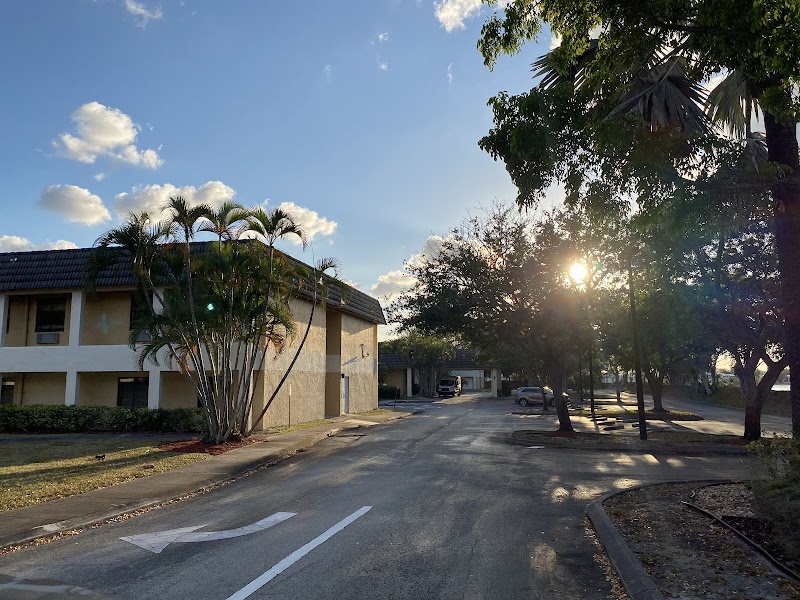
How is Nspire Healthcare Tamarac Staffed?

CMS rates NSPIRE HEALTHCARE TAMARAC's staffing level at 4 out of 5 stars, which is above average compared to other nursing homes. Staff turnover is 40%, compared to the Florida average of 46%. This relatively stable workforce can support continuity of care. RN turnover specifically is 57%, which is notably high. RNs provide skilled clinical oversight, so turnover in this role can affect medical care quality.

What Have Inspectors Found at Nspire Healthcare Tamarac?

State health inspectors documented 37 deficiencies at NSPIRE HEALTHCARE TAMARAC during 2021 to 2024. These included: 37 with potential for harm.
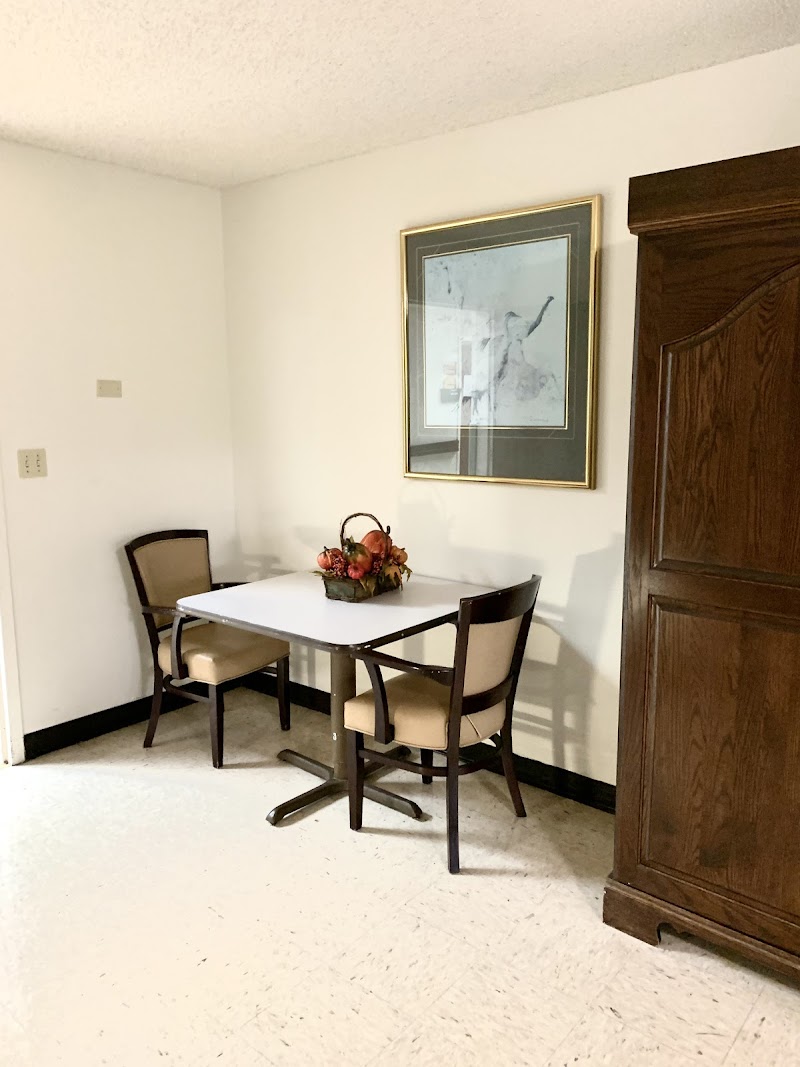
Who Owns and Operates Nspire Healthcare Tamarac?

NSPIRE HEALTHCARE TAMARAC is owned by a for-profit company. For-profit facilities operate as businesses with obligations to shareholders or private owners. The facility is operated by CONSULATE HEALTH CARE/INDEPENDENCE LIVING CENTERS/NSPIRE HEALTHCARE/RAYDIANT HEALTH CARE, a chain that manages multiple nursing homes. With 141 certified beds and approximately 123 residents (about 87% occupancy), it is a mid-sized facility located in TAMARAC, Florida.

How Does Nspire Healthcare Tamarac Compare to Other Florida Nursing Homes?

Compared to the 100 nursing homes in Florida, NSPIRE HEALTHCARE TAMARAC's overall rating (2 stars) is below the state average of 3.2, staff turnover (40%) is near the state average of 46%, and health inspection rating (2 stars) is below the national benchmark.

What Should Families Ask When Visiting Nspire Healthcare Tamarac?

Based on this facility's data, families visiting should ask: "Can I visit during a mealtime to observe dining assistance and food quality?" "How do you handle medical emergencies, and what is your hospital transfer rate?" "Can I speak with family members of current residents about their experience?"

Is Nspire Healthcare Tamarac Safe?

Based on CMS inspection data, NSPIRE HEALTHCARE TAMARAC has a clean safety record: no substantiated abuse findings (meaning no confirmed cases of resident harm), no Immediate Jeopardy citations (the most serious violation level indicating risk of serious injury or death), and is not on the Special Focus Facility watch list (a federal program monitoring the lowest-performing 1% of nursing homes). The facility has a 2-star overall rating and ranks #100 of 100 nursing homes in Florida. While no facility is perfect, families should still ask about staff-to-resident ratios and recent inspection results during their visit.

Do Nurses at Nspire Healthcare Tamarac Stick Around?

NSPIRE HEALTHCARE TAMARAC has a staff turnover rate of 40%, which is about average for Florida nursing homes (state average: 46%). Moderate turnover is common in nursing homes, but families should still ask about staff tenure and how the facility maintains care continuity when employees leave.

Was Nspire Healthcare Tamarac Ever Fined?

NSPIRE HEALTHCARE TAMARAC has no federal fines on record. CMS issues fines when nursing homes fail to meet care standards or don't correct problems found during inspections. The absence of fines suggests the facility has either maintained compliance or corrected any issues before penalties were assessed. This is a positive indicator, though families should still review recent inspection reports for the full picture.

Is Nspire Healthcare Tamarac on Any Federal Watch List?

NSPIRE HEALTHCARE TAMARAC is not on any federal watch list. The most significant is the Special Focus Facility (SFF) program, which identifies the bottom 1% of nursing homes nationally based on persistent, serious quality problems. Not being on this list means the facility has avoided the pattern of deficiencies that triggers enhanced federal oversight. This is a positive indicator, though families should still review the facility's inspection history directly.