CANTERBURY TOWERS INC


3501 BAYSHORE BLVD, TAMPA, FL 33629 (813) 837-1083
Non profit - Corporation 60 Beds Independent Data: November 2025
Trust Grade
80/100
#187 of 690 in FL
Last Inspection: July 2025

Inspected within the last 6 months. Data reflects current conditions.

Overview

Canterbury Towers Inc in Tampa, Florida has a Trust Grade of B+, which means it is above average and recommended for families considering care options. It ranks #187 out of 690 facilities in Florida, placing it in the top half, and #2 out of 28 facilities in Hillsborough County, indicating it is one of the best local choices. The facility's trend is stable, with three issues reported in both 2023 and 2025, showing no significant deterioration in quality. Staffing is a relative strength, with a 4-star rating and RN coverage exceeding 78% of state facilities, although the turnover rate is at 50%, which is average for Florida. There have been no fines reported, which is a positive sign; however, there are concerns regarding hand hygiene practices and the maintenance of a clean environment, including rusted bathroom equipment and delays in conducting required assessments for some residents. While the facility has strengths in staffing and overall care, families should be aware of the areas needing improvement.

Trust Score
B+
80/100
In Florida
#187/690
Top 27%
Safety Record
Low Risk
No red flags
Inspections
Holding Steady
3 → 3 violations
Staff Stability
⚠ Watch
50% turnover. Above average. Higher turnover means staff may not know residents' routines.
Penalties
✓ Good
No fines on record. Clean compliance history, better than most Florida facilities.
Skilled Nurses
✓ Good
Each resident gets 79 minutes of Registered Nurse (RN) attention daily — more than 97% of Florida nursing homes. RNs are the most trained staff who catch health problems before they become serious.
Violations
○ Average
6 deficiencies on record. Average for a facility this size. Mostly minor or procedural issues.
★★★★☆
4.0
Overall Rating
★★★★☆
4.0
Staff Levels
★★★☆☆
3.0
Care Quality
★★★★☆
4.0
Inspection Score
Stable
2023: 3 issues
2025: 3 issues

The Good

  • 4-Star Staffing Rating · Above-average nurse staffing levels
  • Full Sprinkler Coverage · Fire safety systems throughout facility
  • No fines on record

Facility shows strength in staffing levels, fire safety.

The Bad

Staff Turnover: 50%

Near Florida avg (46%)

Higher turnover may affect care consistency

The Ugly 6 deficiencies on record

Jul 2025 3 deficiencies
CONCERN (D)

Potential for Harm - no one hurt, but risky conditions existed

Safe Environment (Tag F0584)

Could have caused harm · This affected 1 resident

**NOTE- TERMS IN BRACKETS HAVE BEEN EDITED TO PROTECT CONFIDENTIALITY** Based on observations, and record reviews, the facility failed to maintain a safe, clean, comfortable homelike environment relat...

Read full inspector narrative →
**NOTE- TERMS IN BRACKETS HAVE BEEN EDITED TO PROTECT CONFIDENTIALITY** Based on observations, and record reviews, the facility failed to maintain a safe, clean, comfortable homelike environment related to rusted bathroom equipment in three rooms (112,113, & 116) of thirty-three rooms toured.Findings included: On 07/14/2025 at 1:30 PM during a tour of the facility, it was observed that room [ROOM NUMBER], 113, & 116 had over the toilet, toilet seats which showed signs of rust. On 07/16/2025 at 2:46 PM during a tour of the facility, it was observed that room [ROOM NUMBER], 113, & 116 had over the toilet, toilet seats which showed signs of rust. During an interview on 07/17/2025 at 10:03 AM with the Director of Maintenance (DOM). She stated, “all the maintenance work orders are done on paper, and the employees will write up the work orders and then submit to myself.” The employees are directed to write up issues they observe daily. She also stated, “we use a maintenance inspection sheet to review the rooms as a preventative maintenance inspection to help guide our needs for each room. I have one full-time employee including myself to help with tasks. The room inspection sheet directs the personnel to do a room check, however that is not currently being done. I will provide you with an inspection policy if we have one and the room/weekly inspection sheet that we use for our surveys.” Review of the facility policy named, routine cleaning and disinfection, dated 1/16/25, unsigned, not dated, revealed, it is the policy of this facility to ensure the provisions of routine cleaning and disinfection in order to provide a safe, sanitary environment and the prevent the development and transmission of infections to the extent possible. Review of the facility policy named, skilled nursing facility (SNF) room inspection, dated 1/16/25, unsigned, revealed, it is the policy of this facility to utilize a maintenance inspection checklist in order to assure a safe, functional, sanitary and comfortable environment for residents, staff and the public. Review of a facility document named room inspection form, undated and unsigned. The document revealed a list of items to be cleaned in each room. (Photographic Evidence Provided)
CONCERN (D)

Potential for Harm - no one hurt, but risky conditions existed

Comprehensive Assessments (Tag F0636)

Could have caused harm · This affected 1 resident

**NOTE- TERMS IN BRACKETS HAVE BEEN EDITED TO PROTECT CONFIDENTIALITY** Based on a review of resident records and interviews with staff, the facility failed to conduct timely comprehensive minimum dat...

Read full inspector narrative →
**NOTE- TERMS IN BRACKETS HAVE BEEN EDITED TO PROTECT CONFIDENTIALITY** Based on a review of resident records and interviews with staff, the facility failed to conduct timely comprehensive minimum data set (MDS) assessments and transmit assessments per the required timeframes for three residents (#2, #35, #21) out of six residents reviewed for MDS, out of a total of 20 residents in the sample. Findings included:A closed record review for Resident #2 revealed she was admitted to the facility on [DATE] and discharged [DATE]. Minimum data set (MDS) assessments were completed as required on 3/28/25 and 3/31/25; however, neither assessment reflected an accepted status. Resident #35 was admitted to the facility 2/12/25 and discharged [DATE]. The discharge MDS assessment was completed on 3/31/25 but was not submitted. Resident #21 was admitted on [DATE] and discharged on 3/10/25. The last MDS assessment completed for her was 3/4/25. There was no discharge assessment completed. An interview was conducted with the MDS Coordinator on 07/17/2025 at approximately 10:00 AM. She reviewed the MDS Management Center reports and confirmed Resident #2's discharge assessment was never submitted. She explained this resident's assessment dated [DATE] was an End of Stay Part A discharge MDS. It was submitted and uploaded to the electronic record keeping platform by the former MDS Coordinator, but she must have neglected to enter the accepted date into the system. She confirmed Resident #21's discharge assessment was never completed and submitted, nor was Resident #35's. (Photographic evidence obtained)
CONCERN (E)

Potential for Harm - no one hurt, but risky conditions existed

Food Safety (Tag F0812)

Could have caused harm · This affected multiple residents

Based on observations, staff interviews, and facility record review, the facility failed to 1. Ensure staff completed hand hygiene between soiled dish handling and receiving of clean dishes when opera...

Read full inspector narrative →
Based on observations, staff interviews, and facility record review, the facility failed to 1. Ensure staff completed hand hygiene between soiled dish handling and receiving of clean dishes when operating the dish washing machine, and 2. Ensure liquids such as milk were held at a temperature of 40 degrees Fahrenheit (F) and below prior to serving to residents.Findings included: 1.On 7/14/2025 at 10:25 a.m. the kitchen was toured with Staff A, Dietary Manager. He revealed he had a full complementary staff to support the thirty-three residents who resided at the facility and that all his Dietary Staff were trained and in-serviced on subject matters to include use and sanitation of food preparation equipment, personal hygiene, food sanitation, and kitchen cleaning operations. He revealed he, along with most of his staff are Serve Safe certified, which includes the knowledge of Kitchen/Food Sanitation. Staff A, Dietary Manager revealed the kitchen operates a High Temperature dish washing machine and revealed it is maintained by an outsourced maintenance company. He confirmed there had not been any recent concerns with the machine and he receives the proper soaps/detergents and supplies to run the machine effectively. Staff A, Dietary Manager revealed the machine, as a High Temperature dish washing machine, and per the machine's specifications, it should operate with a wash temperature of over 165 degrees Fahrenheit and above, and a rinse temperature of over 190 degrees Fahrenheit and above. Observations of the machine's metal specification plate attached to the undercarriage of the machine revealed a wash temperature to reach at least 150 degrees Fahrenheit and above, and a rinse temperature to reach 180 degrees Fahrenheit and above. A wash cycle demonstration was asked to be performed by staff. Staff A, Dietary Manager, revealed Staff D, [NAME] was the operator of the machine this morning. Staff D, [NAME] was asked how he operates the machine. Prior to Staff D, [NAME] being asked about the machine, he was observed to handle many soiled trays of eating ware with his bare hands, as well as touching soiled breakfast meal tray carts with his bare hands. Staff D, [NAME] was the only staff member who was observed in the dish machine room and had been observed operating the machine while Staff A, Dietary Manager, was interviewed just five minutes before. Staff D, [NAME] revealed the facility operates a High Temperature dish washing machine and he has been adequately trained on the use of the machine. He also denied any recent concerns with the machine, and he responded that the wash temperature should reach over 150 degrees Fahrenheit, and the final wash cycle should reach at least 180 degrees Fahrenheit. Staff D, [NAME] was then asked to perform a demonstration on how to operate the dish washing machine. Staff D, [NAME] then grabbed a metal sheet tray with his unwashed bare hands, pre rinsed the tray with a water spray down, then placed the tray in the dish washing machine. He then closed the door with his bare hands and the machine operated with both wash and rinse cycle. The machine's wash and rinse cycle met the machine's wash and rinse temperature criteria and then stopped. Staff D, [NAME] then opened the door of the machine and grabbed the metal sheet tray with his bare unwashed hands and placed it in a clean dry storage area. Staff D, [NAME] was the only staff member to utilize the machine during this observed tour time and he continued to handle soiled eating ware to include plates, eating utensils, pans, cups, and bowls with his soiled hands, pre rinsed said eating ware and placed in empty crates and then pushed the crates through the soiled side of the dish washing machine. Each time the machine was completed with its wash/rinse operation, he would then open the door with his soiled bare hands and pull the crate out and handle all the cleaned eating ware/cooking ware with his unwashed bare hands. Staff D, [NAME] was observed operating the machine by himself, feeding soiled eating ware in the machine and grabbing the cleaned eating ware with his unwashed bare hands for a period of at least ten minutes. Staff A, Dietary Manager, was in the vicinity and did not redirect or ask Staff D, Cook, to wash his hands after handing soiled eating ware and other soiled equipment, and prior to handling cleaned eating ware and other clean equipment. On 7/16/2025 at 1:55 p.m. during a second kitchen observation, Staff B, Dietary Aide was observed in the dish washing machine room and was performing dish washing tasks by himself. Staff B, Dietary Aide, was observed handling and touching soiled dishes, eating utensils, eating ware with his bare hands and scraping and rinsing those dishes and eating ware with his bare hands as well as doing a pre rinse at the sink next to the soiled side of the dish washing machine. He continued to take the pre rinsed eating dishes and eating ware with his bare hands and placed them in empty plastic crates. Staff B, Dietary Aide, was observed to push the soiled crates of eating ware, and other equipment through the soiled side of the machine and closed the machine's door. After the machine completed its wash and rinse cycle, Staff B, Dietary Aide then opened the machine's door with his unwashed bare hands and pulled the crate out and handled each individual piece and placed them in a drying or clean storage area. Staff B, Dietary Aide, was noted to do this same cycle of feeding soiled eating ware with his unwashed bare hands, placing them in the machine and grabbing all the cleaned eating ware with the same unwashed bare hands for at least five cycles or at least ten minutes. When Staff B, Dietary Aide, was asked if he knew what type of dishwashing machine he operates, he could not say whether it was a High Temperature or Low Temperature machine and, could only say the product name of the machine. On 7/17/2025 at 9:18 a.m. an interview with Staff A, Dietary Manager provided a verbal and physical demonstration of us of the dish washing machine. He revealed both Staff B, Dietary Aide and Staff D, Chef/Cook, were not in this morning and therefore those two staff members could not be interviewed related to the dish washing machine process. The Dietary Manager revealed the following process:Soiled dishes/eating utensils/eating ware are brought from the floor/unit and placed near the dish machine room. The soiled dishes are then placed on a metal trough and at a sink, where soiled dishes are scrapped and rinsed of food debris.The dishes/eating utensils/eating ware are then placed in a plastic crate rack and pushed through the dish washing machine. The door to the dish washing machine is then closed and by closing the door, the machine will start and operate both wash and rinse functions. After the machine is finished with both washing and rinsing, the machine's door is lifted up. At this time, staff operating the machine should be washing their hands prior to touching and receiving the washed items. Staff, after placing soiled rack of dishes/eating ware/eating utensils in the dish machine, should walk over to the nearest hand washing sink and wash their hands appropriately prior to touching cleaned dishes/eating ware/eating utensils. While Staff A, Dietary Manager was explaining the dish machine operations, Staff C, Dietary Aide was observed to place an empty tray rack on the floor, walked away from the dish machine room, handled other boxes and items, walked back to the dish machine room and then grabbed a crate of clean eating utensils and picked up individual forks, knives, spoons with her bare hands. She then placed them in another clean container. Staff C, Dietary Aide, left the dish machine room and pushed away soiled tray carts that were brought in from the unit/hallways. These carts had soiled trays that were brought back in from the breakfast meal service. She then walked back into the dish machine room and grabbed an already cleaned rack of dishes with her bare unwashed hands and then removed plates with her bare hands and placed them in another storage area. It was found Staff C, Dietary Aide, did not wash her hands after touching soiled eating ware and soiled equipment and before touching clean eating ware and eating equipment several times within a span of at least five minutes. Staff A, Dietary Manager, confirmed Staff C, Dietary Aide, should have washed her hands after touching the soiled eating ware/equipment and before touching newly cleaned eating ware/equipment. An interview with Staff C, Dietary Aide revealed she did not remember if she washed her hands before touching the washed eating ware/eating equipment. Staff C, Dietary Aide knew she should be washing her hands after handling soiled equipment or touching other things prior to receiving clean dishes from the dish washing machine. Staff A, Dietary Manager, confirmed all Dietary Staff are trained and in serviced on the proper use of the dish washing machine and also trained and in serviced on proper hand washing techniques while conducting operations in the kitchen. 2.During the first initial kitchen tour with Staff A, Dietary Manager on 7/14/2025 at 10:25 a.m. Staff A, Dietary Manager brought the state surveyor out from the main kitchen and into a food service Staging room, just outside the main kitchen space. Staff A, Dietary manager revealed this food service Staging room is used to store cooked and prepared foods from the kitchen and to plate and serve food items from the steam table. The Staging room was observed in a room between the main kitchen and the main dining room and had equipment to include 1. a handwashing sink, a counter space with cabinets and drawers, a small refrigerator with a freezer compartment, a steam table to hold food at appropriate food holding temperatures and a space to assemble trays of food. Also, the room was observed to store meal tray carts to place meal trays in. Staff A, Dietary Manger revealed they use this Staging room/space as means to serve the residents better and becomes a more homelike eating experience. Upon opening the small refrigerator, it was observed with various items to include many cartons of milk, cups of juices, plastic containers of other liquids, and other cold storage food items. Further observation revealed the refrigerator did not have a thermometer to see what the inside temperature was held at. There was a refrigerator temperature log at the door of the refrigerator, and it was documented with daily temperatures for the month of 7/2025. The temperatures were documented to include temperatures of 41 degrees Fahrenheit and below. However, there was no thermometer in the refrigerator or freezer compartment of this unit. Staff A, Dietary Manager, confirmed there was no thermometer in both compartments of the unit and did not know where they were or where they went. On 7/16/2025 at 12:27 p.m. Staff C, Dietary Aide was observed to prepare trays in the Staging room with cups, eating utensils, cartons of various milk types, cups of juices, cups of yogurt. She then placed the trays in various meal tray carts in preparation to receive plated food from the steam table area. Staff C, Dietary Aide prepared approximately fifteen to twenty of these trays with cold liquid items. They sat in the meal tray carts for at least fifteen minutes. An interview with Staff C, Dietary Aide revealed she prepares the trays with the liquids and stores the trays in the meal carts until she gets the plates of hot food items. She or other dietary staff will push the meal tray carts to various halls out in the unit. She revealed this was her normal process and she does this to save time. Staff D, [NAME] and Staff A, Dietary Manager, both confirmed Staff C, Dietary Aide's tray set up process. Staff C, Dietary Aide said she had removed the cold fluids including cartons of milk out from the main walk-in refrigerator from the kitchen about fifteen to twenty minutes prior to the observation/interview. Staff D, [NAME] was asked to pull a carton of milk at random from one of the tray carts to do a temperature demonstration. Prior to temping a random carton of milk, he and Staff A, Dietary Manager, revealed the holding temperature of cold fluids such as milk, should be at 40 degrees Fahrenheit or below. At 12:34 p.m. Staff D, [NAME] performed a random temperature demonstration with one of the random cartons of milk that were on a meal tray ready to go out to residents. He utilized his digital thermometer and revealed it was recently calibrated with a cup of ice and water. He then opened the carton of milk and positioned the stem of the thermometer in the milk. He held the thermometer in place in the milk for twenty seconds and the temperature read 63.2 degrees Fahrenheit. Staff A, Dietary Manager, Staff D, [NAME] and Staff C, Dietary Aide, confirmed the holding temperature for the milk, should have been below 40 degrees Fahrenheit or below. Staff A, Dietary Manager, said he would need to remove all the milks stored in the tray cart and replace them. He did confirm the milks would have gone out to residents during this observation, prior to checking the temperatures. On 7/17/2025 at 8:45 a.m. Staff A, Dietary Manager and Staff D, [NAME] were asked to revisit the Staging kitchen area where the small refrigerator/freezer was positioned. It was found on 7/14/2025 the unit did not have a thermometer in either the refrigerator or freezer compartment. Upon observing the refrigerator/freezer on 7/17/2025 at 8:45 a.m., the door was opened and there was a thermometer placed on the top shelf. The thermometer read 34 degrees Fahrenheit. There were cartons of milk placed on the shelving of the unit. Staff A, Dietary Manager, was asked to remove one of the milk cartons and test the milk for temperature. He confirmed the digital thermometer he had was calibrated via cup of ice and water. Staff A, Dietary Manager, pulled out a carton of milk, opened the pour spout and placed the digital thermometer in the milk and held it for twenty seconds. The thermometer read 49.4 degrees Fahrenheit. The Dietary Manger confirmed the milk was not being held or did not hold to a temperature below 41 degrees Fahrenheit. He could not say how long the cartons of milk were stored in the refrigerator but revealed the milks would have been served to residents. On 7/17/2025 at 1:00 p.m. Staff A, Dietary Manager provided the meal service Ware Washing in Meal Service Pantries policy and procedure with a revised date of 5/2023. The policy revealed; The community will follow established methods for the safe and effective use of dishwashers in the meal service pantries. The procedure revealed; #4 - Staff will use proper hand washing techniques prior to unloading and storing clean dishes. On 7/17/2025 at 1:00 p.m. Staff A, Dietary Manager provided the meal service Taste and Temperature Control policy and procedure with a last revised date of 5/2023 for review. The policy revealed; Food is maintained at palatable temperatures during service to meet resident expectations. The procedure revealed; #3 - Temperatures of hot and cold food will be taken again if food is delivered in bulk to service pantries to ensure temperature maintenance. #6 - Cold foods, such as milk, butter, ice cream, and juices should be refrigerated during service or held on ice or insulated bins to maintain proper temperature 40 degrees Fahrenheit or lower. On 7/17/2025 at 1:00 p.m. Staff A, Dietary Manager provided the Food Safety Management System policy and procedure with last revision date 5/31/2025, for review. The policy revealed; Hands must be washed frequently and correctly, including at the following times; After handling soiled equipment or utensils. The policy further revealed; Employees must clean their hands and exposed portions of their arms, including surrogate prosthetic devices for hands or arms for at least 20 seconds, using liquid soap in a dedicated handwashing sink:- Rinse under clean, running warm water;- Apply soap;- Rub together vigorously for at least 10-15 seconds while paying attention to removing soil from underneath the fingernails during the cleaning procedure and creating friction on the surfaces of the hands and arms or surrogate prosthetic devices for hands and arms; fingertips, and areas in between the fingers;- Thoroughly rinse under clean, running warm water;- Immediately follow the cleaning procedure with thorough drying using disposable towel or hand dryer;- To avoid re-contaminating their hands or surrogate prosthetic devices, employees may use a disposable paper towel or similar clean barriers when touching surfaces such as manually operated faucet handles on a handwashing sink or the handle of a restroom door.
Aug 2023 3 deficiencies
CONCERN (D)

Potential for Harm - no one hurt, but risky conditions existed

Deficiency F0657 (Tag F0657)

Could have caused harm · This affected 1 resident

**NOTE- TERMS IN BRACKETS HAVE BEEN EDITED TO PROTECT CONFIDENTIALITY** Based on interviews and record reviews, the facility failed to document revisions to the plan of care for one (Resident #18) of ...

Read full inspector narrative →
**NOTE- TERMS IN BRACKETS HAVE BEEN EDITED TO PROTECT CONFIDENTIALITY** Based on interviews and record reviews, the facility failed to document revisions to the plan of care for one (Resident #18) of 18 sampled residents. Findings included: A review of Resident #18's medical record revealed Resident #18 was admitted to the facility on [DATE] with diagnoses of dementia without behavioral disturbance and adjustment disorder with anxiety. A review of Resident #18's Interdisciplinary (ID) Notes dated 7/5/2023 at 4:50 PM revealed Resident #18 obtained a skin tear upon showering. A treatment for the skin tear was implemented and Resident #18's responsible party and physician were notified. A review of Resident #18's ID Notes dated 7/31/2023 at 1:27 PM revealed Resident #18 had new skin tears from a morning shower to the left hand, right hand, and right forearm. A treatment for the skin tears was implemented. A review of Resident #18's Minimum Data Set (MDS) assessment dated [DATE] revealed under Section C - Cognitive Patterns, a Brief Interview for Mental Status (BIMS) score of 3, which indicated severe cognitive impairment. Resident #18's MDS assessment also revealed under Section E - Behavior, Resident #18 displayed rejection of care behaviors 1 to 3 days in the 7 day assessment period. An interview was conducted on 8/10/2023 at 10:47 AM with Staff A, Licensed Practical Nurse (LPN). Staff A stated Resident #18 had skin tears on her hands and forearms which occurred in the shower on 7/31/2023. Staff A was not able to state how the skin tears developed but stated Resident #18 was typically combative with staff during showers and two staff members assisted Resident #18 with her showers. An interview was conducted on 8/10/2023 at 11:42 AM with Staff B, LPN. Staff B stated Resident #18 could sometimes be combative with staff while being provided care and hates showers. Staff B also stated Resident #18 developed a skin tear to her left arm on 7/5/2023 while being given a shower due to the resident swinging her arm and hitting the side of the shower chair. The skin tear was assessed and a treatment was initiated for the wound. A review of Resident #18's care plan revealed a problem, dated 8/10/2023, Resident #18 was at times physically abusive towards staff as evidence by resisting assistance and hitting staff during showers. Interventions included to monitor for danger to self and others, provide one to one assistance as needed and re-assurance, and if Resident #18's initial approach is abusive staff should stop and inform the nurse. Resident #18's care plan did not address physically abusive behaviors prior to 8/10/2023. An interview was conducted on 8/10/2023 at 1:21 PM with the facility's Director of Nursing (DON). The DON stated on 7/31/2023, Resident #18 developed skin tears on her bilateral arms and hands due to the resident becoming upset during a shower and flailed her arms. The DON addressed Resident #18's care plan did not address physically abusive behaviors prior to 8/10/2023 and stated interventions were initiated today [8/10/2023] because Resident #18's care plan was up for review. The DON stated Resident #18's behaviors probably should have been part of the resident's care plan prior to 8/10/2023 considering the resident had displayed the behaviors in the past. An interview was conducted on 8/10/2023 at 1:46 PM with Staff C, LPN/MDS. Staff C stated resident care plans were usually revised quarterly or when a medical or behavioral change is identified. Staff C also stated the care plan is revised as incidents occur, usually within 14 days, and Resident #18's care plan should have been revised upon discovery of her combative behaviors. A review of the facility policy titled Care Plans, dated January of 2023, revealed under the section titled Procedures each resident admitted to the nursing home facility shall have a plan of care. The assessment must be reviewed no less than once every 3 months and promptly after a significant change, which is a need to stop a form of treatment because of adverse consequences, or commence a new form of treatment to deal with a problem in the resident's physical or mental condition; and revised as appropriate to assure the continued accuracy of the assessment.
CONCERN (D)

Potential for Harm - no one hurt, but risky conditions existed

Medical Records (Tag F0842)

Could have caused harm · This affected 1 resident

**NOTE- TERMS IN BRACKETS HAVE BEEN EDITED TO PROTECT CONFIDENTIALITY** Based on observations, interviews, and record reviews, the facility failed to maintain accurate and complete medical records by ...

Read full inspector narrative →
**NOTE- TERMS IN BRACKETS HAVE BEEN EDITED TO PROTECT CONFIDENTIALITY** Based on observations, interviews, and record reviews, the facility failed to maintain accurate and complete medical records by failing to fully document occurrence of skin tears for one (Resident #18) of 18 sampled residents. Findings included: A review of Resident #18's medical record revealed Resident #18 was admitted to the facility on [DATE] with diagnoses of dementia without behavioral disturbance and adjustment disorder with anxiety. A review of Resident #18's physician's orders revealed an order, dated 7/31/2023, to monitor steri strips to the left wrist, left forearm, right wrist, and right forearm every shift. A review of Resident #18's Interdisciplinary (ID) notes dated 7/5/2023 at 4:50 PM revealed Resident #18 obtained a skin tear upon showering. A treatment for the skin tear was implemented and Resident #18's responsible party and physician were notified. The ID note did not reveal how the skin tears to Resident #18 were obtained. A review of Resident #18's ID notes dated 7/31/2023 at 1:27 PM revealed Resident #18 had new skin tears to the left hand, right hand, and right forearm from a morning shower. A treatment for the skin tears was implemented. The ID note did not reveal how the skin tears to Resident #18 were obtained. A review of Resident #18's Minimum Data Set (MDS) assessment dated [DATE] revealed under Section C - Cognitive Patterns, a Brief Interview for Mental Status (BIMS) score of 3, which indicated severe cognitive impairment. Resident #18's MDS assessment also revealed under Section E - Behavior, Resident #18 displayed rejection of care behaviors 1 to 3 days in the 7 day assessment period. A review of Resident #18's care plan revealed a problem, dated 8/10/2023, Resident #18 was at times physically abusive towards staff as evidence by resisting assistance and hitting staff during showers. Interventions included to monitor for danger to self and others, provide one to one assistance as needed and re-assurance, and if Resident #18's initial approach is abusive staff should stop and inform the nurse. An observation was conducted on 8/8/2023 at 8:49 AM of Resident #18 during the breakfast meal. Resident #18 was sitting up in her bed and eating small amounts of food. Several skin tears dressed in steri strips were observed to Resident #18's bilateral hands and bilateral forearms. No bruising or bleeding was observed. Resident #18 was not able to state how the skin tears occurred and was not alert and oriented during conversation. An interview was conducted on 8/10/2023 at 9:40 AM with the facility's Risk Manager (RM) and Director of Nursing (DON). The RM stated Resident #18 developed skin tears while being given a shower on 7/31/2023 and was not able to state how the skin tears occurred during the shower. The RM was not able to find any documentation in Resident #18's medical record to detail how the skin tears occurred. An interview was conducted on 8/10/2023 at 10:47 AM with Staff A, Licensed Practical Nurse (LPN). Staff A stated Resident #18 had skin tears on her hands and forearms which occurred in the shower on 7/31/2023. Staff A was not able to state how the skin tears developed but stated Resident #18 was typically combative with staff during showers and two staff members assisted Resident #18 with her showers. Staff A, LPN stated she did not document how Resident #18 incurred skin tears during the shower and did not ask the nurse's aide how the skin tears occurred. Staff A stated she only treated the wounds. An interview was conducted on 8/10/2023 at 11:42 AM with Staff B, LPN. Staff B stated Resident #18 could sometimes be combative with staff while being provided care and hates showers. Staff B also stated Resident #18 developed a skin tear to her left arm on 7/5/2023 while being given a shower due to the resident swinging her arm and hitting the side of the shower chair. The skin tear was assessed and a treatment was initiated for the wound. Staff B stated skin tear incidents are documented by completing an incident report in the resident's record to document exactly what occurred. Staff B was not able to find an incident report for Resident #18's skin tears on 7/31/2023. An interview was conducted on 8/10/2023 at 1:21 PM with the facility's DON. The DON stated on 7/31/2023, Resident #18 developed skin tears on her bilateral arms and hands due to the resident becoming upset during a shower and flailed her arms. The DON addressed there was not an incident report documented related to the skin tears and stated she would expect the nurse to complete an incident report to document how the incident occurred. A review of the facility policy titled Incidents and Accidents, with no effective date, revealed under the section titled Policy Explanation the purpose of incident reporting can include: - Assuring that appropriate and immediate interventions are implemented and corrective actions are taken to prevent recurrences and improve the management of resident care. - Conducting root cause analysis to ascertain causative/contributing factors as part of Quality Assurance Performance Improvement (QAPI) to avoid further occurrences. - Alert risk management and/or administration of occurrences that could result in claims or further reporting requirements. - Meeting regulatory requirements for analysis and reporting of incidents and accidents. A review of the facility policy titled Documentation in the Medical Record Policy, with no effective date, revealed each resident's medical record shall contain an accurate representation of the actual experiences of the resident and include enough information to provide a picture of the resident's progress through complete, accurate, and timely documentation. The policy also revealed under the section titled Policy Explanation and Compliance Guidelines licensed staff and interdisciplinary team members shall document all assessments, observations, and services provided in the resident's medical record in accordance with state law and facility policy. Documentation shall be completed at the time of service, but no later than the shift in which the assessment, observation, or care service occurred. Documentation accurate, relevant, and complete, containing sufficient details about the resident's care and/or response to care.
CONCERN (D)

Potential for Harm - no one hurt, but risky conditions existed

Infection Control (Tag F0880)

Could have caused harm · This affected 1 resident

Based on observations, interviews, and record reviews, the facility failed to implement an effective infection prevention and control program related to 1.) failing to ensure hand hygiene was performe...

Read full inspector narrative →
Based on observations, interviews, and record reviews, the facility failed to implement an effective infection prevention and control program related to 1.) failing to ensure hand hygiene was performed during observation of medication administration for two (Resident #25, Resident #10) of six residents observed during medication administration, 2.) failing to administer eye drops in a manner to prevent cross contamination for one (Resident #10) of six residents observed during medication administration, and 3.) failing to ensure proper storage and usage of personal protective equipment (PPE) for one (Resident #6) of six residents observed during medication administration. Findings included: An observation of medication administration was conducted on 8/9/2023 at 8:39 AM for Resident #25 with Staff A, Licensed Practical Nurse (LPN). Staff A removed Resident #25's medications from the medication cart and dispensed them into a medication cup. Staff A crushed each medication to prepare them for administration to Resident #25. After preparing the medications, Staff A entered Resident #25's room and administered medications by mouth to the resident. During the administration, Resident #25 had a small emesis due to the taste of the crushed medications. Staff A assisted Resident #25 in cleaning the emesis and gathered paper towels for the resident to wipe her mouth off. After assisting Resident #25, Staff A exited the room and gathered medications for administration to Resident #10. Staff A did not perform hand hygiene during the observation of medication administration to Resident #25. An observation of medication administration was conducted on 8/9/2023 at 9:11 AM for Resident #10 with Staff A. Staff A removed Resident #10's medications from the medication cart and dispensed two medication pills into a medication cup. Staff A removed a vial of eye drops for administration to Resident #10 from the medication cart. After gathering the medications, Staff A removed a pair of gloves from the medication cart and entered Resident #10's room. Staff A explained to Resident #6 she was going to administer medications. Staff A administered Resident #10's medications by mouth before donning gloves to administer eye drop medication. Staff A held Resident #10's bottom eye lid and administered a drop of medication in the resident's right eye. Staff A then held Resident #10's bottom eye lid and administered a drop of medication in the resident's left eye. Staff A then removed her gloves and exited the room. Staff A did not change gloves in between administration of eye drops in the right and left eye and did not perform hand hygiene during the observation. An interview was conducted with Staff A following the observation. Staff A stated she would normally perform hand hygiene frequently throughout medication administration but addressed she did not and stated she was nervous. An observation of medication administration was conducted on 8/9/2023 at 9:16 AM for Resident #6 with Staff A. Staff A performed hand hygiene prior to pulling medications from the medication cart. Staff A removed three medications from the medication cart, including a capsule. Staff A removed a pair of gloves from her left side pocket and donned them. Staff A opened the medication capsule and emptied the contents into a medication cup. Staff A removed the gloves and crushed the other two remaining medications before adding it to the medication cup and mixing the medications with apple sauce. Staff A entered Resident #6's room and administered the medications before exiting the room. Staff A performed hand hygiene following the procedure. A follow up interview was conducted on 8/9/2023 at 11:03 AM with Staff A. Staff A stated she normally kept gloves in her pocket but she probably shouldn't store the gloves in her pocket. Staff A addressed she did not change gloves when administering eye drops to Resident #10 and stated she would not normally change gloves because she doesn't have pink eye or anything. Staff A stated she should have changed her gloves in between administration of Resident #10's eye drops. An interview was conducted on 8/10/2023 at 10:14 AM with the facility's Infection Control Preventionist (ICP) and the facility's Director of Nursing (DON). The DON stated daily rounding was conducted to ensure hand hygiene was being performed by staff. The ICP stated hand hygiene should be performed before and after meals, after using the bathroom, in between passing resident meal trays, before entering resident rooms, after leaving resident rooms, and before and after use of gloves. The ICP also stated she would not expect staff members to keep gloves inside of their pockets because other items could be inside the pocket and it would compromise the gloves. Gloves should be removed from the manufacturer's box before donning them. The ICP stated she would expect nursing staff to change gloves and perform hand hygiene when administering eye drops to a resident in both eyes to prevent spread of infection. A review of the facility policy titled Medication Administration, with no effective date, revealed under the section titled Policy Explanation and Compliance Guidelines nursing staff are to wash hands prior to administering medication per facility protocol and product. A review of the facility policy titled Hand Hygiene, with no effective date, revealed under the section titled Policy Explanation and Compliance Guidelines staff will perform hand hygiene when indicated using proper technique consistent with accepted standards of practice. The use of gloves does not replace hand hygiene. If your task requires gloves, perform hand hygiene prior to donning gloves and immediately after removing gloves.
Understanding Severity Codes (click to expand)
Life-Threatening (Immediate Jeopardy)
J - Isolated K - Pattern L - Widespread
Actual Harm
G - Isolated H - Pattern I - Widespread
Potential for Harm
D - Isolated E - Pattern F - Widespread
No Harm (Minor)
A - Isolated B - Pattern C - Widespread

Questions to Ask on Your Visit

  • "Can I speak with families of current residents?"
  • "What's your RN coverage like on weekends and overnight?"

Our Honest Assessment

Strengths
  • • Grade B+ (80/100). Above average facility, better than most options in Florida.
  • • No major safety red flags. No abuse findings, life-threatening violations, or SFF status.
  • • No fines on record. Clean compliance history, better than most Florida facilities.
Concerns
  • • No significant concerns identified. This facility shows no red flags across CMS ratings, staff turnover, or federal penalties.
Bottom line: Generally positive indicators. Standard due diligence and a personal visit recommended.

About This Facility

What is Canterbury Towers Inc's CMS Rating?

CMS assigns CANTERBURY TOWERS INC an overall rating of 4 out of 5 stars, which is considered above average nationally. Within Florida, this rating places the facility higher than 99% of the state's 100 nursing homes. This rating reflects solid performance across the metrics CMS uses to evaluate nursing home quality.

How is Canterbury Towers Inc Staffed?

CMS rates CANTERBURY TOWERS INC's staffing level at 4 out of 5 stars, which is above average compared to other nursing homes. Staff turnover is 50%, compared to the Florida average of 46%. RN turnover specifically is 67%, which is notably high. RNs provide skilled clinical oversight, so turnover in this role can affect medical care quality.

What Have Inspectors Found at Canterbury Towers Inc?

State health inspectors documented 6 deficiencies at CANTERBURY TOWERS INC during 2023 to 2025. These included: 6 with potential for harm.

Who Owns and Operates Canterbury Towers Inc?

CANTERBURY TOWERS INC is owned by a non-profit organization. Non-profit facilities reinvest revenue into operations rather than distributing to shareholders. The facility operates independently rather than as part of a larger chain. With 60 certified beds and approximately 32 residents (about 53% occupancy), it is a smaller facility located in TAMPA, Florida.
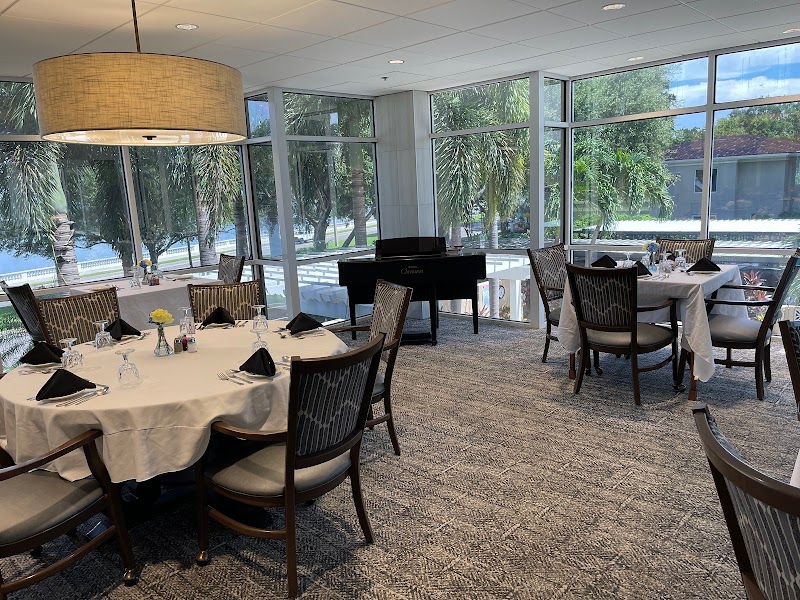
How Does Canterbury Towers Inc Compare to Other Florida Nursing Homes?

Compared to the 100 nursing homes in Florida, CANTERBURY TOWERS INC's overall rating (4 stars) is above the state average of 3.2, staff turnover (50%) is near the state average of 46%, and health inspection rating (4 stars) is above the national benchmark.

What Should Families Ask When Visiting Canterbury Towers Inc?

Based on this facility's data, families visiting should ask: "Can I visit during a mealtime to observe dining assistance and food quality?" "How do you handle medical emergencies, and what is your hospital transfer rate?" "Can I speak with family members of current residents about their experience?"

Is Canterbury Towers Inc Safe?

Based on CMS inspection data, CANTERBURY TOWERS INC has a clean safety record: no substantiated abuse findings (meaning no confirmed cases of resident harm), no Immediate Jeopardy citations (the most serious violation level indicating risk of serious injury or death), and is not on the Special Focus Facility watch list (a federal program monitoring the lowest-performing 1% of nursing homes). The facility has a 4-star overall rating and ranks #1 of 100 nursing homes in Florida. While no facility is perfect, families should still ask about staff-to-resident ratios and recent inspection results during their visit.

Do Nurses at Canterbury Towers Inc Stick Around?

CANTERBURY TOWERS INC has a staff turnover rate of 50%, which is about average for Florida nursing homes (state average: 46%). Moderate turnover is common in nursing homes, but families should still ask about staff tenure and how the facility maintains care continuity when employees leave.

Was Canterbury Towers Inc Ever Fined?

CANTERBURY TOWERS INC has no federal fines on record. CMS issues fines when nursing homes fail to meet care standards or don't correct problems found during inspections. The absence of fines suggests the facility has either maintained compliance or corrected any issues before penalties were assessed. This is a positive indicator, though families should still review recent inspection reports for the full picture.

Is Canterbury Towers Inc on Any Federal Watch List?

CANTERBURY TOWERS INC is not on any federal watch list. The most significant is the Special Focus Facility (SFF) program, which identifies the bottom 1% of nursing homes nationally based on persistent, serious quality problems. Not being on this list means the facility has avoided the pattern of deficiencies that triggers enhanced federal oversight. This is a positive indicator, though families should still review the facility's inspection history directly.