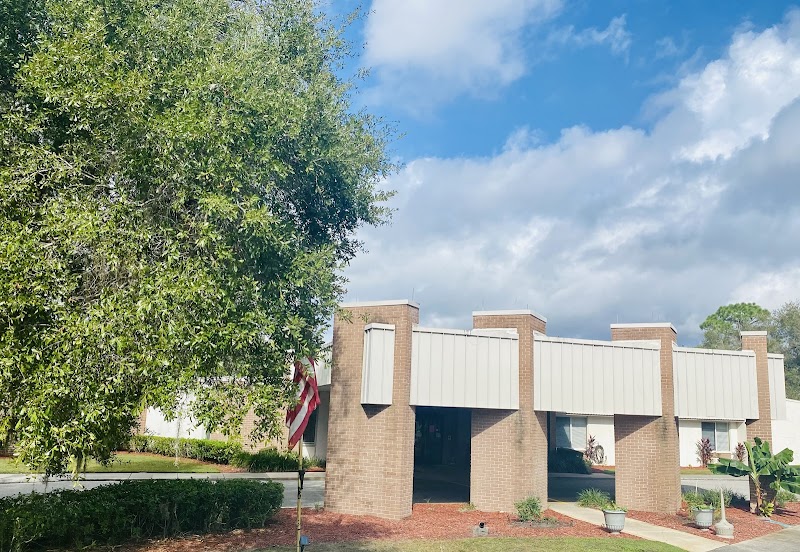
CARROLLWOOD CARE CENTER

15002 HUTCHINSON RD, TAMPA, FL 33625 (813) 960-1969
For profit - Limited Liability company 120 Beds FLORIDA INSTITUTE FOR LONG-TERM CARE Data: November 2025 3 Immediate Jeopardy citations
Trust Grade
0/100
#618 of 690 in FL
Last Inspection: January 2025

Within standard 12-15 month inspection cycle. Federal law requires annual inspections.

Overview

Carrollwood Care Center has received a Trust Grade of F, indicating poor performance with significant concerns about care quality. They rank #618 out of 690 facilities in Florida, placing them in the bottom half, and #25 out of 28 in Hillsborough County, meaning there are very few local options that are worse. The facility is worsening, with the number of critical issues increasing from 3 in 2023 to 8 in 2025. Staffing is a weakness; while the turnover rate is good at 28%, the staffing rating is only 2 out of 5, indicating below-average support for residents. There have been concerning fines totaling $62,126, which are higher than 84% of Florida facilities, suggesting repeated compliance problems. Specific incidents include a failure to monitor blood pressure for a resident on medication, inadequate staffing during shifts that left one nurse responsible for 57 residents, and neglect in providing essential daily living care for multiple residents. While the facility has good ratings for quality measures, these critical deficiencies raise serious concerns about the safety and well-being of residents. Families should weigh these strengths and weaknesses carefully.

Trust Score
F
0/100
In Florida
#618/690
Bottom 11%
Safety Record
High Risk
Review needed
Inspections
Getting Worse
3 → 8 violations
Staff Stability
✓ Good
28% annual turnover. Excellent stability, 20 points below Florida's 48% average. Staff who stay learn residents' needs.
Penalties
✓ Good
$62,126 in fines. Lower than most Florida facilities. Relatively clean record.
Skilled Nurses
○ Average
Each resident gets 30 minutes of Registered Nurse (RN) attention daily — about average for Florida. RNs are the most trained staff who monitor for health changes.
Violations
⚠ Watch
22 deficiencies on record. Higher than average. Multiple issues found across inspections.
★☆☆☆☆
1.0
Overall Rating
★★☆☆☆
2.0
Staff Levels
★★★★☆
4.0
Care Quality
★☆☆☆☆
1.0
Inspection Score
Stable
2023: 3 issues
2025: 8 issues

The Good

  • 4-Star Quality Measures · Strong clinical quality outcomes
  • Low Staff Turnover (28%) · Staff stability means consistent care
  • Full Sprinkler Coverage · Fire safety systems throughout facility
  • No fines on record
  • Staff turnover is low (28%)

    20 points below Florida average of 48%

Facility shows strength in quality measures, staff retention, fire safety.

The Bad

1-Star Overall Rating

Below Florida average (3.2)

Significant quality concerns identified by CMS

Federal Fines: $62,126

Above median ($33,413)

Moderate penalties - review what triggered them

Chain: FLORIDA INSTITUTE FOR LONG-TERM CAR

Part of a multi-facility chain

Ask about local staffing decisions and management

The Ugly 22 deficiencies on record

3 life-threatening
Jan 2025 8 deficiencies
CONCERN (D)

Potential for Harm - no one hurt, but risky conditions existed

Comprehensive Care Plan (Tag F0656)

Could have caused harm · This affected 1 resident

**NOTE- TERMS IN BRACKETS HAVE BEEN EDITED TO PROTECT CONFIDENTIALITY** Based on observations, record review and interviews, the facility failed to ensure care plan interventions for contracture manag...

Read full inspector narrative →
**NOTE- TERMS IN BRACKETS HAVE BEEN EDITED TO PROTECT CONFIDENTIALITY** Based on observations, record review and interviews, the facility failed to ensure care plan interventions for contracture management and hand splinting/orthotics use were developed in a timely manner for one (#96) of forty sampled residents. Findings included: On 1/5/2025 at 10:30 a.m. Resident #96 was observed in bed with his hands out from the sheets and positioned on his upper chest. Both the Left and Right hand appeared severely contracted and without any splints or orthotics on. In an immediate interview, Staff M, Certified Nursing Assistant (CNA) revealed she did not have Resident #96 on her assignment for today but has had him on her assignment many times before. Staff M stated Resident #96 received total assistance and was dependent on staff with all his Activities of Daily Living (ADLs). She could not identify if Resident #96 had any actual contractures and did not know if he utilized or wore splints or orthotics on either of his hands. She revealed she had not seen him with splints or orthotics on his hands. Staff M confirmed Resident #96 did not have any splints or orthotics on either of his hands at the time of the observation. During additional tours on 1/6/2025 at 7:44 a.m., 9:10 a.m., 2:30 p.m.; on 1/7/2025 at 7:20 a.m., 10:30 a.m., 1:45 p.m.; and on 1/8/2025 at 7:20 a.m., and 9:47 a.m., Resident #96 was observed in the same position as before. His hands were observed contracted and without any splints or orthotics on. Further observations in the room revealed no obvious signs of placed splints/orthotics. On 1/8/2025 at 10:40 a.m. an interview was conducted with Staff B, CNA and Staff C, CNA. Both Staff B and C confirmed Resident #96 required full staff assistance and was dependent on staff for all his ADLs. Staff B and C confirmed Resident #96 had limited Range of Motion in his upper Left elbow extremity. They stated therapy department staff put on an elbow brace on him but not direct care staff. Staff B and C confirmed the resident did appear to have contractures in both hands. They could not say if Resident #96 had any hand splints or orthotics available. They stated they had not seen him wearing them and wondered if that was therapy department's responsibility. Review of Resident #96's medical record revealed he was admitted to the facility on [DATE] and readmitted on [DATE]. Review of the current Diagnosis sheet revealed diagnoses to include but not limited to: Adult Failure to Thrive, Contracture Left Elbow, Lack of Coordination, Cognitive Communication deficit, Tracheostomy, and Major Depression. Review of the most current comprehensive annual Minimum Data Set (MDS) assessment dated [DATE] revealed under cognition a Brief Interview Mental Status (BIMS) score of 5 of 15, which indicated the resident was cognitively impaired and not able to speak related to his medical care and services. under mood and behavior, none documented as exhibited during this timeframe. For ADL - Function in Range of Motion, the resident had impairment on both sides of his lower and upper extremities. The resident was dependent on staff for personal hygiene, toileting, bathing and transfers. Review of January 2025 Medication Administration Record (MAR) for Resident #96 revealed; Resident to wear Right and Left-hand orthotics daily for up to 7 hours or as tolerated per resident preference every day shift for contracture management. Monitor skin before and after, order date 12/13/2024. This order was documented as completed and signed off each day from 1/1/2025 to1/7/2025. Observations during the dates of 1/5/2025 - 1/8/2025 revealed Resident #96 was not wearing nor offered splints/orthotics on either the Left or Right hand. Review of a document titled, Occupational Therapy Recertification and updated Plan of Treatment, period 12/29/2024 - 1/27/2025 revealed Resident #96 had a diagnosis of muscle wasting and atrophy at multiple sites. The goals for Occupational Therapy (OT) were to have the patient safely wear a resting hand splint on the Right hand for up to 8 hours with minimal signs and symptoms of redness, swelling, discomfort or pain. The assessment summary revealed interventions to include PROM (Passive Range of Motion) orthotic management and that nursing be trained on orthotic application/wearing schedule/FMP (Functional Motion Prevention) for post discharge value from OT to long term care. Review of the current Care Plans with a next review date 1/17/2025 revealed a focus on Range in Motion - Resident has a risk or actual limitations in Range of Motion as evidenced by: Impairment on both sides. Interventions included to observe skin pre/post splint application and report changes. This review showed there were no care planning problem areas that identified the need for use of splints/orthotics, contracture management, or who was responsible for the placement and maintenance of splints/orthotics. On 1/8/2025 at 10:55 a.m. an interview was conducted with Staff D, Care Plan Coordinator. She revealed she was knowledgeable of Resident #96 and confirmed he did have contractures in various areas on his upper extremities. She confirmed there was care planning problem areas to include limitation of Range of Motion and with interventions and to include observing skin pre/post splint application and report changes. Staff D confirmed this problem area did not have any interventions related to the actual use of splints. She further confirmed the care plans did not have any problem areas to indicate contractures and contracture management, and to include use of hand splints/orthotics. On 1/8/2025 at 12:30 p.m. an interview was conducted with Staff E, Rehabilitation Therapy Department Director who revealed they were currently working with Resident #96 with regards to contracture management . Staff E stated the resident had returned from the hospital on [DATE] with an order dated 12/13/2024 for use of a Left hand and Right-hand splint/orthotic. Staff E revealed they had picked him up for both Physical Therapy (PT) and OT and were evaluating him with use of both splints/orthotics. She stated she was not sure why nursing had not developed a care plan to reflect the use of the hand splints/orthotics. Staff E revealed OT staff were responsible for the application of the Left- and Right-hand splint on a daily basis. Staff E was unaware Resident #96 was not offered and assisted with placement of splints/orthotics on each hand during dates 1/5/2025 - 1/8/2025 and could not speak of nursing staff documentation. On 1/8/2025 at 1:00 p.m. an interview and policy review was conducted with the Nursing Home Administrator (NHA) who provided the Restorative Nursing Program policy and procedure with a revision date of 10/2017. The policy revealed; The facility provides Restorative Nursing Programs that involve interventions to improve or maintain the optimal physical, mental and psychological functioning. The IDT (Interdisciplinary Team), resident and, or family identify the needs of the resident, and collaboratively determines appropriate Restorative Nursing Programs to achieve the resident's goals. The programs include: a.) Contracture Management and Prevention - This program includes the provision of active and, or passive range of motion exercises/movements to maintain or improve joint flexibility as well as strength. This program also involves splint/brace assistance to protect joint and skin integrity. Under Topic: Restorative Nursing Programs and Guidelines. - Passive Range of Motion (PROM) + Splint/Brace Assist; PROM/AROM (Active Range of Motion) + Splint/Brace Assist. The facility did not have a specific Policy and Procedure related to the development and implementation of Care Planning problem areas.
CONCERN (D)

Potential for Harm - no one hurt, but risky conditions existed

Deficiency F0685 (Tag F0685)

Could have caused harm · This affected 1 resident

Based on observations, interviews and record review, the facility did not ensure timely ophthalmology referral/consult was provided for one resident (#89) out of two residents reviewed. Findings incl...

Read full inspector narrative →
Based on observations, interviews and record review, the facility did not ensure timely ophthalmology referral/consult was provided for one resident (#89) out of two residents reviewed. Findings included: On 01/05/2025 at 10:50 a.m. an observation and interview were conducted with Resident #89 in his room. Resident #89 requested surveyor to come closer because his vision was not the best. The resident stated he had seen the eye doctor at least twice but could not recall the dates. He sated he was told he needed glasses. Resident #89 stated he had bad cataracts. On 01/06/2025 at 12:29 p.m. an interview was conducted with the Optometrist who was conducting her monthly rounds. The Optometrist agreed Resident #89 had severe cataracts affecting his vision. She stated the process was to initially reach out to social services to inform her of who she is visiting as well as social service would provide a list of residents with request for Optometry. The Optometrist stated in the next 3 to 4 days, she will send the facility a list of the residents she had visited and their assessments/referrals. The Optometrist did not know why Resident #89's referral had not been implemented. Review of Resident #89's admission record showed an original admission date of 10/23/2023 and a readmission date of 6/12/2024. Diagnoses for Resident #89 included but were not limited to: end stage renal disease, Type 2 diabetes mellitus with diabetic neuropathy unspecified, essential hypertension and cerebral infarction unspecified. Review of the most recent Minimal Data Set (MDS) for Resident #89 dated 10/29/2024 showed in Section C - Cognitive Patterns, Section C0500 a Brief Interview for Mental Status (BIMS) of 13 which indicated Resident #89 was cognitively intact. Review of Resident #89's care plan showed a vision focus area initiated on 11/02/23 - the resident has impaired visual function related to Cataracts. Interventions included: - Ophthalmology consults as ordered; date initiated 03/15/2024 - Vision consults as needed they initiated 11/02/2023 On 01/07/2025 at 10:58 a.m. an interview was conducted with Staff R, Registered Nurse/Unit Manager (RN/UM). Staff R stated she was in the process of trying to refer Resident #89 to an ophthalmologist but was not having success due to his insurance. Staff R stated, The Regional Nurse consultant is trying to help me find an ophthalmologist. Staff R reviewed the current care plan of Resident #89 and stated she could not explain why the resident was care planned for ophthalmology referral in March 2024 and care planned as a focus area for cataracts in November 2023 and they had not been done yet. On 01/07/2025 at 3:52 p.m. an interview was conducted with the Social Services Director (SSD). The SSD confirmed a list is provided to her from the Optometrist on whom she was visiting for the month. The SSD stated she will receive an email from the Optometrist a few days after her visit, but she would forward the information to the nursing staff. A review of the optometrist evaluations and referrals for Resident #89 dated 7/07/2023 to current showed on 7/07/2023, 8/14/2023, 3/13/2024, 6/10/2024, 9/11/2024, and 1/06/2025 the resident was seen. Review of section titled, Treatment cataract showed referrals/consults to ophthalmologist were requested each time. On 01/07/2025 at 5:13 p.m., an interview was conducted with the Nursing Home Administrator (NHA). The NHA reviewed the Optometrist's referral in March of 2024 but could not state why the referral was not completed other than he may have been hospitalized . On 01/08/2025 at 12:42 p.m. an interview was conducted with the Director of Nursing (DON). The DON stated Resident #89 may have had referrals but stated he had been a very sick man and could not leave the facility for appointments. The DON added the resident had severe kidney failure issues and may not be a good candidate for cataract surgery. Review of the facility policy and procedures titled, Referral - Vision and Hearing Services, effective November 2024 showed the following policy statement: The facility will assist residents in obtaining routine and prompt vision, hearing, care. The social services department will work to assist in or coordinate services, such as, but not limited to, the following: 1. Routine services 2. Appointments 3. Transportation to and from the office 4. Prompt referrals (i.e., broken hearing aids, glasses, etc.) 5. Family /legal representative notifications. A review of the procedure for this policy included: 1. Determine /schedule the dates for the contracted services, if applicable, to be available at the center (if possible). 2. Identify those residents who need services, including, but not limited to: a. Eye exam b. Glaucoma exam 3. Identify those residents who require a prompt referral 4. Schedule an appointment and arrange transportation as needed. 5. Document all interventions in the resident medical record.
CONCERN (D)

Potential for Harm - no one hurt, but risky conditions existed

Pressure Ulcer Prevention (Tag F0686)

Could have caused harm · This affected 1 resident

**NOTE- TERMS IN BRACKETS HAVE BEEN EDITED TO PROTECT CONFIDENTIALITY** Based on observation, interviews, and record review, the facility did not ensure care and services were provided, resulting in a...

Read full inspector narrative →
**NOTE- TERMS IN BRACKETS HAVE BEEN EDITED TO PROTECT CONFIDENTIALITY** Based on observation, interviews, and record review, the facility did not ensure care and services were provided, resulting in an actual or potential decline in a pressure ulcer for two residents (#89 and #111) of seven residents sampled. Findings included: On 01/05/2025 at 10:51 a.m., an initial observation and interview were conducted with Resident #89 in his room. During the interview, Resident #89 stated he currently had a sore to my bottom and stated the wound had not been changed since Friday by Staff S, Registered Nurse (RN). Resident #89 stated he was told by someone the wound was getting worse but could not recall who told him this information. Resident #89 also stated the wound must be getting worse because the pain to his bottom is getting worse. On 01/05/2025 at 11:01 a.m., an observation and interview were conducted with Staff R, Registered Nurse/Unit Manager (RN/UM). With the consent of Resident #89, an observation was made with Staff R, RN/UM of Resident #89's wound. Staff R, RN/UM assisted the resident to his left side and removed the resident's brief. An observation was made with Staff R, RN/UM of no dressing present to Resident #89's wound. Resident #89 had a brief on with clean sheets and an incontinence pad underneath the resident. Resident #89 repeated the same conversation with Staff R, RN/UM in regard to his dressing not being changed for the past two days and stated the last dressing change was the previous Friday with Staff S, RN. Staff R, RN/UM stated Resident #89 must have recently had a bowel movement this morning and the Certified Nursing Assistant (CNA) removed the wound dressing and did not inform his assigned nurse. Staff R, RN/UM stated she would immediately dress Resident #89's wound after collecting the proper equipment from the wound cart. On 01/05/2025 at 11:12 a.m., an interview was conducted with Staff M, CNA, with Staff L, CNA acting as an interpreter. Staff M, CNA, who was assigned to Resident #89, stated the resident had not had a bowel movement under her care from the time she started her morning shift until the time of the interview. Staff M, CNA also stated she cleaned the resident, but only provided catheter care and did not remove the wound dressing. Review of a Resident #89's Medication Administration Audit report for 01/05/2025 showed an order for: Cleanse left gluteal with wound cleanser, apply collagen particles and Calcium alginate rope, cover with composite dressing daily and prn (as needed), completed by Staff Q, Licensed Practical Nurse (LPN) at 07:35 a.m. A record review of Resident #89's admission Record showed an original admit date of 10/23/2023 and a readmission date of 6/12/2024. Diagnoses for Resident #89 include but are not limited to: end stage renal disease, type 2 diabetes mellitus with diabetic neuropathy unspecified, essential hypertension, cerebral infarction unspecified, obstructive and reflux uropathy unspecified, unspecified dementia unspecified severity without behavioral, psychotic mood or anxiety disorders, and respiratory syncytial virus newly added on 4/19/2024. A review of Resident #89's physician orders showed the following orders: - Cleanse left gluteal with wound cleanser, apply collagen particles and calcium alginate rope, cover with composite 3 x 3 dressing daily and as needed for dislodgement, order date 11/12/2024. - Juven one time a day for nutritional supplementation: administer one packet mixed with 240 milliliters (ml) of fluid one time a day, record the % consumed, ordered 01/07/2025. - Acetaminophen tablet 325 milligrams (mg) give two tablets by mouth every six hours as needed for mild pain do not exceed three grams per 24 hours, over the counter medications provided by facility, ordered 8/19/2024. A review of Resident #89's most recent Minimal Data Set (MDS) assessment dated [DATE] showed in Section C - Cognitive Patterns, Section C0500, a Brief Interview for Mental Status (BIMS) score of 13, which indicated Resident #89 was cognitively intact. The Assessment also showed in Section GG - Functional Abilities, Section GG 0170, Resident #89 was dependent for sit to lying, lying to sitting on side of bed, sit to stand, chair/bed-to chair transfer, and tub/shower transfer. Section GG 0130 showed Resident #89 was dependent for toileting hygiene, shower/bathe self and lower body dressing. Section M - Skin Conditions showed, Section M0210, Resident #89 had one current or unhealed pressure ulcer/injuries at each stage. Review of Resident #89's Skin and Wound Evaluation V7.0 weekly wound team's assessment showed the following: - On 12/03/2024 Resident #89's left gluteus wound measured 3.2 centimeters (cm) in length, 1.8 cm in width and not applicable to depth for a total surface area of 4.6 cm2 (squared). - On 12/10/2024 Resident #89's left gluteus wound measured 2.2 cm in length, 1.1 cm in width, 0.2 cm in depth and a total surface are of 1.8 cm2. - On 12/17/2024 Resident #89's left gluteus wound measured 3.0 cm in length, 1.3 cm in width, 1.2 cm in depth and a total surface area of 3.0 cm2. - On 12/31/2024 Resident #89's left gluteus wound measured 2.5 cm in length, 1.5 cm in width, and not applicable to depth for a total surface area of 2.9 cm2. - On 01/07/2025 Resident #89's left gluteus wound measured 2.5 cm in length, 1.6 cm in width, 0.5 cm in depth and a total surface area of 3.3 cm2. On 01/06/2025 at 4:15 p.m., an interview was conducted with the Director of Nursing (DON). The DON stated the facility has their own wound therapy team who makes their official wounds weekly, every Tuesday morning. Their wound team consists of the DON, ADON (Assistant Director of Nursing), and both Unit Managers. The DON stated the facility also uses a consultant wound company for monthly rounds, but their representative is available for consultation anytime. The DON stated the wound care orders will be implemented daily by the nurse assigned to the resident. The wound treatment times are scattered over the various shifts so as to not put too much wound responsibility on one nurse. The DON stated Resident #89 arrived at their facility with many open areas of skin and has greatly improved over the course of time. The DON could not state why the dressing was off and stated, [Staff Q, LPN] is very conscientious about her care to her residents. On 1/07/2025 at 11:25 a.m., an interview was conducted with Staff A, LPN/UM related to wound care. Staff A, LPN/UM confirmed wound rounds are done every Tuesday with the DON, ADON, and herself along with the other unit manager. Staff A, LPN/UM stated rounds will start as early as 6:30 a.m., but she will arrive by 5:00 a.m. to ensure supplies are readily available for wound care. Staff A, LPN/UM stated if the DON or ADON are not available, then often the wound rounds will be re-scheduled for the next day but confirmed no later. Staff A, LPN/UM also stated the nursing staff is responsible for daily wound dressing changes and skin assessments and if a CNA or nurse notice a skin concern for a resident, it will be brought to her attention, and she will evaluate the area of concern immediately. Staff A, LPN/UM stated if further assessment is needed, she will notify the DON, ADON, or the other UM to perform an assessment. On 1/07/2025 at 2:33 p.m., an observation was conducted with the facility's wound team consisting of the DON, ADON, and both UMs. The wound team started their rounds with Resident #111. Resident #111 denied the need for pain medication prior to wound/dressing care. Staff R, RN/UM oversaw removing the old wound dressing and cleaning the wound, Staff A, LPN/UM measured the wound for length and width via a software system device, the ADON measured the depth of the wound and apply the new dressing as per physician order, and the DON assisted in turning the resident. When Staff R, RN/UM was asked how the wound looked, she stated it had been a while since she had seen it. An observation was made of Resident #111's back with two open areas on his buttocks and coccyx area. A strong, foul smell was noted on the removed dressing with a moderate to large amount of yellow-red drainage. Resident #111 had an open area on his right heel and was treated with betadine and the wound was left open to air. Resident #111 was observed with extremely dry skin and a large callous-like area on his left heel. Review of Resident 111's admission Record showed an original admit date of 10/08/2024 and a readmission date of 11/27/2024. Diagnoses for Resident #111 include but are not limited to: displaced spiral fracture of shaft of left fibula subsequent encounter for closed fracture with routine healing, essential hypertension, major depressive disorder recurrent, type two diabetes mellitus without complications, muscle wasting and atrophy not elsewhere classified multiple sites, benign prostate hyperplasia without lower urinary tract symptoms, obstructive and reflux uropathy unspecified, unspecified dementia moderate without behavioral, psychotic, mood, and anxiety disturbance, and acute pyelonephritis. Review of Resident #111's physician orders showed orders as follows: - Treatment as follows apply betadine to right heel every shift for blister, ordered 11/27/2024. - Oxycodone HCL 5 mg give one capsule by mouth every six hours as needed for pain, order date 11/27/2024. - Treatment as follows: Coccyx with Dakins, pat dry and apply medi honey and calcium alginate cover, with 4 x 4 every day shift for wound, ordered 12/17/2024. - Treatment as follows: Cleanse right glute with Dakins, pat dry and apply medi honey and calcium alginate, cover with 4 x 4 every day shift for wound, ordered 12/17/2024. - WBAT (Weight Bearing As Tolerated) with no restrictions, ordered 12/20/2024. A review of Resident #111's Skin and Wound Evaluation V7.0 weekly wound team's assessment showed the following: - On 12/03/2024 Resident #111's right heel wound measured 0.5 cm in length, 0.4 cm in width, and not applicable to depth with a total surface area of 0.2 cm2. - On 12/10/2024 Resident #111's right heel wound measured 0.0 cm in length, 0.0 cm in width and not applicable to depth with a total surface area of 0.0 cm2. - On 12/31/2024 Resident #111's right heel wound measured 2.3 cm in length, 1.8 cm in width and not applicable to depth with a total surface area of 3.1 cm2. - On 01/07/2025 Resident #111's right heel wound measured 2.8 cm in length, 1.4 cm in width and not applicable to depth with a total surface area of 2.9 cm2. The wound was noted as dry flaky and scab. - On 12/17/2024 Resident # 111's right gluteus wound measured 6.5 cm in length, 3.0 cm in width and not applicable for depth with a total surface area of 15.2 cm2. - On 12/31/2024 Resident #111's right gluteus wound measured 8.4 cm in length, 4.1 cm in width, and not applicable for depth with a total surface area of 24.8 cm2. - On 01/07/2025 Resident #111's right gluteus wound measured 4.8 cm in length, 1.6 cm in width and not applicable to depth with a total surface area of 6.4 cm2. - On 12/17/2024 Resident #111's coccyx wound measured 2.3 cm in length, 1.0 cm in width, and not applicable for depth with a total surface area of 1.8 cm2. - On 12/31/2024 Resident #111's coccyx wound measured 2.1 cm in length, 1.1 cm in width, and 5.0 cm in depth, tunneling at 4.0 cm with a total surface area of 1.8 cm2. - On 01/07/2025 Resident #111's coccyx wound measured 2.0 cm in length, 0.7 cm in width, 1.5 cm in depth and 2.7 cm in tunneling with a total surface area of 1.3 cm2. Review of Resident #111's skin checks weekly and prn-V3 dated 12/06/2024 showed in Question 2 Actions marked: No new areas of skin impairment. On 1/08/2025 at 10:42 a.m., an interview was conducted with Staff A, LPN/UM. Staff A, LPN/UM stated Resident #111 arrived back to the facility with his known right heel skin condition, but the skin check done upon his arrival 11/27/2024 was updated by her to include a skin tear to Resident #111's right gluteal area. Staff A, LPN/UM also stated per her note, the resident had bruising to the upper bilateral arms and abdomen, skin discoloration to the back of his hands, bilateral dry feet, dried blister to his right heel, skin immobilizer to his left lower extremity with intact skin, right blanchable buttocks, and a nickel size tear to his right gluteus. Staff A, LPN/UM stated the ADON added an additional assessment/note stating the resident had a left heel calloused area and shearing to left gluteus. Staff A, LPN, UM stated the treatment plan was Betadine to right heel every shift. On 01/08/2025 at 12:42 p.m., an interview was conducted with the DON and the ADON. The DON showed a work delivery order for an air mattress dated 12/17/2024. When asked about wound rounds for 12/24/2024 and the lack of an entry for the wounds for Residents #89 and #111, the DON stated all higher-level nursing staff were all working on this day because all nurses were inadvertently given the day off, stating, I know we did wound care because all four of us were there on carts. Review of a facility policy titled Wound Prevention and Treatment Overview, effective October 2021, showed the Policy Statement: The facility strives to ensure that a resident/patient entering the facility without ulcers does not develop them unless the individual's clinical condition demonstrates they were unavoidable. The facility implements the following interventions to prevent the development of pressure ulcers: - Identify residents /patients at risk and the specific factors placing them at risk then implement an individualized plan of care based on the identified factors - Reduced occurrence of pressure over Bony prominences to minimize injury - Protect against the adverse effects of external mechanical forces (pressure, friction, shear). - Increase the awareness of ulcer prevention through educational programs The facility also recognizes the most vigilant nursing care may not prevent the development and/or worsening of ulcers in high -risk categories. In those cases, efforts will be directed at the following: - Managing risk factors - Providing therapeutic intervention - Providing treatment The facility has developed prevention and treatment protocols based on National Pressure Ulcer Advisory Panel (NPUAP) and Wound, Ostomy and Continence Nurses Society (WOCN). A resident with ulcers will receive continued prevention interventions and necessary treatment and services to promote healing and prevent infection. Wound characteristics will be documented by measuring length, width and depth in centimeters. Additional documentation shall also include color of drainage, wound bed color, odor, amount of drainage, wound bed tissue type and tunneling undermining with depth if applicable. The policy also showed the following Procedures: 1. Collect data on residence patients at admission to determine risk for developing pressure ulcers and identifying risk factors: a. admission data collection and initial plan of care. b. Nutrition risk data collection and assessment. Wound Prevention and Treatment Overview 2. Implement the initial plan of care. a. admission data collection and initial plan of care. 3. Include the resident patient and or responsible party education. a. Develop an individualized plan of care based on risk factors, presence of ulcers and Braden Risk or Norton Plus Risk Score (state specific). 4. Communicate interventions to staff. 5. Review and revise plan of care as needed. 6. Provide resident/ patient and or responsible party education. 7. Review skin integrity on a weekly basis as a proactive approach enabling the facility staff to identify possible changes in skin integrity/condition.
CONCERN (D)

Potential for Harm - no one hurt, but risky conditions existed

Deficiency F0694 (Tag F0694)

Could have caused harm · This affected 1 resident

Based on observation, interviews and record review, the facility did not ensure a Peripherally Inserted Central Catheter (PICC) was maintained based upon current professional standards of practice for...

Read full inspector narrative →
Based on observation, interviews and record review, the facility did not ensure a Peripherally Inserted Central Catheter (PICC) was maintained based upon current professional standards of practice for one (#106) out of three residents sampled. Findings included: On 01/05/2025 at 1:16 p.m. an observation was made of Resident #106 in her room with enteral tube feedings infusing. Resident #106 lifted her left arm to where a PICC line was observed. Further observation showed the catheter dressing dated 12/21/24. Staff K, Certified Nursing Assistant (CNA) made observation of the PICC line date and confirmed the date was 12/21/24. On 01/08/2025 at 10:28 a.m. an interview was conducted with Staff A, Licensed Practical Nurse/Unit Manager (LPN/UM). Staff A, LPN/UM confirmed no physician orders were provided in the care of Resident #106s PICC line. Staff A, LPN/UM stated usually when a resident has an order for a PICC line, a standard built in order set for central line catheter will be added as an order to ensure PICC line catheter and dressing assessments and dressing changes. Staff A, LPN/UM stated the dressing should have been changed every seven days per their protocol and assessed per shift by the nursing staff. Review of current physician orders for Resident #106 showed the following: -May insert Mid-line with 1% Lidocaine for antibiotic ordered on 12/21/2024. -Rocephin solution reconstituted use one gram intravenously one time a day for infection for seven days ordered on 12/17/2024, started on 12/18/2024 and completed on 12/24/2024. Review of the facility's policy and procedures titled, Vascular Access Devices and Infusion Therapy Procedures, dated 10/2024 showed a purpose statement: To prevent local and systemic infection to the IV (intravenous) catheter. The policy statement showed a sterile dressing is maintained on all peripheral and central vascular access devices to protect the site, provide a microbial barrier, and to provide vascular device securement. 2. Short peripheral catheter dressings are changed every seven days or when the integrity of the dressing is compromised. Change the dressing if moisture, drainage or blood is present or for further assessment if infection is suspected. 3. Central venous access device and peripheral midline dressings are changed every seven days and immediately if the integrity of the dressing is compromised, if moisture, drainage or blood is present, or for further assessment if infection is suspected. - Transparent semi permeable membrane dressings are changed every seven days and PRN - If a Chlorhexidine impregnated gauze sponge is applied under the transparent dressing, change every seven days. Photographic evidence obtained.
CONCERN (D)

Potential for Harm - no one hurt, but risky conditions existed

Unnecessary Medications (Tag F0759)

Could have caused harm · This affected 1 resident

Based on observations, record reviews, and interviews the facility failed to ensure the medication error rate was less than 5.00%. Twenty-six medication administration opportunities were observed, and...

Read full inspector narrative →
Based on observations, record reviews, and interviews the facility failed to ensure the medication error rate was less than 5.00%. Twenty-six medication administration opportunities were observed, and six errors were identified for one resident (#88) of five residents observed. These errors constituted a 23.08% medication error rate. Findings included: On 01/07/2025 at 8:49 a.m., an observation was made of Staff F, Registered Nurse (RN) administering the following medications for Resident #88: -Glargine 10 units Subcutaneously -Biktarvy 50 milligrams/200 milligrams/25 milligrams oral tablet dispensed one tablet -Metoprolol 25 milligrams oral tablet dispensed one tablet -Paroxetine HCL 10 milligrams oral tablet dispensed two tablets -Famotidine 20 milligrams oral tablet dispensed one tablet -Aspirin 81 milligrams oral tablet dispensed one tablet -Prebiotic oral tablet dispensed one tablet -MiraLAX 17 grams dispensed one capful per manufacturer's -Breo 100 micrograms/25 micrograms inhaler provided one puff All medications were crushed, mixed in apple sauce and administer to Resident #88. Resident #88 refused her MiraLax. A review of the physician orders for Resident #88 showed the following: -Bictefravir-Emtricitab-Tenofox oral tablet 50-200-25 milligrams (mg) give one tablet by mouth one time a day for human immunodeficiency virus. -Acidophilus tablet (Lactobacillus), give one tablet by mouth one time a day for GI (gastrointestinal) upset OTC (over the counter) medication provided by the facility. -Aspirin oral capsule 81 mg give one capsule aby mouth one time a day for clot prevention. -Famotidine oral tablet 20 mg, give one tablet my mouth two times a day for (Gastroesophageal reflux disease). -Metoprolol tartrate oral tablet 25 mg, give one tablet by mouth two times a day for (hypertension). -Paroxetine HCL (hydrochloride) oral tablet 10 mg, give two tablets by mouth one time a day for depression. No physician orders to crush the above medications were noted. On 01/08/2025 at 9:17 a.m. a telephone interview was conducted with the facility's consultant pharmacist. The consultant pharmacist stated there should be an order from the physician to crush medications. The pharmacist stated the literature he researched for Biktarvy initially stated medication should not be crushed; however, other literature suggested the medication could be dissolved in water. On 01/08/2025 at 10:28 a.m. an interview was conducted with Staff A, Licensed Practical Nurse/Unit Manager (LPN/UM). Staff A, LPN/UM stated nursing staff will administer medication according to the needs of the resident. Staff A, LPN/UM further stated there should be a physician order to crush medications. Staff A, LPN/UM reviewed Resident #88's physician orders and could not find an order to crush medications. On 01/08/2025 at 1:31 p.m. an interview was conducted with Staff I , LPN. Staff I, LPN stated she would never crush a medication without a physician order. On /1/08/2025 at 2:26 p.m. an interview was conducted the Assistant Director of Nursing (ADON). The ADON stated there should be a physician order to crush medications. On 01/08/2025 at 2:30 p.m. an interview was conducted with Staff F, RN. Staff F, RN stated she would look at the resident's diet status and the resident's preference to determine how to administer medications. Staff F, RN stated she knows not to crush certain medications like Potassium and Nifedipine. Staff F, RN did not know the crushing status of Biktarvy. On 01/08/2025 at 2:37 p.m. an interview was conducted with Staff J, RN. Staff J, RN stated she would obtain an order from the physician to crush medications. On 01/08/2025 at 2:47 p.m. an interview was conducted with Staff H, LPN. Staff H, LPN stated she would get an order to crush medications. Review of a facility policy titled Medication Administration - General Guidelines, dated 09/2018 showed the following policy statement: Medications are administered as prescribed in accordance with manufacturer's specifications, good nursing principles and practices and only by persons legally authorized to do so. Personnel authorized to administer medications do so only after they have familiarized themselves with the medication. Medication Preparation: 3. Prior to administration, review and confirm medication orders for each individual resident on the Medication Administration Record. Compare the medication and storage schedule on the resident's MAR with the medication label. If the label and MAR are different, and the container is not flagged indicating a change in directions, or if there is any other reason to question the doses or directions, the prescribers' orders are checked for the correct dosage schedule. Apply a direction change sticker to label if directions have changed from the current label. 5. if it is safe to do so, medication tablets may be crushed or capsules emptied out when a resident has difficulty swallowing or is tube -fed, using the following guidelines and with a specific order from prescriber. a. The need for crushing medications is indicated on the resident's orders and the MAR so that all personnel administering medications are aware of this need and the consultant pharmacist can advise on safety and alternatives, if appropriate, during Medication Regimen Reviews.
CONCERN (D)

Potential for Harm - no one hurt, but risky conditions existed

Infection Control (Tag F0880)

Could have caused harm · This affected 1 resident

**NOTE- TERMS IN BRACKETS HAVE BEEN EDITED TO PROTECT CONFIDENTIALITY** Based on observation, record review and interview the facility failed to ensure nebulizer masks for three residents (#9, #92 and...

Read full inspector narrative →
**NOTE- TERMS IN BRACKETS HAVE BEEN EDITED TO PROTECT CONFIDENTIALITY** Based on observation, record review and interview the facility failed to ensure nebulizer masks for three residents (#9, #92 and #221) out of 16 residents identified with nebulizer treatment orders were stored in a safe and sanitary manner. The facility failed to ensure staff wore appropriate Personal Protective Equipment (PPE) for one resident (#112) of 17 residents identified with GI (Gastronomy) tubes while care was provided. Findings included: An observation on 01/05/25 at 9:15 a.m. showed Resident #221's nebulizer mask laid on top of the provided respiratory storage bag at bedside. During an interview on 01/05/25 at 9:15 a.m. Resident # 221 stated he was administered nebulizer treatments for about 15 minutes before bed nightly. Review of the admission record showed Resident #221 was admitted to the facility on [DATE] with diagnoses that included but not limited to Pleural Effusion, not elsewhere classified and heart failure. Review of current physician orders for Resident #221 showed, Ipratropium-Albuterol Inhalation Solution 0.5-2.5 (3) {milligrams] MG/3 [milliliters] ML (Ipratropium-Albuterol)- 3 milliliter inhale orally every 6 hours for Shortness of Breath. Order date 12/19/24. An observation on 01/05/25 at 9:33 a.m. showed Resident #9's nebulizer mask laid on top of the provided respiratory storage bag at bedside. During an interview on 01/05/24 at 9:33 a.m. Resident # 9 stated he was administered nebulizer treatments daily. Review of the admission record showed Resident #9 was admitted to the facility on [DATE] with diagnoses that included but not limited to Chronic Obstructive Pulmonary Disease (COPD). Review of current physician orders showed, Albuterol Sulfate Nebulization Solution (2.5 [milligrams] MG/3 [milliliters] ML) 0.083% (order date 03/08/24) 1 vial inhale orally via nebulizer two times a day related to Respiratory failure unspecified with hypoxia. Pre-Evaluation: Describe Lung Sounds (CL-clear, D-diminished, R-rales, RH-rhonchi, W-wheezing) Change nebulizer set up and tubing every week- every night shift every Wed Label tubing with date when changed and As needed Label tubing with date when changed. Order date 03/08/24. An observation on 01/05/25 at 11:40 a.m. showed Resident #92's nebulizer mask laid on top of the provided respiratory storage bag at bedside. During an interview on 01/05/25 at 11:40 a.m. Resident #92 stated that she received nebulizer treatments daily. Review of the admission record showed Resident #92 was originally admitted to the facility on [DATE] with diagnoses that included but not limited to Chronic Obstructive Pulmonary Disease (COPD) and simple chronic bronchitis. Review of current physician orders showed Budesonide Inhalation Suspension 0.5 [milligrams] MG/2[milliliters] ML (Budesonide(Inhalation)) 2 ML inhale orally two times a day for [shortness of breath] SOB. Order dated 11/06/24. During an interview on 01/07/25 at 5:03 p.m., the Assistant Director of Nursing (ADON) and designated Infection Preventionist (IP) stated all nebulizer masks, when not in use, should be stored in the provided respiratory storage bag for proper infection control practices. During an interview on 01/08/25 at 10:50 a.m., the ADON/IP stated any staff who were assisting with care of a Resident who had a Gastronomy (G) Tube should be wearing a gown and gloves as resident's with G Tubes would be under Enhanced Barrier Precautions. 2. On 01/07/2025 at 12:00 p.m. an observation was made of Staff G, Licensed Practical Nurse (LPN) during a medication administration of a resident with a medication to be administered via gastrostomy tube. Staff G, LPN did not wear a gown during the administration. A review of Resident #112's physician orders showed an order for Gabapentin 300 milligram one capsule via G-tube (gastrostomy tube) three times a day for neuropathy. Review of the facility's policy Barrier Precautions dated April 2024 showed, Enhanced Precautions- refers to an infection control interventions designed to reduce transmission or multi-drug-resistant organism that employ targeted gown and glove use during high contact resident activities. Review of the facility's policy Medication Administration via Nebulizer dated January 2020 showed, Procedure: 14. Store the dry nebulizer in a 'Storage bag' labeled with resident name and date. (Photographic evidence obtained).
CONCERN (E)

Potential for Harm - no one hurt, but risky conditions existed

Deficiency F0761 (Tag F0761)

Could have caused harm · This affected multiple residents

**NOTE- TERMS IN BRACKETS HAVE BEEN EDITED TO PROTECT CONFIDENTIALITY** Based on observation, record review and interview the facility failed to ensure drugs and biologicals were securely stored in fo...

Read full inspector narrative →
**NOTE- TERMS IN BRACKETS HAVE BEEN EDITED TO PROTECT CONFIDENTIALITY** Based on observation, record review and interview the facility failed to ensure drugs and biologicals were securely stored in four resident rooms (211-B, 212-A, 212-B, 501-B, and 611-B) of 62 rooms and for one (700 hall cart) of three medication carts used in the facility. Findings included: An observation on [DATE] at 10:07 a.m. in room [ROOM NUMBER]-A showed an 8-ounce (oz) spray bottle of dermal wound cleanser laid on the nightstand at bedside. An observation on [DATE] at 10:17 a.m. in room [ROOM NUMBER]-B showed a 3.75 ounce (oz) of antifungal cream laid on the nightstand at bedside. An observation on [DATE] at 10:25 a.m. in room [ROOM NUMBER]-B showed a 2.5-ounce (oz) [Manufacture's name] hydrophilic wound dressing cream and two 18-ounce (oz) packets of preventative ointment laid on the nightstand at bedside. During an interview on [DATE] at 5:03 p.m. the Assistant Director of Nursing (ADON) and designated Infection Preventionist (IP) stated the 8-ounce (oz) spray bottle of dermal wound cleanser found in room [ROOM NUMBER]-A should not be left or stored at bedside and should be appropriately stored in the treatment cart. The ADON/IP stated the antifungal cream found in room [ROOM NUMBER]-B, although not supplied by the facility, should not have been stored at bedside. The ADON/IP stated as far as room [ROOM NUMBER]-B the hydrophilic wound dressing cream, also not supplied by the facility, should not have been stored at bedside and the two 18-ounce (oz) packets of preventative ointment are usually carried in the pockets of the Certified Nursing Assistants (CNA) and should not have been left at bedside. 3. On [DATE] at 2:30 p.m. an observation and interview were conducted with Resident in room [ROOM NUMBER]-B. Resident was noted with loose eye drop medications in a small plastic bowl. The resident stated those were his eye drops. On [DATE] at 9: 35 a.m., an observation was made of the resident in 611-B bed asleep with his eye drops on his bedside table in the plastic bowl. On [DATE] at 12:00 p.m. the resident in 611-B was observed with his eye drops on the bedside table in a plastic bowl. On [DATE] at 1:20 p.m., an observation was made of the medication cart on the 700 hallways with Staff R, Registered Nurse/Unit Manager (RN/UM). Six loose pills were found in medication drawers and one expired insulin pen. Staff R, RN/UM stated the insulin pen was from a resident who was discharged and removed the pen. Staff R, RN/UM stated she tries to clean the cart at least once every two weeks but ultimately it falls on the nursing staff responsible for the cart. On [DATE] at 11:45 a.m. an interview was conducted with the Director of Nursing (DON) regarding findings of loose pills in the medication cart in 700 hallway and unsecured medication in room [ROOM NUMBER]-B. The DON stated the resident in 611-B normally stays in his room all day and is very good about putting his medication away when he leaves for therapy. This resident had physician orders for self-administration. On [DATE] at 1:10 p.m., an observation was made in room [ROOM NUMBER]-B. The resident in 611-B was not present in his room. The eye drops remained on his bedside table in the plastic bowl unsecured. Review of the Facility's Policy Storage of Medications dated 09/2018 showed, Policy: Medications and biologicals are stored properly, following manufacture's or providers pharmacy recommendations, to maintain their integrity and to support safe and effective drug administration. The medication supply shall be accessible only to licensed nursing personnel, pharmacy personnel, or staff lawfully authorized to administer medications. Review of a facility policy titled, Medication Administration Self - Administration by Resident, dated 11/17, showed a policy statement: Residents who desire to self-administer medications are permitted to do so with the prescriber's order and if the nursing care center's interdisciplinary team has determined that the practice would be safe, and the medications are appropriate and safe for self-administration. 7. If the interdisciplinary team determines that bedside or in- room storage of medications would be a potential safety risk to other residents, the medications of residents permitted to self-administer are stored in the central medication cart or medication room. The medication nurse will provide the medication to the resident in the unopened package, when appropriate, for the resident to self-administer. The nurse then records such self-administration on the MAR in the manner described above. 1. The provider pharmacy dispenses medications in containers that meet state and federal labeling requirements, including requirements of good manufacturing practices established by the United States Pharmacopeia (USP). Medications are to remain in these containers and stored in a controlled environment. This may include such containers as medication carts, medication rooms, medication cabinets, or other suitable containers. 14. Outdated, contaminated, discontinued or deteriorated medication and those in containers that are cracked, soiled or without secure closures are immediately removed from stock, disposed of according to procedures for medication disposal 15. Medication storage should be kept clean, well lit, organized and free of clutter. (Photographic Evidence Obtained). 2. On [DATE] at 10:011 a.m., at 12:00 p.m. and at 1:15 p.m., an observation was made of Ammonium Lactate Cream 12% laid on the dresser at bedside in room [ROOM NUMBER] - B. During an interview on [DATE] at 10:11 a.m. the resident in room [ROOM NUMBER]-B stated the staff put the medicated lotion at his bedside for him or for the staff to administer. An interview was conducted on [DATE] at 5:01 p.m. with the Assistant Director of Nursing (ADON). The ADON stated Ammonium Lactate Cream 12% should not be at the resident's bedside without a physician's order for self-administration.
CONCERN (F)

Potential for Harm - no one hurt, but risky conditions existed

Room Equipment (Tag F0908)

Could have caused harm · This affected most or all residents

Based on observations, facility record review and staff interviews, the facility failed to ensure one of one kitchen dish washing machine was maintained and operated per the manufacturer's specificati...

Read full inspector narrative →
Based on observations, facility record review and staff interviews, the facility failed to ensure one of one kitchen dish washing machine was maintained and operated per the manufacturer's specifications related to wash cycle temperatures running below operation requirements. Findings included: On 1/5/2025 at 9:20 a.m. a kitchen tour was conducted with Staff N, Dietary Aide. He was observed operating the dish washing machine. Staff N stated he began washing dishes about ten minutes earlier, which would have been around 9:10 a.m. Staff N pushed a crate of dishes through the left side of the machine to be washed. The right side of the machine was observed with three crates of already washed dishes. Staff N revealed he believed the machine was operating at the required wash and rinse temperatures. He stated he had ran over ten crates of dishes during that time frame. Staff N did not know what the required wash and rinse temperatures were. On 1/5/2025 at 9:58 a.m. the Dietary Manager provided a full kitchen tour. The Dietary Manager revealed they operate a high temperature dish washing machine and the wash cycle temperature should reach at least 160 degrees F. (Fahrenheit), and the final rinse temperature should reach 180 degrees F. She provided the last two months (12/2024 and 1/2025) of the dish machine temperature log for review. Review of the log revealed there were several dates of temperatures testing that were not documented. The Dietary Manager stated the missing dates were prior to her working at the facility and that she had been the Dietary Manager for about three weeks. During the on-going tour and observation of the dish washing room, Staff N and Staff O, Dietary Aides were observed operating the dish machine and feeding it crates of soiled dishes. Staff N was feeding soiled crates of dishes into the machine and then receiving clean crates of dishes on the other side of the machine. An interview was conducted with Staff N and Staff O. Staff O stated the machine was a high temperature machine. He stated, The wash temperature should reach 164 degrees F, and the rinse temperature should reach 180 degrees F. The Dietary Manager cued Staff O with the correct wash and rinse temperatures. Staff O then stated the wash cycle was supposed to be a minimum of 160 degrees F., and not 164 degrees F. Staff N did not respond with an answer to the requirements of the dish washing temperatures. Review of the machine's specification plate revealed the machine is to be operated as a high temperature machine with requirements of wash cycle reaching 160 degrees F., and a rinse cycle reaching 180 degrees F. On 1/5/2025 at 10:01 a.m. Staff N was observed running an empty crate through the soiled side of the machine and it ran though it's cleaning cycle. The analog thermometer attached to the machine revealed the wash cycle reached 152 degrees F., before the rinse cycle began. Once the rinse cycle ran, the rinse temperature reached 185 degrees F. The Dietary Manager confirmed the wash temperature did not meet expectation the machine's requirement. During a second dish washing observation at 10:04 a.m. Staff N ran a full crate of soiled dishes through the soiled side of the machine. The thermometer revealed the wash cycle reached 150 degrees F and the rinse cycle reached 189 degrees F. The Dietary Manager confirmed the wash temperature did not meet expectation the machine's requirement. On 1/5/2025 at10:08 a.m. a third machine operation demonstration was observed. Staff N ran an empty crate through the soiled side of the machine. During this observation, the wash cycle reached 152 degrees F, and the rinse temperature reached 186 degrees F. The Dietary Manager confirmed the Wash temperature did not meet the washing machine's requirement. On 1/5/2025 at 10:11 a.m. a fourth demonstration was conducted with the Dietary Manager who pushed an empty crate through the soiled side of the machine. The wash cycle reached 150 degrees F., before the rinse cycle began, reaching a rinse temperature of 188 degrees F. The Dietary Manager confirmed the wash temperature did not meet the dish washing machine's requirement. After four separate demonstrations for the use of the machine, it was found the wash cycle did not meet minimum requirements of 160 degrees F.; and only reaching 152 degrees F., 150 degrees F., 152 degrees F., and 150 degrees F. The observations revealed Staff N had ran the machine and washed over ten crates of dishes while the wash temperature was below the temperature requirements. On 1/5/2025 at 1:45 p.m. the Dietary Manager stated the dish machine's service maintenance person was in the building and found the thermostat for the wash temperature needed a part replaced as well as it needed a temperature water flow adjustment. On 1/8/2025 at 10:00 a.m. the Dietary Manager provided the Dish Machine's Manufacturer Operation Manual for review. The table of contents section of the manual in section II revealed, Installation/Operation Instructions on page 40 - the machine is a High Temperature machine and operates with hot water sanitizing and requires wash cycle to reach 160 degrees F., and rinse cycle to reach 180 degrees F., in order to appropriately and effectively wash dishes. Review of a facility policy with an effective date of 6/2024, titled, Dish Machine revealed a policy to monitor dish machine temperatures for high temperature machine at each meal prior to dishwashing to assure proper cleaning and sanitizing of dishes. The procedure section of the policy revealed: 1.) Record the type of machine (High Temp or Low Temp) at the top of the Dish machine Log. Fill the appropriate wash, rinse and final rinse temperature for the appropriate dish machine type. 4.) Send an empty dish rack through the dish machine prior to recording temperature. a. This allows the water to reach appropriate temperatures. b. May take 3-4 times. 5.) Record wash and rinse temperatures under appropriate meal column and initial. 7.) Report discrepancies from standard temperatures and chemical saturation to the Food Service Manager immediately. (Photographic Evidence Obtained).
Feb 2023 3 deficiencies 3 IJ (2 affecting multiple)
CRITICAL (J) 📢 Someone Reported This

A family member, employee, or ombudsman was alarmed enough to file a formal complaint

Immediate Jeopardy (IJ) - the most serious Medicare violation

Administration (Tag F0835)

Someone could have died · This affected 1 resident

**NOTE- TERMS IN BRACKETS HAVE BEEN EDITED TO PROTECT CONFIDENTIALITY** Based on observations, interviews, and record review, the facility failed to have a functional administration that enabled them ...

Read full inspector narrative →
**NOTE- TERMS IN BRACKETS HAVE BEEN EDITED TO PROTECT CONFIDENTIALITY** Based on observations, interviews, and record review, the facility failed to have a functional administration that enabled them to effectively and efficiently use their resources to maintain a safe environment. Facility staff failed to monitor blood pressure for one resident (#1) of three residents sampled taking blood pressure medication, the facility staff failed to carry out change of shift duties in manner to provide care and ensure nursing staff and equipment were available for residents on the 200, 400, and 800 halls including one resident (#1) that experienced respiratory distress. Staff failed to provide ADL (activities of daily living) care to three out of three residents (#1, 5, and 6) sampled out of 49 residents dependent on staff for showers. Interviews with multiple staff members revealed on-going staffing issues. There is no staffing coordinator in the facility and the duties are being shared between the DON and the Central Supply Clerk. Scheduling errors were being made, staff were unaware of their schedules, and staff cancellations were not being covered. Interviews revealed staff members are unable to complete resident ADL care as expected due to having large resident assignments. On 2/17/23 at 11:00 p.m. Staff A, Licensed Practical Nurse (LPN) was the only nurse working on the floor, with a census of 114 residents, for approximately three hours. Staff D, LPN was in the building until 1:46 a.m., however, she was only waiting and had no resident assignment. Staff A, LPN was assigned 57 residents total on the 500, 600, and 700 halls. The 57 residents total on the 200, 400, and 800 halls had no nurse assigned to them. Resident #1 resided on the 800 hall, with no nurse assigned to her. At approximately 1:45 a.m. Resident #1's CNA noticed the resident was not well and called for Staff A, LPN to come help. At that time Resident #1's blood pressure was 58/42, respirations 28, pulse 136, and oxygen saturation 71%. Staff A, LPN stated the resident had gurgling in her throat and she had to leave the resident to retrieve suctioning supplies, call 911 and call the doctor. There was no other nurse assisting with the resident or helping the nurse with these tasks. Resident #1 was transferred to the hospital via Emergency Medical Services. In the emergency department the resident was on 8 L (liters) of oxygen to keep her saturation at 94%. She was admitted with diagnoses including acute respiratory failure with hypoxia, aspiration pneumonia/healthcare-associated pneumonia, and severe sepsis requiring IV (intravenous) hydration. Nurses from the 3:00 p.m. to 11:00 p.m. shift on Friday, 2/17/23 left the facility or their assignment without giving report or doing a narcotic count on the medication cart with a relieving nurse. The medication cart keys were left in the cart for the oncoming. This failure created a situation that resulted in the likelihood of serious injury or harm to Resident #1 and abandonment of 57 residents and resulted in the determination of Immediate Jeopardy on 2/17/23. The findings of Immediate Jeopardy were determined to be removed on 2/23/23 at 11:45 a.m. and the scope and severity was reduced to a D. Findings included: Review of the Nursing Home Administrator Job Description provided by the facility revealed, Reports to: Regional [NAME] President, Summary of Position: The Nursing Home Administrator as a member of the Board of Managers of Operator is responsible for the Facility Quality Assurance Performance Improvement (QAPI) for all aspects of the Facility including but not limited to; establishing and implementing policies and procedures, quality of care, quality of life, regulatory compliance, compliance/ethics, business development and financial stewardship. Essential Duties and Responsibilities (To be completed without harming or injuring the resident/patient, co-worker, self, or others): Leads the facility Ethics and Compliance Program, acting as the Ethics and Compliance officer. Enacts, implements and enforces the facility policies regarding the management and operation of the facility. Analyzes financial, quality of care, quality of life, business development, compliance, regulatory and other management reports to determine the appropriate management interventions needed then implements the interventions resulting in improved outcomes. Implements facility communications to ensure that employees, residents and families are well informed regarding issues affecting them. Acts as the facility Privacy Officer in evaluating and confirming HIPAA compliance activities. Establishes a culture of resident choice and right to fair and equitable treatment, self-determination, individuality, privacy, property, and civil rights, including the right to lodge a complaint. Provides supervision either directly or indirectly to all facility employees including the selection, hiring, orientation, training and coaching of employees. Identifies facility needs or issues and obtains consulting assistance, as needed, in the root-cause analysis, recommendation for improvement, education assistance or monitoring. Other duties as assigned. Board of Managers Responsible establishing and implementing policies regarding the operation of the facility. Responsible and accountable for the QAPI program. Responsible for reporting to the Board of Manages [sic] on a quarterly basis and as needed results of the operation including but not limited to Ethics, Survey and Certification, Financial, Staffing and Recognition. Review of the Nursing Home Administrator Job Description provided by the facility revealed, Reports to: Nursing Home Administrator, Summary of Position: The Director of Nursing as a member of the Board of Managers of Operator is responsible for developing, organizing, evaluating and administering patient care programs and services of the Center. The DON has twenty-four (24) hour responsibility for the overall delivery of nursing services and ensures the implementation of all clinical policies and procedures. Essential Duties and Responsibilities (To be completed without harming or injuring the resident/patient, co-worker, self, or others): Leads, organizes, evaluates and manages nursing and clinical personnel through sound management practices and delegation. Makes daily patient rounds with the appropriate manager/supervisor(s) to note resident/patient condition and to ensure nursing personnel are performing their work assignments in accordance with acceptable nursing standards. Ensures that each resident's right to fair and equitable treatment, self-determination, individuality, privacy, property, and civil rights, including the right to lodge a complaint, are strictly enforced. Ensures compliance with applicable local, state, federal and other regulatory agencies and quality assurance standards, certifications and licensure requirements. Participates in the clinical admission process Attends regularly conducted staff meetings and participates regularly in continuing education training programs. Handles on-call responsibilities as required. Accountable for adherence by staff to policies, procedures and standards; delivery and proper documentation of patient care. Leads and manages the General and Restorative Nursing Services on a 24 hour basis to ensure the delivery of high quality comprehensive patient care. Assures directly or through delegation, the current licensure status and employee records of all RNs and LPNs and other licensed clinical personnel reporting to this position. Continually works to assure compliance with all applicable State and Federal regulations. Performs duties as defined by the State Nurse Practice Act and other regulatory agencies. Assures adequate staffing of the facility on a 24-hour basis. Leads and participates in Quality Improvement activities to improve facility services. Other duties as assigned. Review of the Staffing Coordinator Job Description provided by the facility revealed, reports to: (DON), Summary of Position: The Staffing Coordinator is responsible for maintain [sic] the daily scheduling and coordination of Facility Staff, as well as preparing reports and projects related to scheduling and staffing. Essential Duties and Responsibilities (To be completed without harming or injuring the resident/patient, co-worker, self, or others): Confirms and verifies staffing schedules for the nursing departments. Communicates and assists in resolving staffing concerns timely. Maintain a current listing of current employee phone numbers. Maintain daily tardies and absenteeism and communicates to the DON in accordance to the attendance policy. Reviews staffing levels as needed on a daily basis. Call staff to work open or available shifts as required. Assists in completion and filing of designated reports in accordance with established policies and procedures. Takes incoming facility staffing calls from employees. Consults with leadership concerning the staffing needs. Communicates written or verbal, reports to the DON and/or Administrator concerning staffing and schedules. Develops and maintains a working relationship with employees and management. May assist facility recruiting function. Ensures administrative functions are carried out promptly. Complies with all laws and regulations. Other duties as assigned. A review of physician orders for Resident #1 revealed the order: Midodrine HCL 15 mg (milligrams) by mouth three times a day for blood pressure. Hold for SBP (systolic blood pressure) above 140, dated 1/16/23. A review of Resident #1's medical records revealed a care plan in place for Cardiovascular problem related to hypotension, revised on 7/8/22. Interventions included: administer medication as ordered, vital signs as ordered, observe for changes in heart rate, observe for signs and symptoms of hypotension, observe for changes in respiratory rate and pattern, and observe for presence or absence of chest pain, precipitating factors, level, method of relief and effectiveness. A review of the electronic Medication Administration Record (eMAR) and Vital Sign section of the electronic record showed the following blood pressure readings: 2/1/23 at 6:51 a.m.- 111/54 2/2/23 to 2/10/23- no documented blood pressures 2/11/23 at 7:58 a.m.- 107/56 2/12/23 to 2/17/23 - no documented blood pressures 2/18/23 at 2:00 a.m.- 58/42 Resident #1 was administered Midodrine at 2:00 p.m. and 9:00 p.m. on 2/17/23. An interview was conducted with Staff A, LPN on 2/20/23 at 7:20 a.m. Staff A, LPN stated a blood pressure should always be checked prior to administering Midodrine to a resident. An interview was conducted with the DON on 2/20/23 at 8:12 a.m. regarding Midodrine administration. The DON stated blood pressure should be taken prior to each administration of Midodrine. She confirmed it would need to be taken to ensure the resident's blood pressure was in the parameters of the order. The DON was observed reviewing Resident #1's medical record and she confirmed no blood pressure had been documented under vital signs or on the eMAR since 2/11/23. Upon review of the order, the DON stated there was an error when the order was entered in the computer and the button was not selected to trigger the blood pressure to be entered. An information sheet provided by the distributor of Midodrine HCL tablets, indicated, the supine and standing blood pressure should be monitored regularly, and the administration of midodrine hydrochloride tablets should be stopped if supine blood pressure increases excessively. (https://www.parpharm.com/products/Midodrine-HCl-Tablets-2.5mg/) An interview was conducted with Staff S, LPN. He stated Resident #1 had a suction machine in her room, but he did not know about supplies because he never had to use it with the resident. When asked to show where suction supplies, such as thin flexible suction catheters, yankauer suction tips, and suction tubing, were kept, he went first to the medication room and was unable to find them. He then went to the storage room and located a tracheostomy clean and care kit, tube holders and inner cannulas in an upper cabinet behind the door. On a shelf behind the door there was a bin labeled suction connecting and yankauer, containing suction cannisters but no yankauer suction tips. The shelf near the bin had suction connection tubing. Staff S, LPN said that is what connects to the suction machine and then the suction catheter that is being used. (Photographic evidence obtained.) He said he did not see any thin flexible suction tubing. On 2/22/23 at 11:20 a.m. another tour was taken of the storage room on the 600 hall. A Suction Catheter Tray with Chimney Valve was found in the upper cabinet behind the door. (Photographic evidence obtained.) An interview was conducted with Staff T, RN on 2/22/23 at 11:22 a.m. Staff T, RN observed the Suction Catheter Tray with Chimney Valve and confirmed that it was a thin flexible suction catheter. She said that or the yankauer can be used with the suction machines in the facility. She stated it can be used for any resident with or without a tracheostomy (an opening in the windpipe that provides an alternate airway) to suction secretions from a resident. A review of the 200, 400, and 800 hall medication cart Controlled Drug Shift Audit sheet (a record of narcotic counts completed and signed off by nurses at each shift change) revealed Staff F, LPN signed off her own narcotic audit without counting with a relieving nurse for the 400 hall medication cart on 2/17/2023 at 11: p.m. It showed the 200 and 800 hall medication cart narcotic audits were signed off by Staff B, RN/UM, who did not come in until approximately 2:00 a.m. on 2/18/23. An interview was conducted with Staff B, RN/UM on 2/22/23 at 12:55 p.m. Staff B, RN/UM reviewed the Controlled Drug Shift Audit for the 200, 400, and 800 halls. She confirmed it was her signature signing off the narcotic audit for the Friday 2/17/23 11:00 p.m. to Saturday 2/18/23 7:00 a.m. shift. She said when she arrived at the facility just before 2:00 a.m. on 2/18/23, she did not complete a narcotic count or report with another nurse leaving their shift. Staff B, RN/UM said she counted the carts herself and the keys had been left by the previous nurse stuffed in the cart. Staff B, RN/UM said the 400 hall medication cart Controlled Drug Shift Audit was signed by Staff F, LPN coming on her shift at 3:00 p.m. on 2/17/23 and leaving her shift at 11:00 p.m. on 2/17/23. She confirmed there was not a second nurses' signature. Staff B, RN/UM confirmed medication cart keys should not be left in the medication carts, nurses should get report and keys from the previous nurse. She was unsure of who signed as the nurse leaving the shift on 2/17/23 at 11:00 p.m. due to the signatures being illegible. The NHA and DON stated they were unsure who signed off the Controlled Drug Shift Audit sheets for the 200 and 800 hall leaving the 3:00 to 11:00 shift on 2/17/23, they could not read the signatures. A review of the Nurse Daily Sign-in for 2/17/23 for the 3:00 p.m. to 11:00 p.m. shift showed Staff F, LPN was scheduled for the 400 hall, Staff D, LPN, was scheduled for the 600 hall and Staff E, LPN was scheduled for the 800 hall. Available was listed next to the 200 hall. On 2/19/23 at 9:00 a.m. an interview was conducted with Staff E, LPN. He said he left the facility around 12:30 a.m. on 2/18/23. He said he was finishing his charting after his shift ended at 11:00 p.m. He said when he left Staff A, LPN was on the 500, 600, and 700 hall and Staff D, LPN and Staff F, LPN were still in the facility. He said Staff D, LPN was just charting and Staff F, LPN was just waiting. An interview was conducted with the DON and the Regional [NAME] President at 2/22/23 at 1:23 p.m. When told staff have stated thin flexible suction catheters were used in the facility, one was found in the storage room, and the facility policy listed thin catheters as an option for suctioning, she said, I was just telling you what I would use. Regarding nurses leaving their shift, the DON said the nurses should be doing a narcotic count with an on-coming nurse and give medication cart keys directly to that person before leaving. The Regional [NAME] President said no nurse is allowed to leave until their replacement arrives, they should do a narcotic count, give report, and do walking rounds. When asking if they considered it abandonment when the nurses from the 2/17/23 3:00 p.m. to 11:00 p.m. shift left without giving report and turning over their medication cart keys to another nurse, the Regional [NAME] President stated, yes, we were able to identify that as an issue in our investigation. He stated the facility would be reporting abandonment and neglect on at least one nurse and possibly more. A review of Resident #1's SBAR (Situation Background Assessment Recommendation) Communication Form, dated 2/18/23 at 2:09 a.m. and signed by Staff A, LPN revealed that Resident #1's vital signs were: blood pressure 58/42, respirations 28, pulse 136, and oxygen saturation 71% and blood sugar 224. The Resident Evaluation showed the resident had swallowing difficulty, labored or rapid breathing, and a non-productive cough. A review of the SNF/NF (Skilled Nursing Facility/Nursing Facility) to Hospital Transfer Form for Resident #1, dated 2/18/23 2:09 a.m., and signed by Staff A, LPN was reviewed. The form showed Staff A, LPN gave report by phone to the emergency room Charge Nurse on 2/18/23 at 2:43 a.m. The Hospital Transfer Form showed Resident #1 was totally dependent for bathing, dressing, toileting, transfers, and eating, incontinent of bowel and bladder, non-ambulatory, and had risk alerts for aspiration, high fall risk, needs medications crushed, pressure ulcers/injuries, seizures and swallowing precautions. A review of the (local) County Fire Rescue run report showed the 911 call from the facility was received on 2/18/23 at 1:47 a.m. Emergency Medical Services (EMS) arrived on scene at 1:55 a.m. and departed the facility at 2:02 a.m. The run report revealed, Pt [patient] appears to be mentally disabled. Pt has audible congestion in her airway and staff stated that the pt does not have CHF [congestive heart failure], Pt was sheeted onto our stretcher and strapped on then loaded into R42[ambulance]. Pt vitals and info were gathered. Pt lung sounds are fairly clear on the right with some rhonchi, and pts lung sounds are diminished on the lefts side. Pts congestion sounds to be in the upper respiratory tract. Pt was sat up straight and was administered 10 LPM [liters per minute] of O2 [oxygen] via NRM [non re-breather mask], 4-lead EKG performed. IV was established in pts left hand. Pt BS [blood sugar] is 116. 12-Lead EKG performed. Pt O2 SAT [oxygen saturation] has improved. Pt was examined, no obvious injuries were noted. Pts mentation has remained the same. Pt was trans [transported] to the ER [emergency room] without incident, pt care and info turned over to ER staff. A review of the Emergency Department Documents for Resident #1, dated 2/18/23, showed Patient is a 61 years [sic] old female presenting with a complaint of shortness of breath today with hypoxia. The patient has an extensive medical history and is at this skilled nursing facility mainly because she has Down Syndrome and developmental delay. The report was at baseline the patient has very limited verbal ability and cannot tell you how she is feeling if she feels sick. The EMS at the facility also noted that the patient had a fever. There is [sic] been no note vomiting or diarrhea, no rash, the patient has reportedly had a cough today. The documents noted: The patient is currently with continued hypoxia in the emergency department. The patient is now on 8 L (liters) of oxygen to keep her saturation at 94%. The patient remains with some tachycardia and some tachypnea due to the illness. The patient has been started on antibiotics with cefepime and vancomycin to cover for the urinary tract infection as well as healthcare acquired pneumonia. At this point the patient does not have clinical evidence of severe sepsis. Plan to have the patient admitted to [primary provider] service for continued evaluation and treatment. A review of the hospital History and Physical (H & P) completed by Resident #1's physician on 2/18/23 at 11:26 a.m. revealed she was admitted to the hospital for shortness of breath and altered mental status. The H & P showed She was brought in yesterday as reported indicated that she was having worsening shortness of breath and hypoxia. The H & P Assessment showed the following: 1. Acute respiratory failure with hypoxia, present on admission. 2. Aspiration pneumonia/healthcare-associated pneumonia. 3. Severe sepsis requiring IV hydration. 5. Functional quadriplegia. 6. Dysphagia. 7. Down syndrome. 8. Coronavirus A infection. An interview was conducted with Staff C, CNA on 2/21/23 at 7:25 a.m. Staff C, CNA confirmed she was the CNA taking care of Resident #1 on the Friday 2/17/23 11 p.m. to Saturday 2/18/23 7 a.m. shift. She stated there was no nurse assigned to the 800 hall, where Resident #1 resided, and there was only one nurse working on the floor in the facility. Staff C, CNA said she checked on Resident #1 and she did not look ok. She said she went out to the hall and yelled for Staff A, LPN, the only nurse working, to come help. Staff C, CNA said she took Resident #1's vital signs and they were not good. She stated Staff A, LPN came and quickly assessed the resident, then went to call 911 and get suction equipment while Staff C, CNA stayed with the resident. She stated Staff A, LPN returned to the room and couldn't find the thin suction tubing she needed to suction the resident. Staff C, CNA said she then went out and looked for the suction supplies. She said all they could find was a yankauer for the LPN to use. Staff C, CNA said the nurses had used the thin flexible suction in the facility before and she didn't understand why it wasn't replaced. She stated no one else came to assist her and Staff A, LPN with the resident. She added that Staff D, LPN who was in the building charting was going out the door. Staff C, CNA stated staffing is always an issue and it is concerning. She added there have been nights where there were only two CNAs for the entire facility (she was unable to recall dates.) Staff C, CNA said, something bad is going to happen. An interview was conducted with Staff A, Licensed Practical Nurse (LPN) on 2/19/23 at 5:24 a.m. Staff A, LPN stated there are staffing and scheduling issues in the facility. She said sometimes people are on the schedule that are not supposed to be. She added there is no master schedule, staff do not get a copy of their schedules and they must come in to see when they are on the schedule to work. Staff A, LPN stated as an example this past Wednesday was her day off, but she was on the schedule to work. She said there have been various nights shifts in the facility when there are only three to four Certified Nursing Assistants (CNA) working. Staff A, LPN said when the census is 115 residents, there should be three nurses on the floor, but on Friday night, 2/17/23 11 p.m. to 2/18/23 7 a.m., she was the only nurse on the floor for a few hours. She stated one nurse on the schedule wasn't confirmed and the Director of Nursing (DON) cancelled two other nurses that were scheduled to work. Staff A, LPN reported when she saw texts the nurses were not coming in, she called the on-call nurse, Staff B, Registered Nurse (RN)/Unit Manager (UM,) and received no response. Staff A, LPN said one of the 3-11 p.m. nurses stayed over until that nurse completed her charting. She reiterated that she was left as the only nurse working in the facility for a few hours. She said she again contacted the on-call nurse, and that person contacted the DON. The on-call nurse, Staff B, RN/UM, came in to the facility at approximately 2:00 a.m. Staff A, LPN stated she was trying to send a resident out to the hospital due to respiratory distress while she was the only nurse covering residents. During the interview Staff A, LPN's text messages and call log were observed on her cell phone and showed she sent a text message to the on-call nurse at 11:32 p.m., a call to the on-call nurse at 11:42 p.m. and a call to the on-call nurse at midnight. The on-call nurse called Staff A, LPN's cell phone at 1:02 a.m. Staff A, LPN added there were only four CNAs in the facility that shift and some residents were unable to have their briefs changed and had to wait until the next morning. A follow-up interview was conducted with Staff A, LPN on 2/19/23 at 7:23 a.m. regarding the resident she sent to the hospital on the Friday 2/17/23 11 p.m. to Saturday 2/18/23 7 a.m. shift. Staff A, LPN stated she had to send Resident #1 to the hospital via Emergency Medical Services (EMS) around 1:30 a.m. She stated the resident was gurgling in her throat, but she was unable to find the suction tubing she needed to suction the resident's throat area. Staff A, LPN said she had a suction canister but was unable to locate the larger tube that attached to the suction and could not find the small flexible tubing to suction the resident's throat. She said she was able to use a yankauer (a medical suction device that is a rigid plastic with a large opening for suctioning) to suction the resident's mouth. She said she was alone and did what she could. A review of admission records showed Resident #1 was initially admitted on [DATE] and was re-admitted on [DATE] with diagnoses including pneumonitis due to inhalation of food and vomit, bronchiectasis, interstitial pulmonary disease, dysphagia, obstructive and reflux uropathy, epilepsy, down syndrome, and functional quadriplegia. A review of Resident #1's care plan showed a care plan for Aspiration Risk, dated 5/18/22. The focus of the care plan The resident is at risk for aspiration related to difficulty swallowing because of: Diagnosis of dysphagia. History of aspiration pneumonia. Interventions included: observe for signs and symptoms of aspiration: coughing, tearing, runny nose, wet vocal tone, difficulty breathing, pocketing food. A care plan for Cognition, revised on 6/6/22, showed the resident has impaired cognitive function or impaired thought processes related to intellectual disability (Down syndrome.) The resident is not able to make concrete needs known and dose not follow commands. Interventions included: Report to nurse any changes in cognitive function, specifically changes in: decision making ability, memory, recall, awareness of surroundings and others, difficulty expressing self, difficulty understanding others, sleepiness/lethargy, confusion. A care plan, revised 1/16/23, in place for ADL (Activities of Daily Living) Self-care performance deficit due to impaired cognition, impaired mobility, and generalized weakness. Interventions included: Resident is totally dependent upon staff for ADLs. Encourage to participate at highest functional ability, anticipate needs, bathing: the resident requires the assist of two, and transfer is total mechanical lift to chair. A care plan in place for emphysema/COPD (Chronic obstructive pulmonary disease), dated 3/21/22. The interventions included: monitor for difficulty breathing (dyspnea) on exertion and remind resident not to push beyond endurance, monitor for signs and symptoms of acute respiratory insufficiency: anxiety, confusion, restlessness, shortness of breath (SOB) at rest, cyanosis, somnolence, monitor/document/report to doctor as needed any signs and symptoms of respiratory infection: fever, chills, increase in sputum, chest pain, increased difficulty breathing, increased coughing or wheezing. A review of Resident #1's tasks show the resident was scheduled to receive showers every Tuesday and Friday on the 3:00-11:00 p.m. shift. From February 1st-Febuary 17th, the resident received five bed baths and no showers. From January 1st-January 31st (not counting days resident was out of the facility), the resident had eight scheduled shower days. Of those eight shower days, two were partial baths and six were bed baths. The resident had no showers from January 1-Febuary 17, 2023. A review of progress notes showed Resident #1 was sent to the hospital on 1/11/23 and returned to the facility on 1/16/23 with a diagnosis of pneumonia and urinary tract infection (UTI.) A review of Resident #1's provider notes, dated 1/24/23, revealed she was seen at the facility to evaluate post hosp [hospital] PNA [pneumonia], UTI [urinary tract infection], g-tube accidently pulled ithout [sic] complication, will leave out per family request, complex UTI, siezure [sic] like activity hypotyriod [sic], PNA, and adjusting medication, anxiety, dermatitis, candida, around peg tube improving elevated ammonia level, BUN 45, UA [urinalysis] positive, hypotensive post hospitalization, monitoring of patient multiple comorbidities, evaluation of new developments medication reconciled and care coordination. The provider notes revealed the resident is at increase risk for rehospitalization, due to safety issues, infection, development of DVTs [Deep Vein thrombosis] and pulmonary embolism and the resident was needing frequent monitoring due to the complexity of chronic disease. On 2/22/23 at 9:35 a.m. a family member/guardian for Resident #1 was interviewed. The family member stated sometimes there is only one CNA working two halls in the facility. She said you can press the call light and they don't answer. She said medications are late. She said she complains to administration all the time and nothing is done. The family member stated she was called at 2:00 a.m. Friday morning (2/18/23) and told Resident #1 was going to the hospital. She said she was told they couldn't suction the resident because there was no RN. She stated the resident had phlegm in her throat for the two days prior to going to the hospital. She felt like the resident needed suctioning during those two days. On 2/17/23 at 11:00 p.m. the facility census was 114 according to the Director of Nursing (DON), on 2/19/23 the facility had a census of 113. Review of the Facility Assessment, dated 9/30/22, indicated the following staffing patterns: Night shift: 0 nurse leaders, 1 RN, 2 LPNs, 6 CNAs The Facility Assessment does not relate the staffing patterns to the acuity level of the residents. According to the Resident Census and Conditions of Residents, CMS (Centers for Medicare and Medicaid Services) - 672, completed and signed by the DON on 2/19/23, the following conditions represented the facility population on that day: 8 residents on Hospice Care 5 residents receiving Intravenous (IV) therapy, IV nutrition, and/or blood transfusion, 9 residents receiving respiratory treatment. 1 resident receiving ostomy care. 11 residents receiving tube feedings. 1 resident with an Intellectual and/or developmental disability. 50 residents with documented psychiatric diagnosis (exclude dementias and depression.) 43 residents with dementia 3 residents with behavioral healthcare needs 109 residents that are occasionally or frequently incontinent of bladder. 98 residents that are occasionally or frequently incontinent of bowel. Of the current 113 residents 31 were dependent on staff for toilet use and 82 need one or two staff to assist. The facility consisted of a front and back unit with two nurses' stations in the middle. Six hallways join at the nurses' stations like the spokes of a wheel. The 200, 400, and 800 halls are the front unit, and the 500, 600 and 700 halls the back unit. Copy of facility floor plan obtained. The facility used a Nurse Daily Sign-in sheet, located in a staffing book at the nurses' station; the sheet listed which RNs, LPNs, and CNAs were assigned to work each shift and what their assigned halls will be. Staff members initialed next to[TRUNCATED]
CRITICAL (K) 📢 Someone Reported This

A family member, employee, or ombudsman was alarmed enough to file a formal complaint

Immediate Jeopardy (IJ) - the most serious Medicare violation

Free from Abuse/Neglect (Tag F0600)

Someone could have died · This affected multiple residents

**NOTE- TERMS IN BRACKETS HAVE BEEN EDITED TO PROTECT CONFIDENTIALITY** Based on observations, interviews, and record review, the facility neglected to monitor blood pressure for one resident (#1) of ...

Read full inspector narrative →
**NOTE- TERMS IN BRACKETS HAVE BEEN EDITED TO PROTECT CONFIDENTIALITY** Based on observations, interviews, and record review, the facility neglected to monitor blood pressure for one resident (#1) of three residents sampled taking blood pressure medication, the facility staff neglected to carry out change of shift duties in manner to provide care and ensure nursing staff and equipment were available for residents on the 200, 400, and 800 halls including one resident (#1) that experienced respiratory distress. They neglected to provide ADL (activities of daily living) care to three out of three residents (#1, 5, and 6) sampled out of 49 residents dependent on staff for showers. On 2/17/23 at 11:00 p.m. Staff A, Licensed Practical Nurse (LPN) was the only nurse working on the floor, with a census of 114 residents, for approximately three hours. Staff D, LPN was in the building until 1:46 a.m., however, she was only waiting and had no resident assignment. Staff A, LPN was assigned 57 residents total on the 500, 600, and 700 halls. The 57 residents total on the 200, 400, and 800 halls had no nurse assigned to them. Resident #1 resided on the 800 hall, with no nurse assigned to her. At approximately 1:45 a.m. Resident #1's CNA noticed the resident was not well and called for Staff A, LPN to come help. At that time Resident #1's blood pressure was 58/42, respirations 28, pulse 136, and oxygen saturation 71%. Staff A, LPN stated the resident had gurgling in her throat and she had to leave the resident to retrieve suctioning supplies, call 911 and call the doctor. There was no other nurse assisting with the resident or help the nurse with these tasks. Resident #1 was transferred to the hospital via Emergency Medical Services. In the emergency department the resident was on 8 L (liters) of oxygen to keep her saturation at 94%. She was admitted with diagnoses including acute respiratory failure with hypoxia, aspiration pneumonia/healthcare-associated pneumonia, and severe sepsis requiring IV (intravenous) hydration. Nurses from the 3:00 p.m. to 11:00 p.m. shift on Friday, 2/17/23 left the facility and/or their assignment without giving report or doing a narcotic count on the medication cart with a relieving nurse. The medication cart keys were left in the cart for the oncoming nurse. These failures created a situation that resulted in the likelihood of serious injury or harm to Resident #1 and abandonment of 57 resident and resulted in the determination of Immediate Jeopardy on 2/17/23. The findings of Immediate Jeopardy were determined to be removed on 2/23/23 at 11:45 a.m. and the scope and severity was reduced to a E. Findings included: A review of physician orders for Resident #1 revealed the order: Midodrine HCL 15 mg (milligrams) by mouth three times a day for blood pressure. Hold for SBP (systolic blood pressure) above 140, dated 1/16/23. A review of Resident #1's medical records revealed a care plan in place for Cardiovascular problem related to hypotension, revised on 7/8/22. Interventions included: administer medication as ordered, vital signs as ordered, observe for changes in heart rate, observe for signs and symptoms of hypotension, observe for changes in respiratory rate and pattern, and observe for presence or absence of chest pain, precipitating factors, level, method of relief and effectiveness. A review of the electronic Medication Administration Record (eMAR) and Vital Sign section of the electronic record showed the following blood pressure readings: 2/1/23 at 6:51 a.m.- 111/54 2/2/23 to 2/10/23- no documented blood pressures 2/11/23 at 7:58 a.m.- 107/56 2/12/23 to 2/17/23 - no documented blood pressures 2/18/23 at 2:00 a.m.- 58/42 Resident #1 was administered Midodrine at 2:00 p.m. and 9:00 p.m. on 2/17/23. An interview was conducted with Staff A, LPN on 2/20/23 at 7:20 a.m. Staff A, LPN stated a blood pressure should always be checked prior to administering Midodrine to a resident. An interview was conducted with the Director of Nurses (DON) on 2/20/23 at 8:12 a.m. regarding Midodrine administration. The DON stated blood pressure should be taken prior to each administration of Midodrine. She confirmed it would need to be taken to ensure the resident's blood pressure was in the parameters of the order. The DON was observed reviewing Resident #1's medical record and she confirmed no blood pressure had been documented under vital signs or on the eMAR since 2/11/23. Upon review of the order, the DON stated there was an error when the order was entered in the computer and the button was not selected to trigger the blood pressure to be entered. An information sheet provided by the distributor of Midodrine HCL tablets, indicated, the supine and standing blood pressure should be monitored regularly, and the administration of midodrine hydrochloride tablets should be stopped if supine blood pressure increases excessively. (https://www.parpharm.com/products/Midodrine-HCl-Tablets-2.5mg/) An interview was conducted with Staff S, LPN. He stated Resident #1 had a suction machine in her room, but he did not know about supplies because he never had to use it with the resident. When asked to show where suction supplies, such as thin flexible suction catheters, yankauer suction tips, and suction tubing, were kept, he went first to the medication room and was unable to find them. He then went to the storage room and located a tracheostomy clean and care kit, tube holders and inner cannulas in an upper cabinet behind the door. On a shelf behind the door there was a bin labeled suction connecting and yankauer, containing suction cannisters but no yankauer suction tips. The shelf near the bin had suction connection tubing. Staff S, LPN said that is what connects to the suction machine and then the suction catheter that is being used. (Photographic evidence obtained.) He said he did not see any thin flexible suction tubing. On 2/22/23 at 11:20 a.m. another tour was taken of the storage room on the 600 hall. A Suction Catheter Tray with Chimney Valve was found in the upper cabinet behind the door. (Photographic evidence obtained.) An interview was conducted with Staff T, RN on 2/22/23 at 11:22 a.m. Staff T, RN observed the Suction Catheter Tray with Chimney Valve and confirmed that it was a thin flexible suction catheter. She said that or the yankauer can be used with the suction machines in the facility. She stated it can be used for any resident with or without a tracheostomy (an opening in the windpipe that provides an alternate airway) to suction secretions from a resident. A review of the 200, 400, and 800 hall medication cart Controlled Drug Shift Audit sheet (a record of narcotic counts completed and signed off by nurses at each shift change) revealed Staff F, LPN signed off her own narcotic audit without counting with a relieving nurse for the 400 hall medication cart on 2/17/2023 at 11: p.m. It showed the 200 and 800 hall medication cart narcotic audits were signed off by Staff B, RN/UM, who did not come in until approximately 2:00 a.m. on 2/18/23. An interview was conducted with Staff B, RN/UM on 2/22/23 at 12:55 p.m. Staff B, RN/UM reviewed the Controlled Drug Shift Audit for the 200, 400, and 800 halls. She confirmed it was her signature signing off the narcotic audit for the Friday 2/17/23 11:00 p.m. to Saturday 2/18/23 7:00 a.m. shift. She said when she arrived at the facility just before 2:00 a.m. on 2/18/23, she did not complete a narcotic count or report with another nurse leaving their shift. Staff B, RN/UM said she counted the carts herself and the keys had been left by the previous nurse stuffed in the cart. Staff B, RN/UM said the 400 hall medication cart Controlled Drug Shift Audit was signed by Staff F, LPN coming on her shift at 3:00 p.m. on 2/17/23 and leaving her shift at 11:00 p.m. on 2/17/23. She confirmed there was not a second nurses' signature. Staff B, RN/UM confirmed medication cart keys should not be left in the medication carts, nurses should get report and keys from the previous nurse. She was unsure of who signed as the nurse leaving the shift on 2/17/23 at 11:00 p.m. due to the signatures being illegible. The NHA and DON stated they were unsure who signed off the Controlled Drug Shift Audit sheets for the 200 and 800 hall leaving the 3:00 to 11:00 shift on 2/17/23, they could not read the signatures. A review of the Nurse Daily Sign-in for 2/17/23 for the 3:00 p.m. to 11:00 p.m. shift showed Staff F, LPN was scheduled for the 400 hall, Staff D, LPN, was scheduled for the 600 hall and Staff E, LPN was scheduled for the 800 hall. Available was listed next to the 200 hall. On 2/19/23 at 9:00 a.m. an interview was conducted with Staff E, LPN. He said he left the facility around 12:30 a.m. on 2/18/23. He said he was finishing his charting after his shift ended at 11:00 p.m. He said when he left Staff A, LPN was on the 500, 600, and 700 hall and Staff D, LPN and Staff F, LPN were still in the facility. He said Staff D, LPN was just charting and Staff F, LPN was just waiting. An interview was conducted with the DON and the Regional [NAME] President at 2/22/23 at 1:23 p.m. When told staff have stated thin flexible suction catheters were used in the facility, one was found in the storage room, and the facility policy listed thin catheters as an option for suctioning, she said, I was just telling you what I would use. Regarding nurses leaving their shift, the DON said the nurses should be doing a narcotic count with an on-coming nurse and give medication cart keys directly to that person before leaving. The Regional [NAME] President said no nurse is allowed to leave until their replacement arrives, they should do a narcotic count, give report, and do walking rounds. When asking if they considered it abandonment when the nurses from the 2/17/23 3:00 p.m. to 11:00 p.m. shift left without giving report and turning over their medication cart keys to another nurse, the Regional [NAME] President stated, yes, we were able to identify that as an issue in our investigation. He stated the facility would be reporting abandonment and neglect on at least one nurse and possibly more. 1. A review of Resident #1's SBAR (Situation Background Assessment Recommendation) Communication Form, dated 2/18/23 at 2:09 a.m. and signed by Staff A, LPN revealed that Resident #1's vital signs were: blood pressure 58/42, respirations 28, pulse 136, and oxygen saturation 71% and blood sugar 224. The Resident Evaluation showed the resident had swallowing difficulty, labored or rapid breathing, and a non-productive cough. A review of the SNF/NF (Skilled Nursing Facility/Nursing Facility) to Hospital Transfer Form for Resident #1, dated 2/18/23 2:09 a.m., and signed by Staff A, LPN was reviewed. The form showed Staff A, LPN gave report by phone to the emergency room Charge Nurse on 2/18/23 at 2:43 a.m. The Hospital Transfer Form showed Resident #1 was totally dependent for bathing, dressing, toileting, transfers, and eating, incontinent of bowel and bladder, non-ambulatory, and had risk alerts for aspiration, high fall risk, needs medications crushed, pressure ulcers/injuries, seizures and swallowing precautions. A review of the (local) County Fire Rescue run report showed the 911 call from the facility was received on 2/18/23 at 1:47 a.m. Emergency Medical Services (EMS) arrived on scene at 1:55 a.m. and departed the facility at 2:02 a.m. The run report revealed, Pt [patient] appears to be mentally disabled. Pt has audible congestion in her airway and staff stated that the pt does not have CHF [congestive heart failure], Pt was sheeted onto our stretcher and strapped on then loaded into R42 [ambulance]. Pt vitals and info were gathered. Pt lung sounds are fairly clear on the right with some rhonchi, and pts lung sounds are diminished on the lefts side. Pts congestion sounds to be in the upper respiratory tract. Pt was sat up straight and was administered 10 LPM [liters per minute] of O2 [oxygen] via NRM [non re-breather mask], 4-lead EKG performed. IV was established in pts left hand. Pt BS [blood sugar] is 116. 12-Lead EKG performed. Pt O2 SAT [oxygen saturation] has improved. Pt was examined, no obvious injuries were noted. Pts mentation has remained the same. Pt was trans [transported] to the ER [emergency room] without incident, pt care and info turned over to ER staff. A review of the Emergency Department Documents for Resident #1, dated 2/18/23, showed Patient is a 61 years [sic] old female presenting with a complaint of shortness of breath today with hypoxia. The patient has an extensive medical history and is at this skilled nursing facility mainly because she has Down Syndrome and developmental delay. The report was at baseline the patient has very limited verbal ability and cannot tell you how she is feeling if she feels sick. The EMS at the facility also noted that the patient had a fever. There is [sic] been no note vomiting or diarrhea, no rash, the patient has reportedly had a cough today. The documents noted: The patient is currently with continued hypoxia in the emergency department. The patient is now on 8 L (liters) of oxygen to keep her saturation at 94%. The patient remains with some tachycardia and some tachypnea due to the illness. The patient has been started on antibiotics with cefepime and vancomycin to cover for the urinary tract infection as well as healthcare acquired pneumonia. At this point the patient does not have clinical evidence of severe sepsis. Plan to have the patient admitted to [primary provider] service for continued evaluation and treatment. A review of the hospital History and Physical (H & P) completed by Resident #1's physician on 2/18/23 at 11:26 a.m. revealed she was admitted to the hospital for shortness of breath and altered mental status. The H & P showed She was brought in yesterday as reported indicated that she was having worsening shortness of breath and hypoxia. The H & P Assessment showed the following: 1. Acute respiratory failure with hypoxia, present on admission. 2. Aspiration pneumonia/healthcare-associated pneumonia. 3. Severe sepsis requiring IV hydration. 5. Functional quadriplegia. 6. Dysphagia. 7. Down syndrome. 8. Coronavirus A infection. An interview was conducted with Staff C, CNA on 2/21/23 at 7:25 a.m. Staff C, CNA confirmed she was the CNA taking care of Resident #1 on the Friday 2/17/23 11 p.m. to Saturday 2/18/23 7 a.m. shift. She stated there was no nurse assigned to the 800 hall, where Resident #1 resided, and there was only one nurse working on the floor in the facility. Staff C, CNA said she checked on Resident #1 and she did not look ok. She said she went out to the hall and yelled for Staff A, LPN, the only nurse working, to come help. Staff C, CNA said she took Resident #1's vital signs and they were not good. She stated Staff A, LPN came and quickly assessed the resident, then went to call 911 and get suction equipment while Staff C, CNA stayed with the resident. She stated Staff A, LPN returned to the room and couldn't find the thin suction tubing she needed to suction the resident. Staff C, CNA said she then went out and looked for the suction supplies. She said all they could find was a yankauer for the LPN to use. Staff C, CNA said the nurses had used the thin flexible suction in the facility before and she didn't understand why it wasn't replaced. She stated no one else came to assist her and Staff A, LPN with the resident. She added that Staff D, LPN who was in the building charting was going out the door. Staff C, CNA stated staffing is always an issue and it is concerning. She added there have been nights where there were only two CNAs for the entire facility (she was unable to recall dates.) Staff C, CNA said, something bad is going to happen. An interview was conducted with Staff A, Licensed Practical Nurse (LPN) on 2/19/23 at 5:24 a.m. Staff A, LPN stated there are staffing and scheduling issues in the facility. She said sometimes people are on the schedule that are not supposed to be. She added there is no master schedule, staff do not get a copy of their schedules and they must come in to see when they are on the schedule to work. Staff A, LPN stated as an example this past Wednesday was her day off, but she was on the schedule to work. She said there have been various nights shifts in the facility when there are only three to four Certified Nursing Assistants (CNA) working. Staff A, LPN said when the census is 115 residents, there should be three nurses on the floor, but on Friday night, 2/17/23 11 p.m. to 2/18/23 7 a.m., she was the only nurse on the floor for a few hours. She stated one nurse on the schedule wasn't confirmed and the Director of Nursing (DON) cancelled two other nurses that were scheduled to work. Staff A, LPN reported when she saw texts the nurses were not coming in, she called the on-call nurse, Staff B, Registered Nurse (RN)/Unit Manager (UM,) and received no response. Staff A, LPN said one of the 3-11 p.m. nurses stayed over until that nurse completed her charting. She reiterated that she was left as the only nurse working in the facility for a few hours. She said she again contacted the on-call nurse, and that person contacted the DON. The on-call nurse, Staff B, RN/UM, came in to the facility at approximately 2:00 a.m. Staff A, LPN stated she was trying to send a resident out to the hospital due to respiratory distress while she was the only nurse covering residents. During the interview Staff A, LPN's text messages and call log were observed on her cell phone and showed she sent a text message to the on-call nurse at 11:32 p.m., a call to the on-call nurse at 11:42 p.m. and a call to the on-call nurse at midnight. The on-call nurse called Staff A, LPN's cell phone at 1:02 a.m. Staff A, LPN added there were only four CNAs in the facility that shift and some residents were unable to have their briefs changed and had to wait until the next morning. A follow-up interview was conducted with Staff A, LPN on 2/19/23 at 7:23 a.m. regarding the resident she sent to the hospital on the Friday 2/17/23 11 p.m. to Saturday 2/18/23 7 a.m. shift. Staff A, LPN stated she had to send Resident #1 to the hospital via Emergency Medical Services (EMS) around 1:30 a.m. She stated the resident was gurgling in her throat, but she was unable to find the suction tubing she needed to suction the resident's throat area. Staff A, LPN said she had a suction canister but was unable to locate the larger tube that attached to the suction and could not find the small flexible tubing to suction the resident's throat. She said she was able to use a yankauer (a medical suction device that is a rigid plastic with a large opening for suctioning) to suction the resident's mouth. She said she was alone and did what she could. A review of admission records showed Resident #1 was initially admitted on [DATE] and was re-admitted on [DATE] with diagnoses including pneumonitis due to inhalation of food and vomit, bronchiectasis, interstitial pulmonary disease, dysphagia, obstructive and reflux uropathy, epilepsy, down syndrome, and functional quadriplegia. A review of Resident #1's care plan showed a care plan for Aspiration Risk, dated 5/18/22. The focus of the care plan The resident is at risk for aspiration related to difficulty swallowing because of: Diagnosis of dysphagia. History of aspiration pneumonia. Interventions included: observe for signs and symptoms of aspiration: coughing, tearing, runny nose, wet vocal tone, difficulty breathing, pocketing food. A care plan for Cognition, revised on 6/6/22, showed the resident has impaired cognitive function or impaired thought processes related to intellectual disability (Down syndrome.) The resident is not able to make concrete needs known and does not follow commands. Interventions included: Report to nurse any changes in cognitive function, specifically changes in: decision making ability, memory, recall, awareness of surroundings and others, difficulty expressing self, difficulty understanding others, sleepiness/lethargy, confusion. A care plan, revised 1/16/23, in place for ADL (Activities of Daily Living) Self-care performance deficit due to impaired cognition, impaired mobility, and generalized weakness. Interventions included: Resident is totally dependent upon staff for ADLs. Encourage to participate at highest functional ability, anticipate needs, bathing: the resident requires the assist of two, and transfer is total mechanical lift to chair. A care plan in place for emphysema/COPD (Chronic obstructive pulmonary disease), dated 3/21/22. The interventions included: monitor for difficulty breathing (dyspnea) on exertion and remind resident not to push beyond endurance, monitor for signs and symptoms of acute respiratory insufficiency: anxiety, confusion, restlessness, shortness of breath (SOB) at rest, cyanosis, somnolence, monitor/document/report to doctor as needed any signs and symptoms of respiratory infection: fever, chills, increase in sputum, chest pain, increased difficulty breathing, increased coughing or wheezing. A review of Resident #1's tasks show the resident was scheduled to receive showers every Tuesday and Friday on the 3:00-11:00 p.m. shift. From February 1st-Febuary 17th, the resident received five bed baths and no showers. From January 1st-January 31st (not counting days resident was out of the facility), the resident had eight scheduled shower days. Of those eight shower days, two were partial baths and six were bed baths. The resident had no showers from January 1-Febuary 17, 2023. A review of progress notes showed Resident #1 was sent to the hospital on 1/11/23 and returned to the facility on 1/16/23 with a diagnosis of pneumonia and urinary tract infection (UTI.) A review of Resident #1's provider notes, dated 1/24/23, revealed she was seen at the facility to evaluate post hosp [hospital] PNA [pneumonia], UTI [urinary tract infection], g-tube accidently pulled ithout [sic] complication, will leave out per family request, complex UTI, siezure [sic] like activity hypotyriod [sic], PNA, and adjusting medication, anxiety, dermatitis, candida, around peg tube improving elevated ammonia level, BUN 45, UA [urinalysis] positive, hypotensive post hospitalization, monitoring of patient multiple comorbidities, evaluation of new developments medication reconciled and care coordination. The provider notes revealed the resident is at increase risk for rehospitalization, due to safety issues, infection, development of DVTs [Deep Vein thrombosis] and pulmonary embolism and the resident was needing frequent monitoring due to the complexity of chronic disease. On 2/22/23 at 9:35 a.m. a family member/guardian for Resident #1 was interviewed. The family member stated sometimes there is only one CNA working two halls in the facility. She said you can press the call light and they don't answer. She said medications are late. She said she complains to administration all the time and nothing is done. The family member stated she was called at 2:00 a.m. Friday morning (2/18/23) and told Resident #1 was going to the hospital. She said she was told they couldn't suction the resident because there was no RN. She stated the resident had phlegm in her throat for the two days prior to going to the hospital. She felt like the resident needed suctioning during those two days. On 2/17/23 at 11:00 p.m. the facility census was 114 according to the Director of Nursing (DON), on 2/19/23 the facility had a census of 113. Review of the Facility Assessment, dated 9/30/22, indicated the following staffing patterns: Night shift: 0 nurse leaders, 1 RN, 2 LPNs, 6 CNAs The Facility Assessment does not relate the staffing patterns to the acuity level of the residents. According to the Resident Census and Conditions of Residents, CMS (Centers for Medicare and Medicaid Services) - 672, completed and signed by the DON on 2/19/23, the following conditions represented the facility population on that day: 8 residents on Hospice Care 5 residents receiving Intravenous (IV) therapy, IV nutrition, and/or blood transfusion, 9 residents receiving respiratory treatment. 1 resident receiving ostomy care. 11 residents receiving tube feedings. 1 resident with an Intellectual and/or developmental disability. 50 residents with documented psychiatric diagnosis (exclude dementias and depression.) 43 residents with dementia 3 residents with behavioral healthcare needs 109 residents that are occasionally or frequently incontinent of bladder. 98 residents that are occasionally or frequently incontinent of bowel. Of the current 113 residents 31 were dependent on staff for toilet use and 82 need one or two staff to assist. The facility consisted of a front and back unit with two nurses' stations in the middle. Six hallways join at the nurses' stations like the spokes of a wheel. The 200, 400, and 800 halls are the front unit, and the 500, 600 and 700 halls the back unit. Copy of facility Floor Plan obtained. The facility used a Nurse Daily Sign-in sheet, located in a staffing book at the nurses' station; the sheet listed which RNs, LPNs, and CNAs were assigned to work each shift and what their assigned halls will be. Staff members initialed next to their name when they came in for each shift. A review of the Nurse Daily Sign-in Sheet for the Friday 2/17/23 11 p.m. to Saturday 2/18/23 7 a.m. shift, showed the following nurses were scheduled: Staff A, LPN, Staff, I, RN, and Staff J, LPN. Written beside Staff J, LPN was a note, said he doesn't work wkends [sic]. The following CNAs were scheduled to work: Staff N, CNA, Staff O, CNA, Staff P, CNA, Staff C, CNA, and Staff Q, CNA. Staff Q, CNA had a line through her name with off written next to it, leaving only four CNAs working that shift. In the daily staffing book a loose sheet of paper was observed with a note, dated 2/17/23, from Staff M, CNA, tomorrow Sat. [DATE] is my regular day off. (W/E off) [weekends off] I never agreed to work. Staff M, CNA was scheduled to work from 3:00 p.m. to 11:00 p.m. on 2/18/23. Review of the Nurse Daily Sign-in Sheet for Saturday, February 18, 2023, showed the resident census of 114 and four CNAs working on the Friday 2/17/23 11 p.m. to Saturday 2/18/23 7 a.m. shift, they were assigned on average 28 residents each. Review of the Punch Detail Report for the Friday 2/17/23 11 p.m. to Saturday 2/18/23 7 a.m. shift revealed the time each staff member clocked in and out of the facility. Staff A, LPN clocked in at 11:04 p.m. on 2/17/23 and clocked out at 7:48 a.m. on 2/18/23, Staff F, LPN clocked out at 12:41 a.m. and Staff D, LPN clocked out at 1:46 a.m. Staff I, RN clocked in at 2:10 a.m. Staff B, RN/UM came in at approximately 1:45 a.m. to 2:00 a.m. (management does not clock-in). Review of the Nurse Daily Sign-in sheet for Sunday February 19, 2023, revealed six CNAs scheduled to work the Saturday 2/18/23 11:00 p.m. to 2/19/23 7:00 a.m. shift. Two of the scheduled CNAs did not work that shift and one additional was added, leaving five CNAs working. With a resident census of 114; this gave each CNA on average 22 residents each. Being down one CNA, this left the available CNAs splitting the extra hallway. The assignments for that shift were as follows: Staff N, CNA -one full hall plus rooms [ROOM NUMBERS] Staff O, CNA- one full hall plus rooms [ROOM NUMBERS] Staff R, CNA- one full hall plus room [ROOM NUMBER] Staff G, CNA- one full hall plus rooms [ROOM NUMBERS] Staff H, CNA- one full hall plus rooms [ROOM NUMBERS] An interview was conducted with Staff I, RN on 2/19/23 at 5:50 a.m. Staff I, RN said she was scheduled to work the Friday 2/17/23 11 p.m. to Saturday 2/18/23 7 a.m. shift, but there was a miscommunication because she had requested off. She stated she came in around 2:00 a.m. She said there were two nurses in the building when she arrived. She also confirmed there were only four CNAs working that shift. A Review of the Nurse Daily Sign-in for Saturday February 18, 2023, confirmed there were five CNAs scheduled for the Friday 2/17/23 11:00 p.m. to Saturday 2/18/23 7:00 a.m. shift and one of them was crossed out with off written by their name. An interview was conducted with Staff I, RN on 2/19/23 at 5:52 a.m. Staff I, RN said one CNA did not show up for the current shift (2/18/23 11:00 p.m. to 2/19/23 7:00 a.m.) leaving them short one CNA. Staff I, RN said the facility does not have a Staffing Coordinator; the one they had left over a month ago with no notice. She said the DON has been doing staffing for nurses and the supply person has been doing the CNA staffing. Staff I, RN stated she was scheduled to work a double shift Friday, 2/17/23 from 3:00-11:00 p.m. and then 11:00 p.m. to 7:00 a.m. on 2/18/23. She said she requested off, but was only taken off one shift, not both. Staff I, RN did not realize she was still on the schedule to work from 11:00 p.m. to 7:00 a.m. An interview was conducted with Staff F, LPN on 2/19/23 at 9:08 a.m. Staff F, LPN said she worked Friday 2/17/23 from 3-11 p.m. She said she stayed over after her shift due to staffing issues. She stated there was no nurse to relieve her. Staff F, LPN said she clocked out at 12:41 a.m. on Saturday 2/18/23. She stated her shift had four nurses working, but the 11p.m. to 7 a.m. shift only had one nurse and two no shows. Staff F, LPN confirmed Staff A, LPN was the only nurse working and Staff B, RN/UM was the on-call nurse. Staff F, LPN said Staff D, LPN was staying until the on-call nurse arrived. The on-call nurse is a nurse that has the on-call phone. Staff call that phone if they are not going to be at work or if they are late. The on-call nurse either finds someone to cover or goes in to work. Staff F, LPN said the facility used to staff four nurses at night and now they only staff three. She also added they do not have enough CNAs either. She said CNAs are always having to split an extra hall and she had noticed residents are not getting showers because of the CNA shortage. An interview was conducted with Staff D, LPN on 2/19/23 at 9:27 a.m. Staff D, LPN said she worked Friday 2/17/23 from 3-11 p.m. She said she stayed over to just before 2:00 a.m. when the on-call nurse, Staff B, RN/UM, came in. Staff, D, LPN said Staff A, LPN was the only nurse there and she was waiting with her. Staff D, LPN said she did not have any residents assigned to her, but she was keeping an eye out. She said there were only the two of them in the building and she waited for the second nurse to arrive before she left. Staff D, LPN said no resident had to go to the hospital while she was there. A follow-up interview was conducted with Staff D, LPN on 2/21/23 at 4:17 p.m. She stated if another nurse is late, it is normal for the nurse that is waiting to not pick up an assignment. She said the expectation is they are actively waiting and assist if needed. Staff D, LPN said normally a nurse leaving her shift waits and does their narcotic counts with the on-coming nurse or the unit manager. A follow-up interview was conducted with Staff A, LPN on 2/20/23 at 7:20 a.m. regarding the Friday 2/17/23 11 p.m. to Saturday 2/18/23 7 a.m. shift. Staff A, LPN confirmed Staff D, LPN was in the facility but she was just waiting. She added Staff D, LPN was not answering call lights or helping with anything. Staff A, LPN said she did narcotic counts and took keys for three medication carts and took report for the residents on the 500, 600, and 700 halls. She said she told the nurses she was not doing counts and taking any more medication cart keys or residents than that. She added that when Staff B, RN/UM arrived, she took the key to the front medication carts, for the 200, 400, and 800 halls. Staff A, LPN said by the time Staff B, RN/UM arrived, she had already completed the paperwork for Resident #1 to go to the hospital and EMS had already been initiated. Staff A, LPN stat[TRUNCATED]
CRITICAL (K) 📢 Someone Reported This

A family member, employee, or ombudsman was alarmed enough to file a formal complaint

Immediate Jeopardy (IJ) - the most serious Medicare violation

Deficiency F0725 (Tag F0725)

Someone could have died · This affected multiple residents

**NOTE- TERMS IN BRACKETS HAVE BEEN EDITED TO PROTECT CONFIDENTIALITY** Based on observations, interviews, and record review, the facility failed to ensure sufficient staffing in order to provide care...

Read full inspector narrative →
**NOTE- TERMS IN BRACKETS HAVE BEEN EDITED TO PROTECT CONFIDENTIALITY** Based on observations, interviews, and record review, the facility failed to ensure sufficient staffing in order to provide care and services to 57 residents on the 200, 400, and 800 halls including one resident (#1) that experienced respiratory distress. They failed to ensure sufficient staffing to provide ADL (Activity of Daily Living) care to three out of three residents (#1, 5, and 6) sampled out of 49 residents dependent on staff for showers. On 2/17/23 at 11:00 p.m. three nurses and five Certified Nursing Assistants (CNA) were scheduled to begin their shift. Of the three nurses, one clocked-in for her shift, one was scheduled in error, and one did not realize she was scheduled to work that shift. For approximately three hours Staff A, Licensed Practical Nurse (LPN) was the only nurse working on the floor, with a census of 114 residents. Staff D, LPN was in the building until 1:46 a.m., however, she was only waiting and had no resident assignment. Staff A, LPN was assigned 57 residents total on the 500, 600, and 700 halls. The 57 residents total on the 200, 400, and 800 halls had no nurse assigned to them. Resident #1 resided on the 800 hall, with no nurse assigned to her. At approximately 1:45 a.m. Resident #1's CNA noticed the resident was not well and called for Staff A, LPN to come help. At that time Resident #1's blood pressure was 58/42, respirations 28, pulse 136, and oxygen saturation 71%. Staff A, LPN stated the resident had gurgling in her throat and she had to leave the resident to retrieve suctioning supplies, call 911 and call the doctor. There was no other nurse available to assist with the resident or help the nurse with these tasks. Resident #1 was transferred to the hospital via Emergency Medical Services. In the emergency department the resident was on 8 L (liters) of oxygen to keep her saturation at 94%. She was admitted with diagnoses including acute respiratory failure with hypoxia, aspiration pneumonia/healthcare-associated pneumonia, and severe sepsis requiring IV (intravenous) hydration. Staff B, Registered Nurse (RN)/Unit Manager (UM) arrived at the facility at approximately 1:45-2:00 a.m. and Staff I, RN arrived at 2:10 a.m. Of the five scheduled CNAs only four clocked-in to work. During the Friday 2/17/23 11:00 p.m. to Saturday 2/18/23 7:00 a.m. shift CNAs were assigned to 28 residents on average. Interviews with multiple staff members revealed on-going staffing issues. There was no staffing coordinator in the facility and the staffing duties were being shared between the DON and the Central Supply Clerk. Scheduling errors were being made, staff were unaware of their schedules, and staff cancellations were not being covered. Interviews revealed staff members are unable to complete resident ADL care as expected due to having large resident assignments. This failure created a situation that resulted in the likelihood of serious injury or harm to Resident #1 and other residents in the facility and resulted in the determination of Immediate Jeopardy on 2/17/23. The findings of Immediate Jeopardy were determined to be removed on 2/23/23 at 11:45 a.m. and the scope and severity was reduced to a E. Findings included: 1. A review of Resident #1's SBAR (Situation Background Assessment Recommendation) Communication Form, dated 2/18/23 at 2:09 a.m. and signed by Staff A, LPN revealed that Resident #1's vital signs were: blood pressure 58/42, respirations 28, pulse 136, and oxygen saturation 71% and blood sugar 224. The Resident Evaluation showed the resident had swallowing difficulty, labored or rapid breathing, and a non-productive cough. A review of the SNF/NF (Skilled Nursing Facility/Nursing Facility) to Hospital Transfer Form for Resident #1, dated 2/18/23 2:09 a.m., and signed by Staff A, LPN was reviewed. The form showed Staff A, LPN gave report by phone to the emergency room Charge Nurse on 2/18/23 at 2:43 a.m. The Hospital Transfer Form showed Resident #1 was totally dependent for bathing, dressing, toileting, transfers, and eating, incontinent of bowel and bladder, non-ambulatory, and had risk alerts for aspiration, high fall risk, needs medications crushed, pressure ulcers/injuries, seizures and swallowing precautions. A review of the (local) County Fire Rescue run report showed the 911 call from the facility was received on 2/18/23 at 1:47 a.m. Emergency Medical Services (EMS) arrived on scene at 1:55 a.m. and departed the facility at 2:02 a.m. The run report revealed, Pt [patient] appears to be mentally disabled. Pt has audible congestion in her airway and staff stated that the pt does not have CHF [congestive heart failure], Pt was sheeted onto our stretcher and strapped on then loaded into R42 [ambulance]. Pt vitals and info were gathered. Pt lung sounds are fairly clear on the right with some rhonchi, and pts lung sounds are diminished on the lefts side. Pts congestion sounds to be in the upper respiratory tract. Pt was sat up straight and was administered 10 LPM [liters per minute] of O2 [oxygen] via NRM [non re-breather mask], 4-lead EKG performed. IV was established in pts left hand. Pt BS [blood sugar] is 116. 12-Lead EKG performed. Pt O2 SAT [oxygen saturation] has improved. Pt was examined, no obvious injuries were noted. Pts mentation has remained the same. Pt was trans [transported] to the ER [emergency room] without incident, pt care and info turned over to ER staff. A review of the Emergency Department Documents for Resident #1, dated 2/18/23, showed Patient is a 61 years [sic] old female presenting with a complaint of shortness of breath today with hypoxia. The patient has an extensive medical history and is at this skilled nursing facility mainly because she has Down Syndrome and developmental delay. The report was at baseline the patient has very limited verbal ability and cannot tell you how she is feeling if she feels sick. The EMS at the facility also noted that the patient had a fever. There is [sic] been no note vomiting or diarrhea, no rash, the patient has reportedly had a cough today. The documents noted: The patient is currently with continued hypoxia in the emergency department. The patient is now on 8 L (liters) of oxygen to keep her saturation at 94%. The patient remains with some tachycardia and some tachypnea due to the illness. The patient has been started on antibiotics with cefepime and vancomycin to cover for the urinary tract infection as well as healthcare acquired pneumonia. At this point the patient does not have clinical evidence of severe sepsis. Plan to have the patient admitted to [primary provider] service for continued evaluation and treatment. A review of the hospital History and Physical (H & P) completed by Resident #1's physician on 2/18/23 at 11:26 a.m. revealed she was admitted to the hospital for shortness of breath and altered mental status. The H & P showed She was brought in yesterday as reported indicated that she was having worsening shortness of breath and hypoxia. The H & P Assessment showed the following: 1. Acute respiratory failure with hypoxia, present on admission. 2. Aspiration pneumonia/healthcare-associated pneumonia. 3. Severe sepsis requiring IV hydration. 5. Functional quadriplegia. 6. Dysphagia. 7. Down syndrome. 8. Coronavirus A infection. An interview was conducted with Staff C, CNA on 2/21/23 at 7:25 a.m. Staff C, CNA confirmed she was the CNA taking care of Resident #1 on the Friday 2/17/23 11 p.m. to Saturday 2/18/23 7 a.m. shift. She stated there was no nurse assigned to the 800 hall, where Resident #1 resided, and there was only one nurse working on the floor in the facility. Staff C, CNA said she checked on Resident #1 and she did not look ok. She said she went out to the hall and yelled for Staff A, LPN, the only nurse working, to come help. Staff C, CNA said she took Resident #1's vital signs and they were not good. She stated Staff A, LPN came and quickly assessed the resident, then went to call 911 and get suction equipment while Staff C, CNA stayed with the resident. She stated Staff A, LPN returned to the room and couldn't find the thin suction tubing she needed to suction the resident. Staff C, CNA said she then went out and looked for the suction supplies. She said all they could find was a yankauer for the LPN to use. Staff C, CNA said the nurses had used the thin flexible suction in the facility before and she didn't understand why it wasn't replaced. She stated no one else came to assist her and Staff A, LPN with the resident. She added that Staff D, LPN who was in the building charting was going out the door. Staff C, CNA stated staffing is always an issue and it is concerning. She added there have been nights where there were only two CNAs for the entire facility (she was unable to recall dates.) Staff C, CNA said, something bad is going to happen. An interview was conducted with Staff A, Licensed Practical Nurse (LPN) on 2/19/23 at 5:24 a.m. Staff A, LPN stated there are staffing and scheduling issues in the facility. She said sometimes people are on the schedule that are not supposed to be. She added there is no master schedule, staff do not get a copy of their schedules and they must come in to see when they are on the schedule to work. Staff A, LPN stated as an example this past Wednesday was her day off, but she was on the schedule to work. She said there have been various nights shifts in the facility when there are only three to four Certified Nursing Assistants (CNA) working. Staff A, LPN said when the census is 115 residents, there should be three nurses on the floor, but on Friday night, 2/17/23 11 p.m. to 2/18/23 7 a.m., she was the only nurse on the floor for a few hours. She stated one nurse on the schedule wasn't confirmed and the Director of Nursing (DON) cancelled two other nurses that were scheduled to work. Staff A, LPN reported when she saw texts the nurses were not coming in, she called the on-call nurse, Staff B, Registered Nurse (RN)/Unit Manager (UM,) and received no response. Staff A, LPN said one of the 3-11 p.m. nurses stayed over until that nurse completed her charting. She reiterated that she was left as the only nurse working in the facility for a few hours. She said she again contacted the on-call nurse, and that person contacted the DON. The on-call nurse, Staff B, RN/UM, came in to the facility at approximately 2:00 a.m. Staff A, LPN stated she was trying to send a resident out to the hospital due to respiratory distress while she was the only nurse covering residents. During the interview Staff A, LPN's text messages and call log were observed on her cell phone and showed she sent a text message to the on-call nurse at 11:32 p.m., a call to the on-call nurse at 11:42 p.m. and a call to the on-call nurse at midnight. The on-call nurse called Staff A, LPN's cell phone at 1:02 a.m. Staff A, LPN also added there were only four CNAs in the facility that shift and some residents were unable to have their briefs changed and had to wait until the next morning. A follow-up interview was conducted with Staff A, LPN on 2/19/23 at 7:23 a.m. regarding the resident she sent to the hospital on the Friday 2/17/23 11 p.m. to Saturday 2/18/23 7 a.m. shift. Staff A, LPN stated she had to send Resident #1 to the hospital via Emergency Medical Services (EMS) around 1:30 a.m. She stated the resident was gurgling in her throat, but she was unable to find the suction tubing she needed to suction the resident's throat area. Staff A, LPN said she had a suction canister but was unable to locate the larger tube that attached to the suction and could not find the small flexible tubing to suction the resident's throat. She said she was able to use a yankauer (a medical suction device that is a rigid plastic with a large opening for suctioning) to suction the resident's mouth. She said she was alone and did what she could. A review of Resident #1's care plan showed a care plan for Aspiration Risk, dated 5/18/22. The focus of the care plan The resident is at risk for aspiration related to difficulty swallowing because of: Diagnosis of dysphagia. History of aspiration pneumonia. Interventions included: observe for signs and symptoms of aspiration: coughing, tearing, runny nose, wet vocal tone, difficulty breathing, pocketing food. A care plan for Cognition, revised on 6/6/22, showed the resident has impaired cognitive function or impaired thought processes related to intellectual disability (Down syndrome.) The resident is not able to make concrete needs known and dose not follow commands. Interventions included: Report to nurse any changes in cognitive function, specifically changes in: decision making ability, memory, recall, awareness of surroundings and others, difficulty expressing self, difficulty understanding others, sleepiness/lethargy, confusion. A care plan, revised 1/16/23, in place for ADL (Activities of Daily Living) Self-care performance deficit due to impaired cognition, impaired mobility, and generalized weakness. Interventions included: Resident is totally dependent upon staff for ADLs. Encourage to participate at highest functional ability, anticipate needs, bathing: the resident requires the assist of two, and transfer is total mechanical lift to chair. A care plan in place for emphysema/COPD (Chronic obstructive pulmonary disease), dated 3/21/22. The interventions included: monitor for difficulty breathing (dyspnea) on exertion and remind resident not to push beyond endurance, monitor for signs and symptoms of acute respiratory insufficiency: anxiety, confusion, restlessness, shortness of breath (SOB) at rest, cyanosis, somnolence, monitor/document/report to doctor as needed any signs and symptoms of respiratory infection: fever, chills, increase in sputum, chest pain, increased difficulty breathing, increased coughing or wheezing. A review of Resident #1's tasks show the resident was scheduled to receive showers every Tuesday and Friday on the 3:00-11:00 p.m. shift. From February 1st-Febuary 17th, the resident received five bed baths and no showers. From January 1st-January 31st (not counting days resident was out of the facility), the resident had eight scheduled shower days. Of those eight shower days, two were partial baths and six were bed baths. The resident had no showers from January 1-Febuary 17, 2023. A review of progress notes showed Resident #1 was sent to the hospital on 1/11/23 and returned to the facility on 1/16/23 with a diagnosis of pneumonia and urinary tract infection (UTI.) A review of Resident #1's provider notes, dated 1/24/23, revealed she was seen at the facility to evaluate post hosp (hospital) PNA [pneumonia], UTI [urinary tract infection], g-tube accidently pulled ithout [sic] complication, will leave out per family request, complex UTI, siezure [sic] like activity hypotyriod [sic], PNA, and adjusting medication, anxiety, dermatitis, candida, around peg tube improving elevated ammonia level, BUN 45, UA [urinalysis] positive, hypotensive post hospitalization, monitoring of patient multiple comorbidities, evaluation of new developments medication reconciled and care coordination. The provider notes revealed the resident is at increase risk for rehospitalization, due to safety issues, infection, development of DVTs [Deep Vein thrombosis] and pulmonary embolism and the resident was needing frequent monitoring due to the complexity of chronic disease. On 2/22/23 at 9:35 a.m. a family member/guardian for Resident #1 was interviewed. The family member stated sometimes there is only one CNA working two halls in the facility. She said you can press the call light and they don't answer. She said medications are late. She said she complains to administration all the time and nothing is done. The family member stated she was called at 2:00 a.m. Friday morning (2/18/23) and told Resident #1 was going to the hospital. She said she was told they couldn't suction the resident because there was no RN. She stated the resident had phlegm in her throat for the two days prior to going to the hospital. She felt like the resident needed suctioning during those two days. On 2/17/23 at 11:00 p.m. the facility census was 114 according to the Director of Nursing (DON), on 2/19/23 the facility had a census of 113. Review of the Facility Assessment, dated 9/30/22, indicated the following staffing patterns: Night shift: 0 nurse leaders, 1 RN, 2 LPNs, 6 CNAs The Facility Assessment does not relate the staffing patterns to the acuity level of the residents. According to the Resident Census and Conditions of Residents, CMS (Centers for Medicare and Medicaid Services) - 672, completed and signed by the DON on 2/19/23, the following conditions represented the facility population on that day: 8 residents on Hospice Care 5 residents receiving Intravenous (IV) therapy, IV nutrition, and/or blood transfusion, 9 residents receiving respiratory treatment. 1 resident receiving ostomy care. 11 residents receiving tube feedings. 1 resident with an Intellectual and/or developmental disability. 50 residents with documented psychiatric diagnosis (exclude dementias and depression.) 43 residents with dementia 3 residents with behavioral healthcare needs 109 residents that are occasionally or frequently incontinent of bladder. 98 residents that are occasionally or frequently incontinent of bowel. Of the current 113 residents 31 were dependent on staff for toilet use and 82 need one or two staff to assist. The facility consisted of a front and back unit with two nurses' stations in the middle. Six hallways join at the nurses' stations like the spokes of a wheel. The 200, 400, and 800 halls are the front unit, and the 500, 600 and 700 halls the back unit. Copy of facility floor plan obtained. The facility used a Nurse Daily Sign-in sheet, located in a staffing book at the nurses' station; the sheet listed which RNs, LPNs, and CNAs were assigned to work each shift and what their assigned halls will be. Staff members initialed next to their name when they came in for each shift. A review of the Nurse Daily Sign-in Sheet for the Friday 2/17/23 11 p.m. to Saturday 2/18/23 7 a.m. shift, showed the following nurses were scheduled: Staff A, LPN, Staff, I, RN, and Staff J, LPN. Written beside Staff J, LPN was a note, said he doesn't work wkends [sic]. The following CNAs were scheduled to work: Staff N, CNA, Staff O, CNA, Staff P, CNA, Staff C, CNA, and Staff Q, CNA. Staff Q, CNA had a line through her name with off written next to it, leaving only four CNAs working that shift. In the daily staffing book a loose sheet of paper was observed with a note, dated 2/17/23, from Staff M, CNA, tomorrow Sat. [DATE] is my regular day off. (W/E off) [weekends off] I never agreed to work. Staff M, CNA was scheduled to work from 3:00 p.m. to 11:00 p.m. on 2/18/23. Review of the Nurse Daily Sign-in Sheet for Saturday, February 18, 2023, showed the resident census of 114 and four CNAs working on the Friday 2/17/23 11 p.m. to Saturday 2/18/23 7 a.m. shift, they were assigned on average 28 residents each. Review of the Punch Detail Report for the Friday 2/17/23 11 p.m. to Saturday 2/18/23 7 a.m. shift revealed the time each staff member clocked in and out of the facility. Staff A, LPN clocked in at 11:04 p.m. on 2/17/23 and clocked out at 7:48 a.m. on 2/18/23, Staff F, LPN clocked out at 12:41 a.m. and Staff D, LPN clocked out at 1:46 a.m. Staff I, RN clocked in at 2:10 a.m. Staff B, RN/UM came in at approximately 1:45 a.m. to 2:00 a.m. (management does not clock-in). Review of the Nurse Daily Sign-in sheet for Sunday February 19, 2023, revealed six CNAs scheduled to work the Saturday 2/18/23 11:00 p.m. to 2/19/23 7:00 a.m. shift. Two of the scheduled CNAs did not work that shift and one additional was added, leaving five CNAs working. With a resident census of 114; this gave each CNA on average 22 residents each. Being down one CNA, this left the available CNAs splitting the extra hallway. The assignments for that shift were as follows: Staff N, CNA -one full hall plus rooms [ROOM NUMBERS] Staff O, CNA- one full hall plus rooms [ROOM NUMBERS] Staff R, CNA- one full hall plus room [ROOM NUMBER] Staff G, CNA- one full hall plus rooms [ROOM NUMBERS] Staff H, CNA- one full hall plus rooms [ROOM NUMBERS] An interview was conducted with Staff I, RN on 2/19/23 at 5:50 a.m. Staff I, RN said she was scheduled to work the Friday 2/17/23 11 p.m. to Saturday 2/18/23 7 a.m. shift, but there was a miscommunication because she had requested off. She stated she came in around 2:00 a.m. She said there were two nurses in the building when she arrived. She confirmed there were only four CNAs working that shift. A Review of the Nurse Daily Sign-in for Saturday February 18, 2023, confirmed there were five CNAs scheduled for the Friday 2/17/23 11:00 p.m. to Saturday 2/18/23 7:00 a.m. shift and one of them was crossed out with off written by their name. An interview was conducted with Staff I, RN on 2/19/23 at 5:52 a.m. Staff I, RN said one CNA did not show up for the current shift (2/18/23 11:00 p.m. to 2/19/23 7:00 a.m.) leaving them short one CNA. Staff I, RN said the facility does not have a Staffing Coordinator; the one they had left over a month ago with no notice. She said the DON has been doing staffing for nurses and the supply person has been doing the CNA staffing. Staff I, RN stated she was scheduled to work a double shift Friday, 2/17/23 from 3:00-11:00 p.m. and then 11:00 p.m. to 7:00 a.m. on 2/18/23. She said she requested off, but was only taken off one shift, not both. Staff I, RN did not realize she was still on the schedule to work from 11:00 p.m. to 7:00 a.m. An interview was conducted with Staff F, LPN on 2/19/23 at 9:08 a.m. Staff F, LPN said she worked Friday 2/17/23 from 3-11 p.m. She said she stayed over after her shift due to staffing issues. She stated there was no nurse to relieve her. Staff F, LPN said she clocked out at 12:41 a.m. on Saturday 2/18/23. She stated her shift had four nurses working, but the 11p.m. to 7 a.m. shift only had one nurse and two no shows. Staff F, LPN confirmed Staff A, LPN was the only nurse working and Staff B, RN/UM was the on-call nurse. Staff F, LPN said Staff D, LPN was staying until the on-call nurse arrived. The on-call nurse is a nurse that has the on-call phone. Staff call that phone if they are not going to be at work or if they are late. The on-call nurse either finds someone to cover or goes in to work. Staff F, LPN said the facility used to staff four nurses at night and now they only staff three. She added they do not have enough CNAs either. She said CNAs are always having to split an extra hall and she had noticed residents are not getting showers because of the CNA shortage. An interview was conducted with Staff D, LPN on 2/19/23 at 9:27 a.m. Staff D, LPN said she worked Friday 2/17/23 from 3-11 p.m. She said she stayed over to just before 2:00 a.m. when the on-call nurse, Staff B, RN/UM, came in. Staff, D, LPN said Staff A, LPN was the only nurse there and she was waiting with her. Staff D, LPN said she did not have any residents assigned to her, but she was keeping an eye out. She said there were only the two of them in the building and she waited for the second nurse to arrive before she left. Staff D, LPN said no resident had to go to the hospital while she was there. A follow-up interview was conducted with Staff D, LPN on 2/21/23 at 4:17 p.m. She stated if another nurse is late, it is normal for the nurse that is waiting to not pick up an assignment. She said the expectation is they are actively waiting and assist if needed. Staff D, LPN said normally a nurse leaving her shift waits and does their narcotic counts with the on-coming nurse or the unit manager. A follow-up interview was conducted with Staff A, LPN on 2/20/23 at 7:20 a.m. regarding the Friday 2/17/23 11 p.m. to Saturday 2/18/23 7 a.m. shift. Staff A, LPN confirmed Staff D, LPN was in the facility but she was just waiting. She added Staff D, LPN was not answering call lights or helping with anything. Staff A, LPN said she did narcotic counts and took keys for three medication carts and took report for the residents on the 500, 600, and 700 halls. She said she told the nurses she was not doing counts and taking any more medication cart keys or residents than that. She added that when Staff B, RN/UM arrived, she took the key to the front medication carts, for the 200, 400, and 800 halls. Staff A, LPN said by the time Staff B, RN/UM arrived, she had already completed the paperwork for Resident #1 to go to the hospital and EMS had already been initiated. Staff A, LPN stated when EMS arrived, they were asking about the resident's normal state. She said she told them she honestly didn't know, but fortunately the CNA knew the resident and was able to answer their questions. Staff A, LPN said when Resident #1 was in respiratory distress the CNA came to get her and the CNA took the resident's vital signs. Staff A, LPN said she had to leave the resident with the CNA to get suction equipment, call the doctor, and call 911. She said she was unable to find thin flexible suction catheter, but she did get a yankauer. She said when she returned to the room, the CNA left and got the larger tubing off the crash cart to connect the suction to the machine. Staff A, LPN said she was not able to get much with the yankauer suction and she felt if she had the thin flexible suction catheter it would have helped the resident. Staff A, LPN was asked where Staff D, LPN was during this time. She stated Staff D, LPN was leaving and she stated, she just needs to get suctioned. Staff A, LPN reiterated there have been on-going staffing issues. She stated for the Sunday 2/19/23 11:00 p.m. to 2/20/23 7:00 a.m. shift the DON cancelled a CNA and a RN. She said a CNA didn't show up, so an RN had to work as a CNA all night. Staff A, LPN said when they are short a CNA, the aides split the extra hall and those call lights do not get answered quickly. She said for the Saturday 2/18/23 11:00 p.m. to Sunday 2/19/23 7:00 a.m. shift the 500 hall was the one that was split between the CNAs. An observation was made on 2/19/23 at 5:58 a.m. of Resident #2's call light activated on the 500 hall. The light outside the resident's room was on and the call bell was beeping at the nurses' station. The call light was observed continuously until it was answered at 6:18 a.m. At 10:32 a.m. an interview was conducted with Resident #2. The resident confirmed he was the one that had his call light on early this morning. When asked about waiting 20 minutes for his call light to be answered, he said, sometimes it takes that long. He added it takes longer for call bells to be answered around sunrise and just before. A review of Resident #2's Minimum Data Set (MDS,) dated 11/22/22 was conducted. Section C, Cognitive Patterns showed Resident #1's Brief Interview for Mental Status (BIMS) score is 14, indicating he is cognitively intact. Section G, Functional Status, shows the resident needs extensive assistance with bed mobility, transfers, and toilet use. An interview was conducted with Staff H, CNA on 2/19/23 at 5:28 a.m. He stated they are short a CNA on the current shift and each CNA has around 24 residents each. He stated it is harder to answer call lights with this many residents because he must start his final rounds early. An interview was conducted with Staff G, CNA on 2/19/23 at 5:37 a.m. Staff G, CNA stated she has 26 residents assigned to her for the current shift. She said, it is too much, it is too much. Staff G, CNA said they are short staffed every night with nurses and CNAs. She said Friday night (2/17/23) the 11:00 p.m. to 7:00 a.m. shift only had one nurse until a second one eventually came in. She stated some nights there are only three to four CNAs working. Staff G, CNA said it is a lot of residents and she cannot do everything she needs to get done and answer call lights too. On the Friday night (2/17/23) the 11:00 p.m. to 7:00 a.m. shift Staff A, LPN had taken over the medication cart and residents on the back unit, (the 500, 700, and 700 halls). This left 57 residents, including Resident #1, that resided on the front unit, (the 200, 400, and 800 halls), with no nurse assigned to them. The total census in the facility was 114 residents, according to the Nurse Daily Sign-in Sheet. An interview was conducted with Staff B, RN/UM on 2/19/23 at 9:54 a.m. Staff B, RN/UM confirmed she was the on-call nurse for the Friday 2/17/23 11:00 p.m. to Saturday 2/18/23 7:00 a.m. shift. She stated Staff A, LPN called her early Saturday morning (2/18/23) and told her they were down nurses. Staff B, RN/UM told Staff A, LPN she was going to try to find someone to cover. Staff B, RN/UM came in to work; she said when she arrived Staff A, LPN was on the back halls (500, 600, and 700) and Staff D, LPN was still in the building. Staff B, RN/UM stated Staff D, LPN, did not have an assignment she was just waiting on me. Staff B RN/UM stated she worked on the front halls (200, 400, 800) once she arrived. She said when she arrived at the facility Staff A, LPN was working on a resident that was going to the hospital due to respiratory distress. She stated Staff A, LPN was unable to suction the resident. When asked if Staff A, LPN had the supplies she need to suction Resident #1 she stated, I couldn't tell you. I was doing vitals and other stuff. Staff B, RN/UM said she hasn't noticed staffing issues, but she is the UM for the day shift. Staff B, RN/UM confirmed there were only four CNAs working the Friday 2/17/23 11:00 p.m. to Saturday 2/18/23 7:00 a.m. shift. An interview was conducted with the DON on 2/19/23 at 9:32 a.m. The DON stated she had inadvertently placed Staff J, LPN on the schedule for the Friday 2/17/23 11:00 p.m. to Saturday 2/18/23 7:00 a.m. shift. She said when she found out he wasn't at work she told the on-call nurse she would need to go in and work. The DON said Staff D, LPN stayed over until around 12:45 a.m. She stated there were only about 30 minutes with only two nurses in the building. She said Staff I, RN was late because she requested off from 3-11 on Friday 2/17/23, but was still supposed to from work 11:00 p.m. to 3 a.m. She said Staff I, RN assumed she had the whole night off, but she did not. The DON was asked about being short a CNA on the Saturday 2/18/23 11:00 p.m. to 2/19/23 7:00 a.m. shift. She said she didn't know off the top of her head how many CNAs were working. She stated there should have been six and she wasn't told anyone didn't come in. The DON stated the Staffing Coordinator quit on December 22, 2023 without giving notice. She confirmed herself and Staff K, Central Supply Clerk were doing staffing. An interview was conducted on 2/20/23 at 8:19 a.m. with the DON. She stated Resident #1 has a history of aspiration pneumonia. She said they do not keep suctioning supplies in the resident's room, but the suctioning machine is on the crash cart. The DON stated they have the suctioning machine and a yankauer. She said they do not do deep suctioning or use the thin flexible catheter for suctioning; that is beyond our scope. We are not experienced in that She said they use the yankauer and suction the mouth. She added the nurse can also take their finger and swipe to clear the airway. The DON said for a resident in respiratory distress someone needs to be with the resident at all times. She said a staff member should stay with the resident until the nurse arrives, then the nurse can leave the room if there is another nurse with the resident. Regarding the shift going from Friday 2/17/23 11:00 p.m. to Saturday 2/18/23 7:00 a.m.; she said she cancelled two nurses prior to the shift because they were over their PPD (per patient day: the minimum required staffing per patient in the facility per day.) She said they should have three nurses with their current census. She said one of the nurses (Staff J, LPN) was on the schedule due to a scheduling error. She said when she found out he didn't
Nov 2022 1 deficiency
CONCERN (D) 📢 Someone Reported This

A family member, employee, or ombudsman was alarmed enough to file a formal complaint

Potential for Harm - no one hurt, but risky conditions existed

Safe Transfer (Tag F0626)

Could have caused harm · This affected 1 resident

**NOTE- TERMS IN BRACKETS HAVE BEEN EDITED TO PROTECT CONFIDENTIALITY** Based on interviews with staff, record and policy review, the facility failed to ensure one of three residents (Resident #1) was...

Read full inspector narrative →
**NOTE- TERMS IN BRACKETS HAVE BEEN EDITED TO PROTECT CONFIDENTIALITY** Based on interviews with staff, record and policy review, the facility failed to ensure one of three residents (Resident #1) was permitted to return to the facility following an acute hospital transfer, extending a same day visit to a 4-day hospital stay. Findings include: Review of Resident #1's record showed the resident was originally admitted to the facility on [DATE] and a readmission date of 9/26/22. Resident #1 was admitted with diagnoses to include but not limited to lack of coordination, respiratory failure, and pneumonia. A nursing progress note dated 9/22/22 at 12:27 p.m., showed Resident #1 appeared to have labored breathing and after assessment the ARNP (Advanced Registered Nurse) advised to send the resident out to emergency room Hospitalization. A Nursing progress note dated 9/22/22 at 1:04 p.m., showed a change in condition (CIC) evaluation was conducted, showing Resident #1 was evaluated for shortness of breath. The evaluation showed the Primary Care Provider (PCP) recommended sending the resident to the hospital for evaluation. An interview was conducted on 11/16/22 at 10:27 a.m., with a Hospital Case Worker, Employee AA. Employee AA stated [Resident #1] was seen at the emergency room (ER) on 9/22/22 at 1:15 p.m. The resident was treated, and the Hospital social worker contacted the facility attempting to send the Resident back to the facility. The Social Worker stated the attempt was unsuccessful. She stated the discharging nurse contacted the facility multiple times, but the facility would not answer the phone. The hospital transferred the resident to the facility on 9/22/22 at 8:30 p.m. Employee AA stated that a Registered Nurse at the facility named [Staff A], stated they did not have a bed for the patient and instructed for the [Resident #1] to be returned to the ER. Employee AA confirmed the resident remained at the ER until 9/26/22 at 4:22 p.m. pending an availability of a bed at the facility. Employee AA confirmed the resident had been treated and was cleared to return to his residence. Employee AA stated the facility did not hold the bed for the resident, and there was no report indicating a return to the facility was not expected. An interview was conducted on 11/17/22 at 4:08 p.m. with Staff A, LPN (Licensed Practical Nurse). Staff A stated he remembers receiving a nurse to nurse call on 9/22/22 about Resident #1 but denied having said Resident #1 could not return to the facility. Staff A stated, that is not within my rights, or Job Description. I would never do that. I don't know that anyone here would. Staff A stated the resident had gone out to the hospital earlier in the day and there was also an admission that came in. Staff A confirmed the new admit was admitted to Resident #1's room around 8 p.m. or 9 p.m. Staff A denied having knowledge of why the resident could not return to the facility. Review of Resident #1's record revealed there was no documentation related to the attempted transfer to the facility, or the facility's inability to receive the Resident. An interview was conducted on 11/17/22 at 2:30 p.m. with the Social Services Director (SSD). The SSD stated her role is to plan discharges for residents returning home or returning to the community. She stated she stated she does not have a role in acute care transfers or hospitalization. The SSD confirmed Resident #1 was to remain at the facility and she had not discussed discharge plans with the family. The SSD stated she was not aware of any issues with funding, or issues with the facility denying the resident to return. She stated the resident was a long-term resident and would not think of why he could not return to the facility following a hospitalization. Review of Physician Orders for Resident #1 dated 09/22/22 showed an order effective 9/7/22, This resident requires nursing facility services. I am in agreement with the resident assessments and the plan of care. Carry out resident's care as written. A care plan for Resident #1 initiated 7/1/22 showed a discharge planning focus revised of 8/9/22 with a goal to adjust to long term care placement. Interventions include to: Discuss with residents/family/representative discharge planning process, ask the resident's desire to talk to someone of possibility of leaving facility and receiving services in community per MDS (minimum data set) schedule. Make arrangements with required community resources to support independence post discharge and referral to local contact agency PRN (as needed). On 11/17/22 at 4:41 p.m. an interview was conducted with Staff E, Admissions. Staff E confirmed when a resident goes to the hospital, they expect them to return to the facility, but may not necessarily be the same bed. Staff E stated the resident was going to be re-admitted , and then somehow it turned out they did not re-admit him. She stated she heard they sent him back because the hospital tried to drop him off without notifying the facility. Staff E stated another employee who no longer works at the facility took the call. Staff E stated the expectation is to re-admit a Medicare resident depending on the census. She stated at that time they did not have bed holds because their occupancy rate was below 95% for their rolling quarter. Staff E stated if a resident was a long-term resident, they would have held the bed, only if they are Medicaid recipients. Staff E confirmed they did not readmit the resident because he was skilled under Medicare, and they did not have a bed hold. On 11/17/22 at 4:50 p.m. an interview was conducted with Staff D, Admissions. She stated the Resident was skilled with a plan for long-term care, but he was Medicaid pending. Staff D stated she thought if a resident was Medicaid pending, they would have reserved a bed for him. She stated she was not sure the details as to why the resident was not allowed to return. Staff D presented the facility census list showing on 9/21/22 census was 119, on 9/22/22 census was 119, and on 9/23/22 census was 118. Staff D stated based on the census alone, the resident should have been readmitted . She said, this alone shows there was an empty bed somewhere, I am not sure what happened. On 11/17/22 at 12:55 p.m., an interview was conducted with the Director of Nursing (DON). The DON stated any communication related to transfers or discharge notifications would be documented in the resident's record. The DON stated if there were any concerns with a transfer or return, there would be a progress note documenting the issue. On 11/17/22 at 1:22 p.m., an interview was conducted with the Nursing Home Administrator (NHA). The NHA stated when a resident goes to the hospital, they notify them that they have an 8-day bed hold. She stated the 8-day bed hold only applies to Medicaid recipients. The NHA stated Medicare does not pay to hold a bed, so the resident or family would have to decide if they would like to pay out of pocket otherwise the bed is not guaranteed. The NHA could not confirm if Resident #1 or his family had been presented an agreement to pay charges for bed hold. The NHA stated they may allow a bed-hold for Medicare residents, only as a courtesy. The NHA stated they might allow a Medicare resident to return, only if they have an open bed available. The NHA stated she could not think of any residents who were denied a return to the facility form the hospital. The NHA denied having known Resident #1 was not allowed to return to the facility on [DATE]. The NHA stated Resident #1 was transferred out for acute care. The NHA confirmed the transfer was not an anticipated discharge. The facility did not provide the Agreement to pay charges for bed hold, issued to Resident #1, and did not provide any documentation for a pre-arranged discharge, per their facility policy. On 11/17/22 at 4:13 p.m., an interview was conducted with the DON, NHA and Regional Clinical Nurse. The DON said, He [Resident #1] showed up here from the hospital without any phone calls or anything. We did not know he was supposed to return. There was no report from the hospital related to his condition or if he was ready to return. He just showed up. The DON stated by the time Resident #1 arrived at the facility, they had already admitted another resident in his bed. The NHA stated the facility was full at the time they tried to send him back. The NHA stated their census was at capacity. The NHA stated they had called the hospital earlier in the afternoon and someone, probably in admission had said the resident was not coming back because his condition had changed. The NHA stated she did not anticipate the resident's return even though he was gone for only a few hours because she heard his condition had declined. The NHA confirmed Resident #1 had been gone for less than 12 hours and they re-admitted another resident who had been hospitalized for a while. The DON stated she does not remember which nurse took this call, but she remembers the ambulance brought him [Resident #1] back, but they could not take him. The DON said, Yes, the beds were full when he returned. There was nothing we could do. The NHA stated the resident is a Medicare recipient and per their policy, they do not have to hold the bed for a Medicare recipient. Record review showed there was no documentation related to any communication between the facility and the hospital the night the resident was denied re-admission. The NHA stated they did not have any evidence that the resident's condition had deteriorated or that they could no longer meet his needs at the facility. The NHA stated an employee who no longer works at the facility had received the information from the hospital. She stated they would look to see if there was anything in the admissions office. The facility did not provide any records showing why the resident could not be re-admitted . On 11/17/22 at 5:09 a.m., a follow-up interview was conducted with the NHA. She confirmed the facility census was 119 on 9/22/22. The NHA said, the bed we had available was not a male bed, so we could not take him in. We did not have an actual bed for the resident to sleep in, because they only vacant bed was broken. We could not put anyone in it. The NHA stated there was not anything they could do. Review of an undated facility policy, titled, Bed Hold and In-House Policy, under (2.) Private pay and Medicare residents showed; the bed that you currently occupy will be held for you while you are in the hospital or on a therapeutic leave if you sign the Agreement to pay charges for Bed Hold and pay the applicable charges when billed. The bed you currently occupy will be held for the number of days indicated on the agreement. During this time, you may return and resume residence in the same room in the same bed in the facility. The facility will not hold the bed you currently occupy beyond the number of days indicated. You may extend the number of days at the time by signing another agreement all by making arrangements with the facilities business office manager. Review of an undated facility document titled, Resident [NAME] of Rights, showed, .you have the right so have the reason for the transfer or discharge documented in your medical record and to have written notice of the reason given to you and your resident representative in the language and manner you and they understand. This notice will include the reason for the transfer and discharge, the effective date of the transfer and discharge, the location to which you are being transferred or discharged , a statement that you have the right to appeal the action of the state agency designated by the state for such appeals, and the name, address, and telephone number of the state long term care ombudsman.You also have the right to be provided by the facility with sufficient preparation and orientation to ensure safe and orderly transfer or discharge from the facility. Review of a an undated facility document titled, Policies, showed under Admission, Transfer and Discharge, the facility does not discriminate in its admission or treatment practices with regard to race, color, gender, age, national origin, religion, marital status, disability, or disease process. Each resident must be admitted to the facility on the recommendation of a licensed physician . In case of an involuntary relocation, the facility will give advance notice of the discharge and will tell you and your family the reasons for your discharge or transfer, as required by law.
Sept 2022 5 deficiencies
CONCERN (D)

Potential for Harm - no one hurt, but risky conditions existed

Quality of Care (Tag F0684)

Could have caused harm · This affected 1 resident

**NOTE- TERMS IN BRACKETS HAVE BEEN EDITED TO PROTECT CONFIDENTIALITY** Based on observation, interview, and medical record review the facility failed to accurately assess and document a change in con...

Read full inspector narrative →
**NOTE- TERMS IN BRACKETS HAVE BEEN EDITED TO PROTECT CONFIDENTIALITY** Based on observation, interview, and medical record review the facility failed to accurately assess and document a change in condition in accordance with professional standards of practice for three residents (#11, #45 and #13 ) out of three sampled residents for skin conditions. Findings included: 1. On 09/12/2022 at 11:06 a.m. Resident #11 was sitting up in his wheelchair and his left hand was noted with multiple intact scabs. The area between the thumb and index finger contained an intact scab. The middle finger was observed dark and ruby red in color. The knuckle just below the middle finger revealed paper tape stuck in place with dried bloody drainage. The fourth finger contained an intact scab. The fifth finger contained two intact scabs The first scab was below the nail bed. A second scab was just below the first one. Below the second scab contained an adhesive bandage. The adhesive bandage appeared old as it contained dried bloody drainage. Resident #11 stated, It hits the door when coming into the room. The resident denied the facility had provided hand protectors. Medical record review of Resident #11's admission Record form documented he resided at the facility for over a year. His diagnoses included fibromyalgia, acute embolism, and thrombosis of unspecified deep veins of right lower extremity, lack of coordination, iron deficiency anemia, diabetes mellitus due to underlying condition with diabetic polyneuropathy, disorders of peripheral nervous system, peripheral vascular disease, gout and acquired absence of left foot below knee. Review of the Skin Check Weekly & PRN (as needed) form with an effective date of 09/10/2022 documented, No new areas of Skin Impairment. The Skin Check Weekly & PRN form with an effective date of 09/02/2022 documented, No new areas of Skin Impairment. Review of nursing progress notes did not reveal documentation related to Resident #11's left hand. Review of care plans revealed: Focus of Wound Risk: The resident is at RISK of developing a wound due to impaired mobility, Pressure, Diabetes, peripheral vascular disease (PVD). Interventions included review with resident family/caregivers as to causes of skin breakdown; including transfer/positioning requirements; importance of taking care during ambulating/mobility. Focus of Skin Integrity Risk the resident has an actual impairment to skin integrity. The focus did not address the resident's left hand. Focus of: Anticoagulation: the resident is on anticoagulant therapy medication r/t (related to): Atrial fibrillation, History of DVT. Interventions included daily skin inspection and report abnormalities to the nurse. On 09/13/22 at 2:44 p.m. alongside Staff A, Unit Manager (UM)/Registered Nurse (RN) Resident #11 was observed sitting up in his wheelchair in his room with his right foot gauze dressing resting on the floor. No barrier was in place. Staff A confirmed the foot was on the floor. Staff A said he had not noticed the scabs on his hands before. He indicated he had only been working with his right foot. He stated, The heel is related to chronic deep vein thrombosis (DVT). Resident #11 stated to Staff A, The scabs are from the door. A review of Complications of Peripheral Neuropathy, found on https://www.mayoclinic.org/diseases-conditions/peripheral-neuropathy/symptoms-causes/syc-20352061#:~:text=Complications%20of%20peripheral%20neuropathy%20can,Infection,revealed: Burns and skin injuries. You might not feel temperature changes or pain on parts of your body that are numb. Infection. Your feet and other areas lacking sensation can become injured without your knowing. Check these areas regularly and treat minor injuries before they become infected, especially if you have diabetes. 2. On 09/12/2022 at 12:10 p.m. Resident #45 was sitting up in bed and appeared comfortable. Her right elbow was wrapped with a bulky gauze. No visual date was noted. Her right shin reflected bruises that were purple, brown, and yellow in color. Resident #45's speech was non-sensical and she was unable to verbalize what had occurred. Medical record review of Resident #45's admission Record form indicated she had resided at the facility for ten years. The diagnoses information listed unsteady on feet, lack of coordination, chronic kidney disease, anemia, peripheral vascular disease, and Type 2 diabetes mellitus. Review of the Skin Check Weekly & PRN form with an effective date of 09/09/2022 read as, No new areas of Skin Impairment. Review of nursing progress notes did not reveal documentation of bruises to Resident #45's right shin. Review of a care plan Focus on Skin Integrity Risk showed the resident has an actual impairment to skin integrity r/t impaired mobility and incontinence. Interventions included to observe for signs and symptoms swelling, tenderness, discoloration, report changes in discoloration area, and notify physician of new/increased discoloration pain regime/intervention not effective. On 09/13/22 at 2:12 p.m. Staff A, UM/RN confirmed the dressing to Resident #45's right elbow appeared tangled and unraveled without a date of service. At that time the Staff A observed the resident's right shin and indicated he was unaware of the bruises. On 09/13/2022 at 2:50 p.m. an interview was conducted with the Assistant Director of Nursing who confirmed it was his expectation a Situation, Background, Assessment and Recommendation (SBAR) should be performed with a change in skin condition. Review of a policy titled, Physician Notification, dated October 2021, revealed: Policy The facility strives to ensure that each resident's health is supervised by qualified attending Physician. The attending Physician in the facility is ultimately responsible for supervision and management of the care of the resident/patient. Procedure 1/ Licensed Nurses will ensure that Physicians are notified of changes or diagnosis results that occur between visits. Changes may include but are not limited to: a change in condition mental or physical, the development of a new wound and events. 3. Review of Resident #13's admission Record revealed this resident was re-admitted to the facility on [DATE], and has diagnoses that included Alzheimer's disease, non-pressure chronic ulcer of unspecified part of unspecified lower leg with unspecified severity, and anxiety. Observations on 09/11/2022 at 12:45 p.m. of Resident #13 revealed the resident sitting in a reclined [geriatric chair]. The resident was noted to have a dressing to her left knee which was dated in black ink with a date of 09/06/2022. Observations on 09/12/2022 at 12:28 p.m. of Resident #13 revealed the resident lying in bed. The resident's bilateral legs were noted to have no dressings on either leg and a dried wound to the left knee with no dressing. Review of Resident #13's current physician orders revealed an order dated 09/062022 for right calf skin tear Wash with NS (normal saline), pat dry Apply collagen particles then cover with a dry dressing, every evening shift. Review of the Skin Check Weekly & PRN form, dated 09/06/2022 revealed skin tear to Right Calf (Lateral), in-house acquired, New. Review of the resident's care plan dated 08/12/2021 with a revision date of 01/19/2022 related to the risk of developing wounds due to fragile skin, severe PAD (peripheral arterial disease), immobility, contractures, nutritional Status, incontinence or increased moisture. The interventions included: Treatment as ordered, and observe wound location daily or if dressing change not daily observe dressing for presence of odor, color, drainage with color, & amount if present. Observations on 09/13/2022 at 12:52 p.m. of Resident #13 revealed the resident sitting up in bed being fed by staff. The resident was noted with an adhesive bandage to her right calf. An interview with Staff F, Certified Nursing Assistant (CNA) revealed she did not see the resident's legs this morning as the hospice aide came in and did the resident's bath. Staff F inspected the resident's bilateral legs and she confirmed that an adhesive bandage was present on the resident's right calf but no other dressings were present. An interview on 09/13/2022 at 12:56 p.m. with Staff E, Licensed Practical Nurse (LPN) revealed she does not do any dressings for this resident on the day shift. At this time Staff E checked the resident's orders and reported the resident has an order to clean with NS and apply collagen particles and cover with dry dressing every evening shift. She reported that an adhesive bandgage would not be considered a dry dressing. An interview on 09/13/2022 at 1:13 p.m. with the Assistant Director of Nursing (ADON) revealed physician orders are to be followed, and he was not sure what was going on with Resident #13's orders for skin. An interview on 09/13/2022 at 1:51 p.m. with Staff A, Unit Manager/Registered Nurse (RN) revealed he helps coordinate wound care. He reported on 09/06/2022 he saw an open area on the resident's right lateral calf, took pictures and obtained a treatment order for the right lateral calf. Staff A reported the right chin where the adhesive bandage was noted was an old wound that re-opened, and the area to the right lateral calf as of today was resolved. He reported that he was not aware of who the initials RR belonged to on the dressing dated 09/06/2022.
CONCERN (D)

Potential for Harm - no one hurt, but risky conditions existed

Deficiency F0698 (Tag F0698)

Could have caused harm · This affected 1 resident

**NOTE- TERMS IN BRACKETS HAVE BEEN EDITED TO PROTECT CONFIDENTIALITY** Based on record review and interview, the facility failed to provide appropriate care and services by not administering physicia...

Read full inspector narrative →
**NOTE- TERMS IN BRACKETS HAVE BEEN EDITED TO PROTECT CONFIDENTIALITY** Based on record review and interview, the facility failed to provide appropriate care and services by not administering physician ordered medications for one resident (#55) dependent on dialysis on the resident's scheduled dialysis days out of the sampled four residents. Findings included: A review of the admission Record showed Resident #55 was initially admitted into the facility on [DATE] with diagnoses that included dependence on renal dialysis and end stage renal disease. A review of Section O Special Treatments, Procedures, and Programs of the admission Minimum Data Set (MDS), dated [DATE], revealed the resident was receiving dialysis services. A review of the Order Summary Report with active orders as of 09/12/22 revealed Resident #55 had dialysis days on Tuesday, Thursday, and Saturday. There were no orders to hold medications on scheduled dialysis days. A review of the Medication Administration Record (MAR) dated 07/01/22 to 07/31/22 revealed the following: Aspirin Oral Tablet Chewable- Give 1 tablet po (by mouth) one time a day for mild pain showed a 3 in the box on 07/26 (Tuesday), 07/28 (Thursday), and 07/30 (Saturday). Citalopram Hydrobromide Oral Tablet 10 MG (milligram) - Give 1 tablet po one time a day for behavioral disturbance showed a 3 in the box on 07/26, 07/28, and 07/30. Clopidogrel Bisulfate Oral Tablet 75 MG- Give 1 tablet po one time a day for clot prevention showed a 3 in the box on 07/26, 07/28, and 07/30. Cyanocobalamin Oral Tablet 1000 MCG (microgram) - Give 1 tablet po one time a day for supplement showed a 3 in the box on 07/26, 07/28, and 07/30. Folic Acid Oral Tablet 1 MG- Give 1 tablet po one time a day for folic acid showed a 3 in the box on 07/26, 07/28, and 07/30. Losartan Potassium Oral Tablet 100 MG- Give 1 tablet po one time a day for hypertension showed a 3 in the box on 07/26, 07/28, and 07/30. Multivitamin Oral Tablet- Give 1 tablet po one time a day for vitamins showed a 3 in the box on 07/26, 07/28, and 07/30. Pantoprazole Sodium Oral Tablet Delayed Release 40 MG- Give 1 tablet po one time a day for GERD showed a 3 in the box on 07/26 and 07/28. Tamsulosin HCL Oral Capsule 0.4 MG- Give 1 capsule po one time a day for benign prostatic hyperplasia showed a 3 in the box on 07/26 and 07/28. Carvedilol Oral Tablet 6.25MG- Give 2 tablet po two times a day for hypertension showed a 3 in the box on 07/26, 07/28, and 07/30. Dorzolamide HCL Ophthalmic Solution 2%- Instill 1 drop in both eyes two times a day for dry eyes showed a 3 in the box on 07/26, 07/28, and 07/30. Furosemide Oral Tablet 40 MG- Give 1 tablet po two times a day for diuretics showed a 3 in the box on 07/30. Furosemide Oral Tablet 40 MG- Give 2 tablet po two times a day for diuretics showed a 3 in the box on 07/26 and 07/28. Nifedipine ER Oral Tablet Extended Release 24 Hour 30 MG- Give 2 tablet po two times a day for hypertension showed a 3 in the box on 07/26, 07/28, and 07/30. Piperacillin Sod-Tazobactam So Intravenous Solution Reconstituted 4.5 GM (gram)- Use 4.5 gram intravenously every morning and at bedtime for c-diff and osteomyelitis showed a 3 in the box on 07/26, 07/28, and 07/30. Timolol Maleate Ophthalmic Solution 0.5%- Instill 1 each in both eyes two times a day for glaucoma showed a 3 in the box on 07/26 and 07/28. Insulin Lispro Injection Solution 100 unit/ml (milliliter) Inject as per sliding scale showed a 3 in the box on 07/28. Monitor pain every shift and record pain number on a 0-10 scale showed a 3 in the box on 07/28. Right Heel cleanse area with wound cleanser, pat dry and apply betadine showed a 3 in the box on 07/28. Side Effect Monitoring showed a 3 in the box on 07/28. Balsam Peru Castor Oil External Ointment- Apply to back topically two times a day for itching showed a 3 in the box on 07/30. Nystatin External Ointment 100000 unit/gm- Apply to back topically three times a day for itching showed a 3 in the box on 07/30. Zinc Oxide External Paste 40%- Apply to buttocks topically every 8 hours for itching showed a 3 in the box on 07/30. The MAR dated 08/01/22 to 08/31/22 revealed the following: Aspirin Oral Tablet Chewable- Give 1 tablet po one time a day for mild pain showed a 3 in the box on 08/09 (Tuesday) and 08/18 (Thursday). Citalopram Hydrobromide Oral Tablet 10 MG- Give 1 tablet po one time a day for behavioral disturbance showed a 3 in the box on 08/09 and 08/18. Clopidogrel Bisulfate Oral Tablet 75 MG- Give 1 tablet po one time a day for clot prevention showed a 3 in the box on 08/09 and 08/18. Cyanocobalamin Oral Tablet 1000 MCG- Give 1 tablet po one time a day for supplement showed a 3 in the box on 08/09 and 08/18. Folic Acid Oral Tablet 1 MG- Give 1 tablet po one time a day for folic acid showed a 3 in the box on 08/09 and 08/18. Losartan Potassium Oral Tablet 100 MG- Give 1 tablet po one time a day for hypertension showed a 3 in the box on 08/09 and 08/18. Multivitamin Oral Tablet- Give 1 tablet po one time a day for vitamins showed a 3 in the box on 08/09 and 08/18. Pantoprazole Sodium Oral Tablet Delayed Release 40 MG- Give 1 tablet po one time a day for GERD showed a 3 in the box on 08/09 and 08/18. Tamsulosin HCL Oral Capsule 0.4 MG- Give 1 capsule po one time a day for benign prostatic hyperplasia showed a 3 in the box on 08/09 and 08/18. Carvedilol Oral Tablet 6.25MG- Give 2 tablet po two times a day for hypertension showed a 3 in the box on 08/09 and 08/18. Dorzolamide HCL Ophthalmic Solution 2%- Instill 1 drop in both eyes two times a day for dry eyes showed a 3 in the box on 08/09 and 08/18. Furosemide Oral Tablet 40 MG- Give 1 tablet po two times a day for diuretics showed a 3 in the box on 08/09 and 08/18. Nifedipine ER Oral Tablet Extended Release 24 Hour 30 MG- Give 2 tablet po two times a day for hypertension showed a 3 in the box on 08/09 and 08/18. Piperacillin Sod-Tazobactam So Intravenous Solution Reconstituted 4.5 GM- Use 4.5 gram intravenously every morning and at bedtime for c-diff and osteomyelitis showed a 3 in the box on 08/02 (Tuesday). Timolol Maleate Ophthalmic Solution 0.5%- Instill 1 each in both eyes two times a day for glaucoma showed a 3 in the box on 08/09 and 08/18. Insulin Lispro Injection Solution 100 unit/ml Inject as per sliding scale showed a 3 in the box on 08/02, 08/09, 08/13 (Saturday), 08/18, 08/20 (Saturday), and 08/30 (Tuesday). Side Effect Monitoring showed a 3 in the box on 08/18. Hydralazine HCL Oral Tablet 10 MG- Give 1 tablet po every 6 hours for hypertension showed a 3 in the box on 08/09, 08/13, 08/18, and 08/30. Sucralfate Oral Tablet 1 GM- Give 1 tablet po before meals and at bedtime for indigestion showed a 3 in the box on 08/09, 08/13, 08/18, and 08/30. Balsam Peru Castor Oil External Ointment- Apply to back topically two times a day for itching showed a 3 in the box on 08/09 and 08/18. Nystatin External Ointment 100000 unit/gm- Apply to back topically three times a day for itching showed a 3 in the box on 08/09, 08/18, and 08/20. Zinc Oxide External Paste 40%- Apply to buttocks topically every 8 hours for itching showed a 3 in the box on 08/09, 08/13, and 08/19. The MAR dated 09/01/22 to 09/30/22 revealed the following: Aspirin Oral Tablet Chewable- Give 1 tablet po (by mouth) one time a day for mild pain showed a 3 in the box on 09/01 (Thursday). Citalopram Hydrobromide Oral Tablet 10 MG- Give 1 tablet po one time a day for behavioral disturbance showed a 3 in the box on 09/01. Clopidogrel Bisulfate Oral Tablet 75 MG- Give 1 tablet po one time a day for clot prevention showed a 3 in the box on 09/01. Cyanocobalamin Oral Tablet 1000 MCG- Give 1 tablet po one time a day for supplement showed a 3 in the box on 09/01. Folic Acid Oral Tablet 1 MG- Give 1 tablet po one time a day for folic acid showed a 3 in the box on 09/01. Losartan Potassium Oral Tablet 100 MG- Give 1 tablet po one time a day for hypertension showed a 3 in the box on 09/01. Multivitamin Oral Tablet- Give 1 tablet po one time a day for vitamins showed a 3 in the box on 09/01. Pantoprazole Sodium Oral Tablet Delayed Release 40 MG- Give 1 tablet po one time a day for GERD showed a 3 in the box on 09/01. Tamsulosin HCL Oral Capsule 0.4 MG- Give 1 capsule po one time a day for benign prostatic hyperplasia showed a 3 in the box on 09/01. Carvedilol Oral Tablet 6.25MG- Give 2 tablet po two times a day for hypertension showed a 3 in the box on 09/01 and 09/06 (Tuesday). Dorzolamide HCL Ophthalmic Solution 2%- Instill 1 drop in both eyes two times a day for dry eyes showed a 3 in the box on 09/01 and 09/06. Furosemide Oral Tablet 40 MG- Give 1 tablet po two times a day for diuretics showed a 3 in the box on 09/01 and 09/06. Nifedipine ER Oral Tablet Extended Release 24 Hour 30 MG- Give 2 tablet po two times a day for hypertension showed a 3 in the box on 09/01 and 09/06. Timolol Maleate Ophthalmic Solution 0.5%- Instill 1 each in both eyes two times a day for glaucoma showed a 3 in the box on 09/01 and 09/06. Insulin Lispro Injection Solution 100 unit/ml Inject as per sliding scale showed a 3 in the box on 09/01, 09/03 (Saturday), 09/06, 09/10 (Saturday), and 09/13 (Tuesday). Monitor pain every shift and record pain number on a 0-10 scale showed a 3 in the box on 09/01. Side Effect Monitoring showed a 3 in the box on 09/01. Hydralazine HCL Oral Tablet 10 MG- Give 1 tablet po every 6 hours for hypertension showed a 3 in the box on 09/01 and 09/03. Hydralazine HCL Oral Tablet 10 MG- Give 1 tablet po every 4 times a day for hypertension showed a 3 in the box on 09/06, 09/10, and 09/13. Sucralfate Oral Tablet 1 GM- Give 1 tablet po before meals and at bedtime for indigestion showed a 3 in the box on 09/01, 09/03, 09/06, 09/10, and 09/13. Balsam Peru Castor Oil External Ointment- Apply to back topically two times a day for itching showed a 3 in the box 09/01. Nystatin External Ointment 100000 unit/gm- Apply to back topically three times a day for itching showed a 3 in the box on 09/13. The chart codes indicated a 3 meant absent from facility. A review of the Progress Notes revealed the following notes: 08/30/22 Resident LOA (Leave of Absence) to dialysis at this time. Medications well taken as ordered. There were no progress notes related to contact made with the physician in regard to the resident missing ordered medications due to being out to dialysis. A review of the care plan related to hemodialysis was initiated on 07/25/22. Interventions included but was not limited to dialysis days on Tuesday, Thursday, and Saturday. On 09/14/22 at 10:00 a.m., Staff E, Licensed Practical Nurse (LPN) confirmed the 3 on the MAR indicated the resident was out to dialysis. She stated the resident did not have an order to take medications with him. Staff E, LPN, stated they should contact the doctor when the resident had to miss a scheduled medication. On 09/14/22 at 12:16 p.m., the Assistant Director of Nursing (ADON) confirmed there should be documentation and the doctor should be contacted when the resident misses a scheduled medication.
CONCERN (D)

Potential for Harm - no one hurt, but risky conditions existed

Deficiency F0849 (Tag F0849)

Could have caused harm · This affected 1 resident

Based on observation, interview, and record review the facility failed to assure the plan of care for the coordination of care and services with the hospice provider was current for end-of-life care f...

Read full inspector narrative →
Based on observation, interview, and record review the facility failed to assure the plan of care for the coordination of care and services with the hospice provider was current for end-of-life care for one resident (#54) out of eleven residents receiving hospice services. Findings included: On 09/11/22 at 10:34 a.m. Resident #54's family member said he visits weekly but doesn't get to the facility as often as he would like. Resident #54's family member said she opens her eyes at times to eat and sometimes remembers my name. He went on to say she is receiving hospice services. A record review of Resident #54's admission Record revealed she has resided at the facility for over a year with diagnoses to include senile degeneration of the brain. Review of the Hospice Communication Binder reflected an Interim Plan of Care dated 04/15/2022. No further plans of care for hospice services were located. Progress notes, dated 07/26/2022, showed the Interdisciplinary Team (IDT) spoke with [family member] via phone for a scheduled care plan meeting. Resident care plan, current med (medications), weight, diet preferences, and advanced directives an all questions addressed and answered to family's satisfaction with appreciation verbalized. On 09/12/2022 at 4:30 p.m. an interview was conducted with the Minimum Data Set Coordinator (MDSC) she said she talks with the hospice nurse about the plan of care, and the activities of daily living (adls) schedule. She said our process is to have the hospice nurse attend the care plan meeting but sometimes they can't meet in person, so it's conducted on the phone. When asked if she had Resident #54's hospice plan of care she stated, I don't get their plan of care. It should be in the file in each binder. The MDSC went on to state that after the meeting is held with IDT I will contact the nurse for hospice to follow up with the family if needed. She denied documenting in Resident #54's medical record the follow up with the hospice nurse. On 09/13/22 at 12:49 p.m. the MDSC said at Resident #54's care plan meeting, conducted on 07/26/2022, our nurse and social worker were present. She said I called the hospice nurse for this meeting, but they did not answer. She went on to say the care plan meeting prior to the one that had occurred on 07/26/2022 the hospice nurse did not respond nor attend either in person or by phone. The MDSC stated, Our process is that we call them on the phone and leave a message if were unable to speak with them at the time. She denied a second attempt is made to verify if the first message had been received. On 09/13/2022 at 12:53 p.m. the Nursing Home Administrator confirmed they were unable to locate a hospice care plan for Resident #54. Review of the Nursing Home Facility Services Agreement, showed This Nursing Facility Services Agreement (Agreement) is effective on the (blank) day of (blank) 2017. (d) Coordination of Care: (i) General. Facility shall participate in any meetings, when requested for the coordination, supervision and evaluation by Hospice of the provision of Facility Services. Hospice and facility shall communicate with one another regularly and as needed for each particular Hospice patient. Each party is responsible for documenting such communications in its respective clinical records to ensure that the needs of Hospice Patients are met 24 hours per day.
CONCERN (E)

Potential for Harm - no one hurt, but risky conditions existed

Unnecessary Medications (Tag F0759)

Could have caused harm · This affected multiple residents

Based on observation, record review, and interview, the facility failed to ensure the medication error rate was less than 5.00%. Twenty - six medication administration opportunities were observed, and...

Read full inspector narrative →
Based on observation, record review, and interview, the facility failed to ensure the medication error rate was less than 5.00%. Twenty - six medication administration opportunities were observed, and five errors were identified for three residents (#89, #73, and #111) of five residents observed. These errors constituted a 19.23 % medication error rate. Findings included: 1. On 09/13/2022 at 9:21 a.m. a medication observation was conducted alongside Staff B, Licensed Practical Nurse (LPN) as she prepared medications for Resident # 89. She said she had prepared all the ordered medications except one. She indicated at that time Olmesartan 40 mg (milligram) tablet was not in the medication cart. At that time Staff B went to the backup system and confirmed Olmesartan was not in the system. Staff B said she would need to reorder the medication so it would be available to be given later today. Medication reconciliation revealed a physician order for Olmesartan Medoxomil oral tablet 40 mg give 40 mg by mouth one time a day for hypertenison (HTN), order date 08/19/2022, was omitted at the physician ordered time. Indicating the medication was depleted and not reordered in a timely manner. 2. On 09/13/2022 at 9:50 a.m. a medication observation was conducted alongside Staff C, Registered Nurse (RN) as she prepared and administered the following medications for Resident #73: acidophilus 250 mg one tablet, stool softener 100 mg, Levofloxacin 500 mg one tablet, Montelukast 10 mg one tablet, multivitamin, and vitamin D3 25 mcg (microgram) /1000 international units (IU) one tablet. After the oral medications were given, Dulera 200 -5 mcg one puff was given. Approximately 15 seconds later the second Dulera puff was administered. Medication reconciliation revealed physician orders as: Acidophilus oral capsule 100 mg not 250 mg as given. Vitamin D3 tablet 1000 IU give two, only one was administered. Further review Dulera Aerosol 200-5 MCG/ACT 2 puff inhale orally two times a day for asthma. Rinse mouth with water after each dose of inhaler dated 09/08/2022. The Resident was not instructed to rinse her mouth out after the second dose of Dulera was administered. Additionally, manufacturer instructions state to wait at least 30 seconds to take your second puff of Dulera. DULERA® 200 mcg/5 mcg (mometasone furoate 200 mcg and formoterol fumarate dihydrate 5 mcg) Inhalation Aerosol. Wait at least 30 seconds to take your second puff of DULERA. After each dose (2 puffs) of DULERA, rinse your mouth with water. Spit out the water. Do not swallow it. This will help to lessen the chance of getting a yeast infection (thrush) in the mouth and throat. https://www.organon.com/product/usa/pi_circulars/d/dulera/dulera_ppi.pdf. 3. On 09/13/2022 at 11:45 a.m. a medication observation was conducted with Staff D, LPN as she prepared insulin for Resident #111. She said the insulin was Humulin regular and stated, Its 14 units. On observation the syringe reflected 20 units. Staff D was asked how many units were in the syringe. She repeated 14 units. Staff D was then asked at the time to visually verify the units. She responded a third time Its 14 units. Staff D was asked to wait at that time. Staff A, Unit Manager/RN was in the immediate vicinity and looked at the dosage of the insulin in the syringe. He stated, I see 19 units. Staff D expelled insulin from the syringe to reflect a total of 14 units. Medication reconciliation revealed a physician order for Insulin Regular Human Solution inject 10 units subcutaneously before meals related to Type 2 Diabetes Mellitus without complications, order date 12/25/2021. Additional insulin orders at that time read Insulin Regular Human Solution inject as per sliding scale. Sliding scale indicated an additional 4 units of insulin was to be administered along with the 10 units. Total of 14 units. Insulin Human Regular (Intravenous Route, Subcutaneous Route) Too much insulin human regular can cause hypoglycemia (low blood sugar) https://www.mayoclinic.org/drugs-supplements/insulin-human-regular-injection-route/side-effects/drg-20060927?p=1. On 09/13/2022 at approximately 2:00 p.m. an interview was conducted with the Assistant Director of Nursing who confirmed it was his expectation medications are given as ordered. Review of facility policy titled, Medication Administration, dated 2007. 7.1 General Guidelines Policy Medications are administered as prescribed in accordance with the manufacturers specifications, good nursing principles and practices and only by persons legally authorized to do so. On page 3 of 6 Medication Administration 1. Medications are administered in accordance with written orders of the prescriber.
CONCERN (E)

Potential for Harm - no one hurt, but risky conditions existed

QAPI Program (Tag F0867)

Could have caused harm · This affected multiple residents

**NOTE- TERMS IN BRACKETS HAVE BEEN EDITED TO PROTECT CONFIDENTIALITY** Based on observation, interview, and record review, it was determined the facility failed to provide Quality Assurance and Perfo...

Read full inspector narrative →
**NOTE- TERMS IN BRACKETS HAVE BEEN EDITED TO PROTECT CONFIDENTIALITY** Based on observation, interview, and record review, it was determined the facility failed to provide Quality Assurance and Performance Improvement (QAPI) practice that demonstrated identification, monitoring and implementation of an effective Action Plan to improve findings of deficient practice identified on the recertification survey conducted 9/14/2022, regarding a medication error rate of greater than 5.0%. Findings included: 1. On 9/14/2022 during a recertification survey deficient practice was identified during medication administration and F759 was cited with a severity of D. Finding included: On 09/13/2022 at 9:21 a.m. a medication observation was conducted alongside Staff B, Licensed Practical Nurse (LPN) as she prepared medications for Resident # 89. She said she had prepared all the ordered medications except one. She indicated at that time Olmesartan 40 mg (milligram) tablet was not in the medication cart. At that time Staff B went to the backup system and confirmed Olmesartan was not in the system. Staff B said she would need to reorder the medication so it would be available to be given later today. Medication reconciliation revealed a physician order for Olmesartan Medoxomil oral tablet 40 mg give 40 mg by mouth one time a day for hypertenison (HTN), order date 08/19/2022, was omitted at the physician ordered time. Indicating the medication was depleted and not reordered in a timely manner. On 09/13/2022 at 9:50 a.m. a medication observation was conducted alongside Staff C, Registered Nurse (RN) as she prepared and administered the following medications for Resident #73: acidophilus 250 mg one tablet, stool softener 100 mg, Levofloxacin 500 mg one tablet, Montelukast 10 mg one tablet, multivitamin, and vitamin D3 25 mcg (microgram) /1000 international units (IU) one tablet. After the oral medications were given, Dulera 200 -5 mcg one puff was given. Approximately 15 seconds later the second Dulera puff was administered. Medication reconciliation revealed physician orders as: Acidophilus oral capsule 100 mg not 250 mg as given. Vitamin D3 tablet 1000 IU give two, only one was administered. Further review Dulera Aerosol 200-5 MCG/ACT 2 puff inhale orally two times a day for asthma. Rinse mouth with water after each dose of inhaler dated 09/08/2022. The Resident was not instructed to rinse her mouth out after the second dose of Dulera was administered. Additionally, manufacturer instructions state to wait at least 30 seconds to take your second puff of Dulera. DULERA® 200 mcg/5 mcg (mometasone furoate 200 mcg and formoterol fumarate dihydrate 5 mcg) Inhalation Aerosol. Wait at least 30 seconds to take your second puff of DULERA. After each dose (2 puffs) of DULERA, rinse your mouth with water. Spit out the water. Do not swallow it. This will help to lessen the chance of getting a yeast infection (thrush) in the mouth and throat. https://www.organon.com/product/usa/pi_circulars/d/dulera/dulera_ppi.pdf. On 09/13/2022 at 11:45 a.m. a medication observation was conducted with Staff D, LPN as she prepared insulin for Resident #111. She said the insulin was Humulin regular and stated, Its 14 units. On observation the syringe reflected 20 units. Staff D was asked how many units were in the syringe. She repeated 14 units. Staff D was then asked at the time to visually verify the units. She responded a third time Its 14 units. Staff D was asked to wait at that time. Staff A, Unit Manager/RN was in the immediate vicinity and looked at the dosage of the insulin in the syringe. He stated, I see 19 units. Staff D expelled insulin from the syringe to reflect a total of 14 units. Medication reconciliation revealed a physician order for Insulin Regular Human Solution inject 10 units subcutaneously before meals related to Type 2 Diabetes Mellitus without complications, order date 12/25/2021. Additional insulin orders at that time read Insulin Regular Human Solution inject as per sliding scale. Sliding scale indicated an additional 4 units of insulin was to be administered along with the 10 units. Total of 14 units. Insulin Human Regular (Intravenous Route, Subcutaneous Route) Too much insulin human regular can cause hypoglycemia (low blood sugar) https://www.mayoclinic.org/drugs-supplements/insulin-human-regular-injection-route/side-effects/drg-20060927?p=1. 2. During the revisit survey on 11/17/2022 additional medication administration errors observed were: An observation was made on 11/17/22 at 9:07 a.m. of Staff C, Licensed Practical Nurse (LPN) preparing and administering medication to Resident #8. Staff C administered Amlodipine 5mg, Aspirin 325mg, Finasteride 5mg, Lisinopril 20mg, Memantine HCL 10mg, and Tamsulosin 0.4mg. Prior to preparing the medication, Staff C retrieved a new bottle of Aspirin, opened, and dated the bottled. A reconciliation with provider orders revealed the following order: Aspirin EC Tablet Delayed Release 81mg. Once a day for Cerebrovascular Accident (CVA.) Resident #8 did not have an order for Aspirin 325mg. A review of admission records indicated Resident #8 was admitted on [DATE] with diagnoses including cerebrovascular disease, atherosclerotic heart disease, and cerebral infarction. An observation was made on 11/17/22 at 11:55 a.m. of Staff C, LPN preparing and administering medication to Resident #11. Staff C administered Amlodipine 10mg, Carvedilol 12.5mg, Hydralazine HCL 50mg, Meloxicam 7.5mg, Aspirin 81mg, Cyanocobalamin 1000mcg, and Folic Acid 1mg. A reconciliation with provider orders revealed all seven of these medications were ordered to be given at 9:00 a.m. A review of admission records indicated Resident #11 was admitted on [DATE] with diagnoses including atherosclerotic heart disease, and hypertension. On 11/17/22 at 12:05 p.m. an interview was conducted with Staff C, LPN. Staff C stated she has 1 ½ halls of residents. She stated she had a lot of medications to give and couldn't get it all done on time. She confirmed she had not yet given medications to the residents in rooms 209, or 211 yet either. On 11/17/22 at 12:10 p.m. a review of medications was conducted for Residents #12, #13, and #14 who reside in rooms [ROOM NUMBERS]. A review of Resident #12's orders and electronic medication administration record (eMAR) revealed orders for Fosamax 35mg, Lovenox injection 10mg/0.4ml, and a multivitamin. These three medications were scheduled to be administered at 9:00 a.m. and had not yet been signed off as given. A review of admission records revealed Resident #12 was admitted on [DATE] with diagnoses including atherosclerosis of coronary bypass graft, multiple fractures, and osteoporosis. A review of Resident #13's orders and eMAR revealed orders for Amlodipine 10mg, Clopidogrel Bisulfate 75mg, Enoxaparin Sodium injection 40mg/0.4ml, Metoprolol Tartrate 50mg, Gabapentin 100mg, and Hydralazine HCL 50mg. These six medications were scheduled to be administered at 9:00 a.m. and had not yet been signed off as given. A review of Resident #14's orders and eMAR revealed orders for Cholecalciferol 50mg, Folic Acid, Potassium Chloride ER 10meq, Docusate sodium 100mg, Nitrofurantoin microcrystal 100mg, Rufinamide 400mg, and Topamax 100mg. These seven medications were scheduled to be administered at 9:00 a.m. and had not yet been signed off as given. A review of admission records revealed Resident #14 was admitted on [DATE] with diagnoses including altered mental status, urinary tract infection, cerebral infarction, and Lennox-Gastaut syndrome. On 11/17/22 at 6:32 p.m. a Quality Assurance (QA) meeting was held with the NHA, DON, and the Regional Clinical Nurse Consultant. The NHA stated they held two QAPI meetings and held multiple IDT team meetings to review the annual survey findings. The NHA stated they reviewed the POC book, discussed the audits, reviewed trends, and provided education. She stated part of the process included identifying staff who were still struggling and finding ways to help them. The DON stated the facility observed every nurse completing medication pass and did random medication observation audits including PRN nurses. She stated all nurses were educated on the Five Rights of Medication and notifying the provider if a medication is not administered as ordered. The Regional Clinical Nursing Consultant stated she felt they had improved, but acknowledge it is a work in progress. The NHA stated they have another QAPI meeting scheduled and will discuss this survey's findings and ways to improve their medication administration process.
Feb 2021 5 deficiencies
CONCERN (D)

Potential for Harm - no one hurt, but risky conditions existed

Safe Environment (Tag F0584)

Could have caused harm · This affected 1 resident

Based on observations, interview and record review the facility failed to maintain resident rooms in a safe and clean manner for 2 of 39 (#62, #91) sampled residents. Findings included: 1. Observation...

Read full inspector narrative →
Based on observations, interview and record review the facility failed to maintain resident rooms in a safe and clean manner for 2 of 39 (#62, #91) sampled residents. Findings included: 1. Observations on 2/21/21 at 10:26 AM of Resident #62's room/bathroom during the initial tour of the facility revealed the following: -Call light string in Resident #62's bathroom was wrapped around the grab bar located next to the toilet. -1 of 2 portable oxygen tanks was noted to be freely standing in the corner of the resident's room unsecured. -2 pieces of stainless steel cutlery and 3 pieces of disposable cutlery were stored in the toothbrush holder and on the soap dispenser. -A regular ceramic plate covered by another plate was stored on the side of the bathtub, next to the garbage. -A soiled washcloth was hanging on the grab bar located in the resident's bathroom next to the toilet. -Ceramic floor around the toilet located in Resident #62's bathroom was soiled with a brown substance. 2. Observations on 2/21/21 at 10:46 AM of Resident #91's room revealed that there was an oxygen tank sitting in a tank holder. The holder wheel was not securely in place and did not provide secured placement for the oxygen tank. 3. Interview on 2/24/21 at 8:53 AM with the NHA revealed that the oxygen tanks should not be stored in resident rooms and was made aware of them during the life safety inspection. He reported that the resident rooms should be maintained by housekeeping. He reported that he will get housekeeping to Resident #62's room to be cleaned, and that staff will be in-serviced. Interview on 2/24/21 at 10:51 AM with the Director of Nursing (DON) revealed that the residents' oxygen tanks should always be secured. Photographic evidence was obtained.
CONCERN (D)

Potential for Harm - no one hurt, but risky conditions existed

Respiratory Care (Tag F0695)

Could have caused harm · This affected 1 resident

**NOTE- TERMS IN BRACKETS HAVE BEEN EDITED TO PROTECT CONFIDENTIALITY** Based on observation, interview and record review, the facility failed to provide respiratory care in accordance with standards ...

Read full inspector narrative →
**NOTE- TERMS IN BRACKETS HAVE BEEN EDITED TO PROTECT CONFIDENTIALITY** Based on observation, interview and record review, the facility failed to provide respiratory care in accordance with standards of practice and the comprehensive plan of care for two (#62 and #91) sampled residents out of 17 facility residents receiving respiratory treatment. Findings included: 1. Observation of Resident #62's 2/21/21 at 10:26 AM revealed that his oxygen tubing was lying on the floor. The resident was noted to be able to sit at his room door and go into his bathroom while the oxygen tubing was still attached to both him and the tank. The tubing was noted to drag across the floor and wheeled over by the resident's wheelchair as he maneuvered around his room. (Photographic evidence obtained). Observations of Resident #62's room on 2/23/21 at 12:50 PM revealed the resident sitting in his wheelchair in the doorway of his room. The residents oxygen concentrator was on the far side of the room close to the window and the oxygen tubing was noted to be stretched across the room . At this time the resident was observed to back up into his room running over the oxygen tubing that was on the floor and maneuvered around his room with the oxygen tubing noted to be dragging across the floor. At this time, this surveyor pointed to the oxygen tubing on the floor and asked why it was on the floor, the resident responded it's fine. It's always like that. Everything is fine. Observations on 2/24/21 at 8:24 AM of Resident #62 revealed that the resident was noted in his bathroom with his oxygen tubing stretched from his bed, under the bathroom door and resting on the floor of the bathroom. Review of the resident's current physician orders revealed that he has orders that include, Oxygen at 2 LPM [liters per minute] via NC [nasal cannula] continuously for SOB [shortness of breath]; Change Oxygen tubing & set up weekly; Clean oxygen filter weekly Review of Resident #62's Quarterly Minimum Data Set (MDS) dated [DATE] revealed that this resident had a Brief Interview of Mental Status (BIMS) score of 11 (indicating moderate cognitive impairment). He had diagnoses of asthma (Chronic Obstructive Pulmonary Disease/COPD) or chronic lung disease, bronchiectasis with acute lower respiratory infection, and acute and chronic respiratory failure with hypoxia. Review of the resident's care plans revealed a care plan to address Oxygen related to risk of SOB with oxygen therapy dated 11/21/19 with interventions that included Keep exterior of respiratory equipment clean dated 11/21/19. Interview on 2/24/21 at 8:53 AM with the Nursing Home Administrator (NHA) revealed that he will need to get nursing involved to see if the resident will allow any type of alternative to receiving oxygen when he is out of bed. Interview on 2/24/21 at 10:51 AM with the Director of Nursing (DON) revealed that the resident's oxygen tubing should not be on the floor. 2. Observations of Resident #91's room on 2/21/21 at 10:46 AM revealed that the resident's oxygen tubing was noted to be lying on the floor. Closer inspection of Resident #91's room revealed that the resident had an over bed table, which contained an oxygen mask that was un-bagged and unlabeled. Observation of the resident's room on 2/23/21 at 1:10 PM revealed that the oxygen tubing was appropriately placed and labeled and the oxygen mask was noted on the over bed table in a clear bag dated 2/23/21. Interview with the resident's family member who was present in the room at the time revealed that the oxygen tubing had been on the floor and the oxygen mask was on the table with no bag, but she reported this to the facility and they changed everything. Review of the resident's current physician orders revealed orders to include: -Mode: AVAP-AE Tidal volume: 450ml Max pressure 30 cmH2O EPAP min/Max: 4/15 cm H2O PS min/Max 6/26CM H2O (Bi-Pap) breath rate auto- every night shift for chronic hypercapric respiratory failure. Patient needs assistance applying mask, turning machine on/off and removing mask everyday. Wear as tolerated nightly and as needed for chronic hypercapric respiratory failure -auto pap: oxygen to bleed into machine @ 2 L [liters] as resident tolerates -Clean oxygen filter weekly every evening shift every Sunday -Change tubing every week every evening shift every Sunday label with date -Change oxygen tubing and set-up weekly every evening shift every Sunday label with date -Oxygen at 2 LPM via nasal cannula continuously for COPD Review of the admission MDS dated [DATE] revealed that the resident had diagnoses of Asthma (COPD) or chronic lung disease and acute respiratory failure unspecified with hypoxia or hypercapnia. The MDS indicated that the resident received oxygen while in the facility prior to admission and after admission. Review of the resident's care plan dated 2/4/21, with a revision date of 2/9/21, related to oxygen therapy. Interventions included 2/4/21 Keep exterior of respiratory equipment clean. On 02/24/21 at 10:51 AM, the DON revealed that the resident's oxygen mask should be in a bag labeled with a date and time. She reported that the oxygen tubing should not be on the floor.
CONCERN (D)

Potential for Harm - no one hurt, but risky conditions existed

Infection Control (Tag F0880)

Could have caused harm · This affected 1 resident

**NOTE- TERMS IN BRACKETS HAVE BEEN EDITED TO PROTECT CONFIDENTIALITY** Based on observation, interview and record review the facility failed to maintain an infection prevention program to prevent the...

Read full inspector narrative →
**NOTE- TERMS IN BRACKETS HAVE BEEN EDITED TO PROTECT CONFIDENTIALITY** Based on observation, interview and record review the facility failed to maintain an infection prevention program to prevent the transmission of infections as evidenced by: 1) failing to ensure four staff members (Staff N, O, A, and B) donned Personal Protective Equipment (PPE) needed when entering isolation precaution rooms and practiced proper hand hygiene for three (#13, #66, and #86) out of six residents in isolation rooms outside of the Persons Under Investigation (PUI) unit, and 2) failing to ensure one staff member (Staff P) practiced proper infection control during medication administration and use of shared medical equipment for one (#150) of four residents observed during medication administration. Findings Included: 1. During a tour of the 400 hall on 2/21/21 at 9:15 a.m. two isolation caddies were observed in the hallway to be used for Resident #13 and #66. No isolation precaution signs were observed on the doors. On 2/21/21 at 10:10 a.m., Staff O, Certified Nursing Assistant (CNA) confirmed she had the residents on isolation precautions and knew that Resident #13 was on droplet precautions as her roommate had tested positive for COVID-19 recently. Staff O was unaware of the isolation precautions in place for Resident #66. Staff O stated that regardless of the type of precautions she should wear full Personal Protective Equipment (PPE) in both rooms to consist of a gown, gloves, mask and face shield or goggles. Review of Resident #13's physician orders revealed the resident was on droplet precautions dated 2/16/21 due to roommate exposure and a Clostridium-difficile culture was sent to the lab on 2/19/21. Observation of lunch service on 2/21/21 at 12:20 p.m. revealed Staff N, CNA walking into Resident #13's room, which had an isolation caddy on the door without a sign. Staff N, CNA was wearing a N95 mask and eye glasses. She did not don a gown, gloves, face shield or goggles when going into Resident #13's room to place the tray on the bedside table. She exited the resident's room and went to the clean linen cart without performing hand hygiene and retrieved a towel. Staff N, CNA returned to Resident #13 and applied the towel to the resident's chest, touched her shoulder, and picked up the call light and placed it on the resident's chest. Staff N then adjusted the resident's tray table, opened the juice lid, fruit cup, butter, and milk. Staff N, then removed the lid from the hot plate and left the room without performing hand hygiene. Upon exiting the room, Staff N was asked why Resident #13 was on isolation. Staff N stated the room was not on isolation precautions, her roommate was. Staff N then turned to look at the door and saw the isolation caddy. Staff N said, Sorry, I did not know and then started heading towards the meal cart. Staff N was asked to perform hand hygiene. Staff N went back into Resident #13's room and washed her hands. Review of Resident #66's physician orders revealed the resident was on contact isolation precautions for Clostridium-difficile (C-DIFF) dated 2/8/21. On 2/21/21 at 12:30 p.m., Staff O, CNA was observed taking a lunch tray to Resident #66's room. Staff O stopped and asked if she needed to wear PPE to take the tray in the room, then called over Staff N, CNA and asked her to hold the tray while Staff O, who was wearing an N95 mask, donned an isolation gown (without gloves) and took the tray to Resident #66. Staff O placed the tray on the table and the lid to the hot plate on the left side at the end of the bed. Staff O, CNA adjusted the height of the bed with the remote and the tray table. Staff O removed the coffee cup from Resident #66's tray table, went to the bathroom with the cup, and placed the cup back on the tray table prior to exiting the room. Staff O, CNA doffed the blue gown and left the room without handwashing. Staff O, CNA was observed using hand sanitizer, and did not wash her hands with soap and water, prior to taking the next meal tray to a resident. 2. On 2/23/21 at 8:43 a.m., Staff P, LPN was observed during the medication administration for Resident #150. Staff P, LPN drew up insulin in a syringe and placed it inside an alcohol pad box from the medication cart along with a glucometer, alcohol wipes, a bottle of glucometer strips, and lancets. Staff P, LPN placed the alcohol box with the contents onto the resident's bed side table without placing a barrier. Staff P, LPN then donned gloves without performing hand hygiene and placed the glucometer on the resident's upper left chest of his t-shirt. Staff P, LPN pulled a thermometer out of her right pant pocket and checked the resident's temperature. She then placed the thermometer back in her right leg pant pocket. Staff P, LPN then pulled a wrist blood pressure (BP) monitor out of her left pant pocket and applied it to Resident #150's left wrist. Staff P, LPN used the same gloves and gave the resident his insulin in the left upper arm after wiping with an alcohol pad. Staff P then took the syringe to the medication cart and placed it in the biohazard bin, doffed gloves and wiped her hands with an alcohol wipe from the top of the medication cart. Staff P, LPN then took the alcohol box with the supplies inside it from the resident's bedside table and the glucometer that was on the resident's t-shirt and brought the contents back to the medication cart. Staff P, LPN was asked what she would normally do with the glucometer and supplies after removing them from a resident's room. She stated that she would disinfect the glucometer with a sani wipe. Staff P, LPN then used her bare hands to remove the used glucometer from the alcohol pad box that was sitting in the medication cart and placed it on top of the medication cart. She then took another glucometer and placed it in the alcohol pad box which was used in Resident #150's room. Staff P, LPN then went through the bottom of the medication cart to remove another blood pressure monitor to re-check the resident's blood pressure without performing hand hygiene. Staff P, LPN donned gloves and cleaned the glucometer with a sani wipe and left it on the medication cart. She removed the wrist blood pressure monitor from her left pant pocket and placed it on the medication cart without disinfecting it. Staff P, LPN confirmed she did not hand sanitize or disinfect the reusable equipment prior to placing it back in the medication cart. The Risk Manager was present at 9:02 a.m. and confirmed that Staff P should not have used the equipment and placed it back in the medication cart without disinfecting first or placing it in her pockets. The Risk Manager confirmed that the alcohol pad box should never have been in the resident's room and then placed back in the medication cart. The Risk Manager stated she would remove everything from the medication cart and disinfect it immediately. During an interview with the Assistant Director of Nursing/Infection Preventionist (ADON & IP) on 2/23/21 at 9:45 a.m. he stated that his expectation would be for the nurse to clean the BP cuff and the thermometer and not put it in pant pockets. The ADON also stated that he would not want the nurse placing the glucometer on the resident and then not disinfecting it before placing it back in the medication cart. The ADON stated that he would expect the nurse to hand sanitize prior to donning and doffing gloves. The ADON stated he would expect the aides and nurses to know who was on isolation precautions and what type of isolation they were on. The ADON would expect the aides to go in the isolation room in full PPE and in a C-DIFF room, he would expect the staff to wash their hands and not use hand sanitizer. Review of the facility policy for isolation precautions dated 2/21, 4 pages reflected: In addition to standard precautions, implement contact precautions for residents known or suspected to be infected or colonized with microorganisms that can be transmitted by direct contact with the resident or indirect contact with environmental surfaces or resident-care items in the resident's environment. Contact Precautions: c. gloves and handwashing, 2) remove gloves before leaving the room and wash hands with an antimicrobial agent or a waterless antiseptic agent. d. gown 1) in addition to wearing a gown as outlined under standard precautions, wear a gown for interactions that may involve contact with the resident or potentially contaminated items in the resident's environment. Review of the facility policy for hand hygiene effective 2/21, 2 pages reflected: the facility considers hand hygiene the primary means to prevent the spread of infections. 5) employees must wash their hands for twenty seconds using antimicrobial or non-antimicrobial soap and water under the following conditions: before and after performing an invasive procedure (finger stick blood sampling). Before and after entering an isolation precautions settings. After contact with a resident with infectious diarrhea, including but not limited to infections caused by C. Difficile (hand washing with soap and water). After removing gloves or aprons. The alternate method of hand hygiene is with an alcohol based hand rub. If hands are not visibly soiled or the resident does not have or suspected to have C. difficile infection. Review of the facility policy for equipment-cleaning/disinfecting, effective 2/21, 2 pages reflected: The facility will take action to prevent resident care equipment and supplies from becoming sources of infection. Used equipment and supplies are considered contaminated with potentially infections material and will be cleaned and disinfected as applicable before use with another resident. Resident care equipment has three categories. Semi-critical items - thermometers, glucometers requires intermediate-level disinfection. 3. Observations of the 600 hall on 2/21/21 at 1:03 PM, revealed that Staff A, Agency CNA, and Staff B, Agency Registered Nurse (RN) both entered Resident #86's room to provide care and did not don any PPE until after they had entered the room. This surveyor observed Staff C, Unit Manager enter the room to ask a question of Staff B and then exit the room with no hand hygiene noted. Close observation of Resident #86's room door revealed an isolation kit mounted on the door. There was no signage noted on or around the door that would direct anyone entering the room as to what type of PPE was needed in the room, or what type of isolation the room was under. Review of Resident #86's medical record revealed that this resident was admitted to the facility on [DATE]. Review of the resident's physician order summary revealed that the resident had a physician order for contact isolation for VRE in the urine which began on 2/21/21. Further review of Resident #86's record revealed results from a urine culture with a collection date of 2/15/21 which revealed VRE Isolated as positive in the urine. Review of the list of resident on isolation provided by the facility on 2/21/21 revealed that this resident was on contact precautions.
CONCERN (E)

Potential for Harm - no one hurt, but risky conditions existed

Food Safety (Tag F0812)

Could have caused harm · This affected multiple residents

Based on observation, interview and record review the facility did not maintain the kitchen in a safe and sanitary manner related to kitchen staff failing to use beard guards, failed to ensure that th...

Read full inspector narrative →
Based on observation, interview and record review the facility did not maintain the kitchen in a safe and sanitary manner related to kitchen staff failing to use beard guards, failed to ensure that the range hood was free from dust and cobwebs, failed to ensure that the dish machine was free of white build-up, and failed to ensure that the walls were free from black bio-growth. Findings included: Observations during the initial tour of the kitchen on 2/21/21 at 9:34 AM revealed that the kitchen housed a range hood which was located over the stove and steam oven. Closer observation of the range hood revealed that the light cages were covered in dust particles. In addition, cobwebs were noted on the piping attached to the range hood. Continued observations at this time revealed that there were 2 large baking trays which contained dinner rolls stored on top of the steam oven and under the range hood. The trays of dinner rolls were not covered to protect the food items from the dust noted on the light cages of the range hood. Interview at the time of observation with Staff I, Cook, revealed that she was unsure as to when the range hood was last cleaned. Observations of the dish machine area during the initial tour on 2/21/21 at 9:47 AM revealed that the wall behind the clean side of the dish machine and wall behind the dirty side of the dish machine was noted with black bio-growth. Interview with Staff H and Staff G, Dietary Aides, at the time of the observation revealed they were unsure as to what the black substance on the wall was. Continued observation of the dish machine area revealed that the dish machine has blue curtains on both the clean side and the dirty side of the machine where dirty dishes enter the unit and clean dishes exit the unit after they have been washed. Closer observation of the curtains revealed that both curtains were covered in a white substance. At this time, Staff H and Staff G reported that they were unsure as to why the curtains were covered with the white substance. Upon arrival for the comprehensive tour of the kitchen on 2/23/21 at 9:36 AM, Staff E, Dietary Aide was noted to be in the dish room on the soiled side of the dish machine loading dirty dishes. He was wearing a surgical mask under the N95 mask with his beard exposed up the side of his face. Inspection of the kitchen during the comprehensive tour with the Certified Dietary Manager (CDM) revealed that the cage lights under the range hood were still noted to be covered in dust with cobwebs noted on the range hood piping. Continued inspection of the kitchen on 2/23/21 at 10:12 AM revealed that Staff F, Dietary Aide was wearing a face mask. The face mask only covered his face and nose area, leaving facial hair exposed on the cheeks of his face. At this time, Staff F reported that he was aware that he needed to cover his facial hair. He reported that, I have one on now, so what's the big deal? Interview at this time with the CDM revealed that beard guards were available for use for all staff. It was noted that they were stored in a hanging file pocket in the kitchen. The container had an ample supply of beard guards present in the file pocket. Interview with the CDM at this time revealed that all staff with facial hair should wear a beard guard and that hair should not be exposed. Review of the training documents provided by the facility on 2/24/21 revealed that staff were to Wear approved hair restraints (hair net, or cap) to prevent hair from falling into and contaminating the food. Review of the facility policy titled Personal Hygiene, with an effective date of January 2021 revealed the following: 3. Wear a hair restraint while in the kitchen -Hairnets and scrub caps are acceptable -Beard restraints are required for male employees with facial hair -Cover all of hair -Failure to wear hair restraint will result in disciplinary action Photographic evidence was obtained.
CONCERN (E)

Potential for Harm - no one hurt, but risky conditions existed

Room Equipment (Tag F0908)

Could have caused harm · This affected multiple residents

Based on observations, record review and interview the facility failed to maintain kitchen equipment in a safe operating condition, related to a 6 burner stove and a dish machine. Findings included: O...

Read full inspector narrative →
Based on observations, record review and interview the facility failed to maintain kitchen equipment in a safe operating condition, related to a 6 burner stove and a dish machine. Findings included: Observations during the initial tour of the kitchen on 2/21/21 at 9:34 AM revealed that the kitchen housed a 6 burner stove which was located in the center of the kitchen. Inspection of the stove with Staff I, Cook, revealed that the left back burner and the center back burner did not light when the knob was placed to the on position. The cook was noted to light a piece of paper towel from a lit burner and light both the left back burner and the center back burner with the lit paper towel. Observations of the dish machine during the initial tour on 2/21/21 at 9:47 AM revealed that the dish machine was in use. Interview at this time with Staff H, Dietary Aide, revealed that the dish machine was a low temperature machine. When asked by this surveyor to test the sanitizer levels in the machine she utilized the test strips for the 3 compartment sink. Staff H was noted to put the test strips in the dish machine and run it thru the cycle 2 times. Both times it was noted that the test strip did not come out the other end of the dish machine. Staff H reported that she did not know why the test strips kept disappearing, but that was how the sanitizer was tested on the dish machine. Observation of the spec label and notice attached to the dish machine revealed that the dish machine was running at a Hot water sanitizing Mode and that the final rinse temperature was 180 degrees F Min [minimum]. Observations during the comprehensive tour of the kitchen on 2/23/21 at 9:36 AM with the Certified Dietary Manager (CDM) revealed that Staff E, Dietary Aide, and Staff H, Dietary Aide, were present in the dish machine area. Staff E was loading the dish machine and Staff H was unloading the dish machine. Staff H reported that the dish machine was a low temperature machine with a sanitizer. This surveyor asked both Staff E and Staff H to test the sanitizer in the dish machine. At this time, Staff E tested the water in the dish machine using the test strip from the 3 compartment sink and noted on the strip as 0-150 and Staff H confirmed that this was correct. At this time, the CDM reported that the dish machine was a high temperature machine and does not need the sanitizer and that the final rinse should be 180. He provided the dish machine log for the month of February 2021. Review of the dish machine log revealed that there was 67 entries from 2/1/21 8:15 to 2/23/21 9:00 with one entry that was documented at 183 degrees, all others entries were noted to be under 170 degrees with the lowest rinse at 168. The CDM reported all of the entries noted in the rinse column were in the wrong place and should be in the final rinse column. Observation of the 6 burner stove during the comprehensive tour revealed that the left rear burner and center rear burner still would not ignite when the knob was turned to the on position. Interview on 2/23/21 at 10:30 AM with the CDM revealed that he was not aware of the final rinse temperatures being recorded below 180. He reported that he did not know if the kitchen staff had received training on the use of the dish machine. Interview on 2/23/21 at 11:25 AM with the CDM and the Nursing Home Administrator (NHA) revealed that there was a breakdown in the system and staff will be trained in reporting inadequate rinse temperatures to the supervisor to allow for a call to the vendor for repairs. The NHA reported that a call had been placed to the vendor and they will be in the facility today and until that happens the facility will be using paper goods. The NHA reported that the kitchen staff will be in-serviced on reporting concerns in the kitchen to the supervisor right away. A policy was requested of the facility related to maintaining kitchen equipment, but the policy was not provided. Photographic evidence was obtained.
Understanding Severity Codes (click to expand)
Life-Threatening (Immediate Jeopardy)
J - Isolated K - Pattern L - Widespread
Actual Harm
G - Isolated H - Pattern I - Widespread
Potential for Harm
D - Isolated E - Pattern F - Widespread
No Harm (Minor)
A - Isolated B - Pattern C - Widespread

Questions to Ask on Your Visit

  • "What changes have you made since the serious inspection findings?"
  • "Can I speak with families of current residents?"
  • "What's your RN coverage like on weekends and overnight?"

Our Honest Assessment

Strengths
  • • 28% annual turnover. Excellent stability, 20 points below Florida's 48% average. Staff who stay learn residents' needs.
Concerns
  • • Multiple safety concerns identified: 3 life-threatening violation(s), $62,126 in fines. Review inspection reports carefully.
  • • 22 deficiencies on record, including 3 critical (life-threatening) violations. These warrant careful review before choosing this facility.
  • • $62,126 in fines. Extremely high, among the most fined facilities in Florida. Major compliance failures.
  • • Grade F (0/100). Below average facility with significant concerns.
Bottom line: This facility has 3 Immediate Jeopardy findings. Serious concerns require careful evaluation.

About This Facility

What is Carrollwood's CMS Rating?

CMS assigns CARROLLWOOD CARE CENTER an overall rating of 1 out of 5 stars, which is considered much below average nationally. Within Florida, this rating places the facility higher than 0% of the state's 100 nursing homes. A rating at this level reflects concerns identified through health inspections, staffing assessments, or quality measures that families should carefully consider.

How is Carrollwood Staffed?

CMS rates CARROLLWOOD CARE CENTER's staffing level at 2 out of 5 stars, which is below average compared to other nursing homes. Staff turnover is 28%, compared to the Florida average of 46%. This relatively stable workforce can support continuity of care.

What Have Inspectors Found at Carrollwood?

State health inspectors documented 22 deficiencies at CARROLLWOOD CARE CENTER during 2021 to 2025. These included: 3 Immediate Jeopardy (the most serious level, indicating potential for serious harm or death) and 19 with potential for harm. Immediate Jeopardy findings are rare and represent the most serious regulatory concerns. They require immediate corrective action.

Who Owns and Operates Carrollwood?

CARROLLWOOD CARE CENTER is owned by a for-profit company. For-profit facilities operate as businesses with obligations to shareholders or private owners. The facility is operated by FLORIDA INSTITUTE FOR LONG-TERM CARE, a chain that manages multiple nursing homes. With 120 certified beds and approximately 114 residents (about 95% occupancy), it is a mid-sized facility located in TAMPA, Florida.

How Does Carrollwood Compare to Other Florida Nursing Homes?

Compared to the 100 nursing homes in Florida, CARROLLWOOD CARE CENTER's overall rating (1 stars) is below the state average of 3.2, staff turnover (28%) is significantly lower than the state average of 46%, and health inspection rating (1 stars) is much below the national benchmark.

What Should Families Ask When Visiting Carrollwood?

Based on this facility's data, families visiting should ask: "What changes have been made since the serious inspection findings, and how are you preventing similar issues?" "Can you walk me through typical staffing levels on day, evening, and night shifts?" "Can I visit during a mealtime to observe dining assistance and food quality?" "How do you handle medical emergencies, and what is your hospital transfer rate?" These questions are particularly relevant given the facility's Immediate Jeopardy citations and the below-average staffing rating.

Is Carrollwood Safe?

Based on CMS inspection data, CARROLLWOOD CARE CENTER has documented safety concerns. Inspectors have issued 3 Immediate Jeopardy citations (the most serious violation level indicating risk of serious injury or death). The facility has a 1-star overall rating and ranks #100 of 100 nursing homes in Florida. Families considering this facility should ask detailed questions about what corrective actions have been taken since these incidents.

Do Nurses at Carrollwood Stick Around?

Staff at CARROLLWOOD CARE CENTER tend to stick around. With a turnover rate of 28%, the facility is 18 percentage points below the Florida average of 46%. Low turnover is a positive sign. It means caregivers have time to learn each resident's needs, medications, and personal preferences. Consistent staff also notice subtle changes in a resident's condition more quickly.

Was Carrollwood Ever Fined?

CARROLLWOOD CARE CENTER has been fined $62,126 across 1 penalty action. This is above the Florida average of $33,700. Fines in this range indicate compliance issues significant enough for CMS to impose meaningful financial consequences. Common causes include delayed correction of deficiencies, repeat violations, or care failures affecting resident safety. Families should ask facility leadership what changes have been made since these penalties.

Is Carrollwood on Any Federal Watch List?

CARROLLWOOD CARE CENTER is not on any federal watch list. The most significant is the Special Focus Facility (SFF) program, which identifies the bottom 1% of nursing homes nationally based on persistent, serious quality problems. Not being on this list means the facility has avoided the pattern of deficiencies that triggers enhanced federal oversight. This is a positive indicator, though families should still review the facility's inspection history directly.