ELON MANOR NURSING AND REHABILITATION CENTER
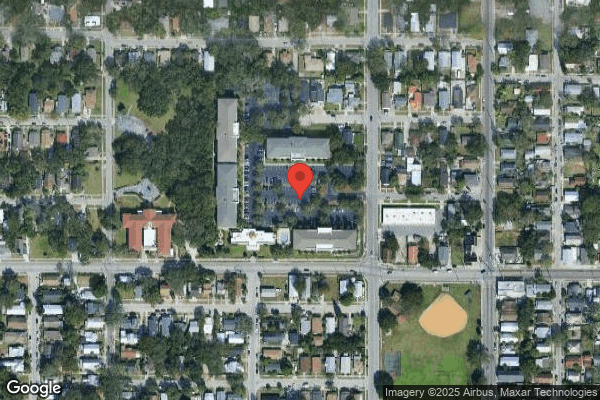
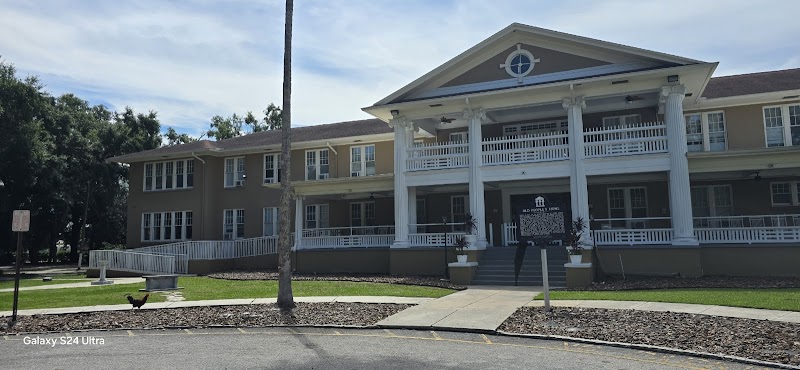
1203 E 22ND AVE, TAMPA, FL 33605 (813) 229-6901
Non profit - Corporation 96 Beds Independent Data: November 2025
Trust Grade
58/100
#345 of 690 in FL
Last Inspection: December 2023

Within standard 12-15 month inspection cycle. Federal law requires annual inspections.

Overview

Elon Manor Nursing and Rehabilitation Center has received a Trust Grade of C, which means it is average-middle of the pack, not great but not terrible. It ranks #345 out of 690 facilities in Florida, placing it in the top half, and #10 out of 28 in Hillsborough County, indicating that only nine local options are better. The facility is improving; it reduced its issues from 10 in 2023 to 4 in 2025. Staffing is a concern, with a rating of 2 out of 5 stars and a turnover rate of 51%, which is higher than the state average of 42%. However, it has less RN coverage than 77% of Florida facilities, which is troubling as RNs are crucial for catching potential problems. Recent inspections revealed that the Dietary Manager lacks necessary certifications and has failed to pass required food management tests, which raises concerns about meal safety and nutrition. Additionally, there have been issues with managing residents' personal funds, including inaccuracies in accounting for funds and delays in returning money after discharge. While the facility has some strengths, such as a solid quality measures rating of 5 out of 5, these weaknesses should be carefully considered by families researching care options.

Trust Score
C
58/100
In Florida
#345/690
Top 50%
Safety Record
Low Risk
No red flags
Inspections
Getting Better
10 → 4 violations
Staff Stability
⚠ Watch
51% turnover. Above average. Higher turnover means staff may not know residents' routines.
Penalties
○ Average
$10,079 in fines. Higher than 59% of Florida facilities. Some compliance issues.
Skilled Nurses
⚠ Watch
Each resident gets only 29 minutes of Registered Nurse (RN) attention daily — below average for Florida. Fewer RN minutes means fewer trained eyes watching for problems.
Violations
⚠ Watch
22 deficiencies on record. Higher than average. Multiple issues found across inspections.
★★★☆☆
3.0
Overall Rating
★★☆☆☆
2.0
Staff Levels
★★★★★
5.0
Care Quality
★★☆☆☆
2.0
Inspection Score
Stable
2023: 10 issues
2025: 4 issues

The Good

  • 5-Star Quality Measures · Strong clinical quality outcomes
  • Full Sprinkler Coverage · Fire safety systems throughout facility
  • No fines on record

Facility shows strength in quality measures, fire safety.

The Bad

3-Star Overall Rating

Near Florida average (3.2)

Meets federal standards, typical of most facilities

Staff Turnover: 51%

Near Florida avg (46%)

Higher turnover may affect care consistency

Federal Fines: $10,079

Below median ($33,413)

Minor penalties assessed

The Ugly 22 deficiencies on record

Feb 2025 4 deficiencies
CONCERN (D) 📢 Someone Reported This

A family member, employee, or ombudsman was alarmed enough to file a formal complaint

Potential for Harm - no one hurt, but risky conditions existed

Grievances (Tag F0585)

Could have caused harm · This affected 1 resident

Based on record review and interview, the facility failed to ensure a prompt resolution to a grievance for one (#3) of nine sampled residents. Findings included: An interview was conducted on 02/19/2...

Read full inspector narrative →
Based on record review and interview, the facility failed to ensure a prompt resolution to a grievance for one (#3) of nine sampled residents. Findings included: An interview was conducted on 02/19/2025 at 12:27 p.m. with the Social Service Director (SSD). A review of three grievances for Resident #3 was conducted. The SSD stated, one grievance, received on 11/18/2024, the (resident's representative) wanted the phone bill paid for Resident #3. The (resident's representative) was upset that the bill was not paid. The representative communicated to the business office who said they were going to pay the bill. The representative tracked the phone bill, and it was not paid. Further review of the grievance form reflected the former Nursing Home Administrator (NHA) had signed that the bill had been paid and the grievance resolved on 11/26/2024. The SSD stated, the next grievance received on 12/16/2024, the (resident's representative) was upset because the phone bill was not completely paid. Review of the grievance form reflected the former NHA signed the grievance as completed on 12/18/2024. The SSD stated, the next grievance was received on 02/01/2025, the (resident's representative) was upset because she had been told to pay the bill, and she would be reimbursed. A review of the grievance log reflected the grievance had been resolved on 02/07/2025. An interview was conducted on 02/19/2025 at 12:50 p.m. with the Nursing Home Administrator, she said she had just spoken to the owners of the facility and Resident #3's representative will be reimbursed by the end of the week for the bill. A phone interview was conducted with Resident #3's (representative) on 02/19/2025 at 1:30 p.m. She said, they are not paying Resident #3's phone bill. She said, I have paid it, and they have not reimbursed me. They are not responding to me. The social worker is writing it all down. I am very frustrated. Review of the facility's Resident Grievance Policy & Procedure, revised 06/12/2023, documented the policy: It is the policy of [name of facility] to provide an opportunity and a method for all residents, visitors, or designated representative to express grievances and complaints free of interference, coercion, discrimination, and/ or reprisal It is the policy that all complaints and grievances be addressed in a timely manner.
CONCERN (E) 📢 Someone Reported This

A family member, employee, or ombudsman was alarmed enough to file a formal complaint

Potential for Harm - no one hurt, but risky conditions existed

Deficiency F0568 (Tag F0568)

Could have caused harm · This affected multiple residents

Based on observation, record review, and interviews, the facility failed to implement an accurate and up to date system for the accounting of residents' personal funds entrusted to the facility for th...

Read full inspector narrative →
Based on observation, record review, and interviews, the facility failed to implement an accurate and up to date system for the accounting of residents' personal funds entrusted to the facility for three (#3, #5, and #6) of three residents sampled for resident funds review. Findings included: Review of accounts records for Resident's #3, #5 and #6 showed the residents' cost of care being withdrawn from their personal funds account did not consistently match what the Medicaid Access eligibility had determined, and Social Security direct deposits for January and February 2025 were not reflected in the accounts. On 02/19/2025 at 10:23 a.m. Resident #6 was observed in her room and she agreed to an interview. During the interview, she stated she had a concern with her resident trust fund, the monies held by the facility. She said, I am not sure if my balance is accurate. A couple of months ago they took a two-month payment at one time and then no payment for my room and board bill. I worry if I have enough money there. On 02/19/2025 at 1:30 p.m. a telephone interview was conducted with Resident #3's representative. She stated she believed there was some kind of fraudulent activity going on with Resident #3's patient trust account. She stated they went in and took 500 dollars out of it, I told them to stop. Review of a grievance filed for Resident #5, dated 02/13/2025, documented Request RFMS (Resident Funds Management System) report thru (through current accounting). An interview with the Nursing Home Administrator (NHA) on 02/19/2025 at 12:50 p.m., when asked the reason for the grievance, she said, it was just a request for his fund transactions. We gave them the statement, that was when we noticed the cost of care payment of $3015.60 withdrawn from Resident #5's account, it did not make sense. The RFMS system is not accurate. Review of Resident #5's admission record showed an admission date of 06/2023, with the resident currently residing in the facility. Resident's payor source was listed as Medicaid. Review of Resident #5 's Medicaid Access system print out listed the patient liability - room and board cost to be $1,790.60 per month for 2024 and $1838.60 per month for 2025. Review of Resident #5's Resident Fund statement for 06/2024 through the date of survey, 02/19/2025, revealed: Review of 2024 records showed Resident #5 had a Social Security income of $1948.00 per month. For 2025, no direct deposit of Social Security income was listed for January or February. The Cost of Care charges showed: 06/18/2024=1,790.60 07/24/2024=1,790.60 08/30/2024=1,790.60 09/19/2024=3015.60 10/31/2024=1,790.60 11/20/2024=1,790.60 12/18/2024=1,790.60 No further cost of care listings were listed through 02/19/2025. Review of Resident #3's clinical chart, the admission Record documented an admission of 08/2023, with the resident currently resident in the facility. Resident's payor source was Medicaid. A review of the Medicaid Access system print out which listed the patient liability (room and board cost) for Resident #3 to be $1,199.64 per month for 2024 and $1240.64 per month for 2025. Review of Resident #3's Resident Fund statement for 01/2024 through the date of survey, 02/19/2025 revealed: Resident #3, during 2024, had a Social Security income of $1626.00 per month. For 2025, no direct deposit of Social Security income was listed for January or February. For Cost of Care charges, the review showed: 01/10/2024=1,307.00 02/23/2024=1,307.00 04/04/2024 (March)=1,307.00 04/16/2024=1,307.00 05/17/2024=1,233.48 06/18/2024=1,199.64 07/24/2024=1,119.64 09/19/2024=2,399.28 10/31/2024=1,199.64 11/20/2024=1,899.28 12/18/2024=1199.64 No further cost of care listings were listed through 02/19/2025. Review of Resident #6's admission record documented an admission date of 06/2018, with the resident currently resident in the facility. Resident's payor source was listed as Medicaid. Review of the Medicaid Access system print out which listed the patient liability (room and board cost) for Resident #6 to be $2121.69 per month for 2024 and $2177.82 per month for 2025. Review of Resident #6's Resident Fund statement for 01/2024 through the date of survey, 02/19/2025 showed: Resident #6, during 2024, had a Social Security income of $1231.00 per month. For 2025, no direct deposit of Social Security income was listed for January or February. For Cost of Care charges: 01/10/2024=2100.00 02/23/2024=2188.69 04/04/2024 (March)= 2188.69 04/16/2024=2188.69 05/17/2024=2188.69 05/30/2024=3000.00 06/18/2024=2188.69 07/24/2024=2188.69 08/30/2024=2121.69 10/31/2024=8000.00 11/20/2024=2121.69 12/18/2024=2121.69 12/23/2024 (debit)=2121.69, unknown charge 01/30/2025=2177.82 No further entries were noted The review of records for Resident #3, #5, and #6 revealed the cost of care charges for the three residents was not consistent with the patient liability determined by Medicaid Access. An interview was conducted with the Nursing Home Administrator (NHA) on 02/19/2025 at 12:20 p.m. regarding the RFMS (Resident Fund Management System) print outs of the resident trust fund transactions. She stated the printouts were not accurate. She stated the Business Office Manager had been a contracted person who had come in once a week to handle the resident trust accounts and had left the position the preceding week to the survey. No person was currently in the BOM position. The NHA said she had formulated a Performance Improvement Plan (PIP) for the RFMS. During the interview, the NHA was requested to share the PIP. During the survey, 02/19/2025, no further information was provided to the survey team as to any corrective action the facility had implemented for the irregular debits and credits within the resident trust fund accounts. Requested but did not receive a facility policy on accounting of resident's personal funds.
CONCERN (E) 📢 Someone Reported This

A family member, employee, or ombudsman was alarmed enough to file a formal complaint

Potential for Harm - no one hurt, but risky conditions existed

Deficiency F0569 (Tag F0569)

Could have caused harm · This affected multiple residents

Based on record review and interview, the facility failed to ensure personal funds deposited with the facility were conveyed to the resident or resident representative within thirty days after dischar...

Read full inspector narrative →
Based on record review and interview, the facility failed to ensure personal funds deposited with the facility were conveyed to the resident or resident representative within thirty days after discharge or death for three (#4, #7, #8) of three residents sampled for return of funds in a timely manner. Findings included: On 02/19/2025, the facility provided a list of residents with personal trust fund accounts. During the review of the list provided, three residents were sampled for conveyance of funds, Resident #4, #7, and #8. Review of the facility's Resident Fund Management Services (RFMS), listing the following residents and resident fund balances as of 02/19/2025: Resident #4, with a balance of $3, 814.35. Resident #7, with a balance of $1,470.59. Resident #8, with a balance of $340.54 Review of Resident #4's clinical chart the admission record, documented an initial admission of 04/17/2020, readmission of 11/01/2024; and a discharge to the community on 12/17/2024. Review of Resident #7's clinical chart, the admission record, documented an admission of 12/09/2021, and discharge date of 10/29/2024. Review of Resident #8's clinical chart, the admission record, documented an admission of 09/24/2024, and discharge of 10/04/2024. On 02/19/2025 at 12:20 p.m. an interview was conducted with the Nursing Home Administrator (NHA). She stated the RFMS information was not accurate but provided no alternative information regarding the balances listed. The NHA was asked to provide a policy for conveyance of personal funds. No policy was provided during the survey.
CONCERN (E) 📢 Someone Reported This

A family member, employee, or ombudsman was alarmed enough to file a formal complaint

Potential for Harm - no one hurt, but risky conditions existed

Tube Feeding (Tag F0693)

Could have caused harm · This affected multiple residents

Based on observation record review and interviews, the facility failed to ensure adequate management of tube feeding services for two (#1 and #9) of two sampled tube fed residents out of a total of ni...

Read full inspector narrative →
Based on observation record review and interviews, the facility failed to ensure adequate management of tube feeding services for two (#1 and #9) of two sampled tube fed residents out of a total of nine sampled residents related to inaccurate dating of enteral product, non-labeling of product type, rate and time of administration. Findings included: 1. Review of Resident #1's admission record documented an admission of 04/02/2022 and readmission of 06/12/2024. The diagnosis list included but not limited to: Cerebral infarction; chronic atrial fibrillation; aphasia following cerebral infarction; unspecified dementia, unspecified severity without behavioral disturbance psychotic disturbance, mood disturbance; lack of coordination. Review of Resident #1's Care Plan documented a focus - Resident is dependent upon a feeding tube to meet nutritional and fluid needs due to (d/t) dysphagia. The interventions included: Provide feeding and H20 flushes per orders. Review of Resident #1's Tube Feeding & Flushes Flow Record for 02/2025 reflected the following physician orders: -Between 10am & 2pm-flush the G-Tube every hour with 30 ML (milliliter) water The flow sheet had no documentation that indicated staff performed the service on 02/01, 02/02, 02/03 for 10 a.m., 11 a.m., 12 p.m., 1 p.m. and 2 p.m. and on 02/04 and 02/05, no documentation for the 2 p.m. flush. -Provide 200 ML flush every 6 hours (800 ML/Day) The flow sheet had no documentation for 02/01, at 12 p.m. and 6 p.m.; 02/11 at 12 p.m. and 6 p.m.; for 02/14 at 12 a.m. and 6:00 a.m. -Jevity 1.5 @ 45 ML/hour for 20 hours via G tube 10 a.m. off, 2 p.m. on The flow sheet had no documentation for 02/01 02/11. On 02/19/2025 at 2:43 p.m. A review of Resident #1's Tube Feeding & Flushes Flow Record for 02/2025 with the Director of Nursing (DON) was conducted. When the DON was asked about the blanks in the record, she stated she did not know why staff had not initialed. On 02/19/2025 at 2:49 p.m., an observation was conducted with the DON of Resident #1's tube feeding set up. The machine was not on. Resident #1 was observed in bed. An observation of the bag with tube feed product was conducted. No product name was present on the bag. The resident's name, room number, and date of 02/19/2025 was on the bag. No time was documented on the bag or rate. The bag was full with product up to the 1000 mark. An interview was conducted on 02/19/2025 at approximately 2:50 p.m. with Staff A, Licensed Practical Nurse. She stated she was coming on shift and had worked the day before. She stated she had hung the bag at 6:00 a.m. this morning (02/19/2024). She reported the product in the bag was Jevity. When asked why the product had been transferred from the original packaging to the hanging bag, she stated it was a tubing issue, that the spike tubing for the Jevity bottle on the 2nd floor was not available; she said she had completed the hanging process as the preceding nurse had not completed it. 2. Review of Resident #9's admission record documented an admission of 01/29/2025. The diagnosis list included but not limited to Gastrostomy status and bed confinement status. Review Resident #9's chart, a physician telephone order, dated 01/30/2025: Jevity 1.5 @ 60 ml/ hr. for 20 hrs. & Flush 150 ml every 4 hours. Review of Resident #9's Care Plan, Focus area: The resident has nutritional problem r/t (diagnosis), limited mobility, NPO (nothing by mouth) status, enteral nutrition to meet nutritional needs, colostomy. On 02/19/2025 at 9:57 a.m., Resident #9 was observed in bed watching television. Resident #9 was observed to have a tube feeding set up next to her bed. The food product bottle, Jevity, was observed to be empty. The label on the bottle had areas for staff to put the patient's name, room number, date, start a.m. or p.m. and rate. The rate was blank, documented was the name, room number, hung on 02/18 at 14:10. On 02/19/2025 at 3:05 p.m., a review of Resident #9's tube feeding set up was reviewed with the DON. The bottle in place on the stand, Jevity 1.5 calorie, was observed to be full of product, up to the 1000 mark; had Resident #9's name, room number, 02/18 for the date hung, no time, and no rate. Review of the facility's policy and procedure for Enteral Tube Management revised on 11/2024, included - The nurse's responsibilities when caring for a patient with an enteral tube include the following: Assessing the tube placement and patency Assessing and cleansing the insertion site Administering tube feeding Administering medication Irrigating/flushing the tub Suctioning the tube Monitoring for complications (Photographic Evidence Obtained)
Dec 2023 10 deficiencies
CONCERN (D)

Potential for Harm - no one hurt, but risky conditions existed

Deficiency F0554 (Tag F0554)

Could have caused harm · This affected 1 resident

**NOTE- TERMS IN BRACKETS HAVE BEEN EDITED TO PROTECT CONFIDENTIALITY** Based on observations, interviews, and record reviews the facility failed to ensure one resident (#8) out of one resident sample...

Read full inspector narrative →
**NOTE- TERMS IN BRACKETS HAVE BEEN EDITED TO PROTECT CONFIDENTIALITY** Based on observations, interviews, and record reviews the facility failed to ensure one resident (#8) out of one resident sampled was properly assessed and monitored for self-administration of an inhaler. Findings included: During an interview on 12/19/2023 at 9:30 a.m. Resident # 8 was observed removing an inhaler from her pocketbook and she proceeded to take a puff on the inhaler, she waited approximately five minutes and then took another puff. She then replaced the inhaler into her pocketbook. She stated her Primary Care Physician (PCP) gave an order for self-administration, however the staff could not get the order correct, so the nurse told her the next time she brings the inhaler for her to keep it. During an interview on 12/20/23 at 3:30 p.m. Resident # 8 revealed she still had the inhaler in her pocketbook. She stated she does not remember which nurse gave it to her, or how long she has had the inhaler. The box the inhaler was in revealed the date was worn off. She stated she has days she does not use the inhaler and then there are days she may use the inhaler four times a day especially with all the saw dust during the construction. She stated the nurses do not know she has the inhaler, she just kept it, she stated her doctor told her to keep one for use when she needs it, and she was told by the nurses she could not have the inhaler in her room. During an interview on 12/20/23 at 3:00 p.m. Staff L, Licensed Practical Nurse (LPN) stated for a resident to self-administer medications a physician order would be obtained, the DON (Director of Nursing) would have to be notified, and the resident would have to be assessed for safety of administration. She stated she had no residents in her assignment who self-administered their own medications. She stated Resident #8 had an inhaler in the medication cart, where all medications for the residents on the unit are kept, and per the December 2023 Medication Administration Record (MAR) Resident #8 had only received the Albuterol inhaler two days during the month. She stated the inhaler is ordered as needed. An interview was conducted with the Director of Nursing (DON) on 12/20/23 at 3:50 p.m. The DON stated there were no residents in the facility self-administering medications, especially no types such as inhalers. She stated a physician order would be needed to self-administer medications, a lock box in the room to store the medication for security, the resident would have to be assessed for the ability to administer the medication, and cognitively intact to administer their own medications. The DON stated to ensure there were no residents self-administering medications in the facility she met with all the nurses and reviewed all orders and there are no residents in the facility self-administering medications. Review of Resident # 8's medical record revealed Resident #8 was admitted to the facility on [DATE], and the most recent admission date of 10/30/2023, with a diagnoses including chronic respiratory failure with hypercapnia, acute respiratory failure with hypoxia, and generalized anxiety disorder. Review of Section C- Cognitive Patterns of the Minimum Data Set assessment dated [DATE], revealed a Brief Interview for Mental Status (BIMS) score of 15, indicating the resident was cognitively intact. Review of Resident #8's care plan, dated October 30, 2023, revealed no assessment, focus, goal, or interventions for self-administration of medications. A focus area for diagnoses of Chronic Obstructive Pulmonary Disease and respiratory failure revealed a goal as: Resident will display optimal breathing patterns daily through review date of 3/6/2024. Interventions included: oxygen as per physician order, monitor for signs and symptoms of respiratory insufficiency, anxiety, and shortness of breath. Review of Resident #8's physician orders, dated October 30, 2023, revealed no orders to assess Resident #8 for the ability to self-administer medications. The Ventolin - Albuterol HFA Inhaler ordered on October 30, 2023, was two puffs by mouth every four hours as needed while awake for wheezing. No other inhaler orders were noted. Review of Resident #8's November 2023 Medication Administration Record (MAR) revealed the resident did not receive the Ventolin-Albuterol inhaler medication at all during the month. Review of Resident #8 December 2023 MAR revealed the resident received the Ventolin-Albuterol inhaler on 12/1/2023 and 12/3/2023 and it was administered by the staff. A review on 12/20/23 at 2:58 p.m. of policy and procedure Self-Administration of Medications, revised February 2021, revealed the following: Policy Statement: Residents have the right to self-administer medications if the interdisciplinary team has determined it is clinically appropriate and safe for the resident to do so. Policy Interpretation and Implementation: 2. The interdisciplinary team considers the following factors when determining whether self -administration of medications is safe and appropriate for the resident: a. The medication is appropriate for self-administration b. The resident is able to read and understand the medication label c. The resident can follow directions and tell time to know when to take the medication d. The resident comprehends the medication's purpose, proper dosage, timing, signs of side effects and when to report these to the staff e. The resident has the physical capacity to open the medication bottles, remove medications from a container and to ingest and swallow (or otherwise administer) the medication f. The resident is able to store the medication safely and securely 7. I the resident is able and willing to take responsibility for documenting self-administration of medications, the resident is instructed on how to complete a record indicating the administration of the medication. 12. Nursing staff reviews the self-administered medication record for each nursing shift and transfers pertinent information to the medication administration record kept at the nursing station appropriately noting the doses were self-administered. A review on 12/20/2023 3:20 p.m. of policy and procedure Medication Administration revised April 2019 revealed the following: Policy Statement: Medications are administered in a safe and timely manner and as prescribed. Policy Interpretation and Implementation: 1. Only persons licensed or permitted by this state to prepare, administer, and document the administration of medications may do so. 2. The director of nursing services supervises and directs all personnel who administer medications and/or have related functions 3. Medications are administered in accordance with prescriber orders, including any required time frame. 27. Residents may self-administer their own medications only if the attending physician, in conjunction with the interdisciplinary care planning team, has determined they have the decision-making capacity to do so safely.
CONCERN (D)

Potential for Harm - no one hurt, but risky conditions existed

Assessment Accuracy (Tag F0641)

Could have caused harm · This affected 1 resident

**NOTE- TERMS IN BRACKETS HAVE BEEN EDITED TO PROTECT CONFIDENTIALITY** Based on record reviews and interview the facility failed to complete a Discharge Minimum Data Set (MDS) Assessment for two resi...

Read full inspector narrative →
**NOTE- TERMS IN BRACKETS HAVE BEEN EDITED TO PROTECT CONFIDENTIALITY** Based on record reviews and interview the facility failed to complete a Discharge Minimum Data Set (MDS) Assessment for two residents (#49 and #67) out of two sampled for resident assessments. Findings included: A review of the medical record for Resident #49 revealed the resident was admitted to the facility on [DATE] with a diagnoses including but not limited to, cerebral Infarction affecting left side, Type 2 Diabetes Mellitus (DM), Chronic Obstructive Pulmonary Disease (COPD), hypertension, and repeated falls. The admission Record revealed Resident #49 was discharged from the facility on 08/21/2023. A review of the MDS assessments for Resident #49 revealed a completed entry assessment dated [DATE] and a completed admission assessment dated [DATE]. No discharge MDS assessment was located in the record. A review of the medical record for Resident #67 revealed the resident was admitted to the facility on [DATE] with a diagnoses including but not limited to, osteomyelitis, Type 2 Diabetes Mellitus, respiratory failure, and major depressive disorder. The admission Record revealed Resident #67 was discharged from the facility on 7/20/2023. A review of the MDS assessments for Resident #67 revealed a completed entry assessment dated [DATE] and a completed admission assessment dated [DATE]. No discharge MDS assessment was located in the record. On 12/20/2023 at 11:19 a.m. an interview was conducted with the MDS Coordinator. The MDS Coordinator stated she was unable to locate the discharge assessments for Residents #49 and #67. She stated Resident #49 had been discharged from the facility on 8/21/2023 and no discharge assessment had been completed for the resident. She stated Resident #67 had been discharged from the facility on 7/20/2023 and no discharge assessment had been completed for the resident. She stated she was responsible for completing the discharge assessments and this had been missed for Resident #49 and Resident #67. She stated she did not know how this occurred. A review of the Centers for Medicare and Medicaid (CMS) Resident Assessment Instrument (RAI) Assessment Summary document, dated October 2019, provided by the facility revealed the following: (Page 2-17) Discharge Assessment-return not anticipated MDS completion date no later than-discharge date + 14 calendar days MDS transmission date no later than-MDS completion date + 14 calendar days
CONCERN (D)

Potential for Harm - no one hurt, but risky conditions existed

Comprehensive Care Plan (Tag F0656)

Could have caused harm · This affected 1 resident

**NOTE- TERMS IN BRACKETS HAVE BEEN EDITED TO PROTECT CONFIDENTIALITY** Based on observations, record review, and interviews the facility failed to develop a patient-centered care plan for one residen...

Read full inspector narrative →
**NOTE- TERMS IN BRACKETS HAVE BEEN EDITED TO PROTECT CONFIDENTIALITY** Based on observations, record review, and interviews the facility failed to develop a patient-centered care plan for one resident (#30) out of thirty-three sampled residents related to behavioral monitoring with the use of psychotropic medications. Findings included: Review of Resident #30's admission Record revealed the resident was admitted on [DATE] and included diagnoses not limited to unspecified nontraumatic subarachnoid hemorrhage, other seizures, most recent episode depressed in partial remission bipolar disorder, bipolar-type schizoaffective disorder, generalized anxiety disorder, metabolic encephalopathy, and alcohol abuse in remission. During an interview, on 12/18/23 at 11:35 a.m., Resident #30 reported abuse occurs All the time, employees are very sadistic and there was bad drug abuse with staff. The resident stated the Nursing Home Administrator (NHA) had been notified of the allegations. The resident did not use the same first name of NHA as the current administrator. The resident reported not getting out of bed, left leg was broken and needed to go to (named) acute hospital, and had been in a major military squirmish Here in Tampa with the Russian military a year ago. An interview was conducted with Staff D, Registered Nurse (RN) on 12/20/23 at 9:57 a.m. The nurse reported Resident #30 got out of bed 2-3 times a week for about 1-2 hours then asks to go back to bed. Staff D said the resident was very confused, sometimes asks for police, and to call a politician because someone is drugging him. The staff member said the resident says it every day and had never reported someone abused him, just drugged him. During an interview on 12/21/23 at 7:24 a.m., the Nursing Home Administrator (NHA) reported Resident #30 had reported to her of being in pain, wanting to go to the local Cancer Center, and staff flipped legs over when doing incontinent care. The NHA stated the resident reported the Second-in-command had a girlfriend who was a terrorist and caused pain. The NHA reported Resident #30 had reported similar complaints in January (2023) and had a history of confabulation. She reviewed the resident's care plan and confirmed the care plan did not include the resident's history of confabulation. She stated the care plan should reflect the history of confabulation. The NHA provided a copy of thirteen of the thirteen page care plan reviewed at the time of interview. During an interview on 12/21/23 at 8:05 a.m., Staff G, Licensed Practical Nurse (LPN), stated Resident #30 was confused, said inappropriate things, and reported staff did things to him. The staff member reported asking the resident why would he say that. Staff G said the resident would ask to go to the hospital and local Cancer Center. The staff member did not remember the last time the resident had said anything as she had just started Working back here. Review of Resident #30's care plan focus' included but not limited to the following: - Resident had a recent decline in self-performance of Activities of Daily Living (ADL) and independent mobility. - Resident is alert and oriented and able to make needs and wants known. (Resident) has some intermittent periods of confusion and forgetfulness. - Resident has a history (Hx) of falls prior to admission and requires reminders to call for assist with transfers and ambulation as well as diagnosis (dx) of seizures. - (Resident) takes daily psychotropic medications. - (Resident) is at nutritional risk due to (d/t) mechanically altered diet and Body Mass Index (BMI) elevated. - (Resident) is at risk for pain. - (Resident) is at risk for skin breakdown related to incontinence and decreased mobility. - (Resident) is at risk for impaired gas exchange related to (r/t) Chronic Obstructive Pulmonary Disease (COPD). Review of Resident #30's December Medication Administration Record (MAR) revealed the resident was administered Lacosamide for seizures, Levetiracetam for seizures, Melatonin for insomnia, Oxcarbazepine for seizures, Quetiapine for schizophrenia, and Valproic Acid for seizures. A review of Resident #30's care plan did not reveal the resident had a history of confabulation and did not include the behaviors exhibited related to the use of psychotropic medications. Review of Resident #30's December Psychoactive Medication Monthly Flow Record for Lacosamide, Quetiapine, Valproic acid, Levetiracetam, and Oxcarbazepine did not reveal the resident had exhibited any behaviors. A review of Resident #30's nurse's notes from 11/1/23 to 12/19/23 revealed on 12/11/23 at 8:30 a.m., the resident was combative and confused and on 12/18/23 at 9:20 a.m., the resident refused oxygen. The notes did not reveal how the resident was combative or if the resident had increased confusion. The psychiatry provider note, dated 12/20/23, revealed the resident had Presence of active symptoms (worsening of previous symptoms or new symptoms). The note showed the resident had expressed dissatisfaction with the treatment received at the facility according to staff. The provider noted the resident was displaying acute symptoms of psychosis, including hallucinations, delusions, and accusatory behavior. During an interview on 12/21/23 at 11:17 a.m., Staff J, Social Service Director (SSD) reported doing some of the behavior care plans which triggers on the Minimum Data Set (MDS), and nursing does some of them. The staff member stated Resident #30 does have a history of confabulation, watches a lot of television and he thinks its real and is not consistent with stories. The SSD reviewed the care plan provided in the morning by the NHA and asked why the NHA had given the writer that one. The SSD stated the MDS Director, NHA and herself had revised the care plan this morning to include a focus revealing the resident confabulated stories. On 12/21/23 at 1:56 p.m., the Director of Nursing stated the care plan of Resident #30 should include the behaviors exhibited to validate the necessity of psychotropic medications. The facility provided a copy of regulation 42 CFR 483.21 - Comprehensive person-centered care planning, up to date as of 12/19/2023, which revealed in section 483.21 (b) (1) The facility must develop and implement a comprehensive person-centered care plan for each resident, consistent with the resident rights set forth at §483.10(c)(2) and §483.10(c)(3), that includes measurable objectives and timeframes to meet a resident's medical, nursing, and mental and psychosocial needs that are identified in the comprehensive assessment.
CONCERN (D)

Potential for Harm - no one hurt, but risky conditions existed

Quality of Care (Tag F0684)

Could have caused harm · This affected 1 resident

**NOTE- TERMS IN BRACKETS HAVE BEEN EDITED TO PROTECT CONFIDENTIALITY** Based on observations, interviews, and record review the facility failed to conduct an accurate smoking assessment for one resid...

Read full inspector narrative →
**NOTE- TERMS IN BRACKETS HAVE BEEN EDITED TO PROTECT CONFIDENTIALITY** Based on observations, interviews, and record review the facility failed to conduct an accurate smoking assessment for one resident (#32) out of three residents sampled for smoking. Finding Included: On 12/18/23 at 11:55 a.m., Resident #32 was observed outside in the designated smoking area smoking a cigarette without supervision. The resident was observed with a band aid and burn marks on his left fingers. The resident said when his cigarette burns, he is not able to feel it because he has neuropathy so that's why he has burn marks on his fingers. Review of admission Record, dated 12/19/2023, showed Resident # 32 was originally admitted on [DATE] with diagnoses to include but not limited to Type 2 Diabetes Mellitus, Atherosclerotic heart disease of native coronary artery without Angina Pectoris, and unspecified lack of coordination. Review of a Hospice Comprehensive Assessment, dated 10/24/2023, showed Resident #32 was admitted to hospice on 10/24/2023 with diagnoses to include but not limited to severe peripheral neuropathy, Carpel Tunnel, and unable to use hands well. Review of the Quarterly Minimum Data Set (MDS), dated [DATE], showed Section C, Brief Interview for Mental Status (BIMS) score of 15 indicating the resident was cognitively intact. Review of a Smoking Safety Evaluation, dated 12/4/2023, signed by the Director of Nursing (DON), showed Resident #32 was an independent smoker who did not need assistance. Review of a Smoking Care plan, dated 3/18/2023, showed Resident #32 was currently a smoker. An intervention, dated 3/18/2023, showed resident may carry their own smoking materials and keep in a locked drawer in room when not in use. During an interview on 12/18/23 at 01:10 PM with Staff G, License Practical Nurse (LPN), she said she has not noticed any burn marks on Resident #32's fingers. She stated the skin assessments were done on Thursday's 7am to 7pm shift. She stated the last skin assessment was done on 11/11/2023 and showed he had no new skin issues. During an interview on 12/18/23 at 01:35 PM with the Director of Nursing (DON), she said resident #32's skin checks were done more frequently than just on Thursdays because he was seen by wound care, and he is on hospice. She stated nursing had missed two skin checks that should have been completed but upon review she noticed that they were not done. She stated his last skin check was complete on 11/11/2023 showing he has no new skin issues. She stated prior to that skin assessment he had another assessment done on 10/14/2023 which showed no new skin impairments. She stated the last smoking evaluation was completed on 12/4/2023 which showed he was an independent smoker without supervision, but he should have been reassessed for a new smoking evaluation to show that he needs to be supervised especially if he has neuropathy and is burning his fingers. She stated she would have expected her staff to report the resident's fingers had burn marks so an appropriate assessment could have been completed on him. She stated the care plan should have been updated also showing he was a supervised smoker. She stated, I did not notify the resident's doctor because his burn marks are not an acute condition, and he was threatening to leave the facility. I just did not know what else to do. During an interview on 12/20/23 at 11:32 a.m., with Staff E, License Practical Nurse(LPN), she stated she saw the black marks on the resident's fingers when he was first downstairs, but she never reported it because she did not think it was a burn she just thought it was dirt on his fingers. Review of the facility's policy, titled, Smoking Policy-Residents, revised July 2017 included, in part, the following: Policy: This facility shall establish and maintain safe resident smoking practices. Policy Interpretation and Implementation 6. The resident will be evaluated on admission to determine if he or she is a smoker or non-smoker. If a smoker, the evaluation will include: d. ability to smoke safely with or without supervision (per a completed Safe Smoking Evaluation). 7. The Staff shall consult with the attending physician and the director of nursing services to determine if safety restrictions need to be placed on a resident's smoking privileges based on the Safe Smoking Evaluation. 8. A resident's ability to smoke safely will be re-evaluated quarterly, upon a significant change (physical or cognitive) and as determined by the staff.
CONCERN (D)

Potential for Harm - no one hurt, but risky conditions existed

Pressure Ulcer Prevention (Tag F0686)

Could have caused harm · This affected 1 resident

Based on observations, record reviews, and interviews the facility failed to ensure wound care for one resident (#17) was provided care per assessment and orders were clarified with the provider out o...

Read full inspector narrative →
Based on observations, record reviews, and interviews the facility failed to ensure wound care for one resident (#17) was provided care per assessment and orders were clarified with the provider out of one resident sampled for pressure ulcer care. Findings included: During an interview on 12/20/23 at 6:57 a.m., Staff D, Registered Nurse (RN) and Staff K, RN stated Resident #17's buttock wound was healed. Staff K reported changing the dressing on Monday (12/18/23), the night before last, it (dressing) did not need to be changed today, it was healed. Staff K stated nurses continue to apply dressing until the Wound Advanced Practitioner Registered Nurse (APRN) comes to the facility and says the wound is healed. An observation was conducted with the Director of Nursing (DON) on 12/20/23 at 7:11 a.m., of Resident #17 lying in bed. The DON requested to observe the resident's wound located on the right buttock. The DON removed a pink foam dressing with a silver/gray patch from the resident's right buttock. The area under the dressing was an area approximately 1.5 centimeter (cm) x 0.3 cm of pink tissue. The DON did not replace the dressing and stated the area was healed. Immediately following the observation and removal of Resident #17's dressing, the DON reviewed the Wound APRN's note, dated 12/5/23, and confirmed the provider had deemed the area healed, fifteen days prior to the observation. The DON said the expectation for the treatment to be discontinued if it was resolved, or get an order for staff to apply a protective dressing but continuing to apply a silver collagen patch on area may have it breakdown again. On 12/20/23 at 8:09 a.m., the DON wrote order to discontinue the treatment. Review of Resident #17's December 2023 Physician Orders revealed orders dated 11/28/23: 1. Right (RT) buttocks cleanse area with (c) normal saline (ns) Apply silver collagen and cover with Kerlite. Change Monday-Wednesday-Friday (M-W-F) on 7 p - 7 a. 2. Gel wheelchair (w/c) cushion 3. Place patient on facility protocol for preventative. Review of the Wound APRN note, dated 12/5/23, revealed the chief complaint was Right buttocks. The history was a wound recently discovered after a change in the patient condition, Wound Status: Resolved. The note showed Discussion with member of healthcare team: Nurse. The visit summary revealed on 11/6/23 the APRN discontinued a dressing to the left (LT) thigh of Resident #17 and revealed a New RT Buttocks wound. Additional summaries revealed the wound was improving on 11/13/23 and on 11/20/23 the plan was to discontinue previous wound care orders and to apply silver collagen and Keralite changing the dressing on M-W-F. The note showed the residents right buttock wound continued to improve on 11/27/23 and was resolved on 12/5/23. Review of Resident #17's Treatment Record revealed the staff continued to change the resident's right buttock wound on 12/6, 12/8, 12/11, 12/13, 12/15, and 12/18, six times after the Wound ARPN resolved the wound. A review of Resident #17's Body Audit Form, dated 12/7/23, instructed staff to Mark any open/reddened areas, bruises, skin tears, rashes, cuts or scars present and describe. The form dated 12/7/23 revealed a dressing was present on the residents coccyx/sacral area with additional discoloration under the dressing. The comment section did not describe the area under the dressing or discoloration. The audit form dated 12/14/23 did not show any skin conditions and commented no new skin issues. Review of the policy - Wound Care, revised October 2010, revealed The purpose of this procedure is to provide guidelines for the care of wounds to promote healing. The documentation information should be recorded in the resident's medical record and include Any change in the resident's condition and All of assessment data (i.e., wound bed color, size, drainage, etc.) obtained when inspecting the wound. The policy revealed staff were to Report other information in accordance with facility policy and professional standards of practice. During an interview on 12/21/23 at 1:49 p.m., the Director of Nursing (DON) stated the question of the day was why the APRN had written an order. She stated Staff D had showed her an order to discontinue the treatment to the right thigh scratch. The DON stated the better way (to receive orders from vendor) was to give the order the DON. She said the usual way the facility received an order from the Wound APRN was to write the order then hand it to the nurse who takes the order, signs it, and puts in on the order (form). The DON stated her expectation would be for the nurse to question whether to put a dressing on a wound that appeared to be healed. The DON stated she was going to be laser-focused on assessing.
CONCERN (D) 📢 Someone Reported This

A family member, employee, or ombudsman was alarmed enough to file a formal complaint

Potential for Harm - no one hurt, but risky conditions existed

Incontinence Care (Tag F0690)

Could have caused harm · This affected 1 resident

**NOTE- TERMS IN BRACKETS HAVE BEEN EDITED TO PROTECT CONFIDENTIALITY** Based on record reviews and interviews the facility failed to provide appropriate care and services to one resident (#21) out of...

Read full inspector narrative →
**NOTE- TERMS IN BRACKETS HAVE BEEN EDITED TO PROTECT CONFIDENTIALITY** Based on record reviews and interviews the facility failed to provide appropriate care and services to one resident (#21) out of one resident sampled for bladder and bowel management related to inaccuracy and incomplete documentation of bowel movements and transfer to an acute care facility with a diagnosis of bowel impaction. Findings included: Review of Resident #21's admission Record revealed the resident was originally admitted on [DATE] and recently re-admitted on [DATE]. The admission Record included diagnoses not limited to unspecified constipation, overactive bladder, and unspecified other psychoactive substance use with psychoactive substance-induced persisting dementia. A review of Resident #21's nurse's notes revealed the Director of Nursing (DON) wrote on 11/7/23 at 9:00 a.m. of the resident's physician giving a verbal order to transfer the resident per family request to an acute care facility for a critical Hemoglobin (Hgb) value of 6.9 (according to https://www.mayoclinic.org/tests-procedures/hemoglobin-test/about/pac-20385075 normal value 11.6 -15 grams per deciliter in females). The note showed the resident left the facility at 10:00 a.m. on 11/7/23 via stretcher. Review of hospital records revealed on 11/7/23 at 10:43 a.m., Resident #21 was assessed by an Emergency Department (ED) provider with critical care procedure orders. The chief complaint showed the resident presented with an abnormal Hgb value without bleeding. The physical exam noted the resident's abdomen was flat and soft with tenderness in the right lower quadrant. Will order computerized tomography (CT) abdomen pelvis with contrast, given patient with hemoglobin of 6.9 will repeat labs here in the emergency department but patient will likely need blood transfusion. Anticipate admission. The final diagnoses showed hypernatremia, altered mental status unspecified altered mental status type, unspecified type Leukocytosis, and right lower quadrant abdominal pain. The note revealed the resident's care was transferred to the admitting team at 3:34 p.m. Review of Resident #21's Abdomen Pelvis CT with contrast examination results revealed Large volume of stool in the rectum with mild thickening of the rectal wall and adjacent fat stranding suggestive of stercoral proctitis. Review of the article, Stercoral Colitis described the condition as a rare inflammatory colitis that occurs when impacted fecal material leads to distention of the colon and eventually fecaloma formation. Fecalomas can lead to focal pressure necrosis and perforation, while colonic distention and increased intraluminal pressure can lead to compromise of the vascular supply and ischemic colitis. ([NAME] C, [NAME] T. Stercoral Colitis. [Updated 2023 [DATE]]. In: StatPearls [Internet]. Treasure Island (FL): StatPearls Publishing; 2023 Jan-. Available from: https://www.ncbi.nlm.nih.gov/books/NBK560608/) Review of Resident #21's Pulmonary/Critical Care Medicine Consult note, date of service 11/7/23 at 4:00 p.m., revealed the resident had a known history of high blood pressure, dyslipidemia, bedbound, (and) chronic constipation. The note showed in the ER CT of abdomen pelvis with contrast showed fecal impaction's with no free air or free fluid, sodium was 16, chloride 127, and creatinine 1.9. The gastrointestinal exam showed the resident had active bowel sounds and was mildly distend, not tender. The resident had very dry skin with poor skin turgor. The assessment showed concerns of Hypernatremia/Dehydration, Hemoconcentration, low Hgb (Hb), constipation, wheelchair bound, and advance age. The note calculated water deficit between 2.7-3.5 liters (L), would correct sodium slowly, not to resume her diuretic, likely real hemoglobin is lower than 7.4 once to be replaced fluids, she may need blood transfusion which is okay with her family, will treat pyuria with antibiotic, and aggressive bowel prep. Review of the facility's nursing note, dated 11/7/23 at 5:00 p.m., showed the resident's family member called at around 3:30 p.m. to inform resident had been admitted to Intensive Care Unit (ICU). A review of Resident #21's admission Record showed the resident was re-admitted on [DATE]. Review of Resident #21's Attending Physician note, dated 11/16/23, showed the resident had a history of advanced dementia and anorexia, had transferred to the hospital for altered mental status, anemia, and electrolyte imbalance, was given intravenous fluids and packed red blood cells, and was in ICU for 10 days prior to transferring back to the facility. Review of Resident #21's October 2023 Certified Nursing Assistant (CNA) Activities of Daily Living (ADL) Flow Sheet, included the following areas for staff to record the resident's intake and elimination. The form instructed staff to document Bowel movements with L = large, M = medium, S = small, and 0 = none, Continence: U/urine, B/bowel, I/Incontinent (Incn), C/continent, and # of times, and Meal Intake: Percentage of Meal Intake. The areas of Bowel Movement showed available areas to document for shifts: 11-7, 7-3, and 3-11. The area for Continence had available areas to document urine and bowel on 11-7, 7-3, and 3-11 shifts. The October CNA ADL Flow Sheet revealed the staff had documented Resident #21's bowel movements (BM) as follows: 9 out of 31 opportunites on the 11-7 shift (no documentation from 11/13 to 11/31), 29 out of 31 opportunities on the 7-3 shift, and 6 out of 31 opportunities on the 3-11 shift with no documentation after 11/8/23. The documentation showed the resident had a large BM on 10/20, a small on 10/21 and 10/22, no documentation of bowel elimination on 10/23, a medium on 10/24, no documentation on 10/25, no bowel movements on 10/26, 10/28 and 10/29, and small BM's on 10/27, 10/30, and 10/31/23. The sheet showed Resident #21 had 3 small BM's for the period of 7 days (10/25 - 10/31/23). The form did not offer staff an area to document the consistency of Resident #21's bowel movement. The October 2023 CNA flow sheet showed a variable meal intake for Resident #21, between 10/18 and 10/23 the residents intake was between 50-100% of the meals with consistent snack acceptance, no documentation of meal intake on 10/24 and 10/25/23, and from 10/26 to 10/31 the resident's meal intake was between 25-75% with 3 snack acceptances. The Meal Intake section had available documentation areas for Breakfast, Lunch, Dinner, and snack. The October 2023 CNA Flow Sheet revealed the resident was Total dependent upon staff for toileting needs and independent for eating and drinking. Review of Resident #21's November 2023 Certified Nursing Assistant (CNA) Accountability Form revealed the resident was dependent upon staff for toileting hygiene and 9 (not applicable per legend) for toilet transfers nine times and dependent upon staff three times out of fifteen charting opportunities between 11/1 and 11/7/23. The form revealed staff were to Please complete the 3 areas with a star daily Thank you. The star areas were Bowel movement which instructed to document with L = large, M = medium, S = small, and 0 = none, Continence: U/urine, B/bowel, I/Incontinent (Incn), C/continent, and # of times, and Meal Intake: Percentage of Meal Intake. The areas of Bowel Movement showed available areas to document for shifts: 11-7, 7-3, and 3-11. The area for Continence had available areas to document urine and bowel on 11-7, 7-3, and 3-11 shifts. The form did not offer staff an area to document the consistency of Resident #21's bowel movement. The November 2023 CNA form showed the resident did not have a BM on 11/2, revealing the resident had 3 small BM's from 10/25 to the 3-11 shift on 11/2, a total of 8 days. The resident had a medium BM on 11/2, a small and large BM on 11/3, none on 11/4, a small on 11/5, and no documentation of any until a medium during the 7-3 shift on 11/9 (resident was in hospital on that date). The Meal Intake section of the November 2023 CNA form showed available documentation areas for Breakfast, Lunch, Dinner, and snack. The form showed the resident ate 25% of breakfast on 11/5, 0% for lunch on 11/5, refused dinner and snack on 11/5, no documentation of any oral intake on 11/6, and 0% of breakfast on 11/7/23. The form claimed the resident ate 75% of breakfast and lunch on 11/9 (the resident was in the hospital on that date). Review of Resident #21's October 2023 Medication Administration Record (MAR) showed the resident received 20 milligrams of the diuretic medication, Furosemide (Lasix) daily for hypertension/congestive heart failure, received the opiate analgesic, Hydrocodone/Acetaminophen (Norco) twice daily, and received the stool softener/stimulant laxative, Senna-S twice daily. The MAR showed the resident had orders for the stool softener, Docusate Sodium twice daily as needed for constipation and Milk of Magnesia, (laxative/antacid) one time a day as needed for constipation. The MAR revealed the resident did not receive either as needed medication during the month of October. Review of Resident #21's November 2023 Medication Administration Record (MAR) showed the resident continued to receive 20 milligrams of Furosemide daily and Senna S twice daily. The record did reveal the resident's Hydrocodone/Acetaminophen was discontinued and an order was dated 11/2/23 for 2 liters D5/Normal Saline was to be administered at 60 milliliter (mL)/hour. The MAR revealed the resident did not receive the as needed medications, Docusate Sodium or Milk of Magnesia during the period of 11/1 - 11/7/23 for constipation. A review of nursing notes, dated 11/1/23 at 3:00 p.m., revealed Resident #21 was more confused. Staff notified the physician and orders for an urinanalysis with culture and sensitivity, comprehensive metabolic panel (CMP), complete blood count (CBC), and to discontinue the resident's Hydrocodone were received. A note on 11/2/23 at 5 p.m. revealed lab results were received with some abnormal values. Review of Resident #21's Situation, Background, Assessment, and Recommendation (SBAR), dated 11/2/23 at 6:00 p.m., showed the situation was Abnormal Labs with pending labs which started on 11/2/23. The condition had exhibited before and previous orders were for staff to encourage oral fluids and Intravenous fluids. The resident evaluation showed no changes were observed with mental status, functional status, behavioral, respiratory, cardiovascular, abdominal, Genitourinary (GU)/urine, skin or neurological. A review of Resident #21's nursing notes showed on 11/2/23 at 10:40 p.m., the physician ordered intravenous fluid Dextrose 5% Normal Saline (D5NS) at 60 mL/hour for 2 liters and to repeat basic metabolic panel, and complete blood count on Monday. Review of 11/1 to 11/7/23 nursing notes did not reveal staff assessed or addressed Resident #21's lack of bowel elimination. Review of Resident #21's care plan included the following focuses with associated interventions: - (Resident) has impaired cognitive function and impaired thought processes related to (r/t) dementia. the interventions instructed staff to administer medications as ordered, monitor/document for side effects and effectiveness. - The resident has potential for fluid deficit r/t diuretic use. The interventions instructed staff to administer medications as ordered, monitor/document for side effects and effectiveness. - (Resident) is at risk for skin breakdown due to decreased mobility and incontinent episodes. The intervention instructed staff to monitor nutritional status, serve diet as ordered, and to monitor intake and record. - (Resident) has pain related to (r/t) arthritis. The interventions instructed staff to observe for signs/symptoms of constipation r/t pain medication use. The policy - CNA ADL Flow Sheet, CNA ADL Incidentals Flow Sheet, revised 9/28/16, revealed To assist nursing assistants with accurate documentation of the level of assistance rendered to their residents daily over all shifts. It is the policy of this facility to document care provided to residents by the Certified Nursing Assistant (CNA) through the use of an Activities of Daily Living (ADL) flow sheet. Each shift, the resident's ability to to self perform their ADL's and the level of assistance required from the CNA's will be recorded. This information will provide the facility with a thorough account of the resident's care, functional limits, and provide valuable information needed to develop an appropriate plan of care. This documentation will provide guidance to the physician in prescribing an appropriate plan of treatment, assist nursing in monitoring resident progress towards goals, and be a vital source for accurate (Minimum Data Set) MDS coding resulting in the most appropriate reimbursement. 3. CNA's will record on the appropriate day and shift what they did for the resident as follows: - a. In regards to bed mobility, transfers, eating, and toileting, the resident will receive a two-part score. First a letter to document what level of assistance the CNA provided and second a number to document the number of CNA's involved in the assistance the code will reflect the residents most dependent level of need for that shift. (Example E2 would denote extensive assist of two people). - c. Patterns of continence will be coded with an I for incontinent, C for continent and the number of times found to be that way on your shift. 6. Both CNA ADL Flow Sheet (NUR 3.3.1) and CNA ADL Incidentals Flow Sheet (NUR 3.3.2) will be periodically audited by a director of nursing [NAME] for timeliness, accuracy, and completeness. These results will be included in the CNA's annual performance evaluation. The clinical protocol - Bowel (Lower Gastrointestinal Tract) Disorders, revised September 2017, revealed: 4. The staff and physician will identify risk factors related to bowel dysfunction; for example, severe anxiety disorder, recent antibiotic use, or taking medications that are used to treat, or that may cause or contribute to gastroenteritis intestinal erosion, bleeding, diarrhea, dysmotility, etc. 5. The staff and physician will characterize symptoms related to bowel function for example, location and radiation of abdominal pain, time relationship to meals, presence of cramps or bloating, etc. 7. Correct terminology is important; For example, loose stools do not necessarily constitute diarrhea, stomach is not the same as abdomen, etcetera (etc). Consistent terminology and documentation over time enable comparison of symptoms and evaluation of the effectiveness of specific interventions. The Monitoring and Follow-up section revealed the staff and physician will monitor the individuals response to interventions in overall progress; For example, overall degree of discomfort or distress, frequency, and consistency of bowel movements, and the frequency, severity, and duration of abdominal pain, etc. An interview was conducted with Staff D, Registered Nurse (RN) on 12/19/23 at 3:57 p.m. The staff member said Resident #21 was confused, before going to hospital the resident was independent with eating but when resident returned was dependent for eating. Staff D stated the resident had worsened bilateral lower edema after coming back from hospital. An interview was conducted on 12/19/23 at 4:22 p.m. with Staff N, Certified Nursing Assistant (CNA). The staff member stated the 7-3 and 3-11 shifts chart intake every shift, stated the staff document on how many BM's every shift. The staff member reported when a resident did not have a BM, staff report was to report it to the nurse. An interview was conducted on 12/21/23 at 8:09 a.m. with Staff G, Licensed Practical Nurse (LPN). Staff G reported Resident #21 had been incontinent and was dependent on staff for toileting. The staff member stated if constipated with complaint of pain, bloating, staff were to contact family. Staff G stated if resident did not have a BM in 3 days, most of time there is an as needed (prn) order for Milk of Magnesia, check bowel sounds, and encourage fluids for small BM's then if no large BM's would start BM protocol. An interview was conducted on 12/21/23 at 8:25 a.m. with Staff I, CNA. The staff member reported having seen a lot of small BM's, demonstrated size of small with putting thumb and finger together, and described as a small nugget. The staff member stated when the rectum was stretched the staff member would notify the nurse. Staff I said staff were supposed to chart BM's daily, if resident doesn't have a BM document 0, and S, M, L, and also document texture as the staff member voiced hard or loose. The staff member reviewed the ADL book and claimed staff do not document texture but admitted to telling the nurse if BM was hard or loose. Staff I reported working with Resident #21 one time and the resident was incontinent. During an interview on 12/21/23 at 1:30 p.m., the Director of Nursing (DON) stated We need to educate them, we don't know if they know what is a small, medium, large, I want to help educate them. The DON reiterated not thinking staff knew what a small (BM) was and reported wanting to change it to actually Tell me about it. The DON reported Resident #21 had been in facility for a long time, was notified of dehydration and the resident received 2 liters of fluid. The resident had a critical hemoglobin of 6.9 and (the lab) was the reason for going to the hospital. The DON stated it takes awhile to get impacted and educated every thing slows down. The DON stated her expectation would be for the aide to notify the nurse when intake decreases from 100 to 25%, the nurse should assess, and notify the physician. The DON stated the aides need education and the nurses should also be asking the aide if a resident had a BM, part of their assessment, their job isn't just passing med. She reported if a resident continued to have small bowel movements it's constipation. The DON reported Resident #21 had been making sounds, not verbalizing, and was eating more prior to discharging.
CONCERN (D)

Potential for Harm - no one hurt, but risky conditions existed

Deficiency F0761 (Tag F0761)

Could have caused harm · This affected 1 resident

**NOTE- TERMS IN BRACKETS HAVE BEEN EDITED TO PROTECT CONFIDENTIALITY** Based on observations, interviews, and record review the facility failed to ensure 1) medications were stored and labeled proper...

Read full inspector narrative →
**NOTE- TERMS IN BRACKETS HAVE BEEN EDITED TO PROTECT CONFIDENTIALITY** Based on observations, interviews, and record review the facility failed to ensure 1) medications were stored and labeled properly in two (1 West-East and 2 West) of three medication carts and three of three nursing stations, and 2) medications were inaccessible to residents, visitors, and unauthorized personnel in three of three nursing station/medication rooms and two of three medication carts. Findings included: On 12/19/23 at 8:43 a.m., an observation was conducted at the 2 [NAME] nursing station. The medications at the nursing station were accessible through an unlocked door, the observation revealed nursing staff were engaged elsewhere and the area was unlocked and unattended. On 12/19/23 at 9:02 a.m., an observation of the 2 [NAME] nursing station revealed the following: -In an upper cupboard was a pink basin containing two 50 usp/5 ml (United States Pharmacopeia (usp) per 5 milliliter) prefilled Heparin syringes. -The basin also contained several tablets of denture cleanser and a hairbrush. -One tablet of Amlodipine, individually packaged in a top drawer of the nursing desk. The tablet was unlabeled with a resident name or a pharmacy label. -39 individually packaged tablets, unlabeled with resident names or pharmacy labels in a top drawer of the nursing station. The additional tablets were an assortment of Mirtazapine (antidepressant), Loperamide (anti-diarrhea), and Metoprolol (Beta blocker). Staff E, Licensed Practical Nurse (LPN) and Staff F (LPN/Unit Manager) confirmed the observations. Staff F stated the findings were not appropriate. Staff E stated the nursing station/medication room had not been locked for years. (Photographic evidence was obtained). On 12/19/23 at 9:26 a.m., an observation was conducted with Staff F, LPN of the unlocked, unattended 2 East nursing station/medication room. The observation revealed the following: -6 vials of Albuterol inhalation solution in the unlocked top drawer of the station's desk and another unlocked drawer contained a bottle of [NAME] Ruth's Organic Lymphatic Support. The Unit Manager stated heparin syringes (from 2 West) were ordered to specific residents and should not have been stored where located. Staff F stated, on 12/19/23 at 9:30 a.m., the nurse had informed her that the Albuterol vials were for the nurses' personal use and had taken the bottle of [NAME] Ruth's from a resident. (Photographic evidence was obtained). On 12/19/23 at 10:28 a.m., an observation was conducted with Staff D, Registered Nurse (RN) of the combined 1 West-East medication cart. The observation revealed a box labeled for Latanoprost ophthalmic solution prescribed to a resident. The box contained an opened bottle of Latanoprost and a one -dose vial of Refresh lubricant eye drops. The staff member confirmed the findings. (Photographic evidence obtained). On 12/19/23 at 10:44 a.m., an observation was made of the 1 East nursing station/medication room with Staff D. Staff M, Maintenance was observed sitting unattended in the nursing station sitting at the desk near the door working on unknown wires. The observation revealed the following: -In an unlocked bottom desk drawer was a box labeled 0.9% Sodium Chloride Injection-10 milliliter (mL) in a 10 mL Flush Syringe -The box contained 11 prefilled, individually packaged syringes of Heparin 50 usp/5 mL. (Photographic evidence obtained). A continued observation was conducted with Staff E, LPN of the 2 [NAME] medication cart. The observation revealed the following: -2 undated vials of insulin and one undated Basaglar Kwikpen. -The second to the bottom drawer of the medication cart was separated into 4 compartments: one compartment containing 2 boxes of pain relief topical patches, a box of nasal spray, multiple bottles of oral liquids, and a reusable manual sphygmomanometer (blood pressure cuff), and another compartment held 2 boxes of pain relief topical patches, 2 bottles of liquid oral medications, and a box of Ipratropium Bromide/Albuterol Sulfate inhalation solution. The staff member confirmed the findings and stated the insulin vials and pen should be dated as the bags holding them could be destroyed. On 12/21/23 at 1:11 p.m., an interview was conducted with the Director of Nursing (DON). She stated she absolutely agreed with the findings. The DON stated she was really concerned with the Heparin syringes, thinking the facility did not have any residents receiving intravenous medications, She stated, What if they thought Heparin for Normal Saline (NS). Review of the policy - Storage of Medications, revised November 2020, revealed The facility stores all drugs and biologicals in a safe, secure, and orderly manner. The review included the following: - 1. Drugs and biologicals used in the facility are stored in locked compartments under proper temperature, light, and humidity controls. Only persons authorized to prepare and administer medications have access to locked medications. - 2. Drugs and biologicals are store in the packaging, containers or other dispensing systems in which they are received Only the issuing pharmacy is authorized to transfer medications between containers. - 3. The nursing staff is responsible for maintaining medication storage and preparation areas in a clean, safe, and sanitary manner. - 4. Drug containers that have missing, incomplete, improper, or incorrect labels are returned to the pharmacy for proper labeling before storing. Discontinued, outdated, or deteriorated drugs or biologicals are returned to the dispensing pharmacy or destroyed. 6. Compartments (including but not limited to , drawers, cabinets, rooms, refrigerators, carts, and boxes) containing drugs and biologicals are locked when not in use. Unlocked medications carts are not left unattended.
CONCERN (E) 📢 Someone Reported This

A family member, employee, or ombudsman was alarmed enough to file a formal complaint

Potential for Harm - no one hurt, but risky conditions existed

Safe Environment (Tag F0584)

Could have caused harm · This affected multiple residents

Based on observations and interviews the facility failed to ensure the environment was clean and free from bio-growth for one Hopper Room (East Hallway on the 1st Floor) of four Hopper Rooms observed ...

Read full inspector narrative →
Based on observations and interviews the facility failed to ensure the environment was clean and free from bio-growth for one Hopper Room (East Hallway on the 1st Floor) of four Hopper Rooms observed in the facility. Findings included: An observation on 12/18/23 at 4:00 p.m., revealed a musty like smell in the air on the first floor East Hallway of the facility. An observation on 12/18/23 at 4:25 p.m., revealed a room designated as the Hopper Room on first floor East Hallway. The musty smell was stronger in this area. The Hopper Room was observed to have bio-growth up the walls of the room and also had a big patch of bio-growth on the ceiling. (Photographic Evidence Obtained). During an interview on 12/18/23 at 4:35 p.m. the Maintenance Director (MD) stated he had issues with bio-growth on East Hallway at the First floor Nurses Station before but it was fixed. The MD stated he was unaware of any bio-growth in the facility right now. The Hopper Room East Hallway on the First Floor door was opened and MD stated, I never look in there and then stated there must be a leak to cause the substance to grow on the walls. The MD was asked to confirm bio-growth was present in the Hopper Room and MD stated he was not an expert and would not confirm anything. The MD was asked if he saw the bio-growth on the walls and ceiling and MD stated, There is something there. The MD stated he would have to have the bio-growth tested and may need to have a third-party company to come in to remove the bio-growth again. During an interview on 12/18/23 at 4:40 p.m., the Administrator stated she had never opened the doors to the Hopper Rooms in the facility and didn't know if the rooms were even used. During an interview on 12/19/23 at 9:50 a.m., Staff A, Certified Nursing Assistant (CNA) stated, I use the Hopper Room to dump all Residents' #1 and #2. Staff A CNA stated the Hopper Room was used regularly for Residents' waste. Staff A CNA was asked if she was aware of any bio-growth in the Hopper Room and Staff A CNA stated, I do not speak English that well, I do not understand. During an interview on 12/20/23 at 5:00 p.m., the Administrator stated the facility had called an outside company to come in and test the bio-growth. The Administrator stated an outside company tested the air quality and swabbed the bio-growth. The Administrator stated the facility was now waiting for the results to determine how to get rid the bio-growth correctly.
CONCERN (E)

Potential for Harm - no one hurt, but risky conditions existed

Food Safety (Tag F0812)

Could have caused harm · This affected multiple residents

Based on observations, record reviews, and interviews the facility failed to ensure food was held at a safe and appropriate holding temperatures prior to food tray distribution. The failed practice ha...

Read full inspector narrative →
Based on observations, record reviews, and interviews the facility failed to ensure food was held at a safe and appropriate holding temperatures prior to food tray distribution. The failed practice had the potential to affect 67 of 69 residents in the facility: Findings included: During an interview on 12/19/23 at 11:45 a.m. Staff B, [NAME] stated hot foods should be held above 150 degrees Fahrenheit and cold foods should be held under 41 degrees Fahrenheit. Staff B, [NAME] proceeded to check the temperatures of the food to be served for lunch. An observation on 12/19/23 11:45 p.m., showed Staff B, [NAME] completed a temperature check on all the food being served to residents. The food items/temperatures included: Hamburger- 150 degrees Fahrenheit French Fries- 154 degrees Fahrenheit Puree Broccoli- 140 degrees Fahrenheit Puree Beef- 140 degrees Fahrenheit Puree bread- 140 degrees Fahrenheit Mush- 150 degrees Fahrenheit Brown Gravy- 160 degrees Fahrenheit Broccoli Salad- 78 degrees Fahrenheit Tuna Salad- 60 degrees Fahrenheit During an interview on 12/19/23 at 11:55 a.m. Staff B, [NAME] stated the puree foods needed to be heated back up in the oven to get to at least 150 degrees. Staff B, [NAME] stated for the Broccoli Salad at 78 degrees and the Tuna Salad at 60 degrees he would just stick both food items back in the refrigerator to cool them back down prior to serving to the residents. Staff B [NAME] looked at State Surveyor and stated, So we are good. During an interview on 12/19/23 at 11:57 p.m., the Dietary Manager (DM) stated cold foods should be held under 41 degrees Fahrenheit. The DM stated any cold foods that were above 41 degrees cannot go back into the refrigerator to be cooled again and could not be served. The DM stated, Now what are we supposed to use for substitute food? It is time for tray line. The DM stated Staff B, [NAME] should not have suggested the cold food be put back in the refrigerator to cool back down. During an interview on 12/19/23 at 12:13 p.m., the DM stated the broccoli salad and tuna salad was not served and grilled cheese sandwiches were made in place for the broccoli salad and tuna salad. The DM stated Staff B, [NAME] as he knew better than to put the cold items next to the steam table and hot foods. During an interview on 12/20/23 at 11:40 a.m., The Dietitian stated she heard about the food temperatures and she would be assisting the DM with re-training the staff. The Dietitian stated putting cold food near the hot food steam table was not appropriate. The Dietitian stated suggesting putting the cold food items, made with a mayonnaise based, and were above the safety zone temperature back in the refrigerator was a problem and not acceptable. The Dietitian stated she would be helping with the training on this incident as this was a problem that needed to be fixed. A review of the facility's policy titled, Preventing Foodborne Illness- Food Handling revised date July 2014 showed, 3. All employees who handle, prepare and serve food will be trained in the practices of safe food handling and preventing foodborne illness. Employees will demonstrate knowledge and competency in these practices prior to working with food and serving food to residents. 6. Potentially hazardous foods will be cooked to the appropriate internal temperatures and held at those temperatures for the appropriate length of time to destroy pathogenic microorganisms. A review of the facility's policy titled Cold Food Policy revised date October 2022, showed, 3. All prepared cold food items will be stored in cold holding equipment at a temperature of 41 degrees Fahrenheit or lower. 4. Product will be checked for proper temperature of 41 degrees Fahrenheit or lower by Dietary Manager or [NAME] prior to tray line delivery. 6. Food will be delivered to resident at a temperature of 41 degrees Fahrenheit or lower.
CONCERN (F)

Potential for Harm - no one hurt, but risky conditions existed

Deficiency F0801 (Tag F0801)

Could have caused harm · This affected most or all residents

Based on record review and interview the facility failed to ensure the Dietary Manager met the mandatory minimum qualifications for the Dietary Manager position. Findings included: Review of the Die...

Read full inspector narrative →
Based on record review and interview the facility failed to ensure the Dietary Manager met the mandatory minimum qualifications for the Dietary Manager position. Findings included: Review of the Dietary Manager's qualifications revealed the Dietary Manager (DM) was not [Food Certification Service] qualified and was not certified as a dietary or food service manager. During an interview on 12/20/23 at 11:09 a.m., The Dietary Manager (DM) stated I have been working as the Dietary Supervisor for three months now. The DM stated prior to being DM, I was a cook here since 2016. The DM stated she did not have an associate degree in food service or hospitality, and was not certified in food management but was working on obtaining the [Food Certification Service] certification. The DM stated she had a lot of experience working in dietary. The DM stated she attempted the [Food Certification Service] when she first started the DM job on 09/01/23, but did not pass it the first time and took the exam again a week later and was unable pass it again. The DM stated the online site would not allow her to re-take the test again until beginning of January 2024. The DM stated that her plan was to start studying after the New Year and take the [Food Certification Service] test for her certification after the new year. During an interview on 12/20/23 at 3:00 p.m., the Administrator stated the Dietary Manager should have [Food Certification Service] completed or be certified at the very least. The Administrator stated that since being Administrator at the facility for about five weeks now that she had no idea that the DM was not certified or had the appropriate training. The Administrator stated that starting 01/15/2023 [an outside contracted dietary service] would be coming in to take care of food services. Review of the facility's Dietary Manager Job Description showed, Dining Services Manager in Training Assist in ensuring that established sanitation and safety standards are maintained. Assist in overseeing and participating in the preparation and serving of food. Must be able to perform the essential job functions or dietary aids, cook and dishwasher positions. All other duties assigned. Qualifications: High school diploma or equivalent is required. Specialized training in dining services management and nutrition is desirable. Must successfully complete an approved sanitation and safety course. Knowledge, Skills and Abilities: Certificates- Food Safety Manager or Food handler Certification: Current [Food Certification Service] or State Certification Licenses: Acceptable minimum equivalent experience in place of degree: 2 years. There is no replacement for Federal/State/County required certifications/training. A review of the facility's policy titled, Preventing Foodborne Illness- Food Handling revised date July 2014 showed, 3. All employees who handle, prepare and serve food will be trained in the practices of safe food handling and preventing foodborne illness. Employees will demonstrate knowledge and competency in these practices prior to working with food and serving food to residents.
Sept 2021 4 deficiencies
CONCERN (D)

Potential for Harm - no one hurt, but risky conditions existed

Deficiency F0645 (Tag F0645)

Could have caused harm · This affected 1 resident

**NOTE- TERMS IN BRACKETS HAVE BEEN EDITED TO PROTECT CONFIDENTIALITY** Based on record review and interview, the facility failed to ensure that each resident was accurately assessed for their Preadmi...

Read full inspector narrative →
**NOTE- TERMS IN BRACKETS HAVE BEEN EDITED TO PROTECT CONFIDENTIALITY** Based on record review and interview, the facility failed to ensure that each resident was accurately assessed for their Preadmission Screening and Resident Review (PASRR) needs for one (Resident #36) of 29 sampled residents. Findings include: A review of Resident #36's record revealed that he was admitted to the facility on [DATE], with diagnoses that included depression; bipolar; and hallucinations. Further review of the record, revealed that a PASRR Level I Screen was completed at the hospital on 5/13/19. The PASRR Level I screen revealed that Section I: PASRR Screen Decision-Making was left blank, with no documentation of any mental illness or Intellectual disabilities. A review of the Psychiatric Periodic Evaluation with a date of service of 5/30/19, revealed that this resident had diagnoses that included Bipolar disorder, current episode depressed, moderate; chronic schizoaffective disorder; and generalized anxiety disorder. An interview on 9/14/21 at 1:21 p.m., with the Social Service Director revealed that residents usually come from the hospital with their PASRR Level I completed, She reported that if there was not one present at the time of admission, then the facility would complete one within 25 days. She said the Assistant Director of Nursing and the Social Service Director would review the PASRR Level I screen for accuracy, and if there was a change in the resident's diagnosis, they would re-do the PASRR Level I screen. An interview on 09/14/21 at 3:32 p.m. with the Social Service Director, revealed that the facility did not have a policy related to PASRRs, and that the facility, just follow the regulations. She reported that in this case, the resident was admitted in 2019 with existing mental illness diagnoses which was not reflected on the PASRR Level I Screen. She reported that the facility was in the process right now of completing a new PASRR Level I screen.
CONCERN (D)

Potential for Harm - no one hurt, but risky conditions existed

Deficiency F0761 (Tag F0761)

Could have caused harm · This affected 1 resident

Based on observations, policy review, and interviews, the facility failed to, (1) discard medications in an appropriate manner on one (2 East) of four units, (2) ensure Schedule IV medications were st...

Read full inspector narrative →
Based on observations, policy review, and interviews, the facility failed to, (1) discard medications in an appropriate manner on one (2 East) of four units, (2) ensure Schedule IV medications were stored within a double-lock system in two of two medication refrigerators, (3) label medications with an open date and discard medications within the shortened shelf life on two (1 East and 2 West) of three medication carts, and (4) ensure one of three medication carts and one treatment cart were locked while unattended. Findings included: (1) On 9/14/21 at 1:41 p.m., a medication storage observation was conducted on the 2 East unit of the medication room/nursing station and medication cart with Staff D, Licensed Practical Nurse (LPN). In a locked upper cupboard in the left corner of the medication room/nursing station were six gallon-sized clear plastic bags which contained individual blister packages containing a tablet or capsule of medication. The plastic bags were labeled and contained the following: - Two of the bags labeled A, B, C, D, E, F, G, H contained an assortment of medications in individual blister packages such as 5 milligram (mg) tablet of Amlodipine, 20 mg tablet of Baclofen, 10 mg of Buspirone tablet, and 300 mg tablet of Bupropion; - Two gallon-sized bags, labeled I, J, K, L, M, N, O, P, Q contained an assortment of medications such as an individual package of a 7.5 mg tablet of Mirtazipine; - A bag, labeled R, S, T, U, V, W, X, Y, Z contained individual packages of medications such as 0.4 mg of Tamsulosin; - One bag, unlabeled, contained similar individual packages of medications such as Entresto and Isosorbide. None of the observed individual packages of medications identified which resident the medication had been prescribed. Photographic evidence was obtained. Staff D stated that the medications were extras for when we drop one. She stated that the medications were from residents who had been discharged or medications that had been discontinued. (2) An observation was conducted on 9/14/21 at 1:33 p.m. with Staff B, Licensed Practical Nurse (LPN), of the 1 East Nursing station/Medication room. The staff member confirmed that the nursing station was not locked and residents/visitors were able to enter the nursing station. One treatment cart was parked in the unlocked and easily accessible nursing station with multiple medicated ointments and creams that were stored within the cart. Staff B unlocked a small dorm-sized refrigerator and an observation was made of a small clear box closed with two plastic zip ties. The label on the box indicated the box contained two vials of Lorazepam (Ativan) 2 milligram/milliliter (mg/mL). The box was unaffixed to the refrigerator and easily removed from the refrigerator. Photographic evidence was obtained of the staff member holding the box and no affixed locked box within the refrigerator. Staff B confirmed that the box containing the Schedule IV medication, Lorazepam, was not protected by a two-lock system, just the locked refrigerator. On 9/14/21 at 2:12 p.m., an observation was conducted of the 2 [NAME] Medication room/Nursing station, which was unlocked and accessible to residents and visitors. Staff C, Registered Nurse/Unit Manager (RN/UM), unlocked the dorm-sized medication refrigerator and confirmed that an unaffixed clear box located inside, contained a clear plastic box closed with plastic zip ties. As the larger box was removed from the refrigerator, the front side (with a lock) fell forward and the top fell completely off, allowing the smaller box which contained two vials of the Schedule IV controlled substance of Lorazepam to be accessible. Photographic evidence was obtained. Staff C stated that the pharmacy knew about the (broken) larger box. (3) An observation on 9/13/21 at 3:37 p.m., was conducted of the 1 East medication cart with Staff B, LPN. The observation revealed a bottle of Vanilla-flavored Pro-Stat (liquid protein), dated as opened on 5/28/21. Staff B turned the bottle over and indicated that the manufacturer's expiration date was imprinted on the bottom. The bottle label instructed that the contents were to be discarded 3 months after the bottle was opened. On 9/14/21 at 2:12 p.m., a review of the 2 [NAME] medication cart with Staff C, indicated that two boxes of Artificial Tears were opened and undated. An unopened Levemir Flex Touch insulin pen was observed in the cart with other insulin pens. The pharmacy label indicated that Refrigeration Preferred Before First Use. Photographic evidence was obtained. An inhaler, Combivent Respimat identified that it had been filled by the pharmacy on 3/24/21 and did not identify when it had been opened. The dose indicator was in red, which per combivent.com, indicated there was approximately 7 days of medication left. The box that contained the Combivent inhaler instructed users to Discard 3 months after first use. The manufacturer literature, obtained at combivent.com, instructed the user to write the discard date on the label (3 months from the date the cartridge is inserted. (4) During an observation of medication administration, on 9/14/21 at 8:56 a.m., with Staff D, she administered oral medications to a resident, returned to cart, removed the residents nasal spray, and returned to the room to administer the spray. After the administration, Staff D confirmed, by nodding head and stating, yes it was, that the cart was left unattended and unlocked in the hallway while she administered the nasal spray. On 9/14/21 at 1:33 p.m., an observation was made of an unlocked treatment cart inside the unlocked nursing station on the 1 East unit. The treatment cart contained multiple containers of prescribed ointments and creams for residents. Staff B, LPN, arrived to the nursing station, locked the treatment cart, and confirmed that the nursing station was not kept locked. **********On 9/14/21 at 2:12 p.m., Staff C, Registered Nurse/Unit Manager (RN/UM) stated upon discharge of a resident, staff first contact the pharmacy to notify them that the resident was discharged , then the resident's narcotic medications were removed from the storage. She stated that routine medications were sent daily and if staff had to discard medications or if they were discontinued, the staff used a drug destroyer, did not know the name but it came in a container like a milk jug. She stated routine meds were not returned to the pharmacy and if a medication was dropped and had to be wasted, the medications were destroyed the same way. She reviewed the nursing station/medication room of 2 East and found that the cupboard that contained the six bags of medications was locked. She stated she knew about the medications, that the medications were stored in the bags because they did not fit into the medication disposal box that the Infection Control (IC) nurse had provided them. The Director of Nursing (DON) stated, at 2:21 p.m. on 9/14/21, routine medications that were wasted were to be put into the medical disposal boxes. She stated narcotics and routine medications should be destroyed or a physician order be obtained for the medication to be given to the resident at the time of discharge. The DON stated that staff might be keeping the medications in case medications were not delivered by the pharmacy. An interview, on 9/14/21 at 4:44 p.m., was conducted with Staff E, Registered Nurse (RN). The RN stated that when she had to waste a medication she would crush it and put it in the sharps box, indicating the box attached to the side of the medication cart. She stated that the cart used to have a small disposable sharps box in the drawer but she did not have it in there anymore. On 9/15/21 at 5:05 p.m., Staff F, LPN, explained to waste a medication, if not a controlled substance, she crushed it and put it down the sink or in the sharps box. The staff member extracted a small red box from the top drawer of the medication cart. The box was manufactured labeled as a disposable sharp box and handwritten labeled Pills only. An interview was conducted, on 9/16/21 at 12:44 p.m., with the Consultant Pharmacist. She stated she had not physically visited the facility since COVID and did not know how often the Case Manager had visited. She stated that carts should be locked in an unlocked nursing station, the refrigerated Lorazepam should be double locked. She stated she was going to call pharmacy and notify them of the missing and broken narcotic refrigerator boxes. The Consultant stated the nurses should call the pharmacy and notify them of issues with the boxes. She stated Artificial Tears should be discarded 60 days after being opened. The Consultant Pharmacist stated, you and I both know that's not the proper way to dispose (regarding the bags of medications). She stated that nurses do not like to be wasteful but (storing medications in bags) was not the proper procedure and the pharmacy did not instruct nurses to dispose of meds in that manner. During a return call, on 9/16/21 at 1:03 p.m., the Consultant stated she had spoken with the pharmacy and they informed her that the refrigerator box for narcotics on the second floor was replaced on Tuesday (9/14/21) and that they would place a lock box in the first floor (1 East) refrigerator. On 9/16/21 at 2:00 p.m., the DON stated Lorazepam vials should be double-locked in the refrigerator and Artificial Tears should be discarded after 30 days. The policy 4.1 General Guidelines for Medication Storage, effective 7/23/2019, identified that Medications and biologicals are stored safely, securely, and properly following manufacturer's recommendations or those of the supplier. The medication supply is accessible only to licensed nursing personnel, pharmacy personnel or staff members authorized to administer medications. The policy indicated the following procedures: - Only licensed nurses, the Consultant Pharmacist, and those authorized to administer medications (e.g. medication aides) are allowed access to medications. Medication rooms, carts, and medication supplies are locked or attended by persons with authorized access. - Schedule III-V medications may be stored along with non-controlled drugs, but may be under more strict storage controls at the Facilty's discretion or as required by state regulations. - Outdated, contaminated, or deteriorated medications, and those in containers that are cracked, soiled, or without secure closures are immediately removed from stock, disposed of according to procedures for medication destruction, and reordered from the Pharmacy, if replacements are needed.
CONCERN (D)

Potential for Harm - no one hurt, but risky conditions existed

Food Safety (Tag F0812)

Could have caused harm · This affected 1 resident

Based on observation and interview, the facility failed to ensure that food was prepared in a clean and sanitary manner in the kitchen related to 1) Food left uncovered and exposed to contaminates and...

Read full inspector narrative →
Based on observation and interview, the facility failed to ensure that food was prepared in a clean and sanitary manner in the kitchen related to 1) Food left uncovered and exposed to contaminates and 2) Non dietary staff in the kitchen without a hairnet. The kitchen was used to prepare meals for residents on two of two floors of the facility. Findings Included: On 09/13/21 at 09:57 a.m. an initial tour of the kitchen with the Certified Dietary Manager (CDM) was conducted. During the tour, dough that had been formed into rolls was observed, uncovered, sitting on top of an oven. The dough was observed to be sitting, uncovered, underneath a stained, greasy substance, and peeling rust. The CDM confirmed that the rolls were placed there by the cook for proofing (to allow the dough to rise) and would be used for lunch. The observation of peeling rust and the greasy substance was shown to the CDM. Following the observation, the CDM stated that he would not serve the rolls, he would just throw them out. On 09/13/21 at 10:05 a.m., a staff member was observed in the kitchen without a hairnet. An interview was conducted with the staff member. He stated that he was the Admissions Director. He said that he was new to the facility and was just getting ice for his drink. He said that he usually called the kitchen for ice and a staff member brought it to him. He verified that he knew he was supposed to wear a hairnet while in the kitchen but just forgot. Review of the facility policy titled Sanitization, revealed, Policy Statement: The food service area shall be maintained in a clean and sanitary manner. Highlights: Kitchen Areas, Policy Interpretation and Implementation. Equipment/Utensils: 2) All utensils, counters, shelves and equipment shall be kept clean, maintained in good repair and shall be free from breaks, corrosion, open seams, cracks and chipped areas that may affect their use or proper cleaning.
CONCERN (E)

Potential for Harm - no one hurt, but risky conditions existed

Room Equipment (Tag F0908)

Could have caused harm · This affected multiple residents

Based on observation and interview, the facility failed to maintain kitchen equipment in a safe, operating condition, related to one burner on the stove. The stove was used to provide meals for reside...

Read full inspector narrative →
Based on observation and interview, the facility failed to maintain kitchen equipment in a safe, operating condition, related to one burner on the stove. The stove was used to provide meals for residents on two of two floors of the facility. Findings included: On 09/13/21 at 09:57 a.m., during the initial kitchen tour, the stove was being used to prepare lunch. The Certified Dietary Manager (CDM) was asked to ignite the back left burner. On the first attempt, the knob was turned to the on position, the burner failed to ignite. A second attempt was made, which was also unsuccessful. The CDM walked away and returned with a handheld, multipurpose lighter. He turned the knob, allowing gas to flow, struck the lighter, pointed it towards the burner, at which time the burner ignited. Following the observation, an interview was conducted with the Cook, Staff A, she stated that the burners are always pre-lit, but she has had to blow on the burner to make the fire come on. On 09/16/21 at 1:09 p.m., an interview was conducted with the CDM, he stated that he noticed the pilot light was out about a week ago. The CDM said the process was to notify the Maintenance Director when things were not working. He said, in this case, he had other things going on so he just verbally notified the Maintenance Director. The CDC said he had a logbook that he used to document requests, but he forgot to log it. On 09/16/21 at 1:19 p.m. an interview was conducted with the Maintenance Director. He stated that he, found out about the pilot light not working, Friday. The Fire Department came to the facility because of an alarm that went off. When the alarm goes off, the pilot light goes off, that may be why the light did not ignite, it probably did not reset. He called the gas company to report the incident. He called three other places but they could not come in any earlier than Monday. The Maintenance Director stated that he had not received training regarding the pilot light, but he knew it was a bad thing. He said it was possible that gas could have been coming out since it was not working. He said he would look into getting a regular vendor for equipment maintenance.
Jan 2020 4 deficiencies
CONCERN (D)

Potential for Harm - no one hurt, but risky conditions existed

Pressure Ulcer Prevention (Tag F0686)

Could have caused harm · This affected 1 resident

Based on observations, record review and interviews the facility failed to provide the necessary treatment and services to promote healing, and prevent infection related to wound care for one resident...

Read full inspector narrative →
Based on observations, record review and interviews the facility failed to provide the necessary treatment and services to promote healing, and prevent infection related to wound care for one resident (#53) out of 22 sampled residents. Findings included: A review of the medical record revealed that Resident #53's most recent admission to the facility was on 10/19/19 with the diagnosis of sepsis,and other pertinent diagnoses included but were not limited to diabetes mellitus with unspecified complications, peripheral vascular disease and adult failure to thrive. A review of the active January 2020 physician orders revealed orders to include a daily dressing consisting of a Dakins solution flush followed by an Iodoform packing and a 4x4 gauze border, this order was written on 11/26/19 and replaced another treatment for this wound that was located on the Resident's upper back. A review of the active care plan with a target date of 2/28/20, revealed a focus of wound care management for wounds to the left heel and the mid-upper back. The interventions included the administering of treatments as ordered. On the morning of 1/16/20 at 8:40 a.m. an observation of the dressing change for Resident #53´s upper back wound revealed that the wound was uncovered, the lesion consisted of a small round crater-like wound of approximately ¼ inch in diameter, there was no odor to the wound, the depth was not able to be assessed, but it was exuding a small amount of serous drainage that could be visualized on the pillowcase, that had been behind the reclining resident. The Assistant Director of Nursing (ADON), who was performing the dressing change, could not offer an explanation as to why the wound was not covered by a dressing. A review of the November 2019 treatment record for Resident #53 revealed that beginning 11/26/19 and for the rest of November 2019 the Iodoform dressing was completed daily. A review of the December 2019 treatment record for Resident #53 revealed that for the period of December 1st to December 10th no treatment was performed on this wound, and then on December 11th through to December 31st the Iodoform treatment was completed daily. A review of the December assessment made by the wound care physician´s assistant on 12/31/19 documented for the back wound, .daily Dakins cleanse with Iodoform packing and dry dressing discussed with RN (registered nurse)-must pack undermining entirely!! ., the accompanying wound sheet documented the wound as 0.6 cm (centimeters) L (length) x 0.6 cm W (width) x 0.2 cm D (depth) with a small amount of serosanguinous drainage. A review of the January 2020 treatment record made no mention of a treatment for the upper back, but it did mention, which was dated on 10/19/19, a skin assessment was to be done weekly on Thursdays. The skin assessment was due, but was not done on 1/09/20 and no documentation of any physician notification was documented. The Director of Nursing (DON) was asked if she had any additional information to submit for review on 1/16/20 at 3:30 p.m. concerning the wound care for Resident #53 and she stated that she had none.
CONCERN (D)

Potential for Harm - no one hurt, but risky conditions existed

Deficiency F0806 (Tag F0806)

Could have caused harm · This affected 1 resident

Based on observation, interview, and record review, the facility failed to honor the preference for the breakfast meal related to a beverage for one resident (#59) of 22 residents sampled. Findings in...

Read full inspector narrative →
Based on observation, interview, and record review, the facility failed to honor the preference for the breakfast meal related to a beverage for one resident (#59) of 22 residents sampled. Findings included: A review of Resident #59's medical record revealed an admission date to the facility with hospice care on 12/3/19. The diagnoses included peripheral vascular disease, unspecified Type 2 diabetes mellitus without complications, senile degeneration of brain, not elsewhere classified, and chronic kidney disease, Stage 3 (moderate). The admission Minimum Data Set Assessment, dated 12/12/19, showed in Section C, for Cognitive Patterns, a Brief Interview for Mental Status score of 14 (cognitively intact) and in Section G, Functional Status - ADLs (Activities of Daily Living), Resident was coded for supervision with set-up only when eating. An observation of Resident #59 on 1/14/20 at 11:16 a.m. revealed vomit was on the bed blanket. Resident #59 stated, This morning they gave me eggs and that is what I threw-up. She stated she does not like the eggs. Resident revealed she was supposed to have Lactose Free milk and they gave her whole milk. On 1/15/20 at 8:35 a.m., Resident #59 was observed in bed with a breakfast tray in front of her. There was no milk on her tray. A review of the January 2020 physician's orders, dated 1/1/20, revealed a dietary order for dysphagia advanced (foods), and thin liquids. A review of the Resident Profile Details form, with no date and printed on 1/15/20, showed Resident #59's Breakfast Special Requests, included preferences for, 6 Oz (ounces) Cold Cereal of Choice Everyday, and 8 Oz [Lactose Free] Milk Everyday. A review of Resident #59's Initial Care Plan, dated 12/17/19, revealed a focus for nutrition or potential nutritional problem related to diet restrictions and diagnoses included Type 2 Diabetes Mellitus, Chronic Kidney Disease, Stage 3, and Hypothyroidism. The interventions, dated 12/17/19, included, .Provide, serve diet as ordered. Monitor intake and record q (every) meal. Further review of the Initial Care Plan, dated 12/17/19, revealed a focus for resident has dehydration or potential fluid deficit related to Diuretic use. The interventions included, Educate the resident/family/caregivers on importance of fluid intake. An interview was conducted on 1/15/20 at 1:45 p.m. with the Registered Dietician (RD). She stated, Resident #59's diet for diabetes, chronic kidney disease, stage 3 and hypothyroidism is dysphagia pureed- regular and thin liquids. The RD stated the 12/16/19 note by speech therapy indicated a diet change from pureed to dysphagia advanced. She stated the Certified Dietary Manager completed the preferences for Resident #59. She said, The preference for Lactose Free Milk is on the meal ticket. On 1/15/20 at 2:33 p.m., an interview was conducted with the Certified Dietary Manager (CDM)/CFPP (Certified Food Protection Professional). She stated that she completed the dietary preferences for resident. She stated she was not aware that Resident #59 was on hospice and will re-assess the resident for preferences. The CDM revealed two dietary aides are on the tray-line and one is responsible for checking the meal ticket against the meal on the tray. The CDM stated she does have in-services for tray accuracies and to check trays since there are many diets being offered to residents. A review of the 5:30 a.m. Dietary Aide-AMA responsibilities, no date noted, revealed from 5:35 a.m. to 7:00 a.m. to cut tickets and attach select menus for breakfast and lunch. From 7:00 - 8:00 a.m., work on tray line and pay attention to special requests. A review of the 5:30 a.m. Dietary Aide-AMB responsibilities, no dated noted, revealed from 7:00 - 7:05 a.m. to temp drinks and milk and record in temp log. (All beverages must be on ice). From 7:05 -8:00 a.m., work on tray line and pay attention to special requests. An interview was conducted on 1/15/20 at 5:52 p.m. with Resident #59's daughter, while visiting her mother during dinner time. Resident #59 was seated in her specialized lounge chair eating her meal. The daughter stated and verified her mother does not drink regular milk. She stated her mother has always drank Lactose Free Milk in the mornings. She stated the regular milk makes her mother's stomach upset. An interview was conducted on 1/16/20 at 9:54 p.m. with Staff A, Assistant Director of Nursing (ADON). She verified and stated, The nurse is responsible for reading the meal tickets before the trays are handed to the resident and should be checked by the nurse on all three meal services. She stated her expectation was that the nurse and CNA (Certified Nursing Assistant) will check the resident's tray and ask the resident if she got the correct beverage. On 1/16/20 at 10:12 a.m., an interview was conducted with Staff E, Licensed Practical Nurse (LPN). She stated if she is in the dining room, she checks the meal ticket for orders against the meal. Staff E stated, For residents being served a meal in their rooms, the hallway nurse will check the meal ticket against the order, and if a new diet order is needed, I communicate with dietary. There is a communication sheet that we use. The LPN stated, If problem with swallowing they can contact the speech department and dietary to perform a consult. She continued, In the meantime, the nurse can down grade resident's meals and report it on the 24-hour sheet. On 1/16/20 at 10:20 a.m., an interview was conducted Staff D, CNA. She stated one day she went to the dietary kitchen and got the Lactose Free Milk for the resident and on the second day, the CNA called the dietary department and they brought up the Lactose Free Milk milk. Staff D stated that she checks the meal against the meal ticket to make sure the resident gets what she should. An interview was conducted on 1/16/20 at 11:26 a.m. with the Director of Nursing. She verified and stated, The staff is checking if it (lactose free milk) is on the ticket; it should be on the tray. The kitchen should provide what is on the meal ticket and the CNAs and nurses are checking the meal tickets before they pass the trays to resident. An interview was conducted on 1/16/20 at 4:36 p.m. with Staff G, Dietary Aide. She stated she works the tray-line, calls the tickets, places silverware and plates. The cook sends the plate down the tray line. She stated, Juice, nectar, milk and desserts are at the bottom of the tray line. The person (stationed) at the bottom of the tray line re-reads the meal ticket to make sure the items are correct on the meal tray. She stated she has not had an in-service recently on the meal tickets. A review of facility Policy and Procedure on Food Preferences, dated May 2014, revealed in the Policy Statement, It is the center policy that individual food preferences are identified for all residents/patients. Action Step, #3., revealed, Food allergies, food tolerance, food dislikes, and food and fluid preferences will be entered into the resident profile in menu management software system. Action Step, #4., revealed, The individual tray assembly will identify all food items appropriate for the resident/patient based on diet order, allergies and intolerances, and preferences.
CONCERN (E)

Potential for Harm - no one hurt, but risky conditions existed

Deficiency F0761 (Tag F0761)

Could have caused harm · This affected multiple residents

Based on observations and interviews the facility did not ensure that the Controlled Substance Emergency Drug Kits which contained 22 different forms of Schedule II medications, was locked and stored ...

Read full inspector narrative →
Based on observations and interviews the facility did not ensure that the Controlled Substance Emergency Drug Kits which contained 22 different forms of Schedule II medications, was locked and stored in a permanently affixed compartment separate from other medications such as an over the counter (OTC) cough medication, in two of two medication storage rooms sampled during the performance of the facility task of Medication Storage and Labeling. Findings included: On 1/16/20 at 11:55 a.m. during the performance of the medication storage and labeling task the locked medication room on 2 [NAME] was accessed by Staff M, Licensed Practical Nurse (LPN). On an upper-level shelf and next to another medication case was the controlled substances medication case, this case measuring approximately 16 inches long, 20 inches wide, and 1.5 inches thick was retrieved, the box was closed and secured with plastic tie wraps at either end of the handle, there was no lock on the box. The label on the box identified it as the Controlled Substance Emergency Drug Kit (EDK), the box displayed a card label which displayed the contents as 22 forms of Schedule II controlled substance medications, 6 forms of Schedule IV controlled substance medications and 1 form of Schedule V controlled substance medications. Staff M, LPN was asked if this was the usual place for the storage of the Controlled Substance EDK kit and she stated that it was. An inspection of the medication room located on 1 East was conducted at 12:15 p.m. with the Director of Nursing (DON) and revealed that the Controlled Substance EDK kit was stored in the same fashion in this medication room. The DON was asked if this was the usual place that the EDK was stored, and she replied that it was. She was asked if it should be in a permanently affixed compartment separate from other medications, and she replied that this was where they always kept the EDK and that she was not aware that it should be kept separate from the other medications.
CONCERN (E)

Potential for Harm - no one hurt, but risky conditions existed

Infection Control (Tag F0880)

Could have caused harm · This affected multiple residents

**NOTE- TERMS IN BRACKETS HAVE BEEN EDITED TO PROTECT CONFIDENTIALITY** Based on observation, interview and review of the facility's policy, the facility failed to maintain an effective infection cont...

Read full inspector narrative →
**NOTE- TERMS IN BRACKETS HAVE BEEN EDITED TO PROTECT CONFIDENTIALITY** Based on observation, interview and review of the facility's policy, the facility failed to maintain an effective infection control program related to not cleaning the blood glucose meter after its use according to the facility's policy, and the manufacturer's instructions for the germicidal disposable wipes, or in a manner that follows professional standards of practice as recommended by the Center for Disease Control and Prevention (CDC) during four of four observations while performing the task of Medication Administration. Findings included: 1. Three of the four observations of the performance of blood glucose sampling performed by three different nurses each on a different hall revealed that Staff E, Licensed Practical Nurse (LPN), Staff K, Registered Nurse (RN) and Staff L, RN used the facility's designated germicidal wipes to clean the blood glucose meter after each use. The observations were as follows: - On 1/15/20 at 11:36 a.m. room [ROOM NUMBER] with Staff E, LPN, the nurse wiped the blood glucose meter front and back for approximately 7 seconds then placed the blood glucose meter on the medication cart to dry. - On 1/16/20 at 11:33 a.m. room [ROOM NUMBER]-A with Staff K, RN using the facility designated germicidal wipes the nurse wiped the blood glucose meter front and back for approximately 10 seconds then set the meter on napkins placed on the medication cart to dry. - On 1/16/20 at 3:53 p.m. room [ROOM NUMBER]-B with Staff L, RN without wearing gloves the nurse used the facility designated germicidal wipes and wiped the blood glucose meter front and back for approximately 7 seconds then set the meter on napkins placed on the medication cart to dry for 5 seconds. An interview was conducted on 1/15/20 at 11:39 a.m. with Staff E, LPN, and the nurse stated, I clean the glucose meter and let it dry for 5 to 10 minutes. Review of facility's policy titled, Infection Prevention and Control Manual General Policies, Cleaning and Disinfecting Blood Glucose Meters, dated 2017, revealed procedure to include 12 steps. Step 11 showed, Use of disinfectants, antiseptics, and germicides are by manufacturers' instructions and EPA or FDA label specifications to avoid harm to staff, residents and visitors and to ensure effectiveness. All nursing staff is trained in the proper procedure, protective equipment required (if any), and safety precautions. Step 12 showed, All products and processes used for cleaning, disinfection, and sterilization are approved by Infection Control Committee/Infection Preventionist. Additional instruction showed, NOTE: When selecting a disinfecting cleaning product, review the required contacted time. Nursing is to understand and demonstrate the necessary length of time the disinfectant must be in contact with the glucometer. Each disinfectant has specific instructions. Review of the manufacturer's instructions for the facility's approved germicidal wipes showed, Germicidal Wipe Name (1) TECHNICAL DATA BULLETIN EPA (Environmental Protection Agency) Reg. No. 9480-4 revealed Pages 1 and 2. BACTERIAL ORGANISM EFFICACY a 2 minutes exposure time, VIRAL ORGANISM (enveloped viruses) a 2 minutes exposure ,(non -enveloped viruses) a 2 minutes exposure, PATHOGENIC FUNGI EFFICACY 2 minute exposure. 2. The fourth observation of the performance of blood glucose sampling was done on 1/16/20 at 11:22 a.m. with Staff M, LPN on 2 West. The observation revealed that Staff M, LPN used the facility's designated germicidal wipe to clean the meter after its use. Staff M, LPN wiped down the front and back of the blood glucose meter after its use using a germicidal wipe for approximately 20 seconds then discarded the wipe. Staff M, LPN then placed the blood glucose meter on top of the medications cart to air dry. The CDC's recommendation for the cleaning of medical equipment directs the Long-Term Care Facility staff to follow the manufacturer's instructions. https://www.cdc.gov/infectioncontrol/guidelines/disinfection/index.html#rec7g
Understanding Severity Codes (click to expand)
Life-Threatening (Immediate Jeopardy)
J - Isolated K - Pattern L - Widespread
Actual Harm
G - Isolated H - Pattern I - Widespread
Potential for Harm
D - Isolated E - Pattern F - Widespread
No Harm (Minor)
A - Isolated B - Pattern C - Widespread

Questions to Ask on Your Visit

  • "Can I speak with families of current residents?"
  • "What's your RN coverage like on weekends and overnight?"

Our Honest Assessment

Strengths
  • • No major safety red flags. No abuse findings, life-threatening violations, or SFF status.
Concerns
  • • 22 deficiencies on record. Higher than average. Multiple issues found across inspections.
  • • $10,079 in fines. Above average for Florida. Some compliance problems on record.
  • • Grade C (58/100). Below average facility with significant concerns.
Bottom line: Mixed indicators with Trust Score of 58/100. Visit in person and ask pointed questions.

About This Facility

What is Elon Manor's CMS Rating?

CMS assigns ELON MANOR NURSING AND REHABILITATION CENTER an overall rating of 3 out of 5 stars, which is considered average nationally. Within Florida, this rating places the facility higher than 0% of the state's 100 nursing homes. This mid-range rating indicates the facility meets federal standards but may have areas for improvement.

How is Elon Manor Staffed?

CMS rates ELON MANOR NURSING AND REHABILITATION CENTER's staffing level at 2 out of 5 stars, which is below average compared to other nursing homes. Staff turnover is 51%, compared to the Florida average of 46%. RN turnover specifically is 64%, which is notably high. RNs provide skilled clinical oversight, so turnover in this role can affect medical care quality.

What Have Inspectors Found at Elon Manor?

State health inspectors documented 22 deficiencies at ELON MANOR NURSING AND REHABILITATION CENTER during 2020 to 2025. These included: 22 with potential for harm.

Who Owns and Operates Elon Manor?

ELON MANOR NURSING AND REHABILITATION CENTER is owned by a non-profit organization. Non-profit facilities reinvest revenue into operations rather than distributing to shareholders. The facility operates independently rather than as part of a larger chain. With 96 certified beds and approximately 71 residents (about 74% occupancy), it is a smaller facility located in TAMPA, Florida.

How Does Elon Manor Compare to Other Florida Nursing Homes?

Compared to the 100 nursing homes in Florida, ELON MANOR NURSING AND REHABILITATION CENTER's overall rating (3 stars) is below the state average of 3.2, staff turnover (51%) is near the state average of 46%, and health inspection rating (2 stars) is below the national benchmark.

What Should Families Ask When Visiting Elon Manor?

Based on this facility's data, families visiting should ask: "Can you walk me through typical staffing levels on day, evening, and night shifts?" "Can I visit during a mealtime to observe dining assistance and food quality?" "How do you handle medical emergencies, and what is your hospital transfer rate?" "Can I speak with family members of current residents about their experience?" These questions are particularly relevant given the below-average staffing rating.

Is Elon Manor Safe?

Based on CMS inspection data, ELON MANOR NURSING AND REHABILITATION CENTER has a clean safety record: no substantiated abuse findings (meaning no confirmed cases of resident harm), no Immediate Jeopardy citations (the most serious violation level indicating risk of serious injury or death), and is not on the Special Focus Facility watch list (a federal program monitoring the lowest-performing 1% of nursing homes). The facility has a 3-star overall rating and ranks #100 of 100 nursing homes in Florida. While no facility is perfect, families should still ask about staff-to-resident ratios and recent inspection results during their visit.

Do Nurses at Elon Manor Stick Around?

ELON MANOR NURSING AND REHABILITATION CENTER has a staff turnover rate of 51%, which is 5 percentage points above the Florida average of 46%. Moderate turnover is common in nursing homes, but families should still ask about staff tenure and how the facility maintains care continuity when employees leave.

Was Elon Manor Ever Fined?

ELON MANOR NURSING AND REHABILITATION CENTER has been fined $10,079 across 2 penalty actions. This is below the Florida average of $33,180. While any fine indicates a compliance issue, fines under $50,000 are relatively common and typically reflect isolated problems that were subsequently corrected. Families should ask what specific issues led to these fines and confirm they've been resolved.

Is Elon Manor on Any Federal Watch List?

ELON MANOR NURSING AND REHABILITATION CENTER is not on any federal watch list. The most significant is the Special Focus Facility (SFF) program, which identifies the bottom 1% of nursing homes nationally based on persistent, serious quality problems. Not being on this list means the facility has avoided the pattern of deficiencies that triggers enhanced federal oversight. This is a positive indicator, though families should still review the facility's inspection history directly.