WOODBRIDGE CARE CENTER AND REHAB
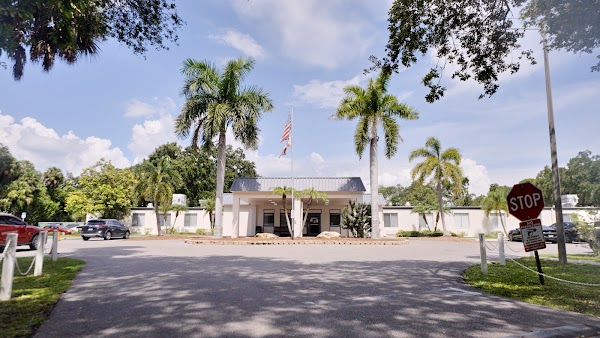
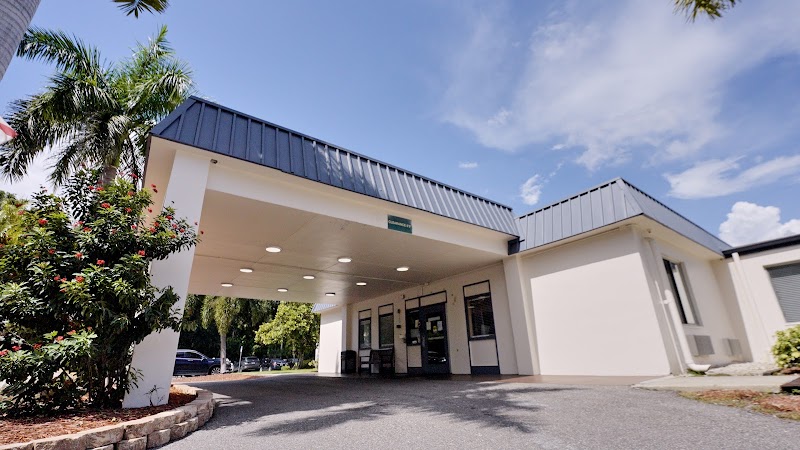
8720 JACKSON SPRINGS RD, TAMPA, FL 33615 (813) 341-5600
For profit - Individual 121 Beds GOLD FL TRUST II Data: November 2025
Trust Grade
58/100
#446 of 690 in FL
Last Inspection: August 2025

Inspected within the last 6 months. Data reflects current conditions.

Overview

Woodbridge Care Center and Rehab in Tampa, Florida, has a Trust Grade of C, which means it's average compared to other facilities. It ranks #446 out of 690 in Florida, placing it in the bottom half of nursing homes in the state, and #16 out of 28 in Hillsborough County, indicating that only a few local options are better. The facility's trend is improving, with issues decreasing from 9 in 2023 to 8 in 2025. Staffing is a strength, earning 4 out of 5 stars and a turnover rate of 34%, which is below the state average, suggesting that staff are experienced and familiar with the residents. However, the facility has faced some concerning issues. There were incidents of unlocked medication carts, raising safety concerns about medication security. Additionally, several areas, including resident rooms and shower facilities, were found to lack cleanliness, with signs of biogrowth in shower equipment. Lastly, the facility recorded a medication error rate of 7.41%, exceeding the acceptable threshold, which could impact resident care. Overall, while there are strengths in staffing and a trend of improvement, these specific concerns should be carefully considered by families.

Trust Score
C
58/100
In Florida
#446/690
Bottom 36%
Safety Record
Low Risk
No red flags
Inspections
Getting Better
9 → 8 violations
Staff Stability
○ Average
34% turnover. Near Florida's 48% average. Typical for the industry.
Penalties
✓ Good
$4,938 in fines. Lower than most Florida facilities. Relatively clean record.
Skilled Nurses
✓ Good
Each resident gets 59 minutes of Registered Nurse (RN) attention daily — more than average for Florida. RNs are trained to catch health problems early.
Violations
⚠ Watch
21 deficiencies on record. Higher than average. Multiple issues found across inspections.
★★★☆☆
3.0
Overall Rating
★★★★☆
4.0
Staff Levels
★★★★★
5.0
Care Quality
★★☆☆☆
2.0
Inspection Score
Stable
2023: 9 issues
2025: 8 issues

The Good

  • 4-Star Staffing Rating · Above-average nurse staffing levels
  • 5-Star Quality Measures · Strong clinical quality outcomes
  • Full Sprinkler Coverage · Fire safety systems throughout facility
  • No fines on record
  • Staff turnover below average (34%)

    14 points below Florida average of 48%

Facility shows strength in staffing levels, quality measures, fire safety.

The Bad

3-Star Overall Rating

Near Florida average (3.2)

Meets federal standards, typical of most facilities

Staff Turnover: 34%

12pts below Florida avg (46%)

Typical for the industry

Federal Fines: $4,938

Below median ($33,413)

Minor penalties assessed

Chain: GOLD FL TRUST II

Part of a multi-facility chain

Ask about local staffing decisions and management

The Ugly 21 deficiencies on record

Aug 2025 8 deficiencies
CONCERN (D)

Potential for Harm - no one hurt, but risky conditions existed

Resident Rights (Tag F0550)

Could have caused harm · This affected 1 resident

Based on observations, interviews, and record review the facility failed to promote and maintain dignity for one resident (#121) of two residents sampled.Findings included: On 8/3/25 at 10:30 a.m. Res...

Read full inspector narrative →
Based on observations, interviews, and record review the facility failed to promote and maintain dignity for one resident (#121) of two residents sampled.Findings included: On 8/3/25 at 10:30 a.m. Resident #121 was observed sitting up in his bed. He was observed to be wearing a hospital gown. He stated he arrived at the facility on 8/1/25 and he had no clothes with him. He gave permission to look in his closet and drawers confirming there was no clothing items found. He stated he had to go to his dialysis appointment yesterday in a hospital gown, and he doesn't like that. Resident #121 stated he wants to wear a shirt and pants when he goes out to dialysis, and that he doesn't feel he should be going out to dialysis in just a gown. On 8/04/2025 at 9:15 a.m. Resident #121 was observed sitting outside his room in a wheelchair dressed in a white T-shirt and black shorts. He stated someone brought him these clothes to wear today, just a few minutes ago. He stated he didn't think they were his clothes, but he appreciated that they were given to him. He stated he would next go to dialysis tomorrow at 5:00 a.m. and he hoped they would have clothes for him to wear.On 8/5/25 at 12:40 p.m. Resident #121 was observed lying in his bed awake and wearing a white T-shirt, a brief, and red socks. He stated he had just returned from dialysis having worn a T- shirt, a brief, socks and no shorts or pants. The resident stated he did not know why they had a pair of shorts for him the day before but not today. Resident #121 gave permission to look in the closet revealing only a folded hospital gown, a package of adult briefs, and two empty drawers.During an interview on 8/5/25 at 12:53 p.m. Staff B, Registered Nurse (RN) confirmed caring for Resident #121 when he returned from dialysis today. He stated yes, I took his vital signs when he returned. Staff B, RN stated he could not remember what the resident was wearing stating the resident usually wears regular clothes and not his hospital gown. Staff B stated the resident's Certified Nurse's Assistant (CNA) changed him when he returned and might know what he was wearing. On 8/5/25 at 12:56 p.m. during an interview with Staff C, CNA confirmed assisting Resident #121 upon returning from dialysis. She stated the resident was wearing the white T-shirt, a brief and not a hospital gown. Staff C confirmed Resident #121 did not have any shorts or pants on.Review of a care plan for Resident #121 dated 8/1/25 revealed a focus - [Resident #121] has a strength in cognitive function as evidenced by is oriented to person, place, and time. Short term and long-term memory are intact. Is able to make decisions independently. Goals included: Resident will continue to make consistent, reasonable decisions through the next review date. Interventions included .Allow resident to make decisions regarding daily cares.A telephone interview was conducted on 8/05/2025 at 1:38 p.m., with Staff F, RN (a dialysis center employee). Staff F, RN stated she had cared for Resident #121 earlier today at the dialysis center. Staff F stated knowing Resident #121 very well as he had been coming to their dialysis center from home for quite some time. The dialysis employee stated the resident has been coming to dialysis the last two treatment from (the nursing facility) with no clothes. Staff F stated she was working on both Saturday, 8/2/25 and Tuesday, 8/5/25 when he came in. Staff F stated on Saturday Resident #121 came in wearing only a hospital gown, a brief, and red socks, and no shorts or pants. Staff F stated it can be very cold in the dialysis center because they keep the temperature at 67 degrees and said she sent back in the communication book to please send him with a blanket. Staff F stated today resident #121 arrived with a white T-shirt, a brief, and red socks. Staff F, RN confirmed Resident #121 did not have any pants or shorts on, but the facility did send him with a blanket. Staff F stated Resident #121 is alert and oriented and can advocate for self. The employee stated the resident had reported he did not like coming out without regular clothes. During an interview on 8/5/25 at 2:40 p.m. Staff D, RN/MDS (Minimum Data Set) stated she had updated the care plan for Resident #121 today. She stated, yes, I did. I am an MDS nurse, and I am here only prn (as needed) to help out. Staff D, RN stated she had added a focus, goal and intervention to the care plan for Resident #121 regarding a preference to wear a hospital gown to dialysis. She stated yes, I wrote the care plan about the hospital gown. Staff D, RN stated she had not met Resident #121. She was asked how and when she gathered the information to make that care plan entry. Staff D, RN stated, one of the CNAs came to me, I believe it was a CNA who asked me if I could care plan Resident #121 for wearing a hospital gown to dialysis. Staff D, RN confirmed she updated the care plan but did not speak with Resident #121 regarding his clothing preferences.On 8/5/25 at 2:54 p.m., an interview with Employee E , Social Services Assistant (SSA) revealed if a resident is admitted to the facility with no clothing, they normally call the family to see if they can bring some clothes in. Staff E, SSA stated, while waiting they get some clothes from a donation bin. Staff E stated If it had been a few days and no one had brought clothes, they have the option of ordering clothes for the resident online. The SSA stated For residents who have no clothes, and they have an outside appointment to attend, they would help them get dressed appropriately. Staff E said the only way they would go out in a gown was if they refused to get dressed or if they preferred to wear the gown. Staff E stated they had contacted Resident #121's family member and had not heard back. Staff E said, If we don't hear back from the family member, we will have to see about ordering some clothes. Staff E stated having done an admission assessment for Resident #121 and the resident did not express needing clothes or a preference to only wear hospital gowns. Staff E denied knowing Resident #121 had attended dialysis twice in only a hospital gown and only a T-shirt.An interview was conducted on 8/05/2025 at 4:40 p.m. with Resident #121. The resident stated the family member was not able to bring him any clothing from home. The resident said, I hope they can get me something to wear here, it's embarrassing to go out to dialysis with no clothes and just wearing a brief and a hospital gown. I have never gone out in public like that in my entire life.On 8/06/2025 at 11:00 a.m., an interview with Employee A, Housekeeping/Laundry Aide revealed the facility had a donation clothing bin. An observation at the time revealed a standing cart holding many items of clothing on hangers. Staff A confirmed the cart is unlocked and nursing staff can come and take what they need at any time. A review of the facility policy titled, Dignity, dated 2/202, revealed: Each resident shall be cared for in a manner that promotes and enhances his or her sense of well-being, level of satisfaction with life, and feelings of self-worth and self-esteem. Policy Interpretation and Implementation: 1. Residents are treated with dignity and respect at all times. 3. Individual needs and preferences of the resident are identified through the assessment process. 5. When assisting with care, residents are supported in exercising their rights. For example, residents are:c. Encouraged to dress in clothing that they prefer.
CONCERN (D)

Potential for Harm - no one hurt, but risky conditions existed

Deficiency F0558 (Tag F0558)

Could have caused harm · This affected 1 resident

**NOTE- TERMS IN BRACKETS HAVE BEEN EDITED TO PROTECT CONFIDENTIALITY** Based on observations, record review, and interviews, the facility failed to ensure meal and equipment preferences were honored ...

Read full inspector narrative →
**NOTE- TERMS IN BRACKETS HAVE BEEN EDITED TO PROTECT CONFIDENTIALITY** Based on observations, record review, and interviews, the facility failed to ensure meal and equipment preferences were honored for one resident (#124) out of three residents reviewed.Findings included: On 8/3/25 at 11:59 a.m., an observation of Resident #124 revealed he was sitting in his bed. He expressed concerns related to his food preparation and utensils. Resident #124 stated he had been telling staff he needed, utensils specialty wrapped. He showed plastic utensils in a plastic bag and said his family member brought them as he has not been getting plastic utensils with meals. He stated he wanted to open all his food due to his, immunocompromised status, and to ensure he knew how it was prepared and who touched it. During the interview an observation of Resident #124's bedside table revealed a plastic bowl, with cereal inside, and a lid covering the bowl that was dated 8/3/25. He pointed to bowl of cereal and stated, I can't eat this, this could be hazardous to my health and recovery. He removed the insulated lid from the food on the bedside table to reveal eggs. He said he asked for cheese to put on his eggs that morning and a staff member told him, We don't have any cheese. Further observation of the meal tray revealed he had the menu filled out with his choices for today. Resident #124 said he was having difficulty communicating with facility staff and described the interactions as charades.On 8/3/25 at 12:59 p.m., an observation was conducted of Resident #124's lunch tray. He said it did not include what he had selected for lunch as he still had his menu. Resident #124 said the utensils were covered with a napkin and when he removed the napkin, they appeared to be wet with droplets on them. Resident #124 stated, I can't use those. During the interview with Resident #124, a staff member removed the menu from his bedside table and left the room.8/4/25 at 10:40 a.m., an interview was conducted with Resident #124. He was sitting upright in bed. He stated he was told by staff that they could not provide liquids such as cranberry or lemon juice as he requested to take his, Essential anti-rejection transplant medication. He described the taste of the medication as, Horrible and disgusting. He said he needed a beverage with flavor to take the medication. A review of Residents #124 admissions record revealed an admission date of 7/31/25. [NAME] review of the admission record revealed diagnoses to include other complications of lung transplant, immunodeficiency due to external causes, and lung transplant status.A review of Residents #124 Minimum Data Set (MDS), section C- cognitive patterns, dated 7/31/25, revealed a Brief Interview for Mental Status (BIMS) score of 15, cognitively intact.A review of the grievance log for July 2025 and August 2025 revealed no documentation of a grievance for Resident #124.A review of Resident #124's care plan revealed [Resident name] is at risk for an alteration in nutrition and/or hydration r/t [related to] ESRD [end stage renal disease] on HD [hemodialysis], DM [diabetes mellitus], TIA [transient ischemic attack], hepatitis C, HTN [hypertension], GERD [gastroesophageal reflux disease], chronic pain. Wt [weight] fluctuations may occur r/t dialysis. Supplements added d/t [due to] dialysis. Supplements added d/t poor po [by mouth] intake. Interventions included the following, . Provide diet and consistencies as ordered. Offer and provide alternate as needed. Honor food preferences.A review of a comprehensive progress note for Resident #124 dated 8/1/25 showed Resident #124 is alert and oriented able to communicate his wants and needs to staff. is able to voice his needs to staff without difficulty, independent in decision making.On 8/5/25 at 2:08 p.m., an interview was conducted with Staff M, Certified Nursing Assistant (CNA). She said she's worked with the Resident #124 for the past two days. Staff M, CNA, confirmed she was aware the resident preferred plastic wrapped utensils with meals. She said she gets plastic wrapped utensils for him and has not said anything to the kitchen or his nurse about his requests. Staff M, CNA stated she felt he was, Picky. Staff M, CNA said she told Resident #124 the kitchen can't bring him beverages or food in its original packaging. Staff M, CNA stated That's how some people are, they are picky. Staff M, CNA confirmed the resident had told her he wanted his food in its original container. Staff M, CNA stated she did not consider what the resident has told her as a concern or grievance because, I just take care of it.On 8/5/25 at 3:21 p.m., an interview was conducted with Staff R, Dietary Manager. He confirmed that he completed Resident #124's dietary assessment. Staff R, Dietary Manager said the resident did not communicate to him about his specific needs and preferences. Staff R, Dietary Manager said if there was an order for plastic utensils and wanting food in its original packaging he would have been able to accommodate that. He confirmed no staff members have communicated with him regarding Resident #124 dietary concerns.A review of Residents #124's, Resident Profile Details, provided by Staff R, Dietary Manager, revealed no preferences related to plastic utensils and or food in its original packaging.On 8/5/25 at 4:16 p.m., an interview was conducted with the Social Service Director (SSD). She confirmed staff can file a grievance on behalf of a resident. The SSD confirmed that Resident #124's dietary concerns would have involved nursing and the kitchen manager and written as a grievance. The SSD said if a resident tells staff multiple times about a concern, then it should be reported and written as a grievance. Review of a facility policy titled, Dignity, revised February 2021 showed a statement -Each resident shall be cared for in a manner that promotes and enhances his or her sense of well-being, level of satisfaction with life, and feelings of self-worth and self-esteem.Policy Interpretation and Implementation2. The facility culture supports dignity and respect for residents by honoring resident goals, choices, preferences, values and beliefs. This begins with the initial admission and continues throughout the resident's facility stay.3. Individual needs and preferences of the resident are identified through the assessment process.A review of the facility's policy titled, Grievances/Complaints, Filing revised April 2017, revealed the following, Residents and their representatives have the right to file grievances, either orally or in writing, to the facility staff or to the agency designated to hear grievances (e.g.[such as], the State Ombudsman). The administrator and staff will make prompt efforts to resolve grievances to the satisfaction of the resident and/or representative.(Photographic Evidence Obtained)
CONCERN (D)

Potential for Harm - no one hurt, but risky conditions existed

Staffing Information (Tag F0732)

Could have caused harm · This affected 1 resident

Based on observations and interviews, the facility did not ensure the daily nursing staffing form was updated with the correct date on one day (8/3/2025) of four days observed.Findings included: On 8/...

Read full inspector narrative →
Based on observations and interviews, the facility did not ensure the daily nursing staffing form was updated with the correct date on one day (8/3/2025) of four days observed.Findings included: On 8/3/25 at 8:52 a.m., an observation of the hall by the dining room and in front of the social services office revealed a daily nursing staffing form dated 7/30/25. On 8/6/25 at 9:43 a.m., an interview was conducted with the Staffing Coordinator. She said Staff O, Licensed Practical Nurse (LPN)/Supervisor/Unit Manager (UM) completed the daily nursing staffing form during the 11:00 p.m. to 7:00 a.m. shift. The Staffing Coordinator said Staff P, Licensed Practical Nurse (LPN) completed the daily nursing staffing in Staff O's absence. She said the nursing staffing form is completed daily at midnight. The Staffing Coordinator said when she comes in at 6:30 a.m., she looks at the form every morning. She said on Sunday, 8/3/25, she came in and didn't see the nursing staffing form had a date from 7/30/25. She said she thought someone else updated the nursing staffing form on 8/3/25. She said as of 7/31/25, Staff O, LPN/Supervisor/UM and Staff P, LPN have not been working at the facility.A review of the facility's policy titled, Posting Direct Care Daily Staffing Numbers, revised August 2022, revealed the following, Our facility will post on a daily basis for each shift nurse staffing data, including the number of nursing personnel responsible for providing direct care to residents. Further review of the policy, under policy interpretation and implementation, revealed the following, .2. The information recorded on the form shall include the following: . b. The current date (the date for which the information is posted); .
CONCERN (E)

Potential for Harm - no one hurt, but risky conditions existed

Safe Environment (Tag F0584)

Could have caused harm · This affected multiple residents

**NOTE- TERMS IN BRACKETS HAVE BEEN EDITED TO PROTECT CONFIDENTIALITY** Based on observations, interviews and record review, the facility failed to ensure resident spaces were maintained in a clean an...

Read full inspector narrative →
**NOTE- TERMS IN BRACKETS HAVE BEEN EDITED TO PROTECT CONFIDENTIALITY** Based on observations, interviews and record review, the facility failed to ensure resident spaces were maintained in a clean and sanitary manner related to community shower room equipment in 2 of 2 shower rooms and in five resident rooms (222, 225, 128, 226 and 228) in two halls (100 and 200) of four halls observed.Findings included: 1. On 8/3/2025 at 11:00 a.m., 8/5/2025 at 7:45 a.m., 2:00 p.m. and on 8/6/2025 at 8:45 a.m. tours of the facility revealed the following: Upon entering the 200-unit community shower room, there were multiple shower stalls and with one containing a plastic shower bed device. This device is used for residents who lay flat on their back when receiving showers. Observations of the undercarriage of the device was observed with heavy pink and black biogrowth, down near the wheel castors and white plastic tube fitting areas. There was a plastic shower chair in one of the shower stalls which was observed with black and pink biogrowth on three of the four plastic tube fittings near and at the wheel castors. Upon entering the 100- unit community shower room there were three shower stalls and two of them had plastic shower chairs in them. Further observation revealed black and pink biogrowth on two of the four legs near the wheel castors. Under the blue plastic seat, there was a tray guide that had heavy black biogrowth along the entire edge. On 8/6/2025 at 9:15 a.m. an interview and tour with the Housekeeping Director confirmed the above observations and revealed the staff was responsible for the daily cleaning of shower equipment as well as the responsibility for deep cleaning the shower equipment on a weekly schedule. The Housekeeping Director further revealed that the equipment should be clean and sanitized throughout. Th Housekeeping Director stated the staff would clean the equipment and the shower rooms immediately. (Photographic Evidence Obtained). 2. An observation of resident room [ROOM NUMBER] on 8/4/2025 at 9:26 A.M., revealed the room had several pieces of food on the walls, floor, and under the resident’s bed. There were liquids spills on the resident’s bed, bedside table, floor, and walls. An observation of the bathroom revealed the toilet seat was covered in spots of dark brownish liquid and the bowl had dark brown colored liquid. The walls and floor in the bathroom were observed with dirt. The resident’s bedside table contained 3 empty Styrofoam cups. The resident’s room and bathroom did not have a trash can. The room was warm upon entry. The resident’s air conditioner was on the “heat” setting. It was unclear if this was the resident’s preference. An observation of room [ROOM NUMBER] on 8/5/2025 at 3:52 P.M. after housekeeper was observed cleaning the room, revealed the floors and walls remained dirty. The resident did not allow an observation of the bathroom at this time. (Photographic evidence obtained). 3. On 8/3/25 at 10:00 a.m., an observation of the bathroom in room [ROOM NUMBER] revealed the tank lid of the toilet and the outside of the tank had a smeared dark brown colored substance. Further observations of the toilet revealed the bottom area had dust, small particles, and debris. On 8/3/25 at 10:24 a.m., an observation of the bathroom in room [ROOM NUMBER] revealed two wet washcloths were clumped together behind the sink faucet. On 8/3/25 at 11:30 a.m., an observation of the bathroom in room [ROOM NUMBER] revealed the toilet had urine and multiple wads of toilet paper. The floor had multiple particles and small bits of debris scattered throughout. An interview with one of the residents in the room revealed the bathroom, “Had been like that for a while.” At 2:37 p.m., a follow-up observation was conducted of room [ROOM NUMBER] with the same concerns observed previously. On 8/3/25 at 2:40 p.m., an observation of the bathroom shared by room [ROOM NUMBER] and 228 revealed a wet washcloth was draped over the left side of the sink. The bathroom had an odor of damp towels, mustiness and urine. On 8/4/25 at 9:08 a.m., an observation of the bathroom revealed the same concerns observed on 8/3/25. On 8/4/25 at 9:41 a.m., an interview was conducted with the Housekeeping Supervisor. She said housekeeping worked Monday to Sunday, from 7:00 a.m. – 3:00 p.m. The supervisor said the expectation is for the housekeeping staff to clean all rooms during their shift. The Housekeeping Supervisor said there was a sheet the housekeeping staff completed, which included checking off the rooms they cleaned by the end of the day. The supervisor stated not keeping the past completed assignment sheets and there were no cleaning sheets for 8/3/25. The Housekeeping Supervisor stated, “The rooms should have been cleaned.” On 8/6/25 at 12:56 p.m., a follow-up interview was conducted with the Housekeeping Supervisor who stated not being sure why the bathroom was not cleaned in room [ROOM NUMBER] and thinks, “Someone may have been using the bathroom.” She said the housekeeping staff member may have cleaned the room and forgotten to go back. She stated, “They are not supposed to forget.” She said regarding the toilet and floor observations in room [ROOM NUMBER], the bottom of the toilet area and floor should have been cleaned. She said the housekeeping staff is supposed to clean that area and put the white caps back over the screws at the bottom of the toilet. Regarding the wet washcloths observed in the resident’s bathroom, the housekeeping supervisor stated, “Housekeeping would not touch the washcloths.” She said that it’s the CNA’s responsibility to remove the washcloths. (Photographic evidence obtained). The facility did not provide a policy on Housekeeping and equipment maintenance expectations.
CONCERN (E)

Potential for Harm - no one hurt, but risky conditions existed

Unnecessary Medications (Tag F0759)

Could have caused harm · This affected multiple residents

Based on observations, interviews, and record review, the facility failed to ensure the medication error rate was not 5% or greater during two medication administration opportunities out of 27, result...

Read full inspector narrative →
Based on observations, interviews, and record review, the facility failed to ensure the medication error rate was not 5% or greater during two medication administration opportunities out of 27, resulting in a medication error rate of 7.41%. Findings included: While observing Staff G, Registered Nurse (RN) during medication pass on 8/4/25, starting at 6:10 a.m., she was observed to prepare medications for Resident #58. One of the medications observed to be prepared was Divalproex Sodium Capsule Sprinkle 125mg (milligrams): Give 5 capsules by mouth every 8 hours for mood disorder. Staff G was observed to remove one capsule from the pill card and add the contents of the capsule to a small cup with apple sauce. She was observed to pour the other medications as ordered. She was observed to administer the medications to the resident. She was observed to return to her medication cart and review the medication screen for Resident #58 and proceeded to sign off the medications she had administered. She was asked if she had completed the 6:00 a.m. medication pass for Resident #58. She stated yes. She was asked to read the order for Divalproex for Resident #58. She was observed to read the order, and she did not say anything. She was asked if she had administered the medication according to the physician's order. She stated, Oh! okay, I see, I need to give the rest of that dose, it's five capsules, I only gave one capsule. During the medication administration observation for Resident #58, Staff G, RN stated she was unable to locate the ordered medication Dextromethorphan capsule: Give 15mg by mouth every 12 hours. Upon reviewing the Medication Administration Record (MAR) for Resident #58 after Staff G verbally confirmed she had completed that resident's medication pass, it was revealed that she had signed off the medication as having been administered. On 8/4/25 at 8:25 a.m., Staff H, Licensed Practical Nurse (LPN)/Unit Manager (U/M), stated he called pharmacy regarding the Dextromethorphan that was not available. He was asked why the medication shows in the MAR as administered this morning if it had not been given yet. He stated it shouldn't be. He stated he would talk to the nurse. Staff H, LPN/UM then spoke to Staff G, RN and said to her, When you don't give a medication you call the doctor to let them know, and you don't sign it as given, you sign as not available. A review of the facility policy titled Administering Medications (undated) revealed:Policy: Medications are administered in a safe and timely manner, and as prescribed. 4. Medications are administered in accordance with prescriber orders, including any required time frame.9. The individual administering the medications checks the label to verify the right resident, right medication, right dosage, right time, and right method (route) of administration before administering the medication. 16. If a drug is withheld, refused, or given at a time other than the scheduled time, the individual administering the medication shall initial and use the correct code pertaining to that drug and dose.
CONCERN (E)

Potential for Harm - no one hurt, but risky conditions existed

Deficiency F0760 (Tag F0760)

Could have caused harm · This affected multiple residents

Based on interviews, medical record review, and facility policy review the facility failed to ensure three residents (#10, #113, #114) out of 46 residents reviewed for medications were free from any s...

Read full inspector narrative →
Based on interviews, medical record review, and facility policy review the facility failed to ensure three residents (#10, #113, #114) out of 46 residents reviewed for medications were free from any significant medication errors.Findings included: 1. A record review of Resident #10’s admission Record showed an original admit date of 9/12/2024 with a readmit date of 7/12/2025 and the following diagnoses to include but not limited to essential hypertension, end stage renal disease dependent on dialysis and paroxysmal atrial fibrillation. A record review of Resident #10’s physician orders showed an order for Metoprolol 25 milligrams (mg) to give one tablet by mouth two times a day related to essential hypertension and paroxysmal atrial fibrillation and to hold for BP (blood pressure) less than 130/90 or HR (heart rate) less than 65, ordered on 7/13/2025. A record review of Resident #10’s Medication Administration Record (MAR) for the month of July, 2025, showed 14 administrations of Metoprolol outside the ordered parameters out of 37 opportunities and one administration with no entry. A record review of Resident #10’s MAR for the month of August, 2025 showed three administrations of Metoprolol outside the ordered parameters out of nine opportunities and two administrations with no entries. On 8/05/2025 at 9:28 a.m., an interview was conducted with Staff I, Registered Nurse/Unit Manager (RN/UM) for Unit One. Staff I, RN/UM stated the no entries were when Resident #10 left the facility by a physician order for LOA (Leave of Absence) with her family member. Staff I, RN/UM stated the resident will get a small supply of her medication prior to her leaving and stated Resident 10 is good about taking her medication while away from the facility and her family member will bring her back in the evening that day. Staff I, RN/UM, reviewed the MAR for the months of July and August 2025 and stated the medications should not have been given based on the physician orders. On 8/05/2025 at 9:36 a.m., the Director of Nursing (DON) arrived at Staff I’s office and reviewed the MAR for the months of July and August 2025 and stated the medication should have been held and the physician should have been notified. The DON stated she will call the ordering provider, notify and clarify the order. On 08/06/2025 at 12:00 p.m., a telephone interview was conducted with Resident #10’s primary physician. The primary physician stated he had received a phone call from the facility regarding Resident #10 Metoprolol order received out of the ordered parameters and stated he readjusted the parameters. 2. A review of the medication administration sheets (MAR) for Resident #113 revealed: The resident had an order which read: Midodrine 5 mg (milligrams): Give 1 tablet by mouth every 8 hours for hypotension. Hold for blood pressure (BP) greater than 120/90. Midodrine is used to treat low blood pressure (hypotension). It works by stimulating nerve endings in blood vessels, causing the blood vessels to tighten. As a result, blood pressure is increased. The dose of medicine will be different for different patients. Follow your doctor's orders or the directions on the label. (www.mayoclinic.org/drugs-supplements/midodrine-oral-route/description/drg-20064821) Further review of the MARs for Resident #113 revealed: In August 2025, the MAR showed 4 doses out of 13 doses that were signed off as administered showed a documented BP greater than 120/90: August 1 (6:00 a.m.) 124/78 August 1 (10:00 p.m.) 121/72 August 3 (6:00 a.m.) 123/72 August 4 (2:00 p.m.) 123/72 In July 2025, the MAR showed 30 doses out of 89 doses that were signed off as administered showed a documented BP greater than 120/90: July 1 (2:00 p.m.) 125/78 July 1 (10:00 p.m.) 123/72 July 3 (2:00 p.m.) 121/72 July 4 (2:00 p.m.) 123/72 July 4 (10:00 p.m.) 126/78 July 7 (2:00 p.m.) 121/72 July 8 (2:00 p.m.) 121/72 July 10 (10:00 p.m.) 122/76 July 11 (2:00 p.m.) 123/72 July 11 (10:00 p.m.) 125/75 July 14 (2:00 p.m.) 123/72 July 14 (10:00 p.m.) 121/68 July 15 (10:00 p.m.) 123/72 July 16 (10:00 p.m.) 123/71 July 18 (6:00 a.m.) 121/72 July 18 (10:00 p.m.) 123/72 July 19 (6:00 a.m.) 122/86 July 21 (6:00 a.m.) 124/68 July 22 (2:00 p.m.) 121/72 July 22(10:00 p.m.) 123/67 July 23 (2:00 p.m.) 121/72 July 24 (2:00 p.m.) 123/72 July 24 (10:00 p.m.) 121/67 July 25 (6:00 a.m.) 124/58 July 25 (2:00 p.m.) 123/72 July 25 (10:00 p.m.) 123/72 July 26 (6:00 a.m.) 125/78 July 26 (2:00 p.m.) 123/74 July 27 (6:00 a.m.) 121/67 July 29 (2:00 p.m.) 121/72 July 29 (10:00 p.m.) 121/72 July 30 (2:00 p.m.) 123/72 July 31 (2:00 p.m.) 123/72 July 31 (10:00 p.m.) 121/72 In June 2025, the MAR showed 24 doses out of 89 doses that were signed off as administered showed a documented BP greater than 120/90: June 1 (2:00 p.m.) 121/75 June 1 (10:00 p.m.) 125/78 June 3 (6:00 a.m.) 125/69 June 3 (2:00 p.m.) 121/72 June 3 (10:00 p.m.) 121/72 June 5 (6:00 a.m.) 123/67 June 5 (2:00 p.m.) 121/72 June 6 (2:00 p.m.) 121/72 June 9 (2:00 p.m.) 123/72 June 11 (2:00 p.m.) 123/72 June 11 (10:00 p.m.) 121/70 June 12 (6:00 a.m.) 124/74 June 12 (2:00 p.m.) 123/72 June 12 (10:00 p.m.) 121/69 June 13 (2:00 p.m.) 121/75 June 15 (6:00 a.m.) 121/75 June 16 (2:00 p.m.) 123/72 June 17 (2:00 p.m.) 123/72 June 18 (10:00 p.m.) 123/62 June 20 (2:00 p.m.) 123/72 June 23 (2:00 p.m.) 123/67 June 24 (6:00 a.m.) 125/71 June 24 (2:00 p.m.) 121/72 June 25 (2:00 p.m.) 123/72 June 25 (10:00 p.m.) 125/72 June 26 (2:00 p.m.) 121/72 June 27 (10:00 p.m.) 126/72 June 30 (2:00 p.m.) 121/67 On 8/06/2025 at 12:00 p.m. during a telephone interview with the assigned primary physician for Resident #113, he confirmed Resident #113 was under his care. The physician stated the expectation is for this medication (Midodrine) to be given as prescribed with the parameters he ordered. He stated the medication should not be given if the blood pressure is over 120/90. He stated on rare occasions if the medication is given outside parameters, it could cause the blood pressure to go higher. 3. A review of the medication administration sheets (MAR) for Resident #114 revealed the resident had an order which read: Midodrine 10 mg: Give 1 tablet by mouth every 8 hours for hypotension. Hold for blood pressure (BP) greater than 110/90. Further review of the MARs for Resident #114 revealed in August 2025, the MAR showed 6 doses out of 11 doses that were signed off as administered showed a documented BP greater than 110/90 as follows: August 1 (6:00 a.m.) 129/78 August 1 (2:00 p.m.) 123/67 August 1 (10:00 p.m.) 123/67 August 2 (6:00 a.m.) 123/72 August 2 (2:00 p.m.) 127/90 August 3 (6:00 a.m.) 123/78 August 5 (10:00 p.m.) 121/67 In July 2025, the MAR showed 54 doses out of 69 doses that were signed off as administered showed a documented BP greater than 110/90: July 1 (2:00 p.m.) 123/72 July 1 (10:00 p.m.) 123/78 July 2 (2:00 p.m.) 121/72 July 3 (2:00 p.m.) 123/72 July 3 (10:00 p.m.) 119/75 July 4 (6:00 a.m.) 117/75 July 4 (2:00 p.m.) 121/72 July 4 (10:00 p.m.) 128/78 July 6 (2:00 p.m.) 117/69 July 6 (10:00 p.m.) 117/69 July 7 (2:00 p.m.) 120/72 July 7 (10:00 p.m.) 121/68 July 8 (2:00 p.m.) 123/72 July 8 (10:00 p.m.) 120/72 July 9 (2:00 p.m.) 121/72 July 9 (10:00 p.m.) 120/72 July 10 (2:00 p.m.) 121/72 July 10 (10:00 p.m.) 120/72 July 11 (2:00 p.m.) 120/72 July 11 (10:00 p.m.) 121/75 July 12 (2:00 p.m.) 122/70 July 13 (2:00 p.m.) 112/67 July 13 (10:00 p.m.) 115/69 July 14 (2:00 p.m.) 121/72 July 14 (10:00 p.m.) 123/72 July 15 (6:00 a.m.) 123/72 July 15 (2:00 p.m.) 123/72 July 15 (10:00 p.m.) 120/72 July 16 (2:00 p.m.) 123/72 July 16 (10:00 p.m.) 120/75 July 17 (6:00 a.m.) 120/75 July 17 (2:00 p.m.) 128/76 July 17 (10:00 p.m.) 121/70 July 18 (6:00 a.m.) 120/72 July 18 (10:00 p.m.) 119/68 July 20 (10:00 p.m.) 120/80 July 21 (2:00 p.m.) 120/72 July 21(10:00 p.m.) 120/69 July 22 (2:00 p.m.) 120/72 July 22(10:00 p.m.) 120/69 July 23 (2:00 p.m.) 121/67 July 23 (10:00 p.m.) 120/69 July 24 (2:00 p.m.) 123/72 July 24 (10:00 p.m.) 120/72 July 25 (2:00 p.m.) 120/72 July 25 (10:00 p.m.) 120/67 July 27 (6:00 a.m.) 120/67 July 28 (6:00 a.m.) 123/72 July 28 (2:00 p.m.) 123/72 July 29 (2:00 p.m.) 123/72 July 29 (10:00 p.m.) 120/69 July 30 (2:00 p.m.) 123/72 July 30(10:00 p.m.) 120/67 July 31 (6:00 a.m.) 121/60 July 31 (2:00 p.m.) 120/72 July 31 (10:00 p.m.) 120/67 In June 2025, the MAR showed 44 doses out of 69 doses that were signed off as administered showed a documented BP greater than 110/90: June 2 (6:00 a.m.) 128.72 June 2 (2:00 p.m.) 120/72 June 2 (10:pm) 120/72 June 3 (2:00 p.m.) 120/72 June 3 (10:00 p.m.) 120/72 June 4 (2:00 p.m.) 123/67 June 4 (10:00 p.m.) 121/72 June 5 (6:00 a.m.) 123/72 June 5 (2:00 p.m.) 121/72 June 5 (10:00 p.m.) 120/72 June 6 (10:00 p.m.) 120/68 June 9 (2:00 p.m.) 116/78 June 9 (10:00 p.m.) 120/71 June 10 (6:00 a.m.) 112/65 June 10 (2:00 p.m.) 120/72 June 10 (10:00 p.m.) 120/72 June 11 (2:00 p.m.) 121/72 June 11 (10:00 p.m.) 120/68 June 12 (6:00 a.m.) 116/64 June 12 (2:00 p.m.) 123/72 June 12 (10:00 p.m.) 119/67 June 13 (2:00 p.m.) 117/78 June 13 (10:00 p.m.) 120/72 June 15 (6:00 a.m.) 120/68 June 16 (2:00 p.m.) 123/72 June 16 (10:00 p.m.) 119/69 June 17 (2:00 p.m.) 120/72 June 17 (10:00 p.m.) 123/75 June 18 (2:00 p.m.) 121/72 June 18 (10:00 p.m.) 111/62 June 19 (6:00 a.m.) 123/72 June 19 (2:00 p.m.) 121/72 June 19 (10:00 p.m.) 123/67 June 20 (6:00 a.m.) 126/70 June 20 (2:00 p.m.) 123/72 June 20 (10:00 p.m.) 116/24 June 23 (2:00 p.m.) 121/67 June 23 (10:00 p.m.) 123/72 June 24 (2:00 p.m.) 121/72 June 25 (2:00 p.m.) 123/72 June 25 (10:00 p.m.) 116/62 June 26 (2:00 p.m.) 123/72 June 27 (2:00 p.m.) 123/78 June 27 (10:00 p.m.) 120/64 June 30 (2:00 p.m.) 121/67 During an interview with Staff G, Registered Nurse (RN) on 8/3/25 at 8:45am, she was asked to review a medication she had signed off that morning for Resident #114, which was Midodrine 10mg tablet. The parameters on the order stated hold for BP greater than 110/90. The nurse was asked if she had charted the patient's BP as 120/78. She stated yes. She was asked if she had administered the medication, as it had been signed off as administered. She stated yes. She was asked to read the order. She read the order and said nothing after reading it. She was asked if the medication should have been held according to the BP she charted. She stated oh, I see. yes. She was asked why she had given the medication when the physician ordered parameters showed it should have been held. She stated I made a mistake. On 8/06/2025 at 11:15 a.m., during an interview with the Director of Nursing (DON), She stated when administering medication with parameters ordered by the physician, the staff should hold medications according to the parameters in the orders. She stated staff are educated to look for parameters when they are doing their medication pass. On 8/06/2025 at 12:37 p.m., during a telephone interview with the assigned primary physician for Resident #114, he stated this resident is under his care. The Midodrine order was reviewed. He stated his expectation was obviously the staff should check the blood pressure every 8 hours and then decide whether to give the medication based according to the blood pressure. He stated regarding possible side effects if the medication is given outside parameters, “Well I don't want the medication to be given if it's not needed.” The physician stated if the resident is given the medication every time when he doesn't need it, they needed to find out why it's being given, because if the blood pressure is higher than the parameter, they should hold the medication. A review of the facility policy titled Administering Medications revised July 2016, revealed: Policy: Medications are administered in a safe and timely manner, and as prescribed. 4. Medications are administered in accordance with prescriber orders, including any required time frame. 9. The individual administering the medications checks the label to verify the right resident, right medication, right dosage, right time, and right method (route) of administration before administering the medication. 10. The following information is checked/verified for each resident prior to administering medications: Vital signs, if necessary.
CONCERN (E)

Potential for Harm - no one hurt, but risky conditions existed

Food Safety (Tag F0812)

Could have caused harm · This affected multiple residents

Based on observations, interviews and facility records review, the facility failed to ensure the kitchen implemented safe defrosting methods of raw meat in one refrigerator walk in units of one review...

Read full inspector narrative →
Based on observations, interviews and facility records review, the facility failed to ensure the kitchen implemented safe defrosting methods of raw meat in one refrigerator walk in units of one reviewed. Findings included: Upon entering the Walk -in refrigerator unit on 8/3/2025 at 10:15 a.m., an observation was made of two sides of what appeared to be multi shelving. The back of the unit had a door that lead into a separate walk in freezer unit. Further observations revealed the walk in refrigerator was well stocked with food items. However, the right side of the walk in refrigerator unit revealed a multi tiered shelving system. The third shelf up from the ground, revealed a very large metal tray that contained two long plastic sleeves raw ground meat. Both sleeves of meat were found not covered and was left to defrost. There were several small pools of blood on the tray. Directly below the defrosting tray of raw ground meat, was a metal container of pre cooked and ready to eat food items such as many thick ham slices and cheese slices. The container was covered with a thin plastic film, located directly beneath the tray of raw ground meat. At 10:18 a.m. the refrigerator walk in unit was exited and the chef/cook, Staff Q was found near the dietary manager's office. He was asked to confirm the observation of raw ground meat being defrosted in the walk in refrigerator. Staff Q, immediately confirmed the metal tray of raw ground meat should not have been placed above pre cooked ready to eat food. He revealed he had been moving around food items and he had just placed that tray of food there for only a short time. However, he had not been observed in the walk in refrigerator since the kitchen tour was initiated at 10:00 a.m. Staff Q was noted to come into the kitchen from the outside at approximately 10:08 a.m. The way the tray of raw uncooked meat was placed and positioned on the third shelf, appeared it had been on that shelf for a long period of time. Staff Q was interviewed and confirmed raw uncooked meats should not be placed to defrost above ready to eat foods at any point of time. An interview with the Dietary Manager on 8/6/2025 at 9:55 a.m. revealed he was not at the facility on Sunday 8/3/2025, but overheard there was an observation of the walk in refrigerator with a tray of defrosting uncooked raw meat stacked on a shelf directly above pre cooked and ready to eat food to include thick ham slices and cheese slices. He revealed the cook/chef Staff Q was rearranging trays of food in the walk in refrigerator and that he would not have stored the raw uncooked food over ready to eat food for any period of time. The Dietary Manager was notified the cook was not around the walk in refrigerator upon the start of the kitchen tour and observation of the walk -in the unit on 8/3/2025. During the tour, there was no evidence of boxes and trays being moved around. It was noted that the way the tray of defrosting raw uncooked ground beef was positioned, it was positioned as if it were placed there for a long period of time. The Dietary Manager revealed the cook moved the tray of uncooked defrosting raw meat, only after he was sought out and asked by the State surveyor about the observation and the facility's defrosting methods. Further interview with the Dietary Manager revealed his last training and inservice to his staff related to food storage and food defrosting techniques was provided to all of his dietary staff in January of 2025. The Dietary Manager revealed the cook Staff Q does know that trays of uncooked raw meat cannot be for any period of time placed above any trays or containers of already cooked and ready to eat food items.The Dietary Manager did not provide copies/evidence of the last food handling/food defrosting techniques for review. The Dietary Manager did not have a specific food handling, food storage/defrosting policy and procedure fore review.
CONCERN (F)

Potential for Harm - no one hurt, but risky conditions existed

Deficiency F0761 (Tag F0761)

Could have caused harm · This affected most or all residents

**NOTE- TERMS IN BRACKETS HAVE BEEN EDITED TO PROTECT CONFIDENTIALITY** Based on observations, interviews, medical record review, and facility policy review, the facility failed to ensure the safe and...

Read full inspector narrative →
**NOTE- TERMS IN BRACKETS HAVE BEEN EDITED TO PROTECT CONFIDENTIALITY** Based on observations, interviews, medical record review, and facility policy review, the facility failed to ensure the safe and secure storage of all medications and biologicals, including a Schedule II controlled substance for one resident (#78), in one of one medication room, and in four carts (100 front, 100 back, 200 front and 200 back) out of four treatment carts. Findings included: 1. On 8/3/25 at, starting at 8:50 a.m., during a brief initial tour of the facility, observations were made which revealed four out of four treatment carts left unlocked and unattended as follows: 100 hall front revealed a treatment cart marked WCC ST 1 FRONT TX CART which was observed to be unlocked and unattended at 8:59 a.m. Photographic evidence was obtained at 9:00 a.m. which shows observations of the lock not engaged and some of the unsecured items in the top drawer observed to included green pain-relieving gel with menthol and zinc oxide cream. This treatment cart was observed unlocked and attended during a second unit tour on 8/3/25 at 9:45 a.m. 100 hall back revealed a treatment cart marked WCC ST 1 BACK TX CART which was observed to be unlocked and unattended at 9:03 a.m. Photographic evidence was obtained at 9:05 a.m. which shows observations of the lock not engaged and some of the unsecured items in the top drawer observed to included silver sulfadiazine cream, nystatin powder, and triamcinolone cream. This treatment cart was observed unlocked and attended during a second unit tour on 8/3/25 at 9:45 a.m. and at 10:10 a.m. 200 hall back revealed a treatment cart marked WCC ST 2 BACK TX CART which was observed to be unlocked and unattended. Photographic evidence was obtained at 9:10 a.m. which shows observations of the lock not engaged and some of the unsecured items in the top drawer observed to included spf (Sun Protection Factor)50 sunscreen lotion, zinc oxide ointment, Santyl ointment, triamcinolone cream, and mupirocin ointment. This treatment cart was observed unlocked and attended during a second unit tour on 8/3/25 at 9:50 a.m. 200 hall front revealed a treatment cart marked WCC ST 2 FRONT TX CART which was observed to be unlocked and unattended at 9:20 a.m. Photographic evidence was obtained at 9:20 a.m. which shows observations of the lock not engaged and some of the unsecured items in the top drawer observed to included odor elimination drops, spf 30 sunscreen lotion, zinc oxide ointment, ketoconazole 2% cream, triamcinolone cream, and clotrimazole-betamethasone cream. This treatment cart was observed unlocked and attended during a second unit tour on 8/3/25 at 9:50 a.m. On 8/3/25 at 9:00 a.m., the medication room door on the 100 hall was observed to be propped open and unattended. Photographic evidence obtained. An observation inside the unsecured medication room revealed cabinets used for storing bottled medication tablets was unlocked and accessible (photographic evidence obtained at 9:03 a.m.). During a second tour of the 100 hall, the medication room door was observed propped open at 9:45 a.m. On 8/3/25 at 9:15 a.m., after a short conversation across from the medication room with the door propped open visible with Staff W, Registered Nurse (RN) who stated he was a nurse supervisor, he was observed to leave the area without closing the medication room door. On 8/3/25 at 10:00 a.m., the assistant director of nursing (ADON) was observed to lock the treatment cart marked WCC ST 1 FRONT TX CART as she walked by. She was asked if she knew why the treatment cart had been left unlocked all morning. She stated it should be locked. The ADON stated someone must have forgotten to lock it. The ADON stated the medication room door should not be propped open, it should always be closed and locked. The DON stated she was unaware the medication room door was observed propped open, with unlocked cabinets containing bottled medication tablets, for approximately 45-55 minutes this morning. On 8/04/2025 at 6:05 a.m., the 200-hall treatment cart marked WCC ST 2 BACK TX CART which was observed unlocked and unattended. Photographic evidence was obtained at 6:05 a.m. which shows observations of the lock not engaged and some of the unsecured items in the top drawer observed to included spf 50 sunscreen lotion, zinc oxide ointment, Santyl ointment, triamcinolone cream, and mupirocin ointment. On 8/04/2025 at 6:10 a.m., while observing Staff G, RN perform her morning medication pass, she was observed to leave a pill cup containing 4 pills in it on top of the cart. She was observed to leave this pill cup unattended while she went to administer medications to three different residents. Photographic evidence was obtained at 6:31a.m. and at 7:23 a.m. when the medicine cup with 4 pills was still observed on top of the medication cart. Staff G, RN stated I was going to give him his medications earlier, but he had something in his mouth when I brought them, so he asked me to come back later. I was going to bring them to him later. She was asked if it was standard practice to leave medication out and unattended on top of the medication cart. She stated I should have locked them up. A review of a facility policy titled: Medication Labeling and Storage (undated) revealed: Policy: The facility stores all medications and biologicals in locked compartments under proper temperature, humidity and light controls. Only authorized personnel have access to the keys. Medication storage: Medications and biologicals are stored on the packaging, containers, or other dispensing systems in which they are received. The nursing staff is responsible for maintaining storage and preparation areas in a clean, safe, and sanitary manner. Compartments (including but not limited to drawers, cabinets, rooms, refrigerators, carts, and boxes) containing medications and biologicals are locked when not in use, and trays or carts used to transport such items are not left unattended if open or otherwise potentially available to others. A review of a facility policy titled: Administering Medications (undated) revealed: Policy: Medications are administered in a safe and timely manner, and as prescribed. Procedures: 15. During administration of medications, the medication cart is kept closed and locked when out of sight of the medication nurse. No medications are kept on top of the cart. 16. If a drug is withheld, refused, or given at a time other than the scheduled time, the individual administering the medication shall initial and use the correct code pertaining to that drug and dose. 2. On 8/3/25 at 10:00 a.m., an observation of the floor in room [ROOM NUMBER], between the resident’s bed by the door and the bathroom, revealed a white circular tablet with, “K102,” on it. On 8/3/25 at 2:32 p.m., an observation of room [ROOM NUMBER] was conducted with Staff H, Licensed Practical Nurse (LPN)/Unit Manager (UM). The white circular tablet with, “K102,” on it was observed on the floor. An interview with Staff H, LPN/UM revealed he was not sure what medication it was or what resident the medication is prescribed for. He said four residents, in room [ROOM NUMBER] and 224, share that bathroom. He confirmed the tablet should not be on the floor. He was observed picking up the tablet with a napkin and said he was going to find out who had the prescribed medication. (Photographic Evidence Obtained) On 8/3/25 at 2:56 p.m., an interview was conducted with the Assistant Director of Nursing (ADON) and Staff H, LPN/UM. Staff H, LPN/UM said the tablet on the floor was methylphenidate. The ADON said it is for narcolepsy and it’s a narcotic. Staff H, LPN/UM said the methylphenidate tablet was prescribed for Resident #76 and used for attention deficit. He said Resident #76’s physician orders for methylphenidate is to take the medication at 6:30 a.m., 11:30 a.m., and 4:30 p.m. Staff H, LPN/UM said he asked the resident if she took all her medications at 6:30 a.m. and 11:30 a.m., and her response was that she did. He said Resident #76 told her the nurse did not leave the medications at the bedside. The ADON and Staff H, LPN/UM said they cannot confirm if the dose of methylphenidate at 6:30 a.m. or 11:30 a.m. was missing, but both doses were documented as provided in the medication administration record (MAR). Staff H, LPN/UM said he interviewed her nurse who said he watched the resident take her medications. The ADON said they are not sure if the medication was from the day before, from the 4:30 p.m. dose. She said they called Resident #76’s provider who wanted to order labs and complete an assessment to include neurological checks. The ADON said the medical provider said it was okay to continue the same dose and orders for methylphenidate. Staff H, LPN/UM said he was not sure when the housekeeping staff had been in room [ROOM NUMBER]. He confirmed the housekeeping staff are supposed to clean the residents’ rooms daily, to include the area where the tablet was found. A review of Resident #76’s admission record revealed an initial admission date of 3/7/24 and a re-admission of 6/17/24. Further review of the admission record revealed diagnoses to include major depressive disorder, recurrent severe without psychotic features, other specified anxiety disorders, attention-deficit hyperactivity disorder, unspecified type, and narcolepsy without cataplexy. A review of Resident #76’s physician orders revealed the following: - Increase monitoring, every shift for one day every shift for prevention, with a start date of 8/3/25 and end date of 8/4/25. - Methylphenidate hydrochloride (HCI) oral tablet 20 milligrams (mg), controlled drug, give one tablet by mouth before meals related to attention-deficit hyperactivity disorder, unspecified type, with an order date of 8/2/24. A review of Resident #76’s quarterly Minimum Data Set (MDS), dated [DATE], under section C – cognitive patterns, revealed a Brief Interview for Mental Status (BIMS) score of 15, cognitively intact. A review of Resident #76’s MAR on 8/2/25 and 8/3/25 revealed methylphenidate HCl tablet 20 mg was provided at 6:30 a.m., 11:30 a.m., and 4:30 p.m., as ordered. A review of Resident #76’s care plan revealed the following: - “[Resident name] has the potential for adverse side effects related to the use of stimulant medication for dx [diagnosis] of ADHD [attention deficit hyperactive disorder], antidepressant for dx depression Date Initiated: 03/08/2024 Revision on: 07/29/2025.,” with interventions to include, “Administer medication as prescribed by the physician (See current MAR & Physician orders for current dosage) ” - “Resident has complaints of difficulty sleeping and/or staying asleep and is currently receiving a sleeping aid Date Initiated: 07/29/2025,” with interventions to include, “ … Administer medication as ordered, and observe for effectiveness and for SEs [side effects] …” - “[Resident name] has a strength in cognitive function AEB [as evidenced by] is oriented to person, place, and time. ST/LT [short term/long term] memory are intact. Is able to make daily decisions independently. Date Initiated: 03/11/2024 Revision on: 03/11/2024…” On 8/3/25 at 3:30 p.m. a follow-up interview was conducted with Staff H, LPN/UM and the ADON. The ADON confirmed the housekeeping staff went to room [ROOM NUMBER] yesterday afternoon. She said the housekeeping staff had not gone to the room today until 2:30 p.m. Staff H, LPN/UM said he thinks the housekeeping shift was until 3:30 p.m. He confirmed the room had not been cleaned from 3:30 p.m. on 8/2/25 until today at 2:30 p.m. He confirmed Resident #176 had narcolepsy and ADHD, which is what methylphenidate is being used to treat. A review of the facility’s policy titled, “Medication Labeling and Storage,” dated 3/23, revealed the following, “The facility stores all medications and biologicals and locked compartments under proper storage, humidity and light controls. Only authorized personnel have access to keys.” Further review of the policy, under medication storage, revealed the following, “ … 7. Controlled substances (listed as Schedule II-V of the Comprehensive Drug Abuse Prevention and Control Act of 1976) and other drugs subject to abuse are separately locked in permanently affixed compartments, except when using single unit packaged drug distribution systems in which the quantity stored is minimal and a missing dose can be readily detected …”
May 2023 9 deficiencies
CONCERN (D)

Potential for Harm - no one hurt, but risky conditions existed

Grievances (Tag F0585)

Could have caused harm · This affected 1 resident

**NOTE- TERMS IN BRACKETS HAVE BEEN EDITED TO PROTECT CONFIDENTIALITY** Based on observation, interview, and record review, the facility did not ensure a grievance was initiated in a timely manner for...

Read full inspector narrative →
**NOTE- TERMS IN BRACKETS HAVE BEEN EDITED TO PROTECT CONFIDENTIALITY** Based on observation, interview, and record review, the facility did not ensure a grievance was initiated in a timely manner for one (Resident #109) out of five residents sampled for grievances. Findings included: An observation was conducted of Resident #109 on 05/15/2023 at 9:49 a.m. Resident #109 was in his bed watching TV and stated all he did was sit in his wheelchair in his room. An observation on 05/15/2023 at 11:40 a.m., revealed two staff members assisted Resident #109 to stand, then transferred him into his wheelchair, and placed him at the end of the bed to watch TV. On 05/16/2023 at 11:18 a.m., Resident #109 was observed in the hallway in his wheelchair with socks on and with a staff member assisting him back to his room. On 05/16/2023 at 12:45 p.m., Resident #109 voiced a concern that his specialty ordered shoes were gone and he had no idea where they are. Resident #109 stated he had partial amputations to his feet and he had special shoes for balance while walking. Resident #109 stated when he came to this facility, he had his shoes with him. Although he had been in and out of this facility to go to the hospital due to his hyperglycemia, he was positive his [spouse] did not have them. Resident #109 stated, They know I need those shoes and that I can't do any therapy without them. On 05/16/2023 at 1:00 p.m., an interview was conducted with Staff K, Physical Therapist (PT). Staff K confirmed Resident #109 had specialty shoes and stated, They are missing, and we have not seen them since he returned from the hospital. Staff K said physical therapy could provide one special shoe called a lift for one foot but that would have to be ordered through [online vendor]. As far as the other specialty shoe for the other foot, Staff K stated the shoe would have to be specially made by a prosthetic company and the insurance provider would have to approve this. Staff K deferred to the social worker (Staff N) for assistance in locating Resident #109's specialty shoes. On 05/16/2023 at 1:30 p.m. an interview was conducted with Staff L, License Practical Nurse/Unit Manager (LPN/UM). Staff L was unaware of any specialty shoes needed for ambulation for Resident #109. Staff L deferred to the social worker, (Staff N) for further assistance in locating the missing specialty shoes. On 05/16/2023 at 3:14 p.m., an interview was conducted with Staff N, Social Worker related to the process for handling personal belongings when a resident was transferred to a hospital. Staff N stated personal belongings were held for 24 hours in the resident's room. After 24 hours, the certified nursing assistants (CNAs) would package these belongings, label, and place them in the day room. Staff N stated the Inventory Sheet should be in the resident's chart. A record review of Resident #109's medical record revealed no inventory sheet was present. On 05/16/2023 at 3:39 p.m., Staff L, LPN/UM stated the inventory sheet may be in Resident #109's former chart and to ask the Nursing Home Administrator (NHA) to locate the inventory sheet from previous admissions. On 5/16/2023 a review of the physician orders for Resident #109 revealed no current medical or therapy orders for specialty shoes. A review of the Grievance Logs from May 2022 to May 2023 revealed no grievances filed on behalf of Resident #109 related to his missing specialty shoes. On 05/16/2023 at 3:50 p.m., Staff N stated she called the [spouse] and confirmed Resident #109 had specialty shoes and they should be in his room. Staff N confirmed she found one shoe present in his room during investigation but was not aware of another missing specialty shoe. Staff N would confirm with physical therapy to see if the shoe was present in therapy room. Staff N confirmed a grievance was not filed for Resident #109. Staff N stated, This is the first time I have heard of missing specialty shoes for [Resident #109]. On 05/17/2023 at 10:50 a.m., Staff N arrived with Resident #109's two shoes, claiming they were found in Staff L's LPN/UM office, labeled with Resident #109's name and room number. Staff N stated she talked to the Rehab Director this morning and stated, Today was the first day that the Director found out [Resident #109] was missing his specialty shoes. On 05/17/2023 at 1:58 p.m., an interview was conducted with both Staff G, Director of Rehabilitation and Staff K, PT. Staff G stated Resident #109 had a past medical history of bilateral transmetatarsal (toe/partial foot) amputations. Staff K, PT stated upon Resident #109's admission, he could not recall specialty shoes for the resident. The Rehab Director stated there were no orders for the placement of specialty shoes for Resident #109. Both Staff G and Staff K confirmed a grievance should have been made on behalf of Resident #109 related to his missing specialty shoes. Review of Resident #109's admission Record showed and original admission date of 3/23/2023 and diagnoses to include acquired absence of other right toe(s) and acquired absence of other left toe(s). A record review of Resident #109's Minimum Data Set (MDS), dated [DATE], revealed in Section C - Cognitive Patterns a Brief Interview for Mental Status (BIMS) of 15, which indicated intact cognition. Section G - Functional Status showed the resident as a one person assist for bed mobility, and two persons assist from bed to wheelchair and standing position. Review of Resident #109's admission inventory sheet, dated 3/23/2023, had shoes checked off for initial admission. In addition, a review of inventory sheet for Resident #109 readmitted on [DATE] after a short stay in an acute hospital setting showed NO belongings. (Photographic Evidence Obtained) A review of the facility's policy titled, Grievances/Complaints, Recording and Investigating, revised April 2017, showed in #5 item c: Policy Statement: All grievances and complaints filed with the facility will be investigated and corrective actions will be taken to resolve the grievance(s).
CONCERN (D)

Potential for Harm - no one hurt, but risky conditions existed

PASARR Coordination (Tag F0644)

Could have caused harm · This affected 1 resident

**NOTE- TERMS IN BRACKETS HAVE BEEN EDITED TO PROTECT CONFIDENTIALITY** Based on observations, record reviews, and interviews, the facility failed to ensure Preadmission Screening and Resident Review(...

Read full inspector narrative →
**NOTE- TERMS IN BRACKETS HAVE BEEN EDITED TO PROTECT CONFIDENTIALITY** Based on observations, record reviews, and interviews, the facility failed to ensure Preadmission Screening and Resident Review(s) (PASRR) were completed accurately and updated as needed for three (Residents #48, #473, and #77) out of 28 initially sampled residents. Findings included: 1. The admission Record for Resident #48 indicated the resident was originally admitted on [DATE] and readmitted on [DATE]. The record included diagnoses not limited to disorganized schizophrenia, moderate recurrent major depressive disorder, and unspecified anxiety disorder. The psychiatry note, dated 4/27/23, indicated the primary psychiatric diagnosis of disorganized schizophrenia with secondary diagnosis of moderate recurrent major depressive disorder and tertiary diagnosis of other specified anxiety disorders. The note revealed the resident was currently stable on dosing with labile situationally related fluctuations in level of anxiety and depression that are deemed tolerable at this time. A PASRR, dated 8/11/22, that was completed by Staff Member H, Minimum Data Set (MDS) Coordinator, at the facility, indicated Resident #48 had a Mental Illness diagnoses of Anxiety disorder, Depressive disorder, and Schizophrenia. A PASRR, dated on 2/14/23, that was completed at an acute care facility, identified Resident #48 had no Mental Illness diagnoses and that the finding was based on documented history, medications, and behavioral observations. The PASRR indicated that a Level II evaluation was not required. On 5/17/23 at 1:08 p.m., Staff H reviewed Resident #48's PASRR dated 2/14/23 and confirmed that it should have been redone. The staff member reported being new at this, was still learning, and confirmed that the staff member and the Social Service Director were new. 2. On 5/15/23 at 11:15 a.m. Resident #473 was heard yelling got to [expletive], where's my shoes, and needing to have lunch with friend. The residents' roommate reported not being able to sleep due to the resident yelling all night. The electronic record indicated medical diagnoses of Resident #473 that included unspecified dementia. The Nursing Home Administrator stated, on 5/17/23 at 9:00 a.m., the facility was going to have psych come in and see the resident. The resident could be heard, from the nursing station, screaming help me, they took my shoes. The resident was overheard informing an unknown person that it was the only way of getting any attention. Resident #473 was recently readmitted from an acute care facility. Section III of the residents' PASRR, dated 5/9/23 that was completed at the acute facility, showed the resident was being admitted under a Hospital Discharge Exemption. The section showed,An attending physician's signature is required for those individuals admitted under a 30-day hospital discharge exemption if the full screening was completed by someone other than a physician licensed in the state of Florida. Section IV of the PASRR identified that the resident was able to be admitted to the Nursing Facility as No diagnosis or suspicion of Serious Mental Illness or Intellectual Disability indicated. Level II PASRR evaluation not required, the available selection of Hospital Discharge Exemption was not checked in section IV. The PASRR was completed by a Registered Nurse at the acute facility on 5/9/23. On 5/17/23 12:21 p.m., the Social Service Director (SSD) reported that the Admissions department should be reviewing them before the residents were admitted . The SSD stated she did not do the PASRR but gave to the MDS) staff (to do). The SSD reported she reviewed the PASRR for accuracy, filled one out and passed it to MDS because they had access to KEPRO, and MDS was responsible for redoing it (PASRR). The Social Service Director (SSD) reviewed, on 5/17/23 at 12:37 p.m., Resident #473's PASRR and stated, this one had been redone, after returning to the interview a few minutes later, the SSD stated that it had been missed. The SSD confirmed the PASRR should have been signed by the attending physician. 3. A review of Resident #77's electronic medical record revealed that the resident was admitted to the facility on [DATE] and diagnoses that included Major Depressive Disorder, Generalized Anxiety, Vascular Dementia Unspecified Severity, with Other Behavioral Disturbances. A review of the Preadmission Screening and Resident Review (PASRR) revealed this document was completed by hospital personnel on 3/13/23. Continued review of the PASRR revealed Section I-A indicated the resident had MI (mental illness) or suspected MI that was identified as Anxiety Disorder and Depressive Disorder. Section II-6 of the PASRR indicated resident did not have a secondary diagnosis of dementia, related to neurocognitive disorder (including Alzheimer's disease) and the primary diagnosis is an Serious Mental Illness or Intellectual Disability Review of the resident's diagnosis list indicated the resident had diagnoses that included Generalized Anxiety Disorder, Vascular Dementia, Unspecified severity, with other behavioral Disturbance and Major Depressive Disorder, Recurrent, Moderate. Review of the residents hospital records prior to admission from 3/1/23 to 3/3/23 revealed that on page 2, 8, 21, 27, 31, 32, and 36 all reflect a diagnosis of Dementia. An interview on 05/17/23 at 12:45 p.m. with the Social Service Director revealed that she did not do the PASRR's, that she gave the PASRR's to the Minimum Data Set (MDS) Coordinators. The Social Service Director reported she just made sure the PASRR was present at the time of admission and verified the PASRR was accurate. She reported that she did not know if things changed with the resident and if so the MDS Coordinator would be responsible for initiating a Level II PASRR. The Social Service Director reviewed the resident's PASRR and confirmed the resident Absolutely requires a level II evaluation. An interview on 05/17/23 at 12:55 p.m. with Staff H, MDS Coordinator, Registered Nurse (RN) she revealed reviewed the PASRRs after social services reviewed them. She reported she was new to PASRRs, so may not be sure about how it works. Resident #77's record was reviewed with Staff H to include the PASRR level I, hospital records prior to admission to the facility and the facility diagnosis list. Staff H reported based on the documentation, a level II PASRR should have been requested for the resident Review of the facility policy titled Comprehensive Assessments with a revised date of March 2022 revealed that Comprehensive assessments are conducted to assist in developing person-centered care plans.
CONCERN (D)

Potential for Harm - no one hurt, but risky conditions existed

Deficiency F0692 (Tag F0692)

Could have caused harm · This affected 1 resident

**NOTE- TERMS IN BRACKETS HAVE BEEN EDITED TO PROTECT CONFIDENTIALITY** A review of Resident #61's record revealed on 12/16/22, the resident weighed 194.2 lbs. On 05/08/2023, the resident weighed 139....

Read full inspector narrative →
**NOTE- TERMS IN BRACKETS HAVE BEEN EDITED TO PROTECT CONFIDENTIALITY** A review of Resident #61's record revealed on 12/16/22, the resident weighed 194.2 lbs. On 05/08/2023, the resident weighed 139.3 pounds a 28.27 % Loss. 05/15/23 at 09:40 a.m., Resident #61 a dialysis patient, stated he did not like the food because it had no taste. He stated his roommate ordered out food and they often share. The resident stated he had lost weight, but he did not know how much. 05/16/23 at 12:53 p.m., Resident #61 was observed in his room during lunch. The resident did not eat his meal. He stated the fish did not have any taste. He stated he did not know what else they had to offer. The resident stated he was diabetic, and he never received snacks. The resident said, if you don't like the meal, it is too bad for you. A review of Resident #61's record revealed he was admitted to the facility on [DATE] with a primary diagnosis of unspecified local infection of the skin and subcutaneous tissue, end stage renal disease, specified diabetes mellitus, and severe sepsis. A quarterly Minimum Data Set (MDS) dated [DATE], showed Resident #61 had a BIMS (brief interview for mental status) score of 15, which indicated intact cognition. Section G showed the resident required extensive assistance for Activities of Daily Living (ADL). A review of Resident #61's record revealed a nutritional assessment conducted on 08/31/22. The review confirmed Resident #61 was not assessed upon admission and/or with noted weight loss concerns. On 05/17/23 at 9:22 a.m., an interview was conducted with the Registered Dietician (RD) and the Certified Dietary Manager (CDM). The RD stated Resident #61 was particular about his meals. She reviewed the record and confirmed Resident #61 should have had a nutritional evaluation done on admission, to reassess his nutritional needs and meal preferences. The RD stated they conduct nutritional evaluations and assessments upon admission, annually, and when there was a significant change. She confirmed Resident #61's last evaluation was completed on 08/31/22. She said, an evaluation should have been done. The resident was originally admitted on [DATE] and readmitted to the facility on [DATE]. A review of a facility policy titled, Nutritional Assessment revised October 2017, showed as part of the comprehensive assessment, a nutritional assessment including current nutritional status and risk factors for impaired nutrition, shall be conducted for each resident. The dietitian in conjunction with the nursing staff and healthcare practitioners, will conduct a nutritional assessment for each resident upon admission (within current baseline assessment time frames) and as indicated by a change in condition that places the resident at risk for impaired nutrition. As part of the comprehensive assessment, the nutritional assessment will be a systematic multidisciplinary process that includes gathering and interpreting data and using the data to help define meaningful interventions for the resident at risk or with impaired nutrition. Once current conditions and risk factors for impaired nutrition are assessed and analyzed, individual care plans will be developed that address or minimize to the extent possible the resident's risk for nutritional complications. Such interventions will be developed within the context of the residents prognosis and personal preferences. Based on record review and interview, the facility failed to ensure nutritional assessments were completed for two (Residents #29, and #61) of three residents sampled for nutrition. Findings included 1. Review of Resident #29's electronic medical records revealed this resident was admitted to the facility on [DATE] and readmitted on [DATE], had a Brief Interview for Mental Status score of 7 (Severe Cognitive Impairment). Observations of Resident #29 on 05/15/23 at 9:11 a.m., revealed him sitting up in bed with his morning meal tray still in front of him. The resident had eaten his bowl of oatmeal and was still finishing his juice. The resident's plate contained sausage patty, toast, and scrambled eggs untouched. The resident reported that he did not want anymore and did not want anything different. The resident was noted to have tremors to his hands. The resident was noted to utilize a regular plate and regular eating utensils. Observations of Resident #29 on 05/16/23 at 12:22 PM revealed him eating his midday meal in the main dining room. The resident was noted to eat independently. He slowly used a regular plate, regular eating utensils and consumed 25% of his meal. The resident had tremors to his hands. An interview with Staff F, Certified Nursing Assistant (CNA) at this time, revealed the resident was encouraged to eat more, however, the resident refused. She reported the resident was offered other food, but declined. A review of the resident's weights revealed on 12/16/2022, he weighed 190.6 lbs. On 05/08/2023, the resident weighed 178.6 pounds which is a -6.30 % Loss. A review of the Quarterly Dietary Profile dated 5/11/23 reflected the following: -NAS diet, Regular texture, thin consistency -Snacks available prn -Meal portions regular -Eats in room -Regular utensils -Resident is currently on a NAS diet, Regular texture, Thin consistency. Per documentation, PO intake is good. Last weight of 178.6 lbs with no significant change. Malnutrition risk factors include depression. A review of the resident's current physician orders revealed the following: OT Clarification Order: Patient to have weighted utensils with all meals to increase independence with self feeding 4/24/23 OT Clarification Order: Patient to have divided plate with all meals to increase independence with self feeding. A review of the resident's record revealed that there was no current Nutritional Assessment in the record. The last Nutritional Assessment noted in the record was from 2021. In an interview on 05/17/23 at 9:41 a.m., Staff D, Registered Nurse (RN) revealed the resident was on a regular diet and received regular eating utensils and a regular plate for all meals. He reported he did not think the resident spilled any food. In an interview on 05/17/23 at 9:45 a.m.,Staff C, CNA revealed she worked with the resident often and was very familiar with him. She reported the resident utilized regular eating utensils and regular plates for all food with no spillage. During an interview on 05/17/23 at 9:52 a.m., Staff A, Registered Dietician (RD) and Staff B, Certified Dietary Manager (CDM) reported they both did not currently work for the facility but were covering the facility in the staffs' absence. They both reported the facility had an issue with a staff member not documenting weights appropriately and there was an issue with the scale in January/February. Staff B reported she completed a Dietary Profile in March to see the accuracy of interventions and root cause analysis and found that the resident forgets that he has food and forgets to eat. Continued interview at this with Staff A and Staff B, Staff A reported she was responsible for nutritional assessment and they were to be done at admission, re-admission, significant change and annual, but she was not sure why an assessment was not done. Both said Resident #29 did not utilize adaptive equipment. Staff A and Staff B reviewed the resident's current physician orders and both confirmed the resident had current orders to include weighted utensils and divided plate.
CONCERN (D)

Potential for Harm - no one hurt, but risky conditions existed

Respiratory Care (Tag F0695)

Could have caused harm · This affected 1 resident

**NOTE- TERMS IN BRACKETS HAVE BEEN EDITED TO PROTECT CONFIDENTIALITY** Based on observation, interview, and record review, the facility did not ensure Oxygen orders were in place for one (Resident #3...

Read full inspector narrative →
**NOTE- TERMS IN BRACKETS HAVE BEEN EDITED TO PROTECT CONFIDENTIALITY** Based on observation, interview, and record review, the facility did not ensure Oxygen orders were in place for one (Resident #323) of four residents and did not ensure respiratory equipment was stored appropriately for four (Residents #323, #53, #113 and #26) of four residents sampled for respiratory care in one (hall 100 upper) of four halls. Findings included: 1. During a facility tour on 05/15/23 at 11:03 a.m., Resident #323 was observed in her room. Her Oxygen tubing and nasal cannula were noted on the floor. In an immediate interview, the resident stated she had been using her oxygen as needed. The resident confirmed she used her oxygen at night. A review of Resident #323 physician's orders on 05/15/23 revealed the resident did not have active orders for oxygen use. Subsequent facility tours on 05/16/23 at 12:27 p.m. and 05/17/23 at 12:20 p.m. revealed Resident #323's oxygen tubing and cannula exposed to the elements. A review of Resident #323's admission record revealed she was admitted to the facility on [DATE] with diagnosis to include other asthma. A care plan for Resident #323 dated 05/12/23, showed a focus indicating Resident #323 had potential for complications of respiratory distress related to diagnoses of asthma and CHF (congestive heart failure). Interventions included to obtain oxygen saturations as ordered, to administer oxygen as ordered, perform lung sounds/respiratory assessment as needed, observe for signs and symptoms of respiratory infection update physician if noted, observe for signs and symptoms of respiratory distress and update physician if noted. A review of Resident #323's MAR (Medication Administration Record) showed no documentation of the oxygen use. A Review of Resident #323's physician orders revealed on 05/17/23 at 2:45 p.m., an order was initiated a follows; Oxygen at 2 liters /minute via nasal cannula as needed for SOB saturation below 92% Record review showed Resident #323 was admitted on [DATE]. The review of record showed no evidence of Oxygen orders from 5/11/23 - 5/17/23. 2. On 05/15/23 11:26 a.m., 05/16/23 at 12:04 p.m., and 05/17/23 09:14 a.m., Resident #53's CPAP (Continuous Positive Airway Pressure) was observed at his bedside table, exposed to the elements. The tubing and cannula were not bagged. A review of Resident #53's admission record revealed the resident was admitted to the facility on [DATE] with diagnoses to include acute and chronic respiratory failure with hypoxia, sleep apnea, obstructive sleep apnea (adult), pulmonary hypertensive, presence of cardiac pacemaker and dependence on supplemental oxygen. A care plan for Resident #53 initiated on 04/21/23 showed the resident has a potential for complications of respiratory distress related to diagnoses of chronic respiratory failure, obstructive sleep apnea, and requires CPAP. Interventions included CPAP/BiPAP treatment as ordered, oxygen saturations as ordered and administer oxygen as ordered. Review of physician orders for Resident #53 showed to apply CPAP auto 4-20 CM H20 (water) for sleep Apnea. encourage resident to wear CPAP when sleeping, order dated 5/17/23. 3. On 05/16/23 at 12:31 p.m., Resident #113's oxygen tubing and cannula were noted hanging behind her wheelchair. Not appropriately stored. The cannula and tubing were exposed to the elements. Review of Resident #113's admission record revealed the resident was admitted to the facility on 04/11/ 23 with diagnosis to include acute respiratory failure with hypoxia. A review of the physician orders for Resident #113 showed orders to administer oxygen at 2 liters/minute via nasal cannula PRN (as needed) for SOB (shortness of breath) saturation below 92%. A care plan for Resident #113 initiated 04/12/23 showed the resident has a potential for complications of respiratory distress related to diagnoses of CHF, has shortness of breath when lying flat. Interventions included to administer oxygen as ordered. 4. On 05/17/23 12:46 p.m. an observation was made of Resident #26's Oxygen tubing and cannula on the floor by her bedside. On 05/17/23 at 12:53 p.m., an interview was conducted with Staff I, Registered Nurse( RN). Staff I did not state what the expectation was related to equipment storage. Staff I, RN visited Resident #26's room and observed her Oxygen cannula on the floor and tubing tangled under the bed. Staff I, RN did not identify any concern with the oxygen storage. The DON entered the room and observed the nasal cannula and tubing on the floor. She stated she would provide in-services for the nurses. She said, They should know to keep the equipment sanitary. On 05/17/23 at 12:30 p.m., an interview was conducted with Staff L, Licensed Practical Nurse (LPN), Unit Manager. She stated respiratory equipment should be put in a bag with the resident's name and should be dated. She stated if the tubing and cannula were found on the floor, they would throw them away and give the resident new supplies. On 05/17/23 at 12:42 p.m., an interview was conducted with Staff N, RN. During the interview, the nurse could not explain what the process of storing respiratory equipment was. Staff N did not state the expectation for cleaning, maintaining, or storing the equipment. On 05/17/23 at 12:48 p.m., a follow-up interview was conducted with Staff N, RN, and the Director of Nursing (DON). During the interview, they both observed Resident #323' s oxygen tubing and cannula tied on top of the concentrator, exposed to the elements. The DON said to the nurse, You know the tubing and nasal cannula should be stored in the bag? The DON stated to the nurse, You need a bag. An interview was conducted with the DON on 05/18/23 at 09:36 a.m. She said, related to resident's oxygen orders initiated on 5/17/23, I did not know the resident was using the oxygen. Therapy thought the resident was needing oxygen and that was why the concentrator and tubing was brought to the room. She stated she did not believe the oxygen was administered without orders. She stated she would see if there was a progress report. 05/18/23 at 11:56 a.m. the DON stated she initiated education. She stated she went over respiratory equipment expectation, related to orders, cleaning and storage. She stated one of the nurses felt bad that he had not noticed the equipment was not properly stored himself. The DON said, I did not understand what happened to the other nurse. They normally communicate well with me. I have not had a problem communicating with them or them understanding me. Review of a facility policy titled, Departmental (respiratory Therapy)- Prevention of Infection, revised in November 2011, showed the purpose of the procedure it's to guide prevention of infection associated with respiratory therapy tasks and equipment, including ventilators, among residents and staff. Steps and procedures revealed an expectation to keep the oxygen cannula and tubing used PRN (as needed ) in a plastic bag when not in use and to store the circuit in a plastic bag, marked with date and resident's name, between uses.
CONCERN (D)

Potential for Harm - no one hurt, but risky conditions existed

Drug Regimen Review (Tag F0756)

Could have caused harm · This affected 1 resident

**NOTE- TERMS IN BRACKETS HAVE BEEN EDITED TO PROTECT CONFIDENTIALITY** Based on record review and interview the facility failed to ensure that their Consultant Pharmacist made recommendations regardi...

Read full inspector narrative →
**NOTE- TERMS IN BRACKETS HAVE BEEN EDITED TO PROTECT CONFIDENTIALITY** Based on record review and interview the facility failed to ensure that their Consultant Pharmacist made recommendations regarding irregularities in the residents drug regime for one (Resident #77) of five residents reviewed for unnecessary medications. Findings included: Review of Resident #77's electronic medical record revealed that the resident was admitted to the facility on [DATE] and had diagnoses that included Essential Hypertension, Major Depressive Disorder, Generalized Anxiety, Vascular Dementia Unspecified Severity, with Other Behavioral Disturbances. A review of the March 2023 and April 2023 pharmacy review revealed the resident was reviewed during both months and there were no recommendations for Resident #77 by the Consultant Pharmacist. A review of the resident's physician orders revealed a current order dated 3/29/23 for Midodrine HCI Oral Tablet give 5 mg every 8 hours as needed for hypotension. the residents orders revealed there was no order in place for parameters to guide staff in administering the Midodrine HCI. An interview on 05/17/23 at 11:08 a.m. with the Director of Nursing (DON), Registered Nurse (RN), revealed there should have been parameters in place if it was an as needed medication. She reported the nurses would need to have orders for the parameters in order to give this medication. A phone interview on 05/18/23 at 3:13 p.m. with the Consultant Pharmacist revealed there should have been parameters in place to hold medication if it dropped below a certain number. He reported he would typically review for this and make recommendations for parameters. He reported he might have missed this.
CONCERN (D)

Potential for Harm - no one hurt, but risky conditions existed

Dental Services (Tag F0791)

Could have caused harm · This affected 1 resident

**NOTE- TERMS IN BRACKETS HAVE BEEN EDITED TO PROTECT CONFIDENTIALITY** Based on observation, interview, and record review, the facility failed to arrange for dental services for one (Resident #12) of...

Read full inspector narrative →
**NOTE- TERMS IN BRACKETS HAVE BEEN EDITED TO PROTECT CONFIDENTIALITY** Based on observation, interview, and record review, the facility failed to arrange for dental services for one (Resident #12) of three residents sampled for coordination of care services. Findings include During an interview with Resident #12 on 05/15/23 09:28 a.m., she was observed to have many missing and broken bottom teeth and two visible top teeth visible that were black at the bases. Resident #12 said she had broken her teeth years ago and was supposed to have them fixed. She said her teeth hurt when she ate and she wanted to see a dentist. A review of Resident #12's Minimum Data Set (MDS) dated [DATE], showed in Section C, the resident had a Brief Interview for Mental Status (BIMS) score of 14 which indicated intact cognition. Section L was marked to indicate, No mouth or facial pain, discomfort or difficulty chewing. The Social Services Director (SSD) was interviewed on 05/17/23 at 11:37 a.m. She said she was responsible for coordinating dental care for residents. The SSD said usually a Certified Nursing Assistant (CNA), nurse, or family member would tell her if a resident wanted or required dental services. During the interview, the SSD confirmed Resident #12 was not on the dental referral list. She consulted the Electronic Medical Record (EMR) and said the last time Resident #12 was seen by dental was on 10/18/21. The dental note from 10/18/21 was reviewed and indicated: Pt presents for screening Asymptomatic fractured &damaged teeth No pain or discomfort Pt interested in extractions and upper and lower dentures or upper denture and lower partial by retaining #30. Multiple attempts made to reach family for treatment authorization, no response. Will treat symptomatically. No follow up needed A follow up interview was conducted with the SSD on 05/18/23 at 09:16 a.m. The SSD confirmed Resident #12 requested to see dental services. She was scheduled to see a dentist on 5/19/23 and a dental hygienist on 5/22/23. Review of facility Policy Dental Services Revised December 2063 states: Routine and emergency dental services are available to meet the resident's oral health services in accordance with the resident's assessment and plan of care.
CONCERN (D)

Potential for Harm - no one hurt, but risky conditions existed

Deficiency F0810 (Tag F0810)

Could have caused harm · This affected 1 resident

**NOTE- TERMS IN BRACKETS HAVE BEEN EDITED TO PROTECT CONFIDENTIALITY** Based on observations, record review, and interview, the facility failed to ensure one (Resident #29) of three residents sampled...

Read full inspector narrative →
**NOTE- TERMS IN BRACKETS HAVE BEEN EDITED TO PROTECT CONFIDENTIALITY** Based on observations, record review, and interview, the facility failed to ensure one (Resident #29) of three residents sampled for nutrition were provided with special eating equipment when consuming meals. Findings included: A review of Resident #29's electronic medical records revealed the resident was admitted to the facility on [DATE], readmitted on [DATE], and had a Brief Interview for Mental Status score of 7 which indicated severe cognitive impairment. An observations of Resident #29 on 05/15/23 at 09:11 a.m., revealed him sitting up in bed, with his morning meal tray still in front of him. It was noted that the resident had eaten his bowl of oatmeal and was still finishing his juice. The residents plate contained sausage patty, toast, and scrambled eggs untouched. The resident reported that he did not want anymore and did not want anything different. The resident was noted to have tremors to his hands. The resident was noted to utilize a regular plate and regular eating utensils. An observation of Resident #29 on 05/16/23 at 12:22 p.m., revealed him eating his midday meal in the main dining room. The resident was noted to eat independently and slowly using a regular plate and regular eating utensils. He consumed 25% of his meal. The resident was noted to have tremors to his hands. An interview with Staff F, Certified Nursing Assistant (CNA) at this time revealed the resident was encouraged to eat more, however, the resident refused. She reported the resident was offered other food, but declined. An observation of the resident's meal tray on 05/17/23 at 9:09 a.m., revealed his tray consisted of a regular plate and regular eating utensil. Also noted on the tray was his meal ticket that did not indicate the use of adaptive equipment during meals. (Photographic evidence obtained) A review of the Occupational Therapy Evaluation and Plan of Treatment with a Start of Care date of 4/18/23 revealed Fine Motor Coordination=Impaired (pt demonstrates new onset of intention tremors and observed shakiness during meals with utensils and spillage of food over plate Review of the residents current physician orders revealed the following: OT Clarification Order: Patient to have weighted utensils with all meals to increase independence with self feeding 4/24/23 OT Clarification Order: Patient to have divided plate with all meals to increase independence with self feeding 4/24/23 Review of the Quarterly Dietary Profile dated 5/11/23 Dietary profile Quarterly which reflected the following: -NAS diet, Regular texture, thin consistency -Snacks available prn -Meal portions regular -Eats in room -Regular utensils -Resident is currently on a NAS diet, Regular texture, Thin consistency. Per documentation, PO intake is good. Last weight of 178.6 lbs with no significant change. Malnutrition risk factors include depression. A review of the resident's weights revealed on 12/16/2022, the resident weighed 190.6 lbs. On 05/08/2023, the resident weighed 178.6 pounds which is a -6.30 % Loss. A interview on 05/17/23 at 9:41 a.m. with Staff D, Registered Nurse (RN), revealed the resident on a regular diet and received regular eating utensils and a regular plate for all meals. He reported that he did not think the resident spilled any food. An interview on 05/17/23 at 9:45 a.m. with Staff C, CNA revealed that she worked with the resident often and was very familiar with him. She reported the resident utilized regular eating utensils and regular plates for all food with no spillage. An interview on 05/17/23 at 9:52 a.m. with Staff A, Registered Dietician (RD) and Staff B, Certified Dietary Manager (CDM) revealed they both did not currently work for the facility but were covering the facility in the staff's absence. Both reported the resident did not utilize adaptive equipment. Staff A and Staff B confirm the resident had current orders to include weighted utensils and divided plate. An interview on 05/17/23 at 10:04 a.m. with Staff E, Certified Occupational Therapy Assistant (COTA) revealed the resident was to utilize weighted utensils and a divided plate. She reported the request ticket was provided to the kitchen to ensure adaptive equipment was provided. She reported she was unsure if the intervention was being utilized. An interview on 05/17/23 at 10:20 a.m. with Staff F, CNA revealed the resident utilized regular plates and regular eating utensils. Staff F returned to the room five minutes later and reported per therapy notes the resident was supposed to utilize weighted utensils An interview on 05/17/23 at 10:36 a.m. with the Director of Rehab revealed after orders are written, dietary communication forms were sent to the kitchen. She reported she did not recall if the dietary communication form was taken to the kitchen by the Occupational Therapist who wrote the order. She reported she was not sure if the order for adaptive eating equipment was communicated to dietary.
CONCERN (D)

Potential for Harm - no one hurt, but risky conditions existed

Food Safety (Tag F0812)

Could have caused harm · This affected 1 resident

Based on observation, interview and record review, the facility failed to maintain the kitchen in an clean and sanitary manner related to staff personal items, and failed to ensure that kitchen equipm...

Read full inspector narrative →
Based on observation, interview and record review, the facility failed to maintain the kitchen in an clean and sanitary manner related to staff personal items, and failed to ensure that kitchen equipment is functioning appropriately related to an un-lit pilot light. Findings included On 05/15/23 at 6:56 a.m., an initial tour of the kitchen was conducted with the Assistant Dietary Manager. The kitchen housed a 6 burner stove. Close observation of the stove revealed the right front pilot light was not lit. When asked to light the right front burner, the Assistant Dietary Manager obtained a long nose lighter and proceeded to light the burner with the lighter. The Assistant Dietary Manager was asked to turn the burner off, when the burner was turned off the pilot light also went out and the Assistant Dietary Manager re-lit it the burner with the lighter. An interview with the Assistant Dietary Manager at this time revealed she did not know why the pilot light kept going out and said she would have maintenance look at it. (Photographic Evidence obtained) Continued initial tour of the kitchen revealed an open can of [brand named energy drink] on the counter of the steam table, an open can of [a different brand named energy drink] was noted on the prep counter, and an article of clothing was noted to be stored on top of clean drying food equipment on a shelf. (Photographic Evidence obtained) On 5/17/23 at 9:01 a.m. during a comprehensive tour of the kitchen with the Assistant Dietary Manager and Staff B acting Certified Dietary Manager (CDM) revealed the front right front pilot light was still not lit. The Assistant Dietary Manager proceeded to utilize the long nose lighter to light the burner. She reported the Maintenance Director was notified of the concern related to the pilot light. A policy related to maintenance of the kitchen was requested and not provided.
CONCERN (D)

Potential for Harm - no one hurt, but risky conditions existed

Infection Control (Tag F0880)

Could have caused harm · This affected 1 resident

**NOTE- TERMS IN BRACKETS HAVE BEEN EDITED TO PROTECT CONFIDENTIALITY** Based on observations, record review, and interviews, the facility failed to 1. ensure staff and visitors appropriately donned P...

Read full inspector narrative →
**NOTE- TERMS IN BRACKETS HAVE BEEN EDITED TO PROTECT CONFIDENTIALITY** Based on observations, record review, and interviews, the facility failed to 1. ensure staff and visitors appropriately donned Personal Protective Equipment (PPE) prior to entering two (106 and 112) of seven rooms posted for Droplet precautions and to 2. ensure the facility's laundry room had cleanable surfaces related to ceiling tiles and a door frame between the washing and dryer/folding room that had flaking paint. Findings included: 1. On 5/15/23 at 7:41 a.m., the Social Service Director (SSD) was observed, wearing black pants, blue shirt, and no PPE, standing in between the two beds of room [ROOM NUMBER], which was posted for Droplet precautions. A photo was obtained on 5/15/23 at 7:45 a.m. of the sign posted outside of room [ROOM NUMBER] which instructed Stop. Attention. Please carefully review the instructions below. EVERYONE MUST: Clean their hands, including before entering and when leaving the room with Alcohol based Hand Rub (ABHR). PPE REQUIREMENTS: Gown & Gloves, Face Shield or Goggles, N95 or higher-level respirator must be worn at all times while in patient room. The SSD came out of room [ROOM NUMBER] at 7:46 a.m. on 5/15/23 with water cups and stated she did not know why it (the room) was posted, no one had COVID and there should be a cart next to the door. The staff confirmed not wearing PPE other than gloves while in room [ROOM NUMBER]. On 5/15/23 at 8:12 a.m., an observation revealed room [ROOM NUMBER] was posted that Droplet precautions were to be observed by everyone entering the room. Staff O, Certified Nursing Assistant (CNA) was observed entering the room without wearing any PPE and stand next to the door then come back out. The staff explained knowing that PPE was to be worn and asked a staff near the nursing station for face shields, then informed another that faceshields/goggles were needed on the floor. On 5/15/23 at 8:19 a.m., the Director of Nursing (DON) stated Droplet precautions were for residents who came back from the hospital and PPE should be available to staff. A caddy directly across from the nursing station (next to room [ROOM NUMBER]) revealed a package of faceshields. Staff J, Medical Records, pulled open a drawer in back of the nursing station revealing a package of face shields. On 5/15/23 at 11:09 a.m., an unknown housekeeper was observed leaving room [ROOM NUMBER], posted for Droplet precautions, wearing a gown, surgical mask and eyeglasses. The housekeeper was not wearing either a faceshield or a pair of goggles. The housekeeper returned to the room wiping down the window sill and dressers while wearing the same PPE. On 5/15/23 at 11:53 a.m., an observation was conducted of a female provider standing next to the first bed in room [ROOM NUMBER], which was posted for Droplet precautions, the resident was lying in bed and recently admitted from an acute care facility. The provider was wearing street clothes covered by a white lab coat and not PPE as required. On 5/15/23 at 11:54 a.m., Staff P, CNA, was observed wearing a gown, gloves, and surgical mask while setting up the resident with a meal. Staff P's goggles were sitting on top of her forehead next to the hairline. On 5/15/23 at 2:06 p.m., Staff R, Registered Nurse (RN), stated the facility was in the process of taking Droplet precautions off of residents due to COVID not being a thing anymore. During an interview on 5/18/23 at 12:49 p.m., the Infection Preventionist (IP) stated that Droplet precautions were implemented prophylactically for monitoring COVID, it was a policy. The IP stated Droplet precautions required gown, gloves, surgical mask, and/or faceshield/goggles and staff were to don before going into the rooms. The IP reported the expectation was that if posted and/or ordered they (staff) have to do it (don PPE). 2. On 5/18/23 at 2:03 p.m., an observation of the laundry service area was conducted with the Regional Environmental Manager, the Environmental Manager, and the IP. The observation revealed 2 - approximately 24 x 24 inch ceiling tiles did not have a plastic coating but was a yellow fiberglass-type material. The Regional Environmental Manager confirmed the areas were not cleanable. The steel door frame in between the dryer area and the washer area had peeling paint on top of the door frame. Photographic evidence was obtained. The policy - Isolation Categories of Transmission-Based Precautions, revised September 2022, indicated that Transmission-based precautions are initiated when a resident develops signs and symptoms of a transmissible infection; arrives for admission with symptoms of an infection; or has a laboratory confirmed infections; and is at risk of transmitting the infection to other residents. The policy identified that Droplet precautions are implemented for an individual documented or suspected to be infected with microorganisms transmitted by droplets (large-particle droplets (larger than 5 microns in size) that can be generated by the individual coughing, sneezing, talking, or by the performance of procedures such as suctioning). The procedure indicated that Residents on droplet precautions are placed in a private room if possible and when a private room is not available residents may share a room with a resident infected with the same microorganisms or with limited risk factors, when a private room is not available and cohorting is not achievable, decisions regarding resident placement are made on a case-by case basis after considering infection risks to other residents in the room and available alternatives. The precautions are that masks are worn when entering the room and Gloves, gown, goggles are worn if there is risk of spraying respiratory secretions.
Aug 2021 4 deficiencies
CONCERN (D)

Potential for Harm - no one hurt, but risky conditions existed

Deficiency F0557 (Tag F0557)

Could have caused harm · This affected 1 resident

**NOTE- TERMS IN BRACKETS HAVE BEEN EDITED TO PROTECT CONFIDENTIALITY** Based on interview and record review, the facility failed to ensure dignity and respect were maintained for three (# 53, # 54, a...

Read full inspector narrative →
**NOTE- TERMS IN BRACKETS HAVE BEEN EDITED TO PROTECT CONFIDENTIALITY** Based on interview and record review, the facility failed to ensure dignity and respect were maintained for three (# 53, # 54, and #89) out of six residents related to call light response, concerns raised in resident interviews, in the resident grievance process, and during the Resident Council Meeting. Findings included: In an interview on 08/04/21 at 4:30 p.m. with Resident #54, he stated, Someone comes in and turns off the call light, but they don't come back to provide the care. The resident revealed that he had an episode of bowel incontinence and was waiting for the aide to return with help to transfer him back to bed to provide peri care. A review of the medical record for Resident # 54 showed a Brief Interview for Mental Status (BIMS) score of 14 out of 15, based on the admission Minimum Data Set (MDS) dated [DATE], indicating the resident had minimal cognitive impairment. Further review of the MDS data dated 06/14/21, revealed the resident was totally dependent on staff and required the assistance of two staff for transfers. Review of the resident's care plan revealed the resident was to have the call light within reach, required assistance of two with transfer and one with toileting, and was encouraged to use the call light when requiring assistance. In an interview during the Resident Council Meeting on 08/04/21 beginning at 2:00 p.m., when asked how things were going, Resident #89 stated, I can only speak for myself where care is concerned, but I have had to wait what I consider too long for staff to come assist me. All call light wait time is a 1/2 hour to 45 minutes. In between shift change, it is a long wait. Resident # 53 stated she had recently filed a grievance regarding call lights. Resident #53 recalled being in the bathroom waiting with the call light on and staff was taking too long to answer the light. Resident # 53 tried to get up to return to bed unassisted & fell in bathroom. The Certified Nursing Assistant (CNA) did not come until Resident # 53 had already fallen. During an interview with resident # 53 on 08/04/21 beginning at 2:50 p.m., she confirmed that she fell when trying to return from the bathroom to bed unassisted. She said the staff took too long to answer the call light. She reported that on a different occasion she had been told to urinate in her brief by a CNA who told her she could not get her out of bed to the toilet. Resident # 53 stated she reported this to the Physical Therapist (PT), Staff D who came to work with her that day. During a subsequent interview on 08/06/21 at 1:45 p.m., Staff D confirmed that he had filed a grievance on behalf of Resident # 53 on 05/11/21 because the resident had been told to urinate in her brief by an aide. Staff D stated that there was no reason why Resident # 53 could not get out of bed with assistance to use the toilet. A review of the quarterly Minimum Data Set assessment for resident # 53, dated 06/10/21, revealed the resident had a BIMS score of 15 out of 15, indicating no cognitive impairment. The resident had been identified as needing extensive assistance by two staff members for transferring and one staff person for toileting, and that she was frequently but not always incontinent of bladder and bowel. Resident #53's care plan indicated the intervention of keeping the call light within reach due to an increased risk for moisture related damage to her skin and the risk for falls. A review of Resident Grievances revealed: 1. 05/11/21 - Staff D reported a care concern r/t (related to) care for Resident #53. The concern did not have a Date resolved entry. During an interview on 08/05/21 at 6:08 p.m., Staff C, Social Service (SS) confirmed having received grievances by Residents #53 and #54 related to care. Staff C stated that the CNA staff was given education related to providing care and answering call lights in a reasonable amount of time. The Nursing Home Administrator who was present during this meeting stated that turning off a call light without providing care was not the behavior she expected from the staff. An interview with the Director of Nursing (DON) was completed on 08/05/21 at 3:50 p.m. The DON stated that it was not reasonable for a CNA to turn off a resident's call light and not return with another aide to provide care, she stated, that CNA would be educated, that is not acceptable. A review of facility provided policy titled Dignity with a revised date of February 2021, revealed: Policy Statement: Each resident shall be care for in a manner that promotes and enhances his or her sense of well-being, level of satisfaction with life, and feelings of self worth and self esteem. Policy interpretation and Implementation: 1. Residents are treated with dignity and respect at all times. 12. Demeaning practices and standards of care that compromise dignity are prohibited. Staff are expected to promote dignity and assist residents for example: a. promptly responding to a resident's request for toileting assistance.
CONCERN (D)

Potential for Harm - no one hurt, but risky conditions existed

Comprehensive Care Plan (Tag F0656)

Could have caused harm · This affected 1 resident

**NOTE- TERMS IN BRACKETS HAVE BEEN EDITED TO PROTECT CONFIDENTIALITY** Based on resident record review, interviews, observation, and review of policy and procedures, the facility did not ensure it im...

Read full inspector narrative →
**NOTE- TERMS IN BRACKETS HAVE BEEN EDITED TO PROTECT CONFIDENTIALITY** Based on resident record review, interviews, observation, and review of policy and procedures, the facility did not ensure it implemented a person centered care plan with individualized approaches for activities for one (Resident #57) of 46 sampled residents. Findings include: On 08/03/21 at 11:09 a.m., Resident #57 was observed in his room, laying in a low bed, and starring at the wall. The resident was alert with confusion. He only spoke Spanish. The resident was interviewed in Spanish regarding leaving his room for activities or being offered to be taken to an activity of choice. The resident stated that he had not been invited to any activities and would enjoy some especially if they had them in Spanish. He also would like to go out and get some fresh air. A review of Resident #57's plan of care for activities revealed that he was interested in activities and was at risk to decreased social interaction. The care plan indicated that he would receive visits from the activities department with a courtesy cart and provided reading material, movies and music with a portable CD & DVR, art supplies and audio books. However, none of these items were observed in the resident's room during the four days of the survey. The resident had not been invited to any daily group activities or encouraged social interaction. A review of Resident #57's Minimum Data Set (MDS) dated [DATE] for a significant change, indicated under section F- How important is it to you to listen to music you like, keep up with the news, participate in favorite activities, go out to get fresh air.: response was: somewhat important. On 08/05/21 at 10:04 a.m., an interview was conducted with the Director of Activities in regard to Resident#57's interests for activities. She reported that they provided a courtesy cart for him. Meaning, that a staff member from activities would go around to all rooms with a cart and ask the residents if they would like to listen to some music or read a magazine, movies etc. She was asked if she had any documentation for Resident#57 indicating the type of activities that had been offered to him in the past 3 months. A review of the activities narrative notes that were reviewed in his medical record were copied and pasted for the following dates: 4/28/2021, 6/13/2021,7/22/2021 and 8/3/2021- readmission. There was no documentation to indicate if the resident had participated in an activity. An interview was conducted with the Nursing home administrator in regards her expectation of ongoing activity notes and was shown the progress notes for Resident#57 for 4/28/2021, 6/13/2021,7/22/2021 and 8/3/2021, she nodded No, indicating that progress notes should not be copied and pasted.
CONCERN (D)

Potential for Harm - no one hurt, but risky conditions existed

Deficiency F0679 (Tag F0679)

Could have caused harm · This affected 1 resident

**NOTE- TERMS IN BRACKETS HAVE BEEN EDITED TO PROTECT CONFIDENTIALITY** Based on observation, record review, and interviews, the facility failed to provide activities, according to the resident's repo...

Read full inspector narrative →
**NOTE- TERMS IN BRACKETS HAVE BEEN EDITED TO PROTECT CONFIDENTIALITY** Based on observation, record review, and interviews, the facility failed to provide activities, according to the resident's reported preferences to one (Resident #57) of 46 sampled residents. Findings included: A medical record review for Resident #57 revealed that the resident was admitted to the facility on [DATE] and a re-admission of 8/2/2021. The resident was admitted with multiple diagnoses but not limited to dysphagia, mood disorder, and muscle weakness. The resident had a BIMS (Brief Interview for Mental Status) of 14 indicating cognitively intact. On 08/03/21 at 11:09 a.m., the resident was observed in his room, laying in a low bed, and starring at the wall. The resident was alert with confusion and spoke only Spanish. The resident was interviewed in Spanish. Resident #57 stated that he had not been invited to any activities and would enjoy some especially if they had them in Spanish. He also would like to go out and get some fresh air. On 08/05/21 at 10:04 a.m., during an interview with the Director of Activities, she reported that the activities department provided a courtesy cart for Resident #57. The staff member from activities would go around to all rooms with a cart and ask the residents if they would like to listen to some music or read a magazine, watch movies etc. A review of the activities narrative notes that were in his medical record were copied and pasted for the following dates: 4/28/2021, 6/13/2021,7/22/2021 and 8/3/2021- readmission. There was no documentation to indicate if the resident had participated in an activity. An interview was conducted with the Nursing Home Administrator in regards her expectation of ongoing activity notes and was shown the progress notes for Resident#57 for 4/28/2021, 6/13/2021,7/22/2021 and 8/3/2021, she nodded, No, indicating that progress notes should not be copied and pasted. A review of Resident #57's plan of care for activities revealed that he was interested in activities and was at risk for decreased social interaction. The care plan indicated that he would receive visits from the activities department with a courtesy cart that provided reading material, movies and music with a portable CD & DVR, art supplies, and audio books. However, none of these items were observed in the resident's room during the four days of the survey. The resident had not been invited to any daily group activities or encouraged social interaction. A review of Resident #57 Minimum Data Set, dated [DATE] for a significant change, indicated under section F- How important is it to you to listen to music you like, keep up with the news, participate in favorite activities, go out to get fresh air.: response was: somewhat important. A review of the facility policy titled: Activity Programs reads as follows: activity programs are designed to meet the interests of and support the physical, mental and psychosocial well-being of each resident. #9- All activities are documented in the resident's medical record. #12: Individualized and group activities are provided that: C. reflect the cultural and religious interests, hobbies, life experiences and personal preferences of the residents.
CONCERN (E)

Potential for Harm - no one hurt, but risky conditions existed

Deficiency F0583 (Tag F0583)

Could have caused harm · This affected multiple residents

Based on observations, interviews, and record reviews, the facility failed to 1. maintain the privacy for six (Residents #9, #53, #70, #89, #98 and #208) of six residents in a confidential and private...

Read full inspector narrative →
Based on observations, interviews, and record reviews, the facility failed to 1. maintain the privacy for six (Residents #9, #53, #70, #89, #98 and #208) of six residents in a confidential and private manner related to video camera recording of the residents during a resident council meeting without their knowledge. 2. The facility had 13 cameras through out the common areas without the resident's consent. Findings included: On 08/04/21 at 2:00 p.m. in the main dining room (MDR), a confidential and private resident council meeting with six residents in attendance was conducted. During the meeting, an observation was made of two video cameras in the MDR where the meeting was held. Both cameras had a green light on indicating that both were recording. An observation was made of a camera in the MDR which was located above the sink facing the back door. A second camera was observed on the back wall facing the entire dining room and the residents. The cameras had the capability of recording video and audio. At the end of the meeting, the Nursing Home Administrator (NHA) was approached at the door of the main dining room and asked if she had notified residents that they were being recorded during the confidential resident council meeting. She responded that she was unaware of the cameras, then stated that the cameras had been there since she started four years ago. She was asked to provide any form of documentation that was provided to the residents informing them of the cameras and that they were being recorded. When asked if she thought that the resident's privacy was being maintained during the resident council meeting, she responded I know what you mean. On 08/04/21 at 3:08 p.m., in the hallway, the NHA and the Director of Maintenance approached the surveyor and stated that there were no cameras in resident rooms only the hallways and common areas. The Director of Maintenance said that the cameras had audio capabilities but that function was turned off. When the surveyor asked to demonstrate that the audio was turned off, the NHA told the Director of Environmental Services, Don't go there. The surveyor asked the NHA to provide documentation showing that the residents were aware and had consented to being recording in all the common areas. The NHA stated I totally understand. The admission packet was reviewed and was silent regarding informing the residents of video recording throughout the common areas including the main dinning area or during their group meetings or during their participation in a group activity. The facility did not have a written consent related to video cameras. Policy Review: dated 10/2017 reads: Our facility will protect and safeguard resident confidentiality and personal privacy. #2. the facility will strive to protect the resident's privacy regarding his or her: F.- family and resident group meetings.
Understanding Severity Codes (click to expand)
Life-Threatening (Immediate Jeopardy)
J - Isolated K - Pattern L - Widespread
Actual Harm
G - Isolated H - Pattern I - Widespread
Potential for Harm
D - Isolated E - Pattern F - Widespread
No Harm (Minor)
A - Isolated B - Pattern C - Widespread

Questions to Ask on Your Visit

  • "Can I speak with families of current residents?"
  • "What's your RN coverage like on weekends and overnight?"

Our Honest Assessment

Strengths
  • • No major safety red flags. No abuse findings, life-threatening violations, or SFF status.
  • • $4,938 in fines. Lower than most Florida facilities. Relatively clean record.
  • • 34% turnover. Below Florida's 48% average. Good staff retention means consistent care.
Concerns
  • • 21 deficiencies on record. Higher than average. Multiple issues found across inspections.
  • • Grade C (58/100). Below average facility with significant concerns.
Bottom line: Mixed indicators with Trust Score of 58/100. Visit in person and ask pointed questions.

About This Facility

What is Woodbridge And Rehab's CMS Rating?

CMS assigns WOODBRIDGE CARE CENTER AND REHAB an overall rating of 3 out of 5 stars, which is considered average nationally. Within Florida, this rating places the facility higher than 0% of the state's 100 nursing homes. This mid-range rating indicates the facility meets federal standards but may have areas for improvement.
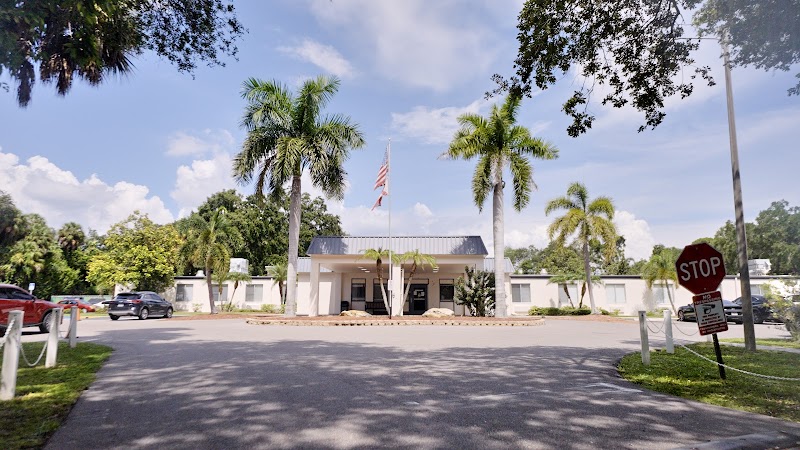
How is Woodbridge And Rehab Staffed?

CMS rates WOODBRIDGE CARE CENTER AND REHAB's staffing level at 4 out of 5 stars, which is above average compared to other nursing homes. Staff turnover is 34%, compared to the Florida average of 46%. This relatively stable workforce can support continuity of care.

What Have Inspectors Found at Woodbridge And Rehab?

State health inspectors documented 21 deficiencies at WOODBRIDGE CARE CENTER AND REHAB during 2021 to 2025. These included: 21 with potential for harm.
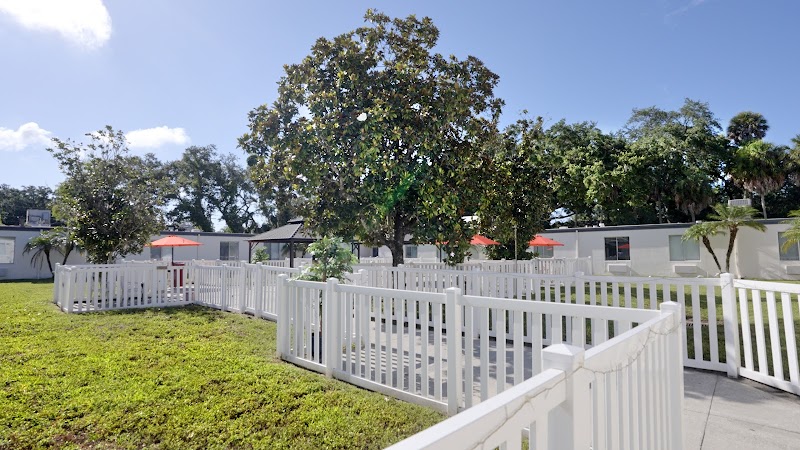
Who Owns and Operates Woodbridge And Rehab?

WOODBRIDGE CARE CENTER AND REHAB is owned by a for-profit company. For-profit facilities operate as businesses with obligations to shareholders or private owners. The facility is operated by GOLD FL TRUST II, a chain that manages multiple nursing homes. With 121 certified beds and approximately 112 residents (about 93% occupancy), it is a mid-sized facility located in TAMPA, Florida.

How Does Woodbridge And Rehab Compare to Other Florida Nursing Homes?

Compared to the 100 nursing homes in Florida, WOODBRIDGE CARE CENTER AND REHAB's overall rating (3 stars) is below the state average of 3.2, staff turnover (34%) is significantly lower than the state average of 46%, and health inspection rating (2 stars) is below the national benchmark.

What Should Families Ask When Visiting Woodbridge And Rehab?

Based on this facility's data, families visiting should ask: "Can I visit during a mealtime to observe dining assistance and food quality?" "How do you handle medical emergencies, and what is your hospital transfer rate?" "Can I speak with family members of current residents about their experience?"

Is Woodbridge And Rehab Safe?

Based on CMS inspection data, WOODBRIDGE CARE CENTER AND REHAB has a clean safety record: no substantiated abuse findings (meaning no confirmed cases of resident harm), no Immediate Jeopardy citations (the most serious violation level indicating risk of serious injury or death), and is not on the Special Focus Facility watch list (a federal program monitoring the lowest-performing 1% of nursing homes). The facility has a 3-star overall rating and ranks #100 of 100 nursing homes in Florida. While no facility is perfect, families should still ask about staff-to-resident ratios and recent inspection results during their visit.

Do Nurses at Woodbridge And Rehab Stick Around?

WOODBRIDGE CARE CENTER AND REHAB has a staff turnover rate of 34%, which is about average for Florida nursing homes (state average: 46%). Moderate turnover is common in nursing homes, but families should still ask about staff tenure and how the facility maintains care continuity when employees leave.

Was Woodbridge And Rehab Ever Fined?

WOODBRIDGE CARE CENTER AND REHAB has been fined $4,938 across 2 penalty actions. This is below the Florida average of $33,128. While any fine indicates a compliance issue, fines under $50,000 are relatively common and typically reflect isolated problems that were subsequently corrected. Families should ask what specific issues led to these fines and confirm they've been resolved.

Is Woodbridge And Rehab on Any Federal Watch List?

WOODBRIDGE CARE CENTER AND REHAB is not on any federal watch list. The most significant is the Special Focus Facility (SFF) program, which identifies the bottom 1% of nursing homes nationally based on persistent, serious quality problems. Not being on this list means the facility has avoided the pattern of deficiencies that triggers enhanced federal oversight. This is a positive indicator, though families should still review the facility's inspection history directly.