YBOR CITY CENTER FOR REHABILITATION AND HEALING
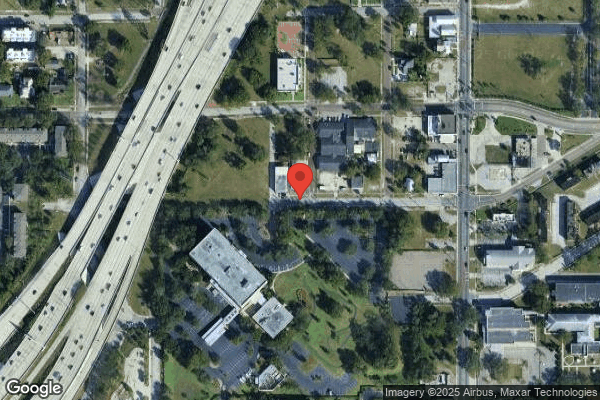

1709 TALIAFERRO AVE, TAMPA, FL 33602 (813) 223-4623
For profit - Limited Liability company 80 Beds INFINITE CARE Data: November 2025
Trust Grade
65/100
#448 of 690 in FL
Last Inspection: March 2024

Within standard 12-15 month inspection cycle. Federal law requires annual inspections.

Overview

Ybor City Center for Rehabilitation and Healing has a Trust Grade of C+, indicating it is slightly above average but not outstanding among nursing homes. It ranks #448 out of 690 in Florida, placing it in the bottom half of facilities statewide, and #17 out of 28 in Hillsborough County, meaning there are only a few better options nearby. The facility is showing improvement in its performance, with issues decreasing from 12 in 2024 to just 3 in 2025. Staffing is a relative strength, with a turnover rate of 32%, which is better than the Florida average, and the facility has not incurred any fines, indicating compliance with regulations. However, there are concerns regarding care quality; for example, the facility failed to assist residents adequately with daily showering and incontinence care, and cleanliness issues were noted in several rooms, which may affect residents' comfort and safety. Overall, while there are positive aspects, families should weigh these against the noted deficiencies when considering this facility.

Trust Score
C+
65/100
In Florida
#448/690
Bottom 36%
Safety Record
Low Risk
No red flags
Inspections
Getting Better
12 → 3 violations
Staff Stability
○ Average
32% turnover. Near Florida's 48% average. Typical for the industry.
Penalties
✓ Good
No fines on record. Clean compliance history, better than most Florida facilities.
Skilled Nurses
○ Average
Each resident gets 32 minutes of Registered Nurse (RN) attention daily — about average for Florida. RNs are the most trained staff who monitor for health changes.
Violations
⚠ Watch
19 deficiencies on record. Higher than average. Multiple issues found across inspections.
★★★☆☆
3.0
Overall Rating
★★★☆☆
3.0
Staff Levels
★★★★★
5.0
Care Quality
★★☆☆☆
2.0
Inspection Score
Stable
2024: 12 issues
2025: 3 issues

The Good

  • 5-Star Quality Measures · Strong clinical quality outcomes
  • Full Sprinkler Coverage · Fire safety systems throughout facility
  • No fines on record
  • Staff turnover below average (32%)

    16 points below Florida average of 48%

Facility shows strength in quality measures, fire safety.

The Bad

3-Star Overall Rating

Near Florida average (3.2)

Meets federal standards, typical of most facilities

Staff Turnover: 32%

14pts below Florida avg (46%)

Typical for the industry

Chain: INFINITE CARE

Part of a multi-facility chain

Ask about local staffing decisions and management

The Ugly 19 deficiencies on record

Jun 2025 3 deficiencies
CONCERN (D) 📢 Someone Reported This

A family member, employee, or ombudsman was alarmed enough to file a formal complaint

Potential for Harm - no one hurt, but risky conditions existed

Resident Rights (Tag F0550)

Could have caused harm · This affected 1 resident

**NOTE- TERMS IN BRACKETS HAVE BEEN EDITED TO PROTECT CONFIDENTIALITY** Based on observations, interviews, and record review, the facility failed to honor a residents right to refuse medications for o...

Read full inspector narrative →
**NOTE- TERMS IN BRACKETS HAVE BEEN EDITED TO PROTECT CONFIDENTIALITY** Based on observations, interviews, and record review, the facility failed to honor a residents right to refuse medications for one resident (#2) out of four residents sampled. Findings included: During an observation on 06/09/2025 at 10:40 a.m., Resident #2 was observed dressed for the day sitting in a wheelchair on the back patio. Review of Resident #2's admission record revealed an admission date of 03/25/2025. Resident #2 was admitted to the facility with diagnoses to include vascular dementia, unspecified severity, with other behavioral disturbance, unspecified psychosis not due to a substance or known physiological condition, and major depressive disorder, recurrent, moderate. Review of Resident #2's admission Minimum Data Set (MDS), dated [DATE], revealed a Brief Interview of Mental Status (BIMS) score of 03 out of 15, indicating severe cognitive impairment. Review of Resident #2's Care Plan, dated 04/01/2025, revealed the following: Focus: The resident has a behavior problem related to refusing to allow vital signs to be taken, refusing medications at times, throwing plate up against the wall and combative during care diagnosis: Dementia Goal: The resident will have no evidence of behavior problems of resisting vital signs, medication and care by review date Interventions: Administer medications as ordered. Monitor/document for side effects and effectiveness, explain all procedures to the resident before starting and allow the resident time to adjust to changes, If resident resists care, leave and return later to try again, and Psych (psychiatric) eval as needed. Focus: Resident #2 has impaired communication secondary to dementia. She sometimes understands others, and sometimes expressing ideas and wants, she has disorganized thinking. She is at risk for missing communication r/t impaired cognition. Goal: The residents will maintain current level of communication function through the review date. Interventions: Anticipate and meet needs, communication: Allow adequate time to respond, Repeat as necessary, Do not rush, Request clarification from the resident to ensure understanding, Face when speaking, make eye contact, Turn off TV/radio to reduce environmental noise, Ask yes/no questions if appropriate, Use simple, brief, consistent words/cues, Use alternative communication tools as needed, Refer to speech therapy for evaluation and treatment as ordered. Speak on an adult level, speaking clearly and slower than normal. Focus: Resident #2 has impaired cognitive function/dementia or impaired thought processes r/t Dementia short- and long-term memory loss and is moderately impaired in decision making. Unaware of where about's Goal: Resident #2 will be able to communicate basic needs on a daily basis through the review date. All of resident needs will be met and anticipated by staff Interventions: Administer medications as ordered. Monitor/document for side effects and effectiveness. Ask yes/no questions in order to determine the resident's needs, communicate with the resident/family/caregivers regarding residents capabilities and needs. Cue, reorient and supervise as needed. Discuss concerns about confusion, disease process, nursing home placement with resident/family/caregivers). Explain all procedures. Use simple, one-word requests if possible. Keep the resident's routine consistent and try to provide consistent care givers as much as possible in order to decrease confusion. Observe for signs of frustration and anxiety and change activity if observed. If the resident is having an episode of anxiety or agitation, gently attempt to calm resident and refocus attention. Provide cueing and prompting for personal care. Review of Resident #2's Psych Note, dated 06/05/2025, revealed the following: .female with a history psychotic disorder, dementia and comorbid stroke currently overall at baseline in terms of her mood and behaviors. Nursing reports resident can be resistive to care at times. Resident with an expressive aphasia with resultant difficulty communicating. Nursing reports that a nurse pinched her nose in the process of medications administration to encourage the patient to take her medication. This was witnessed and reported. The medication nurse admitted the incident. Patient noted having no change in her mood and behaviors after the incident. Met with the resident in her room. She is awake and alert to person. Difficult to fully assess her cognition due to her aphasia. She does respond appropriately to most yes/no questions, other times appears confused. She shakes her head yes within asked if she is comfortable with her care partners and in the facility. She shakes her head no when asked if she feels depressed. She denies urgent concerns. Physically the patient appeared their stated age, awake and alert. Emotionally the patient appeared calm and less guarded. The patient showed no signs of psychomotor agitation, retardation or bizarre behavior. The patient presented with non-fluent speech. Mood was normal. During an interview on 06/09/2025 at 2:07 p.m., Staff B, Certified Nursing Assistant (CNA) stated she was helping Staff C, CNA provide care to Resident #2. She stated, while providing care Staff D, Licensed Practical Nurse (LPN) came in Resident #2's room to give Resident #2 her medications. She stated, the first time Staff D, LPN gave the medication to Resident #2 she spit it out. She stated, the nurse tried again, and Resident #2 spit the medication out again. Staff B stated, the third time Staff D, LPN left the room and came back with a syringe, and while giving Resident #2 the medication from the syringe the nurse held Resident #2's nose and mouth closed until Resident #2 swallowed the medication. Staff B stated, Resident #2 kept saying, I don't want it, I don't want it. [Staff D, LPN] told us you don't need to go tell on me because I'm going down there myself. I told [Staff C, CNA] if you ever get a chance to be a nurse do not do that because that is abuse. During an interview on 06/09/2025 at 2:59 p.m., Staff C, CNA, stated she was in Resident #2's room getting her ready to give her a bath. Resident #2 looked a little agitated, so I asked Staff D, LPN to give her something. Staff D, LPN left the room and returned with medication for Resident #2. The first time Staff D, LPN gave Resident #2 the medication with a spoon and Resident #2 spit it out. Staff D, LPN tried again with the medication on the spoon and Resident #2 spit it out again. Staff D, LPN said Wait don't touch her I have something for her. Staff D, LPN left the room and came back with a syringe. When she gave Resident #2 the medication this time, She held Resident #2's nose and mouth closed. Staff D, LPN told me that's how I get my kids to take their medicine. During a phone interview on 06/09/2025 at 4:27 p.m., Staff D, LPN stated last Monday (06/02/2025), she walked into give Resident #2 her morning medication and saw Staff C, CNA holding Resident #2's hands and wrestling with the resident. She told Staff C, CNA she had Resident #2's medications. Resident #2 takes her medication crushed with pudding. She tried giving Resident #2 the crushed medication and pudding twice and Resident #2 spit it out both times. She left the room and mixed what was left in the medicine cup with water and put it in a syringe. I gave her the medication with the syringe and held her nose so that she would swallow the medication. I did not do it maliciously. [Resident #2] has a history of being combative when she does not get her medicine. That is the reason she is on the medications. During an interview on 06/10/2025 at 12:30 p.m., the Director of Nursing (DON) stated neither Staff B, CNA or Staff C, CNA reported to her Resident #2 was being combative at the time of the incident. When the CNA's notified her of the incident, she immediately removed the nurse from the assignment. She stated, if a resident is refusing their medications nurses should try to redirect the resident or try to notify family. Resident families can get them to take their medications. She said the resident ultimately has the right to refuse and it is even more important for the residents who are not alert and oriented for those rights to be honored. Review of the facilities undated policy titled Resident Rights revealed the following: .A. Resident rights. The resident has a right to a dignified existence, self-determination, and communication with and access to people and services inside and outside the facility, including those specified in this section. 1. A facility must treat each resident with respect and dignity and care for each resident in a manner of and in an environment that promotes maintenance or enhancement of his or her quality of life, recognizing each resident's individuality. The facility must protect and promote the rights of the resident B. Exercise of rights. The resident has the right to exercise his or her rights as a resident of the facility and a citizen or resident of the United States. 1. The facility must ensure that the resident can exercise his or her rights without interference, coercion, discrimination, or reprisal from the facility.
CONCERN (D) 📢 Someone Reported This

A family member, employee, or ombudsman was alarmed enough to file a formal complaint

Potential for Harm - no one hurt, but risky conditions existed

Free from Abuse/Neglect (Tag F0600)

Could have caused harm · This affected 1 resident

**NOTE- TERMS IN BRACKETS HAVE BEEN EDITED TO PROTECT CONFIDENTIALITY** Based on observations, interviews, and record review, the facility failed protect a residents right to be free from abuse for on...

Read full inspector narrative →
**NOTE- TERMS IN BRACKETS HAVE BEEN EDITED TO PROTECT CONFIDENTIALITY** Based on observations, interviews, and record review, the facility failed protect a residents right to be free from abuse for one resident (#2) out of four residents sampled. Findings included: During an observation on 06/09/2025 at 10:40 a.m., Resident #2 was observed dressed for the day sitting in a wheelchair on the back patio. Review of Resident #2's admission record revealed an admission date of 03/25/2025. Resident #2 was admitted to the facility with diagnoses to include vascular dementia, unspecified severity, with other behavioral disturbance, unspecified psychosis not due to a substance or known physiological condition, and major depressive disorder, recurrent, moderate. Review of Resident #2's admission Minimum Data Set (MDS), dated [DATE], revealed a Brief Interview of Mental Status (BIMS) score of 03 out of 15, indicating severe cognitive impairment. Review of Resident #2's Care Plan, dated 04/01/2025, revealed the following: Focus: The resident has a behavior problem related to refusing to allow vital signs to be taken, refusing medications at times, throwing plate up against the wall and combative during care diagnosis: Dementia Goal: The resident will have no evidence of behavior problems of resisting vital signs, medication and care by review date Interventions: Administer medications as ordered. Monitor/document for side effects and effectiveness, explain all procedures to the resident before starting and allow the resident time to adjust to changes, If resident resists care, leave and return later to try again, and Psych (psychiatric) eval as needed. Focus: Resident #2 has impaired communication secondary to dementia. She sometimes understands others, and sometimes expressing ideas and wants, she has disorganized thinking. She is at risk for missing communication r/t impaired cognition. Goal: The residents will maintain current level of communication function through the review date. Interventions: Anticipate and meet needs, communication: Allow adequate time to respond, Repeat as necessary, Do not rush, Request clarification from the resident to ensure understanding, Face when speaking, make eye contact, Turn off TV/radio to reduce environmental noise, Ask yes/no questions if appropriate, Use simple, brief, consistent words/cues, Use alternative communication tools as needed, Refer to speech therapy for evaluation and treatment as ordered. Speak on an adult level, speaking clearly and slower than normal. Focus: Resident #2 has impaired cognitive function/dementia or impaired thought processes r/t Dementia short- and long-term memory loss and is moderately impaired in decision making. Unaware of where about's Goal: Resident #2 will be able to communicate basic needs on a daily basis through the review date. All of resident needs will be met and anticipated by staff Interventions: Administer medications as ordered. Monitor/document for side effects and effectiveness. Ask yes/no questions in order to determine the resident's needs, communicate with the resident/family/caregivers regarding residents capabilities and needs. Cue, reorient and supervise as needed. Discuss concerns about confusion, disease process, nursing home placement with resident/family/caregivers). Explain all procedures. Use simple, one-word requests if possible. Keep the resident's routine consistent and try to provide consistent care givers as much as possible in order to decrease confusion. Observe for signs of frustration and anxiety and change activity if observed. If the resident is having an episode of anxiety or agitation, gently attempt to calm resident and refocus attention. Provide cueing and prompting for personal care. Review of Resident #2's Psych Note, dated 06/05/2025, revealed the following: .female with a history psychotic disorder, dementia and comorbid stroke currently overall at baseline in terms of her mood and behaviors. Nursing reports resident can be resistive to care at times. Resident with an expressive aphasia with resultant difficulty communicating. Nursing reports that a nurse pinched her nose in the process of medications administration to encourage the patient to take her medication. This was witnessed and reported. The medication nurse admitted the incident. Patient noted having no change in her mood and behaviors after the incident. Met with the resident in her room. She is awake and alert to person. Difficult to fully assess her cognition due to her aphasia. She does respond appropriately to most yes/no questions, other times appears confused. She shakes her head yes within asked if she is comfortable with her care partners and in the facility. She shakes her head no when asked if she feels depressed. She denies urgent concerns. Physically the patient appeared their stated age, awake and alert. Emotionally the patient appeared calm and less guarded. The patient showed no signs of psychomotor agitation, retardation or bizarre behavior. The patient presented with non-fluent speech. Mood was normal. During an interview on 06/09/2025 at 2:07 p.m., Staff B, Certified Nursing Assistant (CNA) stated she was helping Staff C, CNA provide care to Resident #2. She stated, while providing care Staff D, Licensed Practical Nurse (LPN) came in Resident #2's room to give Resident #2 her medications. She stated, the first time Staff D, LPN gave the medication to Resident #2 she spit it out. She stated, the nurse tried again, and Resident #2 spit the medication out again. Staff B stated, the third time Staff D, LPN left the room and came back with a syringe, and while giving Resident #2 the medication from the syringe the nurse held Resident #2's nose and mouth closed until Resident #2 swallowed the medication. Staff B stated, Resident #2 kept saying, I don't want it, I don't want it. [Staff D, LPN] told us you don't need to go tell on me because I'm going down there myself. I told [Staff C, CNA] if you ever get a chance to be a nurse do not do that because that is abuse. During an interview on 06/09/2025 at 2:59 p.m., Staff C, CNA, stated she was in Resident #2's room getting her ready to give her a bath. Resident #2 looked a little agitated, so I asked Staff D, LPN to give her something. Staff D, LPN left the room and returned with medication for Resident #2. The first time Staff D, LPN gave Resident #2 the medication with a spoon and Resident #2 spit it out. Staff D, LPN tried again with the medication on the spoon and Resident #2 spit it out again. Staff D, LPN said Wait don't touch her I have something for her. Staff D, LPN left the room and came back with a syringe. When she gave Resident #2 the medication this time, She held Resident #2's nose and mouth closed. Staff D, LPN told me that's how I get my kids to take their medicine. During a phone interview on 06/09/2025 at 4:27 p.m., Staff D, LPN stated last Monday (06/02/2025), she walked into give Resident #2 her morning medication and saw Staff C, CNA holding Resident #2's hands and wrestling with the resident. She told Staff C, CNA she had Resident #2's medications. Resident #2 takes her medication crushed with pudding. She tried giving Resident #2 the crushed medication and pudding twice and Resident #2 spit it out both times. She left the room and mixed what was left in the medicine cup with water and put it in a syringe. I gave her the medication with the syringe and held her nose so that she would swallow the medication. I did not do it maliciously. [Resident #2] has a history of being combative when she does not get her medicine. That is the reason she is on the medications. During an interview on 06/10/2025 at 12:30 p.m., the Director of Nursing (DON) stated neither Staff B, CNA or Staff C, CNA reported to her Resident #2 was being combative at the time of the incident. When the CNA's notified her of the incident, she immediately removed the nurse from the assignment. She stated, if a resident is refusing their medications nurses should try to redirect the resident or try to notify family. Resident families can get them to take their medications. She said the resident ultimately has the right to refuse and it is even more important for the residents who are not alert and oriented for those rights to be honored. Review of the facilities undated policy titled Abuse Neglect Exploitation And Misappropriation revealed the following: Policy: It is the policy of this facility to take appropriate steps to prevent abuse (be it verbal, sexual, physical, or mental), neglect, exploitation and misappropriation and the occurrence of an injury of an unknown source, and to ensure that all alleged violations of federal and or state laws are reported immediately to the administrator, the risk manager, the social service director, and the director of nursing.
CONCERN (D) 📢 Someone Reported This

A family member, employee, or ombudsman was alarmed enough to file a formal complaint

Potential for Harm - no one hurt, but risky conditions existed

Deficiency F0761 (Tag F0761)

Could have caused harm · This affected 1 resident

Based on observations, interviews, and record review, the facility failed to ensure medications were properly stored and secured on two units (300 and 400) out of four units in the facility. Findings...

Read full inspector narrative →
Based on observations, interviews, and record review, the facility failed to ensure medications were properly stored and secured on two units (300 and 400) out of four units in the facility. Findings included: An observation was conducted on 6/9/25 at 9:25 a.m. at the 400-unit nurses' station. The door to the nurses' station was open, no staff were in sight, and the medication refrigerator in the station was observed to be unlocked. There were floor to ceiling cabinets next to the refrigerator that were also unlocked, and the top cabinet was full of over-the-counter (OTC) medications. The medications were accessible to residents, visitors, or unlicensed staff. An observation was conducted on 6/9/25 at 9:32 a.m. in the 300-unit common area. There was a treatment cart sitting in the resident common area unlocked. No staff were in sight at the time. The treatment cart was observed to contain prescription medications and wound care supplies. A follow-up observation was conducted on 6/9/25 at 12:46 at the 400-unit nurses' station. The medication refrigerator and cabinet with the OTC medications remained unlocked. The nurses' station door was open, and a resident was sitting just outside the door with no staff members in sight. An observation and interview was conducted on 6/9/25 at 3:15 p.m. with Staff A, Licensed Practical Nurse (LPN). The medication refrigerator and cabinet at the 400-unit nurses' station remained unlocked. Staff A was sitting at the nurses' station and confirmed she was the nurse working on the 400 unit from 7:00 a.m. to 3:00 p.m. Staff A said a nurse had just gotten something out of the OTC cabinet. She said it should be locked and any key works to lock it. In reference to the medication refrigerator being unlocked, she said, There isn't anything in there but insulin, but it should be locked. Staff A stated, I just haven't gotten to it. Staff A agreed both the refrigerator and the cabinet with OTC medication should have been locked at all times so they were not accessible. An interview was conducted on 6/10/25 at 11:28 a.m. with the Director of Nursing (DON). She stated medication should not be left unsecured for any reason. The DON said it is her expectation the medication refrigerator and the cabinet with OTC medications would be locked when not being accessed by the nurse. She stated treatment and medication carts should remain locked when not being used by the nurse. Review of a facility policy titled Medication Storage, undated, showed: Policy: Medications will be stored in a manner that maintains the integrity of the product and ensures the safety of the residents and is in accordance with FL Department of Health guidelines. Procedure: A. With the exception of Emergency Drug Kits, all medications will be stored in a locked cabinet, cart or medication room that is accessible only to authorized personnel, as defined by facility policy. . (Photographic evidence obtained.)
Nov 2024 4 deficiencies
CONCERN (D) 📢 Someone Reported This

A family member, employee, or ombudsman was alarmed enough to file a formal complaint

Potential for Harm - no one hurt, but risky conditions existed

Deficiency F0558 (Tag F0558)

Could have caused harm · This affected 1 resident

Based on observations, record reviews, and interviews the facility failed to ensure four (#5, #6, #9, and #10) residents of seventy-three had access to the call light system as evidence by call light ...

Read full inspector narrative →
Based on observations, record reviews, and interviews the facility failed to ensure four (#5, #6, #9, and #10) residents of seventy-three had access to the call light system as evidence by call light pull strings were not within their reach. Findings included: On 11/7/24 at 9:30 a.m. Resident #5 was observed lying in bed wearing a hospital gown. The resident's head of bed was raised greater than 45 degrees. The observation revealed the resident's call light pull string was lying on the bedside dresser, which was pushed up against the wall behind and next to the resident's bed, the end of the cord was observed under boxes sitting on top of dresser. Photographic evidence was obtained. On 11/7/24 at 9:30 a.m. Resident #6 was observed lying in bed, curled up and facing the door. The resident's call light pull string was at the resident's head of bed and dropped through the mattress holder onto the floor. The resident would have had to reach behind and above him to reach the cord/string. An interview and observation was conducted with Staff B, Licensed Practical Nurse (LPN) on 11/7/24 at 9:39 a.m. The staff member confirmed Resident #5 and #6 could not reach their call light pull string/cords. Review of the admission Record for Resident #5 revealed the resident had diagnoses not limited to need for assistance with personal care, unspecified cataract, and mild dementia in other diseases classified elsewhere without behavioral disturbance, psychotic disturbance mood disturbance, and anxiety. Review of the quarterly Minimum Data Set (MDS) for Resident #5 dated 8/12/24 showed a Brief Interview of Mental Status (BIMS) score of 13 of 15, which indicated intact cognition. Review of the admission Record for Resident #6 showed the resident had diagnoses not limited to need for assistance with personal care, Parkinson's disease without dyskinesia without mention of fluctuations, and unspecified severity unspecified dementia without behavioral disturbance, psychotic disturbance mood disturbance and anxiety. Review of the quarterly MDS for Resident #6 dated 7/1/24 showed a BIMS score of 6 of 15 which indicated severe cognition impairment. On 11/7/24 at 10:00 a.m., Resident #9 was observed lying in bed with head of bed slightly raised. The observation revealed the resident's call light pull string/cord was lying on the floor behind the resident, near the wall. The end of it was wrapped around the bed control cord. On 11/7/24 at 10:02 a.m. Resident #10 was observed lying with the head of the bed raised higher than 45 degrees. The call light pull string/cord was observed lying on the bedside dresser located to the side of the resident's bed and against the wall. The resident reported being blind and needing it. On 11/7/24 at approximately 10:05 a.m. the Director of Nursing (DON) observed the location of Resident #9 and #10's call lights, confirming they were not within reach of the residents. The DON confirmed call light strings/cords should be within reach. Review of the admission Record for Resident #9 revealed the resident had diagnoses not limited to other lack of coordination, unspecified chronic obstructive pulmonary disease, chronic respiratory failure with hypoxia, and generalized muscle weakness. Review of the Comprehensive MDS for Resident #9 showed a BIMS score of 13 of 15, which indicated intact cognition. Review of the admission Record for Resident #10 revealed the resident had diagnoses not limited to unspecified glaucoma, unspecified cataract, and unspecified severity unspecified dementia without behavioral disturbance, psychotic disturbance mood disturbance, and anxiety. Review of the quarterly MDS for Resident #10 showed the resident's vision was severely impaired and the resident's BIMS score was 14 of 15 which indicated intact cognition. Review of the facility's job description for Certified Nursing Assistant's showed the basic function was to provide routine daily nursing care and services that support the care delivered to patients/ residents requiring long-term or rehabilitative care, in accordance with the established nursing care procedures and as directed by your supervisor. The minimum performance standards showed patient/ resident call lights are promptly answered. Appropriate responses to requests are provided.
CONCERN (D) 📢 Someone Reported This

A family member, employee, or ombudsman was alarmed enough to file a formal complaint

Potential for Harm - no one hurt, but risky conditions existed

Deficiency F0825 (Tag F0825)

Could have caused harm · This affected 1 resident

**NOTE- TERMS IN BRACKETS HAVE BEEN EDITED TO PROTECT CONFIDENTIALITY** Based on interview and record review, the facility failed to provide therapy services in a timely manner for one (#2) of three s...

Read full inspector narrative →
**NOTE- TERMS IN BRACKETS HAVE BEEN EDITED TO PROTECT CONFIDENTIALITY** Based on interview and record review, the facility failed to provide therapy services in a timely manner for one (#2) of three sampled residents. Findings included: 1. Review of the admission Record for Resident #2 showed she was admitted to the facility on 107/2024 with diagnoses included but not limited to acute respiratory failure with hypoxia, Urinary Tract Infection, Chronic Obstructive Pulmonary Disease (COPD), myocardial infarction, and muscle weakness. Review of the admission Minimum Data Set (MDS) dated [DATE] showed a Brief Interview for Mental Status (BIMS) score of 15 which indicated intact cognition. Section GG Functional Abilities showed she needed moderate assistance for toileting hygiene and maximal assistance for toilet transfer. Section O, Special Treatments, Procedures and Programs showed Occupational Therapy (OT) started on 10/14/2024 and Physical Therapy (PT) started on 10/12/2024. Review of the Medical Certification for Medicaid Long-Term Care Services and Patient Transfer Form dated 10/7/24, showed treatments and frequency: PT 5 times a week OT 5 times a week Ambulates with assistive device (4 wheeled bariatric walker) and required assistance with transfers Review of the physician orders showed Therapy: Physical Therapy to evaluate and treat as indicated as of 10/12/20204 Therapy: Occupational Therapy to evaluate and treat as indicated as of 10/14/20204 Physical Therapy clarification order: 5 times a week for 4 weeks for unsteadiness on feet, weakness, with focus on therapeutic activity, therapeutic exercise, neuromuscular re-education, gait training, group treatment / concurrent /individual whichever is applicable and discharge planning as of 10/12/2024. Occupational Therapy clarification order, 5 times a week for 4 weeks for weakness with focus on therapeutic activity, therapeutic exercises, neuromuscular re-education, and self-care training, group treatment / concurrent /individual whichever is applicable and discharge planning as of 10/14/2024. Review of the APRN (Advanced Practice Registered Nurse) note written on 10/08/2024 showed Assessment / Plan included Physical deconditioning: admit to SNF, Continue PT/OT as indicated, Fall precaution, Skin assessment per facility protocol and Supportive care; ADL assistance. Review of the PT evaluation dated 10/12/24 showed the reason for therapy: based on examination pt's body regions, systems and structures, patient presents with balance deficits, strength impairments, unilateral weakness, pain, proximal instability, body awareness deficits and gross motor coordination deficits and in consideration of history, personal factors, and functional limitations documented in this eval summary, patient requires skilled PT services to increase LE ROM (Lower Extremity range of motion) and strength, increase independence with gait, increase functional activity tolerance, facilitate independence with hall functional mobility and enhance rehab potential, in order to safely return home, decrease level of assistance from caregivers and facilitate safe transition to next level of care. Due to the documented physical impairments and associated functional deficits, without skilled therapeutic intervention, the patient is at risk for pneumonia, limited out of bed activity, falls, immobility, decreased skin integrity, anxiety and pulmonary insufficiency. Review of the OT evaluation dated 10/14/2024 showed clinical impressions / reason for skilled services: patient exhibits new onset of fall / fall risk, reduced dynamic balance, reduced static balance and reduced ADL participation: patient is a [AGE] year old female who has admitted to ED (Emergency Department) after suffering a fall. Patient has also collapsed lung and COPD. Patient presents to current facility with aforementioned deficits and could benefit from skilled services at this time. Review of Resident #2's care plans showed a care plan that the resident was a new admission to the facility and was here for short term rehab therapy and plans to discharge back to home when able with home health services, if indicated initiated on 10/18/24. The goal was for the resident to attend therapy as scheduled and participate in the treatment program to enable discharge back to home with a target date of 01/2025. Interventions included but not limited to encourage resident to attend therapy to regain strength as of 10/18/2024. The Care plan showed: resident denied history of fall prior to admission. She was at risk for falls related to muscle weakness, unsteadiness on feet as of 10/17/2024. Interventions included but not limited to PT evaluate and treat as ordered or PRN (as needed) as of 10/17/2024. During an interview on 11/07/2024 at 12:19 p.m., the Director of Rehabilitation (DOR) stated Resident #2 had therapy, PT and OT. The DOR reviewed the evaluations, for PT on the 10/12/2024, and OT on the 10/14/2024. DOR stated she made the schedules but was out ill. DOR stated it was possible Resident #2 was missed, she could not say. The DOR stated the normal time frame for evaluating a new resident was the next day in the p.m. She stated she had a PRN therapist which worked in the evening and did the evaluations. The DOR stated she had a PRN therapist in the evening and a part-time therapist that came in during the day. She stated mainly in the p.m. The DOR stated residents were normally evaluated the next day (after admission). The DOR stated, unless (admission) was on the weekend, if I can get a therapist to come in on the weekend. I have COTAS (Certified Occupational Therapy Assistant[s]) and a stand-by therapist for the weekend, not routinely. DOR stated, I was not here, the regional may have been covering. I did not have anyone covering for me. Generally, what happens I know ahead of time for a 'total knee' and will schedule ahead of time. I would say we slipped through the cracks with it. The DOR verified the physician orders. The DOR stated, Under Medicare guidelines it (evaluation) should be within 48 hours. I had a therapist here on the 12th and they noticed she (Resident #2) was not on the schedule. The DOR stated the negative outcome for not receiving therapy during that timeline, don't know, she should have been seen more timely. During an interview on 11/07/2024 at 3:45 p.m. with the DON. When asked if it was acceptable for a resident to go 5 days without ordered therapy, the DON stated, she was not a therapist. She did not put anyone in charge while she (DOR) was gone. When asked as the DON was it acceptable to her for a resident to not get ordered therapy timely? She stated, I understand what you are getting at, and exited the interview. During an interview on 11/07/2024 at 4:20 p.m. with the Nursing Home Administrator (NHA) and Social Services Director (SSD), the NHA stated the DOR typically scheduled while she was out. The NHA stated they only had therapy which work with us part time. The NHA stated, When she (DOR) was out, the NHA covers or regional comes and helps. The NHA stated she was not aware Resident #2 did not get her therapy for 5 days. Review of the facility's policy, Therapy: Physician Orders, not dated showed therapy services require physician orders validated by therapists prior to initiating therapy services and for any interventions. The licensed therapist may request written or verbal orders. Additional circumstances if there is a physician order for evaluation, and in order to trade must be obtained. Components of the order 1. Specific description of services being ordered. 2. Treatment orders to include the following frequency, duration, treatment interventions and modes of treatment; 3. Ensure steps were taken based on EHR to ensure validation have orders by the physician or NPP.
CONCERN (D) 📢 Someone Reported This

A family member, employee, or ombudsman was alarmed enough to file a formal complaint

Potential for Harm - no one hurt, but risky conditions existed

Medical Records (Tag F0842)

Could have caused harm · This affected 1 resident

**NOTE- TERMS IN BRACKETS HAVE BEEN EDITED TO PROTECT CONFIDENTIALITY** Based on observation, record review. and interview. the facility failed to maintain the medical record of one (#3) of three resi...

Read full inspector narrative →
**NOTE- TERMS IN BRACKETS HAVE BEEN EDITED TO PROTECT CONFIDENTIALITY** Based on observation, record review. and interview. the facility failed to maintain the medical record of one (#3) of three residents sampled in an appropriate manner related to complete and accuracy of the records. Findings included: Review of the admission Record for Resident #3 showed the resident was admitted on [DATE] following a hospital stay. The admission Record revealed diagnoses not limited to presence of left artificial knee joint, unilateral primary osteoarthritis of left knee, difficulty in walking not elsewhere classified, unspecified anxiety disorder, and recurrent unspecified major depressive disorder. The record revealed the resident's primary language was English. Review of the Nursing Admission/ readmission Screening/ History, effective 11/1/2024 at 12:04 p.m. for Resident #3 revealed the other language spoken by resident #4 was Spanish. The screening did not reveal the resident spoke English. Review of the Continence Evaluation for Resident #3 showed the resident was oriented x 3 (person, place, and time) for cognition and required assistance with transfers/standing. The evaluation revealed the resident was continent of bladder and the bowel assessment was not completed. Review of the Certified Nursing Assistant (CNA) documentation for Resident #3 showed no documentation had been completed for the resident's Activities of Daily Living (ADLs) during the 3 p.m. - 11 p.m. shift on 11/1 and 11/2, and the 11 p.m. - 7 a.m. shift on 11/1/ and 11/2/24. Review of the progress notes for Resident #3 showed no nursing documentation was completed for the resident from 11/1 at 8:06 p.m. to 11/3/24 at 1:11 p.m. The record did not include any skilled nursing or progress notes for 11/2/24. The one note on 11/3/24 revealed a family member had requested to take resident home Against Medical Advice (AMA), this writer notified the MD on call Services and left voicemail to return call to our facility. The family member (who was not listed as the responsible party or Emergency Contact) signed the AMA paperwork. The record did not reveal if the physician had returned the call, if the Director of Nursing and/or Administrator had been contacted, or if any conversation had happened between the resident, family member, and staff member(s). Review of the facility's Grievance/Concern log for November 2024 revealed no concerns had been voiced by either a resident of the facility or a resident representative. Review of the facility's Incident logs for November 2024 did not reveal Resident #3 had an incident at the facility. During an interview on 11/7/24 at 3:44 p.m., the Director of Nursing (DON) revealed Resident #3 had not been in the facility very long. She stated she had worked the cart on the 11 p.m. - 7 a.m. shift, Saturday to Sunday on 11/2/24. The DON reported Resident #3 seemed to be pleasant, did not ask for much, CNAs offered water, and asked if changing was needed. The DON stated she had given the resident medications during the shift but could not remember which ones. The DON reported not knowing why the resident had left AMA, however had asked the nurse and was told the resident or family believed there was going to be a Spanish-speaking staff member 24 hours a day to translate for the resident. She stated she believed the resident could understand a little English. An interview was conducted on 11/7/24 at 4:20 p.m. with the Nursing Home Administrator (NHA) and Social Services Director (SSD). The SSD reported not being at the facility from 10/18 to 11/4/24 and had a lot piled up. She reported she would not have made a follow up call to Resident #3, the Risk Manager (RM) would have. The NHA reported the RM was let go on Monday (11/4) and a new one started on 11/5/24. The NHA reviewed the progress notes and evaluations confirming there was no note or evaluation completed for Resident #3 on 11/2/24 and there should be a skilled nursing note. The NHA read the note on 11/3/24 regarding Resident #3's AMA discharge and stated it was a pretty generic note. An interview was conducted on 11/7/24 at 4:58 p.m. with the NHA and DON. The NHA reported the facility did not have a skilled nursing policy and the DON stated it would be a follow physician orders policy.
CONCERN (E) 📢 Someone Reported This

A family member, employee, or ombudsman was alarmed enough to file a formal complaint

Potential for Harm - no one hurt, but risky conditions existed

ADL Care (Tag F0677)

Could have caused harm · This affected multiple residents

**NOTE- TERMS IN BRACKETS HAVE BEEN EDITED TO PROTECT CONFIDENTIALITY** Based on observation, interview, and record review. the facility failed to provide Activities of Daily Living (ADLs) related to ...

Read full inspector narrative →
**NOTE- TERMS IN BRACKETS HAVE BEEN EDITED TO PROTECT CONFIDENTIALITY** Based on observation, interview, and record review. the facility failed to provide Activities of Daily Living (ADLs) related to showering for two (#2, #4) of three residents sampled and related to incontinence care for two (#2, #3) of three residents sampled. Findings included: 1. Review of Resident #2's admission Record showed diagnoses included but not limited to acute respiratory failure with hypoxia, Urinary Tract Infection (UTI), Chronic Obstructive Pulmonary Disease (COPD), anemia, diabetes, hypertension, myocardium infarction sleep apnea, and muscle weakness. Review of the admission Minimum Data Set (MDS) dated [DATE] showed a Brief Interview for Mental Status (BIMS) score of 15 which indicated intact cognition. Under Section GG - Functional Abilities showed the resident needed moderate assistance for toileting hygiene and maximal assistance for toilet transfer. Section O, Special Treatments, Procedures and Programs showed Occupational Therapy (OT) started on 10/14/2024 and Physical Therapy (PT) started on 10/12/2024. Review of Resident #2's care plans showed a care plan for an Activities of Daily Living (ADL) self-care performance deficit related to that decline in health status. She was admitted from the hospital for respiratory failure with hypoxia, collapsed lung, COPD, obstructive sleep apnea, neoplasm of left lung, and obesity. She had a port to the right chest for chemotherapy. She was at risk for further decline secondary to muscle weakness and unsteadiness on feet. Skilled therapy is in progress as scheduled to improve level of function initiated on 10/17/2024. Interventions included but not limited to bathing / showering: provide sponge bath when a full bath or shower cannot be tolerated as of 10/17/2024; PT/OT evaluation and treatment as per MD orders date initiated 10/17/2024. Review of a Care plan for Resident #2 revised on 10/17/2024 showed the resident was incontinent of bladder function related to impaired mobility, history of UTI and endometrial cancer. The resident was at risk for complications associated with incontinence and dehydration. The goal for the resident was to remain free from skin breakdown due to incontinence and brief use through the review date of 1/20/2025. Interventions included but were not limited to brief use: the resident uses adult disposable briefs. Check for incontinence change as needed initiated on 10/17/2024; clean Peri-area with each incontinence episode initiated on 10/17/2024; incontinent: check for incontinence. Wash rinse and dry perineum. Change clothing PRN after incontinence episodes initiated on 10/17/2024. Review of the Documentation Survey Report for Bladder Elimination log for Resident #2 for dates 10/07/24 to 10/24/24 showed 29 out of 52 opportunities or 56% Bladder Elimination documentation was not documented. Review of the Documentation Survey Report for ADL - Toilet Use log for Resident #2 dates 10/07/2024 to 10/24/2024, showed 34 out of 52 opportunities or 65% Toilet Use was not documented Review of the 30 days look back Bath/Shower log for the month of October 2024 showed Resident #2 received only two showers on 10/12/2024 and 10/21/2024. During an interview on 11/07/2024 at 2:00 p.m., Staff A, CNA stated, You document providing incontinence care by pulling up assignment on the computer and it gives you options. Under toilet-use you document incontinence care was provided. The documentation shows if they are dependent or independent and if bladder care for incontinent or not. Staff A stated every shift should be documenting this information. Staff A verified that the documentation was not present on every shift. Staff A stated Resident #2 was to have showers 3 times a week or as requested. She was to have showers on Tuesday, Thursday, and Saturday on the 3 p.m. to 11 p.m. shift. Staff A verified Resident #2 received showers on the 12th and the 21st only. Staff A stated they should have documented she was refusing showers if she was. She confirmed documentation was not there. Staff A stated when the aide came in for their shift, they were given a shower sheet for the shift. During an interview on 11/07/2024 at 3:45 p.m. with the DON, she stated there was to be documentation every shift from the CNAs. The CNA was to document ADL care. The DON stated the residents got showered three times a week, ideally, and could have more. The DON stated, If they want, we offer bed bath in the mornings. The residents were scheduled for showers 3 times a week. If a shower was not given, it should be documented as bed bath, if given. The DON stated there should be some documentation daily about bathing. If the resident refused a shower, they should notify the nurse and document refusal. The DON verified ADL care was not documented on Resident #2. During an interview on 11/07/2024 at 4:20 p.m. with the Nursing Home Administrator (NHA) and Social Services Director (SSD), the NHA stated the DOR (Director of Rehabilitation) was out ill. The NHA verified incontinence care and showers documentation was missing. She stated the residents got showers three times a week and if refused it should be documented. Review of an undated facility policy titled, Perineal Care, showed the purposes of this procedure are to provide cleanliness and comfort to the resident, to prevent infections and skin irritation, and to observe the resident skin condition. Reporting and documentation: The following information should be reported to the staff / charge nurse and should be documented in the residence medical record. 1. The date and time that the procedure was performed. 2. The name and title of the individual who performed the procedure. 3. Any skin care problems noted. 7. If the resident refused the treatment and the reasons why. 8. The signature and title of the person recording the data. 2. Review of the admission Record for Resident #3 showed diagnoses not limited to encounter for other orthopedic aftercare, presence of left artificial knee joint, and difficulty in walking not elsewhere classified. Review of the Admission/readmission Screening/History evaluation for Resident #3 dated 11/01/2024 revealed Resident #3 was admitted for rehab, was alert and oriented x 4, spoke Spanish. The form did not show the resident was incontinent of bladder (urine) or of bowel and had steri-strips on left leg and was able to bear weight to this extremity. The ADL evaluation revealed bed mobility, transfers, walking, locomotion, and toilet use was not assessed and for dressing, personal hygiene and bathing the resident required assistance of staff. Review of a Continence Evaluation for Resident #3 dated 11/01/2024 showed under mobility status, the resident required assist with transfer/standing. Under Bladder, the assessment showed the perception of the need to void was present, able to tell of need to void, did not wear a pad to keep undergarments clean, and was continent of urine. The evaluation for bowel function had not been completed. Review of the Physical Therapy (PT) evaluation and Plan of Treatment, with a start of care date of 11/02/2204 showed Resident #3's baseline was partial/moderate assist for chair/bed-to-chair transfers, lying to sitting on side of bed, was weight bearing as tolerated status post (s/p) left knee total arthroplasty. The Functional Mobility Assessment showed a toilet transfer had not been attempted due to medical conditions or safety concerns, with partial/moderate assistance resident could walk 10 feet, with substantial/maximal assistance could walk 50 feet with 2 turns, and used a manual wheelchair or scooter. The reason for therapy showed the patient presented with balance deficits, strength impairments, pain, (and) postural alignment/control and decreased dynamic balance. Review of Resident #3's Medical Certification for Medicaid Long-Term Care Services and Patient Transfer Form, dated 10/31/24 showed the resident was weight-bearing as tolerated (WBAT) with a walker. Review of the November 2024 Documentation Survey Report for ADL - Toilet Use log for Resident #3 did not show any bladder or bowel elimination during the 3 p.m. - 11 p.m. shift on 11/01/2024 or 11/02/2024 or on the 11 p.m. - 7 a.m. shift on 11/01/2024 or 11/02/2024. The record did not show the resident received any assistance for toilet use during the period of 3 p.m. to 7 a.m. on 11/01/2024 or 11/02/2024 or if the resident had been incontinent/continent of bowel and/or bladder during those same shifts. An interview was conducted on 11/07/2024 at 12:19 p.m. with the Director of Rehabilitation (DOR). The DOR stated the facility generally knew who was coming in/(admitted ) and new admissions were evaluated the next day. The DOR stated residents who had a total knee replacement should be evaluated, but staff did not necessarily have to wait for residents to be evaluated if they had already been receiving PT in the hospital, if they had documentation from the hospital, and were continent and wanted to get up for the bathroom. An interview was conducted on 11/7/24 at 2:10 p.m. with Staff A, CNA/Medical Records. The staff member reported CNAs enter documentation in the electronic record. Staff A said they logged into the resident's name, pull up the assignment, bowel and bladder elimination should be under toilet use. Staff A stated staff would document the resident's performance, if they were continent/incontinent, and they should document every shift as to what type of care they provided to the resident. Staff A reviewed the CNA documentation for Resident #3 and confirmed the resident had not received assistance from staff during five of seven shifts. During an interview on 11/07/2024 at 3:44 p.m., the Director of Nursing (DON) reported Resident #3 was not at the facility very long, was Spanish-speaking but thought the resident was able to understand a little English. The staff member reported CNAs should document every shift anything that fell under the plan of care (POC). The DON stated she did not know whether the resident was continent or incontinent and reported she had worked the cart during the 11 p.m. - 7 a.m. shift on 11/02/2024 (Saturday into Sunday morning). 3. On 11/7/24 at 12:05 p.m., Resident #4 was observed sitting on edge of bed, wearing a hospital gown, eating the noon meal. The resident reported not being bathed since getting to the facility. Review of the admission Record for Resident #4 showed the resident was admitted with diagnoses included but not limited to generalized muscle weakness, unspecified altered mental status (AMS), unsteadiness on feet, and unspecified severity unspecified dementia without behavioral disturbance, psychotic disturbance, mood disturbance, and anxiety. Review of the admission Minimum Data Set (MDS) for Resident #4 dated 9/17/24, showed a Brief Interview of Mental Status (BIMS) score of 11 of 15, which indicated a moderate impairment of cognition. The review of section F0800 Staff Assessment of Daily and Activity Preferences, showed the resident preferred to receive showers and bed baths. Review of the care plan for Resident #4 showed a focus revised on 09/23/2024, the resident required total assistance with Activities of Daily Living (ADLs), transfers, and bed mobility related to (r/t) muscle weakness, AMS (Altered Mental Status), cerebral vascular accident (CVA) with poor prognosis, and impaired mobility. Skilled therapy is ongoing to improve level of function. The interventions included instructions for CNAs to assist with bathing, dressing, personal hygiene daily and as needed (prn). Review of the 100 & 200 Hall Shower List showed Resident #4 was to receive showers on Tuesday, Thursday, and Saturdays during the 11 p.m. - 7 a.m. shift. The schedule instructed CNAs to provide showers as scheduled (and as needed (prn)) and sign after each shower is given. Review of the September 2024 Documentation Survey Report for ADL - Bathing log for Resident #4 showed the resident received three bed baths on 09/10/24, 09/11/2024 and 09/25/2024. The record showed the resident missed 6 shower/bath opportunities. The documentation did not reveal the resident had any other bathing type (shower) during the month of September 2024. Review of the October 2024 Documentation Survey Report for ADL - Bathing log for Resident #4 showed the resident had not received any showers and had received five bed baths. The record showed the resident missed 10 shower/bath opportunities. The documentation did not reveal the resident had any other bathing type (shower) during the month of October 2024. Review of the November 2024 CNA documentation for Resident #4 bathing task showed the resident had missed a shower/bath on 11/05/2024. The documentation revealed self-performance (how (the) resident takes full-body bath/shower, sponge bath, and transfers in/out of tub/shower (excludes washing of back and hair) was NA = not applicable. An interview was conducted on 11/07/24 at 2:24 p.m. with Staff A, CNA. The staff member reported Resident #4 was to receive a bath three times a week. Staff A reviewed the CNA documentation for November and confirmed the resident had missed a bath/shower on the previous Tuesday. An interview was conducted on 11/07/2024 at 3:44 p.m. with the DON. The DON stated residents could shower when they want, and the facility scheduled showers three times a week and bed baths daily. She stated she knew Resident #4, and the resident could answer yes or no questions appropriately. The DON stated staff should document a resident's refusal (of care). Review of the Documentation Survey Report for ADL - Bathing log for Resident #4 from 09/10/2024 to 11/06/2024 did not show the resident had refused any bathing/showering. Review of the Certified Nursing Assistant (CNA) job description showed the basic function was To provide routine daily nursing care and services that support the care delivered to patients/ residents requiring long-term or rehabilitative care, in accordance with the established nursing care procedures and directed by your supervisor. The essential functions included: 1. Provides care as directed by the professional nurse to patients/ residents requiring long-term, rehabilitative care or restorative care. 3. Documents objective information related to patient/resident care. 4. Provides services that support the care delivered to the patient/ resident. 10. Performs other related duties as assigned or requested. Review of an undated facility policy titled, Restorative Nursing - ADL's assistance (Bathing, Dressing, and Grooming), revealed The facility will provide restorative programming to assist residents in attaining and maintaining the highest practicable level of function. A resident/patient will be eligible for restorative ADL programming if he/she demonstrates interest in improving or participating in self-performance of activities of daily living and requires skill practice and/or training and dressing, bathing, or grooming. The policy revealed the following under documentation: 1. All entries on charts, notes, flow sheets, etc. (etcetera), are recorded in an informative and descriptive manner. 5. Nursing care flow sheet (if applicable) is maintained.
Mar 2024 8 deficiencies
CONCERN (D)

Potential for Harm - no one hurt, but risky conditions existed

Deficiency F0558 (Tag F0558)

Could have caused harm · This affected 1 resident

Based on observations, interviews, and record review the facility failed to ensure reasonable accommodations were met for one (#19) of thirty-nine residents on four (03/25/2024, 03/26/2024, 03/27/2024...

Read full inspector narrative →
Based on observations, interviews, and record review the facility failed to ensure reasonable accommodations were met for one (#19) of thirty-nine residents on four (03/25/2024, 03/26/2024, 03/27/2024 and 03/28/2024) of four days. Findings included: On 3/25/24 at 11:32 a.m. an observation was made of Resident #19 in her room. The resident was lying in her bed with the lights off, requesting to have her overhead light turned on. Resident #19's voice was extremely soft and reading her lips was difficult. The resident cord to pull her overhead light switch on was hanging behind her bed from the light on the wall out of her reach. The pathway to get to the wall behind her bed to reach this cable was blocked with furniture. Resident #19 said no one can get to it. Resident #19 stated she could not use the call light provided to her because her hands can not squeeze tight enough around the yellow cord to call for assistance. Resident #19 was in a room with three other residents on Droplet precautions. An interview was conducted on 3/25/23 at 11:45 a.m., with Staff D, Licensed Practical Nurse (LPN)/ Unit Manager (UM). Staff D, LPN agreed she could not get to the light cord in the back of Resident 19's room because of the furniture in the way and stated she would give maintenance a call. Regarding call light for Resident #19, Staff D, LPN stated, I don't think she is strong enough to use the call light, I'll ask maintenance. On 3/26/24 at 1:00 p.m., an observation and interview were conducted with Resident #19 in her room. Resident #19 was asking for water and noted with dry lips and a dark yellow substance on her teeth. A manual desk bell was placed on her bedside table not within reach of the resident (photographic evidence obtained). Resident #19 stated she could not use it stating she can't lift her arm to hit the bell. The resident spoke in a low soft voice with time needed to read her lips. The resident's furniture was still in the way of reaching the light cord for the resident. A piece of paper was seen on the dresser drawer stating, Gentle reminder: please brush teeth twice daily. [photographic evidence obtained] On 3/27/24 at 10:40 a.m. an observation and interview were conducted with Resident #19 in her room. Resident #19 had the bedside table moved to the other side with the same manual desk bell not within reach of the resident. Resident #19 dresser drawer was moved to allow an access to the back of the bed to reach the resident's light cord. The TV was off with the resident stating she would like the TV on. Resident #19 stated she cannot use the call system currently provided to her. On 3/27/24 at 11:00 a.m., an interview was conducted with Staff D, LPN/UM regarding call light and communication to accommodate Resident #19. Staff D stated the resident had an amplifier but she thinks the family may have it now since she moved into this room for her Droplet isolation. Staff D said she will call the family to see if they have this device. Staff D stated the resident has a speech therapy consult to work with her speech per resident's family request, stating her voice is getting worse but stated she can understand her. A review of the admission face sheet for Resident #19 has an admission date of 11/02/2023 with a primary diagnosis of multiple sclerosis (MS). Secondary diagnoses include but are not limited to the following: paraplegia, unspecified atrial fibrillation, contracture of muscle multiple sites, cognitive communication deficit, major depressive disorder, generalized muscle weakness. A review of the current physician orders included but are not limited to: Consult speech therapy dated 3/27/24 three times a week for two weeks. A review of Resident #19's care plan dated 11/20/2023 identified focus area of selfcare deficit; requires total care for all ADL [activities of daily living] needs: Dx [diagnoses] MS, paraplegia, impaired balance/speech; upper and lower extremity contractures. Goal for focus area will have all ADL needs anticipated and met by staff daily through next review. Interventions for focus included but not limited to: Oral care every shift and prn, place voice amplifier on charger at night, and reposition in bed and chair frequently. On 3/27/24 at 11:27 a.m., an interview was conducted with the Director of Nursing (DON) and the Maintenance Director regarding communication and call light assistance for Resident #19. The DON stated the resident had an amplifier at one point and stated the resident's family may have it. The DON stated the amplifier would help staff understand Resident #19 because it would raise the volume of her voice. The DON stated a communication board may be of some benefit and will check with therapy. The Maintenance Director stated currently there are limited options for different call lights in the facility. The only option is a pneumatic pressure bulb but there are only so many in the facility. On 3/28/24 at 10:35 a.m. an observation was made of Resident #19's room. The resident was out of the facility for a doctor's appointment. The same manual desk bell was seen on the bedside table. On 3/28/24 at 1:45 p.m. an interview was conducted with the Rehab Director regarding Resident #19 and her means of communication to staff for assistance. The Rehab Director there are no alternatives for call light but to have frequent checks offered as a suggestion. Review of the admission packet offered to all residents upon entrance into the facility state the following regarding resident rights: (a) Resident Rights. The resident has a right to a dignified existence, self-determination, and communication with and access to persons and services inside and outside the facility, including those specified in this section. (1) A facility must treat each resident with respect and dignity and care for each resident in a manner and in an environment that promotes maintenance or enhancement of his or her quality of life, recognizing each resident's individuality. The facility must protect and promote the rights of the resident. (2) The facility must provide equal access to quality care regardless of diagnosis, severity of condition, or payment source. A facility must establish and maintain identical policies and practices regarding transfer, discharge, and the provision of services under the State plan for all residents regardless of payment source.
CONCERN (D)

Potential for Harm - no one hurt, but risky conditions existed

Deficiency F0578 (Tag F0578)

Could have caused harm · This affected 1 resident

**NOTE- TERMS IN BRACKETS HAVE BEEN EDITED TO PROTECT CONFIDENTIALITY** Based on observations, record review and interviews, the facility failed to ensure a code status was provided upon admission for...

Read full inspector narrative →
**NOTE- TERMS IN BRACKETS HAVE BEEN EDITED TO PROTECT CONFIDENTIALITY** Based on observations, record review and interviews, the facility failed to ensure a code status was provided upon admission for one resident ( # 228 ) out of 10 residents sampled. Finding Include: Review of the electronic and paper medical record revealed Resident #228 did not have an advanced directive related to the resident code status for six days after being admitted to the facility. Review of Resident # 228 admission Record dated 03/27/2024 showed the resident was admitted on [DATE] with diagnoses to included but not limited to Acute Kidney Failure, unspecified, hyperosmolality and hypernatremia, major depressive disorder, recurrent, moderate. During an interview on 03/27/2024 at 10:00 AM., with Resident # 228's responsible party. He said that he received a phone call yesterday from someone at the facility to ask him if he wanted his mother to be a full code or a do not resuscitate (DNR). He said he told the person at the facility that he wants his mother to be an DNR because she is [AGE] years old, and she could not handle someone pressing on her chest. During an interview on 03/27/2024 at 10:10 AM., with the Social Service Director (SSD), she said she created a care plan and put the resident as a DNR, but the care plan was not finalized. She reached out to the resident's son yesterday to confirm if he wanted his mother to be a full code or a DNR and he said he wanted his mom to be an DNR. She said the process is whether the resident is admitted to the facility with a DNR paper or not she confirms with the resident or their responsible party to confirm if their code status. Resident # 228 was admitted over the weekend, and she said she doesn't work on the weekend. During an interview on 03/27/2024 at 10: 15 AM., with the Director of Nursing, (DON), she said when a resident is admitted to the facility from the hospital, they come in with a 3008 form that shows whether the resident is a full code or a do not resuscitate). If the resident is a DNR they make a copy of the yellow paper and put it in the DNR binders located at each nurse's station. The Social Service Director speaks with the resident or family regarding their code status to confirm if they want to remain a DNR, full code or make any changes to their code status. The Social Services Director completes this process within one or two days after admission. Then the nurse responsible for that resident should make sure that the code status is posted in the electronic medical record (EMR). We obtain a physician order if a resident is a full code or a DNR and put it into the EMR. Resident # 228's nurse who conducted her admission should have made sure that the code status was posted on the dashboard in the EMR, and I see that it was not done. She said her expectations are that the nurse who is responsible for the residents when they are admitted on the weekend should obtain the code status and put it in PCC so it would show on the dashboard in PCC. This was an oversight on their end. They normally review weekend admission during their interdisciplinary meetings (IDT) on Monday; however, the meeting did not occur on the past Monday. Review of the facility policy titled, Admission/ Social Services - Advance Directives, no date, showed the facility will promote the resident's right to refuse treatment and care, the right to refuse to participate in experimental research and the right to formulate an advance directive. The facility will inform and educate the resident about these rights and provide the facility policy regarding these rights. The facility will assist the resident in exercising these rights and will incorporate the resident's choices regarding these rights into treatment, care, and services. 2. As part of the admission process, the resident and or legal representative will be given a copy of the form entitled, Acknowledgment of Advance Directives. The resident/ legal representative will verify that they acknowledge they received the following from the admission Department: This form also provided a checklist that gives verification of the resident's wishes regarding advance directives and the receipt of the Living Will; Durable Power of Attorney for Health Care Authority; Durable Power of Attorney for Financial Authority; Health Care Surrogate; and Florida Do Not Resuscitate Order or the resident's refusal to execute Advance Directives at this time. The Acknowledgement of Advance Directive form will be filed under the Advance Directive tab in the resident's medical record.
CONCERN (D)

Potential for Harm - no one hurt, but risky conditions existed

PASARR Coordination (Tag F0644)

Could have caused harm · This affected 1 resident

**NOTE- TERMS IN BRACKETS HAVE BEEN EDITED TO PROTECT CONFIDENTIALITY** Based on interview and record review, the facility failed to ensure the accuracy of the Level I Pre-admission Screening and Resi...

Read full inspector narrative →
**NOTE- TERMS IN BRACKETS HAVE BEEN EDITED TO PROTECT CONFIDENTIALITY** Based on interview and record review, the facility failed to ensure the accuracy of the Level I Pre-admission Screening and Resident Review (PASSAR) for four (#56, #7, #10 and #32) of eleven residents reviewed. Findings Included: 1. Electronic Medical Record (EMR) review revealed Resident #56 was admitted to the facility on [DATE] with diagnoses that included but not limited to Bipolar Disorder, Alzheimer's, Other Schizophrenia, Major Depressive Disorder, Unspecified Mood Disorder, Anxiety Disorder according to the Face Sheet. Review of the quarterly Minimum Data Set (MDS) dated [DATE] revealed: -Section C: Brief Interview for Mental Status (BIMS) score 99, indicating resident unable to complete interview. -Section I: Active Diagnosis - Alzheimer's. Anxiety, Depression, Bipolar, Schizophrenia checked. -Section N: Medications administered - Antidepressant and Antianxiety. Review of the Medication Administration Record (MAR) for March 2024 showed: -Lorazepam Tablet 0.5 milligrams (mg) - Give 1 tablet via G-Tube every 8 hours for anxiety disorder -Buspirone HCL oral tablet 7.5mg via G-Tube two times a day for anxiety disorder -Sertraline HCL tablet 50mg via G-Tube one time a day for major depressive disorder. Review of the PASSAR Level I, dated 1/19/2024 revealed: -Section IA, Mental Illness, or suspected Mental Illness checked for Anxiety Disorder, Bipolar Disorder, Depressive Disorder, Psychotic Disorder, Schizoaffective Disorder and Other written in with Unspecified Mood Disorder. -Section I Services, Marked Currently Receiving Services for Mental Illness, based on documented history and medication -Section II 6 secondary diagnoses of Dementia checked Yes. -Section II 7 marked Yes medical/functional history prior to onset -Section IV marked no diagnosis or suspicion of serious mental illness or intellectual disability indicated. During an interview on 3/28/2024 at 1:00 p.m. Staff G, MDS Coordinator reviewed Resident #56 PASARR dated 1/19/2024. The MDS she stated she should have requested a Level II PASARR be completed for Resident #56. 2. EMR review revealed Resident #7 was admitted to the facility on [DATE] with diagnoses that include but not limited to, dementia, major depressive disorder, anxiety disorder, drug induced dyskinesia, unspecified psychosis according to face sheet. Review of quarterly MDS dated [DATE] revealed: Section C: showed a BIMS score of 99 indicating resident unable to complete interview. Section D: showed resident mood interview should not be conducted and PHQ9 score of 5 indicating mild depression. Section I: Active Diagnosis - Dementia, Depression, Anxiety, and Psychotic disorder checked. Section N: Medication administered - taking antipsychotic, antianxiety, and antidepressant. Review of MAR for March 2024 showed: -Xanax Oral Tablet 0.5mg (Alprazolam) 1 tablet by mouth every 12 hours for anxiety -Risperdal Oral Tablet 0.5mg (Risperidone) 1 tablet by mouth at bedtime for psychotic disorder -Mirtazapine Oral Tablet 7.5 mg (Mirtazapine) 1 tablet by mouth at bedtime for depression Review of the PASSAR Level I, dated 01/19/2024 revealed: -Section IA, Mental Illness, or suspected Mental Illness checked for Anxiety, Depressive Disorder and Psychotic Disorder. -Section I Services, Marked Currently Receiving Services for Mental Illness, based on documented history and medication -Section II 5 primary diagnosis of Dementia checked yes. -Section II 7 marked Yes medical/functional history prior to onset -Section IV marked no diagnosis or suspicion of serious mental illness or intellectual disability indicated. During an interview on 3/28/2024 at 1:00 p.m. Staff G, MDS Coordinator reviewed Resident #7 PASARR dated 1/19/2024. The MDS Coordinator stated she should have requested a Level II PASARR be completed for Resident #7. 3. Review of an admission Record showed Resident # 10 was initially admitted on [DATE] and readmitted on [DATE] with diagnoses to included but not limited to Unspecified dementia, unspecified severity, without behavioral disturbance, psychotic disturbance, mood disturbance, and anxiety, Schizophrenia, unspecified, major depressive disorder, recurrent, unspecified. Review of a Quarterly Minimum Data Set (MDS) dated [DATE] showed the resident had a Brief Interview Mental Status (BIMS) score of 06, which indicated severely impaired. Review of Resident #10's care plan date initiated 10/10/2023 and revised 10/10/2023, revealed a care plan focus showing Resident # 10 has impaired cognitive function/dementia, resident has short/ long term memory impairment and is moderately impaired in decision making. Further review of the care plan intervention showed to administer medications as ordered. Monitor/document for side effects and effectiveness. Date initiated 10/04/2023 and revised 10/04/2023. Further review of the care plan showed a focus for the use of psychotropic medications related to diagnoses depression and mood disorder. Review of the care plan intervention date initiated 10/4/2023 and revised 10/10/2023 showed to administer psychotropic medications as ordered by physician. Monitor side effects and effectiveness every shift, Q (every) shift. Review of Resident # 10's Preadmission Screening and Resident Review (PASRR) level I assessment dated [DATE] revealed no answered in section II for questions 4, 5, 6 and 7 to indicate resident # 32 has no dementia diagnosis. 4. Review of Resident # 32's admission Record dated 03/28/2024 showed he was initially admitted on [DATE] and readmitted on [DATE] with diagnoses to included but not limited to vascular dementia, unspecified severity, without behavioral disturbance, psychotic disturbance, mood disturbance, and anxiety, bipolar disorder, Review of a Minimum Data Set (MDS) dated 1/21 /2024 showed the resident had a Brief Interview Mental Status (BIMS) score of 11, which indicated moderately impaired. Review of Resident # 32's Preadmission Screening and Resident Review (PASRR) level I assessment dated [DATE] revealed no answers in section II for questions 4, 5, 6 and 7 to indicate Resident # 10 has no dementia diagnosis. Review of the medical record showed that the resident was not assessed for PASRR level II. Review of Resident # 32's care plan date initiated 1/23/2024 and revised on 1/23/2024 revealed a care plan focusing showing Resident # 32 has impaired cognitive function/ dementia or impaired thought processes related to Cerebral Vascular Accident (CVA). Review of the care plan intervention initiated 1/23/2024 and revised 1/23/2024 showed to observed Resident # 32 for changes in cognitive status. During an interview on 3/28/2024 at 1:00 p.m. with Staff G, Registered Nurse (RN)/ Minimum Data Set (MDS) Coordinator. Staff G stated the Preadmission Screening and Resident Review (PASRR) are received from the hospital on admission. MDS reviews the PASRR for accuracy and makes corrections if needed. She completes an updates the PASARR if a resident has a change in behavior or new diagnosis. In monthly psych meetings, the team is made aware of residents with new psych diagnoses. The team attending psych meetings are Social Services, Director of Nursing, Unit Nurse Manager, and MDS. Review of the facility policy titled, Admission/ Social Services - Pre- admission Screening and Resident Review ( PASRR), no date, showed Overview: The purpose of PASRR is to ensure individuals who are being considered for placement in a Nursing Facility are evaluated for serious mental illness and/ or intellectual disability and are offered the most integrated setting appropriate for their long term care needs ( including determining whether a Nursing Facility is appropriate). 2. Level I PASRR must be fully and accurately completed and distributed in accordance with Rule 59G-1.040, F. A. C. Upon or prior to admission if the facility finds the level I to be incomplete or inaccurate, a correct Level I PASRR must be completed by hospital staff or appropriate Nursing Facility staff (Physician, Registered Nurse Master Social Worker, or License Clinical Social Worker). 4. When Applicable a request for a PASRR Level II evaluation must be made by the Social Services Director / Designee using the FL PASRR Provider Portal at https://portal.kepro,com/.
CONCERN (D)

Potential for Harm - no one hurt, but risky conditions existed

ADL Care (Tag F0677)

Could have caused harm · This affected 1 resident

**NOTE- TERMS IN BRACKETS HAVE BEEN EDITED TO PROTECT CONFIDENTIALITY** Based on observations, record reviews, and interviews, the facility failed to ensure one resident (# 24) was provided with Activ...

Read full inspector narrative →
**NOTE- TERMS IN BRACKETS HAVE BEEN EDITED TO PROTECT CONFIDENTIALITY** Based on observations, record reviews, and interviews, the facility failed to ensure one resident (# 24) was provided with Activity of Daily Living, (ADL's) assistance out of 10 residents sampled. Findings Included: During an observation on 3/25/2024 at 3: 30 PM., Resident # 24 was observed laying down in his bed with his hair disheveled and facial hair. Resident # 24 said he would like to be shaved but staff won't assist him. During an observation on 03/26/2024 at 10:00 AM., Resident # 24 was observed laying down in bed and appeared with no signs of distress. Review of Resident #24's admission Record dated 03/27/2024 showed he was initially admitted on [DATE] with diagnoses to included but not limited to hereditary and idiopathic neuropathy, unspecified, unspecified osteoarthritis, unspecified site, chronic kidney disease, stage 3 unspecified. Review of a Minimum Data Set (MDS) dated [DATE] showed the resident had a Brief Interview Mental Status (BIMS) score of 13, which indicated cognitively intact. Review of Section GG0115 functional limitation in range of motion showed Resident # 24 is impaired on both sides of his upper extremities. Review of Resident # 24 care plan date initiated 02/21/2023 and revised on 11/20/2023 revealed a care plan focus showing Resident # 24 requires total assist with Activity Daily Living, (ADL's) diagnoses Parkinson's right knee pain, knee replacement: unsteady balance. Review of the care plan intervention showed ¼ side rails x 2 for bed mobility and transfer assist as needed. Date initiated 1/22/2024 and revised on 3/12/2024. During an interview on 03/26/2024 at 3:00PM., with Staff I, Certified Nursing Assistant, (CNA), staff I said he has worked at the facility for two months, but he has just started working on 400 halls two weeks ago. He said he assisted Resident # 24 with all his Activity of Daily Living, (ADL's). He did not shave Resident # 24 because he is still learning his job and he was afraid that he would cut the resident. He said he did not tell the nurse, but he would let her know that he needed assistance with shaving the resident. During an interview on 3/26/2024 at 3:30 PM with Staff C, License Practical Nurse, (LPN), Staff C said her expectation is that the aides assist their residents with all their ADL's if that is required. She said Staff I did not tell her that he was having trouble shaving Resident # 24 because she would have assisted him with the resident. Her expectation is that if an aide is having trouble assisting a resident with care, they would tell her so she can step in and provide assistance. During an interview on 3/26/2024 at 3:45 PM., with the Director of Nurses, (DON), the DON said her expectation is that residents are provided with ADL care according to their care plan. She said she would have expected her staff to report any changes they are having with the residents so that they can provide support when needed. A policy related to ADL care was requested; however, none was provided by completion of the survey.
CONCERN (D)

Potential for Harm - no one hurt, but risky conditions existed

Respiratory Care (Tag F0695)

Could have caused harm · This affected 1 resident

Based on observations, interview and record review, the facility failed to ensure oxygen services, including the safe handling, humidification, cleaning, storage, and dispensing of oxygen, was provide...

Read full inspector narrative →
Based on observations, interview and record review, the facility failed to ensure oxygen services, including the safe handling, humidification, cleaning, storage, and dispensing of oxygen, was provided for one resident (#66) out of thirty-nine residents sampled. Findings include: On 3/25/24 at 1:15 p.m. an observation was made of Resident #66 in his room with his nasal cannula hanging from his side rail next to a urinal, which had thick brown liquid inside. The nasal cannula was unlabeled and connected to a powered-on concentrator [photographic evidence obtained]. On 3/26/24 at 10:45 a.m. an observation was made of Resident #66 in his room with his nasal cannula at the bottom of a garbage can unlabeled and connected to a powered-on concentrator [photographic evidence obtained]. On 3/27/24 at 11:50 a.m. an observation was made of Resident #66 in his room with his nasal cannula on the ground unlabeled and connected to a powered-on concentrator [photographic evidence obtained]. Resident #66 stated he uses oxygen on and off. On 3/28/24 at 10:30 a.m. an observation was made of Resident #66 in his room with his nasal cannula hanging from an IV pole unlabeled and connected to a powered-on concentrator [photographic evidence obtained]. A review of the admission face sheet for Resident #66 has an admission date of 01/24/2024 with a primary diagnosis of urinary tract infection. Secondary diagnoses include but not limited to pulmonary embolism without acute cor pulmonale, dyspnea, chronic obstructive pulmonary disease (COPD), emphysema, weakness, unsteadiness on feet, and cachexia. A review of the physician orders has an order dated 01/24/2024 for Oxygen (O2) at two liters/minute continuous inhalation with no discontinue or end date. An order dated 01/24/2024 for oxygen tubing, cannula/mask change weekly and PRN (as needed). A review of Resident #66 care plan dated 01/24/2024 and a revision date of 02/13/2024 showed a Focus area of the resident having emphysema /COPD and receives O2 via NC (nasal cannula) with a new diagnosis of pulmonary embolism. The interventions include but not limited to check O2 saturations as ordered, O2 via NC as ordered (revised 2/13/2024), and to monitor for difficulty breathing on exertion, signs and symptoms of acute respirator insufficiency. A review of the Minimum Data Set Section O-Special Treatments, Procedures and Programs showed resident under section for respiratory treatments C1- Oxygen therapy as checked for continuous. A review of Resident #66's medication administration record for the month of March 2024 showed entries made by staff for every shift of O2 2l/min (liters/minute) and tubing was changed every night shift on Tuesday with a date of March 26th as completed. A review of the facility's policy titled: Nursing Oxygen Administration (no date) showed the following: The purpose of this procedure is to provide guidelines for oxygen administration. . 11. Adjust the delivery device so it is comfortable to the resident and the proper flow of oxygen is being administered. 12. Observed the resident to be sure oxygen is being tolerated. 13.Check the mask, tank, etcetera to be sure they are in good working order and are securely fastened. . 17. Date tubing and humidifier bottle.
CONCERN (D)

Potential for Harm - no one hurt, but risky conditions existed

Deficiency F0700 (Tag F0700)

Could have caused harm · This affected 1 resident

**NOTE- TERMS IN BRACKETS HAVE BEEN EDITED TO PROTECT CONFIDENTIALITY** Based on observations, record review and interviews, the facility failed to ensure Side Rail evaluation were conducted prior to ...

Read full inspector narrative →
**NOTE- TERMS IN BRACKETS HAVE BEEN EDITED TO PROTECT CONFIDENTIALITY** Based on observations, record review and interviews, the facility failed to ensure Side Rail evaluation were conducted prior to installation for two residents (# 10, 24) out of 10 residents sampled Findings Included: 1 During an observation on 03/25/2024 at 03:26 PM Resident # 10 was observed laying down in bed fully dressed, well groomed, with no signs of distress. Resident # 10 was observed with two different types of ¼ side rails on his bed. During an observation on 03/27/2024 at 10: 00 AM., Resident #10 was observed laying down in bed with 1/4 side rails up on both sides of his bed. Resident # 10 said he did not know why he had side rails on his bed. Residents were observed with no signs of distress. Review of a admission Record showed Resident # 10 was initially admitted on [DATE] and readmitted on [DATE] with diagnoses to included but not limited to Type 2 Diabetes Mellitus with Hyperglycemia, Parkinson's disease without dyskinesia, without mention of fluctuation, need for assistance with personal care, Unspecified dementia, unspecified severity, without behavioral disturbance, psychotic disturbance, mood disturbance, and anxiety, Schizophrenia, unspecified, major depressive disorder, recurrent, unspecified. Review of a Quarterly Minimum Data Set (MDS) dated [DATE] showed the resident had a Brief Interview Mental Status (BIMS) score of 06, which indicated severely impaired. Review of an Order Summary Report dated 03/24/2024 showed an active order dated 03/27/2024 for ¼ siderails x2 for bed mobility. Review of the Electronic Health Record (EHR,) evaluation section on 03/26/2024 showed no evidence a side rail assessment was completed to show appropriate alternatives were utilized prior installation of the side rails. Further review of the (EHR) evaluation section showed no assessment was completed to show Resident # 10 was not at risk for entrapment. Review of Resident #10's care plan date initiated 10/10/2023 and revised 10/10/2023, revealed a care plan focusing on the resident at risk for skin breakdown related to (r/t) decreased mobility and incontinence; requires extensive assist with bed mobility and transfers. Further review of the care plan showed an intervention for ¼ side rails up x2 as enablers for bed mobility/ transfer and reposition the resident frequently. Date initiated 03/15/2024 and revised 03/18/2024. 2 During an observation on 3/25/2024 at 3: 30 PM., Resident # 24 was observed laying down in his with both side rails up and his call light in reach. During an observation on 03/26/2024 at 10:00 AM., Resident # 24 was observed laying down in bed with both side rails up on each side of his bed. Resident # 24 was observed with no signs of distress. Review of Resident #24's admission Record dated 03/27/2024 showed he was initially admitted on [DATE] with diagnoses to included but not limited to hereditary and idiopathic neuropathy, unspecified, unspecified osteoarthritis, unspecified site, chronic kidney disease, stage 3 unspecified. Review of a Minimum Data Set (MDS) dated [DATE] showed the resident had a Brief Interview Mental Status (BIMS) score of 13, which indicated cognitively intact. Review of Section GG0115 functional limitation in range of motion showed Resident # 24 is impaired on both sides of his upper extremities. Review of Resident # 24 care plan date initiated 02/21/2023 and revised on 11/20/2023 revealed a care plan focus showing Resident # 24 requires total assist with Activity Daily Living, (ADL's) diagnoses Parkinson's right knee pain, knee replacement: unsteady balance. Review of the care plan intervention showed ¼ side rails x 2 for bed mobility and transfer assist as needed. Date initiated 1/22/2024 and revised on 3/12/2024. During an interview on 03/26/2024 at 3:00PM., with Staff I, Certified Nursing Assistant, (CNA) staff I said he had worked at the facility for two months, but he has just started working on 400 halls two weeks ago. He said Resident # 10 and 24 both have had side rails on their beds ever since he has worked on the 400 halls. He said he did not know why either resident had side rails. During an interview on 3/26/2024 at 3:30 PM with Staff C, License Practical Nurse, LPN. Staff C said residents are assessed upon admission for the use of side rails. Residents # 10 and 24 did not have a side rail assessment done because theirs must have been overlooked. We had more than one person completing the side rail assessment at that time. During an interview on 3/26/2024 at 3: 45 PM., with the Director of Nursing (DON). She said they do a screening on admission to see if a resident would benefit from having a side rail. If a resident uses a side rail for bed mobility or they use it when going to a laying down position to a sitting position, then they would be assessed for a side rail. Side rails assessment is completed upon admission, quarterly and if a resident has a change in condition. The nurse who is assigned to the resident would complete a side rail assessment within five to seven days of the resident admission. The DON stated I don't see a side rail assessment completed for Resident # 10 and 24. Both residents should have had a side rail assessment completed and I don't see that it was done. Review of the facility policy titled, Restorative Nursing - Side Rails No dated, showed Policy: The use of side rails by a resident may be considered a restraint or an enabler, depending on the resident's functional status and whether or not the side rail restricts freedom of movement. Prior to the use of side rails, the resident's strengths and needs should be evaluated by the Interdisciplinary Team to determine the reason for the side rail and any alternative devices that may be used to achieve the same goal. The manufacturer's instructions for the use of side rail will be followed. Side rails longer than ¼ the length of the mattress from the head of the bed will not be used. Procedure. 1. Complete the Side Rail Evaluation upon admission, readmission, quarterly, and with a significant change.
CONCERN (D)

Potential for Harm - no one hurt, but risky conditions existed

Unnecessary Medications (Tag F0759)

Could have caused harm · This affected 1 resident

Based on observations, record reviews, and interviews, the facility failed to ensure the medication error rate was less than 5.00%. Thirty-two medication administration opportunities were observed and...

Read full inspector narrative →
Based on observations, record reviews, and interviews, the facility failed to ensure the medication error rate was less than 5.00%. Thirty-two medication administration opportunities were observed and 3 errors were identified for two residents (#9 and #32) of five residents observed. These errors constituted a 9.38% medication error rate. Findings Include: On 3/26/24 at 8:50 a.m. an observation of medication administration with Staff C, Licensed Practical Nurse (LPN) was conducted for Resident #9. Staff C, LPN dispensed the following medications: -Clonazepam 0.5 milligrams (mg) one tablet -Plavix 75 mg one tablet -Haldol 5 mg one tablet -Paroxetine 40 mg one tablet -D3 50 mg/2,000 International units (IU) one tablet Staff C, LPN was observed continuing medication administration for Resident # 32 with the following medications: -Aspirin 81 mg chewable one tablet -Losartan 50 mg two tablets -Metoprolol 50 mg one tablet -Doxazosin 4 mg one tablet -Spironolactone 25 mg one tablet -B12 100 micrograms (mcg) one tablet -Incruse 62.5 mcg inhaler 1 puff A review of the physician orders for Resident # 9 showed an order for Vitamin D3 tablet 25 mcg/ 1,000 IU one tablet by mouth daily. During administration on 3/26/24, Resident #9 received Vitamin D3 50 mcq /2,000 IU one tablet. A review of the physician orders for Resident #32 showed an order for Incruse Ellipta aerosol powder breath activated 62.5 mcg/INH with the following instructions: one puff orally one time a day for COPD (chronic obstructive pulmonary disease), rinse mouth with water after use. During administration on 3/26/24 after oral tablets were administered, Resident #32 did his inhaler with the assistance of Staff C, LPN but was not offered the opportunity to rinse his mouth with water as ordered. Further review of physician orders for Resident #32 showed an order for Biofreeze external gel 4% with the following instructions: apply to left knee topically two times a day for pain related to muscle weakness. During administration on 3/26/24, Resident #32 did not receive the Biofreeze external gel as ordered nor at the time designated. On 3/27/24 at 1:45 p.m. an interview was conducted with the Director of Nursing (DON) regarding medication administration. The DON stated medications including over-the-counter medications and topical medications should be administered correctly according to physician orders. A review of the facility's policy entitled: Administering Medication (revised April 2019), showed the following policy statement: Medications are administered in a safe and timely manner and as prescribed. The following policy interpretation and implementation include but not limited to the following: . 4. Medications are administered in accordance with prescriber orders, including any required time frame. . 10. The individual administering the medication checks the label THREE (3) times to verify the right resident, right medication, right dosage, right time and right method (route) of administration before giving the medication.
CONCERN (E)

Potential for Harm - no one hurt, but risky conditions existed

Safe Environment (Tag F0584)

Could have caused harm · This affected multiple residents

**NOTE- TERMS IN BRACKETS HAVE BEEN EDITED TO PROTECT CONFIDENTIALITY** Based on observations, interviews and record review, the facility failed to provide a safe, clean, and homelike environment for ...

Read full inspector narrative →
**NOTE- TERMS IN BRACKETS HAVE BEEN EDITED TO PROTECT CONFIDENTIALITY** Based on observations, interviews and record review, the facility failed to provide a safe, clean, and homelike environment for four (250, 310, 330, and 350) of eight rooms observed during four (03/25/2024, 03/26/2024, 03/27/2024, and 03/28/2024) of four days. Findings included: On 3/25/24 at 09:35 a.m., during the initial tour, an observation was made of room [ROOM NUMBER]. Loose wires were noted between two residents' beds (photographic evidence obtained). Continuing with the initial tour at 10:00 a.m. on the 300 hallway, room [ROOM NUMBER] had privacy curtains with brown and red spots and black streaks at the bottom of one set of curtains, and a dirty floor (photographic evidence obtained). In room [ROOM NUMBER] loose wires we observed between residents' beds, a dirty and dusty AC (air conditioning) Vent, cluttered furniture without access to light cord for resident and/or staff to reach, and the hot water knob for the sink would not turn off (photographic evidence obtained). The main shower room for the 300 hallways was noted with a foul smell of urine and around the toilet was loose yellow toilet paper debris (photographic evidence obtained). room [ROOM NUMBER] was observed with dirty privacy curtains, a rusty IV (intravenous) pole, a dirty urinal and a dirty floor (photographic evidence obtained). On 3/26/24 at 7:30 a.m., during an observation no changes were noted. The 300 hallways shower room had yellow stained toilet paper on the floor by the toilet. room [ROOM NUMBER] had loose wires between the residents' beds. Further observation of room [ROOM NUMBER] noted the same wires tangled between two residents' beds and cluttered furniture remained impeding access to light switch/cord. room [ROOM NUMBER] and room [ROOM NUMBER] were noted with dirty privacy curtains and a dirty floor. On 3/27/24 at 07:40 a.m. observations were made of room [ROOM NUMBER] with loose wires between two residents' beds. room [ROOM NUMBER] was noted with loose wires between two residents' beds and a dusty/dirty AC vent. room [ROOM NUMBER] was observed with dirty privacy curtains, and a garbage can with no liner and overflowing, used Personal Protective Equipment (PPE). On 3/28/24 at 10:00 a.m., observations were made of rooms 250, 310, 330 and 350; no changes were observed from previous observations. On 3/28/24 at 1:00 p.m., an interview was conducted with the Housekeeping/Linen Manager. The Housekeeping/Linen Manager (HKM) stated rooms are cleaned everyday with an emphasis on high touch spots. The floors will be mopped but when the opportunity presents itself a strip and wax will be done to the floors. Curtains will be cleaned out along with the deep cleaning of floors and when dirty. The HKM manager stated, We clean our curtains on site. The Housekeeping/Linen Manager was presented with photographic evidence and stated she was aware of dirty curtains in room [ROOM NUMBER] but was not aware of rooms [ROOM NUMBER]. On 3/28/24 at 4:30 p.m., an interview was conducted with the Maintenance Director (MD). The MD said currently, there is no system in place for the Maintenance Director to follow up with maintenance requests made by the residents and/or the staff. The maintenance director, prior to the newly hired Maintenance Director was attempting to initiate a maintenance request log on each floor but the system did not do well because staff were not utilizing on a regular basis. Currently, the staff will come to the Maintenance Director verbally with maintenance requests but admitted this is too much and he may forget some of the requests. A review of the facility's policy titled: Cleaning and Disinfecting Residents' Rooms, revised August 2013, states the purpose of this procedure is to provide guidelines for cleaning and disinfecting residents' rooms. 1. Housekeeping surfaces will be cleaned on a regular basis, when spills occur, and when these surfaces are visibly soiled. 2. Environmental surfaces will be disinfected (or cleaned) on a regular basis (e.g., daily, three times per week) and when surfaces are visibly soiled. 4. Walls, blinds, and window curtains in resident areas will be cleaned when these surfaces are visibly contaminated or soiled.
Dec 2021 3 deficiencies
CONCERN (D)

Potential for Harm - no one hurt, but risky conditions existed

Deficiency F0685 (Tag F0685)

Could have caused harm · This affected 1 resident

**NOTE- TERMS IN BRACKETS HAVE BEEN EDITED TO PROTECT CONFIDENTIALITY** Based on observations, record reviews and interviews the facility did not ensure hearing aides were provided for one (Resident #...

Read full inspector narrative →
**NOTE- TERMS IN BRACKETS HAVE BEEN EDITED TO PROTECT CONFIDENTIALITY** Based on observations, record reviews and interviews the facility did not ensure hearing aides were provided for one (Resident #55) of one resident sampled for assistive devices. Findings included: On 12/20/21 at 09:39 AM, Resident #55 was observed to be hard of hearing during an attempted interview. Resident #55 stated she was unable to hear the questions. Resident #55 stated she did not have hearing aids in place. A review of the facility's Grievance/Concerns Summary Log for October 2021 revealed a grievance reported on 10/27/21 by Resident #55's responsible party related to missing hearing aids. Findings were documented as reported to the responsible party on 10/28/21. A review of the resident's admission Record revealed the resident was admitted on [DATE]. Resident #55 had medical diagnoses of need for assistance with personal care, cognitive communication deficit, and dementia. The resident's family member was listed as the responsible party. A review of the resident's Minimum Data Set [MDS] dated 11/19/21 revealed the following for Sections B (Hearing, Speech, and Vision), C (Cognitive Patterns), G (Functional Status), and Q (Participation in Assessment and Goal Setting): B- The resident had moderate difficulty hearing and used hearing aids. C- The resident had a Brief Interview of Mental Status [BIMS] of 10 out of 15 which indicated moderate cognitive impairment. G- The resident required 1 person assist for all activities of daily living (ADL) Q- The resident and family member participated in the assessment. A review of Resident 55's Care Plan completed on 11/23/21 revealed a focus area of: [Resident #55] exhibits impaired cognition with short/long term memory impairment also exhibits confusion and forgetfulness and is moderately impaired in decision making. [Diagnosis]: dementia and wears hearing aids. The focus area had the following interventions: Check hearing aids [every shift] to make sure they are turned up and functional; change batteries as needed. On 12/21/21 at 02:18 PM, a call was placed to the resident's responsible party with no answer and no voicemail was setup. On 12/21/21 on 02:25 PM an interview was conducted with Staff A, Certified Nursing Assistant [CNA]. Staff A had worked at the facility for about 4 years. Staff A stated the facility procedure was to put the hearing aids in for the residents when assisting them in the morning and take them out at night before bed. Staff A was unaware of any residents with hearing aids on the 400 hall where Resident #55 resided. On 12/21/21 at 02:28 PM an interview was conducted with Staff B, Registered Nurse [RN]. Staff B, RN stated facility procedure was to take resident's hearing aids out during a shower and put them back in afterwards. She stated they also take out hearing aids at bedtime and put them back in as soon as the residents get up in the morning. Staff B was unaware of any residents on the 400 hall that required hearing aids. On 12/21/21 at 02:36 PM the Director of Nursing [DON] stated that she thought there was a grievance filed for Resident #55 about missing hearing aids and would follow up on the grievance filed on 10/28/21 by the responsible party about missing hearing aids. On 12/21/21 at 02:40 PM the Social Services Director [SSD] stated Resident #55's family member took about three weeks to get paperwork to her for the hearing aids. According to the SSD, the family member stated Resident #55 had hearing aids when she was admitted . The SSD stated the paperwork for new hearing aids were given to the Administrator to be replaced for Resident #55. She stated the hearing aids have not been ordered yet. On 12/21/21 at 02:42 PM the DON stated she would follow up with the MDS Coordinator about the process for hearing aids. On 12/21/21 at 02:47 PM the MDS Coordinator stated Resident #55 had come into the facility with hearing aids, but she was unaware the hearing aids were missing. The MDS Coordinator agreed the hearing aids should be included in care plans and medical records moving forward. A review of the facility's Hearing Impaired Resident policy (undated) revealed on page one the purpose was to improve communication with the hearing-impaired individual.
CONCERN (D)

Potential for Harm - no one hurt, but risky conditions existed

Deficiency F0698 (Tag F0698)

Could have caused harm · This affected 1 resident

**NOTE- TERMS IN BRACKETS HAVE BEEN EDITED TO PROTECT CONFIDENTIALITY** Based on observations, interviews, and record review the facility failed to ensure care and services were provided for a dialysi...

Read full inspector narrative →
**NOTE- TERMS IN BRACKETS HAVE BEEN EDITED TO PROTECT CONFIDENTIALITY** Based on observations, interviews, and record review the facility failed to ensure care and services were provided for a dialysis resident, related to ensuring medications were administered prior to dialysis appointments and ensuring post dialysis orders were followed for one (Resident #58) out of six dialysis residents sampled. Findings included: A review of the admission Record revealed Resident #58 was admitted to the facility on [DATE] with diagnoses including: encounter for orthopedic aftercare following surgical amputation, end stage renal disease (ESRD), dependence on renal dialysis, Type 1 Diabetes Mellitus with other specified complications, essential primary hypertension, Type 2 Diabetes Mellitus with unspecified diabetic retinopathy without macular edema, Type 1 Diabetes Mellitus with foot ulcer, and acquired absence of other left toe(s). Review of an admission Minimum Data Set (MDS) dated [DATE] for Resident #58 Section C-Cognitive Patterns, showed a Brief Interview for Mental Status (BIMS) of 14 indicating intact cognition. Section G-Functional Status, showed that Resident #58 required minimum assistance for activities of daily living (ADL's) for bed mobility, transfers, toilet use, personal hygiene. Resident #58 required supervision for dressing, eating, and bathing. An initial care plan for Resident #58 with a focus initiated on 12/08/21 showed Resident #58 needs hemodialysis related to the diagnosis of ESRD and attends dialysis on Monday, Wednesday, and Friday. A goal indicated that Resident #58 will have no signs or symptoms of complications from dialysis through the next review date. Interventions included to check and change dressing daily at access site, monitor vital signs every shift, monitor document and report to MD (medical doctor) signs or symptoms to access site. Review of Resident #58's physicians active orders dated 12/22/21 showed the following dialysis orders: AV (arteriovenous) Fistula - (left upper extremity) report any absence of radial pulse, limb coldness, blue color, numbness complaints of pain or decreased mobility to MD every shift for renal dialysis. AV shunt Fistula (left - upper arm) check for bruit and thrill every shift. Auscultate for bruit and palpate for thrill. Document (+) if present and (-) if absent. Report absence of either bruit of thrill to MD every shift for renal dialysis. May go to dialysis on (Monday, Wednesday, and Friday) at [Facility Name] pick up time 5:30 a.m., chair time 6:30 a.m. Vital signs post dialysis every day shift every Monday, Wednesday, Friday for renal dialysis. Vital signs pre- dialysis every night shift Monday, Wednesday, Friday for renal dialysis. Monitor left upper arm fistula site for signs and symptoms of infection every shift, every 8 hours. Renal multivitamin / Zinc tablet give one tablet by mouth one time a day for ESRD. Sevelamer Carbonate tablet Give 3200 mg by mouth with meals for ESRD, hemodialysis dependent. Nepro Liquid (nutritional supplements) give 240 milliliters by mouth two times a day for renal supplement An interview was conducted with Resident #58 on 12/20/21 at 02:49 p.m. Resident #58 was observed in his room laying on his bed. Resident #58 stated he goes to dialysis three days a week. Resident #58 stated he was new at the facility. Resident #58 stated I don't want to get anyone in trouble. I don't have any concerns. Review of Resident #58's Medication Administration Record (MAR) dated 12/1/21 to 12/31/21 printed on 12/22/21 at 10:46 a.m. revealed that Resident #58 was not receiving his dialysis medications as ordered. The documentation showed that on Mondays, Wednesdays, and Fridays the 08:30 am medications were documented as not administered, chart code #3, indicating Resident #58 was absent from home. The MAR revealed Renal multivitamin / zinc tablet, give 1 tablet by mouth one time a day for ESRD was not administered on 12/1, 12/6, 12/8, 12/10, 12/13 and 12/15. Nepro Liquid (nutritional supplements) give 240 milliliters by mouth two times a day for renal supplement was not given on 12/1, 12/6, 12/8, 12/10, 12/13 and 12/15. Sevelamer Carbonate tablet give 3200 mg by mouth with meals for ESRD, hemodialysis dependent on 12/1, 12/3, 12/6, 12/8, 12/10, 12/13, 12/15 and 12/19. Review of Resident #58's treatment administration record (TAR) dated 12/1/21 to 12/31/21 printed on 12/22/21 at 10:46 a.m. revealed: Vital signs post dialysis every day shift every Monday, Wednesday, Friday for renal dialysis were not taken as ordered on: 12/6, 12/13, 12/15 and 12/20. AV (arteriovenous) Fistula - (left upper extremity) Report any absence of radial pulse, limb coldness, blue color, numbness complaints of pain or decreased mobility to MD (medical doctor) every shift for renal dialysis showed no documentation on 12/4, 12/10, 12/11 and 12/14. AV shunt Fistula (left - upper arm) check for bruit and thrill every shift. Auscultate for bruit and palpate for thrill. Document (+) if present and (-) if absent. Report absence of either bruit of thrill to MD every shift for renal dialysis showed no documentation on 12/4, 12/10, 12/11, 12/13, 12/20 and 12/21. Monitor left upper arm fistula site for signs and symptoms of infection every shift, every 8 hours showed no documentation on 12/4, 12/6, 12/7, 12/8, 12/9, 12/10, 12/11/13, 12/18, 12/20 and 12/21. Review of Resident #58's Dialysis binder showed a form titled, Dialysis center facility communication form Section C of the form [facility nurse to complete upon return from dialysis] revealed no documentation verifying that Resident #58 was assessed upon return from dialysis on dates 12/3, 12/13, 12/15, 12/17 and 12/19. An interview was conducted with Staff C, LPN (Licensed Practical Nurse) on 12/22/21 at 10:53 a.m. Staff C stated that she works with Resident #58 at least three days a week. Staff C stated that Resident #58 goes to dialysis around 5:00 or 5:30 a.m. and returns between 12:00 -12:30 pm. Staff C stated that Resident #58's vitals should be taken before and after dialysis per orders. Staff C stated that it should be documented in his dialysis book and also in the TAR. On 12/22/21 at 10:11 a.m., an interview was conducted with the Director of Nursing (DON). The DON stated she became aware after surveyor spoke with her that Resident #58's post dialysis care was not documented. The DON said, I know, if it is not documented it did not happen. The DON stated she had reviewed the policy of documentation and started the in-service on medication administration omissions. The DON stated she was still investigating why Resident #58 did not get his morning medications. The DON stated the post dialysis vitals must be documented in the book. The DON said, The nurses should be checking the bruit and documenting. The monitoring should be documented. The DON stated the nurses should call the doctor with any concerns. On 12/22/21 at 02:19 PM an interview was conducted with Staff C, LPN. Staff C, LPN stated Resident #58 did not get his morning medications on the dialysis days because he was out of the building. Staff C stated that if Resident #58 is out of the building, I just click out of the building. Staff C stated Resident #58 is at dialysis and not here to take the 8:30 a.m. medications. Staff C said, He misses, all his meds because he leaves around 4 a.m. Staff C stated the medications are not sent with him, and he does not get them when he returns. Staff C confirmed that Resident #58 misses all his morning medications three days a week, (Monday, Wednesday, and Friday). Staff C stated she had not notified Resident #58's physician that he was missing his medications. Staff C stated I'm not sure what I can do when he is not here. A follow-up interview was conducted on 12/22/21 at 02:33 p.m. with the DON. The DON said, when we have a dialysis resident that will not be here during med time, we get a physician order to hold or change the administration times to when the resident is in the building. The DON stated the expectation would be to call the doctor and let him know that Resident #58 was not receiving his medications. The DON stated the doctor had not been notified. The DON stated she also had not been notified that Resident #58 was missing his morning medications on dialysis days. The DON said, No, residents should not go without medications because of a dialysis schedule. On 12/22/21 at 03:02 p.m. an interview was conducted with the facility's Advanced Registered Nurse Practitioner (ARNP). The ARNP stated she sees Resident #58 three to four days a week. The ARNP said, if morning meds are not given, once the patient comes back from dialysis, they should be administered. The ARNP stated she and the doctor had not been notified the resident was going without the medications. The ARNP stated the expectation would be to notify the doctor if a resident did not receive their medications. The ARNP stated the process would be to give an order to administer medications after the resident returned or hold the medications. The ARNP stated there were no current orders to adjust hours or hold medications for Resident #58 because the doctor's office was not notified. Review of Resident #58's progress notes for November/December 2021 showed no documentation related to missed post dialysis care, missed medications or communication with the doctor. Review of the facility's policy titled, Nursing - Care of the Resident Receiving Dialysis, with an effective date of April 2011, showed the facility will provide care to the resident receiving dialysis to maintain patency of the arteriovenous shunt, prevent complications such as infections bleeding and trauma, and identify specific measures to follow if complications occur. The care will be directed by licensed nurses. Post dialysis care showed: a. Nurse will evaluate resident's condition upon return from dialysis clinic. b. Document evaluation by completing bottom section of the dialysis form. Sign /date the form. File the completed form in the resident's medical record. c. Follow standard precautions. d. Take vital signs upon return from dialysis and every shift for the first 24 hours. e. Inspect the area around the shunt site dressing for color warmth redness and edema every shift f. Notify MD of any changes. Review of an undated facility policy titled Nursing - Medications, Oral showed, a procedure to verify the physician's order for resident's name, drug name, dose, time, and route of administration. Under reporting and documentation, the policy stated: The following information should be reported to the staff / charge nurse and should be documented in the resident's medication record: 5. If a drug is withheld or if a drug is refused by the resident, circle the time it should have been given on the MAR and document reason it was not given or the reason it was refused in the nurse's notes. An undated position description for a registered nurse (RN) and LPN showed medication administration recording expectations as follows: 2. Medications are charted correctly with dose, route, site, time, and initials of nurse administering. 3. Pulse and Blood pressure are obtained and recorded as appropriate. 4. medications not given are circled, reason noted, and physician notified. 5. Appropriate notes are written for medications not given and actions taken.
CONCERN (D)

Potential for Harm - no one hurt, but risky conditions existed

Unnecessary Medications (Tag F0759)

Could have caused harm · This affected 1 resident

**NOTE- TERMS IN BRACKETS HAVE BEEN EDITED TO PROTECT CONFIDENTIALITY** Based on observations, interviews, and medical record review the facility failed to ensure the medication error rate was less th...

Read full inspector narrative →
**NOTE- TERMS IN BRACKETS HAVE BEEN EDITED TO PROTECT CONFIDENTIALITY** Based on observations, interviews, and medical record review the facility failed to ensure the medication error rate was less than 5.00%. Twenty-five medication administration opportunities were observed and six errors were identified for three (Resident #24, Resident #54, and Resident #31) out of five residents observed. These errors constituted a 24% medication error rate. Findings Included: On 12/21/21 at 9:25 a.m. an observation of medication administration was conducted alongside Staff Member D, Registered Nurse (RND) for Resident #24. He prepared Acetaminophen 325 milligrams (mg) two tablets, Amlodipine 50 mg one tablet, Lotensin HCL 20-25 mg one tablet, Clopidogrel 75 mg one, Potassium 20 milliequivalents ([NAME]) ER on e tablet, Multivitamin with mineral one tablet, Senokot one tablet, and Zinc 50 mg one tablet. He confirmed a total of nine medications as he placed all the medications into a plastic sleeve. He crushed the medications he stated, she likes her pills crushed and given in applesauce. Medication reconciliation conducted for Resident #24 revealed Physician orders for Acetaminophen 325 mg two tablets, Amlodipine 50 mg one tablet, Lotensin HCL 20-25 mg one tablet, Clopidogrel 75 mg one, Potassium 20 [NAME] ER on e tablet, Multivitamin with mineral one tablet, Zinc 50 mg one tablet, Senokot 8.6- 50 mg give two tablets by mouth two times a day, only one Senokot was given. Vitamin D3 capsule 50 micrograms (mcg) give 1 capsule by mouth one time a day this was not given. Recommendations reviewed at https://healthy.kaiserpermanente.org > drug-encyclopedia revealed Potassium Chloride ER 20 mEq tablet, extended release listed as: Do not crush, chew, or suck extended-release capsules or tablets. Doing so can release all of the drug at once, increasing the risk of side effects. Also, do not split extended-release tablets unless they have a score line, and your doctor or pharmacist tells you to do so. On 12/21/2021 at 9:50 a.m. medication observation was conducted with RND for Resident #54. He prepared Anastrozole 1 mg one tablet, Hydralazine Hcl 50 mg one tablet, Levetiracetam 250 mg one tablet, and Lisinopril 20 mg one tablet. RND stated her Amlodipine Besylate is not here. I will call the pharmacy and have them send it over, they are usually here between 12:00 and 1:00 p.m. Reconciliation of Physician ordered medications for Resident #54 scheduled at 9:00 a.m. were reviewed and included Anastrozole 1 mg one tablet, Hydralazine Hcl 50 mg one tablet, Levetiracetam 250 mg one tablet, Lisinopril 20 mg one tablet, and Amlodipine Besylate 10 mg one tablet. Amlodipine Besylate was not given. On 12/21/2021 at 11:30 a.m. an interview was conducted with RND as he confirmed he had crushed the Potassium Chloride ER 20 meq tablet for Resident #54. He removed the bubble card from the medication cart and was directed to a sticker on the card. The sticker read DO NOT CRUSH RND stated I did not see it. It's too big she can't swallow that. He said he would have to ask for it in a different form. RND confirmed the omitted medication for Resident #54 had not arrived yet. He was asked if the facility had a backup or a contingency system in place that contained medications. He did not respond. On 12/21/21 at 12:30 p.m. an interview was conducted with the Director of Nursing (DON) as she confirmed medications cannot always be crushed. The DON said they had a contingency system in place. She indicated that she was unsure if the Amlodipine was in the system. She said she would provide a list of their contingency medications. The list of medications was not received prior to the exit of the survey. On 12/22/2021 at 8:50 a.m. an medication observation was conducted with RND for Resident #31 as he prepared Calcium with Vitamin D 600/400 mg one tablet, Colace 100 mg one tablet, Eliquis 5 mg one tablet, Depakote 25 mg one tablet, Metoprolol 50 mg one tablet, Seroquel 50 mg one tablet, Zoloft 25 mg one tablet, Sinemet 25/100 mg, and Flomax 0.4 mg one capsule. RND crushed all of the medications except for the Flomax capsule that he had opened and poured it into a souffle cup with the crushed medications. Reconciliation of Physician ordered medications for Resident #31 revealed Calcium with Vitamin D 600/400 mg one tablet, Colace 100 mg one tablet, Eliquis 5 mg one tablet, Divalproex Sodium tablet Delayed Release (Depakote) 25 mg one tablet, Metoprolol 50 mg one tablet, Seroquel 50 mg one tablet, Zoloft 25 mg one tablet, Sinemet (Carbidopa-Levodopa) 25/100 mg give one tablet by mouth four times a day, and Flomax 0.4 mg one capsule. Recommendations reviewed revealed Depakote ER (dep-a-kOte) (Divalproex Sodium) Extended-Release Tablets to swallow Depakote tablets or Depakote ER tablets whole. Do not crush or chew Depakote tablets or Depakote ER tablets. 2020 AbbVie Inc. North Chicago, IL 60064 US-DPKT-200005 July 2020. https://www.rxabbvie.com/pdf/depakote_medguide.pdf. Sinemet is an oral medicine and has to be taken at least an hour before or two hours after food in empty stomach. The drug has to be swallowed only and not chewed or broken. This is because Sinemet is a slow releasing tablet. https://www.sinemet.org. On 12/22/2021 at 10:00 a.m. an interview was conducted with RND he indicated at that time he was unaware that Sinemet, and delayed release medications were not to be crushed. Review of the facility policy that did not contain a date read POLICY SPECIFIC PROCEDURES FOR ALL MEDICATIONS. All medications will be prepared and administered in a manner consistent with the general requirements outlined in this policy and the requirements outlined in the specific dispensing method policy. 2. Dose preparation: Crushing oral medications REQUIRES a physician order because some medications are not designed to be crushed (e.g., time release capsules, coated tablets, etc.). Crush medications only in accordance with pharmacy guidelines and/or Facility policy. (Refer to DO NOT CRUSH MEDICATION LIST).
Oct 2020 1 deficiency
CONCERN (E)

Potential for Harm - no one hurt, but risky conditions existed

Deficiency F0561 (Tag F0561)

Could have caused harm · This affected multiple residents

**NOTE- TERMS IN BRACKETS HAVE BEEN EDITED TO PROTECT CONFIDENTIALITY** Based on observations, interviews and medical record review, the facility failed to honor the choice and desire for showers for ...

Read full inspector narrative →
**NOTE- TERMS IN BRACKETS HAVE BEEN EDITED TO PROTECT CONFIDENTIALITY** Based on observations, interviews and medical record review, the facility failed to honor the choice and desire for showers for four (Residents # 22, 36, 7, and 41) of five residents sampled for activities of daily living (ADLs) out of a total sample of 29 residents. Findings included: 1. Record review revealed Resident #22 was re-admitted to the facility on [DATE] with diagnoses that included COVID -19, pneumonia, generalized muscle weakness and epilepsy. The Minimum Data Set (MDS) assessment dated [DATE], showed a Brief Interview of Mental Status (BIMS) score of 13 (indicating cognitively intact). Review of Section E: Behavior: revealed that Resident #22 did not exhibit physical or verbal behavioral symptoms or rejection of care. Section F: Interview for Daily Preferences: was coded with the numeral 1, which indicated it was very important to the resident to choose between a tub bath, shower, bed bath or sponge bath. Section G: Functional Status: indicated the resident needed one person physical help with part of the bathing activity. During an observation of Resident #22 on 9/29/20 at 10:30 a.m., the resident was lying in bed with the bedside table over his bed. He stated Well, I've been a resident here for about 8 years. They do come and offer sponge baths, but I've been asking for a shower. I haven't had a shower in over 2 months. The aides told me that I couldn't have a shower because of the virus. But it would feel good to be under some running water. Those sponge baths really don't do much. Review of Resident #22's physician's orders from August and September 2020 revealed no orders to avoid showering the resident. His care plan, initiated on 8/12/2020, revealed that Resident #22 had a self-care deficit requiring daily extensive to total assistance with ADLs and more specifically, that he needed extensive assistance with showers. Nursing progress notes from August through September 2020 were reviewed and revealed that the resident was alert and oriented and able to make his needs known. Nursing progress notes revealed that total care was rendered for the resident. No progress notes indicated refusal of care, and the notes did not indicate that any showers were given. Review of the CNA Flow Sheet for August 2020 revealed that Resident #22 received 2 showers in the month of August; a shower on 8/24/2020 (day shift) and on 8/29/2020 (evening shift). There was no CNA flow sheet for the month of September 2020 in the ADL logbook, and the facility was unable to provide one. The September 2020 shower list sheet for Resident #22's hall revealed that the resident did not receive a shower in September. 2. Record review revealed Resident #36 was re-admitted to the facility in March of 2020 with diagnoses that included generalized muscle weakness, cerebrovascular disease and cerebral infarction. The Minimum Data Set (MDS) assessment dated [DATE], showed a Brief Interview of Mental Status (BIMS) score of 11 (indicating moderate cognitive impairment). Review of Section E: Behavior: revealed that Resident #36 did not exhibit physical or verbal behavioral symptoms or rejection of care. Section F: Interview for Daily Preferences: was coded with the numeral 1, which indicated it was very important to the resident to choose between a tub bath, shower, bed bath or sponge bath. Section G: Functional Status: indicated the resident needed one person total assistance with bathing. During an observation of Resident #36 on 10/01/20 at 11:30 a.m., the resident was sitting in his wheelchair next to his bed. His responses were slow. He was asked if he had a shower recently. He shook his head no. He said, no showers. When asked if he could remember when his last shower was given, he shook his head indicating no and said, long time ago. When asked if he liked showers or bed baths, Resident #36 said showers. Review of Resident #36's physician's orders from August and September 2020 revealed no orders to avoid showering the resident. His care plan, initiated on 3/03/2020, revealed that Resident #36 had a self-care deficit requiring daily extensive to total assistance with ADLs including bathing. His care plan also included interventions for verbal aggression/behaviors, but these were related to the resident wanting to be helped out of bed at his preferred times. Nursing progress notes from August through September 2020 were reviewed and revealed that the resident was alert and oriented and able to make his needs known. No progress notes indicated refusal of care, and they did not indicate that any showers were given. Review of the CNA Flow Sheet for September 2020 and the September 2020 shower list sheet for Resident #36's revealed that Resident #36 only received 1 shower for the whole month; otherwise only bed baths and sponge baths were given. The facility did not provide the CNA flow sheet for the month of August 2020. 3. Record review revealed Resident #7 was re-admitted to the facility in mid August 2020 with diagnoses that included generalized muscle weakness, acute respiratory failure, osteoarthritis of knee, morbid obesity and fibromyalgia. The Minimum Data Set (MDS) assessment dated [DATE], showed a Brief Interview of Mental Status (BIMS) score of 15 (indicating cognitively intact). Review of Section E: Behavior: revealed that Resident # 7 did not exhibit physical or verbal behavioral symptoms or rejection of care. Section F: Interview for Daily Preferences: was coded with the numeral 1, which indicated it was very important to the resident to choose between a tub bath, shower, bed bath or sponge bath. Section G: Functional Status: indicated the resident needed one person total assistance with bathing. During an observation of Resident #7 on 9/29/20 at 10 a.m., the resident was sitting up in her bariatric bed. She was asked if she had a shower recently. Resident #7 stated Well, no. I haven't had a shower in about 2 months, only sponge baths. I was told by the staff that I could only have a sponge bath due to the virus. I asked them for a shower several times. I hope I will be able to take a shower soon. You know, a sponge bath is not the same as having a shower. I don't feel clean. Review of Resident #7's physician's orders from August and September 2020 revealed there were no orders to avoid showering the resident. Her care plan, initiated on 2/18/2020, revealed that Resident #7 had a self-care deficit requiring daily total assistance with ADLs including bathing. Nursing progress notes from August through September 2020 were reviewed and revealed that the resident was alert and oriented and able to make her needs known. Progress notes did not indicate there was refusal of care, and they did not indicate that any showers were given. Review of the CNA Flow Sheet for September 2020 revealed that Resident #7 did not receive a shower for the whole month; only bed baths and sponge baths were given. The facility did not provide the CNA flow sheet for the month of August 2020. Review of the August and September 2020 shower list sheet for Resident #7's hall revealed that no showers were given to this resident. 4. Record review revealed Resident #41 was admitted to the facility in September of 2019 with diagnoses that included generalized muscle weakness, peripheral vascular disease and abnormal posture. The Minimum Data Set (MDS) assessment dated [DATE], showed a Brief Interview of Mental Status (BIMS) score of 12 (indicating moderate cognitive impairment). Review of Section E: Behavior: revealed that Resident #41 did not exhibit physical or verbal behavioral symptoms or rejection of care. Section F: Interview for Daily Preferences: was coded with the numeral 1, which indicated it was very important to the resident to choose between a tub bath, shower, bed bath or sponge bath. Section G: Functional Status: indicated the resident needed one person total assistance with bathing. During an observation of Resident #41 on 9/29/20 at 11:00 a.m., the resident was sitting in her wheelchair next to her bed. She was looking for something in one of the drawers of her nightstand. She was asked about bathing. Resident #41 said I used to get showers. I haven't had a shower in a very long time. They just bring me a wet washcloth and I clean the important areas. I was told that no one could have a shower because of the illness, you know, the virus. I told them I prefer showers. Review of Resident #41's physician's orders from August and September 2020 revealed there were no orders to avoid showering the resident. Her care plan, initiated on 9/19/2020, revealed that Resident #41 had a self-care deficit requiring daily extensive to total assistance with ADLs including total assistance with showers per schedule. Nursing progress notes from August through September 2020 were reviewed and revealed that the resident was alert and oriented and able to make her needs known. Progress notes did not indicate refusal of care, and they did not indicate that any showers were given. Review of the CNA Flow Sheet for September 2020 revealed that Resident #41 did not receive a shower for the whole month; only bed baths and sponge baths were given. The facility did not provide the CNA flow sheet for the month of August 2020. Review of the August and September 2020 shower list sheet for Resident #7's hall revealed that the resident did not receive a shower during these months. Review of the Shower List Sheet for the hall of Resident #22, #6, #7, and #41 revealed the following instructions on the bottom of the sheet: CNA's are to do showers as scheduled. Make sure to sign after each shower is given. Please notify the nurse immediately if the resident refuses. Nurses, these are to be turned in daily to the DON. Each sheet was dated at the top. Review of these shower sheets for 13 days (8/2/20, 8/5, 8/21, 9/3, 9/7, 9/11, 9/14, 9/18, 9/25, 9/28 and 9/29/20) revealed that only a very small percentage of residents received a shower in the months of August and September 2020. An interview was conducted on 10/1/20 at 10:45 a.m. with Staff F, a Certified Nursing Assistant (CNA). Staff F stated There was a period over the last few months that we couldn't give the residents showers. I was told during CNA report that because of the COVID 19 virus, we couldn't take residents to the shower rooms in the main hall by the entrance (300 hall). That was where most residents were taken for showers. So, we were giving the residents bed baths/sponge baths instead. When asked if residents in the 400 hall had showers in their own rooms, Staff F said Yes, most do, but those showers are in a tight space, and the toilet sticks out and makes it difficult to transfer residents from the wheelchair into the shower chair. So, we were taking them to the main hall showers. There is only one room on the 400 hall, room [ROOM NUMBER], which has a wider space to accommodate the wheelchairs, but they are all male residents in that room, and we can't take female residents in there to take showers. When asked if the administration was aware of this issue with showers, Staff F nodded yes. An interview was conducted on 10/1/20 at 1:40 p.m. with Staff E, a Licensed Practical Nurse (LPN) on the 400 Hall. He confirmed that the CNA documents the showers or baths on the CNA flow sheet and on the shower list sheets. He confirmed that he turned in the shower sheets daily to the DON. He was asked what he knew about showers not being given to the residents on the 400 hall. Staff E stated If you heard that showers were not given on this hall due to the COVID virus, then that is what happened. There were a lot of residents being transferred back and forth from the COVID hall to this hall. So, it was hard to keep up with their shower schedules. There was a risk of transferring these residents to the other hall because of the isolation for COVID. An interview regarding showers was conducted on 10/1/20 at 4:45 p.m. with Staff G (an LPN), and Staff H (a CNA), from the evening shift. Staff G confirmed that the shower sheets are given to the DON. Staff G stated I can only speak for the 3-11 p.m. shift. I never heard that residents couldn't have showers because of the COVID virus. That doesn't make any sense. I do agree that the showers in most of these rooms on the 400 hall are set up in such small spaces, that it is difficult to maneuver with the wheelchair around the toilet. Staff H said Yes, but it can be done. We just use the sit to stand lift and manipulate the lift to get them into the shower chair that's in the shower. I wasn't told that showers can't be given because of COVID-19. All my people get taken care of, that's all I can say. If the residents refuse, we tell the nurse and they document it. A interview was conducted with the Assistant Director of Nursing (ADON/Infection Preventionist) on 10/1/20 at 5 p.m. She was asked if there had been a restriction on showers. The ADON shook her head no, and the surveyor disclosed that a few staff had mentioned that showers were restricted due to the virus. The ADON then stated, Yes, we did stop showers because we were being cautious, and we didn't want the COVID to spread. An interview was conducted regarding showers with the Director of Nursing (DON) and the ADON on 10/2/20 at 1 p.m. Two surveyors were present. The DON stated At the end of July, we had a huge outbreak and about 13 residents were positive for COVID 19 and at least 6 staff were positive. We did tell staff not to give showers for the months of August and September because of the safety issues. We weren't sure of how it spread, if it was airborne or not. We didn't want them being transferred from the 400 hall to the main hall for showers. The DON was asked if there were any showers in the rooms on the 400 hall. The DON stated No. After the surveyor disclosed that she had observed showers in at least 2 rooms on the 400 hall, the DON said Oh yes, I'm sorry, I forgot. Some rooms do have their own showers on the 400 hall. When asked why residents were not given showers in their own rooms or in the 400 hall, the DON stated, We thought the showers in the rooms were small spaces and we didn't want the virus to spread rapidly in these small spaces. The DON was asked how shower schedules were determined. The DON stated when the resident gets admitted , we ask them about their preferences, like on what 3 days they want to be showered and on what shift. That is put on the Shower list sheet. The CNA must sign that and the CNA flow sheet in the ADL logbook. If the resident refuses a shower, the CNA must tell the nurse, and the nurse must go and encourage the resident to comply. The nurse is expected to document this in the progress notes and document the outcome. On the Shower List sheet or the CNA flow sheet, they are supposed to mark R for refused. I do get a copy of the shower list sheet with signatures at the end of each shift, submitted by the nurse. The DON was asked for a policy regarding completion of ADL tasks or honoring resident preferences regarding daily activities/tasks. The facility was unable to provide a policy regarding these issues.
Understanding Severity Codes (click to expand)
Life-Threatening (Immediate Jeopardy)
J - Isolated K - Pattern L - Widespread
Actual Harm
G - Isolated H - Pattern I - Widespread
Potential for Harm
D - Isolated E - Pattern F - Widespread
No Harm (Minor)
A - Isolated B - Pattern C - Widespread

Questions to Ask on Your Visit

  • "Can I speak with families of current residents?"
  • "What's your RN coverage like on weekends and overnight?"

Our Honest Assessment

Strengths
  • • No major safety red flags. No abuse findings, life-threatening violations, or SFF status.
  • • No fines on record. Clean compliance history, better than most Florida facilities.
  • • 32% turnover. Below Florida's 48% average. Good staff retention means consistent care.
Concerns
  • • 19 deficiencies on record. Higher than average. Multiple issues found across inspections.
Bottom line: Mixed indicators with Trust Score of 65/100. Visit in person and ask pointed questions.

About This Facility

What is Ybor City Center For Rehabilitation And Healing's CMS Rating?

CMS assigns YBOR CITY CENTER FOR REHABILITATION AND HEALING an overall rating of 3 out of 5 stars, which is considered average nationally. Within Florida, this rating places the facility higher than 0% of the state's 100 nursing homes. This mid-range rating indicates the facility meets federal standards but may have areas for improvement.

How is Ybor City Center For Rehabilitation And Healing Staffed?

CMS rates YBOR CITY CENTER FOR REHABILITATION AND HEALING's staffing level at 3 out of 5 stars, which is average compared to other nursing homes. Staff turnover is 32%, compared to the Florida average of 46%. This relatively stable workforce can support continuity of care.

What Have Inspectors Found at Ybor City Center For Rehabilitation And Healing?

State health inspectors documented 19 deficiencies at YBOR CITY CENTER FOR REHABILITATION AND HEALING during 2020 to 2025. These included: 19 with potential for harm.

Who Owns and Operates Ybor City Center For Rehabilitation And Healing?

YBOR CITY CENTER FOR REHABILITATION AND HEALING is owned by a for-profit company. For-profit facilities operate as businesses with obligations to shareholders or private owners. The facility is operated by INFINITE CARE, a chain that manages multiple nursing homes. With 80 certified beds and approximately 74 residents (about 92% occupancy), it is a smaller facility located in TAMPA, Florida.

How Does Ybor City Center For Rehabilitation And Healing Compare to Other Florida Nursing Homes?

Compared to the 100 nursing homes in Florida, YBOR CITY CENTER FOR REHABILITATION AND HEALING's overall rating (3 stars) is below the state average of 3.2, staff turnover (32%) is significantly lower than the state average of 46%, and health inspection rating (2 stars) is below the national benchmark.

What Should Families Ask When Visiting Ybor City Center For Rehabilitation And Healing?

Based on this facility's data, families visiting should ask: "Can I visit during a mealtime to observe dining assistance and food quality?" "How do you handle medical emergencies, and what is your hospital transfer rate?" "Can I speak with family members of current residents about their experience?"

Is Ybor City Center For Rehabilitation And Healing Safe?

Based on CMS inspection data, YBOR CITY CENTER FOR REHABILITATION AND HEALING has a clean safety record: no substantiated abuse findings (meaning no confirmed cases of resident harm), no Immediate Jeopardy citations (the most serious violation level indicating risk of serious injury or death), and is not on the Special Focus Facility watch list (a federal program monitoring the lowest-performing 1% of nursing homes). The facility has a 3-star overall rating and ranks #100 of 100 nursing homes in Florida. While no facility is perfect, families should still ask about staff-to-resident ratios and recent inspection results during their visit.

Do Nurses at Ybor City Center For Rehabilitation And Healing Stick Around?

YBOR CITY CENTER FOR REHABILITATION AND HEALING has a staff turnover rate of 32%, which is about average for Florida nursing homes (state average: 46%). Moderate turnover is common in nursing homes, but families should still ask about staff tenure and how the facility maintains care continuity when employees leave.

Was Ybor City Center For Rehabilitation And Healing Ever Fined?

YBOR CITY CENTER FOR REHABILITATION AND HEALING has no federal fines on record. CMS issues fines when nursing homes fail to meet care standards or don't correct problems found during inspections. The absence of fines suggests the facility has either maintained compliance or corrected any issues before penalties were assessed. This is a positive indicator, though families should still review recent inspection reports for the full picture.

Is Ybor City Center For Rehabilitation And Healing on Any Federal Watch List?

YBOR CITY CENTER FOR REHABILITATION AND HEALING is not on any federal watch list. The most significant is the Special Focus Facility (SFF) program, which identifies the bottom 1% of nursing homes nationally based on persistent, serious quality problems. Not being on this list means the facility has avoided the pattern of deficiencies that triggers enhanced federal oversight. This is a positive indicator, though families should still review the facility's inspection history directly.