OASIS AT THE KEYS NURSING AND REHAB
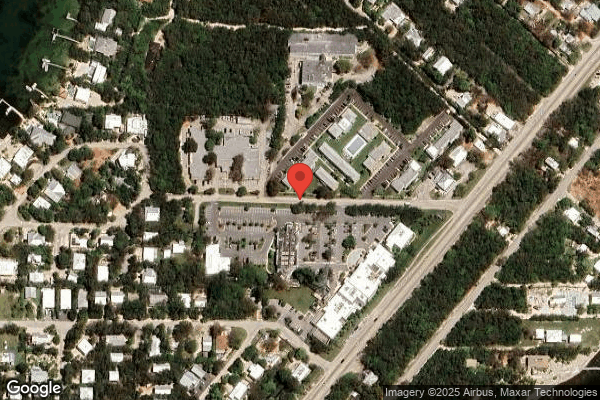
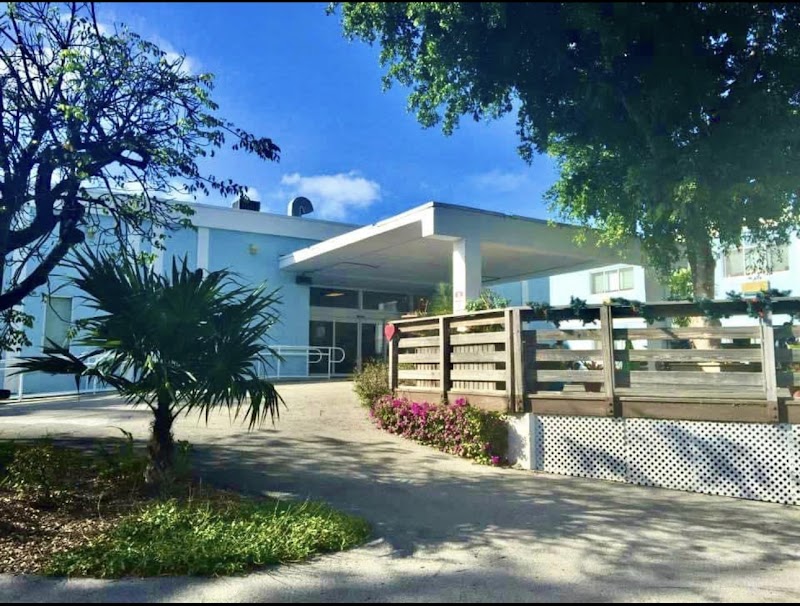
48 HIGH POINT ROAD, TAVERNIER, FL 33070 (305) 853-0799
For profit - Limited Liability company 120 Beds Independent Data: November 2025 1 Immediate Jeopardy citation
Trust Grade
31/100
#540 of 690 in FL
Last Inspection: April 2024

Within standard 12-15 month inspection cycle. Federal law requires annual inspections.

Overview

Oasis at the Keys Nursing and Rehab has a Trust Grade of F, indicating significant concerns about the quality of care provided. With a state rank of #540 out of 690 facilities in Florida, they are positioned in the bottom half, although they rank #1 of 2 in Monroe County, meaning there is only one other local option. The facility is showing signs of improvement, as issues decreased from 6 in 2024 to just 1 in 2025. Staffing is a relative strength, with a rating of 4 out of 5 stars and a turnover rate of 38%, which is below the Florida average. However, the facility has faced serious concerns, including inadequate disinfection of blood glucose monitoring equipment, which put residents at risk of infection, and issues with cleanliness of the ice machine that could lead to foodborne illnesses.

Trust Score
F
31/100
In Florida
#540/690
Bottom 22%
Safety Record
High Risk
Review needed
Inspections
Getting Better
6 → 1 violations
Staff Stability
○ Average
38% turnover. Near Florida's 48% average. Typical for the industry.
Penalties
⚠ Watch
$6,857 in fines. Higher than 91% of Florida facilities. Major compliance failures.
Skilled Nurses
✓ Good
Each resident gets 48 minutes of Registered Nurse (RN) attention daily — more than average for Florida. RNs are trained to catch health problems early.
Violations
⚠ Watch
34 deficiencies on record. Higher than average. Multiple issues found across inspections.
★★☆☆☆
2.0
Overall Rating
★★★★☆
4.0
Staff Levels
★★☆☆☆
2.0
Care Quality
★★☆☆☆
2.0
Inspection Score
Stable
2024: 6 issues
2025: 1 issues

The Good

  • 4-Star Staffing Rating · Above-average nurse staffing levels
  • Full Sprinkler Coverage · Fire safety systems throughout facility
  • No fines on record
  • Staff turnover below average (38%)

    10 points below Florida average of 48%

Facility shows strength in staffing levels, fire safety.

The Bad

2-Star Overall Rating

Below Florida average (3.2)

Below average - review inspection findings carefully

Staff Turnover: 38%

Near Florida avg (46%)

Typical for the industry

Federal Fines: $6,857

Below median ($33,413)

Minor penalties assessed

The Ugly 34 deficiencies on record

1 life-threatening 1 actual harm
Jan 2025 1 deficiency
CONCERN (D) 📢 Someone Reported This

A family member, employee, or ombudsman was alarmed enough to file a formal complaint

Potential for Harm - no one hurt, but risky conditions existed

Deficiency F0761 (Tag F0761)

Could have caused harm · This affected 1 resident

Based on observation and interview, the facility failed to ensure medications were secured, locked and inaccessible to unauthorized staff, residents, and visitors, or under direct observation of autho...

Read full inspector narrative →
Based on observation and interview, the facility failed to ensure medications were secured, locked and inaccessible to unauthorized staff, residents, and visitors, or under direct observation of authorized staff for 1 (Resident #6) of 3 residents interviewed in their room. The findings included: Facility policy titled Medication Administration indicated under Bullet #7: Medications cannot be left at the bedside of residents. Nurses must ensure the residents take medications. On 1/4/24 at 9:31 a.m., during an interview with Resident #6 in her room, a medication cup with a blue pill in it was noted on her dresser. Resident #6 said she didn't know why the medication was there, what the medication was or who had left it there. (photographic evidence obtained) On 1/14/24 at 9:35 a.m., Staff F Registered Nurse (RN) said she hadn't given Resident #6 medications and that it may have been left there by the overnight staff. On 1/14/25 at 9:35 a.m., the Director of Nursing (DON) said it is policy not to leave meds unattended in room and she would begin an investigation and re-education.
Apr 2024 6 deficiencies
CONCERN (D) 📢 Someone Reported This

A family member, employee, or ombudsman was alarmed enough to file a formal complaint

Potential for Harm - no one hurt, but risky conditions existed

Comprehensive Assessments (Tag F0636)

Could have caused harm · This affected 1 resident

**NOTE- TERMS IN BRACKETS HAVE BEEN EDITED TO PROTECT CONFIDENTIALITY** Based on interview, record review and facility policy the facility failed to ensure quarterly elopement risk assessments were co...

Read full inspector narrative →
**NOTE- TERMS IN BRACKETS HAVE BEEN EDITED TO PROTECT CONFIDENTIALITY** Based on interview, record review and facility policy the facility failed to ensure quarterly elopement risk assessments were completed appropriately for 1 of 6 residents surveyed for elopement risk (Resident #17). The lack of appropriately assessing the resident had a potential to contribute to the resident eloping from the facility. The findings included: The facility's policy on elopement reads, Cognitively impaired residents at risk for elopement will be appropriately monitored to reduce the potential for injury. Elopement is defined as a resident leaving the physical structure of the facility without the knowledge of the facility staff .Residents shall be reassessed at least quarterly related to elopement risk. Resident #17 was admitted to the facility on [DATE]. Upon admission she was diagnosed with Alzheimer's Disease. On 12/2/21 Resident #17 was diagnosed with General Anxiety Disorder, and Major Depressive Disorder. Review of the facility investigation shows On 2/26/24 at 3:45 p.m. facility staff were informed by the Sheriff's Department Resident #17 was seen off of the premises of the facility. According to the investigation, the resident was immediately returned to the facility without any harm. The investigation showed Resident #17 had not had any exiting behaviors prior to the incident. The Annual Minimum Data Set (MDS) dated [DATE] shows Resident #17 had a Brief Interview for Mental Status (BIMS) which scored a four. A score of 4 shows the resident to be cognitively impaired. Review of Section E of the MDS dated [DATE] shows Resident #17 had been having delirium that was a new behavior at the time of her annual MDS. Section E showed Resident #17 had not had any wandering behaviors. Review of the elopement assessments completed by staff for Resident #17 shows her last elopement assessment completed prior to incident was completed on 7/25/22. The score on the elopement assessment was a 6. The resident would be at risk for elopement if the score was 10 or higher. On 4/24/24 at 9:18 a.m., the MDS Coordinator said she did not complete quarterly assessments for elopement risk. She said she would check the elopement book to see if a resident was an elopement risk when completing the MDS. On 4/24/24 at 9:22 a.m., the Assistant Director of Nursing said The Director of Nursing (DON) was responsible for completing the elopement risk assessments. On 4/24/24 at 9:28 a.m., the Director of Nursing verified prior to 2/26/24, when the incident occurred, Resident #17 had not had an elopement assessment completed since 7/25/22. The DON said she was not completing quarterly assessments on all facility residents. On 4/24/24 at 9:32 a.m., the Administrator said he was not aware Resident #17 had not had a quarterly elopement assessment since 7/25/22. The Administrator verified it was the policy of the facility to assess all residents quarterly for elopement risk.
CONCERN (D)

Potential for Harm - no one hurt, but risky conditions existed

Pressure Ulcer Prevention (Tag F0686)

Could have caused harm · This affected 1 resident

**NOTE- TERMS IN BRACKETS HAVE BEEN EDITED TO PROTECT CONFIDENTIALITY** Based on observation, record review, review of facility's policies and procedures, and staff interview the facility failed to im...

Read full inspector narrative →
**NOTE- TERMS IN BRACKETS HAVE BEEN EDITED TO PROTECT CONFIDENTIALITY** Based on observation, record review, review of facility's policies and procedures, and staff interview the facility failed to implement timely preventive measures and failed to alter the plan of care to include offloading of the area when a pressure ulcer developed for 1 (Resident #6) of 2 residents reviewed who developed a pressure ulcer at the facility. The lack of timely and appropriate interventions resulted in Resident #6 developing a new unstageable pressure ulcer on her right heel as well as a worsening of her previously resolved pressure ulcer on her right heel. Resident #6 now has 2 unstageable facility acquired pressure ulcers. The findings included: On 4/25/24 at 9:50 a.m., during a wound care observation for Resident #6 performed by RN Staff C the resident was observed in bed laying slightly on her right side. Resident was awake and stated that she was ok with the nurse doing her wound care treatment at the time. Resident feet were uncovered and her left foot was observed to be laying on one pillow with her heal just slightly elevated off the bed. There was a small adhesive dressing that was coming off the left heel at the time of the observation. The nurses stated that the heel treatment had changed since the pressure ulcer was resolved for a week or two. A nurse and CNA staff B, who was assisting, lifted the resident heel up further so that it could be assessed. The nurse removed the dressing and started to assess the area. The area was noted to have a large area of redness that encompassed the entire heel. Then in the dorsal area of the heel an area about the size of a quarter was deeper red, boggy and non-blanchable. The nurse stated that she was going to call the wound care doctor and give him a report on the condition of the left heel and ask for a change in dressing. After this she got a new order she cleaned the area with normal saline apply skin prep, covered the area with a betadine-soaked dressing, covered with ABD pad (absorbant dressing) and wrap with Kerlex. After the nurse completed dressing and had it secured she plumped up the pillow under the resident lower leg so the foot would not be pressing on the bed. Next it was observed that the residents right foot was lying flat on the bed with no elevation of the foot. The nurse was asked if the right foot and heal could be looked at. The nurse stated that the heel was ok. Surveyor asked to observed Right heel. When staff CNA and Nurse picked up the lower leg and foot to reveal the right heel it was deep read encompassing the entire heal and the heel had an elongated fluid filled blister towards the right lateral side of the heel, the size of large peanut or 25 % of the heel area. The facility policy titled, Pressure Ulcer and Skin Breakdown Policy Assessment and Recognition. The nursing staff, Wound Consultant, and practitioner will assess and document an individual's significant risk for developing pressure ulcers (i.e., immobility, recent weight loss, history of pressure ulcers). Current resident will receive weekly skin evaluations. The Wound Consultant, Practitioner, or physician will: *Order pertinent wound treatments, including pressure reduction surfaces, wound cleansing and debridement approaches, dressing and/or topical agents. A review of an admission Record indicated the Resident #6 was admitted to the facility on [DATE] diagnosis that include: Multiple sclerosis, diabetes, dementia, history of stroke, obesity and muscle weakness. The Significant Change Minimum Data Set (MDS) (tool used to assess and plan care) dated 1/17/24 revealed resident #6 had a Brief Interview for Mental Status (BIMS) score of 3 which indicated the resident had severe cognitive impairment. Resident's functional limitation in range of motion of upper extremities are impaired on one side. Resident is able to sit up in the wheelchair but is non-ambulatory. Resident is dependent for toileting, bathing, dressing and personal hygiene. Resident is maximum assist for transfers and bed mobility and frequently incontinent of bowel and bladder. Resident was noted to have pressure ulcer injury and is at risk for developing pressure ulcer injuries. At the time of the assessment resident had 1 stage 3 (full thickness tissue loss. Subcutaneous fat may be visible but bone, tendon or muscle is not exposed. Slough may be present but does not obscure the depth of tissue loss.) Resident also had 1 unstageable & 2 unstageable Deep tissue injury. Skin and Ulcer injury treatments indicated pressure ulcer care. Review of Resident #6 Care Plans initiated on 4/22/24 revealed Resident #6 was at risk for developing pressure ulcers related to a history of pressure ulcers. Interventions include, Apply pillows under left and right heels as tolerated to preventive measures date initiated 2/8/24, Apply treatment to left heel per primary care providers orders initiated 3/25/24. Strive to keep bed linens clean, dry and wrinkle free, strive to keep skin clean and dry, weekly skin assessment per facility protocol, wound care consult if needed. A Review of Resident #6 electronic medical record revealed only one Braden Scale for predicting Pressure Sore Risk dated 2/5/24. No other Braden Scale assessment was found in the record since 2019. The resident scored a 14 which indicated a moderate risk for developing pressure ulcers. A review of Resident last weekly skin/wound observation form dated 4/23/24 indicated that resident still had skin issues of a stage I pressure ulcer on her left heel with the dimensions of 1cm x 1 cm x 0.2. area was intact but had scant serous (thin, watery, clear drainage). Resident also had an area of Moisture Associated skin damage (MASD) on her sacrum. There was no mention of the condition of right heel. During an interview on 4/25/24 at 10:10 a.m., wound care nurse RN staff C she stated after completion of the above wound care treatment on resident left and right heels, that the left heel that had previously been resolved was now unstageable due to the noted closed blister with bogginess and discoloration. She said she would also stage the resident right heel as unstageable with the bogginess and a closed blister formation. The nurse stated that she did call the wound care ARNP and got new treatment orders for both heels. The nurse also said that the pillow use to elevate resident #6 leg were often not effective enough because her legs are heavy and push down the pillows. When asked RN staff C was unaware if the resident had any heel protectors. During an interview on 4/25/24 at 12:07 p.m. Director of Nursing (DON) stated that she was aware of the resident and that she did have a facility acquired pressure ulcer on her left heel that had recently been resolved on 4/18/24. The DON then reviewed the wound care Nurse documentation and acknowledged that the resident now had a worsening or reoccurrence of her left heel pressure ulcer which was now unstageable and a new unstageable area that on her right heel. DON stated that even though the resident was on hospice service she should not be getting new pressure ulcers. After reviewing the resident record the DON acknowledged that the only intervention was to offload the left heel with pillows which was put in in May of 2023. There was no interventions put in place for right heel or any positioning or preventative treatment for bilateral heels. During an interview on 4/25/24 at 12:14 p.m., facility Nurse Practitioner (NP) stated that even though the resident is on hospice care she should still not be getting new pressure ulcers. NP stated that he does not believe that the blister on the resident right heel could have developed in the 2 days since the last nurses weekly skin check. During an interview on 4/25/24 at 12:36 p.m., wound care Advanced Registered Nurse Practitioner (ARNP) via phone he said that he had been seeing the resident for a while treating her left heel house acquired pressure ulcer. He stated that it had recently been resolved. Wound care ARNP stated that he did get a call from the wound care nurse about the worsening of the left heel and the request for new order for the area she described as unstageable blister area and about the new unstageable area on the resident right heel. He stated that the resident will need to have her heels always offloaded and she will need an air mattress on her bed.
CONCERN (D) 📢 Someone Reported This

A family member, employee, or ombudsman was alarmed enough to file a formal complaint

Potential for Harm - no one hurt, but risky conditions existed

Respiratory Care (Tag F0695)

Could have caused harm · This affected 1 resident

Based on observation, review of facility policy and procedure, review of the Operating Manual for the concentrator, review of the clinical record and staff interview, the facility failed to follow the...

Read full inspector narrative →
Based on observation, review of facility policy and procedure, review of the Operating Manual for the concentrator, review of the clinical record and staff interview, the facility failed to follow their policy and procedure and physician orders for the use of oxygen for 1(Resident #32) of 1 resident reviewed for oxygen use. The facility failed to have a system in place to ensure the oxygen concentrator filters were in place when the concentrator was in use per the manufacturers recommendations. The findings included: The facility policy Oxygen Equipment Use Policy documented, The facility is committed to providing a safe and healthy environment for residents and to minimize or prevent the spread of infections. Clean oxygen concentrator filters weekly. Review of the Operating Manual for the 5-liter oxygen concentrator specified: Never block air openings of the oxygen concentrator or place it where the air openings may be obstructed. Keep the openings free of lint, hair dust, etc. Warning: Do Not operate the concentrator without the filters installed, or if filters are wet. Permanent damage to the concentrator could occur. Review of the clinical record revealed Resident #32 had an admission date of 10/5/18 with diagnoses including chronic kidney disease stage 5, arteriosclerotic heart disease and anxiety disorder. On 4/22/24 at 10:53 a.m., Resident #32 was observed in her bed with oxygen on via a nasal cannula at 4.5 liters per minute (L/M). Photographic evidence obtained. On 4/23/24 at 10:35 a.m., Resident #32 was observed in her bed using oxygen via a nasal cannula. The oxygen concentrator set on at 4 L/M. The resident said she has panic attacks and the oxygen helps with her breathing and calms her. On 4/23/24 at 10:38 a.m., observation of the oxygen concentrator with Registered Nurse (RN) Staff A, the RN confirmed there was no filter in the concentrator and the oxygen was set at 4 L/M. On 4/23/24 at 1:44 p.m., in an interview the Director of Nursing (DON) said the nurse was responsible to turn the oxygen concentrator on and the resident puts the nasal cannula on when she needs it. The DON said, the resident gets anxious, panics, and then needs her oxygen. We put the oxygen on between 2 and 3 liters. The DON said sometimes it is difficult to adjust the flow dial, so you have to turn it up a little, sometime the dial is not accurate. Review of the Physician order dated 12/4/23 specified oxygen at 2 L/M as needed for increased confusion or shortness of breath.
CONCERN (D)

Potential for Harm - no one hurt, but risky conditions existed

Safe Environment (Tag F0921)

Could have caused harm · This affected 1 resident

Based on observation and staff interview the facility failed to ensure the safety of residents, staff and guests by failing to ensure propane emergency shut off valve for the laundry room dryers was a...

Read full inspector narrative →
Based on observation and staff interview the facility failed to ensure the safety of residents, staff and guests by failing to ensure propane emergency shut off valve for the laundry room dryers was accessible in the event of an emergency. The findings included: On 4/23/24 at 8:23 a.m., during an initial tour of the laundry room the propane emergency shut off valve for the dryers was blocked by carts, cleaning carts and bins of clothing, making it unreachable in an emergency situation. * On 4/23/24 at 8:43 a.m., in an interview the Maintenance Director said he said he only handles the maintenance concerns and had nothing to do with the blocked access to the propane emergency shut off valve. The Maintenance Director said, The end dryer does not work so it does not matter if there is stuff blocking it, the dryer is broke. This writer asked if the other 2 working dryers run on propane and he said yes. He was asked how anyone would get to the propane shut off valve in case of an emergency and he replied, I see what you mean, I will get the Housekeeping Supervisor. On 4/23/24 at 8:55 a.m., during an interview the Housekeeping Supervisor said she was unaware that the propane shut off valve could not be blocked. * Photographic evidence obtained
CONCERN (F)

Potential for Harm - no one hurt, but risky conditions existed

Food Safety (Tag F0812)

Could have caused harm · This affected most or all residents

Based on observation, interview, and record review, the facility failed to ensure the ice machine was kept clean and sanitary and maintained in safe operating order to prevent contamination of the ice...

Read full inspector narrative →
Based on observation, interview, and record review, the facility failed to ensure the ice machine was kept clean and sanitary and maintained in safe operating order to prevent contamination of the ice for 1 of 1 ice machine in the facility. The facility also failed to ensure food items in 1 of 2 nourishment refrigerators on the units were dated and labeled so as to prevent the potential for foodborne illness. The findings included: On 04/22/24 at 11:27 a.m., during a tour of the kitchen, the white plastic flap inside the ice machine was noted to be dirty with condensation dripping down through the dirty areas onto the ice. When wiped with a cloth this substance revealed a milky, tan colored, slimy substance. The rear of the ice machine had black spots and when wiped with a cloth revealed a dry, black substance. The filter on the ice machine had spaces to write when it was installed and when to replace but both spaces were blank. The filter label said recommended filter replacement every 12 months. The inspection sticker was dated 9/20/21. * On 4/22/24 at 11:30 a.m., the Food Service Director (FSD) said the ice machine was cleaned every 2 weeks by the staff. He said it wasn't due to be cleaned for 2 more days. He said it was an old machine and he thought the filter had been changed within the last 6 months but would have to look for the paperwork documenting this. He said this was the only ice machine for the whole facility. FSD provided a cleaning schedule checklist. This checklist indicated the ice machine can be completed once a month. Instructions were to initial block under the date completed. 2 columns for month were both filled in with April 24. The only dates initialed for Ice machine were April 29 and April 26, both dates which had not yet occurred. The FSD also provided a Monday through Sunday Dietary Cleaning Schedule. The ice machine was not listed for any day. On 4/23/24 at 11:30 a.m., the Food Service director said the facility had changed hands multiple times and he did not have any paperwork documenting the last time the filter had been changed or when the ice machine had been serviced last. The FSD said this should be done yearly and he had taken the unit out of service for the time being. On 4/25/24 at 9:30 a.m., the FSD said each column of the cleaning schedule checklist should indicate a different month. He said it had been filled out wrong. He agreed at this time there was no way to discern the last time the ice machine was cleaned. Facility policy titled Food Brought by Others with approval date 3/1/23 indicated: 4. Items stored for later consumption are labeled and dated before placing in the pantry located on the unit. A. Label includes resident name and room number. B. Label includes content of food/beverage if not a prepackaged item. C. Label includes date stored. 5. Potentially hazardous food items that remain in the pantry will be discarded after 3 days. On 4/22/24 at 12:00 p.m., the second-floor pantry refrigerator was noted to have a bright orange posting on the front indicating everything must be labeled with name, room number and date. Open food must be discarded after 3 days. On the side of same refrigerator, the facility policy was posted. Upon opening the refrigerator, a grocery bag containing sandwich bags with various food in them was found. The outside of the grocery bag had been marked with initials and a three-digit number. Nothing further was written on the bag or the bags inside. A second grocery bag contained a Styrofoam container with food inside the container. Nothing was written on the outside of the bag or the container. A fast-food chain bag was also in the refrigerator containing food. A residents name was written on the bag but nothing else. The receipt stapled to this bag was dated 4/10/24. * On 4/22/24 at 12:12 p.m., the Administrator said the pantry refrigerators are for residents only for left-over food. He said they should be labeled, dated and kept for 3 days. He said this should be checked daily by dietary. The Administrator observed the 3 bags in the second floor pantry refrigerator and threw the bags away. He said the policy was posted right on refrigerator and staff should be following the policy. * photographic evidence obtained
CONCERN (F) 📢 Someone Reported This

A family member, employee, or ombudsman was alarmed enough to file a formal complaint

Potential for Harm - no one hurt, but risky conditions existed

Staffing Data (Tag F0851)

Could have caused harm · This affected most or all residents

Based on interview and record review the facility failed to report Payroll Based Journal (PBJ) information on a quarterly basis and ensure staffing information was accurately reported as required by r...

Read full inspector narrative →
Based on interview and record review the facility failed to report Payroll Based Journal (PBJ) information on a quarterly basis and ensure staffing information was accurately reported as required by regulation. The findings included: Review of the PBJ report shows the facility had not been reporting quarterly staffing data as required by regulation. On 4/25/24 at 9:39 a.m., the Administrator verified the facility had not reported PBJ data for the last three quarters. There was a change of ownership in March of 2023 and he was not made aware of the company not reporting the PBJ data for two quarters. He said he had attempted to complete the data on the third quarter but was not able to. The Administrator said he now has a software contract that will enable him to report the PBJ data on time.
Jun 2022 14 deficiencies
CONCERN (D)

Potential for Harm - no one hurt, but risky conditions existed

Deficiency F0655 (Tag F0655)

Could have caused harm · This affected 1 resident

**NOTE- TERMS IN BRACKETS HAVE BEEN EDITED TO PROTECT CONFIDENTIALITY** Based on record review and staff and resident interview, the facility failed to provide the resident and the representative, if ...

Read full inspector narrative →
**NOTE- TERMS IN BRACKETS HAVE BEEN EDITED TO PROTECT CONFIDENTIALITY** Based on record review and staff and resident interview, the facility failed to provide the resident and the representative, if applicable, with a written summary of the baseline care plan which included initial goals and a summary of current medications and dietary instructions for 4 (Resident #42, #57, #60, and #417) of 5 residents reviewed for baseline care plans. The findings included: 1. On 6/28/22 at 11:16 a.m., Resident #60's wife said she did not recall receiving a copy of a written summary of the baseline care plan or a summary of medications. On 6/30/22 at 9:50 a.m., record review showed Resident #60's admission date was 5/27/22. The clinical record lacked evidence of a written baseline care plan which included initial goals, and a summary of current medications and dietary instructions. 2. On 6/30/22 at 9:51 a.m., Resident #417 record review revealed an admission date of 6/9/22. The clinical record lacked evidence a written summary of the baseline care plan which included initial goals, and a summary of current medications and dietary instructions was provided to the resident or resident representative as required. 3. On 6/30/22 at 9:53 a.m., Resident #42 record review revealed an admission date of 5/11/22. The clinical record lacked evidence a written summary of the baseline care plan which included initial goals, and a summary of current medications and dietary instructions was provided to the resident or resident representative as required. On 6/30/22 at 9:55 a.m., interview with Staff R (MDS Coordinator) verified a written baseline care plan summary was not completed for Resident #42, #60 or #417. 4. On 6/27/22 at 12:45 p.m. observed Resident #57 in her bed with her right arm in a sling. Resident #57 said she fell at home, broke her arm and she is here to get better so she can go home. She said since arriving at the facility she doesn't remember anyone going over the plan of care or giving her a copy of her baseline care plan. On 6/29/22 review of Resident #57's medical record revealed she was admitted to the facility on [DATE] with diagnoses not limited to a fracture to the upper end of right humerus, and generalized weakness. Further review of the medical record revealed the Nursing admission Data Collection which contain the Interim Care Plan/Baseline was started on 5/22/22 but was not completed and/or a copy of a completed baseline care was not given to Resident #57 as required. On 6/30/22 at 10:12 a.m., during an interview with the MDS (Minimum Data Set) Nurse, she said Resident #57 was admitted to the facility on [DATE] after a fall at home where she fractured her right humerus. She said the admitting nurse was responsible to start the Nursing admission Data Collection form and nursing was responsible to complete the baseline care plan within 48 to 72 hours. She said the IDT (Interdisciplinary Team) met daily and reviewed the Nursing admission Data Collection form including the Baseline care plan to ensure they were completed as required. The MDS Nurse said after reviewing Resident #57's medical record she was unable to find documentation Resident #57 baseline care plan was completed and Resident #57 had received a copy of her baseline care plan as required. On 6/30/22 at 11:00 a.m., during an interview with the Director of Nursing (DON), she said the admitting nurse was responsible to start the Nursing admission Data Collection form to include the baseline care plan. She said the IDT reviewed each new admission's baseline care plan for completion within 48 to 72 hours of the resident admission date and comprehensive care plans were finalized during the resident's comprehensive care plan meeting with the IDT. After reviewing Resident #57's medical record, the DON confirmed Resident #57's Nursing admission Data Collection and Baseline care plan were not completed, and Resident #57 did not receive a copy of the baseline care plan as required.
CONCERN (D)

Potential for Harm - no one hurt, but risky conditions existed

Comprehensive Care Plan (Tag F0656)

Could have caused harm · This affected 1 resident

**NOTE- TERMS IN BRACKETS HAVE BEEN EDITED TO PROTECT CONFIDENTIALITY** Based on observation, staff and resident interviews and record review the facility failed to develop and implement a comprehensi...

Read full inspector narrative →
**NOTE- TERMS IN BRACKETS HAVE BEEN EDITED TO PROTECT CONFIDENTIALITY** Based on observation, staff and resident interviews and record review the facility failed to develop and implement a comprehensive resident-centered care plan for 1 (Residents #57) of 3 residents reviewed for specialized rehabilitation services. The failure to develop and implement a resident-centered care plan could lead to a decline and/or failure to meet the resident's highest practicable physical, mental, and psychosocial well-being. The findings included: On [DATE] at 12:45 p.m., observed Resident #57 in her bed with her right arm in a sling. Resident #57 said she fell at home, broke her arm and she was here to get better so she can go home. She said since arriving at the facility she doesn't remember anyone going over their plan of care in getting her strong enough so she can go home. On [DATE] review of Resident #57's medical record revealed she was admitted to the facility on [DATE] with diagnoses not limited to a fracture to the upper end of right humerus, and generalized weakness. Further review of the medical record revealed the Nursing admission Data Collection which contain the Interim Care Plan/Baseline was started on [DATE] but was not completed. Review of Resident #57's comprehensive plan of care revealed she had care plans with goals and interventions for; no CPR (comprehensive pulmonary respiration), risk for injury with hot liquids, nutritional problem or potential nutritional problem, and discharge planning. Resident #57's medical record did not reveal a comprehensive person-centered plan of care for Resident #57's fractured right humerus with measurable objectives and interventions which meets the resident's medical, nursing, and mental and psychosocial needs. On [DATE] at 9:31 a.m., in an interview with the Director of Therapy (DOT), she said Resident #57 was admitted to the facility on [DATE]. Physical and Occupational therapists conducted evaluations on [DATE] and the protocol for a proximal humerus and greater tuberosity fractures the resident was to wear a sling for 4 weeks and was non-weight bearing of the upper extremity for 4 weeks. The DOT said after reviewing Resident #57's medical record she was unable to find physician orders stating Resident #57 was non-weight bearing to her upper extremity and was unable to find a comprehensive person-centered plan of care related to Resident #57's fractured right humerus with measurable objectives and interventions to include the use of the right arm sling. On [DATE] at 10:12 a.m., during an interview with the MDS (Minimum Data Set) Nurse, she said Resident #57 was admitted to the facility on [DATE] after a fall at home where she fractured her right humerus. She said the admitting nurse was responsible to start the Nursing admission Data Collection form and nursing was responsible to complete the baseline care plan within 48 to 72 hours. She said the IDT (Interdisciplinary Team) met daily and reviewed the Nursing admission Data Collection form including the Baseline care plan to ensure they were completed as required. She said Resident #57's comprehensive care plan meeting was held on [DATE] but she was unable to determine who attend the comprehensive care plan meeting. She confirmed Resident #57 only had a comprehensive care plan for no CPR (comprehensive pulmonary respiration), risk for injury with hot liquids, nutritional problem or potential nutritional problem, and discharge planning with interventions. The MDS Nurse said after reviewing Resident #57's medical record, a comprehensive person-centered plan of care was not created or implemented addressing Resident #57's fractured right humerus with measurable objectives and interventions to include the use of the right arm sling. On [DATE] at 11:00 a.m., during an interview with the Director of Nursing (DON), she said the admitting nurse was responsible to start the Nursing admission Data Collection form to include the baseline care plan. She said the IDT reviewed each new admission's baseline care plan for completion within 48 to 72 hours of the resident admission date and the comprehensive care plans were finalized during the resident's comprehensive care plan meeting with the IDT. The DON confirmed after reviewing Resident #57's medical record, Resident #57's comprehensive care plan meeting was held on [DATE]. The DON said the facility did not complete the Nursing admission Data Collection form, or initiate a baseline care plan, and did not create and implement a comprehensive person-centered plan of care related to Resident #57's fractured right humerus with measurable objectives and interventions which met the resident's medical, nursing, and mental and psychosocial needs.
CONCERN (D)

Potential for Harm - no one hurt, but risky conditions existed

Deficiency F0657 (Tag F0657)

Could have caused harm · This affected 1 resident

Based on observations, record review, and staff interviews, the facility failed to revise, and update the resident's care plan to accurately reflect the resident's condition and needs for 1 (Resident ...

Read full inspector narrative →
Based on observations, record review, and staff interviews, the facility failed to revise, and update the resident's care plan to accurately reflect the resident's condition and needs for 1 (Resident #49) of 3 residents reviewed with pressure ulcers. The findings included: The facility Pressure Injury Prevention and Management Policy provided by the facility (undated) page 3 under the Risk Assessments heading number 4 reads: Findings from the pressure ulcer/injury risk assessment will be incorporated into the resident's plan of care. On 6/28/2022 at 11:15 a.m., Licensed Practical Nurse Staff L was observed, cleaning and changing the dressings to Resident #49's wound to the right heel and right lateral malleolus (bone segment that forms the ankle). No wound was observed to the sacrum. Review of the Advanced Practice Registered Nurse (APRN) wound report dated 5/5/22 showed Resident #49 had a pressure wound to the right heel and the right lateral malleolus which were facility acquired. Review of the clinical record for Resident #49 revealed a care plan for skin integrity revised on 2/28/22 noting the resident had a stage 3 (Full thickness skin loss) pressure ulcer to the sacrum (Bone just below the lumbar vertebrae). The care plan was not updated to reflect the current pressure ulcers to the right heel and the right lateral malleolus. On 6/30/2022 at 2:15 p.m., Registered Nurse (RN) Staff R, MDS (Minimum Data Set) Coordinator verified Resident #49's care plan was not updated to include the wounds to the right heel and right ankle. She said tries to make changes to the care plan as soon as she finds out about them. She said no one notified her to update care plans regarding pressure ulcers. She finds it randomly on the computer.
CONCERN (D)

Potential for Harm - no one hurt, but risky conditions existed

Deficiency F0676 (Tag F0676)

Could have caused harm · This affected 1 resident

Based on observation, record review, and staff interview, the facility failed to provide care and services to maintain or improve ability to carry out activities of daily living for 1 (Resident #47) o...

Read full inspector narrative →
Based on observation, record review, and staff interview, the facility failed to provide care and services to maintain or improve ability to carry out activities of daily living for 1 (Resident #47) of 3 residents reviewed for functional abilities. The findings included: Review of record for Resident #47 revealed she was admitted to facility on 8/7/20 with diagnoses including hemiplegia (Paralysis of one side of the body) and hemiparesis (weakness or partial paralysis of one side of the body) following Cerebral Infarction affecting Right Dominant side, aphasia (disorder affecting ability to communicate), and diabetes mellitus without complications. Review of the list provided by the facility showed Resident #47 was included in a Functional Maintenance Program (program designed to maintain performance after discharge from therapy). On 6/27/22 at 10:00 a.m., 6/28/22 at 9:40 a.m., and 11:15 a.m.,6/29/22 at 9:31 a.m., and 6/30/22 at 10:00 a.m., Resident #47 was observed in bed, sleeping. On 6/27/22 at 12:00 p.m., and 2:58 p.m., Resident #47 was observed in bed watching television. Resident #47 was not observed participating in a functional maintenance program during the survey. On 6/29/22 at 1:24 p.m., Certified Nursing Assistance (CNA) Staff S said she has been out on leave since March 25, 2022, and returned to work on June 4, 2022. She said no one has done the functional maintenance program since March 25, 2022. She said since her return to work on 6/4/22, she has been working an assignment on the floor and has not done the Functional Maintenance Program. On 6/30/22 at 10:00 a.m., the Director of Therapy, confirmed Resident #47 was on their Functional Maintenance Program, and had not received the services. She said the CNA in charge of the program had just returned from medical leave and had been pulled to the floor.
CONCERN (D)

Potential for Harm - no one hurt, but risky conditions existed

Accident Prevention (Tag F0689)

Could have caused harm · This affected 1 resident

Based on observation, record review, staff, and resident interviews the facility failed to provide supervision during smoking for 1 (Resident #47) of 1 resident reviewed for smoking. This places the r...

Read full inspector narrative →
Based on observation, record review, staff, and resident interviews the facility failed to provide supervision during smoking for 1 (Resident #47) of 1 resident reviewed for smoking. This places the resident at risk for injuries. The findings included: Record review for Resident #47 revealed a smoking assessment done on 9/10/20, indicating Pt need to be supervised by staff while smoking. Pt needs an apron while smoking. Further review revealed a Smoking assessment done on 5/28/21, section D Smoking Habit Evaluation #4: someone to light/extinguishing cigarette. Care plan for smoking cigarettes under interventions indicates The Resident requires supervision while smoking. On 6/28/22 at 3:41 p.m., Resident #47 was observed in the smoking area with no staff supervision, and she was holding a lit cigarette with her left hand. No other residents smoking at the time, she was noted in this area by herself. On 6/29/22 at 3:45 p.m., Resident #47 was observed smoking outside the window of admission office, no one was in that office, she was smoking unsupervised. At 3:50 p.m., she rolled herself back inside and asked receptionist for one more cigarette, rolled herself back out, lit the cigarette, smoked it, and then threw the lit cigarette on the ground. Staff T (receptionist) confirmed that Resident #47 was not smoking in the designated area and was not supervised. On 6/30/22 at 11:55 a.m., in an interview, the Assistant Director of Nursing (ADON), verified that Resident #47 goes out to smoke by herself, and she is not supervised. On 6/30/22 at 3:30 p.m., Resident #47 was observed in the smoking area with no staff supervision, and she was holding the cigarette with her left hand.
CONCERN (D)

Potential for Harm - no one hurt, but risky conditions existed

Deficiency F0790 (Tag F0790)

Could have caused harm · This affected 1 resident

Based on observation, interview, and record review the facility failed to assist 1 (Resident #39) of 1 resident reviewed in obtaining routine dental care for missing dentures. The findings included: O...

Read full inspector narrative →
Based on observation, interview, and record review the facility failed to assist 1 (Resident #39) of 1 resident reviewed in obtaining routine dental care for missing dentures. The findings included: On 6/27/22 at 11:31 a.m., Resident #39 said earlier in the year he went out to the hospital for a pacemaker and his front teeth went missing. The resident said he was told the dentist could replace them, but he does not know what going on. He said he wants permanent front teeth. On 6/29/22 at 12:15 p.m., Unit Manager Staff P said she was not aware of the Resident #39's teeth issue. She did not realize the teeth were missing nor did she know the resident wanted them replaced. On 6/29/22 at 1:58 p.m., the Social Services Director said the facility has a designated dentist who will come to the facility within 48 hours of making an appointment. The Social Services Director said she was not aware of Resident #39's dental needs. She said the resident had not expressed a need for dental care. She said she will get a consult. The Social Services Director said the resident has his own dentist and said months ago he wanted implants. The Social Services Director said she had not followed up on the dental care request. On 6/29/22 at 3:25 p.m., the Minimum Data Set (MDS) Coordinator said she did not have a record of Resident 39's missing teeth. The MDS Coordinator said she was the one who completed the last Annual MDS assessment in August 2021. The MDS Coordinator confirmed there was no mention of broken or missing teeth or dentures. She reviewed the Progress Notes and found notes about oral surgery. She said during the assessment she didn't notice that he was missing dentures. She said the other day she noticed there was something different about him but could not figure it out. She said she didn't know when the dentures went missing. A review of a physician's progress note dated 8/13/2021 at 11:00 p.m., noted, Patient seen today for continued evaluation and treatment. At our last visit patient was maximizing his therapy plan to continue improving his condition. At today's visit patient relates that his oral surgery is occurring soon and that after a brief rehab he is again going to plan for his discharge to return back to his home. We will support his wish when it occurs. There are no further comments regarding dental care or scheduling of oral surgery for implants in the resident's medical record. On 6/29/22 at 3:47 p.m., Resident #39 said he fell at home and broke out his teeth. He said when he was admitted to the nursing home, he was told he would have oral surgery. He has not heard anything further. On 6/30/22 at 12:00 p.m., the administrator said he was aware the resident came back from the hospital without his partial denture. He said he contacted the hospital to see if they had located the denture. The hospital did not find the denture. He said the resident was getting his dental care from an outside dentist, and no one has been working on getting the resident the dental care. On 6/30/22 at 1:20 p.m., Scheduler Staff Q said she is responsible for making outside provider's appointments for the residents. She said she was not aware Resident #39 had an issue with his teeth and has not scheduled any dental appointments for him.
CONCERN (D)

Potential for Harm - no one hurt, but risky conditions existed

Deficiency F0825 (Tag F0825)

Could have caused harm · This affected 1 resident

**NOTE- TERMS IN BRACKETS HAVE BEEN EDITED TO PROTECT CONFIDENTIALITY** Based on observation, record review, resident and staff interview, the facility failed to obtain or provide Therapy Services for...

Read full inspector narrative →
**NOTE- TERMS IN BRACKETS HAVE BEEN EDITED TO PROTECT CONFIDENTIALITY** Based on observation, record review, resident and staff interview, the facility failed to obtain or provide Therapy Services for 2 (Resident #42 and #417) of 2 residents reviewed for Rehabilitation Services. This has the potential to inhibit the progress in ambulation and Activities of Daily Living. The findings included: 1. Review of the clinical record for Resident #42 revealed he was admitted to the facility on [DATE] with a diagnosis of hemiplegia (paralysis of one side of the body) and hemiparesis (weakness of one side of the body) following cerebral infarction affecting left non-dominant side. The clinical record contained a physician's order dated 5/18/22 for Physical, and Occupational Therapy evaluation and treatment. On 6/28/22 at 12:15 p.m., Resident #42 stated he needed to get stronger to go home but he was not getting therapy. He tried to do exercises on his own to be active and move to an Assisted Living Facility. On 6/30/22 at 10:10 a.m., the Director of Rehabilitation reviewed Resident #42's clinical record for his admission of 5/11/22 and confirmed the physician's order for Physical and Occupational Therapy evaluation and treatment. The Director of Rehabilitation said Resident #42 was not evaluated by Physical or Occupational Therapy due to his payor source. 2. On 6/29/22, review of the clinical record for Resident #417 revealed he was admitted to the facility from an acute care hospital on 6/15/22 with a diagnosis of hemiplegia and hemiparesis following cerebral infarction affecting right dominant side. The Therapy Screen form dated 6/10/22 noted Resident #417 had, Profoundly decreased ability to participate in therapeutic tasks at this time secondary to extreme lethargy [lacking energy] and confusion. Patient was max [maximum] assist with CNA [Certified Nursing Assistant] to transfer. Did not follow any directions to assist with movement. Patient would benefit from therapy when able to follow directions to participate . The form noted Physical, Occupational and Speech therapy was indicated. The clinical record lacked documentation of a therapy re-screen or evaluation after 6/10/22. On 6/27/22 at 10:10 a.m., 11:13 a.m., 6/28/22 at 9:41 a.m., and 6/29/22 at 12:00 p.m., Resident #417 was observed in bed, sleeping. On 6/28/22 at 3:01 p.m. and 6/29/22 at 9:32 a.m., Resident #417 was observed in bed watching television. On 6/29/22 at 12:37 p.m., the Rehab Director verified Resident #417 was a new stroke, and would benefit from Physical, Occupational and Speech Therapy. She said due to his payor source; however, the facility Administrator would have to approve therapy services. She said she had not requested permission from the Administrator to provide the needed therapy services to Resident #417.
CONCERN (E)

Potential for Harm - no one hurt, but risky conditions existed

Safe Environment (Tag F0584)

Could have caused harm · This affected multiple residents

**NOTE- TERMS IN BRACKETS HAVE BEEN EDITED TO PROTECT CONFIDENTIALITY** On 6/27/22 at 9:57 a.m., and 6/28/22 at 3:19 p.m., multiple unlabeled, unbagged hygiene products including toothbrushes, toothpa...

Read full inspector narrative →
**NOTE- TERMS IN BRACKETS HAVE BEEN EDITED TO PROTECT CONFIDENTIALITY** On 6/27/22 at 9:57 a.m., and 6/28/22 at 3:19 p.m., multiple unlabeled, unbagged hygiene products including toothbrushes, toothpaste, body wash, and lotions were stored on the sink of room [ROOM NUMBER], shared by two residents. Photographic evidence obtained On 6/29/22 at 9:40 a.m., Certified Nursing Assistant (CNA) Staff C verified the personal hygiene items stored on the sink in room [ROOM NUMBER] were not labeled and bagged. She said, That shouldn't be like that. I know I can try to tidy it up and put them into individual baggies with their names on them. CNA Staff C said she wasn't sure which toothbrush belonged to which resident. On 6/30/22 at 11:46 a.m., the Director of Nursing (DON) personal residents' hygiene items, should be separated, either in baggies or drawer. On 6/30/22 at 3:58 p.m., the DON said the facility did not have a policy for labeling or storing personal hygiene items. Based on observation and interview the facility failed to provide a safe and clean environment with regard to furnishings and personal care items for 5 (room [ROOM NUMBER], 213, 215, 214 and 216) of 20 occupied resident rooms reviewed on the second floor of the facility. The findings included: On 6/27/22 at 10:05 a.m., during initial tour of the second floor, the base of over bed table in room [ROOM NUMBER] B was observed dirty with food splatter and corrosion. Photographic evidence obtained The side chair was dirty with grime and stains. Photographic evidence obtained The wall and privacy curtain in room [ROOM NUMBER] were splattered with multiple brownish stains of tube feeding residue. Photographic evidence obtained The bed frame in room [ROOM NUMBER] A was dirty with sticky brown residue. Photographic evidence obtained On 6/29/22 at 10:32 a.m., the base of the over bed tables of room [ROOM NUMBER] A and B were dirty with residue and corrosion. Photographic evidence obtained The wall and privacy curtain in room [ROOM NUMBER] remained splattered with tube feeding residue for three days of the survey. Photographic evidence obtained The bed in room [ROOM NUMBER] A remained dirty with sticky brown residue for three days of the survey. On 6/30/22 at 10:32 a.m., the Housekeeping Director said normally the residents' rooms are cleaned daily and deep cleaned monthly, including bed frames, and furniture. Currently there was only one housekeeper staff on each floor, and they were only able to do the essentials. She said the maintenance staff takes down and washes all the privacy curtains monthly, but they have not been able to do that. The housekeepers are expected to report soiled privacy curtains to her, and she would see that it gets done. She said the facility did not have a written reporting system for items that needed to be cleaned. On 6/30/22 at 10:40 a.m., during a tour of the second floor with the Director of Housekeeping the following was observed: The over bed tables in room [ROOM NUMBER] A and B were dirty with food splatter residue and corrosion. The side chair remained stained. The over bed table in room [ROOM NUMBER] was dirty with food splatter residue. Tube feeding splatter residue remain on the wall and privacy curtain in room [ROOM NUMBER]. The bed frame in room [ROOM NUMBER] was dirty with brown sticky residue. The over bed table was dirty with food splatter residue. The Housekeeping Director verified the resident room furnishings were dirty with residue. She acknowledged the walls, bed frames, over bed table bases were not being cleaned.
CONCERN (E)

Potential for Harm - no one hurt, but risky conditions existed

Deficiency F0679 (Tag F0679)

Could have caused harm · This affected multiple residents

**NOTE- TERMS IN BRACKETS HAVE BEEN EDITED TO PROTECT CONFIDENTIALITY** Based on observations, interviews, records review and facility policy review the facility failed to ensure an ongoing activities...

Read full inspector narrative →
**NOTE- TERMS IN BRACKETS HAVE BEEN EDITED TO PROTECT CONFIDENTIALITY** Based on observations, interviews, records review and facility policy review the facility failed to ensure an ongoing activities program for 7 (Residents, # 9, #52, #18, 36, #15, #55 and #61) of 9 residents reviewed for activities. The findings included: Review of the facility policy titled, Resident Activities, revised May 16, 2022, which said Purpose: To ensure residents are offered activities that are compatible with the resident's individual physical and mental capabilities. 1. On 6/27/22 at 9:57 a.m., Resident # 61 was observed wandering in hall repeatedly pacing back and forth the length of the unit. On 6/27/22 at 1:21 p.m., Resident #61 observed again wandering in hall, repeatedly pacing back and forth the length of the unit occasionally attempting to enter rooms not assigned to Resident #61. Redirected by staff when attempting to enter rooms not assigned to Resident #61. On 6/28/22 at 8:22 a.m., Resident # 61 observed doing the same wandering behavior on unit. On 6/28/22 at 3:45 p.m., Resident # 61 observed again walking back and forth in hall. During several observations activities staff did not engage or attempt to engage Resident #61. On 6/29/22 at 11:25 a.m., interviewed Activities Director and Activities Assistant, Staff I, about activities for Resident #61. Activities Director replied, She likes to walk, and her daughter used to bring her dog up for visits. She loves coming downstairs when we have singing and dancing. Resident #61 really likes music, she likes snacks. We do activities like one to one with her. Asked to see documentation of Resident #61 participating in activities. Activities Director said We recently just started doing progress notes but unfortunately, I am not seeing any for Resident #61 There was no evidence of documentation in the Point of Care (POC) for activities. Activities Director said, I did not even know we were supposed to document there. 2. On 6/27/22 at 10:29 a.m., observed Resident # 15 in bed asleep. Room quiet, no music or television observed and currently no roommate in room. On 6/28/22 10:22 a.m., Resident #15 in bed awake in bed with television playing in room. During observations of resident no staff from the activities department entered resident's room. On 6/29/22 record review of Resident #15 revealed no evidence of participation in activities in the POC. On 6/29/22 at 11:48 a.m., in an interview, the Activities Director said You would think it would have been done especially since she has been here since 2018. 3. On 6/27/22 at 9:45 a.m., Resident #55 observed in bed watching TV. Asked how she was doing. Resident #55 replied, I am okay. On 6/28/22 at 11:05 a.m., Resident #55 observed in bed. Asked about going to activities and replied, Sometimes I do stuff but not really too much. There isn't a lot to do. During observations of resident, no staff from the activities department entered resident's room. On 6/29/22 at 12:03 p.m., interviewed Activities Director about activities for Resident #55. Activities Director said, She stays mostly in her room and in bed. Record review for Resident #55 revealed no documentation in POC for activities on 30 days look back. On 6/29/22 at 1:35 p.m., in an interview, the Facility Administrator said the expectation for Activities Director and Activities Assistant is to perform the activities that are needed and document that they are done. 7. On 6/27/22 at 10:05 a.m., Resident #36 was observed lying in bed no TV on, 12:15 p.m. sitting up in eating lunch, and 2:58 p.m., observed lying in bed sleeping. On 6/28/22 at 9:40 a.m., observation revealed Resident #36 sitting up in bed drinking a shake. On 6/28/22 at 11:15 a.m. Resident #36 was observed sitting up in bed sleeping, and on 6/28/22 at 2:59 p.m., Resident #36 was observed lying in bed. There was no evidence of activity participation occurring with Resident #36 at the time of the observations. On 6/29/22 at 9:31 a.m., observation revealed Resident #36 sitting up in bed eating breakfast. On 6/29/22 at 12:00 p.m., Resident #36 was observed lying in bed sleeping, there was no evidence of an activity program being conducted at either time. Review of Resident #36's clinical record revealed no documentation of activity participation for the last 30 days. On 6/29/22 at 3:10 p.m., in an interview, the Activity Director confirmed they had not completed any documentation under activities for Resident #36. 5. On 6/27/22 during multiple observations from 10:10 a.m. to 3:00 p.m., Resident #9 was observed in her room wearing a hospital gown not involved in an organized activity program. On 6/28/22 during multiple observations from 9:00 a.m. to 4:00 p.m., Resident #9 was observed in her room wearing a hospital gown not involved in an organized activity program. On 6/28/22 review of Resident #9's medical record, an activity plan of care stating Resident #9's was dependent on staff for meeting physical, and social needs related to cognitive deficits, Resident #9 would participate in 1:1 activities of choice weekly, staff would assist Resident to and from all locations of interest and break activities into simple and easy-to-follow steps. Further review of Resident #9's medical record revealed no documentation Resident #9 had attended any activities of her choice in 2022. On 6/29/22 at 1:20 p.m., during an interview with the MDS (Minimum Data Set) Nurse, she said Resident #9 was admitted to the facility on [DATE] and her last quarterly care plan meeting was conducted on 3/14/22. She confirmed Resident #9's activity plan of care stated Resident #9's was dependent on staff for meeting physical, and social needs related to cognitive deficits, Resident #9 would participate in 1:1 activities of choice weekly, staff would assist Resident to and from all locations of interest and break activities into simple and easy-to-follow steps. The MDS Nurse said the Activity Director was responsible to ensure Resident 9's activity plan of care was followed and documented in the medical record. The MDS Nurse said after reviewing Resident #9's medical record she was unable to find documentation of Resident #9 attending activity programs and the Activity Director completed the mandatory quarterly activity assessment progress notes in 2022. On 6/29/22 at 4:09 p.m., interview with the Activity Director said she was an activity assistant and became the Activity Director in September 2021. She attended each resident's care plan meetings and was responsible to complete the MDS section for activity and complete the quarterly activity assessment for each resident. She confirmed Resident #9's activity plan of care stated Resident #9's was dependent on staff for meeting physical, and social needs related to cognitive deficits, Resident #9 would participate in 1:1 activities of choice weekly, staff would assist Resident to and from all locations of interest and break activities into simple and easy-to-follow steps. The Activity Director said after reviewing Resident #9's medical record she did not have any documentation Resident #9 had attended any activity programs in 2022. She further said she was unable to find documentation she had completed Resident #9's quarterly activity assessment as required. 6. On 6/27/22 during multiple observations from 9:00 a.m. to 4:00 p.m., Resident #52 was observed in his room wearing a hospital gown not involved in an organized activity program. On 6/28/22 during multiple observations from 10:00 a.m. to 3:00 p.m., Resident #52 was observed in his room wearing a hospital gown not involved in an organized activity program. On 6/28/22 review of Resident #52's medical record, noted the activity plan of care stated Resident #52 was dependent on staff for meeting physical, and social needs related to cognitive deficits, aphasia, and physical limitations and Resident #52 would attend and participate in activities of his choice on a weekly basis. Further review of Resident 52's medical record revealed no activity progress notes for Resident #52 since 2/24/21 and no documentation Resident #52 had attended any activities of choice in 2022. On 6/29/22 at 2:00 PM, in an interview with the MDS Nurse, she said Resident #52 was admitted to the facility on [DATE]. She confirmed Resident #52's activity plan of care stated Resident #52 was dependent on staff for meeting physical, and social needs related to cognitive deficits, aphasia, and physical limitations. The plan of care further stated Resident #52 would attend and participate in activities of his choice on a weekly basis. The MDS Nurse said after reviewing Resident #52's medical record she was unable to find documentation of Resident #52 attending activity programs and the Activity Director completed the mandatory quarterly activity assessment progress notes in 2022. On 6/29/22 at 4:33 p.m., during an interview with the Activity Director, she confirmed Resident #52 was admitted to the facility on [DATE]. She confirmed Resident #52's activity plan of care stated Resident #52 was dependent on staff for meeting physical, and social needs related to cognitive deficits, aphasia, and physical limitations and Resident #52 would attend and participate in activities of his choice on a weekly basis. The Activity Director said after reviewing Resident #52's medical record she did not have documentation Resident #52 had attended any activity programs in 2022. She further said she was unable to find documentation she had completed Resident #52's quarterly activity assessment as required. 4. On 6/27/22, Resident #18 was observed lying in bed all day in night clothes. On 6/28/22 at 01:05 p.m., during observation throughout the day, Resident #18 was not observed out of bed or involved in any activity participation. On 6/29/22 at 12:00 p.m., in an interview, the Activities Director said she has not been able to have many group activities. She said Resident #18 moved to a new room due to the need for isolation of her roommate and Resident #18 has not been getting out of bed. The Activities Director said she has not been documenting activities participation. There was no record of group activity attendance or one-to-one activity encounters for Resident #18. On 6/29/22 at 2:02 p.m., the Activities Assistant said she has not been working with Resident #18 but was going to try to have a one-to-one activity this day. On 6/30/22 at 1:48 p.m., the Activities Director said Resident #18 has been very tired and sleeping a lot lately. She said the activities staff have been putting notes in 'General Progress Notes'. The Activities Director said the Activities Assistant made a note yesterday about providing coloring materials for Resident #18. A review of the Progress Notes finds the last prior Activities note was documented on 7/23/20.
CONCERN (E)

Potential for Harm - no one hurt, but risky conditions existed

Deficiency F0680 (Tag F0680)

Could have caused harm · This affected multiple residents

Based on review of the employee file, and staff interview, the facility failed to ensure the activities program was directed by a professional with the required qualifications. This has the potential ...

Read full inspector narrative →
Based on review of the employee file, and staff interview, the facility failed to ensure the activities program was directed by a professional with the required qualifications. This has the potential to affect all current residents at the facility. The findings included: On 6/29/22 at 11:25 a.m., the Activities Director said she was currently working on her Activities Professional Certification. The Activities Director said she has not worked within the last five years in a social or recreational program and had no experience in long term care. She said the past eight years she was watching her grandchildren. On 6/30/22 at 4:48 p.m., review of the Activity Director with the Administrator verified the Activities Director did not have the qualifications to develop and supervise the activity program. the Administrator said, No she does not have the training. We have paid for her training, and she is working on it.
CONCERN (E)

Potential for Harm - no one hurt, but risky conditions existed

Deficiency F0730 (Tag F0730)

Could have caused harm · This affected multiple residents

Based on staff interviews and staff record reviews, the facility failed to ensure 3 (Staff B, C, and D) of 3 nursing assistant employee records reviewed had a performance review completed at least onc...

Read full inspector narrative →
Based on staff interviews and staff record reviews, the facility failed to ensure 3 (Staff B, C, and D) of 3 nursing assistant employee records reviewed had a performance review completed at least once every 12 months/yearly. The facility failure to conduct a 12-month/yearly performance review could lead to the nursing staff not receiving the required in-service education to address areas of weakness identified in their yearly performance review. The findings included: On 6/30/2022, a review of Certified Nursing Assistant (CNA) Staff B's employee file revealed they were hired 8/28/19. There was no documentation Staff B's employee performance review was completed in 2021 with in-service education to address any areas of weakness identified. On 6/30/2022, a review of CNA Staff C's employee file revealed they were hired 9/23/2019. There was no documentation Staff C's employee performance review was completed in 2021 with in-service education to address any areas of weakness identified. On 6/30/2022, a review of CNA Staff D's employee file revealed they were hired 7/30/2020. There was no documentation Staff D's employee performance review was completed in 2021 with in-service education to address any areas of weakness identified. On 6/30/2022 at 12:48 p.m., the Human Resources Director (HRD) said after a review of Staff B, C and D's employee files she was unable to find documentation they had completed their mandatory staff education every 12 months and the facility had completed a yearly performance review with education based on the outcome of their yearly performance review. On 6/30/2022 at 2:04 p.m., the Administrator and Director of Nursing said the facility did not have a written policy related to completing the required staff yearly performance reviews. The Administrator said they followed the Federal regulation stating the facility must complete a performance review of every nurse aide at least once every 12 months and provide regular in-service education based on the outcome of their performance review. The Administrator and Director of Nursing said they reviewed Staff B, Staff C and Staff D employee files and were unable to find documentation the facility had completed each employee's yearly performance review in 2021 and the employee had received in-services education based on the outcome of their performance review as required per Federal regulation.
CONCERN (E)

Potential for Harm - no one hurt, but risky conditions existed

Pharmacy Services (Tag F0755)

Could have caused harm · This affected multiple residents

Based on observation, facility policy review, and staff interviews, the facility failed to establish a system of record of receipt and disposition of all controlled drugs in sufficient detail to enabl...

Read full inspector narrative →
Based on observation, facility policy review, and staff interviews, the facility failed to establish a system of record of receipt and disposition of all controlled drugs in sufficient detail to enable an accurate reconciliation. The findings included: Review of facility policy titled, Controlled Substance Storage dated August 2019 stated, Accountability records for discontinued controlled substances are maintained with the unused supply until it is destroyed or disposed of. On 6/29/22 at 12:44 p.m., interviewed the Director of Nursing (DON) about the process for management of controlled substances after medication is discontinued or resident is discharged . The DON said, After resident discharged or the controlled substance is discontinued, the nurse brings the controlled substance and log paper to me. We both verify the log is accurate and number listed on log matches the number of medications being turned in. The nurse signs the log and I store the controlled substances in the locked file cabinet in my locked office until I can meet with the pharmacist and do the destruction. The DON said she does not sign the controlled substance count when receiving the medication from the floor nurse. She said, I probably should but I have only been signing at the time of destruction. She said she has not been keeping a log of the controlled substances waiting to be destroyed since she started her employment as the DON at the facility in March 2022. She said the procedure was to keep a log but she has not done so. Observation during the interview of the file cabinet where the DON said she stored the controlled substances to be destroyed showed the drawer filled to capacity with controlled substances waiting to be destroyed. The DON said the last destruction of narcotics (controlled substances) at the facility was done on February 3, 2022, before she became the DON. The DON said, I have no idea what controlled substances are in the drawer at this time. The DON said, I can't say what is in the drawer and would not know if something had gone missing. It is my failure is not getting the log done. I need to get this log up to date as soon as possible. It's a priority unfortunately that has been kicked back in the past with so much to do otherwise. On 6/29/22 at 1:10 p.m., interviewed clinical pharmacist. The Pharmacist confirmed the last narcotic destruction was done in February 2022. The Pharmacist said, We try to schedule destruction the DON and I, but it can be as needed. March 2022 and April 2022 were not planned for destruction but May 20, 2022, was rescheduled since the DON said she had not had time to enter all controlled substances which needed destruction into the Polaris system. The Pharmacist said We have a triple check system. The DON and nurse check the dates and the counts when meds are given to the DON. Then the DON scans into Polaris for destruction portal, and finally the pharmacist and DON confirm the list with the actual controlled substances at time of destruction. The pharmacist said there were no controlled substances awaiting destruction scanned into the system. The pharmacist verified he would not know if any controlled substance was missing since they were not counted and entered in the system. He said, I agree it is a concern to have so many controlled substances not logged as waiting for destruction without anyone knowing for sure what is there.
CONCERN (F)

Potential for Harm - no one hurt, but risky conditions existed

Food Safety (Tag F0812)

Could have caused harm · This affected most or all residents

Based on observation and interview the facility failed to maintain cooking equipment, storage racks and physical facilities in a sanitary manner. The findings included: On 6/27/22 at 9:24 a.m., durin...

Read full inspector narrative →
Based on observation and interview the facility failed to maintain cooking equipment, storage racks and physical facilities in a sanitary manner. The findings included: On 6/27/22 at 9:24 a.m., during an initial tour of the kitchen the cooking oven, range, hood, prep tables, utility carts, and storage racks were observed dirty with grease, grimy residue, and debris. Photographic evidence obtained The wall in the dish room had large patches of missing tiles and the floor has broken and missing tiles. Photographic evidence obtained The grease trap on the griddle was full of grease and unable to be removed. The drip pan on the range had a large accumulation of grease and debris. A large amount of liquid grease was observed under the foil liner on the drip pan. Photographic evidence obtained The Utility carts were dirty with grime and debris. Photographic evidence obtained The storage rack holding clean baking sheets and cooking pans has collected grease, lint, and other debris. Photographic evidence obtained Shelves below and above preparation tables are dirty with grime and debris. On 6/29/22 at 7:11 a.m., during observation of the breakfast service the utility carts remained dirty with grime and debris. The storage rack for the clean cooking pans was still dirty with lint and grime. There was no improvement to the wall in the dish room. On 6/29/22 at 3:06 p.m., the Dietary Manager acknowledged the kitchen was not as clean as it should be. He confirmed the storage racks were dirty with grime and lint, and the steam table wells had scaling and burnt-on residue. Photographic evidence obtained He said he did not have the staff to keep the kitchen clean.
CONCERN (F)

Potential for Harm - no one hurt, but risky conditions existed

Garbage Disposal (Tag F0814)

Could have caused harm · This affected most or all residents

Based on observation and interview the facility failed to properly contain and dispose of garbage and refuse. The findings included: On 6/27/22 9:10 a.m., the two dumpsters were observed to be full o...

Read full inspector narrative →
Based on observation and interview the facility failed to properly contain and dispose of garbage and refuse. The findings included: On 6/27/22 9:10 a.m., the two dumpsters were observed to be full of bags of refuse and cardboard boxes. One of the dumpsters was overflowing. The lids were not closed over the garbage. There were bags of refuse on the ground around the dumpsters and litter around the area. There was a container the size of a dumpster constructed of a steel frame and chain link fencing filled with construction debris and cardboard boxes. Observation of the dumpsters on 6/29/22 at 7:45 a.m. found the garbage was still not properly contained. The dumpsters were overflowing and uncovered. On 6/30/22 at 12:01 p.m., the administrator said he was aware the garbage was not properly contained in the dumpsters. He said he was not sure when the last pick up was made but the pick-up schedule with the waste company was for Mondays, Wednesdays and Fridays.
Nov 2020 13 deficiencies 1 IJ (1 affecting multiple)
CRITICAL (K)

Immediate Jeopardy (IJ) - the most serious Medicare violation

Infection Control (Tag F0880)

Someone could have died · This affected multiple residents

Based on observation, record review and interview the facility failed to follow the manufacturer's instruction for cleaning and disinfecting of the Assure Prism multi Blood Glucose Monitoring System (...

Read full inspector narrative →
Based on observation, record review and interview the facility failed to follow the manufacturer's instruction for cleaning and disinfecting of the Assure Prism multi Blood Glucose Monitoring System (blood glucose meter) for 2 (Residents #15 and Resident #64) of 3 residents reviewed who had physicians' orders for blood sugar test (a blood sugar test was a procedure that measures the amount of sugar, or glucose, in your blood). Inadequate disinfection may result in indirect contact transmission (the transfer of an infectious agent through a contaminated inanimate object). Certain pathogens could contaminate and survive on equipment and environmental surfaces for long periods of time. The facility was unable to show documentation of a functioning infection control program. The failure to properly disinfect the blood glucose meters used for multiple residents resulted in a pattern of noncompliance at Immediate Jeopardy (IJ), scope and severity of K starting on 11/18/20. The Administrator was notified of the IJ on 11/18/20 at 4:00 p.m. The immediacy was removed on 11/20/20 at 1:25 p.m., after the facility completed the removal plan which included: Glucometer disinfection policy and assigned individual glucometers to diabetic residents. The facility provided documentation Licensed and Registered Staff were educated and demonstrated competency on procedure for proper disinfection of the glucometers to prevent indirect transmission of highly infectious diseases, including blood borne pathogens. Any new or outstanding licensed or registered staff will be educated and demonstrate competency on proper disinfection of glucometers prior to their scheduled shift. The facility initiated random audits during medication administration to ensure licensed staff are properly disinfecting glucometers. The results of the audits will be reviewed in the monthly Quality Assurance and Performance Improvement (QAPI) meetings until compliance is maintained. The scope and severity was lowered to an E after credible evidence of measures taken to correct the IJ. The findings included: According to the Journal of Diabetes Science and Technology (March 2009): Finger-stick devices, blood glucose testing meters, or even a health care worker's hands may all become vehicles for indirect transmission of viruses if they become contaminated with blood. Since Hepatitis B Virus (HBV) is highly infectious and environmentally stable, even invisible amounts of blood are sufficient to spread infection. According to the Food and Drug Administration: For blood glucose meters, the primary viruses of concern for bloodborne pathogen transmission between multiple patients are Human Immunodeficiency Virus (HIV), HBV, and Hepatitis C Virus (HCV). However, due to its robust nature, HBV is the most common virus in the observed outbreaks to date. Therefore, Blood Glucose Monitoring System sponsors should demonstrate that their disinfection protocol is effective against human Hepatitis B Virus. Studies have demonstrated that viruses can remain infective on surfaces for different time periods. The disinfection solvent you choose should be effective against HIV, Hepatitis C, and Hepatitis B virus. Outbreak episodes have been largely due to transmission of Hepatitis B and C viruses. However, of the two, Hepatitis B virus is the most difficult to kill. Please note that 70% ethanol solutions are not effective against viral bloodborne pathogens . https://www.fda.gov/medical-devices/vitro-diagnostics/letter-manufacturers-blood-glucose-monitoring-systems-listed-fda According to the Centers for Disease Control: Unsafe practices during assisted monitoring of blood glucose and insulin administration that have contributed to transmission of HBV or have put persons at risk for infection include: . Using a blood glucose meter for more than one person without cleaning and disinfecting it in between uses. [Blood glucose meters are devices that measure blood glucose levels.] . .Whenever possible, blood glucose meters should be assigned to an individual person and not be shared. https://www.cdc.gov/injectionsafety/blood-glucose-monitoring.html 1. On 11/17/20 11:19 a.m., during an observation Registered Nurse (RN) Staff E was observed taking a blood glucose level on Resident #15 using the blood glucose meter (BG meter). When Staff E completed the task, she wiped the BG meter with an alcohol prep pad, placed it on top of medication cart to dry for a four seconds then placed the BG meter back in top drawer of the med cart. Staff E then used the blood glucose meter on another resident. On 11/17/20 at 11:26 a.m., in an interview Staff E said the BG meters were used for multiple residents. Staff E said she wiped it down with an alcohol prep pad after using on a residents. At at the end of the shift, Staff E would wipe it down with a Clorox wipe. On 11/17/20 at 11:42 a.m., in an interview the Director of Nursing (DON) said the BG meters were supposed to be wiped down with an alcohol pad, Clorox wipe, or some disinfectant was supposed to be used. The DON said they did not have a policy and procedure for the process and said she would have to look at manufacturer's directions for the correct process. On 11/17/20 at 1:50 p.m., in an interview Licensed Practical Nurse (LPN) Staff L said she used one of the wipes on the med cart to wipe down the BG meters for about 15-20 seconds and then sets it down to dry. On 11/18/20 at 12:50 p.m., Staff M (LPN) was observed taking a Blood Glucose level on Resident #64. When Staff M completed the task, she wiped the BG meter sideways and vertically with a Micro Kill wipe for approximately 4-5 seconds and set the machine down to air dry. When Staff M was completely done cleaning the machine, she was asked to read the instructions on the Micro Kill. The Micro Kill label notes it is effective against HIV, HBV, and HCV in 2 minutes wet time. Staff M said she did not know if she had ensured a wet time of 2 minutes when cleaning the BG meter. The Manufacturer's instruction manual for the Assure Prism multi Blood Glucose Monitoring System revealed the following: Pages 38-39 of manual indicates the meter should be cleaned and disinfected after use on each patient. This Blood Glucose Monitoring System may only be used for testing multiple patients when Standard Precautions and the manufacturer's disinfection procedures are followed. The manufacturer has validated Clorox Germicidal wipes, Dispatch Hospital Cleaner Disinfectant Towels with Bleach, Cavi Wipes 1 and PDI Super Sani Cloth Germicidal disposable wipe for disinfecting the Assure Prism Multi meter. Page 42-43 of manufacturer's instruction manual indicate a 2-step process for cleaning and disinfecting. Clean first using 1 wipe to wipe the entire surface of the meter 3 times horizontally and 3 times vertically then disposing of the wipe. No actual drying time is necessary before starting the disinfecting process. Next disinfect using a second wipe and wipe the entire surface of the meter 3 times horizontally and 3 times vertically, disposing the towelette and allowing exteriors to remain wet for the corresponding contact time of the disinfectant. photographic evidence obtained On 11/18/20 at 7:50 a.m., the DON said they did not have a policy and procedure for cleaning the BG meters. She said she would develop a policy using the manufacturer's instructions and educate staff on proper procedure. On 11/18/20 at 4:00 p.m., the Administrator said he would develop a system for monitoring proper cleaning of the BG meters and ensure that all staff are trained in the proper process. On 11/19/20 at 2:30 p.m., the DON who was the identified Infection Control Preventionist said the facility had an infection prevention and control program. She said the policies are all in the computer and need to be updated. She showed binders full of monthly infection numbers for the QAPI (Quality Assurance and Performance Improvement) program meetings, but the rest of the pages for tracking and trending of infections were blank for each month. She was not able to produce any documentation of tracking, trending or any other analysis of infections in the facility to prevent the further spread of infections. df
SERIOUS (H)

Actual Harm - a resident was hurt due to facility failures

Administration (Tag F0835)

A resident was harmed · This affected multiple residents

Based on observation, record review and interview, the administration failed to use its resources effectively and efficiently. The facility failed to self-identify deficient practices which had the li...

Read full inspector narrative →
Based on observation, record review and interview, the administration failed to use its resources effectively and efficiently. The facility failed to self-identify deficient practices which had the likelyhood to produce negative outcomes. The findings included: On 11/20/20 at 1:00 p.m., during the Quality Assurance interview the facility Administrator said he was not aware the facility had an issue with the cleaning and disinfection of the blood glucose meters. The administration staff did not identify the nursing staff was not following the manufacturer's instructions for cleaning and disinfecting the Assure Prism multi-use Blood Glucose Monitoring System (blood glucose meters). The DON said they did not have a policy or procedure for the process and said she would have to look at manufacturer's directions for the correct process. She said she thought you could wipe it with an alcohol wipe. This practice likely put 17 residents who have glucose monitoring at risk of contracting bloodborn pathogen's. On 11/19/20 at 2:29 p.m., in an interview the Director of Nursing (DON), who was the designated Infection Preventionist, said I have not taken any Infection Preventionist training. No one in the facility has taken any additional infection control classes. The facility failed to have a qualified infection control preventionist. The DON who was the identified Infection Control Preventionist could not produce any minutes from the Antibiotic Stewardship meetings. The DON could not produce any documentation of Antibiotic Stewardship activities or meetings. She said they were Zoom calls, but minutes were never taken regarding what was talked about. The facility failed to provide evidence of a functional Antibiotic Stewardship program. The DON who was the identified Infection Control Preventionist was not able to produce any documentation of tracking, trending or any other analysis of infections in the facility. This has the likelyhood of further spread of infections to the other residents in the facility. The administration failed to identify broken equipment and maintain a safe and sanitary environment in the laundry room which could lead to infections since the entire resident population uses the laundry services. The administration failed to identify issues with the resident call bell system and maintain a fully functioning resident call bell system including the auditory function in the facility. This has the likelihood for residents to be injured due to the inability of the staff hear the auditory portion of the call bell system. The administration failed to ensure residents in the facility were provided prescribed diet portions sizes. Eight residents were identified as not receiving enough food which could contribute to unintentional weight loss. The Infection Preventionist required qualifications are to have completed specialized training in infection prevention and control, the facility failed to have a qualified Infection Preventionist. The facility failed to maintain physicians visit notes from one physician, the administrator said he was aware of the problem.
CONCERN (D)

Potential for Harm - no one hurt, but risky conditions existed

Deficiency F0557 (Tag F0557)

Could have caused harm · This affected 1 resident

Based on record review, observation and staff and resident interview, the facility failed to ensure retention of personal property for 1 (Resident # 18) of 1 resident reviewed for personal belongings ...

Read full inspector narrative →
Based on record review, observation and staff and resident interview, the facility failed to ensure retention of personal property for 1 (Resident # 18) of 1 resident reviewed for personal belongings The findings included: On 11/16/20 at 10:22 a.m., in an interview, Resident #18 was alert and oriented. She said she was missing clothes and other items including her hairbrush, personal care items and her books. She said her name was on the clothes and she was also missing blankets. Resident #18 said she had been moved to a different room downstairs and the contents of her bedside dresser was still upstairs. The content of the bedside dresser did not get moved down to her new room. She was scheduled to stay in the new downstairs room. She said she was very upset since without her books she had nothing to do in her room since group activites were limited due to Covid. She said she told several CNA's and other staff her personal items and clothes were still upstairs in her old room. She said she was frustrated and did not understand why the staff could not bring her her personal items. Resident #18 said no one responded to her request to get her personal belongings. On 11/16/20 at 10:30 a.m., record review revealed Resident #18 had a room change and was moved downstairs on 11/12/20. On 11/16/20 at 10:23 a.m., in an observation, Resident #18 showed the clothes in the dresser at the foot of her bed which do not belong to the resident. There were men's shirts and many clothes that would be too big for the resident to wear. The resident was observed wearing the same shirt from 11/16/20 through 11/19/20. On 11/17/20 at 3:48 p.m., during an observation of the bedside table in Resident #18's old room, Licensed Practical Nurse, Staff M, said Resident #18 moved downstairs a few days ago. On 11/17/20 at 3:49 p.m., in an interview Staff M said Resident # 18's personal belongings were in the bedside dresser of her old room, and she was not sure why the clothes were still there.
CONCERN (D)

Potential for Harm - no one hurt, but risky conditions existed

ADL Care (Tag F0677)

Could have caused harm · This affected 1 resident

**NOTE- TERMS IN BRACKETS HAVE BEEN EDITED TO PROTECT CONFIDENTIALITY** Based on observation, interview, and record review, the facility failed to provide assistance with activities of daily living to...

Read full inspector narrative →
**NOTE- TERMS IN BRACKETS HAVE BEEN EDITED TO PROTECT CONFIDENTIALITY** Based on observation, interview, and record review, the facility failed to provide assistance with activities of daily living to 1 (Resident #41) of 1 resident reviewed resulting in the resident not having weekly bed baths or showers, her hair washed, and fingernails being clipped and cleaned. The findings included: Record review of Resident #41's care plan stated she needed extensive assistance of 1 to 2 staff members to assist her with her ADL care. An intervention listed on the care plan was to provide scheduled showers as needed with the option of a sponge bath on non-shower days. On 11/16/20 at 1:54 p.m., Resident #41 was observed to have contractures in both of her hands. Her fingernails on both her hands were observed to be long and with dirt and debris. The resident's hair was observed to be unwashed and unbrushed with noted visible dandruff in her hair. Resident #41 said she was not capable of taking a shower because she had to have 2 staff members assist her with a Hoyer lift, and she was told by staff she could not have a shower. The resident said staff did clean her when she had a bowel movement, but she could not remember the last time she had had a full bed bath. She said she was not capable of washing her hair on her own because of the contractures in her hands. Review of the Certified Nursing Assistant (CNA) documentation from 11/5/20 to 11/18/20 revealed in the last 14 days Resident #41 had one bed bath and no showers. Review of the resident's [NAME] shows the resident is scheduled to have a shower three times weekly on Monday, Wednesday, and Friday. On 11/19/20 at 9:00 a.m. in an interview, Resident #41 said she still had not received a bed bath. She said facility staff members had spoken to her yesterday and told her that they did have the capability of getting her in the shower room without her having to stand up. She said she was told by a unknown staff member they were going to work on getting her a shower. On 11/19/20 at 9:00 a.m., Resident #41 said she still had not received a bed bath. She said a facility staff member had spoken to her yesterday and told her that they did have the capability of getting her in the shower room without her having to stand up. She said she was told by an unknown staff member they were going to work on getting her a shower.
CONCERN (D)

Potential for Harm - no one hurt, but risky conditions existed

Incontinence Care (Tag F0690)

Could have caused harm · This affected 1 resident

Based on observation and staff interview, the facility failed to assure infection control practices were maintained in the managing of the urinary catheter tubing and drainage collection bag to reduce...

Read full inspector narrative →
Based on observation and staff interview, the facility failed to assure infection control practices were maintained in the managing of the urinary catheter tubing and drainage collection bag to reduce potential contamination for 1 (Resident #41) of 1 sampled residents with indwelling catheters by allowing the drainage bag and/or tubing to be in contact with the floor. The findings included: On 11/16/20 at 9:30 a.m., Resident #41's Foley Catheter's (Catheter placed in the bladder to drain urine) clear tubing was observed with brown stains giving an appearance the line was completely full. The drainage bag was in a trash bag tied to the bed rail. Resident #41 said she's had the catheter for years and several urinary tract infections. On 11/17/20 at 10:00 a.m., Licensed Practical Nurse (LPN) Staff M verified the Foley line was stained and needed to be changed. LPN Staff M verified the drainage bag was tied to the bed with a trash bag. Staff M said the bag did not have a hook to secure the bag to the bed. On 11/19/20 at 8:30 a.m., in an observation Resident #41's Foley drainage bag was observed in a stained and dirty privacy bag placed on the floor under the resident's bed. Photographic evidence obtained On 11/19/20 at 8:40 a.m., LPN Staff FF verified the privacy bag was dirty, stained and stored on the floor. On 11/19/20 at 8:50 a.m., in an interview Resident #41's attending physician's said Resident #41 had a history of Urinary Tract Infections and the Foley drainage bag should not be sitting on the floor due to the potential of infection to the resident.
CONCERN (D)

Potential for Harm - no one hurt, but risky conditions existed

Deficiency F0761 (Tag F0761)

Could have caused harm · This affected 1 resident

**NOTE- TERMS IN BRACKETS HAVE BEEN EDITED TO PROTECT CONFIDENTIALITY** Based on observation, policy review and staff interview, the facility failed to ensure medications were secure and inaccessible ...

Read full inspector narrative →
**NOTE- TERMS IN BRACKETS HAVE BEEN EDITED TO PROTECT CONFIDENTIALITY** Based on observation, policy review and staff interview, the facility failed to ensure medications were secure and inaccessible to unauthorized staff, residents, and visitors and were not kept under direct observation of authorized staff for 1 (Staff L) of 2 staff assisting with review for medication storage. The findings included: Review of facility policy titled Storage of Medications Reviewed/Revised December 15, 2018 stated the following in Guideline Bullet #6: Compartments containing medications are locked when not in use. Trays or carts used to transport such items are not left unattended. (Compartments include, but are not limited to drawers, cabinets, rooms, refrigerators, carts and boxes.) On 11/17/20 at 9:52 a.m., Licensed Practical Nurse (LPN) Staff L was assisting this surveyor with review of the 1st floor west medication cart. Staff L asked if it would be ok if she opened the cart for me and then left to go do something. The Director of Nursing (DON) was passing by at the time and advised Staff L that it would not be ok. The DON then proceeded down the hall. Staff L then unlocked the medication cart and the controlled substance drawer for me. At 9:55 a.m., with medication cart and controlled substance drawer still open to this surveyor, Staff L walked into room [ROOM NUMBER] with a graduated cylinder. She was out of view of the of the medication cart as this surveyor was reviewing the controlled substance drawer. On 11/17/20 10:32 a.m., in an interview, Staff L said she walked away as the aide needed help and had a patient turned on their side. Staff L said she should not have left this surveyor alone at the cart, especially with the narcotics. On 11/17/20 10:20 a.m., in an interview, the DON put her hands on her head and said she had been standing right there and told Staff L not to do it. The DON said they were trained to keep the medications secure and in view at all times.
CONCERN (E)

Potential for Harm - no one hurt, but risky conditions existed

Deficiency F0711 (Tag F0711)

Could have caused harm · This affected multiple residents

Based on record review and staff interview the facility failed to ensure physician progress notes for 12 (Residents #2,# 4, #6, #12, #34, #41, #42, #53, #57, #66, #67, and #70) of 12 residents reviewe...

Read full inspector narrative →
Based on record review and staff interview the facility failed to ensure physician progress notes for 12 (Residents #2,# 4, #6, #12, #34, #41, #42, #53, #57, #66, #67, and #70) of 12 residents reviewed were readily accessible and available for inspection in the resident's files. The findings included: On 11/18/20 at 1:00 p.m., record review of Resident #2, admission date 2/24/20, revealed there were no physician progress notes in the facility. When asked, the Director of Nursing was unable to provide any physician progress notes. On 11/18/20 at 1:00 p.m., record review of Resident #4, admission date 3/19/19, revealed there were no physician progress notes in the facility. When asked, the Director of Nursing was unable to provide any physician progress notes. On 11/18/20 at 1:00 p.m., record review of Resident #6, admission date 7/15/20, revealed there were no physician progress notes in the facility. When asked, the Director of Nursing was unable to provide any physician progress notes. On 11/18/20 at 1:00 p.m., record review of Resident #12, admission date 9/15/20, revealed there were no physician progress notes in the facility. When asked, the Director of Nursing was unable to provide any physician progress notes. On 11/18/20 at 1:00 p.m., record review of Resident #34, admission date 2/25/19, revealed there were no physician progress notes in the facility. When asked, the Director of Nursing was unable to provide any physician progress notes. On 11/18/20 at 1:00 p.m., record review of Resident #41, admission date 7/27/20, revealed there were no physician progress notes in the facility. When asked, the Director of Nursing was unable to provide any physician progress notes. On 11/18/20 at 1:00 p.m., record review of Resident #53, admission date 9/5/15, revealed there were no physician progress notes in the facility. When asked, the Director of Nursing was unable to provide any physician progress notes. On 11/18/20 at 1:00 p.m., record review of Resident #57, admission date 8/9/19, showed there was one physician progress notes in the electronic health record. The note was dated 1/10/20. When asked, the Director of Nursing was unable to provide any further physician progress notes. On 11/18/20 at 1:00 p.m., record review of Resident #66, admission date 4/25/20, revealed there was one physician progress note in the electronic health record. The note was dated 5/15/20. When asked, the Director of Nursing was unable to provide any further physician progress notes On 11/18/20 at 1:00 p.m., record review of Resident #67, admission date 6/30/17, revealed there was one physician progress note dated 1/10/20 in the electronic health record. When asked, the Director of Nursing was unable to provide any further physician progress notes. On 11/18/20 at 1:00 p.m., record review of Resident #70, re-admission date 1/29/20, revealed there was one physician progress note dated 1/10/20 in the electronic health record. When asked, the Director of Nursing was unable to provide any further physician progress notes. On 11/18/20 at 1:48 p.m., in an interview the Administrator said the physician was at the facility two nights ago and he liked to write his notes by hand. On 11/19/20 at 8:41 a.m., in an interview, the Physician said his kept his notes, he did not turn them into the facility. He said the facility knew what was going on by the orders he wrote. He came in twice a week to see his patients. On 11/20/20 at 9:05 a.m., in an interview, the Director of Nursing (DON) said the physician should be typing his notes in the electronic record like the other physicians. On 11/20/20 at 9:41 a.m., in an interview, the Administrator said he was aware that this was an issue.
CONCERN (E)

Potential for Harm - no one hurt, but risky conditions existed

Menu Adequacy (Tag F0803)

Could have caused harm · This affected multiple residents

Based on observation, record review, and interview, the facility failed to ensure 4 (Residents #24, #55, #58 and #65) of 4 residents on Pureed diets recieved the prescribed diet. (all foods have been ...

Read full inspector narrative →
Based on observation, record review, and interview, the facility failed to ensure 4 (Residents #24, #55, #58 and #65) of 4 residents on Pureed diets recieved the prescribed diet. (all foods have been ground, pressed, and/or strained to a soft, smooth consistency like a pudding). The facility failed to follow their policy for 4 (Residents #10, #11, #26, and #45) of 4 residents reviewed who were to be served double portions. The failures could potentially cause significant unintentional weight loss. The findings included: On 11/18/20 at 3:28 p.m., a review of the Exceptional Living Centers, Inc. Dietary Policies and Procedures dated 11/05, Subject: Altered Portions, 32 ELC, Inc. Dietary Policy & Procedure Manual revealed the following Policy: The dietary professional shall interview all residents upon admission and periodically as needed for food preferences and meal satisfaction. Altered portion sizes will be served upon request only with a physician's order. Procedure #3 included for double portions, serve two portions of meat, casseroles, potatoes or starch, vegetable and/or salad, dessert, and bread and margarine. On 11/18/20 at 11:07 a.m. during observation of the lunch tray line process, the Certified Dietary Manager (CDM) said the only substitution for lunch was peas and carrots instead of zucchini as listed on the menu. The portion size listed on the menu for the entrée for regular and puree diets was to be 8 ounces. At the beginning of tray line, Dietary Staff O started serving 4 ounces until after surveyor intervention. At 11:58 a.m., Dietary Staff O ran out of the puree entrée and asked for more. He asked again at 12:05 p.m. and it was not prepared until 12:15 p.m. When Dietary Staff N was asked what was in the puree entrée, he said meat and sauce but no noodles. At 12:30 p.m., Staff N said there was no puree garlic bread, he said he substituted mashed potatoes. Staff N did agree there was no pasta in the second batch of puree meat and sauce. The CDM confirmed Residents #24, #55, #58 and #65 should have been served puree garlic bread as listed on the menu. Residents #10, #11, #26 and #45 who were to receive double portions were served only 12 ounces of the entrée instead of 16 ounces and regular portion sizes for the other menu items. At the end of the tray line service, there was no leftover main entrees (regular or puree) or puree vegetables.
CONCERN (E)

Potential for Harm - no one hurt, but risky conditions existed

Deficiency F0919 (Tag F0919)

Could have caused harm · This affected multiple residents

**NOTE- TERMS IN BRACKETS HAVE BEEN EDITED TO PROTECT CONFIDENTIALITY** Based on observation, record review, and interview, the facility failed to provide a nurse call system which relayed the call di...

Read full inspector narrative →
**NOTE- TERMS IN BRACKETS HAVE BEEN EDITED TO PROTECT CONFIDENTIALITY** Based on observation, record review, and interview, the facility failed to provide a nurse call system which relayed the call directly to a staff member or to a centralized staff work area on the first floor. This in the event of a resident emergency could result in staff not being aware or notified thereby endangering the resident from receiving immediate medical assistance. All residents on the first floor had the likelyhood of being effected by this practice. The findings included: On 11/16/20 at 10:30 a.m., in an interview Resident # 30 said the facility unhooked the call bell ringer at the nurse station from the light system so the nurses could no longer hear the call system. On 11/16/20 11:30 a.m., in an interview Resident #36 said the facility unhooked the call bell ringer at the nurse station from the light system so the nurses could no longer hear the call system. On 11/16/20 at 12:10 p.m., in an observation on the first floor, the nurse call light was observed on at the nurse station but there was no audible sound. On 11/17/20 at 1:30 p.m., in an observation on the first floor, the nurse call light was observed on at the nurse station and above rooms [ROOM NUMBERS] but there was no audible sound. On 11/17/20 at 1:50 p.m., in an observation on the first floor, the nurse call light was observed on at the nurse station and above room [ROOM NUMBER] but there was no audible sound. On 11/19/20 at 10:12 a.m., in an observation on the first floor, the nurse call light was observed on at the nurse station and above room [ROOM NUMBER] but there was no audible sound. On 11/19/20 at 2:35 p.m., in an interview by the Fire Life Safety Surveyor with Licensed Practical Nurse Staff L asked if she remembered when the first-floor nurse call system stopped alerting at the nurse station. She said that she wasn't sure but it was sometime during the COVID pandemic and that it was a while ago. She also said to ask the Administrator. On 11/19/20 at 2:38 p.m., in an interview by the Fire Life Safety Surveyor the Administrator said that the first-floor nurse call system had been damaged by water and that parts to repair it were not available because the system was obsolete. When asked if he knew when the system went down, he said he wasn't sure but it had happened sometime during the COVID pandemic and would have to check emails to see when he tried to contact the vendor for repairs and that he thinks the original vendor was out of business and they were currently seeking a new vendor to replace the system. On 11/19/20 at 2:40 p.m., while the Fire Life Safety Surveyor reviewed the facility Comprehensive Emergency Management Plan, the plan had provisions for failure of the Resident Emergency Call System. The plan stated the residents in affected areas are provided telephones and hand bells. It also stated that the Florida State Agency for Health Care Administration is notified. On 11/19/20 at 2:43 p.m., in an interview by the Fire Life Safety Surveyor the Administrator said that they did not provide residents with hand bells, but all residents had telephones. When asked if there was 24-hour coverage to answer the telephones, the administrator said no, the front desk was only staffed for 12 hours per day. He said that the facility had purchased 4 wireless doorbells that were given to residents they felt were most at risk. When asked if the Agency for Health Care Administration was notified, he said no. On 11/20/20 at 10:20 a.m., in an interview Resident #54 stated he had a facility phone in his room but did not know how to call the front desk. He said his roommate (Resident #2) had a phone but kept pulling it out of the jack when raising and lowering his bed so the facility moved his bed over but never fixed his broken jack. He said the audible portion was not working before the COVID pandemic and remembered it was prior to February 2020. On 11/20/20 at 11:59 a.m., in an observation the audible and visual emergency system was heard and functional. The Administrator had told the Maintenance Director to get the old call bell system that he was told was broken and plug it in to see if it worked. On 11/20/20 at 11:59 a.m., during an observation, after plugging in the old system, the audible and visual emergency system for the entire first floor was heard and functional.
CONCERN (F)

Potential for Harm - no one hurt, but risky conditions existed

Deficiency F0865 (Tag F0865)

Could have caused harm · This affected most or all residents

Based on observation, record review and staff interview the facility administration failed to demonstrate effective ongoing Quality Assurance and Performance Improvement (QAPI) resulting in repeat non...

Read full inspector narrative →
Based on observation, record review and staff interview the facility administration failed to demonstrate effective ongoing Quality Assurance and Performance Improvement (QAPI) resulting in repeat non compliance in the areas of providing assistance with activities of daily living for dependent residents, effective administration to maintain the highest practicable well being of residents, maintaining an effective infection prevention and control program and a clean, safe environment for the residents. The findings included: Review of the facility's history revealed on 5/2/20 the facility administration failed to report suspected COVID-19 case to the Department of Health as directed by the Florida Department of Health (DOH) to coordinate the State's response to the COVID-19 pandemic. The facility also failed to enact appropriate COVID-19 precautions and observe proper social distancing placing all residents of the facility at risk of COVID-19 infection. On 5/14/20 the facility failed to ensure a dependent resident on the COVID unit received the necessary assistance for bathing and shaving which can result in health and social consequences for the resident. The facility also failed to maintain a safe, functional and sanitary environment in the laundry room. 3. During the Recertification survey conducted on 11/16/20 through 11/20/20 the facility also failed to consistently ensure 1 (Resident #41) of 1 dependent resident reviewed received the necessary assistance with bed bath, showers, hair washing, and grooming. The facility failed to identify broken equipment on the dirty side of the laundry room to maintain a safe, sanitary, functional laundry area. The facility also failed to identify and implement actions to maintain a fully functional resident call bell system which could result in residents not receiving timely assistance in case of an emergency. 4. The facility administration failed to ensure all licensed staff were educated and implemented appropriate measures for cleaning and disinfection of glucometers according to manufacturer's specification. This consistent failure to properly disinfect the shared blood glucometers placed all residents who used the glucometers at high risk of indirect transmission of blood borne pathogens. The facility also failed to have a qualified Infection Preventionist. 5. On 11/19/20 at 2:29 p.m., during an interview the Director of Nursing (DON) said she was the designated Infection Preventionist but had not taken any Infection Preventionist training or any additional infection control classes. The DON also had no documentation of Antibiotic stewardship activities or meetings. She said they held Zoom calls but did not document what was discussed. She said she just kept tract of number of the number of infections and the name of residents for QAPI meeting presentation. On 11/20/20 at 1:00 p.m., during a review of the facility's Quality Assurance Program the Administrator said he was not aware the facility had an issue with the cleaning and disinfection of glucometers. The facility failed to have documentation of an effective Quality Assurance and Performance Improvement program to identify, correct and maintain improvement to ensure continuous quality of care, quality of life and resident safety.
CONCERN (F)

Potential for Harm - no one hurt, but risky conditions existed

Antibiotic Stewardship (Tag F0881)

Could have caused harm · This affected most or all residents

Based on staff interview and lack of minutes from any Antibiotic Stewardship meetings, the facility was not able to provide evidence of a functioning Antibiotic Stewadship Program that develops, promo...

Read full inspector narrative →
Based on staff interview and lack of minutes from any Antibiotic Stewardship meetings, the facility was not able to provide evidence of a functioning Antibiotic Stewadship Program that develops, promotes, and implements a facility-wide system to monitor the use of antibiotics. The findings included: The DON who was the identified Infection Control Preventionist could not produce any minutes from the Antibiotic Stewardship meetings or activities. She said they were Zoom calls, but minutes were never taken regarding what was talked about. The facility failed to provide evidence of a functional Antibiotic Stewardship program.
CONCERN (F)

Potential for Harm - no one hurt, but risky conditions existed

Deficiency F0882 (Tag F0882)

Could have caused harm · This affected most or all residents

Based on staff interview and review of the Infection Preventionist required qualifications to have completed specialized training in infection prevention and control, the facility failed to have a qua...

Read full inspector narrative →
Based on staff interview and review of the Infection Preventionist required qualifications to have completed specialized training in infection prevention and control, the facility failed to have a qualified Infection Preventionist. The findings included: On 11/19/20 at 2:29 p.m., in an interview the Director of Nursing (DON), who was the designated Infection Preventionist, said I have not taken any Infection Preventionist training. No one in the facility has taken any additional infection control classes. The facility failed to have a qualified infection control preventionist to assist staff with infection control concerns and educate the staff on current infection control practices. This is evidenced by the blood glucose monitoring issues identifed during this survey.
CONCERN (F)

Potential for Harm - no one hurt, but risky conditions existed

Safe Environment (Tag F0921)

Could have caused harm · This affected most or all residents

**NOTE- TERMS IN BRACKETS HAVE BEEN EDITED TO PROTECT CONFIDENTIALITY** Based on observation and staff interview the facility failed to identify broken equipment on the dirty side of the laundry room....

Read full inspector narrative →
**NOTE- TERMS IN BRACKETS HAVE BEEN EDITED TO PROTECT CONFIDENTIALITY** Based on observation and staff interview the facility failed to identify broken equipment on the dirty side of the laundry room. The facility failed to maintain a safe, sanitary, functional laundry area. The facility also failed to maintain clean and sanitary The findings included: On 11/16/20 at 8:45 a.m., observation of the dirty side of the laundry room revealed a very wet floor. Staff JJ said the pipes had been leaking for a while. When staff JJ turned on the faucet in the sink to wash her hands, water sprayed out of the faucet. The pipes under the sink were corroded and leaking. Four buckets were being used to catch the leaking water. On 11/16/20 9:15 a.m., the Maintenance Director said he checked for maintenance issues, and the cleaning and vacuuming of the dryer ventilation system in the laundry room on a monthly basis. At that time was not able to provide any documentation of a schedule. Prior to exit the administrator and maintenance director provided a Maintenance Cleaning and Vacuuming Monthly Checklist. The checklist showed the last date of the maintenance inspection of the laundry room was 11/6/20. On 11/16/20 at 12:30 p.m., during interview the Administrator and DON both said they did not know the condition of the laundry room. On 11/17/20 at 11:54 a.m., during an enviromentatl tour the following was found: Stained privacy curtains in rooms 101, 103, 105, 106, 107, 109, 111, 113, 206, and 210. Sheets with wholes in them from being so thin in room [ROOM NUMBER] B.
Understanding Severity Codes (click to expand)
Life-Threatening (Immediate Jeopardy)
J - Isolated K - Pattern L - Widespread
Actual Harm
G - Isolated H - Pattern I - Widespread
Potential for Harm
D - Isolated E - Pattern F - Widespread
No Harm (Minor)
A - Isolated B - Pattern C - Widespread

Questions to Ask on Your Visit

  • "What changes have you made since the serious inspection findings?"
  • "Can I speak with families of current residents?"
  • "What's your RN coverage like on weekends and overnight?"

Our Honest Assessment

Strengths
  • • 38% turnover. Below Florida's 48% average. Good staff retention means consistent care.
Concerns
  • • Multiple safety concerns identified: 1 life-threatening violation(s), 1 harm violation(s). Review inspection reports carefully.
  • • 34 deficiencies on record, including 1 critical (life-threatening) violation. These warrant careful review before choosing this facility.
  • • Grade F (31/100). Below average facility with significant concerns.
Bottom line: Trust Score of 31/100 indicates significant concerns. Thoroughly evaluate alternatives.

About This Facility

What is Oasis At The Keys Nursing And Rehab's CMS Rating?

CMS assigns OASIS AT THE KEYS NURSING AND REHAB an overall rating of 2 out of 5 stars, which is considered below average nationally. Within Florida, this rating places the facility higher than 0% of the state's 100 nursing homes. A rating at this level reflects concerns identified through health inspections, staffing assessments, or quality measures that families should carefully consider.

How is Oasis At The Keys Nursing And Rehab Staffed?

CMS rates OASIS AT THE KEYS NURSING AND REHAB's staffing level at 4 out of 5 stars, which is above average compared to other nursing homes. Staff turnover is 38%, compared to the Florida average of 46%. This relatively stable workforce can support continuity of care.

What Have Inspectors Found at Oasis At The Keys Nursing And Rehab?

State health inspectors documented 34 deficiencies at OASIS AT THE KEYS NURSING AND REHAB during 2020 to 2025. These included: 1 Immediate Jeopardy (the most serious level, indicating potential for serious harm or death), 1 that caused actual resident harm, and 32 with potential for harm. Immediate Jeopardy findings are rare and represent the most serious regulatory concerns. They require immediate corrective action.
Who Owns and Operates Oasis At The Keys Nursing And Rehab?

OASIS AT THE KEYS NURSING AND REHAB is owned by a for-profit company. For-profit facilities operate as businesses with obligations to shareholders or private owners. The facility operates independently rather than as part of a larger chain. With 120 certified beds and approximately 101 residents (about 84% occupancy), it is a mid-sized facility located in TAVERNIER, Florida.

How Does Oasis At The Keys Nursing And Rehab Compare to Other Florida Nursing Homes?

Compared to the 100 nursing homes in Florida, OASIS AT THE KEYS NURSING AND REHAB's overall rating (2 stars) is below the state average of 3.2, staff turnover (38%) is near the state average of 46%, and health inspection rating (2 stars) is below the national benchmark.

What Should Families Ask When Visiting Oasis At The Keys Nursing And Rehab?

Based on this facility's data, families visiting should ask: "What changes have been made since the serious inspection findings, and how are you preventing similar issues?" "Can I visit during a mealtime to observe dining assistance and food quality?" "How do you handle medical emergencies, and what is your hospital transfer rate?" "Can I speak with family members of current residents about their experience?" These questions are particularly relevant given the facility's Immediate Jeopardy citations.

Is Oasis At The Keys Nursing And Rehab Safe?

Based on CMS inspection data, OASIS AT THE KEYS NURSING AND REHAB has documented safety concerns. Inspectors have issued 1 Immediate Jeopardy citation (the most serious violation level indicating risk of serious injury or death). The facility has a 2-star overall rating and ranks #100 of 100 nursing homes in Florida. Families considering this facility should ask detailed questions about what corrective actions have been taken since these incidents.

Do Nurses at Oasis At The Keys Nursing And Rehab Stick Around?

OASIS AT THE KEYS NURSING AND REHAB has a staff turnover rate of 38%, which is about average for Florida nursing homes (state average: 46%). Moderate turnover is common in nursing homes, but families should still ask about staff tenure and how the facility maintains care continuity when employees leave.

Was Oasis At The Keys Nursing And Rehab Ever Fined?

OASIS AT THE KEYS NURSING AND REHAB has been fined $6,857 across 1 penalty action. This is below the Florida average of $33,147. While any fine indicates a compliance issue, fines under $50,000 are relatively common and typically reflect isolated problems that were subsequently corrected. Families should ask what specific issues led to these fines and confirm they've been resolved.

Is Oasis At The Keys Nursing And Rehab on Any Federal Watch List?

OASIS AT THE KEYS NURSING AND REHAB is not on any federal watch list. The most significant is the Special Focus Facility (SFF) program, which identifies the bottom 1% of nursing homes nationally based on persistent, serious quality problems. Not being on this list means the facility has avoided the pattern of deficiencies that triggers enhanced federal oversight. This is a positive indicator, though families should still review the facility's inspection history directly.