ROYAL OAKS NURSING AND REHAB CENTER
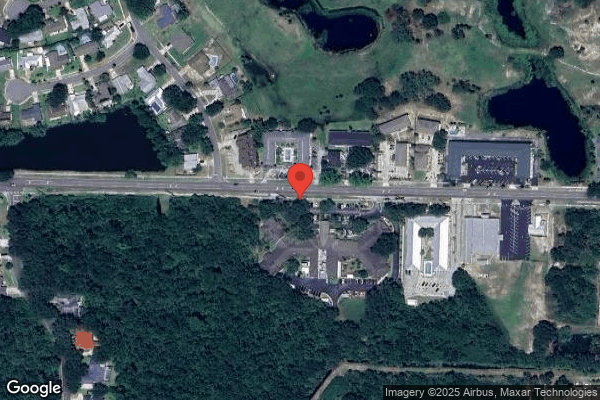
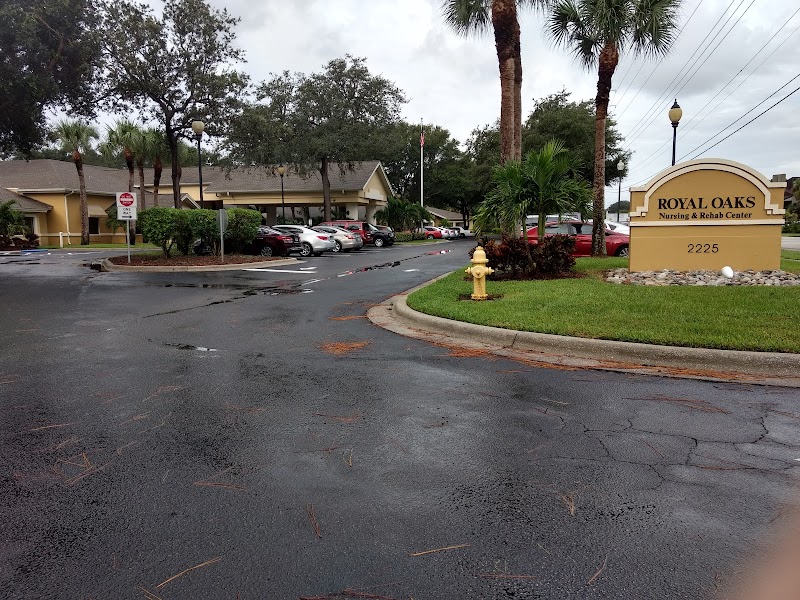
2225 KNOX MCRAE DR, TITUSVILLE, FL 32780 (321) 267-0060
For profit - Corporation 120 Beds SOVEREIGN HEALTHCARE HOLDINGS Data: November 2025
Trust Grade
85/100
#270 of 690 in FL
Last Inspection: June 2024

Within standard 12-15 month inspection cycle. Federal law requires annual inspections.

Overview

Royal Oaks Nursing and Rehab Center has received a Trust Grade of B+, indicating that it is above average and recommended for families considering care for their loved ones. It ranks #270 out of 690 facilities in Florida, placing it in the top half, and #5 out of 21 in Brevard County, meaning only four local options are better. The facility is improving, having reduced issues from three in 2022 to two in 2024. Staffing is a strength, with a turnover rate of 24%, significantly lower than the state average, but it has concerning RN coverage, being below 80% of facilities in Florida. There have been no fines reported, which is a positive sign. However, there are some weaknesses to note. Recent inspections found that the kitchen equipment was not properly cleaned, posing a risk of food contamination, and a resident's lost partial denture was not replaced in a timely manner, affecting her dignity and self-esteem. Overall, while there are strengths in staffing and overall performance, families should be aware of these issues when considering Royal Oaks as a care option.

Trust Score
B+
85/100
In Florida
#270/690
Top 39%
Safety Record
Low Risk
No red flags
Inspections
Getting Better
3 → 2 violations
Staff Stability
✓ Good
24% annual turnover. Excellent stability, 24 points below Florida's 48% average. Staff who stay learn residents' needs.
Penalties
✓ Good
No fines on record. Clean compliance history, better than most Florida facilities.
Skilled Nurses
○ Average
Each resident gets 31 minutes of Registered Nurse (RN) attention daily — about average for Florida. RNs are the most trained staff who monitor for health changes.
Violations
○ Average
9 deficiencies on record. Average for a facility this size. Mostly minor or procedural issues.
★★★★☆
4.0
Overall Rating
★★★★☆
4.0
Staff Levels
★★★★☆
4.0
Care Quality
★★★★☆
4.0
Inspection Score
Stable
2022: 3 issues
2024: 2 issues

The Good

  • 4-Star Staffing Rating · Above-average nurse staffing levels
  • 4-Star Quality Measures · Strong clinical quality outcomes
  • Low Staff Turnover (24%) · Staff stability means consistent care
  • Full Sprinkler Coverage · Fire safety systems throughout facility
  • No fines on record
  • Staff turnover is low (24%)

    24 points below Florida average of 48%

Facility shows strength in staffing levels, quality measures, staff retention, fire safety.

The Bad

Chain: SOVEREIGN HEALTHCARE HOLDINGS

Part of a multi-facility chain

Ask about local staffing decisions and management

The Ugly 9 deficiencies on record

Jun 2024 2 deficiencies
CONCERN (D)

Potential for Harm - no one hurt, but risky conditions existed

Deficiency F0692 (Tag F0692)

Could have caused harm · This affected 1 resident

**NOTE- TERMS IN BRACKETS HAVE BEEN EDITED TO PROTECT CONFIDENTIALITY** Based on observation, interview, and record review, the facility failed to follow a systematic approach to ensure residents were...

Read full inspector narrative →
**NOTE- TERMS IN BRACKETS HAVE BEEN EDITED TO PROTECT CONFIDENTIALITY** Based on observation, interview, and record review, the facility failed to follow a systematic approach to ensure residents were not over hydrated due to health conditions and followed physician ordered fluid restrictions to promote the highest practicable outcome for 1 of 3 residents reviewed for nutrition/hydration issues, of a total sample of 38 residents, (#5). Findings: On 6/24/24 resident #5 was observed in his room on the [NAME] Wing of the facility at approximately 1:34 PM. The resident was awake with some confusion and his wife was in the room with him. She explained her husband was incontinent and it took a long time for staff to change him. The resident's wife indicated her husband had not been in the facility very long and hoped he would return home. She expressed concern he was about to change rooms and be placed in a room on the East Wing where the staff were not familiar with her husband's care. Medical record review revealed resident #5's most recent admission to the facility on 6/09/24. The resident's diagnosis included heart Disease, renal Disease, high blood pressure, prostate issues and hyponatremia (low sodium). The Minimum Data Set assessment dated [DATE] noted the resident scored a 10/15 on the Brief Interview for Mental Status which indicated moderately impaired cognition. Review of the physician's orders revealed resident #5 was on a 1000 milliliters (ml) per day fluid restriction for hyponatremia. Hyponatremia occurs when the concentration of sodium in your blood is abnormally low. Sodium is an electrolyte, and it helps regulate the amount of water that's in and around your cells. In hyponatremia, one or more factors- ranging from an underlying medical condition to drinking too much water -cause sodium in your body to become diluted. When this happens, your body's water level rises, and your cells begin to swell. This swelling can cause many health problems, from mild to life-threatening, (retrieved on 7/15/24 from www.mayoclinic.org). The resident's physician notated how resident #5's fluid restriction would be administered. Dietary was to provide a total of 700 ml of fluid per day in increments of: breakfast 360 ml; lunch 180 ml; and dinner 160 ml. Nursing staff was to provide 300 ml additional fluid per day 120 ml on the 7 AM-3 PM shift; 120 ml on the 3 PM-11 PM shift and 60 ml on the 11 PM-7 AM shift. On 6/25/24 at 2:29 PM, resident #5 was observed in his new room on the East Wing. He was lying in bed with a large cup of water on the bedside table. The cup held approximately 16 ounce of fluid equal to 473 ml, which exceeded the 120 ml nursing was to provide on the 7 AM-3 PM shift and the allotted amount for the entire day. Om 6/26/26 at 1:51 PM, the resident was sitting in a wheelchair in his room with a 16-ounce cup of water on the bedside table. Resident #5 said he was not told he was on a fluid restriction and referred to his water cup. He added the Certified Nursing Assistant (CNA), would refill the water cup, as much as you ask. Approximately 3 minutes later, CNA A, confirmed she was assigned to resident #5, for the 7 AM-3 PM shift and she provided the resident with ice water. CNA A was not aware the resident was on a fluid restriction. She said at one time residents that were on a fluid restriction would have a sticker on their bedroom door/frame but was not sure if that was still being used. She added if the resident was on a fluid restriction it would be, noted in the resident's MAR (Medication Administration Record) in the computer. A few minutes later, at 1:54 PM, CNA A reviewed the resident's [NAME] in the electronic medical record and confirmed the resident was on a fluid restriction but said the [NAME] did not indicate how much fluid the resident was to receive. On 6/26/24 at 1:58 PM, the East Wing Unit Manager reviewed resident #5's physician orders and confirmed the resident was on a fluid restriction. He said the resident was only to receive 1000 ml of fluid per day and the fluid should have been controlled by dietary and nursing staff.
CONCERN (E)

Potential for Harm - no one hurt, but risky conditions existed

Food Safety (Tag F0812)

Could have caused harm · This affected multiple residents

Based on observation and interview, the facility failed to maintain food cooking equipment in a clean and sanitary manner to prevent physical contaminants that may inadvertently enter food eaten by th...

Read full inspector narrative →
Based on observation and interview, the facility failed to maintain food cooking equipment in a clean and sanitary manner to prevent physical contaminants that may inadvertently enter food eaten by the residents of the facility. Finding: On Sunday, 6/23/24, at 10:58 AM, the facility's kitchen was inspected with the facility cook. The deep fryer was not clean with food debris noted on the metal surfaces of the deep fryer. Inside the fryer itself, food debris particles were observed floating on top of the cooking oil, almost covering the entire surface. The cooking oil was very dark colored and appeared not to have been changed for some time. The cook verified the condition of the deep fryer and stated she had not used the deep fryer this morning and explained it was usually used for cooking chicken and french fries. When asked about the cleaning schedule for the cooking equipment, the cook said she did not know the last time the deep fryer had been cleaned or the cooking oil changed.
Dec 2022 3 deficiencies
CONCERN (D)

Potential for Harm - no one hurt, but risky conditions existed

Deficiency F0655 (Tag F0655)

Could have caused harm · This affected 1 resident

**NOTE- TERMS IN BRACKETS HAVE BEEN EDITED TO PROTECT CONFIDENTIALITY** Based on observation, interview, and record review, the facility failed to develop a baseline/interim care plans in a timely man...

Read full inspector narrative →
**NOTE- TERMS IN BRACKETS HAVE BEEN EDITED TO PROTECT CONFIDENTIALITY** Based on observation, interview, and record review, the facility failed to develop a baseline/interim care plans in a timely manner related to intravenous (IV) antibiotics and psychotropic medication use for 1 of 1 newly admitted resident reviewed for IV antibiotic therapy and mood/behavioral services of a total sample of 52 residents, (#311). Findings: Resident #311's medical record revealed he was admitted to the facility on [DATE] from an acute care hospital with diagnoses of severe sepsis, alcohol induced pancreatitis, enterocolitis due to clostridium difficile toxin, pneumonia, and alcohol withdrawal delirium. Resident #311 was observed on 12/12/22 at 10:35 AM, lying in bed with his spouse sitting at the bedside. He was noted to have a right upper arm IV line with bag of antibiotics (Vancomycin) currently infusing via IV pump and empty bag IV antibiotics (Zosyn) hanging from pole. The wife said he had been on a lot of drugs to help manage his anxiety and agitation. On 12/13/22 at 3:40 PM, resident #311 was observed in bed, and wife sitting at the bedside. The IV pole was noted with empty bags of IV antibiotics. The resident's wife indicated he was feeling better today, and explained they changed his sedation medication (Ativan) to as needed from scheduled routine. Resident #311 was observed on 12/14/22 at 8:55 AM, asleep in bed with IV antibiotic (Vancomycin) infusing via IV right upper arm and his spouse who was at the bedside said they had to give him medication last night due to being restless and anxious. Review of resident #311's medical record revealed that he or his representative signed consent for Psychoactive Medication Ativan to be given BID (twice per day) for jitters and restlessness. The medication administration record (MAR) revealed the nurse gave Ativan per orders from 12/8/22 to 12/13/22 for symptoms of anxiety and alcohol withdrawal delirium. The IV orders were dated 12/7/22 for STAT (immediate) placement of IV for antibiotics Vancomycin and Zosyn for sepsis for 10 days. On 12/14/22 at 1:09 PM, the Resident Care Specialist (RCS) A said she was one of the nurses who was responsible for completing the Minimum Data Set (MDS) assessments as well as care plans. She explained the interim/baseline care plans were initiated on admission. She noted her supervisor, the MDS Coordinator attended the morning meetings where residents were reviewed and care plans were updated to reflect new orders. The RCS reviewed resident #311's care plans, and acknowledged there were no interim care plans for IV antibiotics or psychotropic medications. On 12/14/22 at 1:18 PM, during a telephone interview, the Lead RCS explained the admission nurse or unit manager were responsible to initiate or update the interim care plans since his comprehensive care plan was not due until 12/19/22. She added the interim care plan was a work in progress and not all updates were done at the morning meetings. She indicated the nurse who received the new orders was responsible for updating the interim care plan. On 12/14/22 at 1:30 PM, the [NAME] Unit Manager (UM) reviewed the medical record and acknowledged resident #311 was on psychotropic medication, Ativan since 12/6/22 for alcohol withdrawal and anxiety. She said, it was the UM's responsibility to ensure the interim/baseline care plan was completed. The Assistant Director of Nurses (ADON) joined interview and reviewed the resident's medical record and verified he had psychotropic medications ordered since his admission on [DATE] and IV antibiotic ordered on 12/7/22, the day after admission. The ADON explained, nurses were responsible for completing the interim care plan for IV therapy and Social Services (SS) staff were responsible for initiating interim care plan for psychotropic drugs. The ADON explained, they should have initiated the care plan when the resident started IV antibiotic therapy and acknowledged there were no baseline care plans for IV antibiotic therapy or psychotropic medications until it was brought to their attention by the surveyor. On 12/14/22 at 2:09 PM the SS Assistant (SSA) said she usually visited new residents within 72 hours of admission and it was the responsibility of the SS Director (SSD) to initiate the baseline/interim care plan for a resident on psychotropic medications. The SSA reflected and said, she did not know why the baseline care plan was not initiated for resident #311. On 12/14/22 at 2:54 PM the SSD said she was new and learning how to do the care plans. She added that when she worked at a prior facility, MDS staff did all the care plans. She was not aware she was responsible to initiate interim care plans for residents on psychotropic medications. The SSD said it was important that a resident with a history of alcohol abuse to have current plan of care to reflect his history and current interventions, but did not understand why she would need to do them. On 12/15/22 at 11:16 AM, the Director of Nursing (DON) said she thought interim care plans only needed to include falls, activities of daily living, skin, pain, and nutrition needs. She added she was not aware the interim care plans should also reflect IV antibiotic therapy and psychotropic medications. She said she thought those could wait until the comprehensive care plan was completed. The DON stated, I am not good at care plans and don't know when they are supposed to be initiated. The facility's Baseline (Interim/Initial/IPOC) Plan of Care, revised 2/18/19 read, The facility must develop and implement a baseline care plan for each resident that includes the instructions needed to provide effective and person centered care of the resident that meet professional standards of quality care .A comprehensive care plan can be developed in place of the Baseline Care Plan .including, but not limited to .physician orders .The nurse will consider the following areas when developing individualized care plan for each resident .Update the Interim (Initial) Plan of Care on and ongoing basis, as necessary, until the Comprehensive Plan of Care is finalized .
CONCERN (E)

Potential for Harm - no one hurt, but risky conditions existed

Resident Rights (Tag F0550)

Could have caused harm · This affected multiple residents

**NOTE- TERMS IN BRACKETS HAVE BEEN EDITED TO PROTECT CONFIDENTIALITY** Based on observation, interview and record review, the facility failed to promote dignity related to missing front teeth affecti...

Read full inspector narrative →
**NOTE- TERMS IN BRACKETS HAVE BEEN EDITED TO PROTECT CONFIDENTIALITY** Based on observation, interview and record review, the facility failed to promote dignity related to missing front teeth affecting the resident's self-esteem for 1 of 2 residents reviewed for dignity, out of a total sample of 52 residents, (#53). Findings: Resident #53 was admitted to the facility on [DATE] with diagnosis including polyneuropathy, and major depressive disorder. On 12/12/22 at 11:39 AM, resident #53 stated she lost her upper partial denture back in June, 6 months ago. She recalled she filed a grievance at that time and was told the facility would pay to have it replaced. She stated she had not seen a dentist and explained she had never been without teeth and really wanted to have the partial denture replaced. On 12/14/22 at 3:48 PM, resident #53 clarified it was the [NAME] Wing Unit Manager who told her the facility would pay to replace her partial denture. She noted she was unsure why it was taking so long to have the denture replaced. Resident #53 stated she had been a public speaker and appearance was very important to her. She expressed she feels terrible not having upper teeth and as a result lisped when she talked. She said she hated meeting new people because she felt like she had to explain why she did not have front teeth. On 12/14/22 at 2:01 PM, the Social Services Assistant (SSA) confirmed a grievance was filed June 15, 2022 for the missing partial denture. She stated she did not know what happened to resident #53's partial denture but a replacement was in the works. On 12/14/22 at 3:04 PM, the Social Services Director (SSD) stated when a resident reported lost items, the facility would first search for the item and if not found, the facility would replace the missing item. She clarified if a resident lost a denture and it was unable to be located, the resident would be placed on the dental list to be seen on the next visit. On 12/14/22 at 3:34 PM, the SSA provided a form which showed resident #53 was approved for a dental program on December 1, 2022. She explained the application took 54 days to get approved. The SSA was unable to explain why it had been 6 months since the denture went missing and the resident had not received her partial denture.
CONCERN (E)

Potential for Harm - no one hurt, but risky conditions existed

Dental Services (Tag F0791)

Could have caused harm · This affected multiple residents

**NOTE- TERMS IN BRACKETS HAVE BEEN EDITED TO PROTECT CONFIDENTIALITY** Based on observation, interview, and record review, the facility failed to provide dental services in a timely manner for 1 of 2...

Read full inspector narrative →
**NOTE- TERMS IN BRACKETS HAVE BEEN EDITED TO PROTECT CONFIDENTIALITY** Based on observation, interview, and record review, the facility failed to provide dental services in a timely manner for 1 of 2 residents reviewed for dental services, out of a total sample of 52 residents, (#53). Findings: Resident #53 was admitted to the facility on [DATE] with diagnoses of polyneuropathy, cardiac pacemaker and major depressive disorder. On 12/12/22 at 11:39 AM, resident #53 stated she lost her upper partial denture 6 months ago, in June. She recalled she filed a grievance at that time and was told the facility would pay to have it replaced. She stated she had not seen a dentist since that time and added she had never been without teeth and wanted to have the partial denture replaced. On 12/14/22 at 2:01 PM, the Social Services Assistant (SSA) confirmed a grievance was filed June 15, 2022. She stated she did not know what happened to resident #53's partial denture but a replacement was in the works. On 12/14/22 at 3:04 PM, the Social Services Director (SSD) stated when a resident reported lost items, the facility would first search for the item and if not located, the facility would replace the missing item. She clarified if a resident lost a denture and it was unable to be located, the resident would be placed on the dental list to be seen on the next visit. On 12/14/22 at 3:34 PM, the SSA provided paperwork which revealed resident #53 was scheduled to be seen by dental services 10/19/22. She stated the resident was out of the facility at the time of the visit and was not seen. The SSA was unable to explain why the dental referral was scheduled in October when the facility became aware of the missing partial denture in June. A review of resident #53's medical record revealed no documentation to indicate why a referral did not occur within 3 days of the facility becoming aware of the missing partial denture as per facility policy. The record also did not contain any documentation of steps taken to ensure resident #53 could eat and drink adequately while awaiting dental services. The facility's policy and procedure for Dental Services revised 8/29/17 read, The facility will refer residents with lost or damaged dentures for dental services within three days of notification. If the referral cannot occur within three days, the facility will provide documentation of measures implemented to ensure the resident's hydration and nutrition status are maintained. The document identified the social services designee was responsible for coordinating dental services in the facility.
Mar 2021 4 deficiencies
CONCERN (D)

Potential for Harm - no one hurt, but risky conditions existed

Assessment Accuracy (Tag F0641)

Could have caused harm · This affected 1 resident

**NOTE- TERMS IN BRACKETS HAVE BEEN EDITED TO PROTECT CONFIDENTIALITY** Based on record review and interview, the facility failed to ensure Minimum Data Set (MDS) assessments accurately reflected inje...

Read full inspector narrative →
**NOTE- TERMS IN BRACKETS HAVE BEEN EDITED TO PROTECT CONFIDENTIALITY** Based on record review and interview, the facility failed to ensure Minimum Data Set (MDS) assessments accurately reflected injectable anti-diabetic medications prescribed for 2 of 19 residents, of a total sample of 54 residents, (#64 & #4). Findings: 1. Resident #64 was admitted to the facility on [DATE] with diagnoses including type 2 diabetes with hyperglycemia. Hyperglycemia refers to high levels of sugar or glucose in the blood (retrieved on 3/12/21 from the U.S. National Library of Medicine website at www.medlineplus.gov). Resident #64's MDS quarterly assessment with assessment reference date (ARD) of 2/08/21 revealed she received insulin injections on 7 of 7 days in the look-back period. Review of resident #64's medical record revealed a physician's order dated 11/11/20 for Liraglutide Solution Pen-injector 18 milligrams (mg) / 3 milliliters (ml), inject 1.2 mg daily for diabetes. This anti-diabetic drug increases the amount of insulin produced by the body, but it is not classified as insulin (retrieved on 3/12/21 from www.drugs.com). 2. Resident #4 was admitted to the facility on [DATE] with diagnoses including type 2 diabetes. The MDS admission assessment with ARD of 12/08/20 revealed she received an insulin injection on 1 of the 7 days in the look-back period. Review of resident #4's medical record revealed a physician's order dated 12/07/20 for Ozempic 2 mg / 1.5 ml, inject 1 mg every Monday. This drug is similar to a naturally occurring hormone in the body. It controls blood sugar, insulin levels and digestion, but is not classified as insulin (retrieved on 3/12/21 from www.drugs.com). On 3/10/21 at 3:35 PM, the MDS Coordinator (Resident Care Specialist) reviewed the MDS assessments, physician's orders, and medication administration records (MARs) for residents #64 and #4. The MDS Coordinator stated resident #64 had an order for Liraglutide and resident #4 had an order for Ozempic. She defined both drugs as non-insulin anti-hyperglycemic medications. She acknowledged resident #64's quarterly assessment with ARD of 2/08/21 and resident #4's admission assessment with ARD of 12/08/20 erroneously indicated they received insulin. The MDS Coordinator stated the Resident Assessment Instrument (RAI) manual provided instructions on coding different types of drugs. She provided page N-3 of the RAI Version 3.0 Manual which included section N0350: Insulin. The document directed MDS staff to review residents' MARs for the 7-day look-back period, and Count the number of days insulin injections were received. She explained the facility had 3 full time MDS nurses and corporate staff who conducted random audits of MDS assessments for accuracy, but the errors had not been identified. The facility's policy and procedure Resident Assessment Instrument (RAI) Process revised on 3/27/18, revealed the MDS assessment was the basis of the comprehensive assessment and guided the development of individualized care plans for all residents. The document read, Before finalizing the completed MDS, each member of the interdisciplinary team reviews the entire MDS assessment for accuracy.
CONCERN (D)

Potential for Harm - no one hurt, but risky conditions existed

Infection Control (Tag F0880)

Could have caused harm · This affected 1 resident

**NOTE- TERMS IN BRACKETS HAVE BEEN EDITED TO PROTECT CONFIDENTIALITY** 2. On 03/09/2021 at 10:47 AM, Certified Nursing Assistant (CNA) C was observed pushing the hydration cart on the East Wing A-hal...

Read full inspector narrative →
**NOTE- TERMS IN BRACKETS HAVE BEEN EDITED TO PROTECT CONFIDENTIALITY** 2. On 03/09/2021 at 10:47 AM, Certified Nursing Assistant (CNA) C was observed pushing the hydration cart on the East Wing A-hallway. The East Wing A-hall began with room [ROOM NUMBER] and ended with room [ROOM NUMBER]. CNA C filled the hydration cups for rooms 109, 110, 111, 112 and then made her way to resident room [ROOM NUMBER], resident #99's room. Resident #99's room was the only room on this hallway that had droplet precaution sign on the door and a hanging rack with personal protective equipment (PPE). CNA C wore mask and goggles. She donned a gown and proceeded to go into resident #99's room without donning gloves. She picked up the small, clear, plastic, five ounce hydration cup that was half full with water and brought it out of the room into the hallway to the hydration cart. CNA C held the cup with her bare hand over the open ice chest. She scooped ice into the cup trying not to spill the water over the sides. The ice chest was half full of ice. At this time, CNA C acknowledged the droplet precaution sign on the door. CNA C said, I only need to wear a gown, I don't need to wear gloves unless I am doing patient care. She added, I'm sure she touched the cup, but I only brought the cup out of the room, I didn't touch the resident. CNA C again stated she did not need to wear gloves since she was not doing direct patient care. CNA C said she had infection control training from the facility. On 03/09/21 at 10:53 AM, the East Wing Unit Manager (UM) stated resident room [ROOM NUMBER] had two residents that received dialysis, and were on droplet precautions. The UM acknowledged that mask, gown, goggles, and gloves were required to be worn when entering the rooms of residents on droplet precautions. The UM noted CNA C had not demonstrated the correct procedure for entering an isolation room and for filling up the cups. He said,no, that procedure was wrong, the whole cart is contaminated now. Reviewed of CNA C's PPE Surveillance Competency Audit dated 06/30/2020, 08/24/2020, 10/31/2020, 11/02/2020, 01/04/2021, 01/28/2021, 02/02/2021, 02/16/2021 documented, that CNA C had met the competency for .PPE set up, Donning PPE and Doffing PPE. Donning PPE included, . 2. Appropriate PPE used for diagnosed isolation. 3. Put on gown, then gloves sequence. 4. PPE correctly used. 5. PPE worn only inside isolation room. Doffing PPE: 1. PPE removed within isolation room. 2. Removed gown, then glove sequence . Based on observations, interviews, record review, policy review, and Centers for Disease Control and Prevention (CDC) guidelines, the facility did not ensure appropriate infection control measures were implemented in regards to proper use of personal protective equipment (PPE) for 2 of 26 residents on enhanced droplet precautions (#99, #106), and failed to contain contaminated resident care supplies, (#99). Findings: 1. Review of resident #106's medical record revealed she was admitted to the facility on [DATE] with diagnoses of acute pyelonephritis and acute kidney failure. Physician orders included enhanced droplet precautions for Coronavirus Disease 2019 (COVID-19) symptoms and frequent travel out of the facility for dialysis, on Mondays and Fridays. Review of the resident's plan of care for isolation precautions, dated 03/10/21, revealed isolation precautions as ordered, monitor for signs/symptoms of infection and to disinfect all equipment used before it leaves the room. Review of the facility's Order Listing Report revealed 26 residents were on enhanced droplet precautions related to monitoring for COVID-19 symptoms. On 03/09/21 at 10:40 AM, resident #106's room door was observed to be closed with a plastic container containing PPE (gowns, gloves, and masks) and a sign that indicated she was on enhanced droplet precautions. The sign noted to perform hand hygiene before entering and leaving the room and the use of a gown, facemask, and gloves while in the room, and to keep door closed. Resident #106 was observed sitting in her wheelchair and Physical Therapy Assistant (PTA) E was standing beside the resident without wearing gown or gloves. PTA E stated he was aware that resident #106 was on enhanced droplet precautions and he was required to wear a gown and gloves while providing resident care. I was in her room hurrying to get her ready for her hemodialysis appointment. PTA E stated he had been educated on infection control, isolation and the use of PPE for residents that required isolation precautions. I treat a lot of residents in their rooms and I should have had a gown and gloves on to prevent the spread of infection from resident to resident. On 03/11/21 at 10:45 AM, the Rehabilitation Manager stated the rehabilitation staff had received education/inservice for infection control, COVID-19, hand hygiene, isolation and the proper use of PPE. The Rehabilitation Manager said all therapy staff were expected to follow the facility's policy and procedure for isolation precautions. There is no question that PPE is to be worn at all times while in an enhanced droplet precaution room. PTA E should have been wearing the proper PPE while treating resident #106. On 03/11/21 at 11:15 AM, the Staff Development Coordinator (SDC) stated that 100% of all facility staff had received inservice/education and competencies for infection control, COVID-19, hand hygiene, isolation precautions and proper PPE use. At this point no staff should be in an enhanced droplet precaution room without the proper use of PPE. The SDC said PTA E had attended the facility inservices and completed competencies to ensure compliance with isolation precautions and proper PPE use. Review of the facility's In-Service Report sign in forms revealed PTA E had attended and signed for the following inservices: On 07/08/20 at 7:30 AM, Make sure you are wearing proper isolation PPE when going in a resident's room. On 01/19/21 at 7:30 AM, All new admissions will be on enhanced droplet precautions for 14 days. All staff must wear full PPE including N95 mask when in resident's room, no gowns are to be reused, mask, eyewear, face shields/goggles at all times. On 01/26/21(no time), If patients are on enhanced droplet precautions you must wear gown, gloves, face shield/goggles and mask at all times in resident room even if resident is not present at the time. On 02/21/21 at 8 AM, Enhanced droplet rooms require the use of N95 or higher, gowns, gloves and eyewear upon entering. On 03/09/21 at 7:45 AM, All admissions are on enhanced droplet precautions for the first 14 days, you must wear gown, gloves, mask and eyewear at all times in the resident's room. Review of the PPE Surveillance Competency Audits dated 07/01/20, 11/02/20 and 01/19/21 documented PTA E had met criteria for PPE set up. Donning PPE: 1. Hand hygiene completed prior to donning PPE, 2. Appropriate PPE used for diagnosed isolation, 3. Put on gown then gloves sequence, 4. PPE used correctly, 5. PPE worn only inside isolation room. Doffing PPE. On 03/11/21 at 3:21 PM, the Infection Control Practitioner Officer (ICPO) stated that all staff have received inservice and education for infection control, COVID-19, hand hygiene, isolation precautions and proper use of PPE. Competencies and audits are on-going to ensure compliance with the facility's infection control policy and procedures. All new admissions (14 days) or residents going out of the facility 2-3 times a week for hemodialysis are placed on enhanced droplet precautions due to potential exposure in the community and monitoring for COVID-19 signs and symptoms. The ICPO stated, All facility staff are required to adhere to the use of proper PPE which includes mask, gown, gloves, eyewear/goggles when in an enhanced droplet precautions room. PTA E should have had a gown and gloves on while in resident #106's room. Our goal is to contain and prevent the spread of infection to other residents in the facility. Review of the facility's Personal Protective Equipment Policy, revised October 2018, revealed that PPE includes gowns, gloves, masks and eyewear and the type of PPE required is based on the type of transmission-based precaution. Review of the facility's Isolation-Categories of Transmission-Based Precautions Policy, with revised date 03/13/2020, revealed that droplet precautions is implemented when a resident has documented or suspected to be infected with microorganisms that can be transmitted by droplet. Masks are to be worn and gowns, gloves and goggles should be worn if there is a risk of spraying of respiratory secretions.
CONCERN (D)

Potential for Harm - no one hurt, but risky conditions existed

Room Equipment (Tag F0908)

Could have caused harm · This affected 1 resident

**NOTE- TERMS IN BRACKETS HAVE BEEN EDITED TO PROTECT CONFIDENTIALITY** Based on observation, interview and record review, the facility failed to maintain patient care equipment in a clean and safe op...

Read full inspector narrative →
**NOTE- TERMS IN BRACKETS HAVE BEEN EDITED TO PROTECT CONFIDENTIALITY** Based on observation, interview and record review, the facility failed to maintain patient care equipment in a clean and safe operating condition for 4 of 6 residents reviewed for oxygen therapy out of 23 total sampled residents with oxygen concentrators. (#12, #28, #78, #99). Findings: Resident #99 was a long term care resident who was initially admitted to the facility on [DATE] and re-admitted on [DATE]. The resident's diagnoses included chronic obstructive pulmonary disease (COPD), heart failure, diabetes mellitus, cardiovascular disease and end stage renal disease with dependence on renal dialysis. Review of the quarterly minimum data set (MDS) assessment dated [DATE] revealed resident #99 had a Brief Interview for Mental Status (BIMS) score of 15 out of 15, which indicated the resident was cognitively intact. The MDS also identified the resident required oxygen (O2) therapy. Review of resident #99's care plan documented she had impaired gas exchange and ineffective airway clearance related to chronic obstructive pulmonary disease with a goal to remain free from complications concerning impaired gas exchange. An intervention on the care plan included to administer respiratory therapy as ordered. Review of the physician's orders for resident #99, revealed an order for O2 via nasal cannula (NC) at 2 liters per minute (LPM) for COPD. Observations of resident #99's O2 concentrator on 03/08/2021 at 4:54 PM, 03/09/2021 at 10:40 AM, 03/10/2021 at 4:52 PM, revealed both the O2 concentrator's air filters were dirty and filled with dust. On 03/11/21 at 10:17 AM, Licensed Practical Nurse, (LPN) A stated resident #99's O2 tubing was changed every Tuesday on the 11-7 shift. She stated only nurses changed the tubing. She said, Central supply and some company comes in to service the concentrators. On 03/11/21 at 10:25 AM, the East Wing Unit Manager said that the oxygen service company serviced the O2 concentrators before, now, for last couple of weeks the facility cleans the filters. They get checked every Tuesday when we change the O2 tubing. 2. Review of resident #12's medical record revealed she was admitted to the facility on [DATE] with diagnosis of Chronic Obstructive Pulmonary Disease (COPD). The physician's orders included oxygen at 2-4 liters nasal cannula (NC) to maintain oxygen saturations greater than 90% for COPD/respiratory failure and non-invasive ventilation at hours sleep and as needed while awake. The resident's plan of care included risk for impaired gas exchange/ineffective airway clearance related to acute respiratory failure and acute exacerbation of COPD. Interventions included to provide oxygen as ordered, non-invasive ventilation and to monitor for respiratory distress. Observations conducted on 03/08/21 at 4:13 PM, 03/09/21 at 10:20 AM, 03/09/21 at 4:10 PM, 03/10/21 at 09:50 AM, and on 03/10/21 at 3:30 PM revealed the oxygen concentrator's left external filter was completely covered with gray dust and the right external filter was missing. The opening where the right external filter was missing was covered with gray dust and was pulling room air into the concentrator without being filtered. 3. Review of resident #28's medical record documented she was admitted to the facility on [DATE] with diagnoses that included morbid obesity with alveolar hypotension. The physician's orders included oxygen at 3 liters NC to maintain oxygen saturations of greater than 90%. The admission comprehensive assessment dated [DATE] documented she was cognitively intact and received oxygen therapy. The resident's plan of care dated 01/14/21 included altered cardiovascular status with interventions to provide oxygen as ordered and to monitor for shortness of breath and changes in lung sounds. Observations conducted on 03/08/21 04:36 PM, 03/10/21 at 10:20 AM, 03/10/21 at 2:43 PM, and 03/11/21 at 9:45 AM revealed the oxygen concentrator's left and right external filters were covered with gray dust. 4. Review of resident #78's medical record revealed she was admitted to the facility on [DATE] with diagnoses of obstructive sleep apnea and acute respiratory failure. The physician orders included continuous oxygen via NC at 2 liters. The significant change comprehensive assessment dated [DATE] documented she had moderate cognitive impairment and received oxygen therapy. The resident's plan of care included impaired gas exchange/ineffective airway clearance related to obstructed sleep apnea. Interventions included oxygen as ordered and to monitor for respiratory distress. Observations conducted on 03/09/21 at 10:02 AM, 03/10/21 at 10:00 AM, 03/10/21 at 2:25 PM, and on 03/11/21 at 9:30 AM revealed the oxygen concentrator's left and right external filters were covered with gray dust. On 03/10/21 at 12:20 PM, Licensed Practical Nurse (LPN) A stated that all oxygen and nebulizer equipment was changed on Tuesday by the 11 PM- 7 AM nurse. The Central Supply person tracked the oxygen concentrators. LPN A said the the oxygen concentrator company came to the facility and was responsible for cleaning and changing the concentrator filters. On 03/11/21 at 11:55 AM, the Central Supply staff member stated the housekeeping staff were responsible for cleaning the oxygen concentrators. The 11 PM - 7 AM nurses change the oxygen tubing on Tuesday/Wednesday nights on the 11 PM-7 AM shift. Central Supply staff then stated, The filters were being cleaned and changed by the oxygen concentrator company but since COVID-19 they have not been coming to the facility so the nurses are responsible for cleaning the oxygen concentrator filters. On 03/11/21 at 12:00 PM, an interview was conducted with the the Director of Nursing (DON), the Administrator and the Central Supply staff. The DON stated the oxygen concentrator filters removed and prevented dust, particles and bacteria from entering into the resident's lungs. The Central Supply person tracks the oxygen concentrators and housekeeping is responsible for the cleaning the oxygen concentrators. The DON said, The filters should not be dirty to ensure the concentrator is performing properly. The Administrator stated the oxygen concentrator company came to the facility monthly to provide concentrator maintenance and to change and clean the filters. Central Supply stated, They used to come in and clean the filters but since COVID-19 started they have not come into the facility. The nurses are responsible for cleaning the filters. The Administrator stated, I was under the impression the oxygen concentrator company was still coming in to clean the filters. The DON stated, I was not aware of any of these changes. On 03/11/21 at 12:10 PM, an observation of resident #12's oxygen concentration was conducted with the DON. The DON acknowledged the left external concentrator filter was covered with gray dust and the right external concentrator filter was missing. The DON then pulled a thick layer of gray dust out of the right filter opening. At 12:15 PM, the DON acknowledged that the left and right external filters were covered with gray dust. At 12:20 PM, an observation of resident #28's oxygen concentrator filters was conducted with the DON. The DON confirmed the left and right external filters were covered with gray dust. At 12:30 PM, an observation of resident #99 oxygen concentrator filters was conducted with the Administrator. The Administrator noted the the left and right filters were covered with gray dust. Review of the respiratory log provided by the facility revealed 23 residents were receiving oxygen therapy via an oxygen concentrator. Review of the oxygen company's visitation log provided by the Administrator revealed the last visit to the facility was on 05/14/20. Review of the Facility's Oxygen Administration via Concentrator Policy, revised 04/24/2018, revealed the purpose of the concentrator is to deliver oxygen to the resident by a licensed nurse or respiratory care practitioner and to follow the Manufacture's instruction for use. Review of the Facility Assessment Tool, not dated, revealed the facility is competent to provide care and services in a safe manner to residents requiring equipment for oxygen therapy. According to www.drugs.com/cg/using -oxygen-safely, not dated, read, . an oxygen concentrator takes nitrogen gas and other things out of regular air. This leaves only the oxygen from the air. This oxygen is stored in the container and given it back to you through a mask or cannula. Check the air inlet filter to make sure it is in place and clean . Wash it in soap and water if it is dirty. Then rinse it, pat it dry, and put it back on the machine.
CONCERN (E)

Potential for Harm - no one hurt, but risky conditions existed

Food Safety (Tag F0812)

Could have caused harm · This affected multiple residents

3. On 03/08/21 at 9:34 AM, the initial tour of the kitchen was conducted with the CDM. During the initial tour, the milk cooler had two half gallons of lactose free milk with an expiration date of 2/2...

Read full inspector narrative →
3. On 03/08/21 at 9:34 AM, the initial tour of the kitchen was conducted with the CDM. During the initial tour, the milk cooler had two half gallons of lactose free milk with an expiration date of 2/22/2021. The CDM did not provide an explanation as to why the expired milk was still in the cooler. Review of the facility's Food Storage Principles policy, documents, . Procedure . 3. Label each package, box, can, etc. with date of receipt, and when the item was stored after preparation. a. Discard foods that have exceeded their expiration date. b. Discard leftover foods that have not been used within 72 hours of preparation . Based on observation and interview, the facility failed to ensure food and drink items were labeled, dated, and within date of expiration in 2 of 2 nourishment rooms (East Wing and [NAME] Wing), failed to ensure the microwave was maintained in clean, sanitary condition and in good repair in 1 of 2 Nourishment Rooms (West Wing), and failed to ensure foods were not expired in the milk cooler in the main kitchen. Findings: 1. On 3/09/21 at 1:48 PM, the East Wing Nourishment room freezer was noted with an open 1 liter water bottle with no name and no date. On 3/09/21 at 1:53 PM, Licensed Practical Nurse (LPN) A said she was not sure who was responsible to clean the refrigerator and freezer. She acknowledged the water bottle with no name, no date, and no label should have been discarded. 2. On 3/09/21 at 1:58 PM, the [NAME] Wing Nourishment room refrigerator had a box of powdered donuts was opened with 8 donuts remaining. The box of donuts had an expiration date of 3/4/21. There was no name, or date on the box of donuts. The microwave in the [NAME] Wing Nourishment room was dirty with caked on food on all interior surfaces including the door. There were patches of rust on the inside left front corner and the door casing of the microwave. On 3/09/21 at 2:03 PM, LPN B picked up the box of donuts and acknowledged it did not have a name or date. LPN B stated the donuts were expired and should have been discarded. LPN B examined the microwave and noted the rust. He verbalized the microwave was dirty with splattered food. LPN B said he cleaned out the refrigerator on the weekend and dietary staff were responsible for cleaning the refrigerator and microwave during the week. On 3/09/21 at 2:37 PM, the Director of Nursing (DON) and the Dietary Tech said dietary staff stocked the refrigerators with fluids and milk but nursing staff were responsible to ensure the fluids and food were not expired. On 3/09/21 at 2:50 PM, the DON said the Unit Managers checked the nourishment rooms daily but did not explain why the microwave was in dirty condition and why refrigerators contained unlabelled and expired foods. Both the Certified Dietary Manager (CDM) and DON said there was no policy and procedure or designation in writing to show who was responsible for cleaning the microwaves or refrigerators.
Understanding Severity Codes (click to expand)
Life-Threatening (Immediate Jeopardy)
J - Isolated K - Pattern L - Widespread
Actual Harm
G - Isolated H - Pattern I - Widespread
Potential for Harm
D - Isolated E - Pattern F - Widespread
No Harm (Minor)
A - Isolated B - Pattern C - Widespread

Questions to Ask on Your Visit

  • "Can I speak with families of current residents?"
  • "What's your RN coverage like on weekends and overnight?"

Our Honest Assessment

Strengths
  • • Grade B+ (85/100). Above average facility, better than most options in Florida.
  • • No major safety red flags. No abuse findings, life-threatening violations, or SFF status.
  • • No fines on record. Clean compliance history, better than most Florida facilities.
  • • 24% annual turnover. Excellent stability, 24 points below Florida's 48% average. Staff who stay learn residents' needs.
Concerns
  • • No significant concerns identified. This facility shows no red flags across CMS ratings, staff turnover, or federal penalties.
Bottom line: Generally positive indicators. Standard due diligence and a personal visit recommended.

About This Facility

What is Royal Oaks Nursing And Rehab Center's CMS Rating?

CMS assigns ROYAL OAKS NURSING AND REHAB CENTER an overall rating of 4 out of 5 stars, which is considered above average nationally. Within Florida, this rating places the facility higher than 99% of the state's 100 nursing homes. This rating reflects solid performance across the metrics CMS uses to evaluate nursing home quality.
How is Royal Oaks Nursing And Rehab Center Staffed?

CMS rates ROYAL OAKS NURSING AND REHAB CENTER's staffing level at 4 out of 5 stars, which is above average compared to other nursing homes. Staff turnover is 24%, compared to the Florida average of 46%. This relatively stable workforce can support continuity of care.

What Have Inspectors Found at Royal Oaks Nursing And Rehab Center?

State health inspectors documented 9 deficiencies at ROYAL OAKS NURSING AND REHAB CENTER during 2021 to 2024. These included: 9 with potential for harm.
Who Owns and Operates Royal Oaks Nursing And Rehab Center?

ROYAL OAKS NURSING AND REHAB CENTER is owned by a for-profit company. For-profit facilities operate as businesses with obligations to shareholders or private owners. The facility is operated by SOVEREIGN HEALTHCARE HOLDINGS, a chain that manages multiple nursing homes. With 120 certified beds and approximately 111 residents (about 92% occupancy), it is a mid-sized facility located in TITUSVILLE, Florida.
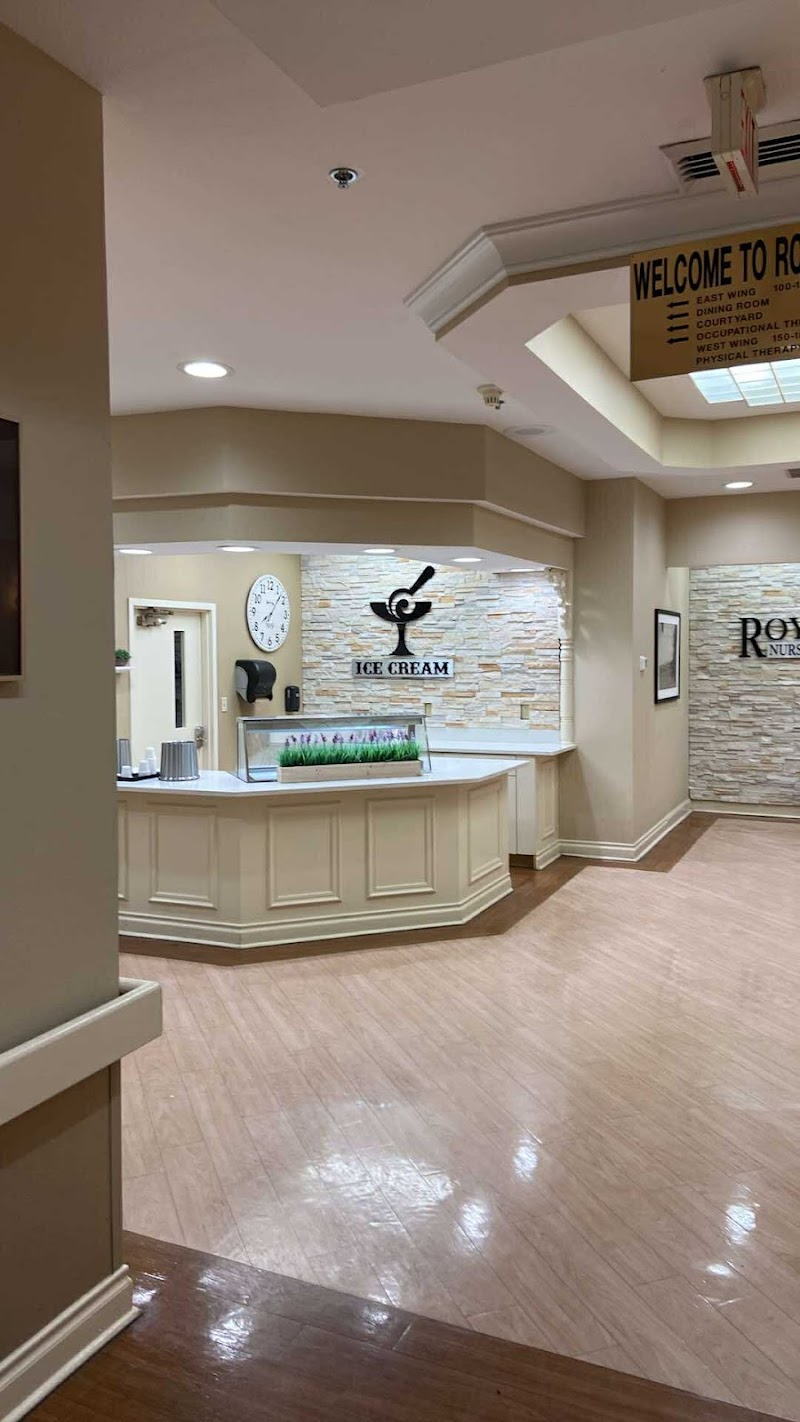
How Does Royal Oaks Nursing And Rehab Center Compare to Other Florida Nursing Homes?

Compared to the 100 nursing homes in Florida, ROYAL OAKS NURSING AND REHAB CENTER's overall rating (4 stars) is above the state average of 3.2, staff turnover (24%) is significantly lower than the state average of 46%, and health inspection rating (4 stars) is above the national benchmark.

What Should Families Ask When Visiting Royal Oaks Nursing And Rehab Center?

Based on this facility's data, families visiting should ask: "Can I visit during a mealtime to observe dining assistance and food quality?" "How do you handle medical emergencies, and what is your hospital transfer rate?" "Can I speak with family members of current residents about their experience?"

Is Royal Oaks Nursing And Rehab Center Safe?

Based on CMS inspection data, ROYAL OAKS NURSING AND REHAB CENTER has a clean safety record: no substantiated abuse findings (meaning no confirmed cases of resident harm), no Immediate Jeopardy citations (the most serious violation level indicating risk of serious injury or death), and is not on the Special Focus Facility watch list (a federal program monitoring the lowest-performing 1% of nursing homes). The facility has a 4-star overall rating and ranks #1 of 100 nursing homes in Florida. While no facility is perfect, families should still ask about staff-to-resident ratios and recent inspection results during their visit.

Do Nurses at Royal Oaks Nursing And Rehab Center Stick Around?

Staff at ROYAL OAKS NURSING AND REHAB CENTER tend to stick around. With a turnover rate of 24%, the facility is 21 percentage points below the Florida average of 46%. Low turnover is a positive sign. It means caregivers have time to learn each resident's needs, medications, and personal preferences. Consistent staff also notice subtle changes in a resident's condition more quickly. Registered Nurse turnover is also low at 20%, meaning experienced RNs are available to handle complex medical needs.

Was Royal Oaks Nursing And Rehab Center Ever Fined?

ROYAL OAKS NURSING AND REHAB CENTER has no federal fines on record. CMS issues fines when nursing homes fail to meet care standards or don't correct problems found during inspections. The absence of fines suggests the facility has either maintained compliance or corrected any issues before penalties were assessed. This is a positive indicator, though families should still review recent inspection reports for the full picture.

Is Royal Oaks Nursing And Rehab Center on Any Federal Watch List?

ROYAL OAKS NURSING AND REHAB CENTER is not on any federal watch list. The most significant is the Special Focus Facility (SFF) program, which identifies the bottom 1% of nursing homes nationally based on persistent, serious quality problems. Not being on this list means the facility has avoided the pattern of deficiencies that triggers enhanced federal oversight. This is a positive indicator, though families should still review the facility's inspection history directly.