VISTA MANOR HEALTHCARE AND REHABILITATION CENTER
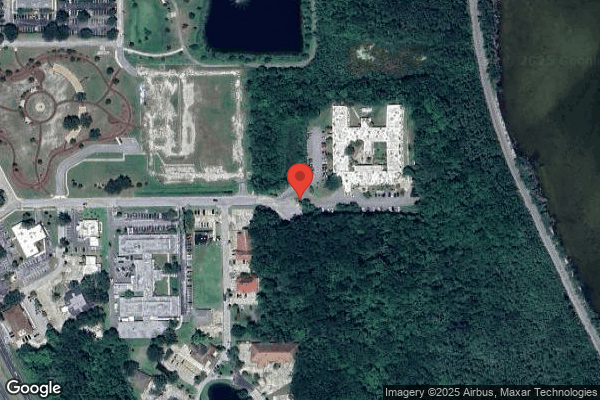
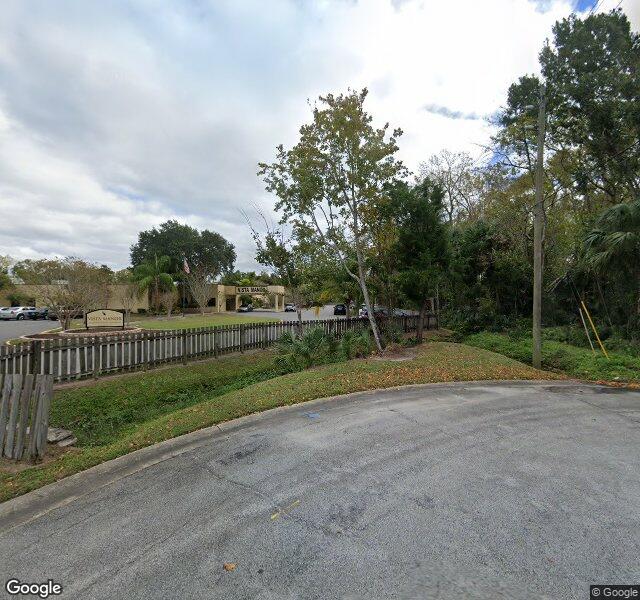
1550 JESS PARRISH CT, TITUSVILLE, FL 32796 (321) 269-2200
For profit - Corporation 120 Beds BEDROCK CARE Data: November 2025
Trust Grade
38/100
#581 of 690 in FL
Last Inspection: May 2024

Within standard 12-15 month inspection cycle. Federal law requires annual inspections.

Overview

Vista Manor Healthcare and Rehabilitation Center has received a Trust Grade of F, indicating poor quality of care with significant concerns. It ranks #581 out of 690 facilities in Florida, placing it in the bottom half of the state's nursing homes, and #17 out of 21 in Brevard County, meaning there are very few local options that perform better. While the facility is showing improvement, with issues decreasing from 7 in 2024 to 3 in 2025, it still has critical concerns; for instance, a resident suffered severe burns from hot coffee served at an unsafe temperature, and there was a failure to investigate a resident's unexplained fracture. Staffing appears to be a relative strength, with a turnover rate of 37%, which is better than the state average, although RN coverage is only average. Additionally, the facility has incurred $13,335 in fines, suggesting some compliance issues, but it is important to note that there were no critical life-threatening deficiencies found during inspections.

Trust Score
F
38/100
In Florida
#581/690
Bottom 16%
Safety Record
Moderate
Needs review
Inspections
Getting Better
7 → 3 violations
Staff Stability
○ Average
37% turnover. Near Florida's 48% average. Typical for the industry.
Penalties
✓ Good
$13,335 in fines. Lower than most Florida facilities. Relatively clean record.
Skilled Nurses
○ Average
Each resident gets 31 minutes of Registered Nurse (RN) attention daily — about average for Florida. RNs are the most trained staff who monitor for health changes.
Violations
⚠ Watch
27 deficiencies on record. Higher than average. Multiple issues found across inspections.
★★☆☆☆
2.0
Overall Rating
★★★☆☆
3.0
Staff Levels
★★★★☆
4.0
Care Quality
★★☆☆☆
2.0
Inspection Score
Stable
2024: 7 issues
2025: 3 issues

The Good

  • 4-Star Quality Measures · Strong clinical quality outcomes
  • Full Sprinkler Coverage · Fire safety systems throughout facility
  • No fines on record
  • Staff turnover below average (37%)

    11 points below Florida average of 48%

Facility shows strength in quality measures, fire safety.

The Bad

2-Star Overall Rating

Below Florida average (3.2)

Below average - review inspection findings carefully

Staff Turnover: 37%

Near Florida avg (46%)

Typical for the industry

Federal Fines: $13,335

Below median ($33,413)

Minor penalties assessed

Chain: BEDROCK CARE

Part of a multi-facility chain

Ask about local staffing decisions and management

The Ugly 27 deficiencies on record

2 actual harm
May 2025 3 deficiencies
CONCERN (D) 📢 Someone Reported This

A family member, employee, or ombudsman was alarmed enough to file a formal complaint

Potential for Harm - no one hurt, but risky conditions existed

Deficiency F0558 (Tag F0558)

Could have caused harm · This affected 1 resident

**NOTE- TERMS IN BRACKETS HAVE BEEN EDITED TO PROTECT CONFIDENTIALITY** The facility failed to reasonably accommodate the needs and preferences of a resident by providing only crackers for snacks on a...

Read full inspector narrative →
**NOTE- TERMS IN BRACKETS HAVE BEEN EDITED TO PROTECT CONFIDENTIALITY** The facility failed to reasonably accommodate the needs and preferences of a resident by providing only crackers for snacks on a routine basis, even after the resident requested a more substantial alternative. This affected one of two sampled residents, of a total sample of 113 residents who ate food at the facility, (#2). Findings: Resident #2 was a [AGE] year-old man admitted on [DATE] with diagnoses of anemia, depression, anxiety, chronic pain, gastro-esophageal reflux disease and chronic kidney disease, stage two. Review of the admission Minimum Data Set (MDS) dated [DATE], resident #2 had intact cognitive abilities. On 5/15/25 at 10:32 AM, resident #2 stated he had requested an evening snack every night so far at the facility and received some form of cracker; saltines, graham crackers, or goldfish. He said only once was he provided with anything more substantive, a peanut butter and jelly sandwich. He relayed that once when he asked for something more, a staff member gave him their own personal cookie because there was nothing besides crackers. Resident #2 stated he had spoken with the Dietary Manager who told him the department brought snacks to the units but he explained nursing staff would tell him that they only had crackers available. Resident #2 added he expressed to the staff he would like a variety such as ice cream, popsicles, cookies, sandwiches, pudding or cookies because he was hungry and needed something more than crackers to tide him overnight. On 5/15/25 at 11:45 AM, the Dietary Manager stated the policy and procedure for snacks at the facility was to provide only saltine crackers, graham crackers, or Goldfish crackers for snacks. She explained if they were out of Goldfish crackers, she would provide oatmeal crème pies. She added she only provided sandwiches for residents' snacks if nurses requested them but didn't stock them regularly because they were often wasted. The Dietary Manager added, the procedure was that a nurse would come to the kitchen in the afternoon around 2:30-3:30 PM, and request peanut butter and jelly sandwiches for evening snacks for their unit. The Dietary staff would then prepare the sandwiches and deliver them to the requested unit. She said staff acknowledged she had spoken with resident #2 twice this week regarding his desire for a more substantial snack; once about not getting large portions for meals, as ordered, and the other instance the resident made them aware he wanted something more than the crackers that were available in the evenings. The Dietary Manager acknowledged she had a diet requisition for resident #2 to receive 'large portions' and provided paper documentation of such. She was unsure about whether Dietary staff had missed providing him with large portions during his meals, but said she planned for him to receive 'double portions' to make the intent of the order more clear to staff working in the kitchen. The Dietary Manager confirmed she had not thought about offering resident #2 a more substantial evening snack, per his requests. At that time the facility's Regional Manager joined the conversation and stated the current contract with the facility allowed for only the resident snacks currently being provided (the crackers). He acknowledged providing a greater variety of snacks would provide for the residents' requests and needs. The facility policy 011 entitled Snacks, dated October 2022 indicated bedtime snacks would be provided for all residents as identified in the individual plans of care. The policy also indicated the dietary department would collaborate with the residents, nursing, and management team to identify necessary beverage and snack items to be provided to each resident. It added, the dietary department would assemble and deliver to each unit both individually planned and bulk snack items to be offered at bedtime by nursing.
CONCERN (E) 📢 Someone Reported This

A family member, employee, or ombudsman was alarmed enough to file a formal complaint

Potential for Harm - no one hurt, but risky conditions existed

Food Safety (Tag F0812)

Could have caused harm · This affected multiple residents

**NOTE- TERMS IN BRACKETS HAVE BEEN EDITED TO PROTECT CONFIDENTIALITY** The facility failed to ensure food was prepared and served to residents at appropriate temperatures, failed to ensure staff perf...

Read full inspector narrative →
**NOTE- TERMS IN BRACKETS HAVE BEEN EDITED TO PROTECT CONFIDENTIALITY** The facility failed to ensure food was prepared and served to residents at appropriate temperatures, failed to ensure staff performed appropriate hand hygiene during food handling, including with glove use during the preparation of food and handling of clean dishware. These failures had the potential to affect the 113/118 residents who ate food by mouth at the facility. Findings: 1. Resident #1 was admitted to the facility on [DATE] with the diagnoses that included Diabetes Mellitus, type II; disorder of bone density and structure, depression, hypertension and deficiency of B-vitamins. On the quarterly Minimum Data Set (MDS) dated [DATE], her Brief Interview for Mental Status (BIMS) score was determined to be 8/15, which indicated moderate cognitive impairment. On 5/15/25 at 10:20 AM, resident #1 stated the food was sometimes cold when the residents received it. She explained she was tired of being served cold eggs, so she asked to not receive eggs any longer. On 5/15/25 at 9:20 AM, during the initial kitchen tour, the temperature logs for all meals served on the previous days, 5/11/25 and 5/12/25 were not completed. Therefore staff could not know that food items on those days were prepared and served at appropriate temperatures. The cooks who worked those days was not present during the visit. In addition, the temperature log for that day's lunch, 5/15/25 was pre-filled at 9:20 AM, before their meal preparation and cooking was completed, and several hours before the start of the lunch service. AM [NAME] D stated she sometimes filled out the temperature logs prior to the meal if she thought she might run behind schedule later. She added that her food temperatures were always over 200 degrees Fahrenheit (F) but when she recorded the temperatures on the log early, she recorded them lower and that she left both the original temperature log and the revised one in the temperature log binder. The binder was reviewed with no evidence documented that verified the cook's explanation, which was acknowledged by the Dietary Services Manager. The Dietary Services Manager confirmed the pre-filling of the temperature log seemed to be a regular occurrence and added it was important staff took temperatures immediately prior to the meal service, and recorded them promptly to ensure food safety and palatability for residents. On 5/15/25 at 12:37 PM, a lunch meal test tray was conducted with the Dietary Services Manager and the Regional Manager. The temperature of the macaroni and cheese with ham was 148 degrees Fahrenheit (F) and the temperature of the seasoned greens were 123 degrees F. Both the Dietary Services Manager and the Regional Manager acknowledged for food to be more palatable for residents, the macaroni and cheese with ham and the seasoned greens should be hotter. The lunch plates were in an insulated base and had an insulated lid, but there was no hot plate warmer under the plates in the cart, to keep the food warm. The Regional Manager and Dietary Services Manager said they were not aware the facility did not utilize plate warmers for meal delivery. The Dietary Services Manager and the Regional Manager acknowledged that although some trays in this cart were served to residents soon after arrival, other trays in the larger cart, which had arrived to the unit earlier than that cart, were not yet passed out to residents, making for a longer hold time before service to residents. The Regional Manager conveyed the use of hotplate warmers would help keep the food at a more palatable temperature. The facility's policy entitled Food: Preparation, dated February 2023, indicated the cooks would prepare all food items in a fashion that permitted rapid heating to appropriate minimum temperatures. A Service Line Checklist detailed temperatures for all hot and cold foods were to be taken prior to their service and recorded on the form. 2. On 5/15/25 at 9:00 AM, during the initial kitchen tour, it was noted that the handwashing sink was out of soap. Dietary Aide B stated he washed his hands in the same hand sink that morning, and acknowledged there had not been soap at the sink so he washed his hands with water only. He acknowledged washing with only water did not sanitize his hands which was important to not spread germs to residents dining at the facility. Dishwasher C conveyed the soap in the hand sink area ran out earlier in the day. He explained he didn't do anything to replenish the soap because he thought the housekeeping staff would do it at some point. AM [NAME] D confirmed she was also aware there was no soap in the dispenser that morning and washed her hands using another sink. The Dietary Services Manager informed Dietary Aide B and Dishwasher C it was important to replenish the hand soap because staff needed to always use soap when they washed their hands. A short time later at 9:35 AM, Dietary Aide B was observed wearing gloves while bagging up cookies. Dietary Aide B then removed his gloves and threw them in a garbage can. He then began removing clean meal plates from the dish washing racks without sanitizing his hands. Dietary Aide B acknowledged he didn't wash or sanitize his hands after removing the gloves, and before handling clean dishes. He stated, I must have forgot; my bad. He conveyed it was important to wash his hands after removing gloves to prevent any cross contamination. On 5/15/25 at 11:45 AM, the Dietary Manager stated she had not given any in-services to dietary staff on handwashing as she had only been working at the facility a short time. On 5/15/23 at 3:30 PM, the Assistant Director of Nursing (ADON)/ Infection Control Preventionist, stated it was important staff washed their hands with soap to get germs and bacteria off them and prevent spread of germs to others. She added it was important that staff washed their hands after removing gloves because germs and/or food particles could get on hands and then onto whatever staff handled next. The ADON confirmed staff were educated on gloves, hand washing and infection prevention, and were expected to use soap to wash their hands after removing gloves. The facility policy entitled Warewashing, dated February 2023, indicated the dining services staff would be knowledgeable in the proper technique for handling sanitized dishware.
CONCERN (F) 📢 Someone Reported This

A family member, employee, or ombudsman was alarmed enough to file a formal complaint

Potential for Harm - no one hurt, but risky conditions existed

Garbage Disposal (Tag F0814)

Could have caused harm · This affected most or all residents

Based on observation, interview, and record review, the facility failed to ensure waste was properly contained in a covered dumpster and the garbage storage area was maintained in a sanitary condition...

Read full inspector narrative →
Based on observation, interview, and record review, the facility failed to ensure waste was properly contained in a covered dumpster and the garbage storage area was maintained in a sanitary condition to prevent pests. This had the potential to affect all 118/118 residents residing at the facility. Findings: On 5/15/25 at approximately 9:30 AM, during the inspection of the garbage disposal area with the Dietary Services Manager, there were white and black package wrapping materials and other debris littered on the ground around the dumpster. In addition, both the dumpster lids were left open. The Dietary Services Manager confirmed the dietary department was responsible to keep the area around the dumpster clean of debris but was unsure who was responsible to ensure the lids on the dumpster were kept closed. She stated it was important to keep this area clean and the lids closed to keep wildlife and/or pests from the dumpster which could bring germs and disease into the facility. On 5/15/25 at 1:05 PM, the Dietary Services Manager and the Regional Manager along with the Environmental Services Manager conveyed it was the dietary department's responsibility to keep the area around the dumpster clean and to ensure the dumpster lids were closed. He stated he and the Floor Technician emptied trash into the dumpster that morning at approximately 8:00 AM and did not close the dumpster lid, when they were finished. He confirmed he should have closed the dumpster lid after use to keep out pests. Review of the facility policy entitled, Dispose of Garbage and Refuse, dated August 2018, indicated the Dietary Services Manager was to coordinate with the Director of Maintenance to ensure the area surrounding the exterior dumpster was maintained in a manner free of rubbish or debris and that appropriate lids were provided for all containers.
Nov 2024 2 deficiencies 1 Harm
SERIOUS (G) 📢 Someone Reported This

A family member, employee, or ombudsman was alarmed enough to file a formal complaint

Actual Harm - a resident was hurt due to facility failures

Accident Prevention (Tag F0689)

A resident was harmed · This affected 1 resident

**NOTE- TERMS IN BRACKETS HAVE BEEN EDITED TO PROTECT CONFIDENTIALITY** Based on interview, and record review, the facility failed to promote freedom from an accident hazard, the provision of hot coff...

Read full inspector narrative →
**NOTE- TERMS IN BRACKETS HAVE BEEN EDITED TO PROTECT CONFIDENTIALITY** Based on interview, and record review, the facility failed to promote freedom from an accident hazard, the provision of hot coffee without verifying a safe temperature and/or ensuring the use of appropriate cups, for 3 of 5 residents reviewed for accidents, (#1, #4, and #5); and failed to prevent a burn injury for 1 of 3 residents reviewed for skin injuries, (#1), out of a total sample of 5 residents. The facility's failure to identify the untested temperature of hot coffee as a hazard which posed a risk for burns for residents with cognitive and/or physical impairments resulted in actual harm for resident #1 and placed all residents who received untested hot coffee at risk. Resident #1, a physically and cognitively impaired resident, received hot coffee in a Styrofoam cup and accidentally spilled the liquid on his leg. He suffered blisters and full-thickness skin loss, characteristics of second and third-degree burns, that placed him at risk for infection, a disfiguring scar, and decreased mobility. The resident required ongoing weekly assessments by a wound care specialist and daily dressing changes. Findings: 1. Review of the medical record revealed resident #1, an [AGE] year-old male, was admitted to the facility on [DATE]. His diagnoses included stroke with left side weakness and paralysis, left elbow contracture (shortening of the muscle that causes a stiff joint), arthritis of both knees, generalized muscle weakness, and a history of falling. Resident #1 was discharged to a nearby Skilled Nursing Facility (SNF) on 10/31/24 at his family's request. Review of the Minimum Data Set (MDS) Quarterly assessment with assessment reference date (ARD) of 9/25/24 revealed resident #1 had adequate hearing, used clear speech with distinct and intelligible words, was able to express his ideas and wants, and had clear comprehension of verbal communication. The resident had impaired vision and did not wear glasses. The document revealed resident #1 did not exhibit any hallucinations, disorganized thinking, or an altered level of consciousness during the look back period. He did not display any behavioral symptoms or reject evaluation or care that was necessary to achieve his goals for health and well-being. Resident #1 had functional limitation in range of motion of his arm and leg on one side and he used a wheelchair for mobility. The resident required set-up or clean-up assistance for eating and partial assistance for mobility and walking short distances. The MDS assessment revealed resident #1 had no pressure ulcers, wounds or skin problems, and he had pressure relieving devices for his bed and chair. Review of the medical record revealed resident #1 had a care plan for activities of daily living self-care performance deficit, initiated on 8/27/19. The interventions indicated he required the supervision of one staff after routine tray set up for eating and needed assistance with opening containers, cutting large items and opening and applying condiments. A care plan for the potential for impairment to skin integrity was initiated on 10/03/24. The document revealed resident #1 had blisters on the side and back of his left upper thigh. The interventions instructed nursing staff to monitor and document the location, size and treatment of the skin injury; report any abnormalities, signs of infection, or failure to heal to the physician; and re-direct behavior that could cause open wounds. Review of Weekly Skin Checks from July to September 2024 revealed resident #1 had no skin issues. The Weekly Skin Observation form dated 10/02/24 showed the resident had multiple blisters on the side and back of his left upper thigh. The document indicated the injuries included red open areas from popped blisters. Review of the Wound Care Specialist Advanced Practice Registered Nurse (APRN) Progress Note dated 10/02/24 revealed the provider saw resident #1 for initial evaluation of a left thigh wound with the context described as trauma, blister. The document indicated Wound #1 on the left posterior thigh was a full thickness trauma wound that measured 12.04 centimeters (cm) x 3.7 cm x 0.1 cm and had a scant amount of clear drainage. Wound #2 on the left lateral thigh was a partial thickness trauma wound that measured 1.9 cm x 2.5 cm x no measurable depth. The Wound Care Specialist APRN Progress Note revealed the provider next saw resident #1 on 10/16/24 for follow-up of his left thigh wound. Wound #1 was increased in size and measured 19.29 cm x 7.67 cm x 0.1 cm and had a moderate amount of clear drainage and 51 to 75% slough or soft, dead tissue. Wound #2 measured 1.7 cm x 2.5 cm x 0 cm and had 76 to 100% of eschar or hardened, dead tissue. Review of the Wound Care Specialist APRN Progress Note dated 10/23/24 revealed Wound #1 measured 15.31 cm x 5.61 cm x 0.1 cm and had moderate drainage. Wound #2 measured 1.01 cm x 2.33 cm x 0.1 cm. Both wounds were determined to be full thickness skin loss at that visit. A Progress Note dated 10/30/24 revealed Wound #1 measured 15 cm x 5.0 cm x 0.1 cm and had a moderate amount of clear drainage. Wound #2 measured 1.0 cm x 2.1 cm x 0 cm and was covered with eschar. On 11/01/24 at 2:19 PM, in a telephone interview, resident #1's sister stated on 10/02/24, Registered Nurse (RN) B called to inform her she received change of shift report from the Director of Nursing (DON) regarding a skin issue on her brother's leg. The resident's sister stated RN B explained when she evaluated the area, there were two blisters on the left side of his thigh, but when she fully removed his pants, she discovered there was a large wound that extended from under his buttock down the back of his thigh. The resident's sister recalled she was told the area measured about eight inches and went down to the white meat. She stated she visited her brother a few days later and he informed her the injury was from spilling hot coffee on himself. She stated she was told the coffee was made on the unit at the nurses' station and provided in a Styrofoam cup. The resident's sister explained her brother had a stroke and as a result, his fingers were crooked. She stated he used a special spoon to eat and needed a cup with a handle as he had to place his fingers through the handle to hold it properly. Resident #1's sister stated the facility suggested her brother's injury was caused by his wheelchair. She expressed disbelief and explained her brother had propelled himself throughout the facility in his wheelchair for years and never had any skin issues. On 11/04/24 at 9:55 AM, the [NAME] 2 Unit Manager (UM) stated she learned about resident #1's wound in the daily clinical meeting on 10/02/24 when the DON informed the interdisciplinary team that he had a shearing-type wound on his leg. The UM explained she did not evaluate the skin concern that day, but one to two days later, Licensed Practical Nurse (LPN) A asked her to observe the area while she did resident #1's wound care and changed the dressing. The UM recalled the resident had two areas on the side of his thigh that appeared to be popped, draining blisters. She stated LPN A then showed her another wound on the back of resident #1's thigh that was between six and eight inches long and seeping fluid. The UM explained she was shocked, as the DON never mentioned the large wound on the back of his thigh, only that he had shearing on the side. The UM stated the areas did not have the appearance of typical shearing wounds. When asked about the cause of the wounds, the UM stated RN B informed her resident #1 said his coffee spilled. Shearing occurs when forces parallel to the skin stretch and distort internal tissue while there is downward pressure, leading to decreased blood flow and tissue death. Shearing forces contribute to pressure injuries (retrieved from www.merckmanuals.com/professional/dermatologic-disorders/pressure-injury/pressureinjuries#Etiology_v8381516 on 11/18/24). Burn wounds from heat sources such as scalding liquids raise the temperature of the skin and cause tissue death. The classification of burns depends on the depth and severity of penetration of the skin's surface. Second-degree or partial thickness burns involve the first two layers of skin. The burn site may be deep red and/or have blisters and a glossy appearance from leaking fluid, with possible loss of some skin. Third-degree burns penetrate the entire thickness of the skin and permanently destroy tissue. The burn site may appear white, (retrieved from www.hopkinsmedicine.org/health/conditions-and-diseases/burns on 11/18/24). Third degree burns can occur in two seconds with liquids of 148 degrees and in one second with liquids of 155 degrees (retrieved from the State Operations Manual Appendix PP - Guidance to Surveyors for Long Term Care Facilities on 11/18/24). On 11/04/24 at 10:08 AM, in a telephone interview, RN B recalled on the morning of 10/02/24, she received change of shift report from the DON, who told her resident #1 had blisters on his leg. She stated the DON asked her if she was aware of the skin injury. RN B explained she toileted resident #1 the day before and was certain his skin was intact with no blisters, abrasions, shearing, or any other skin issue on his legs. She stated the Wound Care Specialist APRN was in the facility that morning conducting weekly wound rounds, and she assessed resident #1's leg. RN B explained later that shift, she checked the resident's electronic medical record and discovered there was no documentation about the wound. She stated she completed a note regarding the change in condition and notified the Primary Care APRN and the resident's emergency contact, his sister. She then decided to check the resident's skin so she could complete an accurate Skin Observation note and was surprised to discover the areas were worse than described by the DON. She stated when she saw the extent of the wound on the back of resident #1's thigh, she asked the Primary Care APRN who was onsite, to assess the resident's wounds. On 11/04/24 at 10:31 AM, the Primary Care APRN confirmed she was in the facility on 10/02/24 and RN B asked her to assess resident #1. She stated his lateral thigh had a few popped blisters, but she did not remember seeing the wound on the back of the thigh. The Primary Care APRN recalled the Wound Nurse or the Wound Care Specialist APRN had already seen the resident earlier that day. She explained she later learned the injury was a burn from hot coffee. Review of the Primary Care APRN's Acute Care Progress Note dated 10/16/24 revealed resident #1's chief complaint was follow-up regarding a wound on his left posterior thigh. The document indicated the resident had a full thickness injury on the back of his left thigh, which according to the unit manager [name of UM], is a burn from coffee. On 11/04/24 at 11:44 AM, in a telephone interview, LPN A recalled she was assigned to care for resident #1 on the day following the discovery of his skin injury. She confirmed he had no prior skin issues. LPN A explained she was the night shift nurse and although the dressing change was scheduled for the day shift, she did it as the dressing was soiled from a large amount of dark-colored wound drainage. She recalled showing the wound to the UM who appeared shocked when she saw it as she thought it was just shearing. LPN A said, I asked him what happened, and he said he spilled coffee. LPN A stated the coffee cart from the kitchen arrived on the unit between 7:30 AM and 8:00 AM, but one of the other night nurses had a personal coffee maker that was used on the unit. On 11/04/24 at 12:43 PM, in a telephone interview, Certified Nursing Assistant (CNA) C confirmed he was regularly assigned to care for resident #1 on the night shift. He stated on the morning of 10/02/24, he was in the bathroom with the resident and noted he had skin sloughing on the back of his thigh. CNA C stated he immediately notified the assigned nurse, the DON. He acknowledged there was a coffee maker on the unit, but he did not know if someone provided resident #1 with hot coffee that day. On 11/04/24 at 1:29 PM, in a telephone interview, LPN D confirmed she provided a coffee maker and flavored creamers for use on the unit during the overnight shift. She explained there were residents who got up early, between 5:30 AM and 6:00 AM, and she normally brewed a pot of coffee at about 5:00 AM to accommodate them. She stated sometimes she even had to make two pots if they were all drinking it. LPN D said, It became almost a full-time job. She acknowledged neither she nor other staff checked the temperature of the coffee before they provided it to residents. She stated resident #1 usually got up at 6:30 AM and she routinely made his coffee early and left it in his room, to ensure it was ready for him. LPN D recalled on the morning of 10/02/24, at about 5:30 AM, she stood at her medication cart and heard the DON yell for help from resident #1's room. She stated CNA C ran into the room and she followed behind, but the DON looked out and said she didn't need her. LPN D explained she thought resident #1 fell as he often got up in the morning by himself, without calling for help. LPN D stated when she later asked CNA C what happened in resident #1's room, he acted like he did not know what she was talking about. LPN D verified resident #1 eventually told her he was burned that morning when he spilled hot coffee on himself. On 11/05/24 at 1:46 PM, in a telephone interview, CNA E stated about a day or two after the incident, she heard resident #1 was burned by hot coffee. She validated staff brewed coffee in the unit's pantry in the early morning. CNA E confirmed she observed LPN D distributing coffee to residents on many occasions. She verified LPN D usually made resident #1's coffee and left it on a table in his room. CNA E explained soon after this incident occurred, someone removed the coffee pot and staff were instructed not to give the residents hot liquids anymore. On 11/05/24 at 1:07 PM, in a telephone interview, the Wound Care Specialist APRN confirmed on 10/02/24, the DON approached her in the hallway and asked her to see resident #1 as he had a large blister on the back of his thigh. She stated she determined the wound was caused by trauma and surmised it could have been caused by constant rubbing on the seat of his wheelchair. The Wound Care Specialist APRN was informed resident #1 reported the wounds were the result of a hot coffee spill. She said, I am not 100% sure it was not a burn. It is a possibility that it is a burn injury and full thickness would be a third-degree burn. She expressed doubts that the resident would have tried to drink coffee that was hot enough to scald his leg. She added that she usually saw dietary staff arrive on the unit with coffee at about 7:30 AM while she was rounding. The Wound Care Specialist APRN was told residents on the unit received coffee prepared by staff at about 5:30 AM and safe temperatures were not verified before serving the hot liquid. She acknowledged she did not have access to that information at the time she assessed resident #1's wounds. On 11/04/24 at 4:15 PM, resident #1 confirmed an incident occurred before he was discharged from the facility to his current SNF. He pointed to his left thigh and said, I got burned with the coffee. Resident #1 explained he got coffee every morning from LPN D. He said, She makes it for me special, every morning. She knows how I like it. She's the best one. The resident recalled on that morning, he got out of bed by himself and sat in his wheelchair. He demonstrated how he reached across his body with his right hand and grasped the white Styrofoam cup. He brought his arm back towards his chest and showed how the cup of coffee tipped and spilled down the left side of his thigh and under his left leg. Resident #1 stated he then went to the bathroom to remove his clothes, and the DON found him there. He confirmed CNA C entered the room soon afterward. On 11/05/24 at 4:11 PM, the UM at resident #1's current SNF stated he completed the admission assessment on 10/31/24. Joint review of the document revealed the resident was admitted with a burn wound to the rear left thigh. The UM recalled he received the information from the resident and his family. He verified resident #1 clearly stated the etiology of the wound and although his speech was sometimes soft and a little slow, he was able to communicate well, make his needs known, and easily participate in conversation. The UM showed the resident's current Brief Interview for Mental Status (BIMS) Evaluation tool which had a score of 8/15, indicating moderate cognitive impairment. The UM explained he was also the facility's Wound Care Nurse and once informed the wound was a burn, he realized the orders from the previous facility were more appropriate for a pressure-type wound, not a burn, so he obtained new physician orders. 2. Review of the medical record revealed resident #4, a [AGE] year-old male, was admitted to the facility on [DATE] with diagnoses including stroke with right side weakness and paralysis, difficulty walking, and seizures. The MDS Quarterly assessment with ARD of 8/22/24 revealed resident #4 had a BIMS score of 15/15 which indicated he was cognitively intact. The resident used a walker for mobility. Resident #4 had a care plan for physical mobility deficits related to a stroke with right sided weakness, initiated on 3/05/24. The interventions indicated the resident was able to ambulate with a rolling walker. A care plan for risk for falls related to stroke with right sided weakness, seizures, and a history of falling was initiated on 3/07/24. The interventions instructed staff to anticipate and meet the resident's needs and reorient him regarding safety reminders. On 11/05/24 at 10:31 AM, resident #4 confirmed he was one of the residents who received coffee early in the mornings before the kitchen was open. He explained LPN D was a great nurse as she made coffee for the residents who were up early. Resident #4 stated his routine was to go to the nurses' station and LPN D would pour the hot coffee into his cup. He pointed to a personal stainless steel insulated cup that was in a cup holder attached to his walker. Resident #4 explained LPN D even bought cup holders for some residents so they would not have to carry the hot coffee. The resident shared that LPN D no longer provided hot coffee since the incident that involved a resident #1 who was burned when he spilled hot coffee on himself. Resident #4 said, He hardly had use of his hands. He has a really rough time holding things sometimes. He was in his room when it happened. He told me about it the next day. 3. Review of the medical record revealed resident #5, a [AGE] year-old male, was re-admitted to the facility on [DATE] with diagnoses including stroke with left side weakness and paralysis, repeated falls, generalized muscle weakness, chronic pain, and left foot drop. The MDS Quarterly assessment with ARD of 8/09/24 revealed resident #5 had a BIMS score of 12 which indicated moderate cognitive impairment. He required set-up assistance for eating and supervision or touching assistance for mobility. Resident #5 had limitation in functional range of motion of one leg and used a wheelchair. Resident #5 had a care plan for activities of daily living self-care performance deficit related to left side paralysis following a stroke, impaired mobility and balance, and a history of falling, revised on 2/21/24. The interventions included set-up assistance of one staff member before eating. A care plan for risk for falls, revised on 5/29/24, revealed resident #5 had gait and balance problems, left side weakness, poor trunk control, and poor safety awareness. The goals included minimizing the risks of incidents and injury. The interventions instructed nursing staff to anticipate and meet his needs and therapy staff were to evaluate for wheelchair modifications as indicated. On 11/05/24 at 10:25 AM, resident #5 verified he was one of the residents who received early morning cups of coffee from LPN D. He explained he was a retired roofer, and for many years he woke up at about 4:30 AM to go to work. The resident stated he still could not sleep later than that. Resident #5 described the cup as white Styrofoam with a lid. When asked about the temperature of the coffee, he said, I've got to let it sit to cool it off a little before I can drink it. On 11/04/24 at 12:02 PM, the Dietary Manager stated the facility's process to ensure safety and prevent burns was to check the temperatures of all food and beverages in the kitchen before the items were served to residents. He explained after temperatures were checked, coffee and hot water for tea were poured into containers for service. He confirmed hot coffee and tea should be served in diner-type plastic cups with a handle and covered with a plastic lid. The Dietary Manager stated the facility's maximum allowed temperature for hot liquids was 145 degrees Fahrenheit. He verified kitchen staff arrived at 6:00 AM so it should not be possible for residents to get coffee earlier. According to the National Coffee Association the optimal temperature for brewing coffee is approximately 200 degrees Fahrenheit and the preferred serving temperature is between 140 and 155 degrees Fahrenheit (retrieved from www.ncausa.org on 11/18/24). Review of the facility's policy and procedure for Hot Liquids, updated on 7/29/24, revealed residents would receive hot liquids at a palatable temperature that would not burn the skin if spilled. The guidelines indicated coffee would be brewed at the recommended temperature and leave the kitchen at a temperature between 140 and 158 degrees. The policy revealed coffee served to residents outside of mealtimes should be checked to ensure the temperature was not above 145 degrees and it should never be served in Styrofoam cups.
CONCERN (D) 📢 Someone Reported This

A family member, employee, or ombudsman was alarmed enough to file a formal complaint

Potential for Harm - no one hurt, but risky conditions existed

Investigate Abuse (Tag F0610)

Could have caused harm · This affected 1 resident

**NOTE- TERMS IN BRACKETS HAVE BEEN EDITED TO PROTECT CONFIDENTIALITY** Based on interview, and record review, the facility failed to implement its abuse and neglect prohibition policy and procedures ...

Read full inspector narrative →
**NOTE- TERMS IN BRACKETS HAVE BEEN EDITED TO PROTECT CONFIDENTIALITY** Based on interview, and record review, the facility failed to implement its abuse and neglect prohibition policy and procedures related to conducting a thorough investigation of an injury of unknown origin to rule out neglect, to determine if reporting was necessary, and to ensure the safety of 1 of 3 residents reviewed for skin injuries, out of a total sample of 5 residents, (#1). Findings: On 11/01/24 at 2:19 PM, and 11/08/24 at 3:06 PM, in telephone interviews, resident #1's sister stated on 10/02/24, she received notification from the facility that her brother had an extensive skin injury on the back of his thigh. She explained she was not able to visit until about nine days later, and when she spoke with her brother, he told her he accidentally spilled hot coffee on his leg. The resident's sister stated the hot liquid was provided in a Styrofoam cup instead of a cup with a handle which he needed due to his contracted fingers. She recalled she spoke to the Minimum Data Set Coordinator by telephone on 10/17/24 regarding her brother's care plans. The resident's sister said, She kept saying wound and I said, Y'all keep saying it's a wound. It's a burn. Resident #1's sister stated Registered Nurse (RN) B, and the [NAME] 2 Unit Manager (UM) spoke to her about the wounds and plan of care, but no member of the facility management team ever reached out to her regarding an investigation into how the wound occurred. On 11/04/24 at 11:25 AM, the Administrator confirmed she was the facility's Risk Manager and was made aware of resident #1's skin injury in the daily interdisciplinary team (IDT) meeting. She stated she was told the resident was tall and scooted himself down in his wheelchair, and the provider validated the wound was caused by friction. The Administrator explained the Director of Nursing (DON) would be more knowledgeable of the details of the investigation. On 11/04/24 at 12:00 PM, the facility's DON explained she had first-hand knowledge of an incident that involved resident #1 as she was his assigned nurse when injuries were discovered on his left thigh. She stated on 10/02/24 at approximately 5:30 AM, Certified Nursing Assistant (CNA) C called her to resident #1's bathroom. She recalled he had a small blister on his left lateral thigh and a ruptured blister about 12 centimeters long on the back of his thigh. The DON stated the resident informed her he thought it was a scratch from his chair. She explained she examined the chair and noted the cushion was missing and there was a bar with rivets, but no liquid or wound drainage on the seat of the wheelchair. She stated neither the resident's pants nor his bed was wet or soiled. The DON stated the Wound Care Specialist Advanced Practice Registered Nurse (APRN) was in the building that day and she thought the skin injury could have been caused by friction. The DON stated about nine days later, the Administrator called her and asked if she was aware that resident #1's wound was possibly a burn, according to his sister. She stated she again asked resident #1 what caused the wounds, and he denied spilling hot coffee. The DON was unable to explain how the resident could have developed such a significant wound without any visible blood, drainage or moisture in the wheelchair or on his pants. She said, I don't know. I investigated to make sure there was no neglect or abuse. The DON acknowledged although she was directly involved as the assigned nurse at the time the skin injury was discovered, she also conducted the incident investigation. She explained the Administrator, who was the facility's Risk Manager, was also involved in the investigation. The DON stated she obtained statements from the resident, the Dietary Manager, and CNA C. However, she was only able to provide a written statement by the Dietary Manager and her own, a response to the Administrator's communication regarding the allegation of a burn injury. The DON acknowledged although resident #1 was alert and oriented, she did not have a written statement that recorded the details of his interview. She confirmed she did not obtain any written statements from the resident's sister, staff who worked on the unit during that shift or those who cared for the resident during the previous shift. The DON said, Sometimes staff write statements, but if I am already in [the electronic incident report], I just type it in. The DON pointed to a personal coffee maker in her office and explained she sometimes provided coffee for staff but not for residents, and she did not give resident #1 coffee that morning. She stated she was aware Licensed Practical Nurse (LPN) D also had personal coffee maker on the unit, but the Administrator made her take it home. On 11/04/24 at 9:55 AM, the [NAME] 2 UM stated she learned about resident #1's skin injury in the daily IDT meeting on 10/02/24 when the DON reported he had a shearing wound. She stated when she saw the wound a few days later, she was shocked as she only knew about blisters on the lateral thigh. She recalled the large wound on the back of the thigh did not have the appearance of typical shearing. The UM stated RN B said resident #1 reported the wound occurred when he spilled his coffee. She stated to her knowledge, the facility had not initiated an investigation, and she was neither interviewed nor asked to give a statement. On 11/04/24 at 10:08 AM, in a telephone interview, RN B recalled when she toileted resident #1 the day before the wounds were noted, his skin was intact. She stated she was not involved in an incident investigation regarding resident #1 and was never asked to provide a statement. On 11/04/24 at 10:58 AM, the facility's Wound Nurse confirmed on the morning resident #1's wounds were discovered she was rounding with the Wound Care Specialist APRN who determined the injuries were trauma blisters. The Wound Nurse said, To be honest, I do not think we even asked him how it happened. She stated in the following days she heard staff discussing that the injury was a burn. On 11/04/24 at 11:44 AM, in a telephone interview, LPN A stated she asked resident #1 about his thigh wounds and he told her he spilled hot coffee on his leg. LPN A explained one of the night nurses brought in a coffee maker and residents were able to get hot coffee before the cart came from the kitchen at breakfast time. She stated she was never interviewed or asked to give a statement as part of an incident investigation. On 11/04/24 at 12:43 PM, in a telephone interview, CNA C stated on the morning of 10/02/24 he got resident #1 out of bed and took him to the bathroom where he noticed injuries on his thigh. He stated the resident had been in bed all night, and to his knowledge, had not received any hot liquids. CNA C stated he immediately alerted the DON. He acknowledged there was a coffee maker on the unit and confirmed the following day he heard staff discussing the resident being burned by hot coffee. On 11/04/24 at 1:29 PM, in a telephone interview, LPN D acknowledged she brought in a coffee maker and provided residents, including resident #1, with coffee on the overnight shift. LPN D recalled she was off for two or three days and when she returned, her coffee maker and bag of flavored creamer were not in the usual cabinet at the nurses' station. She said she asked where they were, but nobody would say anything. LPN D explained she unlocked the DON's office, found her coffee maker there, retrieved it, and threw it away. She said, I wasn't about to let them pin anything on me. LPN D stated on 10/02/24 at about 5:30 AM, the DON yelled for help from resident #1's room and CNA C ran to assist her. She was informed that sequence of events differed from the facility's incident report. LPN D stated she never heard about an incident investigation. She verified resident #1 told her he received hot coffee that morning and it burned him. She stated nobody ever asked her to provide either a verbal or written statement about the coffee maker, a coffee spill, or resident #1's burn. On 11/04/24 at 4:15 PM, resident #1 confirmed an incident occurred before he was discharged from the facility. He pointed to his left thigh and said, I got burned with the coffee. Resident #1 explained he got coffee every morning from LPN D. The resident recalled that morning, he got out of bed by himself and sat in his wheelchair. He demonstrated how he reached across his body with his right hand and grasped the white Styrofoam cup. He brought his arm back towards his chest and showed how the cup of coffee tipped and spilled down the left side of his thigh and under his left leg. Resident #1 was informed CNA C stated he assisted him from bed to the bathroom that morning. The resident emphasized he took himself to the bathroom where the DON found him first and then CNA C came in afterwards. Resident #1 confirmed neither the DON nor the Administrator interviewed him about his burn. On 11/05/24 at 5:20 AM, in a telephone interview, CNA C was informed his previous statement conflicted with resident #1's statement regarding the occurrences on 10/02/24. CNA C stated he could not recall the true turn of events of that night. He revised his previous statement to indicate he was not sure whether he got resident #1 out of bed, or if he found him in the bathroom, or if the DON called him to the resident's room. CNA C did not remember if he provided a written statement and stated he was never interviewed as a witness for an investigation. On 11/05/24 at 11:40 AM, the Administrator stated the facility's incident investigation process was the nurse would trigger an incident report which was reviewed and investigated by the DON. The Administrator explained her role as Risk Manager was to review the incident report and/or investigation before it was closed and ask any questions that she felt were not answered. The Administrator stated she often completed the review process in conjunction with the DON who provided necessary clinical input. She reviewed the incident report regarding resident #1's injuries and stated it was entered on 10/02/24 at 5:30 AM, by the DON who was the resident's assigned nurse. The Administrator stated the DON's investigation showed resident #1's injuries resulted from friction in the wheelchair. Review of the skin assessment attached to the incident report revealed the document was not completed and closed until 11/04/24 at 9:49 AM, after State Survey Agency (SSA) staff entered the facility. The Administrator was informed that interviews with resident #1 and multiple staff members revealed significantly conflicting information that did not support the facility's findings and conclusion. She stated no staff informed her the resident's injury was a burn and she would have expected them to provide her with that information. She acknowledged the incident investigation did not include documentation of attempted or actual interviews with nursing staff or the resident. The Administrator recalled on around 10/11/24, she was notified resident #1's sister alleged her brother's leg was burned by hot coffee. She stated it might have been close to that time that she discovered LPN D used a coffee maker on the unit, and she immediately instructed staff to remove the appliance. The Administrator acknowledged thorough investigations were not completed at the time of the incident or after the resident's sister made an allegation regarding a burn injury. She confirmed the DON remained adamant that her statement was accurate, but since the investigation was not completed timely, there were discrepancies that may never be resolved. The Administrator explained she did not report the incident as it did not meet the criteria based on the knowledge she had at that time. She verified current investigative findings supported that reporting was required. On 11/05/24 at approximately 11:55 AM, the Regional Clinical Specialist stated her role was to support the facility's DON when necessary. She validated since the DON was involved in resident #1's incident as a witness, she should not have led the investigation. The Regional Clinical Specialist stated the DON never reached out to her for assistance with the investigation and she was not aware of a hot coffee burn allegation until the Administrator notified her after SSA staff entered the facility on 11/04/24. She confirmed she reviewed the initial investigation and said, The paperwork I have does not indicate that all those people were interviewed as I do not have written statements. She explained she conducted preliminary interviews with staff, and they informed her resident #1 was alert and oriented, able to make himself understood, and had situational awareness. She verified that information supported the resident's ability to provide a reliable statement regarding his injuries. The Regional Clinical Specialist stated when the resident's sister made the allegation regarding a burn injury, the facility should have initiated a second investigation and considered reporting at that time. Review of the facility's policy and procedures for Resident Accident and Incidents, dated 4/01/22, revealed the facility would report, document, and investigate all incidents that involved residents. The document defined an incident as an occurrence that was not consistent with routine care of a resident and might be an accident or a situation that could cause an accident. The document indicated an electronic incident report should be completed by the nurse and necessary reports filed according to regulations. The policy indicated statements should be obtained at the time of the incident and should include additional facts and potential contributing factors. Review of the facility's policy and procedures for Abuse, dated 4/01/22, revealed an injury should be classified as an injury of unknown origin if the source of the injury was not observed or could not be explained by the resident, and the injury was suspicious because of its extent or location. The policy indicated any reports of abuse, neglect, or injuries of unknown origin should be promptly and thoroughly investigated and a root cause analysis would be completed. The document revealed the Administrator and his/her designee would investigate incidents with the assistance of appropriate personnel and obtain statements from involved staff, the resident, and the roommate if possible. During the investigation, the Administrator would keep the resident or the representative informed of the progress of the investigation, investigative findings, and corrective action. The policy revealed serious bodily injuries should be reported immediately, not later than two hours after an allegation was made, to the SSA and Adult Protective Services. If there was no serious bodily injury, reporting should be initiated within 24 hours. The policy indicated a follow-up report with the results of the facility's investigation should be submitted within five days of the immediate report.
May 2024 5 deficiencies
CONCERN (D)

Potential for Harm - no one hurt, but risky conditions existed

Grievances (Tag F0585)

Could have caused harm · This affected 1 resident

**NOTE- TERMS IN BRACKETS HAVE BEEN EDITED TO PROTECT CONFIDENTIALITY** Based on interview, and record review, the facility failed to appropriately record and investigate a grievance to ensure resolut...

Read full inspector narrative →
**NOTE- TERMS IN BRACKETS HAVE BEEN EDITED TO PROTECT CONFIDENTIALITY** Based on interview, and record review, the facility failed to appropriately record and investigate a grievance to ensure resolution in a timely manner for 1 of 1 resident reviewed for grievances, of a total sample of 35 residents, (#17). Findings: Resident #17 was admitted to the facility on [DATE] from an acute care hospital with diagnoses that included end-stage renal disease, cardiac pacemaker, depression, and oxygen dependence. The Minimum Data Set (MDS) admission assessment dated [DATE] revealed resident #17 had a Brief Interview for Mental Status (BIMS) score of 13/15 which indicated moderate cognitive impairment. She presented with a depressed mood, no behaviors, and dependent for mobility and personal care. Resident #17 was received dialysis and pain management services. On 05/13/24 at 11:53 AM, resident #17 was observed in her room sitting up in bed. She stated she had moved to Florida to live with her family but when she got sick, they could no longer care for her. She complained that some of her belongings were missing, and she reported it to the nurse and aide. She was aware the grievance officer was the Social Service Director (SSD), and that she could report her issues to a staff member who would complete the grievance form on her behalf. Resident #17 stated she had reported other issues to staff in the past and Social Services followed up with her. Review of resident grievances from 10/23/23 through 5/1/24 showed several grievances for resident #17 regarding care, customer service, and call lights. There were no grievances about missing items. On 05/15/24 at 9:32 AM, resident #17 stated she had lost a watch and a black jacket with her initials, that her sister gave her. She stated that when she reported the missing items to multiple staff members, they told her they would look for the items, but a grievance was not filed. Resident #17 looked tearful when she said, there is no point telling them anything because they don't care. Review of the resident's medical record revealed an inventory of personal effects sheet signed by staff member and the resident on 9/27/22. There was evidence of the resident having a watch, blouses/shirts, dresses, shoes, dentures, and a cell phone with charger. There was a note indicating a suitcase with winter clothes and 3 other dresses. On 05/16/24 at 9:43 AM, Certified Nursing Assistant (CNA) B stated she had worked at the facility for over 18 years. CNA B said she was aware of the lost jacket but was not aware of the missing watch. She had searched the laundry room and resident #17's room for the jacket but did not find it. CNA B did not fill out a grievance form to report the missing jacket. CNA B stated that grievances were generally completed when residents had care complaints such as abuse or neglect but not for missing items. When a resident reports a lost item, we look for it. She was aware who the grievance officer was and had been educated on how to file a grievance. She further explained that a grievance form could be completed by either the resident or the staff member taking the report. The form was then given to the grievance officer, who would complete an investigation. On 05/16/24 at 9:49 AM, laundry staff stated when the unit lets them know resident clothes or personal items were missing, they looked for it in the dirty laundry. They explained they reported back to the unit if the item was not found, and the unit was responsible for filing a grievance with the SSD. On 05/16/24 at 9:51 AM, Registered Nurse (RN) C stated she had seen resident #17 wearing a black jacket but did not know it was missing. She was not aware of the lost watch but stated she would search the resident's room. RN C said if she knew resident #17 had missing items, she would have looked for them and filled out a grievance form. She explained a grievance can be completed by the resident, family member, or staff member on behalf of the resident. The completed form was then given to the grievance officer, the SSD who would initiate an investigation. RN C noted all staff members were responsible for filling out grievance forms. On 05/16/24 at 12:21 PM, an interview with the Unit Manager (UM) revealed she was not aware resident #17 had missing items. She stated that when a resident reported a lost item to a staff member, that staff member was responsible for filling out a grievance form. The UM explained there were blank grievance forms in her office, and once completed, they were given to the grievance officer, SSD. The grievance officer was responsible for communicating with the resident and completing the investigations. On 05/16/24 at 1:31 PM, an interview with the Social Service Director (SSD), who was also the Grievance Officer, revealed she had been employed at the facility for over 3 years and was very familiar with resident #17. She visited resident #17's room at least twice per week to talk. During their visits, resident #17 would talk to her about how she was feeling and any issues she might have had. She said the resident had reported some care issues for which the SSD filed grievances and completed investigations. The SSD stated she was not aware of any missing items for resident #17 and had she known, she would have filed a grievance. She explained at admission, residents and their family were educated on the grievance process and how to file a grievance. Education was provided to staff upon hire. The SSD indicated grievance forms were kept in the UM offices on both units and all staff members were responsible for completing them. A grievance should be filed for any resident issue. She noted the staff member would then turn in the completed form to SSD and an investigation would be opened. She reported grievances were to be filed immediately per facility policy and she would communicate with the resident or resident representative either verbally or in writing of the investigation results. She said residents completed an inventory sheet on admission, and they were encouraged to report any new items brought to the facility. If the item was on the inventory sheet and was not found, then we would replace it. On 05/16/24 at 2:37 PM, the Director of Nursing stated that a grievance form should be filled out for any resident issue or complaint including missing items. It is the responsibility of all staff members to complete the grievance form and give it to the SSD, grievance officer. All residents and family members are educated on completing a grievance. The DON explained the grievance process was important because it showed what the facility did to resolve a resident's complaint. On 05/16/24 at 03:57 PM the facility's Administrator stated that when a resident reported a missing item, staff were instructed to own the investigation for 10 minutes and look for the item before completing a grievance form. If the item was not found within 10 minutes, the staff were instructed to complete a grievance form. She said she had not heard about resident #17's missing items. She added it was important for staff to follow the grievance policy because they want to do what is right for the resident by finding their lost item or replace it if possible. Review of the facility's Grievance Program Policy and Procedure dated 4/1/22 and revised 6/6/23 revealed that a grievance was a concern that could not be resolved to the satisfaction of the person making the objection at the bedside and or immediately. Immediately was defined as within four or less hours. The process for filing a grievance was to document it, route to the grievance officer, discuss with appropriate individuals, investigate accordingly, and report to state or local law enforcement as needed. When a grievance was received by a staff member, they would notify their supervisor and complete the grievance or forward the completed report to the Grievance Officer. Furthermore, concerns related to alleged abuse, neglect, exploitation, or misappropriation of funds or belongings would be handled according to the state and federal guidelines.
CONCERN (D)

Potential for Harm - no one hurt, but risky conditions existed

Deficiency F0658 (Tag F0658)

Could have caused harm · This affected 1 resident

**NOTE- TERMS IN BRACKETS HAVE BEEN EDITED TO PROTECT CONFIDENTIALITY** Based on observation, interview, and record review, the facility failed to ensure a resident who was prescribed anti psychotic m...

Read full inspector narrative →
**NOTE- TERMS IN BRACKETS HAVE BEEN EDITED TO PROTECT CONFIDENTIALITY** Based on observation, interview, and record review, the facility failed to ensure a resident who was prescribed anti psychotic medications had appropriate diagnosis for its use for 1 of 5 residents reviewed for Unnecessary Medications, of a total sample of 35 residents, (#36). Finding: Review of the medical record revealed resident #36, an [AGE] year old female was admitted to the facility on [DATE] from an acute care hospital. The resident had diagnoses that included Parkinson's Disease and Paranoid Schizophrenia. The Minimum Data Set (MDS) Quarterly Assessment with Assessment Reference Date (ARD) 2/25/24 showed the resident scored 6 out of 15 on the Brief Interview for Mental Status (BIMS) that indicated she was severely cognitively impaired. She had no indicators of psychosis (hallucinations/delusions) or behavioral symptoms. The assessment noted she was dependent on staff to complete Activities of Daily Living (ADL), and she had active diagnoses of Parkinson's Disease and Schizophrenia. The resident did not require the use of restraints or alarms, and she received high risk anti-psychotic medications with a noted indication during the look-back period. The Preadmission Screening and Resident Review (PASRR) (AHCA MedServ Form 004, Part A, March 2017) form completed by the hospital on [DATE] documented the resident did not have a Mental Illness (MI) or Suspected Mental Illness (SMI). The Comprehensive Care Plan included focus for Parkinson's Disease, behaviors related to Parkinson's Disease, cognitive impairment, Dementia, adverse effects of psychotropic and Parkinson's medications, and read, The resident uses psychotropic medications related to Parkinson's psychosis, paranoid schizophrenia Date initiated: 8/22/23 Revision on: 11/29/23. The Order Summary Report noted active physician's medication orders for Nuplazid (anti-psychotic) 34 milligrams for diagnoses of Neuroleptic Induced Parkinsonism, Other Hallucinations, and Paranoid Schizophrenia. On 5/15/24 at 11:59 AM, the [NAME] 1 Unit Manager explained, once a month she participated in meetings that included Psychiatric providers and Director of Nursing (DON). She said residents' care plans were discussed, and they reviewed medication changes and orders. She stated, we go over all the diagnoses to make sure they are still active. On 5/16/24 at 11:48 AM, the Lead MDS Coordinator explained that SOC (Standards of Care) meetings were conducted with nurse managers, the Advanced Practice Registered Nurse (APRN), and Medical Director where residents' psychiatric plans of care were discussed, appropriate diagnoses, and medications were determined. She said MDS coding was expected to adhere to the instructions of the Resident Assessment Instrument (RAI) manual. She said she was aware the Centers for Medicare and Medicaid (CMS) focused on misuse of Schizophrenia diagnoses for anti-psychotic medications, and the effort was a focus in their meetings. She explained, the process for determination of active diagnoses was by review of the psychiatric provider's progress notes where it included anti-psychotic medication use indications. She checked resident #36's medical record and said there was a diagnosis of Schizophrenia entered by the DON on 8/21/23 with an effective date of 11/23/21. She stated, we code what it specifically says by the psych (psychiatric) provider; if the physician has not said Schizophrenia, we do not use it, we go by what is in the notes. She checked the record and said the diagnosis for the resident's anti-psychotic medication use was Parkinson's Induced Psychosis and stated, that's not Schizophrenia. Review of the Psychiatric progress notes completed by the Physician Assistant, Certified (PA-C) from 8/24/23 to 3/29/24 included diagnoses of Recurrent Major Depressive Disorder, Delusional Disorders, and Psychosis due to Parkinson's Disease. All notes read, Nuplazid 34 mg 1 capsule by mouth once a day for parkinsonian induced psychosis. In an interview on 5/16/24 at 1:09 PM, the DON recalled she had entered a Schizophrenia diagnosis for resident #36 after she became aware the resident had increased visual and auditory hallucinations. The DON said the Psychiatric APRN later assessed the resident and determined the hallucinations were attributed to the diagnosis of Parkinson's Disease with Psychosis. She said she was aware that CMS focused on misuse of Schizophrenia diagnoses. The DON explained that the medical record was incorrect and said, I should have inactivated it. Review of the CMS RAI version 3.0 Manual read, . Steps for Assessment 1. Medical record sources for physician diagnoses include the most recent history and physical . , progress notes, and other resources as available. Identify diagnoses: The disease conditions in this section require a physician-documented diagnosis (or by a nurse practitioner, physician assistant, or clinical nurse specialist if allowable under state licensure laws) in the last 60 days.
CONCERN (D)

Potential for Harm - no one hurt, but risky conditions existed

Quality of Care (Tag F0684)

Could have caused harm · This affected 1 resident

**NOTE- TERMS IN BRACKETS HAVE BEEN EDITED TO PROTECT CONFIDENTIALITY** Based on observation, interview, and record review, the facility failed to provide care and services in accordance with professi...

Read full inspector narrative →
**NOTE- TERMS IN BRACKETS HAVE BEEN EDITED TO PROTECT CONFIDENTIALITY** Based on observation, interview, and record review, the facility failed to provide care and services in accordance with professional standards of practice related to limited range of motion and contracture care, for 1 of 3 residents reviewed for limited range of motion and positioning (#25), out of a total sample of 35 residents. Findings: Resident #25 was admitted to the facility on [DATE] and re-admitted from the hospital on [DATE] with diagnoses that included hemiplegia/hemiparesis following cerebral infarction, altered mental status, diabetes type II, contracture of left hand, vascular dementia, epilepsy, schizophrenia, and psychotic disorder. The Minimum Data Set (MDS) Annual assessment dated [DATE] revealed resident #25 was unable to complete the Brief Interview for Mental Status (BIMS) but was severely cognitively impaired for daily decision making. She presented with no moods, no behaviors, dependent for personal care and mobility, left upper and lower extremity impaired mobility, and no refusal of care. On 05/13/24 at 12:22 PM, resident #25 was lying in bed with knees bent to one side and eyes open. Her left arm was bent at the elbow onto her chest with left hand closed. She was unable to answer questions clearly but seemed to understand some words. She did not respond when asked to open her left hand or if she wore any devices on that hand. There was no brace, splint, or palm guard observed on her left hand or in the room. On 05/14/24 at 10:26 AM, the resident was observed lying in bed with no palm guard on her left hand. On 05/15/24 at 1:21 PM, Registered Nurse (RN) A stated she had been working at the facility for a few months and had not seen resident #25 with a splint or palm guard. RN A indicated resident #25 used to receive Occupational Therapy (OT) for the left hand but services had stopped a few months ago when the resident started hospice services. She said the facility did not have a Restorative Nursing Program (RNP) but some residents had orders for hand splints and the Certified Nursing Assistant (CNA) would assist with applying them. She added the resident did not normally refuse care. Review of the order summary report dated 05/16/24 revealed resident #25 had orders for OT to evaluate and treat resident #25 after hospital re-admission to facility on 02/28/24. Review of resident #25's comprehensive care plan revealed there was no care plan addressing limited range of motion, positioning, or palm guard use and/or refusal. On 05/15/24 at 3:16 PM, the Therapy Director stated resident #25 used to be on OT case load prior to being admitted to the hospital on [DATE]. She noted the resident was re-admitted on [DATE] and a new OT evaluation was ordered by the physician. The Director explained Resident #25 was evaluated on 03/03/24 for OT services and was to receive services related to her left-hand contracture daily. She recalled she was discharged from OT on 03/19/24 because she refused to wear the palm guard, was not making improvement, and there were recommendations for hospice evaluation by the physician. The Therapy Director explained the facility did not have RNP but instead had Functional Maintenance Program (FMP). The FMP was used by therapists to educate the direct care staff on how to prevent worsening contractures and skin breakdown. She further indicated staff were educated on palm guard use, but she failed to enter an order. The Director acknowledged she failed to communicate with the Minimum Data Set (MDS) coordinator, who was responsible for developing care plans. She stated she attended care plan meetings and provided therapy recommendations for all residents who received or were being discharged from therapy. Review of OT notes for resident #25 revealed an evaluation for services starting on 03/03/24 through 05/01/24. Treatment diagnoses included hemiplegia and hemiparesis following cerebral infarction affecting left non-dominant side, and contracture of left hand. The treatment plan included manual therapy techniques and prosthetic training 15 minutes per day. OT goals included safely wearing a hand roll, a palmar guard or even a carrot on left hand for up to 30 minutes. Assessment notes revealed resident #25 had a palm guard and roll for her left hand but refused to wear it. A progress note dated 03/15/24 showed resident exceeded the goal of wearing palm guard for one hour and maximum improvement was yet to be attained. An OT discharge summary from 03/21/24 showed maximum potential was achieved, and resident referred for FMP. The prognosis, with consistent staff follow-through, would allow the resident to maintain current level of functioning. The FMP plan was to facilitate resident maintaining current level of performance and to prevent decline, development of and instruction in the following FMP had been completed with the Inter Disciplinary Team (IDT): bed mobility, Range of Motion (ROM) (Passive) and splint or brace care. Review of the resident's medical record revealed a progress note from the Physiatrist on 03/18/24 that indicated the resident was observed wearing palm guard in the left hand and tolerates it when on. On 05/16/24 at 10:28 AM, CNA D stated she used to see the resident with a palm guard but had not seen her with it for a few months. CNA D indicated that when OT was discontinued, therapist came to educate them about resident having the palm guard. She further indicated it would be beneficial for resident #25 to have the palm guard because it would prevent her nails from digging in her palms that could cause skin breakdown. On 05/16/24 at 09:58 AM, RN C stated the resident received OT when she returned from the hospital, but it had ended a few months ago. She indicated that nothing was being done for resident #25's left hand to prevent worsening of contractures. She noted the resident used to wear a palm guard, but she had not seen it for a while. She explained she was unfamiliar with FMP but remembered a therapist came to educate staff on the use of the palm guard. She further explained that it was important to wear a palm guard for a resident with contractures because it would prevent skin breakdown as well as worsening contractures. On 05/16/24 at 12:21 PM, Unit Manager (UM) for [NAME] 2 unit, stated resident #25 received OT for a few weeks when she returned from the hospital, and she was used a palm guard. I am unsure of why OT ended. She said after a resident was discharged from therapy, an order was usually entered by the Therapy Director for use of a palm guard and FMP. The therapy director would come to the unit and educate the staff on how to apply the palm guard and there would be a care plan created by the MDS coordinator addressing the palm guard. She indicated that resident #25 was unable to verbalize her needs and she had refused care in the past.
CONCERN (E)

Potential for Harm - no one hurt, but risky conditions existed

Respiratory Care (Tag F0695)

Could have caused harm · This affected multiple residents

**NOTE- TERMS IN BRACKETS HAVE BEEN EDITED TO PROTECT CONFIDENTIALITY** Based on observation, interview and record review, the facility failed to maintain oxygen flow rates as ordered by the physician...

Read full inspector narrative →
**NOTE- TERMS IN BRACKETS HAVE BEEN EDITED TO PROTECT CONFIDENTIALITY** Based on observation, interview and record review, the facility failed to maintain oxygen flow rates as ordered by the physician for 2 of 2 residents reviewed for respiratory care from a total sample of 35 residents, (#100, #366). Findings: 1. Review of the medical record revealed resident #100 was admitted to the facility on [DATE] from the hospital. His diagnosis included chronic obstructive pulmonary disease (COPD), chronic respiratory failure, type 2 diabetes, unspecified dementia, need for assistance with personal hygiene care, and dependent on supplemental oxygen. Resident #100's admission Minimum Data Set (MDS) with an assessment reference date of 4/12/24 revealed the resident scored 7 out of 15 on the Brief Interview for Mental Status (BIMS) which indicated he had severely impaired cognitive skills for daily decision making. The MDS assessment noted the resident received oxygen therapy and required moderate assistance from staff for transfers, personal hygiene care, dressing, bathing, and toileting hygiene. The MDS noted the resident did not exhibit behavior symptoms or rejection of care that was necessary to achieve the resident's goals for health and well-being. Review of resident #100's medical record revealed a care plan was initiated on 4/17/24 and revised on 4/26/24 which indicated the resident was oxygen dependent for COPD. The interventions included setting the oxygen via nasal cannula (NC) as ordered. Resident #100's physician order showed an active order for oxygen at 2 liters per minute (LPM) via NC continuously every shift for supplemental oxygen. Oxygen can be given to COPD patients but only in controlled amounts .Hypercapnia respiratory failure is when there is too much carbon dioxide in your blood, and near normal or not enough oxygen in your blood, and it can be fatal. It commonly occurs in people with COPD who are given too much or uncontrolled amounts of oxygen. Retrieved on 5/17/24 from drugs.com. On 5/13/24 at 1:30 PM, resident #100 was observed lying in bed with oxygen administered through a nasal cannula. The oxygen concentrator's liter flow rate was set between 4.5 and 5 LPM. He stated he did not adjust the oxygen concentrator. On 5/13/24 at 2:52 PM, Registered Nurse (RN) A reviewed resident #100's oxygen order and stated the current order specified the resident was to receive 2 LPM of oxygen continuously via NC. She observed the resident's oxygen concentrator setting and acknowledged it was set between 4.5 and 5 LPM which was incorrect. She confirmed the flow rate should have been set to 2 liters as prescribed. RN A stated it was the nurse's responsibility to set the resident's oxygen flow rate as prescribed and to routinely monitor the oxygen settings every shift to ensure the flow rates align with the physician's order. She reiterated it was important to have the oxygen set at the correct flow rate and not have it set at a higher rate than prescribed to prevent the resident from becoming more oxygen dependent. She also stated it was imperative residents diagnosed with COPD should not be administered oxygen at a higher flow rate than prescribed because it can cause the resident's Carbon Dioxide (CO2) to increase and suppress their respirations. On 5/15/24 at 1:44 PM, Director of Nursing (DON) acknowledged it was the nurse's responsibility to check the oxygen (O2) concentrator every shift to ensure the flow rate matched the physician order. She stated it was imperative the resident receive the prescribed oxygen to prevent respiratory complications from occurring. She also stated if a resident diagnosed with COPD was administered oxygen at a higher rate than prescribed, it could increase the resident's CO2 and interfere with the O2 and CO2 exchange. 2. Review of the medical record revealed resident #366 was admitted to the facility on [DATE] from the hospital. His diagnosis included rhabdomyolysis, cerebral infarction, type 2 diabetes, cirrhosis of liver, muscle wasting and atrophy, need for assistance with personal care, and heart failure. Resident #366's admission Minimum Data Set (MDS) with an assessment reference date of 5/3/24 revealed the resident scored 15 out of 15 on the Brief Interview for Mental Status (BIMS) which indicated he did not have any cognitive impairment. The MDS assessment noted the resident received oxygen therapy and required maximal assistance from staff for transfers, bathing, and dressing. The MDS also noted the resident did not exhibit behavior symptoms or rejection of care that was necessary to achieve the resident's goals for health and well-being. Review of resident #366's medical record revealed a care plan was initiated on 5/9/24 which indicated the resident had congestive heart failure with interventions that included setting the oxygen per physician orders. Resident #366's physician order showed an active order for oxygen at 3 LPM via NC continuously every shift for supplemental oxygen. Oxygen is a medication that requires a prescription from a healthcare provider .If you take in more oxygen that your body needs, it can slow your breathing and heart rate to dangerous levels. Too much oxygen can lead to oxygen toxicity or oxygen poisoning. Retrieved on 5/17/24 from my.clevelandclinic.org. On 5/13/24 at 1:45 PM, resident #366 was observed lying in bed with oxygen administered through a nasal cannula. The oxygen concentrator's liter flow rate was set between 4.5 and 5 LPM. He stated he did not adjust the oxygen concentrator. On 5/13/24 at 2:52 PM, RN A reviewed resident #366's oxygen order and stated the current order specified the resident was to receive oxygen 3 LPM continuously via NC. She observed the resident's oxygen concentrator setting and acknowledged it was set between 4.5 and 5 LPM which was incorrect. She confirmed the oxygen flow rate should have been set to 3 liters as prescribed. RN stated it was the nurse's responsibility to set the resident's oxygen flow rate as prescribed and to routinely monitor the oxygen settings every shift to ensure the flow rates align with the physician's order. She reiterated it was important to have the oxygen set at the correct flow rate and not have it set at a higher rate than prescribed to prevent the resident from becoming more oxygen dependent. She also stated it was imperative residents diagnosed with COPD should not be administered oxygen at a higher flow rate than prescribed because it can cause the resident's CO2 to increase and suppress their respirations. On 5/15/24 at 1:44 PM, Director of Nursing (DON) acknowledged it was the nurse's responsibility to check the oxygen concentrator every shift to ensure the rate matches the physician order. She stated it was imperative the resident receive the prescribed oxygen to prevent respiratory complications from occurring. The facility's oxygen policy read, The purpose of this procedure is to provide guidelines for safe oxygen administration .Verify that there are physician's orders for this procedure. Review the physician's orders or facility protocol for oxygen administration.
CONCERN (E)

Potential for Harm - no one hurt, but risky conditions existed

Food Safety (Tag F0812)

Could have caused harm · This affected multiple residents

Based on observation, and interview, the facility failed to ensure staff donned facial hair restraints correctly and failed to ensure dishware was allowed to air dry before storing. Findings: On 5/16...

Read full inspector narrative →
Based on observation, and interview, the facility failed to ensure staff donned facial hair restraints correctly and failed to ensure dishware was allowed to air dry before storing. Findings: On 5/16/24 at 11:45 AM, the facility's lunch tray line was observed. The Dietary Aide at the end of the line had his facial hair restraint below his bottom lip and his mustache was exposed. He received plates of food from the cook and placed them on a tray while he conversed with his co-workers. When asked why his hair restraint did not cover his mustache, he replied, I forgot. Neither the cook, who was directly across from the Dietary Aide or the Area Manager explained why they had not instructed the Aide to correctly don the facial hair restraint. During kitchen inspection on 5/16/24 at 2:24 PM, the facility's cookware and serveware were observed. A metal storage rack, with various sizes of pans and cookware was noted next to the three compartment sink. There were 5 large hotel pans, 6 inches deep, that were stacked on top of each other. The pans were noted to be wet (wet nesting). The facility's Food Service Director said the pans should have been allowed to air dry before they were stored.
Feb 2023 10 deficiencies
CONCERN (D)

Potential for Harm - no one hurt, but risky conditions existed

Deficiency F0553 (Tag F0553)

Could have caused harm · This affected 1 resident

**NOTE- TERMS IN BRACKETS HAVE BEEN EDITED TO PROTECT CONFIDENTIALITY** Based on interview and record review, the facility failed to conduct regular care plan meetings that included residents or their...

Read full inspector narrative →
**NOTE- TERMS IN BRACKETS HAVE BEEN EDITED TO PROTECT CONFIDENTIALITY** Based on interview and record review, the facility failed to conduct regular care plan meetings that included residents or their representatives and the required members of the interdisciplinary team for 3 of 5 residents reviewed for care planning of a total sample of 53 residents, (#7, #9, and #26). Findings: 1. Review of resident #7's medical record revealed she was originally admitted to the facility on [DATE] and readmitted on [DATE]. Her diagnoses included type 2 diabetes, bilateral osteoarthritis of knee, pulmonary edema, inflammatory liver disease and anxiety. Review of resident #7's quarterly Minimum Data Set (MDS) assessment with Assessment Reference Date (ARD) of 11/03/22 revealed she had a Brief Interview for Mental Status (BIMS) score of 12 out of 15 which indicated moderate cognitive impairment. The MDS assessment noted no rejection of care necessary to obtain goals for her health and well-being. The admission MDS assessment with ARD of 2/10/22 revealed it was very important to have her family or a close friend involved in discussions about her care. The admission MDS assessment revealed resident #7 and her family or significant other participated in the assessment. Review of resident #7's care plan for psychosocial well-being initiated on 2/14/22 included, Provide opportunities for the resident and resident representative to participate in care. On 1/31/23 at 9:46 AM, resident #7 stated she was admitted to the facility almost one year ago. She indicated she had not been invited to care plan meetings. She said, I have never participated in one. On 2/02/23 at 3:47 PM, the MDS Coordinator stated she held care plan meetings quarterly. She reviewed the resident's medical record and noted she did not have any information and could not provide evidence of care plan meetings held with resident #7. 2. Review of resident #9's medical record revealed he was originally admitted to the facility on [DATE] and readmitted on [DATE]. His diagnoses included type 2 diabetes, chronic obstructive pulmonary disease, and chronic heart failure. Review of resident #9's quarterly MDS assessment with ARD of 12/30/22 revealed he had a BIMS score of 12 out of 15 which indicated moderate cognitive impairment. The assessment noted no rejection of care necessary to obtain goals for his health and well-being. Review of resident #9's care plan for psychosocial well-being initiated on 11/27/18 included, Provide opportunities for the resident and resident representative to participate in care. On 1/31/23 at 12:07 PM, resident #9 stated he had never been invited nor participated in a care plan meeting. On 2/02/23 at 4:01 PM, the MDS Coordinator stated resident #9's medical records showed the last care plan meeting was held 7/21/22. She indicated he should have had one in October 2022. She could not provide evidence of a care plan meeting for October 2022. 3. Review of resident #26's medical record revealed she was admitted to the facility on [DATE] with diagnoses of type 2 diabetes, end stage renal disease, dependence on renal dialysis, chronic obstructive pulmonary disease, and coronary artery disease. Review of resident #26's quarterly MDS assessment with ARD of 1/02/23 revealed a BIMS score of 14 out of 15 which indicated she was cognitively intact. The assessment noted no rejection of care necessary to obtain goals for her health and well-being. The admission MDS assessment with ARD of 10/2/22 revealed it was very important to have her family or a close friend involved in discussions about her care. The assessment noted resident #26 and her family or significant other participated in the assessment. On 1/30/23 at 5:40 PM, resident #26 stated the facility had not invited her to participate in care plan meetings. She stated she had concerns about her care and wanted to discuss them at the meeting. On 2/02/23 at 3:31 PM, the MDS Coordinator explained she was responsible for setting up and leading the care plan meetings. She stated she documented the care conference details in the resident's medical record. She explained there were no sign in sheets, but she entered the names and positions of staff who attended the meetings. She noted the initial care conference was usually done by day 21 or soon after the resident's admission to the facility. She explained subsequent meetings would be held quarterly after the MDS assessment was completed. She noted written invitations were previously sent but lately she had been calling the families and visited the residents in person to invite them to their care plan meetings. She indicated she did not enter a progress note and had no documentation of which residents' she had visited. She said she knew, If is not documented it was not done. She indicated the importance of the care conference meetings included ensuring they were meeting the needs of each resident and learn about issues important to them and their families. She confirmed resident #36 should have had at least 2 care conference meetings since her admission. She stated there were no care conference notes in resident #26's medical record. On 2/02/23 at 3:54 PM, the Case Manager explained care plan meetings included a written invitation sent by the MDS Coordinator to the resident or representative. She stated there was a paper trail before it was changed to an electronic process. She explained during the pandemic, all meetings were performed virtually and after that, things did not return to their normal process but it should have. On 2/02/23 at 5:24 PM, the Director of Nursing (DON) explained the facility held care conference meetings twice per week on Tuesdays and Thursdays. She indicated the interdisciplinary team (IDT) included nurses, certified nursing assistants, the resident and their family or representative. She indicated the process included a letter or phone call to invite the resident or representative. She explained the initial care conference was done within 3 days of admission and a second one between days 21 to 28 days after the completion of the comprehensive assessment and at least quarterly thereafter. She indicated the care plan meetings were important for everyone to understand the care and address any care issues. She indicated she signed off on all residents' care plans. She explained they previously used to get all attendees signature, but it was changed to an electronic form to be completed in the resident's medical record. The DON stated the MDS Coordinator was responsible for sending care conference invitation letters. Review of the Care Conference policy and procedure, revised on 10/01/19, read, The Center will hold regularly scheduled interdisciplinary care conferences for the purpose of planning and developing the resident's individualized plan of care, and providing communication between the IDT, resident, and/or resident representative. The procedure included the resident and/or resident representative was invited to attend each of the Interdisciplinary Care Planning Conferences and the IDT met to review the plan of care within 21 days of admission, approximately quarterly and as needed. It also read, Attendees to the Care Plan Conference, including resident and/or representative shall sign the Care Conference Record to verify attendance.
CONCERN (D)

Potential for Harm - no one hurt, but risky conditions existed

Comprehensive Care Plan (Tag F0656)

Could have caused harm · This affected 1 resident

**NOTE- TERMS IN BRACKETS HAVE BEEN EDITED TO PROTECT CONFIDENTIALITY** Based on interview, and record review, the facility failed to develop and implement individualized comprehensive care plan for s...

Read full inspector narrative →
**NOTE- TERMS IN BRACKETS HAVE BEEN EDITED TO PROTECT CONFIDENTIALITY** Based on interview, and record review, the facility failed to develop and implement individualized comprehensive care plan for splints for 1 of 28 residents reviewed for care planning of a total sample of 53 residents, (#54) Findings: Review of the medical record revealed resident #54 was admitted to the facility on [DATE], with diagnoses including cerebrovascular disease, contracture of the left shoulder, left elbow, left hand, and schizoaffective disorder. The resident's quarterly Minimum Data Set (MDS) assessment with Assessment Reference Date of 1/12/23 revealed the resident's cognition was moderately impaired with a Brief Interview of Mental Status score of 11/15. The resident required extensive assistance with physical assist of one person for dressing, and personal hygiene, and had functional limitation in range of motion to one side of her upper extremity. Section O of the assessment indicated the restorative program performed splint or brace assistance on 2 days of the seven days look back period. Review of the resident's physician's orders revealed an order dated 10/20/22 for hand splint to be worn for 3-4 hours daily and a carrot to be placed in the resident's hand when the splint was removed. Review of resident #54's care plans showed a care plan for Activities of Daily Living (ADL) self-care performance deficit related to history of cardiovascular accident with left sided weakness, and upper extremity contracture, initiated on 10/30/19 and revised on 7/29/22. The care plan did not include any interventions for the resident's left hand splint or carrot. Review of the resident's Visual/Bedside [NAME] Report, the plan of care for Certified Nursing Assistants (CNA) revealed documentation for adaptive devices, that only noted left hand contracture with thumb opposition between 3rd and 4th digit, but the left-hand splint and the carrot was not listed. On 2/02/23 at 3:34 PM, the resident's clinical records were reviewed with the Regional Director of Clinical Services (RDCS). She confirmed that a care plan for splints could not be identified to address the resident's left hand contracture. On 2/02/23 at 4:13 PM, the Licensed Practical Nurse (LPN) MDS Coordinator stated care plans were updated by the staff person doing the MDS assessment. The resident's quarterly MDS assessment with ARD of 1/12/23 and the resident's care plans were reviewed with the MDS Coordinator. She confirmed the quarterly MDS assessment identified splint/brace assistance, which should have triggered the development of a care plan. She stated it was missed, and a care plan should have been developed for splints for the resident. 02/02/23 4:18 PM, the Case Manager stated that when the quarterly MDS assessments were completed, a review of the residents' care plans would be conducted to ensure their needs were the same, or if there was the need to develop or update a care plan. She stated a care plan for splints should have been developed for resident #54, and said she must have missed it. The facility's policy, Plans of Care with effective date of 11/30/2014 directs the facility to Develop a comprehensive plan of care for each resident that includes measurable objectives . to meet the resident's medical, nursing, mental and psychosocial needs that are identified in the comprehensive assessment.
CONCERN (D)

Potential for Harm - no one hurt, but risky conditions existed

ADL Care (Tag F0677)

Could have caused harm · This affected 1 resident

**NOTE- TERMS IN BRACKETS HAVE BEEN EDITED TO PROTECT CONFIDENTIALITY** Based on observation, interview, and record review the facility failed to ensure fingernail care was provided as needed for 1 of...

Read full inspector narrative →
**NOTE- TERMS IN BRACKETS HAVE BEEN EDITED TO PROTECT CONFIDENTIALITY** Based on observation, interview, and record review the facility failed to ensure fingernail care was provided as needed for 1 of 6 dependent residents reviewed for activities of daily living (ADL) of a total sample of 53 residents, (#54) Findings: Review of the medical record revealed resident #54 was admitted to the facility on [DATE], with diagnoses including cerebrovascular disease, contracture of the left shoulder, left elbow, left hand, and schizoaffective disorder. The resident's quarterly Minimum Data Set (MDS) assessment with Assessment Reference Date of 1/12/23 revealed the resident's cognition was moderately impaired with a Brief Interview of Mental Status score of 11/15. The resident required extensive assistance with physical assist of one person for dressing, and personal hygiene, and had functional limitation in range of motion to one side of her upper extremity. On 1/30/23 at 11:36 AM, resident #54's left hand was noted to be contracted, with her thumb extending between her third and fourth fingers. The fingernails to both hands were long, and untrimmed, with a dark substance beneath the nails. The resident stated they needed to be trimmed. On 1/31/23 at 12:36 PM, resident #54 self-ambulated in the hallway between the units. The fingernails to both hands remained the same, long and untrimmed. On 1/31/23 at 5:45 PM, the resident sat on the side of her bed eating dinner. Her fingernails were still long, and untrimmed, with a dark substance under the nails. The resident's fingernails were observed with the Assistant Director of Nursing (ADON). She confirmed the resident's fingernails were long, and untrimmed, with a dark substance under the nails. On 2/01/23 at 9:59 AM, observations of the resident's fingernails were discussed with the Licensed Practical Nurse (LPN) [NAME] 1 Unit Manager (UM). The UM stated nail care could be provided by any staff member, and staff should identify the need for nail care. She stated the facility did not have any specific day to do nail care, it was a part of the daily tasks to be done with care. She said staff should have identified the resident's need for nail care. On 2/01/23 at 11:28 AM, Certified Nursing Assistant (CNA) F stated resident #54 required extensive assistance with her care needs. She stated the resident did not resist care, and loved to be clean. CNA F stated she trimmed residents' nails after showers and verbalized that resident #54 was included in her assignment on 1/30/23 and on 1/31/23. She observed the resident's fingernails and stated she did not get to trim the resident's fingernails, but said she could not recall the reason for not trimming her fingernails. The resident's care plan for ADL (Activities of Daily Living) self-care performance deficit related to history of cardiovascular accident with left sided weakness, and upper extremity contracture initiated on 10/30/19, and revised on 7/29/22, indicated the resident had fluctuations in her abilities on a day to day basis. An Interventions directed staff to check the resident's nail length, and trim and clean the nails on bath day and as necessary. The same information was noted on the Visual/Bedside [NAME] Report which directed the resident's care for the CNAs.
CONCERN (D)

Potential for Harm - no one hurt, but risky conditions existed

Respiratory Care (Tag F0695)

Could have caused harm · This affected 1 resident

**NOTE- TERMS IN BRACKETS HAVE BEEN EDITED TO PROTECT CONFIDENTIALITY** Based on observation, interview, and record review, the facility failed to ensure physician orders for oxygen therapy included t...

Read full inspector narrative →
**NOTE- TERMS IN BRACKETS HAVE BEEN EDITED TO PROTECT CONFIDENTIALITY** Based on observation, interview, and record review, the facility failed to ensure physician orders for oxygen therapy included the flow rate for administration for 1 of 1 resident reviewed for oxygen (O2) therapy of a total sample of 53 residents, (#56). Findings: Clinical record review revealed resident #56 was admitted to the facility on [DATE] and readmitted on [DATE] with diagnoses of cirrhosis of the liver, end stage renal disease, chronic respiratory failure with hypoxia, and shortness of breath. Review of the resident's physician order noted an order dated 8/22/22 for O2 continuous every shift for shortness of breath. A flow rate was not included in the order. The resident's quarterly Minimum Data Set (MDS) assessment with Assessment Reference Date of 12/01/22 indicated the resident's cognition was intact with a Brief Interview of Mental Status score of 15/15. The assessment noted the resident used oxygen. On 1/30/23 at 11:16 AM, resident #56 was lying in bed with his eyes closed. Oxygen via nasal cannula (N/C) was infusing at 3 liters per minute (LPM). On 2/01/23 at 9:43 AM, resident #56 was sitting up in bed watching television. Oxygen via N/C was infusing at 2.5 LPM. The resident stated he used O2 continuously, and the flow rate should be 2 LPM. He stated the flow rate was adjusted by the nurse, and he did not adjust the flow rate. On 2/01/23 at 9:59 AM, [NAME] 1 Unit Manager (UM) stated resident #56 was on continuous O2 therapy. She reviewed the resident's physician's order for O2, and stated a flow rate was not indicated. On 2/01/23 at 10:49 AM, the Director of Nursing (DON) stated the UM and nurses should review physician orders daily, and If orders needed clarification, the nurse or UM should call the physician for clarification of orders. The DON stated O2 therapy required a physician's order and should include the flow rate. The resident's physician orders were reviewed with the DON and she confirmed a flow rate for administration of the O2 was not included. The resident's care plan for altered respiratory status/difficulty breathing related to sleep apnea initiated on 9/12/22 with revision on 9/24/22 included, O2 via nasal cannula as ordered. The policy Oxygen Therapy with effective date of 11/30/2014, and revision date of 8/28/2017 procedure noted Physician's order for oxygen therapy shall include Administration modality . liter flow rate. Continuous or PRN (as needed) and directed staff to review the physician's order, and to start the O2 flow rate at the prescribed liter flow.
CONCERN (D)

Potential for Harm - no one hurt, but risky conditions existed

Deficiency F0761 (Tag F0761)

Could have caused harm · This affected 1 resident

**NOTE- TERMS IN BRACKETS HAVE BEEN EDITED TO PROTECT CONFIDENTIALITY** Based on observation, and interview, the facility failed to ensure medications were inaccessible to non-authorized staff and res...

Read full inspector narrative →
**NOTE- TERMS IN BRACKETS HAVE BEEN EDITED TO PROTECT CONFIDENTIALITY** Based on observation, and interview, the facility failed to ensure medications were inaccessible to non-authorized staff and residents for 1 of 3 medication carts on the [NAME] I unit. Findings: During a tour of the [NAME] I unit on 2/01/23 at 5:05 AM, an unlocked medication cart was observed in the hallway between rooms [ROOM NUMBERS]. The unlocked drawers of the medication cart were easily accessible and contained the medications for the residents in the front hall of [NAME] I. There was an insulin pen, a blood sugar meter, and scissors on top of the medication cart. Two residents were observed walking past the unlocked medication cart and no staff were observed in the hall. On 2/01/23 at 5:08 AM, Registered Nurse (RN) E said, I had an emergency, one (resident) fell trying to go to the bathroom. She stated she should have locked her medication cart when stepping away to avoid unauthorized access to the medications. RN E said, I know I should have done that. On 2/01/23 at 10:58 AM, the Director of Nursing (DON) stated the nurse should have ensured the medication cart was locked and residents walking by had no access to it and were safe. The DON indicated use of the medication cart lock was important to prevent unauthorized access to the medications. She noted anyone passing by could have accessed all medications except the narcotics. She stated even during an emergency, locking the medication cart was required. Review of the facility policy and procedure titled, 5.3 Storage of and Expiration Dating of Medications, Biologicals revised on 7/21/22, read, Facility should ensure that all medications and biologicals, including treatment items, are securely stored in a locked cabinet/cart or locked medication room that is inaccessible by residents and visitors.
CONCERN (E)

Potential for Harm - no one hurt, but risky conditions existed

Safe Environment (Tag F0584)

Could have caused harm · This affected multiple residents

**NOTE- TERMS IN BRACKETS HAVE BEEN EDITED TO PROTECT CONFIDENTIALITY** Based on observation, interview, and record review, the facility failed to maintain comfortable temperature in 1 of 2 shower roo...

Read full inspector narrative →
**NOTE- TERMS IN BRACKETS HAVE BEEN EDITED TO PROTECT CONFIDENTIALITY** Based on observation, interview, and record review, the facility failed to maintain comfortable temperature in 1 of 2 shower rooms, ([NAME] I) and failed to provide a safe and homelike environment in 1 of 13 rooms in the 300-hall, (room [ROOM NUMBER]). Findings: 1. On 1/31/23 at 11:00 AM, resident #3 stated the shower room was cold and he had informed the Certified Nursing Assistants (CNAs) but nothing was done about it. On 2/01/23 at 11:57 AM, resident #3 said he took a shower today and the shower room was too cold. On 1/31/23 at 12:04 PM, resident #9 explained the shower room could be warmer. He stated he had mentioned the cold temperature in the shower room to the CNAs, but they did nothing to address it. On 1/31/23 at 12:29 PM, resident #26 stated she preferred to get showers but the shower room was too cold. On 02/01/23 at 8:50 AM, Licensed Practical Nurse (LPN) D asked resident #70 if she was taking a shower today. Resident #70 responded as long as it is warm in there, she would take the shower. LPN D said, They always complain that shower room is cold. She explained she had overheard CNAs talk amongst themselves about residents' complaints of the cold shower room. She did not recall if anyone had reported this issue to maintenance. On 2/01/23 at approximately 2:00 PM, the shower rooms were observed with CNA L. CNA L stated she felt the difference in temperature from the [NAME] II shower room to the [NAME] I and mentioned it would feel cold for a resident after she stopped the running water. The temperature in [NAME] 1 shower room registered 74.6 degrees (°) Fahrenheit (F). On 2/02/23 at 10:50 AM, the Maintenance Director stated they had complaints with shower room temperatures. The Maintenance Director explained the temperature was set at 70° F and the thermostat was controlled at the nurse's station. He indicated the thermostat for [NAME] II was moved to the Unit Manager's (UM) office. He reported he did not know residents had refused showers because of the cold shower room. On 2/02/23 at 11:03 AM, during tour of the shower room in [NAME] I, the Maintenance Director checked the temperature and stated it was 68° F. He said, It is too cold; 68 is too cold. He noted the thermostat was set at 69°F. The Maintenance Director raised the thermostat to 72°F and said it would take a few hours for the shower room to warm up. He checked the temperature in the [NAME] II's shower room which showed 70°F. He stated this was the correct temperature but the [NAME] 1 shower temperature was too cold. 2. On 1/31/23 at 9:19 AM, the right corner of the bedside table in room [ROOM NUMBER]-B was in disrepair. The top panel was broken on the right side, missing approximately 4 inches long by 2 inches wide. Splints were visible on the bedside table while resident #89 sat in front of the table with her personal papers lying on it. Resident #89 mentioned she had told someone about the condition of her table but did not get a replacement. On 2/02/23 at 10:29 AM, the broken bedside table was still in use in room [ROOM NUMBER]. Photographic evidence was obtained of the broken table on 2/01/23. On 2/02/23 at 10:35 AM, CNA K stated she always had the same assignment in the 300-hall. She stated if she found anything broken in a resident's room she completed a Repair Requisition form located by the nurses' station. She indicated someone from maintenance came every day and checked the completed requisition forms. She stated when she provided care to her residents, she ensured everything was working in their rooms. She indicated if a bedside table was broken, she looked for another one, wiped it down and replaced it. Later at 11:18 AM, CNA K shared she had worked the day before and today in room [ROOM NUMBER]. She explained she brought the meals during her shift which included breakfast and lunch and placed the tray on the bedside table. She indicated she often looked at the condition of bedside table when delivering the trays and she remembered pushing the bedside table to the wall this morning. She indicated she had not noticed the broken table in room [ROOM NUMBER]. CNA K added the resident could have scratched or hurt herself with the broken table. On 2/02/23 at 10:40 AM, the Maintenance Assistant stated they learned about needed repairs or replacement of equipment when staff completed a Repair Requisition form or entered a request in their maintenance electronic system. She indicated they collected the requisition forms every day. Review of submitted requisition forms in January 2023 revealed no requests or issues for room [ROOM NUMBER]. On 2/02/23 at 10:50 AM, the Maintenance Director stated when he inspected resident's rooms, he looked for the integrity of the entire room, paying attention to things that may have been overlooked by staff. He explained he expected the direct care staff to notice a non-working bedside table because they touch the table at least three times a day. On 2/02/23 at 11:10 AM, the Maintenance Director validated the broken bedside table in room [ROOM NUMBER]-B. The Maintenance Director stated this was a new table which probably got stuck and bent by the bed frame and no one reported it. He indicated anyone who delivered a meal tray every day should have noticed, reported and removed it from service right away. Review of the facility policy and procedure titled, Maintenance dated 11/30/14, read, The facility's physical plant and equipment will be maintained through a program of preventive maintenance and prompt action to identify areas/items in need of repair. The procedure revealed daily rounds of the building by the Director to ensure the plant was free of hazards and in proper physical condition.
CONCERN (E)

Potential for Harm - no one hurt, but risky conditions existed

Deficiency F0688 (Tag F0688)

Could have caused harm · This affected multiple residents

**NOTE- TERMS IN BRACKETS HAVE BEEN EDITED TO PROTECT CONFIDENTIALITY** Based on observation, interview, and record review, the facility failed to apply splint and carrot cushion to prevent further/wo...

Read full inspector narrative →
**NOTE- TERMS IN BRACKETS HAVE BEEN EDITED TO PROTECT CONFIDENTIALITY** Based on observation, interview, and record review, the facility failed to apply splint and carrot cushion to prevent further/worsening contracture for 1 of 4 residents reviewed for Range of Motion (ROM) of a total sample of 53 residents, (#54). Findings: Record review revealed resident #54 was admitted to the facility on [DATE], with diagnoses including cerebrovascular disease, contracture of the left shoulder, left elbow, left hand, and schizoaffective disorder. The resident's quarterly Minimum Data Set (MDS) assessment with Assessment Reference Date of 1/12/23 revealed the resident's cognition was moderately impaired with a Brief Interview for Mental Status score of 11/15. The resident required extensive assistance with physical assist of one person for dressing, and personal hygiene, and had functional limitation in ROM to one side of her upper extremity. Assessment for special treatments, procedures and programs in Section O of the assessment indicated the restorative program performed splint or brace assistance on 2 days. Review of the resident's physician's orders revealed an order dated 10/20/22 for hand splint to be worn for 3-4 hours and a carrot cushion to be placed in the resident's hand when the splint was removed. The Occupational Therapy (OT) Discharge Summary revealed dates of service from 8/25/22 to 10/18/22, and skilled interventions included educating and training the patient/caregiver on donning and doffing of splint. The discharge diagnosis was left hand contracture and the discharge recommendations included splint/brace. The Functional Maintenance Program with effective date of 10/11/22 instructions included resident to wear the left-hand splint daily as tolerated, and listed the problem as left hand contracture, and skin breakdown. The program's goal was to, Promote joint integrity and prevent further reduced ROM to L (left) hand. Approaches and interventions were for Passive range of motion and gentle stretching of thumb and digits prior to donning L (left) hand splint to patient's tolerance. Recommend 3-4 hours 7 days a week if patient is able to tolerate the wear schedule. Insert hand carrot for when splint is not on to prevent converting back. On 1/30/23 at 11:36 AM, 1/31/23 at 12:36 PM, and 1/31/23 at 5:45 PM, resident #54's left hand was noted to be contracted, and the resident was not wearing a splint, and the carrot cushion was not in the resident's left hand. On 1/31/23 at 5:48 PM, Registered Nurse (RN) E stated resident #54 had contracture of her hand, and awhile back the resident had splint. RN E stated she had not seen the resident with a splint recently. On 2/01/23 at 9:59 AM, the Licensed Practical Nurse (LPN) Unit Manager (UM), stated she reviewed the clinical records of the residents on her unit, and rounded on the residents daily to ensure the residents were provided with the care and services they required. She explained that if a resident had to wear a splint, and was currently on therapy caseload, the splint would be applied by therapy staff. She stated If the resident was not on therapy caseload, splint application would be a part of the Certified Nursing Assistant (CNA) daily task. On 2/01/23 at 10:16 AM, resident # 54 was lying in her bed positioned to her left side facing the door. The resident's left hand was contracted and a splint or hand carrot was not in place. The resident stated her splint was in the drawer of her dresser. On 2/01/23 at 11:28 AM, CNA F, stated resident #54, required extensive assistance with her activities of daily living (ADL). CNA F said the resident wore a splint on her left hand, that was sometimes placed by therapy, and sometimes placed by the resident's CNA. She verbalized the splint was supposed to be applied every day. CNA F could not say when therapy would apply the splint, or when the CNA should apply the resident's splint. Observation of resident #54 was conducted with CNA F, who confirmed the resident was not wearing a splint, and a carrot cushion was not in the resident's left hand. CNA F located the resident's splint along with the carrot cushion in the second drawer of the resident's chest of drawers. On 2/01/23 at 11:47 AM, the Director of Rehab stated resident #54 was discharged from OT with left hand splint, with recommendation for daily application. She stated the CNAs were to apply the splint, and it was placed as a task on the CNA's [NAME]. She stated directions for the splint application was on the Functional Maintenance Program form, and staff should document how long the splint was applied for. She explained she did the Functional Maintenance Program, trained staff how to don/doff the splint, and the Functional Maintenance Program form was hanging in the resident's closet with instructions. She stated the [NAME] 1 Unit Manager (UM) also signed off on the training for splint application. The Director verbalized the resident had not complained of pain when wearing the splint in therapy and would wear the splint if it was applied. She said the resident could take the splint off, but was not able to put it back on. She said not wearing the splint could cause worsening of the resident's contractures, and CNAs should document her tolerance to the wear schedule On 2/01/23 at 11:39 AM, the [NAME] 1 UM stated resident #54 was not on therapy caseload, so her splint should be placed by the floor staff. She explained the Director of Rehab trained the CNAs, and had her own system for the resident's splinting schedule. The UM stated she was not sure if the splinting application was on the CNA's [NAME]. A thirty day look back for the period 1/04/23 to 1/31/23 of the tasks response history for Amount of minutes spent providing splint or brace assistance showed the splint/brace was provided for five minutes on 1/04/23 to 1/06/23, provided for three minutes on 1/10/23, for two minutes on 1/02/23, and 1/25/23, for fifteen minutes on 1/29/23, for thirty minutes on 1/10/23, 1/1/23, on 1/21/23 thirty minutes, and twenty minutes were documented, and provided for sixty minutes on 1/13/23. Documentation indicated the splint was not provided on 1/07/23, 1/08/23, 1/12/23, 1/14/23, 1/15/23 to 1/19/23, 1/22/23, 1/24/23, 1/26/23, 1/30/23, and 1/31/23. The resident's splint was not applied as recommended. The Functional Maintenance Program recommendation was for three to four hours seven days a week if the patient was able to tolerate the wear schedule, and to insert hand carrot for when the splint was not on to prevent the contracture from converting back. Review of the resident's clinical records revealed no documentation regarding the resident's tolerance to the splinting application/ schedule, or to indicate the resident refused the splint application. This was confirmed by the Regional Director of Clinical Services. The facility did not provide a policy related to splint application.
CONCERN (E)

Potential for Harm - no one hurt, but risky conditions existed

Deficiency F0694 (Tag F0694)

Could have caused harm · This affected multiple residents

**NOTE- TERMS IN BRACKETS HAVE BEEN EDITED TO PROTECT CONFIDENTIALITY** 2. Resident #17 was admitted to the facility 1/05/2023 with diagnoses of pneumonia, urinary tract infection (UTI), cellulitis, a...

Read full inspector narrative →
**NOTE- TERMS IN BRACKETS HAVE BEEN EDITED TO PROTECT CONFIDENTIALITY** 2. Resident #17 was admitted to the facility 1/05/2023 with diagnoses of pneumonia, urinary tract infection (UTI), cellulitis, and acute kidney failure. Review of resident #17's medical record revealed the Minimum Data Set (MDS) admission assessment with Assessment Reference Date (ARD) 1/11/2023 showed the resident was cognitively intact with a Brief Interview for Mental Status (BIMS) score of 15 out of 15. The assessment showed the resident did not reject care and had no behaviors. On 2/02/2023 at 11:20 AM, the Advanced Practice Registered Nurse (APRN) B stated she wrote an order on 1/25/2023 for insertion of a peripherally inserted central catheter (PICC) line and for Intravenous (IV) administration of Amikacin Sulfate injection 1 gram (GM) IV solution daily to be started for resident #17 for UTI. She explained she expected the IV antibiotic to be started within 24 hours after writing the order. Review of the medical record showed the PICC line was inserted on 1/27/2023 at 12:30 PM, 2 days after the order was written. Review of the Medication Administration audit report showed the IV antibiotic, Amikacin was first administered on 1/27/2023 at 12:53 PM, 2 days after the order was received. On 2/02/2023 at 12:44 PM, the Assistant Director of Nursing (ADON) explained APRN B was at the facility on 1/25/2023, reviewed the lab results for resident #17, ordered PICC line insertion, and the resident received the first IV antibiotic dose on 1/28/2023. She acknowledged treatment was delayed and said there were no progress notes or physician notifications about the delay. On 1/31/2023 at 11:17 AM, Licensed Practical Nurse (LPN) C checked the medication refrigerator and found a bag of IV Amikacin labeled for resident #17 with a dispensed date of 1/25/2023 that was not administered. On 02/01/2023 at 10:49 AM, the Director of Nursing (DON) acknowledged the PICC line was inserted late. She said the expectation for nurses was to notify the physician when medication orders were not administered. She confirmed the resident's treatment was delayed and he missed a dose of his IV antibiotic. On 2/01/2023 at 8:17 AM, resident #17 stated he was supposed to receive 6 doses of IV antibiotics, and he only received 5 because an evening dose was missed. The resident recalled the nurse that inserted the PICC line explained to him 6 doses were ordered to be administered 2 times a day. He was visibly upset and said the morning of 1/31/2023 he told the ADON that a dose was missed but she wasn't concerned and removed the PICC line access. On 2/01/2023 at 9:11 AM, the ADON said she removed resident #17's PICC line on 1/31/2023 after she confirmed with LPN C the last dose had been administered. She explained the facility's standing process was for PICC line removal after the last IV dose. The ADON stated when she removed resident #17's PICC line the resident did not mention any concerns about a missed dose. Resident #17's Order Audit Report showed the ADON created an order from APRN B on 2/01/2023 at 9:28 AM with a back dated order of 1/31/2023 at 9:27 AM that read, DC (discontinue) IV after last dose of ABT (antibiotic) today. On 2/02/2023 at 12:44 PM, the ADON remembered resident #17 was concerned and told her he missed a dose when she removed the PICC but she was not able to view previous administrations to confirm the missed dose. She said physician orders were required to discontinue a PICC line and she entered the order on 2/01/2023 because on 1/31/2023 the APRN had not entered it before leaving for an emergency. The ADON stated she could not recall the name of the APRN who gave her the verbal order. On 2/02/2023 at 11:20 AM, APRN B said she expected to be notified whenever there was a delay in treatment. She stated her expectation was for nurses to notify the physician when a dose was missed. She explained a delay in treatment could have led to sepsis. APRN B stated she did not give the ADON an order on 1/31/2023 to remove resident #17's PICC line. ARNP B was concerned the ADON had entered an order from her because she had not worked on 1/31/2023. On 2/02/2023 at 5:45 PM, the Regional Director of Clinical Services stated the facility did not have an IV medication administration policy and procedure aside from general medication administration. The facility's policies and procedures read, Notification of Change in Condition Document Name N-105, revision date 12/16/2020, read, Policy: The Center the Patient/Resident, the attending physician, and the Resident Representative when there is a change in the status or condition. PROCEDURE The nurse to notify the attending physician and Resident Representative when there is a(n): Need to alter treatment significantly. Based on observation, interview, and record review, the facility failed to provide intravenous (IV) medications and care according to standards of practice and plan of care for 2 of 2 residents reviewed for IV care of a total sample of 53 residents, (#17 and #310). Findings: 1. Review of resident #310's medical record revealed she was admitted to the facility on [DATE] with diagnoses of osteomyelitis of vertebra, sacral and sacrococcygeal region, Methicillin Resistant Staphylococcus Aureus (MRSA) infection, fracture of coccyx, pressure ulcer of sacral region stage 4 and anxiety. Review of resident #310's care plan with a focus of infection of the bone, osteomyelitis to sacrum with MRSA was initiated on 1/17/23. Interventions included, Administer antibiotic as per MD (physician) orders. Review of resident #310's medical record revealed the following physician's orders: On 1/16/23 - Piperacillin Sodium-Tazobactam Sodium (Zosyn) 3.375 grams (gm) IV every 8 hours (Q8H) for wound until 1/25/23. The order was discontinued on 1/17/23 at 11:27 AM and reentered the same day due at 10:00 PM and Q8H until 1/26/23. Review of the Medication Administration Record (MAR) for January 2023 revealed resident #310 did not receive the following doses of Piperacillin Sodium-Tazobactam Sodium 3.375 gm: 1/16 at 10 PM, 1/17 6 AM, 1/17 10 PM, 1/25 and 1/26 at 6 AM for a total of 5 doses. Review of a nursing progress note dated 1/17/23 read, new admission, awaiting from pharmacy, nurse will contact pharmacy to follow up. On 2/01/23 at 6:18 AM, during observation of medication administration, Licensed Practical Nurse (LPN) G showed the IV antibiotic bag and the label read, Zosyn 3.375 gm/50 milliliters (ml) Q8H until 1/26/23. LPN G looked for the order in the electronic record but stated she could not find it. She explained she had resident #310 assigned to her last week and she had administered the antibiotic in the morning. She stated it looked like the antibiotic was discontinued. LPN G looked in the MAR and stated resident did not receive it on 1/24 and 1/25 at 6 am. LPN G showed 4 bags of Zosyn with resident #310's name on each label in the fridge located in the medication room. She could not explain why the additional bags were in the fridge. On 2/01/23 at 6:42 AM, the Assistant Director of Nursing (ADON) stated the MAR showed Zosyn was not administered when resident #310 was admitted and it started on 1/17/23 at 10 PM. She indicated after that, 2 additional doses were not given, each at 6 AM on 1/25 and 1/26. She indicated she did not know why the doses were not administered as she could not find documentation with the details or notification to the physician about the missed doses. On 2/01/23 at 10:58 AM, the Director of Nursing (DON) explained a new resident must be admitted to the facility before pharmacy sent their medications. The DON stated the facility had an automated medication dispensing machine which contained the most used IV medications such as Vancomycin, Rocephin and Zosyn. She indicated nurses had access to the automated medication dispensing machine. The DON said this looks like omission of medication. I looked in the progress notes and could not find any notes explaining why the antibiotic was not given on 1/25 and 1/26. She explained she expected the nurses to contact the pharmacy when they encountered issues with medications, and to notify the physician and document it in the resident's medical record.
CONCERN (E)

Potential for Harm - no one hurt, but risky conditions existed

Deficiency F0725 (Tag F0725)

Could have caused harm · This affected multiple residents

**NOTE- TERMS IN BRACKETS HAVE BEEN EDITED TO PROTECT CONFIDENTIALITY** Based on observation, interview, and record review, the facility failed to ensure sufficient nursing staff on the 7 AM to 3 PM s...

Read full inspector narrative →
**NOTE- TERMS IN BRACKETS HAVE BEEN EDITED TO PROTECT CONFIDENTIALITY** Based on observation, interview, and record review, the facility failed to ensure sufficient nursing staff on the 7 AM to 3 PM shift to provide timely medication administration per professional standards for 14 of 56 residents on [NAME] 1 Unit, (#1,#2, #10,#14, #31, #35, #48, #49, #54, #56, #58, #96, #210, #211). Findings: Cross Reference F755 On 1/30/23 at 11:10 AM, Licensed Practical Nurse (LPN) D stated her assignment was usually from room [ROOM NUMBER] to 110, but currently was from 100 to 116 due to staffing shortage. LPN D stated [NAME] 1 Unit usually was staffed with three nurses, but now it was only two nurses. She stated staffing was based on census and verbalized that [NAME] 1 Unit was a subacute unit, and it was busy. LPN D verbalized she was behind with her 9 AM medications, and currently had four residents left to administer medications. She stated six rooms with ten residents in her assignment were on droplet precautions. She explained some of the rooms did not have Personal Protective Equipment (PPE) readily available at their doors, due to the facility running out of the overdoor PPE kits. She verbalized that a room close to the nurses station had additional PPE, and she retrieved PPE from there which took additional time. On 1/30/23, the census on [NAME] 1 unit was 56, and there were two nurses. On 1/30/23 at 11:43 AM, LPN D stated she was now giving her last 9 AM medication. On 2/01/23 at 10:00 AM, LPN D stated she had rooms 100 to 116, and had more residents to give their 9 AM medications. On 2/01/23 at 11:36 AM, LPN D stated she was still giving 9 AM medications and had five residents left to give their 9 AM medications. She stated she asked the Unit Manager (UM), and Assistant Director of Nursing (ADON) for help but did not get any help. She stated, this was not a new situation. On 2/01/23 at 11:39 AM, [NAME] 1 Licensed Practical Nurse (LPN) UM was seated at the nurses' station along with the ADON. The UM stated medications should be administered one hour before and one hour after the scheduled time, and if nurses were running behind, they should ask for help, notify the physician, and should document a note pertaining to the communication with the physician. The UM stated she was not aware that LPN D was still giving 9 AM medications, since she did not ask for help. The UM stated staffing was done based on census, and nurses were allowed to have up to forty residents in their assignment. She verbalized that if she saw the need for additional staff, she would speak with the staffing coordinator. The UM stated she would talk with LPN D, and see if she still needed help with medication administration and call the physician regarding medications being administered outside of scheduled times. On 2/02/23 at 9:27 AM, LPN D stated her assignment was from room [ROOM NUMBER] to 110, and the unit was staffed with three nurses. The LPN stated when there were two nurses on the unit, and her assignment included up to room [ROOM NUMBER] it was overwhelming and she was not able to give the care she would want to give to her residents. She stated her assignment included long-term and short-term care residents, and it was so much better with three nurses. On 2/02/23 at 1:18 PM, the Regional Director of Clinical Services (RDCS) stated staffing was based on census and acuity. She explained that staffing needs were reviewed by the Administrator, the DON and the Staffing Coordinator, and the expectation was that they would review the census and acuity and would decide on the level of staffing required for the unit. The RDCS stated that due to the number of residents on the unit on droplet isolation precaution, that condition would create higher acuity. She verbalized it would be time consuming for the nurse due to donning/doffing of PPE and the additional evaluation required for those residents. The RDCS said the expectation if nurses were late with medication administration, was for them to notify their immediate supervisor, and ask for help. They should notify the physician, and obtain additional orders as required and document the discussion with the provider. She said this was important specifically if the next scheduled dose of a medication was due. Nurses should notify the provider for directive to hold the medication or give the scheduled medication at a later time. The Regional Clinical Nurse stated she reviewed the Medication Admin Audit Report for LPN D and verbalized that 9 AM medications were administered outside of parameters for 14 residents in her assignment. Clinical record review of the affected residents were reviewed with the RDCS who acknowledged no documentation could be identified to indicate the physician was notified of the late administration of medications. On 2/02/23 at 5:00 PM, the Administrator stated staffing was based on census, and they also looked at acuity, which changed frequently. Staffing would have to be changed based on what was going on with residents. The Administrator stated she relied on clinical leadership to know the acuity of residents in the facility and staffing should be based on acuity and census. The Administrator stated LPN D told her on 1/30/23 that she was behind on medications and she informed the [NAME] 1 UM that the LPN was struggling to complete her medications on time, and needed some assistance. The Administrator said she did not follow up with the UM to see if the situation was addressed. She said normally [NAME] 1 would be staffed with three to four nurses, but one Registered Nurse (RN) was out, and probably that could be a part of the issue. The facility assessment reviewed on 12/22/2022 indicated that staff assignments was based on census and acuity, and nursing management evaluates the resident population, acuity, and facility layout to determine the number of staff needed to provide care and services to the residents, and staffing would be adjusted as necessary to meet the needs of the resident.
CONCERN (E)

Potential for Harm - no one hurt, but risky conditions existed

Pharmacy Services (Tag F0755)

Could have caused harm · This affected multiple residents

**NOTE- TERMS IN BRACKETS HAVE BEEN EDITED TO PROTECT CONFIDENTIALITY** Based on observation, interview, and record review, the facility failed to ensure scheduled medications were administered as ord...

Read full inspector narrative →
**NOTE- TERMS IN BRACKETS HAVE BEEN EDITED TO PROTECT CONFIDENTIALITY** Based on observation, interview, and record review, the facility failed to ensure scheduled medications were administered as ordered, according to accepted professional standards during the 7 AM to 3 PM shifts, on 1 of 2 units for 14 of 56 residents on [NAME] 1 unit, (#1, #2, #10, #14, #31, #35, #48, #49, #54, #56, #58, #96, #210, #211). Findings: On 1/30/23 at 11:10 AM, Licensed Practical Nurse (LPN) D was observed at her medication cart. She verbalized she was behind with her 9 AM medications, and currently had four residents to give their 9 AM medications. On 1/30/23 at 11:43 AM, LPN D stated she was now giving her last 9 AM medication. On 2/01/23 at 10:00 AM, LPN D stated she had rooms 100 to 116, and had more residents to give their 9 AM medications. On 2/01/23 at 11:36 AM, LPN D stated she was still giving 9 AM medications and had five residents left to give their 9 AM medications. She stated she asked the Unit Manager (UM), and Assistant Director of Nursing (ADON) for help but did not get any help. She stated, this was not a new situation. On 2/01/23 at 11:39 AM, [NAME] 1 Licensed Practical Nurse (LPN) UM was seated at the nurses' station along with the ADON. The UM stated medications should be administered one hour before and one hour after the scheduled time, and if nurses were running behind, they should ask for help, notify the physician, and should document a note pertaining to the communication with the physician in the resident's medical record. The UM stated she was not aware that LPN D was still giving 9 AM medications. Review of the Medication Admin Audit Reports for the day shift on 1/30/23, and 2/01/23 revealed the following: 1. Resident #1 received her scheduled 9 AM medications between 10:47 AM and 10:48 AM on 1/30/23, and at 11:06 AM on 2/01/23 including Metoprolol 50 milligram (mg), Lisinopril 2.5 mg for high blood pressure, Furosemide 40 mg for chronic heart disease, Xarelto 15 mg a blood thinner, and Gabapentin 300 mg for neuropathy. 2. Resident #2 received her scheduled 9 AM medications at 10:56 AM on 1/30/23, and between 12:01 PM and 12:05 PM on 2/01/23 including Amlodipine 5 mg for high blood pressure, Trileptal 600 mg twice daily (BID) for seizures, Clonazepam 0.5 mg BID for generalized epilepsy, Lexapro 5 mg for depression, and Plavix 75 mg for clot prevention. 3. Resident #10 received his scheduled 9 AM medications at 11:07 AM on 1/30/23, and at 12:42 PM on 2/01/23 including Furosemide 20 mg, Aldactone 25 mg for fluid retention, Glipizide 5 mg for diabetes, and Allopurinol 100 mg for elevated uric acid. 4. Resident #14 received her scheduled 9 AM medications between 11:13 AM and 11:16 AM on 1/30/23, and between 10:45 AM and 10:47 AM on 2/01/23 including Furosemide 40 mg for edema, Aripiprazole 5 mg for schizophrenia, Venlafaxine 75 mg for depression, Carvedilol 6.25 mg BID, Lisinopril 10 mg, Isosorbide Mononitrate 30 mg for high blood pressure, and Buspirone 10 mg for anxiety. 5. Resident #31 received her scheduled 9 AM medications at 10:42 AM on 1/30/23 and between 10:56 AM and 10:58 AM on 2/01/23 including Naproxen 220 mg every 12 hours for acute pain, Jardiance 25 mg for diabetes, Losartan Potassium 50 mg for high blood pressure, Paroxetine 40 mg for depression, and Gabapentin 300 mg BID for neuropathy. 6. Resident #35 received his scheduled 9 AM medications at 11:34 AM on 2/01/23 including Metoprolol 25 mg for high blood pressure, Sertraline 25 mg for depression, Lidocaine 5% every 12 hours, Metformin 500 mg TID for diabetes. 7. Resident #48 received his scheduled 9 AM medications at 11:33 AM on 1/30/23, and between 11:21 AM and 11:22 AM on 2/01/23 including Potassium Chloride 20 milliequivalents (MEQ) BID for low potassium, Losartan 25 mg for high blood pressure, Buspirone 5 mg BID for anxiety, and Furosemide 40 mg BID for edema. 8. Resident #49 received her scheduled 9 AM medications at 11:36 AM on 1/30/23, and between 11:07 AM and 11:08 AM on 2/01/23 including Buspirone 15 mg three times a day (TID) for anxiety, and Duloxetine 60 mg for depression. Her scheduled 1 PM Buspirone was administered at 12:07 PM, on 2/01/23 one hour after the first dose was given. 9. Resident #54 received her scheduled 9 AM medications at 10:25 AM on 2/01/23 including Norvasc 10 milligram (mg), Losartan Potassium 100 mg for high blood pressure, Plavix 75 mg for blood clot prevention, and Citalopram 20 mg for depression. 10. Resident #56 received his scheduled 9 AM medications at 11:04 AM on 1/30/23, and at 12:45 PM on 2/01/23 including Brilinta 90 mg BID a blood thinner, Fosrenol 1000 mg TID, for end stage renal disease, Sevelamer Carbonate 800 mg TID for diabetic nephropathy, Midodrine 5 mg for low blood pressure, Coreg 3.125 mg BID for high blood pressure. His scheduled 1 PM Fosrenol 1000 mg TID, Sevelamer Carbonate 800 mg TID, and Midodrine 5 mg was documented as given at 12:23 PM on 1/30/23 approximately 1 hour after the first dose was given. They were administered between 12:45 PM and 12:48 PM on 2/01/23 indicating both doses of the medications were administered at the same time. 11. Resident #58 received his scheduled 9 AM medications at 10:40 AM on 2/01/23 including Tramadol 50 mg BID for pain. 12. Resident #96 received his scheduled 9 AM medications between 11:23 AM and 11:24 on 1/30/23, and between 11:16 AM and 11:19 AM on 2/01/23 including Potassium Chloride 10 milliequivalents (MEQ) for low potassium, Metoprolol 25 mg, and Lisinopril-Hydrochlorothiazide 20-12.5 mg for high blood pressure. 13. Resident #210 received his scheduled 9 AM medications at 11:35 AM on 2/01/23 including Midodrine 10 mg for low blood pressure, Furosemide 20 mg for edema. His 1 PM dose of Midodrine was administered at 12:06 PM, thirty-one minutes after the first dose was administered. 14. Resident #211 received his scheduled 9 AM medications between 12:24 PM and 12:26 PM on 2/01/23 including Duloxetine 60 mg BID for depression, Potassium Chloride 10 MEQ for low potassium, and Baclofen 10 mg BID for muscle pain. On 2/02/23 at 1:18 PM, the Regional Director of Clinical Services (RDCS) stated the expectation if nurses were out of time frame for medication administration was for the nurses to notify their immediate supervisor, and ask for help. She said nurses should notify the physician, and obtain additional orders as required and document the discussion with the provider in the resident's clinical record. The RDCS said this was important specifically if the next scheduled dose of a medication was due. She verbalized that nurses should notify the provider for directive to hold the medication or give the scheduled medication later. The RDCS stated she reviewed the Medication Admin Audit Report for the residents in LPN D's assignment for 1/30/23 and 2/01/23 and verbalized the 9 AM medications were administered outside of medication administration time parameters for 14 residents in the LPN's assignment. Clinical record review of the affected residents were reviewed with the RDCS and she acknowledged no documentation could be identified to indicate the physician was notified of the late administration of medications. The policy Medication Administration Times with effective date of 12/01/07 and revision date of 1/01/22 read, Facility should commence medication administration within sixty (60) minutes before the designated times of administration and should be completed by sixty (60) minutes after the designated times of administration.
Nov 2022 2 deficiencies
CONCERN (D) 📢 Someone Reported This

A family member, employee, or ombudsman was alarmed enough to file a formal complaint

Potential for Harm - no one hurt, but risky conditions existed

Resident Rights (Tag F0550)

Could have caused harm · This affected 1 resident

**NOTE- TERMS IN BRACKETS HAVE BEEN EDITED TO PROTECT CONFIDENTIALITY** Based on observation, and interview, the facility failed to respond timely to residents' request for assistance for 2 of 4 resid...

Read full inspector narrative →
**NOTE- TERMS IN BRACKETS HAVE BEEN EDITED TO PROTECT CONFIDENTIALITY** Based on observation, and interview, the facility failed to respond timely to residents' request for assistance for 2 of 4 residents reviewed for call light response time of a total sample of 10 residents, (#2 and #9). Findings: On 11/2/22 at 11:25 AM, resident #2 stated call light could take between 5 to 30 minutes to be answered. He indicated he had to wait up to 40 minutes to be transferred back to bed on the days he returned from dialysis treatments. On 11/2/22 at 4:15 PM, resident #2's sister stated he had to wait one hour to get transferred back to bed when he returned from dialysis. She indicated call lights were not answered promptly and it had taken about an hour to get water. She added one night, his call light was unanswered and he slept in his feces all night. On 11/3/22 at 1:31 PM, resident #9 stated she had activated her call light about 30 mins ago as she needed pain medication. She indicated she waited long after she pressed her call light, usually 45 minutes. On 11/2/22 at 3:53 PM, the call light outside room [ROOM NUMBER] was lit. Certified Nursing Assistant (CNA) A passed by the room with the light on twice and did not enter the room. At 3:56 PM, 3 staff sat by the nurse's station while call lights from rooms [ROOM NUMBERS] were on and a beeping sound could be heard. A nurse sat at the desk and 2 nurses were by the medication cart by the nurses' station. At 3:58 PM, CNA A walked by room [ROOM NUMBER] again and did not answer or acknowledged the call light. At 4:00 PM, a staff member answered the call light, 7 minutes later. On 11/2/22 at 4:00 PM, CNA A stated she did not notice room [ROOM NUMBER]'s call light was lit when she walked by the room. She noted she had to be at the nurses' station to hear the call light on the panel. She explained the facility's expectation was to answer any call light that was lit. On 11/3/22 at 1:42 PM, the Director of Maintenance stated a beeping sound could be heard at the nurses' station when a call light was activated in a resident's room. The Director of Maintenance performed a call light test, and beeping sound could be heard at the nurses' station. On 11/3/22 at 1:05 PM, the Social Services Director (SSD) shared 2 grievances received in the month of October related to untimely response to call lights. She indicated grievances were discussed during their morning meeting and once a month she brought the grievance log to their Quality Assurance Performance Improvement meeting and the team determined if there were any trends and whether a Performance Improvement Plan (PIP) needed to be initiated. She explained the 2 residents pertaining to the grievances were in their Adopt a Resident program and were checked on daily to ensure the grievances were being resolved. On 11/3/22 at 1:44 PM, the [NAME] Unit Manager (UM) explained that if staff were in resident rooms, they would not hear the call light beeping as the sound was only heard at the nurses' station. On 11/3/22 at 1:50 PM, the Administrator explained the facility performed random call light audits and reviewed results in their morning meetings. She indicated the facility's expectation was to answer call lights as quickly as possible, within 5 minutes or less. She noted they had a call light response PIP earlier this year and felt they had done what they needed to address and correct the issue.
CONCERN (E) 📢 Someone Reported This

A family member, employee, or ombudsman was alarmed enough to file a formal complaint

Potential for Harm - no one hurt, but risky conditions existed

Tube Feeding (Tag F0693)

Could have caused harm · This affected multiple residents

**NOTE- TERMS IN BRACKETS HAVE BEEN EDITED TO PROTECT CONFIDENTIALITY** Based on observation, interview and record review, the facility failed to ensure enteral feeding was infusing according to physi...

Read full inspector narrative →
**NOTE- TERMS IN BRACKETS HAVE BEEN EDITED TO PROTECT CONFIDENTIALITY** Based on observation, interview and record review, the facility failed to ensure enteral feeding was infusing according to physician's orders for 1 of 1 resident reviewed for tube feeding out of a total sample of 10 residents, (#3). Findings: Review of resident #3's medical record revealed she was admitted to the facility on [DATE] with diagnoses that included stroke and dysphagia (difficulty swallowing foods or liquids). Review of resident #3's quarterly Minimum Data Set (MDS) assessment with Assessment Reference Date of 7/21/22 revealed she had a Brief Interview for Mental Status score of 6 which indicated she was severely cognitively impaired. The assessment showed resident #3's nutrition approach was a feeding tube with 51% or more of the total calories and 501 cc (cubic centimeters)/day or more intake received through tube feeding. The assessment noted no rejection of care necessary to obtain goals for her health and well-being. Review of resident #3's medical record revealed physician orders dated 02/09/22 for Jevity 1.5 at 60 milliliters per hour (ml/hr) for 20 hours via G-tube, off at 10 AM on at 2 PM. Review of resident #3's care plan showed focus areas that included risk for malnutrition, alteration in gastrointestinal status and required enteral feeding related to dysphagia. The interventions included to give medications as ordered. Review of a Nutritional Evaluation dated 10/25/22 revealed resident #3 was sent to the hospital related to possible tube infection. The dietician's recommendation was to decrease Jevity 1.5 to 55 ml/hr for 20 hours. On 11/2/22 at 10:53 AM, observation of resident #3 revealed Glucerna 1.5 calorie tube feeding infused via pump at 60 ml/hr. The label on the bottle included resident #3's name and the rate of 55 ml/hr. Additional observation at 2:45 PM revealed the tube feeding continued to infuse at 60 ml/hr. On 11/2/22 at 2:47 PM, Licensed Practical Nurse (LPN) G explained she turned tube feeding on at 2 PM. She validated the rate was set at 60 ml/hr and first indicated that was the correct rate. LPN G then read the label attached to the bottle and recalled reading the order yesterday had been changed to 55 ml/hr. She indicated she should have checked to ensure the feed was infusing at 55 ml/hr as ordered. She explained the rate was previously 60 ml/hr but it was changed to 55 ml/hr. LPN G stated they were not following the physician's order. She explained Glucerna was not the same as Jevity but they notified the physician about Jevity's unavailability a week ago and he approved the use of Glucerna until Jevity was available. She indicated she checked the physician order which still read Jevity. She reported she should have checked the pump was set at the correct rate and the order in the computer read the correct information. On 11/2/22 at 2:56 PM, the Director of Nursing (DON) stated the expectation was nurses would follow the physician orders. Review of the facility Policy and Procedures titled, Enteral Feeding - Enteral Nutrition Pump dated 11/30/14 read, nurses administer enteral feeding when volume control is indicated and as ordered by physician. The procedure included to set the pump to the physician order.
Mar 2021 5 deficiencies 1 Harm
SERIOUS (G)

Actual Harm - a resident was hurt due to facility failures

Investigate Abuse (Tag F0610)

A resident was harmed · This affected 1 resident

**NOTE- TERMS IN BRACKETS HAVE BEEN EDITED TO PROTECT CONFIDENTIALITY** Based on observation, interview and record review the facility failed to initiate an investigation for injury of unknown origin ...

Read full inspector narrative →
**NOTE- TERMS IN BRACKETS HAVE BEEN EDITED TO PROTECT CONFIDENTIALITY** Based on observation, interview and record review the facility failed to initiate an investigation for injury of unknown origin after a diagnosis of left tibial fracture was identified in the hospital for 1 of 3 residents reviewed for abuse/neglect of a total sample of 45 residents, (#71). Findings: Resident #71 was admitted to the facility on [DATE] and readmitted from an acute care hospital on 2/3/21 with new diagnoses including unspecified fracture of upper end of left tibia, subsequent encounter for closed fracture with routine healing, urinary tract infection, muscle weakness, lack of coordination and left knee pain. Her prior diagnoses included dementia, polyarthritis and history of falls. Review of the annual Minimum Data Set (MDS) assessment dated [DATE] (pre-hospitalization) indicated resident #71 had a Brief Interview for Mental Status (BIMS) of 11 that indicated moderate cognitive impairment. She was assessed to require supervision for bed mobility, transfers, walking in room and corridor, locomotion on and off the unit, dressing, toilet use, personal hygiene and bathing. Resident #71 was not steady but able to stabilize without staff assistance when moving from seated to standing position, walking, turning around, moving on and off toilet and surface to surface transfers (transfer between bed, chair or wheelchair). She required 1 person assist with toilet use and required set up or supervision for all other activities. Review of a nursing progress note dated 1/29/21 at 11:32 PM, read, Patient was leaning heavily to one side in wheelchair and verbally not making sense. Two CNAs (Certified Nursing Assistant) brought to my attention that she gets up and goes around the building. I assessed the patient while in bed and patient could not answer questions correctly. Another nurse confirmed that this was not her normal and that I should send her out for further evaluation. I obtained vital signs which were within normal range. I contacted the right persons and family. Daughter stated she would not be able to go visit her in the hospital but wanted to be updated on her status .Emergency unit arrived and they assessed patient who they stated the patient was answering back correctly and vital signs were stable for them .transported patient to .medical system (hospital). Review of the hospital Emergency Department (ED) record dated 1/29/21 read, presents to .ED with c/o (complaints of) left knee pain and swelling x 1 day. Patient is poor historian and d/t (due to) dementia her cognition kind of waxes and wanes .Patient denies falling/trauma to the left lower extremity .CT (computed tomography)of left knee with acute mildly comminuted fracture through intercondylar eminence and medial tibial plateau .received .IV (intravenous) Dilaudid (narcotic pain medication) .knee immobilizer. The hospital record revealed that resident #71 was admitted on [DATE] and the history and physical read, Assessment and Plan: Pleasant 86 yo (year old) F (female) who presents with the following, acute comminuted fracture, intercondylar eminence and medial tibial plateau, acute microcytic anemia, UTI (urinary tract infection) and elevated D-Dimer (indicates may be blot clot). Plan .keep immobilizer, .PT/OT (physical and occupational therapy) with instructions for no weight bearing on left leg . Review of the facility nursing progress note dated 1/30/21 at 9:31 AM read, Pt (patient) was sent to hospital at approx. 2230 (11:30 PM) last night. Daughter called the facility trying to find out why she was sent and if she was being admitted . This writer spoke with . ED, pt is being admitted for UTI, anemia, elevated D-Dimer and left knee fracture. Daughter notified. A review of the facility abuse and incident logs did not show that an investigation for injury of unknown origin had been initiated until brought to the Executive Directors/Abuse Coordinator attention by surveyor on 3/19/21, 7 weeks after the facility became aware of resident's left knee fracture. Review of the facility's Abuse, Neglect, Exploitation and Misappropriation Policies and Procedures with revision date of 11/28/17 read, It is inherent in the nature and dignity of each resident at the center that he/she be afforded basic human rights, including the right to be free from abuse, neglect, mistreatment .The management of the facility recognizes these rights and hereby establishes the following statements, policies, and procedures to protect these rights and to establish disciplinary policy, which results in the fair and timely treatment of occurrence of resident abuse .Neglect .Failure to take precautionary measures to protect the health and safety of the resident .Training .Employee Obligation .Any employee, who witnesses or has knowledge of an act of abuse or an allegation of abuse, neglect .including injuries of unknown source .Is obligated to report such information immediately, but no later than 2 hours after the allegation is made, if the events that cause the allegation involve abuse or result in serious bodily injury, or no later than 24 hours .Preliminary Investigation .An incident report shall be filed by the individual in charge who received the report .Investigation: The abuse Coordinator and/or Director of Clinical Services shall take statements from the victim, the suspect(s) and all possible witnesses including all other employees in the vicinity of alleged abuse .Reporting/Response: Any employee or contracted service provider who witnesses or has knowledge of an act of abuse .including injuries of unknown source .to a resident, is obligated to report such information immediately .Once an allegation of abuse is reported, the Executive Director, as the abuse coordinator, is responsible for ensuring that reporting is completed timely .a full investigation in order to obtain a clear picture of what actually happened . On 3/15/21 at 11:15 AM, resident #71 was observed lying in bed. She was oriented to person and place and was complaining of pain. She pressed the call light and the Activities Director (AD) came into the room and said she thought the resident's nurse had given her something earlier for pain and she would let the nurse know the resident was still in pain. On 3/15/21 at 11:40 AM, Licensed Practical Nurse (LPN) B said he had given resident #71 Tramadol approximately 30 minutes ago and that he had just checked on her and she was still in pain. He said he planned to call the physician if the medication was still not effective after 60 minutes. Resident #71 was ordered Tylenol pre-hospitalization and Tramadol was initiated after she returned to the facility post hospitalization. Tramadol is an oral medication that is used to help relieve ongoing moderate to moderately severe pain. Tramadol is similar to opioid (narcotic) analgesics. It works in the brain to change how your body feels and responds to pain. (www.rxlist.com) Review of the resident's Medication Administration Records (MAR) from January 2021 to present date 3/19/21 noted that prior to hospitalization, 1/29/21 the resident had not required any pain medication. Upon return from the hospital on 2/3/21 she had been given Tramadol 7 times. On 3/19/21 at 10 AM, the Regional Registered Nurse (RN) stated, It was the perfect storm and we missed doing an abuse investigation for resident #71 regarding hospitalization and new fracture of left knee. She said the MDS coordinator reviewed the medical record when the resident returned to the facility from the hospital, spoke to staff and no one reported a fall. She added their normal process regarding resident with an injury of unknown origin was to initiate an investigation right away and complete an immediate report to the Agency for Healthcare Administration. She acknowledged this was not done. On 3/19/21 at 10:30 AM, the MDS coordinator said after the resident returned to the facility post hospitalization, she received therapy for pain/swelling of the left knee and decreased mobility. Prior to her going out to the ER (emergency room) on 1/29/21, the nursing staff thought she had a stroke as she did not have any pain. It surprised us when we found out she was having pain in the ER. The MDS coordinator said she spoke with the floor nurse who sent her out to hospital on 1/29/21 and found out that by the time the EMTs (Emergency Medical Technician) arrived at the facility, the resident was making more sense talking to them. The MDS coordinator said they discussed resident #71 at the morning meeting on 2/5/21 after she came back from the hospital (2/3/21) and could not remember the name of the staff person who reviewed her hospital record. They said she had a fracture to her left knee. We reviewed her chart and questioned if she fell and she had not. The MDS coordinator verified resident #71 had a new fracture. The MDS coordinator said there was no discussion at the meeting regarding initiating an allegation for an injury of unknown origin. She said she assumed an investigation was already done by the Director of Clinical Services (DCS). The MDS Coordinator verified no one asked her to interview the staff on the resident's unit. She said she asked the staff if resident #71 had any falls so that she could complete the significant change MDS assessment dated [DATE]. She verbalized the MDS assessment was initiated as the resident had a new fracture and she needed to complete the assessment which addressed falls. She noted she spoke to staff on 2/5/21 but did not document the names of the nurse or Certified Nursing Assistant (CNA) who were on duty as she was not conducting an investigation. She did not recall if the DCS was present at the morning meeting along with the Case Manager and other managers. The MDS Coordinator validated resident #71 had a significant change in her condition as a result of the new fracture. She said the resident had declined functionally in her Activities of Daily Living (ADL). She acknowledged prior to hospitalization, the resident was able to transfer herself from the bed to the wheelchair with stand by assistance of staff. Post hospitalization she required staff to provide weight bearing assistance. If resident #71 had a fall she would not be able to get up on her own. She said she assumed the DCS did an investigation as this was a fracture of unknown origin which should always be investigated. She then stated, next time I may have to prod people to do their job. Review of the significant change in status MDS assessment dated [DATE] (post-hospitalization), indicated the resident's BIMS was now 10 indicating moderate cognitive impairment. She previously required supervision only but now required 1 person extensive assistance for bed mobility, transfers, locomotion on the unit, dressing, toilet use, and personal hygiene. Resident #71 was now totally dependent with bathing, was not steady and only able to stabilize with staff assistance when moving from seated to standing position, moving on and off toilet and surface to surface transfers (transfer between bed and chair or wheelchair). On 3/19/21 at 11:24 AM, the Case Manager (CM) said she was present at the morning meeting on 2/5/21. She could not recall if they signed in for the meetings at that time or who the DCS was. She remembered she attended the morning meeting on 2/4/21 and was led to believe the resident's fracture was of an indeterminate age and was not acute. She said an acute fracture or injury of unknown origin would be investigated by the Administrator and DCS. She said if she knew the resident had an acute fracture, she would have reported to the DCS and an investigation would have been initiated by her. The CM said she knew resident #71 well as she saw her daily during room rounds. She noted the resident was alert with confusion and may not have remembered if she had fallen. If she had fallen, she would not have been able to get back up. The resident was able to get around independently with her wheelchair prehospitalization. The CM acknowledged that if the investigation was done timely, it would have been more accurate as some of the staff that worked in January 2021 no longer worked at the facility. On 3/19/21 at 12 PM, resident #71 self-propelled in wheelchair in her room. She was talkative and pleasant. She said she was in the hospital due to her knee. She could not recall how her left knee was fractured and added she had to wear an elastic type brace when she came back to the facility. She could not remember if she had any falls. On 3/19/21 at 12:08 PM, a telephone interview was conducted with resident #71's daughter. She said that she and her sister had questions about their mother's fractured knee. The daughter went on to say their mother had dementia and could not tell them what happened. She noted the first week after the fracture, the facility said they did not know anything about it. The facility just said she was complaining of her knee hurting and had a UTI. The daughter said her mother did not try to get out of her chair on her own and had concerns she may have fallen. She added the facility had a lot of staff turnover and used agency staff. She said if the staff were rough, her mother would not report it because she felt, the less said the better. On 3/19/21 at 12:58 PM, LPN A acknowledged she was the nurse who spoke with resident #71's daughter by phone the morning of 1/30/21. She noted the resident had been transferred to the hospital the night before. She said the daughter called her on 1/30/21 because she could not get answers from the hospital. She stated she called the hospital and was informed the resident was admitted to the hospital with left knee fracture. The LPN noted the hospital made it sound as if it was not a new fracture. LPN A said she informed the resident's daughter and the Unit Manager (UM) of the fracture. LPN A then said, if she had known that it was an acute fracture she would have tried to figure out what happened. She would have spoken to the staff to see if the resident fell and would have documented the acute fracture in the medical record. LPN A verified the resident was able to get herself in/out of bed and was independently mobile in her wheelchair prior to hospitalization. When she came back from the hospital, she was put on the observation unit for 2 weeks and had new order of Tramadol for pain. She had to stay in her room for 2 weeks due to Corona Virus Disease 2019 quarantine procedures for new or re-admissions. On 3/19/21 at 1:26 PM, the UM said she started working at the facility on 1/25/21. She did not remember attending the morning meeting the week of 2/4/21 when the resident returned from the hospital. She did not remember any conversations regarding resident #71 having an acute fracture. She said the resident had increased pain due to the fracture and received Tramadol for pain. On 3/19/21 at 1:36 PM, the Physical Therapist (PT) said resident #71 received therapy from 2/4/21 to 2/24/21 due to fractured left knee. He said the resident returned from the hospital with left knee brace. She was guarded due to the pain and would not straighten her leg. He noted the resident was non weight bearing (NWB) when she returned from the hospital and was still presently NWB with the left leg. He noted she had poor cognition and it was challenging to do therapy as she needed frequent repeat instructions. He verbalized the resident could not get out of bed when she returned to the facility. We were doing the initial therapy with her in the bed for the first week. Prior to hospitalization, she could get out of bed by herself, bear weight both legs, get herself into the wheelchair, scoot, pivot with right leg into the chair. She could take herself to the bathroom and wheel self around the building. He said he completed the physical therapy evaluation when she returned from the hospital on 2/4/21. She was total care with everything at that time. He said he could not get her out of bed for therapy due to pain and treatments were done in bed for positioning and range of motion. He noted therapy got her out of bed 6 days after she returned, on 2/10/21 with maximum assistance and NWB to left leg. He said she was discharged from therapy services on 2/24/21 because of her insurance. He added that transfers were still difficult for her. On 3/19/21 at 2:20 PM, Certified Nursing Assistant (CNA) F said that prior to hospitalization, the resident could get herself into the wheelchair from bed, go the bathroom on her own, and bathe herself while sitting on the toilet. She stated she needed help with dressing and could wheel self around the building. When she got back from the hospital, she was on the observation unit for 2 weeks. CNA F said that when the resident returned to her usual unit she could not turn in bed and now needed 2 staff to help her with everything. She said that since the resident is NWB to left lower leg, it takes 2 staff to bathe/turn her in bed, get her into the wheelchair and assist her onto the toilet. She can wheel herself in the wheelchair but all other ADLs except for eating require 2 staff. On 3/19/21 at 3:11 PM, an interview was conducted with the Executive Director (ED) and DCS. The ED said they had clinical meetings at about 9:00 AM which consisted of nurse leadership. After this meeting, morning meetings were held consisting of the entire leadership team. The ED said they would have discussed resident #71 at both meetings as the resident had returned from the hospital. He said the DCS was not at the clinical meeting on 2/4/21. The DCS said she was not aware that resident #71 had diagnosis of acute fracture left lower extremity until it was brought to their attention by the surveyor this morning. The DCS stated no one looked at resident #71's hospital record until this morning and they were not aware she had an acute fracture. They thought something was wrong with her knee. The DCS said their usual practice was to review the hospital record at the clinical meeting, and they should have reviewed resident #71 when she came back to the facility. The DCS said they should not have assumed it was an old injury. They noted that since an investigation of the fracture had not occurred when it was discovered 7 weeks ago, it was unlikely the facility would be able to obtain a clear picture of what actually happened. They acknowledged the facility utilized agency staff and had turn over in their management staff. Some of the staff involved in the care of resident #71 no longer worked at the facility and were not available for interview during the survey. On 3/19/21 at 3:46 PM, the attending physician said he was not aware resident #71 had an acute fracture and that he would need to review the records. He acknowledged the facility staff should have investigated the acute fracture/injury of unknown origin and reviewed the hospital records upon her return to the facility. Although the facility indicated they were not aware of resident #71 having new diagnosis of acute fracture (left knee) they listed left tibial fracture on several of her care plans. The resident's plan of care initiated on 2/21/21 for pain medication included diagnosis of left tibial fracture. Plan of care revised on 2/4/21 for potential for pain included diagnosis of left upper tibia fracture. The following care plans reviewed by the facility on 3/3/21 for ADL self-care performance deficit, alteration in musculoskeletal status, potential for pressure injury and functional bladder incontinence also included diagnosis of left tibia fracture with impaired weight bearing. Review of the Facility Assessment Tool, dated, 8/18/17, revealed the facility was competent to provide care and services for residents with diagnoses of dementia and fractures.
CONCERN (D)

Potential for Harm - no one hurt, but risky conditions existed

Deficiency F0561 (Tag F0561)

Could have caused harm · This affected 1 resident

**NOTE- TERMS IN BRACKETS HAVE BEEN EDITED TO PROTECT CONFIDENTIALITY** Based on observation, interview and record review, the facility failed to honor preferences for 1 of 1 resident reviewed for cho...

Read full inspector narrative →
**NOTE- TERMS IN BRACKETS HAVE BEEN EDITED TO PROTECT CONFIDENTIALITY** Based on observation, interview and record review, the facility failed to honor preferences for 1 of 1 resident reviewed for choices out of a total sample of 45 residents, (#26). Findings: Resident #26 was initially admitted to the facility on [DATE] with latest readmission on [DATE]. His diagnoses included dementia, paranoid schizophrenia, cognitive communication deficit and muscle weakness. His latest Minimum Data Set (MDS) assessment with assessment reference date 12/29/20 revealed he had a Brief Interview for Mental Status (BIMS) score of 12 which indicated his cognition was moderately impaired. On 03/15/21 at 10:41 AM, resident #26 was laying in bed, alert, and watching television. On the wall behind his headboard to the right of the lights was a printed sign on white copy paper which read Resident prefers to have his light above the bed OFF at ALL times. The lights were observed to be on. The resident stated he preferred his lights off. On 03/16/21 at 9:55 AM, resident #26 was laying in bed, asleep, with lights above his bed on. On 03/17/21 at 9:51 AM, resident #26 was laying in bed with lights observed to be on. He again stated he wanted his lights off. On 03/17/21 at 3:03 PM, Licensed Practical Nurse (LPN) D stated the lights should be turned off. Resident #26 nodded yes when he was asked if he wanted his lights off. She added that if the resident preferred it that way, then it should be followed. She noted if the lights were needed to provide care then it should be turned off after it was completed. On 03/17/21 at 3:24 PM, the Director of Nursing (DON) stated that resident preferences should be honored at all times. She acknowledged that if it was written in his care plan, it should be followed. Review of the resident's care plan initiated on 04/15/19, revised on 12/19/20 indicated that resident does not like to have light on above bed at any time unless he requests it.
CONCERN (D)

Potential for Harm - no one hurt, but risky conditions existed

ADL Care (Tag F0677)

Could have caused harm · This affected 1 resident

**NOTE- TERMS IN BRACKETS HAVE BEEN EDITED TO PROTECT CONFIDENTIALITY** Based on observation, interview and record review, the facility failed to provide personal hygiene for 2 of 5 residents dependen...

Read full inspector narrative →
**NOTE- TERMS IN BRACKETS HAVE BEEN EDITED TO PROTECT CONFIDENTIALITY** Based on observation, interview and record review, the facility failed to provide personal hygiene for 2 of 5 residents dependent on staff for activities of daily living (ADL) out a total sample of 45 residents, (#489, #26). Findings: 1) Resident #489 was initially admitted on [DATE] then readmitted on [DATE] with diagnoses of chronic obstructive pulmonary disease, muscle weakness, osteoarthritis and fatigue. The quarterly Minimum Data Set (MDS) assessment with assessment reference date of 12/31/2020 revealed that resident #489 had a brief interview for mental status (BIMS) score of 15 that indicated his cognition was intact. He did not reject care. He required extensive assistance of 1 person for toilet use and personal hygiene and was totally dependent on 1 person for bathing. On 03/15/21 at 11:30 AM, resident #489 was observed in bed. His fingernails on both hands were long, approximately 8 millimeter (mm) long, jagged, with black debris underneath. He stated he wanted his nails cut and cleaned and could not remember the last time his nails were cut but was sure it was more than 3 weeks ago. On 03/16/21 at 9:50 AM, resident #489 was in bed, watching television. His fingernails were observed to be in the same condition as the previous day. He stated he wanted his fingernails cleaned and cut. On 03/17/21 at 9:55 AM, the resident was seated in his wheelchair by his bedside. His nails remained long and jagged with black debris under the nails. A review of the resident's flow sheets revealed the resident was scheduled to receive showers on Wednesdays and Saturdays during 7 AM to 3 PM shift. A review of the bath sheet from 02/17/21 to 03/17/21 revealed he received bed baths on 03/07, 03/11 and 03/13. He received partial baths on several days but there was no check mark to note if he received showers. A review of the resident's care plan for ADL self care performance deficit revised 01/01/21 included interventions for bathing/showering: check all nail length and trim and clean on bath day and as necessary. Report any changes to the nurse. On 03/17/21 at 3:00 PM, Licensed Practical Nurse (LPN) D acknowledged the resident's nails were long and dirty. She stated they needed to be cleaned and cut. The resident informed the LPN the last time his nails were cleaned and cut was with another Certified Nursing Assistant (CNA) that LPN D determined was more than a month ago. 2) Resident #26 was initially admitted on [DATE] with latest readmission on [DATE]. His diagnoses included dementia, paranoid schizophrenia, cognitive communication deficit and muscle weakness. His latest Minimum Data Set (MDS) assessment with assessment reference date 12/29/20 revealed he had a Brief Interview for Mental Status (BIMS) score of 12 that indicated his cognition was moderately impaired. He required extensive assistance of 1 person for dressing, toilet use and personal hygiene. He was totally dependent on 1 person for bathing. On 03/15/21 at 10:41 AM, resident #26 was observed in bed, watching television. His fingernails were about 1 cm long, jagged, with black debris under the nails. The resident was unshaven with long facial hair. He stated he wanted his nails trimmed and wanted to be shaved. On 03/16/21 at 9:55 AM, the resident was in bed, asleep. His finger nails remained long and dirty and he was unshaven with long facial hair. On 03/17/21 at 9:51 AM, the resident was noted with his fingernails unchanged and his face unshaven. A review of the resident's flow sheets revealed he was scheduled for showers on Wednesdays and Saturdays during 7 AM to 3 PM shift. His bath sheet dated 02/17/21 to 03/17/21 revealed he received partial baths every 2 to 3 days during night shift. There was no indication he received showers during the above specified time period. A review of the resident's care plan for ADL self care deficit initiated on 04/06/19 indicated interventions for bathing/showering: check all nail length and trim and clean on bath day and as necessary. Report any changes to the nurse. On 03/17/21 at 3:05 PM, LPN D stated she did not understand why his nails were long and dirty. She also stated that whoever was the assigned CNA for him, should not have let his nails grow long. She acknowledged he needed his facial hair shaved. On 03/17/21 at 3:26 PM, the DON stated that CNAs were supposed to perform nail care as needed unless the resident was diabetic. They were expected to shave facial hair as well if the residents requested it.
CONCERN (D)

Potential for Harm - no one hurt, but risky conditions existed

Deficiency F0694 (Tag F0694)

Could have caused harm · This affected 1 resident

**NOTE- TERMS IN BRACKETS HAVE BEEN EDITED TO PROTECT CONFIDENTIALITY** Based on observation, interview and record review, the facility failed to provide dressing changes for midline intravenous (IV) ...

Read full inspector narrative →
**NOTE- TERMS IN BRACKETS HAVE BEEN EDITED TO PROTECT CONFIDENTIALITY** Based on observation, interview and record review, the facility failed to provide dressing changes for midline intravenous (IV) catheter according to current professional standards of practice for 2 of 2 residents with IVs of a total sample of 45 residents, (#690 and #695). Findings: 1. Resident #695 was admitted to the facility on [DATE] with diagnoses of Staphylococcus, arthritis of left knee, cellulitis of left lower limb and long-term use of antibiotics. The nursing Admission/readmission data collection dated 3/5/21 listed resident #695 as alert and oriented to person, place and time and midline IV to right upper arm. A midline catheter is put into a vein by the bend in your elbow or your upper arm . The midline tube ends in a vein below your armpit .midline catheter may allow you to receive long-term intravenous (IV) medicine or treatments .(www.drugs.com). On 3/15/21 at 8:06 AM, resident #695 was observed with Licensed Practical Nurse (LPN) B during medication administration. The resident had a midline intravenous to right upper arm. The IV dressing was undated, and a square 5 x 4 transparent dressing covered the midline IV. The dressing had become loose and lifted about 3 inches. LPN B applied tape to reinforce the loosened dressing. LPN B stated the midline dressing should be changed as it was not dated and was not intact. She acknowledged the loosened dressing to the area should be changed as the site could become infected if not intact. LPN B added the midline dressing should be changed weekly and anytime it became loose. The resident stated the dressing was placed when he was in the hospital. Review of the hospital transfer form reflected IV midline was inserted on 3/3/2021. Review of nursing progress notes, and Medication/Treatment Administration Records did not indicate any evidence of midline dressing changes since admission to the facility. 2. Resident #690 was admitted to the facility on [DATE], with diagnoses that included sepsis, infection, and inflammatory reaction due to indwelling urethral catheter. Review of the current Physician Orders dated 3/10/21 included Meropenem Solution Reconstituted 1 Gram intravenously every 8 hours for infection. Change Dressing on admission or 24 hours after insertion and weekly thereafter and as necessary (PRN). On 03/17/21 at 12:03 PM, LPN A disconnected the IV medication post administration and flushed midline with 10 cubic centimeters (cc) of normal saline. The midline dressing was dated 3/8/21. LPN A stated the midline IV dressing dated 3/8/21, should have been changed on 3/15/21 on the evening shift. LPN A added the dressing should be changed as ordered to prevent infection. On 3/18/21 at 9:30 AM, the DON stated the midline dressings should be changed as per the company's Infusion Manual upon admission and at least weekly and documented on the Treatment Administration Record (TAR). The company's Infusion Manual, Midline Catheter Dressing Change dated July 2012 read, Sterile dressing change using transparent dressings is performed 24 hours post-insertion or upon admission, at least weekly or if the integrity of the dressing has been compromised (wet, loose, or soiled).
CONCERN (D)

Potential for Harm - no one hurt, but risky conditions existed

Deficiency F0757 (Tag F0757)

Could have caused harm · This affected 1 resident

**NOTE- TERMS IN BRACKETS HAVE BEEN EDITED TO PROTECT CONFIDENTIALITY** Based on observation, interviews and record review, the facility failed to follow physician orders for blood tests as per pharma...

Read full inspector narrative →
**NOTE- TERMS IN BRACKETS HAVE BEEN EDITED TO PROTECT CONFIDENTIALITY** Based on observation, interviews and record review, the facility failed to follow physician orders for blood tests as per pharmacy recommendations for for 1 of 5 residents reviewed for unnecessary medications out of a total of 45 sampled residents, (#47). Findings: Resident #47 was initially admitted to the facility on [DATE] with diagnoses of Cerebrovascular Accident, Dementia, Hypothyroidism, Epilepsy, Seizures, and Schizoaffective disorder. Resident #47's latest quarterly Minimum Data Set (MDS) assessment with assessment reference date of 1/21/21 revealed the resident's Brief Interview for Mental Status (BIMS) score of 10 which indicated moderately impaired cognition. Review of the Pharmacy Consultation Report dated 11/4/20 revealed that resident #47 received Clopidogrel (antiplatelet medication), Oxcarbazepine (anti-seizure medication), Levothyroxine (thyroid medication) and Risperidone (antipsychotic medication) and had not had a CBC (complete blood count), CMP (comprehensive metabolic panel ), TSH (thyroid stimulating hormone) or lipid panel evaluation documented in the medical record in the last 6 month. Recommendation was made to consider monitoring a CBC, CMP, TSH or lipid panel on the next convenient lab day and then every 6 months (every 12 months for TSH and lipid panel.) The physician accepted the recommendation and wrote labs next week on 11/27/20. Review of the Pharmacy Consultation Report dated 2 months later on 1/5/21 read, repeated recommendation from 11/4/20: Please respond promptly to assure facility compliance with Federal regulations. The recommendation indicated that resident #47 had not had a CBC, CMP, TSH or lipid panel evaluation documented in the medical record in the last 6 months. Recommendation was made to consider monitoring a CBC, CMP, TSH or lipid panel on the next convenient lab day and then every 6 months (every 12 months for TSH and lipid panel). Review of resident's #47 medical record revealed a physician order was entered on 1/13/21 and read, LABS Fasting every night shift every 6 month(s) starting on the 13th for 1 day(s) for Medication monitoring related One time and then every 6 months per pharmacy. There were no lab results found in the medical record nor nursing notes explaining why labs were not obtained as per pharmacy recommendations and physician orders. On 3/18/21 at 12:13 PM, the Unit Manager (UM) explained that pharmacy recommendations were received by the Director of Nursing (DON) and then distributed to the UMs. The UM reviewed the recommendations, obtained physician's orders or faxed to the physician's offices for signature. She said she worked on the Pharmacy Recommendations as soon as she received them. Once order is reviewed and signed by the physician, she entered the order into their computer system. On 3/18/21 at 1:52 PM, the DON reviewed the Pharmacy Recommendation dated 11/4/20 which was signed by the physician on 11/27/20 who accepted the recommendation from the pharmacist. The DON acknowledged the physician's order to complete labs was not followed. She added the resident had refused to have labs drawn but noted there were no nursing notes entered explaining the number of attempts or notification to the physician. On 3/19/21 at 12:46 PM, the DON said she could not find any recent laboratory results for resident's #47. She noted the last labs done for the resident were from November 2019. On 3/19/21 at 12:59 PM, the resident's physician explained via telephone call that he was not in his office and did not have access to this resident's medical record. He stated he could answer general questions. He explained the resident's medication, Clopidogrel could cause low level of platelets and needed to be monitored by doing routine blood work. He explained the resident's other medications, such as Oxcarbazepine and Risperidone could affect his liver. He said labs needed to be done as recommended to ensure the resident was monitored before any negative outcome could develop. On 3/19/21 at 4:27 PM, the DON explained that when she received the pharmacy recommendations, she handed them to the UM, and the UM followed up with the physician. She said she did not know why the physician orders from the pharmacy recommendations were not followed. On 03/19/21 at 4:43 PM, the Consultant Pharmacist explained via telephone the labs she recommended for resident #47 were considered routine lab work. She added that medication dosages could be adjusted based on the lab results. Monthly Drug Regimen Review Policies and Procedures with a revised date of 10/10/18 revealed, routine recommendations to be communicated to the DON/designee, attending physician, and Medical Director for response and resolution, after the completion of the Monthly Drug Regimen Review. The policy noted, If follow up for consultant pharmacist recommendations are not completed within the specified time frame this should be reported to the Medical Director for follow up with attending physician as indicated. Physician Orders Policies and Procedures with a revised date of 3/3/21 revealed, the center will ensure that physician orders are appropriately and timely documented in the medical record.
Understanding Severity Codes (click to expand)
Life-Threatening (Immediate Jeopardy)
J - Isolated K - Pattern L - Widespread
Actual Harm
G - Isolated H - Pattern I - Widespread
Potential for Harm
D - Isolated E - Pattern F - Widespread
No Harm (Minor)
A - Isolated B - Pattern C - Widespread

Questions to Ask on Your Visit

  • "Can I speak with families of current residents?"
  • "What's your RN coverage like on weekends and overnight?"

Our Honest Assessment

Strengths
  • • 37% turnover. Below Florida's 48% average. Good staff retention means consistent care.
Concerns
  • • 27 deficiencies on record, including 2 serious (caused harm) violations. Ask about corrective actions taken.
  • • $13,335 in fines. Above average for Florida. Some compliance problems on record.
  • • Grade F (38/100). Below average facility with significant concerns.
Bottom line: Trust Score of 38/100 indicates significant concerns. Thoroughly evaluate alternatives.

About This Facility

What is Vista Manor Healthcare And Rehabilitation Center's CMS Rating?

CMS assigns VISTA MANOR HEALTHCARE AND REHABILITATION CENTER an overall rating of 2 out of 5 stars, which is considered below average nationally. Within Florida, this rating places the facility higher than 0% of the state's 100 nursing homes. A rating at this level reflects concerns identified through health inspections, staffing assessments, or quality measures that families should carefully consider.

How is Vista Manor Healthcare And Rehabilitation Center Staffed?

CMS rates VISTA MANOR HEALTHCARE AND REHABILITATION CENTER's staffing level at 3 out of 5 stars, which is average compared to other nursing homes. Staff turnover is 37%, compared to the Florida average of 46%. This relatively stable workforce can support continuity of care.

What Have Inspectors Found at Vista Manor Healthcare And Rehabilitation Center?

State health inspectors documented 27 deficiencies at VISTA MANOR HEALTHCARE AND REHABILITATION CENTER during 2021 to 2025. These included: 2 that caused actual resident harm and 25 with potential for harm. Deficiencies causing actual harm indicate documented cases where residents experienced negative health consequences.

Who Owns and Operates Vista Manor Healthcare And Rehabilitation Center?

VISTA MANOR HEALTHCARE AND REHABILITATION CENTER is owned by a for-profit company. For-profit facilities operate as businesses with obligations to shareholders or private owners. The facility is operated by BEDROCK CARE, a chain that manages multiple nursing homes. With 120 certified beds and approximately 116 residents (about 97% occupancy), it is a mid-sized facility located in TITUSVILLE, Florida.

How Does Vista Manor Healthcare And Rehabilitation Center Compare to Other Florida Nursing Homes?

Compared to the 100 nursing homes in Florida, VISTA MANOR HEALTHCARE AND REHABILITATION CENTER's overall rating (2 stars) is below the state average of 3.2, staff turnover (37%) is near the state average of 46%, and health inspection rating (2 stars) is below the national benchmark.

What Should Families Ask When Visiting Vista Manor Healthcare And Rehabilitation Center?

Based on this facility's data, families visiting should ask: "Can I visit during a mealtime to observe dining assistance and food quality?" "How do you handle medical emergencies, and what is your hospital transfer rate?" "Can I speak with family members of current residents about their experience?"

Is Vista Manor Healthcare And Rehabilitation Center Safe?

Based on CMS inspection data, VISTA MANOR HEALTHCARE AND REHABILITATION CENTER has a clean safety record: no substantiated abuse findings (meaning no confirmed cases of resident harm), no Immediate Jeopardy citations (the most serious violation level indicating risk of serious injury or death), and is not on the Special Focus Facility watch list (a federal program monitoring the lowest-performing 1% of nursing homes). The facility has a 2-star overall rating and ranks #100 of 100 nursing homes in Florida. While no facility is perfect, families should still ask about staff-to-resident ratios and recent inspection results during their visit.

Do Nurses at Vista Manor Healthcare And Rehabilitation Center Stick Around?

VISTA MANOR HEALTHCARE AND REHABILITATION CENTER has a staff turnover rate of 37%, which is about average for Florida nursing homes (state average: 46%). Moderate turnover is common in nursing homes, but families should still ask about staff tenure and how the facility maintains care continuity when employees leave.

Was Vista Manor Healthcare And Rehabilitation Center Ever Fined?

VISTA MANOR HEALTHCARE AND REHABILITATION CENTER has been fined $13,335 across 2 penalty actions. This is below the Florida average of $33,212. While any fine indicates a compliance issue, fines under $50,000 are relatively common and typically reflect isolated problems that were subsequently corrected. Families should ask what specific issues led to these fines and confirm they've been resolved.

Is Vista Manor Healthcare And Rehabilitation Center on Any Federal Watch List?

VISTA MANOR HEALTHCARE AND REHABILITATION CENTER is not on any federal watch list. The most significant is the Special Focus Facility (SFF) program, which identifies the bottom 1% of nursing homes nationally based on persistent, serious quality problems. Not being on this list means the facility has avoided the pattern of deficiencies that triggers enhanced federal oversight. This is a positive indicator, though families should still review the facility's inspection history directly.