TRI-COUNTY NURSING HOME
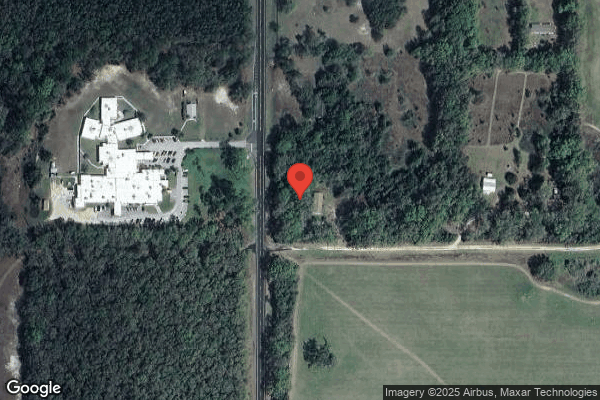
7280 SW STATE RD 26, TRENTON, FL 32693 (352) 463-1222
Non profit - Other 81 Beds Independent Data: November 2025
Trust Grade
90/100
#132 of 690 in FL
Last Inspection: November 2024

Within standard 12-15 month inspection cycle. Federal law requires annual inspections.

Overview

Tri-County Nursing Home in Trenton, Florida has received an impressive Trust Grade of A, indicating it is an excellent facility that is highly recommended for care. It ranks #132 out of 690 nursing homes in Florida, placing it in the top half of state facilities, and is the best option in Gilchrist County. However, the facility's trend is concerning as it has worsened, moving from 2 issues in 2023 to 3 in 2024, which raises some red flags. Staffing is a relative strength with a rating of 4 out of 5 stars and a turnover rate of 37%, lower than the state average, suggesting staff stability and familiarity with residents. There have been no fines, which is a positive sign, but there are instances of concern, such as staff not performing hand hygiene while administering medications and failing to provide necessary nutritional supplements for residents, which could affect health and well-being.

Trust Score
A
90/100
In Florida
#132/690
Top 19%
Safety Record
Low Risk
No red flags
Inspections
Getting Worse
2 → 3 violations
Staff Stability
○ Average
37% turnover. Near Florida's 48% average. Typical for the industry.
Penalties
✓ Good
No fines on record. Clean compliance history, better than most Florida facilities.
Skilled Nurses
○ Average
Each resident gets 32 minutes of Registered Nurse (RN) attention daily — about average for Florida. RNs are the most trained staff who monitor for health changes.
Violations
○ Average
6 deficiencies on record. Average for a facility this size. Mostly minor or procedural issues.
★★★★★
5.0
Overall Rating
★★★★☆
4.0
Staff Levels
★★★★★
5.0
Care Quality
★★★★☆
4.0
Inspection Score
Stable
2023: 2 issues
2024: 3 issues

The Good

  • 4-Star Staffing Rating · Above-average nurse staffing levels
  • 5-Star Quality Measures · Strong clinical quality outcomes
  • Full Sprinkler Coverage · Fire safety systems throughout facility
  • No fines on record
  • Staff turnover below average (37%)

    11 points below Florida average of 48%

Facility shows strength in staffing levels, quality measures, fire safety.

The Bad

Staff Turnover: 37%

Near Florida avg (46%)

Typical for the industry

The Ugly 6 deficiencies on record

Nov 2024 3 deficiencies
CONCERN (D)

Potential for Harm - no one hurt, but risky conditions existed

Deficiency F0692 (Tag F0692)

Could have caused harm · This affected 1 resident

Based on observation, interview, and record review, the facility failed to ensure residents received nutritional supplements for 1 (Resident #62) of 2 residents reviewed for nutrition. Findings includ...

Read full inspector narrative →
Based on observation, interview, and record review, the facility failed to ensure residents received nutritional supplements for 1 (Resident #62) of 2 residents reviewed for nutrition. Findings include: During an observation on 11/5/2024 at 12:12 PM, Resident #62 was eating lunch in the dining room. Resident #62's meal tray had carrots, bowtie pasta, beef tips, cake, and coffee. There was no nutritional shake on the meal tray. After a few minutes, Resident #62 stood up and stated she could not eat any more and left to her room. Resident #62 consumed approximately 25% of her meal. During an observation on 11/6/2024 at 8:20 AM, Resident #62 was eating breakfast in the dining room. Resident #62's meal tray had coffee, toast, bacon, scrambled eggs, and grits. There was no nutritional shake on the tray. During an observation on 11/6/2024 at 12:30 PM, Resident #62 was eating lunch in her room accompanied by her daughter. Resident #62's meal tray had two pieces of fried chicken, mashed potatoes, green beans, brownie, coffee, and tea. There was no nutritional shake on the meal tray. During an interview on 11/6/2024 at 12:31 PM, Staff G, Certified Nursing Assistant (CNA), stated, I delivered [Resident #62's name] meal tray to her room. She is eating with her daughter. The tray had fried chicken, mashed potatoes green beans, brownie, coffee and tea. Review of Resident #62's physician order dated 10/24/2024 read, Health Shake with meals-Dietary to provide. Review of Resident #62's Weights and Vitals Summary showed the resident weighed 117.6 lbs (pounds) on 8/28/2024, and 116.8 lbs on 9/28/2024, which is a -0.68% loss. During an interview on 11/6/2024 at 1:16 PM, the Director of Nursing stated that the nutritional shakes should come from the kitchen on the meal tray. During an interview on 11/6/2024 at 1:31 PM, the Registered Dietitian stated, She [Resident #62] does not have a big appetite. We try and give her Med Pass and health shakes. Med Pass is three times a day and the nurses give her that and the shake comes with meals and CNAs give her that. During an interview on 11/7/2024 at 10:20 AM, Staff F, CNA, stated, The kitchen brings the health shakes on the tray. Sometimes we will have some in the refrigerator, but we did not have any. [Resident #62's name] did not get health shake on her meal tray. During an interview on 11/7/2024 at 10:20 AM, Staff G, CNA, stated, The kitchen sends the nutritional shake with the tray. [Resident #62's name] did not have her nutritional shake on her meal tray. During an interview on 11/7/2024 at 10:22 AM, the Dietary Manager stated, I have a list in the kitchen with the residents' names who have an order for nutritional shakes. The kitchen aide did not check the list, and she missed it. Review of the facility policy and procedure titled Food and Nutrition Services with the last review date of 7/23/2024 read, Policy Statement: Each resident is provided with a nourishing, palatable, well-balance diet that meets his or her daily nutritional and special dietary needs, taking into consideration the preferences of each resident.
CONCERN (D)

Potential for Harm - no one hurt, but risky conditions existed

Medical Records (Tag F0842)

Could have caused harm · This affected 1 resident

**NOTE- TERMS IN BRACKETS HAVE BEEN EDITED TO PROTECT CONFIDENTIALITY** Based on observation, interview, and record review, the facility failed to ensure medical records were accurate for 1 (Resident ...

Read full inspector narrative →
**NOTE- TERMS IN BRACKETS HAVE BEEN EDITED TO PROTECT CONFIDENTIALITY** Based on observation, interview, and record review, the facility failed to ensure medical records were accurate for 1 (Resident #69) of 2 residents reviewed for oxygen therapy. Findings include: During an observation on 11/4/2024 at 9:53 AM, Resident #69 was lying in bed with her eyes closed, receiving oxygen at 3 liters per minute via nasal cannula. During an observation on 11/5/2024 at 9:10 AM, Resident #69 was lying in bed, receiving oxygen via nasal cannula. Review of Resident #69's physician order dated 8/31/2024 read, Titrate oxygen for O2 [NAME] [oxygen saturations] below 90% starting at 2 L/min [liters per minute] and go up 1 L/min until O2 above 90%. Ok to use a mask or non-rebreather mask once at 10 L/min. Notify MD [medical doctor] when 02 Sats below 90%. As needed for 02 SAT below 90%. Review of Resident #69's Treatment Administration Record for November 2024 showed no documentation for oxygen use on 11/4/2024 and 11/5/2024. During an interview on 11/6/2024 at 10:55 AM, the Director of Nursing stated, [Resident #69's name] orders should have been changed to continuous oxygen. The staff are expected to document based on the orders and the services the resident is receiving. During an interview on 11/7/2024 at 11:26 AM, Staff D, Licensed Practical Nurse (LPN), stated, I did not know she had a prn [as needed] order for oxygen. I might have overlooked that. Normally you go into the system and click off if the resident is using the oxygen. Review of the facility policy and procedure titled Charting and Documentation with the last review date of 7/23/2024 read, Policy Statement: All services provided to the resident, progress toward the care plan goals, or any changes in the resident's medical, physical, functional or psychosocial condition, shall be documented in the resident's medical record. The medical record should facilitate communication between the interdisciplinary team regarding the resident's condition and response to care. Policy Interpretation and Implementation . 2.The following information is to be documented in the resident medical record . c. Treatment or services performed.
CONCERN (E)

Potential for Harm - no one hurt, but risky conditions existed

Infection Control (Tag F0880)

Could have caused harm · This affected multiple residents

**NOTE- TERMS IN BRACKETS HAVE BEEN EDITED TO PROTECT CONFIDENTIALITY** 2) During an observation on 11/5/2024 at 1:15 PM, Staff D, LPN, started preparing medications for Resident #21 without performin...

Read full inspector narrative →
**NOTE- TERMS IN BRACKETS HAVE BEEN EDITED TO PROTECT CONFIDENTIALITY** 2) During an observation on 11/5/2024 at 1:15 PM, Staff D, LPN, started preparing medications for Resident #21 without performing hand hygiene. Staff D locked the medication cart, entered Resident #21's room and administered the medications without performing hand hygiene. After taking the medication, the resident knocked over her water container onto the floor. Staff D exited the resident's room without performing hand hygiene, went to get a towel to clean up the water, and returned to clean up water off of the floor. At 1:21 PM, Staff D exited Resident #21's room without performing hand hygiene and returned to the medication cart. Staff D unlocked the cart and prepared medications for Resident #44 without performing hand hygiene. Staff D locked the medication cart, entered Resident #44's room and administered the medications without performing hand hygiene. At 1:24 PM, Staff D exited Resident #44's room, returned to the medication cart and began preparing medications for Resident #37 without performing hand hygiene. Staff D entered Resident #37's room and administered the medications. Without performing hand hygiene, Staff D returned to the medication cart. During an interview on 11/5/2024 at 1:56 PM, the Assistant Director of Nursing stated, I talked to [Staff D's name] about not washing his hands between residents and he said that he did hand sanitizer between residents. I then went and reviewed the video tape which showed that he did not use the hand sanitizer and did not wash his hands. During an interview on 11/5/2024 at 2:27 PM, Staff D, LPN, stated, As soon as you left, I realized that I had not done hand hygiene/washed hands between residents. I know better. I have been taught that since the beginning. Review of the facility policy and procedure titled Administering Medications with the last review date of 7/23/2024 read, Policy Statement: Medications are administered in a safe and timely manner, and as prescribed. Policy Interpretation and Implementation . 22. Staff follows established facility infection control procedures (e.g., handwashing, antiseptic technique, gloves, isolation precautions, etc.) for the administration of medications, as applicable. 3) During an observation on 11/4/2024 at 12:52 PM, Staff A, Certified Nursing Assistant (CNA), entered Resident #77's room, and without performing hand hygiene, donned gloves and carried a gait belt [a transfer belt worn around the resident's waist that staff hold onto to help transfer a resident with balance issues] to Resident #77's bedside to assist the resident in transferring from his wheelchair to his bed. Before transferring Resident #77, Staff A doffed her gloves, and without performing hand hygiene, proceeded down the hallway to the equipment storage area near the nursing station outside 200 Hall. Staff A set the gait belt down, and without performing hand hygiene, grabbed the sit-to-stand lift [an electric standing and raising piece of equipment used to enable residents to be raised up from a seated position and transferred to a bed, chair, toilet, or wheelchair] and proceeded back to Resident #77's room. Without performing hand hygiene, Staff A donned gloves and assisted the resident to transfer from his wheelchair to his bed using the sit-to-stand lift. At 12:58 PM, Staff A doffed her gloves, and without performing hand hygiene, exited Resident #77's room and brought the sit/stand lift back to the equipment storage area. Staff A then proceeded down the hall, and without performing hand hygiene, entered Resident 40's room. Staff A passed Resident #40 their personal care items on their bedside stand without performing hand hygiene. During an interview on 11/6/2024 at 9:27 AM, the Assistant Director of Nursing (ADON) stated, The expectation for staff is that they do hand hygiene every time you [Staff] go in a room and do anything with a resident, including, anything where you come in contact with the resident or surfaces. Gloves do not replace hand hygiene. During a telephone interview on 11/6/2024 at 11:52 AM, Staff A, CNA, stated, I should have used the sanitizer for my hands before I donned my gloves when I helped with [Resident #77's name]. Before I entered [Resident #40's name] room, I should have used the hand sanitizer or wash my hands. 4) Review of Resident #34's medical record showed the resident was admitted on [DATE] with diagnoses including sepsis due to Escherichia coli (E. coli), stage 2 pressure ulcer of sacral region, urinary tract infection, retention of urine, malignant neoplasm of prostate, type 2 diabetes mellitus, acute pyelonephritis, hydronephrosis, obstructive and reflux uropathy, and bacteremia. Review of Resident #34 physician order dated 10/20/2024 read, Enhanced Barrier Precautions: PPE required for high resident care activities. Indication: wounds, indwelling medical device, infection and/or MDRO [Multi-Drug Resistant Organism] status. During an observation on 11/5/2024 at 8:44 AM, there was an Enhanced Barrier Precautions (EBP) sign attached to Resident #34's door facing the hallway. Staff B, CNA, exited Resident #34's room into the hallway and spoke to Staff C, CNA. Without performing hand hygiene, Staff B and Staff C entered Resident #34's room and donned gloves. Without wearing a gown, Staff B proceeded to the right side of Resident #34's bed and Staff C proceeded to the left side of the resident's bed. Resident #34's indwelling urinary catheter was intact and the tubing was draped across the bed and down the left side of the bed with the catheter bag hanging directly to the left of where Staff C was standing to reposition Resident #34 in bed. While standing on each side of Resident 34's bed, Staff B and Staff C gathered up the linen under Resident #34's back and legs. While standing on each side of Resident #34, Staff B and Staff C had their lower bodies pressed against the resident's linen covered mattress, and without wearing gowns, pulled Resident #34's body toward the head of the bed. After repositioning Resident #34 in bed, Staff B and Staff C readjusted the resident's top blankets to cover the resident, doffed their gloves, and exited Resident #34's room without performing hand hygiene. During an interview on 11/6/2024 at 9:27 AM, the Assistant Director of Nursing (ADON) stated, The expectation for staff is that they do hand hygiene every time you [Staff] go in a room and do anything with a resident, including, anything where you come in contact with the resident or surfaces. When they [residents] are on EBP, the process is you should gown and glove. Gloves do not replace hand hygiene. During an interview on 11/6/2024 at 10:08 AM, Staff B, CNA, stated, I should have been wearing a gown and gloves when lifting [Resident #34's name] on EBP up in bed and when providing direct care. I was not wearing a gown. I washed my hands in the hallway before I picked up [Resident #34's name] tray and entered the room. I performed hand hygiene in the hallway before I entered the room the first time with the tray. During an interview on 11/6/2024 at 10:33 AM, Staff C, CNA, I wasn't wearing a gown when we pulled [Resident #34's name] up in bed. I was told we didn't have to if we were just pulling them up in bed when they are on EBP. I washed my hands before I went in the room. During an interview on 11/7/2024 at 11:45 AM, the Director of Nursing stated, The staff should wear PPE only when providing prolonged direct care, such as transfers that are max assist and when changing linens. The residents already feel some type of way and we do not want to make them feel they are contaminated. I would not expect them [the staff] to wear PPE for meal delivery, adjusting a resident in their bed, covering them up with linen, or giving them something. If so, they would be contact precautions. Review of the signage posted on Resident #34's door read, Enhanced Barrier Precautions: Everyone Must: Clean their hands, including before entering and when leaving the room. Providers and Staff Must Also: Wear gloves and a gown for the following High-Contact Resident Care Activities. Dressing, Bathing/Showering, Transferring, Changing Linens, Providing Hygiene, Changing briefs or assisting with toileting, Device Care or use: central line, urinary catheter, feeding tube, tracheostomy, Wound Care: any skin opening requiring a dressing. Review of the facility policy and procedure titled Enhanced Barrier Precautions with the last review date of 7/23/2024 read, Policy Statement: Enhanced barrier precautions (EBP) are utilized to prevent the spread of multi-drug-resistant organisms (MDROs) to residents. Policy Interpretation and Implementation . 2. EPBs employ targeted gown and glove use during high contact resident care activities when contact precautions do not otherwise apply. A. Gloves and gown are applied prior to performing the high contact resident care activity (as apposed to entering the room) . 3. Examples of high-contact resident care activities requiring the use of gown and gloves for EBPs include: a. dressing, b. bathing/showering, c. transferring, d. providing hygiene, e. changing linens, f. changing briefs or assisting with toileting, g. device care or use (central line, urinary catheter, feeding tube, tracheostomy/ventilator, etc.), h. wound care (any skin opening requiring a dressing) . 5. EBPs are indicated (when contact precautions do not otherwise apply) for residents with wounds and/or indwelling medical devices regardless of MDRO colonization. 5) During an observation on 11/4/2024 at 1:47 PM, Staff E, CNA, exited Resident #31's room after completing incontinence care with a pair of used gloves in their hand. Staff E proceeded down the hallway and threw the gloves in the trash bin at the medication cart. Without performing hand hygiene, Staff E proceeded down the hallway to Resident #233's room, and entered Resident #233's room to assist the resident without performing hand hygiene. During a telephonic interview on 11/7/2024 at 11:00 AM, Staff E, CNA, stated, I washed my hands before I left the room, and then realized I had not thrown away the gloves, so I carried the gloves down to the nurses cart and threw them away there. During an interview on 11/7/2024 at 11:45 AM, the Director of Nursing stated she expected staff to sanitize their hands before and after direct care. Review of the facility policy and procedure titled Handwashing/Hand Hygiene with the last review date of 7/23/2024 read, Policy Statement: This facility considers hand hygiene the primary means to prevent the spread of healthcare-associated infections. Policy Interpretation and Implementation . 2. All personnel are expected to adhere to hand hygiene policies and practices to help prevent the spread of infections to other personnel, residents, and visitors . Indications for hand hygiene: 1. Hand hygiene is indicated: a. before performing an aseptic task (for example, placing an indwelling device or handling an invasive medical device) . c. after touching a resident; d. after touching the resident's environment . f. immediately after glove removal . 5. The use of gloves does not replace hand washing/hand hygiene. Based on observation, interview, and record review, the facility failed to ensure staff performed hand hygiene while providing direct care to the residents and failed to ensure staff used proper PPE (Personal Protective Equipment) while providing high-contact care to the residents on enhanced barrier precautions to prevent the possible spread of infection and communicable diseases. Findings include: 1) During an observation on 11/4/2024 at 1:05 PM, Staff D, Licensed Practical Nurse (LPN), returned to the medication cart. Without performing hand hygiene, Staff D removed medication for Resident #36 and wheeled Resident #36 to her room. Staff D administered Resident #36's medications in her room and wheeled her back to the hall without performing hand hygiene. Staff D returned to the medication cart, and without performing hand hygiene, walked away and went to grab a box of cigarettes for Resident #36. Staff D returned to the medication cart, and without performing hand hygiene, wheeled Resident #44 back to her room. During an observation on 11/5/2024 at 9:05 AM, Staff D, LPN, entered Resident #15's room and administered the medications. Staff D exited the room, and without performing hand hygiene, started to document on the computer. Without performing hand hygiene, Staff D began to pour medications for Resident #5 and administered the medication in the resident's room. Staff D exited the room without performing hand hygiene. Staff D heard Resident #5 coughing. Staff D entered the resident room to check if he was ok. Staff D proceeded to put medication away in the medication cart without performing hand hygiene. During an interview on 11/6/2024 at 10:10 AM, the Infection Preventionist stated, Staff should be performing hand hygiene in between each resident. Washing your hand to prevent infection is something everyone can control. During an interview on 11/7/2024 at 8:44 AM, Staff D, LPN, stated, I have been a nurse for seven years. I know better than that. You should do hand hygiene in between any interaction you have with residents. During an interview on 11/7/2024 at 11:40 AM, the Director of Nursing (DON) stated, Staff should be preforming hand hygiene in between each resident contact.
Jul 2023 2 deficiencies
CONCERN (D)

Potential for Harm - no one hurt, but risky conditions existed

Assessment Accuracy (Tag F0641)

Could have caused harm · This affected 1 resident

**NOTE- TERMS IN BRACKETS HAVE BEEN EDITED TO PROTECT CONFIDENTIALITY** Based on observation, interview, and record review, the facility failed to ensure the assessment accurately reflected the reside...

Read full inspector narrative →
**NOTE- TERMS IN BRACKETS HAVE BEEN EDITED TO PROTECT CONFIDENTIALITY** Based on observation, interview, and record review, the facility failed to ensure the assessment accurately reflected the resident's status for 1 of 2 residents sampled for nutrition, Resident #19. Findings include: During an observation on 7/17/2023 at 12:33 PM, Resident #19 was eating lunch independently in her room, with the meal ticket reading NAS (no salt added). During an observation on 7/18/2023 at 8:41 AM, Resident #19 was eating breakfast independently in her room, with the meal ticket reading NAS. Review of Resident #19's dietary order dated 11/22/2022 reads, NAS (No Added Salt) diet, Regular texture, Regular consistency. Review of Resident #19's Annual Minimum Data Set (MDS) dated [DATE] revealed no information under Section K Swallowing/Nutritional Status. K0510 Nutritional Approaches . D. Therapeutic diet (e.g. low salt, diabetic, low cholesterol). Review of Resident #19's Medicare-5 day MDS dated [DATE] revealed no information under Section K Swallowing/Nutritional Status. K0510 Nutritional Approaches . D. Therapeutic diet (e.g. low salt, diabetic, low cholesterol). During an interview on 7/19/2023 at 10:59 AM, the MDS Coordinator stated, [Resident #19's name] was getting a NAS diet since 11/22/2022. I think the staff meant to click the box on top of the not assessed. I am not sure why he did that. The therapeutic diet was not addressed on the MDS dated [DATE] also. Review of the policy and procedure titled MDS Assessment Coordinator last reviewed on 7/14/2023, reads, Policy Statement: A registered nurse (RN) shall be responsible for conducting and coordinating the development and completion of the resident assessment (MDS). Policy Interpretation and Implementation . 3. Each individual who completes a portion of the assessment (MDS) must certify the accuracy of that portion of the assessment by: a. dating and signing the assessment (MDS).
CONCERN (D)

Potential for Harm - no one hurt, but risky conditions existed

Medical Records (Tag F0842)

Could have caused harm · This affected 1 resident

2. Review of Resident #19's Weights and Vitals Summary read, 06/14/2023, 160.8 Lbs [pounds] (Wheelchair) . 05/17/2023, 161.8 Lbs (Standing) . 04/2/2023, 169.6 Lbs (Wheelchair) . 02/15/2023, 170.2 Lbs ...

Read full inspector narrative →
2. Review of Resident #19's Weights and Vitals Summary read, 06/14/2023, 160.8 Lbs [pounds] (Wheelchair) . 05/17/2023, 161.8 Lbs (Standing) . 04/2/2023, 169.6 Lbs (Wheelchair) . 02/15/2023, 170.2 Lbs (Wheelchair). Review of Registered Dietician's noted dated 6/29/2023 at 11:14 AM for Resident #19 reads, Rt's [Resident's] appetite and intake is fair is fair but fluid intake is poor around 500 ml [milliliters] per day. Weighs 161.8 lbs on 5/17/23 and lost about 8.4 lbs (5%) in 3 months. Wt [weight] loss may be due to lasix use and fair appetite. Being on remeron may also help improve her appetite and weight. Continues on NAS [No Salt Added], NCS [No Concentrated Sweets] diet with 90 ml SF medpass tid [three times a day] to help improve weight, total proteins and maintain albumin levels. On MVM [multivitamin/mineral] supplement to help with anemia. Plan: Continue on current diet and medpass and MVM supplements. Recommend to have TSH [Thyroid Stimulating Hormone] levels done due to being on Synthroid. Continue to monitor weights and labs and adjust diet and supplements accordingly. Review of Registered Dietician's note dated 6/29/2023 at 11:48 AM for Resident #19 reads, Rt's wt is at 131.6 lbs. on 6/8/223. lost about 14.6 lbs (10%) in 3 months. Appetite and intake is fairly good and ate 100% at lunch today. Continues on 90 ml medpass tid and 30 ml liquid protein qd [once a day] to help maintain weight and albumin levels. Labs indicate anemia, low albumin, and high glucose & BUN [Blood Urea Nitrogen]. Plan: Continue on current diet and supplements. Encourage fluids for hydration. Monitor weights and adjust diet as needed. During an interview on 7/19/2023 at 1:55 PM, the Registered Dietician stated, I was working in the facility and the internet was not great. I was copying and pasting quickly and in a hurry to lock in the notes before it would delete. The correct one is the 161.8 pounds. The other one was for another resident whom also was on the weight lost list. During an interview on 7/19/2023 at 2:15 PM, the Administrator stated, I expect documentation to be accurate and staff revise their work. Review of the policy and procedures titled Charting Errors and/or Omissions last reviewed on 7/14/2023 reads, Policy Statement: Accurate medical records shall be maintained by this facility. Based on record review and interview, the facility failed to ensure resident records were accurate for 1 of 7 residents reviewed for advanced directives, Resident #67, and 1 of 2 residents reviewed for nutrition, Resident #19. Finding include: 1. Review of Resident #67's records revealed Resident #175's DNR (Do not Resuscitate) form uploaded into the electronic medical record. Review of Resident #67's care plan initiated on 4/25/2023 reads, [Resident #67] has advanced directives: Full Code, HCS. Review of the physician order dated 4/22/2023 for Resident #67 reads, Full Code. During an interview on 7/17/2023 at 1:18 PM, Resident #67 stated, I want to be resuscitated. During an interview on 7/17/2023 at 1:28 PM, the Director of Nursing stated, Mr. [Resident #67's name] is a full code, and that DNR was incorrectly uploaded into his medical record.
Feb 2022 1 deficiency
CONCERN (F)

Potential for Harm - no one hurt, but risky conditions existed

Food Safety (Tag F0812)

Could have caused harm · This affected most or all residents

Based on observation, interview, and record review, the facility failed to ensure food service equipment were cleaned to prevent a potential cause of foodborne outbreaks. Findings: An observation duri...

Read full inspector narrative →
Based on observation, interview, and record review, the facility failed to ensure food service equipment were cleaned to prevent a potential cause of foodborne outbreaks. Findings: An observation during an initial walk-through of the kitchen on 2/21/2022 at 10:10 AM with the Certified Dietary Manager (CDM) showed an excessive amount of buildup of grease on 3 of 3 lights located under the hood, the inside metal frame of the hood, and on the back wall area under the hood area, and a buildup of lint/dust debris on 3 of the 3 lights. An observation of the plate warmer equipment located at the starting end of the food steam table and tray line showed a large amount of buildup of debris and dirt around the top of the plate warmer that held clean plates for service, and on the bottom shelving of the plate warmer equipment. During an interview on 2/21/2022 at 10:15 AM, the CDM confirmed the excessive buildup of grease and dust/lint debris on 3 light covers and on the stainless metal hood frame. The CDM stated that at first, he thought it was a pebbled glass cover over the lights and then realized it was buildup. The CDM stated the maintenance department did monthly cleaning and an outside contractor did the cleaning biannually. The CDM confirmed the buildup on the plate warmer top and base of the equipment. During an interview on 2/21/2022 at 11:33 AM, the Maintenance Supervisor stated, The vents are cleaned by maintenance each month and any other regular cleaning is done by the dietary staff. I have someone that cleans the filters only for the hood system and that an outside contractor does a biannual cleaning of the entire hood system. During an interview on 2/22/2022 at 10:30 AM, the Executive Director/Administrator stated, Maintenance is responsible for filter cleaning only and the CDM is responsible for maintaining and cleaning in the dietary department. Review of the kitchen cleaning schedule showed no designated assignee or assignment for cleaning the plate warmer or under the stove hood for the light covers, stainless metal frame of the hood, or the back wall area. Review of the facility policy and procedure titled Hood Suppression System revised in May 2008, reads, Policy Interpretation and Implementation: . 9. The kitchen hood shall be professionally cleaned by a qualified outside contractor biannually as well as monthly by inhouse staff. Review of the facility policy and procedure titled Sanitization revised in October 2008 reads, Policy Statement: The food service area shall be maintained in a clean and sanitary manner. Policy Interpretation and Implementation: . 3. All equipment, food contact surfaces and utensils shall be washed to remove or completely loosen soils by using the manual or mechanical means necessary and sanitized using hot water and/or chemical sanitizing solutions . 17. The Food Services Manager will be responsible for scheduling staff for regular cleaning of kitchen and dining areas. Food service staff will be trained to maintain cleanliness throughout their work areas during all tasks, and to clean after each task before proceeding to the next assignment.
Understanding Severity Codes (click to expand)
Life-Threatening (Immediate Jeopardy)
J - Isolated K - Pattern L - Widespread
Actual Harm
G - Isolated H - Pattern I - Widespread
Potential for Harm
D - Isolated E - Pattern F - Widespread
No Harm (Minor)
A - Isolated B - Pattern C - Widespread

Questions to Ask on Your Visit

  • "Can I speak with families of current residents?"
  • "What's your RN coverage like on weekends and overnight?"

Our Honest Assessment

Strengths
  • • Grade A (90/100). Above average facility, better than most options in Florida.
  • • No major safety red flags. No abuse findings, life-threatening violations, or SFF status.
  • • No fines on record. Clean compliance history, better than most Florida facilities.
  • • 37% turnover. Below Florida's 48% average. Good staff retention means consistent care.
Concerns
  • • No significant concerns identified. This facility shows no red flags across CMS ratings, staff turnover, or federal penalties.
Bottom line: Generally positive indicators. Standard due diligence and a personal visit recommended.

About This Facility

What is Tri-County's CMS Rating?

CMS assigns TRI-COUNTY NURSING HOME an overall rating of 5 out of 5 stars, which is considered much above average nationally. Within Florida, this rating places the facility higher than 99% of the state's 100 nursing homes. This rating reflects solid performance across the metrics CMS uses to evaluate nursing home quality.

How is Tri-County Staffed?

CMS rates TRI-COUNTY NURSING HOME's staffing level at 4 out of 5 stars, which is above average compared to other nursing homes. Staff turnover is 37%, compared to the Florida average of 46%. This relatively stable workforce can support continuity of care.

What Have Inspectors Found at Tri-County?

State health inspectors documented 6 deficiencies at TRI-COUNTY NURSING HOME during 2022 to 2024. These included: 6 with potential for harm.

Who Owns and Operates Tri-County?

TRI-COUNTY NURSING HOME is owned by a non-profit organization. Non-profit facilities reinvest revenue into operations rather than distributing to shareholders. The facility operates independently rather than as part of a larger chain. With 81 certified beds and approximately 77 residents (about 95% occupancy), it is a smaller facility located in TRENTON, Florida.

How Does Tri-County Compare to Other Florida Nursing Homes?

Compared to the 100 nursing homes in Florida, TRI-COUNTY NURSING HOME's overall rating (5 stars) is above the state average of 3.2, staff turnover (37%) is near the state average of 46%, and health inspection rating (4 stars) is above the national benchmark.

What Should Families Ask When Visiting Tri-County?

Based on this facility's data, families visiting should ask: "Can I visit during a mealtime to observe dining assistance and food quality?" "How do you handle medical emergencies, and what is your hospital transfer rate?" "Can I speak with family members of current residents about their experience?"

Is Tri-County Safe?

Based on CMS inspection data, TRI-COUNTY NURSING HOME has a clean safety record: no substantiated abuse findings (meaning no confirmed cases of resident harm), no Immediate Jeopardy citations (the most serious violation level indicating risk of serious injury or death), and is not on the Special Focus Facility watch list (a federal program monitoring the lowest-performing 1% of nursing homes). The facility has a 5-star overall rating and ranks #1 of 100 nursing homes in Florida. While no facility is perfect, families should still ask about staff-to-resident ratios and recent inspection results during their visit.

Do Nurses at Tri-County Stick Around?

TRI-COUNTY NURSING HOME has a staff turnover rate of 37%, which is about average for Florida nursing homes (state average: 46%). Moderate turnover is common in nursing homes, but families should still ask about staff tenure and how the facility maintains care continuity when employees leave.

Was Tri-County Ever Fined?

TRI-COUNTY NURSING HOME has no federal fines on record. CMS issues fines when nursing homes fail to meet care standards or don't correct problems found during inspections. The absence of fines suggests the facility has either maintained compliance or corrected any issues before penalties were assessed. This is a positive indicator, though families should still review recent inspection reports for the full picture.

Is Tri-County on Any Federal Watch List?

TRI-COUNTY NURSING HOME is not on any federal watch list. The most significant is the Special Focus Facility (SFF) program, which identifies the bottom 1% of nursing homes nationally based on persistent, serious quality problems. Not being on this list means the facility has avoided the pattern of deficiencies that triggers enhanced federal oversight. This is a positive indicator, though families should still review the facility's inspection history directly.