SUNSET LAKE HEALTHCARE AND REHABILITATION CENTER
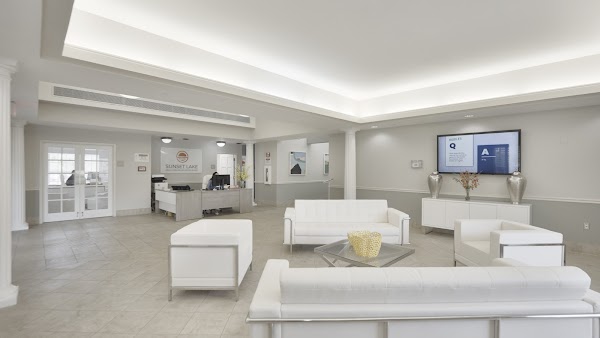
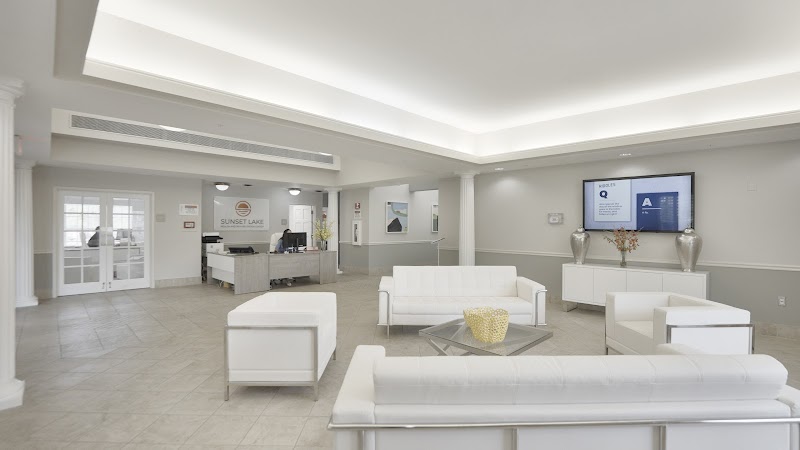
832 SUNSET LAKE BOULEVARD, VENICE, FL 34292 (941) 492-5313
For profit - Limited Liability company 120 Beds GOLD FL TRUST II Data: November 2025 4 Immediate Jeopardy citations
Trust Grade
0/100
#675 of 690 in FL
Last Inspection: April 2025

Within standard 12-15 month inspection cycle. Federal law requires annual inspections.

Overview

Sunset Lake Healthcare and Rehabilitation Center has received a Trust Grade of F, indicating a poor performance with significant concerns. It ranks #675 out of 690 facilities in Florida, placing it in the bottom half, and #28 out of 30 in Sarasota County, meaning there are only two local options that rank lower. Unfortunately, the facility's situation is worsening, with the number of issues increasing from 7 in 2024 to 8 in 2025. Staffing is below average, rated at 2 out of 5 stars, and has a high turnover rate of 70%, which is concerning compared to the state average of 42%. Additionally, the facility has accumulated $365,758 in fines, which is higher than 97% of Florida facilities, suggesting repeated compliance issues. Moreover, there have been critical incidents regarding emergency evacuations, particularly during a hurricane. For instance, a resident with multiple fractures was improperly transported across two seats on a bus, resulting in severe pain, and another wheelchair-bound resident was carried off the bus, sustaining an open fracture. While the quality measures received a better rating of 4 out of 5 stars, the overall picture reveals serious weaknesses that families should consider when researching care options.

Trust Score
F
0/100
In Florida
#675/690
Bottom 3%
Safety Record
High Risk
Review needed
Inspections
Getting Worse
7 → 8 violations
Staff Stability
⚠ Watch
70% turnover. Very high, 22 points above average. Constant new faces learning your loved one's needs.
Penalties
○ Average
$365,758 in fines. Higher than 62% of Florida facilities. Some compliance issues.
Skilled Nurses
○ Average
Each resident gets 34 minutes of Registered Nurse (RN) attention daily — about average for Florida. RNs are the most trained staff who monitor for health changes.
Violations
⚠ Watch
30 deficiencies on record. Higher than average. Multiple issues found across inspections.
★☆☆☆☆
1.0
Overall Rating
★★☆☆☆
2.0
Staff Levels
★★★★☆
4.0
Care Quality
★☆☆☆☆
1.0
Inspection Score
Stable
2024: 7 issues
2025: 8 issues

The Good

  • 4-Star Quality Measures · Strong clinical quality outcomes
  • Full Sprinkler Coverage · Fire safety systems throughout facility
  • No fines on record

Facility shows strength in quality measures, fire safety.

The Bad

1-Star Overall Rating

Below Florida average (3.2)

Significant quality concerns identified by CMS

Staff Turnover: 70%

24pts above Florida avg (46%)

Frequent staff changes - ask about care continuity

Federal Fines: $365,758

Well above median ($33,413)

Significant penalties indicating serious issues

Chain: GOLD FL TRUST II

Part of a multi-facility chain

Ask about local staffing decisions and management

Staff turnover is very high (70%)

22 points above Florida average of 48%

The Ugly 30 deficiencies on record

4 life-threatening 1 actual harm
Apr 2025 8 deficiencies
CONCERN (D)

Potential for Harm - no one hurt, but risky conditions existed

Deficiency F0655 (Tag F0655)

Could have caused harm · This affected 1 resident

**NOTE- TERMS IN BRACKETS HAVE BEEN EDITED TO PROTECT CONFIDENTIALITY** Based on record review, review of facility's policy and procedure, resident, resident representative and staff interviews, the f...

Read full inspector narrative →
**NOTE- TERMS IN BRACKETS HAVE BEEN EDITED TO PROTECT CONFIDENTIALITY** Based on record review, review of facility's policy and procedure, resident, resident representative and staff interviews, the facility failed to develop and communicate a resident centered baseline care plan to meet the needs of 1 (Residents #273) of 3 newly admitted residents reviewed. The findings included: Review of the facility's policy for Baseline Care Plan revised December 2016 revealed, A baseline plan of care to meet the resident's immediate needs shall be developed for each resident within forty-eight (48) hours of admission . The baseline care plan will be used until the staff can conduct the comprehensive assessment and develop an interdisciplinary person-centered care plan . The resident and their representative will be provided a summary of the baseline care plan on the 21st day that includes but is not limited to the initial goals of the resident, a summary of the resident's medications, any services and treatments to be administered and any updated information based on the details of the comprehensive care plan, as necessary . Review of the clinical record for Resident #273 revealed an admission date of 4/12/25 with history of a recent fall, adjustment disorder, type 2 diabetes, and congestive heart failure. The admission Nursing Comprehensive Evaluation dated 4/12/25 noted Resident #273's cognition was intact with a Brief Interview for Mental Status score of 15. The evaluation noted the Resident's skin was intact and no conditions noted upon this exam. Review of the baseline care plan dated 4/12/25 revealed the nurse entered No for the question, Do I have a current wound? On 4/13/25 at 11:35 a.m., during an interview, Resident #273 stated, It seemed like they really weren't prepared for me when I got here. They didn't know I needed a diabetic meal; I had to inform them. Also, some of my medications were not available, but they are catching up now. There has been no itinerary or timeline for what I need to expect while I am here . you know, like when I can get out of bed, or what the plan is now that I am here. On 4/14/25 at 2:00 p.m., Resident #273's family member was observed approaching Licensed Practical Nurse (LPN) Staff L and asking, What are you doing for the wounds on his feet? On 4/14/25 at 2:15 p.m., during an interview LPN Staff L stated, (Resident #273)'s sister asked me if I've seen his feet. She said that they look horrendous. I have not, the nurse practitioner would do that. Review of the clinical progress notes revealed a wound care nurse skin assessment dated [DATE] at 3:39 p.m. which noted Resident #273 had a dressing to his coccyx and bilateral heels. The wound care nurse removed the hospital dressings to assess skin and found redness excoriation to coccyx, the right heel had a DTI (Deep Tissue Injury), the left heel had blanchable redness. Treatments were completed and ordered by the wound care nurse. On 4/14/25 at 2:52 p.m., during an interview, MDS nurse LPN Staff N was asked what type of wound care interventions that Resident #273 had been receiving. LPN Staff N reviewed the baseline care plan for Resident #273 and stated, He does not have a wound. On 4/15/25 at 8:02 a.m., a Late Entry admission note for 4/12 documented, Patient refused head to toe assessment and removal of hospital protective dressings. Visual skin check done at best of ability due to refusal. On 4/15/25 at 9:30 a.m., during an interview, LPN Staff F verified that she had admitted Resident #273 on 4/12/25. LPN Staff F said she recalled that, He had a very long commute, over two hours to get here, so when he arrived, he did not want me to assess the skin under his dressings. So, I didn't. On 4/15/25 at 10:40 a.m., during an interview, the DON confirmed that the facility process was that staff was not to document on wounds if they aren't able to see them. When asked whether it was accurate for the nurse to document The resident has no wounds on the baseline care plan, the DON stated, there is nowhere to write a comment, this form is all check boxes where would they even put that? When asked if the resident's baseline care plan is resident specific, she said that he should have been care planned for wounds.
CONCERN (D)

Potential for Harm - no one hurt, but risky conditions existed

Deficiency F0688 (Tag F0688)

Could have caused harm · This affected 1 resident

**NOTE- TERMS IN BRACKETS HAVE BEEN EDITED TO PROTECT CONFIDENTIALITY** Based on observation, clinical record review, staff and resident interview, the facility failed to provide the appropriate care ...

Read full inspector narrative →
**NOTE- TERMS IN BRACKETS HAVE BEEN EDITED TO PROTECT CONFIDENTIALITY** Based on observation, clinical record review, staff and resident interview, the facility failed to provide the appropriate care and services to prevent a decline in range of motion for 1(Resident #55) of 3 residents reviewed with a limitation in range of motion (ROM). The findings included: Review of the undated facility Policy and Procedure titled, Splints and Braces, revealed, Residents of the facility who wear splint or braces shall be monitored periodically assessed by OT (Occupational Therapy) and or PT (Physical Therapy) department. Splints and braces are usually fabricated and provided by Occupational Therapists and or Physical Therapists to treat temporary conditions of muscle weakness, joint limitations, pain and swelling. On occasion the splints and braces may be required for long term use to prevent contracture or to stabilize joints. Review of the clinical record revealed Resident #55 was a [AGE] year-old female admitted on [DATE] with diagnoses including left hand contracture, hemiplegia (paralysis of one side of the body), hemiparesis (muscle weakness or partial loss on one side of the body) and stiffness of the left knee. Review of the Quarterly Minimum Data Set (MDS) assessment with a target date of 3/12/25 dated 3/12/25 revealed Resident #55 had limitations on one side of the upper and lower body and was dependent for care. Review of the physician's orders revealed: An order with a revision date of 12/9/24 to, Apply (brand name) knee extension splint to left knee. The order specified for the splint to be on after breakfast and remove before supper. Staff was to monitor skin integrity when applying and removing. An order dated 1/21/25 to, Apply Left resting hand splint to Left hand. The order specified for the splint to be on after morning care and off at evening meal. Staff was to monitor skin integrity when applying and removing the splint. Review of the Therapy Screen completed on 3/21/25 revealed therapy was required for reduced/ improved left knee flexion contracture. On 4/13/25 at 10:19 a.m., Resident #55 was observed in her room in bed. She had her left arm and hand sticking out of the covers with her hand in a tight fist. Resident #55 was not wearing a splint to her left hand or a rolled washcloth. In an interview, when asked if she was able to move her hand, Resident #55 replied No. On 4/13/25 at 11:55 a.m., and 1:58 p.m., Resident #55 was observed in the same position in bed. She was not wearing a splint to her left hand or an extension splint to her left knee. On 4/14/25 at 8:57 a.m., Resident #55 was observed in bed. The call light was on the floor and out of her reach. There was a splint on her left hand, but it was not properly applied. The hand roll that goes into the palm to open the hand was positioned at the wrist. Resident #55 was not wearing an extension splint to her left knee. Photographic evidence obtained. On 4/15/25 at 12:00 p.m., Resident #55 was observed in her room, sitting in her wheelchair. She was not wearing an extension splint to her left knee. The left-hand splint was not applied correctly, and the large palm roll was placed under her wrist. On 4/15/25 at 12:06 p.m., in an interview Licensed Practical Nurse (LPN) Staff R said she did not know if Resident #55 should have a leg brace on but she did have a splint on her arm. LPN Staff R said she was busy and did not have time to check the resident's chart to see if there was an order for a leg splint. Review of the Certified Nursing Assistant (CNA) [NAME] (Provides instructions for care) revealed instructions to apply the splint to the left-hand splint and the knee extension splint to the left knee. On 4/15/25 at 8:22 a.m., Resident #55 was observed in her room in her wheelchair. The left hand splint was placed under her wrist and she was not wearing the left knee extension splint. On 4/15/25 at 9:51 a.m., Resident #55's left hand splint was observed with the Director of Therapy. In an interview, the Director of Therapy confirmed the left hand splint was not applied correctly. The Director of Therapy was observed massaging the resident's left hand. In an interview she said Resident #55 had a stroke and increased tone to the hand/fingers. She explained tone was the muscles tightening. The Director of Therapy demonstrated the splint should be applied with the roll in the palm of the hand and a separate part for the thumb. She said the thumb had more movement with decreased tone and this helped to keep the thumb from going into the palm. The Director of Therapy said the staff are instructed on how to apply each device. She said, We meet with them, we demonstrate the device and have them demonstrate how to put the device on. She said they also place the device instructions on the inside of the closet door with photos but confirmed there were no instructions for Resident #55. On 4/15/25 at 10:22 a.m., in an interview CNA Staff O said sometimes the CNA applies the splints and sometimes the nurse applies it. Staff O said, Therapy showed us how to put it on, so I know how to do it. On 4/15/25 at 12:29 p.m., in an interview CNA Staff T said Resident #55 required total care and he did not know about a leg splint. On 4/15/25 at 12:38 p.m., in an interview Unit Manager Licensed Practical Nurse (LPN) Staff S said she did not know about a knee splint for Resident #55 and thought it was discontinued. Unit Manager LPN Staff S reviewed the physician orders and confirmed Resident #55 had a current physician order for an extension splint to the left knee. On 4/15/25 at 12:46 p.m., in an interview the Director of Therapy said Resident #55 was receiving physical therapy. They have tried to apply the leg splint, but the resident would cry. She said, The therapist will not change the order until the resident is discharged from therapy. I thought the brace was discontinued in the past, I don't know why it is a current order, but we would not change it until the resident has completed treatment.
CONCERN (E)

Potential for Harm - no one hurt, but risky conditions existed

ADL Care (Tag F0677)

Could have caused harm · This affected multiple residents

Based on observation, record review, review of facility's policies and procedures, resident, resident representative and staff interviews, the facility failed to provide care and services to meet the ...

Read full inspector narrative →
Based on observation, record review, review of facility's policies and procedures, resident, resident representative and staff interviews, the facility failed to provide care and services to meet the needs for Activities of Daily Living (ADL) for 2 (Residents #275 and #276) of 5 residents reviewed for assistance with ADL. The findings included: Review of the facility policy titled, Activities of Daily Living (ADLs), supporting, last revised on March 2018 revealed, Appropriate care and services will be provided for residents who are unable to carry out ADL's independently, including hygiene (bathing, dressing, grooming, and oral care). Review of the clinical record for Resident #276 revealed an admission date of 4/9/25. Diagnoses included cerebral infarction (stroke), hemiplegia (paralysis) on her left side, aphasia (language disorder affecting speech), and muscle weakness. Clinical record review revealed Resident #276 sustained a fall at the facility on 4/9/25, on the day of admission. Review of the admission Minimum Data Set (MDS) assessment with a target date of 4/12/25 revealed Resident #276's cognition was severely impaired with a Brief Interview for Mental Status score of 07. Resident #276 required substantial/maximal assistance with personal hygiene. On 4/13/25 at 12:45 p.m., during a dining observation, Resident #276 was observed in bed with her eyes closed leaning to her left side. There was a lunch tray set up in front of her. Certified Nursing Assistant (CNA) Staff I was observed attempting to spoon feed the Resident. CNA Staff I was shaking Resident #276 and calling her name, stimulating her enough to open her mouth. Resident #276's mouth was partially opened with food falling onto the bedding and her black and white floral blouse, leaving a stain. CNA Staff I was observed using the bedding to wipe the food from the resident's mouth. On 4/13/25 at 12:50 p.m., CNA Staff U was observed entering Resident #276's room. CNA Staff U addressed CNA Staff I and said, If she is asleep, you shouldn't be feeding her, she's not eating the food. Staff I then wiped the resident's mouth and removed the tray without changing the bedding or the black and white floral blouse. On 4/13/25 at 2:50 p.m., Resident #276 was observed asleep in bed leaning to her left side. She was wearing the stained black and white floral blouse. On 4/14/25 at 10:15 a.m., Resident #276 was observed asleep in bed leaning to the left side. She was wearing the same black and white floral blouse from 4/13/25 with food stains. On 4/14/25 at 2:13 p.m., CNA Staff G and CNA Staff V were observed providing incontinence care to Resident #276. Resident #276 was lying in bed, leaning to her left side, wearing the black and white floral blouse with the food stains. CNA Staff G stated, I believe she had another bowel movement, this the second one today. CNA Staff G pulled the positioning pad from behind the resident's back and removed it. Multiple small particles of food like debris fell to the floor. CNA Staff G then shook the pad out and placed it back on the bed and tucked it under the resident. CNA Staff G removed the resident's incontinent brief, soiled with feces. She rolled the soiled brief and placed it in the bed next to Resident #276's head and said, I don't see a trashcan. CNAs Staff G and Staff V completed the incontinent care, placed the resident on her left side and left the room. They did not change the linen on the bed. On 4/14/25 at 2:20 p.m., in an interview, CNA Staff V and CNA Staff G were asked about the care needs and preferences of various residents in their assignment. CNA Staff G said that they didn't know any of the residents because they usually worked in another unit. On 4/14/25 at 4:30 p.m., Resident #276 was observed lying in bed on her left side. She was still wearing the black and white floral blouse with food stains. On 4/15/25 at 7:55 a.m., in an interview CNA Staff G was asked about changing the clothing of the residents in her assignment, in the past two days. She stated, I don't know whether these residents are being changed because I don't usually work in this hallway, I can only hope that today is not as crazy as yesterday, it was so crazy yesterday. 2. Review of the clinical record for Resident #275 revealed an admission date of 4/9/25. Diagnoses included dementia, pneumonia, fracture of the spine and atrial fibrillation (irregular, rapid heart rate). Review of the BIMS interview dated 4/15/25 revealed Resident #275 scored 4.0 indicating severe cognitive impairment. On 4/13/25 at 10:33 a.m., in an interview Resident #275's daughter and Power of Attorney (POA) stated, My dad has dementia, if they don't check him they won't know he needs to be changed, because he won't just ask or tell anyone. Today, I arrived at 10:00 a.m. and his diaper was completely soaked. I don't think it has been changed, so I changed it and put it in the bathroom trash. I tried to put a clean diaper on him but it got stuck and has been like that for past 30 minutes. I've used his call light multiple times. They (facility staff) just keep coming in to ask what we need and shut the light off. At least three people have been by, and they have all said they will be back. No one has helped with the diaper that is stuck on him. Resident #275 was observed lying in bed during the interview. An improperly placed incontinent brief was observed pulled to mid-thigh and wedged beneath the resident. The resident's bathroom had a foul odor. Resident #275's daughter showed an incontinent brief, saturated with urine. The daughter activated the call light. CNA Staff W entered the room and asked the resident's daughter if anyone had come by to help her. The daughter replied, No. CNA Staff W said, Are you saying the other CNA who came in here never came back in to help you? The daughter said No and showed CNA Staff W that she attempted to place a clean brief on Resident #275. Review of therapy notes revealed that Resident #275 was screened on 4/10/25. The resident was safe for transfers with assistance, using sit to stand (mechanical lift) from the bed, moderate assistance using rolling walker or sit to stand mechanical lift steady. Review of the documentation for toileting assistance showed that the CNA caring for the resident during the 11:00 p.m., to 7:00 a.m., shift entered that the resident was independent with toileting, no physical help or setup was provided, and continent on the previous shift at 10:59 p.m. The record lacked documentation he had received incontinence care. Review of the care plan created on 4/13/25 showed that Resident #275 was identified to have a self-care deficit and required hands-on assistance for dressing, grooming and bathing. Observations on 4/13/25 at 12:00 p.m., 4/13/25 at 3:30 p.m., 4/14/25 at 11:00 a.m., while working with Physical Therapy (PT), and on 4/15/25 at 8:00 a.m., revealed Resident #275 wearing a light-blue, three buttons collared shirt. Record Review of the CNA documentation for support provided with dressing revealed on 4/13/25 at 10:59 p.m., placed a check mark indicating, No setup or physical help from staff was provided. On 4/15/25 at 7:55 a.m., during an interview, CNA Staff G who had been assigned to Resident #275 on 4/13/25 and 4/14/25 was asked if she changed the resident's clothing or bedding the prior day. CNA Staff G stated, I don't know these residents because I don't usually work in this hallway, I can only hope that today is not as crazy as yesterday, it was so crazy yesterday. On 4/15/25 at 8:00 a.m., Resident #275 was observed wearing the light blue collared three button shirt. In an interview, Resident #275 said he did not recall if his clothes have been changed since he arrived at the facility. On 4/15/25 at 8:05 a.m., in an interview CNA Staff K was asked if she knew whether Resident #275 has had his clothing changed. CNA Staff K stated, I only know this resident from today, he just moved to this hallway.
CONCERN (E)

Potential for Harm - no one hurt, but risky conditions existed

Deficiency F0679 (Tag F0679)

Could have caused harm · This affected multiple residents

**NOTE- TERMS IN BRACKETS HAVE BEEN EDITED TO PROTECT CONFIDENTIALITY** Based on observation, review of the clinical record, review of the facility policy and procedures and resident and staff intervi...

Read full inspector narrative →
**NOTE- TERMS IN BRACKETS HAVE BEEN EDITED TO PROTECT CONFIDENTIALITY** Based on observation, review of the clinical record, review of the facility policy and procedures and resident and staff interviews, the facility failed to ensure they provided an ongoing program to support the residents in their choice of activities which are designed to meet the resident's interests and support the resident's physical, mental, and psychosocial well-being for 2 (Residents #29 and #48) of 3 reviewed for involvement in the activity programs. The findings included: Review of the facility policy Activity Programs revised August 2006 revealed, Activity programs designed to meet the needs of each resident are available on a daily basis . Our activity programs are designed to encourage maximum individual participation and are geared to the individual resident's needs. 1. Review of the clinical record revealed Resident #29 had an admission date of 4/8/24. Diagnoses included major depressive disorder. The Annual Minimum Data Set (MDS) (standardized assessment tool that measures health status in nursing home residents) with an assessment reference date of 6/30/24 documented the importance of the following activities for Resident #29: How important is it to you to have your family or a close friend involved in a discussion about your care? Very Important. How important is it to you to be able to use the phone in private? Very Important. How important is it to you to listen to music you like? Very Important. How important is it to you to do things with groups of people? Very Important. How important is it to you to do your favorite activities? Very Important. How important is it to you to participate in religious services or practices? Very Important. The MDS noted Resident #29's cognitive skills for daily decision making were moderately impaired. The care plan initiated 10/5/22 and revised on 1/18/24 noted the resident was at risk for decreased social interaction/ activity participation. Activity preferences include: Church Service, Music Performance, ice cream/cookie socials, Wii games, trivia, and Bingo participates in group activities of preference, requires assistance to and from activities. The care plan interventions included to provide assistance with television programs of choice as needed, Provide monthly activity calendar in room, invite to daily group programs and provide assistance to group location as needed, encourage social interactions with staff and peers. On 4/13/25 at 11:49 a.m., 1:30 p.m., and 3:23 p.m., Resident #29 was observed in his room in bed with no music or television on. Review of the activity calendar for 4/13/25 revealed: 9:30 a.m.: 1-1 visits. 10:45 a.m.: Magic moves exercise. 1:30 p.m.: Palm Sunday Church Service. 2:30 p.m.: Bingo. On 4/14/25 at 11:33 a.m., Resident #29 was observed in bed with no television on and no music. The activity calendar for 4/14/25 revealed: 11:15 a.m.: AM trivia/mind games. On 4/15/25 at 8:47 a.m., and 4:22 p.m., Resident #29 was observed in bed. In an interview Resident #29 said no one comes to ask him if he would like to participate in activities or to get him out of bed. The activity Calendar for 4/15/25 specified: 9:00 a.m.: Our Lady of Lourdes. 3:00 p.m.: Men's sport club. On 4/16/25 at 9:31 a.m., Resident #29 was observed in bed. In an interview he said he likes to go out to activities when the staff take him. He said he loves music and religious activities. While reviewing the facility Daily Chronicle with Resident #29, he said he would love to go outside and listen to the music. Resident #29 repeated, I love music. On 4/16/25 at 10:30 a.m., live musical entertainment was observed in the facility courtyard. On 4/16/25 at 11:36 a.m., Resident #29 was observed in bed. In an interview, he said no one had offered to take him outside to listen to the music. Review of the Activities Provided log from 3/18/25 through 4/12/25 revealed Resident #29 attended Pastoral Visit/Religious on 3/18/25. He received nine conversation visits and three sensory activities. On 4/15/25 at 9:09 a.m., in an interview the Activity Director said Resident #29 comes to some activities, he enjoys music and church activities. He likes ice-cream socials and has a lot of community support. She tries to involve him as much as she can, it depends on how he is feeling. The Activity Director said all the activity participation notes are documented in the computer. She said Resident #29 was a pastor at his church and some church members do come to visit him. On 4/15/25 at 9:15 a.m., in an interview Activity Aide Staff J said he provides room visits two times a week for 10 to 15 minutes. 2. Review of the clinical record revealed Resident #48's diagnoses included senile degeneration of the brain. Resident #48 received hospice services. The clinical record noted Resident #48's primary language was Polish. Review of the Significant Change MDS with a target date of 3/3/25 noted Resident #48's cognitive skills for daily decision making were severely impaired. The MDS documented the importance of the following activities for resident #48: How important is it to you to listen to music you like? Very Important. How important is it to you to do your favorite activities? Very Important. How important is it to you to go outside to get fresh air when the weather is good? Very Important. How important is it to you to participate in religious services or practices? Very Important. The care plan initiated on 3/9/22 and revised 2/25/25 revealed Resident #48 was at risk for decreased social interaction/ activity participation. Activity Preferences included live entertainment, sing a longs, all things music, prefers in room activities, prefers to stay in room and does not pursue independent activities, requires cues and assist during activities, requires assistance to and from activities The care plan interventions included: Determine which individual activities resident prefers and provide any related materials as needed. Provide assist with television programs of choice as needed. Provide monthly activity calendar in room. Encourage social interactions with staff and peers. Activities staff to provide in room [ROOM NUMBER]:1 visits. On 4/13/25 at 10:29 a.m., Resident #48 was observed sleeping in her room. The activity Calendar for 4/13/25 noted: 9:30 a.m.: Room visits. 10:45 a.m.: Magic Moves Exercise. On 4/13/25 at 11:30 a.m., Resident #48 was observed out of bed sitting in her wheelchair. The resident did not respond when spoken to and made no eye contact. The television was off. The activity calendar for 4/13/25 at 11:15 a.m., noted: Mind Games/Trivia. On 4/15/25 at 9:27 a.m., Resident #48 was observed in her room in bed. She was awake and looking up at the ceiling. The television was not on. On 4/15/25 at 9:00 a.m., in an interview the Activity Director said Resident #48 only speaks Polish. Her family updated her television to play in Polish only. She said Resident #48 loves music so whenever they have music, she brings her. The Activity Director said they do the best they can with her. They put music on the television for her and she receives room visits two times a week. On 4/16/25 at 10:20 a.m., Resident #48 was observed in her room seated in her wheelchair. She was alert but did not speak. Activity Aide Staff J was observed assisting residents to the outside courtyard for live musical entertainment scheduled for 10:30 a.m. On 4/16/25 at 11:22 a.m., Resident #48 was observed sitting in her room. The television was off. The musical activity program was still in progress in the courtyard. Review of the activity documentation from 3/18/25 through 4/13/25 revealed Resident #48 attended eight religious activity programs and had four conversation visits. The log for the number of minutes spent providing 1:1 activity to Resident #48 for 3/18/25 through 4/13/25 revealed Resident #48 received one minute of 1:1 activity on 3/25/25, 4/3/25, 4/5/25 and 4/15/25 and two minutes of 1:1 activity on 4/1/25. The documentation revealed Resident #48 attended no group activities in the last 30 days.
CONCERN (E)

Potential for Harm - no one hurt, but risky conditions existed

Accident Prevention (Tag F0689)

Could have caused harm · This affected multiple residents

**NOTE- TERMS IN BRACKETS HAVE BEEN EDITED TO PROTECT CONFIDENTIALITY** Based on observation, interview, and record review, the facility failed to ensure a safe environment and provide adequate superv...

Read full inspector narrative →
**NOTE- TERMS IN BRACKETS HAVE BEEN EDITED TO PROTECT CONFIDENTIALITY** Based on observation, interview, and record review, the facility failed to ensure a safe environment and provide adequate supervision to prevent multiple falls for 1(Resident #65) of 3 residents reviewed for accident. The findings included: Review of the facility policy on Safety and Supervision of Residents revised July 2017, our facility strives to make the environment as free from accident hazards as possible. Resident safety and supervision and assistance to prevent accidents are facility-wide priorities. Page 1, Individualized, Resident Centered Approach to Safety: #3 The care team shall target interventions to reduce individual risks related to hazards in the environment, including adequate supervision . Systems Approach to Safety, continued on page 2: #2 Resident supervision is a core component of the systems approach to safety. The type and frequency of resident supervision is determined by the individual resident's assessed needs . #3 The type and frequency of resident supervision may vary among residents over time for the same resident . resident supervision may need to be increased . if there is a change in the resident's condition. Resident Risks and Environmental Hazards include . Falls . Review of Resident #65's medical record revealed hospitalization from 7/18/24 through 7/21/24 for multiple falls at home following a craniotomy (surgical procedure removing part of the skull to reveal the brain) in May 2024. The resident was re-hospitalized from [DATE] through 9/10/24 for multiple falls at home and the brother can no longer care for the resident at home. On 9/11/25 the resident was admitted to the facility and on 9/12/25 the facility initiated a fall care plan to minimize fall related injuries. The medical record revealed Resident #65 continued to have multiple unwitnessed falls while residing in the facility from 11/22/24 to the present. On 11/22/24 the resident had an unwitnessed fall trying to get to the bathroom. The resident fell to the floor and hit her head. On 11/25/24 the resident had a witnessed fall while ambulating with the walker in the hallway. Resident lost balance and fell hitting elbows and head. On 11/29/24 the resident lost balance, fell to the floor and sustained skin tears to both arms. The facility intervention was to remind the resident to use the call light for assistance when needed. On 12/5/24 the resident was found on the floor after toileting herself and sustained a skin tear. The resident did not use the call bell for assistance. The facility intervention included to place a call don't fall sign on the resident's wall to remind the resident to call for staff if she needed to use the bathroom. On 12/17/24, Resident #65 had 2 falls. The first fall was 9:20 a.m., unwitnessed in the bathroom. The resident tried to get off the toilet to the wheelchair and lost balance. The 2nd fall occurred when the resident went to the vending machine. No one knew the resident left the unit. The facility intervention included scheduling a neurology appointment. On 12/31/24, the roommate called the nurses' station after the resident fell out of the wheelchair onto the floor. The resident said she lost balance reaching for something. The facility intervention included obtaining a urine specimen. On 1/1/25 Resident #65 fell trying to get into the wheelchair. The resident did not request assistance and sustained a skin tear to the lower right leg. The facility intervention included moving the resident closer to the nurses' station. On 1/7/25 Resident #65 had an unwitnessed fall in the bedroom. The facility intervention was to obtain a CT scan and/or MRI of the head and spine and a gradual dose reduction of the anti-anxiety medication. On 1/29/25 the roommate reported that Resident #65 fell in the bedroom on 1/28/25. The resident sustained a dark purple bruise on the right flank area and was complaining of right hip pain. An X-ray and medication review were ordered. On 3/5/25 Resident #65 had an unwitnessed fall and hit her head on the dresser. The facility intervention was giving the resident a scoop mattress and rescheduling neurology appointment for 4/1/25. On 3/9/25 Resident #65 had an unwitnessed fall in the bedroom. The roommate called because the resident was on the floor. The resident said she was cleaning up spilled coffee and fell. The intervention added to make sure all necessary items were in reach at all times. On 3/18/25 the resident had an unwitnessed fall leaning forward and losing balance. The new intervention was nonskid socks as the resident allows. On 3/29/25, the resident fell out of bed onto the floor. The roommate reported Resident #65 slid out of bed and put herself back in bed. The facility intervention was to obtain labs to rule out medical reasoning for the fall. Review of the fall log provided to the team revealed Resident #65 had 14 falls from 11/22/24 to 4/13/25. Review of the care planning interventions to prevent injury from falls included: remind the resident to lock the wheelchair; offer toileting during rounds and as needed; medication review; call light in reach and educate resident to use call light; remove unsafe footwear; remove hall pass, not safe to walk independently; urine for culture and sensitivity; call don't fall sign; needed items in reach; scoop mattress; safety reminders; keep environment free of clutter in the walkways; keep bed in low position; report falls to the physician as needed. There were no interventions to increase supervision for Resident #65. For 3 days from 4/13/24 through 4/15/24, Resident #65 was observed in a bedroom, which was located at a remote end of the hallway and farthest away from the nursing station (approximately 40 feet away from the nursing station and staff visibility). Resident #65 ate the meals in the room, did not engage in therapy sessions, was not offered supervised time outdoors, and did not participate in group activities. The resident was in the room with the roommate and did not receive visitors. On 4/13/25 at 10:43 a.m. observed Resident #65 in the bedroom in the corner at the end of the hallway approximately 40 feet away from the nurse's station. There were no staff in the room or hallway at the time. The resident was sitting in the wheelchair. There were scrapes and bruises on both arms. There was a bloody dressing on the right elbow. There was a broken fan lying on the floor behind the wheelchair. Resident #65 said she tripped over the fan a few months ago and it fell over. No one ever cleaned it up. On 4/13/25 at 3:31 p.m., observed Resident #65 in bed, eyes closed, body close to the left edge and right knee hanging over the bed unsupported. There was 1 fall mat propped up against the wall. The broken fan was still on the floor next to the bed and had not been removed. There were no side rails in the up position on either side of the bed. There was no sign on the wall instructing the resident to call don't fall. On 4/14/25 at 11:55 a.m., observed the resident's room. The broken fan remained in the room beside the bed where the resident slept. No one had removed the potential tripping hazard. On 4/15/25 at 1:10 p.m., observed the resident's room and the broken fan still on the floor near the bed. No staff were in the room or the hall area at the time. Resident #65 said she came to the facility because she was falling at home, and her brother couldn't take care of her. She said she has a bad memory; can't remember last fall. She pressed the call bell, and it took staff 12 minutes to answer the light. The CNA took the resident to the bathroom and then helped her to bed. The CNA did not pull the side rail up; did not place the fall mat on the floor. Just left the room. There was no sign on the wall to remind the resident to call don't fall. On 4/15/25 at 1:38 p.m., 1:58 p.m., and 3:40 p.m. observed Resident #65 from the hallway laying in the bed. There was no staff in the room and none in the hallway near the room. The one fall mat in the room, was propped up against the wall and not in use. The broken fan was still on the floor on the right side of the bed. The side rails were not raised on either side of the bed to prevent the resident from falling out of bed. On 4/15/25 1:45 p.m., during an interview with the Therapy Director, she said she was aware of the frequent falls. She said it is balance related and the resident was confused and not with it. On 4/15/25 at 3:31 p.m. Certified Nursing Assistant (CNA) Staff BB said Resident #65 can use the call bell. She said one day Resident #65 tried to stand in front of the wheelchair and fell. She said she tries to answer the call bells quick. On 4/15/25 at 3:42 p.m., during interview with CNA Staff O said if they are a fall risk you answer the call bell quickly. She said the resident does not use the call bell and tries to do things by herself. She said an intervention for safety could be fall mats and check on the resident every now and then. She said one-to-one supervision could be used for a resident who falls a lot. On 4/15/25 at 4:10 p.m., the Minimum Data Set Coordinator (MDS) Licensed Practical Nurse Staff CC said they are aware of the falls, but it is a sticky situation. The resident tries to do things herself and they don't want to take away the independence. The MDS LPN said the resident is not listed for frequent checks. She is still going to fall, but there have been no major injuries. The MDS nurse LPN said the room is not close to the nurses' station, but it used to be. The MDS RN said the resident goes to the bathroom a lot of times herself. On 4/15/25 at 4:48 p.m., Resident #65's roommate said the resident just falls. The roommate said the resident can be sitting in the wheelchair and will lean over to reach for something and falls. The roommate said Resident #65 fell on the fan a few weeks ago. On 4/15/25 at 4:59 p.m., Resident #65's room was observed. The Director of Nursing (DON) was present during the observation. The DON noticed the broken fan that was lying on the floor next to the bed. The DON said the fan is an accident hazard because the resident could trip on it and fall. She said it should have been recognized by staff as an accident hazard and removed. The DON said the side rail should be raised on the resident's left side, but it was not. The DON said the fall mat should be down on the left side of the bed instead of up against the wall while the resident was in the bed. The DON said the room should have the call don't fall sign but it was missing. The DON said they tried interventions to reduce the falls, but the resident is non-compliant and does not ask for assistance. The DON said the resident was moved due to remodeling and is far from the nursing station. She said she would move the resident in the morning so she would be closer to the nursing station. On 4/16/25 at 9:34 a.m., during an interview with CNA staff G she said they moved the resident to the new room this morning. She said the staff did not tell her why they moved the resident. She said she is not assigned to the resident today, but she is familiar with her. She said she usually stays in the bedroom; does not go out of room for dining or activities. On 4/16/25 at 9:34 a.m. Resident #65 said they moved her room this morning. She said after they deliver the food, staff usually go away, and you don't see them anymore. She said she usually just stays in her room and does not go outdoors or to the group activities. On 4/16/25 at 1:54 p.m., the DON reviewed each fall one by one since 11/22/24 and the interventions used to prevent future injuries and falls. The DON said the resident forgets to use the call bell and is non-compliant with education. The DON confirmed the interventions have not worked to prevent the Resident's falls and she keeps having them. The DON said they stopped incident reporting for Resident #65's falls. The DON said there were no interventions for increased supervision, and it was just this morning did they move the resident's room closer to the nurses' station, for more frequent monitoring.
CONCERN (E)

Potential for Harm - no one hurt, but risky conditions existed

Deficiency F0725 (Tag F0725)

Could have caused harm · This affected multiple residents

Based on observation, review of facility policy and procedure and staff and resident interviews, the facility failed to ensure sufficient nursing staff to meet residents' needs for 4 (Residents #9, #1...

Read full inspector narrative →
Based on observation, review of facility policy and procedure and staff and resident interviews, the facility failed to ensure sufficient nursing staff to meet residents' needs for 4 (Residents #9, #17, #29, #37) of 34 sampled residents. The findings included: The facility policy Staffing documented Our facility provides sufficient numbers of staff with the skills and competency necessary to provide care and services for all residents in accordance with the resident care plans. 1. On 4/13/25 at 12:24 p.m., in an interview Resident #9 said it takes a while before someone comes to answer the call light. She said it depends on who is working, some staff are good, and some are not. They say they don't have the staff so what can you do? 2. On 4/13/25 at 9:53 a.m., in an interview Resident #17 said sometimes he waits an hour or more for someone to answer his call light. He said the staff tell him they are shorthanded and they don't have enough people to care for us. I was left on the bed pan for over an hour one day a week or so ago. I was on there for a long time and my legs and my bottom started to go numb, it was cutting off my circulation. I have told the nurse, they just say someone didn't come in today, so we are shorthanded. There are some good ones that work here, others are loafers, they see the light on and walk past it. The nurse managers change so quickly here, you tell one and then there is a new one. 3. On 4/15/25 at 8:43 a.m., Resident #17 said the call response depends on the day. He said this week there are so many people here, I don't know why, it could be because you are here. Last night was not good and I waited more than 20 minutes for assistance. I called my son and he said to call him back if someone didn't come and he would call the facility. 4. On 4/13/25 at 11:44 a.m., Resident #29 said it takes a long time for staff to answer his call light, more than 15 minutes to 30 minutes. He had a urinal on his bedside table 1/4 full. He said he did not like to have it there, but the staff had not come to empty it. Photographic evidence obtained. 5. On 4/13/25 at 12:09 p.m., Resident #37 said she must wait sometimes for 30 minutes or more before the staff answer the call light. It used to be worse on the night shift, now it doesn't matter. They tell me they are short-staffed, but I can't get out of bed without a lift so when I need something, I need it. Sometimes I lay here wet in urine for a while. On 4/15/25 at 11:01 a.m., in an interview certified nursing assistant (CNA) Staff O said call lights should be answered as soon as you see they are on. On 4/15/25 at 12:03 p.m., in an interview CNA Staff T said the call lights should be answered in 3 to 5 minutes or as soon as possible. On 4/16/25 at 8:44 a.m., in an interview the Director of Nursing (DON) said we staff based on census and acuity. I have been doing the staffing on and off since February we, never go under the 97%, never below 1.0 hours or nurses and never below 2.0 hours for CNA's. We do use the therapy hours, and the Therapy Director provides the minutes for all therapy staff. If I go over the required numbers, I'm ok with that. Residents want 1-1 attention it is different here when they come from the hospital. The expectation is 1-1 and we can't provide that. We have an on-call phone to ensure the building is staffed. I will replace the call offs; the unit managers will come in or I will. We do staff competencies electronically and in person. The DON said the call light expectation is it will be answered within 5 minutes or less. Everyone can answer the call light from housekeeping to administration. We do call light audits, and we do Ambassador rounds daily. Each member of the management team has a group of rooms. We review the audits daily in morning meetings. I have done education on call light response time. We have had no agency since I started here. I have an on-going performance improvement plan for call lights, and we review it monthly. I have seen improvement in the last 5 months in the response time. I have a rotation of myself, the assistant director of nursing and the Risk Manager all take turns to supervise. I have a weekend supervisor on the weekends. We have a staffing phone where I can text everyone of open shifts and I have a group of staff I can count on to pick up extra shifts. Review of the call bell competencies, 28 staff competencies were reviewed, dated 4/9/25. The DON said all staff including all departments completed the training and competencies. On 4/16/25 at 9:00 a.m., the Human Resource Director said we check the licenses, do the background screenings and make calls if needed. Staff are provided education in orientation and are not permitted to hit the floor until they have received and completed the education and competencies. On 4/16/25 at 9:10 a.m., the Director of Nursing provided the Call light Customer Service Ambassador rounds for review. The Administrator walked in the room, took the forms and said the forms contained information that the survey team was not permitted to have access to.
CONCERN (E)

Potential for Harm - no one hurt, but risky conditions existed

Infection Control (Tag F0880)

Could have caused harm · This affected multiple residents

**NOTE- TERMS IN BRACKETS HAVE BEEN EDITED TO PROTECT CONFIDENTIALITY** Based on observation, record review, resident and staff interviews, the facility failed to ensure staff followed infection preve...

Read full inspector narrative →
**NOTE- TERMS IN BRACKETS HAVE BEEN EDITED TO PROTECT CONFIDENTIALITY** Based on observation, record review, resident and staff interviews, the facility failed to ensure staff followed infection prevention interventions when entering the room of 1 (Resident #1) of 1 resident observed on enhanced barrier precautions and failed to change the dressing as ordered to prevent catheter related infections for 2 (Residents #69 and #173) of 2 residents reviewed with Peripherally Inserted Central Catheters. The findings included: Review of the Policy for Midline and PICC(peripherally inserted central catheter) line dressing changes Revised 4/2016 stated Change midline/PICC line catheter dressing 24 hours after catheter insertion, every 5-7 days, or if it is wet, dirty, not intact, or compromised in any way. Review of Resident #173's medical record revealed admission to the facility on 4/8/25. Diagnoses included osteomyelitis (bone infection) of the vertebra. Review of the Medication Administration Record (MAR) revealed an order for Daptomycin (antibiotic) 500 milligram (mg) Intravenous (IV) Solution to be administered twice a day from 4/9/25 through 5/12/25. A second antibiotic, Cefepime 2 grams IV, was ordered twice a day from 4/9/25 through 5/12/25. Review of the Medication Administration Record (MAR) April 2024 revealed an order dated 4/9/25 to change cover dressing to the right upper extremity PICC every day shift every Thursday. The MAR revealed the nurse documented the cover dressing was changed on Thursday, 4/10/25. On 4/14/25 at 9:58 a.m., during interview and observation of Resident #173 in the bedroom, the right arm PICC line cover dressing was dated 4/2/24. The dressing edges were raised and not intact on one side. Resident #173 was awake and oriented to person, place, and situation. In an interview Resident #173 said the hospital put the cover dressing over the PICC line on 4/2/25. No one at the facility changed the cover dressing since she has been at the facility. She said the nurses were administering the antibiotics twice a day through the PICC line. Photographic evidence obtained. On 4/14/25 at 10:52 a.m., Registered Nurse Staff E went to the room and verified the PICC line cover dressing was outdated and had not been changed as the nurse documented on 4/10/25. On 4/16/25 at 10:33 am., during interview with RN Staff P she said on 4/10/25 she documented on the MAR that she had changed the PICC line cover dressing, but she had not. On 4/16/25 at 2:57 p.m., during an interview with the Director of Nursing she said the policy is to change the PICC line dressings every 5-7 days to prevent catheter-related infections. She said she does not expect the nurse to sign off a task before it has been completed. Review of the clinical record for Resident #69 revealed an admission date of 3/25/35. Resident #69 had a PICC in his right arm for antibiotic infusion for an antibiotic resistant bacterial infection. Diagnoses included sepsis, methicillin staphylococcal aureus (MRSA), and altered mental status. On 4/13/25 at 10:00 a.m. Resident #69 was observed with right upper arm PICC with a dressing that was covered by mesh covering, an intravenous infusion was running into the PICC at that time. On 4/14/25 at 10:35 a.m., observation of Resident #69 with right upper arm PICC dressing visible and dated 3/18/25. Record review showed that Resident #69 has physician orders for daily antibiotic intravenous infusions. Record review of nursing orders showed that Resident #69 was to receive weekly PICC dressing changes. The medical record for Resident #69 lacked documentation of dressing changes being performed by the facility. On 4/14/25 at 12:22 p.m., during an interview with Unit Manager Registered Nurse (RN) Staff E, she stated, It is the Unit Manager's responsibility to change the dressing. I just started here. I can't tell when it was last changed because there is no documentation. It was brought to my attention, so I just changed his (Resident #69) and placed a date on the dressing of 4/14/25. I just decided over the weekend that my plan is to do all (PICC) dressing changes on the same day to eliminate confusion. Photographic Evidence obtained Review of the facilities Enhanced barrier precautions (EBP) policy stated: 1. Enhanced barrier precautions (EBPs) are used as an infection prevention and control intervention to reduce the spread of multi-drug-resistant organisms (MDROs) to residents. 2. EBPs employ targeted gown and glove use during high contact resident care activities when contact precautions do not otherwise apply. a. Gloves and gown are applied prior to performing the high contact resident care b. Personal protective equipment (PPE) is changed before caring for another resident. c. Face protection may be used if there is also a risk of splash or spray. 3. Examples of high-contact resident care activities requiring the use of gown and gloves for EBPs include: Dressing; Bathing/showering; Changing linens; Changing briefs or assisting with toileting; Device care or use (central line, urinary catheter, feeding tube, tracheostomy/ventilator, etc.); and Wound care (any skin opening requiring a dressing). Review of Resident #1's clinical medical record revealed she was admitted to the facility on [DATE] with a most recent admission date of 8/22/2024 with diagnosis of unstageable pressure ulcer to the sacral region, a primary diagnosis of multiple sclerosis with paraplegia, neurogenic bladder managed by an indwelling suprapubic catheter, and chronic pressure ulcers. The Treatment Administration Record (TAR) revealed an active physician ' s order dated 1/9/2025 for Isolation: Enhanced Barrier Precautions - Suprapubic catheter/Wound care every shift. The order was signed by the physician and noted as ongoing. Resident #1 has a suprapubic catheter and multiple chronic wounds, including an unstageable pressure ulcer of the sacral region. On 4/14/25 at 9:27 a.m. Staff K, Certified Nursing Assistant (CNA) was observed entering Resident #1 's room to assist with toileting, dressing and transfer to wheelchair. An EBP sign was posted on the resident 's door. Staff K, CNA was observed wearing gloves but failed to don a gown as required. PPE (Personal Protective Equipment) supplies were located in a centralized location down the hall and not directly outside the resident's room. When care was completed for Resident #1 Staff K, CNA confirmed she did not wear a gown as required and said she was aware of the EBP signage and protocol, stating, I should have worn a gown. On 4/14/25 at 9:57 a.m. Staff L, Licensed Practical Nurse (LPN) was observed providing care for Resident #1 without the required PPE. When care was completed she confirmed that she had assisted CNA Staff K in providing care for Resident #1 by assisting in transferring the resident from her bed to a wheelchair using a Hoyer lift. Staff L acknowledged that full PPE, including gowns and gloves, is required for EBP precautions, and admitted she had failed to wear a gown and should have. On 4/16/25 at 10:30 a.m. during an interview, the DON said that staff should have donned PPE while providing care. She said staff were last educated on EBP in January and should know better but later acknowledged that the current PPE supply location may be a barrier to compliance and agreed to implement changes to PPE access and hand hygiene station availability.
CONCERN (F)

Potential for Harm - no one hurt, but risky conditions existed

Food Safety (Tag F0812)

Could have caused harm · This affected most or all residents

Based on observation, and staff interviews, the facility to follow proper sanitation and food handling practices in accordance with professional standards for food service safety. The findings include...

Read full inspector narrative →
Based on observation, and staff interviews, the facility to follow proper sanitation and food handling practices in accordance with professional standards for food service safety. The findings included: On 4/13/25 at 9:35 a.m., during a kitchen observation, Dietary Staff B was observed removing a cut glove (glove to prevent injury during food prep) from his back pocket and putting it on his right hand to prepare raw vegetables for lunch. Dietary Staff B was not observed performing hand hygiene or sanitize the glove before using it. In an interview, Dietary Staff B was asked how long he has been using the glove. He stated, I've been using it as long as I've worked here, for a year. When asked how he makes sure the glove is clean before using it, he demonstrated by putting one pump of hand sanitizer on the palm of the glove while he was wearing it. On 4/13/25 at 12:00 p.m., during a kitchen observation, Dietary Aide Staff C was observed washing his hands in the 3-compartment sink for less than 10 seconds. On 4/13/25 at 12:11 p.m., during a kitchen observation, Dietary Staff B performed hand hygiene for less than 10 seconds in the handwashing sink. On 4/13/25 at 12:15 during an observation of the garbage process, Dietary Staff C returned from garbage detail and washed his hands 3-compartment sink for dishwashing, On 4/14/25 at 8:35 a.m., Dietary Staff, AA was observed to perform hand hygiene for only 10 seconds. In an interview, when asked how long handwashing should be performed, he stated, 10 seconds. On 4/14/25 at 8:37 a.m., in an interview, Culinary Manager Staff A said handwashing should be performed for 30 seconds. On 4/15/25 at 8:30 a.m., in an interview, Culinary Manager Staff A stated, The mesh glove is an issue, and (Dietary Staff B) should definitely not be using hand sanitizer on the cut glove and then cutting vegetables with it because hand sanitizer is not an approved handwashing agent in the kitchen. He received facility specific training when he was hired because he came from another facility's kitchen but there will be education going out. Staff should be using the handwashing sink and not the 3-compartment sink for hand hygiene, I will educate the staff.
Dec 2024 7 deficiencies 4 IJ (4 facility-wide)
CRITICAL (L) 📢 Someone Reported This

A family member, employee, or ombudsman was alarmed enough to file a formal complaint

Immediate Jeopardy (IJ) - the most serious Medicare violation

Free from Abuse/Neglect (Tag F0600)

Someone could have died · This affected most or all residents

⚠️ Facility-wide issue

**NOTE- TERMS IN BRACKETS HAVE BEEN EDITED TO PROTECT CONFIDENTIALITY** Based on record review, review of facility's policies and procedures, residents and staff interviews, the facility failed to pro...

Read full inspector narrative →
**NOTE- TERMS IN BRACKETS HAVE BEEN EDITED TO PROTECT CONFIDENTIALITY** Based on record review, review of facility's policies and procedures, residents and staff interviews, the facility failed to protect residents' right to be free from neglect by failing to ensure the safety of residents during emergency evacuation ahead of hurricane [NAME] landfall, a major category 3 hurricane with winds of 120 miles per hour. On 10/8/24 the facility evacuated 112 residents. Due to heavy traffic related to the large scale evacuation, 96 residents traveled approximately 197 miles for eight hours to two receiving facilities. The facility neglected to ensure residents on the buses/vans received necessary medications, food, or hydration, during the transfer to receiving facilities and failed ensure staff were available during transport. Resident #19, who was receiving rehabilitation services by the facility for multiple fractures, and wore a neck brace, suffered serious harm during the evacuation when she was improperly laid by staff across two seats on a coach bus. During the approximately seven hours it took to transfer the resident to the receiving facility nursing staff were not available to administer physician's ordered pain medication causing resident #19 to experience unnecessary, excruciating pain and suffering. Resident #7 suffered serious injury upon arrival to receiving facility when she was physically carried off the bus and sustained an open fracture of the ankle requiring emergent transfer to the hospital. Resident #9 had a diagnosis of Chronic Obstructive Pulmonary Disease, used oxygen, a Continuous Positive Airway Pressure (CPAP) machine and required the head of the bed elevated. Resident #9 had not been receiving the ordered oxygen or provided her CPAP machine. On 10/11/24 the resident suffered serious harm when she was improperly laid flat on a mattress on the floor. Resident #9 was found unresponsive, was emergently transferred to a local hospital, admitted and diagnosed with acute hypoxemic (low blood oxygen level) respiratory failure. Random record reviews for residents #7, #9, #19, #12, #23 and #24 revealed the residents did not receive necessary medications, including insulin, intravenous antibiotics, anticonvulsants, narcotics and/or other necessary medications during transport and at the receiving facilities. The facility failure to prevent the neglect of residents during emergency evacuation resulted in the determination of widespread Immediate Jeopardy (IJ), scope and severity of L. On 12/6/24 at 10:30 p.m., the Administrator was notified of the determination of Immediate Jeopardy. The findings included: Cross reference to F689, F835 and F867. Review of the undated facility's policy and procedure titled, Abuse Protection and Response Policy noted, The health center Administrator is responsible for assuring that patient safety . holds the highest priority . Neglect: Is the failure of the facility, its employees or service providers to provide goods and services to a resident that are necessary to avoid physical harm, pain, mental anguish, or emotional distress . A review of the facility's Comprehensive Emergency Management Plan (CEMP) revealed the Executive Director developed the plan and was responsible for the implementation of the plan in accordance with policies, procedures and in accordance with applicable rules, laws and regulations. The plan noted the Incident commander (Executive Director/designee) will implement emergency staffing. Management personnel will be staffed according to the A and B Team profile. Staff members, as defined by positions within the facility, are assigned to either A or B teams prior to, during, and after an emergency or disaster situation. The Medical Director was included in the A team and was responsible to oversee medical care upon activation of the plan and provide medical guidance. The Director of Clinical Services (Director of Nursing) was responsible to monitor resident condition and coordinate care with Unit Managers and Staff. In the event an evacuation is ordered for the facility, the Incident Commander or Administrator oversees the evacuation procedure upon declaration of evacuation and prepares residents and supplies for transit. The Unit Managers were responsible to ensure residents are prepared for transit and ensure residents are safely loaded into transportation. The plan noted in the event of an evacuation, facility staff will remain with the residents through the entire evacuation process until released by the Incident Commander or Executive Director. Facility staff will accompany evacuating residents to their destination through the same modes of transportation utilized in evacuating the residents. The plan noted supplies will be packed for transit. Medications will be with the resident. The facility had mutual aid agreements with two transport companies (Transport Companies A and B) and two facility owned vans (van #1: 12 seats; van #2: 5 seats). Transport company A agreement the facility Administrator signed on 4/22/24 noted, It is understood that (Transport Company A) is under contract with Sarasota county Department of Emergency Management and that in the event of a disaster or emergency, Sarasota County Department of Emergency Management has the authority to direct all evacuation procedures. Transport company B agreement the facility Administrator signed on 4/24/24 noted, (Transport company B) will attempt to provide Sunset Lake Health and Rehabilitation Center with transportation service in the event of an emergency or disaster . The agreement noted, Total number of seats: 8 wheelchair, 4 Stretcher, 11 Ambulatory or 15 wheelchair, 11 ambulatory. The plan did not include contingency planning in the event the contracted transport companies could not fulfill the agreement. Key workers (Departmental Managers) will be responsible for understanding their roles in an emergency, as outlined in the CEMP. A hurricane preparedness in-service will be held with residents and staff just prior to hurricane season to review and prepare in the event of a hurricane. A comprehensive disaster preparedness education will be held annually and is mandatory for employees. In addition, disaster preparedness training is a key part of the orientation for new hires. Training is provided by department managers, each concentrating on their specific areas of responsibility. A general review of the facility's comprehensive emergency management plan is given to all new employees during their orientation. Department/Role specific training is completed during the employee's first week of orientation. Staffing for evacuation. Facility staff will accompany evacuating residents to their destination. Staff will accompany residents through the same modes of transportation utilized in evacuating the residents. Supplies will be packed for transit. Medications will be with the resident. Any residents deemed unable to transport in a non-emergent vehicle or Sunset Lake vehicle, will be reviewed by the Medical Director or designee, and may by physician order be transferred via ambulance to a local hospital. Review of a facility documentation related to the mandatory hurricane [NAME] evacuation revealed that on 10/8/24 at 9:30 a.m., the Nursing Home Administrator notified the management team that the Sarasota County Emergency Services issued a mandatory evacuation order which required all residents be transferred to a safe location by midnight. The facility secured evacuation locations at three different facilities, transportation services were obtained by contracted providers and from sister facilities. The facility secured trucks to transport ancillary equipment such as medication carts, oxygen concentrators, wheelchairs etc. The undercarriage of the coach buses was utilized for personal belongings, emergency food etc. Resident's families and/or responsible parties were notified via the facility's emergency notification system that an evacuation order was issued and preparations were underway to transfer residents. Residents were also verbally informed. By 6:00 p.m. the last bus transferring residents left the facility and facility staff conducted a facility wide sweep of the facility to ensure all residents had been transferred out. A review of the facility's incident investigation revealed that after the Sarasota County issued an emergency evacuation the contracted buses arrived without mechanical lifts to assist with transfer of dependent residents on to buses/vans from wheelchairs or beds. Efforts to obtain accessible buses were unsuccessful due to the extended turnaround time for the replacement buses to arrive. The facility contacted local Emergency Management [NAME] (EMS) to assist in the transfer of residents to the buses/vans. The buses left the facility at approximately 6:00 p.m. However, due to heavy evacuation traffic, the buses did not begin to arrive at receiving facilities until the following morning on 10/9/24 at approximately 2:00 a.m. to 3:00 a.m., approximately 6 to 7 hours after the buses left the facility. Resident #7 Further review of the facility's incident investigation revealed that as Resident #7 was being unloaded from the bus at the receiving facility, a therapist reported that her foot came in contact with the ground and a fracture was suspected. EMS arrived and transported Resident #7 to a local hospital. On 11/18/24 at 12:30 p.m., in an interview the Administrator stated that Resident #7 required a full body mechanical lift for transfer but there was no space for Resident #7 on the stretcher transportation van. They had EMTs (Emergency Medical Technicians) manually lift the resident and place her in a seat on a bus that was not equipped with a lift. Therapy staff from the receiving facility took the resident off the bus. The Administrator said, I would assume the injury is what they said, the foot came in contact with the ground. There was no way to get a mechanical lift on the bus because it was not a transport bus. She was on the last bus. On 11/19/24 at 12:59 p.m., in a telephone interview Resident #7's daughter said the facility notified her of the emergency evacuation and said her mother was being transferred by stretcher to a local receiving facility. The daughter said the next message she received was that her mother had been sent to the hospital for a broken leg she sustained when staff was getting her off a coach bus. The resident's daughter said her mother underwent emergency surgery and was discharged to a local skilled nursing facility. The daughter further reported that her mother (Resident #7) had not received her seizure medications, had a seizure, went back to the hospital and had passed away. Clinical record review for Resident #7 revealed a Quarterly Minimum Data Set (MDS) Assessment with a target date of 9/3/24 which noted Resident #7 required substantial/maximal assistance with chair to bed transfer (Helper does more than half the effort). The care plan initiated on 9/5/23 noted the resident required a mechanical lift with two person assist for all transfers. On 5/13/24 the care plan intervention specified to use care during transfers and during activities of daily living due to fragile condition, osteoporosis (weak, brittle bones) with frail bones. On 12/4/24 at 2:15 p.m., in an interview the Director of Rehabilitation (DOR) said Resident #7 was totally dependent for mobility and confirmed Resident #7 should have evacuated by stretcher but was not. The DOR said staff used a mechanical lift sling to physically carry Resident #7 off the bus. The DOR stated that she had yelled as staff carried the resident off the bus to watch her foot, then realized it was bleeding. Resident #19 Clinical record review revealed Resident #19 had an admission date of 9/11/24. Diagnoses included, Diabetes Mellitus, nondisplaced fracture of second cervical vertebra and multiple right rib fractures, fracture of the right tibia (lower leg bone), and weakness. The resident's care plan initiated on 9/12/24 noted Resident #19 had self-care deficit with grooming, bathing related to impaired mobility, chronic pain, alteration in comfort related to generalized discomfort, recent right tibia surgery, recent fracture of cervical vertebra, right tibia, and chronic pain syndrome. The interventions noted a cervical (neck) collar as ordered, mechanical lift with two person assist, a sling to the right upper extremity, back brace as ordered and administer medication for discomfort as ordered; observe for effectiveness and for side effects. The admission MDS assessment with a target date of 9/15/24 noted the resident's cognition was moderately impaired with a Brief Interview for Mental Status (BIMS) score of 12. Resident #19 was dependent on staff for mobility, including rolling left and right, moving from sitting on side of the bed to lying flat on the bed. Resident #19 frequently experienced pain which occasionally effected sleep and interfered with activities of daily living. The physician's orders as of 9/11/24 included Dilaudid (narcotic used to treat severe pain) 4 milligrams (mg) three times a day for pain, and Dilaudid 4 mg one tablet by mouth every 4 hours as needed for pain level of 4 to 10. On 12/3/24 at 3:00 p.m., in an interview Licensed Practical Nurse (LPN) Staff CC said Resident #19 was evacuated on a coach bus and was in severe pain when she arrived at the receiving facility, and throughout her stay. She said on 10/11/24 they were going to bring her back on a coach bus. She told the Administrator she would not have the resident travel on a coach and would pay out of her own pocket to bring the resident back on a stretcher. Review of the Medication Administration Record (MAR) for October 2024 lacked documentation Resident #19 received the scheduled Dilaudid on 10/8/24 at 6:00 p.m. during transport to the receiving facility, or during her stay at the receiving facility on 10/10/24 at 6:00 p.m.,10/11/24 at 6:00 a.m., 10:00 a.m., and 6:00 p.m. Further review of the MAR revealed that Resident #19 did not receive the following physician ordered medications: Methocarbamol 750 mg one tablet by mouth for pain, on 10/8/24 at 2:00 p.m., 10/11/24 at 6:00 a.m., and 2:00 p.m. Magnesium Oxide 400 mg for low magnesium on 10/8/24, and 10/10/24 at 6:00 p.m. Metoprolol Tartrate 25 mg for hypertension on 10/8/24, 10/9/24, and 10/11/24 at 8:00 p.m. Enoxaparin Sodium injection to prevent blood clots on 10/8/24, 10/9/24, 10/10/24 at 9:00 p.m., and 10/11/24 9:00 a.m., and 9:00 p.m. Sennoside tablet 8.5 mg for constipation, Atorvastatin Calcium for hyperlipidemia, Insulin Glargine 10 units subcutaneously, and Lyrical 25 mg for neuropathic pain was not documented as given on 10/9/24 at 9:00 p.m., 10/11/24 at 9:00 a.m., and 9:00 p.m. Pantoprazole sodium 40 mg for Gastroesophageal reflux on 10/11/24 at 6:00 a.m. MiraLAX powder 17 grams for constipation on 10/8/24 and 10/10/24 at 5:00 p.m., 10/11/24 at 9:00 a.m., and 5:00 p.m. Buspirone 5 mg, 0.5 tablet for depression/anxiety on 10/8/24 at 2:00 p.m., 10/9/24 at 10:00 p.m., 10/11/24 at 6:00 a.m., 2:00 p.m., and 10:00 p.m. There was no documentation the resident's blood glucose was obtained as ordered to determine the need for insulin Lispro according to the sliding scale starting with blood glucose of 201 milligrams per deciliter (mg/dl) on 10/8/24 at 11:30 a.m., 4:30 p.m., and 9:00 p.m., 10/9/24 at 9:00 p.m., 10/10/24 at 4:30 p.m., and 10/11/24 at 6:30 a.m., 11:30 a.m., 4:30 p.m., and 9:00 p.m. On 12/4/24 at 10:15 a.m., an interview was conducted with Resident #19 who reported that staff carried her on a sling to a seat on the bus. The resident said, I bumped into every seat on the way to the back of the bus. I was screaming in pain the entire time. I bounced onto every chair, I hurt my knee and hip. They laid me across two seats toward the back of the bus. Resident #19 said there were no nurses on the bus to help her reposition, administer pain medication or offer food or water during the nearly eight hours bus trip to the receiving facility. On 12/4/24 at 2:15 p.m., in an interview the DOR said Resident #19 was totally dependent for mobility. She said Resident #19 should have been evacuated by stretcher but was not. She verified Resident #19 was physically carried off the bus when she arrived at the receiving facility. Resident #9 Clinical record review for Resident #9 revealed an admission date of 9/25/24. Diagnoses included morbid obesity, anxiety disorder, sleep apnea, chronic obstructive pulmonary disease (COPD), acute and chronic respiratory failure. Resident #9 required oxygen at 3 liters per minute and a CPAP machine. The admission MDS with a target date of 9/29/23 noted Resident #9's cognition was intact with a BIMs score of 15. The resident required partial/moderate assistance to safely move from lying on the back to sitting on the side of the bed with no back support. On 10/5/24 the physician documented, Discussed with patient the absolute necessity to utilize her CPAP at night and during daytime when sleeping. Patient has all necessary items at bedside. Reminded patient that her respiratory status was concerning for multiple staff, particularly with her need for pain medication following her orthopedic surgery. On 10/5/24 a nursing progress note documented the resident experienced shortness of breath while lying flat or attempting to lie flat. Oxygen as ordered. Head of bed elevated to prevent/avoid shortness of breath while lying flat. On 10/7/24 a physician progress note documented, on 2-liters of oxygen nasal cannula. The physician's orders included Benzonatate capsule 100 mg, two capsules daily at bedtime, Omeprazole 40 mg, one capsule by mouth in the morning for acid reflux, Budesonide suspension 0.25 mg/2 ml, inhale orally every 12 hours for COPD, Fluticasone Propionate nasal suspension 50 micrograms, one spray in both nostrils twice a day, Gabapentin 600 mg, one tablet by mouth three times a day for nerve pain, Ibuprofen 800 mg, one tablet by mouth every six hours for pain. On 10/8/24 Resident #9 evacuated approximately 197 miles to a receiving facility. Review of the MAR for October 2024 failed to show documentation Resident #9 received the following physician ordered medication during evacuation: Benzonatate capsule100 mg for cough on 10/8/24 and 10/9/24 at 9:00 p.m. Omeprazole 40 mg for acid reflux on 10/9/24 and 10/11/24 at 6:00 a.m. Quetiapine Fumarate at bedtime for anxiety disorder on 10/8/24 and 10/9/24 at 9:00 p.m. Budesonide suspension for COPD on 10/8/24, 10/9/24 at 9:00 p.m., and 10/11/24 at 9:00 a.m., and 9:00 p.m. Fluticasone Propionate nasal suspension on /8/24, 10/9/24 at 9:00 p.m., and 10/11/24 at 9:00 a.m., and 9:00 p.m. Gabapentin 600 mg for nerve pain on 10/8/24 at 1:00 p.m., and 9:00 p.m., 10/9/24 at 9:00 p.m., to 11/24 at 9:00 a.m., 1:00 p.m., and 9:00 p.m. Ibuprofen 800 mg for pain, on 10/8/24 at 12:00 p.m., 6:00 p.m., 10/9/24 at 12:00 a.m., 6:00 a.m., 10/10/24 at 12:00 a.m., and 10/11/24 at 6:00 a.m., 12:00 p.m., and 6:00 p.m. Review of the nursing progress notes revealed a late entry dated 10/11/24 at 12:30 p.m. which noted the resident was presenting respiratory failure, respiratory distress, and altered mental status while at the evacuation center. The resident was transferred to a local Emergency Room. On 11/19/24 at 11:00 a.m., in a telephone interview LPN Staff J said Resident #9 was supposed to have the head of the bed elevated but on 10/11/24 she was lying flat on a mat. Staff J said Resident #9 was not evacuated with her CPAP machine. When she notified the Director of Nursing, he said he forgot the machine. On 11/19/24 at 12:00 p.m., in an interview the Administrator verified nursing requested a bed for Resident #9 but did not receive one. On 11/19/24 at 1:00 p.m., in a telephone interview former Unit Manager Registered Nurse (RN) staff I said she was concerned about Resident #9's respiratory status. She told the Administrator and the DON several times during the evacuation that Resident #9 needed to sleep in a bed to elevate the head of the bed as per physician's order. She said on 10/11/24 everyone was asked to wake up at 4:30 a.m. Resident #9 had to be on oxygen via nasal cannula with the head of the bed elevated. She was one of the residents placed on a flat floor mattress. She was difficult to arouse, she wasn't able to breathe, her head was not elevated. She called 911. She said some of her residents were missing medications so they received what they had. On 12/4/24 at 4:00 p.m., in a telephone interview Resident #9 said they did not bring her CPAP machine when she evacuated. The oxygen concentrator kept beeping. She told the DON about the oxygen, and the CPAP machine and that she couldn't breathe when lying flat. The DON told her to, Lay down, we will figure it out in the morning. Resident #9 said on 10/8/24 the facility had them sit in their wheelchairs for hours, since 8:00 a.m., until they arrived at the receiving facility. She said they did not provide water, food or medications for 24 hours. On 10/11/24 she woke up gasping for air. Staff told her they will be loading soon to go back to [NAME]. She said she did not remember anything else. She was unconscious and was transported by ambulance to a local hospital. On 12/3/24 at 3:00 p.m., in an interview Licensed Practical Nurse (LPN) Staff CC said she evacuated with approximately 20 to 25 residents on a bus to a receiving facility. She said she did not know the residents and did not administer any medication since the residents were not evacuated with their MARS and she did not want to give the wrong medication to the residents. Review of the MARs for randomly selected Residents #12, #23 and #24 showed the residents did not receive their medications as ordered during the evacuation on 10/8/24 through 10/11/24. The following is a review of their records: Resident #24 Review of the clinical record for Resident #24 revealed a diagnosis of dysphagia (impaired swallowing ability), and malignant neoplasm (cancer) of the esophagus, non Alzheimer's dementia. Resident #24 received nutrition through a feeding tube inserted through the abdomen into the stomach. Review of the MAR for the month of October 2024, revealed the resident was ordered to receive Jevity 1.2 one carton (237 milliliters) via PEG (Percutaneous Endoscopic Gastrostomy) tube gravity bolus one time a day at 2pm. Further review of the MAR failed to reveal documentation that the resident received the tube feeding as ordered by the physician on 10/8/24, 10/10/24 and 10/11/24 at 2:00 p.m The physician's orders included to administer Glucerna 1.5 (nutritional meal replacement) via PEG by pump at 75 ml per hour for 12 hours (900 ml total volume). The order specified to start the tube feeding at 6:00 p.m. There was no documentation on the MAR the resident received the Glucerna as ordered on 10/8/24, 10/9/24, 10/10/24, and 10/11/24 at 6:00 p.m. The physician's orders also included to flush the tube four times a day with 250 ml of water bolus gravity. The flushes were scheduled to be administered at 6:00 a.m., 2:00 p.m., 6:00 p.m., and 9:00 p.m. The MAR lacked documentation the water flushes were administered as ordered on 10/8/24 at 2:00 p.m., 6:00 p.m., 9:00 p.m., on 10/9/24 at 6:00 a.m., on 10/11/24 at 2:00 p.m., and 6:00 p.m. Review of the MAR for October 2024 failed to reveal documentation the resident received the following physician ordered medications: Kapspargo ER (Extended Release) sprinkle 50 mg capsule, one capsule via the feeding tube for hypertension on 10/8/24 at 9:00 a.m. Omeprazole 20 mg via feeding tube for GERD (Gastroesophageal reflux disease) on 10/8/24 at 9:00 a.m. Eliquis oral tablet 5 mg for atrial fibrillation (irregular, rapid heart rate) on 10/8/24 at 9:00 a.m., and 5:00 p.m., and 10/11/24 at 5:00 p.m. Gabapentin 250 mg/ml, 2.5 ml via tube for neuropathic pain on 10/8/24, 10/10/24, 10/11/24 at 6:00 p.m., 10/9/24, and 10/11/24 at 6:00 a.m.: Metoclopramide 5 mg for impaired gastric emptying on 10/8/24, 10/11/24 at 6:00 p.m., 10/9/24 at 6:00 a.m. Tramadol 50 mg, one tablet via gastric tube for pain on 10/8/24 at 8:00 a.m., and 4:00 p.m., 10/10/24 at 4:00 p.m., and 10/11/24 at 4:00 p.m. Depakote oral tablet delayed release 125 mg via gastric tube for mood stabilization on 10/8/24 at 2:00 p.m., and 10:00 p.m., on 10/9/24 at 6:00 a.m. Resident #23 Review of the clinical record for Resident #23 revealed an admission date of 9/3/24. Diagnoses included Osteomyelitis (bone infection) of the left ankle and foot, Methicillin resistant staphylococcus aureus infection, Diabetes Mellitus, Bipolar Disorder. Review of the admission MDS with a target date of 9/7/24 revealed the resident's cognition was intact with a BIMs score of 15. Resident #23 was evacuated on 10/8/24. Review of the MAR for October 2024 failed to reveal documentation the resident received the following physician ordered medications: Insulin Glargine 20 units subcutaneously for Diabetes Mellitus, on 10/8/24 and 10/9/24 at 9:00 p.m., Seroquel 50 mg by mouth for Bipolar Disorder on 10/9/24 at 9:00 p.m. Famotidine 20 mg, one tablet by mouth for GERD, on 10/8/24, 10/11/24 at 5:00 p.m. Cefepime (antibiotic) solution 2 grams Intravenously for gangrene (dead tissue), on 10/8/24 at 2:00 p.m., and 10:00 p.m., 10/9/24 at 6:00 a.m., and 10:00 p.m., 10/10/24 at 6:00 a.m., 2:00 p.m., and 10:00 p.m., 10/11/24 at 6:00 a.m. Metronidazole (antibiotic) tablet 500 mg, one tablet by mouth every eight hours related to gangrene on 10/8/24 at 2:00 p.m., and 10:00 p.m., 10/9/24 at 6:00 a.m., and 10:00 p.m., 10/10/24 at 2:00 p.m., and 10/11/24 at 6:00 a.m., and 10:00 p.m. On 12/4/24 at 9:30 a.m., in an interview Resident #23 said she did not receive her scheduled medications during transportation to the receiving facility. The resident said, I was supposed to get Cefepime three times a day but only received it twice during the entire evacuation. It was just chaos. There were no medication on the bus. Resident #12 Review of the clinical record for Resident #12 revealed an admission date of 8/12/23. Diagnoses included Diabetes Mellitus, cirrhosis of the liver, left leg above knee amputation, stage 3 chronic kidney disease. Review of the Quarterly Minimum Data Set (MDS) assessment with a target date of 8/17/24 revealed the resident's cognition was intact with a Brief Interview for Mental Status score of 14. Review of the MAR for October 2024 failed to show documentation the resident received the following physician ordered medications: Bumetanide (diuretic) 2.5 mg for edema (swelling due to accumulation of fluid in the tissues), on 10/9/24, 10/10/24 and 10/1124 at 9:00 a.m. Spironolactone 25 mg for edema, on 10/8/24, 10/9/24, 10/10/24, 10/11/24 at 5:00 p.m., 10/9/24, 10/10/24 and 10/11/24 at 9:00 a.m. Fentanyl (narcotic analgesic) patch 12 micrograms per hour for pain on 10/9/24. MiraLAX powder 17 grams for constipation on 10/10/24 at 6:00 a.m. Basaglar (insulin glargine) 6 units for Diabetes Mellitus on 10/9/24 and 10/10/24 at 6:00 a.m. Gabapentin 300 mg, one capsule by mouth for neuropathic pain on 10/8/24, 10/9/24 and 10/10/24 at 9:00 p.m., 10/9/24, 10/10/24 and 10/11/24 at 9:00 a.m. MagOx 400, one tablet by mouth for leg cramps on 10/8/24 and 10/9/24 at 9:00 p.m., 10/9/24, 10/10/24,10/11/24 at 9:00 a.m. Methocarbamol 750 mg, two tablets by mouth for neuropathic pain on 10/8/24, 10/9/24, 10/10/24 at 9:00 p.m., and 10/9/24, 10/10/24 and 10/11/24 at 9:00 a.m. There was no documentation the resident's blood glucose was measured to determine the need for insulin coverage per sliding scale as ordered before meals and at bedtime on 10/8/24, 10/9/24, 10/10/24, 10/11/24 at 4:30 p.m., 10/8/24, 10/10/24 at 6:30 a.m., 10/8/24, 10/9/24 at 9:00 p.m. On 12/3/24 at 10:15 a.m., in an interview Resident #12 said, The evacuation was a screwed up mess. She said the receiving facility did not have her medications, including her pain medications. The resident stated, The pain got so severe, I had to take Morphine twice to get it under control. On 11/18/24 at 2:50 p.m., in an interview related to the neglect of residents during the emergency evacuation, the Administrator said the evacuation locations listed on their Emergency Plan were in Bradenton, Port [NAME] and [NAME] Acres. He confirmed he was in charge of the evacuation and the decision was made to not evacuate to the local facilities but to facilities in Fort [NAME]. He said, We had to take what we could, there was no space on the stretcher transport. He verified the facility evacuated 112 residents and said he was not aware of any residents who did not receive their medications. On 11/19/23 at 1:00 p.m., in a telephone interview former Unit Manager Registered Nurse (RN) Staff I said she drove her car to the receiving facility in Fort [NAME]. She said residents were improperly assigned to coach buses instead of stretcher transportation. She functioned as a medication nurse at the receiving facility and documented, whatever I was able to do for the residents which wasn't a lot. Not all of their medications arrived so they missed some, they received what they had. On 11/19/24 at 3:00 p.m., in an interview CNA Staff L verified she was working on 10/8/24 when the decision was made to evacuate. She said she did not go on the bus with the residents, she drove her car to the receiving facility in Fort [NAME]. There was only one other CNA at the receiving facility to provide care to the residents. On 12/2/24 at 4:26 p.m., in an interview the Administrator said he made the decision on the back end to evacuate the residents 197 miles to Fort [NAME]. He said he did not know which staff members went on the buses with the residents and did not know if food or drinks were available for the residents on the buses and did not know who administered medications to the residents. On 12/3/24 at 10:37 a.m., in an interview Resident #27 said she slept in a chair and put her feet up, the bus ride was seven hours. She said, It was the worst thing I've been through. There was a bus driver. There were no snacks and we were not given any food or water. They did not take any precaution. They picked me up and took me off. Someone threw up but there was no one to help her. I never saw anyone clean up the vomit. On 12/3/24 at 12:00 p.m., in an interview the Administrator said he did not have specifics of which staff went on the buses with the residents, and did not know who went where. He said he did not keep documentation of nurses or CNAs who went with the residents on the buses. He said, My concern was getting the residents on the bus. I don't know if there is documentation of patient care during the bus trip. On 12/3/24 at 2:25 p.m., in a joint interview with the Administrator and the scheduler, the scheduler said CNAs Staff EE, Staff L, and Staff FF evacuated with the residents on the buses/vans. The Administrator said the former Director of Nursing (DON) and the former Assistant Director of Nursing (ADON) were responsible to ensure nursing staff were on the buses with the residents to administer medications and provide care. He said he did not verify with the DON or the ADON complied with their responsibilities and ensured staff traveled to the receiving facilities with the residents. Several calls were placed to the former DON for an interview but he did not return the calls. On 12/3/24 at 3:28 p.m., in an interview CNA Staff EE said she helped to load the residents on the buses then drove her own car to the receivi[TRUNCATED]
CRITICAL (L) 📢 Someone Reported This

A family member, employee, or ombudsman was alarmed enough to file a formal complaint

Immediate Jeopardy (IJ) - the most serious Medicare violation

Accident Prevention (Tag F0689)

Someone could have died · This affected most or all residents

⚠️ Facility-wide issue

**NOTE- TERMS IN BRACKETS HAVE BEEN EDITED TO PROTECT CONFIDENTIALITY** Based on record review and interviews with residents, residents representative and staff, the facility failed to ensure appropri...

Read full inspector narrative →
**NOTE- TERMS IN BRACKETS HAVE BEEN EDITED TO PROTECT CONFIDENTIALITY** Based on record review and interviews with residents, residents representative and staff, the facility failed to ensure appropriate transportation, availability of assistive devices, and adequate supervision of dependent residents during emergency evacuation related to hurricane [NAME] a major category 3 storm. This failure affected all 112 residents evacuated from the facility and resulted in the emergency transfer of 2 residents (#7 and #9) to the hospital and unaddressed excruciating pain for 1 resident (#19). Resident #19 had multiple fractures and wore a neck brace. Facility staff inappropriately laid the resident across two seats on a coach bus for a 197 miles trip that lasted approximately seven hours, causing excruciating pain and suffering. Resident #7 was wheelchair bound and required a full body mechanical lift for transfers. She was inappropriately transported approximately 197 miles for seven hours on a coach bus. She sustained an open fracture of the ankle when two staff members physically carried her off the bus. Resident #9 was oxygen dependent, used a continuous positive airway pressure machine and required the head of the bed elevated. On 10/11/24 the resident was improperly laid flat on a mattress on the floor. The resident was found unresponsive and emergently transferred to a local hospital. The facility's failure to have processes in place to ensure the safety of residents during emergency evacuation created a likelihood of serious harm, injury, impairment or death of dependent residents and resulted in the determination of a pattern of Immediate Jeopardy (IJ) at a scope and severity of L. On 12/6/24 at 10:30 p.m., the Administrator was informed of the determination of Immediate Jeopardy. The findings included: Cross reference F600, F835 and F867. The facility assessment reviewed and updated 7/31/24 noted a facility wide assessment was completed to determine resources necessary to care for residents during day to day operations and emergencies. The facility assessment noted as of 6/30/24, 18 residents were independent for transfer, 73 residents required assistance of one to two staff and 29 residents were dependent. 44 residents were independent for mobility, 58 used an assistive device to ambulate and 18 residents were in chair most of the time. The facility's Emergency Plan noted: Staffing for evacuation. Facility staff will accompany evacuating residents to their destination. Staff will accompany residents through the same modes of transportation utilized in evacuating the residents. Supplies will be packed for transit. Medications will be with the resident. Any residents deemed unable to transport in a non-emergent vehicle or Sunset Lake vehicle, will be reviewed by the Medical Director or designee, and may by physician order be transferred via ambulance to a local hospital. 1. On 11/18/24 at 10:00 a.m., in an interview the Administrator said on 10/8/24 at approximately 9:30 a.m., Sarasota County said the facility had to evacuate. The police came in person and told them they had to leave. 16 residents were transported via stretcher to a receiving facility in [NAME] Acres. 96 residents were transported via motorcoach buses to two facilities in Fort [NAME]. The Administrator said the trip lasted three hours plus evacuation traffic. He said, It was probably one of the worst experiences of my life. The Administrator said the former Director of Nursing (DON) was responsible for residents medication. He said, Could it have been better? Yes. Orders were in the electronic medical record when the residents arrived in Fort [NAME] therefore there was no interruption in care. When asked if residents missed any of their medications, the Administrator said, Not to my knowledge. When asked about Resident #7's fractured ankle the Administrator said the incident was transfer related. He said, When you just touch her she almost breaks. The therapist told him the resident's foot came in contact with the ground and it fractured. He said Resident #7 required a full body mechanical lift. On 10/8/24 Emergency Medical Technicians physically lifted the resident with a mechanical lift sling and put her on a bus. He verified Resident #7 was not transported via stretcher and said, It was the only thing we could do to get her out. The Administrator said Resident #7 sustained the fracture when trained therapists from the receiving facility physically lifted the resident to get her off the bus. The Administrator said there was one other resident who was transferred to the hospital during the evacuation, she was not in good shape. He could not remember what happened to the residents hospitalized during the evacuation and would have to look it up. Review of the facility's incident investigations revealed on 10/8/24 the Sarasota County issued an emergency evacuation order with the requirement to be out by midnight. The ordered buses arrived but did not have lifts for those needing assistance for wheelchairs. Due to the turnaround time to get replacement buses, time became a factor, as did the safety of the residents, due to the travel time and distance to Fort [NAME]. To safely assist in loading the residents, the local skilled Emergency Management Services was contacted. The buses left the facility at approximately 6:00 p.m. Due to heavy evacuation traffic, the buses arrived on 10/9/24 at approximately 2:00 a.m. to 3:00 a.m. As Resident #7 was being unloaded, the therapists recounted that her foot came in contact with the ground and a fracture was suspected. EMS arrived and transported Resident #7 to a local hospital. Clinical record review for Resident #7 revealed a Quarterly Minimum Data Set (MDS) Assessment with a target date of 9/3/24 which noted Resident #7 required substantial/maximal assistance with chair to bed transfer (Helper does more than half the effort). The care plan initiated on 9/5/23 noted the resident required a mechanical lift with two person assist for all transfers. On 5/13/24 the care plan intervention specified to use care during transfers and during activities of daily living due to fragile condition, osteoporosis (weak, brittle bones) with frail bones. On 11/19/24 at 12:59 p.m., in a telephone interview Resident #7's daughter said the facility notified her of the emergency evacuation and said her mother was being transferred by stretcher to a local receiving facility. The daughter said the next message she received was that her mother was sent to the hospital for a broken leg she sustained when staff was getting her off a coach bus. The resident's daughter said her mother underwent emergency surgery and was discharged to a local skilled nursing facility. She said Resident #7 did not receive her seizure medications, had a seizure, went back to the hospital and died. On 12/4/24 at 2:15 p.m., in an interview the Director of Rehabilitation (DOR) said Resident #7 was totally dependent for mobility and confirmed Resident #7 should have evacuated by stretcher but was not. The DOR said staff used a mechanical lift sling to physically carry Resident #7 off the bus. She yelled to staff carrying the resident to watch her foot, then realized it was bleeding. 2. On 12/3/24 at 3:00 p.m., in an interview Licensed Practical Nurse (LPN) Staff CC said Resident #19 was evacuated in a coach bus and was in severe pain when she arrived at the receiving facility, and throughout her stay. She said on 10/11/24 they were going to bring her back on a coach bus. She told the Administrator she would not have the resident travel on a coach bus and would pay out of her own pocket if necessary to bring the resident back on a stretcher. On 12/4/24 at 10:15 a.m., in an interview Resident #19 said staff carried her on a sling to a seat on the bus. The resident said, I bumped into every seat on the way to the back of the bus. I was screaming in pain the entire time. I bounced onto every chair, I hurt my knee and hip. They laid me across two seats toward the back of the bus. Resident #19 said there were no nurses on the bus to help her reposition, administer pain medication or offer food or water during the nearly eight hours bus trip to the receiving facility. On 12/4/24 at 2:15 p.m., in an interview the Director of Rehab (DOR) said Resident #19 was totally dependent for mobility. She said Resident #19 should have been evacuated by stretcher but was not. She verified Resident #19 was physically carried off the bus when she arrived at the receiving facility. Clinical record review revealed Resident #19 had an admission date of 9/11/24. Diagnoses included, Diabetes Mellitus, nondisplaced fracture of second cervical vertebra and multiple right rib fractures, fracture of the right tibia (lower leg bone), and weakness. The admission Minimum Data Set (MDS) assessment with a target date of 9/15/24 noted the resident's cognition was moderately impaired with a Brief Interview for Mental Status score of 12. Resident #19 was dependent on staff for mobility, including rolling left and right, moving from sitting on side of the bed to lying flat on the bed. Resident #19 frequently experienced pain which occasionally effected sleep and interfered with activities of daily living. The physician's orders as of 9/11/24 included Dilaudid (narcotic) 4 milligrams (mg) three times a day for pain, and Dilaudid 4 mg one tablet by mouth every 4 hours as needed for pain level of 4 to 10. Review of the Medication Administration Record (MAR) for October 2024 lacked documentation Resident #19 received the scheduled Dilaudid on 10/8/24 at 6:00 p.m. during transport to the receiving facility, on 10/10/24 at 6:00 p.m., and on 10/11/24 at 6:00 a.m., 10:00 a.m., and 6:00 p.m. 3. On 11/19/24 at 11:00 a.m., in a telephone interview related to the emergency evacuation, LPN Staff J said Resident #9 was supposed to have the head of the bed elevated but on 10/11/24 she was lying flat on a mat. Staff J said Resident #9 was not evacuated with her CPAP (Continuous Positive Air Pressure) machine. When she notified the Director of Nursing, he said he forgot the machine. Clinical record review for Resident #9 revealed an admission date of 9/25/24. Diagnoses included morbid obesity, anxiety disorder, sleep apnea, chronic obstructive pulmonary disease (COPD), acute and chronic respiratory failure. Resident #9 required oxygen at 3 liters per minute and a CPAP machine. The admission MDS with a target date of 9/29/23 noted Resident #9's cognition was intact with a Brief Interview for Mental Status (BIMS) score of 15. The resident required partial/moderate assistance to safely move from lying on the back to sitting on the side of the bed with no back support. Review of the nursing progress notes revealed a late entry dated 10/11/24 at 12:30 p.m. which noted the resident was presenting respiratory failure, respiratory distress, and altered mental status while at the evacuation center. The resident was transferred to a local Emergency Room. On 11/19/24 at 12:00 p.m., in an interview the Administrator verified nursing requested a bed for Resident #9 but did not receive one. On 11/19/24 at 1:00 p.m., in an interview Registered Nurse (RN) staff I said she was concerned about Resident #9's respiratory status. She told the Administrator and the DON several times during the evacuation that Resident #9 needed to sleep in a bed to elevate the head of the bed as per physician's order. On 12/4/24 at 4:00 p.m., in a telephone interview Resident #9 said they did not bring her CPAP machine when she evacuated. The oxygen concentrator kept beeping. She told the DON about the oxygen, and the CPAP machine and that she couldn't breathe when lying flat. The DON told her to, Lay down, we will figure it out in the morning. Resident #9 said on 10/8/24 the facility had them sit in their wheelchairs for hours, since 8:00 a.m., until they arrived at the receiving facility. She said they did not provide water, food or medications for 24 hours. On 10/11/24 she woke up gasping for air. Staff told her they will be loading soon to go back to [NAME]. She said she did not remember anything else. She was unconscious and was transported by ambulance to a local hospital. 4. On 12/5/24 at 9:51 a.m., the Medical Director said she was not specifically asked to review any residents that may not be safe to evacuate to another facility or may have to go to the hospital in lieu of an evacuation site. She said she sent a message to all staff to let them know it was a low threshold to send anyone to the hospital. I had three lists of people to evacuate. One was for wheelchair, one by stretcher and one was for ambulatory residents. I didn't know how long it took them to get to Fort [NAME]. That was a big surprise to me and big shock that it took that long. This evacuation was a big warning we had some work to do going forward. No one told me about the residents having missed medications. No one told me about Resident #7's injury and having to be transferred to the hospital, or Resident #9 having respiratory distress. 5. On 12/5/24 at approximately 5:30 p.m., in an interview the Administrator said there were no concerns identified during the evacuation warranting a discussion in QAPI (Quality Assurance and Performance Improvement) or any corrective actions.
CRITICAL (L) 📢 Someone Reported This

A family member, employee, or ombudsman was alarmed enough to file a formal complaint

Immediate Jeopardy (IJ) - the most serious Medicare violation

Administration (Tag F0835)

Someone could have died · This affected most or all residents

⚠️ Facility-wide issue

**NOTE- TERMS IN BRACKETS HAVE BEEN EDITED TO PROTECT CONFIDENTIALITY** Based on observation, interviews, and record review, the facility's administration failed to utilize its resources effectively t...

Read full inspector narrative →
**NOTE- TERMS IN BRACKETS HAVE BEEN EDITED TO PROTECT CONFIDENTIALITY** Based on observation, interviews, and record review, the facility's administration failed to utilize its resources effectively to prevent the neglect of residents by failing to develop and implement an effective Emergency Plan emergency plan, including contingency planning for evacuation transportation and failing to adequately train and verify competency of staff to respond to natural disasters including emergency evacuation procedures in a safe and orderly manner. This failure resulted in avoidable serious harm of residents #7, #9 and #19 and created a likelihood of serious injury of 112 residents during emergency evacuation on 10/8/24 ahead of category 3 hurricane [NAME] landfall. Resident #19 had multiple fractures and suffered excruciating pain when staff inappropriately laid her across two seats for approximately 197 miles and seven hours during transport to the receiving facility. Resident #7 was evacuated in a coach bus instead of necessary transportation equipped with a lift. She suffered a fractured ankle when receiving facility staff physically carried her off the bus. Resident #9 had a diagnosis of Chronic Obstructive Pulmonary Disease and required the use of oxygen, a continuous positive air pressure (CPAP) machine and the head of the bed elevated. She suffered serious harm when she was not evacuated with the CPAP machine and was improperly laid flat on a mattress on the floor. The resident went unresponsive and was emergently transferred to a local hospital. On 12/6/24 at 10:30 p.m., the Administrator was notified of the determination of ongoing widespread Immediate Jeopardy (IJ). The findings included: Cross reference to F600, F689, F867 The Administrator's job description signed on 8/10/22 noted the primary purpose of the position is to direct the day-to-day functions of the facility in accordance with current federal, state and local standards guidelines, and regulations that govern nursing facilities to assure that the highest degree of quality care can be provided to the residents at all times. The Director of Nursing job description signed on 11/6/23 noted the primary purpose of the position is to plan, organize, develop, and direct the overall operation of the nursing service department in accordance with current federal, state and local standards, guidelines, and regulations that govern the facility and as may be directed by the Administrator to ensure that the highest degree of quality care is maintained at all times. On 11/18/24 the facility's Comprehensive Emergency Management Plan (CEMP) was reviewed. The plan noted the Executive Director developed the plan and was responsible for the implementation of the plan in accordance with policies, procedures and in accordance with applicable rules, laws and regulations. The plan noted the Incident commander (Executive Director/designee) will implement emergency staffing. Management personnel will be staffed according to the A and B Team profile. Staff members, as defined by positions within the facility, are assigned to either A or B teams prior to, during, and after an emergency or disaster situation. The Medical Director was included in the A team and was responsible to oversee medical care upon activation of the plan and provide medical guidance. The Director of Clinical Services (Director of Nursing) was responsible to monitor resident condition and coordinate care with Unit Managers and Staff. In the event an evacuation is ordered for the facility, the Incident Commander or Administrator oversees the evacuation procedure upon declaration of evacuation and prepares residents and supplies for transit. The Unit Managers were responsible to ensure residents are prepared for transit and ensure residents are safely loaded into transportation. The plan noted in the event of an evacuation, facility staff will remain with the residents through the entire evacuation process until released by the Incident Commander or Executive Director. Facility staff will accompany evacuating residents to their destination through the same modes of transportation utilized in evacuating the residents. The plan noted supplies will be packed for transit. Medications will be with the resident. The facility had mutual aid agreements with two transport companies (Transport Companies A and B) and two facility owned vans (van #1: 12 seats; van #2: 5 seats). Transport company A agreement the facility Administrator signed on 4/22/24 noted, It is understood that (Transport Company A) is under contract with Sarasota county Department of Emergency Management and that in the event of a disaster or emergency, Sarasota County Department of Emergency Management has the authority to direct all evacuation procedures. Transport company B agreement the facility Administrator signed on 4/24/24 noted, (Transport company B) will attempt to provide Sunset Lake Health and Rehabilitation Center with transportation service in the event of an emergency or disaster . The agreement noted, Total number of seats: 8 wheelchair, 4 Stretcher, 11 Ambulatory or 15 wheelchair, 11 ambulatory. The plan did not include contingency planning in the event the contracted transport companies could not fulfill the agreement. Key workers (Departmental Managers) will be responsible for understanding their roles in an emergency, as outlined in the CEMP. A hurricane preparedness in-service will be held with residents and staff just prior to hurricane season to review and prepare in the event of a hurricane. A comprehensive disaster preparedness education will be held annually and is mandatory for employees. In addition, disaster preparedness training is a key part of the orientation for new hires. Training is provided by department managers, each concentrating on their specific areas of responsibility. A general review of the facility's comprehensive emergency management plan is given to all new employees during their orientation. Department/Role specific training is completed during the employee's first week of orientation. On 11/18/24 at 10:00 a.m., in an interview the Administrator said on 10/8/24 at approximately 9:30 a.m., the Sarasota County issued an evacuation order for the facility and the police told them in person that they had to leave. One of the receiving facilities listed on their plan had already evacuated to one of the receiving facilities listed on their plan. They were only able to accommodate 16 residents. It looked like the storm was going to make landfall in Bradenton where the third receiving facility was located. He made the decision to evacuate 96 residents approximately 197 miles to two facilities in Fort [NAME] and had to use coach buses to transport the residents. When asked about Resident #7's fracture, the Administrator said the resident used a full body mechanical lift for transfer. He verified Resident #7 did not evacuate on a stretcher transportation and said, It was the only thing we could do to get her out. He said therapy staff from the receiving facility physically carried Resident #7 off the bus caused the injury. He said it was, a matter of her foot coming in contact with the ground. When asked about implementation of the Emergency Plan and ensure a safe evacuation of the residents the Administrator said he was not aware of any serious complaint. Residents mostly complained about being put on the floor and other inconveniences. There were a few missing personal items which he replaced. The Administrator said he was not aware of residents not receiving care, food, hydration or medications during the evacuation. He was not able to provide a list of staff who accompanied the residents on the transport buses or vans. The Administrator was asked but was not able to provide how the list of management and direct care staff assigned to Team A or Team B per the evacuation plan. On 11/19/23 at 1:00 p.m., in a telephone interview former Unit Manager Registered Nurse (RN) Staff I said she drove her car to the receiving facility in Fort [NAME]. She said residents were improperly assigned to coach buses instead of stretcher transportation. She functioned as a medication nurse at the receiving facility and documented, whatever I was able to do for the residents which wasn't a lot. Not all of their medications arrived so they missed some, they received what they had. On 11/19/24 at 3:00 p.m., in an interview CNA Staff L verified she was working on 10/8/24 when the decision was made to evacuate. She said she did not go on the bus with the residents, she drove her car to the receiving facility in Fort [NAME]. There was only one other CNA at the receiving facility to provide care to the residents. On 12/2/24 at 4:26 p.m., in an interview the Administrator said he made the decision on the back end to evacuate the residents 197 miles to Fort [NAME]. He said he did not know which staff members went on the buses with the residents and did not know if food or drinks were available for the residents on the buses and did not know who administered medications to the residents. On 12/3/24 at 10:37 a.m., in an interview Resident #27 said she slept in a chair and put her feet up, the bus ride was seven hours. She said, It was the worst thing I've been through. There was a bus driver. There were no snacks and we were not given any food or water. They did not take any precaution. They picked me up and took me off. Someone threw up but there was no one to help her. I never saw anyone clean up the vomit. On 12/3/24 at 12:00 p.m., in an interview the Administrator said he did not have specifics of which staff went on the buses with the residents, and did not know who went where. He said he did not keep documentation of nurses or CNAs who went with the residents on the buses. He said, My concern was getting the residents on the bus. I don't know if there is documentation of patient care during the bus trip. On 12/3/24 at 2:25 p.m., in a joint interview with the Administrator and the scheduler, the scheduler said CNAs Staff EE, Staff L, and Staff FF evacuated with the residents on the buses/vans. The Administrator said the former Director of Nursing (DON) and the former Assistant Director of Nursing (ADON) were responsible to ensure nursing staff were on the buses with the residents to administer medications and provide care. He said he did not verify with the DON or the ADON complied with their responsibilities and ensured staff traveled to the receiving facilities with the residents. Random record review for residents #7, #9, #19, #12, #23 and #24 showed the residents did not receive necessary medications, including insulin, intravenous antibiotics, anticonvulsants, narcotics and/or other necessary medications during transport and at the receiving facilities. Several calls were placed to the former DON for an interview but he did not return the calls. On 12/3/24 at 3:28 p.m., in an interview CNA Staff EE said she helped to load the residents on the buses then drove her own car to the receiving facility. On 12/4/24 at 2:50 p.m., in an interview CNA Staff FF she said she brought her child to the facility and rode on a coach bus with residents. She said many of the residents on the coach bus required maximum assistance or two person assistance. She asked the Administrator about the many residents who did not belong on the coach bus. The Administrator said there was no other choice. She said at the receiving facility the residents who slept on mattresses on the floor did not have a way to sit up for meals. She worked over 24 hours with no one to relieve her. The Administrator said there was no Team A or Team B to rotate staff because there were not enough staff to have teams. On 12/5/24 at 9:51 a.m., in an interview the Medical Director said she was not asked to review residents who may not be safe to evacuate to another facility or may have to go to the hospital in lieu of an evacuation site. She said there were three residents lists, including one for wheelchair bound resident and one for residents requiring transportation via stretcher. She said she didn't know how long it took for the residents to get to Fort [NAME]. The Medical Director said it was a big surprise and big shock that it took that long. A big warning that we had a lot of work to do for our emergency planning. The Medical Director said she was not informed until a week after the evacuation of residents who did not receive their medications and was never informed of Resident #7's injury. On 12/6/24 at 5:20 p.m., in an interview the Administrator said there was no documentation staff and residents were in-serviced just prior to hurricane season as per their Emergency Preparedness Plan to review and prepare in the event of a hurricane. The Administrator said, I can stop looking for training as it is not going to help. He said there were no concerns identified related to the emergency evacuation of the residents on 10/8/24 warranting a discussion or corrective actions. On 12/6/24 at 5:45 p.m., in an interview the Maintenance Director said the whole evacuation was chaotic. He had an informal conversation with the Administrator about residents left sitting in wheelchairs for at least two hours before getting on the buses/vans for the drive to the receiving facilities. He said he recommended residents stay in their room for comfort until ready to get on the bus. 6. Random staff and resident interviews revealed: On 11/18/24 at 11:47 a.m., in an interview Registered Nurse (RN) Staff N said it didn't seem like there was any protocol. If called to evacuate there should be a concrete plan. She said the residents returned to the facility, then the mattresses came back, then the medications came back. On 11/18/24 at 12:15 p.m., Licensed Practical Nurse (LPN) Staff O said she has been employed at the facility for one month and had not received any training on emergency planning or evacuation. On 11/18/24 at 12:30 p.m., in an interview LPN Staff GG said she was at the facility on 10/11/24 to receive the residents from the evacuating facilities. She said it was haphazard. Residents came back without medications or mattresses. The medications and mattresses came back within a day after the residents' arrival. She said residents were exhausted. It didn't seem like there is any protocol if you're called to evacuate. It should be ok, a, b, c, d, e, it really felt that there should be a plan in place. On 11/19/24 at 9:15 a.m., in a follow up interview the Maintenance Director verified there was no resident or staff training just prior to the start of the hurricane season. On 11/19/24 at 10:07 a.m., in an interview the admission Director said, I am not familiar with the facility assessment. I was not part of any facility drills for evacuation from January through September. He said he drove facility and resident equipment and supplies in a truck and did not remain at the facility with the residents. On 11/19/24 at 11:00 a.m., in an interview Unit Manager LPN Staff J said when they arrived at the receiving facility, residents medications and narcotics were still missing and they reported it to the Administrator. She said they used mostly pillows to prop residents up but they really didn't work that well. When asked about providing residents their usual medications Staff J said I was able to do what I always do. I would borrow. I wouldn't let them go without unless they didn't have the medications available. She said several residents including Residents #17 and #18 sustained skin tears from the transport. She said they were rushing and removing residents from the bus improperly. She used bandages to care for the injuries, there was no one there to evaluate the residents. Staff J said she did not think there was any staff on one of the buses. On 11/19/24 at 5:00 p.m., in a telephone interview with the former Assistant Director of Nursing (ADON), and RN Staff FF, the ADON said with the help of the Director of Rehab, they prepared a list of residents, ambulatory, wheelchair bound and stretcher required. The Administrator decided we could walk and carry the residents on the bus. He said he was not going to pay for another bus and to, get them on whatever bus you can. She said Resident #7 was on the stretcher transport list but evacuated on a coach bus. She did not have the trunk control to sit on a bus. She suffered a compound fracture when she was physically carried off the bus. On 11/21/24 at 11:00 a.m., in a telephone interview RN Staff W said on 10/11/24 she received residents from the evacuation sites. She said one of the buses from Fort [NAME] did not have any staff. It was a bus full of residents. When she walked into the bus, the residents looked dehydrated, distressed and started to cry. Every oxygen tank was empty. One resident had defecated on the seat. The bus driver was irate that no one accompanied the residents on the bus. She said residents were dirty, covered in urine, feces and food. The entire bus had no alert and oriented residents on it. Many residents had skin tears; they had to do a skin sweep for the entire building. On 12/2/24 at 10:00 a.m., in an interview Resident #25 said he fell getting on the coach bus and scrapped his leg. The DON helped him up. He did not receive his medications during the trip to the receiving facility. He said there was an assistant on the bus coming back to the facility but no food or water.
CRITICAL (L) 📢 Someone Reported This

A family member, employee, or ombudsman was alarmed enough to file a formal complaint

Immediate Jeopardy (IJ) - the most serious Medicare violation

QAPI Program (Tag F0867)

Someone could have died · This affected most or all residents

⚠️ Facility-wide issue

**NOTE- TERMS IN BRACKETS HAVE BEEN EDITED TO PROTECT CONFIDENTIALITY** Based on record review and staff interviews the facility failed to implement corrective actions for identified quality deficienc...

Read full inspector narrative →
**NOTE- TERMS IN BRACKETS HAVE BEEN EDITED TO PROTECT CONFIDENTIALITY** Based on record review and staff interviews the facility failed to implement corrective actions for identified quality deficiencies related to staff training and competency to respond appropriately to natural disasters to prevent the neglect of residents during natural disasters and emergency evacuation of residents. On 10/8/24 the facility did not ensure the safety of 112 residents during emergency evacuation ahead of category 3 hurricane [NAME] landfall. The facility did not ensure transportation to meet the needs of wheelchair and stretcher bound residents and failed to staff each transport bus or van with nursing staff to ensure residents safety, provision of care and administration of necessary physician ordered medications. Resident #19 had multiple fractures and suffered excruciating pain when staff inappropriately laid her across two seats for approximately 197 miles and seven hours during transport to the receiving facility. Resident #7 was evacuated in a coach bus instead of necessary transportation equipped with a lift. She suffered a fractured ankle when receiving facility staff physically carried her off the bus. Resident #9 had a diagnosis of Chronic Obstructive Pulmonary Disease and required the use of oxygen, a continuous positive air pressure (CPAP) machine and the head of the bed elevated. She suffered serious harm when she was not evacuated with the CPAP machine and was improperly laid flat on a mattress on the floor. The resident went unresponsive and was emergently transferred to a local hospital. Random record review for residents #7, #9, #19, #12, #23 and #24 showed the residents did not receive necessary medications, including insulin, intravenous antibiotics, anticonvulsants, narcotics and/or other necessary medications during transport and at the receiving facilities. The facility failure to have an effective Quality Assurance and Performance Improvement program that identify quality deficiencies and implement appropriate corrective actions created a likelihood of serious harm, serious injury or death of other residents and resulted in the determination of widespread ongoing Immediate Jeopardy (IJ). On 12/6/24 at 10:30 p.m., the Administrator was notified of the determination of Immediate Jeopardy (IJ). The findings included: Cross reference to F600, F689, F835 The facility's Emergency Preparedness Plan noted the facility Administrator will review the drill critiques or after-action reports upon completion of drills or actual emergency events where the CEMP (Comprehensive Emergency Management Plan) has been activated. Areas identified as being deficient or needing approval upon, the facility Administrator will ensure that new staff education is created, and staff receive the new education. The new education will be added to the Annual Disaster education and the New Hire Orientation for Disaster education. On 11/18/24 at 10:00 a.m., in an interview the Administrator said on 10/8/24 at approximately 9:30 a.m., the Sarasota County issued an evacuation order for the facility and the police told them in person that they had to leave. One of the receiving facilities listed on their plan had already evacuated to one of the receiving facilities listed on their plan. They were only able to accommodate 16 residents. It looked like the storm was going to make landfall in Bradenton where the third receiving facility was located. He made the decision to evacuate 96 residents approximately 197 miles to two facilities in Fort [NAME] and had to use coach buses to transport the residents. When asked about the list of staff who accompanied residents on the transport buses or vans to ensure residents received necessary care, food, hydration and medications, the Administrator said he was not able to provide documentation showing which nursing staff members traveled with the residents on the buses or vans. He said he was not aware of residents not receiving care, food, hydration or medications. He said he was not aware of serious complaints. When asked about Resident #7's fracture, the Administrator said the resident used a full body mechanical lift for transfer. He verified Resident #7 did not evacuate on a stretcher transportation and said, It was the only thing we could do to get her out. He said therapy staff from the receiving facility physically carried Resident #7 off the bus caused the injury. He said it was, a matter of her foot coming in contact with the ground. Review of the incident investigation related to Resident #7's fracture completed by the Administrator showed the facility did not consider neglect. The Administrator documented, No other injuries occurred during the evacuation. The event was isolated and accidental without intention. On 11/18/24 at 12:30 p.m., in an interview the Administrator said Resident #7 used a full body mechanical lift for transfer. There was no space for Resident #7 on the stretcher transportation. They had EMTs (Emergency Medical Technicians) lift the resident and place her in a seat on a bus that was not equipped with a lift. Therapy staff from the receiving facility took the resident off the bus. The Administrator said, I would assume the injury is what they said, the foot came in contact with the ground. There was no way to get a mechanical lift on the bus because it was not a transport bus. She was on the last bus. Clinical record review of Resident #7 noted documentation in the care plan initiated on 9/5/23 Resident #7 required a mechanical lift with two person assist for all transfers. On 5/13/24 the care plan intervention specified to use care during transfers and during activities of daily living due to fragile condition, osteoporosis (weak, brittle bones) with frail bones. On 12/3/24 at 3:00 p.m., in an interview Licensed Practical Nurse (LPN) Staff CC said Resident #19 was evacuated in a coach bus and was in severe pain when she arrived at the receiving facility, and throughout her stay. She said on 10/11/24 they were going to bring her back on a coach bus. She told the Administrator she would not have the resident travel on a coach bus and would pay out of her own pocket to bring the resident back on a stretcher. On 12/4/24 at 10:15 a.m., in an interview Resident #19 said staff carried her on a sling to a seat on the bus. The resident said, I bumped into every seat on the way to the back of the bus. I was screaming in pain the entire time. I bounced onto every chair, I hurt my knee and hip. They laid me across two seats toward the back of the bus. Resident #19 said there were no nurses on the bus to help her reposition, administer pain medication or offer food or water during the nearly eight hours bus trip to the receiving facility. Clinical record review lacked documentation Resident #19 received physician ordered medications, including narcotic analgesics for pain and other medications during the evacuation and at the receiving facility. On 11/19/24 at 11:00 a.m., in a telephone interview related to care of residents during the evacuation, LPN Staff J said Resident #9 was supposed to have the head of the bed elevated but on 10/11/24 she was lying flat on a mat. Staff J said Resident #9 was not evacuated with her CPAP machine. When she notified the Director of Nursing, he said he forgot the machine. On 11/19/24 at 12:00 p.m., in an interview the Administrator verified nursing requested a bed for Resident #9 but did not receive one. On 11/19/24 at 1:00 p.m., in an interview Registered Nurse (RN) staff I said she was concerned about Resident #9's respiratory status. She told the Administrator and the DON several times during the evacuation that Resident #9 needed to sleep in a bed to elevate the head of the bed as per physician's order. On 12/4/24 at 4:00 p.m., in a telephone interview Resident #9 said they did not bring her CPAP machine when she evacuated. The oxygen concentrator kept beeping. She told the DON about the oxygen, and the CPAP machine and that she couldn't breathe when lying flat. The DON told her to, Lay down, we will figure it out in the morning. Resident #9 said on 10/8/24 the facility had them sit in their wheelchairs for hours, since 8:00 a.m., until they arrived at the receiving facility. She said they did not provide water, food or medications for 24 hours. On 10/11/24 she woke up gasping for air. Staff told her they will be loading soon to go back to [NAME]. She said she did not remember anything else. She was unconscious and was transported by ambulance to a local hospital. Review of Resident #9's clinical record revealed a late entry nursing progress note dated 10/11/24 at 12:30 p.m. which noted the resident was presenting respiratory failure, respiratory distress, and altered mental status while at the evacuation center. The resident was transferred to a local Emergency Room. During random staff interviews on 11/18/24 with Licensed Practical Nurse (LPN) Staff O, Staff GG, Staff J said they had not received training on the facility's Emergency Plan or evacuation process. On 11/21/24 at 11:00 a.m., in a telephone interview Registered Nurse Staff W said on 10/11/24 she received residents from the evacuation sites. She said no staff accompanied residents in one of the buses from Fort [NAME]. She said it was a bus full of residents. When she walked into the bus, the residents looked dehydrated, distressed and started to cry. Every oxygen tank was empty. One resident had defecated on the seat. The bus driver was irate that no one accompanied the residents on the bus. She said residents were dirty, covered in urine, feces and food. The entire bus had no alert and oriented residents on it. Many residents had skin tears; they had to do a skin sweep for the entire building. On 12/3/24 at 2:25 p.m., in an interview the Administrator said the former Director of Nursing (DON) and the former Assistant Director of Nursing (ADON) were responsible to ensure nursing staff were on the buses with the residents to administer medications and provide care. He said he did not verify with the DON or the ADON complied with their responsibilities and ensured staff traveled to the receiving facilities with the residents. On 12/5/24 at approximately 5:30 p.m., in an interview the Administrator said there were no concerns identified during the evacuation warranting a discussion in QAPI (Quality Assurance and Performance Improvement) or any corrective actions. The Administrator said since the hurricane the facility held a QAPI meeting in November, but the items discussed did not include a review of the evacuation for hurricane [NAME]. The Administrator refused to share the items discussed during the QAPI meeting but said they did not include a review of the emergency evacuation.
CONCERN (D) 📢 Someone Reported This

A family member, employee, or ombudsman was alarmed enough to file a formal complaint

Potential for Harm - no one hurt, but risky conditions existed

Report Alleged Abuse (Tag F0609)

Could have caused harm · This affected 1 resident

**NOTE- TERMS IN BRACKETS HAVE BEEN EDITED TO PROTECT CONFIDENTIALITY** Based on record review, review of facility's policy and procedure, and staff interviews, the facility failed to immediately repo...

Read full inspector narrative →
**NOTE- TERMS IN BRACKETS HAVE BEEN EDITED TO PROTECT CONFIDENTIALITY** Based on record review, review of facility's policy and procedure, and staff interviews, the facility failed to immediately report an alleged violation involving neglect for 1 (Resident #7) of 3 residents reviewed for accident to the appropriate officials, including to the State Survey and Certification agency (The Agency for Health Care Administration), and Adult Protective Services in accordance with State law. The findings included: Review of the facility's incident investigations revealed on 11/7/24 the facility Administrator initiated an investigation related to fracture and transfer of Resident #7 to a more acute level of care. The investigation noted on 10/8/24 at approximately 9:30 a.m., the Sarasota County issued an evacuation order ahead of category 3 hurricane [NAME] landfall. When the coach buses arrived, they did not have the necessary mechanical lifts for wheelchair bound residents. Due to the turnaround time to get replacement buses, time became a factor, as did the safety of the residents, due to the travel time and evacuation destination of Fort [NAME]. The local Emergency Medical Services department was contacted to assist in loading the residents, including Resident #7. Upon arrival to Fort [NAME], two highly skilled rehabilitation therapy staff from the receiving facility physically lifted Resident #7 off the bus. The resident's foot, came in contact with the ground surface, injuring the right foot. The facility Administrator documented on the incident investigation, The event was isolated and accidental without intention . No identified events required reporting as a 1/5 day . On 11/18/24 at 10:00 a.m., in an interview related to Resident #7's incident resulting in a fracture the Administrator said the resident used a full body mechanical lift for transfer. He verified Resident #7 did not evacuate on a stretcher transportation and said, It was the only thing we could do to get her out. He said therapy staff from the receiving facility physically carried Resident #7 off the bus caused the injury. He said it was, a matter of her foot coming in contact with the ground. On 11/18/24 at 12:30 p.m., in a follow up interview the Administrator said there was no space for Resident #7 on the stretcher transportation. They had EMTs (Emergency Medical Technicians) lift the resident and place her in a seat on a bus that was not equipped with a lift. Therapy staff from the receiving facility took the resident off the bus. The Administrator said, I would assume the injury is what they said, the foot came in contact with the ground. There was no way to get a mechanical lift on the bus because it was not a transport bus. She was on the last bus. The Administrator verified he did not immediately report the incident resulting in Resident #7's fractured ankle which could constitute neglect to the State Survey Agency and Adult Protective Services as required.
CONCERN (E) 📢 Someone Reported This

A family member, employee, or ombudsman was alarmed enough to file a formal complaint

Potential for Harm - no one hurt, but risky conditions existed

Deficiency F0726 (Tag F0726)

Could have caused harm · This affected multiple residents

Based on observation, record review and interviews, the facility failed to ensure 3 ( Licensed Nurses N, HH, and I) of 5 sampled nurses reviewed received training and were competent in checking the fu...

Read full inspector narrative →
Based on observation, record review and interviews, the facility failed to ensure 3 ( Licensed Nurses N, HH, and I) of 5 sampled nurses reviewed received training and were competent in checking the function of the wander alert bands (alert staff when a resident leaves a designated safe area) to prevent cognitively impaired residents unsafe wandering and elopement. The findings included: Clinical record review for Resident #16 revealed an admission date of 7/13/22. Diagnoses included Encephalopathy, Anxiety Disorder, Adult Failure to Thrive and generalized weakness. The elopement risk evaluation dated 10/11/23 noted an elopement risk score of 16. The form noted a score of 15 or above indicated a high risk for elopement. Review of facility's incident investigations showed on 7/6/23 at approximately 7:30 p.m., Resident #16 was found outside of facility doors. A staff member quickly discovered her and returned her safely back to her room. The investigation noted Resident #16's cognition was moderately impaired with a Brief Interview for Mental Status score of 07. The resident was wearing a wander alert bracelet at the time of the elopement. The wander alert bracelet was checked every shift to ensure placement and functioning. The facility's investigation noted the wander alert bracelet was sounding when staff brought the resident back into the facility. The resident's care plan initiated on 6/7/24 noted staff was to verify placement and check the functioning of the wander alert bracelet daily. On 12/4/24 at 10:35 a.m., Resident #16 was observed lying in her bed. The resident had a wander alert bracelet to her left ankle. When asked how she checked the function of the wander alert bracelet, Registered Nurse (RN) Staff N said the device had a green light. Observation of the wander alert with Staff N did not show a green light. Staff N said she was not able to check the function of the wander alert bracelet and said she's never checked the device for anything, except that it was in place on her ankle. Review of the Treatment Administration Record (TAR) for November of 2024 showed Staff N documented on 11/1/24, 11/5/24, 11/7/24, 11/8/24, 11/ 14/24, 11/17/24, 11/18/24, 11/20/24, 11/23/24, 11/26/24, 11/28/24, and 11/29/24 she had checked the function of the Resident #16's Wander alert bracelet. On 12/4/24 at 11:00 a.m., in an interview Registered Nurse, Staff HH said she only checks placement of the wander alert bracelets. She said she did not know how to check the functioning of the device. Review of the TAR for November and December 2024 showed Staff HH documented she checked the function of the wander alert bracelet on 11/20/24 and 12/4/24. On 12/4/24 at 11:20 a.m., the Assistant Director of Nursing (ADON) was asked to provide documentation of training and competency on checking the functioning of wander alert devices for Staff N, Staff HH, and Staff I. On 12/4/24 at 12:45 p.m., in an interview the ADON verified she had no documentation of training or competency related to verifying the function of the wander alert devices for Staff N, Staff HH, and Staff I. On 12/4/24 at 1:15 p.m., in an interview the DON said the facility did not have a policy and procedure for checking the function of the wander alert bracelets. The DON said she was currently working on an in-service for the nurses.
CONCERN (F) 📢 Someone Reported This

A family member, employee, or ombudsman was alarmed enough to file a formal complaint

Potential for Harm - no one hurt, but risky conditions existed

Deficiency F0838 (Tag F0838)

Could have caused harm · This affected most or all residents

Based on interview, record review the facility failed to ensure the Facility Assessment was complete and involved input from facility staff and ensured documentation of how the facility informed staff...

Read full inspector narrative →
Based on interview, record review the facility failed to ensure the Facility Assessment was complete and involved input from facility staff and ensured documentation of how the facility informed staff of the current Comprehensive Emergency Management Plan (CEMP) The findings included: Review of the Facility Assessment provided by the facility last updated on 1/11/24 listed the Activities Director, The Director of Housekeeping, the Social Service Director and Resident #28 as contributors to the assessment. On 11/19/24 at 8:45 a.m., in an interview the Activities Director said she wasn't sure what the facility assessment was and did not participate in the development and did not provide any feedback on the development of the assessment. On 11/19/24 at 10:00 a.m., in an interview the Director of Housekeeping and the Assistant Director of Housekeeping said they were not familiar with the facility assessment, did not attend any meetings or provide any input about the facility assessment. On 11/19/24 at 10:07 a.m., in an interview the Admissions Director said, I am not familiar with the facility assessment. On 12/5/24 at 9:37 a.m., in an interview Resident #28 said she did not have any input or involvement with the facility assessment. She was not aware of any planning or discussion regarding facility needs, evacuation planning or supplies that would be necessary to take during a disaster. Review of the Facility Assessment last updated 1/11/24 showed no documentation of how staff were informed of the facility's Comprehensive Emergency Management Plan. On 12/4/24 at 3:10 p.m., in an interview the Administrator verified the current facility assessment did not document how staff would be instructed on the facility's Comprehensive Emergency Management Plan.
Mar 2023 9 deficiencies 1 Harm
SERIOUS (G)

Actual Harm - a resident was hurt due to facility failures

Accident Prevention (Tag F0689)

A resident was harmed · This affected 1 resident

Based on record review, review of the policies and procedures, and staff and family interviews, the facility failed to implement appropriate interventions, including adequate supervision to prevent av...

Read full inspector narrative →
Based on record review, review of the policies and procedures, and staff and family interviews, the facility failed to implement appropriate interventions, including adequate supervision to prevent avoidable falls, including fall related major injuries for 1 (Resident #74) of 3 residents reviewed who sustained multiple falls at the facility. The failure to implement appropriate interventions to prevent falls and fall related injuries resulted in Resident #74 sustaining preventable falls, including falls with major injury requiring transfer to a higher level of care. The findings included: The facility policy Falls-Clinical Protocol (revised 3/18) documented The physician will help identify individuals with a history of fall and risk for falling. Staff will ask the resident and the caregiver about a history of falling. The staff and practitioner will review each resident's risk factors for falling and document in the medical record. The staff and physician will continue to collect and evaluate information until either the cause of the falling is identified, or it is determined that the cause cannot be found or is not correctable. Based on preceding assessment the staff and physician will identify pertinent interventions to try to prevent subsequent falls and address the risks of clinically significant consequences of falling. The staff and the physician will monitor and document the individual's response to interventions intended to reduce falling or the consequences of falling. Review of the clinical record revealed Resident #74 had an admission date of 2/6/23 with diagnoses including fracture of the left pubis, dementia, and anxiety. The admission Minimum Data Set (MDS) (standardized assessment tool that measures health status in nursing home residents) with an assessment reference date of 2/10/23 documented Resident #74 required extensive assistance of two persons with transfers and bed mobility. The MDS documented ambulation in the room and corridor did not occur. The MDS noted Resident #74's cognitive skills for daily decision making was moderately impaired. The care plan initiated on 3/1/23 documented Resident #74 was at risk for falls or fall related injury related to impaired balance, unsteady gait, and poor safety awareness. The goal was to minimize the risk of falls and fall related injury. The interventions included provided hands on assistance with ambulation, observe for use of appropriate foot ware and assist as needed, keep call light within reach, educate/remind resident to request assistance prior to ambulation/transfers as needed, report falls to physician and responsible party as needed, physical therapy (PT) and occupational therapy (OT) as indicated. A fall risk evaluation dated 2/28/23 documented a score of 11 indicating a risk for falls. On 2/28/23 a SBAR Communication Form (a tool for communication between health care team about a patient's condition) documented Resident was sitting on side of bed leaning over to put shoes on when she lost her balance falling forward hitting her face on the arm of the wheelchair. The care plan documented 2/27/23 resident observed on floor in room. The care plan was updated with the intervention staff education to ensure resident has her shoes on when out of bed. On 3/2/23 the nursing progress note documented Resident #74 was found on the floor getting out of her room using a walker. The resident was sent to the local emergency room (ER) for evaluation. A CT (Computerized Tomography) scan was obtained in the ER and documented a new acute nondisplaced fracture of the right greater trochanter(hip). Resident #74 returned to the facility on 3/2/23 with conservative measures for the fracture. The care plan was updated on 3/2/23 with the intervention staff to assist resident with toileting upon arising, before and after and at bedtime. On 3/7/23 at 8:49 a.m., in an interview registered Nurse Staff Q said Resident #74 had another fall last night and was found on the floor next to bed. He said Resident #74 had sun-downing (a state of confusion occurring in the late afternoon and lasting into the night) behaviors starting around 4:00 p.m., each night and said staff are monitoring her. On 3/6/23 at 9:24 a.m., Resident #74 was observed in her room sitting on the side of the bed eating morning meal. There was one floor mat on the left side of the bed, no floor mat on the right side. Resident #74 had bruising to the right eye, and cheek and said she had fallen at home and fractured her pelvis and had fallen since her admission to the facility and fractured her leg. On 3/6/23 at 12:43 p.m., in an interview Resident #74 daughter said her mother had a fall at home and fractured her pelvis and came to this facility for therapy. She said her mother had a fall on 3/2/23 and fractured her right femur but had no surgical repair. Resident #74's daughter said she had concerns with her mother's safety due to sun-downing and said therapy reported today that her mother was not able to stand or ambulate and was unable to do tasks. She said she had asked the facility to place another floor mat on the left side of the bed. On 3/7/23 at 8:25 a.m., Resident #74's Power of Attorney (POA) was at her bedside and said her mother had another fall last night and is now complaining of increased right leg pain down to the knee. The POA said her mother had sun-downing related to dementia and will pack her things at night wanting to go home. She said the nurse called her to report the fall but was not able to tell her how the fall occurred. On 3/9/23 at 9:11 a.m., Staff Q said he tries to keep a close eye on Resident #74. She is assisted with transfers and toileting and is non weight bearing on the left leg related to the pelvic fracture. She has sun downing and tries to get out, she wants to leave the facility. We educate her to use the call light, but she has dementia. The staff just keep a close eye on her, it is not documented, I try and keep my med cart outside of her room when I'm doing medications. On 3/9/23 at 9:01 a.m., the Director of Rehab said Resident #74 was planning to discharge home before her fall on 3/2/23. She said, we had the meeting with the family before discharge to provide education and to ensure they were able to provide the care for her at home. We are working on transfer training and balance with muscle weakness. Resident # 74 was able to ambulate with supervision and transfer, she was doing very well. She required supervision because of her cognitive loss, she required constant verbal cues. The Director of Rehab said Resident #74 was not safe to ambulate or transfer unassisted. Resident #74 had a fall 2 days before the planned discharge and now she has declined significantly and is non weight bearing on the left leg. She has been reporting increased pain since the fall and we recommended the nurse get an X-ray of the right leg. The x-ray was obtained on 3/8/23 but did not show any new fractures. She said all falls are reviewed daily in the morning interdisciplinary team meeting and any new interventions are put on the care plan. The Director of Rehab said right now Resident #74 needs 24/7 supervision for safety and cues. She is not safe to ambulate or transfer on her own. On 3/9/23 at 11:18 a.m., the Director of Nursing (DON) said after Resident #74 had the first fall she was working with therapy. The DON said we try and educate the resident and put interventions in place, but she is getting up no matter what. She packs her things daily and she has a wander guard on. We are meeting with family today to take her home. They want to take her home. On admission we had her as a high fall risk, and we recommended call lights and floor mats, and she was receiving therapy. The first fall here was 2/27/23 at 10:45 p.m., leaning over to put shoes on and fell forward hitting her face on the wheelchair arm. The DON said we reviewed the fall the very next day, and the intervention was to encourage shoes when out of bed, if no shoes are on then, nonskid socks. A low bed was initiated but not updated on the care plan. The second fall was on 3/2/23 at 12:30 a.m., she was found on floor with walker, trying to go to the bathroom and prompted voiding was initiated before and after meals, upon rising and bedtime. The third fall was on 3/6/23 at 4:12 in the p.m., she had no socks on, the floor mat was down, and she was sitting on floor mat. A new intervention for nonskid socks was added to the care plan. The DON said the root cause of Resident #74's falls was bad dementia, she came to us as a high fall risk, and she was packing her things everyday wanting to leave and we placed a wander guard on her at admission. The DON said the resident was a high score for elopement risk on admission. She is redirected but forgets what we say to her. I know she is walking. Her fracture did not have any weight bearing issues. The resident can get out of bed by herself, she is not safe. The DON said the facility had a falling star program, where the staff bring residents at risk for falls in to do activities, but this is not occurring daily. It depends on staffing. Resident #74 needs 1-1 (one-to-one) supervision, but we have no staff to provide the 1-1 supervision. On 3/9/23 at 2:03 p.m., Certified Nursing Assistant (CNA) Staff P said Resident #74 required assistance with transfers and toileting and uses a walker but is not safe to ambulate on her own. The CNA said the resident was a fall risk, and she was instructed to an eye on her more often.
CONCERN (D)

Potential for Harm - no one hurt, but risky conditions existed

Safe Environment (Tag F0584)

Could have caused harm · This affected 1 resident

Based on observation and staff interviews the facility failed to ensure a safe environment for for 1 Resident (Resident #69) of 5 residents observed. The findings included: On 3/6/23 at 10:30 a.m., d...

Read full inspector narrative →
Based on observation and staff interviews the facility failed to ensure a safe environment for for 1 Resident (Resident #69) of 5 residents observed. The findings included: On 3/6/23 at 10:30 a.m., during an observation, Resident #69 was in bed receiving a nebulizer treatment (turns liquid medication into a mist that can be inhaled). Resident #69 also had a tube feeding (tube placed directly in the stomach for feeding). Both machines were plugged into a power strip, connected to a wall outlet and wrapped around the tube feeding pump. The nebulizer machine was wedged between the head board of the bed and the mattress. On 3/6/23 at 3:42 p.m., Registered Nurse Staff Q confirmed the placement of the nebulizer and the power strip. Staff Q said the power strip should not be hanging from the tube feeding pole. Staff Q said he would notify maintenance and left the room leaving the nebulizer wedged between the mattress and the headboard and the power strip attached to the tube feeding pole.
CONCERN (D)

Potential for Harm - no one hurt, but risky conditions existed

Report Alleged Abuse (Tag F0609)

Could have caused harm · This affected 1 resident

**NOTE- TERMS IN BRACKETS HAVE BEEN EDITED TO PROTECT CONFIDENTIALITY** Based on records review, interviews, and review of facility policies the facility failed to file a federal report of an unwitnes...

Read full inspector narrative →
**NOTE- TERMS IN BRACKETS HAVE BEEN EDITED TO PROTECT CONFIDENTIALITY** Based on records review, interviews, and review of facility policies the facility failed to file a federal report of an unwitnessed fall which resulted in a fracture requiring hospitalization for 1 (Resident # 16) of 4 reviewed for reporting requirements. The findings included: Review of facility policy titled, Incident Report and Investigation Guidelines, dated May 2021, which stated, Guidelines: All falls, injuries of unknown origin Leading to harm or injury to a visitor or resident occurring in the facility or on the facility property will be documented and investigated and recorded on the incident report. Procedure : The facility shall initiate an investigation and notify federal, state, and local authorities as required. The findings of the investigation . will be reported as required by Federal and State law. The facility Risk Manager is responsible for ensuring the timely and accurate reporting and for recording reporting as appropriate . Review of clinical records for Resident #16 documented resident originally admitted to facility 10/8/21, and readmitted on [DATE] with diagnosis of fracture of right pubis (bones that form the pelvis). The care plan noted Resident #16 was at risk for falls and fall related injury related to generalized weakness, impaired balance, unsteady gait. The resident required staff assistance with transfers and ambulation. Resident #16 was impulsive, attempts transfers, has poor safety awareness. The goal was to minimize risk of fall related injuries with staff intervention. Records documented resident had an unwitnessed fall at the facility on 1/26/23 resulting in transfer to the hospital for a higher level of care. The hospital clinical record dated 1/26/23 documented a fracture to right pubis, pelvic fracture, requiring admission to the hospital. On 3/9/2023 at 3:08 p.m., Licensed Practical Nurse (LPN) Staff M, caring for Resident #16 on 1/26/23 said there was no one in the room with Resident #16 when she fell. Since the resident was complaining of pain in her hip she was sent to the hospital. The hospital contacted the facility and told them it was a pelvic fracture, and she informed the physician. On 3/9/23 at 3:14 p.m., LPN Unit Manager Staff N, also confirmed Resident #16 had an unwitnessed fall on 1/26/23 which resulted in a hip fracture and hospitalization. LPN Staff N said she completed the notifications of the event to the Director of Nursing (DON). She said the Director of Nursing (DON) or her supervisor would decide if a report needed to be filed. On 3/9/23 at 3:20 p.m., the DON said she did not think Resident #16's unwitnessed fall resulting in a fracture needed to be reported since they had interventions in place for fall prevention. On 3/9/23 at 4:25 p.m., the Administrator confirmed Resident #16 sustained an unwitnessed fall and fracture and required hospitalization. He said it was not a reportable event based on the facility policy since the resident had fall interventions in place and the fall was out of the facility control. On 3/9/23 at 6:35 p.m., the Administrator he filed a Federal Day 1 report with the State Survey Agency for Resident #16's unwitnessed fall resulting in fracture.
CONCERN (D)

Potential for Harm - no one hurt, but risky conditions existed

Comprehensive Care Plan (Tag F0656)

Could have caused harm · This affected 1 resident

Based on record review, review of facility's policy and procedure, resident and staff interview, the facility failed to develop an individualized comprehensive care plan describing services to be furn...

Read full inspector narrative →
Based on record review, review of facility's policy and procedure, resident and staff interview, the facility failed to develop an individualized comprehensive care plan describing services to be furnished to meet the needs of 1 (Resident #73) of 2 sampled residents with an indwelling Foley catheter. The findings included: The facility's policy titled, Care Plans, Comprehensive Person-Centered revised December 2016 noted, A comprehensive person-centered care plan that includes measurable objectives and timetables to meet the resident's physical, psychological and functional needs is developed and implemented for each resident. Review of the clinical record for Resident #73 revealed an admission date of 1/17/23. Diagnoses included history of malignant prostate neoplasm, urinary tract infection and obstructive and reflux uropathy (obstructed urinary flow, and back up of urine into the kidneys). Review of the admission Minimum Data Set (MDS) assessment with an assessment reference date of 1/21/23 noted Resident #73 had an indwelling catheter (catheter inserted into the bladder to drain urine). Diagnoses included a urinary tract infection, and renal insufficiency. The Care Area Assessment summary noted Resident #73 urinary incontinence was addressed in the care plan. On 3/6/23 at 10:30 a.m., Resident #73 said the indwelling catheter was inserted at the hospital. He said he was seeing a urologist in the community for treatments. The care plan initiated on 1/25/23 noted to observe the skin surrounding the catheter for signs of skin breakdown. The care plan updated on 2/22/23 noted to observe urine for sediment, cloudiness, odor, blood and quantity; report abnormal findings to physician. The care plan did not provide instructions for the catheter care, including frequency of cleaning insertion site, and monitoring for obstruction. On 3/8/23, at 9:30 a.m., the Director of Nursing (DON) said Resident #73's daughter takes him to urology clinical treatments but did not provide the facility with documents from the clinic. She said the resident's daughter dropped off a soap to clean the area before treatment but she did not have any information related to the outside treatments the resident was receiving. On 3/8/23 at 11:25 a.m., the DON verified the lack of a specific individualized care plan addressing catheter care and coordination with urology to ensure the resident's needs were met.
CONCERN (D)

Potential for Harm - no one hurt, but risky conditions existed

Deficiency F0657 (Tag F0657)

Could have caused harm · This affected 1 resident

**NOTE- TERMS IN BRACKETS HAVE BEEN EDITED TO PROTECT CONFIDENTIALITY** Based on record review, review of facility's policy and procedure, staff and resident interviews, the facility failed to ensure ...

Read full inspector narrative →
**NOTE- TERMS IN BRACKETS HAVE BEEN EDITED TO PROTECT CONFIDENTIALITY** Based on record review, review of facility's policy and procedure, staff and resident interviews, the facility failed to ensure timely revision, and resident participation in care plan to meet the needs of 1 (Resident #39) of 5 residents reviewed for care plan. The findings included: The facility policy titled Care Planning-interdisciplinary team, revised September 2013, stated the facility ' s care planning team is responsible for the development of an individualized comprehensive care plan for each resident. A comprehensive care plan is developed for each resident within 7 days of completion of the resident assessment. The resident, resident family, and/or legal representative are encouraged to participate in the development and revision of the resident ' s care plan. The care plan must be updated when the resident has been readmitted to the facility from a hospital stay, and at least quarterly, in conjunction with the required quarterly MDS assessment. Clinical record review revealed resident #39 was admitted to the facility on [DATE]. Review of the Minimum Data Set (MDS) assessments revealed on 7/7/22 Resident #39 had an unplanned discharge to an acute care hospital. Resident #39 returned to the facility on 7/10/22. A Quarterly MDS assessment was completed on 7/26/22, 10/25/22 and 1/24/23. Complete review of the clinical record failed to show documentation Resident #39's care plan was reviewed and revised since the last documented care conference dated 5/27/22. There was no documentation the care plan was reviewed and revised by the interdisciplinary team when Resident #39 was readmitted from the hospital on 7/10/22. On 3/7/23 at 2:29 p.m., resident # 39 ' s son stated he attended the first care conference when she was admitted and has not been contacted about a care plan conference since that time. On 3/9/23 at 12:52 p.m., the Social Service Director (SSD) said she could not find any care plan conference notes for Resident #39 since 5/27/22. She said she could not locate any care plan sign-in sheets or notes for the resident. She said she did not recall holding a care plan meeting or communicating with Resident #39 regarding a care plan conference. On 3/9/23 at 1:03 p.m., Minimum data set coordinator (MDS) staff D said Resident #39 should have had a care plan conference within seven days of the MDS updates on 7/26/22, 10/25/22, and 1/24/23. On 3/9/23 at 3:00 p.m., the Regional Consultant said the only documentation available was from the conference held on 5/27/22.
CONCERN (D)

Potential for Harm - no one hurt, but risky conditions existed

ADL Care (Tag F0677)

Could have caused harm · This affected 1 resident

**NOTE- TERMS IN BRACKETS HAVE BEEN EDITED TO PROTECT CONFIDENTIALITY** Based on observation, record review, staff, and resident interview, the facility failed to provide the necessary assistance for ...

Read full inspector narrative →
**NOTE- TERMS IN BRACKETS HAVE BEEN EDITED TO PROTECT CONFIDENTIALITY** Based on observation, record review, staff, and resident interview, the facility failed to provide the necessary assistance for showers for 1 (Resident #51) of 2 sampled dependent residents reviewed for Activities of Daily Living (ADL). The findings included: The facility policy titled Activities of Daily Living (ADLs), Supporting revised March 2018, stated Residents will be provided with care, treatment, and services as appropriate to maintain or improve their ability to carry out necessary ADLs. Residents who cannot carry out activities of daily living independently will receive the services necessary to maintain good nutrition, grooming, and personal and oral hygiene. Review of the clinical record revealed Resident #51 was admitted to the facility on [DATE]. The Quarterly Minimum Data Set (MDS) assessment with an assessment reference date of 12/27/22 documented Resident #51's cognition was intact. The resident was totally dependent on one person physical assistance for bathing. Resident #51 did not have any behaviors and did not reject care. The plan of care initiated on 9/19/2022 documented Resident #51 had a self-care deficit with dressing, grooming, and bathing related to the diagnosis of Cerebral Vascular Accident with hemiparesis/hemiplegia (paralysis of one side of the body). The goal is for the resident to have a neat appearance daily. Interventions included to gather and set up supplies for care, provide hands-on assistance with dressing, grooming, and bathing, and staff to anticipate residents' needs with ADLS. The ADL flow sheets for January, February and March 2023 noted Resident #51 was scheduled on Mondays, Wednesdays and Fridays for a bath. The flow sheets specified Resident #51 preferred showers. On 3/6/23 at 9:41 a.m., Resident #51 stated his shower days are during the day on Mondays, Wednesdays, and Fridays. He said, I generally only get showered once a week but really preferred three times a week. Resident #51 also stated he needed help to trim the fingernails on his left hand. The ADL flow sheets for January, February, and March 2023 documented Resident #51 received four of 13 scheduled showers in January, six of 12 scheduled showers in February and two of the four scheduled showers through March 8, 2023. There was no documentation the resident refused the showers. On 3/7/23 at 9:13 a.m., and 3/9/23 at 10:45 a.m., Resident #51 again said he wanted to shower more than once a week. On 3/9/23 at 1:35 p.m., Certified Nursing Assistant (CNA) Staff U stated if a resident refused care, then the process is to let the nurse know. She said she did not recall resident #51 refusing care. On 3/9/23 at 2:07 p.m., Unit Manager Staff Nurse L, reviewed the ADL flow sheets and verified Resident #51 wanted to have three showers weekly and only received only one shower a week.
CONCERN (D)

Potential for Harm - no one hurt, but risky conditions existed

Deficiency F0688 (Tag F0688)

Could have caused harm · This affected 1 resident

**NOTE- TERMS IN BRACKETS HAVE BEEN EDITED TO PROTECT CONFIDENTIALITY** Based on observation, clinical record review and resident and staff interviews the facility failed to provide care and services,...

Read full inspector narrative →
**NOTE- TERMS IN BRACKETS HAVE BEEN EDITED TO PROTECT CONFIDENTIALITY** Based on observation, clinical record review and resident and staff interviews the facility failed to provide care and services, including application of splints to prevent a decline in range of motion for 1 (Resident #97) of 1 dependent resident with limited range of motion. The findings included: Review of the clinical record revealed Resident #97 had an admission date of 6/11/22 with diagnoses including hemiplegia and hemiparesis (muscle weakness or paralysis) of the left side. The Quarterly Minimum Data Set (MDS) assessment (standardized tool that measures health status in nursing home residents) with an assessment reference date of 12/13/22 documented Resident #97 was dependent on staff for dressing and had functional limitations of range of motion in upper and lower extremities. The MDS noted Resident #97's cognitive skills for daily decision making were intact. The physician's order dated 1/20/23 documented apply left hand splint in the morning and remove at bedtime as tolerated. The Certified Nursing Assistant (CNA) resident care [NAME] (provides instructions for care) documented to apply the left hand splint in the morning and remove at bedtime and or as tolerated. Monitor skin integrity when applying and removing. On 3/6/23 at 2:35 p.m., observed a splint on the wheelchair seat, across from the bed. Resident #97 said she had a stroke and is not able to move her left side. She said staff is supposed to apply the splint to her left hand, but they do not consistently apply the splint. Review of the CNA documentation for February 2023 revealed no documentation on the day shift on 2/8/23, 2/18/23 and 2/21/23 the splint was applied. The documentation showed not applicable on 2/1/23, 2/2/23, 2/3/23, 2/4/23, 2/5/23, 2/9/23, 2/11/23, 2/12/23, 2/13/23, 2/15/23, 2/16/23 and 2/17/23. The evening shift showed no documentation of splint application or removal on 2/2/23, 2/7/23, 2/12/23, 2/16/23 and 2/22/23. The documentation showed not applicable on 2/1/23, 2/2/23, 2/3/23, 2/4/23, 2/5/23, 2/6/23, 2/8/23, 2/11/23, 2/14/23. 2/15/23, 2/17/23, 2/18/23, 2/23/23, 2/24/23 and 2/25/23. Review of the CNA documentation for March 2023 revealed no documentation on the day shift 3/7/23 and not applicable on 3/6/23. The evening shift showed no documentation of splint application or removal on 3/2/23 and not applicable on 3/1/23, 3/3/23, 3/4/23, and 3/5/23. On 3/9/23 at 1:51 p.m., CNA Staff P said she did not apply the splint to Resident #97's left hand. She said the therapist applies the splints for the residents. On 3/9/23 at 2:00 p.m., the Therapy Director said the CNAs are responsible to apply the splint to Resident #97's left hand, the instructions are posted on the inside of the resident's closet door. On 3/9/23 at 2:08 p.m., the Rehab Director provided a copy of a restorative nursing splint program initiated on 9/1/22. The program documented Pt to wear splint daily to left upper extremity incidence of contracture. On 3/9/23 at 2:56 p.m., the Director of Nursing said she did not have restorative staff and the CNAs were responsible to apply splints for residents not on therapy caseload.
CONCERN (D)

Potential for Harm - no one hurt, but risky conditions existed

Deficiency F0692 (Tag F0692)

Could have caused harm · This affected 1 resident

Based on observations, clinical record review, interviews, and facility policy review the facility failed to ensure effective coordination for implementation of timely intervention to prevent weight l...

Read full inspector narrative →
Based on observations, clinical record review, interviews, and facility policy review the facility failed to ensure effective coordination for implementation of timely intervention to prevent weight loss for 1 (Resident #16) of 5 residents reviewed for nutrition. The findings included: Review of facility policy titled, Weight Assessment and Intervention revised September 2008 which stated, The multidisciplinary team will strive to prevent, monitor, and intervene for undesirable weight loss for our residents. Weight Assessment 1. The nursing staff will measure resident weights on admission, If no weight concern noted at this point, weights will be measured monthly thereafter. 2. Weights will be recorded in each individual's medical record. 3. Any weight change of 5% or more since the last weight assessment will be retaken the next day for confirmation. If the weight is verified, nursing will immediately notify the dietitian. 4. The Dietitian will respond upon notification. 5. The Dietitian will review the unit Weight Record by the 15th of the month to follow individual weight trends over time. Negative trends will be evaluated by the treatment team whether or not the criteria for significant weight change has been met. 6. The threshold for significant unplanned and undesired weight loss will be based on the following criteria: a.1 month- 5% weight loss significant; greater than 5% is severe. b. 3 month- 7.5% weight loss is significant; greater than 7.5% is severe. c. 6 month- 10% weight loss is significant; greater than 10% is severe. Review of clinical records for Resident #16 revealed diagnoses including adult failure to thrive, history of malignant neoplasm of the esophagus, chronic kidney disease, Alzheimer's disease, and chronic obstructive pulmonary disease. Resident #16 initial admission date to facility was on 10/8/21 and most recent admission 2/2/23 after a 7-day hospitalization. Weight documented on 11/23/22 was 138.6 pounds. The resident did not have a weight documented in records for December 2022 or January 2023. On 2/16/23 two weights were documented 115.8 pounds and 203.8 pounds with repeat weight on 2/17/23 of 115.8 pounds measuring a severe weight loss of 16% in 3 months. On 3/5/23 weight was documented as 114.2 pounds showing additional weight loss. Review of Annual Nutrition Risk Assessment completed 11/ 17/22 documented resident was not at risk for malnutrition. readmission Nutritional Risk Evaluation completed 2/6/23, after 7 days at the hospital, documented a weight of 138.6 pounds and normal nutritional status. This assessment was later identified as having been based on weight taken in November 2022. The care plan initiated on 10/19/21 and revised 2/6/23 documented resident has potential for an alteration in nutrition with interventions including weights as ordered and as needed. Notify physician of significant weight changes if noted. No nursing or dietary progress notes or change in condition physician notification notes regarding weight loss in clinical record for Resident #16. No new orders or intervention to address weight loss in the clinical record. Orders reviewed and Resident was on a renal diet, regular consistency thin consistency fluids. Certified Nursing Assistant task list showed resident was an independent eater with set up assist for meals. On 3/07/23 at 3:30 p.m., interviewed Certified Nursing Assistant (CNA) Staff B about weight monitoring process at the facility. CNA Staff B said weights are done monthly except some residents have orders for once a week. Said there was a list in the nurses' station of who is weighed once a week. She writes the weight on the paper and tells the nurse who documents the weight in the computer. Said she was not aware that Resident #16 had a weight loss. On 3/07/23 at 3:39 p.m., interviewed CNA Staff C about obtaining resident weights. Confirmed routine is to weigh residents monthly. The CNA writes down the weight when done and communicates to the nurse for charting. On 3/8/23 at 11:00 a.m., interviewed Licensed Practical Nurse (LPN) Staff A about weight process. LPN Staff A said most patients have monthly weights. The CNAs obtain the weights and give the information to the nurse for review and charting. As a nurse if we see a big difference then I ask for a reweigh before I chart the information. If there really is a significant weight change we document on the 24 hour report, notify the physician, notify the family and the oncoming Assistant Director of Nursing (ADON) or Director of Nursing (DON). LPN Staff A said she was unaware of the weight loss experienced by Resident and #16 and said after reviewing the weights documented, It should have been identified and documented. On 3/08/23 at 11:39 a.m., interviewed Registered Dietician (RD) about weight monitoring at facility. RD said she only works 16 hours a week at the facility. Said she depends on the nursing team to inform her if there is a concern for weight changes and does not have time to review all weights done at facility. RD said she was not currently monitoring anyone for weight loss. Confirmed that the facility does have weight meetings and participates in weight meeting, if I am here that day and if I am invited. RD asked to review clinical records for Resident #16. Confirmed resident did not have a weight done December 2022 and January 2023 saying, I don't know why she was not weighed for December or January. RD confirmed severe weight loss documented saying, I don't have an answer for that one either . It would be a good question for the director of nursing. RD said she does a nutritional reassessment after a readmission to the facility. RD said she looks for a reentry weight and if it is not available, she uses the most recent weight available in the record. Confirmed she used the weight from November 2022 for her readmission assessment completed February 2023 for resident #16. Asked about documented weight loss and said, It is concerning now that I am aware of it. I was not informed so I was not aware. RD confirmed no new interventions had been implemented for Resident #16 since RD was unaware of the weight loss. RD said, I will have to look thru the whole charts again to determine interventions. On 3/8/23 at 12:36 p.m., interviewed Director of Nursing (DON) about Resident #16 weight loss. DON said she was unaware that resident had lost weight and the dietician should have picked up on it. DON said, We have weight meetings on Thursdays, but they have been inconsistent. DON unable to provide weight meeting minutes for review. The DON confirmed the physician should have been contacted and informed of the weight loss for Resident #16. The DON said the process is to weigh, if needed reweigh and if a significant loss or gain contact physician, contact dietician and document. On 3/9/23 at 8:33 a.m., the Facility Medical Director who confirmed he was not aware of the weight loss experienced by Resident #16. The Medical Director said he should have been notified and expected to be notified so they could discuss, as part of the interdisciplinary team meeting, additional interventions.
CONCERN (E)

Potential for Harm - no one hurt, but risky conditions existed

Deficiency F0700 (Tag F0700)

Could have caused harm · This affected multiple residents

Based on observations, interviews, records review, and facility policy review the facility failed to review the risks and benefits of bed rails or to attempt alternative interventions prior to bed rai...

Read full inspector narrative →
Based on observations, interviews, records review, and facility policy review the facility failed to review the risks and benefits of bed rails or to attempt alternative interventions prior to bed rail (side rail) installation with the resident/representative for 4 residents, (#1, #66, #74, and #28) of 4 residents reviewed for bed rails. The findings included: Review of the facility policy titled, Proper Use of Side rails, revised December 2016 which stated, Purpose: The purpose of these guidelines are to ensure the safe use of side rails as resident mobility aids and to prohibit the use of side rails as restraints unless necessary to treat a resident's medical symptoms. General Guidelines: 7. Documentation will indicate if less restrictive approaches are not successful, prior to considering the use of side rails Consent for side rail use will be obtained from the resident or legal representative, after presenting potential benefits and risks .While the resident or family (representative) may request a restraint, the facility is responsible for evaluating the appropriateness of that request. 1. Review of clinical records for Resident #1 documented Side Rail Evaluation completed on 12/6/2022. No documented alternative measures prior to the installation of the side rails were present in the clinical record. On 3/6/23 at 9:20 a.m., observed Resident #1 in bed with bilateral 1/8th raised side rails in place on bed. On 3/8/23 the facility provided a consent signed and dated 3/8/23 by resident #1. 2. Review of clinical records for Resident #66 documented Side Rail Evaluation completed on 12/30/2022, and a consent signed by resident on 8/21/21. The consent form documented per resident request for initiating side rails. No documented alterative measures were present in the clinical record. On 3/6/23 at 11:30 a.m., 3/7/23 at 10:05 a.m., Resident #66 was observed in bed with bilateral raised 1/3rd side rails in place on bed. On 3/7/23 at 3:30 p.m., Certified Nursing Assistant (CNA) Staff B said, We don't use side rails unless the patient requests them. On 3/8/23 at 11: 00 a.m., Licensed Practical Nurse Staff A said a physician's order is needed for side rails. On 3/8/23 at 1:00 p.m., the Director of Nursing (DON) said therapy does an assessment and we make sure everyone has a consent for the grab bars. The DON said she was not sure what alternative measures therapy used prior to placing the grab bars. On 3/8/23 at 3:00 p.m., the Director of Rehabilitation confirmed therapy screens residents for the use of enablers or side rails. The Director of Rehabilitation said they had documentation of a screen for the use of the side rails but did not have documentation an alternative was attempted prior to the use of the enabler side rails. On 3/8/23 at 3:47 p.m., a joint interview was conducted with the Administrator and Regional Nurse Consultant. The Regional Nurse Consultant said she did not have any additional documentation regarding the use of the side rails for Resident #1 and #66. 3. Review of the clinical record revealed Resident #28 had an admission date of 1/3/23 with diagnoses including dementia, muscle weakness and fracture of upper end of left humerus. The admission Minimum Data Set (MDS) (standardized assessment tool that measures health status in nursing home residents) with an assessment reference date of 1/7/23 documented Resident #28 required limited assistance with bed mobility. The MDS noted Resident #28's cognitive skills for daily decision making was moderately impaired. The clinical record showed a side rail evaluation dated 2/13/23, which documented side rails were recommended as an enabler to assist with bed mobility/transfers. Alternatives to side rails have been discussed with resident. The side rail evaluation form did not document the alternate interventions attempted prior to the use of the side rails. On 3/6/23 at 1:36 p.m., Resident #28 was observed in bed with grab bars (side rails) on both sides of the bed in the raised position. Resident #28 said she did not request the grab bars, but she used them. 4. Review of the clinical record revealed Resident #74 had an admission date of 2/6/23 with diagnoses including dementia, fracture of right femur and falls. The admission Minimum Data Set (MDS) (standardized assessment tool that measures health status in nursing home residents) with an assessment reference date of 2/10/23 documented Resident #74 required extensive assistance of two persons with transfers and bed mobility. The MDS noted Resident #69's cognitive skills for daily decision making was moderately impaired. The clinical record showed no documentation of a side rail evaluation or alternate interventions attempted prior to the use of the grab bars. On 3/6/23 at 9:24 a.m., Resident #74 was observed in her room sitting on the side of the bed with grab bars on both sides of the bed in raised position. On 3/9/23 at 11:50 a.m., the Director of Nursing said the grab bars were not considered side rails and no alternate interventions were attempted.
Jul 2021 6 deficiencies
CONCERN (D)

Potential for Harm - no one hurt, but risky conditions existed

Deficiency F0565 (Tag F0565)

Could have caused harm · This affected 1 resident

**NOTE- TERMS IN BRACKETS HAVE BEEN EDITED TO PROTECT CONFIDENTIALITY** Based on observation, interview, and record review, the facility failed to promptly act upon the care concerns and grievances of...

Read full inspector narrative →
**NOTE- TERMS IN BRACKETS HAVE BEEN EDITED TO PROTECT CONFIDENTIALITY** Based on observation, interview, and record review, the facility failed to promptly act upon the care concerns and grievances of the resident council. The findings included: On 7/20/21 at 10:00 a.m., a resident council meeting was held with 5 residents in attendance. Resident #44 said she needed assistance with incontinence care and had to wait thirty minutes to an hour every day because they did not have enough staff to transfer her with a Hoyer lift (Assistive device to transfer residents). She said three or four times a day when she would put her light on, staff would turn the light off and tell her they are going to get the aide assigned to her care but never returned. She said the call light system on Garden View where she resides had not been working for a long time. The light would come on, but no sound came from the nursing station to alert the staff. Resident #44 said it made her mad that nothing had been done in the last 6 months and they continually complained about the call light response time. Resident #14 said she needed to be transferred with a Hoyer Lift and waited on average an hour for staff to provide her care when she used the call light. Resident #14 said staff would turn off the call light and left her without providing care. Resident #14 said the call light system was not functioning and staff could not hear the call lights when they were used. Resident #14 said they brought this up in every council meeting and nothing was ever done. Resident #17 was observed in a motorized chair. She said she needed two staff members to assist her with transfer and incontinence care. She verified there was a daily wait from thirty minute to an hour to receive assistance from staff. Resident #17 said the call light system on Garden View was not working. Residents #1 and #6 said they were respectively President and [NAME] President of the resident council. They both complained the call light system was not functioning properly and the call lights were not answered in a timely manner. Resident #1 said he was concerned for residents who could not speak for themselves. He said if the residents who could complain wait so long, residents who did not have the ability to complain must be waiting a lot longer for their care. Review of the Resident Council Meeting Minutes, dated 7/8/21, showed the Director of Nursing (DON) informed residents present at the meeting they were hiring more staff for the night shift. The minutes showed Resident #14 requested for staff to check the call light board behind the nursing station on Garden View. On 7/20/21 at 12:30 p.m., room [ROOM NUMBER]'s call light was observed to have a light on at the Garden View nursing station (Rooms 100-200s). There was no audible sound noted coming from the call light board to alert staff the call light was on. Certified Nursing Assistant (CNA) Staff A present during the observation verified the call light system was not sounding at the nursing station. On 7/20/21 at 1:30 p.m., in an interview the Activity Director said residents complained of call light response time at every resident council meeting. She said she did not document the issue at every meeting because she considered the issue old business. The Activity Director verified the residents complained about the call light system not working. She also verified the DON was present at the last meeting when residents asked for the call light system be checked. On 7/21/21 at 11:30 a.m., in an interview the Maintenance Director verified the call light system not sounding had been an issue for over 4 months. He said a company came to check the system. They told him it needed to be replaced and it would cost $8,000. The Maintenance Director said he notified the owners of the facility, and they said no. He said the system was worked on was 4 months ago and staff had not reported any issues with the system since then. On 7/21/21 at approximately 1:00 p.m., the DON said he was not aware of there being an issue with the call light system on Garden View. He verified residents had been complaining of call light response time and he audited the call lights response time. The DON provided documentation of call light response time audit for the Lake View Nursing Station (room [ROOM NUMBER]-400s) but no audit of call light response time for the Garden View (room [ROOM NUMBER]-200s).
CONCERN (D)

Potential for Harm - no one hurt, but risky conditions existed

Incontinence Care (Tag F0690)

Could have caused harm · This affected 1 resident

Based on observation, clinical record review, policy and procedure review, and staff and resident interview, the facility failed to handle urinary catheter (a tube inserted into the bladder to drain u...

Read full inspector narrative →
Based on observation, clinical record review, policy and procedure review, and staff and resident interview, the facility failed to handle urinary catheter (a tube inserted into the bladder to drain urine) bag and tubing in accordance with infection control standards of practice (guidelines used in healthcare settings to prevent the spread of infection) for 1 (Resident #9) of 2 residents sampled with indwelling catheters. The findings included: The facility policy Catheter Care, Urinary documented, The purpose of this procedure is to prevent catheter-associated urinary tract infections . Be sure the catheter tubing and drainage bag are kept off the floor. Record review showed Resident #9 required a suprapubic catheter due to a neurogenic bladder. Resident #9 required assistance of staff for all activities of daily living. On 7/19/21 at 9:52 a.m., Resident #9 was observed sitting in a wheelchair in his room. The catheter drainage bag was on the floor, and not in a privacy bag. The catheter tubing was on the floor. On 7/19/21 at 1:25 p.m., during an observation, Resident #9 was in bed with the catheter drainage bag uncovered and lying on the brakes of the bed and resting on the bedside table leg. On 7/20/21 at 9:27 a.m., during an observation, Resident #9 was out of bed in his wheelchair. The catheter drainage bag was in a privacy bag attached to the wheelchair. The tubing was unsecured and was on the floor. **Photographic Evidence Obtained** On 7/19/21 at 1:26 p.m., in an interview Resident #9 said the staff provided the care for the catheter. On 7/21/21 at 9:10 a.m., in an interview, Licensed Practical Nurse (LPN) Staff H said all staff were responsible for catheter care. The LPN was able to describe the placement of the drainage bag. The LPN confirmed the drainage bags should be below the level of the bladder and not on the floor. The LPN said some residents did not want to use a privacy bag. The LPN confirmed the catheter drainage bag and tubing should be off the floor. On 7/21/21 at 9:13 a.m., in an interview, Certified Nursing Assistant (CNA) Staff N said after providing catheter care, she secured the catheter and tubing. On 7/21/21 at 3:53 p.m., in an interview, CNA Staff L said after completing catheter care she placed the drainage bag in a privacy cover and secured it on the side of the bed or wheelchair. The CNA said the tubing and drainage bag should not be on the floor. On 7/21/21 at 9:47 a.m., the facility Infection Preventionist said the catheter drainage bag and tubing should not be on the floor.
CONCERN (D)

Potential for Harm - no one hurt, but risky conditions existed

Medication Errors (Tag F0758)

Could have caused harm · This affected 1 resident

Based on clinical record review and staff interview, the facility failed to follow through with Consultant Pharmacist recommendations for gradual dose reduction of psychotropic medications for 1 (Resi...

Read full inspector narrative →
Based on clinical record review and staff interview, the facility failed to follow through with Consultant Pharmacist recommendations for gradual dose reduction of psychotropic medications for 1 (Resident #7) of 5 residents reviewed for unnecessary medications. The failure to ensure gradual dose reductions has the potential for residents to continue to receive medications that are no longer necessary. The findings included: The facility policy, Tapering Medications and Gradual Dose Reduction (revised 4/07) specified: 1. After medications are ordered for a resident the staff and practitioner shall seek an appropriate dose and duration for each medication that also minimizes the risk of adverse consequences. 2. All medications shall be considered for possible tapering. Tapering that is applicable to antipsychotic (medications that affect a person's thinking) medications shall be referred to as gradual dose reduction. 3. Residents who use antipsychotic drugs shall receive gradual dose reductions and behavioral interventions, unless clinically contraindicated, in an effort to discontinue these drugs. Clinical record review for Resident #7 showed diagnoses including adjustment disorder, anxiety, depression, psychotic disorder with delusions, bipolar disorder, and post-traumatic stress disorder (PTSD). The physician monthly orders for July 2021 showed Resident #7 was receiving the following psychotropic medications: Buspirone HCI 5 milligrams (mg) once a day for anxiety and Post Traumatic Stress Disorder (PTSD), Clonazepam 0.5 mg one tablet a day, Clonazepam 1 mg one tablet at bedtime for adjustment disorder with mixed anxiety and depressed mood, Quetiapine Fumarate 200 mg give 2 tablets one time a day, along with Quetiapine 100 mg for a total of 500 mg for psychotic disorder with delusions, Sertraline HCI 100 mg give 2 tablets once a day for major depressive disorder. The clinical record showed the following Consultant Pharmacist recommendations to the physicians: On 10/26/20 the Consultant recommended review for a dose reduction for Clonazepam 0.5 mg one tablet a day, and Clonazepam 1 mg one tablet at bedtime. The form was not signed by the physician indicating the recommendations were reviewed and no dose reduction was attempted. A review of the behavior monitoring documentation for the month of October 2020 documented Resident #7 had one episode of anger and yelling on 10/25/20. On 2/28/21, the Consultant recommended a dose reduction for Quetiapine Fumarate and Sertraline Hcl. The form was not signed by the physician indicating the recommendations were reviewed and no dose reduction was attempted. A review of the behavior monitoring documentation for the month of February 2021 documented Resident #7 had no behaviors. On 3/30/21 the Consultant recommended the physician review Buspirone Hcl 5 milligrams (mg) once a day, Clonazepam 0.5 mg one tablet a day, Clonazepam 1 mg one tablet at bedtime for dose reduction. The form was not signed by the Physician to indicate the recommendations were reviewed, and no dose reduction was attempted. A review of the behavior monitoring documentation for the month of March 2021 documented Resident #7 had no behaviors. On 7/22/21 at 11:22 a.m., in an interview, the Director of Nursing (DON), confirmed the physician did not sign or address the pharmacy consultant recommendations. On 7/22/21 at 1:10 p.m., in an interview, the DON said the process for Consultant Pharmacist Recommendations was, the Consultant Pharmacist would send the forms by fed ex with the recommendations to him and then he reviewed them. The DON said the forms were reviewed during the monthly psychotropic drug review meeting, attended by the DON, Pharmacist, Social Service Director, and the Physician/Advanced Registered Nurse Practitioner (ARNP). The DON said he was responsible to ensure the physicians reviewed, addressed, and signed the Consultant Pharmacist recommendations. The DON confirmed the Consultant Pharmacist recommendations for Resident #7 were not reviewed and were not acted upon on 10/26/20, 2/28/21, and 3/30/21. On 7/23/21 at 12:09 p.m., in a telephone interview the Physician said he had not received Consultant Pharmacist recommendations for Resident #7. The Physician said the facility will usually just place them in his box and when he comes in the facility, he reviews and signs them if he agrees or makes other changes.
CONCERN (D)

Potential for Harm - no one hurt, but risky conditions existed

Medical Records (Tag F0842)

Could have caused harm · This affected 1 resident

**NOTE- TERMS IN BRACKETS HAVE BEEN EDITED TO PROTECT CONFIDENTIALITY** Based on record review, facility policy review and staff and resident interview, the facility failed to ensure advance directive...

Read full inspector narrative →
**NOTE- TERMS IN BRACKETS HAVE BEEN EDITED TO PROTECT CONFIDENTIALITY** Based on record review, facility policy review and staff and resident interview, the facility failed to ensure advance directives related to healthcare decision making was correctly documented in the resident record for 1 (Resident #1) of 24 residents sampled for advance directives. This has the potential to lead to confusion when making decisions related to resident care and choices. The findings included: The facility policy, Advance Directives (revised 12/16) specified, Advance Directives will be respected in accordance with state law and facility policy . information about whether or not the resident has executed an advance directive will be displayed prominently in the medical record .The Director of Nursing Services or designee will notify the Attending Physician of advance directives so the appropriate orders can be documented in the resident's medical record and plan of care. On [DATE], a review of the clinical record for Resident #1 showed the monthly physician orders for [DATE], documented the resident was a full code indicating cardiopulmonary resuscitation (CPR) would be initiated in the event of cardiac or respiratory arrest. The clinical record also contained a State of Florida Do Not Resuscitate (DNR) form with a date of [DATE] signed by Resident #1 and the Physician directing the withholding or withdrawing of CPR in the event of cardiac or respiratory arrest. The care plan for Resident #1 documented the resident had Advanced Directives on record, Do Not Resuscitate. The care plan documented, the resident's Advance Directives were in effect, and their wishes and directions would be carried out in accordance with their advanced directives. If the resident's heart stopped, or if they stopped breathing, cardiopulmonary resuscitation (CPR) would not be initiated in honor with their DNR wishes. On [DATE] at 3:36 p.m., in an interview, Licensed Practical Nurse (LPN) Staff H said each nursing unit had a DNR book and any resident who had a DNR would have a copy of it in the book. LPN Staff H said the residents' code status was also located in the clinical record. LPN Staff H reviewed the DNR book and could not locate a DNR order in the book for Resident #1. LPN Staff H said the resident was a full code, since the book did not contain a copy of the DNR form. On [DATE] at 3:59 p.m., in an interview, the Social Service Director (SSD) said she met with all new admissions and reviewed advanced directives. The SSD said if the resident had a DNR she would obtain a copy and would have the physician sign a DNR form if a resident requested it. The SSD said once she confirmed the resident's advanced directives, she documented it in the care plan. The SSD confirmed the physician order documented Resident #1 was a full code. On [DATE] at 9:31 a.m., during an interview, Unit Secretary Certified Nursing Assistant (CNA) Staff J said, if a resident coded and the nurse asked me to check the DNR status, I would first check the DNR book. That is the number one go to and then I check the electronic record. Staff J said the SSD was responsible to update the DNR book. Staff J said when a resident came to the facility the SSD would ask the resident about advanced directives and would get the DNR signed by the resident and the physician. The SSD would place the signed DNR in the book. On [DATE] at 9:00 a.m., during an interview, Licensed Practical Nurse (LPN) Staff K said if a resident coded, she would look for the code status in the electronic record. On [DATE] at 9:19 a.m., during an interview, Resident # 1 said he had a DNR form and that was his wish. Resident #1 said he had spoken to the staff regarding his wishes for the DNR and said, I have a DNR. On [DATE] at 4:09 p.m., the Regional Registered Nurse confirmed the physician order indicated Resident #1 was a full code.
CONCERN (E)

Potential for Harm - no one hurt, but risky conditions existed

Deficiency F0655 (Tag F0655)

Could have caused harm · This affected multiple residents

**NOTE- TERMS IN BRACKETS HAVE BEEN EDITED TO PROTECT CONFIDENTIALITY** Based on record review, staff and resident interview, the facility failed to provide the resident and the representative, if app...

Read full inspector narrative →
**NOTE- TERMS IN BRACKETS HAVE BEEN EDITED TO PROTECT CONFIDENTIALITY** Based on record review, staff and resident interview, the facility failed to provide the resident and the representative, if applicable, with a written summary of the baseline care plan which included initial goals and a summary of current medications and dietary instructions for 6 (Resident #69, #79, #287, #288, #387, and #389) of 9 residents reviewed for baseline care plans. This has the potential to cause confusion as to the care expected to be provided by the facility. The findings included: The facility's policy for Care Plans - Baseline Revised 12/16 read, A baseline plan of care to meet the resident's immediate needs shall be developed for each resident within forty-eight (48) hours of admission. 1. On 7/19/21 at 3:15 p.m., Resident #69 said he did not recall receiving a written summary of the baseline care plan. On 7/20/21, record review revealed an admission date of 4/27/21. There was no evidence a written summary of the baseline care plan, which included initial goals, a summary of current medications, and dietary instructions was provided to the resident or resident representative as required. 2. On 7/20/21 at 1:33 p.m., Resident #79's son said he did not recall receiving a written summary of the baseline care plan. On 7/21/21, record review revealed and admission date of 6/25/2. There was no evidence a written summary of the baseline care plan which included initial goals, and a summary of current medications and dietary instructions was provided to the resident representative as required. 3. On 7/19/21 at 10:40 a.m., Resident #287 said she did not receive a written summary of the baseline care plan. On 7/20/21, record review revealed an admission date of 7/1/21. There was no evidence a written summary of the baseline care plan which included initial goals, and a summary of current medications and dietary instructions was provided to the resident as required. 4. On 7/19/21 at 10:48 a.m., Resident #288 said she did not receive a written summary of the baseline care plan. On 7/21/21, record review revealed an admission date of 7/3/21. There was no evidence a written summary of the baseline care plan which included initial goals, and a summary of current medications and dietary instructions was provided to the resident or resident representative as required. On 7/21/21 at 9:58 a.m., in an interview Registered Nurse (RN) Staff C said she completed an assessment of new residents, but it did not include a baseline care plan. On 7/21/21 at 10:10 a.m., in an interview Licensed Practical Nurse (LPN) Staff H said she did not complete a baseline care plan as part of the admission process. On 7/21/21 at 11:15 a.m., in an interview the Director of Nursing (DON) confirmed there was no documented evidence Resident #69, #79, #288, #287, #387, and #389 or the resident representative were provided with a written summary of the baseline care plan that included initial goals and a summary of current medications and dietary instructions. 5. On 7/19/21 at 11:28 a.m., in an interview with Resident #389, she said she was admitted on [DATE] and no one spoke with her about her plan of care or gave her a copy. On 7/20/21 at 11:30 a.m., in an interview the Minimum Data Set (MDS) coordinator verified the baseline care plan was not completed for the resident. 6. On 7/20/21 at 11:00 a.m., record review showed Resident #387 was admitted to the facility on [DATE]. The clinical record lacked documentation of a baseline care plan. On 7/20/21 at 11:30 a.m., a copy of incomplete/unsigned baseline care plan for Resident #387 was obtained from MDS Coordinator Staff E. She verified that baseline care plan was incomplete for the resident. On 7/21/21 at 11:30 a.m., in an interview, Licensed Practical Nurse (LPN) Staff B said she did not do baseline care plans with residents. On 7/21/21 at 11:45 a.m., in an interview, Registered Nurse Staff F said it was MDS Coordinator Staff E's responsibility to go over Baseline Care plans with the residents.
CONCERN (E)

Potential for Harm - no one hurt, but risky conditions existed

Accident Prevention (Tag F0689)

Could have caused harm · This affected multiple residents

Based on observation and interview the facility failed to ensure alarmed exit doors in the building were functioning properly to prevent cognitively impaired residents assessed as elopement risk from ...

Read full inspector narrative →
Based on observation and interview the facility failed to ensure alarmed exit doors in the building were functioning properly to prevent cognitively impaired residents assessed as elopement risk from leaving a safe area without supervision. The findings included: On 7/22/21 at 11:10 a.m., in an interview the Director of Maintenance said when opened the courtyard gates leading to the parking lot of the facility needed to be closed within three seconds. If the door was not closed within three seconds, it did not latch properly unless the door is physically pushed back into place. The Maintenance Director said he was told Resident #66 kicked the door opened last Friday. He said it was impossible to kick the door opened when it is properly latched. The Maintenance Director said staff went in and out of the gate to get to their cars and they did not ensure the gate is latched. He said he had to place a sign on the gate in large letter to remind staff to make sure the gate is locked. He was not aware of anything the facility had done after resident #66 left the building through the gate. On 7/22/20 at 11:30 a.m., the front gate of the courtyard was observed with the Director of Nursing (DON). A sign was on the door read Ensure gate is locked. The DON entered a pin on the keypad and opened the door. After 3 seconds, an audible click was heard, and the door would not latch until the DON forcefully pushed the door into the locking mechanism. Once the door was in place, the DON pushed on the door which opened easily without entering the pin on the keypad. The DON verified the gate was not properly secured and any unsupervised resident could easily go through the gate into the parking lot. He said when Resident #66 went through the gate on Friday, he did not complete an incident report or an investigation since the Maintenance Director assured him the gate was properly functioning. On 7/22/21 at 3:40 p.m. in an interview the Administrator and Regional nurse verified a resident did exit the facility through the courtyard gate and the concern with the locking mechanism of the gate was not identified and fixed. The Administrator said residents who had dementia and at risk for elopement were able to go in the courtyard where the open gate was observed. He acknowledged this was a concern. On 7/23/21 at approximately 9:00 a.m., in an interview the Maintenance Director said the previous owners had cameras installed but no one was monitoring them. He said in December 2020 after a resident eloped through the courtyard gate, he placed the sign on the gate to alert staff to make sure the door was latched when going out the gate.
Understanding Severity Codes (click to expand)
Life-Threatening (Immediate Jeopardy)
J - Isolated K - Pattern L - Widespread
Actual Harm
G - Isolated H - Pattern I - Widespread
Potential for Harm
D - Isolated E - Pattern F - Widespread
No Harm (Minor)
A - Isolated B - Pattern C - Widespread

Questions to Ask on Your Visit

  • "What changes have you made since the serious inspection findings?"
  • "What safeguards are in place to prevent abuse and neglect?"
  • "Why is there high staff turnover? How do you retain staff?"
  • "Can I speak with families of current residents?"
  • "What's your RN coverage like on weekends and overnight?"

Our Honest Assessment

Strengths
  • • Licensed and certified facility. Meets minimum state requirements.
Concerns
  • • Multiple safety concerns identified: Federal abuse finding, 4 life-threatening violation(s), Special Focus Facility, 1 harm violation(s), $365,758 in fines. Review inspection reports carefully.
  • • 30 deficiencies on record, including 4 critical (life-threatening) violations. These warrant careful review before choosing this facility.
  • • $365,758 in fines. Extremely high, among the most fined facilities in Florida. Major compliance failures.
  • • Grade F (0/100). Below average facility with significant concerns.
Bottom line: This facility has a substantiated abuse finding. Extreme caution advised. Explore alternatives.

About This Facility

What is Sunset Lake Healthcare And Rehabilitation Center's CMS Rating?

CMS assigns SUNSET LAKE HEALTHCARE AND REHABILITATION CENTER an overall rating of 1 out of 5 stars, which is considered much below average nationally. Within Florida, this rating places the facility higher than 0% of the state's 100 nursing homes. A rating at this level reflects concerns identified through health inspections, staffing assessments, or quality measures that families should carefully consider.
How is Sunset Lake Healthcare And Rehabilitation Center Staffed?

CMS rates SUNSET LAKE HEALTHCARE AND REHABILITATION CENTER's staffing level at 2 out of 5 stars, which is below average compared to other nursing homes. Staff turnover is 70%, which is 24 percentage points above the Florida average of 46%. High turnover can affect care consistency as new staff learn residents' individual needs. RN turnover specifically is 78%, which is notably high. RNs provide skilled clinical oversight, so turnover in this role can affect medical care quality.

What Have Inspectors Found at Sunset Lake Healthcare And Rehabilitation Center?

State health inspectors documented 30 deficiencies at SUNSET LAKE HEALTHCARE AND REHABILITATION CENTER during 2021 to 2025. These included: 4 Immediate Jeopardy (the most serious level, indicating potential for serious harm or death), 1 that caused actual resident harm, and 25 with potential for harm. Immediate Jeopardy findings are rare and represent the most serious regulatory concerns. They require immediate corrective action.
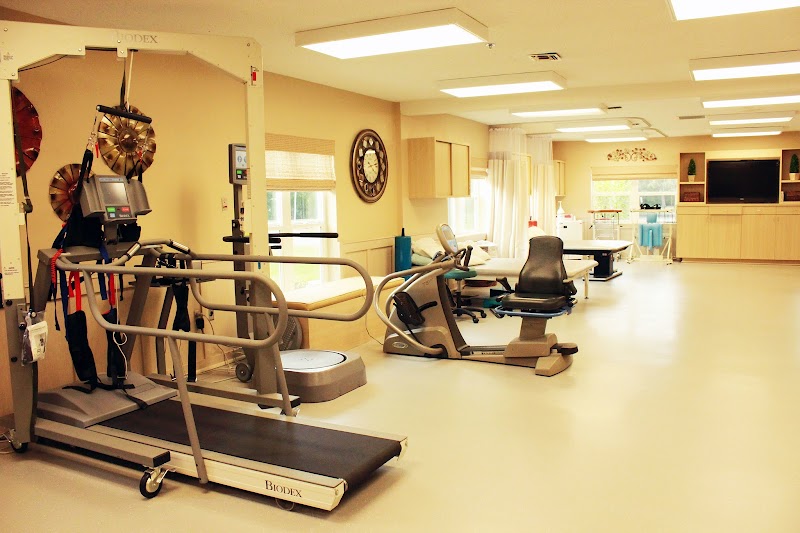
Who Owns and Operates Sunset Lake Healthcare And Rehabilitation Center?

SUNSET LAKE HEALTHCARE AND REHABILITATION CENTER is owned by a for-profit company. For-profit facilities operate as businesses with obligations to shareholders or private owners. The facility is operated by GOLD FL TRUST II, a chain that manages multiple nursing homes. With 120 certified beds and approximately 95 residents (about 79% occupancy), it is a mid-sized facility located in VENICE, Florida.
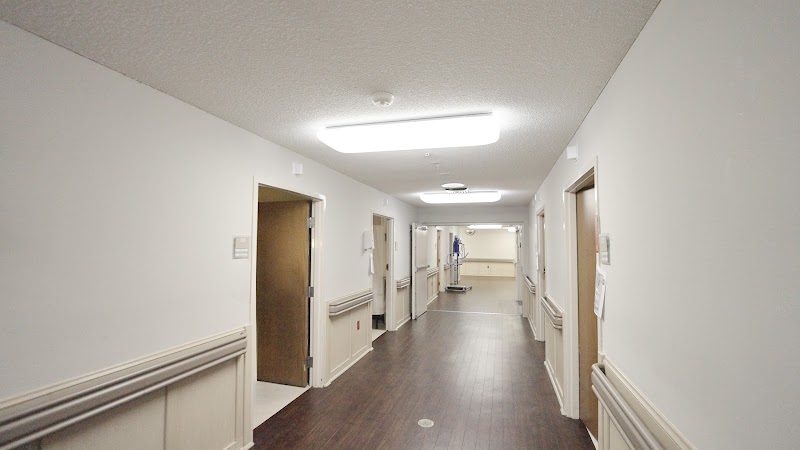
How Does Sunset Lake Healthcare And Rehabilitation Center Compare to Other Florida Nursing Homes?

Compared to the 100 nursing homes in Florida, SUNSET LAKE HEALTHCARE AND REHABILITATION CENTER's overall rating (1 stars) is below the state average of 3.2, staff turnover (70%) is significantly higher than the state average of 46%, and health inspection rating (1 stars) is much below the national benchmark.

What Should Families Ask When Visiting Sunset Lake Healthcare And Rehabilitation Center?

Based on this facility's data, families visiting should ask: "What changes have been made since the serious inspection findings, and how are you preventing similar issues?" "What safeguards and monitoring systems are in place to protect residents from abuse or neglect?" "How do you ensure continuity of care given staff turnover, and what is your staff retention strategy?" "Can you walk me through typical staffing levels on day, evening, and night shifts?" These questions are particularly relevant given the facility's Immediate Jeopardy citations, the substantiated abuse finding on record, the facility's high staff turnover rate, and the below-average staffing rating.

Is Sunset Lake Healthcare And Rehabilitation Center Safe?

Based on CMS inspection data, SUNSET LAKE HEALTHCARE AND REHABILITATION CENTER has documented safety concerns. The facility has 1 substantiated abuse finding (meaning confirmed case of resident harm by staff or other residents). Inspectors have issued 4 Immediate Jeopardy citations (the most serious violation level indicating risk of serious injury or death). The facility is currently on the Special Focus Facility watch list (a federal program monitoring the lowest-performing 1% of nursing homes nationwide). The facility has a 1-star overall rating and ranks #100 of 100 nursing homes in Florida. Families considering this facility should ask detailed questions about what corrective actions have been taken since these incidents.

Do Nurses at Sunset Lake Healthcare And Rehabilitation Center Stick Around?

Staff turnover at SUNSET LAKE HEALTHCARE AND REHABILITATION CENTER is high. At 70%, the facility is 24 percentage points above the Florida average of 46%. Registered Nurse turnover is particularly concerning at 78%. RNs handle complex medical decisions and coordinate care — frequent RN changes can directly impact care quality. High turnover means new staff may not know residents' individual needs, medications, or preferences. It can also be disorienting for residents, especially those with dementia who rely on familiar faces. Families should ask: What is causing the turnover? What retention programs are in place? How do you ensure care continuity during staff transitions?

Was Sunset Lake Healthcare And Rehabilitation Center Ever Fined?

SUNSET LAKE HEALTHCARE AND REHABILITATION CENTER has been fined $365,758 across 2 penalty actions. This is 10.0x the Florida average of $36,736. Fines at this level are uncommon and typically indicate a pattern of serious deficiencies, repeated violations, or failure to correct problems promptly. CMS reserves penalties of this magnitude for facilities that pose significant, documented risk to resident health or safety. Families should request specific documentation of what issues led to these fines and what systemic changes have been implemented.

Is Sunset Lake Healthcare And Rehabilitation Center on Any Federal Watch List?

SUNSET LAKE HEALTHCARE AND REHABILITATION CENTER is currently an SFF Candidate, meaning CMS has identified it as potentially qualifying for the Special Focus Facility watch list. SFF Candidates have a history of serious deficiencies but haven't yet reached the threshold for full SFF designation. The facility is being monitored more closely — if problems continue, it may be added to the official watch list. Families should ask what the facility is doing to address the issues that led to this status.