HIDDEN LAKES SENIOR LIVING COMMUNITY
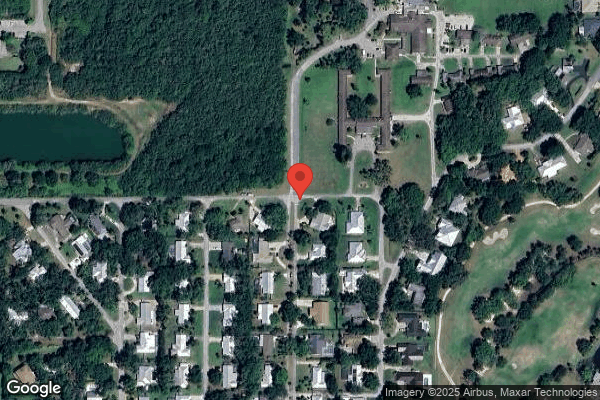

1006 33RD ST, VERO BEACH, FL 32960 (772) 567-5248
For profit - Limited Liability company 24 Beds KR MANAGEMENT Data: November 2025
Trust Grade
65/100
#220 of 690 in FL
Last Inspection: August 2024

Within standard 12-15 month inspection cycle. Federal law requires annual inspections.

Overview

Hidden Lakes Senior Living Community has a Trust Grade of C+, indicating it is slightly above average compared to other facilities. It ranks #220 out of 690 in Florida, placing it in the top half, and #2 out of 6 in Indian River County, suggesting there is only one better local option. The facility is showing improvement, with the number of issues decreasing from 9 in 2023 to 8 in 2024. Staffing is rated 3 out of 5 stars, but the turnover rate of 60% is concerning, as it exceeds the Florida average of 42%. On the positive side, there have been no fines, and the facility boasts more RN coverage than 90% of Florida facilities, which is a significant advantage for resident care. However, there are notable weaknesses, such as deficiencies in infection prevention protocols. For example, the facility failed to properly monitor and respond to COVID-19 outbreaks and did not ensure appropriate precautions for residents with infections, leading to potential health risks. Additionally, there were lapses in communication, as residents and families were not informed promptly about confirmed infections. While the facility has strengths like good RN coverage, families should be aware of these critical issues when considering care options.

Trust Score
C+
65/100
In Florida
#220/690
Top 31%
Safety Record
Low Risk
No red flags
Inspections
Getting Better
9 → 8 violations
Staff Stability
⚠ Watch
60% turnover. Above average. Higher turnover means staff may not know residents' routines.
Penalties
✓ Good
No fines on record. Clean compliance history, better than most Florida facilities.
Skilled Nurses
✓ Good
Each resident gets 87 minutes of Registered Nurse (RN) attention daily — more than 97% of Florida nursing homes. RNs are the most trained staff who catch health problems before they become serious.
Violations
⚠ Watch
21 deficiencies on record. Higher than average. Multiple issues found across inspections.
★★★★☆
4.0
Overall Rating
★★★☆☆
3.0
Staff Levels
★★★★★
5.0
Care Quality
★★★☆☆
3.0
Inspection Score
Stable
2023: 9 issues
2024: 8 issues

The Good

  • 5-Star Quality Measures · Strong clinical quality outcomes
  • Full Sprinkler Coverage · Fire safety systems throughout facility
  • No fines on record

Facility shows strength in quality measures, fire safety.

The Bad

Staff Turnover: 60%

13pts above Florida avg (46%)

Frequent staff changes - ask about care continuity

Chain: KR MANAGEMENT

Part of a multi-facility chain

Ask about local staffing decisions and management

Staff turnover is elevated (60%)

12 points above Florida average of 48%

The Ugly 21 deficiencies on record

Aug 2024 8 deficiencies
CONCERN (D)

Potential for Harm - no one hurt, but risky conditions existed

Safe Environment (Tag F0584)

Could have caused harm · This affected 1 resident

**NOTE- TERMS IN BRACKETS HAVE BEEN EDITED TO PROTECT CONFIDENTIALITY** Based on observation and interview, the facility failed to ensure a clean, comfortable and homelike environment related to dirty...

Read full inspector narrative →
**NOTE- TERMS IN BRACKETS HAVE BEEN EDITED TO PROTECT CONFIDENTIALITY** Based on observation and interview, the facility failed to ensure a clean, comfortable and homelike environment related to dirty carpet in 3 of 18 resident rooms (room [ROOM NUMBER], #9 and #14) and 1 of 24 bedside tables having 1 of 4 bolts missing from the table's surface (room [ROOM NUMBER]). The findings included: During the initial tour of the facility on 08/11/24 at approximately 9:30 AM, the following concerns were observed by the survey team: 1) room [ROOM NUMBER] was missing a large bolt from the bedside table. The carpet had multiple stains. 2) room [ROOM NUMBER] had multiple stains on the carpet. 3) room [ROOM NUMBER] had a large stain on the carpet at the end of the bed. (Photographic evidence obtained) On 08/14/24 at 10:15 AM, the Housekeeping Supervisor was asked about the carpets. She stated the facility was going to rip the carpet out, and she believed the Executive Director had received some quotes for it. She stated the carpet is made up of squares and each one can be individually removed and replaced with a new one. On 08/14/24 at 10:30 AM, an interview and a tour were conducted with the Executive Director. He stated it is his goal to replace the carpet with hard flooring, but he has not started to get any quotes for a new floor. He also stated that each square of carpeting can be removed and replaced with a new carpet piece. During the tour with the Executive Director, he was shown the dirty carpets in Rooms #5, #9 and #14, and the missing bolt from the bedside table in room [ROOM NUMBER]. He confirmed the presence of the dirty carpets and the missing bolt for the bedside table.
CONCERN (D)

Potential for Harm - no one hurt, but risky conditions existed

Assessment Accuracy (Tag F0641)

Could have caused harm · This affected 1 resident

**NOTE- TERMS IN BRACKETS HAVE BEEN EDITED TO PROTECT CONFIDENTIALITY** Based on record review and interview, the facility failed to ensure an accurate Minimum Data Set (MDS) assessment for 1 of 5 sam...

Read full inspector narrative →
**NOTE- TERMS IN BRACKETS HAVE BEEN EDITED TO PROTECT CONFIDENTIALITY** Based on record review and interview, the facility failed to ensure an accurate Minimum Data Set (MDS) assessment for 1 of 5 sampled residents, related to the medication usage of Resident #9. The findings included: Review of the record revealed Resident #9 was admitted to the facility on [DATE]. Review of the current MDS assessment dated [DATE] documented Resident #9 was taking an antidepressant medication during the seven-day look-back period of 05/08/24 through 05/14/24. Review of the corresponding Medication Administration Record (MAR) for the month of May 2024 lacked any provision of an antidepressant. Further review of the May 2024 MAR revealed Resident #9 received the antiplatelet medication Clopidogrel (plavix) 75 milligrams (mg) daily during that timeframe, along with the antianxiety medication Buspirone 5 mg daily. Further review of the MDS lacked the indication that the resident received these two additional categories of medications. During an interview and side-by-side record review on 08/14/24 at 12:59 PM, the MDS Coordinator agreed with the inaccuracy of the MDS.
CONCERN (D)

Potential for Harm - no one hurt, but risky conditions existed

ADL Care (Tag F0677)

Could have caused harm · This affected 1 resident

**NOTE- TERMS IN BRACKETS HAVE BEEN EDITED TO PROTECT CONFIDENTIALITY** Based on observation, interviews, and record review, the facility failed to: a) provide showers per resident schedule and/or res...

Read full inspector narrative →
**NOTE- TERMS IN BRACKETS HAVE BEEN EDITED TO PROTECT CONFIDENTIALITY** Based on observation, interviews, and record review, the facility failed to: a) provide showers per resident schedule and/or resident choice for 3 of 3 sampled residents reviewed for Activities of Daily Living (ADL) care (Resident #122, #72, and #14); and b) provide timely nail care to 1 of 1 sampled residents reviewed for ADL's related to nail care (Resident #122) The findings included: The Activities of Daily Living Policy and Procedure, dated 06/26/22, states: 2. This [procedure] included the facility ensuring that: a. A resident is given the appropriate treatment and services to maintain or improve his or her ability to carry out the activities of daily living, including those specified below: i. Hygiene - bathing, dressing, grooming and oral care . 4. The facility will ensure a resident who is unable to carry out activities of daily living receives the necessary services to maintain good nutrition , grooming, and personal and oral hygiene. 1) During observation and resident interview on 08/11/24 at 10:43 AM, Resident #122 stated she had not had a shower since being admitted , and she would really like a shower. Resident #122's hair appeared oily and her nails were ragged and chipped with a brown substance observed underneath her nails. Also, when leaning close to Resident #122 to better hear her, an unpleasant body odor was detected. On 08/13/24 at 9:42 AM, a Certified Nurse's Aide (CNA) was observed entering the resident's room to provide care to the resident. On 08/13/24 at 10:23 AM, Resident #122 stated she felt better today, as she had just had a bed bath, but she had still not received a shower. Resident #122 again stated, I would really like to have a shower. The resident's nails were still chipped and jagged, with dark discoloration underneath her nails. Record review revealed, Resident #122 was admitted to the facility on [DATE] with diagnoses which included Metabolic Encephalopathy, Congestive Heart Failure, Coronary Artery Disease, Chronic Obstructive Pulmonary Disease, Other Cardiomyopathies, Chronic Pulmonary Edema, Obesity, and Muscle Weakness. Resident went out to the hospital on [DATE] due to the resident exhibiting stroke-like symptoms and returned back to the facility on [DATE]. Resident #122 was assessed at the time of admission and re-admission as having a Brief Initial Mental Status score of 12 out of 15, which in indicated moderately impaired cognition. A review of the shower schedule for Resident #122 showed resident was scheduled to have showers on Monday and Thursdays. A review of the shower book revealed only one bed bath had been given since re-admission on [DATE]; that bed bath was provided on 08/12/24. No showers had been provided to the resident since admission on [DATE]. On 08/13/24 at 10:50 AM, an interview was conducted with Staff B (CNA). She stated, I work as needed, and last Monday I was not scheduled to work in the nursing home. A Resident's shower schedule is either posted on the wall or in the shower book. All showers and bed baths are put in the shower book. It is the Resident's choice as to the time of day they want a shower. If a resident requests a shower on a day that is not scheduled, we will try to arrange a shower on that day. On 08/14/24 at 9:43 AM, during an interview with the Director of Nursing, she stated, Showers and Bed Baths are to be recorded in the shower book. [Resident #122] came back from the hospital on Monday, 08/05/24, so she probably would have missed that shower day, but she should have had a shower on the following Thursday (08/08/24) and last Monday (08/12/24). All residents are able to get a shower whenever they request one. On 08/14/24 at 9:55 AM, the DON confirmed, after reviewing the shower book, that Resident #122 had only received bed baths since admission. When asked why Resident #122 had not received a shower, the DON replied, She is a 2 person assist for showers. She would need 2 aides to be with her during her showers, and we only have 2 aides on the floor. On 08/14/24 at 10:45 AM, the DON informed the surveyor that Resident #122 just had the best shower ever, and her nails have been cleaned and cut. I personally gave the resident her shower. 2) Review of the record revealed Resident #14 was admitted to the facility on [DATE]. Review of the current Minimum Data Set (MDS) assessment dated [DATE] documented the resident had a Brief Interview for Mental Status (BIMS) score of 11, on a 0 to 15 scale, indicating moderate cognitive impairment. This same MDS documented it was somewhat important for the resident to choose between a bath and a shower. During an interview on 08/11/24 at 10:14 AM, when asked if he had been receiving a bath or shower as he would like, Resident #14 stated he had not had a shower, and was not even sure if there was a shower at the facility. When asked if he had been offered a shower or was aware of any shower schedule, the resident stated no to both. When asked if he wanted a shower, Resident #14 explained that he could not stand and was not sure if they would want his wheelchair to get wet, but volunteered, I'd like to get some of this dead skin off. Resident #14 explained because of his lack of showers he had been using extra lotion on his skin, trying to get the dead skin off, while pointing to his bottle of lotion. Review of the shower binder identified at the nurse's station by staff revealed Resident #14 was scheduled for a shower on Tuesday and Friday during the 2 PM to 10 PM shift. This binder contained multiple pages of resident's documented showers or bed baths. Review of these pages revealed a shower was provided on 07/23/24, with bed baths provided on and unknown/not documented date, on 07/31/24, and on 08/06/24. Review of the Certified Nursing Assistant's (CNA's) documentation in the electronic medical record revealed only one shower in the past 30 days, on 07/26/24. The additional five scheduled shower days lacked any documentation for the provision or refusal of showers. During an interview on 08/13/24 at 11:25 AM, when asked about the process for resident showers, the Director of Nursing (DON) pulled the shower binder from the nurse's station and revealed the shower schedule. The DON stated the previous DON started the shower book on her last day at the facility, three weeks ago. The DON explained staff were to document on the form the provision of a shower or bed bath for each resident. The DON stated if a resident refused bathing, the nurse would attempt to encourage the resident. The DON stated if the resident still refused, the form would be signed by the CNA, nurse, and the resident. The DON agreed the forms and system in place did not support effective documentation for the provision of showers. 3) Review of the record revealed Resident #72 was admitted to the facility on [DATE]. Review of the New admission Evaluation dated 08/08/24 documented the resident preferred showers. During an interview on 08/11/24 at 11:02 AM, Resident #72 explained she had been at the facility about three or four days. When asked if staff were helping her with a bath or shower as she would like, the resident stated she hadn't had a bath yet. When asked if she had been given a bed bath, she again stated not yet. When asked about a shower the resident stated, I hope to get one in a day or two. Review of the shower schedule revealed Resident #72 was scheduled for a shower on Monday and Thursday during the 2 PM to 10 PM shift. Review of the shower binder lacked any documented showers. Review of the electronic record lacked any provision of showers. Resident #72 was scheduled for a shower on Monday 08/12/24 during the evening shift. Further review of the electronic record revealed she received a sponge bath on that day and time. The progress notes lacked any documented showers or refusals. During the continued interview and side-by-side record review on 08/13/24 at 11:25 AM, the DON agreed with the concern.
CONCERN (D)

Potential for Harm - no one hurt, but risky conditions existed

Drug Regimen Review (Tag F0756)

Could have caused harm · This affected 1 resident

**NOTE- TERMS IN BRACKETS HAVE BEEN EDITED TO PROTECT CONFIDENTIALITY** Based on record review, documented monthly pharmacy reviews, and interviews, the consultant pharmacist failed to identify the la...

Read full inspector narrative →
**NOTE- TERMS IN BRACKETS HAVE BEEN EDITED TO PROTECT CONFIDENTIALITY** Based on record review, documented monthly pharmacy reviews, and interviews, the consultant pharmacist failed to identify the lack of behavior monitoring for 1 of 5 sampled residents reviewed for unnecessary medications (Resident #9). The findings included: Review of the record revealed Resident #9 was admitted to the facility on [DATE]. Review of the orders revealed the resident had been on the anti-anxiety medication Buspirone since 02/16/24, and the anti-psychotic medication Haloperidol since 02/05/24. Review of the record lacked any behavior monitoring for these medications. (Refer to F757 for details). The anti-anxiety medication Ativan had been added to the resident's regimen as of 07/28/24. Review of the monthly pharmacy recommendations from February 2024 through July 2024 lacked any recommendation related to the lack of behavior monitoring. During a phone interview on 08/14/24 at 3:05 PM, the consultant pharmacist was unable to review his records, but would check later. The consultant pharmacist was told of the concerns related to the lack of behavior monitoring for Resident #9 and was asked to provide any recommendations or information to the Director of Nursing. As of the exit conference, no additional information had been provided.
CONCERN (D)

Potential for Harm - no one hurt, but risky conditions existed

Deficiency F0757 (Tag F0757)

Could have caused harm · This affected 1 resident

**NOTE- TERMS IN BRACKETS HAVE BEEN EDITED TO PROTECT CONFIDENTIALITY** Based on record review and interview, the facility failed to ensure adequate monitoring of medications for 2 of 6 sampled reside...

Read full inspector narrative →
**NOTE- TERMS IN BRACKETS HAVE BEEN EDITED TO PROTECT CONFIDENTIALITY** Based on record review and interview, the facility failed to ensure adequate monitoring of medications for 2 of 6 sampled residents. The facility failed to ensure behavior monitoring for psychotropic medication use for Resident #9, and failed to ensure appropriate antibiotic use for Resident #14. The findings included: 1) Review of the record revealed Resident #9 was admitted to the facility on [DATE], with a diagnosis of Schizophrenia. Review of the orders revealed the resident had been on the anti-psychotic medication Haloperidol since 02/05/24, and the anti-anxiety medication Buspirone since 02/16/24. The anti-anxiety medication Ativan had been added to the resident's regimen as of 07/28/24. Review of the current care plan initiated on 02/06/24 and revised 07/02/24 documented, I have anxious/restless behavior as evident by calling out for help loudly without a need. Resident has a history of providing false information to family and staff for attention seeking purposes. Review of the monthly Medication Administration Records (MARs) from February 2024 through August 2024, along with the progress notes, lacked any documented behavior monitoring for Resident #9. During an interview on 08/14/24 at 11:25 PM, the new Director of Nursing (DON), as of three weeks prior to the survey, was asked about the lack of behavior monitoring for Resident #9. The DON stated it was part of the documentation in the eMAR. When shown the lack of documentation of behavior monitoring for Resident #9, the DON was unsure and referred the question to the MDS (Minimum Data Set) Coordinator. During an interview on 08/14/24 at 12:59 PM, when asked how staff document behavior monitoring at the facility, the MDS Coordinator explained it was part of a batch order set used when a resident was admitted or readmitted , which allowed the nurse to document behaviors on the eMAR. The MDS Coordinator stated the order set may have fallen off during one of the resident's readmissions and no one caught it. 2) Review of the record revealed Resident #14 was admitted to the facility on [DATE] with an indwelling urinary catheter. Further review revealed an order for a urinalysis to be completed on 07/29/24. An order for Cipro (an antibiotic) was written to begin on 07/30/24, to give 500 milligrams (mg) every 12 hours for 14 days. Review of the urinalysis along with the culture and sensitivity, that was collected on 07/29/24 and reported to the facility on [DATE], revealed Resident #14 did have a urinary tract infection (UTI). Further review of the culture revealed the antibiotic Cipro was resistant to the organism, and thus was not appropriate as the treatment for this UTI. Review of the corresponding Medication Administration Records (MARs) revealed Resident #14 was administered the Cipro starting on 07/30/24 at 8:00 AM, twice daily through 08/11/24, thus receiving 22 extra doses of the antibiotic after having been determined to be resistant, or ineffective, as per the laboratory results During an interview on 08/13/24 at 1:38 PM, when asked about the failure to stop the Cipro on 07/31/24, upon receipt of the culture documenting the Cipro was resistant to the organism, the Administrator, who was also a Registered Nurse stated apparently no one looked at the culture and noticed the Cipro was resistant.
CONCERN (D)

Potential for Harm - no one hurt, but risky conditions existed

Laboratory Services (Tag F0770)

Could have caused harm · This affected 1 resident

**NOTE- TERMS IN BRACKETS HAVE BEEN EDITED TO PROTECT CONFIDENTIALITY** Based on record review and interview, the facility failed to complete physician ordered laboratory services timely for 2 of 5 sa...

Read full inspector narrative →
**NOTE- TERMS IN BRACKETS HAVE BEEN EDITED TO PROTECT CONFIDENTIALITY** Based on record review and interview, the facility failed to complete physician ordered laboratory services timely for 2 of 5 sampled residents reviewed for unnecessary medications (Resident #9 and #72). The findings included: 1) Review of the record revealed Resident #9 was admitted to the facility on [DATE]. Review of the orders revealed the need for a CBC (Complete Blood Count) and CMP (Comprehensive Metabolic Panel) to be drawn on 07/22/24. The record lacked any results for these labs. During an interview on 08/14/24 at 12:36 PM, the Director of Nursing (DON) was asked to locate and provide the CBC and CMP results from 07/22/24. The DON was unable to do so. The DON looked on the laboratory's website and found that four other residents had labs drawn on 07/22/24, and one on 07/23/24, but was unable to locate any for Resident #9. The DON reviewed the laboratory service binder and could not find any requisition page for 07/22/24 or 07/23/24, thus was unable to determine why the labs were not drawn as per order. 2) Review of the record revealed Resident #72 was admitted to the facility on [DATE]. Further review revealed an order dated 08/07/24 for a urinalysis with a culture and sensitivity to be completed. A second order dated 08/07/24 documented a CBC (complete blood count) and CMP (comprehensive metabolic panel) was to be drawn on 08/09/24. The electronic record lacked any results for either of these orders. The progress notes lacked any reason the orders were not completed. During an interview on 08/13/24 at 11:25 AM, when asked about laboratory results, the Director of Nursing (DON) stated they had been having issues with the results not automatically integrating into their electronic record, so they had been scanning the results into the record manually. The DON was asked about the ordered labs for Resident #72, and upon searching on the laboratory services website, the DON found the CBC and CMP was completed on 08/12/24, three days after the ordered date, but was unable to locate any results for the urinalysis. The DON looked in the laboratory binder and could not find any requisition for the urinalysis. During the interview Staff C, Registered Nurse (RN) joined the conversation. When asked the reason for the urinalysis, the RN stated for her behaviors. When asked if she knew why the urinalysis was not completed, the RN stated she did not know, but if the sample wasn't labeled correctly or was too old when the laboratory services arrived, it would be thrown out.
CONCERN (D)

Potential for Harm - no one hurt, but risky conditions existed

Infection Control (Tag F0880)

Could have caused harm · This affected 1 resident

Based on observation, interview and policy review, the facility failed to implement Enhanced Barrier Precautions (EBP) for 1 of 1 sampled resident with an indwelling catheter (Resident #14). The find...

Read full inspector narrative →
Based on observation, interview and policy review, the facility failed to implement Enhanced Barrier Precautions (EBP) for 1 of 1 sampled resident with an indwelling catheter (Resident #14). The findings included: The policy titled Enhanced Barrier Precautions and implemented 04/01/2024 documents in part: Enhanced Barrier Precautions (EBP) refers to an infection control intervention designed to reduce transmission of multidrug-resistant organisms that employs targeted gown and gloves use during high contact resident care activities. Policy Explanation and Compliance Guidelines: a. All staff receive training on enhanced barrier precautions upon hire and at least annually and are expected to comply with all designated precaution. 9. Enhanced Barrier Precautions should be used for the duration of the affected resident's stay in the facility or until resolution of the wound or discontinuation of the indwelling medical device that places them at high risk. On 05/18/24, Resident #14 was admitted to the facility with diagnosis to include: Urinary Tract Infection, Cerebrovascular Disease, Hypotension, Dementia, and Gout. Resident #14 has a BIMS (Brief Interview for Mental Status) of 11, which indicates moderately impaired mental status. The resident had an indwelling urinary catheter present. On 08/11/24 at 10:24 AM, Resident #14's room was observed; no EBP sign was noted on the door and no gowns were available. Resident #14 has a urinary catheter due to obstructive uropathy. During an interview with Resident #14, he stated that the staff wear gloves but they don't wear gowns during care. On 08/12/24 at 12:27 PM, Staff A, a CNA (Certified Nursing Assistant) was observed donning a gown to deliver a meal tray. The EBP sign was noted on the door with a contact isolation sign also on the door. She was asked why she had donned the gown, and she replied, They told me to put on a gown since I was opening an item on [Resident #14] meal tray. On 08/13/24 at 10:01 AM, Staff B, a CNA, performed urinary catheter care and peri-care on Resident #14. The CNA donned gloves and a gown. The resident asked, I wonder when they will be taking the sign off my door. Staff B replied I think your last one [antibiotic] was yesterday or it may be today, but I just wanted to be on the safe side. On 08/13/24 at 10:50 AM, Staff B was asked why she had worn a gown during the care. She stated that the overnight nurse told her the antibiotic for his ESBL (Extended Spectrum Beta-Lactamase) was up yesterday, and today's nurse said she thought that it was up today, so I used the gown to be safe. When shown and asked about the EBP sign, the CNA read it over and stated, I guess I need to wear the gown. The CNA stated she did not know about the EBP or the need to wear PPE (Personal Protection Equipment) for a resident with a urinary catheter. Staff B further added, I don't think he had that sign or PPE when I worked last time, and he had the Foley. On 08/13/24 at 9:30 AM, Staff C, an RN (Registered Nurse), was interviewed. She was asked why the PPE (Personal Protective Equipment) was on the door for Resident #14. She stated the precautions were for the ESBL in his urine. When shown the sign for EBP, the RN was unaware of the use of PPE during care. The RN stated that prior to his contact precautions, Resident #14 had not been on any type of precaution. Review of the chart revealed no ESBL in the urine and no indication for contact isolation. No order was found for Enhanced Barrier Precautions for Resident #14 and his indwelling urinary catheter. On 08/14/24 at 10:43 AM, the DON (Director of Nursing) was interviewed about the EBP and how the staff is made aware of the precautions for the residents. She stated the last update for the staff on EBP precautions was on 02/14/24. A new policy was initiated on 04/01/24 for EBP. She states no in-services were completed with staff following the implementation of the new policy which includes EBP for urinary catheters.
MINOR (C)

Minor Issue - procedural, no safety impact

Menu Adequacy (Tag F0803)

Minor procedural issue · This affected most or all residents

Based on observation, interview, and record review, the facility failed to ensure an accurate and current menu was posted for residents who eat their meals at the facility. The findings included: On 0...

Read full inspector narrative →
Based on observation, interview, and record review, the facility failed to ensure an accurate and current menu was posted for residents who eat their meals at the facility. The findings included: On 08/11/24 (Sunday) at 9:00 AM, it was observed that the daily menu posted on the wall at the entrance to the dining room was labeled as being the menu for Monday. This menu documented that the lunch meal to be provided on this day was Cracker Crumb Cod, Potato Wedges, Broccoli, Roll, and Brownie, with the alternate meal being Chili with Beans and Baked Potato. During the meal observation at 08/11/24 at 12:10 PM, the main entree served to the residents was Turkey Shepherd's Pie (Ground Turkey, mashed potatoes, peas/corn/carrots), Dinner Roll, and Cheesecake. The only other meal observed being served at this time was an always available grilled cheese sandwich, tomato soup, and fresh fruit. Observation of a weekly menu posted on the bulletin board in the dining room showed the menu was for Week 1, which included the dates of 08/20/24 - 08/26/24. A search through all the weekly menus posted on the bulletin board did not contain a menu for any dates prior to 08/20/24. While looking at the menus, the surveyor was approached by the significant other of Resident #2 who stated, If you can understand the logic of those menus posted, you are a better person than I am. That daily menu posted on the outside of the dining room has been there since last Monday. It would be nice to know what's being served. An interview conducted with the Certified Dietary Manager on 08/14/24 at 10:08 AM revealed that she had been on vacation and this was her first day back. It seems the daily menus were not changed in my absence. I changed the menu this morning. She also stated that the weekly menus posted on the bulletin board in the dining room should have indicated the menu for Week 5, not Week 1.
Sept 2023 2 deficiencies
CONCERN (D) 📢 Someone Reported This

A family member, employee, or ombudsman was alarmed enough to file a formal complaint

Potential for Harm - no one hurt, but risky conditions existed

Deficiency F0883 (Tag F0883)

Could have caused harm · This affected 1 resident

**NOTE- TERMS IN BRACKETS HAVE BEEN EDITED TO PROTECT CONFIDENTIALITY** Based on clinical and administrative record review and staff interview, the facility failed to ensure the clinical record provid...

Read full inspector narrative →
**NOTE- TERMS IN BRACKETS HAVE BEEN EDITED TO PROTECT CONFIDENTIALITY** Based on clinical and administrative record review and staff interview, the facility failed to ensure the clinical record provided documentation or evidence that each resident is offered a pneumococcal immunization, unless the immunization is medically contraindicated or the resident has already been immunized; that the resident or resident's representative was provided education regarding the benefits and potential side effects of pneumococcal immunization; and that the resident either received the pneumococcal immunization or did not receive the pneumococcal immunization due to medical contraindication or refusal. This failure is evidenced by the review of 5 residents for immunizations history revealed that the facility failed to provide evidence of offering the pneumococcal vaccine to 3 of 5 residents reviewed (Resident #4, #11, #12) and failed to provide evidence of vaccinating 1 of the 2 remaining residents reviewed, when the resident consented to receive the pneumococcal vaccine (Resident #10). The finding included: The facility's policy Infection Control - Influenza and Pneumococcal Immunization for Residents, date 06/08/22, documented regarding Pneumococcal Immunization: 1. Before offering the pneumococcal immunization, each resident and or resident representative receives education regarding the benefits and potential side effects of the immunization. 2. Each resident is offered pneumococcal immunization, unless the immunization is medically contraindicated, or the resident has already been immunized; 3. The resident and/or resident representative has the opportunity to refuse immunization; and 4. The resident's medical record includes documentation that indicates, at a minimum, the following: i. That the resident or resident representative was provided education regarding the benefits and potential side effects of pneumococcal immunization; and ii. That the resident either received the pneumococcal immunization or did not receive the pneumococcal immunization due to medication contraindication or refusal. 5. Pneumococcal immunization will be offered in accordance with most updated CDC immunization algorithm. 1) Review of the clinical record on 09/26/23 for Resident #4 revealed that the resident was admitted to the facility on [DATE]. Further review of the clinical record did not reveal evidence that the resident or her representative was provided education and/or was offered the pneumococcal vaccine. 2) Review of the clinical record on 09/26/23 for Resident #12 revealed that the resident was admitted to the facility on [DATE]. Further review of the clinical record did not reveal evidence that the resident or her representative was provided education and/or was offered the pneumococcal vaccine. 3) Review of the clinical record on 09/26/23 for Resident #11 revealed that the resident was admitted to the facility on [DATE]. Further review of the clinical record did not reveal evidence that the resident or her representative was provided education and/or was offered the pneumococcal vaccine. An interview was conducted on 09/26/23 in the afternoon with the Director of Nursing, who confirmed that the clinical record did not provide evidence that the residents had been offered the pneumococcal vaccine. 4) Review of the clinical record on 09/26/23 for Resident #10 revealed that the resident was admitted to the facility on [DATE]. Further review of the clinical record revealed a Pneumococcal Polysaccharide Vaccine (PPSV23) informed consent signed by the resident on 02/07/22. Additional review of the clinical record failed to provide evidence that the resident was administered the vaccine. An interview was conducted on 09/27/23 in the afternoon with the Director of Nursing. She confirmed the current clinical record did not provide evidence that the resident was administered the vaccine. She will investigate further and inform the surveyor if located. At the time of this writing, no further evidence was provided to indicate that the resident was administered the vaccine.
CONCERN (E) 📢 Someone Reported This

A family member, employee, or ombudsman was alarmed enough to file a formal complaint

Potential for Harm - no one hurt, but risky conditions existed

Infection Control (Tag F0880)

Could have caused harm · This affected multiple residents

**NOTE- TERMS IN BRACKETS HAVE BEEN EDITED TO PROTECT CONFIDENTIALITY** Based on clinical and administrative record review and interviews, the facility failed to maintain an infection prevention and c...

Read full inspector narrative →
**NOTE- TERMS IN BRACKETS HAVE BEEN EDITED TO PROTECT CONFIDENTIALITY** Based on clinical and administrative record review and interviews, the facility failed to maintain an infection prevention and control program designed to provide a safe, sanitary and comfortable environment and to help prevent the development and transmission of communicable diseases and infections. This is evidenced by the facility failure to follow the established protocols and policy and procedure regarding COVID outbreak testing and follow-up. The findings included: Review of the facility's policy regarding Infection Outbreak Response and Investigation, Date Implemented [DATE] and Date Reviewed/Revised [DATE] documented, Outbreak Investigation: a. When the existence of an outbreak has been established, an investigation will begin. b. The Infection Preventionist will be responsible for coordinating all activities. c. A case definition will be developed in order to identify other staff and residents who may be affected. or ability to identify all close contacts, the facility should instead investigate the outbreak at the facility-wide or group-level. Broader approaches to testing may be required if the facility is directed by the jurisdiction's public health authority, or in situations where all potential contacts are unable to be identified, are too numerous to manage or when contact tracing fails to halt transmission. Contact tracing or broad-based testing is recommended immediately (but not earlier than 24 hours after the exposure) and, if negative, again 48 hours after the first negative test and, if negative, again 48 hours after the second negative test. (this will typically be at day 1 ( where day of exposure is day 0), day 3 and day 5). Review of the facility's records revealed that the facility had 5 (five) residents (Resident # 1, # 2, # 3, # 4, # 5) who tested positive for COVID on [DATE]; one staff in Activities tested positive for COVID on [DATE]; two more residents tested positive on [DATE] (Resident # 6 and # 7); one additional resident tested positive for COVID on [DATE], Resident # 8. The surveyor requested the facility records for outbreak testing of residents and staff. An interview was conducted on [DATE] at approximately 3:00 PM with the Director of Nursing (DON). The DON reported that the facility only tested those individuals who exhibited symptoms. She further stated that COVID is not transmitted if you don't have symptoms. She further expressed that they no longer have to conduct mass testing. The surveyor further inquired about the testing done regarding those individuals identified as exposed to COVID positive residents or staff. She again stated that the facility only tested those individuals who exhibited symptoms. The surveyor reviewed with the DON on [DATE] the CDC recommendations. The Centers for Disease Control (CDC) Overview of Testing for SARS-CoV-2, the virus that causes COVID-19 documented: Testing asymptomatic people who have had recent known or suspected exposure to SARS-CoV-2 Viral Testing is recommended for individuals who have been exposed to someone with COVID-19. People who have had an exposure to someone known or suspected of having COVID-19 should be tested at least 5 days after the exposure. If symptoms develop before 5 days, they should get tested immediately. Testing people who have recently tested positive, and recovered from COVID-19 If someone has had exposure to someone with COVID-19 and is asymptomatic, but has had COVID-19 within the past 30 days*, testing to identify a new infection is generally not recommended. If someone has become newly symptomatic after having had COVID-19 within the past 30 days*, antigen tests should be used to identify a new infection. If they test negative, they should repeat the antigen test following FDA recommendations. The FDA recommends repeat testing following a negative result whether or not you have COVID-19 symptoms. If you receive a negative result, the test did not detect the SARS-CoV-2 virus at the time of that test. If you have COVID-19 symptoms, test again 48 hours after the first negative test, for a total of at least two tests. If you get a negative result on the second test and you are concerned that you could have COVID-19, you may choose to test again 48 hours after the second test, consider getting a laboratory molecular-based test, or call your health care provider. If you do not have COVID-19 symptoms and believe you have been exposed to COVID-19, test again 48 hours after the first negative test, then 48 hours after the second negative test, for a total of at least three tests. If you get a negative result on the second test, test again 48 hours after the second test. If you get a negative result on the third test and you are concerned that you could have COVID-19, you may choose to test again using an antigen test, consider getting a laboratory molecular-based test, or call your health care provider. If someone had exposure to another person with COVID-19, but the exposed individual has had COVID-19 within the past 31-90 days*, consider using antigen tests (rather than an NAAT, such as a PCR test) to identify a new infection. They should get tested at least 5 full days after their exposure. If they test negative with an antigen test, they should repeat the antigen test following FDA recommendations. *The clock starts from the day the person is tested (not the day they received their positive test result) or their original onset of symptoms, whichever came first. An interview was conducted on [DATE] at 11:30 AM with the Public Health Preparedness Coordinator for the county's health department. The surveyor initially questioned her generally regarding outbreak testing. She explained about the recent rule changes regarding routine testing previously done in facilities had expired. However in outbreak testing, the facilities are to perform contact tracing and test individuals who were exposed to the COVID positive person. It is also recommended that repeat testing is done 5 days later. The surveyor then questioned her about the practice of testing only if symptomatic. Symptomatic individuals are to be tested immediately. Asymptomatic individuals are to be tested if they have been exposed to the COVID positive person. If the exposed person is negative, then it is recommended that the test is repeated on day 5. The surveyor also inquired about the asymptomatic people's ability of being COVID positive and transmitting the virus to others. She confirmed that there is still the possibility of COVID positive individuals not exhibiting symptoms but could still have the ability to transmit the virus to others. She expressed that the probability is less than a symptomatic positive person but there it is still possible. Thus she emphasize individuals utilizing the practice of universal precautions. The surveyor then specifically asked her regarding the facility. She confirmed receiving the line listing of individuals who tested positive and she was contacted by the Director of Nursing. The facility also had another outbreak in May and one resident expired. Further review of the facility follow-up revealed that Resident # 3 shared a room with Resident # 9, who was admitted to the facility on [DATE] with a diagnosis of Acute Respiratory Failure. There was no testing documented in the clinical record for the resident. However, interview with the Director of Nursing on [DATE] in the afternoon, revealed that the facility tested the resident on [DATE] the results of that test was negative. The facility then moved the resident to another room. However, the facility did not conduct any repeat COVID testing of this resident. Additionally, Resident # 8, who tested positive on [DATE] shared a room with Resident # 10. There was no testing documented in the clinical record for the resident. However, interview with the Director of Nursing on [DATE] in the afternoon, revealed that the facility tested the resident on [DATE], the results of that test was negative. The facility again moved the resident to another room. Again the facility did not perform any repeat COVID testing on Resident # 10. Furthermore, review of the staff testing, revealed that the facility tested on e staff because she exhibited symptoms. The surveyor requested the facility's investigation and contact tracing from the [DATE] outbreak. The facility investigation yielded that the spouse of Resident # 1 visited and exhibited symptoms and tested positive on [DATE]. Resident # 1 was symptomatic with positive test on [DATE]. Resident # 1 and Resident # 2 shared a room (room [ROOM NUMBER]) and attended therapy five (5) times a week in the room and in the wellness center and was on Certified Nursing Assistant Assignment 3. Resident # 2 also tested positive on [DATE]. Resident # 3 (room [ROOM NUMBER]) also attended therapy 5 times a week in the room and in the wellness center. The resident was on CNA assignment 1. Resident # 4 and Resident # 5 shared a room (room [ROOM NUMBER]) and participated in therapy 5 times a week in the room and in the wellness center. The residents were also on CNA assignment 1. Both residents were symptomatic and tested positive on [DATE]. Two more residents Residents # 6 and # 7, who shared a room (room [ROOM NUMBER]) and participated in therapy 5 times a week in the room, were symptomatic and tested positive on [DATE]. The residents were on CNA assignment 1. Resident # 8 (room [ROOM NUMBER]) was symptomatic, tested positive on [DATE]. The resident was on CNA assignment 1. The facility identified 18 staff through contact tracing who were exposed to COVID positive residents (8 Licensed Staff, 7 Certified Nursing Assistant; 3 contract therapy staff) . One staff (Activities) was tested. This staff exhibited symptoms and tested positive on [DATE]. Several staff test themselves on their own because the facility did not offer testing. Additionally, the facility did not perform repeat testing of residents who initially tested negative or offered the staff who self-tested a repeat test as recommended. An interview was conducted with the Director of Nursing on [DATE] at 2:00 PM. She confirmed that the facility did not test the 18 staff identified through contact tracing. The DON also reported the following information regarding the Therapy staff: The full time Physical Therapist tested herself on [DATE] and reported a negative test. The staff did not report experiencing symptoms. This test was not reported, nor did the staff retest. The part-time Occupational Therapist did not test. The DON reported that the therapist had a recent positive COVID test from another facility's identified outbreak. She was uncertain about the time frame of the previous positive COVID test. Another therapist was pregnant and tested herself on [DATE]. She did not exhibit symptoms and the test results were not reported. The staff did not retest as recommended. The facility failed to follow their policy and procedure and the CDC recommendations regarding testing during an outbreak, exposing the residents and staff.
May 2023 7 deficiencies
CONCERN (D)

Potential for Harm - no one hurt, but risky conditions existed

Comprehensive Care Plan (Tag F0656)

Could have caused harm · This affected 1 resident

**NOTE- TERMS IN BRACKETS HAVE BEEN EDITED TO PROTECT CONFIDENTIALITY** Based on record review and interviews, the facility failed to implement and develop individualized care plans for 3 of 10 sample...

Read full inspector narrative →
**NOTE- TERMS IN BRACKETS HAVE BEEN EDITED TO PROTECT CONFIDENTIALITY** Based on record review and interviews, the facility failed to implement and develop individualized care plans for 3 of 10 sampled residents. Specifically,related to nutrition for Resident # 1 and Resident #7, pressure ulcers for Resident #1 and Hospice Services for Resident #13. The findings included: 1) Record review for Resident #1 revealed the resident was admitted to the facility on [DATE] with a diagnosis to include Failure to Thrive, Alzheimer's Disease, Dysphagia, and Acute Kidney Disease. A review of the MDS (Minimum Data Set) 5 Day assessment dated [DATE], documented the resident's BIMS (Brief Interview Mental Status) score was 00, which means she was not able to be interviewed due to her cognition being low. Resident #1 had a significant amount of weight loss and facility acquired pressure ulcers. A review of Resident #1's revealed no care plan for weight loss and interventions for weight loss. A continued review of Resident #1's medical records for pressure ulcers reveal she is currently being treated for multiple wounds that include unstageable wound to coccyx, a stage 4 pressure ulcer to the left heel and a wound to the sacrum. A review of the physician's orders documented an order for an air mattress, heel protectors and wound care consult. Further review of the physician's orders document wound intervention and supplements. A review of the resident's care plans revealed there was no care plan that documented wound care, or interventions. 2) During a record review of Resident #7 revealed the resident was admitted to the facility on [DATE] with a diagnosis to include Alzheimer's Disease, Muscle Wasting and Atrophy, Dysphagia, Cerebrovascular Disease, Unspecified Protein-Calorie Malnutrition, Chronic Kidney Disease and Muscle Weakness. A review of the Quarterly MDS (Minimum Data Set) assessment dated [DATE] documented the resident's BIMS (Brief Interview Mental Status) score is a 10, which means her cognition is moderately impaired. Resident #7 had a significant amount of weight loss. A review of the resident's care plan revealed there is not a care plan documenting weight loss and weight loss interventions. During an interview on 05/18/23 at 9:32 AM with MDS Coordinator, she was asked how she knows if there has been a change in resident's care and to update the care plan she stated, I come in everyday I check on the PCC dashboard (it has the census listing of discharges, admissions, payor changes,) section of new orders of antibiotics, and psychotropics and I pull an order report for the past 24 hours. She was then asked if she could review Resident #1 and Resident #7's care plans and show the surveyor their care plan for weight loss and Resident #1's pressure ulcer care plan. She stated that Resident #1 has a care plan for impairment of skin integrity, but acknowledges it does not mention anything about pressure ulcers and that both have a basic care plan for nutrition. She acknowledged there was no care plan for weight loss. She stated she has only been here at the facility for two months and is still going through care plans. 3) Review of the record revealed Resident #13 was admitted to the facility on [DATE], and readmitted on [DATE] under Hospice services at the facility, after a hospitalization. Review of the orders and Hospice paperwork confirmed the admission to Hospice services. Review of the current Minimum Data Set (MDS) assessment dated [DATE], for a significant change, documented Resident #13 had a terminal diagnosis and was on Hospice services. Further review of the record lacked any care plan for or that incorporated the Hospice services. During an interview on 05/18/23 at 12:03 PM, the MDS Coordinator agreed with the lack of a care plan related to Hospice services for Resident #13.
CONCERN (D)

Potential for Harm - no one hurt, but risky conditions existed

Quality of Care (Tag F0684)

Could have caused harm · This affected 1 resident

**NOTE- TERMS IN BRACKETS HAVE BEEN EDITED TO PROTECT CONFIDENTIALITY** Based on observation, record review, and interview, the facility failed to ensure appropriate care and services for 2 of 10 samp...

Read full inspector narrative →
**NOTE- TERMS IN BRACKETS HAVE BEEN EDITED TO PROTECT CONFIDENTIALITY** Based on observation, record review, and interview, the facility failed to ensure appropriate care and services for 2 of 10 sampled residents. Coordination between Hospice and facility nurses related to the suprapubic catheter of Resident #13 was not maintained. Facility nurses failed to notify the physician of a hypertension (increased blood pressure) medication being held two days in a row for Resident #8. The findings included: 1) During an observation and interview on 05/16/23 at 10:06 AM, Resident #13 was lying in bed, holding onto the tubing of his suprapubic catheter (urinary draining device) and stated, Can you look at this? The area on his abdomen lacked any type of dressing, and the skin around the tubing was reddened with dried scabbing around the insertion site. Review of the record revealed Resident #13 was admitted to the facility on [DATE], and readmitted on [DATE], after hospitalization. Review of the paper record documented an order dated 04/28/23 to cleanse the suprapubic catheter site with normal saline, apply Cleocin cream, and cover with a dry dressing twice daily. Review of the electronic medical record revealed this order was discontinued on 04/29/23. Review of the current care plans initiated on 01/17/23 documented Resident #13 needed physical assistance by staff for toileting. These care plans also included that Resident #13 had an indwelling suprapubic catheter, but lacked any type of documented care. During an interview on 05/16/23 at 11:15 AM, the facility's Nurse Practitioner was asked about the care to the suprapubic catheter. The Nurse Practitioner stated she recalled Hospice had recommended the Cleocin Cream or gel for use. When asked if she knew why the Cleocin was not provided and discontinued from the orders, the Nurse Practitioner was unsure, and stated she did not recall it being discontinued. During an interview on 05/16/23 at 11:19 AM, Staff D, Registered Nurse (RN), was asked when or if the Cleocin cream was being applied to the suprapubic site of Resident #13. The RN stated that care was done by the Hospice nurse. Staff D further stated the facility nurses check the dressing and do it as well. The RN stated the Certified Nursing Assistant (CNA) just told her there was no dressing that morning, and that she will check it. The RN found Cleocin gel in the treatment cart (Photographic Evidence Obtained). Review of the medication label documented the gel was to be applied twice daily. When asked how often the Hospice nurse comes to the facility, the RN was unsure. The record lacked any documented evidence of the provision of Cleocin gel. During an interview on 05/16/23 at 3:08 PM, when asked what care was being provided to the suprapubic catheter of Resident #13, Staff E, Licensed Practical Nurse (LPN) and the resident's usual evening nurse, explained she just looks at it to ensure a dressing is in place with no drainage or obvious problems. The LPN volunteered that a couple of weeks ago they had a cream ordered, but the ordered care just disappeared from the electronic medical record (EMR). The LPN explained that then a gel showed up, but it never got put into the EMR. The LPN stated she never followed up on the noted gel. 2) During a medication pass observation on 05/16/23 at 8:43 AM, Staff D, Registered Nurse (RN), held the blood pressure medication Cozaar, stating Resident #8's blood pressure was too low with a reading of 97/58 and heart rate of 57. Review of the record on 05/17/23 revealed the Cozaar was again held that same morning by the same nurse for a blood pressure reading of 102/48 and heart rate of 58. The order lacked any hold parameters. Further review of the record lacked any communication with the physician related to the low blood pressure and heart rate, or the holding of the medication on both days. During an interview on 05/18/23 at 1:31 PM, the facility's Nurse Practitioner confirmed Resident #8 was on the medication Cozaar for hypertension (high blood pressure). When asked if she had been told it had been held the past two days, the Nurse Practitioner stated not that she recalled, but agreed the nurses should have let her know. The Nurse Practitioner stated she would look into his medications to see if changes needed to be made.
CONCERN (D)

Potential for Harm - no one hurt, but risky conditions existed

Pressure Ulcer Prevention (Tag F0686)

Could have caused harm · This affected 1 resident

**NOTE- TERMS IN BRACKETS HAVE BEEN EDITED TO PROTECT CONFIDENTIALITY** Based on observation, record review, and interview, the facility failed to ensure the provision of wound care was rendered, as p...

Read full inspector narrative →
**NOTE- TERMS IN BRACKETS HAVE BEEN EDITED TO PROTECT CONFIDENTIALITY** Based on observation, record review, and interview, the facility failed to ensure the provision of wound care was rendered, as per ordered, and failed to ensure coordination of care between the wound care physician and facility nurses for 1 of 1 sampled residents (Resident #1). The findings included: Review of the record revealed Resident #1 was admitted to the facility on [DATE], and developed pressure wounds to the coccyx and left heel on or about 04/18/23. During a wound care observation on 05/16/23 at 12:04 PM, the wound care physician debrided the wounds, stating the wounds to the coccyx had deteriorated. The physician stated, Be sure the air mattress is functioning because the last time it deteriorated there was a problem with the specialty air mattress. Wound care notes for Resident #1 all documented the order and use of the specialty air mattress. On 05/16/23 at 12:43 PM, Staff F, Licensed Practical Nurse (LPN) and nurse who usually rounded with the wound care physician, upon gathering her supplies stated that the wound care had changed with this physician visit, compared to what was currently in the electronic medical record (EMR). The LPN provided wound care to the left heel that included the use of Santyl (a debriding ointment) to the wound bed, triple antibiotic ointment around the wound, gauze for cushioning and a Kerlix wrap. The LPN provided wound care to the coccyx that included the use of Santyl to the wound bed, a packing of gauze soaked in a Dakins (an antiseptic for cleaning infected wounds) solution, and Allyvn (a foam dressing) for coverage. The LPN then looked at her tray of supplies and stated she had to add the alginate silver (absorbent antimicrobial) dressing over the Dakins to the heel dressing, unwrapped the Kerlix, applied the forgotten wound dressing, rewrapped the foot and stated, I'm not sure why he is doing this. The LPN explained the wound care physician sends the weekly wound care notes with orders the day after his visit, and she would then put the orders into the EMR. Review of the most current wound care orders from before this observation revealed a date of 04/20/23. These orders included the use of Santyl and triple antibiotic ointment, then Dakins soaked gauze, then Alginate Silver for the left heel. The coccyx was being treated with Collagen powder and Calcium Alginate. Review of the new order dated 05/17/23 for the coccyx documented the use of Santyl and triple antibiotic ointment to the wound, Dakins soaked gauze, and a border dressing for coverage. Review of the wound care note written by the physician on 05/16/23 documented the treatment plan for the heel was Santyl and triple antibiotic ointment directly to the wound, followed by Dakins soaked gauze, but did not include any alginate silver as was applied by the LPN. The treatment plan for the coccyx was Santyl and gentamicin (a different antibiotic) to the wound bed, followed by the Dakins dressing. The new order for care to the coccyx dated 05/17/23 entered by the LPN lacked the gentamicin, but continued with the triple antibiotic ointment. During an interview on 05/18/23 at 10:53 AM, Staff F, LPN, stated the wound care physician verbalized no changes to the heel wound, but only changes to the coccyx wound. The LPN stated she did review the 05/16/23 wound care physician note with new orders that she received yesterday, but did not note the change to the gentamicin or the deletion of the alginate silver, nor did she clarify with the wound care physician.
CONCERN (D)

Potential for Harm - no one hurt, but risky conditions existed

Deficiency F0761 (Tag F0761)

Could have caused harm · This affected 1 resident

**NOTE- TERMS IN BRACKETS HAVE BEEN EDITED TO PROTECT CONFIDENTIALITY** Based on observation, interview, and policy review, the facility failed to safely store wound care medications and supplies for ...

Read full inspector narrative →
**NOTE- TERMS IN BRACKETS HAVE BEEN EDITED TO PROTECT CONFIDENTIALITY** Based on observation, interview, and policy review, the facility failed to safely store wound care medications and supplies for 2 of 2 sampled residents receiving wound care (Residents #13 and #1), and failed to ensure expired supplements and laboratory supplies were removed from 1 of 1 medication storage rooms. A random observation on [DATE] revealed the treatment cart was left unattended and unlocked. The findings included: Review of the policy Medication Storage dated [DATE] documented, Policy Explanation and Compliance Guidelines 1. General Guidelines: a. All drugs and biologicals will be stored in locked compartments . 5. Unused Medications: The pharmacy and all medication rooms are routinely inspected by the consultant pharmacist for discontinued, outdated, defective or deteriorated medications with worn, illegible, or missing labels. These medications are removed and destroyed per manufacturer guidelines and standards of practice. 1) During an observation and interview on [DATE] at 11:19 AM, Staff D, Registered Nurse (RN) obtained a tube of Cleocin (an antibiotic) gel from the treatment cart to provide wound care to Resident #13. The RN went to the room of Resident #13, but the door was closed and personal care was being provided. The RN set the tube of antibiotic gel on top of the cart and left it there while attending to other residents. An observation on [DATE] at 11:52 AM revealed the antibiotic gel remained on top of cart (Photographic Evidence Obtained). During an observation on [DATE] at 12:23 PM, the Director of Nursing (DON) saw the antibiotic gel on top of cart and removed it. The DON was told it had been there for just over an hour, and acknowledged the concern. Review of the requested list of residents who could self propel throughout the unit revealed 6 of the current 17 residents, including sampled residents #7, #11, and #16. These residents, along with any staff or visitors would have the ability to take the unsecured antibiotic gel. On [DATE] at 12:25 PM, Staff D, RN, provided wound care to the suprapubic catheter of Resident #13 using the Cleocin gel. After the provision of the care, the RN put the gel back into the box, and placed it in the top drawer of the resident's dresser. This dresser was located just inside the resident's room, when going straight into the room from the hallway. During an observation and interview on [DATE] at 3:32 PM, with Staff E, Licensed Practical Nurse (LPN), the Cleocin gel was noted still in the top drawer of the resident's dresser (Photographic Evidence Obtained). The LPN agreed that medications were not to be stored in resident rooms. 2) On [DATE] at 3:03 PM, an observation of the treatment cart with Staff F, Licensed Practical Nurse (LPN) who rounds with the wound care physician, revealed expired wound treatment supplies (Photographic Evidence Obtained) to included Silvercel non-adherent dressings that expired on [DATE] and used during a wound care observation with Resident #1, and Hydrocellulare Foam dressings that expired 12/2022. Two unidentifiable dressings were cut opened and left in the treatment cart. The name of the dressing had been cut off. A Calcium Alginate Dressing was opened and partially used, and stored open in the treatment cart. 3) During an observation of the medication storage room on [DATE] at 3:31 PM with the Director of Nursing (DON), the following expired items were identified: A bottle of BioTech Vitamin D3 with 100 capsules expired 11/2022. Two expired culture sets that contained Curative Collection Kits expired 01/2022. 4) During a random observation on [DATE] at 1:22 PM, the treatment cart that contained multiple wound care ointments and supplies, was noted in the hallway next to the closed door of room [ROOM NUMBER], unattended and unlocked (Photographic Evidence Obtained).
CONCERN (E)

Potential for Harm - no one hurt, but risky conditions existed

Infection Control (Tag F0880)

Could have caused harm · This affected multiple residents

**NOTE- TERMS IN BRACKETS HAVE BEEN EDITED TO PROTECT CONFIDENTIALITY** Based on observation, record review, interview, and policy review, the facility failed to maintain an infection prevention and c...

Read full inspector narrative →
**NOTE- TERMS IN BRACKETS HAVE BEEN EDITED TO PROTECT CONFIDENTIALITY** Based on observation, record review, interview, and policy review, the facility failed to maintain an infection prevention and control program designed to provide a safe, sanitary comfortable environment and help prevent the development and transmission of communicable diseases and infections, as evidenced by the failure to ensure proper infection surveillance related to numerous Urinary Tract Infections (UTI's) in [DATE], for 3 of 4 sampled residents, affecting Residents #12, #13, and #23; failure to ensure appropriate Transmission Based Precautions for 1 of 1 sampled resident, Resident #4 who had Methicillin Resistant Staphylococcus Aureus (MRSA) of a wound; failure to ensure contact tracing with supplemental testing for the last COVID-19 positive staff identified (Staff G, cook); failure to ensure consistent monitoring of positive COVID-19 for 2 of 2 sampled residents, for Residents #12 and #14; failure to clean and disinfect the glucometer after use for 1 of 1 sampled resident, with Resident #14 by Staff D, Registered Nurse (RN) and Staff E, Licensed Practical Nurse (LPN); and failure to provide wound care and handle wound care supplies appropriately during the care for 2 of 2 sampled residents, of Residents #1 and #13. The findings included: Review of the policy, titled, Infection Prevention and Control Program, implemented [DATE] documented, in part, Policy Explanation and Compliance Guidelines: 1. The designated Infection Preventionist is responsible for oversight of the program and services as a consultant to our staff on infectious diseases, resident room placement, implementing isolation precautions, staff and resident exposures, surveillance, and epidemiological investigations of exposures of infectious diseases. 3. Surveillance: a) A system of surveillance is utilized for prevention, identifying, reporting, investigating, and controlling infections and communicable diseases for all residents, staff, volunteers, visitors, and other individuals providing services under a contractual arrangement based upon a facility assessment and accepted national standards. b) The Infection Preventionist services as the leader in surveillance activities, maintains documentation of incidents, findings, and any corrective actions made by the facility and report surveillance findings to the facility's Quality Assessment and Assurance Committee. 10. Supplies Protocol: . d) Non-sterile supplies are stored and maintained as clean prior to use. Review of the policy, titled, Glucometer disinfection, implemented [DATE] documented, in part, Policy Explanation and Compliance Guidelines: 1. The facility will ensure blood glucometers will be cleaned and disinfected after each use . 3. The glucometers will be disinfected with a wipe pre-saturated with an EPA registered healthcare disinfectant that is effective against HIV, Hepatitis C and Hepatitis B virus. 4. Glucometers will be cleaned and disinfected after each use and according to manufacturer's instructions regardless of whether they are intended for single resident or multiple resident use. Review of the policy, titled, Infection Control - Standard and Transmission-Based Precautions dated [DATE] documented, in part, Procedure: . Contact Precautions 1. Contact Precautions are implemented most often for residents who have an infection due to an epidemiologically important organism such as multi-drug resistant organism. Enhanced Barrier Precautions . a. Enhanced Barrier Precautions may be implemented for residents with the following: . Wound infections due to an MDRO (Multi Drug Resistant Organism) such as MRSA as long as the dressing remains intact, . c. Gowns and gloves must be worn when providing direct resident care . Review of the policy, titled, Clean Dressing Change dated [DATE] documented, in part, Policy Explanation and Compliance Guidelines: . 2. Multi-use wound care supplies will be dated and initialed when opened. They will be maintained clean after initial use. 5. c. Place only the supplies to be used per wound on the clean field at one time. e. Use no-touch techniques to remove ointments and creams from their containers (i.e., use tongue blade or applicator). Liquid solutions should be poured directly onto gauze sponges. 9. Loosen the tape and remove the existing dressing. 10. Remove gloves, pulling inside out over the dressing. Discard into appropriate receptacle. 11. Wash hands and put on clean gloves. 1. Review of the [DATE] Infection Control Log revealed seven UTIs (Urinary tract Infections) that included sampled Resident #13, with onset dates of [DATE] and [DATE]; Resident #23, with onset dates of [DATE] and [DATE]; and Resident #12 with an onset date of [DATE]. None of these had documented evidence of tracking and trending the infections, or evidence as to whether the infections were developed within the facility or community acquired. The second UTI infection on [DATE] for Resident #13 documented it was community acquired, which was inaccurate as this was the resident's return to the facility after having been sent to the hospital with a UTI from the facility. Three of these infections, the two for Resident #13 who had an indwelling urinary catheter and one for Resident #12, included the organism E-Coli, which indicated improper personal care. The facility failed to provide additional education related to personal care with the identification of multiple UTIs. Further review of the record indicated Resident #13 was admitted to the hospital on [DATE] with a diagnosis of septic shock and UTI. During an interview on [DATE] at 4:15 PM, the Infection Control Preventionist (ICP) confirmed all of the UTIs were facility acquired and there was no subsequent additional education related to personal care. 2. Review of the [DATE] Infection Control Log revealed Resident #4 had MRSA (Methicillin Resistant Staphylococcus Aureus) of the wound with an onset date of [DATE]. Review of the record lacked evidence of the use of any type of transmission-based precautions. During an interview on [DATE] at 11:14 AM, Staff C, Certified Nursing Assistant (CNA), stated there was a communication problem at the facility related to the infection status of the residents. Staff C stated she found out after Resident #4 had passed [expired], that he had MRSA. Staff C stated they were not made aware of the infection and there were no precautions put in place. When specifically asked if there was any additional PPE (personal protective equipment) used during the resident's care, the CNA stated there was none. The CNA stated she is concerned about getting some kind of infection at the facility and possibly taking it home to her family. During an interview on [DATE] at 3:48 PM, when asked if any type of transmission-based precautions were used for residents with MRSA, the ICP stated if the MRSA was being treated, they would use contact precautions. When asked specifically about Resident #4, the ICP confirmed he did have MRSA of the wound and confirmed he was on an antibiotic. When asked if any type of precautions were used during the care of Resident #4, the ICP stated they did not because they use contact precautions on everyone. When asked if she meant they use standard or universal precautions on everyone, the ICP agreed. The ICP was shown the Infection Control policy that described the use of either contact or enhanced barrier precautions for a resident with MRSA and agreed with the findings. 3. Review of the COVID-19 positive line lists revealed Staff G, a cook, tested positive for the virus on [DATE] after having had symptoms of headache, runny nose, cough, and sore throat since [DATE]. Review of the Employee Schedule Report revealed Staff G worked in the skilled nursing facility's kitchen on [DATE], [DATE], and [DATE], the five days prior to her positive COVID-19 result. On [DATE] and [DATE], Staff G worked in the Independent Living kitchen on the same property, but a different location. During an interview on [DATE] at 4:08 PM, when asked if the ICP did any contact tracing or conducted any additional testing, with a minimum of the staff who work in the kitchens, the ICP stated she had not as none of the other staff had any signs or symptoms of the virus. The ICP was reminded of mandated outbreak testing, and again stated she did not do any further testing but educated the staff to immediately report any signs or symptoms of the virus. 4. Review of the COVID-19 positive line list for residents revealed Resident #12 tested positive for the virus on [DATE]. Review of the record revealed the physician orders for vital signs to include oxygen saturation (O2 sats) every shift related to the resident's COVID-19 positive status. The facility utilized three eight hours shifts per day. Review of the COVID-19 Daily Evaluations lacked evaluations on [DATE], [DATE], and [DATE], 3 of the usual 10-day virus observation period. These evaluations did include the temperature reading and oxygen levels but were not completed each shift. Review of the oxygen saturation levels for Resident #12 from [DATE] through [DATE], revealed levels were only completed for 2 of 30 shifts ([DATE] on evening shift and [DATE] on evening shift). During the continued interview on [DATE] at 4:08 PM, the ICP was made aware of the lack of consistent assessments for the COVID-19 positive residents and had no response. 5. During a medication pass observation on [DATE] at 11:41 AM, Staff D, RN (Registered Nurse), obtained the glucometer for Resident #14 out of the medication cart, and took it, while in its black canvas bag, into the resident's room. The RN stated, I just wiped it off. The RN placed the black canvas bag directly on the over the bed table being used by Resident #14, and then placed the glucometer on a tissue. The RN obtained the blood glucose reading from Resident #14, disposed of the used items, and placed the glucometer back into the black canvas bag without any type of cleaning or disinfecting. The RN placed the canvas bag back into the medication cart. Resident #14 was the only current resident on blood sugar checks at the time of the survey. During a second observation on [DATE] at 11:49 AM, Staff E, LPN (Licensed Practical Nurse), took the glucometer out of the black canvas bag from the medication cart, went into Resident #14's room, and set the glucometer directly on the resident's over-the-bed table, where Resident #14 was currently eating. The LPN obtained the blood sugar level and then placed the glucometer back on the resident's table. The LPN disposed of the used items, did a quick swipe of the end of the glucometer where the strip is placed, with an alcohol swab, and returned to the medication cart. The LPN wiped the glucometer with a disinfectant wipe and placed it immediately back into the black canvas bag. During an interview immediately after the observation, when asked the timeframe for disinfecting, the LPN stated, one minute kill time pointing to the container label and then stated, So I should have wrapped it for the one minute. Review of the Mikrokill disinfectant wipes instructions documented directions to maintain a wet time of one minute. 6. During a wound care observation on [DATE] at 12:04 PM, the wound care physician donned gloves, removed the dressing to Resident #1's left heel, then changed gloves without any hand hygiene. On [DATE] at 12:43 PM, the wound care for Resident #1 was completed by Staff F, the LPN who normally rounds with the wound care physician. Staff F gathered supplies to include the bottle of Dakins quarter strength solution, the tube of Santyl ointment in its box, and a full unopened pack of 4x4 gauze dressings along with a partially used pack of 4x4 gauze dressings. The LPN took all of the supplies into the resident's room. After the provision of wound care to Resident #1, the LPN placed the bottle of Dakins, the box of Santyl ointment, and now opened pack of 4x4s back into the treatment cart. During an interview on [DATE] at 3:03 PM, Staff F was made aware of the observations, agreed she had taken supplies in and out of the resident's room and placed them back into the medication cart, and agreed with the infection control concerns. During an observation on [DATE] at 12:25 PM, Staff D, RN, obtained Cleocin gel in its box container, along with other wound care supplies, and entered the room of Resident #13. The RN cleaned the area around the resident's suprapubic catheter insertion site. The RN opened the box of Cleocin gel with her gloved hands, put some of the gel on her gloved finger, and applied the gel around the insertion site. The RN then put the tube of gel back into the box. The RN failed to change gloves before application of the gel and failed to use some type of application device.
MINOR (B)

Minor Issue - procedural, no safety impact

Deficiency F0883 (Tag F0883)

Minor procedural issue · This affected multiple residents

Based on record review and interview, the facility failed to ensure documented evidence of the provision of the influenza vaccine for 4 of 5 sampled residents, was maintained in the medical record (Re...

Read full inspector narrative →
Based on record review and interview, the facility failed to ensure documented evidence of the provision of the influenza vaccine for 4 of 5 sampled residents, was maintained in the medical record (Residents #8, #11, #12 and #14). The findings included: Review of the records revealed Resident #8 consented to receive the influenza vaccine on 10/22/22, Resident #11 consented on 10/27/22, Resident #12 consented on 10/27/22, and Resident #14 consented on 10/25/22. Further review of these records lacked any evidence of the provision of the influenza vaccine to the four residents. The Director of Nursing (DON), who was also the Infection Control Preventionist (ICP), was asked to locate and provide evidence of the provision of the influenza vaccine to the four residents. The DON/ICP provided a single list of residents in the facility who all received the influenza vaccine on 11/18/22. The DON/ICP agreed the information was not maintained in the resident's clinical records.
MINOR (C)

Minor Issue - procedural, no safety impact

Staffing Information (Tag F0732)

Minor procedural issue · This affected most or all residents

Based on record review and staff interviews, the facility failed to: 1) Accurately document the number of Certified Nursing Assistants (CNAs) directly responsible for resident care and the actual hou...

Read full inspector narrative →
Based on record review and staff interviews, the facility failed to: 1) Accurately document the number of Certified Nursing Assistants (CNAs) directly responsible for resident care and the actual hours worked by the CNA's on the 6:00 AM - 2:00 PM shift on 2 of 14 days reviewed in May 2023; and 2) Post the total number of nurses and CNA's working each shift on the Nurse Staffing Information document. The findings included: 1) The staffing schedules, including call-ins and staff postings for the past month, were reviewed with the Director of Nursing (DON) on 05/18/23 at 11:15 AM. There was a discrepancy noted between the number of CNAs on the May Schedules and the total CNA hours posted on the Nurse Staffing Information. The DON provided Daily Staffing Sheets showing the actual staff on duty during 05/01/23 and 05/15/23. There was a discrepancy in the number of CNAs on 05/04/23, 05/10/23, 05/18/23, and 05/12/23. Time sheets were requested from the Human Resource (HR) Manager to review for the actual names and hours worked by the CNAs on these dates. On 05/18/23 at approximately 12:15 PM, the HR Manager brought in copies of the Daily Labor Report for these 4 dates. On 05/04/23, it was documented that only 2 CNAs worked from 6 AM - 2 PM (Staff B and Staff C). The number of CNA hours for this shift on this date would have been 15 hours (2 CNAs X 7.5 hours = 15hours); However, the Nurse Staffing Information posted for 05/04/23 documented the number of CNA hours worked as 22.5 hours, accounting for 3 CNAs instead of the actual 2 CNAs that worked at this time (3 CNAs X 7.5 hours = 22.5 hours). On 05/10/23, it was documented that only 2 CNAs worked from 6 AM - 2 PM (Staff B and Staff C). The number of CNA hours for this shift on this date would have been 15 hours (2 CNAs X 7.5 hours. = 15 hours); However, the Nurse Staffing Information posted for 05/10/23 documented the number of CNA hours worked as 22.5 hours, accounting for 3 CNAs instead of the actual 2 CNAs that worked at this time (3 CNAs X 7.5 hours = 22.5 hours). 2) The Daily Nurse Staffing Information posted each day during the annual survey (05/15/23 - 05/18/23), located on the opposite wall from the nurse's station, contained the total number of Nursing and CNA hours for each shift; however, the actual number of Nurses and CNAs were not included on this posting. It was discussed with the DON on 05/18/23 11:15 AM and with the Administrator on 05/18/23 at 3:15 PM that the number of staff must be included on the Nurse Staffing Information along with the total staffing hours for each shift, per regulation.
Feb 2022 4 deficiencies
CONCERN (D)

Potential for Harm - no one hurt, but risky conditions existed

Deficiency F0655 (Tag F0655)

Could have caused harm · This affected 1 resident

**NOTE- TERMS IN BRACKETS HAVE BEEN EDITED TO PROTECT CONFIDENTIALITY** 2) Record review revealed Resident #13 was admitted to the facility on [DATE]. Further record review revealed the baseline care ...

Read full inspector narrative →
**NOTE- TERMS IN BRACKETS HAVE BEEN EDITED TO PROTECT CONFIDENTIALITY** 2) Record review revealed Resident #13 was admitted to the facility on [DATE]. Further record review revealed the baseline care plan was completed on 12/29/21. During an interview on 02/03/22 at 12:30PM with the MDS Coordinator, she was shown the date on the baseline care plan for Resident #13, and she acknowledged the information. Based on record review and interview, the facility failed to ensure the baseline care plan for 2 of 6 current newly admitted sampled residents was completed within 48 hours of admission (Residents #1 and #13). The findings included: 1) Review of the record revealed Resident #1 was admitted to the facility on [DATE]. Further review of the record revealed the baseline care plan was completed on 01/14/22 by the Minimum Data Set (MDS) Director. During an interview on 02/02/22 at 12:33 PM, the MDS Director stated she was responsible for the completion of the baseline care plans and further volunteered, sometimes they are a little late. The MDS Director explained that she works Monday through Thursday, so if a resident was admitted over the weekend, it would be completed late. When asked if someone does them on the days that she is not working, and she shook her head no. During an interview on 02/03/22 at 3:49 PM, the Director of Nursing (DON) stated they identified the issue related to baseline care plans and provided an in-service to the nurses on 02/01/21. At that time, they started having the Registered Nurses complete the baseline care plans. The DON stated they did a subsequent in April 2021 and found that it still wasn't working all the time, so now it is back to having the MDS Director do the baseline care plans. The DON was made aware the survey team identified non-compliance as recent as this past month (January 2022).
CONCERN (D)

Potential for Harm - no one hurt, but risky conditions existed

Deficiency F0730 (Tag F0730)

Could have caused harm · This affected 1 resident

Based on record review and interview, the facility failed to complete a performance review of every Certified Nursing Assistant (CNA) at least once every 12 months for 2 of 9 sampled employees (Staff ...

Read full inspector narrative →
Based on record review and interview, the facility failed to complete a performance review of every Certified Nursing Assistant (CNA) at least once every 12 months for 2 of 9 sampled employees (Staff C and D) The findings included: An employee roster was provided by the facility on 01/31/22. Two of nine CNAs who have worked at the facility at least one year were sampled, with hire dates of 02/21/2020 (Staff C) and 06/05/2020 (Staff D). A request was made for each CNAs last performance review. An interview was conducted with the Human Resources Director on 02/02/22 at 01:22 PM. The Human Resources Director stated the Director of Nursing (DON) conducts situational education throughout the year, but does not have a documented evaluation. She was previously completing evaluations but stopped with everything else going on at this time. No documentation of an annual performance review was provided for Staff C and D.
CONCERN (E)

Potential for Harm - no one hurt, but risky conditions existed

Deficiency F0885 (Tag F0885)

Could have caused harm · This affected multiple residents

Based on record review and interview, the facility failed to inform residents, their representative, and families of those residing in facilities by 5 PM, the next calendar day, following the occurren...

Read full inspector narrative →
Based on record review and interview, the facility failed to inform residents, their representative, and families of those residing in facilities by 5 PM, the next calendar day, following the occurrence of additional confirmed infections of COVID-19, during the past 2 of 2 outbreaks of the virus (August of 2021 during the Delta variant outbreak and December of 2021 during the Omnicron variant outbreak). The findings included: During an interview on 02/01/22 at 2:38 PM, the Director of Nursing (DON), who was also the Infection Control Preventionist (ICP), was asked about notification of positive COVID-19 cases to residents and families. The DON stated they do Robo-Calls to the families. When asked about notification to the alert and oriented residents, the DON explained they would verbally let them know, like when we are testing them, we would explain they are being tested because they had a positive staff. When asked if notification to the residents was being documented in any way, the DON stated it was not. The DON was asked to provide evidence of the most current Robo-Call to the representatives and families, and what was said on the recording. On 02/01/22 at 4:01 PM, the DON stated they were having trouble printing out what was being said on the Robo-Call. The surveyor went into the office of the Human Recourses Director to listen to the call. The date of the recording on her computer was 12/28/21 at 11:22 AM and was titled Omnicron Announcement. When asked for notification from the 01/20/21 positive staff, the DON explained that they do the notification at the beginning of the outbreak, but not with each positive case. Listening to the recording, the Administrator announced that they have one new staff case and that they were now in outbreak status. The DON stated they did not notify the residents and families with each of the positive COVID cases (staff and or residents) that they had with the previous Delta variant outbreak in August of 2021. Review of the current staff census used by the DON to track testing, revealed they had positive staff COVID-19 testing results as follows: On 12/28/21 there were three positive staff. Note the recorded notification mentioned just one positive case. On 12/29/21, 12/30/21, 01/01/22, 01/02/22, and 01/04/22 there was one positive staff on each of those days. On 01/11/22 there were three positive staff. On 01/12/22, 01/18/22, and 01/20/22 there was one positive staff on each of those days.
MINOR (B)

Minor Issue - procedural, no safety impact

Transfer Notice (Tag F0623)

Minor procedural issue · This affected multiple residents

**NOTE- TERMS IN BRACKETS HAVE BEEN EDITED TO PROTECT CONFIDENTIALITY** Based on record review and interview, the facility failed to ensure a system was in place to send a copy of the notice provided ...

Read full inspector narrative →
**NOTE- TERMS IN BRACKETS HAVE BEEN EDITED TO PROTECT CONFIDENTIALITY** Based on record review and interview, the facility failed to ensure a system was in place to send a copy of the notice provided to residents and representatives at the time of transfer or discharge, to a representative of the Office of the State Long-Term Care Ombudsman. The findings included: A review of Resident #10's clinical record revealed she was transferred to the hospital on [DATE] and returned to the facility on [DATE]. An interview was conducted with the Director of Nursing (DON) on 02/03/22 at 3:26 PM regarding who is responsible for sending the notices to the Office of the State Long-Term Care Ombudsman. The DON spoke with the Administrator and explained that the previous social services staff was responsible, however, she left in March 2020 and the position has since then dissolved. Social Services tasks were divided among current staff, however, this task was missed. The notices have not been sent since the social services staff left.
Understanding Severity Codes (click to expand)
Life-Threatening (Immediate Jeopardy)
J - Isolated K - Pattern L - Widespread
Actual Harm
G - Isolated H - Pattern I - Widespread
Potential for Harm
D - Isolated E - Pattern F - Widespread
No Harm (Minor)
A - Isolated B - Pattern C - Widespread

Questions to Ask on Your Visit

  • "Why is there high staff turnover? How do you retain staff?"
  • "Can I speak with families of current residents?"
  • "What's your RN coverage like on weekends and overnight?"

Our Honest Assessment

Strengths
  • • No major safety red flags. No abuse findings, life-threatening violations, or SFF status.
  • • No fines on record. Clean compliance history, better than most Florida facilities.
Concerns
  • • 21 deficiencies on record. Higher than average. Multiple issues found across inspections.
  • • 60% turnover. Above average. Higher turnover means staff may not know residents' routines.
Bottom line: Mixed indicators with Trust Score of 65/100. Visit in person and ask pointed questions.

About This Facility

What is Hidden Lakes Senior Living Community's CMS Rating?

CMS assigns HIDDEN LAKES SENIOR LIVING COMMUNITY an overall rating of 4 out of 5 stars, which is considered above average nationally. Within Florida, this rating places the facility higher than 99% of the state's 100 nursing homes. This rating reflects solid performance across the metrics CMS uses to evaluate nursing home quality.

How is Hidden Lakes Senior Living Community Staffed?

CMS rates HIDDEN LAKES SENIOR LIVING COMMUNITY's staffing level at 3 out of 5 stars, which is average compared to other nursing homes. Staff turnover is 60%, which is 13 percentage points above the Florida average of 46%. High turnover can affect care consistency as new staff learn residents' individual needs. RN turnover specifically is 70%, which is notably high. RNs provide skilled clinical oversight, so turnover in this role can affect medical care quality.

What Have Inspectors Found at Hidden Lakes Senior Living Community?

State health inspectors documented 21 deficiencies at HIDDEN LAKES SENIOR LIVING COMMUNITY during 2022 to 2024. These included: 17 with potential for harm and 4 minor or isolated issues.
Who Owns and Operates Hidden Lakes Senior Living Community?

HIDDEN LAKES SENIOR LIVING COMMUNITY is owned by a for-profit company. For-profit facilities operate as businesses with obligations to shareholders or private owners. The facility is operated by KR MANAGEMENT, a chain that manages multiple nursing homes. With 24 certified beds and approximately 21 residents (about 88% occupancy), it is a smaller facility located in VERO BEACH, Florida.

How Does Hidden Lakes Senior Living Community Compare to Other Florida Nursing Homes?

Compared to the 100 nursing homes in Florida, HIDDEN LAKES SENIOR LIVING COMMUNITY's overall rating (4 stars) is above the state average of 3.2, staff turnover (60%) is significantly higher than the state average of 46%, and health inspection rating (3 stars) is at the national benchmark.

What Should Families Ask When Visiting Hidden Lakes Senior Living Community?

Based on this facility's data, families visiting should ask: "How do you ensure continuity of care given staff turnover, and what is your staff retention strategy?" "Can I visit during a mealtime to observe dining assistance and food quality?" "How do you handle medical emergencies, and what is your hospital transfer rate?" "Can I speak with family members of current residents about their experience?" These questions are particularly relevant given the facility's high staff turnover rate.

Is Hidden Lakes Senior Living Community Safe?

Based on CMS inspection data, HIDDEN LAKES SENIOR LIVING COMMUNITY has a clean safety record: no substantiated abuse findings (meaning no confirmed cases of resident harm), no Immediate Jeopardy citations (the most serious violation level indicating risk of serious injury or death), and is not on the Special Focus Facility watch list (a federal program monitoring the lowest-performing 1% of nursing homes). The facility has a 4-star overall rating and ranks #1 of 100 nursing homes in Florida. While no facility is perfect, families should still ask about staff-to-resident ratios and recent inspection results during their visit.

Do Nurses at Hidden Lakes Senior Living Community Stick Around?

Staff turnover at HIDDEN LAKES SENIOR LIVING COMMUNITY is high. At 60%, the facility is 13 percentage points above the Florida average of 46%. Registered Nurse turnover is particularly concerning at 70%. RNs handle complex medical decisions and coordinate care — frequent RN changes can directly impact care quality. High turnover means new staff may not know residents' individual needs, medications, or preferences. It can also be disorienting for residents, especially those with dementia who rely on familiar faces. Families should ask: What is causing the turnover? What retention programs are in place? How do you ensure care continuity during staff transitions?

Was Hidden Lakes Senior Living Community Ever Fined?

HIDDEN LAKES SENIOR LIVING COMMUNITY has no federal fines on record. CMS issues fines when nursing homes fail to meet care standards or don't correct problems found during inspections. The absence of fines suggests the facility has either maintained compliance or corrected any issues before penalties were assessed. This is a positive indicator, though families should still review recent inspection reports for the full picture.

Is Hidden Lakes Senior Living Community on Any Federal Watch List?

HIDDEN LAKES SENIOR LIVING COMMUNITY is not on any federal watch list. The most significant is the Special Focus Facility (SFF) program, which identifies the bottom 1% of nursing homes nationally based on persistent, serious quality problems. Not being on this list means the facility has avoided the pattern of deficiencies that triggers enhanced federal oversight. This is a positive indicator, though families should still review the facility's inspection history directly.