VIERA DEL MAR HEALTH AND REHABILITATION CENTER
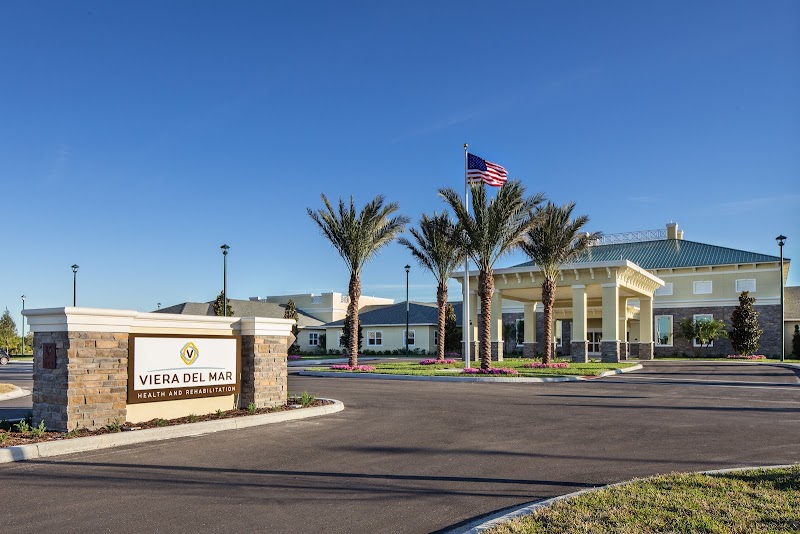
2355 VIDINA DRIVE, VIERA, FL 32940 (321) 775-6800
For profit - Limited Liability company 131 Beds ASTON HEALTH Data: November 2025 3 Immediate Jeopardy citations
Trust Grade
0/100
#579 of 690 in FL
Last Inspection: August 2024

Within standard 12-15 month inspection cycle. Federal law requires annual inspections.

Overview

Viera Del Mar Health and Rehabilitation Center has received a Trust Grade of F, indicating significant concerns about the care provided. They rank #579 out of 690 facilities in Florida, placing them in the bottom half, and #16 out of 21 in Brevard County, meaning there are very few local options that are better. While the facility is showing some improvement, with the number of issues decreasing from 9 in 2024 to 3 in 2025, there are still serious weaknesses, including high fines totaling $133,088, which is concerning as it is higher than 89% of Florida facilities. Staffing is a notable issue, with a turnover rate of 63%, well above the state average, although they do have average RN coverage, which can help catch problems early. Specific incidents of concern include multiple failures to prevent a cognitively impaired resident from exiting the facility unsupervised, highlighting a lack of adequate supervision that could lead to serious harm. Families should weigh these strengths and weaknesses carefully when considering this nursing home for their loved ones.

Trust Score
F
0/100
In Florida
#579/690
Bottom 17%
Safety Record
High Risk
Review needed
Inspections
Getting Better
9 → 3 violations
Staff Stability
⚠ Watch
63% turnover. Above average. Higher turnover means staff may not know residents' routines.
Penalties
⚠ Watch
$133,088 in fines. Higher than 95% of Florida facilities. Major compliance failures.
Skilled Nurses
✓ Good
Each resident gets 47 minutes of Registered Nurse (RN) attention daily — more than average for Florida. RNs are trained to catch health problems early.
Violations
⚠ Watch
36 deficiencies on record. Higher than average. Multiple issues found across inspections.
★★☆☆☆
2.0
Overall Rating
★★☆☆☆
2.0
Staff Levels
★★★★★
5.0
Care Quality
★☆☆☆☆
1.0
Inspection Score
Stable
2024: 9 issues
2025: 3 issues

The Good

  • 5-Star Quality Measures · Strong clinical quality outcomes
  • Full Sprinkler Coverage · Fire safety systems throughout facility
  • No fines on record

Facility shows strength in quality measures, fire safety.

The Bad

2-Star Overall Rating

Below Florida average (3.2)

Below average - review inspection findings carefully

Staff Turnover: 63%

17pts above Florida avg (46%)

Frequent staff changes - ask about care continuity

Federal Fines: $133,088

Well above median ($33,413)

Significant penalties indicating serious issues

Chain: ASTON HEALTH

Part of a multi-facility chain

Ask about local staffing decisions and management

Staff turnover is elevated (63%)

15 points above Florida average of 48%

The Ugly 36 deficiencies on record

3 life-threatening 4 actual harm
Sept 2025 3 deficiencies
CONCERN (D) 📢 Someone Reported This

A family member, employee, or ombudsman was alarmed enough to file a formal complaint

Potential for Harm - no one hurt, but risky conditions existed

Deficiency F0628 (Tag F0628)

Could have caused harm · This affected 1 resident

**NOTE- TERMS IN BRACKETS HAVE BEEN EDITED TO PROTECT CONFIDENTIALITY** Based on record review, and interview, the facility failed to provide a written discharge summary and list of medications for 1 ...

Read full inspector narrative →
**NOTE- TERMS IN BRACKETS HAVE BEEN EDITED TO PROTECT CONFIDENTIALITY** Based on record review, and interview, the facility failed to provide a written discharge summary and list of medications for 1 of 2 residents reviewed for discharge status, of a total sample of 7 residents, (#2).Findings: Cross Reference F842 Review of resident #2's medical record revealed he was readmitted to the facility on [DATE] with diagnoses including nontraumatic subacute subdural hemorrhage (brain bleed), chronic obstructive pulmonary disease, type 2 diabetes, repeated falls, speech and language deficits, abnormalities of gait and mobility, and difficulty walking. Review of resident #2's quarterly Minimum Data Set (MDS) assessment with Assessment Reference Date (ARD) of 5/11/25 revealed a Brief Interview for Mental Status score of 15/15 indicating intact cognition. The MDS assessment showed the resident participated in the assessment, and there was an active discharge plan for return to the community. The assessment also reflected a referral to a Local Contact Agency had not been made because the discharge date was three or fewer months away. Review of the Discharge MDS assessment with ARD of 7/06/25 revealed a planned discharge home, return not anticipated. Review of resident #2's comprehensive care plan showed a focus for discharge to the community, initiated on 11/15/24 and resolved on 3/08/25. A new plan was initiated on 3/08/25 and read, The resident chooses to remain in this facility for long term care services. The care plan was closed on 7/15/25 after his discharge. Review of resident #2's medical record revealed a Discharge Summary form with an effective date of 7/06/25 at 11:06 (time of day was not specified). The Summary of Stay section indicated the resident was discharged home with his spouse and mother-in-law. The resident status was listed as long term care. Several sections of the discharge form were left blank or unanswered, including Skin Evaluation, Treatments, Cognitive/Psychosocial, ADLs (Activities of Daily Living)/Functional Status, Sensory, Dietary, Rehabilitation Services, and Education/Acknowledgement. The Instructions After Discharge section was only partially completed. The Medications and Treatments questions were unanswered. The form instructed staff to **ATTACH COPY OF MEDICATION LIST**, enter pharmacy details, and document whether scripts were provided. These were not addressed and were left unanswered. There was no evidence in the record that a copy of the Discharge Summary was given to resident #2, nor was it signed by the resident or staff. There was also no evidence of a medication reconciliation or confirmation that medications were provided upon discharge. Review of resident #2's physician orders revealed an order dated 7/07/25, which read, Discharge patient home with home health PT/OT (Physical Therapy/Occupational Therapy) and Nursing. Review of June 2025 and July 2025 Progress Notes did not reveal any entries regarding discharge planning. No documentation was found regarding education provided, disposition of medications, or scripts issued when the resident left. Review of the July 2025 Medication Administration Record (MAR) revealed medications scheduled for 9:00 PM were not given, with code 3 (out of pass) listed as the reason. Review of resident #2's Release of Responsibility for Leave of Absence Resident Sign Out Sheet revealed no entries in July 2025. Attempts to contact resident #2 by telephone on 9/08/25 and 9/09/25 by the survey team were unsuccessful. On 9/08/25 at 1:38 PM, in a telephone interview, resident #2's sister, listed in the medical record as the Health Care Surrogate, Power of Attorney (POA), and emergency contact for resident #1, confirmed her brother was discharged home on 7/06/25 but said she was not notified in advance. She shared she received a call from the facility afterward informing her the resident was no longer at the facility. On 9/08/25 at 8:15 PM, in a telephone interview, Certified Nursing Assistant (CNA) A shared she previously worked for the facility from March 2024 to August 2025. She recalled resident #2 was mostly independent. She acknowledged working some weekends and shared she did not see any visitors with resident #2 when she was assigned to his care. CNA A stated she did not assist, nor did she observe resident #2 packing his belongings or him leaving the facility during her 7 AM to 3 PM shift on Sunday, 7/06/25. On 9/09/25 at 1:48 PM, in a telephone interview, Licensed Practical Nurse (LPN) B stated she resigned mid-August 2025 and was assigned to resident #2's unit once or twice. She indicated she did not discharge anyone during her shift on Sunday 7/06/25. She explained she would have entered a progress note in the medical record if she discharged a resident. She did not recall any residents leaving for any reason that day. She stated no one from the facility had inquired about the care of resident #2 on Sunday 7/06/25 or afterwards. On 9/08/25 at 3:43 PM, 9/08/25 at 8:36 PM, and 9/09/25 at 10:39 AM, attempts were made to contact LPN C, who was assigned to resident #2 from 7 AM to 7 PM on Sunday 7/06/25, unsuccessfully. No reply from LPN C was received. On 9/09/25 at 12:26 PM, the Social Services Assistant indicated the Social Services Director (SSD) was out of the facility currently. He confirmed responsibility for discharge planning. He explained a perfect discharge process would include discussion during weekly Utilization Review (UR) meeting to learn about the resident's progress and set a discharge date . He shared once they established a discharge date , home care services and durable medical equipment was set up as needed. He mentioned it did not always happen this way and at times, when a resident wanted to leave the same day, it was not a smooth process, but they tried to follow the same process. He indicated a Discharge Summary form was opened in the system and each discipline responsible for their section of the form would complete it. The Discharge Summary should be placed in the folder and given to the resident at discharge. He recalled talking to resident #2 regarding his desire to go home but there were barriers with placement regarding his mobility and a big dog in the house. The Social Services Assistant indicated he spoke with resident #2 about his concerns, because his spouse worked so much. He stated there would be the staff to provide documentation about the discharge plan in the medical record. Later at 1:01 PM, the Social Services Assistant showed a copy of an email sent by the SSD to the Home Health Agency (HHA) on Monday 7/07/25 at 12:22 PM. He shared based on the email, he inferred this was not a planned discharge, otherwise, the HHA set up would have been done before resident #2 left. The assistant explained the HHA responded they received the message and there was no other messages from them. He shared the HHA would have communicated with the facility if the resident had declined services. He stated he did not assist the SSD with resident #2's discharge. The Social Services Assistant indicated he did not find any progress notes regarding the discharge planning or the SSD's conversations with resident #2 before his discharge. On 9/09/25 at 2:00 PM, the Director of Nursing (DON) explained code 3 in the MAR was used when a resident was out of the facility on a pass. She reviewed resident #2's Discharge Summary form and acknowledged it was incomplete and not signed. The DON was shown the email provided by the Social Services Director which indicated the resident was discharged on 7/06/25 but the physician order for discharge and referral sent to the HHA were not done until the next day, 7/07/25. The DON did not make any comments to explain. On 9/09/25 at 2:13 PM, in a telephone interview, the HHA's Administrator confirmed they received resident #2's referral on 7/07/25. She explained they attempted to set up a Start of Care visit multiple times but resident #2 declined the home health services on 7/16/25. On 9/09/25 at 3:05 PM, the DON stated she reached out to the nurses working on 7/06/25, both did not work here any longer, but was unsuccessful contacting LPN C. The DON indicated she spoke with LPN B who did not recall anything from that Sunday. The DON shared she also reached out to the DON at the time and was told resident #2 was discharged without a physician's order but did not recall anything else besides that. The DON stated the CNAs who worked with resident #2 that weekend were no longer employed by the facility. She explained they could not exactly determine when resident #2 left the facility, and that he probably left overnight or early that morning based on a census report updated at 4:00 AM on 7/07/25. At 3:10 PM, the Administrator (NHA) joined the interview. The NHA stated that weekend, two disgruntled employees who were no longer employed by the facility, were the Managers on Duty. She shared they were terminated because of findings from that weekend but did not provide details of their findings. The NHA stated she inferred while talking to staff about resident #2, there had been discussions about him going home but there were family disagreements on how to proceed. The NHA validated the medical record should have included notes regarding the discharge plan. She confirmed resident #2 was a long-term resident. On 9/09/25 at 4:30 PM, in a telephone interview, the former Social Services Assistant explained resident #2 was admitted to the facility with his sister being his POA. She recalled resident #2's discharge was mentioned by the resident when he got married in April 2025. She explained at that time he was not ready for discharge. Review of the facility's Transfers and Discharges policy and procedure, revised February 2024, read, The facility will develop and implement an effective discharge process that focuses on the resident's discharge goals, the preparation of residents to be active partners and effectively transition them to post-discharge care.
CONCERN (D) 📢 Someone Reported This

A family member, employee, or ombudsman was alarmed enough to file a formal complaint

Potential for Harm - no one hurt, but risky conditions existed

Medical Records (Tag F0842)

Could have caused harm · This affected 1 resident

**NOTE- TERMS IN BRACKETS HAVE BEEN EDITED TO PROTECT CONFIDENTIALITY** Based on interview, and record review, the facility failed to accurately document the discharge plan and disposition in the medi...

Read full inspector narrative →
**NOTE- TERMS IN BRACKETS HAVE BEEN EDITED TO PROTECT CONFIDENTIALITY** Based on interview, and record review, the facility failed to accurately document the discharge plan and disposition in the medical record; and the Activities of Daily Living (ADLs) for 1 of 2 residents reviewed for discharge status and ADLs, of a total sample of 7 residents, (#2). Findings:Cross Reference F628 Review of resident #2's medical record revealed he was readmitted to the facility on [DATE] with diagnoses including nontraumatic subacute subdural hemorrhage (brain bleed), chronic obstructive pulmonary disease, type 2 diabetes, repeated falls, speech and language deficits, abnormalities of gait and mobility, and difficulty walking. Review of resident #2's quarterly Minimum Data Set (MDS) assessment with Assessment Reference Date (ARD) of 5/11/25 revealed the resident participated in the assessment, and there was an active discharge plan for return to the community. Review of the Discharge MDS assessment with ARD of 7/06/25 revealed a planned discharge home, return not anticipated. Review of resident #2's medical record revealed a Discharge Summary form with an effective date of 7/06/25 at 11:06 (time of day was not specified). The Summary of Stay section indicated the resident was discharged home with his spouse and mother-in-law. The resident status was listed as long term care. Several sections of the discharge form were left blank or unanswered, including Skin Evaluation, Treatments, Cognitive/Psychosocial, ADLs (Activities of Daily Living)/Functional Status, Sensory, Dietary, Rehabilitation Services, and Education/Acknowledgement. The Instructions After Discharge section was only partially completed. The Medications and Treatments questions were unanswered. The form instructed staff to **ATTACH COPY OF MEDICATION LIST**, enter pharmacy details, and document whether scripts were provided. These were not addressed and not documented. There was no evidence in the record that a copy of the Discharge Summary was given to resident #2, nor was it signed by the resident or staff. There was also no evidence of a medication reconciliation or confirmation that medications were provided upon discharge. Review of resident #2's physician orders revealed an order dated 7/07/25 and read, Discharge patient home with home health PT/OT (Physical Therapy/Occupational Therapy) and Nursing. Review of June and July 2025 Progress Notes did not reveal any entries regarding discharge planning. No documentation was found regarding education provided, disposition of medications, or scripts issued when the resident left. Review of resident #2's Documentation Survey Report for June 2025 and July 2025, which showed ADL tasks such as dressing, personal hygiene, bladder and bowel, eating and fluids documented by the Certified Nursing Assistant (CNAs) were left blank on the following shifts: 7 AM to 3 PM - 6/5, 6/7, 6/8, 6/9, 6/11, 6/12, 6/13, 6/17, 6/21, 6/22, 6/23, 6/25, 6/27, 6/28, 6/29, 7/3, 7/4, 7/5, 7/6 3 PM - 11 PM - 6/7, 6/12, 6/14, 6/15, 6/19, 6/20. 6/21, 6/23, 6/25, 6/28, 6/29, 6/30, 7/2, 7/5, 7/6 11 PM - 7 AM - 6/5, 6/7, 6/9, 6/13, 6/14, 6/20, 6/21, 6/22, 6/26, 6/29, 6/30, 7/3, 7/4, 7/5, 7/6 On 9/09/25 at 12:44 PM, the Director of Nursing (DON) shared her expectation was that CNAs documented the care they provided to the residents prior to leaving the facility and as close as possible to the time the care was performed. She explained nurses were to document their assessments and progress notes before a resident left the facility. Later at 2:00 PM, the DON stated she was not working in the facility at the time but responded, I understand what you mean, in regard to the blanks in staff's documentation for resident #2. She acknowledged the Discharge Summary was incomplete and unsigned. Review of the facility's Medical Records policy and procedure revised in January 2024 read, Medical Records will be maintained within the facility per federal requirements.
CONCERN (E) 📢 Someone Reported This

A family member, employee, or ombudsman was alarmed enough to file a formal complaint

Potential for Harm - no one hurt, but risky conditions existed

QAPI Program (Tag F0867)

Could have caused harm · This affected multiple residents

Based on interview, and record review, the facility failed to ensure implementation of policies to the extent of including thorough monitoring of previously identified areas of concern and adequately ...

Read full inspector narrative →
Based on interview, and record review, the facility failed to ensure implementation of policies to the extent of including thorough monitoring of previously identified areas of concern and adequately tracking performance to ensure prior improvement measures were realized and sustained. Findings: Review of the facility's Quality Assurance and Performance Improvement (QAPI) Program policy, undated revealed objectives which included to Establish systems through which to monitor and evaluate corrective actions. The Implementation section described the process in which the QAPI plan identified and corrected deficiencies. The key components included developing and implementing corrective action or performance improvement activities and monitoring or evaluating the effectiveness of the corrective action, revising when necessary. The facility had deficiencies at F842 in complaint surveys conducted on 12/14/23 and 10/16/24 for non-compliance with the medical record and accuracy of documentation. Review of the Statement of Deficiencies and Plan of Correction form for the survey conducted on 12/14/23 revealed a Plan of Correction was completed on 1/19/24. The facility documented education to the nursing staff on the components of F842, resident records, and accuracy of documentation was performed. Review of the Statement of Deficiencies and Plan of Correction form for the survey conducted on 10/16/24 revealed a Plan of Correction was completed on 11/22/24. The facility again documented education was provided to the current nursing staff and newly hired nurses on the components of F842. The Plan of Correction indicated audits were to be performed until compliance was reached. During this survey, deficiencies were again identified at F842, for resident records and accuracy of documentation. As a result of the repeated citation, it was identified there was insufficient auditing and oversight by the QAPI team to prevent repeated deficiencies. On 9/09/24 at 5:15 PM, the Administrator (NHA) stated she had attended two QAPI meetings since starting to work in the facility in mid-July 2025. She explained during the QAPI meeting, they reviewed processes relevant to each department to ensure no deficiencies or concerns with deviations from their policy were identified. She indicated when issues were identified, they worked with their corporate team to develop and implement a Performance Improvement Plan. The NHA stated she was not aware of the previous deficiencies regarding medical records documentation.
Oct 2024 4 deficiencies 1 Harm
SERIOUS (G) 📢 Someone Reported This

A family member, employee, or ombudsman was alarmed enough to file a formal complaint

Actual Harm - a resident was hurt due to facility failures

Accident Prevention (Tag F0689)

A resident was harmed · This affected 1 resident

**NOTE- TERMS IN BRACKETS HAVE BEEN EDITED TO PROTECT CONFIDENTIALITY** Based on observation, interview, and record review, the facility failed to develop and implement appropriate interventions to in...

Read full inspector narrative →
**NOTE- TERMS IN BRACKETS HAVE BEEN EDITED TO PROTECT CONFIDENTIALITY** Based on observation, interview, and record review, the facility failed to develop and implement appropriate interventions to include provision of adequate supervision to prevent fall with major injury for 1 of 3 residents reviewed for falls, of a total sample of 4 residents, (#1). The facility's failure to increase supervision for a resident with a history of repeated falls resulted in actual harm for resident #1. Findings: Review of the medical record revealed resident #1, an [AGE] year old female was admitted to the facility from an acute care hospital on 7/12/24 with diagnoses including acute respiratory failure, sepsis (blood infection), primary thrombocytopenia (slow blood clotting), dementia with behavioral disturbance, need for assistance with personal care, and difficulty walking. Review of the most recent Minimum Data Set (MDS) admission 5-day assessment with assessment reference date of 7/16/24 revealed during the look-back period, resident #1 scored 4 out of 15 on the Brief Interview for Mental Status which indicated she was severely cognitively impaired. No behavioral symptoms or rejection of care necessary to achieve goals for health and well-being were noted. The Preferences for Customary Routine and Activities interview completed with the resident noted it was somewhat important for her to go outside for fresh air. The Functional Abilities and Goals assessment showed the resident required a wheelchair and walker, substantial/maximum staff assistance to complete Activities of Daily Living (ADL), mobility functions, and to wheel a wheelchair. Walking was not assessed due to her medical condition/safety concerns. The resident was incontinent of bladder and bowel functions, short of breath with exertion or lying flat, did not have a history of falls within the previous 6 months of admission, nor since admission or during the assessment period. The assessment indicated a Care Area was triggered for an identified problem of Falls. Review of the Lifestyle & Activity Preferences Evaluation dated 7/24/24 noted resident #1 had impaired hearing, required glasses, needed reminders for activity participation, and needed assistance to/from activity settings with wheelchair mobility. On 10/13/24 at 12:10 AM, resident #1 was observed sitting in a wheelchair at the end of the nursing unit hallway looking out the windows into the parking lot. Licensed Practical Nurse (LPN) U was nearby and explained the resident had poor cognition; was confused and enjoyed the sun. Review of Unscored Fall Risk Evaluations completed on 9/05/24 and 9/14/24 noted nurses assessed resident #1's Safety Awareness/Behavior with a lack of understanding of cognitive functions and altered awareness of physical environment. The evaluation completed 9/15/24 noted additional risks had developed related to Safety Awareness/Behaviors with lack of understanding of physical limitations, including anxiety and restlessness. On 10/15/24 at 11:05 AM, resident #1 was observed lying awake in bed in her room. The resident's right lower leg was hanging off the side of the bed. Faded, healing bruises were observed under her eyes and a half inch partially healed laceration was visible near the bridge of her nose. Resident #1 was not able to answer basic questions appropriately. Review of the facility's September and October 2024 Fall Logs revealed before resident #1 fell on [DATE], she had 4 previous falls on 9/05/24, twice on 9/13/24, and again on 9/15/24. In an interview on 10/14/24 at 3:26 PM, the Director of Nursing (DON) confirmed none of the falls before the fall incident on 10/05/24 were witnessed by staff. A nurse's Progress Note completed by the Unit Manager (UM) showed that on 9/05/24, a Certified Nursing Assistant (CNA) observed resident #1 on the floor of her room, bleeding from the back of her head. A Physical Medicine And Rehabilitation Progress Note dated 9/05/24 read, . (resident #1) reports falling but does not remember how. She states she does have some pain to her head. Nurse reports patient attempted to transfer herself this morning and subsequently fell in the process. Nurse reports patient is at baseline with confusion and neurochecks and vital signs had been normal. Patient had a head laceration that was bleeding. I asked patient if she would like Tylenol, she initially stated no that she has a high pain tolerance but when asked again she said yes. Psych: Alert oriented to person only.Falls: Risk of complication: HIGH . PT (Physical Therapy)/OT (Occupational Therapy) to assess balance/gait and recommended to improve balance/coordination, and strength. Fall precautions optimized per facility. On 10/15/24 at 10:50 AM, CNA J explained she knew resident #1 well and sometimes had her on assignment. The CNA said resident #1 often attempted to get out the wheelchair to stand up on her own, she enjoyed being near the windows with sunlight, and CNAs monitored the resident in common areas or the television viewing area. She described frequent checks as, whenever I'm done and making sure they're okay. The CNA said she was not ever directed to check on resident #1 within specific timeframes. She described the resident as impulsive and could get up from her wheelchair very quickly and it was difficult to monitor her all the time. She explained they could be attending to another resident for more than 20 minutes at one time and staff needed to watch the resident closely to make sure she was not trying to go outside alone. Review of a SBAR (Situation-Background-Assessment-Recommendation) form completed by LPN A documented resident #1 fell on [DATE] and had a facial laceration with altered level of consciousness that required emergency 911 transport to the hospital. The Hospital Transfer Form noted the resident was combative and confused, and was high fall risk. On 10/14/24 at 11:17 AM, CNA F recalled on 10/05/24 at approximately 1:00 PM, he returned lunch trays to the dining room and as he looked outside, he saw resident #1 alone across the courtyard on the patio getting out of her wheelchair. He explained he ran outside and across the courtyard to help, but by the time he reached her, she was lying on the ground face first. He said resident #1 had blood on her face and swelling on her head. On 10/14/24 at 10:44 AM, CNA G said she frequently had resident #1 on her assignment. The CNA recalled she was working on 10/05/24, the day the resident fell outside. She said staff knew the resident was a high fall risk and they had to keep a very close eye on her because she liked to go outside for sunshine and frequently tried to go out the door unsupervised. She said she intercepted the resident multiple times over the past few months and prevented her from going out alone. The CNA explained resident #1 was not safe to be outside on her own. She described resident #1 used her feet to scoot in the wheelchair and could not go very far but she could open the door. She said on 10/05/24 after lunch, the resident was sitting in her wheelchair in the common area near the courtyard exit door when she told the CNA she wanted to go outside. The CNA said she told the resident she would return to go out with her as soon as she could, after she assisted other residents. The CNA explained, she assisted another resident in a room with lunch and was later alerted by another CNA that resident #1 was outside on the ground. She said CNAs were unable to monitor the resident closely while they assisted other residents with meals and incontinence care because she was very quick. The CNA explained frequent checks were supposed to be every 15 minutes or as often as possible. She said CNAs did not have written documentation for residents who were at high risk for falls and that it was communicated to each other verbally, we all just know. In a telephone interview with LPN A on 10/13/24 at 3:53 PM, she explained resident #1 was frequently included in her assignments and knew her well. She recalled on 10/05/24 at approximately 1:00 PM, she was alerted by CNAs the resident had fallen outside on the patio, face down on the ground. She said she assessed the resident and found her to be more disoriented than normal. She was bleeding from her nose and face with a large bump on her forehead. The LPN said she was very concerned the resident may have a serious head injury and she contacted Advanced Practice Registered Nurse (APRN) L for orders to send her out to the hospital. She said the APRN was hesitant to send the resident out because she wasn't on blood thinner medication and the Health Care Surrogate (HCS) didn't want her to go out to the hospital. The LPN said she was unable to reach the HCS and then successfully reached another Emergency Contact who consented to the transfer. She said the resident was transported to the hospital by emergency personnel. On 10/14/24 at 1:04 PM, Personal Care Assistant (PCA) B said she knew resident #1 well. The PCA said the resident enjoyed being outside and often wandered. The PCA explained the resident previously had someone with her at all times doing one to one supervision but that had stopped a few weeks ago. She said after the one to one supervision stopped, resident #1 had many falls. She recalled on 10/05/24, the day the resident fell, she was assigned to resident #1 during the day shift. She explained that from 11:30 AM to 1:00 PM, she was assigned to be in the dining room to assist with lunch and was unable to monitor the resident. The PCA explained staff were often occupied in a room for extended periods with other residents for meal assistance, incontinence care, and showers and could not always monitor resident #1 closely. She recalled when she returned to the unit after dining room duties, the resident was outside on the concrete, flat on her face. The PCA stated, I don't know what we can do for her if she doesn't have that one on one supervision. On 10/14/24 at 1:15 PM, the long term care UM stated nurses delegated to CNAs and let them know verbally when residents were on frequent checks. She explained, frequent checks normally meant about every 15 minutes. The Unit Manager stated, she (resident #1) likes to sit outside, she is very confused, and she will try to open the door and go out when she's on the unit; she doesn't remember she can't walk; no, she is not safe to sit outside by herself. Review of the Comprehensive Care Plan documented undated Special Instructions that read, Staff to escort resident for safety to the courtyard. A focus initiated on 7/15/24 read, The resident has impaired cognitive function/impaired thought processes r/t [related to] diagnosis of dementia. Interventions initiated on 7/15/24 noted nurses were expected to notify the physician of any changes in the resident's condition, and communicate concerns with family/caregivers about confusion, and the resident's capabilities or needs. A focus initiated 9/19/24 read, The resident has a history of exhibiting the following behaviors: Chronic/frequent refusals of care and/or services, Impulsivity, Resists care, Verbal aggression. In an interview on 10/14/24 at 2:23 PM, the Regional Nurse Consultant checked resident #1's records and acknowledged the care plan Special Instructions for staff to escort the resident to the courtyard were undated. She confirmed the entry was added to the care plan after the resident fell on [DATE], but she could not locate any date/time stamp entry history for it in the Electronic Health Record (EHR). Review of a Care Plan focus initiated 7/17/24 and revised 9/16/24 read, The resident is at risk for falls R/T Unsteady Gait/Poor Balance, Use of antihypertensive medications, Use of psychotropic medications, Hx [history] of falls. The care plan goal was for the resident's potential for sustaining a fall-related injury would be minimized by utilizing fall precautions/interventions through next review date. On 9/06/24, an intervention was initiated to offer the resident assistance with toileting before and after meals. On 9/16/24 interventions initiated included a non-slip mat applied to the wheelchair, floor mats, offer and assist to common areas while awake and as tolerated, and a scoop mattress. There were no interventions in place before resident #1's fall on 10/05/24 that specified increased supervision or the frequency of any supervision by staff. A Progress Note entered by LPN I on 10/05/24 at 10:04 PM, documented after resident #1 was treated at the hospital emergency room (ER), she returned to the facility on a stretcher with two attendants. The nurse noted facial bruising and swelling, and orders for antibiotic medications for a urinary tract infection (UTI). A Progress Note entered by LPN I on 10/06/24 at 8:14 AM, noted the physician was notified the resident had returned from the hospital the previous day with findings of a UTI with antibiotic medication orders. A Progress Note entered by the Assistant DON on 10/07/24 indicated the interdisciplinary Team reviewed resident #1's fall incident that occurred at approximately 4:45 PM the resident was observed lying on the ground with a laceration to the facial area an swelling of the forehead. The note revealed first aid was performed, and the family and physician were notified. Treatment to the skin alterations were in place, neurological checks and the care plan was reviewed and updated. Review of the Electronic Health Record (EHR) revealed no neurological evaluations/assessments were completed by nurses after the resident returned from the hospital on [DATE]. On 10/16/24 at 12:51 PM, the DON checked resident #1's medical record and acknowledged nurses did not complete neurological (neuro) checks after the fall on 10/05/24. The DON stated, there wouldn't be a reason for them not to do neuro checks after the fall; they should do them. Review of the hospital's Emergency physician's discharge note dated 10/05/24 revealed the resident sustained a closed nondisplaced nasal fracture. The CT scan showed possible nasal fracture. On 10/14/24 at 12:09 PM, the DON said the Assistant DON was not available for interview. Review of the Safety Interventions Record reports from July through October 2024 revealed no record of any entries for instructions or interventions for fall prevention. The CNA Kardex with print date 10/14/24 indicated resident #1 required two staff for transfers with a mechanical lift as she was dependent and unable to assist. Under the section for Behavior/Mood it was noted if the resident had behavior issues, CNAs were expected to remove her from the situation and take her to an alternate location. The form read, Special Instructions: Staff to escort resident for safety to the courtyard . SAFETY . Encourage and remind resident to use CALL BELL and to wait for staff assistance with transfers, ambulation, toileting, etc. Encourage resident to only go out with staff family supervision. Offer and assist to common areas while awake as tolerated. The Physical Therapy (PT) Evaluation & Plan of Treatment report dated 7/14/24 indicated the reason for referral was due to new onset of decrease in functional mobility, decrease in strength, reduced dynamic balance and increased need for assistance from others. The Evaluation indicated resident #1 had precautions due to falls and Confusion. The document revealed patient behaviors required consistent supervision, and had worsening of cognitive impairment and changes. On 9/18/24 at 8:49 AM, additional precautions section was changed from one to one supervision required for falls and confusion to only falls and confusion, modified by the Therapy Director. The Occupational Therapy Progress Report dated 9/21/24 read, . Remaining impairments: Patient continues with deficits in standing balance/tolerance, general strength and cognition . The PT Treatment Encounter Note dated 10/04/24 was similar and read, . Precautions: (falls) and Confusion . with no mention of the previous required supervision from 7/14/24. On 10/15/24 at 10:43 AM, the Therapy Director said he participated in daily clinical meetings where fall management and interventions were discussed. He said resident #1 received ongoing PT and OT services since she was admitted [DATE]. He recalled the resident had multiple falls and therapy implemented wheelchair interventions and continued services for fall risk prevention to improve ADL self-care functions, balance, strength, and gait (walking). He did not recall clinical discussions to increase supervision for the resident. He stated therapy services included treatments and adaptive equipment, and did not include or provide increased supervision interventions outside of therapy sessions. On 10/15/24 at 10:39 AM, LPN H said when the resident was admitted to the facility, her family paid for one on one supervision, and she did well. She explained the private aide took her outside as resident #1 enjoyed it and it seemed to make her calmer. She said after the private supervision stopped, facility nurses and CNAs were expected to do frequent checks on resident #1 which meant every 15 minutes. The LPN said nurses were concerned the resident had multiple falls, after the one to one supervision was removed. She said several nurses informed management who responded that nurses' concerns were discussed in clinical meetings, but resident #1's supervision was never increased. The LPN recalled the resident was never safe to go outside to the courtyard patio alone before or after she fell outside. She said it was difficult for nurses to monitor up to 33 residents at a time and also constantly watch resident #1. She said in the past, the facility placed other residents on one to one when needed, but not resident #1. She stated, after she came off the private one to one, we could see why she needed it; she was restless; I would take her outside when I could, but I couldn't even chart. On 10/16/24 at 2:25 PM, LPN E said frequent checks meant every 15 to 30 minutes. She said residents who were not safe to be outside alone needed staff present to make sure they didn't fall. She explained nurses voiced their opinions about residents' needs for increased supervision and/or fall risks to the Unit Managers, and they relayed the concerns to management. She conveyed it was unrealistic for nurses to frequently check and watch residents with dementia, poor safety awareness, and impulsivity who tried to walk or get up on their own as well as being responsible for other multiple residents at the same time. The LPN stated, it's difficult for us to keep them safe and it's hard to get them management) to put them on one to one. On 10/15/24 at 2:36 PM, LPN I explained, resident #1 was a super high fall risk and when the resident was admitted , she needed to be watched constantly and had a 24-hour sitter that helped to keep her calmer. The LPN said she tried to check on resident #1 every 15 minutes, but she was really fast and didn't understand even when staff tried to reorient her. The LPN stated, she tried to self-transfer, get up and walk. The LPN conveyed, that many nurses inquired with management about the resident's high fall risk because they struggled to keep her redirected and busy to avoid falling. The LPN stated, when the sitter went away, we saw why she needed one to one; the CNAs cannot constantly watch her. On 10/15/24 at 2:08 PM, CNA F explained resident #1 was very impulsive, sometimes combative, and tried to move around all the time. The CNA expressed staff often were not able to closely observe resident #1 and take care of other residents at the same time. The CNA stated, it was known not to put her outside by herself; she's pretty quick. On 10/15/24 at 3:16 PM, LPN A said she struggled to keep a close eye on resident #1 because she had poor safety awareness and was impulsive. The LPN explained she tried to be creative and redirect the resident while she passed medications to other residents by keeping her busy and distracted at the medication cart. She recalled on 10/05/24, CNA G took the resident outside before lunch time until the CNA was occupied and assigned to assist other residents in their rooms with meals. The LPN recalled at about 1:00 PM, CNAs alerted her the resident was outside on the ground. She said the resident was at the hospital for the remainder of her shift that ended at 7:00 PM. She said she returned the next day for the day shift and received report from LPN I who said resident #1 had a UTI with prescriptions. The LPN said all the nurses thought the resident should go back on 1:1 and stated, even if you take your eyes off her for 5 minutes it can be a disaster; she is confused and can get up again. Review of Progress Notes documented by the Psychiatric Nurse Practitioner on 9/11/24 read, . Mood is labile. She is agitated. Nursing staff report she's had increased behaviors since her private duty nurse was discontinued by the patient's POA (power of attorney). She had a recent fall due to impulsive behaviors and trying to self-transfer. She is confused and reports not knowing what is going on. She enjoys sitting outside in the sun and eating in the dining room. Appearance/Behaviors: Sitting in the common area restless . Thought process: Somewhat disorganized . Thought association: Somewhat loose . Insight and Judgement: Impaired . Recall/Short-term memory: Impaired . Attention span/Concentration: Impaired . Fund of knowledge: Impaired . The Psychiatry Subsequent Note dated 9/20/24 read, . Mood is, trapped. Nursing staff report the patient remains anxious and restless. She is impulsive and gets up without asking for help . She reports feeling trapped in the facility . As per collected information and interview, it appears that patient is unstable. I feel the symptoms are occurring due to exacerbation of underlying anxiety disorder. They symptoms are occurring almost daily and causing severe distress . In a telephone interview on 10/13/24 at 4:05 PM, resident #1's POA explained she was responsible for the resident's financial affairs. The POA recalled when resident #1 was admitted to the facility in July 2024, she had 24-hour 1:1 supervision paid for by the resident because the Healthcare Surrogate (HCS) was concerned she would fall and be seriously injured, she was very impulsive and had very bad dementia. She stated the resident paid 1:1 service was discontinued after a couple of months because it was very expensive, and the resident could no longer afford it. On 10/16/24 at 10:05 AM in a telephone interview, resident #1's Emergency Contact Representative explained the resident was never safe to be outside in the courtyard alone. She said the resident was placed on private duty supervision at her own expense because the HCS feared she would fall and be seriously hurt. She said the resident was very impulsive and she stood up on her own while in the wheelchair. She said the private supervision stopped for financial reasons and she worried after that because the resident started to have falls and stated, they (facility) don't provide 1:1 service. On 10/16/24 at 10:54 AM in a telephone interview, resident #1's HCS recalled she was worried the resident would fall and get seriously hurt at the facility without 1:1 supervision, so she requested the POA pay for the services on behalf of the resident. She explained she was especially worried and concerned when the resident started having multiple falls in September 2024, after the individual supervision stopped. She said after the resident fell on [DATE], the facility did not provide her with any updates and she found out from the hospital later that the resident had a nasal fracture. She said the facility told her they didn't have staff to provide 1:1 supervision and stated, she started falling when the one on one went away. Review of APRN L's Nursing Home Visit Encounter dated 10/07/24 read, . weakness, had a fall out of her wheelchair over the WE (weekend). Sent to ER, no sutures required and sent back to the facility . bruises to both eyes, forehead and abrasion to her nose and forehead. The note did not mention resident #1 sustained a nondisplaced nasal fracture. On 10/16/24, two unsuccessful attempts were made to contact APRN L by telephone. On 10/15/24 at 2:36 PM in a telephone interview, LPN I said she frequently had resident #1 on her assignment. She recalled on 10/05/24 during the 7:00 PM to 7:00 AM shift, the resident returned to the facility by stretcher from the hospital. She recalled 2 transportation attendants accompanied the resident with the hospital discharge packet. She said the discharge packet included new prescriptions for UTI, and she contacted the on call APRN for orders. The LPN explained the records contained lab results, a chest X-ray, and CT of the head and stated, she had a lot of stuff; I didn't read the scans in-depth; when they dropped her off, they said she had no fractures. On 10/16/24 at 9:20 AM, the Long Term Care Unit Manager explained all resident falls and interventions/revisions of care were discussed in morning clinical meetings where she participated. She said resident #1 was on frequent checks and the 1:1 status was removed by the family for financial reasons. She said on 10/07/24, a Monday, she discussed what happened with APRN L who saw and assessed her. She said CNAs were expected to check on residents with frequent checks in between patient care and stated, we know she's a fall risk so everybody on the unit that works frequently check on her. On 10/16/24 at 2:17 PM, the DON explained the facility had a Falling Leaf Program to alert staff of residents who were high fall risk. She said the program consisted of a green magnet placed on the residents door to alert staff and it was intended to bring increased awareness. The DON said the facility did not have written standards and guidelines for the program and stated, we didn't consider putting her on the 1:1; she's (resident #1) on the Falling Leaf Program; it's to keep eyes on them; we review her in the clinical meetings. On 10/16/24 at 12:51 PM, the DON explained the facility reviewed all resident emergency visits for orders and test results every weekday morning during clinical meetings. She recalled the resident's fall and ER visit was discussed, on 10/07/24, and the Unit Manager reported the resident had a UTI and was prescribed antibiotic medications. She checked the hospital ER discharge records and said she was not aware resident #1 had sustained a nasal fracture. The DON stated, I didn't know we had this; I would say that the hospital didn't send it; she should be monitored for the fracture. On 10/16/24 at 1:00 PM, the DON explained when staff had concerns about any resident's behavior or safety, they reported it to the Unit Manager who communicated the information to the Interdisciplinary Team (IDT) in morning meetings. She said the team was aware resident #1 was a high fall risk and she was placed on the Falling Leaf Program with a magnet on her door after she started falling in September. Review of resident #1's Comprehensive Care Plan, Kardex for CNAs, and Safety Interventions Records revealed no Falling Leaf Program nor Frequent Checks were added to the plan of care since the resident was admitted to the facility on [DATE], for three months. On 10/16/24 at 2:17 PM, the NHA conveyed resident #1 was not considered for facility provided 1:1 supervision and stated, she's on the Falling Leaf Program; it's to keep eyes on them; we review her and any resident in the clinical meetings. On 10/16/24 at 2:30 PM, LPN E referred to the Falling Leaf Program and stated, it's something about guardian angel or something like that. The LPN could not accurately explain what the facility's high risk fall program was. On 10/16/24 at 2:34 PM, CNA P explained the magnet on the door to designate a leaf was to check the room when it's cleared for a fire. PCA Q stated, I think you're right; I've seen them. We check the room then we put it there. The CNA nor the PCA had knowledge of the facility's Falling Leaf Program for residents with high fall risk. In a telephone interview on 10/16/24 at 9:53 AM, MD M said he was aware resident #1 fell on [DATE], he previously reviewed the hospital records, and recalled she had a UTI. The MD explained he expected APRN L to review hospital ER records and test results as part of the assessment. At 1:42 PM, MD M said he was unaware resident #1 had sustained a nasal fracture. He explained he expected nurses to monitor residents for complications of fractures and stated, any head injury we always want to keep an eye on it after they come back from the ER and if they complain of pain we jump on it. A written statement provided by MD M dated 10/15/24 read, . I completed a case study on resident (#1) related to her fall on 10/05/24. After review of chart including but not limited to: hospital records, BIMS assessment, care plan, activity preferences, psych notes, prior falls, etc. The facility followed residents plan of care and resident preferences and resident was adequately supervised based on the investigation review including statements. On 10/16/24 at 12:36 PM in a telephone interview the Medical Director said he expected nurses to notify the physician of ER findings and test results. He said he expected nurses to monitor residents with fractures and stated, they must do neuro checks if it's a head injury. Review of the Facility assessment dated [DATE] read, . Mobility and fall/fall risk with injury prevention Transfers, ambulation, restorative nursing, falling leaf program for high fall risk residents, supporting resident independence in doing as much of these activities by himself/herself. With consistent assignments in person-centered care, staff and management place value on a stable team of individuals committed to knowing the resident and building care on a foundation of relationships. Staff, as well as residents and families benefit, as they get to know and depend on one another to work fluidly and flexibly support the unique strengths of each elder: .Routine tasks are assigned by the appropriate manager based upon demonstrated knowledge, skills and abilities per shift and needs of the facility/resident. When requirements are identified that overlap departments, the manager that identifies a shortfall will address the concern with the interdisciplinary team toward establishing a process. Managers are expected to closely monitor any changes in processes or procedures to maintain a positive culture for our staff and residents. A nasal fracture is a break in the bone or cartilage over the bridge, or in the sidewall or septum (structure that divides the nostrils) of the nose. Serious nose injuries cause problems that need a health care provider's attention right away. For example, damage to the cartilage can cause a collection of blood to form inside the nose. If this blood is not drained right away, it can cause an abscess or a permanent deformity that blocks the nose. It may lead to tissue death and cause the nose to collapse. Sometimes, surgery may be needed to correct a nose or septum that has been bent out of shape by an injury. A doctor may be able to return nasal bones that have moved out of place back to their normal position within the first 2 weeks after the break. (retrieved on 10/17/24 from www.medlineplus.gov). Review of the facility's standards and guidelines dated February 2024 and titled Falls-Managing, Preventing, and Documentation read. Based on previous evaluations and current data, the staff will identify interventions related to the resident's specific risks and caus[TRUNCATED]
CONCERN (D) 📢 Someone Reported This

A family member, employee, or ombudsman was alarmed enough to file a formal complaint

Potential for Harm - no one hurt, but risky conditions existed

Report Alleged Abuse (Tag F0609)

Could have caused harm · This affected 1 resident

**NOTE- TERMS IN BRACKETS HAVE BEEN EDITED TO PROTECT CONFIDENTIALITY** Based on interview and record review, the facility failed to report possible neglect for 1 of 3 residents reviewed for neglect, ...

Read full inspector narrative →
**NOTE- TERMS IN BRACKETS HAVE BEEN EDITED TO PROTECT CONFIDENTIALITY** Based on interview and record review, the facility failed to report possible neglect for 1 of 3 residents reviewed for neglect, of a total sample of 4 residents, (#1). Findings: Review of the medical record revealed resident #1, an [AGE] year old female was admitted to the facility from an acute care hospital on 7/12/24 with diagnoses including acute respiratory failure, sepsis (blood infection), primary thrombocytopenia (slow blood clotting), urinary tract infection (UTI), muscle weakness, major depressive disorder, dementia with behavioral disturbance, need for assistance with personal care, and difficulty in walking. Hospital medical records dated 10/05/24, indicated resident #1 sustained a fall with a head injury that required emergency transport to the hospital. While at the hospital, the resident received emergency physician assessments, monitoring, treatment, diagnostic laboratory blood work, prescription medication orders, and Computed Tomography (CT) imaging. The CT imaging found the resident sustained a possible nondisplaced nasal bone fracture. Review of the most recent Minimum Data Set (MDS) admission 5-day assessment with Assessment Reference Date (ARD) 7/16/24 revealed during the look-back period, resident #1 scored 4 out of 15 on the Brief Interview for Mental Status (BIMS) exam that indicated she was severely cognitively impaired. The assessment showed she had no behavioral symptoms or rejection of care necessary to achieve goals for health and well-being noted. The Preferences for Customary Routine and Activities interview completed with the resident noted it was somewhat important for her to go outside for fresh air. The Functional Abilities and Goals assessment showed the resident required a wheelchair and walker, substantial/maximum staff assistance to complete Activities of Daily Living (ADL), mobility functions, and to wheel a wheelchair. Walking was not assessed due to her medical condition/safety concerns. The resident was incontinent of bladder and bowel functions, short of breath with exertion or lying flat, did not have a history of falls within the previous 6 months of admission, nor since admission or during the assessment period. The resident received high-risk antidepressant, antibiotic, and diuretic (fluid removing) medications, and supplemental oxygen therapy. The assessment indicated a Care Area was triggered for an identified problem of Falls. Review of the Comprehensive Care Plan documented undated Special Instructions that read, Staff to escort resident for safety to the courtyard A focus initiated on 7/15/24 read, The resident has impaired cognitive function/impaired thought processes r/t [related to] diagnosis of dementia. Interventions initiated on 7/15/24 noted nurses were expected to notify the physician of any changes in the resident's condition, and communicate concerns with family/caregivers about confusion, and the resident's capabilities or needs. Another focus initiated 9/19/24 described resident #1 as having impulsive behaviors. A Care Plan Focus initiated 7/17/24 and revised 9/16/24 described resident #1 was at risk for falls related to an unsteady gait, poor balance, use of antihypertensive medications, use of psychotropic medications, and history of falls. The care plan goal read, The resident potential for sustaining a fall-related injury will be minimized by utilizing fall precautions/interventions through next review date. On 9/06/24, an intervention to offer the resident assistance with toileting before and after meals was initiated. Interventions initiated on 9/16/24 included staff to offer and assist resident #1 to common areas while awake and as tolerated. On 10/07/24, after her fall, the facility implemented an intervention to encourage resident to only go out with staff/family supervision. The care plan did not contain an intervention for frequent checks or a fall program. Review of the facility's September and October 2024 Fall Logs showed before resident #1 fell on [DATE], she had four other falls: on 9/05/24, twice on 9/13/24, and on 9/15/24. In an interview on 10/14/24 at 3:26 PM, the Director of Nursing (DON) confirmed none of the falls before the fall on 10/05/24 were witnessed by staff. Review of a SBAR (Situation-Background-Assessment-Recommendation) Change In Condition note completed by Licensed Practical Nurse (LPN) A dated 10/05/24, revealed resident #1 fell and had a facial laceration with an altered level of consciousness which required emergency transport to the hospital. The Hospital Transfer Form noted the resident was combative and confused, and described her as a, high fall risk. On 10/14/24 at 11:17 AM, Certified Nursing Assistant (CNA) F recalled on 10/05/24 at approximately 1:00 PM, as he returned lunch trays to the dining room and looked outside, he saw resident #1 alone across the courtyard on the patio getting out of her wheelchair. He explained he ran outside and across the courtyard to help her, but by the time he reached her, she was already lying on the ground face first. He said resident #1 had blood on her face and swelling on her head. In a telephone interview with Licensed Practical Nurse (LPN) A on 10/13/24 at 3:53 PM, she explained she knew resident #1 well. She recalled on 10/05/24 at approximately 1:00 PM, she was alerted by CNAs resident #1 was on the patio outside face down on the ground. She said she assessed the resident and found her to be more disoriented than normal, and was bleeding from her nose and face with a large bump on her forehead. The LPN said she was very concerned the resident may have a serious head injury and she contacted Advanced Practice Registered Nurse (APRN) L for orders to send her out to the hospital. The LPN said the Emergency Contact consented to the transfer and resident #1 was emergently transported to the hospital. Review of APRN L's Nursing Home Visit Encounter dated 10/07/24 read, . weakness, had a fall out of her wheelchair over the WE (weekend). Sent to ER (emergency room), no sutures required and sent back to the facility . bruises to both eyes, forehead and abrasion to her nose and forehead. The note did not mention the possible nondisplaced nasal fracture from the hospital paperwork. On 10/16/24 at 10:54 AM, in a telephone interview, resident #1's Healthcare Surrogate recalled she was worried the resident would fall and get seriously hurt at the facility without one to one supervision, so she requested the Power of Attorney (POA) pay for the services on behalf of the resident. She explained she was especially worried and concerned when the resident started having multiple falls in September 2024, after the individual supervision stopped. She said after the resident fell on [DATE], the facility did not provide her with any updates, and she found out from the hospital later that the resident had a nasal fracture. She said the facility told her they didn't have the staff to provide one to one supervision and stated, she started falling when the one on one went away. In interviews on 10/16/24 at 1:00 and 2:00 PM, the DON explained when staff had concerns about any resident's behavior or safety, they reported it to the Unit Manager who communicated the information to the Interdisciplinary Team (IDT) in morning meetings. She said the team was aware resident #1 was a high fall risk so she was placed on the Falling Leaf Program with a magnet on her door after she started falling in September. On 10/16/24 at 2:15 PM, the Nursing Home Administrator conveyed the facility had not considered providing one to one supervision as a fall intervention for resident #1 and stated, she's on the Falling Leaf Program; it's to keep eyes on them; we review her and any resident in the clinical meetings. Review of resident #1's Comprehensive Care Plan, [NAME] for CNAs, and Safety Interventions Records revealed no Falling Leaf Program nor were frequent checks added to the plan of care since the resident was admitted to the facility on [DATE], for three months. Review of the facility's form titled, Potential Adverse Report Incident Investigation Worksheet dated 10/08/24 noted a description of the event circumstances and read, This worksheet is designed to assist in determining if the incident/event is reportable on the AHCA 15 day report in compliance with Florida Statute 400.147 . resident had returned from the patio with [CNA G] less than 5 minutes prior, when the resident was observed by [CNA F] self propel thru patio door when she stood and lost her balance. The form noted three staff were involved, CNA F, CNA G, and LPN A. The facility's Conclusion/Analysis of Investigation read, Resident is independent with propulsion in the wheelchair. The resident had just left the patio less than 5 minutes prior with the assigned CNA (CNA G). (CNA F) witnessed the resident self propel from the doors on (unit name) to the patio (thru) door and stood and lose her balance falling forward. He immediately went to the resident and alerted the nurse. The form showed no State Agency reports were submitted. In a joint interview with the DON and Nursing Home Administrator on 10/14/24 at 11:45 AM, the DON said the facility did not report resident #1's incident on 10/05/24 because the resident was supervised, in an enclosed area, and staff didn't want to annoy her. The DON stated, it was just an accident; she stood from the wheelchair; it wasn't adverse. The Nursing Home Administrator acknowledged the resident required a higher level of care as a result of the incident and stated, neglect is considered to be someone who isn't taken care of. On 10/16/24 at 2:17 PM, the Nursing Home Administrator confirmed she was the Risk Manager and responsible for the facility's adverse incident reporting. She said the facility did not consider resident #1's incident to be reportable to the State Agency because her plan of care was followed and the facility was not aware at that time of resident #1's possible fracture. On 10/16/24 at 12:36 PM, in a telephone interview the Medical Director said he was not resident #1's attending physician, and the facility had not notified him of the fall or a possible adverse incident. Review of the facility's standards and guidelines dated January 2024 and titled Abuse, Neglect, Exploitation, Misappropriation, Mistreatment, and Injury of Unknown Origin indicated neglect was defined as the failure to the facility, or it's employees to provide goods and services necessary to avoid physical harm, pain, mental anguish or emotional distress to a resident. The document described neglect included cases where the facility's indifference or disregard for resident care, comfort or safety resulted in or could have resulted in physical harm, pain, mental anguish or emotional distress. Further, the document indicated the facility must ensure all alleged violations were reported immediately and in accordance with laws through established procedures. The facility's Risk Manager job description, dated and signed by the Nursing Home Administrator and DON on 3/22/24 described the Risk Manager would investigate allegations of abuse or neglect in coordination with the Abuse Coordinator, would ensure an event reporting system was implemented in the facility to ensure staff reported adverse events to the Risk Manager timely to develop appropriate measure to minimize the risk of adverse events to residents. The document included direction that the Risk Manager would ensure the mandatory immediate and completed 5-day reports were submitted per regulation.
CONCERN (D) 📢 Someone Reported This

A family member, employee, or ombudsman was alarmed enough to file a formal complaint

Potential for Harm - no one hurt, but risky conditions existed

Investigate Abuse (Tag F0610)

Could have caused harm · This affected 1 resident

**NOTE- TERMS IN BRACKETS HAVE BEEN EDITED TO PROTECT CONFIDENTIALITY** Based on interview and record review, the facility failed to thoroughly investigate and identify possible neglect for 1 of 3 res...

Read full inspector narrative →
**NOTE- TERMS IN BRACKETS HAVE BEEN EDITED TO PROTECT CONFIDENTIALITY** Based on interview and record review, the facility failed to thoroughly investigate and identify possible neglect for 1 of 3 residents reviewed for neglect, of a total sample of 4 residents, (#1). Findings: Review of the medical record revealed resident #1, an [AGE] year old female was admitted to the facility from an acute care hospital on 7/12/24 with diagnoses including acute respiratory failure, sepsis (blood infection), primary thrombocytopenia (slow blood clotting), urinary tract infection (UTI), muscle weakness, dementia with behavioral disturbance, need for assistance with personal care, and difficulty in walking. Hospital records dated 10/05/24, revealed resident #1 sustained a fall with a head injury that required emergency transport to the hospital. While at the hospital, the resident received emergency physician assessments, monitoring, treatment, diagnostic laboratory blood work, prescription medication orders, and imaging. Review of the most recent Minimum Data Set admission 5-day assessment with reference date 7/16/24 revealed during the look-back period, resident #1 scored 4 out of 15 on the Brief Interview for Mental Status exam which indicated she was severely cognitively impaired. No behavioral symptoms or rejection of care necessary to achieve goals for health and well-being were noted. The Preferences for Customary Routine and Activities interview completed with the resident noted it was somewhat important for her to go outside for fresh air. The Functional Abilities and Goals assessment showed the resident required a wheelchair and walker, substantial/maximum staff assistance to complete Activities of Daily Living (ADL), mobility functions, and to wheel a wheelchair. Walking was not assessed due to her medical condition/safety concerns. The resident did not have a history of falls within the previous 6 months of admission, nor since admission or during the assessment period. The assessment indicated a Care Area was triggered for an identified problem of Falls, to include a positive Care Plan Decision. Review of the Comprehensive Care Plan documented undated Special Instructions that read, Staff to escort resident for safety to the courtyard A focus initiated on 7/15/24 read, The resident has impaired cognitive function/impaired thought processes r/t [related to] diagnosis of dementia. Interventions initiated on 7/15/24 noted nurses were expected to notify the physician of any changes in the resident's condition, and communicate concerns with family/caregivers about confusion, and the resident's capabilities or needs. A focus initiated 9/19/24 indicated resident #1 had a history of impulsivity. Review of a Change In Condition progress note completed by Licensed Practical Nurse (LPN) A and dated 10/05/24, revealed resident #1 fell and had a facial laceration with an altered level of consciousness that required emergency transport to the hospital. The Hospital Transfer Form noted the resident was totally dependent on human assistance for mobility and ADLs, was combative and confused, and indicated she was a high fall risk. On 10/14/24 at 11:17 AM, Certified Nursing Assistant (CNA) F recalled that on 10/05/24 at approximately 1:00 PM, while he was returning lunch trays to the dining room he looked outside, and saw resident #1 outside, alone across the courtyard on the patio getting out of her wheelchair. He explained he ran out the door and across the courtyard to help her, but by the time he reached her, she was lying on the ground, face first. He stated resident #1 had blood on her face and swelling on her head. On 10/14/24 at 10:44 AM, CNA G recalled on 10/05/24 at approximately 1:00 PM, resident #1 fell from her wheelchair outside on the nursing unit courtyard. The CNA explained staff were expected to conduct 15 minute checks on the resident because she had severe dementia and was a fall risk. She said the resident frequently wanted to go outside to sit in the courtyard but could not go out alone safely. The CNA recalled she assisted the resident for lunch on the nursing unit near the courtyard and then she had to assist other dependent residents with their meals. She said at approximately 1:15 PM, she was informed resident #1 was outside alone and fell. She said she provided a handwritten statement about the event on 10/05/24 and placed it in the Unit Manager's box. The CNA explained she actually provided two handwritten statements to facility management; one on 10/05/24, the day of the incident, and another earlier that morning, 10/14/24, with the Nursing Home Administrator. On 10/15/24 at 3:16 PM, LPN A said she struggled to keep a close eye on resident #1 because she had poor safety awareness and was impulsive. The LPN explained she tried to be creative and redirect the resident while she passed medications to other residents. She said she would try to keep her busy and distracted at the medication cart. She recalled on 10/05/24, CNA G took the resident outside until lunch time when the CNA was busy assisting other residents in their rooms with their meals. The LPN recalled at about 1:00 PM, other CNAs alerted her the resident was outside on the ground. She said the resident was at the hospital for the remainder of her shift that ended at 7:00 PM. She said she returned the next day on the day shift and she received report from LPN I who told her resident #1 had a UTI with prescriptions. The LPN said all the nurses thought the resident should be on one to one supervision and stated, even if you take your eyes off her for 5 minutes it can be a disaster; she is confused and can get up again. A Progress Note entered by the Assistant Director of Nursing (ADON) on 10/07/24 read, IDT [Interdisciplinary Team]- On 10/05/24 at approximately 1645 [4:45 PM] the resident was observed lying on the ground. Laceration to the facial area and swelling on the forehead. First aid performed, MD [Medical Doctor] and family was notified, resident transferred to ER[emergency room] for evaluation and returned with negative FX [fracture] results and [NAME] [antibiotics] for UTI, MD and family notified, treatment to skin alterations in place, neurological checks and CP [care plan] reviewed and updated. Staff to encourage resident to go outside with staff supervision. On 10/14/24 at 12:09 PM, the DON said the ADON was not available for interview, as she was out of the country on leave. On 10/14/24 at 1:04 PM, Patient Care Assistant (PCA) B recalled on the day of resident #1's fall, 10/05/24, she was assigned to resident #1. The PCA explained, she was assigned dining room duty from 11:00 AM to 1:00 PM and the resident remained on the nursing unit. She said when she returned to the unit, she saw the nurse going outside, and resident #1 was face down on the concrete. The PCA stated, nobody saw her fall. The person that found her was walking from that side to our side going to the courtyard and saw her on the ground; They didn't ask me to write a statement. On 10/14/24 at 1:15 PM, the Long Term Care Unit Manager recalled on 10/07/24, two days after resident #1's fall incident, she collected some written staff statements from her box, and some of them were placed under the DON's door. She explained on 10/07/24, she assisted in the facility's investigation and called some staff later for additional statements that she transcribed to a form. Review of CNA G's Interview Record form provided by the facility dated 10/07/24, indicated the Nursing Home Administrator was the interviewer. No other statements from CNA G for the day of the incident (10/05/24), or for that day (10/14/24) were provided to the surveyor. On 10/14/24 at 11:32 AM, in an joint interview with the DON, the Nursing Home Administrator reviewed the facility's investigation and staff statements collected from resident #1's incident and said the facility had one statement from CNA G dated 10/07/24. The Nursing Home Administrator explained she met with CNA G that morning to review the timeline. The Nursing Home Administrator and the DON were informed surveyor interviews with staff conflicted with the facility's investigation evidence provided. On 10/14/24 at 12:09 PM, the DON and Nursing Home Administrator said they were concerned information attained in staff interviews conflicted with their investigation of the incident. The DON stated, all the statements are in the folder. Review of the facility's investigation documents revealed no statement from assigned PCA B. On 10/16/24 at 9:20 AM, the Long Term Care Unit Manager explained all resident falls and interventions/revisions of care were discussed in the morning clinical meetings in which she participated. She said on 10/07/24, a Monday, she discussed what happened with APRN L who assessed her. She said CNAs were expected to check on residents with frequent checks in between patient care and stated, we know she's a fall risk so everybody on the unit that works frequently check on her. Review of the hospital ER treatment and discharge notes on 10/05/24 revealed resident #1's Computed Tomography (CT) scan findings showed a possible nondisplaced nasal fracture and the ER physician summary noted the need for antibiotics per resident #1's nondisplaced nasal fracture. Review of APRN L's Nursing Home Visit Encounter dated 10/07/24 read, . weakness, had a fall out of her wheelchair over the WE (weekend). Sent to ER, no sutures required and sent back to the facility . bruises to both eyes, forehead and abrasion to her nose and forehead. The note did not mention resident #1 sustained a nondisplaced nasal fracture. On 10/16/24, two unsuccessful attempts were made to contact APRN L by telephone. On 10/16/24 at 12:51 PM, the DON explained the facility reviewed all resident emergency visits for orders and test results every weekday morning during clinical meetings. She recalled the resident's fall and ER visit was discussed on 10/07/24, and the Unit Manager reported the resident had a UTI and was prescribed antibiotic medications. She said she checked the hospital ER discharge records and was not aware resident #1 had sustained a nasal fracture. The DON stated, I didn't know we had this; I would say that the hospital didn't send it; she should be monitored for the fracture. On 10/14/24 at 2:29 PM, the Regional Nurse Consultant stated, she (resident #1) doesn't need supervision; she goes outside; she goes out there, they take her outside and they don't watch her because she gets mad when they go out there. In a telephone interview on 10/16/24 at 9:53 AM, attending physician M said he was aware resident #1 fell on [DATE], he previously reviewed the hospital records, and recalled she had a UTI. The physician explained he expected APRN L to review the hospital ER records and test results as part of the assessment. The physician acknowledged he reviewed and signed APRN L's note on 10/15/24 and recalled the resident complained of a headache. At 1:42 PM, physician M said he was unaware resident #1 had sustained a nasal fracture. The physician explained he expected nurses to monitor residents for complications of fractures and stated, any head injury we always want to keep an eye on it after they come back from the ER and if they complain of pain we jump on it. A written statement from physician M dated 10/15/24 provided by the facility indicated he had completed a review of resident #1's chart related to her fall on 10/05/24 including hospital records, care plan, prior falls, etc. Review of the facility's form titled, Potential Adverse Report Incident Investigation Worksheet dated 10/08/24 noted a description of the event circumstances and read, This worksheet is designed to assist in determining if the incident/event is reportable on the AHCA 15 day report in compliance with Florida Statute 400.147 . resident had returned from the patio with [CNA G] less than 5 minutes prior, when the resident was observed by [CNA F] self propel thru patio door when she stood and lost her balance. The form noted three staff were involved, CNA F, CNA G, and LPN A. The facility's Conclusion/Analysis of Investigation read, Resident is independent with propulsion in the wheelchair. The resident had just left the patio less than 5 minutes prior with the assigned CNA (CNA G). (CNA F) witnessed the resident self propel from the doors on (unit name) to the patio (thru) door and stood and lose her balance falling forward. He immediately went to the resident and alerted the nurse. The form showed no State Agency reports were submitted. Review of the facility's standards and guidelines dated January 2024 and titled Abuse, Neglect, Exploitation, Misappropriation, Mistreatment, and Injury of Unknown Origin indicated neglect was defined as the failure to the facility, or it's employees to provide goods and services necessary to avoid physical harm, pain, mental anguish or emotional distress to a resident. The document described the facility should take action as soon as practicable once notified to initiate an investigation and any corrective actions depended on the result of the investigation. It detailed that a coordinated effort would allow the Quality Assessment and Assurance Committee to determine a thorough investigation was conducted, the resident was protected and analysis was conducted as to why the situation occurred. Review of the Facility assessment dated [DATE] revealed the facility would provide person-centered/directed care, record and discuss treatment and care preferences and would identify hazards and risks for residents. The facility's Risk Manager job description dated and signed by the Nursing Home Administrator and DON on 3/22/24 indicated the Risk Manager/Designee would investigate allegations of abuse, neglect, and exploitation of a resident in coordination with the Abuse Coordinator and develop appropriate measure to minimize the risk of adverse events to residents.
CONCERN (D) 📢 Someone Reported This

A family member, employee, or ombudsman was alarmed enough to file a formal complaint

Potential for Harm - no one hurt, but risky conditions existed

Medical Records (Tag F0842)

Could have caused harm · This affected 1 resident

**NOTE- TERMS IN BRACKETS HAVE BEEN EDITED TO PROTECT CONFIDENTIALITY** Based on interview and record review, the facility failed to ensure 1 of 3 residents reviewed for administration had a complete ...

Read full inspector narrative →
**NOTE- TERMS IN BRACKETS HAVE BEEN EDITED TO PROTECT CONFIDENTIALITY** Based on interview and record review, the facility failed to ensure 1 of 3 residents reviewed for administration had a complete and readily accessible medical record, of a total sample of 4 residents, (#1). Findings: Review of the medical record revealed resident #1, an [AGE] year old female was admitted to the facility from an acute care hospital on 7/12/24 with diagnoses including acute respiratory failure, sepsis (blood infection), primary thrombocytopenia (slow blood clotting), urinary tract infection (UTI), muscle weakness, dementia with behavioral disturbance, need for assistance with personal care, and difficulty in walking. On 10/15/24 at 10:39 AM, Licensed Practical Nurse (LPN) H said nurses reviewed residents' (Emergency Room) ER and hospital records to implement follow up needs, alert physicians, and obtain orders. The LPN explained hospital records were placed in an upload bin at the nurse's station for Medical Records personnel to scan to the electronic health record (EHR). On 10/15/24 at 2:36 PM, in a telephone interview, LPN I recalled on 10/05/24 during the 7:00 PM to 7:00 AM shift, resident #1 returned to the facility by stretcher from the hospital. She said two transportation attendants accompanied the resident with the hospital discharge packet/documents. The LPN explained, she placed the packet in a drawer at the nurse's station. LPN I said the hospital ER discharge packet included two prescriptions for UTI, laboratory blood results, chest X-ray results, and CT of the head results. The LPN stated, she had a lot of stuff and a plethora of labs; I didn't read the scans in-depth; when they dropped her off, they said she had no fractures. On 10/16/24 at 9:20 AM, the Long Term Care Unit Manager explained all resident ER findings were discussed in morning meetings so care needs/revisions could be implemented. The Unit Manager said she could not recall if she brought the resident's hospital discharge packet to the meeting however she did remember the resident had a UTI with prescriptions. The Unit Manager did not mention any hospital results for a nasal fracture. On 10/16/24 at 10:54 AM, in a telephone interview, resident #1's Health Care Surrogate (HCS) recalled after resident #1 fell on [DATE], the facility did not provide her with any updates and after the resident returned to the facility, she found out from the hospital physician the resident had a nasal fracture. She said she worked at the hospital and the ER discharge records were always faxed to the facility's Admissions office. On 10/14/24 at 10:30 AM, the Medical Records Clerk said she was responsible for retrieving ER and hospital records from the nursing units to scan to the EHR. She said there were no unscanned records in her office and confirmed resident #1's ER/hospital records from 10/05/24 were not scanned into the EHR and said she would try and locate it. On 10/14/24 at 1:15 PM, the Long Term Care Unit Manager explained, nurses needed ER records to review resident follow up needs and provide physician notifications. She said after processing, nurses placed the documents in a bin at the nurse's station for Medical Records, who picked them up daily to scan to EHRs. By the end of the day on 10/14/24 (the second day of the survey), the facility had still not provided the requested hospital records from resident #1's visit on 10/05/24. On 10/15/24 at 12:13 PM, the Director of Nursing (DON) confirmed the facility was unable to locate resident #1's hospital ER discharge records from 10/05/24. She presented some of the records was unable to provide the complete discharge record. She could not explain why the original records were missing. Review of resident #1's hospital ER treatment and discharge notes revealed on 10/05/24, resident #1 sustained a fall with a head injury and required emergency transport to the hospital. While at the hospital, the resident received emergency physician assessments, monitoring, treatment, diagnostic laboratory blood work, prescription medication orders, and Computed Tomography (CT) imaging. The paperwork revealed the CT scan found a possible nondisplaced nasal fracture, and the ER physician noted the closed nasal fracture. Review of Advanced Practice Registered Nurse (APRN) L's Nursing Home Visit Encounter dated 10/07/24 revealed resident #1 had a fall out of her wheelchair, was sent to the ER, and sent back to the facility. Her documentation described the resident had bruises to both eyes, and her forehead, and an abrasion to her nose and forehead. The note contained no mention resident #1 sustained a possible nondisplaced nasal fracture. On 10/16/24, two attempts were made to contact APRN L by telephone. On 10/16/24 at 8:36 AM, the DON explained residents' hospital discharge records and instructions were reviewed every morning in clinical meetings. The DON referred to resident #1's 10/05/24 records and stated, now the records are missing. On 10/16/24 at 9:20 AM, the Long Term Unit Manager explained the Interdisciplinary Team (IDT) discussed resident ER visits and new admissions in morning clinical meetings. She acknowledged hospital records were reviewed to ensure follow up and coordinate any changes to plans of care. She recalled she returned to work on Monday, 10/07/24 and attended the morning meeting where resident #1's fall and ER visit was discussed. She recalled the resident had a UTI with prescriptions and the weekend nurse had entered the medication orders. She confirmed the hospital discharge notes couldn't be located and stated, we didn't have the packet; I believe MDS [Minimum Data Set Coordinator] requested the records. On 10/16/24 at 9:39 AM, the MDS Coordinator explained she completed MDS assessments which required a complete medical record including hospital/ER notes and reports in order ensure accuracy. She stated, if any additional or missing information was needed, I do have e-fax or I can fax a request. The MDS Coordinator said no one had asked her to request resident #1's 10/05/24 ER notes. On 10/16/24 at 11:15 AM, the Director of Marketing said the hospital normally sent resident ER hospital records to the Admissions Department. She confirmed no one from the facility requested resident #1's 10/05/24 ER records from her. On 10/16/24 at 10:00 AM, the Medical Records Clerk said she cleared the nursing unit baskets every day and collected records to scan to the EHR. She said she knew the clinical providers needed all the records to accurately assess the resident. A short time later at 10:30 AM, the Medical Records Clerk said resident #1's medical record was incomplete and confirmed no one asked her to follow up and locate the missing records before the surveyor requested them on 10/14/24. On 10/16/24 at 12:51 PM, the DON said Unit Managers brought ER records and results to morning meetings and the records were reviewed by the clinical team. She recalled resident #1's ER visit was discussed and there were two prescriptions for UTI. The DON said it was important to have all the ER records in a timely manner for clinical review. The DON reviewed the hospital documents provided by the facility on 10/15/24 and acknowledged the CT showed a possible nasal fracture. She confirmed she had not been aware of the fracture and stated, she (resident #1) should be monitored for the fracture; I don't know that we had this; I would say the hospital didn't send it. A written statement provided by attending physician M dated 10/15/24 revealed he had completed a case study on resident #1 related to her fall on 10/05/24. He indicated he reviewed her chart including but not limited to the hospital records, care plan, activity preferences, prior falls, etc. In a telephone interview on 10/16/24 at 9:53 AM, attending physician M confirmed he was aware resident #1 fell on [DATE], and recalled she had a UTI. The physician explained he expected providers to review hospital ER records and test results as part of the assessment. The physician said he thought the resident had a headache and acknowledged he reviewed and signed APRN L's progress note on 10/15/24. In a second interview later that day at 1:42 PM, attending physician M said he had been unaware resident #1 had sustained a nasal fracture. The physician explained he expected nurses to monitor residents for complications of fractures and stated, any head injury we always want to keep an eye on it after they come back from the ER and if they complain of pain we jump on it. On 10/16/24 at 12:36 PM, in a telephone interview, the Medical Director said he expected nurses to notify the physician of ER findings and test results. He said he had hospital record electronic access but MD M did not have direct access to the hospital's EHR system as he did not see patients in the hospital. The Medical Director conveyed all clinical records were needed to properly assess a resident and he expected nurses to notify the doctor and monitor residents with fractures. Review of the undated Facility Assessment revealed the Medical Records Clerk was responsible for the organization and completeness of patient medical records.
Aug 2024 5 deficiencies 1 Harm
SERIOUS (G) 📢 Someone Reported This

A family member, employee, or ombudsman was alarmed enough to file a formal complaint

Actual Harm - a resident was hurt due to facility failures

Quality of Care (Tag F0684)

A resident was harmed · This affected 1 resident

**NOTE- TERMS IN BRACKETS HAVE BEEN EDITED TO PROTECT CONFIDENTIALITY** Based on interview and record review, the facility failed to provide care and services, according to professional standards of p...

Read full inspector narrative →
**NOTE- TERMS IN BRACKETS HAVE BEEN EDITED TO PROTECT CONFIDENTIALITY** Based on interview and record review, the facility failed to provide care and services, according to professional standards of practice, to avoid complications of a known medical condition and prevent rehospitalization for 1 of 2 residents reviewed for hospitalization, out of a total sample of 43 residents, (#574). The facility's failure to promptly identify and treat a change in condition and failure to obtain and implement physician orders in a timely manner resulted in actual harm for resident #574. The resident suffered altered mental status and debilitating symptoms which necessitated transfer to an acute care hospital for evaluation and treatment. Findings: Review of the medical record revealed resident #574, a [AGE] year-old female, was admitted to the facility on [DATE] with diagnoses including metabolic encephalopathy (a brain disorder) and liver cirrhosis. The resident was discharged to the hospital on 6/20/24. Cirrhosis is scarring of the liver that results from injury or long-term disease. The scar tissue impacts the function of the liver and affects its ability to clean the blood (retrieved on 8/05/24 from www.medlineplus.gov/cirrhosis.html). Hepatic encephalopathy develops when toxins or poisons such as ammonia, build up in the brain because the liver cannot break them down. It can cause nausea, vomiting, confusion, loss of consciousness, and coma (retrieved on 8/05/24 from www.medlineplus.gov/lab-tests/ammonia-levels). The General admission Data assessment dated [DATE] revealed resident #574 was alert, easily arousable, cooperative, and oriented to person, place, time, and situation. The document indicated the admission nurse(s) contacted the resident's medical provider to reconcile her medications, and all orders were confirmed and verified. Review of the Order Summary Report revealed resident #574 had physician orders dated 6/09/24 for Lactulose 10 grams/15 milliliter (gm/ml), give 30 ml four times daily for hyperammonia, and Rifaximin 550 milligrams (mg), give one tablet every 12 hours for hyperammonia. Lactulose causes a decrease in blood ammonia concentration and reduces the degree of encephalopathy by drawing ammonia from the blood into the colon where it is excreted in an increased number of bowel movements (retrieved on 8/05/24 from www.liverfoundation.org/liver-diseases/complications-of-liver-disease/hepatic-encephalopathy/treating-hepatic-encephalopathy). Rifaximin 550 mg is an antibiotic medication that is usually administered twice daily. If you are taking Rifaximin to prevent hepatic encephalopathy, do not stop taking it without talking to your doctor as you may experience symptoms of encephalopathy (retrieved on 8/05/24 from www.medlineplus.gov/druginfo/meds/a604027.html). Review of resident #574's medical record revealed she had a care plan for antibiotic therapy related to liver disease, initiated on 6/11/24. The goal was the resident would receive the drug. The interventions instructed nurses to administer antibiotic medication as ordered, obtain pertinent labs and report to the physician. Review of a care plan for risk for alteration in neurological status related to a diagnosis of encephalopathy, initiated on 6/11/24, had a goal that resident #574 would be free from signs and symptoms of complications of neurological deficit and would maintain optimal status and quality of life. The interventions instructed nurses to administer medications as ordered and report signs and symptoms of neurological complications such as constipation, difficulty swallowing, decline in range of motion, decline in cognitive function, change in level of consciousness, and slurred speech. A care plan for liver disease related to cirrhosis, initiated on 6/17/24, had a goal that the resident would be free from signs and symptoms of liver complications including cognitive decline or mental status changes. The interventions included administer medications as ordered by the physician. The document indicated nursing staff would monitor, document, and report malaise, fatigue, constipation, altered level of consciousness, confusion, or disorientation, and notify the physician as indicated. The care plan read, Obtain and monitor lab/diagnostic work as ordered by [physician]. Report results and follow up as indicated. Review of a Psychiatry Evaluation Note dated 6/10/24 revealed resident #574 was newly admitted to the facility and was alert and oriented with appropriate affect and mood. The psychiatrist noted the resident had an organized thought process, intact thought associations, good insight and judgement, and was at her baseline status. A Physician/Practitioner Note dated 6/11/24 revealed Advanced Practice Registered Nurse (APRN) G reviewed resident #574's medical chart which included hospital records. APRN G noted the resident had a past medical history of nonalcoholic cirrhosis. His assessment findings showed the resident was alert, awake, able to follow simple commands, and able to communicate. Review of the Minimum Data Set (MDS) admission assessment with assessment reference date of 6/12/24 revealed resident #574 was admitted from a short-term general hospital. The document indicated she had adequate hearing and vision, clear speech, clear comprehension, and was able to express her ideas and wants. The resident's Brief Interview for Mental Status score was 15/15 which showed she was cognitively intact. The document revealed resident #574 did not exhibit inattention, disorganized thinking, or an altered level of consciousness. The MDS assessment indicated she displayed no behavioral symptoms and did not reject evaluation or care that was necessary to achieve her goals for health and well-being. Resident #574 participated in and provided information for the assessment, and her overall goal was to discharge to the community. Review of the medical record revealed a Late Entry Physician/Practitioner Progress Note dated 6/13/24 at 4:56 PM. The document was created four days later, on 6/17/24 at 4:56 PM, by APRN G who noted resident #574 denied any specific problems and remained alert and able to follow simple commands. The assessment showed the resident was comfortable, alert and oriented, and able to communicate. However, an Occupational Therapy Treatment Encounter Note dated 6/13/24 revealed resident #574 refused to get out of bed for her therapy session and complained of nausea. The therapy note read, Provided patient with bucket and reported to nursing. A Physical Therapy Treatment Encounter Note dated 6/13/24 indicated the resident refused to get out of bed for therapy. There were no associated nursing or provider progress notes regarding the resident's complaint of nausea or refusal to get out of bed on 6/13/24. Review of another Late Entry Physician/Practitioner Progress Note dated 6/15/24 at 2:00 PM, revealed APRN G wrote resident #574 denied any specific problems and remained alert and able to follow simple commands. The assessment showed the resident was comfortable, alert and oriented, and able to communicate. The note read, Nursing reports patient at baseline with no recent acute events.reviewed patient plan of care with assigned nurse, Nurse added no new patient concerns.Nursing to notify provider of any change in mentation or behavior. The document indicated resident #574's ammonia level was being monitored and the resident continued to receive Rifaximin 550 mg and Lactulose 45 ml. The ordered dosage of Lactulose on 6/15/24 was 30 ml and it was not increased to 45 ml until 6/17/24; therefore, the note did not accurately reflect the resident's active plan of care. A Laboratory progress note dated 6/16/24 at 2:52 AM, revealed Licensed Practical Nurse (LPN) B notified APRN G of resident #574's lab result. Review of the lab report showed the resident's ammonia level was elevated to 97 micromoles/Liter (mcmol/L). However, review of the Order Summary Report revealed no physician order for the stat or immediate lab, and review of nursing progress notes and APRN G's progress note on 6/15/24 showed no evidence of identification of a change in status or signs and symptoms of hyperammonia that required an urgent lab test. The medical record did not show a response from APRN G or any new orders to treat the resident's elevated ammonia level. According to the Merck Manual Professional Version (reviewed/revised December 2021), a normal Ammonia level is 23-47 mcmol/L (retrieved on 8/05/24 from www.merckmanuals.com/professional/resources/normal-laboratory-values/blood-tests-normal-values). Review of a Psychiatry Subsequent note dated 6/17/24 revealed the provider assessed resident #574 and noted, Mood is unwell. She reports nausea which is affecting her appetite. A Physical Therapy Treatment Encounter Note dated 6/17/24 revealed resident #574 refused four separate attempts to participate in therapy sessions. An Occupational Therapy Treatment Encounter Note dated 6/17/24 read, .patient reporting not feeling well and too tired to get out of bed. Review of a Progress note dated 6/17/24 at 7:30 PM, revealed resident #574's family members voiced concerns that their mother had a history of high ammonia levels, complained of constipation with no bowel movement for at least two days, and was exhibiting increased confusion. LPN E notified the provider and received orders for an abdominal x-ray and a routine ammonia lab test. The provider increased the resident's Lactulose from 30 ml to 45 ml, almost 18 hours after the facility received and reported the stat ammonia lab result of 97 mcmol/L to APRN G. An Occupational Therapy Treatment Encounter Note dated 6/18/24 revealed resident #574, demonstrated increased fatigue on this day. A Progress Note dated 6/18/24 at 2:33 PM, revealed resident #574's son repeated his concerns about his mother. The document indicated he notified the Casabella UM that she, .did not have a [bowel movement] in 3 days and that his mother's ammonia level was high. Son wanted mother transfer to [Emergency Department]. The note revealed the UM informed the son his mother's needs could be met in the facility. She contacted the provider and obtained orders for another type of laxative drug and a stat ammonia lab test. Review of a Progress Note dated 6/18/24 at 7:01 PM, revealed resident #574 was alert with confusion, complained of continued constipation despite a small, hard bowel movement. The progress note indicated the resident's ammonia level had decreased. Review of the laboratory result dated 6/18/24 revealed the resident's ammonia level was 66 mcmol/L, still above the normal range. A Physical Therapy Treatment Encounter Note dated 6/19/24 revealed resident #574 remained in bed and, .had poor responsiveness to therapist throughout session and nursing was notified. Review of an Occupational Therapy Treatment Encounter Note dated 6/19/24 revealed resident #574 was, .lethargic this date and difficulty with arousal, nursing aware of [patient] status. Review of the medical record revealed the Casabella UM completed a Change in Condition note on 6/20/24 at 2:40 PM. The document indicated resident #574 had altered mental status and the provider recommended sending her to the hospital. There was no associated nursing progress note with details of the resident's status. A Late Entry Physician/Practitioner Progress Note dated 6/20/24 at 3:33 PM was created by APRN G on 6/21/24 at 3:33 PM. The document indicated he assessed resident #574 in her room, and as in all previous notes, described her as alert, awake, able to communicate and follow simple commands. APRN G noted the resident's ammonia level and mentation were improved, but her son was insistent that his mother required hospitalization. A progress note dated 6/20/24 at 3:50 PM, revealed resident #574 was transferred to the hospital by ambulance personnel, accompanied by a family member. In a telephone interview on 8/05/24 at 7:07 PM, resident #574's daughter stated she received a text message from her mother on Monday 6/17/24 at 11:32 AM, that indicated she had abdominal pain, could not eat anything for breakfast, and had not had a bowel movement for a week. The daughter recalled her response to her mother was that the facility needed to check her ammonia level as it was probably increasing. She stated her mother stopped texting and she became worried, so she visited later that evening. The resident's daughter said, Her lunch was untouched, and the dinner tray was there as well. Her eyes were closed, and I touched her to wake her up. She did not seem like her normal self. She was not alert and not talking. Usually, she is excited to see me and asks about my kids. The daughter stated she expressed her concerns to the assigned night shift nurse who contacted APRN G and received orders for an abdominal x-ray and bloodwork. The daughter stated the nurse explained the results would likely not be available until the following morning, so she asked her to contact the physician again regarding sending her mother to the hospital. The resident's daughter stated the nurse returned and informed her she got push-back from the practitioner, who felt there was nothing the hospital could do that could not be done in the facility. The daughter recalled the following morning, on Tuesday 6/18/24, she returned to the facility at about 9:40 AM and her mother's uneaten breakfast was on the tray table. She stated there were two medication cups on the table beside the meal tray, one with pills and the other with 10 ml of liquid medication that appeared to be Lactulose, and no nurse in the room or nearby. The resident's daughter recalled the Casabella Unit Manager (UM) reassured her she would fix the situation, and she returned with an additional 30 ml cup of Lactulose. Resident #574's daughter stated no family members visited the facility on Wednesday 6/19/24, and by Thursday 6/20/24, her mother's condition had declined even more. On 8/01/24 at 2:29 PM, in a telephone interview with resident #574's son, he explained after about a week in the facility, his mother began exhibiting symptoms of high ammonia levels and she was barely responsive during the final three days. He stated the change in his mother's condition was significant as she was usually very alert, oriented, and talkative. The son recalled the facility denied several requests made by him and his sister to send his mother to the hospital as they noticed her symptoms worsening. He explained on Thursday, 6/20/24 at about 2:00 PM, he unexpectedly received a phone call from his mother's phone. He stated he was happy when he saw her number, as a call from her would suggest she felt better and was finally able to converse with him. Resident #574's son said, I was surprised because it was a [Certified Nursing Assistant] on my mom's phone, and she said my mom was not really responding so she thought it would help to hear my voice. I told her to get a nurse immediately. The son stated he waited for 25 minutes but did not hear back from a nurse, so he called the Casabella UM on her direct line and demanded she send his mother to the hospital. The resident's son emphasized that his mother's ammonia levels would not have escalated to that extent if she had been receiving her medication as prescribed. He stated he felt a significant factor was staff did not want to give the Lactulose at times because it caused frequent and/or loose bowel movements which they did not want to clean up. The resident's son explained as his mother became less responsive, it would have been difficult or almost impossible for her to take her medication orally, so he was not sure the medical record accurately reflected medications given. He explained when he arrived at the facility at approximately 3:30 PM, Emergency Medical Services (EMS) personnel were there, and his mother was unresponsive except for occasional slight moans. Review of a written statement by resident #574's son dated 8/05/24 revealed when he arrived at the hospital his mother was unresponsive, and the Emergency Department (ED) nurse informed him the facility reported to EMS that was her baseline status. The son indicated he immediately called the Casabella UM and while on speakerphone, he asked her who informed EMS that his mother's current condition was her baseline. The document revealed the Casabella UM replied, Well she's been like that for a few days. Resident #574's son noted that the facility's delay in care did not make his mother's unresponsive state a new baseline. The statement indicated resident #574 was unable to swallow any medication and she required two courses of rectally administered Lactulose before her mental status improved. Review of resident #574's hospital record revealed an Emergency Department Clinical Report dated 6/20/24. The document indicated on arrival at the ED, EMS personnel gave the history of the resident's illness as decreased responsiveness for about a week. The physician assessment revealed resident #574 responded only to painful stimulus and bloodwork collected in the ED revealed her ammonia level was 141 mcmol/L. The hospital record showed the resident required Lactulose enemas to treat her elevated ammonia level that was, .likely secondary to her not receiving her Lactulose. The ED Primary Assessment Document showed the resident's Glasgow Coma Scale score on arrival was 7 based on best motor response as withdrawal from pain, best verbal response as incomprehensible words, and no eye opening. The Glasgow Coma Scale (GCS) is used to measure a patient's level of consciousness by assessing eye, motor, and verbal responses. A GCS score of 8 or less indicates the possibility of a severe traumatic brain injury (retrieved on 8/07/24 from www.webmd.com/brain/what-is-the-glasgow-coma-scale). On 8/01/24 at 5:37 PM, in a telephone interview with a Pharmacy Customer Service Technician, she validated pharmacy records showed only six tablets Rifaximin 550 mg were dispensed for the resident, which was enough to last for three days. She stated the pharmacy sent an authorization form to the facility, according to the protocol for any high-cost medication, but it was never returned. The Pharmacy Customer Service Technician verified no additional Rifaximin 550 mg tablets were dispensed for resident #574. On 8/01/24 at 2:43 PM, APRN G was informed the facility's pharmacy Packing Slip Details showed the pharmacy dispensed only a 3-day supply of Rifaximin 550 mg for resident #574. After review of the Medication Administration Record (MAR), he was told the resident did not receive three doses of Lactulose between 6/17/24 and 6/19/24, and despite documentation to the contrary, the resident's lethargy and nausea during that period made it highly unlikely that she received all doses of Lactulose as ordered. APRN G stated he was never made aware the resident's Rifaximin was not available, and nurses did not mention the drug required authorization due to the cost. APRN G verified medications should be administered as ordered, and if that was not possible, nurses should have contacted him. He said, My expectation is I will be notified about all refusals or medications not available. I could have made an adjustment, probably increased Lactulose since that was already shown to be effective. When asked about the delayed response to the stat Ammonia lab result of 97 mcmol/L reported on 6/16/24, APRN G acknowledged he received the result from LPN B via text message. He reviewed his communication records and confirmed there was no evidence he responded to the message. When informed the order to increase resident #574's Lactulose from 30 ml to 45 ml to treat her elevated ammonia level was not received until after 7:00 PM on 6/17/24, APRN G said, Eighteen hours is too long to respond to a lab. In a follow up telephone interview with APRN G on 8/02/24 at 1:22 PM, he stated he reviewed his communication records again and discovered he was notified of resident #574's refusal to take her medication only once, on 6/18/24. APRN G added that he had no recollection or documentation of ordering the initial stat ammonia lab on 6/15/24. On 8/01/24 at 3:08 PM, Certified Nursing Assistant (CNA) D joined the interview with APRN G and confirmed she spoke to resident #574's son on the phone on the afternoon of 6/20/24, the resident's last day in the facility. CNA D recalled from the beginning of the day shift, the resident's eyes remained closed, even when she informed her that breakfast was there. She stated it almost seemed as if resident #574 was ignoring her, and she reported to the nurse that the resident seemed different. CNA D explained during change of shift report that morning, the off going night shift CNA told her resident #574 had not responded to her during the night shift either. CNA D said, She was conscious but not responding. Even therapy had that same concern. APRN G confirmed he was not notified of the significant decrease in resident #574's level of consciousness. He validated CNA D's description of resident #574 depicted classic symptoms of a high ammonia level. On 8/01/24 at 1:23 PM and 8/05/24 at 4:52 PM, in telephone interviews, LPN B stated she assumed care of resident #574 on the night shift of 6/15/24, after she received change of shift report from LPN A. She explained LPN A never mentioned any concerns regarding the resident's clinical status, so she was surprised when another night shift nurse approached her with a note from LPN A that indicated resident #574 required a stat ammonia lab test. LPN B explained she called LPN A, who told her that as she left the facility, she ran into APRN G in the parking lot, and he gave her that order. LPN A wrote it on a piece of paper, handed it to another nurse who was on her way into the building, and told her to give it to LPN B. LPN B expressed disbelief and said, Really! We're doing things like this now? She stated she arranged for the stat lab after she texted APRN G and received confirmation he needed the test to be done. LPN B verified she did not receive a response from APRN G after she texted him the lab result and she texted him again on 6/16/24 at 6:37 AM, regarding contacting the day shift nurse if he had any new orders for the resident. LPN B stated LPN A returned the next morning for the day shift and she relayed the lab result to her. When asked about her notes on the electronic MAR dated 6/14/24 and 6/15/24 regarding the resident's Rifaximin that was not available, LPN B stated she wrote the notes after she thoroughly searched the medication room and the medication cart and realized it was not there. LPN B said, When I gave report to [LPN A] the next morning, I mentioned that the medicine was not there, and she was like a deer in the headlights.I told [LPN A] that when [APRN G] calls they need to get an alternative. I told her it's funny that some people are saying they give it, but it isn't here. LPN B expressed frustration that some nurses habitually documented they administered medications that were not given and said, No wonder her numbers are going high. On 8/02/24 at 12:26 PM, the Casabella UM described resident #574's baseline mentation as alert, oriented and chatty. The UM stated she was never made aware the resident's Rifaximin was not dispensed by the pharmacy beyond the initial 3-day supply. She acknowledged the resident's daughter informed her that her mother's ammonia level was high, she was not doing well, and she probably did not receive the correct dose of Lactulose. The UM verified resident #574's stat ammonia lab result on 6/16/24 was not addressed timely, and her expectation was nurses would have contacted her or the Director of Nursing if APRN G did not respond. The UM validated on 6/20/24, resident #574's son called her as he became concerned after his conversation with CNA D. The UM said, I went to check on her and she was drowsy, slurring, not sitting. I was concerned. I called [APRN G] on the phone and he said go ahead and send her out. The UM stated she could not explain why nurses' documentation did not show the decline in the resident's condition reported by CNAs and therapy staff, and she was unsure if medications were given as ordered. In an undated, written Case Study document, the facility's co-Medical Director wrote, It is critical for patients to adhere to their prescribed medication regimen. The Case Study validated the consistent failure to administer essential medications like Lactulose posed a significant risk to patients' health. The co-Medical Director noted the importance of adherence to both Rifaximin and Lactulose as a comprehensive treatment plan for liver disease. Review of the facility's policy and procedure Change in Resident Condition or Status - Resident Rights revised in June 2023, revealed the facility would notify the resident, the attending physician, and his/her representative of changes in the resident's medical or mental condition that included significant changes and the need to alter treatment. The document indicated a significant change of condition included a major decline that would not resolve itself without intervention, impacted more than one area of the resident's health status, and required interdisciplinary review and/or revision of the care plan. The policy read, The nurse will record in the resident's medical record information relative to changes in the resident's medical/mental condition or status. Review of the Facility Assessment, dated 3/22/24, revealed the facility would accept residents with common diseases and conditions that included digestive system disorders such as cirrhosis. The document indicated the facility would offer care and services to manage medical conditions by providing assessment, early identification of problems/deterioration, and management of medical symptoms. The Facility Assessment revealed nurses would administer medications needed by residents.
CONCERN (D)

Potential for Harm - no one hurt, but risky conditions existed

Deficiency F0688 (Tag F0688)

Could have caused harm · This affected 1 resident

**NOTE- TERMS IN BRACKETS HAVE BEEN EDITED TO PROTECT CONFIDENTIALITY** Based on observation, interview and record review, the facility failed to implement the recommended restorative care to provide ...

Read full inspector narrative →
**NOTE- TERMS IN BRACKETS HAVE BEEN EDITED TO PROTECT CONFIDENTIALITY** Based on observation, interview and record review, the facility failed to implement the recommended restorative care to provide a splint application to prevent the potential for worsening of contractures for 1 of 2 residents reviewed for mobility/range of motion, of a total sample of 43 residents, (#85). Findings: Review of the medical record revealed resident #85 was admitted to the facility on [DATE] from the hospital. His diagnoses included spinal stenosis, muscle weakness, and rheumatoid arthritis. Resident # 85's Annual Minimum Data Set (MDS) with an assessment reference date of 6/15/24 revealed the resident scored 14 out of 15 on the Brief Interview for Mental Status which indicated the resident did not have any cognitive impairment. The MDS assessment noted the resident had upper extremity impairment on both sides and required substantial/maximal assistance with upper body dressing. The MDS assessment also noted the resident did not exhibit behavior symptoms or rejection of care that was necessary to achieve the resident's goals for health and well-being. Review of resident #85's medical record revealed a care plan was initiated on 7/09/24 and revised on 7/18/24 which indicated the resident had restorative nursing for his left resting hand splint to decrease the risk for further contraction. Resident #85's Order Summary Report showed an active physician's order for restorative nursing program for active and passive range of motion and splint application. Review of resident #85's restorative nursing program referral, signed and dated by the Occupational Therapist (OT) on 7/18/24 indicated passive range of motion (PROM) and splint/brace assistance for the resident's left hand 4-5 days a week for 4-6 hours. On 7/29/24 at 12:17 PM, and on 7/30/24 at 10:10 AM, resident #85 was observed with a left-hand contracture with no splint in place. He stated the splint was supposed to be applied daily, but it had not been applied several times last week, over the weekend, the day before (7/29), or today (7/30). He stated he needed the splint and wanted it to be applied but was unsure why staff were not applying it. On 7/31/24 at 11:30 AM, the Director of Rehabilitation stated resident #85 was admitted with a contracture in his left elbow, wrist, and fingers, along with mild impairment in his right hand. He conveyed the resident was discharged from Occupational Therapy on 2/27/24 to restorative nursing care for left hand splinting and was reassessed by the OT on 7/18/24. He acknowledged the resident was to have a splint applied to his left upper extremity 4-5 days a week 4-6 hours each time to prevent further contracture. He confirmed the resident liked to wear the splint and was compliant with its use. He also noted it was the restorative nurse's responsibility to ensure the splint was applied as ordered. On 7/31/24 at 12:30 PM, the Director of Rehabilitation stated resident #85 informed him today, 7/31/24, that his splint had not been applied for some time. On 7/31/24 at 12:45 PM, the Restorative Nurse stated she was responsible for updating the electronic medical record task list for splinting and ensure it was recorded on the [NAME]. She explained the restorative nurses applied the splints according to the physician orders and noted resident #85 was currently on the restorative caseload for left-hand splint application. She acknowledged the resident was to have the left-hand splint applied 4-5 days a week for 4-6 hours as prescribed, and the splint application was documented in the task section of the electronic medical record. She reviewed the task report and confirmed the splint had not been applied on 7/18/24, 7/22/24, 7/25/24, 7/27/24, 7/28/24, 7/29/24, or 7/30/24. She also confirmed that although staff documented the application as not applicable, the resident had not refused it on those days. She stated the splint should have been applied and was unsure why it had not been applied as required. On 7/31/24 at 12:50 PM, the Director of Nursing acknowledged resident #85 was not cognitively impaired and stated she would take the resident's word when he said the splint was not applied. She confirmed the resident should have had the left-hand splint applied 4-5 days a week for 4-6 hours each time. The facility's Restorative Nursing Services Standards and Guidelines read, To promote the resident's optimum function, a restorative nursing program may be developed .Restorative nursing program refers to interventions that promote the resident's ability to adapt and adjust to living as independently and safely as possible. This concept actively focuses on achieving and maintaining optimal physical, mental, and psychosocial functioning.
CONCERN (D)

Potential for Harm - no one hurt, but risky conditions existed

Respiratory Care (Tag F0695)

Could have caused harm · This affected 1 resident

**NOTE- TERMS IN BRACKETS HAVE BEEN EDITED TO PROTECT CONFIDENTIALITY** Based on observation, interview and record review, the facility failed to maintain oxygen flow rates as ordered by the physician...

Read full inspector narrative →
**NOTE- TERMS IN BRACKETS HAVE BEEN EDITED TO PROTECT CONFIDENTIALITY** Based on observation, interview and record review, the facility failed to maintain oxygen flow rates as ordered by the physician for 1 of 2 residents reviewed for respiratory care, of a total sample of 43 residents, (#75). Findings: Review of the medical record revealed resident #75 was admitted to the facility on [DATE] from the hospital. His diagnosis included rhabdomyolysis, chronic respiratory failure with hypoxia, heart failure, muscle weakness, and chronic obstructive pulmonary disease (COPD). Resident # 75's admission Minimum Data Set (MDS) with an assessment reference date of 5/06/24 revealed the resident scored 15 out of 15 on the Brief Interview for Mental Status which indicated the resident did not have any cognitive impairment. The MDS assessment noted the resident required partial/moderate assistance with sit to stand transfer and upper body dressing and received oxygen therapy. The MDS assessment also noted the resident did not exhibit behavior symptoms or rejection of care that was necessary to achieve the resident's goals for health and well-being. Review of resident #75's medical record revealed a care plan was initiated on 5/03/24 that indicated the resident to be administered oxygen as ordered. Resident #75's Order Summary Report showed an active physician's order for continuous oxygen at 2 liters per minute, via nasal cannula every shift for COPD. Oxygen can be given to COPD patients but only in controlled amounts .Hypercapnia respiratory failure is when there is too much carbon dioxide in your blood, and near normal or not enough oxygen in your blood, and it can be fatal. It commonly occurs in people with COPD who are given too much or uncontrolled amounts of oxygen, (retrieved on 8/02/24 from www.drugs.com). On 7/29/24 at 3:42 PM, resident #75 was observed lying in bed with oxygen administered through a nasal cannula. The oxygen concentrator's flow rate was set at 4 liters per minute. Resident #75 stated he had not adjusted the oxygen concentrator flow rate. His family member by his bedside stated she had not adjusted the oxygen concentrator and had noticed the flow rate was sometimes set at 4 liters but was supposed to be set at 2 liters instead. On 7/29/24 at 3:52 PM, Licensed Practical Nurse (LPN) A reviewed resident #75's oxygen order and confirmed the current order specified the resident was to receive 2 liters per minute of oxygen continuously via nasal cannula for COPD. She observed resident #75's oxygen concentrator flow rate and acknowledged it was incorrectly set to 4 liters per minute instead of 2 as prescribed. The LPN stated it was the nurse's responsibility to set the resident's oxygen flow rate as prescribed by the physician and to routinely monitor the oxygen settings to ensure the flow rates aligned with the physician's order. She reiterated it was important to have the oxygen set at the correct flow rate to prevent respiratory distress or oxygen toxicity. On 7/31/24 at 9:30 AM, the Director of Nursing reviewed resident #75's oxygen order and confirmed it specified the resident was to receive 2 liters per minute of oxygen continuously for COPD. She acknowledged it was the nurse's responsibility to check the oxygen concentrator every shift to ensure the oxygen flow rate matched the physician order. She stated resident #75 had COPD, making it important for him to receive the prescribed amount of oxygen. She emphasized that too much oxygen could diminish his natural drive to breathe and suppress his breathing. The facility's Oxygen Standards and Guidelines read, Review physician's order .Oxygen therapy is administered by way of an oxygen mask, nasal cannula, and/or other device per physicians' orders .
CONCERN (E) 📢 Someone Reported This

A family member, employee, or ombudsman was alarmed enough to file a formal complaint

Potential for Harm - no one hurt, but risky conditions existed

Pharmacy Services (Tag F0755)

Could have caused harm · This affected multiple residents

**NOTE- TERMS IN BRACKETS HAVE BEEN EDITED TO PROTECT CONFIDENTIALITY** Based on interview and record review, the facility failed to provide pharmaceutical services, consistent with professional stand...

Read full inspector narrative →
**NOTE- TERMS IN BRACKETS HAVE BEEN EDITED TO PROTECT CONFIDENTIALITY** Based on interview and record review, the facility failed to provide pharmaceutical services, consistent with professional standards of practice, to ensure proper acquisition and administration of routine medication; and failed to appropriately dispose of discontinued medication to promote medication safety, for 1 of 2 residents reviewed for hospitalization, out of a total sample of 43 residents, (#547). Findings: Review of the medical record revealed resident #574, a [AGE] year-old female, was admitted to the facility on [DATE] with diagnoses including metabolic encephalopathy (a brain disorder) and liver cirrhosis. The resident was discharged to the hospital on 6/20/24. According to the American College of Gastroenterology, Cirrhosis of the liver refers to scarring of the liver which results in abnormal liver function. One of the symptoms associated with cirrhosis is hepatic encephalopathy caused by decreased filtration of toxins from the blood. The resulting buildup of poisons such as ammonia in the brain can lead to confusion, excess drowsiness, slurred speech, and coma. Medications prescribed to treat hepatic encephalopathy include Lactulose and/or certain types of oral antibiotics (retrieved on 8/08/24 from www.gi.org/topics/liver-cirrhosis/). Review of the Order Summary Report revealed resident #574 had physician orders dated 6/09/24 for Lactulose 10 grams/15 milliliter (gm/ml), give 30 ml four times daily for hyperammonia, and Rifaximin 550 milligrams (mg), give one tablet every 12 hours for hyperammonia. Review of resident #574's medical record revealed she had a care plan for antibiotic therapy related to liver disease, initiated on 6/11/24. The goal included the resident would receive the antibiotic (Rifaximin) as ordered. The interventions instructed nurses to administer antibiotic medications as ordered by the physician. Review of resident #574's Medication Administration Record (MAR) for June 2024 revealed Rifaximin 500 mg was scheduled for administration at 9:00 AM and 9:00 PM every day. The medication start date was noted as 6/10/24 at 9:00 AM. The MAR showed the drug was administered as ordered except for doses on 9:00 PM on 6/14/24, 6/15/24, 6/16/24; 9:00 AM on 6/17/24; and 9:00 PM on 6/18/24. Review of electronic Medication Administration Record (eMAR) notes revealed the following: On 6/14/24 at 10:25 PM, Licensed Practical Nurse (LPN) B did not administer resident #574's scheduled dose of Rifaximin 550 mg. She noted the medication was on order. On 6/15/24 at 10:25 PM, resident #574's Rifaximin was still not available. LPN B wrote that the drug remained on order, and the facility received a high-cost medication notice from the pharmacy. On 6/16/24 at 8:16 PM, LPN F noted resident #574's Rifaximin was still on order. On 6/17/24 at 8:23 AM, LPN E indicated she did not administer resident #574's Rifaximin. The note read, Medication on order, awaiting pharmacy arrival. On 6/18/24 at 10:15 PM, LPN H noted resident #574 refused all her scheduled medications, including Rifaximin 550 mg. On 8/01/24 at 1:23 PM and 8/05/24 at 4:52 PM, in telephone interviews, LPN B verified she was unable to administer resident #574's Rifaximin 550 mg doses on 6/14/24 and 6/15/24 as the medication was not available in the facility. LPN B confirmed she thoroughly searched the medication cart and the medication room and did not find it. She stated on the morning of 6/16/24 she reported off to LPN A at the end of her shift and informed her she needed to contact the prescriber to request an alternative drug. LPN B recalled LPN A appeared surprised when she told her it was strange that some nurses documented they gave a medication the facility did not have. On 8/01/24 at 5:37 PM, in a telephone interview with a Pharmacy Customer Service Technician, she validated pharmacy records showed a total of six tablets of Rifaximin 550 mg were dispensed for the resident, which was enough to last for three days. The Pharmacy Customer Service Technician explained the drug was categorized as a high-cost medication that required special authorization because a 14-day supply cost $1499.00. She stated the pharmacy sent an authorization form to the facility, but it had not been returned, so no additional Rifaximin 550 mg tablets were dispensed for resident #574. On 8/01/24 at 5:42 PM, in a telephone interview, a facility Pharmacist confirmed the pharmacy dispensed six Rifaximin tablets, a 3-day supply, to ensure the resident's immediate admission medication needs were met. He explained Rifaximin was an expensive drug that required authorization prior to routine dispensing and refilling. The Pharmacist stated the process was the pharmacy would send an authorization form, and the Director of Nursing would sign and return it. He reviewed the pharmacy records and stated the authorization request was sent multiple times in attempts to avoid a delay in sending resident #574's medication. An email from the facility's pharmacy, dated 8/01/24 at 9:12 PM, provided confirmation that on 6/10/24, the pharmacy sent a 3-day supply of Rifaximin 550 mg for resident #574, according to protocol for the first dispensing of a high-cost drug. The document indicated on that date, a high-cost form was printed and put in the tote, faxed to the facility, and also sent electronically. The timeline revealed the pharmacy repeated the procedures to obtain authorization for the drug on 6/14/24, when the 3-day supply was used up, and again on 6/17/24. The pharmacy's final attempt to obtain authorization was on 6/19/24, when a representative called the facility but did not get a response. Review of the MAR revealed after the initial 3-day supply of Rifaximin was completed, six nurses, LPNs A, E, F, I, J, and K, signed the document over an 8-day period to validate they had administered the drug. On 8/02/24 at 9:58 AM, the Montecito Unit Manager (UM) stated the facility initiated an investigation within the last 24 hours, after State Survey Agency staff identified the concern related to the availability of resident #574's Rifaximin. The Montecito UM said, During our investigation, some of the nurses informed us that they were using the medication that was supposed to be sent back [to the pharmacy] that belonged to another resident. She explained the medication was discontinued on 6/03/24 for other resident. The Montecito UM validated nurses borrowing medication from other residents' supplies was just as concerning as nurses documenting they gave a medication that was never dispensed by the pharmacy. She explained the facility's clinical management team reviewed the facility's 24-hour report in daily meetings and concerns related to resident #574's missed doses of Rifaximin and unavailability of the drug were never identified or addressed by nurse management. On 8/02/24 at 11:12 AM, LPN A was informed the MAR showed she administered resident #547's Rifaximin 550 mg four times, although the drug was not available for the resident. She stated she administered the medication from another resident's card. LPN A explained the medication had been discontinued and the card was in the medication room in a bin designated for discontinued medications that were to be returned to the pharmacy. LPN A said, I took medication from the patient who did not need it anymore. I know I should not be borrowing. She explained she retrieved the card of Rifaximin from the medication room and returned it to the other resident's section of the medication cart. LPN A stated discontinued medications were usually returned to the pharmacy within 24 hours and she could not explain why the card of Rifaximin would have been in the bin in the medication room from 6/03/24 to 6/14/24. In addition, LPN A could not explain how other nurses would have known to retrieve Rifaximin for resident #547 from another resident's section of the medication cart. On 8/02/24 at 11:40 AM, the Assistant Director of Nursing stated during an audit of all medication carts last night, the facility discovered a card of Rifaximin 550 mg with 17 pills. She confirmed the drug had been discontinued approximately two months ago, and the card should have been removed from the cart promptly and returned to the pharmacy in a timely fashion to prevent errors. Review of the facility's policy and procedure for Medication Storage and Labeling, revised in January 2024, read, The facility stores all drugs and biologicals in a safe, secure, and orderly manner. The document revealed discontinued drugs should be returned to the dispensing pharmacy or destroyed. On 8/02/24 at 12:16 PM, in a telephone interview, LPN I stated resident #574's Rifaximin 550 mg was not available, .so to do a good [medication] pass I borrowed the medication. I don't remember on how many occasions. She acknowledged the accepted standard of practice was to note the medication was not administered and notify the physician and pharmacy. On 8/02/24 at 12:26 PM, the Casabella UM stated she was nurses never informed her of any concerns related to obtaining resident #574's Rifaximin from the pharmacy. She confirmed nurses should not be borrowing medications from other residents. The Casabella UM said, I cannot speak to what the nurses were doing. I am not sure if the [medication] was given. On 8/02/24 at 1:08 PM, LPN E stated she typically would not document that she gave a medication if she did not do so, and she definitely would not borrow medications from one resident for another. She was not able to explain how or if she administered resident #547's Rifaximin 550 mg on 6/13/24 at 9:00 AM, although it had not been dispensed by the pharmacy after the initial supply had run out. Review of the facility's policy and procedure for Medication Administration, revised in January 2024, described medications would be ordered and administered safely and as prescribed. The document read, Medications ordered for a particular resident may not be administered to another resident.
CONCERN (E) 📢 Someone Reported This

A family member, employee, or ombudsman was alarmed enough to file a formal complaint

Potential for Harm - no one hurt, but risky conditions existed

Deficiency F0804 (Tag F0804)

Could have caused harm · This affected multiple residents

Based on observation, interview and a palatability test, the facility failed to serve palatable food at the appropriate temperature to residents in two of five halls, (300 and 600), in the facility. ...

Read full inspector narrative →
Based on observation, interview and a palatability test, the facility failed to serve palatable food at the appropriate temperature to residents in two of five halls, (300 and 600), in the facility. Findings: On the Recertification survey from 7/29/24 to 8/01/24 several residents on the 300 and 600 halls complained about cold food to the surveyors: On 7/29/24 at 11:06 AM, resident #105 stated the food was often cold, especially the eggs. On 7/29/24 at 12:38 PM, resident #104 stated the meals were sometimes late, which could cause food to be cold. On 7/30/24 at 11:00 AM, resident #79 described he often had cold food during his meals. On 7/30/24 at 11:44 AM, resident #37 complained breakfast was consistently cold and said other residents complained about the cold food too. Per the meal times posted at each nurse's station, the dining room and contained in the admission packet, the first lunch tray was scheduled to be sent out of the kitchen at 11:45 AM to the first hall to be served. The 600 hall was the last hall in the facility to be served meal trays out of the five dining areas. The document indicated lunch trays would be delivered at 12:45 PM for those residents residing on the 600 hall. During observation of the steam table and tray service plating in the kitchen on 8/01/24 at 12:46 PM, the hot meal items on the lunch trays for the 600 hall were covered with a clear plastic cover, instead of an insulated dome lid as other previous trays had. The hot meal items posted for lunch per the menu handout provided to residents were listed as beef tacos, refried beans, and yellow rice. On 8/01/24 at 12:58 PM, lunch trays arrived to the 600 hall via a non-insulated, non-heated, metal cart. At 1:12 PM, the last tray was delivered from the 600 hall cart. A previously requested test tray from the same cart was then sampled by two surveyors. The plate was covered by a clear acrylic lid and revealed yellow rice, refried beans and two soft tacos with ground meat, lettuce and cheese. The ground meat in the soft taco and the refried beans were lukewarm and not palatable to the two surveyors. In conversations with the Chef and Certified Dietary Manager (CDM) on 8/01/24 at 1:20 PM, and 1:28 PM, the Chef explained the steam table temperatures were taken 30 minutes before they plated the first meal at 11:15 AM. The Chef shared the documented temperature log for the day's lunch which showed the taco meat was 170 degrees Fahrenheit (F), and the refried beans were 168 degrees F before plating started. The Chef confirmed he was aware of several grievances about hot food being served cold at the facility. The CDM confirmed the food temperatures were measured 30 minutes before the first tray was even served and said the temperature of the hot food met food temperature standards at the time the temperatures were taken. The Chef then validated the facility was missing 25-30 insulated plate lids to cover the hot food delivered to the 600 hall, and confirmed the facility did not utilize a thermal food transport system with insulated transport carts to maintain the hot food temperatures throughout the facility meal service.
Dec 2023 12 deficiencies
CONCERN (D) 📢 Someone Reported This

A family member, employee, or ombudsman was alarmed enough to file a formal complaint

Potential for Harm - no one hurt, but risky conditions existed

Abuse Prevention Policies (Tag F0607)

Could have caused harm · This affected 1 resident

**NOTE- TERMS IN BRACKETS HAVE BEEN EDITED TO PROTECT CONFIDENTIALITY** Based on observation, interview, and record review, the facility failed to implement its policy and procedures to prohibit abuse...

Read full inspector narrative →
**NOTE- TERMS IN BRACKETS HAVE BEEN EDITED TO PROTECT CONFIDENTIALITY** Based on observation, interview, and record review, the facility failed to implement its policy and procedures to prohibit abuse and neglect by not identifying, reporting, and investigating incidents and events to rule out abuse and/or neglect, and ensure the safety of 2 of 12 sampled residents, (#1 & #10). Findings: Review of the facility's policy and procedures for Abuse, Neglect, Exploitation, Misappropriation, Mistreatment, and Injury of Unknown Origin, revised October 2022, revealed residents had the right to be free from abuse and neglect. The document listed events that should be identified as potential abuse or neglect such as any indication of possible willful infliction to include unexplained bruising and failure to provide necessary care and services. Staff who heard of or witnessed these types of events were expected to report them to the Administrator, Supervisor and/or the Director of Nursing (DON). In order to protect residents, any staff member suspected of abusive behavior would be removed from the assignment and suspended pending investigation. The policy revealed the Administrator would report all allegations of possible abuse or neglect to the Abuse Hotline and other agencies as indicated, with adherence to the required timeframes, not later than two hours if an abuse allegation or serious bodily injury, and within 24 hours for neglect and no serious bodily injury. 1. Review of the medical record revealed resident #1 was admitted to the facility on [DATE] with diagnoses including alcohol dependence with alcohol-induced persisting dementia and psychotic disorder with delusions, metabolic encephalopathy (brain dysfunction), Wernicke's encephalopathy (a neurological disorder associated with alcohol abuse), mini-stroke, alcoholic liver disease, and convulsions. The Minimum Data Set (MDS) Quarterly assessment with assessment reference date of 11/10/23 revealed resident #1 had no functional limitation in range of motion, did not use a mobility device, and ambulated independently. Review of the medical record revealed resident #1 had a care plan for elopement and exit-seeking related to difficulty adjusting to his surroundings. The care plan was initiated on 10/26/23 and resolved on 11/08/23. The goals were the resident would remain safe within the facility and make no attempts to exit unaccompanied. The interventions included one-to-one supervision from 10/26/23 to 10/28/23. Review of the Order Summary Report revealed resident #1 had a physician order dated 5/23/23 that indicated he was permitted to have Leave of Absence (LOA) with family/representative and medications. The order was discontinued on 10/26/23 and as of 11/10/23 there was no physician order for LOA. On 12/10/23 at 9:28 AM, Certified Nursing Assistant (CNA) Q was seated at resident #1's bedside. She stated she was assigned to provide one-to-one supervision for the resident because he recently eloped from the facility. Resident #1 confirmed he recently walked through the facility's front doors without signing out, when the receptionist at the front desk was not looking. The resident stated he went to the hospital cafeteria across the street by himself. On 12/10/23 at 12:25 PM, the DON stated she was present in the lobby when resident #1 left the faciity on [DATE]. In conflict with the resident's statement, the DON explained she reminded the resident to sign out and go to the hospital cafeteria on an authorized LOA. When asked to review the resident's medical record, the DON confirmed there was no order for LOA on 11/10/23. She validated resident #1 left the facility unsupervised although there was no indication in the medical record that he should be permitted to do so. The DON explained she did not record the incident on the facility's incident log, and the circumstances were never identified as a failure to provide care and services, and never investigated to rule out neglect. On 12/10/23 at 2:30 PM, in a telephone interview, Licensed Practical Nurse (LPN) R stated she was assigned to resident #1 on 11/10/23, but was unaware he was missing until someone informed her he was retrieved from across the street and brought back to the facility. LPN R recalled she was about to start the required incident documentation when the DON told her it was unnecessary to complete an elopement risk re-evaluation, a progress note, or a risk management/incident report because the event was not considered an elopement. LPN R said, She told me she took care of it. On 12/12/23 at 11:21 AM, the Administrator stated she expected all staff to accurately and immediately report incidents, and as the Risk Manager, she was responsible for making decisions regarding investigating and/or reporting occurrences that were potential or alleged abuse or neglect. The Administrator confirmed it was essential to obtain accurate information by conducting a timely and thorough investigation in order to rule out abuse and neglect. On 12/12/23 at 12:47 PM, the DON stated she escalated incidents to the Administrator and they discussed the issues to determine if the findings met the criteria for reporting. She said, We did not feel it met criteria. There was no investigation done to my knowledge. On 12/14/23 at 11:44 AM, the Administrator acknowledged she did not conduct a thorough investigation of the circumstances that allowed resident #1 to leave the facility unsupervised, even after the facility became aware that he left without an LOA order. The Administrator stated she was unaware of findings uncovered during the complaint investigation survey regarding the incident. She confirmed an investigation would be required to identify if there was potential neglect in order to protect all residents. 2. Review of the medical record revealed resident #10 was admitted to the facility on [DATE] with diagnoses including dementia, prostate cancer, and insomnia. Review of the admission Nursing Evaluation dated 12/01/23 revealed resident #10's skin evaluation indicated he had no wounds. On 12/12/23 at 10:21 AM, Personal Care Attendant (PCA) A stood at resident #10's bedside. The resident had a deep, partial flap skin tear on his right index finger. The wound bed was exposed and there were fresh, semi-solid blood clots at the edges of the wound. PCA A denied the injury occurred during care and she stated the resident already had the injury to his finger when she arrived for the 7:00 AM shift. PCA A stated she reported the injury to the assigned nurse, LPN H, at about 9:30 AM but the nurse had not yet come to the room. PCA A did not respond when asked why she waited until 9:30 AM to report the significant injury. On 12/12/23 at 10:35 AM, LPN H stood at her medication cart at the nurses' station. She stated she was never informed resident #10 had a skin tear. PCA A approached the nurses' station and LPN H confronted her. LPN H said, You did not tell me the resident had a skin tear. PCA A stated she thought she informed the nurse. On 12/12/23 at 10:37 AM, the Casabella Unit Manager (UM) and LPN H assessed resident #10's finger. LPN H validated the resident had a new skin injury. LPN H stated she was in the resident's room during this morning's change of shift report and then afterward during medication administration. She said, I was right here beside the bed. That injury was not there! On 12/12/23 at 1:12 PM, the DON stated all staff were expected to report new skin injuries immediately. She explained the timeframe was important as the Risk Manager needed to determine if injuries needed to be investigated and reported as possible abuse, neglect and/or injuries of unknown origin within two hours as required.
CONCERN (D) 📢 Someone Reported This

A family member, employee, or ombudsman was alarmed enough to file a formal complaint

Potential for Harm - no one hurt, but risky conditions existed

Comprehensive Care Plan (Tag F0656)

Could have caused harm · This affected 1 resident

**NOTE- TERMS IN BRACKETS HAVE BEEN EDITED TO PROTECT CONFIDENTIALITY** Based on observation, interview, and record review, the facility failed to develop and/or implement person-centered care plan in...

Read full inspector narrative →
**NOTE- TERMS IN BRACKETS HAVE BEEN EDITED TO PROTECT CONFIDENTIALITY** Based on observation, interview, and record review, the facility failed to develop and/or implement person-centered care plan interventions that accurately reflected the plans of care and promoted the highest practicable well-being for 3 of 12 sampled residents, (#1, #9, and #12). Findings: 1. Review of the medical record revealed resident #1 was admitted to the facility on [DATE] with diagnoses including alcohol dependence with alcohol-induced persisting dementia and psychotic disorder with delusions, metabolic encephalopathy (brain dysfunction), Wernicke's encephalopathy (a neurological disorder associated with alcohol abuse), mini-stroke, alcoholic liver disease, and convulsions. The Minimum Data Set (MDS) Quarterly assessment with assessment reference date of 11/10/23 revealed resident #1 had a Brief Interview for Mental Status score of 14 which indicated he was cognitively intact. The document showed the resident did not reject evaluation or care that was necessary to achieve his goals for health and well-being, and did not exhibit wandering behavior. The MDS assessment revealed resident #1 ambulated independently without mobility devices. Review of the medical record revealed a care plan dated 11/10/23 regarding resident #1's preference to have Leave of Absence (LOA) and his noncompliance with signing out in the LOA book. The goal was the resident would notify staff prior to LOA and again on return, and would return to the facility safely. The interventions included remind and educate resident to notify staff when leaving facility [and].sign LOA book when leaving facility. Resident may go LOA accompanied by staff or others. The Certified Nursing Assistant (CNA) care plan or [NAME] included the directives of one-to-one supervision, offer extra coffee or an alternate meal, may go LOA accompanied by staff, and monitor for changes in mental status. The [NAME] did not include instructions to monitor the resident for exit-seeking behaviors or verbalization of intent to leave the facility. On 12/10/23 at 12:25 PM, the Director of Nursing reviewed resident #1's medical record and confirmed the resident did not have an active physician order for LOA on 11/10/23. She acknowledged there was an order for LOA with family or representative dated 5/23/23 that was discontinued on 10/26/23. Further review of medical record showed an active physician order dated 11/30/23 that read, May go LOA with family/representative and meds. On 12/11/23 at 2:26 PM, MDS Coordinator S confirmed there was no LOA physician order in place on the day he created the LOA care plan for resident #1. He stated he never verified that there was an associated physician order although he usually checked the medical record for supporting documentation before making a care plan. He acknowledged the care plan did not accurately reflect the resident's goals and needs until the physician order was written twenty days later, on 11/30/23. 2. Review of the medical record revealed resident #9 was admitted to the facility on [DATE] with diagnoses including Parkinson's Disease, viral pneumonia, adult failure to thrive, generalized muscle weakness, and unsteadiness on his feet. The MDS admission assessment with assessment reference date of 10/10/23 revealed resident #9 did not reject evaluation or care that was necessary to achieve his goals for health and well-being. The resident used a walker or wheelchair and required moderate assistance for mobility. The document showed he needed substantial assistance from staff for toileting hygiene and moderate assistance with showers and personal hygiene. Resident #9 was frequently incontinent of bowel and bladder. Resident #9 had a care plan for assistance with activities of daily living (ADL) care related to multiple factors including weakness and decreased mobility, initiated on 10/04/23. The interventions included encourage and assist the resident with all ADL tasks such as bathing, transfers, toileting, and personal or oral hygiene. There was no documentation of transfer assistance or equipment requirements. On 12/12/23 at 3:06 PM, Personal Care Attendant (PCA) E reviewed resident #9's [NAME] and showed the section of the care directives titled Transferring. He verified there was no instruction on the number of staff required for transfers. On 12/14/23 at 10:08 AM, MDS Coordinator S reviewed resident #9's nursing care plans and [NAME] and validated the documents did not include adequate information to communicate the resident's transfer needs. He acknowledged the purpose of the care plan was to guide resident care and services and it was important for CNAs and nurses to have detailed, accurate instructions to ensure safe care. 3. Review of the medical record revealed resident #12 was admitted to the facility on [DATE] with diagnoses including cerebral atherosclerosis, vascular dementia, and heart disease. She was hospitalized after a fall and readmitted on [DATE] with a new diagnosis of a wedge compression fracture of the first lumbar vertebra. Review of the medical record revealed a care plan for assistance with ADL care was initiated on 12/07/23. The interventions included assistive devices as ordered, spinal precautions as indicated, and a Thoracic Lumbar Sacral Orthosis (TLSO) device, a brace that works like a body cast to limit movement of the spine. A care plan for risk for complications of a lumbar fracture, initiated on 12/07/23, instructed staff to encourage and assist the resident with use of adaptive equipment. A physician order dated 12/07/23 read. Wear TLSO brace while in upright position, may remove for hygiene purposes, every shift. On 12/13/23 at 10:15 AM, resident #12 was in the gym doing upper body exercises. Physical Therapy Assistant O approached and stated the resident should be wearing her brace. On 12/13/23 at 10:25 AM, CNA D confirmed she was regularly assigned to care for resident #12, and although she provided ADL care including assistance with transfers, toileting, and personal hygiene, she had never applied the resident's TLSO brace. She was not sure who was responsible for applying the device, but she thought therapy staff did that task. CNA D reviewed the [NAME] and noted there were no clear instructions on who should apply the TLSO brace or when it should be worn. In addition, she confirmed the [NAME] read, Transfers - transferring but did not include a clear directive on the the number of persons and type of device, if any, were required for a safe transfer. On 12/14/23 at 10:13 AM, MDS Coordinator S stated the resident's care plans and [NAME] as written did not provide staff with specific instructions regarding the TLSO brace. He confirmed the physician order indicated the device should be worn whenever the resident was in an upright position. He said, I would say that means when out of bed. MDS Coordinator S verified it was essential for all staff to have accurate information regarding residents' care needs. He stated there was a corporate staff who audited MDS assessments, but he was not sure if anyone audited care plans. Review of the facility's policy and procedure for Comprehensive Person-Centered Care Plans, revised in December 2016, revealed the interdisciplinary team, in conjunction with the resident and/or family, would develop and implement a comprehensive, person-centered care plan for each resident. The document indicated the care plan would describe the services that are to be furnished to attain and maintain the resident's highest practicable physical, mental, and psychosocial well-being. The policy revealed care plans would identify the professionals responsible for each aspect of care and aid in preventing declines in functional status.
CONCERN (D) 📢 Someone Reported This

A family member, employee, or ombudsman was alarmed enough to file a formal complaint

Potential for Harm - no one hurt, but risky conditions existed

Deficiency F0660 (Tag F0660)

Could have caused harm · This affected 1 resident

**NOTE- TERMS IN BRACKETS HAVE BEEN EDITED TO PROTECT CONFIDENTIALITY** Based on interview, and record review, the facility failed to effectively implement the discharge planning process to arrange ne...

Read full inspector narrative →
**NOTE- TERMS IN BRACKETS HAVE BEEN EDITED TO PROTECT CONFIDENTIALITY** Based on interview, and record review, the facility failed to effectively implement the discharge planning process to arrange necessary post-discharge care and services for 1 of 3 residents reviewed for discharge planning, out of a total sample of 12 residents, (#4). Findings: Review of the medical record revealed resident #4 was admitted to the facility on [DATE] with diagnoses including Alzheimer's disease, generalized muscle weakness, unsteadiness on his feet, osteoarthritis, and cognitive communication deficit. Resident #4 was discharged from the facility on [DATE]. The Minimum Data Set (MDS) Discharge - Return Not Anticipated assessment with assessment reference date of [DATE] revealed resident #4 had a Brief Interview for Mental Status score of 6 which indicated severe cognitive impairment. The resident required set-up to supervision assistance for activities of daily living and transfers, and he used a wheelchair for mobility. Resident #4 received Occupational, Physical, and Speech Therapy services from [DATE] to [DATE]. The MDS assessment revealed there was an active discharge plan in place for the resident to return to the community. Review of the medical record revealed resident #4 had no care plan for discharge planning. Review of the Order Summary Report revealed a physician order dated [DATE] to discharge the resident home with medications, a walker, and home health care services for Physical Therapy, Occupational Therapy, and a Home Health Aide. Resident #4's medical record revealed Physical Therapy and Occupational Therapy Discharge Summaries dated [DATE] with recommendations for a home exercise program and home health care services. Review of progress notes revealed a Discharge summary dated [DATE] at 8:51 AM. The document read, Referrals for home health-[name and telephone number of a provider]. Discharge needs - therapy. A Discharge Note dated [DATE] at 2:20 PM read, Resident discharge home with his daughter. He will be living in [name of city] with her the next few weeks. [Name of provider] assigned. On [DATE] at 12:20 PM, in a telephone interview with resident #4's daughter, she explained her father was transferred from the hospital to the facility for short-term rehabilitation. She stated the facility was aware that he was going to be discharged to her home in another county about two hours away. She said, That was the plan all along, from the very start. The resident's daughter stated when she got her father to her home, she realized home health care services had not been arranged. She was informed the medical record indicated home health aide and therapy services were ordered and arranged. The resident's daughter reiterated, They did not arrange therapy. She explained she called the facility and spoke with someone who informed her she would need to find a physician in her own county to order therapy services as her father was no longer resident in the county in which the facility was located. The daughter explained she contacted the Administrator by text message to request the facility arrange therapy services for her father, and he replied that he would. She stated next, she received a phone call from a company that unsuccessfully attempted to deliver a wheelchair and walker to her father's previous address. Resident #4's daughter explained home health care and therapy services were never arranged and her father was soon rehospitalized and subsequently died. Review of screenshots of text messages between resident #4's daughter and [name of Administrator] dated Wednesday, [DATE] at 2:45 PM, revealed he was informed the resident was discharged home without orders for therapy services or medical equipment. The Administrator's response read, Ok we will send over asap. On [DATE] at 11:40 AM, the Director of Social Service (DSS) explained discharge planning started on admission and continued throughout a resident's stay to prepare for a safe and organized discharge. She stated the facility held a welcome meeting for each resident during the first three days of admission to determine if there was a preferred home health care agency and identify needs based on the individual's living situation including equipment and caregiver support. The DSS stated members of the interdisciplinary team (IDT) met at least weekly to discuss residents' progress and also held scheduled care plan meetings with residents and/or their representatives to review tentative discharge date s and post-discharge services. She explained the facility previously had a Discharge Planner who sent orders or referrals to the home health care companies but that staff member was no longer on staff at the facility. The DSS explained the process was to contact the home health care company to verify they were able to provide all ordered care and services. The DSS reviewed resident #4's medical record and stated she was not really familiar with the company named in the discharge note but to her knowledge it was not a home health care agency. On [DATE] at 11:55 AM, in a telephone call with the owner of the company listed on the discharge note, she clarified that her company provided non-medical care and services such as companion sitters or aides, and assistance with personal care, light cleaning, and laundry. The owner explained her franchise serviced the county associated with the facility's geographic location and there was another franchise with different contact information that serviced the county of resident #4's discharge location. On [DATE] at 12:06 PM, the Director of Rehab stated resident #4's therapy notes showed he was to be discharged home with family. He explained the process was for the therapy department to communicate recommendations regarding residents' post-discharge needs with the DSS and IDT in the days preceding discharge. The Director of Rehab stated resident #4 was supposed to have a home exercise program and in home therapy services arranged for him. The DSS reviewed the medical record and verified there was a physician order for therapy services, medical equipment, and home health aide services, and walker. She confirmed resident #4's discharge was not handled appropriately. On [DATE] at 12:43 PM, the Director of Nursing validated discharge planning should start on admission and all arrangements should be made and verified before the resident left the facility for home Review of the facility's policy and procedure for Discharge Summary and Plan, revised in [DATE], read, When a resident's discharge is anticipated, a discharge summary and post-discharge plan will be developed to assist the resident to adjust to his/her new living environment. The policy indicated the post-discharge plan would be developed by the care planning/interdisciplinary team (IDT) in conjunction with the resident and/or family. The plan was to include where the resident planned to live, arrangements for follow-up care and services, and the degree of caregiver availability and capability to perform care for the resident. The document revealed a member of the care planning/IDT would review the final post-discharge plan with the resident and/or family at least 24 hours before discharge
CONCERN (D) 📢 Someone Reported This

A family member, employee, or ombudsman was alarmed enough to file a formal complaint

Potential for Harm - no one hurt, but risky conditions existed

ADL Care (Tag F0677)

Could have caused harm · This affected 1 resident

**NOTE- TERMS IN BRACKETS HAVE BEEN EDITED TO PROTECT CONFIDENTIALITY** Based on observation, interview, and record review, the facility failed to provide activities of daily living (ADL) care for 2 o...

Read full inspector narrative →
**NOTE- TERMS IN BRACKETS HAVE BEEN EDITED TO PROTECT CONFIDENTIALITY** Based on observation, interview, and record review, the facility failed to provide activities of daily living (ADL) care for 2 of 6 residents reviewed for ADL care out of a total sample of 12 residents, (#9 & #10). Findings: 1. Review of the medical record revealed resident #9 was admitted to the facility on [DATE] with diagnoses including Parkinson's Disease, viral pneumonia, adult failure to thrive, generalized muscle weakness, and unsteadiness on his feet. The Minimum Data Set (MDS) admission assessment with assessment reference date of 10/10/23 revealed resident #9 had clear speech, was able to communicate his needs and wants, and had no issues with comprehension. The MDS assessment showed the resident did not reject evaluation or care that is necessary to achieve the resident's goals for health and well-being. The resident used a walker or wheelchair and required moderate assistance for mobility. The document showed he needed substantial assistance from staff for toileting hygiene and moderate assistance for showers and personal hygiene. Resident #9 was frequently incontinent of bowel and bladder. Review of the medical record revealed a care plan for assistance with ADLs was initiated on 10/04/23. The interventions included encourage and assist resident #9 with ADLs. A care plan for risk for oral/dental health problems, initiated on 10/04/23, instructed staff to assist the resident with oral care. On 12/10/23 at 4:27 PM, a woman stood in the 600 hallway and hung an object on the handle of resident #9's room door. Closer observation revealed the item was a handwritten sign that read Please give my husband a [shower] He smells. She explained during her husband's stay in the facility, lack of showers was an ongoing issue. She stated staff were to provide him with showers at least twice weekly, on Tuesdays and Thursdays, but he definitely was not showered or shaved for more than a week. The resident's wife stated he smelled so bad when she walked in today that she had to spray the room with perfume. She stated her husband's beard was so heavy last weekend that she shaved him herself and had to do it again today as he had not been shaved since then. Resident #9's skin was dry and flaking in areas on his neck, chest, and arms. He had a strong, pungent body odor and his hair was greasy with flakes noted along the hairline. The resident's wife stated she was also frustrated that her husband did not receive adequate assistance with brushing his teeth. She explained she expected staff to provide oral care at last twice daily, but that did not happen as he did not have a toothbrush for days. Resident #9 confirmed his teeth had not been brushed for a while. Review of the Documentation Survey Report for December 2023 indicated resident #9's showers were scheduled for Tuesdays, Thursdays, and Saturdays. The document indicated he received showers on Saturday 12/02/23, Sunday 12/03/23, and Tuesday 12/05/23 which conflicted with his appearance and odor, and the wife's description of his ADL status over the previous week. There was no documentation of showers on Thursday 12/07/23 or Saturday 12/09/23. On 12/10/23 at 5:21 PM, the Director of Nursing (DON) confirmed staff were expected to give showers on all scheduled shower days unless the resident refused. She stated Certified Nursing Assistants (CNAs) should inform the assigned nurse if resident #9 refused ADL care and then it should be documented in the medical record. On 12/12/23 at 1:08 PM, the DON stated after she was made aware of the concerns related to resident #9's ADL care, she spoke with him and he confirmed staff did not give him showers three times weekly as scheduled. In discussion about the sign posted by the resident's wife, the DON said, I was embarrassed. 2. Review of the medical record revealed resident #10 was admitted to the facility on [DATE] with diagnoses including dementia, prostate cancer, and insomnia. Review of the admission Nursing Evaluation dated 12/01/23 revealed resident #10 required assistance with ADLs including bed mobility, transfers, grooming, hygiene, and toileting. Resident #10 had a care plan for ADL self-care deficit related to chronic medical conditions, initiated on 12/04/23. The interventions included encourage and assist the resident with all ADL tasks as indicated. On 12/10/23 at 3:47 PM, resident #10's wife informed the Director of Social Services (DSS) she had several concerns regarding unsatisfactory personal hygiene care for her husband. She told the DSS that staff did not brush her husband's teeth or change his briefs regularly, and when she visited she noted his eyes were stuck shut with heavily crusted, dried drainage which she had to remove herself. She explained her husband had dementia and she was concerned about his care as he could not advocate for himself. The resident's wife stated she checked his brief when she arrived about an hour ago and it was saturated with urine, but no staff had come in to check on him yet. Observation of resident #10 revealed crusted drainage in the inner corners of both eyes, a clear film on his teeth, and a strong odor of urine. On 12/10/23 at 3:59 PM, resident #10's assigned CNA for the 3:00 PM to 11:00 PM shift was located on the unit. CNA B confirmed she had not checked the resident since the start of the shift. A few minutes later at 4:04 PM, CNA B pulled back the resident's sheet to show a visibly saturated brief. On 12/12/23 at 1:12 PM, the DON stated Unit Managers (UMs) were responsible for ensuring residents were cared for properly. She explained the UMs had multiple opportunities to observe ADL care and status throughout the day. On 12/12/23 at 2:39 PM, Personal Care Attendant (PCA) A stated she provided incontinence care for resident #10 prior to getting him out of bed between 10:30 AM and 11:00 AM that morning. She confirmed she had not checked or changed the resident since then. On 12/12/23 at 3:25 PM, PCA E confirmed he was assigned to care for resident #10 during the 3:00 PM to 11:00 PM shift. He explained he received change of shift report from PCA A who told him the resident was alright so he had not yet checked or changed the resident. When informed resident #10 last received incontinence care approximately five hours ago, PCA E acknowledged he should make the resident's care a priority. On 12/12/23 at 3:43 PM, Licensed Practical Nurse (LPN) H confirmed resident #10's skin was fragile and he should receive a brief change, incontinence care, and application of protective barrier cream every two to three hours and as needed. LPN H stated her expectation was PCA A would ensure ADL care was done prior to the end of her shift. The facility's policy and procedure for Supporting Activities of Daily Living (undated) read, Residents who are unable to carry out activities of daily living independently will receive the services necessary to maintain good nutrition, grooming and personal and oral hygiene. The document indicated appropriate care and services would be provided in accordance with the resident's plan of care. Review of the job description for Personal Care Attendant (5/01/23) revealed the PCA would be expected to assist residents with ADLs including one-person transfers, repositioning, oral care, bedbaths, incontinence care, and dressing. Review of the job description for Certified Nursing Assistant (5/10/23) revealed the CNA would provide assistance with ADLs to include grooming, bathing, oral hygiene, incontinence care, and transferring according to the plan of care and within the scope of practice.
CONCERN (D) 📢 Someone Reported This

A family member, employee, or ombudsman was alarmed enough to file a formal complaint

Potential for Harm - no one hurt, but risky conditions existed

Pressure Ulcer Prevention (Tag F0686)

Could have caused harm · This affected 1 resident

**NOTE- TERMS IN BRACKETS HAVE BEEN EDITED TO PROTECT CONFIDENTIALITY** Based on observation, interview, and record review, the facility failed to provide care and services to promote skin integrity a...

Read full inspector narrative →
**NOTE- TERMS IN BRACKETS HAVE BEEN EDITED TO PROTECT CONFIDENTIALITY** Based on observation, interview, and record review, the facility failed to provide care and services to promote skin integrity and prevent the development of an avoidable pressure ulcer for 1 of 3 residents reviewed for pressure ulcers, out of a total sample of 12 residents, (#10). Findings: Review of the medical record revealed resident #10 was admitted to the facility on [DATE] with diagnoses including prostate cancer, dementia, and insomnia. Review of the admission Nursing Evaluation dated 12/01/23 revealed resident #10 required assistance with activities of daily living (ADLs) including bed mobility, transfers, grooming, hygiene, and toileting. The skin evaluation indicated the admission nurse noted the resident's skin was intact, with no rashes discolorations, scars, decubitus ulcers or questionable markings. The National Pressure Injury Advisory Panel defines a pressure injury or decubitus ulcer as localized damage to the skin and underlying soft tissue usually over a bony prominence.The injury can present as intact skin or an open ulcer and may be painful (retrieved on 1/03/24 from www.npiap.com). Some of the risk factors for developing pressure ulcers are spending most of the day in bed with minimal movement, incontinence, and spending a lot of time in one position. Preventative interventions include prompt cleaning and drying after incontinence episodes, use of a pillow between bony prominence, placement of a pillow under the calves to lift heels off the bed, and change your position every 1 to 2 hours to keep the pressure off any one spot (retrieved on 1/03/24 from www.medlineplus.gov/ency/patientinstructions/000147.htm). Review of resident #10's medical record revealed a care plan for risk for skin impairment related to weakness and decreased mobility, initiated on 12/04/23. The goal was the resident would be free of any new skin impairment. The interventions included encourage and assist to minimize pressure on bony prominences, turn and reposition as tolerated, monitor skin during routine care, and provide incontinence care promptly. On 12/10/23 at 3:47 PM, resident #10 was seated in bed and a strong odor of urine was noted. The resident's wife stated when she arrived about an hour ago, she checked his brief and it was saturated. The resident's wife expressed concerns regarding the development of sores or rashes on his bottom if he was not cleaned and repositioned appropriately. She lifted the sheet to show her husband wore socks and soft, protective boots, but his heels were not floated off the mattress. Resident #10's wife explained he could not reposition himself appropriately without staff assistance and whenever she visited she found him in the same position, seated on his bottom. On 12/10/23 at 4:04 PM, Certified Nursing Assistant (CNA) B pulled back the resident's sheet to show a visibly saturated brief. On 12/10/23 at 4:20 PM, Licensed Practical Nurse (LPN) H was prompted to conduct a complete skin evaluation to verify resident #10 had no areas of skin breakdown related to his wife's concerns. She noted the skin on his buttocks was slightly red but intact. LPN H removed the resident's socks and noted red areas on the inner aspects of both feet. The area on the right foot was dark red and measured approximately one centimeter (cm) in diameter and the area on the left foot was smaller and a lighter in color. Resident #10's wife confirmed the red areas were not present when her husband was admitted to the facility. She said, They are fresh. LPN H validated the newly identified discolorations were located on bony prominences and were pressure points. Further evaluation of resident #10's feet revealed a red, linear, curved area along the base of the toes of his left foot. LPN H acknowledged the area might be the result of his foot being pressed against the foot board. She stated neither the offgoing night nurse nor the day shift CNA informed her of the new areas of skin breakdown. Review of a progress note dated 12/11/23 revealed resident #10 was assessed by the Wound Physician and found to have a Deep Tissue Pressure Injury on the right medial foot. He noted the maroon-colored area measured 0.8 cm by 0.3 cm. The physician ordered application of wound cleanser and a skin protectant every shift and wrote, He should likely be able to heal if there is proper offloading. Offloading interventions listed were facility pressure injury prevention protocol, wheelchair pressure redistribution cushion, offload heels, and avoid direct pressure to the wound site. The National Pressure Injury Advisory Panel describes a Deep Tissue Pressure Injury as intact or non-intact skin with a localized area of persistent non-blanchable deep red, maroon, purple discoloration. This type of injury results from intense and/or prolonged pressure and the area may evolve rapidly to reveal a full-thickness wound (stage 3, stage 4, or unstageable) below the surface (retrieved on 1/05/24 from www.npiap.com/general/custom.asp?page=PressureInjuryStages). On 12/11/23 at 12:41 PM, CNA K verified the resident was sitting on his bottom and there was no pillow under his lower legs to ensure his heels were floated. On 12/11/23 at 3:07 PM, the Casabella Unit Manager (UM) stated nurses did skin evaluations on admission and then at least once weekly as scheduled. She explained CNAs were expected to check residents' skin daily during personal care and showers. The UM acknowledged it was important to turn and reposition bedbound residents regularly and ensure skin was clean and dry to prevent the development of pressure ulcers. She was informed resident #10 was observed in bed without a pillow to float his heels, and his position was unchanged since lunch time. On 12/11/23 at 3:14 PM, the Casabella UM removed resident #10's brief and confirmed he had been incontinent of urine and stool. She removed the resident's socks and the pressure injury on his right foot appeared darker than when it was discovered 24 hours ago. The UM validated there were no pillows or a wedge cushion in the bed to position the resident off his bottom, to the side, or to offload his heels. On 12/12/23 at 10:21 AM, CNA K removed resident #10's socks to inspect his feet and stated the pressure injury on his right foot had increased in size since she last saw it. On 12/12/23 at 1:12 PM, the Director of Nursing (DON) stated UMs were responsible for ensuring residents received proper care and they had multiple opportunities to observe residents' care and status throughout the day, including any positioning issues. The DON verified resident #10 acquired a pressure injury within 10 days of admission to the facility. She was informed of concerns expressed by the resident's wife regarding finding him in the same position whenever she visited and of repeated observations of the resident in upright seated position over the the past three days, without any positioning devices or pillows in the bed. The DON acknowledged failure to reposition resident #10 regularly could contribute to further skin breakdown. She explained she instructed CNA M to get resident #10 out of bed yesterday morning, but said, I found out it didn't happen and she just left him in bed. On 12/12/23 at 2:16 PM, CNA M stated she was assigned to care for resident #10 yesterday, 12/11/23. She recalled she provided ADL care and dressed the resident at about 8:45 AM but she did not get him out of bed. She explained the DON was supposed to locate an appropriate reclining chair but never arranged one. CNA M was informed the resident was observed seated upright after lunch. She stated prior to lunch, she repositioned resident #10 to a side-lying position but I did not use a pillow or wedge. CNA M was unable to explain how the resident would have remained on his side without a positioning device and confirmed position changes were important to prevent skin issues. On 12/12/23 at 2:39 PM, Personal Care Attendant (PCA) A confirmed the resident had been sitting up in a chair since approximately 10:45 AM and he was still in the same position almost four hours later. On 12/12/23 at 3:43 PM, LPN H assisted with transferring resident #10 to his bed after five hours in the chair. She validated the resident's skin was fragile and he should be repositioned when in the bed or chair, and also changed every two to three hours to prevent skin breakdown. On 12/13/23 at 10:35 AM, the facility's Wound Nurse confirmed she assessed resident #10's right foot pressure injury and her most recent finding was the area was darkening. She said, It will probably evolve into something. Review of the facility's policy and procedure for Prevention of Skin Wounds (undated) revealed staff would inspect residents' skin during ADL care to identify any signs of developing wounds, particularly on pressure points. The document indicated it was important to reposition residents and keep the skin clean and free of urine and feces by washing the resident after incontinence episodes.
CONCERN (D) 📢 Someone Reported This

A family member, employee, or ombudsman was alarmed enough to file a formal complaint

Potential for Harm - no one hurt, but risky conditions existed

Accident Prevention (Tag F0689)

Could have caused harm · This affected 1 resident

**NOTE- TERMS IN BRACKETS HAVE BEEN EDITED TO PROTECT CONFIDENTIALITY** Based on observation, interview, and record review, the facility failed to maintain a secure environment and provide adequate su...

Read full inspector narrative →
**NOTE- TERMS IN BRACKETS HAVE BEEN EDITED TO PROTECT CONFIDENTIALITY** Based on observation, interview, and record review, the facility failed to maintain a secure environment and provide adequate supervision to prevent unauthorized, unsupervised egress from the facility and the safety of its property, for 1 of 3 residents reviewed for elopement risk, (#1); and failed to ensure a post-fall approach was implemented to prevent further injuries for 1 of 5 residents reviewed for falls, (#10), out of a total sample of 12 residents. Findings: 1. Review of the medical record revealed resident #1 was admitted to the facility on [DATE] with diagnoses including alcohol dependence with alcohol-induced persisting dementia and psychotic disorder with delusions, metabolic encephalopathy (brain dysfunction), Wernicke's encephalopathy (a neurological disorder associated with alcohol abuse), mini-stroke, alcoholic liver disease, and convulsions. The Minimum Data Set (MDS) Quarterly assessment with assessment reference date of 11/10/23 revealed resident #1 had a Brief Interview for Mental Status score of 14 which indicated he was cognitively intact. He had no functional limitation in range of motion, did not use a mobility device, and ambulated independently. Review of the Order Summary Report revealed resident #1 had a physician order dated 5/23/23 for Leave of Absence (LOA) privileges with medications when accompanied by family or representative. The order was discontinued on 10/26/23, the date an elopement care plan was initiated for the resident. Review of the medical record revealed resident #1 had a care plan for elopement and exit-seeking related to difficulty adjusting to his surroundings. The care plan was initiated on 10/26/23 and resolved on 11/08/23. The goals were the resident would remain safe within the facility and make no attempts to exit unaccompanied. The interventions included one-to-one supervision from 10/26/23 to 10/28/23. An Elopement Risk Evaluation dated 11/10/23 at 2:32 PM, deemed resident #1 at risk for elopement as he was independently mobile and exhibited exit-seeking behavior. The evaluation was struck out for incorrect documentation, and another evaluation completed 16 minutes later on 11/10/23 at 2:48 PM, that indicated resident #1 was not at risk for elopement. Review of the medical record revealed a care plan dated 11/10/23 regarding resident #1's preference to have Leave of Absence (LOA) and his noncompliance with signing out in the LOA book. The goal was the resident would notify staff prior to LOA and again on return, and would return to the facility safely. The interventions included remind and educate resident to notify staff when leaving facility [and].sign LOA book when leaving facility. Resident may go LOA accompanied by staff or others. A care plan for behaviors, initiated on 6/08/23 and revised on 11/11/23, revealed the resident exhibited physical and verbal aggression and got upset when he did not like his breakfast. The goals were resident #1 would have fewer episodes of the behaviors and will not leave the facility unattended and without notifying staff. The interventions included one-to-one increased supervision which was implemented on 11/10/23. On 12/10/23 at 9:28 AM, Certified Nursing Assistant (CNA) Q was seated at resident #1's bedside. She stated she was assigned to provide one-to-one supervision for the resident because he recently eloped from the facility. Resident #1 said, They're watching me because I tend to escape. He confirmed he recently walked through the facility's front doors without signing out, when the receptionist at the front desk was not looking. He explained the receptionist opened the door to allow people to exit and he simply walked outside with them. The resident stated he went across the street to the hospital cafeteria by himself. On 12/10/23 at 9:31 AM, CNA G recalled she was told by other staff members that resident #1 got out of the building in November when Receptionist C at the front desk was not paying attention. She verified when the resident was out of he building, staff were not aware of his whereabouts. On 12/10/23 at 10:13 AM, the Maintenance Assistant stated he was aware resident #1 left the building and confirmed the front lobby doors did not malfunction on that day. He explained all doors and alarms were checked daily for functionality and the front lobby doors remained locked unless opened by the receptionist. On 12/10/23 at 12:25 PM, the Director of Nursing (DON) stated on 11/10/23, she was in the lobby when the resident approached and informed her he wanted to go across the street to the hospital for breakfast. She stated she assisted him to sign out in the LOA book at the receptionist's desk. The DON reviewed resident #1's medical record and verified there was no active LOA order on that date. She acknowledged she assisted resident #1, who was not authorized to leave the facility without supervision, to leave the property unaccompanied. On 12/10/23 at 1:11 PM, in a telephone interview, Receptionist C recalled resident #1 tried to leave the facility. She said, I could have sworn the DON signed him out and he said was going to the hospital for breakfast. She stated she could not recall the details of the events when the resident left or when he returned. On 12/10/23 at 1:36 PM, the Infection Prevention nurse stated on 11/10/23, she responded to an overhead page of Code Orange, used to alert staff of a missing resident. She recalled when she arrived at the front of the building, she saw the DON and other staff outside returning with resident #1. The IP nurse stated she overheard the resident tell the DON that he went for breakfast and the DON said something to the resident about signing the LOA book. The IP nurse stated there was no reason that a resident who had independent LOA privileges would need to be escorted back by anyone. The IP nurse explained resident #1 might be alert and oriented, but his safety outside the facility was questionable as he was impulsive and his actions and behaviors were unpredictable. On 12/10/23 at 2:30 PM, in a telephone interview, Licensed Practical Nurse (LPN) R stated she was assigned to resident #1 on the day he got out of the facility. She recalled he was very upset about the quality of his breakfast that morning and he left the unit and was reported to be yelling and screaming in the lobby. She stated she and the offgoing night nurse stopped their change of shift tasks and went to the lobby to retrieve the resident and brought him back to his room. LPN R explained she carried on with medication administration and other tasks on the unit. She recalled at some point someone came to her and said staff just brought him back to the building. She said, I didn't know he was gone.They were looking for him, but nobody notified me although I am the assigned nurse. I talked to him after he came back and he said he went across the street to eat breakfast. LPN R stated she did not document the incident in the medical record as the DON informed her it was not an elopement and she had already taken care of it. LPN R did not know if resident #1 had a physician order for LOA on that date. She stated the front lobby doors were always locked and acknowledged the receptionist was the gatekeeper. On 12/11/23 at 12:33 PM and 12:45 PM, CNA K stated resident #1 was on her regular assignment. She recalled on the day he got out of the facility last month he walked by her with a sneaky smile and said he was on the way to activities and would be back. CNA K stated after five minutes she suddenly realized there were no activities at that time. She stated she walked quickly towards the front of the building and before she got to the lobby she heard the overhead page for Code Orange. She stated when she got to the front doors she saw staff returning with the resident. CNA K stated once back in his room, resident #1 told her he waited for the receptionist to open the doors and snuck out behind people who were going outside. On 12/11/23 at 1:21 PM, the Environmental Services Manager recalled on 11/10/23, he was driving on the way to work and noticed someone familiar walking on the sidewalk. He was not sure who the person was, but since he felt the person might have been a resident, he continued driving to the facility, dropped his passenger at the door, and told her to go inside and alert staff. The Environmental Services Manager stated nobody was in the parking lot and no staff were outside the facility looking for the resident. He stated he drove back out to the street and picked up resident #1, and drove him back to the facility. He confirmed by that time, many staff members, including most of the management team, were outside. On 12/11/23 at 1:27 PM, the Environmental Services Manager showed the location on the opposite side of the street, near the public driveway for the hospital emergency department. He stated the resident was approximately 200 feet away from the facility's driveway when he picked him up. He stated he emailed a statement to the DON after the incident. Review of email communication from the Environmental Services Manager to the DON, sent on 11/10/23 at 10:55 AM, revealed he observed a person who looked like resident #1 on the sidewalk as he drove to work at about 9:00 AM on 11/10/23. The document indicated he continued to the facility and his passenger went inside and asked the front desk staff if there was a reason the resident would be on the street. His passenger then called him and stated nobody knew the resident was outside the building. The Environmental Services Manager returned to pick up the resident and a nearby hospital employee informed him resident #1 asked for help to get back to where he was staying because he was lost and that he had gone to the hospital cafeteria to have breakfast and was ready to come back to his room. The email revealed the resident verbalized he got out the main door. On 12/12/23 at 10:25 AM, resident #1 was re-interviewed due to conflicting staff interview findings. He reiterated, I walked out and nobody saw me. I did not sign out. That day I was about a third of the way back and some guy picked me up in his car and brought me back here. On 12/12/23 at 12:59 PM, Regional Nurse Consultant (RNC) X stated her expectation was staff would have recognized the resident did not have a LOA order and not allow him to leave the facility on his own. On 12/14/23 at 11:44 AM, the DON confirmed the facility discovered resident #1 did not have an LOA order after he left the building. She repeated the incident was not an elopement, rather he went LOA. The DON declined to review and explain the facility's policy and procedure for elopement and insisted resident #1 did not leave the facility without adequate supervision. On 12/14/23 at approximately 11:46 AM, the Administrator maintained the incident did not meet the criteria for an elopement although the resident left the building without knowledge of staff, no physician order, and was discovered unsupervised off property. The Administrator stated the facility reassessed elopement evaluations for several residents on the date resident #1 left the facility unaccompanied. When asked why it was necessary to repeat elopement evaluations on that day, the Administrator explained it could be coincidental as the directive might have been triggered or issued on that day by the corporate office, across all facilities. Review of the facility's policy and procedure for Elopement and Wandering, revised on 7/17/23, revealed the definition of elopement was a situation in which a resident leaves the premises or a safe area without the facility's knowledge and supervision, if necessary. The document indicated staff would initiate the missing resident procedure which included announcing a Code Orange and searching for the resident. When the resident was found and/or returned to the facility, the policy revealed an incident report, an elopement assessment, and a care plan update were required, and State and/or Federal reports would be filed as indicated. The policy read, Document relevant information in the resident's medical record. 2. Review of the medical record revealed resident #10 was admitted to the facility on [DATE] with diagnoses including dementia, prostate cancer, and insomnia. Review of an admission Nursing Evaluation dated 12/01/23 revealed a fall risk evaluation was completed by the admission nurse. The document showed he was alert and oriented to self, had periodic confusion, and lacked understanding of his cognitive limitations. Fall prevention interventions in place included placement of his bed in the lowest position. A care plan for risk for falls related to non-ambulatory status was initiated on 12/04/23. The goal was to minimize the potential for fall-related injuries by implementing fall precautions and interventions. The care plan instructed staff to put resident #10's bed in the lowest position. Additional interventions to encourage the resident to use the call bell and re-educate the resident on safety precautions were not appropriate according to the resident's cognitive status as assessed on admission. On 12/10/23 at 3:47 PM, resident #10's wife informed the Director of Social Services (DSS) that she arrived to visit her husband and discovered he sustained injuries from a fall that occurred either yesterday or earlier today. The wife explained in the previous facility, her husband had floor mats on both sides of his bed to prevent injuries from falls. On 12/10/23 at 4:09 PM, LPN H entered resident #10's room with two floor mats wrapped in plastic. She explained the resident fell yesterday afternoon and a few minutes ago, she was instructed to put floor mats down beside his bed. LPN H confirmed her shift started at 7:00 AM and she was not told that floor mats were necessary either in change of shift report or at any time during last nine hours. On 12/10/23 at 4:37 PM, and 4:51 PM, Registered Nurse (RN) J confirmed she was resident #10's assigned nurse when he fell on [DATE]. She stated she initiated a risk management form for the incident and obtained treatment orders from the physician for the resident's injuries. When asked if an intervention was put in place to prevent further falls and/or injuries, RN J stated she made sure his bed was lowered to floor. LPN H added that nurses could and should implement an intervention at the time of the fall to promote the resident's safety. On 12/10/23 at 5:19 PM, the DON was informed resident #10 fell on [DATE] but did not have a new fall prevention approach implemented until approximately 24 hours later, when the resident's wife brought it to the attention of the DSS. On 12/11/23 at 4:34 PM, RNC Y verified RN J initiated a risk report for resident #10 who fell on [DATE] at about 4:15 PM. The RNC confirmed RN J did not document any new approaches after the fall. The RNC stated she added the intervention of bilateral floor mats and also entered a physician order on 12/10/23 at 4:04 PM. She explained her expectation was either the assigned nurse or a nurse manager would develop and implement an immediate intervention to prevent another fall or injury. She stated fall incidents should be reviewed and revised if necessary when the clinical team had its next daily meeting. Review of the facility's policy and procedure for Managing Falls and Fall Risk (undated), revealed staff would identify interventions related to a resident's specific fall risk factors to prevent the resident from falling and minimize fall-related complications.
CONCERN (D) 📢 Someone Reported This

A family member, employee, or ombudsman was alarmed enough to file a formal complaint

Potential for Harm - no one hurt, but risky conditions existed

Tube Feeding (Tag F0693)

Could have caused harm · This affected 1 resident

**NOTE- TERMS IN BRACKETS HAVE BEEN EDITED TO PROTECT CONFIDENTIALITY** Based on observation, interview, and record review, the facility failed to provide appropriate care and services to prevent comp...

Read full inspector narrative →
**NOTE- TERMS IN BRACKETS HAVE BEEN EDITED TO PROTECT CONFIDENTIALITY** Based on observation, interview, and record review, the facility failed to provide appropriate care and services to prevent complications related to tube feedings for 1 of 1 resident reviewed for tube feeding, out of a total sample of 12 residents (#11). Findings: Review of the medical record revealed resident #11 was admitted to the facility on [DATE] and re-admitted on [DATE]. Her diagnoses included stroke with left side weakness and paralysis, dysphagia or difficulty swallowing, protein-calorie malnutrition, and gastrostomy. A gastrostomy is a surgical procedure in which a tube is inserted directly into the stomach through an incision in the abdomen wall. The tube is used to provide feeding or medications (retrieved on 12/28/23 from www. medical-dictionary.thefreedictionary.com/gastrostomy) A Minimum Data Set (MDS) Significant Change in Status assessment with assessment reference date of 11/08/23 revealed resident #11 had severely impaired cognitive skills for daily decision making and altered level of consciousness that was continuously present. The MDS assessment indicated the resident had no behavioral symptoms, did not reject care, and was dependent on staff for self-care and mobility. The document showed resident #11 had signs and symptoms of a swallowing disorder and received 51% or more of her total calories and 501 milliliters (ml) or more per day of fluid via a feeding tube. Review of the medical record revealed resident #11 had a care plan initiated on 11/07/23 for tube feeding related to dysphagia, stroke, and inability to eat or drink orally. The goal was the resident would remain free of complications from the tube feeding. The interventions included keeping the head of the bed elevated, following physician orders, nothing by mouth, monitor for any signs and symptoms of aspiration. A care plan for risk for aspiration related to dysphagia and swallowing problems was initiated on 11/07/23. The interventions included diet as prescribed. Review of the Order Summary Report revealed a physician order dated 11/06/23 to administer Jevity 1.5 tube feeding formula continuously at 40 ml per hour via gastrostomy tube (G-tube). An order dated 11/06/23 instructed nursing staff to elevate the head of resident #11's bed to at least 30 degrees or greater as tolerated while tube feeding was administered. The document revealed a physician order dated 12/06/23 for hydration at 25 ml per hour via the resident's G-tube. On 12/11/23 at 1:13 PM, the Mar Vista Unit Manager (UM) stated resident #11 was a long-term resident of the unit and recently had a major stroke. The UM explained the resident was hospitalized for evaluation and treatment, and readmitted with a G-tube. On 12/12/23 at 10:05 AM, resident #11 was in bed with the head of her bed only slightly elevated, between 20 and 25 degrees, and her head was on the lower edge of her pillow. The Jevity 1.5 tube feeding formula infused at 40 ml per hour as ordered. The Mar Vista UM entered resident #11's room and immediately stopped the tube feeding pump. She validated the head of the bed was elevated to less than 30 degrees. She validated the resident's position was unsafe as it placed her at risk for aspiration. The UM stated the resident was neatly groomed and appeared to have recently received personal care. She explained Certified Nursing Assistants were expected to ask the nurse to stop the tube feeding pump prior to starting care and then ask them to resume the feeding afterward. The UM confirmed only nurses were permitted to pause and resume tube feedings. On 12/12/23 at 10:13 AM, Licensed Practical Nurse (LPN) P stated she was resident #11's nurse and during rounds at the start of the 7:00 AM shift, she checked the resident and the tube feeding pump. LPN P recalled the resident was seated upright at that time, and she used her arm to demonstrate that the head of the bed was elevated to approximately 45 degree. She stated neither the assigned CNA nor any other staff member asked her to pause the tube feeding or turn off the pump since the start of the shift. On 12/12/23 at 10:18 AM, the Director of Nursing confirmed accepted standards of practice for tube feeding included elevation of the head of the bed to about 45 degrees as tolerated, but definitely not less than 30 degrees. Review of the facility's policy and procedure for Tube Feeding, revised in November 2018, revealed the head of the resident's bed should be between 30 and 45 degrees for feeding.
CONCERN (D) 📢 Someone Reported This

A family member, employee, or ombudsman was alarmed enough to file a formal complaint

Potential for Harm - no one hurt, but risky conditions existed

Medical Records (Tag F0842)

Could have caused harm · This affected 1 resident

**NOTE- TERMS IN BRACKETS HAVE BEEN EDITED TO PROTECT CONFIDENTIALITY** Based on interview, and record review, the facility failed to maintain a medical record that accurately documented behaviors for...

Read full inspector narrative →
**NOTE- TERMS IN BRACKETS HAVE BEEN EDITED TO PROTECT CONFIDENTIALITY** Based on interview, and record review, the facility failed to maintain a medical record that accurately documented behaviors for 1 of 3 residents reviewed for elopement risk, out of a total sample of 12 residents, (#1). Findings: Review of the medical record revealed resident #1 was admitted to the facility on [DATE] with diagnoses including alcohol dependence with alcohol-induced persisting dementia and psychotic disorder with delusions, metabolic encephalopathy (brain dysfunction), Wernicke's encephalopathy (a neurological disorder associated with alcohol abuse), mini-stroke, alcoholic liver disease, and convulsions. The Minimum Data Set (MDS) Quarterly assessment with assessment reference date of 11/10/23 revealed resident #1 had a Brief Interview for Mental Status score of 14 which indicated he was cognitively intact. He had no functional limitation in range of motion, did not use a mobility device, and ambulated independently. Review of the medical record revealed resident #1 had a care plan for elopement and exit-seeking related to difficulty adjusting to his surroundings. The care plan was initiated on 10/26/23 and resolved on 11/08/23. The goals were the resident would remain safe within the facility and make no attempts to exit unaccompanied. The interventions included one-to-one supervision (10/26/23 to 10/28/23), distract resident from exit seeking by offering pleasant diversions (10/26/23 to 11/08/23), identify pattern of wandering (10/26/23 to 11/08/23), and provide structured activities (10/26/23 to 11/08/23). Review of the medical record revealed no progress notes on 10/26/23 to support the development of a care plan for exit-seeking or elopement. On 12/11/23 at 2:26 PM, MDS Coordinator S stated he could not recall resident #1 had a care plan for elopement created on 10/26/23. He explained the resident might have exited the building but he did not know if there was an elopement that day. He reviewed the medical record and noted a User Defined Assessment completed by the Casabella Unit Manager (UM) on 10/26/23. He stated he was not sure why that assessment was done as it was not necessary for the MDS assessment. On 12/11/23 at 2:50 PM, the Casabella UM did not recall why she completed the re-assessment/re-evaluation on 10/26/23. She stated it probably popped up on her computer as being due. She was informed it was not a scheduled assessment and therefore would not have been triggered. The UM stated she was not aware of any elopement attempts or incidents for this resident, and she had never witnessed any exit-seeking behaviors. On 12/11/23 at 2:46 PM, the Director of Nursing (DON) stated she was not aware of any incidents on 10/26/23 that could have triggered an elopement care plan and a re-evaluation. She was unable to explain why the decisions were made and stated it must have been a mistake. The DON recalled on 10/20/23, during the week prior to 10/26/23, resident #1 was upset and stormed through the front lobby doors. She stated the evening shift nursing supervisor followed the resident outside, re-directed him, and brought him back inside. The DON reviewed the resident's medical record and acknowledged there were no progress notes regarding any exit-seeking or attempted elopement incident on 10/26/23. She confirmed there was no documentation by the evening shift nursing supervisor, the assigned nurse, or herself, regarding the incident she described on 10/20/23. The DON verified every resident's chart should accurately describe status, change in condition, and any occurrence out of the ordinary. She said, I would have expected at least a progress note.
CONCERN (E) 📢 Someone Reported This

A family member, employee, or ombudsman was alarmed enough to file a formal complaint

Potential for Harm - no one hurt, but risky conditions existed

Deficiency F0726 (Tag F0726)

Could have caused harm · This affected multiple residents

**NOTE- TERMS IN BRACKETS HAVE BEEN EDITED TO PROTECT CONFIDENTIALITY** Based on observation, interview, and record review, the facility failed to ensure nursing staff had the appropriate competencies...

Read full inspector narrative →
**NOTE- TERMS IN BRACKETS HAVE BEEN EDITED TO PROTECT CONFIDENTIALITY** Based on observation, interview, and record review, the facility failed to ensure nursing staff had the appropriate competencies and skill sets required to meet residents' needs as determined by assessments and indicated in the plans of care. Findings: Review of the Facility assessment dated [DATE] revealed the facility would admit and care for residents with common diseases including psychiatric, neurological, musculoskeletal, metabolic, and skin disorders. The document indicated staff would provide activities of daily living care, mobility and fall or fall with injury prevention services, incontinence care, toileting assistance, pressure injury prevention and care, nutrition services, and management of medical conditions. The Facility Assessment revealed the facility provided person-centered care such as providing family support, identifying risks and hazards, preventing abuse and neglect, and ensuring staff honored residents' preferences and routines. The facility's Staffing Plan showed the Assistant Director of Nursing (ADON) would oversee the staff education program. The document listed required competencies for all staff and additional topics for clinical personnel. Review of the job description for Personal Care Attendant (PCA) dated 5/01/23 revealed PCAs worked under direct supervision of a Registered Nurse (RN) or Licensed Practical Nurse (LPN). The PCA was expected to assist residents with activities of daily living and keep rooms clean and organized. Job responsibilities included making beds, passing meal trays, performing one person transfers, giving oral care and bed baths, and changing incontinence briefs. The PCA's qualifications were 16 hours of classroom training and eight hours of supervised simulation to demonstrate competencies, followed by two weeks of training on the nursing unit. Review of the job description for Certified Nursing Assistant (CNA) dated 5/10/23 revealed responsibilities included Knowledgeable of the individualized care plan for residents and provide support to the resident according to the care plan. The CNA was expected assist with ADLs, promptly report incidents or evidence of abuse and provide care that maintains each resident's skin integrity to prevent pressure ulcers, skin tears, and and other damage by changing incontinent residents, turning, repositioning immobile residents. The job description indicated the CNA had no supervisory responsibility. 1. On 12/12/23 at 3:06 PM, PCA E stated he had been on staff for three weeks. He explained he relied on verbal report from nurses or CNAs at the start of the shift to get information on residents' care needs. PCA E was not aware of any written instructions regarding resident care requirements and he was not familiar with the term [NAME], the CNA care plan. He was prompted on the steps to access residents' Kardexes in the electronic medical record and asked to review the care directives for two residents he had cared for recently. PCA E discovered one resident's [NAME] did not indicate the number of staff required for transfers. When asked how he transferred the resident from the bed to the wheelchair and into the shower, he stated he decided to do the transfer without assistance as he felt the resident was able to assist. PCA E confirmed he also transferred the second resident without assistance and demonstrated how he stood, held the resident under the armpits, picked him up, and pivoted to place him in bed. When PCA E reviewed the [NAME] for the second resident, he discovered the instruction for two staff to utilize a mechanical lift for transfers. 2. On 12/12/23 at 3:28 PM, after being informed PCA A left one of his assigned residents seated in a chair for approximately four hours during the previous shift, PCA E explained he arrived at 3:00 PM and rounds were done every two hours so he had until 5:00 PM to check the resident. He was prompted to reposition and/or provide incontinence care for the resident since more time had passed and the resident's care should be a priority. He donned clean gloves and attempted to explain to the resident that he wanted to check his brief. The resident was hard of hearing, mumbled incoherently, and neither heard nor understood the conversation. PCA E uncovered the resident's lower body, pulled the elastic waistband of his pants away from his body, pushed his gloved hand inside resident's pants, and squeezed the resident's brief to check if it was wet. The resident became belligerent, said, What the hell are you doing in there? PCA E walked away and explained the resident had a right to refuse care. On 12/12/23 at 3:43 PM, LPN H validated PCA E's approach to the resident was not appropriate and she instructed him to get another staff member to assist with transferring the resident back to bed. The resident's wife revealed her husband had dementia and could not be given a choice regarding care as he did not understand. She explained he needed simple instructions and encouragement. 3. On 12/10/23 at 4:11 PM, CNA B was observed as she provided incontinence care. She placed one basin of clean water on the tray table and dropped two washcloths into the water. She retrieved one washcloth from water and squirted body wash directly onto washcloth and washed the resident's penis, scrotum, and groin, then dropped the washcloth back into the corner of the basin. She patted the resident dry with a towel without rinsing the area with clean water. CNA B turned the resident to wash his buttocks. She removed the other washcloth from the basin of water and again squirted soap directly onto it. She used the washcloth to wash the resident's buttocks, and then used it to remove a small amount of feces and clean around his rectum. She placed the soiled washcloth in a plastic bag and retrieved and re-used the soiled washcloth in the basin to rinse and finish cleaning the resident's bottom. CNA B did not remove and replace her gloves before application of barrier cream to the resident's skin. LPN H, who assisted CNA B, confirmed staff usually only used one basin of water to do peri-care. CNA B explained she did not need two basins of water as she put the soap directly on the washcloths instead of into the water. She confirmed the label on the bottle of body wash did not indicate no rinsing was required. On 12/10/23 at 5:00 PM, CNA B was informed of concerns during incontinence care related to use of a single basin of water, inadequate number of washcloths, and re-use of a soiled washcloth on a clean area. CNA B recalled she demonstrated competency in this skill in her orientation and said, I was told one basin of water was okay. On 12/10/23 at 5:19 PM, the Director of Nursing (DON) was informed of the issues identified during incontinence care performed by CNA B. The DON said, That is not the way we do it, and we have disposable wipes. She explained if staff chose to do peri-care with soap and water, the expectation was to use two basins of water and/or sufficient washcloths to avoid re-using them. Review of a competency checklist for Male Incontinence/Perineal Care (3/23/19) revealed if staff used one basin of water, a minimum of four washcloths was necessary to wash and rinse the genital and rectal areas. The document indicated a clean washcloth should be used to rinse soap from the skin. 4. On 12/12/23 at 2:16 PM, CNA M confirmed she did not get one of her assigned residents out of bed yesterday as she felt he needed a reclining chair rather than his regular wheelchair. When asked how she knew what type of chair the resident required, CNA M said, Not sure. He just didn't look like he would be safe in a wheelchair. She was not aware of a [NAME] in the electronic medical record and was prompted on the steps to retrieve care directives for the resident. CNA M stated she had been on staff at the facility for over two years and had never been shown how to access that information. She said, This would have saved me a lot of trouble. I'm glad you're telling me now. 5. On 12/12/23 at 2:51 PM, CNA D stated she had been on staff in the facility for three months. She was asked to access the [NAME] for one of her assigned residents to verify safety interventions related to falls, wandering, and elopement. She logged into the electronic medical record selected the area designated for documentation of tasks completed during the shift. When asked how she knew the type of care the resident needed for example number of staff needed for transfers or whether a resident was at risk for falls, CNA D said, There are no instructions there. She explained she relied on verbal report from CNAs or nurses to obtain necessary information on her assigned residents. CNA D acknowledged it was possible for someone to forget important details or make errors in verbal report. On 12/13/23 at 10:15 AM, a resident was seated in the gym doing upper body exercises without a thoracic lumbar sacral orthosis (TLSO) brace that was ordered after a recent fall. On 12/13/23 at 10:25 AM, CNA D confirmed she was regularly assigned to the resident and transferred her from the bed to the wheelchair and assisted her with toileting and personal care. CNA D said, I have never put that brace on her.I've put her in bed before and she did not have it on. When asked to review the resident's [NAME], she discovered instructions for Spinal Precautions and TLSO brace as indicated. She acknowledged she had not checked the [NAME] and was not aware she was responsible for application of the brace and did not know what spinal precautions meant. On 12/12/23 at 10:58 AM, the Infection Prevention nurse stated her responsibilities in the area of staff education included small group or individual education in identified areas for improvement, if asked to do so. She said, I do not do skill fairs, plan education program or classes. I do not have oversight of PCA and CNA education. That is the responsibility of the ADON who is in another building at this time. On 12/12/23 at 4:39 PM, the DON discussed concerns identified regarding competency and skills of PCAs and CNAs. She stated she did not particularly like to utilize PCAs, but the facility tried to hire people who at least had a background in healthcare. The DON explained the Assistant Director of Nursing (ADON) was responsible for training the PCAs. She stated PCAs received mandatory 24-hour training, a paid feeding attendant course and then spent one week working with CNAs on the units where they learned and demonstrated skills. The DON's statement contradicted the above PCA job description requirement for two weeks of training on the floor. The DON explained the process was for CNAs and the ADON to validate PCAs' skills and competencies. She acknowledged two PCAs should not give report to each other at the change of shift and verified PCAs A and E did not communicate important information regarding resident care needs on 12/12/23. When informed of concerns related to PCAs and CNAs who were either not aware of the existence of a [NAME] or did not use it, the DON verified failure to use the [NAME] as a resource for essential care directives was a safety concern. The DON stated CNAs and Unit Mangers were to observe PCAs and report any care concerns, but ultimately, she was responsible for ensuring staff were competent to give appropriate care. On 12/12/23 at 5:09 PM, the Staffing Coordinator explained she scheduled PCAs for five days' training on the floor. Review of the PCA In-Service & Attendance Record showed PCA A completed simulation competencies on 11/15/23 and PCA E completed his on 11/20/23. The facility was not able to provide documentation of two weeks' training on the floor for PCAs A and E. On 12/14/23 at 12:05 PM, a meeting was conducted with the Administrator and DON. The Administrator confirmed the facility's clinical educator, the ADON, had been helping out in another facility since 12/04/23. The DON explained the ADON would normally be responsible for monitoring the PCAs, but the Infection Prevention nurse had been handling staff education. The DON was informed that Infection Prevention nurse denied any supervisory responsibilities for PCAs or any knowledge of her role as educator. She stated mentors were expected to show PCAs how to use the [NAME] and to her knowledge, all CNAs had been educated on this topic when hired. The DON stated monthly competencies and check off forms were done after staff completed required education as listed on the facility's annual education calendar. However, the DON was unable to produce documentation of any competencies or in-service attendance sheets for PCAs and CNAs for the facility's scheduled monthly trainings. On 12/14/23 at 12:16 PM, after a review of all findings and concerns regarding nursing staff, the DON acknowledged she was ultimately responsible for ensuring all residents received the care and services they deserved from skilled and competent staff.
CONCERN (E) 📢 Someone Reported This

A family member, employee, or ombudsman was alarmed enough to file a formal complaint

Potential for Harm - no one hurt, but risky conditions existed

Administration (Tag F0835)

Could have caused harm · This affected multiple residents

**NOTE- TERMS IN BRACKETS HAVE BEEN EDITED TO PROTECT CONFIDENTIALITY** Based on observation, interview, and record review, the facility's administration failed to effectively utilize its resources to...

Read full inspector narrative →
**NOTE- TERMS IN BRACKETS HAVE BEEN EDITED TO PROTECT CONFIDENTIALITY** Based on observation, interview, and record review, the facility's administration failed to effectively utilize its resources to provide adequate education, support and oversight for the Nursing department to ensure residents received appropriate care and services according to the plans of care. Findings: 1. On 12/13/23 at 10:32 AM, the facility's Wound Nurse stated she was scheduled to work from Monday through Friday, and rounded with the wound care physician for the entire day on Mondays. She explained if a resident was admitted on a Friday, she would not do a skin assessment until the following Tuesday. The Wound Nurse stated her daily process was to identify any newly admitted resident and complete their skin assessments. She validated she had not been looking at residents who were re-admitted so the floor nurses did those skin evaluations. The Wound Nurse confirmed there was a resident who now had pressure injuries that she felt were present on admission, but probably missed by the floor nurse. She said, The problem is if I am out, then nobody does my job as far as assessments [but] the nurses do dressings and treatments. However, she stated on the days she worked, nurses expected her to do all wound treatments, assess new skin conditions, and also round with the wound physician. She stated there was no specific nurse assigned to cover her duties if she was not there, and therefore no continuity of care. 2. On 12/12/23 at 9:30 AM, the Staffing Coordinator stated the majority of residents on the Via [NAME] unit were totally dependent on staff for care. She stated she used to assign three CNAs to that unit, but for quite a while it had been only two CNAs. She stated nurses and CNAs complained they need more help to properly care for the residents. The Staffing Coordinator confirmed she spoke to the Administrator and the Director of Nursing (DON) multiple times and was told, Hold on and we will work on it. 3. On 12/12/23 at 3:30 PM and 3:55 PM, Licensed Practical Nurse (LPN) U discussed concerns regarding inadequate supervision of Certified Nursing Assistants (CNAs) and Personal Care Attendants (PCAs). She explained staff assigned to hallways close to her nurses' station actually reported to LPN H at another nurses' station. LPN H validated it was difficult to supervise her assigned residents and their CNAs and PCAs due to way the assignment was divided across two different areas. LPN H stated she rarely had a chance to sit as she spent a lot of time walking from one area to another. On 12/10/23 at 4:47 PM, LPN V was not able to verbalize the PCA scope of practice although in a supervisory role over a PCA for the shift. On 12/10/23 at 4:48 PM, CNA W stated the other staff member on the unit was a PCA. She explained the PCA was assigned to 14 resident and she had 15 residents. CNA W stated the assignments were heavy and it was impossible for her to monitor the PCA and manage her own team. She stated she had no responsibility for oversight of the PCA to ensure care was being given appropriately, but she would answer questions if asked. On 12/14/23 at 12:16 PM, the DON reviewed all survey findings including deficient practices and concerns related to assistance with activities of daily living, prevention of falls and injuries, appropriately individualized care plans, nursing staff competencies, staff assignments, pressure ulcer prevention, tube feeding services to prevent aspiration, and accuracy of the medical record. She verified she was ultimately responsible for ensuring residents received all required care and services. The DON stated she was not aware of any of these concerns and she relied on UMs to monitor care on each unit and reach out to her when necessary. Review of the job description for Director of Nursing (undated) revealed the DON provides leadership and direction for the nursing staff while being responsible for the overall management of the Nursing Department. The DON's responsibilities included execution of administrative, nursing, and resident care policies and she was expected to coordinate and implement systems necessary to deliver high quality care.
CONCERN (F) 📢 Someone Reported This

A family member, employee, or ombudsman was alarmed enough to file a formal complaint

Potential for Harm - no one hurt, but risky conditions existed

Deficiency F0895 (Tag F0895)

Could have caused harm · This affected most or all residents

**NOTE- TERMS IN BRACKETS HAVE BEEN EDITED TO PROTECT CONFIDENTIALITY** Based on interview, and record review, the facility failed to effectively communicate and implement the standards of its complia...

Read full inspector narrative →
**NOTE- TERMS IN BRACKETS HAVE BEEN EDITED TO PROTECT CONFIDENTIALITY** Based on interview, and record review, the facility failed to effectively communicate and implement the standards of its compliance and ethics program to promote ethical conduct, and failed to adequately enforce those requirements to deter violations and ensure the provision of quality care and promote the highest practicable well-being for resident #1 and all residents in the facility. Findings: Review of the facility's Compliance and Ethics Program Overview (2022) revealed the key corporate values of the operating organization were Performance, Integrity, and Transparency. The document indicated the program included a Code of Conduct, policies and procedures, education, monitoring, reporting noncompliance, disciplinary actions, and program oversight. Participation in the compliance and ethics program was mandatory for all staff and its goal was to improve the overall quality of care received by residents. The document read, The Facility strives to cultivate an environment of transparency.requires all of its personnel, including those working at or with the Facility in any capacity, to be forthcoming when a mistake is realized or anticipated, or a reportable event occurs. The program overview indicated the facility would discipline anyone who knowingly violated principles of the compliance and ethics program in order to deter others from noncompliance. 1. On 12/10/23 at 9:28 AM, resident #1 explained he had one-to-one staff supervision as he tended to escape from the facility. The resident stated he recently went across the street to the hospital cafeteria. Resident #1 stated he would also like to find a bar to get a drink. He said, I don't lie. If you tell lies, you have to remember them. That's why I tell the truth. The resident explained he did not sign the leave of absence (LOA) book before he left the facility. He described walking through the front door when the receptionist was not looking. On 12/10/23 at 9:31 AM, and 1:04 PM, Certified Nursing Assistant (CNA) G stated she found out from other staff members that resident #1 got out of the facility last month when the receptionist at the front desk was not paying attention. CNA G confirmed staff were not aware he left and explained, That's why they were searching. All the staff know it.The facility is trying to cover it up. CNA G stated the word compliance sounded familiar to her, possibly from some training, but she could not offer any information on the topic. She stated she would not know how to report concerns in the facility anonymously. On 12/10/23 at 10:48 AM, the Infection Prevention nurse recalled on 11/10/23, there was a Code Orange overhead page for a missing resident. She stated when she responded to the front of the facility, resident #1 was on the sidewalk and there were a lot of people with him. She was not sure who found the resident but recalled the Director of Nursing (DON) was definitely out there. On 12/11/23 at 11:50 AM, Receptionist C was asked to describe the events that occurred on 11/10/23 when resident #1 left the facility's property. She stated the only things she remembered was that it was very busy that day and she saw the DON sign resident #1 out in the LOA book. Receptionist C stated she did not recall anything about the circumstances of the resident's return to the facility. When asked for additional questions regarding the resident's actions that morning, Receptionist C continuously repeated, I don't remember anything else. On 12/10/23 at 12:25 PM, the facility's DON offered a description of the events that occurred on 11/10/23 which conflicted with statements and interviews from resident #1 and facility staff. She stated she was in the lobby and assisted resident #1 to sign the LOA book before he left the facility to go across the street for breakfast. The DON recalled she then attended the daily clinical meeting and to her knowledge, the resident returned by himself. She stated she did not recall a Code Orange overhead page. The DON emphasized she never left the meeting to go outside and the next time she saw the resident was later that morning on his unit. The DON stated she was not aware the resident did not have a physician order for LOA on that date. Review of the LOA binder at the receptionist's desk revealed resident #1's signatures, but the date and location of LOA were noted to be different handwriting and ink. On 12/10/23 at 11:19 AM, the DON explained she completed the form herself as she knew the resident's planned destination. On 12/10/23 at 1:36 PM, the Infection Prevention nurse stated after resident #1 was returned to the facility on [DATE], the DON instructed her to complete a new elopement evaluation. She recalled the document showed the resident was at risk for elopement so the DON asked her to re-do the evaluation and change the document to reflect the resident was not at risk for elopement. On 12/10/23 at 2:30 PM, in a telephone interview, Licensed Practical Nurse (LPN) R stated the DON instructed her not to complete any documentation regarding the incident on 11/10/23 as she already took care of it. On 12/11/23 at 1:21 PM, the Environmental Services Manager stated resident #1 was walking on the sidewalk approximately 200 feet away from the facility when he drove past him on the morning of 11/10/23. He stated he dropped his passenger at the facility, told her to alert staff, and he drove back to pick up the resident. He recalled by the time he returned to the facility, several staff members, including most of the management team were outside. On 12/11/23 at 2:26 PM, Minimum Data Set (MDS) Coordinator S stated he was in his office on 11/10/23 when he heard the overhead page for Code Orange. He stated he quickly went to the front door of the facility and saw resident #1 coming through the doors. MDS Coordinator S said, Everybody was outside, including the DON and Administrator. He estimated there were approximately ten staff members outside the facility. MDS Coordinator S recalled after the resident returned, the DON instructed him to create a care plan for LOA privileges for the resident. On 12/14/23 at 9:56 AM, MDS Coordinator S confirmed he knew how to report compliance and ethics issues, but did not consider reporting for this incident. On 12/12/23 at 12:47 PM, the DON added to her previous description of the events of 11/10/23. She stated she assisted resident #1 to sign out and leave the facility, but failed to communicate with floor staff so they began searching for him. She said, I am not sure how he came back in. The DON was informed of the results of interviews with staff including the Environmental Services Manager who stated he provided her with a written statement. The DON denied knowledge of the statement and suggested the Administrator might have collected it. The DON stated she could not explain the discrepancies between her version of the event and the recollections of other staff. She denied directing staff to change an elopement evaluation of create a care plan for LOA. Review of email communication from the Environmental Services Manager to the DON, sent on 11/10/23 at 10:55 AM, revealed he observed a person who looked like resident #1 on the sidewalk as he drove to work at about 9:00 AM on 11/10/23. The document indicated he continued to the facility and his passenger went inside and asked the front desk staff if there was a reason the resident would be on the street. His passenger then called him and stated nobody knew the resident was outside the building. The Environmental Services Manager returned to pick up the resident and a nearby hospital employee informed him resident #1 asked for help to get back to where he was staying because he was lost and that he had gone to the hospital cafeteria to have breakfast and was ready to come back to his room. The email revealed the resident verbalized he got out the main door. On 12/14/23 at 11:44 AM, a meeting was conducted with the Administrator, DON, and Regional [NAME] President of Operations (VPO). The Administrator explained to her knowledge, resident #1 left the faciity on LOA and did not elope, therefore it was not an incident that required investigation or reporting. The DON was asked to clarify the discrepancies identified during the complaint investigation but she was not able to offer additional information. When asked if she was instructed not to report or investigate the incident as an elopement or allegation of neglect, the DON looked at the Administrator and Regional VPO and said, No response. The Administrator was informed there were significant concerns regarding another elopement or unauthorized LOA without supervision. failure to investigate an incident to rule out neglect, and possible falsification of the medical record. The Administrator did not respond when asked if she received guidance or instructions regarding not reporting or documenting all facts related to the incident. Review of the job description for the Director of Nursing (undated) revealed she was expected to serve as a role model to nursing staff, actively participate in committees such as the Ethics Committee, and participate in and adhere to corporate compliance programs. 2. Additional interviews with staff regarding their knowledge of the facility's Compliance and Ethics Program revealed the following: On 12/10/23 at 3:45 PM, CNA D stated she did not know about the corporate compliance program or where to locate contact information. CNA D was unsure of how to report any concerns in the facility, other than to communicate with supervisors. On 12/10/23 at 4:40 PM, Patient Care Attendant (PCA) E did not recall any training regarding compliance and ethics, and did not know how to anonymously report issues within the facility. On 12/11/23 at 1:12 PM, CNA I stated she was not aware of any method of contacting the corporate office regarding problems within the facility. CNA I stated she thought she heard of compliance in a training or in-service. On 12/12/23 at 10:27 AM, CNA T was not able to define ethics and compliance or explain if it was possible to report ethical concerns confidentially. On 12/12/23 at 10:41 AM, Licensed Practical Nurse (LPN) U was asked about the facility's Compliance and Ethics program. She stated she recognized the terms but she was not sure how she would contact someone at the corporate level about issues in the facility. LPN U explained she would definitely report grievances to the facility's Director of Social Services or the DON. However, she did not respond when asked what she would do if the issue involved either of those individuals or another member of management. On 12/12/23 at 3:55 PM, LPNs H and U described concerns that affected their daily nursing practice in the facility. LPN U said, It is almost to the point where it is unethical working like this. Sometimes I go home wondering if I have done my best for the residents and completed all the things I should be doing. LPN H agreed and stated it was challenging to complete her duties as assigned. On 12/12/23 at 10:43 AM, PCA L explained she recently completed orientation and PCA training but did not recall learning anything about compliance and/or ethics. She said, It was a lot of information in three days training. On 12/14/23 at 10:54 AM, in a telephone interview, the operating organization's Chief Compliance Officer (CCO) stated in her role, she was responsible for oversight of all facilities to ensure compliance with regulations and policies and adherence to legal and ethical standards. She explained the organization had a comprehensive Program Overview document that included extensive information on the program. The CCO explained a simplified version of the document was reviewed with all employees in new-hire orientation and Town Hall meetings. She stated the program documents were also reviewed by the facility's Quality Assurance and Performance Improvement committee. She stated there was also a section in the employee manual that provided the definition of ethics and guidance regarding ethical conduct. The CCO stated there were two methods for staff to report compliance and/or ethical concerns, either by contacting her directly or by reporting anonymously to a third party company that operated a 24-hour line. The CCO was informed staff interviews revealed lack of knowledge of the corporate compliance program as the majority of staff did not know how to report concerns anonymously, and some verbalized fear of retaliation. She acknowledged the program would not be as effective as intended if staff were not able to or chose not to provide the organization with important information. The CCO confirmed she was aware of a complaint investigation survey done by the State Survey Agency in July 2023 that resulted in egregious findings related to a resident's elopement that was not investigated or reported as required. She was informed investigative findings related to that incident showed staff, including members of the facility's administrative and nursing management teams including the current DON and Assistant DON, were aware the resident was found off property, walking away from the facility after another resident alerted staff. The CCO was informed the State Survey Agency's investigation showed the facility created and provided a conflicting narrative and statements that showed the resident walked through the front doors, did not enter the parking lot, and remained in line of sight of staff at all times. She was updated on the investigative findings for the current complaint investigation survey, which again showed significantly conflicting statements and failure to thoroughly investigate another incident involving a resident who left the facility unaccompanied and without medical authorization. The CCO said, Of course it gives me concern if the situation occurred again. She stated she was not aware of the details of the current investigative findings and she felt it was concerning if multiple staff were aware of compliance and ethics violations but had not reported them. The CCO verified accurate incident reporting was an important component of transparency and integrity, two of the organization's key corporate values. When asked what measures were implemented after the survey in July 2023 to prevent reoccurrence of the compliance and ethical concerns, the CCO stated the operating organization contracted with a company that specialized in clinical consultation and regulatory risk management. She explained representatives conducted monthly education with staff including Administration and monitored facility security. She did not mention any disciplinary actions or education provided to staff regarding reporting compliance and ethics concerns and consequences of not doing meeting expectations. The CCO stated the corporation expected administrative and clinical leaders to adhere to their professional codes of ethics in addition to corporate standards. She verified licensed nurses and nursing home administrators in particular were ethically bound to promote resident rights and safety. The CCO said, We have to ensure that the building represents the values of our corporation.
MINOR (C) 📢 Someone Reported This

A family member, employee, or ombudsman was alarmed enough to file a formal complaint

Minor Issue - procedural, no safety impact

Staffing Information (Tag F0732)

Minor procedural issue · This affected most or all residents

Based on observation, interview, and record review, the facility failed to post required nurse staffing information daily, to ensure accurate and comprehensive data was accessible to residents and/or ...

Read full inspector narrative →
Based on observation, interview, and record review, the facility failed to post required nurse staffing information daily, to ensure accurate and comprehensive data was accessible to residents and/or visitors. Findings: On 12/10/23 at 9:50 AM, during tour of the facility, nurse staffing information was posted on a column to the right of the reception desk in the lobby. The document was dated 12/08/23. Receptionist F stated she was not familiar with the nurse staffing hours form posted on the wall. She stated she only knew there was a form with staff names and unit assignments that was kept in an acrylic holder on the counter behind the reception desk. On 12/10/23 at 10:26 AM, the Administrator was informed the form posted with required nurse staffing hours was dated Friday, 12/08/23. She stated the receptionist was responsible for posting the current form with nurse staffing hours on Saturdays and Sundays. On 12/10/23 at 10:30 AM, Receptionist F reiterated, I have never been told anything about that staffing paper. On 12/12/23 at 9:30 AM, the facility's Staffing Coordinator explained her responsibilities included calculating, recording, and posting daily projected totals of hours by all nursing staff. She stated she worked from Monday to Friday and posted the documents on those days. The Staffing Coordinator stated the Weekend Nursing Supervisor was responsible for posting the forms on Saturdays and Sundays; however, that position had been open for a few months and there was currently no nursing supervisor on the weekends. She stated in the past, she used to place the nurse staffing postings in a folder of documents for the Weekend Nursing Supervisor, before she left the faciity on Friday afternoon. The Staffing Coordinator explained she recently started leaving the documents at the front desk. She acknowledged she was aware the forms were not posted on the weekends and said, I have come in on a Monday and seen Friday's paper there.
Jul 2023 4 deficiencies 3 IJ
CRITICAL (J) 📢 Someone Reported This

A family member, employee, or ombudsman was alarmed enough to file a formal complaint

Immediate Jeopardy (IJ) - the most serious Medicare violation

Investigate Abuse (Tag F0610)

Someone could have died · This affected 1 resident

**NOTE- TERMS IN BRACKETS HAVE BEEN EDITED TO PROTECT CONFIDENTIALITY** Based on observation, interviews, and record review, the facility failed to thoroughly investigate potential allegation of negle...

Read full inspector narrative →
**NOTE- TERMS IN BRACKETS HAVE BEEN EDITED TO PROTECT CONFIDENTIALITY** Based on observation, interviews, and record review, the facility failed to thoroughly investigate potential allegation of neglect related to elopement for 1 of 8 sampled residents, (#1). The facility's failure to investigate and determine the root cause of the elopement, prevented them from implementing interventions and safeguards to prevent further elopements. On 4/8/23 at 11 AM, resident #1 walked past the facility's receptionist and exited through the facility's front doors. The staff were unaware the resident had exited the facility, unsupervised until another resident observed the resident outside through his bedroom window and alerted staff. Licensed Practical Nurse (LPN) A and LPN B ran outside and caught up with the resident after he had ambulated a total of 600 feet with his rolling walker off the facility grounds and onto a sidewalk, parallel to a moderately traveled road and brought him back. While resident #1 was out of the facility unsupervised, there was likelihood he could have fallen, drowned in a retention pond or been hit by a car. The facility's failure to ensure a thorough investigation was completed resulted in Immediate Jeopardy starting on 4/8/22. The Immediate Jeopardy was removed on 7/18/23, after verification of the facility's Immediate Jeopardy removal plan. The scope and severity of the deficiency was decreased to a D, no actual harm, with penitential for more than minimal harm, that is not Immediate Jeopardy. Findings: Cross Reference F689, F835 Resident #1 was admitted to the facility on [DATE] under Hospice care with diagnoses of Chronic Obstructive Pulmonary Disease, Congestive Heart Failure, Major Depressive Disorder, Dementia, Nicotine Dependence and Brief Psychotic Disorder. Review of the Nursing admission assessment dated [DATE] indicated the resident was not an elopement risk with a score of 5. A score of 10 or higher indicated risk for elopement. Review of monthly Nursing Summaries from June 2022 to November 2022, noted resident #1 was not an elopement risk. Review of a progress note dated 12/9/22 by the Director of Nursing, (DON) indicated the resident had a change in condition for altered mental status. The note read, .Resident is confused more than normal, states he was looking for another resident's room but is seeking the exits. An elopement care plan was initiated on 12/9/22 with interventions for one to one supervision, psychological services as ordered and directed staff to distract resident from exit seeking with pleasant diversion such as activities, food, conversation, television, and books. On 12/19/22, one to one supervision was removed from the care plan and replaced with frequent visual observations every 15-minutes which were later discontinued on 12/21/22. There were no additional interventions to monitor the resident's exit seeking behaviors. On 7/16/23 at 1:04 PM, LPN A said resident #1 eloped from the facility a few months ago. She remembered she was in room [ROOM NUMBER] when resident #3 came and tried to tell her something. She said resident #3 was difficult to understand so she followed him back to his room. She said he pointed out the window and she saw resident #1 outside by himself, walking on the sidewalk. LPN A recalled she immediately alerted LPN B and ran out the fire exit door and headed toward the resident. LPN A said when she caught up to the resident, he was near the end of the sidewalk. He was appropriately dressed, wore shoes and had his rolling walker. Resident #1 told her he was going to Walmart to buy cigarettes. She said resident #1 was tired and short of breath as he did not have his oxygen. He agreed to go with her and she and LPN B wheeled him back into the facility on the seat of his walker. LPN A stated she wrote a statement and gave it to LPN B. She said she spoke to either the DON or Assistant DON (ADON) by telephone, not in person. She indicated she documented the incident in Risk form which she thought was part of the clinical record. On 7/16/23 at 12:55 PM, the facility's Receptionist recalled a resident had left the building and stood by the post of the facility's entrance. She said she did not see him until he was out by the door as there was a stretcher going through the door at the same time. She indicated the nurse went outside to bring the resident back. On 7/16/23 at 1:33 PM, the Receptionist clarified her earlier interview and said she saw resident #1 outside the sliding glass door near a pillar. She explained she did not go outside to bring the resident back but it took her a few minutes to ask the Concierge to go get him because she could not leave the reception desk. She noted, I guess I prioritized the reception desk. She indicated the Concierge came back and told her LPN A had seen resident #1 outside and went to get him. On 7/17/23 at 11:33 AM, the Receptionist again clarified her previous statements. She said she saw a resident in a red shirt with a rolling walker but did not realize it was resident #1. She said she was very busy and there were many visitors near the reception desk. She reported she did not see the resident leave or see him outside near the pillar. As long as he was ok, I don't know where they found him. On 4/16/23 at 3:45 PM, during an interview, the DON said resident #1 exited the facility on 4/8/23 between 11 AM and 11:15 AM. She stated the facility did not consider this event as an elopement because the staff had eyes on him the entire time. Contrary to the Receptionist's statement, the DON explained resident #1 was in the lobby and the receptionist saw him. She noted there was a transport company that was taking a large resident on a stretcher and resident #1 walked beside the stretcher undetected by the Receptionist. She stated at the same time, the Concierge was going outside to retrieve a clipboard from her car and saw resident #1 walk through the exit doors. On her way back from her car, the Concierge saw the resident near the first handicap parking spot. She explained LPN A saw resident #1 near the stop sign and the first handicap spot in the parking lot. The DON looked through the conference room window and pointed to the first handicap spot and stop sign at the end of a circular driveway underneath the portico. The DON repeated that was the area where LPN A and LPN B found resident #1. The DON stated she was out of town during the incident, but she received a phone call between 12 PM and 1 PM. She noted the ADON started the investigation, obtained witness statements and created a timeline of events. She explained the the incident did not get documented in either the Incident Log or the Reportable Log as they did not classify the incident as an elopement because we had eyes on him the whole time. The DON acknowledged hazards off of the facility grounds such as the street and retention ponds but she said the resident remained in or near the facility parking lot, no hazards there. She indicated a re-enactment of the events was not done. On 7/17/23 at 1 PM, the DON provided a witness statement from the Concierge that noted she arrived for her shift at 11 AM and realized she left her clipboard in her car. She went out to her her car and observed a gentleman with a walker headed to the parking lot. I said excuse me, he didn't respond and I continued to my car. I came back up the sidewalk, passing the same gentleman, at that time he made it to the handicap parking spot. I approached the receptionist. I could hear her on the phone, and she stated a gentleman outside so I exited the building immediately to find there were two nurses and the gentleman assisting to bring him back inside. The DON did not provide an explanation as to why the Concierge did not intervene when she saw resident #1 exit the facility. At 1:14 PM, the ADON joined the meeting and noted they did not go to resident #3's room during their investigation to see out the window. The ADON said they did not interview resident #3 but added we probably should have. The ADON stated the information they gathered showed resident #1 was found by the first handicap parking spot, although the nurses' interviews reflected differently. The DON did not provide an answer when asked how staff had eyes on the resident at all times when he was outside and both the Concierge and the Receptionist were inside. The DON and ADON verified the witness statements did not reflect a timeline with locations and sequence of events. On 7/17/23 at 1:25 PM, the DON and ADON were accompanied to resident #3's room. When they looked out his window, they verified they could not see the stop sign or the first handicap parking spot. Shortly thereafter they were accompanied outside to the front of the facility near the Stop sign and the first handicap parking spot. They validated they could not see resident #3's bedroom windows and it would not have been possible for LPN A to have seen resident #1 at the stop sign near the first handicap parking spot. They were informed the resident was found off facility property. The DON stated she was not aware. The DON and ADON were shown the spot where LPN A and LPN B found the resident, near the end of the paved sidewalk. The DON acknowledge the hazards such as the retention ponds across the street, the wooded area, and the vehicular traffic. The DON confirmed the investigation was not thorough or effective. On 7/17/23 at 2:38 PM, the Regional Nurse Consultant, (RNC) stated she was told resident #1 was in the line of sight of staff at all times after he exited the facility. She indicated she reviewed the witness statement yesterday. She said the facility policy did not define elopement but added that if a resident was somewhere he or she should not be, it could be an unsafe situation. She was informed the facility had not submitted either an Immediate or 5 Day report to the Agency for Health Care Administration. The RNC indicated it was up to the Administrator and DON's discretion to submit an Immediate and 5 Day report. She conveyed, In light of new findings we have to continue the investigation. On 7/17/23 at 6:47 PM, during a telephone interview, LPN B recalled on Saturday, of the Easter Weekend, 4/8/23, resident #1 eloped from the facility prior to 12 PM. She remembered resident #3 informed LPN A that resident #1 was outside of the facility when he looked out his window. LPN B said she followed LPN A and they both exited the facility through the emergency fire exit door. She stated they caught up with the resident and he was near the end of the sidewalk, close to a wooded area. She noted the resident was tired because he was not used to walking that far in the heat. She recalled the Concierge was in the lobby when they returned with the resident, not outside. LPN B remembered the Concierge and the Receptionist suggested the resident may have exited along side the transport company that was taking another resident out. LPN B said she wrote a witness statement and spoke to the DON or ADON on the phone 2 or 3 times. She also spoke with the facility Administrator who was now the Regional [NAME] President of Operations and the RNC by 3 way call. She stated the Regional [NAME] President and the RNC did not want her to document the elopement incident in the clinical record. She explained they wanted her to include in her witness statement that staff had eyes on the resident the entire time and that he was alert and oriented. She noted the resident was confused and told them she was not comfortable with this. She added the facility management never wanted staff to put a note in the medical record of any incidents including falls. LPN B provided a screen shot of a text she received from the ADON. The image reflected it was sent by the ADON on 4/8/23, instructing LPN B, Don't document anything in PCC (the facility electronic medical record) regarding [resident #1] until I get it cleared. On 7/18/23 at 1:20 PM, during an interview with the DON and ADON, the ADON stated she had instructed the Weekend Supervisor to obtain witness statements from the staff involved in the elopement incident. She said she spoke with LPN B on her personal phone and took a verbal statement from the Receptionist. The ADON stated she did not communicate with the staff involved by email or texts. The DON and ADON were informed the elopement incident was not documented in the clinical record. The ADON responded and said she should have instructed the staff to make sure it was documented. She added that education was provided during orientation, to ensure incidents are documented in the progress notes. The ADON was shown the screen shot of the text she sent to LPN B that instructed her not to document the elopement in the progress notes. The ADON acknowledged she sent the text to LPN B and instructed LPN B not to make a nurse/incident note in the medical record. The ADON explained she had communicated with the Regional [NAME] President and the RNC at the time and was directed not to document the elopement in the medical record unless it was cleared. Neither the DON or ADON explained how a nurse obtained clearance to document an incident in the clinical record. Review of the facility's immediate actions to remove Immediate Jeopardy were verified by the survey team. 1. The facility conducted an ad hoc QA&A meeting on 7/17/23 which included the facility Administrator, DON, Medical Director via telephone, and additional staff members. No additional recommendations were made at that time. 2. Root Cause Analysis completed 3. Incident reports reviewed from the last 30 days to ensure proper investigations were completed. No further concerns noted. 4. Education on 7/17/23 through 7/18/23 related to the facility elopement policy and timely completion of a comprehensive investigation by the Regional Nurse Consultant, DON and Administrator. Education sign in sheets noted 187 staff received education. 5. Facility Administrator and Director of Nursing educated on 7/18/23 related to position duties- including risk management, facility elopement policy, timely completion of a comprehensive investigation, QAPI/QAA implementation process and reporting of incidents/accidents process by the Regional [NAME] President of Operations and Regional Nurse Consultant. On 7/18/23 the facility's ad hoc QA&A meeting attendance sign in sheet was reviewed which included the Administrative Staff and the Medical Director who attended by phone. The facility provide an Accident Investigation Report which will be used as guide to include steps for interviews, investigation and reporting. There were forms for staff witness statements and an elopement decision tree. The facility provided sign in sheets for staff education on Abuse, Neglect, Exploitation and Elopement. The sign in sheets reflected all 187 facility staff received education including the Administrator, DON. The Administrator and DON received further education on Risk Management and the completion of a comprehensive investigation. Fifteen staff were interviewed from various disciplines that included Therapy, CNAs, Nursing, Activities and Dietary. The staff spoke about their recent education on elopement, abuse, neglect and exploitation and that they were mandatory reporters. The staff spoke about and indicated understanding and competency with elopement drills.
CRITICAL (J) 📢 Someone Reported This

A family member, employee, or ombudsman was alarmed enough to file a formal complaint

Immediate Jeopardy (IJ) - the most serious Medicare violation

Accident Prevention (Tag F0689)

Someone could have died · This affected 1 resident

**NOTE- TERMS IN BRACKETS HAVE BEEN EDITED TO PROTECT CONFIDENTIALITY** Based on record review, and interviews, the facility failed to prevent a vulnerable, cognitively impaired resident from exiting ...

Read full inspector narrative →
**NOTE- TERMS IN BRACKETS HAVE BEEN EDITED TO PROTECT CONFIDENTIALITY** Based on record review, and interviews, the facility failed to prevent a vulnerable, cognitively impaired resident from exiting the facility, unsupervised and failed to provide adequate supervision and secure environment for 1 of 8 sampled residents reviewed for elopement, (#1). On 4/8/23 at 11 AM, resident #1 walked past the facility's receptionist and exited through the facility's front doors. The staff were unaware the resident had exited the facility, unsupervised until another resident observed the resident outside through his bedroom window and alerted staff. Licensed Practical Nurse (LPN) A and LPN B ran outside and caught up with the resident after he had ambulated a total of 600 feet with his rolling walker off the facility grounds and onto a sidewalk, parallel to a moderately traveled road and brought him back. While resident #1 was out of the facility unsupervised, there was likelihood he could have fallen, drowned in a retention pond or been hit by a car. The facility's failure to provide a secure environment and adequate level of supervision, resulted in Immediate Jeopardy starting on 4/8/23. The Immediate Jeopardy was removed on 7/18/23 and scope and severity of the deficiency was decreased to D, no actual harm, with potential for more than minimal harm, that is not Immediate Jeopardy after verification of the facility's immediate corrective actions. Finding: Cross Reference F610, F835 Resident #1 was admitted to the facility on [DATE] under Hospice care with diagnoses of Chronic Obstructive Pulmonary Disease, Congestive Heart Failure, Major Depressive Disorder, Dementia, Nicotine Dependence and Brief Psychotic Disorder. Review of the Nursing admission assessment dated [DATE] indicated the resident was not an elopement risk with a score of 5. A score of 10 or higher indicated risk for elopement. The resident's admission Minimum Data Set (MDS) assessment dated [DATE] noted resident #1 had adequate hearing and clear speech. The resident had the ability to express his ideas and understood others. Despite the resident's ability to express himself and understand others neither the Brief Interview for Mental Status (BIMS) nor the Staff Assessment for Mental Status was conducted. Review of monthly Nursing Summaries from June 2022 to November 2022, noted resident #1 was not an elopement risk. Review of the nurse's progress note dated 12/6/23 indicated the resident was observed smoking a cigarette in his room. The nurse noted the resident was instructed to extinguish the cigarette and was informed the facility was a non-smoking facility. The nurse informed the Hospice provider and received new orders for nicotine patches. Three days later on 12/9/22, the Director of Nursing, (DON) documented a progress note that indicated the resident had a change in condition for altered mental status. The note read, .Resident is confused more than normal, states he was looking for another resident's room but is seeking the exits. An elopement care plan was initiated on 12/9/22 with interventions for one to one supervision, psychological services as ordered and directed staff to distract resident from exit seeking with pleasant diversion such as activities, food, conversation, television, book, etc. A nursing progress note dated 12/10/22 indicated the County Sheriff was at the facility for a 911 telephone call made by the resident claiming he was abducted. The resident told a Certified Nursing Assistant, (CNA), he had called his girlfriend. He later clarified his girlfriend was abducted, and he wanted 911 to find her. On 12/19/22, one to one supervision was removed from the care plan and replaced with frequent visual observations every 15-minutes which were later discontinued on 12/21/22. There were no additional interventions to monitor the resident's exit seeking behaviors until he eloped from the facility on 4/8/23. On 12/20/22, resident #1 was seen by a Psychiatric Mental Health Nurse Practitioner, who noted the resident was taking antidepressant medication, Trazadone, 100 mg at bedtime, antianxiety medication, Lorazepam, 1 mg every 8 hours for anxiety and another antidepressant, Duloxetine 60 mg daily for depression and anxiety related to depression. The Practitioner asked the resident if he had any plans to elope from the facility and the resident responded, I tried to leave once but they caught up with me. I am not, can I do that again. I just want to wait and see what happens. The resident was seen again on 12/23/22 for reports of being unstable, requiring psychiatric assessment. The Practitioner reported the resident had paranoid delusions, he reports that people want to harm him and/or trying to kill him. He reported seeing a person standing in the doorway of his room, holding a gun and seeing a helicopter land on the roof of the building. Review of the monthly Nursing Summary dated 12/30/22 noted the resident 's cognition as clinically stable and noted he was not an elopement risk despite him voicing exit seeking statements and paranoid delusions. On 1/14/23, a nursing progress note documented the resident telephoned 911 and a Law Enforcement Officer came to the facility and spoke to the resident. The resident told the Officer he wanted to get out of here and go home to the place by the Walmart. Review of the resident's quarterly MDS assessment dated [DATE] revealed the resident's BIMS score was 10 out of 15 that indicated his cognition was moderately impaired. The assessment noted he did not exhibit any wandering behaviors and he required limited assistance of 1 staff person for transfers, walking and locomotion. On 7/16/23 at 1:50 PM, resident #3 explained a few months ago, he was in his room and when he looked out his window, he saw resident #1 outside, walking away from the facility. He said he had seen resident #1 in the facility and thought, what in the world is he (resident #1) doing out there? Resident #3 said. He said he quickly found a nurse and reported it to her. On 7/16/23 at 1:04 PM, LPN A said resident #1 eloped from the facility a few months ago. She remembered she was in room [ROOM NUMBER] when resident #3 came and tried to tell her something. She said resident #3 was difficult to understand so she followed him back to his room. She said he pointed out the window and she saw resident #1 was by outside by himself, walking on the sidewalk. LPN A recalled she immediately alerted LPN B and ran out the fire exit door and headed towards the resident. LPN A said when she caught up to the resident, he was appropriately dressed, wearing shoes and had his rolling walker. Resident #1 told her he was going to Walmart to buy cigarettes. She said resident #1 was tired and short of breath as he did not have his oxygen. He agreed to go with her and she and LPN B wheeled him back into the facility on the seat of his walker. On 7/16/23 at 1:21 PM, resident #1's exit route from the facility was retraced with LPN A. The resident would have walked past the receptionist's desk and walked through the inner glass sliding doors. The inner sliding doors were controlled by the receptionist, who was responsible for allowing visitors in and out of the facility. The resident then exited by the outer doors which opened and closed automatically. The resident would have stayed to the right of the facility and followed the sidewalk adjacent to the curved driveway that ran under the portico. The resident walked on the sidewalk that ran parallel to both the parking lot and the facility and then turned left, through the parking lot to reach the sidewalk that ran parallel to the road, a total of 600 feet. LPN A pointed to the spot she found the resident and noted he faced the ponds across the street, and looked confused. There were two retention ponds noted across the street full of water and to the right, was a hospital's emergency entrance. On 7/16/23 at 12:55 PM, the facility's receptionist recalled a resident had left the building and stood by the post of the facility's entrance. She said she did not see him until he was out by the door as there was a stretcher going through the door at the same time. She indicated the nurse went outside to bring the resident back. On 7/16/23 at 1:33 PM, the receptionist clarified her earlier interview and said she saw resident #1 outside the sliding glass door near a pillar. She explained she did not go outside to bring the resident back but it took her a few minutes to ask the Concierge to go get him because she could not leave the reception desk. She noted, I guess I prioritized the reception desk rather than the resident. She indicated the Concierge came back and told her LPN A had seen resident #1 outside and went to get him. On 7/17/23 at 11:33 AM, along with the Director of Nursing, (DON) the receptionist again clarified her previous statements. She said she saw a resident in a red shirt with a rolling walker but did not realize it was resident #1. She said she was very busy and there were many visitors near the reception desk. She explained she was responsible for controlling the front door, allowing people in and out of the building. She reported she did not see the resident outside near the pillar. As long as he was ok, I don't know where they found him. The DON stated it would be expected the receptionist go outside to investigate and/or retrieve the resident. On 7/16/23 at 3:45 PM, the DON spoke about the incident and the facility's investigation. She said at the time the receptionist observed resident #1, a larger male resident was being transported on a stretcher, out of the facility. She indicated resident #1 walked beside the stretcher and the receptionist did not see him exit the doors. She said at the same time, the Concierge was going to her car to retrieve something.The resident was walking with his walker as the Concierge exited the facility. She explained the Concierge tried to get the resident #1's attention but the resident did not answer. The DON did not explain why the Concierge did not intervene as the resident walked out of the facility. When the Concierge walked back towards the facility entrance, she saw resident #1 on the sidewalk near the stop sign by the first handicap parking spot. She stated this was at the same time LPN A, came outside with another nurse and escorted the resident back into the facility. The DON noted the incident occurred on Saturday, 4/8/23, 1 day before Easter Sunday, between 11 AM and 11:15 AM. She said she was out of town, but the Assistant Director of Nursing made sure all the witness statement were taken and the facility created a timeline based on the statements. When informed that resident #1's elopement was not documented in his medical record, the DON explained they did not consider it as an incident that needed to be reported, so it was not recorded on either the Incident Log or Reportable Log. The DON added, we felt like we had eyes him the entire time. She acknowledged there were hazards such as the retention ponds and street traffic, but noted the resident was near the facility's parking lot. She indicated she was responsible for the investigation, but the ADON handled this investigation. The DON said that a re-enactment of the elopement incident was not done. On 7/17/23 at 6:47 PM, LPN B stated she was familiar with resident #1 and frequently saw him in the hallways. She said she tried to engage him in conversation but his cognition varied from day to day. Some days you could talk to him and have a conversation, on other days he would be confused, looking for his parents or children. She remembered on Saturday of Easter Weekend, 4/8/23, resident #3 alerted LPN A to look out his bedroom window. She said LPN A saw resident #1 outside the facility on the sidewalk, near the road. LPN B explained she saw LPN A running toward the nursing station, saying something like he was outside. LPN B stated she followed LPN A and both nurses exited the emergency fire exit door at the end of the hallway. She noted resident #1 was past the parking lot, and they caught up with him on the sidewalk. She reported he was across from the hospital's emergency entrance. She indicated he was tired, and not used to walking that far in the heat. LPN B recalled it was hot because she was still sweating when she got back inside. She said they had the resident sit on the seat of the rolling walker and they wheeled him back to the front entrance of the facility. LPN B recalled the Concierge was in the lobby area when they brought the resident back. She remembered the receptionist and the Concierge suggested resident #1 may have exited when the transport company took another resident out of the facility. She explained she assessed the resident, found no injures and his vital signs were in range. He was put back to bed because he was tired, and he slept. She said resident #1 mentioned he was going to a gas station and joked that he had not had a cigarette in a long time and that he really needed one. Review of the facility's immediate actions included the following that were verified by the survey team. 1. Review of Resident #1's clinical record revealed no further incidents up until discharge from the facility on 5/17/23. 2. On 7/17/23 current facility residents had elopement risk screens completed. No residents were newly identified to be at risk for elopement. 3. Elopement Drills conducted on 7/17/23 and 7/18/23 with an established schedule to continue weekly drills until substantial compliance was determined by the QA committee. 4. Education on 7/17/23 through 7/18/23 related to the facility's elopement policy. Education provided by Regional Nurse Consultant, DON and Administrator. The staff educated comprised of 187 total facility employees 5. Education on 7/18/23 related to allowing visitors entrance and exit by facility staff members only via manual access button located behind the receptionist's desk. Three of 3 front desk staff received the education. On 7/18/18, the staff sign in sheets for elopement, abuse, neglect, exploitation and the required immediate reporting of incidents training revealed all 187 facility employees had received the education. The front desk staff education was reviewed that included ensuring visitors entry/exit to the facilty. The facility provided audits of elopement drills that had been conducted. Fifteen staff interviews were conducted from 7/17/23 to 7/18/23 that included CNAs, Dietary, Activity, Nursing and Therapy staff. The staff spoke about the recent education on elopement, abuse, neglect and exportation. The staff demonstrated their understanding of the education and their role in the prevention of elopement. The staff noted they had participated in elopement drills. The facility provide copies of the quiz/test that demonstrated the staff's understanding of the education.
CRITICAL (J) 📢 Someone Reported This

A family member, employee, or ombudsman was alarmed enough to file a formal complaint

Immediate Jeopardy (IJ) - the most serious Medicare violation

Administration (Tag F0835)

Someone could have died · This affected 1 resident

**NOTE- TERMS IN BRACKETS HAVE BEEN EDITED TO PROTECT CONFIDENTIALITY** Based on observation, record review, and interviews, the facility failed to effectively provide supervision and secure environme...

Read full inspector narrative →
**NOTE- TERMS IN BRACKETS HAVE BEEN EDITED TO PROTECT CONFIDENTIALITY** Based on observation, record review, and interviews, the facility failed to effectively provide supervision and secure environment to prevent elopement and failed to conduct thorough investigation to prevent further elopement for 1 of 8 sampled residents, (#1). On 4/8/23 at 11 AM, resident #1 walked past the facility's receptionist and exited through the facility's front doors. The staff were unaware the resident had exited the facility, unsupervised until another resident observed the resident outside through his bedroom window and alerted staff. Licensed Practical Nurse (LPN) A and LPN B ran outside and caught up with the resident after he had ambulated a total of 600 feet with his rolling walker off the facility grounds and onto a sidewalk, parallel to a moderately traveled road and brought him back. While resident #1 was out of the facility unsupervised, there was likelihood he could have fallen, drowned in a retention pond or been hit by a car. The facility's Administration failed to ensure resident #1 received adequate supervision to prevent elopement and failed to collect factual evidence to ensure a complete and thorough elopement investigation was performed. These failures impeded the Administration's implementation of safeguards to prevent further elopements and resulted in Immediate Jeopardy that started on 4/8/23. The Immediate Jeopardy was removed on 7/18/23, after verification of the facility's Immediate Jeopardy removal plan. The scope and severity of the deficiency was decreased to D, no actual harm, with potential for more than minimal harm, that is not Immediate Jeopardy. Findings: Cross Reference F610, F689 Resident #1 was admitted to the facility on [DATE] under Hospice care with diagnoses of Chronic Obstructive Pulmonary Disease, Congestive Heart Failure, Major Depressive Disorder, Dementia, Nicotine Dependence and Brief Psychotic Disorder. Review of the Nursing admission assessment dated [DATE] indicated the resident was not an elopement risk with a score of 5. A score of 10 or higher indicated risk for elopement. The resident's admission Minimum Data Set (MDS) assessment dated [DATE] noted resident #1 had adequate hearing and clear speech. The resident had the ability to express his ideas and understood others. Despite the resident's ability to express himself and understand others neither the Brief Interview for Mental Status (BIMS) nor the Staff Assessment for Mental Status was conducted. Review of a progress note dated 12/9/22 by the Director of Nursing, (DON) indicated the resident had a change in condition for altered mental status. The note read, .Resident is confused more than normal, states he was looking for another resident's room but is seeking the exits. An elopement care plan was initiated on 12/9/22 with interventions for one to one supervision, psychological services as ordered and directed staff to distract resident from exit seeking with pleasant diversion such as activities, food, conversation, television, and books. On 12/19/22, one to one supervision was removed from the care plan and replaced with frequent visual observations every 15-minutes which were later discontinued on 12/21/22. There were no additional interventions to monitor the resident's exit seeking behaviors. On 7/16/23 at 1:50 PM, resident #3 explained a few months ago, he was in his room and when he looked out his window, he saw resident #1 outside, walking away from the facility. He said he had seen resident #1 in the facility and thought, what in the world is he (resident #1) doing out there? Resident #3 said. He said he quickly found a nurse and reported it to her. On 7/16/23 at 1:04 PM, LPN A said resident #1 eloped from the facility a few months ago. She remembered she was in room [ROOM NUMBER] when resident #3 came and tried to tell her something. She said resident #3 was difficult to understand so she followed him back to his room. She said he pointed out the window and she saw resident #1 was by outside by himself, walking on the sidewalk. LPN A recalled she immediately alerted LPN B and ran out the fire exit door and headed towards the resident. LPN A said when she caught up to the resident, he was appropriately dressed, wearing shoes and had his rolling walker. Resident #1 told her he was going to Walmart to buy cigarettes. She said resident #1 was tired and short of breath as he did not have his oxygen. He agreed to go with her and she and LPN B wheeled him back into the facility on the seat of his walker. On 7/16/23 at 1:33 PM, the facility's receptionist recalled a resident had left the building. She said she did not see him as there was a stretcher going through the door at the same time. She explained she did not go outside to bring the resident back because she could not leave the reception desk. She noted, I guess I prioritized the reception desk rather than the resident. She said she was very busy and there were many visitors near the reception desk. She explained she was responsible for controlling the front door, allowing people in and out of the building. As long as he was ok, I don't know where they found him. On 7/16/23 at 3:45 PM, the DON spoke about the incident and the facility's investigation. She said at the time the receptionist observed resident #1, a larger male resident was being transported on a stretcher, out of the facility. She indicated resident #1 walked beside the stretcher and the receptionist did not see him exit the doors. She said at the same time, the Concierge was going to her car to retrieve something.The resident was walking with his walker as the Concierge exited the facility. She explained the Concierge tried to get resident #1's attention but the resident did not answer. When the Concierge was walking back towards the facility entrance, she saw resident #1 on the sidewalk near the stop sign and the first handicap parking spot. The DON did not explain why the Concierge did not intervene as the resident walked out of the facility. The DON noted the incident occurred on Saturday, 4/8/23, of the Easter weekend between 11 AM and 11:15 AM. She said she was out of town, but the Assistant Director of Nursing made sure all the witness statement were taken and the facility created a timeline based on the statements. When informed that resident #1's elopement was not documented in his clinical record, the DON explained they did not consider it as an incident that needed to be reported, so it was not recorded on either the Incident Log or Reportable Log. The DON added, we felt like we had eyes on him the entire time. The DON did not provide an answer when asked how staff had eyes on the resident at all times when he was outside and both the Concierge and the Receptionist were inside. She acknowledged the resident would have encountered hazards such as retention ponds and street traffic while he was outside but he was only in the parking lot. She indicated a re-enactment of the elopement was not done. On 7/17/23 at 1:14 PM, during an interview with the DON, the Assistant DON, (ADON) joined the meeting and stated they did not go to resident #3's room during their investigation to see out the window. The ADON said they did not interview resident #3 but added we probably should have. Contrary to LPN A's statement that the resident was located at the end of the sidewalk close to a wooded area, the ADON stated from the information they gathered, resident #1 was found by the first handicap parking spot. The DON and ADON verified the witness statements did not reflect a timeline with locations and sequence of events. On 7/17/23 at 1:25 PM, the DON and ADON were accompanied to resident #3's room. When they looked out his window, they verified they could not see the stop sign or the first handicap parking spot. Shortly thereafter they were accompanied outside to the front of the facility near the Stop sign and the first handicap parking spot. They validated they could not see resident #3's bedroom windows and it would not have been possible for LPN A to have seen resident #1 at the stop sign near the first handicap parking spot to have eyes on him at all times. They were informed the resident was found off facility property. The DON stated she was not aware. The DON and ADON were shown the spot where LPN A and LPN B found the resident, near the end of the paved sidewalk. The DON acknowledge the hazards such as the retention ponds across the street, the wooded area, and the vehicular traffic. The DON confirmed the investigation was not thorough or effective. On 7/17/23 at 2:38 PM, the Regional Nurse Consultant, (RNC) stated she was told resident #1 was in the line of sight of staff at all times after he exited the facility. She indicated she reviewed the witness statement yesterday. She said the facility policy did not define elopement but added that if a resident was somewhere he or she should not be, it could be an unsafe situation. She was informed the facility had not submitted either an Immediate or 5 Day report to the Agency for Health Care Administration. The RNC indicated it was up to the Administrator and DON's discretion to submit an Immediate and 5 Day report. She conveyed, In light of new findings we have to continue the investigation. On 7/17/23 at 6:47 PM, during a telephone interview, LPN B recalled on Saturday, of the Easter Weekend, 4/8/23, resident #1 eloped from the facility prior to 12 PM. She remembered resident #3 informed LPN A that resident #1 was outside of the facility when he looked out his window. LPN B said she followed LPN A and they both exited the facility through the emergency fire exit door. She stated they caught up with the resident and he was near the end of the sidewalk, close to a wooded area. She noted the resident was tired because he was not used to walking that far in the heat. She recalled the Concierge was in the lobby when they returned with the resident, not outside. LPN B remembered the Concierge and the Receptionist suggested the resident may have exited along side the transport company that was taking another resident out. LPN B said she wrote a witness statement and spoke to the DON or ADON on the phone 2 or 3 times. She also spoke with the facility Administrator who was now the Regional [NAME] President of Operations and the RNC by 3 way call. She stated the Regional [NAME] President and the RNC did not want her to document the elopement incident in the clinical record. She explained they wanted her to include in her witness statement that staff had eyes on the resident the entire time and that he was alert and oriented. She noted the resident was confused and told them she was not comfortable with this. She added the facility management never wanted staff to put a note in the medical record of any incidents including falls. LPN B provided a screen shot of a text she received from the ADON. The image reflected it was sent by the ADON on 4/8/23, instructing LPN B, Don't document anything in PCC (the facility electronic medical record) regarding [resident #1] until I get it cleared. On 7/18/23 at 1:20 PM, during an interview with the DON and ADON, the ADON stated she had instructed the Weekend Supervisor to obtain witness statements from the staff involved in the elopement incident. She said she spoke with LPN B on her personal phone and took a verbal statement from the Receptionist. The ADON stated she did not communicate with the staff involved by email or texts. The DON and ADON were informed the elopement incident was not documented in the clinical record. The ADON responded and said she should have instructed the staff to make sure it was documented. She added that was education provided during orientation, to ensure incidents are documented in the progress notes. The ADON was shown the screen shot of the text she sent to LPN B that instructed her not to document the elopement in the progress notes. The ADON acknowledged she sent the text to LPN B and instructed LPN B not to make a nurse/incident note in the medical record. The ADON explained she had communicated with the Regional [NAME] President and the RNC at the time and was directed not to document the elopement in the medical record unless it was cleared. Neither the DON or ADON explained how a nurse obtained clearance to document an incident in the clinical record. Review of the facility's Immediate Jeopardy removal plan included the following that was verified by the survey team. 1. The facility conducted an ad hoc Quality Assurance Performance Improvement (QAPI) meeting on 7/17/23 which included the facility Administrator, DON, Medical Director via telephone, and additional staff members. No additional recommendations were made at that time. 2. Root Cause Analysis completed 3. Elopement Drills conducted on 7/17/23 and 7/18/23 with an established schedule to continue weekly until substantial compliance is determined by the QA committee. 4. Education on 7/17/23 through 7/18/23 related to the facility elopement policy and timely completion of a comprehensive investigation. Education provided by the Regional Nurse Consultant, DON and Administrator. Those educated comprised 187 total facility employees. 5. Facility Administrator and Director of Nursing educated on 7/18/23 related to position duties- including risk management, facility elopement policy, timely completion of a comprehensive investigation, QAPI/QAA implementation process and reporting of incidents/accidents process by the Regional [NAME] President of Operations and Regional Nurse Consultant. On 7/18/23 15 staff, including Certified Nursing Assistants (CNA)s, Therapy staff, Nurses, Dietary and Activies staff, were interviewed. They indicated they received recent education on elopement and incident reporting to their direct supervisors and/or the facility's Administrative staff. The staff discussed their involvement and participation in elopement drills. The staff spoke about their role in providing supervision to prevent elopement. Education sign in sheets were reviewed and it was determined the Administrator, DON, ADON, RNC and [NAME] President of Operations attended in-service on Abuse, Neglect Adverse Reporting, Elopement, Wandering and Supervision. The facility provided their Elopement decision tree, routine resident checks, potential adverse report sheet and resident interview forms with prompts for Abuse, Neglect and Exploitation.
SERIOUS (G) 📢 Someone Reported This

A family member, employee, or ombudsman was alarmed enough to file a formal complaint

Actual Harm - a resident was hurt due to facility failures

Transfer Requirements (Tag F0622)

A resident was harmed · This affected 1 resident

**NOTE- TERMS IN BRACKETS HAVE BEEN EDITED TO PROTECT CONFIDENTIALITY** Based on interviews, and record review, the facility failed to allow a resident to remain in the facility, failed to provide rat...

Read full inspector narrative →
**NOTE- TERMS IN BRACKETS HAVE BEEN EDITED TO PROTECT CONFIDENTIALITY** Based on interviews, and record review, the facility failed to allow a resident to remain in the facility, failed to provide rationale as to why the resident's care needs could not be met at the facility and failed to document attempts at meeting those needs before transfer for 1 of 3 residents reviewed for transfers of a total sample of 8 residents, (#1). Findings. Resident #1 was admitted to the facility on [DATE] under Hospice care with diagnoses of Chronic Obstructive Pulmonary Disease, Congestive Heart Failure, Major Depressive Disorder, Dementia, Nicotine Dependence and Brief Psychotic Disorder. Review of the Nursing admission assessment dated [DATE] indicated the resident was not an elopement risk with a score of 5. A score of 10 or higher indicated risk for elopement. Resident #1's comprehensive Hospice Care plan was initiated on 7/1/22 with plan for the resident to remain at the facility long term hospice care due to chronic diastolic heart failure. The resident's admission Minimum Data Set (MDS) assessment dated [DATE] noted resident #1 had adequate hearing and clear speech. The resident had the ability to express his ideas and understood others. Despite the resident's ability to express himself and understand others neither the Brief Interview for Mental Status (BIMS) nor the Staff Assessment for Mental Status was conducted. Review of monthly nursing summaries from June 2022 to November 2022, all noted resident #1's cognition was clinically stable and he was not an elopement risk. Review of the nurse's progress note dated 12/6/23 indicated the resident was observed smoking a cigarette in his room. The nurse noted the resident was instructed to extinguish the cigarette and was informed the facility was a non-smoking facility. Resident #1 expressed understanding that he was in a non-smoking facility. The nurse informed the Hospice provider and received new orders for nicotine patches. Three days later on 12/9/22, the Director of Nursing, (DON) documented a progress note that indicated the resident had a change in condition for altered mental status. The note read, .Resident is confused more than normal, states he was looking for another resident's room but is seeking the exits. An elopement care plan was initiated on 12/9/22 with interventions for one to one supervision, psychological services as ordered and directed staff to distract resident from exit seeking with pleasant diversion such as activities, food, conversation, television, book, etc. The medical record progress notes from 11/22/22 to 5/17/23 indicated the resident received regular visits from a Psychiatric Mental Health Nurse Practitioner (PMHNP). On 12/23/223 the resident had a follow up visit with the PHMNP. She noted, .Alert and orientated x3. Affectively blunted. Mood is irritable . The PHMNP noted the resident had paranoid delusions that people were out to harm him. He reported someone is trying to kill him. He saw a person standing in the doorway of his room, holding a gun. He reports there was a helicopter landing on the roof of the building. The PHMNP noted the resident was unstable and added the antipsychotic medication Seroquel, 25 mg twice a day for brief psychotic disorder. There was no indication she had diagnosed resident #1 with dementia. On 7/16/23 at 1:04 PM, LPN A said resident #1 eloped from the facility a few months ago. She remembered she was in room [ROOM NUMBER] when resident #3 came and tried to tell her something. She said resident #3 was difficult to understand so she followed him back to his room. She said he pointed out the window and she saw resident #1 was by outside by himself, walking on the sidewalk. LPN A recalled she immediately alerted LPN B and ran out the fire exit door and headed towards the resident. LPN A said when she caught up to the resident, he was appropriately dressed, wearing shoes and had his rolling walker. Resident #1 told her he was going to Walmart to buy cigarettes. She said resident #1 was tired and short of breath as he did not have his oxygen. He agreed to go with her and she and LPN B wheeled him back into the facility on the seat of his walker. On 7/16/23 at 3:45 resident #1's elopement was discussed with the Director of Nursing, DON. She indicated the resident had eloped from the facility on 4/8/23 between 11 AM and 11:15 AM. She said when the resident returned to the facility, on 4/8/23, he was immediately placed on 1:1 supervision which was subsequently decreased to 15-minute checks on 4/10/23. The 15 minute checks were discontinued on 4/18/23. The DON stated resident #1 made no further elopement attempts while he was on the 1:1 supervision or 15-minute checks. She added resident #1 was transferred to a sister facility that had a locked unit. She did not respond when asked why the resident was discharged from the facility when the resident did not make any further attempts to leave. On 4/10/23 the PHMNP had a follow up visit with resident #1. The resident reported people were chasing him around and he had paranoid thoughts that a man is out to harm him. He cut the interview short and said he was too tired to answer any more questions. The PHNP noted, Dementia persisting with behavioral disturbance. She also noted that the resident was unstable but did not require any medication changes. Ongoing medical stabilization and emotional support would be good enough. The PHMNP did not indicate the resident needed be transferred to another facility with a locked unit. A review of the progress note by the Advance Practice Registered Nurse dated 5/11/23 showed the resident was placed on 1:1 supervision for wandering. There was no documentation the resident was exit seeking. On 5/15/23 the PHMNP saw resident #1 and noted in her progress note the resident was managed effectively in the nursing home and all ADLs (Activities of Daily Living) are provided. Her recommendations included, Patient is getting adequate level of care giver support in the facility. No significant changes are needed. At the same time, she noted, The patient requires to go to higher level of care (locked memory care unit). The PHMNP did not provide any evidence of why the resident would benefit from a locked unit, only that he needed one. Review of the medical record noted a transfer form that indicated the resident was transferred to another nursing home on 5/17/23. The form indicated the facility could not meet resident #1's needs. The explanation on the transfer form read, Resident is confused and wanders building IDT (Interdisciplinary Team) felt [name of another nursing home] would be better for him-brother agreed. Further review of the form revealed that neither the physician nor the resident signed the transfer form. There was no documentation of the which resident needs the facility could not meet or why another nursing home would be better for him when he had been at this facility for almost one year. On 7/18/23 at 1:47 PM, resident #'1's discharge was discussed with the DON and ADON. The DON said resident #1 had increased exit seeking behavior which contradicted her previous statement made on 7/16/23 at 3:45 PM where she noted the resident had made no further attempts to exit. She was informed there was no documentation of exit seeking behavior in the clinical record after the resident's elopement on 4/8/23. She explained the facility had wanted to transfer the resident to a facility with a secure unit, but he did not have a diagnosis of dementia. She indicated she had spoken with the PHMNP and diagnosis of dementia was added to resident #1's diagnoses list. The DON stated they had spoken to resident #1's brother and he agreed with the transfer. When asked if resident #1 had been deemed incapacitated to make medical decisions, the DON said he was his own person and was not deemed incapacitated. On 7/18/23 at 2:14 PM, during a telephone interview, the resident's brother explained the resident told people he was the emergency contact. The brother stated he lived in another state and did not make any decisions for resident #1.
Jul 2022 7 deficiencies 1 Harm
SERIOUS (G)

Actual Harm - a resident was hurt due to facility failures

Deficiency F0697 (Tag F0697)

A resident was harmed · This affected 1 resident

**NOTE- TERMS IN BRACKETS HAVE BEEN EDITED TO PROTECT CONFIDENTIALITY** Based on interview and record review, the facility failed to provide pain management services in accordance with the comprehensi...

Read full inspector narrative →
**NOTE- TERMS IN BRACKETS HAVE BEEN EDITED TO PROTECT CONFIDENTIALITY** Based on interview and record review, the facility failed to provide pain management services in accordance with the comprehensive care plan, and the resident's goals for care and preferences for 1 of 2 residents reviewed for pain management, of a total sample of 40 residents, (#164). The facility's failure to provide pain medications as requested by the resident, per physician's orders, and consistent with the plan of care and accepted standards of practice, resulted in actual harm from prolonged periods of unmanaged pain. Findings: Clinical record review revealed resident #164 was a [AGE] year-old female who was admitted to the facility on [DATE]. Her diagnoses included generalized muscle weakness, dysarthria and anarthria, post laminectomy syndrome, and myelopathy. The resident's History and Physical, dated 6/26/22, revealed diagnoses including chronic back pain syndrome. The document indicated the resident had multiple prior back surgeries and surgical revision with laminectomy on 6/20/22. A laminectomy is a type of back surgery used to relieve compression on the spinal cord . performed when less invasive treatments have failed. (Retrieved on 7/21/22 from www.healthline.com). Anarthria is a severe form of dysarthria. Dysarthria is a motor speech disorder that occurs when someone can't coordinate or control the muscles used for speaking. (Retrieved on 7/28/22 from www.healthline.com). Myelopathy is an injury to the spinal cord due to severe compression. (Retrieved on 7/28/22 from www.hopkinsmedicine.org). The resident's admission readmission Nursing Packet, dated 6/25/22, revealed on admission, resident #164 had pain to her sacrum, a vertical spinal surgical site, and complained of a burning sensation to her right lower leg. The assessment noted the resident described her pain as severe, sharp, radiating at level 10 on a pain scale of 1 to 10. The assessment identified the most likely cause of the resident's pain was her post-operative incision, and pain relief was achieved with pain medications. Review of the physician's orders for resident #164 revealed she was prescribed Fentanyl patch 75 microgram (mcg)/hour every 72 hours for chronic pain, and Percocet 10-325 milligram (mg) every 4 hours as needed for pain levels of 5 to 10. Fentanyl belongs to a class of drugs known as opioid analgesics. It works in the brain to change how your body feels and responds to pain. Percocet is a combination medication used to help relieve moderate to severe pain. (Retrieved on 7/21/22 from www.webmd.com). The resident's admission Minimum Data Set (MDS) assessment with assessment reference date of 7/02/22 revealed the resident's cognition was moderately impaired with a Brief Interview for Mental Status score of 8/15. The assessment indicated the resident received scheduled and as needed pain medications for frequent pain of moderate intensity. A physician's note, dated 7/09/22, read, Pain under control on great amount of narcotics around clock . acute on chronic back pain . [history of Thoracic-Sagittal spine] fusion. On 7/11/22 at 4:38 PM, resident #164 stated she was sutured from T3 to L5-6, the Thoracic to Lumbar spine region, and had issues with her spine that caused both chronic and acute pain. She recalled on the day she was admitted to the facility, transportation from the hospital took over one hour. The resident stated by the time she arrived at the facility, her pain level was 10/10 and she had to wait for one hour to get pain medication. Resident #164 stated nursing staff explained there was a pharmacy problem as a nurse had not entered her prescribed medications into the computer system. She recounted another incident on 7/09/22 when she went without pain medications for eight hours. The resident said, It was not pretty. She described vomiting as she suffered high levels of pain. The resident's husband said, It was really bad! He explained that while his wife was vomiting, she was unable to get any medication. The resident and her husband stated the facility needed to be more consistent with administration of pain medications. Resident #164 stated she had informed a couple of Licensed Practical Nurses (LPNs) of her concerns, and she was told they would get caught up on her pain medication and/or pass her concerns to the next shift. The resident explained she usually tried to get pain medication prior to therapy but these requests were not always honored. Review of the resident's Medication Administration Record (MAR) for 7/09/22 revealed Percocet 10-325 mg was administered at 4:05 AM, 10:01 AM, 2:09 PM, and 6:36 PM. The document revealed a period of approximately 9 hours elapsed before the next dose was administered on 7/10/22 at 3:22 AM, as reported by the resident. On 7/12/22 at 3:42 PM, LPN J stated resident #164 was a post-surgical patient who received pain medication as scheduled and as needed. LPN J explained the resident's care needs included medication administration and pain management. On 7/13/22 at 11:41 AM, the resident stated last night, 7/12/22, was a bad night with pain as there was some problem with narcotic medications. She explained at 10:00 PM, a nurse told her the pharmacy would deliver her Percocet tablets no later than midnight. The resident stated she told her assigned nurse that the nurse on the 7:00 AM to 7:00 PM shift had promised her the Percocet tablets would arrive by 10:00 PM. Resident #164 stated the 7:00 PM to 7:00 AM nurse responded, I am not the pharmacy. The resident reported the nurse, whose name she could not recall, told her to lay off the call light as she had reached her limit for pain medication. The resident stated the nurse informed her she would not call the physician or the pharmacy to obtain the code to access the facility's emergency medication supply. Resident #164 stated at about 5:00 AM this morning, 7/13/22, the night nurse entered her room, placed a cup with a tablet on the tray table, and walked away. On 7/13/22 at 5:58 PM, in a telephone interview, LPN H stated she was regularly assigned to resident #164 on the 7:00 PM to 7:00 AM shift and was aware of the resident's condition. She verbalized the resident normally requested Percocet every 4 hours. She recalled during the change of shift report, the previous nurse, LPN J, informed her she had to retrieve Percocet for the resident from the facility's Emergency Drug Kit (EDK). She stated LPN J told her the pharmacy would deliver narcotics for the resident on the next scheduled pharmacy run. LPN H stated the resident received her last dose of Percocet on 7/12/22 at approximately 5:00 PM. She verbalized the resident asked for pain medication between 9:30 PM to 10:00 PM on 7/12/22 and reported her pain level at that time as 7 on a pain scale of 1 to 10. LPN H stated she told the resident she would get her medication when the pharmacy delivered it. LPN H explained that when a medication was not available, the facility's process included either checking if it could be obtained from the EDK or calling the pharmacy for a stat or rush delivery. LPN H stated she could not obtain a code from the pharmacy to access the EDK because the previous nurse had already used a code, retrieved and administered one tablet to the resident. LPN H further explained if the pharmacy delivery was in transit, she could not obtain a code for emergency medication. She acknowledged she did not notify the physician or request any additional medication to address the resident's report of level 7 pain and lack of access to as needed medications for breakthrough pain. LPN H stated she rounded on the resident at 3:00 AM and she was asleep. However, LPN H verbalized she did not actually enter the resident's room to assess her pain level, but observed the resident from the hallway. She confirmed resident #164 requested pain medication at 9:30 PM but did not receive Percocet for pain until 8 hours later at 5:30 AM on 7/13/22. Review of the facility's job description for Licensed Practical Nurse revealed the LPN was responsible for the optimal quality of care for residents, and his/her responsibilities included administration of medication and treatments according to the physician's orders and assumes responsibility for ordering medications. On 7/14/22 at 9:43 AM, the Montecito Unit Manager (UM) stated the goal of pain management was for pain to be treated and managed appropriately. She stated the facility had an Automated Dispensing System (ADS) and all LPN H had to do was submit another request to the pharmacy to obtain Percocet from the ADS. The UM stated the physician should have been notified that the medication was not available, and an order obtained for breakthrough pain medication. She said, Ultimately, the nurse should have obtained medication from the ADS. The UM stated it was not acceptable for the resident to be in pain and not receive medication as ordered. She validated the resident's pain was not managed adequately. On 7/14/22 at 10:12 AM, the Director of Nursing (DON) stated the facility had an ADS, and the process was for the physician to contact the pharmacy to authorize dispensing of medication. The nurse would then contact the pharmacy to obtain a code to access the ADS, and two nurses would retrieve the medication from the ADS using the code. The DON stated he was not aware the nurses could not obtain a code if a pharmacy delivery was in transit as described by LPN H. He verbalized the physician should have been informed the medication was not available, and LPN H should have then repeated the process used by the previous nurse to obtain the medication from the ADS. The DON stated the expectation was for the nurse to follow the physician's order and utilize the ADS to obtain medications that were not available in the medication carts. The DON stated if a resident requested pain medication, it should be administered within a reasonable timeframe. He confirmed LPN H should have contacted the physician and obtained orders to address resident #164's pain in a timely manner. Review of the resident's Medication Administration Record (MAR) for the period 7/01/22 to 7/12/22 revealed the resident requested and received Percocet 10-325 mg routinely around the clock, approximately every 4 hours. The MAR showed on 7/12/22, Percocet 10-325 mg was administered at 5:24 PM and the next dose was not given until 7/13/22 at 5:32 AM, approximately 12 hours between doses and 8 hours after the medication was requested. During review of the MAR with the DON and the Montecito UM on 7/14/22 at 10:12 AM and 7/14/22 at 9:43 AM respectively, they acknowledged the findings. Review of the Policies and Procedures for Management of the [name of Automated Dispensing Systems] read, Nursing and Pharmacy will use the ADS Station as an inventory, charging and information system for the control and distribution of medications for Emergency, First-Dose use and other situations where medications are not available from the pharmacy . The facility must contact the pharmacy and obtain an authorization code for removal of any controlled substance . If there is no script on file, the pharmacist will page the prescriber for an electronic prescription or an emergency supply . If the medication is not available, call the pharmacy using the after- hours emergency number(s) if necessary. On 7/14/22 at 11:05 AM, resident #164 stated she would be comfortable with a pain level of 3/10. She explained that after her post-operative acute pain was resolved, she would be able to cope better with her chronic pain. Interventions on the resident's care plan At increased risk for alteration in comfort [related to] generalized discomfort and recent laminectomy initiated on 7/11/22 included administer pain medication as ordered, and notify physician of unrelieved or worsening pain. The facility's policy Pain Assessment and Management, revised in March 2020, read, The pain management program is based on a facility-wide commitment to appropriate assessment and treatment of pain, based on professional standards of practice, the comprehensive care plan, and the resident's choices related to pain management. The policy Administering Pain Medications revised in October 2010 revealed steps in the procedure included, Administer pain medications as ordered. The Facility Assessment, updated/reviewed on 6/29/22, indicated services and care offered by the facility would be based on the residents' needs and included assessment of pain and pharmacologic and non-pharmacological pain management.
CONCERN (D)

Potential for Harm - no one hurt, but risky conditions existed

Comprehensive Care Plan (Tag F0656)

Could have caused harm · This affected 1 resident

**NOTE- TERMS IN BRACKETS HAVE BEEN EDITED TO PROTECT CONFIDENTIALITY** Based on interview and record review, the facility failed to develop a comprehensive person-centered care plan for Activities of...

Read full inspector narrative →
**NOTE- TERMS IN BRACKETS HAVE BEEN EDITED TO PROTECT CONFIDENTIALITY** Based on interview and record review, the facility failed to develop a comprehensive person-centered care plan for Activities of Daily Living (ADLs) for 1 of 3 residents reviewed for ADLs of a total sample of 40 residents, (#36). Findings: Clinical record review revealed resident #36 was an [AGE] year-old female admitted to the facility on [DATE]. Her diagnoses included fracture of the right femur, squamous cell carcinoma of the skin, scalp, and neck, generalized muscle weakness, and dementia. Review of the resident's admission Minimum Data Set (MDS) assessment with assessment reference date (ARD) of 5/20/22 revealed the resident's cognition was moderately impaired with a Brief Interview for Mental Status score of 10/15. The assessment indicated the resident required extensive assistance with physical assistance from one person for bed mobility, transfers, dressing, and personal hygiene. She had functional limitation in range of motion to one lower extremity, and was frequently incontinent of bladder and bowel. The resident's care plan Requires assistance with ADL functions initiated on 5/13/22 and revised on 6/10/22, had a goal that the resident will show improvement in ADL function. The only intervention documented in the care plan was, Transfers: One assist with transfers. On 7/14/22 at 2:55 PM, the MDS Coordinator stated care plans were developed by the Interdisciplinary Team (IDT), and interventions were based on the MDS assessment. Resident #36's admission MDS assessment with ARD of 5/20/22, and her care plan for ADLs was reviewed with the MDS Coordinator. She acknowledged the document revealed the resident required extensive assistance with bed mobility, transfers, dressing, and personal hygiene. The MDS Coordinator stated all areas should have been addressed in the ADL care plan, and acknowledged the ADL care plan was not comprehensive, person-centered or fully address the resident's ADL needs. The facility's policy Care Planning-Interdisciplinary Team revised in September 2013 read, Our facility's Care Planning/Interdisciplinary Team is responsible for the development of an individualized comprehensive care plan for each resident.The care plan is based on the resident's comprehensive assessment.
CONCERN (D)

Potential for Harm - no one hurt, but risky conditions existed

Deficiency F0657 (Tag F0657)

Could have caused harm · This affected 1 resident

**NOTE- TERMS IN BRACKETS HAVE BEEN EDITED TO PROTECT CONFIDENTIALITY** 2. On 7/11/22 at 3:45 PM, resident #70 stated she had not been offered any opportunities to participate in her care planning pro...

Read full inspector narrative →
**NOTE- TERMS IN BRACKETS HAVE BEEN EDITED TO PROTECT CONFIDENTIALITY** 2. On 7/11/22 at 3:45 PM, resident #70 stated she had not been offered any opportunities to participate in her care planning process, but she wished to do so. A review of the resident's medical record revealed she was admitted to the facility on [DATE]. Her diagnoses included Sepsis, Acute Respiratory Failure with Hypoxia, and Severe Protein-Calorie Malnutrition. The MDS admission Assessment with ARD of 6/17/22 noted a BIMS score of 15 which indicated the resident's cognition was intact. On 7/13/22 at 9:59 AM, the RN MDS Coordinator indicated the facility's process for resident/resident representative care plan participation included uploading a completed care plan conference sheet to the Electronic Medical Record (EMR). She explained the Receptionist was responsible for sending invitation letters to the resident or family. The RN MDS Coordinator was unable to locate a care plan conference sheet for resident #70 and said, We don't have any proof of any meeting that was held. There is not a signature sign in sheet for this resident. On 7/13/22 at 10:23 AM, the Social Services Director stated she usually attended care plan meetings and made a note in the EMR. She validated there was no record a care plan meeting was held for resident #70 and could not explain why. On 7/13/22 at 1:43 PM, the Receptionist was unable to locate an invitation letter for resident #70's care plan meeting. She validated no invitation letter was sent to the resident or her family. The facility's policy titled Care Planning - Interdisciplinary Team, Policy Interpretation and Implementation revised in September 2013 read, 3. The resident, the resident's family and/or the resident's legal representative/guardian or surrogate are encouraged to participate in the development of and revisions to the resident's care plan. 4. Every effort will be made to schedule care plan meetings at the best time of the day for the resident and family. Based on interview and record review, the facility failed to ensure a care plan meeting was scheduled in a timely manner to allow the resident and/or resident representative involvement in developing comprehensive, person-centered plans of care for 2 of 3 residents reviewed for participation in care planning, of a total sample of 40 residents, (#71 & #70). Findings: 1. Clinical record review revealed resident #71 was admitted to the facility on [DATE], with diagnoses including influenza and Alzheimer's disease. The resident's admission Minimum Data Set (MDS) assessment with assessment reference date (ARD) of 6/18/22 revealed the resident's cognition was severely impaired with a Brief Interview for Mental Status (BIMS) score of 7/15. The assessment indicated the resident required extensive assistance from one person for bed mobility and toilet use. The resident required limited assistance with transfers, dressing, and personal hygiene. On 7/11/22 at 11:46 AM, resident #71's responsible party stated during the four weeks since the resident's admission, no care plan meeting was held. She verbalized she had to request a meeting which was then scheduled for 7/12/22. On 7/13/22 at 9:58 AM, the MDS Coordinator explained the process for care plan meetings included preparing a list of residents whose care plan meetings were coming due. This list would be provided to the Receptionist, who would then send out invitation letters to the residents or the responsible parties. She explained when the Receptionist received responses, she would schedule meetings per the preference of residents or their family. The MDS Coordinator stated a care plan meeting for resident #71 should have been held on 6/28/22. She could not say why the meeting was not held, and could not ascertain if the resident/responsible party were provided with or received an invitation letter for their care plan meeting. On 7/13/22 at 1:43 PM, the Receptionist confirmed the process for scheduling a care plan meeting included sending out care plan invitation letters based on a list provided by the MDS Coordinator. She explained the letters were then uploaded to each resident's electronic medical record and a care plan meeting would be scheduled per the preference of the resident and/or family. The Receptionist stated the only reason an invitation letter would not be sent, would be if the resident was discharged from the facility, or if she called and scheduled the care plan meeting via phone. The resident's clinical records were reviewed with the Receptionist, and she validated there was no care plan invitation letter, which indicated an invitation was never sent to the resident or representative.
CONCERN (D)

Potential for Harm - no one hurt, but risky conditions existed

Respiratory Care (Tag F0695)

Could have caused harm · This affected 1 resident

**NOTE- TERMS IN BRACKETS HAVE BEEN EDITED TO PROTECT CONFIDENTIALITY** Based on observation, interview and record review, the facility failed to obtain a physician's order for oxygen (O2) therapy for...

Read full inspector narrative →
**NOTE- TERMS IN BRACKETS HAVE BEEN EDITED TO PROTECT CONFIDENTIALITY** Based on observation, interview and record review, the facility failed to obtain a physician's order for oxygen (O2) therapy for 1 of 2 residents reviewed for O2 therapy, of a total sample of 40 residents, (#165). Findings: Review of the medical record revealed resident #165 was admitted to the facility on [DATE] with diagnoses including sepsis, pneumonia, acute respiratory failure, emphysema, and chronic obstructive pulmonary disease. Observations on 7/12/22 at 9:57 AM and on 7/13/22 at 11:28 AM showed resident #165 received O2 at 3 liters per minute (LPM) via nasal cannula. Review of the resident's clinical record revealed no physician's order for O2 therapy. Review of the resident's O2 Sats or O2 saturation level summary for the period 7/05/22 to 7/14/22 revealed the resident's O2 saturation level was monitored while the resident received O2 on 7/05/22, 7/07/22, 7/08/22, 7/10/22,7/11/22, 7/12/22, 7/13/22, and 7/14/22. On 7/14/22 at 12:18 PM, Licensed Practical Nurse (LPN) F stated he was the resident's assigned nurse, and he confirmed the resident received O2 therapy. LPN F stated when resident #165 was first admitted he had a physician's order for O2, but it was discontinued. LPN F explained the resident's family kept applying the oxygen via nasal cannula. The resident's active and discontinued physician's orders were reviewed with LPN F, and he validated there was no current order for O2 therapy. On 7/14/22 at 12:22 PM, the Montecito Unit Manager (UM) confirmed resident #165 received O2 therapy which required a physician's order. The UM reviewed the physician's orders for the resident and acknowledged there was no order for O2 therapy. The facility's policy Oxygen Administration revised in October 2010 read, Review the physician's orders. for oxygen administration.
CONCERN (D)

Potential for Harm - no one hurt, but risky conditions existed

Menu Adequacy (Tag F0803)

Could have caused harm · This affected 1 resident

**NOTE- TERMS IN BRACKETS HAVE BEEN EDITED TO PROTECT CONFIDENTIALITY** Based on observation, interview and record review, the facility failed to honor meal preferences for 2 of 10 residents reviewed ...

Read full inspector narrative →
**NOTE- TERMS IN BRACKETS HAVE BEEN EDITED TO PROTECT CONFIDENTIALITY** Based on observation, interview and record review, the facility failed to honor meal preferences for 2 of 10 residents reviewed for food out of a total sample of 40 residents, (#50 & #105). Findings: 1. Review of resident #50's medical record revealed she was admitted to the facility on [DATE] with diagnoses of Diabetes Mellitus, Hyperlipidemia and Gastroesophageal Reflux Disease (GERD) and Iron Deficiency Anemia. She was cognitively intact and independent with eating. Review of her physician's orders documented a Consistent Carbohydrate (CCHO), regular texture, thin consistency with No Added Salt (NAS) diet. On 7/11/22 at 1:55 PM, resident #50 stated all her meals were cold and she did not receive the meals she ordered. The resident said, This is very frustrating. On 7/12/22 at 5:47 PM, resident #50's meal consisted of chicken, cubed potatoes and a mix of broccoli and cauliflower which she had not eaten. Resident #50 explained she continuously wrote No vegetables on the meal slip, but she kept getting vegetables on her plate. She said, I don't eat vegetables. On 7/13/22 at 12:30 PM, resident #50 was in the main dining room for the lunch meal which consisted of beef stew with vegetables. Review of resident #50's Diet Review /Food & Beverage Preference List form dated 6/04/22 showed the resident's preference as no vegetables. Review of resident #50's Resident Detail form dated 3/31/22 indicated the facility failed to include her preference for no vegetables under the section for disliked foods. On 7/13/22 at 4:45 PM, the Dietary Manager stated resident #50's Diet Review /Food & Beverage Preference List form dated 6/04/22 indicated she did not want vegetables. The Dietary Manager explained she was responsible for completing the Resident Detail forms. The Dietary Manager acknowledged resident #50 had been receiving vegetables with all her meals since her preference for no vegetables was not recorded on the electronic Resident Detail form. 2. Review of resident #105's medical record revealed she was admitted to the facility on [DATE] with diagnoses of GERD, Esophagitis, Anemia and diseases of the digestive system. She was cognitively intact and required supervision with meals. Review of the physician's orders revealed the resident had a CCHO, regular texture, thin consistency, NAS diet. On 7/11/22 at 3:25 PM, resident #105 stated all her meals were cold and rubbery and she could not get a salad when she selected the special meal. On 7/13/22 at 12:42 PM, resident #105 was seated in front of her meal tray. She stated she ordered a Chef salad and removed the lid that covered her plate to show she received only lettuce, cucumbers and tomatoes. The resident explained she had been at the facility for one year and despite discussions in care plan meetings regarding her food concerns, nothing ever got fixed. On 7/13/22 at 1:00 PM, the Dietary Manager explained resident #105 did not receive the Chef salad she requested as the facility had not received the delivery of the meat and cheese required for the Chef salad. She stated she prepared chicken as a substitute meat for the Chef salad. The Dietary Manager could not explain why the person who was responsible for checking trays had not checked the Chef salad before it was sent out to the resident. The Dietary Manager said, A regular salad does not have the same nutritional value as a Chef salad. On 7/13/22 at 1:30 PM, a meeting was held with the Kitchen Manager, Regional Dietary Manager, Registered Dietitian and Assistant Kitchen Manager. The Dietary Manager acknowledged resident #105 should have received the Chef salad she ordered. The Dietary manager said, I have no excuse for the kitchen staff not making sure that the meal was correct. The Regional Dietary Manager confirmed resident #105 had not received a substitute salad which was of equal or greater nutritional value. On 7/14/22 at 5:01 PM, the Administrator explained the facility identified issues with resident preferences during the Resident Council meetings. The Administrator stated a Performance Improvement Plan (PIP) was developed on 6/02/22 because residents stated they were not getting the food that they had requested and the dietary staff were substituting food items that the residents did not like. The Administrator explained that a Food Satisfactory Survey with a 1 to 5 coding system was distributed to only the residents who had voiced numerous food concerns. She stated the PIP was on-going for three months and the survey scores had improved. The Administrator confirmed the Food Satisfactory Survey had not been distributed to all residents who received meals to obtain their input, and staff assigned to visit residents were not inquiring about the quality of the food. The Administrator was informed that despite the facility's PIP, there were current identified concerns related to residents not receiving requested meals, substitutions being made by the kitchen staff and resident preferences not being added to their electronic Resident Detail form which generated the meal tickets. The Administrator responded, We need to get this corrected and we will get it right for the residents. Review of the Facility's Menus Policy, revised October 2017, read, . Menus are developed and prepared to meet resident choices including religious, cultural and ethnic needs while following established national guidelines for nutritional adequacy . Review of the Facility Alternate Food Choices, Substitutions and Honoring Food Preferences Policy, dated 1/15/21, read, Policy: The Facility embraces resident choice and honors food preferences . Procedure: . 2. The designated staff member will obtain the patient's/resident's food preferences upon admission. Preferences will be implemented into the menu program with appropriate substitutions or alternates offered that meet the nutritional standards of care and the patient's/resident's needs. 3. The Dietitian will monitor for menu compliance and will include the resident's food preferences in the nutrition plan of care . 5. The Food Service Director (FSD) will update preferences into the menu traycard system. Review of the Facility Assessment, revised 8/05/21 revealed the facility offered nutritional services focused on a resident's individual dietary requirements. Food and nutrition services included Food Service Manager, Registered Dietitian, Cooks and Dietary Aids. The facility's dietary staff would complete annual in-services to ensure competency with food preparation, serving and distribution procedures in order to meet the residents' individual needs.
CONCERN (E)

Potential for Harm - no one hurt, but risky conditions existed

ADL Care (Tag F0677)

Could have caused harm · This affected multiple residents

**NOTE- TERMS IN BRACKETS HAVE BEEN EDITED TO PROTECT CONFIDENTIALITY** 3. Review of resident #90's medical record revealed she was admitted to the facility on [DATE] with diagnoses of Cerebral Vascul...

Read full inspector narrative →
**NOTE- TERMS IN BRACKETS HAVE BEEN EDITED TO PROTECT CONFIDENTIALITY** 3. Review of resident #90's medical record revealed she was admitted to the facility on [DATE] with diagnoses of Cerebral Vascular Accident (CVA) with Hemiplegia and Hemiparesis, Respiratory Failure with Hypoxia, Osteomyelitis of sacral vertebra, Epilepsy, Aphasia, Severe Protein-Calorie Malnutrition and Gastrostomy. Review of the Annual MDS assessment dated [DATE] revealed the resident had short-term and long-term memory problems, with severely impaired cognitive skills for daily decision making. She was totally dependent on one to two staff for all ADLs, had impairments on both sides of upper and lower extremities, and had an indwelling urinary catheter. The resident's self-care deficit care plan initiated on 1/16/21 included the intervention Grooming: resident depends entirely upon someone else for all grooming needs. Observations conducted on 7/12/22 at 10:48 AM, 7/13/22 at 9:34 AM, 7/13/22 at 12:45 PM, and 7/13/22 at 5:25 PM revealed resident #90 had long hairs on her upper lip, lower lip and chin. Her fingernails were approximately 1/4 inch long and the edges of her nails were sharp. The fingers on both hands were noted to be contracted towards her palms. Review of #90's CNA care plan or [NAME] revealed she was totally dependent on two staff for bathing, bed mobility, dressing, personal hygiene/oral care and to check nails every shift for length, cleanliness, and sharp edges. On 7/13/22 at 5:25 PM, CNA B stated she was assigned to resident #90 last night and tonight on the 2:45 PM to 11:00 PM shift. She explained she had to do everything for the resident as she did not speak, had contractures of her hands, arms and knees, and received tube feeding. CNA B added she had to provide urinary catheter care, oral care, turning and repositioning, and incontinence care for resident #90. CNA B stated the resident did not receive showers, instead staff provided bed baths on Tuesdays, Thursdays and Sundays on the 3:00 PM to 11:00 PM shift. CNA B said, She was supposed to have her bed bath yesterday but I did not give her her bath as scheduled. She explained the assigned CNA on the 7:00 AM to 3:00 PM shift communicated she had given the resident a bath earlier today on the day shift. CNA B explained CNAs were responsible for removal of facial hair for both males and females so the residents felt clean and good about themselves. She said, We are also responsible for checking a resident's fingernails and to cut and trim when needed. During review of resident #90's CNA [NAME] with CNA B, she confirmed the instructions were to provide bed baths on Tuesdays, Thursdays and Sundays on the 3:00 PM to 11:00 PM shift and check the resident's nails every shift for length, cleanliness, and sharp edges. On 7/13/22 at 6:19 PM, observation of resident #90 was completed with Regional Nurse Consultant (RNC), RNC D and the DON. RNC C had to pry #90's fingers away from the palm of her right hand in order to observe her fingernails. RNC D also had to pry the reisdent's fingers away from the palm of her left hand in order to observe her fingernails. RNC C, RNC D and the DON validated the fingernails on both hands were long and the nail edges were sharp. RNC C, RNC D and the DON verified the resident had long facial hair on her upper lip, lower lip and chin. The DON verbalized CNAs were responsible for providing ADL care for dependent residents. On 7/14/22 at 9:41 AM, Licensed Practical Nurse (LPN) A stated resident #90 was dependent on staff for all ADL care needs. On 7/14/22 at 9:44 AM, resident #90's fingernails on both hands remained long with sharp edges, On 7/14/22 at 10:00 AM, the DON stated the resident's nail care should have been completed by the CNA yesterday on the 3:00 PM to 11:00 PM shift after it was brought to the facility's attention. On 7/14/22 at 3:58 PM, the DON explained residents were assessed on admission to determine the necesary level of assistance with ADL care, then an MDS comprehensive assessment was completed and a care plan was developed. The DON stated CNAs were responsible for the majority of residents' ADL care which included bathing, grooming, incontinence care, hair, oral, and nail care. He said, [Resident #90] should have had her fingernails cut and her facial hair removed. The DON stated CNAs on all shifts were responsible for providing dependent residents with their ADL care. The DON reviewed resident #90's July 2022 CNA documentation and confirmed there was no documentation for the period 7/09/22 to 7/11/22 which indicated the required ADL tasks had not been completed. Review of the Certified Nursing Assistant Job Description, dated 08/15/19, read, . Overview: Provide quality nursing care to residents in a long-term care environment which promotes their rights, dignity, freedom of choice and their individuality under the supervision of a Registered Nurse. Responsibilities: . Attend to the individual needs of the residents which may include assistance with grooming, bathing . or other needs in keeping with the individuals' care requirements, and scope of practice . Completes certified nursing records while using proper coding of Activities of Daily Living (ADLs) documenting care provided or other information in keeping with department policies. Review of the Facility's Activities of Daily Living (ADLs), Support Policy, revised March 2018, read, Policy Statement . Residents who are unable to carry out activities of daily living independently will receive the services necessary to maintain good nutrition, grooming and personal and oral hygiene . 2. Appropriate care and services will be provided for resident who are unable to carry out ADLs independently, with the consent of the resident and in accordance with the plan of care, including appropriate support and assistance with: a. Hygiene (bathing, dressing, grooming, and oral care) . Review of the Facility Shaving the Resident Procedure, revised February 2018, read, The purpose of this procedure is to promote cleanliness and to promote skin care. Preparation 1. Review the resident's care plan to assess for any special needs of the resident . Review of the Facility's Fingernail/Toenail, Care of Procedure, revised February 2018, read, The purpose of this procedure are to clean the nail bed, to keep nails trimmed, and to prevent infections. Preparation 1. Review the resident's care plan to assess for any special needs of the resident. General Guidelines 1. Nail care includes cleaning and trimming. 4. Trimmed and smooth nails prevent the resident from accidentally scratching and injuring his or her skin . Review of the Facility Assessment, revised August 5, 2021, revealed the facility would provide person-centered care by staff who were trained, educated and competent. The document indicated a focus of meeting each resident's individual needs in order to maintain or attain their highest level of physical, mental, and psychosocial well-being. Based on observation, interview, and record review, the facility failed to provide services to maintain good grooming, and personal hygiene for 3 of 3 residents reviewed for Activities of Daily Living (ADLs) of a total sample of 40 residents, (#36, #207 & #90). Findings: 1. Clinical record review revealed resident #36 was an [AGE] year-old female admitted to the facility on [DATE]. Her diagnoses included fracture of the right femur, squamous cell carcinoma of the skin, scalp, and neck, generalized muscle weakness, and dementia. Review of the resident's admission Minimum Data Set (MDS) with Assessment Reference Date (ARD) of 5/20/22 revealed the resident's cognition was moderately impaired with a Brief Interview for Mental Status score of 10/15. The assessment indicated the resident required extensive assistance from one person for bed mobility, transfers, dressing, and personal hygiene, and had functional limitation in range of motion to one side of her lower extremity. On 7/11/22 at 4:15 PM, resident #36 had facial hair on her chin and upper lip. The resident stated if she had a shaver she could shave, and verbalized she was shaved once since her admission to the facility. On 7/12/22 at 4:33 PM, resident #36 was still noted to have facial hair on her chin and upper lip. The resident reiterated her facial hair needed to be shaved. On 7/13/22 at 11:18 AM, the Montecito Registered Nurse (RN) Unit Manager (UM) stated ADL care was provided by the Certified Nursing Assistants (CNAs) and shaving and grooming were to be completed during ADL care and/or on shower days. On 7/13/22 at 11:23 AM, resident #36 was seated in her wheelchair in the courtyard. Observation of the resident's facial hair was conducted with the UM and the 3:00 PM to 11:00 PM supervisor. They confirmed facial hair was present on the resident's upper lip and on her chin. Resident #36 informed them she wanted the facial hair shaved. On 7/13/22 at 2:15 PM, CNA E stated resident #36 was on her assignment this week but she had not shaved by her. CNA E described the resident's facial hair as whiskers and explained it was not a full-grown beard. CNA E said she would shave the resident when she noticed it needed to be done. She verbalized had not noticed the facial hair on the resident. The resident's care plan Requires assistance with ADL functions initiated on 5/13/22 and revised on 6/10/22, had a goal that she would show improvement in ADL function. The only intervention documented in the care plan was, Transfers: One assist with transfers. The care plan did not address the resident's grooming or personal hygiene needs. 2. Review of the medical record revealed resident #207 was admitted to the facility on [DATE]. She was on hospice services for congestive heart failure and had additional diagnoses including fibromyalgia, a history of cerebral infarctions with left sided weakness, asthma, and anxiety. On 7/12/22 at 5:45 PM, resident #207 was observed resting in bed. She had multiple, long, light and dark colored facial hairs located on and under her chin, above her upper lip in the shape of a mustache, and beneath her bottom lip. The facial hairs measured approximately 1/4 inch to 3/4 inch long. On 7/13/22 at 12:30 PM, resident #207's long, facial hairs were unchanged. On 7/14/22 at 11:15 AM, resident #207 was in her room with a family member. The facial hairs noted on the previous two days were still present. The resident stated she did not like the facial hair and when at home she usually removed them with tweezers. The family member explained the resident could no longer do as much for herself after the strokes she suffered. The resident stated on the previous afternoon she attempted to remove her facial hair with tweezers but she became too fatigued and could not see well enough to do it. The resident said she needed help to remove the unwanted facial hair. On 7/14/22 at 11:45 AM, resident #207's assigned CNA I explained the resident required extensive ADL assistance for personal hygiene and grooming needs. During observation of the resident with CNA I, she acknowledged the resident had long facial hairs. CNA I stated that earlier in the day she provided the resident's morning care but did not offer or attempt to remove the facial hairs. Resident #207 then asked CNA I to help remove the facial hairs with the tweezers and asked for her eyeglasses, which were out of reach, to be brought to her. Review of resident #207's admission MDS assessment with an ARD of 7/05/22 indicated she required the extensive assistance from one staff member for daily personal hygiene needs. Resident #207's ADL care plan initiated on 6/28/22, revealed she required assistance with ADL functions which included grooming and personal hygiene needs. The document read, Someone must assist the resident to groom self. and assist with removing, placing on, storing and cleaning eyeglasses. The ADL care plan indicated the resident's ADL function could fluctuate due to her end stage diagnosis. On 7/14/22 at 1:45 PM, the Director of Nursing (DON) stated staff were expected to remove unwanted facial hair when a resident required that type of assistance.
CONCERN (E)

Potential for Harm - no one hurt, but risky conditions existed

Food Safety (Tag F0812)

Could have caused harm · This affected multiple residents

Based on observation, interview and record review, the facility failed to ensure food stored in the kitchen's walk-in refrigerator was appropriately labeled and dated. Findings: On 7/11/22 at 10:30 AM...

Read full inspector narrative →
Based on observation, interview and record review, the facility failed to ensure food stored in the kitchen's walk-in refrigerator was appropriately labeled and dated. Findings: On 7/11/22 at 10:30 AM, during observation of the kitchen's walk-in refrigerator with the Dietary Manager and Registered Dietitian (RD), an unlabeled, heavy, clear plastic container with a green lid contained chopped onions was identified. A square, metal pan covered with plastic wrap that contained multiple sausages was also unlabeled. A large, heavy clear plastic container that contained 8 quarts of lemonade, a clear plastic container with 10 quarts of ice tea and a clear plastic container with 10 quarts of fruit punch were all noted to have no labels. The Dietary Manager explained all containers in the refrigerator should be labeled with the name of the food product and dated. Two disposable foil pans covered with aluminum foil contained macaroni and cheese and neither container was labeled or dated. The Dietary Manager said, All food products not in original packaging is required to be labeled and dated. I don't know why this was not done. On 7/12/22 at 12:30 PM, the Regional Dietary Services Manager explained any food product out of its original package needed to be labeled and dated. Review of the Facility's Food Receiving and Storage Policy, dated 1/15/2021, read, . Foods shall be received and stored in a manner that complies with safe food handling practices . 8. All foods stored in the refrigerator or freezer will be covered, labeled and dated (use by date). Review of the Facility Assessment, revised 8/05/21, read, . Annually, the dietary and food-handling employees will complete in-service training on food safety . food handling and preparation techniques, food-borne illness . leftover food handling policies, time and temperature controls for food preparation and service .
Jan 2021 1 deficiency
CONCERN (D)

Potential for Harm - no one hurt, but risky conditions existed

Deficiency F0657 (Tag F0657)

Could have caused harm · This affected 1 resident

**NOTE- TERMS IN BRACKETS HAVE BEEN EDITED TO PROTECT CONFIDENTIALITY** Based on observation, record review and interview, the facility failed to update care plans and ensure care plan approaches were...

Read full inspector narrative →
**NOTE- TERMS IN BRACKETS HAVE BEEN EDITED TO PROTECT CONFIDENTIALITY** Based on observation, record review and interview, the facility failed to update care plans and ensure care plan approaches were measurable for 1 of 4 sampled residents at risk for falls (#16). Findings: On 1/11/21 at 11:10 AM, resident #16 was observed in his room. The resident was in a low bed with mats around the bed. The resident was confused and there was no music or television on in the room for the resident. A review of the resident's medical record revealed that resident #16 was admitted to the facility on [DATE]. His diagnoses included Adult Failure to Thrive, Diabetes, Dementia and Metabolic Encephalopathy. The 14 day Minimum Data Set assessment noted a Brief Interview for Mental Status of 4 that indicated the resident's cognition was severely impaired. He required extensive assistance for Activities of Daily Living that included bed mobility and transfers. The Care Area Assessment noted the resident was at risk for falls and that a fall care plan would be developed The initial approaches on the fall care plan, dated 10/28/20, included the following: *Encourage patient to use call light for assistance as needed. *Fall Risk assessment quarterly and as needed. *Maintain call light within reach. *Provide education to patient/family on fall risk strategies and interventions available. *Physical and Occupational Therapy services to evaluate and treat as needed An Exception Report dated 11/19/20 at 12:30 AM noted, CNA (Certified Nursing Assistant) heard resident yelling help, summoned nurse to room, found resident laying on his left side on an incontinent pad on the floor to left of bed with no clothes on. Resident stated he lost footing and laid on floor does not remember anything else about the incident. No injuries Staff noted towards the end of the Exception Report the Immediate New Measures, implemented included low bed, mats on floor beside bed and frequent checks while restless. The frequent checks did not have defined time frames and were not measurable. Another Exception Report dated 11/19/20 at 7:00 AM read, CNA informed nurse when she checked resident, he was on the floor on the left side of bed, fall mats in place, no injury noted, CNA had checked resident 15 minutes prior. Resident stated he did not know what happened. The Immediate New Measure that was added was a parameter mattress. The resident had a third fall on 12/5/20 at 5:00 AM and the Exception Report noted, This nurse heard resident yelling, went into room and found resident on floor in sitting position by bed. Resident stated he had sushi and had an upset stomach, looking for the bathroom . was checked 15 minutes prior and was in bed with eyes closed. No injury noted . The Immediate New Measures were Television put on, Medical Doctor review, Hospice evaluation and a Psych follow up. On 1/12/21 at 12:06 PM, the resident was in his room, in a low bed with mats on the floor. The resident was confused and there was no radio or television on in the room for the resident. On 1/14/21 at 10:00 AM, the resident's fall care plan was reviewed with the Care Plan Coordinator (CPC) and her assistant (ACPC). They noted the low bed approach was not on the care plan and could not explain why. They stated that the fall care plan should have noted, bed in lowest position. The staff reviewed the electronic health record (EHR) and stated that the low bed was not on the [NAME]. They acknowledged the [NAME] instructed the Certified Nursing Assistants (CNAs) on how to provide care to the residents. The staff also stated the frequent checks was also not on the [NAME]. The [NAME] noted, Routine Checks each shift. When asked why frequent checks was used on the care plan and not an actual time schedule such as every 1 hour, 30 minutes or 15 minutes, the CPC stated that would pigeon hole you, meaning that it would be too restrictive. The CPC could not provide an answer as to how frequent checks was measured. She stated the standard for checking on residents was every 2 hours, but she could not explained how that was determined. On 1/14/21 at 11:23 AM the resident's direct care aide, CNA A, stated the resident did not eat much and was diagnosed with Failure to Thrive. Approximately 1-2 minutes later, the resident was in bed but the bed was not in the lowest position. CNA A stated the bed was not in the lowest position so the resident could reach his drinks on the overbed table. CNA A then assisted the resident to drink water, then she placed the water cup back on the overbed table. She then moved the overbed table and lowered the bed to it's lowest position. CNA A stated that she checked on the resident hourly as he was a fall risk. On 1/14/21 at 11:27 AM, the resident's assigned nurse, Licensed Practical Nurse (LPN) B stated resident #16 had falls in the past and had a low bed. She added that CNAs needed to check on him every 2 hours to ensure he was not attempting to get out of bed. She did not provide an answer when asked if every 2 hours was the standard for residents at risk for falls. On 1/14/21 at 11:46 AM, the ACPC provided an updated fall care plan and stated that the frequent checks had been resolved. She stated that the care plan should have been updated.
Understanding Severity Codes (click to expand)
Life-Threatening (Immediate Jeopardy)
J - Isolated K - Pattern L - Widespread
Actual Harm
G - Isolated H - Pattern I - Widespread
Potential for Harm
D - Isolated E - Pattern F - Widespread
No Harm (Minor)
A - Isolated B - Pattern C - Widespread

Questions to Ask on Your Visit

  • "What changes have you made since the serious inspection findings?"
  • "Why is there high staff turnover? How do you retain staff?"
  • "Can I speak with families of current residents?"
  • "What's your RN coverage like on weekends and overnight?"

Our Honest Assessment

Strengths
  • • Licensed and certified facility. Meets minimum state requirements.
Concerns
  • • Multiple safety concerns identified: 3 life-threatening violation(s), 4 harm violation(s), $133,088 in fines. Review inspection reports carefully.
  • • 36 deficiencies on record, including 3 critical (life-threatening) violations. These warrant careful review before choosing this facility.
  • • $133,088 in fines. Extremely high, among the most fined facilities in Florida. Major compliance failures.
  • • Grade F (0/100). Below average facility with significant concerns.
Bottom line: This facility has 3 Immediate Jeopardy findings. Serious concerns require careful evaluation.

About This Facility

What is Viera Del Mar Center's CMS Rating?

CMS assigns VIERA DEL MAR HEALTH AND REHABILITATION CENTER an overall rating of 2 out of 5 stars, which is considered below average nationally. Within Florida, this rating places the facility higher than 0% of the state's 100 nursing homes. A rating at this level reflects concerns identified through health inspections, staffing assessments, or quality measures that families should carefully consider.
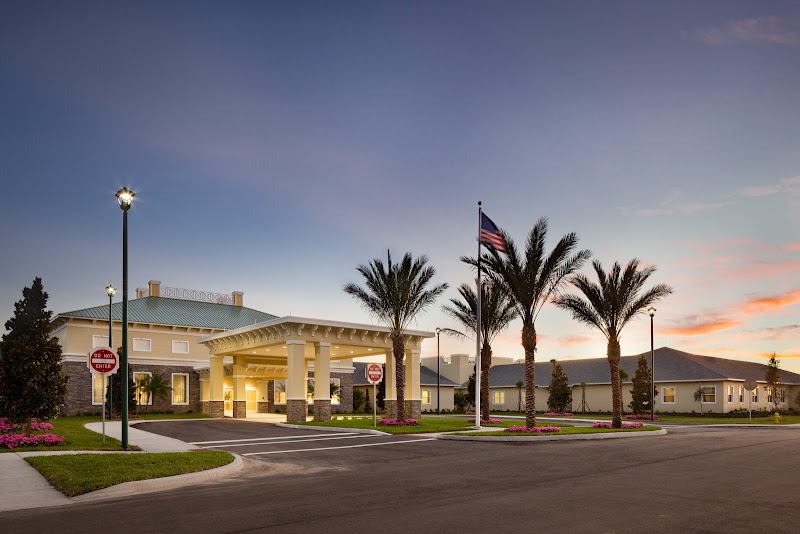
How is Viera Del Mar Center Staffed?

CMS rates VIERA DEL MAR HEALTH AND REHABILITATION CENTER's staffing level at 2 out of 5 stars, which is below average compared to other nursing homes. Staff turnover is 63%, which is 17 percentage points above the Florida average of 46%. High turnover can affect care consistency as new staff learn residents' individual needs. RN turnover specifically is 65%, which is notably high. RNs provide skilled clinical oversight, so turnover in this role can affect medical care quality.

What Have Inspectors Found at Viera Del Mar Center?

State health inspectors documented 36 deficiencies at VIERA DEL MAR HEALTH AND REHABILITATION CENTER during 2021 to 2025. These included: 3 Immediate Jeopardy (the most serious level, indicating potential for serious harm or death), 4 that caused actual resident harm, 28 with potential for harm, and 1 minor or isolated issues. Immediate Jeopardy findings are rare and represent the most serious regulatory concerns. They require immediate corrective action.
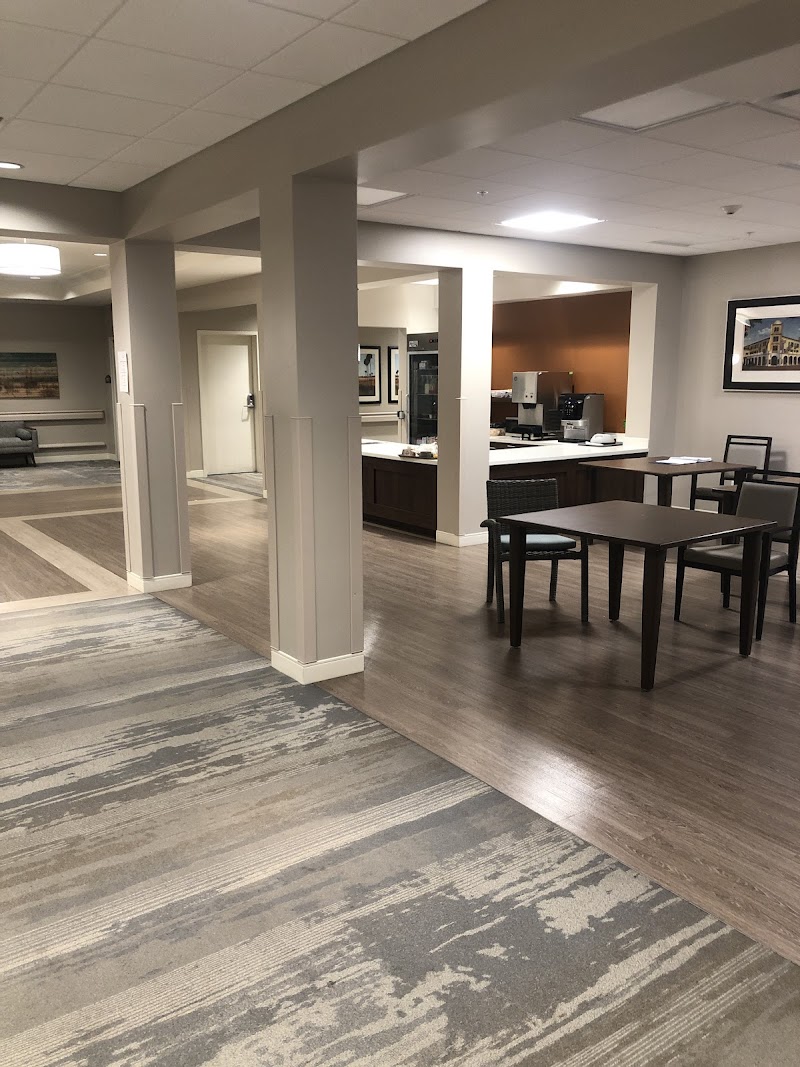
Who Owns and Operates Viera Del Mar Center?

VIERA DEL MAR HEALTH AND REHABILITATION CENTER is owned by a for-profit company. For-profit facilities operate as businesses with obligations to shareholders or private owners. The facility is operated by ASTON HEALTH, a chain that manages multiple nursing homes. With 131 certified beds and approximately 118 residents (about 90% occupancy), it is a mid-sized facility located in VIERA, Florida.

How Does Viera Del Mar Center Compare to Other Florida Nursing Homes?

Compared to the 100 nursing homes in Florida, VIERA DEL MAR HEALTH AND REHABILITATION CENTER's overall rating (2 stars) is below the state average of 3.2, staff turnover (63%) is significantly higher than the state average of 46%, and health inspection rating (1 stars) is much below the national benchmark.

What Should Families Ask When Visiting Viera Del Mar Center?

Based on this facility's data, families visiting should ask: "What changes have been made since the serious inspection findings, and how are you preventing similar issues?" "How do you ensure continuity of care given staff turnover, and what is your staff retention strategy?" "Can you walk me through typical staffing levels on day, evening, and night shifts?" "Can I visit during a mealtime to observe dining assistance and food quality?" These questions are particularly relevant given the facility's Immediate Jeopardy citations, the facility's high staff turnover rate, and the below-average staffing rating.

Is Viera Del Mar Center Safe?

Based on CMS inspection data, VIERA DEL MAR HEALTH AND REHABILITATION CENTER has documented safety concerns. Inspectors have issued 3 Immediate Jeopardy citations (the most serious violation level indicating risk of serious injury or death). The facility has a 2-star overall rating and ranks #100 of 100 nursing homes in Florida. Families considering this facility should ask detailed questions about what corrective actions have been taken since these incidents.

Do Nurses at Viera Del Mar Center Stick Around?

Staff turnover at VIERA DEL MAR HEALTH AND REHABILITATION CENTER is high. At 63%, the facility is 17 percentage points above the Florida average of 46%. Registered Nurse turnover is particularly concerning at 65%. RNs handle complex medical decisions and coordinate care — frequent RN changes can directly impact care quality. High turnover means new staff may not know residents' individual needs, medications, or preferences. It can also be disorienting for residents, especially those with dementia who rely on familiar faces. Families should ask: What is causing the turnover? What retention programs are in place? How do you ensure care continuity during staff transitions?

Was Viera Del Mar Center Ever Fined?

VIERA DEL MAR HEALTH AND REHABILITATION CENTER has been fined $133,088 across 3 penalty actions. This is 3.9x the Florida average of $34,410. Fines at this level are uncommon and typically indicate a pattern of serious deficiencies, repeated violations, or failure to correct problems promptly. CMS reserves penalties of this magnitude for facilities that pose significant, documented risk to resident health or safety. Families should request specific documentation of what issues led to these fines and what systemic changes have been implemented.

Is Viera Del Mar Center on Any Federal Watch List?

VIERA DEL MAR HEALTH AND REHABILITATION CENTER is not on any federal watch list. The most significant is the Special Focus Facility (SFF) program, which identifies the bottom 1% of nursing homes nationally based on persistent, serious quality problems. Not being on this list means the facility has avoided the pattern of deficiencies that triggers enhanced federal oversight. This is a positive indicator, though families should still review the facility's inspection history directly.