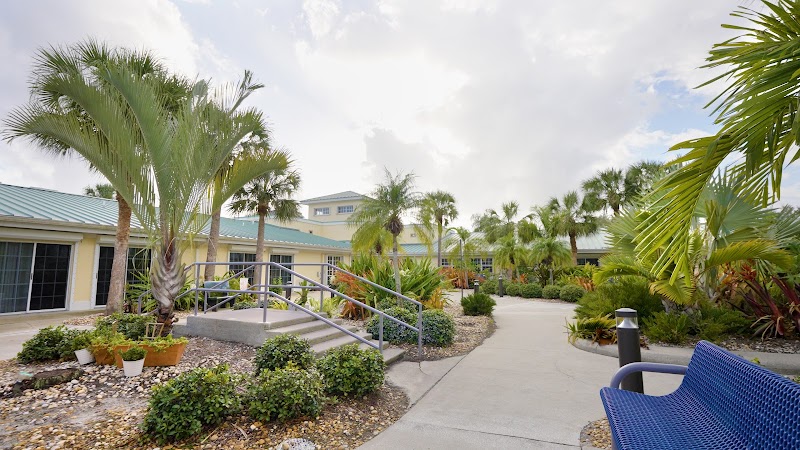
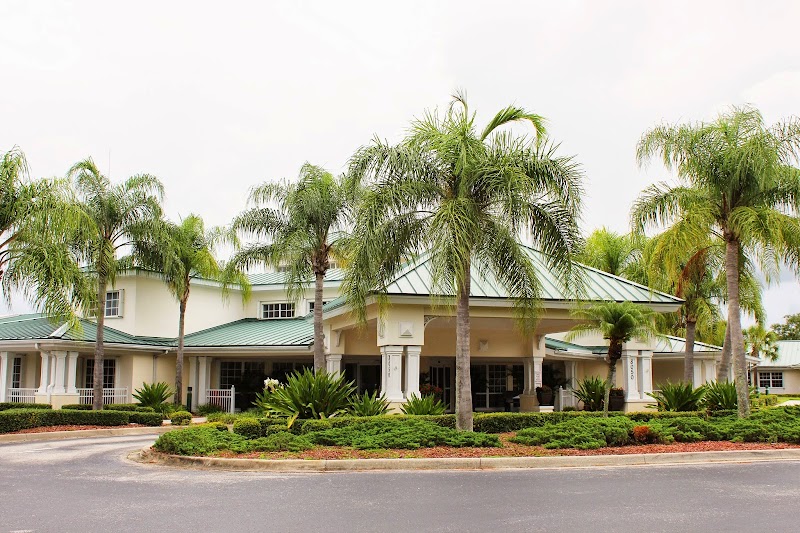
VIERA HEALTHCARE AND REHABILITATION CENTER

8050 SPYGLASS HILL RD, VIERA, FL 32940 (321) 752-1000
For profit - Individual 114 Beds GOLD FL TRUST II Data: November 2025 2 Immediate Jeopardy citations
Trust Grade
36/100
#436 of 690 in FL
Last Inspection: August 2024

Within standard 12-15 month inspection cycle. Federal law requires annual inspections.

Overview

Viera Healthcare and Rehabilitation Center has a Trust Grade of F, which indicates significant concerns about the quality of care provided, placing it in the poor category. It ranks #436 out of 690 facilities in Florida, meaning it is in the bottom half, and #9 out of 21 in Brevard County, showing that only a few local options are better. The facility's performance has been stable, with 4 issues reported in both 2024 and 2025, but it has received concerning fines totaling $34,948, higher than 78% of Florida facilities. Staffing is rated average with a turnover of 43%, which is slightly below the state average. However, the facility has critical incidents that are alarming, such as failing to provide adequate supervision for residents at risk of elopement, leading to a situation where a resident could have been seriously harmed while unsupervised. Additionally, there were significant concerns about maintaining safe and sanitary conditions in food storage areas. While there are some strengths, such as an overall quality rating of 3 out of 5, the critical issues raised by inspections should be carefully considered by families looking for care options.

Trust Score
F
36/100
In Florida
#436/690
Bottom 37%
Safety Record
High Risk
Review needed
Inspections
Holding Steady
4 → 4 violations
Staff Stability
○ Average
43% turnover. Near Florida's 48% average. Typical for the industry.
Penalties
○ Average
$34,948 in fines. Higher than 73% of Florida facilities. Some compliance issues.
Skilled Nurses
○ Average
Each resident gets 30 minutes of Registered Nurse (RN) attention daily — about average for Florida. RNs are the most trained staff who monitor for health changes.
Violations
⚠ Watch
13 deficiencies on record. Higher than average. Multiple issues found across inspections.
★★★☆☆
3.0
Overall Rating
★★★☆☆
3.0
Staff Levels
★★★★★
5.0
Care Quality
★★☆☆☆
2.0
Inspection Score
Stable
2024: 4 issues
2025: 4 issues

The Good

  • 5-Star Quality Measures · Strong clinical quality outcomes
  • Full Sprinkler Coverage · Fire safety systems throughout facility
  • No fines on record
  • Staff turnover below average (43%)

    5 points below Florida average of 48%

Facility shows strength in quality measures, fire safety.

The Bad

3-Star Overall Rating

Near Florida average (3.2)

Meets federal standards, typical of most facilities

Staff Turnover: 43%

Near Florida avg (46%)

Typical for the industry

Federal Fines: $34,948

Above median ($33,413)

Moderate penalties - review what triggered them

Chain: GOLD FL TRUST II

Part of a multi-facility chain

Ask about local staffing decisions and management

The Ugly 13 deficiencies on record

2 life-threatening
Feb 2025 4 deficiencies
CONCERN (D) 📢 Someone Reported This

A family member, employee, or ombudsman was alarmed enough to file a formal complaint

Potential for Harm - no one hurt, but risky conditions existed

Pressure Ulcer Prevention (Tag F0686)

Could have caused harm · This affected 1 resident

**NOTE- TERMS IN BRACKETS HAVE BEEN EDITED TO PROTECT CONFIDENTIALITY** Based on interview, and record review, the facility failed to provide care and services to promote healing of a sacral pressure ...

Read full inspector narrative →
**NOTE- TERMS IN BRACKETS HAVE BEEN EDITED TO PROTECT CONFIDENTIALITY** Based on interview, and record review, the facility failed to provide care and services to promote healing of a sacral pressure ulcer (PU) as ordered by the physician for 1 of 1 residents reviewed for pressure ulcers, of a total sample of 10 residents, (#9). Findings: Review of the medical record revealed resident #9 was admitted to the facility on [DATE] with diagnoses including aftercare following joint replacement surgery, type 2 diabetes, heart disease and glaucoma. Review of the admission Summary Progress Notes dated 1/29/25 revealed resident #9 required assistance with activities of daily living including bed mobility, transfers, ambulation, dressing, bathing, and toileting. Review of resident #9's admission Minimum Data Set (MDS) assessment with Assessment Reference Date of 2/05/25 revealed she had a Brief Interview for Mental Status score of 12 out of 15 which indicated moderate cognition impairment. The MDS assessment noted no rejection of care necessary to obtain goals for her health and well-being. The MDS assessment showed resident #9 was identified at risk of developing PU/injuries, she had a stage 3 PU and a surgical wound. The National Pressure Injury Advisory Panel defines a pressure injury or decubitus ulcer as localized damage to the skin and underlying soft tissue usually over a bony prominence.The injury can present as intact skin or an open ulcer and may be painful (retrieved on 2/21/25 from www.npiap.com). Review of resident #9's medical record revealed a PRN (as needed) Skin Check form dated 2/01/25. The form read, New skin impairment(s) that have not been previously noted - yes. Open area. Treatment in place. Wound dr. (physician) to evaluate. Review of resident #9's medical record revealed a Change in Condition Evaluation dated 2/02/25 read, Resident stated her bottom was hurting. Assessed the area and noted an open wound between the cheeks of her buttocks. The document indicated the physician was notified, and treatment orders and a consultation to the wound care physician were obtained. Review of resident #9's physician orders revealed an order dated 2/02/25 to cleanse the sacrum with normal saline, apply calcium alginate, and cover with bordered gauze dressing daily and as needed if the dressing was soiled or dislodged. Review of resident #9's Treatment Administration Record (TAR) and Progress Notes for February 2025 revealed wound care was not performed on 2/04/25 and 2/09/25. Review of resident #9's medical record revealed a care plan for skin impairment of a surgical wound to the right knee and PU to coccyx initiated on 2/10/25. The goal was the resident would demonstrate healing without complications. The interventions included, Perform wound treatments as ordered. Review of an Initial Wound Evaluation & Management Summary form dated 2/05/25 by the Wound Care Physician revealed a stage 3 pressure wound coccyx full thickness which measured 2.0 x 2.2 x 0.3 centimeters with moderate serous exudate, 75% granulation tissue, and 25% subcutaneous tissue. The dressing treatment plan was to apply alginate calcium, a gauze island with border and skin prep on the peri wound daily. The physician's recommendations included a Multivitamin daily, Vitamin C 500 milligrams (mg) twice daily and Zinc Sulphate 220 mg daily for 14 Days. Review of resident #9's physician orders did not include a Multivitamin daily, Vitamin C 500 milligrams (mg) twice daily or Zinc Sulphate 220 mg daily for 14 Days. On 2/12/25 at 11:55 AM, Licensed Practical Nurse (LPN) A stated he, along with another nurse, performed wound care to residents with wounds in the facility 7 days a week. He indicated the other wound care nurse rounded most often with the wound care physician but whenever he did it, he removed the dressing and cleaned the resident's wound, and redressed the wound after the wound care physician was done. He indicated he asked the wound care physician if there were any new orders when he finished with each resident. He explained after the wound care physician left the facility, they received their progress notes, usually within 3 to 4 hours, on the same day. He indicated if he felt he was lacking information, he referred to the progress note but not often. LPN A reviewed the Initial Wound Evaluation & Management Summary form dated 2/05/25 and validated the Multivitamin, Vitamin C and the Zinc Sulphate were not added to resident #9's orders. He mentioned if the wound care physician did not mention any new orders, he did not check the notes, so that is on me, but I will be doing it going on apparently. He explained he documented whenever he performed wound care. He stated he did not work on 2/04/25 or 2/09/25 and could not explain why wound care was not done those days. On 2/12/25 at 12:57 PM, the Director of Nursing (DON) explained the facility had 2 nurses who performed wound care regularly, but they had a back up if those nurses were out. She indicated her expectation for the wound care nurses was to perform wound care to any pressure wounds or surgical incisions and document it. She shared there was someone assigned to perform wound care 7 days a week. She expected the nurse performing wound care to either enter a progress note or sign off the TAR when wound care was done. She stated the wound physician should give new orders at time of rounding. She indicated the wound care nurse should review the note from the wound physician when received and update the wound log each Friday. She stated she expected the nurse who updated the log to follow up on the physician's recommendations. She indicated if a recommendation was discovered during review of the note, the primary physician would be contacted. The DON explained if the primary physician agreed with the recommendations, the wound care nurse would enter the orders. The DON stated it did not appear the wound care nurse followed through with the wound care physician's recommendations for resident #9. When asked why wound care was not performed on 2/04/25 and 2/09/25 for resident #9, the DON response was she knew who the nurse was those days, and that nurse always documented. She validated she did not see a progress note and the TAR was blank on 2/04/25 or 2/09/25. Review of the facility's policy and procedure titled Wound Care dated 4/01/2022 read, Wound care procedures and treatments should be performed according to the physician orders. The policy included to document in the clinical record when treatment was performed.
CONCERN (D) 📢 Someone Reported This

A family member, employee, or ombudsman was alarmed enough to file a formal complaint

Potential for Harm - no one hurt, but risky conditions existed

Deficiency F0698 (Tag F0698)

Could have caused harm · This affected 1 resident

**NOTE- TERMS IN BRACKETS HAVE BEEN EDITED TO PROTECT CONFIDENTIALITY** Based on interview and record review, the facility failed to maintain effective communication between nursing staff and medical ...

Read full inspector narrative →
**NOTE- TERMS IN BRACKETS HAVE BEEN EDITED TO PROTECT CONFIDENTIALITY** Based on interview and record review, the facility failed to maintain effective communication between nursing staff and medical providers and failed to collaborate with a dialysis center to promote adequate treatment, monitoring, and continuity of care for 2 of 4 residents reviewed for dialysis care and services, out of a total sample of 10 residents, (#3 and #4). Findings: Cross Reference F842 1. Review of the medical record revealed resident #3 was admitted to the facility on [DATE]. Her diagnoses included aneurysm of artery of upper extremity, end-stage renal disease (ESRD), and rapidly progressive nephritic syndrome with diffuse crescentic glomerulonephritis. According to the National Library of Medicine, Rapidly progressive glomerulonephritis (RPGN) is a clinical syndrome manifested by features of nephritic syndrome and rapid loss of the kidney function over a period of a few weeks to months. (Retrieved from https://pmc.ncbi.nlm.nih.gov/articles/PMC4720204/ on 2/21/25). Review of resident #3's physician orders revealed an order dated 2/04/25 for Sevelamer Carbonate 800 milligrams (mg) 3 tables before meals for hypocalcemia related to ESRD. Sevelamer administration was scheduled for 6:30 AM, 11:30 AM, and 4:30 PM daily. Review of resident #3's Medication Administration Record (MAR) showed Sevelamer was administered on 2/05/25 at 6:30 AM, 2/06/25 at 6:30 AM and 4:30 PM, 2/07/25 at 6:30 AM, and 2/10/25 at 6:30 AM, 11:30 AM and 4:30 PM for a total of 7 doses. Review of the Progress Note revealed Sevelamer was not available to resident #3 from 2/4/25 to 2/12/25: *2/05/25 at 6:06 PM - on order, awaiting for pharmacy, physician aware *2/06/25 at 12:17 PM - pending pharmacy delivery *2/07/25 at 5:17 PM read, Medication is not available, Medication has been reordered from pharmacy. Awaiting delivery from pharmacy. MD (physician) notified. * 2/08/25 at 7:47 AM read, Medication is not available. Contacted pharmacy. Awaiting approval. *2/08/25 at 10:40 AM read, Pharmacy states they have to go through dialysis to send pill, awaiting delivery. *2/09/25 at 6:29 AM read, Medication is not available. Contacted pharmacy. Awaiting approval. *2/09/25 at 11:03 AM read, Awaiting pharmacy delivery. *2/10/25 at 8:08 AM read, Waiting arrival from pharmacy. *2/10/25 at 4:41 PM read, Dialysis to give. *2/11/25 at 6:39 AM read, Dialysis to give. *2/11/25 at 12:36 PM read, Awaiting delivery. MD aware. *2/11/25 at 3:40 PM read, Waiting on pharmacy. *2/12/25 at 12:53 PM read, Medication to be administered at dialysis. A Progress Provider Note entered by the Physician Assistant on 2/06/25 revealed there were no concerns shared by the nursing staff. Review of resident #3's Baseline Care Plan initiated on 2/04/25 read, Resident needs dialysis. Interventions included, Administer any physician ordered medications for renal functioning. Monitor for side effects. Communicate and collaborate with dialysis center regarding weights, medication, diet, and lab results. On 2/12/25 at 1:30 PM, the Director of Nursing (DON) stated a new regulation from Centers for Medicare and Medicaid Services as of January 1st, 2025, specified dialysis centers were responsible for providing the phosphate binders which included Sevelamer. She explained they requested a 5-day supply of Sevelamer from their pharmacy for resident #3. The DON shared she expected dialysis to provide Sevelamer within 24 hours, but this was a brand-new rule, and everyone was struggling with it. She stated the Transitional Care Unit Manager (UM) placed multiple phone calls yesterday with dialysis. On 2/12/25 at 1:35 PM, the UM stated she called their pharmacy yesterday because dialysis did not have Sevelamer. She explained she had called dialysis every single day and informed the physician, but she did not document it in resident #3's medical record. She explained they recently received corporate approval for a 5-day supply of Sevelamer and it was received yesterday morning. She did not recall if she mentioned to dialysis that resident #3 had not had one dose of Sevelamer since admission. At 2:18 PM, the UM stated she reviewed the documentation for resident #3 and could not find evidence that Sevelamer was here before this morning. She stated she spoke with the nurses who documented administration of Sevelamer when the medication was not available and she said they did not have an answer. She mentioned one of the nurses confirmed he did not give the medication but documented he gave it and could not explain why he did that. Review of the Pharmacy Packing Slip dated 2/11/25 revealed resident #3's Sevelamer was included. The Signature, Date Signed, and Time Signed sections of the form were blank. 2. Review of the medical record revealed resident #4 was admitted to the facility on [DATE]. His diagnoses included alcohol abuse with intoxication, acute kidney failure, and coronary artery disease. Review of a Provider Progress Note dated 2/11/25 revealed a diagnosis of acute kidney injury on hemodialysis. According to the National Kidney Foundation, Dialysis is a type of treatment that helps your body remove extra fluid and waste products from your blood when the kidneys are not able to. By performing some of the kidney's usual duties, dialysis helps to maintain safe levels of minerals in your blood, such as potassium, sodium, calcium, and bicarbonate. The organization's website indicated it was important to complete dialysis treatments according to the prescribed schedule and inform the dialysis provider about medications and supplements taken. (Retrieved on 2/21/25 from https://www.kidney.org/atoz/content/dialysisinfo). Review of resident #4's Baseline Care Plan initiated on 2/04/25 read, Resident needs dialysis. Interventions included, Communicate and collaborate with dialysis center regarding weights, medication, diet, and lab results. Resident goes out to dialysis. Check with nurse for the schedule and assist the resident to be ready to go on time. A bag of lunch may be needed, help ensure the resident has it with them. Review of resident #4's physician orders revealed an order dated 2/07/25 which indicated dialysis center on Tuesday, Thursday and Saturday, with chair time at 7:30 AM and pick up at 6:15 AM. On 2/12/25 at 10:31 AM, resident #4 explained he received dialysis 3 times per week. He indicated this was temporary and yesterday was his 4th time. A binder was noted at his bedside table and the cover had the name of the dialysis center where he received his treatments. Resident #4 said he brought the binder from his treatment yesterday and it was left in his room. Review of the binder revealed 2 Dialysis Transfer Forms dated 2/08/25 and 2/11/25. The top and middle sections were completed, but the bottom, Post-Dialysis Treatment section, was blank on both forms. Resident #4 shared he did not get a snack nor breakfast yesterday when he left for dialysis, but he ate lunch upon his return to the facility. Review of the Dialysis Transfer Form, given to residents who went to dialysis on each visit, revealed the document included 3 sections. The top and bottom sections were to be completed by the facility's nurses and the middle section by the dialysis nurse. Resident #4's form dated 2/08/25 included a message from dialysis that read, Please place hoyer pad under patient for transfer. The dialysis nurse also wrote resident #4 was late for treatment and received an abbreviated treatment. There was no evidence in resident #4's medical record the note was clarified or addressed by the facility. On 2/12/25 at 10:50 AM, Licensed Practical Nurse (LPN) B stated resident #4's dialysis treatment was in the early morning. She explained they gave him a binder with the transfer form and lunch to take with him. She recalled resident #4 left for dialysis yesterday at approximately 7:30 AM and he was by the nurses station when she started her shift at 7:00 AM. She mentioned when he returned from dialysis before the end of her shift, she took his vital signs, and he ate lunch. She stated she reviewed the binder from dialysis and completed the section at the bottom. She indicated she documented the vital signs on the form also, as she did not enter a note in the Electronic Medical Record (EMR). She stated they kept the binder by the nurses station, not in the resident's room. At 10:56 AM, the nurse walked into resident #4's room and the UM was in the room holding the binder in her hands. On 2/12/25 at 11:00 AM, the UM explained any information they would like to communicate to dialysis was included in the dialysis binder. She stated when a resident returned from dialysis, transportation staff took the resident to his room, and they were expected to hand the binder to the nurse. She indicated the binder was not left in the resident's room. She shared she expected the nurse to take the vital signs, observe the dialysis port site, and document it on the transfer form. She indicated she was not sure if the assessment was also documented in the EMR or not. The UM looked in resident #4's EMR and stated there was documentation of the vital signs for Saturday 2/08/25 at 2:23 PM but not for yesterday. She indicated she did not see a progress note entered for 2/08/25 or 2/11/25 after the resident returned from dialysis. She validated the forms dated 2/08/25 and 2/11/25 in resident #4's binder were not completed after he returned to the facility from dialysis. She mentioned at times binders were left at the dialysis center and she was looking for resident #4's binder this morning but could not locate it. She said she was not aware resident #4 did not get breakfast or snacks before going to dialysis but she was aware of an issue with transportation yesterday. She indicated she had not seen the note added by the dialysis nurse on 2/08/25. She noted the expectation was for the nurses to review the transfer form and address any questions or concerns by the dialysis team. On 2/12/25 at 12:31 PM, the Director of Nursing (DON) stated their practice was to chart when there is something to chart about. She indicated an assessment was done by the nurse upon the resident's return from dialysis based on the documentation on the Treatment Administration Record (TAR). She explained the TAR showed a check mark when the nurses assessed the resident's dialysis catheter every shift. She stated the Dialysis Transfer Form was a tool to communicate with the dialysis center and nurses were expected to review it when residents returned from dialysis. Review of the agreement between the dialysis center for resident #3 and the facility dated 6/19/24 read, Emergency and non-emergency changes in a resident's medical condition will be immediately communicated by the party having primary knowledge of the change to the other party. Center will communicate with Nursing Facility via Dialysis Communication Form, including when a resident refuses scheduled medical management or non-compliance with medical management relating to dialysis treatment (i.e. diet, fluid restriction and medications). Center will also provide Nursing Facility with a Patient Plan and Progress Report for each resident served.
CONCERN (D) 📢 Someone Reported This

A family member, employee, or ombudsman was alarmed enough to file a formal complaint

Potential for Harm - no one hurt, but risky conditions existed

Medical Records (Tag F0842)

Could have caused harm · This affected 1 resident

**NOTE- TERMS IN BRACKETS HAVE BEEN EDITED TO PROTECT CONFIDENTIALITY** Based on interview and record review, the facility failed to accurately document the administration of medications in the Medica...

Read full inspector narrative →
**NOTE- TERMS IN BRACKETS HAVE BEEN EDITED TO PROTECT CONFIDENTIALITY** Based on interview and record review, the facility failed to accurately document the administration of medications in the Medication Administration Record (MAR) for 1 of 5 residents reviewed for medications, out of a total sample of 10 residents, ( #3). Findings: Cross Reference F698 Review of the medical record revealed resident #3 was admitted to the facility on [DATE]. Her diagnoses included aneurysm of artery of upper extremity, end-stage renal disease (ESRD), and rapidly progressive nephritic syndrome with diffuse crescentic glomerulonephritis. According to the National Library of Medicine, Rapidly progressive glomerulonephritis (RPGN) is a clinical syndrome manifested by features of nephritic syndrome and rapid loss of the kidney function over a period of a few weeks to months. (Retrieved from https://pmc.ncbi.nlm.nih.gov/articles/PMC4720204/ on 2/21/25). Review of resident #3's physician orders revealed an order dated 2/04/25 for Sevelamer Carbonate 800 milligrams (mg) 3 tables before meals for hypocalcemia related to ESRD. Sevelamer administration was scheduled for 6:30 AM, 11:30 AM, and 4:30 PM daily. Review of resident #3's MAR showed Sevelamer was administered on 2/05/25 at 6:30 AM, 2/06/25 at 6:30 AM and 4:30 PM, 2/07/25 at 6:30 AM, and 2/10/25 at 6:30 AM, 11:30 AM and 4:30 PM for a total of 7 doses. Review of the Progress Note revealed Sevelamer was not available to resident #3: *2/05/25 at 6:06 PM - on order, awaiting for pharmacy and the physician was aware. *2/06/25 at 12:17 PM - pending pharmacy delivery. *2/07/25 at 5:17 PM read, Medication is not available, Medication has been reordered from pharmacy. Awaiting delivery from pharmacy. MD (physician) notified. * 2/08/25 at 7:47 AM read, Medication is not available. Contacted pharmacy. Awaiting approval. *2/08/25 at 10:40 AM read, Pharmacy states they have to go through dialysis to send pill, awaiting delivery. *2/09/25 at 6:29 AM read, Medication is not available. Contacted pharmacy. Awaiting approval. *2/09/25 at 11:03 AM read, Awaiting pharmacy delivery. *2/10/25 at 8:08 AM read, Waiting arrival from pharmacy. *2/10/25 at 4:41 PM read, Dialysis to give. *2/11/25 at 6:39 AM read, Dialysis to give. *2/11/25 at 12:36 PM read, Awaiting delivery. MD aware. *2/11/25 at 3:40 PM read, Waiting on pharmacy. *2/12/25 at 12:53 PM read, Medication to be administered at dialysis. Review of resident #3's Baseline Care Plan initiated on 2/04/25 read, Resident needs dialysis. Interventions included, Administer any physician ordered medications for renal functioning. Monitor for side effects. Communicate and collaborate with dialysis center regarding weights, medication, diet, and lab results. On 2/12/25 at 1:35 PM, the Transitional Care Unit Manager (UM) stated she called their pharmacy yesterday because dialysis did not have Sevelamer. She shared she called dialysis every single day and informed the physician, but she did not document it in resident #3's medical record. She explained they recently received corporate approval for a 5-day supply of Sevelamer and it was received yesterday morning. Later at 2:18 PM, the UM stated she reviewed the documentation for resident #3 and could not find evidence that Sevelamer was in the facility before this morning. She stated she spoke with the nurses who documented the administration of Sevelamer when the medication was not available, and she said they did not have an answer. She mentioned one of the nurses confirmed he did not give the medication but documented he gave it and could not explain why he did that. Review of the Pharmacy Packing Slip dated 2/11/25 revealed resident #3's Sevelamer was included. The Signature, Date Signed, and Time Signed sections of the form were blank. On 2/12/25 at 2:54 PM, the Director of Nursing (DON) stated she expected the nurses to document accurately in the medical record. She indicated if a medication was not given, the physician needed to be informed, and the communication documented in the medical record. She mentioned she was not sure of the steps the facility's UMs took to communicate with the dialysis centers regarding the unavailability of Sevelamer or if they documented their efforts. She said, We do the best we can, do I document every single conversation I have with a physician or family? I cannot and I do not. She shared she had spoken to 3 physicians today and had not documented any of those conversations. Review of the policy titled Resident Identifiable Information / Medical Records dated 4/01/22 revealed the intent to maintain a medical record for each resident in accordance with federal and state guidelines. The document read, Medical records on each resident will be accurately documented; readily accessible; and systematically organized.
CONCERN (D) 📢 Someone Reported This

A family member, employee, or ombudsman was alarmed enough to file a formal complaint

Potential for Harm - no one hurt, but risky conditions existed

Infection Control (Tag F0880)

Could have caused harm · This affected 1 resident

**NOTE- TERMS IN BRACKETS HAVE BEEN EDITED TO PROTECT CONFIDENTIALITY** Based on observation, interview, and record review, the facility failed to adhere to proper hand hygiene and use of personal pro...

Read full inspector narrative →
**NOTE- TERMS IN BRACKETS HAVE BEEN EDITED TO PROTECT CONFIDENTIALITY** Based on observation, interview, and record review, the facility failed to adhere to proper hand hygiene and use of personal protective equipment (PPE) practices per infection control standards when handling soiled linens in 1 of 2 units. Findings: On 2/12/25 at 10:43 AM, Certified Nursing Assistant (CNA) C was observed leaving room [ROOM NUMBER] with a bag of dirty linens in a plastic bag and wearing a glove on her right hand. While holding the bag and wearing the glove, CNA C entered room [ROOM NUMBER], asked the resident if everything was okay, removed the glove in her right hand and kept it in her hand, then grabbed a couple of hospital gowns that were lying on a chair in room [ROOM NUMBER] with her other hand. CNA C left room [ROOM NUMBER] and re-entered room [ROOM NUMBER], placed the bag on the floor, touched the bed sheet and left the room without performing hand hygiene. On 2/12/25 at 1:45 PM, CNA C acknowledged she left room [ROOM NUMBER] with soiled linens in a plastic bag while wearing a glove on her right hand when she entered room [ROOM NUMBER]. She stated she was taking trash, gowns and things patients no longer needed to the soiled utility room. She indicated she was assigned 12 residents who had to be ready for therapy and appointments and she was only one and did not always have time to go around for all the tasks she was assigned to do. She said, The correct way, politically, I was supposed to dispose the bag in the soiled utility room. She stated she was just trying to do so many things at one time. I do the best I can. She validated bringing a bag of soiled linens from one room to another was an issue. She indicated she was not supposed to have gloves on in the hallway because of infection control. She added when she removed gloves, she was supposed to wash her hands and confirmed she did not perform hand hygiene. She confirmed she grabbed the hospital gowns on the chair and removed them from the room without placing them in a plastic bag. She stated she left them in the soiled utility room. She asked, What do I do if I am carrying soiled items and a call light is on or a resident fell, what am I supposed to do? She then stated she was supposed to take it to the soiled utility room when done with patient care. She indicated she received Infection Control training during her orientation in September 2024. Review of a Certificate of Completion for Infection Control: Comprehensive Review dated 1/03/25 revealed satisfactory completion by CNA C. Review of Certificates of Completion for Donning and Doffing PPE and Principles of Infection Control and Asepsis revealed satisfactory completion by CNA C on 9/03/24. On 2/12/25 at 3:11 PM, the Direct of Nursing (DON) stated staff could not bring soiled linens into another resident's room or wear gloves in the hall. She stated CNA C was not following their policy. Review of the facility's policy titled Standard Precautions for Infection Control dated 4/01/22 read, It will be the policy of this facility to assume that every person is potentially infected or colonized with an organism that could be transmitted in the healthcare setting and apply the following infection control practices during the delivery of health care. The document revealed hand hygiene was considered the primary means of preventing the transmission of infection. The policy instructed staff to remove and discard PPE before leaving the resident's room.
Aug 2024 1 deficiency
CONCERN (D)

Potential for Harm - no one hurt, but risky conditions existed

Deficiency F0657 (Tag F0657)

Could have caused harm · This affected 1 resident

**NOTE- TERMS IN BRACKETS HAVE BEEN EDITED TO PROTECT CONFIDENTIALITY** Based on observation, interview, and record review, the facility failed to ensure 1 of 2 residents reviewed for Care Planning we...

Read full inspector narrative →
**NOTE- TERMS IN BRACKETS HAVE BEEN EDITED TO PROTECT CONFIDENTIALITY** Based on observation, interview, and record review, the facility failed to ensure 1 of 2 residents reviewed for Care Planning were offered participation in plans or revisions to their care, of a total sample of 40 residents, (#65). Findings: Review of the medical record revealed resident #65, a [AGE] year old female was admitted to the facility on [DATE], and readmitted from an acute care hospital on 5/26/24 with diagnoses of malnutrition, type 2 diabetes mellitus, adjustment disorder with anxiety and depressed mood, gastrostomy (feeding tube) status, and acute duodenal (intestine) ulcer with perforation. The most recent Minimum Data Set (MDS) admission 5-day Assessment with an Assessment Reference Date (ARD) of 6/02/24 noted during the look back periods, the resident scored 12 out of 15 on the Brief Interview for Mental Status (BIMS) that indicated her cognition was moderately impaired. There were no signs and symptoms of delirium or rejection of care necessary to achieve health and well-being goals. The resident scored 13 out of 27 on the PHQ-2 to 9© (Resident Mood Interview) that indicated moderate depression, and she felt down, depressed, or hopeless nearly every day. The assessment showed the resident's customary routines and activities preferences were very important to her, and she required a feeding tube to sustain nutrition and hydration. The Order Summary Report included active physician's orders for nothing by mouth (NPO) diet, regular diet, regular texture, thin consistency, meat cut into bite size, sandwiches with lunch/dinner, no straw, and J (small intestine) tube/surgical site care. On 8/12/24 at 10:53 AM, resident #65 was observed sitting in a wheelchair in her room while her family representative visited. The resident was visibly upset when she said although she had asked staff on multiple occasions, they hadn't kept her updated about having her feeding tube removed. She stated, Maybe it's going to happen on Wednesday. Review of the Comprehensive Care Plan included focuses, goals, and interventions that included nutrition and hydration with a mechanically altered diet and tube feeding. The care plan showed resident #65 was at the facility for short term placement, and the resident/representative clearly expressed a desire to discharge from the facility. It was noted the resident had an alteration in mood as evidenced by adjustment disorder with mixed anxiety and read, endorses depressed mood. During an interview on 8/12/24 at 10:54 AM, the resident's representative conveyed the resident had been anxiously awaiting having the feeding tube removed as she had greatly improved and was eating regular food again. She stated, We need to know when it's happening. Review of the Care Plan Calendar Schedule provided by the MDS Coordinator documented a Care Plan Meeting had been scheduled for the resident on 5/21/24 and noted the resident had been discharged on 5/20/24. On 8/15/24 at 10:59 AM, the MDS Coordinator checked the care plan meeting schedule and explained that resident #65 had been scheduled for a care plan meeting on 5/21/24 however, she was discharged to the hospital before the meeting was held. She said when the resident returned on 5/26/24, a meeting to include the resident and/or her representative wasn't rescheduled and she stated, She should have been put back on the schedule and she was missed; we just missed it. On 8/15/24 at 2:38 PM, the Director of Nursing (DON) explained the MDS department was responsible for scheduling regular care plan meetings. She said it was important to include the resident and representative so the facility could ensure their needs were met and they understood their plan of care and discharge plans. The DON stated, It's an opportunity for us to all meet together so they understand what's going on; it can cause depression and anxiety and it's important for everybody to feel like they're heard, and things change; it's an opportunity for those to be shared. Review of the facility's standards and guidelines titled Comprehensive Assessments and Care Plans dated 4/01/22 read, . the plan of care should be created in consultation with the resident and the resident's representative (s)- (i) The resident's goals for admission and desired outcomes. (ii) The resident's preference and potential future discharge. (iii) . The facility shall maintain the right to participate in the development and implementation of his or her person-centered plan of care.
Aug 2024 3 deficiencies 2 IJ
CRITICAL (J) 📢 Someone Reported This

A family member, employee, or ombudsman was alarmed enough to file a formal complaint

Immediate Jeopardy (IJ) - the most serious Medicare violation

Free from Abuse/Neglect (Tag F0600)

Someone could have died · This affected 1 resident

**NOTE- TERMS IN BRACKETS HAVE BEEN EDITED TO PROTECT CONFIDENTIALITY** Based on interview, and record review, the facility failed to protect the resident's right to be free from neglect by not ensuri...

Read full inspector narrative →
**NOTE- TERMS IN BRACKETS HAVE BEEN EDITED TO PROTECT CONFIDENTIALITY** Based on interview, and record review, the facility failed to protect the resident's right to be free from neglect by not ensuring staff maintained a secure environment and implemented measures to mitigate the risks to prevent elopement for 1 of 9 residents reviewed for elopement, of a total sample of 10 residents, (#1). These failures contributed to the elopement of resident #1 and placed him at risk for serious injury, impairment, and/or death. While resident #1 was out of the facility unsupervised, there was reasonable likelihood he could have fallen, become lost, accosted by a stranger, or been hit by a vehicle. The facility neglected to identify the need for adequate supervision and ensure a secure environment that contributed to resident #1's elopement and placed all residents at risk for elopement at risk. This failure resulted in Immediate Jeopardy starting on [DATE]. The Immediate Jeopardy was determined to be removed on [DATE] after verification of the immediate actions implemented by the facility. The scope and severity of the deficiencies were decreased to a D, no actual harm with potential for more than minimal harm, that is not Immediate Jeopardy. There were a total of 9 current residents at risk for wandering/elopement identified at the time of the survey. Findings: Cross reference F689 On [DATE] at approximately 6:05 PM, the facility's Weekend Supervisor unlocked the door for a visitor to leave and neglected to ensure no residents followed behind the visitor. Resident #1, a vulnerable, severely cognitively impaired male followed the visitor and exited the facility unnoticed and unsupervised. Resident #1 was allowed to exit the building and walked outside on the hot, 90 degree Fahrenheit evening for approximately 30 minutes (retrieved on [DATE] from www.wunderground.com). He traveled approximately 1.1 miles away from the facility until an off-duty staff nurse noticed him and stopped to call the facility to inquire about him being missing. Resident #1 was admitted to the facility on [DATE], with diagnoses to include right femur fracture, difficulty walking, dementia, anxiety, major depressive disorder, and psychotic disorder with delusions. The Minimum Data Set (MDS) admission assessment with reference date of [DATE] revealed resident #1 had a Brief Interview for Mental Status (BIMS) score of 3 out of 15 which indicated he had severe cognitive impairment. The assessment revealed he received antipsychotics, antianxiety, antidepressant, and antibiotic medications, but did not show any documentation of behaviors towards others or rejection of care. Review of the medical record revealed resident #1 had a physician's order for an electronic wander monitoring bracelet to be applied beginning [DATE]. Review of resident #1's medical record revealed he had a care plan for potential for elopement related to his behaviors such as wanders, ambulatory, has confusion, and exit seeking initiated on [DATE]. The goal described the resident would remain safe and would refrain from leaving the facility unsupervised was initiated on [DATE] and revised on [DATE]. Interventions included enhanced supervision, initiated on [DATE], provide redirection when observed going towards exit doors, initiated on [DATE]. A revision was added to the care plan on [DATE] which indicated resident #1 had eloped from building. On [DATE] at 11:48 AM, the Weekend Supervisor stated the receptionist was on duty until 5:00 PM on the weekends and after hours any staff could let visitors in or out. She said she was the on-duty supervisor the day resident #1 eloped. The Weekend Supervisor stated she was sitting at receptionist desk charting assessments sometime after 5:00 PM on Saturday, [DATE] when a visitor approached the door to leave the facility. The Weekend Supervisor said she unlocked the door with a remote electronic key fob from where she was sitting, the visitor then pushed the door open and walked out. The Weekend Supervisor stated she did not see resident #1 behind the visitor nor see him exit out the door. The Weekend Supervisor explained no one realized resident #1 was missing from the facility until about 30 minutes later when she received a phone call from an off-duty nurse at 6:35 PM, who asked if he was a resident at the facility. On [DATE] at 1:05 PM, the Administrator shared a video on his cell phone he made of the incident from the facility's video system when he arrived to the facility the evening of [DATE]. The video from the same date, [DATE], showed the visitor pause at the door, while the Weekend Supervisor unlocked the door with the remote key at 6:05 PM, the visitor then pushed the door handle and opened the door. The Weekend Supervisor was seen lowering her head back to look at her computer and resident #1 came a few seconds later behind the visitor and exited out the door. The video showed him returning to the facility at 6:49 PM. On [DATE] at 2:26 PM, Licensed Practical Nurse (LPN) G said she worked the day shift at the facility on [DATE]. She explained that evening she went to the store with her husband and as they were leaving the parking lot, she noticed an older gentleman walking down the street because he kept looking toward the back of him as if he was looking for a ride from someone. He was walking east on the opposite side of the highway from her. LPN G recalled she asked her husband to make a U-turn because it looked like the man had an electronic wander monitoring bracelet on. LPN G explained that they caught up with the man in front of a jewelry store. She said they pulled over on the side of the road, then she got out of the car and asked the man if he needed a ride. He said yes and she asked where he was going? He replied he was going to the [military] base. LPN G recounted the man was not familiar to her, so she asked his name, which sounded familiar. She described it was hot, so she asked him to sit in the shade while she made a phone call, and he agreed. She called the Weekend Supervisor to check if he was a resident of the facility. She said a sheriff's department vehicle pulled up at this time and inquired about resident #1. Another officer arrived and both stayed until the supervisor came. LPN G stated resident #1 did not recognize her, but when the supervisor came, she thought he recognized her. The supervisor got out and talked to him and he walked to the car with her. On [DATE] at 3:20 PM, LPN B stated she was familiar with resident #1. She said she went with the supervisor to pick him up the day he eloped. She said she thought they were keeping a close eye on him that day due to his behaviors. LPN B said, He was sitting on the sidewalk on the curb with a police officer talking to him near the jewelry store. She stated when she got out of the car resident #1 was apologetic and said he knew he did something he should not have done. The LPN said resident #1 could not recall when or why he left. She explained, he told me he drove himself from the facility in a car. On [DATE] at 3:53 PM, by telephone, Certified Nursing Assistant (CNA) C stated she worked a double shift from 3:00 PM to 7:00 AM, on the day resident #1 eloped. She said that day was not unusual that he was wandering around and was asking questions about when he was going to leave and could he go home. What was different was the frequency in which he asked. CNA C said usually he would ask the questions about his wife maybe every few hours or so, but the day he eloped he kept asking about every 10 minutes. She said resident #1 also packed his bags about an hour and a half into her shift and asked why his wife left him there. CNA C explained he was walking around the facility with his bag, carrying a picture of his wife. She recalled the staff knew what he was doing that day, they had to frequently redirect him. The CNA stated everyone knew he had increased behaviors and was more persistent that day. She recounted resident #1 went up to LPN E who was at her medication cart, and talked to her, then she saw him drop his bag on her medication cart. CNA C said she let the other CNAs on the unit, and his nurse know to redirect his behaviors. The CNA said he even asked her where [city where he previously lived] was. CNA C said the supervisor called her around 5:00 PM to come and get resident #1 from the front lobby. She explained resident #1 was sitting next to the supervisor at the front desk, with his bag and a picture of his wife in his hand when she arrived at the lobby. The CNA said the supervisor asked her to take him back to his unit and keep him distracted until dinner. CNA C said she took resident #1 back to the nurse's station and stayed until she had to help deliver dinner trays which was the last time she saw him until after he returned to the facility. On [DATE] at 4:35 PM, LPN D stated she usually took care of resident #1. She said he was very forgetful, and you had to remind him over and over where he was. The LPN stated she would call his wife, and he would talk to her but forget that he talked to her shortly after. She said, He was physically independent but very forgetful, only oriented to himself. LPN D stated resident #1 was eating in his room when she went to give him his medications around 5:30 PM. The LPN said resident #1 had come to the nurse's station earlier and asked for her to call his wife. LPN D said she would call later, but he came back asking her again to call his wife. The LPN stated when she administered his medications, she told him she would call his wife before he went to bed, and he said okay. She explained resident #1 usually walked around the building, but she did not see him again that night after he got his medications. LPN D stated another staff told her resident #1 had gotten outside, but they were not sure how he got out. She said when he returned, she asked him how he got out of the building and he said, I was very careful, and asked her if he was going to get in trouble. On [DATE] at 5:04 PM, LPN E stated she worked on the day resident #1 eloped but was not his nurse. She said she had taken care of him in the past. The LPN said he wandered a lot, and he asked the same questions over and over, Why is my wife not here? She explained even when his wife had just left, he would ask about her. She continued, we would tell him his wife just left, and he would not remember she was just there. LPN E said she saw resident #1 earlier that evening and he put a bag of garbage on her medication cart, and she told him not to put trash on her cart. I think it was trash, I thought I saw a brief in it. I did not look in the bag. The LPN stated resident #1's CNA came to get him, and she was not aware he thought the bag was his belongings he was taking with him to go home. On [DATE] at 5:55 PM, the Administrator stated when he arrived at the facility that night, he started watching the videos. He said he watched a couple hours prior to the elopement and saw resident #1 wandering down the hall. The Administrator explained not all the cameras were live, some were dummies, and were not in all of the hallways. He said he saw CNA C walk resident #1 back to his room for dinner. The Administrator confirmed resident #1 came out of his room shortly after and came straight back to the front hall. He acknowledged the front hall did not have a live camera, but shortly after resident #1 was seen on video going out the front door. The Administrator stated the video showed the Weekend Supervisor returned to working on her computer and did not look up when resident #1 left the building behind the departing visitor. He said he saw the Weekend Supervisor was still at the desk when she received the phone call about resident #1 being out of the building. Review of resident #1's medical record revealed limited nursing progress notes describing resident #1's behaviors until a week before his elopement. These progress notes revealed escalating exit seeking behaviors in the week preceding the elopement. A nursing progress note dated [DATE], read, The resident removed the electronic wander monitoring bracelet on his right ankle. The bracelet was located [in] the trash can in his room. New bracelet applied on the left ankle. A nursing progress note the next day, [DATE] documented the resident was wandering up and down the unit, packed his belonging and told others he was going home. The nurse charted she notified the charge nurse and the as needed anti-anxiety medication was given. On the day he eloped, [DATE], the nurse documented the resident's behavior remained unchanged. He continued to wandering the unit, and she noted resident #1, constantly needs to be redirected without success. The nurse indicated resident #1 was again medicated for anxiety. Review of the Medication Administration Record (MAR) dated for [DATE] revealed resident #1 had an as needed (prn) order for anti-anxiety medication every 8 hours for restlessness/agitation that was in effect for 14 days starting on [DATE]. The resident received the medication one time on [DATE], once on [DATE] and again once on [DATE]. The order was not renewed, and it was discontinued after the 14 days were completed. On [DATE], the day after resident #1 cut off his electronic wander monitoring bracelet the nurse noted in the progress notes he was wandering up and down the unit and an anti-anxiety prn medication was given. This medication was restarted that same day, [DATE] as a renewal of the previous 14-day as needed anti-anxiety medication that had expired on [DATE]. Over the course of the week before the elopement resident #1 received one dose of the as needed anti-anxiety medication on [DATE], two doses on [DATE], a dose on [DATE], a dose on [DATE] and another dose on [DATE] both prior to and after the elopement. On [DATE] at 1:58 PM, the 200 Unit Manager (UM) acknowledged the prn anti-anxiety medication was restarted on [DATE] after resident #1 cut his electronic wander monitoring bracelet off the previous day. She was asked why resident #1 did not have additional interventions added to his care plan when this occurred, and his behaviors escalated the days prior to the elopement. The UM could not answer but acknowledged again the resident took his wander monitoring bracelet off on Sunday [DATE] and placed it in the garbage. She continued the bracelet was replaced on the other limb. The UM said she was notified of the incident when she came to work on Monday. She was sure it would have been discussed in morning meeting but could not answer why the interdisciplinary team (IDT) did not add interventions at that time. The 200 UM was unable to say whether psychiatric services was consulted when resident #1 was having increased episodes of behaviors and anxiety that warranted use of the prn anti-anxiety medication, and after she was given the opportunity to check the electronic record she still did not answer the inquiry. The 200 UM was not able to say why no additional interventions were put in place for resident #1 after the incident when he cut off his wander monitoring bracelet, increase in anxiety and unsuccessful attempts at redirection by staff. The UM said, There is a behavior documentation tool on the MAR and the nurse should be documenting the behavior if [prn anti-anxiety medication] was given. Review of the behavior documentation on the MAR for [DATE] revealed no behaviors documented. On [DATE] the resident received the prn anti-anxiety medication at 12:07 PM, with no behavior documented, he received it again at 9:01 PM with screaming behavior noted. He received it again on [DATE], [DATE], and in the afternoon of [DATE] with no behaviors documented by nursing staff. On [DATE] at 3:00 PM, the Administrator acknowledged he was the Risk Manager for the facility. He stated the clinical team met every morning, and discuss abnormal situations then add any interventions needed. He said he would expect the IDT team to inform him of events like when resident #1 removed his electronic wander monitoring bracelet. He said he would expect them to add some new or more effective interventions if there was a change in the resident like increased behaviors. He stated interventions were primarily the responsibility of the MDS team. On [DATE] at 4:29 PM, the MDS Coordinator stated she attended the clinical meetings in the morning. She said the team discussed risks, like falls, reviewed events that happened the day before, and the 24-hour report sheet. She stated the team decided what interventions needed to be added or updated and then they would add the interventions to the care plan. She recalled the team did speak about resident #1 wearing a wander guard and said he was usually easily redirected. The MDS Coordinator added that changes in behavior also should be reported to the physician. She acknowledged resident #1 should have had a new intervention in his care plan after cutting off his wander monitoring bracelet. The MDS Coordinator said, I was not aware he cut off his wander guard, this is the first time I am hearing this. The MDS Coordinator explained if there was a new behavior whoever was in the meeting should update the care plan. She explained that enhanced supervision meant basically to supervise resident #1 so staff always knew where he was. In a telephone interview on [DATE] at 3:33 PM, resident #1's wife stated she was notified of her husband's elopement on [DATE] between 9:00 and 9:30 PM when facility staff called her. She said they called her after he was back in the facility. She said, I was kind of upset because he had a bracelet on his leg, and he still got out. She said they told her the bracelet was put on her husband so he would not leave the facility. Resident #1's wife stated he has Alzheimer's Dementia. She said the day he got out of the nursing home their son who lives in another state came to visit her husband. She stated they brought her husband lunch and were able to eat with him. She wondered if it triggered her husband when they left the facility after lunch, because he had seen his son earlier that day and had been told he was only visiting for the day. She cried and said, My heart almost fell out of my chest when they said he was on [highway name] when they found him. Resident #1's wife said it was very scary to think that he walked that far and was on that busy road alone. On [DATE] at 12:35 PM, the Director of Nursing stated neglect was if a resident's needs were not met by the facility. She gave examples of neglect such as if residents were not bathed, not given hydration or not supervised appropriately, and said all of these things were neglect. Review of the facility policy and procedure for Abuse, Neglect Exploitation, and Investigations dated [DATE] revealed the facility would honor the resident's rights by addressing with employees the seven components including neglect in accordance with Federal law. The policy defined neglect as the failure of the facility, or its employees to provide services to a resident that were necessary to avoid physical harm, pain, mental anguish, or emotional distress. Review of immediate actions to remove the Immediate Jeopardy implemented by the facility revealed the following, which were verified by the survey team: *On [DATE], Resident #1 was returned to the facility and re-evaluated by the licensed nurse. Full body assessment of resident completed. One to one supervision initiated. Physician and resident representative notified of event. *On [DATE], the facility filed an immediate federal report related to allegation of neglect of resident #1 to Agency for Healthcare Administration, notified Department of Children and Families and initiated a full investigation. Physician and resident representative notified. *On [DATE], the Elopement Risk Alert Binder was reviewed to ensure the resident's picture and demographics were in place. Plan of care and [NAME] was reviewed to ensure accuracy of resident's current condition. Increased monitoring related to exit seeking behaviors verified in place. *On [DATE], Risk Evaluation related to elopement was conducted for resident #1. *On [DATE], facility conducted head count of residents currently residing in the facility; all were accounted for and safe. *On [DATE], doors were assessed by Administrator and Maintenance Director to ensure proper functioning; no issues or concerns were identified. It was identified through Root Cause Analysis (RCA) process that the electronic wander monitoring alarm was deactivated during the remote door opener activation to allow visitors out. Systemic changes listed below to prevent occurrence. *By [DATE], residents residing in the facility were re-evaluated/reviewed for elopement risk. *By [DATE], residents identified at risk for elopement were reviewed by Unit Managers/designee for: Elopement Screen, Car plan in place related to wandering risk, CNAs [NAME] reflective of resident status and Resident(s) present in Elopement Binder. *On [DATE], the Director of Nursing (DON) /designee reviewed elopement binders to ensure residents at risk for elopement were present and identified. *On [DATE], Resident #1 was evaluated by psychiatry. *On [DATE], DON/designee educated staff on: a. Components of the regulation: F689 b. Elopement Policy and Procedure c. 1:1 supervision d. Door/Egress checks e. Responding to an alarm f. Response to a missing resident g. Elopement Triggers h. Proactive interventions for residents at risk for wandering/elopement i. In an abundance of caution, abuse and neglect education completed. *On 7/2024, DON/designee carried out elopement drills. Education provided as indicated based on Elopement Drill findings. the facility has completed 35 elopement drills that includes 185 staff members out of 186 (the staff member not included is out of the State). *By [DATE], 167/186 facility staff members were re-educated. *By [DATE], 186/186 facility staff members were re-educated, no staff worked without receiving in-person education. Newly hired employees will receive education on above in orientation. *On [DATE], the facility removed the automatic door opener. *On [DATE], the facility adjusted the alarm delay from 15 seconds to 5 seconds to prevent tailgating. *Beginning [DATE], the facility Administrator/designee/DON/designee will ensure the safety and well-being as it relates to elopement is maintained by continued participation, evaluation, and intervention through: a. Clinical standup review of the 24-hour report to identify change in condition. b. Monitoring of egress systemic changes c. Maintaining QA/PI process. *On [DATE], anti-tailgate device was added to the front door along with antennae moved to improve field of frequency. *Beginning [DATE], the facility Administrator/designee, and the DON/designee will ensure the components of F600 compliance with an emphasis on neglect to include monitoring of facility systems during administrative/clinical standup and standdown to identify areas that may rise to the level of investigating ANEMMI to ensure residents receive the necessary care and services. Areas of service include: *Review of Concern/Grievance log *Review of 24/72 hour report log *Resident/Family Council Meeting(s) *Facility Compliance/Complaint Line *Skin integrity review for any trending *Risk Management Portal *Electronic Health Record (Point Click Care) Alert Reporting-e.g. SBAR, Stop and Watch. *By [DATE], skin evaluations for residents with a BIMS score of 11 or lower were evaluated to identify abuse or neglect. *By [DATE], residents with a BIMS score of 12 or higher were interviewed to identify abuse or neglect. From [DATE] to [DATE], interviews were conducted with 28 staff members who represented all shifts. Staff included 8 CNAs, 8 LPNs, 4 RNs, 2 Housekeepers, 1 Receptionist, 1 MDS Coordinator, 2 Dietary personnel, 1 Maintenance Director, and 1 Physical Therapy Assistant who verbalized their understanding of the education provided. The resident sample was expanded to include all 8 additional residents identified as at risk for elopement/neglect. Interviews with 3 alert and oriented residents regarding interviews conducted by facility staff regarding feeling safe and no neglect and chart reviews for 9 residents to ensure elopement risk evaluations and skin checks were completed on [DATE]. Observations, interviews, and record reviews revealed no concerns related to elopement for the expanded sample residents.
CRITICAL (J) 📢 Someone Reported This

A family member, employee, or ombudsman was alarmed enough to file a formal complaint

Immediate Jeopardy (IJ) - the most serious Medicare violation

Accident Prevention (Tag F0689)

Someone could have died · This affected 1 resident

**NOTE- TERMS IN BRACKETS HAVE BEEN EDITED TO PROTECT CONFIDENTIALITY** Based on observation, interview, and record review, the facility failed to maintain a secure environment and provide adequate su...

Read full inspector narrative →
**NOTE- TERMS IN BRACKETS HAVE BEEN EDITED TO PROTECT CONFIDENTIALITY** Based on observation, interview, and record review, the facility failed to maintain a secure environment and provide adequate supervision to prevent a severely cognitively impaired resident to exit unauthorized, and unsupervised from the facility and the safety of its property, for 1 of 9 residents reviewed for elopement risk, of a total sample of 10 residents, (#1). These failures contributed to the elopement of resident #1 and placed him at risk for serious injury, impairment, and/or death. While resident #1 was out of the facility unsupervised, there was reasonable likelihood he could have fallen, become lost, accosted by a stranger, or been hit by a vehicle and died. The facility's failure to identify and provide adequate supervision and ensure a secure environment contributed to resident #1's elopement and placed all elopement risk residents at risk. This failure resulted in Immediate Jeopardy starting on 7/20/24. The Immediate Jeopardy was determined to be removed on 7/24/24 after verification of the immediate actions by the facility. The scope and severity of the deficiencies were decreased to a D, no actual harm with a potential for more than minimal harm, that is not an Immediate Jeopardy. There were a total of 9 current residents identified at risk for wandering/elopement. Findings: Cross reference F600 On 7/20/24 at approximately 6:05 PM, the facility's Weekend Supervisor unlocked the door for a visitor to leave and neglected to ensure no residents followed out behind the visitor. Resident #1, a vulnerable, severely, cognitively impaired male, followed behind the visitor and exited the safety of the facility unnoticed and unsupervised. Resident #1 was allowed to exit the building and walked outside on the hot, sunny 90 degree Fahrenheit evening for approximately 45 minutes, traveling approximately 1.1 miles away from the facility, (retrieved on 8/04/24 from www.wunderground.com). Along the route it was noted to have uneven, sloped terrain/pavement, curbs and multiple open retention ponds. He would have crossed a heavily trafficked, six lane highway with speed limit of 40 miles per hour to reach the location where an off-duty staff member spotted him. The facility was unaware of resident #1's whereabouts until 6:35 PM when an off-duty staff member happened to see the resident walking down the street with a wander prevention bracelet and called the supervisor. Resident #1 was admitted to the facility on [DATE], with diagnoses to include right femur fracture, difficulty walking, dementia anxiety, major depressive disorder, psychotic disorder with delusions. The Minimum Data Set (MDS) admission assessment with assessment reference date of 6/24/24 revealed resident #1 had a Brief Interview for Mental Status score of 3/15 which indicated he had severe cognitive impairment. The assessment indicated he received antipsychotic, antianxiety, antidepressant, and antibiotic medications. Review of the medical record revealed resident #1 had a physician order for an electronic wander monitoring bracelet to be applied beginning 6/21/24. Review of resident #1's medical record revealed he had a care plan for potential for elopement related to his behaviors such as wandering, ambulatory, has confusion, and exit seeking initiated on 6/25/24. The goal described the resident would remain safe and would refrain from leaving the facility unsupervised was initiated on 6/25/24 and revised on 7/05/24. Interventions included enhanced supervision, initiated on 6/25/24, provide redirection when observed going towards exit doors, also initiated on 6/25/24. A revision was added to the care plan on 7/23/24 which indicated resident #1 had eloped from building. On 8/03/24 at 1:05 PM, the Administrator shared a video from his cell phone recorded on 7/20/24 from the facility's video monitoring system. The video which started at approximately 6:05 PM, showed a visitor paused at the door, while the weekend supervisor used a remote control to open the front door to exit the facility. The visitor pushed the door handle and opened the front door exiting the facility lobby. Six seconds later resident #1 went out the door after the resident. The weekend supervisor was seen seated at the receptionist desk with her head down, on the computer, totally unaware of resident #1 tailgating behind the visitor she had let out moments before. The video then showed resident #1 returning to the facility at 6:49 PM. The Administrator stated the video camera was positioned above the receptionist desk, and ran on a loop, so he had recorded the video portion of resident #1 leaving the facility on his phone but had no other record of his actions from that day. On 8/03/24 at 11:48 AM, the Weekend Supervisor stated the receptionist hours were Monday- Friday 8 AM-8 PM and Saturday and Sunday from 8 AM-5 PM. The Weekend Supervisor stated she worked most weekends and confirmed she was the supervisor in charge 7/20/24, the day resident #1 eloped. She stated she had been sitting at the receptionist desk charting assessments after the receptionist left the facility. She said she saw the visitor approach and pushed the button on the remote to unlock the door to let her out. She stated she did not see resident #1 follow behind the visitor. The supervisor explained how she had opened the door from where she was seated at the desk using the remote without having to actually get up from her position. She explained no one at the facility knew resident #1 was missing until she received a phone call from off duty Licensed Practical Nurse (LPN) G at 6:35 PM, who asked if [name of resident #1] was a resident at the facility. On 8/03/24 at 2:26 PM, LPN G said she worked the day shift at the facility on 7/20/24 then later that evening she went to pick up food at a restaurant not far from the facility with her husband. She explained as they left the parking lot, she noticed an older gentleman walking down the street who kept looking behind him as if he needed a ride or was looking for someone to pick him up. She stated the man was headed east on the sidewalk along the highway, across the intersection from where she had been parked. LPN G recounted it looked like the man had an electronic wander monitor bracelet on his leg and she asked her husband to make a U-turn so she could get a closer look. She explained they caught up with him further down the road in front of another store, so they pulled to the side of the road, and she got out of the car. She asked the gentleman if he needed a ride and where he was going. To which he replied, yes and he was going to the base. LPN G stated she did not know him, so she asked him his name, which sounded familiar. She instructed him to sit in the shade and she called her supervisor at the facility to check to see if the man was ours. Around that time a sheriff's officer pulled up and asked resident #1 where he lived, and she told him he was from the facility and a supervisor was on the way to get him. LPN G said she stayed with him until the Weekend Supervisor and another staff arrived at her location. She explained resident #1 did not recognize her but when the supervisor came, it appeared he recognized her. The supervisor got out of her car and talked to him, then he walked to the car with her. On 8/03/24 at approximately 7:25 PM and on 8/04/24 at 9:18 AM, the likely route was toured by car and by foot (see photo evidence). Per interview the resident left his room on the 200 hall and walked toward the front of the building to the lobby approximately 267 feet away. From there he exited the building through the front door and likely walked approximately 298 feet through the parking lot down a short drive to the sidewalk adjacent to a minimally busy two-lane road. On the short road adjacent the parking lot there were two open retention ponds directly across from the facility. At the sidewalk he would have turned right and walked .3 miles over uneven pavement passing multiple business entrances to where that road intersected a moderately trafficked four lane road and turned left. He continued another 0.4 miles on the moderately trafficked road passing five business entrances, the driveway for a fire station and four unsecured retention ponds. At this point there was a large intersection with busy restaurants/convenience store on three of the four corners of the intersection. Resident #1 then turned left onto the highway which was 6 lanes across at that point with traffic coming from the nearby interstate and busy shopping area a short distance away. He walked another 0.1 miles before he was stopped by LPN G and her husband at the jewelry store. On 8/03/24 at 3:20 PM, LPN B stated she was familiar with resident #1. She said she went with the Weekend Supervisor to pick him up the day he eloped. The LPN stated she went along with the supervisor to retrieve resident #1 from where LPN G found him in case she needed assistance with him due to possible behavior. LPN B said, He was sitting on the sidewalk on the curb with a police officer talking to him near the jewelry store. She stated when she got out of the car resident #1 was apologetic and said he knew he did something he should not have. The LPN said resident #1 could not recall when or why he left. She said he told her he drove himself from the facility in a car. On 8/03/24 at 3:53 PM, via telephone, Certified Nursing Assistant (CNA) C stated she worked a double shift from 3 PM to 7 AM on the day resident #1 eloped. She recalled he had wandered around that day, asking questions about every 10 minutes like, when he was going to leave? and could he go home? She said resident #1 packed his bags about an hour and a half into her shift and asked her why his wife had left him there. She recounted all the staff knew of his behaviors that day, and they needed to frequently redirect him. She expressed that everyone knew he had increased behaviors and had been hard to redirect that day. CNA C said she let the other staff, and his nurse know what he was doing so they could redirect him. She said he asked her where [the name of the city where he used to live] was. CNA C explained the Weekend Supervisor called her around 5:00 PM and asked her to come get resident #1 from the front. CNA C explained that resident #1 was sitting next to the supervisor at the front desk, with his bag and a picture of his wife in his hand when she arrived. The CNA said the supervisor asked her to take him back to his unit and keep him distracted until dinner. CNA C said she took resident #1 back to the nurse's station but shortly after the dinner trays arrived and the CNAs had to deliver them to the residents. CNA C stated she left resident #1 and went to deliver the trays and did not see him again until he was returned to the facility with the Weekend Supervisor. On 8/03/24 at 4:35 PM, LPN D stated she was assigned to care for resident #1 frequently. She recalled he was very forgetful, and staff had to remind him over and over where he was. The LPN stated she would call his wife for him; he would talk to her and only a few minutes later he would already forget that he had just talked to her. She said, He was physically independent but very forgetful, only oriented to himself. LPN D stated resident #1 was eating in his room when she went to give him his medications around 5:30 PM. She said resident #1 had come to the nurse's station earlier and asked her to call his wife, but she told him she would call her later. He came back asking for her to call his wife again. LPN D said when she gave him his medications, she promised him she would call his wife before he went to bed, and he said okay. She explained resident #1 usually walked around the building, but she did not see him that night after she gave him his medications. LPN D stated another staff told her resident #1 had left the building, but they were not sure how he got out. She said when resident #1 returned to the facility, she asked him how he got out of the building and he said, I was very careful. The LPN said he then asked her if he was going to get in trouble. On 8/03/24 at 5:21 PM, in a second interview, the Weekend Supervisor said, When [resident #1] was talking to me before the elopement, he had a picture of his wife, but I do not recall him having a bag. She said she had seen the picture in his room but did not recall seeing him carry it around with him in the past. The supervisor stated she let him sit with her and talk a little bit because she knew he was an elopement risk, and it would give him a change of scenery. She stated if she knew he was exit seeking she would have put him on one-to-one supervision. She acknowledged it was not likely he would have eloped if he had more supervision such as one to one. She stated she had not been aware his behavior was different that day. Review of resident #1's medical record revealed limited nursing progress notes describing resident #1's behaviors until a week before his elopement. These progress notes revealed escalating exit seeking behaviors in the week preceding the elopement. A nursing progress note dated 7/14/24, read, The resident removed the electronic wander monitoring bracelet on his right ankle. The bracelet was located [in] the trash can in his room. New bracelet applied on the left ankle. A nursing progress note the next day, 7/15/24 documented the resident was wandering up and down the unit, packed his belonging and told others he was going home. The nurse charted she notified the charge nurse and the as needed anti-anxiety medication was given. On the day he eloped, 7/20/24, the nurse documented the resident's behavior remained unchanged. He continued to wandering the unit, and she noted resident #1, constantly needs to be redirected without success. The nurse indicated resident #1 was again medicated for anxiety. Review of the Medication Administration Record (MAR) dated for July 2024 revealed resident #1 had an as needed (prn) order for anti-anxiety medication every 8 hours for restlessness/agitation that was in effect for 14 days starting on 6/21/24. The resident received the medication one time on 6/29/24, once on 6/30/24 and again once on 7/05/24. The order was not renewed, and it was discontinued after the 14 days were completed. On 7/15/24, the day after resident #1 cut off his electronic wander monitoring bracelet the nurse noted in the progress notes he was wandering up and down the unit and an anti-anxiety prn medication was given. A renewal order for the same as needed anti-anxiety medication every 8 hours for restlessness/agitation was documented as restarted in the record. Over the course of the week before the elopement resident #1 received one dose of the as needed anti-anxiety medication on 7/15/24, two doses on 7/16/24, a dose on 7/17/24, a dose on 7/18/24 and another dose on 7/20/24 both prior to and after the elopement. On 8/04/24 at 1:58 PM, the 200 Unit Manager (UM) acknowledged the prn anti-anxiety medication was restarted on 7/15/24 after resident #1 cut his electronic wander monitoring bracelet off the previous day. She was asked why resident #1 did not have additional interventions added to his care plan when this occurred, and his behaviors escalated the days prior to the elopement. The UM could not answer but acknowledged again the resident took his wander monitoring bracelet off on Sunday 7/14/24 and placed it in the garbage. She continued the bracelet was replaced on the other limb. The UM said she was notified of the incident when she came to work on Monday. In a telephone interview on 8/05/24 at 3:33 PM, resident #1's wife stated she was notified by staff of her husband's elopement on 7/20/24 around 9:00 PM after he was returned to the facility. She said, I was kind of upset because he had a bracelet on his leg, and he still got out. She said they told her the wander monitoring bracelet was put on her husband so he would not leave the facility. Resident #1's wife stated her husband has Alzheimer's Dementia. She said the day he got out of the nursing home their son who lived in another state came to visit her husband. She stated they brought her husband lunch and were able to eat with him. She wondered if it triggered her husband when they left the facility after lunch, because he had seen his son earlier that day and had been told he was only visiting for the day. She cried and said, My heart almost fell out of my chest when they said he was on [highway name] when they found him. Resident #1's wife said it was very scary to think about what could have happened since he walked that far away and was on that busy road alone. Review of the facility's corrective actions were verified by the survey team and included the following: * On 7/20/24, Resident #1 was returned to the facility and re-evaluated by licensed nurse. Full body assessment of resident completed. One to one supervision initiated. Physician and resident representative notified on event. * On 7/21/24, the facility filed an immediate federal report related to allegation of neglect of resident #1 to Agency for Healthcare Administration, notified Department of Children and Families and initiated a full investigation. Physician and resident representative notified. * On 7/20/24, the Elopement Risk Alert Binder was reviewed to ensure resident's picture and demographics were in place. Plan of care and [NAME] reviewed to ensure accuracy of resident's current condition. Increased monitoring related to exit seeking behaviors verified in place. * On 7/20/24, Risk Evaluation related to elopement was conducted for resident #1. * On 7/20/24, Facility conducted head count of residents currently residing in the facility; all were accounted for and safe. * On 7/20/24, Doors were assessed by Administrator and Maintenance Director to ensure proper functioning; no issues or concerns were identified. It was identified through Root Cause Analysis (RCA) process that the electronic wander monitoring alarm is deactivated during the remote door opener activation to allow visitors out. Systemic changes listed below to prevent occurrence. * By 7/20/24, Residents residing in the facility were re-evaluated/reviewed for elopement risk. * By 7/20/24, Residents identified at risk for elopement were reviewed by Unit Managers/designee for: Elopement Screen, Care plan in place related to wandering risk, CNAs [NAME] reflective of resident status and Resident(s) present in Elopement Binder. * On 7/20/24, the Director of Nursing (DON) /designee reviewed elopement binders to ensure residents at risk for elopement were present and identified. * On 7/22/24, Resident #1 was evaluated by psychiatry. * On 7/20/24, DON/designee educated staff on: a. Components of the regulation: F689 b. Elopement Policy and Procedure c. 1:1 supervision d. Door/Egress checks e. Responding to an alarm f. Response to a missing resident g. Elopement Triggers h. Proactive interventions for residents at risk for wandering/elopement i. In an abundance of caution, abuse and neglect education completed. * On 7/20/24, DON/designee carried out elopement drills. Education provided as indicated based on Elopement Drill findings. The facility has completed 35 elopement drills that includes 185 staff members out of 186 (the staff member not included is out of the State). * By 7/24/24, 167/186 facility staff members were re-educated. * By 7/26/24, 186/186 facility staff members were re-educated, no staff worked without receiving in-person education. Newly hired employees will receive education on above in orientation. * On 7/20/24, the facility removed the automatic door opener. * On 7/20/24, the facility adjusted the alarm delay from 15 seconds to 5 seconds to prevent tailgating. * Beginning 7/20/24, the facility Administrator/designee/DON/designee will ensure that the safety and well-being as it relates to elopement is maintained by continued participation, evaluation, and intervention through: a. Clinical standup review of the 24-hour report to identify change in condition. b. Monitoring of egress systemic changes c. Maintaining QAPI process. * On 7/26/24, anti-tailgate device was added to the front door along with antennae moved to improve field of frequency. From 8/03/24 to 8/06/24, interviews were conducted with 28 staff members who represented all shifts. Staff included 8 CNAs,8 LPNs, 4 RNs, 2 Housekeepers, 1 Receptionist, 1 MDS Coordinator, 2 Dietary personnel, 1 Maintenance Director, and 1 Physical Therapy Assistant who verbalized their understanding of the education provided. The resident sample was expanded to include all eight residents identified as at risk for elopement currently in the facility. Interviews with three alert and oriented residents regarding interviews conducted by facility staff regarding feeling safe and no neglect and chart reviews for the other 8 residents to ensure elopement risk evaluations and skin checks were completed on 7/20/24. Observations, interviews, and record reviews revealed no concerns related to Elopement.
CONCERN (D) 📢 Someone Reported This

A family member, employee, or ombudsman was alarmed enough to file a formal complaint

Potential for Harm - no one hurt, but risky conditions existed

Investigate Abuse (Tag F0610)

Could have caused harm · This affected 1 resident

**NOTE- TERMS IN BRACKETS HAVE BEEN EDITED TO PROTECT CONFIDENTIALITY** Based on interview, and record review, the facility failed to ensure a thorough investigation was conducted/completed in respons...

Read full inspector narrative →
**NOTE- TERMS IN BRACKETS HAVE BEEN EDITED TO PROTECT CONFIDENTIALITY** Based on interview, and record review, the facility failed to ensure a thorough investigation was conducted/completed in response to possible neglect for a resident elopement for 1 resident of 9 residents reviewed for elopement, of a total sample of 10 residents, (#1). Findings: Resident #1 was admitted to the facility on [DATE], with diagnoses to include right femur fracture, difficulty walking, dementia, anxiety, major depressive disorder, and psychotic disorder with delusions. The Minimum Data Set admission assessment with assessment reference date of 6/24/24 revealed resident #1 had a Brief Interview for Mental Status score of 03/15 which indicated he had severe cognitive impairment. The assessment read he received the following medications, antipsychotics, antianxiety, antidepressant, and antibiotics. On 8/03/24 at 11:48 AM, the Weekend Supervisor stated she was sitting at the receptionist desk on Saturday, 7/20/24 sometime after 5:00 PM, charting assessments when a visitor came to the door to leave. The supervisor said from where she was seated, she unlocked the door with the remote, the visitor pushed the bar on the door, opened the door and walked out. The supervisor stated she returned to her work and did not see anyone behind the visitor go out the door. She explained no one knew resident #1 was missing from the facility until she got a phone call from an off-duty nurse at 6:35 PM, who asked if he was a resident and explained she has seen him walking down a busy highway about a mile away from the facilty. On 8/03/24 at 1:05 PM, the Administrator shared video footage of the incident from his cell phone taken on 7/20/24 after resident #1's elopement. According to the video, at 6:05 PM, a visitor was seen paused at the door, while the Weekend Supervisor pushed the button, a few seconds later the visitor pushed the door handle and opened the door. Resident #1 came behind the visitor and went out the door 6 seconds later. The video showed him returning to the facility at 6:49 PM. On 8/03/24 at 3:53 PM, via telephone, Certified Nursing Assistant (CNA) C stated she worked a double shift from 3:00 PM to 7:00 AM the day resident #1 eloped. She recalled the day he eloped he had been wandering around, and asked more frequently questions like when he was going to leave and could he go home, about every 10 minutes. She recounted resident #1 packed his bags about an hour and a half into her shift and asked why his wife had left him there. CNA C stated the staff had to redirect him frequently that day because he had increased behaviors and was more persistent with them. She remembered she let the other CNAs, and his nurse know so they could also redirect him. She said he asked her where [his home] was. CNA C explained the Weekend Supervisor called her around 5:00 PM and asked her to come get him from the front desk and keep him occupied after he wandered up there and set the wander prevention alarm off. CNA C explained when she arrived to the lobby resident #1 was sitting next to the supervisor at the front desk, with his bag and a picture of his wife in his hand. CNA C said she took resident #1 back to the nurse's station and stayed near him until she had to help deliver trays for dinner. She added if resident #1 had been on 1:1 supervision she did not think he would have gotten out. She explained she wrote a statement afterwards and got education for elopement, abuse and neglect. On 8/03/24 at 7:08 PM, CNA F stated she was working on the 200 unit the night resident #1 eloped. She stated was not resident #1's assigned CNA that evening, but she knew him as being confused and needing redirection and supervision sometimes. She recalled resident #1's behavior caught her attention when she arrived to her shift on that Saturday as he kept walking up the hallway in the front of the 200 unit toward the lobby, which was not usual for him. She explained he carried around a bag and a picture of his wife, was carefully watching the staff watching him, and had told her he was leaving and had been doing these type of things all week. CNA F recalled while her and CNA C were passing dinner trays resident #1 approached them and the redirected him back to his room. She stated she told CNA C that resident #1 needed to be on 1 to 1 supervision because of the way he was acting, and CNA C told her he was okay. CNA F explained she did not write a statement after the elopement incident, nor did anyone follow up to interview or ask her questions about what she saw or what happened that evening, nor did she voluntarily go to Supervisory staff to volunteer information about what happened. CNA F stated she told CNA C after the elopement, I told you he needed to be on 1 to 1 [supervision]. On 8/03/24 at 4:34 PM, Licensed Practical Nurse (LPN) D stated she was assigned to resident #1 the night he eloped. She said she was not aware his CNA had to retrieve him from the lobby area. LPN D said she was surprised when the supervisor told her he got out of the building. She said when he returned, she asked him how he he left and he said, I was very careful. The LPN said he then asked her if he was going to get in trouble. LPN D stated the staff got education when the administrative team got to the facility that evening, and she wrote a statement. She explained she talked with the Director of Nursing (DON) that evening about the event, but no one inquired about resident' #1's behaviors that shift. On 8/04/24 at 1:58 PM, the 200 Unit Manager (UM) stated she did not think resident #1 had any new behaviors although she acknowledged nurses needed to reinstate an as needed anti anxiety medication order that week, which he received multiple times. The UM stated he needed the medication because he was more anxious, but did not elaborate further. When asked why he was given the as needed anti-anxiety medication when he cut off his wander monitoring bracelet, packed his clothes to leave and staff were not able to redirect him as these were more behaviors than anxiety, she again stated he got the medication for anxiety not behaviors. The UM stated all of the staff who worked that night were interviewed on the night of the elopement by the DON, UMs, and Assistant DON. She was unable to say who was interviewed, nor how did they know if all of the staff were interviewed. The 200 UM stated they did not have documentation of which staff were interviewed, or what was said during those interviews. On 8/03/24 at 5:55 PM, in joint interviews with the Director of Nursing (DON), the Administrator, the [NAME] President of Clinical Services and the Regional Nurse, the DON stated on the evening of the elopement, she asked all staff in the facility to write a statement regarding interactions with resident #1. She read statements including, LPN E's statement read, The last time I saw resident was at 6:19 PM. CNA J's statement read, he saw him while was passing trays in his room at approximately 5:30 PM. CNA C's statement from 7/20 read, [resident #1's name] left saw him between 6-6:30 PM. The DON acknowledged that two of the staff statements said they saw the resident when he was not in the building per the facility video timeline. The DON stated she did not interview or speak to the staff again personally after she received their statements to clarify or add additional information to her investigation of the incident. She stated she asked for written statements then she and the managers provided verbal education to the staff. The DON could not say why she did not further investigate by clarifying or asking for additional details from staff when some statements were vague or incorrect only saying she did not want to change them. She confirmed the facility had no further written documentation showing further investigation with the staff, and explained she had talked to staff throughout that evening and no one mentioned resident #1's behavior. The Regional Nurse explained, because there was actual video footage that showed what happened they did not feel they needed additional information from the staff. On 8/04/24 at 4:53 PM, the [NAME] President of Clinical Services and the Regional Nurse confirmed the facility did not have a statement documented from CNA F or an interview from 7/20/24, the night of the elopement. They presented a verbal statement signed by CNA F and transcribed on 8/03/24 in which CNA F stated, I felt something wasn't right. On 8/04/24 at 3:01 PM, the Administrator stated he was the Risk Manager for the facility. He explained interviews were part of the investigation process for abuse or neglect allegations as well as taking statements from staff or witnesses. He was unable to say how the facility would know if they had interviewed all of the pertinent players or what had been said if there was no documentation for it. Review of the facility Abuse, Neglect, Exploitation and Investigation policy and procedure issued 4/01/22, read, The facility will conduct their own internal investigation including but not limited to staff.resident, and family/resident representative interviews, medical records.
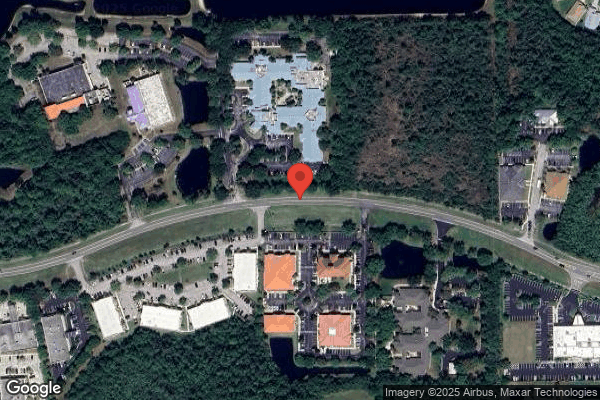
Jun 2022 3 deficiencies
CONCERN (D)

Potential for Harm - no one hurt, but risky conditions existed

Assessment Accuracy (Tag F0641)

Could have caused harm · This affected 1 resident

**NOTE- TERMS IN BRACKETS HAVE BEEN EDITED TO PROTECT CONFIDENTIALITY** Based on observation, interview, and record review, the facility failed to ensure Minimum Data Set (MDS) assessments accurately ...

Read full inspector narrative →
**NOTE- TERMS IN BRACKETS HAVE BEEN EDITED TO PROTECT CONFIDENTIALITY** Based on observation, interview, and record review, the facility failed to ensure Minimum Data Set (MDS) assessments accurately reflected health conditions related to falls for 1 of 5 residents reviewed for accidents (#608), and respiratory status for 1 of 3 residents reviewed for respiratory care (#51), out of a total sample of 44 residents. Findings: 1. Review of the medical record revealed resident #608 was admitted to the facility on [DATE] from an acute care hospital with diagnoses including epilepsy, hemiplegia, difficulty walking, muscle weakness, lack of coordination, and cerebral infarction (stroke). On 6/27/22 at 4:20 PM, the resident was seated in a wheelchair across from the nurses' station with obvious bruising noted left side of her face. Personal Care Attendant D stated the resident's bruising resulted from a fall 3 to 4 days ago. Initial review of the incident log showed since her admission, the resident had falls on 6/19/22, 6/23/22 and 6/25/22. Review of nursing documentation dated 6/17/22 read, Upon assessment patient state 'I fell last night when I was going to bathroom.' A knot is noted on the left side of patient forehead. Progress notes for resident #608 showed post-fall Interdisciplinary Plan of Care (IPOC) meetings were held on 6/19/22, 6/24/22 and 6/27/22. There was no documentation an IPOC meeting transpired to discuss the resident's fall on 6/17/22. The 6/19/22 meeting discussion referred to fall on 6/19/22; the 6/24/22 meeting discussion was for the fall on 6/23/22; and the 6/27/22 meeting discussed the fall on 6/25/22. On 6/30/22 at 9:37 AM, the Director of Nursing (DON) reviewed the facility incident documentation for the resident's fall on 6/17/22 at approximately 5:05 AM. The DON explained resident #608's fall did not show up on their incident list provided as it was entered in the category of other instead of as a fall. The DON stated the resident was found on the floor mat adjacent to bed by the night nurse and was noted with new redness to her forehead post fall. Review of the 5-day MDS assessment with assessment reference date (ARD) of 6/22/22 revealed in Section J Health Conditions .J1900. Any Falls Since admission or Prior Assessment, whichever is More Recent resident #608 was assessed as having one fall without injury. On 6/30/22 at 2:13 PM, Registered Nurse (RN) MDS Coordinator and Licensed Practical Nurse (LPN) MDS Coordinator acknowledged the 5-day MDS dated [DATE] did not reflect resident #608's fall on 6/17/22. The RN MDS Coordinator said that question J1900B should have bed marked 1 to indicated resident had a fall with minor injury in the 7-day look back period. The MDS Coordinators added they were not aware of the resident's fall on 6/17/22 as it was not documented in the medical record and they did not remember hearing about it at the daily clinical meeting. The Centers for Medicare and Medicaid Services Resident Assessment Instrument Version 3.0 Manual dated October 19, 2019 read, .J1900: Number of Falls Since Admission/Entry .B. Injury (except major)-skin tears, abrasions, lacerations, superficial bruises .Falls are a leading cause of morbidity and mortality among nursing home residents .Identification of residents who are at high risk of falling is a top priority for care planning .It is important to ensure the accuracy of the level of injury resulting from a fall. Since injuries can present themselves later than the time of the fall .Coding Instructions for J1900B, Injury Except Major) .Code 1, one: if the resident had one injurious fall (except major) since admission/entry. 2. Clinical record review revealed resident #51 was admitted to the facility on [DATE], with diagnoses which included Chronic Obstructive Pulmonary Disease (COPD), atrial fibrillation, and systolic (congestive) heart failure. Review of the resident's clinical record revealed a physician order dated 2/28/22 for Oxygen at 2 liters per minute via nasal cannula every shift related to COPD. Review of the resident's MDS Quarterly assessment with ARD of 5/18/22 revealed Section O required documentation of Special Treatments, Procedures, and Programs performed during the last 14 days. However, resident #51's oxygen therapy was not checked. Review of the resident's Treatment Administration Record (TAR) for the period reviewed for the assessment revealed the resident received oxygen during the 7 days look back period. On 6/30/22 at 12:58 PM, the RN MDS Coordinator stated the MDS assessment was completed by doing a 7-day look back, and included observations, interviews with the resident and staff, and review of the resident's clinical records. During review of resident #51's MDS Quarterly assessment with the RN MDS Coordinator, she validated the assessment was not coded to indicate the use of oxygen. The RN MDS Coordinator reviewed the resident's physician orders and TAR and verbalized the resident received oxygen therapy during the assessment period, therefore the MDS assessment was incorrect.
CONCERN (D)

Potential for Harm - no one hurt, but risky conditions existed

ADL Care (Tag F0677)

Could have caused harm · This affected 1 resident

**NOTE- TERMS IN BRACKETS HAVE BEEN EDITED TO PROTECT CONFIDENTIALITY** Based on observation, interview and record review, the facility failed to provide fingernail care for a dependent resident, for ...

Read full inspector narrative →
**NOTE- TERMS IN BRACKETS HAVE BEEN EDITED TO PROTECT CONFIDENTIALITY** Based on observation, interview and record review, the facility failed to provide fingernail care for a dependent resident, for 1 of 4 residents reviewed for Activities of Daily Living (ADL) care, out of a total sample of 44 residents, (#70). Findings: Clinical record review revealed resident #70 was admitted to the facility on [DATE] and readmitted on [DATE]. His diagnoses included encephalopathy, end stage renal disease, schizoaffective disorder, and anxiety disorder. Review of the resident's Minimum Data Set (MDS) Quarterly assessment with Assessment Reference date of 5/26/22, revealed the resident's cognition was intact with a Brief Interview of Mental Status score of 13/15. He required extensive assistance from one person for dressing, and personal hygiene, and had functional limitation in range of motion on one side in his upper extremity. On 6/28/22 at 10:15 AM, as resident #70 propelled himself in his wheelchair in the hallway of the Residential Care Unit (RCU), his fingernails on both hands were noted to be long and untrimmed. The resident stated his nails were last trimmed about a month ago and he did not like them that long. On 6/28/22 at 5:06 PM, Licensed Practical Nurse (LPN) E stated nail care was done by the Certified Nursing Assistants (CNAs), and residents' nails should be checked during ADL care to ensure they were clean and trimmed. On 6/28/22 at 5:19 PM, CNA C stated nail care was done during ADL care. She acknowledged resident #70 was on her assignment since 7:00 AM that morning but she had not trimmed his nails. During observation of the resident's fingernails with CNA C, she verbalized the fingernails were long and untrimmed. The resident confirmed his fingernails were too long and needed to be trimmed. He reiterated his fingernails were last trimmed approximately one month ago. On 6/28/22 at 5:30 PM, the RCU LPN Unit Manager (UM) stated nail care was to be done by the CNAs and should be completed on shower days and/or during ADL care as needed. The UM was made aware of resident #70's untrimmed nails and she confirmed the resident's fingernails should have been trimmed. Review of the CNA care plan or Kardex indicated the resident required limited to extensive assistance with personal hygiene. Review of the resident's nursing care plan for ADL self-care performance deficit related to activity intolerance, dementia and limited mobility, initiated on 11/23/20, revealed an intervention which directed staff to provide nail care to maintain clean and trimmed, per his preference. The facility's policy Nail Care issued on 4/01/22 read, It will be the policy of this facility to provide nail care to residents per resident preferences .Nail care includes .regular trimming.
CONCERN (E)

Potential for Harm - no one hurt, but risky conditions existed

Food Safety (Tag F0812)

Could have caused harm · This affected multiple residents

Based on observation, interview, and record review, the facility failed to maintain safe and sanitary conditions for food storage in 1 of 2 nutrition rooms, (Residential Care Unit). Findings: On 6/30/...

Read full inspector narrative →
Based on observation, interview, and record review, the facility failed to maintain safe and sanitary conditions for food storage in 1 of 2 nutrition rooms, (Residential Care Unit). Findings: On 6/30/22 at 11:40 AM, during a tour of the Residential Care Unit (RCU) nutrition room with Registered Nurse B and the Transitional Care Unit (TCU) Unit Manager (UM), the following concerns were identified: * One 28 ounce (oz) undated plastic container one-quarter full of cheeseballs on top of microwave. * Two 12 oz. cans of opened, undated warm soda pop in the upper left cabinet. * Two 32 oz. empty plastic drink containers with straws and dried residue in the middle upper cabinet. * Cabinets and drawers were dirty with gray dust inside and on the edges of drawers. * Miscellaneous items in the cabinets and drawers were disorganized including an empty plastic cup, lids, condiments, crackers, cookies, crumpled plastic bags and aluminum foil. * The cabinets and drawers were noted to be in poor repair, with some coming off the hinges. * The microwave had three rusted areas, each approximately 1 inch diameter, that appeared to have rusted completely through the ceiling of the appliance. The following concerns were observed with the refrigerator: * The floor around the refrigerator was dirty and in poor repair with holes and cracks noted in the extremely worn laminate flooring material. There was a brown, chunky substance visible underneath the refrigerator. * A yellow/brown substance was noted under the vegetable/fruit drawers and in between the bottom glass shelf and plastic bins. * The seal on the bottom door of the refrigerator was lifting away from the door and there was a black substance present on the seal. * The freezer contained an undated 500 milliliter bottle of soda, and there was a dried, red/brown substance on the bottom of the freezer compartment. The TCU UM stated she did not know who was assigned to keep the nutrition room clean and organized. She explained the sodas belonged to staff and should not be stored in the nutrition room. She explained any staff member could have reported the concerns regarding the rusted areas inside microwave to Maintenance department staff. The TCU UM stated the nutrition room could use a new microwave, refrigerator, and cabinets. On 6/30/22 at 2:05 PM, the Certified Dietary Manager verified staff were not to store food and/or drink in the nutrition rooms. She stated she did not think kitchen staff were responsible for cleaning nutrition rooms. On 6/30/22 at 3:45 PM, the Nursing Home Administrator (NHA) was informed of the concerns identified in the RCU nutrition room. He stated all staff were responsible for reporting any maintenance issues in the nutrition rooms through the facility's electronic reporting system. The NHA explained maintenance staff would inspect the reported area or issue and if unable to fix it, they would request a replacement. The NHA added that kitchen and housekeeping staff were responsible for cleaning the nutrition rooms at least once daily. Review of the facility's policy for Cleaning and Sanitizing of Food and Non-Food Contact Surfaces revised 3/04/21 read, Food and contact surfaces are properly cleaned and sanitized before and after use, in order to help prevent foodborne illness and minimize bacterial growth. Review of the facility's policy and procedure for Environmental Services Cleaning Guideline, issued 4/01/22 read, It is the policy of this facility that the workplace will be maintained in a clean and sanitary condition with a written schedule of cleaning decontamination based on the area of the facility. Purpose: It is important that clean, safe, and sanitary environment is maintained for our residents.
Apr 2021 2 deficiencies
CONCERN (D)

Potential for Harm - no one hurt, but risky conditions existed

ADL Care (Tag F0677)

Could have caused harm · This affected 1 resident

**NOTE- TERMS IN BRACKETS HAVE BEEN EDITED TO PROTECT CONFIDENTIALITY** Based on observation, interview and record review, the facility failed to provide nail care for 1 of 2 dependent residents revie...

Read full inspector narrative →
**NOTE- TERMS IN BRACKETS HAVE BEEN EDITED TO PROTECT CONFIDENTIALITY** Based on observation, interview and record review, the facility failed to provide nail care for 1 of 2 dependent residents reviewed for Activities of Daily Living (ADL) of a total sample of 47 residents, (#49). Findings: Resident #49 was admitted to the facility on [DATE] with diagnoses of dementia, diabetes type II, and anxiety disorder. Review of the resident's quarterly Minimum Data Set (MDS) assessment with assessment reference date 3/10/21, revealed resident #49 was rarely/never understood, and required extensive assistance with one person physical assist for personal hygiene. On 04/26/21 at 11:08 AM, resident #49 was sitting up in bed. The finger nails of her right hand were long with a dark substance under the nails. On 04/28/21 at 9:18 AM, Certified Nursing assistant (CNA) A stated the resident required total care for ADLs, and nail care was provided as needed. The resident's finger nails were observed with CNA A. The resident's finger nails to both hand were untrimmed, with a dark substance under the nails. CNA A acknowledged the long and dirty fingernails and said the resident resisted care at times. On 04/28/21 at 10:32 AM, Licensed Practical Nurse (LPN) B stated nail care was done by the CNAs, and should be provided daily and as needed. The resident's long and dirty fingernails were observed with LPN B and she acknowledged the findings. On 04/28/21 at 11:10 AM, the Resident Care Unit-LPN/Unit Manager (UM) stated nail care was part of the CNAs daily ADL care. The UM said nail care should be done on a daily basis and as needed. The LPN/UM stated she went into the resident's room, and noted the resident's nails were untrimmed and dirty. On 04/29/21 at 8:46 AM, the Director of Nursing (DON) stated nail care was part of ADL care. If the resident resisted ADL care, the behavior would be care planned, and staff should go back and re-attempt care. Review of the Visual/ Bedside [NAME] Report and the resident's care plan for ADL self-care performance deficit created on 4/27/16 and revised on 6/12/20 included interventions to, Observe nails each shift and ensure they are cleaned and well trimmed to her satisfaction. The facility's policy Nail Care issued 2/01/2009, revised 3/27/2021 read, It will be the standard of this facility to provide nail care to residents per resident preferences and to maintain dignity.
CONCERN (E)

Potential for Harm - no one hurt, but risky conditions existed

Food Safety (Tag F0812)

Could have caused harm · This affected multiple residents

Based on observation, interview, and record review, the facility failed to ensure the ice machine in the Residential Care Unit (RCU) nourishment room was clean and failed to ensure ice machine water f...

Read full inspector narrative →
Based on observation, interview, and record review, the facility failed to ensure the ice machine in the Residential Care Unit (RCU) nourishment room was clean and failed to ensure ice machine water filters were changed in both the RCU and Transitional Care Unit (TCU) nourishment rooms. Findings: On 04/26/21 at 2:04 PM, the RCU nourishment room was observed with a bin type ice machine. The interior guard panel of the ice machine had a pink film present. The side air filter guard was covered with a dusty white substance. The water filter in the ice machine was dated 12/27/19 and had a note to, replace on 6/2020. On 04/26/21 at 2:10 PM, the TCU nourishment room had dispenser type ice machine. The ice machine water filter was dated as installed on 12/31/19 with note to replace on 6/31/19. On 4/26/21 at 2:45 PM, the Director of Operations said he had identified the filters needed to be replaced and sent e-mail on 2/15/21 requesting assistance in locating the filters. He added that he did not get a response. He acknowledged the inside of the RCU ice machine was not cleaned and the filters in both ice machines were not changed timely. Review of the electronic maintenance procedures noted to check filters, clean coils, sanitize interior, de-lime as necessary every 3 months. Check water filter at a minimum every six months. Clean exterior, check filter, date and make note.
Understanding Severity Codes (click to expand)
Life-Threatening (Immediate Jeopardy)
J - Isolated K - Pattern L - Widespread
Actual Harm
G - Isolated H - Pattern I - Widespread
Potential for Harm
D - Isolated E - Pattern F - Widespread
No Harm (Minor)
A - Isolated B - Pattern C - Widespread

Questions to Ask on Your Visit

  • "What changes have you made since the serious inspection findings?"
  • "Can I speak with families of current residents?"
  • "What's your RN coverage like on weekends and overnight?"

Our Honest Assessment

Strengths
  • • 43% turnover. Below Florida's 48% average. Good staff retention means consistent care.
Concerns
  • • Multiple safety concerns identified: 2 life-threatening violation(s), $34,948 in fines. Review inspection reports carefully.
  • • 13 deficiencies on record, including 2 critical (life-threatening) violations. These warrant careful review before choosing this facility.
  • • $34,948 in fines. Higher than 94% of Florida facilities, suggesting repeated compliance issues.
  • • Grade F (36/100). Below average facility with significant concerns.
Bottom line: Trust Score of 36/100 indicates significant concerns. Thoroughly evaluate alternatives.

About This Facility

What is Viera Healthcare And Rehabilitation Center's CMS Rating?

CMS assigns VIERA HEALTHCARE AND REHABILITATION CENTER an overall rating of 3 out of 5 stars, which is considered average nationally. Within Florida, this rating places the facility higher than 0% of the state's 100 nursing homes. This mid-range rating indicates the facility meets federal standards but may have areas for improvement.

How is Viera Healthcare And Rehabilitation Center Staffed?

CMS rates VIERA HEALTHCARE AND REHABILITATION CENTER's staffing level at 3 out of 5 stars, which is average compared to other nursing homes. Staff turnover is 43%, compared to the Florida average of 46%. This relatively stable workforce can support continuity of care.

What Have Inspectors Found at Viera Healthcare And Rehabilitation Center?

State health inspectors documented 13 deficiencies at VIERA HEALTHCARE AND REHABILITATION CENTER during 2021 to 2025. These included: 2 Immediate Jeopardy (the most serious level, indicating potential for serious harm or death) and 11 with potential for harm. Immediate Jeopardy findings are rare and represent the most serious regulatory concerns. They require immediate corrective action.

Who Owns and Operates Viera Healthcare And Rehabilitation Center?

VIERA HEALTHCARE AND REHABILITATION CENTER is owned by a for-profit company. For-profit facilities operate as businesses with obligations to shareholders or private owners. The facility is operated by GOLD FL TRUST II, a chain that manages multiple nursing homes. With 114 certified beds and approximately 108 residents (about 95% occupancy), it is a mid-sized facility located in VIERA, Florida.

How Does Viera Healthcare And Rehabilitation Center Compare to Other Florida Nursing Homes?

Compared to the 100 nursing homes in Florida, VIERA HEALTHCARE AND REHABILITATION CENTER's overall rating (3 stars) is below the state average of 3.2, staff turnover (43%) is near the state average of 46%, and health inspection rating (2 stars) is below the national benchmark.

What Should Families Ask When Visiting Viera Healthcare And Rehabilitation Center?

Based on this facility's data, families visiting should ask: "What changes have been made since the serious inspection findings, and how are you preventing similar issues?" "Can I visit during a mealtime to observe dining assistance and food quality?" "How do you handle medical emergencies, and what is your hospital transfer rate?" "Can I speak with family members of current residents about their experience?" These questions are particularly relevant given the facility's Immediate Jeopardy citations.

Is Viera Healthcare And Rehabilitation Center Safe?

Based on CMS inspection data, VIERA HEALTHCARE AND REHABILITATION CENTER has documented safety concerns. Inspectors have issued 2 Immediate Jeopardy citations (the most serious violation level indicating risk of serious injury or death). The facility has a 3-star overall rating and ranks #100 of 100 nursing homes in Florida. Families considering this facility should ask detailed questions about what corrective actions have been taken since these incidents.

Do Nurses at Viera Healthcare And Rehabilitation Center Stick Around?

VIERA HEALTHCARE AND REHABILITATION CENTER has a staff turnover rate of 43%, which is about average for Florida nursing homes (state average: 46%). Moderate turnover is common in nursing homes, but families should still ask about staff tenure and how the facility maintains care continuity when employees leave.

Was Viera Healthcare And Rehabilitation Center Ever Fined?

VIERA HEALTHCARE AND REHABILITATION CENTER has been fined $34,948 across 1 penalty action. The Florida average is $33,428. While any fine indicates a compliance issue, fines under $50,000 are relatively common and typically reflect isolated problems that were subsequently corrected. Families should ask what specific issues led to these fines and confirm they've been resolved.

Is Viera Healthcare And Rehabilitation Center on Any Federal Watch List?

VIERA HEALTHCARE AND REHABILITATION CENTER is not on any federal watch list. The most significant is the Special Focus Facility (SFF) program, which identifies the bottom 1% of nursing homes nationally based on persistent, serious quality problems. Not being on this list means the facility has avoided the pattern of deficiencies that triggers enhanced federal oversight. This is a positive indicator, though families should still review the facility's inspection history directly.