LUXE AT WELLINGTON REHABILITATION CENTER THE
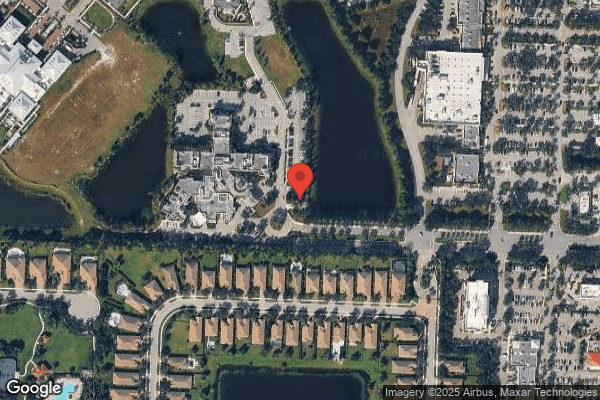
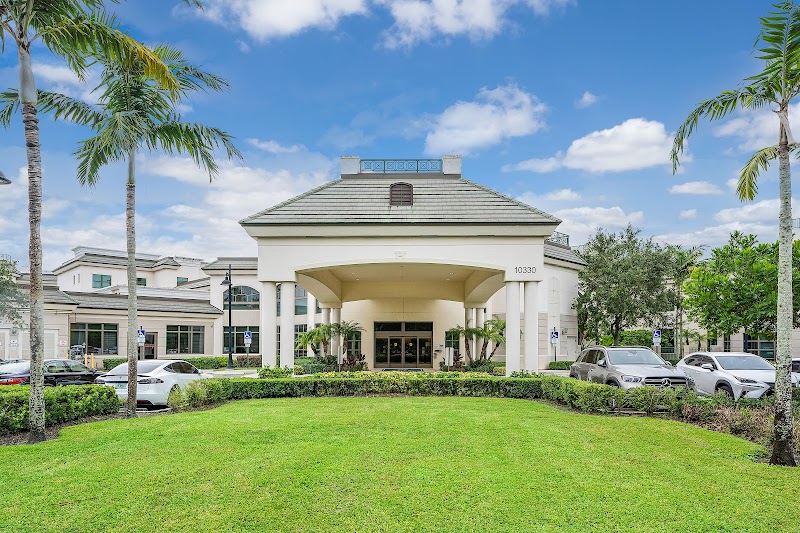
10330 NUVISTA AVENUE, WELLINGTON, FL 33414 (561) 795-3360
For profit - Corporation 120 Beds Independent Data: November 2025
Trust Grade
10/100
#527 of 690 in FL
Last Inspection: September 2024

Within standard 12-15 month inspection cycle. Federal law requires annual inspections.

Overview

Luxe at Wellington Rehabilitation Center has a Trust Grade of F, indicating significant concerns about the quality of care provided, placing it in the poor category. It ranks #527 out of 690 facilities in Florida, which means it is in the bottom half of nursing homes in the state, and #43 out of 54 in Palm Beach County, suggesting only a few local options are worse. However, the facility is showing improvement, with the number of issues decreasing from 13 in 2024 to 3 in 2025. Staffing is rated average at 3 out of 5 stars, but with a concerning turnover rate of 56%, which is higher than the Florida average. Additionally, the facility has incurred $58,835 in fines, which is higher than 83% of Florida facilities, indicating potential compliance issues. On the positive side, the nursing home has more RN coverage than 89% of Florida facilities, which is beneficial for monitoring residents' health. However, there have been serious incidents, such as a failure to respond to a resident's change in condition, leading to hospitalization, and another case where a resident was not provided necessary medication for a heart condition, resulting in a serious health issue. There have also been concerns about food safety practices in the kitchen, including unsanitary conditions. Overall, while there are areas of improvement, potential residents and their families should weigh the strengths and weaknesses carefully.

Trust Score
F
10/100
In Florida
#527/690
Bottom 24%
Safety Record
High Risk
Review needed
Inspections
Getting Better
13 → 3 violations
Staff Stability
⚠ Watch
56% turnover. Above average. Higher turnover means staff may not know residents' routines.
Penalties
⚠ Watch
$58,835 in fines. Higher than 91% of Florida facilities. Major compliance failures.
Skilled Nurses
✓ Good
Each resident gets 74 minutes of Registered Nurse (RN) attention daily — more than 97% of Florida nursing homes. RNs are the most trained staff who catch health problems before they become serious.
Violations
⚠ Watch
30 deficiencies on record. Higher than average. Multiple issues found across inspections.
★★☆☆☆
2.0
Overall Rating
★★★☆☆
3.0
Staff Levels
★★★★☆
4.0
Care Quality
★★☆☆☆
2.0
Inspection Score
Stable
2024: 13 issues
2025: 3 issues

The Good

  • 4-Star Quality Measures · Strong clinical quality outcomes
  • Full Sprinkler Coverage · Fire safety systems throughout facility
  • No fines on record

Facility shows strength in quality measures, fire safety.

The Bad

2-Star Overall Rating

Below Florida average (3.2)

Below average - review inspection findings carefully

Staff Turnover: 56%

Near Florida avg (46%)

Frequent staff changes - ask about care continuity

Federal Fines: $58,835

Above median ($33,413)

Moderate penalties - review what triggered them

Staff turnover is elevated (56%)

8 points above Florida average of 48%

The Ugly 30 deficiencies on record

2 actual harm
Apr 2025 3 deficiencies 2 Harm
SERIOUS (G) 📢 Someone Reported This

A family member, employee, or ombudsman was alarmed enough to file a formal complaint

Actual Harm - a resident was hurt due to facility failures

Free from Abuse/Neglect (Tag F0600)

A resident was harmed · This affected 1 resident

**NOTE- TERMS IN BRACKETS HAVE BEEN EDITED TO PROTECT CONFIDENTIALITY** Based on observations, interviews, record and policy review; the facility failed to protect a resident's right to be free from n...

Read full inspector narrative →
**NOTE- TERMS IN BRACKETS HAVE BEEN EDITED TO PROTECT CONFIDENTIALITY** Based on observations, interviews, record and policy review; the facility failed to protect a resident's right to be free from neglect by failure of staff to respond timely to the resident's change of condition which resulted in hospitalization for 1 of 2 residents sampled for change in condition (Resident #4). The findings included: The facility's policy titled Abuse, Neglect, Exploitation, Misappropriation, Mistreatment, and Injury of Unknown Origin issued 08/2022 and revised 01/2024 revealed, Neglect occurs when the facility is aware of, or should have been aware of, goods or services that a resident (s) requires but a facility fails to provide them, to the resident (s), that has resulted in or may result in physical harm, pain, mental anguish, or emotional distress. Resident #4 was admitted to the facility on [DATE] post-acute care hospitalization. Diagnoses included Dysarthria following Cerebral Infarction, Encounter for Surgical Aftercare Following Surgery on the Circulatory System, Asthma, Heart Failure and Unspecified Atrial Fibrillation. On the Discharge Return Anticipated Minimum Data Set with an assessment reference date of 04/05/25 her Brief Interview for Mental Status was unable to be conducted which indicated she was severely cognitively impaired. Review of the Electronic Health Record (EHR) for Resident # 4 revealed she was admitted to the facility in the evening of 04/03/25. On 04/04/25 at 7:03 AM a nursing skilled documentation note revealed Pt is alert and responsive, Skin warm and dry. Breathing even and unlabored. All care provided by assigned staff; Turning and repositioning done per facility protocol. Call light in reach; Bed in low position. Care continues. On 04/04/25 skin/wound documentation revealed skin changes which were reported to the physician. On 04/04/25 she was also seen by the Dietitian, the activities assistant and the Medical Director. There was no documentation from the primary nurse on the first shift. On 04/05/25 at 8:10 AM nursing documentation revealed, Patient remain stable, no acute respiratory distress, no c/o pain or discomfort noted. Safety maintained, call light within reach. Plan of care continues. A review of the Medication Administration Record (MAR) for April 2025 revealed, the resident took her medications on 04/04/25 and at 6:00 AM on 04/05/25. The medications were marked as refused for the 9:00 AM medications. On 04/05/25 at 9:20 AM, Staff H, a Licensed Practical Nurse (LPN), documented that the resident refused her medications. A record review of the Blood pressure (BP) for Resident #4 revealed: 4/5/2025 15:10 (3:10pm) -158 / 69 4/5/2025 09:19 - 101 / 82 4/4/2025 23:52 (11:52pm) 121 / 63 4/4/2025 10:04 - 116 / 58 4/4/2025 07:06 - 123 / 81 4/3/2025 19:12 (7:12pm) -115 / 83 A record review of the Pulse readings for Resident #4 revealed: 4/5/2025 15:10 - 78 bpm Regular (beats per minute) 4/5/2025 09:19 - 111 bpm Irregular - new onset 4/4/2025 23:52 - 61 bpm Regular 4/4/2025 10:04 - 68 bpm Regular 4/4/2025 07:06 - 71 bpm Regular 4/3/2025 19:13 - 68 bpm Regular The next entry into the nursing progress notes was on 04/05/25 at 2:45 PM which revealed, Resident transferred to [Emergency Room] ER for evaluation and treatment. Resident observed by nurse at the bedside nonresponsive verbally, but responsive to touch. Resident able to move all extremities [with] w/ weakness in left upper extremity from previous CVA. Resident vital signs were assessed BP 158/69, HR-78, [Oxygen Saturation] O2-96, [Respirations] R-16, [Blood Sugar] BS-158. Resident unable to verbally express if experiencing any pain. Resident assessed by Nurses X3, on shift supervisors X2 at the bedside. P.A. was immediately notified of changes. Orders received to transfer resident out to [WRMC, a local hospital] for evaluation and treatment. A review of the facility's transfer form revealed, the resident had altered mental status, was not alert, and was transferred to the hospital on [DATE] at 3:09 PM. A telephone interview was conducted with Staff J, a Certified Nursing Assistant (CNA) on 04/16/25 at 2:10 PM. Staff J stated she was the primary CNA for Resident #4 on 04/05/25. Staff J stated the resident was moving but not opening her eyes during her rounds between 7:30 AM-8:00 AM on 04/05/25. When breakfast came, she set up her tray, called her name and she was moving but not opening her eyes. She left the tray there and reported it to the nurse. She checked her brief which was dry, she did not give her personal care or dress her because her eyes were closed the whole morning. When lunch came, she brought her tray. She was still moving but not opening her eyes. She did not eat lunch. She did not drink anything. The nurse called Staff D, a Physician Assistant, (PA) and another nurse tried to put in an IV (intravenous line). The daughter came in and was upset and the resident was not alert. Paramedics came and she went to the hospital. A telephone interview was conducted with Staff D, PA, on 04/16/25 at 2:32 PM. She was asked if she was notified that Resident #4 refused her morning medication. She stated she was notified around 2-2:15 PM on 04/05/25 that she did not eat breakfast or lunch, so she assumed she did not take her medication. She stated she was on call and not in the building to evaluate the resident. An interview was conducted via telephone on 04/16/25 at 4:12 PM with Staff G, Registered Nurse (RN), Unit Manager. Staff G stated that she worked that day and there was another manager there that she was helping. She stated she was not aware at all that day that Resident #4 had not opened her eyes all day. She was not aware that the resident did not eat breakfast or lunch. At about 3:02 PM, Staff J asked her to check the resident, she was told a nurse was trying to start an IV on the resident. She stated she went into the room and there was froth in the resident's mouth. She checked her pupils, and they were deviating to the right. She thought she may have had another CVA (cerebral vascular accident/stroke). Just at that time, the resident's daughters came into the room very upset. The paramedics came at the same time and asked the primary nurse when the last time it was that she saw the patient awake and she stated when she gave report to the night nurse yesterday. A telephone interview was conducted with Staff I, RN on 04/16/25 at 4:20 PM. Staff I stated she was asked to put in an IV for Resident #4. She stated it was about 2:50 PM on 04/05/25. She entered the room and looked at the resident. She was making a snoring sound. She did not respond to a sternal rub. Her pupils were dilated but uneven. 911 was called and the daughter came. A telephone interview was conducted with Staff H, LPN, on 04/16/25 at 4:31 PM. She stated she has been working in this facility for a year. She stated she was the resident's nurse on 04/05/25. She also had her on 04/04/25 and on that day she was in the chair and using the white board to communicate. On 04/05/25 she went into Resident 4's room with Staff J to say good morning and she moved her arms and legs. She did not respond verbally. It appeared she was sleeping, snoring. She did her vitals, blood pressure and blood sugar and she responded to pain. She assumed she was tired. Around 8:00 AM-9:00 AM she could not give her meds. Then around 12:30 PM, Staff J noticed she did not eat lunch. She asked another LPN working on another hallway to do an assessment on Resident #4. That nurse did an assessment and thought she was really tired and weak but she was still moving her lips and arms and her blood sugar 188. Staff H texted the PA at 12:30pm and said today she is not like herself and not as alert. The PA said to call the family to start an IV, stat chest x-ray, labs, and urine analysis. When asked if she asked the Unit Manager to check the resident, she stated that the Unit Manager was busy with another family at the time. She got a message from the receptionist that the daughter called around 1:30 PM. She called the daughter back about the change in condition and got the ok to start an IV. She asked Staff I to insert the IV. When she laid the resident back, the pupil assessment was unusual, and she texted the PA at 2:45pm to ask to send her to the hospital via 911. The two supervisors came into the room, the family came, and the paramedics came. The paramedics wanted to know when I saw her awake last, and I said she was sleeping this morning. They took her to the hospital. An interview was conducted with the Administrator on 04/16/25 at 3:24pm. The Administrator stated she was aware of Resident #4's condition on 04/05/25 since the resident's daughter had spoken to her about it on 04/07/25. On 4/5/2025, the resident was admitted to the Intensive Care Unit with a diagnosis of a CVA (Cerebrovascular Accident). A review of the hospital records for Resident #4 was conducted. A review of the History and Physical performed on Resident 4 on 04/05/25 at 5:33 PM, revealed the Glasgow Coma Scale results. The eye opening response was to pain, best verbal response was incomprehensible sounds, best motor response was flexes and withdraws to painful stimuli. The residents Glasgow Coma Score was 8. The Glasgow Coma Scale (GCS) is a system to score or measure how conscious you are. The highest possible GCS score is 15, and the lowest is 3. A score of 15 means you're fully awake, responsive and have no problems with thinking ability or memory. Generally, having a score of 8 or fewer means you're in a coma. The lower the score, the deeper the coma is. Facility staff did not recognize a decline in Resident #4's condition on 4/5/25 until approximately 12:30 PM on 4/5/25 and Resident #4 was transferred to the hospital at 3:09 PM.
SERIOUS (G) 📢 Someone Reported This

A family member, employee, or ombudsman was alarmed enough to file a formal complaint

Actual Harm - a resident was hurt due to facility failures

Quality of Care (Tag F0684)

A resident was harmed · This affected 1 resident

**NOTE- TERMS IN BRACKETS HAVE BEEN EDITED TO PROTECT CONFIDENTIALITY** Based on record reviews and interviews, the facility failed to ensure residents receive treatment and care in accordance with pr...

Read full inspector narrative →
**NOTE- TERMS IN BRACKETS HAVE BEEN EDITED TO PROTECT CONFIDENTIALITY** Based on record reviews and interviews, the facility failed to ensure residents receive treatment and care in accordance with professional standards by failing to recognize one out of 2 residents sampled (Resident #5), after admission to the nursing home was not on medication for a diagnosis of Atrial Fibrillation. The resident was readmitted to the hospital with a diagnosis of Bilateral Pulmonary Embolism. The findings included: Resident #5 was admitted to the facility post-acute care hospitalization on 03/07/25. Her admitting diagnoses included Staphylococcal Arthritis of Left Knee, Cellulitis of Left Lower Limb and Unspecified Atrial Fibrillation. Her Brief Interview for Mental Status was 15 on the 5-day Minimum Data Set with an assessment reference date of 03/12/25. This revealed the resident had intact cognition. A review of the Electronic Health Record (EHR) revealed the resident was evaluated by a nurse practitioner (NP) on 03/07/25. The NP note revealed was found with new onset of afib/aflutter- started on Eliquis. Pt stabilized and transferred to Luxe. Atrial fibrillation (Afib) is an irregular and often rapid heart rhythm that can lead to various complications, including blood clots, stroke, and heart failure. (Atrial flutter is an abnormal heart rhythm in the heart's upper chambers (atria). The atria beats too fast. This may cause dizziness and fatigue.) A review of the Eliquis prescriber information revealed Eliquis is an oral anticoagulant used to prevent and treat blood clots. Eliquis is used to lower the risk of stroke or a blood clot in people with atrial fibrillation. Premature discontinuation of any oral anticoagulant, including ELIQUIS, increases the risk of thrombotic events. If anticoagulation with ELIQUIS is discontinued for a reason other than pathological bleeding or completion of a course of therapy, consider coverage with another anticoagulant. On 03/09/25 the resident was seen by the same NP who wrote a progress note revealing the resident Was found with new onset of afib/aflutter- started on Eliquis. Pt stabilized and transferred to Luxe. In that same note the NP wrote Hospital/old records reviewed and new onset afib- on Eliquis. On 03/10/25 the pharmacist wrote a note revealing Medication Regimen reviewed: No recommendation made. On 03/11/25 a review of a physician note revealed Was found with new onset of afib/aflutter- started on Eliquis. The note continued to reveal I personally reviewed records including acute care hospital, skilled nursing facility, and therapy records. Summarization of the acute care course can be found in the HPI section. Discussed case with the primary medical team and/or leadership. On 03/11/25, the Medical Director wrote a progress note in the EHR revealing was found with new onset of afib/aflutter- started on Eliquis. Pt stabilized and transferred to Luxe. Hospital/old records reviewed, new onset afib- on Eliquis, dvt proph: Eliquis. (DVT is deep vein thrombosis and proph is prophylactic which indicates a drug used to prevent deep vein blood clots.) On 03/13/25 Staff D, a Physician Assistant (PA) wrote a progress note that revealed was found with new onset of afib/aflutter- started on Eliquis. Pt stabilized and transferred to Luxe. Hospital/old records reviewed, new onset afib- on Eliquis, dvt proph: Eliquis. On 03/14/25, the physician who wrote a note on 03/11/25 wrote another note revealing was found with new onset of afib/aflutter- started on Eliquis. Pt stabilized and transferred to Luxe. On 03/14/25 an APRN (Advanced Practice Registered Nurse) wrote a progress note that revealed was found with new onset of afib/aflutter- started on Eliquis. Pt stabilized and transferred to Luxe. On 03/15/25 a record review of Occupational Therapy (OT) notes revealed Patient reports feeling dizzy upon sitting EOB (edge of bed), before therapist could assist pt (patient) back to bed, pt passed out and was unresponsive x 30 sec (seconds). Pt regained consciousness, however diaphoretic and c/o (complained of) dizziness and possible passing out again. Pt's BP (blood pressure) =121/107. Pt's O2 (oxygen saturation) at 83 on room air. Pt placed on 2.5 liter O2 (oxygen) via face mask, after approximately 5 minutes, pt's O2 increased to 97%. Pt provided with cold was cloth. Nsg (nursing) staff assisted with pt and soon after pt was transported to hospital. A review of the March 2025 Medication Administration Record (MAR) indicated that the resident never received Eliquis while at the nursing home. A review of Physician orders revealed the resident never had an order for Eliquis at the nursing home. A review of the resident's care plan dated 03/10/25 revealed, The resident has altered cardiovascular status related to Hypertension, Hyperlipidemia and A-fib. Review of Resident #5's hospital records prior to admission to the nursing home which were included in the EHR revealed: Per hospital record documented on 03/05/25 - Cleared from cardiac standpoint. Stop heparin, restart Eliquis. Review of hospital records revealed AF/Flutter. New onset, was not in AF when she came in. TEE (transesophageal echocardiography which can detect blood clots in the heart) done no [NAME] (left atrial appendage which is a small sac in the muscle wall of the left atrium where blood could collect and form clots with someone with atrial fibrillation) clot. Cardioverted her during TEE but went back into rate controlled AF/ Flutter In and out of atrial flutter. Rate controlled. EF normal. Metoprolol Eliquis TELE [Telemetry] : Atrial flutter Cleared for discharge FU [follow up] in office 2-3 weeks for [Paroxysmal Atrial Fibrillation] PAF/Atrial flutter The physician note revealed a cardioversion (a procedure that uses electrical shock to restore an irregular heartbeat to a normal rhythm) was done in the hospital prior to discharge. This was done during a TEE. The TEE revealed no [NAME] clot. EF (ejection fraction is a percentage of how much blood the ventricles pump out with each heart contraction). TELE (telemetry which monitors heart rate and rhythm). A telephone interview was conducted with Staff D, Physician Assistant (PA) on 04/16/25 at 2:32 PM. She was asked why her note, and every Physician and NP note revealed the resident was on Eliquis. She stated that it should have been picked up that the resident was not on Eliquis. It was not on the medication discharge list, and it should have been questioned. She probably wrote her note based on the previous notes. A review was done of the Hospital emergency room record from 03/15/25 and hospital records from the admission on [DATE] to discharge on [DATE] revealed, the resident was admitted to the hospital with a diagnosis of Bilateral Pulmonary Embolism. An Inairi pulmonary thrombectomy was performed on 03/18/25. A bilateral pulmonary embolism is a clot in the veins of both lungs that occurs when a blood clot that has arisen from a different area obstructs the pulmonary arteries. Mechanical thrombectomy, or simply thrombectomy, is the removal of a blood clot (thrombus) from a blood vessel.
CONCERN (D) 📢 Someone Reported This

A family member, employee, or ombudsman was alarmed enough to file a formal complaint

Potential for Harm - no one hurt, but risky conditions existed

Resident Rights (Tag F0550)

Could have caused harm · This affected 1 resident

**NOTE- TERMS IN BRACKETS HAVE BEEN EDITED TO PROTECT CONFIDENTIALITY** Based on observation and interviews, the facility failed to provide residents with a dignified existence and communication with ...

Read full inspector narrative →
**NOTE- TERMS IN BRACKETS HAVE BEEN EDITED TO PROTECT CONFIDENTIALITY** Based on observation and interviews, the facility failed to provide residents with a dignified existence and communication with staff in and outside of the facility for 3 of 4 sampled residents reviewed for resident rights (Resident #6, #7 and #8). The findings included: 1). In an observation conducted on 04/16/2025 at 2:00 PM on the second floor of the facility, the surveyor noted that the nurses' station was empty. The surveyor walked around for 45 minutes and never saw a staff member. There were 40 residents on this second floor unit. 2). In an interview conducted on 04/16/2025 at 2:35 PM Resident #6's wife stated that she can never get in contact with the facility staff when she calls, she always must come to the facility if she has a question which is never answered because it seems that no one ever has an answer. Resident # 6's wife further stated that she doesn't see nurses nor CNA's (certified nursing assistants) around during her visits. Record review revealed Resident #6 was admitted on [DATE] post CVA (cerebrovascular accident). His Brief Interview of Mental Status (BIMS) score was 11 on the 5-day Minjimum Data Set (MDS) with an Assessment Reference Date (ARD) of 04/01/25. This indicated mild cognitive impairment. 3). In an interview conducted on 04/16/2025 at 2:20 PM Resident # 7's wife stated that she would love to see staff members come into her husband's room to care for him because she comes in the morning and leaves in the afternoon and the only time that she sees a staff member is for med pass and at lunch. If they need anything, no one is around to help them. She further revealed that her husband has been waiting to see a speech therapist for days now. And that exactly today she got a call from her insurance company saying that the doctor came to see her husband, but she spent the whole day with the husband and didn't see any doctor come around. Resident # 7's wife also stated that it's pointless talking to the front desk because their answer is always: I will investigate and get back to you which never happens. Record review revealed Resident #7 was admitted on [DATE] post CVA. His BIMS score was 14 on the admission MDS with an ARD of 04/13/25. This indicated intact cognition for this resident. 4). In an interview conducted on 04/16/2025 at 2:30 PM, Resident #8 stated angrily that she spent the whole day trying to find social services from the facility phone with no success. Every time she calls the front desk she gets transferred to Social Services and no answer. Resident # 8 stated that this facility is very big and nice, but the staff members are not so nice. Record review revealed Resident #8 was admitted on [DATE] for aftercare following joint replacement surgery. Her BIMS score on the 5-day MDS with an ARD of 04/14/25 was 15. This indicated the resident had intact cognition. On 04/16/25 at 3:20 PM, the Administrator was apprised of the interviews with the residents and representatives and stated that she receives messages on her phone from residents, and families come into her office all of the time to speak with her. During further interview, it was discussed regarding Resident #8 not being able to reach the social worker today, she responded that the social worker is off today.
Nov 2024 2 deficiencies
CONCERN (D) 📢 Someone Reported This

A family member, employee, or ombudsman was alarmed enough to file a formal complaint

Potential for Harm - no one hurt, but risky conditions existed

Incontinence Care (Tag F0690)

Could have caused harm · This affected 1 resident

**NOTE- TERMS IN BRACKETS HAVE BEEN EDITED TO PROTECT CONFIDENTIALITY** Based on observation, record review, and interview, the facility failed to ensure proper indwelling urinary catheter care and se...

Read full inspector narrative →
**NOTE- TERMS IN BRACKETS HAVE BEEN EDITED TO PROTECT CONFIDENTIALITY** Based on observation, record review, and interview, the facility failed to ensure proper indwelling urinary catheter care and services for 1 of 3 sampled residents, as evidenced by the failure to assess for and or attempt to discontinue the indwelling urinary catheter for Resident #1. The findings included: Review of the record revealed Resident #1 was admitted to the facility on [DATE], after hospitalization for back surgery. Review of the hospital record revealed the indwelling urinary catheter was placed at the time of the surgery. The hospital discharge instructions lacked any documentation related to the indwelling urinary catheter. The hospital record lacked any documented attempt at removal of the device. Review of the transfer form dated 09/04/24 from the hospital documented Resident #1 had a Foley catheter (indwelling urinary catheter) in place but lacked any indication for use and lacked information as to if the hospital made an attempt to remove the device. Review of the admission Minimum Data Set (MDS) assessment dated [DATE] documented the resident was cognitively intact with a Brief Interview for Mental Status (BIMS) score of 15, on a 0 to 15 scale, indicating intact cognition. This MDS also documented the resident had an indwelling urinary catheter for neurogenic bladder, as did an order dated 09/06/24. The admission nursing assessment dated [DATE] documented Resident #1 was admitted with the indwelling urinary catheter. Review of all nursing and physician progress notes, along with all physician orders, lacked any documented assessment to remove the indwelling urinary catheter, or rationale as to why it needed to remain. The record also lacked a documented voiding trial, a process where the urinary catheter would be removed to allow the resident to urinate. The progress notes and orders also lacked any need for a urinary consult. Review of the record revealed an order for a surgical follow-up appointment scheduled for 09/26/24 at the physician's office. A progress note dated 09/26/24 at 2:15 PM documented Resident #1 was transported to the hospital following a doctor's appointment. Review of the post-operative progress note from the Resident's follow-up appointment documented, in part, that Resident #1 still had the Foley catheter in place. This note revealed Resident #1 told the nursing staff and doctors at the SNF (skilled nursing facility) that the catheter was meant to be removed and that she had not had any voiding trial. This note documented the Foley catheter was to be removed two to three days after admission to the facility. During a side-by-side review of the record and interview on 11/13/24 at 4:47 PM, when asked if there had been an assessment or attempt to remove the indwelling urinary catheter for Resident #1, the First Floor Unit Manager stated she could not find anything in the electronic record. When asked the process to ensure a resident does not have a urinary catheter longer than needed, the Unit Manager stated typically the physician would order a voiding trial shortly after admission.
CONCERN (D) 📢 Someone Reported This

A family member, employee, or ombudsman was alarmed enough to file a formal complaint

Potential for Harm - no one hurt, but risky conditions existed

Deficiency F0694 (Tag F0694)

Could have caused harm · This affected 1 resident

**NOTE- TERMS IN BRACKETS HAVE BEEN EDITED TO PROTECT CONFIDENTIALITY** Based on policy review, observation, record review, and interview, the facility failed to ensure proper care and services for th...

Read full inspector narrative →
**NOTE- TERMS IN BRACKETS HAVE BEEN EDITED TO PROTECT CONFIDENTIALITY** Based on policy review, observation, record review, and interview, the facility failed to ensure proper care and services for the intravenous line for 1 of 1 sampled resident, as evidenced by the lack of dressing changes as per order for Resident #2. The findings included: Review of the policy Central Lines revised 05/2024 documented, in part, Procedure: . 2. Ensure infection control standards are maintained during the care of the central line including but not limited to: a. Change dressing routinely and per physician orders. Review of the policy Documentation revised 01/2024 documented, in part, Procedure: . 4. documentation in the medical record will be objective (not opinionated or speculative), complete, and accurate. Review of the record revealed Resident #2 was admitted to the facility on [DATE]. Review of the orders revealed the resident had had several peripheral IVs (intravenous access devices) placed throughout his stay at the facility, with the most recent being a midline (specific type of central line intravenous catheter) that was placed on 10/28/24. This order instructed the nurses to change the dressing every Tuesday and as needed using sterile technique. An order dated 10/28/24 also instructed the nurses to flush the midline twice daily with normal saline. Review of the Medication Administration Record (MAR) documented the same nurse changed the midline dressing on 10/29/24, 11/05/24, and 11/12/24. The MARs also documented nurses were flushing the midline twice daily starting on 10/28/24 through the survey date. During an observation on 11/13/24 at 12:10 PM, Resident #2 was in bed and the midline IV access was noted to his right upper arm. The top edge of the dressing was loose and pulling back from the skin. The label on the dressing had a nurse's initials, different from the nurse who had documented the provision of care on the MAR, and the date was from October, but unable to read the specific day of the month. Review of the employee roster revealed there was no current facility nurse with the initials documented on the midline dressing, which would indicate the observed dressing was from the technician who inserted the line on 10/28/24. During a side-by-side review of the record and interview, when told of the observation of the midline dressing for Resident #2, the First Floor Unit Manager stated she agreed with the findings. The Unit Manager stated the nurses were flushing the line twice daily and should have noted the need for a new dressing for the midline.
Oct 2024 3 deficiencies
CONCERN (D) 📢 Someone Reported This

A family member, employee, or ombudsman was alarmed enough to file a formal complaint

Potential for Harm - no one hurt, but risky conditions existed

Quality of Care (Tag F0684)

Could have caused harm · This affected 1 resident

**NOTE- TERMS IN BRACKETS HAVE BEEN EDITED TO PROTECT CONFIDENTIALITY** Based on clinical record review and interview, the facility staff failed to provide necessary care and services to ensure adequa...

Read full inspector narrative →
**NOTE- TERMS IN BRACKETS HAVE BEEN EDITED TO PROTECT CONFIDENTIALITY** Based on clinical record review and interview, the facility staff failed to provide necessary care and services to ensure adequate monitoring for 2 of 3 sampled residents (Resident #1 and #2) who experienced significant changes in condition requiring hospitalization; and the facility failed to assess skin changes for 1 of 3 sampled residents (Resident #3) after skin impairments were identified and treated to ensure resolution. The findings included: 1) Clinical record review revealed Resident #1 was admitted to the facility on [DATE] and readmitted on [DATE] after a short hospitalization due to Hematuria. Review of the Minimum Data Set, admission assessment with reference date of [DATE], documented the resident was assessed as independent for skills of daily decision making, has an indwelling urinary catheter and was receiving anticoagulant, antibiotic and hypoglycemia medications. The resident did not receive oxygen therapy. Review of Care Plans revised on [DATE], documented the following: The resident is at risk for potential fluid imbalance related to status post infection, sepsis and urinary tract infections. The interventions included: Lab/diagnostic work as ordered, notify MD (Medical Doctor) as indicated, monitor and document intake and output as per facility policy/MD order, monitor vital signs as ordered/per protocol and record. The resident has a risk for injury/infection related to presence of catheter secondary to chronic Foley catheter use, recurrent urinary tract infections and obstructive uropathy. The interventions included: Irrigate catheter as per MD order, monitor and document intake and output per MD orders and monitor for signs of bacteriuria: pain, burning, blood tinged urine, cloudiness, no output, deepening of urine color, increased pulse, increased temp, urinary frequency, foul smelling urine, fever, chills, altered mental status, change in behavior, change in eating patterns. Report abnormalities to nurse/MD as needed. Review of Progress Notes dated [DATE], documented patient in bed alert, no apparent distress noted. Tolerated medication well. Foley catheter in place with bright red blood noted, irrigation initiated. Practitioner aware and report given to upcoming nurse to continue monitor. Review of Practitioner Progress Notes dated [DATE], documented seen today in a bed. case discussed with nurse, hypotensive, weak, normal saline started, Foley flushed as hematuria worsening again, urinalysis and labs ordered, if continue with low blood pressure send out. Review of a document titled, SBAR Summary for Providers dated [DATE] documented, Situation: The Change In Condition reported Bleeding (other than GI). At the time of evaluation [DATE] at 11:20 AM resident's blood pressure 57/32, pulse 41 and pulse oximetry 91 percent via oxygen mask. Review of the Transfer to Hospital Summary dated [DATE] documented, Patient observe with labored breathing. Vital signs blood pressure 94/53, heart rate 100, oxygen saturation 85%. Patient placed on Non-Rebreather mask at 15 liters. Patient assessed at bedside by practitioner. Order receive for chest x-ray and intravenous fluids. Midline inserted, intravenous fluid in progress. Patient with profuse bleeding in diaper and at Foley catheter site. Vitals signs 57/32, heart rate 41, oxygen level 91% on non-rebreather mask and practitioner notified. Telephone orders received to transfer patient to hospital for further evaluation and treatment. 911 notified and patient left facility at approximately 11:45. Review of a Fire Rescue report dated [DATE] disclosed the emergency team arrived at the facility on [DATE] at 11:24 AM, Male patient found lying in bed unresponsive with blood-soaked sheets all over and a blood-soaked diaper. EMS (Emergency Medical System) rescue crew holding pressure to patient's penis stating that he was actively bleeding coming from the tip of his penis and they were unable to stop. Facility machine noted last blood pressure 53/34. Staff was unable to provide accurate timeline of how long patient had been bleeding for, by the amount of blood in the bed it appeared patient had been bleeding for a while. EMS requested via phone a unit of blood, initially treating hemorrhagic shock, patient went into cardiac arrest and cardiopulmonary resuscitation started. Review of emergency room records dated [DATE] documented the medical screening exam at 12:01 PM, the patient presents in cardiac arrest. Per EMS they were called for excessive bleeding from the penis. Upon arrival he was hypotensive and had blood on the bed presumably from the penis. Patient was pulseless and apneic upon arrival . intubated, no evidence of trauma, ultrasound was placed on the heart, there was some mild quivering, but no cardiac output noted. No return to spontaneous circulation after multiple rounds of ACLS (Advance Cardiac Life Support) and defibrillation. Patient was pronounced not compatible with life at 12:50 PM. Interview with Staff A, Licensed Nurse, who cared for Resident #1 on [DATE], was conducted on [DATE] at 3:13 PM. Staff A recalled that she came in that morning and the resident was not feeling well, he was pale, his blood pressure was low, and she prioritize him. Staff A called the practitioner, she came in gave order for fluids and other tests, the IV (intravenous team) happened to be in the building and they inserted the line right away. So she started the fluids. Resident #1 had chronic hematuria, was previously sent to the hospital for a CBI (continuous bladder irrigation) and returned with the urinary catheter. Staff A was asked how the urinary output was and was the catheter draining, she replied the Foley was draining and after starting the fluids his blood pressure went up. Then, later on, the assigned aide went to clean him up and noticed the gross amount of blood, 'it was a lot, and called her to the room. Staff A then immediately called the provider and got orders to send him out and she called 911. Staff A stated that it was a good thing that the aide went to change him then, otherwise she would not have noticed the blood, he had the covers pulled up and there is no way she would have seen it. The nurse was asked what type of monitoring was conducted and stated she checked his blood pressure, and it was better, she thinks 103 or so, she can't recall the exact number and acknowledged there is no documentation of an assessment and monitoring after the change in condition and prior to the transfer to the emergency room. During interview with the Nurse Practitioner (APRN) conducted on [DATE] at approximately 10:30 AM revealed Resident #1 had chronic hematuria, he was sent to the hospital multiple times, and the urologist decided to only treat him with Flomax. The hematuria was improving. The date of the transfer, the resident's blood pressure was low, and the hematuria returned. The nurse called her, and she examined the resident and ordered fluids and blood work. The nurse told her the blood pressure was improving, then later on she received another call that the blood pressure and oxygenation had dropped, and he had significant bleeding, she sent him out to the emergency department. The APRN stated the resident had been cleared to continue his Pradaxa, anticoagulant medication, and that she ordered the fluids to manage the low blood pressure. Interview with Staff C, Certified Nursing Assistant, conducted on [DATE] at 1:54 PM revealed she was the aide assigned to care for Resident #1. That morning she came in and was passing breakfast and caring for her residents. Around mid-morning, she went to the resident, the resident next door wanted a shower and she decided to see Resident #1 first. When she entered the room, she asked him how are you?, and he could not respond, he was trying. She thought he was having a stroke, she then pulled the sheets off and saw all the blood all over the bed and starting yelling for the nurse emergency, emergency. The nurse came in and went out to get oxygen and supplies and told her to go ahead and give the shower to the resident next door and the nurse told her that she had it under control. She was not in the room when the medics arrived and was asked what type of report did she get from the night aide, or the nurse, and replied she did not get any, no one told her there was anything wrong with the resident. Interview with Staff G, the night shift nurse, conducted on [DATE] at 2:10 PM revealed the staff had no recollection of the resident, then after reading her notes, Staff G stated the resident had blood in the catheter and she called the practitioner and irrigated the catheter, but was unable to describe how much blood. Staff G stated she completed an assessment, the blood pressure was fine, his abdomen was not distended but was not sure if she documented the findings. Record review and interview revealed Resident #1 had a change in condition, identified by Staff G, the night nurse, who documented as bright blood in the resident's urinary catheter. The nurse reported the findings to the provider, irrigated the catheter and gave report to Staff A, the day nurse. Staff G did not document an assessment after the change in condition, there were no vital signs, blood pressure and pulse, there was no documentation as to the amount of blood or urine in the Foley catheter and there is no documentation of an assessment or finding after the irrigation. Staff A obtained vital signs, documenting low blood pressure 94/54 and heart rate of 100 on [DATE] at 8:25 AM and received orders from the practitioner. There was no evidence of a subsequent assessment monitoring the amount of blood in the urinary bag, patency of the catheter, abdominal distention, or any active bleeding, or vital signs. The next assessment was documented on [DATE] at 11:20 AM, the resident had profuse bleeding, blood pressure 57/32, heart rate 41 and oxygen level 85% on room air. There was no evidence the staff assessed and closely monitored the patient for signs of bleeding. 2) Clinical record review revealed Resident #2 was admitted to the facility on [DATE] for rehabilitation after a knee replacement. Minimum Data Set, admission assessment with reference date of [DATE] documents the resident was independent was skills of daily decision making, had occasional pain and received opioids and antiplatelet medications. Review of Resident #2's Care Plan titled, Resident is at risk for potential fluid imbalance related to the use/side effects of medication, status post Hyponatremia dated [DATE] documents the resident will remain free of signs of fluid overload through review date, as evidenced by decrease in or absence of edema, anxiety, agitation, restlessness, confusion, changes in mood or behavior, nausea/vomiting, dyspnea, congestion, orthopnea, easily fatigued, jugular vein distension. The interventions included: Lab/diagnostic work as ordered. Notify MD (Medical Doctor) as indicated and monitor vital signs as ordered/per protocol and record, notify MD of significant changes. Review of an IDT (Interdisciplinary Team) Note, dated [DATE] documented Patient referred to skilled speech by rehab services, reported decline with oral intake/cough with thin liquids. Daughter at bedside; patient lethargic and unable to follow commands, no verbalization/vocalization. Daughter requested transfer to hospital; APRN (Advance Practitioner Registered Nurse) following and collaborated with family following request. Daughter reported plan to initiate fluids. Per aide all solids/liquids deferred during the morning. Patient is not alert for oral intake. Did not follow one step command however utilized simple hand gestures with no verbalizations. Daughter aware regarding current status and not safe for oral intake. Nurses notes dated [DATE] documented Patient alert with confusion. New orders received. IV fluids started to prevent dehydration, chest x-ray and electrocardiogram done. EKG result sent to MD. Doppler of LE (lower extremity) ordered. Patient is sleeping most of the day, complained of abdominal discomfort. Pain medication given as scheduled, and effective. MD notified and report given to the night shift nurse to follow up. Review if Physician order dated on [DATE] at 11:03 AM documented STAT complete blood count, basic chemistry profile and urinalysis for confusion. A Physician's order dated [DATE] at 11:35 AM documented STAT ultrasound to bilateral left lower extremities rule out blood clots. Review of Physician/Practitioner Progress Notes dated [DATE], documented *Patient also seen by myself yesterday, confusion and groggy-arousable. similar symptoms with UTI (Urinary Tract Infection) last week and improved with intravenous fluids and antibiotic, appeared dry, little water intake per daughter at bedside, patient reports some abdominal discomfort with palpation, patient has been having bowel movements per staff. Recently treated for urinary tract infection with antibiotics and improvement in white count and was doing well after treatment, Daughter reported she was doing well after treatment and that these new symptoms started 10/22. Ordered multiple imaging studies, restart antibiotic, stat labs, intravenous fluids discussed with RN yesterday. Not all of above studies resulted. Reviewed electrocardiogram with medical doctor as well last night, possible tachycardia from dehydration. This AM similar symptoms and recommended pt transfer to emergency room for more in-depth work up. Review of progress notes dated [DATE], documented Resident received in bed, alert and responsive to herself. Round 7:40 vital signs was stable blood pressure 128/74, pulse 95, oxygen saturation 97% room air. At 8:50 AM, recheck vital signs blood pressure 55/19, pulse 128, temperature 97.4, respiration 19. IV fluid given,nebulizer treatment and oxygen for comfort per ARNP. Resident transferred to hospital via 911. Her daughter was at the bed side. Resident #2's record provides no evidence of the results of the ultrasound and blood work ordered STAT on [DATE]. The record provides no evidence of nursing reassessments after Staff C identified a blood pressure reading of 55/19 documented at 8:40 AM and there are no subsequent monitoring prior to the transfer to the emergency room at 10:53 AM. Review of the Fire Rescue report documented that on [DATE] at 10:53 AM, Resident #2 was found lethargic, slow to respond. The [family member] states that the patient has been lethargic over the past several days and this morning her blood pressure was found to be lower than normal. Emergency Medical System, staff on the scene documented systolic blood pressure only can be obtained manually and below 80. During transfer patient was upgraded to sepsis alert. emergency room records revealed the medical screening exam dated [DATE] at 12:12 PM. The exam documented Resident #2 presents with complaint of altered mental status, per daughter this has been ongoing for the last couple of days. Emergency medical system was called to the scene due to patient being unresponsive and hypotensive. Laboratory studies revealed critical white blood cell count of 72 (normal range 3.8-10.8). Interview with the Physician Assistant on [DATE] at approximately 10:35 AM revealed Resident #2 started to exhibit changes the day before the transfer, she was previously treated for a urinary tract infection with Ceftriaxone and fluids and responded well. This time she had the same symptoms, so she ordered STAT labs, electrocardiogram, chest x-ray and ultrasound. The next day, the resident was still not feeling better, and Resident #2 was sent out to the hospital. The STAT orders are completed within four hours, she received the electrocardiogram result and reviewed it with the physician but did not get the rest of the labs or ultrasound results, she was not sure if it was done. Interview with Director of Nursing (DON) on [DATE] at 12:53 PM revealed the nursing staff is to complete a nursing assessment after changes in condition are identified. The DON reviewed Resident #1 and Resident #2 clinical records and confirmed there is no documentation of assessment and monitoring after the changes in condition were identified. The DON was asked for a policy on how the staff handles medical emergencies. It was not provided. Interview with Staff C, the Registered Nurse, assigned to care for Resident #2, was conducted on [DATE] at 1:34 PM. Staff C recalled entering the resident's room and saw the resident attached to the blood pressure machine, she pushed the machine and the vital signs were okay. Then later the [family member] came to her and told her that the resident was declining, she pointed to the physician assistant that was in the hallway and stated that the [family member] should talk to the PA. Staff C stated she saw them both talking, but nothing was said to her. Staff C went back in the room and repeated the vital signs, the blood pressure was low, she started to go through the medications, to see what she could do to help her and noticed that she did not have intravenous fluids going, and gave her intravenous fluids that had been ordered, a nebulizer treatment and oxygen. Staff C was asked three times to confirm her notes, documenting the blood pressure reading of 55/19 was obtained at 8:50 AM and confirmed that was correct. The staff was asked how she continued to monitor the resident and stated she obtained another blood pressure, and it went up to the 100's and that she completed an assessment, but it was not documented. Furthermore, Staff C shared text messages between her and the PA (physician assistant) validating the nurse contacted her requesting a call back, then sent another text stating Resident #2 needs to go out 911 and the PA responded that she had told the unit manager that Resident #2 could go to the hospital via AMR (regular ambulance transport) but if unstable to call 911. Staff C stated she was not made aware of the recommendation. Interview with the DON and the Chief Nursing Officer conducted on [DATE] at approximately 4 PM revealed the STAT orders for Resident #2 were inputted under the prescriber tab instead of telephone or verbal. This means the staff has to go in the electronic system and move the order from one section to another for implementation. The DON showed the computer screen where the providers continue to enter the orders in this format and the staff must go in multiple times a day to correct them. There is no evidence the diagnostic tests, STAT ultrasound and STAT laboratory studies were completed. 3) Clinical record review revealed Resident #3 was admitted to the facility on [DATE] with diagnosis of Heart Failure. Upon admission Resident #3 was assessed with a Braden score 08, low risk of developing pressure ulcers. Review of the Minimum Data Set, admission assessment with reference date of [DATE], documented the resident had no pressure wounds on admission. Review of the Care Plan titled, Resident is at risk for skin impairment elated to decreased mobility, Diabetes and Malnutrition, dated [DATE] documented the resident will be free from any new skin impairment through the review date. The interventions included: Encourage and assist resident to minimize pressure to bony prominence's as tolerated, encourage and assist resident to turn and reposition as tolerated and skin checks weekly and as indicated, and report any signs of skin breakdown to physician and wound team as indicated. Physician orders and treatment administration records documented Resident #3 received Zinc Oxide ointment 10 percent for skin condition, redness to the buttocks from [DATE] thru [DATE]. The clinical record failed to provide evidence of a skin assessment of the skin condition, redness blanchable or non-blanchable and evidence that the area of concern had resolved after the seven-day treatment was completed. Review of the Weekly skin check dated [DATE], documented the resident's skin was intact. Subsequent skin check dated [DATE] provided no documentation. Interview with the Chief Nursing Officer (CNO) on [DATE] at approximately 4 PM revealed there are no nurses' notes assessing the skin impairment and documentation that it had resolved. The CNO provided provider notes dated [DATE] thru [DATE], all the notes documented pressure ulcers as per RN notes and skin checks per RN, wound care per facility protocol, RN to notify primary of skin changes or decubitus ulcers. There were no description of the skin impairment. Record review and interview confirmed the clinical staff failed to complete pertinent nursing assessments and monitoring after changes in condition were identified involving Resident #1 and Resident #2. Resident #1 expired in the emergency room and Resident #2 was still hospitalized as of [DATE]. In addition, the clinical staff failed to ensure skin condition was properly assessed to determine if the skin impairment met criteria for pressure wound and failed to document resolution or worsening of the skin condition after the prescribed treatment was completed for Resident #3.
CONCERN (D) 📢 Someone Reported This

A family member, employee, or ombudsman was alarmed enough to file a formal complaint

Potential for Harm - no one hurt, but risky conditions existed

Incontinence Care (Tag F0690)

Could have caused harm · This affected 1 resident

Based on observation, interview and record review, the facility failed to implement care practices to prevent excessive tension on the indwelling urinary catheter to minimize complications. The failur...

Read full inspector narrative →
Based on observation, interview and record review, the facility failed to implement care practices to prevent excessive tension on the indwelling urinary catheter to minimize complications. The failure affected 1 of 1 sampled resident (Resident #6). The findings included: Review of CDC recommendations for catheter care include the following: Properly secure catheters to prevent movement and urethral traction, maintain a sterile closed drainage system, maintain good hygiene at the catheter urethral interface, maintain unobstructed urine flow and maintain drainage bag below level of bladder at all times. Observation of catheter and wound care for Resident #6 was conducted on 10/29/24 at 9:38 AM. Staff D, a Certified Nursing Assistant, the Wound Care Nurse and the Unit Manager assisted with the provision of care. Staff D and the Wound Care Nurse prepared their supplies, performed hand hygiene and donned proper personal protective equipment. Staff D started the provision of care with the Wound Care Nurse by opening the resident's brief and turning the resident to place a pad underneath. It was noted the resident's catheter was not anchored to prevent pulling, there was a blue clamp, and a securement device attached to the catheter tubing. The device was wrinkled up and not attached to the resident's skin and the blue clamp was not in use as well. When the staff turned the resident to right side to place a pad, the resident moaned, the staff asked what hurt and the resident responded her back. It was noted the catheter tubing was pulling as the catheter bag remained attached to the side of the bed. Staff D provided catheter care, and the Wound Care Nurse was observed removing the crumbled-up securement device from the urinary catheter tubing and discarded it. Then the Wound Care Nurse and the aide turned the resident to the left side, again the catheter tube was pulling as it was not secured. The Unit Manager then intervene by placing the catheter bag on top of the bed, at the same level as the bladder, and the wound nurse performed wound care. The Wound Care Nurse and the aide then repositioned the resident and placed the catheter bag back to the side of the bed, and did not secure the catheter with the blue clamp or obtain another securement device for the urinary catheter. Interview conducted on 10/29/24 at 10:05 AM with the Unit Manager confirmed the resident's urinary catheter was not secured during the provision of care and the urinary bag was placed on top of the bed to minimize pulling, the manager stated the Wound Care Nurse was going to replace the securement device. Review of the Minimum Data Set assessment with reference date of 10/22/24 documented Resident #6 was assessed as severely impaired for skills of daily decision making and has an indwelling urinary catheter. Review of the Care plan titled, resident has a risk for injury/infection related to the presence of catheter secondary to a diagnosis of obstructive uropathy, dated 10/17/24, documented interventions as check catheter tubing for patency as indicated/needed and monitor for signs of bacteria and position catheter bag and tubing so that it promotes dignity and drainage.
CONCERN (D) 📢 Someone Reported This

A family member, employee, or ombudsman was alarmed enough to file a formal complaint

Potential for Harm - no one hurt, but risky conditions existed

Deficiency F0726 (Tag F0726)

Could have caused harm · This affected 1 resident

Based on policy review, record review and interview, it was determined, the facility failed to ensure licensed nurses were able to demonstrate competency related to the provision of medication adminis...

Read full inspector narrative →
Based on policy review, record review and interview, it was determined, the facility failed to ensure licensed nurses were able to demonstrate competency related to the provision of medication administration and following physician's orders. This failure affected 2 of 3 sampled residents (Resident #2 and #3). The findings included: 1) Clinical record review revealed Resident #3 was admitted to the facility for rehabilitation services with multiple diagnoses including Heart Failure and Hypertension on 10/07/24. Review of Physician's orders dated 10/08/24, documented Amlodipine Besylate 5 milligrams give 1 tablet by mouth two times a day, scheduled at 9 AM and 9 PM and Carvedilol Tablet 6.25 milligrams, give 1 tablet by mouth every 12 hours for Hypertension, scheduled at 9 AM and 5 PM. The medications have prescribed parameters, hold for systolic blood pressure less than 110 or heart rate less than 60. Review of the Medication Administration Record dated 10/2024, documented Resident #3 received the prescribed medications identified above with no evidence of blood pressure monitoring on the following days: 10/09/24, 10/10/24, 10/11/24, 10/16/24, 10/17/24, 10/21/24 and 10/22/24. 2) Clinical record review revealed Resident #2 was admitted to the facility for rehabilitation services on 09/09/24 with multiple diagnoses including Heart Failure and Hypertension. Review of Physician's orders dated 09/16/24, documented Methocarbamol Oral Tablet 500 mg, give 1 tablet by mouth every 12 hours for spasms, and hold for systolic blood pressure less than 105 or heart rate less than 60, hold for lethargy/drowsy. Review of the Medication Administration Record dated 10/2024, documented Resident #2 received the prescribed medications on 10/04/24 at 9 PM with blood pressure reading of 100/61 and on 10/22/24 at 9 AM with blood pressure reading of 104/69. Interview with the Director of Nursing and the Chief Nursing Officer on 10/29/24 starting at approximately 4 PM confirmed the staff who put in the order for Resident #3, did not add the field to document the vital signs. The DON confirmed the staff administered the medication to Resident #2 despite the prescribed parameters.
Sept 2024 5 deficiencies
CONCERN (D) 📢 Someone Reported This

A family member, employee, or ombudsman was alarmed enough to file a formal complaint

Potential for Harm - no one hurt, but risky conditions existed

Resident Rights (Tag F0550)

Could have caused harm · This affected 1 resident

**NOTE- TERMS IN BRACKETS HAVE BEEN EDITED TO PROTECT CONFIDENTIALITY** 3) Review of Record revealed Resident #33 was admitted to the facility 08/26/24. Review of the current Minimum Data Set (MDS) a...

Read full inspector narrative →
**NOTE- TERMS IN BRACKETS HAVE BEEN EDITED TO PROTECT CONFIDENTIALITY** 3) Review of Record revealed Resident #33 was admitted to the facility 08/26/24. Review of the current Minimum Data Set (MDS) assessment dated [DATE] documented Resident #33 had a Brief Interview for Mental Status (BIMS) score of 15, on a 0 to 15 scale, indicating the resident was cognitively intact. During an interview on 09/23/24 at 2:47 PM, Resident #33 was observed to be visibly upset. When asked about her care, the resident stated the care could be better. She stated there were some disrespectful staff that took care of her. She explained they roll their eyes when she asked for help. When asked how that made her feel, the resident stated, It is upsetting. During an Interview on 09/27/24 at 11:05 AM, when Resident #33's concerns were addressed with the Administrator and Social Service Assistant, they agreed the resident was not treated in a dignified manner. Based on interview and record review, the facility failed to ensure 3 of 3 sampled residents were spoken to and cared for in a dignified manner (Residents #18, #39, and #33). The findings included: 1) Review of the record revealed Resident #18 was admitted to the facility on [DATE]. Review of the current Minimum Data Set (MDS) assessment dated [DATE] documented the Resident #18 had a Brief Interview for Mental Status (BIMS) score of 15, on a 0 to 15 scale, indicating the resident was cognitively intact. Review of the current orders revealed the resident had an admission order dated 08/30/24 for the use of barrier cream, a protective cream, every shift and as needed. A secondary order was written on 09/01/24 to clean the buttock with normal saline and apply zinc oxide every shift. This order was typically used when a resident has excoriation to the buttock. During an interview on 09/24/24 at 10:33 AM, when asked if she was treated with dignity and respect, Resident #18 stated with some of the staff it's like they don't care. Resident #18 explained her bottom was raw from a week in the hospital and a week at the facility. Resident #18 stated, The other night it hurt when she, a Certified Nursing Assistant (CNA) was cleaning me up. She had me almost in tears, and I told her it hurt, and she just kept doing the same thing. I don't think she was intentionally trying to hurt me, but she just wasn't listening or caring. When asked if she had told anyone about her concerns, she stated, No one comes around to see how we are doing. When asked if they do daily rounds to see you and see how you are doing, Resident #18 stated, No, I don't think they have time for that. Resident #18 stated she can hear staff talking to the resident across the hall, to include staff statements like, I'm busy. You'll have to wait. You don't need that right now. I'm not getting you that now. During the continued interviewed, when asked about therapy, Resident #18 stated one of the therapists speaks down to me. When asked what she meant by that, the resident stated, I don't know if she thinks I don't understand, but she tries to force me to do something when she wants it done. The resident gave the example that she could be in the middle of eating and the therapist will see the red exercise band hooked on the side of her bed and say, let's do it now, referring to the exercises, even though she was still eating. Resident #18 stated, She just talks and thinks right over me. 2) Review of the record revealed Resident #39 was admitted to the facility on [DATE]. Review of the current MDS dated [DATE] documented the resident had a BIMS score of 15 and was dependent upon staff for toileting. During an interview on 09/25/24 at 3:59 PM, Resident #39 explained that morning, after being taken to the bathroom, she was having trouble cleaning herself. She called for assistance and the CNA was very abrupt with her. The resident explained she was standing up and needed help. The CNA asked her multiple times, what do you need with a tone in her voice. The resident stated then the CNA kept telling her Move your leg two or three times, while the resident was saying I'm trying to but can't. The resident stated, It's just not respectful. During this same interview, Resident #39 stated therapy dropped her off in her room that afternoon, placing her next to the bed. The resident stated a little later she needed to use the bathroom, and the call light was on the other side of her bed out of reach. The resident stated she had to start screaming to get anyone in the room to assist her. Resident #39 stated staff will often come in and shut the light off and say they will be back. After 45 minutes or so she would have to call them back. The resident stated she had been left in a soiled diaper for over an hour.
CONCERN (D) 📢 Someone Reported This

A family member, employee, or ombudsman was alarmed enough to file a formal complaint

Potential for Harm - no one hurt, but risky conditions existed

Deficiency F0676 (Tag F0676)

Could have caused harm · This affected 1 resident

**NOTE- TERMS IN BRACKETS HAVE BEEN EDITED TO PROTECT CONFIDENTIALITY** 2) A review of the record revealed Resident #394 was admitted to the facility on [DATE]. A review of the current Minimum Data Se...

Read full inspector narrative →
**NOTE- TERMS IN BRACKETS HAVE BEEN EDITED TO PROTECT CONFIDENTIALITY** 2) A review of the record revealed Resident #394 was admitted to the facility on [DATE]. A review of the current Minimum Data Set (MDS) assessment dated [DATE] documented Resident #394 had a Brief Interview for Mental Status (BIMS) score of 14, on a 0 to 15 scale, indicating the resident was cognitively intact. This same MDS section A Identification Information documented the resident was of Hispanic, Latino or Spanish origin. The MDS documents the resident's preferred language as Spanish and her need/want of an interpreter to communicate with a doctor or health care staff. Two observations on 09/25/24 at 9:30 AM and 09/25/24 at 11:40 AM were made of staff interacting with Resident #394 in English. During an interview on 09/23/24 at 12:00 PM conducted in Spanish, when asked how she communicated with staff, Resident #394 stated she cannot communicate with staff and had not been offered any communication system such as the use of a language line. During an interview on 09/25/24 at 11:12 AM, when asked how the care of Resident #394 was, the family member stated there is no diversity here. Before the resident's admission to the facility, she was told there were Spanish personnel at the facility. During the last care plan meeting the family member was told that nurses were trilingual, she stated this was not true because they're not able to communicate with the resident. When asked if staff use a language line or any type of communication system, she stated they do not. During an interview on 09/27/24 at 9:51 AM, when asked how many Spanish speaking nurses and Certified Nursing Assistants (CNA) were available in the facility, the Staffing Coordinator stated they had one Spanish speaking CNA during the day shift and one during night shift. She stated they had two Spanish speaking nurses during the day. During an interview on 09/27/24 at 9:57 AM, when asked how staff communicated with Spanish speaking residents, the MDS Coordinator stated they call nurses, CNAs, or Spanish speaking staff to translate for residents. During an interview on 09/27/24 at 10:52 AM, when asked what staff should do when there is no Spanish speaking staff available, the Administrator and Social Service Assistant stated they should use the language line. The Surveyor was provided with evidence of the language line instructions of how to access an interpreter the facility staff is expected to utilize. (Photographic evidence obtained). Based on observation, interviews and record reviews, the facility failed to ensure adequate staff communication with 2 of 2 sampled residents who were unable to speak English (Resident #29 and #394). The findings included: 1) A review of the Electronic Health Record documented Resident #29 was admitted to the facility on [DATE] with diagnoses which included Major Depressive Disorder, Need for Assistance with Personal Care, and Difficulty in Walking, A review of the 5 day Minimum Data Set (MDS) assessment dated [DATE] documented that Resident #29 has a BIMS (Brief Interview for Mental Status) score of 7 out of 15 (cognitively impaired). It also documented in Section A of the MDS that the resident is of Hispanic origin and her preferred language is Spanish. It also documents her desire to have an interpreter to communicate with a doctor or health care staff. On 09/23/24 at 11:01 AM, an attempt was made to interview Resident #29, but she was unable to understand English. Her [family member] who was in the room at the time and states that she visits frequently, complained, [Resident #29] only speaks Spanish and there are no care staff available who speak Spanish. There is no way for [Resident #29] to communicate her needs to the staff, or for the staff to communicate with [Resident #29]. There should be something they can use to communicate. There are apps on the phones that will translate, but I haven't seen any care staff using them to communicate with [Resident #29].
CONCERN (D) 📢 Someone Reported This

A family member, employee, or ombudsman was alarmed enough to file a formal complaint

Potential for Harm - no one hurt, but risky conditions existed

Quality of Care (Tag F0684)

Could have caused harm · This affected 1 resident

**NOTE- TERMS IN BRACKETS HAVE BEEN EDITED TO PROTECT CONFIDENTIALITY** Based on record review and interview, the facility failed to ensure timely administration of two prescribed medications for 1 of...

Read full inspector narrative →
**NOTE- TERMS IN BRACKETS HAVE BEEN EDITED TO PROTECT CONFIDENTIALITY** Based on record review and interview, the facility failed to ensure timely administration of two prescribed medications for 1 of 6 sampled residents reviewed for medications (Resident #50). The findings included: Record review revealed that Resident #50 was admitted on [DATE] with diagnoses which included Parkinson's Disease, Syncope and Collapse, Orthostatic Hypotension, and Hypertension. A review of Resident's 5-day Minimum Data Set (MDS) assessment dated [DATE] documented that the resident had a BIMS score of 15 out of 15 (cognitively intact). On 09/24/24 at 9:45 AM, during an interview with Resident #50, she stated that she has run out of her medications a couple of times for 1-2 days. She stated she didn't want to speak about it further but provided the surveyor with her samily members number and asked that he be interviewed for further details. On 09/24/24 at 11:49 AM, Resident #50's family member was interviewed via telephone and stated that he felt Resident #50 had declined due to not participating in therapy as much as she needed to because she was not being provided her medications in a timely manner. When she doesn't get her medications on time, it can affect her blood pressure, she becomes dizzy, and she doesn't want to get out of bed to attend therapy. On 09/27/24 at 3:17 PM, an interview was conducted with the Assistant Director of Rehab/Physical Therapy Assistant. He stated, [Resident #50] is currently receiving PT/OT and is scheduled for 5 days, but there have been some refusals due to dizziness. A review of Resident #50's Care Plan, initiated on 08/30/24, documents that the resident has an alteration in neurological status due to diagnosis of Parkinson's, and the resident's prescribed medications are to be given as ordered. A review of Resident #50's medication orders showed active orders for the following Parkinson's medications: Carbidopa-Levodopa Oral Tablet 25-100 MG Give 1 tablet by mouth three times a day for Parkinson (9 AM, 1 PM, and 5 PM); and Carbidopa-Levodopa ER Oral Tablet Extended Release 25-100 MG Give 1 tablet by mouth two times a day for Parkinson (6 AM and 9 PM). A review of the Medication Administration Record revealed the following for the administration of Carbidopa-Levodopa ER Oral Tablet Extended Release 25-100 MG (8 AM and 8 PM): 09/08/24 - medication was not recorded as being given at 8 AM. 09/14/24 - medication was given at 10:09 PM (1 hour and 9 minutes late); 09/16/24 - medication was given at 11:10 PM (2 hours and 10 minutes late); 09/25/24 - medication was given at 10:09 PM (1 hour and 9 minutes late). A review of the Medication Administration Record revealed the following for the administration of Carbidopa-Levodopa Oral Tablet 25-100 MG (9 AM/900, 1 PM/1300, and 5 PM/1700): 09/20/24 - medication was given at 10:49 AM (1 hour and 49 minutes late); 09/20/24 - medication was given at 2:25 PM (1 hour and 25 minutes late); 09/21/24 - medication was given at 10:07 AM (1 hour and 7 minutes late); 09/22/24 - medication was given at 10:26 AM (1 hour and 26 minutes late); 09/22/24 - medication was given at 10:09 PM (1 hour and 9 minutes late); 09/24/24 - medication was given at 6:14 PM (1 hour and 14 minutes late); 09/26/24 - medication was given at 11:53 AM (2 hours and 53 minutes late); 09/26/24 - medication was given at 3:19 PM (2 hour and 19 minutes late); 09/27/24 - medication was given at 11:21 AM (2 hours and 21 minutes late); 09/27/24 - medication was given at 3:02 PM (2 hours and 2 minutes late). On 09/27/24 at 4:37 PM, an interview was conducted with the Director of Nursing (DON). She confirmed that medications are to be given within 1 hour prior and 1 after the prescribed time of the medication, per physician order. The DON was provided evidence showing Resident #50's medications have not consistently been provided within the allowed time frames. The DON stated she would start an in-service for nursing staff regarding providing the residents with their medications in a timely manner.
CONCERN (D)

Potential for Harm - no one hurt, but risky conditions existed

Menu Adequacy (Tag F0803)

Could have caused harm · This affected 1 resident

**NOTE- TERMS IN BRACKETS HAVE BEEN EDITED TO PROTECT CONFIDENTIALITY** Based on observation and interview, the facility failed to ensure beverage of choice and timeliness of meals, as per preference ...

Read full inspector narrative →
**NOTE- TERMS IN BRACKETS HAVE BEEN EDITED TO PROTECT CONFIDENTIALITY** Based on observation and interview, the facility failed to ensure beverage of choice and timeliness of meals, as per preference for 3 of 4 sampled residents (Residents #18, #31, and #143). The findings included: Review of the Meal Service of Operation schedule revealed breakfast for Wing #3 on the second floor was scheduled for delivery between 8:15 AM and 8:30 AM daily. Residents #18, #31, and #143 resided on this unit. 1) Review of the record revealed Resident #18 was admitted to the facility on [DATE]. Review of the current Minimum Data Set (MDS) assessment dated [DATE] documented Resident #18 had a Brief Interview for Mental Status (BIMS) score of 15, on a 0 to 15 scale, indicating the resident was cognitively intact. Review of the current orders revealed Resident #18 was on a regular textured and thin liquid consistency diet. During an interview on 09/23/24 at 12:49 PM, Resident #18 reported that breakfast was consistently late, being served to her between 9 AM and 10:30 AM, and that she could not get any coffee until the trays arrived to the unit. Resident #18 stated, Yesterday they didn't even have any coffee. They offered me hot chocolate. During an observation and interview on 09/24/24 at 10:25 AM, the resident's finished breakfast tray was still at the bedside. When asked what time she received her breakfast that morning, Resident #18 stated about 9:40 AM. During an interview on 09/25/24 at 12:46 PM, Resident #18 stated she received breakfast about 10:30 AM that morning. When told breakfast was delivered to the first floor about 8:30 AM that same morning, and was she sure her breakfast was that late, Resident #18 stated she was sure, further adding, If I got my breakfast at 8:30 AM I would pass out. 2) Review of the record revealed Resident #31 was admitted to the facility on [DATE]. Review of the current MDS assessment dated [DATE] documented the resident had a BIMS score of 15. During an interview on 09/23/24 at 12:36 PM, Resident #31 stated, They can't get breakfast up here until 9 AM or 10 AM, and didn't get coffee for two days. When asked how he usually got coffee at the facility, the resident stated it usually comes on the tray with his meal. Resident #31 again stated they did not have coffee for two days and when he asked staff for it, they told him they didn't have any coffee. 3) Review of the record revealed Resident #143 was admitted to the facility on [DATE]. The record lacked a completed MDS, as the resident had been recently admitted , but the nursing admission assessment documented the resident was alert and oriented. Review of the Food Preferences form dated 09/16/24 documented Resident #143 preferred coffee and milk for all three meals. During an interview on 09/24/24 at 11:10 AM, Resident #143 stated the meals were always late and there was no coffee for two days. The resident stated in frustration, Breakfast at 11:30 AM is ridiculous. Resident #143 further stated, Lunch at 3 PM and dinner at 7:30 PM is crazy. They need more people in the kitchen, or they need to open up earlier. I want meals at a decent time. During an observation and interview on 09/25/24 at 1:01 PM, Resident #143 again stated that food was delivered late every day. The resident further stated, Look! What do I have to do to get whole milk? When asked if she had spoken to anyone about the milk, Resident #143 stated she had and stated it was even documented on her meal ticket. An observation of the resident's meal ticket documented, MILK WHOLE and a pint carton of nonfat milk was observed on the tray. (Photographic Evidence Obtained). During an observation on 09/27/24 at 1:11 PM, lunch had just been served to Resident #143. The meal ticket documented MILK WHOLE. None of the other food preferences were documented in all capital letters. A pint carton of nonfat milk was noted on the meal tray. (Photographic Evidence Obtained). During an interview on 09/27/24 at 1:20 PM, when asked the process for delivery of meals, the second floor Unit Manager (UM) explained the process included checking the meal ticket with the delivered food to ensure the correct meal was provided. When asked if they also check the beverages, the UM confirmed they did. When told about the lack of whole milk for Resident #143 this week, the UM was unsure as to why it happened. When asked if there had been a problem with not having coffee over the weekend or the previous week, the UM stated she was not told of any issues over the weekend, and stated there was not a problem last week. During an interview on 09/27/24 at 1:33 PM, the Regional Food Service Manager stated coffee is always available and was unaware of any recent issues. When told of the lack of whole milk for Resident #143 he again was unsure as to why the resident was not provided her beverage of choice.
CONCERN (E) 📢 Someone Reported This

A family member, employee, or ombudsman was alarmed enough to file a formal complaint

Potential for Harm - no one hurt, but risky conditions existed

Deficiency F0725 (Tag F0725)

Could have caused harm · This affected multiple residents

**NOTE- TERMS IN BRACKETS HAVE BEEN EDITED TO PROTECT CONFIDENTIALITY** d) On 09/23/24 at 2:35 PM, Resident #63, with a BIMS score of 11, indicating moderate cognitive impairment, stated there is not ...

Read full inspector narrative →
**NOTE- TERMS IN BRACKETS HAVE BEEN EDITED TO PROTECT CONFIDENTIALITY** d) On 09/23/24 at 2:35 PM, Resident #63, with a BIMS score of 11, indicating moderate cognitive impairment, stated there is not enough staff; she waits 2 & 1/2 hours to get changed. e) On 09/23/24 at 2:25 PM, Resident #71, who has a BIMS score of 13 said it feels like they are short staffed. There are long wait times to get changed, at least 2-3 times it has been over an hour. f) On 09/23/24 at 10:36 AM, Resident #393, whose BIMS score was 15 and was admitted on [DATE], stated that she had sat in soiled briefs for 5 hours, as she had watched clock. Her family member, who was at bedside, tried to help. The aide, who was unpleasant, told her, 'This is the 2nd time I have to change you'. The family added that [Resident #393] was not provided water and stated that this all occurred during the weekend. It was hard to find any staff to help. It was stated that on Friday night, a random resident walked into Resident #393's room and sat on her floor. The resident was very sweet, but it was a little frightening. g) On 09/23/24 at 12:12 PM, Resident # 66's representative said that this resident did not get changed and dressed until 11:30 AM today. She stated that it does not seem like there is enough staff to take care of the resident's needs. It is worse mostly on weekends. Resident #66 was not interviewable as her BIMS was 04 (severe cognitive impairment). h) On 09/23/24 at 2:47 PM, Resident #33, who has a BIMS score of 15, said the facility is short staffed. It takes at least 45 minutes to answer the call light. i) On 09/24/24 at 10:51 AM, Resident #4, who has a BIMS score of 15, stated, It takes over an hour, or sometimes several hours, to answer the call light. j) On 09/23/24 at 12:54 PM, Resident #395's family member voiced concern with lack of staff. She said, it takes about 45 minutes for [Resident #395] to get changed, and at night she often hears other resident's calling out for help. k. On a follow up interview on 09/27/24 at 9:31 AM, Resident # 395's family member stated she left [Resident 395's] curtain up at a specific height on purpose to see if staff would adjust it, but it was not adjusted at all, and [Resident 395's] TV was left on all night. Based on observation, interview and record review, the facility failed to ensure sufficient staffing as evidenced by failure to provide timely administration of medications for 1 of 6 sampled residents (Resident #50 .refer to F684); ineffective communication for 2 of 2 sampled residents (Residents #29 and 394 (refer to F676); and numerous resident / family complaints from 13 of 31 sampled residents / representatives (Residents #394, #393, #192, #39, #66, #33, #4, #29, #193, #63, #1, #194, and #395). The findings included: 1) On 09/24/24 at 11:49 AM, Resident #50's family member was interviewed via telephone and stated that he felt [Resident #50] had declined due to not participating in therapy as much as she needed to because she was not being provided her medications in a timely manner. When she doesn't get her medications on time, it can affect her blood pressure, she becomes dizzy, and she doesn't want to get out of bed to attend therapy. A review of Resident #50's medication orders showed active orders for the following Parkinson's medications: Carbidopa-Levodopa Oral Tablet 25-100 MG Give 1 tablet by mouth three times a day for Parkinson (9 AM, 1 PM, and 5 PM); and Carbidopa-Levodopa ER Oral Tablet Extended Release 25-100 MG Give 1 tablet by mouth two times a day for Parkinson (6 AM and 9 PM). A review of the Medication Administration Record revealed the following for the administration of Carbidopa-Levodopa ER Oral Tablet Extended Release 25-100 MG (8 AM and 8 PM): 09/08/24 - medication was not recorded as being given at 8 AM. 09/14/24 - medication was given at 10:09 PM (1 hour and 9 minutes late); 09/16/24 - medication was given at 11:10 PM (2 hours and 10 minutes late); 09/25/24 - medication was given at 10:09 PM (1 hour and 9 minutes late). A review of the Medication Administration Record revealed the following for the administration of Carbidopa-Levodopa Oral Tablet 25-100 MG (9 AM/900, 1 PM/1300, and 5 PM/1700): 09/20/24 - medication was given at 10:49 AM (1 hour and 49 minutes late); 09/20/24 - medication was given at 2:25 PM (1 hour and 25 minutes late); 09/21/24 - medication was given at 10:07 AM (1 hour and 7 minutes late); 09/22/24 - medication was given at 10:26 AM (1 hour and 26 minutes late); 09/22/24 - medication was given at 10:09 PM (1 hour and 9 minutes late); 09/24/24 - medication was given at 6:14 PM (1 hour and 14 minutes late); 09/26/24 - medication was given at 11:53 AM (2 hours and 53 minutes late); 09/26/24 - medication was given at 3:19 PM (2 hour and 19 minutes late); 09/27/24 - medication was given at 11:21 AM (2 hours and 21 minutes late); 09/27/24 - medication was given at 3:02 PM (2 hours and 2 minutes late). On 09/27/24 at 4:37 PM, an interview was conducted with the Director of Nursing (DON). She confirmed that medications are to be given within 1 hour prior and 1 after the prescribed time of the medication, per physician order. The DON was provided evidence showing Resident #50's medications have not consistently been provided within the allowed time frames. 2) On 09/23/24 at 11:00 AM, the family member of Resident #29 stated, [Resident #29] only speaks Spanish and there is no staff available that speaks Spanish. I am concerned because there is no way for [Resident #29] to communicate with the staff. The family member also added, There needs to be more supervision. Staff do not come by and check on [Resident #29] very often. The response time to her call light is very long. On 09/23/24 at 11:46 AM, Resident #394, who has a Brief Interview for Mental Status (BIMS) score of 14, complained there is not enough staff. I ring the call light, and it takes about 20 minutes to respond. When I go to the bathroom, it takes 20 minutes or longer to get changed. It is often that this happens. It happens more at night. On 09/25/24 at 11:12 AM, during interview with Resident #394's family member, she stated she does not think there is sufficient staff to meet [Resident #394's] needs. There are no Spanish speaking personnel able to communicate with [Resident 394]. Before admission, they were told that there were Spanish-speaking personnel, and during the care plan meeting, they were told that nurses were trilingual, but they are not. The family member added, I have had to come into the facility to change [Resident #394] since staff were not answering the call light. No one was at the nurse's station to take my calls. I left messages, and no one return the calls. I asked the social worker during the care plan meeting where my voicemails were going, and I was told that she didn't know. No one is at the desk at night. I feel the staff are overwhelmed at night. 3) The following concerns were voiced by residents and family members during the survey process: a) On 09/23/24 at 11:15 AM, Resident #192, whose BIMS is 12, stated, The staff response time to call my light is long. It usually takes an hour for staff to respond. b) On 09/24/24 at 9:50 AM, Resident #194, whose BIMS is 15, stated, I ask staff for a cup of ice and gingerale, but they tell me they don't have soda and never provide it to me. I have also asked staff 2 days ago for some Ben Gay to rub on my shoulder, and still nothing. I asked for some lotion for my back 3 days ago, and I have not received it. The staff keep saying 'OK, OK', but they never do anything. c) On 09/23/24 at 10:50 AM, Resident #193, whose documented BIMS is 15, stated, Usually, there is only 1 nurse on the floor at times. The fastest response time is 25-30 minutes. Usually, it is 2-3 hours before staff answer my call light.
Aug 2024 2 deficiencies
CONCERN (D) 📢 Someone Reported This

A family member, employee, or ombudsman was alarmed enough to file a formal complaint

Potential for Harm - no one hurt, but risky conditions existed

Deficiency F0582 (Tag F0582)

Could have caused harm · This affected 1 resident

**NOTE- TERMS IN BRACKETS HAVE BEEN EDITED TO PROTECT CONFIDENTIALITY** Based on record review and interview, the facility failed to issue refunds due to 1 of 1 sampled resident (Resident #1) represen...

Read full inspector narrative →
**NOTE- TERMS IN BRACKETS HAVE BEEN EDITED TO PROTECT CONFIDENTIALITY** Based on record review and interview, the facility failed to issue refunds due to 1 of 1 sampled resident (Resident #1) representative within 30 days of the Resident's death. The findings included: Review of Resident #1's clinical record on [DATE] documented Resident #1 was admitted to the facility on [DATE]. Her admitting diagnoses included Coronary Artery Disease, Anxiety Disorder, and hypertension. The Clinical record also revealed that Resident #1 was admitted to the facility for skilled rehabilitation services which included physical therapy, occupational therapy, and respiratory therapy. In an interview conducted with Resident #1's Representative on [DATE] at 9:17 AM, he reported that Resident #1's skilled services ended [DATE], as she reached her maximum physical potential. Resident #1's Representative who verified having power of Attorney (POA), by providing a copy of the document to the surveyor, said that he decided to personally pay for continued skilled services. He paid the sum of $2550.00 dollars, on [DATE] to extend the skilled rehabilitation services which he thought Resident #1 still required. However, Resident #1 was discharged and sent to the hospital the same night of [DATE], necessitating higher level of care due to respiratory distress. However, she did not return to the facility, Resident #1 died on [DATE]. Subsequently, Resident #1's Representative said on February 1, 2024, he contacted via telephone and spoke with a former staff member of the facility who was then the Business Office Manager (BOM) regarding obtaining a refund for the sum of $2,550.00 dollars, which he had paid. But, after waiting more than a month with no feedback from the facility, he telephoned the facility to find out what was going on. He then found out that there was a new BOM at the facility. He said that he spoke over the phone with the new BOM who promised him to look into the situation and to call him back after a few days. However, the new BOM did not call him back. The Representative continued and said that he then returned to the facility in the month of [DATE] (no exact date provided) to inquire about the refund. When he got there, the Receptionist told him that the Administrative staff was in a meeting and there was no one available to talk to him. He was told that someone would call him back. Still, no one did. Resident #1's Representative said that he complained to different staff including the Administrator, the BOM, and whoever would listen, but as of [DATE], he received no refund and no callback. In an interview conducted with the BOM on [DATE] at 12:02 PM, she reported that she started working at the facility on the 23rd of [DATE]. The BOM informed that she recalled speaking with Resident #1's Representative by phone, about the refund. The BOM said since she was not familiar with the issue, she inquired about it from the Regional Office, because there were no notes written about the claim for a refund in Resident #1's financial record. During her inquiry, the BOM said she found out that Resident #1 had died even before she started working at the facility. The BOM said she sent an email to the Regional Field Office Analyst (RFOA) right after, for them to follow through with the Representative's refund claim. The BOM said she did not know what else happened., She did not follow through. On [DATE] at 11:51 AM, the Administrator said that he officially started working at the facility in [DATE]. Before that date he served as Interim Administrator from February 2024 up to his official starting date. The Administrator confirmed that he did receive a voice message on his voicemail from Resident #1's Representative requesting a refund while being Interim Administrator (no exact date provided). However, the Administrator explained that since he was new to the facility and did not know what the issue was, he had forwarded the message to the business office for follow-up. The Administrator said that he did not call Resident #1's Representative back. He thought the issue would have been addressed by the business office. The Administrator said he did not file a grievance on behalf of Resident #1. On [DATE] at 3:21 PM The Grievance Officer/ Social Service Director reported in an interview that she has been working at this facility since September of 2022. The Grievance Officer said she did not know anything about Resident #1's Representative's request for a refund. She further stated after reviewing her notes, she had nothing documented regarding that issue. As a result of the Surveyor's intervention, on [DATE] at 12:28 PM, the Administrator said that he sent an email to the Regional [NAME] President of Operations (RVPO) to further inquire about the situation. Later that day, the Administrator reported that the RVPO informed him that they were going to expedite the refund check to the Resident's son that same day. In all, the facility returned Resident #1's refund to the Representative after 188 days.
CONCERN (D) 📢 Someone Reported This

A family member, employee, or ombudsman was alarmed enough to file a formal complaint

Potential for Harm - no one hurt, but risky conditions existed

Grievances (Tag F0585)

Could have caused harm · This affected 1 resident

**NOTE- TERMS IN BRACKETS HAVE BEEN EDITED TO PROTECT CONFIDENTIALITY** Based on record review and interview, the facility failed to document and act upon grievances reported by 2 of 2 sampled residen...

Read full inspector narrative →
**NOTE- TERMS IN BRACKETS HAVE BEEN EDITED TO PROTECT CONFIDENTIALITY** Based on record review and interview, the facility failed to document and act upon grievances reported by 2 of 2 sampled residents (Resident #1 & Resident #2) and or their representatives in a timely manner. The findings included: Record review of the facility's grievance policy and procedures revised on 7/2024, Section #3, outlined that All grievances, complaints or recommendations stemming from resident or family, groups concerning issues of resident care in the facility will be considered. Actions on such issues will be responded to verbally and/or in writing upon request including a rationale for the response. Section #7 of the policy outlined the Administrator has delegated the responsibility of grievance and or complaint investigation to the Grievance Officer. 1) Review of Resident #1's clinical record on [DATE] documented Resident #1 was admitted to the facility on [DATE]. Her admitting diagnoses included Coronary Artery Disease, Anxiety Disorder, and hypertension. The Clinical record also revealed that Resident #1 was admitted to the facility for skilled rehabilitation services which included physical therapy, occupational therapy, and respiratory therapy. In an interview conducted with Resident #1's Representative on [DATE] at 9:17 AM, he reported that Resident #1's skilled services ended [DATE], as she reached her maximum physical potential. Resident #1's Representative who verified having power of Attorney (POA), by providing a copy of the document to the surveyor, said that he decided to pay out of his own pocket for continued skilled services. He paid the sum of $2550.00 dollars, on [DATE] to extend the skilled rehabilitation services which he thought Resident #1 still required. However, Resident #1 was discharged and sent to the hospital the same night of [DATE], necessitating higher level of care. However, she did not return to the facility, Resident #1 died. Subsequently, Resident #1's Representative said on February 1, 2024, he spoke with a former staff member of the facility who was then the Business Office Manager (BOM) regarding obtaining a refund for the sum of $2,550.00 dollars which he had paid. But, after waiting more than a month with no feedback from the facility, he called to find out what was going on. He then found out that there was a new BOM at the facility. He said that he spoke over the phone with the new BOM who promised him to look into the situation and to call him back after a few days. However, the new BOM did not call him back. The Representative continued and said that he then returned to the facility in the month of [DATE] (no exact date provided) to inquire about the refund. When he got there, the Receptionist told him that the Administrative staff was in a meeting and there was no one available to talk to him. He was told that someone would call him back. Still, no one did. Resident #1's Representative said that he complained to different staff including the Administrator, the BOM, and whoever would listen, but as of [DATE], he received no refund and no callback. In an interview conducted with the BOM on [DATE] at 12:02 PM, she reported that she started working at the facility on the 23rd of [DATE]. The BOM informed that she recalled speaking with Resident #1's Representative by phone about the refund. The BOM said since she was not familiar with the issue, she inquired about it from the Regional Office, because there were no notes written about the claim for a refund in Resident #1's financial record. During her inquiry, the BOM said she found out that Resident #1 had died even before she started working at the facility. The BOM said she sent an email to the Regional Office for them to follow through with the Representative's refund claim. The BOM said she did not know what else happened, she did not follow through. On [DATE] at 11:51 AM, the Administrator reported that he officially started working at the facility in [DATE]. Before that date he served as Interim Administrator from February 2024 up to his official starting date. The Administrator confirmed that he did receive a voice message on his voicemail from Resident #1's Representative requesting a refund while being Interim Administrator (no exact date provided). However, the Administrator explained that since he was new to the facility and did not know what the issue was, he had forwarded the message to the business office for follow-up. The Administrator said that he did not call Resident #1's Representative back. He thought the issue would have been addressed by the business office. The Administrator said he did not file a grievance on behalf of Resident #1. On [DATE] the Surveyor reviewed the facility's grievances log and recorded complaints from February 2024 to [DATE]. There was no documentation of Resident #1 Representative's complaints regarding a request for a refund. Although Resident #1's Representative said that he made several attempts to obtain the refund and reported his complaints to different staff members, no one recorded his complaint in the grievance log. On [DATE] at 3:21 PM The Grievance Officer/ Social Service Director reported that she has been working at this facility since September of 2022. The Grievance Officer said she did not know anything about Resident #1's Representative's grievance/complaint about a refund. She further stated after reviewing her notes, she had nothing documented regarding Resident #1's Representative request for a refund. 2). Review of Resident #2's electronic clinical record revealed she was admitted to the facility on [DATE]. Her admitting diagnoses included status post abdominal surgery, paraplegia, hypertension, Neurogenic bladder, and malnutrition. Review of Resident #2's minimum data set (MDS) section C, revealed a Brief Interview of Mental Status (BIMS) dated [DATE] which documented a score of 14/15 obtained by Resident #2. This BIMS score reflected Resident #2's cognitive ability, her status of being alert and oriented to person, time, and place. Review of the MDS section GG dated [DATE] documented that Resident #2 was dependent on staff for toileting needs, required substantial assistance for lower and upper body dressing, shower/bathing, bed mobility (roll left to right; lying to sitting on the side of bed; she was dependent on staff to put on her shoes, to stand from a sitting position, and for chair to bed transfer. Resident #2 could not walk. The record further indicated that Resident #2 was admitted for skilled rehabilitation services. Section O of the MDS documented that Resident #2 received two days of skilled rehabilitation services (physical therapy & occupational therapy). Resident #2's Representative reported on [DATE] at 8:34 AM and 8:40 AM respectively, that he reported his dissatisfaction to the facility during his mother's admission to the facility which was around [DATE]. Resident #2's Representative informed that during his mother's first day at the facility she was supposed to be on bed rest until she could be assessed by the physical therapy department. The Representative claimed on the contrary they stuck her mother in a wheelchair & left her there for 4 hours in pain. He said that no one listened to her. The Representative stated that It took many hours before someone listened and put her to bed. Resident #2's Representative also said that around [DATE], his mom called him at 1am. She could not sleep because she could not turn the lights off. She kept ringing (her call light) for help, but no one came. The Representative said that He had to call the nurse's station and 4 hours later, someone finally came and turned the room lights off. The Representative did not explain how he knew that it took 4 hours. Resident #2's Representative continued and reported that on [DATE], after dinner, Resident #2 started experiencing nausea, vomiting, & pain in her stomach. She also felt very hot & miserable. Again, nobody responded to her call light. The Representative said that his mother called him at 3 A. M. He called the nurse's station again & complained that his mom had been calling them. He told them to go check on her. Two minutes later, a nurse called back saying she was fine, just hot, but okay. The Representative said, It didn't seem like she really checked on her at all. The next day, the Representative said he went by the facility at 9:00 A.M, to see Resident #2. The Representative said he found Resident #2 bloated, hot, & spitting up. Representative #2 said he complained to the nurses and asked to speak with the doctor. He told them she had been like that all night, and no one was helping her. The Representative said the doctor thought Resident #2 might have had a blockage in her intestines or stomach, so he ordered that they call 911. Resident #2 was immediately sent to the hospital. On [DATE], review of the facility's grievance log from [DATE], to [DATE], revealed no documentation of Resident #2's Representative's complaints/grievance. There was no entry for Regarding Resident #2's representative complaints for lack of care, call light response in the grievance log. The Administrator stated on [DATE] at 3:32 PM, after residents are discharged from the facility, they usually call them to follow-up and conduct a satisfaction survey with them. During the follow-up call to Resident #2's Representative on [DATE], they became aware of the Representative's complaints. The Administrator said that they immediately initiated a full complaint investigation to determine what had occurred the night of [DATE]. Despite the facility initiating a grievance investigation on [DATE], there was no entry made on of the grievance log to reflect Resident #2's Representative grievances. The Administrator said that they forgot to add Resident #2's complaints and update the grievance log.
May 2024 1 deficiency
CONCERN (D) 📢 Someone Reported This

A family member, employee, or ombudsman was alarmed enough to file a formal complaint

Potential for Harm - no one hurt, but risky conditions existed

Investigate Abuse (Tag F0610)

Could have caused harm · This affected 1 resident

**NOTE- TERMS IN BRACKETS HAVE BEEN EDITED TO PROTECT CONFIDENTIALITY** Based on observations, interviews, and record review, the facility failed to thoroughly investigate a fall with major injury for...

Read full inspector narrative →
**NOTE- TERMS IN BRACKETS HAVE BEEN EDITED TO PROTECT CONFIDENTIALITY** Based on observations, interviews, and record review, the facility failed to thoroughly investigate a fall with major injury for 2 out of 3 sampled residents reviewed for Falls (Resident #2 and Resident #6). The findings included: 1) Record review for Resident #2 revealed that the resident was admitted to the facility on [DATE] with the following diagnoses: Displaced Intertrochanteric Fracture of Left Femur, Subsequent Encounter For Closed Fracture With Routine Healing; History Of Falling; Acute Respiratory Failure with Hypoxia; Acute Posthemorrhagic Anemia; Unspecified Glaucoma; Chronic Obstructive Pulmonary Disease; Need For Assistance with Personal Care; Difficulty In Walking; and Bacteriuria, dated 03/06/24 (During Stay at Facility). Review of Section C of the Minimum Data Set (MDS) assessment dated [DATE] revealed that Resident #2 had a Brief Interview for Mental Status of 09, which indicated that she was moderately cognitively impaired. Review of Section GG revealed that Resident #2 required partial/moderate assistance for toileting, shower, upper body dressing and transfer chair/bed-to-chair. Section I revealed that Resident #2 did not have a Urinary Tract Infection (UTI) in the last 30 days. Review of the Physician's Orders showed that Resident #2 had orders dated 01/08/24 which included: Acetaminophen Tablet 325 MG, Give 2 tablet by mouth every 6 hours as needed for pain Do not exceed 3 gm in 24 hour period; Latanoprost Solution 0.005 %, Instill 1 drop in both eyes at bedtime for glaucoma; Sertraline HCl Tablet 50 MG, Give 1 tablet by mouth one time a day for Depression; Mirtazapine Tablet 15 MG, Give 1 tablet by mouth at bedtime for depression associated with weight loss; Hydrochlorothiazide Oral Tablet 12.5 MG , Give 1 tablet by mouth one time a day for edema; Skilled Physical Therapy (PT) 5x/week x 90 days with tx modalities may include Therapeutic Exercises, Therapeutic Activities, Gait training, and Group Therapy. Review of the Care Plan dated 01/09/24 documented that Resident #2 needed assistance with Activities of Daily Living (ADL) care related to multiple factors including weakness/decreased mobility s/p (status post) recent hospitalization/illness. Goals: Resident will maintain and/or improve current level of function. Interventions were to observe resident for changes in ADL capabilities. Notify nurse, therapy, and/or MD as indicated. Assistive devices as ordered/indicated. The care plan also revealed that Resident #2 was at risk for falls R/T (related to) Cognitive Deficit, History of Falls, Impaired vision, Unaware of safety needs, Use of antihypertensive medications, Use of psychotropic medications. Goals: resident's potential for sustaining a fall-related injury will be minimized by utilizing fall precautions/interventions. Interventions was to assist resident to use bed in the lowest position as tolerated; Remind resident to use call bell and to wait for staff assistance with transfers, ambulation, toileting, etc. as indicated. Review of the Progress Note/assessment dated [DATE] documented Resident #2 was observed on the floor next to her bed laying on the right side when she was asked what happened resident stated, I do not remember how I ended up on the floor. Resident complaint of right hip pain upon movement. The Advanced Nurse Practitioner (ARNP) was made aware, and X-ray was ordered. Review of Resident #2's progress notes dated 03/08/24 documented the facility received orders to send the resident to the hospital for a hip fracture. [Family] made aware and an ambulance was called. The resident was transferred to the hospital for treatment. Review of the facility's investigation report dated 03/10/24 regarding Resident #2's fall revealed that there were two nurses interviewed and no documentation nor statements from other nursing staff that were scheduled to care for Resident #2 on 03/08/24. In conclusion, no evidence of a thorough investigation was noted for Resident #2's fall with a major injury. During an interview conducted on 05/02/24 at 12:37 PM, with the facility's Administrator. He stated that the Fall/Neglect investigation for Resident #2 was conducted according to the facility's protocol. He stated that the concentration of the investigation was to identify whether Resident #2's daughter was contacted after the Fall in a timely manner, not how the Fall happened. He also stated that Resident #2 was able to communicate how she was observed on the floor and the nursing staff followed the resident's care plan. He was then asked how does he know if the Care plan was followed prior to the Fall. The Administrator reviewed the investigation report, and he agreed that Resident #2's fall investigation was not properly conducted and had no documentation to prove that the care plan was followed. 2) Record review for Resident #6 revealed that the resident was admitted to the facility on [DATE] with the following diagnoses: Pleural effusion; Encounter for surgical aftercare following surgery on the respiratory system. readmission dated 04/27/24 with the following diagnosis: Fracture of unspecified part of neck of right femur, subsequent encounter for closed fracture with routine healing; and Presence of Right artificial hip joint. Review of Section C of the Minimum Data Set (MDS) assessment dated [DATE] revealed that Resident #6 had a Brief Interview for Mental Status of 14, which indicated that she was cognitively intact. Review of Section GG revealed that Resident #6 required partial/moderate assistance for toileting and showering; Supervision/touching assistance for toilet transfer and walking 150 feet once standing. Review of the Physician's Orders showed that Resident #6 had an order dated 03/27/24 for Acetaminophen Tablet 325 MG, give 2 tablets by mouth every 6 hours as needed for pain, Do not exceed 3 gm in 24 hour period. Enoxaparin Sodium Solution 30 MG/0.3 ML, inject 30 mg subcutaneously one time a day to prevent blood clotting s/p Hip Surgery dated 04/27/24. Methimazole Oral tablet, give 2.5 mg by mouth in the morning for Hyperthyroidism, TSH slightly low dated 04/29/24. Torsemide Oral tablet 10 MG, give 1 tablet by mouth onetime a day for Congestive Heart Failure (CHF) dated 03/27/24. Review of the Care Plan dated 03/13/24 documented that Resident #6 was at risk for falls r/t (related to) decline in functional status, generalized weakness, gait dysfunction, and impaired vision; Resident #6 was on a Diuretic Therapy related to diagnosis of Congestive Heart Failure; in addition, Resident #6 needs assist with ADL care related to multiple factors including weakness/decreased mobility s/p recent hospitalizations/illness; At risk for complications r/t bowel and/or bladder incontinence. Goals and Interventions were in place. Review of the Progress Note/assessment dated [DATE] documented Resident #6 was witnessed on the floor in a sitting position. She was assessed and a skin tear was noted to the right elbow and right leg. Resident #6 denied hitting her head, pain medication Tylenol was given. MD (Medical Doctor) and family were notified. Review of the Progress Note/assessment dated [DATE] documented Resident #6 was seen by her Physician, X-ray results were received and Resident #6 was transferred to the hospital with diagnosis of Right hip fracture. Review of the In-service Education titled, When there is a fall with or without injury, conducted on 04/10/24 for all nurses/all Certified Nursing Assistants (CNAs) on all shifts revealed the following instructions: 4-Statement by the nurse and CNA caring for resident. If you were on a break your statement MUST describe when the last time you saw the resident, what he/she was doing and who informed you of the incident. 5-If someone from another department observed the resident on the floor or assisted you to get the resident off the floor that employee MUST write a statement. 6-What did the room look like? Was the floor wet or dry? Were there nonslip socks on? Was the room dark? During an interview conducted on 04/30/24 at 12:15 PM with Resident #6. She stated that she was trying to transfer from the bed to the chair and missed the handle of the wheelchair. She explained that she didn't know how it happened because it happened so quickly. She fractured the right hip and had a skin tear on the right leg. She stated that she was doing so well with her Physical Therapy (PT), now she was in pain and was starting PT again. During an interview conducted on 05/02/24 at 12:37 PM, with the facility's Administrator. He stated that an incident report was filled out by Resident #6's nurse on 04/21/24. Review of the incident report revealed that no statements were collected from the nursing staff caring for Resident #6 on the day of the incident nor an investigation was conducted. The lack of investigation into a Fall with Major Injury was discussed with the Administrator. In addition, he stated that an investigation should have been done since Resident #6 was on diuretic medication and other medications that placed the resident at risk for Falls.
Dec 2023 1 deficiency
CONCERN (D) 📢 Someone Reported This

A family member, employee, or ombudsman was alarmed enough to file a formal complaint

Potential for Harm - no one hurt, but risky conditions existed

Deficiency F0660 (Tag F0660)

Could have caused harm · This affected 1 resident

**NOTE- TERMS IN BRACKETS HAVE BEEN EDITED TO PROTECT CONFIDENTIALITY** Based on interview and record review, the facility failed to ensure complete discharge planning was provided, related to needed ...

Read full inspector narrative →
**NOTE- TERMS IN BRACKETS HAVE BEEN EDITED TO PROTECT CONFIDENTIALITY** Based on interview and record review, the facility failed to ensure complete discharge planning was provided, related to needed and ordered home medical equipment for 1 of 1 sampled resident (Resident #1). The findings included: During a phone interview on 12/01/23 at 4:42 PM, the spouse of Resident #1 stated they were supposed to get a walker and wheelchair for home use upon discharge, but neither ever showed up. Review of the record revealed Resident #1 was admitted to the facility on [DATE] and was discharged on 09/22/23. Review of the Discharge summary dated [DATE] documented Resident #1 was to be discharged home with home health services. This Discharge Summary also documented discharge needs of DME (durable medical equipment) to include a wheelchair with elevating leg rest and cushion, along with a 3 in 1 commode (a bedside commode that can also be used over a standard toilet to provide arm support). During an interview on 12/04/23 at 3:24 PM, when asked the process for ordering and providing DME upon resident discharge, the Social Services Assistant (SSA) explained the requests are placed via an Internet portal, and then delivered to the resident's home upon discharge from the facility. When asked to locate and provide evidence DME was ordered and or delivered for Resident #1, the SSA put the resident's name in the DME portal and stated, Oh, her name is not popping up. The SSA stated she would need to look further. As of the Exit Conference on 12/04/23 at 4:00 PM, the facility had not provided any evidence for the provision of DME equipment to Resident #1. The managerial staff were made aware they could email evidence on 12/05/23. An email was received from the Administrator on 12/05/23 at 9:24 PM that she had requested documentation from the DME and the home health agency for the delivery and or receipt of DME equipment to Resident #1, and that she would provide this by 12/06/23 at 9:00 AM. This was not provided.
Aug 2023 3 deficiencies
CONCERN (D) 📢 Someone Reported This

A family member, employee, or ombudsman was alarmed enough to file a formal complaint

Potential for Harm - no one hurt, but risky conditions existed

Deficiency F0573 (Tag F0573)

Could have caused harm · This affected 1 resident

**NOTE- TERMS IN BRACKETS HAVE BEEN EDITED TO PROTECT CONFIDENTIALITY** Based on interview and review of the facility's Medical Record Request Checklist, the facility failed to follow through with a r...

Read full inspector narrative →
**NOTE- TERMS IN BRACKETS HAVE BEEN EDITED TO PROTECT CONFIDENTIALITY** Based on interview and review of the facility's Medical Record Request Checklist, the facility failed to follow through with a request for medical records by the resident's representative for 1 of 3 sampled residents (Resident #2). The findings included: During a phone interview on 08/09/23 at 9:50 AM, the daughter of Resident #2 stated her mother had passed away, and she had requested her mother's medical record in May of 2023. The daughter explained the medical records person had requested documentation of POA (power of attorney), which she provided. The daughter added that after the provision of the POA paperwork, she had called the facility twice asking for an update to her request, and had not received any response. Review of the record revealed Resident #2 was admitted to the facility on [DATE] and transferred out to the hospital on [DATE]. Review of the documents revealed a valid POA document was scanned into the record in May of 2023, indicating the daughter was the resident's representative and POA. During an interview on 08/09/23 at 4:15 PM, when asked if she had received a request for medical records for Resident #2 by the daughter, the current medical records person stated she had not. This medical records person explained she had started in that position in June of 2023, and she would reach out to corporate as all requests have to go through them. During a subsequent interview on 08/09/23 at 4:38 PM, the medical records person stated she looked through her hard files which were forms that had been filled out but not processed, and did not find any information for Resident #2. During an interview on 08/09/23 at 5:02 PM, the Nursing Home Administrator (NHA) provided a Medical Record Request Checklist dated 05/15/23, with the request of the medical records for Resident #2, by the resident's daughter. This form documented at the bottom, Waiting on daughter for required documents. An email dated 05/19/23, provided by the NHA and sent to the previous medical records person, documented in part, After review, (legal entity's name) has determined that these records can be immediately released to the requestor as requested. The NHA stated she called the previous medical records person, who stated the daughter was informed of the cost of the medical records copies, and that the previous medical records person had never heard back from the daughter and never received any money for the record request. When asked if this was documented in any way, the NHA stated it was not.
CONCERN (D) 📢 Someone Reported This

A family member, employee, or ombudsman was alarmed enough to file a formal complaint

Potential for Harm - no one hurt, but risky conditions existed

Deficiency F0657 (Tag F0657)

Could have caused harm · This affected 1 resident

**NOTE- TERMS IN BRACKETS HAVE BEEN EDITED TO PROTECT CONFIDENTIALITY** Based on interview and record review, the facility failed to ensure resident representative participation in the care planning p...

Read full inspector narrative →
**NOTE- TERMS IN BRACKETS HAVE BEEN EDITED TO PROTECT CONFIDENTIALITY** Based on interview and record review, the facility failed to ensure resident representative participation in the care planning process for 1 of 3 sampled residents, as requested by the daughter and as needed with the resident's comprehensive assessment (Resident #2). The findings included: During a phone interview on 08/09/23 at 9:50 AM, the daughter of Resident #2 stated she had requested to be part of the care planning process from the beginning of her mother's stay at the facility (March of 2023), had asked for a care plan meeting more than once, and the facility did not have a meeting until sometime in May of 2023. Review of the record revealed Resident #2 was admitted to the facility on [DATE]. The admission Minimum Data Set (MDS) assessment was dated 03/17/23. The record lacked any evidence of a care plan meeting at or around the time of the admission MDS. During an interview on 08/09/23 at 4:26 PM, the Social Services Director (SSD) confirmed she and her assistant were responsible for the care plan meetings. The SSD confirmed they have care plan meetings, with the participation of the resident and or resident representative, at or about the time of each comprehensive and quarterly MDS. The SSD stated they have a sign-in sheet that is scanned in the documents section of the electronic medical record (EMR), along with a progress note that documents the provision of the care plan meeting. The SSD was asked to locate and provide evidence of a care plan meeting for Resident #2 for the 03/17/23 MDS. The SSD was unable to locate any meeting in the EMR, stated it was previously the responsibility of the MDS staff, and that she would look into it and let the surveyor know her findings. As of the exit conference on 08/09/23 at approximately 5:45 PM, the SSD had not returned to the surveyor and the facility had not provided any further information.
CONCERN (D) 📢 Someone Reported This

A family member, employee, or ombudsman was alarmed enough to file a formal complaint

Potential for Harm - no one hurt, but risky conditions existed

Quality of Care (Tag F0684)

Could have caused harm · This affected 1 resident

**NOTE- TERMS IN BRACKETS HAVE BEEN EDITED TO PROTECT CONFIDENTIALITY** Based on policy review, record review, and interview, the facility failed to ensure timely care and services for 1 of 2 sampled ...

Read full inspector narrative →
**NOTE- TERMS IN BRACKETS HAVE BEEN EDITED TO PROTECT CONFIDENTIALITY** Based on policy review, record review, and interview, the facility failed to ensure timely care and services for 1 of 2 sampled residents who had a Urinary Tract Infection (UTI). The nursing staff failed to obtain an ordered urinalysis for Resident #2 in a timely manner, failed to ensure the correct labs were completed as ordered, and failed to initiate an ordered IV (intravenous) antibiotic Vancomycin timely. The findings included: Review of the facility policy titled, Appendix E: STAT Test Menu List dated 2023 documented, The following tests are available on a STAT result basis, 24 hours a day/7 days a week. Once the facility calls in a STAT order to the Laboratory, the facility must allow 4 - 6 hours for results to be faxed to them. (Never leave a voice message requesting a STAT lab). If the facility does not receive the results in that timeline, they should contact the lab immediately. This policy further documented a Basic Metabolic Panel (BMP) as an available STAT test, but not a Comprehensive Metabolic Panel (CMP). Review of the record revealed Resident #2 was admitted to the facility on [DATE]. Review of the physician orders revealed an order dated 05/03/23, entered by the ARNP (Advanced Registered Nurse Practitioner) at 2:30 PM for the nursing staff to collect an urine sample for the completion of an urinalysis. This order documented the nurses may straight cath for the specimen. Review of the progress notes for 05/03/23 lacked any documentation related to the urinalysis. A progress note dated 05/04/23 at 9:06 AM documented in part that a verbal order for the urinalysis was obtained, along with other orders from the Nurse Practitioner, and that, All orders completed. Review of the Medication Administration Record (MAR) revealed the nurse signed off the completion of the collection for the urinalysis on 05/04/23 at 3:13 PM. Review of the laboratory results revealed the urine was collected on 05/04/23 at 6:50 PM, received at the laboratory at 8:57 PM, verified and printed at 9:23 PM, and faxed out at 9:52 PM. During an interview on 08/09/23 at 3:45 PM, when asked the process for obtaining urine for an urinalysis, the Unit Manager explained that staff are expected to attempt to get the urine the day it is ordered, and if not collected during the day, it is passed on to the night shift who should obtain the urine and place in the specimen refrigerator for the laboratory to pick up at about 6 AM, upon arrival to draw the morning laboratory blood samples. The Unit Manager was shown the MAR and the urinalysis laboratory results for Resident #2, that documented the urine was collected sometime between 3:13 PM and 6:50 PM on 05/04/23, and agreed with the noted delay in obtaining the urine, with no documented rationale. The Unit Manager also confirmed the physician order allowed the nurses to obtain the urine via a straight catheter, which could have been completed for the 6 AM pick-up by laboratory staff. During an interview on 08/09/23 at 4:54 PM, the Director of Nursing (DON) reiterated the process for obtaining the urine for a urinalysis should be attempted by the day staff who receive the order, and if not obtained it should be passed on to the night shift to obtain, and placed in the specimen refrigerator for laboratory staff to collect in the early morning. Further review of the physician orders documented the STAT (immediately/urgent) order dated 05/04/23 at 10:17 AM for a cbc w/diff (complete blood count with differential) and a CMP (comprehensive metabolic panel) for altered mental status. Review of the corresponding progress note from the ARNP, dated 05/04/23 at 10:14 AM, documented in part the plan was to obtain a STAT CMP. Review of the results dated 05/04/23 revealed a BMP (basic metabolic panel) was completed, instead of the ordered CMP, and that it was collected on 05/04/23 at 6:50 PM, eight and a half hours after the ordered lab. The record lacked any follow up call to the laboratory related to the lateness of the STAT test, an order to change the STAT CMP to a BMP, as per the laboratory policy, and lacked notification to the ARNP that the CMP could not be completed as a STAT order. Final review of the physician orders documented the initiation of Vancomycin IV for infection, which was documented to start in the evening of 05/04/23 at 6 PM, after the ordered blood draw. Review of the May 2023 MAR revealed a blank area for the 05/04/23 Vancomycin administration at 1800 (6 PM), indicating the antibiotic was not provided. This MAR revealed the Vancomycin was started on 05/05/23 at 6 PM, 24 hours after the ordered time. Review of the progress notes lacked any documentation related to the rationale for not providing the Vancomycin on 05/04/23 as per order. During the Exit Conference on 08/09/23 at approximately 5:45 PM, upon mention of the failure to provide the Vancomycin as ordered, the DON stated she would look into the delay. During a phone interview on 08/10/23 at 9:02 AM, the DON stated the nurse did not provide the Vancomycin on 05/04/23 at 6 PM, because the order was for the provision of the medication after the labs were drawn, and the labs were not drawn until 6:50 PM with results pending. When asked if there was any attempt to report to the ARNP the laboratory results that were received at 9:57 PM on 05/04/23 and/or start the Vancomycin that same evening, even though later than scheduled, instead of waiting until 6 PM the next day (05/05/23), the DON agreed the nurses did not attempt to provide the Vancomycin as ordered or as able after the lab results were received.
Jul 2023 2 deficiencies
CONCERN (D)

Potential for Harm - no one hurt, but risky conditions existed

Pharmacy Services (Tag F0755)

Could have caused harm · This affected 1 resident

**NOTE- TERMS IN BRACKETS HAVE BEEN EDITED TO PROTECT CONFIDENTIALITY** Based on observation, record review, and interview, the facility failed to dispense medications and apply biologicals for 1 of 1...

Read full inspector narrative →
**NOTE- TERMS IN BRACKETS HAVE BEEN EDITED TO PROTECT CONFIDENTIALITY** Based on observation, record review, and interview, the facility failed to dispense medications and apply biologicals for 1 of 1 sampled residents (Resident #9), as ordered by her physician. The findings included: Record review revealed Resident #9 was admitted to the facility on [DATE]. Her admitting diagnoses included: Fracture Of Right Pubis, Fracture Of Sacrum, History Of Falling, Need For Assistance With Personal Care, Difficulty In Walking, Disorders Of Bone Density And Structure, Multiple Sites; Myalgic Encephalomyelitis/Chronic Fatigue Syndrome, Migraine, Protein-Calorie Malnutrition, Major Depressive Disorder, Single Episode, and Restless Legs Syndrome. Record review of Section C of the Minimum Data Set (MDS) assessment dated [DATE] documented that Resident #9 obtained a score of 15/15 on the Brief Interview for Mental Status (BIMS), indicating her cognition is intact. Section G of the MDS revealed that the resident has physical impairment or restriction. She requires limited assistance for all activities of daily living. Review of the Physicians' orders showed orders for Multi-Vitamins/Iron Tablet (Multiple Vitamins-Iron) to be given by nursing staff (Give 1 tablet by mouth one time a day for supplement) dated 07/05/23. There was also an order for 2 Multivitamin Oral Tablet (Multiple Vitamin) Give 1 tablet by mouth one time a day for RDI support, active since 06/24/23. There was no order for self-administration of medications. There were orders to apply: Diclofenac Sodium External Gel 1%. (Apply to both shoulder topically two times a day for shoulder pain) effective 07/04/23; Refresh Plus Ophthalmic Solution 0.8% (Carboxymethylcellulose Sodium), Instill 0.4 ml in both eyes two times a day for itching start date 06/23/23. Review of the plan of care dated 06/23/23 documented that nursing staff would administer the medications as ordered by physician to Resident #9. They would also monitor/document/report as needed (PRN) adverse reactions, as well as change in behavior/mood/cognition; hallucinations/delusions; social isolation, suicidal thoughts, withdrawal; decline in ADL ability, continence, no voiding; constipation, fecal impaction, diarrhea; gait changes, rigid muscles, balance probs, movement problems, tremors, muscle cramps, falls; dizziness/vertigo; fatigue, insomnia; appetite loss, weight loss, n/v, dry mouth, dry eyes. Observation conducted on 07/24/23 at 11:25 AM revealed that Resident #9 had in her possession, at her bedside, that included the following medications, Vitamin D3 2000 IU, Iron 65 mg, a full pack of Lidocaine patches, an eye drop bottle, and a tube containing a gel. After two additional observations of those products in the resident's room on 07/25/23 at 2:44 PM, and on 07/27/23 at 3:56 PM, Resident #9 was asked why she had the medications in her room. Resident #9 reported on 07/24/23 at 11:25 AM, that her physician ordered the vitamin supplements after her surgery because she lost weight. She said the patches were ordered for back pain (Resident #9 showed evidence of a patch she had applied herself which had no date inscribed). Resident #9 stated, if the facility had done it, it would have been dated. Resident #9 also said that the facility did not provide the Vitamins, the patches, the eye drops, and the gel, which she needed. Resident #9 said after multiple failed attempts asking for those medications, her daughter purchased them and brought them to her. The resident stated on 07/27/23 at 4:09 PM that the nurses did not apply the gel ordered for her shoulders. She said that she had asked one of the Aides to apply it for her, after her shower. During an interview on 07/27/23 at 3:47 PM, the Director of Nursing stated that there was only one resident who had the authorization to self-administer medications at the facility. She indicated that the resident was not Resident #9. During an interview, Employee A, a Licensed Practical Nurse (LPN) stated when questioned on 07/27/23 at 4:06 PM, that Employee A was not sure there were orders to apply Lidocaine Patches on Resident #9. Employee A stated that in general, if there were such an order, it would be the nurses' responsibility to follow that order. Employee A added that the patches are stacked by the facility and if they are available, they would apply them on the resident. Employee A could not verify availability of Resident #9's Lidocaine patches in the med (medication) cart. Employee A confirmed that Resident #9 was administered the eye drops, the gel, Vitamin D3 2000 IU, and Iron 65 mg. Review of the July 2023 Medication Administration Record (MAR) annotated that the latter were given as ordered. During further interview, Employee A said that the gel is in the treatment cart not in the med cart. When asked if the patches, gel, and eye drops were applied on 07/27/23, Employee A answered indirectly and said that they should have been administered and neither admitted or refuted the resident's claim that those medications were not administered, as ordered. Employee A admitted that there were no eye drops, no gel, and no lidocaine patches in the medication cart for Resident #9. Employee A could not show them, upon request to do so. All findings were discussed with the Administrative staff during the exit conference on 07/27/23 at 6:10 PM. No additional information was provided.
CONCERN (D)

Potential for Harm - no one hurt, but risky conditions existed

Deficiency F0761 (Tag F0761)

Could have caused harm · This affected 1 resident

**NOTE- TERMS IN BRACKETS HAVE BEEN EDITED TO PROTECT CONFIDENTIALITY** Based on observation, records review, and interview, the facility failed to properly secure medications and biologicals for 1 of...

Read full inspector narrative →
**NOTE- TERMS IN BRACKETS HAVE BEEN EDITED TO PROTECT CONFIDENTIALITY** Based on observation, records review, and interview, the facility failed to properly secure medications and biologicals for 1 of 1 sampled residents (Resident #9). The findings included: Record review revealed Resident #9 was admitted to the facility on [DATE]. Her admitting diagnoses included: Fracture Of Right Pubis, Fracture Of Sacrum, History Of Falling, Need For Assistance With Personal Care, Difficulty In Walking, Disorders Of Bone Density And Structure, Multiple Sites; Myalgic Encephalomyelitis/Chronic Fatigue Syndrome, Migraine, Protein-Calorie Malnutrition, Major Depressive Disorder, Single Episode, and Restless Legs Syndrome. Section C of the Minimum Data Set (MDS) dated [DATE] documented that Resident #9 obtained a score of 15/15 on the Brief Interview for Mental Status (BIMS), indicating her cognition is intact. Section G of the MDS revealed that the resident has physical impairment or restriction. She requires limited assistance for all activities of daily living. Review of the Physicians' orders showed orders for Multi-Vitamins/Iron Tablet (Multiple Vitamins-Iron) to be given by nursing staff (Give 1 tablet by mouth one time a day for supplement) dated 07/05/23. There was also an order for 2 Multivitamin Oral Tablet (Multiple Vitamin) Give 1 tablet by mouth one time a day for RDI support, active since 06/24/23. There was no order for self-administration of medications. There were orders to apply: Diclofenac Sodium External Gel 1%. (Apply to both shoulder topically two times a day for shoulder pain) effective 07/04/23; Refresh Plus Ophthalmic Solution 0.8% (Carboxymethylcellulose Sodium), Instill 0.4 ml in both eyes two times a day for itching start date 06/23/23. Review of the plan of care dated 06/23/23 documented that nursing staff would administer the medications as ordered by physician to Resident #9. They would also monitor/document/report as needed (PRN) adverse reactions, as well as change in behavior/mood/cognition; hallucinations/delusions; social isolation, suicidal thoughts, withdrawal; decline in ADL ability, continence, no voiding; constipation, fecal impaction, diarrhea; gait changes, rigid muscles, balance probs, movement problems, tremors, muscle cramps, falls; dizziness/vertigo; fatigue, insomnia; appetite loss, weight loss, n/v, dry mouth, dry eyes. Observation conducted on 07/24/23 at 11:25 AM revealed that Resident #9 had in her possession at her bedside the following medications, : Vitamin D3 2000 IU and Iron 65 mg, a full pack of Lidocaine patches, an eye drop bottle, and a tube containing gel. On 07/25/23 at 2:44 PM, the same set of vitamins (Vitamin D3 2000 IU & Iron 65 mg) were again observed in the resident's room, on her bedside table. On 07/27/23 at 3:56 PM, the medications were still on the resident's bedside table, along with other natural cough candies encapsulated in different medicine bottles. After an inquiry regarding the Vitamins on 7/24/2023 at 11:25 AM, Resident #9 reported that the facility did not provide the vitamins as ordered by her physician, so she acquired her own. In addition, the resident said on 07/27/23 at 4:09 PM that she used her own lidocaine patches and eye drops because they do not give them to her, as her physician had ordered. Also, she said that they did not apply the gel ordered for her shoulder pain. She further stated that her daughter purchased the gel, the lidocaine patches, the iron pills, and the eye drops for her. Resident #9 said that she took or applied them herself. On 07/27/23 at 3:47 PM, the Director of Nursing stated that there was only one resident who had the authorization to self-administer medications at the facility. She indicated that the resident was not Resident #9. Employee A, Licensed Practical Nurse (LPN), stated when questioned on 07/27/23 at 4:06 PM, that Employee A was not sure if there were orders to apply Lidocaine Patch to Resident #9. Employee A stated that in general, if there were such an order, it would be the nurses' responsibility to follow that order. Employee A added that the patches are usually stacked by the facility and if they are available, they would apply them on the resident. Employee A could not verify availability of Resident #9's Lidocaine patches, the ophthalmic solution, and the Iron Vitamin, after searching through in the Medication Cart. The findings were discussed with the Administrative staff on the day of the exit meeting, 07/27/23, at 6:05 PM. No additional information was provided.
Jun 2023 2 deficiencies
CONCERN (D) 📢 Someone Reported This

A family member, employee, or ombudsman was alarmed enough to file a formal complaint

Potential for Harm - no one hurt, but risky conditions existed

Notification of Changes (Tag F0580)

Could have caused harm · This affected 1 resident

**NOTE- TERMS IN BRACKETS HAVE BEEN EDITED TO PROTECT CONFIDENTIALITY** Based on observation, interview, record and facility policy review, the facility failed to notify the resident's representative ...

Read full inspector narrative →
**NOTE- TERMS IN BRACKETS HAVE BEEN EDITED TO PROTECT CONFIDENTIALITY** Based on observation, interview, record and facility policy review, the facility failed to notify the resident's representative for a change in condition for 2 of 3 sampled residents reviewed for change in condition (Resident #1 and Resident #2). The finding included: The facility's policy titled Standards and Guidelines: Change in Resident Condition or Status - Resident Rights issued 5/2017 and revised 6/2023 revealed the Facility shall promptly notify the resident, his or her Attending Physician, and representative of changes in the resident's medical/mental condition and/or status . 1. Record review revealed Resident #1 was admitted to the facility on [DATE]. admission diagnoses included Deep Tissue Injury to the left great toe, Wedge compression fracture of first lumbar vertebra, Dementia, and Diabetes Mellitus Type 2. The admission Minimum Data Set (MDS) with an assessment reference date (ARD) of 03/30/23 revealed Resident #1 had a Brief Interview for Mental Status of 5 score, which indicated the resident was severely cognitively impaired. On 4/16/2, a wound consult was ordered for Resident #1 due to a pressure injury being found on a skin check on 04/16/23. On 04/18/23, the resident was seen by a wound specialist and found to have a facility acquired unstageable pressure ulcer on his right heel. An interview was conducted with a representative of Resident #1 on 06/19/23 at 11:55 AM via telephone. She stated that she was not aware of the right heel wound until she came in to visit on 04/30/23 and saw his foot wrapped. A review of the Electronic Health Record (EHR) was conducted on 06/19/23 and revealed no notification to the resident's representative until 05/01/23 regarding the right heel wound. A nursing progress note was written on that date that stated the daughter was notified regarding wound rounds related to right heel wound. An interview was conducted with the Director of Nursing (DON) on 06/20/23 at 3:00 PM regarding notification of change in condition for Resident #1. The DON stated that she usually notifies the representative when there are changes in the resident. The DON stated she reviewed the EHR for Resident #1 and could not find any documentation that Resident #1's family was notified of the right heel wound that was found on 04/16/23 until 05/01/23. 2. Record review revealed Resident #2 was admitted to the facility on [DATE]. admission diagnoses included Cardiac Arrest, Sepsis, Type 2 Diabetes Mellitus, and Dysphasia. The admission MDS with an ARD of 05/12/23 revealed a BIMS score of 10, which indicated Resident #2 had moderate cognitive impairment. On 05/23/23, the resident had a wound assessment completed by a wound specialist which revealed the resident had a pressure wound on his left buttocks. This was labeled as facility acquired and unstageable. A review of the EHR was conducted on 06/20/23 and revealed no notification to the resident's representative. An interview was conducted with Resident #2's daughter on 06/20/23 at 2:15 PM at the resident's bedside with the DON present. The surveyor asked the daughter if she was notified of the sacral wound on the resident. She stated she became aware of the wound when she came to visit her father and he was being bathed on 06/12/23. No one had called her to notify her. She is listed as the first emergency contact in the EHR.
CONCERN (D) 📢 Someone Reported This

A family member, employee, or ombudsman was alarmed enough to file a formal complaint

Potential for Harm - no one hurt, but risky conditions existed

Accident Prevention (Tag F0689)

Could have caused harm · This affected 1 resident

**NOTE- TERMS IN BRACKETS HAVE BEEN EDITED TO PROTECT CONFIDENTIALITY** Based on observation, interview and record review, the facility failed to provide supervision and monitoring for 1 of 2 sampled ...

Read full inspector narrative →
**NOTE- TERMS IN BRACKETS HAVE BEEN EDITED TO PROTECT CONFIDENTIALITY** Based on observation, interview and record review, the facility failed to provide supervision and monitoring for 1 of 2 sampled residents found outside alone in elevated temperatures (Resident #3). The findings included: Record review revealed Resident #3 was admitted to the facility on [DATE]. His admission diagnoses included Malignant Neoplasm of unspecified bronchus or lung, Heart Failure and Abnormal results of kidney function studies. Resident #3's admission Minimum Data Set (MDS) with an assessment reference date (ARD) of 4/14/23, revealed a Brief Interview for Mental Status (BIMS) score of 12, which indicated moderate cognitive impairment. A review of the Electronic Health Record (EHR) revealed Resident #3 propelled himself out of the facility in his wheelchair to the outside patio on 06/14/23. A review of the Physician/Practitioner progress note dated 06/14/23 revealed the Nurse Practitioner (NP) notified by nurse manager that pt was found unresponsive outside by staff and has been brought back into his room. Per nursing reports, patient had been outside, exact time frame unknown but found to be non verbal, not responding to commands. Vitals 152/62, HR [Heart Rate] 102, Temp 100.8 axillary, SPO2 [oxygen saturation] 92 % on RA [room air], BS [blood sugar]151. Upon assessment, pt remained non verbal and not responding to commands, eye closed. He was diaphoretic and warm to touch. NP advised to start NS [normal saline] Bolus and apply ice to attempt to cool him down and call EMS 911 to transfer the patient out to . for further evaluation of heat exhaustion vs heat stroke. Medical Director made aware of transfer. Nurse manager aware of orders to transfer out. Nursing to notify family of transfer. An interview was conducted with Resident #3 in his room on 06/19/23 at 10:00 AM. He stated he went outside and fell asleep on the day he went to the Emergency Room. It was further revealed Resident #3 did not remember how long he was there because the next thing he remembered was that he was on the way to the hospital. Resident #3 doesn't tell anyone when he goes outside, he doesn't think he had a hat on, he was outside alone. He left through the day room. He has a son who lives close by and a female friend who comes to visit, so he was waiting for them. An interview was conducted with the Activities Director on 06/19/23 at 1:00 PM. She stated on 06/14/23 she went from the morning meeting to care plan meetings until 1:15 PM, then she went to lunch. She put the television on in the day room and she went back at 2:00 PM to start bingo. A little bit after that, the Social Service Director came in and asked her if she was aware that there was a man outside on the patio. He was unconscious when she saw him, the Social Service Director brought him inside the day room. His nurse was called, and he was rushed back to his room. She stated usually the Activities Assistant is in the day room, but she was on vacation last week so no one was monitoring the room like there usually is. An interview was conducted with the Social Service Director on 06/20/23 at 10:20 AM. She stated she was making copies around 2:00 PM to 2:05 PM on 06/14/23, and looked out of the window and she saw a person outside on the patio slumped over. She went out to the patio, he felt warm, he did not arouse. The Administrator came out also. They tipped his wheelchair back and brought him into the day room and transported him into his room and into bed. The Unit Manager (UM) on the second floor met her at the door. An interview was conducted with the UM of the second floor on 06/20/23 at 10:35 AM. The UM stated between 2:15 PM to 2:30 PM, she heard an announcement for a nurse. She saw Resident #3, and he was not responsive. After he was assisted to bed, he became a little more aroused. His nurse, Staff A, was also with her and cool towels and ice were applied to his forehead and feet. Upon interview with the UM of the first floor on 06/20/23 at 10:40 AM, the UM stated she was alerted to come to the room by the UM on the second floor. She saw the UM from the second floor at the bedside. The resident was lying in bed, and they had a blood pressure cuff on him and doing vitals and applying ice. She alerted the NP who was in the room next door, and she gave orders and gave fluids and he received a bolus of sodium chloride. Emergency Medical Services (EMS) arrived about 2:45 PM. The NP spoke with doctor to transfer the resident to the hospital. An interview was conducted with Staff B, Certified Nursing Assistant (CNA) on 06/20/23 at 10:45 AM. She stated between 11:30 AM -11:45 AM she gave lunch to Resident #3. She checked on him between 12:15 PM and 1:30 PM and he was still in his room eating. She then went on her break at 2:05 PM, however she did not see what time Resident #3 went out of the room. Staff B picked up his tray after her break, in which at that time he had already come back from the patio and was in bed. An interview was conducted with Staff A, Licensed Practical Nurse, on 06/20/23 at 1:20 PM via telephone. She stated she did not see Resident #3 from 12:22 PM when she gave him medication, until 2:10 PM. She stated that he was not alert when he left for the hospital. Further record review revealed on 06/15/23, the resident returned from the emergency room (ER). A review of the ER records revealed he had a temperature of 99.5 degrees when he arrived at the ER. The ER record revealed he arrived at the ER at 3:06 PM and was discharged at 11:44 PM. The Impression from the ER report documented the resident was dehydrated due to heat exhaustion. A BIMS was conducted on the resident on 06/15/23 and the score was 10, indicating moderate cognitive impairment. This was lower than the BIMS score on 04/14/23 which was 12. An additional BIMS was done on the resident on 06/19/23 and was 13, indicating the resident is cognitively intact. A review of the facility's investigation for Resident #3 was conducted with the Assistant Administrator on 06/20/23. On 06/14/2, abuse, neglect, and exploitation in-services were given to staff. Additional in-services on Abuse, Neglect and Exploitation were given to staff on 06/15/23, 06/17/23 and 06/18/23. On 06/15/23 the residents were given an in-service on heat index warning. On 06/15/23, a plan was created with an objective that residents will not be on the patio for an extended period of more than 15 minutes. On 06/15/23, 06/17/23 and 06/19/23, in-services were given to the staff regarding residents' observation/on-going temperatures in summer months.
Mar 2022 6 deficiencies
CONCERN (D)

Potential for Harm - no one hurt, but risky conditions existed

Deficiency F0679 (Tag F0679)

Could have caused harm · This affected 1 resident

**NOTE- TERMS IN BRACKETS HAVE BEEN EDITED TO PROTECT CONFIDENTIALITY** 2). Resident #67 was admitted to the facility on [DATE]. The resident's Brief Interview for Mental status (BIMS) score was 10, i...

Read full inspector narrative →
**NOTE- TERMS IN BRACKETS HAVE BEEN EDITED TO PROTECT CONFIDENTIALITY** 2). Resident #67 was admitted to the facility on [DATE]. The resident's Brief Interview for Mental status (BIMS) score was 10, indicating moderately impaired cognition. According to the resident's most recent Minimum Data Set Assessment completed on 03/01/22, her Pertinent diagnosis include, Unspecified Fracture of Left Acetabulum, and Subsequent Encounter for Fracture with Routine Healing. On 03/22/22 at 10:30 AM, during an interview with Resident #67 she stated that she was not paticipating in the activities program because the staff is not keeping her informed or inviting her to activities. She further stated that the Activities staff gave her one magazine since admission, and she has not seen the Activities staff since then. A review of Resident #67's Care Plan in the Electronic Medical Chart, it was noted that there was a care plan dated, 03/01/22 titled Activities. The care plan included, Encourage in room leisure such as TV, phone/video communication with family/friends, reading books/magazines etc., and allow for patient feedback and suggestions on leisure activities. On 03/23/22 at 2:49 PM , an interview was conducted with the Lifestyle Director, she stated that she has been the only employee in her department and she is not able to conduct one-on-one room visits and documentation, regarding activities. Based on observation, interview and record review, the facility failed to provide activities to meet the needs and interests of 2 of 2 sampled residents reviewed for Activities (Resident #145 and #67). The findings included: 1. Resident #145 was admitted to the facility on [DATE]. According to the resident's most recent complete, 5-day Minimum Data Set (MDS) assessment, dated 03/16/22, Resident #145 had a Brief Interview for Mental Status (BIMS) score of 08, indicating 'moderately impaired' cognition. The MDS documented that the resident was dependent on staff for Activities of Daily Living with the exception of eating. Resident #145's diagnoses at the time of the assessment included: Anemia; Coronary Artery Disease; Hypertension; Hyperlipidemia; Non-Alzheimer's Dementia; Anxiety disorder; fracture of humerus left arm; syncope and collapse; Atrial fibrillation; Gout; Hypothyroidism. A care plan, initiated 03/10/22 documented, Patient desires to remain independent in leisure activities and participate in limited facility activities as guidelines allow - Group activity limitations in place related to COVID- 19. The goal of the care plan was documented as, Patient will remain engaged in independent leisure activities and participate in facility activity programming as desired and as appropriate within limitations placed by Covid-19 pandemic - 03/10/22 and most recently revised on 03/20/22 with a target date of 06/20/22. Interventions to the care plan included: Staff visit with patient as patient agrees/desires Assist patient to and from activities as needed Encourage in room leisure such as TV, phone/video communication with family/friends, reading books/magazines etc. And allow for patient feedback and suggestions on leisure activities Encourage participation in activity programming as appropriate and as desired Honor patient's choice to choose own activities Maintain communal & group activity/gathering restrictions/limitations per recommendations for patient health and safety Post calendar to common areas Provide reading material, stationary, radio or other materials as requested for independent use by patient. A care plan initiated 03/10/22 and most recently revised on 03/23/22, documented, Patient presents with impaired cognitive skills related to diagnosis of dementia. Confused at times The goal of the care plan was documented as, Patient's cognitive deficits will not negatively impact his/her progress in skilled services through next review - 03/10/22 and most recently revised on 03/20/22 with a target date of 06/20/22. Interventions to the care plan included: Notify NP/Physician of changes in cognition Encourage family involvement as able Provide orientation to surroundings, care/routines, person/place/time as needed Use simple, direct communication when speaking to patient During an interview with Resident #145, on 03/21/22 at 11:33 AM, when asked about participation in activities, Resident #145 stated, I'd like to, it keeps the brain going. I have been doing absolutely nothing, and it's boring. During an interview with the Lifestyle Director, on 03/24/22 at 2:57 PM, when asked about the lack of activities, the Lifestyle Director replied A lot of the patients will not leave the rooms because of COVID, I have other activities in the dining room I use the family room for activities. I am the only Activities person and there are a lot of residents. The Lifestyle Director further stated that she had not been working the previous two weekends and that the scheduled activities had not taken place according to the Activities Calendar. When asked of any documentation of activities being provided to the residents or participation in activities by the residents, the Lifestyle Director replied, I don't have time to document every time that someone does any activities, I am the only one that does activities. On 03/24/21 at 11:38 AM, 8 residents were observed in the 'Family Room', 7 of the residents were actively participating in an activity, while 1 was watching television. This observation was the only observation of residents participating in any activities for the entire survey.
CONCERN (D)

Potential for Harm - no one hurt, but risky conditions existed

Accident Prevention (Tag F0689)

Could have caused harm · This affected 1 resident

**NOTE- TERMS IN BRACKETS HAVE BEEN EDITED TO PROTECT CONFIDENTIALITY** Based on observation, interviews and record review, the facility failed to identify elevated behavioral risks to prevent injury ...

Read full inspector narrative →
**NOTE- TERMS IN BRACKETS HAVE BEEN EDITED TO PROTECT CONFIDENTIALITY** Based on observation, interviews and record review, the facility failed to identify elevated behavioral risks to prevent injury of unknown origin for 1 of 2 residents sampled for accidents (Resident #248). The findings included: Resident #248 was admitted to the facility on [DATE] from an acute care facility. Medical diagnoses included Syncope and Collapse, Hypotension, and Repeated Falls. The admission Minimum Data Set (MDS) with an assessment reference date (ARD) of 02/11/22 revealed a Brief Interview of Mental Status (BIMS) of 2 indicating the resident had severe cognitive impairment. Resident #248 was taking Seroquel tablet 25 milligrams 1 daily by mouth in the afternoon for Mood Disorder prior and while she was in the facility. On 02/11/22, according to nursing progress notes, the resident left the second floor of the facility where she was staying, and went to the first floor lobby where she was found by Staff B, Licensed Practical Nurse (LPN) as she was leaving for the day. An interview was conducted with Staff B on 03/24/22 at 9:02 AM which revealed that she saw the resident as she was leaving for the day on 02/11/22. She saw her in the lobby, asked her where she was going. Resident #248 replied that she was going home so Staff B called upstairs because she knew the resident was from upstairs. She stated that she did not know the resident well nor was she aware of any behaviors. According to the behavior monitoring sheet, Resident #248 had behaviors of insomnia on 02/04/22 and 02/05/22, danger to others on 02/11/22 and danger to self on 02/12/22. Instructions for the behavior monitoring are to enter note and call MD if the resident is a danger to self or others. On 02/11/22 the nurse practitioner was notified after the resident was found on the first floor but on 02/12/22 there was no notification to the physician that the resident was a danger to self. On 02/12/22 the behavior is marked as worse. Nurses notes dated 02/12/22 reveal the resident was very combative when staff trying to re-direct patient. On 02/14/22 the behavior monitoring sheet was marked with an n for behaviors with nothing to explain what n means in the notes. On 02/14/22 at 4:53 PM the Physician wrote an Event Note in the Electronic Health Record (EHR) which said I was notified of a positive result of Lt hip x-ray of Acute slightly displaced fracture of the left intertrochanteric region, done on . after she was c/o pain during therapy. There is no report of fall or trauma ., but as per the radiologist's report of mild to moderate diffused osteopenia, it's a marker for risk of fractures, especially in this (age) y/o pt. with old healed pelvic fx per report. I ordered pt. to be transferred to the hospital for definitive management. Further review of progress notes and assessments revealed no indication of a fall or trauma leading up to the date of 02/14/22 when the resident was noted to have a fracture. A review of the investigation of the fracture revealed staff reported that the resident placed herself on the floor several times that evening. Interview with Staff G, Registered Nurse (RN), on 03/21/22 at 2:00 PM revealed that Resident #248 was impulsive and would throw herself on the floor when she did not get what she wanted. This surveyor discussed with Staff G that there were no notes in the EHR indicating that type of behavior nor any telephone calls placed to the physician notifying him of these behaviors. She agreed and could not answer why. Interview with Staff H, Certified Nursing Assistant (CNA) on 03/24/22 at 1:05 PM via telephone, stated that he worked with her for one night and she wanted to leave the building and would throw herself on the floor when she couldn't leave. She was on one to one. This incident was discussed with the DON and Administrator on 03/23/22 at 11:00 AM. Neither was employed in the facility at that time and could not provide any additional information for this incident.
CONCERN (D)

Potential for Harm - no one hurt, but risky conditions existed

Pharmacy Services (Tag F0755)

Could have caused harm · This affected 1 resident

**NOTE- TERMS IN BRACKETS HAVE BEEN EDITED TO PROTECT CONFIDENTIALITY** Based on facility policy, interview and record review, the facility failed to provide medications as prescribed for 3 of 23 samp...

Read full inspector narrative →
**NOTE- TERMS IN BRACKETS HAVE BEEN EDITED TO PROTECT CONFIDENTIALITY** Based on facility policy, interview and record review, the facility failed to provide medications as prescribed for 3 of 23 sampled residents (Resident#302, Resident#8, and Resident#299). The findings included: Facility Policy titled: Administration of Medications states medications will be administered within sixty minutes before or after the facility's dosing schedule. During an interview on 03/21/2022 at 11:01 AM Resident #299 stated, I developed a urinary tract infection, and it took days to get them to do anything about it. Finally, they did a urine test which showed I had an infection, and it took another day to get my medicine. Record review for Resident #299 documents she was admitted on [DATE] with diagnosis that includes back pain and recent back surgery. Her resident assessment documents a Brief Interview for Mental Status (BIMS) of 15, which indicates cognitively intact. A urinary tract infection was diagnosed on [DATE] at 4:14 PM and antibiotics (Macrobid) was ordered to be given twice a day. At 7:33 PM a progress note was written by Staff I that they were awaiting delivery of the antibiotic. The Medication Administration Record documents the antibiotic was started on 03/18/2022 at 9 AM (16 hours later). During an interview on 03/21/2022 at 12:40 PM Resident #302 stated, the hospital sent the list of medications that I was supposed to take when I was admitted here (Friday 03/18/2022). The nurse said they do not have an in-house pharmacy and I would not get my medications until noon the next day. The following day they did not have them, and I was told maybe they would come by 4 PM. Later, I was told maybe the medications would come by 6 PM. As of today (Monday 03/21/2022), I still do not have my medications. They told me the pharmacy is in Ft. [NAME]. So, if I can't get my medications and they don't help me, I am signing myself out. I have been miserable. I might as well be home. Record review for Resident #302 documents she was admitted on [DATE] with diagnosis that includes low back pain, restless leg syndrome, hypertension and insomnia. Her resident assessment documents her as cognitively intact and cooperative. Zaleplon 10mg (sedative for sleep) for insomnia to be given at bedtime was ordered on 03/18/2022 at 9PM. The progress notes and medication administration record document the medication was not available or given 03/18/2022, 03/19/2022 and 03/20/2022. Methocarbamol for muscle spasm was ordered 03/18/2022 at 8:57 PM to be given every 8 hours. The progress notes and medication administration record document the medication was not available or given 03/18/2022 and 03/19/2022 until 2 PM. Benezepril for hypertension (high blood pressure) was ordered 03/18/2022 at 9:13PM to be given twice a day. The progress notes and medication administration record document the medication was not available or given until 03/19/2022 at 5 PM. Bisoprolol for hypertension was order on 03/18/2022 at 9:16 PM. The progress notes and medication administration record document the medication was not available or given until 03/20/2022 at 9 PM. Synthroid for low thyroid function was ordered to be given daily on 03/18/2022 at 9:41 PM. The progress notes and medication administration record document the medication was not available or given until 03/20/2022 at 6 AM. Pramipexole for restless leg syndrome was ordered on 03/18/2022 to be given at bedtime. The progress notes and medication administration record document the medication was not available or given until 03/19/2022 at 9PM. During an interview on 03/21/2022 at 1:21 PM Resident #8 stated, they run out of my medicines at least once a week and that there are delays in getting them from pharmacy. When I don't get my medicine on time, I don't feel good and can't go to therapy. Record review for Resident #8 documents he was admitted on [DATE] with diagnosis that include pneumonia, lung disease, infection of the lumbar spine, and pain. His resident assessment documents a BIMS score of 15 which is cognitively intact. Arformoterol nebulizer treatment (aerosolized medication treatment) was ordered every 12 hours for lung disease. The progress notes and medication administration record document the medication was not available or given on 03/08/2022, 03/18/2022 and 03/19/2022. Oxycontin was ordered to be given for pain. The progress notes and medication administration record document the medication was not available or given on 03/12/2022. During an interview on 03/24/2022 at 6:30 AM Staff A stated sometimes medications are not available. She remembers being out of pain medicine for Resident #8. If the medicine is not available, they will document in the progress notes, notify pharmacy and notify the oncoming nurse in report. She went on to state it has happened a couple of times. During an interview on 03/22/22 Staff I stated sometimes they do not have medications and she documents not available and follows up on it. During an interview 3/24/2022 at 7:50 AM Staff B stated if medications are not available there is an Emergency (E)-Kit Pharmacy, if not in the kit they call the pharmacy. If the medicine is still unable to receive, they can call the doctor for an alternative. She said medications need to be given within 30 minutes to 1 hour of their scheduled dose.
CONCERN (D)

Potential for Harm - no one hurt, but risky conditions existed

Room Equipment (Tag F0908)

Could have caused harm · This affected 1 resident

Based on facility policy, observation, record review and interview the facility failed to maintain glucometers per manufacturers instruction for 3 of 3 glucometers sampled. The findings included: Faci...

Read full inspector narrative →
Based on facility policy, observation, record review and interview the facility failed to maintain glucometers per manufacturers instruction for 3 of 3 glucometers sampled. The findings included: Facility Policy Titled Blood Glucose Monitoring dated May 2021 states: Quality control assessment and calibration shall be completed as recommended by the manufacturer. Facility blood glucose meter quality control log states do not proceed with patient testing until both daily controls are within acceptable ranges and documented. High and low control solutions must be run daily when meter is in use, when using new lot number of test strips or controls. Manufacturer's instructions for use for the facility glucometer state check glucometer using the dose control solution when a new bottle of test strips is opened. Manufacturer's instructions for the facility glucometer control solution state discard after 3 months from opening date. On 03/23/2022 at 10:38 AM, during a medication cart #6 review, accompanied by Staff W, the glucometer control solution was noted to be labeled opened 6/1/21. The container's manufacturer's instructions states discard after three months from opening date. (Photographic evidence obtained) When asked how long controls are good for Staff W stated she did not know. She stated she used this bottle of test strips to do a blood sugar test this morning. The lot number on the glucose test strips did not match the glucose test strips listed on the quality control log for the medication cart being used. Staff W verified the findings. She stated night shift does the control tests and there were no other bottles of glucose test strips on the cart. On 03/23/2022 at 11:29 AM, during a medication cart Wing 1 review, in the presence of Staff U, the glucometer control solution was noted opened and unlabeled. The container's manufacturer's instructions states discard after three months from opening date. Staff U stated, I am not sure how long controls are good for and these are the test strips I used today. Staff U verified the glucose test strip lot numbers did not match the lot number on the quality control log for the medication cart being used. On 03/23/2022 at 12:07 PM, during a medication cart #3 review, in the presence of Staff S, the glucometer control solution was noted opened and labeled 10/15/2021 (photographic evidence obtained). The container's manufacturer's instructions states discard after three months from opening date. Staff S stated the night shift does the quality control tests and she is unaware of the process. The glucose test strips being used on the cart did not match the glucose test strips listed on the quality control log for the medication cart being used. Staff S verified the glucose test strips on the cart were the ones being used today and verified the lot numbers did not match the glucose test strip lot numbers on the quality control log for the cart. On 03/23/2022 at 11:06 AM, during an interview, Staff T, LPN, Unit Manager stated the blood sugar controls for the glucometer were not being done correctly. She stated they were going to begin in servicing and educating the staff. On 03/23/2022 at approximately 12:30 PM the above findings were reviewed and verified by the Director of Nurses who stated she was going to initiate a Performance Improvement Plan and start in servicing the staff.
CONCERN (F)

Potential for Harm - no one hurt, but risky conditions existed

Food Safety (Tag F0812)

Could have caused harm · This affected most or all residents

Based on observation and interview, the facility failed to serve food in a sanitary manner in accordance to food service safety. The findings included: During the initial kitchen tour, on 03/21/22 at ...

Read full inspector narrative →
Based on observation and interview, the facility failed to serve food in a sanitary manner in accordance to food service safety. The findings included: During the initial kitchen tour, on 03/21/22 at 9:40 AM, accompanied by the Certified Dietary Manager (CDM, the folllowing were noted: 1). There were several single use and disposable cups on a shelf in the food preparation area 2). There was an accumulation of rust on the toaster. 3). There was an accumulation of rust and food residues on the pans on the steam table 4). There was an accumulation of food residues on and inside of the microwave oven 5). There was an accumulation of food residues and grease on the stove 6). There was an accumulation of food residues and grease on the grill 5). There was an accumulation of food residues and grease on the oven During an interview, on 03/22/22 at 2:13 PM, the CDM was informed of the findings. 6). On 03/21/22 at approximately 9:00 AM, during an observation of the residents' breakfast meals brought to the units, it was noted that the meals were delivered to the unit with carts that were not covered and were not enclosed. At the conclusion of the meal as staff were removing the used and dirty wares from the residents' rooms, staff were noted to be placing the dirty and used wares on an uncovered cart that was not enclosed. On 03/21/22 at 12:30 PM, during the lunch meal observation, it was noted that the facility was delivering the Residents trays to their rooms in a cart that was not enclosed or covered . During an interview, on 03/21/22 at 12:45PM, with the Certified Dietary Manager (CDM), when asked about the residents' meals being delivered in carts that were not covered or enclosed, the Certified Dietary Manager stated that he had a problem with receiving the delivery of the covers for the food carts. The Certified Dietary Manger could not provide any proof that the item had been ordered. On 03/23/22 at approximately 8:30 AM, during an observation of the residents' breakfas meals being delivered to the unit, it was noted that the meals were delivered to the unit with carts that were not covered and were not enclosed. At the conclusion of the meal as staff were removing the used and dirty wares from the residents' rooms, staff were noted to be placing the dirty and used wares on an uncovered cart that was not enclosed.
MINOR (B)

Minor Issue - procedural, no safety impact

Deficiency F0882 (Tag F0882)

Minor procedural issue · This affected multiple residents

Based on interview and record review, the facility failed to employ a qualified Infection Preventionist who completed specialized training in infection prevention and control. The findings included: O...

Read full inspector narrative →
Based on interview and record review, the facility failed to employ a qualified Infection Preventionist who completed specialized training in infection prevention and control. The findings included: On 03/23/22 at 2:00 PM an interview was conducted with the Director of Nurses (DON) regarding infection control. The DON informed the survey team that she was the Infection Preventionist. During the interview, she was asked to see her certification for specialized training in infection prevention and control. The DON responded that she did not have certification but the facility is hiring an Assistant Director of Nurses who will take over the role of Infection Preventionist and she has certification. She further stated that she will be starting in a month. At the time of the survey, no one in the facility had specialized training in infection prevention and control.
Understanding Severity Codes (click to expand)
Life-Threatening (Immediate Jeopardy)
J - Isolated K - Pattern L - Widespread
Actual Harm
G - Isolated H - Pattern I - Widespread
Potential for Harm
D - Isolated E - Pattern F - Widespread
No Harm (Minor)
A - Isolated B - Pattern C - Widespread

Questions to Ask on Your Visit

  • "What safeguards are in place to prevent abuse and neglect?"
  • "Why is there high staff turnover? How do you retain staff?"
  • "Can I speak with families of current residents?"
  • "What's your RN coverage like on weekends and overnight?"

Our Honest Assessment

Strengths
  • • Licensed and certified facility. Meets minimum state requirements.
Concerns
  • • Multiple safety concerns identified: Federal abuse finding, 2 harm violation(s), $58,835 in fines. Review inspection reports carefully.
  • • 30 deficiencies on record, including 2 serious (caused harm) violations. Ask about corrective actions taken.
  • • $58,835 in fines. Extremely high, among the most fined facilities in Florida. Major compliance failures.
  • • Grade F (10/100). Below average facility with significant concerns.
Bottom line: This facility has a substantiated abuse finding. Extreme caution advised. Explore alternatives.

About This Facility

What is Luxe At Wellington Rehabilitation Center The's CMS Rating?

CMS assigns LUXE AT WELLINGTON REHABILITATION CENTER THE an overall rating of 2 out of 5 stars, which is considered below average nationally. Within Florida, this rating places the facility higher than 0% of the state's 100 nursing homes. A rating at this level reflects concerns identified through health inspections, staffing assessments, or quality measures that families should carefully consider.
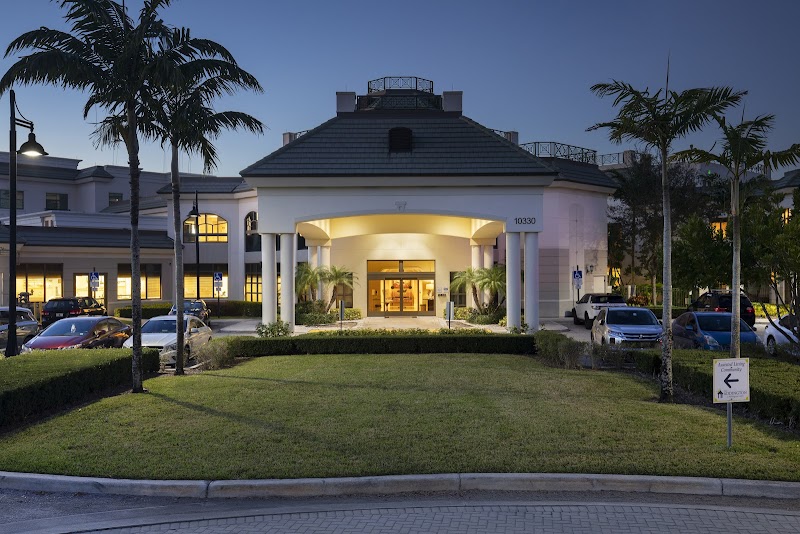
How is Luxe At Wellington Rehabilitation Center The Staffed?

CMS rates LUXE AT WELLINGTON REHABILITATION CENTER THE's staffing level at 3 out of 5 stars, which is average compared to other nursing homes. Staff turnover is 56%, which is 10 percentage points above the Florida average of 46%. High turnover can affect care consistency as new staff learn residents' individual needs. RN turnover specifically is 67%, which is notably high. RNs provide skilled clinical oversight, so turnover in this role can affect medical care quality.

What Have Inspectors Found at Luxe At Wellington Rehabilitation Center The?

State health inspectors documented 30 deficiencies at LUXE AT WELLINGTON REHABILITATION CENTER THE during 2022 to 2025. These included: 2 that caused actual resident harm, 27 with potential for harm, and 1 minor or isolated issues. Deficiencies causing actual harm indicate documented cases where residents experienced negative health consequences.
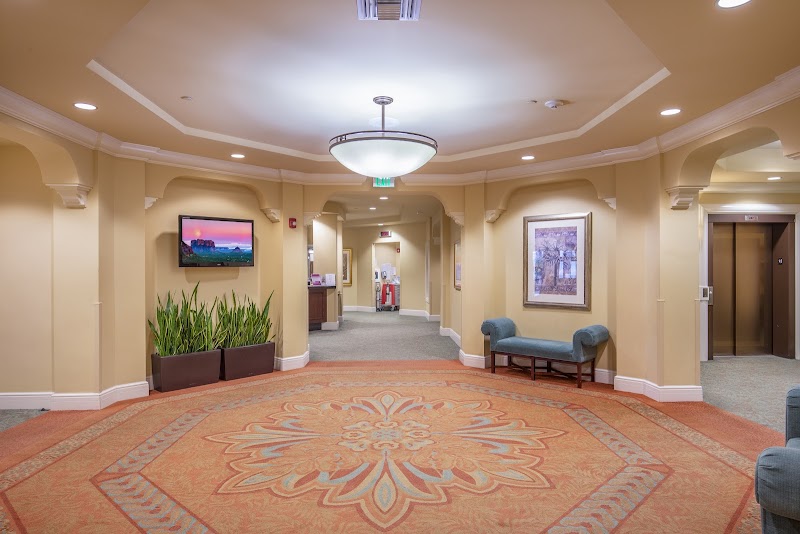
Who Owns and Operates Luxe At Wellington Rehabilitation Center The?

LUXE AT WELLINGTON REHABILITATION CENTER THE is owned by a for-profit company. For-profit facilities operate as businesses with obligations to shareholders or private owners. The facility operates independently rather than as part of a larger chain. With 120 certified beds and approximately 99 residents (about 82% occupancy), it is a mid-sized facility located in WELLINGTON, Florida.
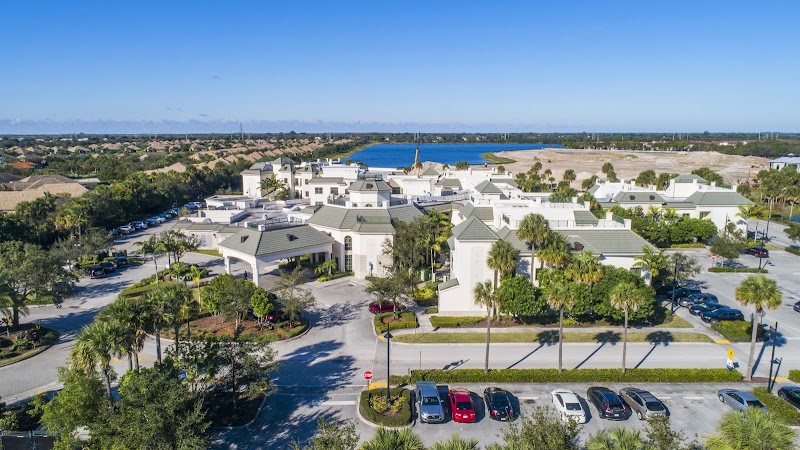
How Does Luxe At Wellington Rehabilitation Center The Compare to Other Florida Nursing Homes?

Compared to the 100 nursing homes in Florida, LUXE AT WELLINGTON REHABILITATION CENTER THE's overall rating (2 stars) is below the state average of 3.2, staff turnover (56%) is near the state average of 46%, and health inspection rating (2 stars) is below the national benchmark.

What Should Families Ask When Visiting Luxe At Wellington Rehabilitation Center The?

Based on this facility's data, families visiting should ask: "What safeguards and monitoring systems are in place to protect residents from abuse or neglect?" "How do you ensure continuity of care given staff turnover, and what is your staff retention strategy?" "Can I visit during a mealtime to observe dining assistance and food quality?" "How do you handle medical emergencies, and what is your hospital transfer rate?" These questions are particularly relevant given the substantiated abuse finding on record and the facility's high staff turnover rate.

Is Luxe At Wellington Rehabilitation Center The Safe?

Based on CMS inspection data, LUXE AT WELLINGTON REHABILITATION CENTER THE has documented safety concerns. The facility has 1 substantiated abuse finding (meaning confirmed case of resident harm by staff or other residents). The facility has a 2-star overall rating and ranks #100 of 100 nursing homes in Florida. Families considering this facility should ask detailed questions about what corrective actions have been taken since these incidents.

Do Nurses at Luxe At Wellington Rehabilitation Center The Stick Around?

Staff turnover at LUXE AT WELLINGTON REHABILITATION CENTER THE is high. At 56%, the facility is 10 percentage points above the Florida average of 46%. Registered Nurse turnover is particularly concerning at 67%. RNs handle complex medical decisions and coordinate care — frequent RN changes can directly impact care quality. High turnover means new staff may not know residents' individual needs, medications, or preferences. It can also be disorienting for residents, especially those with dementia who rely on familiar faces. Families should ask: What is causing the turnover? What retention programs are in place? How do you ensure care continuity during staff transitions?

Was Luxe At Wellington Rehabilitation Center The Ever Fined?

LUXE AT WELLINGTON REHABILITATION CENTER THE has been fined $58,835 across 1 penalty action. This is above the Florida average of $33,667. Fines in this range indicate compliance issues significant enough for CMS to impose meaningful financial consequences. Common causes include delayed correction of deficiencies, repeat violations, or care failures affecting resident safety. Families should ask facility leadership what changes have been made since these penalties.

Is Luxe At Wellington Rehabilitation Center The on Any Federal Watch List?

LUXE AT WELLINGTON REHABILITATION CENTER THE is not on any federal watch list. The most significant is the Special Focus Facility (SFF) program, which identifies the bottom 1% of nursing homes nationally based on persistent, serious quality problems. Not being on this list means the facility has avoided the pattern of deficiencies that triggers enhanced federal oversight. This is a positive indicator, though families should still review the facility's inspection history directly.