WEST MELBOURNE HEALTH & REHABILITATION CENTER
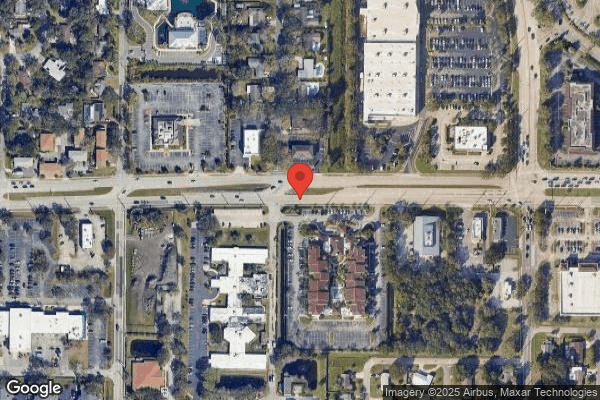
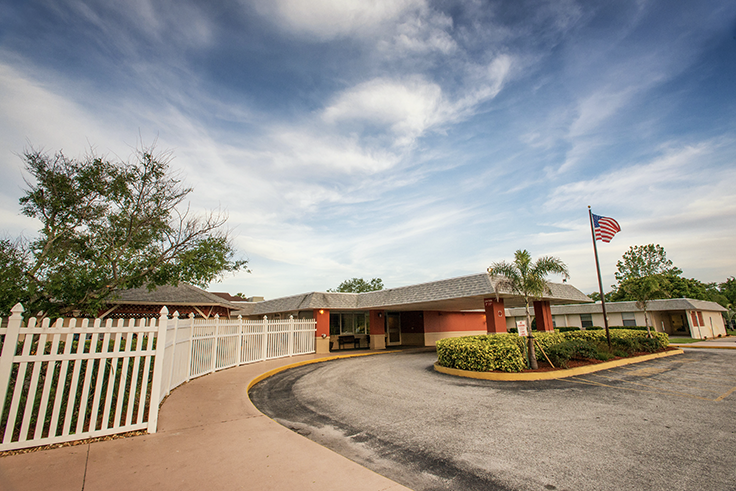
2125 WEST NEW HAVEN AVE, WEST MELBOURNE, FL 32904 (321) 725-7360
For profit - Corporation 180 Beds NHS MANAGEMENT Data: November 2025 1 Immediate Jeopardy citation
Trust Grade
31/100
#585 of 690 in FL
Last Inspection: December 2023

Within standard 12-15 month inspection cycle. Federal law requires annual inspections.

Overview

West Melbourne Health & Rehabilitation Center has received a Trust Grade of F, indicating significant concerns about the quality of care provided. Ranking #585 out of 690 facilities in Florida places it in the bottom half statewide, and #18 out of 21 in Brevard County suggests that there are only a few local options that are better. Despite an improving trend, with issues decreasing from 16 in 2023 to just 2 in 2024, the facility still has serious concerns, including a critical failure to honor a resident's Do Not Resuscitate order, which caused unnecessary suffering. Staffing is a relative strength with a 4/5 star rating, but it is concerning that there is less RN coverage than 75% of Florida facilities, meaning residents may not receive adequate oversight. The facility has incurred $8,648 in fines, which is average, but the high number of total issues-34, including serious concerns-highlights significant areas needing improvement.

Trust Score
F
31/100
In Florida
#585/690
Bottom 16%
Safety Record
High Risk
Review needed
Inspections
Getting Better
16 → 2 violations
Staff Stability
○ Average
43% turnover. Near Florida's 48% average. Typical for the industry.
Penalties
✓ Good
$8,648 in fines. Lower than most Florida facilities. Relatively clean record.
Skilled Nurses
○ Average
Each resident gets 34 minutes of Registered Nurse (RN) attention daily — about average for Florida. RNs are the most trained staff who monitor for health changes.
Violations
⚠ Watch
34 deficiencies on record. Higher than average. Multiple issues found across inspections.
★★☆☆☆
2.0
Overall Rating
★★★★☆
4.0
Staff Levels
★★★☆☆
3.0
Care Quality
★★☆☆☆
2.0
Inspection Score
Stable
2023: 16 issues
2024: 2 issues

The Good

  • 4-Star Staffing Rating · Above-average nurse staffing levels
  • Full Sprinkler Coverage · Fire safety systems throughout facility
  • No fines on record
  • Staff turnover below average (43%)

    5 points below Florida average of 48%

Facility shows strength in staffing levels, fire safety.

The Bad

2-Star Overall Rating

Below Florida average (3.2)

Below average - review inspection findings carefully

Staff Turnover: 43%

Near Florida avg (46%)

Typical for the industry

Federal Fines: $8,648

Below median ($33,413)

Minor penalties assessed

Chain: NHS MANAGEMENT

Part of a multi-facility chain

Ask about local staffing decisions and management

The Ugly 34 deficiencies on record

1 life-threatening 1 actual harm
Feb 2024 2 deficiencies
CONCERN (D) 📢 Someone Reported This

A family member, employee, or ombudsman was alarmed enough to file a formal complaint

Potential for Harm - no one hurt, but risky conditions existed

Deficiency F0806 (Tag F0806)

Could have caused harm · This affected 1 resident

**NOTE- TERMS IN BRACKETS HAVE BEEN EDITED TO PROTECT CONFIDENTIALITY** Based on interview, and record review, the facility failed to complete dietary assessment within recommended timeframes for 2 of...

Read full inspector narrative →
**NOTE- TERMS IN BRACKETS HAVE BEEN EDITED TO PROTECT CONFIDENTIALITY** Based on interview, and record review, the facility failed to complete dietary assessment within recommended timeframes for 2 of 2 residents and failed to obtain preferences and allergies pertaining to lactose intolerance for 1 resident of a total sample of 16 residents, (#20, #24). Findings: 1. Resident #20, a [AGE] year-old female was admitted to the facility on [DATE]. Her diagnoses included pulmonary embolism, hypertension, and gastroesophageal reflux disease. Review of the resident's physician orders revealed an entry dated 12/14/23 which indicated the resident was on a regular diet, and Lactose intolerant. No milk. No cheese. On 2/06/24 at 11:55 AM, the Dietary Manager explained that within seventy-two (72) hours of admission, the resident was seen by the Dietary Manager, and an admission Dietary Assessment was completed. The resident's food allergies, and preferences were obtained, and populated to the resident's meal ticket. The Dietary Manager stated she did not complete an admission Assessment/Dietary Review for resident #20. She noted the resident did not get the weekly menu provided when the Dietary Review was completed. She stated she was not aware of the resident's allergies. She stated that on admission, Dietary would receive a diet order, but preferences, and allergies would not be listed. She said food allergies would be obtained by the Dietary Manager. Review of the Week-At-A-Glance Spring/Summer Menus 2023 served during the time the resident was in the facility, revealed milk and cheese were included in the items served. The resident's physician order dated 12/14/23 was reviewed with the Dietary Manager. She explained the order did not get placed on the resident's meal ticket. Review of the resident's meal tracker Activity Log Report dated 12/13/23, read Allergies Added: No allergies entered. 2. Resident #24, a [AGE] year-old female was admitted to the facility on [DATE]. Her diagnoses included diabetes type II, metabolic encephalopathy, and chronic pancreatitis Review of the resident's clinical records revealed an admission Assessment/Dietary Review was not obtained until 2/04/24, 96 hours after admission. On 2/06/24 at 12:10 PM, the Dietary Manger confirmed the resident was admitted on [DATE] and was not assessed until 2/04/24. She stated the assessment was late. The facility's policy Nutritional Assessment with effective date of May 25,2012, read, The Dietary Manager should complete the Dietary Review Form within 72 hour of admission or readmission to the facility.
CONCERN (E) 📢 Someone Reported This

A family member, employee, or ombudsman was alarmed enough to file a formal complaint

Potential for Harm - no one hurt, but risky conditions existed

Medical Records (Tag F0842)

Could have caused harm · This affected multiple residents

**NOTE- TERMS IN BRACKETS HAVE BEEN EDITED TO PROTECT CONFIDENTIALITY** Based on observation, interview, and record review, the facility failed to ensure complete medical records were readily accessib...

Read full inspector narrative →
**NOTE- TERMS IN BRACKETS HAVE BEEN EDITED TO PROTECT CONFIDENTIALITY** Based on observation, interview, and record review, the facility failed to ensure complete medical records were readily accessible, and not restricted to access for 16 of 16 total sampled residents, (#1, #2, #3, #4, #5, #6, #16, #17, #18, #19, #20, #21, #22, #23, #24, #25); and failed to ensure hard copy medical records were safeguarded for all residents. Findings: On 2/05/24 at 9:40 AM, an entrance conference was held with the Nursing Home Administrator (NHA) and Director of Nursing (DON). The survey team requested items that included access to all residents' complete medical records. On 2/05/24 at 1:20 PM, surveyors were unable to view any sampled residents' Comprehensive Care Plans in the Electronic Health Record (EHR). On 2/05/24 at 3:58 PM, the Minimum Data Set (MDS) Coordinator said she had to obtain records from multiple sources to complete assessments and she didn't have direct access to all the EHRs. She explained the Social Services Director kept residents' behavioral health progress notes in her office. On 2/05/24 at 3:51 PM, the NHA was informed the medical records provided to surveyors were not complete and excluded pertinent physician progress notes, diagnostics, and laboratory results. She could not explain the issues, and said she had to notify the DON to assist. She acknowledged medical record access delayed and impeded the survey process. On 2/05/24 at 4:00 PM, the DON provided resident #1's hard chart that contained hospital clinical records. The record did not include physicians' progress notes or X-ray reports completed during the resident's stay at the facility. On 2/05/24 at 4:20 PM, the DON reviewed a copy of resident #1's physician's progress note dated 1/24/24, and signed on 2/05/24, and a chest X-ray report dated 1/24/24 with a handwritten undated and unsigned note that read, MD (Medical Doctor) aware resident to the ER (Emergency Room). The DON stated, I have no idea who wrote the note; it should have been signed and dated. On 2/06/24 at 11:10 AM, the C Unit Manager explained, Certified Nursing Assistant's (CNAs) used the EHR system for residents plan of care and status and it was where they also documented their daily tasks. She checked the EHR system and demonstrated where the resident records were located. She said the DON or Medical Records Licensed Practical Nurse (LPN) had to assist with any restrictions and stated, you must not have full access. On 2/06/24 at 11:33 AM, the Medical Records LPN conveyed that surveyors were restricted from accessing and viewing the CNA documentation for all residents. She explained she would jointly view the sampled residents' records through her access, and the Regional Nurse Consultant had to arrange surveyor access through their IT (Information Technology) department. On 2/06/24 at 10:03 AM, the Medical Records LPN said she was responsible for the facility's medical records process, and she was the only person with a key to access closed records. She explained physician progress notes were filed into the records every few months. She stated physicians A sent his progress notes in bulk every few months, and they were filed as they were received. She said when she worked as a nurse on nursing units, she had to call the lab or X-ray provider to obtain faxed reports because her access was restricted. On 2/06/24 at 12:16 PM, the DON said the Regional Nurse Consultant was working on obtaining access to EHR for surveyors as it was restricted. She explained facility staff could jointly view the sampled resident records with surveyors. She conveyed she understood the survey process had been impeded by medical record accessibility delays and stated, I don't know why you guys can't see everything. On 2/06/24 at 12:18 PM, surveyors were unable to review resident #16's physician progress notes and requested copies from the DON. At 2:44 PM, the DON said she wasn't sure where the records were and she had to find them. On 2/06/24 at 2:54 PM, the DON explained, nurses accessed resident medical records from the facility's EHR program that included care plans, physician's orders, and nurse progress notes. She said lab results and X-ray reports had to be accessed from their own independent programs, and physician's progress notes were received by email approximately 30 days from an encounter. She pointed to her laptop and explained that when nurses needed to retrieve up to date clinical status information for the doctor, they used the facility's EHR program and stated, they can check the orders. On 2/06/24 at 10:15 AM, the Medical Records LPN said 2024 medical records were kept in her office. During a joint observation, she demonstrated where 2023 records were stored in a closet inside an unlocked and publicly accessible copy/mail room located in the main lobby. She slid open an unlocked wooden door where approximately 30 cardboard boxes were observed on shelves. She explained, the boxes contained all residents' 2023 medical records. She acknowledged the records were not securely locked or properly safeguarded and stated, I must've left it unlocked from yesterday. On 2/06/24 at 11:33 AM, the Medical Records LPN explained the Maintenance Director had to fix the lock on the storage closet in the copy/mail room. At 2:55 PM, the Maintenance Director recalled earlier that day he received a request to repair the lock on the sliding doors of the storage closet in the copy/mail room. He stated he wasn't sure what was wrong with it, and he thought they couldn't find the key. On 2/06/24 at 3:44 PM, during a joint observation, the Medical Records office wooden door was observed open and unlocked. The MDS Coordinator and two other staff were seated directly outside the office at a conference room table. The Medical Records LPN demonstrated where 2024 medical records were stored in her office. She opened an unlocked, non-fireproof file cabinet where documents were contained. She stated she had locked her office door when she left, and remembered another staff had a key who must hav opened it. She said she wasn't sure if the room or file cabinets were properly safeguarded for fire loss. On 2/06/24 at 2:54 PM, the DON stated it was important to ensure safeguarding of medical records for confidentiality and HIPAA (Health Insurance Portability and Accountability Act) compliance. Review of the facility's standards and guidelines dated October 1, 2010 titled Maintenance of Medical Records page 1 read, PURPOSE: The facility safeguards medical records by establishing guidelines for the maintenance of resident records. Review of the Medical Records LPN job description provided by the facility titled Unit Coordinator read, . 6. a. Maintain confidentiality of all data, including resident, employee, and operations data and comply with HIPAA Privacy and Security. ESSENTIAL JOB FUNCTIONS . 10. Maintain and file discharge and reduced medical records in an orderly and appropriate manner. Safety and Equipment Functions . fire protection and prevention . Review of the Facility assessment dated [DATE] read, 3.7 (facility name) uses an electronic health record using (software program name) and a hard chart where MDS, consultant visits, labs, hospital records are stored etc. Laptops are used for documentation. Inter-disciplinary assessments and documentation from (software program name) are all housed inside the EMR (Electronic Medical Record). The Center communicates via email to department heads and corporate partners, uses fax for pharmacy and receives electronic referrals through hospital-based portals. The Center has routine back up procedures and provides alternate means of documentation in the event of a power outage or internet outages. The Center use of electronic records is a work in progress and evolves with the changing needs of the Center.
Dec 2023 10 deficiencies
CONCERN (D)

Potential for Harm - no one hurt, but risky conditions existed

Deficiency F0655 (Tag F0655)

Could have caused harm · This affected 1 resident

**NOTE- TERMS IN BRACKETS HAVE BEEN EDITED TO PROTECT CONFIDENTIALITY** Based on interview, and record review, the facility failed to develop a baseline care plan within 48 hours of admission for 1 of...

Read full inspector narrative →
**NOTE- TERMS IN BRACKETS HAVE BEEN EDITED TO PROTECT CONFIDENTIALITY** Based on interview, and record review, the facility failed to develop a baseline care plan within 48 hours of admission for 1 of 1 resident reviewed for pain management of a total sample of 52 residents, (#199). Findings: Resident #199 was admitted to the facility on [DATE]. Her diagnoses included encephalopathy, stage IV pressure ulcer, Klebsiella pneumonia, and resistance to multiple antibiotics. Review of the resident's physician orders revealed entries dated 12/08/23, 12/09/23, and on 12/12/23 for pain management/ medications. Review of the resident's clinical record revealed care plan potential for pain with start date of 12/11/23. A baseline care plan developed within 48 hours of the resident's admission could not be identified. On 12/14/23 at 4:10 PM, the Regional Case Manager stated baseline care plans were developed within 48 hours of admission and were revised when the comprehensive care plan was developed. On 12/14/23 at 4:30 PM, the Registered Nurse/ Minimum Data Set Coordinator (RN/MDS) stated the facility's process was that a baseline care plan should be developed on admission. A baseline care plan summary would then be printed, and a meeting would be held with the resident and family for review of the baseline care plan within 48 hours of the resident's admission. A signature indicating understanding and receipt of the baseline care plan would be obtained at that time. The RN/MDS Coordinator confirmed the resident was admitted on [DATE] but stated a baseline care plan was not developed for the resident within the relevant timeframe. The facility's policy, Person Centered Care Plan with effective date of August 15, 2018, read, According to federal regulations, the facility develops and implements a baseline plan of care within 48 hours of admission that includes the minimum healthcare information necessary to properly care for the immediate needs of the resident .Baseline Plan of Care- should be initiated by MDSC (Minimum Data Set Coordinator)/designee based on referral information, dietary observation, resident/guest and/or representative and staff input within 48 hours of admission. Baseline care plan summary provided to resident/resident representative, by MDSC, after baseline care plan established and prior to completion of comprehensive care plan.
CONCERN (D)

Potential for Harm - no one hurt, but risky conditions existed

Deficiency F0657 (Tag F0657)

Could have caused harm · This affected 1 resident

**NOTE- TERMS IN BRACKETS HAVE BEEN EDITED TO PROTECT CONFIDENTIALITY** Based on interview, and record review, the facility failed to ensure residents were involved in developing the comprehensive per...

Read full inspector narrative →
**NOTE- TERMS IN BRACKETS HAVE BEEN EDITED TO PROTECT CONFIDENTIALITY** Based on interview, and record review, the facility failed to ensure residents were involved in developing the comprehensive person-centered plan of care for 1 of 3 residents reviewed for participation in care plan, of a total sample of 52 residents, (#52). Findings Resident #52, a [AGE] year-old female was admitted to the facility on [DATE] and readmitted on [DATE]. Her diagnoses included chronic systolic (congestive) heart failure, diabetes type II, mild intermittent asthma, other chronic pain, and shortness of breath. Review of the resident's annual Minimum Data Set (MDS) assessment, with Assessment Reference Date of 9/20/23 revealed the resident's cognition was intact, with a Brief Interview for Mental Status score of 15 out of 15. On 12/11/23 at 4:04 PM, resident #52 stated she did not get invited to her care plan meetings. On 12/13/23 at 10:42 AM, the Registered Nurse/ Unit Manager (RN/UM) for the 200 Hall stated resident/family were invited to their care plan meeting by the Social Service Director (SSD), or the UM The UM explained the SSD sent a letter to the family with the scheduled date of the care plan meeting, and if the resident/family could not attend the meeting in person, they could participate via telephone, or the meeting could be held in the resident's room. She verbalized she had recently assumed the position as UM and had not participated in a care plan meeting with the resident yet. On 12/14/23 at 9:43 AM, an interview was conducted with the Regional Case Manager, and the Registered Nurse (RN)/ MDS Coordinator. The RN/MDS Coordinator explained the process for scheduling a care plan meeting included running a roster for the next month's care plans /assessments due, mapping the meetings on the calendar, providing a list of the residents that had care plan meeting coming up to the receptionist, who would send the letter to the resident/family. She noted if any responses were obtained either verbal or via telephone, the response would be documented. If there was no response, the facility would attempt to call the resident or family. The RN/MDS Coordinator stated care plan meetings were held with the Interdisciplinary team (IDT), and a care plan summary was completed in the resident's electronic medical record, and documentation would be done regarding all persons/representative who attended the meeting. She stated that if the resident did not want to come to the MDS office, the IDT would go to the resident's room, and have the care plan meeting at the resident's bedside. The RN/MDS Coordinator stated documentation of the last care plan meeting held on 8/03/21 for resident #52, indicated the resident's daughter participated via telephone. When asked if resident #52 was invited/participated in the care plan meeting, the RN/MDS Coordinator said the resident should have received a letter. The Regional Case Manager stated review of the resident's clinical records, revealed the resident was not listed as her own responsible party. When asked if that would prevent her from being invited to the care plan meeting, the RN/MDS Coordinator said, we normally invite the resident. On 12/14/23 at 11:46 AM, the Social Services Assistant Staff E, stated that between September 2022 to May 2023 she sent invitation letters for care plan meetings to residents and family members. She explained she placed the invitation letters in envelopes, and gave them to the Receptionist, who would deliver letters to the resident/family. When the resident or family responded, a copy of the letter with the response was placed in the residents' physical chart. The resident's physical chart was reviewed with Staff E. A letter dated August 3, with no year documented was addressed to the resident's daughter, and to the resident. Two options were listed, I will attend, I will not attend neither of the options were selected. No other invitation letter was found in the resident's chart. On 12/14/23 at 11:56 AM, resident # 52 was resting in bed. She stated she did not receive any invitation to her care plan meetings. A copy of the letter found in the resident's chart was reviewed with the resident. She explained she had not received any letter and recalled her daughter told her the facility had called her, but she never received an invitation. Resident #52 said she wanted to participate in her care plan meeting. On 12/14/23 at 1:58 PM, the RN/MDS Coordinator provided a copy of the Care Conference Summary dated 8/03/23. Review of the document with the RN/ MDS Coordinator revealed the resident's daughter's name was documented in the area for Family/Resident Attendance- name of person invited. The resident's name was not included. The document indicated the resident's next care conference was on 10/03/2023, however, a Care Conference Summary could not be identified for this meeting. On 12/14/23 at 2:17 PM, the RN/MDS Coordinator stated a care conference was scheduled for the resident on 10/05/23 at 1:30 PM but was not held. The facility's policy Person Centered Care Plan with effective date of August 15, 2018, read, Conducting the Interdisciplinary Person-Centered Care Plan Meeting a) the team, including the resident/guest and their desired representatives when possible should present findings from assessment .discuss suggested new goals or approaches . Any input gained from the resident/guest should be recorded in the plan of care and the resident/guest participation should be recorded in the EMR (Electronic Medical Record).
CONCERN (D)

Potential for Harm - no one hurt, but risky conditions existed

ADL Care (Tag F0677)

Could have caused harm · This affected 1 resident

**NOTE- TERMS IN BRACKETS HAVE BEEN EDITED TO PROTECT CONFIDENTIALITY** Based on observation, interview, and record review, the facility failed to provide fingernail care for a dependent resident, for...

Read full inspector narrative →
**NOTE- TERMS IN BRACKETS HAVE BEEN EDITED TO PROTECT CONFIDENTIALITY** Based on observation, interview, and record review, the facility failed to provide fingernail care for a dependent resident, for 1 of 3 residents reviewed for Activities of Daily Living (ADL) care of a total sample of 52 residents, (#7). Finding: Clinical record review revealed resident #7 was admitted to the facility on [DATE]. Her diagnoses included major depressive disorder, chronic kidney disease, pain, sarcoma, and psychotic disorder with hallucinations. Review of the resident's quarterly Minimum Data Set (MDS) assessment with Assessment Reference Date of 10/11/23 revealed the resident's cognition was severely impaired, and the resident was dependent on staff assistance for toileting, shower/bathe, and personal hygiene. On 12/11/23 at 10:29 AM, 12/12/23 at 9:40 AM, resident #7 was lying in bed on her back with her eyes closed. She did not respond when spoken to. The resident's fingernails to both hands were untrimmed, with a dark substance under the fingernails of her left hand. On 12/13/23 at 9:00 AM, resident #7 was sitting up in bed, with her over bed table positioned in front of her. The resident's breakfast tray was on the table, and the resident was feeding herself, using her hands and fingers to eat her oatmeal. The fingernails of her bilateral hands were untrimmed, with a dark substance under the nails. On 12/13/23 at 9:39 AM, the Registered Nurse/Unit Manager of the 300 Hall stated nail care was done by the Certified Nursing Assistants (CNA) as needed, and the facility had a nail care spa day provided by the Activities Department. On 12/13/23 at 10:05 AM, CNA F stated nail care was provided during morning ADL care. She acknowledged resident #7 was on her assignment on 12/11/23, and 12/13/23. During observation of the resident's fingernails with CNA F, she confirmed the resident's fingernails were untrimmed, with a dark substance under the nails. CNA F acknowledged the resident ate by using her hands and fingers. She explained the resident sometimes refused care, but there was no place on the Electronic Medical Record (EMR) for her to document the resident's refusal. On 12/13/23 at 10:12 AM, observation of the resident's fingernails was conducted with the Unit Manager. She confirmed the resident's fingernails to both hands were untrimmed and needed cleaning. Review of the resident's care plan with start date of 2/02/23 indicated the resident required assistance to complete daily activities of care safely, and an intervention was to provide nail care with showers, and ADLs as needed. The facility's policy Nail Care with effective date of October 1, 2010, read, Routine nail care helps reduce the potential for infection .prevents possible injuries .Nail care is a routine part of grooming each day.
CONCERN (D)

Potential for Harm - no one hurt, but risky conditions existed

Accident Prevention (Tag F0689)

Could have caused harm · This affected 1 resident

Based on observation, interview, and record review, the facility failed to ensure nurses followed physician's Leave of Absence (LOA) orders and failed to provide necessary monitoring and supervision t...

Read full inspector narrative →
Based on observation, interview, and record review, the facility failed to ensure nurses followed physician's Leave of Absence (LOA) orders and failed to provide necessary monitoring and supervision to mitigate the risk of serious injury for 1 of 7 residents reviewed for Accidents, of a total sample of 52 residents, (#77). Finding: Review of the medical record revealed resident #77 was admitted to the facility from an acute care hospital on 5/29/23 with diagnoses that included substance use disorder, ETOH (alcohol) and opiate (narcotic pain medication) dependence with recent recurrent episode, history of falls, impaired gait, neuropathy (nerve impairment/damage), chronic pain, and shortness of breath. On 12/03/23, the resident was transferred to an acute care hospital and readmitted from an inpatient psychiatric facility on 12/06/23 with diagnoses that included alcohol use disorder, severe, and major depressive disorder, with severe recurrent episode. The MDS Quarterly Assessment with ARD 11/28/23 noted the resident scored 13 out of 15 on the Brief Interview for Mental Status (BIMS) that indicated he was cognitively intact. The assessment indicated verbal behavioral symptoms directed towards others and physical behaviors not directed towards others occurred 1 to 3 days, there were no rejections of evaluation or care, the resident did not require staff assistance for mobility or to complete ADLs, and he received high risk antidepressant, anticoagulant, hypoglycemic, and opioid medications during the look back period. On 12/12/23 at 9:50 AM, resident #77 was observed in his room sitting in a chair beside his bed. He recalled on 12/03/23, his roommate left clutter on the floor, and they had a verbal argument that led to him hitting the other resident. He explained he had to be admitted to the psychiatric facility after it happened and he desperately wanted to transfer to another facility, but he was unable to be placed. Review of the Comprehensive Care Plan focus areas included, substance use disorder related to history of alcohol and opiate dependence; recent recurrent episode, with interventions that nurses were to observe for signs and symptoms of substance use and/or overdose, notify the doctor immediately for signs and symptoms of substance use, increase monitoring to maintain the health and safety of the resident and others, assess the resident upon return from outings and/or Leave of Absence, monitoring for potential adverse drug reactions from antidepressant, antianxiety, hypnotic, and anticoagulant medication use. The interventions directed nurses to observe for sedation, agitation, psychotic manifestations, and abnormal bleeding, with a goal that the resident would not sustain an injury related to medication usage/side effects. A care plan for behaviors noted the resident hit another resident, and admitted he had been drinking with interventions for nurses to identify causes for behaviors and reduce factors that may provoke behaviors, place resident in area where frequent observation is possible, identify causes for behaviors and reduce factors that may provoke behaviors, with a goal that the resident would not injure himself or others. The December 2023 Medication Administration Record (MAR) documented physician ordered medications were administered to the resident that included, Percocet (narcotic pain reliever) 5-325 Milligram (MG) every 6 hours as needed for pain, Trazodone (anti-depressant) 100 MG once daily for depression, Xanax (anti-anxiety) 0.5 MG twice daily for anxiety, Temazepam (hypnotic) 7.5 MG once daily as needed for sleep, Methocarbamol (skeletal muscle relaxant) for muscle ache, Neurontin (anti-seizure) 200 MG three times daily for neuropathy, Eliquis (blood thinner) 5 MG twice daily for blood clot prevention, and Valsartan 160 MG once daily for high blood pressure. On 12/13/23 at 8:36 AM, Licensed Practical Nurse, (LPN) B said residents who were competent to go on LOA signed out on forms located in a binder kept at the nurse's station. She stated a physician's order was required for a resident to go outside. She explained nurses were required to note any LOAs in the Electronic Health Record (EHR) under the resident availability section to indicate in and out times. She noted upon their return, nurses assessed the resident for substance abuse impairment and notified the doctor and supervisor of their concerns, and added the LOA may be removed from the resident if they did not comply. She said the assessment was needed because, there's a liquor store across the street. Review of the progress notes contained in the EHR documented from 8/08/23 to 10/03/23 staff documented resident #77 had eight incidents of behavioral outbursts described as, verbal, yelling, and aggressiveness towards staff. The notes indicated on 7/18/23, the resident required 1 to 1 supervision for 10 days. The Incident Log for November 2023 noted the resident had a fall on 11/04/23. The Physician's Orders Report from 5/29/23 until 8/21/23 noted there were not any physician's orders for the resident to exit the facility for a Leave of Absence (LOA), and on 8/21/23, an order was entered that read, LOA for 1 hour. On 12/13/23 at 3:13 PM, resident #77 explained prior to the incident on 12/03/23, he was allowed to independently exit the facility on LOAs and often times, he walked to the convenience store down the street (0.3 miles) to get beer. He said typically, he was away, for a couple hours. On 12/13/23 at 9:18 AM, LPN K demonstrated the EHR's function where nurses were required to enter residents' LOAs. She explained, in addition, residents were required to sign out on a paper form located in binders at the nurses' stations, and inform the nurse upon return. She stated nurses were responsible for following the LOA directions specified in the physician's orders, but was not aware of any checks required for substance impairment when residents returned from leave. On 12/14/23 at 12:22 PM, the 200 Hall Unit Manager explained LOA orders were specific to the resident and restrictions were for the resident's safety. She said nurses were expected to check the orders for directions, monitor the sign in/out books to ensure timeliness, verify returns were recorded, and they also entered times in the EHR. She stated any overstays required a report to management and notification to the physician. She recalled there had been no reports of concerns or issues about resident #77 during the daily clinical meetings she attended. She stated mixing alcohol with controlled medications, is not good; he could get hurt. On 12/14/23 at 8:59 AM, the Director of Nursing (DON) recalled on 12/03/23, she received a phone call from the Weekend Supervisor who reported resident #77 was intoxicated, had assaulted his roommate, and he required an Emergency Medical Services (EMS) and Law Enforcement transfer to the hospital. Review of the psychiatric facility's Inpatient Hospital Care Psychiatric Evaluation dated 12/04/23 showed on 12/04/23, the resident was transferred by EMS from an acute care hospital under involuntary orders. The report noted, on 12/03/23 in the hospital emergency room, the resident's Blood Alcohol Level (BAL) was measured at 0.1065, and he required emergency medication and 4-point restraint interventions for management of violent behaviors towards EMS personnel. The document read, provided background documentation, which indicated that client has a history of opioid dependency, alcohol abuse, and tobacco use .client has a history of . disorderly intoxication, possessing open containers of alcohol . Client reportedly became aggressive and assaultive towards staff, patients, and EMS at his nursing home after becoming intoxicated. Most Recent Diagnosis Prior to Current Visit Updates: Major depressive disorder, Recurrent episode, With psychotic features, Alcohol use disorder, severe . (In patient's own words): Chief Complaint: I was drinking. The acute care hospital's Patient Results report showed on 12/03/23 at 3:03 PM, an Ethanol (Alcohol) blood test was conducted with results that read, Ethanol 106.5 H (High) . Normal < (less than) or = (equal to) 10.1 mg (milligrams) / (per) dL (deciliter). The Patient Sign Out Roster forms from 8/15/23 through 12/03/23 noted resident #77 signed out on LOA forty-two times. Thirty-five entries did not show a return time. Seven LOAs documented four return times when the resident was gone from 1.5 to 3 hours. On 12/03/23, the day the resident was transferred to the hospital, the sign out time was recorded at 8:45 AM without a return time. The Resident Availability Status History report showed from 8/16/23 to 12/03/23, nurses entered a total of three instances the resident was out on pass, from 2 to 5.5 hours. On 12/03/23, the day the resident was transferred to the hospital, he was out of the facility unsupervised for 2.5 hours. On 12/14/23 at 9:09 AM, the DON said she expected nurses to follow the facility's LOA procedure and ensure residents or their family member signed them in and out on the paper forms at the nurses' station, and nurses documented LOAs in the availability section of the EHR. She did not provide an explanation for how nurses ensured resident #77's physician's order for a 1 hour time limit was followed, and she explained they relied upon the resident to report his returns. After she checked the resident's sign out forms and the EHR availability report, she acknowledged there were multiple missing return entries and LOAs well over one hour. She stated, the nurses weren't doing the monitoring. On 12/13/23 at 11:31 AM, in a joint review of the facility's investigation of resident #77's 12/03/23 incident, the Nursing Home Administrator (NHA) stated their investigation revealed the resident admitted to the responding Law Enforcement Officer he had consumed alcohol while on LOA prior to returning to the facility. In a telephone interview on 12/14/23 at 12:51 PM, resident #77's Primary Care Physician said he was very familiar with the resident and acknowledged he provided the LOA order placed in August 2023 with a 1 hour time limit. He stated he was aware the resident received opiate medications and was at a higher risk for injuries or accidents if he was intoxicated. He stated, it potentiates the alcohol and added, not at all a good combination. He said he was not aware nurses had not been following the order to monitor the specified time. He said if nurses had made him aware the resident was out of the facility for longer periods of time, he may have revisited the order. He said the timeframe was placed because he wanted to allow the resident to get some air and stated, I didn't want him to get drunk and come back. Review of the facilities standards and guidelines titled, Nursing Management Manual, Documentation and Medical Records revised 4/24/19 read, . V. Leaves of Absence Documentation pertaining to a resident's leave of absence . a) Date and time resident left the facility b) Mode of transportation (car, ambulance, wheelchair, stretcher) c) Condition of resident d) Name of person signing resident out of facility (form NM.IV-10b) e) Reason for resident leaving facility f) Date and time resident returned g) Condition of resident upon return . Review of the Facility Assessment Annual Review February 2023, reviewed 3/03/23 read, Resident support/care needs 2.0 There are certain care interventions and services that are necessary across all customer diseases and conditions. These include user defined assessments, care planning, careful education of care plans, monitoring of care plan interventions for effectiveness, changing of ineffective care plan interventions, following physician orders for medications, treatments and labels, physician and family notification of any significant changes in customer condition, ADL assistance, and risk assessments . Implementation of systems to maximize customer safety and minimize customer abuse and neglect are a constant. All these assessments, interventions and services are monitored by our Unit Managers, Nurses, Nurse supervisors and management staff .
CONCERN (D)

Potential for Harm - no one hurt, but risky conditions existed

Deficiency F0694 (Tag F0694)

Could have caused harm · This affected 1 resident

**NOTE- TERMS IN BRACKETS HAVE BEEN EDITED TO PROTECT CONFIDENTIALITY** Based on observation, interview, and record review, the facility failed to ensure a Midline dressing was changed in accordance w...

Read full inspector narrative →
**NOTE- TERMS IN BRACKETS HAVE BEEN EDITED TO PROTECT CONFIDENTIALITY** Based on observation, interview, and record review, the facility failed to ensure a Midline dressing was changed in accordance with professional standards to prevent the potential for infection for 1 of 1 resident reviewed for antibiotic use of a total sample of 52 residents, (#198). Findings: Resident #198 was admitted to the facility on [DATE] with diagnoses which included peripheral autonomic neuropathy, spinal stenosis, lumbar region, urinary tract infection, multiple myeloma, and bacteremia. The resident's admission Minimum Data Set (MDS) assessment with Assessment Reference Date of 12/08/23 indicated the resident's cognition was moderately impaired with a Brief Interview For Mental Status score of 12/15. The assessment revealed the resident received intravenous medications on admission. Review of the resident's physician orders showed an order dated 12/07/23 with start date of 12/12/23 for Midline dressing change every 7 days. An order dated 12/09/23 noted antibiotic, Ceftriaxone 2 grams every day at 8 PM, documented last day for administration was 12/10/23. On 12/11/23 at 10:40 AM, resident #198's wife stated the resident was admitted to the facility approximately five days ago, had two infections, and was on antibiotic therapy. A Midline was noted to the resident's left antecubital area, and the dressing was dated 12/04. A midline . is a long, thin, flexible tube that is inserted into a large vein in the upper arm. It is used to safely administer medication into the bloodstream. (retrieved on 12/15/23 from www.uhs.nhs.uk). On 12/12/23 at 11:10 AM, resident #198 was lying in bed on his back, with a midline dressing to his left antecubital area dated 12/04. The resident's primary nurse Licensed Practical Nurse (LPN) G was in the resident's room, and confirmed date on the midline dressing was 12/04. LPN G stated resident #198 completed antibiotic therapy on 12/10/23. She said the midline dressing should be changed every three days and was changed by a Registered Nurse (RN). On 12/12/23 at 11:25 AM, the RN admission nurse, stated resident #198 was admitted with the midline dressing, and it should be changed every 3 days and acknowledged the dressing should have been changed. On 12/12/23 at 11:56 AM, the Director of Nursing (DON) confirmed resident #198 was admitted to the facility on [DATE] and explained the midline dressings should be changed every 7 days. The DON said the facility was counting the days from when the resident was admitted to the facility, and not from the date of 12/04 documented on the dressing. She provided a physician order dated 12 07/23 for midline dressing change every 7 days with start date of 12/12/23. The order was discussed with the DON, who stated it was reviewed, and placed the day after the resident was admitted to the facility. The DON acknowledged that professional standard directs midline dressing should be changed every 5-7 days. The DON acknowledged the date of the last dressing change was 12/4, that indicated the resident's dressing should have been changed on 12/11/23. The facility's policy Dressing Change and site care for PIV (peripheral intravenous line), Midline, CVAD (Central venous access device) and PICC (peripheral inserted central catheter) lines read, Central vascular access device site care and dressing/injection cap changes will be performed at established intervals .Transparent film dressings are changed every 7 days.
CONCERN (D)

Potential for Harm - no one hurt, but risky conditions existed

Respiratory Care (Tag F0695)

Could have caused harm · This affected 1 resident

**NOTE- TERMS IN BRACKETS HAVE BEEN EDITED TO PROTECT CONFIDENTIALITY** Based on observation, interview, and record review, the facility failed to provide care and services consistent with professiona...

Read full inspector narrative →
**NOTE- TERMS IN BRACKETS HAVE BEEN EDITED TO PROTECT CONFIDENTIALITY** Based on observation, interview, and record review, the facility failed to provide care and services consistent with professional standards of practice pertaining to tracheostomy care and suctioning for 1 of 4 residents (#40), and failed to ensure Oxygen (O2) therapy was administered per physician's order for 1 of 2 residents reviewed for O2 therapy, (#52) of a total sample of 52 residents. Findings: 1. Resident #40 was admitted to the facility on [DATE] and readmitted from an acute care hospital on [DATE] with diagnoses including chronic respiratory failure, dependence on supplemental oxygen, attention to tracheostomy, anoxic brain damage, cerebral infarction, and seizures. A tracheostomy (also called a tracheotomy) is an opening surgically created through the neck into the trachea (windpipe) to allow air to fill the lungs. After creating the tracheostomy opening in the neck, surgeons insert a tube through it to provide an airway and to remove secretions from the lungs (retrieved on 12/21/23 from www.hopkinsmedicine.org). The Minimum Data Set (MDS) assessment dated [DATE] showed resident #40 required oxygen therapy, suctioning and tracheostomy care. Review of the physician orders for December 2023 included enhanced barrier precautions related to trach (tracheostomy), trach collar to be changed daily, suction prn (as needed), trach care every shift and prn. The orders did not include the actual size of the current trach tube or one size smaller to be kept at bedside along with bag valve mask (ambu bag) for emergencies. To ensure patient safety, a replacement tracheostomy tube, an obturator, a bag valve mask (Ambu bag), and suction catheter kit must always be available in the room (retrieved on 12/21/23 from www.ncbi.nlm.nih.gov). Review of the Treatment Administration Record (TAR) for December 2023 showed no evidence the nurses verified a replacement tracheostomy tube or bag valve mask were at bedside in the event of an emergency. The most recent note by the Respiratory Therapist (RT) dated 12/4/23 revealed resident #40's Trach size was 6. Resident #40's care plan dated 1/31/23 for chronic respiratory failure with SOB (shortness of breath), included altered respiratory function related to chronic respiratory failure. The interventions included to suction trach as ordered, trach care related to secretions as per physician orders and observe for audible congestion, tenacious/colored sputum, cough, and abnormal breath sounds. The goal was for the resident not to have complications such as unrelieved SOB, and congestion. The care plans did not include approaches regarding checking for an ambu bag and tracheostomy replacement tube at beside every shift in the event of an emergency. On 12/12/23 at 5:10 PM, an interview and observation was conducted with Licensed Practical Nurse (LPN) A who was assigned to resident #40 on the 3 PM to 11 PM shift. The resident's neck dressing around trach tube was saturated with white mucous. LPN A said he usually suctioned her at least 3 times during his shift because she had a lot of mucous. He was able to show a size 6 trach tube and ambu bag in the top drawer of the resident's dresser for emergencies. The suction canister at the bedside was noted to be ¾ full of pale white colored fluid. On 12/12/23 at 11:32 AM, the assigned LPN B who worked the 7 AM to 3 PM shift said she already suctioned the resident 4 times today. She noted the resident had a lot of secretions. On 12/12/23 at 11:45 AM, trach care and suctioning was observed with LPN B, the Unit Manager (UM) B Wing and Staff Development nurse. There was a sign on resident #40's door that read Enhanced Precautions with instructions to use hand sanitizer and were gloves and gown for high contact resident activities which included tracheostomy. Prior to entering the room, LPN D stated the only PPE (personal protective equipment) that should be worn was a gown and gloves for the procedure. The LPN donned a gown, gloves, and face mask. The UM and Staff Development nurse also wore gown and gloves but did not wear face mask. All 3 staff did not wear face shield. The facility's policy for Guidance for Implementing Enhanced Barrier Precautions in the Nursing Home, updated 7/12/22, read, Enhanced Barrier Precautions expand the use of PPE PPE use for these situations: Device care or use .Tracheostomy/ventilator .Face protection may also be needed if performing activity with risk of splash or spray . Prior to trach care, none of the staff could locate the ambu bag and repeatedly looked in the clear plastic storage unit. They were informed by the surveyor that the nurse located it yesterday in the dresser across from the resident's bed. Neither LPN B, the UM nor Staff Development nurse was only able to find a size 6 trach tube at bedside and could not locate any other size or smaller tube for an emergency. The LPN washed her hands and set up her supplies on the bedside table. The suction canister remained ¾ full and non of the staff attempted to empty prior to procedure. Resident #40 was lying in bed with her head and upper body elevated approximately 45 degrees. LPN B turned on the suction machine and attempted to check if it was working properly by putting the tip of suction catheter into a cup of sterile saline. She did not know it was working until prompted by the UM to place her finger over the catheter suction port. The UM put resident #40's oxygen trach collar to the side of her neck and the LPN proceeded to suction the resident. The LPN put her finger over the catheter suction port and suctioned while entering the catheter into the trach tubing approx. 4-5 centimeters (cm) and suctioned on the way out as well. She did not rotate the catheter. The LPN proceeded to suction 2 more times using this same technique and then was instructed by the UM that she should only apply suction when pushing the catheter down the tube. The UM then donned sterile gloves and took over suctioning procedure and was able to put the tubing down into the trach tube approximately 10-12 cm and suctioned up large amounts of thick white mucous. The UM repeatedly suctioned approximately 4-5 times and the resident had strong cough reflex and expectorated large amount of mucous from the trach tube herself. While changing the trach ties, resident #40 coughed/sprayed mucous directly into the UM's face who was not wearing face mask or eye shield. By the end of the procedure, the suction canister was 90% full and the LPN was observed emptying the canister then placed it back at bedside. The canister still had remnants of thick white secretions stuck to the interior side wall. Resident #40 stopped coughing post procedure and none of the staff attempted to assess breath sounds or pulse oximetry pre/post or during the procedure. Only when prompted by surveyor approximately 5 minutes post procedure did the LPN check the pulse oximetry which read 97% and heart rate of 120 beat a minute. Pulse oximetry is a test used to measure the oxygen level (oxygen saturation) of the blood. It is an easy, painless measure of how well oxygen is being sent to parts of your body furthest from your heart, such as the arms and legs. A clip-like device called a probe is placed on a body part, such as a finger or ear lobe. The probe uses light to measure how much oxygen is in the blood. This information helps the healthcare provider decide if a person needs extra oxygen. (retrieved on 12/21/23 from www.hopkinsmedicine.org). On 12/14/23 at 12 PM, an interview was conducted with the Director of Nursing (DON) and the Assistant DON (ADON) who was in training to be the Infection Preventionist (IP). Currently the DON was the IP nurse. The DON and ADON both acknowledged that all the nurses caring for resident #40 should be able to readily locate the ambu bag at bedside in the event of emergent situation with her breathing and that the nurses should have emptied the suction canister when ¾ full prior to trach care and suctioning procedures. They both verified the proper procedure when suctioning a trach was not to apply suction upon advancing the catheter and should be done upon withdrawing catheter, as well as spiral technique per facility policy. The DON and ADON validated the staff should have checked resident's lung sounds and pulse oximetry pre and post trach care and suctioning process. They agreed the staff should have anticipated a high likelihood of splash/spray due to resident #40's history of having strong cough reflex during care and should have donned face masks and eye protection. On 12/14/23 at 2:04 PM, the ADON verified that no competency for Trach Suctioning or care was ever completed for LPN B or the Staff Development nurse who were both present during observation of care. The competency for Trach-Suctioning dated 12/1/17 read, Insert cath into trach tube opening until resistance is felt. Do not apply suction while inserting. Withdraw catheter approximately ½ inch. Place finger over cath suctioning port for approximately 10-12 seconds. Rotate and withdraw catheter smoothly . On 12/14/23 at 2:11 PM, a telephone interview was conducted with the RT who verified she saw resident #40 every 2-3 weeks. The RT said resident #40 coughed constantly during trach care and can expectorate her own sections. She stated she did not suction her often. The RT explained the resident will spasm when being suctioned and she did not recommend suctioning her too often. The RT said she wore a face mask and eye shield when providing care due to secretions being sprayed. She said she would expect the nursing staff to wear appropriate PPE as well. The RT verbalized the nursing staff should be aware of the location of the ambu bag in case something went wrong and they would be able to provide ventilation. She explained the suction canister should be emptied pre procedure if ¾ full and that suction should only be applied when withdrawing the catheter. The RT added, the nurses should be checking lung sounds pre/post suctioning to determine if suctioning was effective. She said she left the pulse oximeter on the resident throughout care to ensure the resident's oxygen level was not dropping too low and that she was tolerating the procedure. The RT stated, the oxygen level is important because we do not want to endanger the resident while doing procedure and checking lung sounds to know that you have done effective job. The RT explained that as well as an ambu bag there should be size 6 trach and a smaller size 4 at bedside in the event of extubation it would be easier to put smaller tube back in. 2. Resident #52, was admitted to the facility on [DATE] and readmitted on [DATE] with diagnoses of chronic systolic (congestive) heart failure, diabetes type II, mild intermittent asthma, other chronic pain, and shortness of breath. Review of the resident's annual Minimum Data Set (MDS) assessment, with Assessment Reference Date of 9/20/23 revealed the resident's cognition was intact, with a Brief Interview for Mental Status score of 15/15. On 12/11/23 at 3:55 PM, and at 4:08 PM, resident #52 was lying in bed with O2 via nasal cannula being administered at 5 liters per minute (LPM). On 12/12/23 at 2:49 PM, resident # 52 was lying in bed, watching television with O2 via nasal cannula at 5 LPM. The resident stated she was supposed to be on O2 at 4 LPM. On 12/12/23 at 2:52 PM, Licensed Practical Nurse (LPN) H stated resident #52 had physician orders for O2 at 4 LPM. Review of the resident's physician orders with LPN H revealed an order dated 3/31/23 for O2 at 4 LPM via nasal cannula for diagnosis of chronic obstructive pulmonary disease (COPD). The resident's O2 flow rate was observed with LPN H. She confirmed the flow rate was at 5 LPM, and the order was for 4 LPM. LPN H stated she usually checked O2 therapy after she received shift report, and when administering medications. She explained only nurses were supposed to adjust O2 flow rate, and O2 therapy should be administered as ordered. On 12/12/23 at 2:58 PM, the RN/Unit Manager for the 200 Hall stated O2 therapy required a physician order and was monitored every shift. She stated nurses were responsible to check and sign off on the resident's O2 therapy, and the flow rate should be as per physician's order. Review of the resident's care plan for Oxygen Therapy dated 1/31/23 included interventions to administer oxygen therapy as ordered. The facility's policy for Oxygen Concentrator with effective date of April 6, 2009, read, Oxygen should be administered only under orders of the attending physician. The process included: obtain physician's orders for the rate of flow and route of administration of oxygen .Turn the unit on to the desired flow rate and assess for proper functioning.
CONCERN (D)

Potential for Harm - no one hurt, but risky conditions existed

Deficiency F0726 (Tag F0726)

Could have caused harm · This affected 1 resident

**NOTE- TERMS IN BRACKETS HAVE BEEN EDITED TO PROTECT CONFIDENTIALITY** Based on observation, interview, and record review, the facility failed to ensure nursing staff were competent to care for resid...

Read full inspector narrative →
**NOTE- TERMS IN BRACKETS HAVE BEEN EDITED TO PROTECT CONFIDENTIALITY** Based on observation, interview, and record review, the facility failed to ensure nursing staff were competent to care for residents with tracheostomy for 1 of 4 residents reviewed for respiratory care of a total of 52 residents, (#40). Findings: Resident #40 was admitted to the facility on [DATE] and readmitted from acute care hospital on [DATE] with diagnoses including chronic respiratory failure, dependence on supplemental oxygen, attention to tracheostomy, anoxic brain damage, cerebral infarction, and seizures. A tracheostomy (also called a tracheotomy) is an opening surgically created through the neck into the trachea (windpipe) to allow air to fill the lungs. After creating the tracheostomy opening in the neck, surgeons insert a tube through it to provide an airway and to remove secretions from the lungs (retrieved on 12/21/23 from www.hopkinsmedicine.org). The Minimum Data Set (MDS) assessment dated [DATE] showed resident #40 required oxygen therapy, suctioning and tracheostomy care. Review of the physician orders for December 2023 included enhanced barrier precautions related to trach (tracheostomy), trach collar to be changed daily, suction prn (as needed), trach care every shift and prn. The orders did not include the actual size of current trach tube or one size smaller to be kept at bedside along with bag valve mask (ambu bag) for emergencies. To ensure patient safety, a replacement tracheostomy tube, an obturator, a bag valve mask (Ambu bag), and suction catheter kit must always be available in the room (retrieved on 12/21/23 from www.ncbi.nlm.nih.gov). Review of the Treatment Administration Record (TAR) for December 2023 showed no evidence the nurses verified a replacement tracheostomy tube or bag valve mask were at bedside in the event of an emergency. The most recent note by the Respiratory Therapist (RT) dated 12/4/23 revealed resident #40's Trach size was 6. Resident #40's care plan dated 1/31/23 for chronic respiratory failure with SOB (shortness of breath), included altered respiratory function related to chronic respiratory failure. The interventions included to suction trach as ordered, trach care related to secretions as per physician orders and observe for audible congestion, tenacious/colored sputum, cough, and abnormal breath sounds. The goal was for the resident not to have complications such as unrelieved SOB, and congestion. The care plans did not include approaches regarding checking for an ambu bag and tracheostomy replacement tube at beside every shift in the event of an emergency. On 12/12/23 at 5:10 PM, an interview and observation was conducted with Licensed Practical Nurse (LPN) A who was assigned to resident #40 on the 3 PM to 11 PM shift. The resident's neck dressing around trach tube was saturated with white mucous. LPN A said he usually suctioned her at least 3 times during his shift because she had a lot of mucous. He was able to show a size 6 trach tube and ambu bag in the top drawer of the resident's dresser for emergencies. The suction canister at the bedside was noted to be ¾ full of pale white colored fluid. On 12/12/23 at 11:32 AM, the assigned LPN B who worked the 7 AM to 3 PM shift said she already suctioned the resident 4 times today. She noted the resident had a lot of secretions. On 12/12/23 at 11:45 AM, trach care and suctioning was observed with LPN B, the Unit Manager (UM) B Wing and Staff Development nurse. There was a sign on resident #40's door that read Enhanced Precautions with instructions to use hand sanitizer and were gloves and gown for high contact resident activities which included tracheostomy. Prior to entering the room, LPN D stated the only PPE (personal protective equipment) that should be worn was a gown and gloves for the procedure. The LPN donned a gown, gloves, and face mask. The UM and Staff Development nurse also wore gown and gloves but did not wear face mask. All 3 staff did not wear face shield. The facility's policy for Guidance for Implementing Enhanced Barrier Precautions in the Nursing Home, updated 7/12/22, read, Enhanced Barrier Precautions expand the use of PPE PPE use for these situations: Device care or use .Tracheostomy/ventilator .Face protection may also be needed if performing activity with risk of splash or spray . Prior to trach care, none of the staff could locate the ambu bag and repeatedly looked in the clear plastic storage unit. They were informed by the surveyor that the nurse located it yesterday in the dresser across from the resident's bed. Neither LPN B, the UM nor Staff Development nurse was only able to find a size 6 trach tube at bedside and could not locate any other size or smaller tube for an emergency. The LPN washed her hands and set up her supplies on the bedside table. The suction canister remained ¾ full and non of the staff attempted to empty prior to procedure. Resident #40 was lying in bed with her head and upper body elevated approximately 45 degrees. LPN B turned on the suction machine and attempted to check if it was working properly by putting the tip of suction catheter into a cup of sterile saline. She did not know it was working until prompted by the UM to place her finger over the catheter suction port. The UM put resident #40's oxygen trach collar to the side of her neck and the LPN proceeded to suction the resident. The LPN put her finger over the catheter suction port and suctioned while entering the catheter into the trach tubing approx. 4-5 centimeters (cm) and suctioned on the way out as well. She did not rotate the catheter. The LPN proceeded to suction 2 more times using this same technique and then was instructed by the UM that she should only apply suction when pushing the catheter down the tube. The UM then donned sterile gloves and took over suctioning procedure and was able to put the tubing down into the trach tube approximately 10-12 cm and suctioned up large amounts of thick white mucous. The UM repeatedly suctioned approximately 4-5 times and the resident had strong cough reflex and expectorated large amount of mucous from the trach tube herself. While changing the trach ties, resident #40 coughed/sprayed mucous directly into the UM's face who was not wearing face mask or eye shield. By the end of the procedure, the suction canister was 90% full and the LPN was observed emptying the canister then placed it back at bedside. The canister still had remnants of thick white secretions stuck to the interior side wall. Resident #40 stopped coughing post procedure and none of the staff attempted to assess breath sounds or pulse oximetry pre/post or during the procedure. Only when prompted by surveyor approximately 5 minutes post procedure did the LPN check the pulse oximetry which read 97% and heart rate of 120 beat a minute. Pulse oximetry is a test used to measure the oxygen level (oxygen saturation) of the blood. It is an easy, painless measure of how well oxygen is being sent to parts of your body furthest from your heart, such as the arms and legs. A clip-like device called a probe is placed on a body part, such as a finger or ear lobe. The probe uses light to measure how much oxygen is in the blood. This information helps the healthcare provider decide if a person needs extra oxygen. (retrieved on 12/21/23 from www.hopkinsmedicine.org). On 12/14/23 at 12 PM, an interview was conducted with the Director of Nursing (DON) and the Assistant DON (ADON) who was in training to be the Infection Preventionist (IP). Currently the DON was the IP nurse. The DON and ADON both acknowledged that all the nurses caring for resident #40 should be able to readily locate the ambu bag at bedside in the event of emergent situation with her breathing and that the nurses should have emptied the suction canister when ¾ full prior to trach care and suctioning procedures. They both verified the proper procedure when suctioning a trach was not to apply suction upon advancing the catheter and should be done upon withdrawing catheter, as well as spiral technique per facility policy. The DON and ADON validated the staff should have checked resident's lung sounds and pulse oximetry pre and post trach care and suctioning process. They agreed the staff should have anticipated a high likelihood of splash/spray due to resident #40's history of having strong cough reflex during care and should have donned face masks and eye protection. On 12/14/23 at 2:04 PM, the ADON verified that no competency for Trach Suctioning or care was ever completed for LPN B or the Staff Development nurse who were both present during observation of care. The competency for Trach-Suctioning dated 12/1/17 read, Insert cath into trach tube opening until resistance is felt. Do not apply suction while inserting. Withdraw catheter approximately ½ inch. Place finger over cath suctioning port for approximately 10-12 seconds. Rotate and withdraw catheter smoothly . On 12/14/23 at 2:11 PM, a telephone interview was conducted with the RT who verified she saw resident #40 every 2-3 weeks. The RT said resident #40 coughed constantly during trach care and can expectorate her own sections. She stated she did not suction her often. The RT explained the resident will spasm when being suctioned and she did not recommend suctioning her too often. The RT said she wore a face mask and eye shield when providing care due to secretions being sprayed. She said she would expect the nursing staff to wear appropriate PPE as well. The RT verbalized the nursing staff should be aware of the location of the ambu bag in case something went wrong and they would be able to provide ventilation. She explained the suction canister should be emptied pre procedure if ¾ full and that suction should only be applied when withdrawing the catheter. The RT added, the nurses should be checking lung sounds pre/post suctioning to determine if suctioning was effective. She said she left the pulse oximeter on the resident throughout care to ensure the resident's oxygen level was not dropping too low and that she was tolerating the procedure. The RT stated, the oxygen level is important because we do not want to endanger the resident while doing procedure and checking lung sounds to know that you have done effective job. The RT explained that as well as an ambu bag there should be size 6 trach and a smaller size 4 at bedside in the event of extubation it would be easier to put smaller tube back in.
CONCERN (E)

Potential for Harm - no one hurt, but risky conditions existed

Transfer Notice (Tag F0623)

Could have caused harm · This affected multiple residents

**NOTE- TERMS IN BRACKETS HAVE BEEN EDITED TO PROTECT CONFIDENTIALITY** Based on interview and record review, the facility failed to provide written Notification of Transfer or Discharge forms to the ...

Read full inspector narrative →
**NOTE- TERMS IN BRACKETS HAVE BEEN EDITED TO PROTECT CONFIDENTIALITY** Based on interview and record review, the facility failed to provide written Notification of Transfer or Discharge forms to the residents or their representative for 1 of 1 resident reviewed for hospitalization, out of a total sample of 52 residents, (#5). Findings: Resident #5 was admitted to the facility on [DATE] with diagnoses of acute respiratory failure, acute pulmonary edema, hypertensive heart disease, acute congestive heart failure and cardiomyopathy. Review of resident #5's medical record revealed she was transferred to the hospital on [DATE]. A progress note dated 12/07/23 read, Resident with seizure activity. Physician notified and order obtained to send to emergency department. The medical record did not contain a Notification of Transfer or Discharge form for the hospitalization. On 12/13/23 at 5:04 PM, the Social Services Director (SSD) stated she did not know who completed the Notification of Transfer or Discharge forms. She explained she sent a monthly log to the Ombudsman for residents who were transferred to the hospital but was not aware a Notification of Transfer or Discharge form needed to be completed. The SSD suggested maybe medical records would have them. On 12/13/23 at 5:08 PM, the Medical Records clerk stated the social services department was responsible for completing the Notification of Transfer or Discharge forms. She reported she did not have copies in her office or in closed medical records. The Medical Records clerk explained she would need to speak with the Director of Nursing (DON) for further clarification. On 12/13/23 at 5:12 PM, the DON said she was not aware of who completed the Notification of Transfer or Discharge forms. She verbalized she thought social services was responsible. The DON explained the resident's representative was made aware by phone when a resident transferred to the hospital but did not know if written notification was provided to the resident or representative. On 12/13/23 at 5:16 PM, the Administrator verified the SSD was responsible for completing the Notification of Transfer or Discharge forms and providing to family or resident. The Administrator stated she was not aware the forms were not being completed. On 12/13/23 at 5:26 PM, the SSD provided a notebook which contained completed Notification of Transfer or Discharge forms. There were not any forms completed since May 2023. The Administrator acknowledged the forms had not been completed or provided to any residents or resident representative since that time for any resident who transferred to the hospital. She explained there had been a change in Social Service Directors during that time and the forms had not been completed since May. The facility's policy and procedure for Transfer, Discharge and Therapeutic Leaves dated 6/26/19 read, A copy of resident/guest bed hold and admission policies/transfer to hospital notice should be provided upon transfer by assigned nurse to resident and or representative of resident.
CONCERN (E)

Potential for Harm - no one hurt, but risky conditions existed

Food Safety (Tag F0812)

Could have caused harm · This affected multiple residents

Based on observation, interview, and record review, the facility failed to ensure dishes were washed at the appropriate temperature, with regard to the dish machine's data plate and manufacturer's ins...

Read full inspector narrative →
Based on observation, interview, and record review, the facility failed to ensure dishes were washed at the appropriate temperature, with regard to the dish machine's data plate and manufacturer's instructions. Findings: On 12/11/23 at 11:06 AM, during kitchen observation, the Dietary Manager started the dish machine and put a couple of empty dish racks through the machine. The temperature dial on the dish machine showed temperature to be 156 degrees Fahrenheit (F). The Data Plate, on the machine, noted the wash temperature should be 160 degrees F. The dish machine temperature log dated 12/11/23 noted the morning wash temperature was 155 degrees F. The Dietary Manager identified the initials next to the recorded temperature as Dietary Aide L. On 12/11/23 at approximately 11:15 AM, Dietary Aide L verified he recorded the temperatures that morning. He stated he had continued to wash dishes. Dietary Aide L explained that was the first temperature and the water got hotter as he ran the machine but acknowledged he did not record any of those temperatures. Dietary Aide L stated he did not report the low temperature to the Dietary Manager. On 12/14/23 at 11:13 AM, the Dietary Manager provided a work order which showed the dish machine had been serviced on 12/12/23 at 11:43 AM. She reported the facility had continued to serve on regular dishes and flatware as the rinse cycle reached the appropriate temperature to sanitize the dishes. She acknowledged the dishes were not washed at the temperature listed on the machine's data plate and the manufacturer's guidelines. On 12/14/23 at 2:13 PM, Dietary Aide L was observed running dish racks through the dish machine. The temperature dial on the dish machine did not reach 160 degrees F on the wash cycle as four racks of dishes passed through the machine. Dietary Aide L stated he checked the wash temperature earlier but did not check temperatures on every rack that went through. Dietary Aide L stated the wash temperature did reach the correct temperature in the morning. The Dietary Manger came into the dish room and verified the wash temperature was lower than 160 degrees F. The dish machine temperature log dated 12/14/23 did not have any recorded temperatures for the current cycle. The Food and Drug Administration 2017 Food Code notes in section 4-501.15A, that a warewashing machine and its auxiliary components shall be operated in accordance with the machines data plate and other manufacturer's instructions.
CONCERN (E)

Potential for Harm - no one hurt, but risky conditions existed

Infection Control (Tag F0880)

Could have caused harm · This affected multiple residents

**NOTE- TERMS IN BRACKETS HAVE BEEN EDITED TO PROTECT CONFIDENTIALITY** Based on observation, interview, and record review, the facility failed to maintain proper infection control practices to preven...

Read full inspector narrative →
**NOTE- TERMS IN BRACKETS HAVE BEEN EDITED TO PROTECT CONFIDENTIALITY** Based on observation, interview, and record review, the facility failed to maintain proper infection control practices to prevent contamination during tracheostomy care for 1 of 4 residents reviewed for respiratory care, (#40) and failed to ensure the appropriate personal protective equipment (PPE) was donned prior to entry to transmission-based precaution rooms to prevent the potential for cross contamination for 2 of 2 residents reviewed for transmission-based precautions, (#109, #199) of a total sample of 52 residents. Findings: 1. Resident #40 was admitted to the facility on [DATE] and readmitted from acute care hospital on [DATE] with diagnoses including chronic respiratory failure, dependence on supplemental oxygen, attention to tracheostomy, anoxic brain damage, cerebral infarction, and seizures. A tracheostomy (also called a tracheotomy) is an opening surgically created through the neck into the trachea (windpipe) to allow air to fill the lungs. After creating the tracheostomy opening in the neck, surgeons insert a tube through it to provide an airway and to remove secretions from the lungs (retrieved on 12/21/23 from www.hopkinsmedicine.org). Review of the physician orders for December 2023 included enhanced barrier precautions related to trach (tracheostomy), oxygen at 2 liters continuous via trach for SOB (shortness of breath), and tracheostomy care. Resident #40's care plan started on 1/31/23 for chronic respiratory failure with SOB (shortness of breath), included approaches to suction trach as ordered. On 12/11/23 at 10:45 AM resident #40 was observed lying in bed on her right side with oxygen via trach collar and she was audibly congested. She had white to clear mucous draining from her mouth down her right cheek. On 12/12/23 at 5:10 PM, an interview and observation was conducted with Licensed Practical Nurse (LPN) A who was assigned to resident #40 on the 3 PM to 11 PM shift. The resident was in bed with her neck dressing around trach tube was saturated with white mucous. The suction canister at the bedside was noted to be ¾ full of pale white colored fluid. On 12/12/23 at 11:32 AM, the assigned LPN B who worked the 7 AM to 3 PM shift said she already suctioned resident #40 4 times today because the resident had a lot of secretions. On 12/12/23 at 11:45 AM, an observation of trach care and suctioning was observed with LPN B. The Unit Manager (UM) B Wing and Staff Development nurse were present in the room and assisted with care. There was a sign on resident #40's door that read enhanced precautions with instructions to use hand sanitizer, wear gloves and gown for high contact resident activities which included tracheostomy. Prior to entry into the room LPN D stated the only PPE (personal protective equipment) that should be worn was a gown and gloves for trach care and suctioning procedure. The LPN wore a gown, gloves, and face mask. The UM and Staff Development nurse also wore gown and gloves but did not wear face mask. All 3 staff did not wear face shield. The facility's policy for Guidance for Implementing Enhanced Barrier Precautions in the Nursing Home, updated 7/12/22, read, Enhanced Barrier Precautions expand the use of PPE and refer to the use of gown and gloves during high contact resident care activities that provide opportunities for transfer of MDROs [Multi Drug Resistant Organisms] to staff hands and clothing The use of gown and gloves for high contact resident care activities is indicated, when Contact Precautions do not otherwise apply, for nursing home resident with wounds and/or indwelling medical devices regardless of MDRO colonization as well as for residents with MDRO infection .Table: Summary of Personal Protective Equipment [PPE] Use and Room Restriction When Caring for Resident in Nursing Homes: Standard Precautions: Applies to All resident with an of the following .Tracheostomy/ventilator regardless of MDRO colonization status. PPE use for these situations: Device care or use .Tracheostomy/ventilator .Face protection may also be needed if performing activity with risk of splash or spray . Observation of PPE supplies outside resident #40's room only included gowns and gloves. There was a box of facemasks noted at the nurses' station, but no face shields were available on the unit. Resident #40 was lying in bed with her head and upper body elevated approximately 45 degrees. The suction canister remained 3/4 full of white thick fluid. The UM put resident #40's oxygen trach collar to the side of her neck and the LPN proceeded to attempt to suction the resident. The LPN put her finger over the catheter suction port and suctioned while she introduced the catheter into the trach. The UM then donned sterile gloves and took over suctioning procedure and suctioned large amount of thick white mucous. The UM repeatedly suctioned approximately 4-5 times and the resident had strong cough reflex and expectorated large amount of mucous from the trach tube herself. While changing the trach ties resident #40 coughed/sprayed mucous directly into the UM's face who was not wearing face mask or eye shield. By the end of the procedure the suction canister was 90% full. On 12/14/23 at 12 PM, an interview was conducted with the Director of Nursing (DON) and the Assistant DON (ADON) who was in training to be the Infection Preventionist (IP). Currently the DON was the IP nurse. The DON and ADON verified the nurses should have emptied the suction canister when ¾ full prior to doing trach care and suctioning procedures. They both acknowledged the staff should have anticipated a high likelihood of splash/spray due to resident #40's history of having strong cough reflex during care and should have donned face masks and eye protection. On 12/14/23 at 2:11 PM a telephone interview was conducted with the Respiratory Therapist (RT). The RT said she always wore face mask and eye shield when providing care because the resident's secretions splatter everywhere, and she would expect the nursing staff to wear appropriate PPE as well. 2. Resident #109 was admitted to the facility on [DATE] with diagnosis that included Corona Virus Disease 2019 (COVID-19). Review of the resident's clinical record revealed a physician order dated 12/08/23 with a stop date of 12/18/23 for droplet precautions. On 12/11/23 at 11:50 AM, a sign posted on the resident's door in English and Spanish read, special droplet/contact precautions. The sign directed that everyone must: clean hands when entering and leaving room, wear an approved N95 or equivalent or higher-level respirator at all times, wear eye protection, and gown and glove at door. A three-drawer container at the entrance of the resident's room in the hallway contained the appropriate PPE. On 12/11/23 at 11:52 AM, Certified Nursing Assistant (CNA) I entered the resident's room, without the appropriate PPE. The CNA did not perform hand hygiene prior to entry, nor wear a gown, or eye protection. CNA I wore a KN95 mask. When she exited from the room, the CNA stated she did not get report, and was not sure what type of isolation the resident was on. She stated she did not read the sign that was posted on the resident's door. On 12/11/23 at 11:57 AM, the 300 Hall Registered Nurse/Unit Manager (RN/UM) stated resident #109 was on droplet precautions, and signage on the resident's room door instructed staff must clean their hands when entering/ leaving room, wear an N95 equivalent/higher mask, wear eye protection, don gown and gloves at the door/on entry to the room. The UM stated CNA I, did not have a regular floor assignment as she was the concierge, and did not get a shift-to-shift report. The UM said the CNA should have read the sign posted on the resident's door. On 12/11/23 at approximately 12 PM, CNA I stated she did not wear the appropriate PPE to enter the resident's room, and only had on a KN95 mask. She verbalized she should have read the sign. On 12/12/23 at 10:45 AM, the Infection Preventionist stated resident #109 was on droplet precautions and staff were required to wear an N95 mask, gown, gloves, and eye protection when entering the room. Observation of CNA I on 12/11/23 at 11:52 AM, was shared with the Infection preventionist. She stated she was made aware, and staff should have worn the appropriate PPE prior to entering the room. The facility's policy titled, Droplet Precautions with effective date of September 1, 2017 read, Signage should be placed on door .to notify staff, residents and visitors to follow indicated precautions. 3. Resident #199 was admitted to the facility on [DATE]. Her diagnoses included encephalopathy, stage IV pressure ulcer, Klebsiella pneumonia, and resistance to multiple antibiotics. Review of the resident's clinical record revealed a physician order dated 12/13/23 for Contact Isolation. On 12/13/23 at 9:16 AM, a Physical Therapist D was in the resident's room working with the resident. Signage posted on the resident's room door indicated the resident was on contact isolation precautions, and directed that in addition to cleaning hands before entering and leaving the room, providers and staff must also put on gloves and gown before room entry, and discard gloves and gown before room exit. An overdoor container with an adequate amount of the required PPE was in place. The Therapist had on gloves, but did not have on a gown, and was at the resident's bedside physically touching the resident, working on her lower extremities. On 12/13/23 at 9:31 AM, Physical Therapist D stated she was working with resident #199 for strengthening of her bilateral lower extremities. She acknowledged the resident was on contact isolation precautions, and stated she had gloves on and a mask, but did not have on a gown even though she was in contact with the resident. The Therapist stated she read the posted sign prior to entry to the resident's room, went in to say hello, but then continued with her therapy session. She said she realized she should have worn a gown along with her gloves since she was in contact with the resident. She stated there was the potential for cross contamination. The Center for Disease Control advised that Healthcare personnel caring for patients on Contact Precautions wear a gown and gloves for all interactions that may involve contact with the patient or potentially contaminated areas in the patient's environment. (Retrieved from www.cdc.gov/infection control on 12/15/23).
Jun 2023 1 deficiency
CONCERN (D) 📢 Someone Reported This

A family member, employee, or ombudsman was alarmed enough to file a formal complaint

Potential for Harm - no one hurt, but risky conditions existed

Notification of Changes (Tag F0580)

Could have caused harm · This affected 1 resident

**NOTE- TERMS IN BRACKETS HAVE BEEN EDITED TO PROTECT CONFIDENTIALITY** Based on interview and record review, the facility failed to inform the resident representative of a change in condition related...

Read full inspector narrative →
**NOTE- TERMS IN BRACKETS HAVE BEEN EDITED TO PROTECT CONFIDENTIALITY** Based on interview and record review, the facility failed to inform the resident representative of a change in condition related to a fall and pending x-ray for 1 of 2 residents reviewed for falls of a total sample of 13 residents, (#2). Findings: Review of resident #2's medical record revealed he was admitted to the facility on [DATE] and readmitted on [DATE] from an acute care hospital. His diagnoses included Parkinson's disease, urinary tract infection, dementia, and repeated falls. Review of the Minimum Data Set admission Assessment with assessment reference date of 1/23/23 revealed resident #2 had a Brief Interview for Mental Status score of 5 out of 15, which indicated he had severe cognition impairment. Review of a progress note dated 1/27/23 indicated an x-ray of the right knee taken on 1/26/23 was reviewed by the Advanced Practice Registered Nurse. The note revealed resident #2 was scheduled for a follow up appointment with the orthopedic specialist on 1/30/23. Review of a progress note dated 1/31/23 indicated it was a late entry for 1/25/23. The note revealed resident #2 was observed by therapy staff with upper body on the bed and lower body on the ground with knees bent and leg underneath the air conditioner unit at approximately 9:30 AM. The note indicated resident #2 reported he was trying to reach his phone on the windowsill and fell onto the floor. There was no telephone on the windowsill. Therapy and nursing staff evaluated resident for injury and no apparent injuries noted. Knee brace was not in place. Resident assisted back in bed. Review of a progress note dated 1/31/23 revealed resident #2's family was informed of the fall which occurred 6 days before on 1/25/23, and the results of the x-ray performed the next day. The note included resident #2's daughter was told by a therapy staff member on 1/27/23. A care plan for Actual Fracture: admitted with fracture to right patella and right humerus was initiated on 3/9/23. The interventions included, Keep me and my family informed. On 6/15/23 at 4:56 PM, the Director of Nursing (DON) explained resident #2 sustained 3 falls while he resided at the facility. She indicated the facility protocol was to review all falls during the morning clinical meetings. She recalled she heard about resident #2's first fall from therapy during a clinical meeting. She noted she looked in the medical record to review the documentation and did not find an incident report or change in condition report. She explained it was then she started her investigation. She indicated she asked the former C-Wing Unit Manager (UM) to enter the incident report because the assigned nurse was no longer employed by the facility. The DON stated an x-ray of the right knee was performed the day after the fall. The DON confirmed there was no documentation in the medical record showing resident #2's family was notified of the fall or the x-ray. She stated nurses were expected to report falls and any changes in condition to the resident's family on the day it happened. Review of the facility's policy and procedure Change of Medical Condition of Resident / Guest(s) dated 11/28/16 revealed the purpose was, To keep the physician, who is in charge of medical care, and family members/legal representatives, responsible for health care decisions and other resident/guest representative informed of the resident/guest(s) medical condition so they may direct the plan of care as needed. The document indicated Notification of the physician, legal representative, or interested family member, should occur promptly, according to federal regulations, when there is a change in the resident/guest(s) condition. The policy provided examples of a change in condition including accidents/incidents resulting in suspected injury.
Apr 2023 1 deficiency 1 Harm
SERIOUS (G) 📢 Someone Reported This

A family member, employee, or ombudsman was alarmed enough to file a formal complaint

Actual Harm - a resident was hurt due to facility failures

Quality of Care (Tag F0684)

A resident was harmed · This affected 1 resident

**NOTE- TERMS IN BRACKETS HAVE BEEN EDITED TO PROTECT CONFIDENTIALITY** Based on interview, and record review, the facility failed to ensure effective communication and collaboration between members o...

Read full inspector narrative →
**NOTE- TERMS IN BRACKETS HAVE BEEN EDITED TO PROTECT CONFIDENTIALITY** Based on interview, and record review, the facility failed to ensure effective communication and collaboration between members of the interdisciplinary team to provide necessary care and services to attain the highest practicable well-being and prevent complications related to a urinary tract infection (UTI) for 1 of 4 residents reviewed for UTIs, of a total sample of 11 residents, (#1). The facility's failure to follow the physician's orders and treat a change in condition resulted in actual harm. Findings: Review of resident #1's medical record revealed he was originally admitted to the facility on [DATE]. He was discharged to the hospital on 8/09/22 and re-admitted on [DATE]. His diagnoses included retention of urine, chronic prostatitis, benign prostatic hyperplasia, and stroke. Review of the Minimum Data Set (MDS) quarterly assessment with Assessment Reference Date 11/21/22 revealed resident#1's Brief Interview for Mental Status score was 12 which indicated moderate cognitive impairment. The MDS assessment noted no rejection of evaluation or care necessary to obtain goals for health and well-being. The assessment showed he needed extensive assistance from staff for bed mobility and toilet use and was always continent of bowel and bladder. Review of the medical record revealed resident #1 had a care plan for potential for incontinent episodes of bladder and bowels, initiated on 4/14/22. The interventions directed staff to observe for signs and symptoms of infection. A care plan for actual infection, initiated on 10/04/22, also directed staff to observe for signs and symptoms of infection, labs/cultures as ordered and observe for signs and symptoms of sepsis which included a positive blood culture and altered level of consciousness. The goal noted resident #1 would not have complications related to infection. Review of resident #1's physician's orders revealed a laboratory order dated 1/13/23 which read, CBC (complete blood count), CMP (comprehensive metabolic panel), UA & C&S (urinalysis with culture and sensitivity), may straight cath (catheter) dx (diagnosis) increase confusion. A straight catheter, also called an intermittent catheter, is a soft, thin tube used to obtain or pass urine from the body. (Retrieved from www.healthline.com). Review of the Departmental Notes revealed a note dated 1/13/23 which read, CBC, CMP, U/A CS increased confusion POA (power of attorney) notified. Review of the laboratory log dated 1/14/23 revealed two names were written on the form, including resident #1. Under Labs Ordered it listed CMP, CBC with diff, UA & C&S. The form showed under Specimen Obtained two lines with arrows pointing downward, initials AP and the date 1/14. The words End of Labs was entered in the 4th line right after resident #1's name. Review of subsequent notes dated 1/19/23, 1/20/23 and 1/27/23 revealed resident #1 was responsive with some confusion, refused to get up stated he is tired from last night . refused meals and resident attempted to eat lunch in the dining room but was unsuccessful due to fatigue. Review of resident #1's orders revealed weekly summary to be documented including vital signs, mental status, appetite and any new changes in medication or conditions. Vital signs documented on 1/2/23, 1/6/23, 1/16/23, and 1/23/23 were within normal parameters. There was no evidence in the medical record that vital signs were obtained from 1/24/23 until 1/29/23, when resident #1 was transferred to the hospital. Review of a progress note dated 1/29/23 read, Resident in bed lethargic but responsive, refused evening meds (medications) and poor appetite per off going shift nurse. Vital signs temp (temperature) 98.3, P (pulse) 94, R (respirations) 18, BP (blood pressure) 148/88, O2 sat (oxygen saturation) 93%. Call placed to MD (physician) answering service. On call ARNP [sic] (Advance Practice Registered Nurse). returned call and informed her of resident status and refusal of meds, new order for CBC, CMP, UA/CS in AM may straight cath. Resident straight cath as ordered, urine specimen collected and placed in cwing (C Wing) refrigerator to be picked up by lab tech. Call placed to laboratory for blood work to be done and specimen picked up. Writer went back to room and check [sic] resident. O2 sat 86%, HR (heart rate) 112, O2 started at 2 L (liters) via nasal canula, O2 sat went up to 89, increase to 3 L then 4 L O2 remains between 89-90%. Call placed to ARNP [sic] and informed her of low O2 sat, new order to transfer resident to ER (Emergency Room) for eval via 911. On 4/11/23 at 8:37 AM, during a telephone interview, resident #1's spouse explained she received a call from the facility and was told her husband had low oxygen and was lethargic and was going to be transferred to the hospital for evaluation. She reported he was admitted to the Intensive Care Unit due to sepsis. She stated resident #1 was previously treated 3 or 4 times for UTIs in the facility. She indicated a week or so before he was transferred to the hospital, she received a call from the facility and was told labs were ordered because of resident #1's increased confusion. She explained after that call, she visited him and noticed a urine cup and catheter by his bedside, and she figured it had not yet been collected. She stated she did not hear back from the facility, so she thought he was tested, and results were fine. She explained in the past he had needed intravenous (IV) antibiotics to treat the UTIs. She said the facility was well aware he got UTIs. She indicated on 1/30/23, she visited the facility and told the nurse the condition she found her husband in the hospital and informed her he not only had low oxygen and was lethargic, but he was also septic. She stated she was upset because the nurse acted like it was not a big deal. She recalled a friend had visited resident #1 a few days before he was transferred to the hospital and noticed he was not right. She indicated the friend told his assigned nurse, but the nurse ignored what the friend said. She indicated she did not know if he was tested by the facility and not treated or not tested at all. She mentioned her husband always requested to be up in his wheelchair daily but the days prior to the hospitalization he refused because was getting sicker with the UTI. She stated after all he went through, she would not allow him to return to the facility. Sepsis is the body's overwhelming and life-threatening response to an infection which can lead to tissue damage, organ failure, and death. (Retrieved from Appendix PP, Centers for Medicare & Medicaid Services). On 4/10/23 at 4:30 PM, the Unit Manager (UM) explained the night shift nurses collected the urine specimen and placed it in refrigerator for pick up the next day. She noted the lab technician would sign off when they collected the blood specimens in the morning. She reviewed the log which showed the lab technician's initials dated 1/14/23 that indicated the lab technician collected the specimen on 1/14/23. She stated she looked for the facility's yellow copy of the requisition form but could not find one for resident #1. The UM explained when she returned to the facility on 1/17/23 no one mentioned labs for resident #1 were not collected. She stated she checked with the lab company and confirmed the labs were not obtained on 1/14/23 as ordered for resident #1. She did not explain why the labs were not done. She mentioned resident #1 had increased confusion and they wanted to find out why and treat it. She acknowledged resident #1 did not get treated and ended up in the hospital. On 4/11/23 at 10:55 AM, Licensed Practical Nurse (LPN) B recalled resident #1 received intravenous antibiotic in the past to treat urinary tract infections. She reported they had a practitioner available in the facility from 7 AM to 7 PM and laboratory services available for immediate orders if needed. She noted if a UTI was not treated, confusion increased, and infection would get worse. On 4/11/23 at 12:24 PM, APRN C explained he worked under the direction of the facility's Medical Director and was available in the facility from Monday through Friday. He confirmed he ordered a CBC, CMP and UA C/S for resident #1 on 1/13/23 based on reports of increased confusion. He said he ordered the labs to find out what was going on with the resident, if he had some kind of infection. He indicated he did not visit resident #1 on the day he wrote the lab orders or the day after. He explained if this was a resident he followed, he would have flagged his chart and had a conversation with the nurse about the labs he ordered. He stated he did not see any notes in his records and resident #1 was not seen again. He verbalized resident #1's treatment was delayed and the resident probably did go septic. APRN C added, bottom line is harm came to the resident and it is an adverse event. On 4/11/23 at 5:56 PM, the Director of Nursing (DON) stated the process should have been when labs were ordered, they would be collected, and they had copy of the requisition and results. She did not explain how the labs and urine specimen was missed for resident #1 and why there was no follow up. The DON acknowledged resident #1 went to a higher level of care and she did not know what happened to him. She confirmed he had not returned to the facility, and they had not spoken to his family. On 4/12/23 at 8:30 AM, during a telephone interview, the Medical Director stated he was also resident #1's attending physician. He stated APRN C was in the facility from Monday through Friday and took calls and managed residents during the day. He indicated if there was something APRN C needed assistance with or was presented with a more complicated situation, he would contact the physician. He explained resident #1 suffered a stroke and had a history of pneumonia and UTIs. He noted if a resident with a UTI was not treated, oxygen saturation and blood pressure will drop, and he would end up in the hospital with sepsis. He stated that best practice would have been for APRN C to write a note or communicate with his practice to follow up after he ordered blood work and urine cultures. He noted this was not done. He added, something fell through the cracks somehow. He said this was unfortunate because he liked to address issues early to avoid sending residents to the hospital if possible. He indicated he even listened to housekeeping staff if they mentioned a resident was sleepier than usual, not eating right or any staff reported changes in a resident's condition because that lead to early intervention. He stated, early intervention is always the best option. He indicated UTIs needed to be handled properly especially in the elderly because they could get sick very fast. He reflected based on the clinical presentation from the nurse's note on 1/29/23, resident #1 probably had sepsis. He stated comorbidities play a part and contributed to the worsening of infection. On 4/10/23 at 4:22 PM, the DON explained she called the laboratory and was told they had no recent record of labs for resident #1. On 4/12/23 at 1:56 PM, the DON stated she did not see harm for resident #1. She indicated she reviewed all the documentation from the nurses after the labs were missed and there was no indication of worsening of symptoms. She stated she was not questioning the missed labs and verified they did not notify the physician or follow up on why the labs were not done. She acknowledged the resident's change in condition and subsequent transfer to the hospital. On 4/12/23 at 3:27 PM, during a telephone interview, the Director of the laboratory explained they did not receive specimens for resident #1 in January. He stated the last specimen received for testing was in October 2022. He indicated when a specimen was collected, it was brought and entered in their system the same day. He explained if staff had followed up and noted they did not receive lab results, they should have called the lab and would have been informed that specimens were not received. Review of the medical record did not contain evidence of an evaluation by a practitioner of resident #1 on or after 1/13/23. There was no indication the laboratory had been contacted to inquire about lab results, or communication with the physician to inform him the labs were not obtained. Review of the facility's policy and procedure for Laboratory and Radiology Services - Diagnostic Testing Services dated 10/1/2010 read, Each resident has the right to receive diagnostic services, in a timely manner, to meet his/her needs for diagnosis, treatment and prevention.
Jan 2023 4 deficiencies
CONCERN (D) 📢 Someone Reported This

A family member, employee, or ombudsman was alarmed enough to file a formal complaint

Potential for Harm - no one hurt, but risky conditions existed

Deficiency F0554 (Tag F0554)

Could have caused harm · This affected 1 resident

**NOTE- TERMS IN BRACKETS HAVE BEEN EDITED TO PROTECT CONFIDENTIALITY** Based on observation, interview, and record review, the facility failed to ensure that a resident was assessed to safely self ad...

Read full inspector narrative →
**NOTE- TERMS IN BRACKETS HAVE BEEN EDITED TO PROTECT CONFIDENTIALITY** Based on observation, interview, and record review, the facility failed to ensure that a resident was assessed to safely self administer medications for 1 of 1 resident reviewed for self-administration of medications, from a total sample of 19 residents, (#5) Findings: Resident #5 was re-admitted to the facility on [DATE] with diagnoses of chronic respiratory failure, tracheostomy status, heart failure, end stage renal disease, and type 2 diabetes mellitus. A review of resident #5's medical record revealed the Minimum Data Set (MDS) annual assessment with assessment reference date (ARD) 11/04/2022 noted the resident was cognitively intact with a Brief Interview for Mental Status score of 15 out of 15 and did not have behavioral episodes. Resident #5's active medication orders included, Budesonide 0.25 milligram (mg) per 2 milliliter (ml) inhalation suspension via nebulizer twice daily for shortness of breath ordered 10/30/2022, Albuterol sulfate 2.5 mg per 3 ml inhalation solution via nebulizer four times daily, and every four hours as needed, ordered 10/30/2022 for shortness of breath and Flovent HFA 44 microgram (mcg) inhaler 2 puffs orally every 12 hours, ordered 11/03/2022 for shortness of breath and lubricant eye drops 2 drops each eye every 4 hours, ordered 10/30/2022 for dry eyes. On 1/19/2023 at 11:03 AM, resident #5 stated some of his medications were kept in the top drawer as he pointed to the bedside dresser and directed the surveyor to look inside. The unlocked top drawer contained several unlabeled medications including insulin, Albuterol multi-dose inhaler, Budesonide single dose nebulizer solution, and lubricant eye drops. The resident explained he took his Albuterol dose inhaler when he was out of the facility at dialysis treatments, and used the other medications in the facility when he needed them. The resident explained nurses provided nebulizer medication daily, and the Albuterol inhaler was half full. On 1/19/2023 at 11:25 AM, Licensed Practical Nurse (LPN) A came into the resident's room and acknowledged the medications in the unlocked top drawer of the bedside dresser. LPN A stated resident #5 was safe to take his medications by himself. On 1/19/2023 at 2:05 PM, LPN A said resident #5 did not have a physician's order to self-administer his medications and had not been assessed to safely self administer his medications. On 1/19/2023 at 2:06 PM, the B unit LPN Unit Manager (UM) said resident #5 required the Albuterol inhaler when he went to dialysis. On 1/19/2023 at 2:40 PM, the Director of Nursing (DON) said the resident self-administration of medications process included several steps and required an assessment. The DON explained every self-administration needed to be documented and the medications should be kept in a safe at the resident's bedside table. The DON acknowledged the resident had not been assessed to safely administer his own medications. On 1/19/2023 at 3:26 PM, resident #5 stated LPN A had taken away his Albuterol medication before he was transported to dialysis on 1/19/2023. The resident said he was not happy as this was the first time he was not allowed to take his medication with him to dialysis. He emphasized the Unit Manager (UM) and LPN A were aware he took his own medications. A review of resident #5's medical record revealed there was no assessment completed to assess whether the resident was safe to take his own medications nor was there a physician's order to self administer medications. The facility's Pharmacy Services and Procedures Manual, titled, 2.1 Self-Administration of Medications effective 12/01/2007, read,7.2 Facility should monitor the remaining quantities of medications to determine if: The resident is taking medications according to Physician/Prescriber orders., 8. If a resident self-administers his/her medication, Facility, in conjunction with the Interdisciplinary Team, should routinely assess the resident's cognitive, physical and visual ability to carry out this responsibility per Facility policy ., 9. Facility should document in the resident's care plan whether the resident or Facility staff is responsible for the storage of the resident's medications. If the resident is responsible for storage of her/her medications, Facility should provide a secured compartment for storage of such medications in accordance with Facility policy, Applicable Law, the State Operations Manual, and as follows: 9.2. The storage compartment should be locked when not in use. , 10. Facility staff should document the Self-Administration of medications on the resident's MAR according to the medication administration schedule., 11. Facility should document the Self-Administration of medications in the resident's care plan., and 12. Facility should document the self-storage of medications in the resident's care plan.
CONCERN (E) 📢 Someone Reported This

A family member, employee, or ombudsman was alarmed enough to file a formal complaint

Potential for Harm - no one hurt, but risky conditions existed

Comprehensive Assessments (Tag F0636)

Could have caused harm · This affected multiple residents

**NOTE- TERMS IN BRACKETS HAVE BEEN EDITED TO PROTECT CONFIDENTIALITY** Based on interview and record review, the facility failed to ensure admission and Significant Change in Status Minimum Data Set ...

Read full inspector narrative →
**NOTE- TERMS IN BRACKETS HAVE BEEN EDITED TO PROTECT CONFIDENTIALITY** Based on interview and record review, the facility failed to ensure admission and Significant Change in Status Minimum Data Set (MDS) assessments were completed within the designated time frame for 6 of 7 residents reviewed for Comprehensive Resident Assessments, of a total sample of 19 residents, (#3, #4, #10, #12, #16, & #17). Findings: 1. Resident #10 was re-admitted to the facility on [DATE]. Review of resident #10's admission MDS assessment with assessment reference date (ARD) of 12/26/22 revealed Section Z0500 was not signed by a Registered Nurse (RN) Assessment Coordinator to verify completion of the assessment on 1/19/23, which was 17 days late. 2. Resident #12 was re-admitted to the facility on [DATE]. Review of resident #12's admission MDS assessment with ARD of 12/27/22 revealed Section Z0500 was not signed by a RN Assessment Coordinator to verify completion of the assessment on 1/19/23, 16 days late. 3. Resident #16 was admitted to the facility on [DATE]. Review of resident #16's admission MDS assessment with ARD of 12/29/22 revealed Section Z0500 was not signed by a RN Assessment Coordinator to verify completion of the assessment on 1/19/23, 14 days late. 4. Review of resident #17's Significant Change in Status MDS assessment with ARD of 12/29/22 revealed Section Z0500 was not signed by a RN Assessment Coordinator to verify completion of the assessment on 1/19/23, 7 days late. 5. Resident #3 was admitted to the facility on [DATE]. Review of resident #3's admission MDS assessment with ARD of 1/07/23 revealed Section Z0500 was not signed by a RN Assessment Coordinator to verify completion of the assessment on 1/19/23, 5 days late. 6. Resident #4 was admitted to the facility on [DATE]. Review of resident #4's admission MDS assessment with ARD of 1/07/23 revealed Section Z0500 was not signed by a RN Assessment Coordinator to verify completion of the assessment on 1/19/23, 5 days late. In interviews on 1/19/23 at 4:27 PM and 5:34 PM, the MDS Coordinator presented her MDS Command Center Calendar dated January 2023. She explained the calendar listed the residents with upcoming or late MDS assessments. The MDS coordinator counted the current number of residents with late assessments according to her calendar as 31. She acknowledged admission MDS assessments were due within 14 days of the resident's admission date and Comprehensive MDS assessments such as the Significant Change assessments were due within 14 days of the ARD. The MDS coordinator explained the assessments were late at the facility because she was not able to keep up with them as she was the only MDS nurse at the facility since the last MDS coordinator left in early November. In interviews on 1/19/23 at 4:46 PM and 5:15 PM, the Administrator stated she had been aware the MDS assessments were being submitted late since early December. She explained normally three nurses performed the MDS assessment role for the facility, but only one was in the role until recently. She stated the administration had met to come up with a plan for getting the late assessments completed but acknowledged they had not come up with any specific written plans so far. Review of the Nursing Management Manual with title Resident Assessment Instrument (RAI) revealed residents were to be assessed using a comprehensive assessment process in order to identify care needs and to develop a plan of care. The facility policy indicated the facility would conduct initial and periodic comprehensive assessments in accordance with federal regulations using the RAI specified by the state.
CONCERN (E) 📢 Someone Reported This

A family member, employee, or ombudsman was alarmed enough to file a formal complaint

Potential for Harm - no one hurt, but risky conditions existed

Deficiency F0638 (Tag F0638)

Could have caused harm · This affected multiple residents

Based on interview, and record review, the facility failed to ensure Quarterly Minimum Data Set (MDS) assessments were completed within 14 days of the assessment reference date (ARD) for 6 of 7 reside...

Read full inspector narrative →
Based on interview, and record review, the facility failed to ensure Quarterly Minimum Data Set (MDS) assessments were completed within 14 days of the assessment reference date (ARD) for 6 of 7 residents reviewed for Quarterly Resident Assessment, of a total sample of 19 residents, (#11, #13, #14, #15, #18 & #19). Findings: 1. Review of resident #11's Quarterly MDS assessment with ARD of 12/27/22 revealed Section Z0500 was not signed by a Registered Nurse (RN) Assessment Coordinator to verify completion of the assessment on 1/19/23, 23 days past the ARD. 2. Review of resident #13's Quarterly MDS assessment with ARD of 12/27/22 revealed Section Z0500 was not signed by a RN Assessment Coordinator to verify completion of the assessment on 1/19/23, 23 days past the ARD. 3. Review of resident #14's Quarterly MDS assessment with ARD of 12/27/22 revealed Section Z0500 was not signed by a RN Assessment Coordinator to verify completion of the assessment on 1/19/23, 23 days past the ARD. 4. Review of resident #15's Quarterly MDS assessment with ARD of 12/28/22 revealed Section Z0500 was not signed by a RN Assessment Coordinator to verify completion of the assessment on 1/19/23, 22 days past the ARD. 5. Review of resident #18's Quarterly MDS assessment with ARD of 1/03/23 revealed Section Z0500 was not signed by a RN Assessment Coordinator to verify completion of the assessment on 1/19/23, 16 days past the ARD. 6. Review of resident #19's Quarterly MDS assessment with ARD of 1/03/23 revealed Section Z0500 was not signed by a RN Assessment Coordinator to verify completion of the assessment on 1/19/23, 16 days past the ARD. In interviews on 1/19/23 at 4:27 PM and 5:34 PM, the MDS Coordinator presented her MDS Command Center Calendar dated January 2023. She explained the calendar listed the residents with upcoming or late MDS assessments. The MDS coordinator counted the current number of residents who had late assessments according to her calendar as 31. She acknowledged Quarterly MDS assessments were due within 14 days of the ARD. The MDS coordinator explained the assessments were late at the facility because she was not able to keep up with them as she was the only MDS nurse at the facility since the last MDS coordinator left in early November. In interviews on 1/19/23 at 4:46 PM and 5:15 PM, the Administrator stated she had been aware the MDS assessments were being submitted late since early December. She explained normally three nurses performed the MDS assessment role for the facility, but had only one nurse in the role until recently. She stated the administration had met to come up with a plan for getting the late assessments completed but acknowledged they had not come up with any specific written plans so far. Review of the Nursing Management Manual titled, Resident Assessment Instrument (RAI) revealed residents were to be assessed using a comprehensive assessment process in order to identify care needs and to develop a plan of care. The facility policy indicated the facility would conduct initial and periodic comprehensive assessments in accordance with federal regulations using the RAI specified by the state.
CONCERN (E) 📢 Someone Reported This

A family member, employee, or ombudsman was alarmed enough to file a formal complaint

Potential for Harm - no one hurt, but risky conditions existed

QAPI Program (Tag F0867)

Could have caused harm · This affected multiple residents

Based on interview, and record review, the facility failed to ensure the Quality Assurance and Performance Improvement (QAPI) program developed and implemented timely and appropriate plans of action t...

Read full inspector narrative →
Based on interview, and record review, the facility failed to ensure the Quality Assurance and Performance Improvement (QAPI) program developed and implemented timely and appropriate plans of action to prevent repeat deficient practices related to Minimum Data Set (MDS) assessments. Findings: Cross reference F 636 and F638 Review of the facility's survey history revealed repeat deficiencies related to resident MDS assessments over the past 10 months and for the current complaint survey. Past deficiencies revealed systemic concerns with accuracy of assessments and delays in completing and transmitting MDS assessments. In interviews on 1/19/23 at 5:15 and 6:35 PM, the Administrator stated she was made aware in mid-December of the late MDS assessments. She explained the facility had only one nurse instead of the usual three working on completing the MDS assessments until recently. She continued that the MDS coordinator was a Licensed Practical Nurse, so the MDS assessments had to be sent to a sister facility for a Registered Nurse's signature, causing additional delay. The Administrator acknowledged the facility's previous Plan of Correction indicated the QAPI committee would review the audits monthly for 3 months after the correction date or longer if concerns were identified to help ensure compliance for MDS assessments. Review of the May 2022 QAPI minutes and sign in sheet revealed the facility was aware they short staffed with MDS nurse at that time. She was unable to provide documentation of MDS audits performed or reviewed after the June 2022 QAPI meeting. The Administrator stated the most recent late MDS assessments were first discussed at the 12/29/22 QAPI meeting but was unable to provide documentation of those meeting minutes, audits, or a Performance Improvement Plan (PIP) for the identified concerns. Review of the facility's Quality Assurance/Quality Assurance Performance Improvement with effective date 11/01/17 revealed the following, Our purpose is to provide excellent quality resident/guest services. Quality is defined as meeting or exceeding the needs, expectations and requirements of the resident cost effectively while maintaining good resident outcomes and perceptions of resident care. The QAPI Plan policy addressed survey findings to be monitored through QAPI and specifically addressed the committee should monitor progress to ensure interventions or actions were implemented and effective to sustain the improvements. The policy detailed that once the PIP goals had been met, they should be tracked permanently to assure they were not forgotten.
Mar 2022 12 deficiencies
CONCERN (D)

Potential for Harm - no one hurt, but risky conditions existed

Resident Rights (Tag F0550)

Could have caused harm · This affected 1 resident

**NOTE- TERMS IN BRACKETS HAVE BEEN EDITED TO PROTECT CONFIDENTIALITY** Based on observation, interview and record review, the facility failed to ensure resident dignity during incontinence care for 1...

Read full inspector narrative →
**NOTE- TERMS IN BRACKETS HAVE BEEN EDITED TO PROTECT CONFIDENTIALITY** Based on observation, interview and record review, the facility failed to ensure resident dignity during incontinence care for 1 of 5 residents reviewed for dignity of a total sample of 56 residents, (#107). Findings Review of resident #107's medical record documented he was admitted to the facility on [DATE] with diagnoses of stroke and Arteriosclerotic Heart Disease. Review of the Quarterly Minimum Data Set (MDS) assessment dated [DATE] showed he was cognitively intact, required extensive assistance with all Activities of Daily Living (ADLs), had impairment on one side of upper and lower extremity and was always incontinent of bowel and bladder. Review of the resident's plan of care revealed the resident was unable to perform self care, required total assistance with ADLs with intervention to provide privacy. On 03/13/22 at 2:27 PM, resident #107 stated he was incontinent and wore a brief. He said the staff had to provide incontinence care and help him to wash up. He explained the staff closed the room door when they provided care but there was no privacy curtain to pull around the bed. Observations on 03/15/22 at 9:39 AM and at 1:39 PM revealed the resident still did not have a privacy curtain around his bed. 03/15/22 at 10:44 AM, Certified Nursing Assistant (CNA) F said she had cared for resident #107 on 03/14/22. She recalled she had closed the room door and was only able to pull the privacy curtain around the resident's roommate's bed as resident #107 did not have a privacy curtain. She noted that if anyone had walked into the room during incontinent care, it would have been embarrassing for resident #107 as he would have been exposed. Of course there should have been a privacy curtain to ensure the resident did not get exposed. On 03/16/22 at 10:26 AM, resident #107 indicated staff closed his room door when they provided care but staff had come into his room while incontinence care was being provided. This was embarrassing to have my private areas exposed to the person coming into the room. On 03/15/22 at 10:38 AM, the C Wing Unit Manager acknowledged the resident's privacy curtain was missing. If the resident was provided care without a privacy curtain he would have been exposed. The CNA should have notified me of the missing curtain. On 03/15/22 at 10:40 AM, the Housekeeping Manager explained, No one on the C Wing had notified me that resident #107 was missing his privacy curtain. Review of the Facility's Federal Rights of Resident/Guest(s), dated November 1, 2001, read, . (e) Respect and dignity. The resident/guest has a right to be treated with respect and dignity . (a) (1) Resident/Guest Rights. A facility must treat each resident/guest with respect and dignity and care for each resident/guest in a manner and environment that promotes maintenance or enhancement of his or her quality of life .
CONCERN (D)

Potential for Harm - no one hurt, but risky conditions existed

MDS Data Transmission (Tag F0640)

Could have caused harm · This affected 1 resident

Based on interview and record review, the facility failed to ensure Minimum Data Set (MDS) assessments were transmitted to the Centers for Medicare and Medicaid Services (CMS) within 14 days of comple...

Read full inspector narrative →
Based on interview and record review, the facility failed to ensure Minimum Data Set (MDS) assessments were transmitted to the Centers for Medicare and Medicaid Services (CMS) within 14 days of completion, for 1 of 16 residents reviewed for Resident Assessment, of a total sample of 56 residents, (#6). Findings: Review of resident #6's Quarterly MDS assessment with ARD of 1/17/22 revealed Section Z0500 was signed by the Registered Nurse (RN) Assessment Coordinator on 2/22/22 to indicate completion of the assessment. The document was transmitted to CMS on 3/09/22, 15 days after completion. On 3/16/22 at 3:56 PM, during review of MDS Assessment Detail forms, the Regional MDS Manager confirmed the Quarterly MDS assessment for resident #6 was not transmitted to CMS within 14 days of completion as required. On 3/16/22 at 5:27 PM, the Director of Nursing (DON) explained the facility's Lead MDS Coordinator resigned in December 2021 and the department was short-staffed until another Lead MDS Coordinator was hired three weeks ago. The DON stated she was not aware of how far behind schedule the MDS assessments were until the new Lead MDS Coordinator completed an audit on 3/14/22. Review of the job description for MDS Care Plan Coordinator - RN dated 9/01/09 revealed the MDS/Care Plan Coordinator was responsible for completing the Resident Assessment Instrument (RAI) under the direction of the DON. Standard requirements included complying with all Quality Assurance, regulatory requirements, and Medicare and RAI guidelines.
CONCERN (D)

Potential for Harm - no one hurt, but risky conditions existed

Deficiency F0679 (Tag F0679)

Could have caused harm · This affected 1 resident

**NOTE- TERMS IN BRACKETS HAVE BEEN EDITED TO PROTECT CONFIDENTIALITY** Based on observation, interview, and record review, the facility failed to incorporate expressed choices for preferred activitie...

Read full inspector narrative →
**NOTE- TERMS IN BRACKETS HAVE BEEN EDITED TO PROTECT CONFIDENTIALITY** Based on observation, interview, and record review, the facility failed to incorporate expressed choices for preferred activities into the plan of care, and failed to ensure access to a television provided by family to promote the highest practicable well-being for 1 of 2 residents reviewed for activities, of a total sample of 56 residents, (#8). Findings: Resident #8 was admitted to the facility on [DATE] with diagnoses including gastrostomy tube, tracheostomy, stroke, seizures, brain damage due to lack of oxygen, respiratory failure, dependence on supplemental oxygen. A tracheostomy is a hole that is created surgically through the front of the neck and into the windpipe. A tube is inserted into the hole to keep it open for breathing and to maintain a permanent or temporary airway as indicated. A gastrostomy tube is inserted directly into the stomach through a surgically created opening in the abdominal wall. It is used to provide nutrition and hydration for patients who cannot swallow normally (retrieved on 3/25/22 from www.mayoclinic.org). Review of the Minimum Data Set (MDS) Annual assessment with assessment reference date (ARD) of 8/01/21 revealed resident #1 enjoyed activities that included listening to music. The assessment showed participating in her favorite activities was somewhat important to her, and religious practices were not very important. The Quarterly MDS assessment with ARD of 1/26/22 revealed resident #8 had short and long term memory problems, severely impaired cognitive skills for daily decision making and limitation in range of motion of all extremities. On 3/13/22 at 1:39 PM, resident #8 was in bed. Her eyes were partially open, she was non-verbal and did not show a response to her name being called. The privacy curtain in the middle of the room was drawn to separate the resident's bed from her roommate and the hallway outside the room. The blinds at the window beside the resident were closed, and the room was silent. There was no radio or television in the resident's room to provide sensory simulation. On 3/13/22 at 2:59 PM, in a telephone interview with resident #8's mother, she stated her daughter was bedbound and could not communicate verbally. She explained she bought a 32-inch television as her daughter was always in bed and did not participate in activities outside her room. Resident #8's mother stated she placed the large television on a shelf in front of the bed. The mother described the resident's favorite activities which included watching soap operas and listening to music from the Rhythm and Blues (R&B) genre. The mother was informed resident #8 did not have a television, radio or any other audio equipment in her room. She explained she had not visited the facility for a while, instead she had been participating in video calls with her daughter. The mother recalled when she used to visit in person, she often found the room dark, with the window blinds closed and the television off. Resident #8's mother stated she used to get very upset that staff would just leave her daughter in a silent, dimly lit or dark room. On 3/14/22 at 11:25 AM, resident #8 was in bed. Her eyes were closed and the room remained silent with no television or radio noted. The blinds at the window were closed and harsh, bright light above the head of the bed shone on her face. On 3/15/22 at 10:58 AM, resident #8 was in bed and her eyes moved back and forth from the closed privacy curtain on the right side of her bed to the window on the left side of her bed. The blinds were partially open, but the room remained quiet. On 3/15/22 at 1:33 PM, the resident's room remained silent, the privacy curtain was drawn around her bed, and her eyes were closed. On 3/15/22 at 5:23 PM, the Activity Director stated activities department staff conducted 1:1 visits with resident #8 in her room two to four times weekly. She explained these 30-minute visits included playing audio books, listening to religious music, and rubbing her hands. She explained although the resident was non-verbal, she made eye contact and responded well to voices and sounds. The Activity Director acknowledged the resident should therefore not be left in her room in silence, without sensory stimulation. She confirmed resident #8 had a television in her room in the past, and recalled turning it on for her. She could not remember when she last noticed the television and explained the facility did not offer radios or compact disc players for residents who were not able to leave their rooms. On 3/15/22 at 5:53 PM, Certified Nursing Assistant K recalled there used to be a big television in the resident's room, but she was unsure if it belonged to the resident or her previous roommate. On 3/15/22 at 6:09 PM, the Staff Development Coordinator verified resident #8 had a television in her room which she last saw about one year ago. On 3/15/22 at 6:20 PM, a small television had been placed on resident #8's dresser and a religious program played. On 3/16/22 at 11:38 AM, resident #8 was in bed and a speaker on her bedside table played loud religious music. On 3/16/22 at 1:16 PM, the Activity Director explained she conducted annual and quarterly assessments with residents and/or their representatives to ensure the plan of care reflected their activities of interest. She confirmed the last Annual MDS assessment indicated religious practices were not very important to her. She reviewed resident #8's care plan and confirmed it did not include watching television, especially soap operas, as indicated by the resident's mother. The Activity Director stated she spoke with the resident's mother regularly but never received this information. She was asked to call the resident's mother to conduct a joint interview. During the telephone interview, resident #8's mother informed the Activity Director her daughter had a 32-inch television on admission to the facility. The mother reiterated she had been interviewed by facility staff and informed them her daughter enjoyed soap operas, crime, mystery, action, and religious programs on television, and preferred R&B music. The Activity Director reviewed her activity notes dated 12/28/21 and 1/24/22 and validated she wrote that resident #8 enjoyed . inspirational scriptures, poems, gospel/spiritual music per family . She acknowledged the medical record did not include documentation regarding the resident's television or her preferences. Resident #8 had an activity care plan initiated on 7/31/21. The care plan goal was for the resident to participate in an activity for at least 30 minutes. Interventions dated 7/31/21 included provide activities per capability of resident, assess activity preferences and help plan, assist to get activities chosen and allow rest breaks between activities. The care plan did not include specific interventions to ensure the resident's preferred activities were provided. The document indicated the resident's mother was contacted by telephone on 12/28/21 at 2:39 PM to review the care plan, but there were no new or updated interventions on that date. On 3/16/22 at 2:50 PM, the Licensed Practical Nurse MDS Coordinator explained the Activity Director would update the care plan with appropriate interventions based on interviews with residents and family. She confirmed resident #8's activities care plan did not previously include interventions regarding watching television, preferred programs and music genres. She verified the individualized interventions were added that morning, on 3/16/22. Review of the policy and procedure for Federal Rights of Resident/Guest(s) effective 11/28/16 revealed all residents had the right to chose activities consistent with their interests.
CONCERN (D)

Potential for Harm - no one hurt, but risky conditions existed

Respiratory Care (Tag F0695)

Could have caused harm · This affected 1 resident

**NOTE- TERMS IN BRACKETS HAVE BEEN EDITED TO PROTECT CONFIDENTIALITY** Based on observation, interview, and record review, the facility failed to ensure oxygen was administered as ordered by the phys...

Read full inspector narrative →
**NOTE- TERMS IN BRACKETS HAVE BEEN EDITED TO PROTECT CONFIDENTIALITY** Based on observation, interview, and record review, the facility failed to ensure oxygen was administered as ordered by the physician for 1 of 5 residents reviewed for respiratory care, of a total sample of 56 residents, (#8). Findings: Resident #8 was admitted to the facility on [DATE] with diagnoses including tracheostomy, dependence on supplemental oxygen, convulsions, stroke, brain damage due to lack of oxygen, shortness of breath, and respiratory failure. A tracheostomy is a hole that is created surgically through the front of the neck and into the windpipe. A tube is inserted into the hole to keep it open for breathing and to maintain a permanent or temporary airway as indicated (retrieved on 3/25/22 from www.mayoclinic.org). Review of the Quarterly Minimum Data Set assessment with assessment reference date of 1/26/22 revealed resident #8 had short and long term memory problems and severely impaired cognitive skills for daily decision making. The assessment indicated she received oxygen therapy, tracheostomy care, and respiratory therapy during the lookback period. Review of Physician Orders for March 2022 revealed resident #8 had a physician's order dated 12/27/21 for continuous oxygen at 6 liters per minute (L/min) via tracheotomy collar. The resident had a care plan for altered respiratory function related to tracheostomy with oxygen, initiated on 10/27/20. The interventions included administration of oxygen as ordered. On 3/14/22 at 9:30 AM, resident #8's oxygen tubing and the mask that provided her with oxygen through the tracheotomy tube were connected to the oxygen concentrator machine at her bedside. The concentrator's flow meter was set at 10 L/min. On 3/14/22 at 9:31 AM, the B Wing Unit Manger (UM) validated the resident's oxygen concentrator was set to administer oxygen at 10 L/min. She was unsure of the physician's orders and stated she would review the medical record to obtain the information. On 3/14/22 at 9:36 AM, the B Wing UM returned to resident #8's room and explained the physician's order was to administer oxygen at a flow rate of 6 L/min. She said, It is way high at 10 liters. She explained the resident's assigned nurses were responsible for ensuring oxygen settings were accurate. The B Wing UM stated nurses should verify each resident's oxygen flow rate at the start of the shift. On 3/16/22 at 3:00 PM, Licensed Practical Nurse (LPN) L stated she was assigned to resident #8 on Monday, 3/14/22 during the day shift. She was informed the flow meter on the oxygen concentrator was discovered at 10 L/min at 9:30 AM, almost three hours after the start of the day shift. LPN L stated she was not aware of the concern as she was passing medications to other residents and had not yet been to resident #8's room at that time. She said, It must have been set that way since the night shift. On 3/16/22 at 3:46 PM, the facility's contracted Respiratory Therapist (RT) stated she visited the facility to assess residents with complex respiratory issues including tracheostomies. The RT explained she saw residents either every two weeks or once monthly. She stated the facility's nursing staff were responsible for daily monitoring of these residents, and could contact her by telephone if they had questions or concerns. The RT stated she checked oxygen concentrators during her visits but never changed oxygen flow rates since they were prescribed by a physician based on clinical status. She recalled the last time she assessed resident #8, her oxygen flow rate order was 6 L/min. The RT recalled occasions in the past when she found resident #8's oxygen flow rate set at a higher level than ordered and she had to lower it. She said, I have actually said to the nurses that they should keep it at the ordered level. The RT stated nurses should ensure oxygen was administered at the correct rate and call the physician for an order rather than adjust it themselves if resident #8 required additional supplemental oxygen. Review of the policy and procedure for Oxygen Administration effective 12/08/05 revealed oxygen should be administered under orders of the attending physician. The procedure directed nurses to obtain an order for oxygen flow rate and route of administration, and to check the flowmeter to verify the correct liter flow. The Facility Assessment Annual Review 2021-2022 indicated the facility had all necessary equipment and competent staff to provide necessary care and services for residents who had tracheostomies.
CONCERN (D)

Potential for Harm - no one hurt, but risky conditions existed

Deficiency F0697 (Tag F0697)

Could have caused harm · This affected 1 resident

**NOTE- TERMS IN BRACKETS HAVE BEEN EDITED TO PROTECT CONFIDENTIALITY** Based on observation, interview, and record review, the facility failed to ensure pain management was provided consistent with p...

Read full inspector narrative →
**NOTE- TERMS IN BRACKETS HAVE BEEN EDITED TO PROTECT CONFIDENTIALITY** Based on observation, interview, and record review, the facility failed to ensure pain management was provided consistent with professional standards of practice for 1 of 2 sampled residents, of a total sample of 56 residents, (#637). Findings: Resident #637 was admitted to the facility on [DATE] with diagnoses including polyneuropathy, gout, anxiety and chronic pain. Review of the New admission documentation dated 3/9/22 showed resident #637 was alert and oriented to person place and time. The pain management regimen review indicated the resident verbalized pain and his pain would be measured on a 0-10 scale. The resident was not experiencing any pain at the time of the assessment. Review of the facility policy and procedures dated 12/18/19 for Pain Management and Assessment read, Purpose: The detection of the presence of pain, determining the frequency and intensity of pain, and identification of effective pain management interventions and with evidence of new or worsening pain .On-going Pain Assessment: The alert resident/guest should be asked to describe their pain on a scale of 1-10; with zero being no pain and 10 being the most severe pain the resident/guest can imagine .Document Pain (1-10) .documentation on MAR [Medication Administration Record] Review of the resident's care plan for potential for pain dated 3/11/22, included goal that he will not have unrelieved pain. The interventions read, observe for effectiveness of medications and attempt to measure resident pain level using pain scale 0-10. On 3/13/22 at 12:49 PM, resident #637 was observed lying in bed alert and oriented. The resident explained he came to the facility after being hospitalized for fall at home and was at the facility for therapy. The resident complained of pain in his back/hip and groin areas and said it was a 5 on a 0-10 scale at the present time. The resident's assigned Licensed Practical Nurse (LPN) B came into the room and offered pain medication to the resident who indicated to her yes he needed some. The nurse did not ask or assess the resident regarding the pain intensity or location. She then exited the room and within a few minutes returned to administer the pain medication by mouth (PO). The nurse did not inform the resident what type of pain medication she had given. The nurse then exited the room and the resident said he thought he was getting either Oxycontin or Hydrocodone for pain. On 3/14/22 at 11:10 AM, the resident was observed sitting up in bed brushing his teeth and said he received pain medication earlier this morning but still had pain level of 7. Per the resident's request, surveyor informed the assigned LPN D and Unit Manager (UM) of the resident's complaint of pain at level 7. The staff checked the electronic medical record (EMR) and said his last pain medication, Norco 5-325 milligrams (mg) was given at 3:34 AM. They explained the current order for pain medication was for every 12 hours, and they would need to call the physician to see what could be done. Norco contains a combination of acetaminophen (Tylenol) and hydrocodone. Hydrocodone is an opioid pain medication (www.drugs.com). Review of the resident's medical record revealed physician order dated 3/10/22 for nurses to check pain by scale of 0-10 at the end of each shift. An order dated 3/12/22 read, Norco 5-325 mg give 1 tablet twice a day prn (as needed) for pain. On 3/14/22, the Norco order was increased to every 8 hours prn for pain. Review of the MAR revealed the nurses from 3/10/22 to the morning of 3/15/22 initialed they assessed the resident's pain level every shift but there was no documentation of the pain level. This included a total of 15 times, 3 shifts and 9 nurses who failed to document pain scale of 0-10. Review of the nursing progress notes from 3/11/22 to 3/15/22 did not include the resident's level of pain. On 3/15/22 at 1:23 PM, LPN D and the UM acknowledged physician orders since 3/10/22 were for pain assessment to be done at the end of each nursing shift and included use of pain scale 0-10. LPN D said she was assigned to resident #637's care on 3/10, 3/11, 3/14 and today and could not recall if she had documented his pain level. LPN D and the UM reviewed the MAR and reported the nurses from 3/10 to present had not assessed the resident's pain level as per physician orders. LPN D explained she had not documented the pain scale as it did not appear on the electronic MAR so she only checked the box but did not note the pain scale. The UM indicated the nurse who entered the original order did not enter it properly. She said the nurse would have had to click special requirements to add pain scale of 0-10. LPN D acknowledged she gave prn Norco for pain to the resident yesterday and could not recall what his pain level was pre/post administration. The LPN and UM conveyed it was important to document pain level to assess if the resident received adequate pain management. On 3/15/22 at 4:36 PM, Registered Nurse (RN) C verified she was assigned to resident # 637 on 3/12/22 the 7-3 and 3-11 shifts. She acknowledged only checking and not utilizing pain scale per physician orders on the MAR. She said she would need help with putting in the orders correctly and did not document pain scale in her nursing notes either. RN C acknowledged the importance of assessing resident utilizing pain scale to ensure assigned nurses would know if the resident's pain was improved or worsening. On 3/16/22 at 11:08 AM, LPN B verified she was assigned to resident # 637's care on 3/13/22 the 7-3 shift. She said, I think his pain was around 3 but did not document his pain level on MAR because it did not pop up for her to do that. She acknowledged knowing how to go back and re-enter orders as special requirement bud did not pay attention due to being so busy that day. On 3/16/22 at 11:17 AM, during an interview the Director of Nursing (DON) and Regional RN A, the DON explained nurses should have entered orders for pain scale under special requirements on the MAR. The DON acknowledged nurses had not documented the resident's pain level every shift since 3/10/22 to the morning of 3/15/22. She also acknowledged nurses had not consistently documented the residents pain level pre/post administration of Norco. She added the nurses should have reached out for assistance with entering the orders correctly. She verbalized the purpose of documenting an actual number of 0-10 was to assess if resdient's pain was well controlled.
CONCERN (D)

Potential for Harm - no one hurt, but risky conditions existed

Room Equipment (Tag F0908)

Could have caused harm · This affected 1 resident

**NOTE- TERMS IN BRACKETS HAVE BEEN EDITED TO PROTECT CONFIDENTIALITY** Based on observation, interview and record review, the facility failed to ensure oxygen concentrator's external filter was maint...

Read full inspector narrative →
**NOTE- TERMS IN BRACKETS HAVE BEEN EDITED TO PROTECT CONFIDENTIALITY** Based on observation, interview and record review, the facility failed to ensure oxygen concentrator's external filter was maintained in a clean and sanitary manner to promote oxygen flow for 1 of 5 residents reviewed for respiratory care of a total sample of 56 residents, (#132). Findings: Review of resident #132's medical record documented she was admitted to the facility on [DATE] with diagnoses including Malignant Neoplasm of the Lung with Lobectomy in 2004, Emphysema, Chronic Obstructive Pulmonary Disease (COPD), Bronchitis and Acute Upper Respiratory Infection. Review of the Quarterly Minimum Data Set (MDS) assessment dated [DATE] showed the resident received oxygen therapy. Review of the resident's plan of care dated 01/14/22 noted intervention to administer oxygen therapy as ordered, Review of resident #132's physician orders dated 12/02/21 read, continuous oxygen at 2 Liters (L) via nasal cannula. On 03/14/22 at 9:57 AM, the resident's oxygen concentrator's external filter was missing and gray dust was noted at the filter opening. On 03/15/22 at 9:42 AM and 1:35 PM, the oxygen concentrator's external filter was now in place. The inner surface of the filter was covered with balls of gray dust which peeled off the filter. On 03/15/22 at 1:25 PM, the C Wing Unit Manager (UM) said oxygen tubing was changed by the licensed nurses on Wednesday nights on the 11 PM - 7 AM shift and Central Supply maintained the oxygen concentrator. She explained if the filters were blocked with dust the resident would not receive the proper oxygen flow. The UM removed the concentrator's external filter and acknowledged the filter's surface was covered with gray dust. She stated, The filter needs to be cleaned. On 03/16/22 at 10:00 AM, the Director of Nursing (DON) indicated she was unsure who was responsible for cleaning the filters. She reported if the filters were clogged, the oxygen concentrator would not work properly to provide the proper oxygen flow rate to the resident. We need to follow the manufacturer guide lines On 03/16/22 at 10:09 AM, Central Supply staff stated she checked the filters every 6 months and she noticed several residents with soiled oxygen filters. I just put the filter in resident #132's concentrator since it was missing. I did not check the to see if the space where the filter fits was clean. Review of the Facility's Cleaning Infection Control for Equipment, dated May 4, 2020, read, . 2. Implement Infection Control Cleaning of Equipment . c. All non-dedicated, non-disposable medical equipment used for patient care should be cleaned and disinfected according to manufacturer's instructions and at Infection Control nurse's instruction . Review of the oxygen concentrator .Series User Manual not dated, read, Routine Maintenance, Cleaning of the Cabinet Filter. DO NOT operate the concentrator without the filter installed . 1. Remove the filter and clean as needed. 2. Clean the cabinet filter with a vacuum or wash in soapy water and rinse thoroughly. 3. Dry the filter thoroughly before reinstallation .
CONCERN (E)

Potential for Harm - no one hurt, but risky conditions existed

Safe Environment (Tag F0584)

Could have caused harm · This affected multiple residents

**NOTE- TERMS IN BRACKETS HAVE BEEN EDITED TO PROTECT CONFIDENTIALITY** 3. On 03/13/22 12:15 PM, while completing initial tour of the facility, the privacy curtain in room [ROOM NUMBER] had brown stai...

Read full inspector narrative →
**NOTE- TERMS IN BRACKETS HAVE BEEN EDITED TO PROTECT CONFIDENTIALITY** 3. On 03/13/22 12:15 PM, while completing initial tour of the facility, the privacy curtain in room [ROOM NUMBER] had brown stains and the base cover was torn away from the wall and lying on the floor next to bed A. 2. On 3/13/22 at 12:44 PM, the air conditioning (AC) unit in room [ROOM NUMBER] was noted to have a large amount of thick dust inside the vents and along the length of the filter. There was a saturated, soiled white blanket on the floor that extended from under the AC unit towards the nearby bed. Photographic evidence was obtained. On 3/14/22 at 8:28 AM, the dirty, wet blanket remained on the floor under the AC unit, and the vents and filter were still coated with gray dust. On 3/15/22 at 11:02 AM, the blanket on the floor had been removed but the condition of the AC vents and filter was unchanged. On 3/16/22 at 11:40 AM, a large puddle of water was noted on the floor in room [ROOM NUMBER]. The puddle spread from underneath the right side of the AC unit to an area under the footboard of the bed, a distance of approximately two feet. On 3/16/22 at 11:43 AM, Certified Nursing Assistant (CNA) M confirmed there was a blanket under the AC unit earlier that morning. She explained the blanket was wet and dirty, and she used it to dry a puddle of water on the floor. CNA M stated she told the housekeeper who was about to clean the room, but did not report the issue to maintenance staff. On 3/16/22 at 11:48 AM, the Maintenance Assistant and Maintenance Supervisor confirmed the puddle of water on the floor in room [ROOM NUMBER] was from the AC unit. They stated facility staff should have reported the concern either verbally or through the electronic maintenance software. They acknowledged the vents and filter of the AC unit were dirty and explained cleaning the unit was the responsibility of both maintenance and housekeeping staff. The Maintenance Assistant then placed a dry towel on the floor to absorb the water that continued to drip from the AC. On 3/16/22 at 5:38 PM, the Business Office Manager (BOM) stated she was responsible for doing regular room rounds for designated rooms on the B Wing, including room [ROOM NUMBER]. The BOM was informed of the dusty, leaking AC unit and the dirty, wet blanket observed on the floor beneath it on 3/13/22 and 3/14/22. She stated she did room rounds recently and did not note anything wrong with the AC unit nor see a blanket on the floor. The BOM provided an Angel Rounds form dated 3/14/22 which showed no documentation related to concerns in the category Floor is clean and free of debris. Review of the policy and procedure Cleaning - Patient Room - Occupied (undated) revealed all rooms would be cleaned daily. Housekeeping staff were directed to dust mop floors, and damp mop floors and baseboards. 6. Observations conducted on in room C309 at 03/13/22 at 12:48 PM, 03/15/22 at 9:34 AM, 1:08 PM and on 03/16/22 at 11:45 AM noted white patches on the wall adjacent to the closet, behind 309-A's television, on the wall behind the head of A bed, and on the wall to the left and right of the window by the B bed. On 03/16/22 at 4:45 PM-5:30 PM observations of resident rooms were conducted with the Maintenance Supervisor, Maintenance Assistant and Senior [NAME] President of Operations. The Maintenance Supervisor explained he was responsible for the maintenance of the facility and conducted facility rounds Monday-Friday. He explained as part of his rounds he stopped at each of the three nursing stations to identify any issues to be addressed. He noted resident rooms were checked but there was no schedule for the resident room rounds. He stated the facility had a program called Angel Rounds and staff were assigned to each resident rooms and completed a form to document any maintenance issues. He added the form was then given to the Director of Nursing (DON) and any maintenance issues were forwarded to maintenance. He said the facility used an electronic system for maintenance issues. Resident room observations revealed the following: 109-A: baseboard coming off the wall and large brown stain on the privacy curtain 110-A: baseboard adjacent to the closet was damaged and needs repair 120-A: 2 holes in the baseboard adjacent to the closet 202-B air conditioner vent contained gray wet dust and a soaking wet towel was found under the air conditioner 223-A: floor covered with dark substance (soiled) 309-A: walls with multiple white patches 309-B: walls with multiple white patches 324-A multiple large gouge marks on the wall behind the head of the bed The Maintenance Supervisor and Maintenance Assistant acknowledged the findings. Review of the Angel Rounds form revealed Room Observations: Cubical curtain is clean, free of stains, Floor is clean and free of debris. Structural Observations: Floor tiles in good repair, Walls are free of stains, gouges, marks and holes, and Baseboards are clean and adhering to the wall. Review of the Facility's Preventive Maintenance Strategy Policy,dated March 1, 2010, read, Purpose: The Facilities Maintenance Department's major goal is to schedule and perform preventive maintenance for all equipment, and the facility physical plant, so that breakdown or failure is avoided . Preventive maintenance should be performed by the facility maintenance department . 1. Preventive Maintenance - maintenance done on a scheduled routine basis with emphasis on preventing maintenance problems . Process: Maintenance schedules should be developed in order to prevent system failures or service interruptions . 4. On 3/14/22 at 10:35 AM, room B223 was observed. There were multiple paint scuffs on the lower portion of the bathroom door, behind bed B, and on the wall left of the bathroom door. The paint scuffs measured approximately 3 to 5 inches in length and 1/4 to 1/2 inch in width. Observation of B223's bathroom revealed a gray and brown residue on the floor which was more noticeable along the seams. There was a brownish black residue that surrounded the base of the toilet. Observation of the square vinyl flooring between bed B and the room's package terminal air condition unit (PTAC) revealed three uneven and warped floor tiles. These tiles were located near the wall beneath the left side of the PTAC unit. 5. On 3/14/22 at 11:15 AM, room C324 was observed. There were three gouges located in the sheet rock wall behind bed A's headboard. The gouges were located at the level of the metal bedframe and connecting headboard. They measured approximately one to one and a-half feet in length, about two to four inches in width, and about 1/8 to 1/4 inches in depth. The wall paint was not visible where the gouges were located. Based on observation, interview, and record review, the facility failed to ensure a clean, comfortable and homelike environment in 7 resident rooms, (A-109, A-110, A-120, B-202, B-223, C-309, C-324), on 3 of 3 units, (A, B and C Wings). Findings: 1. On 3/14/22 at 10:32 AM, the bottom portion of the walls near the closets in rooms 110 and room [ROOM NUMBER] were noted to be damaged. The walls were gashed and dented and sheet rock was exposed.
CONCERN (E)

Potential for Harm - no one hurt, but risky conditions existed

Comprehensive Assessments (Tag F0636)

Could have caused harm · This affected multiple residents

Based on interview and record review, the facility failed to ensure Annual and Significant Change in Status Minimum Data Set (MDS) assessments were completed within 14 days of the assessment reference...

Read full inspector narrative →
Based on interview and record review, the facility failed to ensure Annual and Significant Change in Status Minimum Data Set (MDS) assessments were completed within 14 days of the assessment reference date (ARD) for 5 of 16 residents reviewed for Resident Assessment, of a total sample of 56 residents, ( #1, #2, #4, #7 & #12). Findings: 1. Review of resident #1's Annual MDS assessment with ARD of 1/25/22 revealed Section Z0500 was signed by the Registered Nurse (RN) Assessment Coordinator on 3/09/22 to indicate completion of the assessment, 43 days after the ARD. 2. Review of resident #2's Annual MDS assessment with ARD of 1/24/22 revealed Section Z0500 was signed by the RN Assessment Coordinator on 2/25/22, 32 days after the ARD. 3. Review of resident #4's Significant Change in Status MDS assessment with ARD of 1/26/22 revealed Section Z0500 was signed by the RN Assessment Coordinator on 3/02/22, 35 days after the ARD. 4. Review of resident #7's Annual MDS assessment with ARD of 1/30/22 revealed Section Z0500 was signed by the RN Assessment Coordinator on 3/10/22, 39 days after the ARD. 5. Review of resident #12's Annual MDS assessment with ARD of 2/14/22 revealed Section Z0500 was signed by the RN Assessment Coordinator on 3/11/22, 25 days after the ARD. On 3/16/22 at 3:56 PM, during review of MDS Assessment Detail forms, the Regional MDS Manager confirmed the Annual MDS assessments for residents #1, #2, #7 and #12, and the Significant Change in Status assessment for resident #4 were not completed and signed within 14 days of the ARD as required. On 3/16/22 at 5:27 PM, the Director of Nursing (DON) explained the facility's Lead MDS Coordinator resigned in December 2021 and the department was short-staffed until another Lead MDS Coordinator was hired three weeks ago. The DON stated she was not aware of how far behind schedule the MDS assessments were until the new Lead MDS Coordinator completed an audit on 3/14/22. Review of the job description for MDS Care Plan Coordinator - RN dated 9/01/09 revealed the MDS/Care Plan Coordinator was responsible for completing the Resident Assessment Instrument (RAI) under the direction of the DON. Standard requirements included complying with all Quality Assurance, regulatory requirements, and Medicare and RAI guidelines. The job description read, Ensure that MDS documentation is placed in the resident's medical record and that documentation is completed, including dates, signatures, and sections completed in a timely manner by all members of the Interdisciplinary Team.
CONCERN (E)

Potential for Harm - no one hurt, but risky conditions existed

Deficiency F0638 (Tag F0638)

Could have caused harm · This affected multiple residents

**NOTE- TERMS IN BRACKETS HAVE BEEN EDITED TO PROTECT CONFIDENTIALITY** Based on interview and record review, the facility failed to ensure Quarterly Minimum Data Set (MDS) assessments were completed ...

Read full inspector narrative →
**NOTE- TERMS IN BRACKETS HAVE BEEN EDITED TO PROTECT CONFIDENTIALITY** Based on interview and record review, the facility failed to ensure Quarterly Minimum Data Set (MDS) assessments were completed within 14 days of the assessment reference date (ARD) for 7 of 16 residents reviewed for Resident Assessment, of a total sample of 56 residents, ( #3, #6, #10, #11, #14, #16 & #40). Findings: 1. Review of resident #16's Quarterly MDS assessment with ARD of 2/02/22 revealed Section Z0500 was signed by the Registered Nurse (RN) Assessment Coordinator on 2/24/22 to indicate completion of the assessment, 22 days after the ARD. 2. Review of resident #3's Quarterly MDS assessment with ARD of 1/24/22 revealed Section Z0500 was signed by the RN Assessment Coordinator on 2/24/22, 31 days after the ARD. 3. Review of resident #10's Quarterly MDS assessment with ARD of 1/25/22 reveled Section Z0500 was signed by the RN Assessment Coordinator on 2/25/22, 31 days after the ARD. 4. Review of resident #11's Quarterly MDS assessment with ARD of 2/14/22 revealed Section Z0500 was signed by the RN Assessment Coordinator on 3/10/22, 24 days after the ARD. 5. Review of resident #6's Quarterly MDS assessment with ARD of 1/17/22 revealed Section Z0500 was signed by the RN Assessment Coordinator on 2/22/22, 36 days after the ARD. 6. Review of resident #14's Quarterly MDS assessment with ARD of 2/15/22 revealed Section Z0500 was signed by the RN Assessment Coordinator on 3/11/22, 24 days after the ARD. On 3/16/22 at 3:56 PM, during review of MDS Assessment Detail forms, the Regional MDS Manager confirmed the Quarterly MDS assessments for residents #3, #6, #10, #11, #14, #16 & #40 were not completed and signed within 14 days of the ARD as required. On 3/16/22 at 5:27 PM, the Director of Nursing (DON) explained the facility's Lead MDS Coordinator resigned in December 2021 and the department was short-staffed until another Lead MDS Coordinator was hired three weeks ago. The DON stated she was not aware of how far behind schedule the MDS assessments were until the new Lead MDS Coordinator completed an audit on 3/14/22. Review of the job description for MDS Care Plan Coordinator - RN dated 9/01/09 revealed the MDS/Care Plan Coordinator was responsible for completing the Resident Assessment Instrument (RAI) under the direction of the DON. Standard requirements included complying with all Quality Assurance, regulatory requirements, and Medicare and RAI guidelines. The job description read, Ensure that MDS documentation is placed in the resident's medical record and that documentation is completed, including dates, signatures, and sections completed in a timely manner by all members of the Interdisciplinary Team. 7. Resident #40 was admitted on [DATE]. Her diagnoses included a cerebral vascular accident (CVA) with right sided weakness, peripheral vascular disease (PVD), and an infected vascular toe wound. On 3/15/22, a review of resident #40's three OBRA (Omnibus Budget Reconciliation Act) MDS assessments was conducted. The assessment reference dates (ARD) for those assessments revealed the following: The admission MDS' ARD was timely dated 8/10/21. The following MDS was a Quarterly assessment with a timely ARD of 11/20/21. The third and most recent MDS was a Quarterly assessment. It's ARD was dated 3/17/22, 117 days past the previous Quarterly assessment's ARD of 11/20/21. On 3/16/22 at 10:48 AM, interview with the facility's LPN MDS Coordinator and Regional MDS Case Manager confirmed that resident #40's quarterly MDS' ARD date of 3/17/22 was overdue according to MDS timing requirements. The Regional MDS Case Manager verbalized that in order for the quarterly MDS assessment's ARD to have been timely, the ARD would have needed to be dated 3/2/22, 15 days sooner than the current ARD date of 3/17/22. She explained that a Quarterly ARD was required to be within at least 92 days after the previous OBRA assessment's ARD. Both stated there had been turnovers in their MDS Coordinators in the past few months. The LPN MDS Coordinator stated they had identified a problem back in August or September of last year, 2021, in regards to the timeliness of their OBRA assessments. The Director of Nursing (DON) and Administrator had been informed by the team that they were behind with the MDS assessments. The LPN MDS Coordinator said the MDS team caught up and then one of the two full-time MDS coordinator's resigned in December 2021 leaving only one full-time MDS coordinator for the 180 bed facility. She said they got behind again. The DON and Administrator aware of her concerns in getting all the MDS' done timely. A Registered Nurse had been added part-time to the MDS team to assist. They indicated that another full-time RN MDS coordinator had started about three weeks ago. Another MDS audit was begun on 3/15/22, two days after the start date of the recertification survey. Currently there were 2 full-time coordinators, one for the Prospective Payment System (PPS) resident assessments and one for OBRA nonpayment resident assessments. Review of the Long Term Care Facilities (LTCF) Resident Assessment Instrument (RAI) User's Manual, MDS 3.0 included the following: A Quarterly assessment is considered timely if: The Assessment Reference Date (ARD) of the Quarterly MDS is within 92 days (ARD of most recent OBRA assessment +92 days) after the ARD of the previous OBRA assessment (Quarterly, Admission, Annual, Significant Change in Status, Significant Correction to Prior Comprehensive or Quarterly assessment) If the resident has experienced a significant change in status, the next quarterly review is due no later than 3 months after the ARD of the Significant Change in Status Assessment The facility's job description, MDS Care Plan Coordinator - RN dated 9/01/09, included: MDS Care Plan Coordinator is responsible for completing the RAI to identify needs and concerns of residents and determine the plan of care. Comply with all QA and regulatory requirements, coordinate interdisciplinary assessments, comply with OBRA, Medicare and RAI guidelines, Ensure that MDS documentation is placed in the resident's medical record and that documentation is completed, including dates, signatures, and sections completed in a timely manner by all members of the Interdisciplinary Team.
CONCERN (E)

Potential for Harm - no one hurt, but risky conditions existed

Menu Adequacy (Tag F0803)

Could have caused harm · This affected multiple residents

**NOTE- TERMS IN BRACKETS HAVE BEEN EDITED TO PROTECT CONFIDENTIALITY** 2. Review of resident #636's medical record revealed he was admitted to the facility on [DATE] with diagnoses of ketoacidosis, o...

Read full inspector narrative →
**NOTE- TERMS IN BRACKETS HAVE BEEN EDITED TO PROTECT CONFIDENTIALITY** 2. Review of resident #636's medical record revealed he was admitted to the facility on [DATE] with diagnoses of ketoacidosis, obesity, and diabetes mellitus type 2. Review of the 5-day minimum data set (MDS) assessment dated [DATE] revealed the resident was cognitively intact with Brief Interview for Mental Status score (BIMS) score of 14/15. Review of the dietary communication form dated 2/18/22 indicated he was on mechanical soft, no added salt, carbohydrate consistent diet. On 3/13/22 at 12 PM, resident #636 stated, I never get what is on the meal ticket. Observation of the lunch plate revealed lasagna, vegetable blend, chocolate frosted cake and diet soda. Review of the dietary slip dated 3/13/22 on the lunch tray documented meat lasagna, vegetable blend, chocolate frosted cake, garlic bread and diet soda. Certified Nursing Assistant (CNA) E who was at resident's bedside identified he did not have any garlic bread on his tray as per the meal ticket. 3. Review of resident #128's medical record revealed she was admitted to the facility on [DATE] with diagnoses including dementia and anemia. Review of the annual MDS assessment dated [DATE] revealed she had severe cognitive impairment with BIMS score of 1/15. On 3/12/22 at 12:05 PM, observation of resident #128's lunch plate revealed lasagna, red velvet cake, mixed vegetables, chocolate shake and cranberry juice. The resident was sitting up in bed feeding herself and was not able to answer any questions. CNA E was present at the bed side and acknowledged there was no garlic bread on the resident's tray and should have been as per the meal ticket. Based on observation, interview and record review, the facility failed to follow and serve therapeutic diets as per facility's menu and for 2 of 11 residents observed for dining/nutritional concerns, (#128 and #636). Findings: 1. Review of the facility's Diet Census revealed 13 residents had physician orders for pureed diets. Review of the facility's Cycle Menu for week #4 revealed meat lasagna was served for lunch on Sunday, 3/13/22. The other menu items for that meal included vegetable blend, garlic bread and frosted cake. The alternate meal for lunch on 3/13/22 included chicken tenders and french fries. Review of the facility's therapeutic menu revealed residents with physician ordered pureed diets were to receive 6 ounces of pureed meat lasagna and/or pureed chicken tenders. On Sunday, 3/13/22 at 10:35 AM, during the initial kitchen inspection at 10:50 AM, the lunch tray line was in progress. On the steam table were meat lasagna, vegetable blend, chicken tenders, puréed chicken tenders, pureed vegetable blend, corn chowder soup and gravy. The pureed meat lasagna and garlic bread were missing. [NAME] Y and Dietary Aide X reported the Certified Dietary Manager (CDM) had not ordered garlic bread nor enough frozen lasagna for pureed meals. They explained garlic bread came to the facility frozen and was reheated at the facility. They acknowledged they had bread, butter/margarine and garlic powder available but did not explain why garlic bread was not prepared despite having ingredients available. On 3/13/22 at 12:17 PM, the main dining room was observed. There were 3 staff and 4 residents in the dining room. The residents had just finished eating dessert. Certified Nursing Assistant W said the desert was red velvet cake but it was not frosted. On 3/13/22 at 12:28 PM, [NAME] Y and Dietary Aide X explained the facility did not have frosting for the cake. On 3/16/22 at 4:24 PM, the CDM indicated he was aware of issues with the lunch meal on 3/13/22. He stated there was enough frozen lasagna in the freezer for staff to prepare pureed lasagna. He explained frozen frosted chocolate cakes were also available in the freezer and should have been served for lunch on 3/13/22. He added the food vendor did not have frozen garlic bread but acknowledged kitchen staff had the ingredients to make it.
CONCERN (F)

Potential for Harm - no one hurt, but risky conditions existed

Garbage Disposal (Tag F0814)

Could have caused harm · This affected most or all residents

Based on observation and interview, the facility failed to ensure the garbage storage area was maintained in clean and sanitary condition. Finding: During the initial kitchen inspection on 3/13/22, th...

Read full inspector narrative →
Based on observation and interview, the facility failed to ensure the garbage storage area was maintained in clean and sanitary condition. Finding: During the initial kitchen inspection on 3/13/22, the garbage storage area was observed at 11:10 AM. There was a trash compactor and dumpster for recycling with one of the doors open. Debris was scattered on the ground including white/clear gloves, milk cartons and other refuse. [NAME] Z was in the area and said the dumpster doors should be closed at all times. He said the gloves were used by nursing staff as the kitchen staff used black gloves. He explained he did not know who was responsible for keeping the garbage storage area clean. On 3/16/22 the Certified Dietary Manager indicated he did daily inspections which included the garbage storage area. He explained he did not work on 3/13/22 and did not know who was responsible for inspecting the garbage storage area when he was off work.
CONCERN (F)

Potential for Harm - no one hurt, but risky conditions existed

QAPI Program (Tag F0867)

Could have caused harm · This affected most or all residents

Based on observation, interview and record, the facility failed to ensure the Quality Assurance and Performance Improvement (QAPI) program developed and implemented timely and appropriate plans of act...

Read full inspector narrative →
Based on observation, interview and record, the facility failed to ensure the Quality Assurance and Performance Improvement (QAPI) program developed and implemented timely and appropriate plans of action to prevent repeat deficient practices related to physical environment and Minimum Data Set (MDS) assessments. Findings: Cross Reference F584, F636, F638 and F640 Review of the facility's survey history revealed repeat deficiencies and systemic concerns with the resident's physical environment over the past four years, and for the current recertification survey. Past deficiencies noted failures in maintaining comfortable resident rooms, resident equipment and furniture. Review of the facility's survey history also revealed repeat deficiency related to resident MDS assessments over the past year and systemic concerns for the current recertification survey with inaccurate assessments, delays in completing and transmitting MDS assessments. On 3/16/22 at 4:52 PM, an interview was conducted with the Administrator and Director of Nursing (DON) regarding the facility's QAPI program. Review of the facility's QAPI monthly meeting agenda revealed the facility's housekeeping and maintenance concerns were not listed as part of the agenda. The Administrator and DON acknowledged this and said the Housekeeping Department did not report to their monthly QAPI meetings. They explained the Environmental Director conducted safety committee meetings which included fire drills, safety drills, employee injuries, and occupational safety and health related activities, but did not report to the QAPI monthly meeting. They indicated the facility conducted weekly Angel Rounds, a program where administrative staff inspected assigned rooms and residents. They said the inspections included reports on environmental concerns that were brought to their morning and/or afternoon meetings. There was no documented evidence the environmental concerns from Angel Round Program was trended or brought to the QAPI meetings for possible action plans. The Administrator and DON acknowledged there was no current QAPI plan in place for housekeeping and environmental concerns. The DON revealed one of the two MDS Coordinators had left employment in middle of December with now only one MDS Coordinator for the 180 bed facility. They said after the MDS coordinator left, they were aware of assessments not being completed timely. The DON identified that during the current recertification survey, on 3/14/22, they initiated an audit of MDS assessments. The DON noted they knew there was a problem in December with late MDS assessments, but did not know how bad it was until this week. Review of the facility's Quality Assurance Performance Improvement Plan (QAPI) included the following: Our purpose is to provide excellent quality resident/guest services. Quality is defined as meeting or exceeding the needs, expectations and requirements of the resident cost effectively while maintaining good resident outcomes and perceptions of resident care The QAPI Plan addresses: Monitor existing data available through annual . survey, resident/guest family satisfaction surveys the following data is monitored through QAPI survey findings.
Sept 2020 4 deficiencies 1 IJ
CRITICAL (J)

Immediate Jeopardy (IJ) - the most serious Medicare violation

Deficiency F0578 (Tag F0578)

Someone could have died · This affected 1 resident

**NOTE- TERMS IN BRACKETS HAVE BEEN EDITED TO PROTECT CONFIDENTIALITY** Based on interview and record review, the facility failed to honor advance directives for a Do Not Resuscitate Order (DNRO) for ...

Read full inspector narrative →
**NOTE- TERMS IN BRACKETS HAVE BEEN EDITED TO PROTECT CONFIDENTIALITY** Based on interview and record review, the facility failed to honor advance directives for a Do Not Resuscitate Order (DNRO) for 1 of 8 residents reviewed for advance directives, of a total sample of 58 residents, (#293). This failure contributed to resident #293 receiving cardiopulmonary resuscitation (CPR) despite her explicit wish for a natural, dignified death and placed her at risk for serious injury / impairment / prolonged death. While resident #293 suffered resuscitation attempts including chest compressions, there was a high likelihood she could have experienced severe pain, broken bones, organ damage and a prolonged dying process on a mechanical life support system. On [DATE] at 4:34 AM, resident #293 was found unresponsive. Her assigned nurse, Licensed Practical Nurse (LPN) H, checked the paper chart and did not see a yellow State of Florida DNRO form. The nurse did not follow the facility's policy to check the physician's order list in the electronic medical record (EMR) and was not aware resident #293 had an active DNRO. Nurses initiated and performed CPR for over 20 minutes, contrary to resident #293's wishes. When emergency medical personnel arrived, they continued aggressive resuscitation attempts for at least another 9 minutes before resident #293 was pronounced dead. Later that day, staff discovered resident #293's DNRO. There was no yellow State of Florida DNR form in the chart as her original form was sent to medical records when she was transferred to the hospital on [DATE]. The yellow State DNR form was not returned to the new chart when resident #293 was re-admitted from the hospital on [DATE]. The facility's failure to honor advance directives put all residents with advance directives for DNR at risk, and resulted in Immediate Jeopardy starting on [DATE]. The Immediate Jeopardy was removed on [DATE]. Findings: Resident #293 was [AGE] years old. She was admitted to the facility on [DATE] and discharged to the hospital on [DATE]. Resident #293 was re-admitted to the facility on [DATE] with diagnoses including coronavirus disease 2019 (COVID-19), chronic heart disease, kidney disease and chronic obstructive pulmonary disease. The Minimum Data Set discharge assessment with assessment reference date of [DATE] revealed resident #293 died in the facility, 23 days after re-admission. Resident #293 had a care plan in the category Quality of Life that read, I have a DNR (Do Not Resuscitate) Status. The care plan was initiated on [DATE], reviewed on [DATE], and discussed with resident #293's daughter, her Power of Attorney (POA) on [DATE], the morning after re-admission. The care plan goal was resident #293's end-of-life wishes would be honored. The interventions indicated her decision concerning DNR status would be respected, the physician would review and uphold her wishes and she would receive comfort measures and pain management when needed. Review of resident #293's medical record revealed a physician's order dated [DATE] for DNR status. The order was discontinued on [DATE] when she was discharged to the hospital and resumed when she was re-admitted . The updated order dated [DATE] read, DNR Yellow Copy in Chart. Resident #293's closed paper chart included a yellow form titled, State of Florida DO NOT RESUSCITATE ORDER that read, Based upon informed consent, I the undersigned, hereby direct that CPR be withheld or withdrawn. The physician's statement read, I hereby direct the withholding or withdrawing of cardiopulmonary resuscitation . from the patient in the event of the patient's cardiac or respiratory arrest. The document was dated [DATE] and was signed by resident #293's daughter/POA (Power of Attorney) and the facility's Medical Director. Review of Departmental Notes revealed a nursing progress note dated [DATE] at 11:46 PM regarding resident #293's re-admission to the facility and verification of her medication orders with the physician. There was no documentation of confirmation of her advance directives. A nursing note dated [DATE] at 5:52 PM, revealed resident #293 was transferred from the COVID unit to C Wing. The note indicated her family was notified of the move, but it did not include verification of her code status or current health condition. On [DATE] at 6:38 AM, LPN N recorded a timeline of resident #293's last hour of life. The document revealed at 4:34 AM, a Code Blue was announced. A Code Blue is a life threatening medical emergency such as cardiac or respiratory arrest (Retrieved from www.merriam-webster.com on [DATE]). The note indicated staff took the emergency cart to resident #293's room . and CPR in progress. At 4:35 AM, the 911 system was activated and 20 minutes later, at 4:55 AM, paramedics arrived on the C Wing. Emergency personnel took over CPR at 4:56 AM and continued to provide aggressive resuscitation efforts for resident #293. On [DATE] at 5:05 AM, the paramedics finally pronounced resident #293 dead after a total of 31 minutes of CPR. On [DATE] at 2:23 PM, the Director of Nursing (DON) recalled she received a telephone call from the facility in the early morning hours on [DATE]. She stated LPN H informed her of the Code Blue called for resident #293. The DON said, My first question was if she was a full code. The assigned nurse told me she was a full code. I asked if she followed the appropriate steps. The DON explained she expected nurses to check physician's orders in the EMR for code status, prior to initiating CPR. She stated if there was no computer access available, nurses should check the printed physician's order summary kept in the paper chart. The DON stated later that day she reviewed resident #293's EMR and discovered an active DNRO. She stated LPN H informed her she did not check the EMR to verify if there was a DNRO or other advance directives. The DON explained LPN H checked the paper chart instead, did not see the yellow State DNRO form, and assumed resident #293 was full code status. The DON stated during an investigation of the incident she discovered the yellow State DNRO form was returned to the Medical Records office when resident #293 was discharged to the hospital on [DATE]. She explained the form should have been returned to the new chart when resident #293 was re-admitted to the facility on [DATE]. She said the nursing staff should have verified it was present when the DNRO order was reactivated in EMR. On [DATE] at 2:52 PM, the Medical Records nurse explained resident #293 was sent to the hospital with a copy of her yellow State DNRO form, but the hospital did not send it back with her on re-admission. He stated the admission nurse reactivated the DNRO in the EMR after all admission orders were approved by the physician but did not ensure there was a yellow form in the chart. The Medical Records nurse stated the facility intended to have a DNR committee comprised of unit managers, the Social Services Director and himself meet weekly to review all admissions for advance directives and appropriate paperwork in the chart. He confirmed the DNR committee had not conducted any meetings, and other actions discussed such as back-up binders with copies of all residents' yellow State DNRO forms were not yet in place. On [DATE] at 3:02 PM, the DON stated the facility's root cause analysis determined the incident occurred because the yellow State DNR form was not pulled forward from the old chart which was sent to medical records. She stated the medical records nurse was educated on ensuring previous DNROs were available on re-admission, and nurses received education on verification of code status in the physician's orders in the EMR rather than using the yellow form. However, she acknowledged the education did not include instructions on ensuring a yellow State DNRO form was obtained and placed in the paper chart on admission or re-admission. She confirmed the same situation could occur again for residents who were admitted after-hours if the Medical Records nurse was not available. On [DATE] at 1:47 PM, the DON explained an interdisciplinary team (IDT) was responsible for reviewing charts of newly admitted and re-admitted residents in scheduled weekday meetings. She provided a checklist that read, DNR order/DNR in chart/signed by R.P.(responsible party)/M.D. **Pull forward for readmits/LTC. The DON stated resident #293's chart was reviewed by the IDT, and the need to obtain her yellow State DNRO form from Medical Records was noted. She acknowledged there was inadequate follow up, and this action was never completed. Review of the job description for Medical Records staff, reviewed on [DATE], revealed he/she was responsible for preparing the medical record upon admission, maintaining the record and closing it on discharge. Essential job functions included entering resident information into the computer system for new admissions and prepares records . ensuring all necessary forms are present. On [DATE] at 3:32 PM, during a telephone interview, LPN H recalled on [DATE] at approximately 4:30 AM, Certified Nursing Assistant (CNA) I called her to resident #293's room. LPN H stated when she arrived at the bedside, resident #293 was unresponsive. She said, I called her name and I shook her . I checked for breathing, no respirations. I went back to the desk and called the other nurse [LPN N]. I checked the chart and there was no yellow DNR. I called a Code Blue so everybody from the other unit came to help me. LPN H stated 3 nurses, herself and LPNs N and O, took turns performing chest compressions and ventilation on resident #293 while another nurse activated 911. LPN H said, We continued doing compressions until EMS got there and took over. There were 3 or 4 paramedics and I stepped out because I was exhausted. We were doing it for a long time. She explained she did not check the resident #293's EMR for her code status or DNRO, instead she went directly to the paper chart. LPN H said, When I did not see the paper, I realized I had to do something. Even if I went to the computer and saw the order I still would have done compressions I still know I need a DNR form. It is the law of Florida. The company policy in Alabama is not more important than Florida. LPN H explained the incident could have been avoided if the person responsible for placing the yellow DNRO form in the chart did his job. LPN H said, It should be the first thing you see. They told us if we don't see the yellow paper but if there is an order we should call the doctor, but there is no time for that. We only have 6 minutes to save a life. She explained on the night shift the process of calling a physician's answering service, leaving a message and receiving a call back could take up to 45 minutes. LPN H reiterated that although she received education after the incident, she would still make the same decision today. She stated she would initiate CPR if there was no yellow State of Florida DNRO form in a resident's chart, even if there was a DNRO in the EMR. On [DATE] at 1:13 PM, during a telephone interview, CNA I stated on [DATE] she entered resident #293's room after 4:00 AM. She said, I touched her and called her name, but I could not wake her. She did not respond. I don't like the way she looked. CNA I stated she called LPN H into the room. She recalled LPN H left the room to check resident #293's chart and then shouted, Full Code. CNA I said, The nurses all came, and they started working on her. On [DATE], all 6 nurses assigned to residents on the 7:00 AM to 3:00 PM shift were provided with the same scenario of a resident found unresponsive who had an active DNRO in the EMR, but no yellow State DNRO form in the paper chart. At 9:10 AM, LPN J said, If I see an order in the computer and the resident does not have a yellow sheet, I would have to do CPR. At 9:20 AM, Registered Nurse (RN) K said, If they have an order in the computer but does not have a yellow sheet, I would do CPR. If you do not have a yellow sheet, they are a full code until it is clarified. I need a valid sheet to be DNR. At 10:10 AM, LPN L said, If they have a DNR order and no yellow sheet in the chart they will be coded. The yellow sheet is the key. Review of the job descriptions for LPNs and RNs, reviewed on [DATE] revealed essential job functions including Contact physician regarding resident's change in condition and implements orders Assure care is provided per resident's advance directives and facility policy . Ensure that nursing staff personnel honor the resident's refusal of treatment request . On [DATE] at 11:06 AM, the administrator, DON and regional administrator were informed that although all nurses confirmed receiving education on CPR and advance directives since the incident with resident #293 on [DATE], 3 of the 6 nurses verbalized they would initiate CPR even if a resident had an active physician's DNRO if the yellow State DNRO form was not available. The DON and administrator stated additional education and validation of comprehension were necessary to ensure nurses followed physicians' orders and honored residents' advance directives. Review of the DON's job description, reviewed on [DATE] revealed a purpose to ensure the highest practicable level of quality care is maintained at all times. The DON's essential job functions included ensuring all nurses knew and complied with Residents' Rights rules and advance directives. Review of the Administrator's job description reviewed on [DATE] revealed a responsibility to assist with planning and developing in-services and educational activities. On [DATE] at 2:16 PM, during a telephone interview with the facility's Medical Director, he stated he was informed resident #293 received CPR although she had an active DNRO. The Medical Director was aware of the root cause and stated he offered suggestions during Quality Assurance and Performance Improvement (QAPI) meetings. The Medical Director recalled he suggested that the facility retain a copy of the yellow State of Florida DNRO form at the nurses' station when someone went to the hospital. The Medical Director stated he also offered to provide a presentation on CPR/advance directives for facility staff, but he had not yet been contacted regarding assisting with in-services. The Medical Director said, I told them it was a violation of the residents' rights and I asked them to put something in place to prevent it from happening again. Review of the facility's QAPI Committee 4 Step Plan dated [DATE] and QAPI meeting minutes dated [DATE] revealed discussion of concerns related to honoring advance directives and action plans. Individual education was provided to the Medical Records nurse on pulling forward the yellow State DNRO form to residents' new charts on re-admission, but there was no back-up system implemented to ensure all staff had access to this information. Education was provided for nurses on following physician's orders in the EMR and placing the yellow State DNRO form in the chart. However, in-services did not provide clear instructions to nurses on ensuring advance directives were obtained, accurate and available for every resident on admission and re-admission. The Facility Assessment reviewed on [DATE] revealed residents' code status was monitored by social services on admission and regularly thereafter. The document indicated if a resident desired no resuscitative measures, the physician is contacted for appropriate orders to allow natural death. The Facility Assessment indicated a resident's code status would be communicated to nursing staff by placing the document on the front cover of the resident's chart. Review of the facility's policy and procedure Cardio Pulmonary Resuscitation (CPR) effective [DATE] revealed a purpose to circulate oxygenated blood to vital organs for residents who experience cardiac arrest, until emergency medical services personnel arrived. CPR would be performed .in accordance with the resident/guest(s) advance directives or in the absence of advance directives or a Do Not Resuscitate (DNR) order. The policy indicated the original DNRO should be handwritten by the physician, entered into the order system and the original kept in a plastic sleeve in the chart. The policy and procedure for Advance Directives and Refusal of Treatment - Florida effective [DATE] read, The resident has the right to refuse treatment, to refuse to participate in experimental research and to formulate an advance directive for the management of his/her care. The document indicated DNROs could be completed at any point in resident's care including on admission, re-admission and with a change in status. The policy read, These forms and related attachments should be placed in the front of the medical record housed in a plastic sheath. Orders, of course, should be written in the physician orders section of the medical record. Review of the corrective measures for IJ removal implemented by the facility as of [DATE] revealed the following: o 1:1 education was provided for the Medical Records nurse regarding pulling the yellow State DNRO form forward to new charts on re-admission. o An audit of all residents' paper charts was conducted to ensure yellow State DNROs were in place under the advance directives tab for all residents with DNROs in the EMR. o All nurses were educated on checking the EMR for code status and following the physician's orders. In-service attendance sheets were provided for [DATE], [DATE] and [DATE]. o Code Blue drills were conducted on each shift for 3 days, daily for 3 days and then at least weekly. Review of in-service attendance sheets revealed drills were conducted according to the action plan, across all shifts on 11 days between [DATE] to [DATE]. Drills were on-going. o The facility will continue to require nurses to complete quarterly Emergent Care Protocols training that includes instruction on CPR and advance directives. o 5 DNR binders were created as a back-up for the yellow State DNRO form in the paper charts; 1 for Social Services, 1 for Medical records and 1 on each unit (A, B and C Wings). The binders were noted on 3 of 3 nursing units on [DATE]. o Education for nurses was revised on [DATE] to include verification by 2 nurses of the yellow State DNRO form in the charts of admissions and re-admissions. A post-test will be required to ensure nurses understood in-services provided. Review of the DNR Post Test results revealed 19 of a total of 45 nurses were tested and all scored 100%. o admission staff will verify residents' DNR status and place the yellow State DNRO form in the admission packet. o Unit Managers will ensure the DNR binders are accessible at the nurses' stations and complete daily verification of accuracy.
CONCERN (D)

Potential for Harm - no one hurt, but risky conditions existed

ADL Care (Tag F0677)

Could have caused harm · This affected 1 resident

**NOTE- TERMS IN BRACKETS HAVE BEEN EDITED TO PROTECT CONFIDENTIALITY** 3. Resident #31 was admitted to the facility on [DATE] with diagnoses including stroke with left sided weakness or paralysis, ri...

Read full inspector narrative →
**NOTE- TERMS IN BRACKETS HAVE BEEN EDITED TO PROTECT CONFIDENTIALITY** 3. Resident #31 was admitted to the facility on [DATE] with diagnoses including stroke with left sided weakness or paralysis, right leg amputation and chronic pain. The MDS significant change assessment with assessment reference date of 6/21/20 revealed resident #31 had clear speech, clear comprehension and made herself understood. The MDS assessment showed she could .express ideas and wants . and did not exhibit physical, verbal or other behavioral symptoms. The document revealed she did not .reject evaluation or care . that is necessary to achieve the resident's goals for health and well-being. Resident #31 required extensive assistance with bed mobility, transfers and personal hygiene, and physical help in part of bathing. She had limitation in range of motion on one side, in her upper and lower extremities. Review of resident #31's medical record revealed a care plan, initiated on 9/13/19, for assistance to complete activities of care safely. The interventions directed nursing staff to help resident #31 gather necessary items, take her to the bathing area and assist with her hair. The care plan indicated resident #31 should be bathed according to the schedule, twice weekly and as needed. Review of the C-Wing Showers schedule revealed resident #31 was to receive showers on Mondays and Thursdays during the 3:00 PM to 11:00 PM shift. On 9/16/20 at 10:47 AM, resident #31 had a large number of white flakes in her hair and on her scalp around the hairline. Resident #31 stated she used to be on the A wing where she received showers and had her hair washed regularly. She explained A Wing CNAs used to wash and comb her hair, then style it in a ponytail. Resident #31 stated she had been on the C Wing for over a month and had not yet received a shower or had her hair washed. She stated C Wing CNAs gave her sponge baths only, not full bed baths, that included only incontinence care and washing her face and underarms. Later that afternoon at 3:22 PM, resident #31 still had large white flakes visible in her hair and on her scalp. A white build-up was noted along her hairline above her face, and large white flakes had fallen to her forehead. On 9/17/20 at 7:36 AM, resident #31 stated she still had not received a shower or had her hair washed and reiterated the last time she had this care was on the A Wing. The condition of her hair remained the same. Resident #31 demonstrated how she scratched her scalp to get rid of the crusted build-up. As she scratched the top of her head and hairline vigorously, large white flakes fell to her forehead and onto her clothing. On 9/17/20 at 7:49 AM, the C Wing UM explained each resident received a minimum of 2 assigned showers every week, but they could have showers as often as they wanted. She pointed to the C-Wing Shower List 9/17/20 . Monday & Thursday 3-11 Shift form posted near the nurses' station. She explained CNAs were to sign the form after performing the task and nurses should also initial the form to verify. The form indicated resident #31 was scheduled to have a shower that afternoon. The following day, Friday 9/18/20 at 10:21 AM, the C Wing UM reviewed the shower list for the previous afternoon and confirmed there was no documentation of a shower for resident #31. She reviewed the assigned CNA's documentation in the electronic medical record and provided conflicting documentation that resident #31 received a Bath per schedule on 9/17/20. On 9/18/20 at 10:26 AM, resident #31 informed the C Wing UM she did not receive her scheduled shower or have her hair washed the previous afternoon. The C Wing UM validated there were crusted areas along resident #31's hairline and a significant number of flakes visible in her hair. Resident #31 informed the C Wing UM she wanted to have a shower and get her hair washed, but no one offered. She told the C Wing UM she had not received any showers or had her hair washed since she arrived on the C Wing. Resident #31 said, They took good care of me on A Wing. I got showers and they washed my hair over there. A few minutes later at 10:29 AM, the C Wing UM said, It made me feel sad. She stated her expectation was staff would follow the shower schedule, and if residents preferred, they could provide a full bed bath and wash their hair in bed. The C Wing UM was unable to provide any C-Wing Shower List forms completed by nursing staff to show showers were attempted or provided during the 6 week period resident #31 had been on the unit. On 9/18/20 at 11:39 AM, the DON stated CNAs were to provide showers according to the schedule. The DON said, If resident wants her hair to be washed, staff should be doing it. Review of nursing progress notes from August to September 2020 revealed resident #31 did not refuse showers or to have her hair washed. Review of the policy and procedure Bath - Shower or Tub effective 10/01/10 revealed the purpose Shower and tub baths promote cleanliness and comfort for the resident. The job description for Certified Nursing Assistant reviewed on 9/01/09 revealed a CNA was . continuously responsible for providing quality nursing care to residents. Essential job functions included providing individualized attention and personal care such as showers, shampoos and combing hair. Based on observation, interview, and record review, the facility failed to provide nail care, dental care, hair care and showers for 3 of 8 sampled residents who required staff assistance with activities of daily living, of a total sample of 58 residents, (#69, #121, & #31). Findings: 1. Long term care resident #69 was admitted to the facility on [DATE]. She had diagnoses that included glaucoma and diabetes. Her 7/9/2020 quarterly Minimum Data Set (MDS) assessment included a Brief Interview Mental Status (BIMS) score of 9, which indicated moderately impaired cognition. She required supervision from staff for eating and required extensive assistance from one staff person for bathing, toileting, and personal hygiene. On Tuesday 9/15/2020 at 11:40 AM, resident #69 was observed to have both long, jagged nails and some short uneven nails on both hands. The long nails were jagged on the ends and had dark colored residue underneath them. The resident said she wore adult briefs and preferred a bed bath to a shower at this time. On Wednesday 09/16/2020 at 11:15 AM, resident #69's hands were observed to have some long jagged nails and some short uneven nails on both hands. The fingernails had dark and cream colored residue underneath them. The resident said she was looking for something with which to clean them. On Thursday 9/17/2020 at 3:15 PM, observation of resident #69's nails revealed they continued to be jagged and uneven with dark residue underneath them. Two of her fingernails on her left hand had broken down into the top of the nail bed. The resident said she had caught them on something and that it hurt when that happened. She said she wanted them trimmed but could not find her scissors. At 3:20 PM the resident's Certified Nursing Assistant (CNA)-A validated that the resident's fingernails needed to be trimmed and cleaned. She stated that her shower days were Wednesdays and Saturdays, on the 3-11 shift. She said that it was expected that nails be cleaned and trimmed during her shower time which was yesterday, (Wednesday). She said the resident preferred a bed bath to a shower but that she had not been assigned to care for the resident yesterday. At 3:30 PM, during an observation of resident #69's nails with the resident's nurse, licensed practical nurse (LPN)-E, and the resident's unit manager (UM), both validated that her nails needed to be trimmed and cleaned, and the physician would be notified for a treatment of the nails that were broken into top of the nail bed. At this time, review of Unit A's shower sheet with the UM and LPN-C validated that resident #69's shower days were on Wednesdays and Saturdays in accordance with her room number. The bottom of the unit's shower schedule read, Shaving and Nail care should be done with shower and as needed (PRN). On 9/18/2020 at 12 PM, the Director of Nursing (DON) said that CNAs were expected to perform nail care during scheduled shower times and as needed. Review of resident #69's Activities of Daily Living (ADL) care plan, dated 3/10/17-11/28/2020, noted that she required staff assistance with bathing 2 times per week and as needed (PRN). Interventions included providing nail care with showers, as needed, and during activities as accepted by resident. 2. Long term care resident #121 was admitted to the facility on [DATE]. She went on hospice services on 8/29/2020. Her diagnoses included diabetes, chronic obstructive pulmonary disease, and dementia. Her most recent MDS assessment dated [DATE] noted that she required extensive assistance from one staff person for eating, bathing, and personal hygiene which included oral care. Her BIMS score was noted as 0 which indicated severe cognitive impairment. On 09/15/20 at 10:15 AM , resident #121 was observed in bed with her eyes closed and mouth open. Her bottom teeth had a large amount of creamy whitish residue between them. On 9/16/2020 at 11:15 AM, resident #121 was observed in bed with her eyes closed. The left side of her lips were stuck together with a sticky residue. Her bottom teeth had a creamy whitish residue between them. On 9/17/2020 at about 3:45 PM, observation of resident #121's lips and mouth revealed that her bottom teeth continued to have the same type of sticky creamy whitish residue between them. At 3:50 PM, CNA-B said the resident's mouth and teeth needed to be cleaned. She added that she did not know the resident well as she worked on various units in the facility. At 3:55 PM, the Unit Manager validated the condition of the residents' mouth and teeth and said they needed to be cleaned. On 9/18/2020 at 12 PM, the Director of Nursing (DON) said that CNAs were expected to perform mouth care or teeth care at least twice a day, morning and evening. Review of resident # 121's ADL care plan dated 5/12/2017 to 10/30/20 included that staff need to assist resident with brushing her teeth and provide oral care. Review of the facility's undated policy, Brushing the Resident's Teeth included the following: Oral hygiene is provided to clean and freshen the resident's mouth ad teeth, lessen the potential for infections of the mouth or gums and to stimulate the gums and remove food particles from between the teeth .Oral hygiene is provided twice daily .or unless the resident desires more frequent hygiene.
CONCERN (E)

Potential for Harm - no one hurt, but risky conditions existed

Safe Environment (Tag F0584)

Could have caused harm · This affected multiple residents

**NOTE- TERMS IN BRACKETS HAVE BEEN EDITED TO PROTECT CONFIDENTIALITY** 2. On 9/15/20 at 2:10 PM, water was observed dripping from the air conditioning (AC) vent in the ceiling on the front hallway of...

Read full inspector narrative →
**NOTE- TERMS IN BRACKETS HAVE BEEN EDITED TO PROTECT CONFIDENTIALITY** 2. On 9/15/20 at 2:10 PM, water was observed dripping from the air conditioning (AC) vent in the ceiling on the front hallway of the C Wing. A black substance and water marks were noted on the ceiling tiles around the vent. Water marks were also observed on 2 ceiling tiles above the C Wing unit manager's office doorway and on 2 ceiling tiles above the television in the hallway. There were broken and missing ceramic tiles on the front and side walls of the nurses' station facing 2 hallways. On 9/16/20 at 11:01 AM, the black substance and watermarked tiles around the AC vent in the ceiling were unchanged. Another vent above the C Wing nurses' station had a black substance on the surrounding ceiling tiles and there was evidence of moisture on the ceiling tiles. The white metal vent had scattered black and rusted areas. Water was observed dripping from the AC vent onto Licensed Practical Nurse (LPN) P who sat at a computer at the desk. On 9/17/20 at 7:37 AM, damaged walls about 6 inches above floor level, were observed in room [ROOM NUMBER]'s bathroom. A deep horizontal gouge, approximately 12 inches long, was noted under a toilet paper holder. There was a scratched and scuffed area approximately 24 inches long, parallel to the floor, on the opposite wall under the grab bar beside the toilet. On 9/17/20 at 7:41 AM, approximately 8 vertical scratches and gouges of different depths, between 12 and 24 inches long, were observed on the wall behind bed A's headboard in room [ROOM NUMBER]. On 9/17/20 at 8:41 AM, the C Wing UM stated she was aware there were wet areas on the ceiling tiles in the hallways and above the nurses' station, and that water dripped from the AC vents to the floor. She explained the situation had existed for at least the last 2 weeks since she assumed the position of UM. The C Wing UM recalled water from the AC vent dripped on her on one occasion when she was seated at the nurses' station. She explained maintenance staff knew about the dripping from the AC vents and the wet, stained ceiling tiles as these issues were discussed regularly in daily meetings with all managers. She stated managers were assigned specific areas on every unit and they should report concerns such as safety issues, broken items and damaged walls and ceilings. The C Wing UM stated maintenance staff replaced some ceiling tiles on 9/15/20 in the afternoon, after the survey team initially toured the C Wing. She said, They attempt to stay on top of replacing wet tiles, but they are usually showing watermarks within 24 hours. Observation of the front wall of the nurses' station with the C Wing UM revealed a long strip of duct tape had been placed to secure a previously missing wall tile. She described the broken tiles and duct tape as not appealing. The C Wing UM stated she did not want the residents' home to have this appearance, and acknowledged it was not a homelike environment. On 9/18/20 at 10:13 AM, during a tour of the C Wing with the Maintenance Director, he validated the condition of the damaged walls in rooms [ROOM NUMBERS]. He stated these areas needed to be repaired but were currently not on his schedule. The Maintenance Director verified the damaged walls were easily visible to anyone who walked into the rooms. He stated he was also aware of the AC vents sweating and water damaged ceiling tiles. He stated it was not a homelike environment for residents. He stated the facility had a guardian angel program through which assigned staff monitored the facility's environment. The Maintenance Director stated the administrator would be able to answer questions about the program. 3. Observations conducted in room [ROOM NUMBER] on 09/15/20 at 1:30 PM, 3:07 PM and on 09/17/20 at 9:55 AM, 12 PM and 4:40 PM revealed a resident privacy curtain with multiple brown stains, the base of the bathroom sink faucet with a buildup of a hard white substance, brown stains at the base of the toilet and the safety handrail in the bathroom was covered with black stains. Observations conducted in room [ROOM NUMBER] on 09/15/20 at 2:20 PM and on 09/16/20 at 9:55 AM revealed the base of the bathroom sink faucet with a buildup of a hard white substance, brown stains at the base of the toilet, the safety hand rail in the bathroom was covered with black stains and a disposable razor with cover was on top of the paper towel dispenser. Observations conducted in room [ROOM NUMBER] on 09/15/20 at 3 PM, on 09/16/20 at 10:25 AM, 1:55 PM and on 09/17/20 at 5:05 PM revealed resident privacy curtain with multiple brown stains. Observations conducted in room [ROOM NUMBER] on 09/15/20 at 2:40 PM and on 09/17/20 at 11:15 AM and 4:40 PM showed the wall behind the head of the bed was gouged out and was missing paint. The toilet paper dispenser in the bathroom was hanging off the wall and there was a square cut out hole in the wall between the dressers which contained electrical wires and a light bulb. On 09/17/20 at 5:20 PM, observations of rooms 105, 107, 108 and 110 were conducted with the A wing unit manager (UM). She confirmed the finding and stated, The rooms do not look home-like, they need to be cleaned and fixed and razors are never to be kept in a resident's room for safety reasons. The UM explained that as part of her role as the unit manager she conducted resident room observations and the facility also had a program (guardian angel) where management staff were assigned to observe several resident rooms. The staff were required to meet with the residents and to observe the room and bathroom for any issues that needed to be fixed. We have a TELs maintenance system to document and notify the Maintenance Director or Housekeeping Manager of any issues requiring attention. On 09/17/20 at 5:20 PM, the Director of Nursing (DON) stated that any type of sharp such as a razor was not to be stored in a resident's room. If a resident needs a razor the Certified Nursing Assistant (CNA) would obtain the razor for the resident and then remove and discard the razor in the sharps container for safety reasons. On 09/17/20 at 5:35 PM, observations of rooms 105, 107, 108 and 110 were conducted with the Maintenance Director and the Housekeeping Manager. They confirmed the findings of soiled privacy curtains with brown stains in rooms [ROOM NUMBERS], the hard white build up on the base of the bathroom sink faucets in rooms [ROOM NUMBERS], brown stains at the base of the toilets in rooms [ROOM NUMBERS], black stains on the bathroom safety hand rails in rooms [ROOM NUMBERS] and in room [ROOM NUMBER] the gouges and missing paint on the wall, a hole in the wall with exposed wires and light bulb and the toilet paper dispenser hanging off the wall in the bathroom. The Housekeeping Manager stated it was the responsibility of the housekeeping staff to notify him with issues in resident rooms and bathrooms, soiled privacy curtains and broken items so they could be replaced. The Maintenance Director and Housekeeping Manager both stated the bathrooms were not home-like and needed to be cleaned and repaired. On 09/17/20 at 6:30 PM, the Administrator stated the facility had stopped the resident Guardian Angel program six months ago when the Coronavirus Disease 2019 (COVID-19) started. We are more focused on the COVID-19 care right now. Review of the policy, Personnel Qualifications and Delegation of Maintenance Duties, dated August 1, 2002, read, The facility's maintenance department is organized for the purpose of maintaining the facility, to protect the health and safety of residents, personnel and public Based on observation, interview, and record review, the facility failed to provide housekeeping and maintenance services necessary to maintain a sanitary, orderly, and comfortable interior for 10 rooms on 2 of 4 units (Unit A: A123, A126, A127, A128, A105, A107, A108, A110; and Unit C: C309 & C315) for a total of 95 rooms in use; for 3 of 4 nurses' stations on 3 of 4 units (Unit A, Unit B, and Unit C); and for 1 of 4 medication rooms, (Unit A). Findings: 1. On 09/15/2020 at 11 AM, room A123 was observed to have privacy curtains between bed A and bed B. The privacy curtain was missing two hooks that attached to the ceilings metal curtain partition track. On 09/15/2020 at 11:10 AM, room A126 was observed to have multiple 1-2 feet gouges into the white painted drywall located behind the headboard of bed A. The wall located to the right of the window was painted a brown color and had multiple white paint scuff marks on it, about 6 to 12 long. The lighter brown colored wall located at the end of the beds with the dressers also had multiple white paint scuff marks on them, approximately 4 to 8 in length. The scuffed paint marks were on the wall at approximately the height of a wheelchair. On 9/15/2020 at 11:40 A, room A127 was observed to have multiple gouge marks in the white painted drywall located on the wall past the door entrance to the right, on the bathroom door, and throughout the room. The gouge marks were between 6 to 2 feet long at the height of a wheelchair. On 9/15/2020 at 12 PM, room A128's bathroom was observed to have a speckled brown and gray residue on the base of the toilet. On 9/16/2020 at 3:15 PM, continued observation of room A128's bathroom toilet revealed that the same speckled brown and gray residue remained on the base of the toilet. This was validated by housekeeping supervisor on 9/19/2020 at 9:45 AM. On 9/16/20 at 3:15 PM, room A128's flooring that was located directly beneath the air conditioning (AC) wall unit by bed B had a rusty colored residue on it. Upon closer inspection, there was a metal trim around the AC unit that was flush to the wall. The right and left lower corners of the metal trim were rusted directly above where the colored residue was found. On 9/17/2020 at 5:50 PM, observation of rooms A123, A126, and A127 were conducted with the maintenance director and housekeeping director. Both validated the above maintenance and housekeeping concerns. Room A128's housekeeping and maintenance concerns were validated on 9/19/2020 at 11:35 AM. On 9/19/2020 at 10 AM, observation of the facility's 3 nurses' stations and their attached bathrooms were observed with the maintenance director and executive director. Unit A's nurses' station revealed multiple black spots on the floor beneath the rolling chairs. The nurses' station counter tops where nurses sat to answer phones, conduct paperwork, and use a computer was made of a purplish colored laminate. The approximate one inch edge of the counter was intermittently broken off in jagged shaped edges. The administrator validated the broken laminate edges. The floors underneath the counter tops where the nurses sat had a gray and black residue on them that extended the back wall underneath the countertop. The return air conditioning ventilation grate located on the ceiling above the nurses' station was metal. It was rusty gray and black in color. The administrator and maintenance director said it was old and validated that it needed to be replaced. Observation of unit A's medication room revealed a double door cabinet located beneath the sink. The left cabinet door was hanging down about two to three inches. The left side hinge was not stable and both cabinet door handles were held together with rubber bands for closure. The wall where the medication/treatment cart was parked had a gouge in the white paint at the height of the cart that was approximately 3 feet long and 1/2 deep in the middle of the gouge line. The administrator and maintenance director validated the broken cabinet doors and gouged wall. The administrator said that cabinet doors below these sinks were supposed to be screwed shut and the screws must have come loose. Observation of the B unit nurses' station revealed that it had the same purplish color laminate on the desk and countertops as unit A. The edges of the counter top where the nurses sat also had broken pieces of laminate interspersed throughout the edge of the countertop. Both B and C unit nurses' stations revealed gray and black residue underneath the counter and desk area. The residue extended the back of the wall about 6-12 inches. The floor corners underneath the nurses' station desk also had large amounts of gray and black residue. The B and C unit nurses' station bathroom toilets both had dark brown and black residue at their base. The administrator stated the nurses' stations and bathrooms could be cleaner and the broken laminate edges of the nurses' desk area could potentially be repaired as not to be a hazard.
CONCERN (E)

Potential for Harm - no one hurt, but risky conditions existed

Assessment Accuracy (Tag F0641)

Could have caused harm · This affected multiple residents

Based on record review and interview, the facility failed to ensure Minimum Data Set (MDS) assessments accurately reflected prescribed medications for 17 of a total sample of 58 residents, (#15, 20, 2...

Read full inspector narrative →
Based on record review and interview, the facility failed to ensure Minimum Data Set (MDS) assessments accurately reflected prescribed medications for 17 of a total sample of 58 residents, (#15, 20, 23, 25, 32, 33, 34, 37, 46, 47, 53, 58, 66, 94, 133, 139, 441). Findings: 1. Resident #139's MDS quarterly assessment with assessment reference date (ARD) of 8/13/20, indicated she received anticoagulant medication on 7 of 7 days during the look back period. Review of resident #139's medical record revealed a physician's order for chewable Aspirin 81 milligrams (mg) daily. Drugs classified as anticoagulants or blood thinners are medications that hinder the clotting time of blood. Antiplatelet agents such as Aspirin and Clopidogrel prevent blood clots by inhibiting platelets from adhering to each other (Retrieved from www.merriam-webster.com on 9/25/20). On 9/18/20 at 11:02 AM, the MDS Licensed Practical Nurse (LPN) stated she completed Section N Medications on resident #139's quarterly assessment. She explained she reviewed the physician's orders, noted an order for Aspirin 81 mg and selected anticoagulant use in Section N of the assessment. The MDS LPN stated she was not sure if Aspirin was an anticoagulant and was not familiar with instructions regarding medication classifications contained in the Resident Assessment Instrument (RAI) manual. On 9/18/20 at 11:10 AM, review of the RAI Version 3.0 Manual with the MDS Coordinator revealed instructions for section N0410E. Anticoagulant. It read, Do not code antiplatelet medications such as aspirin/extended release, dipyridamole, or clopidogrel here. The manual revealed medications should be coded according to the medication's pharmacological classification, and not for how it is used. The MDS Coordinator stated Aspirin was not an anticoagulant, therefore resident #139's assessment was inaccurate. On 9/18/20 at 11:16 AM, the MDS LPN was asked to pull a report of all residents in the facility who had physicians' orders for Aspirin and/or Clopidogrel. Review of the report and comparison of physicians' orders with current MDS assessments revealed inaccuracies. 17 of the 55 residents with orders for antiplatelet agents had MDS assessments that indicated they received anticoagulant medications. 2. Resident #58 had a physician's order for chewable Aspirin 81 mg daily, and her admission assessment with ARD of 7/27/20 indicated she received an anticoagulant for 7 days. 3. Resident #94 had a physician's order for enteric-coated Aspirin 81 mg daily, and her annual assessment with ARD of 8/11/20 indicated she received an anticoagulant for 7 days. 4. Resident #66 had a physician's order for Aspirin 325 mg daily, and his annual assessment with ARD of 7/26/20 indicated he received an anticoagulant for 7 days. 5. Resident #34 had a physician's order for enteric-coated Aspirin 81 mg daily, and her annual assessment with ARD of 6/24/20 indicated she received an anticoagulant for 7 days. 6. Resident #133 had a physician's order for enteric-coated Aspirin 81 mg daily, and her quarterly assessment with ARD of 8/27/20 indicated she received an anticoagulant for 7 days. 7. Resident #20 had a physician's order for chewable Aspirin 81 mg daily, and her quarterly assessment with ARD of 6/14/20 indicated she received an anticoagulant for 7 days. 8. Resident #32 had a physician's order for chewable Aspirin 81 mg daily, and her quarterly assessment with ARD of 6/22/20 indicated she received an anticoagulant for 7 days. 9. Resident #46 had a physician's order for enteric-coated Aspirin 81 mg daily, and her quarterly assessment with ARD of 7/06/20 indicated she received an anticoagulant for 7 days. 10. Resident #46 had a physician's order for Aspirin 325 mg daily, and her quarterly assessment with ARD of 6/15/20 indicated she received an anticoagulant for 7 days. 11. Resident #15 had a physician's order for enteric-coated Aspirin 81 mg daily, and her quarterly assessment with ARD of 6/06/20 indicated she received an anticoagulant for 7 days. 12. Resident #33 had a physician's order for enteric-coated Aspirin 81 mg daily, and her quarterly assessment with ARD of 6/22/20 indicated she received an anticoagulant for 7 days. 13. Resident #23 had a physician's order for chewable Aspirin 81 mg daily, and her quarterly assessment with ARD of 6/18/20 indicated she received an anticoagulant for 7 days. 14. Resident #441 had a physician's order for enteric-coated Aspirin 81 mg daily, and her quarterly assessment with ARD of 6/22/20 indicated she received an anticoagulant for 7 days. 15. Resident #47 had a physician's order for enteric-coated Aspirin 81 mg daily, and his quarterly assessment with ARD of 7/06/20 indicated he received an anticoagulant for 7 days. 16. Resident #53 had a physician's order for Clopidogrel 75 mg daily, and her quarterly assessment with ARD of 7/16/20 indicated she received an anticoagulant for 7 days. 17. Resident #37 had a physician's order for Clopidogrel 75 mg daily, and his quarterly assessment with ARD of 6/30/20 indicated he received an anticoagulant for 7 days. On 9/19/20 at 11:52 AM, the MDS Coordinator validated the inaccuracies of the assessments reviewed. She explained the MDS assessment was the base of the care plan and an inaccurate assessment could cause an inaccurate care plan that did not meet residents' needs. The policy and procedure Resident Assessment Instrument (RAI) effective 10/29/15 revealed residents would be assessed to identify care needs and to develop an appropriate plan of care.
Understanding Severity Codes (click to expand)
Life-Threatening (Immediate Jeopardy)
J - Isolated K - Pattern L - Widespread
Actual Harm
G - Isolated H - Pattern I - Widespread
Potential for Harm
D - Isolated E - Pattern F - Widespread
No Harm (Minor)
A - Isolated B - Pattern C - Widespread

Questions to Ask on Your Visit

  • "What changes have you made since the serious inspection findings?"
  • "Can I speak with families of current residents?"
  • "What's your RN coverage like on weekends and overnight?"

Our Honest Assessment

Strengths
  • • 43% turnover. Below Florida's 48% average. Good staff retention means consistent care.
Concerns
  • • Multiple safety concerns identified: 1 life-threatening violation(s), 1 harm violation(s). Review inspection reports carefully.
  • • 34 deficiencies on record, including 1 critical (life-threatening) violation. These warrant careful review before choosing this facility.
  • • Grade F (31/100). Below average facility with significant concerns.
Bottom line: Trust Score of 31/100 indicates significant concerns. Thoroughly evaluate alternatives.

About This Facility

What is West Melbourne Health & Rehabilitation Center's CMS Rating?

CMS assigns WEST MELBOURNE HEALTH & REHABILITATION CENTER an overall rating of 2 out of 5 stars, which is considered below average nationally. Within Florida, this rating places the facility higher than 0% of the state's 100 nursing homes. A rating at this level reflects concerns identified through health inspections, staffing assessments, or quality measures that families should carefully consider.
How is West Melbourne Health & Rehabilitation Center Staffed?

CMS rates WEST MELBOURNE HEALTH & REHABILITATION CENTER's staffing level at 4 out of 5 stars, which is above average compared to other nursing homes. Staff turnover is 43%, compared to the Florida average of 46%. This relatively stable workforce can support continuity of care.

What Have Inspectors Found at West Melbourne Health & Rehabilitation Center?

State health inspectors documented 34 deficiencies at WEST MELBOURNE HEALTH & REHABILITATION CENTER during 2020 to 2024. These included: 1 Immediate Jeopardy (the most serious level, indicating potential for serious harm or death), 1 that caused actual resident harm, and 32 with potential for harm. Immediate Jeopardy findings are rare and represent the most serious regulatory concerns. They require immediate corrective action.
Who Owns and Operates West Melbourne Health & Rehabilitation Center?

WEST MELBOURNE HEALTH & REHABILITATION CENTER is owned by a for-profit company. For-profit facilities operate as businesses with obligations to shareholders or private owners. The facility is operated by NHS MANAGEMENT, a chain that manages multiple nursing homes. With 180 certified beds and approximately 140 residents (about 78% occupancy), it is a mid-sized facility located in WEST MELBOURNE, Florida.

How Does West Melbourne Health & Rehabilitation Center Compare to Other Florida Nursing Homes?

Compared to the 100 nursing homes in Florida, WEST MELBOURNE HEALTH & REHABILITATION CENTER's overall rating (2 stars) is below the state average of 3.2, staff turnover (43%) is near the state average of 46%, and health inspection rating (2 stars) is below the national benchmark.

What Should Families Ask When Visiting West Melbourne Health & Rehabilitation Center?

Based on this facility's data, families visiting should ask: "What changes have been made since the serious inspection findings, and how are you preventing similar issues?" "Can I visit during a mealtime to observe dining assistance and food quality?" "How do you handle medical emergencies, and what is your hospital transfer rate?" "Can I speak with family members of current residents about their experience?" These questions are particularly relevant given the facility's Immediate Jeopardy citations.

Is West Melbourne Health & Rehabilitation Center Safe?

Based on CMS inspection data, WEST MELBOURNE HEALTH & REHABILITATION CENTER has documented safety concerns. Inspectors have issued 1 Immediate Jeopardy citation (the most serious violation level indicating risk of serious injury or death). The facility has a 2-star overall rating and ranks #100 of 100 nursing homes in Florida. Families considering this facility should ask detailed questions about what corrective actions have been taken since these incidents.

Do Nurses at West Melbourne Health & Rehabilitation Center Stick Around?

WEST MELBOURNE HEALTH & REHABILITATION CENTER has a staff turnover rate of 43%, which is about average for Florida nursing homes (state average: 46%). Moderate turnover is common in nursing homes, but families should still ask about staff tenure and how the facility maintains care continuity when employees leave.

Was West Melbourne Health & Rehabilitation Center Ever Fined?

WEST MELBOURNE HEALTH & REHABILITATION CENTER has been fined $8,648 across 1 penalty action. This is below the Florida average of $33,165. While any fine indicates a compliance issue, fines under $50,000 are relatively common and typically reflect isolated problems that were subsequently corrected. Families should ask what specific issues led to these fines and confirm they've been resolved.

Is West Melbourne Health & Rehabilitation Center on Any Federal Watch List?

WEST MELBOURNE HEALTH & REHABILITATION CENTER is not on any federal watch list. The most significant is the Special Focus Facility (SFF) program, which identifies the bottom 1% of nursing homes nationally based on persistent, serious quality problems. Not being on this list means the facility has avoided the pattern of deficiencies that triggers enhanced federal oversight. This is a positive indicator, though families should still review the facility's inspection history directly.