AVIATA AT WEST PALM BEACH
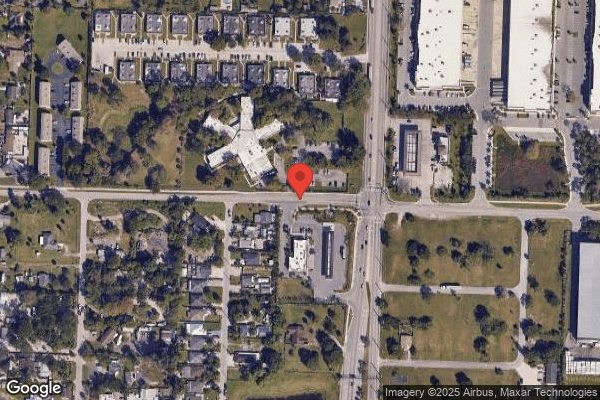

5065 WALLIS ROAD, WEST PALM BEACH, FL 33415 (561) 689-1799
For profit - Corporation 120 Beds AVIATA HEALTH GROUP Data: November 2025 1 Immediate Jeopardy citation
Trust Grade
46/100
#328 of 690 in FL
Last Inspection: May 2024

Within standard 12-15 month inspection cycle. Federal law requires annual inspections.

Overview

Aviata at West Palm Beach has a Trust Grade of D, which means it is below average and has some concerning issues. It ranks #328 out of 690 facilities in Florida, placing it in the top half, but at #23 out of 54 in Palm Beach County, indicating that there are slightly better options nearby. The facility is improving, with issues decreasing from six in 2024 to just one in 2025. Staffing is a relative strength with a turnover rate of 31%, which is better than the state average, though the staffing rating is still only 2 out of 5 stars, suggesting there is room for improvement. However, there have been serious incidents, including a failure to perform CPR correctly during an emergency, which resulted in a resident's death, and concerns about food safety practices in the kitchen, indicating significant areas of risk to resident care.

Trust Score
D
46/100
In Florida
#328/690
Top 47%
Safety Record
High Risk
Review needed
Inspections
Getting Better
6 → 1 violations
Staff Stability
○ Average
31% turnover. Near Florida's 48% average. Typical for the industry.
Penalties
✓ Good
$18,249 in fines. Lower than most Florida facilities. Relatively clean record.
Skilled Nurses
○ Average
Each resident gets 35 minutes of Registered Nurse (RN) attention daily — about average for Florida. RNs are the most trained staff who monitor for health changes.
Violations
⚠ Watch
27 deficiencies on record. Higher than average. Multiple issues found across inspections.
★★★☆☆
3.0
Overall Rating
★★☆☆☆
2.0
Staff Levels
★★★★★
5.0
Care Quality
★★☆☆☆
2.0
Inspection Score
Stable
2024: 6 issues
2025: 1 issues

The Good

  • 5-Star Quality Measures · Strong clinical quality outcomes
  • Full Sprinkler Coverage · Fire safety systems throughout facility
  • No fines on record
  • Staff turnover below average (31%)

    17 points below Florida average of 48%

Facility shows strength in quality measures, fire safety.

The Bad

3-Star Overall Rating

Near Florida average (3.2)

Meets federal standards, typical of most facilities

Staff Turnover: 31%

15pts below Florida avg (46%)

Typical for the industry

Federal Fines: $18,249

Below median ($33,413)

Minor penalties assessed

Chain: AVIATA HEALTH GROUP

Part of a multi-facility chain

Ask about local staffing decisions and management

The Ugly 27 deficiencies on record

1 life-threatening
Apr 2025 1 deficiency
CONCERN (D) 📢 Someone Reported This

A family member, employee, or ombudsman was alarmed enough to file a formal complaint

Potential for Harm - no one hurt, but risky conditions existed

Incontinence Care (Tag F0690)

Could have caused harm · This affected 1 resident

**NOTE- TERMS IN BRACKETS HAVE BEEN EDITED TO PROTECT CONFIDENTIALITY** Based on record review and interview, it was determined, the facility staff failed to provide necessary care and services for 1 ...

Read full inspector narrative →
**NOTE- TERMS IN BRACKETS HAVE BEEN EDITED TO PROTECT CONFIDENTIALITY** Based on record review and interview, it was determined, the facility staff failed to provide necessary care and services for 1 of 2 sampled residents (Resident #1), who required antibiotic therapy and monthly catheter changes to minimize risk of infection. The findings included: Clinical record review conducted on 04/01/25 revealed Resident #1 was originally admitted to the facility on [DATE] with diagnoses including Paraplegia and Urinary Tract Infection. Minimum Data Set, quarterly assessment with reference date 12/20/24, documents the resident was assessed as independent for skills of daily decision making, is staff dependent for personal hygiene, bathing, dressing and toileting and has an indwelling urinary catheter. Care Plans implemented for Resident #1 and revised 12/30/24 included the following: Paraplegia, resident has Spinal Injury related to trauma with potential for decline in self care. The approaches noted give medications as ordered and monitor document for side effects and effectiveness. Risk for Urinary Tract Infection (UTI), Dysuria and Bladder Spasms related to catheter and multiple comorbidities documents the goal to minimize the risk of complications related to the potential for infection through the review date. The approaches noted administer antibiotic as ordered, maintain universal precautions, monitor and documents signs of UTI. Physician's orders dated 09/17/24 documents Tobramycin Sulfate injection 80 mg/2 milliliters intramuscularly every month on the 17th, prior to catheter change. Infectious Disease Consult dated 11/12/24 documents orders: Change catheter monthly as ordered. Review of the Medication Administration Records dated 10/2024, 11/2024, 12/2024 and 02/2025 provide no evidence that Resident #1 received the prescribed antibiotic therapy and provides no evidence of monthly catheter changes. Review of the progress notes failed to provide evidence of the resident's refusal of catheter changes or antibiotic therapy. The record indicates Resident #1 requested to be seen by the provider on 02/17/25 due to pain on urination, cough, and bladder spasms. The provider evaluation dated 02/17/25 at 10:10 AM documents the resident has a supra pubic catheter, history of recurrent UTI and is on Tobramycin monthly, the urine is slightly cloudy with sediments and diagnostic tests were ordered. Resident #1 was transferred to the hospital on [DATE] at approximately 10:30 PM via emergency personnel. Hospital records dated 02/18/25 document Resident #1 presented to the emergency department with complaints of abdominal pain, bladder spasms and chills that are worsening since this morning. Positive for UTI and suspected urosepsis. The resident was admitted for medical management. Interview with Director of Nursing conducted on 04/01/25 at approximately 2:10 PM revealed there is no evidence Resident #1 received the antibiotic therapy in October 2024, November 2024, December 2024 and February 2025. In addition, there is no evidence of monthly catheter changes, or evidence that the resident refused the care. The investigation concluded Resident #1 did not receive monthly catheter changes and the prescribed monthly antibiotic therapy to mitigate the risk of recurrent UTI's.
May 2024 5 deficiencies
CONCERN (D)

Potential for Harm - no one hurt, but risky conditions existed

Deficiency F0687 (Tag F0687)

Could have caused harm · This affected 1 resident

**NOTE- TERMS IN BRACKETS HAVE BEEN EDITED TO PROTECT CONFIDENTIALITY** Based on interview, observation, and record review, the facility failed to provide toenail care, in a timely manner for 1 (Resid...

Read full inspector narrative →
**NOTE- TERMS IN BRACKETS HAVE BEEN EDITED TO PROTECT CONFIDENTIALITY** Based on interview, observation, and record review, the facility failed to provide toenail care, in a timely manner for 1 (Resident #67) of 1 resident reviewed for foot care. The findings included: Resident #67 was admitted to the facility on [DATE] with diagnosis in part to include: End stage Renal Disease with dependence on renal dialysis, unspecified Protein Calorie Malnutrition, Atrial Flutter, Bilateral Non Pressure Wounds of Lower Extremities, Anemia, Hypertension, Major Depressive Disorder and difficulty in walking. On 03/07/24 Resident #67 had an MDS (Minimum Data Set) assessment. The resident had a BIMS (Brief Interview for Mental Status) of 15, which indicates the resident is cognitively intact. The assessment also indicated the resident needed assistance with bathing, dressing and putting on and taking off footwear. On 05/28/24 at 1:50 PM, an interview was conducted with Resident #67. The resident was sitting outside in a wheelchair. He was wearing sandals. His toenails were observed. His right and left foot toenails were long. On the left foot on the 2-digit the toenail was curving down into his foot. The resident stated they hurt, and he stated he has told the nursing staff he wants them clipped. Photo evidence obtained with consent from Resident #67. He stated he wears sandals because his toenails hurt too much to put shoes on his feet. The orders were reviewed. When the resident arrived on 12/21/23 an order was written for Podiatry, as needed. On 05/29/24 at 7:58 AM, an interview was conducted with the MDS Coordinator. She was asked about Resident #67's toenails and why they had not been cut/trimmed. She stated they were working on it through the VA. In review of the record an order was written on 05/28/24 at 6:30 PM for podiatry consult for ingrown toenails after surveyor interview of Resident #67 on 05/28/24 at 1:50 PM. On 05/30/24 at 12:16 PM the MDS Coordinator was asked who is responsible for the residents getting their toenails cut/trimmed. She stated it is up to the nursing staff. She stated she thinks Resident #67 had previously been on a list for podiatry care at the facility. She stated she was looking for the documentation. On 05/30/24 at 12:18 PM Resident #67 was interviewed. He stated he has never had his toenails cut/trimmed since he arrived at the facility, and they had not been cut or trimmed anywhere else which includes the VA. He stated he has been asking the nurses and CNAs to cut/trim his toenails for the last 2 months. On 05/31/24 at 7:40 AM Staff E, a CNA (Certified Nursing Assistant) was interviewed. She was asked about residents and cutting/trimming fingernails and toenails. She stated she can cut the nails unless they are diabetic or have another problem. Then she would notify the nurse. On 05/31/24 at 7:50 AM Staff F, a CNA was interviewed. She stated if a resident needed their nails cut/trimmed and if she was unable to cut them, she would notify the resident's nurse. On 05/31/24 at 10:10 AM, an interview was conducted with Staff G, an LPN (licensed Practical Nurse). She stated if a resident needs to have a podiatry consult for nailcare then she can get a consult for the resident. In review of Resident #67's plan of care, he was assessed for an ADL (Activity of Daily Living) selfcare deficit. The intervention dated 01/01/24 was for showering/bathing and documents to check nail length and trim and clean on bath day as necessary. Report any changes to the nurse. During the survey, no documentation was located to indicate Resident #67 had a previous consult for nail care.
CONCERN (D)

Potential for Harm - no one hurt, but risky conditions existed

Deficiency F0688 (Tag F0688)

Could have caused harm · This affected 1 resident

Based on observation, interviews and record review, the facility failed to assess and provide Range of Motion (ROM) as requested by the resident for 1 of 1 resident reviewed for ROM (Resident #53). Th...

Read full inspector narrative →
Based on observation, interviews and record review, the facility failed to assess and provide Range of Motion (ROM) as requested by the resident for 1 of 1 resident reviewed for ROM (Resident #53). The findings included: Resident #53 was admitted to the facility originally on 08/24/22. Diagnoses included Guillain-Barre Syndrome, Type 2 Diabetes, Osteoarthritis, and Paraplegia. Her Brief Interview for Mental Status (BIMS) score was 15 on the quarterly Minimum Data Set (MDS) with an assessment reference date of 04/26/24. Section O of the MDS revealed she has not received Physical therapy (PT), Occupational therapy (OT) or ROM in the last 7 days. Section GG of the MDS revealed her functional abilities was limitation in ROM on both sides. On 05/28/24 at 1:25 PM, an interview was conducted with Resident #53. She stated she was in the facility because she never recovered from Guillain-Barre. Guillain-Barre causes your immune system to attack your nerves, leading to symptoms such as weakness, tingling, numbness, and paralysis. She stated she feels like if she does not have ROM she will get weaker. A review of the resident's Physician orders revealed an order for Physical therapy evaluate and treat dated 08/10/23. A review of the resident's care plan with a focus of Acute/Chronic pain has an intervention of Rehab services date initiated 09/05/22 and revision on 11/06/23. On 05/31/24 at 9:28 AM, an interview was conducted with the Director of Rehabilitation (DOR). She was asked if the Certified Nursing Assistant (CNAs) perform ROM during personal care. She stated that they have a restorative aide who does ROM. The DOR stated that Resident #53's desire for ROM has not been brought to her attention but she will do a screening today. She has no past record of her having rehabilitation because previous therapies were with the previous company. An additional interview was conducted with Resident #53 on 05/31/24 at 11:05 AM. She was asked if she told any staff member that she would like additional ROM. She stated she told the MDS Coordinator in the different meetings she has had with her. She also stated when her family was in town that she told her that she would like to have more rehab or at least a screening so she can go home. Interview conducted with the MDS Coordinator on 05/31/24 at 11:15 AM. The MDS Coordinator was asked if she was aware that Resident #53 was asking for more rehab. She stated the resident refuses to get out of bed, refuses medication and she is care planned for this. Asked if she has specifically refused a rehab screening because that is not on the care plan and she stated she would have to look at her documentation. The MDS Coordinator did not provide any additional documentation by the end of the survey.
CONCERN (D)

Potential for Harm - no one hurt, but risky conditions existed

Deficiency F0694 (Tag F0694)

Could have caused harm · This affected 1 resident

**NOTE- TERMS IN BRACKETS HAVE BEEN EDITED TO PROTECT CONFIDENTIALITY** Based on observation, interview, record and policy review, the facility failed to maintain a PICC (Peripherally inserted central...

Read full inspector narrative →
**NOTE- TERMS IN BRACKETS HAVE BEEN EDITED TO PROTECT CONFIDENTIALITY** Based on observation, interview, record and policy review, the facility failed to maintain a PICC (Peripherally inserted central catheter) line in a sanitary manner for 1 of 1 resident sampled for PICC lines (Resident #375). The findings included: The facility's policy titled, Catheter Insertion Care effective 1/17/2019 revealed Change midline catheter dressing 24 hour after catheter insertion, every 5-7 days, or if it is wet, dirty, not intact, or compromised in any way. Resident # 375 was admitted to the facility on [DATE] with diagnoses that included Acute Osteomyelitis of the left ankle and foot, Pressure Ulcer of the left heel and Methicillin Resistant Staphylococcus Aureus Infection as the cause of diseases classified elsewhere. A Brief Interview for Mental Status (BIMS) was done on 05/13/24 and the resident scored a 15, which indicated he was cognitively intact. On 05/28/24 at 11:00 AM, Resident #375 was interviewed and a PICC line was observed on the resident's left upper arm. The dressing was covered with a tubular wrap. The resident was asked if the surveyor could look at the dressing under the wrap and he agreed. The dressing was dated 05/09/24 which was the day prior to the admission of the resident to the facility. The resident was asked if anyone had changed his dressing since he was admitted to this facility and he stated that they flush it but had not changed the dressing. Review of the Physician orders for Resident #375 revealed an order to change dressing on admission or 24 hours after insertion and weekly thereafter and PRN (as needed) every night shift every Fri change dressing weekly. Review of the Medication Administration Record (MAR) for Resident #375 revealed three days the dressing was initialed by a nurse as being changed on 05/10, 05/17 and 05/24. On 05/29/24 at 1:55 PM, an interview was conducted with the Director of Nursing (DON). The DON stated the PICC line dressing for Resident #375 was changed yesterday. Discussed that the PICC line dressing was dated 05/09/24 yesterday. The DON was shown the MAR that showed nurses marked the dressing as changed three times. The DON acknowledged that the dressing change was not done on those dates and he will be doing in-services for the nurses.
CONCERN (D)

Potential for Harm - no one hurt, but risky conditions existed

Deficiency F0698 (Tag F0698)

Could have caused harm · This affected 1 resident

**NOTE- TERMS IN BRACKETS HAVE BEEN EDITED TO PROTECT CONFIDENTIALITY** Based on observations, interviews and record reviews, the facility failed to adhere to fluid restrictions for 1 of 2 residents r...

Read full inspector narrative →
**NOTE- TERMS IN BRACKETS HAVE BEEN EDITED TO PROTECT CONFIDENTIALITY** Based on observations, interviews and record reviews, the facility failed to adhere to fluid restrictions for 1 of 2 residents reviewed for dialysis (Resident #37). The findings included: Resident #37 was initially admitted to the facility on [DATE]. According to the resident's most recent full assessment, an Annual Minimum Data Set (MDS), date 03/23/24, Resident #37 had a Brief Interview for Mental Status score of 11, indicating that Resident #37 was moderately cognitively impaired and that the resident required setup help only for eating. Resident #37's diagnoses at the time of the assessment included: Anemia, Diabetes, Heart Failure, Hyperkalemia, Peripheral Vascular Disease, Thyroid disorder, Anxiety Disorder, Depression, Chronic Lung Disease, Disorders of Calcium Metabolism, Gangrene, Insomnia, Extrapyramidal and Movement Disorder, Long term use of insulin, Dysthymic Disorder. Resident #37's care plan for nutrition, initiated on 05/27/20 and most recently revised on 04/17/24, documented, The resident has nutritional problem or potential nutritional problem increased nutrient needs related to history of poor diet compliance, as evidenced by End Stage Renal Disease (ESRD) on Hemodialysis (HD), and needs for therapeutic diet. - increased risk for fluid imbalances/weight fluctuations due to HD treatment. 10/23/23: 1000 ml a day fluid restrictions - increased risk for altered hydration status. The goal of the care plan was documented as, Will maintain adequate nutritional status as evidenced by maintaining weight no signs/symptoms of malnutrition and consuming at least 76% of at least 2 meals daily through review date. 05/27/20 with a revision date of 04/11/24 and a target date of 06/29/24. Interventions included: *Fluid restrictions per HD MD clinic1000 ml/day - 720 ml for dietary (240 ml per meal) 280 ml for nursing staff (180 ml/6 oz 7 AM to 7 PM) 100 ml for 7 PM - 7 AM this exclude any supplements Resident #37's care plan for Rejection of Care, initiated on 12/11/20 with a revision date of 04/02/24, documented, Non-compliant with Dialysis fluid restrictions - independent with taking of fluids .May demand that staff provide her with foods/fluids that are not recommended. Aware of the benefit - stability of medical conditions. Family aware. The goal of the care plan was documented as, Medical needs may not be adversely affected by her non-compliance. 12/11/20 with a revision date of 04/11/24 and a target date of 06/29/24. interventions to the care plan included: * Allow the resident to make decisions about treatment regime, to provide sense of control. * Educate resident/resident's representative/ caregivers of the possible outcome(s) of not complying with treatment of care. Resident #37's care plan for Mood and Behavior, 08/07/22 with a revision date of 04/02/24, Resident is alert: frequently request/demand food and fluids not recommended for her due to ESRD - dialysis dependent/fluid restrictions. She is not easily redirected, dismissive, and may be verbally and or physically disruptive - swearing .Refusing to comply with dietary restrictions/Fluid restrictions. interventions included: * Document/report behavior attempt to determine underlying cause. Resident #37's care plan for dialysis, initated 05/27/20 with a revision date of 05/07/24, documented, Dialysis: Hemodialysis secondary to ESRD on Monday, Wednesday, Friday at Dialysis center The goal of the care plan was documented as, will have no signs/symptoms of complications from dialysis 05/27/24 with a revision date of 04/11/24 and at target date of 06/29/24. Interventions included: *Fluid restriction. See POS/MAR Resident #37's orders included: Hemodialysis secondary to ESRD on Monday, Wednesday, Friday at Dialysis center. Chair time at 9:15 AM. Pick up time: 8:00-8:30 AM. Estimated return time 1:45 PM - 3:00 PM. Transportation with VCT - 03/30/24. CCD Renal diet Regular texture, Regular/thin Liquids consistency - all meats fortified: Tuna sandwich and applesauce @ HS. 1000 ml day Fluid restrictions per HD MD. 720 ML Total/Day: 8 oz coffee @ B 8 oz apple juice at L/D Nursing 280 ml Total/Day 7 AM-7 PM: 180ml/6ox 7 PM-7 AM: 100 ml for Hemodialysis related to End Stage Renal Disease - 03/15/24. On 05/28/24 at 12:46 PM, Resident #37 was noted with a 16 ounce Styrofoam cup of water on the over bed table. On 05/29/24 at 7:30 AM, Resident #37 was observed in bed with breakfast in bed. Resident #37 was noted to have a cup with approximately 4 ounces of apple juice and a cup with approximately 6 ounces of coffee and a 16 ounce Styrofoam cup of water on the overbed table. Resident appeared to be confused and not interviewable at the time of the observation and was not able to demonstrate knowledge or understanding of fluid restrictions. On 05/29/24 at 7:35 AM, the MDS Coordinator stated that 11-7 staff responsible for the water at 6 AM and that staff on the 7-3 shift would be passing water again prior to the lunch meal. On 05/31/24 at 6:38 AM, Resident #37 was observed sitting on right side of the bed. The resident was noted to have a cup with approximately 4 oz of clear fluid, a cup with approximately 4 oz of apple juice and a cup with approximately 8 oz of hot tea on over bed table. At the time of the observation, Resident #37 appeared confused and was not able to demonstrate knowledge or understanding of fluid restrictions. During an interview, on 05/31/24 at 7:01 AM, with Staff C, LPN, when asked about the fluids provided to Resident #37, Staff C replied, every time when someone passes by, she will ask for something to eat and something to drink. After she is done and we try to take it away, she will get angry so we leave it for her. During an interview, on 05/31/24 at 7:06 AM, with the Director of Nursing (DON), when asked about the fluids provided to Resident #37, the DON replied, her fluid came from kitchen, the only time the nurses give fluid is during medications. The dietitian determines the fluid restrictions and how much fluids she can have. She is sneaky, she will go to the vending machine as well and we have to keep telling her that she can't have it. Asked about resident being aware of fluid restrictions, we educate her. On 05/31/24 at 7:20 AM, Staff D, CNA, was observed serving a tray to Resident #37's room for breakfast. It was noted that the resident was being served approximately 4 ounces of apple juice and 6 ounces of coffee, while there was already 4 oz of clear fluid, a cup with approximately 4 oz of apple juice and a cup with approximately 8 oz of hot tea on over bed table. During an interview with Staff D at the time of the observation, when asked about the fluids provided to Resident #37, Staff D replied, that was from 3-11 (referring to the fluids that were already in the room prior to breakfast being served). She is very difficult. When we take her fluids away, she will go to the kitchen and ask for fluids and the Director says that she is alert and oriented, so he gives them. On 05/31/24 at 7:34 AM, the District Manager from the contract company overseeing the kitchen reported to this Surveyor, the CNA came and asked for apple juice, and we gave it to her and we didn't know that it was for the resident (referring to Resident #37). On 05/31/24 at 8:22 AM, Resident appeared to be confused during attempted interview and was unable to demonstrate knowledge of fluid restrictions. During an interview, on 05/31/24 at 9:20 AM, with the Registered Dietitian, when asked about the risks associated with no adhering to the fluid restrictions, the Registered Dietitian replied, fluid overload - she can get worse and cause cardiac arrest due to the fluid overload. Her edema can be exasperated. The main issues is cardiac issues. In the past, she was more oriented and able to understand.
CONCERN (E)

Potential for Harm - no one hurt, but risky conditions existed

Food Safety (Tag F0812)

Could have caused harm · This affected multiple residents

Based on observations, interviews and record reviews, the facility failed to provide foods prepared under sanitary conditions and in accordance with standards for food safety professionals. The findin...

Read full inspector narrative →
Based on observations, interviews and record reviews, the facility failed to provide foods prepared under sanitary conditions and in accordance with standards for food safety professionals. The findings included: 1). During the initial kitchen tour, on 05/28/24 at 8:48 AM, accompanied by the District Manager for Health Services Group (contracted to oversee the kitchen/dietary ) the following were noted: a. An employee's personal cellular device on prep table by the walk in cooler. b. There was an accumulation of food residue on the sharpening stones to slicer. c. A 1/3 sized six inch deep container of barbecued pork in the process of cooling from the previous day was 49 degrees Fahrenheit (F). The District Manager confirmed that the pork was in the process of cooling from being served the day before. d. A 1/3 sized six inch deep container of meatballs in the process of cooling from the previous day was 51 degrees F. The District Manager confirmed that the meatballs were in the process of cooling from being served the day before. e. In the food services area, the wall to the left of the hand washing sink was damaged. f. In the food services area, there was an accumulation of black residue inside of the ice machine. 2). During the follow up tour of the kitchen, on 05/30/24 at 11:01 AM, accompanied by the District Manager and the Account Manager, the following were noted: a. Staff A, Dietary Aide, was observed adjusting glasses that Staff A was wearing. Staff A then proceeded to another area of the food service area to answer a phone call on her personal cellular device, and then placed the cellular device into her back pocket before opening and closing the reach in cooler. As Staff A began retrieving trays through a window from the kitchen to the food service area, this Surveyor intervened and instructed Staff A to perform hand hygiene at the hand washing sink. Staff A and the District Manager acknowledged that Staff A had not performed hand hygiene at any time that the observation was being made. b. There was ice from an unknown source in the only hand washing sink in the food service area. c. Staff B, Dietary Aide, was noted to be wearing loose fitting bracelets while preparing to receive trays from the kitchen to the food services area. d. Staff A was observed handling portioned drinks with bare hands in direct contact with the lip contact surface of the cups.
Mar 2024 1 deficiency
CONCERN (D) 📢 Someone Reported This

A family member, employee, or ombudsman was alarmed enough to file a formal complaint

Potential for Harm - no one hurt, but risky conditions existed

Deficiency F0687 (Tag F0687)

Could have caused harm · This affected 1 resident

**NOTE- TERMS IN BRACKETS HAVE BEEN EDITED TO PROTECT CONFIDENTIALITY** Based on observation, interview, and record review, it was determined that the facility failed to provide 1 of 1 (Resident #1) s...

Read full inspector narrative →
**NOTE- TERMS IN BRACKETS HAVE BEEN EDITED TO PROTECT CONFIDENTIALITY** Based on observation, interview, and record review, it was determined that the facility failed to provide 1 of 1 (Resident #1) sampled residents with foot care and treatment in accordance with professional standards of practice , including to prevent complications from the resident's medical condition. The findings included: During an observation conducted of Resident #1 on 03/19/24 at 11:15 AM and accompanied with the Director of Nursing (DON) and Assistant Director of Nursing , the resident was asked permission by the DON and granted permission to have both feet examined. The examination noted the following: < Observation of the Left foot noted that the sock was caked with a black substance and was noted difficult to peel the sock away from the foot. The resident was noted to have pain/discomfort during the sock removal. Photographic evidence obtained. < Observation of the Left foot noted the entire top surface and toes to be covered with thickened, brown/black scaly type matter and had an offensive odor. The toenails (5) were elongated, thickened, brittle, cracked/crumbly, odorous, and discolored black /brown. The great toe was especially noted to be discolored, cracked, and skin area around the nail to be inflamed and painful to the touch. The Director of Nursing (DON) was noted to spread the toes apart and it was noted to have large accumulations of a reddish/black substance between each toe. The DON stated that the black substance between each toe was a type of Fungus and further stated that the resident required immediate podiatry treatment for the foot, toes, and fungus. Photographic evidence obtained. < Observation of the Right foot noted that the shin area had what appeared to be deep scabs (2) . The entire top of the Right foot and toes was noted to be covered with a black/brown scaly matter and odorous. The toenails (5) were noted to be discolored brown, elongated, thick, brittle, and crumbly. The DON stated again stated that the resident required immediate podiatry care. Photographic evidence obtained. Following the observations conducted on 03/19/24 the Director of Nursing again stated that Resident #1 required immediate podiatry care for bilateral feet, toes, and toenails. He also stated he had not been made aware of the conditions of the resident's feet. Following the 03/19/24 observations a review of the clinical record of Resident #1 noted a Podiatry evaluation that was dated 02/15/24. Review of the evaluation noted the following documentation: * History & Physical: Type 2 Diabetes without complications. Referred by the medical doctor who treats and manages the patient's diabetic condition. * Medical History: Type II Diabetes, Muscle Weakness, Arterioscleroses of Arteries of the Extremities, Blindness One Eye, and Legal Blindness. * Vascular Exam: DP and PT Pulse (left) : non-palpable, and DP and PT (right): non-palpable. * Dermatological Exam: Hair growth absent bilateral feet, Toenails feet bilateral, painful, thickened, brittle, onychomycosis, subungual debris, crumbly , malodorous, elongated, varicosities feet bilateral, and hematoma right 3rd toenail. * Orthopedic Exam: Muscle Weakness feet bilateral. * Gait Exam: Bedridden, legally blind and ambulates infrequently. * Condition: Poor Circulation * Assessment: Peripheral Vascular Disease, Type 2 Diabetes, and Poor Circulation. * Plan: The patient is not an eligible candidate for diabetic shoes. The patient is under a diabetic treatment plan from his medical doctor. Diabetic evaluation of the extremities should be done at least twice per year. Patient to be seen in 12 months. Further review of the evaluation noted no physician orders to treat bilateral foot conditions present in the exam or physician orders for vascular consultation. Following the review of the evaluation the facility's Director of Nursing and Corporate Regional Nurse stated that the evaluation failed to include physician treatment orders. On 03/19/24 the Director of Nursing (DON) submitted a verbal Podiatry Consult with diagnoses to r/o fungal infection one time only for 5 days. The also submitted a physician's order date 03/19/24 for: Lotrisone 1% cream - and Podiatry Consult apply to both feet in between toes Q HS for 14 days (diagnosis Tinea Pedis), and Podiatry Consult Left Foot Bunion Redness. Review of the clinical record of Resident #1 on 03/19/24 noted the following: Date of admission: [DATE] Diagnoses: Type 2 Diabetes, Heart Failure, Cerebral Infarction, Long Term Insulin Use, and Legal Blindness. Current Physician's Orders: 03/19/24: Podiatry Consult Diagnosis: rule out fungal infection (new order during complaint survey) 03/19/24: Podiatry Consult - Tinea-Pedis (new order during complaint survey) 03/19/24: Cleanse Right shin with wound cleaner, apply skin prep daily for old scab (new order during complaint survey). 03/19/24: Cleanse with wound cleaner, apply skin prep daily (new order during complaint survey) 03/19/24: Lotrisone Cream 1% - Apply between toes topically at bedtime for tinea-pedis for 14 days (new order during complaint survey) 07/29/21: Podiatry as needed. MDS: 12/22/23 - Quarterly: Section B: Sometimes Understood and Usually Understands Section C: BIMS Score = 7 (Some Cognitive Impairment) Section D: Depressed and Little Interests Section E: No Behaviors Section GG: ADL's Dependent to Moderately Assist Section M: No Pressure Ulcers/Risk for Pressure Ulcers Section N: Insulin Use Review of current care plans on 03/19/24 noted: * Diabetes - Risk of Diabetic related complication Date Initiated: 08/04/21 Revision: 09/28/21 Intervention: Inspect feet daily for open areas, blister, edema, or redness (initiated 08/04/21) to be completed by CNA, LPN, RN. Following the review of the care plan on 03/19/24 the surveyor requested the Director of Nursing (DON) and MDS/Care Plan Coordinator to provide documentation of the daily inspection of the feet of Resident #1. Following the DON review, it was revealed that there was no documentation of daily foot inspections.
May 2023 1 deficiency 1 IJ
CRITICAL (J) 📢 Someone Reported This

A family member, employee, or ombudsman was alarmed enough to file a formal complaint

Immediate Jeopardy (IJ) - the most serious Medicare violation

Deficiency F0678 (Tag F0678)

Someone could have died · This affected 1 resident

**NOTE- TERMS IN BRACKETS HAVE BEEN EDITED TO PROTECT CONFIDENTIALITY** Based on staff interviews, observations, and clinical record review, the facility failed to provide complete and correct Cardiop...

Read full inspector narrative →
**NOTE- TERMS IN BRACKETS HAVE BEEN EDITED TO PROTECT CONFIDENTIALITY** Based on staff interviews, observations, and clinical record review, the facility failed to provide complete and correct Cardiopulmonary Resuscitation (CPR) in accordance with healthcare professional standards of practice, the resident's documented wishes, and physician's order for 1 of 3 residents reviewed for emergency care (Resident #1). Resident #1 had a full code status effective [DATE]. On [DATE] at 12:24 PM the resident was unresponsive and had no pulse or respiration. A code blue was called, and CPR was initiated consisting of chest compressions only, no rescue breathing was performed due to no bag-valve-mask (also known as an Ambu bag) available. When Emergency Medical Services (EMS) arrived, they pronounced the resident had expired. The facility's failure to initiate and perform correct CPR in accordance with healthcare professional standards of practice, with the resident's expressed wishes and physician's order, resulted in a determination of Immediate Jeopardy at a scope and severity of isolated (J) starting on [DATE]. On [DATE] at 2:30 PM, the Immediate Jeopardy was removed after implementation of an acceptable Removal Plan was verified, and the scope and severity was reduced to D (no actual harm with potential for more than minimal harm that is not immediate jeopardy). There were 59 out of 76 residents with a full code status at the time of the survey on [DATE]. The findings included: The Adult Basic Life Support Algorithm for Healthcare Providers as per the American Heart Association at https://cpr.heart.org/-/media/CPR-Files/CPR-Guidelines-Files/Algorithms/AlgorithmBLS_Adult_200624.pdf includes for person with no breathing, pulse not felt, the next step is to start CPR and perform cycles of 30 chest compressions and 2 breaths. Bag-valve-mask (BVM), also referred to as a Ambu bag is a handheld device used to deliver positive pressure ventilation to any subject with insufficient or ineffective breaths (physiopedia.com). Non-rebreather masks are used to deliver oxygen therapy to people who require high-concentration oxygen but aren't in need of breathing assistance (healthline.com). Review of the facility policy titled Cardiopulmonary Resuscitation (CPR), with a revision date of [DATE] included: In the absence of physician's order for do not resuscitate (DNR) the facility will immediately begin CPR. Center staff will continue performing CPR until Emergency Medical Technicians assume responsibility for CPR, or it may be discontinued if the resident responds. Review of the facility policy titled, Emergency Equipment Cart with an effective date of [DATE] included the Center will maintain an emergency equipment cart. Procedure: 1. Center will establish an emergency equipment cart that is accessible to nursing stations. 2. Check the emergency cart daily. 3. Restock/replenish the emergency cart following use and as needed. The closed record review for Resident #1 revealed the resident was originally admitted to the facility on [DATE] with the most recent readmission on [DATE]. Diagnoses included: Crohn's Disease, Ileostomy, Malignant Neoplasm of Thyroid Gland, Type 1 Diabetes Mellitus, Hypertension, Phlebitis and Thrombophlebitis of Deep Vessels of Lower Extremity, Malignant Neoplasm of Female Breast, Major Depressive Disorder, and Covid-19. Review of the admission Minimum Data Set (MDS) assessment, dated [DATE], revealed a BIMS (Brief Interview for Mental Status) score of 14, indicating the resident was cognitively intact. The MDS also revealed the resident required extensive assistance in ADLs (Activities of Daily Living) including bed mobility, transfers, dressing, and personal hygiene. Review of physician's orders for Resident #1 revealed an order dated [DATE] for a Full Code. Review of the care plan for Resident #1 with a revision date of [DATE], and a focus on Advanced Directives: Full Code, with the goal to have advance directives followed. Interventions included: Discuss advanced directives with resident and or resident's representative. Review of the Nursing Progress notes for Resident #1 dated [DATE] included: 12:06 PM patient blood pressure 135/78, pulse 64, temperature 97.0, O2 sat (Oxygen Saturation) 98% room air, blood sugar 141, family member at bedside, patient alert and responsive, no distress noted. 12:10 PM patient family member left the facility. 12:24 PM patient noted to be unresponsive without any pulse. Code Blue called, status verified by two nurses at 12:24 PM CPR initiated and 911 call placed. 911 arrived to facility to take over resident care. 12:25 PM doctor notified. 12:43 PM 911 pronounced the passing of patient. 1:00 PM family member notified. Review of the facility investigation revealed a Code Blue Documentation Nurses Note dated [DATE] revealed: Witnessed- yes. Time Code Blue was called - 12:35 PM. Time CPR started 12:35 PM. Type of Ventilation (blank). Vital Signs 12:35 (PM) BP (Blood Pressure) 0, Pulse 0, Respirations 0, O2 Sat 0, Bedside glucose 121 drawn at 12:24 PM. Resuscitation terminated 12:43 PM. During an interview conducted on [DATE] at 12:20 PM with the Assistant Director of Nursing (ADON), she stated she was assigned to Resident #1 on [DATE]. She stated there was a family member in the resident's room earlier that day. On [DATE] at 12:24 PM she found the resident unresponsive in their room, checked for a carotid pulse, checked for responsiveness, unsure if she checked for an obstruction in the resident's mouth at this time, and did not see a rise/fall of chest, code blue called. She stated the chart was verified with 2 other nurses that the resident was a full code. Immediately she started chest compressions. The Director of Rehab (DOR), the Unit Manager (UM), and the DON were present. She stated that the Code Blue Documentation Nurses Note was completed by her after the paramedics came in and took over the care of the resident. During the code blue while CPR was performed by the ADON, another staff member in the room was taking notes. When asked if she still had the notes she said no. When asked who was the person taking notes she said she did not remember. When questioned about the code blue documentation nurses note, she stated she had put the incorrect time the code was called, and the CPR was started as 12:35 PM. It should have been 12:24 PM. At 12:35 PM the Executive Director notified the physician. The family was notified at 12:35 PM, and at 1:00 PM they were notified the resident passed. She stated that there was no Ambu-bag located on the crash cart. When asked where back up supplies for the crash cart are kept, she stated in the central supply/clean utility room. When asked if the resident had a non-rebreather mask placed on her during the code blue, she stated she believes it was the unit manager who instructed staff to place a non-rebreather mask with 15 liters of oxygen on the resident. All staff members present in the room were taking turns to do the chest compressions. She stated the paramedics arrived (unsure of the time) and at 12:43 PM the paramedics pronounced the resident deceased . When asked if she was following the CPR standard of practice for healthcare professionals, she said yes, she believed she was except the resident did not receive the 2 breaths because they did not have the Ambu bag available. During an interview conducted on [DATE] at 1:05 PM with the Unit Manager (UM), she stated there was no Ambu bag available, chest compressions were being performed, she checked the resident's airway to make sure there was no obstruction, and a non-rebreather mask was placed on the resident with oxygen at 15 liters. Within approximately 3-5 minutes the resident vomited, the non-rebreather was removed and a nasal canula was applied and the resident and her head was turned to the side, at the time the resident's head was turned to the side by the DOR, the UM had checked the resident's airway and there was no visible obstruction, she did not perform a finger sweep of the resident's mouth as she was continuously providing chest compressions. The paramedics arrived approximately 2-3 minutes later and the paramedics instructed the staff to stop CPR and they applied the AED pads and there was no indication to shock the resident. The paramedics were aware the resident was a full code and did not perform any chest compressions or rescue breathing. When asked if she had followed the standard of practice for CPR for healthcare professionals, she stated yes. When asked if that included rescue breathing, she stated no because we had no Ambu bag, but we did apply oxygen to the resident. During an interview conducted on [DATE] at 1:20 PM with the Director of Nursing (DON), she stated she arrived at the resident's room just after the code blue was called. She and the ADON were looking for the Ambu bag on the crash cart and there was no Ambu bag found on the crash cart. She left the room to look for an Ambu bag in the back up supply room (Clean Utility Room) near the nursing station and no Ambu bag was found. She then looked in the main central supply room and there was no Ambu bag there. The Central Supply Clerk helped her locate an Ambu bag in the back up supply room (Clean Utility Room). She had brought the Ambu bag to the resident's room as the paramedics had arrived at the resident's room. When asked if the staff had followed the standard of practice for CPR for healthcare professionals, she stated yes except for the 2 breaths with an Ambu bag, because there was no Ambu bag available. When asked about the root cause analysis, she stated she identified that the cause was the Ambu bag not present on the crash cart and the backup supply of an Ambu bag was not easily accessible in the back up supply room (Clean Utility Room). She stated there are checks of the crash cart by the UM or the ADON daily and this is signed off on the flow sheet (the flow sheet is located on the crash cart). There is only 1 crash cart for the facility. It is the responsibility of the unit manager/ADON to restock a crash cart after a code. During a telephone interview conducted on [DATE] at 5:30 PM with the Director of Rehabilitation, he stated he was involved in the code for Resident #1. He stated he took over chest compressions briefly when the ADON became fatigued. He left when the UM took over doing chest compression. He stated no rescue breaths were given while he was in the room. He did not see an Ambu bag. Normally the Ambu bag would be used during CPR in a healthcare setting. When asked if he noticed the resident vomiting, he said there may have been some drool coming from the resident's mouth. When asked if the standard of practice for CPR for healthcare professionals was followed, he said yes. When asked if any rescue breathing was provided to the resident during CPR he stated no, the resident had on a non-rebreather mask. An interview and a review of the Emergency Equipment Cart Checklist, was conducted on [DATE] at 11:30 AM with the Unit Manger. When asked about the Emergency Equipment Cart Checklist for the dates of [DATE] and [DATE], she stated that either she or the ADON verifies the Emergency Equipment Cart Checklist is completed (whoever arrives at the facility first). She stated she completed the Emergency Equipment Cart Checklist on [DATE] in the morning. When asked why there were no initials for the Ambu bag on [DATE], she stated I just forgot to initial for the Ambu bag. When asked why there was a check mark instead of her initials for the Ambu bag on [DATE], she stated the Emergency Equipment Cart Checklist was completed by her on [DATE] in the afternoon, after the code blue had been finished, and that she had placed a Ambu bag on the cart. Review of the Fire Rescue report, dated [DATE], revealed the following information: Dispatched at 12:34:54; at Patient at 12:41:00. Primary Impression: Dead on scene, exam/eval only Narrative: Responded to a cardiac arrest . On arrival made contact with nursing staff who were performing CPR. Nursing staff could not give a time frame on last seen responsive, but stated it was greater than 30 minutes. Assessed patient, patient was pulseless, apneic, with fixed and dilated pupils. Placed pads and leads on patient, asystole was confirmed. Patient was pronounced dead on scene. **The Immediate Jeopardy Removal Plan was submitted by the facility and implementation was verified by the survey team on [DATE]. The actions included: An Ad Hoc QAPI (Quality Assurance Performance Improvement) Committee meeting was held with the Medical Director in attendance on [DATE] and [DATE]. Root Cause Analysis was performed with addendum on [DATE] which identified the problem as CPR conducted with missing ambu bag on [DATE], and the root cause was identified as a system failure on checking/restocking the emergency cart. The Performance Plan was implemented that included: -An audit of the facility licensed nurses' CPR certification were reviewed and current as of [DATE]. On [DATE], review of 24 of 24 facility licensed nurses revealed all nurses had a current Basic Life Support (BLS). -Licensed nurse education to include CPR Policy/Procedure, emergency cart policy and Abuse/Neglect/Exploitation/Misappropriation beginning [DATE]. -Newly hired licensed nurses will receive education upon hire to include CPR Policy/Procedure, abuse/neglect, emergency cart policy. -Mock Code Blue drills initiated on [DATE], with licensed nurses. -Code blue drills will continue with licensed nurses bi-weekly on each shift for 2 months or until QAPI committee determines substantial compliance has been achieved. On [DATE], review of 24 of 24 licensed nurses' education revealed the following: On [DATE] education on Abuse/Neglect/Exploitation/Misappropriation was provided to 85 employees. On [DATE], [DATE] and [DATE], education on location of back up supplies for the crash cart, mock code blue drill, performing effective CPR was provided to 18 out of 24 nurses in person and 6 nurses via telephone. On [DATE] education on location of back up supplies for the crash cart, mock code blue drill, performing effective CPR was provided to nurses that had already received the training on [DATE] or [DATE]. On [DATE], interviews were conducted with 9 of the 24 licensed nurses, including one new hire, who all stated they received education on back up supplies for the crash cart, performing effective CPR, and had attended a mock code blue drill. Review of the schedule for the biweekly mock code blue drills revealed the following: [DATE] night shift, [DATE] day shift, [DATE] day shift, [DATE] night shift, [DATE] day shift, [DATE] night shift, [DATE] night shift, [DATE] day shift, [DATE] day shift, and [DATE] night shift. -The DON/ADON/Designee is to validate the Emergency Cart checklist is completed daily until substantial compliance is met. On [DATE], review of the Emergency Cart checklist from [DATE] to [DATE] revealed each item was initialed for each day. -In addition to the plan implemented on [DATE], during the [DATE] QAPI meeting, the following was added to the plan: The Emergency Equipment Cart was secured on [DATE], and the policy was updated on [DATE]. On [DATE], an observation was made of the Emergency Equipment Cart, and it was secured and contained two Ambu bags (Photographic evidence obtained). The updated policy was reviewed, and it included that the Cart 200 nurse for the 7PM to 7AM shift is designated as Charge Nurse. Duties include checking Emergency Crash Cart to ensure accurate placement and functionality/content of equipment. The Cart 200 nurse will document on the Emergency Cart checklist the findings of the inventory.
Mar 2023 12 deficiencies
CONCERN (D)

Potential for Harm - no one hurt, but risky conditions existed

Deficiency F0578 (Tag F0578)

Could have caused harm · This affected 1 resident

**NOTE- TERMS IN BRACKETS HAVE BEEN EDITED TO PROTECT CONFIDENTIALITY** Based on record review and staff interview, the facility failed to document the accuracy of code status for 1 of 28 sampled resi...

Read full inspector narrative →
**NOTE- TERMS IN BRACKETS HAVE BEEN EDITED TO PROTECT CONFIDENTIALITY** Based on record review and staff interview, the facility failed to document the accuracy of code status for 1 of 28 sampled residents reviewed for code status (Resident #43). The findings included: Review of Resident #43 electronic records revealed the resident was admitted [DATE] with a diagnosis to include Dementia, Cerebral Vascular Accident, Type II Diabetes, Aphasia, Hemiplegia and Hemiparesis, Adult Failure to Thrive, Atrial Fibrillation, and Convulsions. Review of the resident's quarterly MDS (Minimum Data Set) dated 01/31/23 revealed the resident has a BIMS (Brief Interview for Mental Status) of 7, indicating his cognition was severly impaired. Review of the resident's MAR (Medication Administration Record) documented Resident #43 is a Full Code, which indicated if this resident's heart stopped beating or he stopped breathing, all resuscitation procedures would be provided to keep them alive. Review of the physicians' orders dated 07/13/20 documented the resident is a full code and there was also a Do Not Rescusitation order (DNRO) dated 10/17/22. Review of the resident's care plan documented a DNR care plan. Review of Resident #43 paper chart revealed a yellow paper, titled, Do Not Rescusitate, signed and dated 10/17/22 by the resident's Power of Attorney (POA). During an interview on 03/15/23 at 9:00 AM with Staff K, LPN (Licensed Practical Nurse), she stated she has worked here for 3 weeks. The surveyor asked her if a resident had an emergency or was found in cardiac arrest how would they know if they are a full code or DNR. She stated that another nurse will go to check the paper chart for DNR status and she would check the EMR (electronic medical record). She stated she would check the resident's wrist band for code status. the surveyor asked her to go into resident rooms to check wristbands, and all 3 residents did not have a wristband on. During an interview on 03/15/23 at 9:10 AM with Staff C, LPN, stated that she has been working in facility for 4 years. She was asked about knowing if resident was a DNR or full code and how they would handle code status in an emergency. She stated that as soon as she calls a code blue (cardiac arrest), another nurse is supposed to go to the paper chart to confirm resident's code status; and we go to the paper chart first. During an interview on 03/15/23 at 11:55 AM with Director of Nursing (DON), she was asked how they handle an resident emergency such as a code and knowing if a resident is a full code or DNR. She stated that they check the electronic chart in PCC (Point Click Care) or the paper chart but it is usually the electronic chart. She was asked to show the surveyor where to find it. She pulled up a resident which happened to be Resident #43. She said he is a full code. She was then asked to pull up his orders and to review them. She saw that it showed that he has an order for full code and has a DNR order. She stated I will get that corrected right away.
CONCERN (D)

Potential for Harm - no one hurt, but risky conditions existed

Safe Environment (Tag F0584)

Could have caused harm · This affected 1 resident

**NOTE- TERMS IN BRACKETS HAVE BEEN EDITED TO PROTECT CONFIDENTIALITY** 2. During a tour conducted on 03/15/23 at 12:15 PM of the soiled utility room and laundry room with the Assistant Director of Nu...

Read full inspector narrative →
**NOTE- TERMS IN BRACKETS HAVE BEEN EDITED TO PROTECT CONFIDENTIALITY** 2. During a tour conducted on 03/15/23 at 12:15 PM of the soiled utility room and laundry room with the Assistant Director of Nursing and the Director of Laundry Services, the soiled utility room had unbagged PPE (Personal Protective Equipment) in uncovered trash bins. The biohazard bin (Red) had unbagged PPE, red biohazard bags untied, and an overhead light above the red biohazard trash bins not working. In the dryer portion of the laundry room, there was a pedestal fan covered with dust and the inside drum of the middle dryer had melted debris. 3. Review of the facility's policy, titled, Grooming Activities, with an effective date of 11/30/14, included: Grooming activities are provided to assist the residents in meeting their physical needs as well as self-esteem need. Grooming activities shall be offered daily. Grooming activities shall include, but are not limited to: Shaving. A grooming basket shall contain supplies and be utilized to supplement the resident's own grooming items. Record review for Resident #42 revealed the resident was admitted to the facility on [DATE] with a most recent readmission date of 04/05/22 with the following diagnosis: Paraplegia. Review of Section C of the Minimum Data Set (MDS) dated [DATE] documented Resident #42 had a Brief Interview for Mental Status of 15, which indicated that he was cognitively intact. Review of Section G of the MDS dated [DATE] documented Resident #42 had a bed mobility self-performance of extensive assistance with support of one-person physical assist, transfer self-support of total dependence with support of two plus persons physical assist, dressing self-performance of extensive assistance with support of one person physical assist, eating self-performance of independent with support of setup help only, toilet use self-performance of extensive assistance with support of one-person physical assist, personal hygiene with self-performance of extensive assistance with support of one person physical assist. Review of the Care Plan for Resident #42 dated 11/25/18 with a focus on ADLs (Activities of Daily Living) self-care performance deficit: 'Resident has a history of frontal subdural collection. Non-ambulatory, able to wheel wheelchair independently. Requires staff assistance with self-care. Goals were to continue to maintain independent dining with setup assistance. Resident will receive appropriate staff support with (bathing, dressing, grooming, toileting, transfers , and mobility) through the next review Interventions included: Assist resident with dressing and grooming. Encourage to attempt washing face, washing hands, drying upper body, donning and removing of simple items of clothing. Requires at times assistance for completion of oral hygiene and care. At times perform independently. Provide setup and allow to complete as much as within his capabilities. Offer assistance if need it.' During an observation conducted on 03/13/23 at 10:37 AM, Resident #42 had 2 disposable razors in plain view on his bedside table which were located next to his bed. Photographic Evidence Obtained. During an interview conducted on 03/13/23 at 10:38 AM with Resident #42, when asked if he shaves himself, he replied 'yes'. He stated he can do things for himself if it is the front of his upper body. When asked what he does with the razors when he is finished with them, he stated he tells the nurse and she puts the razor in a sharps container for disposal. During an observation conducted on 03/14/23 at 9:20 AM, Resident #42 continued to have 2 disposable razors on his overbed table next to his bed. During an interview conducted on 03/14/23 at 2:05 PM with Staff B, Certified Nursing Assistant (CNA), when asked if residents can have sharp items at bedside she said, 'I don't think so if they are not alert and oriented'. When asked if a resident is alert and oriented, could that resident have any sharp objects at the bedside, she said, 'I don't think so because we have to keep the residents safe'. When asked if she saw a sharp object at a resident's bed side, what would she do, she said she would take it away from the resident and tell the nurse. During an interview conducted on 03/14/23 at 2:20 PM with Staff A, Licensed Practical Nurse (LPN), when asked are residents ever allowed to keep sharp objects at the bedside, she stated that residents are not allowed to have any sharp objects at the bedside. If a resident had a sharp object at bedside, she would assess why and take it away and let her supervisor know. During an interview conducted on 03/14/23 at 2:30 PM with Staff C, LPN, when asked if residents can have any sharp objects at the bedside, she stated 'no'. She said if we see any sharp objects at the bedside, we have to take the sharp object out of the room. She stated, sometimes family come and bring residents various items. She said that both the nurses and the CNAs observe for any sharp objects at the resident's bedside every time they enter a resident's room. During an interview conducted on 03/14/23 at 2:50 PM with the Director of Nursing, when asked are residents ever allowed to keep sharp objects at the bedside, she said 'no, never'. Based on observation and interview, the facility failed to ensure a safe, clean, comfortable, and homelike environment in 3 of 4 units, including the laundry room; and failed to ensure an environment free of accident hazards by not securing disposable razors at the bedside for 1 of 28 sampled residents (Resident #42). The findings included: Observations during the survey on 03/13/23 through 03/16/23, revealed the following concerns on 3 of 4 units. A tour of the facility was completed on 03/16/23 at 1:41 PM with the Maintenance Director and the Plant Ops (Operations) Assistant who acknowledged the concerns below during the tour: 1. room [ROOM NUMBER]: There was rust around the light switch cover by inside the room by the door; and there was paint peeling on the back wall behind the bed. room [ROOM NUMBER]: There was paint peeling on the wall, caulking needs to be done under chair railing, wall behind bed had paint peeling, two tone paint on wall behind bed, A/C (air conditioner) unit base was cracked, wood baseboard was chipped and the pipes under the bathroom sink are rusty. room [ROOM NUMBER]- The over the bed table laminate peeling/chipped you can see the cork underneath. Bathroom ceiling tiles over the shower stall have black stains/soot, the shower curtain rod is rusted and stained, the wood door entering the room is chipped and has what looks like red paint on the edge of the door and metal frame of the door. The bed frame, which is wood is peeling away from cork. room [ROOM NUMBER]: The bathroom wall behind the toilet has paint peeling away from wall, where the ceiling meets the wall there are brown stains/rust, wall in bedroom all scuffed up and needs painting, wood closet scuffed. room [ROOM NUMBER]: The wardrobe closet with handle is missing; there was a window pane that has a crack across the entire window (Maintenance Director stated he has a new window on order). room [ROOM NUMBER]: The bathroom door is warped and does not close completely; the caulking around the pipes are needed behind sink; shower head on the floor in shower (no hook to hang it); and splotches of caulking observed on wall by bathroom in main room. room [ROOM NUMBER]: There were drip stains and caulking peeling away from the wall by the sink in main room. room [ROOM NUMBER]: The bathroom had white splotches of caulking on two walls that are different colors than the paint; Shower head was on floor in shower stall and no hook to hang it. room [ROOM NUMBER]: The side bedrails have rust on them and there is no cord for pull light. room [ROOM NUMBER]: The bathroom was dirty and there was paint peeling off the wall.
CONCERN (D)

Potential for Harm - no one hurt, but risky conditions existed

Deficiency F0645 (Tag F0645)

Could have caused harm · This affected 1 resident

**NOTE- TERMS IN BRACKETS HAVE BEEN EDITED TO PROTECT CONFIDENTIALITY** Based on record review and interview, the facility failed to ensure 1 of 2 sampled residents reviewed for Preadmission Screening...

Read full inspector narrative →
**NOTE- TERMS IN BRACKETS HAVE BEEN EDITED TO PROTECT CONFIDENTIALITY** Based on record review and interview, the facility failed to ensure 1 of 2 sampled residents reviewed for Preadmission Screening and Resident Review (PASARR) was screened for a mental disorder or intellectual disability prior to admission (Resident #41). The findings included: Resident #41 was first admitted to the facility on [DATE]. On 10/26/21, the resident to a hospital for lethargy and fever. Resident #41 was re-admitted on [DATE] under Hospice services. At the time of re-admittance, Resident #41 had diagnoses that included Coronary Artery Disease, Anxiety Disorder, Major Depressive Disorder, Schizophrenia and Psychosis. The Quarterly Minimum Data Set (MDS) assessment, dated 02/17/23, documented Resident #41 had a Brief Interview for Mental Status (BIMS) of 11, indicating minor cognitive impairment. The resident's Mood was documented as showing little interest or pleasure in doing things; feeling down, depressed or hopeless; having sleep issues; and feeling tired or having little energy. There were no behaviors were noted during the assessment period. Resident #41 required extensive to total assist for most of her Activities of Daily Living (ADLs), except for eating which required limited assistance. Review of Resident #41's medication orders showed Resident #41 received daily antipsychotic, antidepressant and anti-anxiety medications. On 03/13/23 during record review, a Level I Preadmission Screening and Resident Review (PASSAR) was found in Resident #41's electronic record. This Level I PASSAR had been completed on 04/19/19, one year prior to the resident's admission to this facility. This Level I PASSAR indicated that a Level II should have been completed due to the resident having Mental Illness (Depressive Disorder and Schizophrenia) and having 1) serious difficulty interacting appropriately and communicating effectively with other persons, 2) having a possible history of altercations, evictions, fear of strangers, avoidance of interpersonal relationships, social isolation, or has been dismissed from employment; received psychiatric treatment more intensive than outpatient care; 3) due to the mental illness, the resident has experienced an episode of significant disruption to the normal living situation for which supportive services were required to maintain functioning at home, or in a residential treatment environment, or which resulted in intervention by housing or law enforcement officials; and 4) has also exhibited actions or behaviors that may make them a danger to themselves or others. Per Section IV of the PASSAR, Individual may not be admitted to a Nursing Facility. Use form and required documentation to request a Level II PASSRR evaluation because there is a diagnosis of or suspicion of serious mental illness. On 03/15/23 at 10:54 AM, an interview was conducted with the MDS coordinator. She confirmed that the only PASSAR on file was the PASSAR dated 04/19/19. No new Level I PASSAR was found to have been completed at the time of the admission on [DATE] or at the time of re-admission on [DATE]. Even though the facility failed to have a Level I PASSAR completed at the time of admission, it must also be noted that even though the facility did accept the PASSAR completed a year prior to admission [DATE]), they did not follow up on the recommendation of the Level I PASSAR to have a Level II PASSAR completed for Resident #41 prior to admission.
CONCERN (D)

Potential for Harm - no one hurt, but risky conditions existed

Quality of Care (Tag F0684)

Could have caused harm · This affected 1 resident

**NOTE- TERMS IN BRACKETS HAVE BEEN EDITED TO PROTECT CONFIDENTIALITY** 2. Review of the facility's policy, titled, Administering Medications, with a revised date of April 2019, included: Medications ...

Read full inspector narrative →
**NOTE- TERMS IN BRACKETS HAVE BEEN EDITED TO PROTECT CONFIDENTIALITY** 2. Review of the facility's policy, titled, Administering Medications, with a revised date of April 2019, included: Medications are administered in a safe and timely manner, and as prescribed. Medications are administered in accordance with prescriber orders, including any required time frame. The individual administering the medication (med) checks the label three (3) times to verify the right resident, right medication, right dosage, right time, and right method (route) of administration before giving the medication. Record review for Resident #10 revealed the resident was admitted to the facility on [DATE]. The diagnoses included: Cerebral Palsy, Pain in Unspecified Joint, and Muscle Spasm. Review of Section C of the MDS dated [DATE] documented that Resident #10 had a Brief Interview for Mental Status of 15, indicating he was cognitively intact. Review of the Physician's Orders showed that Resident #10 had an order dated 11/16/22 for Baclofen oral tablet 10mg, give 1 tablet by mouth bid (twice daily) for muscle spasm. During a med pass observation conducted on 03/14/23 9:35 AM with Staff A, Licensed Practical Nurse (LPN), using med cart 3 for Resident #10 she placed the following medications in a medication cup: Baclofen 10mg ([2 tabs] 1 tab from 2 different blister packs for the same resident) Potassium Chloride Extended Release 10 meq (milliequivalent) Sertraline 100 mg (milligram) Furosemide 20 mg Lisinopril 10 mg Phenytoin Sodium Extended 100 mg Bisacodyl 5 mg (2 tabs) Natural Vegetable Laxative (Senna) 8.6 mg (2tabs) The total number of pills was 11. During an interview conducted on 03/14/23 at 9:50 AM with Staff A, when asked the number of pills she had in the medication cup, she responded 11. When Staff A was asked what the order for Baclofen for Resident #10 is, she stated the order is for Baclofen 10mg give 1 tablet by mouth bid (twice daily) for muscle spasm. When Staff A was shown the 2 blister packs of Baclofen 10mg for the same resident, she stated she should only have put 1 Baclofen 10 mg tablet in the medication cup. She removed 1 of the Baclofen 10 mg tablets from the medication cup and put it in the drug buster bottle to dispose of it. Based on observation, policy review, clinical record review and interview, the facility failed to identify, report and treat skin conditions in a timely manner for 1 of 1 sampled resident reviewed for skin conditions (Resident #25); and the facility failed to follow physician's orders for medication administration for 1 of 5 sampled residents (Resident #10) during medication administration observation. The findings included: Facility policy, titled, Skin Evaluation, last revised 04/01/17 documents A Licensed Nurse will complete a total body evaluation on each resident weekly, and prior to a hospital or other facility transfer/discharge, paying particular attention to any skin tears, bruises, stasis ulcers, rashes, pressure injury, lesions, abrasions, reddened areas and skin problems. Procedure: a Licensed Nurse will complete a total body evaluation on each resident weekly and document the observation on the skin evaluation form. If the resident is assessed as having a skin problem, the evaluating nurse will initiate the appropriate form. The Licensed Nurse will document the observation on the skin evaluation form. Observations conducted on 03/13/23 at 1:12 PM; on 03/14/23 at 8:42 AM and on 03/14/23 at approximately 3:00 PM revealed Resident #25 had redness, rash like skin condition to his left leg and left elbow. The areas on the left elbow had small open areas of raw skin and the left leg had two spots of red rash to the mid-thigh and left lower leg. Clinical record review conducted on 03/13/23 revealed Resident #25 was admitted to the facility on [DATE] with diagnoses including Hemiplegia, Dysphagia and Cerebrovascular Accident. Physician's orders dated 08/03/20 documents weekly skin sweeps. Weekly skin check documentation dated 03/13/23 documents skin is intact. The assessment completed the same date, as the first observation, failed to capture the resident's skin condition. Minimum Data Set assessment (MDS) assessment with reference date of 12/08/22 documents the resident was assessed as moderately impaired for skills of daily decision making and had no skin tears, no pressure wounds and had a lesion to the foot. Care Plan initiated on 03/09/22 documents the resident has the potential for skin impairment and the interventions included pressure relieving devices and topical medication as ordered. Further review of the record failed to provide documentation of the resident's current skin conditions. Observation of Resident #25 conducted on 03/15/23 at 2:25 PM, revealed the resident sitting in the dining room. The resident was wearing long pants. The Director of Nursing (DON) was asked to check the resident's left leg and elbow and confirmed the presence of the skin conditions and stated the resident had seen a dermatologist in the past and was going to obtain the consultation report and that the issue may be ongoing. The DON also explained the aides are to report skin changes to the nurses. Dermatology consult dated 01/16/23, provided to the surveyor on 03/16/23 documents the resident's rash had resolved. New physician's order dated 03/15/23 documents a new treatment for Resident #25, Clotrimazole 1% topical cream apply to sides of nose and left elbow twice a day for 7 days. Interview with Staff F, Certified Nursing Assistant, conducted on 03/16/23 at 12:20 PM revealed the resident has an ongoing rash on his groin, and sometimes has red patches like rash to his body. If she notices any changes in skin, she would report to the nurse and confirmed the red rash like areas to the elbow and leg are new to her.
CONCERN (D)

Potential for Harm - no one hurt, but risky conditions existed

Tube Feeding (Tag F0693)

Could have caused harm · This affected 1 resident

**NOTE- TERMS IN BRACKETS HAVE BEEN EDITED TO PROTECT CONFIDENTIALITY** Based on observation, interview and record review, the facility failed to administer and adequately document tube feedings as or...

Read full inspector narrative →
**NOTE- TERMS IN BRACKETS HAVE BEEN EDITED TO PROTECT CONFIDENTIALITY** Based on observation, interview and record review, the facility failed to administer and adequately document tube feedings as ordered by the physician for 1 of 1 sampled resident reviewed for tube feeding (Resident #28). The findings included: Review of the facility's policy, titled, Enteral Feeding -Enteral Nutrition Pump, with a revision date of 11/12/18, included: Nurses administer enteral feeding when volume control is indicated and as ordered by physician. Review of the facility's policy, titled, Physician Orders, with a revision date of 03/03/21 included: The center will ensure that Physician orders are appropriately and timely documented in the medical record. Review of the facility's policy, titled, Medication Administration Via Enteral Tube, with a revised date of 03/06/19, included: Document on the Nurse's Notes any problems encountered and any measures taken. Record review for Resident #28 revealed the resident was admitted to the facility on [DATE] with the most recent readmission on [DATE]. Diagnoses included: Parkinson's Disease, Type 2 Diabetes Mellitus, Major Depressive Disorder, Gastrostomy Status, and Apraxia. Review of Section C of the Minimum Data Set (MDS) dated [DATE] documented that Resident #28 had a Brief Interview for Mental Status of 9, indicating he had moderate cognitive impairment. Review of Section G of the MDS dated [DATE] documented that Resident #28 had a bed mobility self-performance of extensive assistance with support of one person physical assist, transfer self-support of extensive assistance with support of two plus persons physical assist, dressing self-performance of extensive assistance with support of one person physical assist, eating self-performance of extensive assistance with support of one person physical assist, toilet use self-performance of extensive assist with support of one person physical assist, personal hygiene with self-performance of extensive assistance with support of one person physical assist. Review of the Physician's Orders showed that Resident #28 had an order dated 03/13/23 for two times a day for continuous Glucerna 1.5, 75 ml/hr (milliliters/hour) x 20 hours (Total volume 1,500 ml/day) from 2:00 PM to 10:00 AM. Review of the Care Plan for Resident #28 dated 03/07/23 with a focus on Feeding Tube: resident requires tube feeding: swallowing problem. Goals were to maintain adequate nutritional and hydration status AEB (As Evidenced By) weight stable, no s/sx (signs/symptoms) of malnutrition or dehydration through next review dat. Resident will remain free of side effects or complications related to tube feeding through next review date. Insertion site will be free of s/sx of infection through the review date. Interventions included: The resident needs (assistance) with tube feeding and water flushes. See MD orders for current feeding orders. Registered Dietician (RD) to evaluate quarterly and as needed (PRN). Monitor caloric intake, estimate needs. Make recommendations for changes to tube feeding as needed. Review of the Nursing Notes and Assessments for Resident #28 from 03/14/23 to 03/15/23 revealed no documentation by a nurse or the dietician. During an observation conducted on 03/14/23 at 7:30 AM of Resident #28 resting in bed with eyes open, upon closer observation, the resident had tube feeding, Glucerna 1.5 (formulary type) labeled as being started on 03/14/23 at 5:15 AM and was infusing via pump at 75 milliliters per hour. The tube feeding was just below the 1,000-milliliter mark out of a 1,000-milliliter capacity bottle. During an observation conducted on 03/14/23 at 2:25 PM of Resident #28 was lying in bed with tube feeding bottle of Glucerna 1.5 (formulary type) labeled as being started on 3/14/23 at 5:15 AM and was infusing at 75 milliliters per hour via an electric pump. The tube feeding bottle was at the 750-milliliter mark out of a 1,000-milliliter capacity bottle. During an observation conducted on 03/15/23 at 7:20 AM of Resident #28 lying in bed with his eyes closed. Upon closer observation, the resident had a tube feeding bottle of Glucerna 1.5 (formulary type) labeled as being started on 03/14/23 at 5:15 AM and was not infusing (tube feeding was connected to an electric pump that was currently off). The tube feeding bottle was at the 450-milliliter mark out of a 1,000-milliliter capacity bottle. (This indicated the resident had received 550-milliliters of tube feeding in 22 hours) During an observation conducted on 03/15/23 at 9:30 AM of Resident #28 lying in bed, upon closer observation, the resident had a tube feeding bottle of Glucerna 1.5 (formulary type) labeled as being started on 03/15/23 at 8:00 AM and was infusing at 75 milliliters per hour via an electric pump. The tube feeding bottle was at the 950-milliliter mark out of a 1,000-milliliter capacity bottle. During an interview conducted on 03/14/23 at 7:35 AM with Staff B, Certified Nursing Assistant (CNA), when asked if she had performed any activities of daily living (ADLs) for Resident #28, she stated she just gave him a bath a little after 7:00 AM. During an interview conducted on 03/14/23 at 2:35PM with Staff C LPN, when asked about continuous tube feedings why some are ordered to be off 10:00 AM and restarted at 2:00 PM, she stated that is what the Registered Dietician or Physician orders and the nurses just follow the orders. When asked if the time that the tube feeding is off is for things like routine care for the resident, she said 'no'. During an interview conducted on 03/14/23 at 2:37 PM with the facility RD/LD (Registered Dietitian/Licensed Dietician) when asked about Resident #28 who was receiving enteral tube feeding, could she explain why the order is written to be 'on at 2:00 PM and off at 10:00 AM', she stated because residents are usually up during those times and tend to ambulate more during those times. When asked if the time the tube feeding is off (10:00 AM to 2:00 PM) is designated for activities of daily living such as bathing, she stated 'no'. During an interview conducted on 03/14/23 at 2:48 PM with the facility's RD/LD, she stated that residents who are receiving enteral tube feeding she does not necessarily go by when the tube feeding is on or off, she goes by the total volume infused. She said the nurses know to give the total feeding volume for the resident who has a enteral tube feeding order. She said the nurse would let her know if the resident did not receive the total volume of feeding for the day. During an interview conducted on 03/15/23 at 7:26 AM with the facility's RD/LD, when asked how often she is in the facility, she stated 2 days a week, and at that time she will check the residents who are receiving enteral tube feeding. During an interview conducted on 03/16/23 at 11:00 AM with Staff C, LPN, when asked if she documents in the electronic medical record (EMR) the total volume a resident receives for tube feeding, she stated 'no'. She stated we just follow the orders as they are written, if it states to stop the tube feeding at 10:00 AM, and restart the tube feeding at 2:00 PM, that is what she does. During an interview conducted on 03/16/23 at 11:15 AM with the facility's RD/LD when it was brought to her attention that the nurse follows the order to stop and start a tube feeding as per the orders and they do not indicate the total volume of tube feeding received by the resident, she stated that the nurse would just communicate the volume to her. She stated Resident #28 had the tube feeding order changed on Monday and she had not checked on the resident this week even though she has been at the facility daily since 03/13/23. She then stated she has been busy this week.
CONCERN (D)

Potential for Harm - no one hurt, but risky conditions existed

Pharmacy Services (Tag F0755)

Could have caused harm · This affected 1 resident

Based on record review and interview, the facility staff failed to: Acquire and dispense medications in a timely manner for 1 of 28 residents (Resident #62); and failed to ensure narcotic reconciliati...

Read full inspector narrative →
Based on record review and interview, the facility staff failed to: Acquire and dispense medications in a timely manner for 1 of 28 residents (Resident #62); and failed to ensure narcotic reconciliation was accurate for 3 of 3 sampled residents (Resident #2, #71, and #68). The findings included: 1. Facility policy, titled, Medication Shortages/Unavailable Drugs, dated 12/01/07, documented: This Section 7.0 sets forth procedures relating to medication shortages and unavailable drugs. PROCEDURE 1. Upon discovery that the Facility has an inadequate supply of a medication to administer to a resident, Facility Staff should immediately initiate action to obtain the medication from the Pharmacy. 1.1 If the medication shortage is discovered at the time of medication administration, Facility staff should immediately take the action specified in Sections 2 or 3 of this Section 7.0, as applicable. 2. If a medication shortage is discovered during normal Pharmacy hours: 2.1 A licensed Facility nurse should call the Pharmacy to determine the status of the order. If the medication has not been ordered, the licensed Facility nurse should place the order or reorder to be sent with the next scheduled delivery. 2.2 If the next available delivery causes delay or a missed dose in the resident's medication schedule, the Facility nurse should obtain the medication from the emergency stock supply to administer the dose. 2.3 If the medication is not available in the emergency stock supply, Facility staff should notify the Pharmacy and arrange for an emergency delivery. 3. If a medication shortage is discovered after normal Pharmacy hours: 3.1 A licensed Facility nurse should obtain the ordered medication from the emergency stock supply. 3.2 If the ordered medication is not available in the emergency stock supply, the Facility nurse should call the Pharmacy's emergency answering service and request to speak with the registered pharmacist on duty to manage the plan of action. Action may include: 3.2.1 Emergency delivery. 3.2.2 Use of an emergency (back-up) Third Party Pharmacy. 4. If an emergency delivery is unavailable, the Facility nurse should contact the attending physician to obtain orders or directions. 5. If the medication is unavailable from the Pharmacy or a Third Party Pharmacy, and cannot be supplied from the manufacturer, the Facility should obtain alternate physician/prescriber orders, as necessary. 6. If the medication is unavailable from the pharmacy due to formulary coverage, contraindication, drug-drug interaction, drug-disease interaction, allergy or other 7. If the Facility nurse is unable to obtain a response from the attending physician/prescriber in a timely manner, the Facility nurse should notify the nursing supervisor and contact the Facility medical director for orders/direction, making sure to explain the circumstances of the drug product shortage. 8. When a missed dose is unavoidable, the Facility nurse should document the missed dose and the explanation for such missed dose on the Medication Administration Record (MAR) or Treatment. Administration Record (TAR) and in Nurses Notes per Facility Policy. Such documentation should include the following information: 8.1 A description of the circumstances of the medication shortage. 8.2 A description of the Pharmacy's response upon notification. 8.3 Actions Taken. Interview with Resident #62 conducted on 03/13/23 at 10:01 AM revealed the resident is concerned regarding not receiving his sleeping aides (medications) every night. Last night (03/12/23), the nurse told him they ran out of his Restoril and Melatonin. Review of the Controlled Medication Utilization Record, dated 03/04/23 and physician's orders for Restoril 30 mg one capsule at bedtime, indicated the facility received on 03/04/23 seven doses of Restoril. The medication was removed from the inventory from 03/05/23 thru 03/11/23, accounting for the seven pills received. The next delivery of the medication occurred on 03/13/23. There is no evidence the facility had ordered the medication refill timely to ensure the medication was available for immediate use on 03/12/23. Observation of the emergency medication kit on 03/15/23 at 10:30 AM with the Assistant Director of Nursing (ADON) verified the facility had Restoril 15 mg and 30 mg (5 doses) as emergency supplies. There is no evidence the medication was removed on 03/12/23 for Resident #62. Review of the Medication Administration Record dated 03/2023 indicated the resident did not receive the Restoril and Melatonin on 03/12/23. The nurse documented the resident refused. In addition, the record indicated the resident did not receive the Melatonin on 03/08/23. Subsequent interview with Resident #62 on 03/15/23 at 12:42 PM revealed he did not refuse his sleeping pills and that the facility does not have his Melatonin either, and he has not received the Melatonin all last week. Observation of the medication cart (400 wing) with Staff E, Registered Nurse, revealed the nurse checked the cart and verified the cart did not have Melatonin, which is a stock item. Interview with Staff J, Licensed Practical Nurse, conducted on 03/15/23 at 3:20 PM confirmed Resident #62 did not receive the prescribed Restoril on one occasion, it was not here, so he did not get it. Staff J confirmed the resident also missed his Melatonin, they did not have it. It was for a couple of days, the staff is not sure how many doses were missed. Interview with the Central Supply staff on 03/16/23 at 10:10 AM revealed the nurses let her know what stock medications are needed and stated an order of Melatonin arrived yesterday. There was no evidence the facility staff followed their procedures to ensure medications are readily available for administration. 2. Facility policy, titled, Inventory Control of Controlled Substances, dated 12/01/07, documented: PROCEDURE 1. With respect to Schedule Il controlled substances: 1. 1 The Facility should maintain separate individual controlled substance records on all Schedule Il drugs in the form of a declining inventory. (See Appendix 11, Controlled Substance Declining Inventory Sheet) 1.1.1.1 Resident name 1.1.1.2 Prescriber name 1.1.1.3 Prescription number 1.1.1.4 Drug name strength, dosage form, dosage 1.1.1.5 Total quantity received by the Facility 1.1.1.6 Date and time of administration 1.1.1.7 Signature of person administering the drug 1.1.2 Facility staff should not enter more than one (1) prescription for a Schedule Il drug on each page of a declining inventory. 1.2 The Facility should ensure that the incoming and outgoing nurses count all Schedule Il controlled substances at least once daily or at the change of each shift, and document the results on a Controlled Drug Count Verification, or Shift Count Sheet (for Narcotics). [See Appendix 12 Facility Verification Shift Count Sheet]. 2. With respect to Schedule Ill - V controlled substances, the Facility should ensure that Facility staff count all Schedule Ill-V controlled substances in accordance with Facility policy and Applicable Law. 3. The Facility should ensure that its staff IMMEDIATELY reports suspected theft or loss of controlled substances to their supervisor/manager for appropriate documentation, investigation, and timely follow-up. 3.1.1 Upon receipt of such a report, the Facility should ensure that the appropriate Facility personnel confirm the discrepancy and follow Facility policy and Applicable Law regarding documentation of the incident. 3.1.2 The Facility should also conduct an investigation to determine: 3.1.2.1 Whether a dose was in fact administered and, if so, the reason the administration was not charted; and 3.1.2.2 Whether a dose was refused. 4. A Facility representative should regularly check the inventory records to reconcile inventory. 4.1 The Facility should reconcile current and discontinued inventory of controlled substances to the log used in the Facility's controlled drug inventory system (See Section 5.1). 4.2 The Facility should reconcile the current inventory to the controlled drug declining inventory record and to the resident's Medication Administration Record. 4.3 The Facility should regularly reconcile unused controlled substances held in -storage awaiting destruction with the-declining inventory record. a. Record review conducted on 03/14/23 revealed Resident #2 was prescribed Ativan 1 milligram (mg) every eight hours as needed on 11/04/22. Controlled Medication Utilization Record dated 03/03/23 through 03/14/23 indicated the nursing staff removed the Ativan 1 mg on 03/05/23 at 10 PM; 03/07/23 at 9 AM; 03/09/23 at 5 PM; 03/10/23 at 1:05 PM and 03/13/23 at 7 PM. The corresponding medication administration record (MAR) failed to provide evidence the resident received the doses identified above. c. Record review conducted on 03/14/23 revealed Resident #71 was prescribed Tramadol 50 mg every six hours as needed on 03/04/23. Controlled Medication Utilization Record dated 03/05/23 through 03/10/23 indicated the nursing staff removed the Tramadol 50 mg on 03/06/23 at 2 PM and on 03/07/23 at 2 PM from the inventory. The corresponding MAR failed to provide evidence the resident received the doses identified above. d. Record review conducted on 03/14/23 revealed Resident #68 was prescribed Xanax 0.5 mg every eight hours as needed on 02/03/23. Controlled Medication Utilization Record dated 02/17/23 through 03/12/23 indicated the nursing staff removed the Xanax 0.5 mg on 03/03/23 at 8:45 AM; 03/06/23 at 10 PM ; 03/07/23 at 11 PM; 03/08/23 at 11:21 PM and 03/10/23 at 9:48 PM and 03/11/23 at 9:16 PM. The corresponding MAR failed to provide evidence the resident received the doses identified above. Interview with the Assistant Director of Nursing (ADON) conducted on 03/14/23 at 12:30 PM revealed the ADON reviewed the records for Residents #2, #71 and #68, and acknowledged the discrepancies between the controlled medication utilization record and the residents' MARs. The ADON was not able to explain the discrepancies and how the staff is monitored to prevent controlled substances diversion.
CONCERN (D)

Potential for Harm - no one hurt, but risky conditions existed

Drug Regimen Review (Tag F0756)

Could have caused harm · This affected 1 resident

**NOTE- TERMS IN BRACKETS HAVE BEEN EDITED TO PROTECT CONFIDENTIALITY** Based on record review and interview, the consultant pharmacist failed to identify irregularities for the use of 'as needed' anx...

Read full inspector narrative →
**NOTE- TERMS IN BRACKETS HAVE BEEN EDITED TO PROTECT CONFIDENTIALITY** Based on record review and interview, the consultant pharmacist failed to identify irregularities for the use of 'as needed' anxiolytic medication for 1 of 7 sampled residents reviewed for unnecessary medications (Resident #3). The findings included: Facility policy, titled, Administering Medications, last revised April 2019, documented Administering Medications: Medications are administered in a safe and timely manner, and as prescribed. Policy Interpretation and Implementation 28. If a resident uses PRN medications frequently, the Attending Physician and Interdisciplinary Care Team with support from the Consultant Pharmacist as needed, shall reevaluate the situation, examine individual as needed, determine if there is a clinical reason for the frequent PRN use, and consider whether a standing dose of medication is clinically indicated. Clinical record review conducted on 03/13/23 revealed Resident #3 was admitted to the facility on [DATE] with diagnosis of Chronic Obstructive Pulmonary Disease. Physician's order dated 01/12/23 documented Lorazepam 0.5 mg every six hours as needed for Anxiety. The order does not have an end date. Minimum Data Set annual assessment with reference date of 12/20/22 documented the resident was assessed as independent with skills of daily decision making; displayed rejection of care and was receiving antidepressant medications. Care Plan dated 02/20/23 documented the resident uses antianxiety medications for anxiety disorder. The interventions included administer antianxiety medications as ordered by physician, monitor side effects, educate resident on risk and benefits, monitor for safety, monitor adverse reactions, monitor of target behavior and document. Review of the pharmacy recommendations: reports dated 01/20/23 and 02/26/23 indicated the consultant pharmacist reviewed the resident's drug regimen and identified no irregularities. Interview with Director of Nursing (DON) on 03/15/23 at 2:08 PM confirmed the physician's order for Ativan did not have a stop date, it is active and is past the recommended 14 days. The DON confirmed the resident has not taken doses and that there is no documentation to validate the extended time frame for use. Interview with the Consultant Pharmacist conducted by phone on 03/16/23 at 9:02 AM revealed all residents are discussed monthly during the Psych review and stated the fact the resident had not taken the medication, would be discussed at the next meeting (March). His practice is to recommend the discontinuation of any as needed medication that has not been taken in sixty days. The Consultant was not able to explain why the anxiolytic medication prescribed longer than 14 days with no rationale for the extended use was not identified as an irregularity.
CONCERN (D)

Potential for Harm - no one hurt, but risky conditions existed

Deficiency F0757 (Tag F0757)

Could have caused harm · This affected 1 resident

**NOTE- TERMS IN BRACKETS HAVE BEEN EDITED TO PROTECT CONFIDENTIALITY** Based on clinical record review and interview, the facility failed to ensure medication regimen was free of unnecessary medicati...

Read full inspector narrative →
**NOTE- TERMS IN BRACKETS HAVE BEEN EDITED TO PROTECT CONFIDENTIALITY** Based on clinical record review and interview, the facility failed to ensure medication regimen was free of unnecessary medications of 1 of 7 sampled residents (Resident #46), as evidenced by failure to monitor and follow parameters for insulin administration. The findings included: Facility policy, titled, Administering Medications, last revised April 2019, documented: Administering Medications Medications are administered in a safe and timely manner. and as prescribed. Policy Interpretation and Implementation 1. only persons licensed or permitted by this state to prepare, administer and document the administration of medications may do so. 2. The Director of Nursing Services supervises and directs all personnel who administer medications and/or have related functions. 3. Staffing schedules are arranged to ensure that medications are administered without unnecessary interruptions. 4. Medications are administered in accordance with prescriber orders, including any required time frame. 5. Medication administration times are determined by resident need and benefit, not staff convenience. a. Enhancing optimal therapeutic effect of the medication; b. Preventing potential medication or food interactions; and c. Honoring resident choices and preferences, consistent with his or her care plan. Clinical record review conducted on 03/13/23 revealed Resident #46 was admitted to the facility on [DATE]. Physician's orders dated 09/13/22 documented: Insulin Aspart Subcutaneous Suspension 70/30, inject 25 units subcutaneously in the evening for Diabetes. Hold for blood glucose less than 250. Medication Administration Record dated 02/01/23 through 03/14/23 revealed the nursing staff administer the long acting insulin with blood sugar readings below 250, despite the parameters specified in the physician's order, as follows: 02/04/23, insulin given with blood sugar reading of 191 02/06/23, insulin given with blood sugar reading of 152 02/07/23, insulin given with blood sugar reading of 246 02/10/23, insulin given with blood sugar reading of 151 02/11/23, insulin given with blood sugar reading of 189 02/14/23, insulin given with blood sugar reading of 190 02/15/23, insulin given with blood sugar reading of 191 02/17/23, insulin given with blood sugar reading of 141 02/18/23, insulin given with blood sugar reading of 200 02/20/23, insulin given with blood sugar reading of 238 02/23/23, insulin given with blood sugar reading of 168 02/26/23, insulin given with blood sugar reading of 194 02/28/23, insulin given with blood sugar reading of 209 03/01/23, insulin given with blood sugar reading of 244 03/02/23, insulin given with blood sugar reading of 228 03/03/23, insulin given with blood sugar reading of 214 03/05/23, insulin given with blood sugar reading of 136 03/07/23, insulin given with blood sugar reading of 221 03/08/23, insulin given with blood sugar reading of 200 03/11/23, insulin given with blood sugar reading of 181 03/12/23, insulin given with blood sugar reading of 145. Interview with Director of Nursing conducted on 03/15/23 at 2:13 PM revealed after reviewing the administration records, the staff did not follow the physician's orders, and confirmed the insulin should have not been given and the order will be clarified with the physician.
CONCERN (D)

Potential for Harm - no one hurt, but risky conditions existed

Medication Errors (Tag F0758)

Could have caused harm · This affected 1 resident

**NOTE- TERMS IN BRACKETS HAVE BEEN EDITED TO PROTECT CONFIDENTIALITY** 3. Record review for Resident #22 documented the resident was admitted to the facility on [DATE] with diagnoses that included Ge...

Read full inspector narrative →
**NOTE- TERMS IN BRACKETS HAVE BEEN EDITED TO PROTECT CONFIDENTIALITY** 3. Record review for Resident #22 documented the resident was admitted to the facility on [DATE] with diagnoses that included Generalized Anxiety, Chronic Obstructive Pulmonary Disease, Atrial-Fibrillation, Type I Diabetes, Hypertension, Muscle Weakness, Bipolar II Disorder. She has a Care Plan for anti-anxiety medications related to adjustment issues, and anxiety disorder. The interventions included administering anti-anxiety medications as ordered by a physician. Review of the physician's orders included Alprazolam Intensol oral concentrate 1 mg/ml 1 ml PO (oral) start date 02/23/23 and end date indefinite. Review of the Pharmacy reviews for the past 6 months did not show documentation of concern of an indefinite 'prn' order of the Alprazolam. It only documented it was reviewed during the facility's behavior management committee meeting. Review of the physician note on 02/06/23 documented an order of Xanax to be changed to 1mg every 8 hours as needed. On 02/23/23, a physician note documented the resident has a tendency to pocket pills and take them later. The physician changed Alprazolam order to a liquid form. Reviewed physician notes for 02/06/23, 02/15/23, 02/18/23, 02/23/23 and 02/27/23 revealed the physician would document a 14 day PRN order but then the next order would document indefinite. This was noted on several orders. There is no documentation for a rationale in the resident's record indicating extending the PRN order past the 14 days. During an interview on 03/16/23 at 10:50 AM with the Director of Nursing (DON), she stated she is familiar with anxiety meds having to be ordered only for 14 days. The DON was asked to pull up the resident's order for Xanax. She acknowledged that they show end date as indefinite for order. She stated that the physician is the one who wrote the orders for Xanax. The pharmacist should have caught the mistake. The DON called the physician but there was no answer on 03/16/23 at 11:05 AM. She was asked if she could print the previous discontinued orders of the Alprazolam (Xanax); and she said she couldn't figure out how to do that. She stated that each order going back to May of 2022 shows indefinite for orders for the Xanax. During an interview on 03/16/23 at 11:10 AM with the Pharmacist, the Pharmacist stated: 'I am aware of not doing PRN Xanax for more than 14 days. It is discussed in a meeting part of resident's psych addressed in meeting. Does not have to be 14 days if reviewed for a longer duration. I did comment on the PRN antianxiety greater than 14 days, it was addressed on 02/27/22 and 11/26/22. On 02/06/23, the order reads give every 8 hours as needed times14 days. It did fall in the review I had done prior in that month, since they changed that order. Original date was 02/06/23 but signed 02/08/23. Based on record review, policy review and interview, the facility failed to ensure residents receiving PRN (as needed) orders for psychotropic drugs were limited to 14 days unless there was documented rationale in the resident's medical record to indicate the reason for the extended duration, for 3 of 7 sampled residents (Resident #2, #3, #22); and facility staff failed to implement behavior monitoring for Resident #2, who is receiving anti-anxiety medications, including the identification of the target behavior and the provision of non-pharmacological interventions prior to medication use. The findings included: 1. Clinical record review conducted on 03/14/23 revealed Resident #2 was re-admitted to the facility on [DATE] with multiple medical conditions. Minimum Data Set, assessment with reference date 12/11/22 documented the resident was assessed as independent for skills of daily decision making; required extensive assistance with activity of daily living and received antiquity and opioid medications. Care Plan dated 01/28/23 documented Resident #2 was experiencing recent loss of son and Anti-anxiety medication use to reduce anxiety. The interventions included administer medications as ordered, monitor side effects and document and report adverse reactions. Educate the resident about risks and benefits and of toxic symptoms of antianxiety medication given. Physician's order dated 11/14/22 documented Ativan 1 milligram (mg) every 8 hours as needed for anxiety. Psychology consult dated 01/10/23 documented Patient has chronically refused need of psychiatry medications and he continues on his Ativan 1 mg every 8 hrs (hours) as needed per his request. Further review of the record failed to provide evidence of behavior monitoring. There was no evidence of the use of non-pharmacological interventions to aid with anxiety, and there was no documentation of monitoring of side effects and attempts of gradual dose reduction since November 2022. The record failed to provide the rationale for the extended use of the Ativan as needed, since November 2022. The Medication Administration Record (MAR) indicated Resident #2 received Ativan, 28 doses from 03/01/23 thru 03/14/23; and received 65 doses from 02/01/23 thru 02/28/23. Pharmacy Recommendations dated 11/26/22, documented: PRN order for an anxiolytic, which has been in place for greater than 14 days without a stop date: Lorazepam 1 mg give one tablet every 8 hours as needed. take 1 tablet by mouth every eight hours as needed for anxiety. Recommendations: Please discontinued PRN Lorazepam, tapering as necessary. If the medication cannot be discontinued at this time, current regulations require that the prescriber document the indication for use, the intended duration of therapy, and the rationale for the extended time period. Rationale for recommendation: CMS [Center for Medicare and Medicaid Services] requires that PRN orders for non antipsychotic psychotropic drugs be limited to 14 days unless the prescriber documents the diagnosed specific condition being treated, the rational for the extended time period and the duration for the PRN order. The physician accepted the recommendation on 01/12/23, the medication was not discontinued, and the prescriber did not document the rationale for the extended use. Interview conducted with the Director of Nursing (DON) on 03/15/23 at 2:00 PM explained the facility documents behavior monitoring on the MAR and confirmed there is no behavior monitoring documentation for Resident #2. In addition, the DON confirmed the pharmacy recommendation was not implemented and stated last night she reached out to the physician to change the medication from PRN to a routine schedule as the resident is taking multiple doses per day. 2. Facility policy, titled, Psychopharmacological Medication Use, dated 12/01/07 documented: POLICY This Section 3.8 sets forth procedures relating to psychopharmacological medication use. PROCEDURE 1. The Facility should comply with the Psychopharmacologic Dosage Guidelines created by the Centers for Medicare and Medicaid Services (CMS), the SOM, and all other Applicable Law relating to the use of psychopharmacologic drugs. 2. Where a physician/prescriber orders a psychopharmacologic drug for a resident, the Facility should ensure that the physician/prescriber has conducted a comprehensive assessment of the resident and has documented in the clinical record that the psychopharmacologic drug is necessary to treat one of the specific conditions listed in the SOM. If a physician/prescriber orders a psychopharmacological drug in the absence of a diagnosis of specific behavior listed in the SOM , the Facility should ensure that the ordering physician/prescriber review the medication plan and consider a gradual dose reduction (GDR) of psychopharmacological medications for the purpose of finding the lowest effective dose or of discontinuing the drug unless a GDR is contraindicated 2.1 The physician/Prescriber should document the clinical rationale for why any additional attempted dose reduction at that time would be likely to impair the resident's function or increase distressed behavior. 3. Facility staff should monitor the resident's behavior pursuant to Facility policy using a behavioral monitoring chart or behavioral assessment record for residents receiving psychopharmacological drugs for organic mental syndrome with agitated or psychotic behavior(s). Clinical record review conducted on 03/13/23 revealed Resident #3 was admitted to the facility on [DATE] with diagnosis of Chronic Obstructive Pulmonary Disease. Physician's order dated 01/12/23 documented Lorazepam 0.5 milligrams every six hours as needed for Anxiety. Medication administration records (MARs) indicated the resident has not received the medication since the prescription date. Minimum Data Set annual assessment with reference date of 12/20/22 documented the resident was assessed as independent with skills of daily decision making; displayed rejection of care and was receiving antidepressant medications. Care Plan dated 02/20/23 documented the resident uses anti anxiety medications for anxiety disorder. The interventions included administer anti anxiety medications as ordered by physician, monitor side effects, educate resident on risk and benefits, monitor for safety, monitor adverse reactions, monitor of target behavior and document. Interview with Director of Nursing on 03/15/23 at 2:08 PM confirmed the physician's order for Ativan did not have a stop date, it is active, and is past the recommended 14 days. The DON confirmed the resident has not taken doses and verified there is no documented rationale to validate the extended time frame for use.
CONCERN (D)

Potential for Harm - no one hurt, but risky conditions existed

Deficiency F0947 (Tag F0947)

Could have caused harm · This affected 1 resident

Based on record review and interview, the facility failed to complete annual performance reviews for 3 of 3 sampled staff members (Certified Nursing Assistants / CNAs, Staff #G, #H and #I) The finding...

Read full inspector narrative →
Based on record review and interview, the facility failed to complete annual performance reviews for 3 of 3 sampled staff members (Certified Nursing Assistants / CNAs, Staff #G, #H and #I) The findings included: Review of the personnel files provided on 03/16/23 revealed Staff #G, Certified Nursing Assistant (CNA), was hired on 04/01/22; Staff #H, CNA, was hired on 05/31/07 and Staff #I, CNA, was hired on 07/01/20. Review of the documentation provided revealed no evidence that Staff #G, #H and #I had evidence of completing the required continuing competency education of no less than 12 hours per year. Interview with the Assistant Director of Nursing (ADON) conducted on 03/16/23 at approximately 1:00 PM revealed the facility completed abuse and dementia training for the staff. The ADON explained some of the education is completed in classroom setting and some through Relias academy. The ADON was not able to provide evidence of the completion of the required competencies and education for the staff identified above to meet the 12 hour credit requirement or to explain the system to track the staff for compliance with the education requirements. Subsequent interview with the Human Resources Director on 03/16/23 at approximately 2:49 PM revealed nursing is responsible for the completion of the required education and competencies. Interview with the adminstrator during the exit conefernce revealed the facility will provide evidence of the completed evaluation by the end of the day. The facility has not provided the required documents as of 03/20/23.
MINOR (B)

Minor Issue - procedural, no safety impact

Deficiency F0730 (Tag F0730)

Minor procedural issue · This affected multiple residents

Based on record review and interview, the facility failed to complete annual performance reviews for 2 of 3 sampled staff members (Certified Nursing Assistants, Staff #H and #I). The findings included...

Read full inspector narrative →
Based on record review and interview, the facility failed to complete annual performance reviews for 2 of 3 sampled staff members (Certified Nursing Assistants, Staff #H and #I). The findings included: Review of the personnel files provided on 03/16/23 revealed Staff #H, Certified Nursing Assistant, was hired on 05/31/07 and Staff #I, a Certified Nursing Assistant was hired on 07/01/20. Review of the documentation provided revealed no evidence that the Certified Nursing Assistants, Staff #H and #I had annual performance reviews. Interview with Assistant Director of Nursing (ADON) conducted on 03/16/23 at approximately 1:00 PM revealed the facility completes annual evaluations and was asked to provide the most recent performance reviews for Staff #H and #I. The information was not provided. Subsequent interview with the Human Resources Director on 03/16/23 at approximately 2:49 PM revealed nursing is responsible for the completion of the annual evaluations and was not able to provide evidence of completion. Interview with the Administrator during the exit conference revealed the facility will provide evidence of the completed evaluation by the end of the day. The facility has not provided the required documents as of 03/20/23.
MINOR (B)

Minor Issue - procedural, no safety impact

Medical Records (Tag F0842)

Minor procedural issue · This affected multiple residents

Based on record review and interviews, the facility failed, in accordance with accepted professional standards and practices, to maintain medical records on 3 of 28 sampled residents that are complete...

Read full inspector narrative →
Based on record review and interviews, the facility failed, in accordance with accepted professional standards and practices, to maintain medical records on 3 of 28 sampled residents that are complete and accurately documented (Residents #20, #53, and #64). The findings included: 1a. Upon review of the March 2023 electronic Medication Administration Record (eMAR) and electronic Treatment Administration Record (eTAR) for Resident #20, it was noted that staff initials and charting codes were missing for the following medication administrations and treatments: a) 03/03/23 at 9:00 AM - Enoxaparin Sodium Pre-Filled Injection Syringe 60 mg. b) 03/03/23 at 6:00 PM - Lacosamide 100 mg for seizures Lasix 40 mg for Congestive Heart Failure Potassium Chloride Oral Solution 15 ml for Congestive Heart Failure. c) 03/04/23 at 5:00 AM - Enteral Feeding (Isosource 1.5, 480 ml per day). d) 03/07/23 at 9:00 AM - Bisacodyl EC Tablet Delayed Release 5 mg Oxygen Saturation not recorded Lisinopril 10 mg for Hypertension Enoxaparin Sodium Pre-Filled Injection Syringe 60 mg. Ivabradine HCI 5 mg for Congestive Heart Failure Senna-S 8.6-50 mg for Constipation. e) 03/07/23 in AM - Lexapro 10 mg for Depression. f) 03/07/23 in PM - Pepcid 20 mg for GERD [Gastroesophageal Reflux Disease]. g) 03/08/23 at 9:00 PM - Enoxaparin Sodium Pre-Filled Injection Syringe 60 mg. Enteral Feeding (Isosource 1.5, 480 ml per day). 1b. On 03/02/23 and 03/07/23 at 12:00 Noon, and 03/03/23 at 6:00 PM, there was no documentation for the following: a) Ipratropium-Albuterol Inhalation Solution 0.5 - 2.5 (3) MG/3 ML 3 ml; b) Number of minutes of Nebulizer Administration; c) Resident tolerance of Nebulizer treatment; d) Checking lung sounds post Nebulizer Administration e) Recording sputum color f) Recording sputum Production. 1c. On 03/07/23, 03/11/23 and 03/12/23 in PM, the Blood Pressure and Pulse were not recorded on eMAR at time of providing Metoprolol Tartrate 100 mg for Hypertension to document if medication was given according to parameters (hold for Systolic <110 and Diastolic Blood Pressure <60, Heart Rate below 60). 1d. On 03/01/23, 03/05/23, and 03/07/23 during Day shift, and 03/08/23 during Evening shift, Vital signs were not recorded (Blood Pressure, Temp, Pulse, Respiration, O2 sats, Pain Level). 1e. On 03/01/23, 03/02/23, 03/05/23, and 03/07/23 Day shift, and 03/08/23 Evening shift, there was no documentation for the following: a) monitoring of behaviors, b) checking for elevated head of bed at 45 degrees, c) checking Tube Feeding placement, d) Enteral tube flush with 30 cc's of water after medications, e) checking for residual, f) Oxygen saturation, g) monitoring for medication side effects, and h) non-medication intervention attempts. 1f. On 03/01/23, 03/02/23, 03/05/23, 03/07/23, and 03/12/23 Day shift, and 03/07/23 and 03/08/23 Evening shift, there was no documentation for the following: a) checking for bleeding and bruising related to anticoagulant use; b) aspiration precautions per facility policy; c) elevate bed to 45 degrees; d) stoma Care; e) safety precautions per facility policy; f) call bell in reach; g) suctioning. 1g. On 03/02/23 and 03/07/23 at 12:00 Noon, and 03/08/23 at 6:00 PM, there was no documentation for the following: a) Lungs sounds pre nebulizer administration; b) Pulse and respiration rates pre and post nebulizer administration. On 03/13/23 at 10:20 AM during initial interview, Resident #20 stated she had no concerns with the care being provided. 2a. Upon review of the March 2023 electronic Medication Administration Record (eMAR) and electronic Treatment Administration Record (eTAR) for Resident #53, it was noted that staff initials and charting codes were missing for the following medication administrations and treatments: 2a. On 03/06/23 at 9:00 AM and 03/08/23 at 5:00 PM - Prostat 30 ml twice daily (9:00 AM and 5:00 PM) 2b. On 03/04/23, 03/07/23, and 03/08/23 at 9:00 PM - Clean mask daily at bedtime. On 03/13/23 at 10:22 AM, Resident #53 confirmed he received his medication daily. 3. Upon review of the March 2023 electronic Medication Administration Record (eMAR) and electronic Treatment Administration Record (eTAR) for Resident #64, it was noted that staff initials and charting codes were missing for the following medication administrations and treatments: 3a. On 03/12/23 and 03/13/23 at 6:00 AM - Victoza Subcutaneous Solution Pen-Injector 18 mg/3 ml; inject 3 ml. 3b. On 03/09/23 and 03/12/23 at 6:30 AM - Humalog Injection Solution per sliding scale; Novolog Injection Solution 12 units before meals. 3c. On 03/01/23 and 03/10/23 Day shift, there was no documentation for the following: a) monitoring for behaviors; b) monitoring for pain; c) monitoring outcome of preventions; d) monitoring side effects of medications; e) non-medication interventions attempted. 3d. On 03/01/23, 03/02/23, and 03/05/23 Day shift, and 03/07/23 Evening shift, there was no documentation for the following: a) checking for bleeding and bruising related to anticoagulant use; b) applying barrier cream to bilateral under breasts; c) encourage and assist with turning and re-positioning. On 03/14/23 at 9:20 AM, Resident #64 stated meds are often late, but none of her medications have been missed. On 03/16/23 at 2:30 PM, the Director of Nursing acknowledged missing documentation on the eMAR, and she confirmed that nurses are to document for each administration and code the reason if any medication or treatment is not provided.
Dec 2021 7 deficiencies
CONCERN (D)

Potential for Harm - no one hurt, but risky conditions existed

Report Alleged Abuse (Tag F0609)

Could have caused harm · This affected 1 resident

**NOTE- TERMS IN BRACKETS HAVE BEEN EDITED TO PROTECT CONFIDENTIALITY** Based on interview and record review, the facility failed to report an allegation of neglect in a timely manner for 1 of 3 sampl...

Read full inspector narrative →
**NOTE- TERMS IN BRACKETS HAVE BEEN EDITED TO PROTECT CONFIDENTIALITY** Based on interview and record review, the facility failed to report an allegation of neglect in a timely manner for 1 of 3 sampled residents reviewed for adverse events, Resident #53 who was prescribed a puree diet but given a sandwich and had choking episode. The findings included: A review of the facility's policy Abuse, Neglect, Exploitation, and Misappropriation, dated 11/30/14 and revised 11/28/17, documented the following: a definition of neglect was the failure of the center, it's employees or service providers to provide goods and services to a resident that are necessary to avoid harm, pain, mental anguish or emotional distress. An example included failure to provide adequate nutrition and fluids. Reporting: Any employee or contracted service provider who witnesses or has knowledge of an act of abuse or an allegation of abuse, neglect, exploitation or mistreatment, including injuries of unknown source and misappropriation of resident property, to a resident, is obligated to report such information immediately, but no later than two hours after the allegation is made, if the events that caused the allegation involve abuse or result in serious bodily injury, or not later than 24 hours if events that caused the allegation do not involve abuse and do not result in serious bodily injury, to the administrator and to other officials in accordance with state law. In the absence of the Executive Director, the Director of Nursing is the designated abuse coordinator. Once an allegation of abuse is reported, the Executive Director, as the abuse coordinator, is responsible for ensuring that reporting is completed timely and appropriately to appropriate officials in accordance with Federal and State regulations, including notification of Law Enforcement if a reasonable suspicion of crime has occurred. Facility staff should be aware of and comply with their individual requirements and responsibilities for reporting as required by law. Staff should be aware of, and comply with, individual requirements and responsibilities for reporting as may be required by law. In all cases, the Executive Director or Director of Nursing will ensure notification to the resident's legal guardian, family member, responsible party or significant other of the alleged, suspected or observed abuse, neglect or mistreatment, and the resident's attending physician. Report the results of all investigations to the Executive Director or his or her designated representative and to other officials in accordance with State law, including to the State Survey Agency, within five working days of the incident, and if the alleged violation is verified appropriate corrective action must be taken. The Abuse Coordinator of the Company will refer any or all incidents and reports of resident abuse to the appropriate state agencies. Resident #53 was admitted to the facility on [DATE]. A Comprehensive Assessment, dated 11/04/21, documented the resident had moderate cognitive impairment, and required extensive one to two-person assist with activities of daily living. A review of Resident #53's physician orders revealed an order dated 04/22/21 for a Regular No Added Salt Diet, Dysphagia Puree texture. Resident #53 was care planned, on 08/24/21, for potential for imbalanced nutrition related to swallowing problems and need for adaptive devices for optimal oral intake and tolerance; Recent hospitalization due to choking episode dated 10/17/21; and Interventions included to assist with meals as needed and a regular no added salt, dysphagia puree textured diet. A progress note, dated 09/23/21 at 4:01 PM, documented: Resident in dining room activities eating and aspirated on food, facial color blue, back thrust started and code blue initiated, rushed backed into room and into bed by nursing staff, back thrust continues with oral sweep and yankeur suctioning, bounding pulse response after suctioning, 911 called, pink color returned to face, paramedics arrived and transferred resident to hospital, family notified, Physician notified. A later note on 09/23/21 at 4:02 PM documented: Abdominal thrust was also done to dislodge food, no chest compression was performed due to palpable pulse, Physician also notified that resident was given supplemental oxygen during episode, stated that was good. Record review revealed Resident #53 was readmitted to the facility with a diagnosis of Aspiration Pneumonia on 10/01/21. An interview was conducted with the Activities Director (AD) on 12/15/21 at 4:30 PM. The AD stated the activity was a movie day, and she had made some ham and turkey sandwiches with Hawaiian rolls. A Certified Aide (CNA) was assisting with activities, and handed a sandwich to Resident #53. The CNA had left the activity room, and while she was making additional sandwiches, heard another resident yelling out that Resident #53 was choking. The AD stated she called out for help, and they came and took the resident out of activities. The AD stated she was not aware the resident was on a special diet, and could not have a sandwich. An interview was conducted with Speech Therapy (ST) on 12/16/21 at 1:10 PM. The ST stated according to the Speech Therapy Discharge summary, dated [DATE], Resident #53 was on a nectar thick liquids, puree diet, with staff support and verbal cueing. An interview was conducted with the Nursing Home Administrator on 12/16/21 at 3:00 PM. The NHA stated she did not report the incident immediately because she did not think it was abuse or neglect.
CONCERN (D)

Potential for Harm - no one hurt, but risky conditions existed

Assessment Accuracy (Tag F0641)

Could have caused harm · This affected 1 resident

**NOTE- TERMS IN BRACKETS HAVE BEEN EDITED TO PROTECT CONFIDENTIALITY** 3. Review of the record revealed Resident #11 was admitted to the facility on [DATE]. Review of the admission MDS, dated [DATE],...

Read full inspector narrative →
**NOTE- TERMS IN BRACKETS HAVE BEEN EDITED TO PROTECT CONFIDENTIALITY** 3. Review of the record revealed Resident #11 was admitted to the facility on [DATE]. Review of the admission MDS, dated [DATE], documented Resident #11 was given 7 diuretic medications (medication to remove excess fluid), and 1 opioid (narcotic / pain medication) during the 7-day review period. Review of the corresponding MAR for the month of September 2021 revealed Resident #11 only received 6 Lasix tablets (diuretic) and received Morphine (opioid) 3 days during the review period. During an interview on 12/15/21 at 12:14 PM, the MDS coordinator reviewed the record and agreed the diuretic and opioid information in the MDS was inaccurate. Based on observation, record review, interview, and policy review, the facility failed to ensure an accurate Minimum Data Set (MDS) assessments related to medications for 3 of 23 sampled residents, Residents #15, #36, and #11. The findings included: 1. Review of the record revealed Resident #15 was admitted to the facility on [DATE]. Review of the current Minimum Data Set (MDS) assessment, dated 10/14/21, documented Resident #15 was administered an antidepressant medication, a hypnotic (to aid in sleeping) medication, and an antibiotic seven (7) of seven days during the review period. Review of the corresponding Medication Administration Record (MAR) for October 2021 revealed the resident was given the antidepressant Duloxetine six (6) days, the hypnotic Restoril five (5) days, and the antibiotic Bactrim 6 (6) days during the seven day review period. During an interview on 12/16/21 at approximately 2:00 PM, the MDS Coordinator agreed with the discrepancy. 2. Review of the record revealed Resident #36 was admitted to the facility on [DATE]. Review of the admission MDS, dated [DATE], documented Resident #36 was administered an antipsychotic medication four (4) of the seven days during the review period. Review of the corresponding MAR for October 2021 documented the resident was given the antipsychotic medication Seroquel five (5) times during the review period. During the continued interview on 12/16/21 at approximately 2:00 PM, the MDS Coordinator agreed with the inaccurate information related to the medications provided to Resident #36.
CONCERN (D)

Potential for Harm - no one hurt, but risky conditions existed

Respiratory Care (Tag F0695)

Could have caused harm · This affected 1 resident

**NOTE- TERMS IN BRACKETS HAVE BEEN EDITED TO PROTECT CONFIDENTIALITY** 2. Review of the policy Oxygen Therapy revised 08/28/17, documented the necessity of a physician's order for oxygen use. Observa...

Read full inspector narrative →
**NOTE- TERMS IN BRACKETS HAVE BEEN EDITED TO PROTECT CONFIDENTIALITY** 2. Review of the policy Oxygen Therapy revised 08/28/17, documented the necessity of a physician's order for oxygen use. Observation of Resident #11 on 12/13/21 at 10:40 AM, 12/14/21 at 2:43 PM, and 12/15/21 at 8:51 AM and 5:55 PM revealed the resident lying in bed with oxygen in use via nasal cannula at 2L per minute. Review of the record lacked any physician order for oxygen use. Noted in the vital signs section of the chart for Resident #11, was the documentation of oxygen use when checking the resident's oxygen saturation levels with a pulse oximeter (machine used to assess how much oxygen is in the blood). Further review of the hospice record for Resident #11 revealed an order written 09/24/21 for oxygen to be used at 2L per minute via nasal cannula as needed to keep oxygen saturations above 90%. In an interview conducted with both the ADON and the MDS (Minimum Data Set) coordinator on 12/15/21 at 5:58 PM, both reviewed the chart orders for Resident #11, and both agreed there was no facility order for the oxygen. Based on observation, interview, record review, and policy review, the facility failed to ensure proper respiratory care for 2 of 2 sampled residents, residents #63 and #11. The nursing staff failed to ensure an order for tracheostomy (an opening surgically created into the windpipe) care; and failed to provide tracheal (windpipe) suctioning and tracheostomy care as per their own policy for Resident #63. The facility failed to ensure there was a physician order for oxygen use for Resident #11. The findings included: 1. Review of the record revealed Resident #63 was admitted to the facility on [DATE]. Review of the current Minimum Data Set (MDS) assessment, dated 11/17/21, confirmed the use of oxygen, suctioning and a tracheostomy. Review of the physician orders lacked any order for tracheostomy care. Review of the care plans lacked any tracheostomy care interventions. Further review of the record revealed Resident #63 had a respiratory infection in April 2021 that was treated with an antibiotic. 1a.Review of the policy Tracheal Suctioning revised 08/24/17 documented, Open catheter packaging while maintaining sterility of the contents. Put sterile glove on the hand which will guide the catheter. Holding the catheter in the sterile gloved hand . (suction the resident) . Hyperventilate the resident either manually or mechanically for a few breaths (to provide supplemental oxygen). This policy does not address if the resident needed to be suctioned a second time but does document the use of sterile normal saline for the process (not tap water). An observation of tracheal suctioning for Resident #63 was made on 12/15/21 at 12:35 PM with Staff E, a Licensed Practical Nurse (LPN). Staff E-LPN opened the suction catheter kit and obtained tap water from the sink and put the tap water into the sterile container. The LPN donned sterile gloves on both hands, and then realized she needed to turn on the suction machine. After turning on the suction machine which contaminated her sterile gloves, Staff E-LPN donned non-sterile gloves and suctioned the resident twice, using the tap water to rinse in between, and using the same catheter for the second time. Staff E-LPN did not hyperventilate the resident after the suctioning. During an interview after the procedure, on 12/15/21 at approximately 1:35 PM, Staff E-LPN confirmed she used tap water during the suctioning of Resident #63. When asked about the use of sterile gloves for the procedure, Staff E-LPN confirmed she had donned sterile gloves but had to turn the suction machine on which then contaminated her sterile gloves. When asked if she put on another pair of sterile gloves, she confirmed she did not, and stated, I didn't have another pair. When asked if the facility had additional sterile gloves for use, she stated, Your guess is as good as mine. I'm just PRN (as needed). During an observation of the medication storage room and interview with the Assistant Director of Nursing (ADON) on 12/16/21 at 1:57 PM, extra suctioning kits were noted on the top of the counter. The ADON was asked if there were extra sterile gloves for use by the nurses, if needed. The ADON stated they could use the sterile gloves in the suctioning kits. 1b. Review of the policy, Tracheostomy Care, revised 08/24/17, documented: the nurse to hand wash, prepare the equipment used to clean the tracheostomy in an aseptic (clean) manner, don sterile gloves, remove the inner cannula of the tracheostomy, clean the tracheostomy using the sterile equipment, and insert the new disposable inner cannula. This policy continued with the application of the dressing and replacing of the tracheostomy ties if needed, to finish the procedure. During an additional observation on 12/16/21 at 1:14 PM, tracheostomy care for Resident #63 was made with the ADON and Staff D-LPN. The ADON obtained a new tracheostomy kit, opened it and set up the supplies, donned sterile gloves and proceeded to clean around the cannula and then the resident's neck. The ADON then removed her sterile gloves, washed her hands, and donned non-sterile gloves. The ADON then placed a new tracheostomy collar and gauze around the resident's neck and cannula and washed her hands again. The ADON replaced the inner cannula while wearing non-sterile gloves as the last process of the procedure. During an interview on 12/16/21 at 9:19 AM, Staff A-LPN stated she only provides tracheal suctioning for Resident #63. Staff A-LPN stated the tracheostomy care is provided by the Respiratory Therapist (RT). When asked the frequency of RT services for tracheostomy care, Staff A-LPN stated she did not know and was unable to locate a physician order for the care in the record. During an interview on 12/16/21 at 9:28 AM, the Director of Nursing (DON) confirmed they do have Respiratory Therapy services, but not on a regular basis. When asked who is responsible for the tracheostomy care and the frequency of that care, the DON stated whichever nurse is doing treatments for the day would complete the tracheostomy care. The DON stated the tracheostomy care frequency would be in an order. During an interview on 12/16/21 at 10:41 AM and at 11:53 AM, the ADON stated tracheostomy care, to include the changing of the disposable inner cannula, was to be completed each shift. When asked for the order, the ADON agreed there was no physician order, but again stated the inner cannula is to be changed each shift by the staff nurses and respiratory (RT) changes out the whole thing. During an interview on 12/16/21 at 2:23 PM, Staff G, the Respiratory Therapist (RT), stated she has been coming to the facility weekly since October 2021. Staff G-RT explained when she comes to the facility, she may do the tracheostomy suctioning and care, along with numerous other tasks, but that it is the nurses responsibility to do tracheostomy care twice daily and as needed, along with the daily exchange of the disposable inner cannula. Staff G-RT also stated it was the facility's responsibility to ensure physician orders for care as she does not have access to their electronic medical record. Staff G-RT confirmed the nurses should use sterile technique while suctioning a resident. When asked about the expected sequence of care when changing out the inner cannula of the tracheostomy, Staff G-RT stated the inner cannula can be changed using clean technique (non-sterile) glove by only touching the outer rim of the cannula. Staff G-RT stated the nurses should do care from the ostomy site outward, changing the inner cannula first, then cleaning around the opening, then the resident's neck. (Using non-sterile gloves to remove the disposable inner cannula is contrary to the facility policy).
CONCERN (D)

Potential for Harm - no one hurt, but risky conditions existed

Pharmacy Services (Tag F0755)

Could have caused harm · This affected 1 resident

3. On 12/13/21 at 12:52 PM, a controlled medication reconciliation was conducted with Staff A, a Licensed Practical Nurse (LPN), working on the 400 Wing. During this side-by-side review, it was noted ...

Read full inspector narrative →
3. On 12/13/21 at 12:52 PM, a controlled medication reconciliation was conducted with Staff A, a Licensed Practical Nurse (LPN), working on the 400 Wing. During this side-by-side review, it was noted that Resident #75 had an order for Alprazolam (a controlled anxiety medication) 1 milligram (mg) to be given every eight hours as needed for anxiety. Review of the Controlled Medication Utilization Record Form for Resident #75 documented one Alprazolam tablet was removed from the medication cart on 12/12/21 at an unknown time (time documentation was missing). Review of the corresponding Medication Administration Record (MAR) for December 12, 2021, lacked any documented administration of the Alprazolam to Resident #75. Based on observation, interview, record review, and policy review, the facility failed to ensure accurate accountability and reconciliation of controlled medications for 3 of 7 sampled residents, Residents #11, #55, and #75. The findings included: Review of the policy, titled, Controlled Substances, dated 11/30/14, documented, When a controlled substance is administered to a resident, it must be recorded on the resident's Medication Sheet as well as a separate Controlled Substance / Schedule II Narcotic Sheet that is created for each prescription. 1. An observation of the 200 unit medication cart was made on 12/15/21 at 5:24 PM with the Assistant Director of Nursing (ADON). Resident #11's documentation was reviewed. The ADON was asked how many Lorazepam 0.5 mg (milligram) tablets remained in the packet for Resident #11. The ADON stated there were five (5) tablets. Review of the corresponding Controlled Medication Utilization Record documented there should be six (6) tablets left. During a side-by-side review of the Medication Administration Record (MAR) with the ADON, it lacked any determination for the discrepancy. This Controlled Medication Utilization Record documented the last time Lorazepam was removed from the medication cart was on 12/14/21 at 10:00 PM. During an interview on 12/15/21 at 5:43 PM, Staff F, a Registered Nurse (RN), was asked if she had given a Lorazepam to Resident #11 today. Staff F-RN explained that while obtaining a narcotic for another resident, one of the Lorazepam for Resident #11 fell out of the bubble pack and she 'wasted' it in the 'pill buster' (container to dissolve medications). When asked about the documentation process of wasting medications, Staff F-RN explained the wasted medication should be documented on the Controlled Medication Utilization Record and signed by a second nurse as a witness. When asked who the second nurse was who witnessed the destruction of the Lorazepam for Resident #11, Staff F-RN stated, 'no one witnessed the destruction'. 2. Review of a second controlled medication was completed with the ADON during this observation on 12/15/21, beginning at 5:24 PM, for Resident #55. Review of the Controlled Medication Utilization Record for Resident #55 documented the removal of Oxycodone-Acetaminophen 2.5/325 mg on 12/12/21 at 6:00 PM, 12/14/21 at 11:30 PM, and 12/15/21 at 12:31 PM. Review of the corresponding December 2021 MAR lacked any documented administration of the medications on these three dates. During a side-by-side record review and interview at this time, the ADON agreed with the discrepancies.
CONCERN (D)

Potential for Harm - no one hurt, but risky conditions existed

Dental Services (Tag F0791)

Could have caused harm · This affected 1 resident

**NOTE- TERMS IN BRACKETS HAVE BEEN EDITED TO PROTECT CONFIDENTIALITY** Based on interview and record review, the facility failed to obtain an oral surgeon consult in a timely manner for 1 of 6 sample...

Read full inspector narrative →
**NOTE- TERMS IN BRACKETS HAVE BEEN EDITED TO PROTECT CONFIDENTIALITY** Based on interview and record review, the facility failed to obtain an oral surgeon consult in a timely manner for 1 of 6 sampled residents reviewed for dental services, Resident #71. The findings included: Resident #71 was admitted to the facility on [DATE]. Record review revealed a Comprehensive Assessment, dated 11/23/21, that documented the resident had mild cognitive impairment and required limited to extensive one to two-person assist with activities of daily living. The assessment further documented Resident #71 had obvious or likely cavity / broken teeth. Resident #71 was care planned on 11/06/21 for a left upper tooth abscess, with interventions that included oral antibiotics and a dental consult pending, dated 11/22/21. A progress note, dated 11/06/21 at 3:45 PM, documented: Resident noted with left upper tooth pain and abscess with swollen jaw, physician notified and orders for Clindamycin (antibiotic) 300 MG (milligrams) PO (by mouth) tid (three times a day) x 1 week, medicated with Tylenol 650 MG PO (oral) for pain with good effect. A review of Resident #71's physician orders revealed an order dated 11/07/21 for a dental consult. A progress note, dated 11/9/21 at 2:38 PM by Social Services, documented Resident #71 had an up-coming dental appointment on 11/22/21. A progress note, dated 11/22/21 at 2:27 PM, documented that Resident #71 was seen and examined by a dentist, and the resident was to follow-up with an oral surgeon. A review of a Specialist Referral Form, dated 11/22/21, revealed the resident was evaluated for extraction of a total of 18 teeth. A progress note, dated 11/24/21 at 3:38 PM, documented oral surgeon office was contacted (number provided) and waiting a call back for a appointment. Further record review did not disclose any documentation of an appointment for an oral surgeon consult. An interview was conducted with Resident #71 on 12/15/21 at 10:00 AM. Resident #71 stated she was told by Social Services they were working on getting an oral surgeon consult but had not heard of anything yet. An interview was conducted with the Social Services Director (SSD) on 12/16/21 at 11:20 AM. The SSD stated she was aware of Resident #71 needing an oral surgeon consult. The SSD further stated Medical Records staff (MR) makes all appointments. The SSD called the MR staff to inquire about an oral surgeon appointment for Resident #71. The MR staff returned a call to the SSD and stated Resident #71 had an appointment with the oral surgeon on 01/24/22. A progress note, dated 12/16/21 at 11:22 AM, documented Resident #71 had an appointment, on 01/24/22 at 12:45 PM with an oral surgeon. The progress note was noted to be written by the MR staff. An interview was conducted with the MR staff on 12/16/21 at 11:30 PM, in the presence of the SSD. The MR staff confirmed she was the person responsible for making appointments for the residents. The MR staff stated she did not know who made the appointment for Resident #71, or when. The SSD confirmed with surveyor the progress note written on 12/16/21 at 11:22 AM was written by the MR staff. A phone call was made to the oral surgeon office on 12/16/21 at 12:00 PM. The receptionist stated there was no scheduled appointment for Resident #71. The receptionist further stated they did not see new patients on that day of the week (01/24/22). An interview was conducted with the Nursing Home Administrator (NHA) on 12/16/21 at 3:30 PM. The NHA was made aware of the above finding.
CONCERN (E)

Potential for Harm - no one hurt, but risky conditions existed

Grievances (Tag F0585)

Could have caused harm · This affected multiple residents

Based on interview and record review, the facility failed to act in a timely manner to resolve grievances expressed by residents, affecting 6 of 6 sampled residents, Residents #8, #20, #39, #45, #51 a...

Read full inspector narrative →
Based on interview and record review, the facility failed to act in a timely manner to resolve grievances expressed by residents, affecting 6 of 6 sampled residents, Residents #8, #20, #39, #45, #51 and #71. The findings included: The facility's policy titled, Clinical Guideline - Complaint/Grievance, dated 11/30/14 and most recently revised on 08/09/18, documented: * The Grievance Officer / designee shall act on the grievance and begin follow-up of the concern or submit it to the appropriate department director for follow-up. * The grievance follow-up should be completed in a reasonable time frame; this should not exceed 14 days. * The findings of the grievanc shall be recorded on the Complaint / Grievance Form or electronic equivalent. * Once the follow-up is complete, the results should be forwarded to the Executive Director for review and filing. The Executive Director/designee will log complaints/grivances in Monthly Gievance Log or eletronic equivalent * the individual voicing the grievance shall receive follow up communication with the resolution, a copy of the grievance resolution will be provided to the resident upon request. Another State agency was notified on 12/13/21, via email, of the survey team's arrival to the facility. A representative from the other agency responded that, The last assessment was conducted on 11/10/21; during the visit, resident council meets but did not reflect if/how issues were resolved, staff was observed talking to each other instead of caring for the residents . The other agency representative documented that the last case complaint was opened on 12/02/21 that included 'response to complaints, staffing, and response to requests for assistance'; but it is still under investigation. During a review of the Resident Council Meeting Minutes, on 12/14/21 at 1:58 PM, the following grievances were documented: On 06/28/21, under the heading of 'Old Business (List follow-up on last month's minutes and identify staff person responsible), the minutes documented, 'Speaking a language we don't understand'. On 07/27/21, under the heading of 'Old Business (List follow-up on last month's minutes and identify staff person responsible), the minutes documented, 'Speaking Creole in hallway and rooms is being conducted by inservices ongoing'. On 10/19/21, under the heading of 'Old Business (List follow-up on last month's minutes and identify staff person responsible), the minutes documented, 'Speaking Creole in hallways and rooms is being conducted inservices ongoing.' On 11/09/21, under the heading of 'Old Business (List follow-up on last month's minutes and identify staff person responsible), the minutes documented, 'Residents complained about speaking other languages inservice is conducted and is ongoing.' During an interview, on 12/13/21 at 10:23 AM, Resident #39, with a Brief Interview for Mental Status (BIMS) score of 15, indicating 'cognitively intact', when asked about staff in the facility, Resident #39 stated, Sometimes the staff come in here and talk to each other and they will sit and talk on their phones instead of taking care of the residents. On the 3-11 shift. I said it to the nurses. I talked to the Social Services Director [SSD] and the DON [Director of Nursing]. I have talked to the ED [Executive Director] several times and there is still a lot of talking outside the doors. A meeting was held with members of the Resident Council, on 12/14/21 at 2:40 PM, that included Resident #20, with a Brief Interview for Mental Status (BIS) score of 15, indicating 'cognitively intact', Resident #45, with a BIMS score of 15, indicating 'cognitively intact', Resident #71, who with a BIMS score of 12 indicating 'cognitively intact', Resident #51, with a BIMS score of 15 indicating 'cognitively intact', and Resident #8, with a BIMS score of 15 indicating 'cognitively intact'. When the residents were asked if the grievances regarding staff speaking in Creole in the residents' rooms and on the units was resolved, they all agreed that there was still a problem and that the grievance had not been resolved. During an interview, on 12/15/21 at 11:49 AM, with the Activities Director (AD), when asked how grievances from Resident Council are addressed, the AD replied, I go and tell the Administrator; sometimes, I go to the Social Worker too. I asked one of the residents that is always complaining and she said that they still do the Creole talking. She said that it didn't get bad, but they are still doing it. She doesn't hear them as much as they used to. It has gotten better. And coming in their rooms and talking Creole, she said that has gotten better as well. I asked [Resident #45] and she doesn't think it has improved with her. They were in her room the other night and they woke her up by talking loud and in Creole. The residents invite the Administrator and the Social Worker to the (Resident Council) meetings and they come when they are invited. During an interview, on 12/15/21 at 4:04 PM, with the Social Services Director (SSD), when asked about the grievances from Resident Council, regarding staff speaking in Creole, the SSD replied, [the Activities Director] should have had in-services about the call lights and the Creole speaking, she showed me that yesterday. The DON or the ADON would have done the in-service. [The former DON] would have a record of the in-service for Creole speaking. During a follow up interview, on 12/16/21 10:25 AM, with the Activities Director, when asked about in-services conducted, she replied, [the former DON] is the one that did the in-service. She hasn't worked here for about a month, she was one of those traveling nurses that just come in for a little while; that was when we had Resident Council and I went and got her and invited her to the meeting and the residents told her then. During an interview, on 12/15/21 at 2:37 PM, with Staff A-LPN (Licensed Practical Nurse) when asked about the in-service conducted on 10/20/21, related to English is to be spoken except in break room, Staff A-LPN stated that she remembered the training. When asked if there had been any other in-services, Staff A-LPN stated that she had not attended any other in-services since the one on 10/20/21. When asked if there was a problem with staff speaking Creole on the floor and in the residents' rooms, Staff A-LPN replied 'no'. During an interview, on 12/15/21 at 2:42 PM, with Staff B-CNA (Certified Nursing Assistant), when asked about in-services related to staff speaking Creole in the hallways and in the residents' rooms, Staff B-CNA replied, I remember that, they have quite a bit of in-services. I can't recall. I haven't' heard any other staff speaking Creole on the floor. During an interview, on 12/15/21 at 2:46 PM, with Staff C-CNA, when asked about in-services related to staff speaking Creole in the hallways and in residents' rooms, Staff C-CNA replied, Not often, we don't speak Creole in the resident's room, we talk in English when we speak to each other. In the Break room, it's okay, anywhere else there is no tolerance. During an interview, on 1215/21 at 2:48 PM, with Staff D-LPN, when asked about in-services related to staff speaking Creole in the hallways and in the residents' rooms, Staff D-LPN replied, sometimes they are speaking to the residents from [another country]. They have in-services all the time.
CONCERN (E)

Potential for Harm - no one hurt, but risky conditions existed

Food Safety (Tag F0812)

Could have caused harm · This affected multiple residents

Based on observation and interview the facility failed to serve food in a sanitary manner, as evidenced by dirty areas noted in the kitchen, items not maintained for proper use, and food temperatures ...

Read full inspector narrative →
Based on observation and interview the facility failed to serve food in a sanitary manner, as evidenced by dirty areas noted in the kitchen, items not maintained for proper use, and food temperatures not maintained to prevent potentially hazardous foods to be served to the residents. The findings included: During the initial tour of the main kitchen, on 12/13/21 at 9:45 AM, accompainied by the Certified Dietary Manager, the following were noted: a) The soap and paper towel dispenser located near the entrance of the kitchen was empty. b) The inside of the oven had black greasy stains. c) The table mounted can opener was dirty. d) The door gasket on the door of the freezer was dirty with black stains. e) During a tour of the dry storage room, disposable cups in a plastic bag that was left open. f) Toaster with rust. g) Plate warmer dirty. h) Ceiling vent in the food preparation area with rust and black specks. During a follow up tour of the kitchen, on 12/15/21 at 11:45AM, the following food temperatures were taken of foods to be served to the residents that could be potentially hazardous: a) Herb and lemon Fish Fillet temperature 120 degrees, b) Hamburger 120 degrees c) Pureed Roasted cauliflower 120 degrees d) Mashed potato 120 degrees e) Pureed Carrot cake with cream cheese frosting 41 degrees. During an interview, on 12/16/21 at 12:59 PM, with the Certified Dietary Manager and the Regional Foodservice Manager, they were informed of the findings.
Understanding Severity Codes (click to expand)
Life-Threatening (Immediate Jeopardy)
J - Isolated K - Pattern L - Widespread
Actual Harm
G - Isolated H - Pattern I - Widespread
Potential for Harm
D - Isolated E - Pattern F - Widespread
No Harm (Minor)
A - Isolated B - Pattern C - Widespread

Questions to Ask on Your Visit

  • "What changes have you made since the serious inspection findings?"
  • "Can I speak with families of current residents?"
  • "What's your RN coverage like on weekends and overnight?"

Our Honest Assessment

Strengths
  • • 31% turnover. Below Florida's 48% average. Good staff retention means consistent care.
Concerns
  • • Multiple safety concerns identified: 1 life-threatening violation(s). Review inspection reports carefully.
  • • 27 deficiencies on record, including 1 critical (life-threatening) violation. These warrant careful review before choosing this facility.
  • • $18,249 in fines. Above average for Florida. Some compliance problems on record.
  • • Grade D (46/100). Below average facility with significant concerns.
Bottom line: Trust Score of 46/100 indicates significant concerns. Thoroughly evaluate alternatives.

About This Facility

What is Aviata At West Palm Beach's CMS Rating?

CMS assigns AVIATA AT WEST PALM BEACH an overall rating of 3 out of 5 stars, which is considered average nationally. Within Florida, this rating places the facility higher than 0% of the state's 100 nursing homes. This mid-range rating indicates the facility meets federal standards but may have areas for improvement.

How is Aviata At West Palm Beach Staffed?

CMS rates AVIATA AT WEST PALM BEACH's staffing level at 2 out of 5 stars, which is below average compared to other nursing homes. Staff turnover is 31%, compared to the Florida average of 46%. This relatively stable workforce can support continuity of care.

What Have Inspectors Found at Aviata At West Palm Beach?

State health inspectors documented 27 deficiencies at AVIATA AT WEST PALM BEACH during 2021 to 2025. These included: 1 Immediate Jeopardy (the most serious level, indicating potential for serious harm or death), 24 with potential for harm, and 2 minor or isolated issues. Immediate Jeopardy findings are rare and represent the most serious regulatory concerns. They require immediate corrective action.
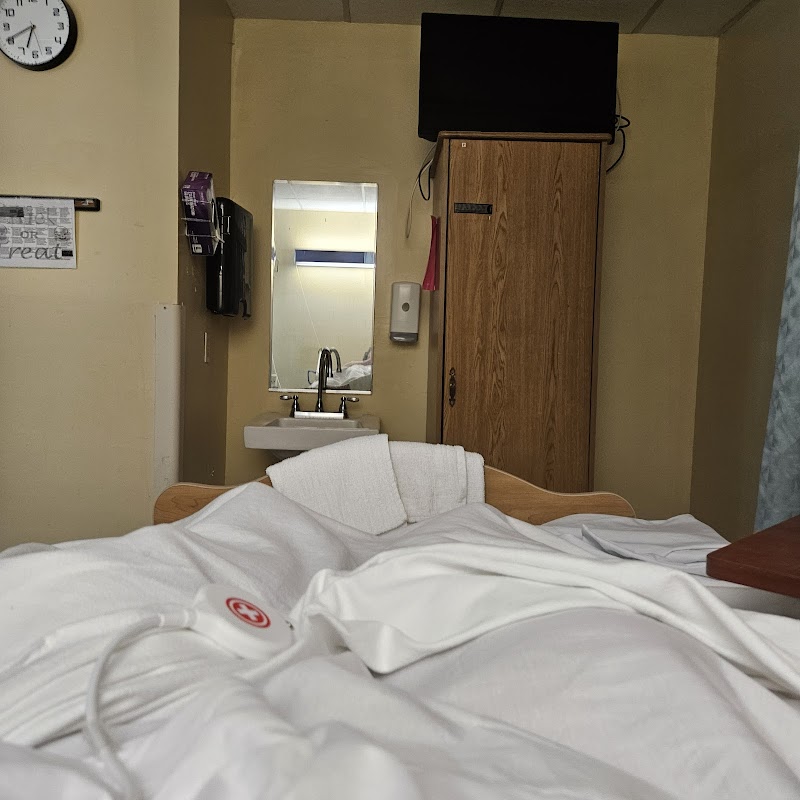
Who Owns and Operates Aviata At West Palm Beach?

AVIATA AT WEST PALM BEACH is owned by a for-profit company. For-profit facilities operate as businesses with obligations to shareholders or private owners. The facility is operated by AVIATA HEALTH GROUP, a chain that manages multiple nursing homes. With 120 certified beds and approximately 101 residents (about 84% occupancy), it is a mid-sized facility located in WEST PALM BEACH, Florida.
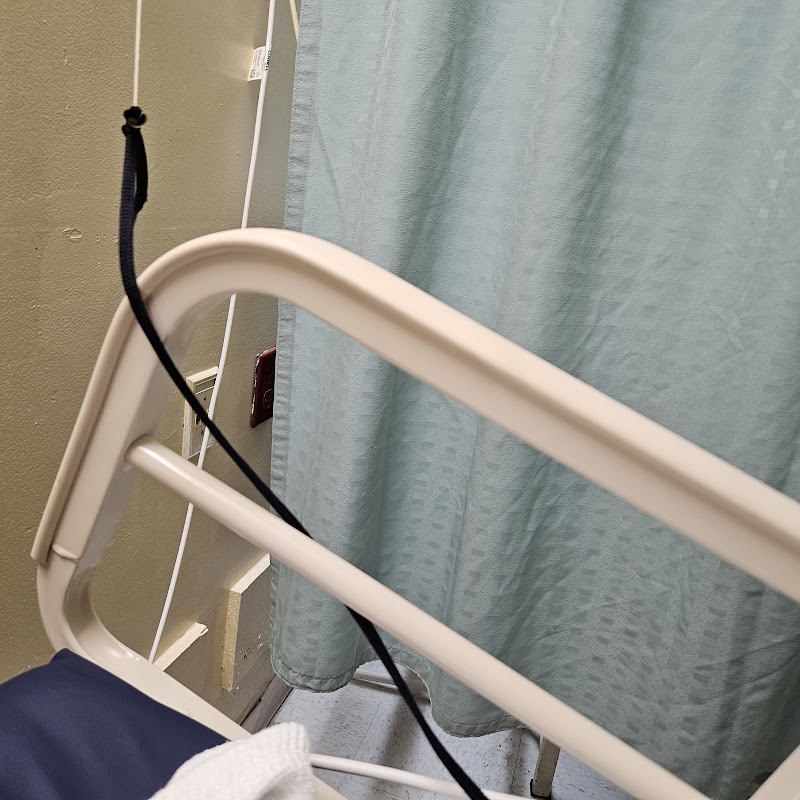
How Does Aviata At West Palm Beach Compare to Other Florida Nursing Homes?

Compared to the 100 nursing homes in Florida, AVIATA AT WEST PALM BEACH's overall rating (3 stars) is below the state average of 3.2, staff turnover (31%) is significantly lower than the state average of 46%, and health inspection rating (2 stars) is below the national benchmark.

What Should Families Ask When Visiting Aviata At West Palm Beach?

Based on this facility's data, families visiting should ask: "What changes have been made since the serious inspection findings, and how are you preventing similar issues?" "Can you walk me through typical staffing levels on day, evening, and night shifts?" "Can I visit during a mealtime to observe dining assistance and food quality?" "How do you handle medical emergencies, and what is your hospital transfer rate?" These questions are particularly relevant given the facility's Immediate Jeopardy citations and the below-average staffing rating.

Is Aviata At West Palm Beach Safe?

Based on CMS inspection data, AVIATA AT WEST PALM BEACH has documented safety concerns. Inspectors have issued 1 Immediate Jeopardy citation (the most serious violation level indicating risk of serious injury or death). The facility has a 3-star overall rating and ranks #100 of 100 nursing homes in Florida. Families considering this facility should ask detailed questions about what corrective actions have been taken since these incidents.

Do Nurses at Aviata At West Palm Beach Stick Around?

AVIATA AT WEST PALM BEACH has a staff turnover rate of 31%, which is about average for Florida nursing homes (state average: 46%). Moderate turnover is common in nursing homes, but families should still ask about staff tenure and how the facility maintains care continuity when employees leave.

Was Aviata At West Palm Beach Ever Fined?

AVIATA AT WEST PALM BEACH has been fined $18,249 across 2 penalty actions. This is below the Florida average of $33,261. While any fine indicates a compliance issue, fines under $50,000 are relatively common and typically reflect isolated problems that were subsequently corrected. Families should ask what specific issues led to these fines and confirm they've been resolved.

Is Aviata At West Palm Beach on Any Federal Watch List?

AVIATA AT WEST PALM BEACH is not on any federal watch list. The most significant is the Special Focus Facility (SFF) program, which identifies the bottom 1% of nursing homes nationally based on persistent, serious quality problems. Not being on this list means the facility has avoided the pattern of deficiencies that triggers enhanced federal oversight. This is a positive indicator, though families should still review the facility's inspection history directly.