BEACH BREEZE REHAB AND CARE CENTER
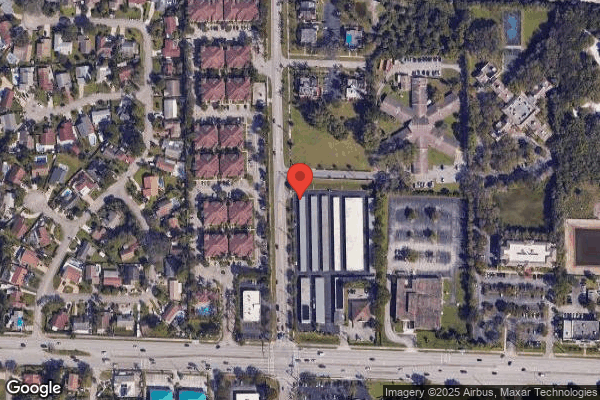
1626 DAVIS RD, WEST PALM BEACH, FL 33406 (561) 439-8897
For profit - Corporation 120 Beds EXCELSIOR CARE GROUP Data: November 2025
Trust Grade
53/100
#477 of 690 in FL
Last Inspection: May 2025

Inspected within the last 6 months. Data reflects current conditions.

Overview

Beach Breeze Rehab and Care Center has received a Trust Grade of C, indicating that it is average compared to other facilities. In Florida, it ranks #477 out of 690, placing it in the bottom half of nursing homes statewide, and #39 out of 54 in Palm Beach County, meaning only a few options are better locally. Unfortunately, the facility is worsening, with issues increasing from 6 in 2024 to 16 in 2025. Staffing is a strength, earning a 4 out of 5 stars with a low turnover rate of 29%, which is significantly better than the state average. Although there have been no fines, there are concerning sanitation issues noted during inspections, such as food preparation areas with dirt and expired items, and a past failure to follow proper food safety practices that could lead to foodborne illnesses. Overall, while the staffing situation is good, families should be aware of the facility's significant sanitation concerns.

Trust Score
C
53/100
In Florida
#477/690
Bottom 31%
Safety Record
Low Risk
No red flags
Inspections
Getting Worse
6 → 16 violations
Staff Stability
✓ Good
29% annual turnover. Excellent stability, 19 points below Florida's 48% average. Staff who stay learn residents' needs.
Penalties
✓ Good
No fines on record. Clean compliance history, better than most Florida facilities.
Skilled Nurses
○ Average
Each resident gets 41 minutes of Registered Nurse (RN) attention daily — about average for Florida. RNs are the most trained staff who monitor for health changes.
Violations
⚠ Watch
31 deficiencies on record. Higher than average. Multiple issues found across inspections.
★★☆☆☆
2.0
Overall Rating
★★★★☆
4.0
Staff Levels
★★★★☆
4.0
Care Quality
★★☆☆☆
2.0
Inspection Score
Stable
2024: 6 issues
2025: 16 issues

The Good

  • 4-Star Staffing Rating · Above-average nurse staffing levels
  • 4-Star Quality Measures · Strong clinical quality outcomes
  • Low Staff Turnover (29%) · Staff stability means consistent care
  • Full Sprinkler Coverage · Fire safety systems throughout facility
  • No fines on record
  • Staff turnover is low (29%)

    19 points below Florida average of 48%

Facility shows strength in staffing levels, quality measures, staff retention, fire safety.

The Bad

2-Star Overall Rating

Below Florida average (3.2)

Below average - review inspection findings carefully

Chain: EXCELSIOR CARE GROUP

Part of a multi-facility chain

Ask about local staffing decisions and management

The Ugly 31 deficiencies on record

May 2025 16 deficiencies
CONCERN (D)

Potential for Harm - no one hurt, but risky conditions existed

Deficiency F0561 (Tag F0561)

Could have caused harm · This affected 1 resident

**NOTE- TERMS IN BRACKETS HAVE BEEN EDITED TO PROTECT CONFIDENTIALITY** Based on observations, interviews and record reviews, the facility failed to honor a resident's choice to have information displ...

Read full inspector narrative →
**NOTE- TERMS IN BRACKETS HAVE BEEN EDITED TO PROTECT CONFIDENTIALITY** Based on observations, interviews and record reviews, the facility failed to honor a resident's choice to have information displayed in the resident's room for 1 of 2 residents reviewed for choices, Resident #117. The findings included: Resident #117 was admitted to the facility on [DATE]. According to the resident's most recent complete assessment, an admission Minimum Data Set (MDS) with a reference date of 04/13/25, Resident #117's preferred language was Spanish. The MDS documented that Resident #117 had a Brief Interview for Mental Status (BIMS) score of 13, indicating the resident was 'cognitively intact'. Resident #117's diagnoses at the time of the assessment included: Stroke, Non-Alzheimer's dementia, Malnutrition, Depression, Nontraumatic intracranial hemorrhage, Dysphagia, Dysarthria and Spinal stenosis. Resident #117's care plan for communication documented, Resident has a potential communication problem related to language barrier. He is Spanish speaking. Date Initiated: 04/09/2025 Revision on: 04/09/2025. The goal of the care plan was documented as, Resident will have his needs met through the review date. Date Initiated: 04/09/2025 Revision on: 04/24/2025 Target Date: 07/08/2025 Interventions to the care plan included: o Anticipate and meet needs. Date Initiated: 04/09/2025 o OT/PT/Nurse to evaluate resident dexterity/ability to use communication board, writing, use computer or use of sign language as alternate communication to speech. Date Initiated: 04/09/2025 o Provide translator as necessary to communicate with the resident. Translator is: (Spanish) Date Initiated: 04/09/2025 Revision on: 04/09/2025 o Speak on an adult level, speaking clearly and slower than normal. Date Initiated: 04/09/2025 During an observation, on 05/06/25 at 11:30 AM, in Resident #117's room, it was noted that there was a sign over the resident's head of bed that documented Resident #117's preferences, dislikes and contact information for the resident's family members. An interview was attempted with the resident, however the resident did not speak or appear to understand English. During an interview, on 05/06/25 at 3:29 PM, with Resident #117 via an interpreter, it was noted that the sign that was over the resident's head of bed had been removed. When asked about the sign, Resident #117 stated that staff had removed the sign and took it to the office and the resident did not know why it was removed. Resident #117 voiced that he was very upset about the sign being removed and stated that the sign was necessary as he was unable to communicate his needs and preferences without the sign being posted. The resident explained that the sign was created by family members. During a follow up interview, on 05/07/25 at 10:25 AM, with Resident #117 and his spouse, the resident was upset about the sign being removed from over the head of the bed. The resident stated that Social Services removed the sign and did not tell him why. The resident further stated that he was unable to communicate with staff without the sign due to not being able to speak English. Resident #117's spouse was able to express that she only spoke limited English. During an interview, on 05/07/25 at 10:29 AM, with the Social Services Director (SSD), the SSD denied removing sign. During an interview, on 05/07/25 at 10:32 AM, with the Director of Nursing (DON), when asked about the sign being removed, the DON replied, I don't know who removed it. I saw it there, I don't know who removed it and when. During an interview, on 05/07/25 at 10:36 AM, with the Administrator, when asked about the sign being removed, the Administrator stated that she did not know who took the sign down. During a follow up interview, on 05/07/25 at 10:43 AM, with Resident #117, via an interpreter, Resident #117 stated that the sign was very important to him because he cannot communicate with staff. The resident further stated that he was unable to recall the person that took the sign, however did stated that it was not one of the staff providing care to him. During an interview, on 05/07/25 at 10:45 AM, with Staff H, LPN/Unit Manager, when asked about communicating with Resident #117, Staff H stated that the resident spoke 'some English'.
CONCERN (D)

Potential for Harm - no one hurt, but risky conditions existed

Deficiency F0568 (Tag F0568)

Could have caused harm · This affected 1 resident

**NOTE- TERMS IN BRACKETS HAVE BEEN EDITED TO PROTECT CONFIDENTIALITY** Based on policy review, record review and interview, the facility failed to provide a receipt for a financial transaction as evi...

Read full inspector narrative →
**NOTE- TERMS IN BRACKETS HAVE BEEN EDITED TO PROTECT CONFIDENTIALITY** Based on policy review, record review and interview, the facility failed to provide a receipt for a financial transaction as evidenced by Resident #94 stating he did not sign or receive a copy of a receipt. The findings included: Review of the policy titled Resident Rights-Personal funds effective 04/01/2022, documented, in part, A resident who requests cash with available funds will be given cash or check and a signed receipt will be provided for both resident and records. Record review revealed Resident #94 was admitted to the facility on [DATE]. Review of the current Minimum Data Sheet (MDS) assessment dated [DATE], documented the resident had a Brief Interview for Mental Status score of 15, on a 0-15 scale, indicating no cognitive impairment. During an interview on 05/05/25 at 9:59 AM, when asked if everyone is treating you well at the facility, Resident #94 stated, I have an issue with the social worker regarding my social security. They gave me some money in January, but I haven't received any since. They gave me $100 cash in all dollar bills. I don't know why they gave it to me. I don't have nothing on paper that I signed to show they are giving this to me. During an interview on 05/06/25 at 9:29 AM, when asked if he reported his concerns to anyone else, Resident #94 stated, The Business Office Manager came to the dining room with another staff person and in front of other residents and staff, she tossed an envelope on the table with $100 cash, which was all single dollar bills. I asked what this was for, shouldn't I receive a paper to sign for this? The Business office Manager said it was from my social security, then she patted me on the back, and stated, Remember I helped you get this, as she walked away. I asked the Business Office Manager, Can you tell me what I'm getting every month. She continued to walk away. During an interview on 05/07/25 at 12:20 PM, when asked if Resident #94 signed for the funds he received in January, the Business Office Manager stated, Yes. When asked if Resident #94 signed for the funds he received the second time on 04/25/25. She stated Yes. During an interview on 05/07/23 at 5:21 PM, when asked he had seen the withdrawal receipt dated 1/22/25 and if he signed it, Resident # 94 stated No ma'am that is not my signature. All my signatures look the same. When asked if he signed the statement landscape form, Resident # 94, stated, Yes. During an interview on 05/07/25 5:34 PM, when copies of the receipt of funds signed by Resident #94 were requested from the Business Manager, a copy of a withdrawal receipt dated 1/22/2025 and a resident statement landscape was received from the Business Office Manager. Both forms had signatures on them. When asked if Resident # 94 signed both forms, the Business Office Manger stated, Yes, why? When asked who was present when Resident # 94 signed the forms the Business Office Manager stated, When the withdrawal receipt was signed, the Marketing Manager and I were there and when he signed the statement landscape form myself, the Activities Director and the Social Worker were present. The Business Office Manager was informed that Resident #94 said he did not sign the withdrawal receipt dated 1/22/2025 and he has never seen the form. When asked why she or the Marketing Manager didn't sign the form along with Resident #94, the Business Office Manager had no explanation. When the Marketing Manager was asked if she was present when Resident # 94 received funds and signed the withdrawal receipt dated 1/22/25, the Marketing Manager stated, Yes. When asked why she didn't sign as a witness, the Marketing Manager stated, I don't know. During an interview on 05/08/25 at 10:48 AM, when asked if she is aware of the facility policy for distributing personal funds, does the resident have to sign for the funds, are witnesses supposed to be present when funds are exchanged in the form of cash, the Administrator stated Yes there should be two witnesses. A copy of the withdrawal receipt dated 1/22/25 and the statement landscape dated 4/25/25 was shown to the Administrator. When asked if the signatures looked the same on both forms, the Administrator stated, No, while pointing at the statement landscape, this looks more like the resident's signature. During an interview on 05/08/25 at 1:34 PM, the Administrator had presented some documents from the record of Resident #94, which had his signature on them to show the comparison. The Administrator stated I agree that the signature on the statement landscape dated 4/25/25 looks more like the signature of the other documents that Resident #94 have signed before.
CONCERN (D)

Potential for Harm - no one hurt, but risky conditions existed

Deficiency F0583 (Tag F0583)

Could have caused harm · This affected 1 resident

**NOTE- TERMS IN BRACKETS HAVE BEEN EDITED TO PROTECT CONFIDENTIALITY** Based on policy review, record review and interviews, the facility failed to provide the resident with his original documents up...

Read full inspector narrative →
**NOTE- TERMS IN BRACKETS HAVE BEEN EDITED TO PROTECT CONFIDENTIALITY** Based on policy review, record review and interviews, the facility failed to provide the resident with his original documents upon request for 1 of 2 sampled residents (Resident #56); and the facility failed to deliver mail to 1 of 2 sampled residents (Resident #94). Findings included: The review of the policy titled Communication with You and Friends, documented, in part You will receive mail addressed to you delivered at the facility unopened, and as soon as possible. 1. Record review revealed Resident #56 was admitted to the facility on [DATE]. Review of the current Minimum Data Sheet (MDS) assessment dated [DATE], documented the resident had a Brief Interview for Mental Status (BIMS) score of 13, on a 0-15 scale, indicating no cognitive impairment. During an interview on 05/05/25 12:27 PM, the resident stated the Office Manager brought her these forms last Tuesday and she asked for the originals. The Office Manager said we don't have originals. I know these are not original because the bottom is cut off and there are lines of the form that look like things have been whited out. I don't know why I'm just getting these documents (the documents were dated 02/20/25 and 03/31/25). The Regional Business Office Manager came in with another staff member to explain the documents. I asked her for the originals, and she said you will have to see the Business Office Manager. (Photographic evidence obtained.) During an interview on 05/07/25 at 12:32 PM, when asked are you aware of some forms from DCF that were given to Resident # 56, the Business Office Manager stated, She is applying for Medicaid and in the forms it is saying that she has too many funds in her bank account, so the state is requesting her bank statements for the past four months and she refused to release the information. The Business Office Manager showed the original copies of the forms she had in a folder. When asked if Resident # 56 asked her for the original forms, the Business Office Manger stated, She should have originals DCF usually send out 5 copies. When asked if Resident #56 asked her for originals, the Business Office Manger stated, I gave her a copy, because she should have an original. 2. Record review revealed Resident #94 was admitted to the facility on [DATE]. Review of the current Minimum Data Sheet (MDS) assessment dated [DATE], documented the resident had a Brief Interview for Mental Status score of 15, on a 0-15 scale, indicating no cognitive impairment. During an interview on 05/05/25 at 9:59 AM, Resident #94 stated I don't receive any mail. I don't know who is responsible for giving out the mail. During an interview on 05/07/25 at 3:36 PM, when asked what is your process for distributing mail, the Activities Director stated. I receive the mail from the receptionist already sorted and I just hand it out to the residents. During an Interview on 05/07/25 at 3:40 PM, when asked what is your process for sorting mail, the Receptionist stated, When I receive the mail from the postal service, I sort it by resident's name and it is distributed by the activities staff person. When asked how do you determine what mail goes directly to the resident, the Receptionist stated, If it is addressed to the resident it goes to the resident. When asked if it is addressed to the resident and has facility name on it who gets it, the Receptionist stated If it has the resident's name first and then the facility name it goes to the resident and if it is addressed to the facility first then the resident, the mail goes directly to the business office.
CONCERN (D)

Potential for Harm - no one hurt, but risky conditions existed

Comprehensive Care Plan (Tag F0656)

Could have caused harm · This affected 1 resident

**NOTE- TERMS IN BRACKETS HAVE BEEN EDITED TO PROTECT CONFIDENTIALITY** Based on interviews and record reviews, the facility failed to develop and implement a care plan for a resident's smoking for 1 ...

Read full inspector narrative →
**NOTE- TERMS IN BRACKETS HAVE BEEN EDITED TO PROTECT CONFIDENTIALITY** Based on interviews and record reviews, the facility failed to develop and implement a care plan for a resident's smoking for 1 of 2 residents reviewed for smoking (Resident #31). The findings included: The facility's Smoking Policy, with no reference date, documented: Any smoking-related privileges, restrictions, and concerns (for example, need for close monitoring) shall be noted on the care plan, and all personnel caring for the resident shall be alerted to these issues. Resident #31 was admitted to the facility on [DATE]. According to the resident's most recent complete assessment, the admission Minimum Data Set (MDS), with a reference date of 04/5/25, Resident #31 had a Brief Interview for Mental Status (BIMS) score of 09, indicating that the resident was 'moderately' cognitively impaired. The assessment documented that Resident #31 required partial/moderate assistance for bed mobility, substantial/maximal assistance for transfers and ambulated via manual wheelchair independently. Resident #31's diagnoses at the time of the MDS included: Cancer, Fracture, Malnutrition, Chronic lung disease, Injury of head, Muscle weakness, Abnormal posture, Lack of coordination. A Smoking evaluation, with a reference date of 05/02/25, documented that the resident required someone to light/extinguish cigarette and Supervision. Further review of resident's electronic health record on 05/05/25 at 1:14 PM revealed that there was no care plan for smoking. During an interview, on 05/05/25 at 12:04 PM, when asked about smoking, Resident #31 stated that he smokes occasionally, a couple of times per day. During an interview, on 05/07/25 at 1:10 PM, the Activities Coordinator confirmed that the resident did smoke with supervision. During a follow up interview, on 05/07/25 at 1:26 PM, Resident #31stated that he only smokes when people that visit him smoke. The resident further stated he is actively trying to quit smoking. During an interview, on 05/08/25 at 12:06 PM, with the Regional MDS Coordinator, I saw they did the assessment, and I saw that they did not do a care plan and I in-serviced that if they smoke and complete a smoking assessment, they need to generate a care plan.
CONCERN (D)

Potential for Harm - no one hurt, but risky conditions existed

Deficiency F0676 (Tag F0676)

Could have caused harm · This affected 1 resident

**NOTE- TERMS IN BRACKETS HAVE BEEN EDITED TO PROTECT CONFIDENTIALITY** Based on observations, interviews and record reviews, the facility failed to: 1). Provide alternate means for a resident to comm...

Read full inspector narrative →
**NOTE- TERMS IN BRACKETS HAVE BEEN EDITED TO PROTECT CONFIDENTIALITY** Based on observations, interviews and record reviews, the facility failed to: 1). Provide alternate means for a resident to communicate with staff for 1 of 2 residents reviewed for communication, Resident #117; and 2). Failed to ensure a resident was provided with appropriate supplies in order to independently maintain their ostomy for 1 of 1 resident reviewed for ostomy status, Resident #323. The findings included: 1). Resident #117 was admitted to the facility on [DATE]. According to the resident's most recent complete assessment, the admission Minimum Data Set (MDS) with a reference date of 04/13/25, Resident #117 was 'Hispanic, Latino or Spanish origin' and preferred language was Spanish. The MDS documented that Resident #117 had a Brief Interview for Mental Status (BIMS) score of 13, indicating the resident was 'cognitively intact'. The MDS documented that Resident #117 required 'Substantial/maximal assistance' for bed mobility, was dependent upon staff for transfers and ambulated via manual wheelchair with assistance. Resident #117's diagnoses at the time of the assessment included: Stroke, Non-Alzheimer's dementia, Malnutrition, Depression, Nontraumatic intracranial hemorrhage, Muscle weakness, Lack of coordination, Dysphagia, Dysarthria and Spinal stenosis. Resident #117's care plan for communication documented, Resident has a potential communication problem related to language barrier. He is Spanish speaking. Date Initiated: 04/09/2025 Revision on: 04/09/2025. The goal of the care plan was documented as, Resident will have his needs met through the review date. Date Initiated: 04/09/2025 Revision on: 04/24/2025 Target Date: 07/08/2025 Interventions to the care plan included: o Anticipate and meet needs. Date Initiated: 04/09/2025 o OT/PT/Nurse to evaluate resident dexterity/ability to use communication board, writing, use computer or use of sign language as alternate communication to speech. Date Initiated: 04/09/2025 o Provide translator as necessary to communicate with the resident. Translator is: (Spanish) Date Initiated: 04/09/2025 Revision on: 04/09/2025 o Speak on an adult level, speaking clearly and slower than normal. Date Initiated: 04/09/2025 During an interview, on 05/06/25 at 9:50 AM, with Resident #117's son, when asked about the resident being able to communicate with staff in the facility, Resident #117's son replied, he understands a little bit. He has been in the country since the 80s. That is the problem, there is a barrier with communication, the therapist does speak Spanish and the Main doctor there dabbles a little in Spanish. The staff just try to get by and he attempts to speak English. He has been complaining to me about the doctors and that are seeing him and he is not understanding what they are explaining. During an observation, on 05/06/25 at 11:30 AM, in Resident #117's room, it was noted that there was a sign over the resident's head of bed that documented Resident #117's preferences, dislikes and contact information for the resident's family members. An interview was attempted with the resident, however the resident did not speak or appear to understand English. The resident demonstrated that he did not have use of his right arm and hand. It was noted that the resident had bed rails in a raises position on both sides of his bed (at the request of the family). During an interview, on 05/06/25 at 3:29 PM, with Resident #117 via an interpreter, it was noted that the sign that was over the resident's head of bed had been removed. When asked about the sign, Resident #117 stated that staff had removed the sign and took it to the office and the resident did not know why it was removed. Resident #117 voiced that he was very upset about the sign being removed and stated that the sign was necessary as he was unable to communicate his needs and preferences without the sign being posted. The resident explained that the sign was created by family members. Resident #117 stated that communication with staff was not always effective. Resident #117 further stated that he would like a translator. Resident #117 demonstrated that the only way he could move his right hand and arm was to pick it up with his left hand. During the interviews and observations, it was noted that there was no additional device or means for Resident #117 to communicate with staff in the facility (i.e. communication board). During an interview, on 05/06/25 at 11:05 AM, with Staff I, CNA, when asked about communicating with Resident #117, the CNA stated that the resident spoke some English and voiced no concerns with communicating with the resident. During an interview, on 05/07/25 at 10:51 AM, with the Regional Nurse Consultant, the Regional Nurse Consultant stated that she spoke Spanish and was able to communicate with the resident and that the therapy staff spoke Spanish as well and were able to communicate with Resident #117. When asked about being able to communicate with the resident after herself and the therapy staff leave the facility at the end of the day, the Regional Nurse Consultant was unable to acknowledge if staff were able to do so after the Spanish speaking staff had left at the end of their shift(s). On 05/07/25 at 11:02 AM, the Director of Nursing (DON), presented a communication board to this Surveyor and stated that it was on the bedside table. The DON confirmed that the it was kept on the bedside table to the resident's right side of the bed. The DON acknowledged that the resident did not have access to the communication board due to not having use of his right hand and arm and the bed rails being in a raised position. During an interview, on 05/07/25 at 11:03 AM, with the Speech Language Pathologist (SLP). The SLP stated, I have limited Spanish and I was able to communicate to him with the communication board. His son was here, and his wife was here and the son translated for me. During an interview, on 05/07/25 at 12:35 PM, with the Director of Rehab, the Director of Rehab confirmed that Resident #117 was not be able to use his right arm and hand to access the communication board on the bedside table with the bed rails in a raised position. 2. Review of the policy titled Nursing-Activities of Daily Living (ADLS) effective 04/01/22 documented Procedure: 1. The facility shall ensure a resident is given the appropriate treatment and services to maintain or improve his or her ability to carry out activities of daily living. The facility shall provide care and services for the following activities of daily living as needed based on the individual care plan of each resident: C. toileting. Review of the record revealed Resident #323 was admitted to the facility on [DATE].Review of the current Minimum Data Set (MDS) assessment dated [DATE] documented Resident #323 had a Brief Interview for Mental Status (BIMS) score of 14, on a 0 to 15 scale, indicating the Resident was cognitively intact. Review of the current care plan dated 04/21/25 documented Resident #323 has a colostomy with the goal of Patency and function of the stoma will be maintained through next review date; Risk of skin breakdown around stoma will be minimized through next review date Review of current orders revealed Ostomy: Colostomy Care Every shift and as needed for leakage, or loose. During an interview on 05/05/25 at 9:53 AM, when asked about her care, Resident #323 stated she had a colostomy bag that she took care of on her own; she said she frequently had to change it out. Resident #323 stated that last night she did not receive assistance with getting ostomy supplies from about 3 AM to just recently when she found an ostomy bag within her own personal belongings. Resident #323 stated this led her to have to use several zip-loc bags throughout the night as a measure to catch her secretions. She stated she was sometimes told by staff that they did not have her correct ostomy size. She stated that her ostomy bag currently needed to be changed again and was waiting on assistance. During an interview on 05/06/25 at 11:02 AM, when asked how often she is not provided supplies to maintain the care of the colostomy bag, Resident #323 stated it was frequently that she had to ask for replacement bags. The Resident voiced that often her skin around her stoma started to burn due to having to wait long periods of time. During an interview on 05/08/25 at 8:39 AM, when asked if there was a shortage of ostomy supplies, the Central Supply Coordinator stated there was not a shortage and proceeded to show the surveyor the supply. He stated there were only 2 current residents that required ostomy supplies in the facility; he made sure the supplies were well stocked. When asked if staff can get into the supply rooms when he was not there, the Central Supply Coordinator stated that all the nurses have access to both supply rooms. During an interview on 05/08/25 at 8:48 AM, when asked who is responsible for providing colostomy care to Resident #323, Staff N, Licensed Practical Nurse (LPN) stated Certified Nursing Assistants (CNAs) were responsible for providing colostomy care and stated she did not perform that. During an interview on 05/08/25 at 08:51 AM, when asked who was responsible for providing colostomy care for Resident #323, Staff O, Certified Nursing Assistant (CNA), stated the nurses were responsible for providing colostomy care and did not perform that. During an interview on 05/08/25 at 9:00 AM, when asked about colostomy care for Resident #323, Staff M, Licensed Practical Nurse (LPN) stated that the Resident cared for her own colostomy bag. When asked if the Resident ever had to wait long periods of time waiting on supplies, Staff M stated she was not aware of that happening and that there were supplies to provide. During an interview on 05/08/25 at 9:12 AM, when asked to clarify who is responsible for providing colostomy care to Residents, the Director of Nursing (DON) stated nurses are responsible for applying the adhesive and bags and CNAs are responsible for emptying the bags. When concerns were brought up to the DON regarding the lack of care Resident #323 had been receiving with her colostomy, the DON agreed with the findings and agreed that should not have occurred.
CONCERN (D)

Potential for Harm - no one hurt, but risky conditions existed

Deficiency F0679 (Tag F0679)

Could have caused harm · This affected 1 resident

**NOTE- TERMS IN BRACKETS HAVE BEEN EDITED TO PROTECT CONFIDENTIALITY** Based on observations, interviews, and record reviews, the facility failed to provide activities designed to meet the interests ...

Read full inspector narrative →
**NOTE- TERMS IN BRACKETS HAVE BEEN EDITED TO PROTECT CONFIDENTIALITY** Based on observations, interviews, and record reviews, the facility failed to provide activities designed to meet the interests of one resident (Resident #84), to promote the psychosocial well-being of that resident. This had the potential to affect 31 residents in the [NAME] Hall, memory support unit. The findings included: A record review revealed Resident #84 was admitted to the facility on [DATE]. Her history of diagnoses included Dementia, Mood Disturbance, Anxiety, and Mood Disorder due to Known Physiological Condition. A review of the quarterly Minimum Data Set (MDS) assessment dated [DATE] revealed that Resident #84 had a Brief Interview for Mental Status (BIMS) score of 10. This indicated that she had moderate cognitive impairment. A review of Section E revealed that Resident #84 exhibited no behaviors that quarter. A review of Resident #84's ongoing care plan initiated 07/30/24 stated that she had a history of trauma; and she required adequate time to make choices related to her care. One intervention was to provide resident centered care. A care plan created 07/26/24 said that Resident #84 was dependent on staff for meeting emotional, intellectual, physical, and social needs. An intervention listed was for staff to provide assistance/escort to Community Life functions (activities). During Resident #84's interview on 05/05/25 at 3:18 PM, Resident #84 said that the activities provided were boring. At that time, residents were watching TV and folding washcloths in the Activity/Dining room. Resident #84 said she liked crossword puzzles and music. She explained that she used to be a piano teacher. During a follow-up interview on 05/06/25 at 9:42 AM, Resident #84 wheeled herself through hallway. She said she wasn't interested in activities in the Activity/Dining room. During an observation on 05/07/25 at 10:50 AM, Resident #84 was asleep in her wheelchair in the hallway. On 05/07/25 at 11:03 AM, Resident #84 was asleep in the Activity /Dining room. On 05/07/25 at 1:02 PM, Resident #84 sat in her wheelchair and another resident pushed her through the hallway. Staff F told the other resident that she could sit down and Staff F pushed Resident #84 in the hallway. During interviews with Staff F and Resident #84 on 05/07/25 at 1:07 PM, the surveyor asked which activities Resident #84 liked. Staff F answered she liked exercise and karaoke. Resident #84 said out loud I want to go to the piano and check on my students. The surveyor asked Staff F if she heard the comment made by the resident. Staff F answered, she wants to check on her students; she used to be a music teacher. Resident #84 repeated that she wanted to go to the piano. Staff F told the surveyor there was a piano located in the park area which was right outside the locked doors of [NAME] Hall. During an interview on 05/07/25 at 2:04 PM, Staff F was asked if Resident #84 was able to use the piano, Staff F said that the residents in [NAME] Hall couldn't leave the unit unless they went out with their family or the therapy department. She added that a few months ago staff used to take the residents out to the park area, the patio, and outside, but now they needed to stay here (in the locked unit). During an interview with the evening nurse manager, Staff G, on 05/07/25 at 5:18 PM, the residents used to go off of the unit but they weren't allowed anymore. She said they got a message that a new corporate policy made a change a while ago. During a phone interview with Resident #84's daughter on 05/08/25 at 11:02 AM, the daughter said that her mother would love to go to the piano. The daughter said that she visited her mother weekly, and at each visit Resident #84 requested to go to the piano. During an interview with Staff F on 05/08/25 at 11:38 AM, Staff F was asked if it was possible for staff to escort Resident #84 to the Piano. Staff F said she was told the residents were not allowed to leave the unit. Staff F said that when Resident #84 was in the general population, she used to go to the piano often. Staff F said that Resident #84 played the piano nicely. Staff F said that it had been 1 or 2 months since the residents no longer went outside.
CONCERN (D)

Potential for Harm - no one hurt, but risky conditions existed

Quality of Care (Tag F0684)

Could have caused harm · This affected 1 resident

**NOTE- TERMS IN BRACKETS HAVE BEEN EDITED TO PROTECT CONFIDENTIALITY** Based on record review and interview, the facility failed to collaborate with Hospice services for 1 of 1 sampled resident, Resi...

Read full inspector narrative →
**NOTE- TERMS IN BRACKETS HAVE BEEN EDITED TO PROTECT CONFIDENTIALITY** Based on record review and interview, the facility failed to collaborate with Hospice services for 1 of 1 sampled resident, Resident #95, as evidenced by contradictory code status documentation. The findings included: Review of the record revealed Resident #95 was admitted to the facility on [DATE], with a subsequent admission to Hospice services as of 01/16/25. Review of the Minimum Data Set (MDS) assessment dated [DATE] documented the resident had a Brief Interview for Mental Status (BIMS) score of 3, on a 0 to 15 scale, indicating the resident was cognitively impaired. Review of the same assessment documented the resident had a terminal diagnosis and was on Hospice services. Review of the current electronic medical record (EMR) documented Resident #95 had a full code status, as noted on the banner or general information area of the EMR, meaning cardiopulmonary resuscitation would be initiated should the resident become unresponsive and without a heartbeat. A current order dated 03/19/25 also documented the Full Code status. The current care plan initiated on 05/22/24, and revised on 03/24/25, also documented the resident was a full code. Review of the discontinued orders revealed two orders from 01/24/25 through 03/19/25 that documented a DNR status. Review of the Hospice paperwork revealed a DNR (Do Not Resuscitate) order dated 01/16/25. During an interview on 05/08/25 at 2:16 PM, when asked how she would know the code status of a resident, Staff E, Registered Nurse (RN) stated she would check the banner in the EMR. The RN showed the surveyor the code status location on the banner of a random resident. When asked the code status for Resident #95, the RN looked in the EMR and stated the resident was a full code. When shown the DNR order and form in the Hospice paperwork, the RN was surprised. The RN stated she had never seen that form for Resident #95. When asked the process should a resident change their code status, the RN stated she was not sure as she just enters the code status for a resident upon admission to the facility. Further review of the orders revealed the order to admit Resident #95 to Hospice services was input into the EMR by Staff H, a Unit Manager. The order for the current DNR status was input into the EMR by the Director of Nursing (DON). During an interview on 05/08/25 at 2:40 PM, Staff H, Unit Manager, confirmed she had entered the current Hospice order. When asked if she reviews the code status with a change to Hospice services, the Unit Manager stated she did. During a side-by-side review of the Hospice paperwork, when asked why Resident #95 was not changed to a DNR status as per the DNR form found in the Hospice binder, the Unit Manager stated the form was not in the binder at that time and they did not have a copy of it anywhere. The Unit Manager stated they tried to call the daughter who did not answer or return their call. The Unit Manager also stated they contacted staff at the Hospice provider, who told them they were working on the DNR. When asked why she had changed the order to a DNR status on 02/07/25, the Unit Manager stated she did not recall. When asked why she changed the DNR status for Resident #95 to a full code status on 03/07/25, the DON stated because the DNR order had not been provided by Hospice as of that date. The Unit Manager and the DON were both unaware the DNR order had been provided to the facility by Hospice personnel. Further review of the record lacked any documented progress notes related to any conversations with the Hospice provider or attempted calls to the daughter related to the code status of Resident #95. The Unit Manager and DON were made aware of the lack of documentation and had no response.
CONCERN (D)

Potential for Harm - no one hurt, but risky conditions existed

Accident Prevention (Tag F0689)

Could have caused harm · This affected 1 resident

**NOTE- TERMS IN BRACKETS HAVE BEEN EDITED TO PROTECT CONFIDENTIALITY** Based on record review and interviews, the facility failed to ensure that proper protocol was implemented when a resident has a ...

Read full inspector narrative →
**NOTE- TERMS IN BRACKETS HAVE BEEN EDITED TO PROTECT CONFIDENTIALITY** Based on record review and interviews, the facility failed to ensure that proper protocol was implemented when a resident has a fall, as evidenced by not reporting or following up on a fall for Resident #35. The Findings included: Record review revealed Resident #35 was admitted to the facility on [DATE]. Review of the current Minimum Data Sheet (MDS) assessment dated [DATE], documented the resident had a Brief Interview for Mental Status score of 03, on a 0-15 scale, indicating severe cognitive impairment. During an interview on 05/05/25 at 10:42 AM, Resident # 56 (who is the roommate of Resident #35), stated My roommate fell out of bed a couple of nights ago, she was trying to change the air conditioner. I had to call for help and it took them a while to get here. I guess they were busy with someone else. I told Resident #35 not to move, because I know what can possibly happen if she moves. When asked who got Resident #35 off the floor, Resident #56 stated Two staff, the nurse and the aide. She fell really hard. I mentioned the fall to the nurse that worked the next morning. I have spoken to the Administrator and other nurses about Resident #35, because I think she should be in a different area of the facility, but I'm just told that these are the type of people we have here. During an interview on 05/06/25 at 09:06 AM, Resident #56, stated the DON came to me and said why didn't I tell her my roommate fell. She came in here with another administration staff confronting me. When asked, do you remember when Resident #35 had fallen, Resident #56 stated last Saturday at around 3:00 AM. When asked who did you report the fall to the next day, Resident #56 stated Staff P, Registered Nurse (RN). Review of a fall risk assessment dated [DATE], documented Resident #35 had not had any falls in the past three months. Further review of the progress notes for Resident #35 failed to reveal any documentation of a fall during the months of April 2025 or May 2025. Review of a care plan dated 3/24/25, documented that Resident #35 is at risk for falling related to her history of impaired mobility function, generalized weakness, impaired cognition with a goal to minimize the risk of falls. During an interview on 05/07/25 at 11:05 AM, when asked if she knows anything about a fall that Resident #35 had, Staff P stated No. When asked if Resident #56 reported to her that Resident #35 had a fall last week, Staff P stated No, who to me. If it was reported to me, I would have to do something. When asked if the nurse that she received report from reported that Resident # 35 had a fall, Staff P stated, No. When asked if she worked on Saturday 05/03/25 in the morning, Staff P, stated Yes. During an interview on 05/07/25 at 12:08 PM, when asked did you have any conversations with Resident #56 about a fall, the DON stated, I'm so sorry I didn't know that Resident #35 had a fall. I asked Resident #56 about her roommate falling, she couldn't tell me the exact date. One time she said Friday and then she told the administrator a different date. I have spoken to the nurse that was working the shift the night that the fall supposedly happened. The nurse that was working said the resident did not fall. When asked what the staff are supposed to do when a resident falls, the DON stated, Report it in writing. I have started my investigation with the staff regarding reporting falls.
CONCERN (D)

Potential for Harm - no one hurt, but risky conditions existed

Tube Feeding (Tag F0693)

Could have caused harm · This affected 1 resident

**NOTE- TERMS IN BRACKETS HAVE BEEN EDITED TO PROTECT CONFIDENTIALITY** Based on observations, interviews and record reviews, the facility failed to provide nutrition via enteral method as ordered for...

Read full inspector narrative →
**NOTE- TERMS IN BRACKETS HAVE BEEN EDITED TO PROTECT CONFIDENTIALITY** Based on observations, interviews and record reviews, the facility failed to provide nutrition via enteral method as ordered for 1 of 4 residents reviewed for tube feeding (Resident #5). The findings included: Resident #5 was admitted to the facility on [DATE]. According to the resident's most recent complete assessment, a Quarterly Minimum Data Set (MDS), with a reference date of 02/06/25, Resident #5 was not assessed for cognition due to 'Resident is rarely/never understood'. Resident #5's diagnoses at the time of the assessment included: Cancer, Hypertension, Diabetes Mellitus, Non-Alzheimer's dementia, Psychotic disorder, Hypothyroidism. Resident #5's orders included: Nothing by Mouth (NPO) - 11/14/24 Enteral Feed - in the afternoon Enteral feeding type: Jevity 1.5 via G tube to run at 60 ml/hr (milliliters per hour) via PUMP. Total volume to be infused:1200ml/20hrs. Up at 2pm and down when Total Volume is infused. AND every shift Check and ensure accurate rate and feeding (Jevity 1.5 via G tube at 60 ml/hr via PUMP for Total Volume of 1200ml/20hrs. - 04/14/25. Resident #5's care plan for Tube Feeding documented, Care plan for Tube Feeding and weight loss: Resident #5 is at nutritional risk as evidenced by NPO, G-tube status. 02/2025 remains with NPO status reliant on nutrition support to meet hydration nutrient needs Date Initiated: 11/09/2022 Revision on: 02/21/2025. The goals of the care plan included: o Resident #5 will have no symptom of intolerance, inadequacy, dehydration. Date Initiated: 05/18/2023 Revision on: 12/10/2024 Target Date: 05/15/25. o Resident #5 will not experience a significant weight loss through next review date Date Initiated: 10/04/2021 Revision on: 12/10/2024 Target Date: 05/15/2025. Interventions to the care plan included: o Jevity 1.5 60ml/hour TVL 1200ml a day. 20 hours daily Date initiated: 02/21/25. At a rate of 60 ml/hr, the supplement would have need to be dispensed for 20 hours (until approximately 10:00 AM depending on interruptions in feeding for ADL care, etc) in order for the resident to receive the 1200 ml as ordered. On 05/06/25 at 7:08 AM, Resident #5 was observed in bed with Tube Feeding not initiated and no supplement in the room. Resident #5 was awake and it was determined that the resident was not interviewable, as evidenced by the resident only smiling and mumbling when being greeted. On 05/06/25 at 9:23 AM, Resident #5 was observed in bed sleeping with TF not initiated. On 05/06/25 at 10:50 AM, Resident #5 was being provided care by Staff I, CNA. When Staff I was done providing care to the resident, it was noted that the tube feeding had not been restarted and there was no supplement in the room. During an interview, on 05/06/25 at 11:05 AM, with Staff I, when asked about the tube feeding not being active, Staff I replied, at 2:00 the tube feeding will be put back up. When I came in this morning, the night nurse (referring to Staff J, RN) took her off of the tube feeding. When I was making my rounds at 7 AM, the night nurse had already stopped the tube feeding. On 05/07/25 at 7:23 AM, Resident #5 was observed in bed with tube feeding running at 60 ml/hr. The date mark on the 1000 ml container documented that it was initiated on 05/06/25 at 1300 (1:00 PM). At the time of the observation, there was approximately 100 ml of supplement remaining in the 1000 ml container. During additional observations throughout the day, it was noted that there was no additional supplement provided to Resident #5 to meet the order for 1200 ml until the next session was implemented. During an interview, on 05/08/25 at 6:38 AM, with Staff J, RN, when asked about the tube feeding being stopped as described by Staff I, the RN replied, once the tube feeding is complete at 1200 ml the tube feeding is stopped until the next dosage. The machine will indicate 1200 ml completed. When asked about the information in the pump being at zero at the beginning of the dosage, Staff I replied, The pump should be cleared out at the beginning of the next session. The RN acknowledged that it would have taken 20 hours for the resident to receive the full 1200 ml of the supplement. The RN stated that he does not change the flow rate during his shift. The RN further stated that the feeding would be paused for up to 15 minutes at a time for ADL care (ADLs - changing, repositioning, etc.) should the resident require and then started from that point once the CNAs have completed the ADL care.
CONCERN (D)

Potential for Harm - no one hurt, but risky conditions existed

Respiratory Care (Tag F0695)

Could have caused harm · This affected 1 resident

**NOTE- TERMS IN BRACKETS HAVE BEEN EDITED TO PROTECT CONFIDENTIALITY** Based on observation, interview, and record review the facility failed to perform a respiratory assessment on a resident with re...

Read full inspector narrative →
**NOTE- TERMS IN BRACKETS HAVE BEEN EDITED TO PROTECT CONFIDENTIALITY** Based on observation, interview, and record review the facility failed to perform a respiratory assessment on a resident with respiratory treatments for 1 of 2 sampled residents (Resident #54). The findings included: Review of the record revealed that Resident #54 was admitted [DATE] with the primary diagnosis of Chronic Obstructive Pulmonary Disease (a lung disease causing restricted airflow and breathing problems.) Review of the current Minimum Data Set (MDS) assessment dated [DATE] documented Resident #54 had a Brief Interview for Mental Status (BIMS) score of 15, on a 0 to 15 scale, indicating the resident was cognitively intact. Review of the active orders documented: Albuterol Sulfate Nebulization Solution (2.5 MG/3ML) 0.083% 3 ml inhale orally via nebulizer every 8 hours for shortness of breath Symbicort Inhalation Aerosol 160-4.5 MCG/ACT (Budesonide-Formoterol Fumarate Dihydrate) 2 puff inhale orally two times a day related to Chronic Obstructive Pulmonary Disease. Rinse mouth with water after use, then spit out water. Check lung sounds Pre Nebulizer administration every 12 hours related to Chronic Obstructive Pulmonary Disease, and every 8 hours and one time a day. Respiratory: Check Lung Sounds Post Nebulizer Administration every 12 hours related to Chronic Obstructive Pulmonary Disease, and every 8 hours AND one time a day. Check Pulse and Respirations Pre-Nebulizer administration every 12 hours related to Chronic Obstructive Pulmonary Disease, and every 8 hours AND one time a day. Check pulse and respiration rates Post Nebulizer administration every 8 hours related to Chronic Obstructive Pulmonary Disease, and every 12 hours AND one time a day. Review of the care plan dated 03/21/25 documented Resident #54 will maintain normal breathing pattern as evidenced by normal respirations, normal skin color, and regular respiratory rate/pattern through the review date with an intervention of Administer medication/puffers as ordered. Monitor for effectiveness and side effects. A medication administration observation was conducted on 05/06/25 at 9:41 AM, Resident #54 was scheduled to receive a nebulizer treatment, an inhaler and oral medications. Staff A, Licensed Practical Nurse (LPN) performed hand hygiene and donned gloves; she stated she had taken the blood pressure and pulse already and then proceeded to administer the oral medications to the Resident. When the inhaler was administered, Resident #54 was not provided water to rinse their mouth out and spit it out as stated per order. The nebulizer treatment was started afterwards, Staff A prepped the supplies, placed the solution into the mask and placed it on the Resident. Lung sounds were not checked prior to administration of the nebulizer treatment as stated in the order; Staff A was not observed assessing for respirations. During the duration of the treatment Staff A stepped off to the side of the Resident's bed and waited until his treatment was over. Again, lung sounds or respirations were not assessed after the treatment was over. During an interview on 05/06/25 at 9:57 AM, when asked how to perform a respiratory assessment, Staff A stated she would watch for respirations and listened to lung sounds. When asked when she would perform it, Staff A stated every shift, when you pass meds, and especially if they have a nebulizer treatment. When asked if there was any reason why she did not perform a respiratory assessment for Resident #54, Staff A stated that she should have done it but forgot because she was nervous. When asked if other vitals should have been taken for Resident #54, Staff A stated she should have checked their oxygen level but also forgot. Review of the record revealed Staff A had documented assessment of lung sounds and respirations for the observed medication administration. During an interview on 05/08/25 at 9:08 AM, when asked how to perform a respiratory assessment, the Director of Nursing (DON) stated that you should listen to lung sounds, measure oxygenation levels and count for respirations before and after respiratory treatments such as nebulizers and inhalers. The DON stated she was already aware of the situation with Staff A and agreed she should have performed the respiratory assessments stated on Resident #54's orders for the nebulizer treatment. The DON also agreed that the inhaler should have been followed with a mouth rinse and spit as per order.
CONCERN (D)

Potential for Harm - no one hurt, but risky conditions existed

Menu Adequacy (Tag F0803)

Could have caused harm · This affected 1 resident

**NOTE- TERMS IN BRACKETS HAVE BEEN EDITED TO PROTECT CONFIDENTIALITY** Based on observations, record reviews and interviews, the facility failed to meet nutritional needs for 1 of 8 sampled residents...

Read full inspector narrative →
**NOTE- TERMS IN BRACKETS HAVE BEEN EDITED TO PROTECT CONFIDENTIALITY** Based on observations, record reviews and interviews, the facility failed to meet nutritional needs for 1 of 8 sampled residents, as evidenced by not providing all the food items on Resident #56 meal ticket. The findings included: Record review revealed Resident #56 was admitted to the facility on [DATE]. Review of the current Minimum Data Sheet (MDS) assessment dated [DATE], documented the resident had a Brief Interview for Mental Status (BIMS) score of 13, on a 0-15 scale, indicating no cognitive impairment. A physician order dated 02/20/25, documented that Resident #56 is on a regular diet. During an interview on 05/07/25 at 11:55 AM, when asked how your evening was, Resident #56 revealed a picture of her dinner tray from 05/06/25, which consisted of mashed potato, green peas, sliced bread and no protein. Resident #56 stated When the tray was brought to me and it was being set up, the staff stated that's all you got. When asked if she requested something else Resident #56 stated, I asked the nurse for a peanut butter and jelly sandwich but never got it. During an interview on 05/07/25 at 5:51 PM, when asked if she was familiar with Resident #56, the Food Service Manager stated, Yes, very, because she dislikes a lot of foods. When asked, do you know why Resident #56 did not receive protein with her dinner on 05/06/25, the Food Service Manager stated I'm not sure, maybe it was something she dislikes or can't have. The Food Service Manager provided a list of Resident #56 dislikes. During an interview on 05/08/25 at 10:01 AM, when asked if she has a dislike for beef, Resident # 56 stated Yes, I can't have it because it's hard for me to digest. When asked do you have a dislike for pork, Resident # 56 stated, No, I eat pork. I have told the kitchen several times to change that. I don't know why the other night I didn't get protein with my dinner because they usually give me fish if I can't eat the other meat. During an interview on 05/08/25 at 11:20 AM, when asked why Resident # 56 didn't receive a protein on her dinner tray, if the other entree on the menu for 05/6/25 was chicken, the Food Service Manager stated, I'm not sure. The Food Service Manger volunteered to print out the meal ticket for Resident #56 on 05/06/25. The meal ticket provided revealed that Resident #56 should have gotten the chicken on her dinner tray on 5/6/25, because it was the other entrée. When asked if she knows what happened, the Food Service Manager stated, I don't know it must have been overlooked.
CONCERN (E)

Potential for Harm - no one hurt, but risky conditions existed

Resident Rights (Tag F0550)

Could have caused harm · This affected multiple residents

**NOTE- TERMS IN BRACKETS HAVE BEEN EDITED TO PROTECT CONFIDENTIALITY** 5. A record review of Resident #8 revealed that she was admitted to the facility on [DATE]. She had medical diagnoses that inclu...

Read full inspector narrative →
**NOTE- TERMS IN BRACKETS HAVE BEEN EDITED TO PROTECT CONFIDENTIALITY** 5. A record review of Resident #8 revealed that she was admitted to the facility on [DATE]. She had medical diagnoses that included Chronic Obstructive Pulmonary Disease, Unspecified Lack of Coordination, Muscle Weakness, and Dementia. The Minimum Data Set (MDS) quarterly assessment dated [DATE] revealed that Resident #8 had a Brief Interview for Mental Status of 00, which indicated that she had severe cognitive impairment. According to this MDS assessment, Resident #8 had the ability to express ideas and wants through both verbal and non-verbal means. The MDS assessment coded this resident as able to feed herself. A record review of Resident #8's most recent care plan for nutrition revealed that she had a history of weight loss. Interventions included encouraging the intake of food and drinks, and honoring food preferences. A review of Resident #8's care plan for activities of daily living included an intervention for staff to praise all efforts at self-care. During an interview with Staff D, a certified nursing assistant (CNA), on 05/08/25 at 11:58 AM, the CNA said that Resident #8 liked to eat with her hands. When asked how long she had exhibited this behavior, the CNA said that she ate with her hands at least the past 6 months. Per Staff D, that was the approximate length of time that he worked at the facility. During a meal observation on 05/07/25 at 5:54 PM, Resident #8 sat at a table in the [NAME] Hall dining room. She fed herself with her hands. The surveyor observed Staff B as he placed his hand on Resident #8's wrist and stopped her from eating with her hands. Resident #8 yelled out loud. Then Staff B removed his hand. While in a standing position, Staff B picked up a spoonful of food and placed it into the resident's mouth. The resident accepted the food. Then Staff B scooped up food with the spoon and placed the spoon into Resident #8's hand. She fed herself one bite with the spoon and then started to feed herself again with her hands. Staff B explained to the surveyor that she always did that. He said that the staff tried to encourage the use of utensils and that she preferred to eat with her hands. 6. A record review revealed that Resident #76 was admitted to the facility on [DATE]. Her room was changed to a room in the [NAME] Hall, memory support unit, on 04/10/25. Her medical diagnoses included Unspecified Psychosis not due to a substance or known physiological condition, Major Depressive Disorder, Dementia, Severity, and Cognitive Communication Deficit. A review of the Minimum Data Set (MDS) assessment dated [DATE] revealed that Resident #76 had a Brief Interview for Mental Status of 03. This indicated that she had severe cognitive impairment. During an observation in the [NAME] dining room on 05/07/25 at 12:25 PM, two out of five residents seated at table 1 were served their lunch. Resident #76 was not served yet. Resident #76 ate stuffing from Resident #104's plate. Resident #104, who sat to her right, saw Resident #76 eat from his plate. On 05/07/25 at 12:27 PM, a staff member and the surveyor observed Resident #76 as she ate carrots from Resident #74's plate. Resident #74 sat to the left of Resident #76. The staff member told Resident #76 not to eat from Resident #74's plate while she served Resident #76 her lunch plate. Resident #104 didn't start eating. He appeared agitated. The surveyor attempted to speak to Resident #104 but was unable to communicate with him effectively. The surveyor notified Staff F that Resident #104 appeared upset. The surveyor explained that Resident #76 ate from the plates of the residents to her right and left, before she was served. Staff F requested a new clean meal plate from the kitchen for Resident #104. After Resident #104 was served a replacement for the plate of food, he ate the food with a good appetite. Resident #74 was not served a new plate of food. Resident #74 ate his lunch after Resident #76 ate from his plate. During an interview with Staff F on 05/07/25 at 12:33 PM, she explained that sometimes residents took food from other residents' plates. When this happened, she said that the staff usually got the resident a new tray. Based on observation, interview, and record review the facility failed to treat Residents with dignity and respect during care for Residents #323, #20, and a Resident that wished to remain anonymous; failed to discuss financial concerns in private for Resident #94; and failed to treat Residents with dignity during dining for Residents #8, #74, #76 and #104. The findings included: Review of the policy titled Guideline: Administrative-Resident Rights-Right to Respect, Dignity and to have Personal Property documented Process: 1. The resident has a right to be treated with respect and dignity, including the right to retain and use personal possessions, including furnishings, and clothing, as space permits, unless to do so would infringe upon the rights or health and safety of other residents. 1. Review of the record revealed Resident #323 was admitted to the facility on [DATE]. Review of the current Minimum Data Set (MDS) assessment dated [DATE] documented Resident #323 had a Brief Interview for Mental Status (BIMS) score of 14, on a 0 to 15 scale, indicating the Resident was cognitively intact. During an interview on 05/05/25 at 10:03 AM when asked if she was being treated with dignity and respect, Resident #323 stated Staff O was rude to her. She always appears to be in a bad mood when I ask for assistance. I don't know what I have done to her for her to be that way towards me. Resident #323 stated, The other day Staff O was upset with me because my colostomy bag had burst and spilt onto my gown. Resident #323 explained that a social worker who came in her room at the moment the Resident's gown was dirty did her the favor of placing the dirty gown in the bathroom near the trash; she continued to state that afterwards Staff O had gotten upset with her and told her she was being messy and dirty for leaving the gown there. Resident #323 stated she told Staff O that it wasn't her who placed the gown there and then Staff O proceeded to call the Resident a liar. During an interview on 05/06/25 at 10:54 AM, Resident #323 stated that last night the colostomy bag burst again on her gown and did not receive a gown to change into. While waiting for a gown she fell asleep and when she woke up she noticed she still was not in a gown. Resident #323 stated she slept with no clothes on that night and was told to use her own clothes instead. Yesterday I felt nauseous, so I put some of my food aside from my lunch tray and when I came back Staff O threw my lunch away. She did not even ask me if I was done. During an interview on 05/07/25 at 12:33 PM, Resident #323 stated Staff O was not working today she could notice the difference in care and was having a better day. 2. Review of the record revealed Resident #20 was admitted to the facility on [DATE].Review of the current Minimum Data Set (MDS) assessment dated [DATE] documented Resident #20 had a Brief Interview for Mental Status (BIMS) score of 14, on a 0 to 15 scale, indicating the Resident was cognitively intact. During an interview on 05/05/25 at 12:51 PM when asked how staff are treating him, Resident #20 stated staff were rude, have an attitude, and don't want to help. I'm sick and old. Resident was visibly upset and did not want to continue participating in conversation. 3. An interview with an alert and oriented resident, who requested to remain anonymous, was completed 5/05/25 at 10:21 AM, when asked if they were being treated with dignity and respect, the Resident stated Some staff are moody, arrogant, and nasty. When asked what shift this mostly happened on and what type of staff it was, the Resident stated that it happened in both shifts and was the CNAs. The Resident stated they were not revealing any names due to fear of retaliation. During a follow up interview on 05/06/25 at 12:31 PM when asked if the staff were still being mean to her, the anonymous Resident stated that she didn't t know why the CNAs don't treat her with respect, They should treat me how I treat them. During an interview on 05/08/25 at 9:12 AM, concerns were made aware to the Director of Nursing (DON) regarding multiple Resident complaints of mean CNAs. All of Resident's #323's concerns were presented to the DON she stated she was not aware this had been going on and would take care of it. The DON asked the surveyor to present findings to the regional nurses in the facility; both regional nurses were made aware and agreed that should not have happened. During an interview on 05/08/25 at 9:34 AM when asked what would you do if a Resident told you that a CNA was being mean to them (yelling, calling them a liar, always in a bad mood; rude) the Social Service Director(SSD) stated, I would write it up as a grievance, speak to the DON and educate the staff. When asked, would you say that the Residents were being treated with dignity and respect in those situations? the SSD stated No, I mean who wants to be talked to like that. The SSD agreed the Residents were not treated in a dignified manner. 4. Record review revealed Resident #94 was admitted to the facility on [DATE]. Review of the current Minimum Data Sheet (MDS) assessment dated [DATE], documented the resident had a Brief Interview for Mental Status score of 15, on a 0-15 scale, indicating no cognitive impairment. During an interview on 05/06/25 at 9:42 AM Resident #94 stated, The Business Office Manager came to the dining room with another staff person and in front of other residents and staff, she tossed an envelope on the table with $100 cash, which was all single dollar bills. I asked what this was for, shouldn't I receive a paper to sign for this? The Business Office Manager said it was from my social security, then she patted me on the back, and stated, Remember I helped you get this, as she walked away. I asked the Business Office Manager, Can you tell me what I'm getting every month. She continued to walk away. About a week ago the Business Office Manager came to me again in the dining room with $160 cash in an envelope and I also noticed that she had some other money rolled up in her hand. I told her that I would like a paper stating she gave the money to me, and I told her that I would like a statement or something from social security. The Business Office Manager got very nasty and stated, I tell you what, I'll give you $40 more and it will make it $200, she had $40 more in her hand. I still wanted some documentation. I asked, what happened to the other months? The Business Office Manager got very upset and stated, all you had to do was come to my office and get the money. Then she snatched the other money from the table and stated I guess you don't want the money. Again, I told her I wanted something showing she gave me the money and a statement about my social security. She left, then later, the Business Office Manager came back with a piece of paper, and she got very loud with me while she was trying to explain what was on the paper. I asked, Shouldn't you talk to me in my room instead of in front of all these other people? The Business Office Manager stated, these people don't care about what I say to you. She aggressively gave me the form to sign. I told her that I would like to get my funds on a card like everyone else does. During an interview on 05/06/25 at 11:09 AM, when asked do you recall mentioning yesterday that you overheard a conversation in the dining room with another resident and the Business Office Manager, Resident #56, stated Yes, the Business Office Manager confronted Resident #94 from next door because he wanted his social security statements. The Business Office Manager was very loud. It's a conversation that should have been done in private. During an interview on 05/07/25 at 12:20 PM, when asked have you had any conversations with Resident #94 regarding his social security funds, the Business Office Manger stated, Yes, when he came here, he didn't even have a place to stay and was not receiving any assistance. I helped him apply for assistance and insurance. Resident #94 just started receiving funds. He started getting income on 1/16/25. He gets $1183 a month to pay rent, which comes directly to the facility because this is where he lives long term. When asked, where did the conversations take place with Resident #94, the Business Office Manager stated, The first time was in his room on 1/25/25 and the second time on 4/25/25 was in the activities area, which is located in a corner of the dining room. The activities director and social service were present. When asked was anyone else in the room during the conversation regarding Resident #94 funds, the Business Office Manager stated, No just the witnesses. During an interview on 05/07/23 at 5:21 PM, when asked did any conversations occur between you and the Business Office Manager in your room when you were discussing your finances, Resident #94 stated, No, she wouldn't come to my room. During an interview on 05/07/25 at 5:34 PM, when asked where they were located when the forms were signed by Resident #94, the Business Office Manager stated, In the dining room. When she was asked again where they were located when Resident #94 signed the withdrawal receipt, the Business Office Manager stated, In the dining room. They were both signed by him in the dining room.
CONCERN (E)

Potential for Harm - no one hurt, but risky conditions existed

Safe Environment (Tag F0584)

Could have caused harm · This affected multiple residents

**NOTE- TERMS IN BRACKETS HAVE BEEN EDITED TO PROTECT CONFIDENTIALITY** Based on observation, interview, and review of housekeeping records, the facility failed to ensure a safe, clean, and homelike e...

Read full inspector narrative →
**NOTE- TERMS IN BRACKETS HAVE BEEN EDITED TO PROTECT CONFIDENTIALITY** Based on observation, interview, and review of housekeeping records, the facility failed to ensure a safe, clean, and homelike environment for 1 of 4 units ([NAME]) as evidenced by pervasive odors noted on the unit throughout the survey week and maintenance concerns in the dining room. The findings included: 1) During an interview on 05/08/25 at 1:29 PM, when asked how she ensures an odor-free environment, the Housekeeping Manager stated her staff utilize a disinfectant cleaner to wipe down all surfaces, and during a deep cleaning of a room, all linens and curtains were changed out. When asked the process and schedule for deep cleaning the rooms, the Housekeeping Manager explained she had a schedule in which one or two rooms were deep cleaned daily, and when a resident was discharged , that room was also deep cleaned. When asked if there were any additional considerations for the [NAME] unit, which was the secured unit for the memory impaired residents, the Housekeeping Manager stated the housekeeper assigned to that unit remained on the unit the whole day, except during meals, and made continuous rounds, to ensure cleanliness. When asked if the [NAME] unit was part of the deep cleaning schedule, the Housekeeping Manager confirmed that unit was on the schedule. The Housekeeping Manager was asked to provide evidence of the deep cleaning schedule. The [NAME] unit was comprised of rooms 218 through 233. Review of the monthly Deep Clean Schedule documented each room in the [NAME] unit was deep cleaned at least monthly. When asked to provide evidence of the completion of the deep cleaning as per the schedule, the Housekeeping Manager explained she completed a daily QA (quality assurance) round of one room on every unit. When asked how she ensures or tracks the completion of the deep cleaned rooms, the Housekeeping Manager stated that one of the rooms on her audit would be one of the deep cleaned rooms. When asked if she kept any log or evidence of deep cleaning completion, the Housekeeping Manager stated she did not. Upon second request to review the QA documentation, on 05/08/25 at approximately 2:30 PM, the information had not been provided as of the exit conference. During the survey week of 05/05/25 through 05/08/25 the following was observed and noted: a) On 05/05/25 at 2:42 PM, upon entering room [ROOM NUMBER], a urine odor was noted. The odor was stronger in the bathroom. No residents were in the room at that time. b) On 05/05/25 at 3:45 PM a strong urine odor was noted in the bathroom of room [ROOM NUMBER]. c) On 05/06/25 at 8:51 AM, upon entering room [ROOM NUMBER] a very strong urine odor was noted. A resident was in the room eating breakfast, but the odor was pervasive throughout the room. d) On 05/07/25 at 9:27 AM, upon entering room [ROOM NUMBER], a pervasive stale odor was noted in the room. There were no residents in the room at that time. e) On 05/07/25 at 9:30 AM, upon entering room [ROOM NUMBER] a very unpleasant stale odor was noted in the room. f) On 05/07/25 at 9:31 AM, a stale urine odor was noted in room [ROOM NUMBER]. g) Upon entering the [NAME] unit on 05/07/25 at 12:13 PM, a strong urine odor was noted in the hallway near rooms 218, 219, 220, and 221. h) On 05/07/25 at 12:15 PM, an odor of urine was noted in room [ROOM NUMBER]. i) On 05/07/25 at 4:10 PM, the pervasive offensive stale odor remained in room [ROOM NUMBER]. j) On 05/08/25 at 1:16 PM the stale urine odor remained in room [ROOM NUMBER]. k) On 05/08/25 at 1:20 PM, upon entering room [ROOM NUMBER], a urine odor was noted. Upon entering the bathroom, the odor was worse. There was no obvious evidence for the reason for the odor. On 05/08/25 at approximately 1:45 PM, a tour of the [NAME] unit was made with the Housekeeping Manager. Upon entering rooms [ROOM NUMBER], the Housekeeping Manager confirmed the unpleasant odors. She immediately smelled the mattresses and stated they were not the reason for the odors. The Housekeeping Manager stated it must be the floors, and stated they needed to be stripped and cleaned. The Housekeeping Manager was made aware of the pervasive odors noted throughout the week and simply stated the rooms needed to be deep cleaned. 2) An observation of the bathroom in room [ROOM NUMBER] on 05/06/25 at 8:49 AM revealed the faucet was oxidized as noted by the green substance on the metal knobs. Photographic evidence obtained. 3) An observation of the [NAME] dining room on 05/07/25 at 4:33 PM revealed a sink along the wall with a corroded metal faucet and handles. The cabinet that housed the sink had four broken doors. The room's window air conditioner was visibly dirty with a black substance on the white unit. Photographic evidence obtained. The photos were shared with the Regional Nurse Consultant who agreed with the concerns.
CONCERN (E)

Potential for Harm - no one hurt, but risky conditions existed

Deficiency F0725 (Tag F0725)

Could have caused harm · This affected multiple residents

**NOTE- TERMS IN BRACKETS HAVE BEEN EDITED TO PROTECT CONFIDENTIALITY** Based on observations, interviews, and record reviews, the facility failed to have sufficient staff to intervene when 2 resident...

Read full inspector narrative →
**NOTE- TERMS IN BRACKETS HAVE BEEN EDITED TO PROTECT CONFIDENTIALITY** Based on observations, interviews, and record reviews, the facility failed to have sufficient staff to intervene when 2 residents (#92, #76) ate or drank from 5 other residents' cups or plates, and when 1 resident who preferred to remain anonymous, reported that the [NAME] Hall was chaotic on the weekends. This had the potential to affect 31 residents in the [NAME] Hall, memory support unit. The findings included: During an interview conducted on 05/06/25 at 9:20 AM, as a part of the initial screening process, a resident who wanted to remain anonymous said that [NAME] Hall needed more staff during weekends. She described the environment on the weekends as chaotic. A record review revealed that Resident #92 was admitted to the facility on [DATE]. Her medical history included Alzheimer's Disease, Unspecified Dementia, Anxiety Disorder, Oral Dysphagia, and Cognitive Communication Deficit. These diagnoses were present on admission. A review of the Minimum Data Set (MDS) annual assessment dated [DATE] revealed that Resident #92 had severe cognitive impairment. A review of Section E in the MDS assessment showed no changes in behaviors since the prior quarterly assessment was conducted. During observations in the Activities/Dining room in [NAME] Hall, on 05/07/25 at 4:50 PM Resident #92 took Resident #76's cup of ice water off the front table, and she drank from it. She placed the cup of ice water back on the table. On 05/07/25 at 4:55 PM, Resident #92 walked to the back table and took a cup of ice water from Resident #18. Resident #92 drank from his cup and then returned the cup to him. Resident #18 picked up his cup of water and he also picked up the cup of his friend who sat to his left, Resident #97. He held both cups close to his chest to prevent Resident #92 from taking their drinks. No staff members were in the Activity/Dining room at that time. This occurred prior to the service for the dinner meal. The surveyor called the attention of a CNA, Staff C, who was in the hallway. The surveyor explained that Resident #92 drank from the cups of Resident #76 and Resident #18. The CNA discarded the three cups. On 05/07/25 at 5:27 PM Resident #92 took a cup of water from Resident #111 and drank it. The surveyor notified Staff B, a CNA who was in the hallway between both Activity/Dining rooms, about the cup that Resident #92 drank from. Staff B threw out the cup. During an interview with Staff D, on 05/08/25 at 11:58 AM, the CNA was asked to describe Resident #92. Staff D said that Resident #92 liked to sit on the floor and to eat with her hands. He also said that she picked up other Residents cups of water. When asked how long he observed that behavior, Staff D said that the behavior was present for all of the time that he worked in the facility (approximately six months). Staff D said that the staff had to look at every resident that was on the unit. When Staff D was asked if there was enough staff, he explained that there were usually 4 CNAs for 32 residents. That was 8 residents each. Staff D continued: when 1 CNA was inside a resident's room providing care, it was difficult for that CNA to watch her other 7 residents. Per Staff D, a staff member from the activities department, helped to provide supervision. An interview conducted on 05/08/25 at 12:10 PM with the Activities assistant, Staff F, revealed that an activities staff member worked in [NAME] Hall every weekday, and every other weekend. She said that the activities department needed more help because there were 2 Activity/Dining rooms, and 1 activity staff member couldn't be in both rooms at the same time. She said that especially in [NAME] Hall, the residents needed more attention. Staff F added that the activities staff members helped to watch for falls, and they redirected residents when they became combative. An interview was conducted on 05/08/25 at 8:50 AM with Staff E, a Registered Nurse who was assigned to [NAME] Hall. When asked about adequate staffing, Staff E said that sometimes [NAME] Hall had 3 CNAs to cover 32 residents, and sometimes [NAME] Hall had 4 CNAs. She said it was better when [NAME] Hall had 4 CNAs. In addition, Staff E said that they needed more staff from the activities department, because activities staff helped the unit run more smoothly. A record review revealed that Resident #76 was admitted to the facility on [DATE]. Her room was changed to a room in the [NAME] Hall, memory support unit, on 04/10/25. Her medical diagnoses included Unspecified Psychosis not due to a substance or known physiological condition, Major Depressive Disorder, Dementia, and Cognitive Communication Deficit. A review of the Minimum Data Set (MDS) assessment dated [DATE] revealed that Resident #76 had a Brief Interview for Mental Status of 03. This indicated that she had severe cognitive impairment. During an observation in the [NAME] dining room on 05/07/25 at 12:25 PM, two out of five residents seated at table 1 were served their lunch. Resident #76 was not served yet. Resident #76 ate stuffing from Resident #104's plate. Resident #104, who sat to her right, saw Resident #76 eat from his plate. On 05/07/25 at 12:27 PM, a staff member and the surveyor observed Resident #76 as she ate carrots from Resident #74's plate. Resident #74 sat to the left of Resident #76. The staff member told Resident #76 not to eat from Resident #74's plate while she served Resident #76 her lunch plate. Resident #104 didn't start eating. He appeared agitated. The surveyor attempted to speak to Resident #104 but was unable to communicate with him effectively. The surveyor notified Staff F that Resident #104 appeared upset. The surveyor explained that Resident #76 ate from the plates of the residents to her right and left, before she was served. Staff F requested a new clean meal plate from the kitchen for Resident #104. After Resident #104 was served a replacement for the plate of food, he ate the food with a good appetite. Resident #74 was not served a new plate of food. Resident #74 ate his lunch after Resident #76 ate from his plate.
CONCERN (F)

Potential for Harm - no one hurt, but risky conditions existed

Food Safety (Tag F0812)

Could have caused harm · This affected most or all residents

**NOTE- TERMS IN BRACKETS HAVE BEEN EDITED TO PROTECT CONFIDENTIALITY** Based on observations and interviews, the facility failed to follow proper sanitation practices in the provision of food for the...

Read full inspector narrative →
**NOTE- TERMS IN BRACKETS HAVE BEEN EDITED TO PROTECT CONFIDENTIALITY** Based on observations and interviews, the facility failed to follow proper sanitation practices in the provision of food for the residents. This had the potential to affect 109 Residents on oral diets. The findings included: A). A tour of the main kitchen was conducted on 05/05/25 at 9:30 AM. The surveyor was accompanied by the Food Service Director (FSD) and the Registered Dietitian. The following was observed: 1. The [NAME] Convection oven had brown residue on the exterior of the oven in the area near the door hinge and on the door handles. 2. The Sunfire oven had brown residue on the exterior of the oven, the door's handle, and on an open ledge located beneath the turn on/off control knobs. 3. The Cleveland Steamer had brown residue stuck on the valve open/close knob. 4. The meat slicer was dirty with debris located on the interior surface below the blade. 5. In the walk-in refrigerator the following items were expired: a. Two one-pound boxes of butter were dated 11/11/24 (brand: Challenge). b. A package of Swiss Cheese expired on 04/12/25. c. One container of Mighty Shake expired on 04/25/25. 6. A stack of sheet pans was ladened with brown residue. When asked what the pans were used for, the FSD said they were used to make chicken, fish. The FSD agreed with the above findings. B). A tour of the nourishment rooms was conducted on 05/05/25 at 10:30 AM . The following was observed: 1. The thermometer in the East wing refrigerator was 58' F. The refrigerator contained 4x 1/2 pint containers of milk and other labeled food items in bags. The RD said the thermometer must be broken. The RD moved the thermometer to the freezer and in a couple of minutes (estimated), the temperature dropped 3 degrees. 2.On 05/05/25 at 11:45 AM, the East wing, [NAME]/[NAME] refrigerator was observed with the DON. The thermometer revealed the temperature of the refrigerator was 54' F. The temperature of the refrigerator was too warm to promote food safety. The regulation specifies the refrigerator temperature should have been 41' F or below.
MINOR (B)

Minor Issue - procedural, no safety impact

Deficiency F0838 (Tag F0838)

Minor procedural issue · This affected multiple residents

Based on interviews and record reviews, the facility failed to review and update the Facility Assessment accurately and in a timely manner. The findings included: During the entrance conference for ...

Read full inspector narrative →
Based on interviews and record reviews, the facility failed to review and update the Facility Assessment accurately and in a timely manner. The findings included: During the entrance conference for the annual recertification survey, on 05/05/25 at 8:41 AM, with the Administrator, the Surveyor requested a copy of the Facility Assessment. The Administrator retrieved a copy of the assessment from a binder and handed it to the Surveyor and confirmed that it was the most recent copy. The Facility Assessment provided by the Administrator documented: Requirement: Nursing facilities will conduct, document, and annually review a facility-wide assessment which includes their resident population and the resources the facility needs to care for their residents. Guidelines for conducting the assessment: 3. The facility must review and update this assessment annually or whenever there is, or the facility plans for any change that would require a modification to any part of this assessment. For example, the facility decides to admit residents with care needs who were previously not admitted , such as residents on ventilators or dialysis, the facility assessment must be reviewed and updated to address how the facility staff, resources, physical environment, etc, meet the needs of those residents and any areas requiring attention, such as training or supplies. Date(s) of assessment or update 01/05/23 Date(s)assessment reviewed with QAA/QAPI committee 01/18/23. *At this time due to the current pandemic of COVID-19, all measure are in place to provide quality care for residents that become positive. Page 10 of the Assessment documented, CDC is responding to an outbreak of respiratory disease caused by a novel (new) coronavirus that was first detected in China and which has now been detected in more than 100 locations internationally, including the United States. The virus has been named SARS-CoV-2 and the disease it causes has been named 'coronavirus disease 2019' (abbreviated COVID-19). The Facility Assessment provided by the Administrator also documented the governing body as a former Administrator that had not been in the facility since 07/31/23, a former Director of Nursing (DON) that had not been in the facility since 02/03/23, and a former Medical Director. The Facility Assessment provided by the Administrator further documented the names and titles of the persons involved in completing the facility assessment as: A former Administrator that had not worked in the facility since 07/31/23. A former DON that had not worked in the facility since 02/03/23. A former Medical Records staff that had not worked in the facility since 05/29/23. A former Social Services Directo that had not worked in the facility since 04/14/23. A former MDS (Minimum Data Set) Coordinator that had not worked in the facility since 08/15/23. Per CDC.gov, The federal COVID-19 PHE (Public Health Emergency) declaration ended on May 11, 2023. During an interview, on 05/08/25 at 2:30 PM, with the Administrator, the Administrator again confirmed that the copy provided was the most current. During a side by side review of the Facility Assessment that was provided, the Administrator was made aware of the inaccuracies and the date of the Assessment, the Administrator requested an opportunity to review it and provide an updated copy. On 05/08/25 at 2:43 PM, the Administrator provided the Survey team with an updated copy of the Facility Assessment. The Facility Assessment provided documented the same as the previous one except for having some of the references to the COVID-19 pandemic removed, while still documenting the same staffing inaccuracies related to the documentation of the governing body. This second copy of the Facility Assessment documented the date of the assessment or update as 02/25/25 and the date the assessment was reviewed with QAA/QAPI Committee as 02/27/25. Page 10 of the second copy of the Assessment again documented, CDC is responding to an outbreak of respiratory disease caused by a novel (new) coronavirus that was first detected in China and which has now been detected in more than 100 locations internationally, including the United States. The virus has been named SARS-CoV-2 and the disease it causes has been named 'coronavirus disease 2019' (abbreviated COVID-19). During a follow up interview, on 05/08/25 at 2:53 PM, with the Administrator, when asked about the changes that she had made to the facility assessment, the Administrator replied, I updated and I put my name as the Administrator. When the inaccuracies of the second copy of the assessment were brought to the Administrator's attention, she asked for the assessment and began leafing through it and came across the page that documented the governing body and uttered, I missed that. While continuing to go through the Assessment, the Administrator stated she needed to update multiple areas as she came across them. The Administrator requested an opportunity to review this second copy of the Facility Assessment to identify additional changes that needed to be made and provide another copy to the Survey team. On 05/08/25 at 3:51 PM, the Administrator provided a third copy of the Facility Assessment to the Survey team. This third copy of the Assessment had the date of the Assessment update as 02/25/25 and the date the Assessment was reviewed with QAA/QAPI Committee as 02/27/25. This third copy of the Facility Assessment documented again on Page 10, CDC is responding to an outbreak of respiratory disease caused by a novel (new) coronavirus that was first detected in China and which has now been detected in more than 100 locations internationally, including the United States. The virus has been named SARS-CoV-2 and the disease it causes has been named 'coronavirus disease 2019' (abbreviated COVID-19).
Jan 2024 6 deficiencies
CONCERN (D)

Potential for Harm - no one hurt, but risky conditions existed

Comprehensive Care Plan (Tag F0656)

Could have caused harm · This affected 1 resident

**NOTE- TERMS IN BRACKETS HAVE BEEN EDITED TO PROTECT CONFIDENTIALITY** Based on observation, interview and record review, the facility failed to develop care plans for the use of bed rails for 3 of 3...

Read full inspector narrative →
**NOTE- TERMS IN BRACKETS HAVE BEEN EDITED TO PROTECT CONFIDENTIALITY** Based on observation, interview and record review, the facility failed to develop care plans for the use of bed rails for 3 of 3 residents reviewed for bed rails, Residents #27, 56 and 62. The findings included: The facility's policy 'Side rails/Bed Rails' effective date 04/01/23, documented: General Information: 4. If therapist determined that one or two half rails enhance bed mobility and/or facilitate independent transfers from bed. These rails will be care planned for resident use. 6. M.D. order will be obtained for all side rail use. 1). Resident #27 was admitted to the facility on [DATE]. According to the resident's most recent full assessment, a Significant Change Minimum Data Set (MDS), Resident #27 had a Brief Interview for Mental Status (BIMS) score of 00, indicating severe cognitive impairment. The MDS documented that the resident had no impairments to upper and lower extremities and was able to roll from left to right in the bed. Resident #27's diagnoses at the time of the assessment included: Orthostatic Hypotension, Non-Alzheimer's Dementia, Depression, Psychotic Disorder, Myasthenia Gravis, Insomnia. On 01/22/24 at 1:28 PM, Resident #27 was observed in bed sleeping on her right side with bilateral bed rails raised. It was noted that there was a gap between the raised bed rails and the mattress that was large enough that this surveyor was able place an arm between the bed rail and mattress to the resident's left side of bed. On 01/23/24 at 10:02 AM, Resident #27 was observed in bed sleeping on her back. A review of Resident #27's electronic health record, revealed that the resident did not have any orders or care plans for side rails/bed rails. 2). Resident #56 was admitted to the facility on [DATE]. According to the resident's most recent complete assessment, a quarterly MDS, dated [DATE], Resident #56 had a BIMS score of 15, indicating that the resident was 'cognitively intact'. The assessment documented that Resident #56 had no impairments to upper and lower extremity and independently rolls left and right from lying in bed (bed mobility). Resident #56's diagnoses at the time of the MDS included Heart failure, Hypertension, Anxiety disorder, Depression, Abnormalities of gait and motility, Lack of coordination, Muscle weakness, Insomnia, Hereditary and Idiopathic Neuropathy, GERD, and Dizziness. On 01/22/24 at 1:39 PM Resident #56 was observed in bed with her daughter filing her nails, with the bed rail to the resident's left side of bed in the raised position. The resident's daughter stated that the facility installed the bed rail because the resident would slide from the bed. Resident #56's daughter further stated that there had been no incident related to the use of bed rail. On 01/23/24 at 9:54 AM Resident #56 was observed in bed lying on the left side with rails in the raised position. Review of Resident #56's electronic health record revealed that the resident did not have a care plan for the use of side rails/bed rails. 3). Resident #62 was admitted to the facility on [DATE]. According to the resident's most recent complete assessment, a Significant Change MDS, dated [DATE], Resident #62 had a BIMS score of 03, indicating severe cognitive impairment. The assessment documented that the resident did not have any impairments to upper and lower extremity. Resident #62's diagnoses at the time of the assessment included: Atrial Fibrillation, Cerebrovascular Accident, Non-Alzheimer's Dementia, Hemiplegia, Seizure disorder, Depression, Encephalopathy, Degenerative Disease of Nervous System. Review of the resident's electronic health record revealed that the resident did not have a care plan for the use of bed rails/side rails. During an interview, on 01/24/24 at 11:49 AM, with the Director of Nursing (DON), the DON acknowledged understanding of the concerns.
CONCERN (D)

Potential for Harm - no one hurt, but risky conditions existed

Deficiency F0676 (Tag F0676)

Could have caused harm · This affected 1 resident

**NOTE- TERMS IN BRACKETS HAVE BEEN EDITED TO PROTECT CONFIDENTIALITY** Based on observation, interview, and record review, the facility failed to maintain a resident's highest practicable level of mo...

Read full inspector narrative →
**NOTE- TERMS IN BRACKETS HAVE BEEN EDITED TO PROTECT CONFIDENTIALITY** Based on observation, interview, and record review, the facility failed to maintain a resident's highest practicable level of mobility for 1 of 3 residents reviewed for activities of daily living (Resident #32). The findings included: A review of the facility's policy Nursing- Activities of Daily Living (ADLs), dated 04/01/2022, documented: The purpose was to ensure all residents needs are met in a manner that promotes their quality of life and preferences. The facility shall ensure a resident is given the appropriate treatment and services to maintain or improve his or her ability to carry out the activities of daily living. The facility shall provide care and services for the following activities of daily living as needed based on the individual care plan of each resident: a. Hygiene- bathing, dressing, grooming, and oral care, b. Mobility- transfer and ambulation, including walking, c. Toileting d. Dining- eating including meals and snacks, e. Communication including speech, language and other functional communication systems. A resident who was unable to carry out activities of daily living shall receive the necessary services to maintain good nutrition, grooming, and personal and oral hygiene. Resident #32 was observed lying in bed throughout the day on 01/22/24 and 01/23/24. An interview was conducted with Resident #32 on 01/24/24 at 10:30 AM. The resident stated I'm just wasting away lying here. Resident #32 stated he was receiving physical therapy some time ago, but since then he had not gotten out of bed. Observed next to the resident's bed was a personal seated walker. The resident stated they did not want him to use the walker to go to the bathroom. The resident stated he does not get out of bed anymore, and would like to be moved around. He stated it was really uncomfortable lying in bed all day in same position. Further observation of the resident's room revealed no chair or wheelchair available for the resident's use. Record review revealed Resident #32 was admitted to the facility on [DATE], with multiple readmissions, and diagnoses which included Lung Disease and Skin Cancer. A comprehensive assessment dated [DATE] documented the resident was cognitively intact, used a wheel chair for mobility, and partial/moderate assist with activities of daily living. Resident #32 was care planned for activities of daily living (ADL) self care performance deficit related to impaired mobility, COPD (lung disease), generalized weakness, impaired balance, aging process, poor motivation, resistant to getting out of (OOB)/ambulating/therapy/treatment. He has had a decline in function due to refusing to ambulate/get OOB, hospice/terminal condition with decline expected. Interventions included: Provide encouragement to participate to the fullest extent possible with each interaction. Provide up to extensive assist of 1 with transfers, and monitor/document/report as needed any changes, any potential for improvement, reasons for self-care deficit, expected course, and declines in function. An interview was conducted with the director of rehab on 01/24/24 at 12:00 PM. The Director stated the last time Resident #32 received rehabilitation services was from 09/05/23-11/03/23. The Director stated Resident #32 tried to use his personal walker, but was not supposed to use it without assistance. The walker was unsafe to use. The resident was discontinued from rehab services due to lack of participation, and had reached maximum participation. The Director stated they would do an evaluation of Resident #32 to see if he qualifies for additional services. An additional interview was conducted with the Director of Rehab on 01/24/24 at 3:30 PM. The Director stated an evaluation was completed on Resident #32. There was a significant decrease in strength since discharged from rehab services on 11/03/23. Resident #32 was picked back up for services for 30 days. An interview was conducted with Staff Z, a Registered Nurse, on 01/25/24 at 11: 20 AM. Staff Z stated Resident #32 did not get out of bed due to refusal. An interview was conducted with Staff Y, a Certified Nursing Assistant, on 01/25/24 at 11:25 AM. Staff Y stated Resident #32 did not get out of bed due to refusal. Further review of Resident #32's chart did not reveal any documentation of the resident's refusal to get out of bed.
CONCERN (D)

Potential for Harm - no one hurt, but risky conditions existed

Respiratory Care (Tag F0695)

Could have caused harm · This affected 1 resident

**NOTE- TERMS IN BRACKETS HAVE BEEN EDITED TO PROTECT CONFIDENTIALITY** Based on observation and interview, the facility failed to administer oxygen as ordered for 1 of 2 residents reviewed for respir...

Read full inspector narrative →
**NOTE- TERMS IN BRACKETS HAVE BEEN EDITED TO PROTECT CONFIDENTIALITY** Based on observation and interview, the facility failed to administer oxygen as ordered for 1 of 2 residents reviewed for respiratory therapy (Resident #32). The findings included: A review of the facility's policy Nursing- Oxygen Administration, dated 04/01/22, documented the purpose of this procedure is to provide guidelines for safe oxygen administration. The following equipment and supplies will be necessary when performing this procedure: 1. portable oxygen cylinder 2. nasal cannula, nasal catheter, or mask as ordered 3. humidifier bottle. Resident #32 was observed in bed on 01/24/24 at 11:30 AM. The resident stated he was receiving oxygen through his nose, and his nose gets congested. The resident stated he complained about it and had received some medication for it in the past. A review of the resident's oxygen revealed the resident was receiving 3 liters/minute of oxygen via a nasal cannula. Further observation revealed there was no humidifier bottle (which provides moisture) attached to the oxygen. An interview was conducted with the Respiratory Therapist (RT) on 01/24/24 at 12:15 PM. The RT stated, if a resident was complaining of nasal congestion/dryness, a humidifier should be added to the oxygen administration. If a resident was receiving oxygen at 3-4 liters/minute, the best practice was to add a humidifier. RT added a humidifier to Resident #32's oxygen. Record review revealed Resident #32 was admitted to the facility on [DATE] with diagnoses which included Lung Disease. A comprehensive assessment dated [DATE] documented the resident was cognitively intact and received oxygen therapy. Resident #32 was care planned for altered respiratory status with interventions which included oxygen therapy as ordered. A review of Resident #32's orders revealed an order for Oxygen Inhalation 2 liters/minute dated 09/06/23. An additional order for Saline Nasal Spray 1 spray in both nostrils two times a day for stuffy nose from 12/14/23 until 01/09/24. An interview was conducted with Staff Z, a Registered Nurse, on 01/25/24 at 11:30 AM. Staff Z confirmed Resident #32 was receiving 3 liters/minute of oxygen instead of the 2 liters/minute ordered.
CONCERN (D)

Potential for Harm - no one hurt, but risky conditions existed

Deficiency F0699 (Tag F0699)

Could have caused harm · This affected 1 resident

**NOTE- TERMS IN BRACKETS HAVE BEEN EDITED TO PROTECT CONFIDENTIALITY** Based on observation, interview and record review, the facility failed to provide trauma informed care in a manner to eliminate ...

Read full inspector narrative →
**NOTE- TERMS IN BRACKETS HAVE BEEN EDITED TO PROTECT CONFIDENTIALITY** Based on observation, interview and record review, the facility failed to provide trauma informed care in a manner to eliminate or mitigate triggers that may cause re-traumatization for 1 of 1 resident reviewed for behavior, Resident #36. The findings included: Resident #36 was admitted to the facility on [DATE]. According to the resident's most recent complete assessment, an Annual Minimum Data Set (MDS), dated [DATE], Resident #36 had a Brief Interview for Mental Status score of 15, indicating that the resident was cognitively intact. Resident #36's diagnoses at the time of the MDS included: Cerebral Palsy, Quadriplegia, Anxiety disorder, Schizophrenia, Post-Traumatic Stress Disorder (PTSD), Spondylopathy of Lumbosacral Region, History of UTI, Lymphocytopenia, Hereditary and Idiopathic Neuropathy. A review of the resident's Electronic Health Record revealed that the resident did not have a care plan for PTSD. During an interview with Resident #36, on 01/23/24 at 9:00 AM, when asked about the diagnosis of PTSD, Resident #36 replied, It stems from childhood abuse. When asked about triggers of PTSD, Resident #36 replied, the trigger is when you are institutionalized, and I feel stuck somedays and my brain goes to safety mode right away. If I were to take a cold shower, that would trigger. When the water is cold, I don't like cold water. They (referring to the facility nursing staff) should be aware of it. It is from physical and sexual abuse. I am taking medication for it too. During an interview, on 01/24/24 at 1:26 PM, with Staff A, CNA at the facility for 23 years, when asked of her knowledge related to PTSD, Staff A was not able to demonstrate knowledge of PTSD and was not able to demonstrate awareness of Resident #36's triggers and associated behaviors. During an interview, on 01/24/24 at 1:40 PM, with Staff B, CNA at the facility since 2000, Staff B was not able to demonstrate knowledge of PTSD and was not able to demonstrate awareness of Resident #36's triggers and associated behaviors. During an interview, on 01/24/24 at 1:51 PM, with Staff C, RN at the facility for 4-5 years, the RN was not able to demonstrate awareness of Resident #36's triggers and associated behaviors. Staff C stated, I don't see him on much medication for that, I was on vacation. He is always nice to us. During an interview, on 01/24/24 at 2:58 PM, with the Regional MDS Coordinator, the MDS Coordinator confirmed there was no care plan related to the Resident's PTSD.
CONCERN (D)

Potential for Harm - no one hurt, but risky conditions existed

Deficiency F0700 (Tag F0700)

Could have caused harm · This affected 1 resident

**NOTE- TERMS IN BRACKETS HAVE BEEN EDITED TO PROTECT CONFIDENTIALITY** Based on observation, interview and record review, the facility failed to ensure correct use of side rails, assess the residents...

Read full inspector narrative →
**NOTE- TERMS IN BRACKETS HAVE BEEN EDITED TO PROTECT CONFIDENTIALITY** Based on observation, interview and record review, the facility failed to ensure correct use of side rails, assess the residents for risk of entrapment from side rails, failed to obtain informed consent prior to use of side rails and failed to conduct regular maintenance checks on side rails for 3 of 3 residents reviewed for side rails, Residents #27, 56 and 62. The findings included: The facility's policy, 'Siderails/Bedrails', effective date 04/01/23, documented: 8. All side rails in use whether or not they are restraints must be carefully assessed for risk of entrapment. The maintenance department upon placement of the side rails wil complete a bed system audit to ensure proper placement of side rails. 9. The maintenance department will also complete a bed system audit any time a side rail is added or removed from a bed and whenever a mattress is changed or bolster/wedge is added or removed. 10. The maintenance department will also complete a bed system audit bi-annually of all beds in the facility to ensure that no mattress, bolster/wedge, siderail, or enabler bar has gaps that are larger than recommended. 11. All maintenance staff will be trained on how to properly measure the open spaces between the bed system components and assess the seven potential zones for resident entrapment. 1). Resident #27 was admitted to the facility on [DATE]. According to the resident's most recent full assessment, a Significant Change Minimum Data Set (MDS), Resident #27 had a Brief Interview for Mental Status (BIMS) score of 00, indicating severe cognitive impairment. The MDS documented that the resident had no impairments to upper and lower extremities and was able to roll from left to right in the bed. Resident #27's diagnoses at the time of the assessment included: Orthostatic Hypotension, Non-Alzheimer's Dementia, Depression, Psychotic Disorder, Myasthenia Gravis, Insomnia. A 'Bed Rail(s) Informed Consent for Use', dated 08/16/23 documented: In the section of the consent form for 'Reason Bed Rail(s) is Being Considered': What assessed medical needs for this resident would be addressed by the use of bed rail(s)? Staff D answered Yes. Alternatives attempted that failed to meet resident's needs: Staff D answered Resident needs for positioning and mobility. On 01/22/24 at 1:28 PM, Resident #27 was observed in bed sleeping on her right side with bilateral bed rails raised. It was noted that there was a gap between the raised bed rails and the mattress that was large enough that this surveyor was able to place an arm between the bed rail and mattress on the resident's left side of bed. 2). Resident #56 was admitted to the facility on [DATE]. According to the resident's most recent complete assessment, a quarterly MDS, dated [DATE], Resident #56 had a BIMS score of 15, indicating that the resident was 'cognitively intact'. The assessment documented that Resident #56 had no impairments to upper and lower extremity and independently rolls left and right from lying in bed (bed mobility). Resident #56's diagnoses at the time of the MDS included Heart failure, Anxiety Disorder, Depression, Abnormalities of Gait and Mobility, Lack of Coordination, Muscle Weakness, Insomnia, Hereditary and Idiopathic Neuropathy, GERD, and Dizziness. A 'Bed Rail(s) Informed Consent for Use', dated 08/16/23 documented: In the section of the consent form for 'Reason Bed Rail(s) is Being Considered': What assessed medical needs for this resident would be addressed by the use of bed rail(s)? Staff D answered Yes. Alternatives attempted that failed to meet resident's needs: Staff D answered Resident needs for positioning and mobility. On 01/22/24 at 1:39 PM Resident #56 was observed in bed with her daughter filing her nails, with the bed rail to the resident's left side of bed in the raised position. The resident's daughter stated that the facility installed the bed rail because the resident would slide from the bed. Resident #56's daughter further stated that there had been no incident related to to the use of bed rail. During the observation, it was noted that there was a gap between the raised bed rails and the mattress that was large enough that this surveyor was able to place an arm between the bed rail and mattress on the resident's left side of bed. 3). Resident #62 was admitted to the facility on [DATE]. According to the resident's most recent complete assessment, a Significant Change MDS, dated [DATE], Resident #62 had a BIMS score of 03, indicating severe cognitive impairment. The assessment documented that the resident did not have any impairments to upper and lower extremity. Resident #62's diagnoses at the time of the assessment included: Atrial Fibrillation, Cerebrovascular Accident, Non-Alzheimer's Dementia, Hemiplegia, Seizure Disorder, Depression, Degenerative Disease of Nervous System. Review of Resident #62's Electronic Health Record revealed that there was no informed consent for the use of bed rails prior to survey. On 01/24/24 at 9:44 AM, Resident #62 was observed in bed with side rails in the raised position. During the observation, it was noted that there was a gap between the raised bed rails and the mattress that was large enough that this surveyor was able to place an arm between the gap between bed rail and mattress on the resident's left side of bed. During a room by room observation, on 01/24/24 at 9:45 AM accompanied by the Regional Maintenance Director, the spaces between the residents' mattresses were measured by the Regional Maintenance Director using a tape measure and the following were revealed: The space between the mattress and the side rail on Resident #27's right side of bed measured approximately four and one half inches. The space between the mattress and the side rails on Resident #56's right side of bed measured approximately five inches. The space between the mattress and the side rail on Resident #62's right side of bed measured approximately four inches. The space between the mattress and the side rail on Resident #62's left side of bed measured approximately four and one half inches. During an interview, on 01/24/24 at 9:46 AM, with the Regional Maintenance Director and the Maintenance Assistant, when asked about installing and auditing the bed rails, the Maintenance Assistant replied, as soon as we get an order for therapy, we install them. They tell us if there is a problem with the bed. I check by shaking and making sure it is not loose. Make sure that it is in the right position. The Regional Maintenance Director stated, The nurses and the therapists do audits on the beds. They tell us if there is a problem with the bed. During an interview, on 01/24/24 at 10:16 AM with the Director of Rehabilitation, when asked about the informed consents for the use of the bed rails and the residents being assessed for the use of bed rails, including assessing for the potential of entrapment and the risks of entrapment, the Director of Rehabilitation replied, we assess the patient to see if they are appropriate and if they require them, we let the nurse (referring to Staff D, RN) know and we let Maintenance know and we fill out a form. I audit to see if they need them. When asked about assessing residents for the use of side rails and the risks associated with them, the Director of Rehabilitation stated, we assess the patient to see if they are appropriate and if they require them, we let the nurse know and we let Maintenance know and we fill out a form. I audit to see if they need them. It is Maintenance's job to check to see if they fit and are properly fitted, because they are the ones that put them on and take them off. During an interview, on 01/24/24 at 10:26 AM, the Maintenance Assistant stated that he does not conduct audits of the bedrails. During an interview, on 01/24/25 at 11:49 AM with the Director of Nursing (DON), when asked about auditing the bed rails, the DON replied, Maintenance puts them in. After Maintenance puts them in, therapy and nursing are responsible for auditing the side rails and if we think it is not necessary for them to have side rails, we let therapy know. We check if the rails are tight and not loose, if they fit the bed. The facility was not able to provide documentation of the residents being assessed for the potential of entrapment and the risks associated with entrapment, up to including impairment and/or death.
CONCERN (D)

Potential for Harm - no one hurt, but risky conditions existed

Infection Control (Tag F0880)

Could have caused harm · This affected 1 resident

**NOTE- TERMS IN BRACKETS HAVE BEEN EDITED TO PROTECT CONFIDENTIALITY** Based on interview, observation, and record review, the facility failed to correctly verify the physician's order related to con...

Read full inspector narrative →
**NOTE- TERMS IN BRACKETS HAVE BEEN EDITED TO PROTECT CONFIDENTIALITY** Based on interview, observation, and record review, the facility failed to correctly verify the physician's order related to contact isolation for 1 of 1 resident reviewed for transmission-based precautions, Resident #62; and the facility failed to maintain the laundry room in a clean and sanitory manner. The findings included: 1. The facility's policy titled, Isolation- initiating Transmission Based Precautions with an effective date of 4/01/22,has General guidelines relating to requirements for implementing and maintaining Transmission Based precautions. Item 5, has the following statement: When Transmission- Base Precautions are implemented, the Infection Preventionist (or designee) shall: . There is a list of requirements to be implemented. This list includes the following: a. Ensure that protective equipment (i.e. gloves, gowns, masks, etc.) is maintained near the resident's room so that everyone entering the room can access what they need. b. Post appropriate notice on the room entrance door and on the front so that all personnel should be aware that they must see a nurse to obtain additional information about the situation before entering the room. On 1/22/24 at approximately 3:30 PM, while conducting record review, a determination was made that Resident #62 had an order for Contact Isolation. This order was in place from 01/15/24. An immediate observation of the room was made where it was determined that there was no sign posted regarding the isolation nor was there required Personal Protection Equipment (PPE) associated with Transmission Based Precautions (TBPs) as indicated in the facility's Infection Control protocols regarding TBPs. Repeated observations of Resident #62's room and door were made as follows: on 01/23/24 at 09:10 AM, on 01/23/24 at 3:40 PM and on 01/24/24 at 10:02 AM. There were no signs posted or PPE available for those observations. On 01/24/24, at 10:27 AM, an observation was made of the room. At the time of the observation the facility had placed a Contact Isolation sign on the door and a cart of PPE had been placed to the left of the door as one would have entered the room. Further review of resident records showed an entry into the nursing progress note dated 01/15/24 at 2:26 AM. The note indicates Resident #62 was admitted from the hospital with the diagnoses of Respiratory Failure and MSRA. The MRSA was noted to be in the form of Bacteremia, which indicates it was a bloodborne pathogen. Resident #62 was admitted with a Peripherally Inserted Central Catheter (PICC) and had discharge orders for an Intravenous (IV) antibiotic to be administered once a day until 02/01/24. The order for Contact Isolation was placed approximately the same time the progress note was documented. On 01/24/24 at 10:30 AM, an interview was conducted with the Infection Preventionist (IP). The IP explained Resident #62 arrived from the hospital, on 1/14/24 during the 11 PM- 7 AM shift, with the Diagnosis of MRSA. The resident was ordered IV antibiotics to be administered once daily until 02/01/24. The IP claimed the resident had the contact precautions sign and PPE initially upon admission. The IP explained the Clinical Team, which usually consists of the DON, the ADON, the Infection Preventionist and the Nurse Practitioner, discussed Resident #62's case on 01/15/24 regarding whether the contact isolation should remain or could be removed based upon the time the resident had already been receiving treatment for the MRSA. The Infection Preventionist was absent on that day. The Infection Preventionist stated that he would not have removed the PPE and Isolation sign while the resident had an active infection without discussing this with the doctor first. On 01/24/24 at 11:30 AM, an interview was conducted with the Director of Nursing (DON) regarding the contact isolation order related to the facility's Transmission Based Precautions protocol. The DON explained that the admitting nurse put the resident on contact isolation because the resident had a MRSA diagnosis. This follows protocols. The DON stated she discussed the need for isolation with the nurse practitioner on Monday, 01/15/24. The DON stated that she and the nurse practitioner assessed the resident's wound, and the nurse practitioner told the DON that because there was no drainage the staff only needed to use gloves for the dressing change and a gown was not needed. The DON stated she could not recall if the nurse practitioner told her she could remove the isolation. There was no documentation done at the time to indicate if isolation was removed. The order for isolation had not been discontinued at the time of this interview. The DON was asked if she was aware that the MRSA was identified as Bacteremia and not in the wound, the DON stated she was aware. On 01/25/24 at approximately 9:00 AM, an observation was made that the Transmission Based Precautions sign and PPE had been removed from room [ROOM NUMBER]. A check of Resident #62s' orders revealed the Contact Isolation order had been discontinued and the order was no longer found among the active orders. The discontinuation date was 01/24/24. 2. An observation of the facility's laundry room was conducted on 01/25/24 at 12:00 PM. The following concerns were identified on the designated clean side: a. Two commercial washers with dirt and debris on the outside. b. Dirt/trash on the floor between and around the commercial washers. c. Air vents with dirt/debris hanging. d. Dust on top of commercial dryers. e. Dust on windowsill/walls near dryers. f. Dirty cupboard next to the folding table g. Personal items in the folding area (employee jacket, phone charger, ect). h. Dirty rolling chair with stains on the cushion. i. Rust stained carts for clean clothing. The above was discussed with the administrator on 01/25/24 at 1:00 PM.
Sept 2023 1 deficiency
CONCERN (D) 📢 Someone Reported This

A family member, employee, or ombudsman was alarmed enough to file a formal complaint

Potential for Harm - no one hurt, but risky conditions existed

Accident Prevention (Tag F0689)

Could have caused harm · This affected 1 resident

**NOTE- TERMS IN BRACKETS HAVE BEEN EDITED TO PROTECT CONFIDENTIALITY** Based on observation, interview, record review, and policy review the facility failed to ensure all residents were supervised to...

Read full inspector narrative →
**NOTE- TERMS IN BRACKETS HAVE BEEN EDITED TO PROTECT CONFIDENTIALITY** Based on observation, interview, record review, and policy review the facility failed to ensure all residents were supervised to prevent elopement from the facility for 1 of 2 residents reviewed for elopement (Resident #2). The findings included: A review of the facility policy titled Nursing - Elopement Prevention defines an elopement as, Elopement occurs when a resident leaves the premises or a safe area without authorization (i.e., an order for discharge or leave of absence) and/or any necessary supervision to do so. A review of Resident #2's record revealed the resident was admitted to the facility on [DATE] after being struck on his bicycle by a motor vehicle resulting in several traumatic injuries including facial fractures, rib fractures, respiratory injuries requiring a tracheostomy (trach) placement for ventilator assisted breathing and a feeding tube for nutrition due to dysphagia (difficulty swallowing). The resident was placed in this facility for rehabilitation purposes after being stabilized at the hospital and the trach being removed. A review of the resident's Brief Interview for Mental Status (BIMS) revealed on the 5-day admission assessment dated [DATE], the resident received a score of 0 due to him not being understood and not answering the questions. The staff assessment for mental health portion of the MDS was completed and revealed the resident has short term and long-term memory problems and his cognitive skills for daily decision making was severely impaired (never/rarely made decisions). The resident did not have any behaviors including wandering behaviors. The resident was dependent on a wheelchair for mobility in the facility. The resident was seen on 05/18/23 by psychiatric services and deemed incapacitated. The nursing assessment on admission on [DATE] revealed the resident is confused but not an elopement risk. A repeat elopement risk completed on 06/15/23 indicated no elopement risk. A review of the BIMS completed on 08/15/23 (a 5-day admission assessment) post elopement indicated a BIMS of 2, which suggests severe cognitive impairment. A review of Resident #2's care plans revealed a care plan in place for impaired cognitive function or impaired thought processed related to head injury with an intervention of cue, reorient, and supervise as needed. An interview with the speech/language pathologist (SLP) on 09/29/23 at 10:15 AM revealed she was the staff member who completed the cognitive assessments in the facility and did complete the assessments for Resident #2. The SLP stated the resident had a difficult time talking and swallowing because he previously had a tracheostomy and was just decannulated (trach removed) prior to arriving at this facility. She was asked about his low MDS BIMS score of 0 on 05/17/23 and BIMS score of 2 on 08/15/23. She stated he received those scores because he was unable to talk on admission and refused to answer her at other times. She stated the BIM scores only measure memory and orientation. On 08/11/23 the SLP stated she attempted to do the SLUMS (St. Louis University Mental Status Exam) assessment on him, and he told her to go away and wheeled himself away. She stated she would just give him cognitive tasks to do, and the resident was able to make his needs known. The SLP did not believe the BIMS scores are accurate for this resident due to him being uncooperative during the tests. A review of adverse incident log revealed Resident #2 eloped from the facility on 08/05/23. An adverse incident report was made to the State and an Immediate and 5-day Federal report was completed. There was no mention of how the resident exited the facility in the reports reviewed. A review of the elopement investigation revealed Resident #2 was able to propel himself in the wheelchair and had never made any attempts to exit the facility. The resident received his medication from Staff B, a registered nurse (RN), at approximately 6:00 PM. The resident's meal had been served to him at approximately 5:30 PM and the resident had stated to Staff A, a certified nursing assistant (CNA), that he would eat when he was ready. The resident was observed in the lobby sitting with his headphones on listening to his cell phone. At approximately 6:30 - 6:45 PM Staff A was cleaning up used trays from residents' room and noticed Resident #2's meal was untouched. At that time the resident was not in his room and the nursing staff initiated the missing person protocol and began a search for the resident. At 6:50 PM the physician, Director of Nursing (DON) and family were notified. Staff A went to the gated patio and saw the wheelchair the resident was using, but the resident was not on the patio. Some of the staff drove to search for the resident since he was not located in the facility or the grounds. At 7:45 PM the resident was located by Staff C, a CNA, at a bus stop approximately a mile from the facility. The resident was transported back to the facility by Staff C and the resident refused to go back inside and stated he wanted to leave. The resident's physician wrote an order to transfer to the ED for evaluation and the resident was admitted under the [NAME] Act. On 09/29/23 at approximately 8:50 AM a tour of the outside patio was conducted with the Director of Maintenance and the Administrator. It was explained how they believe the resident was able to elope from the facility. The resident's patio is surrounded by a grassy area and beyond this area is a 6-foot wooden fence. On the evening of the elopement an area of the fence had been broken down (video/photo evidence obtained). The staff believe Resident #2 kicked a hole in the fence large enough to get through and left the faciity on foot. The area of the fence with the hole was located about 5 feet from the building where the [NAME] hallway is located. There are windows in each resident's room facing into the grassy area inside the fence. It would have been light at the time of day the hole was put in the fence, but the resident was able to leave the property unnoticed by any staff. The area in the fence was immediately repaired by Staff D, a maintenance worker, when noted on the evening of the elopement. The fence was checked for weak areas by the surveyors. The fence was noted to have some areas where the wood had rotted, possibly due to wet weather. The fence had approximately 4 loose boards that needed to be reattached. The area that was pointed out as being where there had been a hole in the fence was leaning to the outside (photo evidence obtained) but was standing and not able to be pushed down by the surveyors. There is no mention of the resident leaving the facility through a hole kicked in the fence in the adverse report or the Federal reports. It was noted the patio area did not have any type of surveillance cameras. The administrator stated the patio is for the residents and not all the residents require supervision while outside on the patio since it is a secure area. The gate leading to the outside of the area is locked and requires a code to get out and it is alarmed. In an interview with the Director of Rehabilitation (DOR) on 09/29/23 at approximately 10:15 AM it was revealed that Resident #2 would only do whatever he wanted to do. Documentation reviewed that he would refuse therapy. She stated when he eloped on 08/05/23 he walked a mile however he would not walk more than 30 ft in the rehab sessions. He stated he just wanted to be out of the facility. She also stated Resident #2 would only show them what he wanted the facility to know. The DOR believed it was possible for Resident #2 to walk a mile to get to the bus stop and that he was capable of more than what he was doing in the facility. Interviews were conducted with all the staff involved with the care of Resident #2 on the evening of the elopement. Staff A was Resident #2's CNA that evening and had provided him with his dinner. On 09/26/23 at 9:40 AM, Staff A was contacted by phone. She stated she saw the resident when she was making her rounds talking on the phone in the lobby. She stated that 20 minutes later he was still on the phone when she told him his dinner tray was in his room. The resident acknowledged her when informing him of the dinner tray being present in his room. She told him she just didn't want his dinner to get cold. She stated she then went to assist another resident to eat and after started to gather the dinner trays up and realized Resident #2 had not eaten his dinner. Staff A stated she then started to look for him. She went to the lobby the tv room all the floors and she went to the patio. She stated she saw a wheelchair in the patio however she couldn't identify the wheelchair as the missing resident's chair. She stated she did not notice the hole in the fence at that time. She stated she immediately went to the nurse and told her this was serious. The entire facility started to look for the resident. On 09/29/23 at 9:25 AM Staff B was interviewed by phone. She was the nurse who was assigned to Resident #2 and stated on the day the resident eloped she saw him at 6:00 PM when she administered medications. She stated he was in his wheelchair. She stated she was not aware the resident was missing until the CNA notified her the resident had not eaten his dinner tray. She stated the CNA stated she could not find him anywhere. On 09/29/23 at 12:13 PM Staff C was interviewed via phone. Staff C was the CNA who found Resident #2. She stated she left in her car and found Resident #2 at the bus stop. She stated she asked him what was going on and he stated he wanted to go to the bank, and he did not want to go back to the facility. She was able to get him in her car and she took him back to the facility and then he would not get out of the car. She had the DON talk to Resident #2 and persuade him to get out of the car. Her official statement stated she found the resident at approximately 7:30 PM. The above was reviewed with administration on 09/29/23 at approximately 12:30 PM.
Feb 2023 1 deficiency
CONCERN (D) 📢 Someone Reported This

A family member, employee, or ombudsman was alarmed enough to file a formal complaint

Potential for Harm - no one hurt, but risky conditions existed

Respiratory Care (Tag F0695)

Could have caused harm · This affected 1 resident

**NOTE- TERMS IN BRACKETS HAVE BEEN EDITED TO PROTECT CONFIDENTIALITY** Based on observation, interview, and record review, the facility failed to monitor oxygen levels as ordered for 2 of 4 residents...

Read full inspector narrative →
**NOTE- TERMS IN BRACKETS HAVE BEEN EDITED TO PROTECT CONFIDENTIALITY** Based on observation, interview, and record review, the facility failed to monitor oxygen levels as ordered for 2 of 4 residents reviewed for tracheostomy care (Resident #1 and #2); and the facility failed to have an additional tracheostomy at bedside for 2 of 3 residents observed with tracheostomies (breathing apparatus in the neck) (Residents #3 and #4). The findings included: Resident #1 was admitted to the facility on [DATE]. A comprehensive assessment dated [DATE] documented the resident had severe cognitive impairment, and required two-person total assist with activities of daily living. The assessment further documented Resident #1 had a tracheostomy (trach), and required oxygen and suctioning. A review of Resident #1's care plan revealed a lack of a care plan for tracheostomy care. A review of Resident #1's orders revealed an order dated 12/02/22 for vital signs every shift, trach suctioning every shift and as needed, and to keep extra trach tube at bedside. An order dated 12/05/22 documented for oxygen flow rate at 2 liters/minute to keep oxygen levels >92%. A review of Resident #1's Medication Administration Record (MAR) revealed documented vital signs every shift. The documented vital signs lacked the resident's oxygen levels. An observation of trach care for Resident #2 was observed on 02/09/23 at 10:00 AM, with Staff A, a Licensed Practical Nurse (LPN). Staff A stated oxygen levels should be included with vital signs. Staff A further stated an extra trach should be kept at the resident's bedside in case the trach accidentally came out. A review of Resident #2's record revealed a lack of documentation of the resident's oxygen levels every shift. An observation was conducted of Resident #3 on 02/09/23 at 12:00 PM. An additional trach was not observed at the bedside. An observation was conducted on Resident #4 on 02/09/23 at 12:15 PM. An additional trach was not observed at the bedside. An interview was conducted with the Director of Nursing (DON) on 02/09/23 at 12:20 PM. The DON stated she was not aware of the missing trachs at bedside for Resident #3 and Resident #4. An interview was conducted with the respiratory therapist (RT) on 02/09/23 at 12:30 PM. The RT stated there should be an additional trach at the bedside for residents with trachs. The RT further stated she was aware Resident #3 and Resident #4 did not have an extra trach at bedside. The RT stated the trachs were on back order. An interview was conducted with central supply on 02/09/23 at 12:40 PM. Central supply confirmed there were no extra trachs in house for Resident #3 and Resident #4. They were on back order. An interview was conducted with the DON on 02/09/23 at 1:15 PM. The DON stated she was able to retrieve an extra trach for both residents from outside the facility. The DON acknowledged Resident #3 and Resident #4 should have had an extra trach at their bedside. The DON further acknowledged oxygen levels were not documented every shift as ordered on Resident #1 and Resident #2.
Sept 2022 7 deficiencies
CONCERN (D)

Potential for Harm - no one hurt, but risky conditions existed

Quality of Care (Tag F0684)

Could have caused harm · This affected 1 resident

**NOTE- TERMS IN BRACKETS HAVE BEEN EDITED TO PROTECT CONFIDENTIALITY** Based on facility policy, record review, and interview, the facility failed to monitor and report lab results for 2 of 2 reside...

Read full inspector narrative →
**NOTE- TERMS IN BRACKETS HAVE BEEN EDITED TO PROTECT CONFIDENTIALITY** Based on facility policy, record review, and interview, the facility failed to monitor and report lab results for 2 of 2 residents reviewed for Urinary Tract Infection (Residents #8 and #13). The findings included: A urinalysis is a test of the urine used to detect and manage disorders such as urinary tract infection, kidney disease and diabetes. A urine culture is a test to detect bacteria and organisms in the urine and which antibiotics will best treat it. Facility Policy titled Lab and Diagnostic Test Results- Clinical Protocol documents, The physician will identify, and order diagnostic and lab testing based on diagnostic and monitoring needs. A nurse will review all results. Facility staff should document information about when, how, and to whom the information was provided and the response. This should be done in the Progress Notes section of the medical record. 1). On 09/12/22 at 12:10 PM Resident #8 stated she has had a urinary tract infection for a long time, and they do not seem to be doing anything more about it. Record review for Resident #8 documents an admission date of 12/08/21 with diagnoses that include Urinary Tract Infection and Paraplegia. A Minimum Data Set (MDS) Resident assessment dated [DATE] documented Resident #8 as cognitively intact. On 08/10/22 the physician ordered a urinalysis and urine culture. The urine culture was completed with results posted on 08/24/22. The urine culture results documented Organisms Isolated Indicative of Contamination, Please Resubmit. On 08/24/22 the physician ordered a repeated urinalysis and urine culture. A Nursing Progress Note by the Director of Nurses (DON) documented the resident refused collection of the repeat urine laboratory specimen. No documentation was noted of the physician being notified the urinalysis and urine culture was not done. On 09/13/22 the DON was unable to find documentation that Resident #8's physician was notified that the urinalysis and urine culture ordered on 08/24/22 were not done. On 09/13/22 at 7:10 PM, a progress note from the Infection Control nurse documents the physician for Resident #8 was notified the previous urine culture was contaminated and an order was received to send a repeat urine culture. 2). Record review revealed Resident #13 was admitted on [DATE] with diagnoses that include Stroke, Diabetes and Urinary Tract Infection. On 07/19/22 Resident #13 complained of burning when urinating and the physician ordered a urinalysis and a urine culture. On 07/22/22 the urinalysis results for Resident #13 documented white blood cells and bacteria in the urine and the physician ordered an antibiotic and antifungal to be started. On 07/23/22 the urine culture was completed documenting a multidrug resistant organism. No notation that the physician was notified of the culture results was noted in the chart. On 08/17/22 the lab reported an elevated white blood count of 17.8 (normal reference range 3.8-10.8) for Resident #13. No notation that the physician was notified of the elevated white blood count was noted in the chart. On 09/13/22 at 2:58 PM the Assistant Director of Nurse (ADON) stated that there was no documentation in the chart of the physician being notified of the 07/23/22 urine culture results or the 08/17/22 elevated white blood count results for Resident #13. On 09/13/22 at 3:35 PM the Infection Control Nurse stated he was unable to locate documentation that the physician was notified of the 07/23/22 urine culture results or the 08/17/22 elevated white blood count results for Resident #13. On 09/14/22 at 5:15 PM, a Nursing Progress note by the DON regarding Resident #13 documents that the Advanced Registered Nurse Practitioner was informed of the previous elevated [NAME] Blood Count and prior drug resistant urine culture results. An order was received to repeat the urinalysis, urine culture and Complete Blood Count.
CONCERN (D)

Potential for Harm - no one hurt, but risky conditions existed

Accident Prevention (Tag F0689)

Could have caused harm · This affected 1 resident

**NOTE- TERMS IN BRACKETS HAVE BEEN EDITED TO PROTECT CONFIDENTIALITY** Based on facility policy, observation, interview, and record review, the facility failed to ensure the environment was free from...

Read full inspector narrative →
**NOTE- TERMS IN BRACKETS HAVE BEEN EDITED TO PROTECT CONFIDENTIALITY** Based on facility policy, observation, interview, and record review, the facility failed to ensure the environment was free from accident hazard and potential for injury. This requirement was not met due to hot water temperatures being above recommended range. This failure affected 4 of 8 residents sampled for bathroom water temperatures (#29, #41, #9, #38). The findings include: Facility Policy titled Water Temperature Monitoring review date 01/18/22 documented, It is the policy of Beach Breeze Rehab and Care Center to ensure the hot water temperature is maintained between 105 degrees - 115 degrees. (Fahrenheit) On 09/12/22 at 10:00 AM the surveyor noted water in the restroom to be uncomfortably hot. A TEL-[NAME] handheld thermometer was calibrated, and the following bathroom hot water temperatures were noted: room [ROOM NUMBER] and room [ROOM NUMBER]= 126 degrees Fahrenheit, room [ROOM NUMBER]= 124 degrees Fahrenheit, room [ROOM NUMBER]= 120 degrees Fahrenheit, room [ROOM NUMBER] and room [ROOM NUMBER]= 118 degrees Fahrenheit. On 09/12/22 at 10:10 AM the Director of Maintenance was notified of the elevated hot water temperatures in the resident rooms. He calibrated the facility handheld thermometer and verified the elevated hot water temperatures noted above. On 09/12/22 at 10:15 AM the Administrator was notified of the elevated hot water temperatures in the resident rooms. The Maintenance Director adjusted the hot water mixing valve to bring down the water temperatures in the resident rooms and stated a plumber was called to investigate. Record review of Resident #29 who resides in room [ROOM NUMBER], reveals a Minimum Data Set (MDS) assessment done 07/22/22 which documents moderate cognitive impairment with supervision needed for locomotion on and off the unit. Resident self-propels her wheelchair in and out of her room and throughout hallways. Record review of Resident #41 who resides in room [ROOM NUMBER], reveals a MDS assessment done 08/16/22 which documents cognitively intact with supervision only needed for activities of daily living. Record review of Resident #9 who resides in room [ROOM NUMBER], reveals a MDS assessment done 09/07/22 which documents cognitively intact with limited assistance needed for activities of daily living. Record review of Resident #38 who resides in room [ROOM NUMBER], reveals a MDS assessment done 08/11/22 which documents cognitively intact with limited assistance needed for activities of daily living. On 09/12/22 at 11:30 the Administrator stated that all residents were notified of hot water issues and instructed not to use the hot water. She stated staff education was done for safe water temperatures and hot water temperature audits/rounds had been instituted until repairs could be done.
CONCERN (D)

Potential for Harm - no one hurt, but risky conditions existed

Tube Feeding (Tag F0693)

Could have caused harm · This affected 1 resident

**NOTE- TERMS IN BRACKETS HAVE BEEN EDITED TO PROTECT CONFIDENTIALITY** Based on observations, interviews and record review, the facility failed to provide enteral feeding as ordered for 1 of 6 reside...

Read full inspector narrative →
**NOTE- TERMS IN BRACKETS HAVE BEEN EDITED TO PROTECT CONFIDENTIALITY** Based on observations, interviews and record review, the facility failed to provide enteral feeding as ordered for 1 of 6 residents reviewed for tube feeding, Resident #34. The findings included: Resident #34 was admitted to the facility on [DATE]. According to a Medicare 5-Day MDS, dated [DATE], Resident #34 was not assessed for cognition due to 'resident is rarely/never understood' and was completely dependent upon staff for all Activities of Daily Living (ADLs). Resident #34's diagnoses at the time of the assessment included: Aphasia following cerebrovascular disease, Anemia, Hypertension, Seizure disorder, Depression, Psychotic disorder, Acute respiratory failure with hypoxia, Morbid (severe) obesity, Abnormal posture, Lack of Coordination, Muscle weakness, Mild cognitive impairment, Tracheostomy complication. The MDS documented that the resident had swallowing disorders that included: 'Loss of liquids/solids from mouth when eating or drinking'. 'Holding food in mouth/cheeks or residual food in mouth after meals'. 'Coughing or choking during meals or when swallowing medications'. Resident #34's diet orders included: Nothing by Mouth diet, NPO - 08/05/22 Jevity 1.5 @ 55mls / hr X 20 hours(On at 5pm and off at 1pm - every day and evening shift OFF 1:00pm- ON 5:00PM; Until 1100cc is infused. - 08/24/22. Resident #34's care plan, initiated on 08/10/22, documented, The resident has potential for imbalanced nutrition r/t condition associated with obesity, acute CVA w dysphagia/ aphasia AEB Swallowing Problem , Obesity, abdominal PEG tube. The goals of the care plan were documented as: o The resident will not develop complications related to obesity, including skin breakdown, ineffective breathing pattern, altered cardiac output, diabetes, impaired mobility through review date. 08/10/22 with a target date of 11/15/22. o The resident will tolerate TF order with no s/sx of intolerance/ inadequacy, no S/S of malnutrition. 08/10/22 with a target date of 11/15/22. Interventions to the care plan included: o Administer medications as ordered. Monitor & report for side effects and effectiveness. o Monitor & report to MD PRN for s/sx of dysphagia: Pocketing, Choking, Coughing, Drooling, Holding food in mouth, Several attempts at swallowing, Refusing to eat, Appears concerned during meals. o Provide and serve TF/Water flush as ordered. o RD to evaluate and make TF/Water flush change recommendations PRN. o Weight as per facility protocol. Resident #34's care plan, initiated on 08/17/22, documented, The Resident is at risk for complications related to G-tube. The goal of the care plan was documented as, The resident will maintain adequate nutritional status as evidenced by maintaining weight with no S/S of malnutrition thru the next review date. 08/17/22 with a target date of 11/15/22. Interventions to the care plan included: o Check for tube placement and gastric contents/residual volume per facility protocol and record. o Keep HOB elevated as ordered. o Monitor weights per facility protocol. o Observe for and report to MD s/s of Aspiration- fever, SOB, Tube dislodged, Infection at tube site, Self-extubation, Tube dysfunction or malfunction, Abnormal breath/lung sounds, Abnormal lab values, Abdominal pain, distension, tenderness, Constipation or fecal impaction, Diarrhea, Nausea/vomiting, and Dehydration. o Obtain and monitor lab/diagnostic work as ordered. Report results to MD and follow up as indicated. o Provide local care to G-Tube site as ordered and monitor for s/sx of infection. o Provide tube feeding and water flushes. See MD orders for current feeding orders. o RD to evaluate quarterly and PRN. Monitor caloric intake as indicated, estimate needs. Make recommendations for changes to tube feeding as needed. o ST evaluation and treatment as ordered. On 09/12/22 at 9:15 AM, Resident #34 was observed in bed sleeping with tube feeding initiated at 50 milliliters per hour (ml/hr). On 09/13/22 at 11:48 AM, Resident #34 was observed in bed sleeping with tube feeding initiated at 50 ml/hr. On 09/14/22 at 10:12 AM, Resident #34 was observed in bed sleeping with tube feeding initiated at 50 ml/hr. On 09/15/22 at 7:04 AM, Resident #34 was observed in bed sleeping with tube feeding initiated at 50 ML/hr. The facility could not provide evidence of Resident #34's weights being appropriately monitored. During an interview, on 09/15/22 at 8:14 AM, with Staff B, RN, when asked of Resident #34's orders for tube feeding, Staff B confirmed the order and stated that the 11-7 shift was responsible for initiating the tube feeding.
CONCERN (D)

Potential for Harm - no one hurt, but risky conditions existed

Medical Records (Tag F0842)

Could have caused harm · This affected 1 resident

Based on facility policy, record review and interview, the facility failed to maintain accurate resident records. This failure affected 1 of 15 sampled residents (Resident #8). The findings include: F...

Read full inspector narrative →
Based on facility policy, record review and interview, the facility failed to maintain accurate resident records. This failure affected 1 of 15 sampled residents (Resident #8). The findings include: Facility Policy titled Physician's Orders dated 04/01/22 documents, It is the policy to write physicians' orders to establish a plan of care to follow for the care of the patient. Purpose: To ensure that the plan of care is followed in accordance with the orders established by the physician and/or nurse practitioner. Vital signs definition is clinical measurements, specifically pulse rate, temperature, respiration rate, and blood pressure, that indicate the state of a patient's essential body functions. Record review on 09/12/22 for Resident #8 revealed an active Physicians Order for Vital Signs every Friday initiated 02/13/22. Review of Blood Pressure Summary Record for Resident #8 documented a Blood Pressure of 124/69 on 05/05/2022 with no further entries. Review of Pulse Summary Record for Resident #8 documented a Pulse of 80 on 05/05/2022 with no further entries. Review of Medication Administration Records for July 2022 through September 12, 2022, documented Vital Signs as being taken every Friday. Skilled nursing notes dated 07/09/22, 08/09/22 and 09/02/22 all reference current vital signs as Blood Pressure 124/69 and Pulse 80 taken on 05/05/22. Interview with the Regional Director 09/14/22 at approximately 12 noon confirmed there was no documentation of Blood Pressure or Pulse readings for Resident #8 after 05/05/22 on the chart although the Medication Administration Record documents it is being done every Friday. On 09/14/22 at 11:10 AM Resident #8 stated that she has not refused to have her blood pressure taken and they have not taken it in a long time.
CONCERN (E)

Potential for Harm - no one hurt, but risky conditions existed

Safe Environment (Tag F0584)

Could have caused harm · This affected multiple residents

**NOTE- TERMS IN BRACKETS HAVE BEEN EDITED TO PROTECT CONFIDENTIALITY** Based on observations and interviews, the facility failed to provide a safe, clean, comfortable, and homelike environment. The f...

Read full inspector narrative →
**NOTE- TERMS IN BRACKETS HAVE BEEN EDITED TO PROTECT CONFIDENTIALITY** Based on observations and interviews, the facility failed to provide a safe, clean, comfortable, and homelike environment. The findings included: Upon entering the facility, on 09/12/22 at 7:30 AM, there was an odor indicative of mold throughout the common areas of the facility. During an interview, on 09/12/22 at 10:27 AM, the concern of the mold like odor was brought to the attention of the Maintenance Director. It was noted that the air conditioning vents had an accumulation of dust and a black mold like substance, as did the vents over the nurse's stations. The ceiling tiles that were adjacent to the vents over the nurse's station were stained in a manner indicative of the tiles absorbing water. There was an area of the ceiling in the common area that appeared as though mold was painted over. The Maintenance Director stated that the facility would have an outside company come to the facility to clean the vents and dust and mold like substance. Upon returning to the facility, on 09/13/22 at 8:00 AM, the odor indicative of mold was still present, however not as pervasive and the air conditioning vents were clean throughout the common areas, although the ceiling tiles had not been replaced. In room [ROOM NUMBER], the wall inside of the entry way to the room was damaged. During an interview, on 09/12/22 at 1:57 PM, with the resident's family member, she stated that the air conditioning unit was blowing out warm air. During the interview, the resident was in bed with covers pulled back and only wearing an incontinent brief and a shirt. Resident's family member stated that she had uncovered him because the room was warm. In room [ROOM NUMBER], the wall by the window was damaged and the pull cord for the light over the window bed was fixed with a plastic bag and the bed frame for the door bed was missing caps on the ends leaving jagged edges with the potential for residents to obtain skin tears. In room [ROOM NUMBER], the wall at the head of the window bed was damaged. In room [ROOM NUMBER], parts of the bed frame near the foot of the window bed were damaged. In room [ROOM NUMBER], the wall at the head of the door bed was damaged. In room [ROOM NUMBER], the baseboard under the air conditioning was lying on the floor and had an accumulation of dust and a black mold like substance. Outside of room [ROOM NUMBER], there was a portion of the wall that was damaged indicative of one of the dispensers being removed. In room [ROOM NUMBER], the wall at the head of the window bed was damaged. The faucets at the hand sinks in the residents' restrooms showed signs of corrosion. The wall paper and walls at the entrance to the [NAME] and Canterbury units were damaged. During an environmental tour, on 09/15/22 at 1:13 PM, with the Maintenance Director, the Maintenance Director acknowledged the findings.
CONCERN (E)

Potential for Harm - no one hurt, but risky conditions existed

Deficiency F0692 (Tag F0692)

Could have caused harm · This affected multiple residents

**NOTE- TERMS IN BRACKETS HAVE BEEN EDITED TO PROTECT CONFIDENTIALITY** 8) On 09/12/22 at 8:35 AM, during an interview, Resident #258 stated that he thinks he has lost weight and does not get the food...

Read full inspector narrative →
**NOTE- TERMS IN BRACKETS HAVE BEEN EDITED TO PROTECT CONFIDENTIALITY** 8) On 09/12/22 at 8:35 AM, during an interview, Resident #258 stated that he thinks he has lost weight and does not get the food he orders sometimes. Record review for Resident #258 documented an admission date of 09/01/22 with diagnoses that include Heart Disease, Depression and Adult Failure to Thrive. A Minimum Data Set assessment dated [DATE] documented the resident as being cognitively intact requiring extensive assistance for all activities of daily living except eating which needs supervision. A Physicians order on 09/02/22 reads Regular Diet with an order revision on 09/09/22 to include large portions with meals. Two weights were recorded for Resident #258. On 09/04/22 a weight was documented as 0. On 09/10/22 a weight was documented as 140 pounds. An Initial Nutritional Evaluation Assessment completed on 09/09/22 documented the diagnosis of Failure to Thrive and reported weight loss. The Ideal Body Weight was recorded as 166 pounds with 10 percent variance. Included in the assessment was the most recent weight dated 09/04/22 documented as 0 with a plan to give large portions with meals and follow weights weekly. A Food Preference Assessment was documented completed on 09/13/22. On 09/14/22 at 10:45 AM the Assistant Director of Nursing stated that new admissions must be weighed within three days and refusals to be weighed must be documented in the chart. She stated that no documentation of weight refusals was noted for Resident #258. On 09/14/22 at 11:00 AM Resident #258 stated that he has not refused to be weighed since he was admitted to the facility. On 09/14/22 at 12:32 PM Staff D, Registered Dietician stated the dietician creates a list of residents who need to be weighed, updates it weekly and gives it to the Director of Nurses. She stated that if a resident had a diagnosis of Failure to Thrive and did not have a weight, she would have the nurse weigh them. She stated that Food Preference Assessments should be done within three days of admission. 7) Resident #5 was admitted to the facility on [DATE]. Review of Resident #5's electronic health record revealed that Resident #5 was not weighed upon admission. On 06/15/2022, the resident weighed 141 lbs. On 07/06/2022, the resident weighed 133 pounds which is a -5.67 % Loss. There were no other weights documented in the resident's records. During an interview, on 09/13/22 at 1:10 PM with Resident #5, who has a BIMS score of 14, the resident stated that she did not like the food and sometimes the staff does not offer her an alternate meal. Record Review revealed that the Resident is on a Regular NAS diet, Dysphagia Advanced texture, Regular/Thin Liquids consistency. A record review of Nurse Progress Notes dated 8/20/22 in the electronic medical records (EMR), Nutrition Note, states, Oral intakes supplemented with Fortified foods with breakfast and lunch (448kcal, 13gm pro), and Prostat AWC 30ml 1x/day (100kcal, 17gm pro, vit C/zinc). Appetite stimulant in place with improving appetite. PLAN: Will recommend MVI (Multivitamins) 1x daily. Obtain monthly weight. Based on observation, interview, record review and facility policy review, the facility failed to monitor residents' weights per physician orders and facility policies and procedures for 8 of 10 residents reviewed for nutrition (Residents #29, 34, 27, 47, 20, 38, 5, 258). The findings included: The facility's policy 'Weighing the Resident' documented: Residents will be weighed unless ordered otherwise by the physician * Admission/re-admission x 3 days * Weekly x 4 weeks * Monthly thereafter * As needed Procedure: * Weights will be completed as indicated and documented in the clinical record. * Identify the Resident. * Review prior month's weight and the scale that was used. Use same scale if possible. * When there is a significant variance from the previous recorded weight the scale should be re-balanced and the resident re-weighed and a licensed nurse to validate. * Record weight and alert nurse to any significant change. * Nurse to notify the physician of any significant weight change. * Consult with the Director of Dietary Services and/or dietitian. * Notify the Interdisciplinary Team in order to update the plan of care. During an interview, on 09/13/22 at approximately 9:00 AM, with Staff C, LPN, when asked how often residents are to be weighed, Staff C replied, they are weighed monthly. When asked who was responsible for weighing the residents, Staff C replied, whoever is able to do it. When asked about documenting the weights, Staff C replied, the weights are written in the record (referring to electronic health records). During an interview, on 09/14/22 at 1:07 PM, with Staff D, Registered Dietitian (RD), when asked who was responsible for weighing the residents, Staff D replied, Nursing is responsible for weighing the residents. We give a list to the DON (Director of Nursing). At the beginning of the month, we do monthly weights on everyone and then when we get the list of weights, we get re-weights and give nursing a list for the weekly weights. 1) Resident #29 was admitted to the facility on [DATE]. According to a Quarterly Minimum Data Set (MDS), dated [DATE], Resident #29 had a Brief Interview for Mental Status (BIMS) score of 11, indicating 'moderately impaired. The MDS documented that Resident #29 required 'Supervision' and 'Two + persons physical assist' for eating. Resident #29's diagnoses at the time of the assessment included: Orthostatic Hypotension, Non-Alzheimer's Dementia, Anxiety disorder, Depression, Dysphagia following Cerebral Infarction, Lack of Coordination, Muscle weakness, Deformity of musculoskeletal system, Abnormal Posture, Cognitive Communication Deficit. Resident #29's diet orders included: Regular diet, Dysphagia Advanced texture, Regular/Thin Liquids consistency - Small Portion @ B/L/D for tolerance. - 06/30/22 and most recently revised on 08/19/22. Magic Cup - one time a day @ Lunch - 08/20/22. Enteral Feed - four times a day for poor oral intake Enteral: Tube Feeding - Bolus via syringe Jevity 1.5 237 ml - 06/14/21. Resident #29's care plan, initiated on 04/30/22 and most recently revised on 08/22/22, documented, The resident has nutritional problem or potential nutritional problem r/t dysphagia with enteral feeds and mechanically altered diet provided. 6/15: On PO feeding with poor oral intakes & bolus feeding via PEG. 8/19: Bolus feeding, magic cup, & small portion @ B/L/D. The goals of the care plan were documented as: o The resident will maintain adequate nutritional status as evidenced by maintaining weight within (5)% of (CBW), no s/sx of malnutrition. 04/30/21 with a target date of 10/13/22. o Res will tolerate enteral feeds and flush w/no s/s aspirations. 04/25/22 with a target date of 10/13/22. Interventions to the care plan included: o Monitor/document/report PRN any s/sx of dysphagia: Pocketing, Choking, Coughing, Drooling, Holding food in mouth, Several attempts at swallowing, Refusing to eat, Appears concerned during meals. o Monitor/record/report to MD PRN s/sx of malnutrition: Emaciation (Cachexia), muscle wasting, significant weight loss: >5% in 1 month, >7.5% in 3 months, >10% in 6 months. o Provide and serve diet, SNP as ordered per RX and provide TF as ordered. o RD to evaluate and make diet change recommendations PRN. o Weigh per policy. On 05/06/2022, the resident weighed 132 lbs. On 08/19/2022, the resident weighed 122 pounds which is a -7.58 % Loss. During an interview with Resident #29, on 09/12/22 at 8:51 AM, Resident #29 stated that she received Bolus feeding. When asked of any concerns with weight loss or gain, Resident #29 replied, I have gained 1 pound. It was noted that Resident #29 had a breakfast tray on her over bed table that consisted of scrambled eggs and an intact cinnamon roll with beverages. On 09/15/22 at 8:29 AM, in the presence of this surveyor, Resident #29 was weighed by the ADON. The resident's weight was 119 pounds which is an additional 3 pounds weight loss. During an interview, on 09/14/22 at 1:07 PM, with Staff D, the RD stated, I just did a note on her. She was weighed 08/19/22. Before 08/19/22, she was 129 (6 months before). I just wrote a note today, I talked with her today and she said she didn't want any intervention. Staff D further stated that she was not aware of any significant weight changes. 2) Resident #34 was admitted to the facility on [DATE]. According to a Medicare 5-Day MDS, dated [DATE], Resident #34 was not assessed for cognition due to 'resident is rarely/never understood' and was completely dependent upon staff for all Activities of Daily Living (ADLs). Resident #34's diagnoses at the time of the assessment included: Aphasia following cerebrovascular disease, Anemia, Hypertension, Seizure disorder, Depression, Psychotic disorder, Acute respiratory failure with hypoxia, Morbid (severe) obesity, Abnormal posture, Lack of Coordination, Muscle weakness, Mild cognitive impairment, Tracheostomy complication. The MDS documented that the resident had swallowing disorders that included: 'Loss of liquids/solids from mouth when eating or drinking' 'Holding food in mouth/cheeks or residual food in mouth after meals' 'Coughing or choking during meals or when swallowing medications' Resident #34's diet orders included: Nothing by Mouth diet, NPO - 08/05/22. Jevity 1.5 @ 55mls / hr X 20 hours(On at 5pm and off at 1pm - every day and evening shift OFF 1:00pm- ON 5:00PM; Until 1100cc is infused. - 08/24/22. Resident #34's care plan, initiated on 08/10/22, documented, The resident has potential for imbalanced nutrition r/t condition associated with obesity, acute CVA w dysphagia/ aphasia AEB Swallowing Problem , Obesity, abdominal PEG tube. The goals of the care plan were documented as: o The resident will not develop complications related to obesity, including skin breakdown, ineffective breathing pattern, altered cardiac output, diabetes, impaired mobility through review date. 08/10/22 with a target date of 11/15/22 o The resident will tolerate TF order with no s/sx of intolerance/ inadequacy, no S/S of malnutrition. 08/10/22 with a target date of 11/15/22. Interventions to the care plan included: o Administer medications as ordered. Monitor & report for side effects and effectiveness. o Monitor & report to MD PRN for s/sx of dysphagia: Pocketing, Choking, Coughing, Drooling, Holding food in mouth, Several attempts at swallowing, Refusing to eat, Appears concerned during meals. o Provide and serve TF/Water flush as ordered. o RD to evaluate and make TF/Water flush change recommendations PRN. o Weight as per facility protocol. On 08/10/22, Resident #34 weighed 186 pounds. There were no other weights documented in the resident's record. The facility could not produce any evidence that Resident #34's weights were taken and documented since 08/10/22. 3) Resident #27 was admitted to the facility under Hospice care on 05/31/22 and discharged from Hospice on 07/06/22. According to a Significant Change MDS, dated [DATE], Resident #27 had a BIMS score of 03, indicating 'severe impairment'. Resident #27's diagnoses included: UTI, Benign prostatic hyperplasia, Diabetes, Non-Alzheimer's Dementia, Malnutrition, Anxiety disorder, Depression, Psychotic disorder, ESBL, Deformity of musculoskeletal system, abnormal posture, lack of coordination, Cerebral atherosclerosis, metabolic encephalopathy. Resident #27's care plan, initiated on 07/03/22 and most recently revised on 07/06/22, documented, Resident has a nutritional problem r/t vascular dementia, dysphagia AEB functional decline, significant weight loss, altered texture, & hx of Hospice care. The goal of the care plan was documented as, Will maintain adequate nutritional status as evidenced by improving weight toward IBW , no s/sx of malnutrition, and consuming at least (75%)% of at least (2-3) meals daily through review date. - 07/06/22 with a target date of 10/30/22. Interventions to the care plan included: o Encourage PO fluid intake. o Encourage PO Intake. o Monitor labs and intakes; appetite stimulant in place. o OT to screen and provide adaptive equipment for feeding as needed. o Provide and serve diet, mechanically altered texture as ordered. o Provide fortified food, SNP as ordered: weight management. Resident #27's dietary order was documented as, Regular diet, Dysphagia Puree texture, Nectar Thickened Fluids consistency - 07/11/22. On 05/31/2022, the resident weighed 160 lbs. On 07/06/2022, the resident weighed 146 pounds which is a -8.75 % Loss. On 07/06/2022, the resident weighed 146 lbs. On 09/15/2022, at the request of this surveyor, the resident weighed 134 pounds which is an additional -8.22 % Loss. There were no other weights documented in the resident's record. 4) Resident # 47 was admitted to the facility on [DATE] with diagnosis to include unspecified protein-calorie malnutrition, open wound on left foot, gastrostomy status and schizophrenia. The resident had a gastrostomy tube (feeding tube) and orders to received Jevity 1.5 at 45 ml for 20 hours through the gastrostomy tube. The resident also had orders for a dysphagia advanced texture, regular/thin liquid consistency diet. Review of the documented care plan (a written guide for the care of the resident) revealed residents potential for nutrition imbalance related to refusal to eat and failure to thrive. The goal of the care plan stated, the resident will maintain adequate nutritional status as evidenced by maintaining weight and no significant weight change. Interventions documented for this care plan include weigh as facility protocol. The facility policy documents, upon admission, residents are to be weighed every week for 4 weeks. Review of Resident #47 medical record revealed she was weighed one time since admission [DATE]). The documented weight was completed on 08/24/22. 5) Resident #20 was admitted to the facility on [DATE]. The resident had diagnosis to include unspecified severe protein-calorie malnutrition, diabetes mellitus, chronic obstructive pulmonary disease, dysphagia, bipolar disorder, and schizoaffective disorder. The resident's care plan documents, the resident is at risk for nutritional problems, related to adult failure to thrive and underweight. The documented goal of the care plan was for the resident to improve weight. In review of the resident's record one weight was documented for the resident since admission to the facility on [DATE]. The weight for the resident was completed on 07/06/22. The facility policy documents, upon admission, residents are to be weighed every week for 4 weeks. 6) Resident #38 was admitted to the facility on [DATE]. The resident had diagnosis to include diabetes mellitus, dysphagia, urinary tract infection and muscle weakness. Review of the care plan revealed the resident had potential for imbalanced nutrition. The documented goal of the care plan for the resident to maintain adequate nutritional status as evidenced by maintaining weight. The interventions for the care plan included, provide food preferences and to weigh the resident per facility protocol. The facility policy documents residents are weighed every week upon admission for 4 weeks. In reviewing Resident #38 record the last documented weight was recorded on 08/11/22 on a MDS (Minimum Data Set) assessment sheet.
CONCERN (F)

Potential for Harm - no one hurt, but risky conditions existed

Food Safety (Tag F0812)

Could have caused harm · This affected most or all residents

Based on observation, interview and record review, the facility failed to provide foods prepared, served and stored in a manner to prevent the potential growth of pathogens that cause foodborne illnes...

Read full inspector narrative →
Based on observation, interview and record review, the facility failed to provide foods prepared, served and stored in a manner to prevent the potential growth of pathogens that cause foodborne illness and in accordance with professional standards for food safety. The findings included: 1) During the initial kitchen tour, on 09/12/22 at 8:15 AM, accompanied by the Certified Dietary Manager, the following was observed. a. The blade of he the can opener was encrusted with food residues. b. There was an accumulation of dust on the air conditioning vents over the food preparation area. c. There was an accumulation of dust on the sprinklers for the fire suppression system over the food preparation area. d. There was an accumulation of food residue on the gasket inside of the door to the walk in cooler. e. The waste dumpster that was located behind the facility was left open and was noted to be dirty. f. Brooms that were kept in the Janitor's closet were stored on the floor. During an interview, on 09/15/22 at 2:38 PM with the Certified Dietary Manager, she was informed of the findings and acknowledged understanding of the concerns. 2) During an observation of meals that were packed for residents to take to dialysis, on 09/14/22 at 8:24 AM, the following were noted. a. Resident #109's meal consisted of an egg salad sandwich, juice and assorted crackers. The meal was contained in a soft sided cooler. It was noted that there was no means to keep the items, including potentially hazardous food at or below 41 degrees Fahrenheit (F) to prevent the growth of pathogens that cause foodborne illness. b. Resident #158's meal consisted of pureed cereal, pureed egg, apple sauce, and juice. The meal was contained in a soft sided cooler. It was noted that there was no means to keep the items, including potentially hazardous food at or below 41 degrees (F) to prevent the growth of pathogens that cause foodborne illness. During an interview, on 09/14/22 at 9:05 AM, the Certified Dietary Manager (CDM), when asked about keeping the potentially hazardous items at or below 41 degrees F, the CDM replied, I have never seen an ice pack in here.
Understanding Severity Codes (click to expand)
Life-Threatening (Immediate Jeopardy)
J - Isolated K - Pattern L - Widespread
Actual Harm
G - Isolated H - Pattern I - Widespread
Potential for Harm
D - Isolated E - Pattern F - Widespread
No Harm (Minor)
A - Isolated B - Pattern C - Widespread

Questions to Ask on Your Visit

  • "Can I speak with families of current residents?"
  • "What's your RN coverage like on weekends and overnight?"

Our Honest Assessment

Strengths
  • • No major safety red flags. No abuse findings, life-threatening violations, or SFF status.
  • • No fines on record. Clean compliance history, better than most Florida facilities.
  • • 29% annual turnover. Excellent stability, 19 points below Florida's 48% average. Staff who stay learn residents' needs.
Concerns
  • • 31 deficiencies on record. Higher than average. Multiple issues found across inspections.
  • • Grade C (53/100). Below average facility with significant concerns.
Bottom line: Mixed indicators with Trust Score of 53/100. Visit in person and ask pointed questions.

About This Facility

What is Beach Breeze Rehab And's CMS Rating?

CMS assigns BEACH BREEZE REHAB AND CARE CENTER an overall rating of 2 out of 5 stars, which is considered below average nationally. Within Florida, this rating places the facility higher than 0% of the state's 100 nursing homes. A rating at this level reflects concerns identified through health inspections, staffing assessments, or quality measures that families should carefully consider.
How is Beach Breeze Rehab And Staffed?

CMS rates BEACH BREEZE REHAB AND CARE CENTER's staffing level at 4 out of 5 stars, which is above average compared to other nursing homes. Staff turnover is 29%, compared to the Florida average of 46%. This relatively stable workforce can support continuity of care.

What Have Inspectors Found at Beach Breeze Rehab And?

State health inspectors documented 31 deficiencies at BEACH BREEZE REHAB AND CARE CENTER during 2022 to 2025. These included: 30 with potential for harm and 1 minor or isolated issues.
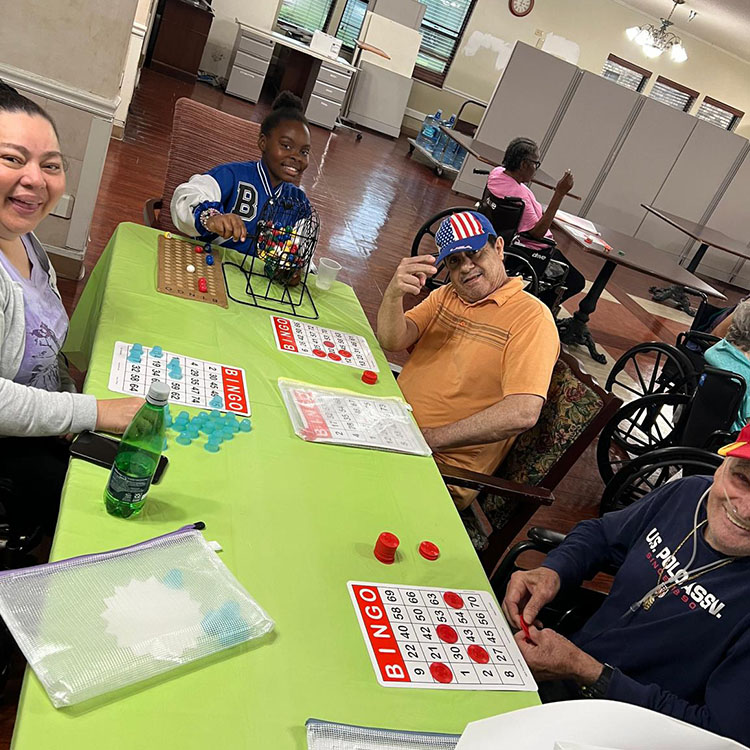
Who Owns and Operates Beach Breeze Rehab And?

BEACH BREEZE REHAB AND CARE CENTER is owned by a for-profit company. For-profit facilities operate as businesses with obligations to shareholders or private owners. The facility is operated by EXCELSIOR CARE GROUP, a chain that manages multiple nursing homes. With 120 certified beds and approximately 115 residents (about 96% occupancy), it is a mid-sized facility located in WEST PALM BEACH, Florida.
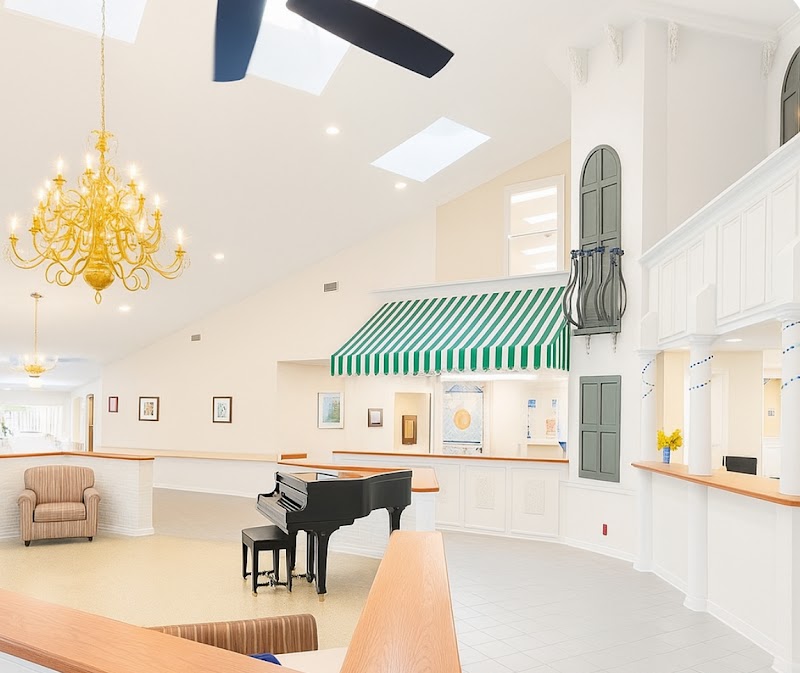
How Does Beach Breeze Rehab And Compare to Other Florida Nursing Homes?

Compared to the 100 nursing homes in Florida, BEACH BREEZE REHAB AND CARE CENTER's overall rating (2 stars) is below the state average of 3.2, staff turnover (29%) is significantly lower than the state average of 46%, and health inspection rating (2 stars) is below the national benchmark.

What Should Families Ask When Visiting Beach Breeze Rehab And?

Based on this facility's data, families visiting should ask: "Can I visit during a mealtime to observe dining assistance and food quality?" "How do you handle medical emergencies, and what is your hospital transfer rate?" "Can I speak with family members of current residents about their experience?"

Is Beach Breeze Rehab And Safe?

Based on CMS inspection data, BEACH BREEZE REHAB AND CARE CENTER has a clean safety record: no substantiated abuse findings (meaning no confirmed cases of resident harm), no Immediate Jeopardy citations (the most serious violation level indicating risk of serious injury or death), and is not on the Special Focus Facility watch list (a federal program monitoring the lowest-performing 1% of nursing homes). The facility has a 2-star overall rating and ranks #100 of 100 nursing homes in Florida. While no facility is perfect, families should still ask about staff-to-resident ratios and recent inspection results during their visit.

Do Nurses at Beach Breeze Rehab And Stick Around?

Staff at BEACH BREEZE REHAB AND CARE CENTER tend to stick around. With a turnover rate of 29%, the facility is 17 percentage points below the Florida average of 46%. Low turnover is a positive sign. It means caregivers have time to learn each resident's needs, medications, and personal preferences. Consistent staff also notice subtle changes in a resident's condition more quickly.

Was Beach Breeze Rehab And Ever Fined?

BEACH BREEZE REHAB AND CARE CENTER has no federal fines on record. CMS issues fines when nursing homes fail to meet care standards or don't correct problems found during inspections. The absence of fines suggests the facility has either maintained compliance or corrected any issues before penalties were assessed. This is a positive indicator, though families should still review recent inspection reports for the full picture.

Is Beach Breeze Rehab And on Any Federal Watch List?

BEACH BREEZE REHAB AND CARE CENTER is not on any federal watch list. The most significant is the Special Focus Facility (SFF) program, which identifies the bottom 1% of nursing homes nationally based on persistent, serious quality problems. Not being on this list means the facility has avoided the pattern of deficiencies that triggers enhanced federal oversight. This is a positive indicator, though families should still review the facility's inspection history directly.