COLONIAL SKILLED NURSING FACILITY LLC
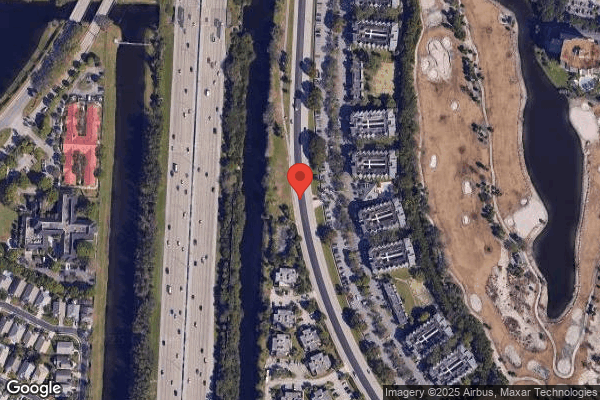
2090 N CONGRESS AVE, WEST PALM BEACH, FL 33401 (561) 686-5100
For profit - Corporation 30 Beds Independent Data: November 2025
Trust Grade
68/100
#197 of 690 in FL
Last Inspection: May 2025

Inspected within the last 6 months. Data reflects current conditions.

Overview

Colonial Skilled Nursing Facility LLC has a Trust Grade of C+, indicating it is slightly above average but not exceptional. It ranks #197 out of 690 facilities in Florida, placing it in the top half, and #13 out of 54 in Palm Beach County, meaning only 12 local options are better. Unfortunately, the facility is experiencing a worsening trend, with issues increasing from 6 in 2024 to 10 in 2025. Staffing is rated average with a 3/5 star rating, but the turnover rate is concerning at 54%, which is higher than the state average, suggesting that staff may not stay long enough to build strong relationships with residents. The facility has incurred $5,395 in fines, which is about average, indicating some compliance issues without being excessively high. RN coverage is average, meaning they have sufficient registered nurse presence to address resident needs. Specific incidents of concern include unsanitary food preparation practices, such as dirty cooking equipment and expired sanitizing supplies, which could impact residents' health. Additionally, there were failures to develop appropriate care plans for residents, which could hinder their individualized care. Overall, while there are some strengths, such as good quality measures, these weaknesses suggest families should carefully consider their options.

Trust Score
C+
68/100
In Florida
#197/690
Top 28%
Safety Record
Low Risk
No red flags
Inspections
Getting Worse
6 → 10 violations
Staff Stability
⚠ Watch
54% turnover. Above average. Higher turnover means staff may not know residents' routines.
Penalties
○ Average
$5,395 in fines. Higher than 72% of Florida facilities. Some compliance issues.
Skilled Nurses
✓ Good
Each resident gets 44 minutes of Registered Nurse (RN) attention daily — more than average for Florida. RNs are trained to catch health problems early.
Violations
⚠ Watch
22 deficiencies on record. Higher than average. Multiple issues found across inspections.
★★★★☆
4.0
Overall Rating
★★★☆☆
3.0
Staff Levels
★★★★★
5.0
Care Quality
★★★☆☆
3.0
Inspection Score
Stable
2024: 6 issues
2025: 10 issues

The Good

  • 5-Star Quality Measures · Strong clinical quality outcomes
  • Full Sprinkler Coverage · Fire safety systems throughout facility
  • No fines on record

Facility shows strength in quality measures, fire safety.

The Bad

Staff Turnover: 54%

Near Florida avg (46%)

Higher turnover may affect care consistency

Federal Fines: $5,395

Below median ($33,413)

Minor penalties assessed

The Ugly 22 deficiencies on record

May 2025 10 deficiencies
CONCERN (D)

Potential for Harm - no one hurt, but risky conditions existed

Deficiency F0558 (Tag F0558)

Could have caused harm · This affected 1 resident

**NOTE- TERMS IN BRACKETS HAVE BEEN EDITED TO PROTECT CONFIDENTIALITY** Based on observation and interview, the facility failed to ensure a functional wheelchair for 1 of 1 sampled resident, Resident ...

Read full inspector narrative →
**NOTE- TERMS IN BRACKETS HAVE BEEN EDITED TO PROTECT CONFIDENTIALITY** Based on observation and interview, the facility failed to ensure a functional wheelchair for 1 of 1 sampled resident, Resident #17, whose wheelchair lock had been broken since admission to the facility. The findings included: Review of the record revealed Resident #17 was admitted to the facility on [DATE], with Occupational Therapy services initiated on 05/01/25. Review of the current Minimum Data Set (MDS) assessment dated [DATE] documented the resident had a Brief Interview for Mental Status (BIMS) score of 11, on a 0 to 15 scale, indicating mild cognitive deficits. This same MDS documented that the resident used a wheelchair for mobility. Review of the Physical Therapy (PT) Evaluation and Plan of Treatment dated 05/04/25 documented the patient will improve ability to safely and efficiently transfer to and from a bed to a wheelchair. Daily PT Treatment Encounter Notes dated 05/04/25, 05/05/25 and 05/09/25, all included skilled interventions focused on transfer training to increase functional task performance. This task would necessitate the use of a safe wheelchair that was able to be locked. During an observation on 05/13/25 beginning at 12:28 PM, Resident #17 was in the main dining room, sitting in his wheelchair, attempting to eat lunch. As he was eating, his wheelchair moved back away from the table, and the resident had to reach further for his meal, spilling food during the attempts to eat. At 12:57 PM staff repositioned him at the table and provided additional food. As he again began to eat, his unlocked wheelchair again rolled backward away from the table. During a subsequent meal observation on 05/14/25 beginning at 12:47 PM, Resident #17 was again in the main dining room. While trying to eat, the resident's wheelchair again rolled away from the table. After two times that the resident inadvertently moved back, staff locked the right side of his wheelchair. At that point, the right side of the wheelchair remained close to the table while the resident ate, but the left side rolled backward and away from the table, placing the resident at a 45 to 90 degree angle away from the table's edge. When asked why staff don't lock both sides of the chair, the Director of Nursing (DON) stated he unlocks it himself. The DON was told the resident had not been seen attempting to lock or unlock his wheelchair that week. Upon closer observation of the resident's wheelchair, the left lock was noted to be broken, did not contact the wheel, and unable to function as a brake. On 05/14/25 at 1:13 PM, Resident #17 had been taken back to his room. Therapy staff were in his room and stated another therapist, Staff A, Certified Occupational Therapist Assistant (COTA), was his usual therapist. During an interview on 05/14/25 at 1:23 PM, Staff A, COTA, confirmed she had been working with Resident #17 since his admission to the facility. When asked about the resident's wheelchair and the inability to use the left lock, the COTA stated she had noticed the broken lock upon admission, but maintenance was not available. The COTA further stated, I can fix wheelchairs, but I have to do my case load first.
CONCERN (D)

Potential for Harm - no one hurt, but risky conditions existed

Deficiency F0578 (Tag F0578)

Could have caused harm · This affected 1 resident

**NOTE- TERMS IN BRACKETS HAVE BEEN EDITED TO PROTECT CONFIDENTIALITY** Based on record review, interview, and policy review, the facility failed to assess for and or assist to formulate advance direc...

Read full inspector narrative →
**NOTE- TERMS IN BRACKETS HAVE BEEN EDITED TO PROTECT CONFIDENTIALITY** Based on record review, interview, and policy review, the facility failed to assess for and or assist to formulate advance directives upon admission for 1 of 1 sampled resident, Resident #17. The findings included: Review of the policy Residents' Rights Regarding Treatment and Advance Directives implemented 05/01/25, documented, in part, 1. On admission, the facility will determine if the resident has executed an advance directive, and if not, determine whether the resident would like to formulate an advance directive. Review of the policy Social Services implemented 05/01/25, documented, in part, 3. The social worker, or social service designee, will complete an initial and quarterly assessment of each resident, identifying any need for medically-related social services of the resident. Any need for medically-related social services will be documented in the medical record. 4. Services to meet the resident's needs may include: a. Advocating for residents and assisting them in assertion of their rights within the facility. m. Assisting residents with advance care planning, including but not limited to completion of advance directives. Review of the record revealed Resident #17 was admitted to the facility on [DATE]. Review of the current Minimum Data Set (MDS) assessment dated [DATE] documented the resident had a Brief Interview for Mental Status (BIMS) score of 11, on a 0 to 15 scale, indicating mild cognitive deficits. Further review of the record lacked any evidence of advance directives, any assessment for advance directives or assessment by social services, or any evidence of assistance to formulate advance directives. During an attempted resident interview on 05/12/25 at 1:26 PM, Resident #17 could answer simple questions about his care and services but was unable to answer questions about advance directives. The record documented the resident was his own representative. During an interview on 05/14/25 at 11:30 AM, when asked who was responsible for assessing for and or assisting with advance directives, the Director of Nursing (DON) stated Admissions was responsible for that, although nursing ensures the code status of each new admission to the facility. During an interview on 05/14/25 at 11:19 AM, when asked the process for advance directives, the Business Office Manager (BOM), who was also responsible for admissions and social services, explained they would normally get the advance directives information from the hospital or Assisted Living Facility upon admission. The BOM stated if the information was not provided by either of those sources, she would reach out to the resident, power of attorney, or legal representative. When asked specifically about Resident #17, the BOM stated she was not part of his admission as she was newly hired but referred to the electronic medical record. The BOM stated she did not see anything in the medical record but would reach out to her regional director. During a subsequent interview on 05/14/25 at 2:45 PM, the BOM stated Resident #17 was his own representative and they did not have anything related to advance directives for the resident.
CONCERN (D)

Potential for Harm - no one hurt, but risky conditions existed

Deficiency F0676 (Tag F0676)

Could have caused harm · This affected 1 resident

**NOTE- TERMS IN BRACKETS HAVE BEEN EDITED TO PROTECT CONFIDENTIALITY** Based on observation, interview, record review, and policy review, the facility failed to implement timely interventions and or ...

Read full inspector narrative →
**NOTE- TERMS IN BRACKETS HAVE BEEN EDITED TO PROTECT CONFIDENTIALITY** Based on observation, interview, record review, and policy review, the facility failed to implement timely interventions and or adaptive equipment to ensure eating independence for 1 of 4 sampled residents, Resident #17, reviewed for Activities of Daily Living (ADLs). The findings included: Review of the policy Adaptive Feeding Equipment, dated 05/01/25, documented, in part, 1. Residents who are identified as needing feeding assistance should be referred to the occupational therapy department as a potential candidate for a feeding evaluation. 3. The therapist should document findings from the evaluation, and make recommendations as to a treatment plan, including the use of adaptive feeding equipment. 5 The dietary department should be notified of residents needing adaptive feeding equipment; the equipment is stored and maintained in the dietary department. Review of the record revealed Resident #17 was admitted to the facility on [DATE], with Occupational Therapy services initiated on 05/01/25. Review of the current Minimum Data Set (MDS) assessment dated [DATE] documented the resident had a Brief Interview for Mental Status (BIMS) score of 11, on a 0 to 15 scale, indicating mild cognitive deficits. This MDS also documented the resident could eat with set up assistance from staff. Review of the Occupational Therapy (OT) Evaluation and Plan of Treatment dated 05/01/25 documented the resident needed the setup assistance from staff for eating. This evaluation documented the reason for skilled OT was to maximize independence with ADLs. Review of the daily OT encounters lacked any documentation related to eating. Review of physician orders documented an OT evaluation as of 04/29/25, with a clarification OT order on 05/01/25 to provide skilled OT services, in part, for self-care. An order dated 05/13/25 documented the need for an OT evaluation for adaptive equipment. A progress note dated 05/13/25 by the Registered Dietician documented the resident was observed at lunch with excessive food spillage. An observation on 05/12/25 at 1:26 PM revealed Resident #17 in bed, having finished lunch with his tray nearby and an excessive amount of food spillage on the tray and about the bed. The resident's shirt had a large wet stain covering most of the front of the shirt. During an observation on 05/13/25 beginning at 12:28 PM, Resident #17 was noted in the main dining room, attempting to eat with a spoon, and only utilizing his right hand, which was very shaky. Regular utensils and a regular plate was noted. While attempting to eat the uncut piece of chicken, the Resident was unable to get any of the meat onto the spoon. While trying to get the chicken, the whole piece was pushed off the plate onto the table. Resident #17 then attempted to eat the noodles that were on the regular plate, and they were also inadvertently pushed onto the table and the floor. The resident was only able to eat a bite or two. Resident #17 moved himself away from the table while in his unlocked wheelchair. Staff then provided the mechanical soft chicken to the resident, placing the chicken on his plate, and he ate a couple of bites. Staff E, Registered Nurse (RN) instructed the Certified Nursing Assistants in the dining room to cut up the resident's food the next time. An observation of the meal ticket documented the resident was to receive a regular meal with thin liquids. Resident #17 attempted to eat the dessert out of a bowl but spilt the food and bowl onto the floor. The resident then started eating the noodles off of the table with his fingers. Staff then cleaned up the area and provided Resident #17 with a bowl of noodles and meat, and repositioned him at the table to eat. At 12:52 PM, Resident #17 appeared frustrated and wheeled himself just outside of the main dining room into the nearby hallway. When asked if he was ok or if he was still hungry, Resident #17 stated, I'm still hungry. When told he could go back into the dining room and ask for more food, he started to go back into the dining room. Staff E, RN, overheard part of the conversation and stated, He doesn't like anyone to help him. Maybe I can get him something else. At 12:57 PM, Resident #17 was provided a peanut butter and jelly sandwich, cut in four pieces, and the resident was able to eat it, although his hand continued to shake. As the resident was eating, his unlocked wheelchair rolled backward again, and no staff attempted to lock the wheelchair to assist the resident in staying close to the table to eat. Resident #17 ate the entire sandwich and asked for another. Upon finishing his lunch, the resident's shirt was noted with food ruminants and liquid stains from his earlier attempts to eat. During a second meal observation on 05/14/25 at 12:47 PM, Resident #17 was again in the main dining room. The resident was observed again trying to eat independently. He continued to spill food on the table and the floor. Photographic Evidence Obtained. While trying to eat, the resident's wheelchair again rolled away from the table. After two times that the resident inadvertently moved back, staff locked the right side of his wheelchair. The left side of the wheelchair continued to move away from the table, leaving the resident at a 45 to 90 degree angle from the table edge. The Director of Nursing (DON) stated they were going to get him a plate guard since he does not want help eating. During an interview on 05/14/25 beginning at 1:23 PM, Staff A, Certified Occupational Therapy Assistant (COTA), accompanied by the Director of Rehab, stated she was the occupation therapist who had been routinely working with Resident #17. When asked what she was working on with the resident, the COTA stated she was working on his posture as he leans to right. The COTA stated the resident had tremors, but he was, functional to self-feed, but messy as he had some cognitive issues and tremors. When asked if she had tried anything for the spillage of food, the COTA stated that she had not as she was only working on positioning. When asked again about his ability to eat, Staff A, COTA, stated, He can eat but is messy. But who isn't? The COTA further volunteered that she had observed him prior to that week, in his room, sitting on the edge of the bed eating, again stating he was messy, but she was working on his posture and trunk strengthening. During this continued interview, when asked if she had noted the new order dated 05/13/25 to assess for adaptive equipment, Staff A stated she tried to see him that morning, but he had already finished. The COTA stated he had eaten all of his oatmeal, and that she had noted some bread on the floor. The COTA stated, He can live without it (the bread). When asked about an observation of the lunch meal that day, the COTA stated she was taking her lunch at the time of the resident's lunch that day. When asked how she was going to assess for adaptive equipment if she wasn't available to observe lunch, the COTA explained she was assisting a discharged resident's family during her lunch hour. When asked if her responsibility was to the current residents, she stated, Yes, but I helped the discharged resident during my lunch time. When asked if she could have taken her lunch before or after the resident's scheduled lunch in order to observe Resident #17, Staff A stated, I guess so . it (the discharged resident) took longer than I expected. During [NAME] interview on 05/14/25 at approximately 2:00 PM, the Director of Rehab provided the OT Evaluation, and stated she had completed the evaluation for Resident #17. The Director of Rehab stated Resident #17 was not eating at the time of the evaluation. The Director of Rehab explained she was able to determine he could eat because he had range of motion in his upper extremities. The Director of Rehab stated she had not seen or heard of any issues with eating, until earlier that day during the interview with Staff A, COTA. During an interview on 05/14/25 at 3:20 PM, when asked if the facility had any adaptive equipment, the Dietary Manager stated, Not one piece. I've been here a year and have been asking for it because some of our residents need it, like (name of R#17). During an observation and interview on 05/15/25 at 9:27 AM, Staff B, COTA, was noted with Resident #17, to assess the resident for adaptive equipment. The resident was observed to cooperate and the COTA was providing the hand-over-hand assistance. The COTA stated, He definitely could benefit from a scoop plate or plate guard as he did better with the oatmeal in a bowl. The COTA also stated he could benefit from finger foods. Review of the Treatment Encounter Note by Staff B, dated 05/15/25, documented, in part, Patient would benefit from use of plate guards, sippie cup, and weighted utensils to maximize with feeding. Patient requires assistance when feeding.
CONCERN (D)

Potential for Harm - no one hurt, but risky conditions existed

ADL Care (Tag F0677)

Could have caused harm · This affected 1 resident

**NOTE- TERMS IN BRACKETS HAVE BEEN EDITED TO PROTECT CONFIDENTIALITY** Based on observation, interview, and record review, the facility failed to ensure proper nail care 1 of 4 sampled residents, Res...

Read full inspector narrative →
**NOTE- TERMS IN BRACKETS HAVE BEEN EDITED TO PROTECT CONFIDENTIALITY** Based on observation, interview, and record review, the facility failed to ensure proper nail care 1 of 4 sampled residents, Resident #6, reviewed for Activities of Daily Living (ADLs). The findings included: Review of the record revealed Resident #6 was admitted to the facility on [DATE] and admitted to Hospice services as of 05/06/23. Resident #6 had a diagnosis of having had a stroke that affected her left side. Review of the current Minimum Data Set (MDS) assessment dated [DATE], documented the resident had a Brief Interview for Mental Status (BIMS) score of 13, on a 0 to 15 scale, indicating the resident was cognitively intact. This MDS also documented the resident was substantially to totally dependent upon staff for all ADLs, except for eating. A current care plan initiated on 03/20/22, and revised 05/12/25, documented Resident #6 had an ADL self-care performance deficit functional decline. This care plan instructed staff to check the nail length of the resident, and to trim and clean the resident's fingernails on bath days and as necessary. Review of the bathing and showering schedule documented Resident #6 was to receive a shower on Tuesdays, Thursdays, and Saturday during the 3 PM to 11 PM shift. Review of the Certified Nursing Assistant's (CNAs) documentation, the progress notes, and additional care plans, all lacked any documentation related to nail care, or refusals of ADLS care, for Resident #6. During an observation on 05/12/25 at 12:10 PM, the right-hand fingernails of Resident #6 were longer than the fingernails of her left hand, extending beyond the end of the fingernail nearly a centimeter in length. Observation of the right hand revealed visible debris under the nails. The left hand was clean and trimmed. When asked if she eats with her right hand, Resident #6 stated, I've learned to eat with my left hand because my food tray is always put on my left side. Resident #6 at first stated she took care of her own fingernails, but then stated she gets help. The resident also stated a girl from Hospice painted her nails a while ago. Observation of the nails appeared as if most of the nail polish had worn off. On 05/13/25 at approximately 2:00 PM, and on 05/15/25 at 10:30 AM, the condition of the resident's nails remained the same. During an interview on 05/15/25 at approximately 10:45 AM, when asked who cares for the fingernails of Resident #6, Staff D, Licensed Practical Nurse (LPN) stated that Hospice provided bathing for Resident #6. When asked if facility staff provided bathing, the LPN stated they did as well. When asked again about the provision of nail care, the LPN stated she had seen activities do nail care every other weekend. When shown the care plan for cleaning and trimming nails on the resident's bath day, the LPN agreed the CNAs should be doing the nail care. The LPN observed the fingernails of Resident #6 and agreed with the concerns.
CONCERN (D)

Potential for Harm - no one hurt, but risky conditions existed

Deficiency F0805 (Tag F0805)

Could have caused harm · This affected 1 resident

**NOTE- TERMS IN BRACKETS HAVE BEEN EDITED TO PROTECT CONFIDENTIALITY** Based on observation, interview, record review, and policy review, the facility failed to provide physician ordered liquid consi...

Read full inspector narrative →
**NOTE- TERMS IN BRACKETS HAVE BEEN EDITED TO PROTECT CONFIDENTIALITY** Based on observation, interview, record review, and policy review, the facility failed to provide physician ordered liquid consistencies for 1 of 1 sampled resident, Resident #17, who was downgraded to nectar liquids. The findings included: Review of the policy Therapeutic Diets and Texture Modification dated 01/01/25 documented, in part, 2. Diet Orders: All diet and texture modifications must be physician-ordered. 4. Staff Responsibilities: Nursing staff must ensure correct diet trays are served. dietary staff must prepare and deliver food per ordered diet and texture. All team members must be trained to recognize and adhere to dietary orders. Review of the record revealed Resident #17 was admitted to the facility on [DATE]. Review of the orders revealed the resident was admitted on a regular diet with thin liquids. During an observation on 05/13/25 at 12:28 PM, Resident #17 was observed by staff drinking quickly with subsequent coughing. The Registered Dietician (RD) was noted speaking with the staff, and reported the nurse noted some coughing with the thin liquids, so she provided nectar thick liquids for his safety. A subsequent progress note and physician order documented the downgrade to nectar thick liquids, with a subsequent speech therapy consult. On 05/14/25 at 12:47 PM, Resident #17 was in the main dining room and served regular thin juice. When asked about the juice, Staff G, Certified Nursing Assistant (CNA) stated she served the thin juice because the menu ticket documented thin. Upon further review of the menu ticket, it was noted that both thin and nectar liquids were documented. Photographic Evidence Obtained. The CNA stated she did not see the nectar liquids. During an interview on 05/14/25 at 1:23 PM, Staff A, Certified Occupational Therapy Assistant (COTA) stated she had tried to observe the breakfast meal for Resident #17 that morning. The COTA stated the resident had finished, but did ask for some more juice, so she gave him OJ (orange juice). When asked if she provided him with regular OJ, the COTA stated she did. When asked if she was aware he was downgraded to nectar thick liquids the previous day, Staff A stated she was not and It would be nice if they would tell us that. During an observation on 05/15/25 at 9:27 AM, Staff B, COTA, was in the room of Resident #17, to evaluate the need for adaptive equipment. The COTA was assessing his ability to drink from a glass and assisted the resident with a glass of regular/thin juice. When asked if he was aware the resident had been downgraded to nectar thick liquids, the COTA stated he was not aware and continued to provide Resident #17 with the thin consistency juice.
CONCERN (D)

Potential for Harm - no one hurt, but risky conditions existed

Deficiency F0808 (Tag F0808)

Could have caused harm · This affected 1 resident

**NOTE- TERMS IN BRACKETS HAVE BEEN EDITED TO PROTECT CONFIDENTIALITY** Based on observation, interviews, policy review, and record review the facility failed to ensure recommended diet upgrade was fo...

Read full inspector narrative →
**NOTE- TERMS IN BRACKETS HAVE BEEN EDITED TO PROTECT CONFIDENTIALITY** Based on observation, interviews, policy review, and record review the facility failed to ensure recommended diet upgrade was followed and communicated to staff for 1 of 3 sampled residents, Resident #16. The findings included: Review of the policy titled, Therapeutic Diets and Texture Modification implemented 01/01/25, documented, in part, the facility shall provide a variety of therapeutic and modified-texture diets as necessary to promote resident safety and maintain optimal nutritional status. All diets must be ordered by the attending physician and reviewed by the Registered Dietitian (RD). Review of record revealed that Resident #16 was admitted to the facility on [DATE]. Review of Quarterly Minimum Data Set (MDS) assessment dated [DATE] revealed Resident #16 had a Brief Interview for Mental Status (BIMS) score of 13, on a 0-15 scale, indicating the resident was cognitively intact. Review of quarterly nutrition progress note dated 03/20/25, in part, Resident #16 reported a dislike of pureed diet texture, and that staff had referred Speech Therapy for evaluation of diet texture for possible upgrade. During an interview on 05/12/25 2:59 PM, Resident #16 stated, I would like to eat real chicken that is not pureed, I know I do not have teeth, but I can still eat regular food. When Resident #16 was asked if he had addressed this with staff, R#16 reported that he had worked with a therapist on eating and thought he was allowed to eat a regular texture. On 05/13/25 at 9:28 AM when Resident #16 was asked if he liked his breakfast he replied, It was good, and that he had [NAME] Krispies with milk, sausage and scrambled eggs even though I prefer a fried egg. Resident #16's meal ticket that was on his tray and listed diet as No added salt, Mechanical Soft, Thin Liquids and Preferences as fried egg. Photographic evidence obtained. On 05/15/25 at 9:16 AM Resident #16 had his tray on the bedside table and was upset because they gave him a Pureed breakfast and he stated that he was not going to eat it. An observation of his tray revealed that his meal ticket was not on the tray and Staff G, Certified Nursing Assistant (CNA) was asked where it was and she left the room and brought the ticket in and it had diet listed as No Added Salt, Thin Liquid, Pureed and Preferences as fried egg. Photographic evidence obtained. Resident #16 asked Staff G if she could get him his regular breakfast and she stated that she knows he usually has a fried egg and oatmeal and that she is not sure why they sent him pureed food. Review of record revealed that Resident#16 had a Speech Therapy Evaluation on 03/23/25 that documented, in part, that the patient's goals were that he will consume the least restrictive diet, with recommendations for diet as Thin Liquids, Mechanical Soft/ground textures for Solids. During an interview on 05/15/25 at 9:26 AM the Dietary Manager was confirming with the Director of Nursing (DON) Resident #16's diet orders and the DON advised the Dietary Manager that Resident #16's orders are for a Pureed Diet and that she will request a Speech Language Pathologist (SLP) consultation for Resident #16. The DON was then advised that there was a Speech Therapy Evaluation on 03/23/25 and treatment sessions on 03/29/25, 03/30/25, 04/03/25, 04/04/25, 04/05/25, 04/06/25, 04/11/25, 04/12/25, and 04/13/25 with documentation for a mechanical soft diet. The DON replied, That is a problem since the SLP should be updating orders if they change a diet. On 05/15/25 at 9:44 AM when the DON was asked Why aren't the recommendations for the diet being done? The DON replied, Because the SLP did not communicate with us. When the DON was asked if the SLP was available for an interview she replied that the SLP is a per diem staff member and that she had been unable to contact her.
CONCERN (E)

Potential for Harm - no one hurt, but risky conditions existed

Deficiency F0657 (Tag F0657)

Could have caused harm · This affected multiple residents

**NOTE- TERMS IN BRACKETS HAVE BEEN EDITED TO PROTECT CONFIDENTIALITY** 2) Review of the record revealed Resident #6 was admitted to the facility on [DATE]. Further review of the record revealed the m...

Read full inspector narrative →
**NOTE- TERMS IN BRACKETS HAVE BEEN EDITED TO PROTECT CONFIDENTIALITY** 2) Review of the record revealed Resident #6 was admitted to the facility on [DATE]. Further review of the record revealed the most current MDS assessment was completed on 02/17/25. Further review of the record lacked any evidence of a care plan meeting with IDT participation since the completion of that MDS. 3) Review of the record revealed Resident #18 was admitted to the facility on [DATE], with a recent readmission to the facility on [DATE]. Review of the record revealed the current MDS assessment was completed on 04/05/25. Further review of the record revealed the most current care plan meeting with IDT participation was completed on 01/30/25. The record lacked any evidence of a care plan meeting since the completion of the MDS assessment from 04/05/25. The Director of Nursing had been asked during the survey to locate and provide evidence of the care plan meeting participation. The DON explained it was located on paper in a binder. As of the exit conference, the DON had been unable to provide evidence of any current care plan meetings. Based on interview and record review, the facility failed to ensure interdisciplinary team (IDT) participation and care plan meetings for 5 of 5 residents reviewed, specifically Resident #3, 6, 18, 16, and 11. The findings: 1) The clinical record review indicated that Resident #3 was admitted to the facility on [DATE] and again on 03/25/25, with diagnoses that included progressive neurological conditions. It was noted that the 5-day Minimum Data Set (MDS) assessment was completed on 03/30/25; however, there was no evidence of care plan meetings held to review the care plan with the Interdisciplinary Team (IDT). On 05/15/25 at 10:02 AM, an interview was conducted with the Director of Nursing (DON) regarding the care plan review process with the IDT. She stated that she could not locate the sign-in sheet for the review. However, she presented an invitation letter dated 03/20/25 for review. She mentioned that care plan meetings are typically held every Thursday, but she could not find any evidence of these meetings. The DON also noted that the MDS coordinator works remotely, and the activities director, who possesses the relevant documents, had been off for two weeks and was not responding to her phone calls. As a result, she could not find any documentation of the care plan meetings or their reviews. 4) Review of the record revealed Resident #11 was admitted to the facility on [DATE]. Further review of the record revealed the most current MDS assessment was completed on 03/30/25. Further review of the record lacked any evidence of a care plan meeting with the Interdisciplinary Team participation since the completion of that MDS. 5) Review of the record revealed Resident #16 was admitted to the facility on [DATE]. Review of the record revealed the current MDS assessment was completed on 03/12/25. Further review of the record lacked any evidence of a care plan meeting with IDT participation since the completion of that MDS.
CONCERN (E)

Potential for Harm - no one hurt, but risky conditions existed

Menu Adequacy (Tag F0803)

Could have caused harm · This affected multiple residents

**NOTE- TERMS IN BRACKETS HAVE BEEN EDITED TO PROTECT CONFIDENTIALITY** Based on observation, interview, review of menus, and policy review, the facility failed to ensure the menu was developed for a ...

Read full inspector narrative →
**NOTE- TERMS IN BRACKETS HAVE BEEN EDITED TO PROTECT CONFIDENTIALITY** Based on observation, interview, review of menus, and policy review, the facility failed to ensure the menu was developed for a mechanical soft diet, affecting 5 of 21 current residents, to include sampled Residents #15, #6, #17, #177, and #16. The findings included: Review of the policy Therapeutic Diets and Texture Modification dated 01/01/25, documented, in part, Policy Purpose: To ensure all residents receive appropriate nutrition that meets their medical, functional, and cultural needs through individualized therapeutic and texture-modified diets as ordered by a physician or registered dietitian. 6. Menu Planning: Menus are developed to accommodate various therapeutic diets and modified textures. On 05/12/25 at 11:00 AM, the Dietary Manager was asked to provide the menu for the current week, along with the extensions (supplemental information for different diet types). The Administrator provided the menu for the regular diet, along with a menu for the pureed diet, that documented to use the regular menu but to puree the food. During a second request on 05/13/25 at 2:36 PM, the Administrator was again requested to provide all of the menu extensions, to include the mechanical soft diet. The Administrator referred the surveyor to the Registered Dietitian (RD). During this continued interview, the RD stated she was hired in February of 2025, and upon signing off on the menus in March, she asked for the extensions and was told they used the same menus as the Assisted Living Facility, which did not include any extensions. The RD stated she immediately identified the issue, at which time management met and started getting proposals for a new dietary service. The Administrator provided a proposal from DiningRD through [NAME] Foods. The RD stated they don't yet have extensions as the company was going to provide a new menu with the extensions. The RD was asked to provide what the kitchen staff were currently using to make and prepare the mechanical soft meal. The RD stated she thought they were taking the regular menu and making the items to the correct texture or consistency, but she would check further. The RD also stated she believed the kitchen staff were encouraged to utilize Food for 50, a book that contained recipes for large groups of people. During the lunch meal observation on 05/14/25 beginning at 12:01 PM, the Dietary Manager confirmed the entree for the meal was a soft taco. Review of the menu documented the resident was to get two 3-ounce beef soft tacos. When asked for the recipe for the tacos, the Dietary Manager provided a recipe from the book Food for 50, that documented the use of hard taco shells. The Dietary Manager explained she uses the recipes in the book as a guide, but then modifies them for the residents, as she sees fit for the population in the facility. During the lunch service, those residents who consumed mechanical soft meals were served a soft roll in place of the observed soft tortilla. The Dietary Manager stated those residents on a mechanical soft diet could not tolerate the tortilla. When asked about the mechanical soft diet recipe, the Kitchen Manager stated she does not have recipes, but she does provide the correct consistency, from her experience. During the lunch observation on 05/14/25 at approximately 12:45 PM, Resident #15 was served the mechanical soft meal of the taco meat and a roll. Upon receiving the meal, Resident #15 immediately stated, I wanted the taco. The Certified Nursing Assistant (CNA) who served her did not respond. A few moments later, Staff C, server, was in the dining room, and the resident again stated, I wanted the taco. The server simply and nicely stated, Mechanical soft can't have the taco. The resident stated, I guess it doesn't matter what I want. During a subsequent interview on 05/14/25 at 2:10 PM, when asked about the roll in place of the tortilla for the mechanical soft diets, the Kitchen Manager stated the nurses told her not to give the residents on the mechanical soft diets the tortilla, because they can choke on it. The Dietary Manager volunteered that at the previous facility she worked at, they did give a resident on the mechanical soft diet a soft tortilla. The Dietary Manager again confirmed she did not have any recipes for the mechanical soft diet. During a subsequent interview on 05/14/25 at 3:20 PM, when asked if they have had the menus with extensions during her year at the facility, the Dietary Manager stated, No. I've been in this business for 40 years and know what you are asking for. We haven't had those menu extensions or recipes since I've been here, but I've been providing the proper foods as best I can. During a phone interview on 05/15/25 at 12:09 PM, the RD agreed there was no menu for the mechanical soft diets, and agreed the facility did not have any standardized recipes to correspond to the daily menus. When asked if the soft tortilla would be appropriate for the residents on a mechanical soft diet, the RD would not say, but stated there were no menu extensions or recipes to determine the appropriate substitutions for alternate textures.
CONCERN (E)

Potential for Harm - no one hurt, but risky conditions existed

Infection Control (Tag F0880)

Could have caused harm · This affected multiple residents

Based on policy review, observation, interview, and record review, the facility failed to adhere to infection control practices by failing to update the water management plan to include the appropriat...

Read full inspector narrative →
Based on policy review, observation, interview, and record review, the facility failed to adhere to infection control practices by failing to update the water management plan to include the appropriate team, failing to maintain linens in clean condition, failing to keep the laundry sorting area clean, and failing to disinfect blood pressure monitoring equipment after use. The findings included: 1) The Infection Prevention and Control Program policy, dated 05/12/25, indicated that a water management program has been established as part of the overall infection prevention and control program. Control measures and testing protocols are in place to address potential hazards associated with the facility's water systems. The Maintenance Director serves as the leader of the water management program. The facility will conduct an annual review of the infection prevention and control program, including associated programs, policies, and procedures, based upon the facility assessment, which includes any facility and community risk. Following review, the infection control program will be updated as necessary. The infection control program, including the water management plan, was reviewed on 05/14/25 at 9:23 AM. It was revealed that the facility had reviewed the program on January 02, 2025, but the water management plan had not been updated to reflect the current program management team members. The plan included a table of contents with the names of the program management team. Each team member was assigned specific roles and responsibilities. The program recorded three team members: the Executive Director (ED), the Maintenance Director, and the Director of Nursing (DON). However, the water management program included the previous ED's name as one of the team members, even though this individual no longer worked at the facility. The most recent ED had been employed at the facility for about three years, but her name was not included in the plan. The recorded ED was designated as the team manager of the water management plan, responsible for overall program compliance and reporting to other parties within or outside the organization. Additionally, this individual was tasked with providing executive oversite and was responsible for reporting suspected or confirmed cases of Legionnaires disease to the appropriate organizational stakeholders. The water management plan also recorded a name for the Maintenance Director, which did not match the name of the current Maintenance Director. It was determined that the individual listed as the Maintenance Director no longer worked at the facility. This person was assigned as the team lead, responsible for the overall implementation of the program design for the systems and the daily operation, maintenance, and monitoring duties of the program. Similarly, the water management plan included a name for the DON that did not correspond with the current DON's name. It was confirmed that this individual also no longer worked at the facility. The recorded DON had been assigned as team 1, responsible for the overall implementation of the program design for the systems and the daily operation, maintenance, and monitoring duties of the program. On 05/14/25 at 9:59 AM, an interview was conducted with the Maintenance Director, who revealed that he had been working at the facility for six months. When asked about the water management program and how he oversees it, he mentioned that he only checks the water temperature to ensure that it is hot; nothing else. He added that he might have a book somewhere regarding the program. During a side-by-side review of the water management plan the Maintenance Director acknowledged the concerns. On 05/14/25 at 1:08 PM, an interview was held with the current Director of Nursing (DON), who revealed she has worked at the facility since January 2025 and served as the Infection Preventionist. When the surveyor asked her about her role and responsibilities in the water management program, she stated that she does not have a role in it and has not had a meeting regarding the program. She mentioned that the previous Nursing Home Administrator (NHA), who had been at the facility for three years, handled everything related to it before leaving last week. However, she continues to work remotely as a consultant. The surveyor then showed the DON the water management plan containing incorrect team names. The surveyor informed her that the infection control program and policies had been reviewed in January 2025, with her signature recorded on it. The surveyor asked why the water management plan had not been updated to reflect the current team members. The DON agreed that the names were incorrect and acknowledged that the plan should have been updated in January 2025 when the current management team reviewed it. 2) On 05/14/25 at 1:43 PM, a tour was conducted in the laundry area with the Maintenance Director. On top of the two commercial dryers were heavily soiled with dust. These dryers were located immediately across from the sorting area for clean linens, which posed a potential contamination risk to the linens. In the laundry, there were also two commercial washing machines; one was in disrepair, rusty, soiled, and the bottom part was falling apart. At 1:52 PM, a large linen cart with clean linens was observed in the hallway. The material covering the linen cart was heavily soiled as well. The Maintenance Director acknowledged these findings. At 2:02 PM, another interview was held with the DON, who was made aware of the infection control-related concerns. 3) On 05/13/25 at 9:21 AM, medication administration was observed with Staff E, a registered nurse. During this time, she utilized blood pressure monitoring equipment to assess a resident's vital signs. Following the completion of this assessment, it was noted that the equipment was returned to the medication cart without undergoing disinfection.
MINOR (C)

Minor Issue - procedural, no safety impact

Staffing Information (Tag F0732)

Minor procedural issue · This affected most or all residents

Based on observations and interviews, the facility failed to ensure daily staffing information included the number of nursing staff for 4 of 4 days and that it was posted for the correct date on 1 of ...

Read full inspector narrative →
Based on observations and interviews, the facility failed to ensure daily staffing information included the number of nursing staff for 4 of 4 days and that it was posted for the correct date on 1 of 4 days. The findings included: During observations on 05/12/25, 05/13/25 and 05/15/25, the daily staffing information did not include the actual number of nursing staff and on 05/14/25 at 10:32 AM, the staffing information was from the previous day, 05/13/25 instead of 05/14/25. Photographic evidence obtained. During an interview on 05/15/25 at 2:41 PM, the owner of the building stated that the nurse on the 11:00 PM to 7:00 AM shift fills out the nurse staffing form and posts it on the wall near the entry door. The owner was advised that the form does not contain all the required information, and she agreed to address it with her staff to correct it.
Feb 2024 6 deficiencies
CONCERN (D)

Potential for Harm - no one hurt, but risky conditions existed

Deficiency F0558 (Tag F0558)

Could have caused harm · This affected 1 resident

Based on observation, record review, and interview, the facility failed to ensure a working television (TV) for 1 of 1 sampled resident who voiced a complaint (Resident #80). The findings included: Re...

Read full inspector narrative →
Based on observation, record review, and interview, the facility failed to ensure a working television (TV) for 1 of 1 sampled resident who voiced a complaint (Resident #80). The findings included: Review of the record revealed Resident #80 was admitted on Friday 01/26/24. The admission Evaluation completed on 01/26/24 documented Resident #80 received orientation to the facility that included the use of the call bell, bed controls, and telephone, but lacked orientation to the TV, as evidenced by a lack of a documented checkmark. Review of the Brief Interview for Mental Status (BIMS) score completed on 01/29/24 revealed Resident #80 was cognitively intact, with a score of 14, on a 0 to 15 scale. During an interview on Monday 01/29/24 at 12:17 PM, Resident #80 explained she had been admitted the previous Friday and that her TV had been out over the weekend. When asked if she had told anyone about the non-functioning TV, the resident stated she told several staff over the weekend, and they all told her that maintenance would come fix it on Monday. During a subsequent interview on Monday at 3:33 PM, Resident #80 stated the TV was not fixed, but that three staff had asked her about it. During an observation and interview on Tuesday 01/30/24 at 9:02 AM, when asked if her TV had been fixed, Resident #80 stated no, and that maintenance had not come in on the previous day. The TV remote was noted on the over the bed table. When asked about the remote, Resident #80 explained the remote would turn on the TV, but there were no stations. When the TV was turned on, it was noted to be a Smart TV with multiple menus and options. When the resident clicked on the multiple options, one menu instructed to add stations to your favorites, but the resident did not know how. During a medication administration observation on 01/30/24 at 11:24 AM, while passing by the room of Resident #80, the Unit Manager, who was the direct care nurse for the day, noticed the call bell had been activated. The Unit Manager stopped and assisted the resident. Upon leaving, Resident #80 stated, My TV still doesn't work, and maintenance hasn't been here to fix it. The Unit Manager responded, OK, I'll let maintenance know. On 01/30/24 at 3:14 PM, the TV for Resident #80 was still not working. The Unit Manager and Administrator were noted at the nurses' station. When asked if she knew how to operate the TVs in the resident rooms, the Unit Manager stated she did not. When asked if she recalled telling a resident that same day during the medication pass observation, that she would get maintenance to assist with a resident's TV, the Unit Manager named two other residents, but did not recall telling Resident #80 that she would tell maintenance about her non-functioning TV. The Administration stated, I thought I was doing a good thing by ordering all new Smart TVs, but that is the problem. If a resident hits an incorrect button, then maintenance has to come and reprogram it. When asked if anyone else knew how to work the Smart TVs, the Administrator stated, not really. The Social Services Director (SSD) was walking by and was asked by the Administrator to try to fix the TV for Resident #80. When asked if she had received instructions on how to work the new Smart TVs, the SSD stated she had not. The SSD worked on the TV in Resident #80's room for about 10 or 15 minutes and stated she just kinda figured it out. The SSD explained that she was the young mind at the facility and gets asked to assist with all the technological stuff.
CONCERN (D)

Potential for Harm - no one hurt, but risky conditions existed

Deficiency F0561 (Tag F0561)

Could have caused harm · This affected 1 resident

**NOTE- TERMS IN BRACKETS HAVE BEEN EDITED TO PROTECT CONFIDENTIALITY** Based on observation, interview, and record review, the facility failed to ensure care and services as per resident choice for 1...

Read full inspector narrative →
**NOTE- TERMS IN BRACKETS HAVE BEEN EDITED TO PROTECT CONFIDENTIALITY** Based on observation, interview, and record review, the facility failed to ensure care and services as per resident choice for 1 of 2 sampled residents observed who received blood sugar level checks (Resident #10). The findings included: During a medication pass observation for Resident #10 on 01/31/24 at 11:38 AM, Staff A, Licensed Practical Nurse (LPN), gathered the supplies to obtain a blood sugar level, and entered the resident's room. When asked by the LPN which finger she wanted to use to obtain the blood sample, Resident #10 stated she didn't care which finger, but stated, Don't do it near the fingernail, it hurts, while demonstrating where not to put the lancet. The LPN then started toward the side of the resident's finger with the lancet and the resident stated, No not there. On the pad, demonstrating to the LPN exactly were on the pad of the finger she would prefer. The LPN stated she could not do it on the pad as that's where the nerves are and that would hurt. Resident #10 again stated, Not on the side. The LPN stated, Ok . right here, and placed the lancet on the side of the finger and immediately pricked the finger with the lancet before the resident was able to respond. The resident stated, That hurt, and you didn't listen to me. You're not the one that has to live with the pain. After the medication pass observation, Resident #10 explained that she was a seamstress all of her life and was used to pricks on the pad of her fingers. When asked how Staff A made her feel, Resident #10 stated, I understand the nurses didn't sew, but they need to listen to me. I know what I want. During an interview on 01/31/24 at 11:55 AM, when asked if she should have listened to the resident's request regarding obtaining the blood sample, and follow her request, the LPN stated, I agree. Review of the record revealed Resident #10 was admitted to the facility on [DATE]. Review of the current Minimum Data Set (MDS) assessment dated [DATE] documented a Brief Interview for Mental Status (BIMS) score of 9, on a 0 to 15 scale, indicating the resident had some cognitive impairment. This MDS also revealed the resident received insulin injections 7 of 7 days during the look-back period. Review of the current Medication Administration Record (MAR) revealed the nurses were obtaining blood sugar levels three times daily. Review of the comprehensive assessment dated [DATE] documented all the decisions related to her Activities of Daily Living (ADLs) were very important to her. During an interview on 02/01/24 at 9:25 AM, when told of the observation during the medication pass with Resident #10 and Staff A, the Director of Nursing (DON) stated, (Name of Resident #10) is very particular.
CONCERN (D)

Potential for Harm - no one hurt, but risky conditions existed

Unnecessary Medications (Tag F0759)

Could have caused harm · This affected 1 resident

Based on observation, interview, record review, and policy review, the medication error rate was 7.14 percent. Two medication errors were identified while observing a total of 28 opportunities, affect...

Read full inspector narrative →
Based on observation, interview, record review, and policy review, the medication error rate was 7.14 percent. Two medication errors were identified while observing a total of 28 opportunities, affecting 2 of 7 residents observed (Residents #8 and #4). The findings included: Review of the policy Eye drop administration revised April 2018 documented, Procedure: . F. With a gloved finger, gently pull down lower eyelid to form pouch, while instructing resident to look up. Place other hand against resident's forehead to steady. Hold inverted medication bottle between the thumb and index finger, and press gently to instill prescribed number of drops into pouch near outer corner of eye. H. While the eye is closed, use one finger to compress the tear duct in the inner corner (inner canthus) of the eye for 1-2 minutes. This reduces systemic absorption of the medication. Alternatively, the resident may keep his/her eyes closed for approximately three minutes. 1) During a medication administration observation for Resident #8 on 01/30/24 at 11:12 AM, the Unit Manager, who was also the direct care nurse for the shift, obtained the resident's artificial tears from the medication cart. The Unit Manager proceeded to administer one drop directly into the tear duct (inner corner) of each eye. 2) During a medication administration observation for Resident #4 on 01/31/24 at 9:23 AM, the Unit Manager obtained the resident's medications from the medication cart, to include Systane eye drops. Upon administration of the medication, the Unit Manager placed the eye drops directly into the resident's tear ducts. During an interview on 01/31/24 at 9:37 AM, when asked the technique for eye drop administration related to where in the eye the drops should be placed, the Unit Manager explained she tries to put the drops in the corner pocket, pointing to the inner most aspect of her eye, to allow the medication to distribute over the eye. When asked about the tear duct, the Unit Manager stated she was not sure, explaining that she obtained her license during the pandemic and did not get very much clinical time. Review of the record revealed Resident #4 had a current Brief Interview for Mental Status (BIMS) score of 15, on a 0 to 15 scale, indicating she was cognitively intact. During an interview on 02/01/24 in the afternoon, when asked if she feels the eye drops were helping her dry eyes, Resident #4 stated she did not, further explaining that her eyes remained dry.
CONCERN (E)

Potential for Harm - no one hurt, but risky conditions existed

Deficiency F0726 (Tag F0726)

Could have caused harm · This affected multiple residents

**NOTE- TERMS IN BRACKETS HAVE BEEN EDITED TO PROTECT CONFIDENTIALITY** 2d) On 01/31/24 at 8:45 AM, a review of the electronic Medication Administration Record (eMAR) for Resident #26 noted that on 01...

Read full inspector narrative →
**NOTE- TERMS IN BRACKETS HAVE BEEN EDITED TO PROTECT CONFIDENTIALITY** 2d) On 01/31/24 at 8:45 AM, a review of the electronic Medication Administration Record (eMAR) for Resident #26 noted that on 01/25/24 there was no documentation on the eMAR that the resident received her Duloxetine HCL oral capsule delay release sprinkle 60 MG given 2 times daily for depression, or her Tamsulosin HCL oral capsule 0.4 MG by mouth 2 times daily for overactive bladder. The resident's eMAR, (electronic MAR) contained no documentation to explain why the medication was not given. There was also no documentation in the Resident's progress notes to explain why the medication was not provided. On 01/31/24 at 10:14 AM, the DON stated that the resident refused her medications (Duloxetine HCL and Tamsulosin HCL), and she did not remember to document the information. On 01/31/24 at 4:00 PM, the Pharmacist stated in response to his actions when reviewing the MARS: If I found any holes in the MAR, I would tell (DON). I would not necessarily note it in my notes. I expect them to deal with the issue right away, so I don't always put it in my notes When I notify (DON), she will look at it, confirm the information, and identify the staff member involved. Sometimes you can isolate the issue to one particular staff. I did note that there were issues in December and January regarding Behavior and side effect monitoring which I reported to the DON. Based on observation, interview, and record review, the facility failed to ensure competent nursing staff as evidenced by the failure to: 1) Document the antibiotic stop-date for 1 of 1 sampled resident receiving antibiotic therapy (Resident #130); 2) Document medication administration for 5 of 5 sampled residents chosen for unnecessary medications (Residents # 12, #4, #13, #81, and #26); and follow blood pressure parameters for 1 of 5 sampled residents (Resident #4); 3) Ensure resident was educated to the proper technique of inhaler administration for 1 of 6 observed for medication administration (Resident #81); 4) Accurately document the number of medications administered as evidenced by inconsistencies between the January 2024 MAR and the actual number of medications administered for 1 of 6 sample residents for medication administration (Resident #17); and 5) Document the accurate dosage of Tramadol for 1 of 2 sampled residents for narcotic administration (Resident #25). The findings included: 1) Resident #130 was admitted to the facility on [DATE] with diagnoses which included Urinary Tract Infection (UTI). On 01/26/24, the Resident's physician prescribed Cefuroxime Axetil Oral Tablet 500 MG; Give 1 tablet by mouth one time a day for UTI. There was no stop date included on the physician's order. Usage longer than 14 days increases risk for C-Diff. Recommended twice daily. A review of the Facility's Antibiotic Stewardship Policy and Procedure states: 9. The Prescribers will document dose, duration, and indication for all antibiotic prescriptions. On 01/31/24 at 4:00 PM, an interview was conducted with Consultant Pharmacist, he stated, I have not reviewed this resident's record as of yet, since he just was admitted a few days ago, but when reviewing for antibiotic stewardship, I look at right antibiotic, right duration, and if the antibiotic was actually started when prescribed. The Pharmacist agreed that the antibiotic order should have included a stop date. During an interview with the Director of Nursing (DON)on 01/31/24 at approximately 5:00 PM, the DON confirmed that the doctor verbally told her to give Resident #130 the prescribed antibiotic until 02/02/24. When she added the antibiotic into the electronic record, she failed to put the end date in the eMAR, but she was aware of the end date. 2a) Resident #12 was admitted on [DATE] with diagnoses which included Vascular Dementia, Diabetes, Bipolar Disorder, Neuropathy, Paranoid Schizophrenia, Major Depressive Disorder, Adjustment Disorder, Convulsions, Irritable Bowel Syndrome, Pain, Constipation, and Hypertension. Resident cognition is moderately impaired, with a Brief Interview for Mental Status (BIMS) score of 10 out of 15. A review of the electronic Medication Administration Record for December 2023 and January 2024 showed the following missing documentation: Famotidine 20 mg once daily for GERD. There were no staff initials showing administration of this medication at 6 AM on 12/29/23 and 01/08/24 Colace 100 mg twice daily for bowel management; hold for loose stools. There were no staff initials showing administration of this medication at 9 PM on 12/24/23 There were no staff initials showing the monitoring of targeted behaviors related to antidepressant use each shift for the night shift on 12/10/23 and 01/12/24 2b) Resident #4 was admitted on [DATE] with diagnoses which included Parkinson's, Muscle Weakness, Major Depressive Disorder, Dysphagia, Deep Vein Thrombosis and Acute Embolism, Hypertension, Dry Eye Syndrome, and Chronic Pain. Resident was cognitively intact with a BIMS of 15 out of 15. A review of the electronic Medication Administration Record for January 2024 and December 2023 showed the following missing documentation: Linzess 290 mcg once daily; There were no staff initials showing administration of this medication at 6 AM on 01/19/24 and on 12/19/24. Sinemet CR 50/200 mg once daily for Parkinson's. There were no staff initials showing administration of this medication on 01/21/24, 01/25/24, 12/21/23, and 12/31/23. Apixaban 5 mg twice daily for anticoagulant. There were no staff initials showing administration of this medication at 5 PM on 01/25/24 and 12/31/23. Entacepone 200 mg twice daily for Parkinson's. There were no staff initials showing administration of this medication at 5 PM on 01/25/24 and 12/31/23. Hydralazine HCI 25 mg, 1/2 tab, for Hypertension. There were no staff initials showing administration of this medication at 5 PM on 01/25/24 and 12/31/23. Systane Ultra Solution 0.4-0.3%, Instill 1 drop in both eyes for dry-eye syndrome. There were no staff initials showing administration of this medication at 9 PM on 01/21/24, 4 PM and 9 PM on 01/25/24; and at 9 PM on 12/21/23, 4 PM and 9 PM on 12/31/23. Carbidopa-Levodopa 25/100 mg 5 times a day for Parkinson's. There were no staff initials showing administration of this medication at 9 PM on 01/21/24; 5 PM and 9 PM on 01/25/24; at 9 PM on 12/21/23; 2 PM, 4 PM and 9 PM on 12/31/23. The order for Hydralazine HCl Tablet 25 MG, 1/2 tablet by mouth two times a day for Hypertension, had parameters which called for staff to hold for Systolic Blood Pressure (SBP) less than 110. These parameters were not followed by staff at 5 PM on 01/05/24, 8 AM & 5 PM on 01/06/24; and at 5 PM on 01/21/24 when this medication was initialed as being given by the nurse when SBP was less than 110. 2c) Resident #13 was admitted on [DATE] with diagnoses which included Insomnia, Chronic Kidney Disease, Anemia, Atrial Fibrillation, Sarcopenia, Glaucoma, Hypothyroidism, Major Depressive Disorder, Anxiety, Hypertension, Arthritis, and Coronary Artery Disease. Resident was moderately cognitively impaired with a BIMS of 9. A review of the electronic Medication Administration Record for January 2024 and December 2023 showed the following missing documentation: Trazodone HCl Oral Tablet 50 MG Give 1 tablet by mouth at bedtime for Depression. There were no staff initials showing administration of this medication at 9 PM on 01/21/24, 01/25/24, 12/21/23 and 12/31/23. Temazepam Oral Capsule 15 MG Give 1 capsule by mouth at bedtime for Insomnia. There were no staff initials showing administration of this medication at 9 PM on 01/21/24, 01/25/24, 12/21/23 and 12/31/23. Pro-Stat Oral Liquid Give 30 ml by mouth two times a day for wound healing. There were no staff initials showing administration of this medication for PM 01/25/24 and PM on 12/31/23 Levothyroxine Sodium Oral Tablet 50 MCG Give 1.5 tablet by mouth one time a day related to Hypothyroidism. There were no staff initials showing administration of this medication at 6 AM on 01/08/24 and on 12/08/23. Latanoprost Ophthalmic Emulsion 0.005 % Instill 1 drop in both eyes at bedtime related to Glaucoma. There were no staff initials showing administration of this medication at 9 PM on 01/21/24, 01/25/24, 12/21/23 and 12/31/23. Buspirone HCl Oral Tablet 15 MG Give 1 tablet by mouth three times a day for Anxiety, Hold for sedation. There were no staff initials showing administration of this medication at 9 PM on 01/21/24 and 01/25/24, 2 PM on 12/31/23, 9 PM on 12/21/23 and 12/31/23. Morphine Sulfate (Concentrate) Oral Solution 100 MG\5ML Give 0.25 ml by mouth two times a day for Pain. There were no staff initials showing administration of this medication at 9 PM on 01//21/24, 01/25/24, 12/21/23 and 12/31/23. Zofran Oral Tablet 4 MG Give 1 tablet by mouth three times a day for Nausea. There were no staff initials showing administration of this medication at 9 PM on 01//21/24, 01/25/24, 2PM on 12/31/23, 9 PM on 12/21/23 and 12/31/23. Behaviors were not initialed by staff as being monitored for Evening shifts on 01/08/24, 01/23/23, 01/25/24 and Night shifts on 01/12/24; Evening shifts on 12/08/23, 12/23/23, and 12/31/23. Side Effects for Psychotropic medications not initialed by staff as being monitored for Evening shift on 01/08/24, 01/23/23, 01/25/24 and Night shift on 01/12/24; Evening shift on 12/08/23, 12/23/23, and 12/31/23; Night shift on 12/12/23 and 12/31/23 3) Review of the policy Oral Inhalation Administration revised January 2018 documented, Metered dose and Dry-Powder Inhalers: . K. Ask resident to breathe out as deeply as possible (do not exhale into inhaler). L. Position inhaler for administration: 1) If not using a spacer: a. Open mouth and position the inhaler one or two inches from mouth, OR b. Place inhaler mouthpiece under top teeth and above tongue with mouth/lips closed around the mouthpiece. M. Press down on inhaler once to release medication as resident starts to breathe in slowly through the mouth over 3 to 5 seconds. (Do not spray more than one puff at a time.) . P. If another puff of the same or different medication is required, wait at least 1-2 minutes between, then repeat procedures above. A medication pass observation was completed for Resident #81 on 01/30/24 at 9:26 AM with the Unit Manager, who was the direct care nurse for the shift. The Unit Manager obtained the resident's Albuterol inhaler, explaining the resident had her morning medications but requested the inhaler after breakfast. The Unit Manager handed the Albuterol inhaler to Resident #81 and stated, You know, two puffs. Hold it and exhale when you need. Resident #81 took the inhaler, put it in her mouth, exhaled into the inhaler, administered two quick puffs, and held her breath. The Unit Manager had to cue the resident to exhale, even though she had previously instructed her to hold her breath and exhale when needed. During an interview on 01/31/24 at 9:37 AM, when asked if she recalled the inhaler administration for Resident #81 from the previous day, the Unit Manager stated she did. When asked if she had administered the Albuterol for Resident #81 before, the Unit Manager stated she had on many occasions. The Unit Manager explained she had learned from the resident's son, that prior to admission, resident #81 was independently administering her own medications, including the inhaler. The Unit Manager stated upon admission to the facility, she tried to administer the inhaler to the resident several times, but the resident would not allow it. The Unit Manager stated she spent a lot of time trying different times to get the resident to wait between puffs, but she would not follow her instructions. The Unit Manager agreed the technique used by the resident was not correct. When asked she if had documented anything related to the provided instructions, attempted education, and or discussion with the resident's son, the Unit Manager stated she believed she did a while ago. Review of the record revealed Resident #81 was admitted to the facility on [DATE]. The record revealed the order for the Albuterol inhaler, but lacked any order to self-administer. The record also lacked any progress note related to the use of the inhaler, attempted instructions and or education, or discussion with the resident's son. 4) Review of the policy Oral Medication Administration revised April 2018 documented, Procedures: I. Chart medication administration on Medication Administration Record immediately following each resident's medication administration. Review of the record revealed Resident #17 was admitted to the facility, late in the day on 01/01/24. Review of the comprehensive Minimum Data Set (MDS) assessment dated [DATE] revealed the resident had a Brief Interview for Mental Status (BIMS) score of 3, on a 0 to 15 scale, indicating the resident was severely cognitively impaired. This MDS lacked any documented behaviors of refusal of care and indicated the resident had medications to include insulin and antidepressants. Review of the January 2024 Medication Administration Record (MAR) revealed the following: a) On 01/08/24 at 6:45 AM the record lacked any blood sugar level. b) On 01/11/24 at 9:00 AM the record lacked the administration of amlodipine and lebetalol (medications for elevated blood pressure levels), citalopram (a medication for depression), famotidine (a medication for heartburn), aspirin (a medication for the prevention of blood clots), and metformin (a medication for elevated blood sugar levels). During a side-by-side review of the record and observation of the medication bubble packs (the packaging of the medication by the pharmacy) for Resident #17 on 01/31/24 at 5:12 PM, the Consultant pharmacist and Director of Nursing (DON) agreed with the lack of documented administration as noted above. The DON confirmed with the pharmacy that the medications for Resident #17 were scheduled to start on the morning of 01/02/24, and were delivered to the facility in time for the morning medication pass on 01/02/24. The following inconsistencies were noted between the January 2024 MAR and the actual number of medications administered (Photographic Evidence Obtained): a) Staff documented the administration of the Atorvastatin (a medication for elevated lipids) 29 times, with only 28 pills popped or removed from the bubble pack. b) Staff documented the administration of the amlodipine 28 times, with only 27 pills removed from the packaging. c) Staff documented the administration of the Citalopram 28 times, but 31 pills were removed from the two packages. 5) Review of the January 2024 Medication Administration Records (MARs) revealed Resident #25 had two orders for the pain medication Tramadol. One order was for 25 mg (milligrams) of Tramadol to be administered routinely at 9 AM and 6 PM. The MAR documented administration of the 25 mg twice daily, except for the 6 PM dose on 01/08/24, which was left blank. The second order was for 50 mg of Tramadol to be administered every 6 hours as needed for pain. The January 2024 MAR lacked any documented administration of the 50 mg tablets to Resident #25. Review of the corresponding Medication Monitoring/Control Records lacked any documented removal of the routine Tramadol on 01/30/24 for either shift, but documented removal of the 50 mg tablets of Tramadol on 01/30/24 at 9:30 AM and 6:30 PM. During an interview on 02/01/24 at 12:40 PM, the Director of Nursing (DON) agreed with the inconsistencies with the Tramadol. During an interview on 02/01/24 at 1:44 PM, the Unit Manager, who was one of the nurses who pulled the 50 mg Tramadol from the medication cart on 01/30/24, explained Resident #25 had complained of increased pain on that date, so the larger dose was given. When asked to review the MARs for the documentation of the Tramadol administration, the Unit Manager agreed she had documented the Tramadol incorrectly.
CONCERN (F)

Potential for Harm - no one hurt, but risky conditions existed

Food Safety (Tag F0812)

Could have caused harm · This affected most or all residents

Based on observation and interview, the facility failed to prepare and serve food in a sanitary manner affecting all residents who eat their meals in the facility. Findings include: Observations made ...

Read full inspector narrative →
Based on observation and interview, the facility failed to prepare and serve food in a sanitary manner affecting all residents who eat their meals in the facility. Findings include: Observations made during the initial tour of the main kitchen at 9:10 am on 01/29/2024, accompanied by the dietary manager. The following was observed: 1) The oven and stove was very dirty with grease and baked on food. (2) The flat top grill is dirty, stained with food and grease. (3) The test strips for determining the PPM for the sanitizing red bucket and the sanitizing sink had a expiration of November 2021. (4) The shelving under the steam table was very dirty with grease and food. (5) The janitor closet was dirty and the brooms and dust pan was stored on the floor of the janitors closet instead of hanging on the wall. (6)The top shelves in the dry storage room had boxes packed to the ceiling. There was no red line painted on the wall to indicate how high the boxes can be stored (7)There was a bag of yellow left open on the shelf, in the dry storage room. (8) There was a plastic bag of foam disposable plates open on the shelf, in the dry storage room. At 11:30 am on 01/29/2024 during an interview with the Certified Dietary Manager, he acknowledged the findings.
MINOR (C)

Minor Issue - procedural, no safety impact

Deficiency F0847 (Tag F0847)

Minor procedural issue · This affected most or all residents

Based on record review and interviews, the facility failed to ensure the Binding Arbitration Agreements complied with all regulatory requirements. This affected all residents who signed the facility's...

Read full inspector narrative →
Based on record review and interviews, the facility failed to ensure the Binding Arbitration Agreements complied with all regulatory requirements. This affected all residents who signed the facility's current arbitration agreement. The findings included: On 01/29/24 at 9:30 AM, during entrance conference with the Administrator, she verified that all residents have entered into an arbitration agreement, as it is a part of their admission packet. She confirmed that no residents at this time have resolved a dispute using arbitration. On 01/29/24, a copy of the Alternative Dispute Resolution Agreement, which was included in the Facility's admission Packet, was provided for review. During review of the Arbitration Agreement, the following concerns were noted: 1) The facility agreement does not specifically state that the resident/representative acknowledges that he/she understand the agreement. 2) The agreement states that any Party has three (3) days from execution of the Agreement to cancel or rescind any portion by timely delivering such notice in writing to the other Party(ies). Regulation specifies that the Agreement must explicitly grant the resident/representative the right to rescind within 30 days of signing it. The Administrator was informed of these concerns with the Arbitration Agreement in writing (via email) on 01/29/24 at 3:30 PM. No response or further information was provided. Three alert and oriented residents attending the Resident Council Meeting on 01/31/24 at 2:30 PM were asked if they recall signing the Arbitration Agreement during Admission. None of the 3 residents knew what the agreement was or remembered signing it.
Oct 2022 6 deficiencies
CONCERN (D)

Potential for Harm - no one hurt, but risky conditions existed

Deficiency F0679 (Tag F0679)

Could have caused harm · This affected 1 resident

**NOTE- TERMS IN BRACKETS HAVE BEEN EDITED TO PROTECT CONFIDENTIALITY** Based on observation, record review and interview the facility failed to ensure on going activities for Resident#16 for 1 of 2 r...

Read full inspector narrative →
**NOTE- TERMS IN BRACKETS HAVE BEEN EDITED TO PROTECT CONFIDENTIALITY** Based on observation, record review and interview the facility failed to ensure on going activities for Resident#16 for 1 of 2 reviewed for activities. The findings included: Observations of Resident #16 were made on 10/03/22 12:29 PM, in bed with her blinds open and TV on. On 10/04/22 at 12:25 PM Resident #16 was observed in bed with a book on tape on. On 10/05/22 at 2:30 PM, resident observed in room sitting in her chair, starring at the walls. On 10/05/22, and 10/06/22 music was playing in the dining/activity room. Resident #16 was not observed outside of her room while activities were going on in the dining/activity room. Review of Resident#16 records revealed she was admitted on [DATE] with diagnoses to include Encephalopathy, Parkinson's Disease, Altered Mental Status, and Dysphagia. A review of the resident's care plan dated 08/15/22 for Activities document the resident is dependent on staff for meeting emotional, intellectual, physical, and social needs related to physical limitations, and she is assisted with all meals and ADL's. Her interventions include: All staff to converse with resident while providing care. Invite resident to out of room programs. Provide activities calendar of events. Encourage family involvement. Talking book, music, and TV on for socialization was added to the care plan on 10/05/22. Resident#16's MDS (Minimum Data Set) dated 08/17/22, documented resident is not interviewable and does not have a BIMS (Brief Interview for Mental Status) score. Her activity preferences completed with family members, documented that listening to music, doing things with a group of people, going outside for fresh air, and attending religious services are somewhat important to her. During an interview on 10/06/22 at 9:27 AM with the Activities Director, she was asked about Resident #16, she stated I do room visits, radio, talking books and TV for socialization. She comes out of her room but not this week. When asked why she has not been out this week she did not have an answer. The CNA (Certified Nursing Assistant) brings her out of her room. I sit and talk to her, put the talking book on at same time, I do massage her hands. Sometimes she will give me eye contact. Today is nail day so I will be bringing her out to get nails done. She doesn't respond. When asked for documentation on what activities she has done with her, the Activities Director stated she does not document anywhere what activities she has done with her. During an interview on 10/06/22 at 10:00 AM, with the DON (Director of Nursing), stated she will go in her room and talk to her when she can. The DON acknowledges that the resident would benefit being out of her room, and going outside would be good stimulation for her.
CONCERN (D)

Potential for Harm - no one hurt, but risky conditions existed

Deficiency F0692 (Tag F0692)

Could have caused harm · This affected 1 resident

**NOTE- TERMS IN BRACKETS HAVE BEEN EDITED TO PROTECT CONFIDENTIALITY** Based on record review, policy review and interview the facility failed to follow their policy related to weights for Resident #...

Read full inspector narrative →
**NOTE- TERMS IN BRACKETS HAVE BEEN EDITED TO PROTECT CONFIDENTIALITY** Based on record review, policy review and interview the facility failed to follow their policy related to weights for Resident #16 who had a significant weight loss, for 1 of 1 resident sampled for nutrition. The findings included: Review of Resident #16 records revealed the resident was admitted to the facility on [DATE] with diagnoses to include Encephalopathy, Parkinson's Disease, Diabetes, Weakness, Dysphagia, Muscle Wasting and Atrophy, Altered Mental Status and Other Signs and Symptoms concerning Food and Fluid Intake. A review of the Physician's Orders revealed the resident was on Furosemide Tablet 20mg, to give 1 tablet by mouth one time a day for fluid retention, dated 08/13/22. Might Shake 120 ml one time a day for nutrition support, start date 09/15/22 and discontinued 09/16/22. Ensure 8 oz one time a day for nutritional support order date 09/17/22. A review of Resident #16 weights revealed she has been weighed only three times since admission, with the last weight at request of surveyor. On 08/13/22 the resident weighed 148 lbs. and on 09/09/22, the resident weighed 134 lbs., which was a -9.46 % loss. A reweigh was not conducted. On 10/06/22 the weight was 140 lbs. A review of the Care Plan dated 08/15/22 documents the resident has nutritional problem or potential nutritional problem related to symptoms and signs concerning food and fluid intake, diabetes, encephalopathy, hypercholesterolemia, Parkinson's disease, dysphagia. Her interventions included monitor/record/report to physician as needed, signs/symptoms of malnutrition: Emaciation (Cachexia), muscle wasting, significant weight loss: 3lbs in 1 week, >5% in 1 month, >7.5% in 3 months, >10% in 6 months. A review of the facility Policy & Procedures for Weight Management document the following: 1. All residents admitted to the facility will be weighed according to the following schedule,day one on admission, day two and then weekly X four. 2. All residents will be weighed on a monthly basis unless otherwise ordered by the physician or deemed necessary by the dietician and or the IDT team. 3. Monthly weight will be completed by the 5th of each month and Dietary will evaluate all weights by the 7th of each month. 4. A re-weight will be obtained for any weight change of +/- (3) lbs. from the previous weight unless other parameters have been ordered by the physician. 5. All re-weight will be obtained immediately. The re-weight process will be visualized by a licensed nurse. 6. All weights documented in EMR. 11. The physician and the resident or resident representative will be notified by the resident's nurse of any significant unexpected and or unplanned weight changes. The nurse will document the notification in the resident's EMR by completing the SBER-change in condition. Review of the Policy and Procedures for Weight Management revealed the facility did not weigh Resident #16 weekly for four weeks, weights not completed by the 5th of each month, the dietician did not evaluate the resident's weights until 09/14/22 after significant weight loss, re-weights were not completed for the weight loss and the nurse did not document in the EMR (Electronic Medical Record) that the physician and family was notified of unexpected weight loss. During an interview on 10/05/22 at 12:09 PM and again at 12:33 PM with the Regional Dietician he stated that the dietician that wrote notes on Resident #16 is no longer in this facility. He was asked what does monitoring weights means? He stated that we are checking weights when they come in, typically we would get weekly weights done. Once we recognized weight loss the dietician will put a note and give a supplement. He stated that he spoke to the DON (Director of Nursing), who told him that the resident has improved intake, and was recieving feeding assistance. Weights will fluctuate because she is on Lasix. During an interview on 10/06/22 at 9:53 AM with the DON, she stated the resident was admitted from the hospital, where she was on antibiotics and IV fluid. She stated weights are done on admission and weekly. She acknowledges she has only had two weights. She stated that resident was puffy in feet when she came in, she was on Lasix 20mg. She is assisted with her meals. The DON acknowledges that there is no note by the nurse of notification of the physician or family member.
CONCERN (D)

Potential for Harm - no one hurt, but risky conditions existed

Deficiency F0726 (Tag F0726)

Could have caused harm · This affected 1 resident

Based on observation, record review, interview, and policy review, the facility failed to ensure 1 of 2 sampled nurses (Staff C, a Licensed Practical Nurse/LPN) was competent in following policy and p...

Read full inspector narrative →
Based on observation, record review, interview, and policy review, the facility failed to ensure 1 of 2 sampled nurses (Staff C, a Licensed Practical Nurse/LPN) was competent in following policy and procedures during the medication pass observations for 2 of 4 sampled residents (Residents #19 and #9). Staff C failed to document the administration of medications at the time the medications were actually given to Residents #19 and #9, thus failing to ensure the safe delivery of medications. Staff C also failed to administer the medications for Resident #19 at the scheduled time. The findings included: Review of the policy Medication Administration (not dated), described the process of documentation during a medication pass to include the following: Procedure: B. 9. Click on the eMAR that says Prep (after removing the medication from the container and checking the label and order three times). B. 13. After the medication has been taken, return to cart and document Given. B. 14. The (sig) document Complete. A medication pass observation for Resident #19 was made on 10/05/22 beginning at 3:59 PM with Staff C, a Licensed Practical Nurse (LPN). The LPN obtained the following medications from the medication cart and administered them to the resident: Systane lubricant eye drops Carbidopa-Levodopa (a medication for Parkinson's disease) 25-100 mg (milligrams), one tablet Eliquis (a blood thinner) 5 mg, one tablet Hydralazine (a blood pressure medication) 25 mg, 1/2 tablet During the continued observation on 10/05/22 at 4:12 PM, Staff C obtained the following medications from the medication cart and administered them to Resident #9: Furosemide (a diuretic medication for excess fluid) 40 mg, one tablet Oxcarbazepine (a medication for seizures) 150 mg, one tablet Humulin 70/30 insulin, 25 units Staff C continued her evening medication pass. Upon surveyor reconciliation of the medications for both Residents #19 and #9 on 10/05/22 at 4:45 PM, it was noted none of the medications provided during the medication observation had been documented as provided on the electronic Medication Administration Record (eMAR). During an interview and side-by-side review of the eMAR for Resident #9 on 10/05/22 at 4:59 PM, it was noted the two pills and insulin that were given earlier by Staff C, were still in yellow, indicating they were not given but due to be given. Staff C stated, I thought I signed them out. That is strange. The LPN proceeded to sign out the medications for Resident #9. When asked to pull up the eMAR for Resident #19, the LPN noted the medications that she had given earlier where also not signed out and again stated, That is strange. The LPN was made aware that those particular medications given to Resident #19 at about 4 PM, were not due until 6 PM. These medications were still in white, indicating it was not time to administer them, thus the reason she was unable to sign them out as administered. During the continued interview, when asked if failure to sign out a medication at the time of administration could lead to a possible medication error should she forget and administer them a second time, or should she get replaced by another nurse, Staff C agreed.
CONCERN (E)

Potential for Harm - no one hurt, but risky conditions existed

Deficiency F0657 (Tag F0657)

Could have caused harm · This affected multiple residents

**NOTE- TERMS IN BRACKETS HAVE BEEN EDITED TO PROTECT CONFIDENTIALITY** 6) Record review for Resident #12 revealed the quarterly care plan review was held on 08/24/2022 with interdisciplinary team (ID...

Read full inspector narrative →
**NOTE- TERMS IN BRACKETS HAVE BEEN EDITED TO PROTECT CONFIDENTIALITY** 6) Record review for Resident #12 revealed the quarterly care plan review was held on 08/24/2022 with interdisciplinary team (IDT) participation included: social services, activity, rehab, rehab aid, Assistant Director of Nursing (ADON), Physician, resident, and son (by phone). There was no evidence of dietary, Certified Nursing Assistant (CNA), and direct care nurse participation in this care plan review. On 10/06/22 at 12:01 PM, a phone interview was held with Staff D, MDS Coordinator, and she confirmed the findings. 7) Record review for Resident #173 revealed the admission care plan review was held on 09/14/2022 with IDT participation included: Resident #173, Director of Nursing (DON), social services, and speech therapy. On 10/06/22 at 12:08 PM, during the interview process, Staff D was made aware there was no evidence of direct care nurse, CNA, and dietary staff participation in this review. She acknowledged the findings. 8) Record review for Resident #20 revealed the quarterly care plan review was held on 07/29/2022 with IDT participation included: social services, activity, ADON, Power of Attorney (POA) and Physician. There was no evidence of dietary, and direct care nurse participation in this care plan review. During the phone interview process with Staff D, on 10/06/22 at 12:13 PM, she confirmed the findings. Based on record review and interview the facility failed to ensure care plan meeting were being held in a timely manner and the required IDT (Interdisciplinary Team) members participated in the care planning process for 7 of 13 reviewed, (Resident #2, #3, #11, #12, #16, #20, and #173). The findings included: 1) Record review for Resident #2 revealed the resident was admitted to the facility on [DATE], hospitalized on [DATE], and readmitted on [DATE]. A quarterly MDS was completed on 09/12/22. Further review of Resident #2's records revealed there were no care conference meeting record. 2) Record review for Resident #3 revealed the resident was admitted to the facility on [DATE]. A review of her MDS (Minimum Data Set) revealed that she had an annual review on 03/30/22, and a quarterly review on 06/29/22 and 09/28/22. A review of Resident #3 Care Plan IDT meetings revealed that her last care plan meeting was held on 03/16/22, she has not had one since. A review of the care plan conference record documents the following were in attendance: physical therapy, social services, activities, Director of Nursing (previous DON), and by telephone in attendance Resident #3's son and guardian. Further review revealed that there was no dietician or Certified Nursing Assistant (CNA) in attendance or notes that they were asked about this resident. 3) Record review for Resident#10 revealed the resident was admitted to the facility on [DATE]. A review of Resident #10's Care Plan Conference Record dated 04/20/22 does not document that an CNA or dietician were in attendance. A Care Plan Conference Record dated 07/29/22 does not document that a dietician was in attendance. No notes documented that the CNA or dietician were asked about the resident. 4) Record review for Resident #11 revealed the resident was admitted to the facility on [DATE]. A review of Resident #11's Care Plan Conference Record dated 05/18/22 documents that a CNA and dietician were not in attendance. A Care Plan Conference Record dated 07/29/22 does not show the dietician was in attendance. A Care Plan Conference Record dated 08/24/22 does not show the dietician was in attendance. There are no notes documenting the dietician or CNA were asked about the resident. 5) Record review for Resident #16 revealed the resident was admitted to the facility on [DATE], and her MDS was completed on 08/17/22. A review of her Care Plan Conference Record was dated 09/21/22, which was a month later. In attendance was a Registered Nurse (RN), rehabilitation, social service, and activities and by telephone was the resident's niece. Further review revealed that there was no dietician or CNA in attendance or notes they were asked about this resident. During an interview was scheduled on 10/06/22 at 9:43 AM with the Social Service Director, she stated the MDS Coordinator schedules the care plan meetings and sends us the schedule, then we do the meeting, and fill out the Care Plan Conference Record on who attends. The IDT is involved in meeting which consist of the Social Service Director, nurse, rehab services if the resident is in rehab, activities, and CNA. She stated that if they are not in the meeting then we talk to them. If they are in the meeting, then they sign the document that they were in it. A telephone interview was conducted on 10/06/22 at 11:55 AM with the MDS Coordinator to review the care conference for Residents #2, #3 and #16. She does not see a CP conference meeting for Resident #2 and acknowledges she has been here since 06/01/22. She then reviewed Resident #3 and acknowledges that she does not see a care conference record since 03/22. She stated there should have been a couple more since then. She then reviewed Resident #16 and stated she does not know why her Care Plan Conference meeting was held late.
MINOR (C)

Minor Issue - procedural, no safety impact

Deficiency F0655 (Tag F0655)

Minor procedural issue · This affected most or all residents

**NOTE- TERMS IN BRACKETS HAVE BEEN EDITED TO PROTECT CONFIDENTIALITY** Based on record review and interview, the facility failed to develop baseline care plan summaries with the resident's initial go...

Read full inspector narrative →
**NOTE- TERMS IN BRACKETS HAVE BEEN EDITED TO PROTECT CONFIDENTIALITY** Based on record review and interview, the facility failed to develop baseline care plan summaries with the resident's initial goals, summary of medications, dietary instructions, and services and treatments, to 4 of 4 sampled residents, to ensure coordination of care with the resident and or resident representative (Resident #74, #173, #12, and #20). This failure had the potential to affect all newly admitted residents as managerial staff reported they did not document their Meet and Greet meetings, where they review the baseline care plans with the residents and families. The findings included: Review of the record revealed Resident #74 was admitted to the facility on [DATE] with a risk for falls. Further review of the record lacked any documented evidence the baseline care plan summary or any other initial care and services was discussed with or provided to the resident and or the resident's representative. Resident #74 had subsequent falls without injuries on 09/20/22, 09/21/22, and 09/23/22. Review of the records for Resident #173 who was admitted on [DATE] and was at risk for falls, Resident #20 who was admitted on [DATE] and was at risk for falls, and Resident #12 who was admitted on [DATE] with an open wound, also lacked any documented evidence of the discussion or provision of the baseline care plan summaries. During an interview on 10/03/22 at 9:21 AM, Resident #12 voiced she had not been involved in any type of care plan meeting and was not informed of the treatment plans. During an interview on 10/05/22 at 10:55 AM, when asked about the baseline care plan summaries and additional initial treatment plans to the resident and or resident's representative, the admission Director/Social Services Director explained it is completed with their Meet and Greet meetings, done about 3 days after admission. When asked if the discussion and provision of the baseline care plan summary and initial treatment orders to the resident is documented anywhere, the admission Director and Administrator both stated it is not documented.
MINOR (C)

Minor Issue - procedural, no safety impact

Garbage Disposal (Tag F0814)

Minor procedural issue · This affected most or all residents

Based on observations and interview, the facility failed to ensure garbage and refuse were disposed of properly. The findings included: During a kitchen tour on 10/05/22 at 7:55 AM, a tour of the garb...

Read full inspector narrative →
Based on observations and interview, the facility failed to ensure garbage and refuse were disposed of properly. The findings included: During a kitchen tour on 10/05/22 at 7:55 AM, a tour of the garbage dumpster was completed with the Dietary Manager and the Certified Dietary Manager (CDM). The garbage trash compactor door was open, gloves, masks, plastic food bag of chips were observed behind dumpster. During an interview on 10/06/22 at 8:00 AM with the Dietary Manager, she acknowledged the garbage around the trash compactor yesterday. She stated that the trash compactor is used by the whole facility. Photographic evidence obtained.
Understanding Severity Codes (click to expand)
Life-Threatening (Immediate Jeopardy)
J - Isolated K - Pattern L - Widespread
Actual Harm
G - Isolated H - Pattern I - Widespread
Potential for Harm
D - Isolated E - Pattern F - Widespread
No Harm (Minor)
A - Isolated B - Pattern C - Widespread

Questions to Ask on Your Visit

  • "Can I speak with families of current residents?"
  • "What's your RN coverage like on weekends and overnight?"

Our Honest Assessment

Strengths
  • • No major safety red flags. No abuse findings, life-threatening violations, or SFF status.
Concerns
  • • 22 deficiencies on record. Higher than average. Multiple issues found across inspections.
Bottom line: Mixed indicators with Trust Score of 68/100. Visit in person and ask pointed questions.

About This Facility

What is Colonial Skilled Nursing Facility Llc's CMS Rating?

CMS assigns COLONIAL SKILLED NURSING FACILITY LLC an overall rating of 4 out of 5 stars, which is considered above average nationally. Within Florida, this rating places the facility higher than 99% of the state's 100 nursing homes. This rating reflects solid performance across the metrics CMS uses to evaluate nursing home quality.
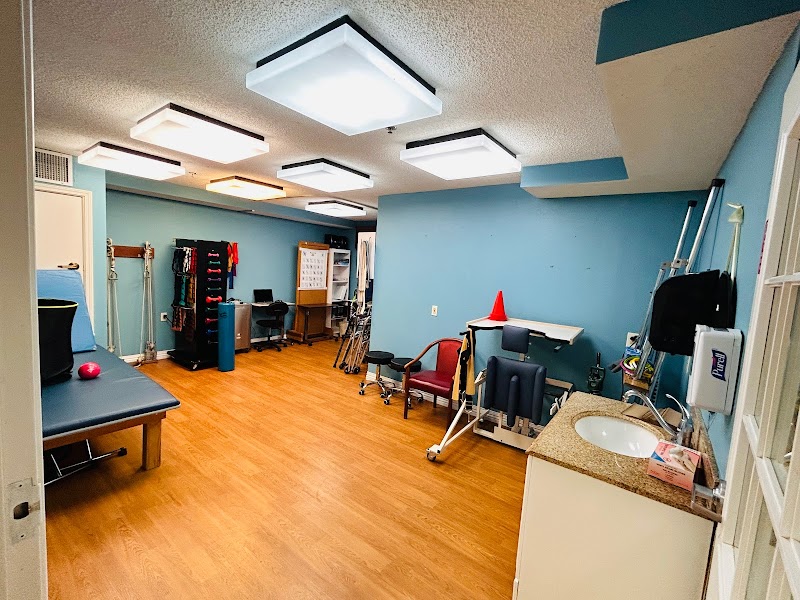
How is Colonial Skilled Nursing Facility Llc Staffed?

CMS rates COLONIAL SKILLED NURSING FACILITY LLC's staffing level at 3 out of 5 stars, which is average compared to other nursing homes. Staff turnover is 54%, compared to the Florida average of 46%. RN turnover specifically is 57%, which is notably high. RNs provide skilled clinical oversight, so turnover in this role can affect medical care quality.

What Have Inspectors Found at Colonial Skilled Nursing Facility Llc?

State health inspectors documented 22 deficiencies at COLONIAL SKILLED NURSING FACILITY LLC during 2022 to 2025. These included: 18 with potential for harm and 4 minor or isolated issues.
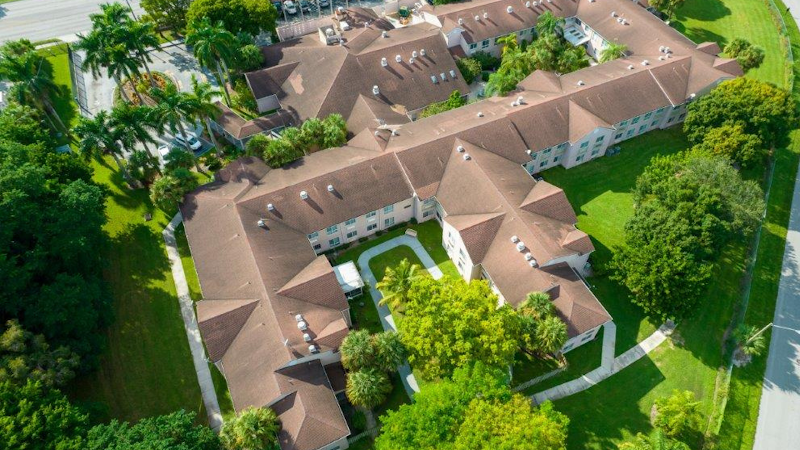
Who Owns and Operates Colonial Skilled Nursing Facility Llc?

COLONIAL SKILLED NURSING FACILITY LLC is owned by a for-profit company. For-profit facilities operate as businesses with obligations to shareholders or private owners. The facility operates independently rather than as part of a larger chain. With 30 certified beds and approximately 24 residents (about 80% occupancy), it is a smaller facility located in WEST PALM BEACH, Florida.
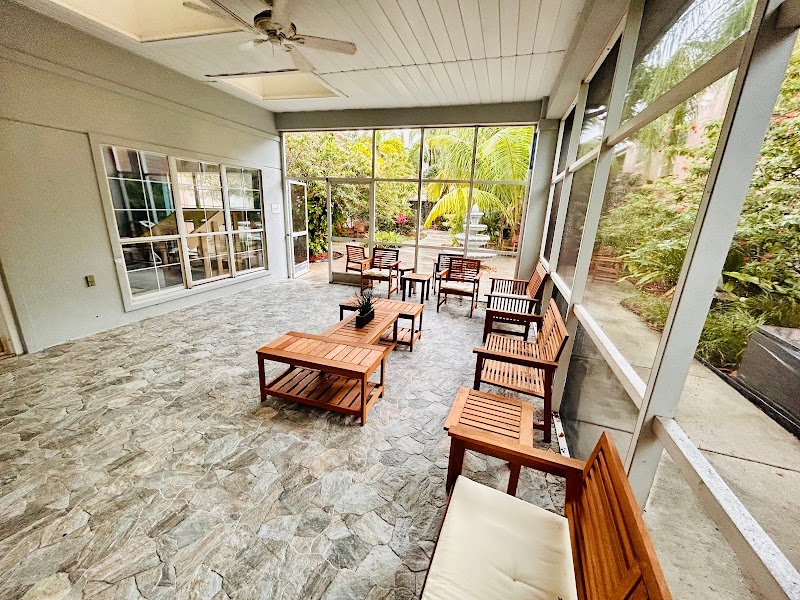
How Does Colonial Skilled Nursing Facility Llc Compare to Other Florida Nursing Homes?

Compared to the 100 nursing homes in Florida, COLONIAL SKILLED NURSING FACILITY LLC's overall rating (4 stars) is above the state average of 3.2, staff turnover (54%) is near the state average of 46%, and health inspection rating (3 stars) is at the national benchmark.

What Should Families Ask When Visiting Colonial Skilled Nursing Facility Llc?

Based on this facility's data, families visiting should ask: "Can I visit during a mealtime to observe dining assistance and food quality?" "How do you handle medical emergencies, and what is your hospital transfer rate?" "Can I speak with family members of current residents about their experience?"

Is Colonial Skilled Nursing Facility Llc Safe?

Based on CMS inspection data, COLONIAL SKILLED NURSING FACILITY LLC has a clean safety record: no substantiated abuse findings (meaning no confirmed cases of resident harm), no Immediate Jeopardy citations (the most serious violation level indicating risk of serious injury or death), and is not on the Special Focus Facility watch list (a federal program monitoring the lowest-performing 1% of nursing homes). The facility has a 4-star overall rating and ranks #1 of 100 nursing homes in Florida. While no facility is perfect, families should still ask about staff-to-resident ratios and recent inspection results during their visit.

Do Nurses at Colonial Skilled Nursing Facility Llc Stick Around?

COLONIAL SKILLED NURSING FACILITY LLC has a staff turnover rate of 54%, which is 8 percentage points above the Florida average of 46%. Moderate turnover is common in nursing homes, but families should still ask about staff tenure and how the facility maintains care continuity when employees leave.

Was Colonial Skilled Nursing Facility Llc Ever Fined?

COLONIAL SKILLED NURSING FACILITY LLC has been fined $5,395 across 2 penalty actions. This is below the Florida average of $33,133. While any fine indicates a compliance issue, fines under $50,000 are relatively common and typically reflect isolated problems that were subsequently corrected. Families should ask what specific issues led to these fines and confirm they've been resolved.

Is Colonial Skilled Nursing Facility Llc on Any Federal Watch List?

COLONIAL SKILLED NURSING FACILITY LLC is not on any federal watch list. The most significant is the Special Focus Facility (SFF) program, which identifies the bottom 1% of nursing homes nationally based on persistent, serious quality problems. Not being on this list means the facility has avoided the pattern of deficiencies that triggers enhanced federal oversight. This is a positive indicator, though families should still review the facility's inspection history directly.