DARCY HALL OF LIFE CARE
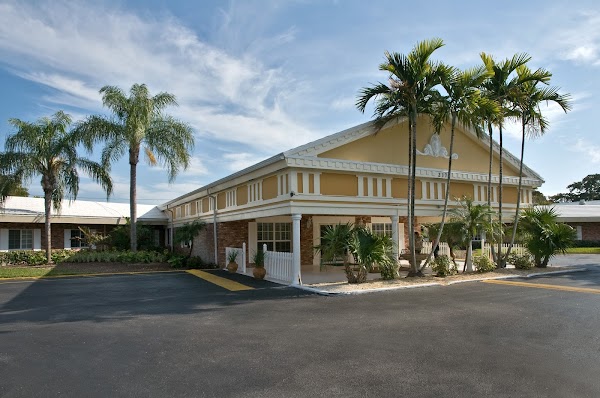
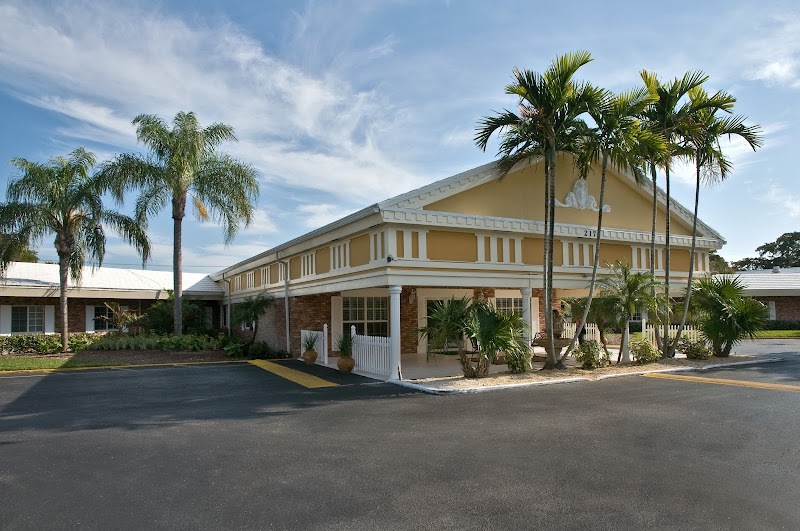
2170 PALM BEACH LAKES BLVD, WEST PALM BEACH, FL 33409 (561) 683-3333
For profit - Limited Liability company 220 Beds LIFE CARE CENTERS OF AMERICA Data: November 2025 2 Immediate Jeopardy citations
Trust Grade
4/100
#631 of 690 in FL
Last Inspection: January 2025

Within standard 12-15 month inspection cycle. Federal law requires annual inspections.

Overview

Darcy Hall of Life Care has received a Trust Grade of F, indicating significant concerns about the quality of care provided. With a state rank of #631 out of 690 facilities in Florida, they are in the bottom half, and #52 out of 54 in Palm Beach County, meaning only two local options are worse. The facility is worsening, with issues increasing from 8 in 2023 to 12 in 2025. Staffing is a strength here, rated 4 out of 5 stars with a low turnover rate of 28%, which is better than the state average. However, there have been critical incidents, including a resident being allowed to leave the facility undetected, raising serious safety concerns, as well as failures to follow dietary menus for residents on specific diets, which could impact their health. Overall, while there are some positives like good staffing, the poor trust grade and troubling incidents suggest families should proceed with caution.

Trust Score
F
4/100
In Florida
#631/690
Bottom 9%
Safety Record
High Risk
Review needed
Inspections
Getting Worse
8 → 12 violations
Staff Stability
✓ Good
28% annual turnover. Excellent stability, 20 points below Florida's 48% average. Staff who stay learn residents' needs.
Penalties
✓ Good
No fines on record. Clean compliance history, better than most Florida facilities.
Skilled Nurses
✓ Good
Each resident gets 48 minutes of Registered Nurse (RN) attention daily — more than average for Florida. RNs are trained to catch health problems early.
Violations
⚠ Watch
26 deficiencies on record. Higher than average. Multiple issues found across inspections.
★☆☆☆☆
1.0
Overall Rating
★★★★☆
4.0
Staff Levels
★★★★☆
4.0
Care Quality
★☆☆☆☆
1.0
Inspection Score
Stable
2023: 8 issues
2025: 12 issues

The Good

  • 4-Star Staffing Rating · Above-average nurse staffing levels
  • 4-Star Quality Measures · Strong clinical quality outcomes
  • Low Staff Turnover (28%) · Staff stability means consistent care
  • Full Sprinkler Coverage · Fire safety systems throughout facility
  • No fines on record
  • Staff turnover is low (28%)

    20 points below Florida average of 48%

Facility shows strength in staffing levels, quality measures, staff retention, fire safety.

The Bad

1-Star Overall Rating

Below Florida average (3.2)

Significant quality concerns identified by CMS

Chain: LIFE CARE CENTERS OF AMERICA

Part of a multi-facility chain

Ask about local staffing decisions and management

The Ugly 26 deficiencies on record

2 life-threatening
Sept 2025 2 deficiencies 2 IJ
CRITICAL (J) 📢 Someone Reported This

A family member, employee, or ombudsman was alarmed enough to file a formal complaint

Immediate Jeopardy (IJ) - the most serious Medicare violation

Free from Abuse/Neglect (Tag F0600)

Someone could have died · This affected 1 resident

**NOTE- TERMS IN BRACKETS HAVE BEEN EDITED TO PROTECT CONFIDENTIALITY** Based on interviews, observations, record and policy review, the facility failed to protect the resident's right to be free from...

Read full inspector narrative →
**NOTE- TERMS IN BRACKETS HAVE BEEN EDITED TO PROTECT CONFIDENTIALITY** Based on interviews, observations, record and policy review, the facility failed to protect the resident's right to be free from neglect by failing to provide necessary supervision to prevent the likelihood of serious injury, harm, impairment, or death by allowing an elopement for 1 of 3 sampled residents (Resident #1) reviewed for an elopement. The facility failed to ensure effective measures were in place to prevent the elopement in both the secured unit and the exit from the building.The deficient practice allowed Resident #1 to exit the facility undetected on 08/30/25 at 4:23 PM. There were 182 residents in the facility at the time of the survey. The facility's Administrator was notified of Immediate Jeopardy and given the IJ Template on 09/04/25 at 3:05 PM. The immediate jeopardy was removed on 09/04/25 at 4:45 PM, and the deficiency was lowered to a scope and severity of D, isolated, no actual harm with potential for more than minimal harm that is not immediate jeopardy. Cross reference to F689.The findings included: A review of the facility's policy titled Abuse and Neglect, reviewed 11/19/24, documented: To minimize the threat of abuse and or neglect, nursing homes must incorporate clear cut policies and practices that demonstrate a hard line, 0 tolerance approach to resident abuse. Each resident has the right to be free from abuse, neglect, misappropriation of resident property, and exploitation of any type by anyone. How: The facility has procedures in place to provide protection for the health, welfare and rights of each resident residing in the facility. In order to provide these protections, the facility has implemented procedures to prohibit and prevent abuse, neglect, exploitation of residents, and misappropriation of resident property. These procedures include but are not limited to the following.2). Training, 3). Prevention, 4). Identification.6). Protection.Record review revealed Resident #1 was admitted to the facility on [DATE] with diagnoses of Parkinson's Disease, General Muscle Weakness, Dysphagia, Cognitive Communication Deficit, Major Depressive Disorders, Altered Mental Status, Epilepsy, Alcohol Abuse, and Blindness of the Right Eye.Review of the admission Minimum Data Set (MDS) assessment dated [DATE] documented Resident #1 had a Brief Interview for Mental Status (BIMS) score of 11, on a 0 to 15 scale, indicating the resident had moderate cognitive impairment. This same MDS indicated that Resident #1 was able to ambulate without any assistive devices with supervision and touching assistance. A BIMS score conducted on 09/01/2025 revealed a score of 5 indicating the resident had severe cognitive impairment. An Elopement risk evaluation conducted on 08/06/2025 indicated the resident was at risk for Elopement. Review of the clinical census revealed Resident #1 had been in the facility's secured unit (west wing) since her admission date. (A secured unit is a designated area within a facility that offers enhanced security and supervision for residents who may be prone to wandering or require specialized care. These units are specifically designed to meet the unique needs of individuals with memory-related disorders, ensuring their safety and well-being.)Review of Resident #1's care plan initiated on 08/03/25 documented, At risk for elopement . Goal: The resident will not leave facility unattended through the review date with an intervention that documented, Provide for safe wandering - resident is an elopement risk.Review of the active orders dated 08/09/25 documented, Exit seeking. Provide safe wandering, resident is at risk for elopement. every shift.The video of the elopement incident, involving Resident #1 was viewed by the surveyor on 09/03/25 at 1:36 PM. The following was noted: On 08/30/25 at 4:23 PM the receptionist was attending to two visitors in the main lobby by the entrance of the facility. These two visitors blocked the view of the receptionist who was sitting down at that moment and Resident #1 walked behind the two visitors and walked out towards the door. During this same time at 4:23 PM, another visitor is buzzed in by the receptionist Resident #1 walked out quickly as the visitor walked in. (This door remains locked and must manually be unlocked by an individual after engaging a buzzer to enter the facility). The receptionist did not notice Resident #1 had exited the facility unaccompanied, via the main entrance camera in front of her, which she was responsible for monitoring. The resident was observed to be wearing a red T-shirt, red leggings with a pattern and black tennis shoes. She was seen walking in a fast and steady manner with no assistive devices at the time of exit. In the surveillance footage, there were no additional staff present at the main entrance at time of the resident's exit.Resident #1's room was located on the west side of the facility in a locked unit. Two hallways lead to the west unit (C and D unit) both unsecured. A middle hallway ( center core) joins the C and D unit on the west side; this same hallway's east side leads to two additional units (A and B units) which lead to the East Unit on the opposite side of the building. The middle hallway leads to the main lobby and facility's main entrance.An interview with the administration team was conducted on 09/03/25 at 10:35 AM. The Executive Director (Administrator), Director of Nursing (DON), Regional Director of Clinical Services, Regional [NAME] President, and Divisional Director of Clinical Services were present. When asked what happened regarding the incident that occurred on 08/30/25, involving Resident #1, the Administrator stated, I was contacted on 08/30/25 at approximately 5:19 PM by the facility that there was a missing resident. The Administrator voiced at that time there was a birthday party for another resident, who was turning 100, going on in back of the main dining room. This dining room was not located in the locked unit. They stated their investigation led them to believe that a visitor from the birthday party let Resident #1 out of the locked unit. They assumed Resident #1 could have passed as a visitor and was let off the unit by visitors. When asked what was done when they found out Resident #1 was missing, the Regional Director of Clinical Services and the Administrator stated they did an immediate in-house and facility wide search. When they confirmed she was not in the building, they called law enforcement. They stated the nurses and team which involved all department heads of the facility split into a grid and individual staff were assigned to a search zone. They added that this occurred over the weekend, but regional and divisional staff were still involved. When asked where Resident #1 was found, they stated law enforcement found her approximately 2 miles from the facility on [NAME] Street. Law enforcement contacted the facility, and the administration team brought her back to the facility. When asked how Resident #1's condition was when found, the Regional Director of Clinical Services stated she had dirt on her feet and sides of her pants and a skin tear but, denied falling. When asked what interventions were in place prior to Resident #1's elopement, they stated she had a care place in place, assessments, placed in a locked unit, and that staff watched for behaviors. They added the day of the incident, she did not display any behaviors indicating a risk for elopement. When asked if Resident #1 had family, they stated she was estranged from her family and does not get any visitors; they have found a couple numbers in the chart but have not been able to contact anyone. Resident #1 occasionally spoke of a sister, brother, and a friend but they have been unsuccessful in determining who. The Regional Director of Clinical Services added Resident #1 had not been deemed incapacitated. When asked if there were cameras in the area she eloped from, they stated they were unable to determine which exit (C or D unit exit) she eloped from; neither unit had cameras.During an interview on 09/03/25 at 11:17 AM, Resident #1 was observed with a one-to-one sitter, Staff A, Certified Nursing Assistant (CNA). The resident was observed sitting in bed fiddling with her personal belongings and attempting to get out of bed unassisted; a wheelchair was seen by her bedside. Resident #1 did not have the appearance to pass as a visitor. When the surveyor asked what her name was and the date and her location, she responded, My name is [Resident #1], I am located in a facility somewhere and the date is late May 2025. When asked, Did you leave the facility on Saturday 08/30/25?, she stated that was what she was being told but stated she didn't remember what happened. When asked where she was trying to go and who let her out, Resident #1 stated, no particular place, Saturday is my favorite day of the week and I decided to go out; I don't remember who let me out, I just walked out; I was bored so I left. When asked if she left because she felt unsafe at the facility, Resident #1 stated she felt safe, but she just wanted to leave.During an interview on 09/03/25 at 11:30 AM, when asked if she knew what happened on Saturday 08/30/25 with Resident #1, Staff A stated she heard what happened, but she was not working that day. She stated that Resident #1 went missing and didn't know how she was able to leave the facility. When asked if Resident #1 ever tried to elope or wander, Staff A stated, No, she can walk but her balance is not that good, so she uses a wheelchair instead.An observation and interview was conducted on 09/03/25 at 11:51 AM, when asked where the back of the main dining room was located, the DON offered to show the surveyor a tour to see the location. It was observed that the dining room was not located in the secured unit and upon entrance to the main dining room this same room led to the back dining room (another smaller dining room where the Birthday Party was held on Saturday for another Resident)When asked where the birthday party member resided, the DON stated she also resided in the locked unit (west wing). The DON voiced that the visitors were coming in and out (of the locked unit) that day. When asked if there were other visitors that day also visiting the unit, she stated not to her knowledge and that there was a kiosk in the front they used for check in; she would have to check there. When asked if the family members were called to confirm if they let a resident out by mistake, the DON stated not that she was aware of. When asked how did family get access to the locked unit, the DON stated prior to the incident, you could push the door to get into the unit without a passcode, but needed a code to leave; now you need a code to enter and exit the facility, due to the incident. When asked where Resident #1 was admitted from, she stated from a hospital from another county. When asked how long the resident was missing, on the day of the incident, she stated from 08/30/25 at 4:23 PM, law enforcement found her on 08/31/25 at 12:10 AM and then called the facility; she was brought back to facility around 1:00 AM on 08/31/25. When asked if she went to the hospital, the DON stated that the doctor saw her the following day and ordered an X-ray and labs but did not order her to go to the hospital. When asked what psych evaluated upon Resident #1's arrival and if they made any changes to her treatment, the DON stated they changed her Trazadone (medication) dose to help her sleep, did an assessment and a BIMS re-evaluation upon her arrival on 08/31/25.An interview was conducted on 09/03/25 at 11:57 AM, when asked what was evaluated for Resident #1 after the incident from 08/30/25, the Advanced Registered Nurse Practitioner (ARNP) for Psychiatry stated she saw Resident #1 via Telehealth on 08/31/2025. She stated I got a report that the resident was not sleeping all night and eloped. When I saw the resident, she was calm with on and off confusion; there were no more signs. She stated she changed her Trazadone dose to help her sleep and when asked if her BIMS evaluation changed, she stated her BIMS was 11 prior to the incident and had a BIMS of 10 on 08/31/2025 after the incident. She stated she checked it yesterday on 09/2/25 and her BIMS score was a 10 in the morning and her BIMS was 12 at about 2:30 PM that same day. She stated there are no other treatment changes and the plan was to reassess the resident every day since she has an ongoing one-to-one sitter.During an interview on 09/03/25 at 12:25 PM, when asked if she knew anything regarding the incident from 08/30/25 related to Resident #1, the Assistant Director of Nursing (ADON) stated she was not working the day of the incident but had seen the resident the following day. The ADON voiced that the resident had stated I was riding my bike looking for my kitty. The ADON stated she completed a head-to-toe assessment and spoke to her doctor who came to see the resident and also performed an assessment on her. When asked which residents are considered elopement risks, the ADON stated everyone in the secured unit (west wing) was identified as an elopement risk. When asked if there were residents in unsecured units with elopement risks, she replied no and stated they arrange beds in the locked unit as necessary. The ADON provided a census of residents with risk of elopement, who reside on the secured unit, at the time of the survey which was a total of 52. The secured unit has a capacity of 56 beds.During an interview on 09/03/25 at 12:39 PM, when asked about Resident #1's incident, the Social Services Director stated she was not at the facility on the day of the incident but recalled a resident in the locked unit was turning 100 and his family requested to have his birthday party in the back of the main dining room. When asked how the family would have access to the secured unit, the Social Service Director stated before the incident you could push a button and then push the doors to the unit to get in without a code; to exit you would need a code or a staff member to exit. When asked if staff are allowed to give codes to family, the Social Service Director stated typically staff lets them out and they don't give out codes. The Social Service Director stated she believed upon entering the unit, someone could have let her (Resident #1) out.A telephone interview was attempted on 09/03/25 at 12:58 PM with Staff C, a Licensed Practical Nurse (LPN) who was the primary nurse assigned to Resident #1 on the 3-11 shift on 08/30/25. Staff C stated she wasn't feeling well and couldn't talk.Review of a progress note written by Staff C on 08/30/25 at 8:41 PM with an effective time at 4:20 PM documented, Writer noticed resident was not present during meds pass and dinner, writer alerted all staff to search for resident in all the room, and went to central to notified all staff and supervisor made aware, PCP was called no answered and left voice mail, Emergency contact was called the woman in the phone stated she does not know the resident.A telephone interview was attempted on 09/03/25 at 1:12 PM with the local Police Department involved in the elopement incident regarding Resident #1, a voicemail was left, and a call back was not received during the time of the survey.A telephone interview was conducted on 09/03/25 at 1:16 PM with Staff D, a Certified Nursing Assistant (CNA) who was the primary CNA assigned to Resident #1 on the 3-11 shift on 08/30/25. When asked what happened on her shift on 08/30/25, Staff D stated. I was floating that day; I was assigned to west, but to both sides of the hallways. My shift started at 3 PM but at around 2:50 PM, I started doing my rounds. Resident #1 was in the dining room in the unit. Resident #1 usually walks around but doesn't try to leave the floor. At 4:00 PM I saw her by the medication cart. At around 4:10 PM another CNA I was working with saw her food arrive. I told her she was by the dining room, and I told her to check there. She could not find Resident #1 in the dining room, so she checked her room, and she was not there. At about 4:20 PM, we told the primary nurse, and the nurse called the supervisor. When asked if Resident #1 was showing any behaviors of trying to escape the unit that day, Staff D stated, no she has never done this before, this was the first time this happened on my shift. Staff D voiced Resident #1 can walk by herself and move without a wheelchair. When asked if Resident #1 was alert and oriented, she stated she was not too confused, when you ask her to do something she does it. When asked how family members came in on 08/30/25, Staff D stated, I think they had a party that day, but everyday family members come in. When asked, do you give a code to family members, Staff D stated, No we are not supposed to do that. Staff D voiced, Before this happened you didn't need a code to get in, but to get out you did. I think they might have changed it now.On 09/03/25 at 1:36 PM, the surveyor reviewed the surveillance footage of Resident #1's incident side-by-side with the Administrator. The video revealed the following: On 08/31/25 at 12:37 AM upon re-entering the facility, Resident #1 was observed to enter the facility accompanied by the Administrator, Regional Director of Clinical Services, Divisional Director of Clinical Services, Maintenance Director, Social Services Director, Marketer, and the DON. Resident #1 was observed to be wearing the same outfit she left with but was walking in with only socks on and her tennis shoes were missing. When asked what happened to Resident #1's shoes, the Administrator stated, We don't know what happened to her shoes. The resident was observed to walk in with a steady gait.An interview was conducted on 09/03/25 at 2:17 PM with Staff E, Registered Nurse (RN), who worked the 7 AM- 3PM shift on 08/30/25. When asked what happened in Resident #1's incident, Staff E recalled the events, It was a quiet day, I had no issues that day; I gave report to the next nurse, Staff C. I gave report on 08/30/25 at about 3:45 PM; Resident #1 was next to me standing while I was giving report. Staff C doesn't work there often. I don't know if she is per diem or part time and normally works in another unit. Staff C was not really familiar with Resident #1; she was not a regular nurse who worked there. After I gave report, I left a little after 4 PM. I was called around 5:00 pm and they told me the resident was missing. I told them she was standing next to him during report. Staff E voiced Resident #1 was always walking around by the hallway rails but never saw her try to leave; she was not showing any behaviors that day. She never pushed any doors or tried to leave. I never thought in my mind she would exit the facility, she normally doesn't walk fast, she normally walks very slow. Staff E stated he drove around to see if he saw her, he lived close by and knew the neighborhood well but could not locate her. He stated, They called me in the middle of the night to tell me she came back; I was happy she was back, we try to keep everybody safe, unfortunately this happened. When asked how he believed Resident #1 got out, Staff E stated, I remember there was a party for another resident, but I don't really know. When asked if he saw family visitors that day on his shift, Staff E stated, a resident was turning [AGE] years old in the west unit and their family was in their room. When asked if the staff gives codes to family, Staff E stated, No that doesn't happen, if there is a suspicion they might know a code it gets changed right away. When asked how you could get to the locked unit, Staff E stated, Before you push the green knob and could open the door, but to get out you would need a code, now it is changed you need a code in and out.Review of the record revealed a Skin Assessment was conducted on Resident #1 on 08/31/25. The Assessment documented Abrasion: Right posterior forearm- c-shaped abrasion, no active bleeding, no acute signs of infection. left lateral face vertical abrasion- no active bleeding no drainage on signs of infection. Bruising(s): Right upper arm, right lateral thigh with scattered scab. Scars(s) Right elbow, long oval scar Scabs on left knee and chin, left hand. Doctor made aware of skin issues. Resident denies pain at this time. No active bleeding to sites, no acute signs of infection. Treatment to left forearm rendered, resident tolerated well.In a review of the Medication Administration Record (MAR) for August, 2025, it revealed that on 08/30/25 Resident #1 missed the 5 PM of Bethanechol Chloride Oral Tablet 25 MG for urinary retention, the 5 PM dose of Carbidopa-Levodopa Oral Tablet 25-100 MG for Parkinson's, the 5 PM dose of Clonazepam Oral Tablet 0.5 MG for anxiety, the 8 PM dose of Famotidine Oral Tablet 20 MG for acid reflux, the 8 PM dose of Gabapentin Capsule 300 MG for nerve pain, the 8 PM dose of Metoprolol Tartrate Tablet 12.5 MG for hypertension, the 9 PM dose of Rosuvastatin Calcium Oral Tablet 10 MG for high cholesterol, the 9 PM dose of Tamsulosin HCl Oral Capsule 0.4 MG for urinary issues, and the 9 PM dose of Topiramate Oral Tablet 200 MG for seizures.The facility submitted an acceptable Immediate Jeopardy removal plan on 09/04/25, which was verified by observations, interviews and record review, as follows: 1. 08/30/25- 100% headcount of residents was completed to ensure no other residents were missing. All other residents were accounted for. 2. 08/30/25 a whole house search of the facility was completed. 3. 08/30/25 the executive director was notified by the weekend supervisor who in turn notified facility managers to report to work to assist in the search. Regional and divisional staff were also notified and reported to the facility to assist in the search. The medical director and primary physician were notified. 4. 08/30/25 an external search of the community was initiated. 5. 08/30/25 Executive Director notified the local Police Department who assisted in the search. 6. 08/31/25 upon return, the resident was placed on one-to-one supervision on the secured unit. (1:1 monitoring ordered 09/02/25).Observed on lock unit in room with 1:1 sitter on 09/04/25 2:00 PM, ambulating in hallway 09/04/25 at 3:00 PM. Resident cannot recall elopement. 7. 08/30/25 all facility exit door alarms and screamer devices were inspected by the Maintenance Director.Interviewed Maintenance Director with no concerns 09/05/25 at 1:00 PM. 8. 08/30/25 keypad code to secure unit was changed by the Maintenance Director. Interviewed Maintenance Director with no concerns. Push pad changed to keypad 09/02/25. 9. 08/30/25 immediate education on abuse neglect and exploitation and risk of elopement initiated. 08/30/25 3-11 shift sign-in sheet reviewed. 08/31/25 11-7 signage sheet reviewed. No concerns. 10. 08/30/25 - 09/02/25 the elopement risk assessments of all residents were reviewed for accuracy.Verified 3 sampled residents. 11. 08/30/25 an elopement drill was performed for the 11-7 shift.Verified the sign-in sheet.12. 08/31/25 the resident was assessed by the nurse upon return and by the physician on the same day. Skin assessment done 08/31/25. 13. 08/31/25 an elopement drill was performed for the 7-3 shift. Verified by sign-in sheet. 14. 09/02/25 the care plans and kardexes of residents at risk for elopement were reviewed for accuracy.3 sampled residents reviewed. 15. 08/31/25 visitor lanyards were ordered for identification of visitors/vendors to differentiate visitors from residents. The lanyards arrived on 09/02/25 and were put into use immediately.Visitors observed wearing visitor lanyards on 09/04/25 and 09/05/25. 16. 09/01/25 keypad order to replace push button for entry to units. Keypad was installed 09/02/25.Observed on 09/04/25. (photographic evidence obtained). 17. 09/02/25 elopement books were reviewed for accuracy.Observed at nursing stations and receptionist desk on 09/04/25 and 09/25/24. 18. 09/02/25 an ad hoc QAPI was performed by the facility IDT and reviewed by the Medical Director. Sign-in sheet dated 09/02/25 verified. 19. 08/30/25, the Executive Director initiated education related to abuse/neglect reporting. 20. On 08/30/25, the Assistant Executive Director notified the Department of Children and Families of the elopement of Resident #1. 21. A Federal Immediate Report was submitted on 08/30/25. 22. From 08/30/25 until 09/4/25, current facility staff were provided education by the Director of Nursing and Assistant Director of Nursing pertaining to what constitutes resident mistreatment, abuse, neglect, and misappropriation of resident property. 202 out of 285 current facility staff had education completed by 09/04/25. Any employees who have not received the training were notified they must receive the training prior to working their next scheduled shift. New employees hired after 09/04/25 will receive education during the facility orientation process. Education pertaining to abuse/neglect is provided annually and as needed. 23. Facility practices which assist in monitoring/identifying potential abuse and neglect include, but are not limited to: grievance process, complaints resolution process, facility theft and loss reporting, resident council, incident reporting, internal audits of resident trust accounts, daily staffing practices, and regular direct indirect supervision of nursing home employees and resident care by supervisory and administrative staff. 24. Root cause analysis was performed on 09/02/25 by the regional director of clinical services related to the circumstances of the resident elopement which occurred on 08/30/25. Also, on 09/02/25, an IDT review and investigation of the residence episode of elopement was completed through the ad hoc copy process. Included in the investigation was reviewed the residence condition preadmission and post admission, resident evaluations including the accuracy of elopement evaluation resident care plan, staffing, facility environments and equipment.Verified by sign-in sheets. 25. The residency elopement risk evaluation was completed accurately at the time of admission and a care plan for elopement risk was initiated. The resident was correctly placed on the locked [NAME] wing unit at the time of admission. 26. The staffing PPD on 08/30/25 for 1.28 for licensed nurse assist and 2.43 for CNA's. On the [NAME] Wing units on the 3:00 PM to 11:00 PM shift, if there were two nurses and five CNA's for the 52 residents. 2 weeks staffing calculations (State only Requirement) reviewed with no concerns. 27. Staff who predominantly work on the [NAME] Wing were interviewed via a questionnaire and asked if the resident displayed any exit seeking behaviors prior to the incident, verbalizations of wanting to leave, packing belongings, or pushing on exit doors. The staff report no indications of such desire to exit or knowledge of any exit seeking behavior.Interviews reviewed and staff interviewed by surveyor. Resident had no exit seeking behaviors. 28. The investigation and root cause analysis revealed potential root cause scenarios (birthday party and push button entrance).Per ad-hoc on 09/02/25 29. Elopement risk evaluation facility systems processes in place related to patient identification of potential for elopement/ wandering and safety in place and followed.Policy reviewed. 30. The elopement risk evaluation is completed on admission, quarterly, and after a significant change period the evaluation consists of ambulatory mobility status, wandering behaviors, cognitive status, and exit seeking indicators. Policy reviewed. 31. If a patient is identified as a potential risk, based upon the evaluation, a patient identification form, which will include a current photo, a current description, and personalized care plans, and interventions, and redirection strategies. He locks the patient elopement book contains copy of the patient identification form, a colored photo of the patient and a face sheet. The elopement books are maintained at each nursing station and at the entrance to the reception facility area.Elopement books verified at nursing desk and reception desk. 32. Facility door prevention maintenance, monitoring and checked for function weekly conducted as scheduled. No deficits noted.Weekly log reviewed. 33. All exit doors are inspected weekly.Weekly log reviewed. 34. All designated entrance/exit areas have scheduled staff assigned to the receptionist area from 8:00 AM to 8:00 PM seven days a week. 35. Staffing schedules are monitored daily by staffing coordinator and reviewed with executive director of nursing and or nursing supervisor on duty to ensure adequate staffing is maintained. Adequate staffing means all minimum PPD, and ratios are met and in addition, staffing is adjusted based on acuity of patient needs.2 weeks staffing reviewed (State requirements only). No concerns. 36. All staff are screened prior to hire and a job specific orientation is performed. Receptionist not only receive training but have a completed competency on file.Sign-in reviewed for training. 37. On 09/02/25 a review of five receptionist staff employees' file revealed all had completed training and had a competency on file. The receptionist on duty on 08/30/25 at the time of the residence elopement was suspended immediately and has subsequently been terminated.Signage reviewed for training. 38. Immediately on 08/30/25 the maintenance staff performed an inspection of the facility exit doors and screamer devices and all were found to be fully functional.Audit reviewed and interviewed. 39. Weekly door checks by the Maintenance Director will be performed to ensure proper function. On 09/02/25, the push button entry system onto the memory care unit was replaced with the keypad the truth device. Audit reviewed. 40. From 08/31/25 through 09/01/25 facility licensed nurses completed a review of the accuracy of 185 current residents elopement risk evaluations period of the 185 residents, 52 residents resided in the memory care unit and 51 of those who were already assessed to be at risk for elopement. The remaining 1 of 52 residents was originally placed on The [NAME] Wing unit for behavior management but has since become a risk for elopement. The residence assessment was updated to reflect the risk of elopement.Sample of 3 confirmed. 41. On 09 02/25 the care plans and CNA Kardexs' of 52 of 52 residents at risk for elopement were reviewed. All were found to be in compliance with risk for elopement identified.Audit verified. 42. Director of Nursing /designee to complete monitoring of new admission evaluations to ensure risk for a low moment inaccuracy identified and care plan and Kardex are reflective of the risk, where appropriate.3 new admissions, 09/04/25 audited reviewed. 43. The Medical Director was informed of the citations and is in agreement with the removal plan. The following staff were interviewed for verification of staff education: Staff A, CNA was interviewed on 09/03/25 at 11:30 AM. Staff A stated she had recently completed elopement and abuse & neglect education after the incident with Resident #1; knowledge verified.Staff D, CNA was interviewed on 09/03/25 at 1:17 PM, Staff D stated she had recently completed elopement and abuse & neglect education after the incident with Resident #1; knowledge verified.Staff E, RN was interviewed 09/03/25 at 2:17 PM, Staff E stated a code silver which means a missing person in the facility, was called and every department participated in search. The education was provided after the incident occurred.The ADON was interviewed on 09/04/25 at 3:30 PM, the ADON had an elopement drill this morning. A written Elopement quiz was completed and stated some were done over the phone. She stated on the [NAME] unit they changed the entrance touch pad to have a code residents have a wrist band on, and visitors wear red lanyard for identification. An elopement book is on every unit as well as at the receptionist's desk.Staff F, CNA was interviewed on 09/04/25 at 3:45 PM. Staff F gave examples of wandering behavior and elopement such as pushing doors and staying next to the exit. She stated they call a code silver- missing person if they have an elopement and training included what to do if there is a missing resident. Staff F acknowledged the change of the lock system up[TRUN
CRITICAL (J) 📢 Someone Reported This

A family member, employee, or ombudsman was alarmed enough to file a formal complaint

Immediate Jeopardy (IJ) - the most serious Medicare violation

Accident Prevention (Tag F0689)

Someone could have died · This affected 1 resident

**NOTE- TERMS IN BRACKETS HAVE BEEN EDITED TO PROTECT CONFIDENTIALITY** Based on interviews, observation, record and policy review, the facility failed to provide necessary supervision to prevent the ...

Read full inspector narrative →
**NOTE- TERMS IN BRACKETS HAVE BEEN EDITED TO PROTECT CONFIDENTIALITY** Based on interviews, observation, record and policy review, the facility failed to provide necessary supervision to prevent the likelihood of serious injury, harm, impairment, or death by allowing an elopement for 1 of 3 sampled residents (Resident #1) reviewed for an elopement. The facility failed to ensure effective measures were in place to prevent the elopement in both the secured unit and the exit from the building.The deficient practice allowed Resident #1 to exit the facility undetected on 08/30/25 at 4:23 PM. There were 182 residents in the facility at the time of the survey. The facility's Administrator was notified of Immediate Jeopardy and given the IJ Template on 09/04/25 at 3:05 PM. The immediate jeopardy was removed on 09/04/25 at 4:45 PM and the deficiency was lowered to a scope and severity of D, isolated, no actual harm with potential for more than minimal harm that is not immediate jeopardy. Cross reference to F600.The findings included:A review of the facility's policy titled, Missing Residents/Actual Elopement, review date 03/27/25, documented: Definition of elopement, this occurs when a resident leaves the premises or a safe area without authorization and/or any necessary supervision to do so. Situation in which a resident with decision, making capacity leaves the facility intentionally but generally not be considered an elopement unless the facility is unaware of the resident's departure and/or whereabouts. The Executive Director or designee will report the event to all appropriate agencies as well as the regional divisional team. The event will be reviewed in an ad-hoc QAPI meeting, to determine how to ensure that a plan and system is in place to mitigate another occurrence.Record review revealed Resident #1 was admitted to the facility on [DATE] with diagnoses of Parkinson's Disease, General Muscle Weakness, Dysphagia, Cognitive Communication Deficit, Major Depressive Disorders, Altered Mental Status, Epilepsy, Alcohol Abuse, and Blindness of the Right Eye.Review of the admission Minimum Data Set (MDS) assessment dated [DATE] documented Resident #1 had a Brief Interview for Mental Status (BIMS) score of 11, on a 0 to 15 scale, indicating the resident had moderate cognitive impairment. This same MDS indicated that Resident #1 was able to ambulate without any assistive devices with supervision and touching assistance. A BIMS score conducted on 09/01/2025 revealed a score of 5 indicating the resident had severe cognitive impairment. An Elopement risk evaluation conducted on 08/06/2025 indicated the resident was at risk for Elopement. Review of the clinical census revealed Resident #1 had been in the facility's secured unit (west wing) since her admission date. (A secured unit is a designated area within a facility that offers enhanced security and supervision for residents who may be prone to wandering or require specialized care. These units are specifically designed to meet the unique needs of individuals with memory-related disorders, ensuring their safety and well-being.)Review of Resident #1's care plan initiated on 08/03/25 documented, At risk for elopement . Goal: The resident will not leave facility unattended through the review date with an intervention that documented, Provide for safe wandering - resident is an elopement risk.Review of the active orders dated 08/09/25 documented, Exit seeking. Provide safe wandering, resident is at risk for elopement. every shift.The video of the elopement incident, involving Resident #1 was viewed by the surveyor on 09/03/25 at 1:36 PM. The following was noted: On 08/30/25 at 4:23 PM the receptionist was attending to two visitors in the main lobby by the entrance of the facility. These two visitors blocked the view of the receptionist who was sitting down at that moment and Resident #1 walked behind the two visitors and walked out towards the door. During this same time at 4:23 PM, another visitor is buzzed in by the receptionist Resident #1 walked out quickly as the visitor walked in. (This door remains locked and must manually be unlocked by an individual after engaging a buzzer to enter the facility). The receptionist did not notice Resident #1 had exited the facility unaccompanied, via the main entrance camera in front of her, which she was responsible for monitoring. The resident was observed to be wearing a red T-shirt, red leggings with a pattern and black tennis shoes. She was seen walking in a fast and steady manner with no assistive devices at the time of exit. In the surveillance footage, there were no additional staff present at the main entrance at time of the resident's exit.Resident #1's room was located on the west side of the facility in a locked unit. Two hallways lead to the west unit (C and D unit) both unsecured. A middle hallway ( center core) joins the C and D unit on the west side; this same hallway's east side leads to two additional units (A and B units) which lead to the East Unit on the opposite side of the building. The middle hallway leads to the main lobby and facility's main entrance.An interview with the administration team was conducted on 09/03/25 at 10:35 AM. The Executive Director (Administrator), Director of Nursing (DON), Regional Director of Clinical Services, Regional [NAME] President, and Divisional Director of Clinical Services were present. When asked what happened regarding the incident that occurred on 08/30/25, involving Resident #1, the Administrator stated, I was contacted on 08/30/25 at approximately 5:19 PM by the facility that there was a missing resident. The Administrator voiced at that time there was a birthday party for another resident, who was turning 100, going on in back of the main dining room. This dining room was not located in the locked unit. They stated their investigation led them to believe that a visitor from the birthday party let Resident #1 out of the locked unit. They assumed Resident #1 could have passed as a visitor and was let off the unit by visitors. When asked what was done when they found out Resident #1 was missing, the Regional Director of Clinical Services and the Administrator stated they did an immediate in-house and facility wide search. When they confirmed she was not in the building, they called law enforcement. They stated the nurses and team which involved all department heads of the facility split into a grid and individual staff were assigned to a search zone. They added that this occurred over the weekend, but regional and divisional staff were still involved. When asked where Resident #1 was found, they stated law enforcement found her approximately 2 miles from the facility on [NAME] Street. Law enforcement contacted the facility, and the administration team brought her back to the facility. When asked how Resident #1's condition was when found, the Regional Director of Clinical Services stated she had dirt on her feet and sides of her pants and a skin tear but, denied falling. When asked what interventions were in place prior to Resident #1's elopement, they stated she had a care place in place, assessments, placed in a locked unit, and that staff watched for behaviors. They added the day of the incident, she did not display any behaviors indicating a risk for elopement. When asked if Resident #1 had family, they stated she was estranged from her family and does not get any visitors; they have found a couple numbers in the chart but have not been able to contact anyone. Resident #1 occasionally spoke of a sister, brother, and a friend but they have been unsuccessful in determining who. The Regional Director of Clinical Services added Resident #1 had not been deemed incapacitated. When asked if there were cameras in the area she eloped from, they stated they were unable to determine which exit (C or D unit exit) she eloped from; neither unit had cameras.During an interview on 09/03/25 at 11:17 AM, Resident #1 was observed with a one-to-one sitter, Staff A, Certified Nursing Assistant (CNA). The resident was observed sitting in bed fiddling with her personal belongings and attempting to get out of bed unassisted; a wheelchair was seen by her bedside. Resident #1 did not have the appearance to pass as a visitor. When the surveyor asked what her name was and the date and her location, she responded, My name is [Resident #1], I am located in a facility somewhere and the date is late May 2025. When asked, Did you leave the facility on Saturday 08/30/25?, she stated that was what she was being told but stated she didn't remember what happened. When asked where she was trying to go and who let her out, Resident #1 stated, no particular place, Saturday is my favorite day of the week and I decided to go out; I don't remember who let me out, I just walked out; I was bored so I left. When asked if she left because she felt unsafe at the facility, Resident #1 stated she felt safe, but she just wanted to leave.During an interview on 09/03/25 at 11:30 AM, when asked if she knew what happened on Saturday 08/30/25 with Resident #1, Staff A stated she heard what happened, but she was not working that day. She stated that Resident #1 went missing and didn't know how she was able to leave the facility. When asked if Resident #1 ever tried to elope or wander, Staff A stated, No, she can walk but her balance is not that good, so she uses a wheelchair instead.An observation and interview was conducted on 09/03/25 at 11:51 AM, when asked where the back of the main dining room was located, the DON offered to show the surveyor a tour to see the location. It was observed that the dining room was not located in the secured unit and upon entrance to the main dining room this same room led to the back dining room (another smaller dining room where the Birthday Party was held on Saturday for another Resident)When asked where the birthday party member resided, the DON stated she also resided in the locked unit (west wing). The DON voiced that the visitors were coming in and out (of the locked unit) that day. When asked if there were other visitors that day also visiting the unit, she stated not to her knowledge and that there was a kiosk in the front they used for check in; she would have to check there. When asked if the family members were called to confirm if they let a resident out by mistake, the DON stated not that she was aware of. When asked how did family get access to the locked unit, the DON stated prior to the incident, you could push the door to get into the unit without a passcode, but needed a code to leave; now you need a code to enter and exit the facility, due to the incident. When asked where Resident #1 was admitted from, she stated from a hospital from another county. When asked how long the resident was missing, on the day of the incident, she stated from 08/30/25 at 4:23 PM, law enforcement found her on 08/31/25 at 12:10 AM and then called the facility; she was brought back to facility around 1:00 AM on 08/31/25. When asked if she went to the hospital, the DON stated that the doctor saw her the following day and ordered an X-ray and labs but did not order her to go to the hospital. When asked what psych evaluated upon Resident #1's arrival and if they made any changes to her treatment, the DON stated they changed her Trazadone (medication) dose to help her sleep, did an assessment and a BIMS re-evaluation upon her arrival on 08/31/25.An interview was conducted on 09/03/25 at 11:57 AM, when asked what was evaluated for Resident #1 after the incident from 08/30/25, the Advanced Registered Nurse Practitioner (ARNP) for Psychiatry stated she saw Resident #1 via Telehealth on 08/31/2025. She stated I got a report that the resident was not sleeping all night and eloped. When I saw the resident, she was calm with on and off confusion; there were no more signs. She stated she changed her Trazadone dose to help her sleep and when asked if her BIMS evaluation changed, she stated her BIMS was 11 prior to the incident and had a BIMS of 10 on 08/31/2025 after the incident. She stated she checked it yesterday on 09/2/25 and her BIMS score was a 10 in the morning and her BIMS was 12 at about 2:30 PM that same day. She stated there are no other treatment changes and the plan was to reassess the resident every day since she has an ongoing one-to-one sitter.During an interview on 09/03/25 at 12:25 PM, when asked if she knew anything regarding the incident from 08/30/25 related to Resident #1, the Assistant Director of Nursing (ADON) stated she was not working the day of the incident but had seen the resident the following day. The ADON voiced that the resident had stated I was riding my bike looking for my kitty. The ADON stated she completed a head-to-toe assessment and spoke to her doctor who came to see the resident and also performed an assessment on her. When asked which residents are considered elopement risks, the ADON stated everyone in the secured unit (west wing) was identified as an elopement risk. When asked if there were residents in unsecured units with elopement risks, she replied no and stated they arrange beds in the locked unit as necessary. The ADON provided a census of residents with risk of elopement, who reside on the secured unit, at the time of the survey which was a total of 52. The secured unit has a capacity of 56 beds.During an interview on 09/03/25 at 12:39 PM, when asked about Resident #1's incident, the Social Services Director stated she was not at the facility on the day of the incident but recalled a resident in the locked unit was turning 100 and his family requested to have his birthday party in the back of the main dining room. When asked how the family would have access to the secured unit, the Social Service Director stated before the incident you could push a button and then push the doors to the unit to get in without a code; to exit you would need a code or a staff member to exit. When asked if staff are allowed to give codes to family, the Social Service Director stated typically staff lets them out and they don't give out codes. The Social Service Director stated she believed upon entering the unit, someone could have let her (Resident #1) out.A telephone interview was attempted on 09/03/25 at 12:58 PM with Staff C, a Licensed Practical Nurse (LPN) who was the primary nurse assigned to Resident #1 on the 3-11 shift on 08/30/25. Staff C stated she wasn't feeling well and couldn't talk.Review of a progress note written by Staff C on 08/30/25 at 8:41 PM with an effective time at 4:20 PM documented, Writer noticed resident was not present during meds pass and dinner, writer alerted all staff to search for resident in all the room, and went to central to notified all staff and supervisor made aware, PCP was called no answered and left voice mail, Emergency contact was called the woman in the phone stated she does not know the resident.A telephone interview was attempted on 09/03/25 at 1:12 PM with the local Police Department involved in the elopement incident regarding Resident #1, a voicemail was left, and a call back was not received during the time of the survey.A telephone interview was conducted on 09/03/25 at 1:16 PM with Staff D, a Certified Nursing Assistant (CNA) who was the primary CNA assigned to Resident #1 on the 3-11 shift on 08/30/25. When asked what happened on her shift on 08/30/25, Staff D stated. I was floating that day; I was assigned to west, but to both sides of the hallways. My shift started at 3 PM but at around 2:50 PM, I started doing my rounds. Resident #1 was in the dining room in the unit. Resident #1 usually walks around but doesn't try to leave the floor. At 4:00 PM I saw her by the medication cart. At around 4:10 PM another CNA I was working with saw her food arrive. I told her she was by the dining room, and I told her to check there. She could not find Resident #1 in the dining room, so she checked her room, and she was not there. At about 4:20 PM, we told the primary nurse, and the nurse called the supervisor. When asked if Resident #1 was showing any behaviors of trying to escape the unit that day, Staff D stated, no she has never done this before, this was the first time this happened on my shift. Staff D voiced Resident #1 can walk by herself and move without a wheelchair. When asked if Resident #1 was alert and oriented, she stated she was not too confused, when you ask her to do something she does it. When asked how family members came in on 08/30/25, Staff D stated, I think they had a party that day, but everyday family members come in. When asked, do you give a code to family members, Staff D stated, No we are not supposed to do that. Staff D voiced, Before this happened you didn't need a code to get in, but to get out you did. I think they might have changed it now.On 09/03/25 at 1:36 PM, the surveyor reviewed the surveillance footage of Resident #1's incident side-by-side with the Administrator. The video revealed the following: On 08/31/25 at 12:37 AM upon re-entering the facility, Resident #1 was observed to enter the facility accompanied by the Administrator, Regional Director of Clinical Services, Divisional Director of Clinical Services, Maintenance Director, Social Services Director, Marketer, and the DON. Resident #1 was observed to be wearing the same outfit she left with but was walking in with only socks on and her tennis shoes were missing. When asked what happened to Resident #1's shoes, the Administrator stated, We don't know what happened to her shoes. The resident was observed to walk in with a steady gait.An interview was conducted on 09/03/25 at 2:17 PM with Staff E, Registered Nurse (RN), who worked the 7 AM- 3PM shift on 08/30/25. When asked what happened in Resident #1's incident, Staff E recalled the events, It was a quiet day, I had no issues that day; I gave report to the next nurse, Staff C. I gave report on 08/30/25 at about 3:45 PM; Resident #1 was next to me standing while I was giving report. Staff C doesn't work there often. I don't know if she is per diem or part time and normally works in another unit. Staff C was not really familiar with Resident #1; she was not a regular nurse who worked there. After I gave report, I left a little after 4 PM. I was called around 5:00 pm and they told me the resident was missing. I told them she was standing next to him during report. Staff E voiced Resident #1 was always walking around by the hallway rails but never saw her try to leave; she was not showing any behaviors that day. She never pushed any doors or tried to leave. I never thought in my mind she would exit the facility, she normally doesn't walk fast, she normally walks very slow. Staff E stated he drove around to see if he saw her, he lived close by and knew the neighborhood well but could not locate her. He stated, They called me in the middle of the night to tell me she came back; I was happy she was back, we try to keep everybody safe, unfortunately this happened. When asked how he believed Resident #1 got out, Staff E stated, I remember there was a party for another resident, but I don't really know. When asked if he saw family visitors that day on his shift, Staff E stated, a resident was turning [AGE] years old in the west unit and their family was in their room. When asked if the staff gives codes to family, Staff E stated, No that doesn't happen, if there is a suspicion they might know a code it gets changed right away. When asked how you could get to the locked unit, Staff E stated, Before you push the green knob and could open the door, but to get out you would need a code, now it is changed you need a code in and out.On 09/04/25 at approximately 10:15 AM, the surveyor travelled the route by car from [NAME] Hall of Life Care to [NAME] Drive in [NAME] Palm Beach Florida which led to a residential trailer park. Review of the route revealed the resident walked approximately 2 miles by foot. The resident would have likely passed 2 canals, with uneven sidewalks/pavement, through commercial and residential areas, onto a busy 4 lane and 8 lane roadways with speed limits in between 30 and 45 MPH (miles per hour). The resident was at extreme risk of getting hit by a automobile, tripping and falling, drowning, getting injured or death. The weather in [NAME] Palm Beach, Florida on 08/30/25 at 4PM- 08/31/25 at12AM was approximately in between 94 degrees Fahrenheit during the day and 84 degrees at night and wind speeds were in between 6-8 miles per hour (mph) with no precipitation.Review of the record revealed a Skin Assessment was conducted on Resident #1 on 08/31/25. The Assessment documented Abrasion: Right posterior forearm- c-shaped abrasion, no active bleeding, no acute signs of infection. left lateral face vertical abrasion- no active bleeding no drainage on signs of infection. Bruising(s): Right upper arm, right lateral thigh with scattered scab. Scars(s) Right elbow, long oval scar Scabs on left knee and chin, left hand. Doctor made aware of skin issues. Resident denies pain at this time. No active bleeding to sites, no acute signs of infection. Treatment to left forearm rendered, resident tolerated well.In a review of the Medication Administration Record (MAR) for August, 2025, it revealed that on 08/30/25 Resident #1 missed the 5 PM of Bethanechol Chloride Oral Tablet 25 MG for urinary retention, the 5 PM dose of Carbidopa-Levodopa Oral Tablet 25-100 MG for Parkinson's, the 5 PM dose of Clonazepam Oral Tablet 0.5 MG for anxiety, the 8 PM dose of Famotidine Oral Tablet 20 MG for acid reflux, the 8 PM dose of Gabapentin Capsule 300 MG for nerve pain, the 8 PM dose of Metoprolol Tartrate Tablet 12.5 MG for hypertension, the 9 PM dose of Rosuvastatin Calcium Oral Tablet 10 MG for high cholesterol, the 9 PM dose of Tamsulosin HCl Oral Capsule 0.4 MG for urinary issues, and the 9 PM dose of Topiramate Oral Tablet 200 MG for seizures.The facility submitted an acceptable Immediate Jeopardy removal plan on 09/04/25, which was verified by observations, interviews and record review, as follows: 1. 08/30/25- 100% headcount of residents was completed to ensure no other residents were missing. All other residents were accounted for. 2. 08/30/25 a whole house search of the facility was completed. 3. 08/30/25 the Executive Director was notified by the weekend supervisor who in turn, notified facility managers to report to work to assist in the search. Regional and divisional staff were also notified and reported to the facility to assist in the search. The Medical Director and primary physician were notified. 4. 08/30/25 an external search of the community was initiated. 5. 08/30/25 Executive Director notified the local Police Department who assisted in the search. 6. 08/31/25 upon return, the resident was placed on one-to-one supervision on the secured unit. 1:1 monitoring ordered 09/02/25.Observed on lock unit in room with 1:1 sitter on 09/04/25 2:00 PM, ambulating in hallway 09/04/25 at 3:00 PM. Resident cannot recall elopement. 7. 08/30/25 all facility exit door alarms and screamer devices were inspected by the Maintenance Director. Interviewed Maintenance Director with no concerns 09/05/25 at 1:00 PM. 8. 08/30/25 keypad code to secure unit was changed by the maintenance director. Interviewed maintenance director with no concerns. Push pad changed to key pad 09/02/25. 9. 08/30/25 immediate education on abuse neglect and exploitation and risk of elopement initiated. 8/30/25 13-11 shift sign-in sheet reviewed. 08/31/25 11-7 signage sheet reviewed. 10. 08/30/25 - 09/02/25 the elopement risk assessments of all residents were reviewed for accuracy.Verified 3 sampled residents. 11. 08/30/25 an elopement drill was performed for the 11-7 shift.Verified sign-in sheet.12. 08/31/25 the resident was assessed by the nurse upon return and by the physician on the same day. Skin assessment done 08/31/25. 13. 08/31/25 an elopement drill was performed for the 7-3 shift. Verified by sign-in sheet. 14. 09/02/25 the care plans and kardexes of residents at risk for elopement were reviewed for accuracy.3 sampled residents reviewed. 15. 08/31/25 visitor lanyards were ordered for identification of visitors/vendors to differentiate visitors from residents. The lanyards arrived on 09/02/25 and were put into use immediately.Visitors observed wearing visitor lanyards on 09/04/25 and 09/05/25. 16. 09/01/25 keypad order to replace push button for entry to units. Keypad was installed 09/02/25.Observed on 09/04/25. (photographic evidence obtained). 17. 09/02/25 elopement books were reviewed for accuracy.Observed at nursing stations and receptionist desk on 09/04/25 and 09/25/24. 18. 09/02/25 an ad hoc QAPI was performed by the facility IDT and reviewed by the Medical Director. Sign-in sheet dated 09/02/25 verified.19. On 08/30/25, the Assistant Executive Director notified the Department of Children and Families of the elopement of Resident #1. 20. A Federal Immediate Report was also submitted on 08/30/25. 21. From 08/30/25 until 09/04/25 current facility staff were provided education by the director of nursing and assistant director of nursing pertaining to unsafe wandering and elopement prevention. 202 out of 285 current facility staff education was completed by 09/04/25. New employees hired after 09/04/25 will receive education we're in the facility orientation process. Education pertaining to unsafe wandering and elopement prevention is provided annually and as needed. Sign-in sheets reviewed. 22. Director of Nursing designee to complete daily new admission chart reviews to ensure risks for elopement is identified and care planned times 4 weeks, weekly times 2 months, then quarterly and as needed thereafter to ensure no concerns related to risk for elopement. Audits reviewed. 23. Root cause analysis was performed on 09/02/25 by the Regional Director of Clinical services related to the circumstances of the resident elopement which occurred on 08/30/25. 24. On 09/02/25 an IDT review an investigation of the residents episode of elopement was completed through the ad hoc coffee process. Included in the investigation was a view of the residence condition preadmission and post admission resident evaluations including the accuracy of the allotment evaluation, resident care plan, staffing, facility environment and equipment. 25. The resident elopement risk evaluation was completed accurately at the time of admission and a care plan for elopement risk was initiated. Initial 08/04/25 not at risk. 08/06/25 at risk. 26. The resident was correctly placed on the locked [NAME] unit at the time of admission. The staffing PPD on 08/30/25 for 1.28 for licensed nurse assist and 2.43 for CNA's. On The [NAME] Wing units on the 3:00 PM to 11:00 PM if there were two nurses and five CNA's for the 52 residents. Verified admitted to [NAME] unit (locked unit 08/04/25). 27. Staff who predominantly work on the [NAME] Wing were interviewed via a questionnaire and asked if the resident displayed any exit seeking behaviors prior to the incident, verbalizations of wanting to leave, packing belongings, or pushing on exit doors. The staff report no indications of such desire to exit or knowledge of any exit seeking behavior. Reviewed statements. Staff on west unit interviewed by surveyor with no concerns. 28. The investigation and root cause analysis revealed potential root cause scenarios (birthday party and push button entrance).Via ad-hoc 09/02/25. 29. Elopement risk evaluation facility systems processes in place related to patient identification of potential for elopement/slash wandering and safety in place and followed.Policy reviewed. 30. The elopement risk evaluation is completed on admission, quarterly, and after a significant change period the evaluation consists of ambulatory mobility status, wandering behaviors, cognitive status, and exit seeking indicators.Policy reviewed. New admission audits reviewed. 31. If a patient is identified as a potential risk, based upon the evaluation, a patient identification form, which will include a current photo, a current description, and personalized care plans, and interventions, and redirection strategies. He locks the patient elopement book contains copy of the patient identification form, a colored photo of the patient and a face sheet. The elopement books are maintained at each nursing station and at the entrance to the reception facility area.Verified at nursing stations and reception desk. 32. Elopement drills are completed quarterly, including nights and weekends. These drills are monitored for quality by using the elopement drill performance summary and discuss at QAPI. 33. Facility door prevention maintenance, monitoring and checked for function weekly conducted as scheduled. No deficits noted.Weekly audits reviewed. 34. All exit doors are inspected weekly.Weekly audits reviewed. 35. All designated entrance/exit areas have scheduled staff assigned to the receptionist area from 8:00 AM to 8:00 PM seven days a week. 36. Staffing schedules are monitored daily by staffing coordinator and reviewed with executive director of nursing and/or nursing supervisor on duty to ensure adequate staffing is maintained. Adequate staffing means all minimum PPD, and ratios are met and in addition, staffing is adjusted based on acuity of patient needs. 2 weeks staffing calculations (State only requirement) reviewed with no concerns. 37. All staff are screened prior to hire and a job specific orientation is performed. Receptionist not only receive training but have a completed competency on file.Training/education verified by sign-in sheet for receptionist. 38. On 09/02/25 a review of five of five receptionist staff employees file revealed all had completed training and had a competency on file. The receptionist on duty on 08/30/25 at the time of the residence elopement was suspended immediately and has subsequently been terminated. Training/education verified by sign-in sheet. 39. Immediately on 08/30/25 the maintenance staff performed an inspection of the facility exit doors and screamer devices and all were found to be fully functional.Audit reviewed and interviewed. 40. Weekly door checks by the maintenance director will be performed to ensure proper function. On 09/02/25, the push button entry system onto the memory care unit was replaced with the keypad the truth device.In-voice dated 09/04/25 was reviewed. 41. From 08/31/25 through 09/01/25 facility licensed nurses completed a review of the accuracy of 185 current residents elopement risk evaluations period of the 185 residents, 52 residents resided on the memory care unit and 51 of those who were already assessed to be at risk for elopement. The remaining 1 of 52 residents was originally placed on The [NAME] Wing unit for behavior management but has since become a risk for elopement. The residence assessment was updated to reflect the risk of elopement. Audits reviewed. No concerns. 42. On 09 02/25 the care plans and CNA kardexes of 52 of 52 residents at risk for elopement were reviewed. All were found to be in compliance with risk for elopement identified.Sample of 3 residents reviewed with no concerns. 43. Director of nursing/designee to complete monitoring of new admission evaluations to ensure risk for elopement inaccuracy identified and care plan and kardex are reflective of the risk, where appropriate. 3 admissions on 09/04/25 and audited (for west unit). 44. The Medical Director was informed of the citations and is in agreement with the removal plan. The following staff were interviewed for verification of staff education: Staff A, CNA was interviewed on 09/03/25 at 11:30 AM. Staff A stated she had recently completed elopement and abuse & neglect education after the incident with Resident #1; knowledge verified.Staff D, CNA was interviewed on 09/03/25 at 1:17 PM, Staff D stated she had recently completed elopement and abuse & neglect education after the incident with Resident #1; knowledge verified.Staff E, RN was interviewed 09/03/25 at 2:17 PM, Staff E stated a code silver which means a missing person in the facility was called and every department participated in search. The education was provided after the incident occurred.The ADON was interviewed on 09/04/25 at 3:30 PM, the ADON had an elopement drill this morning. A written Elopement quiz was completed and stated some were do[TRUNCATE
Jul 2025 1 deficiency
CONCERN (D) 📢 Someone Reported This

A family member, employee, or ombudsman was alarmed enough to file a formal complaint

Potential for Harm - no one hurt, but risky conditions existed

Quality of Care (Tag F0684)

Could have caused harm · This affected 1 resident

**NOTE- TERMS IN BRACKETS HAVE BEEN EDITED TO PROTECT CONFIDENTIALITY** Based on interviews and clinical and administrative record review, the facility failed to ensure the necessary care and services...

Read full inspector narrative →
**NOTE- TERMS IN BRACKETS HAVE BEEN EDITED TO PROTECT CONFIDENTIALITY** Based on interviews and clinical and administrative record review, the facility failed to ensure the necessary care and services were provided for 1 of 2 sampled residents, (Resident # 2), reviewed for medical appointments and/or medical procedures, as evidenced by the facility's failure to provide the necessary nursing supervision during transport to medical procedure for an incapacitated resident; and failed to ensure the health care surrogate was fully informed and adhered to preferences voiced or informed when changes are made prior to implementation. The findings included: Review of the clinical record for Resident #2, revealed the resident was admitted to the facility on [DATE] with diagnoses that included Cerebrovascular Accident (CVA), Hypertension (HTN), Diabetes Mellitus (DM), Dysphagia following cerebral infarction, Epilepsy and expressive aphasia. Review of the Significant Change MDS (Minimum Data Set) assessment dated [DATE] revealed the resident had a BIMS (Brief Interview of Mental Status) score of 1, indicating severe cognitive impairment. The resident is dependent on staff for total care of all activities of daily living (ADLs). An interview was conducted on 07/08/25 in the morning with a family member of Resident #2 who stated that her non-verbal, total care family member was sent to a facility more than 80 miles away unaccompanied by nursing staff to receive a procedure under anesthesia.The family member and health care proxy gave approval for her family member to have a feeding tube inserted and was asked her hospital preferences. She provided the facility with multiple local hospitals within 15 miles of the facility. The resident was sent to Miami (80 miles away) without her prior knowledge or approval. She stated the facility contacted her when the resident had already left the facility and was traveling to Miami. She was informed that her family member was staying overnight, thus they did not send an aide to accompany her. She stated she had informed the caller that she did not approve of the transport to Miami, especially for her incapacitated family member to travel alone with just the transport driver. She further stated the facility was aware that she could not attend the appointment and requested that they cancel the transport. This was not done. The family member stated she was later informed that the resident would not be staying overnight but would be returning to the facility later that day. She further stated that the original information for this appointment she was provided for [another hospital - Name provided in Palm Beach County] on 06/09/25 and she would be accompanied by a Certified Nursing Assistant (CNA) since she (the family member) was out of the country. Since they rescheduled the appointment to 06/10/25, all information changed and it was not approved by her, who was the health care proxy. Review of the Nursing Progress Note on 06/03/25 at 10:10 AM, documented, Verbal orders received to send resident to ER [Emergency Room] for PEG [Percutaneous Endoscopic Gastrostomy] tube placement. Call placed to resident's family member regarding PEG tube placement and that NP [Nurse Practitioner] would like to send to ER for placement. Resident's family member would like for resident to go to [Name provided - hospital in Palm Beach County] for PEG tube placement. This writer will contact resident's family member on transportation time and when resident will be leaving building, resident's family member verbalized understanding. Another note at 11:57 from the nurse documented, This writer was made aware that resident is now under another medical service with new orders received to schedule an appointment with a physician with these services. On 06/07/25 at 5:00 PM, the Advance Registered Nurse Practitioner (ARNP) documented the resident is a candidate for a G-tube placement and has an appointment early Monday morning to go to the hospital on [DATE]. There are no further notes until 06/10/25 at 8:36 AM, which documented Resident left via stretcher with as needed [PRN] portable oxygen tank with resident accompanied by two transportation personnel from Nursing Services (transport company). Call then placed to resident's family member that resident has left the building on her way to the hospital in Miami [area]. It was at that time that resident's family member stated that she did not authorize resident to go to Miami. Call then placed to the (medical services) NP regarding resident's family member does not want resident to go to Miami [area] and that the resident is currently enroute. The Medical Service NP states that she would call this writer back with any updates. Awaiting return call. An interview was conducted on 07/08/25 at 3:26 PM with the ARNP, who confirmed that the resident was prescribed to have G-tube placement. He stated there was some mix-up with transportation on Monday, so the appointment had to be rescheduled. He stated he rescheduled the appointment and transportation, and when he called the transportation company, [Name provided], they did not have an order to transport Resident #2 on 06/09 but had placed it for pick-up on 06/10/25.The ARNP stated he spoke with the family member the previous week and she was on a cruise, so we discussed having the appointment on Monday, 06/09/25. He doesn't recall whether he mentioned to the family member that the appointment was in Miami [area], but she did agree with the PEG tube placement. An interview was conducted on 07/09/25 at 3:44 PM with the Clinical Advisor Nurse Practitioner, who stated the facility called her the morning the resident was transferred out. She stated she provided clarification to the family, but she didn't write a progress note. She stated the family was given some misinformation about the procedure. She informed the family the procedure was a same day intervention, and the resident would be coming back to the facility. She stated she only provided the clarification to the family. An interview was conducted on 07/09/25 at 4:00 PM with the nurse, Staff A, who had called the family member on 06/10/25. She confirmed she was also the nurse who received the original order for the PEG tube placement and she spoke with the family member. She agreed to the placement of the tube at a local hospital. She was originally under the impression that the resident would be sent to the emergency room for placement and [a second family member] provided her with her hospital preferences. She later learned that the resident was under another medical service, and she thought the Nurse Practitioner (NP) would discuss with the family member all the details for the procedure. She confirmed she had contacted the resident's family member on the morning the resident left the facility for the procedure. The family member was apparently unaware that the resident was traveling to Miami area, and the resident was not accompanied by staff. Staff A stated the facility does not provide supervision for medical / surgical appointments.
Jan 2025 9 deficiencies
CONCERN (D)

Potential for Harm - no one hurt, but risky conditions existed

Deficiency F0561 (Tag F0561)

Could have caused harm · This affected 1 resident

**NOTE- TERMS IN BRACKETS HAVE BEEN EDITED TO PROTECT CONFIDENTIALITY** Based on interview and record review, the facility failed to honor a resident's choices related to showers for 1 of 3 sampled re...

Read full inspector narrative →
**NOTE- TERMS IN BRACKETS HAVE BEEN EDITED TO PROTECT CONFIDENTIALITY** Based on interview and record review, the facility failed to honor a resident's choices related to showers for 1 of 3 sampled residents reviewed for choices (Resident #16). The findings included: A review of Resident #16's medical records revealed she was admitted to the facility on [DATE], with diagnoses to include Hemiplegia (paralysis of one side of the body) and Hemiparesis (one-sided muscle weakness) following a Cerebral Infarction (stroke), affecting the right dominant side, Muscle Weakness and Diabetes. A review of Resident #16's Quarterly MDS (Minimum Data Set) assessment documented her BIMS (Brief Interview for Mental Status) score as a 9, indicating moderate impaired cognition. The assessment (Section GG) documented Resident #16 is dependent on showers/bathing and she has upper and lower impairment on one side of her body. A review of care plans documented Resident #16 requires assistance by staff with showering and bathing. During an interview on 01/28/25 at 12:31 PM, Resident #16 was asked if she receives showers or bed baths. She stated that she wants a shower but only receives bed baths. She was asked when her last shower was, however, she could not recall. She stated that she had been telling everyone she would like a shower but has not received one. A review of Resident #16's task sheet for showering/bathing for the last 30 days (12/31/24-01/29/25), documented she received one shower in the last 30 days, which was on 12/31/24. The other 29 days documented she received a sponge bath. During an interview on 01/29/2025 at 1:00 PM with Staff E, CNA (Certified Nursing Assistant), she was asked if she works with Resident #16, and she stated yes. She was asked how she knew when to give this resident a shower. She stated, when she asks for one. Staff E, CNA was asked what Resident #16's shower days are, but she didn't know. The Surveyor and Staff E, CNA, went to Resident #16's room. The Surveyor asked the resident, Do you want someone to give you a shower?, she stated yes, I want it when you can do it today. The RN for Resident #16 was in the hallway and overheard the conversation, and responded by saying, we will get her one Upon request on 01/29/25 at 2:05 PM, the unit nurse presented the Surveyor with the shower assignment book, which included documentation that Resident #16 is assigned to receive a shower on Tuesdays and Fridays, on the 7:00 AM-3:00 PM shift.
CONCERN (D)

Potential for Harm - no one hurt, but risky conditions existed

Comprehensive Care Plan (Tag F0656)

Could have caused harm · This affected 1 resident

**NOTE- TERMS IN BRACKETS HAVE BEEN EDITED TO PROTECT CONFIDENTIALITY** Based on record review and interview, the facility failed to document an accurate Advance Directive care plan for 1 of 39 sample...

Read full inspector narrative →
**NOTE- TERMS IN BRACKETS HAVE BEEN EDITED TO PROTECT CONFIDENTIALITY** Based on record review and interview, the facility failed to document an accurate Advance Directive care plan for 1 of 39 sampled records reviewed (Resident #121). The findings concluded: Record review revealed Resident #121 was admitted to the facility on [DATE]. A comprehensive assessment dated [DATE] documented the resident had severe cognitive impairment and was dependent for activities of daily living (ADL). The assessment further documented the resident was receiving hospice services. A review of Resident #121's care plan revealed a care plan dated [DATE] that documented the resident had an Advance Directive for CPR (Cardiopulmonary Resuscitation) and was a full code (a medical term that indicates a resident's preference for resuscitation and all life saving measures during a medical emergency). A review of Resident #121's orders revealed an order dated [DATE] for DNR (Do Not Resuscitate). Further review of Resident #121's records revealed a State of Florida DNR order form dated [DATE]. An interview was conducted with the Central Unit Manager (UM) on [DATE] at 12:00 PM. The UM stated the care plan for Resident #121 reflecting the resident being a full code, was entered in error.
CONCERN (D)

Potential for Harm - no one hurt, but risky conditions existed

Deficiency F0676 (Tag F0676)

Could have caused harm · This affected 1 resident

**NOTE- TERMS IN BRACKETS HAVE BEEN EDITED TO PROTECT CONFIDENTIALITY** Based on observations, interviews, and record reviews, the facility failed to provide proper care and treatment, as evidenced by...

Read full inspector narrative →
**NOTE- TERMS IN BRACKETS HAVE BEEN EDITED TO PROTECT CONFIDENTIALITY** Based on observations, interviews, and record reviews, the facility failed to provide proper care and treatment, as evidenced by not providing a communication board, to maintain the resident's communication abilities for 1 of 1 sampled resident, Resident #75, reviewed for Activities of Daily Living (ADLs). The findings included: Record review revealed Resident #75 was admitted to the facility on [DATE]. The resident was admitted to Hospice Services on 08/02/24 with diagnoses that included Anxiety Disorder, Major Depressive Disorder, Persistent Mood Disorder, Panic Disorder, and Dementia. Review of the Minimum Data Set (MDS) quarterly assessment dated [DATE] documented the resident needed or wanted an interpreter to communicate with a doctor or health care staff. Resident #75 was dependent on assistance with activities of daily living which included care for incontinence. Review of Resident #75's care plans noted that she had a communication problem. The intervention for the communication problem since 05/21/23 was to have a communication board at the bedside as needed. An observation was conducted on 01/27/25 at 4:26 PM revealed Resident #75 was laying down in bed when she motioned for the surveyor to move closer to her. She requested assistance and pointed towards her incontinence brief. She said the words: water, water, and she lifted her right hand with extended fingers over the brief. She swept her fingers downward. The resident indicated she wanted her brief to be changed. Resident #75 then pulled her blanket off to expose her stomach and brief. The resident moved her open fingers in sweeping down motion over her brief and again said water, water. The surveyor suggested she press the call bell for assistance from nursing. Staff G, Certified Nursing Assistant (CNA), answered the call bell. After Staff G entered the room, during an interview with the CNA, the surveyor asked how she communicated with this resident. The CNA answered that Resident #75 spoke a different language, but she speaks to the resident in English. The resident lifted the plastic along the top edge of the brief. She moved her fingers above the brief and motioned from the top to the lower part of the brief. She said water, water. The CNA told the resident she was on her way to get her a drink of water when she heard the call bell. The CNA said that she would be back with water. The surveyor asked the CNA how she knew the resident wanted to receive water. Again, the resident motioned her fingers in the same way as before. With non-verbal communication, Resident #75 requested to be cleaned because she was wet. The CNA answered she would be right back with a drink of water. After the CNA exited the room, the resident threw her arms up in the air. There was no communication board observed in the resident's room. On 01/29/25 at 5:40 PM, Resident #75 was observed sitting in a wheelchair in the hallway just outside her bedroom door. Staff H, CNA, approached the surveyor and Resident #75. In an interview on 01/29/25 at 5:48 PM, Staff H was asked how she communicated with this resident, and responded the resident spoke some English. Staff H stated when she didn't understand the resident, she would ask the resident to try and clarify what she meant. The CNA said that she listened until she understood what the resident wanted. Resident #75 looked at the CNA and touched her fingertips to her mouth. She said the word food. The CNA excused herself and went to get her the dinner tray.
CONCERN (D)

Potential for Harm - no one hurt, but risky conditions existed

Quality of Care (Tag F0684)

Could have caused harm · This affected 1 resident

**NOTE- TERMS IN BRACKETS HAVE BEEN EDITED TO PROTECT CONFIDENTIALITY** 2) Review of the record revealed Resident #45 was admitted to the facility on [DATE]. Review of the current physician orders rev...

Read full inspector narrative →
**NOTE- TERMS IN BRACKETS HAVE BEEN EDITED TO PROTECT CONFIDENTIALITY** 2) Review of the record revealed Resident #45 was admitted to the facility on [DATE]. Review of the current physician orders revealed the resident was prescribed two medications for high blood pressure, to include Amlodipine 2.5 mg (milligrams) once daily, and Lisinopril 10 mg once daily. Resident #45 was also prescribed Carvedilol 6.25 mg twice daily for Coronary Artery Disease. Further review of the orders lacked any type of blood pressure or heart rate parameters for holding any of the three medications. Review of the current January 2025 Medication Administration Record (MAR) revealed all three medications were held on 01/06/25 for the 9 AM dose because of the resident's heart rate of 55 beats per minute. The Carvedilol was held on 01/17/25 for the 5 PM dose, with a corresponding progress note that documented, hold per BP (blood pressure) value. The documented blood pressure for that administration was 124/59. Review of the December 2024 MAR revealed all three of the above mentioned medications were held on 12/06/24 at 9 AM, 12/07/24 at 9 AM, and 12/09/24 at 9 AM. The corresponding progress notes documented a heart rate of 57 on 12/06/24 but lacked any documented vital signs or rationale for the 12/07/24 and 12/09/24 held medications. Final review of the record lacked any notification to the physician for any of the held medication. During a side-by-side review of the record on 01/30/25 at 12:05 PM, the [NAME] Unit Manager was shown the held medications for Resident #45 and had no response. During an interview on 01/30/25 at 1:17 PM, the Director of Nursing (DON) agreed with the findings and that there were no parameters to hold the medications. 3) Review of Resident #57's medical records revealed he was admitted to the facility on [DATE]. His diagnosis included Essential Hypertension, Encephalopathy, End Stage Renal Disease, Coronary Artery Disease and Type II Diabetes. A review of the resident's physician orders, and the current MAR (Medication Administration Record) revealed that Resident #57 had parameters for two of his medications that were not being followed. Further review of the physician orders dated 07/07/24 documented, Northera Oral Capsule 100 MG (Droxidopa) give 1 capsule by mouth three times a day for hypotension. Hold for SBP (Systolic blood pressure) greater than 120. The following times and dates documented the medication was given when it should have been held: 9:00 AM Dose: 01/09/25 with a B/P (blood pressure) of 132/85 01/13/25 with a B/P of 154/69 01/23/25 with a B/P of 130/70 01/25/25 with a B/P of 139/78 01/27/25 with a B/P of 168/92 01/28/25 with a B/P of 128/67 01/29/25 with a B/P of 121/71 1:00 PM Dose: 01/09/25 with a B/P of 141/52 01/13/25 with a B/P of 124/65 01/25/25 with a B/P of 139/78 01/27/25 with a B/P of 168/92 01/29/25 with a B/P of 124/73 5:00 PM Dose: 01/07/25 with a B/P of 149/88 01/10/25 with a B/P of 139/72 01/17/25 with a B/P of 130/65 01/18/25 with a B/P of 126/69 01/21/25 with a B/P of 144/74 A review of the physician's orders dated 03/29/24 and the MAR (Medication Administration Record) revealed documented medication with parameters including, Clonidine HCl Tablet 0.1 MG, give 1 tablet by mouth every 6 hours as needed for Hypertension for SBP (Systolic blood pressure) over 140, do not give on dialysis days. The following dates the medication was not given when the blood pressure was above 140. 01/07/25 B/P 149/88 taken at 1700 01/21/25 B/P 144/74 taken at 1700 01/09/25 B/P 141/52 taken at 1300 During an interview on 01/30/25 at 7:16 AM, Staff F, LPN (Licensed Practical Nurse) stated she has worked at the facility for 3 months. Staff F reviewed the MAR with the Surveyor and was asked about the medication order and the parameters for Northera Oral for Hypotension. She stated that some patients have a fragile side, and their B/P can change rapidly. She was asked about the Clonidine PRN order that documented to give if B/P is over 140. She stated she would not give it if it was above 140. If it was 145, she said she would have the resident watch his salt intake. She stated that Clonidine is not a batch medication, and is usually given PRN (as needed), if the resident asks for it. Clonidine is not a batch medication. The surveyor asked her to elaborate what she meant by that remark; she said Tylenol is always on the MAR as a PRN med. She then said, I don't look for PRN''s unless I think the patient is in Jeopardy. She then said she was not aware he (Resident #57) had PRN medication. During an interview on 01/30/25 at 7:30 AM with the DON and the Regional Nurse Consultant they reviewed the MAR with the Surveyor, and both acknowledged the concerns with the two medications and the parameters. Based on observation, interview, and record review, the facility failed to address a skin condition in a timely manner for 1 of 1 sampled resident (Resident #27); failed to provide blood pressure medications as ordered, as evidenced by nurses randomly holding medications for a low heart rate, without parameters and failure to notify the physician of held medications for 1 of 1 sampled residents (Resident #45); failed to follow parameters for physician orders for blood pressure medications for 1 of 1 sampled resident (Resident #57); and failed to provide a pillow between the legs of a resident as ordered by the physician for 1 of 1 sampled resident (Resident #77), to prevent knee abduction and lower body contractures. The findings included: 1) Record review revealed Resident #27 was admitted to the facility on [DATE]. A comprehensive assessment dated [DATE] documented that the resident was cognitively intact and was dependent for activities of daily living. Further record review revealed Resident #27 was care planned for potential for skin impairment related to fragile skin. A review of Resident #27's physician orders revealed an order dated 12/26/24, to apply Zinc to upper/lower back at bedtime for Heat Rash; an order dated 01/07/25 for Hydrocortisone Cream to upper/lower back every day and evening shift for Rash; and an order dated 01/07/25 for a dermatology consult (consultation) for rash to upper and lower back. An interview was conducted with Resident #27 on 01/28/25 at 11:00 AM in the resident's room. The resident stated his back had been itchy for about 3 weeks now. The resident stated they (staff) put cream on his back twice a day, but the cream only helps for a little while. Resident #27 further stated he was supposed to see a dermatologist for the itching, but did not know when. The resident stated he was in agony over the itching. An interview was conducted with Resident #27 on 01/30/25 at 10:00 AM. The resident stated his back was itching so bad that he could not take it. The resident stated they continue to put a cream on his back twice daily, but it is not working. An interview was conducted with Staff Z, a Licensed Practical Nurse, on 01/30/25 at 11:00 AM. Staff Z stated Resident #27 was being treated for a heat rash to his back with Hydrocortisone Cream (steroid) twice daily. Staff Z further stated the resident had a dermatology consult ordered, but did not know when he would be seen. Staff Z stated the Social Worker arranges the consultations. An observation of Resident #27's back was conducted with Staff Z on 01/30/25 at 11:30 AM. The resident had dried scaly patches to his back. Resident #27 stated he felt like he was being tortured as the itching was so bad. Again, the resident stated it had been going on for about 3 weeks now. An interview was conducted with the Social Service Director (SSD) on 01/30/25 at 12:00 PM. The SSD stated the dermatologist comes to the facility once a month, at different times. There was no set date. The SSD stated the dermatologist already came to the facility on [DATE] to see residents. The SSD stated Resident #27 was not on the list to be seen. The SSD acknowledged Resident #27's order for a dermatologist consult on 01/07/25. The SSD stated she did not put the request in for the dermatologist to see Resident #27 until 01/14/25. The SSD stated she believes that was when it was brought to her attention that Resident #27 had a consult ordered for a dermatologist. The SSD stated Resident #27 would not be seen by the dermatologist until next visit in 02/25, but did not have a set date. 4) Record review revealed Resident #77 was admitted to the facility on [DATE]. Her diagnoses included Frontal Lobe and Executive Function Deficit following Nontraumatic Intracerebral Hemorrhage, Vascular Dementia, and Major Depressive Disorder. Review of the Minimum Data Set quarterly assessment dated [DATE], documented Resident #77 had one or more unhealed pressure injuries, and she had significant weight loss. Review of the Occupational Therapy Evaluation and Plan of Treatment dated 12/26/24, documented to use a pillow between the resident's knees to prevent knee adduction and lower body contractures. Documentation in Resident #77's medical record, dated 12/30/2024, revealed a doctor's order, that documented: Patient to use pillow between her leg to ensure wheelchair positioning. Calf pads and extenders for lower body position. Record review revealed that there was no care plan in place that corresponded to the doctor's order, and the goal stated in the Occupational Therapist's evaluation, to place a pillow between the legs to prevent knee adduction and lower body contractures. During an observation on 01/27/25 at 4:03 PM, Resident #77 was observed sitting in a high back wheelchair, in her bedroom. Observation revealed heel protection boots covered the resident's heels, and there were cushions on the resident's arm rests. Resident #77's knees were noted to be pressing against each other. There was no pillow in between her legs. During an observation on 01/29/25 at 5:05 PM, Resident #77 was observed sitting in a high back wheelchair, in her bedroom. Her knees were observed pressed together. There was no pillow in between her legs. During an interview on 01/29/25 at 6:03 PM with Staff G, when asked how she knew when to place a pillow in between Resident #77's knees, she answered that sometimes CNAs (Certified Nursing Assistant) place pillows behind the resident's head and under the resident's arms. Staff G did not mention placing a pillow between the resident's legs or knees. In an interview with the Director of Rehabilitation (DOR) on 01/30/25 at 8:33 AM, she was asked what the process was when she sees someone in a wheelchair with their knees pressed together. The DOR stated that a therapist would evaluate a resident if it was reported to the therapy department. After the surveyor informed the DOR regarding the concerns for Resident #77, the DOR stated that Resident #77 was evaluated for a possible leg contracture. She revealed that the therapist determined the positioning of this resident's legs was mostly behavioral. Her recommendation was to train the staff regarding wheelchair positioning and to use a pillow in between the residents' knees. The DOR explained that the therapists encouraged the CNAs to use the recommended positioning for Resident #77 to keep her knees without touching each other.
CONCERN (D)

Potential for Harm - no one hurt, but risky conditions existed

Pharmacy Services (Tag F0755)

Could have caused harm · This affected 1 resident

**NOTE- TERMS IN BRACKETS HAVE BEEN EDITED TO PROTECT CONFIDENTIALITY** Based on record review and interview, the facility failed to discard narcotics/controlled medications in a timely manner for 2 o...

Read full inspector narrative →
**NOTE- TERMS IN BRACKETS HAVE BEEN EDITED TO PROTECT CONFIDENTIALITY** Based on record review and interview, the facility failed to discard narcotics/controlled medications in a timely manner for 2 of 8 sampled residents (Resident #64 and #124); and failed to reconcile narcotics, as evidenced by not documenting the medication administration on the Medication Administration Record (MAR) for 2 of 8 sampled residents (Resident #124 and #263). The findings included: A review of the facility's policy titled, Administration of Medication, last reviewed on 09/16/24, documented: Medication administration should be documented timely following the administration to the resident. 1. Record review revealed Resident #64 was admitted to the facility on [DATE]. A medication storage observation was conducted with Staff A, a Licensed Practical Nurse, of the Northwest medication cart on 01/29/25 at 4:00 PM. The observation revealed 6 medication packs of Lorazepam (anti-anxiety medication) for Resident #64 as follows: a. A medication pack of 3 pills of Lorazepam 0.5 mg. The pack was received on 02/02/24. b. A medication pack of 1 pill of Lorazepam 0.5 mg. The pack was received on 04/17/24. c. A medication pack of 3 pills of Lorazepam 0.5 mg. The pack was received on 05/08/24. d. A medication pack of 1 pill of Lorazepam 0.5 mg. The pack was received on 07/10/24. e. A medication pack of 3 pills of Lorazepam 0.5 mg. The pack was received on 08/03/24. f. A medication pack of 1 pill of Lorazepam 0.5 mg. The pack was received on 11/13/24. During the medication storage observation, Staff A could not explain why the 6 packets of Lorazepam for Resident #64 were in the medication cart. A review of Resident #64's Physician orders revealed an order dated 03/19/23 for Lorazepam 0.5 mg, give 1 tablet one time a day for dental cleaning for one day. Further review of Resident #64's Physician orders revealed an order dated 08/04/24 for Lorazepam 0.5 mg, give 3 tablets one time only for 1 hour prior dental procedure for one day. No other orders for Lorazepam were found. An interview was conducted with the Director of Nursing (DON) on 01/30/25 at 12:00 PM. The DON stated it appeared that the pharmacy kept sending packets of Lorazepam for Resident #64. The DON further stated the unused medication should have been returned to pharmacy. 2. Record review Resident #124 was admitted to the facility on [DATE]. A medication storage observation was conducted with Staff A, a Licensed Practical Nurse, on northwest medication cart on 01/29/25 at 4:10 PM. The observation revealed a medication pack for Resident #124 of Lorazepam (anti-anxiety medication) 0.5 mg ,containing 16 pills. A side by side review with Staff A of Resident #124's Controlled Medication Utilization Record revealed Lorazepam 0.5 mg was removed for administration on 12/11/24 at 9:00 PM and 12/22/24 at 4:05 PM. A side by side review of Resident #124's Medication Administration Record (MAR) revealed no evidence of Lorazepam administered to the resident on 12/11/24 at 9:00 PM and 12/22/24 at 4:05 PM. Staff C acknowledged the above. A review of Resident #124's Physician orders revealed an order dated 07/22/24 to discontinue the Ativan (Lorazepam) 0.5 mg order. An interview was conducted with the Director of Nursing (DON) on 01/30/25 at 12:00 PM. The DON stated the unused medication should have been returned to pharmacy. 3. Record review revealed Resident #263 was admitted to the facility on [DATE]. Record review revealed an order dated 01/13/25 for Lorazepam 0.5 mg every 6 hours as needed for anxiety for 14 days. A medication storage observation was conducted with Staff D, a Licensed Practical Nurse, of Southwest med cart on 01/29/25 at 4:30 PM. A side by side review with Staff D of Resident #263's Controlled Medication Utilization Record revealed Lorazepam 0.5 mg was removed for administration on 01/19/25 at 5:20 PM and 11:00 PM, 01/20/25 at 9:00 AM, 01/21/25 at 9:00 AM and 9:00 PM, 01/22/25 at 9:00 AM and 5:10 PM, 01/23/25 at 9:00 AM and 4:46 PM, 01/24/25 at 9:10 AM and 5:15 PM, 01/25/25 at 9:00 AM and 4:17 PM, 01/26/25 at 9:00 AM and 4:41 PM, 01/27/25 at 9:42 AM and 4:37 PM. A side by side review with Staff D of Resident #263's Medication Administration Record (MAR), revealed no evidence of Lorazepam administered to the resident from 01/13/25 -01/27/25. Staff D acknowledged the findings.
CONCERN (D)

Potential for Harm - no one hurt, but risky conditions existed

Deficiency F0761 (Tag F0761)

Could have caused harm · This affected 1 resident

Based on observation and interview, the facility failed to ensure safe medication storage for 1 of 8 medications carts (D Unit) and 1 of 3 treatment carts (West Unit), as evidenced by these carts bein...

Read full inspector narrative →
Based on observation and interview, the facility failed to ensure safe medication storage for 1 of 8 medications carts (D Unit) and 1 of 3 treatment carts (West Unit), as evidenced by these carts being left unlocked and unattended, with independently ambulatory residents noted. The findings included: 1) On 01/27/25 at 9:54 AM, the medication cart on the D Unit was observed unattended and the push in lock was not engaged. The lock was easily pulled out and the medication cart drawers were easily opened. The medication cart was filled with medications for the 22 residents residing on the D Unit along with the generic stock medications. While awaiting the arrival of a staff member, Resident #100 was observed independently ambulating in the hallway in front of the medication cart. There were no staff observed in the hallway of the D Unit. A few minutes later the Assistant Director of Nursing (ADON) came to the medication cart and agreed with the concern of the unlocked medication cart. On 01/27/25 at 9:58 AM, Staff A, Licensed Practical Nurse (LPN), returned to the medication cart and immediately tried to pull open the lock without using her key. When asked if there was a reason she did not lock the cart, the nurse stated, I swear I pushed the lock in. The LPN was questioned about the partially engaged lock previously observed and again stated she thought she had pushed in the lock all the way. At the time of the survey there were 14 independently ambulatory residents residing on the A, B, C, and D Units, all of which had access to the D unit medication cart. 2) On 01/27/24 at 1:34 PM, an unattended and unlocked treatment cart was observed in the hallway of the [NAME] Unit, which was the locked memory care unit (Photographic Evidence Obtained). Upon opening the treatment cart, numerous wound care supplies and medicated wound ointments were noted to include Santyl (an ointment used to debride wounds), Clobetasol (an ointment to treat itching and or psoriasis), Aspercreme (a lotion with Lidocaine for pain), Hibiclense (an antiseptic skin cleanser), Triamcinolone cream (a corticosteroid cream), and collagen powder. The cart also contained a box of curettes (sharp instruments used to mechanically debride a wound). There was no staff noted in the area of the treatment cart. Throughout the survey multiple cognitively impaired residents were observed ambulating or wheeling themselves up and down the hallway of the [NAME] Unit. The surveyor went to the [NAME] Unit nurses' station and reported the open treatment cart to Staff B, Registered Nurse (RN). The RN went to the treatment cart and acknowledged the findings. There were 19 cognitively impaired independently ambulatory residents on the [NAME] Unit, where the unlocked and unattended treatment cart was located.
CONCERN (D)

Potential for Harm - no one hurt, but risky conditions existed

Deficiency F0805 (Tag F0805)

Could have caused harm · This affected 1 resident

**NOTE- TERMS IN BRACKETS HAVE BEEN EDITED TO PROTECT CONFIDENTIALITY** The facility failed to provide food in a puree form to meet the individual needs of residents for 3 of 17sampled residents (Resi...

Read full inspector narrative →
**NOTE- TERMS IN BRACKETS HAVE BEEN EDITED TO PROTECT CONFIDENTIALITY** The facility failed to provide food in a puree form to meet the individual needs of residents for 3 of 17sampled residents (Resident #48, Resident #46, Resident #65) on a medically ordered pureed diet. The findings include: Review of the facility's Life Care Centers of America Policy, reviewed on 5/01/2024, documented the Pureed diet consists of foods that are easy to swallow because they are blended, whipped, or mashed until they are pudding-like texture. All foods on this diet should be smooth and free of lumps. (National Dysphagia Definition). The purpose of the pureed diet is designed to minimize the amount of chewing required and to facilitate the ease of swallowing food. This diet is designed for residents who have moderate to severe dysphagia, with poor oral phase abilities and reduced ability to protect their airway. 1). Record review revealed Resident #46's active diagnoses included Alzheimer's disease, and Dementia. A review of the Minimum Data Set (MDS) Quarterly assessment dated [DATE], documented the resident's Brief Interview for Mental Status score was 99. This indicated that the resident was unable to complete the assessment. In addition, the MDS assessment noted that Resident #46 was rarely/never able to make herself understood. The diet was coded therapeutic and mechanically altered. A pureed diet is a mechanically altered diet. According to the Diet Type Report dated 01/27/25, Resident #46's Diet Order was a Regular diet, with Puree texture, and Nectar/ Mildly consistency fluids. During an observation in the small dining room on 01/27/25 at 11:48 AM, Resident #46 was provided with assistance with feeding. Review of the menu ticket documented the resident was to receive a pureed diet. The lunch listed on the menu for the pureed diet was pureed pepper steak, pureed rice, pureed cabbage, and pureed stir fry vegetables. Further observation of the meal revealed the pureed cabbage and rice was lumpy. 2). Record review revealed that Resident #48 was admitted to the facility on [DATE]. Resident #48's diagnoses included Alzheimer's disease and Oropharyngeal Dysphagia. The Minimum Data Set Annual assessment documented Resident #48 was on a mechanically altered diet. The Brief Interview for Mental Status was 99. This indicated that the resident was unable to complete the assessment. The diet order dated 12/04/2023 documented the resident was on a Regular diet, Puree texture, and Nectar/ Mildly consistency. The care plan dated 01/14/2019 documented Resident #48's nutritional risk was related to Alzheimer's disease, and dysphagia. An observation on 1/27/25 at 12:16 PM revealed Resident #48 in the [NAME] Unit Dining Room eating lunch. Review of the menu ticket documented the resident was to receive a pureed diet with nectar thick liquids. Resident #48 took a bite of the mashed potatoes served on her plate. The mashed potatoes were not smooth, and a large lump was noted in the serving. Further observation revealed the resident bit the lump of mashed potatoes in half, and spit half of the lump back onto her spoon. The resident then took a second attempt at eating the spoonful of mashed potatoes. 3). Record review of Resident #65's Minimum Data Set (MDS) Annual assessment dated [DATE], revealed the resident's active diagnoses included Cerebrovascular Accident, Transient Ischemic Attack, or Stroke, Dementia, Hemiplegia or Hemiparesis, and Aphasia. The score of the Brief Interview for Mental Status was 04. This indicated that the resident had severe cognitive impairment. In addition, the MDS assessment noted that Resident #65 was sometimes able to make herself understood. The diet was coded therapeutic and mechanically altered. A pureed diet is a mechanically altered diet. According to the MDS annual assessment, Resident #65 was dependent on assistance with feeding. According to the Diet Type Report dated 01/27/25, Resident #65's Diet Order was a Regular diet, with Puree texture, and Nectar/ Mildly consistency fluids. An observation on 01/27/25 at 1:03 PM revealed that Resident #65 was served lunch at the tray table in her room. Review of the menu ticket documented the resident was to receive a pureed diet. Observation revealed the meal plate contained pureed pepper steak, pureed rice, pureed cabbage, and pureed stir fry vegetables. Further observation of the meal revealed the pureed cabbage and rice was lumpy. During an interview with the Food Service Director (FSD) on 01/27/25 at 1:15 PM, the surveyor expressed concern that the pureed foods were not smooth. The surveyor requested a sample of the pureed lunch plate, which included pureed beef, pureed rice, pureed stir fry vegetables, and mashed potatoes were on the plate. When the surveyor informed the FSD that the pureed rice was not smooth, the FSD said, yes I see the bumps, they look like little pearls. When the surveyor tasted the pureed rice, it was not smooth and contained solid particles. The surveyor then tasted the pureed stir fry vegetables. Visible strands in the vegetables were observed. When asked why there were strands in the stir fry vegetables, the FSD answered, because they are vegetables. Photographic evidence obtained.
CONCERN (D)

Potential for Harm - no one hurt, but risky conditions existed

Deficiency F0806 (Tag F0806)

Could have caused harm · This affected 1 resident

**NOTE- TERMS IN BRACKETS HAVE BEEN EDITED TO PROTECT CONFIDENTIALITY** Based on observation, interview and record review, the facility failed to accommodate a resident's food preferences and offer an...

Read full inspector narrative →
**NOTE- TERMS IN BRACKETS HAVE BEEN EDITED TO PROTECT CONFIDENTIALITY** Based on observation, interview and record review, the facility failed to accommodate a resident's food preferences and offer an alternative food option after the resident refused a meal, for 1 of 8 sampled residents reviewed for nutrition (Resident #18). The findings include: Record review revealed Resident #18 was admitted to the facility on [DATE]. Her diagnoses included Protein Calorie Malnutrition, Malignant Neoplasm of Breast and Anxiety Disorder. Review of Resident #18's Minimum Data Set quarterly assessment dated [DATE], documented the resident's Brief Interview of Mental Status score was 99, which indicated the resident was unable to complete the interview. She was noted to rarely/never understand, and rarely/never be understood. A nutrition intervention listed on Resident #18's care plan last revised on 01/23/25, was to provide and serve the diet as ordered. Record review of the Resident's Nutrition Care Plan dated 1/23/25, documented Resident #18 had increased needs for nutrition due to her diagnosis of Malignant Neoplasm of Breast. Her most recent weight on 01/22/25 was 119.2 lbs. Her weight decreased 11.6 lbs., 8.8%, since 12/24/24. A review of Resident #18's diet and food preferences listed on her meal ticket documented that she was on a mechanically altered diet, and her dislikes included mayonnaise, rice, and red meat. A review of the facility's recipe for turkey salad included mayonnaise. The Food Service Director provided the recipe to the surveyor upon request. An observation in Resident #18's room on 01/27/25 at 2:35 PM, revealed that her lunch plate contained a scoop of ground pepper steak, cut up stir fried vegetables, pureed rice, and mashed potatoes. The dislikes listed on her meal ticket showed no red meat and she disliked rice. During an observation on 01/27/25 at 5:39 PM, Resident #18 was observed sitting in her wheelchair near the tray table in her room. Her dinner plate had a scoop of turkey salad, sliced beets, and a scoop of bread puree. The resident consumed approximately 5% of her meal tray. A review of the facility's recipe for turkey salad, provided by the Food Service Director, revealed the recipe included mayonnaise, which was listed as a dislike on her meal ticket. During an observation on 01/28/25 at 5:20 PM, Resident #18's dinner was served. The meal plate contained ground Kielbasa (pork) with gravy, roasted potatoes, broccoli and carrots. A bowl of sliced peaches, coffee, milk, and diet soda were on her tray. The surveyor observed the resident pick up her bowl of sliced peaches and she slammed it down on the table. A Certified Nursing Assistant (CNA) observed the surveyor speaking to Resident #18 about food preferences. The CNA called for Staff I, a Registered Nurse, to attend to the issue. Staff I then entered Resident #18's room at 5:24 PM. During an interview with Staff I on 01/28/25 at 5:24 PM, when asked why she thought Resident #18 wasn't eating the dinner meal, Staff I answered, sometimes they say they don't want to eat and then they change their minds. Staff I stated that she will give the resident a Glucerna (nutrition supplement) to replace the meal. Staff I retrieved a carton of Glucerna and offered Resident #18 a sip of the supplement. During an interview with the resident's family member on 01/29/25 at 10:29 AM, the family member stated that [Resident #18] didn't like beef too much and that she was raised eating pasta, not rice. The family member stated she had previously communicated [Resident #18's] food preferences to the Registered Dietitian in the past. Photographic evidence obtained.
CONCERN (D)

Potential for Harm - no one hurt, but risky conditions existed

Food Safety (Tag F0812)

Could have caused harm · This affected 1 resident

Based on observations and interviews, the facility failed to store, prepare, distribute, and serve food in accordance with professional standards for food service safety, sanitary conditions, and the ...

Read full inspector narrative →
Based on observations and interviews, the facility failed to store, prepare, distribute, and serve food in accordance with professional standards for food service safety, sanitary conditions, and the prevention of foodborne illnesses. This had the potential to affect approximately 158 of 165 residents. The findings included: During the initial tour of the Main Kitchen on 01/27/25 at 10:13 AM, accompanied by the Food Service Director (FSD), the following was observed: 1. A personal backpack was observed on a shelf below the food preparation area. The backpack was resting on dishware. 2. In the dry storage room, a gray plastic bin was observed with dark colored sediment on the handle of the container, on the inside of the bottom of the container, and on the handles of at least four of the scoop serving utensils. 3. The Cleveland steamer had brown/red wet residue around the perimeter of the upper steamer and the upper exterior of the lower steamer. During a subsequent interview during the tour, the FSD acknowledged the findings. A tour of the nourishment room in the [NAME] Wing was conducted on 01/28/25 at 5:06 PM. The surveyor was accompanied by the DON. The following was observed and noted: 4. An opened plastic container of Med Plus 2.0 Nutritional Drink was on a shelf inside the refrigerator. There was no date written on the container to indicate the date that it was opened. The recommended storage and handling of this item, per the manufacturer's instructions, are to refrigerate the product after it is opened and to consume the drink within 4 days, if properly refrigerated. 5. An unlabeled styrofoam cup with liquid was on a shelf in the refrigerator. This had no product name, no resident's name, and no date. During a subsequent interview during the tour, the DON acknowledged the findings.
Nov 2023 1 deficiency
CONCERN (D) 📢 Someone Reported This

A family member, employee, or ombudsman was alarmed enough to file a formal complaint

Potential for Harm - no one hurt, but risky conditions existed

Free from Abuse/Neglect (Tag F0600)

Could have caused harm · This affected 1 resident

**NOTE- TERMS IN BRACKETS HAVE BEEN EDITED TO PROTECT CONFIDENTIALITY** Based on record review and interview, the facility failed to protect a resident from repeated physical abuse for 1 of 1 sampled ...

Read full inspector narrative →
**NOTE- TERMS IN BRACKETS HAVE BEEN EDITED TO PROTECT CONFIDENTIALITY** Based on record review and interview, the facility failed to protect a resident from repeated physical abuse for 1 of 1 sampled resident reviewed for abuse (Resident #1). The findings included: A review of the Facility's policy Abuse Prevention, issued on 10/04/22 and reviewed on 07/18/23, Documented: It is the policy of this facility to prevent and prohibit all types of abuse, neglect, misappropriation of resident property, and exploitation. Procedure #4 documented: To identify, assess, care plan for appropriate interventions, and monitor residents with needs and behaviors, which might lead to conflict or neglect, such as verbally aggressive behavior and physically aggressive behavior. A review of the facility's abuse log revealed a resident (Resident #2) to resident (Resident #1) substantiated allegation specifically, of abuse on 10/14/23 and 10/26/23. Resident #1 was assaulted by Resident #2 on 10/14/23. Resident #2 was transferred to the hospital for unrelated concerns on 10/14/23. Resident #2 returned to the facility on [DATE]. Without any interventions in place, Resident #1 was again assaulted by Resident #2 on 10/26/23. Both residents resided in a locked memory care unit in adjacent rooms. Record review revealed Resident #1 was admitted to the facility on [DATE]. A comprehensive assessment dated [DATE] documented the resident had cognitive deficit and was independent with activities of daily living. The resident was care planned for wandering with decreased attention span. Record review revealed Resident #2 was admitted to the facility on [DATE]. A comprehensive assessment dated [DATE] documented the resident had severe cognitive deficit, and required supervision with set-up help only for activities of daily living. The resident was care planned for behavior problems, tends to be aggressive with other residents if they actually go into his room/bed. On 10/14/23 altercation with another resident in which he struck the resident in the face. The resident has exhibited physically aggressive behavior towards others related to impulse control. An intervention dated 10/14/23 included a psych consultation for aggressive/assaultive episodes. A review of Resident #1's progress note dated 10/14/23 at 9:50 AM revealed the resident was involved in an altercation with another resident (Resident #2), in which the other resident (Resident #2) walked up to Resident #1 and slapped him on his head and forehead, unprovoked, causing injury to his nose and forehead. First aid was provided, and appropriate entities were notified. A review of Resident #2's progress note dated 10/14/23 at 11:26 AM revealed the resident was placed on 1:1 supervision. Resident #2 was later transferred to the hospital the same day for unrelated reasons. Resident #2 was readmitted to the facility on [DATE], in the same room adjacent to Resident #1. There was no evidence Resident #2 was evaluated by psych. An interview was conducted with the facility's Risk Manager (RM) on 11/08/23 at 12:00 PM. The RM acknowledged the assault/abuse of Resident #1 by Resident #2 on 10/14/23. The RM reviewed abuse allegations and investigation of Resident #1 by Resident #2 on 10/26/23. The RM stated Resident #2 shoved Resident #1 after striking a nurse. The RM stated Resident #2 was transferred to the hospital for increased agitation and restlessness. When Resident #2 returned to the facility on [DATE], his room was changed. Resident #1 was observed sitting in a chair in his doorway looking out into the hallway on 11/08/23 at 12:45 AM. An interview was conducted with the unit manager (UM) on 11/08/23 at 12:45 PM. The UM stated Resident #1 usually sat in his doorway, or in hallway next to nurse cart (parked outside room W5). The UM further stated after 2nd incident with Resident #2, the resident was moved from his room (adjacent to Resident #1) to another room (opposite end of the hallway). A review of Resident #2's orders revealed an order dated 10/29/23 for an antipsychotic medication (mood stabilizer).
Oct 2023 6 deficiencies
CONCERN (D)

Potential for Harm - no one hurt, but risky conditions existed

Deficiency F0561 (Tag F0561)

Could have caused harm · This affected 1 resident

**NOTE- TERMS IN BRACKETS HAVE BEEN EDITED TO PROTECT CONFIDENTIALITY** Based on observations, interviews, record review, and review of the shower binder, the facility failed to honor resident's choic...

Read full inspector narrative →
**NOTE- TERMS IN BRACKETS HAVE BEEN EDITED TO PROTECT CONFIDENTIALITY** Based on observations, interviews, record review, and review of the shower binder, the facility failed to honor resident's choice for receiving and scheduling of showers for 1 of 2 sampled residents (Resident #117). The findings included: Record review revealed Resident #117 was admitted to the facility on [DATE] with pertinent diagnoses of Dementia with behavioral disturbance, and Malignant Neoplasm of Colon. Review of Resident #117's Annual Minimal Data Set (MDS) assessment dated [DATE], section F, revealed that it is very important for the resident to choose between a tub bath and a shower. The MDS also documented Resident #117 requires a one-person physical assist for bathing and for Activities of Daily Living (ADLs). During the initial tour of the facility conducted on Monday, 10/02/23 at 10:12 AM, Resident #117 was observed in his wheelchair waiting in the hallway. When the surveyor greeted Resident #117, he stated I want a shower. The surveyor returned to the unit at 12:35 PM, Resident #117 was still waiting in the hallway for a shower. Review of the facility's daily shower list revealed that Resident #117 is scheduled to have a shower on Tuesdays and Fridays (Photographic evidence obtained). An interview was conducted on 10/04/23 at 11:00 AM with Staff B, Certified Nursing Assistant (CNA), who provides care for Resident #117, regarding the facility's shower protocol. Staff B stated that he obtained the list of residents scheduled for showers for the day at the Nurses' station. He then stated that residents are offered showers once a week. If the resident refuses the shower, he lets the nurse know, then he tries again in 15 minutes to see if the resident changed their mind. If they refuse again, he lets the nurse know so the nurse can document. He fills out a Bathing & Skin report for the resident and documents on the computer in the Point of Care (POC) section. On 10/04/23 at 3:10 PM, an interview was conducted with Staff C, Registered Nurse (RN) regarding the facility's shower protocol. Staff C stated that the CNA would let her know if residents agreed or refused to shower. The CNA will fill out the Bathing & Skin report for each resident. Then she will sign the report and the CNA will put the report in the shower binder located at the Nurses' station. On 10/04/23 at 3:18 PM, an interview was conducted with the [NAME] unit manager and was asked to explain the shower protocol. She stated that if the resident is scheduled for a shower in the 7 AM - 3 PM shift and refuses, then the staff will try again in the 3 PM -11 PM shift on the same day. If the resident still refuses, the staff will try again the next day. The surveyor asked if the CNA fills-out a report each time there is an attempt to have the resident showered. The unit manager stated that all CNAs will fill-out the report each time the resident receives a shower or refuses. Plus, the CNA will document it on the POC. The Shower binder (where the Bathing & Skin reports are kept) revealed that Resident #117 had showers only on 09/02/23 and 10/02/23. The record lacked any evidence of a shower preference for Resident #117. Furthermore, the facility's shower schedule was not followed for Resident #117 and refusal of any showers on the scheduled days was not documented. (Photographic evidence obtained). During a follow up interview with Resident #117 on Thursday, 10/05/23 at 11:45 AM, he was asked how often he would like a shower. Resident #117 stated he would like to get showers every other day at least. The surveyor asked the resident if the staff has asked him if he wanted a shower since Monday 10/02/23 (Resident's last documented shower date), Resident #117 stated no. During an interview on 10/04/23 at 3:20 PM, the unit manager was asked to provide documentation for showers (whether in the shower binder or on the computer) for Resident #117. The unit manager was unable to show documentation of any times Resident #117 refused a shower within a 30-day period.
CONCERN (D)

Potential for Harm - no one hurt, but risky conditions existed

Deficiency F0761 (Tag F0761)

Could have caused harm · This affected 1 resident

Based on observations, interviews, record reviews, and policy review, the facility failed to dispose of expired medications in 1 of 5 medications carts (Southwest unit), affecting Resident #30, and in...

Read full inspector narrative →
Based on observations, interviews, record reviews, and policy review, the facility failed to dispose of expired medications in 1 of 5 medications carts (Southwest unit), affecting Resident #30, and in 1 of 2 medication storage rooms (Southwest unit); and failed to ensure the proper route of administration in the labeling of medications for 1 of 7 sampled residents observed during medication administration observations (Resident #32). The findings included: Review of the facility's policy title Storage and Expiration Dating of Medication, Biologicals, dated 12/01/07, revealed the following: Facility should destroy or return all discontinued, outdated/expired, or deteriorated medications or biologicals in accordance with Pharmacy return/destruction guidelines and other Applicable Law, and in accordance with Policy 8.2 (Disposal/Destruction of Expired or Discontinued Medication). Policy 8.2: Facility should place all discontinued or outdated medications in a designated, secure location which is solely for discontinued medications or marked to identify the medications are discontinued and subject to destruction. Facility should request that Pharmacy perform a routine nursing unit inspection for each nursing station in Facility to assist Facility in complying with its obligations pursuant to Applicable Law relating to the proper storage, labeling, security and accountability of medications and biologicals. 1) A medication storage cart observation was conducted on 10/05/23 at 11:46 AM on the Southwest unit with Staff A, Registered Nurse (RN). Upon inspection of the cart, a small plastic clear zip-lock bag labeled with Resident #30's name, the name of the medication (Ondansetron, a medication for nausea), and dated 08/22/22. This surveyor showed the medication to Staff A, in which he stated that the resident still resides at the facility, and the medication is an as needed (PRN) medication. However, he had not noticed the expiration date (Photographic evidence obtained). Record Review of Resident #30 physician's orders revealed the medication was discontinued on 01/17/23. 2) A medication storage room observation in the facility's [NAME] unit was conducted on 10/05/23 at 11:55 AM with Staff A, RN and the unit manager. While inspecting the over-the-counter (OTC) medications, an observation was made of a Geri-Lanta Regular strength bottle which had an expiration date of 09/23, and a box of Acetaminophen Suppositories 650mg with an expiration date 03/23 (Photographic evidence obtained). The unit manager was made aware and agreed that the medications were expired and needed to be removed. 3) A medication pass observation for Resident #32 was made on 10/04/23 at 9:01 AM, with Staff A, Registered Nurse (RN). The RN obtained six medications that included Losartan (a blood pressure medication) 50 mg (milligrams). The RN crushed the medications and administered them to Resident #32 via her PEG (percutaneous endoscopic gastrostomy, a surgical procedure for placing a feeding tube). Review of the label of the Losartan packaging documented the losartan was to be given by mouth (Photographic Evidence Obtained). Review of the physician order dated 09/10/23 documented the Losartan was to be given via the PEG tube. During an interview after the medication administration, when asked about the route of medications for Resident #32, Staff A, RN, explained the resident used to take all of her medications by mouth, but a few weeks prior, Resident #32 stopped eating, was sent to the hospital, and now has a PEG tube. Staff A agreed the medications were to be given to Resident #32 through her PEG. The RN obtained a Direction Change sticker from the medication cart, placed it on the Losartan packaging, and explained the proper process.
CONCERN (D)

Potential for Harm - no one hurt, but risky conditions existed

Deficiency F0810 (Tag F0810)

Could have caused harm · This affected 1 resident

**NOTE- TERMS IN BRACKETS HAVE BEEN EDITED TO PROTECT CONFIDENTIALITY** Based on observations, interviews and record reviews, the facility failed to provide adaptive eating equipment as per Occupation...

Read full inspector narrative →
**NOTE- TERMS IN BRACKETS HAVE BEEN EDITED TO PROTECT CONFIDENTIALITY** Based on observations, interviews and record reviews, the facility failed to provide adaptive eating equipment as per Occupational Therapy (OT) assessment and orders for 3 of 8 sampled residents reviewed for nutrition (Resident #70, #41 and #164). The findings included: 1) Resident #41 was admitted to the facility on [DATE] with diagnoses which included Dysphasia, Alzheimer's, Dementia, Depression, Anxiety, Gastroesophageal Reflux Disease, Hypothyroidism, and Protein Calorie Malnutrition. During record review for Resident #41, an order for Adaptive Equipment, dated 04/11/23, required dycem under plate, foam handled built-up utensils, 2 handled cup with lid and straw, and divided plate for all meals. Resident #41's OT Assessment Discharge summary, dated [DATE], recommended for Feeding: 3 compartment divided plate, dycem under the plate, foam built up utensils and 2 handled cup with lid and straw. A weight change note dated 07/07/23 and a dietary note, dated 07/15/23, both documented that Resident #41 was to be provided with dycem under plate, foam handled built-up utensils, 2-handled cup with lid and straw, and divided plate with all meals. Resident #41's latest Care Plan related to resident's nutritional problem or potential for nutritional problem, dated, 09/18/23, included the following interventions: OT to screen and provide adaptive equipment for feeding as needed - Divided plate, 2 handled cup with lid and straw, foam handled built-up utensils on all trays. During a lunch observation on 10/02/23 at 11:31 PM, Resident #41 was observed eating her lunch, independently, in the dining room. During this meal, Resident #41 was not provided a Dysem (non-stick pad) under her plate, nor was she given a built-up knife to cut up her food. Both of these missing items were listed on her meal ticket as being required during meals. On 10/04/23 at 1:00 PM during a second lunch observation, it was noted that Resident #41 had received a dysem under her plate; however, at this time, she was not provided with a weighted fork, only a weighted spoon and knife (photographic evidence obtained). 2) Resident #70 was admitted to the facility on [DATE] with diagnoses which included End-Stage Renal Disease, Hemiplegia and Hemiparesis following cerebral infraction, Dysphasia, Protein-calorie Malnutrition, Diabetes Mellitus 2, Dementia, Depression, and Gastroesophageal Reflux Disease. During record review for Resident #70, an order for adaptive devices, dated 07/18/23, specified: Patient to have built up foam utensils, divided plate, 2 handle cups with straw lids for all meals. Resident #70's OT Assessment Discharge summary, dated [DATE], recommended for Self-Feeding: Divided plate, 2 handled cup with lid and straw, and foam built-up utensils. A dietary note, dated 07/15/23, documented that Resident #70 was to be provided with adaptive equipment: built up foam utensils, divided plate, 2-handeled cup with straw and lid. Resident #70's latest Care Plan related to resident's altered nutritional needs, dated, 08/07/23, included the following interventions: Adaptive equipment as ordered (built up foam utensils, divided plate, 2 handled up w/lid). During lunch observation on 10/04/23 at 1:10 PM, it was noted that Resident #70 did not receive foam built-up utensils or a 2 handled cup with straw and lid (photographic evidence obtained). Interview with Director of Rehabilitation on 10/05/23 at approximately 1:00 PM confirmed OT assessments and adaptive equipment orders for Resident #41 and #70. 3) An observation on 10/02/23 at 1:35 PM, Resident #164 was observed eating in the [NAME] Unit Dining Room. Review of the menu ticket documented to use a Dycem (non-stick pad). A second meal observation on 10/03/23 at 9:23 AM revealed a lack of Dycem on the tray of Resident #164. Review of the record revealed Resident #164 was admitted to the facility on [DATE]. A physician order dated 06/25/23 documented the use of the Dycem under the resident's meal plate as adaptive equipment needed. Nutritional assessments dated 07/20/23 and 09/19/23 also documented the use of the Dycem. Review of the current care plans revealed the use of the Dycem non-skid pad beneath the plate during meals, as adaptive equipment. Review of the OT (occupational therapy) Discharge Summary for Resident #164, for the service period of 07/19/23 through 08/09/23 documented the discharge recommendation of Dycem under the resident's plate in order to facilitate self feeding, and that the order was placed.
CONCERN (D)

Potential for Harm - no one hurt, but risky conditions existed

Deficiency F0914 (Tag F0914)

Could have caused harm · This affected 1 resident

**NOTE- TERMS IN BRACKETS HAVE BEEN EDITED TO PROTECT CONFIDENTIALITY** Based on observation, interview, and record review it was determined that the facility failed to provide ceiling suspended curta...

Read full inspector narrative →
**NOTE- TERMS IN BRACKETS HAVE BEEN EDITED TO PROTECT CONFIDENTIALITY** Based on observation, interview, and record review it was determined that the facility failed to provide ceiling suspended curtains which provides total visual privacy for 3 of 3 sampled residents (Resident #16, #20 and #72), reviewed for privacy. During the screening of facility residents on 10/02/23 at 10:30 AM, it was noted that Resident #16, #20, and #72 occupied a room together. Further observation noted that there were no privacy curtains between the beds of beds of Resident #16 and #20, and only a small curtain between the beds of Residents #16 and #72. Further observation noted that the hooks were on the ceiling tracks without the curtains present and there was no privacy between all three resident beds. It was also noted that the 3 resident's had some cognition issues and required total care. On 10/03/23 at 9 AM, a second observation was made of the room and it was again noted that there were no privacy curtains present in the room and indicating the facility was not providing privacy for the residents during care. Following the second observation the issues was brought to the attention of the facility's administration who accompanied the surveyor to the room and confirmed the surveyors findings of no privacy curtains present for Resident #16, #20, and #72. On 10/03/23 at 2 PM the facility administration submitted documentation to the surveyor acknowledging that all residents are to be provided with privacy and all facility staff (65) were in-serviced that missing resident privacy curtains are to be reported immediately to Environmental or Maintenance Department . On 10/04/23 at 11 AM, an interview was conducted with the E Wing Unit Manager to discuss the privacy curtain issue. It was noted from the interview that she was not made aware from the unit staff that there were no privacy curtains located in the room of Resident #16, #20 and #72. It was also discussed that she could not imagine staff giving care to Resident #16, #20, and #72 without privacy curtains present . It was also noted that it could not be determined how long the privacy curtains were missing. During the review of the clinical records of Resident #16, #20, and #72, the following were noted: Resident #16: Date Of admission: [DATE] (Current Hospice) Diagnoses: Hemiplegia and Hemiparesis , Alzheimer's Disease MDS (Minimum Data Set) assessment: 08/28/23 - Quarterly Sec. (Section) C : BIMS (Brief Interview for Mental Status)= Cannot Obtain (Cognitive Impairment) Sec. G: Total Care with ADL's (Activities of Daily Living) Resident #20: Date of admission: [DATE] Diagnoses: Schizophrenia, Dementia, MDS: 07/07/23 - Quarterly Sec C: BIMS= 04 (Cognitive Impairment) Sec G: Total Dependence with ADL care Resident #72: Date of admission: [DATE] (Current Hospice) Diagnoses: Dementia, Alzheimer's Disease MDS: 08/09/23 - Quarterly Sec C: BIMS = Unable To Obtain (Cognitive Impairment) Sec G: Total Dependence with ADL Care
CONCERN (E)

Potential for Harm - no one hurt, but risky conditions existed

Menu Adequacy (Tag F0803)

Could have caused harm · This affected multiple residents

Based on observation, interview, and record review, the facility's approved menu was not followed for 16 residents (includes sampled Resident #16, #20, #54, and #72) with physician ordered Pureed Diet...

Read full inspector narrative →
Based on observation, interview, and record review, the facility's approved menu was not followed for 16 residents (includes sampled Resident #16, #20, #54, and #72) with physician ordered Pureed Diet for, 17 residents (includes sampled Resident #70) with physician ordered Easy To Chew Diet, and 14 residents (includes sampled Resident #28, #59, and #125). The findings included: 1) During the review of the approved facility menu to be served for the lunch meal on 10/02/23, the following were noted: Regular Diet: Kielbasa (4 ounce edible portion) Regular Diet: Potatoes O'Brien, Fruit Crisp Easy To Chew Diet: Ground Pork Roast, Soft Potatoes O'Brien, Soft Fruit Crisp Mechanically Altered Diet: Ground Pork Roast, Soft Potatoes O'Brien, Pureed fruit Crisp Pureed Diet: Pureed Pork Roast, Pureed , Soft Potatoes O'Brien, Pureed fruit Crisp Regular Diet: Potatoes O'Brien Alternate Regular Diet: Chop Steak (4 ounce Edible Portion) Alternate Regular Diet Starch: Buttered Corn Alternate Easy To Chew Diet & Mechanical Altered Diet: Buttered Corn Alternate Pureed Diet: Pureed Buttered Corn During the observation of the lunch meal in the main kitchen on 01/03/23 at 11:45 AM, the following were noted: < Easy To Chew Diet, Mechanical Altered Diet, Pureed Diet: Ground Pork Roast and Pureed Pork Roast were not prepared or served. Kielbasa was served < Easy To Chew Diet , Mechanical Altered Diet, and Pureed Diet: Soft Potatoes O'Brien and Pureed Potatoes O'Brien were not prepared or served. Roasted Potatoes were served. < Easy To Chew Diet , Mechanical Altered Diet, and Pureed Diet: Soft Fruit Crisp and Pureed Fruit Crisp were not prepared or served. Watermelon was served. < Easy To Chew Diet, Mechanical Altered Diet, and Pureed Diet: Buttered Cord was not prepared or served. Instant Mashed Potatoes were served. < Entree portions were weighed utilizing the facility's calibrated portion scale were conducted. The weighing noted that an average portion of Kielbasa was only 3 ounces, and average portion of Chop Steak Was only 2.75 ounces. 2) During the review of the approved facility menu for the breakfast meal of 10/03/23, the following were noted: Pureed Diet:#8 Scoop of Pureed Hot Cereal Easy to Chew : #16 Scoop Bacon Mechanically Altered : #16 Scoop Bacon Pureed Diet: #16 Scoop Pureed Bacon Observation of the meal tray assembly line in the main kitchen on 10/03/23 at 7:30 AM noted the following: 1) Pureed Hot Cereal not prepared or served. 2) Easy to Chew and Mechanical Altered Bacon was not prepared or served 3) Pureed Bacon not prepared or served. * Review of the facility's approved diet manual on 10/03/23 noted that pureed bacon must be commercially prepared and purchased. Interview with the Food Service Director on 10/03/23 noted that commercially prepared bacon is not purchased. 3) During the review of the approved menu for the lunch meal of 10/04/23, the following were noted: Mechanically Altered: 2 Ounces Ground Meatball (2 ounces), Cut Up Noodles (4 ounces), Pureed Diet : Pureed Meatball (2 ounces) Easy To Chew: Cut Up Noodles (4 ounces) Alternate Entree (Regular) : Grilled Shrimp (3 ounces) Alternate Entree (Easy To Chew): Cut Up Shrimp (3 ounces) 4) During the review of the facility's Diet Census for 10/03/23, the following were noted: (a) Current Physician Orders for Pureed Diet = 16 Residents : Includes Resident #16, #20, #54 and #72. (b) Current Physician Orders for Easy To Chew Diet = 17 Residents: Includes Resident #28. (c) Current Physician Orders for Mechanical Altered Diet = 14 Residents: Includes Resident #28, #59, and #125.
CONCERN (E)

Potential for Harm - no one hurt, but risky conditions existed

Food Safety (Tag F0812)

Could have caused harm · This affected multiple residents

Based on observation and interview, it was determined that the facility failed to store, prepare, distribute and serve food in accordance with professional standards for food service safety for potent...

Read full inspector narrative →
Based on observation and interview, it was determined that the facility failed to store, prepare, distribute and serve food in accordance with professional standards for food service safety for potentially 175 of the facility resident's. The findings included: 1) During the initial kitchen/food service observation tour conducted on 10/02/23 at 9:15 AM and accompanied with the with the Food Service Director and Regional Administrator, the following were noted: (a) Ceiling mounted air-conditioning vent and drip pan located above food preparation surfaces and the 3-compartment sink was noted to be soiled and full of condensation. Further observation noted that the contaminated condensation was dripping down on food preparation counters, 3-compartment sink area, and the floor area under the vent. It was discussed with the Food Service Manager (FSD) that there was a potential of contamination from the dripping condensation. The surveyor requested that staff not have access to the areas surrounding the vent and drip pan until the issues was resolved. (b) The commercial plate warmer located on the tray line serving area was noted to be soiled and to have a heavy build-up of dried food matter. The surveyor discussed with the FSD that the soiled warmer was contaminating clean plates. (c) A personal staff purse was noted to be stored directly on top clean disposable dishware. The surveyor discussed with the FSD that the purse was potentially contaminating the disposable dishes. (d) Observation of the Victory Reach-in refrigerator #1 noted to have 9 of 9 food storage shelves the were heavily rust laden and in need of replacement. It was discussed with the FSD that the reach-in unit not be used until the food storage shelves were replaced. (e) Observation of the dish machine noted that 1 of the 3 internal separation curtains located within the machine was missing. The machine was in use without the curtain and the surveyor informed the FSD that the internal curtain separate dirty, clean and sanitizing sections of the machine and that there was a potential to contaminate clean dishes exiting the machine. (f) The lens covers of 3 commercial ceiling lights were noted to be broken and had large cracked areas. The surveyor discussed with the FSD that there was the potential of broken plastic light lens to fall into prepared foods. 2) During the second follow-up visit to the kitchen/food service department on 10/03/23 at 7:30 AM noted the following: (g) The second ceiling air conditioner vent located over the tray line area was noted to have a heavy build-up of black mold type matter around the unit and ceiling area. There was a potential of food contamination and food borne illness from the molded area. (h) Numerous observations of residents eating plates (10) were noted to have a heavy yellow stain of the entire eating exterior. The surveyor requested that all stained plates be removed and discarded. (i) During the observation of the tray line food, temperatures were taken by the use of the facility's calibrated digital food thermometer. The results of the temperature testing noted that cold foods were not being held by the regulatory requirement as evidenced by: * Non-fat Yogurt (10 servings) = 54 degrees F * Honey Thick Milk (8 portions) = 49 degrees F * Individual Orange Juice (40 servings) = 46 degrees F Photographic evidence obtained for all examples.
Sept 2023 1 deficiency
CONCERN (D) 📢 Someone Reported This

A family member, employee, or ombudsman was alarmed enough to file a formal complaint

Potential for Harm - no one hurt, but risky conditions existed

Report Alleged Abuse (Tag F0609)

Could have caused harm · This affected 1 resident

**NOTE- TERMS IN BRACKETS HAVE BEEN EDITED TO PROTECT CONFIDENTIALITY** Based on record review, policy review and interview, it was determined, the facility staff failed to report and thoroughly inves...

Read full inspector narrative →
**NOTE- TERMS IN BRACKETS HAVE BEEN EDITED TO PROTECT CONFIDENTIALITY** Based on record review, policy review and interview, it was determined, the facility staff failed to report and thoroughly investigate allegations of neglect for 1 of 2 sampled residents (Resident #2). The findings included: Facility policy titled Abuse Reporting and Response - No Crime Suspected dated 10/04/22 documents The facility will report alleged violations related to mistreatment, exploitation, neglect or abuse, including injuries of unknown source and misappropriation of residents property and report the results of all investigations to the proper authorities within prescribed timeframe. Abuse Identification: Neglect: is defined as the failure of the facility, its employees or service providers to provide goods and services to a resident that are necessary to avoid physical harm, pain, mental anguish or emotional distress. Record review conducted on 09/19/23 revealed Resident #2 was admitted to the facility on [DATE] for rehabilitation and was transferred to the hospital on [DATE] for possible reaction to medication and status post fall. Resident #2 did not return to the facility. Interview conducted with the Director of Admissions on 09/19/23 at 11:15 AM revealed Resident #2 did not want to return to the facility. The Director explained she had a conversation with the hospital case manager, who advised her the resident did not want to come back because the staff left him to choke on his own vomit. The Director was asked if she shared that allegation to the Administrator or the Director of Nursing and replied, she believe she did. Interview with the Director of Nursing conducted on 09/19/23 at approximately 12 noon revealed the Director of admission did share the allegation that the staff left the resident to choke on his vomit and she then reviewed the record, and determined that no one had documented vomiting or choking. While speaking to the DON, a staff nurse, standing by her desk was completing a statement form regarding Resident #2. The DON explained she is getting statements now because she wanted the nurses to document the findings. The DON was asked why the investigation was being completed now and not previously when the facility received the allegation. The DON replied when the allegation was made the resident was alert, he was talking not choking, she can get ambulance records if needed and that if she investigated every allegation, she would be doing that all day. Interview with Staff A, a Registered Nurse, conducted via phone on 09/20/23 at 9:20 AM revealed she was the nurse on duty the night Resident #2 was transferred to the hospital. The nurse recalled she was at the nurses station completing her documentation and heard someone yelling for help, she walked down the hallway and saw the resident by the bed on his knees, she asked him what happened and the resident said he was going to the bathroom and felt weak, then he said he could not breathe and wanted to go to the hospital, so she called 911 and the paramedics took him to the hospital, the facility policy is to transfer the patient to the hospital if they request it. Record review revealed the facility documents and reportable event and incident logs failed to provide evidence the facility identified the allegation of neglect, reported the allegation to the appropriate agencies and completed a thorough investigation of the events.
Jun 2022 6 deficiencies
CONCERN (D)

Potential for Harm - no one hurt, but risky conditions existed

Report Alleged Abuse (Tag F0609)

Could have caused harm · This affected 1 resident

Based on observation, interview and record review, the facility staff failed to identify resident to resident abuse and failed to report the abuse incident involving 2 of 2 sampled residents, Resident...

Read full inspector narrative →
Based on observation, interview and record review, the facility staff failed to identify resident to resident abuse and failed to report the abuse incident involving 2 of 2 sampled residents, Residents #139 and #78. The findings include Review of the facility policy titled, Protection of Residents: Reducing the Threat of Abuse & Neglect, reviewed 05/15/2020 and revised 08/10/2021 specifies the facility must: Identify, correct and intervene in in situations in which abuse is more likely to occur. It also affirms All personnel will promptly report any incident or suspected incident of resident abuse and/or neglect, including injuries of unknown origin; All associates are mandated to immediately report suspected resident abuse and/or neglect to their immediate supervisor and/or facility representative; All alleged or suspected violations involving mistreatment, abuse, neglect, injuries of unknown origin will be immediately reported to the administrator and or director of nursing; The person(s) observing an incident of resident abuse or suspecting resident abuse will immediately report such incidents to their immediate supervisor and/or the charge nurse; The incident will be reported immediately to the administrator and the director of nursing; and finally, The facility must ensure that all alleged violations involving abuse . are reported immediately, but not later than 2 hours after the allegation is made, to the administrator of the facility and to other officials in accordance with State law through established procedures'. On 06/06/2022 at approximately 11:30 AM, surveyor was present in the dining room during activities. Staff L, a CNA (certified nursing assistant) and Staff M, an activity assistant, were also present. Resident #78 was seated at the main table in her wheelchair next to Resident #139. Resident #78 was somewhat agitated and verbally lashing out in general, although her words were nonsensical. Resident #78 suddenly grabbed Resident #139's right wrist and the lower part of her hand. She was squeezing it tightly and did not readily let it go. Resident #139 was grimacing, and other residents began yelling for help. Staff M was able to separate the two residents. Resident #139 was visibly upset and rubbing her arm. Staff M then moved Resident #78 to the other side of Staff M's space so she was not sitting next to any other residents. Resident #78 remained upset and agitated and at 11:50 AM, she was taken back to her room by Staff L, a CNA. On 06/07/2022 at 9:00 AM, the progress notes for both residents were reviewed however there was no documentation of the event that occurred between them the previous day. On 06/07/22 at 9:40 AM, during an interview with Staff L, the CNA who was present the day before, she said she had informed the unit manager of the incident on 06/06/22. On 06/07/22 at 9:47 AM, during an interview with the Staff N, the Nurse/Unit Manager, she said she had been told the resident was agitated the day before but had not been informed of the physical assault, until then by the surveyor. On 06/07/22 at 12:45 PM, The Interim DON (Director of Nursing) and The Interim NHA (Nursing Home Administrator) were informed of the resident-to-resident abuse incident that had occurred the day before. They had not been informed prior to that time by facility staff. On 06/08/22 at 5:00 PM, the Interim NHA presented documentation from the most recent in-service regarding identifying, reporting and preventing abuse in the facility, showing Staff L had attended and signed the attendance form. She also said Staff M, who has been employed at the facility since February of 2022, received the training during her new-employee orientation.
CONCERN (D)

Potential for Harm - no one hurt, but risky conditions existed

Comprehensive Care Plan (Tag F0656)

Could have caused harm · This affected 1 resident

Based on observation, interview and record review, the facility failed to follow the care plan in place to prevent resident to resident abuse involving 2 of 2 sampled residents, Residents #78 and #139...

Read full inspector narrative →
Based on observation, interview and record review, the facility failed to follow the care plan in place to prevent resident to resident abuse involving 2 of 2 sampled residents, Residents #78 and #139. The findings include On 06/06/2022 at approximately 11:30 AM, surveyor was present in the dining room during activities. Staff L, a CNA (certified nursing assistant) and Staff M, an activity assistant, were also present. Resident #78 was seated at the main table in her wheelchair next to Resident #139. Resident #78 was somewhat agitated and verbally lashing out in general, although her words were nonsensical. Resident #78 suddenly grabbed Resident #139's right wrist and the lower part of her hand and was squeezing it tightly. Resident #139 was grimacing, and other residents began yelling for help. Staff M was able to separate the two residents. Resident #139 was visibly upset and rubbing her arm. She did not attempt to strike back or retaliate in any way. Staff M then moved Resident #78 to the other side of Staff M's space so she was not sitting next to any other residents. Resident #78 remained upset and agitated and at 11:50 AM, she was taken back to her room by Staff L. At that time, Staff L, was asked if Resident #78 behaves like this often. Staff L stated, Not often, she only gets like this when she is tired. On 06/07/22 at 9:40 AM, during an interview with Staff L, who witnessed and assisted with the incident the day before, said Resident #78 is known to be aggressive at times and stated, she will grab at anything within her reach, even if it is a chair. While speaking, Staff L demonstrated grabbing an imaginary item in front of her and shook it twice, imitating the resident's actions. She also said Resident #78 is known to be aggressive and combative with the staff. On 06/07/22 at 9:47 AM, during an interview with Staff N, the Unit Coordinator, she said she knows the resident can be aggressive saying said the resident has been physically resistant and possibly even combative with staff trying to provide care. On 06/07/22 at 10:20 AM during an interview with Staff M, the Activity Assistant, she was asked about Resident #78's behaviors and the incident the day before. She responded, Oh yes! Thats what she do. Thats why she have one to one [sitter]; she can grab anyone, even staff. She also mentioned a previous incident with Resident #78 where a nurse had been wearing long sleeves and was somehow assaulted by Resident #78 to the extent that the nurse was bleeding from the arm when she pulled up her sleeve. She further said, she get really upset, she always have one to one. She need a lot of attention. Review of Resident #78's chart revealed the following diagnoses: Unspecified dementia with behavioral disturbance, Unspecified psychosis not due to a substance or known physiological condition, Pain, Dysphagia (difficulty swallowing), Seizures and a History of Falls. The resident currently takes Aricept (for dementia) and Seroquel (an antipsychotic). The most recent comprehensive assessment on 04/08/22, showed a BIMS (Brief Interview for Mental Status) score of 00 out of fifteen points indicating the most severe cognitive deficit possible. Review of Resident #78's care plan showed focus categories of including but not limited to: The Resident is Dependent on Staff for meeting emotional, intellectual, physical and social needs related to cognitive deficits (initiated 01/11/21) with an intervention of low activity intolerance and needs redirection at all times (initiated 04/21/22). A second focus reads: Resident has a behavior problem of increased anxiety with agitation, screaming and yelling at others. The goal is Resident will not experience behaviors that are harmful to self and others through next review date (initiated 07/06/21 and last revised 03/10/22). The relevant interventions listed include: Anticipate the resident's needs and Intervene as necessary to protect the rights and safety of others, Remove from situation and take to alternate location as needed. Both interventions were initiated on 07/06/21 for this resident which indicates a known behavior or risk to others. Review of the record for Resident #139 showed receiving hospice care. The most recent comprehensive assessment on 05/11/22 showed her BIMS score was unable to be assessed due to her complete cognitive deficit. She has diagnoses of dementia without behavioral disturbance, generalized anxiety disorder, depression, and unspecified psychosis not due to a substance or known physiological condition. She does not take an antipsychotic medication. Review of her care plan did not reveal any indication of agitation or aggressive behaviors however, one careplan read, The resident is dependent on staff for meeting emotional, intellectual, physical, and social needs related to cognitive deficits and immobility, (Initiated on 07/12/2021). Resident is not able to make her own decisions or physically move herself away from any hazardous situation.
CONCERN (D)

Potential for Harm - no one hurt, but risky conditions existed

Deficiency F0657 (Tag F0657)

Could have caused harm · This affected 1 resident

**NOTE- TERMS IN BRACKETS HAVE BEEN EDITED TO PROTECT CONFIDENTIALITY** 3). Facility Policy titled Skin Integrity & Pressure Ulcer/Injury Prevention and Management, dated 04/19/2022 states A resident ...

Read full inspector narrative →
**NOTE- TERMS IN BRACKETS HAVE BEEN EDITED TO PROTECT CONFIDENTIALITY** 3). Facility Policy titled Skin Integrity & Pressure Ulcer/Injury Prevention and Management, dated 04/19/2022 states A resident receives care, consistent with professional standards of practice, to prevent pressure ulcers and does not develop pressure ulcers unless the individual's clinical condition demonstrates that they were unavoidable; Measures to maintain and improve the resident's tissue tolerance are implemented in the plan of care. Record review revealed Resident #89 was admitted to the facility on [DATE], with diagnoses that include, cerebral vascular accident (Stroke) with right hand contracture (A condition of shortening and hardening of muscles and other tissues often leading to deformity and rigidity of joints), and heart disease. The facility resident assessment documented that Resident #89 is severely cognitively impaired and totally dependent on staff for all activities of daily living. On 06/08/2022 at 10:40 AM during a wound care observation with Staff Z, a RN (Registered Nurse), Resident #89's left-hand splint was removed. The left thumb, 4th and 5th fingernails were noted to be sharp and long, extending approximately ½ inch past the fingertips. The right-hand splint was removed by the nurse revealing gauze in the palm of the hand with dime sized yellow drainage. The right palm had a pea size open wound where the 4th and 5th fingernails were pressing into the skin underneath the gauze. The right 2nd, 4th and 5th fingernails were noted to be sharp and long extending approximately 1/3 inch past the fingertips. Staff Z stated he needs to call regarding nail care. A skin assessment dated [DATE] by Staff Y revealed no documentation of any hand wounds. Physician's orders dated 04/19/2022 documented, restorative nurse program for application of right and left palm protectors 6 to 8 hours a day as tolerated. A physician's order on 05/27/2022 reads Cephalexin (antibiotic) 500 milligram two times a day for cellulitis (skin infection) right hand for 7 days. A progress note dated 05/27/2022, by Staff X, a LPN (Licensed Practical Nurse) documented, Writer observed right hand palm with splint applied with odor noted. Lower forearm with edema, elevated on pillow. Writer removed splint and open area with moderate amount of drainage noted. Wound care consult. Area cleansed with soap and water. Thoroughly dried. Calcium alginate applied with 4X4 gauze and secured with kerlix wrap. MD made aware. [sic] A progress note dated 05/26/2022, by the facility wound care nurse documented, Pt [patient] referred to wound care for impairment to right palm. Right palm noted with 3 separate wounds; Proximal- measuring 0.5cm X 0.5cm Stage III Pressure; Medial- measuring 0.5cm X 0.5cm Stage III Pressure; Distal- measuring 0.5cm X 0.5cm Stage III Pressure; Peri-wound has maceration; drainage noted; palm has foul odor. Hand is swollen; unable to determine pain level when touched. Pt has right hand contracture; wounds are determined to have developed from pt's [patients] fingers piercing her skin in the palm. Area cleansed with soap and water, dried thoroughly. NP [nurse practitioner] made aware verbally. Recommended to start abt [antibiotic] therapy for what appears to be cellulitis. Recommended that tx [treatment] be Calcium Alginate and Kerlix daily. OT [occupational therapy] consult for splint revision. Pt [patient] remain at high risk for skin integrity compromise due to disease process [sic]. A progress note dated 05/27/2022 by the facility wound care nurse documented, Conversation today morning with the ADON [Assistant Director of Nurses] and the restorative team; it was reiterated that it is important to properly inspect the pt's [patients] extremities before donning any equipment and also upon removal. It was further discussed that each restorative aid should promptly report any skin impairment and document what they see and to whom the report was given. Recommend that OT [occupational therapy] f/u [follow up] for splint review. [sic] On 06/08/2022 at 11:13 AM, the wound care nurse stated the wound started initially a palm trauma from fingernails, she stated Restorative Care handles the nail trimming and she has had extensive conversation with them regarding the importance of the care. The wound care nurse then went with the surveyor to assess Resident #89. Upon examination the wound care nurse concurred the fingernails were long and sharp. During follow-up record review, it was noted a care plan initiated on 06/08/2022 for Resident #89 documented, keep nails trimmed to prevent fingernails from digging into the palm of her hands. Futher review revealed there was no evidence of a care plan initiated for pressure ulcer/injury noted for Resident #89. Based on observation, record review and interview, the facility failed to invite alert residents to care plan meetings affecting 2 of 35 sampled residents whose care plans were reviewed (Residents #25 and #33); and failed to update the care plan to reflect needs of the residents for 3 of 35 sampled residents (Residents #127, 116 and 89). The findings included: 1. Resident #25 has diagnoses that includes End Stage Renal Disease, Spinal Stenosis, and Muscle Weakness. His Brief Interview for Mental Status (BIMS) score is 15, indicating intact cognition, per his annual Minimum Data Set (MDS) assessment with reference date (ARD) of 03/15/22. A review of the resident's profile reveals he is his own responsible party and care conference person. On 06/06/22 at 12:04 PM, Resident #25 was interviewed. Resident #25 was asked if he had attended the interdisciplinary care plan meetings. Resident #25 replied that he does not receive invitations to the meetings and thinks they are on his dialysis days. An interview was conducted on 06/08/22 at 2:22 PM with Staff A, MDS Coordinator, regarding the invitation for Resident #25 to the care plan meeting. Staff A stated alert residents are given an invitation delivered to their room, A copy of the invitation for Resient #25 was requested, however, Staff A could not locate it. Staff A further stated the meetings are held on Tuesdays and Thursdays but they can change the day if the resident is not available. Further record review of Resident #25's care conference revealed it was conducted on 03/29/22. 2. Resident #33 was admitted to the facility on [DATE] and has diagnoses that include Syncope, Hypertension and History of Falling. She has a BIMS score of 13, per admission MDS with an ARD of 03/17/22. This indicates that she is cognitively intact. On 06/07/22 at 10:55 AM, Resident #33 was interviewed. She was asked if she attended her care plan meetings and she replied that she does not know about any care plan meeting. She stated that she is her own responsible party. Record review of her care plan conference revealed it was conducted on 03/31/22. Interview on 06/08/22 at 2:22 PM with Staff A, MDS Coordinator, revealed she could not find a copy of the invitation to Resident #33's care plan meeting.
CONCERN (D)

Potential for Harm - no one hurt, but risky conditions existed

Deficiency F0679 (Tag F0679)

Could have caused harm · This affected 1 resident

**NOTE- TERMS IN BRACKETS HAVE BEEN EDITED TO PROTECT CONFIDENTIALITY** Based on observation, interview, record review and policy review, the facility failed to provide activities listed, according to...

Read full inspector narrative →
**NOTE- TERMS IN BRACKETS HAVE BEEN EDITED TO PROTECT CONFIDENTIALITY** Based on observation, interview, record review and policy review, the facility failed to provide activities listed, according to the scheduled activities calendar for 2 of 3 sampled residents, reviewed for activities (Residents #25 and #33). The findings included: Review of the facility's policy titled Therapeutic Activities Program, revised on 04/01/22, reveals The facility should implement an ongoing resident centered activities program that incorporates the resident's interests, hobbies and cultural preferences which is integral to maintaining and/or improving a resident's physical, mental, and psychosocial well -being and independence. 1. On 06/07/22 at 9:03 AM Resident #25 was interviewed andasked if he attends activities. He stated that there are no activities for him here (facility). He wishes they had activities for people that are alert. Resident #25 has diagnoses that include End Stage Renal Disease, Spinal Stenosis, and Muscle Weakness. His Brief Interview for Mental Status (BIMS) score is 15, per annual Minimum Data Set (MDS) with an assessment reference date (ARD) of 03/15/22. This indicates that he is cognitively intact. An observation was made of a May 2022 activities calendar on his wall. During an interview with the acting Director of Nursing (DON) on 06/08/22 at 9:22 AM, an inquiry was made regarding what is available for alert residents. He stated that they planned a trip for the residents but the outside transportation did not show up and the trip had to be canceled. Further interview revealed the facility has a bus, but no driver and they are actively looking to hire a driver. When they have a driver, they plan on making trips to Walmart, dollar store and sight seeing trips. Interview with Activity Director on 06/08/22 at 10:37 AM, who has been employed at the facility for 2 days, discussed it was regarding the activity calendar and the number of activities listed on the calendar and how all those activities can be done. The Activity Director stated she was wondering too how all of the activities listed would get done. She stated on 06/07/22, 2 of the 8 activities listed on the calendar were actually conducted. She has 2 assistants and one to be hired. One of the assistants spends the day in the memory unit doing activities and the other assists with the long term care unit. She stated there are word games listed on the activities calendar, American Flag Mining and CLAWS Categories for alert residents. American Flag Mining and CLAWS are listed one time each on the calendar. 2. On 06/06/22 at 10:43 AM Resident #33 was interviewed about activities. She stated that there are few activities. She would love to be outside and go on an outing but there is nothing like that available. She stated that she doesn't think all of the activities on the calendar are being done because she wasn't notified that they were being done. She stated she walks around the facility on her own and sits outside on the patio. Resident #33 was admitted to the facility on [DATE] and has diagnoses that include Syncope, Hypertension and History of Falling. She has a BIMS score of 13 per admission MDS with an ARD of 03/17/22. This indicates that she is cognitively intact.
CONCERN (D)

Potential for Harm - no one hurt, but risky conditions existed

Medical Records (Tag F0842)

Could have caused harm · This affected 1 resident

**NOTE- TERMS IN BRACKETS HAVE BEEN EDITED TO PROTECT CONFIDENTIALITY** Based on record review and interview, the facility failed to ensure the accuracy of the electronic medication administration rec...

Read full inspector narrative →
**NOTE- TERMS IN BRACKETS HAVE BEEN EDITED TO PROTECT CONFIDENTIALITY** Based on record review and interview, the facility failed to ensure the accuracy of the electronic medication administration records (eMAR) for 4 of 5 sampled residents reviewed for unnecessary medications (Residents #115, #116, #127, and #371). The findings included: Facility policy regarding Nursing Documentation (reviewed 05/05/20 and revised 05/07/21) documents, This facility will ensure nursing documentation is consistent with professional standards practice, the state nurse act, and any state laws governing the scope of nursing practice. Paragraph #3 under INTRODUCTION, it states: Federal regulations require that long-term care facilities maintain clinical record for each resident and that these records contain sufficient information to identify resident. These records must also be complete, accurate, readily accessible, and systematically organized and must provide documentation of the resident's assessments and the care plan and services provided. Under IMPLEMENTATION, bullet #12 states: Document information as soon as possible to ensure information accuracy and reflect ongoing care. Delayed documentation increases the potential for omissions, error, and inaccuracy due to memory lapse. 1) Resident #115 was admitted to the facility on [DATE] with diagnoses which include Displaced Intertrochanteric Fracture of L (left) Femur, Hyperlipidemia, Major Depressive Disorder, Anxiety, COPD, GERD, and Constipation. A review of Resident #115's eMAR for June 2022 showed documentation concerns for the following medications and monitorings: a) Tramadol HCl Tablet 50 MG, 1 tab to be given by mouth every 8 hours for Pain (06/01/22). There was no documentation showing administration of medication for 8:00 AM dose on 06/03/22. b) Levothyroxine Sodium Tablet 50 MCG, 1 tablet by mouth one time a day for low thyroid hormone (04/28/21). There was no documentation showing administration for 6:00 AM dose on 06/03/22. c) Movantik Tablet 25 MG, 1 tablet by mouth one time a day for OIC [opioid induced constipation] (10/25/21). There was no documentation showing administration for 6:00 AM dose on 06/03/22. d) Monitoring each shift for side effects related to use of anti-depressant, Bupropion. There was no documentation showing monitoring was done for night shift on 06/02/22. 2) Resident #116 was admitted to the facility on [DATE] with diagnoses which include Parkinson's Disease, GERD, and Syncope and Collapse. A review of Resident #116's eMAR for June 2022 showed documentation concerns for the following medications: a) Midodrine HCl Tablet 10 MG, 1 tablet by mouth every 8 hours for hypotension; hold for SP>120 (12/26/21). There was no documentation showing administration of medication for 6:00 AM dose on 06/04/22 and 06/05/22. There was also no documentation showing that Systolic Pressure of 124 at 6:00 AM on 06/07/22 was held because it exceeded parameters. 3) Resident #127 was admitted to the facility on [DATE] with diagnoses which include Cerebral Infarction, Encephalopathy, Acute Respiratory Failure, Congestive Heart Failure, Chronic Kidney Disease Stage 3, Attention Deficit Disorder, Major Depressive Disorder, Hypertensive Urgency, Atrial Fibrillation, Hypothyroidism, Anemia, GERD, Altered Mental State, Hypokalemia, and Coronary Artery Disease. A review of Resident #127's eMAR for June 2022 showed documentation concerns for the following medications: a) Levothyroxine Sodium Tablet, 100 mcg by mouth one time a day for Hypothyroidism (12/30/21). There was no documentation showing administration of medication for 6:00 AM dose on 06/04/22 and 06/05/22. 4) Resident #371 was admitted to the facility on [DATE] with diagnoses which included Sepsis due to staphylococcus, Pyelonephritis, UTI (Urinary Tract Infection), Abdominal Hernia, Muscle Weakness, Pleural Effusion, Hypertension, GERD (Gastroesophageal Reflux Disease), Osteoarthritis, Pleural Effusion, Hypokalemia, Hypomagnesemia, BPH (Eenign Prostate Hypertropy), Constipation, E-Coli infection, Toxic Encephalopathy, Dementia, Coronary Artery Disease, Psychosis A review of Resident #371's eMAR for June 2022 showed documentation concerns for the following medications and monitorings: a) Vancomycin HCl Solution 1000 mg/10 ml, Use 1 gram intravenously every 24 hours for Ecoli, Staph infection until 06/16/2022 (06/01/22). There was no documentation showing administration of medication on 06/04/22. b) Observe site before and after administration of intermittent medications and during dressing changes. Confirm observation every shift (06/01/22) - There was no documentation of observations being completed by night shift on 06/03/22. c) Observe every shift with intermittent therapy or when not in use (06/01/22). There was no documentation of observations being completed for night shift on 06/03/22. d) Midline Catheter - Change administration set every 24 hours intermittent. Label with date/time/initials. Change sterile end cap on intermittent set after each use (06/02/22). There was no documentation that administration or sterile end cap was changed and labeled on 06/03/22 or 06/04/22. e) Monitor for s/s (signs and symptoms) infiltration/extravasation at a frequency based on therapy and resident condition every shift (06/01/22). There was no documentation showing monitoring was done for night shift on 06/03/22. f) Vitals signs to be recorded each shift (06/01/22). Vital signs were not recorded for night shift on 06/03/22. g) Flush midline to RUA [right upper arm] with 10 ml NS [Normal Saline] before/after medication every 24 hours (06/01/22). There was no documentation showing that flush to midline was completed on 06/04/22. h) Pain level every shift; Document pain scale 0-10. There was no documentation showing pain level was checked for night shift on 06/03/22. i) Oxygen at 2 liters/minute continuously per nasal cannula; document every shift (06/01/22); and Oxygen Saturation rates per shift. There is no documentation showing Oxygen is being administered or saturation rates being checked for night shift on 06/03/22. Class III
MINOR (B)

Minor Issue - procedural, no safety impact

Deficiency F0582 (Tag F0582)

Minor procedural issue · This affected multiple residents

Based on record review and staff interview, the facility failed to issue CMS Form 10055 (SNFABN) for 2 of 3 sampled residents, whose discharge from Medicare Part A was initiated by the facility, whose...

Read full inspector narrative →
Based on record review and staff interview, the facility failed to issue CMS Form 10055 (SNFABN) for 2 of 3 sampled residents, whose discharge from Medicare Part A was initiated by the facility, whose benefit days were not exhausted, and who remained in the facility (Resident #41 and Resident #171). The findings included: A) A review of Resident #41's Skilled Nursing Facility Advanced Beneficiary Notice (SNFABN) documentation showed that Resident #41's Medicare Part A start date was 03/14/22, and the last covered day for Medicare Part A was 04/02/22. The facility initiated the resident's discharge from Part A when the resident's benefit days were not exhausted, and the resident remained in the facility. A copy of CMS Form 10123 (NOMNC) was provided to the resident/family on 03/30/22. The CMS Form 10055 (SNF ABN) should have also been provided to the resident/family, as per regulatory requirement, but it was not. B) A review of Resident #171's Skilled Nursing Facility Advanced Beneficiary Notice (SNFABN) documentation showed that Resident #171's Medicare Part A start date was 01/04/22, and the last covered day for Medicare Part A was 01/24/22. The facility initiated the resident's discharge from Part A when the resident's benefit days were not exhausted, and the resident remained in the facility. The resident's daughter was notified via telephone on 01/21/21 and verbally provided the information contained on CMS Form 10123 (NOMNC). Information from the CMS Form 10055 (SNF ABN) should have also been provided to the resident's family, per regulation, but it was not. There was no documentation in the record showing that copies of these forms were later mailed to the resident's family after the telephone notification. On 06/09/22 at 5:10 PM, the Social Services Director confirmed the information regarding what documentation was provided to Resident #41 and #171's family. The Social Worker was informed of the requirement to provide both forms (CMS Form 10123-NOMNC and CMS Form 10055-SNF ABN) to any resident who has a facility initiated discharge with benefit days not exhausted, and who remains in the facility. She acknowledged the information provided. On 06/09/22 at approximately 6:35 PM, the acting Administrator and acting DON (Director of Nursing) were also informed of the failure to provide the CMS Form 10055 to Resident #41 and #171.
Understanding Severity Codes (click to expand)
Life-Threatening (Immediate Jeopardy)
J - Isolated K - Pattern L - Widespread
Actual Harm
G - Isolated H - Pattern I - Widespread
Potential for Harm
D - Isolated E - Pattern F - Widespread
No Harm (Minor)
A - Isolated B - Pattern C - Widespread

Questions to Ask on Your Visit

  • "What changes have you made since the serious inspection findings?"
  • "What safeguards are in place to prevent abuse and neglect?"
  • "Can I speak with families of current residents?"
  • "What's your RN coverage like on weekends and overnight?"

Our Honest Assessment

Strengths
  • • No fines on record. Clean compliance history, better than most Florida facilities.
  • • 28% annual turnover. Excellent stability, 20 points below Florida's 48% average. Staff who stay learn residents' needs.
Concerns
  • • Multiple safety concerns identified: Federal abuse finding, 2 life-threatening violation(s). Review inspection reports carefully.
  • • 26 deficiencies on record, including 2 critical (life-threatening) violations. These warrant careful review before choosing this facility.
  • • Grade F (4/100). Below average facility with significant concerns.
Bottom line: This facility has a substantiated abuse finding. Extreme caution advised. Explore alternatives.

About This Facility

What is Darcy Hall Of Life Care's CMS Rating?

CMS assigns DARCY HALL OF LIFE CARE an overall rating of 1 out of 5 stars, which is considered much below average nationally. Within Florida, this rating places the facility higher than 0% of the state's 100 nursing homes. A rating at this level reflects concerns identified through health inspections, staffing assessments, or quality measures that families should carefully consider.
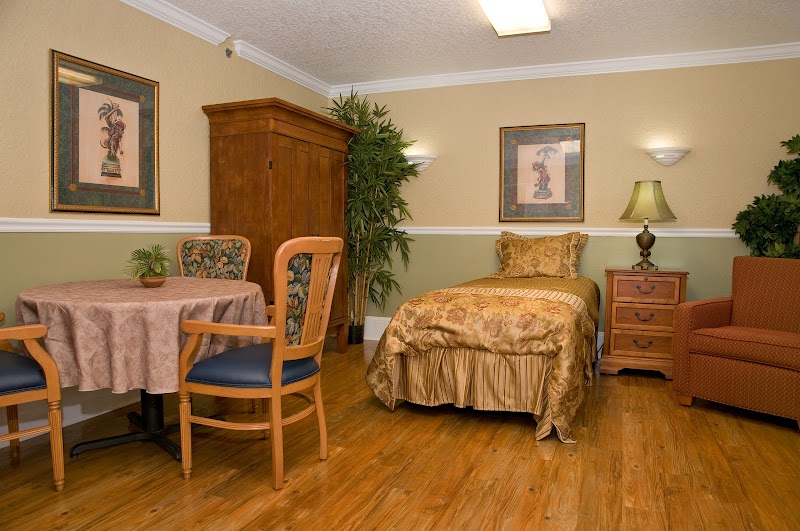
How is Darcy Hall Of Life Care Staffed?

CMS rates DARCY HALL OF LIFE CARE's staffing level at 4 out of 5 stars, which is above average compared to other nursing homes. Staff turnover is 28%, compared to the Florida average of 46%. This relatively stable workforce can support continuity of care. RN turnover specifically is 61%, which is notably high. RNs provide skilled clinical oversight, so turnover in this role can affect medical care quality.

What Have Inspectors Found at Darcy Hall Of Life Care?

State health inspectors documented 26 deficiencies at DARCY HALL OF LIFE CARE during 2022 to 2025. These included: 2 Immediate Jeopardy (the most serious level, indicating potential for serious harm or death), 23 with potential for harm, and 1 minor or isolated issues. Immediate Jeopardy findings are rare and represent the most serious regulatory concerns. They require immediate corrective action.
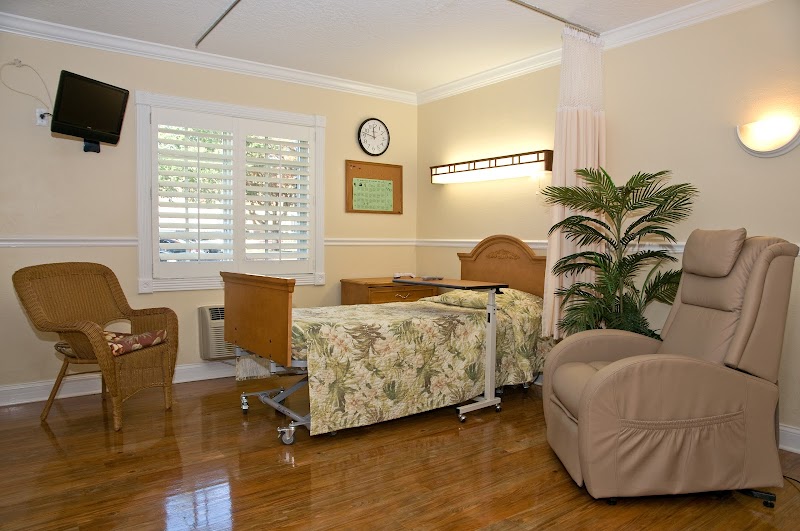
Who Owns and Operates Darcy Hall Of Life Care?

DARCY HALL OF LIFE CARE is owned by a for-profit company. For-profit facilities operate as businesses with obligations to shareholders or private owners. The facility is operated by LIFE CARE CENTERS OF AMERICA, a chain that manages multiple nursing homes. With 220 certified beds and approximately 183 residents (about 83% occupancy), it is a large facility located in WEST PALM BEACH, Florida.
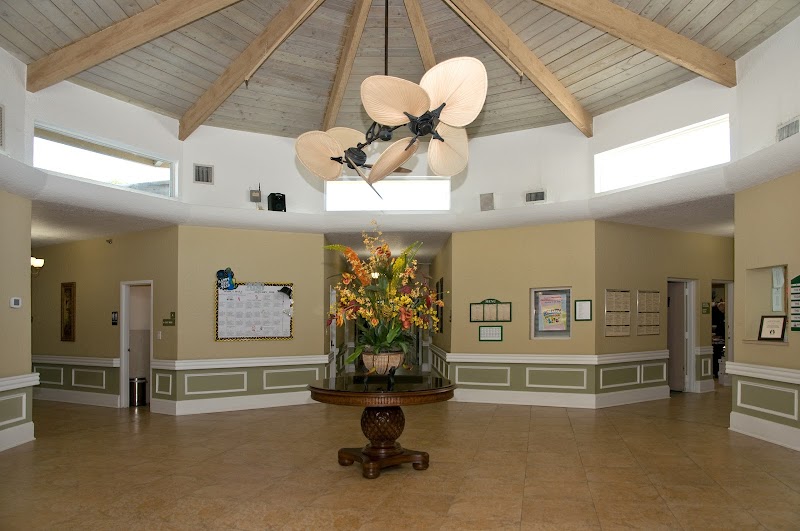
How Does Darcy Hall Of Life Care Compare to Other Florida Nursing Homes?

Compared to the 100 nursing homes in Florida, DARCY HALL OF LIFE CARE's overall rating (1 stars) is below the state average of 3.2, staff turnover (28%) is significantly lower than the state average of 46%, and health inspection rating (1 stars) is much below the national benchmark.

What Should Families Ask When Visiting Darcy Hall Of Life Care?

Based on this facility's data, families visiting should ask: "What changes have been made since the serious inspection findings, and how are you preventing similar issues?" "What safeguards and monitoring systems are in place to protect residents from abuse or neglect?" "Can I visit during a mealtime to observe dining assistance and food quality?" "How do you handle medical emergencies, and what is your hospital transfer rate?" These questions are particularly relevant given the facility's Immediate Jeopardy citations and the substantiated abuse finding on record.

Is Darcy Hall Of Life Care Safe?

Based on CMS inspection data, DARCY HALL OF LIFE CARE has documented safety concerns. The facility has 1 substantiated abuse finding (meaning confirmed case of resident harm by staff or other residents). Inspectors have issued 2 Immediate Jeopardy citations (the most serious violation level indicating risk of serious injury or death). The facility has a 1-star overall rating and ranks #100 of 100 nursing homes in Florida. Families considering this facility should ask detailed questions about what corrective actions have been taken since these incidents.

Do Nurses at Darcy Hall Of Life Care Stick Around?

Staff at DARCY HALL OF LIFE CARE tend to stick around. With a turnover rate of 28%, the facility is 17 percentage points below the Florida average of 46%. Low turnover is a positive sign. It means caregivers have time to learn each resident's needs, medications, and personal preferences. Consistent staff also notice subtle changes in a resident's condition more quickly.

Was Darcy Hall Of Life Care Ever Fined?

DARCY HALL OF LIFE CARE has no federal fines on record. CMS issues fines when nursing homes fail to meet care standards or don't correct problems found during inspections. The absence of fines suggests the facility has either maintained compliance or corrected any issues before penalties were assessed. This is a positive indicator, though families should still review recent inspection reports for the full picture.

Is Darcy Hall Of Life Care on Any Federal Watch List?

DARCY HALL OF LIFE CARE is not on any federal watch list. The most significant is the Special Focus Facility (SFF) program, which identifies the bottom 1% of nursing homes nationally based on persistent, serious quality problems. Not being on this list means the facility has avoided the pattern of deficiencies that triggers enhanced federal oversight. This is a positive indicator, though families should still review the facility's inspection history directly.