LAKESIDE HEALTH CENTER
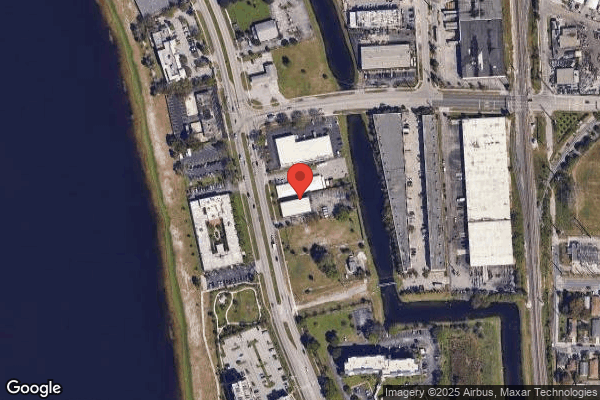
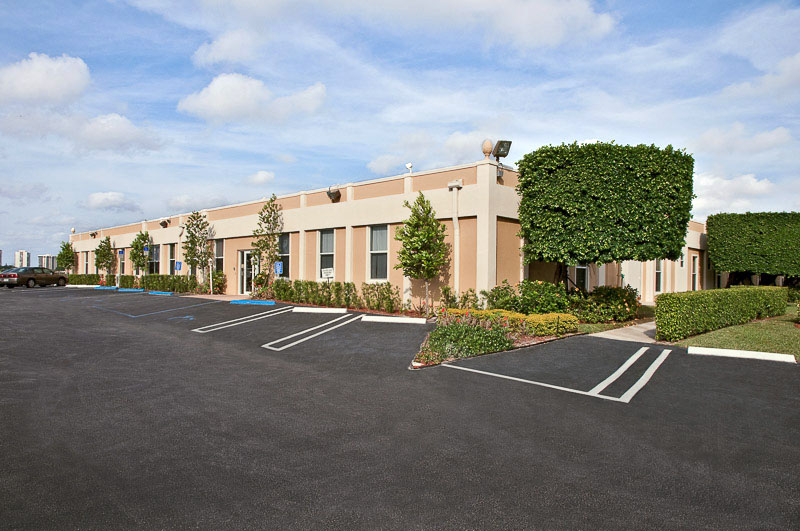
2501 N AUSTRALIAN AVENUE, WEST PALM BEACH, FL 33407 (561) 655-7780
For profit - Corporation 107 Beds LIFE CARE CENTERS OF AMERICA Data: November 2025
Trust Grade
70/100
#224 of 690 in FL
Last Inspection: June 2024

Within standard 12-15 month inspection cycle. Federal law requires annual inspections.

Overview

Lakeside Health Center in West Palm Beach, Florida has a Trust Grade of B, indicating it is a good choice among nursing homes, providing solid care and services. It ranks #224 out of 690 facilities in Florida, placing it in the top half, and #17 out of 54 in Palm Beach County, suggesting that there are limited better options nearby. The facility is improving, having reduced issues from 7 in 2024 to just 1 in 2025, which is a positive trend. Staffing is a strength, with a turnover rate of 0%, significantly lower than the state average of 42%, indicating a stable workforce dedicated to the residents. Although there have been no fines, which is a good sign, there are some concerns, including a failure to maintain cleanliness in multiple areas and not following dietary guidelines for residents on special diets. Additionally, the facility did not report allegations of resident-to-resident abuse in a timely manner, which could be a serious issue for families to consider. Overall, while there are strengths in staffing and no fines, families should be aware of the specific incidents that suggest areas needing improvement.

Trust Score
B
70/100
In Florida
#224/690
Top 32%
Safety Record
Low Risk
No red flags
Inspections
Getting Better
7 → 1 violations
Staff Stability
○ Average
Turnover data not reported for this facility.
Penalties
✓ Good
No fines on record. Clean compliance history, better than most Florida facilities.
Skilled Nurses
○ Average
Each resident gets 41 minutes of Registered Nurse (RN) attention daily — about average for Florida. RNs are the most trained staff who monitor for health changes.
Violations
⚠ Watch
21 deficiencies on record. Higher than average. Multiple issues found across inspections.
★★★★☆
4.0
Overall Rating
★★★☆☆
3.0
Staff Levels
★★★★★
5.0
Care Quality
★★★☆☆
3.0
Inspection Score
Stable
2024: 7 issues
2025: 1 issues

The Good

  • 5-Star Quality Measures · Strong clinical quality outcomes
  • Full Sprinkler Coverage · Fire safety systems throughout facility
  • No fines on record

Facility shows strength in quality measures, fire safety.

The Bad

Chain: LIFE CARE CENTERS OF AMERICA

Part of a multi-facility chain

Ask about local staffing decisions and management

The Ugly 21 deficiencies on record

Feb 2025 1 deficiency
CONCERN (D) 📢 Someone Reported This

A family member, employee, or ombudsman was alarmed enough to file a formal complaint

Potential for Harm - no one hurt, but risky conditions existed

Report Alleged Abuse (Tag F0609)

Could have caused harm · This affected 1 resident

**NOTE- TERMS IN BRACKETS HAVE BEEN EDITED TO PROTECT CONFIDENTIALITY** Based on interview, record review and policy review, the facility failed to timely report to the State Agency allegations of res...

Read full inspector narrative →
**NOTE- TERMS IN BRACKETS HAVE BEEN EDITED TO PROTECT CONFIDENTIALITY** Based on interview, record review and policy review, the facility failed to timely report to the State Agency allegations of resident-to-resident abuse for 4 of 6 sampled residents, Resident #1 and Resident #2 involved in an incident; and Resident #5 and Resident #6 involved in another incident. The findings included: Review of the Policy titled Abuse-Reporting and Response - No Crime Suspected, issued on 10/04/22 and reviewed on 06/17/24 documented, in part, . Ensure that all alleged violations involving abuse, neglect, exploitation or mistreatment, including injuries of unknown source and misappropriation of resident property, are reported immediately, but not later than later 2 hours after the allegation is made, if the events that cause the allegation involve abuse or result in serious bodily injury, or not later than 24 hours if the events that cause the allegation do not involve abuse and do not result in serious bodily injury, to the administrator of the facility and to other officials (including to the State Survey Agency and adult protective services where state law provides for jurisdiction in long-term care facilities) in accordance to State law through established procedures. 1. Record review revealed Resident #1 was admitted to the facility 01/02/25 with diagnoses including recurrent Major Depressive Disorder, Paranoid Schizophrenia, Anxiety Disorder, unspecified Intellectual Disabilities, Impulsiveness, and Emotional Lability. Review of the current Minimum Data Set (MDS) assessment dated [DATE] documented Resident #1 had a Brief Interview for Mental Status (BIMS) score of 14, on a 0 to 15 scale, indicating the resident was cognitively intact. This same MDS documented mood and behavior symptoms that occurred frequently. Record review revealed Resident #2 was admitted to the facility 07/22/22 with diagnosis including Moderate Vascular Dementia with Mood Disturbance, generalized Anxiety Disorder, unspecified Dementia with unspecified Severity without Behavioral Disturbance, Psychotic Disturbance, Mood Disturbance, and Major Depressive Disorder. Resident #2 did not have a BIMS score, indicating the resident was unable to answer any of the interview questions. Review of the abuse incident that happened on 02/11/25 documented an incident that had occurred between Resident #1 (the perpetrator) and Resident #2 (the victim.) The incident was reported by the Social Services Director (SSD) as followed: Incident time: 11:00 AM . Staff became aware of the incident .11:10 AM . Allegations: Physical Abuse .Time reported to the Abuse Registry: 12:43 PM. This report was not submitted to the State Agency until 4:26 PM, approximately 5 and a 1/2 hours after the incident occurred. 2. Review of an incident that happened on 02/10/25 documented an incident had occurred between Resident #5 (the perpetrator) and Resident #6 (the victim.) The incident was reported by the SSD as followed: Incident time: 6:00 PM . Staff became aware of the incident .6:01 PM . Allegations: Physical Abuse .Time reported to the Abuse Registry: 10:39 AM on 02/11/25. This report was submitted to the Abuse Registry approximately 16 and a 1/2 hours later and to the State Agency at 11:49 AM on 02/11/25, approximately 18 hours after the incident occurred. During an interview on 02/27/25 at 1:45 PM, when asked what the timeframes were involved with abuse allegation reporting, the SSD stated it must be reported within two hours to Adult Protective Services. When asked if that was the only agency that needed to know of the incident, she stated, Just Adult Protective Services within 2 hours and the State agency right after, but I have not been instructed on a specific timeframe for the State Agency. She stated that there was no way she could submit a timely report without doing her own observations and interview, checking on both residents' safety and compiling a list of witnesses to the incident. The SSD explained if she had to report it within 2 hours to the State Agency, her report would not be detailed. During a side-by-side review of the regulation, the SSD agreed she should have completed the immediate report to the State Agency within 2 hours. During an interview on 02/27/25 at 3:22 PM, when asked why the abuse report between Resident #5 and Resident #6 was not submitted timely, the Director of Nursing (DON) stated that the reason that staff (the evening supervisor) was not working for the facility any longer. The DON stated the incident between Resident #5 and Resident #6 happened during the evening, and the evening supervisor did not report the incident to anyone. The DON stated she found out about the incident the next morning. When asked what the timeframes were for reporting abuse allegations, the DON stated it is within 2 hours for both Adult Protective Services and the State Agency. When asked why the SSD did not know the reporting time for the State Agency, the DON stated she should have known it was 2 hours.
Sept 2024 1 deficiency
CONCERN (D) 📢 Someone Reported This

A family member, employee, or ombudsman was alarmed enough to file a formal complaint

Potential for Harm - no one hurt, but risky conditions existed

Free from Abuse/Neglect (Tag F0600)

Could have caused harm · This affected 1 resident

**NOTE- TERMS IN BRACKETS HAVE BEEN EDITED TO PROTECT CONFIDENTIALITY** Based on record review and interview, the facility failed to protect the resident's right to be free from physical abuse for 1 o...

Read full inspector narrative →
**NOTE- TERMS IN BRACKETS HAVE BEEN EDITED TO PROTECT CONFIDENTIALITY** Based on record review and interview, the facility failed to protect the resident's right to be free from physical abuse for 1 of 2 sampled residents (Resident #3) by a resident (Resident #2) with a history of physical abuse to staff and other residents. This is evident by the lack of supervision of Resident #2, contributing to re-offended physical abuse towards Resident #3. The findings included: Review of the closed record for Resident #2 revealed the resident was admitted to the facility on [DATE] with diagnoses which included Dementia, Adjustment Disorder with Anxiety, and Major Depressive Disorder. Further review revealed a comprehensive assessment dated [DATE] that documented the resident had severe cognitive impairment and required substantial/maximum assistance with activities of daily living. Resident #2 was transferred to the hospital on [DATE] for weight loss and functional decline per family request. Resident #2 was care planned for physically aggressive/combative behaviors with interventions included: administer medications as ordered, psych consult as indicated, and document observed behaviors and attempted interventions. Resident #3 was admitted to the facility on [DATE] with diagnoses which included Dementia. Record review revealed a comprehensive assessment dated [DATE] that documented the resident had severe cognitive impairment and required partial/moderate assistance with activities of daily living. A review of Resident #2's progress notes revealed a note, dated 08/18/24 at 3:54 PM, that documented: Received report from resident (Resident #3) that a naked man came in her room and hit her with his fist. CNA (Certified Nurse Assistant) confirmed that this resident (Resident #2) was naked and removed from other resident's (Resident #3) room after hearing the resident call for help. Resident unable to give description. Resident assessed, no new injuries noted, family and NP (Nurse Practitioner) notified. A progress note dated 08/20/24 at 4:02 PM documented: This writer received report from CNA that she heard another resident (roommate of Resident #2) yell for help, upon entering the room she found this resident (Resident #2) over other resident (the roommate) with bed remote in hand, in the striking position, removed this resident (Resident #2) from resident's (roommate of Resident #2) room. A progress noted dated 08/22/24 at 2:57 PM documented: IDT (Interdisciplinary Team) Meeting: [Resident #2] discussed in meeting in regards to resident's behaviors. Psych was in to see resident, medication adjustment made. Team placed call to resident's family member to discuss resident's behaviors, team discussed with family member the need for one-on-one supervision. Family member stated he would discuss with family and let us know. Team stressed the importance of having a one on one. Family member stated he would be in today to discuss further. A progress note dated 08/23/24 at 11:13 AM documented: SSD (Social Services Director) and writer called resident's (Resident #2) family member to follow up about conversation in regarding to one on one. Family member stated that he is discussing with other family members. We offered private sitters. SSD to forward information on agencies. We reiterated the significance of the one-to-one companionship need for his safety and other. Provided information on the disease process. Family member voiced concerns in regard to other residents wandering into the resident's room, it was explained to Family member that it is common to have residents wander due to cognitive impairments, but the resident (Resident #2) is experiencing aggression and can be sexually inappropriate. Previous incidents have occurred in other resident's room where the resident (Resident #2) has wandered into. Family member verbalized understanding and stated that he would get back to us no later than Monday. A progress note dated 08/28/24 at 1:40 PM documented: Placed call to resident's (Resident #2) family member in regard to resident's behavior and incident that occurred with another resident (Resident #3). A review of Resident #3's progress notes revealed a noted dated 08/18/24 at 12:06 PM documented: This writer attempted to assist resident in eating and resident expressed that she did not want to eat much due to pain in her mouth. I was sleeping, and I heard some noises, I woke up and the man (Resident #2) didn't have no clothed on, and he started to hit me on my face. This writer asked resident to open her mouth to assess, bruising noted on the inside of the left side of bottom lips, skin assessment completed, no other visible injuries noted, vitals stable, PRN (as needed) pain medication administered, NP (Nurse Practitioner) notified, family notified. A progress notes for Resident #3 dated 08/28/24 at 1:51 PM documented: Received report that resident was on the floor in east hallway, resident observed on buttocks sitting against the wall. Resident Description: He (Resident #2) came in my room and started to take off his clothes. I told him to stop. Jehovah would not want you to do this. I got up and left the room. He followed me and pushed me down and I fell. Resident assessed and assisted to get up with the help of other staff member. Resident was assisted to recliner inside room, head to toe skin assessment completed, no injuries noted, resident complained of slight pain to left arm, PRN administered, ROM completed without difficulty, able to move all extremities, stop sign banner in place, NP and Daughter notified. An interview was conducted with the Social Services Director (SSD)/Abuse Coordinator on 09/09/24 at 2:30 PM. The SSD stated Resident #2 was declining cognitively. The resident had become much more aggressive and had more behaviors. The resident gets physical with staff and other residents. The facility had multiple conversations with family regarding the resident's decline. The facility provided 1:1 supervision as short term/couple of days. Resident #2's family had agreed to come in on a rotating basis. The family stopped showing up. They looked at low-cost companionship and provided the family with a list of agencies. An interview was conducted with the Director of Nursing (DON) on 09/09/24 at 3:00 PM. The DON acknowledged the lack of supervision of Resident #2 contributed to the physical abuse of Resident #3. The DON acknowledged it was the facility's responsibility to keep their residents free from abuse.
Jun 2024 6 deficiencies
CONCERN (D)

Potential for Harm - no one hurt, but risky conditions existed

Investigate Abuse (Tag F0610)

Could have caused harm · This affected 1 resident

**NOTE- TERMS IN BRACKETS HAVE BEEN EDITED TO PROTECT CONFIDENTIALITY** 2) An interview conducted with Resident #10 on 06/18/24 at 11:05 AM revealed that she was hit in the nose by a male resident. Re...

Read full inspector narrative →
**NOTE- TERMS IN BRACKETS HAVE BEEN EDITED TO PROTECT CONFIDENTIALITY** 2) An interview conducted with Resident #10 on 06/18/24 at 11:05 AM revealed that she was hit in the nose by a male resident. Resident #10 stated I started bleeding. They called the MD, and the MD came and said I have a cut on my nose. He treated me and thank God, I see I don't have a scar there. Per record review, an assessment performed on 5/12/2024 showed that this resident understands and is understood. Her brief interview for mental status (BIMS) score is 13, which indicates that she is cognitively intact. During an interview on 06/19/24 2:58 PM, the director of social services (SSD) was asked if she remembered an incident that occurred to Resident #10 in the dining room. The SSD responded: she was walking around and the man in the wheelchair took his cup and he threw it at her face. I had to do an incident report. She had a bruise, a little scratch. Review of the report submitted to the State documented the allegation of physical abuse occurred on 4/29/24 at 2:01 PM. The allegation details listed a detailed description of any outcome to the resident, including any physical injuries and psychosocial outcome. It documented There were no physical injuries noted. The victim decided to go to her room after altercation and not participate in the Ice Scream [sig] Social even though it was recommended to have them sit very far from one another and closely monitored. This description was entered by SSD at 4:03 PM. In the report section on steps taken immediately in response to the incident, the SSD wrote on 4/30/24 at 8:58 AM: her BIMS are much higher than the alleged perpetrator. She is able to comprehend and has good recall. She proceeded with wanting to enjoy the ice scream social as she had originally intended. Continued observations were made during ice scream social . In the summary of the facility's interview with the following participants section, the SSD wrote on 5/1/24 that the interview with Resident #10 was also inconclusive, since she reacted passively to the altercation and due to her psychiatric dx, is incapable of providing real details. During an interview on 06/20/24 at 1:12 AM the SSD was asked how she knew that there were no physical injuries sustained to Resident #10 on 4/29/24 from being hit in the face. The SSD responded, at the immediate there was no visual indication that there was injury. When the social worker was told that Resident #10 said she was bleeding, the SSD responded, she was not bleeding. When SSD was asked: Were you there? SSD stated I was not present when it occurred. Someone ran to my office letting me know what had happened and I went over there. The SSD was made aware of discrepancies between the incident report that said no injury and the Resident's interview. SSD was also made aware of the discrepancies on the incident report that describe that the resident went to her room after the altercation and later describe that the resident proceeded to enjoy the ice cream social. When asked why there was this discrepancy the SSD said initially she went to her room and then she really wanted the ice cream, so she went back to the social. They were kept far apart. The SSD added that she told Resident #10 we will ensure you are not in danger and come on, let's go back to the social. A record review of a progress note written by the [NAME] Unit Manager, RN, on 4/29/2024 at 2:37 PM said that the resident sustained a laceration to the nose and first aid was provided. During an interview on 06/20/24 at 11:50 AM the [NAME] Unit Manager was asked what he remembers about the incident that occurred regarding resident #10 when she was in the dining room. The RN replied the activities director brought it me that she saw Resident #10 and the guy in the dining room and that he hit her with a coffee cup. I think she had a small cut, a laceration on the bridge of her nose. Based on policy review, observation, interview and record review the facility failed to report and investigate an injury of unknown origin (bruise), for 1 of 6 sampled residents reviewed for abuse (Resident #36). The facility also failed to ensure a thorough investigation as evidenced by documented inconsistencies for 1 of 6 sampled residents reviewed for abuse (Resident #10). The findings included: 1) Review of the policy titled abuse-identification of types dated 10/04/22 indicated it is the policy of this facility to identify abuse, neglect and exploitation of residents and misappropriation of resident property. This includes but is not limited to identifying and understanding the different types of abuse and possible indicators. Definition of abuse-is defined as the willful infliction of injury, unreasonable confinement, intimidation, or punishment by an individual, including a caretaker, of goods or services that are residents from abuse. Necessary to attain or maintain physical, mental and psychological well-being. Instances of abuse of all residents, irrespective of any mental or physical condition, cause physical harm, pain or mental anguish. It includes verbal abuse, sexual abuse, physical abuse, and mental abuse including abuse facilitated or enabled through the use of technology. This policy documented injuries of unknown source-an injury should be classified as an injury of unknown source when all of the following criteria are met: The source of the injury was not observed by any person; and the source of the injury could not be explained by the resident; and the injury is suspicious because of the extent of the injury or the location of the injury (e.g., the injury is located in an area not generally vulnerable to trauma) or the number of injuries observed at one particular point in time or the incidence of injuries over time. The procedure included: 1) the facility will apply the following definitions to identify abuse, neglect and exploitation. 2) the facility staff should report any suspected abuse, neglect, or exploitation noted based on the below definitions to the executive director or director of nursing. 3) based on the reports of suspected abuse, neglect, or exploitation noted based on the below definitions the facility will follow the abuse-investigation policy and the abuse-protection policy. In response to allegations of abuse, neglect, exploitation, or mistreatment, the facility must: ensure that all alleged violations involving abuse, neglect, exploitation or mistreatment, including injuries of unknown source and misappropriation of resident property, are reported immediately, but not later than 2 hrs. after the allegation is made. If the events that cause the allegation involve abuse or result in serious bodily injury, or not later than 24 hours if the events that cause the allegation do not involve abuse and do not result in serious bodily injury, to the administrator of the facility and to other officials (including to the state survey agency and adult protective services where state law provides for jurisdiction in long-term care facilities) in accordance with state law through established procedures. 1). Record review revealed Resident #36 was admitted to the facility on [DATE], with diagnoses including: anxiety disorder, bipolar disorder, and psychotic disorder. Review of the significant change minimum data set (MDS) assessment, reference date 04/12/24, recorded a brief interview for mental status (BIMS) score of 11, which indicated Resident #36 was cognitively moderately impaired. This MDS recorded the following moods: Feeling down, depressed, or hopeless. Feeling tired or having little energy. Feeling bad about self - or that failure or have let self or family down. Moving or speaking so slowly that other people have noticed. Or the opposite - being so fidgety or restless that you have been moving around a lot more than usual. Review of physician order dated 08/21/23 indicated weekly skin checks on Mondays. On 06/17/24 at 11:09 AM observed Resident #36 in her room, sitting up in wheelchair. An interview process was conducted with her. The surveyor asked her questions regarding abuse. She stated that on Memorial Day, a person in the facility named [ ] punched her right upper arm. The resident was noted with a bluish/purple bruise to the outside aspect of the right upper arm (deltoid area). Resident #36 claimed the bruise was much bigger. Subsequently, she started pointing to the bruised area, while stating, this whole area was bruised, touching her upper deltoid down to above the elbow area. Resident #36 also said that another person in the facility named [ ] slapped her in the face and her stomach and stepped on her big toe on purpose. She claimed she has been abused a lot in the facility. When inquired about reporting the abuse. She voiced that the facility was aware of the abuse because she had reported it to a staff member (unknown name). On 06/20/24 at 11:53 AM an interview was conducted with Staff B, a licensed practical nurse (LPN), regarding Resident #36. She revealed she works with Resident #36 a lot. When asked about the bruise to the resident right upper arm (deltoid area), she said she was not aware of the bruise, when asked about skin assessment, and inquired when was the last time her skin was checked? Staff B revealed her skin assessment should be done weekly. She said the last skin assessment was completed on 06/17/24. During that time a review of the skin assessment document was conducted. The record did not indicate any skin issue, it did not reflect the bruise on the resident's skin. On 06/20/24 at 12:03 PM an interview was held with the Social Service Director (SSD) regarding Resident #36. When inquired about the resident, the SSD voiced that Resident #36 is fun, she loves pop culture, she likes to watch the shows with the famous singers. When asked specifically about the resident's skin does the resident have any bruises? SSD revealed she was not aware of any bruise on the resident's skin. When mentioned that the resident had said a person named [ ] had punched her in the right upper arm (deltoid area). The SSD said that must be a famous person's name, as she gives people she encounters famous people names. When informed the resident also voiced [ ] had slapped her and hurt her big toe. The SSD stated, that name could be one of the famous people as well. The surveyor informed the SSD that the surveyor had observed a bruise to the resident right upper arm on 06/17/24 at 11:09 AM. The surveyor then advised the SSD to contact the director of nursing (DON), so that they could go and talk to the resident together. At 12:13 PM the SSD, DON, and the Regional Clinical Consultant accompanied the group to the Resident's room. The SSD asked Resident #36 about the bruise. The resident explained to the group that a person named [ ] punched her in the right upper arm on Memorial Day. During that time the DON proceeded to check the resident's right upper arm, she and the SSD acknowledged the bruise. The SSD informed the surveyor that she had not started an investigation process for the resident as she was not made aware of the bruise, but she will start an investigation immediately. During that time, again, the surveyor informed the SSD the surveyor had seen the bruise on 06/17/24 at 11:09 AM and no skin issue was documented on the skin assessment document dated 6/17/24 at 12:30 PM. During a subsequent interview held with the SSD on 06/20/24 at approximately 12:46 PM, the SSD voiced had she been made aware of the bruise she would have initiated an investigation process. A subsequent observation and interview were conducted on 06/20/24 at approximately 1:15 PM, by another nurse surveyor with the Regional Clinical Consultant who was present. He asked Resident #36 if he could see the bruise on her right arm. Resident #36 lifted the short sleeve to her blouse and a blue/purple bruise, about 3 to 4 cm across was noted. When asked what happened to her arm, Resident #36 stated, I was punched by LD. When asked when she was punched, Resident #36 stated, on Memorial Day. The resident continued and stated she was slapped, followed by something about her toe. When asked if she reported the slap, Resident #36 stated she had told the receptionist. When asked if she was talking about the receptionist at the entrance or at the nurse's station, the resident pointed to the nurse's station, which was in the opposite direction to the lobby. When asked if she recalled the name of the person, she reported the slap to Resident #36 named Staff C, who was a certified nursing assistant who was suspended earlier in the day for an unrelated issue, as per the Regional Clinical Consultant. During the conversation the resident also mentioned [ ] (a famous person's name) and another staff or two.
CONCERN (D)

Potential for Harm - no one hurt, but risky conditions existed

Quality of Care (Tag F0684)

Could have caused harm · This affected 1 resident

**NOTE- TERMS IN BRACKETS HAVE BEEN EDITED TO PROTECT CONFIDENTIALITY** 2) Review of Resident #26 Record review revealed Resident #26 was admitted to the facility on [DATE] with a diagnosis to include...

Read full inspector narrative →
**NOTE- TERMS IN BRACKETS HAVE BEEN EDITED TO PROTECT CONFIDENTIALITY** 2) Review of Resident #26 Record review revealed Resident #26 was admitted to the facility on [DATE] with a diagnosis to include Hypertensive Chronic Kidney Disease, Anxiety Disorder, Atrial Fibrillation, Hyperlipidemia, Cardiac Pacemaker, Dementia, Cardiomyopathy, Type II Diabetes. A review of the Physicians Orders document Diltiazem HCl tablet 30 MG. Give 1 tablet by mouth two times a day (9:00 AM and 5:00 PM) for hypertension, to hold for SBP less than 130. start date 02/06/24. On the following dates the systolic blood pressure (SBP) was less than 130 and the nurse gave the resident the medication Diltiazem HCl tablet 30 MG. 06/01/24 9:00 AM: B/P 126/78 and 5:00 PM: B/P 120/67 06/02/24 9:00 AM: B/P 129/73 06/03/24 9:00 AM: B/P 125/66 06/08/24 9:00 AM: B/P 115/55 06/11/24 9:00 AM: B/P 128/80 and 5:00 PM: B/P 110/74 06/13/24 5:00 PM: B/P 119/60 06/14/24 9:00 AM: B/P 127/60 06/15/24 5:00 PM: B/P 127/81 06/17/24 9:00 AM: B/P 110/56 06/19/24 5:00 PM: B/P 116/65 05/01/24 9:00 AM: B/P 129/79 and 5:00 PM: B/P 116/67 05/05/24 9:00 AM: B/P 129/78 05/07/24 5:00 PM: B/P 122/78 05/09/24 9:00 AM: B/P 129/79 05/10/24 9:00 AM: B/P 128/69 and 5:00 PM: B/P 121/68 05/11/24 9:00 AM: B/P 101/74 05/12/24 5:00 PM: B/P 122/79 05/13/24 9:00 AM: B/P 124/68 and 5:00 PM: B/P 127/76 05/14/24 5:00 PM: B/P 119/68 05/15/24 9:00 AM: B/P 121/64 05/16/24 5:00 PM: B/P 129/73 05/17/24 9:00 AM: B/P 123/65 05/20/24 5:00 PM: B/P 128/76 05/25/24 9:00 AM: B/P 121/67 05/26/24 5:00 PM: B/P 128/71 05/27/24 9:00 AM: B/P 124/62 05/30/24 5:00 PM: B/P 128/71 05/31/24 9:00 AM: B/P 107/57 04/02/24 5:00 PM: B/P 126/77 04/04/24 9:00 AM: B/P 112/67 and 5:00 PM: B/P 113/76 04/05/24 9:00 AM: B/P 117/76 and 5:00 PM: B/P 117/76 04/06/24 9:00 AM: B/P 122/67 and 5:00 PM: B/P 118/61 04/10/24 9:00 AM: B/P 116/85 and 5:00 PM: B/P 121/59 04/11/24 5:00 PM: B/P 128/73 04/12/24 9:00 AM: B/P 129/78 and 5:00 PM: B/P 113/54 04/13/24 5:00 PM: B/P 126/84 04/14/24 9:00 AM: B/P 124/84 04/15/24 5:00 PM: B/P 117/65 04/16/24 9:00 AM: B/P 117/65 and 5:00 PM: B/P 126/85 04/17/24 9:00 AM: B/P 118/67 and 5:00 PM: B/P 126/85 04/19/24 5:00 PM: B/P 121/67 04/21/24 9:00 AM: B/P 124/79 04/22/24 9:00 AM: B/P 125/89 04/26/24 5:00 PM: B/P 120/61 3) A review of Resident #53's record revealed Resident #53 was admitted to the facility on [DATE] with a diagnosis to include Hypertension, Dementia, Alzheimer's Disease, Chronic Kidney Disease. A review of the Physician Orders revealed Resident #53 was on Amlodipine Besylate Tab 5 MG. hold if SBP (Systolic Blood Pressure) is less than 110 or Heart Rate is less than 60. The start date is 07/04/22. Review of the MARS (Medication Administration Record) for April 2024, May 2024, and June 2024 documented the Amlodipine Besylate Tab 5 MG 1 tablet twice daily with an order to hold if systolic blood pressure (SBP) is less than 110 or Heart rate is less than 60 start date 07/04/22. The following dates show the medication was given outside parameters to hold. 04/07/24 5:00 PM: B/P 98/74 04/16/24 18:13: Heart rate 58 04/17/24 5:00 PM: Heart rate 54 05/11/24 9:00 AM: B/P 105/54 and Heart rate 58 05/16/24 9:00 AM: Heart rate 56 05/27/24 9:00 AM: Heart rate 56 06/15/24 9:00 AM: Heart rate 56 05/18/24 9:00 AM: Heart rate 55 During an interview on 06/20/24 at 9:36 AM with the DON (Director of Nursing), she was asked to review the MARS for April 2024, May 2024 and June 2024 for Resident #26 and Resident #53. She reviewed the MARS for these residents and acknowledged the medications were given when it specifically documented to hold the medication. She stated I did in-service after pharmacist mentioned it on another resident. I did the Inservice on 04/29/24. During an interview on 06/20/24 at 10:02 AM with RN Unit Manager, he was asked to review the physician orders vs the MARS for April 2024, May 2024 and June 2024. He acknowledged that the nurses did not hold the medication as per physician order. During an interview on 06/20/24 at 10:20 AM, with Staff G, LPN (Licensed Practical Nurse) she was asked to review Resident #26 and Resident #53 orders and MAR for these residents. She was asked to look at the resident's B/P vs the medication order on the days she worked and gave the medication. She didn't understand what the concern was and was asked if she should have held the medications for when the systolic B/P was below 130 for Resident #26. She did not have an answer and why she gave it. Based on record review and interview, the facility failed to ensure nursing staff followed physician orders for 3 of 7 sampled residents reviewed for medication use. Staff held insulin without an order and failed to provide an ordered hypertensive (blood pressure) medication as per ordered parameters for Resident #38. Staff failed to follow physician orders for blood pressure and heart rate parameters for Residents #26 and #53. The findings included: 1) Review of the record revealed Resident #38 was admitted to the facility on [DATE] with diagnoses to include diabetes, hypertension (high blood pressure), and end-stage renal disease receiving dialysis services. Review of the current physician orders revealed the following: a) As of 10/21/23 staff were to provide 0.1 mg (milligrams) of clonidine every eight hours as needed for a systolic blood pressure greater than 160. b) As of 03/11/24 staff were to provide 5 units of Humalog insulin before meals and at bedtime. This order did not include any parameters to hold the medication. c) As of 05/09/24 staff were to provide 23 units of rezoglar insulin at bedtime. This order did not include any parameters to hold the medication. Review of the Medication Administration Records (MARs) for April, May, and June 2024 revealed staff were monitoring the resident's blood pressure twice daily. Further review of these MARs and corresponding progress notes, related to the insulin, revealed the following: c) On 05/02/24 at 2100 (9 PM) the 5 units of Humalog insulin were held. d) On 06/11/24 at 2100 the 5 units of Humalog insulin were held. e) On 06/11/24 at 2100 the 23 units of rezoglar insulin were held. f) On 06/12/24 at 0600 (6 AM) the 5 units of Humalog insulin were held. The corresponding progress notes all documented the Vitals outside of parameters of administration. These insulin orders lacked any parameters. The progress notes also lacked any evidence the physician was notified. Further review of these MARS and corresponding progress notes, revealed the following blood pressure readings with a systolic reading greater than 160: g) On 04/02/24 at 0900 (9 AM) the resident's blood pressure was 197/91. h) On 04/05/24 at 2000 (8 PM) the reading was 176/67. i) On 04/06/24 at 0900 the reading was 195/82. j) On 04/09/24 at 0900 the reading was 166/88. k) On 04/11/24 at 0900 the reading was 168/76. l) On 04/12/24 at 0900 the reading was 174/81. m) On 04/16/24 at 0900 the reading was 237/83. n) On 04/20/24 at 0900 the reading was 169/90. o) On 04/25/24 at 0900 the reading was 169/77. p) On 04/26/24 at 0900 the reading was 174/79. q) On 05/14/24 at 0600 the reading was 168/64. r) On 05/28/24 at 0600 the reading was 215/89. s) On 06/02/24 at 0900 the reading was 161/77. t) On 06/11/24 at 0800 the reading was 191/81. u) On 06/13/24 at 1700 the reading was 180/100. The record lacked any evidence nurses administered the ordered clonidine, as per the parameters to give the medication with a systolic reading greater than 160. During a side-by-side review of the record and interview on 06/19/24 at 2:51 PM, Staff A, Registered Nurse (RN), one of the nurses who care for Resident #38, agreed with the above findings and had no explanation as to why she had failed to provide the clonidine as per order, except that Resident #38 often refuses medications. The RN agreed the refusal should have been documented. During a side-by-side review of the record and interview on 06/20 24 in the morning, the Director of Nursing (DON) agreed with the findings.
CONCERN (D)

Potential for Harm - no one hurt, but risky conditions existed

Deficiency F0697 (Tag F0697)

Could have caused harm · This affected 1 resident

Based on observation, interview, record review, and policy review, the facility failed to ensure that pain management was provided for 1 of 1 sampled residents observed in pain (Resident #74). The fi...

Read full inspector narrative →
Based on observation, interview, record review, and policy review, the facility failed to ensure that pain management was provided for 1 of 1 sampled residents observed in pain (Resident #74). The findings included: Review of the Therapy Related Care Plan: Pain Management 2021 that is used as a guide for the facility (per Regional Clinical Consultant) instructs staff to complete a thorough pain assessment, to assess for verbal and nonverbal signs of pain, to implement interventions for pain, and to notify prescriber when pain control is not maintained. On 06/17/24 at 12:36 PM, observation revealed Resident #74 sat in the dining room and made loud verbal whines. No one approached the resident in a timely manner to follow-up on his needs. Later that afternoon at 2:30 PM, Resident #74 was heard groaning while he sat in the wheelchair in his room close to the bed next to the door. At the same time, Staff E, Certified Nursing Assistant (CNA), was observed in his room as she fed the resident in the bed near the window. This CNA did not stop feeding that resident to attend to # 74's needs. No other staff came into this resident's room to check up on Resident #74 in a timely manner. On 06/20/24 at 12:22 PM, an interview was conducted with Staff E, the CNA assigned to Resident #74 during the 7:00 AM-3:30 PM shift on Monday, 06/17/24. This CNA was asked how she knows when Resident #74 is in pain. She responded: With him you know. He usually hits his leg or cries out when he's in pain. So, we bring him to the nurse. When asked if you are busy with another resident what do you do if he is calling out? The CNA answered you get the nurse. She usually gives him pain medicine. When asked if the resident appears more comfortable after he receives pain medication, she answered yes. When asked do you remember how he was feeling on Monday, the CNA responded, I don't remember anything about Monday. A record review of Resident #74's comprehensive care plan, illustrates that the facility was aware that Resident #74 was at risk for generalized pain/discomfort. Interventions listed in the care plan for pain updated 05/31/24 included to observe and report to the nurse any signs or symptoms of non-verbal pain including vocalizations, moans, and yelling out. Interventions listed also included to anticipate the resident's need for pain relief and to respond immediately to any complaint of pain. In addition, it is noted in the record review that Resident #74 used an indwelling catheter secondary to a urinary tract disorder. There were orders related to the catheter which included to record this resident's pain level. A record review of the Progress Notes for Resident #74 showed that there were no progress notes written on 06/17/24. In addition, a review of the medication administration showed that there was no medication for pain given on 06/17/24. A record review showed that Resident #74 had a diagnosis of unspecified dementia, unspecified severity, with other behavioral disturbance. The resident also has anxiety disorder, and unspecified mood disorder. On 06/19/24 at 10:20 AM Staff D, LPN (Licensed Practical Nurse) was told that on Monday, Resident # 74 was heard making loud whining noises. The LPN was asked what she thought the loud vocalizations meant. The LPN answered: He can speak clearly when he feels like it. I know sometimes he screams. He used to be on ibuprofen. If I hear him now I give him Tylenol. He doesn't do it often, but sometimes. When the LPN was asked to clarify what she interprets this scream to mean? LPN answered pain. When asked does he understand when you ask him if he's in pain the LPN answered, he can shake his head but most of the time he doesn't answer. On 06/20/24 at 12:05 PM Staff F, LPN, was asked how she knows if Resident #74 is in pain she responded: He has pain on his left leg and if you see him hitting his leg that means he's in pain. Sometimes you will see him scream in pain. Staff F was asked what she does when he's in pain and she responded I give him Tylenol. And I tell them not to let him sit in the chair too long because then he will get in pain. On 06/20/24 at 12:44 PM, during a second interview with Staff F, LPN, was told that Resident #74 was heard crying out twice on Monday. The LPN was asked if anyone reported to her on Monday that the resident was in pain. Staff F answered, I gave him pain meds on Monday. Staff F was told that there was no documentation in the medication administration records that shows that medication was given for pain. The LPN responded I gave him medicine. It's everyday. If it's not in the morning, it's in the afternoon. Let me show you. The LPN opened up documentation from 06/19/24 that revealed that Resident #74 received medication for pain. Staff F did not work on 06/19/24. The LPN was asked again if she remembers anyone reporting that Resident #74 was in pain on Monday. Staff F stated No. I don't remember if he got medication on Monday. He was in the front all day. When asked to clarify what in the front meant the LPN stated that in the front means in the dining room or patio where residents eat and participate in activities.
CONCERN (D)

Potential for Harm - no one hurt, but risky conditions existed

Drug Regimen Review (Tag F0756)

Could have caused harm · This affected 1 resident

**NOTE- TERMS IN BRACKETS HAVE BEEN EDITED TO PROTECT CONFIDENTIALITY** 2) Review of Resident #26 Record review revealed Resident #26 was admitted to the facility on [DATE] with a diagnosis to include...

Read full inspector narrative →
**NOTE- TERMS IN BRACKETS HAVE BEEN EDITED TO PROTECT CONFIDENTIALITY** 2) Review of Resident #26 Record review revealed Resident #26 was admitted to the facility on [DATE] with a diagnosis to include Hypertensive Chronic Kidney Disease, Anxiety Disorder, Atrial Fibrillation, Hyperlipidemia, Cardiac Pacemaker, Dementia, Cardiomyopathy, Type II Diabetes. A review of the Physicians Orders document Diltiazem HCl tablet 30 MG. Give 1 tablet by mouth two times a day (9:00 AM and 5:00 PM) for hypertension, to hold for SBP less than 130. start date 02/06/24. On the following dates the systolic blood pressure (SBP) was less than 130 and the nurse gave the resident the medication Diltiazem HCl tablet 30 MG. 06/01/24 9:00 AM: B/P 126/78 and 5:00 PM: B/P 120/67 06/02/24 9:00 AM: B/P 129/73 06/03/24 9:00 AM: B/P 125/66 06/08/24 9:00 AM: B/P 115/55 06/11/24 9:00 AM: B/P 128/80 and 5:00 PM: B/P 110/74 06/13/24 5:00 PM: B/P 119/60 06/14/24 9:00 AM: B/P 127/60 06/15/24 5:00 PM: B/P 127/81 06/17/24 9:00 AM: B/P 110/56 06/19/24 5:00 PM B/P 116/65 05/01/24 9:00 AM: B/P 129/79 and 5:00 PM: B/P 116/67 05/05/24 9:00 AM: B/P 129/78 05/07/24 5:00 PM B/P 122/78 05/09/24 9:00 AM: B/P 129/79 05/10/24 9:00 AM: B/P 128/69 and 5:00 PM: B/P 121/68 05/11/24 9:00 AM: B/P 101/74 05/12/24 5:00 PM: B/P 122/79 05/13/24 9:00 AM: B/P 124/68 and 5:00 PM B/P 127/76 05/14/24 5:00 PM B/P 119/68 05/15/24 9:00 AM: B/P 121/64 05/16/24 5:00 PM: B/P 129/73 05/17/24 9:00 AM: B/P 123/65 05/20/24 5:00 PM: B/P 128/76 05/25/24 9:00 AM: B/P 121/67 05/26/24 5:00 PM B/P 128/71 05/27/24 9:00 AM: B/P 124/62 05/30/24 5:00 PM: B/P 128/71 05/31/24 9:00 AM: B/P 107/57 04/02/24 5:00 PM: B/P 126/77 04/04/24 9:00 AM: B/P 112/67 and 5:00 PM: B/P 113/76 04/05/24 9:00 AM: B/P 117/76 and 5:00 PM: B/P 117/76 04/06/24 9:00 AM: B/P 122/67 and 5:00 PM: B/P 118/61 04/10/24 9:00 AM: B/P 116/85 and 5:00 PM: B/P 121/59 04/11/24 5:00 PM: B/P 128/73 04/12/24 9:00 AM: B/P 129/78 and 5:00 PM: B/P 113/54 04/13/24 5:00 PM: B/P 126/84 04/14/24 9:00 AM: B/P 124/84 04/15/24 5:00 PM: B/P 117/65 04/16/24 9:00 AM: B/P 117/65 and 5:00 PM: B/P 126/85 04/17/24 9:00 AM: B/P 118/67 and 5:00 PM: B/P 126/85 04/19/24 5:00 PM: B/P 121/67 04/21/24 9:00 AM: B/P 124/79 04/22/24 9:00 AM: B/P 125/89 04/26/24 5:00 PM: B/P 120/61 3) A review of Resident #53 record review revealed Resident #53 was admitted to the facility on [DATE] with a diagnosis to include Hypertension, Dementia, Alzheimer's Disease, Chronic Kidney Disease. A review of the Physician Orders reveal Resident #53 was on Amlodipine Besylate Tab 5 MG. hold SBP (Systolic Blood Pressure) is less than 110 or Heart Rate is less than 60. The start date is 07/04/22. Review of the MARS (Medication Administration Record) for April 2024, May 2024, and June 2024 reveal the Amlodipine Besylate Tab 5 MG 1 tablet twice daily with an order to hold if systolic blood pressure (SBP) is less than110 or Heart rate is less than 60 start date 07/04/22. The following dates show the medication was given outside parameters to hold: 04/07/24 5:00 PM: B/P 98/74 04/16/24 18:13: Heart rate 58 04/17/24 5:00 PM: Heart rate 54 05/11/24 9:00 AM: B/P 105/54 and Heart rate 58 05/16/24 9:00 AM: Heart rate 56 05/27/24 9:00 AM: Heart rate 56 06/15/24 9:00 AM: Heart rate 56 05/18/24 9:00 AM: Heart rate 55 Review of the Pharmacy Reviews for 12/24-05/24 by the Pharmacist does not mention anything that he had concerns with the nurse giving a medication when it should have been held. During an interview on 06/20/24 at 9:36 AM with the DON (Director of Nursing), she was asked to review the MARS (Medication Administration Record) for April 2024, May 2024 and June 2024 for Resident #26 and Resident #53. She reviewed the MARS for these residents and acknowledged the medications were given when it specifically documented to hold the medication. She stated I did in-service after pharmacist mentioned it on another resident. I did the Inservice on 04/29/24. During an interview on 06/20/24 at 10:02 AM with RN, Unit Manager, he was asked to review the physician orders vs the MARS for April 2024, May 2024 and June 2024. He acknowledged that the nurses did not hold the medication as per physician order. During an interview on 06/20/24 at 10:20 AM, with Staff G, LPN (Licensed Practical Nurse) she was asked to Review Resident #23 and Resident #53 orders and MAR for these residents. She was asked to look at the resident's B/P vs the medication order on the days she worked and gave the medication. She didn't understand what the concern was and was asked if she should have held the medications for when the systolic B/P was below 130 for Resident #26. She did not have an answer and why she gave it. During a telephone interview on 06/20/24 at 10:51 AM with the Pharmacist he stated that I look at all medications and parameters, but I don't make recommendations he then stated I would make a recommendation if I had a concern but had no concerns with these two residents. Based on record review and interview, the facility failed to ensure consultant pharmacy services for 4 of 7 sampled residents reviewed for medication use. The consultant pharmacist failed to identify a psychotropic medication used PRN (as needed) that was ordered greater than 14 days and had no documented end date or specified duration for Resident #22. The consultant pharmacist failed to identify that nurses were holding insulin without an order and not providing an ordered hypertensive (blood pressure) medication as per ordered parameters for Resident #38, and staff were not following physician orders for blood pressure and heart rate parameters for Resident #26 and #52. The findings included: 1) Review of the record revealed Resident #22 was admitted to the facility on [DATE], with an admission to Hospice services as of 10/05/23. Admitting diagnoses included anxiety disorder. Review of the current order dated 02/29/24 documented the use of 0.5 milligrams of lorazepam (an anti-anxiety medication that is also a psychotropic medication), every four hours as needed for anxiety. Further review of this order lacked any end date or duration for use of the medication. During a phone interview on 06/20/24 at 11:07 AM, when asked about the PRN lorazepam use greater than 14 days, the consultant pharmacist stated there should be a re-evaluation for use to continue the medication more than 14 days, and agreed the medication should have a specific duration of time. 2) Review of the record revealed Resident #38 was admitted to the facility on [DATE] with diagnoses to include diabetes, hypertension (high blood pressure), and end-stage renal disease receiving dialysis services. Review of the current physician orders revealed the following: a) As of 10/21/23 staff were to provide 0.1 mg (milligrams) of clonidine every eight hours as needed for a systolic blood pressure greater than 160. b) As of 03/11/24 staff were to provide 5 units of Humalog insulin before meals and at bedtime. This order did not include any hold parameters. c) As of 05/09/24 staff were to provide 23 units of rezoglar insulin at bedtime. This order did not include any hold parameters. Review of the Medication Administration Records (MARs) for April, May, and June 2024 revealed staff were monitoring the resident's blood pressure twice daily. Further review of these MARs and corresponding progress notes, related to the insulin, revealed insulin was held once in May 2024. Further review revealed the nurses failed to administer PRN clonidine ten times in April 2024 and twice in May 2024. (Refer to F684 for specific dates and times.) During the continued phone interview on 06/20/24 beginning at 11:07 AM, the consultant pharmacist stated he looked at all the medications and parameters for the residents. When asked if he had identified the concerns with the insulin and clonidine, the consultant pharmacist stated he had not made any recommendations regarding the insulin or clonidine in the past 6 months.
CONCERN (D)

Potential for Harm - no one hurt, but risky conditions existed

Medication Errors (Tag F0758)

Could have caused harm · This affected 1 resident

**NOTE- TERMS IN BRACKETS HAVE BEEN EDITED TO PROTECT CONFIDENTIALITY** Based on policy review, record review, and interview, the facility failed to ensure psychotropic medications for 1 of 7 resident...

Read full inspector narrative →
**NOTE- TERMS IN BRACKETS HAVE BEEN EDITED TO PROTECT CONFIDENTIALITY** Based on policy review, record review, and interview, the facility failed to ensure psychotropic medications for 1 of 7 residents reviewed for medication use, were limited to 14 days or extended only with an indicated duration for use. Resident #22 had a PRN (as needed) order for lorazepam, a psychotropic medication, initiated on 02/29/24, with no indication for the duration of use. The findings included: 1) Review of the policy 3.8 Psychotropic Medication Use, revised 10/24/22 documented, 9. For psychotropic medications, excluding antipsychotics, that the attending physician believes a PRN order for longer than 14 days in appropriate, the attending physician can extend the prescription beyond 14 days for the resident by documenting their rationale in the resident's medical record. This policy lacked that the PRN order needed to indicate a duration for use, as per regulatory compliance. Review of the record revealed Resident #22 was admitted to the facility on [DATE], with an admission to Hospice services as of 10/05/23. Admitting diagnoses included anxiety disorder. Review of the current order dated 02/29/24 documented the use of 0.5 milligrams of Lorazepam (an anti-anxiety medication that is also a psychotropic medication), every four hours, as needed for anxiety. Further review of this order lacked any end date or duration for the medication. Review of the most current psychiatric progress note dated 03/12/24 documented Resident #22 was prescribed the Lorazepam 0.5 mg every four hours PRN (as needed), but lacked any duration of use. During a phone interview on 06/20/24 at 11:07 AM, when asked about the PRN Lorazepam use greater than 14 days, the consultant pharmacist stated there should be a re-evaluation for use to continue the medication more than 14 days, and agreed the medication should have a specific duration of time. The consultant pharmacist stated his last recommendation related to the Lorazepam was on 02/28/24, as it was ordered every two hour as needed, and the order was changed to every four hours, as needed.
CONCERN (D)

Potential for Harm - no one hurt, but risky conditions existed

Medical Records (Tag F0842)

Could have caused harm · This affected 1 resident

**NOTE- TERMS IN BRACKETS HAVE BEEN EDITED TO PROTECT CONFIDENTIALITY** 2) The policy titled, Contact Precautions and reviewed by the facility on 06/03/24 documents in part: 2. The licensed profession...

Read full inspector narrative →
**NOTE- TERMS IN BRACKETS HAVE BEEN EDITED TO PROTECT CONFIDENTIALITY** 2) The policy titled, Contact Precautions and reviewed by the facility on 06/03/24 documents in part: 2. The licensed professional independent practitioner orders isolation for suspected or diagnosed infections. During a review of the residents on Enhanced Barrier Precautions and Contact Precautions it was noted that Resident #61 did not have an order written for contact precaution until 2 days after the results were reviewed by the facility. The laboratory results of the stool sample collected on Resident #61 indicated her stool was positive for Clostridium difficile (C. Difficile) on 06/14/24 and documented as reviewed by the facility on 06/15/24. The chart was reviewed for Resident #61 and the order for contact precautions were written on 06/17/24. On 06/20/24 at 10:05 AM, an interview was conducted with the Infection Preventionist. She was asked about the order for the contact precautions on Resident #61 and why they were written 2 days post confirmation of the facilities review of the laboratory results. She stated she always does her audits of the Isolation and Enhanced Barrier Precautions on Mondays and she realized she hadn't written the order for Resident #61's contact isolation. She stated she does not ever back date anything, so the order was written after the diagnosis and precautions were instituted. Based on policy review, record review, and interview, the facility failed to ensure complete and accurate clinical records for 1 of 7 sampled residents reviewed for medication use, as evidenced by contradictions in psychotropic medication doses for Resident #37; and for 1 of 1 sampled resident on transmission based precautions (TBPs) as evidenced by the lack of timely orders for contact precautions for Resident #61. The findings included: Review of the policy Nursing Documentation reviewed 08/10/2023 documented, Medical Records: . The medical record must also reflect the resident's condition and the care and services provided across all disciplines to ensure information is available to facilitate communication among the interdisciplinary team. The medical record must contain an accurate representation of the actual experience of the resident and include enough information to provide a picture of the resident' progress, including his/her response to treatment and/or services, and changes in his/her condition, plan of care goals, objectives and/or interventions. 1) Review of the record revealed Resident #37 was admitted to the facility on [DATE], had a short hospitalization as of 05/27/23 with readmission to the facility on [DATE]. Resident diagnoses included anxiety disorder, depression, and psychotic disorder with delusions. Review of the current physician orders revealed the following: a) As of 03/19/24 the resident was prescribed clonazepam (an antianxiety medication) 0.5 mg (milligrams) once daily. b) As of 01/18/24 the resident was prescribed seroquel (an antipsychotic medication) 100 mg in the morning and 50 mg at bedtime. c) As of 12/08/23 the resident was prescribed trazodone (an antidepressant medication) 25 mg at bedtime. Review of the most current physician progress note dated 06/10/24, by the physician who ordered the above three medications, documented Resident #37 was on clonazepam 1 mg, seroquel 50 mg and 25 mg, and trazodone 50 mg. These doses contradicted the current active orders. Review of the previous physician progress note dated 02/15/24, by the nurse practitioner, documented Resident #37 was on trazodone 50 mg at bedtime, which contradicted the order. During a side-by-side review of the record and interview on 06/20/24 at 2:19 PM, the Director of Nursing (DON) agreed with the inaccurate physician documentation related to the medication usage for Resident #37.
May 2023 1 deficiency
CONCERN (D) 📢 Someone Reported This

A family member, employee, or ombudsman was alarmed enough to file a formal complaint

Potential for Harm - no one hurt, but risky conditions existed

Report Alleged Abuse (Tag F0609)

Could have caused harm · This affected 1 resident

Based on record review and interview, the facility failed to report the findings of 4 of 4 allegations of misappropriation of property to the State Survey Agency within five working days of the incide...

Read full inspector narrative →
Based on record review and interview, the facility failed to report the findings of 4 of 4 allegations of misappropriation of property to the State Survey Agency within five working days of the incident, involving Resident #1, #2, #3, and #4. The findings included: Record review revealed allegations of misappropriation of resident property (narcotics) from Resident #1, #2, #3, and #4, were reported to the State Survey Agency on 04/10/23 and 04/11/23. The details include the following: Staff A, Licensed Practical Nurse (LPN) who worked the East Unit Medication Cart #2 on 04/09/23 on the 7 AM - 3 PM shift, and Staff B, LPN who worked the East Unit Medication Cart #1 on 04/08/23 on the 11 PM - 7 AM shift and again on 04/09/23 on the 3 PM - 11 PM shift, identified a possible concern with the controlled medications on 04/09/23 at approximately 4 PM. These two direct care nurses notified their Director of Nursing (DON) and attempted to resolve an issue with missing narcotic cards (bubble packs with individual pills in each section, with up to 30 pills possible per card). On 04/10/23 the DON was able to locate the missing narcotic cards, that had been emptied and discarded into the shredder box along with blank narcotic sheets. The nursing staff and managerial staff were able to determine Staff C, LPN, had forged initials and names as witnesses in order to remove five narcotic medication cards from the above mentioned four residents, that included 122 pills. The pills were never found but the empty narcotic cards and blank corresponding narcotic sheets were found in the shredder box. During the entrance conference on 05/11/23 at 11:33 AM, the DON was asked to locate and provide evidence of the investigation of misappropriation of resident medication by Staff C. Evidence and interviews revealed a thorough investigation was completed by the facility. The Nursing Home Administrator (NHA) had completed four individual reports of misappropriation of resident medications, one for each resident involved. Review of the requested Summary Log for each report revealed the following: The State Survey Agency immediate report for Resident #1 was submitted on 04/11/23, and the five-day report was submitted on 04/26/23, eleven business days after the event. The State Survey Agency immediate report for Resident #2 was submitted on 04/11/23, and the five-day report was submitted on 04/25/23, ten business days after the event. The State Survey Agency immediate report for Resident #3 was submitted on 04/11/23, and the five-day report was submitted on 04/25/23, ten business days after the event. The State Survey Agency immediate report for Resident #4 was submitted on 04/10/23, and the five-day report was submitted on 04/25/23, eleven business days after the event. During an interview on 05/12/23 at 1:32 PM, when asked why the five-day reports were submitted late for the above four residents, the NHA stated, There is no good reason. The NHA stated they had an accreditation survey, followed by their annual recertification survey, and then the drug diversion incident, and it just got missed.
Apr 2023 5 deficiencies
CONCERN (D)

Potential for Harm - no one hurt, but risky conditions existed

Quality of Care (Tag F0684)

Could have caused harm · This affected 1 resident

**NOTE- TERMS IN BRACKETS HAVE BEEN EDITED TO PROTECT CONFIDENTIALITY** Based on observation, interview and record review, the facility failed to notify the Physician of an elevated blood sugar for 1 ...

Read full inspector narrative →
**NOTE- TERMS IN BRACKETS HAVE BEEN EDITED TO PROTECT CONFIDENTIALITY** Based on observation, interview and record review, the facility failed to notify the Physician of an elevated blood sugar for 1 of 1 residents sampled for glucose monitoring during medication administration (Resident #37). The findings included: On 04/05/23 at 4:45 PM, observations of medication administration were conducted with Staff B, a Licensed Practical Nurse (LPN). Staff B was observed taking Resident #37's blood sugar with a glucometer. The blood sugar result was 474 milligrams per deciliter (mg/dL). Normal values for blood sugar can range between 70 mg/dL and 130 mg/dL. Staff B proceeded to inject Resident #37 with 6 units of Insulin Lispro 100 UNIT/ML (milliliter) per physician order. Staff B did not call the physician per order that reads contact physician every 8 hours as needed for blood sugar greater that 400 call MD and recheck in one hour. She also did not recheck the blood sugar. Review of the Medication Administration Record (MAR) for Resident #37 revealed on 04/01/23 the blood sugar was 396 mg/dL, on 04/02/23 the blood sugar was 404 mg/dL and on 04/03/23 the blood sugar was 404 mg/dL. These were all recorded by Staff B. Resident #37 was admitted to the facility on [DATE] with diagnoses that included Chronic obstructive pulmonary disease, Type 2 diabetes mellitus and Hypertension. The resident's Brief Interview for Mental Status was 15 on the quarterly assessment with an assessment reference date of 02/22/23. This indicated the resident was cognitively intact. During interview, it was discussed with the Director of Nurses (DON) on 04/05/23 at 1:00 PM that Staff B did not call the physician per order when Resident #37's blood sugar was 474 ml/dL. Progress notes were reviewed and no call was made to the physician on 04/04/23 or previous days when the blood sugars were greater than 400 mg/dL. The DON agreed that the physician should have been notified per order and will discuss with Staff B.
CONCERN (D)

Potential for Harm - no one hurt, but risky conditions existed

Incontinence Care (Tag F0690)

Could have caused harm · This affected 1 resident

**NOTE- TERMS IN BRACKETS HAVE BEEN EDITED TO PROTECT CONFIDENTIALITY** Based on observation, interview, record review and policy review, the facility failed to provide anchors for catheter tubing for...

Read full inspector narrative →
**NOTE- TERMS IN BRACKETS HAVE BEEN EDITED TO PROTECT CONFIDENTIALITY** Based on observation, interview, record review and policy review, the facility failed to provide anchors for catheter tubing for 2 of 3 sampled residents observed for catheter care (Residents # 54 and #66). The findings included: The policy of the facility titled Indwelling Urinary Catheter (Foley) Management issued 04/01/22 and reviewed 08/22/22 states Additional care practices related to catheterization Keeping the catheter anchored to prevent excessive tension on the catheter, which can lead to urethral tears or dislodging the catheter, and securing the catheter to facilitate flow of urine, preventing kinking of the tubing. On 04/06/23 at 9:24 AM, catheter care was observed on Resident #54 with Staff A, a Certified Nursing Assistant (CNA). The resident was in a wheelchair with a leg bag and transferred to the bed for Foley catheter care. Staff A cleansed the area around the tubing on the Foley catheter and cleansed the tubing with soap and water. She dried the tubing with a towel, applied a new leg bag after cleaning the connection with alcohol. During the observation of catheter care, there was no anchor for the tubing either before the bag was changed or after the new bag was applied. An interview was conducted with Staff A immediately after catheter care was completed asking where the anchor was for the catheter. Staff A replied they do not do that here. Resident #54 was admitted to the facility on [DATE] with diagnoses that included Neuromuscular dysfunction of the bladder, Chronic kidney disease, and Unspecified dementia. His Brief Interview for Mental Status (BIMS) assessment was 8 which indicated he was moderately impaired on the quarterly Minimum Data Set (MDS) with an assessment reference date of 03/29/23. During an interview, it was discussed with the Director of Nursing (DON) on 04/06/23 at 11:36 AM, regarding the observation of catheter care without the anchor present. The DON stated the residents have anchors on their catheter tubing. An observation was conducted subsequent to the interview of Resident #66 on 04/06/23 at 11:40 AM, who was in bed with a Foley catheter to bedside drainage. She did not have an anchor on her catheter tubing and no care plan that stated that she refused an anchor. Resident #66 was admitted to the facility on [DATE] with diagnoses that included Colostomy, Diabetes type 2 and Depression. She had a catheter for a Stage 4 wound. An additional interview was conducted with the DON after the observations were made of the residents with Foley catheters. She stated that the anchors are in the facility and all CNAs will be educated to use them.
CONCERN (D)

Potential for Harm - no one hurt, but risky conditions existed

Unnecessary Medications (Tag F0759)

Could have caused harm · This affected 1 resident

**NOTE- TERMS IN BRACKETS HAVE BEEN EDITED TO PROTECT CONFIDENTIALITY** Based on observation, interview, and record review, the facility failed to ensure the medication error rate was not 5 percent or...

Read full inspector narrative →
**NOTE- TERMS IN BRACKETS HAVE BEEN EDITED TO PROTECT CONFIDENTIALITY** Based on observation, interview, and record review, the facility failed to ensure the medication error rate was not 5 percent or greater. The medication error rate was 6.41 percent, 2 medication errors were identified while observing a total of 31 opportunities, affecting Resident #27. The findings included: On 04/05/23 at 10:08 AM, a medication pass observation was conducted with Licensed Practical Nurse (LPN) Staff C for Resident #27. Staff C was observed preparing the resident's medications to include eye drops and 7 oral medications. One of the medications prepared and given was Aspirin EC (enteric coated) 81mg (milligrams) 1 by mouth. The medication ordered was Aspirin Tablet Chewable give 81mg by mouth one time a day for CAD (Coronary Artery Disease). On 04/05/23 at 10:45 AM the medications for Resident # 27 were reconciled to the Medication Administration Record (MAR). A additional error was discovered at this time. Staff C omitted administering Carvedilol Tablet 25mg 1 tablet by mouth. Carvedilol is used to treat heart failure and hypertension. Resident #27 was admitted to the facility on [DATE] with diagnoses that included Vascular Dementia, Hemiparesis and Hemiplegia following Cerebral Vascular Accident and Type 2 Diabetes Mellitus. On 04/05/23 at 11:45 AM, an interview was conducted with the Director of Nurses (DON) apprising her of the medication pass observation and the reconciliation of the medications administered by Staff C. The DON stated that she will be educating the nurse.
CONCERN (D)

Potential for Harm - no one hurt, but risky conditions existed

Menu Adequacy (Tag F0803)

Could have caused harm · This affected 1 resident

Based on observation and record review, it was determined that the facility to follow the lunch menu on 04/03/23. 1) During the review of the facility's approved menu for the lunch meal of 04/03/23, ...

Read full inspector narrative →
Based on observation and record review, it was determined that the facility to follow the lunch menu on 04/03/23. 1) During the review of the facility's approved menu for the lunch meal of 04/03/23, it was noted that a 3 ounce portion of Sliced Ham was to be served to residents with a physician ordered regular diet. Further review of the weeks Cycle Menu noted that all other lunch and dinner meals documented only a 2 ounce protein portion to be served. During the observation of the tray assembly line in the Main Kitchen on 04/03/23 at 11:45 AM, the surveyor requested that an averaged portion of Sliced Ham that was going to be served to the residents be weighed on the facility's calibrated portion scale. Following the weighing of 2 sliced ham portions noted only 2 ounces recorded and being served as a standard resident portion for regular diets.
CONCERN (D)

Potential for Harm - no one hurt, but risky conditions existed

Food Safety (Tag F0812)

Could have caused harm · This affected 1 resident

Based on observation, interview, and record review, it was determined that the facility failed to store, prepare, distribute, and serve food in accordance with professional standards for food service ...

Read full inspector narrative →
Based on observation, interview, and record review, it was determined that the facility failed to store, prepare, distribute, and serve food in accordance with professional standards for food service safety that effected potentially 89 of the facility's 91 residents. The findings included: 1) During the initial kitchen/food service sanitation tour conducted on 4/3/23 at 9 AM, accompanied by the Certified Dietary Manager (CDM), the following were noted: (a) A food delivery cart was noted to be located in the main Dining Room by the entrance exit door to the kitchen. Further observation noted that the open cart contained 5 resident breakfast trays. The CDM informed the surveyor that the trays were waiting to be distributed to resident rooms and that the trays had been sitting for some time. At the request of the surveyor the temperature of the milk (8 ounce cartons) were taken with the facility's calibrated thermometer. The 5 cartons of milk were recorded at 56 degrees F. The surveyor informed the CDM that the milk must be held at the minimum requirement of 41 degrees F or below. Photographic evidence obtained. (b) During the tour it was noted a pan of what appeared to be hamburger patties on top of the grill. The cook on duty (Staff D) stated that the patties were Salisbury Steaks (SS) that had been cooked earlier and were left out to be pureed. At the request of the surveyor the temperature of the SS were taken with the facility's calibrated thermometer and were recorded at 96 degrees F. The surveyor informed the CDM that hot foods must be kept at the regulatory minimum temperature of 135 degrees F, The CDM stated that the SS would be discarded and remade and held at required temperatures. Photographic evidence obtained. (c) Observation of the dietary rest room located within the dietary department was noted that the internal walls and door were dust laden. The hand sink and toilet were noted to be heavily soiled. Photographic evidence obtained. (d) The wall vents located at the [NAME] end of the kitchen and at the entrance to the dry/canned room storage were noted to have a heavy build-up of dust and dirt. It was discussed with the CDM that there was a potential for food contamination due to the blowing dust and dirt. Photographic evidence obtained. (e) The exterior of the ceiling air-conditioning vent located at the entrance to the dish machine area was noted to be full of condensation that was dripping heavily into a basin located underneath the vent. Further observation noted the basin to be full of condensation. It was discussed with the CDM that the condensation could result in contamination of clean resident dishes moving underneath the vent. Photographic evidence obtained. (f) Observation of the wall mounted hand-washing sink was noted to be clogged and a build-up of soiled water was in the sink. Photographic evidence obtained. (g) Observation of Reach-in refrigerator #1 noted a leftover contained of Tuna Fish. Further investigation noted the contained to be labeled with a preparation date of 3/29/23 and a discard/use by date of 3/31/23. The surveyor informed the CDM that today's date of 04/03/23 was 3 days after the documented discard date. The CD stated that the tuna fish should have been discarded on 03/01/23. Photographic evidence obtained. 2) During a second observation of the tray line assembly in the main kitchen on 04/03/23 at 11:55 AM, the surveyor requested a temperature check of foods on the tray line. Temperatures of foods were taken by the CDM with the use of the facility's calibrated thermometer. The temperature testing revealed that cold foods were not being held at the regulatory temperature of 41 degree F as evidenced by the following: * Bologna Sandwich (3) = 56 degrees F * Tuna Sandwich (2) = 47 degrees F
Dec 2021 7 deficiencies
CONCERN (D)

Potential for Harm - no one hurt, but risky conditions existed

PASARR Coordination (Tag F0644)

Could have caused harm · This affected 1 resident

**NOTE- TERMS IN BRACKETS HAVE BEEN EDITED TO PROTECT CONFIDENTIALITY** Based on record review and interview, it was determined, the facility failed to ensure pre admission screenings, level II determ...

Read full inspector narrative →
**NOTE- TERMS IN BRACKETS HAVE BEEN EDITED TO PROTECT CONFIDENTIALITY** Based on record review and interview, it was determined, the facility failed to ensure pre admission screenings, level II determinations were conducted for 2 of 8 sampled residents (Resident #35 and #86) who had possible mental disorders. The findings included: 1) Clinical record review conducted on 12/15/21 revealed Resident #35 was admitted to the facility on [DATE] with diagnosis of Schizophrenia, Bipolar Disorder and Anxiety. A Care plan dated 10/15/21 documented a Pre-admission Screening and Resident Review (PASRR) conditions. The goal noted the Resident/family considers his/her condition as stable and would like to maintain current medications and treatment through next review. The interventions noted Resident desires to continue to engage in activities of interests through next review and medications as ordered. Review of the Pre-admission Screening and Resident Review (PASRR) dated 10/13/21 documented under section I, the resident has has diagnosis of Schizophrenia. This is not a provisional admission. Section IV documents the individual may not be admitted to a Nursing Facility. Use this form and required documentation to request a level II PASRR evaluation because there is a diagnosis or suspicion of serious mental illness. The resident signed the consent for the level II evaluation. The instructions documents a level II PASRR evaluation must be completed prior to admission if any box in section 1 A or 1 B is checked and there is a yes checked in section II, unless the individual meets the definition of a provisional admission or a hospital discharge exemption. During Interview with the Unit Manager conducted on 12/15/21 at approximately 10:03 AM, revealed there is no pre-admission level II determination on file. The Manager then called the Social Worker and confirmed she did not have a pre-admission screening level II determination file for the resident. Interview with the Social Worker conducted on 12/16/21 at 8:16 AM, revealed there is no level II on file and explained the previous social worker had requested one. The Social Worker confirmed the level I documents the resident is not appropriate for nursing home placement. The Social Worker has now requested a level II and has also emailed Kepro to see if they have done a level II in the past. On 12/16/21 at approximately 2:30 PM, the Social Worker presented a case dashboard, requesting the level II screening for the resident and acknowledged no level II determination has been previously requested. 2) Clinical record review revealed Resident #86 was admitted to the facility on [DATE] with diagnosis of Encephalopathy and Schizophrenia. A Care plan dated 11/19/21 documented Pre-admission Screening and Resident Review (PASRR) conditions, the goal noted the Resident desires to continue to engage in activities of interests through next review. The interventions included arrange referrals as indicated by PASRR level 2 findings and medication as ordered. Review of the Pre-admission Screening and Resident Review (PASRR) dated 11/17/21 documents under section I, the resident has has diagnosis of Schizophrenia and has exhibited actions or behaviors that may them a danger to themselves or others. This is not a provisional admission. Section IV documents the individual may not be admitted to a Nursing Facility. Use this form and required documentation to request a level II PASRR evaluation because there is a diagnosis or suspicion of serious mental illness. The resident signed the consent for the level II evaluation. The instructions documents a level II PASRR evaluation must be completed prior to admission if any box in section 1 A or 1 B is checked and there is a yes checked in section II, unless the individual meets the definition of a provisional admission or a hospital discharge exemption. During an interview with the Unit Manager conducted on 12/15/21 at approximately 9:53 AM, revealed there was no PASRR level II on file. The Manager called the Social Worker and confirmed there is no level II screening on file for the resident. Interview with the Social Worker conducted on 12/16/21 at 8:13 AM revealed there is no level II screening on file and explained the admission team reviews the PASRR and confirmed the level I documents the resident is not appropriate for nursing home placement. The facility received the level I and it had a level II attached, but it belongs to another patient. The social worker has now requested a level II and has also emailed Kepro to see if they have done a level II in the past. On 12/16/21 at approximately 1:30 PM, the Social Worker provided a case dashboard submitting a request for the level II screening on 12/15/21 at 6:13 PM. There was no evidence the facility had requested a level II screening in the past.
CONCERN (D)

Potential for Harm - no one hurt, but risky conditions existed

Incontinence Care (Tag F0690)

Could have caused harm · This affected 1 resident

Based on observation and interview, the facility failed to ensure proper catheter tube positioning to minimize the risk of injury and infection for 1 of 3 sampled residents (Resident #79) reviewed for...

Read full inspector narrative →
Based on observation and interview, the facility failed to ensure proper catheter tube positioning to minimize the risk of injury and infection for 1 of 3 sampled residents (Resident #79) reviewed for catheters. The findings included: An initial observation and interview was conducted with Resident #79 on 12/15/21 at 11:04 AM. Staff introduced surveyor to Resident #79 as he was propelling himself through the activity/dining room. Other staff and residents were present in this area. Resident #79's catheter tubing was observed dragging on the floor underneath his wheelchair. Staff were not observed to offer to reposition the catheter tubing at this time. Resident #79 appeared calm. An observation of Resident #79 on 12/15/21 at 2:02 PM showed he was in the outdoors courtyard area in his wheelchair. His catheter tube was resting on the ground underneath his chair. No staff were observed in the area. Resident #79 appeared calm. An observation of Resident #79 on 12/15/21 at 2:26 PM showed he was still in the outdoors courtyard area in his wheelchair. His catheter tube was resting on the ground underneath his chair. No staff were observed to attempt to intervene to reposition the catheter tubing. Resident #79 remained by himself and appeared calm. An observation of Resident #79 on 12/16/21 at 12:45 PM showed he was in the outdoors courtyard area in his wheelchair. His catheter tube was resting on the ground underneath his chair. No staff were observed to attempt to intervene to reposition the catheter tubing. Resident #79 remained by himself and appeared calm. An observation revealed on 12/16/21 at 12:54 PM. Resident #79's catheter tube was still resting on the ground underneath his wheelchair. An observation of Resident #79 on 12/17/21 at 10:17 AM showed he was in the outdoors courtyard area in his wheelchair. The catheter tubing was observed to be secured around the foot pedal/frame of his wheelchair, not touching the ground. Resident #79 appeared calm. An observation of Resident #79 on 12/17/21 at 11:15 AM with the Director of Nursing (DON) showed he was in the outdoors courtyard area in his wheelchair. The catheter tubing was observed to be secured around the foot pedal/frame of his wheelchair, not touching the ground. Resident #79 appeared calm. When asked if the catheter tubing was functioning in this position, the DON stated the catheter tubing appeared to be properly positioned at this time with no concerns about draining. She stated Resident #79 is care planned for refusing a leg bag and stabilization device. She stated he transfers himself. She stated he gets aggressive when offered a leg bag. An observation of Resident #79 on 12/17/21 at 11:58 AM showed he was in the hallway near his room. The catheter tubing was observed to be secured around the foot pedal/frame of his wheelchair, not touching the ground. Resident #79 appeared calm. Review of Resident #79's comprehensive care plans on 12/17/21 showed: -8/3/21 [Resident #79] has Indwelling Catheter: r/t (related to) urinary retention/neurogenic bladder. Risk: UTI (Urinary Tract Infection). Refuses to wear a leg strap. · [Resident #79] will have no complications r/t indwelling catheter use, daily, thru next review. · Catheter care every shift, & PRN (as needed). · CATHETER: 16 F 5 cc: change per order. See TARS. · CATHETER: Position catheter bag and tubing below the level of the bladder. · Check tubing for kinks each shift & Prn. · Document refusal of leg strap prn. Con't to offer to resident. · Educate resident and/or family regarding indwelling catheter and care. · Observe for and document for pain/discomfort due to catheter. · Observe for and report to MD for s/sx UTI: pain, burning, blood tinged urine, cloudiness, no output, deepening of urine color, increased pulse,increased temp, Urinary frequency, foul smelling urine, fever, chills, altered mental status, change in behavior, change in eating patterns. -5/27/21 [Resident #79] is at risk for recurrent UTI. Dx: Urinary retention/ESRD A follow up interview was conducted with the DON on 12/17/21 at approximately 3:15 PM. She stated Resident #79 refused a leg strap and gets aggressive. He will not let staff reposition his catheter tubing. She again confirmed that the catheter tube was functioning during the earlier observation. She stated Resident #79 must have been calm and allowed staff to position it today. When asked if staff should offer to reposition the catheter tube when it is observed on the ground, she stated yes but he refuses.
CONCERN (D)

Potential for Harm - no one hurt, but risky conditions existed

Tube Feeding (Tag F0693)

Could have caused harm · This affected 1 resident

**NOTE- TERMS IN BRACKETS HAVE BEEN EDITED TO PROTECT CONFIDENTIALITY** Based on observation, record review, policy review and interview, the facility failed to ensure 1 of 2 sampled residents (Reside...

Read full inspector narrative →
**NOTE- TERMS IN BRACKETS HAVE BEEN EDITED TO PROTECT CONFIDENTIALITY** Based on observation, record review, policy review and interview, the facility failed to ensure 1 of 2 sampled residents (Resident #89) received care and services as specified in the physician's orders, dietician reccomedations and facility policy for Enteral tube medication administration. The findings included: Facility policy titled Enteral Tube Drug Installation, Long-term Care, dated 11/19/21, documents Unclamp the Enteral tube, if not in continuous use, or (if not already done) stop the continuous Enteral feeding, clamp the Enteral administration set, and cap the distal end of the tubing. verify proper tube placement by observing a change in the external tube length or incremental marking on the tube and the exit site and comparing it with the incremental markings documented on the medical record. Use other bedside methods to help determine whether the tube has dislocated. Aspirate tube feeding contents and inspect visual characteristic of the aspirate. if your facility performs ph ,measurement, measure the ph of the tube aspirate. After verifying proper tube placement, flush the tube with 15 ml of purified water. Clinical record review revealed Resident #89 was admitted to the facility on [DATE] with diagnosis of Cerebrovascular Accident (CVA), Diabetes and Gastronomy tube. A Minimum Data Set, significant change assessment with reference date of 11/24/21 documents the resident had significant weight loss, is receiving tube feeding and is not on a prescribed weight loss program. A Care Plan dated 11/16/21 documented the resident requires tube feeding related to Dysphagia status post CVA and noted with significant weight loss upon readmission from the hospital. The interventions included check for tube placement and gastric contents/residual volume per facility protocol and record, provide tube feeding and water flushes as ordered, see physician's orders for current feeding orders and dietician to evaluate monthly and as needed and make recommendations for changes to tube feeding as needed. Record review revealed Physician's orders dated 11/16/21 included: Flush peg-tube with 175 milliliters (ml) of fluids every shift for hydration Tube feeding (Glucerna 1.5) 60 ml per hour, for 20 hours on at 12 PM and off at 8 AM for nutrition. A Physician's Order dated 11/15/21 documented Enteral Feed Order every shift for on at 12 PM and off at 8 AM (Glucerna} at 50 per hour for 20 hours via pump. Flush with 100 ml water every 4 hours. Physician's orders dated 11/12/21 documented flush before and after medication administration with 15 ml of water. Check residual at beginning of shift and record amount. Notify MD if residual is greater than 60 ml or if resident has nausea, abdominal distension or bleeding Verify PEG tube placement by checking gastric residual volume (GRV) and observing changes in external length of tubing. The following concerns were identified during an observation of care: Medication administration observation conducted on 12/14/21 at 9:07 AM revealed Staff A, a Licensed Practical Nurse, administering medications to Resident #89 via a gastronomy tube. Staff A prepared the five medications in separate cups and diluted each medication with 10 ml of water. The nurse disconnected the tube feeding and stated she was not going to check for residual because she just stopped the feeding and will get a lot back. The nurse took her stethoscope and listened to bowel sounds, then proceeded with administering 30 ml of water with the first medication via the tube, then administered the second drug with 15 ml of water, and continued to administered the next three medications with 10 ml of water. After giving all five medications the nurse administered 5 ml of water and stated to complete the prescribed 175 ml for her shift, she was administering 60 ml of water and then gave an additional 15 ml to complete the medication administration. Staff A did not follow the prescribed orders for water flushes during medication administration and for her shift. The current order documents 175 ml per shift and 15 ml before and after medication administration. Further review of the record indicates the dietician had recommended to increase the water flushes, 175 ml every four hours on 11/16/21. There is no evidence the recommendation was implemented. A subsequent observation of care conducted on 12/17/21 at 8:55 AM, revealed Resident #89 in bed, the tube feeding was infusing at 60 ml from a kangaroo bag. The bag was not labeled or dated, approximately 50 ml of a creamy beige solution was left in the bag. At this time, the wound nurse, who was available in the hallway was asked to clarify what was in the bag, the nurse stated she could not tell as it was not labeled and proceeded to get Staff A, the assigned nurse. At 9 AM, Staff A came in room and explained an agency nurse worked last night, is not sure what formula is in the bag, but the resident is to receive Glucerna. Furthermore, the staff explained she was running late and will take down the tube feeding. Interview with Staff A on 12/17/21 at 9:53 AM confirmed on 12/14/21 she did not check tube placement, the staff confirmed the feeding is to be stopped at 8 AM, and stated she knows to check for placement prior to medication administration, but she did not because she just disconnected the tube feeding and would get a lot of feeding as residual. The nurse confirmed the water flushes is 175 ml for her shift. Interview with Director of Nursing conducted on 12/17/21 at 11:30 AM revealed the DON was made aware of the discrepancies on documentation including the medication administration records, the nurses are documenting tube feedings at 50 ml per hour and are also documenting tube feedings at 60 ml per hour. In addition, the DON was asked to clarify the dietician recommendation to increase water flushes. On 12/17/21 at 11:50 AM, the DON confirmed the old tube feeding orders were not discontinued from the administration record, it happened when the resident returned from the hospital and in addition, she has corrected the order for the water flushes to reflect the recommendation to increase water flushes to 175 ml every four hours.
CONCERN (D)

Potential for Harm - no one hurt, but risky conditions existed

Deficiency F0740 (Tag F0740)

Could have caused harm · This affected 1 resident

**NOTE- TERMS IN BRACKETS HAVE BEEN EDITED TO PROTECT CONFIDENTIALITY** Based on record review and interview, the facility failed to ensure behavioral health care and services were provided for 1 of 1...

Read full inspector narrative →
**NOTE- TERMS IN BRACKETS HAVE BEEN EDITED TO PROTECT CONFIDENTIALITY** Based on record review and interview, the facility failed to ensure behavioral health care and services were provided for 1 of 1 resident reviewed for behavioral health (Resident #346). The failure is evidenced by lack of assessment and identification of the cause or behavioral triggers, lack of appropriate supervision and failure to implement care plan interventions to promote mental health well being and safety. The findings included: Record review revealed Resident #346 was admitted to the facility on [DATE] with diagnoses of Dementia, Anxiety and Depression. Review of the Minimum Data Set, significant change assessment with reference date 09/28/21 documented the resident was assessed as severely impaired for skills of decision making, required extensive assistance with activity of daily living and is receiving antidepressant and anti-anxiety medications. A Care Plan revised on 10/15/21 documented the resident has potential to be physically and verbally aggressive. Yelling and screaming related to Dementia with behavioral disturbances, wanders, combative with staff and other residents. The resident has potential to be physically and verbally aggressive. The care plan noted the resident was combative with staff and other residents, specifically on 05/19/21 hit other resident, on 08/3/21, 8/11/21, 9/2021 was physical with other residents and on 10/15/21 had two altercations with other residents. The interventions in place included: Administer medications as ordered; Analyze times of day, places, circumstances, triggers, and what de-escalates behavior and document; Assess and address for contributing sensory deficits; Assess and anticipate resident's needs: food, thirst. toileting needs, comfort level, body positioning, and pain; Provide physical and verbal cues to alleviate anxiety; give positive feedback, assist verbalization of source of agitation, assist to set goals for more pleasant behavior, encourage seeking out of staff member when agitated; Intervene for the safety of resident and other residents; Observe and report as needed signs of resident posing danger to self and others and Psychiatric Psychogeriatric consult as indicated. Record review revealed pertinent progress notes included the following: Behavior Note dated 10/15/21 documents Resident was wandering the halls and also having to be redirected and scream was noted from room [ROOM NUMBER] by that resident of that room. When entering the room, Resident #346 and the other resident were both sitting on the floor. Other resident stated that Resident #346 had come into her room, took a clean gown off her bed, and when she tried to get it back from her, she hit her across the face. The other resident stated that she then hit her back and they both fell to the floor. Resident #346 was removed from the room, and monitored for further activity. Review of the Admission/readmission Note dated 10/14/21 documented Patient arrived facility at 7.15pm via stretcher .patient noted drowsy,disoriented patient noted up and out of bed walking up and down the hall ways reoriented redirected without effect patient even noted going into roommate bed will continue to monitor patient for signs and symptoms. A Behavior Note dated 10/11/21 documented psychologist in to see resident this am. Assessment for [NAME] Act performed and written .transfer resident. A Event Note dated 10/10/21 documented Aide reported that she heard a scream coming from room [ROOM NUMBER]. She went in and saw this resident hitting the A bed resident in the face and chest. Aide removed resident from the other one and put her in her bed. No complaint of pain or visible injuries noted on this resident. Resident was not able to tell what happen due to confusion. Other resident was transferred to another unit for safety. A Health Status Note dated 10/05/21 documented Resident observed sitting on mate's bed with her hand on her roommate's chest and body. Resident redirected back to her bed. A Psychosocial Note dated 09/28/21 documented Resident has wandering, physically and verbally aggressive behaviors. Staff intervenes and redirection provided as needed. Social services prior to assessment discussed resident ' s behaviors, discharge planning and plan of care with son. A Activity Participation Note dated 09/28/21 documented Behaviorally, resident wanders in and out of other residents room, has the potential to become combative. A Behavior Note dated 08/03/21 documented Resident in room [ROOM NUMBER] reported that resident became physical with her after she wandered into her room. Residents separated to different sides of building. An Event Note dated 08/11/21 documented Resident entered male resident's room when he scratched the female resident on the chest, resident's were immediately separated and redirected, first aide rendered. A Psychosocial Note dated 08/10/21 documented Quarterly Review, Resident has exit-seeking behaviors. Potential to become physically and verbally aggressive. Staff intervenes and redirection provided as needed. Social service contacted resident POA/Son to review resident plan of care. A Health Status Note Late Entry dated 07/31/21 documented Resident became combative with nurse easily redirected to her room. Medicated as ordered,she became calm and get self ready for bed. Further review of the clinical record failed to provide evidence the facility thoroughly investigated the incidents. There is no evidence the facility assessed Resident #346 to identify the triggers for the behaviors. There is no documented evidence the staff analyze times of day, places, circumstances, triggers, and what de-escalates behavior were effective. In addition, after the resident returned from an involuntary admission to the psychiatric hospital, the staff failed to administer the prescribed anti-anxiety medication for two doses on 10/14/21 and 10/15/21. On 10/15/21 the resident had two altercations with two different residents. The facility was not not able to locate documentation to validate the level of supervision provided for the resident leading to the multiple events noted above. There is no documentation as to the level of supervision provided to Resident #346 after her return from the psychiatric hospital and prior to the two altercations on 10/15/21. Interview with the Activity Assistant (AA) conducted on 12/16/21 at 12:49 PM revealed on 10/15/21, she was in the dining room and recalls Resident #72 was screaming, calling her name for help and saw the two residents slapping their hands, like fighting but there was no injury. Resident #346 had bad dementia and no longer participated in group activities, because of that, she gets easily agitated. The AA explained she just went out of the room for a few minutes and upon her return found the resident calling for help and fighting. Interview with the Director of Nursing (DON) on 12/17/21 at 10:50 AM revealed the facility has tried many interventions to manage Resident #346's behaviors, they did activities, monitoring, and the resident was baker acted a couple of times and then implemented 1:1. The DON was asked to clarify why the resident did not get the prescribed Klonopin on 10/14/21 and 10/15/21, and was not able to find documentation as to why the medications were held, or a reason why the order needed clarification. In addition, the DON explained the facility had a difficult time obtaining psychiatric services for this resident, as her insurance coverage was medicaid pending, the psychiatrist finally saw her in October. The DON confirmed the documentation does not address level of supervision prior to the second incident on 10/15/21 and there is no documentation to validate the resident was monitored frequently to prevent further altercations. Interview with the Social Worker conducted on 12/17/21 at approximately 1:12 PM revealed the facility conducted a pre admission screening assessment, level II for Resident #346 on 05/26/21 and at that time there was no need for additional services. The SW confirmed a level II screening was not requested after the resident started to exhibit changes in behaviors. Level II, Pre screening assessment dated [DATE] documents the resident has not had psychiatric services more intensive than once in the past two years or a significant disruption to the normal living situation, due to mental illness . In the event that the screener determines that there has been a significant change in mental status, a change in mental health diagnosis or a suspicion of serious mental health illness. It is recommended that a new screening, level II review be completed.
CONCERN (D)

Potential for Harm - no one hurt, but risky conditions existed

Deficiency F0806 (Tag F0806)

Could have caused harm · This affected 1 resident

**NOTE- TERMS IN BRACKETS HAVE BEEN EDITED TO PROTECT CONFIDENTIALITY** Based on observation , interview, and record review, it was determined that the facility failed to provide food that accommodate...

Read full inspector narrative →
**NOTE- TERMS IN BRACKETS HAVE BEEN EDITED TO PROTECT CONFIDENTIALITY** Based on observation , interview, and record review, it was determined that the facility failed to provide food that accommodates resident allergies and intolerance's that include Lactose Free diets for 3 of 7 residents reviewed for nutrition (Resident's #3, #26, and #29). The findings included: 1) An interview was conducted with the Dietary Manager (DM) and the Registered Dietitian on 12/17/21 at 12:15 PM concerning a milk issue. The DM stated that the facility has not been receiving Lactose Free Milk (Lactaid Milk) from the their dairy vendor ([NAME]) for over the past two weeks. It was further stated that there have been numerous times in the past few months that the Lactaid Milk was not available. The DM stated that Resident #3 has been served regular milk and milk products daily. The surveyor also inquired why facility has not gone out to a local supermarket to purchase a supply of Lactose free Milk until the dairy vendor can deliver and was told they have not though of the idea. The DM also informed that there are 2 additional residents (Resident's #26 and #29) who are required to receive Lactose Free milk. During an interview with Resident #3 on 12/17/21, it was noted that resident to be alert and interviewable and noted to state that the facility is often out of the Lactaid Milk. Also stated that she is forced to drink regular milk and has an upset stomach and diarrhea on a daily basis. A review of the clinical record of Resident #3 on 12/15/21 noted the following: * admission Date: 6/2/21 * Diagnoses: Dementia, Anxiety Disorder, and Altered Mental Status, * Physician Orders: 3/9/21 - No Added Salt/Regular Texture Text 3/5/21 - Pepcid -Gerd 20 mg QD (once daily) * Review of the current MDS dated [DATE] noted Section C: BIMS Score = 15 (cognition intact/able to make own decisions) Sec G: Able to eat with supervision. Review of current Care Plan of 12/10/21 did not revealed documentation that the resident was Lactose Intolerant and required Lactose free Milk and no diary products. Review of last Nutritional assessment dated [DATE] documented that Resident #3 was Lactose Intolerant, independent with eating, and significant weight gain. On 12/17/21, during an interview with the facility Registered Dietitian, it was revealed that an attempt was not made to contact the attending physician for a a diagnoses of Lactose intolerant and obtain a physician's order for a therapeutic diet of Lactose Free/No Dairy Products. The Dietitian stated that she thought the Lactose Free Milk (Lactaid/NO Dairy Products) was just a personal food preference of Resident #3. A follow up interview conducted with Resident #3 on 12/17/21 noted that resident to state how happy she was that the lactaid Milk was now available and that the stomach/diarrhea issues have lessened. 2) An interview was conducted with Resident #26 on 12/17/21 at 8:50 AM. The interview noted the resident to be alert and oriented, with some confusion. The resident was noted to state the she has been lactose intolerant her whole life and does not drink milk. Further stated that the facility is currently and often out of Lactaid Milk (Lactose). A review of the resident's meal card noted documentation that Lactaid Milk/Lactose Free was to be served for the breakfast meal. A review of the clinical record of Resident #3 on 12/17/21 noted that only a Regular Diet without documentation of Lactose Free was ordered on was ordered on 06/12/21. A review of the resident's cumulative diagnoses re revealed no documentation of Lactose Intolerance. Further review of the clinical record noted an order dated 06/16/21 for Loprimide Every 6 PRN - for Loose stools. Review of the Quarterly Nutritional Assessment date 09/28/21 and 06/22/21 noted documentation of No Food Allergies/Intolerance's. Review of the current Quarterly MDS dated [DATE] documented that the BIMS Score for Section C was 15 (Cognition Intact). An interview with the facility's Registered Dietitian on 12/17/21 noted that the attending physician was not contacted fro clarification of a diagnoses of Lactose Intolerance and obtain a physician's order for a Lactose Free diet. 3) During an interview conducted with Resident #29 on 12/17/21 at 8:50 AM, it was noted the resident to be alert, interviewable, and with some confusion. Resident noted to state that she cannot digest milk and dairy products. Further stated that the facility has been out of Lactiad Milk for weeks. Review of the clinical record of Resident #29 on 12/18/21 noted an admission date of 01/22/21 with diagnoses that include: Parkinson's Disease, Schizophrenia, Alzheimer's and, Dementia. Review of current physician orders noted 02/19/20 for Regular Diet and no orders for Lactose Free Diet. Review of the current annual MDS dated [DATE] documented the Section C-BIMS score of 13 (Cognitively Intact) and included supervision with eating. Review of the resident's meal tray card noted documentation for Lactaid Milk/Lactose Free for all breakfast and dinner meals. Review of Nutritional; assessment dated [DATE] documented NO Known Food Allergies and food intake of meal 50-100%. During an interview conducted on 12/17/21 with the facility's Registered Dietitian revealed failure to contact the resident's attending physician for diagnoses update of Lactose Intolerance and failure to obtain a diet order for Lactose Free.
CONCERN (E)

Potential for Harm - no one hurt, but risky conditions existed

Safe Environment (Tag F0584)

Could have caused harm · This affected multiple residents

**NOTE- TERMS IN BRACKETS HAVE BEEN EDITED TO PROTECT CONFIDENTIALITY** Based on observation and interview, it was determined that the facility failed to provide housekeeping and maintenance services ...

Read full inspector narrative →
**NOTE- TERMS IN BRACKETS HAVE BEEN EDITED TO PROTECT CONFIDENTIALITY** Based on observation and interview, it was determined that the facility failed to provide housekeeping and maintenance services necessary to maintain a sanitary , orderly and comfortable interior for 3 of 3 residential wings (100, 200 and 300 unit), patio area, and dining room. The findings included: During the initial environment tour conducted 12/1421 - 12/16/21; and 12/17/21 at 9:50 AM, accompanied by the Director of Maintenance/Housekeeping, the following was noted: 1) 100 Unit: room [ROOM NUMBER] - Exterior damage and black scuff marking to the room entry door and bathroom entry door. Rooms #101, #108, #109, #110, #111, #112, #113, #114, #115, #116, #120, #122, #124, and #128 - The exteriors to the room entry doors were noted damaged and numerous areas of black scuff marking. Hallway/Corridors (Rooms #101-#130) - Handrails on both sides of hallway noted to have numerous areas off missing and peeling paint. 2) 200 Unit: room [ROOM NUMBER] - Ceiling damage throughout the room area, and wall discoloration above window area. room [ROOM NUMBER] - Ceiling damage throughout the room area, dresser drawers (2) missing pull knobs (screws had been placed in knob holes). Hallway/Corridors (Rooms# 201-#227) - Handrails on both sides of hallway noted to have numerous areas off missing and peeling paint. 3) 300 Unit: room [ROOM NUMBER] - Numerous holes in walls near door (D) and window (W) beds, room floor numerous large black scrapings, and bathroom floor covered with black stains. room [ROOM NUMBER] - Over-bed table exterior heavily worn and in need of replacement, 1 of 2 bathroom lights not working, bathroom wall with large hole and base boards coming away from the wall. room [ROOM NUMBER] - Large hole in wall near room window, and room base boards coming off of walls. Room# 309 - Bathroom base boars coming off of walls, and rooms walls with large black stains. Hallway/Corridors (Rooms #301-#309) - Handrails on both sides of hallway noted to have numerous areas off missing and peeling paint. Resident Outdoor Patio: Patio Lighting Pole Fixtures (5) - The glass covers were noted to be heavily soiled with unknown matter. South Entrance/Exit Door - The bottom of the door had a large (1 foot) piece of metal protruding and was a resident hazard. North Entrance Door - The entire front of the door exterior was covered in a black dust type substance, and the fan motor above the door noted to be soiled and rust laden. Dining/Activity Room - Walls - The wall and base board area near the patio entrance door were soiled, numerous holes, and in disrepair. Hand-washing Sink - The wall area around the sink was in disrepair, soiled and peeling paint area. Dining Room Chairs- - The exteriors of 20 dining room chairs were noted to be heavily worn and stained throughout. Following the tour it was noted that that staff are responsible for filling out a maintenance/housekeeping request form located at the nurses station for all repair issues. The findings of the observation tour were also reviewed and confirmed with the Administrator on 12/17/21 at 2 PM.
CONCERN (E)

Potential for Harm - no one hurt, but risky conditions existed

Menu Adequacy (Tag F0803)

Could have caused harm · This affected multiple residents

Based on observation, interview, and record review, it was determined that the approved facility menu was not followed for 5 of 5 sampled residents (Resident's #24, #34, #37, #42, and #54.) with physi...

Read full inspector narrative →
Based on observation, interview, and record review, it was determined that the approved facility menu was not followed for 5 of 5 sampled residents (Resident's #24, #34, #37, #42, and #54.) with physician ordered Pureed Diet and 2 of 2 sampled residents (Resident's #90 and #145) with physician ordered Renal Diet. The findings included: During the observation of the tray line in the main kitchen on 12/15/21 at 7:30 AM, it was noted that the approved menu for the breakfast meal of 12/15/21 documented that pureed hot cereal be served to residents receiving a pureed diet. Observation of the tray line noted that only regular oatmeal was prepared and being served. Interview with the Dietary Manager and Breakfast [NAME] (Staff B) at the time of the observation revealed that they were unaware that the menu documented pureed hot cereal and that regular hot cereal (Oatmeal) was being served to residents receiving a pureed diet . A review of the facility's diet census for 12/15/21 noted that there were 5 residents with physician ordered Pureed Diet that included; Resident #24, #34, #37, #42, and #54. Observation of the lunch meal on 12/16/21 at 11:50 AM noted that the approved menu for Liberal Renal diet documented that a 4 ounce serving of Salt Free Corn be served in place of the Sweet Potato Casserole due to high Potassium content . Observation of the tray assembly line noted that the salt free corn was not prepared and that Sweet Potato Casserole would be served to the resident's receiving Renal Diets. The surveyor requested that the corn be prepared and served to the resident's receiving Renal Diets. The Dietary Manager confirmed to the surveyor the the approved Renal Diet was not followed for there lunch meal. Review of the facility's Diet Census noted that the were were 2 residents with physician ordered Renal Diets that included; Residents #90 and #145).
Understanding Severity Codes (click to expand)
Life-Threatening (Immediate Jeopardy)
J - Isolated K - Pattern L - Widespread
Actual Harm
G - Isolated H - Pattern I - Widespread
Potential for Harm
D - Isolated E - Pattern F - Widespread
No Harm (Minor)
A - Isolated B - Pattern C - Widespread

Questions to Ask on Your Visit

  • "Can I speak with families of current residents?"
  • "What's your RN coverage like on weekends and overnight?"

Our Honest Assessment

Strengths
  • • No major safety red flags. No abuse findings, life-threatening violations, or SFF status.
  • • No fines on record. Clean compliance history, better than most Florida facilities.
Concerns
  • • 21 deficiencies on record. Higher than average. Multiple issues found across inspections.
Bottom line: Mixed indicators with Trust Score of 70/100. Visit in person and ask pointed questions.

About This Facility

What is Lakeside's CMS Rating?

CMS assigns LAKESIDE HEALTH CENTER an overall rating of 4 out of 5 stars, which is considered above average nationally. Within Florida, this rating places the facility higher than 99% of the state's 100 nursing homes. This rating reflects solid performance across the metrics CMS uses to evaluate nursing home quality.
How is Lakeside Staffed?

CMS rates LAKESIDE HEALTH CENTER's staffing level at 3 out of 5 stars, which is average compared to other nursing homes.

What Have Inspectors Found at Lakeside?

State health inspectors documented 21 deficiencies at LAKESIDE HEALTH CENTER during 2021 to 2025. These included: 21 with potential for harm.
Who Owns and Operates Lakeside?

LAKESIDE HEALTH CENTER is owned by a for-profit company. For-profit facilities operate as businesses with obligations to shareholders or private owners. The facility is operated by LIFE CARE CENTERS OF AMERICA, a chain that manages multiple nursing homes. With 107 certified beds and approximately 101 residents (about 94% occupancy), it is a mid-sized facility located in WEST PALM BEACH, Florida.
How Does Lakeside Compare to Other Florida Nursing Homes?

Compared to the 100 nursing homes in Florida, LAKESIDE HEALTH CENTER's overall rating (4 stars) is above the state average of 3.2 and health inspection rating (3 stars) is at the national benchmark.

What Should Families Ask When Visiting Lakeside?

Based on this facility's data, families visiting should ask: "Can I visit during a mealtime to observe dining assistance and food quality?" "How do you handle medical emergencies, and what is your hospital transfer rate?" "Can I speak with family members of current residents about their experience?"

Is Lakeside Safe?

Based on CMS inspection data, LAKESIDE HEALTH CENTER has a clean safety record: no substantiated abuse findings (meaning no confirmed cases of resident harm), no Immediate Jeopardy citations (the most serious violation level indicating risk of serious injury or death), and is not on the Special Focus Facility watch list (a federal program monitoring the lowest-performing 1% of nursing homes). The facility has a 4-star overall rating and ranks #1 of 100 nursing homes in Florida. While no facility is perfect, families should still ask about staff-to-resident ratios and recent inspection results during their visit.

Do Nurses at Lakeside Stick Around?

LAKESIDE HEALTH CENTER has not reported staff turnover data to CMS. Staff turnover matters because consistent caregivers learn residents' individual needs, medications, and preferences. When staff frequently change, this institutional knowledge is lost. Families should ask the facility directly about their staff retention rates and average employee tenure.

Was Lakeside Ever Fined?

LAKESIDE HEALTH CENTER has no federal fines on record. CMS issues fines when nursing homes fail to meet care standards or don't correct problems found during inspections. The absence of fines suggests the facility has either maintained compliance or corrected any issues before penalties were assessed. This is a positive indicator, though families should still review recent inspection reports for the full picture.

Is Lakeside on Any Federal Watch List?

LAKESIDE HEALTH CENTER is not on any federal watch list. The most significant is the Special Focus Facility (SFF) program, which identifies the bottom 1% of nursing homes nationally based on persistent, serious quality problems. Not being on this list means the facility has avoided the pattern of deficiencies that triggers enhanced federal oversight. This is a positive indicator, though families should still review the facility's inspection history directly.