PALM GARDEN OF WEST PALM BEACH
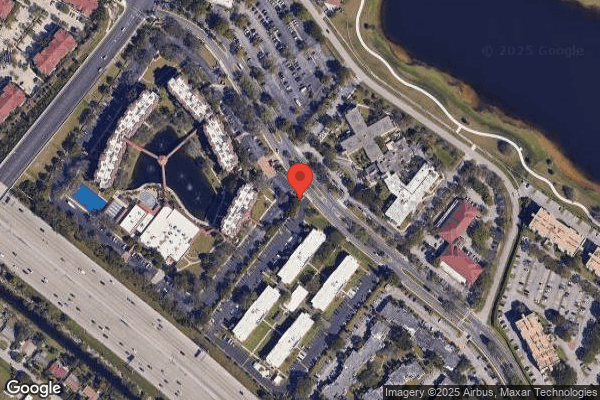

300 EXECUTIVE CENTER DRIVE, WEST PALM BEACH, FL 33401 (561) 471-5566
For profit - Limited Liability company 176 Beds PALM GARDEN HEALTH AND REHABILITATION Data: November 2025 1 Immediate Jeopardy citation
Trust Grade
41/100
#545 of 690 in FL
Last Inspection: April 2024

Within standard 12-15 month inspection cycle. Federal law requires annual inspections.

Overview

Palm Garden of West Palm Beach has received a Trust Grade of D, indicating below-average performance and some concerns about care quality. It ranks #545 out of 690 facilities in Florida and #46 out of 54 in Palm Beach County, placing it in the bottom half of both categories. Although the facility is improving from four issues in 2024 to one in 2025, it still has a concerning number of deficiencies, including a critical incident where a resident's Do Not Resuscitate (DNR) wishes were not honored, leading to serious physical and psychological harm. Staffing is relatively strong with a 4/5 star rating, but the turnover rate is average at 45%. Additionally, the facility has accumulated $16,153 in fines, which reflects compliance issues, although it is not unusually high compared to others in the area.

Trust Score
D
41/100
In Florida
#545/690
Bottom 22%
Safety Record
High Risk
Review needed
Inspections
Getting Better
4 → 1 violations
Staff Stability
⚠ Watch
45% turnover. Above average. Higher turnover means staff may not know residents' routines.
Penalties
✓ Good
$16,153 in fines. Lower than most Florida facilities. Relatively clean record.
Skilled Nurses
○ Average
Each resident gets 38 minutes of Registered Nurse (RN) attention daily — about average for Florida. RNs are the most trained staff who monitor for health changes.
Violations
⚠ Watch
19 deficiencies on record. Higher than average. Multiple issues found across inspections.
★★☆☆☆
2.0
Overall Rating
★★★★☆
4.0
Staff Levels
★★★☆☆
3.0
Care Quality
★★☆☆☆
2.0
Inspection Score
Stable
2024: 4 issues
2025: 1 issues

The Good

  • 4-Star Staffing Rating · Above-average nurse staffing levels
  • Full Sprinkler Coverage · Fire safety systems throughout facility
  • No fines on record

Facility shows strength in staffing levels, fire safety.

The Bad

2-Star Overall Rating

Below Florida average (3.2)

Below average - review inspection findings carefully

Staff Turnover: 45%

Near Florida avg (46%)

Higher turnover may affect care consistency

Federal Fines: $16,153

Below median ($33,413)

Minor penalties assessed

Chain: PALM GARDEN HEALTH AND REHABILITATI

Part of a multi-facility chain

Ask about local staffing decisions and management

The Ugly 19 deficiencies on record

1 life-threatening
Apr 2025 1 deficiency 1 IJ
CRITICAL (J) 📢 Someone Reported This

A family member, employee, or ombudsman was alarmed enough to file a formal complaint

Immediate Jeopardy (IJ) - the most serious Medicare violation

Deficiency F0578 (Tag F0578)

Someone could have died · This affected 1 resident

**NOTE- TERMS IN BRACKETS HAVE BEEN EDITED TO PROTECT CONFIDENTIALITY** Based on record review, interview, policy review, and surveillance camera review, the facility failed to ensure a resident's adv...

Read full inspector narrative →
**NOTE- TERMS IN BRACKETS HAVE BEEN EDITED TO PROTECT CONFIDENTIALITY** Based on record review, interview, policy review, and surveillance camera review, the facility failed to ensure a resident's advance directive choices were honored for a resident's expressed wishes for a Do Not Resuscitate (DNR) order for 1 of 4 sampled residents reviewed for DNR status (Resident #1). The deficient practice caused Resident #1 to have likely suffered serious psychological harm by the facility's attempt to be resuscitated against his wishes. Resident #1 could not express his reaction to this event; therefore, the reasonable person concept was applied. Additionally, there was a likelihood that Resident #1 experienced severe physical pain; broken ribs; broken sternum and bleeding in the chest area from the resuscitation efforts (https://pubmed.ncbi.nlm.nih.gov/38206442/). The facility staff did not follow their procedure to verify code status prior to initiating CPR. These actions resulted in the identification of Immediate Jeopardy. The facility administrator was informed of the Immediate Jeopardy on [DATE] at 9:45 AM. The Immediate Jeopardy was removed after verification of the facility's removal plan on [DATE], with an effective date of [DATE]. The scope and severity was reduced to D, no actual harm with potential for more than minimum harm. At the time of the investigation, there were 63 residents who were identified as DNR status. The findings included: A review of the facility's policy titled Advanced Directives and Code Status, dated [DATE] and [DATE], revealed the code status order will be documented in the electronic record and will serve as the primary source of validation of code status by a licensed nurse should a resident be found unresponsive. If the electronic record has an order for DNR, then CPR will not be initiated. If the electronic record is down, the code status must be verified by a licensed nurse using the backup code status notebook. The State of Florida DNR form will be used to communicate a resident's DNR code status wishes to 911/Emergency Medical Services (EMS) should the resident be found unresponsive. Record review revealed Resident #1 was admitted to the facility on [DATE], with diagnoses that included malignant neoplasm of the prostate (prostate cancer), Type 2 Diabetes Mellitus, Hypertension, and Muscle weakness. A comprehensive assessment dated [DATE] documented the resident was cognitively intact and required substantial/maximum assistance with activities of daily living. Resident #1 was care planned for a DNR on [DATE]. An intervention included to verify the presence of physician order for a DNR. The resident had an order for DNR date [DATE]. Resident #1's DNR form/document was signed on [DATE] by the resident. The document was signed by the physician, but not dated. A review of Resident #1's progress notes, written by Staff Nurse A, a Licensed Practical Nurse (LPN), dated [DATE] at 5:30 AM, revealed Resident #1 became unresponsive while care was being provided by Staff B, a Certified Nursing Assistant (CNA) and Staff C, a Certified Nursing Assistant (CNA). Staff Nurse A went to the room and the resident was difficult to arouse. Staff Nurse A, checked the computer for the code status, which was a DNR. Staff A then proceeded to check the DNR status binder for a signed yellow DNR document, which was not in the binder. Staff Nurse A returned to the room, tried to arouse the resident again without success, and called 911. There was no documentation in the progress note on whether or not the nurse assessed the resident for a pulse or respirations, or that she had initiated CPR. The progress note stated the resident was transferred to the hospital for further evaluation and treatment. During an interview with the Director of Nursing (DON) on [DATE] at 11:30 AM. The DON acknowledged Resident #1 had a Do Not Resuscitate Order (DNRO) and a signed DNR document. During an interview with the Unit Manager (UM) on [DATE] at 1:20 PM. The UM stated she received a call on [DATE] at approximately 5:55 AM from Staff A, who stated Resident #1 was being dressed for dialysis and stopped talking. The resident was not responding. The UM asked for the code status of the resident, and was told the resident was a DNR and had been sent out. The UM stated she called the nurse back and asked if she did CPR, and nurse stated yes. Then the UM called the Director of Nursing (DON) to inform her of the incident. The UM stated when she came in the facility, Resident #1 did not have a DNR form/document in the Red book/DNR status binder. The UM stated, she printed out the form and placed it in the binder. The UM stated, residents should have a DNR form in the binder for when residents transfer out, or in the case of a power outage. A telephone interview was conducted with the Risk Manager (RM) via telephone on [DATE] at 2:30 PM. The RM stated, he was notified via telephone that Resident #1 was sent out via 911 on [DATE]. The RM stated, he started a chart review and spoke to staff about what occurred. The RM reviewed the surveillance cameras, and interviewed Staff A, Staff B, and Staff C, who all provided written statements. The RM stated, the root cause analysis was human error. The RM stated, Staff A knew Resident #1 had an order for a DNR in the electronic records, but second guessed herself and looked in the DNR status binder. The RM further stated that Staff A stated she did CPR on the resident. During an interview on [DATE] at 4:00 PM with Staff Nurse A, LPN, Staff Nurse A explained that 10 minutes prior to the incident, Resident #1 was getting ready for dialysis and being helped by two CNAs, Staff B and Staff C. When she got notified of the resident being unresponsive, she was shocked, ran to the room, shook him and called his name, and there was no response. Staff A stated she went back to the nursing station, checked the DNR Status binder and did not find the DNR document. Staff A stated she called 911 and the operator said to start CPR. Staff A stated she got the crash cart and went to the resident's room, a few seconds later EMS arrived. Staff A stated, there was no time for me to perform CPR. CPR was started by EMS. Staff A stated that in the 8 years that she had been working in this facility, she was always told that the confirmation of a DNR status relied on the yellow DNR document in the binder on each unit. If no DNR document was found in the binder, the resident should be treated like a full code. But they changed management so many times. Staff A stated she did not tell the 911 operator or EMS that the resident had a DNR order because they did not ask. There was conflicting information from Staff Nurse A's interview with the surveyors. Staff A stated to the surveyors that she did not initiate CPR prior to EMS arriving. However, a review of the EMS report, dated [DATE] 05:24 AM, stated upon their arrival Rescue found the patient lying supine in a hospital bed with CPR in progress. On [DATE], the DON provided a copy of the Advance Directive Acknowledgment form signed by Staff Nurse A, dated [DATE], which demonstrated Staff Nurse A had read and understood the facility's Advance Directive policy, which stated that the primary source to verify code status is the order in the electronic health record in PCC (Point Click Care). During an interview with the Social Service Director (SSD) on [DATE] at 5:00 PM. The SSD stated her department is responsible for placing DNR documents in the chart and binder. Before the DNR document is placed in the DNR status binder, it has to be signed and dated by resident/representative and physician. The document is placed in the binder and scanned into the electronic medical record (EMR) within the same day. The SSD stated she probably took the resident's DNR document from the binder, scanned it into EMR, and did not replace it back into the binder. The SSD stated it is an expectation that every resident that has a DNR order has a DNR document in the DNR status binder. On [DATE] the surveyors reviewed the [DATE] surveillance footage which showed the paramedics wheeling Resident #1 down the hallway of the facility with the chest compression machine operating and ambu bag for oxygenation (the full form of AMBU is Artificial Manual Breathing Unit. This device is used to provide positive pressure ventilation to patients who are not breathing or not breathing adequately). A review of the hospital emergency department admission record, dated [DATE] at 5:47 AM, revealed Resident #1 was admitted while receiving CPR. The hospital emergency department notes documented EMS was called for patient unresponsiveness, the call was placed approximately 10 minutes prior to their arrival. There was no pulse on their arrival. At the time of the patient arrival in the Emergency Department, there had been no pulse for at least 30 minutes. IJ Removal: On [DATE] the facility provided an acceptable plan to remove the Immediate Jeopardy. The plan included the following immediate actions which were verified as implemented before the survey exit to prevent this event from reoccurring: 1. [DATE] Resident pronounced deceased at 5:51 AM by hospital personnel. 2. [DATE] MD was notified that the resident was transported to the hospital. 3. [DATE] Notification to unit manager. 4. [DATE] Notification of event to DCS (Director of Clinical Services). 5. [DATE] Notification to ED (Executive Director) 6. [DATE] - [DATE] Education on code status, DNR policy, abuse and neglect policy initiated for current license staff. With post quiz and attestation. 7. [DATE]- New hired licensed nurses will be educated on the advanced directive DNR policy with post quiz and attestation. Ongoing. 8. [DATE] Resident's chart review completed. 9. [DATE] Audit of medical records of current residents to validate DNR/CPR orders. 10. [DATE] Federal immediate report submitted with the notification to DCF and law enforcement. 11. [DATE] Code books reviewed for accuracy. Books located at each nursing station. 12. [DATE] The nurse involved in the incident was removed from the schedule pending investigation. 13. [DATE] Code blue drills to be performed as follows: every shift times 7 days, then every other day on different shift times 7 days, then weekly times 7 days, then monthly to include weekends and holidays starting on [DATE] until all nurses have attended a code blue drill with no deficiencies, alternating different scenarios of code status to increase staff understanding. 14. [DATE] Medical director notified of events and interventions. 15. [DATE] Crash carts audited. 16. [DATE] - [DATE] CPR cards audited for validation. 17. [DATE] Ad hoc meeting with Interdisciplinary Team (IDT) and medical. director. 18. [DATE] - [DATE] Quiz presented to licensed nurses to validate knowledge on code status and procedures competency as needed. 19. [DATE] Licensed nurse hires to be educated on current advanced directive policy attestation and competency and post quiz. Ongoing. 20. [DATE] New admissions/readmissions records to be reviewed daily Monday through Friday and AM clinical meeting on weekends by the nursing supervisor for accurate cold status. Ongoing. 21. [DATE] Reeducate SSD, UM, DCS, DQA on DNR policy and obtaining form DH1896 (DNR document) with physician and resident representative signature as soon as an order is received for DNR. 22. [DATE] - ongoing SSD/designee will do audit daily Monday through Friday during clinical meeting of binders kept at the nurses' station to ensure that form 1896 is in place for those residents with an order for DNR. 23. [DATE] - ongoing Results and outcome of audits of binders for Form 1896 to be presented monthly. 24. [DATE]- 04/14 audit results and outcome of drills to be presented weekly times 3 at ad hoc meeting. Then monthly times three months or until compliance to determine the effectiveness of the plan. Plan to be revised as necessary. 25. [DATE] Federal five day report submitted. 26. [DATE] Report to the board of nursing. 27. [DATE] - [DATE] Physician to be re educated on signing and dating Form 1896. IJ Removal date [DATE]. Review of the in-service attendance sheets validated the participation of licensed staff education on the above topics. 100% of the nurses were in-serviced. Review of the code blue audits revealed no concerns. On [DATE] and [DATE], interviews were conducted with licensed staff that represented all three shifts. All staff interviewed confirmed they were made aware of the incident that involve a resident with a DNR status that received CPR. They verbalized understanding the education provided and verified participation in at least one mock Code Blue drill. SSD acknowledged education on ensuring resident's DNR document was signed and dated by resident/representative, and placed in the DNR status binder on each unit, and continued audits. A telephone interview was conducted with the Medical Director on [DATE] at 11:00 AM. He acknowledged the above information.
Apr 2024 4 deficiencies
CONCERN (D)

Potential for Harm - no one hurt, but risky conditions existed

Assessment Accuracy (Tag F0641)

Could have caused harm · This affected 1 resident

**NOTE- TERMS IN BRACKETS HAVE BEEN EDITED TO PROTECT CONFIDENTIALITY** 2. On 04/15/24, a closed record review for hospitalization was conducted for Resident #141. The discharge MDS dated [DATE] revea...

Read full inspector narrative →
**NOTE- TERMS IN BRACKETS HAVE BEEN EDITED TO PROTECT CONFIDENTIALITY** 2. On 04/15/24, a closed record review for hospitalization was conducted for Resident #141. The discharge MDS dated [DATE] revealed the resident was coded as going to a short term general hospital but had actually been discharged home. A review of a social service progress note dated 01/25/24 revealed the resident was discharged with belongings and home health care had been arranged for him. An interview was conducted with Staff D, MDS coordinator, on 04/17/24 at 3:55 PM. Staff D was asked to review the discharge MDS for Resident #141 then read the social service progress note. Staff D stated the discharge assessment was coded wrong since it should have been coded as going home and not hospitalized . She stated it would be modified. Based on observation, record review, and interview, the facility failed to accurately assess 2 of 33 sampled residents. The Minimum Data Set (MDS) assessment was inaccurate related to indwelling urinary catheter use for Resident #79 and related to the discharge status for Resident #141. The findings included: 1. Review of the record revealed Resident #79 was admitted to the facility on [DATE] with a return to the facility on [DATE]. Review of the admission progress note on 03/15/24 at 8:48 AM documented the resident was readmitted to the facility with a Foley catheter (indwelling urinary catheter) in place. Additional progress notes, to include those on 03/25/24, 04/01/24, and 04/03/24, all referred to the use of the indwelling urinary catheter. An observation on 04/15/24 at 12:32 PM revealed Resident #79 in bed. An indwelling urinary catheter bag was noted to bedside drainage. Review of the admission Minimum Data Set (MDS) assessments dated 03/21/24 lacked the documented use of the indwelling urinary catheter. During an interview on 04/18/24 at 11:00 AM, Staff D, MDS Coordinator, explained her process for the completion of the admission MDS was mainly by review of the record and interview of the resident for the pain assessment. The MDS Coordinator agreed with the inaccurate admission MDS for Resident #79, and stated she most likely missed it because of the lack of an order.
CONCERN (D)

Potential for Harm - no one hurt, but risky conditions existed

Comprehensive Care Plan (Tag F0656)

Could have caused harm · This affected 1 resident

**NOTE- TERMS IN BRACKETS HAVE BEEN EDITED TO PROTECT CONFIDENTIALITY** Based on observation, record review, and interview, the facility failed to develop a comprehensive care plan for 1 of 1 sampled ...

Read full inspector narrative →
**NOTE- TERMS IN BRACKETS HAVE BEEN EDITED TO PROTECT CONFIDENTIALITY** Based on observation, record review, and interview, the facility failed to develop a comprehensive care plan for 1 of 1 sampled resident reviewed with an indwelling urinary catheter (Resident #79). The findings included: 1. Review of the record revealed Resident #79 was admitted to the facility on [DATE] with a return to the facility on [DATE]. Review of the admission progress note on 03/15/24 at 8:48 AM documented the resident was readmitted to the facility with a Foley (indwelling urinary catheter) in place. Additional progress notes, to include those on 03/25/24, 04/01/24, and 04/03/24, all referred to the use of the indwelling urinary catheter. An observation on 04/15/24 at 12:32 PM revealed Resident #79 in bed. An indwelling urinary catheter bag was noted to bedside drainage. Review of the current care plans lacked any care plans related to the use of the indwelling urinary catheter. During an interview on 04/18/24 at 11:00 AM, Staff D, Minimum Data Set (MDS) Coordinator, agreed with the lack of a care plan for the indwelling catheter for Resident #79, and stated she most likely just missed it as there was no other documentaiton.
CONCERN (D)

Potential for Harm - no one hurt, but risky conditions existed

Laboratory Services (Tag F0770)

Could have caused harm · This affected 1 resident

**NOTE- TERMS IN BRACKETS HAVE BEEN EDITED TO PROTECT CONFIDENTIALITY** Based on record review and interview, the facility failed to ensure ordered labs were completed timely for 1 of 5 sampled reside...

Read full inspector narrative →
**NOTE- TERMS IN BRACKETS HAVE BEEN EDITED TO PROTECT CONFIDENTIALITY** Based on record review and interview, the facility failed to ensure ordered labs were completed timely for 1 of 5 sampled residents, Resident #194. The findings included: Review of the record revealed Resident #194 was admitted to the facility on [DATE], after a hospitalization for a hip replacement. Review of the record revealed a physician order dated 04/05/24, for a Complete Blood Count (CBC) and a Basic Metabolic Panel (BMP) to be drawn on 04/06/24. Review of the record revealed a CBC was collected on 04/08/24. The record lacked a BMP on or about 04/06/24. Review of the progress notes lacked any documentation related to the failure to obtain the CBC on 04/06/24 as ordered, the reason for the late collection on 04/08/24, and or the failure to obtain the BMP. An additional order dated 04/16/24 at 8: 23 AM ordered a CBC, CMP (comprehensive metabolic panel), and BMP for a follow up. The record revealed intravenous fluids were ordered on 04/17/24 at 4:27 PM for dehydration, and a progress note revealed the fluids were initiated on 04/18/24 at 12:35 AM. During an interview and side-by-side record review on 04/18/24 at 10:34 AM, the Unit Manager explained the process for obtaining physician ordered labs was to enter the order into the electronic record so that it will be generated for the night shift to fill out the requisition for the laboratory technician. When asked about the failure to obtain the BMP for Resident #194 on 04/06/24 as per physician order, the Unit Manager was unaware. The Unit Manager obtained information directly from the laboratory's website that documented on 04/08/24 at 11:31 AM, they had rejected the order because they did not receive a specimen in accordance with the testing ordered. Additional details were documented as, Incorrectly ordered a CMP but testing would not be able to be completed due to only receiving a lavender vial. Note a lavender vial is used by the laboratory for a CBC but is not able to be used for a CMP. During an interview on 04/18/24 at 12:35 PM, the Director of Nursing (DON) verbalized the same process for ordering labs and ensuring the requisition was in the binder. The DON stated they review the labs during the morning meetings. When asked how or why the facility did not catch the missing BMP order, the DON had no answer. A side-by-side review of the CBC that was completed on 04/08/24 revealed it had been reviewed by the Unit Manager.
CONCERN (D)

Potential for Harm - no one hurt, but risky conditions existed

Medical Records (Tag F0842)

Could have caused harm · This affected 1 resident

**NOTE- TERMS IN BRACKETS HAVE BEEN EDITED TO PROTECT CONFIDENTIALITY** 3. Review of the facility's policy, titled, Midline Catheter Dressing Change, with a revised date of 02/2018, included, in part,...

Read full inspector narrative →
**NOTE- TERMS IN BRACKETS HAVE BEEN EDITED TO PROTECT CONFIDENTIALITY** 3. Review of the facility's policy, titled, Midline Catheter Dressing Change, with a revised date of 02/2018, included, in part, under Guidance: 1. Sterile dressing change using transparent dressing is performed: 1.1 Upon admission 1.1.1 If transparent dressing is dated, clean, dry, and intact, the admission dressing change may be omitted and scheduled for 7 days from the date on the dressing label. Record review for Resident #57 revealed the resident was originally admitted to the facility on [DATE] with the most recent readmission on [DATE]. The resident's diagnoses included: Severe Protein-Calorie Malnutrition, Type 2 Diabetes Mellitus with Diabetic Neuropathy, and Personal History of Urinary (Tract) Infections. Review of the Minimum Data Set (MDS) assessment for Resident #57 dated [DATE] documented in Section C, a Brief Interview of Mental Status (BIMS) score of 12, indicating moderate cognitive impairment. Review of the Physician's Orders for Resident #57 revealed an order dated [DATE] for Midline Insertion Date: Arm Circumference: Total Catheter Length: External Catheter Length: Measure arm circumference and external catheter length with each dressing change and PRN [as needed] one time only for Midline placement for 1 Day Measure circumference 10 cm above antecubital and in the morning every 7 day(s) for Midline evaluation Measure arm circumference 10 cm above antecubital. Contact MD if external measurement has changed from previous measurement and as needed for Midline evaluation Measure arm circumference 10 cm above antecubital. Contact MD if external measurement has changed from previous measurement. Review of the Physician's Orders for Resident #57 revealed an order dated [DATE] for Change Dressing on admission, 24 hours after insertion if applicable, then weekly and as needed in the morning every 7 day(s) for Midline Care Use transparent dressing, no gauze on site and as needed for Midline Care Use transparent dressing, no gauze on site and one time only for Midline Care for 7 Days Use transparent dressing, no gauze on site. Review of the Medication Administration (MAR) for Resident #57 for the month of [DATE] documented the midline dressing was changed on [DATE] by Staff B, Registered Nurse (RN). Review of the Care Plans for Resident #57 dated [DATE] documented a focus on: the resident has an active infection (UTI) in the urine and is on antibiotic intravenously. The goal was for the resident to maintain adequate hydration as evidenced by moist mucous membranes, supple skin turgor, stable lab values and administration of IV antibiotic until resolution of infection process by [DATE]. The interventions included: educating family / visitor on contact precautions as needed. Encourage good, clean hygiene techniques, especially hand washing. Enhanced Precautions. Isolation as ordered. Medication as ordered. Observe IV site for infiltration. Offer and encourage increase PO fluids intake. On [DATE] at 11:59 AM, an observation was made of Resident #57 lying in bed with a midline central catheter dated [DATE] in the resident's right upper arm. Photographic Evidence Obtained. On [DATE] 9:30 AM, an observation was made of Resident #57 lying in bed with midline central catheter in resident's right upper arm with dressing dated [DATE]. During an interview conducted on [DATE] at 9:33 AM with Resident #57, who was asked if the dressing for the midline central catheter had been changed today or in the past 2 -3 days, he said 'no it has never been changed, it is supposed to come out soon because I finished the medicine.' An interview was conducted on [DATE] at 10:35 AM with Staff A, Licensed Practical Nurse (LPN), who was asked to look at the midline central catheter dressing for Resident #57. The LPN acknowledged the date on the dressing was [DATE]. Staff LPN. An interview was conducted on [DATE] at 10:55 AM with the Director of Clinical Services (DOCS) who acknowledged the dressing for the midline central catheter for Resident #57 was dated [DATE]. The DOCS also acknowledged the Medication Administration Record for Resident #57 documented the midline dressing was changed on [DATE] by Staff B, RN. A telephone interview was conducted on [DATE] at 11:03 AM with Staff B, RN, who stated she works at the facility PRN (as needed). When asked if she remembered taking care of Resident #57 on [DATE], she said she did. When asked if she performed a midline dressing change on [DATE] for the resident, she said no she did not. She said at most places where she works, the dressing changes are performed by the night shift. When asked why she documented on Resident #57's MAR that she did a midline dressing change, she said she must have clicked on it by accident, she has no problem doing the dressing changes. 2. Resident #36 was admitted to the facility on [DATE] with diagnoses that included Cerebral Infarction without residual deficits, Type 2 Diabetes Mellitus, and Pressure Ulcer of sacral region. Resident #36's Brief Interview for Mental Status (BIMS) documented a score of 11 on the Minimum Data Set (MDS) admission assessment with an assessment reference date of [DATE], indicating the resident had mild cognitive impairment. On admission to the facility, the resident's code status was full code. On [DATE], a DNR (Do Not Resuscitate) was signed by the resident and the Medical Director. On [DATE], the DNR was rescinded by resident request and a CPR (Cardio-Pulmonary Resuscitation) order was signed by the Medical Director. Upon review of the electronic health record (EHR), the surveyor could not find any documentation of a conversation with the resident about the change in code status. There was no documented conversation that the resident understood what CPR was or what DNR was. An interview was conducted with the Social Service Director (SSD) on [DATE] at 10:45 AM. The SSD was asked about the change in code status for Resident #36 and if there was any documentation regarding the change. On [DATE] at 11:10 AM, the SSD produced a Partners in Care POC / Individualized Plan of Care (IPOC) summary that stated on [DATE] she met with the resident to discuss Advance Directives. The document documented: 'The resident expressed wishes of changing from DNR to CPR [full code]. The Medical Director would be notified and update records. Hospice to be updated.' The note did not indicate who explained DNR to the resident or if it had been explained to the resident. The SSD stated a nurse was with her at the time of the visit. An interview was conducted with Staff C (Licensed Practical Nurse / Unit Manager) on [DATE] at 11:13 AM. Staff C revealed when the patient was first admitted he was asked what his wishes were and he wanted to be DNR. He was his own responsible party. He said he wanted to live when interviewed on [DATE] and he wanted to change from DNR to CPR and the family also wanted him to have CPR. She stated she was in the room when the SSD discussed the Advance Directives. Staff C stated she fully explained what CPR meant and the resident said that he wanted to live. The findings were discussed with the Administrator on [DATE] at 11:30 AM that these code status notes should have been in the EHR. The Administrator agreed with this surveyor. 4. Record review revealed Resident #92 was admitted on [DATE] with diagnoses that included Diabetes Mellitus 2. Review of physician orders included an order for Humulin R to be administered per sliding scale, with a note that if blood glucose reading, which was to be taken before meals and at bedtime, was greater than 401, 22 units of insulin was to be administered and the physician or nurse practitioner was to be notified. Review of the [DATE] electronic Medication Administration Record (eMAR) for Resident #92 showed no blood sugar results recorded for [DATE] at 6:30 AM or [DATE] at 9:00 PM. There was no nurse documentation as to why the blood sugar results were not recorded, nor were there any notes to document if any insulin was given, and if not, why the insulin was not provided. On [DATE] at 9:16 AM, the Director of Nursing (DON) was informed of the missing 'nurse initials' and documentation regarding Resident #92's sliding scale insulin. She stated she would look into the concern and report back after her investigation. On [DATE] at approximately 2:00 PM, the DON stated that she had spoken with the resident's nurse, and the nurse had made a late entry addressing the missing documentation. Based on observation, record review, and interview, the facility failed to ensure accurate and complete resident records for 4 of 33 sampled residents, as evidenced by: the record for Resident #79 lacked an order for the indwelling urinary catheter; the record for Resident #36 lacked documentation related to a change in a code status; the record for Resident #57 had inaccurate documentation related to a dressing change; and the record for Resident #92 lacked documentation related to blood sugar monitoring. The findings included: 1. Review of the record revealed Resident #79 was admitted to the facility on [DATE] with a return to the facility on [DATE]. Review of the admission progress note on [DATE] at 8:48 AM documented the resident was readmitted to the facility with a Foley catheter (indwelling urinary catheter) in place. Additional progress notes, to include those on [DATE], [DATE], and [DATE], all referred to the use of the indwelling urinary catheter. An observation on [DATE] at 12:32 PM revealed Resident #79 in bed. An indwelling urinary catheter bag was noted to bedside drainage. Review of all orders on [DATE] and [DATE], both current and discontinued, lacked the documented use of the indwelling urinary catheter. Review of the record on [DATE] revealed an order as of [DATE] at 4:11 PM for the indwelling urinary catheter. As per the Unit Manager, the nursing staff informed her today that there was no order for the urinary catheter. The Unit Manager agreed the record had lacked the order for the past month, which led to the inaccurate Minimum Data Set (MDS) assessment and lack of associated care plan.
Jan 2023 7 deficiencies
CONCERN (D)

Potential for Harm - no one hurt, but risky conditions existed

Deficiency F0558 (Tag F0558)

Could have caused harm · This affected 1 resident

**NOTE- TERMS IN BRACKETS HAVE BEEN EDITED TO PROTECT CONFIDENTIALITY** Based on observation and interview, the facility failed to meet the needs and requests of residents to reasonably accommodate th...

Read full inspector narrative →
**NOTE- TERMS IN BRACKETS HAVE BEEN EDITED TO PROTECT CONFIDENTIALITY** Based on observation and interview, the facility failed to meet the needs and requests of residents to reasonably accommodate the residents needs for 4 of 4 sampled residents (Residents #81, #22, #81 and #79), as evidenced by failure of answer call lights timely, provide additional assistance, and unable to locate a staff member to assist residents. The findings included: 1. Record review revealed Resident #81 was re-admitted to the facility on [DATE]. The Annual minimum data set (MDS) assessment, reference date 12/07/22, recorded a brief interview for mental status (BIMS) score of 15, indicated Resident #81 was cognitively intact, and had no cognition impairment. The annual minimum data set (MDS) dated [DATE] indicated Resident #81 required supervision with bed mobility, limited assistance with transfer, supervision with locomotion on and off unit, extensive assistance with dressing, independent with eating, limited assistance toilet use and personal hygiene. On 01/23/23 at 9:50 AM, an interview was held with Resident #81, who stated, the facility did not have enough staff on the weekend. The resident stated, they're not here to answer call lights in a timely manner, she has waited a long time for staff to answer call lights. 2. Record review revealed Resident #22 was re-admitted to the facility on [DATE]. The Quarterly MDS assessment, reference date 10/21/22, recorded a BIMS score of 15, indicated Resident #22 was cognitively intact, and had no cognition impairment. The quarterly minimum data set (MDS) dated [DATE] indicated Resident #22 Required extensive assistance one person assist with bed mobility, transfer, walk in room, locomotion on and off unit, and dressing, supervision with eating and toilet use, limited assistance with personal hygiene. On 01/24/23 at 9:55 AM, an interview was conducted with Resident #22, who stated, often times the facility was short staffed, she'd like to have some extra help. They expected her to ask for everything. They're not checking on her regularly. They take care of her neighbor, but they bypass her, it happens a lot. They're in and out of her room so fast, sometimes they say they don't have time to get things done. On 01/24/23 at 10:44 AM, an interview was held with Staff G, Certified Nursing Assistant (CNA), who stated the facility was short staff a lot. On 01/24/23 at 10:47 AM, an interview was held with Staff H, CNA, who stated she did not have enough time to care for the residents, but she tried her best. She stated, sincerely you can't provide care at 100% to the residents, we provide care at 40-70% sometimes 90%. She voiced the facility was short staffed. 3. Review of the quarterly minimum data set (MDS) dated [DATE] indicated Resident #98 required extensive assistance one person assist with bed mobility, transfer, and locomotion on unit, total dependence by one staff assistance with locomotion off unit, extensive assistance one person with dressing, limited assistance by one person with eating, extensive assistance by one staff assistance with toilet use, total dependence assistance one person with personal hygiene. Observation of Resident #98 on 01/24/23 at 11:18 AM revealed the surveyor went in room [ROOM NUMBER] and the resident in the window bed was lying in bed flat with yellowish / white mucous-like substance coming from her mouth and on her chin. The resident stated what happened and was trying to wipe her mouth with her hand. There was additional mucous like substance on her blankets. The surveyor pressed call light for help. The call light was not in the resident's reach. At 11:27 AM, the surveyor went to look for help since the call light was not responded to. There were no staff in the halls or at the nurse's station. On 01/26/23 at 9:06 AM, an interview was held with the Nursing Home Administrator (NHA) in the presence of the Director Of Nursing (DON) and the Regional Nurse Consultant. They were made aware of the residents' concerns relating to the residents' lack of care. On 01/26/23 at 9:50 AM, while the surveyor was going to the first floor, the surveyor heard a beeping sound, that indicated a resident had activated the call system, to call staff. The surveyor noted Resident #79's call light was on. At that time, the surveyor stood at the nursing station to monitor the call light, the light at the top of the resident's room entrance door was on. There was a staff member, Staff J, Certified Nursing Assistance (CNA) / clinical support specialist, sitting at the nursing station. Staff J did not acknowledge the call light. The first-floor unit manager was noted walking on the first floor. She came to the nursing station and left without acknowledging the call light. At 10:01 AM, the DON, who came to the nursing station, sat at the nursing station and asked Staff J to go and answer the call light. During this time, the surveyor had informed the DON, the surveyor was monitoring the call light, and had observed that staff had not acknowledged the call light. 4. Review of the quarterly minimum data set (MDS) dated [DATE] indicated Resident #79 required extensive assistance one person assist with bed mobility, total dependence by 2+ staff assistance with transfer, total dependence by one staff assistance with locomotion on and off unit, extensive assistance one person with dressing, supervision assistance by one person with eating, total dependence by one staff assistance with toilet use, extensive assistance one person with personal hygiene. On 01/26/23 at 11:42 AM, an interview was held with Resident #79, who voiced the facility did not have enough staff to respond timely to her needs. She stated, she has stayed in dirty adult brief for 4 hours sometimes. Resident #79 continued to state, the staff did not answer her call light in a timely manner. During the interview Resident #79 became upset and raised her voiced a couple of times. She indicated that, she currently has a migraine, and she hasn't seen the nurse yet, she hasn't received her morning medications yet.
CONCERN (D)

Potential for Harm - no one hurt, but risky conditions existed

Quality of Care (Tag F0684)

Could have caused harm · This affected 1 resident

**NOTE- TERMS IN BRACKETS HAVE BEEN EDITED TO PROTECT CONFIDENTIALITY** 6. On 01/25/23 at 8:05 AM, an interview was conducted with Resident #31. She stated she had not received her medication for slee...

Read full inspector narrative →
**NOTE- TERMS IN BRACKETS HAVE BEEN EDITED TO PROTECT CONFIDENTIALITY** 6. On 01/25/23 at 8:05 AM, an interview was conducted with Resident #31. She stated she had not received her medication for sleep. The Medication Administration Record (MAR) was reviewed for Resident #31. The resident is ordered Temazepam Capsule 15 mg at bedtime for sleep. The MAR indicated the medication was not available for Resident #31 on 01/22/23, 01/23/23 and 01/24/23. An interview was conducted on 01/25/23 at approximately 10:45 AM with the Director of Nursing (DON). The unavailable medication for Resident #31 was discussed with the DON who stated Resident #31's medication is always available in the facility's emergency medication kit. She stated there is always someone in the facility with access to the emergency medication kit. She stated the nurses who were working on 01/22/23, 01/23/23 and 01/24/23 were aware of the availability of the Temazepam in the emergency medication kit. 3. An observation and interview conducted with Resident #59 on 01/23/23 at 12:25 PM revealed the resident had a scabbed over skin tear / abrasion on the right forearm. The resident stated he received this skin tear about 2 weeks ago when a staff member was doing care and twisted his arm. Review of Resident #59's record did not reveal any documentation related to the skin tear to the right arm. There were no weekly skin checks documented in the nurse's notes for the current month of January 2023. Review of the Certified Nursing Assistants' (CNAs) documentation did not reveal any skin tears or open areas for the past 30 days. Review of Resident #59's care plans revealed, in part, the resident is at risk for alteration in skin integrity related to immobility and the use of blood thinner medication and he was to have skin checks as per facility protocol. In an interview with the facility Risk Manager on 01/26/23 at 10:00 AM, she stated that a report was done for this resident for a skin tear during care, but it is dated May 2022, and she did not have a recent incident reported for this resident. 4. An observation on 01/23/23 at approximately 9:15 AM revealed Resident #98 lying in bed, with her eyes open, and was non-verbal. Multiple bruises were noted on her arms. Record review revealed she had a diagnosis of thrombocytopenia (a condition characterized by abnormally low levels of platelets in the blood) which is a coagulation disorder that causes easy bruising. Further review of the record revealed this resident was to have Geri sleeves (a sleeve designed to protect arms from friction and shearing) applied to both arms daily and removed at night. The Geri sleeves were not noted to be on the resident during the day on 01/23/23. A review of the care plans for this resident revealed a care plan for Geri sleeves on and off as ordered, initiated on 08/28/22. Additional observations of Resident #98 on 01/23/23 at 11:18 AM and 2:45 PM revealed no Geri sleeves on the resident's arms. Observations on 01/24/23 at 8:45 AM and 2:30 PM revealed no Geri sleeves on the resident's arms. Also, observations on 01/25/23 at 9:05 AM and approximately 1:30 PM revealed no Geri sleeves on the resident's arms. An interview with Staff A, LPN on 01/25/23 at 1:30 PM, revealed she was not sure about the Geri sleeves for Resident #98. Staff A stated she thought that PT (physical therapy) or OT (occupational therapy) would put those on or possibly the CNA's. Staff A further stated she does not document anything she does not do. Staff A stated she knows this resident does not have the Geri sleeves on today. 5. An observation for Resident #107 on 01/23/23 at 9:40 AM revealed the resident was lying in bed with her eyes open. She would not respond when spoken to and would turn her head away. She was noted to be on her right side and no devices were noted. Record review revealed this resident was to have an orthosis applied to her left hand daily on every shift. There was an additional order for a palm protector to the right hand. This resident had an ADL care plan in place with interventions, in part, of the left-hand orthosis daily as tolerated initiated on 04/25/22, and for the left palm protector daily as tolerated to prevent contractures initiated on 06/28/22. The resident was additionally observed daily during the survey by this surveyor on 01/23/23 at 3:00 PM, on 01/24/23 at 8:38 AM and approximately 2:00 PM, on 01/25/23 at 8:45 AM, 11:40 AM, and approximately 1:15 PM, and on 01/26/23 at 10:00 AM. The resident did not have the orthosis or palm protector on her left hand during any observations. In an interview with Staff B, LPN, on 01/25/23 at 1:15 PM, it was revealed that she was unaware of the status of the orthosis for Resident #107. Staff B looked on the resident and searched the room for the orthosis and it was not in the room. Staff B stated possibly it went to laundry to be cleaned. An interview with the Rehabilitation Director on 01/25/23 at 2:35 PM revealed Resident #107 is not on the therapy case load. The Director stated she would check the rooms and orders to make sure the devices are there. If not, they can get the devices needed for the resident. A subsequent interview with the Rehabilitation Director on 01/25/23 revealed the resident did not have the device in her room and the palm protectors have been ordered. Based on observations, interviews and record reviews, the facility failed to ensure 6 of 28 sampled residents reviewed received treatment and care in accordance with professional standards of practice and the residents' comprehensive person-centered care plans as evidenced by the following: 1. Failure to provide barrier cream as ordered, and failure to conduct skin checks per facility protocol (Resident #20); 2. Failure to provide barrier cream, heel prep, and prescribed topical cream as ordered; failure to conduct skin checks per facility protocol (Resident #90); 3. Failure to conduct skin checks per protocol for Resident #59; 4. Failure to apply ordered geri-sleeves each day for Resident #98; 5. Failure to apply ordered hand split for Resident #107; and 6. Failure to provide medications as ordered for Resident #31. The findings included: A review of the facility policy, titled, Skin Care and Wound Management, effective October 2014, Revised July 2017 stated in part: Page 4. The Skin Grid-Other will be completed upon identification of impaired skin at admission, at hospital return, at the time a surgical wound, venous stasis wound, diabetic wound, burn, skin tear, laceration, abrasion, rash, MAD (moisture associated dermatitis), or any other significant skin condition is found. The skin grid will be updated no less than every seven (7) days until the skin condition/wound is healed. One site will be documented per page with additional information documented as a narrative nurse's note. The weekly Skin Sweep will be used by the licensed nurse to conduct a skin inspection at the time of admission, upon hospital return, and no less than every seven (7) days. A skin inspection will also be completed before and after a leave of absence from the center and if time permits before a hospital transfer. In addition, the CNA will document results of daily skin inspection per facility protocol and report any changes or areas of concern to the nurse and/or physician. 1. Resident #20 was admitted to the facility on [DATE] with diagnoses that included morbid obesity and leg edema. Review of the Minimum Date Set (MDS) assessment dated [DATE], Resident #20 is frequently incontinent of bowel and bladder, and she required extensive assistance with all activities of daily living (ADLs). On 01/23/23 at 11:24 AM, Resident #20 was observed in bed. The resident's legs and feet were noted to be swollen. In interview with the resident, the resident stated she spends a lot of time in bed and at night she often sits in wet diapers because staff don't always change her right away. She stated, I have a rash on my butt and it itches. The staff are supposed to put cream on my butt, but they hardly ever do it. A review of Resident #20's electronic Treatment Administration Record (eTAR) for January 2023 documented Resident #20 is supposed to have skin check every Wednesday. On 01/11/23 and 01/25/23, there was no evidence that skin checks were completed. The January 2023 eTAR documented Heel prep to be completed ever day shift. It was not documented as completed on 01/02/23, 01/03/23, 01/09/23, 01/15/23, 01/16/23, 01/19/23, 01/20/23, 01/24/23 and 01/25/23. Barrier cream was to be applied to coccyx and sacral every shift. On the following dates and shifts for January 2023, there were no staff initials documenting the barrier cream was applied as ordered: 01/01/23, evening shift 01/02/23, day and evening shift 01/03/23, day and evening shift 01/09/23, day and evening shift 01/12/23, evening shift 01/15/23, day shift 01/16/23, day, evening, and night shift 01/19/23, day and evening shift 01/20/23, day shift 01/23/23, evening shift 01/24/23, day and evening shift 01/25/23, day shift. On 01/25/23 at 9:49 AM, an interview was conducted with Staff C, Licensed Practical Nurse (LPN), who stated, Aides would be the ones responsible for putting on barrier cream when changing the resident's adult diapers. Review of Resident #20's care plan, dated 12/20/22, documented Resident #20 is at risk for alteration in skin integrity related to: Immobility, Use of blood thinning medication. One of the interventions documented in the care plan was Protective skin care as ordered; skin checks as per facility protocol. A review of the facility's skin check protocol stated that skin checks are to be completed as ordered and not less than every 7 days. A review of Resident #20's electronic record revealed no Skin checks / assessments were completed in January 2023, only 1 skin grid assessment was done in December (12/21/22), and only 2 Skin checks were completed in November (11/20/22 and 11/02/22). There were no documented skin assessments done in October or September 2022. 2. Resident #90 was admitted to the facility on [DATE] with diagnoses that included Dementia, Muscle Weakness, difficulty in walking, Osteoarthritis and Rheumatoid Arthritis. Review of the MDS, dated [DATE], documented, Resident is extensive assist with all ADLs, except for eating, and she is always incontinent of bladder and frequently incontinent of bowel. On 01/23/23 at 12:20 PM, Resident #90 was observed lying in her bed watching television. The resident stated she had a rash in her groin area (lower abdomen) and it really bothers her. She said the staff do not put any cream on her. Review of January 2023 eTAR showed an order for Clotrimazole-Betamethasone Cream 1-0.05 %, Apply to Right thigh and groin topically every day shift for Redness Until Healed (Order Date 01/09/23). There were no staff initials showing this cream was applied on 01/14/23. Review of the eTAR for Resident #90 documented that skin prep to heels was to be completed every evening shift beginning 04/05/22. There were no staff initials showing heel prep was done on 01/20/23. Additional review showed 'Barrier Cream was to be applied to Buttock, Coccyx and Sacral every shift' beginning 04/05/22. There were missing initials signifying application of Barrier Cream on day shift on 01/07/23 and 01/14/23; and on evening shift on 01/20/23.
CONCERN (D)

Potential for Harm - no one hurt, but risky conditions existed

Deficiency F0698 (Tag F0698)

Could have caused harm · This affected 1 resident

Based on record review and interview, the facility failed to complete Dialysis Center Communication care forms for 4 of 4 sampled residents reviewed for dialysis, Residents #30, #118, #96 and #66. Th...

Read full inspector narrative →
Based on record review and interview, the facility failed to complete Dialysis Center Communication care forms for 4 of 4 sampled residents reviewed for dialysis, Residents #30, #118, #96 and #66. The findings included: The facility form, titled, Dialysis-Palm Garden Communication Form, is used for the residents who are leaving the facility for dialysis treatment. There is an A, B and C section located on the form. The facility nurse is to complete Section A of the form prior to the resident(s) leaving the facility for dialysis. Section B is filled out by the Dialysis Nurse and Section C is filled out by the facility nurse when the resident returns to the facility. The documentation for Section A is to include departure time, vital signs, last blood sugar if insulin dependent, last weight, date of last weight, dietary concerns, if the resident had wounds, medications given prior to dialysis and special instructions or information. There is a section for a signature and date. The documentation in Section C is to include the time the resident returned to the facility, post dialysis weight, vital signs, if the resident is having pain, the presents of the bruit and thrill, the site location, any bleeding, redness or edema at the sight. Section C has an area for the date and signature of the nurse completing Section C. 1. Resident #30 had an order on 12/09/22 for Dialysis appointments on Monday, Wednesday and Friday. Resident #30's communication forms for dialysis were reviewed. On 01/02/23, 01/04/23, 01/06/23 and 01/11/23, Section C was blank and contains no information, no date or signature. 2. Resident #118 had an order for dialysis on 12/14/22 for dialysis appointments on Monday, Wednesday and Friday. Resident #118's communication forms for dialysis were reviewed. On 01/02/23, 01/06/23, 1/11/23 and 01/13/23, Section C was blank and contained no information, no date and no signature. 3. Resident #96 had an order on 01/05/23 for dialysis treatment on Tuesday, Thursday and Saturday. Resident # 96's communication forms for dialysis were reviewed. On 01/12/23 and 01/14/23, Section C was blank and contained no required information, signature or date. 4. Resident #66's communication form for dialysis was reviewed for 12/31/22. Section A only contained the departure time and the vitals for this resident. The rest of Section A was blank, and no signature or date were documented. Section C was also blank and contained no documentation of information, signature or date. On 01/26/23 at 8:00 AM, the missing documentation of the Dialysis Center - Palm Garden Communication Form for the residents was reviewed with the Director of Nursing (DON). On 01/26/23 at approximately 9:00 AM, the Administrator stated the facility does not have a policy for the Dialysis Center-Palm Garden Communication Form.
CONCERN (D)

Potential for Harm - no one hurt, but risky conditions existed

Pharmacy Services (Tag F0755)

Could have caused harm · This affected 1 resident

Based on record review and interview, the facility failed to ensure the narcotic reconciliation was accurate for 2 of 6 sampled resident, Residents #28 and #31. The findings included: On 01/25/23 at ...

Read full inspector narrative →
Based on record review and interview, the facility failed to ensure the narcotic reconciliation was accurate for 2 of 6 sampled resident, Residents #28 and #31. The findings included: On 01/25/23 at 1:05 PM, a medication storage observation was conducted with Staff B, Licensed Practical Nurse (LPN). The observation was conducted on the second floor Cart #1. A random narcotic count was done. Resident #28 was ordered Oxycodone HCL 5 mg tablets to be given every 6 hours for pain, as needed. The document, titled, Controlled Medication Utilization Record, was reviewed for Resident #28. The Controlled Medication Utilization record documented the time medication was removed from the narcotic storage. The Medication Administration Record (MAR) was reviewed. The MAR documented the time the removed narcotic was administered to the resident. On 12/13/22 at 12:55 PM, on 12/16/22 at 3:45 PM and on 01/20/23 with (no time recorded) the resident's medication Oxycodone 5 mg was removed from the narcotic storage and the MAR failed to provide evidence the medication was administered to the resident. On 01/25/23 at 1:36 PM, a medication storage observation was conducted with Staff C, Licensed Practical Nurse (LPN). The observation was conducted on the first floor Cart #1. A random narcotic count was done. Resident #31 was ordered Oxycodone-Acetaminophen 5-325 mg to be given every 6 hours as needed for pain. The Controlled Medication Utilization Record and the MAR were reviewed for Resident #31. The medication Oxycodone-Acetaminophen 5-325 mg was removed on 01/20/23 at 2:00 PM and signed out on the Controlled Medication Utilization Record and the MAR failed to provide evidence the medication was administered to the resident. On 01/25/22 at approximately 3:00 PM, the findings were discussed with the Director of Nursing (DON).
CONCERN (D)

Potential for Harm - no one hurt, but risky conditions existed

Drug Regimen Review (Tag F0756)

Could have caused harm · This affected 1 resident

**NOTE- TERMS IN BRACKETS HAVE BEEN EDITED TO PROTECT CONFIDENTIALITY** Based on record review, policy review and interview, the facility failed to ensure the medication review recommendations by the ...

Read full inspector narrative →
**NOTE- TERMS IN BRACKETS HAVE BEEN EDITED TO PROTECT CONFIDENTIALITY** Based on record review, policy review and interview, the facility failed to ensure the medication review recommendations by the consultant pharmacist were addressed by the prescribing physician for 1 of 5 sampled resident reviewed for unnecessary medications. (Resident (#59) The findings included: A review of the facility policy, titled, Medication Regimen Review (MRR), effective date 12/01/07 and last revised 03/03/20, stated, in part, the following: 7. Facility should encourage Physician/Prescriber or other responsible parties receiving the MRR and the Director of Nursing (DON) to act upon the recommendations contained in the MRR. 7.1 For those issues that require Physician/Prescriber intervention, the facility should encourage Physician/Prescriber to either accept and act upon the recommendations contained within the MRR or reject all or some of the recommendations contained in the MRR and provide an explanation as to why the recommendation was rejected. 7.2 The attending physician should document in the residents health record that the identified irregularity has been reviewed and what, if any, action has been taken to address it. 7.2.1 If the attending physician has decided to make no change in the medication, the attending physician should document the rationale in the residents' health record. 8. Facility should alert the Medical Director where MRR's are not addressed by the attending physician in a timely manner. 11. The attending physician should address the consultant pharmacists' recommendations no later than their next scheduled visit to the facility to assess the resident, either 30 or 60 days per applicable regulation. Record review for Resident #59 revealed the resident was admitted to the facility on [DATE] with diagnoses including, but not limited to, Psychosis, Anxiety, Alzheimer's, Depression, Schizophrenia, and Bipolar Disorder. The resident's medications included the following: Sertraline HCl Tablet 100 MG (milligrams) Give 1 tablet by mouth in the morning for Depression. Primidone Tablet 50 MG Give 1 tablet by mouth two times a day for Seizure. Lamotrigine Tablet 150 MG Give 1 tablet by mouth two times a day for Bipolar Disorder maintenance. Gabapentin Capsule 300 MG Give 1 capsule by mouth three times a day for neuropathy. Donepezil HCl Tablet 5 MG Give 1 tablet by mouth at bedtime for Dementia. Review of the monthly medication regimen review revealed in July 2022, there was a note to clarify the use of two doses of Sertaline in the medical record. This medication was changed to one dose, but documentation of a response for the rationale was not located in the record by the physician. In September 2022, there was a recommendation to increase the donepezil from 5 mg to 10 mg. This was never addressed by the prescribing physician and the resident remained on 5 mg. In November 2022, there was a recommendation to attempt a GDR (gradual dose reduction) of Lamotrigine 150 mg from twice per day to once per day. A note written by the Director Of Nursing (DON) is on the form stating the resident has psych notes for behaviors which contradict a reduction. Further review did not reveal any response by the prescribing physician or psychiatrist. An order by the primary physician was noted, dated 12/21/22 for a psych consult for medication review. There was no evidence of a psych consult being scheduled. In an interview with the DON on 01/25/23 at approximately 10:30 AM, it was revealed they are attempting to do everything electronically and the physicians are not writing on the MRR forms but documenting in the EMR. The DON stated she would locate this documentation. The DON provided some weekly psychotherapy notes for Resident #59, but the notes did not address any medication. In an interview with Social Services Director (SSD) on 01/26/23 at 1:40 PM revealed she did not see a psych consult for a medication review scheduled or any notes from a medication review by psych. The SSD stated she would check with the DON and medical records to see if it waiting to be uploaded to the system. At approximately 2:10 PM, the DON stated he [the resident] was seen weekly by psych and she could provide the psychotherapy notes. The surveyor informed her the psychotherapy notes she provided did not address medications and that the prescribing physician should be responding to the recommendations for the residents.
CONCERN (D)

Potential for Harm - no one hurt, but risky conditions existed

Unnecessary Medications (Tag F0759)

Could have caused harm · This affected 1 resident

Based on observation, interview and record review, the facility failed to have a medication error rate of less than 5%, as evidenced by the medication rate was 7.4% percent. Two (2) medication errors ...

Read full inspector narrative →
Based on observation, interview and record review, the facility failed to have a medication error rate of less than 5%, as evidenced by the medication rate was 7.4% percent. Two (2) medication errors were identified while observing a total of 27 opportunities, affecting Residents #59 and #285. The findings included: 1. On 01/23/23 at 10:52 AM, observation of medication administration was conducted with Staff D, agency Licensed Practical Nurse (LPN), who was administering medications to Resident #59. Staff D administered the following medications to Resident #59, that included: Fluticasone 1 spray in each nose, Primidone 50 mg 1 tablet by mouth, Torsemide 20 mg 1 tablet by mouth, Sertraline 100 mg 1 tablet by mouth, Lamotrigine 150 mg 1 tablet by mouth, Finasteride 5 mg 1 tablet by mouth, Gabapentin 300 mg 1 tablet by mouth, and Lidocaine patch 4% applied to the left knee. After the administration, the surveyor returned to the medication cart, reviewed the scheduled medications in the computer, during which time, it was revealed that Staff D, had omitted the following medications: Rivarobaxin 20 mg ordered once daily (Xarelto, a blood thinner), Calcium Vit D 600-200 mg (supplement), and Cholecalciferol (Vitamin D3) Tablet 1000 unit (supplement). When the surveyor inquired about the omitted medications, Staff D revealed the Rivarobaxin 20 mg was on order, and it was not available in the cart. The surveyor advised Staff D to check the emergency medication kit (E-kit) for the Rivarobaxin 20 mg. Staff D revealed she did not have access to the emergency medication kit. At 11:21 AM, Staff D found another nurse (Staff F, LPN) to assist her in getting into the medication room and the E-kit (a Pyxis machine, which is an automated dispensing machine provided to secure medication storage) at the 400-medication (med) room, in search for the medication. At 11:26 AM, after Staff F had made multiple unsuccessful attempts to obtain the Rivarobaxin 20 mg, Staff F found the Director of Education to assist her in the med room in search for the Rivarobaxin 20 mg. Staff D and the surveyor were also present in the medication room at the time. Staff F and the Director of Education found 2 (10mg) of Xarelto (Rivarobaxin) from the pyxis machine. At 11:47 AM, the medications were administered to Resident #59. On 01/24/23 at 8:32 AM, an interview was held with the Regional Nurse Consultant who asked, 'how was medication administration yesterday'. The surveyor explained the scenario above. The Regional Nurse Consultant agreed with findings. She acknowledged the problem. 2. On 01/26/23 at 9:14 AM, observation of medication administration was conducted with Staff C, LPN, who was administering medications to Resident #285. Staff C administered the following medications to Resident #285, that included: Gabapentin 300 mg 1 tablet by mouth, Amlodipine 10 mg 1 tablet by mouth, Baclofen 10 mg 1 tablet by mouth, Docusate 100 mg 1 tablet by mouth, Folic acid 1 mg 1 tablet by mouth, Lisinopril 20-25 mg 1 tablet by mouth, Metoprolol 50 mg 1 tablet by mouth. After the administration, the surveyor returned to the medication cart, reviewed the scheduled medications in the computer, during which time, it was revealed that Staff C had omitted to administer the Rivarobaxin 20 mg (Xarelto, a blood thinner). Staff C had 7 pills in the medication cup. When the surveyor inquired about the omitted medication, Staff C revealed the Rivarobaxin 20 mg was on order, and it was not available in the cart. The surveyor advised Staff C to check the Pyxis machine for the medications. The surveyor alerted the first-floor unit manager (UM) to come over to the medication cart and explained the findings. During this time, the UM instructed Staff C that she needed to go to the pyxis machine (E-kit) to retrieve the medication. The UM and Staff C went upstairs to the second floor to obtain the medication. At 10:07 AM, the surveyor asked Staff C if she had obtained the medication (Rivarobaxin 20 mg) from the pyxis machine. Staff C stated no, not yet, she was having issues with her fingerprint, she still did not have access to the pyxis.
CONCERN (D)

Potential for Harm - no one hurt, but risky conditions existed

Medical Records (Tag F0842)

Could have caused harm · This affected 1 resident

**NOTE- TERMS IN BRACKETS HAVE BEEN EDITED TO PROTECT CONFIDENTIALITY** 5. Resident #21 was readmitted to the facility on [DATE]. The resident's diagnosis included in part: Aphasia, Dementia, Psychoti...

Read full inspector narrative →
**NOTE- TERMS IN BRACKETS HAVE BEEN EDITED TO PROTECT CONFIDENTIALITY** 5. Resident #21 was readmitted to the facility on [DATE]. The resident's diagnosis included in part: Aphasia, Dementia, Psychotic Disorder with Delusions, History of Falls, Generalized Anxiety Disorder and Mitral Valve Insufficiency. On 11/24/22 Resident #21 received a BIMS (Brief Interview for Mental Status) of zero (0), indicating Resident #21 was severely impaired cognitively. Review of the record for Resident #21 revealed she did not have any natural teeth or any dentures. The care plan for the resident indicated the resident was edentulous (no teeth). Review of the record for Resident #21 revealed the residents care documented in the task from 12/27/22 until 01/25/23 indicate the resident was receiving denture care 1-2 times a day. On 01/25/23 at 3:00 PM, an interview was conducted with Staff K, Certified Nursing Assistant (CNA), in Resident #21's room. She was asked if the resident had any teeth or any dentures. She stated she did not have any teeth or any dentures. Staff K stated Resident #21 eats a pureed diet. She stated she has never had any dentures during her stay at the facility. Based on record review, observation and interview the facility failed to ensure accurate documentation for the care provided to residents for 5 of 28 sampled residents reviewed (Residents #12, #21, #59, #98, and #107). The findings included: 1. Record review revealed the resident was admitted to the facility on [DATE]. The resident had been seen by a dentist per facility request on 10/03/22 and her dentures were evaluated at that time. The top denture was fitting appropriately with dental adhesive and the bottom denture did not fit well due to bone loss. The tissues were noted as healthy and the dentures were cleaned. Review of the resident's MDS (Minimum Date Set) revealed a quarterly assessment, dated 12/14/22, with a BIMS (Brief Interview for Mental Status) of 12 which implies mildly impaired cognition. Further review of the record revealed denture care was being done by the Certified Nursing Assistants (CNA's). A look back of 30 days revealed the denture care was provided on: January 25, 23, 18, 17, 16, 15, 14, 12, 11, 10, 9, 8, 7, 6 5, 4, 3, 2, 1, 2023 and December 29 and 28, 2022. The dentures were not observed in the resident's mouth during the survey from 01/23-26/23. An observation of Resident #12 was completed in 01/24/23 at 9:15 AM. It was noted that the resident had no teeth and there were no dentures located on her table or in the bathroom. An interview was attempted with the resident but she shook her head no. On 10/26/23 at 10:22 AM, an interview with Resident #12 revealed she has not worn her dentures in a very long time. She stated the dentist came and told her she would have to use glue. She does not like the glue so she does not wear them and would like dentures that fit better. The resident stated her denture were in the drawer. They were found located in her bedside table in the back corner under other belongings. 2. In an interview with Resident #59 on 01/23/23 at 11:59 AM, the resident stated he was not getting his showers as scheduled. He was to get showered 3 days per week. Record review for Resident #59 revealed the resident was admitted to the facility on [DATE]. The record revealed he was to get showers every Monday-Wednesday- Friday. There was an order noted that the resident was to have Ketoconazole Shampoo 2% applied to his scalp every Tuesday and Friday during his showers twice per week. Shower documentation was reviewed revealing the resident had a shower on the following dates in the past 30 days: December 28, 30, 2022 and January 6, 18, and 23, 2023. Review of the Medication Administration Record (MAR) revealed the shampoo was applied to his scalp on [DATE], and January 13, 17, and 20, 2023. In an interview with Staff B, Licensed Practical Nurse (LPN) on 01/26/23 at 10:28 AM, it was revealed that the nurses do not apply the shampoo to the resident, but this is done when the CNA does the shower. An interview with Staff I, Certified Nursing Assiostant (CNA) on 01/26/23 at 10:30 AM revealed the CNAs document the showers and baths on the tablets. This shows up in the tasks in the electronic medical record (EMR). Staff I further stated they can only apply the shampoo to the resident head if he gets in the shower. Resident #59 does refuse care frequently, so if he does not want a shower he gets a bed bath and it is documented under bed bath. If he refuses all types of bathing it is documented under refusal. The documentation for applying the shampoo to the residents scalp is inaccurate due to the shampoo only being applied on shower days. 3. An observation on 01/23/23 at approximately 9:15 AM revealed Resident #98 lying in bed, with her eyes open, and was non-verbal. Multiple bruises were noted on her arms. A record review revealed she had a diagnosis of thrombocytopenia (a condition characterized by abnormally low levels of platelets in the blood) which is a coagulation disorder that causes easy bruising. Further review of the record revealed this resident was to have Geri sleeves (a sleeve designed to protect arms from friction and shearing) applied to both arms daily and removed at night. The Geri sleeves were not noted to be on the resident during the day on 01/23/23. A review of the care plans for this resident revealed a care plan for Geri sleeves on and off as ordered, initiated on 08/28/22. Additional observations of Resident #98 on 1/23/23 at 11:18 AM and 2:45 PM revealed no Geri sleeves. On 01/24/23 at 8:45 AM and 2:30 PM revealed no Geri sleeves. On 01/25/23 at 9:05 AM and approximately 1:30 PM, observation revealed no geri-sleeves were on the resident's arms. An interview with Staff A, LPN on 01/25/23 at 1:30 PM, revealed she was not sure about the Geri sleeves for Resident #98, and further stated she does not document anything she does not do. Staff A stated she knows this resident does not have the Geri sleeves on today. A review of the Treatment Administration Record (TAR) for Resident #98 revealed the Geri sleeves are documented as being placed on every day shift and removed every night shift for the month of January 2023 from 01/01/23 through 01/24/23. On 01/25/23 at 1:45 PM, an interview with the DON revealed CNA's would put the Geri sleeves on and it would be documented in the tasks. The DON looked in tasks and it was not in the CNAs' tasks to be completed. The DON was informed the Geri sleeves were not on for the entire survey, but documented they were being put on and taken off every day. The DON reviewed the record and agreed the Geri sleeves were signed as being put on and taken off as ordered. 4. An observation for Resident #107 on 01/23/23 at 9:40 AM revealed the resident was lying in bed with her eyes open. She would not respond when spoken to and would turn her head away. She was noted to be on her right side and no devices were noted. Record review revealed the resident was to have an orthosis applied to her left hand daily on every shift. There was an additional order for a palm protector to the right hand. This resident had an ADL (Activity of Daily Living) care plan in place with interventions in part of the left-hand orthosis daily as tolerated initiated on 04/25/22 and for the left palm protector daily as tolerated to prevent contractures initiated on 06/28/22. The resident was additionally observed daily during the survey by the surveyor on 01/23/23 at 3:00 PM, on 01/24/23 at 8:38 AM and approximately 2:00 PM, on 01/25/23 at 8:45 AM, 11:40 AM, and approximately 1:15 PM, and on 01/26/23 at 10:00 AM. The resident did not have the orthosis or palm protector on her left hand during any observations. A review of the TAR for January 2023 revealed documentation that the orthosis was applied to the resident every day on each shift with the exception of 01/06/22 day shift, 01/9/22 day and evening shifts, 01/22/22 evening shift, 01/24/22 day shift, and 01/25/22 stated to 'see nurses notes'. This was after surveyor intervention.
Oct 2021 7 deficiencies
CONCERN (D)

Potential for Harm - no one hurt, but risky conditions existed

PASARR Coordination (Tag F0644)

Could have caused harm · This affected 1 resident

**NOTE- TERMS IN BRACKETS HAVE BEEN EDITED TO PROTECT CONFIDENTIALITY** Based on observation, interview and record review, the facility failed to ensure a request for a Level II Preadmission Screening...

Read full inspector narrative →
**NOTE- TERMS IN BRACKETS HAVE BEEN EDITED TO PROTECT CONFIDENTIALITY** Based on observation, interview and record review, the facility failed to ensure a request for a Level II Preadmission Screening and Record Reveiw (PASARR) evaluation was initiated for 2 of 2 sampled residents, Resident #33 and Resident #88. The findings included: Review of the facility's policy titled Pre-admission Screening for Serious Mental Illness (SMI) and Intellectually Disabled (ID) Individuals (PASRR) [Effective Date: March 2015 and Revision Date: January 2018 and July 2021] showed: 4. If it is learned after admission that a Serious Mental Illness (SMI) or Intellectually Disabled (ID) Level II screening is indicated; it will be the responsibility of Social Services to coordinate and/or inform the appropriate agency to conduct the screening and obtain the results. 7. Social Services will be responsible for coordinating significant change updates of these screenings, conducted by the appropriate agency. These results, along with the results from previous years will be kept in the appropriate sections of the resident's records. 1. An initial observation and interview was conducted with Resident #33 on 10/04/21 at 10:58 AM. Resident #33 stated that when he calls for help, it takes a long time. Instead of using his call light, he yells for staff. Then staff yell at him for yelling at them. Directly after the interview, the Administrator was informed of Resident #33's allegation of abuse and the facility initiated their abuse protocol. A follow-up interview was conducted with the Administrator on 10/04/21 who explained that Resident #33 has a history of yelling at staff. A review of Resident #33's clinical record was conducted beginning on 10/05/21. Resident #33 was admitted to the facility on [DATE] and has documented diagnoses that included: Bipolar Disorder unspecified and Unspecified Psychosis not due to a substance or known physiological condition. Review of his admission PASARR, dated 02/14/20 and completed by the discharging hospital, showed no mental illness diagnosis was indicated in Section I and questions related to interpersonal functioning, concentration / persistence / pace, and adaption to change were marked as no indicating no difficulties in these areas. Review of Resident #33's most recent Minimum Data Set (MDS) Quarterly assessment, dated 08/06/21, showed his BIMS score was 13, indicating he is cognitively intact. His MDS assessment also indicated his diagnoses included Bipolar Disorder and Psychotic Disorder and he had received an antipsychotic medication for all 7 days of the 7 day look back assessment period. Review of Resident #33's physician orders showed he received Seroquel from 03/06/20 through 04/24/20 for mood, 04/24/20 through 05/11/20 for psychosis, and from 09/21/20 through 06/09/21 for psychosis. He has been receiving Depakote for mood stabilization with an increase in dosage on 10/5/21. Other orders included: -Psych consult: increased yelling behaviors. Active 09/29/21 -Monitor and document behavior concerns using codes provided Behavior (beh) code: 0 no behavior 1 Fear/panic 2 Anger 3 Scream/yell 4 Danger/self/others 5 Delusions 6 Hallucinations 7 Sad/tearful 8 Emotion/Act Withdrawal 9 refusing care; Interventions: 1 Redirect 2-1on1 3 Ambulate 4 Activity 5 Return to room [ROOM NUMBER] Toilet 7 Give food 8 Give fluids 9 Change position 10 Encourage to rest 11 Back rub 12-PRN med (medication); Outcome: I-Improved S-Same W-Worse Side Effects: 0-None 1-EPS 2-Tard Dys 3-Hypotension 4-Inc beh. As needed related to BIPOLAR DISORDER, UNSPECIFIED (F31.9) Active 09/22/21 -Monitor and document behavior concerns using codes provided Behavior code: 0 no behavior 1 Fear/panic 2 Anger 3 Scream/yell 4 Danger/self/others 5 Delusions 6 Hallucinations 7 Sad/tearful 8 Emotion/Act Withdrawal 9 refusing care Interventions: 1 Redirect 2-1on1 3 Ambulate 4 Activity 5 Return to room [ROOM NUMBER] Toilet 7 Give food 8 Give fluids 9 Change position 10 Encourage to rest 11 Back rub 12-PRN med Outcome: I-Improved S-Same W-Worse Side Effects: 0-None 1-EPS 2-Tard Dys 3-Hypotension 4-Inc beh every shift for Psychotropic Medication use (lamictal seroquel) seroquel depakote Other Discontinued 06/09/21 -Psych consult iwth [Psychiatrist] for anger issues and cursing at caregivers. active 06/03/21, discontinued 08/24/21 -Psych consult and psychologist evaluation for depression active 05/11/20, discontinued 06/03/20 -Psych consult DX: Agitations / Yelling active 02/27/20, discontinued 05/27/20 Review of Resident #33's progress notes included: -10/05/21 at 17:22 hours (5:22 PM) - Behavior Note by the Psychiatrist included: Interval History: Re-evaluated today on the request of Nursing. It is reported that the patient has been yelling and screaming for no reason, and has been verbally abusive. Patient told me that he has been yelling and screaming because he does not get the help he needs at the time that he needs it, stated that it takes too long for staff to come to his bedside when he rings the cord bell. He stated that he has been frustrated. He stated Look at me , a Doctor, it is not a happy ending, I'm paralyzed, my children or grand children don't visit me, I'm all alone, the Depakote helps me Problem Pertinent Review of Symptoms / Associated Signs and Symptoms: Feelings of anxiety are denied. He specifically denies manic symptoms. No hallucinations, delusions, or other symptoms of psychotic process are reported. Exam: [Resident #33] presents as calm, attentive, communicative, disheveled, normal weight, but looks unhappy. He exhibits speech that is normal in rate, volume, and articulation and is coherent and spontaneous. Language skills are intact. Mood presents as normal with no signs of either depression or mood elevation. Affect is appropriate, full range, and congruent with mood. A paranoid manner and other signs of paranoid process are present. Disorganized behavior has been observed. Suicidal ideas or intent are denied. Homicidal ideas or intentions are denied. Cognitive functioning was not formally tested today but appears clinically to be unchanged from previous examinations. Insight into problems appears fair. Judgment appears fair. A short attention span is evident. [Resident #33]'s behavior in the session was cooperative and attentive with no gross behavioral abnormalities. Diagnoses: The following Diagnoses are based on currently available information and may change as additional information becomes available. Bipolar disorder, current episode depressed, severe, without psychotic features, F31.4 (ICD-10) (Active) Therapy Content/Clinical Summary: This session the patient's focus was on feelings of frustration. Coping with feelings of dependency was also discussed. Interpersonal problems were also discussed by the patient. Instructions / Recommendations / Plan: 1) Increase Depakote to 500mg bid and 250mg at 2PM for Mood 2) Will monitor for response and side effects Return 1 month, or earlier if needed. -10/05/21 at 14:15 (2:15 PM) COMMUNICATION - with Resident Note Text: NHA [Nursing Home Administrator] approached room after hearing resident yelling nurse, nurse. When NHA came to room, nurse and two CNAs [Certified Nursing Assistants] were in room caring for the resident. NHA asked resident why he was yelling when staff was in the room helping him. Resident stated, State [AHCA] is here, so I will yell as much as I want. NHA asked resident if he had any concerns or needed any care. Resident stated that he does not need anything and has no concerns. -10/05/21 at 10:23 AM, Behavior Note by Nursing Note Text: staff reporting while giving care to resident today he told them he is a professional and has the right to tell lies He also reported he has the right to throw his diaper at people if he wants to. Resident seen by MD yesterday, will continue to monitor him for behaviors. -8/29/2021 23:26 Health Status Note: Note Text: Resident is using inappropriate language to CNA while receiving care. -6/7/2021 at 09:48 AM, Behavior Note [Psychiatrist] included: Interval History: Re-evaluated for increased agitation and aggressive behavior. Patient denied having been aggressive but impulsive during exam. Problem Pertinent Review of Symptoms / Associated Signs and Symptoms: [Resident #33] denies any problems associated with anger. Feelings of anxiety are denied. He describes no depressive symptoms. He describes no symptoms of mania. No hallucinations, delusions, or other symptoms of psychotic process are reported. Exam: [Resident #33] presents as irritable, inattentive, minimally communicative, casually groomed, hostile, and looks unhappy. but tense. Mood lability has been observed. His affect is congruent with mood. Disorganized behavior has been observed. Insight into problems appears to be poor. Judgment appears to be poor. A short attention span is eivdent. [Resident #33] displayed oppositional behavior during the examination. Diagnoses: The following Diagnoses are based on currently available information and may change as additional information becomes available. Bipolar disorder, current episode depressed, severe, without psychotic features, F31.4 (ICD-10) (Active) Therapy Content/Clinical Summary: This session the patient's focus was on feelings of frustration. Coping with feelings of dependency was also discussed. Interpersonal problems were also discussed by the patient. Instructions / Recommendations / Plan: 1) Increase Depakote to 250mg bid for Mood Stabilization. -06/02/21 Nursing Note, Note Text: Psych consult ordered with [Psychiatrist] for reports of resident exhibiting anger and making verbal derogatory remarks to CNA assigned to care for him. An interview with conducted with CNA-A, who was indicated as having been in the room during the incident described in the 10/05/21 COMMUNICATION note, at 10/06/21 on 2:14 PM. CNA-A stated she floats but is familiar with Resident #33. When asked if he has any behaviors, she stated he yells for help. There was even an incident where another resident called 911 because he was making too much noise. He requires total care. Review of Resident #33's Comprehensive Care Plans showed: -[Resident #33] has behavior problems related to yelling and rejecting care. [Resident #3] on two person assist with care related to behavior. Goals: Resident #33] will not harm themselves or others secondary to their behaviors through next review. Interventions include: Administer medications as ordered. [LPN,RN] Observe behavior episodes and attempt to determine underlying cause. [All] Psychological/psychtric consult as needed [LPN,RN,SS] Re-approach later if becomes agitated [All,CNA] Report changes in behavior status to physician/nurse [LPN,RN] An interview was conducted with the Administrator on 10/06/21 at 2:29 PM. She stated Resident #33 has not been evaluated for a Level II PASARR. 2. A review of Resident #88's clinical record was conducted beginning on 10/05/21. Observations of Resident #88 showed she resided on the locked unit and is not interviewable. She was observed both in her room and ambulating the hallways. Resident #88 was admitted to the facility on [DATE] and has diagnoses including: -Unspecified Dementia with Behavioral Disturbance -Schizoaffective Disorder, Unspecified -Unspecified Psychosis not due to a substance or known physiological condition -Major Depressive Disorder, single episode, unspecified Review of Resident #88's physician orders showed: -Depakote Sprinkles Capsule Delayed Release Sprinkle 125 MG Give 1 capsule by mouth in the morning related to Schizoaffective Disorder, Unspecified Active 8/5/2021 -Seroquel Tablet 25 MG Give 25 mg by mouth two times a day for schizoaffective disorder Active 7/6/2021 -Remeron Tablet 15 MG Give 1 tablet by mouth at bedtime for depression Active 8/10/2020 -Monitor and document behavior concerns using codes provided Behavior code: 0 no behavior 1 Fear/panic 2 Anger 3 Scream/yell 4 Danger/self/others 5 Delusions 6 Hallucinations 7 Sad/tearful 8 Emotion/Act Withdrawal 9 other(describe) Interventions: 1 Redirect 2-1on1 3 Ambulate 4 Activity 5 Return to room [ROOM NUMBER] Toilet 7 Give food 8 Give fluids 9 Change position 10 Encourage to rest 11 Back rub 12-PRN med Outcome: I-Improved S-Same W-Worse Side Effects: 0-None 1-EPS 2-Tard Dys 3-Hypotension 4-Inc beh as needed for behavior monitoring Remeron - Seroquel - Depakote Active 9/27/2021 Record review showed Resident #88 is followed by a Psychiatrist. Review of Resident #88's admission PASARR, dated 03/28/18 from the discharging hosptial, showed no mental health diagnoses were indicated. Section II did not indicate any behaviors. An interview was conducted with the Administrator on 10/6/21 at 2:29 PM. She stated a request for a Level II evaluation has not been made for Resident #88.
CONCERN (D)

Potential for Harm - no one hurt, but risky conditions existed

Quality of Care (Tag F0684)

Could have caused harm · This affected 1 resident

**NOTE- TERMS IN BRACKETS HAVE BEEN EDITED TO PROTECT CONFIDENTIALITY** Based on observation, record review and interview, the facility failed to ensure timely assessment, treatment, and notification ...

Read full inspector narrative →
**NOTE- TERMS IN BRACKETS HAVE BEEN EDITED TO PROTECT CONFIDENTIALITY** Based on observation, record review and interview, the facility failed to ensure timely assessment, treatment, and notification to the physician and resident representative of a new skin impairment for 2 of 3 sampled residents reviewed for skin issues (Residents #18 and #65). The findings included: 1. Review of the record revealed Resident #18 was admitted to the facility on [DATE] and moved to her current room on 08/04/20. Review of the current Quarterly Minimum Data Set (MDS) assessment dated [DATE] documented Resident #18 had a Brief Interview for Mental Status (BIMS) score of 7, on a 0 to 15 scale, indicating the resident had moderate cognitive impairment. During an observation on 10/04/21 at 11:16 AM, Resident #18 was sitting up in her wheelchair at bedside. A gauze boarder dressing dated 09/29/21 was noted to the resident's left outer lower leg. When asked about the area, Resident #18 was unable to recall what happened. During a subsequent observation on 10/05/21 at 11:27 AM, the same gauze dressing dated 09/29/21 remained on the resident's left leg. On 10/06/21 at 9:39 AM, a new dressing dated 10/05/21 was noted at the same location on Resident #18's left leg. Review of the current physician orders, the treatment administration record (TAR) for September 2021, the progress notes, and the assessments, lacked any documented evidence of any skin impairment to the left lower leg as of the date on the gauze dressing, 09/29/21. Further review of the progress notes revealed a note by the Wound Care Nurse dated 10/05/21 at 12:24 PM, that documented she observed a skin tear to the resident's left leg, with a small amount of drainage, and a beefy red wound bed. The note documented the Wound Care Nurse called the physician, received a telephone order for treatment to the skin tear, and notified the resident's representative. Review of the current care plans for Resident #18 documented, as of 03/31/20, with the most current revision on 07/25/21, that Resident #18 was at risk for an alteration in skin integrity related to immobility and the use of blood thinning medications. One of the interventions was to observe for signs and symptoms of alteration in skin and report. During an interview on 10/06/21 at 11:24 AM, the Wound Care Nurse was asked how she identified the skin tear on the left lower leg of Resident #18 on 10/05/21. The Wound Care Nurse stated it was brought to her attention by one of the corporate nurses, that she was not aware of the skin tear previously, and agreed the date on the gauze dressing she removed was 09/29/21. When asked the process if a nurse identifies a new area of skin impairment, the Wound Care Nurse explained the nurse should notify the physician for an order, notify the family, and complete a change in condition assessment or progress note. The Wound Care Nurse stated she would also expect the nurse to either notify her directly of the new area or through a supervisor, so that she can do weekly measurements and follow the progress. The Wound Care Nurse also explained the standard protocol for a skin tear would be to provide a physician ordered treatment three times weekly, unless the skin tear was really bad. The Wound Care Nurse was asked to provide any written protocol or policy related to identification of a new skin impairment or any related to skin tears. During a subsequent interview on 10/06/21 at 1:51 PM, the Wound Care Nurse stated there was no written policy or protocol as requested. Final review of the record revealed the order, dated 10/05/21, for the skilled nurse to cleanse the left lower leg with normal saline, pat dry, apply adeptic (a non-adherent mess-like dressing), then calcium alginate with silver, and cover with a dry dressing, three times a week. The skin grid form, dated 10/05/21 and completed by the Wound Care Nurse, documented the skin tear was 2 centimeters (cm) long by 2 cm wide by 0.3 cm deep. 2. Review of the record revealed Resident #65 was admitted to the facility on [DATE]. Review of the current Annual MDS assessment documented the resident had a BIMS score of 7, on a 0 to 15 scale, indicating the resident had moderate cognitive impairment. During an observation on 10/05/21 at 12:05 PM, a gauze boarder dressing, that was peeling off around the edges, was noted on the right forearm of Resident #65. The gauze dressing was dated 09/08/21. During a subsequent observation on 10/06/21 at approximately 9:20 AM, the same gauze dressing dated 09/08/21 was noted on the right forearm of Resident #65. During an interview on 10/06/21 at 10:43 AM, Staff B, the Registered Nurse (RN) assigned to care for Resident #65, stated she was not aware of any skin impairment for the resident. The RN was also asked about the facility process for weekly skin checks, and Staff B explained the computer prompts the nurse when the weekly skin check is due for each resident, and then the nurse is to do a head to toe skin assessment and document the findings on the weekly skin evaluation form in the computer. When asked the process if she would identify a new area of concern, Staff B stated she would put in a Risk Management note into the computer, call the physician and the family, and would notify the Wound Care Nurse. When asked if there was any Risk Management note in the computer for Resident #65 for the past month, the RN reviewed the electronic record and stated there was not. During the continued interview on 10/06/21 at 10:48 AM, the surveyor asked to do an observation of Resident #65 with the nurse. Staff B confirmed the dressing on the right forearm of Resident #65, and agreed with the date of 09/08/21. The RN removed the dressing and noted a dried scab approximately 0.5 cm long. The Regional Nurse arrived in the room, observed the area and stated, Oh, It's a pinpoint area. The surveyor questioned her as to the size, and the Regional Nurse did not comment. During an observation on 10/06/21 at 2:13 PM, the Wound Care Nurse observed the area on the right forearm of Resident #65 with the surveyor. A 2 cm healed skin tear was noted, with a 0.5 cm dried scab. Review of the weekly skin assessments documented on 08/31/21 that the resident's skin was intact, and then lacked a weekly skin assessment for two consecutive weeks. The weekly skin assessment dated [DATE] documented the resident's skin was impaired with documented skin tears to her left and right lower legs but none to the right arm, and then documented on 09/28/21 that the resident's skin was intact. Review of the current physician orders documented as of 03/31/21, to complete weekly skin check evaluations every evening shift on Tuesday. The current orders lacked any treatment order for the resident's right forearm. Review of the September 2021 treatment administration record (TAR) lacked any documented care to the resident's right forearm. This TAR documented all weekly skin evaluations were completed, as evidenced by a checkmark, but two corresponding weekly skin assessments on 09/07/21 and 09/14/21 were not completed. Review of the current care plans, initiated on 09/27/18 and revised on 09/10/21, revealed Resident #65 was at risk for an alteration in skin integrity related to impaired mobility and incontinence, and a history of pressure injury. Interventions included to observe for signs and symptoms of alteration in skin and report, and to do skin checks as per facility protocol.
CONCERN (D)

Potential for Harm - no one hurt, but risky conditions existed

Deficiency F0697 (Tag F0697)

Could have caused harm · This affected 1 resident

**NOTE- TERMS IN BRACKETS HAVE BEEN EDITED TO PROTECT CONFIDENTIALITY** Based on interview, record review and policy review, the facility failed to ensure the provision of pain medications for 1 of 2 ...

Read full inspector narrative →
**NOTE- TERMS IN BRACKETS HAVE BEEN EDITED TO PROTECT CONFIDENTIALITY** Based on interview, record review and policy review, the facility failed to ensure the provision of pain medications for 1 of 2 sampled residents, Resident #63, reviewed with complaints of poor pain management. The findings included: Review of the policy Medication Shortages/Unavailable Medications effective 12/01/07, with the most current revision dated 01/01/13 documented, Procedure: 1. Upon discovery that facility has an inadequate supply of a medication to administer to a resident, facility staff should immediately initiate action to obtain the medication from pharmacy. This policy described what the nurse should do depending upon the time of day the inadequate supply was identified, including the use of the Emergency Medication Supply, an emergency delivery, or use of a back-up third party pharmacy. The policy further described should a medication not be available by any method the physician should be notified. The policy further documented, 8. When a missed dose is unavoidable, facility nurse should document the missed dose and the explanation for such missed dose on the MAR (Medication Administration Record) and in the nurse's notes per facility policy. Such documentation should include the following information: 8.1 A description of the circumstances of the medication shortage; 8.2 A description of pharmacy's response upon notification; and 8.3 Action(s) taken. This policy lacked any specific information related to controlled medications and the facility lacked any other policy related to unavailable controlled medications. During an interview on 10/05/21 at 9:09 AM, Resident #63 voiced concerns related to not receiving her pain medications as ordered, stating the staff had blamed it on the pharmacy. Review of the record revealed Resident #63 was admitted to the facility on [DATE]. Review of the current admission Minimum Data Set (MDS) assessment dated [DATE] documented Resident #63 had a Brief Interview for Mental Status (BIMS) score of 15, on a 0 to 15 scale, indicating the resident was cognitively intact. This same MDS also documented current diagnoses to include cancer and chronic pain, which the resident rated as frequent pain at a 5, on a 0 to 10 scale. Current physician orders included a Fentanyl patch of 75 mcg/hr (micrograms/hour) to be applied to the skin every three days. Review of the Medication Administration Records for Resident #63, since her admission date of 08/25/21 through 10/06/21, revealed the following: On 08/26/21 and 09/13/21, the Fentanyl patch was not administered as indicated by a 9 documented on the MAR. The nine indicated to refer to the progress notes, which lacked any documented reason for the lack of administration. On 09/19/21, the MAR was left blank for the administration of the Fentanyl patch and the progress notes lacked any documented reason for the lack of administration. On 09/22/21, the MAR documented 9 indicating the Fentanyl patch was not administered. The corresponding progress note simply documented, on order. On 09/28/21, the MAR documented 9 indicating the Fentanyl patch was not administered. The corresponding progress note at 8:30 PM documented in route from pharmacy. The record lacked any documented evidence of the receipt of the patch or the provision of the Fentanyl patch. During an interview on 10/07/21 at 1:52 PM, the Director of Education, who was the interim Clinical Director at the time of survey entrance, was made aware of the failure to provide the Fentanyl pain patch as ordered. During a side-by-side review of the MARs and progress notes for Resident #63, the Director of Education agreed with the findings and had no explanation for the failure. During an interview on 10/07/21 at 3:15 PM, Staff G, a Registered Nurse (RN), one of the nurses who failed to administer the Fentanyl patch, stated the issue was getting a prescription from the physician, in order to get an authorization from pharmacy, to get it out of the emergency supply. Review of the Omni Inventory, (the medication storage and dispensing system used by the facility), revealed the facility had three 75 mg (milligram) Fentanyl patches available at the time of the survey.
CONCERN (D)

Potential for Harm - no one hurt, but risky conditions existed

Deficiency F0730 (Tag F0730)

Could have caused harm · This affected 1 resident

Based on record review and interview, the facility failed to provide evidence that annual competency evaluations were conducted for 4 of 4 sampled certified nursing assistants (CNAs), CNA-1, CNA-2, CN...

Read full inspector narrative →
Based on record review and interview, the facility failed to provide evidence that annual competency evaluations were conducted for 4 of 4 sampled certified nursing assistants (CNAs), CNA-1, CNA-2, CNA-3, and CNA-4. The findings included: The facility's employees list was reviewed and four CNAs who have been employed with the facility for over a year were reviewed. CNA-1, CNA-2, CNA-3 and CNA-4's files were included in the review. CNA-1 had a hire date of 09/29/2018. CNA-2 had a hire date of 11/13/1995. CNA-3 had a hire date of 09/25/2000. CNA-4 had a hire date of 03/03/1993. A request was made on 10/06/21 to review the last annual competency evaluations for the four sampled CNAs, CNA-1, CNA-2, CNA-3 and CNA-4. On 10/07/21, the facility provided packets of tests completed by the sampled CNAs involving topics such as Abuse/Neglect and Emergency Preparedness. The facility did not provide evidence of annual job specific skills evaluations. An interview was conducted with the Director of Education on 10/07/21 at 3:14 PM. She stated the facility does not have a policy regarding conducting annual competency evaluations. She explained a performance evaluation is completed upon hire and additional training is provided if needed based on observations. An interview was conducted with the Regional Registered Nurse on 10/07/21 at 3:25 PM. The Regional Registered Nurse provided copies of general annual job evaluations but was unable to provide evidence of skills evaluations. She stated the facility was conducting annual competency evaluations but stopped.
CONCERN (D)

Potential for Harm - no one hurt, but risky conditions existed

Deficiency F0761 (Tag F0761)

Could have caused harm · This affected 1 resident

2. Review of the policy, titled Palm Garden Nursing Storage of Medications: Effective Date October 2014, Revision Date December 2020, revealed: The purpose of this procedure is to ensure the medicatio...

Read full inspector narrative →
2. Review of the policy, titled Palm Garden Nursing Storage of Medications: Effective Date October 2014, Revision Date December 2020, revealed: The purpose of this procedure is to ensure the medications are stored in a safe, secure, and orderly manner. General Guidelines #3: No discontinued, outdated, or deteriorated medication are available for use in this facility. All such medications are destroyed. On 10/05/2021 at 9:50 AM, during a medication pass observation with Staff B, (a Registered Nurse / RN), a Wixela inhaler ordered to be administered twice a day was removed from Cart-#1 on Wing 200, for administration to Resident #15. Staff B noted the medication was labelled expired on 09/23/21 (photographic evidence obtained). Staff B stated expired medications are not supposed to be on the cart. There was no replacement of the Wixela inhaler found on the cart. When asked if Resident #15 has been receiving her scheduled doses of Wixela, Staff B stated yes. On 10/05/21 at 1:00 PM, during the medication Cart-#2 review on Wing 200 with Staff C, (a Licensed Practical Nurse / LPN), the following expired medications were found in the cart (photographic evidence obtained): Levemir Insulin, labelled expired on 09/23/21 for Resident #95; Humulin R Insulin, labelled expired on 09/30/21 for Resident #95; and Latanoprost Eye Drops, expired on 09/3/21 for Resident #25. Staff C verified the medications were expired and no replacements were found in the cart. When asked if Resident #95 has been receiving his scheduled doses of Levemir and Humulin R Insulin, Staff C stated yes. When asked if Resident #25 has been receiving his scheduled doses of Latanoprost Eye Drops, Staff C stated yes. On 10/05/21 at 13:18 PM, the Regional Director of Clinical Services RN (Staff D) stated that the medication carts are checked every Friday for outdated medications and that expired medications are not to be in the medication carts. On 10/05/21 at 3:15 PM, during an inspection of the medication storage room with Staff E, (RN), an expired insulin injection pen and an unlabeled open vial of sterile water for injection was found in a drawer containing sterile intravenous tubing packs (photographic evidence obtained). Staff E verified the expired medication findings and stated they should not be there. Based on observation and interview, the facility failed to properly store medications for 1 random observation (Resident #2); and failed to dispose of expired medications in 3 of 4 medication storage areas, Carts #1 and #2 on the 200 Wing. The findings included: 1. A review of the facility policy, Nursing- Medications, storage of, dated 10/14 and revised 12/20, documented medications should not be kept at bedside. A interview was conducted with Resident #2 on 10/04/21 at 10:00 AM. A medicine cup containing 5 pills and another medicine cup with 30 milliliters of fluid were observed on Resident #2's bedside table. Resident #2 stated they were her medications, and she was supposed to take them. An interview was conducted with the Unit Manager (UM), a Registered Nurse, on 10/04/21 at 10:05 AM, at Resident #2's bedside. The UM stated she left the resident's medication at bedside because the resident wasn't ready to take the medications. The UM then proceeded to administer Resident #2 the medications.
CONCERN (D)

Potential for Harm - no one hurt, but risky conditions existed

Dental Services (Tag F0791)

Could have caused harm · This affected 1 resident

**NOTE- TERMS IN BRACKETS HAVE BEEN EDITED TO PROTECT CONFIDENTIALITY** Based on observation, interview and record review, the facility failed to ensure dental services for 1 of 1 sampled resident, Re...

Read full inspector narrative →
**NOTE- TERMS IN BRACKETS HAVE BEEN EDITED TO PROTECT CONFIDENTIALITY** Based on observation, interview and record review, the facility failed to ensure dental services for 1 of 1 sampled resident, Resident #63. The findings included: Review of the record revealed Resident #63 was admitted to the facility on [DATE]. Review of the current admission Minimum Data Set (MDS) assessment, dated 09/01/21, documented Resident #63 had a Brief Interview for Mental Status (BIMS) score of 15, on a 0 to 15 scale, indicating the resident was cognitively intact. This same assessment documented Resident #63 had broken natural teeth. A current care plan, dated 08/31/21, documented Resident #63 had unavoidable weight loss related to cancer. This care plan also documented the resident's diet was mechanically altered in texture to ease in chewing. During an observation and interview on 10/05/21 at 10:05 AM, when asked about any dental needs, Resident #63 stated and revealed she had all broken teeth, due to her multiple chemotherapy and radiation treatments. The resident explained in the past (prior to admission) she couldn't afford any treatment or afford to have them pulled out. When asked if anyone from the facility had addressed her broken teeth or dental services with her, Resident #63 stated they had not. The resident further explained that because of her broken teeth she has to have ground up food (a mechanically altered diet). During an interview on 10/07/21 at 12:34 PM, the Social Services Assistant, explained she started in this department on 08/13/21. The Social Services Assistant explained the Social Services Director had just quit. When asked about dental services, the assistant stated the only dental service visit since she started was this past Tuesday, 10/05/21. When asked when the previous dental services were provided, the SSD stated in June of 2021, but was unsure why. The assistant explained she had called their dental service representative recently to get services re-started. The assistant explained the dentist would usually come once a month, but was also available as needed. When asked if Resident #63 was seen during the 10/05/21 visit by the dentist, the assistant stated she was not, but she could be put on the list and seen next week, as the dentist would be returning to see a couple of residents he had missed this week. When asked if she was aware that Resident #63 had broken teeth, she stated she was not. When asked if the resident could be seen by this dental service with her Medicaid pending status, the assistant stated she could be.
CONCERN (D)

Potential for Harm - no one hurt, but risky conditions existed

Menu Adequacy (Tag F0803)

Could have caused harm · This affected 1 resident

3. On 10/04/21 at 12:47 PM, interview with Resident #29 revealed he did not like the food that he received, which was pork, for lunch. He said after he told them he did not eat pork, Resident 29, duri...

Read full inspector narrative →
3. On 10/04/21 at 12:47 PM, interview with Resident #29 revealed he did not like the food that he received, which was pork, for lunch. He said after he told them he did not eat pork, Resident 29, during the lunch observation, expressed that he did not like the foods that he was offered and he did not did not see anything on the menu that he would like to eat. The resident had wanted Glucerna. 4. On 10/04/21 at 4:17 PM, during an interview with Resident #103, the resident expressed, 'it would be nice if she had a menu to choose my meals.' 5. On 10/05/21 at 11:22 AM, during an interview with Resident #364, the resident expressed being not happy with his meals, and stated, there is no variety. On 10/07/21 at 11:56 AM, an interview was conducted with the RD, who stated that its the facility practice to have the 'Ala cart menu posted at the Nurses Station'. Observation and continued interview revealed the menu was not posted at either of the nurses station. The resident expressed she did not know about the ala cart menu. Based on interview and facility menu review, the facility failed to provide an alternative menu for 5 of 5 sampled residents reviewed for food, Residents # 12, 57, 29, 103, and 364. The findings included: 1. An interview was conducted with Resident #12 on 10/05/21 at 10:00 AM. Resident #12 stated he had an issue with the facility's menu not having a variety. The resident stated he has no say in the selection of his meals. The surveyor asked Resident #12 if the facility had an alternative menu to select from. Resident #12 replied there was no alternative menu, but he could order a grilled cheese sandwich or a chef salad if he did not want what was on his tray. 2. An interview was conducted with Resident #57 (Resident #12's roommate) on 10/05/21 at 10:10 AM. Resident #57 stated if he did not like a meal that was sent, he would order a chef salad. Resident #57 stated he was not aware of an alternative menu, but knew he could order a chef salad. An interview was conducted with the registered dietician (RD) on 10/07/21 at 11:00 AM. The RD stated the facility did have an alternative menu. The RD stated she had a copy of the menu in her office. The RD further confirmed the alternative menu was not posted anywhere where the residents could view it. The RD provided a copy of the A La Carte menu that listed: baked chicken, chef salad, ham and cheese sandwich, turkey sandwich, fruit plate with cottage cheese, and grilled cheese.
Understanding Severity Codes (click to expand)
Life-Threatening (Immediate Jeopardy)
J - Isolated K - Pattern L - Widespread
Actual Harm
G - Isolated H - Pattern I - Widespread
Potential for Harm
D - Isolated E - Pattern F - Widespread
No Harm (Minor)
A - Isolated B - Pattern C - Widespread

Questions to Ask on Your Visit

  • "What changes have you made since the serious inspection findings?"
  • "Can I speak with families of current residents?"
  • "What's your RN coverage like on weekends and overnight?"

Our Honest Assessment

Strengths
  • • Licensed and certified facility. Meets minimum state requirements.
Concerns
  • • Multiple safety concerns identified: 1 life-threatening violation(s). Review inspection reports carefully.
  • • 19 deficiencies on record, including 1 critical (life-threatening) violation. These warrant careful review before choosing this facility.
  • • $16,153 in fines. Above average for Florida. Some compliance problems on record.
  • • Grade D (41/100). Below average facility with significant concerns.
Bottom line: Trust Score of 41/100 indicates significant concerns. Thoroughly evaluate alternatives.

About This Facility

What is Palm Garden Of West Palm Beach's CMS Rating?

CMS assigns PALM GARDEN OF WEST PALM BEACH an overall rating of 2 out of 5 stars, which is considered below average nationally. Within Florida, this rating places the facility higher than 0% of the state's 100 nursing homes. A rating at this level reflects concerns identified through health inspections, staffing assessments, or quality measures that families should carefully consider.
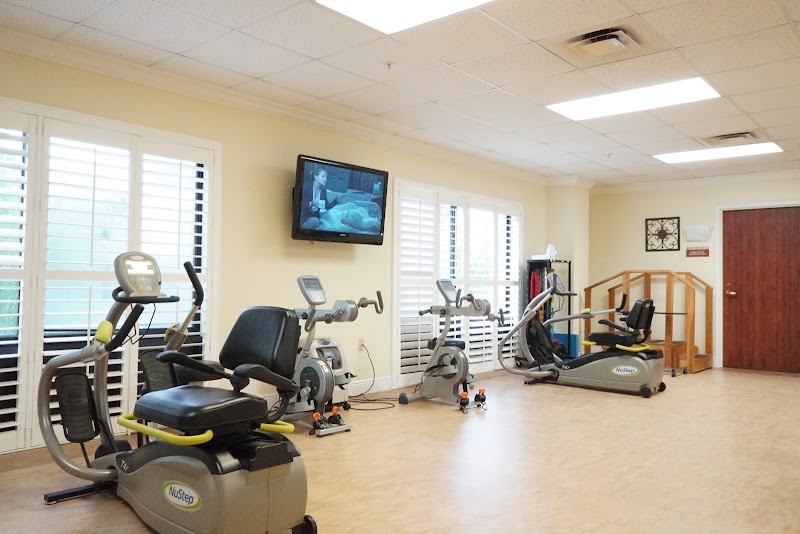
How is Palm Garden Of West Palm Beach Staffed?

CMS rates PALM GARDEN OF WEST PALM BEACH's staffing level at 4 out of 5 stars, which is above average compared to other nursing homes. Staff turnover is 45%, compared to the Florida average of 46%. This relatively stable workforce can support continuity of care.

What Have Inspectors Found at Palm Garden Of West Palm Beach?

State health inspectors documented 19 deficiencies at PALM GARDEN OF WEST PALM BEACH during 2021 to 2025. These included: 1 Immediate Jeopardy (the most serious level, indicating potential for serious harm or death) and 18 with potential for harm. Immediate Jeopardy findings are rare and represent the most serious regulatory concerns. They require immediate corrective action.
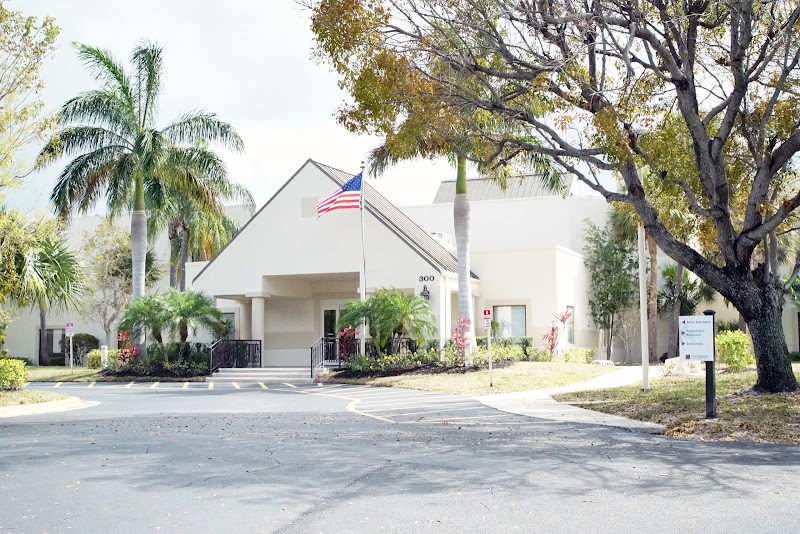
Who Owns and Operates Palm Garden Of West Palm Beach?

PALM GARDEN OF WEST PALM BEACH is owned by a for-profit company. For-profit facilities operate as businesses with obligations to shareholders or private owners. The facility is operated by PALM GARDEN HEALTH AND REHABILITATION, a chain that manages multiple nursing homes. With 176 certified beds and approximately 156 residents (about 89% occupancy), it is a mid-sized facility located in WEST PALM BEACH, Florida.

How Does Palm Garden Of West Palm Beach Compare to Other Florida Nursing Homes?

Compared to the 100 nursing homes in Florida, PALM GARDEN OF WEST PALM BEACH's overall rating (2 stars) is below the state average of 3.2, staff turnover (45%) is near the state average of 46%, and health inspection rating (2 stars) is below the national benchmark.

What Should Families Ask When Visiting Palm Garden Of West Palm Beach?

Based on this facility's data, families visiting should ask: "What changes have been made since the serious inspection findings, and how are you preventing similar issues?" "Can I visit during a mealtime to observe dining assistance and food quality?" "How do you handle medical emergencies, and what is your hospital transfer rate?" "Can I speak with family members of current residents about their experience?" These questions are particularly relevant given the facility's Immediate Jeopardy citations.

Is Palm Garden Of West Palm Beach Safe?

Based on CMS inspection data, PALM GARDEN OF WEST PALM BEACH has documented safety concerns. Inspectors have issued 1 Immediate Jeopardy citation (the most serious violation level indicating risk of serious injury or death). The facility has a 2-star overall rating and ranks #100 of 100 nursing homes in Florida. Families considering this facility should ask detailed questions about what corrective actions have been taken since these incidents.

Do Nurses at Palm Garden Of West Palm Beach Stick Around?

PALM GARDEN OF WEST PALM BEACH has a staff turnover rate of 45%, which is about average for Florida nursing homes (state average: 46%). Moderate turnover is common in nursing homes, but families should still ask about staff tenure and how the facility maintains care continuity when employees leave.

Was Palm Garden Of West Palm Beach Ever Fined?

PALM GARDEN OF WEST PALM BEACH has been fined $16,153 across 1 penalty action. This is below the Florida average of $33,240. While any fine indicates a compliance issue, fines under $50,000 are relatively common and typically reflect isolated problems that were subsequently corrected. Families should ask what specific issues led to these fines and confirm they've been resolved.

Is Palm Garden Of West Palm Beach on Any Federal Watch List?

PALM GARDEN OF WEST PALM BEACH is not on any federal watch list. The most significant is the Special Focus Facility (SFF) program, which identifies the bottom 1% of nursing homes nationally based on persistent, serious quality problems. Not being on this list means the facility has avoided the pattern of deficiencies that triggers enhanced federal oversight. This is a positive indicator, though families should still review the facility's inspection history directly.