WESTGATE HEALTH AND REHABILITATION CENTER
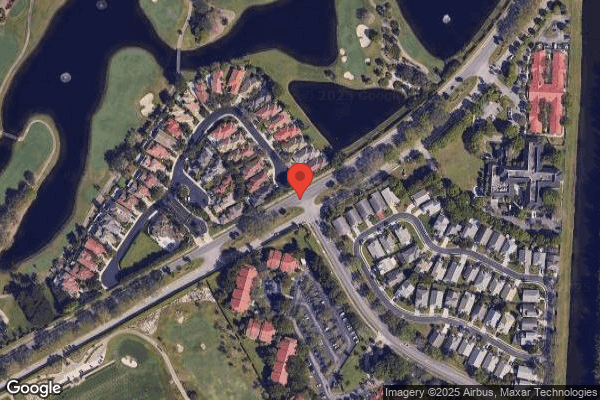
2300 VILLAGE BLVD, WEST PALM BEACH, FL 33409 (561) 478-1800
For profit - Limited Liability company 120 Beds Independent Data: November 2025
Trust Grade
60/100
#441 of 690 in FL
Last Inspection: April 2024

Within standard 12-15 month inspection cycle. Federal law requires annual inspections.

Overview

Westgate Health and Rehabilitation Center has a Trust Grade of C+, indicating it is decent and slightly above average among nursing homes. It ranks #441 out of 690 facilities in Florida, placing it in the bottom half of the state, and #35 out of 54 in Palm Beach County, suggesting only a few local options are better. The facility is improving, with issues decreasing from 8 in 2024 to just 1 in 2025. Staffing is a strength with a rating of 4 out of 5 stars, although turnover is average at 46%. Notably, there have been no fines, which is a positive sign. However, there are some concerns. Recent inspections found that staff failed to maintain proper hand hygiene after entering residents' rooms, which raises infection risk. Additionally, the facility has struggled with cleanliness, as reports noted heavily soiled areas and mold in dining and therapy rooms. Food safety practices were also flagged for not meeting professional standards, which could lead to foodborne illnesses. Overall, while there are strengths in staffing and no fines, the facility must address its cleanliness and hygiene issues to ensure resident safety and well-being.

Trust Score
C+
60/100
In Florida
#441/690
Bottom 37%
Safety Record
Low Risk
No red flags
Inspections
Getting Better
8 → 1 violations
Staff Stability
⚠ Watch
46% turnover. Above average. Higher turnover means staff may not know residents' routines.
Penalties
✓ Good
No fines on record. Clean compliance history, better than most Florida facilities.
Skilled Nurses
✓ Good
Each resident gets 45 minutes of Registered Nurse (RN) attention daily — more than average for Florida. RNs are trained to catch health problems early.
Violations
⚠ Watch
23 deficiencies on record. Higher than average. Multiple issues found across inspections.
★★★☆☆
3.0
Overall Rating
★★★★☆
4.0
Staff Levels
★★★★☆
4.0
Care Quality
★★★☆☆
3.0
Inspection Score
Stable
2024: 8 issues
2025: 1 issues

The Good

  • 4-Star Staffing Rating · Above-average nurse staffing levels
  • 4-Star Quality Measures · Strong clinical quality outcomes
  • Full Sprinkler Coverage · Fire safety systems throughout facility
  • No fines on record

Facility shows strength in staffing levels, quality measures, fire safety.

The Bad

3-Star Overall Rating

Near Florida average (3.2)

Meets federal standards, typical of most facilities

Staff Turnover: 46%

Near Florida avg (46%)

Higher turnover may affect care consistency

The Ugly 23 deficiencies on record

Aug 2025 1 deficiency
CONCERN (D) 📢 Someone Reported This

A family member, employee, or ombudsman was alarmed enough to file a formal complaint

Potential for Harm - no one hurt, but risky conditions existed

Quality of Care (Tag F0684)

Could have caused harm · This affected 1 resident

**NOTE- TERMS IN BRACKETS HAVE BEEN EDITED TO PROTECT CONFIDENTIALITY** Based on interview and record review, the facility failed to ensure appropriate care and services for 2 of 27 sampled residents,...

Read full inspector narrative →
**NOTE- TERMS IN BRACKETS HAVE BEEN EDITED TO PROTECT CONFIDENTIALITY** Based on interview and record review, the facility failed to ensure appropriate care and services for 2 of 27 sampled residents, as evidenced by the failure to administer medications timely for Residents #27 and #117, both of whom voiced complaints.The findings included:1. Review of the record revealed Resident #27 was admitted to the facility on [DATE]. Review of the Minimum Data Set (MDS) assessment dated [DATE] documented the resident had a Brief Interview for Mental Status (BIMS) score of 3, on a 0 to 15 scale, indicating the resident was severely cognitively impaired. During a phone interview on 08/05/25 at 5:44 PM, a family member of Resident #27 voiced concerns that the nurses at the facility were not administering medication timely. The family member stated the medications were often administered late, and that at times the morning medications were late and then the evening medication were early. During an interview on 08/07/25 at 10:03 AM, when asked the expectation regarding the administration times for resident medication, Staff D, Licensed Practical Nurse (LPN)/Unit Manager, stated the nurses were to administer medications within an hour before or an hour after the physician ordered time. Review of the Medication Administration Record (MAR) for 07/01/25 through 07/24/25 documented the following occurrences for medications that were not administered as per the physician ordered times for Resident #27. For the 7 AM to 3 PM shift, the following was noted: a) On 07/01/25, the 10 AM medications were administered at 11:23 AM. b) On 07/03/25, the 10 AM medications were administered at 11:42 AM. c) On 07/04/25, the 10 AM medications were administered at 11:15 AM. d) On 07/05/25, the 10 AM medications were administered at 12:17 PM. e) On 07/06/25, the 10 AM medications were administered at 11:21 AM. f) On 07/09/25, the 10 AM medications were administered at 11:40 AM. g) On 07/10/25, the 10 AM medications were administered at 11:19 AM. h) On 07/11/25, the 10 AM medications were administered at 11:11 AM. i) On 07/13/25, the 10 AM medications were administered at 12:38 PM. j) On 07/15/25, the 10 AM medications were administered at 12:02 PM. k) On 07/17/25, the 10 AM medications were administered at 11:18 AM. l) On 07/22/25, the 10 AM medications were administered at 11:33 AM. m) On 07/24/25, the 10 AM medications were administered at 11:57 AM. n) On 07/25/25, the 10 AM medications were administered at 11:31 AM. For the 3 PM to 11 PM shift, the following was noted: o) On 07/02/25, the 6 PM medications were administered at 7:43 PM. p) On 07/03/25, the 6 PM medications were administered at 7:31 PM. q) On 07/04/25, the 6 PM medications were administered at 8:12 PM. r) On 07/05/25, the 6 PM medications were administered at 7:42 PM. s) On 07/07/25, the 6 PM medications were administered at 8:15 PM. t) On 07/09/25, the 6 PM medications were administered at 7:52 PM. u) On 07/11/25, the 6 PM medications were administered at 7:28 PM. v) On 07/12/25, the 6 PM medications were administered at 8:43 PM. w) On 07/14/25, the 6 PM medications were administered at 7:48 PM. The above represents 23 occurrences of late medication during the 24 day period. The medications were administered up to 1 and 1/2 hours late on the day shift, and up to 1 and 3/4 hours late on the evening shift. 2. Record review revealed Resident #117 was admitted to facility on 07/30/25. The comprehensive assessment was still in progress, but there was a documented Brief Interview Mental Status (BIMS) score of 15 on a 0-15 scale, indicating no cognitive impairment. Review of the diagnosis revealed Resident #117 had a medical history of Essential Hypertension (an increase in blood pressure), Pain in left leg, Type 1 Diabetes Mellitus (increased blood sugar), and Gastro-Esophageal Reflux Disease (acid in stomach). An interview was conducted on 08/06/25 at 10:16 AM with the Regional Nurse who was asked where Staff F, Registered Nurse (RN) was, and stated, “She had to leave for an emergency.” An interview was conducted on 08/06/25 at 10:28 AM with Resident #117 who stated, “I need my medicine. I haven’t had my insulin. I need pain medication. When asked if Staff F, RN, had seen her this morning, she stated, “The nurse came into my room while I was eating breakfast, and she said she would be back with my medications.” During a follow up interview on 08/06/25 at 11:10 AM, when asked if she had received her morning medications yet, Resident #117 stated “No, no one has come yet.” During an observation on 08/06/25 at 11:10AM while standing in the hallway, Resident #117’s room was observed with the call light on. During an observation on 08/06/25 at 11:20AM, Staff G, Certified Nursing Assistant (CNA), was observed coming out of another resident’s room, and she saw that Resident #117 light was on, and she went into the resident’s room. During an interview on 08/06/25 at 11:21AM, the Director Of Nursing (DON) asked if everything was ok, and at that same time Staff G was walking down the hallway towards the DON. The DON asked what Resident 117 needed. Staff G stated, she needed her pain medication. I haven’t been able to find Staff F, RN, I’ve been looking for her.” The DON stated, she is outside on a phone call.” During an interview 08/06/25 at 11:30AM, the Assistant Director Of Nursing (ADON) was noted at the medication cart on the 100-112 unit, who was asked if she was administering medications in place of Staff F, RN. The ADON stated, “Yes, I’m getting medications for another resident, When asked if the medications were being given late, she stated, “I just received an order to administer the medications late.” The ADON was made aware of Resident #117 not receiving her morning medication, which included the scheduled insulin. She was told that Resident #117 was requesting pain medication. The ADON stated “I will give her medications next.” During an interview on 08/06/25 at 11:48 PM, Resident #117's call light was observed to be on, who when asked if she had received her medications, the resident stated, “No.” At that time, the resident was on the phone, and stated, “I've been here 10 days, and I can never reach anyone at the front desk on the phone. I'm having so much pain.” The Regional Nurse entered the resident's room and asked, “Is everything ok?” At that time, she was made aware of Resident #117's concern of not receiving her morning medication, had complained of pain and hadn’t received pain medication since 6:00 AM on 08/05/25. The Regional Nurse ran down the hallway to get the ADON. They went back to Resident #117 room with the medication cart. During an interview on 08/06/25 at 1:15 PM, when asked if she received her medications, Resident #117 stated, “Yes, finally if it wasn't for you, I would not have received them.” Review of the requested time stamped Medication Administration Record (MAR) for Resident #117 revealed the resident received her scheduled 10:00 AM medications between 12:09 PM and 2:19 PM on 08/06/25. The pain medication that was requested was documented as administered at 11:54 AM on 08/06/25. Further review of the time stamped MAR revealed the medications that were scheduled at 8:00 PM on 07/30/25 were documented as administered at 10:15 PM. During an interview on 08/07/25 at 9:10 AM, when asked why residents received medications so late on 08/06/25, the DON stated, “I wasn't aware that Staff F, RN was going to be off the unit for a long period of time. When asked when she knew the nurse would not be returning, the DON, stated “At 11:47 AM, I received a text from her that stated she was on a telephone case, and she couldn't get off the phone.” When asked if she was aware that the nurse had not administered medications to all of her assigned residents, the DON stated, “No, not when she left, I thought she was going to be on a thirty-minute call. Staff F, RN came in because the scheduled nurse called off.” When asked if Staff F, RN was the Unit Manager (UM), the DON stated, “She resigned from the UM position two weeks ago and she hadn’t been working here.”
Aug 2024 1 deficiency
CONCERN (D) 📢 Someone Reported This

A family member, employee, or ombudsman was alarmed enough to file a formal complaint

Potential for Harm - no one hurt, but risky conditions existed

Quality of Care (Tag F0684)

Could have caused harm · This affected 1 resident

**NOTE- TERMS IN BRACKETS HAVE BEEN EDITED TO PROTECT CONFIDENTIALITY** Based on observation, clinical and administrative record review, and interview, the facility staff failed to ensure that 2 of 3 ...

Read full inspector narrative →
**NOTE- TERMS IN BRACKETS HAVE BEEN EDITED TO PROTECT CONFIDENTIALITY** Based on observation, clinical and administrative record review, and interview, the facility staff failed to ensure that 2 of 3 sampled residents, Resident # 1 and #2, received the necessary care and services as related to the resident's gastrostomy tube and site and skin assessments, as evidenced by the facility failure to provide evidence that care and services were provided for a resident with a gastrostomy tube, failed to properly assess and provide evidence of care and services for a gastrostomy tube site after removal, and failed to provide evidence that weekly skin assessments were completed for residents. The findings included: Review of the facility's policy and procedure for Administering Medications through an Enteral Tube, revised 01/2024, documented, in part, the following regarding Enteral Tube Care: 1. Cleanse enteral feeding site per the physician orders. Typically, one time per day with normal saline or soap and water. May leave enteral feeding site open to air or cover with a dry dressing as needed. 2. Change enteral feeding syringe per the physician orders. Typically, one time per day. Store in hygienic manner in the resident's room. 3. Check residual per the physician orders. Typically, every shift. Hold medications and enteral feeding if residual is greater than 60 ml and notify the physician. Review of the facility's policy regarding Standards and Guidelines: Prevention of Skin Impairments / Pressure Injury, revised 01/2024, documented, in part: Review the resident's care and identify the risk factors as well as the interventions designed to reduce or eliminate those considered modifiable. Procedure included for Risk Assessment: 1. Assess the resident on admission for existing wound risk factors. 2. Conduct a comprehensive assessment upon admission including: a. Skin integrity - any evidence of existing or developing pressure ulcers or injuries. b. Areas of impaired circulation due to pressure from positioning or medical devices. 3. Inspect the skin when performing or assisting with personal care or ADLs. a. Identify any signs of developing skin wound (i.e. nonblanchable erythema/rashes). For darkly pigmented skin, inspect. for changes in skin tone, temperature, and consistency. b. Inspect pressure points (sacrum, heels, buttocks, coccyx, elbows, ischium, trochanter, etc.). c. Wash the skin after episodes of incontinence d. Reposition resident as indicated on the care plan. 1. Review of the clinical record for Resident #1 revealed the resident was admitted to the facility on [DATE] with diagnoses that included Cerebral Infarction affecting left non-dominant side, and Respiratory Failure. The admission assessments documented the resident had a PEG tube (percutaneous endoscopic gastrostomy) in her abdomen. Review of the physician orders revealed the physician prescribed for the resident to receive her medications via the PEG tube. Further review of the physician orders failed to provide evidence of orders prescribing for gastrostomy tube daily care being provided to the PEG tube, and there were no orders prescribing for checking residual or providing water flush to the tube. Review of the Medication and Treatment Administration Record (MAR, TAR) for February 2024 provided evidence that the nursing staff placed their initials in the appropriate boxes to indicate the medications were administered via the PEG tube, but the administration records failed to provide evidence that the staff provided care and services to the PEG tube site. On 03/02/24 at 3:01 AM, the nurse documented, Resident vomits x 1 and had a bowel movement - Resp(respirations) even and unlabored with no distress - VS (vital signs): B/P (blood pressure) 126/72, P (pulse) 82, R (respirations) 20, T (temperature) 97.9, 02 sat [oxygen saturation] 96% on room air - Head of bed elevated to prevent aspiration - ARNP [Advance Registered Nurse Practitioner] notify - Will continue to monitor. On 03/02/24 at 8:57 AM, the nurse documented, Upon observation this am, patient noted with projectile vomiting, green bile. Patient v/s taken and noted. Patient denied any pain. Bowel sounds absent. Patient md [physician] made aware orders given to send patient out to hospital, patient daughter made aware and requested a specific hospital, medics called awaiting arrival. The hospital gastroenterologist documented on 03/02/24, Impression - Nausea and vomiting secondary to migrated PEG tube distally into the jejunum causing partial obstruction. CT [computerized tomography] reports j-tube but actually this is a PEG tube placed January 2, 2024, which seems replaced with Foley Catheter and as Foley Catheter does not have external bumper migrated with her per status is into jejunum. Constipation Fecal Impaction. The Progress note further documented the physician removed the Foley Catheter and a 20 French PEG tube was placed instead and left eternal bumper at 5 cm. Another gastroenterologist progress note, addendum on 03/04/24 at 6:44 PM, documented the PEG tube was removed per patient and family request. The resident was discharged from the hospital and readmitted to the facility on [DATE]. The admission nursing note on 03/04/24 at 10:19 PM did not provide any assessment or documentation regarding the resident's PEG tube site. The admission summary, dated [DATE] at 11:31 PM, documented the following: a skin assessment was done, no skin issue noted, the exception of skin tag noted to left upper scapula and peg removal site, dressing is clean and dry, no drainage, no irritation nor swollen noted. Review of the twenty-one physician progress notes from 03/06/24 through 05/31/24 documented the same notation for skin - no rash or lesions abdominal dressing was C/D/I [clean, dry and intact]. Further review of the physician orders did not provide documentation of physician prescriptions prescribing for care, dressing changes and/or treatment to the site of the recently removed PEG tube. An interview was conducted on 08/27/24 at approximately at 3:15 PM with the Licensed Practical Nurse, Staff A. Staff A was the nurse who sent the resident to the hospital on [DATE] with nausea and vomiting. She stated when she came on duty, the resident was sitting in a wheelchair, and she noticed she had vomited and had the green bile on her clothing. She had assessed the resident and did not hear any bowel sounds. She called the physician, and he said to send the resident out to the hospital and then she called the resident's daughter, who requested to send the resident to a specific hospital. The surveyor asked Staff A regarding the care and services for the PEG tube. She stated the resident ate by mouth and medications (meds) were by the PEG tube. She stated the PEG tube dressing would have been done on the night shifts. She confirmed she did not see a physician order for the care and services for the PEG tube. The surveyor asked about what the PEG tube site looked like post hospitalization. She stated she doesn't specifically remember but confirmed the assessment did not provide a thorough picture of the site and did not verify whether the site was open or closed. She stated if the site was opened, it would usually close within 2 weeks. The surveyor explained that the documentation was misleading because the initial nursing note documented the dressing was clean and dry. The nurses were not completing the weekly skin checks; and the skin checks completed did not provide information on the PEG tube site. Review of the Nurse Practitioner's notes were the same and were documenting there was an abdominal dressing that was clean and dry for over 2 and 1/2 months after the resident returned to the facility. An interview was conducted on 08/27/24 beginning at approximately 3:45 PM with the Advance Registered Nurse Practitioner (ARNP) who stated she normally would check the G-tube dressings to ensure staff are performing the dressing changes. She stated she would prescribe the care and services of dressing changes, flushes, and to check residual for the G-tubes. She did not know what happened with Resident #1 and there not being orders regarding care and services for the resident during her stay in the facility. The surveyor asked the ARNP about the PEG tube site once it was removed because all her notes were the same and documented that the dressing was C/D/I [Clean, Dry, and Intact]. The surveyor inquired whether the site was open or closed upon admission and thereafter. The ARNP was unable to confirm the appearance of the PEG tube site upon admission and during the resident's 2nd admission to the facility. She again stated that she normally would have lifted the dressing to view the area. She stated that once a PEG tube is removed, the amount of time when the site closes varies but it will usually close within two weeks. She confirmed that the site, if open, would need a daily dressing change and need monitoring for signs of infection, etc. She further stated that she would normally prescribe for daily dressing changes until the area closed. She confirmed that this was not done for Resident #1, and she further confirmed that the skin assessment on progress notes were carried over and not changed. Further review of the clinical record for Resident #1 revealed the staff failed to complete the weekly skin assessments for the resident. Review of the plan of care revealed a concern as, The resident is at risk for skin impairment r/t (related to) diabetes, neuropathy, risk for malnutrition, use of anticoagulant/antiplatelet medications, weakness/decreased mobility, s/p (status post) tracheostomy. The interventions included: .Skin checks weekly and as indicated; Report any s/s of skin breakdown to MD/wound team as indicated. Review of the assessment completed for the resident revealed the facility completed an assessment on admission. There were no further weekly skin assessments until 03/06/24 (3 weeks later, the readmission to the facility after a 4-day hospitalization). The next weekly skin assessment was completed on 04/14/24 (more than 5 weeks later). The next weekly assessment was completed on 05/03/24 (over 2 weeks later). An interview was conducted on 08/27/24 at approximately 3:15 PM with Staff A. She stated that when the admission assessments are completed it is placed in the computer and the computer will generate the task of performing the weekly assessments. She had no explanation why the assessments were not completed. 2. Review of the clinical record for Resident #2 revealed the resident was admitted to the facility on [DATE] with a diagnosis of Osteomyelitis of the Vertebrae, Sacral and Sacrococcygeal region. The admission assessment documented a Stage IV pressure in the sacrum and left upper quadrant PEG tube. The 06/07/24 Wound Evaluation identified a Stage IV sacrum wound measuring 4.2 x 3 x 1.2 cm. Further review of the assessments for the resident revealed a 06/10/24, 06/17/24 and 06/24/24 weekly skin assessments. After the resident was readmitted to the facility on [DATE] after a brief hospitalization, a 07/06/24 weekly skin assessment documented the sacrum wound and noted ongoing treatment to her sacrum and left knee. There was no other acute skin alterations noted. Further review of the clinical record on 08/27/24 failed to provide evidence of additional weekly skin assessments completed for the resident after the date of 07/06/24 (over 7 weeks). Review of the 07/07/24 5-day Minimum Data Set Assessment (MDS) documented the resident is at risk for the development of pressure ulcers and the resident had 1 Stage IV unhealed pressure ulcer. A skin observation for Resident #2 was conducted on 08/27/24 at 2:05 PM with the Certified Nursing Assistants, Staff B and Staff C. The observation revealed a dressing on the sacrum dated 08/27/24. There were no further skin issues identified at this time.
Apr 2024 7 deficiencies
CONCERN (D)

Potential for Harm - no one hurt, but risky conditions existed

Deficiency F0561 (Tag F0561)

Could have caused harm · This affected 1 resident

**NOTE- TERMS IN BRACKETS HAVE BEEN EDITED TO PROTECT CONFIDENTIALITY** Based on observation, interview, and record review, the facility failed to ensure timely smoking privileges as per resident choi...

Read full inspector narrative →
**NOTE- TERMS IN BRACKETS HAVE BEEN EDITED TO PROTECT CONFIDENTIALITY** Based on observation, interview, and record review, the facility failed to ensure timely smoking privileges as per resident choice and schedule for 2 of 5 sampled residents who smoke, Residents #159 and #259. At the time of the survey, there were five residents residing in the facility who smoked. The findings included: Upon entrance to the facility, an observation at the first-floor nurses' station revealed a sign that documented, Smoking Times: 10 AM, 2 PM, 4 PM, and 6:30 PM. Review of the record revealed Resident #159 was admitted to the facility on [DATE]. Although the Brief Interview for Mental Status (BIMS) score had not yet been completed, review of the progress notes documented the resident was alert and oriented. During an interview on 04/09/24 at 9:03 AM, Resident #159 stated there were different Certified Nursing Assistants (CNAs) assigned to the smoking area at different times throughout the day, and they were never on time. During an observation at the first-floor nurses' station on 04/09/24 at 10:05 AM, the Director of Nursing (DON) and Unit Manager were unable to find Staff C, CNA, who was assigned to the smoking area, as documented on the staff assignment written on the white board. The DON asked the Unit Manager to cover the smoking area, STAT (immediately) as it's 5 after [the scheduled time]. The Unit Manager walked down the hall looking for Staff C and was unable to find her. The Unit Manager then went to get the smoking box (a small container that held the resident's cigarettes and lighters), and went out to the smoking area at 10:06 AM. Residents #159 and #259 were waiting outside. A third resident arrived at 10:11 AM. Staff C, CNA, arrived to the area on 04/09/24 at 10:12 AM. An observation of the smoking area on 04/10/24 at 4:06 PM revealed Resident #159 in the smoking area with Resident #259. Staff D, CNA, was attending to the two residents. When asked how the smoking area staff were scheduled, Staff D explained for the 3 PM to 11 PM shift, the first floor staff was responsible for the 4 PM smoking time and the second floor staff was responsible for the 6:30 PM time. Resident #159 stated Staff D was always on time, but was the only CNA who was timely. Staff D stated, It's the last smoke time that is the problem and pointed up to the second floor. Staff D stated it could be as late as 7:30 or 8 PM before the second-floor staff come down. Resident #159 agreed it could be as late as 7:30 or 8 PM before the second-floor staff come down. Staff D stated, Sometimes I just come out to give them their smoke break. They (the residents) deserve it. It's their right. On 04/11/24 at 10:01 AM, the smoking area was being attended to by the Unit Manager with four residents who smoke, even though it was assigned to a CNA. During an interview on 04/11/24 at 11:17 AM, when asked about the timeliness of staff for the smoking area, Resident #259 stated the day shift was ok, but staff for the last one (scheduled for 6:30 PM) were usually 30 minutes or more late. Resident #259 had a Brief Interview for Mental Stats (BIMS) score of 13, on a 0 to 15 scale, indicating the resident was cognitively intact. During an interview on 04/11/24 at 2:45 PM, when asked how the smoking area staff were assigned, the Assistant Director of Nursing (ADON) explained the first floor was responsible for the 10 AM and 4 PM times, and the second floor for the 2 PM and 6:30 PM times. The ADON stated they all get busy, so they all pitch in and help each other out. When told there were voiced concerns about the 6:30 PM staff being 30 to 60 minutes late, the ADON stated maybe 10 or 15 minutes, but she doubted it was more than that as she was often at the facility during that time. The ADON stated, they call me the Smoking Police as I know how important it is for the residents. The ADON stated she was not there on the weekends. When told there were complaints from 2 smokers and one staff, the ADON stated, Oh.
CONCERN (D)

Potential for Harm - no one hurt, but risky conditions existed

Assessment Accuracy (Tag F0641)

Could have caused harm · This affected 1 resident

**NOTE- TERMS IN BRACKETS HAVE BEEN EDITED TO PROTECT CONFIDENTIALITY** 3. Review of the closed record for Resident #108 for Hospitalization revealed in the progress notes that Resident #108 was disch...

Read full inspector narrative →
**NOTE- TERMS IN BRACKETS HAVE BEEN EDITED TO PROTECT CONFIDENTIALITY** 3. Review of the closed record for Resident #108 for Hospitalization revealed in the progress notes that Resident #108 was discharged home and not transferred to the hospital. The two general notes found were dated 1/27/24 at 13:55 (1:55 PM) and 13:59 (1:59 PM). The 13:55 note text was as follows: Patient discharge summary reviewed copy given to patient. Patient education provided for diabetic teaching and oxygen. Patient given all medications reviewed. Patient safety and comfort maintained. The 13:59 note text was as follows: patient exiting with all belongings at this time. Review of the record for Resident #108 documented there were two discharge orders identified for Resident #108. The first discharge order was written on 01/26/24 at 10:02 AM and was written as follows: Discharge home on 1/26/2024 with Home Health-RN/PT/OT eval. treat. Home Health Aide for ADLs. DME to include O2 concentrator and portable tank for O2, 2L via nasal canula and acc check machine for blood sugar monitoring. The second discharge order was written on 01/26/24 at 21:13 [9:13 PM] and was written as follows: [Resident] Home with family. Family/Son will pick-up at 11am. Patient already has new portable oxygen tank to go home with in her room. (Please be sure patient is ready). On 04/11/24 at 4:04 PM, an interview was conducted with Staff E, the MDS Coordinator with the MD Director present. Staff E reviewed Resident #108's records and he verified the findings of the surveyor. Staff E located a discharge assessment, with the date of 01/26/24, that indicated the discharge was to the resident's home. Staff E admitted to his error and surmised he accidentally selected the wrong entry on the MDS Discharge assessment. Staff E explained the most likely reason for the incorrect discharge on the MDS was because of a miss-click of the mouse. When Staff E was asked how he could miss-click on option 4 instead of option 1, he stated he could have been scrolling quickly and accidentally clicked on hospitalization, option 4, instead of home, option 1. Based on observation, record review and interview, the facility failed to ensure accurate Minimum Data Set (MDS) assessments for 3 of 34 sampled residents, related to the Brief Interview for Mental Status (BIMS) score for Resident #43, antibiotic use for Resident #3, and discharge location for Resident #108. The findings included: 1. Review of the record revealed Resident #43 was admitted to the facility on [DATE]. Review of the Annual MDS assessment dated [DATE] documented the resident had a Brief Interview for Mental Status (BIMS) score of 6. The BIMS score is determined in part by asking the resident to repeat a pattern of words. During observations and attempted interviews on 04/08/24 at 11:06 AM and on 04/09/24 at 9:24 AM, Resident #43 did not verbally respond. During an interview in the morning of 04/08/24, Staff K, Certified Nursing Assistant (CNA), confirmed Resident #43 could not speak or move, but would only blink her eyes for yes and no questions. During an interview on 04/11/24 at 11:32 AM, when asked about conducting an interview for BIMS status, the Social Services Director (SSD) confirmed the resident would need to be verbal or able to utilize cue cards developed for assessing the BIMS status. When asked specifically about Resident #43 and the documented BIMS score of 6, the SSD confirmed that was an error. 2. Review of the record revealed Resident #3 was admitted to the facility on [DATE]. Review of the Quarterly MDS assessment dated [DATE] documented the resident was receiving an antibiotic. Review of the corresponding orders and Medication Administration Record (MAR) lacked any documented antibiotic use. During an interview on 04/11/24 at 11:42 AM, the MDS Director agreed with the error.
CONCERN (D)

Potential for Harm - no one hurt, but risky conditions existed

Incontinence Care (Tag F0690)

Could have caused harm · This affected 1 resident

**NOTE- TERMS IN BRACKETS HAVE BEEN EDITED TO PROTECT CONFIDENTIALITY** Based on record review, observation, and interview, the facility failed to provide the appropriate treatment and services relate...

Read full inspector narrative →
**NOTE- TERMS IN BRACKETS HAVE BEEN EDITED TO PROTECT CONFIDENTIALITY** Based on record review, observation, and interview, the facility failed to provide the appropriate treatment and services related to a clinically justified indwelling urinary catheter for 1 of 6 sampled residents, Resident #42. The findings included: Review of the record revealed Resident #42 was admitted to the facility on [DATE] with a diagnosis of chronic kidney disease. The Minimum Data Set (MDS) assessment dated [DATE] documented the resident was severely cognitively impaired and had memory problems. This MDS also documented Resident #42 had an indwelling urinary catheter and was totally dependent upon staff for all care. Further review of the record revealed orders dated 03/01/24 for staff to provide indwelling catheter care every shift as needed, and to irrigate the catheter using 60 ml (milliliters) of normal saline every eight hours as needed for blockage, leakage, increased sediment, or decreased output. An additional order dated 03/02/24 had instructions to change and date the catheter securement (anchoring) device every week. Review of the April 2024 Treatment Administration Record (TAR) documented the indwelling urinary catheter had been changed on 04/06/24. An observation on 04/08/24 at 9:00 AM revealed Resident #42 lying in bed. An indwelling urinary catheter bag was noted hanging from the resident's bed. The urine in the tubing was red tinged. A yellow paper tag attached to the indwelling catheter tubing was dated 03/31/24. Photographic Evidence Obtained. During an observation on 04/09/24 at 3:19 PM, Staff J, Certified Nursing Assistant (CNA), uncovered Resident #42. The red tinged urinary catheter tubing was freely hanging in between the resident's thighs, without any type of an anchoring device. During an observation on 04/11/24 at 9:04 AM, Staff A, CNA, confirmed she provided the morning care for Resident #42 earlier that day. An observation of the resident's thighs lacked any type of anchoring device. When asked about the use of an anchor for the indwelling urinary catheter tubing, Staff A confirmed they were used at the facility, and agreed there should be one in use for Resident #42. Observation of the tubing revealed the urine was now clear. During an interview and side-by-side review of the April 2024 TAR on 04/11/24 at 9:59 AM, the Unit Manager agreed the TAR documented the indwelling urinary catheter was changed on 04/06/24, yet the date on the observed catheter was 03/31/24. The Unit Manager was shown the photograph of the red tinged urinary catheter tubing from 04/08/24 and agreed the catheter should have been irrigated or changed as of the 04/09/24 observation in the afternoon.
CONCERN (D)

Potential for Harm - no one hurt, but risky conditions existed

Deficiency F0694 (Tag F0694)

Could have caused harm · This affected 1 resident

**NOTE- TERMS IN BRACKETS HAVE BEEN EDITED TO PROTECT CONFIDENTIALITY** Based on observation, interview and record review, the facility failed to ensure an intravenous peripherally inserted central ca...

Read full inspector narrative →
**NOTE- TERMS IN BRACKETS HAVE BEEN EDITED TO PROTECT CONFIDENTIALITY** Based on observation, interview and record review, the facility failed to ensure an intravenous peripherally inserted central catheter (PICC) line dressing was changed as ordered for 1 of 1 sampled resident, Resident #362. The findings included: Record review revealed that Resident #362 was admitted to the facility on [DATE], with diagnosis that included Septicemia (blood poisoning by bacteria). The admission Minimum Data Set (MDS) assessment, reference date 03/29/24 (which was completed and ready to export), recorded a Brief Interview for Mental Status (BIMS) score of 12, indicating Resident #362 was cognitively intact. This MDS recorded no mood or behavior issue. Subsequent review of the clinical record evidenced a physician order dated 03/24/24 of Ceftolozane-Tazobactam (an antibiotic) Intravenous Solution Reconstituted 1.5 (1-0.5) GM to use 1.5 gram intravenously every 8 hours for wound infection until 04/22/2024. An additional physician order dated 03/24/24 documented for the PICC line dressing to be changed every 7 day(s). A subsequent order dated 03/25/24 documented for the 'PICC Line left arm, change dressing within 24 hours of admission, insertion, or reinsertion and every 7 days and as needed thereafter using sterile technique. Measure arm circumference and external length of catheter.' Review of the March 2024 and April 2024 medication administration records (MARs) and treatment administration records (TARs) indicated the PICC line dressing had been changed on 03/24/24, 03/26/24, 04/02/24, and 04/07/24. On 04/08/24 at 11:59 AM, an observation was made of Resident#362, who was verbally responsive, alert, oriented, and calm, with no behaviors noted. During the observation, the resident's intravenous (IV) site dressing to the left upper arm was observed and had a date of 3/23. Resident #362 confirmed the IV had been inserted since being at the hospital. When asked whether the IV dressing was changed by the facility staff, Resident #362 stated no. On 04/11/24 at 11:01 AM, an interview was held with the Director Of Nursing (DON), who was made aware of the finding and concern related to the IV dressing not being changed as ordered and that staff had documented the IV dressing was changed only on four occasions. A side-by-side review of Resident #362's record was conducted with the DON, who acknowledged the finding.
CONCERN (D)

Potential for Harm - no one hurt, but risky conditions existed

Respiratory Care (Tag F0695)

Could have caused harm · This affected 1 resident

**NOTE- TERMS IN BRACKETS HAVE BEEN EDITED TO PROTECT CONFIDENTIALITY** Based on observation, interview, record review, and policy review, the facility failed to ensure care and services for oxygen us...

Read full inspector narrative →
**NOTE- TERMS IN BRACKETS HAVE BEEN EDITED TO PROTECT CONFIDENTIALITY** Based on observation, interview, record review, and policy review, the facility failed to ensure care and services for oxygen use for 2 of 3 sampled residents, Residents #59 and #55. The findings included: Review of the policy, titled, Oxygen Administration, revised 12/2023, documented, in part, General Guidelines: . 1. Oxygen therapy is administered by way of an oxygen mask, nasal cannula, and/or other device per physicians' orders and/or facility protocol. 4. Store oxygen tubing in a hygienic manner (i.e. labeling bag with date tubing was changed). 1. Review of the record revealed Resident #59 was admitted to the facility on [DATE], and moved to her current room on 04/15/23. Review of the current Minimum Data Set (MDS) assessment dated [DATE] documented oxygen was in use. Review of the vital sign record revealed oxygen saturations on 04/08/24 and on 04/09/24 were taken those mornings while the resident was on oxygen. Review of the record revealed an order dated 10/15/23 for the use of continuous oxygen at 2 liters per minute via nasal cannula for shortness of breath. Review of the care plan revised on 10/17/23 documented Resident #59 was at risk for altered respiratory status / difficulty breathing related to shortness of breath. The interventions included administering the oxygen as ordered. An observation on 04/08/24 at 11:37 AM, revealed Resident #59 in bed, wearing the nasal cannula, and the oxygen concentrator running at 2 liters per minute. Further observation revealed the oxygen tubing, dated with a piece of tape labeled 4/7/24, was not attached to the concentrator. Photographic Evidence Obtained. Resident #59 denied shortness of breath at that time. An observation on 04/09/24 at 11:25 AM revealed Resident #59 in bed. The oxygen concentrator was running at 2 liters, but the same oxygen tubing as observed the previous day, was lying on the bed and not hooked to the concentrator. Photographic Evidence Obtained. On 04/10/24 at 9:39 AM, Resident #59 put on the call light. A random staff member entered the room, and the resident requested that her head of the bed be adjusted. The staff assisted the resident and left the room. Upon entering the room after the staff left, the oxygen concentrator was running. The same tubing dated 04/07/24 was lying over the concentrator, with the nasal cannula on the floor, and was not hooked to the concentrator. Photographic Evidence Obtained. On 04/10/24 at 2:40 PM, the same oxygen tubing that had been observed throughout the survey, not attached to the oxygen concentrator and/or on the floor, was now in the resident's nose, but still not hooked to the concentrator. Staff B, Licensed Practical Nurse (LPN), and Staff F, Certified Nursing Assistant (CNA), both direct caregivers for Resident #59, denied picking up the oxygen tubing from the floor and putting it on Resident #59. Staff F, CNA, stated she found the tubing on the bed and put it on the resident. 2. Review of the record revealed Resident #55 was admitted to the facility on [DATE]. Review of the current MDS assessment dated [DATE] documented the use of oxygen by the resident. Further review of the record revealed the following three orders related to the use of a nebulizer (machine used for the administration of a medication by inhalation): An order dated 06/11/23 documented staff were to change the nebulizer treatment tubing weekly and place the mask in a bag. An order dated 11/07/23 documented Ipratropium-Albuterol Solution, a respiratory medication, was administered every four hours for COPD (Chronic Obstructive Pulmonary Disease, a lung and breathing disorder). An order dated 12/15/23 documented Yupelri Solution, a respiratory medication, was to be given daily at bedtime. An observation on 04/08/24 at 12:35 PM revealed the nebulizer mask, used to administer the respiratory medication, was lying on top of the nebulizer machine, and the plastic storage bag was noted to the left of the machine on the bedside nightstand. Further observation of the machine revealed the machine was dirty with debris in the cavity of the machine. Photographic Evidence Obtained. An observation on 04/09/24 at 11:23 AM revealed the nebulizer mask was lying on top of the nightstand, but again not in the storage bag. An observation on 04/10/24 at 10:22 AM revealed the same nebulizer and improper storage method of the mask. During an interview on 04/11/24 at 9:57 AM, Staff B, LPN, agreed the nebulizer machine needed to be either cleaned or replaced, and the tubing replaced and stored properly.
CONCERN (D)

Potential for Harm - no one hurt, but risky conditions existed

Deficiency F0757 (Tag F0757)

Could have caused harm · This affected 1 resident

**NOTE- TERMS IN BRACKETS HAVE BEEN EDITED TO PROTECT CONFIDENTIALITY** Based on record review, observation, and interview, the facility failed to implement physician ordered blood pressure monitoring...

Read full inspector narrative →
**NOTE- TERMS IN BRACKETS HAVE BEEN EDITED TO PROTECT CONFIDENTIALITY** Based on record review, observation, and interview, the facility failed to implement physician ordered blood pressure monitoring parameters for 1 of 6 sampled residents, Resident #78, as evidenced by lack of BP documentation and to ensure adequate monitoring. The findings included: Review of the record revealed Resident #78 was admitted to the facility on [DATE], with a diagnosis that included Essential Primary Hypertension (high blood pressure). Further review of the record revealed an order dated 09/26/23 to give Lisinopril 20 mg (milligrams) by mouth one time a day for Hypertension. The order also included a monitoring parameter to hold the medication for a systolic blood pressure (SBP) reading of less than 130. Review of the January 2024, February 2024, March 2024, and the current April 2024 Medication Administration Record (MAR) revealed Resident #78's blood pressure results were not documented. Review of the vital signs section of the electronic record revealed the following: a. Blood pressure (BP) results were documented on 01/13/24, 01/16/24, 01/21/24, 01/22,24 and 01/23/24, which was only 5 of the 31 days in January 2024. b. BP results were documented on 02/04/24 and 02/17/24, which were only 2 days in February 2024. c. BP results were documented on 03/04/24 and 03/23/24, which were only 2 days in March 2024. d. There were no documented BP results for the month of April 2024, until after surveyor intervention on 04/10/24. Additional review revealed that on 12/11/23, and 12/18/23, Lisinopril BP medications were given even when the documented systolic BP were below 130. During an interview on 04/10/24 at 11:15 AM, the Unit Manager stated the APRN (Advanced Practice Registered Nurse) wrote the order and that she herself confirmed it. The Unit Manager confirmed the BP should be recorded on the MAR, when physician ordered parameters are in place.
CONCERN (E)

Potential for Harm - no one hurt, but risky conditions existed

Infection Control (Tag F0880)

Could have caused harm · This affected multiple residents

**NOTE- TERMS IN BRACKETS HAVE BEEN EDITED TO PROTECT CONFIDENTIALITY** 5. On 04/08/24 at 12:21 PM, dining observation was conducted at the upper 200s unit. Lunch trays were being passed by CNAs and t...

Read full inspector narrative →
**NOTE- TERMS IN BRACKETS HAVE BEEN EDITED TO PROTECT CONFIDENTIALITY** 5. On 04/08/24 at 12:21 PM, dining observation was conducted at the upper 200s unit. Lunch trays were being passed by CNAs and the followings were observed: at 12:21 PM: Staff L brought the food tray in room [ROOM NUMBER], Staff L touched items in the room, exited the room, did not conduct hand hygiene, then Staff L removed another tray from the food cart, went in room [ROOM NUMBER]A (a transmission base precaution room) and provided the tray to the resident. At 12:24 PM, Staff L exited room [ROOM NUMBER]A, without conducting hand hygiene, removed another tray from the food cart and provided it to the resident in room [ROOM NUMBER]B. 6. Clinical record review revealed Resident #18 was admitted to the facility on [DATE], with diagnosis included: MDROS (Multidrug-Drug Resistant Organisms), a condition in which bacteria have become resistant to certain antibiotics. The admission Minimum Data Set (MDS) assessment, reference date 02/23/24, recorded a Brief Interview for Mental Status (BIMS) score of 15, indicated Resident #18 was cognitively intact. This MDS recorded no mood or behavior issue. Review of physician order, dated 02/20/24, documented an order for Cefazolin Sodium (antibiotic) Intravenous Solution Reconstituted 2 GM, every 8 hours for Extended Spectrum Beta Lactamase (ESBL). ESBL is an enzyme or chemical produced by germs like certain bacteria, and ESBL enzymes make some antibiotics ineffective. Further review of clinical records revealed a physician order dated 02/20/24 for a Midline [a peripheral inserted central catheter] to the right arm. Additional physician orders, dated 04/01/24, documented for Cefazolin Sodium Intravenous Solution Reconstituted 2 GM, every 8 hours for ESBL until 04/06/24. Review of current and discontinued physician orders, care plans, and progress notes from February through April 2024 lacked documented evidence of transmission-based precaution being in place. On 04/08/24 at 10:58 AM, an observation was conducted of Resident #18, and there was an IV (intravenous) pole in the room, with an empty bag of antibiotic (Cefazolin 2gGM for ESBL) hanging on the pole. There was an IV site obseved to be located to Resident #18's right upper arm, and the dressing was falling apart. There was no transmission base precaution or EBPs noted in place. On 04/08/24 at 11:10 AM, Resident #18 was observed in the process of receiving incontinent care. The staff member was observed in the room changing the resident's incontninent adult brief. The staff member was not wearing a gown. On 04/09/24 at 12:35 PM, the resident was observed lying in bed, and the IV was located to the residnet's right arm. There were no transmission base precautions or EBPs noted in place. On 04/10/24 at 11:57 AM, a subsequent observation was conducted on Resident #18. The IV was noted to her right arm, and there was no dressing on the IV site. There were no transmission base precautions or EBPs in place. 7. Resident #359 was admitted to the facility on [DATE], with diagnosis that included: Septicemia (blood poisoning by bacteria). Review of Physician order, dated 04/03/24, documented an order for Cefazolin Sodium Injection Solution Reconstituted 2 GM, three times a day for sepsis until 04/29/24. Review of current and discontinued orders, care plans and progress notes revealed no documented evidence of transmission base precautions or EBPs in place. On 04/08/24 at 1:25 PM, an observation and interview were conducted with Resident #359, who revealed that she had an order in place to receive IV antibiotic therapy. During this time, an observation was conducted of the IV site to the right upper arm. There were no transmission base precautions or EBPs in place. On 04/09/24 at 12:16 PM, an observation was conducted on Resident #359. There were no transmission base precautions or EBPs in place. On 04/10/24 at 11:32 AM, an observation was conducted on Resident #359. There was an IV pole in room with an empty antibiotic bag hanging on the pole. There were no transmission base precautions or EBPs in place. On 04/11/24 at 10:49 AM, an interview was conducted with the Director Of Nursing (DON), who was made aware of concerns related to lack of documented evidence of transmission base precautions, EBPs, and lack of hand hygiene by staff during passing of meal trays. 8. On 4/10/24 at 1:39 PM, six rooms on the second floor were identified for Enhanced Barrier Precaution (EBP). Upon close inspection, it was noted that while gloves were readily available, protective gowns were not observed to be readily available as required. The room numbers identified were #207, #220, #232, #233, #234, and #235. Based on observation, interview, record review, and policy review, the facility failed to ensure proper disinfecting of glucometers (devices to obtain a blood sugar level) for 2 of 3 sampled residents observed (Residents #23 and #19); failed to properly disposing of a used lancet for 1 of 3 sampled residents (Resident #71); failed to ensure proper hand hygiene during the passing of meal trays for 1 of 2 floors (second floor); failed to implement enhanced barrier precautions (EBPs) for 2 of 11 sampled residents (Residents #18 and #359); and failed to ensure personal protective equipment (PPE), for use for with enhanced barrier precautions, was readily accessible for use with residents on 2 of 2 floors (first and second floor). At the time of the survey, there were 16 residents' rooms identified as needing PPE, to include gowns, for proper implementation of EBPs. The census at the time of survey was 110. The findings included: Review of the policy, titled, Blood Sampling - Capillary (Finger Sticks), revised September 2014, documented, in part, Steps in the Procedure: . 7. Discard lancet and platform into the sharps container. 8. following the manufacturer's instructions, clean and disinfect reusable equipment, parts, and/or devices after each use. Review of the User's Guide for the EvenCare Blood Glucose Monitoring System, the glucometer used at the facility, documented, in part, The EvenCare G3 Meter should be cleaned and disinfected between each patient. To disinfect your meter, clean the meter surface with one of the approved disinfecting wipes. Allow the surface of the meter to remain wet at room temperature for the contact time listed on the wipe's directions for use. Wipe all external areas of the meter including both front and back surfaces until visibly wet. Avoid wetting the meter test strip port. The following products have been approved for cleaning and disinfectin the EvenCare G3 Meter: Dispatch Hospital Clean Disinfectant Towels with Bleach, Medline Micro-Kill Disinfecting, deordorizing Cleaning WIpes with Alcohol, Clorox Healthcare Bleach Germicidal and Disinfectant Wipes and Medline Micro-Kill Bleach Germicidal Bleach Wipes . Review of the Sani-Cloth Germicidal Disposable Wipe instructions documented, in part, To disinfect and deodorize hard, nonporous surfaces: . Unfold a clean wipe and thoroughly wet surface. Allow surface to remain wet for two (2) minutes. Let air dry. 1. A medication observation pass for Resident #23, was made on 04/09/24 beginning at 3:49 PM, with Staff G, Licensed Practical Nurse (LPN). The LPN took the supplies into the resident's room, preformed the finger stick to obtain the blood for the blood sugar level, and returned to the medication cart. The LPN wiped the glucometer with an alcohol pad and set it on the top of the medication cart. At 4:09 PM, the LPN placed the glucometer into the medication cart, without disinfecting it with an approved product. During an interview on 04/09/24 at 4:40 PM, when asked how to disinfect a glucometer, Staff G, LPN stated, I either use the purple top (disinfectant) or an alcohol wipe. When asked why she did not use the purple top disinfectant, the LPN stated, Because I didn't have any on the cart. The LPN explained there was usually a container of disinfectant wipes on the side of the medication cart. An observation at that time revealed no container of disinfectant wipes on the medication cart. When asked if she had the individual Clorox Bleach Germicidal wipe, as that was used by another staff member, the LPN stated she had seen them before but didn't have any. During an interview on 04/09/24 at 4:51 PM, the Director of Nursing (DON) agreed with the improper glucometer disinfecting. 2. During the continued medication observation pass on 04/09/24 at 4:10 PM, Staff H, LPN, obtained supplies to do a finger stick for Resident #19. After completing the process of using the glucometer to test for blood sugar level, the LPN returned to the medication cart and wiped the glucometer with a disinfectant wipe, and then immediately wrapped it in a dry tissue. The LPN failed to ensure a proper wet time, as per the disinfectant instructions. During an interview on 04/09/24 at 4:51 PM, the Director of Nursing (DON) agreed with the improper glucometer disinfecting. 3. A medication observation pass for Resident #71 was made on 04/09/24 beginning at 4:21 PM with Staff I, Registered Nurse (RN). The RN gathered supplies to complete a finger stick, and upon completion, threw the used lancet into the resident's trash can in the resident's bathroom. During an interview on 04/09/24 at 4:51 PM, the Director of Nursing (DON) agreed with the improper disposal of the lancet. 4. The facility did not have a policy for Enhanced Barrier Precautions (EBP), but verbalized they were following CDC (Center's for Disease Control and Prevention) guidance. Review of current CDC guidance revealed the use of gowns and gloves were to be used by staff providing high-contact resident care activites, for residents designated as needing EBPs. CDC guidance for EBP also included the posting of signage that clearly indicated the high-contact resident care activities that require the use of gown and gloves. The CDC guidance also included the availability of PPE (Personal Protective Equipment) supplies, including glowns and gloves, be available immediately outside of the resident room. At the time of the survey, there were a total of 25 residents identified as needing the enhanced barrier precautions. Observations during the initial pool process on 04/08/24, identified numerous rooms with a sign on the door that documented, Enhanced Barrier Precautions. The signs lacked any indication of when or how to implement the precautions. During the room by room observations on 04/08/24, it was noted there were no gowns readily accessible in rooms, storage containers, or linen carts, for staff use. An observational tour of the first floor, on 04/10/24 at 1:13 PM, to ensure accessible PPE (specifically gowns, as gloves were in each room) for resident's on EBPs, including an observation of all linen carts, revealed the following (Photographic Evidence Obtained): a) Rooms 100 to 107 had three rooms identified as needing PPE for EBP. One room had a plastic, rollable drawer set with PPE in the room. The other two rooms, located at the other end of the hall, had no gowns readily accessible. The clean linen cart located part way down the hall lacked any gowns for PPE use. b) Rooms 108 - 115 had five rooms identified as needing PPE for EBP. None of the rooms had any gowns for PPE use. The linen cart had one package of gowns available. c) Rooms 116 to 130 had two rooms identified as needing PPE for EBP. None of the rooms had any gowns for PPE use. One linen cart had one package of gowns under a stack of linens, and the second cart had none.
Oct 2023 1 deficiency
CONCERN (D) 📢 Someone Reported This

A family member, employee, or ombudsman was alarmed enough to file a formal complaint

Potential for Harm - no one hurt, but risky conditions existed

Medical Records (Tag F0842)

Could have caused harm · This affected 1 resident

**NOTE- TERMS IN BRACKETS HAVE BEEN EDITED TO PROTECT CONFIDENTIALITY** Based on clinical and administrative record review and staff interview, the facility failed to ensure that clinical records were...

Read full inspector narrative →
**NOTE- TERMS IN BRACKETS HAVE BEEN EDITED TO PROTECT CONFIDENTIALITY** Based on clinical and administrative record review and staff interview, the facility failed to ensure that clinical records were complete and accurately documented the implementation of prescribed medications and treatments for 1 of 3 sampled residents reviewed, Resident #1, as evidenced by staff failure to ensure all telephone orders were accurately recorded in the clinical record and the nurses' initial placed in the appropriate box to depict the medication and treatment orders were documented and implemented for Resident #1. The findings included: The facility's policy, titled, Administrating Medications, documented, in part, Medications are administered in accordance with prescriber orders, including any required time frame. The individual administering the medication initials the resident's MAR [Medication Administration Record] on the appropriate line after giving each medication and before administering the next ones. As required or indicated for a medication, the individual administering the medication records in the resident's medical record: a. The date and time the medication was administered; b. The dosage; c. The route of administration; d. The injection site ( if applicable); e. Any complaints or symptoms for which the drug was administered; f. Any results achieved and when those results were observed; and g. The signature and title of the person administering the drug. Review of the clinical record for Resident #1 revealed the resident was admitted to the facility on [DATE] with diagnosis that included Fusion of spine - cervical region, Pneumonia and Diabetes Mellitus, type II. A late entry Nursing progress note by the Registered Nurse Supervisor, Staff A, documented on 08/26/23 at 6:53 PM, Writer educated resident on hypoglycemic / hyperglycemic sign and symptoms (s/s). Writer had assigned nurse notify resident physician and family. Nursing teaching provided, Resident verbalized understanding. The Licensed Practical Nurse (LPN) assigned to the resident, Staff B, documented on 08/26/23 at 11:15 PM, Resident complained of (c/o) dizziness, frequent urination,and nausea. Glucose checked results 360, 8 units of Humalog given via sliding scale. Resident still c/o dizziness, and nausea. glucose checked again results 550. Doctor [name] notified via text. Instructed to give an additional 10 units of Humalog. Continued to monitor residents glucose every 30 min. Glucose decreased to 280 by 2030. Resident demanded another 10 units of insulin. I informed the resident that he has a routine dose of long acting insulin at bedtime. 2045: paramedics came up to the unit saying the resident in [room #] called 911. I was not aware of the resident calling 911. Went with EMS [Emergency Medical Services] to resident room. Resident stated 'I told her my blood sugar was high and she ignored me and she did nothing for me'. EMS checked resident's vitals and everything was in normal range. Resident was not transferred to hospital. Resident family notified. No distress noted at this time. Call light within reach. Further review of the Medication Administration Record (MAR) failed to document the blood sugars noted nor did the electronic record document the additional insulin dosage of Humalog 10 units prescribed by the physician. An interview was conducted on 10/30/23 at 3:41 PM with the Licensed Practical Nurse, Staff B. She did recall the incident noted above regarding the resident's elevated blood sugars. She recalled giving the initial 8 units which was documented. She stated she did not give the 10 units. The surveyor also informed the nurse the clinical record did not document the additional order prescribed for the resident for the elevated blood sugar of 550 [mg/dl] as noted in her progress note. She further stated the nursing supervisor was assisting her that evening and she thought she put the order in and carried out the order. The nurse stated we were really busy that night and she jotted down some notes in her personal notebook and proceeded to show the surveyor the handwritten notes she had. The surveyor again inquired about the resident receiving the 10 units of insulin. She confirmed she did not give the additional insulin coverage prescribed. She further showed the surveyor the text she stated she received from the Nursing Supervisor who texted the physician, which noted [Resident #1's] blood sugar at 4:00 PM was 360 [mg/dl] coverage of 8 units was given. We checked now because he complained of nausea and urination frequency and his accucheck was 550 [mg/dl]. I gave him 10 more units of the Humalog. Ok. Thank you. A telephone interview was conducted on 10/30/23 at approximately 4:30 PM with the Nursing Supervisor, Staff A, who reported she did recall the incident. When asked about giving the Resident #1 insulin, she stated she would not have given the additional unit unless she was on the medication cart, otherwise it would have been given by the nurse giving medications. The surveyor then relayed the text message, Staff B showed the surveyor regarding the text conversation she sent to the physician, which indicated she gave the resident Humalog 10 units for the accucheck of 550 [mg/dl]. She stated she does not recall giving the resident the 10 units but she too, will jot down personal notes because they were busy. She stated she wasn't home but she would check her notes when she got home and contact the surveyor. A telephone call was received on 10/30/23 at 6:35 PM from Staff A, who stated her notes indicate that she gave the Humalog 10 units. The surveyor requested that she email her the note. The note documented that Resident #1 complained of feeling nausea and frequent urination. Accucheck at 4:00 PM, 360 [mg/dl], coverage of 8 units given. Checked again at 5:56-6:00 PM, accucheck 550 [mg/dl], 10 more units of the Humalog given as ordered by the physician. It should be noted that Staff A took the time to write a late entry progress note about educating Resident #1 regarding the signs and symptoms of hypo/hyperglycemia and took the time to document personal notation of her alleged administration of said medication, but failed to document a telephone order from the physician and implementation of this order in the electronic clinical record.
Jan 2023 9 deficiencies
CONCERN (D)

Potential for Harm - no one hurt, but risky conditions existed

Assessment Accuracy (Tag F0641)

Could have caused harm · This affected 1 resident

**NOTE- TERMS IN BRACKETS HAVE BEEN EDITED TO PROTECT CONFIDENTIALITY** Based on interviews and record review, the facility failed to ensure an accurate assessment, reflective of the resident's status...

Read full inspector narrative →
**NOTE- TERMS IN BRACKETS HAVE BEEN EDITED TO PROTECT CONFIDENTIALITY** Based on interviews and record review, the facility failed to ensure an accurate assessment, reflective of the resident's status at the time of the assessment for 2 of 29 sampled residents (Resident #10 and #109), as evidenced by Resident #10 did not a smoking assessment completed after a significant change and Resident #109 had an inaccurant assessment completed related to disharge. The findings included: A review of the facility's policy, titled, Smoking Guidelines, revealed, in part, Evaluate patients / residents that smoke utilizing the Smoking Evaluation tool either (a) upon admission/move-in; (b) when a previous non-smoking patient/resident takes up smoking; (c) if unsafe smoking practices are observed in a current smoker; or, (d) when a patient/resident that smokes has a significant change in medical condition. 1. Record review revealed Resident #10 was initially admitted to the facility on [DATE] for rehabilitation with a history of Chronic Kidney Disease, Osteomyelitis of the left foot, Hyperthyroidism, Hyperlipidemia, Diabetes and Hypertension. Further review of the electronic medical record (EMR) revealed the resident was discharged to the hospital for a below the knee amputation on 03/06/22.The resident was re-admitted on [DATE] post below knee amputation. Record review revealed Resident #10 was smoking prior to his hospitalization and upon readmission to the facility. On 01/10/23, the EMR revealed that the last smoking evaluation was dated 02/14/20. A review of the significant change Minimum Data Set (MDS) with an assessment reference date (ARD) of 03/21/22 revealed under section J, Other Health Conditions, the response to the question Current Tobacco Use was answered 'no'. The resident's Brief Interview for Mental Status (BIMS) was 15, which indicated he was cognitively intact. An interview that was conducted with Resident #10 on 01/09/23 at 11:18 AM revealed he smoked before and after he went to the hospital in March 2022. An interview with the Director of Nurses on 01/11/23 at 10:30 AM revealed they realized yesterday (01/10/23) that a smoking assessment was not done when he had a significant change and it should have been done at that time. This was confirmed with Staff A, MDS coordinator, on 01/11/23 at 3:02 PM. During the interview conducted with Staff A, MDS coordinator, Staff A who confirmed that the question of current tobacco use should have been a 'yes' answer. 2. Resident #109's EMR was reviewed for hospitalization. She was admitted to the facility on [DATE] post dislocation of the left hip and was discharged home on [DATE]. A review of the discharge MDS with an ARD of 10/31/22 revealed the resident was discharged to an acute hospital. An interview was conducted with Staff A, MDS coordinator, on 01/11/23 at 3:05 PM, who confirmed it was mistake that it was coded as a discharge to hospital and confirmed the resident was discharged home.
CONCERN (D)

Potential for Harm - no one hurt, but risky conditions existed

Quality of Care (Tag F0684)

Could have caused harm · This affected 1 resident

**NOTE- TERMS IN BRACKETS HAVE BEEN EDITED TO PROTECT CONFIDENTIALITY** Based on record review and interview, the facility failed to coordinate care with Hospice for 1 of 1 sampled resident for hospic...

Read full inspector narrative →
**NOTE- TERMS IN BRACKETS HAVE BEEN EDITED TO PROTECT CONFIDENTIALITY** Based on record review and interview, the facility failed to coordinate care with Hospice for 1 of 1 sampled resident for hospice care (Resident #31). The findings included: Resident #31 was admitted to the facility on [DATE]. A comprehensive assessment, dated 12/09/22, documented the resident had mild cognitive impairment and required total two-person assistance with activities of daily living. The assessment further documented the resident received hospice services. Resident #31 was care planned for hospice services, with interventions that included hospice staff to visit to provide care, assistance, and/or evaluation. Record review revealed an order, dated 12/05/22, for Resident #31 to be admitted to hospice. Review of Resident #31's progress notes revealed a physician note, dated 12/02/22, that documented the resident's case was discussed with family members. The resident lost his apartment and had nowhere to live. Family wanted the resident to remain in facility with hospice services. A progress note, dated 12/03/22 at 3:12 PM, documented: 'Observed patient on the floor AA (awake and alert), became very agitated pulled out all his clothes including his underwear, had feces all over, removed his oxygen, earlier patient refused all his meds. Doctor and family notified. New order received from doctor to administer 5mg Haldol (antipsychotic) IM (injection into the muscle), med given to patient. No SS (sign and symptoms) of distress or discomfort noted, no injury noted or reported at this time.' A progress note, dated 12/03/22, at 10:46 PM documented: 'Patient continued to display combative behaviors, patient has refused oxygen along with vital signs acquisition as well as meals. patient has taken off clothing and throw it at staff when staff attempted to assist him with ADL (activities of daily living) patient has told staff I will jump off this bed and smash my face in. 911 called in order to ensure patients transfer to the hospital, however without a written baker act police were unable to transfer patient, MD [medical doctor] notified, patient continue to display combativeness, the evening nurse then attempted to acquire vital signs for medication administration patient still proceeded to display combativeness, hospice notified, family member on file notified, patient transferred per providers orders.' A progress note, dated 12/04/22 at 6:39 AM, documented: 'Hospice called, patient admitted in psych unit at the hospital.' Resident #31 was readmitted to the facility on [DATE]. A review of the hospital referral, dated 12/04/22, documented: 'Patient to follow-up with an outpatient psychiatrist arranged by the facility.' A review of Resident #31's records revealed no documentation of hospice involvement with the resident post readmission. An interview was conducted with the hospice nurse on 01/11/23 at 12:30 PM. The hospice nurse stated the resident was admitted to hospice on 12/02/22. The hospice nurse stated she had seen Resident #31 on 12/03/22, and at that time, the resident was not displaying any behaviors. The hospice nurse stated she was aware of Resident #31 being admitted to the hospital for behaviors on 12/03/22. The hospice nurse was referring to a handheld electronic device for notes not available / documented in Resident #31's records. The hospice nurse stated she would provide documentation of hospice notes. The hospice nurse further stated they do not consult psychiatry for their patients.
CONCERN (D)

Potential for Harm - no one hurt, but risky conditions existed

Incontinence Care (Tag F0690)

Could have caused harm · This affected 1 resident

**NOTE- TERMS IN BRACKETS HAVE BEEN EDITED TO PROTECT CONFIDENTIALITY** Based on observation, interview and record review, the facility failed to assess 1 of 1 sampled resident (Resident #322), who wa...

Read full inspector narrative →
**NOTE- TERMS IN BRACKETS HAVE BEEN EDITED TO PROTECT CONFIDENTIALITY** Based on observation, interview and record review, the facility failed to assess 1 of 1 sampled resident (Resident #322), who was admitted with Foley catheter (urinary catheter), for continued need for Foley catheter and possible removal of the Foley catheter . The findings included: Resident #322 was admitted to the facility on [DATE]. A comprehensive assessment dated [DATE] documented the resident had severe cognitive impairment and required extensive two-person assist for activities of daily living. The assessment further documented the resident had a Foley catheter. Record review revealed an order, dated 01/05/23, to maintain indwelling catheter for obstructive uropathy (an obstruction in the urinary tract). Further record review did not reveal any documentation of a trial or attempt to remove Resident #322's Foley catheter. An interview was conducted with Resident #322's representative on 01/12/23 at 12:00 PM. The representative stated Resident #322 did not have a Foley catheter prior to the admission to the facility. The representative stated the resident had the Foley catheter placed for surgery prior to the admission to the facility. The representative stated the facility had not attempted to remove the catheter or consult a urologist regarding the Foley catheter. An interview was conducted with the Director of Nursing (DON) on 01/12/23 at 1:00 PM. The DON acknowledged the above.
CONCERN (D)

Potential for Harm - no one hurt, but risky conditions existed

Deficiency F0742 (Tag F0742)

Could have caused harm · This affected 1 resident

**NOTE- TERMS IN BRACKETS HAVE BEEN EDITED TO PROTECT CONFIDENTIALITY** Based on interview and record review, the facility failed to provide treatment for 1 of 1 sampled resident reviewed for psychoso...

Read full inspector narrative →
**NOTE- TERMS IN BRACKETS HAVE BEEN EDITED TO PROTECT CONFIDENTIALITY** Based on interview and record review, the facility failed to provide treatment for 1 of 1 sampled resident reviewed for psychosocial behaviors (Resident #31), as evidenced by lack of non-pharmalogical interventions and lack of follow-up with a psychiatrist. The findings included: A review of the facility's policy, titled, Behavior Management Guidelines, dated 03/2022, documented in part: non-pharmacological interventions should be attempted prior to the use of any psychoactive medication. The policy further documented: Patients, families / responsible parties are educated regarding the risks / benefits of psychoactive medications prior to the first dose being administered, and signed consents are obtained. Resident #31 was admitted to the facility on [DATE]. A comprehensive assessment, dated 11/11/22, documented the resident had no cognitive impairment, and required extensive two-person assistance with activities of daily living. The assessment further documented the resident had moods of feeling down and depressed and little interest or pleasure in doing things nearly every day. There was no behavior documented. A review of Resident #31's progress notes revealed a physician note, dated 12/02/22, that documented the resident's case was discussed with family members. The resident lost his apartment and had nowhere to live. Family wanted resident to remain in facility with hospice services. A progress note, dated 12/03/22 at 3:12 PM, documented: 'Observed patient on the floor AA (awake and alert), became very agitated pulled out all his clothes including his underwear, had feces all over, removed his oxygen, earlier patient refused all his meds. Doctor and family notified. New order received from doctor to administer 5 mg Haldol (antipsychotic) IM (injection into the muscle), med given to patient. No SS (sign and symptoms) of distress or discomfort noted, no injury noted or reported at this time.' There was no evidence of any non-pharmacological interventions to Resident #31 prior to the injection of an anti-psychotic, or consent obtained. There was no documentation of the resident's condition until 7 hours after being medicated. A progress note, dated 12/03/22 at 10:46 PM, documented: 'Patient continued to display combative behaviors, patient has refused oxygen along with vital signs acquisition as well as meals. Patient has taken off clothing and throw it at staff when staff attempted to assist him with ADL (activities of daily living) patient has told staff I will jump off this bed and smash my face in. 911 called in order to ensure patients transfer to the hospital, however without a written baker act police were unable to transfer patient, MD notified, patient continue to display combativeness, the evening nurse then attempted to acquire vital signs for medication administration patient still proceeded to display combativeness, hospice notified, family member on file notified, patient transferred per providers orders.' Resident #31 was readmitted to the facility on [DATE]. A review of the hospital referral, dated 12/04/22, documented: 'Patient to follow-up with an outpatient psychiatrist arranged by the facility.' Further record review revealed no follow up with psychiatric services had been arranged for Resident #31, as of 01/11/23. The resident continued to display behaviors. An interview was conducted with the Director of Nursing (DON) on 01/11/23 at 1:00 PM. The DON stated Resident #31 was upset that he was staying at the facility, and the resident wanted to go home. The DON acknowledged the resident was still displaying behaviors and had not been referred to see a psychiatrist.
CONCERN (D)

Potential for Harm - no one hurt, but risky conditions existed

Deficiency F0808 (Tag F0808)

Could have caused harm · This affected 1 resident

**NOTE- TERMS IN BRACKETS HAVE BEEN EDITED TO PROTECT CONFIDENTIALITY** Based on observation, interview and record review, the facility to follow physician ordered fluid restrictions for 1 of 7 sample...

Read full inspector narrative →
**NOTE- TERMS IN BRACKETS HAVE BEEN EDITED TO PROTECT CONFIDENTIALITY** Based on observation, interview and record review, the facility to follow physician ordered fluid restrictions for 1 of 7 sampled residents reviewed for nutrition (Resident #265) The findings included: Review of the facility's Guideline and Procedure for Fluid Restriction noted the following: Purpose: To facilitate the management and communication of the patient's individualized Fluid Restriction plan by the interdisciplinary team. Procedure: #3 - Dietitian recommends an update to the order to include the amount per shift for nursing. #5 - No water pitcher at bedside, unless part of the individualized beverage plan. #7 - The nurse acknowledges on the MAR/TAR [Medication Administrator Record / Treatment Administration Record] the fluids that were provided per order. During the observation of the breakfast meal conducted on 01/09/23, it was noted Resident #265 appeared to be underweight / malnourished and with cognitive impairment. The meal tray was to be served to the room of Resident #265. Further observation of the resident's meal ticket noted to document Low Sodium and 1200 ml of Fluids. Further observation noted the meal tray to include: 120 ml Juice 120 ml milk 16 oz water (Nursing -Styrofoam Container and straw) on overbed tray and on meal tray. Nursing staff noted to be assisting the resident to drink water from the container. A second and third observation conducted of the lunch meal on 01/09/23 and breakfast meal on 01/10/23 again noted the meal tray to include: 120 ml Juice 120 ml milk 16 oz water (Nursing -Styrofoam Container with straw) on overbed tray and on the meal tray. Nursing staff noted to be assisting the resident to drink water from the container. A review of the clinical record of Resident #265 on 01/10/23 noted: Date Of admission: [DATE] Discharge to Hospital: 01/10/23 Diagnoses: Hepatic Failure, Dysphagia, Symptoms & Signs Concerning Food and Fluid Intake, Cirrhosis of Liver, Diabetes Type 2, Edema, and Fluid Overload, Review of current physician orders noted the following: 12/30/22 - Fluid Restriction 1200 ml/Day 01/01/23 - Weigh Every 3 days 01/09/23 - Prosource 30 ml BID (Twice Per Day) 01/09/23 - Pureed/No Added Salt Diet Weight History included: 01/07/23 = 143.8 pounds 12/30/22 = 146 pounds A review of the facility's Dietitian Fluid Worksheet, dated 01/01/23 noted the following: Physician Ordered Fluid Restriction order: 1200 ml Total Nursing Fluid Allotment =360 ml, (Day Shift=240 ml , Evening and Night Shift =60 ml each shift) Dietary Fluid Allotment = 840 ml Fluid Breakdown: Breakfast Meal= 120ml juice, 120ml milk, 120ml hot beverage Lunch Meal = 8 oz (240 ml cold beverage) Dinner Meal = 8 oz (240 ml cold beverage). During the review of the January 2023 Treatment Administration Record (TAR) noted that the only documentation in the record included 1200 ml Fluid Restriction. Further review noted that the 360 ml daily allotment of 360 ml and specific allotment of 240 ml per day shift and 60 ml per evening and night shift was not documented. The lack of documentation on the January 2023 TAR was reviewed with the Director of Nursing and Corporate Nurse for their review. The review revealed that the specific nursing fluid allotment per day and specific fluid allotment per shift should have been included on the TAR and licensed nursing staff were required to follow and document the specific fluid intake for the day, evening and night shifts. It was also revealed that the facility's Fluid Restriction Policy was not followed for nursing staff to ensure the TAR/MAR documented to include the amount per shift and document that fluids were provided per order.
CONCERN (D)

Potential for Harm - no one hurt, but risky conditions existed

Deficiency F0809 (Tag F0809)

Could have caused harm · This affected 1 resident

**NOTE- TERMS IN BRACKETS HAVE BEEN EDITED TO PROTECT CONFIDENTIALITY** Based on interviews and record review, the facility failed to provide snacks at bedtime per physician order for 1 of 7 sampled r...

Read full inspector narrative →
**NOTE- TERMS IN BRACKETS HAVE BEEN EDITED TO PROTECT CONFIDENTIALITY** Based on interviews and record review, the facility failed to provide snacks at bedtime per physician order for 1 of 7 sampled residents reviewed for nutrition (Resident #41). The findings included: Resident #41 was initially admitted to the facility on [DATE] with diagnoses that included Type 2 Diabetes, long term current use of insulin, and Atherosclerotic Heart Disease. The quarterly Minimum Data Set (MDS) with an assessment reference date (ARD) of 12/08/22 revealed a Brief Interview for Mental Status (BIMS) of 15 which indicated the resident is cognitively intact. On 01/09/23 at 11:47 AM, Resident #41 was interviewed as part of the initial pool process. The resident stated that his morning blood sugars have been low and he is supposed to get snacks at night but he is not always getting them. Resident #41 stated he would like to have a sandwich at night like a ham and cheese sandwich, but all that is available at night are graham or saltine crackers. A review was conducted of the resident's electronic medical record (EMR). The resident had a Physician's order dated 12/06/22 for HS [hour of sleep] snacks at bedtime to start on 12/07/22. An interview was conducted with the Food Service Director (FSD) on 01/11/23 at 10:36 AM as to what snacks are prepared for a resident who has an order for snacks at bedtime. The Food Service Director replied that he had a list in the kitchen of the residents who receive sandwiches in the evening. He returned with the list, titled, Residents Night Time Snack Requests, with names of 6 residents on it but not included on the list was Resident #41. The Food Service Director was told that Resident #41 is not on this list and he responded that he has other lists but could not timely provide the lists. The Food Service Director stated at this time that he was sure that Resident [#41] gets a sandwich at night. On 01/11/23 at 10:56 AM, the FSD came back after interviewing Resident #41 and said the resident said it is not consistent that he gets a sandwich. A review of Resident #41's fasting blood sugars for December 2022 and January 2023 revealed 4 times in January 2023 that the blood sugar was 70 or under at 6:00 AM including 2 times in the 50s. In December 2022, there were 5 mornings that the resident's blood sugar was under 70 including 2 times that it was in the 50s. Normal blood sugars for diabetics taken in the morning before meals could range from 80-130 mg/dl (milligrams/deciliters). Resident #41 has a Physician order for Glucagon to be administered if his blood sugar is less than 60. Glucagon is an injection given when the blood sugar is low to raise the blood sugar and fatty acids in the bloodstream. On 01/12/23 at 12:00 PM, the resident was served a tuna salad sandwich dated 01/11/23 in the dining room at lunch time and became upset. The resident stated that this must be the sandwich I was supposed to get last night because I did not get it, so it was served to me for lunch.
CONCERN (D)

Potential for Harm - no one hurt, but risky conditions existed

Deficiency F0810 (Tag F0810)

Could have caused harm · This affected 1 resident

Based on observation, interview and record review, the facility failed to provide appropriate adaptive eating equipment for 1 of 7 sampled residents reviewed for nutrition (Resident #74). The findings...

Read full inspector narrative →
Based on observation, interview and record review, the facility failed to provide appropriate adaptive eating equipment for 1 of 7 sampled residents reviewed for nutrition (Resident #74). The findings included: Review of clinical record of Resident #74 noted the following: Date Of admission: readmission - 05/03/22 Diagnoses: Cognitive Communication Deficit, Dysphagia, Disorder of Muscles and Seizures Current Physician Orders: 09/23/22 - Angle spoon, angel form, scoop dish for all meals for dominate Right Hand 07/22/22 - CHO Controlled No Added Salt (NAS). MDS (Minimum Data Set): dated 12/08/22 included: Sec C: BIMS= 14 - (Cognition intact) Sec D: No Mood Issues Sec G: Eating = Supervision Sec K: 62 (inches) / 171# (pounds), Therapeutic Diet. Care Plan, dated12/29/22, included: *ADL Self Care deficit related to physician limitations < Angle spoon, and fork, and scoop dish for all meals for Right dominate hand. During the observation of the lunch meal in the main kitchen on 01/09/23 at 11:30 AM, it was noted the meal tray for Resident #74 included both a right-angled spoon and fork and no knife. A review of the meal ticket also located on the resident's lunch tray documented 'Adaptive Equipment - Curved Left Spoon, Curved R [right] Fork, Scoop Plate'. During a second observation conducted during the observation of the breakfast meal in the main kitchen on 01/10/23 at 7:30 AM, it was again noted that a right-angled fork, knife and spoon were included on the tray. Interview with the Food Service Director at the time of the observation stated that there are no curved left adaptive eating equipment. On 01/11/23 at 8 AM, an interview was conducted with Occupational Therapist (OT) who stated that the dietary department meal tray card for Resident #74 is incorrect and submitted documentation dated 09/22/22 that documented an order for 'angle spoon, angle fork, and scoop dish for all meals'. The OT further stated that the resident was re-assessed on 01/10/23 because the issues was brought to her attention and now the resident requires a built-up Spoon, built-up Fork, Built-up Knife and scoop plate with all meals. The OT further stated the resident was having difficulty self-feeding because of the incorrect curved equipment that has been provided to the resident for months. Interview conducted with the alert and oriented Resident #74 on 01/11/23 revealed that she now can eat properly and easier with the correct built-up fork, knife and spoon being provided.
CONCERN (E)

Potential for Harm - no one hurt, but risky conditions existed

Safe Environment (Tag F0584)

Could have caused harm · This affected multiple residents

**NOTE- TERMS IN BRACKETS HAVE BEEN EDITED TO PROTECT CONFIDENTIALITY** Based on observation and interview, the facility failed to provide housekeeping and maintenance services necessary to maintain a...

Read full inspector narrative →
**NOTE- TERMS IN BRACKETS HAVE BEEN EDITED TO PROTECT CONFIDENTIALITY** Based on observation and interview, the facility failed to provide housekeeping and maintenance services necessary to maintain a sanitary, orderly, and comfortable interior for 2 of 2 Units (100 & 200 Units) that included residents' rooms, storage areas, and common areas. The findings included: During the initial resident screenings conducted by the surveyors on 01/09/23 and the Environment Tour conducted on 01/11/23 at 10 AM accompanied with the Director of Maintenance, the following were noted: First Floor (100 Unit): a. First Floor Dining Room: Two of two ceiling vents were noted to be heavily soiled and black type mold matter. b. Physical Therapy room [ROOM NUMBER]: Room floor perimeter was heavily soiled and not being cleaned on a regular basis. Room windows noted to be covered with a white film. c. Physical Therapy room [ROOM NUMBER]: Two of two ceiling vents were noted to be heavily soiled and dust laden. Main Hallways: the hallways near the nurses' stations and south hallway were heavily soiled and stained. d. Clean Utility room [ROOM NUMBER]: Three IV poles were located with room were noted to have large amounts of dried brown matter. e. First Floor Community Shower: Stall #1 had broken floor tiles, stall #2 had stained tiles, and ceiling vent was dust laden. f. room [ROOM NUMBER]: Wardrobe closet had missing doorknob. g. room [ROOM NUMBER]: Toilet seat was loose and falling off. h. room [ROOM NUMBER]: Room wallpaper was torn and falling off walls, toilet required recaulking to the floor, and wardrobe closet was missing doorknob. i. room [ROOM NUMBER]: Wardrobe closet was missing doorknob. j. room [ROOM NUMBER]: Toilet required recaulking to the floor. k. room [ROOM NUMBER]: Wardrobe closet was missing doorknob. l. room [ROOM NUMBER]: The portable toilet seat was noted to be rust laden. m. room [ROOM NUMBER]: Room wallpaper was in disrepair and peeling away from walls, toilet required recaulking to the bathroom floor, the portable toilet seat was rust laden, and wardrobe closet was missing doorknob. n. room [ROOM NUMBER]: Room wallpaper was in disrepair and peeling away from walls. o. room [ROOM NUMBER]: Room wallpaper was in disrepair and peeling away from walls and wardrobe closet missing doorknob. Second Floor (200 Unit): a. Second Floor Dining Room: Room walls required repainting. b. room [ROOM NUMBER]: Portable toilet seat was rust laden, room chair exterior was heavily worn, and nightstand drawers were not shutting properly. c. room [ROOM NUMBER]: Nightstand drawers did not close properly, over-bed table exterior was in disrepair, portable toilet seat was rust laden, and toilet seat was loose. d. room [ROOM NUMBER]: Exterior damage noted to closet door, peeling wallpaper in bathroom, window blinds were falling off, and bathroom call cord was wrapped around wall handrail. e. room [ROOM NUMBER]: Large black scuff marks noted to room walls, portable toilet seat and toilet were covered in dried brown matter, and toilet required recaulking to bathroom floor. f. room [ROOM NUMBER]: Toilet required recaulking to the bathroom floor, and portable toilet seat was rust laden. Following the 01/11/23 tour, the findings were again confirmed with the Director of Maintenance and Administration. It was noted that the facility has a computerized TELS system for staff to document housekeeping and maintenance issue, bu it was revealed that staff were not utilizing the system.
CONCERN (E)

Potential for Harm - no one hurt, but risky conditions existed

Food Safety (Tag F0812)

Could have caused harm · This affected multiple residents

Based on observation and interview, the facility failed to store, prepare, distribute and serve food in accordance with professional standards for food service safety that included failure to ensure p...

Read full inspector narrative →
Based on observation and interview, the facility failed to store, prepare, distribute and serve food in accordance with professional standards for food service safety that included failure to ensure proper temperature and chemical sanitizing levels in the dish machine and 3-compartment sink, failure to store food to prevent contamination / food borne illness, failure to ensure hot and cold foods are held at regulatory temperatures, and failure to ensure silverware is handled in a sanitary manner. The findings included: 1. During the initial food service / kitchen sanitation tour conducted on 01/09/23 at 9:00 AM, accompanied with the Food Service Director (FSD), the following was noted: (a) Observation noted the high temperature dish machine was in use by staff. At the request of the surveyor, the final rinse temperature was taken and noted to be 175 degrees F (Fahrenheit). The surveyor informed the Food Service Director (FSD) the regulatory minimum final rinse temperature was 180 degrees F. At the FSD's request, 3 more attempts were conducted to check the final rinse temperature and all were recorded at below 175 degrees F. The surveyor informed the FSD that the dish machine should not be used until the final rinse temperature of a minimum 180 degrees F was obtained. On 01/09/23, a representative for the dish machine / chemical company was in the facility to evaluate the dish machine's final rinse temperature. The technician approached the surveyor and informed that a new final rinse temperature gauge was needed and had been replaced. A test of the dish machine final rinse temperature on 01/10/23 at 8:00 AM noted the final rinse to be recorded by the surveyor at 185 degrees F. (b) Observation of the walk-in refrigerator noted a food storage rack to contain a large pan of raw chicken (30 portions). Further observation noted the storage shelf below the pan of raw chicken contained a pan of cooked ground chicken and a pan of cooked chicken pieces. The surveyor immediately informed the FSD that there was a potential for food contamination from raw chicken being stored over / above cooked chicken and to recommend to the FSD to discard the pans of cooked chicken. It was also discussed the regulatory requirement of storage of cooked and raw foods. The FSD stated it is the facility policy to never store raw foods (chicken) over cooked foods and that all raw foods be placed on the bottom shelf at all times to prevent food contamination / food borne illness. During the observation of the 01/09/23 lunch meal, it was noted the cooked chicken that had been located in the walk-in refrigerator was served to the facility's residents. (c) During the observation of the 3-compartment sink, the surveyor requested the FSD to test the sanitizing sink to ensure regulatory level of the chemical sanitizer. The FSD informed the surveyor that a new sanitizing chemical was installed recently and the FSD was unsure what the chemical was. The FSD tested that sanitizing sink with the appropriate test strip. It was noted an insufficient level of chemical was present. It was noted that the test strip tuned blue, but the test information documented that the test strip should turn green in color. The surveyor informed that the 3-compartment sink should not be utilized until the regulatory chemical levels were present. On 01/09/23 at approximately 9:00 AM, the technician for the chemical company was in the kitchen to test the chemical level of the 3-compartment sink. Interview with the technician noted that the chemicals triturated into the sink were insufficient to meet regulatory chemical level requirements. (d) During the tour, it was noted that a staff's personal phone was located directly on a food preparation / serving counter. The surveyor informed the FSD that the counter was contaminated from the phone and requested that phone be removed and the counter be chemically re-sanitized. (e) During the tour, it was noted that the clean silverware was not being handled in a sanitary manner. Specifically, staff were noted to be wiping the clean silverware with a cloth prior to rolling the silverware in a paper napkin and continued using the same cloth. The surveyor informed the FSD that the cloth used for wiping can become soiled and contaminate the silverware. The surveyor requested that the silverware be rewashed / sanitized prior to meal service. 2. During the observation of the food assembly line in the main kitchen on 01/09/23 at 11:30 AM, food temperatures were taken by the FSD utilizing the facility's calibrated food thermometer. The findings of the temperature tests indicated that hot and cold food were not being held at 135 degrees F or greater or 41 degrees F or below, as evidenced by the following: * Chicken Jambalaya (large pan) = 130 F * Ground Jambalaya (1/2 pan ) = 114 F * Pumpkin Pie (slices) = 50 degrees F * Pureed Pumpkin Pie = 56 degrees F * Turkey Sandwiches (10 each) = 56 degrees F The surveyor informed the FSD that the foods could no be served to residents until regulatory temperature were obtained and held at proper temperatures.
Oct 2021 4 deficiencies
CONCERN (D)

Potential for Harm - no one hurt, but risky conditions existed

Resident Rights (Tag F0550)

Could have caused harm · This affected 1 resident

**NOTE- TERMS IN BRACKETS HAVE BEEN EDITED TO PROTECT CONFIDENTIALITY** Based on observation, interview, and record review, the facility failed to honor a resident's right for a clean and odor -free e...

Read full inspector narrative →
**NOTE- TERMS IN BRACKETS HAVE BEEN EDITED TO PROTECT CONFIDENTIALITY** Based on observation, interview, and record review, the facility failed to honor a resident's right for a clean and odor -free environment for 1 of 1 sampled residents reviewed for dignity (Resident #250). The findings included: Record review revealed Resident #250 was admitted to the facility on [DATE]. Further review revealed a comprehensive assessment dated [DATE], which documented the resident had mild cognitive impairment and required extensive one-person assist with activities of daily living. During an interview conducted with Resident #250 on 10/17/21 at 10:00 AM in the resident's room. It was noted the resident spoke a foreign language. While the surveyor was in the room with Resident #250, a foul smell coming from Resident #250's roommate's side of the room (Resident #70, sleeping in bed). When the surveyor grimaced regarding the foul odor, Resident #250 nodded her head in agreement of the foul odor. An interview was conducted with Staff E, a certified nurse aid, on 10/17/21 at 10:05 AM, outside of the resident's room. Staff E stated Did she go again (referring to Resident #70)?. Staff E further stated Resident #70 had C-Diff (Clostridium Difficile), a contagious intestinal infection. Record review for Resident #70 revealed a progress note dated 09/26/21 at 6:27 PM that documented the resident had a loose foul smelling stool, and orders were received for a stool culture to rule out C-Diff, which came back positive. During a review of the facility's census on 10/18/21, it was revealed that Resident #250's room was changed on 10/17/21. An interview was conducted with Staff B, Unit Manager, on 10/20/21 at 1:43 PM. Staff B stated Resident #70 was on contact isolation for C-Diff. Staff B confirmed Resident #70 had frequent loose foul smelling stool. Staff B confirmed Resident #250 was exposed to frequent foul smelling stool from admission to the facility on [DATE] until the resident was moved on 10/17/21. Resident #250 should not have been placed in the same room as Resident #70, who should have been placed on contact isolation on 09/26/21.
CONCERN (D)

Potential for Harm - no one hurt, but risky conditions existed

Incontinence Care (Tag F0690)

Could have caused harm · This affected 1 resident

**NOTE- TERMS IN BRACKETS HAVE BEEN EDITED TO PROTECT CONFIDENTIALITY** 3. On 10/17/21 at 12:56 PM an interview was conducted with Resident #11. Resident #11 was admitted to the facility on [DATE] wit...

Read full inspector narrative →
**NOTE- TERMS IN BRACKETS HAVE BEEN EDITED TO PROTECT CONFIDENTIALITY** 3. On 10/17/21 at 12:56 PM an interview was conducted with Resident #11. Resident #11 was admitted to the facility on [DATE] with a Foley catheter for a diagnosis of Chronic Neuromuscular Dysfunction of the Bladder. Resident #11 has a Brief Interview for Mental Status (BIMS) of 14 according to the quarterly Minimum Data Set (MDS) with a reference date of 09/14/21. This indicates that she is cognitively intact. During the interview with Resident #11, she stated that she would like to investigate removing the catheter in hopes that she can move to an Assisted Living Facility again. A review of the Electronic Health Record (EHR) for Resident #11 revealed an order from a Nurse Practitioner for a urology consult on 10/04/21. An interview was conducted with Staff A, Unit Manager, on 10/19/21 at 10:06 AM regarding an appointment for a urology consult. Staff A stated that she was unaware that Resident #11 had an upcoming appointment or an order for a consult. A review of the Physician's orders revealed that the order for a urology consult was discontinued on 10/17/21. There is no record of the resident having a urology consult or a reason why the order would have been discontinued. Staff A then discussed with the nurse practitioner on 10/19/21 at 10:18 AM if Resident #11 still needed a urology consult. Per Staff A, the nurse practitioner stated the resident has a neurogenic bladder and needs to see a urologist. Based on observation, interview, and record review, the facility failed to follow- up an order for a urology consult for 3 of 3 sampled residents reviewed for Foley Catheters (Resident #144, #143 and #11). The findings included: 1. Resident #143 was admitted to the facility on [DATE] with diagnoses including Multiple Sclerosis and Obstructive Uropathy. A comprehensive assessment dated [DATE] documented the resident was cognitively intact and had a foley catheter (urinary catheter). A review of Resident #143's orders revealed an order dated 10/05/21 to follow up with a urologist for urinary retention. Further record review did not reveal a urologist consultation. An interview was conducted with Staff C, a Licensed Practical Nurse, on 10/20/21 at 10:00 AM. Staff C stated there was no appointment scheduled for a urologist appointment for Resident #143. 2. Resident #144 was admitted to the facility on [DATE] with diagnoses including Stroke and Diabetes. An admission assessment dated [DATE] at 8:13 PM documented the resident was admitted to the facility with a foley catheter. A review of Resident #144's orders revealed an order dated 10/11/21 to schedule a follow-up with a urologist for urinary retention. Further record review did not reveal a urologist consultation. An interview was conducted with Staff C, a Licensed Practical Nurse, on 10/20/21 at 10:00 AM. Staff C stated there was no appointment scheduled for a urologist appointment for Resident #144.
CONCERN (D)

Potential for Harm - no one hurt, but risky conditions existed

Medical Records (Tag F0842)

Could have caused harm · This affected 1 resident

**NOTE- TERMS IN BRACKETS HAVE BEEN EDITED TO PROTECT CONFIDENTIALITY** Based on record review and interview, the facility failed to document assessment for changes in condition for 2 of 2 sampled res...

Read full inspector narrative →
**NOTE- TERMS IN BRACKETS HAVE BEEN EDITED TO PROTECT CONFIDENTIALITY** Based on record review and interview, the facility failed to document assessment for changes in condition for 2 of 2 sampled residents reviewed for change in condition, Resident #153 and Resident #145. The findings included: 1. On entrance to facility on 10/17/21, Resident #145 was listed as present on the facility's printed out census. Resident #145 was not in her room on 10/17/21 at 10:00 AM. Surveyor questioned a nurse as to the whereabouts of Resident #145, and was told she believed the resident was transferred out to the hospital. Record review revealed Resident #145 was admitted to the facility on [DATE] with diagnoses included Chronic Obstructive Pulmonary Disease and Heart Failure. Further review of Resident #145's records did not reveal any documentation of the resident being transferred from the facility. An interview was conducted with Staff B, Unit Manager, on 10/20/21 at 10:36 AM. Staff B stated the Resident #145 was transferred to the hospital for altered mental status on 10/15/21. Staff B further stated the resident had a physician order to transfer to the hospital for altered mental status on 10/15/21. Staff B stated vital signs were to be done and documented every shift on a resident, and as needed. Staff B stated when transferring a resident out to the hospital, documentation of the resident's condition, vital signs, and a transfer assessment should be done. Staff B acknowledged there were no documented vital signs for Resident #145 on 10/15/21, no progress notes and no transfer assessment completed. 2. Resident #153 was admitted to the facility on [DATE] with diagnoses included Parkinson's, Urinary Tract Infection, and Dementia. Resident #153 was observed in bed with eyes closed, and lunch tray untouched at bedside on 10/17/21 at 2:00 PM. Observations revealed Resident #153 was not in her room on 10/18/21 at 9:00 AM. A review of Resident #153's progress notes revealed a note dated 10/17/21 at 5:01 PM that documented, At 4:40 PM was called by the CNA (certified nurse assistant) not looking good, upon enter Patient room assessment was done, displaying shallow breathing, lot mucus coming from her mouth, noted patient was not responsive when call name nor by tactile stimuli, suction was done via yank tube. Patient transfer to the emergency room at 4:50 PM, doctor notified also family member. Resident #153's last documented blood pressure was on 10/17/21 at 12:09 AM. An interview was conducted with Staff C, a Licensed Practical Nurse, on 10/20/21 at 10:19 AM. Staff C stated when a resident has a change in condition, vital signs are done; and physician and next of kin are contacted. Staff C further stated vital signs were to be done on all residents every shift and as needed. Staff C confirmed the lack of documentation for Resident #153's vital signs.
CONCERN (D)

Potential for Harm - no one hurt, but risky conditions existed

Deficiency F0849 (Tag F0849)

Could have caused harm · This affected 1 resident

**NOTE- TERMS IN BRACKETS HAVE BEEN EDITED TO PROTECT CONFIDENTIALITY** Based on observation, interview and record review, the facility failed to maintain communication with the Hospice Provider to en...

Read full inspector narrative →
**NOTE- TERMS IN BRACKETS HAVE BEEN EDITED TO PROTECT CONFIDENTIALITY** Based on observation, interview and record review, the facility failed to maintain communication with the Hospice Provider to ensure contiuity of care for 1 of 4 sampled residents reviewed for Hospice Services, Resident #80. The findings included: In the 'Agreement for Nursing Facility Inpatient And inpatient Respite Services' effective as of April 15, 2019, the section 2.1.3 Coordination, Supervision and Evaluation of Services, the agreement documented, Vitas will coordinate, supervise ad evaluate the delivery of services provided to a Hospice Patient hereunder in the following manner: 2.1.3.1 Vitas will promote open and frequent communication, in person, by phone or FAX, or in writing between Vitas and Facility staff concerning the Hospice Plan of Care and the Hospice Patient's needs. Vitas staff, will attend Facility's patient care conferences when a Residential Hospice Patient will be discussed. 2.1.3.2 Vitas shall be responsible for ensuring that any changes or revisions to the Hospice Plan of Care are communicated and coordinated with Facility staff. 2.1.3.3 For each Hospice Patient, Vitas shall designate a registered nurse, who is responsible for coordinating and superivsing servcies privided to a Hospice Patient. A Hospice representative shall be available on a 24 hours per day 7 days a week basis for consultation with Facility concerning the Hospice Patient's Hospice Plan of Care In Section 2.14, 'Delineation fo Roles', the agreement documented: 2.1.4.1.2 Communicating to designated Vitas personnel any changes in the Hospice Patient's contidtion, including the Hospice Patient's reaction to treatment and recmmendations for appropriate modifications to the Hospice Patient's Hospice Plan of Care. In Section 2.15, 'Medical Records Documentation' teh agreement documented, Vitas shall retain responsibility for ensuring that applicable requirements related to hospice medical records are met. Facility shall allow Vitas access to appropriate medical records and permit the inclusion of Vitas careplans and ther appropriate documentation In the Hospice Patient's Faciltiy medical record. Vitas shall coordinate with Facility to ensure documentation of Services is completed as applicable for Hospice Patient's per section 3.2 of Appendix C and Section 1.9 of Appendix D of the Agreement. In Section 3.2 of Appendix C, the agreement documented: The parties will each maintain and, subject to applicable laws, rules, and regulations governing the confidentially of medical records, make avilable to each other for inspection and copying, detailed clinical records concerning each Residential Hospice Patient in accordance with applicable laws, rules and regulations and Medicare and Medicaid guidelines. The parties will each permit the other and its representative(s) reasonable access to those records for 5 years [NAME] eah Residential Hospice Patient's date of discharge. this section shall survive termination of this Agreement. In Section 3.3 of Appendix C, the agreement documented: The parties will communicate pertinent information with each other either verbally or in the Residential Hospice Patient's record at least weekly and/or at each hospice patient visit to ensure that the needs of each Residential Hospice Patient are addressed and met 24 hours per day. Documentation of such communication shall be included in the Residential Hospice Patient's medical record. In Section 1.9 of Appendix D, the agreement documented: (a) Faciltiy shall prepare and maintain complet and detailed medical records for each Hospie Patient receiving Inpatient and Inpatient Respice Serivces hereunder in accordance with prudent recordkeeping procedures and appliable laws, rules and regulations. Facility Personnel shall make a signed record entry each tie [NAME] Inpatient Service is rendered. Such medical records shall include progress notes and clinical notes describing all Inpatient and INpatient Respite Services provided, and a copy of each Hospice Patient's Plan of Care. In Section 2.4 of Appendix D, the agreement documented: Sublect to applicable laws, rules, and regulations governing the conficentiality of patient information, Vitas shall provide Faciltiy with access to Vitas'patient care-related information, including physician orders and notes for care rendered prior to an Inpatient stay, as necessary to enable Facility to fulfill its obligatoins hereunder. Resident #80 was admitted on [DATE]. According to the resident's most recent complete assessment, an admission Minimum Data Set, dated [DATE], Resident #80 had a Brief Interview for Mental Status score of 08, indicating 'moderately impaired'. Resident #80's diagnoses at the time of the assessment included: Hypertension; Diabetes Mellitus; Non-Alzheimer's Dementia; Seizure Disorder; Cerebral Atherosclerosis; Intracardiac Thrombosis, Resident #80's orders included: Admit to Vitas Hosplce. Dx: End Stage Cerebral Atherosclerosis, Dementia (as documented on Physician's Telephone Orders in resident's paper-based health record), dated 09/21/21 (upon admission) Resident #80's care plan, created on 09/22/21, documented, Hospice care need due to dx end stage cerebral atherosclerosis The goal of the care plan was documented as, Will have advanced directives honored by staff, with a target date of 01/13/22. Interventions to the care plan were documented as: * Allow patient/family to discuss feelings, etc. * Assist with ADL care and pain management as needed * Honor advanced directives * Hospice Services: Trustbridge (FYI) Review of Resident #80's electronic health record and paper-based health record revealed that the only documentation of Vitas Hospice being on site was the for an 'Initial Comprehensive Assessment', dated 09/22/21, and a signature on a calendar 10/14/21 During an interview, on 10/19/21 at 8:52 AM, with the Director of Social Services, when asked about the services that are being provided by Vitas Hospice, The Director of Social Services replied, I am not sure what they do here in regards to Hospice and services. When I have a care plan meeting, I contact whoever the Hospice person is, I contact the family first. A lot of them have not complained because Trustbridge reaches out to them and have weekly calls with the families. Trustbridge has been contacting them and providing them updates and the families confirm communication with Trustbridge. The majority of the Hospice patients are Trustbridge. When asked about the communication between thd facility and Vitas Hospice, the Director of Social Services stated that she had not been in contact with anyone from Vitas Hospice and that she had not reached out to them During an interview, on 10/19/21 at 9:00 AM with the MDS Coordinator, when asked about communication with Vitas Hospice, the MDS Coordinator replied, Normally in the patient's paper chart, there is a section for Hospice. They don't document in PCC (electronic health record). Any notes would be in the Hospice section of the paper chart. During an interview with Staff A, Unit Manager, on 10/19/21 at 2:35 PM, when asked about communication with Vitas Hospice, Staff A replied, We found that there's a sheet in the chart that they are supposed to sign into. (Name) was telling me about it, the regional lady that came in to help us out the chaplain had signed into it. During an interview on 10/19/21 at 2:46 PM with the Administrator, it was stated I called them (Vitas) and they just didn't have the notes in the system She (the Vitas Nurse) has been here 3-4 times, she is faxing the notes over. It is the actual Hospice Nurse. They haven't given me anything as to what services they are supposed to provide to me yet. They are not providing CNA services. Vitas is only providing routine CNA services and the nurse that comes out and sees her and evaluates her. They don't communicate with me.
Understanding Severity Codes (click to expand)
Life-Threatening (Immediate Jeopardy)
J - Isolated K - Pattern L - Widespread
Actual Harm
G - Isolated H - Pattern I - Widespread
Potential for Harm
D - Isolated E - Pattern F - Widespread
No Harm (Minor)
A - Isolated B - Pattern C - Widespread

Questions to Ask on Your Visit

  • "Can I speak with families of current residents?"
  • "What's your RN coverage like on weekends and overnight?"

Our Honest Assessment

Strengths
  • • No major safety red flags. No abuse findings, life-threatening violations, or SFF status.
  • • No fines on record. Clean compliance history, better than most Florida facilities.
Concerns
  • • 23 deficiencies on record. Higher than average. Multiple issues found across inspections.
Bottom line: Mixed indicators with Trust Score of 60/100. Visit in person and ask pointed questions.

About This Facility

What is Westgate Center's CMS Rating?

CMS assigns WESTGATE HEALTH AND REHABILITATION CENTER an overall rating of 3 out of 5 stars, which is considered average nationally. Within Florida, this rating places the facility higher than 0% of the state's 100 nursing homes. This mid-range rating indicates the facility meets federal standards but may have areas for improvement.
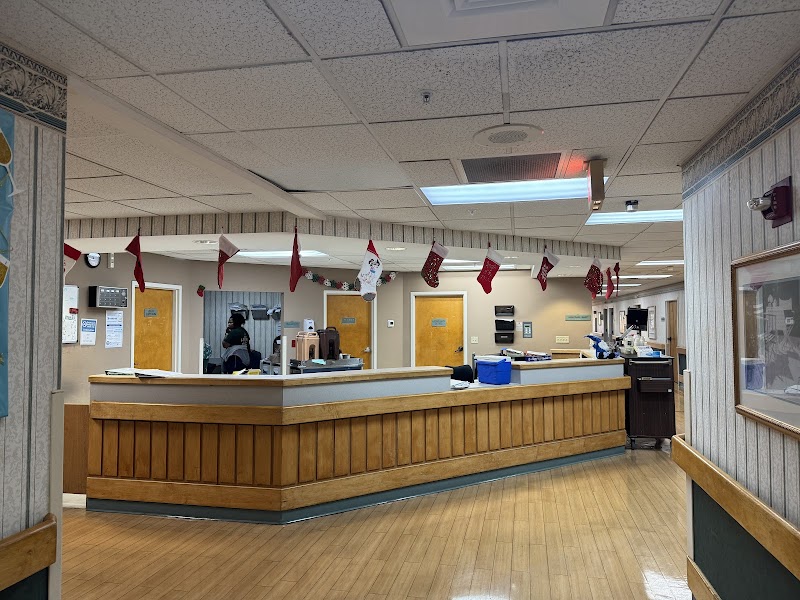
How is Westgate Center Staffed?

CMS rates WESTGATE HEALTH AND REHABILITATION CENTER's staffing level at 4 out of 5 stars, which is above average compared to other nursing homes. Staff turnover is 46%, compared to the Florida average of 46%.

What Have Inspectors Found at Westgate Center?

State health inspectors documented 23 deficiencies at WESTGATE HEALTH AND REHABILITATION CENTER during 2021 to 2025. These included: 23 with potential for harm.
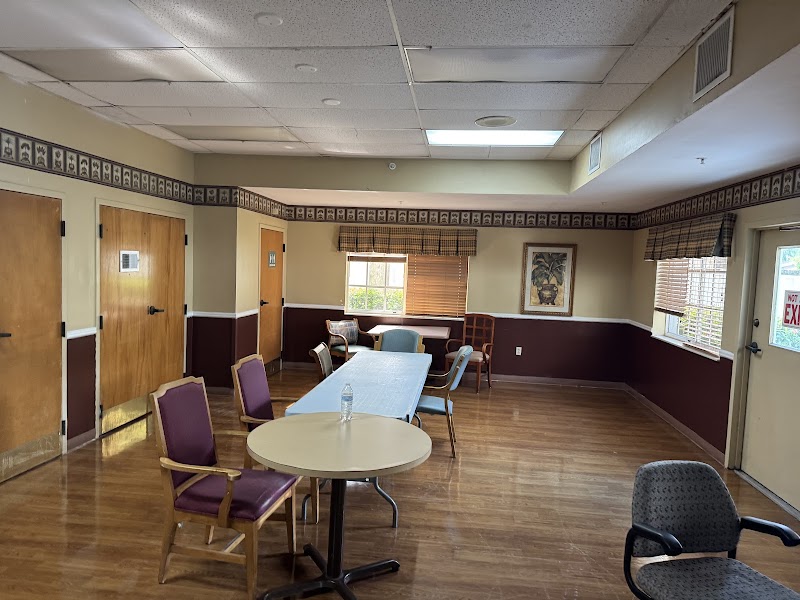
Who Owns and Operates Westgate Center?

WESTGATE HEALTH AND REHABILITATION CENTER is owned by a for-profit company. For-profit facilities operate as businesses with obligations to shareholders or private owners. The facility operates independently rather than as part of a larger chain. With 120 certified beds and approximately 100 residents (about 83% occupancy), it is a mid-sized facility located in WEST PALM BEACH, Florida.
How Does Westgate Center Compare to Other Florida Nursing Homes?

Compared to the 100 nursing homes in Florida, WESTGATE HEALTH AND REHABILITATION CENTER's overall rating (3 stars) is below the state average of 3.2, staff turnover (46%) is near the state average of 46%, and health inspection rating (3 stars) is at the national benchmark.

What Should Families Ask When Visiting Westgate Center?

Based on this facility's data, families visiting should ask: "Can I visit during a mealtime to observe dining assistance and food quality?" "How do you handle medical emergencies, and what is your hospital transfer rate?" "Can I speak with family members of current residents about their experience?"

Is Westgate Center Safe?

Based on CMS inspection data, WESTGATE HEALTH AND REHABILITATION CENTER has a clean safety record: no substantiated abuse findings (meaning no confirmed cases of resident harm), no Immediate Jeopardy citations (the most serious violation level indicating risk of serious injury or death), and is not on the Special Focus Facility watch list (a federal program monitoring the lowest-performing 1% of nursing homes). The facility has a 3-star overall rating and ranks #100 of 100 nursing homes in Florida. While no facility is perfect, families should still ask about staff-to-resident ratios and recent inspection results during their visit.

Do Nurses at Westgate Center Stick Around?

WESTGATE HEALTH AND REHABILITATION CENTER has a staff turnover rate of 46%, which is about average for Florida nursing homes (state average: 46%). Moderate turnover is common in nursing homes, but families should still ask about staff tenure and how the facility maintains care continuity when employees leave.

Was Westgate Center Ever Fined?

WESTGATE HEALTH AND REHABILITATION CENTER has no federal fines on record. CMS issues fines when nursing homes fail to meet care standards or don't correct problems found during inspections. The absence of fines suggests the facility has either maintained compliance or corrected any issues before penalties were assessed. This is a positive indicator, though families should still review recent inspection reports for the full picture.

Is Westgate Center on Any Federal Watch List?

WESTGATE HEALTH AND REHABILITATION CENTER is not on any federal watch list. The most significant is the Special Focus Facility (SFF) program, which identifies the bottom 1% of nursing homes nationally based on persistent, serious quality problems. Not being on this list means the facility has avoided the pattern of deficiencies that triggers enhanced federal oversight. This is a positive indicator, though families should still review the facility's inspection history directly.