UNIVERSITY NURSING & REHAB CTR
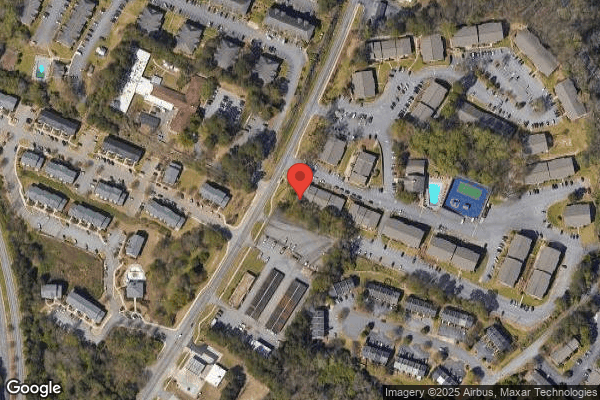
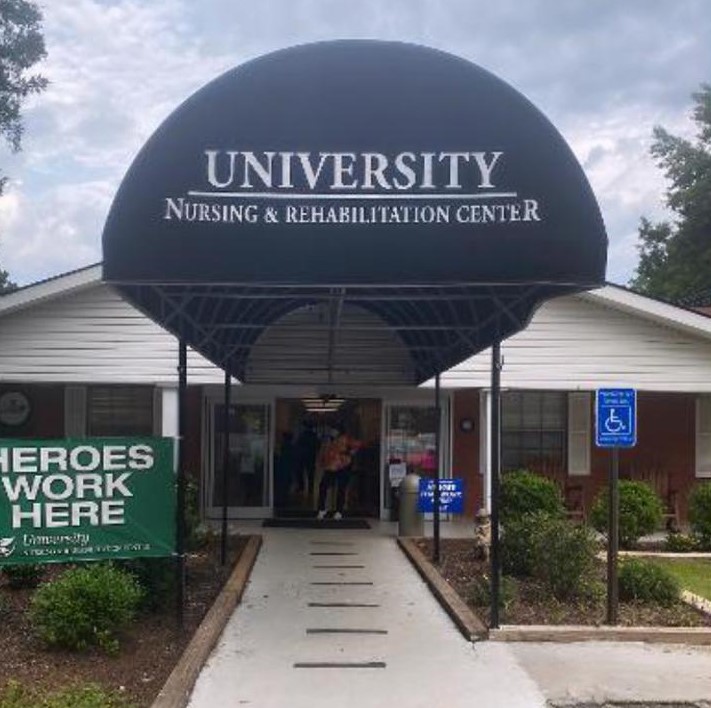
180 EPPS BRIDGE RD, ATHENS, GA 30606 (706) 549-5382
For profit - Limited Liability company 122 Beds CYPRESS SKILLED NURSING Data: November 2025 1 Immediate Jeopardy citation
Trust Grade
18/100
#346 of 353 in GA
Last Inspection: December 2023

Within standard 12-15 month inspection cycle. Federal law requires annual inspections.

Overview

University Nursing & Rehab Center in Athens, Georgia has received a Trust Grade of F, indicating significant concerns about the quality of care provided. Ranking #346 out of 353 facilities in Georgia places it in the bottom half statewide, and it is the lowest-ranked option in Clarke County. The facility is worsening, with issues increasing from 8 in 2022 to 18 in 2023, including a critical incident where a resident's advance directives were not properly documented, potentially delaying life-saving measures. Staffing is a major concern, with a low 1-star rating and a high turnover rate of 78%, much higher than the state average. While the facility has not incurred any fines, it has less RN coverage than 98% of Georgia facilities, which is troubling as RNs are crucial for catching potential issues that other staff may overlook.

Trust Score
F
18/100
In Georgia
#346/353
Bottom 2%
Safety Record
High Risk
Review needed
Inspections
Getting Worse
8 → 18 violations
Staff Stability
⚠ Watch
78% turnover. Very high, 30 points above average. Constant new faces learning your loved one's needs.
Penalties
✓ Good
No fines on record. Clean compliance history, better than most Georgia facilities.
Skilled Nurses
⚠ Watch
Each resident gets only 8 minutes of Registered Nurse (RN) attention daily — below average for Georgia. Fewer RN minutes means fewer trained eyes watching for problems.
Violations
⚠ Watch
30 deficiencies on record. Higher than average. Multiple issues found across inspections.
★☆☆☆☆
1.0
Overall Rating
★☆☆☆☆
1.0
Staff Levels
★★☆☆☆
2.0
Care Quality
★☆☆☆☆
1.0
Inspection Score
Stable
2022: 8 issues
2023: 18 issues

The Good

  • Full Sprinkler Coverage · Fire safety systems throughout facility
  • No fines on record

Facility shows strength in fire safety.

The Bad

1-Star Overall Rating

Below Georgia average (2.6)

Significant quality concerns identified by CMS

Staff Turnover: 78%

31pts above Georgia avg (46%)

Frequent staff changes - ask about care continuity

Chain: CYPRESS SKILLED NURSING

Part of a multi-facility chain

Ask about local staffing decisions and management

Staff turnover is very high (78%)

30 points above Georgia average of 48%

The Ugly 30 deficiencies on record

1 life-threatening
Dec 2023 14 deficiencies
CONCERN (D)

Potential for Harm - no one hurt, but risky conditions existed

Deficiency F0583 (Tag F0583)

Could have caused harm · This affected 1 resident

**NOTE- TERMS IN BRACKETS HAVE BEEN EDITED TO PROTECT CONFIDENTIALITY** Based on observations, staff and resident interviews, record review, and review of the facility policy titled, Resident Rights a...

Read full inspector narrative →
**NOTE- TERMS IN BRACKETS HAVE BEEN EDITED TO PROTECT CONFIDENTIALITY** Based on observations, staff and resident interviews, record review, and review of the facility policy titled, Resident Rights and Protected Health Information (PHI), Management and Protection of the facility failed to ensure privacy of clinical information for one resident (R) (R9), specifically by posting signage containing clinical information in R9 room and failed to ensure confidentiality of electronic medical records was maintained for seven residents, specifically by allowing the electronic medical record screen to be visible in a hallway. The sample size was 51 residents. Findings include: Review of the undated facility policy titled Resident Rights indicated the following: 1. Federal and State laws guarantee certain basic rights to all residents of this facility. These rights include the resident's right to: (t) privacy and confidentiality. 8. The unauthorized release, access, or disclosure of resident information is prohibited. Review of the undated facility policy titled Protected Health Information (PHI), Management and Protection of revealed the Policy Interpretation and Implementation section line numbered 1. It is the responsibility of all personnel who have access to resident and facility information to ensure that such information is managed and protected to prevent unauthorized release and disclosure. 1. Review of R9's most recent Quarterly Minimum Data Set (MDS) dated [DATE] documented R9 had a Brief Interview for Mental Status (BIMS) score of 10, indicating the resident had moderate impaired cognition. Observation on 12/5/2023 at 11:20 am, 12/6/2023 at 8:45 am, and 12/7/2023 at 9:00 am revealed a yellow sign posted on R9's wall with bold black letters stating Please give me my eyedrops at bedtime. 1 drop, both eyes. Thank you! The signage was viewable from the hall doorway. Interview on 12/5/2023 at 11:20 am with R9 revealed she requested the nurse to post a reminder to the nursing staff caring for her to prompt them that she must take eye drops. 2. Observation on 12/5/2023 at 11:40 am revealed an Electronic Medical Record (EMR) computer monitor screen mounted on a wall, located between rooms [ROOM NUMBERS], opened with resident names visible to residents and visitors. Interview on 12/5/2023 at 11:45 am with Certified Medication Aide (CMA) BB revealed the information on the computer was confidential and not supposed to be open and visible. CMA BB confirmed and verified the monitor was left accessible for navigating and viewing information of seven residents. Interview on 12/9/2023 at 3:45 pm with Director of Nursing (DON) confirmed that the residents' personal health information should not be written on posted signs and visible from the resident's hall doorway to other residents and visitors. DON confirmed that the staff have a responsibility to protect EMR information on hallway wall monitors by effectively logging out to lock the screen before walking away. She further stated the facility conducted an in-service education training immediately to train on Health Insurance Portability and Accountability Act (HIPAA) with all nursing staff.
CONCERN (D) 📢 Someone Reported This

A family member, employee, or ombudsman was alarmed enough to file a formal complaint

Potential for Harm - no one hurt, but risky conditions existed

Deficiency F0624 (Tag F0624)

Could have caused harm · This affected 1 resident

**NOTE- TERMS IN BRACKETS HAVE BEEN EDITED TO PROTECT CONFIDENTIALITY** Based on staff interviews, record reviews, and review of the facility's policy titled, Transfer or Discharge, Preparing a Reside...

Read full inspector narrative →
**NOTE- TERMS IN BRACKETS HAVE BEEN EDITED TO PROTECT CONFIDENTIALITY** Based on staff interviews, record reviews, and review of the facility's policy titled, Transfer or Discharge, Preparing a Resident for, the facility failed to document preparation and orientation to ensure a safe and orderly discharge from the facility for one of 52 Residents (R) (R290) reviewed for discharges. Findings include: Review of the facility's policy titled Transfer or Discharge, Preparing a Resident for undated, Policy Statement revealed Residents will be prepared in advance for discharge. Review of the Electronic Medical Record (EMR) revealed R290 was re-admitted to the facility on [DATE] with diagnoses listed but not limited to infection and inflammatory reaction due to peritoneal dialysis catheter and cutaneous abscess of abdominal wall. She was discharged on 6/1/2023. Review of R290's admission Minimum Data Set (MDS) assessment dated [DATE] revealed a Brief Interview for Mental Status (BIMS) of 15, which indicated R290 was cognitively intact. Review of R290's Discharge MDS assessment dated [DATE] revealed in Section A: Identification Information-indicated discharge was unplanned to the community and return was not anticipated. Section O: Special Treatments and Programs- indicated occupational therapy started on 5/19/2023 and ended on 6/1/2023 and physical therapy started on 5/19/2023 and ended on 5/31/2023. Review of the Physician Order's with last review date of 5/31/2023 revealed physical therapy services five times a week for six weeks and occupational therapy five times a week for 12 weeks. There was not an order for discharge from the facility. Review of Progress Notes dated 6/6/2023 revealed late documentation for 6/1/2023 by the Social Service Director (SSD) that stated home health was offered for R290, but she declined. SSD documented that he requested R290 to confirm her discharge date and time, but she declined. SSD documented a discharge packet was prepared for R290 with the facilities contact information, her medication list, and her physician contact information. Review of the EMR revealed there was no discharge summary/discharge packet completed. Interview with the Rehab Manager on 12/7/2023 at 11:09 am revealed that R290 was seen by physical therapy and occupational therapy. She stated that R290 was independent and was able to ambulate100 feet with a walker. She stated the rehab discharge note revealed R290 completed self-care tasks independently per nursing, goals for function, endurance, and strength were met, and she was discharged home on 6/1/2023. She revealed that she was discharged from therapy because of payor source change which she stated usually means the insurance has stopped payment for therapy related to all therapy goals were met. She further revealed that a home health referral was sent per the therapy notes. Interview with the Social Service Director on 12/7/2023 at 11:33 am revealed that he was not sure of R290's exact circumstances surrounding the discharge of R290. He revealed that it appeared R290 refused home health. He confirmed the Notice of Medicare Non-Coverage (NOMNC) was issued, and the last date of service was listed as 5/29/2023, he stated she appealed the NOMNC which resulted in upholding the NOMNC. He stated R290 left the faciity on 6/1/2023. He verified and confirmed that there was not a discharge summary/packet for 6/1/2023 in the EMR. Interview with the Director of Nursing (DON) on 12/7/2023 at 11:58 am revealed that a Certified Nursing Assistant (CNA) reported that R290 was seen leaving the facility without notifying staff on 6/1/2023. She revealed that the agency nurse assigned to R290 at the time this occurred did not document this event. She revealed that social services were working on discharge planning with the resident, but R290 did not want to reveal to them when she was leaving the facility. She verified and confirmed there was not any documentation to support the physician was notified. She verified and confirmed there was no documentation in the EMR related to the discharge of R290. Interview with the Social Service Director and the Social Service Assistant revealed R290 was generally pleasant when speaking with her except for communication related to family and discharge planning. They stated they did not have any concerns about her returning home. The Social Service Assistant stated she did attempt to follow up with R290, but she did not document her attempt nor did they document the discussions with R290 related to discharge planning. Interview with the Administrator on 12/7/2023 at 2:02 pm revealed that if a patient discharge from the facility without notification, the facility staff should call the physician to determine if it was a safe discharge. She stated R290 had a safe discharge. A paper documentation of discharge was requested from the facility but was not provided prior to exit.
CONCERN (D) 📢 Someone Reported This

A family member, employee, or ombudsman was alarmed enough to file a formal complaint

Potential for Harm - no one hurt, but risky conditions existed

Deficiency F0625 (Tag F0625)

Could have caused harm · This affected 1 resident

**NOTE- TERMS IN BRACKETS HAVE BEEN EDITED TO PROTECT CONFIDENTIALITY** Based on staff interviews, record reviews, and review of the facility's policy titled, Bed-Holds and Returns, the facility faile...

Read full inspector narrative →
**NOTE- TERMS IN BRACKETS HAVE BEEN EDITED TO PROTECT CONFIDENTIALITY** Based on staff interviews, record reviews, and review of the facility's policy titled, Bed-Holds and Returns, the facility failed to notify residents of the bed-hold policy during which the resident was permitted to return and resume residence in the nursing facility for two residents (R) out of 52 Residents (R4 and R38) reviewed for discharges. Findings include: Review of the facility's policy titled Bed-Holds undated, under the Policy Statement revealed Prior to transfer and therapeutic leaves, residents or resident representatives will be informed in writing of the bed-hold and return policy. Under the Policy Interpretation and Implementation .revealed 3. Prior to transfer, written information will be given to the resident and the resident's representative that explains in detail: a. The rights and limitations of bed-holds; b. The reserve bed payment policy as indicated by the state plan (Medicaid residents); c. The facility per diem rate required to hold a bed (non-Medicaid residents), or to hold a bed beyond state bed-hold period (Medicaid residents); and d. The details of the transfer. 1. Review of R4's Electronic Medical Record (EMR) revealed that she was admitted with diagnoses that included but not limited to hydronephrosis, hypertension, and anxiety. Review of R4's Annual Minimum Data Set (MDS) assessment dated [DATE] revealed a Brief Interview of Mental Status (BIMS) of 12 which indicated R4 had moderate cognitive impairment. Review of R4's nurse's notes dated 4/7/2023 at 2:57 pm revealed R4 experienced acute pain to right retroperitoneal area. The nurse documented an attempt to notify the family by phone and new orders were obtained to send R4 to the ER for evaluation and treatment per R4's request. Review of the hospital discharge records dated 4/11/2023 revealed R4 was admitted to the hospital on [DATE] and discharged to skilled nursing facility on 4/11/2023 with a diagnosis of pyelonephritis. Review of the EMR revealed there was no evidence to support R4 and/or representative was informed in writing of the bed-hold and return policy prior to transfer. Interview conducted on 12/9/2023 at 11:00 am with the Business Office Manager verified and confirmed that there was no written bed hold policy sent to R4 or her representative at the time of transfer to the hospital on 4/7/2023. She stated that there should be a copy of the letter regarding the bed-hold policy at the nurse's station and the nurse should provide one to the resident at the time of transfer. 2. Review of the EMR revealed R38 was admitted to the facility on [DATE] and was readmitted to the facility on [DATE] after an acute care hospital stay. Review of EMR revealed diagnoses included but not limited to gastrointestinal (GI) bleed, anxiety, and anemia. Review of R38's Annual MDS assessment dated [DATE] revealed a BIMS score of five (5) which indicated severe cognitive impairment. Review of R38's care plans dated 4/15/2020 revealed a focus for diagnosis of anemia and takes ferrous sulfate daily. Goals included but not limited to free of signs and symptoms of anemia. Interventions included but not limited to give medications as ordered, monitor/document/report as needed signs/symptoms of anemia and obtain and monitor lab/diagnostic work as ordered, report results to physician and follow up as needed. Review of nursing note dated 10/16/2023 revealed nurse documented R38 was experiencing a change in condition and listed abdominal pain, abnormal vital signs, and diarrhea/GI bleeding. The nurse documented that she notified the physician at 1:15 pm and noted there was no responsible party in R38's EMR profile. Review of the EMR revealed there was no evidence to support R38 and/or representative was informed in writing of the bed-hold and return policy prior to transfer. Interview conducted on 12/7/2023 at 9:43 am with Licensed Practical Nurse (LPN) GG revealed that nursing does not provide written documentation of the bed-hold policy to anyone when a resident is transferred out to the hospital. Interview conducted on 12/7/2023 at 10:03 am with the Admissions Director revealed that the business office notifies the resident and/or their representative of the bed-hold policy. She stated that she was not sure if the Business Office Manager notified the residents of the bed hold policy. Interview conducted on 12/7/2023 at 10:15 am with the Business Office Manager revealed that she did not notify R38 of the bed-hold policy because R38 was self-responsible, and she did not have a phone number to contact her. She stated nursing was responsible for sending the bed-hold policy with all residents who were transferred to the hospital. Interview on 12/7/2023 at 10:22 am with LPN GG revealed that the packet sent with the resident at the time of transfer to the hospital did not include a copy of the bed-hold policy Interview conducted on 12/7/2023 at 10:38 am with the Director of Nursing (DON) verified and confirmed that there was no evidence in the EMR that a copy of the bed-hold policy was sent with R38 at the time of discharge/transfer to the hospital on [DATE]. She stated typically it was the business office and social services responsibility to notify the resident and/or their representative of the bed-hold policy.
CONCERN (D) 📢 Someone Reported This

A family member, employee, or ombudsman was alarmed enough to file a formal complaint

Potential for Harm - no one hurt, but risky conditions existed

Comprehensive Care Plan (Tag F0656)

Could have caused harm · This affected 1 resident

Based on observation, interviews, record review, and review of the facility's policy titled, Care Plans, Comprehensive Person-Centered, the facility failed to implement the comprehensive-person center...

Read full inspector narrative →
Based on observation, interviews, record review, and review of the facility's policy titled, Care Plans, Comprehensive Person-Centered, the facility failed to implement the comprehensive-person centered care-plan for one of 52 Residents (R) (R59), related to dental services. Findings include: Review of the facility's policy titled Care Plans, Comprehensive Person-Centered revision date September of 2023 under the Policy Statement revealed, A comprehensive, person-centered care plan that includes measurable objectives and timetables to meet the resident's physical, psychosocial and functional needs is developed and implemented for each resident. Under the section titled, Policy Interpretation and Implementation revealed 2. The care plan interventions are derived from a thorough analysis of the information gathered as part of the comprehensive assessment. 4. Each resident's comprehensive person-centered care plan will be consistent with the residents' rights to participate in the development and implementation of his or her plan of care, including the right to: (g) receive the services and /or items included in the care plan. 8. The comprehensive, person-centered care plan shall: (b) Describe services that are to be furnished to attain or maintain the residents highest practicable physician, mental and psychosocial well-being; (g) Incorporate identifies problem area; (h) Incorporate risk factors associated with identified problems; (j) Reflect the residents expressed wishes regarding care and treatment goals; (m) Aid in preventing or reducing decline in the residents functional status and/or functional levels; and (o) Reflect currently recognized standards of practice for problem area and conditions. Observation and interview on 12/5/2023 at 1:56 pm with R59 revealed his teeth were in poor condition. R59 stated he did not have a toothache at that time. He revealed he saw a dentist, and believes he needs an oral surgeon; however, he does not remember what the dentist told him. During further interview, he stated no one had spoken to him regarding his dental visit, and stated he didn't have any tooth pain at this time. Review of the Electronic Medical Record (EMR) revealed R59 admitted to the facility with diagnoses including nutritional anemia, hemiparesis following cerebral infarction. Review of the most recent Quarterly Minimum Data Set (MDS) assessment for R59 dated 9/29/2023 revealed a Brief Interview for Mental Status (BIMS) of eight, indicating moderate cognitive impairment. Section L: Oral/Dental status revealed no mouth or facial pain, discomfort, or difficulty chewing. Review of R59's care plan dated 6/12/2023indicated a focus of care on oral/dental health problems, complaints of tooth pain at times, and risk for complications. Goals included but not limited to free of infection, pain, and/or bleeding in the oral cavity. Interventions included but not limited to administer medications as ordered, monitor effectiveness and side effects of medications, coordinate arrangements for dental care and transportation as needed/ordered, monitor/document/report as needed signs symptoms of oral/dental problems needing attention, provide mouth care as per the activities of daily living (ADL) personal hygiene. Review of R59's EMR revealed physician's orders for R59 include podiatry/dental/ophthalmic/psychiatry care as needed date of 6/9/2023, lyrica 75 milligrams (mg) two capsules every day revised on 11/21/2023, and hydrocodone/acetaminophen 5/325 mg one tablet every six hours as needed for pain revised on 10/5/2023. A post exit telephone interview with the Director of Nursing (DON) on 12/14/2023 at 3:06 pm confirmed the care plan interventions for R59 include coordinating arrangements for dental care and transportation as needed. The DON further revealed that the MDS develops comprehensive care plans. She expects that the discipline (nursing, therapy, activities, etc.) assigned to the intervention are expected to follow the care plan. Cross refer F745 and F790
CONCERN (D) 📢 Someone Reported This

A family member, employee, or ombudsman was alarmed enough to file a formal complaint

Potential for Harm - no one hurt, but risky conditions existed

Deficiency F0661 (Tag F0661)

Could have caused harm · This affected 1 resident

**NOTE- TERMS IN BRACKETS HAVE BEEN EDITED TO PROTECT CONFIDENTIALITY** Based on staff interviews, record reviews, and review of the facility's policy titled, Transfer or Discharge, Preparing a Reside...

Read full inspector narrative →
**NOTE- TERMS IN BRACKETS HAVE BEEN EDITED TO PROTECT CONFIDENTIALITY** Based on staff interviews, record reviews, and review of the facility's policy titled, Transfer or Discharge, Preparing a Resident for, the facility failed to complete a discharge summary that includes a recapitulation of the residents stay, reconciliation of medications, and a post discharge plan of care developed for one out of 52 Residents (R) (R87) reviewed for discharges. Findings include: Review of the policy titled Transfer or Discharge, Preparing a Resident for undated, revealed under section titled Policy Interpretation and Implementation 2. A post-discharge plan is developed for each resident prior to transfer or discharge. This plan will be reviewed with the resident, and/or his or her family at least twenty-four (24) hours before the resident's discharge or transfer from the facility. Review of the Electronic Medical Record (EMR) revealed R87 was admitted to the facility on [DATE] with diagnoses listed but not limited to traumatic subarachnoid hemorrhage without loss of consciousness. She was discharged on 10/23/2023. Review of R87's Discharge Minimum Data Set (MDS) assessment dated [DATE] revealed Section C: Cognitive Patterns- indicated memory was as ok, cognitive skills were modified independence with no acute onset mental change; a Brief Interview for Mental Status (BIMS) was not documented. Section GG: Functional Abilities and Goals-revealed functional status upon discharge was independent with eating and toileting; required set up/clean up assistance with upper/lower body dressing, putting on/off footwear, personal hygiene/oral hygiene, and supervision/touch assistance with shower. Section Q: Participation in assessment and goal setting- revealed an active discharge plan and referral to local contact agency. Review of R87's care plan dated 10/22/2023 revealed no focus, goal, or interventions were developed for discharge. Review of R87's Discharge summary dated [DATE] revealed documentation had been started but was incomplete and not signed by staff, resident and/or resident representative. Review of the discharge instructions dated 10/23/2023 revealed documentation had been started but was incomplete and not signed by staff, resident and/or resident representative. The document had a place for the resident/family to sign to attest they received a copy of instructions but was not located in the EMR. Review of the EMR revealed physician's orders dated 10/23/2023 for R87 included but was not limited to discharge with skilled nursing, physical therapy, and occupational therapy. Interview with the Director of Nursing on 12/9/2023 at 11:34 am stated the discharge summary in the EMR appeared complete except the nurse did not sign the document. She revealed the document could be printed without the nurse's signature, allowing staff to obtain the resident/family signature, and then scanned into the EMR. She stated the staff member who scans documents had not been uploading documents in a timely fashion. She stated she would look to see if she could locate the signed paper document and provide it for the survey team. She stated the discharge summary should be signed by the nurse and the discharging resident or their family, this document should be in the chart. The signed paper discharge summary or discharge instructions was not provided for the survey team before exit.
CONCERN (D)

Potential for Harm - no one hurt, but risky conditions existed

Deficiency F0685 (Tag F0685)

Could have caused harm · This affected 1 resident

**NOTE- TERMS IN BRACKETS HAVE BEEN EDITED TO PROTECT CONFIDENTIALITY** Based on observations, staff interviews, record reviews, and review of the facility's policy titled, Referrals, Social Services,...

Read full inspector narrative →
**NOTE- TERMS IN BRACKETS HAVE BEEN EDITED TO PROTECT CONFIDENTIALITY** Based on observations, staff interviews, record reviews, and review of the facility's policy titled, Referrals, Social Services, the facility failed to ensure one out of 52 Residents (R) (R24) received proper treatment and assistive devices to maintain vision and hearing abilities. Specifically, the facility failed to arrange appointments for vision or hearing services to meet the residents' needs. Findings include: Review of the facility's policy titled, Referrals, Social Services undated Policy Statement revealed, Social services shall coordinate most resident referrals with outside agencies. Under the section titled Policy Interpretation and Implementation revealed 1. Social services shall coordinate most resident referrals. Exceptions might include emergency or specialized services that are arranged directly by a physician or the nursing staff. 2. Referrals for medical services must be based on physician evaluation to resident need and related physician order. 3. Social services will collaborate with nursing staff or other pertinent disciplines to arrange for services that have been ordered by the physician. 4. Social services will document the referral in the resident's medical record. 5. Social services and administration will maintain a listing of referral agencies that may provide assistance or therapy to residents with special problems and/or needs. 6. Social services will help arrange transportation to outside agencies, clinic appointments as appropriate. Observation and Interview on 12/05/2023 at 2:13 pm with R24 revealed he was very hard of hearing, and he was wearing glasses. He reported he requested an appointment with an eye doctor because he needed new glasses. R24 stated he also requested an appointment with an auditory specialist because he needed hearing aids. R24 revealed he was unable to recall the staff member he had spoken to about the appointments. Review of the Electronic Medical Record (EMR) revealed R24 was admitted to the facility with diagnoses listed but not limited to paroxysmal atrial fibrillation and acute on chronic combined systolic and diastolic heart failure. Review of R24's admission Minimum Data Set (MDS) assessment dated [DATE] revealed Section C: Cognitive Patterns- a Brief Interview for Mental Status (BIMS) of 13 which indicated little to no cognitive impairment. Section B: Hearing, speech, Vision revealed moderate difficulty with hearing without hearing aid used and vision as adequate without corrective lenses. Section D: Mood revealed a total severity score of zero indicating no depression. Section F: Preferences for customary Routine and Activities revealed his activity preferences as somewhat important were for reading and listening to music. Review of R24's care plan dated 11/2/2023 indicated a Focus related to impaired hearing. Goals included but are not limited to being able to understand basic communications from staff and make needs known. Interventions included but not limited to face resident when speaking, speak clearly, slow and loud enough to make self-heard, repeat information as needed and use signs and gestures as needed. Review of R24's EMR revealed the nursing admission assessment was not located. Review of the R24's EMR revealed physician's orders included but was not limited to skilled nursing care (10/21/2023), podiatry/dental/ophthalmic/psychiatry care as needed. Interview on 12/6/2023 at 4:08 pm with the Social Service Director (SSD) stated he spoke to R24 during his circle of care meeting to discuss his discharge plans. He stated he remembered speaking with R24 regarding podiatry, eye care, etc. and explained the services the facility utilized to provide care services to the residents which were payor source specific. He stated he discussed the facility could expedite an application for the payor source if needed and he understood the business office was following up with the Family of R24 with the payor source application process. He revealed the last documentation related to his payor source application was documented on 11/17/2023 at 11:00 am. He revealed that it was his understanding, R24 was interested in setting up services later when his payor source was approved. He revealed he did not realize R24 was interested in an eye appointment. He stated R24 was hard of hearing and stated that social services could have initiated the conversation with the resident for services needed such as an auditory evaluation for hearing aids but did not do this because he did not think the need was immediate and it would be better to wait until his payor source was approved. He stated that he had followed up with R24 but the last follow up was related to the Notice of Medicare Non-Coverage (NOMNC). He stated R24's payor source was pending and awaiting approval. He revealed he did not document the circle of care meeting nor any follow up meetings with the resident. Interview on 12/6/2023 at 4:39 pm with the Business Office Manager revealed she had spoken to R24 during his circle of care and found that his living conditions were not appropriate for discharge. She stated R24 received a NOMNC on 11/17/2023 and a status change was submitted to his payor source on 11/27/2023. She revealed that R24 had insurance coverage the entire time he was in the facility, but it was not designated for the long-term care (LTC) facility. Interview on 12/6/2023 at 4:43 pm with the Social Service Director, stated R24 did not indicate to him that he had a payor source. He stated that he should have checked with the business office to verify his coverage. He stated the normal process would be to communicate with the business office related to resident's insurance and determine if an application for the payor source was needed. He stated he was not aware that R24 had active insurance at the time of his admission nor was he aware if the provider service would accept the community payor source or not. He stated he understood the provider services would only accept the Long-Term Care (LTC) payor source. He stated he was aware that R24 was hard of hearing and remembered discussing his need for hearing aids but did not remember discussing his need for glasses. He stated he did not realize R24 wanted an appointment right away otherwise he would have set up an appointment in the community. He stated he did not follow up with R24 regarding these needs nor did he update R24 on the status of his payor source or why he had not made the appointments for him. SSD stated he did not document any follow up meetings with R24. Interview on 12/7/2023 at 12:18 pm with the Director of Nursing (DON) revealed that if a short term or rehab patient request an appointment for care such as eyeglasses or hearing evaluation the information should be communicated with Unit Clerk QQ and she would set up an appointment in the community. She stated the circle of care meeting should have been documented by social services. DON verified this meeting was not documented in R24's EMR. She stated she expected staff to communicate the resident's request for care services to the appropriate person/department and follow up on their requests.
CONCERN (D) 📢 Someone Reported This

A family member, employee, or ombudsman was alarmed enough to file a formal complaint

Potential for Harm - no one hurt, but risky conditions existed

Respiratory Care (Tag F0695)

Could have caused harm · This affected 1 resident

**NOTE- TERMS IN BRACKETS HAVE BEEN EDITED TO PROTECT CONFIDENTIALITY** Based on observations, staff interviews, record reviews, and review of facility's policy titled, Oxygen Administration, the faci...

Read full inspector narrative →
**NOTE- TERMS IN BRACKETS HAVE BEEN EDITED TO PROTECT CONFIDENTIALITY** Based on observations, staff interviews, record reviews, and review of facility's policy titled, Oxygen Administration, the facility failed to ensure that two of 11 Residents (R) (R17 and R70) were administered oxygen therapy in accordance with the physician orders. In addition, the facility failed to ensure that all necessary administration equipment and supplies were in use for one of 11 residents (R70) reviewed with oxygen orders. Findings include: Review of the facility's policy titled, Oxygen Administration, undated, under subtitle Purpose revealed, The purpose of the policy is to provide guidelines for safe oxygen administration. Under subtitle Preparation revealed, Verify that there is a physician's order for this procedure. Review the physician orders or facility protocol for oxygen administration. Under subtitle, Steps in the Procedure revealed, Place an Oxygen in Use sign on the outside of the room entrance. Close the door. 3. Check the tubing connected to the oxygen cylinder to assure that it is free of kinks. 4. Turn on the oxygen. Unless otherwise ordered, start the flow of oxygen at the rate of 2 to 3 liters per minute. 5. Place appropriate oxygen device on the resident (i.e., mask, nasal cannula and/or nasal catheter). 6. Adjust the oxygen delivery device so that it is comfortable for the resident and the proper flow of oxygen is being administered. 1. Review of the R17's Electronic Medical Record (EMR), revealed that he was admitted to the facility with diagnoses that included but are not limited to acute and chronic respiratory failure, and chronic obstructive pulmonary disease (COPD). Review of R17's physician orders revealed an order for oxygen to be administered at two (2) liters per minute via nasal canula (NC) to maintain oxygen saturation greater than 93 percent. Review of R17's Annual Minimum Data Set (MDS) dated [DATE], revealed Section C: Cognitive Patterns- a Brief Interview of Mental Status (BIMS) score of five (5), which indicated the resident had severe cognitive impairment; Section O: Special Treatments, Procedures, and Programs- indicated the resident received oxygen prior to being admitted to the facility and during his stay in the facility. Observation on 12/5/2023 at 2:18 pm revealed R17 sitting in his wheelchair and watching television. R17 was observed with oxygen administered at three (3) liters per minute via nasal cannula (NC). Observation on 12/6/2023 at 8:35 am revealed R17 sitting in his wheelchair with his breakfast tray in front of him. R17 was observed with oxygen administered at 3 liters via NC. Observation on 12/8/2023 at 2:15pm revealed R17 lying on his left side in the bed. R17 was observed not wearing his nasal cannula, that was infusing oxygen with concentrator set at two (2) liters per minute. Interview on 12/8/2023 at 2:25pm with Licensed Practical Nurse/Unit Manager (LPN/UM) GG, confirmed that R 17 had his nasal cannula off and the tubing was laying across the concentrator. She stated that R17 was ordered oxygen continuously and should be administered at 2 liters per minute. She revealed that the resident would sometime remove his oxygen, but he would never change the flow amount. Interview on 12/8/2023 at 3:00 pm with the Director of Nurses (DON) revealed that nurses are expected to check the oxygen flow being administered to residents every shift and it should be documented in the electronic medication administration record (eMAR). 2. Review of R70's EMR revealed he was admitted to the facility with diagnoses to include but not limited to chronic obstructive pulmonary disease (COPD), chronic respiratory failure, and personal history of pulmonary embolism. Review of R70's physician's orders revealed an order for oxygen to be administered via NC at two to four (2-4) liters per minute. Review of R70's care plan revealed the resident had COPD and chronic respiratory failure with risk for complications. The resident was unable to sleep lying flat, had multiple hospital stays and had frequent shortness of breath. Interventions for this risk included but not limited to administering oxygen at two (2) liters via NC as ordered. Review of the R70's Significant Change MDS assessment dated [DATE] revealed Section C: Cognitive Patterns- a BIMS score of 10, which indicated the resident had moderated cognitive impairment; Section O: Special Treatments, Procedures, and Programs- indicated the resident received oxygen prior to being admitted to the facility and during his stay in the facility. Observation on 12/5/2023 at 4:28 pm revealed R70 lying in his bed with eyes closed and not receiving oxygen administration. The oxygen concentrator was turned off without the oxygen tubing connected to it and laying across the handles of the resident's wheelchair. There was no oxygen in use signage on the door frame. Observation on 12/8/2023 at 2:20 pm revealed R70 sitting on the side of the bed with oxygen administered at 1.5 liters via NC. There was no oxygen in use signage on the door frame. Interview on 12/8/2023 at 2:30 pm with LPN/UM GG, confirmed the oxygen concentrator was turned off without oxygen tubing connected to it and laying across the handles of the resident's wheelchair. She stated that R70 was to receive oxygen continuously and that it should be administered at 2 liters per minute. She revealed that the resident would sometime remove his oxygen, and there should be signage on the door to alert staff that oxygen was in use. Interview on 12/8/2023 at 3:00 pm with the Director of Nurses (DON) revealed that nurses were expected to check the oxygen flow being administered to residents every shift and that it should be documented on the electronic medication administration record (eMAR).
CONCERN (D) 📢 Someone Reported This

A family member, employee, or ombudsman was alarmed enough to file a formal complaint

Potential for Harm - no one hurt, but risky conditions existed

Deficiency F0745 (Tag F0745)

Could have caused harm · This affected 1 resident

**NOTE- TERMS IN BRACKETS HAVE BEEN EDITED TO PROTECT CONFIDENTIALITY** Based on observations, staff interviews, record review, and review of the facility's policy titled, Referrals, Social Services, ...

Read full inspector narrative →
**NOTE- TERMS IN BRACKETS HAVE BEEN EDITED TO PROTECT CONFIDENTIALITY** Based on observations, staff interviews, record review, and review of the facility's policy titled, Referrals, Social Services, the facility failed to provide timely assistance for one of 52 Residents (R) R59 sampled for dental appointments. Findings include: A review of the policy titled undated Referrals, Social Services revealed the policy statement as social services personnel shall coordinate most resident referrals with outside agencies. The section titled Policy Interpretation and Implementation revealed that social services shall coordinate most resident referrals, collaborate with nursing staff or other pertinent disciplines to arrange for services, document the referral in the resident's medical record, with administration maintain a listing of referral agencies, and assist with transportation arrangement to outside agencies, clinic appointments as appropriate. An observation and interview with R59 on 12/5/2023 at 1:56 pm revealed residents' teeth were in poor condition. The teeth did not appear clean. R59 stated a dentist came to see him in the facility and he thinks he needs to see an oral surgeon. He stated he did not remember exactly what the dentist told him. An observation and interview with R59 on 12/6/2023 at 1:39 pm revealed his teeth needed to be brushed. R59 stated no one at the facility informed him about his follow up from the last dental visit/needs. A review of the electronic medical record (EMR) revealed Resident (R59 was admitted to the facility on [DATE] with diagnoses including nutritional anemia, hemiparesis following cerebral infarction. Record review of the most recent Quarterly Minimum Data Set (MDS) assessment for R59 dated 9/29/2023 revealed a Brief Interview for Mental Status (BIMS) of eight, indicating moderate cognitive impairment. Section L revealed no mouth or facial pain, discomfort or difficulty chewing. Record review of the care plan for R59 dated 6/12/2023 indicated a focus of care on oral/dental health, Goals included but not limited to free of infection, pain, and/or bleeding in the oral cavity. Interventions included but not limited medications as ordered, coordinate arrangements for dental care and transportation as needed/ordered, provide mouth care as per the Activities of Daily Living (ADL) personal hygiene. Record review of the EMR revealed physician's orders dated 6/9/2023 for R59 to include admission to skilled nursing care, and podiatry/dental/ophthalmic/psychiatry care as needed. A review of summary report for R59 dated 11/9/2023 revealed services provided included assessment and evaluation, radiographic images, prophylaxis, fluoride treatment, and oral hygiene instructions. The dentist documented a recommendation for staff assistance with daily hygiene and a potential consultation with an oral maxillofacial surgeon. Further review of the document revealed Maxillofacial surgeon to determine if the procedure can be performed in the facility or will need to be referred out. The note further stated the care coordinator of the dental providers would reach out with the internal case review results in five business days. There were no documents located in the EMR related to the follow up needed/mentioned in the dental clinic note dated 11/9/2023. Interview on 12/6/2023 at 3:58 pm with the Social Service Director (SSD) stated he received an email from the dental service provider for the 11/9/2023 dental services provided to R59. He further stated that he forwarded that information to the Unit Manager and the Director of Nursing (DON) so they could facilitate setting up the follow-up appointment needed and implementation of orders for daily oral hygiene. Interview with the DON and Unit Clerk QQ on 12/7/2023 at 10:50 am revealed that Unit Clerk (UC) QQ stated she attempted to locate a provider who could see R59, however the resident needs to have the ability to self-transfer to a dental chair. During further interview, UC QQ indicated she contacted R59's family attempting to make a follow-up appointment. The DON verified that social services were responsible for the follow up. UC QQ stated that she does not have access to document her notes in the medical record. Interview with the Social Service Assistant (SSA) on 12/7/2023 at 11:00 am revealed unsuccessful attempts to obtain information related to the oral maxillofacial referral. She stated that she did not document in the resident's EMR her attempts to contact maxillofacial surgery. An interview with the SSA on 12/9/2023 at 11:42 revealed that she has not documented any communication attempts to follow up with the contracted provider service related to R59. An interview with the Administrator on 12/9/2023 at 11:57 am revealed she was unaware of any dental concerns related to R59. She stated that she expected staff to communicate with her regarding any issues related to resident care.
CONCERN (D)

Potential for Harm - no one hurt, but risky conditions existed

Unnecessary Medications (Tag F0759)

Could have caused harm · This affected 1 resident

Based on observation, staff interviews, record reviews, and reviews of the facility policy titled, Administering Medications, the facility failed to ensure the medication error rate was less than five...

Read full inspector narrative →
Based on observation, staff interviews, record reviews, and reviews of the facility policy titled, Administering Medications, the facility failed to ensure the medication error rate was less than five percent. Four medication errors of 26 opportunities for three residents (R) (R28, R31 and R61) were observed during a medication pass. The medication error rate was 15.38 %. The deficient practice had the potential to result in medication not being given in accordance with the physician's orders and had the potential to affect the residents' clinical conditions. Findings include: Review of the undated facility policy titled Administering Medications revealed under Policy Interpretation and implementation: 2. The Director of Nursing Services will supervise and direct all nursing personnel who administer medications and/or have related functions. 3. Medications must be administered in accordance with the orders, including any required time frame. Medication Administration observation on 12/6/2023 at 8:05 am, revealed Certified Medication Assistant (CMA) BB was observed giving R28 their morning medications. The medications included Fish Oil 1000 mg x 1, which was not on the medication record. After preparing all the resident's morning medications, CMA BB went into the resident's room to administer R28's medication for that time of the day. She was asked to count the medications and there were eight. The medication record listed seven medications for the morning medication pass. Medication Administration observation on 12/6/2023 at 8:35 am, revealed CMA BB was observed giving R31 her morning medications. The medications included Ensure Plus 237 milliliters (ml) instead of Ensure 237 ml which was the ordered supplement. Senna Plus 8.6 milligrams(mg) x1 was ordered, but not included in the med pass. After preparing the residents' morning medications, CMA BB gave R31 her medications. Medication Administration observation on 12/6/2023 at 9:00 am, revealed Licensed Practical Nurse, (LPN) HH was observed giving R61 her morning medication. The medications included Voltaren gel 4 grams (gm). The nurse stated she just squeezed about two-three ml in the cup without using the designated plastic ruler for measuring ointments/gel as instructed by the manufacturer. Interview on 12/6/2023 at 9:00 am with LPN HH revealed she did not know how much of the Voltaren gel to give but put the ointment in a cup titrated in ml. Interview on 12/8/2023 at 9:40 am with LPN GG revealed when she gives pain gel or ointment, she uses a paper/plastic ruler to measure the dosage ordered then she rubs it off into the measuring cup. Interview on 12/8/2023 at 10:15 am with the Director of Nursing (DON) revealed her expectations for nurses when passing medication were for them to follow the five rights of medication pass. She said with the electronic medication record system, it is easy for them to follow with three checks and balances. The first is to click the name, second to check the medication from the medication cards and third was when they put the medication cards back to read and make sure it matches. She confirmed the pain gel is to be squeezed on a paper ruler or plastic ruler to determine the exact dose, then it can be smoothed off into the cup, as it measures the gel in grams which delivers the correct dose. She clarified if an order does not match, they must clarify it through her or call the doctor for verification of the order. She stated she does a lot of education on basic things, and they are forgotten as time passes and they fall back into the old habits of doing them the wrong way.
CONCERN (D) 📢 Someone Reported This

A family member, employee, or ombudsman was alarmed enough to file a formal complaint

Potential for Harm - no one hurt, but risky conditions existed

Deficiency F0790 (Tag F0790)

Could have caused harm · This affected 1 resident

**NOTE- TERMS IN BRACKETS HAVE BEEN EDITED TO PROTECT CONFIDENTIALITY** Based on resident interview, staff interviews, record review, and review of the policy titled Referrals, Social Services, the fa...

Read full inspector narrative →
**NOTE- TERMS IN BRACKETS HAVE BEEN EDITED TO PROTECT CONFIDENTIALITY** Based on resident interview, staff interviews, record review, and review of the policy titled Referrals, Social Services, the facility failed to ensure one of 52 residents(R) (R59) was referred to an oral surgeon as recommended by physician in a timely manner. The deficient practice had the potential for R59 to have a delay in needed oral surgery as recommended by the facility contracted dentist. Findings include: A review of the undated facility policy titled, Referrals, Social Services, revealed under policy statement: social service personnel coordinate most resident referrals with outside agencies. Under Policy Interpretation and Implementation: Social services shall coordinate most resident referrals and will document the referral in the resident's medical record. Interview on 12/5/2023 at 1:56 pm with R59 revealed that he did see a dentist, but he thinks he needs to be seen by an oral surgeon but does not remember exactly what the dentist told him. He stated no one at the facility had spoken to him regarding his previous dental visit. Review of the Electronic Medical Record (EMR) revealed R59 was admitted to the facility with pertinent diagnoses listed as but not limited to hemiplegia, hemiparesis following cerebral infarction and anxiety disorder. Review of R#59's Quarterly admission Minimum Data Set (MDS) assessment dated [DATE] revealed a Brief Interview for Mental Status (BIMS) of eight (8), which indicated R59 had moderate cognitive impairment. Section L: Oral/Dental status revealed no mouth or facial pain, discomfort or difficulty chewing. Review of R59's care plan dated 6/12/2023indicated a focus of care on oral/dental health problems, complaints of tooth pain at times, and risk for complications. Goals included but not limited to free of infection, pain, and/or bleeding in the oral cavity. Interventions included but not limited to administer medications as ordered, monitor effectiveness and side effects of medications, coordinate arrangements for dental care and transportation as needed/ordered (6/12/2023), monitor/document/report as needed signs symptoms of oral/dental problems needing attention, provide mouth care as per the activities of daily living (ADL) personal hygiene. Review of the EMR revealed physician's orders for R59 included but was not limited to podiatry/dental/ophthalmic/psychiatry care as needed (revision date of 6/9/2023), Lyrica 150 milligram (mg) every day (dated 9/20/2023 and revised on 11/21/2023) and hydrocodone/acetaminophen 5/325 mg one tablet every six hours as needed for pain (dated 6/16/2023 and revised on 10/5/2023). Review of dental clinic note dated 11/9/2023 revealed the visit consisted of comprehensive oral evaluation, complete series of radiographic images, prophylaxis, topical application of fluoride varnish, and oral hygiene instructions. Recommendations noted were staff assist with daily hygiene. The dentist noted that a case review - R59 was diagnosed with a potential to need a consult with an oral maxillofacial surgeon. The dental providers were to complete an internal case review to determine if treatment could be completed in the facility or would need to be referred out because R59 has potential extractions that are surgical in nature. R 59 has residual root tips that remain at or below the level of the bone and will involve surgical removal under the medical license of an oral surgeon, the note further stated the care coordinator of the dental providers will reach out with the internal case review results in five business days. Further review of the EMR revealed that no other documents were located related to the follow-up needed. Interview on 12/6/2023 at 3:58 pm with the Social Service Director revealed a dental report with date of service documented as 11/9/2023 was received by email and he forwarded this to the Unit Manager and the Director of Nursing (DON) so they could facilitate setting up the follow up appointment needed and implementation of orders for brushing teeth daily. Interview on 12/7/2023 at 10:50 am with the DON and Unit Clerk QQ revealed that Unit Clerk QQ was looking for a dentist who could see R59. She stated all dental offices she had contacted required the resident to have the ability to self-transfer to a dental chair and R59 was not able to do this. She revealed she also could not locate a local dentist who would accept R59's payor source. She stated she had been in contact with R59's family letting them know of the difficulties she was encountering in attempts to make a dental appointment/(s) for R59. They both agreed that it was social services responsibility to reach out to the dental coordinator of the dental service provider who saw R59 on 11/9/2023 to determine if the resident could receive treatment in the facility or if he needed a referral outside the facility. Unit Clerk QQ stated that she does not have access to document her notes in the residents medical record when she is attempting to make appointments for residents, and she did not reveal the dates she had attempted to make these appointments. Interview on 12/7/2023 at 11:00 am with the Social Service Assistant revealed this information was just brought to her attention and was recently reported to nursing so she had not followed up with R59 or his family in relation to the follow up dental appointment. She stated that she did not document in the resident's medical record conversations she had with the dental provider service. A telephone interview on 12/8/2023 at 10:11 am with the dental service liaison revealed she would have to reach out to the dental scheduler to obtain information related to follow up with an oral surgeon for R59. An interview on 12/9/2023 at 11:42 am with the DON revealed that nursing assesses the residents' dental condition and needs at the time of admission. She stated if the resident is a long-term resident and identified as needing an appointment for services, they are set up through the service provider who is contracted through the facility, and this is done by the social service department. She further stated if a short term/rehab resident is identified as needing an appointment for services outside the facility then Unit Clerk QQ would make an appointment within the community and arrange transportation to the appointment. Interview on 12/9/2023 at 11:42 with the Social Service Director and the Social Service Assistant revealed that the Social Service Assistant has been communicating with the contracted provider service frequently. She stated she has not documented any communication attempts to follow up with the contracted provider service related to the dental providers recommendations from R59's dental visit on 11/9/2023. An interview on 12/9/2023 at 11:57 am with the Administrator revealed that she was not aware of the communication issues between her staff and the contracted provider service. She revealed communication with the contracted provider service occurs through email. She stated she expected staff to communicate with her when issues of this nature arise. Cross Reference F745
CONCERN (E) 📢 Someone Reported This

A family member, employee, or ombudsman was alarmed enough to file a formal complaint

Potential for Harm - no one hurt, but risky conditions existed

Transfer Notice (Tag F0623)

Could have caused harm · This affected multiple residents

**NOTE- TERMS IN BRACKETS HAVE BEEN EDITED TO PROTECT CONFIDENTIALITY** 4. Review of the clinical record for R291 revealed an admission date of 7/8/2013, the most recent readmission date of 9/14/2023,...

Read full inspector narrative →
**NOTE- TERMS IN BRACKETS HAVE BEEN EDITED TO PROTECT CONFIDENTIALITY** 4. Review of the clinical record for R291 revealed an admission date of 7/8/2013, the most recent readmission date of 9/14/2023, and a discharge date of 9/17/2023. Review of the Anticipated Return Discharge Minimum Data Set (MDS) dated [DATE] Section A revealed the type of assessment was discharge with return not anticipated, unplanned, and the discharge status was left blank. An interview on 12/6/2023 at 3:25 pm with the SSD and Social Services Assistant (SSA) revealed the resident became difficult to manage in this environment and was transferred to the emergency room (ER) for evaluation on 9/12/2023. SSD stated R291 was transferred from the local hospital to a local behavioral hospital in September. He stated the resident's family was notified by phone and he did not give the family a written notice of transfer/discharge. An interview with the Administrator on 12/6/2023 at 4:10 pm revealed they transferred the resident out with the expectation of returning to the facility. She stated it was communicated by the marketer to the hospital to find placement for the resident because they could no longer manage her behavior at the facility. She stated that the psychiatric hospital sent the resident to another facility, and they were not aware of the resident's discharge. A request was made for proper transfer/discharge documentation and notification to family as to why the resident was discharged /transferred, and documentation that the Ombudsman was notified. On 12/6/2023 at 5:00 pm the Administrator provided progress notes from the SSD of speaking to R291's brother but failed to provide a written notice of transfer/discharge to the family, resident, or Ombudsman. Interview on 12/8/2023 at 10:15 am with the DON revealed when residents are transferred from the facility to the hospital the nurse completes the form Change of Condition in the electronic medical record (EMR) that shows notification of the physician and the family. Based on staff interviews, record review, and review of policy and procedures titled Transfer or Discharge, preparing a Resident for, and Bed-Holds and Returns, the facility failed to provide one resident (R) (R290) a discharge summary, three residents (R38, R4, and R291) and/or their representative a notice of transfer or discharge and the reason for the move in writing. Additionally, the facility failed to send a copy of the notice to the representative of the office of the State Long Term Care Ombudsman for four of 52 residents sampled (R290, R38, R4, and R291). Findings include: A review of the undated policy Transfer or Discharge, Preparing a Resident for revealed the policy statement was that residents will be prepared in advance for discharge. The Policy and Interpretation and Implementation section revealed lines numbered 2. A post discharge plan is developed for each resident prior to his or her transfer or discharge. 3. Nursing services are responsible for: (a) obtaining orders for discharge or transfer; (b) preparing the discharge summary and post discharge plan; (c) providing the resident or representative with required documents; (h) completing a discharge note in the medical record. 4.(b) The business office is responsible for informing residents or their representatives of the facility's re-admission appeal rights, bed holding policies, etc. A review of the undated policy Bed-Holds and Returns revealed a policy statement of prior to transfer and therapeutic leaves, residents or resident representatives will be informed in writing of the bed-hold and return policy. The section titled Policy Interpretation and Implementation lines numbered 3(d) revealed prior to transfer, written information will be given to the resident and the residents representative that explains in detail the details of the transfer per the notice of transfer. 6. If the resident is transferred with the expectation that he or she will return, but it is determined that the resident cannot return, that resident will be formally discharged . 1. Record review of the Electronic Medical Record (EMR) revealed Resident (R) 290 was re-admitted to the facility on [DATE] and discharged to home on 6/1/2023. Record review of R290's admission Minimum Data Set (MDS) assessment dated [DATE] revealed a Brief Interview for Mental Status (BIMS) of 15, which indicated that R290 was cognitively intact. Record review of R290's Discharge MDS assessment dated [DATE] revealed discharge was unplanned to the community and return was not anticipated. A review of the Physicians ' Orders revealed there was not an order for discharge from the facility. A review of the EMR by the Social Service Director (SSD) dated 6/6/2023 noted late documentation for 6/1/2023. The note revealed the SSD offered to set up home health services for R290, but she declined. He documented that he requested R290 to confirm her discharge date and time and she declined to do so. He documented a discharge packet was prepared for R290 with the facility's contact information, her medication list, and her physician's contact information. A review of the EMR revealed the discharge summary/discharge packet was not located. Paper documentation of discharge was requested but not provided. Interview on 12/7/2023 at 11:33 am with the SSD revealed that he was not sure of R290's exact circumstances but normally if a resident wants to leave, he tries to provide a discharge summary and arrange home health. He revealed that it appears R290 refused home health. He stated that R290 left the faciity on 6/1/2023. He verified and confirmed that there was not a discharge summary packet for 6/1/2023 in the EMR. Interview on 12/7/2023 at 11:58 am with the Director of Nursing (DON) revealed that on 6/1/2023 R290 was sitting on the front porch of the facility and a Certified Nursing Assistant (CNA) reported that R290 was seen leaving in a car with her significant other without notifying the facility. She revealed that an agency nurse was caring for R290 at the time this occurred and that the nurse did not document this event. The DON revealed that social services were working on discharge planning with the resident, but she did not reveal to them when she was leaving the facility. She stated under normal circumstances she should have been given a discharge packet, medications reviewed, and the resident and nurse sign documentation of the discharge. She stated social services should have called and followed up with R290 and the physician should have been notified. She verified and confirmed there was no documentation to support the physician was notified. She verified and confirmed there was no documentation in the EMR related to the discharge of R290. Interview on 12/7/2023 at 2:02 pm with the Administrator revealed that if a resident leaves the facility without notification, the facility staff calls the physician to determine if it was a safe discharge. 2. A review of the EMR revealed that R38 was admitted to the facility on [DATE] and was re-admitted to the facility on [DATE] after an acute care hospital stay. Record review of the Annual MDS, dated [DATE] revealed a BIMS of 5, indicating severe cognitive impairment. A review of Nursing Notes dated 10/16/2023 revealed nurse documented R38 was experiencing a change in condition and listed abdominal pain, abnormal vital signs, and diarrhea/GI bleeding. The nurse documented that she notified the physician at 1:15 pm and noted there was no responsible party in R38's EMR profile. Interview with the SSD on 12/7/2023 at 9:40 am revealed that R38 is her own representative, and that the unit manager would notify her in writing of the reason for the hospital stay. He stated the Administrator notifies the ombudsman of transfers and discharges to the hospital. Interview with Licensed Practical Nurse (LPN) GG on 12/7/2023 at 9:43 am revealed staff completed a change of condition assessment and notified the responsible party by phone. She revealed R38 is her own responsible party therefore there was not anyone to notify. She stated they do not provide written notification to anyone when a resident is transferred to the hospital. She stated the nurse notifies the physician and the responsible party by phone. Interview on 12/7/2023 at 9:51 am with the Administrator revealed she normally speaks to the ombudsman on the phone and does not remember if she notified her of this specific discharge to the hospital. She stated it is a team effort between nursing and social services to notify residents and/or resident representatives with written information related to why the resident was transferred to the hospital. Interview with LPN GG on 12/7/2023 at 10:22 am revealed a packet goes with each resident who is transferred to the hospital which includes a copy of the face sheet, medication list, and the resident's diagnoses. She stated she was not sure what else was in the packet but printed one and confirmed it also contained contact information, an order summary, and the change in condition evaluation documentation. Interview on 12/7/2023 at 10:38 am with the DON verified and confirmed that there was no evidence found in the EMR that supported R38 was notified in writing of the reason she was transferred to the hospital. 3. Record review of the EMR for R4 revealed the resident was admitted on [DATE]. A review of the Nurse's Notes dated 4/7/2023 at 2:57 pm revealed nurse documented R4 experienced acute pain to right retroperitoneal area. The nurse documented an attempt to notify the family by phone and new orders were obtained to send R4 to the hospital for evaluation and treatment per R4's request. A review of the Hospital Discharge document dated 4/11/2023 revealed that R4 was admitted to the hospital on [DATE] and discharged to a skilled nursing facility on 4/11/2023. Interview on 12/7/2023 at 9:43 am with LPN GG revealed the staff nurse completes a change of condition assessment and notifies the responsible part and physician by phone. She stated they only notify the physician and the responsible party by phone of reason why resident was transferred to the hospital. Interview on 12/7/2023 at 10:22 am with LPN GG revealed a packet goes with each resident who is transferred to the hospital which includes a copy of the face sheet, medication list, and the resident's diagnoses. She stated she was not sure what else was in the packet but printed one and confirmed it also contained contact information, an order summary, and the change in condition evaluation documentation. Interview on 12/9/2023 at 11:11 am with the DON revealed that staff give verbal notification to residents and their family when they are transferred out to the hospital, and it is explained verbally but no written documentation is given to the resident. She stated the ombudsman is notified verbally by the Administrator. She stated that they have a document called e-interact transfer located in the EMR which should be completed and given to the resident or family. She verified and confirmed that R4 did not have this document completed or given to her at the time of discharge to the ER. Interview on 12/9/2023 at 11:15 am with the Administrator revealed that she notified the ombudsman via telephone. She stated she would check and verify written notification was sent to the ombudsman and provide for the surveyor, however, there was no notification provided to the surveyor.
CONCERN (E) 📢 Someone Reported This

A family member, employee, or ombudsman was alarmed enough to file a formal complaint

Potential for Harm - no one hurt, but risky conditions existed

Deficiency F0760 (Tag F0760)

Could have caused harm · This affected multiple residents

Based on observation, staff interviews, record reviews, review of the manufacturer's package insert, and review of the facility policy titled, Administering Medications, the facility failed to ensure ...

Read full inspector narrative →
Based on observation, staff interviews, record reviews, review of the manufacturer's package insert, and review of the facility policy titled, Administering Medications, the facility failed to ensure that one of three residents (R) (R61) received the correct dosage of medication as prescribed by the physician. The deficient practice had the potential to result in medication not being given in accordance with the physician's orders and had the potential to affect the residents' clinical conditions. Findings include: Review of the undated facility policy titled, Administering Medications revealed the policy line numbered: 2. The Director of Nursing Services will supervise and direct all nursing personnel who administer medications and/or have related functions. 3. Medications must be administered in accordance with the orders, including any required time frame. 7. The individual administering the medications must check the label three times to verify the right resident, right medication, right dosage, right time, and right route of administration before giving the medication. Review of the manufacturer's package insert section titled Dosage and Administration revealed: Total dose should not exceed 32 grams (gm) per day, overall affected joints. Voltaren Gel (a medication used to treat pain) should be measured onto the enclosed dosing card to the appropriate 2 gm or 4 gm designation. Observation of Medication Administration on 12/6/2023 at 9:00 am, revealed Licensed Practical Nurse, (LPN) HH was observed giving R61 her morning medication. The medications included Voltaren gel 4 gm. The nurse stated she just squeezed about two-three milliliters (ml) in the cup without using the designated plastic ruler for measuring ointments/gel as instructed by the manufacturer. Interview on 12/6/2023 at 9:00 am with LPN HH revealed she did not know how much of the Voltaren gel to give but put the ointment in a cup titrated in ml. Interview on 12/8/2023 at 9:40 am with LPN GG revealed when she gives pain gel or ointment, she uses a paper/plastic ruler to measure the dosage ordered then she rubs it off into the measuring cup. An interview on 12/8/2023 at 10:15 am with the Director of Nursing (DON) revealed her expectations for nurses when passing medication were for them to follow the five rights of medication pass. She said with the electronic medication record system, it is easy for them to follow with three checks and balances. The first is to click the name, second to check the medication from the medication cards and third was when they put the medication cards back to read and make sure it matches. She confirmed the pain gel is to be squeezed on a paper ruler or plastic ruler to determine the exact dose, then it can be smoothed off into the cup, as it measures the gel in grams which delivers the correct dose. She clarified if an order does not match, they must clarify it through her or call the doctor for verification of the order. She stated she does a lot of education on basic things, and they are forgotten as time passes and they fall back into the old habits of doing them the wrong way.
CONCERN (F) 📢 Someone Reported This

A family member, employee, or ombudsman was alarmed enough to file a formal complaint

Potential for Harm - no one hurt, but risky conditions existed

Infection Control (Tag F0880)

Could have caused harm · This affected most or all residents

**NOTE- TERMS IN BRACKETS HAVE BEEN EDITED TO PROTECT CONFIDENTIALITY** Based on observations, record review, staff and resident interviews, and review of the facility policies titled, Infection Preve...

Read full inspector narrative →
**NOTE- TERMS IN BRACKETS HAVE BEEN EDITED TO PROTECT CONFIDENTIALITY** Based on observations, record review, staff and resident interviews, and review of the facility policies titled, Infection Prevention and Control Program and Cleaning and Disinfection of Resident-Care Items and Equipment, the facility failed to maintain proper infection control and prevention in 11 of 46 resident rooms (17, 18, 19, 20, 21, 22, 23, 24, 25, 26, and 27) related to storage of resident personal care items. In addition, the facility failed to adhere to and to serve food to residents in isolation using transmission-based precautions (TBP). The deficient practice had the potential to affect all facility residents by exposing them to infection. The facility census was 90. Findings include: Review of the facility policy titled, Infection Prevention and Control Program revised September 2023 revealed: 6. Prevention of Infection a. Important facets of infection prevention include: 3) educating residents, visitors, and staff and ensuring that they adhere to proper techniques and infection control practices (i.e. Hand Hygiene, Proper Use of PPEs, Transmission-based precautions . 6) implementing appropriate isolation precautions when necessary; and 7) following established general and disease-specific guidelines such as those of the Centers for Disease Control (CDC). Review of the facility policy titled, Cleaning and Disinfection of Resident-Care Items and Equipment revealed: Policy Statement: Resident-care equipment, including reusable items and durable medical equipment will be cleaned and disinfected according to current recommendations for disinfection and the OSHA [Occupational Safety and Health Administration] Bloodborne Pathogen Standard .3. Durable medical equipment (DME) must be cleaned and disinfected before reuse by another resident. 4. Reusable resident care equipment will be decontaminated and/or sterilized between residents according to manufacturers' instructions .6. Single use items will be discarded after a single use. 1. Observation on 12/5/2023 at 10:17 am revealed that there was oxygen (O2) tubing in room [ROOM NUMBER]-A attached to an O2 tank and hanging off the over bed table. There was a bedpan on the shelf in the shared bathroom of room [ROOM NUMBER] and room [ROOM NUMBER] that was dirty and was not labeled with a resident name or stored in a bag. Also noted in the shared bathroom was a bath basin that was labeled with the name of a resident that was no longer staying in room [ROOM NUMBER]. Observation on 12/5/2023 at 10:27 am in room [ROOM NUMBER] revealed a nebulizer (a device for producing a fine spray of liquid, used for inhaling a medicinal drug) mask laying on a nightstand that had a date of 11/27/2023 written on the nebulizer and was not stored in a bag. It was also observed that O2 tubing was hanging over the handle of a wheelchair and was attached to an O2 tank. Observation on 12/5/2023 at 10:43 am revealed in room [ROOM NUMBER] a bath basin that was on the shelf in the bathroom that was not labeled or stored in a bag. Observation on 12/5/2023 at 11:02 am revealed in room [ROOM NUMBER]'s private bathroom had a bedpan that was lying on the floor, not stored in a bag, and filled with liquid. Observation on 12/5 2023 at 11:14 am revealed in the shared bathroom of room [ROOM NUMBER] and room [ROOM NUMBER], two bath basins that were stored in a bag and were not labeled. Observation on 12/5/2023 at 11:28 am revealed in room [ROOM NUMBER] a urinal in the shared bathroom of room [ROOM NUMBER] and room [ROOM NUMBER] that was not labeled or stored in a bag. There was also a bath basin stored on the floor and was not in a bag. Observation on 12/5/2023 at 11:42 am revealed in room [ROOM NUMBER] the shared bathroom of room [ROOM NUMBER] and room [ROOM NUMBER] had two bath basins that were labeled with a resident's name that was no longer residing in room [ROOM NUMBER]. There were also 2 urinals, one emesis basin, and three more bath basins, all not labeled or stored in a bag. Observation on 12/5/2023 at 12:25 pm revealed the bathroom for room [ROOM NUMBER] had a urinal that was not labeled or properly stored in a bag. Observation on 12/6/2023 at 8:33 am revealed in room [ROOM NUMBER] the shared bathroom for room [ROOM NUMBER] and room [ROOM NUMBER] had two bath basins that were not labeled or stored in a bag. Observation on 12/6/2023 at 8:35 am revealed that room [ROOM NUMBER] did not have a trash can liner in the trash can. The resident residing in room [ROOM NUMBER] was on enhanced barrier precautions due to having a Foley catheter. It was also observed that the shared bathroom for room [ROOM NUMBER] and room [ROOM NUMBER] had a bath basin lying on the floor that was not stored in a bag. Observation on 12/6/2023 at 8:36 am revealed in the shared bathroom of room [ROOM NUMBER] and room [ROOM NUMBER] that there were four bed pans, seven bath basins, two urinals, and one emesis basin stored on the shelf that were not labeled or in a bag. Observation on 12/6/2023 at 8:40 am revealed there was a mesh barrier stop sign attached to the doorway of room [ROOM NUMBER] with one side of the barrier laying on the floor and was noted to be dirty. It was also observed that a bedpan was stored, not labeled or bagged, lying on the floor full of liquid. Observation on 12/6/2023 at 8:48 am revealed in room [ROOM NUMBER] O2 tubing that was laying on the floor. Observation on 12/6/2023 at 9:00 am revealed a dirty bedpan stored on the shelf that was not labeled or bagged in the shared bathroom of room [ROOM NUMBER] and room [ROOM NUMBER]. It was also noted a bath basin with a resident name that no longer resided in the room. Interview on 12/6/2023 at 1:44 pm with the Director of Nurses (DON) revealed that resident's personal care items should be labeled with the resident's name and be stored in a bag. She also revealed that multi use equipment, like blood pressure cuffs and mechanical lifts, should be cleaned with red top wipes in between each resident. 2. Observation on 12/6/2023 at 2:16 pm, Unit Clerk SS was observed with surgical mask on with nose exposed. Observation on 12/6/2023 at 2:18 pm, the Staffing Coordinator was observed with a surgical mask down on her face that allowed her nose to be exposed. Observation on 12/6/2023 at 6:10 pm of Certified Nursing Assistant (CNA) II and Licensed Practical Nurse (LPN) HH sitting at the nurse's station with their masks down under their noses. Interview on 12/9/2023 at 3:20 pm with the DON revealed that staff are required to wear masks until the end of the year. She stated that everyone had been educated on the proper use of personal protective equipment. 3. Observation on 12/6/2023 at 1:21 pm of CNA OO removing a lunch tray from room [ROOM NUMBER], an isolation room on Unit 1 East. Interview on 12/6/2023 at 1:40 pm with CNA OO, she confirmed and verified she removed a tray from an isolation room and walked the tray to the kitchen. She stated she placed the tray on a metal rack in the kitchen so the kitchen staff would know the tray was an isolation tray. She revealed the normal process in the facility was to pass trays from the insulated cart which she called the hot cart to all patients, then when picking up trays, return all trays to the hot cart, except isolation trays. She stated the isolation trays were placed on a metal cart in the hallway and returned to the kitchen. She confirmed the metal cart was uncovered. She stated that this was the first facility that she had worked for that did not provide disposable trays for residents in isolation. Interview on 12/6/2023 at 2:00 pm with the Infection Preventionist (IP) revealed that the kitchen staff should prepare meals on disposable trays for residents who are on enteric contact and droplet precautions. She stated she was not aware the kitchen was sending out regular trays for residents who were in isolation. Interview on 12/9/2023 at 3:26 pm with the DON revealed that her expectation was that residents who are on contact precautions/isolation would receive their meals in a disposable container and when the resident was done eating, the disposable tray would be thrown away in the room and removed from the room when the trash was taken out in a closed trash bag. She stated the kitchen ran out of Styrofoam and was utilizing regular trays. She stated the CNAs were to keep the trays separate so the dishwasher could sanitize them properly. She stated that her expectation was for the carts the non-disposable trays were transported on were to be covered.
CONCERN (F) 📢 Someone Reported This

A family member, employee, or ombudsman was alarmed enough to file a formal complaint

Potential for Harm - no one hurt, but risky conditions existed

Antibiotic Stewardship (Tag F0881)

Could have caused harm · This affected most or all residents

**NOTE- TERMS IN BRACKETS HAVE BEEN EDITED TO PROTECT CONFIDENTIALITY** Based on observations, record review, staff and resident interviews, and review of the facility policies titled, Infection Preve...

Read full inspector narrative →
**NOTE- TERMS IN BRACKETS HAVE BEEN EDITED TO PROTECT CONFIDENTIALITY** Based on observations, record review, staff and resident interviews, and review of the facility policies titled, Infection Prevention and Control Program and Antibiotic Stewardship, the facility failed to establish an infection prevention and control program that included an Antibiotic Stewardship Program with included antibiotic use protocols and a system to monitor antibiotic use for four of 27 sampled residents (R) (R77, R38, R58, and R83). This deficient practice had the potential to affect all residents that receive antibiotics. The facility census was 90. Findings include: Review of the facility policy titled, Infection Prevention and Control Program with a revision date of September 2023 revealed: 3. Surveillance a. Standard criteria are used to distinguish between community-acquired from facility -acquired infections .4. Antibiotic Stewardship a. An antibiotic stewardship program shall be implemented as part of the overall infection prevention and control program. b. Culture reports, sensitivity data, and antibiotic usage reviews are included in surveillance activities. d. Antibiotic usage is evaluated, and practitioners are provided feedback on reviews. Review of the facility policy titled, Antibiotic Stewardship with a revision date of September 2023 revealed: Policy Interpretation and Implementation .1. The purpose of our Antibiotic Stewardship Program is to monitor the use of appropriate antibiotics in our residents to improve clinical outcomes and decrease the risks of adverse effects .3. The facility shall have the pharmacy review antibiotic usage for appropriateness. 5. The facility shall monitor for adverse reactions/outcomes related to antibiotic therapy. Interview on 12/6/2023 at 12:35 pm with the Infection Preventionist (IP) revealed Clostridium difficile infections (CDI-an infection from a bacterium that causes colitis, an inflammation of the colon, causing diarrhea) that were present in the facility. The interview further revealed that there were four cases of CDI in the facility. She stated that there were two that were admitted with CDI, the third case developed in the facility, and she stated that she was unsure if it was from antibiotic use or related to the fact that she was next door to a resident that was admitted with CDI. The fourth case had two negative results and two positive results, and she stated that the physician asked her to treat the resident as if, he was positive. 1. Review of the electronic medical record (EMR) for R77 revealed he was admitted with CDI and other Multidrug-Resistant Organisms (MDRO's). R77 was admitted from the hospital CDI positive, Extended Spectrum Beta Lactamase (ESBL) in abdominal abscess, and carbapenem-resistant klebsiella (CRK) in urine. He has a supra (above) pubic catheter. Review of lab results from 10/25/2023 revealed R77 was positive for C. difficile PCR and toxin positive. 2. Review of the EMR for R38 revealed that she was readmitted from the hospital after complaints of abdominal pain, diarrhea, and GI Bleeding. The resident started complaining of abdominal pain that was uncontrolled. She was sent to the emergency room (ER) and returned with orders for an antibiotic for a urinary tract infection (UTI). She received the antibiotic for seven days. Continued review revealed that R38 had no bowel movements, and a sample was not collected on 11/17/2023 and 11/18/2023. Review of lab reports for R38 revealed that a stool was collected and sent to the lab. It was resulted on 12/1/2023 and it was positive for CDI toxins. Per the McGeer Criteria, it did not meet criteria for gastrointestinal tract infection, and the form completed by the IP revealed that criteria was met. Observation on 12/5/2023 at 10:15 am of R38 sitting in her doorway in her wheelchair, with the door open. 3. Review of the EMR for R58 revealed that there was a change of condition that was documented for the resident that alerted the physician that on 11/20/2023 R58 had a new skin tear/ulcer. There was no documentation as to why the resident needed a stool sample collected. R58 was receiving an antibiotic for a chronic urinary tract infection that was colonized. He received that antibiotic until 11/9/2023, and then started back again on 11/21/2023 until it was discontinued on 11/24/2023. A stool sample was collected for R58 with the preliminary report resulting on 11/9/2023 and had returned with a positive result for CDI toxins. Per medical record, the was a nurses note that stated that the lab called and stated the lab test for CDI toxins was positive in error. The final report was reported on 11/10/2023, had a negative result for CDI antigen and toxins. R58 was started on metronidazole on 11/27/2023 and discontinued on 12/1/2023 for CDI. A second sample was collected on 11/20/2023 and had a preliminary result that was positive for CDI toxins. The result was reported on 12/4/2023 and was negative for CDI antigens and toxins. Per a note written on the lab result with release date of 12/4/2023, the IP wrote, MD [medical doctor] advised to treat resident as positive for c-diff. The resident started on vancomycin 125mg (milligram) tablet four times a day on 12/4/2023 and was ordered to end on 12/10/2023. Per the McGeer Criteria form completed by the IP on 11/10/2023, it did not state whether it was met or not met. Per the McGeer Criteria form completed by the IP on 12/4/2023, it stated that criteria were met for gastrointestinal tract infection for CDI. Interview on 12/5/2023 at 9:45 am with R58 revealed that he was in isolation for some kind of infection, but he didn't have it now. Interview on 12/9/2023 at 3:15 pm with the Director of Nurses (DON) revealed that R58 was prescribed vancomycin because he had two positive results and two negative results. During this time, she verified that the CDI test results were interpreted incorrectly by the IP, and that the resident did not have a positive result at all. She then continued the interview by stating that the physician wanted him to have the antibiotic, related to the complaints of chronic diarrhea. When asked if she could provide documentation that the physician was aware that there were no positive CDI results, she stated that progress notes are not immediately available to them, and at times, takes several weeks for them to be sent to the facility. 4. Review of the EMR revealed that R83 was admitted on [DATE] on antibiotics and completed the round on 10/19/2023. Per a nurses note, the resident started having complaints of feeling bad and diarrhea on 11/8/2023. A second note and a change of condition note to the physician revealed that R83 was unable to take medications, food, or drink much. A stool sample was collected prior to the resident's admission to the hospital on [DATE], and per a nurses note on 11/7/2023, CDI results were pending. It resulted on 11/9/2023 as positive for CDI antigens and toxins. R83 returned and was readmitted [DATE]. At time of the readmission, R83 was receiving three different antibiotics, fidaxomicin, vancomycin, and cefepime. Per the McGeer criteria form that was completed by the IP, the infection did not meet criteria due to it was on admission. Interview on 12/5/2023 at 11:20 am with R83, he stated that he went to the hospital with CDI and was in the hospital for what seemed to be three weeks.
May 2023 1 deficiency
CONCERN (D) 📢 Someone Reported This

A family member, employee, or ombudsman was alarmed enough to file a formal complaint

Potential for Harm - no one hurt, but risky conditions existed

Report Alleged Abuse (Tag F0609)

Could have caused harm · This affected 1 resident

Based on record review, staff interviews, and review of the facility policy titled, Abuse, Neglect and Exploitation, the facility failed to ensure that an allegation of physical abuse was reported to ...

Read full inspector narrative →
Based on record review, staff interviews, and review of the facility policy titled, Abuse, Neglect and Exploitation, the facility failed to ensure that an allegation of physical abuse was reported to the State Agency (SA) in a timely manner for two of five residents (R) (#4 and #5). Specifically, the facility failed to ensure that an allegation of physical abuse was reported to the facility Abuse Coordinator within the allotted time period. Findings include: Review of the facility Policy titled, Abuse, Neglect and Exploitation, dated 12/2017 revealed Under VII. Reporting/Documentation Requirements: When abuse, neglect or exploitation is suspected: Immediately report all alleged violations to the Administrator/designee, state agency, adult protective services and to all other required agencies (e.g., law enforcement when applicable) with specified time frames; The center will use the state required reporting format and guidelines. Review of facility document titled 'Facility Report Incident Form' dated 3/29/2023 revealed a resident-to-resident altercation between R#4 and R#5 that occurred on 3/26/2023 with R#5 as the aggressor. Review of facility document titled 'Facility Incident Follow-up Investigation Report' dated 3/31/2023 revealed a Certified Nursing Assistant reported to the Resident Ambassador on 3/29/2023, that an incident occurred between R#4 and R#5 that ended with R#5 slapping R#4. The Resident Ambassador reported the incident to the Administrator on 3/29/2023 during the morning meeting. The investigation was initiated at that time. Interview on 5/1/2023 at 3:31 p.m. with Certified Nursing Assistant (CNA) AA revealed she was present when R#5 slapped R#4 after R#4 realized R#5 was wearing her shirt. Stated R#5 was pulling on the shirt R#4 was wearing and R#4 became agitated and slapped her. Further interview revealed she was standing in the hall trying to de-escalate the situation, but it happened so fast there was no time to stop it from happening. Continued interview also revealed that she reported the incident to the charge nurse immediately. Interview on 5/2/2023 at 9:11 a.m. Registered Nurse (RN) Charge Nurse BB revealed she was notified of the situation between R#4 and R#5. Stated she immediately had the two residents separated. Stated she checked R#4 for injury and found none. Further interview revealed she knows the Administrator is the abuse coordinator and all incidents of resident-to-resident abuse are supposed to be reported immediately but she forgot to notify her. An interview on 5/2/23 at 11:53 a.m. with the Administrator revealed this incident was not reported to her until 3/29/23. Stated she immediately reported the incident to the state survey agency and began investigating. Stated she is not sure why there was a delay in staff reporting the incident to her.
Feb 2023 3 deficiencies
CONCERN (D) 📢 Someone Reported This

A family member, employee, or ombudsman was alarmed enough to file a formal complaint

Potential for Harm - no one hurt, but risky conditions existed

Comprehensive Care Plan (Tag F0656)

Could have caused harm · This affected 1 resident

**NOTE- TERMS IN BRACKETS HAVE BEEN EDITED TO PROTECT CONFIDENTIALITY** Based on record reviews, staff interviews, and review of the facility policy titled, Care Plans, Comprehensive Person-Centered, ...

Read full inspector narrative →
**NOTE- TERMS IN BRACKETS HAVE BEEN EDITED TO PROTECT CONFIDENTIALITY** Based on record reviews, staff interviews, and review of the facility policy titled, Care Plans, Comprehensive Person-Centered, the facility failed to implement the plan of care for baths and/or personal hygiene for one (1) resident (R) R#4. The deficient practice had the potential to affect the quality of care provided for each dependent resident. Findings include: Review of the facility policy titled, Care Plans, Comprehensive Person-Centered revised December 2016 revealed: Policy Statement-A comprehensive, person-centered care plan that includes measurable objectives and timetables to meet the resident's physical, psychosocial and functional needs is developed and implemented for each resident. Review of the admission Record revealed that R#4 was admitted to the facility with diagnoses that include but not limited to chronic kidney disease, dependence on renal dialysis, major depression, opioid dependence, and chronic pain syndrome. Review of the Minimum Data Set (MDS) Quarterly assessment dated [DATE] revealed in Section G (Functional Status) that R#4 required limited assistance with personal hygiene and total dependent with baths. Review of R#4's care plans revealed no care plan in place for Activities of Daily Living (ADL) or a care plan in place for refusal of care related to showers or baths. Review of the bath schedule revealed that R#4 shower days were Tuesday, Thursday, and Saturday on the day shift. Review of R#4's Bath Sheets dated 2/2/2023, 2/7/2023, and 2/9/2023 revealed the resident refused her showers. Review of the shower sheet dated 1/17/2023, 2/4/2023 and 2/11/2023 revealed she accepted a shower. The facility was unable to locate any other bath sheets. Review of a Progress Note dated 2/2/2023 at 12:17 p.m. revealed R#4 was offered a bath on four (4) occasions by two (2) different staff and resident refused each time. An interview held on 2/20/2023 at 11:30 a.m. with a shower team staff Certified Nursing Assistant (CNA) CNA DD revealed the facility has a shower team and they do all the showers. She has a schedule she goes by. They have a team for the day and a team for the evening shift. They fill out a shower sheet and will indicate when a resident refuses a shower. She indicated R#4 almost always refuses to take a shower. The shower sheets go into a shower sheet notebook. It is kept at the nurse's desk so the nurses can review them.
CONCERN (D) 📢 Someone Reported This

A family member, employee, or ombudsman was alarmed enough to file a formal complaint

Potential for Harm - no one hurt, but risky conditions existed

Pressure Ulcer Prevention (Tag F0686)

Could have caused harm · This affected 1 resident

**NOTE- TERMS IN BRACKETS HAVE BEEN EDITED TO PROTECT CONFIDENTIALITY** Based on observation, record review and staff interview and review of the facility policy titled Pressure Injury and Wound Preve...

Read full inspector narrative →
**NOTE- TERMS IN BRACKETS HAVE BEEN EDITED TO PROTECT CONFIDENTIALITY** Based on observation, record review and staff interview and review of the facility policy titled Pressure Injury and Wound Prevention and Management the facility failed to ensure licensed nursing staff accurately documented daily wound care for one (1) resident (R#19) of two (2) residents reviewed for pressure ulcers. Findings include: Review of the facility policy titled, Pressure Injury and Wound Prevention and Management revised 10/2021, revealed: 5. Monitoring-a. The Nurse Manager, or designee, will review all relevant documentation regarding skin assessments, pressure injury risks, progression towards healing, and compliance and documentation of findings in the medical record. Review of the admission Record revealed that R#19 was admitted to the facility with diagnoses that include but not limited to dementia, Parkinson's disease, generalized muscle weakness, Type 2 diabetes, and diabetes. Review of the clinical record for R#19 revealed a diagnosis of a stage four pressure wound to right lateral heel. Review of the Minimum Data Set (MDS) Annual assessment dated [DATE] revealed in Section M-Skin R#19 had a stage 4 facility acquired pressure wound. Review of R#19's care plans revealed a plan in place for Stage four pressure wound to her right lateral heel. A Physician order for R#19 revealed a wound treatment to be completed daily on the 7a-7p shift. Review of the Treatment Administration Record (TAR) for R#19 dated between 1/1/23 through 1/31/23 revealed the treatment to the right heel was not documented as completed 1/4/2023, 1/7/2023, 1/8/202, 1/14/2023, 1/15/2023, 1/19/2023, 1/20/2023, /21/2023, 1/22/2023, 1/23/2023, 1/27/2023, 1/28/2023, 1/29/2023, and 1/31/2023. Review of the TAR foe R#19 dated between 2/1/2023 and 2/20/2023 revealed the treatment to the right heel was not documented as completed on 2/4/2023, 2/12/2023, 2/16/2023, 2/18/2023 and 2/19/2023. An observation of wound care on R#19 held on 2/20/2023 at 2:50 p.m. revealed the dressing removed from the right lateral heel was dated 2/17/2023. The wound bed was moist, beefy red with small area of necrotic tissue and small amount of slough. No odor. No concerns were identified during the dressing change. An interview held on 2/20/2023 at 2:50 p.m. with Wound Care Licensed Practical Nurse (LPN) LPN BB revealed the nurses are responsible for doing the treatments on the weekend. She does all the wound care Monday through Friday. Resident is seen by a Wound Care MD weekly who measures and evaluates the wounds and makes changes. An interview on 2/23/2023 at 9:30 a.m. with the Director of Nursing (DON) revealed she tries to have a wound care nurse scheduled for every weekend. If not the nurse or the supervisor is responsible for doing the scheduled treatments. Further interview also revealed that the licensed nurses are expected to follow the physicians' orders when providing care to the residents.
CONCERN (D) 📢 Someone Reported This

A family member, employee, or ombudsman was alarmed enough to file a formal complaint

Potential for Harm - no one hurt, but risky conditions existed

Medical Records (Tag F0842)

Could have caused harm · This affected 1 resident

**NOTE- TERMS IN BRACKETS HAVE BEEN EDITED TO PROTECT CONFIDENTIALITY** Based on observation, record review, staff interview and review of the facility policies titled, Documentation of Medication Adm...

Read full inspector narrative →
**NOTE- TERMS IN BRACKETS HAVE BEEN EDITED TO PROTECT CONFIDENTIALITY** Based on observation, record review, staff interview and review of the facility policies titled, Documentation of Medication Administration and Pressure Injury and Wound Prevention and Management the facility failed to ensure that two of 26 residents (R) R#4 and R#19 medical records were accurately documented for care received. Specifically, the facility failed to ensure the documentation for R#4 prescribed hypertensive medications were administered as ordered by the physician which included Amlodipine 10 Milligrams (mg), lisinopril 40 mg, prazosin 2 mg, carvedilol 25 mg, and hydralazine 50 mg. The facility also failed to ensure that the treatment order for a pressure wound for R#19 was accurately documented as provided. Findings include: Review of the facility policy titled, Documentation of Medication Administration revised April 2007 revealed: 1. A nurse or Certified Medication Aide shall document all medications administered to each resident on the resident's medication administration record (MAR). Review of the facility policy titled Pressure Injury and Wound Prevention and Management revised 10/2021, revealed: 5. Monitoring-a. The Nurse Manager, or designee, will review all relevant documentation regarding skin assessments, pressure injury risks, progression towards healing, and compliance and documentation of findings in the medical record. Review of the admission Record revealed that R#4 was admitted to the facility with diagnoses that include but not limited to chronic kidney disease, dependence on renal dialysis, major depression, hypertension (HTN), opioid dependence and chronic pain syndrome. Review of R#4's care plans revealed a care plan for alteration in cardiovascular status related to hypertension and coronary artery disease. Review of R#4's Physician Orders revealed an order for but not limited to: Amlodipine 10 milligrams (MG) give one (1) tablet by mouth (PO) daily (QD) for HTN Lisinopril 40 MG give 1 tablet PO QD for HTN Prazosin 2 MG give 1 tablet HS for HTN Carvedilol 25 MG give 1 tablet two (2) times a day (BID) for HTN Hydralazine 50 MG give 1 tablet three (3) times a day (TID) for HTN Review or R#4's Medication Administration Record (MAR) dated 1/1/2023 through 1/31/2023 revealed missed entries on: Amlodipine 10 milligrams (MG) give one (1) tablet by mouth (PO) daily (QD) for HTN 1/7/2023 8:00 a.m. Lisinopril 40 MG give 1 tablet PO QD for HTN 1/7/2023 8:00 a.m. Prazosin 2 MG give 1 tablet HS for HTN 1/1/2023 9:00 p.m., 1/5/2023 9:00 p.m. and 1/7/2023 8:00 a.m. Carvedilol 25 MG give 1 tablet two (2) times a day (BID) for HTN 1/5/2023 5:00 p.m., 1/5/2023 5:00 p.m., 1/7/2023 8:00 a.m. and 5:00 p.m. Hydralazine 50 MG give 1 tablet three (3) times a day (TID) for HTN 1/1/2023 9:00 p.m., 1/3/2023 9:00 p.m., 1/5/2023 2:00 p.m., and 9:00 p.m., 1/7/2023 9 a.m. and 1/17/2023 9:00 p.m. Review or R#4's MAR dated 2/1/2023 through 2/19/2023 revealed missed entries on: Carvedilol 25 MG give 1 tablet two (2) times a day (BID) for HTN 2/6/2023 5:00 p.m. Hydralazine 50 MG give 1 tablet three (3) times a day (TID) for HTN 2/5/2023 9:00 p.m. and 2/6/2023 2:00 p.m. An interview on 2/2120/23 8:30 a.m. with the Licensed Practical Nurse (LPN) LPN AA revealed the facility usually has a nurse and a CMA on each hall. The front hall usually has 2 nurses. Her procedure when she works with a CMA is to give out her medications and will check on the CMA frequently to see if a resident requested a pain medication, needs a scheduled narcotic, or has other concerns. Further interview also revealed that all medications should be documented as given after the administration of the medicine. Review of the admission Record revealed that R#19 was admitted to the facility with diagnoses that include but not limited to dementia, Parkinson's disease, generalized muscle weakness, Type 2 diabetes, and diabetes. Review of the clinical record for R#19 revealed a diagnosis of a stage four pressure wound to right lateral heel. Review of the Minimum Data Set (MDS) Annual assessment dated [DATE] revealed in Section M-Skin R#19 had a stage 4 facility acquired pressure wound. Review of R#19's care plans revealed a plan in place for Stage four pressure wound to her right lateral heel. A Physician order for R#19 revealed an order to cleanse wound to right heel with Dakin's, apply Santyl and calcium alginate and cover with dry dressing every day on the day shift. Review of the Treatment Administration Record (TAR) for R#19 dated between 1/1/2023 through 1/31/2023 revealed the treatment to the right heel was not documented as completed on 1/4/2023, 1/7/2023, 1/8/202, 1/14/2023, 1/15/2023, 1/19/2023, 1/20/2023, /21/2023, 1/22/2023, 1/23/2023, 1/27/2023, 1/28/2023, 1/29/2023, and 1/31/2023. Review of the TAR for R#19 dated between 2/1/2023 and 2/20/2023 revealed the treatment to the right heel was not documented as completed on 2/4/2023, 2/12/2023, 2/16/2023, 2/18/2023 and 2/19/2023. An observation of wound care on R#19 held on 2/20/2023 at 2:50 p.m. revealed the dressing removed from the right lateral heel was dated 2/17/2023. The wound bed was moist, beefy red with small area of necrotic tissue and small amount of slough. No odor. No concerns were identified during the dressing change. An interview held on 2/20/2023 at 2:50 p.m. with Wound Care Licensed Practical Nurse (LPN) LPN BB revealed the nurses are responsible for doing the treatments on the weekend and that they should be signed out on the TAR when completed. She does all the wound care Monday through Friday. Resident is seen by a Wound Care MD weekly who measures and evaluates the wounds and makes changes. She indicated the wound is doing very well and improving. An interview held on 2/21/2023 at 1:00 p.m. with the DON revealed she identified concerns upon hire and put in some plan of corrections related to medications not being signed out consistently and medications not being ordered timely. Further interview also revealed that all medications and treatments should be signed as completed when the care is rendered.
Jun 2022 8 deficiencies 1 IJ (1 affecting multiple)
CRITICAL (K)

Immediate Jeopardy (IJ) - the most serious Medicare violation

Deficiency F0678 (Tag F0678)

Someone could have died · This affected multiple residents

**NOTE- TERMS IN BRACKETS HAVE BEEN EDITED TO PROTECT CONFIDENTIALITY** 3. Review of the clinical record for R#291 revealed she was admitted to the facility on [DATE] with a diagnosis of Alzheimer's d...

Read full inspector narrative →
**NOTE- TERMS IN BRACKETS HAVE BEEN EDITED TO PROTECT CONFIDENTIALITY** 3. Review of the clinical record for R#291 revealed she was admitted to the facility on [DATE] with a diagnosis of Alzheimer's disease. The admission Record did not have a code status listed under the advance directive section. The resident was receiving Hospice care. The Advanced Directives Summary revealed the resident was a full code and the full code status was implemented on [DATE]. The Advanced Directive 2022 list, located in the facility's code status notebook, revealed R#291 was a full code. The Order Summary Report revealed an order dated [DATE], for full code status. Review of the care plan, initiated [DATE], revealed R#291 was a Full Code. The goal included, If my heart stops, or if I stop breathing, CPR will be initiated in honor of my wishes. Interventions included to flag the resident's chart and medication administration record (MAR) so that staff will know that I am a Full Code, inform all caregivers of resident's full code status, initiate 911 response, initiate CPR if resident was found without vital signs, and notify the MD (physician) and family as soon as possible of the resident's status, transfer to the hospital, send a copy of the full code status to the hospital, if transferred Review of the POLST form for R#291, signed by R#291's responsible party and dated [DATE], revealed the responsible party checked box Attempt Resuscitation (CPR) in box A, which was for code status. In box B, which was for medical interventions, R#291's responsible party checked Full Treatment - In addition to treatment and care described above, use intubation, mechanical ventilation, and cardioversion as indicated. Transfer to hospital and/or intensive care unit if indicated. Review of the hospice Patient Information Report, revealed R#291 was admitted to hospice on [DATE] with the diagnosis of Alzheimer's disease. The report indicated the resident was a full code. A review of a coordination note dated [DATE] at 4:25 p.m., revealed the social worker met with the resident's representative to redo the POLST. The resident's representative confirmed they wanted staff to attempt CPR when the time came. An updated POLST form was turned into the office. Review of the Progress Notes, dated [DATE] at 7:25 p.m. written by LPN WW, revealed staff was unable to obtain vitals on R#291. Additionally, R#291's chest did not rise or fall, and the hospice nurse was notified to evaluate the resident. There was no evidence to indicate that CPR had been initiated. A telephone interview was attempted with LPN WW on [DATE] at 3:04 p.m., [DATE] at 9:54 a.m., and [DATE] at 10:47 a.m., but LPN WW did not return the calls. Interview on [DATE] at 8:47 a.m. with Social Worker XX, stated R#291 was a full code. She indicated she did not hear anything about CPR being done. 4. Review of the clinical record for R#191 revealed he was admitted to the [DATE] with diagnoses of congestive heart failure (CHF), chronic kidney disease (stage 3), and dementia. There was no evidence regarding resident's Advance Directive or code status located in the medical record. The resident was receiving Hospice care. Review of a document titled Advanced Directive 2022 list, located in the facility's code status notebook, indicated R#191 had a designated durable power of attorney for healthcare (DPOAHC) and that the resident was a full code (indicating cardiopulmonary resuscitation/CPR would be provided if the resident was found without a pulse and/or respirations). Interview on [DATE] at 4:49 p.m. with the DON, revealed when a resident was admitted , admissions reviewed the code status. She stated staff treated everyone as a full code unless they brought paperwork into the facility that stated otherwise. The DON indicated nursing had not reviewed the charts of expired residents to ensure the code status was correct. Interview on [DATE] at 5:19 p.m. with the Administrator, revealed her expectation was if a resident on hospice had a full code status, the staff would administer CPR if the resident was unresponsive. Interview on [DATE] at 8:31 a.m. with the Medical Director (MD) stated he would expect to know a resident's code status on admission and that code status should be located on a POLST form and on the resident's face sheet just below the resident's picture. He stated if the resident had dementia, staff should discuss code status with the responsible party (RP). He further stated if a resident had a full code status and the staff found the resident unresponsive, the staff should initiate CPR. The MD stated hospice had a responsibility to revisit code status if the resident was a full code. He stated if R#191 was on hospice and was a full code, the staff should have begun CPR when the resident was found unresponsive. The facility implemented the following actions to remove the Immediate Jeopardy: 1. On [DATE], the Corporate Nurse Consultant provided education to Administrator, Director of Nursing, and Social Worker on the facility policy on Advanced Directives, Cardiopulmonary Resuscitation, and Do Not Resuscitate. 2. On [DATE], the Corporate Nurse Consultant and Director of Clinical Services reviewed the facility policy on Advanced Directives, Cardiopulmonary Resuscitation, and Do Not Resuscitate. No revisions were made. 3. On [DATE] at 4:30 p.m., the Licensed Nursing Home Administrator facilitated the Quality Assurance and Performance Improvement (QAPI) meeting with the QAPI Committee (Licensed Nursing Home Administrator, Director of Nursing, Dietary Manager, Social Service Director, Maintenance Director, Medical Records, Rehab Director, Business Office Manager, Unit Managers, Staff Development Coordinator, Infection Preventionist, Human Resource Director, Wound Care Nurse, Staffing Coordinator, Regional Dietary, Housekeeping and Nurse Consultants) to evaluate and review areas for improvement related to Advanced Directives and following resident Code Status. 4. On [DATE] at 12:20 p.m., the Licensed Nursing Home Administrator facilitated another Quality Assurance and Performance Improvement (QAPI meeting with the QAPI Committee, (Licensed Nursing Home Administrator, Director of Nursing, Dietary Manager, Social Service Director, Maintenance Director, Medical Records, Rehab Director, Business Office Manager, Unit Managers, Staff Development Coordinator, Infection Preventionist, Human Resource Director, Wound Care Nurse, Staffing Coordinator, Regional Dietary, Housekeeping and Nurse Consultants). The facility Medical Director was in attendance via telephone conference to discuss the noncompliance of tag F678. The QAPI Committee developed an action plan which include assigning a task force which includes Administrator, DON, Nurse Leadership team, and Social Services Director to conduct a 100 percent chart audit. Each member tracked for a signed DNR order, completed advanced directive summary, care plan documentation of code status and presence of code status in special instructions section of the chart. Ten charts were found to be without advanced directive summaries; two charts without supporting DNR orders were updated by uploading the signed documents into the miscellaneous section of the resident's chart. One chart had a Durable Power of Attorney for Healthcare that indicated the preference to be a DNR, but code status indicated Full Code. Do Not Resuscitate order faxed to resident's physician for signatures. Code status will be updated upon receipt of all applicable signatures. All other residents/patients had their code status added to the special instructions section of the chart. At the completion of the audit, 100% of the charts had all items necessary. 5. On [DATE], the Unit Manager, Infection Preventionist, Medical Records Clerk, Social Worker, and Director of Nursing, completed the facility wide review of code status of all residents and appropriate DNR forms are included in resident medical record. Identified issues in the audit included ten charts were found to be without advanced directive summaries. Two charts for residents without supporting DNR orders were updated with signed documents. All identified areas were addressed immediately. 6. On [DATE], the facility initiated comprehensive licensed nursing staff education on Advanced Directives and proper review of code status, to include that CPR must be initiated when a resident is a full code and there is no signed DNR in place at that time. The education was provided by the Staff Development Coordinator (SDC) and Regional Nurse Consultant. As of [DATE], the facility has a total of 71 facility employees, which 65 of the 71 employees have received facility education for a total of 92% educated. 7 out of 7 (2 Physical Therapist, 2 Physical Therapist Assistants, 1 Speech Therapist, 1 Occupational Therapist, 1 certified Occupational Therapist Assistant therapy staff, 3 out of 5 dietary staff, 4 out of 6 laundry/housekeeping staff, 22 out of 22 other staff. 13 out of 13 of the facility licensed nursing staff (4 RNs, 9 LPNs) have received the education. 16 (1 TNA, 15 CNAs) out of 18 nursing assistants (2 TNAs, 16 CNAs) have received the facility education. 2 (1 TNA, 1 CNA) out of 18 facility nursing assistants are not available to receive the education due to being off duty. There are 3 nursing staff, and 1 ancillary staff are currently on Family Medical Leave Act. The staff members who were unavailable will receive the education upon their return to work and prior to starting his/her duties. Newly hired CNAs and Nurses will be educated during the facility orientation and documentation will be maintained in the employee's education file. 7. On [DATE], two out of the three contract nurses assigned to Res #243, Res #141, Res #191, and Res #291 received education from the Director of Nursing on proper procedure for initiating CPR when a resident is a full code and when there is no signed DNR forms in place in the medical record. The third contract nurse stated to the Director of Nursing that she will not be returning to the facility. 8. On [DATE], the facility developed a monitoring system by which the Licensed Nursing Home Administrator, Social Worker, and/or the Director of Nursing would review advanced directives of new admissions once facility is back in compliance to ensure accuracy and proper DNR forms are signed and included in the resident medical records. The review will be discussed during the Morning Meeting Monday - Friday. The Licensed Nursing Home Administrator and/or Director of Nursing will send the list of new admissions, indicating their code status to Corporate Nurse Consultant on a weekly basis for 4 weeks for additional review and monitoring. 9. On [DATE], the facility revised the process in which the Director of Nursing and/or Nurse Managers will review incidents of death to ensure code status and/or resident advanced directives were followed during the Clinical Meetings. The Corporate Nurse Consultant provided re-education to the Director of Nursing on the process. 10. On [DATE], the facility implemented a procedure by which the results of the monitoring referenced above, and comprehensive staff education would be presented to the Quality Assurance and Performance Improvement (QAPI) Committee each month by the Licensed Nursing Home Administrator and/or Director of Nursing, to allow the QAPI Committee to monitor compliance with facility procedures in ensuring the rights of the residents related to advanced directives are respected and followed. 11. On [DATE], the Licensed Nursing Home Administrator and Cypress Regional Director of Scheduling sent communication to all contracted staffing agencies with instruction to direct their licensed nurses and certified nursing assistants to receive the facility education on Advanced Directives and Code Status from the facility designated educator prior to reporting to their work area. 12. As of [DATE], Total contract staff is 60. (1) RN, (8) LPN, (24) CNAs of contract staff have received the facility education. Facility utilizes 48 contracted CNAs and 12 contracted nurses. Contract staff will receive in-service before returning to duty. 13. All corrections were completed on [DATE]. 14. The facility alleges that we have achieved compliance as of [DATE]. Survey Agency validated removal of the Immediate Jeopardy as follows: The IJ was removed on [DATE] at 6:10 p.m., after the survey team performed an onsite verification to verify that the Removal Plan had been implemented. A chart audit, which included 100% of residents, was performed to ensure each resident's code status matched the resident's advanced directive, and the code status was clearly visible on the resident's face sheet. All charts included the necessary information. Nineteen interviews were conducted with staff to ensure staff had received training related to advanced directives and review of code status, including that CPR must be initiated when a resident was a full code and there was no signed DNR. The staff that were interviewed included the Administrator, Corporate Nurse Consultant, DON, Staff Development Coordinator, Registered Nurses, Licensed Practical Nurses, Certified Nursing Assistants, Physical Therapist, Social Services Director, Business Office Manager, Receptionist, Housekeeping, Dietary Manager, Activities Director, Admissions Coordinator, Human Resources Coordinator, Wound Nurse, and Infection Preventionist. The staff interviewed revealed knowledge on advanced directives and code status. In-service training records were reviewed, and the records verified that 65 facility staff and 33 contract staff received in-service training. Staff training was ongoing and those staff that were unavailable would receive education upon their return to work and prior to starting his/her duties, including contract agency staff. A monitoring system had been implemented and would be presented to the Quality Assurance and Performance Improvement Committee each month. Based on record review, interviews, and policy review, the facility failed to accurately assess the Advance Directive status and provide Cardiopulmonary Resuscitation (CPR) to prevent death when a resident was found without a pulse or respirations for 4 of 4 residents (R) (R#243, R#141, R#191, and R#291) reviewed with a full code status who expired in the last six months. R#243, R#141, and R#291 had a full code status, as directed by the residents' POLST (Physician Orders for Life Sustaining Treatment) form and/or a physician's order. R#191 did not have an Advance Directive on file with the facility. All residents were unresponsive, CPR was not initiated, and the residents expired. On [DATE], a determination was made that a situation in which the facility's noncompliance with one or more requirements of participation had caused, or had the likelihood to cause, serious injury, harm, impairment, or death to residents. The facility's Administrator and Director of Nursing were notified of the immediate jeopardy (IJ) on [DATE] at 1:16 p.m. The noncompliance related to the immediate jeopardy was identified to have existed on [DATE]. The immediate Jeopardy continued through [DATE] and was removed on [DATE]. The facility implemented a Credible Allegation of Compliance related to the Immediate Jeopardy on [DATE]. The IJ is outlined as follows: The IJ began on [DATE] when the facility failed to honor residents' advance directives to be a full code by failing to perform cardiopulmonary resuscitation (CPR) when the resident experienced cardiopulmonary arrest for four residents (R) (R#243, R#141, R#191, and R#291) of four residents who expired in the last six months. The facility identified 68 residents with a full code status. 1. Review of the R#243's medical record indicated the resident was a full code. The resident was receiving hospice services. On [DATE] at 11:05 p.m., the resident expired. There was no indication that CPR had been initiated. 2. Review of R#141's medical record indicated the resident was a full code. A Progress Notes dated [DATE] at 4:30 a.m. revealed during morning rounds, the resident was found to be without vital signs. Hospice Notes dated [DATE], revealed that the resident had passed in her sleep. The patient had no heartbeat or respirations. The resident was pronounced deceased at 5:23 a.m. There was no indication that CPR was provided. Staff revealed the resident should have received CPR. 3. Review of R#191's medical record indicated the resident did not have orders for code status. The resident was receiving hospice. A hospice Interdisciplinary Group (IDG) Comprehensive Assessment and Plan of care Update Report revealed the resident's code status as do not resuscitate, comfort measures only. A facility progress note dated [DATE] revealed the resident expired at approximately 5:45 a.m., no breathing noted. Skin warm and pink. No heartbeat noted upon auscultation. Hospice nurse pronounced time of death at 7:03 a.m. There was no indication that CPR was performed for this resident with no orders for code status. 4. Review of R#291's medical record indicated the resident was a full code. The resident was receiving hospice services. Coordination notes, dated [DATE] at 6:59 p.m., indicated the resident expired. A facility nursing progress note, dated [DATE] at 7:25 p.m., indicated staff was unable to obtain vitals on R#291. Additionally, R#291's chest did not rise or fall. There was no indication that CPR had been initiated. The time of death was pronounced at 7:46 p.m. on [DATE]. Immediate Jeopardy was identified on [DATE] and determined to have existed on [DATE] in the area of: F678: 483.24(a)(3) - Personnel provide basic life support, including cardiopulmonary resuscitation. (Scope/Severity [S/S]: K). Additionally, Substandard Quality of Care was identified with the requirements at 42 CFR 483.24(a)(3) - Personnel provide basic life support, including cardiopulmonary resuscitation. (Scope/Severity [S/S]: K). A Removal Plan (Credible Allegation of Compliance) was received on [DATE], related to 42 CFR 483.24(a)(3) - Personnel provide basic life support, including cardiopulmonary resuscitation. Based on observations, record review, interviews and review of facility policies as outlined in the Removal Plan, it was validated that the corrective action plans and the immediacy of the deficient practice as removed on [DATE]. The facility continues management level staff oversight as well as continues to develop and implement a Plan of Correction (POC). This oversight process includes the analysis of facility staff's conformance with the facility's policies and procedures governing the accurate acquiring of the necessary resident information, including cardiopulmonary resuscitation. In-service materials and records were reviewed. Observation and interviews were conducted with staff to ensure they demonstrated knowledge of the facility Policies and procedures governing when to provide cardiopulmonary resuscitation and what is required for fully implemented Advance Directives. Resident records were reviewed to ensure that resident care and treatment was current and accurate. Findings include: Review of the policy titled Cardiopulmonary Resuscitation (CPR) Policy, dated 12/2017, revealed the policy of this center is to adhere to residents' rights to formulate advanced directives. In accordance to these rights, this center will implement guidelines regarding cardiopulmonary resuscitation (CPR). Policy Explanation and Implementation Guidelines: 1. If a resident experiences a cardiac arrest, center staff will provide basic life support, including CPR, prior to the arrival of emergency medical services, and: a. In accordance with the resident's advance directives, or b. In the absence of advance directives or a Do Not Resuscitate order, and c. If the resident does not show obvious signs of clinical death (e.g. rigor mortis, dependent lividity, decapitation, transection, or decomposition). 1. Review of the clinical record for R#243 revealed he was admitted to the facility on [DATE] with diagnoses including chronic obstructive pulmonary disease (COPD), depression, anxiety, and chronic pain. The resident was receiving Hospice care. The admission Record included a code status sheet, printed on green paper with bold text indicating resident was a full code. The Advanced Directives Summary revealed the resident was a full code and the full code status was implemented on [DATE]. The Advanced Directive 2022 list, located in the facility's code status notebook, revealed R#243 was a full code. The Order Summary Report revealed an order dated [DATE], for full code status. Review of the POLST form for R#243, signed by resident and dated [DATE], revealed he had checked Attempt Resuscitation (CPR) in box A, which was for code status. In box B, which was for medical interventions, R#243 checked Full Treatment - In addition to treatment and care described above, use intubation, mechanical ventilation, and cardioversion as indicated. Transfer to hospital and/or intensive care unit if indicated. Review of the care plan, revised [DATE], revealed R#243's code status as Full Code. The care plan also indicated the resident was receiving hospice services for chronic obstructive pulmonary disease. The goal included, If my heart stops, or if I stop breathing, CPR will be initiated in honor of my wishes. Interventions included to flag the resident's chart and medication administration record (MAR) so that staff know I am a Full Code, inform all caregivers of resident's full code status, initiate 911 response, initiate CPR if resident was found without vital signs, notify MD (physician)/family as soon as possible of resident's status and transfer to the hospital, send a copy of the full code status to the hospital if transferred. Review of the Hospice SN [Skilled Nurse] Routine Visit Summary, dated [DATE], revealed #243 was admitted to hospice with the primary diagnosis of chronic obstructive pulmonary disease. The note also indicated the resident was an attempt to do CPR. Review of the Skilled Note, dated [DATE] at 11:05 p.m. written by Licensed Practical Nurse (LPN) JJ, revealed the resident was resting in bed. The nurse was unable to obtain vital signs for a full minute. The hospice nurse was notified. The resident was noted to be expired at that time, and a family member was noted by the bedside. The funeral home was notified by hospice for transport. Interview on [DATE] at 8:50 a.m. with the Director of Nursing (DON) revealed R#243 was a full code. She stated she could not remember what happened that day but did not believe the resident received CPR. Interview on [DATE] at 9:00 a.m. with Business Office Specialist (BOS) AA from the hospice agency revealed the note in the resident's chart indicated the resident was pronounced deceased by Registered Nurse (RN) BB, and the resident was a full code. Interview on [DATE] at 10:10 a.m. with Nurse Practitioner (NP) EE, stated R#243 had been on hospice services and she was surprised the resident was not made a DNR, stating it was the residents' choice to be a full code. She further stated whoever found the resident, and depending on the facility policy, CPR would have been initiated if the resident was a full code. Interview on [DATE] at 10:17 a.m. with LPN FF, stated if a resident was a full code, the facility would start CPR and another nurse would call hospice. Interview on [DATE] at 11:30 a.m. with the Director of Nursing (DON) revealed the facility kept hard charts to identify code status. She stated if the chart had a red dot on the outside, it meant the resident was a DNR. If there was no red dot, then the resident was a full code. During further interview, she acknowledged that if a resident was not a DNR, the nursing staff were expected to begin CPR. Telephone interview on [DATE] at 5:07 p.m. with LPN JJ, revealed R#243's family was visiting during the evening shift on [DATE] and was at his bedside as the resident transitioned. The family member notified the nurse and said, I think he is gone. LPN JJ confirmed when she went into the resident's room and assessed him, that he had no responses, so she notified hospice. During further interview, she stated if she found a resident unresponsive, she would check the electronic chart for orders, or the front of the hard charts for a green sheet of paper, which specified the resident's code status. She stated she did not recall if R#243 was a full code or DNR but stated he was on hospice. Interview on [DATE] at 9:43 a.m. with Hospice Registered Nurse (RN) BB, revealed the facility should have known the resident's code status. She stated if the resident was a full code, then CPR should have been initiated when the resident was found unresponsive. 2. Review of the clinical record for R#141 revealed she was readmitted to the facility on [DATE] with diagnoses including Alzheimer's disease, dementia, and anxiety. The resident received hospice care. Review of the resident's medical record revealed no evidence the resident had an advanced directive or a Physician Order for Life Sustaining Treatment (POLST) form on file. The physician's orders revealed an order with a revision date of [DATE], indicating the resident was a full code. Review of the care plan, revised [DATE], revealed R#141 was a Full Code and was receiving hospice services. The goal included, If my heart stops, or if I stop breathing, CPR will be administration record (MAR) so that staff know I am a Full Code, inform all caregivers of resident's full code status, initiate CPR if resident was found without vital signs, and notify the MD (physician) and family as soon as possible of the resident's status and transfer to the hospital, send a copy of the full code status to the hospital if transferred. Review of the hospice Skilled Nurse (SN) admission Visit Summary, dated [DATE], revealed the resident/responsible party was asked about preference regarding the use of cardiopulmonary resuscitation (CPR) during the visit and the answer indicated the resident was a full code. The resident/responsible party was also asked about preferences regarding life-sustaining treatments other than CPR and the answer indicated the resident was a full code. Review of the Progress Notes dated [DATE] at 4:30 a.m. written by LPN VV, indicated during morning rounds the resident was found to be without vital signs and hospice was notified. A note at 5:20 a.m., revealed the hospice nurse came to pronounce the resident and call the family to inform of the passing. Interview on [DATE] at 2:39 p.m. with LPN VV, revealed she found the resident without vital signs and, because the resident was on Hospice, she thought the resident was a DNR. She stated she looked at the admission sheet and thought the resident was a DNR. She further revealed when hospice came to pronounce R#141, they did not provide CPR. Interview on [DATE] at 4:49 p.m. with the DON, revealed when a resident was admitted , admissions reviewed the code status. She stated staff treated everyone as a full code unless they brought paperwork into the facility that stated otherwise. The DON indicated nursing had not reviewed the charts of expired residents to ensure the code status was correct. Interview on [DATE] at 9:53 a.m. with Hospice RN BB, stated that it was the facility's responsibility to know the resident's code status, and if they were a full code, the facility should provide CPR.
CONCERN (D)

Potential for Harm - no one hurt, but risky conditions existed

Deficiency F0578 (Tag F0578)

Could have caused harm · This affected 1 resident

**NOTE- TERMS IN BRACKETS HAVE BEEN EDITED TO PROTECT CONFIDENTIALITY** Based on record review, interviews, and facility policy review, the facility failed to ensure the medical record included a phys...

Read full inspector narrative →
**NOTE- TERMS IN BRACKETS HAVE BEEN EDITED TO PROTECT CONFIDENTIALITY** Based on record review, interviews, and facility policy review, the facility failed to ensure the medical record included a physician's order for code status and that the code status was addressed on the plan of care in accordance with the facility's advanced directives policy for two residents (R) (R#3 and R#191) of three sampled residents reviewed for code status and advanced directives. Findings include: Review of the policy titled Advanced Directives, revised 12/16, revealed, the plan of care for each resident will be consistent with his or her documented treatment preferences and/or advanced directive. The policy indicated the Director of Nursing Services or designee will notify the Attending Physician of advance directives so that appropriate orders can be documented in the resident's medical record and plan of care. 1. Review of the clinical record for R#3 revealed he was admitted to the [DATE] with diagnoses including but not limited to metabolic encephalopathy, hypertension, kidney failure, and history of urinary tract infections. The resident's most recent quarterly Minimum Data Set (MDS) dated [DATE], revealed a Brief Interview for Mental Status (BIMS) was coded as 6, which indicated severe cognitive impairment. Review of R#3's Durable Power of Attorney form, dated [DATE], revealed resident did not want his life to be prolonged nor did he want life-sustaining or death-delaying treatment to be provided or continued if his agent believed the burdens of the treatment outweighed the expected benefits. Review of a list titled Advanced Directive 2022, located in the facility's code status notebook, indicated R#3 had a designated durable power of attorney for healthcare (DPOAHC) and that the resident was a full code (indicating cardiopulmonary resuscitation/CPR would be provided if the resident was found without a pulse and/or respirations). Review of R#3's code status sheet, undated, indicated the resident was a full code. The information was printed on green paper with large, bold text. Review of R#3's signed physician's orders, dated from [DATE] through [DATE], revealed no evidence of physician's order pertaining to code status. Review of R#3's care plan, updated [DATE], revealed no evidence of information pertaining to code status. Interview on [DATE] at 9:43 a.m. with Unit Clerk CC, revealed that staff would find a resident's code status by looking in the medical record. Interview on [DATE] at 10:14 a.m. with Licensed Practical Nurse (LPN) FF, revealed the code status was found on the list, kept in the code status book. During further interview, LPN FF added the code status could be found in the physician's orders as well. Interview on [DATE] at 4:49 p.m. with the Director of Nursing (DON), stated the facility treated everyone as a Full Code unless the resident had provided paperwork that listed otherwise. Interview on [DATE] at 5:19 p.m. with the Administrator, revealed the nursing staff should review residents' code status during care plan meetings, and/or if a resident or responsible party provided new information or concerns to the facility. 2. Review of the clinical record for R#191 revealed he was admitted to the facility on [DATE] with diagnoses including but not limited to orthopedic aftercare for fracture right femur, congestive heart failure (CHF), chronic kidney disease (stage 3), and dementia. There was no evidence regarding resident's Advance Directive or code status located in the medical record. Review of R#191's physician's orders, dated [DATE] through [DATE], revealed no evidence of Advanced Directive or code status. There was an order for a referral to Hospice services dated [DATE] for Adult Failure to Thrive. Review of R#191's care plan, updated [DATE], revealed no evidence of information regarding the resident's advanced directive/code status. Review of a hospital demographic sheet updated [DATE], revealed R#191's desired code status was DNR/DNI [do not resuscitate/do not intubate]. Review of the Hospice IDG [Interdisciplinary Group] Comprehensive Assessment and Plan of Care Update Report, dated [DATE], revealed under Advanced Directives indicated R#191's code status was to be DNR and comfort measures only. Review of the Physician Orders for Life Sustaining Treatment (POLST) form, provided by the Hospice agency, dated [DATE], revealed R#191's code status was Allow Natural Death and Do Not Resuscitate (DNR). During a phone interview on [DATE] at 12:56 p.m. with Hospice Registered Nurse (RN) PP, stated R#191's had a POLST on file with the agency. During further interview, RN PP stated R#191's code status was DNR. During a phone interview on [DATE] at 2:24 p.m. with Hospice RN DDDD stated the Hospice agency provided the facility with a notebook with all the hospice documents, including the POLST form, signed by the physician. She stated that if the POLST form was not signed by the physician when the book was given to the facility, the Hospice nurse would take the form when it was signed. During further interview, she stated she handed the POLST forms and other paperwork to the nurse providing care to the resident, and that person was responsible to place the information in the hospice book. Interview on [DATE] at 8:57 a.m. with Licensed Practical Nurse (LPN) EEEE, stated she provided care for R#191. She stated she recalled getting a POLST form from hospice for R#191 and placing the form in the code book. She looked in the code book and confirmed the POLST form was there with a copy of the Hospice admission paperwork. During further interview, LPN EEEE reviewed the electronic medical record (EMR) to verify the POLST had been scanned in and to see what the physician orders revealed for code status. She verified the document was not in the records and there was not an order for R#191's code status.
CONCERN (D)

Potential for Harm - no one hurt, but risky conditions existed

Deficiency F0582 (Tag F0582)

Could have caused harm · This affected 1 resident

**NOTE- TERMS IN BRACKETS HAVE BEEN EDITED TO PROTECT CONFIDENTIALITY** Based on record review and staff interviews, the facility failed to provide a Notice of Medicare Noncoverage (NOMNC) 48 hours be...

Read full inspector narrative →
**NOTE- TERMS IN BRACKETS HAVE BEEN EDITED TO PROTECT CONFIDENTIALITY** Based on record review and staff interviews, the facility failed to provide a Notice of Medicare Noncoverage (NOMNC) 48 hours before the service end date; and did not provide the Skilled Nursing Facility Advance Beneficiary Notice (SNFABN) for two residents (R) (R#12 and R#27) of three residents reviewed for beneficiary protection notification. Findings include: The facility's policy for Notice of Medicare Noncoverage (NOMNC) was requested; however, the facility did not have a policy on NOMNC. The facility provided a copy of the instructions as a policy. The facility did not have a policy for Skilled Nursing Facility Advance Beneficiary Notice (SNFABN). The facility provided a copy of the instructions as a policy. 1. Review of clinical record for R#12 revealed she was readmitted to the facility on [DATE]. The resident's diagnoses included COVID-19, Parkinson's disease, ataxic gate, and history of falls. Review of the annual Minimum Data Set (MDS) for R#12, dated 3/23/22, revealed a Brief Interview for Mental Status (BIMS) score of 13 out of 15, indicating intact cognition. Review of the NOMNC revealed R#12's services ended on 1/28/22. The form was signed by the resident on 1/28/22. The facility did not present the NOMNC to the resident in the required 48 hours prior to the end of services. Additionally, there is no evidence the facility presented the SNFABN to R#12, providing the opportunity to continue with skilled services, at her cost, if Medicare did not reimburse. 2. Review of the clinical record for R#27 revealed he was admitted to the facility on [DATE]. The resident's diagnoses included bipolar disorder, schizophrenia, major depressive disorder, and COVID-19. Review of the quarterly MDS for R#27, dated 3/25/22, revealed a BIMS score of 9 out of 15, indicating moderate cognitive impairment. Review of the NOMNC revealed R#27's services ended on 1/24/22. The form was signed by the resident on 1/28/22. The facility did not present the NOMNC to the resident in the required 48 hours prior to the end of services but provided it after the service end date. Additionally, there is no evidence the facility presented the SNFABN to R#27, providing the opportunity to continue with skilled services, at her cost, if Medicare did not reimburse. Interview on 6/15/22 at 2:21 p.m. with Regional Business Office Manager (BOM), stated the facility was supposed to present the NOMNC to the resident 48 hours before therapy services ended, but tried to provide more notice than that. She reiterated the staff had to give the notice to the resident within 48 hours. During further interview, she stated she was unaware the facility was supposed to present the SNFABN. She was unable to provide any evidence that the SNFABN had been presented to R#12.
CONCERN (D)

Potential for Harm - no one hurt, but risky conditions existed

Comprehensive Assessments (Tag F0636)

Could have caused harm · This affected 1 resident

**NOTE- TERMS IN BRACKETS HAVE BEEN EDITED TO PROTECT CONFIDENTIALITY** Based on record review, staff interviews, and policy review, the facility failed to develop a comprehensive assessment for a new...

Read full inspector narrative →
**NOTE- TERMS IN BRACKETS HAVE BEEN EDITED TO PROTECT CONFIDENTIALITY** Based on record review, staff interviews, and policy review, the facility failed to develop a comprehensive assessment for a new admission within 14 calendar days after admission for three residents (R) (R#244, R#245, and R#246) of three residents reviewed for resident assessments. Findings include: Review of the facility policy titled Timely Completion of MDS Assessments, revised on 5/29/15, revealed the policy is to provide a system to complete comprehensive assessments in a timely manner. MDS Completion Process number 4. Assessment completion dates must be no later than: a. Comprehensive (Admission) - 14th day of the resident's admission (date of admission plus 13 calendar days). 1. Review of the clinical record for R#244 revealed resident was admitted to the facility on [DATE] with diagnoses that included chronic kidney disease, hypertension, and vitamin-D deficiency. Review of the admission Minimum Data Set (MDS) with Assessment Reference Date (ARD) of 6/6/22, revealed the admission date for R#244 was 6/1/22. A review of the assessment on 6/18/22 revealed the assessment was export ready indicating the assessment was not complete. Interview on 6/18/22 at 9:20 a.m. with MDS Coordinator, revealed the assessment for R#244 was completed; however, it was completed late. She revealed all staff had not completed their portion of the assessment timely. During further interview, she stated it was her expectation that staff complete the assessment timely, in the 14-day period, so that it can be transmitted. 2. Review of the clinical record for R#245 revealed the resident was admitted to the facility on [DATE] with diagnoses that included hypertension, debility, and muscle weakness. Review of the admission MDS with ARD of 6/3/22, revealed the admission date for R#245 was 6/1/22. Further review of the assessment on 6/18/22 revealed the assessment was export ready indicating the assessment was not complete. Interview on 6/18/22 at 9:15 a.m. with MDS Coordinator revealed the assessment was signed off on 6/17/22; however, the assessment was late. She stated it was her expectation the assessments be done timely. 3. Review of the clinical record for R#246 revealed the resident was admitted to the facility on [DATE] with diagnoses that included diabetes mellitus, anemia, and hypertension. Review of the admission MDS with ARD of 6/6/22, revealed an admission date for R#246 was 6/2/22. Further review of the assessment revealed it was export ready indicating the assessment was not completed. Interview on 6/18/22 at 9:16 a.m. with MDS Coordinator, revealed the assessment was signed on 6/17/22; however, it was late. She revealed it was her expectation for the assessments to have been completed within the 14 days. Interview on 6/18/22 at 9:28 a.m. with the Administrator revealed her expectation was that the assessments be done timely.
CONCERN (D)

Potential for Harm - no one hurt, but risky conditions existed

PASARR Coordination (Tag F0644)

Could have caused harm · This affected 1 resident

**NOTE- TERMS IN BRACKETS HAVE BEEN EDITED TO PROTECT CONFIDENTIALITY** 2. Review of clinical record for R#42 revealed he was admitted to the facility on [DATE] with diagnoses including but not limite...

Read full inspector narrative →
**NOTE- TERMS IN BRACKETS HAVE BEEN EDITED TO PROTECT CONFIDENTIALITY** 2. Review of clinical record for R#42 revealed he was admitted to the facility on [DATE] with diagnoses including but not limited to unspecified psychosis, not due to substance or known physiological condition and major depressive disorder, onset of 5/30/22. The resident's most recent quarterly MDS dated [DATE], revealed a Brief Interview for Mental Status (BIMS) was coded as 12, which indicated moderate cognitive impairment. Section I indicated R#42 had active diagnoses of depression and psychotic disorder. Review of a Georgia Department of Medical Assistance, PASRR Level I Application, Resident Identification Screening Instrument, dated 10/6/21, revealed R#42 had no mental illnesses. Review of R#42's medical record revealed that no evidence that PASSR Level II screening was completed. Interview on 6/17/22 at 8:20 a.m. with, SSD, stated she was not sure how to update the PASRR. She further stated she did not know who would be responsible for updating the PASRR if there was a new mental illness diagnosis. Interview on 6/18/22 at 8:52 a.m. with the Administrator and the Director of Nursing (DON) acknowledged the PASRR should be updated when the residents had a new mental health diagnosis. During further interview, it was confirmed the update should be done by the Social Services Director. Based on record review, interviews, and policy review, the facility failed to ensure a level two Pre-admission Screening and Resident Review (PASRR) was completed after a change in mental health status for 2 of 2 sampled residents (R) (R#42 and R#46) reviewed for Pre-admission Screening and Resident Review (PASRR). Findings include: Review of the facility policy titled Resident Assessment-Coordination with PASARR [sic] Program, dated 12/17, revealed the policy as this center coordinates assessments with the preadmission screening and resident review (PASARR) [sic] program under Medicaid to ensure that individuals with a mental disorder, intellectual disability, or a related condition receives care and services in the most integrated setting appropriate to their needs. Number 5. The Social Services Director shall be responsible for keeping track of each resident's PASARR screening status and referring to the appropriate authority. Number 8. Any resident who exhibits a newly evident or possible serious mental disorder, intellectual disability, or related condition will be referred promptly to the state mental health or intellectual disability authority for a level II resident review. 1. Review of clinical record for R#46 revealed he was admitted to the facility on [DATE] with diagnoses including but not limited to diverticulitis (inflammation or infection of pouches formed in the colon), hypertension, and cerebral infarction (stroke). He had a readmission to the facility from the hospital on [DATE] with new diagnoses that included major depressive disorder and unspecified psychosis. Review of the Georgia Department of Medical Assistance, PASRR Level I Application, Resident Identification Screening Instrument, dated 5/17/21, revealed R#46 had no serious mental disorder. Review of R#46's medical record revealed no other PASRR screenings. The resident's most recent annual Minimum Data Set (MDS) dated [DATE] revealed a Brief Interview for Mental Status (BIMS) was coded as 6, which indicated severe cognitive impairment. Section N revealed the resident received antipsychotic and antidepressant medications on seven days during the assessment period. The PASRR section of the MDS (Item A 1500) was coded to indicate the resident was not considered by the state Level II PASRR process to have a serious mental illness and/or intellectual disability or related condition. Interview on 6/15/22 at 10:49 a.m. with admission Coordinator OOO, stated all the PASRR information concerning a resident came from the liaison at the central office/corporate, and was sent to admission Coordinator OOO with the discharge orders. She further stated she reviewed the information, and if there were any issues, the liaison was notified, and the issues were corrected before the residents were admitted . During further interview, she stated if the resident was given new diagnoses after admission, the Social Services department made the PASRR changes that were needed. Interview on 6/17/22 at 3:00 p.m. with the Social Service Director (SSD) stated R#46 was sent to the hospital because he was having behaviors and was very agitated. R#46 was readmitted back to the facility after a psychiatric hospital stay with diagnoses of major depressive disorder and psychosis. The SSD acknowledged after R#46 was readmitted with the mental health issues the resident should have had a PASRR level II to evaluate the need for specialized services.
CONCERN (D)

Potential for Harm - no one hurt, but risky conditions existed

ADL Care (Tag F0677)

Could have caused harm · This affected 1 resident

**NOTE- TERMS IN BRACKETS HAVE BEEN EDITED TO PROTECT CONFIDENTIALITY** Based on observations, record review, interviews, and policy review, the facility failed to provide assistance with activities o...

Read full inspector narrative →
**NOTE- TERMS IN BRACKETS HAVE BEEN EDITED TO PROTECT CONFIDENTIALITY** Based on observations, record review, interviews, and policy review, the facility failed to provide assistance with activities of daily living (ADL) care for three residents (R) (R#10, R#42, R#3) of seven residents related to nail care. Findings include: Review of the policy titled, Activities of Daily Living (ADLs), Supporting, undated, revealed Residents will be provided with care, treatment, and services to ensure that their activities of daily living (ADLs) do not diminish unless the circumstances of their clinical condition(s) demonstrate that diminishing ADLs are unavoidable. The policy also included, Appropriate care and services will be provided for residents who are unable to carry out ADLs independently, with the consent of the resident and in accordance with the plan of care, including appropriate support and assistance with: a. Hygiene (bathing, dressing, grooming, and oral care); b. Mobility (transfer and ambulation, including walking); c. Elimination (toileting), d. Dining (meal and snacks); and e. Communication (speech, language, and any functional communication systems). 1. Review of the clinical record revealed R#10 was admitted to the facility on [DATE] with diagnoses including but not limited to Parkinson's disease, muscle spasm, and contracture. The resident's most recent quarterly Minimum Data Set (MDS) dated [DATE], revealed a Brief Interview for Mental Status (BIMS) was coded as 8, which indicated moderately impaired cognition. Section G indicated the resident was totally dependent for personal hygiene. Further review of the MDS revealed R#10 did not reject care during the assessment period. Review of the care plan revised on 12/2/21, revealed that R#10 had an ADL self-care performance deficit due to immobility and contractures. A goal for this care plan included R#10 would be clean and neat in appearance daily. The interventions to check R#10's nail length and trim and clean on bath day and as necessary. Interview on 6/15/22 at 9:42 a.m. with R#10 while he was laying in his bed, stated he wanted his nails trimmed. He stated the skin on his hands was hurting due to the length of the nails. The nails were observed to be ¼ to ½ inch in length with a dark substance under the nails. The nails were pressing into the palm of the resident's left hand, creating a red area on their skin. There was also some dark-colored matter on the skin in the same area of the palm. During further interview, the resident stated, I want my nails clipped! Interview on 6/15/22 at 9:56 a.m. with Certified Nursing Assistant (CNA) FFF stated that R#10 did not reject care and they try to trim his nails while the resident was getting bathed. Interview on 6/15/22 at 10:04 a.m. with Nurse Practitioner (NP) EE, revealed R#10 usually kept something between his hand and fingers to prevent the nails from irritating the skin on his palm. She confirmed R#10's nails were long and dirty today and stated that R#10 did have a history of rejecting care. During further interview, NP EE stated if the resident did reject care, it should be documented in his medical record. Interview on 6/14/22 at 12:40 p.m. with CNA HHH, indicated R#10 did not reject care. She added she was not sure why R#10's nails were that long. Interview on 6/15/22 at 3:03 p.m. with Licensed Practical Nurse (LPN) DDD, confirmed R#10's nails were very long. She stated the skin around the area where the nails were touching was red and peeling, but the skin was not broken. LPN DDD clipped R#10's nails at this time. Observation on 6/15/22 at 3:08 p.m. revealed R#10's nails had been trimmed and the skin around his left hand palm was red, but with no broken skin. 2. Review of the clinical record revealed R#42 was admitted to the facility on [DATE] with diagnoses including but not limited to diabetes, psychosis, and major depressive disorder. The resident's most recent quarterly Minimum Data Set (MDS) dated [DATE], revealed a BIMS coded as 12, which indicated moderately impaired cognition. Section G indicated the resident required extensive assistance with personal hygiene. Further review of the MDS revealed R#42 did not exhibit any rejection of care behaviors and the resident had functional limitations due to impairment on one side. Review of the care plan revised on 2/10/22, revealed the resident was experiencing difficulty in performing tasks of daily living such as feeding self, dressing, bathing, toileting, and transferring from bed to walking. A goal for this care plan was R#42 would remain neat and clean while maintaining the maximum level of independence possible. Interview on 6/13/22 at 10:43 a.m. with R#42 while in his bed, revealed the resident had asked for his nails to be trimmed. The resident's nails were observed to be 1/4 to ½ inch long and dirty. Interview on 6/14/22 at 12:40 p.m. with CNA HHH, revealed she heard R#42 would not allow the CNAs to help clip his nails, so she never asked the resident if he wanted his nails trimmed. During further interview, she stated this would be done when the resident was getting bathed. The CAN stated there was not a place in the record to document refusal of nail care. Interview on 6/14/22 at 2:47 p.m. with R#42, while the resident was in bed, revealed it had been a long time since someone asked to trim his nails. He stated he had not been asked about nail trimming while getting bathed. Interview on 6/17/22 at 1:53 p.m. with CNA MMM, revealed R#42 had never rejected care. She stated she tries to trim the resident's fingernails while they were getting bathed. 3. Review of the clinical record revealed R#3 was admitted to the facility on [DATE] with diagnoses including but not limited to metabolic encephalopathy and muscle weakness. The resident's most recent quarterly MDS dated [DATE], revealed a BIMS coded as 6, indicating severe cognitive impairment. Section G indicated the resident needed one-person limited assistance with personal hygiene. Review of the care plan revised on 3/11/22, revealed the resident was experiencing difficulty in performing tasks of daily living such as feeding self, dressing, bathing, toileting, and transferring from bed to walking. A goal for this care plan was R#3 would remain neat and clean while maintaining the maximum level of independence possible. Observation on 6/13/22 at 1:37 p.m., 6/14/22 at 4:01 p.m., and 6/15/22 at 10:07 a.m., R#3 was observed in his bed with long nails and a brown colored substance under the nails. The nails were about ¼ inch long. Interview on 6/14/22 at 12:40 p.m. with CNA HHH, stated R#3 did not reject care. She stated R#3's nails were trimmed while the resident was getting bathed. Interview on 6/18/2022 at 8:52 a.m. with the Administrator and Director of Nursing (DON) revealed the expectation was the resident's nails get cleaned and trimmed when they get bathed, or as needed. During further interview, they stated bathing was a head-to-toe process.
CONCERN (D)

Potential for Harm - no one hurt, but risky conditions existed

Deficiency F0698 (Tag F0698)

Could have caused harm · This affected 1 resident

**NOTE- TERMS IN BRACKETS HAVE BEEN EDITED TO PROTECT CONFIDENTIALITY** Based on record review, interviews, and policy review, the facility failed to ensure that pre and post dialysis assessments were...

Read full inspector narrative →
**NOTE- TERMS IN BRACKETS HAVE BEEN EDITED TO PROTECT CONFIDENTIALITY** Based on record review, interviews, and policy review, the facility failed to ensure that pre and post dialysis assessments were conducted for one resident (R) R#85. In addition, the facility failed to ensure ongoing communication, coordination, and collaboration of care between the facility and the dialysis center for R#85. Findings include: Review of the policy titled, Hemodialysis Access Care, revised September 2010, revealed, Guidelines: 3. Vascular Access may be accomplished in one of three ways: a. Arterio-venous fistula (AVF) b. Arterio-venous graft (AVG) c. Central catheters. 3. Arterio-Venous Fistula 3. The AVF is usually placed in the arm. Central catheters 1. Central catheters for hemodialysis are generally inserted in the neck, chest, or groin area. Steps in the procedure include Care for AVF: 1. After placement of the fistula or graft, the site cannot be accessed until it matures. This may take 2-3 weeks for graft and 6-12 weeks for a fistula. 3. Care involves the primary goal of preventing infection and maintaining patency of the catheter (preventing clots). 4. To prevent infection and/or clotting: d. check for signs of infection (warmth, redness, tenderness, or edema) at the access site when performing routine care and at regular intervals. h. Check patency of the site at regular intervals. Palpate the site to feel the 'thrill' or use a stethoscope to hear the 'whoosh' or 'bruit' of blood flow through the access. Documentation the general medical nurse should document in the resident's medical record every shift as follows: 1. Location of catheter. 2. Condition of dressing (interventions if needed). 3. If dialysis was done during shift. 4. Any part of report from dialysis nurse post-dialysis being given. 5. Observations post-dialysis. Review of the clinical record for R#85 revealed she was admitted to the facility on [DATE] with diagnoses including but not limited to diabetes mellitus with diabetic chronic kidney disease and end stage renal disease. The resident's most recent quarterly Minimum Data Set (MDS) dated [DATE], revealed a Brief Interview for Mental Status (BIMS) score was 13, indicating no cognitive impairment. Section O revealed the resident was receiving Dialysis. Review of the care plan, updated 6/2/22, revealed the resident was at risk of complications related to hemodialysis for the diagnosis of chronic renal failure, with dialysis on Tuesday, Thursday, and Saturday. Interventions to care include apply direct pressure to the resident's shunt site if there was bleeding present, check the shunt site for signs or symptoms of infection, pain, or bleeding daily and as needed, communicate with the dialysis center regarding medications, diet, and lab results, coordinate the resident's care in collaboration with the dialysis center, and notify the physician if the resident has bleeding, pain, signs, or symptoms of infection of shunt site or dialysis catheter site. Review of the June 2022 Order Summary Report revealed the following Physician Orders dated 9/14/21 related to R#85's dialysis: - Emergency Orders: If shunt is bleeding hold pressure on site. If bleeding continues longer than five minutes notify the physician and call 911 for transfer and evaluation at the emergency room. - Dialysis Shunts: Check for signs and symptoms of infection related to internal jugular permacath every shift. - Hemodialysis treatment Tuesday, Thursday, and Saturday. Review of the Dialysis Communication Forms from 9/25/21 through 6/13/22 revealed a total of 14 communication sheets in R#85's dialysis communication book. The forms were to be completed by both the facility staff and the dialysis staff, however, the forms reviewed had not been completed in full or had been left entirely blank. Interview on 6/14/22 at 2:59 p.m. with Certified Nurse Aide (CNA) II, revealed she did not know when the resident went to dialysis. She stated the resident had gone to dialysis on Wednesdays before. During a phone interview on 6/15/22 at 8:08 a.m. with Registered Nurse (RN) JJJJ, revealed R#85 went to dialysis on Monday, Wednesday, and Friday from 6:25 a.m. to 9:55 a.m. She said her schedule changed about a month ago. RN JJJJ stated R#85 took a form with her to the dialysis center for the nurse to complete. She said the form included documentation of vital signs and weight. During continued interview, she said the resident almost always had the form and if she did not, the dialysis nurse would call the facility to inform them the resident did not have the form. RN JJJJ stated the nurse from dialysis would call the facility and speak with the resident's nurse if there were problems or questions. RN JJJJ said R#85 had a fistula in their left arm, but stated it had not matured, and the resident had a lot of pain with it. She said the fistula should be monitored by a nurse by listening for bruit and thrill. Interview on 6/15/22 at 9:56 a.m. with Licensed Practical Nurse (LPN) FF, stated the resident went to the dialysis clinic on Monday, Wednesday, and Friday. She said the resident left about 6:00 a.m. and returned to the facility just before lunch. She stated when R#85 returned to the facility, the staff checked the resident's blood pressure. The nurse said she knew the resident had something on her left arm and her chest, because there were problems with the fistula. She said it was important to see if the resident had fluid, and check for bruit and thrill of the shunt to see if it was normal, open, or clogged. LPN FF stated the physician was notified when the resident refused to go to dialysis, was ill, or if the treatment was cancelled. During further interview she stated the dialysis center would call the facility if R#85 had any changes in condition or health status. She said the facility nurse gave the resident a form to take to the dialysis center for each treatment. She stated that the forms were not always returned with the resident after dialysis. LPN FF stated if the form was not returned with the resident, the nurse would call the dialysis center for an update, and the information should be documented in the progress notes. LPN FF reviewed the dialysis communication forms in the dialysis book. She confirmed the forms were partially completed or not completed at all. She said the dialysis center was supposed to complete the information, which included vital signs and weight, before the session. LPN FF said it was important for the forms to be completed to inform the facility if R#85 had complications during the session with fluid overload or the shunt. Interview on 6/17/22 at 3:20 p.m. with LPN NN, revealed the facility nurse was supposed to start the dialysis communication form to include vital signs. She said vital signs were supposed to be taken upon residents' return to the facility. She stated the dialysis center monitored vital signs and weight to see how much fluid was removed. During further interview, she stated the dialysis center often does not send the form back and stated that the dialysis center said it was not a priority to send the communication form back with the resident. She further acknowledged that if the form was not returned, then there was no communication between the two entities. LPN NN said if something happened to the resident while at dialysis, the dialysis center would send them to the hospital for treatment. She said the dialysis center would call the facility when needed. Interview on 6/17/22 at 3:31 p.m. with LPN KKKK, stated R#85 had a permacath and a fistula shunt on the left arm, which had to be reconstructed. She stated she checks for bruit and thrill but did not document because it was not used for dialysis. She further stated the resident had the permacath and it was checked for bleeding and signs and symptoms of infection. LPN KKKK said she checked R#85's fistula and permacath when she returned from dialysis because she administered pain medication to the resident. She said she documented the information on the communication sheet. She said some of the dialysis communication forms had been faxed to the facility. The nursing staff placed the forms in the 24-hour book, so the oncoming nurse could review them during report, and then place the forms in the dialysis book. LPN KKK said she would have to call the dialysis center and ask the nurse to fax the form back to her. She said she did not write a progress note when the form was not returned because the dialysis center would call if there was anything abnormal or send the resident to the hospital. Interview on 6/18/22 at 1:18 p.m. with the Director of Nursing (DON), revealed R#85 had a communication book that was sent with the resident, and the forms should be filled out by the dialysis center. She said the resident would return the book to the facility and the nurse was supposed to review the form to see if there were any changes during treatment. She further stated the nurse was supposed to monitor the resident, such as checking vitals, bruit and thrill, bleeding, and signs and symptoms of infection. She stated R#85's fistula should be monitored for bruit and thrill. The DON stated if the communication form was not returned, the nurse should have called and asked if there had been acute changes and ask what needed to be monitored and then document in progress notes. She stated communication between the facility and the dialysis center was important to avoid a negative outcome.
CONCERN (D)

Potential for Harm - no one hurt, but risky conditions existed

Deficiency F0761 (Tag F0761)

Could have caused harm · This affected 1 resident

Based on observations, staff interviews, and policy review, the facility failed to ensure that one of three medication carts were locked and secure when was of view of the nurse during medication admi...

Read full inspector narrative →
Based on observations, staff interviews, and policy review, the facility failed to ensure that one of three medication carts were locked and secure when was of view of the nurse during medication administration. The census was 94. Findings include: A review of the facility policy titled Security of Medication Cart, revised April 2007, revealed number 3. When it is not possible to park the medication cart in the doorway, the cart should be parked in the hallway against the wall with doors and drawer facing the wall. The cart must be locked before the nurse enters the resident's room. Observation on 6/14/2022 at 8:10 a.m. Licensed Practical Nurse (LPN) MM, revealed during medication administration, the nurse left the medication cart unlocked on the Unit 2 Hallway to enter the room of R#56. There were certified nursing assistants, residents, and housekeeping staff walking the hall on Unit 2 at the time. Interview on 6/15/2022 at 8:43 a.m. with LPN MM, stated she should have locked the medication cart when it was out of her view. Interview on 6/17/2022 at 2:30 p.m. with the Director of Nursing (DON), stated it was her expectation that if staff walked away from the medication cart and it was out of view, it should be locked. Interview on 6/17/2022 at 2:36 p.m. with the Administrator, stated she would expect for the medication cart to be locked when the cart was not in view of the nurse.
Feb 2019 4 deficiencies
CONCERN (D)

Potential for Harm - no one hurt, but risky conditions existed

Deficiency F0761 (Tag F0761)

Could have caused harm · This affected 1 resident

Based on observation, interview, and review of facility policy, it was determined the facility failed to remove expired medications from one of two medication storage rooms. The findings include: Rev...

Read full inspector narrative →
Based on observation, interview, and review of facility policy, it was determined the facility failed to remove expired medications from one of two medication storage rooms. The findings include: Review of the facility policy titled Storage of Medications with a revision date of April 2007 revealed the policy statement documented The facility shall store all drugs and biological's in a safe, secure, and orderly manner. #4. The facility shall not use discontinued, outdated, or deteriorated drugs or biological's. All such drugs shall be returned to the dispensing pharmacy or destroyed. During the inspection tour of the Unit 1's medication storage room on 2/6/19 at 11:40 a.m. the following items were found with expired dates: - 18 of 18 bottles of Glucerna Therapeutic Nutritional supplement with an expiration date of September 2018 - One of two bottles of Geri-Max Regular strength antacid with an expiration date of October 2018. An interview was conducted with Licensed Practical Nurse (LPN) AA during the medication room inspection revealed the Unit Manager usually checks the medication room for expired medications. Any expired medications are removed and placed in a storage bin which is emptied at the end of the week and the medications are returned to pharmacy. On 2/6/19 at 12:03 p.m. an interview was conducted with the Unit Manager LPN LL. LPN LL stated she is responsible for checking the medication room and the medication nurses are responsible for checking the medication carts for expired medications and supplies. LPN LL reviewed and confirmed the nutritional supplements and bottle of antacid had expired dates. LPN LL stated that she usually checks the medication storage on a monthly basis. Any expired medications are removed from the shelves to prevent the staff from the expired medications. The expired medications are removed from the medication room at the end of the week and returned to the pharmacy. LPN LL stated she last checked the medication room in January 2019 but did not notice the expired nutritional supplements and antacid. LPN LL verified that none of the residents on Unit I had received the nutritional supplement.
CONCERN (E)

Potential for Harm - no one hurt, but risky conditions existed

Deficiency F0565 (Tag F0565)

Could have caused harm · This affected multiple residents

**NOTE- TERMS IN BRACKETS HAVE BEEN EDITED TO PROTECT CONFIDENTIALITY** Based on interviews, observations, and review of the facility's Resident Council Meeting minutes and Food Committee minutes the ...

Read full inspector narrative →
**NOTE- TERMS IN BRACKETS HAVE BEEN EDITED TO PROTECT CONFIDENTIALITY** Based on interviews, observations, and review of the facility's Resident Council Meeting minutes and Food Committee minutes the facility failed to implement effective resolutions designed to resolve residents' complaints that resulted from the meetings. Six of 10 residents (R) (R#11, R#13, R#17, R#19, R#21, and R#29) verbalized dissatisfactions that their concerns were not addressed regarding beds not being changed on bath days and complaints regarding food. Findings include: 1. Review of the Resident Council minutes dated 12/9/18 revealed the following resident concerns: - # 5. Beds not being changed on days of showers. The facility's response to this concern was to conduct an in-service training with nursing staff who work the first, second, and third shifts on the East and [NAME] wings. The training included the handling of dirty linen; beds were to be changed on shower days. Review of the 1/16/19 Resident Council minutes dated 1/16/19 revealed the following residents concerns: - #3 Beds not being changed on bath days. The facility's response was to provide in-service to the nursing staff on East and [NAME] wings on 1/31/19. The training included residents' beds were to be changed on shower days and as needed if soiled. Resident Council Meeting was conducted with 10 residents on 2/5/19 at 2:30 p.m. in the Activity Director's office. During the meeting R#19 stated his bed linen was not changed on his assigned bath/shower days. His linen was only changed once during the month of December 2018 on shower days. R#19 stated that he complained again during the January 2019 meeting. He also stated he reported his concern to the Nurse Unit Manager LL. R#19 stated the Unit Manager spoke to the staff but, it did not last long, because a new Certified Nurse Assistant (CNA) was assigned to his floor. R#19 stated, It is no use to report. There are just too many agency staff working on the floor. Staff is changed so frequently it is hard to keep up. We end up reporting complaints and concerns over and over with no change. Observation on 2/6/19 at 11:15 a.m. of R#19's bed linen revealed one small brown stain on bed sheet. R#19 stated he spilled soda while sitting in bed watching television yesterday (2/5/19). His linen had not been changed since the spill. His scheduled shower days are Mondays and Wednesdays. R#19's sheets should have been changed this morning. R#19 also stated he received his shower this morning. Upon his return to his room, his bed was made but the linen was not changed. Interview with Unit Nurse Manager LL following the observation on 2/6/19 at 11:25 a.m. revealed R#19's linen should have been changed. An additional interview with Unit Nurse Manager LL on 2/6/19 at 1:20 p.m. revealed the facility provides in-service training to all nursing staff including staff hired from the agency. The Manager stated if there were no more complaints, it was understood, the in-service training was successful in addressing the residents' complaints. The Regional Nurse Consultant DD present during the interview, confirmed the facility did not have a process or procedure in place to validate the effectiveness of resolutions implemented to resolve residents' complaints. Interview with the Resident Council President (R#29) on 2/6/19 at 2:00 p.m. again at 2:15 p.m. on 2/7/19 revealed nursing staff continued to not change bed linen on bath/shower days. The resident stated she observed and other residents reported, staff changed the linen for a short period of time, and in a couple of weeks reverted to their old habits. She contributed this to employment of agency nursing staff. It stands to reason, stated R#29, If most of the staff come from agency and they send different people most of the time. The facility needs to provide training every day, but they don't, as a result, we get poor care and service. 2. The Food Committee minutes were requested for the previous three-month period. Review of Food Committee Department Response to Issues/Concern forms for November 2018, December 2018 and January 2019 revealed ongoing concerns with the food/menu as follows: -11/1/18 Meeting - The dietary department issues were, Staff not being served enough food. Food served cold when served. Resident would like more biscuits. [NAME] being served too often. The DM's written response dated 11/2/18 was, I will make sure that the resident (sic) are getting the right measurements. I will make sure that food carts are pull (sic) out the kitchen as soon (sic) they are full with trays. I will take some of the rice off and changed (sic) it to another starch and put more biscuits on the menu. -12/6/18 Meeting - The dietary department issues were, Resident stated too much rice, chicken [NAME], fried, too much gravy, stated that tickets not being read, cord blu (cordon bleu) is too thick to cut. Roll and biscuits not served often enough. The DM's written response dated 12/6/18 was, We are trying the new menu on this menu we took away some of the rice and replace it for other starch. I will make sure to let my cooks know not to put much gravy on it. I will make sure that ham is cut thinner. I will tell my staff to make sure the (sic) read the ticket pretty well. -1/2/19 Meeting - The dietary department issues were, Resident stated too much ham served all meals. Complain of no coffee served in the morning with breakfast. The DM's written response dated 1/4/19 was, We had that much ham because of the hollidays (sic). The coffee is taken out at 6:30 a.m. for of (sic) the staff member to give it to them. In an interview on 2/5/19 at 11:48 a.m. the Registered Dietitian (RD) stated the facility used a four-week cycle menu. The RD stated the current cycle menu was started around the first of December 2018. The RD stated the menu went out to all 10 buildings that were using it and the menus were customized at that time, prior to rolling it out in December. She also stated there was a substitution log that would show any changes made here in the facility. The RD stated any changes made would typically be permanent changes and the log should reflect theses. The RD was asked for the log to determine what changes had been made in response to resident council/food committee meeting concerns. The RD provide a Menu Substitution Log which documented one substitution of meatballs for fish sticks on 12/11/18 due to an order not arriving. The RD stated there had been no other changes made to the cycle menu and verified there were no changes made in response to the resident council/food committee concerns. The Dietary Manager verified at this time no menu changes were made to address food committee/resident council issues raised. During the Resident Council Meeting was conducted with on 2/5/19 at 2:30 p.m. the residents had voiced their concerns in writing regarding the quality of food. The residents also stated the menu changes were supposed to be made according to the responses given to them in resident council/food committee. However, the residents stated the menu changes had not been made. In an interview on 2/7/18 at 11:18 a.m. the R#13 stated the Dietary Manager (DM) was not responsive to the issues raised in the resident council/food committee. R#13 stated the council had raised issues with the menus and diabetic diets repeatedly. The resident verified repeated concerns had been raised in the meetings about too much fried food, ham, rice, gravy and not enough biscuits. The R#13 stated the only issue showing improvement was they were now getting more biscuits. The resident also stated that excuses were made when any concerns about the food were voiced and the council had requested the Registered Dietitian (RD) to attend the resident council/food committee meetings numerous times, but this had not occurred. R#13 added the residents were sick and tired of ham and bacon and had not received a response to this complaint. The Vice-President further stated, No matter what we suggest, it does not change. In an interview on 2/7/19 at 2:44 p.m. the R#29 stated when issues were raised about the food and menus in resident council/food committee, the residents were always given an excuse. R#29 stated they were told there were 97 residents and the dietary department could not please everyone. The resident also stated the residents had complained of too many starches and they got rice or mashed potatoes at almost every meal and Nothing has been done to address the group issues. The resident further stated the DM told them corporate wouldn't let the dietary staff cook any other way. The council/committee asked for the RD to come to the resident council; she stated the last time the RD came was about a year ago. The resident added they had moved their meeting time to accommodate the RD and she still did not attend the meeting.
CONCERN (E)

Potential for Harm - no one hurt, but risky conditions existed

Safe Environment (Tag F0584)

Could have caused harm · This affected multiple residents

Based on observation, interview, record and policy review, the facility failed to provide a clean, comfortable, and homelike environment to one of 39 sampled residents (R) (R#68) and 10 residents who ...

Read full inspector narrative →
Based on observation, interview, record and policy review, the facility failed to provide a clean, comfortable, and homelike environment to one of 39 sampled residents (R) (R#68) and 10 residents who attended resident council meetings. Specifically, the bed and bath linens were stained and dingy and were not in good condition or available in sufficient amount. Findings include: In an interview with R#68 on 2/4/19 at 3:58 p.m. revealed that the laundry needed improvement. The resident further revealed that his white clothing became dingy gray when he sent it to the laundry. The resident also stated the sheets and wash cloths were discolored, stained, and dingy and some of the wash cloths he was provided with were, disgusting. The resident further stated that the wash cloths were stained brown and when he received stained wash cloths and he would send them back to the laundry. In an additional interview on 2/7/19 at 2:44 p.m. in the resident's room, who is a regular member of the resident council stated, The towels are stained real bad . The sheets are stained too . The fitted sheets have holes in them. The resident also stated linens were not changed according to the schedule, which was once a week on bath days. The resident stated the situation was ongoing and had not improved although laundry issues had been raised repeatedly in resident council meetings. An interview on 2/7/19 at 3:45 p.m. Licensed Practical Nurse (LPN) AA stated the linen carts for the units were filled early in the morning. LPN AA stated the facility went through a significant amount of clean linen due to residents requiring a lot of care. LPN AA stated she had received linens in poor condition, stained sheets and stained towels on the clean linen carts. LPN AA stated, If I find something not deemed acceptable on my bed (of a resident assigned to her) or towels, I used to put them in the trash. The Laundry Director told me that she needed to see them. LPN AA stated there was a lack of availability of clean linens including sheets and towels on the clean linen carts at times. In an interview on 2/6/19 at 11:35 a.m. in the laundry room, the Housekeeping/Laundry Supervisor stated all linens were laundered in the laundry room. The Housekeeping/Laundry Supervisor showed the surveyor the storage rack for clean towels and sheets in the laundry room. In the stack of 20 clean white wash cloths that were available in the laundry room, 10 were stained. The wash cloths were discolored and stained with orange, yellow, red, and brown stains/splotches of varying sizes; in addition, some of the wash cloths were frayed and coming apart. Approximately, half of the wash cloths were also an overall dingy grey color. Approximately one third of the sheets were a dingy grey color. The Housekeeping/Laundry Supervisor stated when the laundry staff stocked the four clean linen carts that went to the units, they pulled out any stained or frayed linens such as the ones identified by the surveyor; these were not to be placed on the linen carts on the units. The Housekeeping/Laundry Supervisor pulled out the 10 soiled and frayed wash cloths and set them aside. The Housekeeping/Laundry Supervisor stated she had new wash cloths available in storage and would pull them out; the wash cloths were available in the facility, but had not been put into the general supply. Observation and interview on 2/6/19 at 11:44 a.m. with the Housekeeping/Laundry Supervisor and surveyor of four clean linen carts on the units with the following noted: -Unit 1 [NAME] - Out of a stack of 12 wash cloths, four were stained. -Unit 1 East - There were no clean wash cloths on the cart. -Unit 2 west - There were no clean wash cloths on the cart. -Unit 2 East - There were no clean wash cloths on the cart. The Housekeeping/Laundry Supervisor stated there would be more clean wash cloths available as the soiled laundry that came into the laundry that morning was washed and dried. Between the laundry room and clean linen carts, there was a total of 14 clean wash cloths available within the facility. The current census was 95 residents. The Laundry Operations Manual dated 2016 revealed, under the heading of Procedure for Sorting and Folding Clean Linen, Inspect linen while folding for damage or stains. Follow 'rag out' (discard from general supply) procedures. If stained linen is able to be re-washed place in a re-wash bin. Under the heading of Delivering Clean Linen, the manual revealed, Each facility will have designated areas where clean linen is to be stored on each unit, so it is accessible by the nursing staff when needed to provide care for the residents. Each facility should have specific par levels (designated amounts of each type of line (sic)) which should be met in preparation for each nursing shift - 7 am, 3 pm, and 11 pm.
CONCERN (E)

Potential for Harm - no one hurt, but risky conditions existed

Deficiency F0804 (Tag F0804)

Could have caused harm · This affected multiple residents

Based on observation, interview, and record review, the facility failed to ensure the food was palatable for one of 39 sampled residents (R) (R#68) and for 10 residents who participated in the group i...

Read full inspector narrative →
Based on observation, interview, and record review, the facility failed to ensure the food was palatable for one of 39 sampled residents (R) (R#68) and for 10 residents who participated in the group interview. This created the potential for dissatisfaction with the food. Findings include: In an interview on 2/4/19 at 8:36 a.m. in the kitchen the Dietary Manager stated he was responsible for the oversight of the dietary department, which included the food quality and meal preparation. An interview on 2/4/19 at 4:01 p.m. with R#68 (who was assessed as being cognitively intact) stated, The vegetables are cooked to death and have lost all nutritional value. The resident further stated the vegetables were, swimming in water. The resident added that he did not like the juice or coffee because they did not taste good. R#68 stated the overall food quality was poor. The Resident Council Meeting was conducted with 10 interviewable residents selected by the facility on 2/5/19 at 2:30 p.m. The residents stated the food was horrible. In an interview on 2/7/18 at 11:18 a.m. the R#13 [NAME] President of the Resident Council stated the following: The food is dreadful. The chicken parmesan was topped with a slice of cold American cheese. Chicken cordon bleu consisted of a chicken thigh, breast, or wing with a slice of American cheese and a thick piece of ham on top and you can't cut through that. They need thinner ham. The resident stated a grilled cheese sandwich it consisted of two pieces bread with a slice of cheese was not heated. R#13 also stated the vegetables were watery and overcooked. The resident added her corn bread was burnt that was served on Monday (2/4/19) for lunch and the Jello she was served on Wednesday (2/6/19) for lunch was semi-liquid. R#13 further stated she was served popcorn shrimp the day before that was baked so long the breading was rock hard and the shrimp was shriveled on the inside, adding it was the same with the onion rings. The resident stated the bacon was very greasy. She further stated the scrambled eggs tasted like rubber and the smell was horrible. The resident added the cobbler consisted of canned fruit with cake mix on top and the ham was hard and did not taste good. In an interview on 2/7/19 at 2:44 p.m. the R#29 (Resident Council President) stated, The food is lousy. She stated the rice was dry with nothing on it and the bread was hard which made it difficult to eat the sandwiches. The resident stated she could not tell what she was being served and had to look at the menu to determine what the foods were. R#29 stated the vegetables were mushy and floating in water. She also stated the French fries, onion rings, and fried chicken were cooked hard on the outside and dry on the inside. The resident further stated beans were undercooked and hard and the cornbread was burnt on Monday at lunch (2/4/19). And sometimes the Jello and pudding were watery. In an interview on 2/7/19 at 10:33 a.m. with a Health Professional OO who regularly visited the stated the food quality was an ongoing issue and had not noticed any improvement over the past several months. Health Professional OO stated there were concerns with some of the fried foods such as the fried chicken having a lot of breading and little meat and in general poor quality food and ingredients. Review of the facility's Week at a Glance, Cycle 2, Week 2 Menu revealed the lunch menu for 2/4/19 was BBQ (Bar-b-Que) pulled pork, pinto beans, stewed okra & tomatoes, cornbread, and diced peaches. Observations of the lunch meal were made on 2/4/19 in the dining room from 12:15 p.m.to 1:14 p.m. The stewed okra with tomatoes was served in a small bowl. There was a substantial amount of water/liquid in the bowls; the vegetables were floating in the water. The top of the corn bread was burnt (dark brown). Many residents did not eat the vegetable or the cornbread. At 1:14 p.m. plate waste was evaluated and 75% of the residents ate 25% or less of the okra with tomatoes and the cornbread. The Week at a Glance, Cycle 2, Week 2 Menu revealed the lunch menu was smothered chicken, buttered noodles, seasoned spinach, a biscuit and Jello. On 2/5/19 observations of the tray line meal service were made in the kitchen starting at 11:48 a.m. The seasoned spinach was served in a small bowlwith a substantial amount of water/liquid level near the top edge of the bowl. The [NAME] used a regular spoodle (portioned utensil acting as both a spoon and ladle) and not a slotted spoodle to serve the spinach. The Jello was not solidified; it was semi-liquid and sloshed in the dessert cups as it was served. A test tray was evaluated on 2/5/19 at 12:46 p.m. after all the residents in the dining room were served and assisted with lunch. The test tray consisted of smothered chicken, buttered noodles, seasoned spinach, a biscuit, Jello and iced tea. The tray was evaluated by two surveyors, the Dietary Manager (DM) and the Registered Dietitian (RD). The evaluation showed the following concerns: -Seasoned spinach - All four evaluators agreed there was too much water in with the spinach. The DM stated the cook did not use a slotted spoodle which would have allowed the liquid to drain from the spinach. -Jello - the Jello was cool at 47 degrees F; it was semi liquid and not solidified which was agreed upon by all four evaluators as not meeting the standard for Jello. The DM stated the staff forgot to make the Jello yesterday and instead made it this morning so it did not have time to set properly. On 2/7/19 at 3:33 p.m. the RD and DM were interviewed together. The DM stated they had hired some new cooks in the past four months, and this could possibly contribute to some of the food complaints. The DM stated he worked with the new cooks and paired the most experienced cook with the new cooks for training. He encouraged the cooks to taste the food and stated he tasted the food, even the purees. The DM also stated he tasted the breakfast and lunch meals regularly; however, he was not in the facility when dinner was served and rarely tasted the food at dinner. The RD stated they had received food complaints such as the food being overcooked and too bland. The RD stated she ate lunch at the facility once a week and there were times when she had concerns about the food palatability. The RD stated the menus were southern American style; however, some of the cooks were Hispanic and not familiar with this style of cooking Cross reference F565
Understanding Severity Codes (click to expand)
Life-Threatening (Immediate Jeopardy)
J - Isolated K - Pattern L - Widespread
Actual Harm
G - Isolated H - Pattern I - Widespread
Potential for Harm
D - Isolated E - Pattern F - Widespread
No Harm (Minor)
A - Isolated B - Pattern C - Widespread

Questions to Ask on Your Visit

  • "What changes have you made since the serious inspection findings?"
  • "Why is there high staff turnover? How do you retain staff?"
  • "Can I speak with families of current residents?"
  • "What's your RN coverage like on weekends and overnight?"

Our Honest Assessment

Strengths
  • • No fines on record. Clean compliance history, better than most Georgia facilities.
Concerns
  • • Multiple safety concerns identified: 1 life-threatening violation(s). Review inspection reports carefully.
  • • 30 deficiencies on record, including 1 critical (life-threatening) violation. These warrant careful review before choosing this facility.
  • • Grade F (18/100). Below average facility with significant concerns.
  • • 78% turnover. Very high, 30 points above average. Constant new faces learning your loved one's needs.
Bottom line: Trust Score of 18/100 indicates significant concerns. Thoroughly evaluate alternatives.

About This Facility

What is University Nursing & Rehab Ctr's CMS Rating?

CMS assigns UNIVERSITY NURSING & REHAB CTR an overall rating of 1 out of 5 stars, which is considered much below average nationally. Within Georgia, this rating places the facility higher than 0% of the state's 100 nursing homes. A rating at this level reflects concerns identified through health inspections, staffing assessments, or quality measures that families should carefully consider.
How is University Nursing & Rehab Ctr Staffed?

CMS rates UNIVERSITY NURSING & REHAB CTR's staffing level at 1 out of 5 stars, which is much below average compared to other nursing homes. Staff turnover is 78%, which is 31 percentage points above the Georgia average of 46%. High turnover can affect care consistency as new staff learn residents' individual needs. RN turnover specifically is 82%, which is notably high. RNs provide skilled clinical oversight, so turnover in this role can affect medical care quality.

What Have Inspectors Found at University Nursing & Rehab Ctr?

State health inspectors documented 30 deficiencies at UNIVERSITY NURSING & REHAB CTR during 2019 to 2023. These included: 1 Immediate Jeopardy (the most serious level, indicating potential for serious harm or death) and 29 with potential for harm. Immediate Jeopardy findings are rare and represent the most serious regulatory concerns. They require immediate corrective action.
Who Owns and Operates University Nursing & Rehab Ctr?

UNIVERSITY NURSING & REHAB CTR is owned by a for-profit company. For-profit facilities operate as businesses with obligations to shareholders or private owners. The facility is operated by CYPRESS SKILLED NURSING, a chain that manages multiple nursing homes. With 122 certified beds and approximately 104 residents (about 85% occupancy), it is a mid-sized facility located in ATHENS, Georgia.
How Does University Nursing & Rehab Ctr Compare to Other Georgia Nursing Homes?

Compared to the 100 nursing homes in Georgia, UNIVERSITY NURSING & REHAB CTR's overall rating (1 stars) is below the state average of 2.6, staff turnover (78%) is significantly higher than the state average of 46%, and health inspection rating (1 stars) is much below the national benchmark.

What Should Families Ask When Visiting University Nursing & Rehab Ctr?

Based on this facility's data, families visiting should ask: "What changes have been made since the serious inspection findings, and how are you preventing similar issues?" "How do you ensure continuity of care given staff turnover, and what is your staff retention strategy?" "Can you walk me through typical staffing levels on day, evening, and night shifts?" "Can I visit during a mealtime to observe dining assistance and food quality?" These questions are particularly relevant given the facility's Immediate Jeopardy citations, the facility's high staff turnover rate, and the below-average staffing rating.

Is University Nursing & Rehab Ctr Safe?

Based on CMS inspection data, UNIVERSITY NURSING & REHAB CTR has documented safety concerns. Inspectors have issued 1 Immediate Jeopardy citation (the most serious violation level indicating risk of serious injury or death). The facility has a 1-star overall rating and ranks #100 of 100 nursing homes in Georgia. Families considering this facility should ask detailed questions about what corrective actions have been taken since these incidents.

Do Nurses at University Nursing & Rehab Ctr Stick Around?

Staff turnover at UNIVERSITY NURSING & REHAB CTR is high. At 78%, the facility is 31 percentage points above the Georgia average of 46%. Registered Nurse turnover is particularly concerning at 82%. RNs handle complex medical decisions and coordinate care — frequent RN changes can directly impact care quality. High turnover means new staff may not know residents' individual needs, medications, or preferences. It can also be disorienting for residents, especially those with dementia who rely on familiar faces. Families should ask: What is causing the turnover? What retention programs are in place? How do you ensure care continuity during staff transitions?

Was University Nursing & Rehab Ctr Ever Fined?

UNIVERSITY NURSING & REHAB CTR has no federal fines on record. CMS issues fines when nursing homes fail to meet care standards or don't correct problems found during inspections. The absence of fines suggests the facility has either maintained compliance or corrected any issues before penalties were assessed. This is a positive indicator, though families should still review recent inspection reports for the full picture.

Is University Nursing & Rehab Ctr on Any Federal Watch List?

UNIVERSITY NURSING & REHAB CTR is not on any federal watch list. The most significant is the Special Focus Facility (SFF) program, which identifies the bottom 1% of nursing homes nationally based on persistent, serious quality problems. Not being on this list means the facility has avoided the pattern of deficiencies that triggers enhanced federal oversight. This is a positive indicator, though families should still review the facility's inspection history directly.