CRESTVIEW HEALTH & REHAB CTR
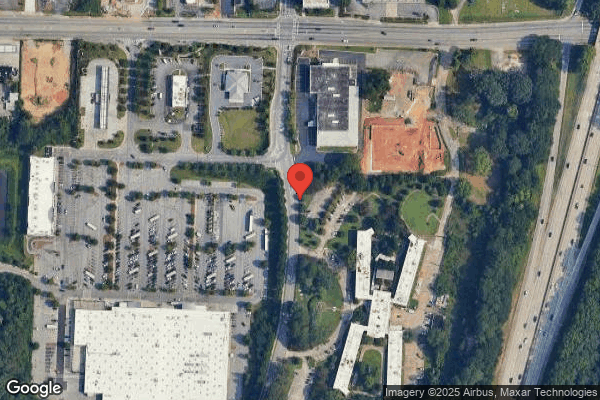
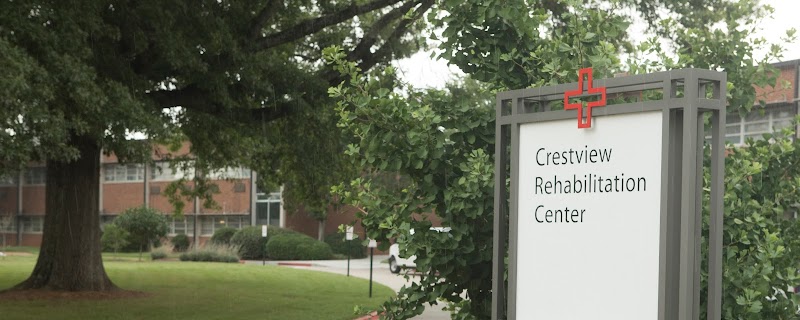
2800 SPRINGDALE ROAD, ATLANTA, GA 30315 (404) 616-8100
Non profit - Other 388 Beds Independent Data: November 2025
Trust Grade
30/100
#266 of 353 in GA
Last Inspection: June 2025

Inspected within the last 6 months. Data reflects current conditions.

Overview

Crestview Health & Rehab Center has received an "F" trust grade, indicating significant concerns about the quality of care provided, which is poor compared to other facilities. It ranks #266 out of 353 nursing homes in Georgia, placing it in the bottom half, and #12 out of 18 in Fulton County, meaning only a few local options are worse. The facility is trending negatively, as the number of issues reported has increased from 4 in 2024 to 9 in 2025. Staffing is concerning, with a low rating of 1 out of 5 stars and only 0% turnover, which is good compared to the state average, but they have less RN coverage than 98% of Georgia facilities, potentially impacting resident care. Specific incidents include a failure to provide adequate meal portions for many residents, neglect of care plans that resulted in a resident being found on the floor, and a lack of emergency supplies for residents with tracheostomies, indicating serious gaps in care and safety protocols.

Trust Score
F
30/100
In Georgia
#266/353
Bottom 25%
Safety Record
High Risk
Review needed
Inspections
Getting Worse
4 → 9 violations
Staff Stability
○ Average
Turnover data not reported for this facility.
Penalties
✓ Good
No fines on record. Clean compliance history, better than most Georgia facilities.
Skilled Nurses
⚠ Watch
Each resident gets only 6 minutes of Registered Nurse (RN) attention daily — below average for Georgia. Fewer RN minutes means fewer trained eyes watching for problems.
Violations
⚠ Watch
18 deficiencies on record. Higher than average. Multiple issues found across inspections.
★☆☆☆☆
1.0
Overall Rating
★☆☆☆☆
1.0
Staff Levels
★★★★☆
4.0
Care Quality
★★☆☆☆
2.0
Inspection Score
Stable
2024: 4 issues
2025: 9 issues

The Good

  • 4-Star Quality Measures · Strong clinical quality outcomes
  • Full Sprinkler Coverage · Fire safety systems throughout facility
  • No fines on record

Facility shows strength in quality measures, fire safety.

The Bad

1-Star Overall Rating

Below Georgia average (2.6)

Significant quality concerns identified by CMS

The Ugly 18 deficiencies on record

Aug 2025 4 deficiencies
CONCERN (D) 📢 Someone Reported This

A family member, employee, or ombudsman was alarmed enough to file a formal complaint

Potential for Harm - no one hurt, but risky conditions existed

Free from Abuse/Neglect (Tag F0600)

Could have caused harm · This affected 1 resident

Based on staff interviews, record review, and review of the facility's policy titled, Abuse, Neglect, and Exploitation Procedures, the facility failed to protect residents from resident to resident ph...

Read full inspector narrative →
Based on staff interviews, record review, and review of the facility's policy titled, Abuse, Neglect, and Exploitation Procedures, the facility failed to protect residents from resident to resident physical abuse for two of four sampled residents (R) (R5 and R4). Specifically, R5 was hit by R4. Findings include:Review of a facility policy titled Abuse, Neglect, and Exploitation Procedures with a revision date of 12/5/2025 revealed under Policy: It is the policy of the facility to provide protection for the health, welfare and rights of each resident by developing and implementing written policies and procedures that prohibit and prevent abuse, neglect, exploitation and misappropriation of residents property. Under Definition: Physical Abuse includes, but not limited to hitting, slapping, punching, biting, and kicking. It also includes controlling behavior through corporal punishment. Under Prevention of Abuse, Neglect, and Exploitation: .B. Identifying, correcting, and intervening in situations in which abuse , neglect, exploitation, and/or misappropriation of resident property is more likely to occur with the deployment of trained and qualified, registered, licensed, and certified staff on each shift in sufficient numbers to meet the needs of the residents, and assure that the staff assigned have knowledge of the individual residents care needs and behavioral symptoms.H. Assigning responsibility for the supervision of staff on all shifts for identifying inappropriate behaviors.1. Review of the electronic medical record (EMR) revealed R5 was admitted to the facility with diagnoses that included but not limited to unspecified dementia, unspecified severity, without behavioral disturbance, psychotic disturbance, mood disturbance, and anxiety, vascular dementia, unspecified severity, without behavioral disturbance, psychotic disturbance, mood, unspecified, mild neurocognitive disorder due to known physiological condition with behavioral disturbance, unspecified injury of head, subsequent encounter.Review of R5's quarterly Minimum Data Set (MDS) with an Assessment Reference Date (ARD) of 5/23/2025 revealed R5 had a Brief Interview for Mental Status (BIMS) score of 0 out of 15, which indicated the resident was severely cognitively impaired. It was recorded under section C (Cognitive Assessment) that R5 had Long and /short term memory problem.Review of Progress note dated 8/11/2025 at 15:42 pm (3:42 pm) revealed, Resident was in the day area, when another resident approached her and hit her.2. Review of the EMR revealed R4 was admitted to the facility with diagnoses that included but not limited to unspecified severe protein-calorie malnutrition, schizoaffective disorder, bipolar type, bipolar disorder, unspecified, adjustment disorder with mixed anxiety and depressed mood, anxiety disorder, unspecified, unspecified psychosis not due to a substance or known physiological condition, acute kidney failure, unspecified, acquired absence of right leg above knee, acquired absence of left leg above knee, and dysphagia.Review of R4's quarterly MDS with an ARD of 8/5/2025 revealed R4 had a BIMS score of 15, which indicated that resident had intact cognition.Review of a Progress note dated 8/11/2025 at 15:42 pm revealed Resident was in the day area, when another resident (R4) approached her and hit her.During an Interview on 8/20/2025 at 4:18 pm with Licensed Practical Nurse (LPN) BB regarding an incident that occurred between R4 and R5 on 8/11/2025, she revealed that R4 was visibly upset and crying, she stated R4 was taken to the day room where other residents were sitting. She revealed that R4 started screaming and yelling. She revealed that R5 was walking down the hall back and forth as she normally did and as she approached towards R4, R4 hit R5 and was verbally aggressive, calling R5 a curse word and to get away from her. She revealed that this was typical behavior for R4, especially when she didn't get her way.During an interview on 8/20/2025 at 4:36 pm with Certified Nursing Assistant (CNA) DD, she revealed that she witnessed an incident between R4 and R5 on 8/11/2025. She stated that R4 was upset about not getting ice-cream and pudding after lunch, which was provided to R4 by another staff. She stated that R4 started rolling down the hallway crying and having a tantrum. She stated that she took R4 to the TV room, which was by the nurse's station. She stated that R5 had dementia and was walking up and down the hall as she normally did. She went on to state that R5 was curious as she saw R4 crying. She stated R5 was confused because R4 was crying. She further stated that R4 was in a wheelchair crying and R5 went close to her wheelchair and that's when R4 hit R5, just one time, and then they were separated. She revealed that R4 called R5 a curse word.During an interview on 8/20/2025 at 5:02 pm with CNA CC, she revealed that she witnessed an incident between R4 and R5. She stated that R4 was upset because she couldn't go back to her room and was up and down the hall screaming and crying. She stated that she rolled R4 down to a chair in the dayroom and told R4 to be quiet because she was crying. She stated that R4 got in her wheelchair and started pushing stuff off the table. She further stated that when R5 was walking towards the table because R5 had a drink on that table, she stated that R4 was banging her hands and said to R5, move your stupid ass ‘curse word', and grabbed R5. She stated that when R4 hit R5 that R5 looked like she wanted to hit her back, but they moved R5 away. She stated that R5 walked up and down the hall all day from the time she woke up until her bedtime and didn't bother anyone.
CONCERN (D) 📢 Someone Reported This

A family member, employee, or ombudsman was alarmed enough to file a formal complaint

Potential for Harm - no one hurt, but risky conditions existed

Deficiency F0602 (Tag F0602)

Could have caused harm · This affected 1 resident

**NOTE- TERMS IN BRACKETS HAVE BEEN EDITED TO PROTECT CONFIDENTIALITY** Based on staff interviews, record review, and review of the facility policy titled, Abuse, Neglect, and Exploitation Policy and ...

Read full inspector narrative →
**NOTE- TERMS IN BRACKETS HAVE BEEN EDITED TO PROTECT CONFIDENTIALITY** Based on staff interviews, record review, and review of the facility policy titled, Abuse, Neglect, and Exploitation Policy and Procedures, the facility failed to protect residents from misappropriation of property for one resident (R) (R3) by not ensuring that R3's gold teeth were placed in a secure location. Findings include:Review of the facility policy titled Abuse, Neglect, and Exploitation Policy and Procedures dated and revised December 5,2022 revealed under Policy: it is the policy of this facility to provide protections for the health, welfare and rights of each resident by developing and implementing written policies and procedures that prohibit and prevent abuse, neglect, exploitation, and misappropriation of residents property. Under Definitions: Misappropriation of Resident property means means the deliberate misplacement, exploitation, or wrongful, temporary or permanent, use of a resident's belongings or money, without the resident's consent. Under Policy Explanation and Compliance Guidelines: A. Prohibit and Prevent abuse, neglect, and exploitation of residents and misappropriation of resident property. 1. Prevention of Abuse, Neglect and Exploitation.G. Addressing features of the physical environment that may make abuse, neglect, exploitation, and misappropriation of resident property more likely to occur.Review of the electronic medical record (EMR) revealed R3 was admitted to the facility with diagnoses of but not limited to central cord syndrome at C4 level of cervical spinal cord, subsequent encounter, type iii occipital condyle fracture, left side, syncope and collapse, and adjustment disorder with mixed anxiety and depressed mood.Review of the quarterly Minimum Data Set (MDS) dated [DATE] revealed R3 had a Brief Interview for Mental Status (BIMS) score of 15, indicating no cognitive impairment.Review of a Progress note for R3 dated 5/6/2025 at 20:41 (8:41) pm revealed, Resident had fall with injuries when he went out for lunch with family. He had broken his teeth, abrasion noted on his face and right upper arm. First aid treatment rendered, neuro-checks started. MD notified, and resident (R3) was sent to name of hospital for evaluation. During an interview on 8/20/2025 at 11:06 am with Medical Social Worker (MSW) AA, she revealed that the facility Administrator offered R3 compensation for the missing gold grill for his teeth. She stated that the resident told her that the Administrator never came to talk to him and then later said the Administrator said that he would only compensate him $100.00. She stated that it was four grills that were missing. She stated that when she spoke to the Social Worker manager, she revealed that R3 declined $100.00. She stated that the facility never replaced R3's missing gold grills for his teeth.During an interview on 8/20/2025 at 10:31 am with Licensed Practical Nurse (LPN) II, she revealed that she was familiar with R3 missing his gold grill. She stated that on July 9, 2025, R3 stated that he was going to a dentist's appointment with a family member to get his gold tooth fixed. She stated that when R3 came back, he stated that he was not able to get his gold teeth fixed because he had to pay out of pocket and it was about $900.00. She stated that during discharge the facility did not replace R3's gold grill for his teeth.During an interview on 8/21/2025 at 11:08 am with LPN GG, she revealed that R3 came back from lunch with family and had an accident. She stated that when R3 came back to the facility he was bleeding and staff got him out of the car and sent him back to his room. She stated that R3 said that his gold grill for his teeth came out during the fall. She acknowledged R3 handed her over the gold grill teeth, and she wrapped the gold grill teeth in a paper towel and put in a clear plastic medication cup at R3's bedside. She stated that she was the one that sent R3 to the hospital with her supervisor LPN HH for a proper checkup. She stated that when R3 returned from the hospital, she told R3 that the teeth were at his bedside but R3 came back and stated that the gold grill was not there by the bedside. She further stated that R3 claimed that she threw the teeth away. She stated that she informed her supervisor, LPN HH. She stated that she had no idea what happened to the teeth and knew that she did not throw them away. She stated that she asked the housekeepers, and they all stated that they did not see or take the teeth. She stated that she was not sure of the housekeeper that was working in the hall on that day and not sure they were still here in the facility. She stated that they have different housekeepers every day. She stated that no one from social services came to inquire about the missing teeth. During an interview on 8/21/2025 at 11:24 am, LPN HH revealed that she did not see the gold grill that covered the teeth. She stated that the nurse told her that she had wrapped the teeth and obviously were not properly secured. She stated that she found out the next day that it was missing. She stated that the grill should have been secured properly. She stated that they didn't have a specific place to secure it, so it was placed at the bedside. She stated that they sent R3 out on two occasions for the fitting of the grill that she thought was replaced. She stated that once they realized it was missing, they reported it to social services. She stated that she, the nurse and CNAs looked for the grill. She stated that the investigation was between social services and the Quality and Risk Manager.During an Interview on 8/21/2025 at 12:09 pm with Quality and Risk Manager (QRM) NN, she revealed that R3 filed a grievance for the missing gold grill. She stated that Social Services, Director of Nursing and Administrator went over the incident with R3. She stated that they looked at grievances to determine if it was reportable and then she would step in if it was reportable to investigate. She stated that she thought the grill was accidentally disposed of.
CONCERN (D) 📢 Someone Reported This

A family member, employee, or ombudsman was alarmed enough to file a formal complaint

Potential for Harm - no one hurt, but risky conditions existed

Deficiency F0628 (Tag F0628)

Could have caused harm · This affected 1 resident

**NOTE- TERMS IN BRACKETS HAVE BEEN EDITED TO PROTECT CONFIDENTIALITY** Based on record review, resident family and staff interviews, and review of the facility policy titled, Transfer and Discharge (...

Read full inspector narrative →
**NOTE- TERMS IN BRACKETS HAVE BEEN EDITED TO PROTECT CONFIDENTIALITY** Based on record review, resident family and staff interviews, and review of the facility policy titled, Transfer and Discharge (including AMA ‘against medical advice'), the facility failed to provide a 30-day notice to three of seven sampled residents (R) (R3, R6, and R7) or their representatives before they were discharged from the facility. Findings include:Review of a facility policy titled Transfer and Discharge (including AMA) with original date of October 2017, Revised January 2024, revealed under Policy: It is the policy of the facility to permit each resident to remain in the facility, and not transfer or discharge for the resident from the facility, except in limited circumstances. Under Procedure: .4. The Facility's transfer/discharge notice will be provided to the resident and the resident's representative in a language and manner in which they can understand.5. Generally, the notice must be provided at least 30 days prior to a facility-initiated transfer or discharge of residents.1. Review of the electronic medical record (EMR) revealed R3 was admitted to the facility on [DATE] with diagnoses that included but not limited to central cord syndrome at C4 level of cervical spinal cord, subsequent encounter, burn of unspecified body region, syncope and collapse, and adjustment disorder with mixed anxiety and depressed mood.Review of R3's quarterly Minimum Data Set (MDS) with an Assessment Reference Date (ARD) of 7/17/2025-Discharge Return Not Anticipated revealed R3 had a Brief Interview for Mental Status (BIMS) score of 15, which indicated the resident is not cognitively impaired.Review of a Progress Note dated 7/16/2025 at 23:10 (11:23 pm) revealed, A Resident observed on the floor in the bathroom sitting on buttock with head against the wall. The shower was running, and water was all over the floor. The resident stated that he slipped and fell on the floor. Head-to toe assessment done no visible injury noted, resident guarding left arm and complaint of pain to left arm at 9/10. Resident able to move all extremities without difficulty except left arm. Resident assisted off the floor into the w/c (wheelchair) with assist x2, neuro checks initiated and within normal limits. Tramadol 50 mg is given per prn (as needed) order. Resident being sent out to ED (emergency department) for eval (evaluation) and possible x-ray per resident request.Review of a Progress Note dated 7/17/2025 at 00:54 (12:54 am) revealed, Resident left facility via stretcher accompanied by 2 EMS (emergency medical services) attendants 2350 (11:50 pm). Resident alert and verbally responsive pain level remain at 9/10.Review of a Progress Note dated 7/17/2025 at 09:15 (9:15 am) revealed, Resident return from ‘name of hospital' hospital approx. (approximately) 0915 s/p (status post) fall.Review of a Progress Note dated 7/17/2025 at 10:45 (10:45 am) revealed, Resident discharged from facility approx. 10:45. Transition to home. Resident alert and orient (oriented) x4, vitals stable, no distress/discomfort noted, ambulated self to ‘name of car service'. Discharge instruction provided and reviewed with resident, Resident d/c (discharged ) with personal belongings and medications. RP (responsible party) notified, ‘name of physician staffing agency' notified, cp (care plan) updated.During a telephone interview on 8/20/2025 at 9:41 am with a Family member of R3, the family member stated that the facility discharged R3 without notice. He stated that the facility did not contact him about R3's discharge. He stated that the facility just dumped R3 at his house. He stated that R3 was not ready to be discharged . He stated that he did not receive a 30-day notice about the discharge regulation. He stated that R3 passed away on 8/2/2025 after being discharged on 7/17/2025.During an interview on 8/20/2025 at 10:31 am with Licensed Practical Nurse (LPN) II, she revealed that R3 was sent to ‘name of hospital' on 7/17/2025 due to a fall during shower that morning and was discharged on 7/17/2025 when he returned from ‘name of hospital' that same day.During an interview on 8/20/2025 at 11:06 am with Medical Social Worker (MSW) AA, she revealed that from the day of admission that R3 always wanted to go back to the community. When asked how much notice the residents were getting, she revealed that it just depended on the situation, that R3's locations changed but was always back to the community. She revealed that R3 was discharged to his uncle's home. She stated that the facility did not give a 30-day discharge notice to residents. She stated that they only gave verbal notice starting from the day of admission.Review of the EMR for R3 revealed there was no 30-day notice provided to R3 or their representative. 2. Review of the EMR revealed R6 was admitted to the facility on [DATE] with diagnoses that included but not limited to encephalitis and encephalomyelitis, unspecified, nontraumatic intracerebral hemorrhage, unspecified, compression of brain, unspecified severe protein-calorie malnutrition, epilepsy, unspecified, not intractable, without status epilepticus, vascular dementia, moderate, without behavioral disturbance, psychotic disturbance, mood disturbance, and anxiety, adjustment disorder with mixed anxiety and depressed mood, schizoaffective disorder, bipolar type, schizophrenia, unspecified, and bipolar disorder, unspecified.Review of R6's MDS with an ARD of 7/1/2025 Discharge Return Not Anticipated revealed R6 had BIMS score of 15, which indicated the resident is not cognitively impaired.Review of the EMR revealed R6 was discharged on 7/1/2025 with no written 30-day notice.3. Review of the EMR revealed R7 was admitted to the facility on [DATE] with diagnoses that included but not limited to unspecified severe protein-calorie malnutrition, polyneuropathy, unspecified, alcohol abuse, uncomplicated, foot drop, left foot, muscle weakness (generalized), and mild cognitive impairment of uncertain or unknown etiology.Review of R7's quarterly MDS with an ARD of 7/29/2025 Discharge Return Not Anticipated revealed R7 had a BIMS score of 15, which indicated the resident is not cognitively impaired. Review of a Progress Note dated 7/3/2025 at 08:55 (8:55 am) revealed, SW (Social Worker) met with (R7) on 6/23 (2025) and during initial assessment he stated that he was living in a town home he was renting but is no longer a tenant of that home. (R7) stated he has no income and no family that he can live with regarding discharge. (R7) stated to SW that as of now he wants to be LTC (long term care) due to lack of income and resourcesReview of the EMR revealed R7 was not given a written 30-day notice prior to discharge on [DATE].During an interview on 8/20/2025 at 11:20 am with the Medical Social Worker Manager (MSWM) MM regarding discharge/transfer. She stated that during the first 48 hours after admission that they asked residents if they wanted to return home or to stay in long-term care. She stated that they identified the resident's plan upon admission. She stated if the residents were going home and were receiving rehabilitation, once they met their therapy goal, rehab notified Social Services, and they agreed on a date to discharge the resident. She stated that they do not give 30-day notices to discharging residents.
CONCERN (D) 📢 Someone Reported This

A family member, employee, or ombudsman was alarmed enough to file a formal complaint

Potential for Harm - no one hurt, but risky conditions existed

Assessment Accuracy (Tag F0641)

Could have caused harm · This affected 1 resident

**NOTE- TERMS IN BRACKETS HAVE BEEN EDITED TO PROTECT CONFIDENTIALITY** Based on staff interviews, record review, and review of the facility's policy titled, Minimum Data set MDS Completion, the facil...

Read full inspector narrative →
**NOTE- TERMS IN BRACKETS HAVE BEEN EDITED TO PROTECT CONFIDENTIALITY** Based on staff interviews, record review, and review of the facility's policy titled, Minimum Data set MDS Completion, the facility failed to complete accurate MDS assessments for three of seven sampled Residents (R1, R2, and R7). The deficient practice had the potential for R1, R2, and R7's care needs to go unmet.Findings include:Review of the facility's policy titled Minimum Data set MDS Completion dated October 2024, revised July 2025 revealed under Policy: It is the policy of this facility that residents are assessed, using a comprehensive assessment process in order to identify care needs and to develop an interdisciplinary care plan.1. Review of the electronic medical record (EMR) revealed R1 was admitted to the facility with diagnoses that included but not limited to dysarthria following unspecified cerebrovascular disease, and other secondary parkinsonism.Review of the most recent quarterly Minimum Data Set (MDS) dated [DATE] documented R1 had a Brief Interview for Mental Status (BIMS) of 15, which indicates R1 is not cognitively impaired.Review of a Progress Note dated 7/5/2025 at 22:09 (10:09 am) for R1 revealed, In response to roommate in 209A stating that resident threw soda at him, writer asked resident what happened, resident used communication board to inform writer that he asked roommate to turn off the heat when resident communicated that roommate stated he was going to kill him.Review of a Progress Note dated 8/5/2025 at 01:42 (1:42 am) for R1 revealed, Resident witnessed by CNA (certified nursing assistant) throwing a drink at his roommate, ‘name of roommate'. The resident was upset that his roommate was adjusting the AC (air conditioning) unit. Resident reminded that it is not ok to throw objects at others and resident complied. Message left with the social worker. Resident is own RP (responsible party). Care plan updated. ‘Name of physician agency' notified.Review of a Progress Note dated 8/5/2025 at 11:18 (am) for R1 revealed, SW (Social Worker) received a voicemail message from Night Shift nurse concerning resident's behavior of throwing water on his roommate. Resident has exhibited behavior before as being the aggressor and previously and roommate was transferred from the room. SW discussed with the resident how his behavior is inappropriate. SW informed resident that he has to alert nursing when he is in dispute with another resident. SW informed the resident that his behavior needs to change. The resident typed on his communication board that he would not do the behavior again and he would stop. SW discussed with resident that he would be transferred to another room/unit. SW previously discussed the matter with the Nursing Manager. Also, the Charge Nurse was informed that the resident would need to transfer to (room) A116.Review of Minimum Data Status (MDS) assessment for R1 dated 7/11/2025 revealed section E (Behavior) under E0200 under A and C indicated no behavior issues for R1. 2. Review of the EMR revealed R2 was admitted to the facility with diagnoses that included but not limited to major depressive disorder, single episode, unspecified, major depressive disorder, recurrent, moderate, vascular dementia, unspecified severity, without behavioral disturbance, psychotic disturbance, mood disturbance, and anxiety, vascular dementia, unspecified severity, with other behavioral disturbance, and vascular dementia, moderate, with other behavioral disturbance.Review of a Progress Note dated 7/30/2025 at 18:24 (6:24 pm) for R2 revealed, Resident noted sitting in the hallway without clothing. Resident encouraged to cover up. Resident covered up and assisted to the room.Review of the MDS assessment dated [DATE] for R2 revealed in section E (Behavior) indicated no behavior issues.During an Interview on 8/21/2025 at 1:15 pm with Medical Social Worker (MSW) LL regarding R2 disrobing in the hallway on 7/30/2025 and was not coded on MDS section E (Behavior). She stated that she looked on MDS section E, next to the right icon and that's where she got the information for behavior entry. She stated that she relied on the EMR for the information. She acknowledged that the behavior of disrobing by R2 was not coded on section E of the MDS completed 8/1/2025, but it indicated no issues.3. Review of R7's EMR revealed R7 was admitted to the facility with diagnoses that included but not limited to unspecified severe protein-calorie malnutrition, local infection of the skin and subcutaneous tissue, unspecified, unspecified convulsions, pressure ulcer of foot drop, right foot, hypokalemia, alcohol abuse, uncomplicated, unspecified lack of coordination, and mild cognitive impairment of uncertain or unknown etiology.Review of R7's quarterly MDS assessment with an ARD of 7/29/2025 Discharge Return Not Anticipated revealed R7 had a BIMS score of 15, which indicated the resident is not cognitively impairedReview of a Progress Note dated 6/20/2025 at 17:23 (5:23 pm for R7 revealed, Pt (patient) admitted to facility from ‘name of hospital' with Dx (diagnosis) of infected sacral decubitus ulcer, sacrum wound. Head to toe skin assessment completed with no complaints of pain or discomfort. Pt skin is expected color for ethnicity, warm and dry and intact with no rashes or lesions present. Wound noted with pt right and left sacrum, right upper back, and right lateral ankle. Cleansed with NS (normal saline), pat dry, and covered with dry dressing. Denied any pain at this time. Pt alert and oriented X4 (person, place, time, and situation).Review of the EMR revealed R7 was admitted to the facility from ‘name of hospital' hospital on 6/20/2025 and was discharged to the community on 7/29/2025.Review of the MDS assessment dated [DATE] for R7 revealed under Section A (Identification Information) revealed that R7 entered the facility from the community and Section A-2105 revealed R7 was discharged to a short-term hospital. During the interview on 8/21/2025 at 11:56 am with Minimum Data Set Coordinator (MDS) JJ, she stated that she completed the MDS discharge assessment on R7. She acknowledged that R7 did not enter the facility from the community but from the hospital and discharged was to the community, not the hospital. She acknowledged that it was completed incorrectly.During an Interview on 8/21/2025 at 12:18 pm with Medical Social Worker (MSW) KK, she stated that she completed sections C (Cognitive Patterns), D (Mood), E (Behavior), and Q (Resident Referrals to Community) on the MDS assessment. She stated she looked at CNA (certified nursing assistant) notes where they checked off residents if there were any issues and went over progress notes and sometimes talked to the staff or residents for information to complete those areas of the MDS. She stated that her look back period was 7 days from the date the MDS was completed. She stated that it was an oversight for her (R1). She acknowledged that she did not note the behavior incident on 7/5/2025 on section E of the MDS completed on 7/11/2025 for R1 and that it should have been noted on the assessment.
Jun 2025 5 deficiencies
CONCERN (D) 📢 Someone Reported This

A family member, employee, or ombudsman was alarmed enough to file a formal complaint

Potential for Harm - no one hurt, but risky conditions existed

Deficiency F0558 (Tag F0558)

Could have caused harm · This affected 1 resident

**NOTE- TERMS IN BRACKETS HAVE BEEN EDITED TO PROTECT CONFIDENTIALITY** Based on observation, interview, record review, and policy review, the facility failed to ensure the call device was accessible ...

Read full inspector narrative →
**NOTE- TERMS IN BRACKETS HAVE BEEN EDITED TO PROTECT CONFIDENTIALITY** Based on observation, interview, record review, and policy review, the facility failed to ensure the call device was accessible for one of 41 residents (Resident (R) 286) observed for call light accessibility in the Initial Pool. This failure placed R286 at risk of accident, injury, or unmet needs related to an inability to call for staff assistance. Findings include: Review of R286's admission Record, located under the Profile tab of the electronic medical record (EMR), revealed she was admitted to the facility on [DATE]. Review of R286's quarterly Minimum Data Set (MDS), with an Assessment Reference Date (ARD) of 05/23/25 and located under the MDS tab of the EMR, revealed she scored six out of 15 on the Brief Interview for Mental Status (BIMS), indicating severely impaired cognition. R286 was dependent on staff for all activities of daily living, bed mobility, transfers, and locomotion. She experienced a fall with no injury. Review of R286's Care Plan, dated 05/10/25 and located under the Care Plan tab of the EMR, revealed, [R286] is at risk for falls r/t [related to] confusion, gait/balance problems, incontinence, psychoactive drug use, [and] unaware of safety needs. The approaches included, Be sure the resident's call light is within reach and encourage the resident to use it for assistance as needed. The resident needs prompt response to all requests for assistance. During an observation on 06/04/25 at 8:10 AM, R286 was lying in bed asleep with the call device button on the floor under the head of her bed. During subsequent observations on 06/04/25 at 9:32 AM, 10:01 AM, and 1:23 PM revealed the resident lying in bed with the call device button still on the floor in the same position. During an observation on 06/05/25 at 8:17 AM, R286 was lying in bed asleep with the call device button on the floor under the head of her bed. During an interview on 06/05/25 at 8:16 AM, Licensed Practical Nurse (LPN) 10 stated R286 did not use her call device often, but the button should always be within reach while the resident was in bed. During an interview and observation on 06/05/25 at 8:39 AM, Certified Nurse Aide (CNA) 7 stated she had just received her assignment for the day and had not seen R286 earlier in the shift. She stated R286 did not use her call light often, but it should be within her reach. CNA7 entered R286's room and confirmed the call device button was not within the resident's reach. CNA7 moved the call button to R286's bed. During an interview on 06/05/25 at 5:42 PM, the Director of Nursing (DON) stated staff were educated in March 2025 regarding placing call device buttons within residents' reach and using a clip to attach the button to the bed to prevent it from falling. The DON she had recently ordered new clips for the call device buttons and staff were expected to clip the call buttons to the bed in the resident's reach. Review of the policy titled, Call Lights: Accessibility and Timely Response, dated 2024, revealed, Staff will ensure the call light is within reach of resident and secured, as needed.
CONCERN (D) 📢 Someone Reported This

A family member, employee, or ombudsman was alarmed enough to file a formal complaint

Potential for Harm - no one hurt, but risky conditions existed

Investigate Abuse (Tag F0610)

Could have caused harm · This affected 1 resident

Deficiency Text Not Available

Read full inspector narrative →
Deficiency Text Not Available
CONCERN (D)

Potential for Harm - no one hurt, but risky conditions existed

Deficiency F0688 (Tag F0688)

Could have caused harm · This affected 1 resident

**NOTE- TERMS IN BRACKETS HAVE BEEN EDITED TO PROTECT CONFIDENTIALITY** Based on observations, interviews, record review, and policy review, the facility failed to ensure a splint was applied to addre...

Read full inspector narrative →
**NOTE- TERMS IN BRACKETS HAVE BEEN EDITED TO PROTECT CONFIDENTIALITY** Based on observations, interviews, record review, and policy review, the facility failed to ensure a splint was applied to address a hand contracture for one of one resident (Resident (R) 6) reviewed for limited range of motion out of a total sample of 39. This failure had the potential to lead to increased contracture, pain, or skin breakdown for R6. Findings include: Review of R6's admission Record, located under the Profile tab of the electronic medical record (EMR), revealed he was admitted to the facility on [DATE] and had diagnoses including dementia and adult failure to thrive. Review of R6's quarterly Minimum Data Set (MDS), with an Assessment Reference Date of 04/30/25 and located under the MDS tab of the EMR, revealed R6 was unable to complete the Brief Interview for Mental Status (BIMS) and was assessed by staff with severely impaired cognition. R6 had limited range of motion in both upper extremities. Review of R6's Care Plan, dated 08/01/24, revealed, Restorative care related to (contractures, Disease process) . Restorative nursing will perform restorative treatment plan thru [sic] next review. The approaches included: Monitor for signs and symptoms of pain or discomfort upon ranging extremities and/or splint application, monitor for worsening of limitations of extremities, monitor skin for redness and skin breakdown upon donning and doffing splint. Report Alteration to nurse as indicated . Order: Restorative Nursing Care for PROM [passive range of motion] and splint assistance daily and as needed times 90 days. Review of R6's Edit Task document, dated 04/05/23 and provided by the facility revealed the Restorative task, L [left] elbow extension, L palm guard x15 minutes daily x6 days weekly for strengthening and contracture mitigation. Review of R6's Orders tab of the EMR revealed a physician's order, dated 04/27/25, for Restorative Program as needed. Review of R6's Point of Care Audit Report, dated 04/01/25 to 06/05/25 and provided by the facility revealed, Restorative splint/brace assistance was provided almost daily from 04/01/25 to 04/23/25; however, there were no records of service after 04/23/25. During an observation on 06/02/25 at 11:38 AM, R6 was lying in bed, and his left hand was contracted into a fist. R6 was not wearing a splint or palm guard. During subsequent observations on 06/03/25 at 8:26 AM, 06/03/25 at 3:48 PM, and 06/04/25 at 8:06 AM, R6 was again lying in bed with his left contracted into a fist, and R6 was not wearing a splint or palm guard. During an observation on 06/05/25 at 8:54 AM, R6 was lying in bed with his left hand contracted into a fist. There was no splint or palm guard in place. In an interview on 06/05/25 at 9:59 AM, the Director of Nursing (DON) stated the restorative aide who worked with R6 had resigned and was unavailable for interview. She stated R6 went out to the hospital on [DATE] and returned on 04/27/25, at which time restorative services were not resumed because the order had been omitted from the EMR Orders. The DON stated the order should have been reinstated upon his return to the facility, but it was missed. The DON stated R6's restorative services would be restarted immediately. In an interview on 06/05/25 at 10:33 AM. Licensed Practical Nurse (LPN) 18 stated the nursing staff was not responsible for range of motion or splinting; this was a restorative duty. LPN18 entered R6's room and confirmed he had a contracted left hand and did not have a splint or palm guard in place. In an interview on 06/05/25 at 10:57 AM, Restorative Nurse (RSTN) 1 stated when R6 went to the hospital in April 2025, his restorative order was not re-entered into the Tasks screen and R6 did not receive any restorative services including splinting or range of motion after his return on 04/27/25. RSTN1 stated restorative services should have continued upon R6's return from the hospital. In an interview on 06/05/25 at 5:16 PM, the DON stated all orders in the EMR were discontinued upon transfer to the hospital, then needed to be reinstated by the admitting nurse upon return. The DON stated the facility's admission checklist included checking for any restorative orders and did not know why it was missed. Review of the policy titled, Restorative Nursing Policy, dated December 2020, revealed, Residents, as identified during the comprehensive assessment process, will receive services from restorative aides when they are assessed to have a need for such services. These services may include: a. Passive or active range of motion b. Splint or brace assistance.
CONCERN (D)

Potential for Harm - no one hurt, but risky conditions existed

Medical Records (Tag F0842)

Could have caused harm · This affected 1 resident

**NOTE- TERMS IN BRACKETS HAVE BEEN EDITED TO PROTECT CONFIDENTIALITY** Based on record review, interview, and policy review, the facility failed to ensure the medical record reflected accurate medica...

Read full inspector narrative →
**NOTE- TERMS IN BRACKETS HAVE BEEN EDITED TO PROTECT CONFIDENTIALITY** Based on record review, interview, and policy review, the facility failed to ensure the medical record reflected accurate medication administration times for one of 39 sample residents (Resident (R) 157). This failure had the potential to lead to missed or late doses of insulin, which could cause hyperglycemia or other complications. Findings include: Review of R157's admission Record, located under the Profile tab of the electronic medical record (EMR), revealed he was admitted to the facility on [DATE] and had a diagnosis of diabetes. Review of R157's annual Minimum Data Set (MDS), with an Assessment Reference Date (ARD) of 04/15/25, revealed he received insulin daily. Review of R157's Care Plan, located under the Care Plan tab of the EMR, revealed, [R157] has a diagnosis of diabetes mellitus (insulin dependent). The approaches included, Diabetes medication as ordered by doctor. Monitor/document for side effects and effectiveness. Review of R157's Medication Administration Record, dated June 2025 and located under the Orders tab of the EMR, revealed a physician's order dated 05/31/25 for insulin aspart (short-acting insulin), 10 units subcutaneously before meals. The MAR documented the insulin was to be given at 7:30 AM, 11:00 AM, and 4:00 PM. Review of R157's Medication Administration Audit Report, dated 05/01/25 to 06/03/25 and provided by the facility revealed the 10 units of insulin aspart was administered on: -05/31/25 at 11:22 AM (after breakfast), 1:36 PM (after lunch), and 5:31 PM. -06/01/25 at 10:58 AM (after breakfast), 12:30 PM (after lunch), and 6:07 PM. -06/02/25: at 1:18 PM, 1:18 PM (after lunch), and 7:26 PM (after dinner). -06/03/25 at 11:14 AM (after breakfast) and 2:32 PM (after lunch). During an interview on 06/03/25 at 3:08 PM, Licensed Practical Nurse (LPN) 8 stated R157's insulin was administered at the correct time per the physician's order on 05/31/25 through 06/03/25; however, she did not have time to document at the time of administration and the system recorded the time she signed off as complete. LPN8 stated she did not go in and enter the time of administration, it was just a checkoff to say the medication was given. LPN8 stated on 06/03/25, R157 received his morning insulin dose just before 8:00 AM and he got his second dose between 11:00 AM and 11:30 AM, because he went to lunch at 11:30 AM. LPN6 stated this was his daily administration schedule and the medication was given on time. During an interview on 06/05/25 at 5:10 PM, the Director of Nursing (DON) stated she expected all nursing staff to document medication administration at the time of administration to create an accurate record of administration times. The DON stated staff were re-educated on this expectation on 06/04/25. Review of the undated policy titled, Medication Administration Policy revealed, Medications must be administered in accordance with the orders, including any time frame . The individual administering the medication must initial the resident's MAR on the appropriate line after giving each medication and before administering the next ones.
CONCERN (E)

Potential for Harm - no one hurt, but risky conditions existed

Menu Adequacy (Tag F0803)

Could have caused harm · This affected multiple residents

Based on observations, interviews, record review, and policy review, the facility failed to ensure adequate meal portions as outlined on the menu for the regular texture and puree texture meals. This ...

Read full inspector narrative →
Based on observations, interviews, record review, and policy review, the facility failed to ensure adequate meal portions as outlined on the menu for the regular texture and puree texture meals. This failure placed 226 residents who received a regular or pureed diet, out of 305 total residents, at risk for weight loss, nutritional problems, and dissatisfaction with their meals. Findings include: Review of the undated Diet Order Tally Report, provided by the facility on 06/05/25, revealed there were 186 residents who received a regular diet and 40 residents who received a pureed diet. Review of the undated Week 3 Thursday lunch menu, provided by the facility revealed the menu called for: -4 ounces (oz) of green beans for the regular texture meals; -4 oz. pureed turkey for the puree texture meals; -4 oz. pureed green beans for the puree texture meals; and -4 oz. pureed stuffing (replaced with rice pilaf) for the puree texture meals. During observation of lunch meal service in the kitchen on 06/05/25 beginning at 11:20 AM, [NAME] (CK) 1 stated she was serving 4 ounces (oz.) of green beans for the regular meals. However, the scoop being used was a 3-oz. portion. CK2 stated she was using a 2-oz. scoop for the pureed turkey, a 2-oz. scoop for the pureed green beans, and a 2-oz scoop for the pureed rice pilaf. During an interview at the tray line on 06/05/25 12:05 PM, CK2 was asked how she determined the appropriate scoop size to use, and she responded, When I started working here, they let us know the size to use. CK2 stated if she used 4-oz. serving sizes, she would run out of the pureed food. During an interview at the tray line on 06/05/25 at 12:08 PM, the Dining Services Director (DSD) stated CK1 was using a 3-oz. scoop for the regular green beans and should be using a 4-oz. scoop. The DSD confirmed CK2 was serving 2-oz. portions of pureed turkey, pureed green beans, and pureed rice pilaf. She stated the cook should be using a 4-oz. scoop instead. The DSD stated the cooks reviewed the menu prior to each service and should be aware of prescribed portion sizes for each food. During an interview on 06/05/25 at 3:58 PM, the Clinical Nutrition Manager (CNM) stated she conducted weekly audits of the tray line and had noticed issues with staff not using the correct portion sizes. The CNM stated she did not have any records of formal education on portion sizes, as she typically just corrected the issue at the time with an explanation to the staff. The CNM stated staff worried about running out of food at times and may be serving smaller portions because of this. Review of the facility policy titled, Diets and Menus, dated May 2023, revealed, Portion sizes will be indicated on menu extensions and production sheets . The correct type and size of utensils will be used for each menu item.
Jul 2024 1 deficiency
CONCERN (E) 📢 Someone Reported This

A family member, employee, or ombudsman was alarmed enough to file a formal complaint

Potential for Harm - no one hurt, but risky conditions existed

Free from Abuse/Neglect (Tag F0600)

Could have caused harm · This affected multiple residents

Based on observations, staff interviews, record review, and review of the facility policy titled, Abuse, Neglect, and Exploitation, the facility failed to protect the resident's right to be free from ...

Read full inspector narrative →
Based on observations, staff interviews, record review, and review of the facility policy titled, Abuse, Neglect, and Exploitation, the facility failed to protect the resident's right to be free from neglect for four of four residents (R) (R3, R4, R5, and R6) reviewed for neglect. Specifically, R3, R4, R5, and R6 had care plan interventions in place for one-to-one supervision and monitoring but did not receive one-to-one supervision and monitoring. The deficient practice resulted in R3 being found on the floor and sent to the hospital for evaluation, and had the potential for R4, R5, and R6's care and needs not being addressed. Findings include: Review of facility policy titled Abuse, Neglect, and Exploitation last revised 12/5/2022; revealed under Policy: It is the policy of this facility to provide protections for the health, welfare and rights of each resident by developing and implementing written policies and procedures that prohibit and prevent abuse, neglect . Neglect means failure of the facility, its employees, or service providers to provide goods and services to a resident that are necessary to avoid physical harm, pain, mental anguish, or emotional distress. VI. Protection of Resident . C. Increased supervision of the alleged victim and residents. 1. Review of the electronic medical record (EMR) for R3 revealed they were admitted to the facility with diagnoses that included, but are not limited to generalized anxiety disorder, bipolar disorder, vascular dementia with other behavioral disturbance, traumatic brain injury, and falls. Review of the quarterly Minimum Data Set (MDS) assessment for R3 revealed a Brief Interview for Mental Status (BIMS) score of 0, which indicates severe cognitive impairment. Review of the care plan for R3 revealed they need assistance rolling to the right and left, sitting to lying, lying to sitting, sit to stand, chair to bed and bed to chair, requires supervision with walking, can partially walk up to 150 feet, depends on staff for showering, dressing, toileting, eating, oral and personal hygiene. R3 is non-verbal, requires one-on-one at all times. Observation on 7/23/2024 at 6:10 pm revealed R3 dressed and sleeping in bed in the fetal position with one-on-one Certified Nursing Assistant (CNA) seating at the bedside. R3 was nonverbal. Review of the CNA resident assignments from April 2024 through July 2024 revealed residents received care planned one-on-one supervision intervention on the morning and day shifts (7:00 am to 7:00 pm), but not the same supervision interventions for these residents on night shifts (7:00 pm to 7:00 am). During an interview on 7/23/2024 at 6:15 pm with the Assistant Director of Nursing (ADON), a facility one-on-one census report was requested. The ADON stated they were unaware of why the night charge nurses did not follow care plans and physician orders for one-on-one supervision and monitoring when assigning the CNA's their resident duties. In an interview on 7/24/2024 at 3:36 pm with the Administrator revealed they and the Director of Nursing (DON) investigated the incident and on 7/14/2024 that sent R3 to the hospital for observation and notified R3's responsible party and physician. R3 was discharged from the hospital with no evidence of injury. The Administrator reported that CNA BB did not know R3 was care planned for one-on-one supervision at all times. The Administrator stated that CNA BB reported that the Charge Nurse, Licensed Practical Nurse (LPN) AA assigned CNA BB 14 additional residents to care for during the nightshift. In an interview on 7/24/2024 at 2:55 pm with CNA BB revealed they did not know R3 was care planned for one-on-one supervision at all times. CNA BB stated that the LPN AA assigned them 14 additional residents to care for during the nightshift. Review of nightshift CNA assignment records confirmed that CNA BB was assigned 14 other residents to care for during their 7:00 pm to 7:00 am shift along with R3. 2. Review of the EMR for R4 revealed they were admitted to the facility with diagnoses that included, but are not limited to cerebral infarction due to unspecified occlusion or stenosis of left cerebral artery, acute pulmonary edema, atrial fibrillation, dysphagia, retention of urine, intracardiac thrombosis, heart failure, hypertension, hyperlipidemia, lack of coordination, muscle weakness, panic disorder, vascular dementia - severe with other behavioral disturbance, mood disorder due to known physiological condition with mixed features, and legally blind. Review of the quarterly MDS assessment for R4 revealed a BIMS score of 2, which indicates severe cognitive impairment. Review of the care plan for R4 revealed they need assistance rolling to the right and left, sitting to lying, lying to sitting, chair to bed and bed to chair. R4 has no use of extremities for ambulation. R4 depends on staff for showering, dressing, toileting, eating, oral and personal hygiene, is non-verbal, requires one-on-one at all times. 3. Review of the EMR for R5 revealed they were admitted to the facility with diagnoses that included, but are not limited to thrombocytopenia, hypertension, schizophrenia, Alzheimer's disease, dementia, psychotic disturbance, mood disturbance, paranoid schizophrenia, fracture of nasal bones. Review of the quarterly MDS assessment for R5 revealed a BIMS score of 0, which indicates severe cognitive impairment. Review of the care plan for R5 revealed they need assistance rolling to the right and left, sitting to lying, lying to sitting, sit to stand, chair to bed and bed to chair, requires supervision with walking, can partially walk up to 150 feet, depends on staff for showering, dressing, toileting, eating, oral and personal hygiene. R5 is non-verbal, requires one-on-one at all times. Observation on 7/23/2024 at 6:20 pm of R5 revealed them dressed, alert and oriented, walking in the 200 Hall with one-on-one CNA. R5 was nonverbal. 4. Review of the EMR for R6 revealed they were admitted to the facility with diagnoses that included, but are not limited to essential hypertension, moderate protein-calorie malnutrition, traumatic brain injury without loss of consciousness, seizures, dementia, insomnia, history of falling. Review of the quarterly MDS assessment revealed a BIMS score of 12, which indicates mild cognitive impairment. Review of the care plan for R6 revealed they require supervision for showering and personal hygiene. R6 can ambulate independently, is verbal, is wanderer related to impaired safety awareness requires one-on-one at all times. Observation on 7/23/2024 at 11:10 am of R6 revealed them dressed, alert and oriented, walking in the 100 Hall with one-on-one CNA. R6 was verbal. In an interview on 7/25/2024 at 11:00 am with the Administrator, they stated they were unaware of why the night charge nurses did not follow care planned orders for one-on-one supervision and monitoring when assigning CNA's their resident duties. They reported the facility suspended LPN AA and CNA BB on 7/15/2024 during their investigation of the incident. The Administrator stated after discussions with Human Resources and review of camera footage, the facility terminated and referred the license of LPN AA for neglect for failure to regularly round on their residents and not following R3's care plan interventions on the morning of 7/25/2024. On the morning of 7/25/2024, CNA BB was also terminated for failure monitor residents every one to two hours.
Mar 2024 3 deficiencies
CONCERN (D) 📢 Someone Reported This

A family member, employee, or ombudsman was alarmed enough to file a formal complaint

Potential for Harm - no one hurt, but risky conditions existed

Safe Environment (Tag F0584)

Could have caused harm · This affected 1 resident

Based on observations and staff interviews, the facility failed to provide a safe/clean/comfortable/homelike environment for four resident rooms (Room A1-117, A1-128, B1-131, and B2-201) on three of s...

Read full inspector narrative →
Based on observations and staff interviews, the facility failed to provide a safe/clean/comfortable/homelike environment for four resident rooms (Room A1-117, A1-128, B1-131, and B2-201) on three of six halls (Hall A1, B1, and B2). Specifically, these rooms contained peeling/hanging ceiling paint above the toilet area, unattached and damaged ceiling border, broken bathroom wall tiles, exposed molding material, damaged wall pole pipe cover, and dirty damaged Packaged Terminal Air Conditioner (PTAC) units. The facility census was 278 residents. Initial observation on 3/05/2024 at 11:16 am in room A1-117 revealed bathroom ceiling paint was peeling/hanging above the toilet area. Observation on 3/6/2024 at 10:00 am in room A1-117 revealed bathroom ceiling paint was peeling/hanging above the toilet area. Observation on 3/7/2024 at 9:40 am in room A1-117 revealed bathroom ceiling paint was peeling/hanging above the toilet area. Initial observation on 3/5/2024 at 12:14 pm in room A1-128 revealed a damaged ceiling border unattached from wall, held together by gray duct tape and the PTAC unit was damaged. Observation on 3/6/2024 at 10:05 am in room A1-128 revealed a damaged ceiling border unattached from wall held together by gray duct tape and a damaged PTAC unit. Observation on 3/7/2024 at 9:45 am in room A1-128 revealed a damaged ceiling border unattached from wall held together by gray duct tape and a damaged PTAC unit. Interview during walking rounds on 3/7/2024 at 9:35 am with the Satellite Building Manager (SBM) confirmed bathroom ceiling paint peeling/hanging above the toilet area in room A1-117, bathroom wall with broken tiles, molding material exposed in bathroom and damaged pole piping cover located between wall and bed in room B1-131, and base molding unattached from the wall behind the door in room B2-201. The SBM stated the conditions of the rooms were unacceptable and needed attention of repairs and removal of damaged/stained unrepairable items. The SBM mentioned he will immediately correct and address the damaged items in each room. SBM stated he was not aware of any Maintenance policy. The Administrator confirmed the facility does not have an Environmental Maintenance policy.
CONCERN (D) 📢 Someone Reported This

A family member, employee, or ombudsman was alarmed enough to file a formal complaint

Potential for Harm - no one hurt, but risky conditions existed

Respiratory Care (Tag F0695)

Could have caused harm · This affected 1 resident

**NOTE- TERMS IN BRACKETS HAVE BEEN EDITED TO PROTECT CONFIDENTIALITY** Based on observations, interviews, and review of the facility policy titled Respiratory Care Services, 3.3A Simple Oxygen Therap...

Read full inspector narrative →
**NOTE- TERMS IN BRACKETS HAVE BEEN EDITED TO PROTECT CONFIDENTIALITY** Based on observations, interviews, and review of the facility policy titled Respiratory Care Services, 3.3A Simple Oxygen Therapy Adults and Pediatrics, the facility failed to administer oxygen (O2) therapy per physician order for three of 20 residents (R) with orders for continuous O2 (R92, R152, and R242). The deficient practice had the potential to place the resident at risk for medical complications, unmet needs, and a diminished quality of life. Findings include: Review of the facility policy titled, Respiratory Care Services, 3.3 A, Simple Oxygen Therapy Adults, and Pediatrics, page 2, revealed the Procedure section to state the following: F. Equipment Options: #2.Each liter of oxygen changes the FiO2 [fraction of inspired oxygen] by approximately 4% per liter. #7. Venturi masks accurately provide a predetermined oxygen mixture from 24-50%. G. Procedure: #2. Check for physicians order. 1.Review of the electronic medical record (EMR) for R92 documented that she was readmitted to the facility on [DATE] with diagnoses to include asthma, acute respiratory failure, and chronic obstructive pulmonary disease (COPD). Review of the Quarterly Minimum Data Set (MDS) assessment dated [DATE] documented Section O (Special Treatments and Programs) included O2 therapy while a resident. Review of the Care Plan for R92 documented focus areas to include oxygen therapy continuous for SOB [shortness of breath] or respiratory distress with interventions to include O2 as needed per orders, revised 9/7/2022. Observation of R92 on 3/5/2024 at 11:09 am revealed she was wearing O2 via nasal cannula (NC) at 3 liters per minute (LPM). Continued observation of R92 revealed she continued with NC at 3 LPM on 3/6/2024 at 10:04 am. Review of the physician's orders for R92 revealed no current order for O2 but an order initiated on 8/14/2023 and discontinued on 10/10/2023 due to a transfer to the local hospital. Further observation of R92 revealed she continued with NC at 3 LPM on 3/7/2024 at 09:28 am. In an interview with the Director of Nursing (DON) on 3/7/2024 at 5:01 pm, she confirmed there was no current O2 order and that she would obtain one as soon as possible. In addition, she stated the respiratory therapists were primarily responsible for supply changeouts and determining which adaptors to use when administering O2. 2. Review of the EMR for R152 documented she was readmitted to the facility on [DATE] with diagnoses to include an encounter for attention to tracheostomy. Review of the Quarterly MDS assessment dated [DATE] documented Section O (Special Treatments and Programs) included O2 therapy, suctioning, and tracheostomy care while a resident. Review of the Care Plan documented focus areas to include tracheostomy (trach) r/t [related to] alteration in respiratory status (revised 11/08/2023) and 86% O2 saturation on 2 liters via trach (initiated 5/21/2023) with interventions to include oxygen settings of O2 via trach as ordered (initiated 8/18/2020; revision on 8/21/2020). Observations of R152 on 3/5/2024 at 2:28 pm, 3/6/2024 at 10:57 am, and 3/7/2024 at 11:31 am revealed she received O2 at 1.5 LPM via aerosol tracheostomy collar (ATC) with a pink venturi adapter (a medical device to deliver a known oxygen concentration to patients on controlled oxygen therapy) which indicated the O2 concentration at 40% and required O2 at 8 LPM. Review of the physician's orders documented an order for oxygen at 2 liters per minute (via trach), humidification, continuous, dated 2/21/2024. 3. Review of the EMR for R242 documented he was readmitted to the facility on [DATE] with diagnoses to include paralytic syndrome, cervical spinal cord injury at C1, and encounter for attention to tracheostomy. Review of the Quarterly MDS assessment for R242 dated 11/30/2023 documented Section O (Special Treatments and Programs) included O2 therapy, suctioning, and tracheostomy care while a resident. Review of the Care Plan documented focus areas to include tracheostomy r/t impaired breathing mechanics and injury spinal cord injury, with interventions to include oxygen settings of O2 via 4L-5L mask, humidified (initiated and revised 8/17/2023). Observation of R242 on 3/5/2024 at 12:25 pm, 3/6/2024 at 11:11 am, and 3/7/2024 at 10:49 am revealed he received O2 at 2 LPM via ATC with a blue adjustable venturi adapter not set at a particular O2 concentration. Review of the physician orders for R242 documented an order for oxygen at 2 liters per minute (via trach), humidification, continuous, every shift dated 2/20/2024. In an interview with Registered Respiratory Therapist (RRT) on 3/7/2024 at 11:38 am, she stated they used the venturi system for oxygenation because that was the only delivery system provided by the managing hospital system to deliver low O2 concentration and humidity to their trach residents. She stated there were no generic adaptors through which O2 could be administered and confirmed using the venturi device to deliver O2 would likely alter the O2 concentration intended by the ordering physician. In a telephone interview with the Executive Director of Respiratory Care Services (EDRCS) and the Clinical Specialist on 3/7/2024 at 12:32 pm, each confirmed the use of the venturi device to deliver O2 and humidity to trach residents was a routine practice because the hospital did not supply generic O2 adaptors to the facility. They also confirmed that using the venturi device altered the intended O2 concentration as ordered. The EDRCS stated she understood the discrepancy and would attempt to get the appropriate adaptors or, going forward, would ask the ordering physician to articulate O2 orders to accommodate the available delivery systems.
CONCERN (D)

Potential for Harm - no one hurt, but risky conditions existed

Infection Control (Tag F0880)

Could have caused harm · This affected 1 resident

Based on observations, staff interviews, record review, and review of the facility policy titled, Glucometer Disinfection, the facility failed to maintain proper infection control measures by not disi...

Read full inspector narrative →
Based on observations, staff interviews, record review, and review of the facility policy titled, Glucometer Disinfection, the facility failed to maintain proper infection control measures by not disinfecting a blood glucose sampling device after using on one of 58 sampled residents (R) (R196) and before preparing it for use on another resident. The deficient practice had the potential to spread infection. Finding include: Review of the facility policy titled Glucometer Disinfection with both an origination date and revision date of 3/7/2024 revealed that Compliance guidelines include but are not limited to the following: 1. The facility will ensure blood glucometers will be cleaned and disinfected after each use and according to manufacturer's instructions for multi-resident use. 3. The glucometers will be disinfected with a wipe pre-saturated with an EPA registered healthcare disinfectant that is effective against HIV, Hepatitis C and Hepatitis B virus. 4. Glucometers will be cleaned and disinfected after each use and according to manufacturer's instructions regardless of whether they are intended for single or multiple resident use. 5. Letter J of the procedure explains that after retrieving two (2) disinfecting wipes, using the first wipe, clean first to remove heavy soil, blood and/or other contaminants left on the surface of the glucometer. K. After cleaning, use the second wipe to disinfect the glucometer thoroughly with the disinfectant wipe, following the manufacturer's instructions. Allow the glucometer to air dry. Review of the electronic medical record (EMR) for R196 revealed that he was admitted with diagnoses that included but were not limited to dysphagia following cerebral infarction and type 2 diabetes. Review of the physician's orders for R196 revealed that the physician ordered blood sugar checks to be collected before each meal and at bedtime. Observation on 3/7/2024 at 11:21 am of Licensed Practical Nurse (LPN) AA performing a glucometer check for R196. The glucometer strip was already placed in the glucometer. LPN AA washed his hands after knocking and announcing himself to the resident. After he washed his hands, he then donned (put on) gloves. After obtaining the sample and receiving the result of 149, he then told the resident the results. LPN AA then washed his hands and returned to the cart. After returning to the medication cart, he was then observed charting. LPN AA then scanned the next strip and then placed it in the glucometer device, left the cart, and then went into the next diabetic resident's room. He then returned to the medication cart and placed the glucometer on the cart. Interview on 3/7/2024 at 11:31 am with LPN AA, he was asked when he was supposed to clean the glucometer device. LPN AA stated that he cleaned it when he first started the lunch blood sugar checks, and he is supposed to clean it before use and cleaned it before checking R196's fasting lunch blood glucose. Observation on 3/7/2024 at 11:36 am of LPN/Unit Manager BB as they approached the medication cart and then started educating LPN AA that the glucometer must be cleaned in between each use with each resident. Interview on 3/7/2024 at 2:35 pm with the Director of Nursing (DON) revealed that LPN AA was not a reflection of all the staff in the facility. She stated that LPN AA was identified, and the nurse will be monitored and educated further.
Feb 2023 5 deficiencies
CONCERN (D) 📢 Someone Reported This

A family member, employee, or ombudsman was alarmed enough to file a formal complaint

Potential for Harm - no one hurt, but risky conditions existed

Deficiency F0567 (Tag F0567)

Could have caused harm · This affected 1 resident

**NOTE- TERMS IN BRACKETS HAVE BEEN EDITED TO PROTECT CONFIDENTIALITY** Based on interviews and record review, the facility failed to honor resident rights related to personal fund for one of 91 sampl...

Read full inspector narrative →
**NOTE- TERMS IN BRACKETS HAVE BEEN EDITED TO PROTECT CONFIDENTIALITY** Based on interviews and record review, the facility failed to honor resident rights related to personal fund for one of 91 sampled residents (R) (R#92). The facility did not obtain written permission from the R#92 or his Responsible Party (RP) to become the representative payee of his Social Security check thus preventing the R#92 or his RP from managing his personal funds. Findings includes: A review of the clinical record revealed that R#92 was admitted to the facility on [DATE] with diagnoses to include cerebral vascular accident, vascular dementia, epilepsy, and Todd's paralysis. A review of the Quarterly Minimum Data Set (MDS) assessment, dated 11/23/22, documented a Brief Interview for Mental Status (BIMS) score of 13, indicating little or no cognitive impairment; a Mood score of zero (0), indicating no depression; and no behaviors. A review of the Face Sheet for R#92 documented his RP as his daughter. During an interview with R#92 on 1/30/23 at 11:45 a.m., he stated he had been a resident in the facility for about two years. He stated the facility changed his Social Security beneficiary to the facility and he no longer gets his check, but the facility does and neither he nor his daughter authorized it. He stated this happened a few months ago and that Social Security told him the doctor sent a letter stating he was not competent to conduct his own financial affairs. He stated he had not seen a doctor, only the Nurse Practitioner (NP), who denied any knowledge of the letter. In addition, he stated he does not receive quarterly statements which he's asked for but has not received. Secondly, he stated he had approximately $200 missing from his room which the facility has not replaced. He stated the facility has since provided him with a locked drawer where he can store his valuables. During a telephone interview with the RP of R#92 on 2/1/23 at 12:20 p.m., she confirmed her father's account of the situation regarding the Social Security beneficiary status. She stated the facility changed the beneficiary to itself instead of her father causing his Social Security check to come directly to the facility instead of him without his consent or hers. She stated her father was perfectly capable of handling his financial affairs and she and the family were comfortable with that arrangement. She stated the facility always got their money, so she didn't know why they felt the need to do that. In addition, she stated her father had monies stolen from his room in September and October 2022, totaling approximately $250.00 which he accumulated from a friend who brings him food and money on a weekly basis. She stated the facility is aware and has not reimbursed him yet. She stated she spoke with someone in the business office who assured her the check would be put back in his name, but it hasn't happened yet. During a joint interview with the Medicaid Eligibility Specialist and the Accounts Receivable Representative on 2/1/23 at 1:50 p.m., they stated the facility became the Social Security representative payee because R#92 refused to pay outstanding liability payments and it was their legal right to do so. They stated typically, the daughter would call in the liability payment using R#92's debit card. During a joint interview with the Lead Social Worker (SW) and the Medical SW, on 2/2/23 at 1:53 p.m., they provided documentation, dated 2/24/21, related to Resident Personal Funds which documented the RP's signature not authorizing the facility to hold, safeguard, manage, or account for his personal funds. They stated because that was R#92's choice and he kept his cash in his room, the facility was not responsible for loss of the cash he kept in his room. They stated R#92 has since allowed facility to hold his funds which he may receive as needed. During an interview with the Accounts Receivable Representative on 2/2/23 at 3:30 p.m., she stated R#92 owed the facility for outstanding liability payments in August 2021 for $1,045.00 and July 2022 for $1,184.00 totaling $2,229.00. She stated his daughter usually called in the payments using her father's debit card number which he authorized but on those two occasions R#92 refused to authorize the payments. She stated the RP told her it was okay to change the payee status but she had no documentation to support the allegation. In addition, she stated she distributed the quarterly statements for the RTAs to the appropriate residents in person, including R#92. A review of the Resident Trust Account Transaction Reports dated 2/23/21-1/31/23 confirmed the above-mentioned outstanding balances. A review of the Physician's/Medical Officer's Statement of Patient's Capability to manage Benefits dated 8/9/22, revealed the RP was not named as an interested party or family member, and the NP stated the resident did not have decision-making capacity and poor judgement and insight. There was no documentation stating R#92 or his RP gave written permission for the facility to become the representative payee in order to manage R#92's personal funds. During a follow-up interview with R#92 on 2/2/23 at 5:15 p.m., he stated the lady from the Business Office brought him a copy of the letter which changed the representative payee status, but he still can't understand it. A review of the facility policy titled [NAME] Statements and Resident Collection, dated January 2023, revealed: Policy Explanation and Compliance Guidelines; 8. After 60 days or later, if payment remains missed or delinquent and/or if no response from resident or resident's representative, facility will initiate the process to obtain representative payee. During an interview with the Administrator on 2/2/23 at 6:00 p.m., he stated he was unaware the facility did not have written permission from R#92 or his RP to change the representative payee status and would adhere to state/federal regulations regarding the management of personal funds in the future.
CONCERN (D) 📢 Someone Reported This

A family member, employee, or ombudsman was alarmed enough to file a formal complaint

Potential for Harm - no one hurt, but risky conditions existed

Deficiency F0578 (Tag F0578)

Could have caused harm · This affected 1 resident

**NOTE- TERMS IN BRACKETS HAVE BEEN EDITED TO PROTECT CONFIDENTIALITY** Based on clinical record review, staff interviews, review of the facility's policy Resident Rights Regarding Treatment and Advan...

Read full inspector narrative →
**NOTE- TERMS IN BRACKETS HAVE BEEN EDITED TO PROTECT CONFIDENTIALITY** Based on clinical record review, staff interviews, review of the facility's policy Resident Rights Regarding Treatment and Advanced Directives Policy and review of facility document titled Crestview Health and Rehabilitation Center Advanced Directive Notification the facility failed to ensure that the health records, which included the physician orders and care plan, accurately reflected the code status wishes for one of 91 sampled residents (R) (R#74). Findings included: A review of the policy titled Resident Rights Regarding Treatment and Advanced Directives Policy (not dated) revealed during the care planning process the facility will identify, clarify, and review with the resident or legal representative whether they desire to make changes related to any advance directives. Any decisions made regarding resident choices will be documented in the residents medical record and communicated to the interdisciplinary team and direct care staff. A review of the electronic medical record (EMR) for R#74 revealed he was admitted to the facility on [DATE] with diagnoses that included but not limited to gastrostomy, encephalopathy, cerebral infarction, diabetes mellitus type 2, end stage renal disease, paralytic gait, dysphagia, aphasia, vascular and dementia. A review of the Minimum Data Set (MDS) assessment revealed R #74 is rarely understood. A review of the EMR revealed the residents responsible party (RP) signed a document titled Crestview Health and Rehabilitation Center Advanced Directive Notification (revised 4/4/11) revealed the RP signed the document on 12/22/22 and had marked the sentence stating I have not executed an advance directive but would like to obtain additional information about advanced directives this was followed by a place for the facilities representative to initial to document they had provided information to the resident/RP, which was blank. A review of the physician's order dated 10/24/20 revealed an order for do not resuscitate (DNR). A review of R #74 care plan dated 12/1/22 revealed a focus of care as advance directive - DNR. The goal stated staff will follow family/residents choice according to DNR status and interventions. Interventions listed were assess residents coping strategies and respect resident wishes, encourage support system of family and friends, and review residents living will and ensure it is followed (involve family in discussions). During an interview on 2/1/23 at 8:50 a.m. with Licensed Practical Nurse (LPN) DD, she revealed each residents chart should have an order indicating code status. She stated if a resident's condition diminishes the practice is to consult the EMR for code status. She stated the code status should be care planned and a signed copy of the residents advanced directive indicating the residents code status should be scanned into the EMR. During an interview with LPN EE on 2/1/23 at 9:34 a.m. she revealed that she has been doing quality review residents records in the electronic medical record for about two weeks. She stated that she is auditing all resident charts to update the banner with the residents code status and verifying orders, care plans, and advanced directives are all in agreement and paper documents are scanned into residents records. States they are converting their records to total electronic records and currently still have some things in a paper record in their medical records department. She stated she could not locate an advance directive on R#74's EMR indicating his DNR status, but she would contact the medical records department to locate his advanced directive. An interview with LPN Unit Manager FF on 2/1/23 at 12:30 p.m. she acknowledged and confirmed the order for R #74's code status was entered as a DNR, she acknowledged and confirmed the care plan developed and reviewed on 12/1/22 was documented with a focus of DNR. She acknowledged and confirmed the EMR banner on the home page and the medication administration record (MAR) both reflected a code status of DNR. She acknowledged and confirmed the form titled Advance Directive Notification was marked the resident has not executed an advanced directive and information regarding advance directives was requested and there was no initial indicating this information was provided. She acknowledged and confirmed the RP signed and dated the form on 12/22/22. She stated this form indicates the resident should be listed as a full code, but she stated there may be a paper advance directive in medical records, stated she will follow up with this. During an interview with the Director of Nursing (DON) on 2/1/23 at 2:55 p.m., she revealed that her team have been unsuccessful in locating an advanced directive for R#74 indicating that R#74 wishes to be considered a DNR. She stated R#74 will be listed as a full code pending discussion with R#74's family representative. She stated she planned to discuss advance directives and supply the RP with information requested in December to allow them to make a decision regarding R#74. During interview with DON on 2/2/23 at 2:30 revealed R#74 RP had come by the facility to discuss his code status and signed a DNR consent.
CONCERN (D) 📢 Someone Reported This

A family member, employee, or ombudsman was alarmed enough to file a formal complaint

Potential for Harm - no one hurt, but risky conditions existed

Safe Environment (Tag F0584)

Could have caused harm · This affected 1 resident

**NOTE- TERMS IN BRACKETS HAVE BEEN EDITED TO PROTECT CONFIDENTIALITY** Based on observations and staff interview, the facility failed to the facility failed to ensure that it was maintained in a safe...

Read full inspector narrative →
**NOTE- TERMS IN BRACKETS HAVE BEEN EDITED TO PROTECT CONFIDENTIALITY** Based on observations and staff interview, the facility failed to the facility failed to ensure that it was maintained in a safe, clean and comfortable environment related to an electrical outlet observed in one room. Findings include: During observation on 1/30/23 at 10:46 a.m., 1/30/23 at 3:13 p.m., and 1/31/23 at 9:44 a.m. and, 2/01/23 at 10:14 a.m. in room [ROOM NUMBER] revealed an electrical type of box laying on the floor under the residents bed. During interview on 2/2/23 at 10:45 a.m. with Facilities Manager revealed, in addition to himself, there were three other people in his department. He stated they make rounds daily and he rounds with the Administrator once per week. He stated he was unaware of the electrical outlet being out of the wall in room [ROOM NUMBER] and confirmed it was no longer connected or a danger to the resident. He further revealed there is no policy for environment.
CONCERN (D) 📢 Someone Reported This

A family member, employee, or ombudsman was alarmed enough to file a formal complaint

Potential for Harm - no one hurt, but risky conditions existed

Infection Control (Tag F0880)

Could have caused harm · This affected 1 resident

Based on observation, record review, staff interviews and the facility policies titled, Medication Administration Policy and Care and Treatment of Feeding Tube Policy the facility failed to follow acc...

Read full inspector narrative →
Based on observation, record review, staff interviews and the facility policies titled, Medication Administration Policy and Care and Treatment of Feeding Tube Policy the facility failed to follow acceptable infection control practices for two of 91 sampled residents (R) (R#214 and R#77) related to (1) improper handling of medications for R#214 and (2) proper technique while providing tube feeding for R#77. Findings included: A record review of the policy Care and Treatment of Feeding Tube Policy revealed the direction for staff on how to provide care by using infection control precautions and related techniques to minimize the risk of contamination. A record review of the policy Medication Administration Policy revealed staff shall follow established facility infection control procedures (e.g. handwashing, antiseptic technique, gloves, isolation precautions, etc.) for the administration of medications, as applicable. During a medication administration observation on 1/31/23 at 10:46 a.m., Licensed Practical Nursing (LPN) HH provided medications for the following residents; R#77 - supplement for tube feeding which included the tube being flushed with 30cc water; medication administrated by tube and flushed again with 30cc of water; two containers of the Boost supplement was given by tube. LPN HH had a difficult time opening the top of the supplement with the first container; she put the container between her legs to open it and the second container she put under her arm in order to get the container open. LPN HH did not wear gloves during the tube feeding procedure. A review of the electronic medical record revealed that R#214 was ordered Aspercreme for his feet; LPN HH was bending down to put cream on his feet, and she sat the container on the floor; when she finished applying the cream, she sat it back on the bedside table; the nurse did not the sanitize container. Once LPN HH finished giving R#214 medications she put the Aspercreme back in the medication cart. During a staff interview with LPN HH on 1/31/23 at 11:20 a.m. the LPN stated she had a difficult time getting the top off of the Boost. She did not realize she had put the Aspercreme container on the floor. During an interview with LPN GG on 2/1/23 at 9:00 a.m.; she stated LPN HH should not have put any medication on the floor. That is not the correct method of medication administration. During an interview with the Director of Nursing on 2/2/23 at 2:38 p.m. it was revealed her expectations include nurses should wash hands, don't touch medicine, don gloves, flush Peg tube; putting Aspercreme on the floor is not ideal but it does not go against infection control practices.
CONCERN (E) 📢 Someone Reported This

A family member, employee, or ombudsman was alarmed enough to file a formal complaint

Potential for Harm - no one hurt, but risky conditions existed

Respiratory Care (Tag F0695)

Could have caused harm · This affected multiple residents

**NOTE- TERMS IN BRACKETS HAVE BEEN EDITED TO PROTECT CONFIDENTIALITY** Based on observation, record review, staff interviews, and review of facility policies 'Oxygen Administration' and 'Tracheostomy...

Read full inspector narrative →
**NOTE- TERMS IN BRACKETS HAVE BEEN EDITED TO PROTECT CONFIDENTIALITY** Based on observation, record review, staff interviews, and review of facility policies 'Oxygen Administration' and 'Tracheostomy Care', the facility failed to have emergency tracheostomy supplies readily available at the bedside, failed to have Physician orders for tracheostomy care and oxygen for four of 12 residents (R) (R#39, R#232, R#867, and R#181) with tracheostomies. Findings included: 1. Review of policy titled Oxygen Administration with origination date January 2023 revealed: Policy Key Elements II. Preparation 1. Verify that there is a physician's order for this procedure. Review the physician's orders or facility protocol for oxygen administrations. Review of policy titled Tracheostomy Care with origination date January 2023 revealed: III. Procedure Guidelines: A. General Guidelines 5. A replacement tracheostomy tube must be available at the bedside at all times. 6. A suction machine, supply of suction catheters, exam and sterile gloves, and flush solution, must be available at the bedside at all times. B. Preparation and Assessment 1. A review of the clinical record revealed that R#39 was admitted to the facility 6/29/12 with diagnoses including but not limited to acute and chronic respiratory failure with hypoxia, aphasia with cerebral infarct, and tracheostomy status. Review of Quarterly Minimum Data Set (MDS) dated [DATE] revealed R#39 section C-Cognitive Status revealed resident cognitive status was not assessed. Section O-Special Treatments and Programs revealed resident received oxygen, suctioning, tracheostomy care, and respiratory care while a resident. A review of Physician orders did not reveal orders for tracheostomy size, tracheostomy care, or oxygen. During observation on 1/30/23 at 10:48 a.m. of R#39 revealed no emergency tracheostomy equipment at the bedside. Oxygen (O2) noted at 2 liters (L) per minute via tracheostomy. During interview on 1/31/23 at 1:40 p.m. with Licensed Practical Nurse AA confirmed there were no emergency tracheostomy supplies at the bedside. Placed emergency supplies at the bedside. Further confirmed resident does not have orders for tracheostomy care or tracheostomy size in the electronic medical record (EMR). Stated respiratory therapist are responsible to care for the tracheostomy and document in the EMR. Stated she did not know what size tracheostomy the resident had. Was unable to locate emergency tracheostomy equipment at resident bedside. 2. A review of the clinical record revealed that R#232 was admitted to the facility 8/12/22 with diagnoses including but not limited to non-traumatic intracranial hemorrhage, fracture of facial bones, and injury in care collision. Review of Quarterly MDS dated [DATE] revealed Section C-Cognitive Status revealed resident's cognitive status was not assessed. Section O-Special Treatments and Programs revealed resident received oxygen, suctioning, tracheostomy care, and respiratory care while a resident. A review of Physician orders did not reveal orders for tracheostomy size, tracheostomy care, or oxygen. During observation on 1/30/23 at 10:48 a.m. of R#232 revealed no emergency trach equipment at the bedside. Suction machine was observed with a black colored substance in the suction tubing. The canister had cloudy watery substance noted inside. During interview on 1/30/23 at 10:55 a.m. RT CC confirmed emergency tracheostomy supplies were not at the bedside. Stated there should be always emergency supplies at bedside and within reach. Placed emergency supplies at bedside. During interview on 1/31/23 at 1:40 p.m. with Licensed Practical Nurse AA confirmed resident does not have orders for tracheostomy care or tracheostomy size in the electronic medical record (EMR). Stated respiratory therapist are responsible to care for the tracheostomy and document in the EMR. Stated she did not know what size tracheostomy the resident had. Was unable to locate emergency tracheostomy equipment at resident bedside. During interview on 1/31/23 at 1:55 p.m. with Respiratory Therapist (RT) BB confirmed resident did not have orders in the EMR. Stated RT knows size of tracheostomy each resident has but was unable to show in the EMR. Was unable to explain how nursing department would determine what size tracheostomy residents have. During interview on 1/31/23 at 2:10 p.m. with Director of Nursing confirmed resident did not have orders for oxygen prior to surveyors entering the building but should have. Stated orders should have been in the computer concerning tracheostomy size and tracheostomy care. 3. Review of electronic medical records for R#867, revealed that resident was admitted on [DATE]. The resident has diagnoses that include, but not limited to anoxic brain damage, acute respiratory failure with hypoxia, cardiac arrest, and a tracheostomy. A review of R#867 care plan dated 1/17/23 revealed that the resident has a tracheostomy related to cardiac arrest/severe brain injury. It also revealed that resident has copious amounts of green secretions that require suction. Interventions listed are the following: 1. Ensure that trach ties are secured at all times; 2. Suction as necessary; 3. Tube out Procedures: Keep extra trach tube and obturator at bedside. If tube is coughed out, open stoma with hemostat. If tube cannot be reinserted, monitor/document for signs of respiratory distress. If able to breathe spontaneously, elevate HOB 45 degrees and stay with resident. Obtain medical help IMMEDIATELY; 4. Use Universal Precautions as appropriate. On 1/30/23 at 2:10pm, R#867 was observed laying in the bed. Resident had oxygen at 1 liter to trach. An Ambu bag hanging from tube feeding pole. On 1/31/23 at 4:24 pm, R#867 was observed lying in bed, oxygen at 1 liter, Ambu bag and extra trach tube, hanging from feeding tube pole, head of bed up. There were no suction at bedside. On 2/1/23 at 9:45 am, R#867 was observed lying in bed with head of bed up with a hospital gown on. There was an Ambu bag, suction set-up and extra trach tube observed at the bedside. A review of MD orders on 1/30/23 and 1/31/23, revealed that there were no tracheostomy care orders for resident. An interview was conducted with LPN DD on 2/1/23 at 9:53 am. It revealed that the amount of oxygen that would be needed for R#867 trach is on the EMAR. She looked on the EMAR and it revealed that the oxygen order was for 2 liters via nasal cannula when needed. She stated that the order might need to be looked at. She also stated that if there was an emergency with the residents trach, and RT was not in the building (during night shift), then there was suction, and Ambu bag and a size smaller trach tube at the bedside. 4. A review of the clinical record revealed that R#181 was admitted to the facility with diagnoses that included but not limited to dementia, diabetes, transient ischemic attack (TIA), gastrostomy, congestive heart failure, acute respiratory failure, and attention to tracheostomy. A review of R#181's Quarterly MDS dated [DATE] revealed Section C-Cognition: BIMS score of 99 indicating resident was unable to be interviewed; Section G-Functional Status: Resident is dependent for all activities of daily living (ADL's); Section O-Special Treatments and Programs: Oxygen (O2) Therapy, Suctioning and Tracheostomy Care. A review of R#181's Care Plans revealed: Resident has a tracheostomy related to acute respiratory failure; Oxygen settings via as ordered by Physician; Tube out procedure: Keep extra tracheostomy tube and obturator at bedside. If tube is coughed out, open stoma with hemostat. If tube cannot be reinserted, monitor/document for signs of respiratory distress. If able to breathe spontaneously, elevate head of bed (HOB) 45 degrees and stay with resident. Obtain medical help immediately. A review of R#181's Physician Orders on 1/30/23 revealed no orders for oxygen therapy, suctioning or the care and use of a tracheostomy. During an observation of R#181 held on 1/30/23 at 2:56 p.m. and 1/31/23 at 9:35 a.m. revealed the resident has a tracheostomy in place. Emergency kit was noted hanging on closet doorknob. A manual resuscitator was in a bag hanging on the closet door. The resident's head of the bed was elevated. The resident was observed receiving O2 at two liters per minute (2 L/M) via tracheostomy collar for humidified air. During an interview on 1/31/23 at 2:10 p.m., the DON confirmed residents with tracheostomies did not have orders for oxygen but stated that they should have. She stated orders should have been in the computer concerning tracheostomy size and tracheostomy care.
Understanding Severity Codes (click to expand)
Life-Threatening (Immediate Jeopardy)
J - Isolated K - Pattern L - Widespread
Actual Harm
G - Isolated H - Pattern I - Widespread
Potential for Harm
D - Isolated E - Pattern F - Widespread
No Harm (Minor)
A - Isolated B - Pattern C - Widespread

Questions to Ask on Your Visit

  • "What safeguards are in place to prevent abuse and neglect?"
  • "Can I speak with families of current residents?"
  • "What's your RN coverage like on weekends and overnight?"

Our Honest Assessment

Strengths
  • • No fines on record. Clean compliance history, better than most Georgia facilities.
Concerns
  • • Multiple safety concerns identified: Federal abuse finding. Review inspection reports carefully.
  • • 18 deficiencies on record. Higher than average. Multiple issues found across inspections.
  • • Grade F (30/100). Below average facility with significant concerns.
Bottom line: This facility has a substantiated abuse finding. Extreme caution advised. Explore alternatives.

About This Facility

What is Crestview Health & Rehab Ctr's CMS Rating?

CMS assigns CRESTVIEW HEALTH & REHAB CTR an overall rating of 1 out of 5 stars, which is considered much below average nationally. Within Georgia, this rating places the facility higher than 0% of the state's 100 nursing homes. A rating at this level reflects concerns identified through health inspections, staffing assessments, or quality measures that families should carefully consider.

How is Crestview Health & Rehab Ctr Staffed?

CMS rates CRESTVIEW HEALTH & REHAB CTR's staffing level at 1 out of 5 stars, which is much below average compared to other nursing homes.

What Have Inspectors Found at Crestview Health & Rehab Ctr?

State health inspectors documented 18 deficiencies at CRESTVIEW HEALTH & REHAB CTR during 2023 to 2025. These included: 18 with potential for harm.

Who Owns and Operates Crestview Health & Rehab Ctr?

CRESTVIEW HEALTH & REHAB CTR is owned by a non-profit organization. Non-profit facilities reinvest revenue into operations rather than distributing to shareholders. The facility operates independently rather than as part of a larger chain. With 388 certified beds and approximately 306 residents (about 79% occupancy), it is a large facility located in ATLANTA, Georgia.

How Does Crestview Health & Rehab Ctr Compare to Other Georgia Nursing Homes?

Compared to the 100 nursing homes in Georgia, CRESTVIEW HEALTH & REHAB CTR's overall rating (1 stars) is below the state average of 2.6 and health inspection rating (2 stars) is below the national benchmark.

What Should Families Ask When Visiting Crestview Health & Rehab Ctr?

Based on this facility's data, families visiting should ask: "What safeguards and monitoring systems are in place to protect residents from abuse or neglect?" "Can you walk me through typical staffing levels on day, evening, and night shifts?" "Can I visit during a mealtime to observe dining assistance and food quality?" "How do you handle medical emergencies, and what is your hospital transfer rate?" These questions are particularly relevant given the substantiated abuse finding on record and the below-average staffing rating.

Is Crestview Health & Rehab Ctr Safe?

Based on CMS inspection data, CRESTVIEW HEALTH & REHAB CTR has documented safety concerns. The facility has 1 substantiated abuse finding (meaning confirmed case of resident harm by staff or other residents). The facility has a 1-star overall rating and ranks #100 of 100 nursing homes in Georgia. Families considering this facility should ask detailed questions about what corrective actions have been taken since these incidents.

Do Nurses at Crestview Health & Rehab Ctr Stick Around?

CRESTVIEW HEALTH & REHAB CTR has not reported staff turnover data to CMS. Staff turnover matters because consistent caregivers learn residents' individual needs, medications, and preferences. When staff frequently change, this institutional knowledge is lost. Families should ask the facility directly about their staff retention rates and average employee tenure.

Was Crestview Health & Rehab Ctr Ever Fined?

CRESTVIEW HEALTH & REHAB CTR has no federal fines on record. CMS issues fines when nursing homes fail to meet care standards or don't correct problems found during inspections. The absence of fines suggests the facility has either maintained compliance or corrected any issues before penalties were assessed. This is a positive indicator, though families should still review recent inspection reports for the full picture.

Is Crestview Health & Rehab Ctr on Any Federal Watch List?

CRESTVIEW HEALTH & REHAB CTR is not on any federal watch list. The most significant is the Special Focus Facility (SFF) program, which identifies the bottom 1% of nursing homes nationally based on persistent, serious quality problems. Not being on this list means the facility has avoided the pattern of deficiencies that triggers enhanced federal oversight. This is a positive indicator, though families should still review the facility's inspection history directly.