WILLIAM BREMAN JEWISH HOME, THE
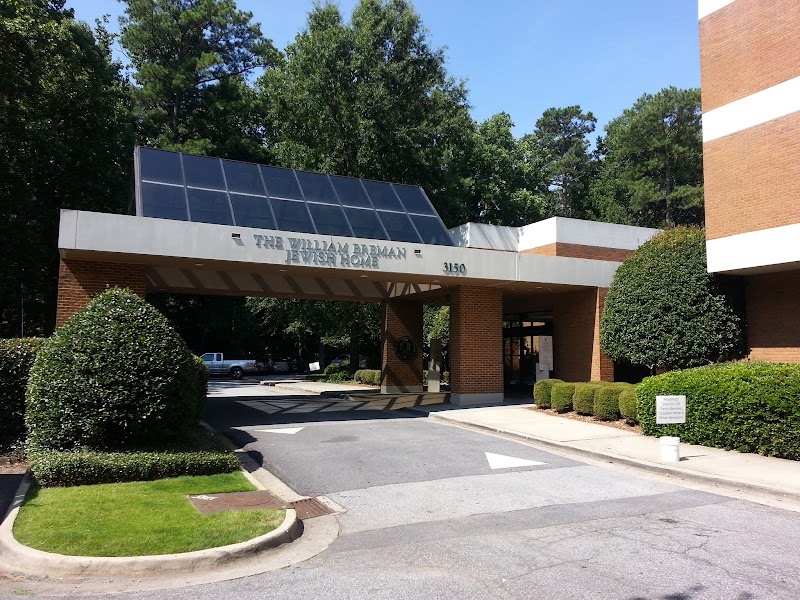
3150 HOWELL MILL ROAD N.W., ATLANTA, GA 30327 (404) 351-8410
Non profit - Corporation 96 Beds Independent Data: November 2025
Trust Grade
80/100
#42 of 353 in GA
Last Inspection: December 2024

Within standard 12-15 month inspection cycle. Federal law requires annual inspections.

Overview

The William Breman Jewish Home in Atlanta has a Trust Grade of B+, indicating it is above average and recommended for families looking for care. It ranks #42 out of 353 facilities in Georgia, placing it in the top half, and #2 out of 18 in Fulton County, meaning only one other local option is better. The facility's trend is stable, with three issues reported in both 2022 and 2024, suggesting consistency in their operations. Staffing is a strong point, with a 5/5 star rating and a turnover rate of 35%, which is below the state average, indicating that employees are likely to remain long-term and know the residents well. However, there have been some concerns, including a serious incident where a resident was transferred improperly by one staff member instead of the required two, resulting in a fracture, and issues with food storage and labeling, which compromise safety standards. Overall, while the facility has excellent staffing and a solid reputation, families should be aware of these specific incidents and the need for ongoing attention to safety practices.

Trust Score
B+
80/100
In Georgia
#42/353
Top 11%
Safety Record
Moderate
Needs review
Inspections
Holding Steady
3 → 3 violations
Staff Stability
○ Average
35% turnover. Near Georgia's 48% average. Typical for the industry.
Penalties
✓ Good
No fines on record. Clean compliance history, better than most Georgia facilities.
Skilled Nurses
○ Average
Each resident gets 39 minutes of Registered Nurse (RN) attention daily — about average for Georgia. RNs are the most trained staff who monitor for health changes.
Violations
○ Average
10 deficiencies on record. Average for a facility this size. Mostly minor or procedural issues.
★★★★★
5.0
Overall Rating
★★★★★
5.0
Staff Levels
★★★★☆
4.0
Care Quality
★★★★☆
4.0
Inspection Score
Stable
2022: 3 issues
2024: 3 issues

The Good

  • 5-Star Staffing Rating · Excellent nurse staffing levels
  • 4-Star Quality Measures · Strong clinical quality outcomes
  • Full Sprinkler Coverage · Fire safety systems throughout facility
  • No fines on record
  • Staff turnover below average (35%)

    13 points below Georgia average of 48%

Facility shows strength in staffing levels, quality measures, fire safety.

The Bad

Staff Turnover: 35%

10pts below Georgia avg (46%)

Typical for the industry

The Ugly 10 deficiencies on record

2 actual harm
Dec 2024 3 deficiencies
CONCERN (D) 📢 Someone Reported This

A family member, employee, or ombudsman was alarmed enough to file a formal complaint

Potential for Harm - no one hurt, but risky conditions existed

Deficiency F0578 (Tag F0578)

Could have caused harm · This affected 1 resident

**NOTE- TERMS IN BRACKETS HAVE BEEN EDITED TO PROTECT CONFIDENTIALITY** Based on observations, record review, staff interviews, and review of facility's policy titled, Advanced Directives, the facilit...

Read full inspector narrative →
**NOTE- TERMS IN BRACKETS HAVE BEEN EDITED TO PROTECT CONFIDENTIALITY** Based on observations, record review, staff interviews, and review of facility's policy titled, Advanced Directives, the facility did not properly maintain record of and the correct orders for one of 47 sampled residents (R) (R12) related to Advanced Directive choice. The deficient practice had the potential to result in the residents' wishes not being honored in the event of a medical emergency or end-of-life situation. Findings include: A review of the facility's policy titled Advanced Directives revealed under the section titled Policy Statement: Advanced Directives will be respected in accordance with the state law and facility policy. Under the section titled Policy Interpretation and Implementation revealed: Information about whether or not the resident has executed an advanced directive shall be displayed prominently in the electronic medical record. a. Residents electronic medical record, including advanced directives must be audited on a quarterly basis. b. If the resident has a Do Not Resuscitate directive, it must be displayed at the front of the resident Chart. Review of the electronic health record (EHR) for R12 revealed he was admitted to the facility with diagnoses including but not limited to dementia, psychotic and mood disturbance, chronic lymphocytic leukemia of B-Cell type in remission, and major depressive disorder. Review of R12's quarterly Minimum Data Set (MDS) dated [DATE] documented in section C (Cognitive Patterns) a Brief Interview for Mental Status (BIMS) score of 14, indicating R12 was cognitively intact. Review of the R12's EHR profile revealed he had an advanced directive for Cardiopulmonary Resuscitation (CPR). Further review revealed the following documents related to Advance Directives: [DATE]: Advance Directives - Do Not Resuscitate (DNR) Physician Orders for Life-Sustaining Treatment (POLST) [DATE]: Advance Directive and DNR Order [DATE]: Advance Directive Review of R12's EHR revealed a Physician Order for Advanced Directive: CPR with an order date of [DATE]. On [DATE] at 01:09 pm, RN (Registered Nurse) AA confirmed that she created the order. An interview conducted on [DATE] at 1:09 pm with RN AA, she stated that typically the Social Worker provided the POLST forms, uploaded them, and sent a message to the nursing team. Once the information was received, they created an order in their EHR system for the physician to sign. RN AA explained that when patients were transferred from the hospital, they initially came in as a full code. The facility updated the code status as needed. RN AA acknowledged that she forgot to update the code status from CPR to DNR in this instance, taking full responsibility for the oversight. RN AA stated that this was a mistake and should not have happened. RN AA stated a potential negative outcome was that the resident's wishes could be disregarded, such as performing CPR against their DNR order. An observation and interview were conducted on [DATE] at 9:17 am with the Director of Nursing (DON) and revealed that Social Services typically communicated with the family to complete the POLST form, which was then forwarded to the nursing team for entry into the EHR system. The DON reviewed the incorrect advanced directive orders and confirmed that the information should be entered accurately according to the orders. The DON stated that a potential negative outcome could be resuscitating a patient who does not wish to be resuscitated, which would go against their expressed wishes. An interview on [DATE] at 9:26 am with the Administrator, she emphasized that her team's protocol was to obtain a copy of the patient's POLST form, determine the patient's wishes, and ensure the appropriate orders (DNR or full code) were entered into the chart and profile. The Administrator stated that the goal was to ensure the patient's wishes were honored, and that a negative outcome could occur if the orders were not accurately followed, potentially resulting in actions that did not align with the patient's preferences.
CONCERN (D) 📢 Someone Reported This

A family member, employee, or ombudsman was alarmed enough to file a formal complaint

Potential for Harm - no one hurt, but risky conditions existed

Unnecessary Medications (Tag F0759)

Could have caused harm · This affected 1 resident

Based on observations, record review, staff interview, and review of the facility policy titled, Medication Administration, the facility failed to ensure the medication error rate was less than five p...

Read full inspector narrative →
Based on observations, record review, staff interview, and review of the facility policy titled, Medication Administration, the facility failed to ensure the medication error rate was less than five percent (%). There were three medication errors of 30 opportunities made by two of four nurses for a medication error rate of 10 %. Findings include: Observation on 12/11/2024 at 9:37 am with Licensed Practical Nurse (LPN) BB during medication administration for Resident (R) (R50) morning medications revealed R50 had several medication in the prefilled pharmacy pouch which included acetaminophen 650 mg (milligrams) one tab and aspirin 81 mg. LPN BB proceeded to take two 325 mg acetaminophen and one aspirin 81 mg from the floor stock medication drawer and placed them in the medication cup. LPN BB proceeded and attempted to administer the incorrect medications before intervention by the surveyor. This action resulted in two medication errors. Review of the December 2024 Physician Orders for R50 revealed to administer aspirin 81 mg daily and acetaminophen 650 mg daily. During an interview on 12/11/2024 at 10:00 am with LPN BB, she reviewed the order for the acetaminophen 650 mg and aspirin 81 mg and verified the order stated R50 should receive aspirin 81 mg and acetaminophen 650 mg daily. LPN BB confirmed that there were three extra pills in the medication cup. Observation on 12/12/2024 at 9:19 am of LPN DD giving R19 his morning medications revealed LPN DD giving vitamin C 500 mg daily. Vitamin C was already in the prefilled medication pouch when LPN DD pulled another vitamin C from the floor stock medications. LPN DD proceeded to attempt to administer the vitamin C to R19 until the surveyor intervened. Review of the December 2024 Physician Orders for R19 revealed a medication order for vitamin C 500 mg daily. An interview on 12/12/2024 at 9:45 am with LPN DD, she verified that she had too many pills in the medication cup. LPN DD confirmed that she had one too many vitamin C tablets in the medication cup. An interview on 12/12/2024 at 9:50 am with the Administrator and the Director of Nursing (DON) revealed their expectations were that medication would be given according to physician's orders. They expect staff to abide by the five rights of medications. They also expect nurses to compare what was in the prefilled medications to the Medication Administration Record (MAR) before administrating medications.
CONCERN (F) 📢 Someone Reported This

A family member, employee, or ombudsman was alarmed enough to file a formal complaint

Potential for Harm - no one hurt, but risky conditions existed

Food Safety (Tag F0812)

Could have caused harm · This affected most or all residents

Based on observations, interviews, and review of facility's policies titled, Food Storage, Date and Label, and Cleaning Instructions: Ice Machine and Equipment, the facility failed to ensure proper fo...

Read full inspector narrative →
Based on observations, interviews, and review of facility's policies titled, Food Storage, Date and Label, and Cleaning Instructions: Ice Machine and Equipment, the facility failed to ensure proper food labeling, dating, and storage in the reach in cooler, failed to discard dry storage food items by the expiration date, and failed to maintain sanitary condition of the ice machine. The facility census was 85 residents. Findings include: Review of the facility policy titled Food Storage dated August 2021 revealed in section Refrigerated food storage: F. All foods should be covered, labeled, and dated. All foods will be checked to ensure that foods (including leftovers) will be consumed by their safe use by dates, or frozen (where applicable), or discarded. Review of the facility policy titled Date and Label dated March 2024 revealed in section Dry Storage: 7. Discard food that has expired or passed the used by date. Review of the facility policy titled Cleaning Instructions: Ice Machine and Equipment dated August 2021, revealed the purpose to ensure that ice machine and equipment (scoops and receptacles that are used to hold or transport ice) will be cleaned and sanitized on a regular basis. Procedures explained: 2. Wash the interior thoroughly using a detergent solution. Rinse and drain the interior with clean hot tap water. 6. Clean the exterior of the machine with detergent solution daily. Rinse and allow to air dry. Clean the area underneath and around the machine. Observation on 12/10/2024 at 9:45 am during the initial kitchen tour with the Chef/Dietary Manager (DM) revealed the following: Uncleaned ice machine with brown/red like substance found inside. Three fruit cups of yellow sliced peaches found in the cooler, unwrapped and not labeled or dated. Two one-gallon pitchers of brown liquid found in the cooler, not labeled or dated. A one-gallon pitcher of orange liquid found in the cooler, not labeled or dated. Ten single serving condiment cup/with lids found in the cooler, not labeled or dated. One wrapped plate with assorted fruits and a scoop of white like substance in center of the assortment found in the cooler, not labeled or dated. Three packages of 24 count flour tortillas found in dry storage were expired. Interview on 12/12/2024 at 1:05 pm with Dietary Supervisor/Cook HH revealed he followed procedure, checked temperatures, cleaned, conducted labeling/dating, cooked food, or whatever the resident needed. Dietary Supervisor HH confirmed labeling and dating was everyone's responsibility, but supervisors did a walk through to catch errors. Dietary Supervisor HH confirmed maintenance was responsible for cleaning the ice machine. Interview on 12/12/2024 at 1:55 pm with Facility Tech II revealed her kitchen responsibilities included cleaning vents, painting, fixing leaks, making sure hot water comes through, drainage, etc. Facility Tech II mentioned she also cleaned the ice machine which was usually cleaned on the first of every month or within the first week of the month. Facility Tech II explained how she would clean the ice machine by taking all the ice out, using chemicals, wiped the inside/outside boarder and seals, and discarded the first batch of ice. Facility Tech II confirmed she cleaned the ice machine this Tuesday and in November, but probably did not get into those seals properly, maybe due to rushing. Interview on 12/12/2024 at 2:20 pm with DM revealed he checked for products with labeling/dating every day after the supervisor. The DM confirmed the labeling/dating/expiration of food items identified during the survey and shared that one of the servers was responsible for the reach in refrigerator items.
Jul 2022 3 deficiencies
CONCERN (D)

Potential for Harm - no one hurt, but risky conditions existed

Comprehensive Care Plan (Tag F0656)

Could have caused harm · This affected 1 resident

**NOTE- TERMS IN BRACKETS HAVE BEEN EDITED TO PROTECT CONFIDENTIALITY** Based on observations, interviews, record review, and policy review, the facility failed to implement the person-centered compre...

Read full inspector narrative →
**NOTE- TERMS IN BRACKETS HAVE BEEN EDITED TO PROTECT CONFIDENTIALITY** Based on observations, interviews, record review, and policy review, the facility failed to implement the person-centered comprehensive care plan for one resident (R) (R #63) related to pain management out of 24 sampled residents. Findings include: Review of the undated policy titled Care Plans, Comprehensive Person-Centered, revealed the policy is that a comprehensive, person-centered care plan include measurable objectives and timetables to meet the resident's physical, psychosocial and functional needs is developed and implemented for each resident. Policy Interpretation and Implementation 8.b. describe the services that are to be furnished to attain or maintain the residents highest practicable physical, mental, and psychosocial well-being. K. Reflect treatment goals, timetables, and objectives in measurable outcomes M. Aid in preventing or reducing decline in the resident's functional status and/or functional levels. Review of the clinical record revealed resident was admitted to the facility on [DATE] with diagnoses that include but is not limited to anxiety disorder, dementia with behavioral disturbances, major depressive disorder with psychotic symptoms, and senile degeneration of brain, not elsewhere classified. Review of the Significant Change Minimum Data Set (MDS) dated [DATE] revealed a Brief Interview for Mental Status Score (BIMS) of 6, indicating severe cognitive impairment. Section (E) revealed R#63 exhibited verbal behavioral symptoms directed toward others that included threatening others, screaming at others, cursing at others that occurred 4 to 6 days but less than daily. Section (J) revealed resident has been on a scheduled pain management regimen, has received as needed (PRN) pain management, and has not received non-medication intervention for pain. Section (M) Medications revealed R#63 received an antipsychotic, antidepressant, diuretic, and an opioid. Review of the care plan initiated 4/18/22 revealed R#63 has chronic hip pain. Interventions to care include anticipate need for pain relief and respond immediately to any complaint of pain, evaluate the effectiveness of pain interventions and review for compliance, alleviating of symptoms, dosing schedules and resident satisfaction with results, impact on functional ability and impact on cognition, monitor/record/report to nurse residents' complaints of pain or requests for pain treatment. Care plan initiated on 6/28/22 revealed resident has been admitted to Hospice with diagnosis of Senile Degeneration of the Brain. Interventions to care include observe resident closely for signs of pain, administer pain medications as ordered, notify physician immediately if there is breakthrough pain. Review of the Physician orders revealed an order for Hydrocodone-Acetaminophen tablet 5/325milligrams (mg) to give one by mouth every eight hours as needed for pain, ordered on 4/15/22; an order for morphine sulfate (concentrate) solution 20mg per milliliters (ml) to give 0.25 mg by mouth every one hour as needed for severe pain, ordered on 6/20/22; and an order for morphine sulfate (concentrate) solution 20mg per milliliters (ml) to give 0.25 mg by mouth every two hours as needed for severe pain. Observation on 7/29/22 from 9:10 a.m. to 12:30 p.m. on the 3rd floor, R#63 was exhibiting continuous behaviors of yelling out for help. She yelled out that she cannot move her legs and that her left leg hurts so bad. R#63 continued yelling out frequently for Licensed Practical Nurse (LPN) BB asking for help stating she was having pain in her left leg. LPN BB was observed to address R#63 when he wasn't assisting other residents but he, nor any other staff were observed to reposition her or offer her pain medication. Interview on 7/29/22 at 11:50 a.m. with LPN BB, revealed this is a daily behavior for R#63 of yelling out and complaining she is in pain. He continued to state that she has already had her Hydrocodone and it is too soon to give it to her again. Observation on 7/30/2022 beginning at 11:35 a.m. to 1:00 p.m. on the 3rd floor, R#63 was yelling out that her left leg hurts so much. She was yelling that her left leg and left thigh was killing her and was yelling out asking would someone please help her. The resident yelled out continuously. During this observation staff was observed to try and calm the resident down but no one offered to reposition her or give her pain medication. Interview on 7/30/22 at 11:50 a.m. with LPN BB, reviewing the July 2022 Medication Administration Record (MAR) for R#63, confirmed she had Morphine Sulfate ordered as a PRN pain medication but stated R#63's daughter does not want her to have the additional morphine for pain. He revealed resident gets Hydrocodone 5mg every eight hours as needed for pain and it does not help. He stated they have spoken with the Doctor about this, but the daughter wants to be called before anything else is given to her mother, and stated the daughter is very hard to get in touch with. LPN BB revealed R#63 yells out all day most every day related to pain in her legs. Interview on 7/30/2022 at 2:00 p.m. with the daughter of R#63, stated the nursing home is continuously calling her about her her mother yelling out. During further interview, she stated she does not have a problem with her mother receiving additional pain medications but stated that she does not want her to be out of it all the time. She further stated she does not want her mother to be in pain. Interview on 7/30/22 at 3:00 p.m. with the Assistant Director of Nursing (ADON), revealed R#63 has behaviors of yelling out. During this time the ADON reviewed the medical record and confirmed R#63 did not receive pain medication for breakthrough pain until 2:54 p.m., three hours after the 11:50 a.m. interview with LPN BB. During further interview, she stated that R#63 had not been given any breakthrough pain medications during the entire month of July. Interview on 7/30/22 at 3:31 p.m. with LPN CC, confirmed R#63 was yelling out all morning and afternoon stating she was having pain in her left leg. She revealed she spoke with LPN BB, and he had not given any PRN pain medication to R#63. LPN CC stated she checked the orders and noted that R#63 had liquid morphine sulfate ordered PRN and gave her a dose. During an observation on 7/30/22 at 3:40 p.m. of R #63 with the ADON revealed the resident was resting in bed with her eyes closed and no behaviors observed/noted. Attempt on 7/31/22 at 11:42 a.m. to contact Nurse Practitioner (NP) for R#63 was made. A voicemail message was left asking for a return call. A return call had not been received. Cross refer F697
CONCERN (D)

Potential for Harm - no one hurt, but risky conditions existed

Deficiency F0697 (Tag F0697)

Could have caused harm · This affected 1 resident

**NOTE- TERMS IN BRACKETS HAVE BEEN EDITED TO PROTECT CONFIDENTIALITY** Based on observations, interviews, record review, and policy review, the facility failed to evaluate the effectiveness of prescr...

Read full inspector narrative →
**NOTE- TERMS IN BRACKETS HAVE BEEN EDITED TO PROTECT CONFIDENTIALITY** Based on observations, interviews, record review, and policy review, the facility failed to evaluate the effectiveness of prescribed pain medications for one resident (R) (R #63) out of 24 sampled residents. Findings include: Review of the facility policy Core Components: Skilled Nursing Observation and Assessment User's Guide Pain Management dated 1/12/22 revealed under Daily Nursing Skills: Skilled assessment of pain symptoms including duration, frequency, intensity, factors that exacerbate complaints of pain and factors that relieve pain symptoms. Impact pain has on mobility, mood, sleep, relationships with others. Response to pharmacology and non-pharmacological interventions. Inadequate pain control can contribute to insomnia, anxiety, depression, and hostility. Daily Nursing notes should address one or more of these areas of skilled nursing. A comprehensive weekly note should include all the identified nursing skills plus any periodic appropriate for the patient's Plan of Care. Review of the clinical record revealed resident was admitted to the facility on [DATE] with diagnoses that include but is not limited to anxiety disorder, dementia with behavioral disturbances, major depressive disorder with psychotic symptoms, and senile degeneration of brain, not elsewhere classified. A review of the significant change Minimum Data Set (MDS) dated [DATE], revealed a Brief Interview for Mental Status Score (BIMS) of 6, indicating severe cognitive impairment. Resident had been on a scheduled pain management regimen and received opioids one of seven days. Review of the care plan for R#63 initiated 4/18/22 revealed R#63 has chronic hip pain. Interventions to care include administer analgesics as ordered, anticipate need for pain relief and respond immediately to any complaint of pain, evaluate the effectiveness of pain interventions and review for compliance, alleviating of symptoms, dosing schedules and resident satisfaction with results, impact on functional ability and impact on cognition, monitor/record/report to nurse residents' complaints of pain or requests for pain treatment, and notify physician if interventions are unsuccessful. Care plan initiated on 6/28/22 revealed resident has been admitted to Hospice with diagnosis of Senile Degeneration of the Brain. Interventions include observe closely for signs of pain, administer pain medications as ordered, notify physician immediately if there is breakthrough pain. Review of the Physician orders for R#63 revealed an order for Hydrocodone-Acetaminophen tablet 5/325milligrams (mg) to give one by mouth every 8 hours as needed for pain, morphine sulfate (concentrate) solution 20mg per milliliters (ml) to give 0.25 mg by mouth every hour as needed for severe pain, and morphine sulfate (concentrate) solution 20mg per milliliters (ml) to give 0.25 mg by mouth every two hours as needed for severe pain. Review of the July 2022 Medication Administration Record (MAR) revealed no evidence that R#63 had been administered as needed (PRN) pain medication prior to the surveyor inquiry. Observation on 7/29/22 from 9:10 a.m. to 12:30 p.m. on the 3rd floor, R#63 was exhibiting continuous behaviors of yelling out for help. She yelled out that she cannot move her legs and that her left leg hurts so bad. R#63 continued yelling out frequently for Licensed Practical Nurse (LPN) BB asking for help stating she was having pain in her left leg. LPN BB was observed to address R#63 when he wasn't assisting other residents but he, nor any other staff were observed to reposition her or offer her pain medication. Interview on 7/29/22 at 11:50 a.m. with LPN BB, revealed this is a daily behavior for R#63 of yelling out and complaining she is in pain. He stated she has already had her Hydrocodone and it is too soon to give it to her again. Observation on 7/30/2022 beginning at 11:35 a.m. to 1:00 p.m. on the 3rd floor, R#63 was yelling out that her left leg hurts so much. She was yelling that her left leg and left thigh was killing her and was yelling out asking would someone please help her. The resident yelled out continuously. During this observation staff was observed to try and calm the resident down but no one offered to reposition her or give her pain medication. Interview on 7/30/22 at 11:50 a.m. with LPN BB, reviewing the July 2022 Medication Administration Record (MAR) for R#63, confirmed she had Morphine Sulfate ordered as a PRN pain medication but stated R#63's daughter does not want her to have the additional morphine for pain. He revealed resident gets Hydrocodone 5mg every eight hours as needed for pain and it does not help. He stated they have spoken with the Doctor about this, and stated the daughter wants to be called before anything else is given to her mother for pain. He further stated the daughter is very hard to get in touch with. LPN BB revealed R#63 yells out all day most every day related to pain in her legs. Interview on 7/30/22 at 3:00 p.m. with the Assistant Director of Nursing (ADON), revealed R#63 has behaviors of yelling out. During this time the ADON reviewed the medical record and confirmed R#63 did not receive pain medication for breakthrough pain until 2:54 p.m., three hours after the 11:50 a.m. interview with LPN BB. During further interview, she stated that R#63 had not been given any breakthrough pain medications during the entire month of July. Attempt on 7/31/22 at 11:42 a.m. to contact Nurse Practitioner (NP) for R#63 was made. A voicemail message was left asking for a return call. A return call had not been received.
CONCERN (F)

Potential for Harm - no one hurt, but risky conditions existed

Food Safety (Tag F0812)

Could have caused harm · This affected most or all residents

Based on observations, interviews, and review of facility policies, the facility failed to maintain sanitary conditions of the cookware by not stacking wet cookware (wet nesting) to prevent bacterial ...

Read full inspector narrative →
Based on observations, interviews, and review of facility policies, the facility failed to maintain sanitary conditions of the cookware by not stacking wet cookware (wet nesting) to prevent bacterial growth; failed to ensure food items were labeled and dated; failed to discard leftover food by discard date; failed to maintain sanitary conditions of the stand-up mixer to prevent cross contamination; and failed to properly use the 3-compartment sink correctly to prevent food borne illness. This deficient practice had the potential to effect 81 residents receiving an oral diet. Findings include: 1.Review of the policy titled Cleaning Dishes with Dish Machine, dated 8/21 revealed procedure 9. Dishes should be air dried on the dish racks. Procedure 10. Inspect for cleanliness and dryness and put dishes away if clean. Dishes should not be nested unless they are completely dry. Observation on 7/29/22 at 9:05 a.m. during initial tour in the Meat Kitchen, revealed a drying rack, with several inverted stacks of metal steam table pans. Pans in three separate stacks were turned over revealing visible moisture (wet nesting). Interview on 7/29/22 at 9:10 a.m. with the Director of Dining Services (DDS) stated that he knows there is a problem with staff stacking the pans and wet nesting. During further interview, he stated he has been working with staff regarding not stacking pans when wet. 2. Review of policy titled Food Safety and Dining Service Sanitation dated 8/21, revealed 4. Food Storage-all time and temperature control for safety foods (including leftovers) should be labeled, covered, and dated when stored. When a food package is opened the food item should be marked to indicate the open date. This date is used to determine when to discard the food. Review of the policy titled Use of Leftovers revealed: Leftovers must be covered, labeled, and dated. Observations on 7/29/22 at 9:20 a.m. during initial tour of the Meat kitchen walk-in refrigerator revealed a one gallon opened container of Sweet Onion Salad Dressing with no open or use by date, a rectangle steam table pan containing a red food item labeled Hotdogs revealed a discard date of 7/23. Another rectangle steam table pan containing a red food item was labeled ketchup with a discard date of 7/27. Further observation of the Meat kitchen walk-in refrigerator revealed a rectangle steam table pan with chicken salad and another similar pan with chopped eggs, there was no label or date on either pan. Interview on 7/29/22 at 9:20 a.m. with the DDS, confirmed that the Sweet Onion Salad Dressing was opened and did not have an open date and that the red food items in the steam table pans had discard dates of 7/23 and 7/28. The DDS stated that he expects staff to date items after opening and expects them to look at labels and discard opened items by use by dates. The DDS confirmed that the steam table pan of chicken salad and chopped eggs had no label or date. 3. Observation on 7/29/22 at 9:45 a.m. of the Dairy kitchen walk-in refrigerator revealed two, three-pound opened containers of chocolate frosting with no open or use by date. Continued observation revealed an opened one-gallon container of mayonnaise with no open or use by date. Interview on 7/29/22 at 9:45 a.m. with the DDS, confirmed the chocolate frosting and mayonnaise were opened and not dated. The DDS stated that he expects staff to date items after opening. 4. Observation on 7/29/22 at 9:55 a.m. in the Dairy kitchen, revealed a stack of square metal steam table pans inverted on a rack. When a pan was turned over, it revealed moisture and food debris that was red and off white in color. Interview on 7/29/22 at 9:55 a.m. with the DDS revealed that he expects staff to stack pans once they are clean and dry. 5. Review of policy titled Cleaning Instructions: Food Preparation Appliances dated 8/21, revealed the purpose is to ensure that small appliances such as mixers and food processors will be cleaned and sanitized after each use. Procedure 6. Clean the outer surface of the appliance with a clean cloth that has been moistened with hot soapy water. Observation on 7/29/22 at 10:00 a.m. of the stand mixer in the Dairy kitchen revealed it was covered with a white plastic bag. When the bag was lifted it revealed a dried white substance on the beater arm and metal backsplash. Interview on 7/29/22 at 10:00 a.m. with the DDS revealed that when staff place a plastic bag over kitchen equipment, it indicates that the equipment is clean. He confirmed that the stand mixer had a dried white substance on the beater arm and backsplash. He stated that he expects staff to clean after use and before placing plastic bag over the equipment. 6. Review of the policy titled Cleaning Manual Dishwashing, dated 8/21 revealed in sink one-Wash: wash dishes in detergent and warm water to remove all soil. Sink two-Rinse: rinse dishes in clean warm water. Sink three-Sanitize: sanitize dishes by placing the dishes in the sanitizing sink, allow to stand according to the manufacturer's guidelines for sanitizer. Allow dishes to air dry. Check all dishes to be sure they are clean and dry prior to storing. Observation on 7/29/22 at 10:05 a.m. of Dietary Aide AA wash steam table pans in the three-compartment sink. He washed a rectangle steam table pan with soapy water, rinsed the pan with water then dipped and swished the pan in the sink with sanitizing solution for two seconds and placed the pan on the shelf above the three-compartment sink for drying. Continued observation revealed Dietary Aide AA took another rectangle steam table pan and washed in soapy water, rinsed, and again dipped and swished the pan in the sanitizing solution for a few seconds and placed the pan on the shelf above the sink for drying. Further observation revealed the facility uses a quaternary sanitizing solution in the three-compartment sink. Interview on 7/29/22 at 10:05 a.m. with Dietary Aide AA stated that is the way he usually washes dishes in the three-compartment sink. Interview on 7/29/22 at 10:05 a.m. with the DDS revealed that he expects staff to use the three- compartment sink correctly and stated the pans/dishes need to be in the sanitizing solution for sixty seconds.
Feb 2019 4 deficiencies 2 Harm
SERIOUS (G)

Actual Harm - a resident was hurt due to facility failures

Comprehensive Care Plan (Tag F0656)

A resident was harmed · This affected 1 resident

**NOTE- TERMS IN BRACKETS HAVE BEEN EDITED TO PROTECT CONFIDENTIALITY** Based on staff interviews and review of the facility documents the facility failed to follow the care plan/ Nursing [NAME] relat...

Read full inspector narrative →
**NOTE- TERMS IN BRACKETS HAVE BEEN EDITED TO PROTECT CONFIDENTIALITY** Based on staff interviews and review of the facility documents the facility failed to follow the care plan/ Nursing [NAME] related to two staff assistance for transfers for one resident (R) #67 of two residents reviewed. Actual harm was identified when R#67 sustained a left arm fracture from an improper transfer. Findings include: Record review revealed that R#67 was admitted to the facility on [DATE], current diagnosis includes but not limited to contracture of the muscle, lack of coordination, osteoarthritis, abnormal posture, and proximal left humerus fracture. Review of the Quarterly Minimum Data Set (MDS) assessment dated [DATE] revealed the resident had a Brief Interview for Mental Status (BIMS) score of 4 indicating severe impaired cognition. Continued review of the MDS revealed the resident required extensive assistance with bed mobility and extensive assistance with transfers requiring two plus person physical assist. Review of the significant change MDS dated [DATE] revealed R#67 had a BIMS score of 10 which indicates the resident's cognition was moderately impaired. Section G revealed that the resident was assessed for total dependence assist by two plus persons for transfer. Review of the care plan, revision on, 2/6/19 with a problem onset dated 9/24/18 impaired physical mobility related to fall. Interventions for R#67 requires two persons with all transfers and mechanical lift transfer as needed. Review of the MDS 3.0 Nursing [NAME] dated 10/8/18 revealed under transfer that R#67 requires the assist of two plus person. A phone interview was conducted on 2/27/19 at 12:45 p.m. with Certified Nursing Assistant (CNA) EE, regarding the incident with R#67. The CNA revealed the resident refused to use the lift to get up. She asked the resident if she could she stand and pivot to the wheel chair and the resident said yes. The CNA revealed the resident was sitting on the side of the bed and had both her feet on the floor. The resident was assisted to a standing position and pivot to the wheel chair and the resident's left arm went up. The CNA revealed she felt pressure from the resident and eased her in the wheel chair. The CNA revealed she notified her charge nurse and called the supervisor. The CNA revealed she did not ask for assistance from another staff person. CNA revealed she is aware of the residents [NAME] (guide on how to take care of the residents) and did not look at the resident's [NAME] prior to the transfer. The CNA revealed she does not have a reason of why she did not look at the [NAME]. An Interview was conducted on 02/27/19 at 11:46 a.m. the Assistant Director of Nursing (ADON) regarding R#67 transfers. The ADON revealed that R#67 is care plan transfer with two people or two people and a lifting device. The ADON revealed that each resident has a [NAME] hanging at the end of the resident bed on a clip board that gives the CNA guidance on how to care for the residents. Refer to F689
SERIOUS (G)

Actual Harm - a resident was hurt due to facility failures

Accident Prevention (Tag F0689)

A resident was harmed · This affected 1 resident

**NOTE- TERMS IN BRACKETS HAVE BEEN EDITED TO PROTECT CONFIDENTIALITY** Based on staff and family interviews, and review of the facility documents the facility failed to ensure a safe and secure envir...

Read full inspector narrative →
**NOTE- TERMS IN BRACKETS HAVE BEEN EDITED TO PROTECT CONFIDENTIALITY** Based on staff and family interviews, and review of the facility documents the facility failed to ensure a safe and secure environment related to accidents, for one of two residents (R) reviewed for falls. Actual harm was identified on 1/11/19 when R#67 was transferred improperly by one Certified Nursing Assistants (CNA) when the resident required assistance of two staff resulting in a fracture to the left arm. Findings included: Record review revealed that R#67 was admitted to the facility on [DATE], current diagnosis includes but not limited to contracture of the muscle, lack of coordination, osteoarthritis, abnormal posture. On 1/16/19 diagnosis of acute displaced fracture of greater tuberosity of left humor was added to R#67 diagnoses list. Review of the Quarterly Minimum Data Set (MDS) assessment dated [DATE] revealed the resident had a Brief Interview for Mental Status (BIMS) score of 4 indicating severe impaired cognition. Continued review of the MDS revealed the resident required extensive assistance with bed mobility and extensive assistance with transfers requiring two plus person physical assist. Review of the significant change MDS dated [DATE] revealed R#67 had a BIMS score of 10 which indicates the resident's cognition was moderately impaired. Section G revealed that the resident was assessed for total dependence assist by two plus persons for transfer and toilet use. The resident was assessed as total dependence for care. Review of the care plan, revision on, 2/6/19 with a problem onset dated 9/24/18 revealed impaired physical mobility related to fall. Interventions for R#67 requires two persons with all transfers and mechanical lift transfer as needed. Review of the MDS 3.0 Nursing [NAME] dated 10/8/18 revealed under transfer that R#67 requires the assist of two plus person. Review of the progress note dated 1/11/19 at 10:40 a.m. revealed: Writer was notified by Certified Nursing Assistant (CNA) during transferring of resident from bed to wheel chair, resident knees gave out and was going down. CNA broke fall by supporting her arm under resident left armpit and ease her into wheel chair. ROM (range of motion) performed. Able to move RT (right) arm. HEX (history) old FX (fracture) to LT (left) shoulder and muscle weakness. C/O (complained of) discomfort to LT shoulder. NP (Nurse Practitioner) notified and ordered X - Ray LT shoulder. Review of the Physician orders dated 1/11/19 at 10:35 a.m. stated x-ray of left shoulder for pain. Review of the x-ray of the left shoulder dated 1/11/19 revealed: no acute fracture or other acute abnormality Review of the progress note dated 1/13/19 at 05:08 it is documented in part c/o (complain of) pain in the left shoulder, medicated for pain x 1. There is no evidence that the nurse assessed the resident's left shoulder. Review of an Progress Note dated 1/15/19 at 02:24 it was documented in part by an Licensed Practical Nurse; Resident was assessed, to observe left upper arm and shoulder swollen and purple color discoloration. .An interview was conducted on 2/27/19 at 11:46 a.m. with the Assistant Director of Nursing (ADON) revealed the sister of R#67 called the ADON from the resident's eye appointment on 1/15/19 and requested that the ADON look at Resident # 67 arm because the resident was still complaining of pain and the resident had swelling and bruising. The ADON revealed on 1/16/19 she assessed R#67 and the left arm was swollen and bruising and called the Physician. The Physician gave an order to x-ray the left clavicle, left shoulder and left humerus. The x-ray was completed on 1/16/19 and the results of the x-ray revealed a fracture of the left humerus. An Encounter note written by a Physician dated 1/22/19 documented R#67 was seen for a proximal humerus fracture that occurred while she was in care at the (Name) home. She was not using the lift but was being lowered to the floor and a pop was felt. She was initially told that her arm was not broken, but subsequently a fracture was determined to be present. The onset date of 1/11/19, lowered to the floor, CNA said she heard a snap. She is right-hand dominant. She also has limited hand functions and a moderate amount of pain. An interview was conducted on 2/27/19 12:01 p.m. with Registered Nurse Supervisor DD regarding the incident with R#67. Supervisor DD stated when she arrived at the floor, she assessed the resident. The resident verbalized pain and there was no swelling at the time of her assessment. The Supervisor asked the CNA why she was transferring the resident alone and the CNA responded she was helping another CNA, and this was not her assigned resident. Supervisor DD revealed the CNA should have had another staff person to assist her with the transfer. Supervisor DD revealed the CNA should have checked the resident's [NAME] (guide on how to take care of the residents) prior to the transfer. Supervisor BB revealed that the [NAME] was located at the end of each residents' bed on a clip board. The CNA's are in-serviced on using the [NAME] as a resource. An interview was conducted on 2/27/19 at 12:30 p.m. with R#67 and her sister/Responsible Party (RP). Resident #67 family revealed on 1/16/19 she met R#67 at the eye doctor and when R#67 arrived she was crying. The resident expressed that she was in pain and her left arm hurt. The family member looked under R#67 clothes and seen that the arm was swollen and black and blue. The RP called the facility and spoke with the Assistant Director of Nursing (ADON) and asked her to assess the resident's arm. The next day when she arrived at the facility, she was informed by the ADON that R#67 had a fracture of the arm. The RP made an appointment for the resident to be seen by and orthopedic physician on 1/17/19. A phone interview was conducted on 2/27/19 at 12:45 p.m. with Certified Nursing Assistant (CNA) EE, regarding the incident with R#67. The CNA revealed the resident refused to use the lift to get up. She asked the resident if she could stand and pivot to the wheel chair and the resident said yes. The CNA revealed the resident was sitting on the side of the bed and had both her feet on the floor the CNA stood in front of the resident. The CNA revealed she placed her left arm under the resident's right armpit and her right arm went under the residents left arm pit. The resident was assisted to a standing position and pivot to the wheel chair and the resident's left arm went up the CNA revealed she felt pressure from the resident and eased her in the wheel chair. The CNA revealed she notified her charge nurse and called the supervisor. The CNA revealed she did not ask for assistant from another staff person. CNA revealed she is aware of the residents [NAME] (guide on how to take care of the residents) and did not look at the resident's [NAME] prior to the transfer. The CNA revealed she does not have a reason of why she did not look at the [NAME]. Review of the Radiology report dated 1/16/19 revealed Impression: Acute displaced proximal humeral fracture. Review of the orthopedics History and Physical report dated 1/17/19 revealed the following, R#67 seen today for a left proximal humerus fracture. She has moderate amount of pain. An interview was conducted on 2/28/19 at 11:40 a.m. with the Director of Staff Development regarding if CNA EE received any in-service training for using the [NAME]. The Staff Development Director revealed in-services are done but she has no documentation to support that CNA EE was in-service on using the [NAME].
CONCERN (D)

Potential for Harm - no one hurt, but risky conditions existed

Deficiency F0578 (Tag F0578)

Could have caused harm · This affected 1 resident

**NOTE- TERMS IN BRACKETS HAVE BEEN EDITED TO PROTECT CONFIDENTIALITY** Based on record review and staff interviews, the facility failed to accurately document the Advance Directive status for one Res...

Read full inspector narrative →
**NOTE- TERMS IN BRACKETS HAVE BEEN EDITED TO PROTECT CONFIDENTIALITY** Based on record review and staff interviews, the facility failed to accurately document the Advance Directive status for one Resident (R) R#18 from a sample of 17 residents reviewed for Advance Directives. Findings include: Review of the record for R#18 revealed the resident was admitted on [DATE] with the diagnoses of Parkinson's Disease, history of urinary tract infections and falls, myocardial infarction, Raynaud's syndrome with gangrene, major depressive disorder, insomnia, hypothyroidism, anxiety disorder, vitamin B-12 deficiency, polyneuropathy, anemia and muscle weakness. Review of the resident's most recent Minimum Data Set (MDS) dated [DATE] revealed a Brief Interview for Mental Status (BIMS) was coded as 15, which indicated no cognitive impairment. A review was conducted of the physician orders and treatments that included Advance Directive - Cardiopulmonary Resuscitation (CPR) with an order date of [DATE]. Review of the facility form titled, Order Summary Report for R#18 documented Advanced Directive: CPR, order date [DATE]; order status active and documented active orders as of [DATE]. Review of the resident's care plan, provided by MDS Coordinator A for R#18, documented two Advance Directive (AD) code status determinations. The care plan focus area reflects a code status as Full Code with a date initiated of [DATE], revision on [DATE]. Another care plan focus area reflects a code status as Do not Resuscitate (DNR) with a date initiated of [DATE], revision on [DATE]. Further record review for R#18 revealed a form titled, Physician Orders for Life-Sustaining Treatment (POLST) with a choice to allow natural death and do not attempt resuscitation. The POLST was signed by the resident and dated [DATE]. The section for discussion and signatures was blank for the physician's name and signature. The POLST was found at the front of the record in a clear document sleeve with a bright orange DNR sticker positioned at the top of the clear plastic document sleeve. On [DATE] at 10:38 a.m. an interview was conducted with the Social Worker (SW), she explained that the process to obtain Advance Directive information for a resident begins in admission; they work with the long-term care and rehab residents. Those residents receive an admission packet that starts with an Advance Directive checklist where residents can choose options. If they can sign for themselves, they must have a good BIMS score, meaning no impairment cognitively. If they have a Power of Attorney or a Living Will, that will be requested. The SW stated that it is the Social Worker's responsibility to discuss those options on the form with the resident and family. The SW further stated that the Unit Secretary will scan and upload the forms into the electronic record and place a copy of the original in the hard copy medical record. On [DATE] at 9:30 a.m. an interview was conducted with MDS Coordinator A in the MDS office with MDS Coordinator B and the Director of Nursing (DON) present. A review and confirmation of the quarterly and annual MDS was conducted. A printed copy of the resident's quarterly care plan was provided, dated [DATE]. When MDS Coordinator A was asked where the nursing staff would look for the Advance Directive information and preference, she stated that in an emergency they run to the hard copy chart to find the code status located at the front of the chart. After review of the provided documents with the MDS Coordinators with the DON present, the MDS Coordinators stated that the POLST form signed by the resident on [DATE] is an error. They revealed that the POLST forms have not been officially initiated in the facility yet; they confirmed the POLST form located in the front of the resident's record that is signed by the resident, is not signed by the Physician, and should not have been in the record. They confirmed the care plan indicating a DNR code status is in error. The DON explained that the POLST has not been initiated yet, because another Social Worker that is planning to initiate the POLST form for all residents that choose a DNR determination has been on maternity leave. No documentation was found in the record from the Social Worker regarding a change in the resident's Advance Directive status. In addition, the MDS Coordinator A and the DON explained that once an order is received by the Physician, the nursing staff will have the Unit Secretary scan in the AD into the electronic system and the original copy is placed in the hard copy record. The DON stated the plan now was to get a hold of the Physician's Nurse Practitioner, the resident and family to sort out the wishes of the resident, then get an order if there is a change. On [DATE] at 4:00 p.m. the DON provided a copy of a monthly follow-up visit conducted by the Nurse Practitioner for R#18, dated [DATE]. The note documents: POLST is reviewed with resident on day of exam. No acute changes or concerns per staff. On the bottom of page 5 of the follow-up exam, there is a hand-written note dated [DATE] and signed by the Nurse Practitioner that documents: reviewed POLST election and resident continues to desire elections charted on POLST form 12/18. The DON also provided a printed copy of the original POLST form with the Physician's signature added and dated [DATE]. The DON confirmed that the POLST form is the form the facility has decided to use but confirmed that it has not been initiated yet.
CONCERN (D)

Potential for Harm - no one hurt, but risky conditions existed

Deficiency F0604 (Tag F0604)

Could have caused harm · This affected 1 resident

**NOTE- TERMS IN BRACKETS HAVE BEEN EDITED TO PROTECT CONFIDENTIALITY** Based on observation, staff interviews, and record review the facility failed to ensure that one resident (R), # 296 out of 2 re...

Read full inspector narrative →
**NOTE- TERMS IN BRACKETS HAVE BEEN EDITED TO PROTECT CONFIDENTIALITY** Based on observation, staff interviews, and record review the facility failed to ensure that one resident (R), # 296 out of 2 residents reviewed was free from restraints from a sample of 39 residents. Findings include: Review of the Minimum Data Set (MDS) Quarterly assessment dated [DATE] documented R#296 with a Brief Interview for Mental Status (BIMS) score of 99, indicating that the resident was cognitively impaired. Further review of R#296 MDS provided evidence that R#296 required two-person extensive assistance with transfers and no documented evidence for use of restraint. Further review of resident R#296 clinical records shows that resident (R#296) was not assessed for the use of restraints. Additionally, there were no Physician order, plan of care or progress notes to show the needed use of restraints. Multiple observations were made of resident R#296 with a seatbelt around his torso area while sitting in his wheelchair. On 2/26/19 at 1:00 p.m., observed resident in the garden room involved in activities. Resident in wheelchair while seatbelt around his torso area. On 2/27/19 at 12:45 p.m., observed resident in dining room area eating his lunch, resident in a wheelchair with a seatbelt fasten around his torso currently. On 2/27/19 at 2:02 p.m. an interview was conducted with Registered Nurse FF, she stated that R#296 has a seat around him while he is in the wheelchair because he has problems with seizure activity and the seatbelt is being used to keep him for falling out wheelchair. On 2/28/19 at 3:05 p.m. an interview was conducted with the Director of Nursing (DON), she stated that R#296 should not have a seatbelt around his torso. The DON stated she believes that the daughter brought the wheelchair for R#296 to have but at this time the resident does not have a Physician order for the restraint or an assessment for the needed use of a restraint.
Understanding Severity Codes (click to expand)
Life-Threatening (Immediate Jeopardy)
J - Isolated K - Pattern L - Widespread
Actual Harm
G - Isolated H - Pattern I - Widespread
Potential for Harm
D - Isolated E - Pattern F - Widespread
No Harm (Minor)
A - Isolated B - Pattern C - Widespread

Questions to Ask on Your Visit

  • "Can I speak with families of current residents?"
  • "What's your RN coverage like on weekends and overnight?"

Our Honest Assessment

Strengths
  • • Grade B+ (80/100). Above average facility, better than most options in Georgia.
  • • No fines on record. Clean compliance history, better than most Georgia facilities.
  • • 35% turnover. Below Georgia's 48% average. Good staff retention means consistent care.
Concerns
  • • 10 deficiencies on record, including 2 serious (caused harm) violations. Ask about corrective actions taken.
Bottom line: Generally positive indicators. Standard due diligence and a personal visit recommended.

About This Facility

What is William Breman Jewish Home, The's CMS Rating?

CMS assigns WILLIAM BREMAN JEWISH HOME, THE an overall rating of 5 out of 5 stars, which is considered much above average nationally. Within Georgia, this rating places the facility higher than 99% of the state's 100 nursing homes. This rating reflects solid performance across the metrics CMS uses to evaluate nursing home quality.
How is William Breman Jewish Home, The Staffed?

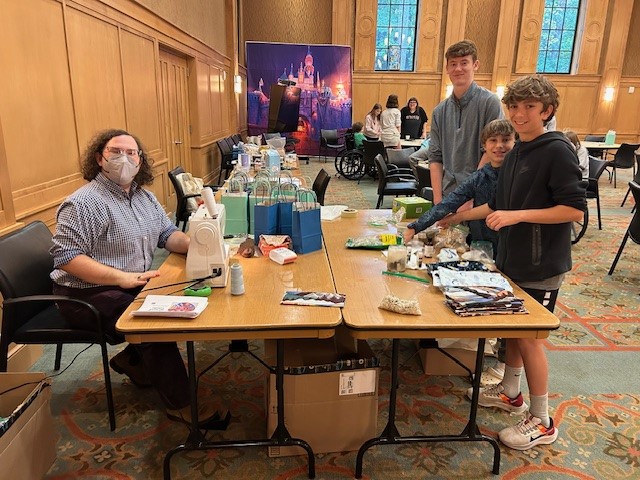
CMS rates WILLIAM BREMAN JEWISH HOME, THE's staffing level at 5 out of 5 stars, which is much above average compared to other nursing homes. Staff turnover is 35%, compared to the Georgia average of 46%. This relatively stable workforce can support continuity of care.

What Have Inspectors Found at William Breman Jewish Home, The?

State health inspectors documented 10 deficiencies at WILLIAM BREMAN JEWISH HOME, THE during 2019 to 2024. These included: 2 that caused actual resident harm and 8 with potential for harm. Deficiencies causing actual harm indicate documented cases where residents experienced negative health consequences.

Who Owns and Operates William Breman Jewish Home, The?

WILLIAM BREMAN JEWISH HOME, THE is owned by a non-profit organization. Non-profit facilities reinvest revenue into operations rather than distributing to shareholders. The facility operates independently rather than as part of a larger chain. With 96 certified beds and approximately 88 residents (about 92% occupancy), it is a smaller facility located in ATLANTA, Georgia.
How Does William Breman Jewish Home, The Compare to Other Georgia Nursing Homes?

Compared to the 100 nursing homes in Georgia, WILLIAM BREMAN JEWISH HOME, THE's overall rating (5 stars) is above the state average of 2.6, staff turnover (35%) is significantly lower than the state average of 46%, and health inspection rating (4 stars) is above the national benchmark.

What Should Families Ask When Visiting William Breman Jewish Home, The?

Based on this facility's data, families visiting should ask: "Can I visit during a mealtime to observe dining assistance and food quality?" "How do you handle medical emergencies, and what is your hospital transfer rate?" "Can I speak with family members of current residents about their experience?"

Is William Breman Jewish Home, The Safe?

Based on CMS inspection data, WILLIAM BREMAN JEWISH HOME, THE has a clean safety record: no substantiated abuse findings (meaning no confirmed cases of resident harm), no Immediate Jeopardy citations (the most serious violation level indicating risk of serious injury or death), and is not on the Special Focus Facility watch list (a federal program monitoring the lowest-performing 1% of nursing homes). The facility has a 5-star overall rating and ranks #1 of 100 nursing homes in Georgia. While no facility is perfect, families should still ask about staff-to-resident ratios and recent inspection results during their visit.

Do Nurses at William Breman Jewish Home, The Stick Around?

WILLIAM BREMAN JEWISH HOME, THE has a staff turnover rate of 35%, which is about average for Georgia nursing homes (state average: 46%). Moderate turnover is common in nursing homes, but families should still ask about staff tenure and how the facility maintains care continuity when employees leave.

Was William Breman Jewish Home, The Ever Fined?

WILLIAM BREMAN JEWISH HOME, THE has no federal fines on record. CMS issues fines when nursing homes fail to meet care standards or don't correct problems found during inspections. The absence of fines suggests the facility has either maintained compliance or corrected any issues before penalties were assessed. This is a positive indicator, though families should still review recent inspection reports for the full picture.

Is William Breman Jewish Home, The on Any Federal Watch List?

WILLIAM BREMAN JEWISH HOME, THE is not on any federal watch list. The most significant is the Special Focus Facility (SFF) program, which identifies the bottom 1% of nursing homes nationally based on persistent, serious quality problems. Not being on this list means the facility has avoided the pattern of deficiencies that triggers enhanced federal oversight. This is a positive indicator, though families should still review the facility's inspection history directly.