PRUITTHEALTH - WEST ATLANTA
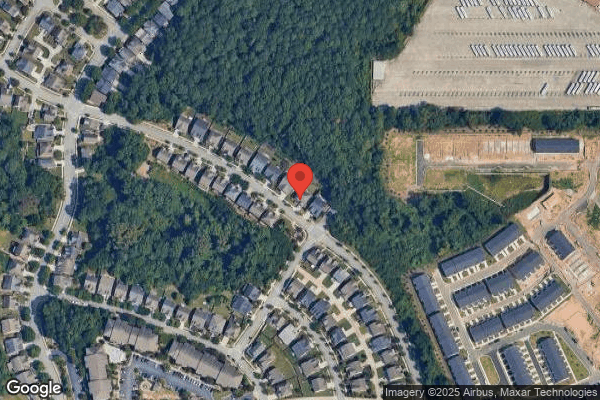
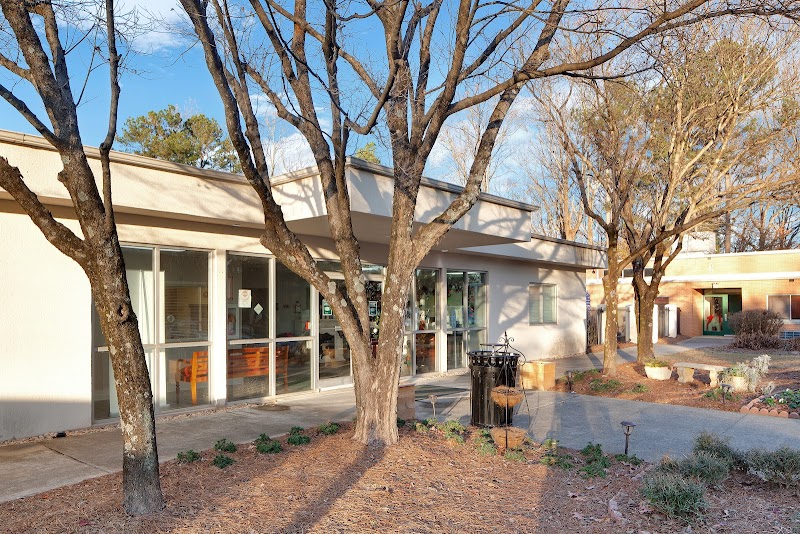
2645 WHITING STREET N.W., ATLANTA, GA 30318 (404) 799-9267
For profit - Corporation 120 Beds PRUITTHEALTH Data: November 2025
Trust Grade
43/100
#224 of 353 in GA
Last Inspection: May 2024

Within standard 12-15 month inspection cycle. Federal law requires annual inspections.

Overview

PruittHealth - West Atlanta has a Trust Grade of D, indicating below-average performance with some significant concerns. Ranked #224 out of 353 facilities in Georgia, they fall in the bottom half of nursing homes in the state, while ranking #8 out of 18 in Fulton County means there are only a few local options that are better. The facility is showing improvement, reducing issues from 25 in 2023 to 13 in 2024. Staffing rates are below average with a 49% turnover, and while RN coverage is good, exceeding that of 78% of Georgia facilities, the overall health inspection rating is poor at 1 out of 5 stars. Notably, there have been serious concerns, such as instances of residents not receiving proper hydration and nutrition, leading to severe health issues, and issues with garbage management that could attract pests.

Trust Score
D
43/100
In Georgia
#224/353
Bottom 37%
Safety Record
Moderate
Needs review
Inspections
Getting Better
25 → 13 violations
Staff Stability
⚠ Watch
49% turnover. Above average. Higher turnover means staff may not know residents' routines.
Penalties
✓ Good
$12,370 in fines. Lower than most Georgia facilities. Relatively clean record.
Skilled Nurses
○ Average
Each resident gets 30 minutes of Registered Nurse (RN) attention daily — about average for Georgia. RNs are the most trained staff who monitor for health changes.
Violations
⚠ Watch
43 deficiencies on record. Higher than average. Multiple issues found across inspections.
★★☆☆☆
2.0
Overall Rating
★★☆☆☆
2.0
Staff Levels
★★★★★
5.0
Care Quality
★☆☆☆☆
1.0
Inspection Score
Stable
2023: 25 issues
2024: 13 issues

The Good

  • 5-Star Quality Measures · Strong clinical quality outcomes
  • Full Sprinkler Coverage · Fire safety systems throughout facility
  • No fines on record

Facility shows strength in quality measures, fire safety.

The Bad

2-Star Overall Rating

Below Georgia average (2.6)

Below average - review inspection findings carefully

Staff Turnover: 49%

Near Georgia avg (46%)

Higher turnover may affect care consistency

Federal Fines: $12,370

Below median ($33,413)

Minor penalties assessed

Chain: PRUITTHEALTH

Part of a multi-facility chain

Ask about local staffing decisions and management

The Ugly 43 deficiencies on record

1 actual harm
May 2024 13 deficiencies
CONCERN (D)

Potential for Harm - no one hurt, but risky conditions existed

Deficiency F0554 (Tag F0554)

Could have caused harm · This affected 1 resident

Based on observations, resident and staff interviews, record review, and review of the facility's policy titled, Self-Medication, the facility failed to assess one of 40 sampled residents (R) (R71) fo...

Read full inspector narrative →
Based on observations, resident and staff interviews, record review, and review of the facility's policy titled, Self-Medication, the facility failed to assess one of 40 sampled residents (R) (R71) for the ability to self-administer medications prior to leaving medications at the bedside. The deficient practice had the potential to allow access to medications otherwise not prescribed by a physician to other residents, staff, or visitors. Findings include: Review of the facility policy titled Self-Administration of Medication by Patient/Residents, last reviewed 1/12/2024, under Policy Statement revealed Each patient/resident who desires to self-administer medication is permitted to do so if the healthcare center's Licensed Nurse and physician have determined that the practice would be safe for the patient/resident and other patients/residents of the healthcare center. Medication self-administration also applies to family members who wish to administer medication. Review of the electronic medical record (EMR) for R71 revealed diagnoses that included but not limited to schizophrenia, major depressive disorder, anemia, and chronic kidney disease. Further review of the EMR did not indicate that R71 had been assessed to self-administer medications. During an observation and interview on 5/17/2024 at 8:08 am R71 was observed in bed in their room watching television. Two over the counter products (vapor rub and cough drops) were observed on the nightstand by R71's bed. R71 reported that her family brought the items in for her, and she keeps them in her room. During a subsequent observation on 5/17/2024 at 11:02 am, the vapor rub and cough drops remained at the bedside of R71. During an interview and observation on 5/17/2024 at 11:41 am, Licensed Practical Nurse (LPN) DD reported that residents are able to have medications at the bedside if they had been assessed to do so. LPN DD verified that R71 had not been assessed to have medications at her bedside. At 11:42 am, LPN DD confirmed the medications at the bedside of R71 and then removed them. Interview with LPN DD revealed residents are able to have OTC (over the counter) medications at their bedside if assessed to be able to do so. At 11:42 am, LPN DD confirmed items at the bedside and then removed them and informed R71 that she would get an order for R71 to have the items. Interview on 5/19/2024 at 11:52 am with the Director of Health Services (DHS), she reported that she was not aware of R71 having OTC medications in the room prior to the nurse bringing the items to her on Friday.
CONCERN (D)

Potential for Harm - no one hurt, but risky conditions existed

Deficiency F0582 (Tag F0582)

Could have caused harm · This affected 1 resident

Based on record review and staff interview, the facility failed to provide the Skilled Nursing Facility Advance Beneficiary Notice (SNFABN) to one of three residents (R) (103) reviewed that were disch...

Read full inspector narrative →
Based on record review and staff interview, the facility failed to provide the Skilled Nursing Facility Advance Beneficiary Notice (SNFABN) to one of three residents (R) (103) reviewed that were discharged from Medicare Part A coverage. Findings include: Review of a Beneficiary Notice-Residents discharged Within the Last Six Months form, provided by the facility, revealed that R103 was discharged off Medicare Part A skilled services on 5/18/2024 and remained in the facility afterwards with benefit days remaining. There was no documented evidence that the SNF ABN was provided to either R103 or the responsible party. During an interview on 5/19/2024 at 2:26 pm, the Administrator revealed that the Financial Controller was new and was familiar with Medicare Part B. They were unaware that the SNF ABN was a required notice for residents discharged from Medicare Part A skilled services who remained in the facility. She confirmed that R103 and/or the responsible party did not receive an SNF ABN.
CONCERN (D)

Potential for Harm - no one hurt, but risky conditions existed

PASARR Coordination (Tag F0644)

Could have caused harm · This affected 1 resident

**NOTE- TERMS IN BRACKETS HAVE BEEN EDITED TO PROTECT CONFIDENTIALITY** Based on observations, record review, and staff interviews, the facility failed to provide specialized psychiatric services for ...

Read full inspector narrative →
**NOTE- TERMS IN BRACKETS HAVE BEEN EDITED TO PROTECT CONFIDENTIALITY** Based on observations, record review, and staff interviews, the facility failed to provide specialized psychiatric services for one resident (R) (R19) with a serious mental illness (SMI) as recommended by the Preadmission Screening and Resident Review (PASRR) Level II summary. The sample size was 40 residents. Findings include: Review of the electronic medical record (EMR) revealed R19 was admitted to the facility on [DATE] and had a diagnosis of schizophrenia. R19 was receiving Zyprexa (antipsychotic medication) 5 milligrams (mg) at bedtime. Review of the admission Minimum Data Set (MDS) revealed R19 was assessed on the 1/11/2024 admission as receiving antipsychotic medication. Review of the Georgia PASRR Level II Summary dated 1/24/2024 revealed specialized services for SMI were recommended for R19. The specialized services included behavioral health assessment/ service plan and diagnostic/ongoing psychiatric care. The resident had a corresponding care plan. Review of the EMR revealed no documented evidence that R19 received the recommended specialized services. The was no adverse outcome related to the resident not receiving the services. Observations on 5/17/2024 at 10:42 am, 5/18/2024 at 8:16 am, and 5/19/2024 at 8:10 am revealed R19 was pleasant and exhibited no behaviors. Interview on 5/19/2024 at 11:30 am with Registered Nurse (RN) HH revealed she had not witnessed R19 have any behaviors. Interview on 5/19/2024 at 9:18 am with the Social Worker (SW) revealed R19 should be receiving psychiatry and psychotherapy with (behavioral health services provider). Information should be located under resident documents in the EMR. The SW revealed the consent form was completed by the resident's responsible party and sent to (behavioral health services provider) on 1/10/2024. She stated they usually send an email back when it has been approved. Once approved, they come at least once per month. The SW thought R19 was already receiving the services. She was unable to locate information to support that the resident was receiving services. SW provided an email communication dated 5/19/2024 where she resent the consent and paperwork for treatment.
CONCERN (D) 📢 Someone Reported This

A family member, employee, or ombudsman was alarmed enough to file a formal complaint

Potential for Harm - no one hurt, but risky conditions existed

Comprehensive Care Plan (Tag F0656)

Could have caused harm · This affected 1 resident

**NOTE- TERMS IN BRACKETS HAVE BEEN EDITED TO PROTECT CONFIDENTIALITY** Based on resident and staff interviews, record review, and review of the facility policy titled, Care Plans, the facility failed...

Read full inspector narrative →
**NOTE- TERMS IN BRACKETS HAVE BEEN EDITED TO PROTECT CONFIDENTIALITY** Based on resident and staff interviews, record review, and review of the facility policy titled, Care Plans, the facility failed to develop a care plan for one resident (R) (R50) of five reviewed for unnecessary medications and failed to implement care plan interventions for one of four residents (R77) reviewed for food/nutrition. Specifically, the facility failed to develop a care plan for the use of antipsychotic and anti-anxiety medication for R50 and failed to implement a care plan for diet as ordered for R77. These failures created the potential for R50 and R77 to not receive treatment and/or care according to their needs. Findings include: A review of the facility policy titled Care Plans, revised 7/27/2023, revealed the admission Comprehensive Plan of Care section included 3. The comprehensive-person centered care plan is developed to include measurable goals and timeframes to meet a patient/resident's medical, nursing, and psychological needs, the services that are to be furnished to attain or maintain the resident's highest practicable physical, mental, and psychosocial needs that are identified in the comprehensive assessment. 4. The care plan approach serves as instructions for the patient/resident's care and provides continuity of care by all partners. The Care Plan Review and Update section included 1. Comprehensive care plans should be reviewed not less than quarterly according to the Omnibus Budget Reconciliation Act (OBRA) Minimum Data Set (MDS) scheduled, following the completion of the assessment. Care plan updates/reviews will be performed within seven (7) days of each quarterly assessment, each acute change in condition, and as needed following each hospital stay. 1. A review of R50's quarterly Minimum data Set (MDS) dated [DATE] revealed Section I (Active Diagnoses) documented dementia and anxiety, Section N (Medications) documented R50 received an antipsychotic and an antianxiety medication. A review of the Physician Orders revealed an order dated 5/31/2023 for haloperidol 0.5 milligrams (mg) (an antipsychotic medication used to treat nervous, emotional, and mental conditions), give one tablet orally every eight hours. Further review revealed an order dated 11/29/2022 for Xanax (a medication used to treat anxiety) 0.5 mg, give one tablet orally every 12 hours. A review of the care plan revealed there were no care plan areas, goals, or interventions for the use of the antipsychotic or anti-anxiety medications. A review of the Medication Administration Record (MARS) dated May 2024, April 2024, and March 2024 revealed medications were administered as ordered. In an interview on 5/18/2024 at 8:20 am, Registered Nurse (RN) HH stated the nurses completed the baseline care plan and the Case Management Director (CDM) completed the comprehensive care plan based on the MDS assessments. She stated the nurses also updated the care plan as needed if there were changes in the residents' condition. In an interview on 5/18/2024 at 12:50 pm, the CMD stated comprehensive care plans were created based on the MDS assessments. She stated care plans were person-centered and should reflect the information on the MDS assessments, the residents' condition and care needs. She further stated if a resident received antianxiety or antipsychotic medications, there should be a care plan area for the medications. She verified that R50's care plan did not contain a care area for an antipsychotic until 5/18/2023, and the resident began receiving an antipsychotic on 5/31/2023. She further verified the care plan did not contain a care area for anti-anxiety medication and that the resident had received anti-anxiety medication since 11/29/2022. She stated this was an oversite and should have been caught at each completed MDS assessment. In an interview on 5/19/2024 at 10:00 am, the Director of Health Services (DHS) revealed the nurses initiated the baseline care plan when a resident was admitted , and the CMD was responsible for completing the comprehensive care plan based on MDS assessment information. The DHS stated the CMD was responsible for ensuring the care plan was updated as needed with each MDS assessment. She stated her expectation was for antipsychotic and antianxiety medications to have a care plan area with interventions relevant to the medications. She verified that R50 did not have a care plan area for the use of antipsychotic medications prior to 5/18/2024, and did not have a care plan area for the use of anti-anxiety medications. 2. Review of the quarterly MDS assessment dated [DATE] revealed R77 had a Brief Interview for Mental Status (BIMS) score of 15, indicating intact cognition. Review of the physician orders revealed R77 was ordered a Controlled Carbohydrate (CCHO) liberalized diabetic and lactose allergy diet. Review of the care plan revealed a concern area for R77 included that they required a therapeutic diet r/t (related to) diabetes and needs regular CCHO diet. Resident does have a lactose allergy. The intervention developed for this concern area was to give diet as ordered. During an interview on 5/17/2024 at 11:50 am, R77 revealed that he was lactose intolerant and was being served foods that contain lactose. Observation on 5/18/2024 at 1:15 pm revealed R77 was served country fried steak with cream sauce and sherbet. Continued observation revealed R77's lunch meal tray ticket stated Allergies: Lactose. Interview and continued observation on 5/18/2024 at 1:18 pm, the Dietary Manager (DM) confirmed that R77 was served cream sauce and sherbet for lunch meal despite meal tray ticket stating allergy: lactose.
CONCERN (D) 📢 Someone Reported This

A family member, employee, or ombudsman was alarmed enough to file a formal complaint

Potential for Harm - no one hurt, but risky conditions existed

Deficiency F0692 (Tag F0692)

Could have caused harm · This affected 1 resident

**NOTE- TERMS IN BRACKETS HAVE BEEN EDITED TO PROTECT CONFIDENTIALITY** Based on observations, resident and staff interviews, and record review, the facility failed to ensure one of 40 sampled residen...

Read full inspector narrative →
**NOTE- TERMS IN BRACKETS HAVE BEEN EDITED TO PROTECT CONFIDENTIALITY** Based on observations, resident and staff interviews, and record review, the facility failed to ensure one of 40 sampled residents (R) (R77) was served a lactose free diet as ordered by the physician. The deficient practice caused R77 to be served food items that contained lactose, which R77 was allergic to. Findings include: Review of the electronic medical record (EMR) revealed that R77 had diagnoses that included but not limited to type 2 diabetes, hemiplegia/hemiparesis, chronic kidney disease, and moderate protein calorie malnutrition. Review of the quarterly Minimum Data Set (MDS) assessment dated [DATE] revealed R77 had a Brief Interview for Mental Status (BIMS) score of 15, indicating intact cognition. Review of the Physician Orders revealed R77 was ordered to receive a Controlled Carbohydrate (CCHO) liberalized diabetic and lactose allergy diet. During an interview on 5/17/2024 at 11:50 am, R77 revealed that he was lactose intolerant, and it was indicated on his meal tray ticket allergy to lactose but had been receiving foods that contained lactose. R77 stated that in the morning he received a cheese omelet and often he was served cereal at breakfast and regular milk was given. Observation on 5/18/2024 at 1:15 pm revealed R77 was served country fried steak with cream sauce and sherbet. Continued observation revealed R77's lunch meal tray ticket stated Allergies: Lactose. Interview and continued observation on 5/18/2024 at 1:18 pm with the Dietary Manager (DM), they confirmed that R77 was served cream sauce and sherbet for the lunch meal. The DM confirmed that R77's meal ticket stated, allergy to lactose. The DM revealed that R77 should not have been served the cream sauce and an alternative dessert should have been offered instead of sherbet. Further interview with the DM revealed that the cream sauce was made with cream of mushroom soup and the DM confirmed that the soup contained milk products. During an interview on 5/19/2024 at 12:00 pm, the DM revealed that there was no facility policy regarding therapeutic diet, food allergies, or lactose intolerance. These policies were requested during the survey.
CONCERN (D) 📢 Someone Reported This

A family member, employee, or ombudsman was alarmed enough to file a formal complaint

Potential for Harm - no one hurt, but risky conditions existed

Drug Regimen Review (Tag F0756)

Could have caused harm · This affected 1 resident

**NOTE- TERMS IN BRACKETS HAVE BEEN EDITED TO PROTECT CONFIDENTIALITY** Based on staff interviews, record review, and review of the facility policy titled, Monitoring of Antipsychotics, the facility f...

Read full inspector narrative →
**NOTE- TERMS IN BRACKETS HAVE BEEN EDITED TO PROTECT CONFIDENTIALITY** Based on staff interviews, record review, and review of the facility policy titled, Monitoring of Antipsychotics, the facility failed to ensure that a Gradual Dose Reduction (GDR) assessment was completed at least annually for one of five sampled residents (R) (R50) reviewed for unnecessary psychotropic medication use. This failure had the potential to affect R50's highest practicable mental, physical, and psychosocial well-being. Findings include: A review of the facility policy titled Monitoring of Antipsychotics, reviewed 7/5/2023, revealed the Procedure section stated, 6. Gradual dose reduction is attempted with all patients/residents who receive antipsychotic medications. For patients/residents who have a true psychiatric diagnosis of schizophrenia, a gradual dose reduction assessment will be conducted twice in two separate quarters with at least one month between attempts the first year that the patient/resident is admitted or after the facility has initiated an antipsychotic medication. After the first year, gradual dose reduction assessments will be conducted annually. A review of R50's Quarterly Minimum Data Set (MDS) dated [DATE] revealed Section I (Active Diagnoses) documented dementia and anxiety, and Section N (Medications) documented the resident received antianxiety, antidepressant, and antipsychotic medications. A review of the Physician Orders revealed an order dated 5/31/2023 for haloperidol (an antipsychotic medication used to treat nervous, emotional, and mental conditions), 0.5 milligrams (mg) one tablet oral every eight hours. A review of the Medication Administration Records (MARs) revealed the haloperidol 0.5mg oral tablet was administered as ordered in May 2024, April 2024, and March 2024. A review of a Psychiatry Follow-Up Note dated 3/13/2024 documented Continue current psychiatric medications. A review of the GDRs for R50 revealed the most recent GDR for haloperidol 0.5mg, 1 tablet oral every eight hours was dated 4/27/2023. In an interview on 5/18/2024 at 4:00 pm, the Director of Health Services (DHS) provided an e-mail from the pharmacist dated 5/18/2024 at 3:13 pm stating [R50's name] received Haldol, Xanax, mirtazapine, and PRN (as needed) lorazepam. He is seen regularly by a psychiatric clinician for the purpose of psychiatric evaluation and medication management. Per these progress notes dated 10/23, 1/24, and 4/24, the psych clinician concluded that no med [medication] changes were recommended. In an interview on 5/19/2024 at 10:00 am, the DHS verified there were no other GDRs for the last 12 months for the use of haloperidol for R50. She stated the pharmacist normally conducted a GDR for antipsychotic medications at least annually, and she would expect one to be completed annually for R50 for the use of haloperidol. She verified the last documented GDR for R50's haloperidol was 4/27/2023.
CONCERN (D)

Potential for Harm - no one hurt, but risky conditions existed

Deficiency F0761 (Tag F0761)

Could have caused harm · This affected 1 resident

**NOTE- TERMS IN BRACKETS HAVE BEEN EDITED TO PROTECT CONFIDENTIALITY** Based on observations, staff interviews, review of the facility policy titled, Medication Storage in the Healthcare Centers, rev...

Read full inspector narrative →
**NOTE- TERMS IN BRACKETS HAVE BEEN EDITED TO PROTECT CONFIDENTIALITY** Based on observations, staff interviews, review of the facility policy titled, Medication Storage in the Healthcare Centers, review of the facility-provided documents titled 2024 Insulin Expiration Calendar-28 Day and 2024 Latanaprost and Levemir Expiration Calendar - 6 Weeks (42 Days), and review of manufacturer packet inserts, the facility failed to ensure medications and biologicals were dated when opened, discarded on the discard dates, and stored according to manufacturer recommendations on one of three medication carts (East Unit Cart 2). These deficient practices created the potential for residents to receive medications with altered effectiveness. Findings include: A review of the facility policy titled Medication Storage in the Healthcare Centers, revised [DATE], revealed the Policy Statement included, Medications and biologicals are stored safely, securely, and properly following manufacturer's recommendations or those of the supplier. The Procedure section stated, 3. Nurses are required to check all medications for deterioration and expiration before administration. 9. Medications requiring refrigeration are stored at temperatures between 2 degrees Celsius (C) (36 degrees Fahrenheit [F]) and 8 degrees C (46 degrees F) and are kept in a refrigerator with a thermometer to allow temperature monitoring. 11. Multi-dose containers of injectables, ophthalmic (for eyes) and otic (related to the ears) preparations, and inhalers are to be dated (when opened). A review of the facility-provided document titled 2024 Insulin Expiration Calendar-28 Day revealed a chart providing the expiration/discard date of 28 days based on the opened date for each day of the year 2024. A review of the facility-provided document titled 2024 Latanaprost and Levemir Expiration Calendar - 6 Weeks (42 Days) revealed a chart providing the expiration/discard date of 42 days based on the opened date for each day of the year 2024. A review of the manufacturer's packet insert for latanoprost ophthalmic solution revealed the medication should be stored under refrigeration until opened. A review of the manufacturer's packet insert for the Trelegy Ellipta inhaler revealed that it should be discarded six weeks after opening or when the counter reads 0, whichever comes first. A review of the manufacturer's packet insert for the Anoro Ellipta inhaler revealed that it should be discarded six weeks after opening or when the counter reads 0, whichever comes first. A review of the manufacturer's packet insert for the Incruse Ellipta inhaler revealed that it should be discarded six weeks after opening or when the counter reads 0, whichever comes first. Observation on [DATE] at 9:10 am of the East Unit Medication Cart 2 with Licensed Practical Nurse (LPN) FF revealed the following medications stored on the cart, unopened and with a pharmacy label instructing to store in the refrigerator until opened: * insulin lispro 100 units/milliliter (ml) 10 ml vial * Levemir insulin 100 units/ml 10 ml vial * Levemir Flex-Pen * latanoprost ophthalmic solution 0.0005% 5 ml container Further observation revealed the following medications were opened with an expired discard date: * Novolog insulin 100 units/ml 10 ml vial opened [DATE], discard [DATE] * Levemir insulin 100 units/ml 10 ml vial opened [DATE], discard [DATE] * Humalog Kwik Pen opened [DATE], discard [DATE] * Incruse Ellipta inhaler 62.5 micrograms (mcg) opened [DATE], discard [DATE] * Trelegy Ellipta inhaler 200 mcg (62.5mcg/25mcg) opened [DATE] discard [DATE] * Anoro Ellipta inhaler 62.5mcg/25 mcg opened [DATE], discard [DATE] * Anoro Ellipta inhaler 62.5mcg/25 mcg opened [DATE], discard [DATE] In an interview on [DATE] at 8:20 am, LPN FF verified the identified medications. She stated medications with discard dates should be discarded on the discard date, and all medications should be stored and labeled according to manufacturer and pharmacy recommendations. She further stated she was unsure why the medications were not stored, labeled, and discarded correctly and that all nurses who worked the medication cart were responsible for ensuring the medications in the cart were stored, labeled, and discarded correctly. She further stated medications administered past the discard date could be less effective, and the resident could have an altered effect from the medication. In an interview on [DATE] at 10:50 am, the Director of Health Services (DHS) stated her expectations were for insulins, inhalers, and ophthalmic drops to be labeled with open and discard dates and stored according to manufacturer and pharmacy instructions. She stated if a medication was labeled to be stored in the refrigerator until opened, the medication should be stored in the refrigerator until it was opened. She further stated there was a chart located on each medication cart for the nurses to go by when placing the opened and discard dates on insulin, and she expected insulin to be labeled according to the chart and discarded on the discard date. She confirmed that all nurses who worked on the medication carts were responsible for checking medication storage and labeling requirements. She further stated the Unit Managers were responsible for checking the medication carts weekly for proper storage and labeling of medications. She confirmed medications administered past the discard date or not stored as recommended by the manufacturer could cause adverse effects for the resident due to the potential for altered medication effectiveness.
CONCERN (D) 📢 Someone Reported This

A family member, employee, or ombudsman was alarmed enough to file a formal complaint

Potential for Harm - no one hurt, but risky conditions existed

Infection Control (Tag F0880)

Could have caused harm · This affected 1 resident

**NOTE- TERMS IN BRACKETS HAVE BEEN EDITED TO PROTECT CONFIDENTIALITY** Based on observations, staff interviews, and review of the facility policy titled, Cleaning Procedures: Serving Equipment, the f...

Read full inspector narrative →
**NOTE- TERMS IN BRACKETS HAVE BEEN EDITED TO PROTECT CONFIDENTIALITY** Based on observations, staff interviews, and review of the facility policy titled, Cleaning Procedures: Serving Equipment, the facility failed to ensure the ice scoop bin and beverage dispenser was free from green and black buildup on one of two units (West). The deficient practice had the potential to cause an adverse outcome to those served from the affected ice scoop bin and beverage dispenser. Findings include: Review of the facility policy titled Cleaning Procedures: Serving Equipment, last revised 9/29/2022, policy statement revealed: It is the policy of (said facility) to maintain a clean and sanitary environment to prepare patient/resident meals. Ice Scoop: Daily 1. Remove ice scoop and holding bin from the ice machine. 2. Wash and Sanitize. 3. Allow to air dry. 4. Return ice scoop and holding bin to the ice machine. Observation on 5/17/2024 at 8:49 am revealed an ice chest on cart near the [NAME] nurse station. The scoop for the ice was in a clear container that had water and black buildup along the edges. During an observation on 5/17/2024 at 10:34 am a Certified Nursing Aide (CNA) was observed delivering ice to rooms [ROOM NUMBERS]. The ice scoop remained in the clear container with the black buildup and was used to put ice in residents' cups. Observation on 5/18/2024 at 12:15 pm revealed a CNA using the ice scoop to put ice in a cup for the resident in room [ROOM NUMBER]. During an observation and interview with Licensed Practical Nurse (LPN) AA on 5/18/2024 at 2:50 pm the black buildup in the ice scoop container was confirmed. LPN AA reported that the ice scoop container was cleaned but there was no documentation of the last time it was cleaned. It was also noted that the water dispenser sitting on the [NAME] Unit nurse desk had green and black buildup on the rubber parts inside the dispenser. It was reported that Dietary was responsible for the cleaning of this beverage dispenser. During an observation and interview on 5/18/2024 at 3:01 pm with the Dietary Manager (DM), he confirmed that the water dispenser on the [NAME] Unit nurse station had a green and black buildup. He reported that the container was cleaned daily, and they may need to pay more attention to the cleaning. He reported that the spout on the water dispenser was removed when cleaned. Interview on 5/19/2024 at 3:02 pm with the Director of Health Services (DHS) revealed that there was not a schedule for cleaning the ice scoop on the units, but they will come up with a system moving forward.
CONCERN (E)

Potential for Harm - no one hurt, but risky conditions existed

Resident Rights (Tag F0550)

Could have caused harm · This affected multiple residents

Based on observations, staff interviews, and review of a facility document titled, Your Rights as a Patient, the facility failed to ensure a dignified dining experience for three of 46 residents (R) (...

Read full inspector narrative →
Based on observations, staff interviews, and review of a facility document titled, Your Rights as a Patient, the facility failed to ensure a dignified dining experience for three of 46 residents (R) (R31, R68, and R608) on the [NAME] Unit. Specifically, the facility failed to ensure timely meal tray delivery for R31 and R608, pulled R68 backwards in his geriatric chair when leaving the dining area, and residents were referred to as feeders in the dining room during lunch. Findings include: Review of document titled YOUR RIGHTS AS A PATIENT (undated) revealed the following: under Respect and Dignity: You have the right to be treated with respect and dignity. Breakfast observation on 5/17/2024 at 8:37 am revealed 10 residents sitting in the dining room for breakfast. R31 and R102 were sitting at table together. R102 received her breakfast at 8:37 am and R31 did not receive her breakfast until 8:47 am. All residents in the dining room received their breakfast before R31 and some had completed their breakfast prior to her receiving her tray. Lunch observation on 5/18/2024 revealed the first meal cart delivered to the [NAME] Unit at 1:06 pm. There were eight residents in the dining area on this unit when the first cart was delivered. The second cart was delivered at 1:22 pm. R608 was at her table since the first cart was delivered but was the last resident in the dining area to receive a meal tray. At 1:28 pm, R608 began questioning staff about where her food was, and her lunch tray was delivered at 1:31 pm. Observation on 5/18/2024 at 1:23 pm revealed R68 being pulled in his geriatric chair backwards from the dining area to his room by Licensed Practical Nurse (LPN) AA. Observation on 5/18/2024 at 1:22 pm during lunch delivery, staff were standing near the [NAME] Unit nurse station and Certified Nursing Aide (CNA) BB could be heard across the dining area referring to a resident as a feeder multiple times. Interview on 5/19/2024 at 12:38 pm with CNA BB who reported that she recalled referring to a resident as a feeder on the day before. CNA BB denied that she had received any training related to the dignity of residents. However, she reported one way of showing dignity to the resident would be by calling the resident by his/her preferred name. Interview on 5/19/2024 at 12:44 pm with LPN AA, who acknowledged that she had received education related to dignity and patient's rights, reported that R68 does not have good safety awareness and she pulled him backwards because he was insistent on going back to bed and not being in the dining area. Interview on 5/19/2024 at 2:45 pm, the Director of Health Services (DHS) reported that she was not aware of staff referring to residents as feeders, residents not being served meals at the same time, or of residents being pulled backwards. The DHS reported that residents should be treated with respect and those at the same table should receive meal trays around the same time, residents should not be referred to as feeders, and residents in geriatric chairs should not be pulled backwards. The DON further reported that there was no policy related to dignity.
CONCERN (E)

Potential for Harm - no one hurt, but risky conditions existed

Deficiency F0625 (Tag F0625)

Could have caused harm · This affected multiple residents

**NOTE- TERMS IN BRACKETS HAVE BEEN EDITED TO PROTECT CONFIDENTIALITY** Based on staff interviews, record review, and review of the facility policy titled, Bed Hold Acknowledgment Form: Georgia, the f...

Read full inspector narrative →
**NOTE- TERMS IN BRACKETS HAVE BEEN EDITED TO PROTECT CONFIDENTIALITY** Based on staff interviews, record review, and review of the facility policy titled, Bed Hold Acknowledgment Form: Georgia, the facility failed to provide bed hold information, in writing, at the time of transfer or within 24 hours, for three of 45 residents (R) (R106, R68, and R19) who were transferred to the hospital in the last 120 days. Findings include: A review of the facility policy titled Bed Hold Acknowledgment Form: Georgia, reviewed 1/11/2024, revealed the Policy included Two notices related to the healthcare center's bed hold policy will be issued. The first notice of bed hold policies is given during this admission, which is well in advance of any transfer. The second notice, which specifies the duration of the bed hold policy, will be issued at the time of any transfer. 1. A review of R106's Electronic Medical Record (EMR) revealed he was discharged from the facility to a hospital on 3/31/2024, and there was no documented evidence of a bed hold notification being provided to the resident or the resident representative. A review of the Progress Notes revealed an entry dated 3/31/2024 at 9:15 am, documenting that the resident was sent to the emergency room (ER) for evaluation due to a change in condition. There was no documentation of written bed hold information being provided. In an interview on 5/18/2024 at 1:55 pm, Licensed Practical Nurse (LPN) GG stated she was unaware of a bed hold notice or information to be given to a resident or resident representative at the time of a transfer to the hospital and was unsure who was responsible for providing the bed hold notices to residents/resident representatives at the time of the transfer. In an interview on 5/18/2024 at 2:00 pm, LPN AA stated she was unaware of who was responsible for providing the resident or resident representative the written bed hold notification at the time of transfers out of the facility. She stated she was unaware of a bed hold notice form used by the facility and had not provided the form to any resident or resident representative at transfers. In an interview on 5/18/2024 at 2:10 pm, the Admissions Coordinator stated she provided information about the bed hold policy upon admission as part of the admission packet. She further stated she was not responsible for providing the written bed hold notification at the time of transfers to a hospital. She stated she thought the nurses mailed the notifications to the resident representative if the nurse did not provide it at the time of transfer. In an interview on 5/18/2024 at 2:20 pm, the Director of Health Services (DHS) stated the nurse should provide the written bed hold notification at the time of transfer, make a copy to be scanned into the EMR, and document that the notification was provided in the nurses' progress notes. She verified there was no documentation that R106 or his representative was provided with a written bed hold notification at the time of transfer to the hospital on 3/31/2024. In an interview on 5/19/2024 at 1:57 pm, the Financial [NAME] stated the nurses were responsible for providing the bed hold notifications to the resident or resident representative at the time of a transfer. She stated the Financial office was only responsible for providing the resident and/or resident representative a notice once the resident was out of the facility for seven days. 2. Review of the EMR for R68 revealed he left for a hospital stay on 4/8/2024 and returned to the facility on 4/10/2024. There was no evidence in the EMR that a bed hold policy was provided to the resident or resident representative when transferred to the hospital. During an interview on 5/19/2024 at 1:58 pm with the Financial Counselor it was reported that nursing staff should have provided the bed hold notice on discharge to the hospital. However, R68 has not had a hospitalization that was more than seven days. The Financial Counselor went on to explain that once a resident has been out of the facility for longer than seven days the Financial Counselor would then send out a notice. During an interview on 5/19/2024 at 2:11 pm with LPN Unit Manager (UM) EE, reported that nursing staff have not been sending out the bed hold notice form but will start doing so in the future. Interview on 5/19/2024 at 3:04 pm with the DHS who reported the bed hold policy was in a book on each unit for nursing. The DHS explained that nursing staff are supposed to send the bed hold policy with a resident when going to the hospital. 3. A review of R19's EMR revealed he was discharged from the facility to a hospital on 4/20/2024, and there was no documented evidence of a bed hold notification being provided to the resident or the resident representative. A Progress Notes dated 4/20/2024 documented the resident was sent to the emergency room (ER) for evaluation due to complaints of chest pain. There was no documentation of written bed hold information being provided.
CONCERN (E)

Potential for Harm - no one hurt, but risky conditions existed

Deficiency F0712 (Tag F0712)

Could have caused harm · This affected multiple residents

**NOTE- TERMS IN BRACKETS HAVE BEEN EDITED TO PROTECT CONFIDENTIALITY** 3. A review of R50's Face Sheet in the EMR revealed he was admitted with diagnoses including, but not limited to, lack of coordi...

Read full inspector narrative →
**NOTE- TERMS IN BRACKETS HAVE BEEN EDITED TO PROTECT CONFIDENTIALITY** 3. A review of R50's Face Sheet in the EMR revealed he was admitted with diagnoses including, but not limited to, lack of coordination, muscle weakness, unspecified dementia with behavior disturbances, dysphagia, anxiety, chronic pain syndrome. A review of the Progress Notes for R50 revealed there were no documented physician visits from 5/19/2023 through 5/19/2024. In an interview on 5/19/2024 at 1:45 pm, Corporate Nurse Consultant II stated each resident should have an in-person Physician visit and/or a Nurse Practitioner (NP) visit every 30 days regardless of payment source. She stated the Physician could alternate visits with a NP so long as the Physician provided an in-person visit every 60 days. She verified there were no Physician visits documented in R50's EMR for the last 12 months. 2. Review of the Resident Face Sheet for R1 revealed she was readmitted to the facility with diagnoses of, but not limited to acute respiratory failure with hypoxia, chronic obstructive pulmonary disease (COPD), and pneumonia, unspecified organism. Further review revealed R1 primary payer is Medicaid of __. Review of the resident's annual MDS dated [DATE] Section O-Special Treatments, Procedures, and Programs Received or Performed During the Assessment Period revealed: over the last 14 days, on how many days did the physician (or authorized assistant or practitioner) examine the resident? No physician visits. Review of the EMR for R1 revealed no documented physician visits from January 2023 through May 2024. Based on record review and staff interviews, the facility failed to ensure residents were seen by a physician in the facility at least once every 30 days for the first 90 days after admission, and at least once every 60 days thereafter, for four of 10 residents (R) (R1, R50, R52, and R72) reviewed for frequency of Physician visits. Findings include: 1. Review of the electronic medical record (EMR) revealed R52 had diagnoses to include but not limited to paranoid schizophrenia, type 2 diabetes mellitus with diabetic chronic kidney disease, anxiety disorder, unspecified, vascular dementia, unspecified severity, without behavioral disturbance, psychotic disturbance, and mood disturbance. Further review of the EMR for the past year did not indicate any physician visits for R52. Review of the EMR for R74 admitted to the facility on [DATE]. R74 admitted under Commercial Insurance and became Medicaid effective 7/17/2024 per the Resident Census. Further review revealed that R74 was seen by the physician on 7/7/2023 and 7/20/2023. There were no other physician visits. During an interview on 5/19/2024 at 11:42 am with the Director of Health Services (DHS), it was reported that as far as she knows the physicians should be seeing the residents at least every 60 days. A telephone interview on 5/19/2024 at 12:22 pm when the Physician returned a phone call to the DHS. The Physician reported that he sees new residents at least once weekly. He went on to say that new residents are seen no less than once per month. It was further reported that his Nurse Practitioner (NP) makes his schedule and that determines which residents are seen when he visits the facility. The Physician went on to say that he feels that he was seeing residents more than what the regulation requires.
CONCERN (E)

Potential for Harm - no one hurt, but risky conditions existed

Food Safety (Tag F0812)

Could have caused harm · This affected multiple residents

Based on observations, staff interview, and review of the facility policy titled, Food Temperatures, the facility failed to ensure all food items on the steam table were held above 135 degrees Fahrenh...

Read full inspector narrative →
Based on observations, staff interview, and review of the facility policy titled, Food Temperatures, the facility failed to ensure all food items on the steam table were held above 135 degrees Fahrenheit (F) to prevent bacteria growth. The deficient practice affected nine residents ordered a puree consistency diet from a total of 99 residents receiving an oral diet. Findings include: Review of the facility policy titled Food Temperatures revealed: 1. All hot foods served from the steam table must be held at or above 135 degrees F. Steam table temperatures were obtained on 5/18/2024 at 12:45 pm. The Dietary Manager (DM) assisted with taking the food temperatures using the facility's calibrated thermometer. Continued observation revealed the puree beef patty had a temperature of 132 degrees F. During an interview on 5/18/2024 at 12:45 pm, the DM confirmed that the puree beef patty had a temperature of 132 degrees. The DM confirmed that all food items on the steam table need to be held at or above 135 degrees. A continued interview with the DM revealed that there had not been any issues with the steam table not being able to hold food temperatures until that meal.
CONCERN (F)

Potential for Harm - no one hurt, but risky conditions existed

Garbage Disposal (Tag F0814)

Could have caused harm · This affected most or all residents

Based on observations and staff interviews, the facility failed to prevent two of two garbage dumpsters from overflowing with excess garbage that prohibited the top lids and side doors from closing ca...

Read full inspector narrative →
Based on observations and staff interviews, the facility failed to prevent two of two garbage dumpsters from overflowing with excess garbage that prohibited the top lids and side doors from closing causing a potential for pests, rodents, and insects. The facility also failed to ensure one of two garbage dumpsters had a plug-in place to prevent potential leakage of garbage contaminates. The facility census was 101 residents. Findings include: Observation on 5/17/2024 at 9:00 am of the facility garbage dumpsters revealed that the facility had two dumpsters located on the side of the building. The dumpsters were partially surrounded by a wooded area. Continued observation revealed the dumpster on the left side had trash bags overflowing from the top and sides preventing the lids and side doors from closing. The dumpster on the right side had a large brown cardboard box overflowing from the top, preventing the top lid from being closed. A frosted, white colored garbage bag was hanging out of the side door and a tan colored liquid was observed inside the bag. The overflow of trash bags prevented the side door from closing. Further observation of the dumpster on the left revealed the plug was not in place. During an interview on 5/17/2024 at 9:00 am the Dietary Manager (DM) confirmed that trash was overflowing from both garbage dumpsters preventing the lids and side doors from closing. The DM confirmed that the trash bag overflowing out the side door from the dumpster on the right had a tan colored liquid. The DM also confirmed that the left garbage dumpster did not have a plug-in place and would have to ask maintenance if there was one to place. The DM revealed that the garbage dumpsters were emptied by a waste management company daily, usually in the early morning. The DM stated he makes rounds two to three times a day of the dumpsters/dumpster area to ensure lids are closed, side doors shut, and no trash on the ground. During an interview on 5/17/2024 at 9:10 am the Maintenance Director (MD) revealed that the dumpsters are emptied twice a week and are typically picked up in the afternoon. The MD revealed that they can call the waste management company for early pick-up if needed when the garbage dumpsters are full. The MD stated that he had not been made aware that the garbage dumpsters were full and overflowing. The MD revealed that he did not realize that there was no plug-in place for one of the dumpsters and would likely have to go the store and purchase a plug.
Sept 2023 18 deficiencies 1 Harm
SERIOUS (G) 📢 Someone Reported This

A family member, employee, or ombudsman was alarmed enough to file a formal complaint

Actual Harm - a resident was hurt due to facility failures

Quality of Care (Tag F0684)

A resident was harmed · This affected 1 resident

**NOTE- TERMS IN BRACKETS HAVE BEEN EDITED TO PROTECT CONFIDENTIALITY** Based on observations, record review, staff interviews, and facility policies the facility failed to ensure two of three residen...

Read full inspector narrative →
**NOTE- TERMS IN BRACKETS HAVE BEEN EDITED TO PROTECT CONFIDENTIALITY** Based on observations, record review, staff interviews, and facility policies the facility failed to ensure two of three residents (R) (R#1and R#9) reviewed for hydration received appropriate services to ensure their highest practicable physical well-being. Specifically, the facility did not follow the physician orders to obtain lab work for R#1 and did not follow the physician orders for enteral feeding and water flushes for R#1. In addition, the facility did not have information available for the Registered Dietician to make an adequate decision as it pertains to the enteral feedings. Actual harm occurred on [DATE] when R#1 was admitted to an acute care hospital with diagnosis of acute sepsis, acute kidney injury, and dehydration with hypernatremia; and on [DATE] when R#9 was observed with signs of dehydration, requiring transfer to an acute care hospital on [DATE] and expired in the hospital. Findings included: A review of the policy titled Enteral Nutrition (Tube Feeding) revised date of [DATE] indicated: Policy Statement: It is the policy . to provide nutrition via an enteral feeding tube when patients/ residents are exhibiting clinical conditions demonstrating that nourishment by mouth is contraindicated. Decisions to continue or discontinue the use of a feeding tube are made through collaboration between the patient/resident, a legal representative, the Physician, Registered Dietitian, and the Interdisciplinary Care Team. The goal is to provide enteral nutrition to the patient/resident in order to achieve and maintain optimal nutritional status. Procedure: 4. The Registered Dietitian will calculate the nutritional needs of the patient/resident. Recommendations will be made to provide enteral nutrition to the patient/resident m order to achieve and maintain optimal nutritional status. A review of the policy titled Hydration: Dietary Services with revised date of [DATE], indicated the following: Policy Statement- It is the policy . that patients/residents will be adequately hydrated. Procedure: 1. The Registered Dietitian will consider risk factors for patients/residents becoming dehydrated. Functional impairments making it difficult to drink or reach for fluids or communicate fluid needs (i.e., aphasia) Dementia in which patient/resident forgets to drink. 3. The Registered Dietitian may calculate daily fluid requirements for all patients/residents fluid requirements. 1. A review of the Electronic Medical Record (EMR), R#1 was admitted to the facility on [DATE] with diagnoses of, but not limited to dementia, gastrostomy status, hyperosmolality, and hypernatremia. A review of the resident's significant change Minimum Data Set (MDS) assessment dated [DATE] revealed a brief Interview for Mental Status (BIMS) score of 99, which indicated the resident was unable to complete the interview; required total assistance with eating; and that R#1's nutritional approach was a feeding tube. Dehydration/Fluid Maintenance and Nutritional Status triggered as an area of concern on the Care Area Assessment. A review of the quarterly MDS assessment dated [DATE] revealed R#1 presented with a BIMS score of 99; that R#1 required total assistance with eating; and the nutritional approach was a feeding tube. A review of the care plan initiated [DATE] revealed that R#1 required a gastrostomy tube (G-tube) feeding. Intervention included administer feeding and water flushes via G-tube per the physician orders. A review of the EMR laboratory results dated [DATE] revealed abnormal laboratory results including, but not limited to, elevated Blood Urea Nitrogen (BUN), glucose, and white blood count (WBC). A review of the Physician Order Report dated [DATE] through [DATE] revealed the following order: start date [DATE] complete blood count (CBC), comprehensive metabolic panel (CMP), C-reactive protein (CRP), and erythrocyte sedimentation rate (ESR). No documented laboratory results are in R#1 EMR. A review of the clinical record revealed that R#1 was admitted on [DATE] and the first documented weight and height was on [DATE]. It was further documented in the clinical record that R#1 returned from the hospital on [DATE] and the first documented weight after her return was on [DATE]. A review of R#1 Nutrition Assessment by the Registered Dietician dated [DATE] revealed height and weight was pending. A review of Nursing Progress Note dated [DATE] revealed R#1 was noted with episode of lethargic during care. Nurse Practitioner gave an order to send to emergency room for evaluation and treatment. The oxygen at 2 liters per minute via nasal cannula, saturation 93 precent blood glucose level 281, (COVID-19 tested) negative. (Emergency) personnel in facility. Transportation stated resident is being transferred to (an acute care hospital), family member notified. A review of the Hospital Progress Note dated [DATE] revealed the family seen a decline in R#1 mental status over the past (four to five) days to the point (R#1) became nonverbal. The nursing home neglected (R#1); PEG tube dependent but admitted with hypernatremia and dehydration. Documented labs on [DATE] elevated Blood Urea Nitrogen (BUN) 75 Milligrams per deciliter (mg/dl) and elevated Creatinine 2.30 mg. admission diagnosis Acute sepsis, Acute Kidney Injury, & Dehydration with hypernatremia. A phone interview on [DATE] at 4:49 p.m. with the Nurse Practitioner (NP) stated it has been a long week and she does not have her notes in front of her and cannot remember R#1. NP stated she would review her notes and follow up with the surveyor. No follow up communication was made by the NP. An interview on [DATE] at 12:42 p.m. with the Registered Dietician (RD) stated when a resident is admitted to the facility with a G-tube that involves feeding to meet all the nutritional needs certain information is required to make a professional decision. She stated the following information is needed, diagnosis, current medications, labs, height, and weight. She stated the information is required to calculate the required calories, protein, and free water. She stated R#1 came from the hospital with an order for Nepro and the feeding was not changed upon admission. The RD stated because she did not have the information needed it prohibits her from making a complete and professional assessment to decide of adequate nutritional needs for the resident. The RD stated the facility has an issue with incomplete inaccurate records. She stated in the event she does not have the required information she will not change the feeding and flushes that the hospital was giving. She stated this was discussed with the previous Administrator and her immediate supervisor. The RD has never discussed not having the required information with the current Administrator. She stated when R#1 was readmitted to the facility in 8/2022 with the G-tube that required her to have feeding and free water to meet all nutritional needs there were no weight or labs in the system therefore she did not make any changes. She stated on 11/2022 R#1 had an increase in her BUN so she increased R#1 free water from 40ml continuously to 200 ml every four hours. She also stated the feeding was changed from Nepro to Jevity. The RD stated she cannot be sure that the residents with G-tubes are receiving the free water flushes as ordered. 2. An observation and interview on [DATE] at 11:27 a.m. of R#9 lying in bed. Observation of a pole with feeding pump. There was no feeding or free water hanging. The resident stated, My mouth is dry, and I am thirsty. A review of the EMR revealed R#9 was admitted to the facility on [DATE] with diagnoses of, but not limited to, unspecified atrial fibrillation, congestive heart failure, and gastro-esophageal reflux disease. A review of the admission MDS assessment dated [DATE] revealed R#9 presented with a BIMS score of nine, which indicated moderate cognitive impairment; required total assistance with eating; and nutritional approach was a feeding tube. Dehydration/Fluid Maintenance and Nutritional Status triggered as an area of concern on the Care Area Assessment. A review of the care plan initiated [DATE] revealed that R#9 requires a feeding tube. Intervention to be implemented included administer flush as order. A review of the Physician Order Report dated [DATE] through [DATE] revealed the following order: start date [DATE] end date [DATE] Jevity 1.5 via peg tube at 50 ml/hour and water flushes 50 ml/hour. A review of the Medication Administration Record (MAR) dated [DATE] through [DATE] revealed no documented Jevity 1.5 or water flushes. A review of Nursing Progress Note dated [DATE] revealed: On [DATE] at 11:40 p.m. during night medication pass, this nurse went to give resident (R#9) medications when she was found sweating, very lethargic with shortness of breath. Vital sign was done and obtained blood pressure 204/122, Pulse 133, temperature 97.7, respiration 34. oxygen saturation 90% on 2 liters nasal cannula. Blood sugar was 211. Abdominal breathing also noted and immediately, resident went unresponsive/took her last breath. The supervisor and other staff were alerted. Noted that resident was made hospice but still full code. Progress note stated that resident's daughter wanted her to remain full code. Cardiopulmonary resuscitation (CPR) initiated and continued until 911 arrived and took over. After serials of treatment and resuscitations by emergency medical staff, resident was transported to (an acute care hospital) for further evaluation and treatments. Family, Nurse Practitioner on call and hospice notified. An interview on [DATE] at 10:46 a.m. with Licensed Practical Nurse (LPN) DD stated R#9 was sent to the hospital last night ([DATE]) and passed away. An interview on [DATE] approximately 12:00 p.m. with the Director of Health Services (DHS). The surveyor requested documentation for R#9 for [DATE] and [DATE] from the Director of Health Services. The Unit Manager presented the surveyor with the requested documents. The UM was asked to review the Medication Administration Record for [DATE] for the Enteral Feeding and water flushes. The Unit Manager stated the residents Enteral Feeding is not required to be on the Medication Administration Record she stated it can be documented on the Treatment Administration Record (TAR). The Unit Manager was asked to show the surveyor where the Treatment record is in the Electronic Medical Record (EMR) system. The Unit Manager left with the requested documents and did not return them. An interview on [DATE] at 3:00 p.m. with the Corporate Registered Nurse (RN) stated the enteral feedings and water flushes are documented on the Medication Administration Record.
CONCERN (D) 📢 Someone Reported This

A family member, employee, or ombudsman was alarmed enough to file a formal complaint

Potential for Harm - no one hurt, but risky conditions existed

Deficiency F0554 (Tag F0554)

Could have caused harm · This affected 1 resident

**NOTE- TERMS IN BRACKETS HAVE BEEN EDITED TO PROTECT CONFIDENTIALITY** Based on observations, resident and staff interviews, and record review, the facility failed to assess one of 31 sampled residen...

Read full inspector narrative →
**NOTE- TERMS IN BRACKETS HAVE BEEN EDITED TO PROTECT CONFIDENTIALITY** Based on observations, resident and staff interviews, and record review, the facility failed to assess one of 31 sampled residents (R) (R#17) for the ability to self-administer medications prior to leaving medications at the bedside. Findings included: An observation and interview were conducted on 8/15/2023 at 1:43 p.m. R#17 was observed in his room sitting on his bed. His lunch tray was observed on the bedside table along with a medicine cup with a yellowish colored capsule in the cup. R#17 stated that the nurse left the pill on his table for him to take his pill. R#17 stated that he was going to take the pill after he ate his lunch and that the nurse always leaves his pill for him to take. He stated that he always takes it after he eats his lunch. A review of the Electronic Medical Record (EMR) for R#17 revealed he presented with diagnosis including but not limited to Diabetes Mellitus Type 2 with diabetic polyneuropathy, major depressive disorder, hypertension, and unspecified convulsions. A review of the quarterly Minimum Data Set (MDS) assessment dated [DATE] revealed R#17 presented with a Brief Interview for Mental Status (BIMS) score of 15, indicating R#17 was cognitively intact; R#17 required supervision with activities of daily living (ADL) care; and R#17 received an antidepressant medication seven of seven days during the lookback period. A review of the clinical record revealed there was no assessment for medication self-administration. During an interview with Licensed Practical Nurse (LPN) QQ on 8/15/2023 at 1:49 p.m., she verified the medication was in the R#17's room. She stated that the pill in the cup was Gabapentin, and that R#17 was given the pill in the day area. LPN QQ stated that she gave him the pill and he picked up his water cup as if he was going to take a sip of water. She stated that she turned around and walked away to see about someone else and that she did not actually see him swallow the pill. LPN QQ stated that R#17 does not have an order to self-medicate. She stated that he usually does pretty good and takes his pills. LPN QQ stated that R#17 gets Gabapentin at 1:00 p.m., and another at 5:00 p.m. LPN QQ stated that she is not sure of the time that she gave him the Gabapentin. During an interview with the Director of Health Services (DHS) on 8/15/2023 at 2:45 p.m., DHS stated currently there is not a resident residing in the facility who had been assessed and deemed appropriate to self-administer medications. DHS confirmed R#17 did not have a physician order for the medication that was located at resident's bedside on his meal tray. DHS further stated that there should not be any medications left at resident's bedside, and she expects the residents to take their medication if not the nurse should educate the resident. DHS stated if a resident does not take their medications, the nurse should call the doctor.
CONCERN (D) 📢 Someone Reported This

A family member, employee, or ombudsman was alarmed enough to file a formal complaint

Potential for Harm - no one hurt, but risky conditions existed

Deficiency F0567 (Tag F0567)

Could have caused harm · This affected 1 resident

**NOTE- TERMS IN BRACKETS HAVE BEEN EDITED TO PROTECT CONFIDENTIALITY** Based on record review, interviews, and the facility Policy titled Resident Trust Fund, the facility failed to honor two out of ...

Read full inspector narrative →
**NOTE- TERMS IN BRACKETS HAVE BEEN EDITED TO PROTECT CONFIDENTIALITY** Based on record review, interviews, and the facility Policy titled Resident Trust Fund, the facility failed to honor two out of three residents (R A and R B) requests for access to their funds within the same day. Findings included: A review of the policy titled Resident Trust Policy dated September 2009 indicated Policy: Upon written authorization of a resident, the healthcare center must safeguard, manage, and account for the personal funds of the resident deposited with the healthcare center. For the purposes of this policy, the center business office staff shall be referred to as the Financial Counselor. 3. Residents have access to petty cash on an ongoing basis and are able to arrange for access of larger funds. 16. Each healthcare center will have a predetermined petty cash amount on hand for resident use. This amount is to be determined and approved by the Assistant [NAME] President. The Petty Cash should be reconciled to this amount on a weekly basis. 1. A review of R B annual Minimum Data Set (MDS) assessment dated [DATE] revealed a Brief Interview for Mental Status (BIMS) was assessed as fourteen, which indicated cognitively intact. An interview on 8/17/2023 at 9:31 a.m. with R B stated it takes three days after a request before the money is available. The receptionist will inform him/her that the facility has no cash on hand, and he/she must wait until the Financial Counselor goes to the bank. An interview on 8/31/2023 at 1:45 p.m. with R B stated a request for money was made on 8/29/2023 and the money is not available. The resident stated the money request was less than fifty dollars. The resident stated very rarely does he/she ask for more than fifty dollars at a time. 2. A review of R A quarterly MDS assessment dated [DATE] revealed a BIMS was assessed as fifteen which indicated cognitively intact. An interview on 9/6/2023 at 3:42 p.m. with R A stated the facility never has money available when requested. The resident stated that the wait can be well over three or four days. He/she stated on occasions it can be weeks. The resident stated the front receptionist who is responsible for distributing the money when requested will state No money here. He [Financial Counselor] did not go to the bank. The resident asked the surveyor to listen to response when calling the front desk to request money. The resident placed a call to the front desk and the receptionist answered. The resident requested money and the receptionist answered, no money here. The resident inquired how long it would take and the response was she is aware of everyone's request for money, and she was not sure how long it would take. An interview on 8/17/2023 at 11:34 a.m. with the Administrator stated the facility keeps up to five hundred dollars of petty cash on hand daily. She was not aware that the residents must wait two to three days to get their money when requested. She stated the Financial Counselor goes to the bank two to three times a week. She stated the residents should not have to wait two to three days for money. An interview on 8/31/2023 at 3:00 p.m. with the front Receptionist GG stated the residents do not get their money when requested. She stated she will give the Financial Counselor a list of residents that request money and it will take up to two to three days before the money is available for the residents. She stated this was never an issue with the previous Financial Counselor. She has never informed the Administrator that the residents were requesting money and it is days before the money is available to dispense to the residents.
CONCERN (D) 📢 Someone Reported This

A family member, employee, or ombudsman was alarmed enough to file a formal complaint

Potential for Harm - no one hurt, but risky conditions existed

Deficiency F0602 (Tag F0602)

Could have caused harm · This affected 1 resident

**NOTE- TERMS IN BRACKETS HAVE BEEN EDITED TO PROTECT CONFIDENTIALITY** Based on record review, interviews, and the facility Policies titled Freedom from Patient Abuse, Neglect, Exploitation, Mistreat...

Read full inspector narrative →
**NOTE- TERMS IN BRACKETS HAVE BEEN EDITED TO PROTECT CONFIDENTIALITY** Based on record review, interviews, and the facility Policies titled Freedom from Patient Abuse, Neglect, Exploitation, Mistreatment, and Misappropriation of Property Mission Statement and Investigation of Patient Abuse, Neglect, Exploitation, Mistreatment, and Misappropriation of Property, the facility failed to safely protect two of 31 sampled residents (R) (R#4 and R#29) from Misappropriation of funds. Specifically, the facility permanently used R#4 money without the resident's consent and R#29 had unauthorized purchases on her personal credit card. Findings included: Review of the policy titled Freedom from Patient Abuse, Neglect, Exploitation, Mistreatment, and Misappropriation of Property Mission Statement dated 12/7/2022 indicated: Policy- It is the mission of (the facility) and its affiliated providers (collectively, the Organization) actively to preserve each patient's right to be free from abuse, neglect, exploitation, mistreatment, and misappropriation of patient property. Whenever a patient, family member, or anyone else makes a complaint on behalf of a patient that alleges abuse, corporal punishment, involuntary seclusion, neglect, exploitation, mistreatment, misappropriation of patient property, or such events have occurred, the steps set forth in our abuse prohibition policies and procedures should be adhered to. Neither the provider, nor any partner, should discriminate or retaliate in any manner against any person for making a report or providing information related to such an incident. A review of the policy titled Investigation of Patient Abuse, Neglect, Exploitation, Mistreatment, and Misappropriation of Property dated 12/7/2022 indicated: Procedure: 1. The Administrator of the provider is responsible for assuring that an accurate and timely investigation is completed. If there is an occurrence of or allegation involving patient abuse (including injuries of unknown source), neglect, exploitation, mistreatment or misappropriation of patient property, the following investigation and reporting procedures will be followed. A review of the Grievance/Complaint Log Form Healthcare Centers January 2023 through June 2023 provided to the surveyor: revealed no complaints filed by or for R#4 and R#29. A review of R#4 annual Minimum Data Set (MDS) assessment dated [DATE] revealed a Brief Interview for Mental Status (BIMS) was assessed as fourteen which indicated cognitively intact. An interview on 8/23/2023 at 10:00 a.m. with R#4 stated in the month of May 2023 she received a call from (the funeral home) informing her that they were going out of business and the funeral home would refund her the 4,000.00 (plus) dollars that she had paid into the burial policy. She stated she has no identification and spoke with the Financial Counselor for assistance. She stated she also spoke with her family to start another burial plan. She stated the family came to the facility and picked up the Money Gram from the Financial Counselor. She stated the family went to the bank and was told the money gram had already been deposited by the facility. An interview on 8/24/2023 at 2:15 p.m. with R#4 stated the refund was not from an assisted living (facility). She stated the refund was a burial plan. The resident stated she called her family and asked that they take a picture of the front and back of the Money Gram. The resident showed the picture to the surveyor. The picture had the following information ___ Bank issued by Money Gram Payment System dated 5/10/2023 in the amount of 4,402.80: Pay to the order of R#4. The second picture per R#4 was the back of the check that appears to be a stamp Pay to the Order of (the Bank American Bankers Association) ([NAME]) (R#2) for deposit only the facility's name, Resident Fund Trust Account (account number). An interview and observation on 8/30/2023 at 12:32 p.m. in the facility with the family of R#4. The family stated they could not cash the money gram because the facility had endorsed the back of the money gram. The family did not realize the money gram was endorsed to the facility until they attempted to deposit the money gram. The family provided the surveyor with the Official Check/Money Gram. A picture was taken of the front and back by the surveyor. An interview on 9/13/2023 at 1:30 p.m. with R#4 stated the Money Gram or money has not been returned. An interview on 8/24/2023 at 12:55 p.m. with the Financial Counselor stated the check for R#4 was a refund from an assisted living facility. He stated the assisted living called him and informed him they were going to mail a check refunding R#4 for overpayment at the assisted living. He stated he told the caller he did not want to risk that large of a check being lost in the mail and they needed to deliver the refund in person to the facility. He stated someone from the assisted living delivered the check. He stated the family of R#4 showed up at the facility demanding the check and attempted to fight him. He stated he handed the check over to the family. The surveyor asked the Financial Counselor was the family physically trying to fight him. He stated no, not physically but verbally. He stated the resident did inform him that the family could not cash the check because it was in R#4's name. He stated he instructed R#4 to have the family bring the check back and she could go cash it herself. The Financial Counselor and surveyor went to R#4 room together. The surveyor asked permission for the Financial Counselor and the surveyor to enter the room and speak to her about her money. The resident gave permission. The Financial Counselor instructed the resident to have the family to return the refund check from the assisted living to her (R#4) and go to the bank and cash the check herself. The resident stated she has no identification and has been working with the social worker for two months to obtain her state identification. The resident said thanks and excused us from her room. An interview on 8/24/2023 at 2:34 p.m. with the Financial Counselor stated he did nothing with the check but handed it over to the rude family. He stated he did not stamp the back of the check or deposit the check. He stated he has a copy and would provide it to the surveyor. He provided a copy of the front of the check on an 8x11 paper at the top in written handwriting was As per resident releasing check to (R#4) for deposit. There were three staff signatures that belonged to the Financial Counselor, Social Service Director and a Certified Nursing Assistant. Below was a copy of the check/money order. The Financial Counselor stated he did not take a copy of the back of the check. An interview on 8/24/2023 at 3:00 p.m. with the Social Services Director with the Senior Nurse Consultant present during the interview. The SSD confirmed that was her signature on the document. She stated when she signed the paper there was not a copy of the check/money gram. A phone interview on 8/24/2023 at 10:40 a.m. with R#29 stated she did not order any kids toys on her American Express card. A review of R#29 quarterly MDS assessment dated 8/ 23/2023 revealed a BIMS was assessed as 12 which indicated moderately impaired. A review of the Electronic Medical Record Social Service Progress Note for R#29 dated 7/1/8/2023 revealed Social Service Director made resident aware that she received three big wheel cars and a blender. The resident informed the Social Services Director that she did not order the items. A phone interview on 8/24/2023 at 10:15 a.m. with the family of R#29 stated fraudulent activity happened on the resident account while a resident was at (the nursing home). She stated the family was not informed of the items that were ordered on R#29 credit card in July 2023. She stated someone used R#29's (credit) card on 7/9/2023 at 2:19 a.m. and ordered three children (toy) trucks, a juicer, and other small items. She stated the family was made aware of the purchases until 8/8/2023 while visiting R#29.
CONCERN (D) 📢 Someone Reported This

A family member, employee, or ombudsman was alarmed enough to file a formal complaint

Potential for Harm - no one hurt, but risky conditions existed

Report Alleged Abuse (Tag F0609)

Could have caused harm · This affected 1 resident

**NOTE- TERMS IN BRACKETS HAVE BEEN EDITED TO PROTECT CONFIDENTIALITY** Based on staff interviews, record review, and review of the facility policy titled Investigation of Patient Abuse, Neglect, Expl...

Read full inspector narrative →
**NOTE- TERMS IN BRACKETS HAVE BEEN EDITED TO PROTECT CONFIDENTIALITY** Based on staff interviews, record review, and review of the facility policy titled Investigation of Patient Abuse, Neglect, Exploitation, Mistreatment and Misappropriation of Property, the facility failed to notify the State Agency (SA) within the required two hours of an incident involving an elopement of one resident (R) (R#17) of 31 sampled residents. Findings included: A review of the facility policy titled Prevention of Patient Abuse, Neglect, Exploitation, Mistreatment and Misappropriation of Property revised on 10/9/2020 revealed: It is the policy of PruittHealth and its affiliated provider entities (collectively, the Organization) to investigate allegations and occurrences of patient abuse, neglect, exploitation, mistreatment, and misappropriation of patient property. A record review of the Electronic Medical Record (EMR) for R#17 revealed diagnosis including but not limited to Diabetes Mellitus Type 2 with diabetic polyneuropathy, major depressive disorder, single episode, hypertension, and unspecified convulsions. A review of the quarterly Minimum Data Set (MDS) assessment dated [DATE] revealed a Brief Interview for Mental Status (BIMS) score of 15, indicating R#17 was cognitively intact; required supervision with activities of daily living (ADL) care; and R#17 received an antidepressant seven of seven days during the assessment look back period. A review of progress notes dated 6/6/2023 at 1:20 p.m. revealed the administrator informed resident signed out of the facility on 6/5/2023. He has a BIMS of 15. Staff stated that resident has been doing this since his admission in 2012. (R#17) is known to leave the facility and return with food. Resident went out a week or so ago and did not return until midnight. He has no cell phone and no way to contact him. Yesterday morning (6/5/2023) R#17 was seen walking fast and then hopped on the bus and went to the train station. DHS was on the phone with the administrator throughout the ride along with the central supply manager driving her car trying to catch up with the resident. The concern was that the resident is diabetic along with being schizophrenic and he becomes confused with his decision-making ability. (R#17) was being encouraged by the staff along with the administrator via phone to return to the facility. The administrator sent an email to the ombudsman yesterday to let her know what happened and then sent a follow up email today due to the resident was located on Edgewood Avenue. He had his sign for pan handling along with some items in a bag. He was walking had not had anything to eat. The administrator encouraged him to return to the facility because he wanted his items. Resident returned to the facility and decided to stay. A review of the Incident Note dated 6/6/2023 documented that R#17 signed himself out at 10:12 a.m. on 6/5/2023 but did not return to the facility until 6/6/2023, 11 hours later the next day. An interview on 8/17/2023 at 9:44 a.m. revealed he was employed at the facility as the Assistant Director of Health Services (ADHS). He stated that when R#17 signed himself out on 6/5/2023. He stated that the nurse did not ask him what type of leave he was taking. He stated that R#17 is alert and oriented with a BIMS of 13 or higher. He stated that when the Unit Manager arrived at work she asked where R#17 was. He stated that the Director of Health Services (DHS) and the Administrator left the building to follow him. He stated that the DHS and Administrator returned and stated that R#17 would not get in the car with them. He stated that text messages were sent by the administrator stating that R#17 was missing, and several employees went to assist with finding him. He stated when he arrived at work on 6/6/2023 the DHS and the Administrator were late. He stated he received a phone call from the Administrator instructing him to call the (Public Transportation) police to report R#17 missing. The complainant stated that he called the (Public Transportation) police and sent them a picture of R#17. He stated that when R#17 returned to the facility on 6/6/2023 he and the social worker went together to interview him. He stated that R#17 confirmed twice in the presence of the social worker that both the DHS and the Administrator told him that if he did not get in the car with them on 6/5/2023 that he could not return to the facility. The complainant stated that he was talking to R#17 to ask him to stay. During an interview with the Social Service Director (SSD) on 8/17/2023 at 10:27 a.m., the SSD stated that R#17 rides the [NAME] to Walmart monthly. She stated that he normally comes back. She stated that R#17 told her that the bus was late and that is why he did not come back until the next day. Continued interview with SSD revealed the admission director saw R#17 come in the front door after the morning meeting around 10:00 a.m. SSD stated that she and the DON were trying to convince R#17 to stay. SSD later stated that she was the only one trying to convince him to stay. SSD stated that at some point the former ADHS was trying to convince R#17 to stay. SSD stated that after that event they had not had any further incidents, and a cell phone was provided to R#17. During an interview with the Administrator, on 8/17/2023 at 11:15 a.m., the administrator stated that the (public transportation) police were told to call the facility if they saw R#17. She stated that she and DHS were on their way to a function at [NAME] on 6/6/2023 when she saw R#17. The administrator stated that she stopped her car in the middle of the road blocking traffic. She stated that she asked R#17 if he would come back to the facility. She stated that R#17 said no. Administrator stated that R#17 had a box and a sign, and he was confused. She stated that R#17 did not say where he slept the night before. The administrator stated that she talked to him after he returned to the facility, and he did not say that he wanted to go home, nor did he say he wanted to leave. She stated that he didn't even try to pack his stuff. The administrator stated that she did not offer R#17 to get inside her car. She stated that she offered to get him an uber or a cab. She stated that she does not transport residents in her privately owned vehicle and that she was not going to transport him because he had been out all night and she did not know where he was. Administrator stated that she was not sure if the doctor was notified of R#17 being out all night. She stated that the staff saw him on 6/5/2023, and staff reported that R#17 hopped on a (public transportation). She stated that he hopped off one (public transportation) and on to another, and the staff could not catch him. The administrator stated when they returned from the event at [NAME], R#17 had returned to the facility. She stated that there were no further incidents of R#17 leaving the facility and not returning the same day. The administrator stated that she did not report the incident as an elopement because R#17 has a high BIM score, and he is his own responsible party. She further stated that R#17 had signed himself out before but returned the same day. During an interview with the DHS on 8/22/2023 at 1:19 p.m., The DHS stated that she and the administrator were on their way to [NAME] to see some patients. DHS stated that she saw R#17 on the corner begging for money. She stated that the administrator got out of the car and was talking to him. DHS stated R#17 did not get in the car with them. She stated that R#17 started walking and went one direction and she and the administrator went to [NAME]. DHS stated that when she returned to the facility it was late. She stated that R#17 was at the facility. DHS stated that she did not have a conversation with R#17 when she returned. She stated that it was after 10:00 a.m. and R#17 appeared hungry. She stated that he was eating, and he was eating like he had not had anything to eat all day. There was no evidence of the facility reported the incident to the State Agency
CONCERN (D) 📢 Someone Reported This

A family member, employee, or ombudsman was alarmed enough to file a formal complaint

Potential for Harm - no one hurt, but risky conditions existed

ADL Care (Tag F0677)

Could have caused harm · This affected 1 resident

**NOTE- TERMS IN BRACKETS HAVE BEEN EDITED TO PROTECT CONFIDENTIALITY** Based on observations, record reviews, interviews and the facility policy titled Documentation: Charting Activities of Daily Liv...

Read full inspector narrative →
**NOTE- TERMS IN BRACKETS HAVE BEEN EDITED TO PROTECT CONFIDENTIALITY** Based on observations, record reviews, interviews and the facility policy titled Documentation: Charting Activities of Daily Living (ADLs) and the Certified Nursing Assistant Position Description the facility failed to provide oral care for one of three sampled residents (R) (R#8) dependent on staff for activities of daily living (ADL) care. Findings included: A review of the policy titled Documentation: Charting Activities of Daily Living (ADLs) review date 11/22/22 indicated Policy Statement: It is required for Activities of Daily Living (ADL) care given by Certified Nursing Assistants and Nurses to be documented under Care Assist in patient's/resident's Electronic Healthcare Record (EHR). For the healthcare centers not utilizing EHR, all documentation will be completed using the CNA ADL Flow Sheet Form. Procedure: 2. The responsibility of the person completing the documentation on the CNA/ ADL Flowsheet is to code the maximum amount of support the patient/resident received over the entire shift irrespective of frequency. For facilities utilizing Care Assist, ADLs should be documented at the point of care each time care is given. The software will determine the most dependent episode. Review of the Certified Nursing Assistant Position Description modified date 9/2016 indicated Key Responsibilities: Assists patients in dressing or undressing, and personal grooming e.g., oral/denture care, brushing hair, trimming fingernails and toenails, skin care and shaving. An observation and interview on 8/2/2023 at 11:32 a.m. of R#8 lying in the bed. An observation of bilateral mild contraction to R#8 left and right hand. The resident's lips were dry and peeling. An observation of food build-up on residents teeth. The resident stated the staff never brushes her teeth. An observation and interview on 8/3/2023 at 1:12 p.m. of R#8 in bed. An observation of food build-up on R#8 teeth. The resident stated no one brushed her teeth today. The resident stated she needs assistance because of the pain in her hands. An observation and interview on 8/4/2023 at 9:10 a.m. of R#8 in bed. An observation of food build-up on residents teeth. Review of the Electronic Medical Record (EMR) Face Sheet for R#8 revealed she was admitted to the facility on [DATE] with a diagnosis of, but not limited to unspecified dysphagia, gout, and vascular dementia. Review of the resident's admission Minimum Data Set (MDS) dated [DATE] revealed a Brief Interview for Mental Status (BIMS) was assessed as ten which indicated moderately impaired. Section G revealed the resident requires extensive assistance with personal hygiene. Dental care triggered as an area of concern on the Care Area Assessment Summary (CAAS). A review of the care plan initiated 3/17/2023 revealed that R#8 had an ADL decline related to cerebrovascular accident with left hemiparesis and gout. Intervention to be implemented included setting up R#8 for ADLs. A phone interview on 8/1/2023 at 3:22 p.m. with the family/friend of R#8 stated she visited on Sunday (does not remember the exact date) and the resident was unkept and appeared ill looking. She also stated the resident lips were dry and in need of oral care. The family/friend stated I just felt like they might be neglecting R#8. She stated she visits at least once a week, and the resident mouth and lips being dry and in need of oral care is a repeated problem. She stated the concerns were not reported to anyone in the facility. An interview on 8/2/2023 at 4:22 p.m. with the Administrator stated the facility does not have a policy on oral care. An interview on 8/3/2023 at 11:10 a.m. with Certified Nursing Assistant (CNA) BB stated she is taking care of R#8 today. She stated the resident is total care with ADL's and requires 2 person assists. She stated when she is assigned to R#8 she will give a complete bed bath, oral care and change the sheets. The CNA stated she will provide oral care when she completes R#8 ADLs for today. An observation and interview on 8/8/2023 at 10:45 a.m. with the Unit Manager (UM) JJ stated all residents should receive oral care daily. Observation of R#8 teeth/oral cavity the UM stated the residents teeth looked clean and free of debris. She stated that the resident has tooth decay, but to her the residents teeth are clean.
CONCERN (D) 📢 Someone Reported This

A family member, employee, or ombudsman was alarmed enough to file a formal complaint

Potential for Harm - no one hurt, but risky conditions existed

Deficiency F0692 (Tag F0692)

Could have caused harm · This affected 1 resident

**NOTE- TERMS IN BRACKETS HAVE BEEN EDITED TO PROTECT CONFIDENTIALITY** Based on observations, record review, staff interviews, and the facility policy titled Hydration: Dietary Services the facility ...

Read full inspector narrative →
**NOTE- TERMS IN BRACKETS HAVE BEEN EDITED TO PROTECT CONFIDENTIALITY** Based on observations, record review, staff interviews, and the facility policy titled Hydration: Dietary Services the facility failed to ensure that water was within reach for one of three residents (R) (R#8) reviewed for hydration. Findings included: Review of the policy titled Hydration: Dietary Services revised date of 1/6/2021indicated: Policy Statement- It is the policy . that patients/residents will be adequately hydrated. Procedure: 1. The Registered Dietitian will consider risk factors for patients/residents becoming dehydrated. Functional impairments making it difficult to drink or reach for fluids or communicate fluid needs (i.e., aphasia) Dementia in which patient/resident forgets to drink. 3. The Registered Dietitian may calculate daily fluid requirements for all patients/residents fluid requirements. 6. Each patient/resident will be provided a drinking glass and water pitcher in their room unless they are on a fluid restriction. 7. Water pitchers are filled with ice/water at least, but not limited to, twice per day. An observation and interview on 8/2/2023 at 11:32 a.m. of R#8 in bed. Observation of the resident lips dry and peeling. A 28-ounce (oz) plastic water cup empty sitting on the residents nightstand and out of residents reach. The resident stated the staff does not give her water and she is thirsty. She stated it was not necessary for the surveyor to tell the staff she wanted something to drink because the staff would not do anything. An observation and interview on 8/3/2023 at 1:12 p.m. of R#8 in bed. An Observation of the resident lips dry and peeling. a 28oz plastic water cup empty sitting on the residents nightstand and out of residents reach. A review of the EMR Face Sheet for R#8 revealed she was admitted to the facility on [DATE] with diagnoses of, but not limited to, unspecified dysphagia, gout, and vascular dementia. A review of the resident's quarterly Minimum Data Set (MDS) dated [DATE] revealed a Brief Interview for Mental Status (BIMS) was assessed as five which indicated severe cognitive impairment. Section G revealed the resident requires extensive assistance with eating. A review of the care plan initiated 3/17/2023 revealed that R#8 for nutritional status resident observed with a weight loss related to eating only twenty-five to fifty percent of meals. Intervention to be implemented included supplements as needed. A review of Nursing Progress Note dated 8/24/2023 revealed: the medical director gave an order to send the resident to the hospital due to adult failure to thrive. A review of the emergency room physician notes dated 8/24/2023 revealed: At time of emergency medical service arrival patient (R#8) is noted to be tachycardic to the 140s. The patient (R#8) can state what hurts and is roughly Glasgow Coma Scale (GCS) 13. The presentation concerns dehydration. Heart Rate 140s, Lab show an elevated Blood urea nitrogen 33, creatinine 1.29, and urine dirty. Physical Exam R#8 is ill appearing, mucous membrane dry, tachycardia, and disoriented. The resident was admitted to the hospital. A phone interview on 8/1/2023 at 3:22 p.m. with the family/friend of R#8 stated she visited on Sunday (does not remember the exact date) and the resident was unkept and appeared ill looking. She also stated the resident lips were dry and she (R#8) looked as though she had not had anything to drink. She cannot remember seeing anything on the overbed table with water (liquids). The family/friend stated I just felt like they might be neglecting R#8. An interview on 8/3/2023 at 11:10 a.m. with Certified Nursing Assistant (CNA) BB stated she is taking care of R#8 today. She stated the resident is total care with ADL's and requires a two person assists with ADLs. She stated R#8 requires assistance with all meals. She stated the resident can let you know when she is hurting, hungry and/or thirsty. The CNA stated R#8 can voice when she wants something to drink. The CNA verified that the residents ice pitcher had no water or ice and was out of reach of the residents. The CNA stated there is a person assigned to pass water and ice to the residents. An interview on 8/4/2023 at 10:25 a.m. with CNA EE stated she is responsible for passing snacks, water, and ice to the residents. She stated she will pass snack & water at 11:00 a.m. and 4:00 p.m. on the East Wing and 2:00 p.m. and 5:00 p.m. on the [NAME] Wing. She stated the CNA's on the unit are responsible for ensuring that the residents had fluids at the bedside and in reach of the residents.
CONCERN (D) 📢 Someone Reported This

A family member, employee, or ombudsman was alarmed enough to file a formal complaint

Potential for Harm - no one hurt, but risky conditions existed

Deficiency F0745 (Tag F0745)

Could have caused harm · This affected 1 resident

**NOTE- TERMS IN BRACKETS HAVE BEEN EDITED TO PROTECT CONFIDENTIALITY** Based on observation, record review, interview, and the facility policy titled Specialty Services: Dental Services, Vision Servi...

Read full inspector narrative →
**NOTE- TERMS IN BRACKETS HAVE BEEN EDITED TO PROTECT CONFIDENTIALITY** Based on observation, record review, interview, and the facility policy titled Specialty Services: Dental Services, Vision Services, Podiatry Services, Hearing Services, and Mental Health and the Social Services Position Description, the facility failed to ensure two of 31 sampled residents (R) (R#5 and R#11) received adequate assistance and support from social services department. Specifically, R#11 missed two scheduled oral surgeries and three outside ophthalmologist appointments and R#5 missed three scheduled psychiatry appointments. Findings included: A review of the policy titled Specialty Services: Dental Services, Vision Services, Podiatry Services, Hearing Services, and Mental Health. Review date [DATE] indicated: It shall be the responsibility of this healthcare center to obtain regular and emergency specialty services for each patient/resident to ensure the highest well-being of the residents. Procedure: 1. It shall be the responsibility of this healthcare center to provide safe and convenient transportation for the patient/resident to and from the specialty service office when necessary. A review of the Social Services Position Description modified date [DATE] indicated Job Purpose: Responsible for coordinating and directing Social Services in accordance with federal, state, and local regulations, established procedural guidelines and as directed by the Administrator. Key responsibilities: 10. Coordinates ancillary appointments as necessary. 1. A review of the admission Record Face Sheet for R#11 revealed she was admitted to the facility on [DATE] with a diagnosis of, but not limited to hyperfunction of pituitary gland and traumatic brain injury. A review of the resident's annual Minimum Data Set (MDS) assessment dated [DATE] revealed a Brief Interview for Mental Status (BIMS) was not assessed which indicated severe cognitive impairment. Section B vision was assessed as highly impaired. Section L. assessed obvious or likely cavity or broken natural teeth. Dental and visual function triggered as an area of concern on the Care Area Assessment Summary (CAAS). A review of the most recent updated care plan initiated [DATE] revealed that R#11 has a tooth infection. Requires assistance with oral hygiene. The resident has missing natural teeth and others have cavities. Intervention to be implemented included reporting signs and symptoms of worsening infection to resident's physician. Assess the condition of oral cavity, teeth, tongue, lips. Obtain dental consult as ordered. Further review of the care plan revealed R#11 is at risk for impaired visual function. Intervention to be implemented included reporting to the medical director about acute eye problems. A review of the Social Service Progress Note dated [DATE] revealed the following appointment was made on [DATE] for ophthalmologist scheduled for [DATE] at 11: 30 a.m. The Responsible Party was notified. A review of an email dated [DATE] from the facility's [NAME] President (VP) of Risk Management revealed the family of R#11 was upset. The VP stated in the email R#11 did not attend the eye appointment that was scheduled in Atlanta Georgia today ([DATE]). A review of Grievance/Complaint Form: HealthCare Center the facility filed a grievance on [DATE] revealed R#11 missed a scheduled appointment on [DATE]. The grievance revealed the appointment was rescheduled for [DATE] in [NAME] with a private transportation company. The grievance form was unsigned. A review of the Transportation communication form for [DATE], noted that the transportation was made for the office in Atlanta. A review of the Nursing Progress Note dated [DATE] revealed that R#11 has an eye appointment today ([DATE].) The resident was taken to the wrong destination. The appointment has been rescheduled for [DATE] at 12:00 p.m. A review of the Nursing Progress Note dated [DATE] the resident's appointment was cancelled by the clinic. A review of R#11 Dental Progress Note dated [DATE] revealed refer R#11 to an oral surgeon to extract teeth number 29 and 31. A review of the Nursing Progress Notes dated [DATE] revealed: R#11 left for an appointment with the oral surgeons. The surgery was not done. R#11 was at the wrong location. A review of the Social Service Progress Notes revealed the Social Service director communicated with the oral surgeon's office on [DATE], [DATE], [DATE] arranging for R#11 oral surgery. A review of the Social Service Director Progress Notes dated [DATE] revealed: Oral and Facial Surgery notified resident has a scheduled appointment with Doctor . on [DATE] at 3:00 p.m. destination at (an acute care hospital). The Responsible Party was notified. A review of the Nursing Progress Notes dated [DATE] revealed R#11 was scheduled for oral surgery at (an acute care hospital) today with transportation scheduled and confirmed with the transportation. the provided, was called four times when they didn't show up on time, and they assured us that they were on their way and never made it. The surgeon called from the hospital and said they can't hold the bed and the appointment is being cancelled. Attempted to reschedule and the office has a one year waiting list. A phone interview on [DATE] at 8:48 p.m. with R#11's family stated R#11 has been a resident at the facility since 2015. The family stated on [DATE] she received a call from the facility that R#11 had a change in condition and was being sent out to the hospital. The family stated the next call received was from a family member stating 20-30 minutes after R#11's arrival to the hospital she died. The Family stated R#11 was being treated with oral antibiotics for a tooth infection. The family stated R#11 teeth were so rotten that she is convinced the infection had spread throughout her body and was the cause of R#11's death. The family stated they had spoken with the dentist on a few occasions to have R#11's remaining teeth extracted due to the lack/absence of oral care and the teeth were falling out. The family stated that after working diligently with Medicare/Medicaid and the current Social Service Director for a second time, R#11 was approved to have the remaining teeth extracted. The family stated on [DATE] the family showed up at the hospital and waited for three hours for R#11 to show up for the scheduled surgery. The surgeon came out and informed the family that he could not continue to hold up a surgical suite and the facility would have to reschedule. The Family stated R#11 has cataracts that cover her entire eye, and she has missed several eye appointments. The family stated they have spoken with the facility and made multiple complaints regarding R#11 missing appointments. An interview on [DATE] at 12:24 p.m. with the Social Services Director (SSD) stated eye, dental and podiatry services is provided by __. She stated __ determines what resident will be seen. The SSD stated she does not have anything to do with what residents are placed on the list to be seen by __. She stated she does not know how __ determines what resident should be seen. She stated she does not know when a resident has problems with vision or dental. She stated it is the responsibility of the nurse to let her know when a resident needs service. The SSD stated she attends the care plan and patient at risk (PAR) meetings. The SSD was asked are some of the residents' concerns with dental and eye identified during these meetings. The SSD response was a shrug of the shoulders, and responded with she cannot remember. An interview on [DATE] at 12:06 p.m. with Certified Nursing Assistant EE stated she did not ride in the transportation vehicle to R#11's appointment. She stated the nurse took her to R#11's appointment on [DATE]. She stated the resident never showed up at the appointment. She stated transportation had taken the resident to the wrong location. An interview on [DATE] at 12:00 p.m. with the Administrator stated she is aware of R#11 missing scheduled ophthalmologist appointments. The Administrator stated she knows nothing about the dental appointments all of email communication with the [NAME] President of Risk Management has been about ophthalmologist appointments. She stated when she took the administrator job there were issues with transportation not taking the residents for appointments due to nonpayment from the facility. The Administrator stated she made sure the transportation company were paid and additional contracts were established with other transportation companies. She stated residents appointments for the day are discussed in the morning management meeting. She stated there will be a follow up discussion the next day to ensure residents went out for the appointments and what new orders or appointments the resident returned with. She stated she does not know how R#11 showed up at the wrong facility on [DATE]. It was arranged, and she made sure the resident had an escort that went with R#11. The Administrator stated currently the facility has one person (charge nurses) that is making the appointment and a different person (scheduler) making the transportation arrangements. The Administrator stated going forward there will be one designated person who will be responsible for making the appointments and arranging the transportation to ensure residents are making it to their appointments on the right day at the correct location. A phone interview on [DATE] at 11:50 a.m. with __ Office Manager WW at the oral surgeon's office stated R#11 has missed office appointments and scheduled oral surgeries. The Office Manager stated R#11 was scheduled for an appointment on [DATE] and was a no show. She stated R#11 was scheduled for an office visit on [DATE] and was a no show. The resident was scheduled for [DATE] full mouth extraction for general tooth decay at the hospital. The Resident was a no show on [DATE] at the hospital. She stated the resident was rescheduled at the hospital for a full mouth extraction on [DATE] and was a no show. An interview on [DATE] at 8:56 a.m. with the MDS Coordinator XX stated the resident are assessed for dental concerns on admission with a comprehensive assessment. Visual function assessed comprehensively and quarterly assessment. The resident's dental and eye concerns are discussed in the management, care plan and PAR meetings. She stated the Director of Health Services, Social Service Director and unit manager are present at the meetings. She stated she is aware that R#11 had dental and vision issues. She stated R#11 issues were discussed in each meeting. The MDS Coordinator was asked if the information regarding a residents dental and eye are followed through. The MDS coordinator would not respond to the question asked. 2. An observation and interview on [DATE] at 11:09 a.m. with R#5 lying in bed watching television. The resident was pleasant and agreed to speak with the surveyor. The resident stated he has been going to his psychiatrist for many years and was receiving Electroconvulsive therapy (ECT). He stated he started missing appointments with his psychiatrist when his insurance was changed to .Premier. He stated he did report this to the previous Administrator __, but nothing was done regarding him missing appointments. He stated he just recently missed two appointments in [DATE]. He stated he has an appointment scheduled for [DATE] to see his psychiatrist and hopes he makes the appointment. A review of the admission Record Face Sheet for R#5 revealed he/she was admitted to the facility on [DATE] with a diagnosis of, but not limited to bipolar disorder, insomnia, delusional disorder. A review of the resident's annual MDS dated [DATE] revealed a BIMS was assessed as fourteen which indicated cognitively intact. Section E assessed as no behavior exhibited. Psychotropic Drug use triggered as an area of concern on the CAAS. A review of the most recent updated care plan initiated [DATE] revealed that R#5 exhibits behaviors such as the use of inappropriate language, hallucinations, delusional thoughts, and behavioral disturbances. Intervention to be implemented included follow up with psychiatrist. A review of the General Order: for R#5 dated [DATE] revealed a physician order was received from the Medical Director for a scheduled appointment with the Psychiatrist on [DATE]. A review of the General Order: for R#5 dated [DATE] revealed a physician order was received from the Medical Director for a scheduled appointment with the Psychiatrist on [DATE]. A review of the . Nursing Home Transportation Request Form request and provided to the surveyor revealed a form was completed on [DATE] for an appointment with R#5 psychiatrist. Further review was the word cancel written at the top. A phone interview on [DATE] at 1:30 p.m. with R#5's Psychiatrist stated the resident started missing office appointments and ECT treatments. He stated he is not sure what happened because R#5 is a long-time patient of his and this what out of his character to miss appointments. The Psychiatrist stated he would have his office manager to follow up with the dates missed. A phone interview on [DATE] at 1:45 p.m. with Office Manager ZZ stated R#5 last office visit was [DATE] when the resident arrived, he had to be taken to the emergency room (psychiatrist office in the hospital) and was admitted for dehydration. The Office manager stated he missed an appointment on [DATE], [DATE], and [DATE]. She stated he has a scheduled appointment for [DATE]. The office manager stated the resident started missing appointments after enrolment into .Premier. She stated the office continued to see the resident but was never paid for care by .Premier. A phone interview on [DATE] at 9:40 a.m. with Registered Nurse (RN) AAA stated a physician order was obtained for R#5 to follow up with an outside psychiatrist. He stated a copy of the order was placed in the appointment book. He stated a copy was also given to the person that does the scheduling. He stated a copy was kept in his records. He stated the appointment had to be rescheduled twice due to transportation not being arranged. An interview on [DATE] at 12:00 p.m. with the Administrator stated residents appointments for the day are discussed in the morning management meeting. She stated there will be a follow up discussion the next day to ensure residents went out for the appointments and what new orders or appointments the resident returned with. An interview on [DATE] at 1:53 p.m. with Unit Manager JJ stated she was not aware that R#5 was missing his scheduled appointments. She stated the person that made the appointment should have communicated that information to the unit manager.
CONCERN (D) 📢 Someone Reported This

A family member, employee, or ombudsman was alarmed enough to file a formal complaint

Potential for Harm - no one hurt, but risky conditions existed

Deficiency F0806 (Tag F0806)

Could have caused harm · This affected 1 resident

**NOTE- TERMS IN BRACKETS HAVE BEEN EDITED TO PROTECT CONFIDENTIALITY** Based on observation, record review, staff, and resident interviews the facility policy titled Nutritional Screening and Assessm...

Read full inspector narrative →
**NOTE- TERMS IN BRACKETS HAVE BEEN EDITED TO PROTECT CONFIDENTIALITY** Based on observation, record review, staff, and resident interviews the facility policy titled Nutritional Screening and Assessments/Food Preferences, Hydration: Dietary Services and the Dietary Manager Position Description the facility failed to honor preferences for two of fourteen residents (R) (R#4 and R#5) with likes, dislikes, and preferences. Findings included: A review of the policy titled Nutritional Screening and Assessments/Food Preferences review date 1/8/2021 indicated Policy Statement: It is the policy . for patient/resident to receive an initial nutritional screening and comprehensive nutritional assessment upon admission. The Food Preference Form is completed for each patient/resident upon admission and annually to assure food choices and preferences are granted. Procedure: 3. The Dietary Manager, Dietitian, or designee will visit the patient/resident to discuss patient/resident's preferences, choices, and/or religious, ethic, and cultural preferences within five days. The preferences will be documented on the Diet History/Food Preference List Form (see attached sample form). If the patient/resident is not able to give the information to the Dietary Manager or Dietitian, a family member should be contacted to assist with the information. 4. Each patient/resident information from the Food Preference List will be transferred to the patient/resident's tray card in the electronic tray card system. 5. The Dietary Manager will make a copy of the form and file it in the kitchen to review as needed. The original form will be kept in the patient/resident's medical record under the Dietary tab. Patient/resident food preferences and choices will be honored within reason according to the patient/resident's diet order and menu selections available. 7. The Nutrition Screen, Diet History/Food Preference List Form, and the Nutritional Assessment will be completed annually and upon a significant change in the patient/resident's condition. These forms will be placed in the medical record under the dietary tab. A review of the policy titled Hydration: Dietary Services revised date of 1/6/2021 indicated: Policy Statement- It is the policy . that patients/residents will be adequately hydrated. Procedure: 5. All patients/residents will be offered a minimum of 16oz of fluids on each meal tray unless contraindicated. A review of the Dietary Manager Position Description with a modified date of January 2016 indicated Job Purpose: Plans, organizes, develops, and directs the overall operation of the Dietary Department in accordance with current federal, state, and local regulations governing the center and as directed by the Administrator. Responsible for maintaining the Dietary Department in a clean, safe, and sanitary manner and provide nutritionally adequate meals in accordance with regulatory guidelines. Key Responsibilities: 1. Interviews patient/family to obtain food preferences, habits, diet history and other pertinent nutrition information. 1. An observation and interview on 8/2/2023 at 11:15 a.m. with R#5 voiced complaints of the dietary department not honoring his likes and dislikes. He stated he has asked several times not to be served turkey or ham. He stated the dietary staff continues to put the turkey and ham on his plate. He stated he has voiced his concerns to his family and the staff. A review of the resident's admission Minimum Data Set (MDS) assessment dated [DATE] revealed a Brief Interview for Mental Status (BIMS) was assessed as 14, which indicated cognitively intact. A review of Grievance/Complaint Form dated 5/4/2023 revealed R#5 filed a grievance requesting not to be served turkey, requesting boiled eggs, not receiving the daily menu to select his meal preferences, portion size. A review of the Summary dated 5/8/2023 signed by the Administrator revealed: The dietary manager met with the corporate dietician in May 2023. This grievance was also signed by the Social Service Director. The Summary did not address the residents dislike for turkey, the daily menu, or portion size that was documented in the grievance. A review of R#5 meal ticket dated 8/8/2023 the resident was served two turkey sausage. There were no documented dislikes located on the meal ticket. 2. An observation and interview on 8/22/2023 at 12:45 p.m. with R#4 the resident voiced her concerns of not receiving what she selected for meals. She stated she always asks for water with meals. She stated the water or requested condiments are never on the tray. The resident tray was sitting on the bedside table, and she showed the surveyor that the water, margarine, milk, or pepper was not on the tray. A review of the resident's admission MDS assessment dated [DATE] revealed a BIMS was assessed as 14, which indicated cognitively intact. An interview on 8/8/23 at 11:43 a.m. with the Dietary Manager stated the cook has a list of resident names with their likes and dislikes. He stated he has not conducted room rounds in a while due to the COVID-19 outbreak. The Dietary manager stated it is the responsibility of the nursing staff to make the dietary aware of the residents likes and dislikes. The Dietary Manager stated he was not aware that R#5 filed a grievance requesting not to have turkey or ham. An interview on 8/8/2023 at 12:39 p.m. with the Registered Dietician stated she recently became aware that the Dietary Manger was not entering the residents likes and dislikes into the system. She stated by entering the likes and dislikes into the system it will show up on the meal ticket. She stated she has educated the Dietary Manager on how to input the residents' likes and dislikes in the system and going forward the information will show up on the residents tickets. An interview on 8/16/23 at 10:00 a.m. with the Dietary Manager stated it is his responsibility to place the residents likes and dislikes in the computer. He stated he has received an in-service with how to enter the information and in the process of inputting the information into the system. He also stated he does do room visits quarterly to see if the residents have any concerns or request regarding meals. An observation and interview on 8/22/2023 at 12:50 p.m. with the Dietary Manager confirmed that R#4 did not have what she requested on her tray. The Dietary Manager also looked at a few resident trays that were sitting and the dining aware and confirmed items were missing that were requested. The Dietary Manager stated R#4 does request water with all meals. He stated it is the policy of the facility to provide water on the resident meal tray when requested. He stated the dietary department should honor the residents preferences.
CONCERN (E) 📢 Someone Reported This

A family member, employee, or ombudsman was alarmed enough to file a formal complaint

Potential for Harm - no one hurt, but risky conditions existed

Abuse Prevention Policies (Tag F0607)

Could have caused harm · This affected multiple residents

Based on staff interviews and review of the facility policy titled Partner Background Screening to Prevent Patient Abuse, Neglect, Exploitation, Mistreatment, and Misappropriation of Property, the fac...

Read full inspector narrative →
Based on staff interviews and review of the facility policy titled Partner Background Screening to Prevent Patient Abuse, Neglect, Exploitation, Mistreatment, and Misappropriation of Property, the facility failed to have onsite two out of twelve employee files selected for review. The file for License Practical Nurse (LPN) AA and Certified Nursing Assistant (CNA) FF were not in the facility for thirty-six days of the survey. The facility had a census of ninety-three residents. Findings included: A review of the policy titled Partner Background Screening to Prevent Patient Abuse, Neglect, Exploitation, Mistreatment, and Misappropriation of Property dated 12/7/2022 indicated: Policy Statement- It is the policy of PruittHealth and its affiliated providers (collectively, the Organization) to conduct a background check of individuals being considered for employment prior to their employment. Such background checks should meet the requirements of applicable law and regulations, including any applicable licensure requirements. Procedure: 1. All entities within the Organization should conduct a thorough investigation of the background of an individual being considered for employment, including, as applicable, an inquiry of the State Nurse Aide Registry and other applicable professional licensing authorities. All reasonable efforts should be made to check references and information from previous and/or current employers to uncover information about any past criminal prosecutions, findings, or disciplinary actions involving acts of patient abuse, neglect, exploitation, mistreatment, or misappropriation of property. A review of the employee files on 8/8/2023 the files of LPN AA and CNA FF was not located in the facility and unavailable for the surveyor to review. A phone interview on 8/8/2023 at 7:45 a.m. with the Senior Nurse Consultant stated employee files should be in the facility. She stated the files should have been copied before leaving the facility. An interview on 8/8/2023 at 10:00 a.m. with the Human Resource/Payroll Director while reviewing the selected employees file. The HR director stated in April 2023, she was instructed by the corporate office to pack up all employee files that worked at the facility from 2014-2021. She was informed by the corporate office there was a request for the files. She stated she asked should she copy the files before releasing them to the courier. She stated she was instructed not to copy anything. She stated ninety-three employee files were picked up by a company on 4/6/2023. She stated the files were not returned and twenty-four of the ninety-three files are active employees.
CONCERN (F) 📢 Someone Reported This

A family member, employee, or ombudsman was alarmed enough to file a formal complaint

Potential for Harm - no one hurt, but risky conditions existed

Deficiency F0568 (Tag F0568)

Could have caused harm · This affected most or all residents

**NOTE- TERMS IN BRACKETS HAVE BEEN EDITED TO PROTECT CONFIDENTIALITY** Based on resident interviews, staff interviews, and the review of the facility policy Resident Trust Policy, the facility failed...

Read full inspector narrative →
**NOTE- TERMS IN BRACKETS HAVE BEEN EDITED TO PROTECT CONFIDENTIALITY** Based on resident interviews, staff interviews, and the review of the facility policy Resident Trust Policy, the facility failed to provide resident trust fund account quarterly statements for two of three resident (R) A and R B, reviewed. Eighty-seven (87) resident trust fund accounts are managed by the facility. Findings included: A review of the policy titled Resident Trust Policy dated September 2009 indicated: Policy- Upon written authorization of a resident, the healthcare center must safeguard, manage, and account for the personal funds of the resident deposited with the healthcare center. For the purposes of this policy, the center business office staff shall be referred to as the Financial Counselor. 6. The resident shall have reasonable access, upon request, to a record of all transactions made to his/her account. Quarterly statements will be provided in writing to the resident or the resident's responsible representative within 30 days after the end of the quarter. 1. A review of R B annual Minimum Data Set (MDS) assessment dated [DATE] revealed a Brief Interview for Mental Status (BIMS) was assessed as fourteen which indicated cognitively intact. An interview on 8/17/2023 at 9:31 a.m. with R B stated he/she has a trust fund account with the facility. Resident B revealed he/she does not receive a quarterly statement for the trust fund account that the facility manages. 2. A review of R A quarterly MDS dated [DATE] revealed a BIMS was assessed as fifteen which indicated cognitively intact. An interview on 9/6/2023 at 3:42 p.m. with R A stated he/she has a trust fund account with the facility. Resident A revealed he/she does not receive a quarterly statement for the trust fund account that the facility manages. The resident stated he/she has not been given any statements in the past two weeks. An interview on 8/17/2023 at 10:10 a.m. with the Financial Counselor verified that R A and R B has a trust fund accounts that the facility manages. The Financial Counselor stated he was employed with the facility for one year and he has not provided the residents with a quarterly statement. He stated the corporate office is responsible for sending the residents' statements via mail. An interview on 8/17/2023 at 11:34 a.m. with the Administrator stated she was not aware that the residents were not receiving their quarterly statements. She stated the residents should receive the statements quarterly. The Administrator stated she is unsure of who is responsible for making sure the residents are receiving the quarterly statements. An interview on 8/17/2023 at 1:18 p.m. with the company's Financial Clearance Consultant stated the Financial Counselor for the facility is responsible for making sure the residents who the facility manages a trust fund account receive their quarterly statements. At the end of every quarter two copies of the statement must be printed by the financial counselor. The resident signed that they were provided with a copy of the statement. The resident receives one copy, and a signed copy goes int the resident's file. The Financial Clearance Consultant stated the financial counselor was reeducated today (8/17/2023) and the residents will receive a quarterly statement moving forward.
CONCERN (F) 📢 Someone Reported This

A family member, employee, or ombudsman was alarmed enough to file a formal complaint

Potential for Harm - no one hurt, but risky conditions existed

Safe Environment (Tag F0584)

Could have caused harm · This affected most or all residents

**NOTE- TERMS IN BRACKETS HAVE BEEN EDITED TO PROTECT CONFIDENTIALITY** Based on observation, staff interviews, and record review of the Maintenance Director Position Description the facility failed t...

Read full inspector narrative →
**NOTE- TERMS IN BRACKETS HAVE BEEN EDITED TO PROTECT CONFIDENTIALITY** Based on observation, staff interviews, and record review of the Maintenance Director Position Description the facility failed to ensure that it was maintained in a safe, clean, and comfortable, homelike environment on two of two wings (East Wing and [NAME] Wing) related to resident rooms with missing floor tile; peeling paint; peeling base board; missing dry wall; stained privacy curtains; dirty air filters; dirty vents on the Packaged Terminal Air Conditioner (PTAC) units; one resident's bathroom had a broken grab bar and rust around the toilet; and stain and missing ceiling tiles in resident common areas; shower rooms with dirty floors and walls; and the smoke porch aluminum ceiling was rusted with several holes. Findings included: A review of the Maintenance Director Position Description with a modified date of December 2016 indicated Job Purpose: The Maintenance Director assumes administrative authority, responsibility and accountability to maintain the facility physical plant and essential mechanical, electrical and patient/resident care equipment in safe operating condition. Manages employees in provision of maintenance services that protect the health and safety of patients/residents, personnel and the public and provided are consistent with Life Safety Code of the National Fire Protection Association and with all state and federal laws and regulations. 1. An observation on 7/28/2023 at 2:30 p.m. of a seventy-two-seventy-six television/monitor located on the East Wing across from the nursing station. The monitor displayed the date, time, weather, the grievance officer name, and the activities for the day with the time and location. 2. An observation on 7/28/2023 at 2:41 p.m. of a seventy-two-seventy-six television/monitor located on the [NAME] Wing across from the nursing station. The television/monitor was not on. 3. An observation on 8/2/2023 at 11:00 a.m. enter the [NAME] Wing two stained ceiling tile. 4. An observation on 8/2/2023 at 11:01 a.m. of a seventy-two-seventy-six television/monitor located on the [NAME] Wing across from the nursing station. The television/monitor was not on. 5. An observation on 8/2/2023 at 11:05 a.m. across from room [ROOM NUMBER] in the resident's dining area the ceiling has an approximately 0.5-inch hole in the ceiling tile. Inside the ceiling was a brown paper bag. Two stained ceiling tiles in the same proximity. 6. An observation on 8/2/2023 at 11:15 a.m. outside of room [ROOM NUMBER] above the sign auxiliary drain missing drywall approximately one inch long by half inch wide. To the left of sign was approximately three-inch long by half-inch wide missing drywall. Two stained ceiling tiles in the same proximity. The paint was peeling off the wall. 7. An observation on 8/2/2023 at 11:20 a.m. of room [ROOM NUMBER] occupied by two residents. Three walls have paint peeling, base board missing, and missing floor tile. 8. An observation on 8/2/2023 at 11:32 a.m. of room [ROOM NUMBER] occupied by two residents. The privacy curtains are stained. Peeling paint on the wall behind bed A and B. The lower wall next to bed A's closet has a one inch long by one inch wide of drywall missing. The refrigerator is thick with dust. The room floor is dirty. 9. An observation on 8/9/2023 at 11:00 a.m. of the ceiling on the East Wing of the residents dining area and dayroom area of multiple stained ceiling tiles. There is a ceiling fan above the nursing station that has exposed wires with approximately two inches long of broken tile. 10. An observation on 8/9/2023 at 11:08 a.m. of room [ROOM NUMBER] occupied by two residents. The privacy curtains are stained. Peeling paint on the wall behind bed A and B. 11. An observation on 8/9/2023 at 11:15 a.m. of room [ROOM NUMBER] occupied by three residents. The back wall around the window has peeling paint. The PTAC unit that is connected to the back wall has a large amount of trash in the unit. The PTAC unit has two filters located in the front that are torn and clogged with thick amount of dust and debris. The outside of the unit revealed the discharge air grille and return air grille (vent) were covered with black dirt and debris. The lower wall as you enter the room has approximately four-inch by five-inch wide of drywall missing. The base board is also missing in the same area. 12. An observation on 8/15/2023 at 2:34 p.m. of room [ROOM NUMBER] and 213 bathroom shared by four residents. The grab bar was hanging off the wall. Around the bottom of the toilet there is a buildup of rust. 13. An observation on 8/17/2023 at 10:30 a.m. of the resident smoking area. The gazebo has aluminum ceiling sheets. The Aluminum ceiling sheet are rusted and have holes in the ceiling. 14. An observation on 8/30/2023 at 10:00 a.m. of the residents shower room on the East and [NAME] Wing, the floors were dirty and had dead pests throughout the shower room. The walls have chipped paint and splatters of black substances. An interview on 8/2/2023 at 10:50 a.m. with the Activities Director (AD) stated she is responsible for planning and conducting the activities for the residents in the facility. She stated the facility no longer posts a program calendar with the activities for the day. The AD stated there is a television monitor located on the East and [NAME] wing to alert the residents of the activities for the day. An interview on 8/2/2023 at 2:19 p.m. with the AD, stated she is aware that the television monitor on [NAME] Wing is not on. She stated she did not report this to anyone and was not sure how long the television monitor has been off on the [NAME] Wing. An interview on 8/2/2023 at 4:22 p.m. with the Administrator stated the facility does not have a policy on maintenance of the building and environmental services. An interview and observation on 8/3/2023 at 1: 26 p.m. with the Maintenance Director confirmed that the television monitor used to alert the residents on the [NAME] wing of the activities was not working. The Maintenance Director was not aware how long the activities television monitor has been out. He stated the television monitor has never been reported to him or documented in the TELS (track facility maintenance) system. An interview and observation on 8/3/2023 at 1: 28 p.m. with the Maintenance Director confirmed the stain and broken tiles throughout the facility. He stated the stains could be from the roof leaking. An interview on 8/4/2023 at 10:00 a.m. with the Maintenance Director, stated he became the Maintenance Director six months ago he stated the damage around room [ROOM NUMBER] and the dayroom was already there. The Maintenance Director stated he is aware of the maintenance issues in the facility and that the resident rooms need repairs, and the ceiling tile needs to be replaced throughout the facility. A phone interview on 8/10/2023 at 11:49 a.m. with the Environmental Consultant stated he was at the facility on Monday, 8/7/2023, and identified maintenance and environmental issues. He stated he is working with contractors to resolve the issues that have been identified in the resident rooms and throughout the facility. The Environmental Consultant stated the resident's safety is of the utmost importance to him, that's why we are all here. The Senior Nurse Consultant was present during the interview. An interview on 8/15/2023 at 2:25 p.m. with Maintenance staff KK confirmed that the grab bar in room [ROOM NUMBER] was not attached to the wall. The Maintenance staff stated he would repair the grab bar immediately.
CONCERN (F) 📢 Someone Reported This

A family member, employee, or ombudsman was alarmed enough to file a formal complaint

Potential for Harm - no one hurt, but risky conditions existed

Menu Adequacy (Tag F0803)

Could have caused harm · This affected most or all residents

**NOTE- TERMS IN BRACKETS HAVE BEEN EDITED TO PROTECT CONFIDENTIALITY** Based on observation, staff interviews, and record review, the facility failed to ensure that the menu was followed to ensure th...

Read full inspector narrative →
**NOTE- TERMS IN BRACKETS HAVE BEEN EDITED TO PROTECT CONFIDENTIALITY** Based on observation, staff interviews, and record review, the facility failed to ensure that the menu was followed to ensure the appropriate nutrition to residents and failed to notify the Registered Dietician for substituted food. This deficient practice affected 88 of the 93 residents in the facility receiving an oral diet. Findings included: Record review of grievances filed by residents revealed grievances about the food were filed monthly by residents to include but not limited to residents not receiving food listed on meal ticket not served on meal tray, turkey served two -three times weekly, requests for boiled eggs but receives powdered eggs. Observations of meals throughout survey period revealed observed meals served that were not on the menu and meals were not served per resident's meal tray ticket. During meal observation on the east and west wing on 8/24/2023 it was revealed that none of the residents had grapefruit sections, glazed cinnamon raisin biscuit, or bacon that was listed on their tray ticket. R#5 had two boiled eggs, oatmeal, a half of a plain bagel with melted butter on top, and what appeared to be chicken or turkey. R#5 stated that he did not know if it was chicken or turkey. He stated either way he is not going to eat it. R#5 had two boiled eggs, oatmeal, big chunks of chicken/turkey, and half of a plain bagel with melted butter over it. Licensed Practical Nurse (LPN) Restorative Nurse stated that it was chicken. She stated that she sent someone to the kitchen to ask what it was. Several residents had chicken/turkey along with a thick slice of ham on their plates. LPN Restorative Nurse confirmed that there were no grapefruit sections, glazed cinnamon raisin biscuit, or bacon on any of the resident's breakfast tray. Also observed on the food cart on the west wing was a tray with a roll, pasta, greens, and what appeared to be chicken. LPN UM stated that it was not from breakfast, she stated that it was an old tray probably from dinner last night. During meal observation (breakfast) on 8/24/2023, it was revealed that meal tickets listed the following food items; mechanical soft diet-oatmeal, scrambled eggs, mechanical soft bacon, glazed cinnamon raisin biscuit. Observed on some mechanical soft diet meal trays was half of a plain bagel with melted butter over it, chopped ham, and oatmeal, also noted on other mechanical soft trays was half of a plain bagel with melted butter over it, thick slice of ham, thick pieces of turkey breast, and oatmeal. During meal observation (breakfast) on 8/29/2023, it was revealed that several residents complained of not having meat, specifically bacon, on their breakfast trays. The surveyor informed LPN UM at 8:17 a.m. LPN UM stated that she would go to the kitchen and see if they had any bacon left. LPN UM returned and stated that [NAME] from the kitchen stated that they can't have bacon because they might choke on the bacon because they're on mechanical soft diet. LPN UM stated that they did not have an alternate meat. A test tray (lunch) was request on 8/23/2023. Senior Nurse Consultant observed wearing a hair net. Senior Nurse Consultant stated that she and the Administrator went in the kitchen to make sure that the test tray was presented well. She stated that presentation was everything. An interview with dietary aide on 8/29/2023 at 10:33 a.m. revealed she told LPN UM that they didn't have a substitute meat for the bacon this morning. She stated that the residents on a mechanical soft diet just didn't get meat at all. She stated that if they had sausage, they would ground it up, but they do not ground the bacon. An interview with the cook on 8/29/2023 at 10:39 a.m. revealed she was told that someone had an incident and had choked on bacon, she stated that the Dietary Manager (DM) told her not to give residents on a mechanical soft diet bacon and that he did not tell her what to give for a substitute. The cook stated she gave extra eggs to the residents on a mechanical soft diet. She stated that for residents on puree diet she would find another type of meat to give them, but not bacon, cook stated that she gave them some soft beef this morning that she pureed really fine. The cook stated that no residents were served chicken or ham for breakfast on Thursday 8/24/23. The surveyor showed pictures of breakfast served on 8/24/23 that was on the resident's meal tray. The cook stated that she was now confused because residents should not have received chicken and ham for breakfast. She stated that she did not have any of the item's bacon, cinnamon raisin biscuit, or grapefruit sections that was on the menu to serve for breakfast. The cook stated that she served what she had. The cook further stated that she did not let the dietary manager know that she was not serving what was on the menu. An interview with the DM on 8/29/2023 at 10:43 a.m. revealed DM stated that there were 89 residents on a mechanical soft diet and five residents receiving a puree diet. He stated that he was told five or six years ago not to give bacon because someone choked on the bacon at another facility. The DM stated that he was not told what to give residents on a mechanical soft diet to substitute the bacon. He stated that they just don't get meat when they have bacon. An interview with Registered Dietitian on 8/29/2023 at 10:44 a.m. revealed they should be given a ground sausage in place of bacon if they are on a mechanical soft diet. The dietitian stated that if they serve something any some residents can't have it, they need to serve and offer an alternate. She stated that it was in their policy that mechanical soft can't have bacon. The policy stated residents on mechanical soft diet can have most ground meats. The dietitian stated that she was not aware of items not available at the facility for breakfast last Thursday. An interview with the administrator on 8/29/2023 at 11:31 a.m. revealed she was not aware that the mechanical soft diets were not receiving bacon or a substitute protein. She stated that the dietary manager knew that if he needed something he could get the card and go to the store to buy what was needed. The administrator stated that the dietary manager got the card before but did not buy food items. She stated he bought items such as cups. The administrator further stated that she was not aware that residents were not being served what was on the menu.
CONCERN (F) 📢 Someone Reported This

A family member, employee, or ombudsman was alarmed enough to file a formal complaint

Potential for Harm - no one hurt, but risky conditions existed

Deficiency F0804 (Tag F0804)

Could have caused harm · This affected most or all residents

Based on observation, staff interviews and record review, the facility failed to provide meals that were prepared by methods that conserve nutritive value, flavor, and appearance and provide meals tha...

Read full inspector narrative →
Based on observation, staff interviews and record review, the facility failed to provide meals that were prepared by methods that conserve nutritive value, flavor, and appearance and provide meals that were palatable, attractive, and at a safe and appetizing temperature for affected 88 of 93 residents in the facility receiving an oral diet. Findings included: An observation of the breakfast meal, served on 8/16/2023, revealed all food items were served on undivided plates with food items touching. There was no separation of food items. A review of the grievances filed by residents revealed grievances about the food were filed monthly by residents to include but not limited to residents not receiving food listed on meal ticket not served on meal tray, turkey served two -three times weekly, requests for boiled eggs but receives powdered eggs, inconsistency with meal portions, food not looking like what is on meal ticket. A test tray (lunch) was requested on 8/23/2023. Senior Nurse Consultant observed wearing a hair net. Senior Nurse Consultant stated that she and the Administrator went in the kitchen to make sure that the test tray was presented well. She stated that presentation was everything. An observation of meals on 8/16/2023 and 8/24/2023 revealed the meals were served that were not on the menu and meals were not served per resident's meal tray ticket. Observations also revealed meals were served on plates with no dividers separating items such as grits, oatmeal, meat, and bread. During meal observation on the east and west wing on 8/24/2023 it was revealed that R#5 was served for breakfast two boiled eggs, oatmeal, a half of a plain bagel with melted butter on top, and what appeared to be chunks of chicken/turkey. R#5 stated that he did not know if it was chicken or turkey. He stated either way he is not going to eat it. Licensed Practical Nurse (LPN) Restorative Nurse stated that it was chicken. She stated that she sent someone to the kitchen to ask what it was. Several residents had chicken/turkey or a thick slice of ham on their plates. One resident observed with a thick slice of ham and big chunks of chicken/turkey on their breakfast tray. Observed on the food cart on the west wing was a tray with a roll, pasta, greens, and what appeared to be chicken. LPN UM stated that it was not from breakfast, she stated that it was an old tray probably from dinner last night. During meal observation (breakfast) on 8/24/2023, it was revealed that meal tickets listed the following food items for a mechanical soft diet: oatmeal, scrambled eggs, mechanical soft bacon, glazed cinnamon raisin biscuit. Observed on some mechanical soft diet meal trays was half of a plain bagel with melted butter over it, chopped ham, and oatmeal, also noted on other mechanical soft trays was half of a plain bagel with melted butter over it, thick slice of ham, thick pieces of turkey breast, and oatmeal. During meal observation (breakfast) on 8/29/2023, it was revealed that several residents complained of not having meat, specifically bacon, on their breakfast trays. Meal tickets listed raisin toast. Served was a slice of untoasted white bread with no butter. The surveyor informed LPN UM at 8:17 a.m. LPN UM stated that she would go to the kitchen and see if they had any bacon left. LPN UM returned and stated that dietary aide stated that they can't have bacon because they might choke on the bacon because they're on mechanical soft diet. LPN UM stated that they did not have an alternate meat. An interview with dietary aide on 8/29/2023 at 10:33 a.m. revealed she told LPN UM that they didn't have a substitute meat for the bacon this morning. She stated that the residents on a mechanical soft diet just didn't get meat at all. She stated that if they had sausage, they would ground it up, but they do not ground the bacon. An interview with the cook on 8/29/2023 at 10:39 a.m. revealed she was told that someone had an incident and had choked on bacon, she stated that the Dietary Manager (DM) told her not to give residents on a mechanical soft diet bacon, she stated that he did not tell her what to give for a substitute. The cook stated she gave extra eggs to the residents on a mechanical soft diet. She stated that for residents on puree diet she would find another type of meat to give them, but not bacon, cook stated that she gave them some soft beef this morning that she pureed really fine. cook stated that no residents were served chicken or ham for breakfast on Thursday 8/24/2023. The surveyor showed pictures of breakfast served on 8/24/2023 that was on the resident's meal tray. The cook stated that she was now confused because residents should not have received chicken and ham for breakfast. She stated that she did not have any of the item's bacon, cinnamon raisin biscuit, or grapefruit sections that was on the menu to serve for breakfast. The cook stated that she served what she had. The cook further stated that she did not let the dietary manager know that she was not serving what was on the menu. An interview with the DM on 8/29/2023 at 10:43 a.m. revealed DM stated that there were 89 residents on a mechanical soft diet and five residents receiving a puree diet. He stated that he was told five or six years ago not to give bacon because someone choked on the bacon at another facility. DM stated that he was not told what to give residents on a mechanical soft diet to substitute the bacon. He stated that they just don't get meat when they have bacon. An interview with Registered Dietitian on 8/29/2023 at 10:44 a.m. revealed they should be given a ground sausage in place of bacon if they are on a mechanical soft diet. The dietitian stated that if they serve something any some residents can't have it, they need to serve and offer an alternate. She stated that it was in their policy that mechanical soft can't have bacon. The policy stated residents on mechanical soft diet can have most ground meats. The dietitian stated that she was not aware of items not available at the facility for breakfast last Thursday. An interview with the administrator on 8/29/2023 at 11:31 a.m. revealed she was not aware that the mechanical soft diets were not receiving bacon or a substitute protein.
CONCERN (F) 📢 Someone Reported This

A family member, employee, or ombudsman was alarmed enough to file a formal complaint

Potential for Harm - no one hurt, but risky conditions existed

Food Safety (Tag F0812)

Could have caused harm · This affected most or all residents

Based on observation, staff interviews, and review of the Dietary Manager Position Description, the facility failed to maintain the kitchen in a clean and sanitary condition. This deficient practice h...

Read full inspector narrative →
Based on observation, staff interviews, and review of the Dietary Manager Position Description, the facility failed to maintain the kitchen in a clean and sanitary condition. This deficient practice had the potential to affect 88 of the 93 residents receiving an oral diet. Findings included: A review of the Dietary Manager Position Description with a modified date of January 2016 indicated Job Purpose: Plans, organizes, develops, and directs the overall operation of the Dietary Department in accordance with current federal, state, and local regulations governing the center and as directed by the Administrator. Responsible for maintaining the Dietary Department in a clean, safe, and sanitary manner and provide nutritionally adequate meals in accordance with regulatory guidelines. Key Responsibilities: 8. Maintains the proper storage, preparation, distribution and serving of food under sanitary conditions in accordance with regulatory guidelines. 11. Supervises the operation of all major equipment to include but not limited to the dish machine, garbage disposal, blender, mixer, steamer, meat slicer, fryer, steamer, ovens, and coffee/tea maker. A review of a document titled Tasks in Use indicated that the kitchen floor tile should be scrub weekly. An observation on 8/31/2023 at 10:05 a.m. of the Kitchen the following issues observed: 1. As you enter the second door leading into the kitchen there is an approximately three-inch length by a half inch wide hole. The kitchen door is splattered with a white substance. The wall was splattered with a brown and tan substance. 2. The sink area where staff wash their hands is covered with debris. The back of the sink was missing dry wall and had a brown fuzzy substance. 3. The stove top was thick with grime. The aluminum barrier around the stove was covered in black and brown grime. 4. The double side oven was covered in a deep black powdery substance to appear to be soot. 5. The fryer oil was dark in color with the appearance of sludge. The aluminum barrier next to the fryer is black and brown covered in grime. 6. The walls in the kitchen were dirty, some areas were missing paint and dry wall. 7. There were approximately 12 large pots that were covered in a dark black grime. 8. The plate warmer was splattered with a white substance. 9. The two food prep tables were covered with dark grime and some areas of the tables were rusted. 10. The food cart was covered in food crumbs. 11. The sink used to thaw food and the three-compartment sink were dirty and rusted. There was an area behind the sink with a hole and had fuzzy dark brown discoloration. Rust was leaking down into the three-compartment sink. 12. The kitchen floor was observed to have food debris in all areas of the kitchen. A tan and black substance was noted within the grout of the floor tiles and along the floor baseboards. An interview on 8/2/2023 at 4:22 p.m. with the Administrator stated the facility does not have a policy on maintenance of the building and environmental services. An interview on 8/8/2023 at 12:39 p.m. with the Registered Dietician stated she has identified the concern with the environment of the kitchen. The Registered Dietician stated the kitchen walls and floors are dirty and there are several maintenance issues. She stated the kitchen needs to have a deep cleaning. The Registered Dietician stated she has discussed the issues with the Administrator. An interview on 9/6/2023 at 9:00 a.m. with [NAME] NN confirmed that the stove and oven were dirty. She stated the last time she remembered the oven being clean was over a year ago. An interview on 9/6/2023 at 10:40 a.m. with the Dietary Manager confirmed the kitchen has several concerns regarding the lack of cleanliness. He confirmed that the walls, countertops, stove top, and oven were dirty. He also confirmed the condition of the pots and pans. He stated the stains on the pots and pans were from a buildup of grease. He stated there is a chemical that can be used to clean the pots that would slide the grease stains off and the pots and pans will look like new. He stated the oil used for deep frying should be changed weekly on Saturday or Sunday. He stated the stove top and oven should be cleaned weekly on Saturday or Sunday. He confirmed that the stove, oven, or fryer was not cleaned the past weekend (9/2/2023 and 9/3/2023). The Dietary Manager stated he forgot to tell the dishwasher staff that it needed to be done. He stated the floors are scrubbed by the company that cleans the hood every six months. The Dietary Manager stated the kitchen has a cleaning schedule that should be used by the staff including himself. He stated he would provide the cleaning schedule to the surveyor. The Dietary Manager stated the kitchen should be deep cleaned quarterly. The Dietary Manager stated the last time the kitchen was deep cleaned was over a year ago under the previous administrator. The Dietary Manager stated the kitchen needs deep cleaning. The cleaning schedule was never provided to the surveyor. A phone interview on 9/13/2023 at 11:48 a.m. with Staff RR stated he does provide service to the facility. He stated when in the facility he cleans the hood and vents. He stated he does not scrub the floors or move any items. He stated the floor is steam cleaned. He stated this service is provided every six months.
CONCERN (F) 📢 Someone Reported This

A family member, employee, or ombudsman was alarmed enough to file a formal complaint

Potential for Harm - no one hurt, but risky conditions existed

Garbage Disposal (Tag F0814)

Could have caused harm · This affected most or all residents

Based on observation, staff interviews, and review of the policy Sanitation Checklist Form, the facility failed to properly maintain the area around the dumpster grounds. This practice created the pot...

Read full inspector narrative →
Based on observation, staff interviews, and review of the policy Sanitation Checklist Form, the facility failed to properly maintain the area around the dumpster grounds. This practice created the potential for transmission of disease by pests/rodents, and insects. Findings included: A review of the policy titled Sanitation Checklist Form review date 8/16/2017 indicated: Garbage, Trash Disposal, Housekeeping: 6. Dumpster area is clean and free of excess garbage. All garbage is placed in dumpster. Dumpster doors and lids are closed and free of pests infestation. An observation on 7/26/2023 at 12:00 p.m. of the two dumpsters located on the left side of the facility. Observation of seven mattresses, a large wood pallet, four pieces of wood located behind the first dumpster. Behind the second dumpster was a pile of trash with plastic trash bags, empty bottles, cans, and trash inside of a plastic bag. Observation of large black bugs crawling behind the dumpster. Six steps away from the two dumpsters was a medication cart. Beyond the medication cart was the grease receptable, the lid was opened, and trash was located around the grease receptable. An observation and interview on 8/8/2023 at 9:55 a.m. with the Administrator, Director of Health Services, and the Maintenance Director. The Administrator, Director of Health Services, and the Maintenance Director confirmed the presence of the mattress, wood, and the trash behind the two dumpsters. The Administrator stated it was not appropriate to have the dumpster area with trash at any time. She stated the area has the potential to have pests and rodents. An interview on 8/8/2023 at 12:39 p.m. with the Registered Dietician stated she was aware of the trash and other equipment around the dumpster area. She stated the trash and equipment was there last month. She stated she spoke with the Dietary Manager regarding how the dumpster area looked. She stated that the Dietary Manager response was no one in the kitchen put the trash there. She stated that it was the responsibility of the dietary department to keep the area maintained in a sanitary condition to prevent pests.
CONCERN (F) 📢 Someone Reported This

A family member, employee, or ombudsman was alarmed enough to file a formal complaint

Potential for Harm - no one hurt, but risky conditions existed

Infection Control (Tag F0880)

Could have caused harm · This affected most or all residents

**NOTE- TERMS IN BRACKETS HAVE BEEN EDITED TO PROTECT CONFIDENTIALITY** Based on observations, staff interviews, and the facility documents, the facility failed to promptly fix water leak problems thr...

Read full inspector narrative →
**NOTE- TERMS IN BRACKETS HAVE BEEN EDITED TO PROTECT CONFIDENTIALITY** Based on observations, staff interviews, and the facility documents, the facility failed to promptly fix water leak problems throughout the facility that resulted in mold in the resident rooms and resident common areas. This had a potential to effect 93 out of 93 immune compromised residents. Findings included: A review of the policy titled Infection Prevention and Control Program Surveillance Reporting reviewed dated 1/24/2023 indicated Policy Statement: It is the policy of this facility to establish and maintain an Infection Control Program that includes detection, prevention, and control of the transmission of disease and infection among patients/residents and pai1ners. The Administrator of the Healthcare Center is responsible for the Infection Control Program. All infection prevention and control practices reflect current Centers for Disease Control (CDC) guidelines Infection Control Committee: The infection Control Committee, which consists of the (Infection Preventionist) IP, key administrative personnel, and others, meet quarterly as a part of the Quality Assurance Performance Improvement (QAPI) Committee. This committee provides input and direction for the Infection Control Program. Policies and procedures related to the program are implemented and monitored by the committee. Reports of infections are presented to the committee which recommends actions and control measures when needed. A review of the Maintenance Director Position Description with a modified date of December 2016 indicated Job Purpose: The Maintenance Director assumes administrative authority, responsibility and accountability to maintain the facility physical plant and essential mechanical, electrical and patient/resident care equipment in safe operating condition. Manages employees in provision of maintenance services that protect the health and safety of patients/residents, personnel and the public and provided are consistent with Life Safety Code of the National Fire Protection Association and with all state and federal laws and regulations. A review of the manual titled Mold Remediation in Schools and Commercial Buildings with a reprint date of September 2008 indicated: Since mold requires water to grow, it is important to prevent moisture problems in buildings. Many types of molds exist. All molds have the potential to cause health effects. Molds can produce allergens that can trigger allergic reactions or even asthma attacks in people allergic to mold. Others are known to produce potent toxins and/or irritants. Potential health concerns are an important reason to prevent mold growth and to remediate/clean up any existing indoor mold growth (page 8). Prevention: Fix leaky plumbing and leaks in the building envelope as soon as possible (Page 9). If building occupants are reporting serious health concerns, you should consult a health professional (page 19). A review of the Analysis Report prepared for the facility with a collected date of 8/4/2023, received date 8/7/2023, and report date 8/7/2023 revealed: the following rooms were tested for mold (104,105,107, 108, 111, 115, 116, 118, 119, 121, 122, 201, 206, 209, 211, 217, and 222.) Fifteen out of seventeen rooms had a low level of a type of mold organism. room [ROOM NUMBER] tested slightly higher than the baseline (outside) for Aspergillus Penicillium organism. Room108 tested significantly higher than the baseline (outside) for Aspergillus Penicillium and Chaetomium organism. A review of the Analysis Report prepared for the facility with a collected date of 8/7/2023, received date 8/8/2023, and report date 8/8/2023 revealed: the following rooms were tested for mold (101, 102, 103, 106, 109, 110, 112, 114, 117, 120, 123, 124, 125, 126, 202, 203, 204, 205, 207, 208, 210, 212, 213, 214, 215, 216, 218, 219, 220, 221, 223, 224, 225, and 226.) All rooms had a low level of a type of mold organism. A review of the infection control book Healthcare Associated Infection Control revealed from January 2023 to July 2023: revealed two resident diagnosis and treated with upper respiratory infection. Five resident diagnosis and treated with pneumonia. One resident (R#4) was admitted to the hospital with COVID-19 infection with hypoxia complications on 7/8/2023. A review of the Maintenance Director Certificate of Completion Environmental Protection Agency (EPA) Mold Remediation in Schools and Commercial Buildings revealed the Maintenance Director completed a 0.25 (15 minutes) of training on 4/9/2020, 3/3/2021, 4/5/2022, and 4/1/2023. 1. An observation on 8/2/2023 at 11:23 a.m. of room [ROOM NUMBER] occupied by two residents. The wall has dark color marking located behind bed A (maybe paint scratches or an internal leak). 2. An observation on 8/2/2023 at 11:45 a.m. of the resident's sitting area and dining area on the [NAME] Wing outside of room [ROOM NUMBER] is a vent with a hole that has fuzzy dark brown discoloration. Directly adjacent to that area is a vent that also has fuzzy dark brown discoloration. 3. An observation on 8/2/2023 at 11:20 a.m. of room [ROOM NUMBER] occupied by two residents. Observation of the paint peeling from the wall, the base board peeling away from the wall and a fuzzy dark brown discoloration on the wall behind Bed B. An observation and interview on 8/3/2023 at 1:28 p.m. with the Maintenance Director of the area outside of room [ROOM NUMBER] stated the area was mold, and he has been treating it as such. The Maintenance Director stated he uses a mixture of bleach and green works. He stated he has been spraying the area weekly. The Maintenance director did not give a time on how long he has been treating the area. He confirmed room [ROOM NUMBER] the peeling paint from the wall, the base board peeling away from the wall and the fuzzy dark brown discoloration on the wall behind the resident in Bed B. The Maintenance Director stated the fuzzy dark brown discoloration on the wall behind the resident in Bed B could possibly be mold. The Maintenance Director confirmed with the surveyor that there was a leak from the roof. He stated the leaking roof was reported to the corporate environmental consultant in February 2023 during the last survey. The Maintenance Director was asked has the area been tested for mold and he said no. An observation and interview on 8/3/2023 at 1:35 p.m. with the Administrator and the Corporate Registered Nurse (RN) of room [ROOM NUMBER] and outside of room [ROOM NUMBER]. The Administrator stated she would like to see if the residents in room [ROOM NUMBER] could be moved, and the room be repaired. An interview on 8/3/2023 at 1:35 p.m. with the Administrator stated the leak in the dining room has been going on since 10/2022. She also stated the roof and mold contractor have been called and scheduled to come out. An interview on 8/3/2023 at 1:15 p.m. with Licensed Practical Nurse (LPN) DD stated the ceiling has been leaking all year. She did not report the leak and the Maintenance Director was aware. The LPN was asked how she knew the maintenance director was aware she stated he looks at the hole in the ceiling and the leak by room [ROOM NUMBER] every day. She stated when it rains, and it leaks the Maintenance Director will place buckets under the leak. An interview on 8/4/2023 at 4:49 p.m. with the Medical Director stated he was not aware that the facility had leaks and only became aware of the mold two minutes before talking to the surveyor. The Medical Director stated he was not aware of the condition of the resident rooms and has never seen the hole in the ceiling on the west wing. The Medical Director stated he has no reason to be looking up. He stated when he visits the residents he's looking down because the residents are either in a wheelchair or bed. The Medical Director stated he attends the QAPI meetings by phone. He stated he attends quarterly and believes the last one he attended was 6/2023. An interview on 8/4/2023 at 1:16 p.m. with the Environmental Consultant stated he only became aware of the roof leak yesterday (8/3/2023). He stated the maintenance director is not a mold expert. He stated the maintenance director did not need to treat the areas in the facility for mold. He also stated it is not necessary for the maintenance director to notify him of possible mold in the building. The Environmental Consultant denied having any knowledge of the leak in February or March of this year. An interview on 8/31/2023 2:20 p.m. with the Director of Health Services (DHS) stated she was not aware the maintenance director was treating the area outside of room [ROOM NUMBER] for mold. An interview on 9/29/2023 at 2:44 p.m. with the Contractor UU confirmed that all the resident rooms had some type of mold. He stated room [ROOM NUMBER] and 108 were higher than the baseline. He stated the baseline is the samples that were obtained from the outside. He stated most of the rooms required HEPA vacuum cleaning. He stated room [ROOM NUMBER], 122, and 201, required material removal. He did not look at the area by room [ROOM NUMBER]. The contractor stated he did not test any resident common areas. He was only directed by the Environmental Consultant to test the resident rooms.
MINOR (C) 📢 Someone Reported This

A family member, employee, or ombudsman was alarmed enough to file a formal complaint

Minor Issue - procedural, no safety impact

Deficiency F0895 (Tag F0895)

Minor procedural issue · This affected most or all residents

Based on staff interviews and review of facility documents, the facility failed to follow the code of conduct by not maintaining accurate documentation and providing false documentation. Findings inc...

Read full inspector narrative →
Based on staff interviews and review of facility documents, the facility failed to follow the code of conduct by not maintaining accurate documentation and providing false documentation. Findings included: An interview with Registered Nurse (RN) AAA on 8/17/2023 at 9:44 a.m. revealed he was employed at the facility until 7/21/2023. RN AAA stated that he was in the process of providing an in-service code of conduct to the staff when he was told to stop the in-service by the Director of Health Services (DHS). He stated that he made a copy of the in-service. A review of the copy of in-service revealed RN AAA provided in-service to staff on 6/22/2023 at 6:30 a.m. on Compliance Training, Code of Conduct, and False Claims Act. A review of sign in sheet also revealed that RN AAA's signature was the first signature on the sign-in sheet signed at number one. He stated that the administrator documents under the Social Services Director's (SSD) name because she does not have log-on access to document in the resident's electronic health record. An interview with the administrator revealed she does not have access to the electronic health record. She stated that she cannot document it because she does not have a log-in to document in the residents' charts. An interview with the SSD on 8/17/2023 at 10:27 a.m. revealed that she logged into the computer and the administrator sat at her computer and documented under her log-in. SSD then stated that she did not say that the administrator documented under her log-in access. She stated that she copied and pasted an email that the administrator emailed to her and the ombudsman. SSD stated that what she copied and pasted was not her statement. An interview with the DHS on 8/30/2023 at 2:00 p.m. revealed the RN AAA did a code of conduct in-service. She stated that she did not tell him to do that in-service. The DHS provided the surveyor with a copy of an in-service sign in sheet with number beginning at number 29 and dated 7/31/2023. The DHS stated that sometimes their in-service sign in sheets does not always start at number one. DHS stated that the RN AAA provided that in-service. Continued interview with the DHS on 8/31/2023 at 12:23 p.m. revealed the RN AAA did an in-service on code of conduct before he left. An interview with the administrator on 8/17/2023 at 11:00 a.m. revealed she does not have log-in access to document in the resident's electronic health records. She stated that the SSD documents on the residents.
Jun 2023 2 deficiencies
CONCERN (D) 📢 Someone Reported This

A family member, employee, or ombudsman was alarmed enough to file a formal complaint

Potential for Harm - no one hurt, but risky conditions existed

Notification of Changes (Tag F0580)

Could have caused harm · This affected 1 resident

Based on staff interviews, record review, and a review of the facility's policy titled Falls Policy, and Occurrences Policy, the facility failed to notify the Medical Doctor, Nurse Practitioner, or Re...

Read full inspector narrative →
Based on staff interviews, record review, and a review of the facility's policy titled Falls Policy, and Occurrences Policy, the facility failed to notify the Medical Doctor, Nurse Practitioner, or Responsible Party for one of four Residents (R) (#1) reviewed for falls. This failure had the potential to delay or prevent the treatment of one resident. Findings include: Review of Occurrences Policy, date 2014 indicated Medical Attention: Upon arrival, the licensed nurse will be responsible for providing immediate medical attention as follows: Observes and examines all occurrence victims, checks vital signs, provides first aid if indicated, notifies attending physician or designer, informing them of the occurrence and patient/resident's condition, implements the physician's instruction/orders, if indicated, notifies the responsible party. Occurrence Documentation: 1. The licensed nurse will be responsible for completing the following occurrence documentation prior to the end of the shift when the occurrence took place. This documentation will be noted in the patient/resident's clinical record and in the occurrence reporting software program. A review of the Falls Policy, indicated that when a fall occurs in the facility, appropriate documentation should follow each occurrence. The required documentation, whether witnessed or unwitnessed, includes: SBAR, Event, Neuro Checks, Morse Fall Scale, Pain Assessment, Therapy Referral, Care plan, Post-Fall Observation, 3 Day Follow Up, Progress Note (must include details of the fall, the assessment made, provider notification, new orders provided, and notification to the responsible party). The nurse to whom the fall is reported while on duty must complete the required documentation. Record review of the progress notes for R#1 dated 06/09/2023 shows no documentation of Medical Doctor (MD)/Nurse Practitioner (NP) or Responsible Party (RP) notification. Interview on 06/21/2023 at 11:20 a.m. with Administrator confirmed that she could not say if the MD/NP or RP were notified of R#1's fall. Interview on 06/21/2023 at 12:05 p.m. with Unit Manager (UM) CC, East Wing, revealed that she has had training on the fall policy. She revealed that a fallen resident would be assessed and asked about pain and how the fall happened. She revealed that she would do a range of motion (ROM) on the resident, check the resident's skin, and then get them up. She revealed that the MD/NP and the responsible party (RP) would be notified. She further revealed that she did not notify the MD/NP, or RP after R#1 fell. She revealed that she had already done a shift medication count with Nurse Supervisor DD and was leaving. Interview on 06/21/2023 at 12:45 p.m. with Licensed Practical Nurse (LPN) DD revealed that he had had training on the assessment of residents. He revealed that he took R#1's vital signs and did neurological checks on the resident. He further revealed that he assumed that the MD/NP and the RP had been notified by the other staff. He stated that he did not notify the MD/NP or the RP. Interview on 06/21/2023 at 1:50 p.m. with Licensed Practical Nurse (LPN) Charge Nurse FF revealed that she had had fall policy training. She revealed that if there is a fall, an incident report is to be filed, the ROM of the resident, an assessment is to be done on the resident, MD, or NP, and RP is to be notified of the fall. She revealed that she did not know if the MD/NP or RP were called; she was not in the facility.
CONCERN (D) 📢 Someone Reported This

A family member, employee, or ombudsman was alarmed enough to file a formal complaint

Potential for Harm - no one hurt, but risky conditions existed

QAPI Program (Tag F0867)

Could have caused harm · This affected 1 resident

Based on observation, record review, staff interviews, and review of the Quality Assurance and Performance Improvement (QAPI) Process and Plan, the facility failed to implement corrective action plans...

Read full inspector narrative →
Based on observation, record review, staff interviews, and review of the Quality Assurance and Performance Improvement (QAPI) Process and Plan, the facility failed to implement corrective action plans that effectively addressed notification of change related to falls for one of two sampled residents (R) (R#A). Findings included: A review of the Quality Assurance and Performance Improvement (QAPI) Process and Plan with compliance date of 8/7/23 revealed: Staff are to ensure internal documentation is completed to ensure follow-up has been done on the occurrence (events, observations, etc. (Nursing Department). In-services completed in the month of June 2023 were Falls, Care planning, Occurrences, and S-BAR (Situation-Background Assessment Recommendation) by the CCC (Clinical Care Coordinator)/IP (Infection Preventionist) nurse. Notification of change concerning injury, room change, and decline in-service is being completed by the DHS 7/31/2023. The Nurse Management team (unit Managers) will monitor the notification process by reviewing the 24-hour chart check to ensure notification of the MD/NP (Physician/Nurse Practitioner) and/or Responsible Party (RP) was completed for change of conditions. This will be completed Monday thru Friday. Any identified issues will be addressed immediately with corrective action and re-education as well as notification to the MD/NP or RP. A review of the undated facility policy titled, Falls Policy, revealed that when a fall occurs in the facility, appropriate documentation should follow each occurrence. The required documentation whether witness or unwitnessed, included: S-BAR, Event, Neuro Checks, Morse Fall Scale, Pain Assessment, Therapy Referral, Care plan, Post-Fall Observation, and 3-day follow up. A review of a fall in-service to nursing staff on 6/23/23 revealed necessary fall documentation, including S-BAR, event, neurological checks, Morse fall, pain, therapy referral, care plan, post-fall observation, progress note, and 3-day follow up. A record review of the Electronic Medical Record (EMR) for R#A revealed a progress note documenting a witnessed fall that occurred on 8/7/23 with no injuries. An event report was completed on 8/7/23 for R#A. The facility was unable to provide a Neurological Observation Sheet. An interview on 8/22/23 at 3:29 p.m. with the Administrator revealed that the facility does not perform neurological checks on witnessed falls. The Administrator stated that the in-service given on falls should not have included the neurological checks for witnessed falls but confirmed that she included that into the Plan of Correction when they had the QAPI Ad Hoc Meeting. She provided a progress note for R#A and an event report for the fall occurrence. An interview on 8/23/23 at 1:30 p.m. with the Regional Nurse Consultant revealed that the facility documents sent for desk review should only have included the occurrences, and stated this is what the facility should follow related to falls. The Regional Nurse Consultant further revealed that the Clinical Coordinator should not have in-serviced on the fall information that he typed up and reviewed with staff.
Mar 2023 5 deficiencies
CONCERN (D) 📢 Someone Reported This

A family member, employee, or ombudsman was alarmed enough to file a formal complaint

Potential for Harm - no one hurt, but risky conditions existed

Grievances (Tag F0585)

Could have caused harm · This affected 1 resident

**NOTE- TERMS IN BRACKETS HAVE BEEN EDITED TO PROTECT CONFIDENTIALITY** Based on resident, family, and staff interviews, record review, and review of the facility policies titled, Grievance: Healthcar...

Read full inspector narrative →
**NOTE- TERMS IN BRACKETS HAVE BEEN EDITED TO PROTECT CONFIDENTIALITY** Based on resident, family, and staff interviews, record review, and review of the facility policies titled, Grievance: Healthcare Center and Missing Items, the facility failed to make prompt efforts to investigate and/or resolve grievances of missing clothes for three of three Residents (R) (R#1, R#2, and R#11). This created the potential for issues to be ongoing and the residents to be dissatisfied. Findings include: Review of the policy titled, Grievance: Healthcare Center review date of 11/21/2022 indicated: Policy Statement- It is the policy of Pruitthealth and its affiliated healthcare centers to follow an established process whereby patients and/or other customers may have their grievances and complaints resolved in a prompt, reasonable and consistent manner. All partners should take an active part in efforts to resolve grievances and complaints without discrimination or retaliation against a person filing a grievance or complaint. Procedure: 1. In the event a patient expresses a grievance or complaint to a staff member, one or more of the following actions will be taken: If the patient or family member requires assistance with writing the grievance, the staff person receiving the information will assist with completing the appropriate section of the Grievance/Complaint Form: Healthcare Centers. If the grievance is associated with a missing item, refer to the Missing Item Policy and associated forms. Review of the policy titled, Missing Items review date of 11/3/2022 indicated: 1. Grievances involving missing items will be handled according to the Grievance Policy and recorded on the Missing Items Log. 2. The Social Services partner or designee will contact the person filing the grievance to obtain any further information necessary to resolve the grievance. 3. If a clothing item is reported missing, the Laundry Services Form will be completed and forwarded to the Laundry Supervisor. 4. The Social Services partner or designee will consult with the Director of Health Services and/or any other department to further investigate the grievance. 5. The Administrator, or designee, is responsible for reporting missing or stolen items as required per state guidelines. Review of the Grievance/Complaint Log Form dated 5/1/2022 to 1/23/2023 revealed two residents, R#1 and R#2, filed a grievance regarding missing clothes. There was no Missing Item Log Form provided to the surveyor for review. 1. Review of the quarterly Minimum Data Set (MDS) dated [DATE] for R#1 revealed a Brief Interview for Mental Status (BIMS) was assessed as fifteen which indicated R#1 was cognitively intact. Interview on 2/21/2023 at 11:06 a.m. with R#1 revealed approximately one month ago she had five pair of new knee-high ted hose stolen. R#1 stated she reported this to the Social Service Director (SSD) as soon as she realized the knee-high ted hose had been stolen. R#1 stated the SSD never followed up regarding the missing items. 2. Review of the quarterly MDS dated [DATE] for R#2 revealed a BIMS was assessed as 15 which indicated she was cognitively intact. Interview on 2/21/2023 at 11:10 a.m. with R#2 revealed she reported to the staff that her black and gray bras were missing. Review of the Grievance/Complaint Log Form dated 5/1/2022 to 1/23/2023 revealed no grievance were filed regarding missing items by R#2 or the family of R#2. 3. Review of the admission MDS dated [DATE] for R#11 revealed a BIMS was assessed as six which indicated severe cognitive impairment. Interview on 2/21/2023 at 12:51 p.m. with the family of R#11 revealed their dad (R#11) was discharged from the facility on 7/28/2022. The family member stated on the day of discharge the family ask for R#11's clothes and was told they would have to contact the social worker the following day. The family stated they called several times and spoke with the social worker and each time the call was transferred to the laundry supervisor. The family stated this went on for about a month after their dad (R#11) was discharged from the facility. On one of the calls the family was informed by someone in laundry that R#11's clothes could not be located (7 shirts, 7 pairs of pants, 7 under wear, and 10 pairs of socks). The family stated they ensured that R#11 had clothes due to their dad (R#11) leaving the facility three days a week for dialysis. Interview on 2/24/2023 at 9:35 a.m. with Licensed Practical Nurse (LPN) GG revealed R#11 was admitted to the facility with clothes. Review of the Grievance/Complaint Log Form dated 5/1/2022 to 1/23/2023 revealed no grievances were filed regarding missing items by R#11 or the family of R#11. Interview on 2/24/2023 at 12:13 p.m. with the Social Service Director (SSD) revealed she is the Grievance Officer for the facility. She stated a grievance of missing items for the residents was not filed because the residents are always reporting items are missing/lost/stolen. The SSD stated when a resident reports missing clothes/items she will notify the Laundry Supervisor. SSD was asked if she was aware of the facility's policy on missing items. She stated she has never seen the policy on missing items. The SW stated R#1 did report that she was missing 5 pairs of ted hose/knee highs. She stated she did not initiate a grievance for the ted hose/knee highs. The SW stated it was never reported to her that R#2 was missing one black and one gray bra. The SW stated she spoke with the family of R#11 over the phone and that they did not receive R#11 clothes upon discharge. The SW stated she directed the family to follow up with the Laundry Supervisor. She stated she did not initiate a grievance for R#11's missing items. Interview on 2/28/2023 at 9:30 a.m. with the Laundry Supervisor revealed resident's missing clothes are reported to the laundry department via a grievance. She stated once the grievance is received the items are logged on the Missing Item Log Form. She stated the residents closet and laundry department are searched. If the items are located, the items are returned to the resident. The surveyor requested the Missing Item Log Form for the past 12 months. The Laundry Supervisor stated she does not have any Missing Item Log Form for the past 12 months because there has not been any report of missing resident's clothes. The Laundry Supervisor stated she never received a grievance for R#1, R#2, or R#11's missing clothes prior to 2/21/2023. She stated the SSD did not verbally report that R#1, R#2, or R#11 was missing items/clothes prior to 2/21/2023. The Laundry Supervisor stated she never spoke with any family members of R#11 over the phone regarding missing items.
CONCERN (D) 📢 Someone Reported This

A family member, employee, or ombudsman was alarmed enough to file a formal complaint

Potential for Harm - no one hurt, but risky conditions existed

Transfer Requirements (Tag F0622)

Could have caused harm · This affected 1 resident

**NOTE- TERMS IN BRACKETS HAVE BEEN EDITED TO PROTECT CONFIDENTIALITY** Based on record review, staff interview, and review of the facility's policy titled, Discharge Planning, the facility failed to ...

Read full inspector narrative →
**NOTE- TERMS IN BRACKETS HAVE BEEN EDITED TO PROTECT CONFIDENTIALITY** Based on record review, staff interview, and review of the facility's policy titled, Discharge Planning, the facility failed to complete a discharge summary that included a recapitulation [a concise summary] of the resident's stay, a post discharge plan of care, or a final summary of the resident's status for two of four residents (R) (R#7 and R#13) reviewed for discharge. This failure had the potential risk of complications and adverse events during R#7 and R#13's transition to a new setting. Findings include: Review of the policy titled Discharging Planning review date 11/11/2022 indicated: The post-discharge plan of care is developed with the participation of the patient/resident and/or the patient/resident's representative with the patient/resident's consent. The Interdisciplinary Team and all partners are involved in the discharge planning process. A completed Discharge Recapitulation of Stay Form will be reviewed and given to the resident at the time of discharge. 1. A review of the clinical records revealed R#7 was admitted on [DATE] and discharged on 7/25/2022. A review of the Minimum Data Set (MDS) records for R#7 revealed an admission MDS dated [DATE] which documented that R#7 and family participated in the assessment, and there was an active discharge plan in place for the resident to return to the community. A review of a Physician's Order dated 7/25/2022 revealed R#7 was to discharge home with home health care, speech therapy (ST), physical therapy (PT), occupational therapy (OT), and nursing management. A review of a Nurses' Note of 7/25/2022 revealed R#7 was discharged from the facility on that day with belongings and medications. 2. A review of the clinical records revealed R#13 was admitted on [DATE] and discharged on 8/8/2022. A review of the MDS records for R#13 revealed an admission MDS dated [DATE] which documented that R#13 participated in the assessment, and there was an active discharge plan in place for the resident to return to the community. A review of a physician's order dated 8/8/2022 revealed R#13 was to discharge home with home health care, ST, PT, OT, and nursing management. A review of the nurses' notes for R#13 revealed no documentation of R#13's discharge. Interview on 3/9/2023 at 11:43 a.m. with Senior Nurse Consultant EE revealed that, when a resident is discharged , a post discharge plan of care and a discharge summary which recapitulates the resident's stay was to be completed for that resident. She stated the facility has not been following the Discharge Planning policy. She stated that the post discharge plan of care and the discharge summary that includes a recapitulation of the resident stay were not completed for R#7 and R#11.
CONCERN (D) 📢 Someone Reported This

A family member, employee, or ombudsman was alarmed enough to file a formal complaint

Potential for Harm - no one hurt, but risky conditions existed

Transfer Notice (Tag F0623)

Could have caused harm · This affected 1 resident

**NOTE- TERMS IN BRACKETS HAVE BEEN EDITED TO PROTECT CONFIDENTIALITY** Based on record review, staff interviews, and review of the facility's policy titled, Discharging Planning, the facility failed ...

Read full inspector narrative →
**NOTE- TERMS IN BRACKETS HAVE BEEN EDITED TO PROTECT CONFIDENTIALITY** Based on record review, staff interviews, and review of the facility's policy titled, Discharging Planning, the facility failed to ensure the Notice of Involuntary Transfer or Discharge form was issued to one of four residents (R) (R#11) reviewed for discharge. In addition, the facility failed to ensure the Ombudsman was notified of four of four residents (R#7, R#11, R#13, and R#14) that were discharged from the facility. These failures had the potential for R#7, R#11, R#13, and R#14 being inappropriately discharged , not being informed of their options and rights, and not ensuring that the Ombudsman was aware of facility practices and activities related to transfers and discharges. Findings include: Review of the policy titled, Discharging Planning review date 11/11/2022 indicated: Policy Statement: Discharge planning will begin with each patient/resident and patient/resident's representative upon admission. The process is coordinated by Social Services/Nurse Navigator or designee. The patient/resident, patient/resident representative, and Interdisciplinary Team (IDT) are involved in the planning process. Community resources are services and agencies that have the potential to improve the quality of life in the community and to assist in the transitions of care, including but not limited to the Local Ombudsman. Follow Involuntary Transfers and Discharges policy for facility-initiated transfer or discharge which includes Emergency Transfers. 1. Review of the Resident Face Sheet for R#11 revealed he was admitted to the facility on [DATE] and discharged on 7/28/2022. Review of the admission Minimum Data Set (MDS) dated [DATE] for R#11 revealed a Brief Interview for Mental Status (BIMS) was assessed as six which indicated severe cognitive impairment. Section Q (explore meaningful opportunities for nursing facility residents to return to community settings) revealed R#11 participated in the discharge plan with no indication to be discharged to the community. Review of the Care Plan initiated 6/6/2022 revealed discharge planning. Approach to be implemented included remaining in the long-term care /skilled nursing facility setting. Review of a Social Service Note dated 6/22/2022 revealed a care plan meeting was held with the Interdisciplinary Team (IDT). R#11 and their family were in attendance. Medication, diet, and plan of care was reviewed. The Social Worker (SW) documented R#11 was long-term. The discharge will be reviewed quarterly. Review of the Nurse's Note dated 7/28/2022 revealed R#11 may discharge home today with medications and personal belongings due to physical altercation aggression towards roommate that resulted in injury. The incident occurred on 7/27/2022 during the 7:00 p.m. to 7:00 a.m. shift. No documentation was found that a Notice of Involuntary Transfer or Discharge was provided to R#11 or the family of R#11. No documentation was found that the Ombudsman was notified of R#11's discharge. Interview on 2/22/2023 at 2:28 p.m. with the SW revealed R#11 was discharged from the facility because R#11 was involved in a fight on 7/27/2022 and injured a roommate. She stated Administrator BB instructed her to notify the family that R#11 will be discharged . She placed a call to the daughter on 7/28/2022 and informed her that she had to come pick up her father (R#11) because he had been involved in a fight and the facility was discharging R#11. She stated she also informed the daughter if she did not pick her father up from the facility that R#11 would be arrested. The SW stated she did not provide R#11 or his family with a Notice of Involuntary Transfer or Discharge letter. The SW also stated the Ombudsman was not notified of R#11's discharge. Interview on 2/24/2023 at 9:35 a.m. with Licensed Practical Nurse (LPN) GG revealed on the days that she worked; R#11 never missed dialysis. She stated R#11 would always refuse but the nurses would call the daughter. The daughter would talk to R#11 and encourage him to allow the staff to get him dressed for dialysis. 2. Review of the Resident Face Sheet for R#7 revealed he was admitted to the facility on [DATE] and discharged on 7/25/2022. Review of the admission MDS dated [DATE] for R#7 revealed a BIMS was assessed as seven which indicated severe cognitive impairment. Section Q revealed R#7 and family participated in the discharge plan to be discharged to the community. Review of the Nurse's Note dated 7/25/2022 revealed a new order that patient may discharge with medication, belongings, and home health including physical therapy (PT), occupational therapy (OT), and speech therapy (ST) evaluation, nursing management, and certified nursing assistant (CNA). Resident was discharged to wife to go home with medications. No documentation was found that the Ombudsman was notified of R#7 discharge. 3. Review of the Resident Face Sheet for R#13 revealed he was admitted to the facility on [DATE] and discharged on 8/8/2022. Review of the admission MDS dated [DATE] for R#13 revealed a BIMS was assessed as 10 which indicated moderate cognitive impairment. Section Q revealed R#13 participated in the discharge plan to be discharged to the community. Review of the Physician Order Report dated 8/8/2022 revealed discharge with medication, belongings, home health including PT and OT evaluation, nursing management, and a CNA. Review of the Nurses' Notes revealed no documentation of a discharge. No documentation was found that the Ombudsman was notified of R#13's discharge. 4. Review of the Resident Face Sheet for R#14 revealed she was admitted to the facility on [DATE] and discharged on 9/9/2022. Review of the quarterly MDS dated [DATE] for R#14 revealed a BIMS was assessed as 15 which indicated she was cognitively intact. Section Q revealed R#14 participated in the discharge plan to remain in the facility. Review of the Nurse's Note dated 9/9/2022 revealed the Nurse Practitioner visited R#14 and evaluated R#14's order received to send R#14 to the hospital for more evaluation and treatment. No documentation was found that the Ombudsman was notified of R#14 being transferred to the hospital. Phone interview on 2/23/2023 at 9:56 a.m. with the Ombudsman for the facility revealed she was not aware that R#7, R#11, and R#13 were discharged from the facility or that R#14 was transferred to the hospital. The Ombudsman stated she has not received any discharge or transfer notifications from the facility in approximately one year. Phone interview on 2/23/2023 at 2:00 p.m. with Administrator BB revealed when the facility can no longer meet the needs of a resident there should be documentation in the resident records to support the initiation of the discharge. She stated the Administrator, Director of Health Services, Physician, and SW should be involved in the facility-initiated discharge process. She stated the family/responsible party (RP) must be notified and a care plan meeting should take place. The family/RP should be given a 30-day discharge notice in writing. She stated the SW will provide a copy the Notice of Involuntary Transfer or Discharge to the Ombudsman. The Administrator stated R#11 was discharged because the facility could no longer meet his needs. The Administrator stated R#11 was refusing dialysis and not taking his medication. The Administrator stated the R#11 was not discharged because he was involved in a resident-to-resident altercation. The Administrator confirmed that the facility did not provide R#11 or the family of R#11 with a proper discharge notification. She stated the SW is responsible for sending a copy of the notice of transfer or discharge to the Ombudsman. The Administrator stated she was not aware that the SW was not notifying the Ombudsman of the resident discharges and transfers. Interview on 2/24/2023 at 9:08 a.m. with the SW revealed she had not notified the Ombudsman of any resident transfers or discharges in over a year.
CONCERN (D) 📢 Someone Reported This

A family member, employee, or ombudsman was alarmed enough to file a formal complaint

Potential for Harm - no one hurt, but risky conditions existed

Deficiency F0740 (Tag F0740)

Could have caused harm · This affected 1 resident

**NOTE- TERMS IN BRACKETS HAVE BEEN EDITED TO PROTECT CONFIDENTIALITY** Based on record review, family and staff interviews, and review of the facility's policies titled, SBAR [situation, background, ...

Read full inspector narrative →
**NOTE- TERMS IN BRACKETS HAVE BEEN EDITED TO PROTECT CONFIDENTIALITY** Based on record review, family and staff interviews, and review of the facility's policies titled, SBAR [situation, background, assessment, and recommendation] Communication and Specialty Services: Dental Services, Hearing Services, and Mental Health, the facility failed to ensure one of three sampled residents (R) (R#11) received necessary behavior health services to attain or maintain their highest practicable physical, mental, and psychosocial well-being. Specifically, mental health services were not sought for R#11 to address significant worsening behaviors including refusing dialysis, refusing medications, attempting to leave the facility, and being involved in a verbal altercation with a roommate. Findings include: Review of the policy titled, SBAR Communication review date August 2016 indicated: SBAR, an acronym that stands for situation, background, assessment, and recommendation, is a communication tool that can be adapted for use in various situations. It's useful for framing a conversation in a neutral way, setting expectations for the content of the conversation, and ultimate's improving communication among caregivers. SBAR facilitates effective, efficient, consistent, and focused communication. SBAR communication provides a systematic approach to communication during care transitions and in situations in which communicating information about the patient's condition to other members of the multidisciplinary team is necessary. Using this tool helps to reduce the risk of patient care errors that commonly occur with transitions in care. Before initiating the conversation about the patient's condition, the nurse must gather all of the relevant information so that it can be put into context accurately for the receiver. Review of the policy titled, Specialty Services: Dental Services, Vision Services, Podiatry Services, Hearing Services, and Mental Health review date 12/6/2022 indicated: It shall be the responsibility of this healthcare center to obtain regular and emergency specialty services for each patient/resident to ensure the highest well-being of the residents. The healthcare center has specialty service providers who provide consultation, participate in in-service education, and are available in case of emergency. A review of the Resident Face Sheet for R#11 revealed diagnoses including but not limited to metabolic encephalopathy, hypertensive chronic kidney disease, and osteoarthritis. Review of the admission Minimum Data Set (MDS) assessment dated [DATE] for R#11 revealed a Brief Interview for Mental Status (BIMS) was assessed as six which indicated severe cognitive impairment. Section E- (behavioral symptoms): no behavior exhibited. Cognitive Loss triggered as an area of concern on the Care Area Assessment Summary (CAAS). Review of the Care Plan initiated 7/5/2022 revealed that R#11's presence of behavioral symptoms of being physically aggressive, verbally aggressive, resisting care (refusing medications/labs/activities of daily living (ADLs), and refusing dialysis). Intervention to be implemented: refer for symptom and mental health evaluation. Review of the Nursing Progress Note dated 7/2/2022 revealed R#11 refused the 6:00 a.m. medications. R#11 was observed yelling at a roommate. The nurse documented, Will continue to monitor him for unusual behavior issues. There was no documentation that the physician or family/responsible party (RP) were notified. Review of the Nursing Progress Note dated 7/3/2022 revealed R#11 refused daily medications and was verbally abusive to staff. There was no documentation that the physician or family/RP were notified. Review of the Nursing Progress Note dated 7/5/2022 revealed R#11 was in a wheelchair, attempting to go outside. The nurse was unable to redirect R#11 due to his aggressive behavior. R#11 tried to hit staff with the wheelchair footrest, yelled, cursed, and screamed at the nursing staff. The RP was made aware of R#11's behavior. There was no documentation that the physician was notified. Review of the Nursing Progress Note dated 7/8/2022 revealed R#11 refused all morning medications and continue to be noncompliant. There was no documentation that the physician or family/RP were notified. Review of the Nursing Progress Note dated 7/10/2022 revealed R#11 continued to be verbally aggressive, refused ADL's and medications, and nursing staff was unable to redirect R#11. There was no documentation that the physician or family/RP were notified. Review of the Nursing Progress Note dated 7/11/2022 revealed R#11 refused medications and R#11's aggressive behavior continued. There was no documentation that the physician or family/RP were notified. Review of the Nursing Progress Note dated 7/17/2022 revealed R#11 refused medications. There was no documentation that the physician or family/RP were notified. Review of the Nursing Progress Note dated 7/22/2022 revealed R#11 was very confused and agitated, refused all morning and afternoon medications, and refused to go to dialysis. R#11's family was notified. There was no documentation that the physician was notified. Review of the Nursing Progress Note dated 7/23/2022 revealed R#11 refused medication and ADL care and used vulgar language to staff and roommates. There was no documentation that the physician or family/RP were notified. Review of the Nursing Progress Note dated 7/25/2022 revealed R#11 was very aggressive and refusing ADL's. R#11 used vulgar language and was making threatening remarks. R#11 also was noted cursing and threatening a roommate. The family was notified of R#11's behavior. There was no documentation that the physician was notified. Phone interview on 2/21/2023 at 12:51 p.m. with the family of R#11 revealed no one from the facility discussed/offered behavioral services for R#11. The family was never asked to sign a consent so that R#11 could receive behavior services. Interview on 2/24/2023 at 12:13 p.m. with the Social Worker (SW) stated she confirmed the repeated documentation in R#11 chart of refusing medication and ADLs and being verbally abusive towards roommates. The SW stated R#11 was not provided with behavioral services because R#11 would not sign the consent for the services. The SW stated she did not make any attempts to notify R#11 daughter to sign the consent for behavioral management services. Phone interview on 2/23/2023 at 2:00 p.m. with the Administrator BB revealed the facility should have scheduled a care plan meeting with the family to discuss R#11's behavior. The family should have been included in signing the consent so that R#11 could have received behavioral services.
CONCERN (F) 📢 Someone Reported This

A family member, employee, or ombudsman was alarmed enough to file a formal complaint

Potential for Harm - no one hurt, but risky conditions existed

Food Safety (Tag F0812)

Could have caused harm · This affected most or all residents

Based on observation, interview, and review of the facility's policies titled, Food Temperatures and Dietary Partner Hygiene and Dress Code, the facility failed to ensure that food items were maintain...

Read full inspector narrative →
Based on observation, interview, and review of the facility's policies titled, Food Temperatures and Dietary Partner Hygiene and Dress Code, the facility failed to ensure that food items were maintained on the steam table at a temperature of 135 degrees (°) Fahrenheit (F) or greater; maintain appropriate temperatures for cold foods at 41° F or less; and failed to ensure that the non-dietary staff entering the kitchen had hair covered with a restraint (hairnet, cap, or hat) appropriately. These deficient practices had the potential to effect 76 of the 87 residents receiving an oral diet. Findings include: Review of the policy titled, Food Temperatures review date 11/10/2020 indicated: Policy Statement: It is the policy of PruittHealth that the Dietary Manager or designee be responsible for ensuring that all food has reached and continues to maintain proper temperature prior to tray assembly. Procedure- 1. All hot foods served from the steam table must be held at or above 135 degrees. 2. All potentially hazardous cold foods must be held at 41 degrees or less. 12. Potentially hazardous cold food should be held on the line in an ice bath at 41 degrees or below. Review of the policy titled, Dietary Partner Hygiene and Dress Code review date 11/10/2020 indicated: Policy- It is the policy of PruittHealth for partners working in the Dietary Department to dress in a manner appropriate for preparing, handling, and serving food that prevents contamination and spread of bacteria. Hair is covered with hair net and/or cap. Facial Hair is completely covered with a hair net or beard guard. Observation on 2/22/2023 at 12:07 p.m. revealed when the surveyor entered the kitchen there were four meal carts with fruit cocktails placed on each resident's tray that received oral feedings. An observation of steam table temperatures being taken at lunch by [NAME] KK on 2/22/2023 at 12:24 p.m. using the facility's calibrated thermometer revealed all the foods were observed to be greater than 135° F, except for the fried chicken, which did not register above 129° F after several checks. The fruit cocktails did not register below 76° F on the remaining carts. [NAME] KK pulled the fried chicken from the line and placed it back in the warmer. The Dietary Manager (DM) instructed the dietary aide to remove the fruit cocktails from the trays and replace them with the fruit cocktail from the refrigerator. The DM stated the temperatures of all the foods on the steam table and the fruit were checked prior to the start of service. The DM and [NAME] KK pointed to the food temperature log. Review of the log revealed the chicken temperature was 170° F and the fruit was 40° F. During the observation of the temperatures, several non-dietary staff entered the kitchen area where the trays were being prepared without a hair restraint. The DM repeatedly had to ask the staff to leave the kitchen. Interview on 2/22/2023 at 2:00 p.m. with the DM revealed there were no issues with the steam table. The DM confirmed that the chicken did not maintain 135° F or greater and the fruit cocktails did not maintain 41° F or less. He stated that the dessert should have been on ice until the resident trays were prepared. The DM stated the temperatures were in the danger zone and had a potential to cause foodborne illness. The DM confirmed during meal service that non-dietary staff were entering the kitchen without a hair restraint.
May 2022 3 deficiencies
CONCERN (D)

Potential for Harm - no one hurt, but risky conditions existed

Deficiency F0561 (Tag F0561)

Could have caused harm · This affected 1 resident

**NOTE- TERMS IN BRACKETS HAVE BEEN EDITED TO PROTECT CONFIDENTIALITY** Based on interview and record review, the facility failed to protect the rights one of ten sampled residents (Resident [R] #66) ...

Read full inspector narrative →
**NOTE- TERMS IN BRACKETS HAVE BEEN EDITED TO PROTECT CONFIDENTIALITY** Based on interview and record review, the facility failed to protect the rights one of ten sampled residents (Resident [R] #66) reviewed for choices. Specifically, R#66 chose to have a shower once per week and the facility failed to provide a shower for the resident and only assisted the resident with bed baths. Findings include: A policy related to choices was requested from the facility, but the facility did not have a policy for resident choices. Review of R#66's Face Sheet revealed the facility admitted the resident on 04/07/2021. The resident had diagnoses including chronic pain, idiopathic peripheral autonomic neuropathy, chronic obstructive pulmonary disease, psoriatic arthritis, spinal stenosis of lumbar region without neurogenic claudication (compression of spinal nerves), shortness of breath, other abnormalities of gait and mobility, and muscle weakness. Review of R#66's annual Minimum Data Set (MDS), dated [DATE], revealed the resident had a Brief Interview for Mental Status (BIMS) score of 15, indicating intact cognition. The resident required extensive assistance from one person for bed mobility and dressing. R#66 was totally dependent on one person for personal hygiene and bathing. According to the MDS, R#66 did not reject care. Review of the CAA [Care Area Assessment] Summary Report, dated 04/18/2022, revealed R#66 became short of breath with most activities and was dependent for most activities of daily living (ADLs). Review of the Care Plan, dated 05/16/2022, revealed R#66 was at risk for a decline in ADLs. The goals were for ADL function to improve to maintain independence and for the resident's ADL needs to be met. Interventions included setting up for ADLs and encouraging R#66 to do as much as possible. The resident's care plan did not address the resident's preferences for bathing, how often staff were required to assist the resident with a shower, and there was no documented evidence the resident refused care. During an interview on 05/16/2022 at 10:48 AM, R#66 stated that the resident had one shower since admission to the facility (admission was 04/07/2021). R#66 indicated the last shower the resident received was approximately August 2021. The resident stated he/she received a full bed bath every day but would like a shower at least once a week to get his/her hair washed. Review of CareAssist sheets for January 2022, February 2022, March 2022, April 2022, and 05/01/2022 through 05/16/1022 revealed staff assisted R#66 with a Complete Bed Bath, Other Bath, or a Partial Bed Bath. Further review revealed the resident was assisted with one Shower during the approximate five-month period, which was on 05/17/2022, during the survey. During an interview on 05/17/2022 at 12:30 PM, R#66 stated the resident received a shower, including a hair wash, that morning. During an interview on 05/17/2022 at 1:15 PM, Certified Nursing Assistant (CNA) AA revealed R#66 had not had a shower in three months due to a staff shortage. CNA AA indicated that on day shift, she was usually assigned to care for twenty-two residents, and she did her best to provide resident care. Subsequently, R#66 was receiving a full bed bath and the resident's hair was washed with a shower shampoo cap. According to CNA AA, R#66 did not like to get out of bed, and she did not offer R#66 a shower. During an interview on 05/17/2022 at 2:06 PM, Licensed Practical Nurse (LPN) BB indicated R#66 did not like to get out of bed so bed baths were provided to the resident. However, the LPN was not aware the resident was not receiving showers. During an interview on 05/19/2022 at 2:40 PM, CNA SS stated she offered R#66 a shower; however, the resident preferred a bed bath. CNA SS indicated that in the past the resident said his/her back hurt and did not want to get up. CNA SS indicated that recently the resident had been pushing because the resident wanted to go home. CNA SS indicated that she might have forgotten to document showers when she first started working in January 2022, and if the resident refused a shower, it should be documented and reported to the nurse. During an interview on 05/19/2022 at 3:08 PM, R#66 stated he/she did not know what to do about showers during the COVID-19 outbreak; therefore, R#66 did not request a shower. However, according to R#66, staff had not offered to assist the resident with a shower. The resident stated staff were assisting with a full bed bath daily; however, the resident wanted one shower, including hair washing, once per week. During an interview on 05/19/2022 at 2:17 PM, the Director of Nursing (DON) indicated it was her expectation that the facility met the needs of residents. Further interview with the DON on 05/20/2022 at 10:00 AM, revealed the DON found no other documentation related to bathing/showers for R#66. During a telephone interview on 05/19/2022 at 10:35 AM, the Administrator stated it was her expectation that residents received at least two showers per week and a bed bath on days showers were not provided.
CONCERN (D)

Potential for Harm - no one hurt, but risky conditions existed

PASARR Coordination (Tag F0644)

Could have caused harm · This affected 1 resident

**NOTE- TERMS IN BRACKETS HAVE BEEN EDITED TO PROTECT CONFIDENTIALITY** Based on record review and interviews, the facility failed to ensure a resident with a newly diagnosed serious mental illness wa...

Read full inspector narrative →
**NOTE- TERMS IN BRACKETS HAVE BEEN EDITED TO PROTECT CONFIDENTIALITY** Based on record review and interviews, the facility failed to ensure a resident with a newly diagnosed serious mental illness was referred for a level II Preadmission Screening and Resident Review (PASRR). This effected one (Resident [R] #72) of six residents reviewed for PASRR. Findings include: A policy was requested from the facility related to PASRR, but the facility provided no policy for its PASRR referral process. A review of a Face Sheet revealed the facility admitted R#72 on 10/05/2016 and had diagnoses which included schizophrenia, paraplegia, and major depressive disorder. Further review of the Face Sheet revealed the diagnoses of schizophrenia and major depressive disorder were added on 10/23/2016, following admission to the facility. A review of R#72's annual Minimum Data Set (MDS) assessment, dated 04/14/2022, revealed R#72 had a Brief Interview for Mental Status (BIMS) score of 11, which indicated the resident had moderate cognitive impairment. The MDS indicated R#72 had active diagnoses of depression and schizophrenia. A review of a Care Plan, dated 02/25/2020, revealed R#72 was at risk for side effects from antipsychotic drug use. A review of R#72's PASRR documentation revealed the PASRR Level 1 Assessment form was dated 10/05/2016 (date of admission). The mental illness diagnoses of depression and schizophrenia were added on 10/23/2016 after R#72's admission to the facility on [DATE], per R#72's Face Sheet. Further review of R#72's PASRR documentation revealed no other PASRR level 1 screening was completed after 10/23/2016. During an interview on 05/19/2022 at 9:09 AM, Social Worker (SW) JJ indicated that R#72's PASRR level I outcome and certification of screening was noted as negative. SW JJ indicated that a PASRR level II evaluation should have been completed for R#72. SW JJ further indicated that starting immediately she was going to complete PASRR level I screenings of R#72 and other residents at the facility who were diagnosed with serious mental illness. During an interview on 05/19/2022 at 9:25 AM, MDS Nurse KK reported she was not aware that the residents who were identified with a new serious mental illness disorder should be evaluated for a level II PASRR. MDS Nurse KK reported that moving forward she would coordinate with SW JJ to make sure residents who were identified with a new serious mental illness disorder were evaluated for PASRR level II as required. During an interview on 05/19/2022 at 9:36 AM, the Director of Nursing indicated that she was not aware R#72's PASRR level II was not completed. The Director of Nursing indicated that moving forward SW JJ would complete the PASRR level I screen and make the referral for a newly identified mental illness disorder. During an interview on 05/19/2022 at 10:09 AM, the Administrator revealed she was not aware that R#72 had not been reevaluated for PASRR level II as required. The administrator indicated moving forward, SW JJ and admission Coordinator (AD) MM would be responsible for completing the level I PASRR screening for newly identified mental illness disorders and for residents who were newly admitted to the facility.
CONCERN (D)

Potential for Harm - no one hurt, but risky conditions existed

Deficiency F0645 (Tag F0645)

Could have caused harm · This affected 1 resident

Based on record review and staff interview, the facility failed to include serious mental illness diagnoses on the level I Pre-admission Screening and Resident Review (PASRR) screening completed prior...

Read full inspector narrative →
Based on record review and staff interview, the facility failed to include serious mental illness diagnoses on the level I Pre-admission Screening and Resident Review (PASRR) screening completed prior to admission for two of six sampled residents (Resident [R] #68 and R#43) reviewed for PASRR. Findings include: A policy was requested from the facility related to PASRR, but the facility lacked a policy for their PASRR referral process. 1. A review of a Face Sheet revealed the facility admitted R#68 on 06/06/2013 and had diagnoses that included hemiplegia, peripheral vascular disease, and schizophrenia. Further review of the Face Sheet revealed the diagnosis of schizophrenia was present upon admission to the facility. A review of R#68's annual Minimum Data Set (MDS) assessment, dated 04/07/2022, revealed the resident was unable to complete the interview for the Brief Interview for Mental Status (BIMS). According to the Staff Assessment for Mental Status, R#68's cognitive skills for daily decision making were severely impaired. The MDS noted R#68 had active diagnoses of depression and schizophrenia. A review of a Care Plan, dated 09/15/2019, revealed R#68 had a history of aggression and was verbally threatening. Per the plan, the resident had physical behaviors directed toward others and was resistive to care. The care plan noted R#68 had a diagnosis of schizophrenia. A review of R#68's PASRR documentation revealed the PASRR Level 1 Assessment form was dated 06/06/2013. The level I screening did not include the diagnosis of schizophrenia. Further review of R#68's PASRR documentation revealed no other PASRR level 1 screening or completion of a PASRR level II evaluation after 06/06/2013. During an interview on 05/19/2022 at 9:09 AM, Social Worker (SW) JJ indicated that a PASRR level II evaluation should have been completed for R#68. SW JJ further indicated that starting immediately she was going to complete PASRR level I screenings of R#68 and other residents at the facility who were diagnosed with serious mental illness. During an interview on 05/19/2022 at 9:25 AM, MDS Nurse KK reported she was not aware that the residents who were identified with serious mental illness disorder should be evaluated for a level II PASRR. MDS Nurse KK reported that moving forward she would coordinate with SW JJ to make sure residents who were identified with serious mental illness disorder were evaluated for a PASRR level II as required. During an interview on 05/19/2022 at 9:36 AM, the Director of Nursing indicated that she was not aware that R#68's PASRR level II was not completed before their admission. The Director of Nursing indicated that moving forward SW JJ would complete PASRR level I screenings. During an interview on 05/19/2022 at 10:09 AM, the Administrator revealed she was not aware that R#68 had not been evaluated for PASRR level II as required. The Administrator indicated moving forward, SW JJ and admission Coordinator (AD) MM would be responsible for completing level I PASRR screenings for the residents who were newly admitted to the facility. 2. A review of a Face Sheet revealed the facility admitted R#43 on 03/26/2015 with diagnoses that included paranoid schizophrenia, hemiplegia, vascular dementia, and major depressive disorder. Further review of the Face Sheet revealed the diagnoses of paranoid schizophrenia and major depressive disorder were present upon admission to the facility. A review of R#43's quarterly Minimum Data Set (MDS) assessment, dated 03/16/2022, revealed R#43 had a Brief Interview for Mental Status (BIMS) score of 15, which indicated the resident was cognitively intact. The MDS indicated R#43 had active diagnoses of depression and schizophrenia. A review of a Care Plan, dated 01/19/2019, revealed R#43 had diagnoses of paranoid schizophrenia, major depressive disorder, and vascular dementia with behavioral disturbance. A review of R#43's PASRR documentation revealed the PASRR Level 1 Assessment form was dated 03/11/2015. The level I screening did not include the diagnoses of paranoid schizophrenia or major depressive disorder. Further review of R#43's PASRR documentation revealed no other PASRR level 1 screening or completion of a PASRR level II evaluation after 03/11/2015. During an interview on 05/19/2022 at 9:09 AM, Social Worker (SW) JJ indicated that a PASRR level II evaluation should have been completed for R#43. SW JJ further indicated that starting immediately she was going to complete PASRR level I screenings of R#43 and other residents at the facility who were diagnosed with serious mental illness. During an interview on 05/19/2022 at 9:25 AM, MDS Nurse KK reported she was not aware that the residents who were identified with serious mental illness disorder should be evaluated for a level II PASRR. MDS Nurse KK reported that moving forward she would coordinate with SW JJ to make sure residents who were identified with serious mental illness disorder were evaluated for a PASRR level II as required. During an interview on 05/19/2022 at 9:36 AM, the Director of Nursing indicated she was not aware that R#43's PASRR level II was not completed before their admission. The Director of Nursing indicated that moving forward SW JJ would complete PASRR level I screenings. During an interview on 05/19/2022 at 10:09 AM, the Administrator revealed she was not aware that R#43 had not been evaluated for PASRR level II as required. The Administrator indicated that moving forward SW JJ and admission Coordinator (AD) MM would be responsible for completing level I PASRR screenings for the residents who were newly admitted to the facility.
Jan 2019 2 deficiencies
CONCERN (D)

Potential for Harm - no one hurt, but risky conditions existed

Comprehensive Assessments (Tag F0636)

Could have caused harm · This affected 1 resident

**NOTE- TERMS IN BRACKETS HAVE BEEN EDITED TO PROTECT CONFIDENTIALITY** Based on record review, interviews, and review of facility policy, the facility failed to transmit Annual Minimum Data Set (MDS)...

Read full inspector narrative →
**NOTE- TERMS IN BRACKETS HAVE BEEN EDITED TO PROTECT CONFIDENTIALITY** Based on record review, interviews, and review of facility policy, the facility failed to transmit Annual Minimum Data Set (MDS) Assessment for one resident (R)#4 from a sampled 21 residents reviewed for resident's assessments within the allotted time frame. Findings Include: Review of a facility policy titled Minimum Data Set (MDS) Assessment Accuracy Policy dated 5/1/2006, revised 6/24/2015 and reviewed 10/24/2018, revealed it is the policy of this healthcare center that each Minimum Data Set (MDS) reflect the acuity and the medical status of each patient/resident in accordance with acceptable professional standards and practices. The assessment will be scheduled to accurately account for the acuity and complexity of the patient/resident. Scope: Annual admission Assessment (Comprehensive) ARD (assessment reference date) must be no later than 366 days from the ARD of the previous OBRA Comprehensive Assessment. Record review revealed R#4 was admitted on [DATE]. Last quarterly assessment was completed on 8/9/2018. Annual assessment 11/6/2018 was completed but not transmitted within the 14 days after completion. The facility was not able to provide proof of transmission. An interview was conducted on 1/30/2019 at 2:46 p.m. with MDS Coordinator AA revealed, one resident for their annual assessment was not completed within the 14 days after completion. But they will be by the end of the day. The MDS Coordinator AA stated she is responsible for all residents who reside on the [NAME] wing of the facility and the transmissions were missed due to switching from the old computer system to Matrix Care. I do not know what to say other than they were just missed. An interview was conducted on 1/30/2019 at 2:52 p.m. in the conference room with the Corporate Nurse Consultant and the Director of Health Care Services, revealed the expectation is that the MDS should be transmitted in a timely manner. The MDS Coordinator reports to the Administrator and they have weekly telephone conference calls with the Corporate MDS Consultant. Continued interview revealed the MDS Consultant also meets quarterly in the facility with the MDS Coordinators. The MDS Consultant is responsible for making sure the MDS Coordinators transmit the information on time and informs the Administrator when they have not. The Corporate Nurse Consultant revealed the two MDS Coordinators have been in their positions for over a year, they are not new at this and know when the MDS transmissions are to be completed. The Director of Health Care Service revealed, we switched to Matrix care in November if the MDS Coordinators were having issues or failure with transmitting they should have notified the Administrator. They should have known what to do. The Corporate Nurse Consultant also stated since some of the MDS transmissions were completed and some were not the MDS Coordinator needs to answer to that. An interview on 1/30/2019 at 3:04 p.m. with the Administrator revealed, she receives an e-mail weekly from the Corporate MDS Consultant. Her responsibility is to inform me of any failures or missing MDS transmissions by the MDS Coordinators. The Administrator stated the e-mail informs me if the MDS transmissions were accepted or rejected. She stated I had been notified via e-mail twice within the last week that the MDS transmissions were late, I was notified again today they were late. The Administrator revealed it is my expectation the MDS Coordinators transmit on time and do what they are paid to do, they never came to me personally and informed me they were transmitting late. I usually let the MDS Consultant handled that. We have morning meetings daily at 9:00 a.m. They never mentioned to me they were transmitting late and I never told them they could not work overtime to complete the work.
CONCERN (D)

Potential for Harm - no one hurt, but risky conditions existed

MDS Data Transmission (Tag F0640)

Could have caused harm · This affected 1 resident

**NOTE- TERMS IN BRACKETS HAVE BEEN EDITED TO PROTECT CONFIDENTIALITY** Based on record review, interviews, and review of facility policy, the facility failed to transmit Quarterly Minimum Data Set (M...

Read full inspector narrative →
**NOTE- TERMS IN BRACKETS HAVE BEEN EDITED TO PROTECT CONFIDENTIALITY** Based on record review, interviews, and review of facility policy, the facility failed to transmit Quarterly Minimum Data Set (MDS) Comprehensive Assessments within 14 days after completion of the assessments for seven residents out of 21 sampled residents Resident's (R) R#1, R#2, R#3, R#12, R#17, R#36, and R#37. Findings Include: Review of Facility Policy revealed, Quarterly Assessment (Non-Comprehensive) ARD (Assessment Reference Date) must be no later than ninety-two (92) calendar days from the previous OBRA (Omnibus Budget Reconciliation Act) Assessment of any type. Review of 21 residents' MDS assessments with the [NAME] wing MDS Coordinator revealed the following Residents Assessments were not submitted on time. R#1 was admitted to the facility on [DATE]. The resident's Quarterly MDS assessment dated [DATE] was not transmitted within the 14 day of completion. The facility was required to transmit the MDS data by 11/15/18. However, review of the MDS submission documentation revealed the Quarterly MDS data had not been submitted within the required time frame. There was no evidence the MDS data had been submitted at the time of survey completion. R#2 was admitted to the facility on [DATE]. The Quarterly MDS assessment dated [DATE] was not transmitted within the 14 days of completion. The facility was required to transmit the MDS data by 11/17/18. However, review of the MDS submission documentation revealed the Quarterly MDS data had not been submitted within the required time frame. There was no evidence the MDS data had been submitted at the time of survey completion. R#3 was admitted to the facility on [DATE]. The resident's Quarterly MDS assessment dated [DATE] was not transmitted within the 14 days after completion the facility was required to transmit the MDS data by 11/16/18. However, review of the MDS submission documentation revealed the Quarterly MDS data had not been submitted within the required time frame. There was no evidence the MDS data had been submitted at the time of survey completion. R#12 was admitted to the facility on [DATE]. The Quarterly assessment dated [DATE] was not transmitted within the 14 day after completion. The facility was required to transmit the MDS data by 11/16/18. However, review of the MDS submission documentation revealed the Quarterly MDS data had not been submitted within the required time frame. There was no evidence the MDS data had been submitted at the time of survey completion R#17 was admitted to the facility on [DATE]. The Quarterly MDS assessment dated [DATE] was not transmitted within the 14 days after completion. The facility was required to transmit the MDS data by 01/13/19. However, review of the MDS submission documentation revealed the Quarterly MDS data had not been submitted within the required time frame. There was no evidence the MDS data had been submitted at the time of survey completion R#36 was admitted to the facility on [DATE]. The Quarterly assessment dated [DATE] was not transmitted within the 14 days after completion. The facility was required to transmit the MDS data by 12/3/18. However, review of the MDS submission documentation revealed the Quarterly MDS data had not been submitted within the required time frame. There was no evidence the MDS data had been submitted at the time of survey completion R#37 was admitted to the facility on [DATE]. The Quarterly assessment dated [DATE] was not transmitted within the 14 day after completion. The facility was required to transmit the MDS data by 12/5/18. However, review of the MDS submission documentation revealed the Quarterly MDS data had not been submitted within the required time frame. There was no evidence the MDS data had been submitted at the time of survey completion An interview was conducted on 1/30/19 at 02:46 p.m. with MDS Coordinator AA of the [NAME] wing revealed seven out of 21 residents reviewed for MDS completions were not completed or transmitted within the required time frame. But they will be by the end of the day. MDS Coordinator AA stated she is responsible for all residents who reside on the [NAME] wing of the facility the transmissions were missed due to switching from the old computer system to Matrix Care. I do not know what to say they were just missed. An interview was conducted on 1/30/19 at 2:52 p.m. with the Corporate Consultant Nurse and the Director of Health Care Services, revealed the expectation is for the Minimum Data Set (MDS) to be transmitted in a timely manner. The MDS Coordinator reports to the Administrator and they have weekly telephone conference calls with the MDS Consultant from corporate. The Corporate Nurse Consultant and Director of Health Services stated the MDS Consultant meets quarterly in the facility with the MDS Coordinators. The MDS Consultant is responsible for making sure The MDS Coordinators transmit the information on time and informs the Administrator if transmissions have not been completed on time. The Corporate Consultant Nurse revealed the two MDS Coordinators have been in their positions for over a year, they are not new at this and know when the MDS transmissions are to be completed. The Director of Health Care Service revealed, we switched to Matrix care in November if the MDS Coordinators were having issues or failure with transmitting they should have notified the Administrator they should have known what to do. The Corporate Nurse Consultant added since some of the MDS transmissions were completed and some were not the MDS Coordinator needs to answer to that. An interview was conducted on 1/30/19 at 3:04 p.m. with the Administrator revealed, I get an e-mail weekly from the MDS Consultant. Her responsibility is to inform me of any failures or missing MDS transmissions. The Administrator stated the e-mail informs me if the MDS transmissions were accepted or rejected. She stated I have been notified via e-mail twice within the last week the transmissions were late. I was notified again today they were late by the MDS Consultant Nurse. Further interview with the Administrator revealed it is my expectation the MDS Coordinators transmit on time and do what they are paid to do. They never came to me personally and informed me they were transmitting late. We have morning meetings daily at 9:00 a.m., I never told them they could not work overtime to complete the work.
Understanding Severity Codes (click to expand)
Life-Threatening (Immediate Jeopardy)
J - Isolated K - Pattern L - Widespread
Actual Harm
G - Isolated H - Pattern I - Widespread
Potential for Harm
D - Isolated E - Pattern F - Widespread
No Harm (Minor)
A - Isolated B - Pattern C - Widespread

Questions to Ask on Your Visit

  • "Can I speak with families of current residents?"
  • "What's your RN coverage like on weekends and overnight?"

Our Honest Assessment

Strengths
  • • Licensed and certified facility. Meets minimum state requirements.
Concerns
  • • 43 deficiencies on record, including 1 serious (caused harm) violation. Ask about corrective actions taken.
  • • $12,370 in fines. Above average for Georgia. Some compliance problems on record.
  • • Grade D (43/100). Below average facility with significant concerns.
Bottom line: Trust Score of 43/100 indicates significant concerns. Thoroughly evaluate alternatives.

About This Facility

What is Pruitthealth - West Atlanta's CMS Rating?

CMS assigns PRUITTHEALTH - WEST ATLANTA an overall rating of 2 out of 5 stars, which is considered below average nationally. Within Georgia, this rating places the facility higher than 0% of the state's 100 nursing homes. A rating at this level reflects concerns identified through health inspections, staffing assessments, or quality measures that families should carefully consider.
How is Pruitthealth - West Atlanta Staffed?

CMS rates PRUITTHEALTH - WEST ATLANTA's staffing level at 2 out of 5 stars, which is below average compared to other nursing homes. Staff turnover is 49%, compared to the Georgia average of 46%.

What Have Inspectors Found at Pruitthealth - West Atlanta?

State health inspectors documented 43 deficiencies at PRUITTHEALTH - WEST ATLANTA during 2019 to 2024. These included: 1 that caused actual resident harm, 41 with potential for harm, and 1 minor or isolated issues. Deficiencies causing actual harm indicate documented cases where residents experienced negative health consequences.
Who Owns and Operates Pruitthealth - West Atlanta?

PRUITTHEALTH - WEST ATLANTA is owned by a for-profit company. For-profit facilities operate as businesses with obligations to shareholders or private owners. The facility is operated by PRUITTHEALTH, a chain that manages multiple nursing homes. With 120 certified beds and approximately 104 residents (about 87% occupancy), it is a mid-sized facility located in ATLANTA, Georgia.
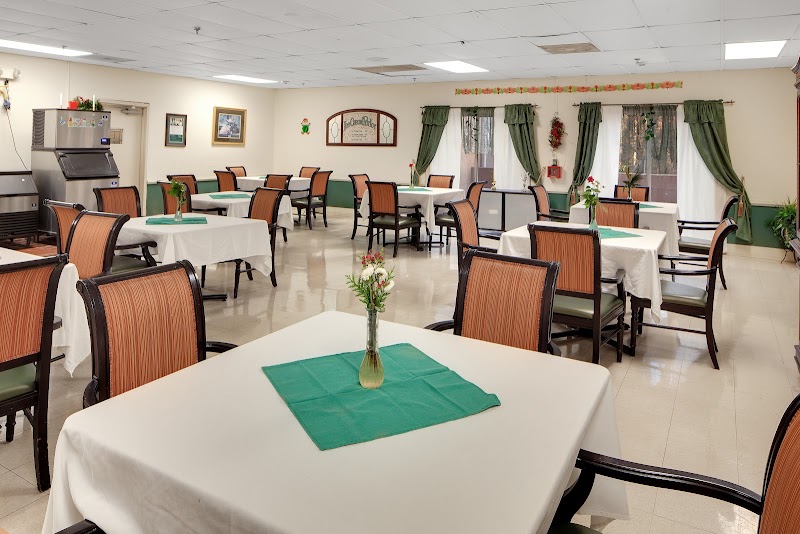
How Does Pruitthealth - West Atlanta Compare to Other Georgia Nursing Homes?

Compared to the 100 nursing homes in Georgia, PRUITTHEALTH - WEST ATLANTA's overall rating (2 stars) is below the state average of 2.6, staff turnover (49%) is near the state average of 46%, and health inspection rating (1 stars) is much below the national benchmark.

What Should Families Ask When Visiting Pruitthealth - West Atlanta?

Based on this facility's data, families visiting should ask: "Can you walk me through typical staffing levels on day, evening, and night shifts?" "Can I visit during a mealtime to observe dining assistance and food quality?" "How do you handle medical emergencies, and what is your hospital transfer rate?" "Can I speak with family members of current residents about their experience?" These questions are particularly relevant given the below-average staffing rating.

Is Pruitthealth - West Atlanta Safe?

Based on CMS inspection data, PRUITTHEALTH - WEST ATLANTA has a clean safety record: no substantiated abuse findings (meaning no confirmed cases of resident harm), no Immediate Jeopardy citations (the most serious violation level indicating risk of serious injury or death), and is not on the Special Focus Facility watch list (a federal program monitoring the lowest-performing 1% of nursing homes). The facility has a 2-star overall rating and ranks #100 of 100 nursing homes in Georgia. While no facility is perfect, families should still ask about staff-to-resident ratios and recent inspection results during their visit.

Do Nurses at Pruitthealth - West Atlanta Stick Around?

PRUITTHEALTH - WEST ATLANTA has a staff turnover rate of 49%, which is about average for Georgia nursing homes (state average: 46%). Moderate turnover is common in nursing homes, but families should still ask about staff tenure and how the facility maintains care continuity when employees leave.

Was Pruitthealth - West Atlanta Ever Fined?

PRUITTHEALTH - WEST ATLANTA has been fined $12,370 across 1 penalty action. This is below the Georgia average of $33,203. While any fine indicates a compliance issue, fines under $50,000 are relatively common and typically reflect isolated problems that were subsequently corrected. Families should ask what specific issues led to these fines and confirm they've been resolved.

Is Pruitthealth - West Atlanta on Any Federal Watch List?

PRUITTHEALTH - WEST ATLANTA is not on any federal watch list. The most significant is the Special Focus Facility (SFF) program, which identifies the bottom 1% of nursing homes nationally based on persistent, serious quality problems. Not being on this list means the facility has avoided the pattern of deficiencies that triggers enhanced federal oversight. This is a positive indicator, though families should still review the facility's inspection history directly.