RELIABLE HEALTH & REHAB AT LAKEWOOD
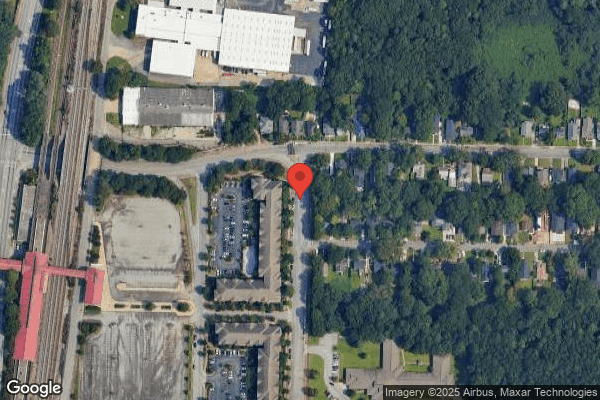
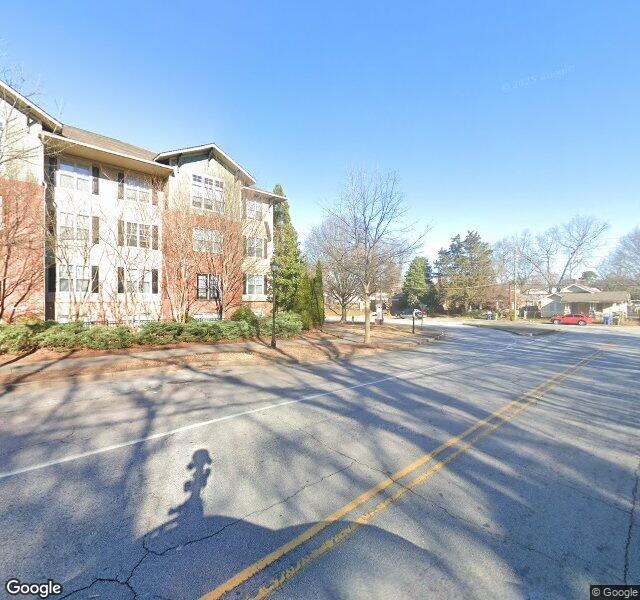
1980 ARROW STREET, SW, ATLANTA, GA 30310 (404) 755-4080
For profit - Corporation 100 Beds RELIABLE HEALTH CARE MANAGEMENT Data: November 2025
Trust Grade
65/100
#162 of 353 in GA
Last Inspection: March 2025

Within standard 12-15 month inspection cycle. Federal law requires annual inspections.

Overview

Reliable Health & Rehab at Lakewood has a Trust Grade of C+, indicating that it is slightly above average but not without its issues. It ranks #162 out of 353 facilities in Georgia, placing it in the top half, and is #4 of 18 in Fulton County, meaning only three local facilities are rated higher. The facility's performance is stable, with 14 issues identified in both 2023 and 2025, including concerns about food safety practices that could lead to food-borne illnesses. Staffing is a significant weakness, receiving a poor rating of 1 out of 5 stars, though turnover is slightly below the state average at 45%. On a positive note, there have been no fines recorded, which suggests compliance with regulations, but there is concerningly less RN coverage than 82% of state facilities, which might impact the quality of care provided.

Trust Score
C+
65/100
In Georgia
#162/353
Top 45%
Safety Record
Low Risk
No red flags
Inspections
Holding Steady
4 → 4 violations
Staff Stability
○ Average
45% turnover. Near Georgia's 48% average. Typical for the industry.
Penalties
✓ Good
No fines on record. Clean compliance history, better than most Georgia facilities.
Skilled Nurses
⚠ Watch
Each resident gets only 15 minutes of Registered Nurse (RN) attention daily — below average for Georgia. Fewer RN minutes means fewer trained eyes watching for problems.
Violations
⚠ Watch
14 deficiencies on record. Higher than average. Multiple issues found across inspections.
★★★☆☆
3.0
Overall Rating
★☆☆☆☆
1.0
Staff Levels
★★★★☆
4.0
Care Quality
★★★★☆
4.0
Inspection Score
Stable
2023: 4 issues
2025: 4 issues

The Good

  • 4-Star Quality Measures · Strong clinical quality outcomes
  • Full Sprinkler Coverage · Fire safety systems throughout facility
  • No fines on record
  • Staff turnover below average (45%)

    3 points below Georgia average of 48%

Facility shows strength in quality measures, fire safety.

The Bad

3-Star Overall Rating

Near Georgia average (2.6)

Meets federal standards, typical of most facilities

Staff Turnover: 45%

Near Georgia avg (46%)

Typical for the industry

Chain: RELIABLE HEALTH CARE MANAGEMENT

Part of a multi-facility chain

Ask about local staffing decisions and management

The Ugly 14 deficiencies on record

Mar 2025 4 deficiencies
CONCERN (D)

Potential for Harm - no one hurt, but risky conditions existed

Deficiency F0645 (Tag F0645)

Could have caused harm · This affected 1 resident

Based on observations, staff interviews, record review, and review of facility policy, the facility failed to ensure the Preadmission Screening and Resident Review (PASRR) was accurate for one (reside...

Read full inspector narrative →
Based on observations, staff interviews, record review, and review of facility policy, the facility failed to ensure the Preadmission Screening and Resident Review (PASRR) was accurate for one (resident (R) #61 of seven residents reviewed. Specifically, the facility failed to ensure the PASRR was completed accurately upon admission. Findings include: Review of the facility policy titled admission Criteria dated November 2017 read in part: Policy Statement: Our facility will admit only those residents whose medical and nursing care needs can be met. Policy Interpretation and Implementation . 7. Nursing and medical needs of individuals with mental disorders or intellectual disabilities will be determined by coordination with the Medical Pre-admission Screening and Resident Review. Review of the electronic medical record (EMR) revealed R #61was admitted to the facility with diagnoses that included, but were not limited to bi-polar disorder and vascular dementia. Review of the Preadmission Screening Resident Review (PASRR) Level I Assessment (Form: DMA-613): Review Request dated 3/22/24 did not reveal the resident had the diagnosis of bi-polar disorder. During an interview on 3/14/25 at 11:38 a.m., the Director of Social Services (DSS) explained the process for PASRR stating it was dependent on the diagnosis. The DSS stated the hospital staff submitted the Level I to the Georgia state agency prior to admission to the nursing home facility. She stated they (the facility) received a copy of The Level I prior to admission for review and to see if it was pending or approved. The DSS stated she reviewed the form to ensure the diagnosis were documented accurately for the resident. She stated one of the sister facilities had completed an audit about six months ago and identified there was an issue. The DSS reviewed the PASRR for R#61 and stated it was not completed accurately and submitted a new form on 3/11/25. The DSS stated it was important to complete timely so the patient can be taken care of if they have behaviors and treated timely. She stated she should have completed a new Level I because the hospital did not include diagnoses of Bipolar. During an interview on 3/14/25 at 12:05 pm, the Nursing Home Administrator (NHA) did not know if a new Level I should have been submitted since the hospital did not indicate the resident had Bipolar on The Level I when they submitted it. The NHA stated there was not additional information for R#61's PASRR and it should have been resubmitted.
CONCERN (D)

Potential for Harm - no one hurt, but risky conditions existed

ADL Care (Tag F0677)

Could have caused harm · This affected 1 resident

Based on observations, staff interviews, record review, and facility policy review, the facility failed to carry out activities of daily living (ADL) for a dependent resident for one (1) (Resident (R)...

Read full inspector narrative →
Based on observations, staff interviews, record review, and facility policy review, the facility failed to carry out activities of daily living (ADL) for a dependent resident for one (1) (Resident (R) #9) of 30 sampled residents reviewed. Specifically, the facility failed to provide nail care to a dependent resident. Findings include: Review of the facility policy titled Nail Care dated July 2024 read in part: Policy: Purpose of this procedure is to provide guidelines for the provisions of care to a resident's nails for good grooming and health. Policy Explanation and Compliance Guidelines: .3. Routine cleaning and inspection of nails will be provided during ADL care on an ongoing basis. 4. Routine nail care, to include trimming and filing, will be provided on a regularly scheduled shower/bath day. Nail care will be provided between scheduled occasions as the need arises.6. Principles of nail care: a. nails should be kept smooth to avoid skin injury. Review of the electronic medical record (EMR) revealed Resident (R)#9 was admitted to the facility with diagnoses that included, but were not limited to muscle weakness, and hemiplegia and hemiparesis following infarction affecting the left dominant side. Review of the quarterly Minimum Data Set (MDS) Assessment dated 2/13/25 included the Brief Interview for Mental Status (BIMS) score of two (2) out of 15, which indicated the resident was severely cognitively impaired. The assessment revealed the resident was dependent on staff for ADLs to include personal hygiene and nail care. Review of R#9's Care Plan identified the resident was dependent on staff for ADL care. Review of Shower Documentation & CNA (Certified Nursing Assistant) Skin Assessment Form read in part:1/29/25 nail care was left blank, 2/4/25 fingernails cleaned and cut, 2/14/25 fingernails cleaned, 2/28/25 fingernails cleaned, 3/4/25 fingernails cleaned and cut. Observation on 3/11/25 at 12:23 pm revealed the resident was in her room lying in bed with family visiting. The resident's nails appeared long with jagged edges and dark color debris under the nails. Observation on 3/12/25 at 3:25 pm revealed the resident was lying in bed with hands crossed. R#9's nails appeared long and jagged with debris under the nails. Observation on 3/13/25 at 3:02 pm revealed the resident was sitting up in bed. The resident's nails appeared long and jagged with debris under the nails. During an interview and observation on 3/13/25 at 3:05 pm, CNA CC stated nail care was completed on shower days, two times a week, unless they noticed that they needed to be cut and cleaned during daily patient care that included cutting and trimming. CNA CC stated R#9's shower days were Tuesday and Friday mornings. She observed the residents' nails and stated they needed to be cleaned and cut. She stated documentation was completed on the Shower Documentation & CNA Skin Assessment Form after completion of the task. During an interview and observation on 3/13/25 at 3:10 pm, Licensed Practical Nurse (LPN AA) stated resident nails were cleaned and trimmed daily if needed. He stated they did not have a specific nail clipping day, it could be completed on the shower days or as needed. LPN AA stated the CNAs documented on the shower sheet if it was done and would let nurses know as needed. He stated if the nurse saw a hangnail or something it was documented in the nurses' notes. Observation of R#9's nails in her room, LPN AA said, dirt or something is under her nails, and about medium length, in need of a trim. He said, the left hand, which was contracted, nails in need of nail care, cleaned and trimmed. LPN AA stated it was important to complete nail care so residents would not injure themselves and good hygiene. During an interview and observation on 3/13/25 at 3:26 pm with the Director of Nursing (DON) stated ADL care included personal hygiene, which included nail care. He stated that dependent residents' nails were cleaned and trimmed during the shower at a minimum and as needed. He stated daily care included personal hygiene and nail care. Observation of Resident #9's nails with the DON, he said, I see dirt under the nails, long jagged nails and the left-hand contracture longer and jagged, they can be more clean.
CONCERN (D)

Potential for Harm - no one hurt, but risky conditions existed

Deficiency F0688 (Tag F0688)

Could have caused harm · This affected 1 resident

Based on observations, staff interviews, record review, and facility policy review, the facility failed to ensure the resident did not experience a reduction in motion for one of one resident (R#9) re...

Read full inspector narrative →
Based on observations, staff interviews, record review, and facility policy review, the facility failed to ensure the resident did not experience a reduction in motion for one of one resident (R#9) reviewed. Specifically, the facility failed to assess and provide services to prevent contractures. Findings include: Review of the facility policy titled Contracture Management dated January 2024 read in part: Policy: Potential for contractures development and range of motion will be assessed upon admission, readmission, significant change in condition, and quarterly to identify any limitations in range of motion or potential for contracture development. Residents will be referred to the Therapy Department in accordance with this policy for screening and contracture identification. Therapy Department will screen all new admissions for the presence of contractures and the presence or absence of contractures will be noted on the Therapy Screen and/or the evaluation form. Therapy will continue to monitor the presence and/or severity of a contracture once identified or for the development of a new limitation/contracture during the quarterly/annual/significant change therapy screening process with the help of the nursing ROM (range of motion) Evaluation Tool and Contracture Potential Assessment. Resident (R)#9 was admitted to the facility with diagnoses that included, but were not limited to muscle weakness, and hemiplegia and hemiparesis following infarction affecting the left dominant side. Review of the quarterly Minimum Data Set (MDS) Assessment dated 2/13/25 included the Brief Interview for Mental Status (BIMS) score of two (2) out of 15, which indicated the resident was severely cognitively impaired. The assessment revealed the resident was dependent on staff for Activities of Daily Living (ADL) to include personal hygiene and nail care. The resident received occupational therapy from 9/9/24 through 10/24/24. Review of the current Physician Orders did not include an order for use of a splint or restorative therapy. Review of R#9's Care Plan initiated 3/13/25 identified the resident required restorative nursing for left hand contracture. The resident goal was to have no skin breakdown or other complications related to splint use. The interventions included staff was to explain to the resident every time the splint was put on or removed; staff to apply the resting hand splint to the left hand two hours on and two hours off; check for adequate circulation and signs and symptoms of skin breakdown when removed. Review of the Contracture Potential Assessment revealed: On 8/9/24 a score of 16 which indicated the resident had severe impairment /limitation on ROM tool and or contracture. Therapy Screen indicated/request completed. On 11/7/24 a score of 15 on the tool did not identify the impairment/limitation. On 2/7/24 a score of 15 on the tool did not identify the impairment/limitation. Observation on 3/11/25 at 12:23 pm revealed R#9 was in her room lying in bed with family visiting. The resident's left hand was contracted with no splint on. Observation on 3/12/25 at 3:25 pm revealed R#9 was lying in bed with hands crossed. The resident's left hand was contracted with no splint on. Observation on 3/13/25 at 3:02 pm revealed R#9 was sitting up in bed. The resident's left hand was contracted with no splint on. During an interview and observation on 3/13/25 at 3:05 pm, Certified Nursing Assistant (CNA CC) stated the resident's left hand was contracted and there was no injury. She stated the restorative department took care of the contractures, applied splints as ordered. During an interview and observation on 3/13/25 at 3:10 pm, Licensed Practical Nurse (LPN AA) stated he did not know if the resident had a splint. During an interview and observation on 3/13/25 at 3:26 pm with the Director of Nursing (DON), he stated he did not know about the contractures but would check. He did not return with information. During an interview on 3/14/25 at 9:44 am, the Director of Rehab (DOR) explained the process regarding splint use. She stated if a person was not on therapy, either the CNA or nursing would submit a referral to therapy and then Occupational Therapy (OT), Physical Therapy (PT) or Speech Therapy (ST) would screen the resident and decided if the person needed further evaluation for the next level and then they were picked up by therapy. The doctor or Nurse Practitioner sometimes made recommendations. She stated somebody made the referral and went from there. The DOR stated after the evaluation it was determined on the needs of the resident. She stated it took about 24-48 hours after referral to start the process. The DOR stated the resident received therapy services from 12/30/24 to 1/28/2025 and determined a resting hand splint was needed and ordered, the splints were shipped on 1/16/25. The DOR stated there should have been an order for restorative to follow and apply the splint up to four hours a time. She stated the resident was unable to tolerate 4 hours of splint use. She stated the resident should have had at least two hours and then off and tried again, should have minimum of two hours per day of wearing the splint. The DOR stated that after therapy was completed, a restorative form was completed and turned into the MDS coordinator who was in charge of the restorative program, but that was a process that started a few days ago, since she just started the position a few days ago. The DOR was unable to recall who gave the referral for restorative therapy for R #9. She stated the restorative CNA was responsible to place the splint on the resident as required. The DOR did not know if it was documented or who was responsible for documenting when the splint was placed on the resident or not placed on the resident. She stated they should document daily but the restorative CNA would know. The DOR stated he would look for documentation and if located would provide to the NHA to give to the surveyor. During an interview on 3/14/25 at 10:23 am, Restorative CNA (Restorative CNA CC) explained that once the rehab department discharged the resident they were then added to the restorative program. They were responsible to do ROM to the upper and lower extremities, splints, sit to stand, help dress and toilet residents. Restorative CNA CC stated the rehab department communicated verbally what needed to be done. She said, They (OT) said that the resident did have a splint, I never received a splint. I put one on her today. The Restorative CNA CC said, I would put wash clothes in her hands, when she was on restorative. R#9's restorative discontinued two Fridays ago. R#9 now back on restorative as of yesterday and I put the splint on this morning. Restorative CNA CC stated it was important to have the splint on because she had contractures and helped her open her hand somewhat. She said we do not document in restorative.
CONCERN (E)

Potential for Harm - no one hurt, but risky conditions existed

Assessment Accuracy (Tag F0641)

Could have caused harm · This affected multiple residents

**NOTE- TERMS IN BRACKETS HAVE BEEN EDITED TO PROTECT CONFIDENTIALITY** Based on staff interviews, record review, and review of the Long-Term Care (LTC) Resident Assessment Instrument (RAI) 3.0 Manual...

Read full inspector narrative →
**NOTE- TERMS IN BRACKETS HAVE BEEN EDITED TO PROTECT CONFIDENTIALITY** Based on staff interviews, record review, and review of the Long-Term Care (LTC) Resident Assessment Instrument (RAI) 3.0 Manual, the facility failed to ensure the Minimum Data Set (MDS) accurately reflected the resident's status for three (3) of three (3) sampled residents (Resident (R) #24, R#25, and R#74) reviewed for hospice care. The MDS Assessments for the sampled residents did not reflect the residents had terminal illnesses. Findings include: Review of the LTC Facility RAI 3.0 dated October 2024 revealed J1400: Prognosis: Steps for Assessments: 1. Review the medical record for documentation by the physician that the resident's condition or chronic disease may result in a life expectancy of less than 6 months, or that they have a terminal illness. 2. If the physician states that the resident's life expectancy may be less than 6 months, request that they document this in the medical record. Do not code until there is documentation in the medical record. 3. Review the medical record to determine whether the resident is receiving hospice services. Coding Instructions: Code 0, no: if the medical record does not contain physician documentation that the resident is terminally ill and the resident is not receiving hospice services. Code 1, yes: if the medical record includes physician documentation: 1) that the resident is terminally ill; or 2) the resident is receiving hospice services .O0110: Special Treatments, Procedures and Programs: .O0110K1, Hospice Care - Code residents identified as being in a hospice program for terminally ill persons where an array of services is provided for the palliation and management of terminal illness and related conditions. The hospice must be licensed by the state as a hospice provider and/or certified under the Medicare program as a hospice provider. 1. Review of Resident #24's electronic medical record (EMR) revealed the resident was admitted to the facility with diagnoses which included, but were not limited to congestive heart failure, dementia, atrial fibrillation, bipolar disorder and type 2 diabetes mellitus. Review of Resident #24's Physician's Order dated 11/6/24 revealed Admit to Hospice - (name of hospice). #1 to name of hospice #2 per daughter's request. admission completed today, resident, hospice and resident's daughter made aware. Review of Resident #24's Quarterly MDS dated [DATE] revealed the resident was not assessed as having a terminal illness prognosis at J1400. Review of Resident #24's Quarterly MDS dated [DATE] revealed the resident was not assessed as having a terminal illness prognosis at J1400. Review of Resident #24's Quarterly MDS dated [DATE] revealed the resident was not assessed as having a terminal illness prognosis at J1400. Review of Resident #24's Annual MDS dated [DATE] revealed the resident was not assessed as having a terminal illness prognosis at J1400. Review of Resident #24's Name of Hospice- Hospice Certification and Plan of Care for certification period 12/10/21 to 2/7/22 revealed I certify that this patient is terminally ill with a life expectancy of six (6) months or less if the terminal illness process runs its normal course. The statement was e-signed by the Hospice Physician. Review of Resident #24's Name of Hospice - Physician Certification/Recertification for certification period 2/4/25 to 4/4/25 revealed I certify, in my clinical judgement, based on my review of the patient's medical record and/or examination of the patient named above, that this patient's medical prognosis is terminal with a life expectancy of six (6) months or less, if the illness runs its normal course. The statement was electronically signed by the Hospice Physician. During an interview on 3/13/25 at 11:45 a.m., the MDS Coordinator stated R#24 was admitted to Name of Hospice #1 and continuously used that hospice until recently when the daughter requested she be switched to Name of Hospice #2 in November of 2024. 2. Review of Resident #25's EMR revealed the resident was admitted to the facility with diagnoses which included, but not limited to Alzheimer's Disease, dementia, type 2 diabetes mellitus, hypertension, altered mental status and aspiration of fluid. Further review of the resident's medical record reviewed the resident was admitted to hospice on 7/19/24. Review of Resident #25's Quarterly MDS dated [DATE] revealed the resident was not assessed as having a terminal illness prognosis at J1400. Review of Resident #25's Quarterly MDS dated [DATE] revealed the resident was not assessed as having a terminal illness prognosis at J1400. Review of Resident #25's Significant Change MDS dated [DATE] revealed the resident was not assessed as having a terminal illness prognosis at J1400. 3. Review of Resident #74's EMR revealed the resident was admitted to the facility with diagnoses which included dementian epididymitis, hypertension, post-traumatic stress disorder and seizures. Review of Resident #74's Physician's Orders dated 10/3/24 revealed Admit to hospice (name of hospice). Review of Resident #74's Annual MDS dated [DATE] revealed the resident was not assessed as having a terminal illness prognosis at J1400. Review of Resident #74's Quarterly MDS dated [DATE] revealed the resident was not assessed as having a terminal illness prognosis at J1400. Review of Resident #74's Quarterly MDS dated [DATE] revealed the resident was not assessed as having a terminal illness prognosis at J1400. Review of Resident #74's Certification from Hospice Physician dated 6/28/24 revealed I attest that I have completed the face-to-face encounter. The clinical findings of this encounter have been provided to the certifying physician for use in determining whether the patient continues to have a life expectancy of six (6) months or less, should the illness run its normal course. The statement was electronically signed by the Nurse Practitioner. During an interview on 3/14/25 at 9:45 a.m., the MDS Coordinator stated she had overlooked coding the residents' prognoses for hospice. She stated she will review all the hospices residents' documentation and send corrections. She stated she used the Resident Assessment Instrument (RAI) 3.0 Manual for direction and reference when coding an MDS Assessment. She stated she does know J1400 Prognosis should be coded for hospice residents once an order has been received.
Dec 2023 4 deficiencies
CONCERN (D) 📢 Someone Reported This

A family member, employee, or ombudsman was alarmed enough to file a formal complaint

Potential for Harm - no one hurt, but risky conditions existed

Free from Abuse/Neglect (Tag F0600)

Could have caused harm · This affected 1 resident

**NOTE- TERMS IN BRACKETS HAVE BEEN EDITED TO PROTECT CONFIDENTIALITY** Based on record review, resident representative and staff interviews, and review of the facility policy titled, Abuse, Neglect, ...

Read full inspector narrative →
**NOTE- TERMS IN BRACKETS HAVE BEEN EDITED TO PROTECT CONFIDENTIALITY** Based on record review, resident representative and staff interviews, and review of the facility policy titled, Abuse, Neglect, Exploitation and Misappropriation Prevention Program, the facility failed to protect the resident's right to be free from physical abuse by a staff member for one of 18 sampled residents (R) (R28) reviewed for abuse. Specifically, Certified Nursing Assistant (CNA) CNA 1 was seen pulling R28 down the hallway by her legs, yelling to stay out of other resident's rooms. Finding include: Review of the facility policy titled, Abuse, Neglect, Exploitation and Misappropriation Prevention Program, dated April 2021 indicated . Residents have the right to be free from abuse, neglect, misappropriation of resident property and exploitation. This includes but is not limited to freedom from corporal punishment, involuntary seclusion, verbal, mental, sexual, or physical abuse, and physical or chemical restraint not required to treat the resident's symptoms. The resident abuse, neglect and exploitation prevention program consists of a facility-wide commitment and resource allocation to support the following objectives: Protect residents from abuse, neglect, exploitation, or misappropriation of property by anyone including, but not necessarily limited to facility staff and other residents. Review of R28's electronic medical record (EMR) admission Record, located under the Profile tab, indicated the resident was admitted to the facility with diagnoses not limited to Alzheimer's disease, and dementia with behavioral disturbances. Review of R28's quarterly Minimum Data Set (MDS) with an Assessment Reference Date (ARD) of 9/11/2023 indicated R28 had a Brief Interview for Mental Status (BIMS) of 99 which revealed the resident was significantly cognitively impaired. The assessment indicated R28 wandered. Review of R28's EMR Care Plan, located under the Care Plan tab and dated 11/9/2023, indicated Resident has a dx [diagnosis] of Alzheimer's and she is a wanderer r/t [related to] wanders in and out of other (male) residents' rooms, Resident has a behavior problem aeb [abnormal eating behaviors], disrobing in public, and laying/sitting on floor r/t dx of Alzheimer's and dementia with behavioral disturbances. Resident has the potential for injury and is high risk for falls due to confusion, incontinence, unaware of safety needs, vision/hearing problems, and bilateral lower extremity weakness. Review of the documentation provided by the facility revealed on 10/2/2022 Licensed Practical Nurse (LPN) 1 heard yelling down the East Hallway and upon checking on the yelling, LPN1 witnessed CNA1 dragging R28 down the hallway by her legs while she was lying on the floor with no shirt on. LPN1 called out to CNA1 to stop what she was doing twice before CNA1 let go of the resident's leg. CNA1 then began yelling at R28 not to go into other residents' rooms and to stay out of men's rooms. LPN3 came from behind the nursing station and assisted R28 to bed and completed a head-to-toe assessment. There was no bruising or skin tears noted. R28 did not complain about pain at the time of the assessment. CNA1 was directed by LPN1 to do an immediate drug test and was walked out of the facility by LPN1. The police were made aware of the incident. R28's responsible party was updated on the incident. The Administrator made a call to CNA1 on 10/2/2022, the date of the alleged incident, and left a message. The Administrator received a return call on 10/2/2022 and when asked to explain what happened, CNA1 replied, It happened so fast, I was frustrated, R28 was on the floor in room [ROOM NUMBER] moving around on the floor. I was trying to get her out of the room because the resident in room [ROOM NUMBER]-A was saying to get R28 out of the room. 124-B was sound asleep so I grabbed her leg and pulled her, I was not thinking, it was not intentional. When asked why she was frustrated CNA 1 said, I don't know. When asked why she didn't get the nurse or another CNA to assist, she said, She was not thinking. Interview on 12/13/2023 at 1:05 pm with R28's resident representative (RR1) revealed being called about the situation and told that R28 was in another person's room and would not come out, so the CNA dragged her out of the room. RR1 expressed being upset about the whole situation but did not see a change in R28's behavior after the incident. Interview on 12/13/2023 at 1:19 pm with LPN1 she stated, Heard some yelling and saw CNA1 dragging R28 down the hallway on her bare back by her feet. She [CNA1] was just yelling 'come on, come on and get up and get off the floor'. CNA1 was really aggravated with R28. CNA1 was immediately drug tested and escorted out of the building. Interview on 12/11/2023 at 2:14 pm with the Administrator revealed the facility immediately followed the facility's abuse protocol by removing CNA1 from all residents, contacting the police and the resident representative, and reporting the incident to the health department. The Administrator stated that checks were frequently done on the resident, to ensure there were no adverse effects or notice in behavior. CNA1 was terminated, and information was provided with the registry.
CONCERN (D) 📢 Someone Reported This

A family member, employee, or ombudsman was alarmed enough to file a formal complaint

Potential for Harm - no one hurt, but risky conditions existed

Pressure Ulcer Prevention (Tag F0686)

Could have caused harm · This affected 1 resident

Based on observations, staff interviews, record review, and review of the facility policy titled, Wound Management program for Pressure Ulcers, the facility failed to follow the doctor's order for one...

Read full inspector narrative →
Based on observations, staff interviews, record review, and review of the facility policy titled, Wound Management program for Pressure Ulcers, the facility failed to follow the doctor's order for one of six residents (R) (R 66) reviewed for pressure ulcers out of a sample of 18 residents. Specifically, the facility failed to consistently apply boots to the heels of R66 to relieve pressure to a stage three pressure ulcer. Findings include: Review of the facility policy titled, Wound Management Program for Pressure Ulcers provided by the facility and revised October 2023 revealed . elevate heels off of bed surface and use pillows between knees if indicated . Review of R66's Face Sheet located in the electronic medical record (EMR) under the Face Sheet tab, indicated R66 was a long-term resident admitted to the facility with the following diagnoses but not limited to cerebral infarction (stroke), respiratory failure, aphasia (difficulty speaking), vascular dementia, and lack of coordination. Review of R66's Minimum Data Set (MDS), located in the EMR under the Resident Assessment Instrument (RAI) tab, with an Assessment Reference Date (ARD) of 7/15/2023, revealed R66's Brief Interview of Mental Status (BIMS) was a 10 out of 15, indicating that R66 was moderately impaired. Review of nursing notes located in the EMR, under the Progress Notes tab and dated 1/6/2023 revealed a skin check was performed with the following results, The resident noted with an unstageable pressure ulcer to her right lateral ankle that measured at 2.0 x 2.0 x unmeasurable cm (centimeters) [which was present upon admission per note dated 12/13/2022] and a scratch to the right side of her neck. Review of current physician orders, located in the EMR under the Orders tab and dated 12/12/2023 revealed, Apply heel boots to both feet at all times . A review of R66's Care Plan, last reviewed 8/17/2023, located in the EMR under the Care Plan tab, revealed The resident has a DTI [deep tissue injury] to her left heel or potential for pressure ulcer development .Immobility and Impaired bed mobility . apply heel boot to left foot and keep in place at all times . Review of the Skin and Wound Evaluation, located in the EMR under the Assessment tab and dated 12/5/2023 revealed R66's left heel ulcer measuring the following: Area 1.7 cm, Length; 1.3 cm; Width 1.6 cm and progress noted to be improving. Review of Weekly Skin Assessments, dated 10/28/2023, located in the EMR under the Assessment tab, revealed a stage three pressure wound remains to the left lateral heel. Observation on 12/12/203 at 11:10 am, R66 was observed in her room, lying in a geri chair (chair with lap tray attached) recliner. R66 was groomed and dressed appropriately, and it was noted that R66 was not wearing her heel floaters (boots designed to offer relief from pressure sores and prevent fragile skin from tearing). Interview on 12/12/2023 at 1:17 pm with Licensed Practical Nurse (LPN) 1, she stated, The resident heels should be floated to prevent further skin damage. I expect her heels to float in bed or while sitting in the geri chair. LPN1 further stated, The resident's right heel is healed, and the left heel is at stage three. LPN1 continued to share that wearing the boots ordered by the doctor would prevent further damage to the pressure ulcer. Interview on 12/12/2023 at 2:14 pm with the Director of Nursing (DON), the DON stated, I expect that doctor's orders are followed. The purpose of applying boots to R66's heels is to prevent further wound damage.
CONCERN (D) 📢 Someone Reported This

A family member, employee, or ombudsman was alarmed enough to file a formal complaint

Potential for Harm - no one hurt, but risky conditions existed

Medication Errors (Tag F0758)

Could have caused harm · This affected 1 resident

Based on record review, staff interviews, and review of the facility policy titled, Documentation-Behavior Monitoring, the facility failed to ensure behavioral and side effect monitoring for antipsych...

Read full inspector narrative →
Based on record review, staff interviews, and review of the facility policy titled, Documentation-Behavior Monitoring, the facility failed to ensure behavioral and side effect monitoring for antipsychotic and psychiatric medications for two of five residents (R) (R42 and R81) reviewed for unnecessary medications. The deficient practice had the potential for residents to erroneously receive medications for unidentified behaviors and suffer side effects from such medications that were not monitored. Findings include: Review of the facility policy titled Documentation-Behavior Monitoring, dated 3/10/2016, documented, When the resident receives an antipsychotic medication that is medically indicated and may help promote or maintain the resident's highest practicable mental, physical, and psychosocial wellbeing, the resident will be placed on behavior monitoring. 1. All residents receiving antipsychotic medications will have Behavior Monitoring to include side-effects monitoring in place .5. Behavior Monitoring including side effects documentation will be on the EMAR (electronic medical administration record) for residents on antipsychotics will include: the observed behavior, the number of episodes exhibited, the interventions used, and observed side effect .if the resident is on psychotropic medications the Behavior Monitoring with side effects will be utilized and the documentation on the EMAR will be as listed in #5. If the resident is not on any psychotropic medications, they will be placed on Behavior Monitoring Only and this will include: the observed behavior, the number of episodes exhibited, and the interventions used . 7. Behavior Monitoring will be documented each shift on the EMAR by the Charge Nurse. 1. Review of R42's undated admission Record located in the EMAR under the Profile tab, documented R42 was initially admitted to the facility with diagnoses to include but not limited to cognitive communication deficit, alcohol dependence with alcohol-induced persisting dementia, and major depressive disorder. Review of R42's admission Minimum Data Set (MDS), located in the EMR under the MDS tab, with an Assessment Reference Date (ARD) of 9/7/2023, a Staff Assessment for Mental Status (SAMS), documented R42 had modified independence related to cognitive skills for daily decision making, indicating R42 had some difficulty in new situations. Review of R42's Care Plan, dated 9/1/2023, located in the EMAR under the Care Plan tab, documented R42 is receiving antipsychotic medication for management of dementia and agitation. Interventions included: Administer medication as ordered per physician. AIMS [Abnormal Involuntary Movement Scale] assessment quarterly and PRN [as needed]. Do not challenge illogical thinking. Document behaviors on MAR [Medication Administration Record] tracking form. Monitor for adverse medication reactions and report any to physician ., The resident is on sedative/hypnotic therapy related to insomnia .administer sedative/hypnotic medications as ordered by physician, monitor/report PRN for following adverse effects of sedative/hypnotic therapy: daytime drowsiness, confusion, loss of appetite in the morning, increased risk of falls and fracture, dizziness. Review of R42's Order Summary Report located in the EMAR under the Order tab, documented medication orders for, klonopin (psychotropic medication) for agitation, dated 10/25/2023 and mirtazapine (antidepressant) for depression, dated 8/31/2023. Further review of the report revealed there were no orders for behavioral and/or adverse effect monitoring for the psychotropic medications being administered. Review of R42's Behavior Monitoring Administration Record (BMAR) for September, October, and November 2023, located in the EMAR under the Order tab, revealed no behavior and/or adverse monitoring being documented. 2. Review of R81's undated admission Record, located in the EMAR, under the Profile tab, documented R81 was admitted to the facility with diagnoses including but not limited to chronic post-traumatic stress disorder, major depressive disorder, and pain in left shoulder. Review of R81's quarterly MDS, located in the EMAR under the MDS tab, with an ARD of 10/18/2023, Brief Interview of Mental Status (BIMS) score, indicated R81 cognition was intact. The resident was assessed as not exhibiting behaviors through the look back period. Review of R81's Care Plan, dated 8/8/2023, located in the EMAR under the Care Plan tab, documented Resident verbally aggressive towards nursing staff r/t [related to] threatening nurses that he will report their licenses to the nursing board, interventions included Administer medications as ordered. Observe for side effects and effectiveness. Assess the resident's understanding of the situation. When the resident becomes agitated: Intervene before agitation escalates; staff to walk calmly away, and approach later., Resident receiving an antidepressant medication to manage indicators of mood secondary to depression interventions included Administer antidepressant medications as ordered by physician. Meet with resident on a 1:1 [one on one] basis and encourage expression of feelings. Monitor for worsening signs of mood/behavior; weight loss, poor appetite, increase in crying, verbalization of thoughts of suicide, hopelessness, sleeping all the time or insomnia, change in attention to personal care. Notify physician of mood/behaviors changes as indicated. Resident is on hypnotic therapy r/t insomnia interventions includes Administer hypnotic medications as ordered by physician, monitor/report PRN for following adverse effects of hypnotic therapy: daytime drowsiness, confusion, loss of appetite in the morning, increased risk of falls and fractures, dizziness. Review of R81's Order Summary Report located in the EMR under the Orders tab, active orders as of 12/14/2023, revealed the following orders: citalopram for depression, dated 4/11/2023. 1. Monitor for behaviors doc [document] observed behaviors using key code. Document # of episode 0. None, 1. Pacing, 2. Spitting, 3. Hitting, 4. Crying, 5. Yelling, 6. Picking, 7. Kicking, 8. Head banging, 9. Scratching, 10. Biting, 11. Hallucination, 12. Paranoia, 13. Delusions, 14. Other. Dated 4/11/2023, 2. Outcome of intervention use key code: I. Improved, U. Unchanged, and W. Worsened, and 4. Psych Med Use: observe for, and document observed side effects 0. None, 1. Pseudo-Parkinsonism (EPS), 2. Restlessness/Anxiety, 3. Tardive Dyskinesia, 4. Hypotension, 5. Falls/Dizziness, 6. Sedation, 7. Dry Mouth, 8. Constipation, and 9. Urinary Retention. Review of R81's BMAR located in the EMAR under the Orders tab, revealed for 9/1/2023 thru 9/30/2023, there was no documented behavior monitoring, outcome monitoring, and adverse effects monitoring for 17 shifts out of 60 shifts, for 10/1/2023 thru 10/31/2023, there was no documented behavior monitoring, outcome monitoring, and adverse effects monitoring for 12 shifts out of 62 shifts, for 11/1/2023 thru 11/30/2023, there was no documented behavior monitoring, outcome monitoring, and adverse effects monitoring for nine shifts out of 60 shifts, and for 12/1/2023 thru 12/11/2023, there was no documented behavior monitoring, outcome monitoring, or adverse effects monitoring for six shifts out of 12 shifts. Interview on 12/12/2023 at 2:30 pm with Licensed Practical Nurse (LPN) 4, LPN4 was questioned as to where nursing staff documented the resident's behavior monitoring, outcome monitoring, and adverse effects. LPN4 stated, It's documented in the BMAR, located in the resident's EMAR, every shift. Interview on 12/12/2023 at 4:57 pm with the Director of Nursing (DON), upon review of R42's and R81's EMARs, confirmed the lack of documentation for behavior monitoring, outcome monitoring, and adverse effects monitoring. The DON added If it's not documented, it's not done. Interview on 12/12/2023 at 5:10 pm with the Administrator, the Administrator stated the expectations are the licensed nurse who takes the order or does rounds with the Medical Doctor (MD), would put the behavioral monitoring and side effect monitoring in the EMAR. The nursing staff should be monitoring, and documenting the behaviors, adverse effects, and outcomes.
CONCERN (F) 📢 Someone Reported This

A family member, employee, or ombudsman was alarmed enough to file a formal complaint

Potential for Harm - no one hurt, but risky conditions existed

Food Safety (Tag F0812)

Could have caused harm · This affected most or all residents

Based on observations, staff interviews, and review of the facility policies titled, Sanitation-Store Rooms/Freezer/Refrigerator and Dating and Labeling, the facility failed to ensure food was properl...

Read full inspector narrative →
Based on observations, staff interviews, and review of the facility policies titled, Sanitation-Store Rooms/Freezer/Refrigerator and Dating and Labeling, the facility failed to ensure food was properly stored, prepared, distributed, and served in accordance with professional standards for food service safety as required for 89 census residents who received meals from the facility kitchen. These failures had the potential to lead to food-borne illness among all facility residents. Findings include: Review of the facility policy titled Sanitation-Store Rooms/Freezer/Refrigerator dated August 2017 documented, It is the policy of the facility to store food in the appropriate location to ensure a safe and sanitary environment according to the State and Federal guidelines .Dry Storage Room .(a) Storerooms will be well lit and ventilated. The floors, walls, shelves and equipment in the storeroom will be kept clean and in good repair .(e) Shelving will be clean and allow for proper storage .(g) Storage containers with tight-fitting covers or plastic bags with closures will be used for storage .(i) Dry ingredient bins or designated containers will be labeled and dated .(j) All food will be labeled and dated if removed from the original container .Refrigeration .(b) Inside will be clean shelving, floors, dust free fan cover and clean storage containers .(c) Store food in a manner that will allow cold air to circulate around the food .(d) Cooked foods will be covered, dated and labeled and will be stored above the fresh and raw foods. Fresh foods will be stored above raw food. (e) Raw meats, poultry, eggs and fish will be wrapped, dated and labeled and placed on the bottom shelf. Frozen, thawing meat with juices will be placed in drip pans to catch liquids. Each type of meat will be in a separate drip pan to avoid cross contamination. Review of the facility policy titled Dating and Labeling documented dated January 2023 documented, The government has mandated with this statement that labeling, dating, and monitoring refrigerated food, including, but not limited to leftovers, so it is used by its use-by date, or frozen (when applicable) or discarded .Dating and labeling food stored in the coolers, dry storage and freezers ensures the safety of the food that will be served to the residents .Discard frozen foods that have expired or passed the manufacturer's used by date .Any package or containers that have been opened but do not have an open date on the containers must be discarded. 1. Observations during the tour of the kitchen on 12/11/2023 at 10:43 am revealed: Plate covers, meal trays, and large cooking pots were stored on metal shelving units, observed resting directly on metal bars with extensive darkened rust and dried debris. Ceiling vents were observed with dried debris and dust above food preparation areas. Ceiling panels were observed with buckling and water damage above food preparation areas. Walk-in refrigerator light did not work. There were two large boxes of romaine lettuce that were wilted and had darkened edges. A cardboard box containing three 5-pound (lb.) bags of raw bacon was stored on the second shelf, with a box containing six 2 lb. bags of raw roast beef stored on top of it. There was red colored drainage observed on the bottom corners of the cardboard box. These items were stored above a box of green bell peppers and salad. Interview on 12/11/2023 at 10:50 am with the Dietary Manager (DM), the DM said that the walk-in refrigerator light had not been functioning for approximately a week and maintenance had ordered a part. The DM verified that the meat products should have been placed on the bottom shelf to prevent dripping from the meat product onto the produce. 2. Observations during the tour of the kitchen on 12/14/2023 at 10:55 am revealed: The walk-in refrigerator had two opened bags of shredded cheese with Best Use By 12/10/2023 on them. There was a 10 lb. box of cucumber salad marinade with a use by date of 12/8/2023. There was an unopened 8.4 lb. box of mini cinnamon rolls that stated to Keep Frozen. The reach-in freezer had an opened and undated bag of breakfast sausages. The backsplash area and the hosing behind the three-compartment sink had significant dried liquid and debris. Plates were stored in a plastic bin on top of a wheeled cart. These plates were stored uncovered near the entrance door leading to the dining room. Observation on 12/14/2023 at 11:41 am, Dietary Aide (DA)1 entered the kitchen from the dining room and passed the prepared meal service line. She was observed with shoulder length hair, which was not covered by a hair net. Interview on 12/14/2023 at 11:20 am, the DM said that they normally placed the clean plates on the cart prior to meal service but did not cover the meal plates before service.
Jun 2022 6 deficiencies
CONCERN (D)

Potential for Harm - no one hurt, but risky conditions existed

Resident Rights (Tag F0550)

Could have caused harm · This affected 1 resident

**NOTE- TERMS IN BRACKETS HAVE BEEN EDITED TO PROTECT CONFIDENTIALITY** Based on observations, staff interviews, record review and review of the facility policy titled, Catheter Management Care, Ancho...

Read full inspector narrative →
**NOTE- TERMS IN BRACKETS HAVE BEEN EDITED TO PROTECT CONFIDENTIALITY** Based on observations, staff interviews, record review and review of the facility policy titled, Catheter Management Care, Anchoring and Changing the facility failed to promote, maintain, and protect a resident's (R) dignity for one (1) (R#15) of five (5) residents with a urinary catheter. Findings include: Review of the facility policy titled Catheter Management Care, Anchoring and Changing updated 9/2017, revealed: 16. Secure catheter drainage bag at below level of bladder, and above the floor. Catheter drainage bags will be covered when residents are in a public area. Review of R#15's diagnoses included but not limited to: Retention of urine, benign prostatic hyperplasia (BPH), and urinary tract infection (UTI). 18 French (F) with 10 milliliter (ML) bulb indwelling catheter: related to a diagnose of urinary retention. Review of R#15's quarterly Minimum Data Set, dated [DATE] revealed Section C-Cognition: Brief Interview of Mental Status (BIMS) score of 14 indicating minor cognitive deficit; Section G-Functional Status: extensive assistance with bed mobility, eating, totally dependent for transfers, locomotion, dressing, toileting, personal hygiene, and bathing; Section H-Bowel and Bladder: resident has catheter. Review of R#15's Physicians orders revealed: Resident admitted with 18F/10 CC catheter attached to bedside drainage bag. During observations on 6/3/22 at 7:45 a.m. and 10:53 a.m. R#15 noted with a catheter, drainage bag was attached to bed, bed in low position, no dignity bag in place, and drainage bag was visible from the door. An interview held on 6/3/22 at 7:45 a.m. with the Registered Nurse (RN) Supervisor RN AA revealed residents with a catheter should have a catheter privacy bag in place. She verified the resident did not have a privacy bag and the catheter bag was visible from the door. An interview held on 6/3/22 at 8:30 a.m. with the Director of Nursing (DON) revealed all residents who have a catheter should have a privacy bag attached to the catheter bag for dignity. An interview held on 6/5/22 at 10:19 a.m. with the Administrator revealed she would expect all residents with a catheter to have a privacy bag.
CONCERN (D)

Potential for Harm - no one hurt, but risky conditions existed

Deficiency F0625 (Tag F0625)

Could have caused harm · This affected 1 resident

**NOTE- TERMS IN BRACKETS HAVE BEEN EDITED TO PROTECT CONFIDENTIALITY** Based on record review, staff interview, and review of the facility Policy titled, Bed Holds and Returns the facility failed to ...

Read full inspector narrative →
**NOTE- TERMS IN BRACKETS HAVE BEEN EDITED TO PROTECT CONFIDENTIALITY** Based on record review, staff interview, and review of the facility Policy titled, Bed Holds and Returns the facility failed to ensure that one resident (R) R#55) of two sampled residents for hospitalizations was made aware of the facility's bed-hold policy in writing before and upon transfer to a hospital. Finding include: Review of the facility Policy titled, Bed Holds and Returns version 1.2 (Revised March 2017) revealed: Prior to transfers and therapeutic leaves, residents or resident representatives will be informed in writing of the bed-hold and return policy. 3. Prior to a transfer, written information will be given to the residents and the resident representatives that explains in detail: a. The rights and limitations of the residents regarding bed-holds; b. The reserve bed payment policy as indicated by the state plan (Medicaid residents); c. The facility per diem rate required to hold a bed (non-Medicaid residents), or to hold a bed beyond the state bed-hold period (Medicaid residents); and d. The details of the transfer (per the Notice of Transfer). Review of medical record for R#55 revealed resident admitted to the facility on [DATE] with diagnoses that included but not limited to end stage renal disease (ESRD), diabetes, hypertension, major depression disorder, aphasia, hemiplegia, hemiparesis, and dementia. Further review of the medical record for R#55 revealed R#55 was transferred to the hospital on [DATE] and 1/31/22 with no documentation to support that a written bed hold notice was provided at the time of transfer to the hospital. An interview held on 6/5/22 at 12:09 p.m. with the Administrator revealed the resident has been in and out of the hospital several times and they do not do bed holds when a resident goes to the hospital.
CONCERN (D)

Potential for Harm - no one hurt, but risky conditions existed

Assessment Accuracy (Tag F0641)

Could have caused harm · This affected 1 resident

**NOTE- TERMS IN BRACKETS HAVE BEEN EDITED TO PROTECT CONFIDENTIALITY** Based on observations, record review, and staff interviews, the facility failed to accurately code two residents (R) (R#15 and R...

Read full inspector narrative →
**NOTE- TERMS IN BRACKETS HAVE BEEN EDITED TO PROTECT CONFIDENTIALITY** Based on observations, record review, and staff interviews, the facility failed to accurately code two residents (R) (R#15 and R#68) Minimum Data Sets (MDS) of 27 sampled residents. Findings include: Review of R#68's diagnoses include but not limited to right above the knee amputation, depression, and dementia. Review of R#68's Quarterly Minimum Data Set (MDS) dated [DATE] revealed section C-Cognition, a Brief Interview for Mental Status Score of eight out of 15 indicating moderate cognitive decline. Section N-Medications, documented resident was receiving anticoagulant, antibiotic, and diuretic. Review of R#68's Physician's orders dated 2/22/22 revealed an order for sertraline hcl 100 milligrams (mg) one time per day for depression. During interview on 6/5/22 at 1:13 p.m. with the MDS Coordinator revealed the MDS was coded in error and acknowledged that R#68 was receiving antidepressant at the time of the MDS assessment. Review of R#15's diagnoses included but not limited to: retention of urine, benign prostatic hyperplasia (BPH), and urinary tract infection (UTI). Review of R#15's quarterly Minimum Data Set (MDS) dated [DATE] revealed Section C-Cognition: Brief Interview of Mental Status (BIMS) score of 14 which indicated intact cognition; Section M-Skin: indicated resident did not have a pressure ulcer or other skin problem. Review of R#15's care plans revealed: The resident's pressure ulcer will show signs of healing as evidenced by weekly wound assessment and have no signs or symptoms of infection by/through review date. Date Initiated: 8/30/2021 Revision on: 4/25/2022 Document weekly wound measurements and status of wound. Report wound progress to Physician as needed. An interview held on 6/5/22 at 1:13 p.m. with MDS Coordinator revealed the MDS was coded in error and acknowledged that R#15 had a pressure wound at time of the MDS assessment. An interview held on 6/5/22 at 1:18 p.m. with Director of Nursing (DON) revealed her expectation is for all residents' MDS assessments to be coded accurately.
CONCERN (D)

Potential for Harm - no one hurt, but risky conditions existed

Comprehensive Care Plan (Tag F0656)

Could have caused harm · This affected 1 resident

**NOTE- TERMS IN BRACKETS HAVE BEEN EDITED TO PROTECT CONFIDENTIALITY** Based on record review, staff interview, and review of the facility policy Care Planning - Interdisciplinary Team the facility f...

Read full inspector narrative →
**NOTE- TERMS IN BRACKETS HAVE BEEN EDITED TO PROTECT CONFIDENTIALITY** Based on record review, staff interview, and review of the facility policy Care Planning - Interdisciplinary Team the facility failed to develop a person-centered, comprehensive care plan to address pressure ulcers for one Resident (R) (R #81) out of 27 sampled residents. Findings include: Review of the facility policy Care Planning - Interdisciplinary Team revised March 2022 revealed the interdisciplinary team is responsible for the development of resident care plans. 2. Comprehensive, person-centered care plans are based on resident assessments and developed by an interdisciplinary team (IDT). Review of the Annual Minimum Data Set (MDS) dated [DATE] revealed in Section (M) Skin Conditions that R# 81 was at risk for pressure ulcers. Review of Section (V) Care Area Assessment (CAA) Summary revealed that R#81 triggered for pressure ulcers and a care plan was to be created. Review of the care plan for R #81 revealed no care plan in place related to actual pressure ulcers or that R #81 is at risk for pressure ulcers. During an interview on 6/4/22 at 1:23 p.m. with the MDS Coordinator she revealed she has been working in the facility as MDS Coordinator since April 2022. During this time, she reviewed the care plan for R #81 and confirmed there is no care plan in place for pressure ulcers or for being at risk for pressure ulcers. She stated she is auditing all care plans and trying to get them corrected and updated timely and confirmed the Quarterly MDS Assessment for R #81 was completed by her on 5/7/22 and when she reviewed the MDS she missed that the resident should have been care planned for pressure ulcers and confirmed there is no care plan in place for pressure ulcers for R #81.
CONCERN (D)

Potential for Harm - no one hurt, but risky conditions existed

Deficiency F0657 (Tag F0657)

Could have caused harm · This affected 1 resident

Based on observations, staff interviews, record review, and review of policy titled Care Planning-Interdisciplinary Team, the facility failed to update a care plan related to a Stage 3 pressure wound ...

Read full inspector narrative →
Based on observations, staff interviews, record review, and review of policy titled Care Planning-Interdisciplinary Team, the facility failed to update a care plan related to a Stage 3 pressure wound for one resident (R) R#15) of 27 residents in the sample. Findings include: Review of the facility policy titled Care Planning-Interdisciplinary Team (revised March 2022) revealed: 2. comprehensive, person-centered care plans are based on resident assessments and developed by an interdisciplinary team (IDT). Review of R#15's Physician's orders included diagnoses of (not all inclusive) Retention of urine, benign prostatic hyperplasia (BPH), and urinary tract infection (UTI). Further review of the orders revealed the following: Stage 3 pressure wound of the right distal lateral foot. Cleanse with normal saline/wound cleanser. Pat dry. Apply alginate calcium. Cover with gauze, wrap with rolled gauze and secure with tape, 3 times a week. Stage 3 pressure wound of the right hip. Wash with normal saline. Pat dry. Apply xeroform sterile gauze. Cover with island dressing, 3 times a week. Review of R#15's care plan did not reveal that it had been updated to reflect the Stage 3 pressure wound of the right hip. Interview on 6/5/22 at 11:00 a.m. with the DON revealed she would expect the care plans to reflect the current problems of the resident. She agreed the MDS should have included the residents wound and the care plan should be up to date to include all the current wounds.
CONCERN (D)

Potential for Harm - no one hurt, but risky conditions existed

Deficiency F0697 (Tag F0697)

Could have caused harm · This affected 1 resident

**NOTE- TERMS IN BRACKETS HAVE BEEN EDITED TO PROTECT CONFIDENTIALITY** Based on observation, record review, staff interview, and review of the facility policy Pain Management the facility failed to a...

Read full inspector narrative →
**NOTE- TERMS IN BRACKETS HAVE BEEN EDITED TO PROTECT CONFIDENTIALITY** Based on observation, record review, staff interview, and review of the facility policy Pain Management the facility failed to assess pain for one Resident (R), R #81 during wound care out of 27 sampled residents. Findings include: Review of the facility policy Pain Management revised 2013 revealed the facility staff will ensure that each resident has his or her pain assessed and managed. Review of the Quarterly Minimum Data Set (MDS) dated [DATE] for R #81 revealed in section (C) Cognitive Patterns a Brief Interview for Mental Status (BIMS) score of 15 indicating intact cognition. Section (E) Behavior revealed R #81 exhibits no behaviors. Section (G) Functional Status revealed R #81 is totally dependent for all Activity of Daily Living (ADL). Section (H) Bowel and Bladder R #81 is always incontinent. Section (I) Active Diagnoses include Hypertension, Anemia, Cerebral Vascular Accident (CVA) and Hemiplegia. Section (J) Health Conditions revealed R #81 had a pain assessment and at that time no pain was present. Section (M) Skin Conditions revealed R #81 is at risk for Pressure Ulcers and currently has 1 Stage 2. Section (N) R #81 does not take any opioids, antidepressants, antianxiety, antipsychotic, hypnotic, or diuretic medication. Review of care plan revealed R #81 has chronic physical disability and wound, initiated 5/22/19 and revised 2/25/19. At risk for pain. Interventions include but is not limited to anticipate the resident's need for pain relief and respond promptly to any complaint of pain, identify previous pain history and management of that pain and impact on function, identify previous response to analgesia including pain relief, side effects and impact on function, monitor/record/report to nurse resident complaints of pain or requests for pain treatment. During an observation of wound care on 6/4/22 at 11:46 a.m. with Registered Nurse (RN) BB, assisted by Certified Nursing Assistant (CNA) DD, revealed upon RN BB taking the saline 4x4 gauze and cleaning the wound the resident yelled out Ouch RN BB apologized and continued care. Upon RN BB patting the wound with a 4x4 gauze to dry the area, the resident yelled out Ouch, what are you doing? RN BB stated she was almost finished. During this time CNA DD was observed using the left hip of R #81 to pull the resident toward her to reveal the wound better for RN BB to place the calcium alginate and foam dressing on the wound and R #81 yelled out Ouch, my hip! RN BB apologized and continued with the dressing change. At no time did the nurse stop and assess the resident's pain or offer pain medication. During an interview on 6/4/22 at 12:15 p.m. with RN BB she revealed she did assess R #81 for pain prior to doing wound care and R #81 declined pain medication. RN BB confirmed the resident did express pain during wound care and that she did not stop and assess her pain or offer pain medication. RN BB stated she should have addressed her pain level when R #81 exhibited pain during care and offered pain medication to her and added this is not normal practice for her. During an interview on 6/4/22 at 2:21 p.m. with the Director of Nursing (DON) she revealed it is her expectation that the nurse performing wound care will assess the resident's pain before, during and after wound care. She stated if the resident exhibits pain during the dressing change, then the nurse should stop wound care, reposition the resident, administer pain medication to the resident, wait enough time to give the medication to take effect, then finish the wound care. She revealed the facility wound care nurse quit without notice in March 2022 and since that time they have been actively looking for a replacement. DON stated until a wound care nurse is hired it is the responsibility of the nurses caring for the residents requiring dressing changes to ensure those changes are done. She stated the nursing staff has been educated on wound care and how to perform wound care which included assessing for pain before, during, and after wound care. She revealed she spoke with RN BB and CNA DD, and they confirmed R #81 complained of pain during wound care and that RN BB did not assess her pain and added that she has begun immediate education to staff on pain management, in particularly during wound care. During an interview on 6/422 at 2:40 p.m. with RN BB she revealed she spoke with R #81 after wound care, and she denied pain after her dressing change and did not administer pain medication since she was not in pain. During a telephone interview on 6/5/22 at 11:00 a.m. with the wound care physician he revealed it is his expectations that a resident be assessed before, during, and after wound care for pain and if they have pain during care that pain medication be provided and after the medication has taken effect then the nurse should resume wound care. At the time of exit, there was no evidence of education provided to nursing staff prior to the survey related to wound care and assessment of pain. Cross reference F656
Understanding Severity Codes (click to expand)
Life-Threatening (Immediate Jeopardy)
J - Isolated K - Pattern L - Widespread
Actual Harm
G - Isolated H - Pattern I - Widespread
Potential for Harm
D - Isolated E - Pattern F - Widespread
No Harm (Minor)
A - Isolated B - Pattern C - Widespread

Questions to Ask on Your Visit

  • "Can I speak with families of current residents?"
  • "What's your RN coverage like on weekends and overnight?"

Our Honest Assessment

Strengths
  • • No major safety red flags. No abuse findings, life-threatening violations, or SFF status.
  • • No fines on record. Clean compliance history, better than most Georgia facilities.
  • • 45% turnover. Below Georgia's 48% average. Good staff retention means consistent care.
Concerns
  • • 14 deficiencies on record. Higher than average. Multiple issues found across inspections.
Bottom line: Mixed indicators with Trust Score of 65/100. Visit in person and ask pointed questions.

About This Facility

What is Reliable Health & Rehab At Lakewood's CMS Rating?

CMS assigns RELIABLE HEALTH & REHAB AT LAKEWOOD an overall rating of 3 out of 5 stars, which is considered average nationally. Within Georgia, this rating places the facility higher than 99% of the state's 100 nursing homes. This mid-range rating indicates the facility meets federal standards but may have areas for improvement.

How is Reliable Health & Rehab At Lakewood Staffed?

CMS rates RELIABLE HEALTH & REHAB AT LAKEWOOD's staffing level at 1 out of 5 stars, which is much below average compared to other nursing homes. Staff turnover is 45%, compared to the Georgia average of 46%. This relatively stable workforce can support continuity of care.

What Have Inspectors Found at Reliable Health & Rehab At Lakewood?

State health inspectors documented 14 deficiencies at RELIABLE HEALTH & REHAB AT LAKEWOOD during 2022 to 2025. These included: 14 with potential for harm.

Who Owns and Operates Reliable Health & Rehab At Lakewood?

RELIABLE HEALTH & REHAB AT LAKEWOOD is owned by a for-profit company. For-profit facilities operate as businesses with obligations to shareholders or private owners. The facility is operated by RELIABLE HEALTH CARE MANAGEMENT, a chain that manages multiple nursing homes. With 100 certified beds and approximately 87 residents (about 87% occupancy), it is a mid-sized facility located in ATLANTA, Georgia.

How Does Reliable Health & Rehab At Lakewood Compare to Other Georgia Nursing Homes?

Compared to the 100 nursing homes in Georgia, RELIABLE HEALTH & REHAB AT LAKEWOOD's overall rating (3 stars) is above the state average of 2.6, staff turnover (45%) is near the state average of 46%, and health inspection rating (4 stars) is above the national benchmark.

What Should Families Ask When Visiting Reliable Health & Rehab At Lakewood?

Based on this facility's data, families visiting should ask: "Can you walk me through typical staffing levels on day, evening, and night shifts?" "Can I visit during a mealtime to observe dining assistance and food quality?" "How do you handle medical emergencies, and what is your hospital transfer rate?" "Can I speak with family members of current residents about their experience?" These questions are particularly relevant given the below-average staffing rating.

Is Reliable Health & Rehab At Lakewood Safe?

Based on CMS inspection data, RELIABLE HEALTH & REHAB AT LAKEWOOD has a clean safety record: no substantiated abuse findings (meaning no confirmed cases of resident harm), no Immediate Jeopardy citations (the most serious violation level indicating risk of serious injury or death), and is not on the Special Focus Facility watch list (a federal program monitoring the lowest-performing 1% of nursing homes). The facility has a 3-star overall rating and ranks #1 of 100 nursing homes in Georgia. While no facility is perfect, families should still ask about staff-to-resident ratios and recent inspection results during their visit.

Do Nurses at Reliable Health & Rehab At Lakewood Stick Around?

RELIABLE HEALTH & REHAB AT LAKEWOOD has a staff turnover rate of 45%, which is about average for Georgia nursing homes (state average: 46%). Moderate turnover is common in nursing homes, but families should still ask about staff tenure and how the facility maintains care continuity when employees leave.

Was Reliable Health & Rehab At Lakewood Ever Fined?

RELIABLE HEALTH & REHAB AT LAKEWOOD has no federal fines on record. CMS issues fines when nursing homes fail to meet care standards or don't correct problems found during inspections. The absence of fines suggests the facility has either maintained compliance or corrected any issues before penalties were assessed. This is a positive indicator, though families should still review recent inspection reports for the full picture.

Is Reliable Health & Rehab At Lakewood on Any Federal Watch List?

RELIABLE HEALTH & REHAB AT LAKEWOOD is not on any federal watch list. The most significant is the Special Focus Facility (SFF) program, which identifies the bottom 1% of nursing homes nationally based on persistent, serious quality problems. Not being on this list means the facility has avoided the pattern of deficiencies that triggers enhanced federal oversight. This is a positive indicator, though families should still review the facility's inspection history directly.