PRUITTHEALTH - AUSTELL
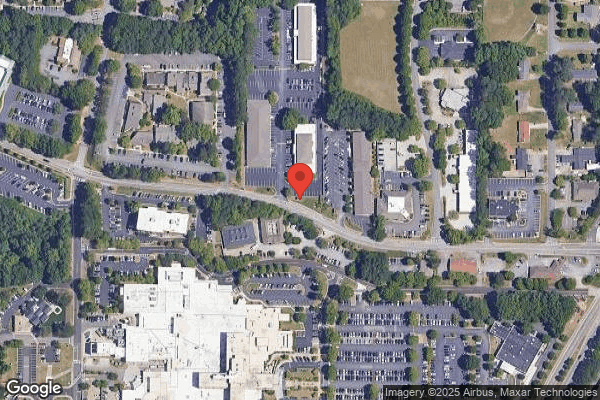

1700 MULKEY RD, AUSTELL, GA 30106 (770) 941-5750
For profit - Limited Liability company 124 Beds PRUITTHEALTH Data: November 2025
Trust Grade
55/100
#214 of 353 in GA
Last Inspection: June 2024

Within standard 12-15 month inspection cycle. Federal law requires annual inspections.

Overview

PruittHealth - Austell has a Trust Grade of C, which means it is average and falls in the middle of the pack among nursing homes. It ranks #214 out of 353 facilities in Georgia, placing it in the bottom half, and #6 out of 13 in Cobb County, indicating only five local options are better. The facility is improving, as it reduced its issues from 12 in 2024 to 6 in 2025. Staffing is a relative strength, with a 3 out of 5-star rating and a 44% turnover rate, which is slightly below the state average. However, there are some concerns, including incidents where a resident's medication was administered late, potentially affecting their health, and failures to ensure proper dishwashing temperatures, which could impact food safety. Despite these weaknesses, the absence of fines and good RN coverage-better than 98% of Georgia facilities-are positive indicators for families considering this nursing home.

Trust Score
C
55/100
In Georgia
#214/353
Bottom 40%
Safety Record
Low Risk
No red flags
Inspections
Getting Better
12 → 6 violations
Staff Stability
○ Average
44% turnover. Near Georgia's 48% average. Typical for the industry.
Penalties
✓ Good
No fines on record. Clean compliance history, better than most Georgia facilities.
Skilled Nurses
✓ Good
Each resident gets 59 minutes of Registered Nurse (RN) attention daily — more than average for Georgia. RNs are trained to catch health problems early.
Violations
⚠ Watch
18 deficiencies on record. Higher than average. Multiple issues found across inspections.
★★☆☆☆
2.0
Overall Rating
★★★☆☆
3.0
Staff Levels
★★★★☆
4.0
Care Quality
★★☆☆☆
2.0
Inspection Score
Stable
2024: 12 issues
2025: 6 issues

The Good

  • 4-Star Quality Measures · Strong clinical quality outcomes
  • Full Sprinkler Coverage · Fire safety systems throughout facility
  • No fines on record
  • Staff turnover below average (44%)

    4 points below Georgia average of 48%

Facility shows strength in quality measures, fire safety.

The Bad

2-Star Overall Rating

Below Georgia average (2.6)

Below average - review inspection findings carefully

Staff Turnover: 44%

Near Georgia avg (46%)

Typical for the industry

Chain: PRUITTHEALTH

Part of a multi-facility chain

Ask about local staffing decisions and management

The Ugly 18 deficiencies on record

Jul 2025 6 deficiencies
CONCERN (D) 📢 Someone Reported This

A family member, employee, or ombudsman was alarmed enough to file a formal complaint

Potential for Harm - no one hurt, but risky conditions existed

Deficiency F0579 (Tag F0579)

Could have caused harm · This affected 1 resident

Based on record review, and family member and staff interviews, the facility failed to ensure one of one resident reviewed for billing (Resident (R) 3's) Family Member (F1) was provided with a timely ...

Read full inspector narrative →
Based on record review, and family member and staff interviews, the facility failed to ensure one of one resident reviewed for billing (Resident (R) 3's) Family Member (F1) was provided with a timely refund for paying for a private room and failed to review the resident's billing for accuracy. As a result of this deficient practice, the resident was billed for excessive charges, and the bill was sent to collections for an unjustified charge.Findings include:Review of R3's Face Sheet located in the electronic medical record (EMR) under the Face Sheet tab, revealed an admission date of 1/5/2024 and discharge date of 2/1/2024.During an interview on 7/1/2025 at 10:07 AM, Family Member (F) 1 explained the desire to have R3 in a private room and on 1/10/2024 they paid $3720, as requested by the facility for the private room, being reassured that everything else was covered by Medicare and the supplemental insurance. F1 had a concern about being billed for over $5600 and called the facility several times concerning the bill. During an interview on 6/30/2025 at 10:45 AM, the Business Office Manager (BOM) provided documentation from the business office files for R3 and confirmed there was a billing entry error for R3 resulting in being billed for 484 days of private room care when the actual days were 22 days. F1 had paid $3720 on 1/10/2024 for R3 to have care in a private room. When the error was revealed, a refund of $992 was sent to R3.Review of R3's Resident Statement, dated 2/19/2024 and provided by the facility revealed an outstanding balance of $56,296 for 484 days for a private room.Review of the debt collection letter, provided by the facility to R3 dated 4/26/2024 revealed a past due amount of $56,296, requesting immediate payment to the facility.Review of R3's Resident Statement, dated 11/22/2024 and provided by the facility revealed a refunded amount of $992.During an interview on 7/2/2025 at 2:47 PM, the Administrator confirmed refunds should be sent in a timely manner when a refund was due to a resident/resident family member.Review of the admission agreement, signed by R3 dated 1/5/2024 and provided by the facility revealed, Refunds. Any overpayments made by the Resident and held by the Facility will be refunded as soon as possible after any outstanding insurance claims have been verified and paid.
CONCERN (D) 📢 Someone Reported This

A family member, employee, or ombudsman was alarmed enough to file a formal complaint

Potential for Harm - no one hurt, but risky conditions existed

Quality of Care (Tag F0684)

Could have caused harm · This affected 1 resident

Based on observations, family member and staff interviews, record review, and facility policy review, the facility failed to ensure residents received timely and necessary treatments for their conditi...

Read full inspector narrative →
Based on observations, family member and staff interviews, record review, and facility policy review, the facility failed to ensure residents received timely and necessary treatments for their conditions for two of 24 sampled residents (Resident (R) 1 and R4). These failures placed the residents at risk for their conditions to worsen by receiving delayed treatment. Findings include: Review of the facility's policy titled Medication Administration: General Guidelines, dated 04/10/29 indicated . Medications are administered in accordance with written orders of the attending physician. 1. Review of R1's Face Sheet located in the resident's electronic medical record (EMR) under the Face Sheet tab revealed the resident was admitted to the facility with diagnoses including but not limited to senile degeneration of /the brain, not elsewhere classified, wedge compression fracture of second lumbar vertebra, scabies, and other nonspecific skin eruptions.Review of R1's EMR under the Resident Census tab indicated R1 was enrolled on Hospice services as of 12/11/2024. Review of R1's Progress Note dated 3/13/2025 and located in the resident's EMR under the Progress Note tab, indicated a staff member noticed spotted redness on R1's hands. The staff asked R1 what had happened and R1 stated she was itchy all over. The Progress note indicated the Nurse Practitioner (NP) was notified and ordered hydrocortisone 1% cream apply topically twice daily for 14 days. The Progress Note indicated R1's responsible party was notified of the change of condition. Review of R1's Progress Note, dated 3/6/2025 in the resident's EMR under the Progress Note tab indicated the nursing staff was notified by the Certified Nurse Aide (CNA) staff that R1's rash was distributed on R1's bilateral upper extremities and chest area, the Physician Assistant (PA) was present in the facility doing rounds and was able to assess the rash. The Progress Note indicated the PA ordered triamcinolone ointment treatment; two times a day for R1's rash.Review of R1's Progress Note, dated 4/2/2025 and located in R1's EMR under the Progress Note tab indicated R1's rash on the bilateral upper extremities and chest area had not improved. Skin treatment applied as ordered. Review of R1's Progress Note, dated 4/4/2025 and located in R1's EMR under the Progress Note tab indicated that triamcinolone acetonide cream was applied to the rashes.Review of R1's Progress Note, dated 4/8/2025 and located in R1's EMR under the Progress Note tab indicated R1's rash appeared to be spreading on different parts of her body, and the Nurse Practitioner (NP) and Responsible Person (RP) were made aware. The Progress note indicated that R1 denied itching or discomfort. A further note dated 4/8/2025 indicated the NP ordered hydrocortisone 1% (percent) cream, and a dermatology consult, and the RP was notified.Review of R1's Medication Administration Record (MAR) located in R1's EMR indicated R1 had a dermatology visit on 5/6/2025, and the Physician ordered mometasone ointment (topical ointment used to treat skin inflamed skin conditions) 0.1 %, .Amount to Administer: small amount; topically twice a day. The recommendation was for R1 to return to the Dermatologist in two weeks if the rash was not better.Review of R1's Patient Handout, dated 6/26/2025 and located in R1's EMR under the Orders tab, indicated R1 was seen by the Dermatologist on 6/25/2025, more than five weeks after the initial consultation instead of two weeks as the Dermatologist had recommended that she return if the rash was not improved. The Patient Handout contained the following information: Step one (every day)-permethrin 5% topical cream-apply neck to entire body overnight, wash off in am and repeat in one week, step one as directed-Ivermectin three milligram (mg) tablet take three tablets by mouth as a single dose and repeat in one week, and step two (as directed) triamcinolone acetonide 0.1% topical cream apply to affected areas on body twice a day as needed for itching.Review of R1's MAR, dated June 2025 and located in in R1's EMR under the Orders tab, indicated an order for Permethrin cream [a medication used to treat scabies and lice]; 5%, amount to administer: as appropriate, daily, and topically, the ivermectin [used to treat parasitic worm infections in humans] three mg tabs.three tablets by mouth as a single dose to be repeated in a week and triamcinolone acetonide 0.1% topical cream as needed for itching were being administered. According to the MAR the orders for this treatment were dated 6/26/2025, the same day R1 saw the Dermatologist.During an interview with Family Member (FM) 2 on 7/1/2025 at 3:00 PM, FM2 stated she attended a care plan meeting last Friday and she was told that it was the hospice staff's fault that R1's medicine did not arrive at the facility until 6/28/2025. She said R1 has had the rash for a while. FM2 said R1 finally saw the Dermatologist on 6/26/2025 and the medicine did not start until 6/28/2025. During an interview with Licensed Practical Nurse (LPN) 5 on 7/1/2025 at 3:30 PM, LPN5 called the facility pharmacy and was told that the Physician did not send the e-script (electronic prescription) to the Pharmacy until 6/27/2025, so the medicine was sent to the facility either Friday night (6/27/2025) or Saturday morning (6/28/2025), and the treatment plan was initiated. 2. Review of R4's electronic medical records (EMR) titled Resident Face Sheet indicated the resident was admitted to the facility with a diagnosis of but not limited to hyperglycemia (diabetes).Review of R4's EMR titled Orders located under the Resident tab dated 6/25/2025 indicated the medical provider ordered Humalog solution five units to be administered three times per day at 9:00 AM, 1:00 PM, and 5:00 PM. The administration of Humalog was to give the insulin 10 to 15 minutes before meals. There was no evidence of standing orders for the administration of glucagon. Review of R4's EMR titled Situation, Background, Assessment, Recommendations (SBAR) located under the Resident tab dated 2/8/2025 indicated the resident's blood sugar dropped to 42 and indicated the resident was administered glucagon and orange juice which raised the resident's blood sugar to 311. The SBAR revealed the medical provider and the resident's responsible party were notified. Review of an undated document provided by the facility titled, Mealtimes indicated the lunch meals were to be started at 1:10 PM.During an interview on 7/1/2025 at 11:58 AM, Licensed Practical Nurse (LPN) 3 stated she follows whatever the physician directed for the treatment of R4. An interview was conducted on 7/1/2025 at 12:57 PM with LPN3 and LPN2 (Unit Manager for [NAME] A/B halls). LPN3 confirmed she had administered R4's insulin at noon. The noon meal trays had not been delivered to the resident's hallway. LPN2 asked LPN3 if R4 was provided with a snack around the time of administration and LPN3 confirmed she did not provide the resident with a snack. During an interview on 7/1/2025 at 1:10 PM, Nurse Practitioner (NP) 1 stated R4's order came from her endocrinologist since there were concerns with hypoglycemia (low blood sugar). NP1 stated that the meal not being delivered for over an hour was a bit too long since given the resident's blood sugar, the staff were looking at potential hypoglycemia. During an interview on 7/1/2025 at 1:27 PM, Registered Nurse (RN) 2 stated if there was a delay in a resident's meal after being administered with a short acting insulin, a snack should be provided so the resident does not become hypoglycemic. R4's meal was delivered during this interview. During an interview on 7/2/2025 at 12:48 PM, the Director of Nursing (DON) stated staff should have intervened for R4 with the glucagon and then obtain a physician order. The DON stated there were no standing orders for the administration of glucagon for R4.
CONCERN (D) 📢 Someone Reported This

A family member, employee, or ombudsman was alarmed enough to file a formal complaint

Potential for Harm - no one hurt, but risky conditions existed

Accident Prevention (Tag F0689)

Could have caused harm · This affected 1 resident

**NOTE- TERMS IN BRACKETS HAVE BEEN EDITED TO PROTECT CONFIDENTIALITY** Based on record review, resident and staff interviews, and facility policy review, the facility failed to ensure one of three re...

Read full inspector narrative →
**NOTE- TERMS IN BRACKETS HAVE BEEN EDITED TO PROTECT CONFIDENTIALITY** Based on record review, resident and staff interviews, and facility policy review, the facility failed to ensure one of three residents reviewed for falls (Resident (R) 12) out 24 sampled residents, had adequate supervision and the resident and/or family had been trained to transfer the resident from her wheelchair to a personal vehicle. The deficient practice had the potential for R12 to sustain a fall and cause harm.Findings include:Review of a facility policy titled Occurrences dated 1/11/2024 indicated .The healthcare center recognizes that due to the fragility of the patient/residents served, there is an increased risk of occurrences that may result in injury to the patient/resident and/or others. To prevent occurrences, each patient/resident will be observed and assessed for risks. Appropriate, realistic interventions will be implemented in accordance with their plan of care.Review of R12's electronic medical record (EMR) titled Resident Face Sheet located under the Resident tab indicated the resident was admitted to the facility on [DATE].Review of R12's EMR titled quarterly Minimum Data Set (MDS) with an Assessment Reference Date (ARD) dated 01/30/25 located Aspen MDS Viewer indicated the resident had a Brief Interview for Mental Status (BIMS) score of 14 out of 15, which revealed the resident was cognitively intact. The assessment indicated the resident had impairments of her upper and lower extremities. The assessment indicated the resident was dependent on staff for transfers from bed to a chair and from a chair to the bed.Review of R12's Physical Therapy Treatment Encounter Note(s), dated 2/6/2025 and provided by the facility indicated the resident was a fall risk due to a right-side hemiplegia (stroke) and was dependent on staff for chair to bed and from bed to chair transfers.Review of R12's EMR titled Care Plan located under the RAI (Resident Assessment Instrument) tab dated 11/20/2024 revealed the resident was identified as being at risk for falls related to weakness, pain, and lack of coordination.During an interview on 6/30/2025 at 12:02 PM, R12 confirmed she was taken to a medical appointment (on 2/6/2025) and was not picked up by the facility. R12 stated her son needed to place her in the back of his car and transport her back to the facility.During an interview on 6/30/2025 at 2:58 PM, the Administrator stated the facility had no policy on transportation of a resident. The Administrator stated that depending on a resident's mobility, a family member could transport a resident back to the facility.During an interview on 7/1/2025 at 2:23 PM, the Director of Rehabilitation (DOR) stated that R12 was dependent on staff for transfers and stated rehabilitation did not provide the family with education on performing safe transfers with the resident. The DOR stated she would not have provided family education for transferring a resident to and from a car due to safety and her right sided paralysis.(Cross Reference F774)
CONCERN (D) 📢 Someone Reported This

A family member, employee, or ombudsman was alarmed enough to file a formal complaint

Potential for Harm - no one hurt, but risky conditions existed

Deficiency F0774 (Tag F0774)

Could have caused harm · This affected 1 resident

**NOTE- TERMS IN BRACKETS HAVE BEEN EDITED TO PROTECT CONFIDENTIALITY** Based on resident and staff interviews and record review, the facility failed to ensure one of three residents (Resident (R) 12)...

Read full inspector narrative →
**NOTE- TERMS IN BRACKETS HAVE BEEN EDITED TO PROTECT CONFIDENTIALITY** Based on resident and staff interviews and record review, the facility failed to ensure one of three residents (Resident (R) 12) reviewed for transportation out of a total sample size of 24 residents, was picked up from a medical appointment by the facility's transportation. This failure placed residents at risk for unsafe transportation to a medical appointment from the facility.Findings include:Review of R12's electronic medical record (EMR) titled Resident Face Sheet located under the Resident tab indicated the resident was admitted to the facility on [DATE].Review of R12's EMR titled quarterly Minimum Data Set (MDS) with an Assessment Reference Date (ARD) dated 1/30/2025 located under the survey shell indicated the resident had a Brief Interview for Mental Status (BIMS) score of 14 out of 15, which revealed the resident was cognitively intact.During an interview on 6/30/2025 at 10:26 AM, Certified Nurse Aide (CNA) 2 confirmed she left R12 at her medical appointment on 2/6/2025. CNA2 stated CNA1 was to pick the resident up.During an interview on 6/30/2025 at 10:29 AM, CNA1 stated there was a delay at R12's medical appointment and she was scheduled to clock out at 5:00 PM. CNA1 stated she informed the resident's son that she could not wait to take the resident back to the facility, so the son brought the resident back to the facility.During an interview on 6/30/2025 at 12:02 PM, R12 stated she was left at a medical appointment, and her son had to place her in the back of his car and this hurt her leg.During an interview on 6/30/2025 at 2:58 PM, the Administrator stated the facility did not have a policy on transportation for residents but stated her expectation was if the facility provided the transportation to the medical appointment for the resident, then the resident needed to be picked up by the facility.
CONCERN (D) 📢 Someone Reported This

A family member, employee, or ombudsman was alarmed enough to file a formal complaint

Potential for Harm - no one hurt, but risky conditions existed

Medical Records (Tag F0842)

Could have caused harm · This affected 1 resident

**NOTE- TERMS IN BRACKETS HAVE BEEN EDITED TO PROTECT CONFIDENTIALITY** Based on record review, staff interviews, and facility policy review, the facility failed to ensure that clinical records were c...

Read full inspector narrative →
**NOTE- TERMS IN BRACKETS HAVE BEEN EDITED TO PROTECT CONFIDENTIALITY** Based on record review, staff interviews, and facility policy review, the facility failed to ensure that clinical records were complete and contained accurate documentation for one of 24 residents sampled residents (Resident (R) 4). This failure had the potential for R4 not to receive accurate care.Findings include:Review of a facility's policy titled Medication Administration: General Guidelines dated 4/10/2019 indicated . Medications are administered as prescribed, in accordance with good nursing principles and practices and only by persons legally authorized to do so. Personnel authorized to administer medications do so only after they have familiarized themselves with the medication.Review of R4's electronic medical records (EMR) titled Resident Face Sheet indicated the resident was admitted to the facility on [DATE].Review of documents provided by the facility titled Medication Administration History (MAH) for the month of January 2025 indicated R4's Hiprex was not documented as administered on the following dates: 1/3/2025 at 9:00 AM; 1/19/2025 at 9:00 AN; and on 2/13/2025 there was no documented evidence the resident received her Hiprex.Review of R4's Order History dated 8/16/2023 and provided by the facility indicated the physician ordered gabapentin (anticonvulsant medication used to treat nerve pain) 300 milligrams (mg) to be administered twice a date at 9:00 AM and 5:00 PM and Hiprex (methenamine Hippurate) tablet; 1 gram; amt: 1; oral Special Instructions: Take with meals.Review of a document provided by the facility titled MAH for the month of February 2025 indicated R4's gabapentin was not documented as administered to R4 on the following date: there was no documented evidence the medication was administered on 2/1/2025 at 5:00.Review of documents provided by the facility titled MAH for the month of May 2025 indicated R4's gabapentin was not documented as administered on the following dates: on 5/4/25 and on 05/05/2025 the 5:00 PM dose had no documented evidence that the gabapentin was administered to R4; and on 5/25/2025 the 5:00 PM dose had no documented evidence that the gabapentin was administered to R4.Review of documents provided by the facility titled MAH for the month of May 2025 indicated R4's Hibrex was not documented as administered on the following dates: on 5/4/2025 and on 5/5/2025 5:00 PM dose had no documented evidence that the gabapentin was administered to R4; and on 5/25/2025 the 5:00 PM dose had no documented evidence that the gabapentin was administered to R4.Review of R4's Order History dated 5/2/2025 and provided by the facility indicated the physician ordered carvedilol tablet 25 mg to be administered twice a day at 9:00 AM and 5:00PM.Review of documents provided by the facility titled MAH for the month of June 2025 indicated R4's carvedilol 5:00 PM dose was not documented as administered on 6/28/2025.During an interview on 7/2/2025 at 12:48 PM, the Director of Nursing (DON) stated that his expectation was for the nurses to document that medications were administered and this was part of the standard of care.
CONCERN (E) 📢 Someone Reported This

A family member, employee, or ombudsman was alarmed enough to file a formal complaint

Potential for Harm - no one hurt, but risky conditions existed

Pharmacy Services (Tag F0755)

Could have caused harm · This affected multiple residents

**NOTE- TERMS IN BRACKETS HAVE BEEN EDITED TO PROTECT CONFIDENTIALITY** Based on record review, staff interviews, and facility policy review, the facility failed to ensure the timely administration of...

Read full inspector narrative →
**NOTE- TERMS IN BRACKETS HAVE BEEN EDITED TO PROTECT CONFIDENTIALITY** Based on record review, staff interviews, and facility policy review, the facility failed to ensure the timely administration of a medication for one of three residents reviewed for medications (Resident (R) 4) out of a total sample of 24 residents. Specifically, R4 had multiple medications, and insulin administered late over six months. This had the potential for a reduction in the effectiveness of the medications. In addition, the late administration of fast acting and long-acting insulin had the potential to control levels of blood sugar.Findings include:Review of the facility's policy titled Medication Administration: General Guidelines dated 7/22/2024 indicated .Medications are to be administered as prescribed.Review of R4's electronic medical records (EMR) titled Resident Face Sheet indicated the resident was admitted to the facility on [DATE].a. Review of R4's Order History dated 8/16/2023 and provided by the facility indicated the physician ordered gabapentin (anticonvulsant medication used to treat nerve pain) 300 milligrams (mg) to be administered twice a date at 9:00 AM and 5:00 PM.b. Review of R4's Order History dated 2/9/2024 and provided by the facility indicated the physician ordered Hiprex (medication used to prevent UTIs) 1 gram to be administered twice a day at 9:00 AM and 5:00 PM.c. Review of R4's Order History dated 12/26/2024 and provided by the facility indicated the physician ordered Humalog five units to be administered with meals at 9:00 AM, 1:00 PM, and 5:00 PM.d. Review of R4's Order History dated 12/26/2024 and provided by the facility indicated the physician ordered Humalog solution to be administered subcutaneous as follows: If the resident's blood sugar was less than 65, to call the physician; if the resident's blood sugar was between 201 and 250 to administered three units; if the resident's blood sugar was 251 to 300 to administered six units; if the resident's blood sugar was 301 to 350 to administer eight units; and if the resident's blood sugar was 351 to 400 to administer 10 units. The order specifically indicated before meals and at bedtime scheduled at 6:30 AM, 11:30 AM, 4:30 PM, and 9:00 PM.e. Review of R4's Order History dated 5/2/2025 and provided by the facility indicated the physician ordered carvedilol tablet 25 mg to be administered twice a day at 9:00 AM and 5:00PM.f. Review of R4's Order History dated 5/20/2025 and provided by the facility indicated the physician ordered Tresiba insulin pen (three units) was to be administered once a day at 9:00 AM.Review of R4's Medication Administration History (MAH) provided by the facility from January 2025 to May 2025 revealed:Review of the documents provided by the facility for the month of January 2025 the MAH indicated Hiprex was administered late to R4 on the following dates: on 1/1/2025 the 9:00 AM dose was not administered until 11:00 AM and the 5:00 PM dose was not administered until 1/2/2025 at 12:23 AM; on 1/2/2025 the 9:00 AM dose was not administered until 3:49 PM and the 5:00 PM dose was not administered until 7:46 PM; on 1/4/2025 the 9:00 AM dose was not administered until 11:06 AM and the 5:00 PM dose was not administered until 7:40 PM; on 1/5/2025 the 9:00 AM dose was not administered until 11:38 AM; on 1/7/2025 the 9:00 AM dose was not administered until 11:12 AM; on 1/8/2025 the 5:00 PM dose was not administered until 10:49 PM; on 1/11/2025 the 9:00 AM dose was not administered until 11:02 AM and the 5:00 PM dose was not administered until 9:17 PM; on 1/12/2025 the 9:00 AM dose was not administered until 11:33 AM and the 5:00 PM dose was not administered until 6:44 PM; on 1/18/2025 the 9:00 AM dose was not administered until 12:07 PM; and on 1/21/2025 the 9:00 AM dose was not administered until 11:30 AM and the 5:00 dose was not administered until 7:16 PM.Review of documents provided by the facility titled MAH for the month of February 2025 indicated the Hiprex was administered late to R4 on the following dates: on 2/1/2025 the 5:00 PM dose was not administered until 7:51 PM; on 2/2/2025 the 9:00 AM dose was not administered until 1:39 PM; on 2/4/2025 the 9:00 AM dose was not administered until 10:25 AM and the 5:00 PM dose was not administered until 7:13 PM; on 2/5/2025 the 9:00 AM dose was not administered until 12:06 PM; on 2/7/2025 the 9:00 AM dose was not administered until 12:06 PM; on 2/6/2025 the 9:00 AM dose was not administered until 10:39 AM; on 2/7/2025 the 5:00 PM dose was not administered until 10:12 PM; on 2/9/2025 the 9:00 AM dose was not administered 10:43 AM and the 9:00 PM dose was not administered until 7:38 AM; 02/10/25 the 9:00 AM dose was not administered until 12:41 PM; on 2/10/2025 the 9:00 AM dose was not administered until 12:41 PM; on 2/11/2025 the 9:00 AM dose was not administered until 10:22 AM; on 2/12/2025 the 9:00 AM dose was not administered until 12:06 PM; and on 2/13/2025 the 5:00 PM dose was not administered until 9:58 PM.Review of documents provided by the facility titled MAH for the month of February 2025 indicated the Humalog five units was administered late to R4 on the following dates: 2/1/2025 indicated the 9:00 AM dose was not administered until 10:50 AM and 5:00 PM dose was not administered until 7:51 PM; on 2/2/2025 the 9:00 AM dose was not administered until 1:39 PM; on 2/4/2025 the 9:00 AM dose was not administered until 10:25 AM and 5:00 PM dose was not administered until 7:13 PM; 2/5/2025 the 9:00 AM dose was not administered until 12:06 PM; on 2/5/2025 the 9:00 AM dose was not administered until 12:06 PM; 2/9/2025 the 5:00 PM dose was not administered until 7:38 PM; on 2/10/2025 the 9:00 AM dose was not administered until 12:41 PM.Review of documents provided by the facility titled MAH for the month of March 2025 indicated the gabapentin was administered late to R4 on the following dates: on 3/1/2025 the 9:00 AM dose was not administered until 11:00 AM and the 5:00 PM dose was not administered until 6:59 PM; on 3/2/2025 the 5:00 PM dose was not administered until 6:32 PM; on 3/3/2025 the 5:00 PM dose was not administered until 7:25 PM; 3/5/2025 the 9:00 AM dose was not administered until 12:13 PM; on 3/6/2025 the 5:00 PM dose was not administered until 7:36 PM; on 3/6/2025 the 5:00 PM dose was not administered until 3/7/2025 at 12:32 AM; on 3/7/2025 the 9:00 AM dose was not administered until 11:00 AM; on 3/8/2025 the 9:00 AM was not administered until 2:09 PM and the 5:00 PM dose was not administered until 7:02 PM; on 3/11/2025 the 5:00 PM dose was not administered until 9:27 PM; on 3/9/2025 the 9:00 AM dose was not administered until 12:11 PM.Review of documents provided by the facility titled MAH for the month of March 2025 indicated the Hiprex was administered late to R4 on the following dates: on 3/3/2025 the 5:00 PM dose was not administered until 7:25 PM; on 3/4/2025 the 9:00 AM dose was not administered until 12:13 PM; on 3/5/2025 the 5:00 PM dose was not administered until 7:36 PM; on 3/6/2025 the 5:00 PM dose was not administered until 7:36 PM; on 3/6/2025 the 5:00 PM dose was not administered until 3/7/2025 at 12:32 AM; on 3/7/2502 the 9:00 AM dose was not administered until 11:00 AM; on 3/8/2025 the 9:00 AM was not administered until 2:09 PM and the 5:00 PM dose was not administered until 7:02 PM; on 3/11/2025 the 5:00 PM dose was not administered until 9:27 PM; on 3/9/2025 the 9:00 AM dose was not administered until 12:11 PM.Review of documents provided by the facility titled MAH for the month of April 2025 indicated the gabapentin was administered late to R4 on the following dates: on 4/1/2025 the 9:00 AM dose was not administered until 10:36 AM and the 5:00 PM dose was not administered until 7:37 PM; on 4/3/2025 the 9:00 AM dose was not administered until 11:37 PM and the 5:00 PM dose was not administered until 6:37 PM; on 4/6/2025 the 9:00 AM dose was not administered until 11:16 PM; on 4/9/2025 the 5:00 PM dose was not administered until 8:11 PM; on 4/11/2025 the 9:00 AM dose was not administered until 1:11 PM; and on 4/29/2025 the 5:00 PM dose was not administered until 8:54 PM.Review of documents provided by the facility titled MAH for the month of April 2025 indicated the Hiprex was administered late to R4 on the following dates: on 4/2/2025 the 5:00 PM dose was not administered to R4 until 7:37 PM; on 4/3/2025 the 9:00 AM dose was not administered to R4 until 11:37 AM; on 4/6/2025 the 9:00 AM dose was not administered to R4 until 11:16 PM; on 4/9/2025 the 5:00 PM was not administered to R4 until 8:11 PM; on 4/10/2025 the 5:00 PM dose was not administered to R4 until 8:32 PM; on 4/11/2025 the 9:00 AM dose was not administered to R4 until 1:11 PM; and on 4/20/2025 the 9:00 AM dose was not administered to R4 until 10:32 AM.Review of documents provided by the facility titled MAH for the month of May 2025 indicated the gabapentin was administered late to R4 on the following dates: on 5/12/2025 the 5:00 PM dose was not administered to R4 until 7:31 PM; on 5/14/2025 the 5:00 PM dose was not administered to R4 until 10:04 PM; on 5/15/2025 the 5:00 PM was not administered to R4 until 9:15 PM; on 5/17/2025 the 9:00 AM dose was not administered to R4 until 12:44 PM; on 5/17/2025 the 5:00 PM dose was not administered to R4 until 9:57 PM; on 5/18/2025 the 5:00 PM dose was not administered to R4 until 9:31 PM; on 5/20/2025 the 5:00 PM dose was not administered to R4 until 7:20 PM; and on 5/22/2025 the 5:00 PM was not administered to R4 until 8:37 PM.Review of documents provided by the facility titled MAH for the month of May 2025 indicated the Hiprex was administered late to R4 on the following dates: on 5/12/2025 the 5:00 PM dose was not administered to R4 until 7:31 PM; on 5/14/2025 the 5:00 PM dose was not administered to R4 until 10:04 PM; on 5/15/2025 the 5:00 PM was not administered to R4 until 9:15 PM; on 5/17/2025 the 9:00 AM dose was not administered to R4 until 12:44 PM; on 5/17/2025 the 5:00 PM dose was not administered to R4 until 9:57 PM; on 5/18/2025 the 5:00 PM dose was not administered to R4 until 9:31 PM; on 5/20/2025 the 5:00 PM dose was not administered to R4 until 7:20 PM; and on 5/22/2025 the 5:00 PM was not administered to R4 until 8:37 PM.Review of documents provided by the facility titled MAH for the month of May 2025 indicated the Tresiba was administered late to R4 on the following dates: on 5/21/2025 the 9:00 AM dose was not administered until 4:38 PM; on 5/22/2025 the 9:00 AM dose was not administered to R4 until 10:49 AM; and on 5/27/2025 the 9:00 AM dose was not administered to R4 until 3:14 PM.A review was conducted of R4's EMR Progress Notes located under the Resident tab failed to indicate the late administration of the medication and failed to show that the medical provider was notified as a result.During an interview on 7/1/2025 at 1:44 PM, the Director of Nursing (DON) confirmed the entry made by a nurse was the time the medication was to be administered. The DON stated the medical records system locks the time that the medications were administered.During an interview on 7/1/2025 at 2:16 PM, the DON confirmed the medications for R4 were administered late and the nurse should have notified him and the physician.(Cross Reference F842)
Jun 2024 8 deficiencies
CONCERN (D) 📢 Someone Reported This

A family member, employee, or ombudsman was alarmed enough to file a formal complaint

Potential for Harm - no one hurt, but risky conditions existed

Resident Rights (Tag F0550)

Could have caused harm · This affected 1 resident

**NOTE- TERMS IN BRACKETS HAVE BEEN EDITED TO PROTECT CONFIDENTIALITY** Based on observations, staff and resident interviews, and record review, the facility failed to ensure a resident's right to dig...

Read full inspector narrative →
**NOTE- TERMS IN BRACKETS HAVE BEEN EDITED TO PROTECT CONFIDENTIALITY** Based on observations, staff and resident interviews, and record review, the facility failed to ensure a resident's right to dignity for one of 38 sampled residents (R) (R41). Specifically, R41 was left unclothed and uncovered in the middle of care. Findings include: Review of the electronic medical record (EMR) for R41 revealed that she was admitted to the facility with diagnoses that included but were not limited to generalized anxiety disorder, depression, and quadruple amputee. Review of the quarterly Minimum Data Set (MDS) dated [DATE] revealed that R41 had a Basic Interview of Mental Status (BIMS) score of 15, indicating intact cognition. Review of Section E (Behavior) revealed that she had no behavior which includes refusal of care. Review of section GG (Functional Abilities and Goals) revealed that she had impairment on both sides of both upper and lower extremities and was total dependence of staff with all activities of daily living (ADLs). Observation and interview on 6/12/2024 at 4:55 pm, R41 was observed sitting in her wheelchair, dressed, wearing sunglasses. The resident stated that she felt like she had a target on her back, and it had been ever since she filed a complaint about a Certified Nurses Aid (CNA) neglecting her. She stated that on 2/14/2024 the CNA on duty had come in to render care. She continued by stating that during care, she had asked the CNA if she could come back at around 2:00 pm that afternoon so that she could help her get ready for the Valentines Day party. She then stated that the CNA got angry with her and told R41 that she would try, but that she had other residents to attend to and would not guarantee that she could come back at 2:00 pm. R41 then stated that the CNA got upset with her and threw one of her prosthetic legs at the wall, then left the room with her naked and uncovered. Interview on 6/13/2024 at 1:45 pm, R41 stated that the care plan meeting went like she thought it would go. She stated that Social Services offered help if she wanted to transfer to another facility. I still feel like I have a target on my back. It didn't use to be this way, but now since 2/14/2024, it has progressively worsened. She stated that they will come in at 11:00 am to get me up. She stated that there would be several hours between visits. Second Shift usually only came in when I called. She stated that third shift, it depended on who was here. They would come in at the beginning of the shift and then maybe at 6:00 am. She stated that the Nurse Supervisor would come in around 3:30 am or 4:30 am. A lot of times, it took them a long time to get someone in my room to answer the call bell. She then continued by stating at times she had turned on her call light and it took so long that she had gone down to the nurse's station and found nurses just sitting there, with the call light still going off. Review of the facility reported incident report that was filed on 2/27/2024 revealed that R41 alleged that a CNA neglected her on 2/14/2024. It was reported to staff on this date that a CNA that was providing care left her in the bed with no clothes on and did not come back to finish the care. There were interviews that were obtained during the investigation that revealed that the resident was left naked and uncovered. Interview on 6/13/2024 at 2:43 pm with the Unit Manager, she stated that it was the responsibility of everyone to answer the call lights. Interview on 6/13/2024 at 3:05 pm with CNA PP, she stated that R41 had never had any difficult behaviors that she had seen. If she was doing care, R41 would always ask for details so that all her needs were being meet. If she wanted to go to an activity, she would ask her about all the details and would come back and help her to get ready for that activity. She then stated that she had noticed that R41 had isolated herself. She had been upset about an incident that occurred when she turned on her call light and no one answered the light. She stated that she did not turn on the call light very often and if she turned it on, then she really did need something. She continued by stating that R41 was not needy, just particular about what she wanted and when she needed to get her up for the day, she needed to dedicate a full hour to her, because of her condition. And she also knew that she needed two bathroom breaks during the shift after she had been gotten up. Interview on 6/13/2024 at 6:30 pm with the Director of Healthcare Services (DHS), she stated that she expected that staff were providing privacy, and at the time of the incident with R41, that she expected that the resident be covered and to go and get another CNA and nurse to finish providing care, and that the CNA did close the curtain. She then stated that it was the responsibility of everyone to answer call lights. She would expect any non-clinical staff to do what they could do after answering the call light and then letting the appropriate person know if it was something that they could not do. If all CNAs were busy, if the nurse was not in the middle of a med pass of something else, I would expect the nurses to answer the call lights and do what was needed, if not, go and get the CNA. Interview on 6/13/2024 at 6:32 am with the Administrator, she stated that she expected call lights to be answered and everyone was responsible for doing it.
CONCERN (D) 📢 Someone Reported This

A family member, employee, or ombudsman was alarmed enough to file a formal complaint

Potential for Harm - no one hurt, but risky conditions existed

Safe Environment (Tag F0584)

Could have caused harm · This affected 1 resident

**NOTE- TERMS IN BRACKETS HAVE BEEN EDITED TO PROTECT CONFIDENTIALITY** Based on observations and staff interviews, the facility failed to provide a safe, clean, comfortable, homelike environment for ...

Read full inspector narrative →
**NOTE- TERMS IN BRACKETS HAVE BEEN EDITED TO PROTECT CONFIDENTIALITY** Based on observations and staff interviews, the facility failed to provide a safe, clean, comfortable, homelike environment for six of 64 rooms on two of four halls. These rooms and hallway contained dirty damaged bathroom ceiling exhaust fan vent covers, dirty damaged Packaged Terminal Air Conditioner (PTAC) units, a bathroom sink with low water pressure, damaged hallway handrails, and pungent odor in the west wing hallways. Initial screening observations on 6/11/2024 at 9:00 am in/near room [ROOM NUMBER] revealed a strong, pungent odor near the doorway. Initial screening observations on 6/11/2024 at 9:15 am in rooms [ROOM NUMBER] revealed PTAC unit filters were dirty with thick, gray, fluffy substances. Further observations revealed the vent in room [ROOM NUMBER] also had black substances scattered on the upper vents. Initial screening observations on 6/11/2024 at 9:40 am in room [ROOM NUMBER] revealed the bathroom sink with low water pressure. Initial screening observations on 6/11/2024 at 11:30 am in rooms [ROOM NUMBERS] revealed dirty ceiling exhaust fan vent covers, not secured to the ceiling and hanging above the toilet area. Observations on 6/12/2024 at 10:26 am and 6/13/2024 at 10:45 am in rooms [ROOM NUMBER] revealed PTAC unit filters dirty with thick, gray, fluffy substances. Further observations revealed the vent in room [ROOM NUMBER] also had black substances scattered on the upper vents. Observations on 6/12/2024 at 10:26 am and 6/13/2024 at 10:45 am in room [ROOM NUMBER] revealed the bathroom sink with low water pressure. Observations on 6/12/2024 at 10:26 am and 6/13/2024 at 10:45 am in rooms [ROOM NUMBERS] revealed dirty ceiling exhaust fan vent covers, not secured to the ceiling and hanging above the toilet area. Observations on 6/12/2024 at 10:26 am and 6/13/2024 at 10:45 am revealed the handrails between rooms [ROOM NUMBERS] had exposed wood, and the veneer covering was loose on the handrail between rooms [ROOM NUMBERS], and rooms [ROOM NUMBERS]. Interview and walking rounds on 6/12/2024 at 10:45 am with the Administrator, Environmental Services Director (ESD) and Maintenance Director (MD) confirmed dirty damaged bathroom ceiling exhaust fan vent covers, dirty damaged (PTAC) units, bathroom sink with low water pressure, and damaged hallway handrails. The ESD revealed the maintenance staff clean the filters monthly and they keep a log of this. He did not want to say if he thought the filters were cleaned in the last month. The Administrator stated they were cleaned, and they just collected a lot of dust because they had been doing a lot of construction work and running electrical cords through the windows. The ESD stated his expectation was for environmental issues to be taken care of as soon as possible. He stated the staff reported issues to maintenance via the maintenance logbook located at each nursing desk and they now have the TELS (maintenance work order system) system that the staff have been acclimating to. He revealed he also oversaw Housekeeping and he stated there were several rooms which they consider to be hot rooms. He stated this means the housekeepers clean those rooms more often. He stated the housekeepers will clean those rooms twice a day on each morning and evening shift. He stated they have been trying a number of cleaning agents to address the strong pungent odors on the west wing halls. The ESD further stated that the bathroom ceiling exhaust fans and hallway handrails needing repair must have just happened because staff are good at reporting issues to him. Review of the [NAME] Wing maintenance logbook revealed no issues identified were logged in the last month. The ESD and MD stated they were not aware of any Maintenance policy. The Administrator confirmed the facility do not have a Maintenance or Environmental policy. The Administrator asked the ESD and MD to immediately correct and address the areas of concern in each room.
CONCERN (D) 📢 Someone Reported This

A family member, employee, or ombudsman was alarmed enough to file a formal complaint

Potential for Harm - no one hurt, but risky conditions existed

Grievances (Tag F0585)

Could have caused harm · This affected 1 resident

Based on observations, resident and staff interviews, record review, and review of the facility policy titled, Grievances: Healthcare Centers, the facility failed to file a grievance on behalf of one ...

Read full inspector narrative →
Based on observations, resident and staff interviews, record review, and review of the facility policy titled, Grievances: Healthcare Centers, the facility failed to file a grievance on behalf of one of 38 sampled residents (R) (R47) who had concerns with a roommate. Findings include: Review of the facility policy titled Grievances: Healthcare Centers revised 11/21/2022 revealed under Scope: This policy applies to all partners employed by the healthcare center, patients, and/or other customers. It revealed under Definitions: A grievance includes, but is not limited to, complaints with respect to care and treatment that has been furnished to a patient, as well as that which has not been furnished, the behavior of staff and of other patients, and other concerns regarding the patient's facility stay. Under Procedures it revealed: 1. In the event a patient expresses a grievance or complaint to a staff member, one or more of the following actions will be taken: If the patient or family member requires assistance with writing the grievance, the staff person receiving the information will assist with completing the appropriate section of the Grievance/Complaint Form: Healthcare Centers. Observations and interview during walking rounds on 6/11/2024 at 11:38 am, R47 was seated in his room doorway. R47 expressed concerns about persistent odors coming from his roommate's area, particularly during activities of daily living (ADL) care and wound treatment. Observation on 6/12/2024 at 10:15 am, R47 was seated in a wheelchair, still distressed by the odors. R47 confirmed that the smell was affecting his ability to enjoy meals and impacting his quality of life within the facility. Interview on 6/12/2024 at 1:10 pm with Certified Medication Aide (CMA) QQ, she stated that R47 had told her a few times about the situation with smells from his roommate's area of the room, and he would not eat his food. She didn't file a grievance, but when she was working on this hall, she tried to honor his wishes. Interview on 6/12/2024 at 1:18 pm with Certified Nursing Assistant (CNA) RR, she said that R47 had expressed concerns regarding the smell in the room. She said she tried to be mindful and provide treatment after he had eaten his breakfast, but she didn't think to report it or file a grievance on his behalf. She offered for him to eat in the dining room, but he refused. Interview on 6/12/2024 at 1:35 pm with Unit Manager JJ, she stated she was aware of R47's complaint about the smell in his room. They tried to accommodate him by offering him the option of going into the dining room and moving, but he declined. She was asked why she had not filed a grievance, and she stated, I don't think it's that in depth to file a grievance. It's not that serious. Interview on 6/12/2024 at 2:50 pm with Wound Care Nurse EE, when asked about R47 complaining about the smell in the room and not being able to eat his food, she stated that he hadn't said that to her and would try to be more mindful of the situation, but she had just gotten back from vacation and maybe mentioned it to another wound care nurse. Review of the Grievance Log revealed no documentation that a grievance was filed on behalf of R47. Interview on 6/13/2024 at 8:12 am with the Director of Health Services (DHS) and the Administrator, when asked what the proper protocol was for a resident who was not happy with their roommate and didn't feel comfortable eating in their room due to bad smells, she said the protocol was to write a grievance and try to accommodate the resident by changing rooms or offering another alternative. When asked if R47 had ever complained to her or if the staff had ever reported R47's concerns, the DHS and the Administrator said it was the first time they had heard of it, or they would have addressed it. When asked what the protocol was for facility staff that R47 had informed of his concern, she stated they were supposed to tell their supervisor so they could follow up with a grievance.
CONCERN (D) 📢 Someone Reported This

A family member, employee, or ombudsman was alarmed enough to file a formal complaint

Potential for Harm - no one hurt, but risky conditions existed

ADL Care (Tag F0677)

Could have caused harm · This affected 1 resident

**NOTE- TERMS IN BRACKETS HAVE BEEN EDITED TO PROTECT CONFIDENTIALITY** Based on observations, resident and staff interviews and record review, the facility failed to provide activities of daily livin...

Read full inspector narrative →
**NOTE- TERMS IN BRACKETS HAVE BEEN EDITED TO PROTECT CONFIDENTIALITY** Based on observations, resident and staff interviews and record review, the facility failed to provide activities of daily living (ADLs) for two of 38 sampled residents (R) (R 42 and R106). Specifically, showers and assistance with grooming were not provided for R42 and assistance with grooming was not provided for R106. Findings include: A policy for ADLs and grooming was requested from the facility. Facility representatives stated that they did not have policies for ADLs and grooming. 1. Review of the electronic medical record (EMR) for resident R42 revealed that she was admitted to the facility with diagnoses that included but were not limited to multiple sclerosis, repeated falls, low back pain, depression, and contractures of right and left ankles. Review of the quarterly Minimum Data Set (MDS) dated [DATE] revealed that R42 had a Basic Interview of Mental Status (BIMS) score of 15, indicating intact cognition. Review of Section E (Behavior) revealed that she was not noted to have behaviors that included refusal of care. Review of Section GG (Functional Abilities and Goals) revealed that she needed substantial/maximal assistance or total dependence of staff for ADLs including showers and grooming. Review of Section H (Bladder and Bowel) revealed that she was always incontinent of bladder and bowel. Review of the care plan for R42 revealed that she will not have further deterioration in eating, dressing, toileting, grooming, and maintain personal hygiene. Approaches for this problem include but are not limited to requiring two (2) persons assist with transfers, will have bath as scheduled of her choice, requires maximum assistance with ADLS and transfers with the lift, and staff to provide assistance for eating, dressing, toileting, grooming, and maintaining personal hygiene. Observation and interview on 6/11/2024 at 11:10 am of R42 revealed she was noted to have facial hair and was unkempt. There was a strong urine smell noted. R42 stated that she got hurt from the mechanical lift before and she does not like the mechanical lift very much. She then stated that when she tells them that she was afraid of the mechanical lift, the staff thought that she was refusing a shower. Observation on 6/12/2024 at 7:00 pm, R42 was lying in bed, wearing the same shirt she was wearing the day before. Her hair was unkept and oily and still had facial hair. Observation on 6/13/2024 at 1:26 pm, R42 was noted lying in the bed with a different shirt on, that was covered in food. She stated that she had not had a shower, but she told the Certified Nursing Assistant (CNA) assigned to her today that she wanted one. There was a strong urine smell in the room. Shower sheets were requested from the facility representatives for R42, and Body Audit Forms were provided. Review of Body Audit Forms for R42 revealed that complete bed baths were given to her on 5/7/2024, 5/10/2024, 5/15/2024, 5/17/2024, 5/20/2024,5/27/2024,5/29/2024, 6/5/2024, and 6/12/2024. Continued review of the Body Audit Forms revealed that there were no documented baths or showers given to R42 on her regular shower days on 4/29/2024, 5/1/2024, 5/3/2024, 5/8/2024, 5/13/2024, 6/7/2024, and 6/10/2024. Interview on 6/13/2024 at 2:21 pm with CNA NN, she stated that if a resident refused a shower, then she would report it to the nurse and the Unit Manager. I would then offer them a bed bath. She stated that R42 says that the mehanical lift hurts her and that she does not like the shower chair, so she will give her a bath. If the resident refused, the nurse would be notified and then it would be documented on the shower sheet, and it would be charted not done in the resident's chart. She stated that A bed showers/baths were completed on the first shift and B bed showers/baths were completed on the second shift. She then ended the interview by stating that if there were any ladies with facial hair, she would need to let the Unit Manager know, so that she could get supplies. 2. Review of the EMR for R106 revealed that she was admitted to the facility with diagnoses that included but were not limited to muscle weakness, unspecified lack of coordination, cognitive communication deficit and age-related osteoporosis without current pathological fracture and dementia. Review of the MDS for R106 dated 4/9/2024 revealed that she had a BIMS score of 3, which indicated she is severely cognitively impaired. Review of Section E (Behaviors) revealed that she did not have any behaviors that included no rejection of care. Review of Section GG (Functional Abilities and Goals) revealed that she needed substantial/maximal assistance with toileting, showers, and personal hygiene. Observation and interview on 6/11/2024 at 10:55 am with R106, she was sitting in her wheelchair, dressed. She was also observed with long facial hair on her chin. She stated, Yeah, I will be able to tie it as a goatee soon, and she laughed. She then began to cry and asked about her mother. Observation on 6/12/2024 at 6:35 pm, R106 was laying in her bed with her eyes closed. She was noted to still have facial hair on her chin. Interview on 6/13/2024 at 2:43 pm with the Unit Manager, she stated that typically the CNA asks multiple times if a resident refused a shower. If the resident refused the shower, they are to offer a bed bath. They are then to document that it was offered, and it was refused. Interview on 6/13/2024 at 6:30 pm with the Director of Health Services (DHS), she stated that she expected that female residents were groomed, clean, and looked presentable.
CONCERN (D) 📢 Someone Reported This

A family member, employee, or ombudsman was alarmed enough to file a formal complaint

Potential for Harm - no one hurt, but risky conditions existed

Quality of Care (Tag F0684)

Could have caused harm · This affected 1 resident

**NOTE- TERMS IN BRACKETS HAVE BEEN EDITED TO PROTECT CONFIDENTIALITY** Based on observations, staff and resident interviews, record review, and review of the facility policies titled, Medication Admi...

Read full inspector narrative →
**NOTE- TERMS IN BRACKETS HAVE BEEN EDITED TO PROTECT CONFIDENTIALITY** Based on observations, staff and resident interviews, record review, and review of the facility policies titled, Medication Administration: Oral Medications and Occurrences, the facility failed to document administration of pain medication on the electronic Medication Administration Record (eMAR) and follow up on the assessment related to a fall for one of 38 sampled residents (R) (R97), and to re-order / follow up on delivery of pain medications for one of 38 sampled residents (R23), The deficient practice had the potential to place R97 and R23 at risk for medical complications, unmet needs, and a diminished quality of life. Findings include: Review of the facility policy titled Occurrences revised on 1/11/2024 revealed under the Policy Statement The health care center recognizes that due to the frailty of the patients/residents served, there is an increased risk of occurrences that may result in injury to the patient/resident and/or others. To prevent occurrences, each patient/resident will be observed and assessed for risks. Appropriate, realistic interventions will be implemented in accordance with their plan of care. Under the sub-section titled Medical Attention the policy revealed the licensed nurse will be responsible for providing immediate medical attention including but not limited to check vital signs, provide first aid if indicated, notify the attending physician or designee, informing them of the occurrence and patient/resident condition, implement the physician instructions/orders if indicated, and notify the responsible party. Under the subsection titled Occurrence Documentation revealed in section number two the clinical recorded occurrence documentation will include but not limited to, the date and time the occurrence occurred, where the occurrence happened, if possible the injured person's account of the occurrence, the time the injured person's attending physician was notified as well as the time the physician responded back, if indicated, condition of the injured person at the time the occurrence was reported, and first aid provided to the injured person, including vital signs. Under number six the policy revealed the Director of Health Services will be responsible to review each occurrence for thorough investigation, documenting the investigation in the patient/resident care software occurrence report and appropriate care plan interventions are put in place to decrease risk for repeated occurrences. Review of the facility policy titled Medication Administration: Oral Medication last reviewed on 10/17/2023 revealed the Policy was Oral medications are administered in an organized and safe manner. Under the sub-section titled Procedure and Key Points prior to administration of medication number five revealed If a medication is missing or incorrect, nurse is responsible for notifying provider pharmacy and after administration of medications the nurse should according to number 15 Return to medication cart and document medications administered with initials in the appropriate space on the paper medication administration record (MAR). For homes equipped with electronic MAR's (E-MARs), follow the procedure for the particular E-MAR system in use to indicate that the dose was administered and mark the initials of the nurse. 1. Review of the electronic medical record (EMR) revealed Resident R97 was admitted to the facility with diagnoses including, but not limited to muscle weakness (generalized), unspecified lack of coordination and type 2 diabetes mellitus. Review of R97's quarterly Minimum Data Set (MDS) assessment dated [DATE] revealed a Brief Interview for Mental Status (BIMS) score of 15, indicating R97 was cognitively intact. Section GG, functional status, revealed R97 required partial/moderate assistance with toileting. Section J, health conditions, revealed R97 had been on a scheduled pain mediation regimen in the last five days prior to the assessment and received no PRN (as needed) medications, J1800 (falls since admission or prior assessment) revealed R97 had not had a fall since admission or the prior assessment (which ever was most recent). Section N, medications, revealed R97 was taking an anticoagulant. Review of R97's care plan, last updated on 6/7/2024, revealed a goal that stated R97 will not sustain injury related to falling, the approach on 6/7/2024 revealed (staff should) remind R97 to call for assistance when going to the rest room. An approach dated 5/8/2024 revealed (staff should) ensure residents walker remains in reach for transfer support. A problem dated 12/28/2023 revealed R97 had fragile skin and was at risk for bruising, abnormal bleeding or hemorrhage because of anticoagulation use. The approach dated 12/28/2023 revealed R97 will remain free from signs and symptoms of abnormal bleeding, interventions included but not limited to monitor for and report to the physician signs and symptoms of abnormal bleeding and/or hemorrhage. Review of the EMR document titled Post Fall Observation dated 6/7/2024 at 6:55 am revealed Registered Nurse (RN) FF documented an unwitnessed fall in bathroom for R97. She documented the description of the fall as lost balance in bathroom, and she was located on the toilet prior to the fall. She documented R97's mental status prior to the fall was alert and oriented. She documented R97's ambulatory status was independent with/without device; fall history in previous 90 days was documented as twice. She documented potential factors that could have contributed to the fall was muscle weakness and measures to prevent further falls was documented as call for assistance. Review of the facility document titled Situation, Background, Assessment, Recommendation (SBAR) dated 6/7/2024 and authored by RN FF revealed in the section titled Situation revealed R97 had a fall that was unwitnessed on 6/7/2024, relevant information - resident is becoming weak. The section titled Background revealed R97 was admitted for long term care (LTC), allergies included codeine and simvastatin. Vital signs were documented as blood pressure was 120/60, pulse was 78, respirations were 18, temperature was 97.8, oxygen saturation was 99 percent on room air, and blood glucose level was 100. The section titled Assessment revealed mental status, functional status, behavioral evaluation, respiratory evaluation, cardiovascular evaluation, abdominal/gastrointestinal evaluation, genital urinary/urine evaluation, and neurological evaluation were all marked no changes observed. Symptoms were described as bruises on right hand with skin evaluation marked as no changes observed, pain evaluation was marked yes, and the description/location of pain was documented as right hand, intensity documented as five and other information related to pain was documented as Tylenol two tablets, 325 mgs [milligrams]. Appearance was documented as R97 had minor bruise at right hand and right leg, was cleansed and dressed. Review and notify section was documented as the NP (Nurse Practitioner) was notified on 6/7/2024 at 6:45 am; recommendations of primary clinician was documented as do [NAME] [neuro] (sic) checks, monitor for change in condition, give Tylenol for minor pains, not testing was marked. Review of the facility document titled Observation Detail List Report found in R97's EMR dated as 6/7/2024 at 8:00 am revealed the subtitle Morse Fall Scale description was a fall unwitnessed, the morse fall score was 55, indicating R97 was assessed as a high risk for falls. Review of the facility document titled Observation Detail List Report found in R97's EMR dated 6/7/2024 at 8:00 am revealed the subtitle as Post Fall Observation which documented description as fall unwitnessed. Location of fall was documented as resident bathroom. Description of fall was documented as lost balance in bathroom. Mental status prior to fall was Alert and Oriented and ambulatory status was independent with/without devices. Footwear documented as socks with skid grip at the time of fall. Fall history was documented as twice in 90 days. Documented R97 was taking antidepressants. Medical care post fall was documented as other - observation. The summarized potential factors that could have contributed to the fall was documented as muscle weakness and plan of care - measures to be taken to prevent further falls was documented as call for assistance. Review of the facility document titled Safety Events - Fall Form dated 6/7/2024 at 8:10 am, completed by RN FF, located in R97's EMR revealed the description was unwitnessed fall and the location of the fall was the resident bathroom. The nurse documented the resident was walking just prior to the fall. She documented no pain was observed. Under the section titled Body Observation she documented location of injury as bruise in right hand and right leg and marked other - bruise in right hand and right leg. She documented range of motion was time four without pain/limitations. A neuro check was documented as alert, facial muscle movement was strong, upper left extremity movement/grasps were strong, upper right extremity movement/grasps were strong, lower left extremity movement was strong and lower right extremity movement was strong, left pupil size - 3 millimeters (mm), right pupil size - 3 mm, right eye pupil response/shape was round/brisk, left eye pupil response/shape was round/brisk. Speech was clear - distinct intelligible words. Resident was responding to name, pain, and environment. Mental status was documented as no changes. Possible contributing factors was documented as none of the conditions listed in the section. She documented no restraints/adaptive equipment was in use at the time of the fall. She documented the resident did not experience change in vision, dizziness, discomfort/pain, feeling faint, nausea/vomiting, seizure activity, tinnitus, or tripping prior to fall. The attending physician and resident representative were notified. The evaluation revealed the event was still open. Review of the Physician's Orders in R97's EMR for the month of June 2024 revealed an as needed order (PRN) for acetaminophen (OTC-over the counter) 325 milligrams (mg) tablet, administer two tablets every six hours as needed (PRN). The start date was 5/9/2024, the end date was 6/12/2024. There was no Tylenol documented as administered on the eMAR for the month of June 2024. A nurse note dated 6/8/2024 at 4:28 am documented fall day two, resident complained of general pain and was given Tylenol 2 tablets 325 mg po as directed by NP, resident verbalized result effective. A progress note dated 6/7/2024 at 12:04 revealed weekly PAR (post-acute rehab) meeting held on 6/7/2024 regarding R97's fall described the fall as resident was attempting to sit on toilet in bathroom but missed and set on floor. Resident had noted bruising and on anticoagulant therapy, neuro checks were initiated, a referral to rehab, and care plan was updated. A nurse note dated 6/7/2024 at 7:58 am revealed R97 was found on the bathroom floor with bruises on her right hand and right leg. The nurse documented that R97 stated she lost balance when she wanted to sit on the toilet. She denied hitting head on the floor. The nurse documented assessment from head to lower extremities was done, vital signs taken, R97 noted to be on blood thinner and fall was not witnessed. Neuro checks were documented as initiated and the NP, the Director of Health Services (DHS), and the Resident Representative (RP) were notified. Review of a facility document titled All Falls for Facility with a start date of 12/1/2023 and an end date of 6/12/2023, page six of eight revealed R97 had a fall on 5/8/2024 at 3:50 am and on 6/7/2024 at 8:10 am R97 had an unwitnessed fall in resident bathroom. Review of R97 EMR revealed wound care notes were not located in the EMR regarding an evaluation of wound located on R97's right hand. Review of a facility document titled Body Audit Form that was filled out by hand, the top of the document had a diagram of the front and back of a body, the nurse marked the right front hand and right front lower leg. The instructions state Please mark location of bruises and/or scars. Generalized skin color was documented as normal. Other instructions stated on body diagram please note: dry skin, flaky/scaly skin, oily skin, etc. The following areas, scalp, face/neck/ears, chest/abdomen, shoulders/back, elbows/arms/hands, sacrum/hips/buttocks, legs/inner knees, ankles, feet/heels/toes/toenails, and other were all marked normal. The document was signed but was not dated. An observations and interview with R97 on 6/11/2024 at 12:00 pm, R97 stated she fell on Friday (6/7/2024). Bruising was noted on her right elbow and on the right forearm just below the bend of the arm, wounds were noted to her right thumb and top of right hand, no dressings noted to the wounds. R97 revealed she went to the restroom and fell. During the fall her right thumb was caught in the grab bar. She revealed she was not able to call staff right away, but they found her after just a few minutes. She stated her arm was sore and the nurse gave her Tylenol for her pain, which helped. Observations on 6/12/2024 at 9:30 am of R97 sitting up in bed, wound to right thumb and top of hand was not dressed and bruises noted to her right forearm just below the bend of her arm and right elbow. Observations on 6/12/2024 at 3:05 pm of R97 sleeping in bed wearing a long-sleeved sweater. The wounds to her right hand were not dressed. Interview with RN FF with LPN EE present, RN FF revealed she worked night shift on Saturday night, 6/7/2024 and R97 fell while she was at work that night. RN FF reviewed her note entered in R97's EMR on 6/7/2024 at 7:58 am, she confirmed and verified she was the author of the note, she stated her note documented that R97 was found on the bathroom floor, and she had bruises on her right hand and right leg. She further stated she remembered the fall and stated that once R97 was discovered on the floor she assessed her and stated she was bleeding, so she cleaned her wounds with wound cleanser and dressed her bruises with gauze. She stated she started neuro checks and gave her Tylenol for pain. She stated she called the NP and the family. She stated she notified Wound Nurse GG of the wounds. She stated she documented R97 was bruised and that if skin is bruised you will bleed. She revealed she did not document the dressings she placed on the resident's hand. She stated she did not know how to access wound care assessment notes in the EMR. Interview on 6/12/2023 at 3:50 pm with the DHS revealed the nurses document for three days after a resident has a fall. She observed R97's hand after LPN EE placed a dressing on her right hand. She was observed asking R97 if she was having pain and R97 reported she had been having pain since her fall. R97 also reported to the DHS she had asked everyone for pain medication, and she had been given Tylenol for her pain by the nurses which she stated helped her pain. The DHS stated she thought RN FF was confused because wound nurse GG did not work on Fridays and was only a PRN weekend employee. She stated the nurse should have obtained orders from the NP for wound care. Interview on 6/12/2024 at 3:50 pm with the Regional Nurse Consultant confirmed and verified the nurse completed a document titled Body Audit on 6/11/2024 and was signed by RN FF. She stated the form revealed all body systems were marked as normal, but she marked the diagram right hand and right lower leg. She stated she did not know what the marking on the right hand and right lower leg indicated. Interview on 6/12/2024 at 5:47 pm with NP HH via telephone, she verified and confirmed she was notified of R97's fall on 6/7/2024 and she remembered the call she received. She stated she was told R97 had bruises. She stated the nurse did not tell her that R97 was bleeding at the time of the fall, nor was she told dressings were applied to the bruises. She stated when a resident has a fall the next provider who is in the facility would visit the resident at their next scheduled visit unless the nurse reports something unusual, abnormal, or critical then the next provider in the facility would evaluate the resident. Interview on 6/13/2024 at 2:02 pm with RN Unit Manager JJ, she verified and confirmed that R97 had a PRN order for Tylenol 325 mg, two tablets by mouth, as needed every six hours with a start date of 5/9/2024 and discontinued date of 6/12/2024 on her eMAR. She verified and confirmed no nurse documented on the eMAR that Tylenol 325 mg two tablets by mouth between the dates of 6/1/2024 and 6/11/2024. She confirmed that the process for documentation of PRN medication was for the nurse to document medications administered on the eMAR. Interview on 6/14/2024 at 7:12 am with the DHS revealed that if a resident was to receive a PRN medication, then it needed to be at least documented on the eMAR or in a progress note. She then stated that it was good to document on both, but if they only document on one, then to document in a progress note was what she preferred. 2. Review of the EMR for R23 revealed that she was admitted to the facility with diagnosis that included but were not limited to fracture of lower end of the femur, displaced comminuted fracture of shaft of left femur and displaced tri-malleolar fracture of left lower leg. Review of the admission MDS for R23 dated 4/6/2024 revealed that she had a BIMS score of 15, indicating intact cognition. Review of Section GG (Functional Status) indicated that she had functional limitations of range of motion (ROM) to lower extremities related to impairment on one side. It also revealed that she was dependent on staff for toileting, showering/bathing and personal hygiene. Review of Section H (Bowel and Bladder) revealed that she was always incontinent of bladder and bowel. Review of the care plan for R23 revealed that she is at risk for alteration in comfort: Pain r/t [related to] Left Femur, ankle and tibial Fracture, recent surgery. An intervention for this risk was to administer pain medications per physician's orders. Observation on 6/11/2024 at 2:45 pm, R23 was sitting up in her bed, dressed, bed in the highest position, and call light within reach. Review of medications orders for R23 revealed that she had hydrocodone/acetaminophen 5/325 mg prescribed scheduled every six (6) hours for pain. It was ordered on 4/4/2024 thru 6/10/2024. Review of the eMAR revealed that R23 was ordered for her pain medication to be received every six hours. Review of the April 2024 eMAR revealed that R23 did not receive pain medication for the dates 4/24/2024 at 6:00 pm, 4/25/2024 at 6:00 am, 4/25/2024 at 6:00 pm through 4/26/2024 at 6:00 pm. Review of the May 2024 eMAR revealed that R23 did not receive pain medication 5/27/2024 at 6:00 pm through 5/29/2024 at 6:00 pm doses. Review of the progress notes for those missed doses revealed that medication was not available. Interview on 6/13/2024 at 2:43 pm with the Unit Manager, she stated that no resident should do without pain medication. Interview on 6/13/2024 at 7:12 pm with the DHS, she stated that medications needed to be ordered when the packs get down to a seven-day supply of scheduled controls. She stated that sometimes a prescription was needed and that would allow enough time to get the prescription from the provider to send it to the pharmacy.
CONCERN (D) 📢 Someone Reported This

A family member, employee, or ombudsman was alarmed enough to file a formal complaint

Potential for Harm - no one hurt, but risky conditions existed

Accident Prevention (Tag F0689)

Could have caused harm · This affected 1 resident

**NOTE- TERMS IN BRACKETS HAVE BEEN EDITED TO PROTECT CONFIDENTIALITY** Based on observations, resident and staff interviews, and record review, the facility failed to ensure that Activities of Daily ...

Read full inspector narrative →
**NOTE- TERMS IN BRACKETS HAVE BEEN EDITED TO PROTECT CONFIDENTIALITY** Based on observations, resident and staff interviews, and record review, the facility failed to ensure that Activities of Daily Living (ADL) care was provided by using appropriate techniques to prevent accidents for one of 38 sampled residents (R) R23. Specifically, the facility did not have the correct size mechanical lift sling, that resulted in breakage of a strap, which caused R23 to fall to the floor. Findings include: Review of the electronic medical record (EMR) for R23 revealed that she was admitted to the facility with diagnoses that included but were not limited to fracture of lower end of the femur, displaced comminuted fracture of shaft of left femur and displaced tri-malleolar fracture of left lower leg. Review of the admission Minimum Data Set (MDS) dated [DATE] for R 23 revealed that she had a Basic Interview for Mental Status score of 15, indicating intact cognition. Review of Section GG (Functional Abilities and Goals) indicated that she had functional limitations of range of motion (ROM) to lower extremities related to impairment on one side. It also revealed that she was dependent on staff for toileting, showering/bathing and personal hygiene. Review of Section H (Bladder and Bowel) revealed that she was always incontinent of bladder and bowel. Review of the care plan for R23 dated 5/9/2024 revealed that she had a recent decline in activities of daily living (ADLs) related to left femur, tibial, ankle fracture and recent surgery. An approach for this decline is that resident needs assistance with transfers. Further review of the care plan revealed that R 23 is at risk for falls related to generalized weakness. Approaches for this risk is to reinforce sling for support, maximum assistance, and assist for toileting and transfers as needed. The care plan also reveals that R23 is at risk for incontinence related complications. Approaches for this risk is for staff to provide incontinent and perineal care after each incontinent episode and to check resident every 2 to 3 hours and as needed for incontinent episodes. An observation and interview of R23 on 6/12/2024 at 5:05 pm, she was noted sitting up in her wheelchair. R23 revealed that after her fall from the mechanical lift, she was very leery about the staff using the mechanical lift to get her out of the bed. An observation of R23 on 6/12/2024 at 7:00 pm revealed the resident was sitting up in the wheelchair, dressed, and visiting her daughter. R23's daughter, who was also R23's responsible party, was interviewed, and stated that the staff were not tending to her mother's needs and had concerns about her mother. She stated that the facility called her to let her know that her mother (R23) had fallen from the mechanical lift when the staff were attempting to transfer her to the bed from the wheelchair. She stated, How can you fall from a mechanical lift. I think she was dropped. Interview on 6/13/2024 at 2:21 pm with CNA NN, when asked about the incident that occurred with the mechanical lift for R23, she stated that she was the one that worked that day. She stated that when she and another CNA went to get R23 up, before they even started, she thought that it was not the right sling for the resident, but that was all that they had. She then stated that when they got R23 out of the chair to move her to the bed, the strap on the sling broke and R23 fell to the floor. Interview on 6/13/2024 at 2:36 pm with CNA OO, she stated that when CNA NN asked for assistance with R23, she went in to assist her. They started to lift the resident out of the wheelchair with the sling that was used to get her out of the bed to the chair earlier. She stated that when they went to lift her up, the strap on the sling popped and broke and R23 fell to the floor. She stated that she felt it was not the correct sling for the resident. Interview on 6/13/2024 at 6:30 pm with the Director of Health Services (DHS), she stated that she expected that staff will have two people to assist with mechanical lifts and use the proper equipment. Interview on 6/13/2024 at 6:32 pm with the Administrator, she stated that when the incident occurred with the mechanical lift sling, they did a root cause analysis, staff education, skills check off, and ordered all new slings.
CONCERN (D) 📢 Someone Reported This

A family member, employee, or ombudsman was alarmed enough to file a formal complaint

Potential for Harm - no one hurt, but risky conditions existed

Infection Control (Tag F0880)

Could have caused harm · This affected 1 resident

Based on observations, and staff interviews, the facility failed to properly disinfect reusable equipment for five of 38 sampled residents (R) (R35, R9, R87, R109, and R283) during two of five medicat...

Read full inspector narrative →
Based on observations, and staff interviews, the facility failed to properly disinfect reusable equipment for five of 38 sampled residents (R) (R35, R9, R87, R109, and R283) during two of five medication administrations, and to properly perform hand hygiene during medication administration by one of five staff. The deficient practice had the potential to spread microorganisms to other residents. Findings include: Observation of medication administration on 6/12/2024 at 8:19 am of Registered Nurse (RN) KK, she stated that first she needed to check the blood pressure of the resident she was going to prepare the medications for. She removed the electronic blood pressure cuff from the medication cart. She entered the room of R35 and took the blood pressure of the resident. RN KK returned to the medication cart and placed the electronic blood pressure cuff on top of the cart. She then prepared the medications and then administered the medications to R35. After the completion of the medication pass for that resident, she began to prepare the medications for a second resident. She stated that she was going to check the resident blood pressure first, due to the resident was to receive a blood pressure medication. She then took the electronic blood pressure cuff off the medication cart, without disinfecting it, and then entered the room and checked R9's blood pressure. After obtaining the blood pressure, she left the room and placed the blood pressure cuff on the cart. After preparing the medication, she entered the resident's room and administered all medications except for the liquid Keppra. She then left the room, without performing hand hygiene and then went back to the cart and took out the prepared liquid Keppra. She then entered the room to administer the Keppra, and then after the resident took the Keppra and drank some water, as she left the room, she did perform hand hygiene that time. She went back to the medication cart, and then prepared to take the blood pressure of another resident, R87, with the electronic blood pressure cuff that was not disinfected after use. She exited the room, went back to the medication cart, removed an inhaler, entered the room to administer, administered, and then left the room to return the inhaler back to the cart. Hand hygiene was not performed. Interview on 6/12/2024 at 9:16 am with RN KK, she stated that the blood pressure cuff should be disinfected after every use. She then ended her interview by confirming that she did not clean the blood pressure cuff in between each use during medication administration observation. She stated that she only performed hand hygiene when she was going from resident to resident. Observation of medication administration on 6/12/2024 at 9:23 am of Licensed Practical Nurse (LPN) LL, she started off by obtaining the blood pressure of the resident. She took the electronic blood pressure cuff out of the bottom drawer of the medication cart. She went into the room of the R109 and obtained the blood pressure. She left the room and then placed the cuff on the medication cart, and then prepared the medications for the resident. At 9:32 am, after the administration of the prepared medications, she went to the cart to get ready to prepare medications for her next resident. She took the electronic blood pressure cuff off the top of the cart and entered R283's room. She obtained the blood pressure and then left the room and placed the cuff back on the medication cart. Interview on 6/12/2024 at 9:40 am with LPN LL, she stated that she was to disinfect the blood pressure cuff after each use, and she then stated that she had not done that during the observation. Interview on 6/12/2024 at 9:11 am with Certified Medication Aid (CMA) QQ, she stated that when providing care, or administrating medications, you are to perform hand hygiene every time you enter and exit a resident's room. Interview on 6/13/2024 at 6:30 pm with The Director of Health Services (DHS), she stated that the electronic blood pressure cuff was to be disinfected in between use and expected the nurses and the nursing assistants to disinfect the reusable equipment for the safety of the residents.
CONCERN (F) 📢 Someone Reported This

A family member, employee, or ombudsman was alarmed enough to file a formal complaint

Potential for Harm - no one hurt, but risky conditions existed

Food Safety (Tag F0812)

Could have caused harm · This affected most or all residents

Based on observations, interviews, record review, and the facility's policy titled, Dish Machine- High Temperature, the facility failed to ensure that the dishwashing machine consistently reached the ...

Read full inspector narrative →
Based on observations, interviews, record review, and the facility's policy titled, Dish Machine- High Temperature, the facility failed to ensure that the dishwashing machine consistently reached the required operating temperature. The deficient practice had the potential to affect 114 out of 117 residents receiving an oral diet from the kitchen. Findings include: Review of the facility policy titled Dish Machine-High Temperature reviewed 1/8/2021 revealed under Scope: This policy applies to each facility that uses a high temperature dish machine and to those dietary partners that operate the high temperature dish machine. Under Procedure: An 'name of company' T-Stick, 'name of company' Temperature Indicator Stick, or Water Proof Thermometer will be used to test and verify the internal temperature of a High Temperature Dish Machine is being achieved. Review of the manufacturer signage in the kitchen for the dish machine dated 2004 revealed that the temperature of the water should be 120 degrees Fahrenheit (F). Fill the dish machine with hot water (120 F- 140 F). Observation on 6/11/2024 at 9:28 am, Kitchen Staff TT was observed operating the dishwashing machine. When questioned on the procedure to ensure the machine was prepared for use, Kitchen Staff TT was unsure of the required temperatures and chemical levels, as her primary responsibility had been food scrap removal, not machine operation. Interview on 6/11/2024 at 9:30 am with the Dietary Manager (DM), the DM described the dish machine as a temperature-critical device that should operate at 118 degrees Fahrenheit (F) for both washing and rinsing, though observations did not consistently support this claim. The washing and rinsing temperatures during three consecutive cycles were recorded as follows: Cycle 1: Wash at 100 degrees F, Rinse at 102 degrees F. Cycle 2: Wash at 100 degrees F, Rinse at 112 degrees F, Cycle 3: Wash at 110 degrees F, Rinse at 118 degrees F. Interview on 6/11/2024 at 9:45 am, the Regional corporate representative acknowledged the temperature discrepancies and committed to contacting the dish machine chemical company for technical support. Meanwhile, the facility would switch to disposable dining ware and in-service training would be scheduled for the kitchen staff. A review of the Dish Machine Temperature Log dated June 2024: On 6/1/2024, the temperature at breakfast was recorded at 118 degrees F for washing. On 6/2/2024, the temperature at breakfast was recorded at 118 degrees F for washing and rinsing. On 6/3/2024, the temperature at lunch was recorded at 118 degrees F for washing and rinsing, and supper was recorded at 118 degrees F for rinsing. On 6/4/2024, the temperature at breakfast was recorded at 118 degrees F for rinsing; lunch was recorded at 118 degrees F for washing and rinsing; and supper was recorded at 118 degrees F for rinsing. On 6/5/2024, the temperature at breakfast, lunch, and supper was recorded as 118 degrees F for washing. On 6/6/2024, the temperature at breakfast was recorded at 118 degrees F for rinsing; lunch was recorded at 118 degrees F for washing; and supper was recorded at 118 degrees F for rinsing. On 6/7/2024, the temperature at breakfast, lunch, and supper were recorded at 118 F for the wash. On 6/8/2024, the temperature for rinsing at lunch and washing at supper was recorded at 118 degrees F. On 6/9/2024, the temperature at breakfast was recorded at 118 degrees F for washing; lunch was recorded at 118 degrees F for washing, and supper was recorded at 118 degrees F for washing. On 6/10/2024, the temperature at breakfast, lunch, and supper were recorded at 118 degrees F for washing. On 6/11/2024, the temperature was not recorded as being checked. Interview on 6/12/2024 at 10:00 am with the Dietitian revealed the ongoing efforts to rectify the temperature issue, mentioning a temporary increase in boiler settings that inadvertently raised water temperatures at other points of use within the kitchen. A booster was ordered to stabilize temperatures specifically for the dish machine. On 6/13/2024 at 4:06 pm the DM provided evidence of recent staff training on the importance of achieving and verifying correct temperatures in the dishwashing process. This training followed a visit from a dish machine chemical representative who emphasized the need for temperatures to reach at least 120°F during operation cycles.
Mar 2024 4 deficiencies
CONCERN (D) 📢 Someone Reported This

A family member, employee, or ombudsman was alarmed enough to file a formal complaint

Potential for Harm - no one hurt, but risky conditions existed

Grievances (Tag F0585)

Could have caused harm · This affected 1 resident

Based on observations, resident and staff interviews, record review, and review of the facility policies titled, Grievances: Healthcare Centers, and Missing items, the facility failed to ensure prompt...

Read full inspector narrative →
Based on observations, resident and staff interviews, record review, and review of the facility policies titled, Grievances: Healthcare Centers, and Missing items, the facility failed to ensure prompt and thorough efforts to resolve continued resident grievances regarding missing laundry. The facility census was 121. Findings Include: Review of the facility policy titled Grievances: Healthcare Centers, revised 1/10/2024, the Policy Statement revealed Grievances and complaints should be resolved in a prompt, reasonable, and consistent manner. The Policy continued by revealing All partners shall take an active part in efforts to resolve grievances and complaints without discrimination or retaliation against a person filing a grievance or complaint. Grievances and complaints should be resolved within three business days and be presented to the monthly Quality Assurance and Performance Improvement Committee. The Administrator is responsible for overseeing the grievance process. If the grievance is associated with a missing item, refer to the missing item policy and associated forms. Review of the facility policy titled Missing Item, the Policy Statement revealed 1. Grievances involving missing items will be handed according to the grievance policy and reported on the missing items log. 2. The social services partner or designee will contact the person filing the grievance to obtain any further information necessary to resolve the grievance. 3. If a clothing item is reported missing the laundry services form will be completed and forwarded to the laundry supervisor. Review of the facility's Grievance logs for the years 2023 and 2024 documents several instances where residents complained about missing clothing. Review of the facility's Grievance/Complaint Form dated 2/6/2023, filed by the Resident Council documents, The caller stated that she purchased clothing for her loved one three times and they were lost. She stated that she puts name tags in all the clothing, which are all brand new clothing. Review of the facility's Grievance/Complaint Form dated 5/11/2023, filed by the Resident Council documents, Resident has missing clothing . Review of the facility's Grievance/Complaint Form dated 6/14/2023, filed by the Resident Council documents, Residents state that they are missing laundry and that their clean laundry is not being returned timely. Review of the facility's Grievance/Complaint Form dated 2/15/2023, filed by the Resident Council documents, Ensure communication with laundry for washcloths and towels if needed. Interview on 2/28/2024 at 11:29 am with Resident (R) (R5), she revealed that she was still missing several pants and long sleeve shirts. R5 stated the Environmental Services Director had not been in contact with her about replacing those items. R5 stated she had told everyone about her missing clothing and had brought it up in Resident Council meetings. R5 stated all her clothing items were labeled. Observation on 2/29/2024 at 9:45 am of the laundry room revealed one full bag of unclaimed resident clothing for the current month of February 2024. In addition, there were seven other bags of unclaimed resident clothing. Interview on 2/28/2024 at 11:20 am with R27, the Resident Council President, R27 confirmed that there were still issues with missing clothing. R27 stated that the Environmental Services Director was notified on 2/21/2024. The Environmental Services Director mentioned to R27 that the laundry department will set up a time for all the unclaimed clothing to be looked through by the residents. R27 stated all her clothing items were labeled. Interview on 2/28/2024 at 11:38 am with the Environmental Services Director confirmed that they have had issues with laundry due to lack of labeling resident's clothing and due to the labels fading on the resident's clothing. They have a lost and found that the laundry keeps for 90 days. The Environmental Services Director stated that unclaimed clothing was donated to the residents in the facility after 90 days. Interview on 2/28/2024 at 1:55 pm with the Administrator, he said, They are still working on the missing items issue.
CONCERN (D) 📢 Someone Reported This

A family member, employee, or ombudsman was alarmed enough to file a formal complaint

Potential for Harm - no one hurt, but risky conditions existed

Deficiency F0602 (Tag F0602)

Could have caused harm · This affected 1 resident

**NOTE- TERMS IN BRACKETS HAVE BEEN EDITED TO PROTECT CONFIDENTIALITY** Based on resident, resident responsible party, and staff interviews, record review, and review of the facility policy titled, Pr...

Read full inspector narrative →
**NOTE- TERMS IN BRACKETS HAVE BEEN EDITED TO PROTECT CONFIDENTIALITY** Based on resident, resident responsible party, and staff interviews, record review, and review of the facility policy titled, Prevention of patient Abuse, Neglect, Exploitation, Mistreatment, and Misappropriation of Property, the facility failed to protect the residents' right to be free from misappropriation of property by facility staff for one of five sampled residents (R) (R5). Findings include: Review of the facility policy titled Prevention of Patient Abuse, Neglect, Exploitation, Mistreatment, and Misappropriation of Property revised 1/11/2024 revealed Misappropriation of Patient property means the deliberate misplacement, exploitation, or wrongful, temporary or permanent, use of a resident's belongings or money without the resident's consent. Review of R5's Electronic Medical Record (EMR) revealed diagnoses of but not limited to multiple sclerosis, functional quadriplegia, anemia, other chronic pain, contracture of muscle, muscle weakness, unspecified lack of coordination, and contracture. Review of the admission Minimum Data Set (MDS) assessment dated [DATE] revealed R5 had a Brief Interview for Mental Status Score (BIMS) score of 15 indicating little or no cognitive impairment. Review of the Facility Reportable Incident (FRI) dated 3/8/2023 revealed that R5 reported money missing from her debit card. Per the facility reportable, the facility opened a full investigation into the allegation of R5. R5 did not mention the employee suspected of misappropriating R5's funds. R5 brought her credit card statements to the facility, and it was determined through those statements that the employee that misappropriated R5's funds was Certified Nursing Assistant (CNA) BB. Per the facility reportable CNA BB stated that R5 offered her assistance through her pregnancy. CNA BB was terminated from the facility. Interview on 3/04/2024 at 9:08 am with Former Administrator GG revealed that the identity of CNA BB was found through R5's credit card statements. R5 didn't name the staff outright. The former Administrator continued that R5 stated she gave CNA BB her debit card to help CNA BB with some expenses while pregnant. R5 stated that the amount used was not what R5 promised CNA BB. CNA BB was terminated immediately. CNA BB also returned all the money to R5 in the amount of 570.00 U.S. dollars via a money order. Interview on 2/22/2024 at 1:25 pm with R5 and their Responsible Party revealed that R5 gave her credit card to CNA BB to help financially. R5 stated that CNA BB used the credit card more than she should have. Interview on 3/4/2024 at 10:05 am with the Financial Counselor (FC) revealed R5 called the FC into her room and told the FC that money was taken from her account. The FC told R5 that more information was needed to assist in locating the missing funds. The FC stated R5 and R5's Responsible Party were instructed to bring a copy of R5's credit card statement. Upon receipt of R5's statement, the FC reviewed the statement and reported the employees involved to the Former Administrator immediately. Interview on 2/29/2024 at 11:43 am with CNA NN revealed that CNAs are not allowed to take money from any resident. It was not allowed per policy of the facility. Interview on 2/29/2024 at 11:57 am with CNA DD revealed that staff should not accept money from residents. CNA DD stated, That is not allowed.
CONCERN (D) 📢 Someone Reported This

A family member, employee, or ombudsman was alarmed enough to file a formal complaint

Potential for Harm - no one hurt, but risky conditions existed

Accident Prevention (Tag F0689)

Could have caused harm · This affected 1 resident

**NOTE- TERMS IN BRACKETS HAVE BEEN EDITED TO PROTECT CONFIDENTIALITY** Based on resident and staff interviews, record review, and review of facility's policy titled, Occurrence Reduction Program, the...

Read full inspector narrative →
**NOTE- TERMS IN BRACKETS HAVE BEEN EDITED TO PROTECT CONFIDENTIALITY** Based on resident and staff interviews, record review, and review of facility's policy titled, Occurrence Reduction Program, the facility failed to provide two-person assistance to a resident who required two-person assistance for one of three sampled residents (R) (R5) reviewed for accident hazards. The deficient practice resulted in R5 falling during a shower. Findings include: Review of R5's Electronic Medical Record (EMR) revealed diagnoses of but not limited multiple sclerosis, functional quadriplegia, anemia, other chronic pain, muscle weakness, unspecified lack of coordination, and contracture. Record Review of the admission Minimum Data Set (MDS) assessment dated [DATE] revealed R5 had a Brief Interview for Mental Status Score (BIMS) score of 15 indicating little or no cognitive impairment. The MDS assessment also indicates a functional status of total dependence with two plus persons' physical assist. Review of the facility's policy titled, Fall occurrence reduction Program documents under Policy Statement, This healthcare center recognizes the frailty of the patient/resident served, there is an increased risk of occurrences that may result in injury to the patient. Resident/ and or others. In an effort to prevent occurrences, each patient/resident will be assessed for risk and appropriate intervention will be implemented upon identification of risk after a fall. Review of R5's progress note dated 8/31/2023 at 6:15 pm documents Staff notify nurse of resident on the bathroom floor. Nurse got to resident bathroom and found resident lying on the floor of the bathroom. Staff stated that resident had a bath on the shower chair, and she was dressing her up when she slipped and she lowered resident to the floor. Interview on 2/20/2024 at 3:05 pm with R5 revealed R5 fell twice. The first time she fell was when a Hoyer lift gave out. It wasn't strapped on her securely, so she fell. The second time R5 fell was during a shower. R5 stated she was supposed to have assistance of two staff but there was only one staff member with her. During the shower, the staff was taking off R5's shirt and that's when she fell. R5 denied getting hurt when she fell, but stated she was now afraid of showers. Review of the post fall observation noted a potential factor contributing to the fall was a lack of 2 person assist. Interview on 2/26/2026 at 4:53 pm with Certified Nursing Assistant (CNA) MM revealed that Former Certified Nursing Assistant (CNA) HH asked for assistance to use a mechanical lift to transfer R5 into a shower chair in R5's room. CNA MM left after the transfer. CNA MM stated that Former CNA HH yelled out for help. When CNA MM came back to the R5's bathroom, R5 was on the floor. Phone interview on 2/27/2024 at 8:46 am with Former CNA HH confirmed that Former CNA HH was providing care to R5 when she slipped from the shower chair. CNA HH stated she had completed giving R5 a shower in R5's room. R5 wanted to wear a shirt and pants instead of a gown. Former CNA HH stated as she was putting on the resident's shirt, R5's weight leaned towards Former CNA HH and due to R5's weight, R5 slipped to the floor. Former CNA HH was asked where CNA MM was while the shower and dressing of R5 occurred. Former CNA HH stated that she told CNA MM to leave. When asked if Former CNA HH was aware R5 required a two person assist, Former CNA HH proceeded to ask to call back, and hangs up the phone.
CONCERN (D) 📢 Someone Reported This

A family member, employee, or ombudsman was alarmed enough to file a formal complaint

Potential for Harm - no one hurt, but risky conditions existed

Deficiency F0761 (Tag F0761)

Could have caused harm · This affected 1 resident

**NOTE- TERMS IN BRACKETS HAVE BEEN EDITED TO PROTECT CONFIDENTIALITY** Based on observations, staff interviews, and review of the facility policies titled, Medication Storage in the Healthcare Center...

Read full inspector narrative →
**NOTE- TERMS IN BRACKETS HAVE BEEN EDITED TO PROTECT CONFIDENTIALITY** Based on observations, staff interviews, and review of the facility policies titled, Medication Storage in the Healthcare Centers and Medication Administration: General Guidelines, the facility failed to ensure medication and treatment storage carts were locked when unattended and out of the view of a nurse for two of six medication carts which medications were stored, and one treatment cart in which treatment supplies and medications were stored. The deficient practice placed residents, staff, and visitors at risk of having unauthorized access to residents' medications and potentially hazardous treatment supplies. Findings include: Review of the facility policy titled Medication Storage in Healthcare Centers review date 7/28/2023 revealed Only licensed nurses and the pharmacy personnel are allowed access to medication. Respiratory Therapists may access medications used in the provision of respiratory services. Medications rooms, carts, and medication supplies are locked or attended by persons with authorized access. Review of the facility policy titled Medication Administration: General Guidelines, under the Procedure section number 16 revealed During routine administration of medications, the medication care is kept in the doorway of the patient/resident's room, with open drawers facing inward and all other sides closed and locked. No medications are kept on top of the cart, and all outward sides must be inaccessible to patients/residents or others passing by. 1. Observation on 2/21/2024 at 9:40 am of a medication cart in the hall, unlocked without staff present. Observation on 2/21/2024 at 9:44 am of Licensed Practical Nurse (LPN) OO, she was observed walking up to the unlocked medication cart on the hall with another staff member. The staff member and LPN OO opened the unlocked medication cart. LPN OO stated she did not have the keys to unlock the cart. She stated the cart was open. She locked the cart and walked away to find the nurse who was working the cart. The nurse was found in room [ROOM NUMBER] with the door shut. Interview on 2/21/2024 at 9:46 am with Registered Nurse (RN) PP, she confirmed she was not able to see her cart from the room and she left the cart unlocked. She stated some things happen and she was sorry she left the cart unlocked. Observation on 2/21/2024 at 10:55 am of RN PP during medication pass as she went into a room to check a resident finger stick blood sugar. She left the cart unlocked and unattended in the hall. Interview on 2/22/2024 at 2:26 pm with the Director of Health Nursing (DON) QQ, she stated the medication carts should be locked when a staff member was not at the cart. She was made aware of the observations. Interview on 2/22/2024 at 2:45 pm with the Administrator revealed the medication carts needed to be locked, and if the cart was unattended, the cart should have been locked. 2. Observation on 2/21/2024 at 11:02 am to 11:15 am of Staff LPN BBB performing wound care on Resident (R) (R28) revealed the treatment cart was left open with the keys placed in the lock during wound care inside the resident's room while the door was closed. During a second observation during the same wound treatment of R28, the Regional Director of Nursing entered the treatment cart to retrieve gauze. Staff also left the cart unlocked once the gauze was retrieved. Interview on 2/21/2024 at 11:16 am with Staff LPN BBB confirmed that the treatment cart had been left unlocked with the keys left inside the lock.
Understanding Severity Codes (click to expand)
Life-Threatening (Immediate Jeopardy)
J - Isolated K - Pattern L - Widespread
Actual Harm
G - Isolated H - Pattern I - Widespread
Potential for Harm
D - Isolated E - Pattern F - Widespread
No Harm (Minor)
A - Isolated B - Pattern C - Widespread

Questions to Ask on Your Visit

  • "Can I speak with families of current residents?"
  • "What's your RN coverage like on weekends and overnight?"

Our Honest Assessment

Strengths
  • • No major safety red flags. No abuse findings, life-threatening violations, or SFF status.
  • • No fines on record. Clean compliance history, better than most Georgia facilities.
  • • 44% turnover. Below Georgia's 48% average. Good staff retention means consistent care.
Concerns
  • • 18 deficiencies on record. Higher than average. Multiple issues found across inspections.
  • • Grade C (55/100). Below average facility with significant concerns.
Bottom line: Mixed indicators with Trust Score of 55/100. Visit in person and ask pointed questions.

About This Facility

What is Pruitthealth - Austell's CMS Rating?

CMS assigns PRUITTHEALTH - AUSTELL an overall rating of 2 out of 5 stars, which is considered below average nationally. Within Georgia, this rating places the facility higher than 0% of the state's 100 nursing homes. A rating at this level reflects concerns identified through health inspections, staffing assessments, or quality measures that families should carefully consider.
How is Pruitthealth - Austell Staffed?

CMS rates PRUITTHEALTH - AUSTELL's staffing level at 3 out of 5 stars, which is average compared to other nursing homes. Staff turnover is 44%, compared to the Georgia average of 46%. This relatively stable workforce can support continuity of care.

What Have Inspectors Found at Pruitthealth - Austell?

State health inspectors documented 18 deficiencies at PRUITTHEALTH - AUSTELL during 2024 to 2025. These included: 18 with potential for harm.
Who Owns and Operates Pruitthealth - Austell?

PRUITTHEALTH - AUSTELL is owned by a for-profit company. For-profit facilities operate as businesses with obligations to shareholders or private owners. The facility is operated by PRUITTHEALTH, a chain that manages multiple nursing homes. With 124 certified beds and approximately 100 residents (about 81% occupancy), it is a mid-sized facility located in AUSTELL, Georgia.

How Does Pruitthealth - Austell Compare to Other Georgia Nursing Homes?

Compared to the 100 nursing homes in Georgia, PRUITTHEALTH - AUSTELL's overall rating (2 stars) is below the state average of 2.6, staff turnover (44%) is near the state average of 46%, and health inspection rating (2 stars) is below the national benchmark.

What Should Families Ask When Visiting Pruitthealth - Austell?

Based on this facility's data, families visiting should ask: "Can I visit during a mealtime to observe dining assistance and food quality?" "How do you handle medical emergencies, and what is your hospital transfer rate?" "Can I speak with family members of current residents about their experience?"

Is Pruitthealth - Austell Safe?

Based on CMS inspection data, PRUITTHEALTH - AUSTELL has a clean safety record: no substantiated abuse findings (meaning no confirmed cases of resident harm), no Immediate Jeopardy citations (the most serious violation level indicating risk of serious injury or death), and is not on the Special Focus Facility watch list (a federal program monitoring the lowest-performing 1% of nursing homes). The facility has a 2-star overall rating and ranks #100 of 100 nursing homes in Georgia. While no facility is perfect, families should still ask about staff-to-resident ratios and recent inspection results during their visit.

Do Nurses at Pruitthealth - Austell Stick Around?

PRUITTHEALTH - AUSTELL has a staff turnover rate of 44%, which is about average for Georgia nursing homes (state average: 46%). Moderate turnover is common in nursing homes, but families should still ask about staff tenure and how the facility maintains care continuity when employees leave.

Was Pruitthealth - Austell Ever Fined?

PRUITTHEALTH - AUSTELL has no federal fines on record. CMS issues fines when nursing homes fail to meet care standards or don't correct problems found during inspections. The absence of fines suggests the facility has either maintained compliance or corrected any issues before penalties were assessed. This is a positive indicator, though families should still review recent inspection reports for the full picture.

Is Pruitthealth - Austell on Any Federal Watch List?

PRUITTHEALTH - AUSTELL is not on any federal watch list. The most significant is the Special Focus Facility (SFF) program, which identifies the bottom 1% of nursing homes nationally based on persistent, serious quality problems. Not being on this list means the facility has avoided the pattern of deficiencies that triggers enhanced federal oversight. This is a positive indicator, though families should still review the facility's inspection history directly.