GRACEMORE NURSING AND REHAB
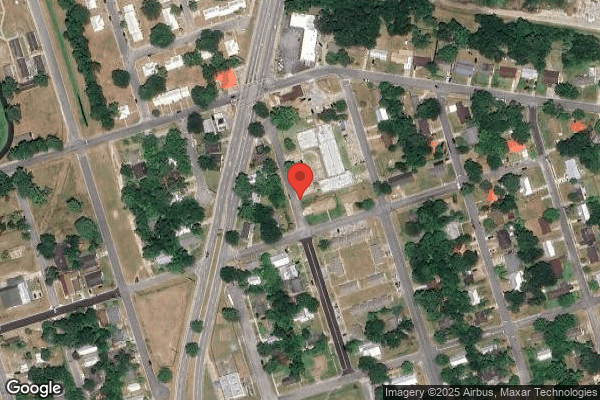
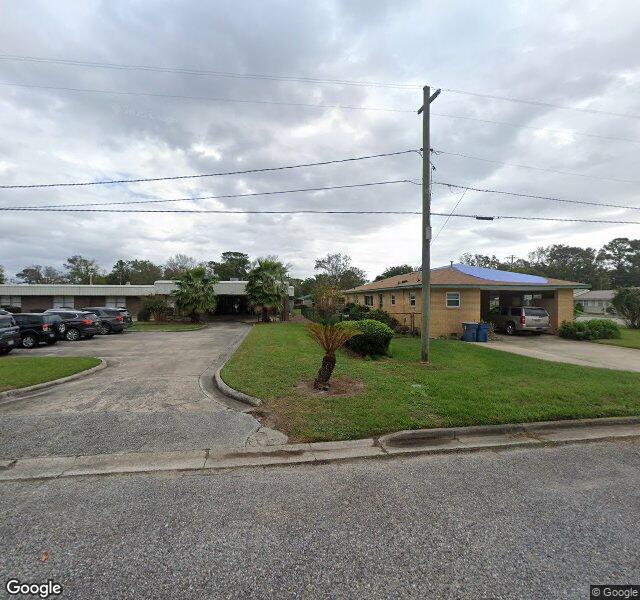
2708 LEE STREET, BRUNSWICK, GA 31520 (912) 265-6771
For profit - Corporation 60 Beds CROSSROADS MEDICAL MANAGEMENT Data: November 2025
Trust Grade
70/100
#128 of 353 in GA
Last Inspection: March 2025

Within standard 12-15 month inspection cycle. Federal law requires annual inspections.

Overview

Gracemore Nursing and Rehab in Brunswick, Georgia, has a Trust Grade of B, indicating it is a good choice for families, though not without some concerns. It ranks #128 out of 353 facilities in Georgia, placing it in the top half, and #3 out of 5 in Glynn County, meaning only two local options are better. However, the facility is experiencing a worsening trend, with the number of identified issues increasing from 2 in 2024 to 8 in 2025. Staffing is rated average, with a 50% turnover rate, which is in line with the state average, but it has good RN coverage, exceeding 93% of other facilities in Georgia, ensuring better oversight of resident care. While there have been no fines, the inspection revealed several concerns, including a failure to cover urinary catheter drainage bags for residents, potentially compromising their dignity, and a delay in reporting an allegation of staff-to-resident abuse, which is alarming given the commitment to resident safety.

Trust Score
B
70/100
In Georgia
#128/353
Top 36%
Safety Record
Low Risk
No red flags
Inspections
Getting Worse
2 → 8 violations
Staff Stability
⚠ Watch
50% turnover. Above average. Higher turnover means staff may not know residents' routines.
Penalties
✓ Good
No fines on record. Clean compliance history, better than most Georgia facilities.
Skilled Nurses
✓ Good
Each resident gets 43 minutes of Registered Nurse (RN) attention daily — more than average for Georgia. RNs are trained to catch health problems early.
Violations
⚠ Watch
12 deficiencies on record. Higher than average. Multiple issues found across inspections.
★★★☆☆
3.0
Overall Rating
★★★☆☆
3.0
Staff Levels
★★★☆☆
3.0
Care Quality
★★★☆☆
3.0
Inspection Score
Stable
2024: 2 issues
2025: 8 issues

The Good

  • Full Sprinkler Coverage · Fire safety systems throughout facility
  • No fines on record

Facility shows strength in fire safety.

The Bad

3-Star Overall Rating

Near Georgia average (2.6)

Meets federal standards, typical of most facilities

Staff Turnover: 50%

Near Georgia avg (46%)

Higher turnover may affect care consistency

Chain: CROSSROADS MEDICAL MANAGEMENT

Part of a multi-facility chain

Ask about local staffing decisions and management

The Ugly 12 deficiencies on record

Mar 2025 8 deficiencies
CONCERN (D) 📢 Someone Reported This

A family member, employee, or ombudsman was alarmed enough to file a formal complaint

Potential for Harm - no one hurt, but risky conditions existed

Report Alleged Abuse (Tag F0609)

Could have caused harm · This affected 1 resident

**NOTE- TERMS IN BRACKETS HAVE BEEN EDITED TO PROTECT CONFIDENTIALITY** Based on staff interviews, record review, and review of the facility policy titled, Abuse, Prohibition Policy, and Procedures, t...

Read full inspector narrative →
**NOTE- TERMS IN BRACKETS HAVE BEEN EDITED TO PROTECT CONFIDENTIALITY** Based on staff interviews, record review, and review of the facility policy titled, Abuse, Prohibition Policy, and Procedures, the facility failed to report to the State Survey Agency (SSA) within the required two-hour time frame an allegation of staff to resident abuse for one of 21 sampled residents (R) (R24) reviewed for abuse. Findings include: Review of the facility policy titled Abuse, Prohibition Policy and Procedures dated January 2017 stated under Policy Statement: It is the intent of this facility to actively preserve each resident 's right to be free from mistreatment, neglect, abuse or misappropriation of resident property. We believe that each resident has the right to be free from verbal, sexual, physical and mental abuse, corporal punishment, and involuntary seclusion. Under Procedures: . 5. A. REPORTING: Once a complaint or situation is identified involving alleged mistreatment, neglect, or abuse, including injuries of unknown source and misappropriation of resident property, the incident will be immediately reported. If it is an allegation of abuse, it should be reported to the state within 2 hours. Review of the facility form titled Complaint Form dated 8/26/2024 documented a statement written by the Administrator stating her conversation with two parties, Certified Nursing Assistant (CNA) FF and CNA GG. The Administrator 's written statement documented that CNA GG reported that CNA FF told her that she (CNA FF) would have to spank resident for playing with her poop (fecal matter). The Administrator reported in the written statement that CNA FF reported that CNA GG misunderstood her and that she (CNA FF) was stating the resident would hit staff. Review of the Facility Incident Report Form dated 11/21/2024 indicated that on 11/21/2024 CNA GG reported that CNA FF bragged about spanking R24 on her hands for playing in poop (feces). The Administrator was notified and no action taken for hitting resident. Review of R24's electronic medical record (EMR) revealed the following diagnoses but not limited to Alzheimer's Disease, anxiety disorder, bipolar disorder moderate depressed episodes. Review of the admission Minimum Data Set (MDS) dated [DATE] (most current MDS at the time of the incident) documented in Section C (Cognitive Patterns) a Brief Interview Mental Status (BIMS) score of 00 out of 15, which indicates severe cognitive impairment with little to no cognitive awareness, Section D (Mood) assessed no behaviors for mood, Section E (Behaviors) assessed no behaviors of physical, verbal behaviors, or refusal of care. Section GG (Functional Abilities) assessed dependent care for shower/bath, toilet, and personal hygiene care. Review of R24's skin assessment form titled Skin Assessment and Skin Evaluation dated 8/24/2025 through 8/30/2025 assessed no marks/bruises on resident's skin. During an interview on 3/8/2025 at 10:38 am, the Administrator verified that the alleged abuse incident occurred on August 26, 2024, and did not occur in the month of January 2025 per the Facility Reportable that was sent in January 2024. She confirmed that a report of abuse was not sent into the State Office due to her investigation and her findings that the incident was found to be untrue, and abuse did not happen. She was unaware that it was mandated to still report to the State if the facility found no evidence that abuse had occurred. She reported speaking with all parties (the complainant, CNA GG, CNA FF, and the alleged abuser) and findings were that the complainant had misunderstood what was communicated to her. CNA GG reported not witnessing CNA abusing or inflicting any harm to R24 or any other residents. The conclusion of the investigation was that CNA GG had misunderstood what CNA FF was reporting to her. CNA FF reported that she had communicated to CNA GG that R24 would play in her poop (feces) and would try to hit staff hand if staff attempted to move her hands. The Administrator reported that her investigation included performing a test try with CNA FF with R24 in the room in order to determine if R24 would become combative. The Administrator reported witnessing R24 attempting to hit CNA FF's hand. She reported that when CNA GG was reprimanded and terminated in January 2025, CNA GG had to be escorted from the building by law enforcement and CNA GG mentioned that she was going to call the State on the facility.
CONCERN (D) 📢 Someone Reported This

A family member, employee, or ombudsman was alarmed enough to file a formal complaint

Potential for Harm - no one hurt, but risky conditions existed

Transfer Notice (Tag F0623)

Could have caused harm · This affected 1 resident

Based on staff interviews, record review, and review of the facility policy titled, Notice of transfer/Discharge, the facility failed to ensure transfer discharge notifications were administered to tw...

Read full inspector narrative →
Based on staff interviews, record review, and review of the facility policy titled, Notice of transfer/Discharge, the facility failed to ensure transfer discharge notifications were administered to two of three residents (R) (R4 and R20). Specifically, the facility failed to ensure that R4 and R20 received written transfer documentation that included the bed hold policy and information pertaining to the reason for the transfer from the facility. Findings include: Review of the facility policy titled, Notice of transfer/Discharge, dated March 2017 revealed under Immediate Transfer/Discharge number 1. Notice of transfer and discharge will be made as as practicable when: a. The health of the resident or other residents is threatened; c. The transfer is necessary for the resident's welfare and the resident's needs cannot be met in the facility, 2. The notice will include the following: a. the reason for transfer, b. the effective date of transfer, d. an explanation of the resident's right to appeal the transfer or discharge; 3. A copy of the notice will go with the resident in the package of information to the hospital and contact with the resident/responsible party as soon as practical. Record review for R4 revealed resident was admitted to the facility with the diagnoses of but not limited to end stage renal disease, sepsis due to other specified staphylococcus, type 2 diabetes mellitus with proliferative diabetic retinopathy with macular edema, bilateral, type 2 diabetes mellitus with diabetic neuropathy, dependence on renal dialysis, chronic obstructive pulmonary disease, essential (primary) hypertension, schizophrenia, bipolar disorder, blindness, one eye, low vision other eye, atherosclerotic heart disease of native coronary artery, hyperlipidemia, hypothyroidism, acquired absence of right leg below knee, gastro-esophageal reflux disease, hypotension, osteoarthritis, chronic kidney, and hypokalemia. Review of R4's progress notes located in the Electronic Medical Record (EMR) revealed on 8/29/2024 resident was transferred to the local Emergency Department (ED) and later admitted for respiratory distress and oxygen saturations not staying above 90 percent while utilizing oxygen therapy. Interview on 3/9/2025 at 8:31 am with the Director of Nursing (DON) revealed that there was a bed hold policy that the charge nurses should be sending that included the room rate when residents were transferred out of the facility. If the charge nurse did not send the document at the time of the resident's transfer, then the Business Office Manager would send it to the Responsible Party the next day. Further interview confirmed that R4 and R20 did not have the bed hold policy to include the room rates for R4's transfer to the hospital on 8/29/2024 and R20's hospital transfers for 8/25/2024, 9/14/2024, and 11/11/2024. During the interview the DON stated that she would conduct education to all nursing staff on the transfer discharge process. Interview on 3/9/2025 at 8:43 am with Human Resources Manager and Financial Councilor revealed the process was that when residents were transferred during the week Monday through Friday during business hours of nine to five, she was responsible for sending the bed hold policy with the resident during any transfers, if the resident transfers after hours and on the weekends, the charge nurse was responsible for ensuring the bed holds were sent with the resident. During the interview it was confirmed by the staff member that the bed hold policy for R4 and R20 were not completed and should have been. Interview on 3/9/2025 at 8:55 am with the Administrator revealed that during the time R4 and R20 were transferred there was another Financial Councilor that was being utilized between two facilities. Further interview also revealed that the discharge/transfer documents were not completed and could not be located in the residents' records. During the interview the Administrator revealed that her expectation was for the transfer/discharge documents be completed at the time the resident was transferred. Record review for R20 revealed the resident was admitted to the facility with the diagnoses of but not limited to quadriplegia, C5-C7 complete, unspecified displaced fracture of seventh cervical vertebra, sequela, unspecified injury at c6 level of cervical spinal cord sequela, and unspecified injury at C7 level of cervical spinal cord, sequela. Review of the EMR revealed three progress notes where the resident was transferred to the hospital. On 11/11/2024, R20 was admitted to the hospital for sepsis, 9/14/2024 for a urinary tract infection, and on 8/25/2024 for sepsis. Record review revealed no documentation of R20 or their representative receiving a notice of transfer. Interview on 3/9/2025 at 8:31 am with the DON confirmed R20 nor his representative received in a writing, a reason for transfer on 8/25/2024, 9/14/2024, and 11/11/2024.
CONCERN (D) 📢 Someone Reported This

A family member, employee, or ombudsman was alarmed enough to file a formal complaint

Potential for Harm - no one hurt, but risky conditions existed

Deficiency F0625 (Tag F0625)

Could have caused harm · This affected 1 resident

Based on staff interviews, record review, and review of the facility policy titled, Notice of transfer/Discharge, the facility failed to ensure transfer discharge notifications were administered to tw...

Read full inspector narrative →
Based on staff interviews, record review, and review of the facility policy titled, Notice of transfer/Discharge, the facility failed to ensure transfer discharge notifications were administered to two of three residents (R) (R4 and R20). Specifically, the facility failed to ensure that R4 and R20 received written transfer documentation that included the bed hold policy and information pertaining to the cost of reserving the bed while out of the facility. Review of the facility policy titled, Notice of transfer/Discharge, dated March 2017 revealed under Immediate Transfer/Discharge number 1. Notice of transfer and discharge will be made as as practicable when: a. The health of the resident or other residents is threatened; 2. The notice will include the following: a. the reason for transfer, b. the effective date of transfer, d. an explanation of the resident's right to appeal the transfer or discharge; f. Bed hold information for Medicaid and other payers if transfer/discharge to hospital. 1. Record review for R4 revealed resident was admitted to the facility with the diagnoses of but not limited to end stage renal disease, sepsis due to other specified staphylococcus, type 2 diabetes mellitus with proliferative diabetic retinopathy with macular edema, bilateral , type 2 diabetes mellitus with diabetic neuropathy, dependence on renal dialysis, chronic obstructive pulmonary disease, essential (primary) hypertension, schizophrenia, bipolar disorder, blindness, one eye, low vision other eye, atherosclerotic heart disease of native coronary artery, hyperlipidemia, hypothyroidism, acquired absence of right leg below knee, gastro-esophageal reflux disease, hypotension, osteoarthritis, chronic kidney, and hypokalemia. Review of R4 progress notes located in the Electronic Medical Record (EMR) revealed on 8/29/2024 resident was transferred to the local Emergency Department (ED) and later admitted for respiratory distress and oxygen saturations not staying above 90 percent while utilizing oxygen therapy. Interview on 3/9/2025 at 8:31 am with the Director of Nursing (DON) revealed that there was a bed hold policy that the charge nurses should be sending that included the room rate when residents were transferred out of the facility. If the charge nurse did not send the document at the time of the residents transfer then the Business Office Manager would send it to the Responsible Party the next day. Further interview confirmed that R4 and 20 did not have the bed hold policy to include the room rates for R4's transfer to the hospital on 8/29/2024 and R20's hospital transfers for 8/25/2024, 9/14/2024, and 11/11/2024. During the interview the DON stated that she would conduct education to all nursing staff on the transfer discharge process. Interview on 3/9/2025 at 8:43 am with the Human Resources Manager and Financial Councilor revealed the process was that when residents were transferred during the week Monday through Friday during business hours of nine to five, she was responsible for sending the bed hold policy with the resident during any transfers, if the resident transfers after hours and on the weekends the charge nurse was responsible for ensuring the bed holds were sent with the resident. During the interview it was confirmed by the staff member that the bed hold policy for R4 and R20 were not completed and should have been. Interview on 3/9/2025 at 8:55 am with the Administrator revealed that during the time R4 and R20 were transferred there was another Financial Councilor that was being utilized between two facilities. Further interview also revealed that the discharge/transfer documents were not completed and could not be located in the residents' records. During the interview the Administrator revealed that her expectation was that transfer/discharge documents be completed at the time the resident was transferred. 2. Record review for R20 revealed the resident was admitted to the facility with diagnoses of but not limited to quadriplegia, C5-C7 complete, unspecified displaced fracture of seventh cervical vertebra, sequela, unspecified injury at C6 level of cervical spinal cord sequela, and unspecified injury at C7 level of cervical spinal cord, sequela. Review of the EMR revealed three progress notes where the resident was transferred to the hospital. On 11/11/2024 R20 was admitted to the hospital for sepsis, 9/14/2024 for a urinary tract infection, and on 8/25/2024 for sepsis. Interview on 3/09/2025 at 8:31 am with the Director of Nursing (DON) confirmed that R20 nor his representative received the bed hold policy to include the room rates for R20's hospital transfers on 8/25/2024, 9/14/2024, and 11/11/2024. Interview on 3/09/2025 at 8:43 am with Human Resources Manager/Financial Counselor revealed that the bed hold policy notices for R20 were not given to him or his representative and should have been.
CONCERN (D) 📢 Someone Reported This

A family member, employee, or ombudsman was alarmed enough to file a formal complaint

Potential for Harm - no one hurt, but risky conditions existed

Comprehensive Care Plan (Tag F0656)

Could have caused harm · This affected 1 resident

**NOTE- TERMS IN BRACKETS HAVE BEEN EDITED TO PROTECT CONFIDENTIALITY** 2. Review of R25's electronic medical record (EMR) revealed the following diagnoses but not limited to chronic obstructive pulmo...

Read full inspector narrative →
**NOTE- TERMS IN BRACKETS HAVE BEEN EDITED TO PROTECT CONFIDENTIALITY** 2. Review of R25's electronic medical record (EMR) revealed the following diagnoses but not limited to chronic obstructive pulmonary disease, chronic respiratory failure with hypoxia, and surgical wound of umbilicus. Continued review of the EMR for R25 revealed a physician order for oxygen at two liter per minute via nasal cannula as needed for SOB (shortness of breath) or compromised O2 (oxygen saturation), may remove as desired (order date 10/20/2024). Continued review of the medical record for R25 revealed an order dated 11/7/2024 to Cleanse ABD (abdominal) surgical wound with wound cleanser pat dry pack area with Aquacel Extra (wound dressing) cover with dry 4x4 and secure with tape daily and prn (as needed) until resolved every day shift for surgical wound ABD AND as needed for ABD surgical wound. Review of the admission MDS dated [DATE] for R25, Section O (Special Treatment and Program) revealed an assessment and trigger for oxygen therapy use. Continued review of R25 's medical record revealed no evidence of the creation of a care plan with interventions to address instructions for O2 therapy use and a plan of care for treatment of wound for umbilicus. Review of MDS Section M (Skin Conditions) assessed surgical wound. There was no plan of care for enhanced barrier precautions due to R25 having surgical wounds. Interview on 3/9/2025 at 10:55 am, the DON reported being unaware of R25 's not having a plan of care for O2 therapy use prior to the survey. The DON reported that the missing care plan was brought to her attention by the MDS Coordinator. She reported that her expectations were that residents' oxygen care plans are created according to appropriate timeline and individualized to communicate O2 therapy use. Crossed referenced to F695 Based on observation, staff interviews, record review, and review of the facility policy titled, Care Plans-Comprehensive, the facility failed to develop a care plan for two of 21 sampled residents (R) (R28 and R25). The deficient practice had the potential to affect the delivery of the proper care and services provided for R28 and R25. Findings include: Review of facility policy titled Care Plans-Comprehensive revised 4/18/2017 revealed under Interpretation and Implementation 1. Our facility's care planning/interdisciplinary team in coordination with the resident, his/her family or representative develops and maintains a comprehensive care plan for each resident that identifies the highest level of functioning the resident may be expected to attain. 2. The comprehensive care plan is based on a thorough assessment that includes, but is not limited to, the MDS. 3. Each resident's comprehensive care plan is designed to: a. Incorporate identified problem areas b. Incorporate risk factors associated with identified problems. 1. Review of Quarterly Minimum Data Set (MDS) assessment dated [DATE] for R28 revealed a Brief Interview of Mental Status (BIMS) score of 12, indicting moderate cognitive impairment. Section GG (Functional Ability) was not completed. The quarterly MDS assessment dated [DATE] section GG revealed the resident requires set up or clean up assistance with eating and oral hygiene. She is dependent with toileting and bathing. R28 was admitted on [DATE]. Review of the care plan revealed no care plan for activities of daily living (ADL) until March 9, 2025, the last day of the recertification survey. Interview on 3/9/2025 at 11:53 am with the MDS Coordinator revealed R28 did not have an ADL care plan prior to the survey. She revealed she realized the resident did not have an ADL care plan once the survey started and the surveyor was reviewing the resident for ADLs. She said she created and entered an ADL care plan on today's date. Interview on 3/9/2025 at 12:57 pm with the Director of Nursing (DON) revealed the MDS Coordinator should have developed an ADL care plan within 14 days of the resident's admission. She was unaware the MDS Coordinator had just created an ADL care plan on today's date. She revealed that the MDS Coordinator developed and implemented care plans, however different members of the inter-disciplinary team contribute such as Activities and Restorative. She confirmed the resident should have had an ADL care plan before today's date.
CONCERN (D) 📢 Someone Reported This

A family member, employee, or ombudsman was alarmed enough to file a formal complaint

Potential for Harm - no one hurt, but risky conditions existed

Respiratory Care (Tag F0695)

Could have caused harm · This affected 1 resident

Based on observations, staff interviews, record review, and review of the facility policy titled, Oxygen Administration, the facility failed to ensure that one of four sampled residents (R) (R25) was ...

Read full inspector narrative →
Based on observations, staff interviews, record review, and review of the facility policy titled, Oxygen Administration, the facility failed to ensure that one of four sampled residents (R) (R25) was administered oxygen (O2) therapy in accordance with the physician orders. This failure had the potential to place R25 at risk for medical complications, unmet needs, and a diminished quality of life. Findings include: A review of the facility policy titled Oxygen Administration stated under Policy Statement: The purpose of this procedure is to provide guidelines for safe oxygen administration. Under Policy Interpretation and Implementation: 1. Verify that there is a physician 's order for this procedure. Review the physician 's orders or facility protocol for oxygen administration. 2. Review the resident 's care plan to assess any special needs of the resident. A review of R25's electronic medical record (EMR) revealed the following diagnoses but not limited to chronic obstructive pulmonary disease, chronic respiratory failure with hypoxia, and hypokalemia pectoris pulmonary disease. A review of the Quarterly Minimum Data Set (MDS) for R25 dated 2/6/2025 revealed a Brief Minimum Data Set (BIMS) score of 10 out of 15, which indicates moderate cognitive deficit. A review of Section O (Special Treatments and Programs) documented that R25 received oxygen therapy while a resident. A review of R25's Physician Orders Form listed an order dated 10/28/2025 for oxygen at two liters per minute via nasal cannulas as needed for SOB (Shortness of Breath) or compromised O2 (oxygen saturation), may remove as desired. Observation on 3/7/2025 at 9:05 am to 11:36 am and 1:36 pm to 2:36 pm revealed R25 lying in bed receiving O2 by O2 concentrator (machine that delivers O2) via nasal cannula at three liters instead of two liters. During an observation at the time of interview with Licensed Practical Nurse (LPN) CC on 3/7/2025 at 3:03 pm, LPN CC verified R25 's physician order for O2 at 2 liters per minute (LPM) and verified the O2 flowmeter (device to measure O2) was set on the wrong flow rate of 3 LPM. She stated the nurses were responsible for checking the O2 flow rates daily to ensure the flow rate was correct. Interview on 3/9/2025 at 10:55 am, the Director of Nursing (DON) reported being unaware of R25 's O2 being set on the wrong flow rate until it was brought to her attention during the survey by the nursing staff. She reported that her expectation was to ensure that the flowmeter was set at the rate prescribed by the physician order. The risk was that too little, or too much O2 would place the resident at risk. Cross-referenced to F656
CONCERN (D) 📢 Someone Reported This

A family member, employee, or ombudsman was alarmed enough to file a formal complaint

Potential for Harm - no one hurt, but risky conditions existed

Infection Control (Tag F0880)

Could have caused harm · This affected 1 resident

**NOTE- TERMS IN BRACKETS HAVE BEEN EDITED TO PROTECT CONFIDENTIALITY** Based on observations, staff interviews, record review, and review of the facility's policy titled, Enhanced Barrier, the facili...

Read full inspector narrative →
**NOTE- TERMS IN BRACKETS HAVE BEEN EDITED TO PROTECT CONFIDENTIALITY** Based on observations, staff interviews, record review, and review of the facility's policy titled, Enhanced Barrier, the facility failed to ensure staff follow standard infection control precautions for three of 15 residents (R) (R25, R6, and R1) reviewed for infection control. Specifically, the facility failed to ensure staff practiced using Personal Protective Equipment (PPE) and infection control procedures to prevent cross contamination. The deficient practice had the potential to increase R25, R6, and R1's risk of infections. Findings include: Review of the facility policy titled Enhanced Barriers (EBP) stated in the first line under the title: Enhanced barrier precautions (EBPs) are utilized to prevent the spread of multi-drug-resistant organism (MDR)) to residents. Under Policy Interpretation and Implementation 1. Enhanced barrier precautions (EBPs) are used as an infection prevention and control intervention to reduce the spread of multi-drug-resistant organisms (MDROs) to residents. 2. EBPs employ targeted gown and glove use during high contact resident care activities when contact precautions do not otherwise apply. Gloves and gowns are applied prior to performing the high contact resident care activity. Personal protective equipment (PPE) is changed before caring for another resident. Face protection may be used if there is also a risk of splash or spay. 3. Example of high-contact resident care activities requiring the use of gown and gloves for EBPs include dressing, bathing/showering, transferring, providing hygiene, changing linens, changing briefs or assisting with toileting, device care or use (central line, urinary catheter, feeding tube, tracheostomy/ventilator, etc.). 1. Review of R25's electronic medical record (EMR) and Physician Order Form revealed the following diagnoses but not limited to cutaneous abscess of abdominal wall and unspecified open wound abdominal wall (surgical wound of umbilicus). Review of the Quarterly Minimum Data Set (MDS) dated [DATE] assessed a Brief Interview Mental Status (BIMS) score of 10, which indicates moderate cognitive impairment. Review of R25's Physician Order Form listed the following active order dated 11/7/2024 that stated Cleanse ABD (abdominal) surgical wound with wound cleanser pat dry pack area with Aquacel Extra (wound dressing) cover with dry 4x4 (four times four) and secure with tape daily prn (as needed) until resolved every day shift for surgical wound ABD AND as needed for ABD surgical wound. Continued review listed order for Enhanced Barrier Precaution (EBP). No directions specified for order. Observation at the time of interview on 3/7/2025 at 9:36 am, the Clinical Care Coordinator-Register Nurse (RN) EE was observed entering R25's room to provide incontinent care while the Surveyor was in the room. She was observed checking the resident for incontinent care with only gloves on, repositioning the resident in bed. She reported that she was checking the resident to change her incontinence brief. She was observed touching the resident body and later observed dressing the resident. When asked if the resident was on EBP, she stated that the resident was no longer considered on EBNP and that staff was not required to dress in PPE due to resident's wound being healed. Observation at the time of interview on 3/7/2025 at 3:01 pm, Certified Nursing Assistant (CNA) HH was observed entering R25's room, providing incontinent care and not donning/doffing (putting on/taking off) PPE. She was only observed using gloves. CNA HH reported to Surveyor that she was unaware of any of the residents in the room being on EBP. She confirmed providing incontinent care to all of the residents, including R24, for the past weeks and not dressing out in PPE. During an observation and interview on 3/8/2025 at 9:34 am with Licensed Practical Nurse (LPN) CC, LPN CC confirmed that the EBP sign was not on the resident room door yesterday and not placed on the door until this morning. She stated the Wound Nurse or maybe another staff member placed the EBP sign and PPE hangar on the room door. She confirmed that R25 was the resident who was on EBP. During a later interview on 3/8/2025 at 9:36 am, the Clinical Care Coordinator-Register Nurse (RN) EE confirmed entering R25's room on 3/7/2025 without donning with full PPE (required gown, gloves, and mask) to check if the resident needed incontinent care/provide incontinent care. She confirmed using only gloves while unpinning the resident diaper, turning the resident to check her sacral area, and to reposition her. RN EE reported that although the resident had bandages, she was not aware that resident was on EBP. Interview on 3/7/2025 at 3:25 pm, the Wound Treatment Nurse verified that R25 had a surgical open wound to the umbilicus that has not been resolved. The resident should be on EBP which required licensed nursing staff and certified nursing assistants to don/doff in PPE during contact care. She stated that the nurse and certified nursing assistant should have seen the bandages on the wound on the resident's abdominal. She further stated that the EBP sign and PPE door hanger were probably removed by error by staff due to R25 having recovered from the Norovirus outbreaks. Interview on 3/8/2025 at 4:33 pm with the ICP (Infection Control Preventionist) reported being unaware of the PPE storage supply bins (PPE hangar) not being placed on R25's room door. She stated the appropriate PPE should consist of gloves and a gown. Interview on 3/9/2025 at 8:33 am with Director of Nursing (DON), she revealed being unaware of the CNA and licensed nursing staff not using PPE when providing incontinent care to a resident who was on EBP for wound infections. She reported that her expectation was that PPE supplies were available for staff use. 2. Review of the Quarterly MDS for R6 dated 1/16/2025, Section C (Cognitive) revealed a BIMS score of 11, indicating moderate cognitive impairment. Section GG (Functional Status)- dependent, Section H (Bowel and Bladder)-always incontinent of bowel and bladder, Section I (Active Diagnosis)- (including but not limited to) retention of urine, unspecified. Review of the EMR for R6 revealed an order dated 2/6/2025 for an 18 French (foley catheter size) Catheter for urinary retention to be changed monthly by urology. Observation on 3/7/2025 at 8:26 am and 2:39 pm revealed R6's catheter bag resting on the floor with no barrier. Interview on 3/8/2025 at 8:58 am with CNA AA revealed that catheter care included ensuring the drainage bag was covered and hanging on the bedside below the bladder and should never be resting on the floor. Interview on 3/8/2025 at 9:03 am with LPN BB revealed that catheter care included ensuring the drainage bag was attached to the bed and below the bladder. It should always be covered with a privacy bag. At no times should the drainage bag be resting on the floor due to infection control practices. Interview on 3/8/2025 at 9:08 am with the DON revealed that catheter care should be done every shift. The drainage bag should be attached to a part of the bed that is nonmoving, covered with a privacy bag. Surveyor revealed her observations from 3/7/2025 and showed the DON the pictures of the resident's bag resting on the floor at 8:26 am, and 2:39 pm. She revealed under no circumstances should the drainage bag ever be resting on the floor due to infection control. 3. Review of the Quarterly MDS dated [DATE] for R1 revealed in Section C (Cognitive Patterns) a BIMS score of 9, indicating moderate cognitive impairment, Section G (Functional Status) - substantial assistance and dependent for most tasks, Section H (Bowel and Bladder) - always incontinent of bladder and bowels, Section I (Active Diagnosis) (including but not limited to) - malignant neoplasm of colon, unspecified and pressure ulcer of left buttock, stage 4, and chronic kidney disease stage 3 unspecified. Review of a physician's order for R1 dated 2/19/2025 revealed cleanse left heel wound with wound cleanser, pat dry with gauze, apply skin prep around wound, apply mesalt (wound dressing) to wound bed, and cover with 2x2 sterile border gauze 3 times a week and as needed. An observation of wound care on 3/8/2025 from 9:35 am to 10:05 am with LPN CC revealed LPN CC reading the physician order out loud before entering the resident's room. She then showed nurse surveyor and this surveyor the supplies she was going to use. She sanitized her hands and put gloves on. She removed the resident's boots and socks. She placed a garbage bag on a pillow at the end of the resident's bed to discard supplies she was using for wound care without a barrier. She then removed her gloves and placed them in the garbage bag at the end of the resident's bed and did not sanitize her hands. Next, she donned a protective gown, mask, and gloves. She prepped the area on the left heal by removing the covering, placing it in the palm of her gloved hand and removed the glove and discarded it into trash at the end of resident's bed. She donned a new glove without sanitizing her hand and continued with wound care. Once finished with wound care, she removed gloves and discarded them into the trash bag at the end of the resident's bed. She did not sanitize her hands. She donned new gloves. She then applied A and D ointment to the resident's legs. She removed the gloves and placed them in the trash bag at the end of the bed and did not sanitize her hands. She then took the trash bag and placed it on the resident's nightstand without a barrier. She then took the pillow that was at the foot of the bed and placed it behind the resident's head without changing the pillowcase. She then donned gloves and put a clean pair of socks back onto the resident and placed boots back on resident. Surveyor asked what the protocol was for donning/doffing gloves. She admitted she forgot to sanitize her hands in-between donning and doffing her gloves every time she donned and doffed gloves. When asked about the pillow and trash bag she confirmed she placed dirty/used supplies into the trash bag that was resting on a pillow at the foot of the resident's bed without a barrier and removed the trash bag and placed it on the resident's nightstand without a barrier. She also verified she placed a dirty pillow behind the resident's head. Later, at 10:50 am, LPN CC reported she changed the pillow covering and wiped down the resident's nightstand. Interview on 3/9/2025 at 8:32 am with the Director of Nursing (DON) revealed that hand hygiene should be performed before, during, and after wound care. She revealed hands should be sanitized every time gloves are donned. DON revealed nurses use trash bags by the bedside to discard supplies. A barrier should be used due to infection control practices. Interview on 3/9/2025 at 10:21 am with the Administrator revealed her expectations were for her staff to follow infection control policies as it pertained to sanitizing their hands every time they donned and doffed their gloves and that they should use a barrier to prevent infection.
CONCERN (E) 📢 Someone Reported This

A family member, employee, or ombudsman was alarmed enough to file a formal complaint

Potential for Harm - no one hurt, but risky conditions existed

Resident Rights (Tag F0550)

Could have caused harm · This affected multiple residents

**NOTE- TERMS IN BRACKETS HAVE BEEN EDITED TO PROTECT CONFIDENTIALITY** Based on observations, staff interviews, and record review, the facility failed to ensure urinary catheter drainage bags were co...

Read full inspector narrative →
**NOTE- TERMS IN BRACKETS HAVE BEEN EDITED TO PROTECT CONFIDENTIALITY** Based on observations, staff interviews, and record review, the facility failed to ensure urinary catheter drainage bags were covered to protect the dignity of three of four residents (R) (R1, R6, and R23) with catheters. Findings include: 1. Review of the Quarterly Minimum Data Set (MDS) dated [DATE] for R1 revealed in section C (Cognitive Patterns)- a Basic Interview for Mental Status (BIMS) score of 9, indicating moderate cognitive impairment, G (Functional Status)-substantial assistance and dependent for most tasks, H (Bowel and Bladder)-always incontinent of bladder and bowels, I (Active Diagnosis)-(including but not limited to), malignant neoplasm of colon, unspecified and pressure ulcer of left buttock, stage 4, and chronic kidney disease stage 3 unspecified. Review of the electronic medical record (EMR) for R1 revealed an order dated 1/28/2025 for a 16F [French (size)] foley catheter to BSD (bedside drainage). Change every 6 weeks and PRN (as needed) sediment, leakage or occlusion. Observations on 3/7/2025 at 8:53 am and 2:43 pm revealed R1's catheter drainage bag not covered. Interview on 3/8/2025 at 8:58 am with Certified Nurse Assistant (CNA) AA revealed that catheter care involved draining the bag every shift, ensuring the drainage bag was covered and hanging on the bedside below the bladder. Interview on 3/8/2025 at 9:03 am with Licensed Practical Nurse (LPN) BB revealed that catheter care included ensuring the drainage bag was attached to the bed and below the bladder. It should always be covered with a privacy bag/cover. She revealed she cleaned the catheter at the entry site, looked at the urine, and emptied the urine every shift or PRN. Interview on 3/8/2025 at 9:08 am with the Director of Nursing (DON) revealed catheter care should be done every shift. Catheters should be changed out every 6 weeks. The drainage bag should be attached to a part of the bed that was non-moving and covered with a privacy bag. Surveyor revealed her observations from 3/7/2025 and showed DON the pictures of the resident's bag not covered at 8:26 am, 2:39 pm, and 4:00 pm. The DON revealed she was unaware the drainage bags needed to be covered while R1 was in their room. R1 had three roommates. 2. Review of the Quarterly Minimum Data Set (MDS) for R6, dated 1/16/2025 revealed in section C (Cognitive Patterns) a Brief Interview for Mental Status (BIMS) score of 11, indicating moderate cognitive impairment, Section GG (Functional Status)-dependent, section H (Bowel and Bladder)-always incontinent of bowel and bladder, Section I (Active Diagnosis)- (Including but not limited to) retention of urine, unspecified. Review of the EMR for R6 revealed an order dated 2/6/2025 for an 18 French Catheter for urinary retention to be changed monthly by urology. Observation on 3/7/2025 at 8:26 am and 2:39 pm revealed R6's catheter bag resting on the floor with no barrier and drainage bag not covered. At 4:00 pm the bag was not covered but was off of the floor and hung appropriately by the bedside below the bladder. Interview on 3/8/2025 at 9:08 am with the DON the Surveyor revealed her observations from 3/7/2025 and showed the DON the pictures of the resident's bag not covered at 8:26 am, 2:39 pm and resting on the floor. Surveyor advised at 4:00 pm the bag was off the floor but was not covered. 3. Review of the Quarterly MDS for R23 dated 1/16/2025 in Section C (Cognitive Patterns) revealed a BIMS score of 14, indicating intact cognitive impairment. Section GG (Functional Status)-dependent, Section H (Bowel and Bladder)-Indwelling Catheter, Section I (Active Diagnosis)- (including but not limited to) retention of urine, unspecified. Review of the EMR for R23 revealed an order dated 4/10/2024 for catheter care every shift and Prn: 20 FR with 20 mL (milliliters) of water Coude (type of catheter) catheter to BDS; changed monthly by Urology. Observations on 3/7/2025 at 8:26 am, 2:39 pm, and 4:00 pm revealed R23's drainage bag not covered.
CONCERN (F) 📢 Someone Reported This

A family member, employee, or ombudsman was alarmed enough to file a formal complaint

Potential for Harm - no one hurt, but risky conditions existed

Antibiotic Stewardship (Tag F0881)

Could have caused harm · This affected most or all residents

Deficiency Text Not Available

Read full inspector narrative →
Deficiency Text Not Available
Jan 2024 2 deficiencies
CONCERN (D)

Potential for Harm - no one hurt, but risky conditions existed

PASARR Coordination (Tag F0644)

Could have caused harm · This affected 1 resident

**NOTE- TERMS IN BRACKETS HAVE BEEN EDITED TO PROTECT CONFIDENTIALITY** Based on observations, staff interviews, and record review, the facility failed to submit an application for a Level II PASRR (P...

Read full inspector narrative →
**NOTE- TERMS IN BRACKETS HAVE BEEN EDITED TO PROTECT CONFIDENTIALITY** Based on observations, staff interviews, and record review, the facility failed to submit an application for a Level II PASRR (Preadmission Screening and Resident Review) for evaluation and determination of specialized services for one of 19 sampled residents (R) (R4). Findings include: The facility does not have a policy on PASRR. Review of electronic medical records (EMR) for R4 revealed diagnoses including but not limited to bi-polar disorder and schizophrenia. Review of R4's quarterly Minimum Data Set (MDS) dated [DATE] revealed: Section C-Cognitive Patterns: Brief Interview for Mental Status (BIMS) score of 15 indicating R4 was cognitively intact; Section D-Mood: score of two indicating minimal depression. Review of R4's care plan dated 10/26/2023 revealed: Resident at risk for adverse effects due to use of psychotropic medication and indication for use for bi-polar disorder and schizophrenia, at risk for adverse effects due to use of antidepressant medication and indication for use for bi-polar disorder and depression. Review of R4's Physicians Orders include but not limited to aripiprazole oral tablet five milligrams (MG) give one (1) tablet by mouth (PO) one time a day related to bi-polar disorder and schizophrenia. R4 was receiving psych services. Review of the admission PASRR Level 1 dated 3/20/2019, completed at the hospital prior to admission revealed no diagnosis of bipolar disorder or schizophrenia. Interview on 1/20/2024 at 9:02 am with Registered Nurse (RN) Supervisor/Interim Director of Nursing (DON) revealed the Social Service Director (SSD) is out on maternity leave, and the DON is out on sick leave. She stated that she does not know why R4 does not have a level II PASRR with diagnoses of bipolar disorder and schizophrenia. She stated that she would call the SSD and ask about a level II PASRR for R4. RN confirmed that R4 was admitted to the facility on [DATE] with a diagnosis of bipolar disorder and a diagnosis of schizophrenia. RN stated that R4 does not have any behaviors. RN stated that there should have been a level II PASRR for R4. Interview on 1/20/2024 at 9:40 am with the administrator revealed she did not know that R4 had bipolar and schizophrenia. She stated that R4 does not have any behaviors. Administrator stated that she guesses that she should have a level II PASRR since she has those diagnoses.
CONCERN (D)

Potential for Harm - no one hurt, but risky conditions existed

Respiratory Care (Tag F0695)

Could have caused harm · This affected 1 resident

Based on observations, staff interviews, record review, and review of the facility policy titled, 'Oxygen Administration', the facility failed to obtain a Physician's order for oxygen therapy, includi...

Read full inspector narrative →
Based on observations, staff interviews, record review, and review of the facility policy titled, 'Oxygen Administration', the facility failed to obtain a Physician's order for oxygen therapy, including the frequency of use and flow rate for one of six residents (R) R21. Findings include: Review of facility policy titled, 'Oxygen Administrator' last reviewed 3/24/2017 revealed under 'Policy Interpretation and Implementation: 1. Verify that there is a physician order for this procedure. Review the physician orders or facility protocol for oxygen administration'. Review of R21's electronic health record revealed an admission date 2/19/2020 with diagnoses including cerebral infarction, peripheral vascular disease, allergic rhinitis, and shortness of breath. Observation on 1/19/2024 at 10:53 a.m. revealed R21 lying in bed with oxygen at 2 LPM (liters per minute). Review of Physician Orders for January 2024 revealed no order for resident to have oxygen. Review of progress note dated 1/5/2024 revealed R21 was placed on oxygen related to low oxygen saturation. Interview on 1/20/2024 at 10:45 a.m. Registered Nurse (RN) AA confirmed R21 did not have an order for oxygen. Stated it is the responsibility of all nurses to ensure orders are in place. Stated R21 receives oxygen as needed. Interview on 1/20/2024 at 10:50 a.m. RN BB (interim Director of Nursing) revealed it is the responsibility of the nurse taking the order to put any orders they receive in the electronic health record. Stated R21 has been receiving oxygen as needed since 1/5/2024.
Mar 2022 2 deficiencies
CONCERN (D)

Potential for Harm - no one hurt, but risky conditions existed

Deficiency F0637 (Tag F0637)

Could have caused harm · This affected 1 resident

Based on observation, record review, and staff interviews, the facility failed to complete a Significant Change Minimum Data Set (MDS) Assessment for one resident (R) (R#10) receiving hospice services...

Read full inspector narrative →
Based on observation, record review, and staff interviews, the facility failed to complete a Significant Change Minimum Data Set (MDS) Assessment for one resident (R) (R#10) receiving hospice services. The sample size was 19. Findings include: Medical record review of a hospice election form which revealed R#10 was admitted to hospice services on 1/19/22. Review of R#10's MDS Assessments revealed a Significant Change MDS was in progress as of 3/17/22. During interview on 3/17/22 at 9:16 a.m. with Director of Nursing it was revealed the facility MDS Coordinator left in January 2022 and the Corporate MDS Coordinator was currently completing MDS assessments offsite. During interview on 3/17/22 at 9:33 a.m. with Corporate MDS Coordinator it was revealed the Significant Change MDS for R#10 was an oversight. She stated that R#10 signed up for hospice during the time the previous facility MDS coordinator left the company. She revealed it was an oversight on her part, but she realized it when she opened residents quarterly MDS and that is when she added the Significant Change MDS. The Corporate MDS Coordinator acknowledged that a Significant Change MDS assessment should have been completed within 14 days of admission to hospice services.
CONCERN (D)

Potential for Harm - no one hurt, but risky conditions existed

Deficiency F0657 (Tag F0657)

Could have caused harm · This affected 1 resident

Based on interviews, record review, and review of facility policy titled Care Plans-Comprehensive, the facility failed to revise the comprehensive care plan related to advance directives for one resid...

Read full inspector narrative →
Based on interviews, record review, and review of facility policy titled Care Plans-Comprehensive, the facility failed to revise the comprehensive care plan related to advance directives for one resident (R) (R#10). The sample size was 19. Findings include: Review of facility policy Care Plans-Comprehensive revealed: 8. Assessments of residents are ongoing and care plans are revised as information about the residents and the resident's condition change. Review of R#10's electronic health record revealed an advance directive for Do Not Resuscitate (DNR) dated 1/17/22. Further review of the electronic health record revealed a Physician's order dated 1/17/22 for Do Not Resuscitate. Review of R#10's care plan dated 11/1/21 revealed R#10 had not made any advance directive choices and her wish is to be resuscitated in the event of cardiac arrest or respiratory arrest, therefore her code status will be a Full Code. During interview on 3/17/22 at 9:16 a.m. with the Director of Nursing (DON) it was revealed that the facility communicates with the Corporate Care Plan Coordinator who is located offsite via email of any changes that need to be made to the care plan. DON further revealed the MDS Coordinator left in January 2022, and she was the person responsible for updating the care plans as nurses do not update care plans. During interview on 3/17/22 at 9:26 a.m. with Corporate MDS Coordinator it was revealed that she has access to the electronic medical record and can pull information from there regarding any changes with residents. The Corporate MDS Coordinator reported that the Social Services Director was responsible for updating care plans related to DNR/Full Code status. It was further revealed that the Interdisciplinary Team (IDT) could also update care plans during their weekly Patients at Risk (PAR) meetings. She stated the facility communicated with her via email, secure electronic health record messaging, and by phone. The Corporate MDS Coordinator confirmed R#10's care plan was not updated to reflect her current code status. Social Services Director was out on leave and could not be reached.
Understanding Severity Codes (click to expand)
Life-Threatening (Immediate Jeopardy)
J - Isolated K - Pattern L - Widespread
Actual Harm
G - Isolated H - Pattern I - Widespread
Potential for Harm
D - Isolated E - Pattern F - Widespread
No Harm (Minor)
A - Isolated B - Pattern C - Widespread

Questions to Ask on Your Visit

  • "Can I speak with families of current residents?"
  • "What's your RN coverage like on weekends and overnight?"

Our Honest Assessment

Strengths
  • • No major safety red flags. No abuse findings, life-threatening violations, or SFF status.
  • • No fines on record. Clean compliance history, better than most Georgia facilities.
Concerns
  • • 12 deficiencies on record. Higher than average. Multiple issues found across inspections.
Bottom line: Mixed indicators with Trust Score of 70/100. Visit in person and ask pointed questions.

About This Facility

What is Gracemore Nursing And Rehab's CMS Rating?

CMS assigns GRACEMORE NURSING AND REHAB an overall rating of 3 out of 5 stars, which is considered average nationally. Within Georgia, this rating places the facility higher than 99% of the state's 100 nursing homes. This mid-range rating indicates the facility meets federal standards but may have areas for improvement.

How is Gracemore Nursing And Rehab Staffed?

CMS rates GRACEMORE NURSING AND REHAB's staffing level at 3 out of 5 stars, which is average compared to other nursing homes. Staff turnover is 50%, compared to the Georgia average of 46%.

What Have Inspectors Found at Gracemore Nursing And Rehab?

State health inspectors documented 12 deficiencies at GRACEMORE NURSING AND REHAB during 2022 to 2025. These included: 12 with potential for harm.

Who Owns and Operates Gracemore Nursing And Rehab?

GRACEMORE NURSING AND REHAB is owned by a for-profit company. For-profit facilities operate as businesses with obligations to shareholders or private owners. The facility is operated by CROSSROADS MEDICAL MANAGEMENT, a chain that manages multiple nursing homes. With 60 certified beds and approximately 41 residents (about 68% occupancy), it is a smaller facility located in BRUNSWICK, Georgia.

How Does Gracemore Nursing And Rehab Compare to Other Georgia Nursing Homes?

Compared to the 100 nursing homes in Georgia, GRACEMORE NURSING AND REHAB's overall rating (3 stars) is above the state average of 2.6, staff turnover (50%) is near the state average of 46%, and health inspection rating (3 stars) is at the national benchmark.

What Should Families Ask When Visiting Gracemore Nursing And Rehab?

Based on this facility's data, families visiting should ask: "Can I visit during a mealtime to observe dining assistance and food quality?" "How do you handle medical emergencies, and what is your hospital transfer rate?" "Can I speak with family members of current residents about their experience?"

Is Gracemore Nursing And Rehab Safe?

Based on CMS inspection data, GRACEMORE NURSING AND REHAB has a clean safety record: no substantiated abuse findings (meaning no confirmed cases of resident harm), no Immediate Jeopardy citations (the most serious violation level indicating risk of serious injury or death), and is not on the Special Focus Facility watch list (a federal program monitoring the lowest-performing 1% of nursing homes). The facility has a 3-star overall rating and ranks #1 of 100 nursing homes in Georgia. While no facility is perfect, families should still ask about staff-to-resident ratios and recent inspection results during their visit.

Do Nurses at Gracemore Nursing And Rehab Stick Around?

GRACEMORE NURSING AND REHAB has a staff turnover rate of 50%, which is about average for Georgia nursing homes (state average: 46%). Moderate turnover is common in nursing homes, but families should still ask about staff tenure and how the facility maintains care continuity when employees leave.

Was Gracemore Nursing And Rehab Ever Fined?

GRACEMORE NURSING AND REHAB has no federal fines on record. CMS issues fines when nursing homes fail to meet care standards or don't correct problems found during inspections. The absence of fines suggests the facility has either maintained compliance or corrected any issues before penalties were assessed. This is a positive indicator, though families should still review recent inspection reports for the full picture.

Is Gracemore Nursing And Rehab on Any Federal Watch List?

GRACEMORE NURSING AND REHAB is not on any federal watch list. The most significant is the Special Focus Facility (SFF) program, which identifies the bottom 1% of nursing homes nationally based on persistent, serious quality problems. Not being on this list means the facility has avoided the pattern of deficiencies that triggers enhanced federal oversight. This is a positive indicator, though families should still review the facility's inspection history directly.