COUNTRYSIDE POST ACUTE
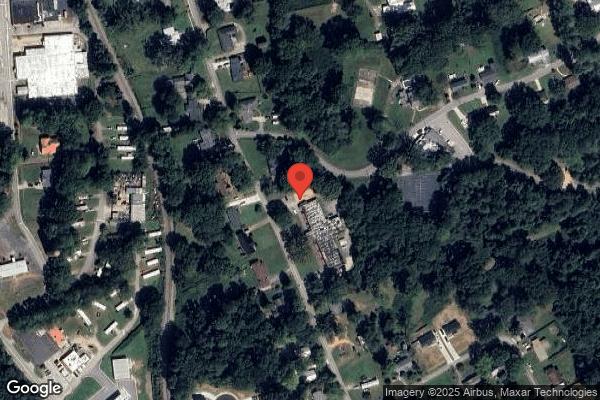
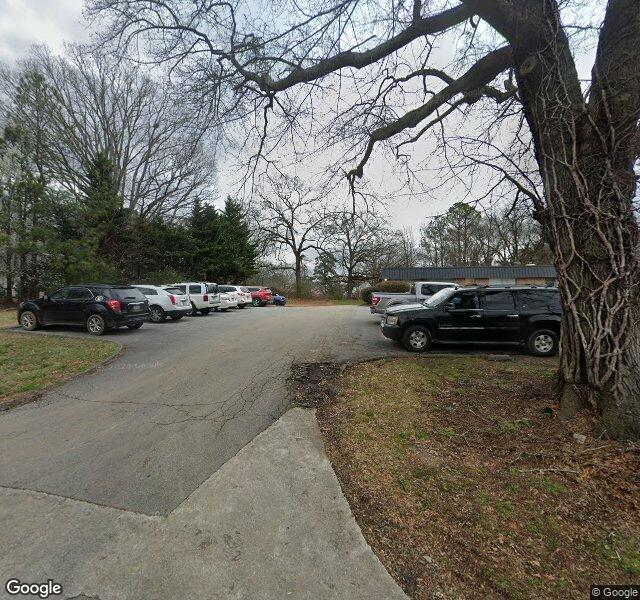
233 CARROLLTON STREET, BUCHANAN, GA 30113 (770) 646-3861
For profit - Corporation 62 Beds Independent Data: November 2025
Trust Grade
43/100
#265 of 353 in GA
Last Inspection: April 2024

Within standard 12-15 month inspection cycle. Federal law requires annual inspections.

Overview

Countryside Post Acute in Buchanan, Georgia has received a Trust Grade of D, indicating below-average performance with some significant concerns. It ranks #265 out of 353 facilities in Georgia, placing it in the bottom half, although it is #2 out of 3 in Haralson County, meaning only one local option is better. The facility is worsening, with reported issues increasing from 6 in 2023 to 9 in 2024. Staffing is a noted weakness, with a poor rating of 1 out of 5 stars, and less RN coverage than 93% of facilities in the state, which raises concerns about the quality of care residents receive. Specific incidents include misappropriation of over $52,000 from residents' trust accounts and inadequate nursing staff to meet residents' needs, highlighting serious management and care issues that families should consider. While the staff turnover rate is below the state average at 44%, the overall lack of adequate care and oversight presents a troubling picture for prospective residents.

Trust Score
D
43/100
In Georgia
#265/353
Bottom 25%
Safety Record
Low Risk
No red flags
Inspections
Getting Worse
6 → 9 violations
Staff Stability
○ Average
44% turnover. Near Georgia's 48% average. Typical for the industry.
Penalties
○ Average
$4,068 in fines. Higher than 65% of Georgia facilities. Some compliance issues.
Skilled Nurses
⚠ Watch
Each resident gets only 10 minutes of Registered Nurse (RN) attention daily — below average for Georgia. Fewer RN minutes means fewer trained eyes watching for problems.
Violations
⚠ Watch
17 deficiencies on record. Higher than average. Multiple issues found across inspections.
★☆☆☆☆
1.0
Overall Rating
★☆☆☆☆
1.0
Staff Levels
★★☆☆☆
2.0
Care Quality
★☆☆☆☆
1.0
Inspection Score
Stable
2023: 6 issues
2024: 9 issues

The Good

  • Full Sprinkler Coverage · Fire safety systems throughout facility
  • No fines on record
  • Staff turnover below average (44%)

    4 points below Georgia average of 48%

Facility shows strength in fire safety.

The Bad

1-Star Overall Rating

Below Georgia average (2.6)

Significant quality concerns identified by CMS

Staff Turnover: 44%

Near Georgia avg (46%)

Typical for the industry

Federal Fines: $4,068

Below median ($33,413)

Minor penalties assessed

The Ugly 17 deficiencies on record

Apr 2024 9 deficiencies
CONCERN (D) 📢 Someone Reported This

A family member, employee, or ombudsman was alarmed enough to file a formal complaint

Potential for Harm - no one hurt, but risky conditions existed

Resident Rights (Tag F0550)

Could have caused harm · This affected 1 resident

Based on observations and resident and staff interviews, the facility failed to uphold the right of dignity for one of three residents (R) (R8) receiving catheter care by not providing necessary priva...

Read full inspector narrative →
Based on observations and resident and staff interviews, the facility failed to uphold the right of dignity for one of three residents (R) (R8) receiving catheter care by not providing necessary privacy measures. Findings include: Observation on 4/14/2024 at 10:00 am of R8's urinary catheter bag dragging on the floor without a privacy bag. Observation and interview on 4/15/2024 at 2:45 pm with R8 revealed the privacy bag was missing following a cleaning session, according to R8. Observation on 4/16/2024 at 9:15 am revealed R8's catheter bag was dragging on the floor without a privacy bag. Observation on 04/16/2024 at 1:15 pm, two surveyors observed R8 outside with his catheter bag was exposed and no privacy bag in place covering the catheter bag. Interview on 4/18/2024 at 11:45 am with the Administrator, she confirmed that it was the facility's protocol to use privacy bags to cover catheter bags.
CONCERN (D) 📢 Someone Reported This

A family member, employee, or ombudsman was alarmed enough to file a formal complaint

Potential for Harm - no one hurt, but risky conditions existed

Deficiency F0558 (Tag F0558)

Could have caused harm · This affected 1 resident

Based on observations, resident and staff interviews, and record review, the facility failed to provide adequate space to meet the needs for one of three residents (R) (R8) in a shared room, compromis...

Read full inspector narrative →
Based on observations, resident and staff interviews, and record review, the facility failed to provide adequate space to meet the needs for one of three residents (R) (R8) in a shared room, compromising the resident's comfort and mobility. Findings include: Observation and interview on 4/14/2024 at 8:45 am revealed R8 resting in bed C in a room shared with two other residents. R8 expressed discomfort due to insufficient space, noting that her movement was restricted, especially access to the bathroom, because belongings from the resident in bed B encroached into her area. R8 reported that she had made repeated requests to the staff for more space to navigate her room, which was especially important due to her status as a below-knee amputee. R8 stated that her requests had previously gone unaddressed. Interview on 4/17/2024 at 11:30 am with the Maintenance Director revealed they were initially unaware of the specific space requirements for residents. The Maintenance Director measured the room space allocated to each resident. The measurements were as follows: Resident A-144 square feet (sq ft), Resident B-120 sq ft, and Resident C-72 sq ft. He confirmed the need for re-evaluation and adjustment of space distribution to ensure equitable living conditions.
CONCERN (D) 📢 Someone Reported This

A family member, employee, or ombudsman was alarmed enough to file a formal complaint

Potential for Harm - no one hurt, but risky conditions existed

Deficiency F0698 (Tag F0698)

Could have caused harm · This affected 1 resident

**NOTE- TERMS IN BRACKETS HAVE BEEN EDITED TO PROTECT CONFIDENTIALITY** Based on resident, facility staff and Hospice staff interviews, and review of the facility policy titled, Renal Dialysis Managem...

Read full inspector narrative →
**NOTE- TERMS IN BRACKETS HAVE BEEN EDITED TO PROTECT CONFIDENTIALITY** Based on resident, facility staff and Hospice staff interviews, and review of the facility policy titled, Renal Dialysis Management, the facility failed to provide a meal or any snacks before leaving the facility for hemodialysis for one of one Resident (R) (R33) reviewed for dialysis. The deficient practice caused the time span between dinner and breakfast to be greater than 14 hours. Findings include: Review of the facility policy titled Renal Dialysis Management dated October 2017 revealed on page 3 of 8, under Procedure, D. 4. When a resident is sent to dialysis, arrangements should be made for an appropriate meal to accompany the resident to dialysis. R33 was admitted to the facility with diagnoses to include but not limited to end-stage renal disease and chronic respiratory failure. Review of the admission Minimum Data Set (MDS) assessment dated [DATE] documented a Brief Interview for Mental Status (BIMS) score of 15, indicating little to no cognitive impairment, and hemodialysis. Observation/interview on 4/15/2024 at 12:27 pm with R33 in his room, he was alert, oriented, and pleasant. He stated he was tired after his dialysis treatment this morning. He stated he did not have breakfast before leaving the facility at around 6:00 am and was not given a snack to take with him. He stated he returned to the facility around 11:00 am. He stated he would be allowed to have a snack during the dialysis treatment. Observation/interview on 4/17/2024 at 12:15 pm with R33, he stated he just returned from dialysis and did not have breakfast before leaving at 6:00 am and did not receive a snack to take with him. Telephone interview on 4/17/2024 at 12:27 pm with the Dialysis Clinic Administrator, she stated the clinic did not recommend eating during dialysis treatment but clients who choose to eat during treatment would sign a release which would relieve the clinic of liability relating to choking. Interview on 4/17/2024 at 2:22 pm with the Dietary Manager, she stated she did not have a protocol for providing dialysis residents with a meal before leaving the facility or sending a snack with the resident to the clinic, but she tried to ensure residents received a meal upon their return. She confirmed that if a resident left for treatment before breakfast and did not receive a snack, there would be more than 14 hours from dinner the previous night to the next meal. Interview on 4/17/24 at 3:00 pm with the Administrator, she stated they did not send snacks with residents to the dialysis clinic because the clinic did not allow their clients to eat during treatment. She did confirm that there were more than 14 hours between meals for R33 on his dialysis days.
CONCERN (D) 📢 Someone Reported This

A family member, employee, or ombudsman was alarmed enough to file a formal complaint

Potential for Harm - no one hurt, but risky conditions existed

Deficiency F0801 (Tag F0801)

Could have caused harm · This affected 1 resident

Based on record review and staff interviews, the facility failed to ensure that the staff designated as Dietary Manager possessed the required certification as a Certified Dietary or Food Service Mana...

Read full inspector narrative →
Based on record review and staff interviews, the facility failed to ensure that the staff designated as Dietary Manager possessed the required certification as a Certified Dietary or Food Service Manager. Findings include: Interview on 4/14/2024 at 1:00 pm with the Dietary Manager, she confirmed that she does not currently possess the required certifications for her position. She stated that she was studying and scheduled to take the certification exam within the next three months but has been performing the duties of a Dietary Manager since her appointment. Interview on 4/15/2024 at 2:30 pm with the facility's consulting Dietician, who was not a full-time employee, emphasized the necessity for a Certified Dietary Manager to oversee kitchen operations effectively. Review of the Dietitian contract revealed a lack of compliance with regulatory requirements for Dietary Manager oversight, underscoring a gap in meeting the federal standards for food service management. Review of the Dietary Manager's credentials revealed that she has not completed any Certified Dietary or Food Service Manager courses nor holds a relevant degree. Her record indicated she assumed the position on 11/5/2022, with the intention to obtain certification.
CONCERN (F) 📢 Someone Reported This

A family member, employee, or ombudsman was alarmed enough to file a formal complaint

Potential for Harm - no one hurt, but risky conditions existed

Deficiency F0568 (Tag F0568)

Could have caused harm · This affected most or all residents

**NOTE- TERMS IN BRACKETS HAVE BEEN EDITED TO PROTECT CONFIDENTIALITY** Based on staff interviews, record review, and review of the facility policy titled, Resident Trust Policy, the facility failed t...

Read full inspector narrative →
**NOTE- TERMS IN BRACKETS HAVE BEEN EDITED TO PROTECT CONFIDENTIALITY** Based on staff interviews, record review, and review of the facility policy titled, Resident Trust Policy, the facility failed to ensure money was taken from the Resident Trust Account and used for resident needs for 39 out of 50 (census at time of misappropriation on 2/9/2024) resident. Finding include: Review of the facility policy titled Resident Trust Policy revised 11/6/2023 revealed This Policy has been established to assure compliance with maintaining a complete and accurate accounting of resident funds. It is mandatory that a reconciliation between the Resident Trust Fund and the bank statement be completed monthly. Each quarter it is also a requirement that a resident trust statement be presented to the resident/responsible party. Review of the police report revealed the total theft of the resident trust fund was $52,323.72 from an audit performed by the [NAME] President (VP) of Revenue Cycle Management of the facility. The audit revealed and identified the former Business Office Manager (BOM) as the perpetrator. The report revealed the former BOM changed checks that were requested for different parties through the Resident Fund Management Service (RFMS), then changed the check payee to herself. The report revealed the former BOM used her mobile banking app (application) to deposit the changed checks into her personal bank account. The former BOM was arrested and charged with misappropriation of resident funds for 39 facility residents. Interview on 4/16/2024 at 10:31 am with the admission Director revealed the facility's former BOM did not provide residents with the third quarter statements. She expressed since she had been in the role, she had given residents their quarterly statements. Interview on 4/17/2024 at 9:32 am with the Administrator, she expressed she notified the police department on 2/9/2024 to report the alleged fraud. She revealed after reporting the alleged fraudulent activity to the police department, the Chief of Police requested the facility to complete an audit. The Administrator revealed this was when the former BOM was confirmed making false invoice requests through the RFMS system for 39 residents. She was changing the requested check to her name and depositing the check in her personal bank account. The Administrator confirmed the former BOM was not providing quarterly statement for the months of July through September 2023. Review of the email communication from the VP of Revenue Cycle Management revealed the affected residents were 39 out of 50 residents in the facility at the time of the incident. All money was returned to the residents or the resident's responsible party. The following 39 residents had money misappropriated from their trust accounts: R4-$564.00 R30-$355.00 R1-$1,610.00 R13-$1,393.19 RAA-$544.57 R19-$620.00 R12-$900.00 R202-$350.00 R3-$620.00 RBB-$200.04 R2-$765.00 R39-$775.00 R46-$3,200.00 R38-$50.00 R14-$2,155.00 R34-$350.00 RCC-$2,369.06 RDD-$500.00 [NAME]-$1,745.00 R24-$800.00 R22-$200.00 R8-$620.00 R15-$455.00 R11-$565.00 RFF-$1,572.11 R35-$10,060.33 R5-$155.00 R25-$1,895.00 R28-$3,435.18 R27-$155.00 R26-$665.00 RGG-$2,427.96 R201-$3,172.00 R45-$500.00 RHH-$1,368.48 R49-$2,365.00 R10-$100.00 R41-$2,746.80 R203-$861.33 Total amount=$52,323.72 Cross refer F602.
CONCERN (F) 📢 Someone Reported This

A family member, employee, or ombudsman was alarmed enough to file a formal complaint

Potential for Harm - no one hurt, but risky conditions existed

Deficiency F0602 (Tag F0602)

Could have caused harm · This affected most or all residents

**NOTE- TERMS IN BRACKETS HAVE BEEN EDITED TO PROTECT CONFIDENTIALITY** Based on staff and local police interviews, record review, and review of the facility policy titled Freedom from Patient Abuse, ...

Read full inspector narrative →
**NOTE- TERMS IN BRACKETS HAVE BEEN EDITED TO PROTECT CONFIDENTIALITY** Based on staff and local police interviews, record review, and review of the facility policy titled Freedom from Patient Abuse, Neglect, Exploitation, Mistreatment, and Misappropriation of Property-Reporting and Investigating, the facility failed to protect the resident's right to be free from abuse by misappropriation of funds by staff for two of 24 sampled residents (R) (R203 and R45) who had trust accounts. Substandard Quality of Care was identified related to Misappropriation of Funds. Findings include: A review of the facility policy titled Freedom from Patient Abuse, Neglect, Exploitation, Mistreatment, and Misappropriation of Property-Reporting and Investigating revised date [DATE] under Policy Statement revealed: Any complaint, allegation, observation or suspicion of resident abuse, mistreatment or neglect, whether physical, verbal, mental or sexual, involuntary or voluntary, is to be communicated to the Abuse Coordinator, thoroughly reported, investigated and documented in a uniform manner as detailed below. R203 was admitted to the facility with the following diagnoses: bipolar disorder, unspecified, myeloblastic leukemia. R203 expired on [DATE]. Record review of the most recent quarterly Minimum Data Set (MDS) for R203, dated [DATE] revealed R203 had a Brief Interview for Mental Status (BIMS) score of 15, indicating the resident had intact cognition. The MDS also documented that R203 had no behaviors, required assistance and received Hospice services. Review of the investigation report provided by the local Police Department dated [DATE] revealed the facility's former Business Office Manager (BOM) used R203's bank card for several transactions totaling $861.33. The former BOM was arrested for theft by conversion, identity theft, and financial transaction card fraud. Interview on [DATE] at approximately 11:00 am with the admission Director revealed that R203 was upset about her debit card not working at the vending machine on [DATE]. R203 wanted the admission Director to go to the ATM (Automated Teller Machine) to pull out $100.00 as she had done for her prior. The admission Director attempted to withdraw funds from the ATM however, the transaction was declined. After returning to the facility, the Human Resource Manager and admission Director called the bank with the resident's consent. The local bank informed them the card has been restricted due to suspected fraudulent activity. The local bank shared the last four transactions. R203 was able to confirm with the bank that she did not complete any of the recent transactions discovered. One of the four transactions was with the local recreation department. Interview on [DATE] at 2:08 pm with the Human Resource Manager revealed she went to R203's room to inform her of her care being delayed by her Hospice provider, R203 had concerns about why her debit card was not working at the vending machine and wanted to know why the facility was taking all her money. The Human Resource Manager informed R203 she would inform the admission Office Director as instructed by the resident, regarding her concerns. Interview on [DATE] at 11:33 am with the Administrator revealed she was unaware of the former BOM mismanagement of resident funds. She expressed that when she was made aware on [DATE], she contacted the police department to further assist with the investigation. Interview on [DATE] at 10:46 am with the Chief of Police, he spoke of his involvement in the case. He stated on [DATE] he received a call from the facility Administrator regarding alleged fraud against one resident. The Chief of Police went to the facility on [DATE] to obtain additional information. He was given R203's name and was told her debit card was used for purchases that were not authorized, totaling $831.83. The facility was able to give the Chief of Police the last four transactions used by the card number of R203. One of the four transactions was at the local recreation department. The Chief of Police contacted the Recreation Department on [DATE]. The Recreation Department was able to reveal R203's card number was used for a child sporting activity and was able to identify the former BOM was the person who used it. The Chief of Police provided the facility Administrator with the results of the investigation. He suggested the facility conduct an audit to assist with additional findings during the timeframe in question. R45 was admitted to the facility with diagnoses of acute posthemorrhagic anemia, displaced fracture of left femur, unspecified injury of head, hypertension, muscle weakness, dysphagia cognitive communication deficit, and esophagitis. Review of the most recent quarterly MDS dated [DATE] documented R45 had a Brief Interview for Mental Status (BIMS) of 15, indicating the resident had intact cognition. Review of the investigation report provided by the local Police Department dated [DATE] indicated an interview with R45 dated [DATE] revealed the facility's former BOM took R203 to the bank to sign over and deposit a check totaling $10,182.15. In addition to taking R45 to the bank, the former BOM intercepted three more checks written out to R45 for the amount of $625.16 each and made deposits in her personal account totaling $1,875.48. The total amount of money taken from the resident was $12,057.63. The former business office manager was arrested for theft and misappropriation of resident's funds. Interview on [DATE] at 10:00 am with R45, the resident expressed his feeling of being taken advantage of by the former BOM. He continued to express that he thought it was something he had to do to continue his stay at the facility. When asked if he trusted the facility with his funds today, he stated, I know my money is being done the right way now. He had no additional concerns. Review of the police report included a 360 report from R203's bank. This report revealed each deposit transaction. When the checks written and the checks deposited were compared using the mobile app, it revealed checks that were in R45's and R203's name but signed by the former BOM.
CONCERN (F) 📢 Someone Reported This

A family member, employee, or ombudsman was alarmed enough to file a formal complaint

Potential for Harm - no one hurt, but risky conditions existed

Deficiency F0725 (Tag F0725)

Could have caused harm · This affected most or all residents

Based on staff interviews and review of the Facility Assessment Tool and the Payroll-Based Journal (PBJ) Staffing Data Report Quarter (Q) 1 2024, the facility failed to ensure there was adequate nursi...

Read full inspector narrative →
Based on staff interviews and review of the Facility Assessment Tool and the Payroll-Based Journal (PBJ) Staffing Data Report Quarter (Q) 1 2024, the facility failed to ensure there was adequate nursing staff to serve their residents. The deficient practice had the potential to adversely affect the care and services provided to the facility residents. The facility census was 48 residents. Findings include: Review of the Facility Assessment Tool updated 2/6/2024 revealed the facility was licensed for 61 beds but the average daily census was 49.7 residents. The Staffing Plan included four licensed nurses working per 12-hour shift, six nurse aides working 12-hour shifts and two nurses' aides working eight-hour shifts to provide direct resident care, and four administrative nurses. Review of the PBJ Staffing Data Report Q 1, 2024 (October 1, 2023 through December 31, 2023) revealed, based on the data submitted, the facility triggered a One-Star rating for Q1 2024 (failure to submit PBJ data by the deadline; more than four days in the quarter without Registered Nurse (RN) staffing hours; failure to respond to, submit documentation, or failure to pass a CMS (Centers for Medicare and Medicaid Services) audit designed to discover discrepancies in PBJ data). In addition, the facility triggered excessively low weekend staffing. Interview on 4/18/2024 at 3:21 pm with the Administrator and the Regional Nurse Consultant (RNC) acting as the Interim Director of Nursing (DON), the RNC stated she was hired in December 2023 and had no knowledge of the details of the Q1 2024 PBJ CASPER (Certification and Survey Provider Enhanced Reports) Report. In addition, the Administrator stated she was not aware of the triggered items in the PBJ [NAME] Report which is reported through the corporate office. She stated the likely cause of the problem was the three family members of the terminated Business Office Manager (BOM) who were embarrassed, and all quit at the same time, including the DON, Maintenance Director, and a Unit Manager Licensed Practical Nurse (LPN). Telephone interview on 4/18/2024 at 3:30 pm with the Corporate Payroll Manager, he stated he was not aware of any specifics related to the CASPER Report ratings because he receives the data and submits it to a third-party vendor for submission to CMS. He stated he was not aware of the reasons for the ratings.
CONCERN (F) 📢 Someone Reported This

A family member, employee, or ombudsman was alarmed enough to file a formal complaint

Potential for Harm - no one hurt, but risky conditions existed

Food Safety (Tag F0812)

Could have caused harm · This affected most or all residents

Based on observations, staff interviews, and review of the facility's policy titled, Food Temperature, the facility failed to ensure proper sanitation measures were followed and to uphold appropriate ...

Read full inspector narrative →
Based on observations, staff interviews, and review of the facility's policy titled, Food Temperature, the facility failed to ensure proper sanitation measures were followed and to uphold appropriate sanitation practices when checking food temperatures. Specifically, the incorrect sanitization of the thermometer between use did not align with food safety standards. The deficient practice posed a risk of foodborne illness for 45 of 48 residents receiving an oral diet. Findings include: A review of the facility's policy titled Food Temperature revealed: All foods prepared for residents to maintain specific temperatures and mandates that thermometers used to measure these temperatures be sanitized between uses to prevent cross-contamination. Observation on 4/14/2024 at 10:30 am during a tour of the facility's kitchen revealed the Dietary Manager was observed conducting periodic test trays to ensure that the food served to residents maintained appropriate temperatures. However, the thermometer used for checking food temperatures was improperly sanitized between uses. The Dietary Manager was observed dipping the thermometer in ice water instead of using a proper sanitizing solution between testing different food items. Observation on 04/14/2024 at 11:45 am during meal service revealed the Dietary Manager was observed using a single thermometer for multiple food items without proper sanitation between uses. The thermometer was first used to check mashed potatoes, then chicken, without proper cleaning in between. Observation on 4/15/2024 at 11:50 am, the same unsanitary practice was observed again with different foods, including squash and pureed items, using the same thermometer that was rinsed quickly in a cup of ice water but not sanitized. Observation on 4/16/2024 at 12:30 pm, a repeat observation confirmed the continued use of improper thermometer sanitization methods. Interview on 4/17/2024 at 10:00 am with the Dietary Manager confirmed that the standard procedure requiring the use of a sanitizing solution to prevent cross-contamination was not followed.
CONCERN (F) 📢 Someone Reported This

A family member, employee, or ombudsman was alarmed enough to file a formal complaint

Potential for Harm - no one hurt, but risky conditions existed

Administration (Tag F0835)

Could have caused harm · This affected most or all residents

Based on staff interviews, record review, police investigation reports, and review of the facility policies titled, Freedom from Patient Abuse, Neglect, Exploitation, Mistreatment and Misappropriation...

Read full inspector narrative →
Based on staff interviews, record review, police investigation reports, and review of the facility policies titled, Freedom from Patient Abuse, Neglect, Exploitation, Mistreatment and Misappropriation of Property-Reporting and Investigating, the Administrator failed to ensure an allegation of exploitation was reported to the State Agency in a timely manner for one resident (R) (R45). The facility census was 48 residents. Finding Include: A review of the facility policy titled Abuse, Neglect, Exploitation, or Misappropriation- Reporting and Investigating revised date January 2022 under Policy Statement in both policies revealed: Any complaint, allegation, observation or suspicion of resident abuse, mistreatment or neglect, whether physical, verbal, mental or sexual, involuntary or voluntary, is to be communicated to the Abuse Coordinator, thoroughly reported, investigated and documented in a uniform manner as detailed below. A Review of the Facility Incident Report (FIC report) revealed a report was not made until 2/13/2024 by the Administrator. This was four days after the perpetrator was confirmed and identified. Interview on 4/18/2024 at approximately at 2:45 pm with the Administrator revealed she was unaware of the former Business Office Manager (BOM) mismanaging of resident funds prior to R203's complaint. She expressed when she was made aware on 2/8/2024 of the mismanagement of the funds, she stated she contacted the police department to further assist with the investigation. On 2/9/2024 she continued to express she was told the alleged perpetrator was identified as her BOM. When asked why the administration did not report sooner, her response was, I did report when I found out who did it. Interview on 4/16/2024 at 10:46 am with the Chief of Police, he spoke of his involvement in the case. He expressed on 2/9/2024 he received a call from the facility Administrator regarding an alleged fraud for one resident. The Chief of Police went to the facility on 2/9/2024 to obtain additional information from the facility staff. He was given R203's name and was told her debit card was used for purchases that were not authorized, totaling $831.83. The facility was able to give the Chief of Police the last four transactions used by the card number of R203. One of the four transactions was at the local recreation department. The Chief of Police contacted the recreation department on 2/9/2024. The local recreation department was able to reveal R203's card number was used for a child sporting activity and was able to identify the former BOM was the person who used it. The Chief of Police provided the facility Administrator with the results of the investigation on 2/9/2024. He suggested the facility conduct an audit to assist with additional findings during the timeframe in question. Cross Reference to 602
Mar 2023 6 deficiencies
CONCERN (D) 📢 Someone Reported This

A family member, employee, or ombudsman was alarmed enough to file a formal complaint

Potential for Harm - no one hurt, but risky conditions existed

Deficiency F0558 (Tag F0558)

Could have caused harm · This affected 1 resident

Based on observation, record review, and staff and resident interviews, the facility failed to accommodate the needs for one of 30 sampled residents (R) (R#5) related to providing a Hoyer lift pad to ...

Read full inspector narrative →
Based on observation, record review, and staff and resident interviews, the facility failed to accommodate the needs for one of 30 sampled residents (R) (R#5) related to providing a Hoyer lift pad to get into a wheelchair for mobility out of the room. The deficient practice had the potential to prevent R#5 from maintaining and/or achieving independent functioning, dignity, and well-being to the extent possible in accordance with R#5's needs and preferences. Findings include: Review of the quarterly Minimum Data Set (MDS) assessment for R#5 revealed a Brief Interview of Mental Status (BIMS) score of 11 indicating R#5 had moderate cognitive impairment. R#5 required two-person total dependance with Hoyer lift transfer, assistance with locomotion on and off the unit, and used a wheelchair for mobility device. R#5 had diagnoses of cerebral palsy, depression, anxiety, and hypothyroidism. Observation on 3/22/2023 at 9:37 a.m. found R#5 lying in bed with her stuffed animals. R#5 was asked about going to BINGO on 3/21/2023, and she expressed wanting to go, however she was not able to go and did not know why. Interview on 3/22/2023 at 9:57 a.m. with the Activities Director, they were asked about the activity level of all the residents in the facility. She indicated that she completed all activities that were listed on the activities calendar including BINGO, Sip and Paint, County Store, Sheet Ball, etc. The Activities Director confirmed BINGO did occur on 3/21/2023 and R#5 was not in attendance. Interview on 3/22/2023 at 10:11 a.m. with Certified Nursing Assistant (CNA) CC, she was asked about the process of getting residents up who required a Hoyer lift. CNA CC revealed if a lift pad was available, they would be hanging on the laundry wall or hanging on the rails in the hall. When asked why R#5 was not getting up for BINGO, CNA CC revealed that R#5 did not have a lift pad to assist with getting her out of bed into a wheelchair. CNA CC went on to reveal there had been times a lift pad was not readily available for transfer and that when this happened residents either waited for availability or did not get up if time did not allow. Interview on 3/22/2023 at 10:34 a.m. with CNA DD, she was asked about the process of obtaining a lift pad for a resident in need. CNA DD revealed lift pads were usually stored in the laundry room, and if not there, they were usually placed in the hallway for convenience. Interview on 03/23/2023 at 09:36 a.m. with the Director of Nursing revealed each resident does not have their own lift pad but indicated since her start date of February 6, 2023, there had only been one time that she was aware of that a lift pad was not available for transfer.
CONCERN (D) 📢 Someone Reported This

A family member, employee, or ombudsman was alarmed enough to file a formal complaint

Potential for Harm - no one hurt, but risky conditions existed

Deficiency F0645 (Tag F0645)

Could have caused harm · This affected 1 resident

Based record review, staff interviews, and review of the facility's policy titled, Pre-admission Screening and Resident Review, the facility failed to apply for Level two (2) PASRR (Preadmission Scree...

Read full inspector narrative →
Based record review, staff interviews, and review of the facility's policy titled, Pre-admission Screening and Resident Review, the facility failed to apply for Level two (2) PASRR (Preadmission Screening and Resident Review) for evaluation and determination of specialized services for one of one resident (R) (R#25) reviewed for positive Level I PASRR for mental illness and diagnoses of Bipolar and Anxiety Disorder prior to and on admission to the facility. This deficient practice had the potential for R#25 to be denied specialized services for psychological, psychiatric, and functional needs. Findings Include: Review of the facility's policy titled, Pre-admission Screening and Resident Review dated August 2022 revealed a policy of: PASRR is a review required under the state Medicaid program that identifies the specialized services for an individual with mental illness and mental retardation (MI/MR) residing in a nursing facility and be offered the most appropriate setting for their needs. PASRR assures that psychological, psychiatric, and functional needs are considered in long term care. Process: Social Workers responsibility to see that all residents within the nursing facility with MI/MR are to have PASRR documentation of pre-admission screens with identified specialized services. If one of the above conditions is identified, the Social Worker will make a referral for a level II assessment. Review of the admission Record for R#25 revealed the following diagnoses but not limited to bipolar, anxiety disorder, hypertension, spinal stenosis, and chronic pain. Review of the quarterly MDS (Minimum Data Set) dated 2/13/2023 for R#25 revealed section C- Cognitive Patterns-Brief Interview for Mental Status (BIMS) score of 15, indicating R#25 was cognitively intact, section E-Behaviors-no behaviors exhibited, I-Active Diagnoses-anxiety and bipolar disorder, section N-Medication-on antidepressant, and antianxiety medication 7 days a week, section O-Special Treatments, Procedures, and Programs-no therapies noted Review of Care plan dated 11/8/2022 for R#25 revealed an increase in antianxiety medications on 12/15/2022 due to several days of increased anxiety. Review of the Physician's Orders for R#25 revealed orders for sertraline (depression/anxiety) 50 milligrams (mg) give one (1) tablet every day with a start date of 2/18/2023 for and lorazepam (antipsychotic medication) one (1) mg give one (1) tablet every day with a start date of 12/15/2022. Interview on 3/23/2023 at 1:40 p.m. with the Director of Social Services, she produced a screenshot copy of the Medicaid portal showing a level II PASRR application entered 3/23/2023 for R#25. She revealed she did not know how it was missed when he was admitted . Interview on 3/22/2023 at 2:30 p.m. with the Director of Social Services verified that R#25 did not have a PASRR Level II completed but did have the diagnoses that require a Level II PASRR.
CONCERN (D) 📢 Someone Reported This

A family member, employee, or ombudsman was alarmed enough to file a formal complaint

Potential for Harm - no one hurt, but risky conditions existed

Medication Errors (Tag F0758)

Could have caused harm · This affected 1 resident

**NOTE- TERMS IN BRACKETS HAVE BEEN EDITED TO PROTECT CONFIDENTIALITY** Based on observations, record review, staff interviews, and review of the facility's policy titled, Pharmacy Services Psychotrop...

Read full inspector narrative →
**NOTE- TERMS IN BRACKETS HAVE BEEN EDITED TO PROTECT CONFIDENTIALITY** Based on observations, record review, staff interviews, and review of the facility's policy titled, Pharmacy Services Psychotropic Drug Therapy, the facility failed to document the intended duration of therapy for one of one resident (R) (R#28) that had order for as needed (PRN) antianxiety medication. Findings include: Review of the facility's policy titled, Pharmacy Services Psychotropic Drug Therapy, revealed psychoactive medication that is ordered per physician as PRN will be reviewed for discontinuation of the order on the 14th day. PRN psychoactive medications are not to exceed 14 days. Review of the medical record for R#28 revealed diagnoses of Alzheimer's disease, unspecified, dementia in other diseases classified elsewhere, moderate, without behavioral disturbance, psychotic disturbance, mood disturbance, anxiety, and major depressive disorder, recurrent, unspecified. Review of the admission Minimum Data Set (MDS) assessment dated [DATE] for R#28 revealed a Brief Interview of Mental Status (BIMS) score of 0 indicating severe cognitive deficit; resident reported no mood symptoms and exhibited no behaviors. Review of Physician Orders for R#28 included an order dated 3/17/2023 for Ativan (Lorazepam) tablet 1 MG [milligram] Give 1 tablet by mouth at bedtime for anxiety AND give 1 tablet by mouth every six hours PRN for Anxiety/Agitation. The order had no end date. Interview on 3/22/2023 at 2:20 p.m. with the Director of Nursing (DON) revealed her expectations were for psychotropic medication orders to be limited to fourteen days unless documented by the physician as being clinically necessary.
CONCERN (D) 📢 Someone Reported This

A family member, employee, or ombudsman was alarmed enough to file a formal complaint

Potential for Harm - no one hurt, but risky conditions existed

Deficiency F0924 (Tag F0924)

Could have caused harm · This affected 1 resident

**NOTE- TERMS IN BRACKETS HAVE BEEN EDITED TO PROTECT CONFIDENTIALITY** Based on observations and staff interview, the facility failed to ensure that four handrails were firmly and securely attached t...

Read full inspector narrative →
**NOTE- TERMS IN BRACKETS HAVE BEEN EDITED TO PROTECT CONFIDENTIALITY** Based on observations and staff interview, the facility failed to ensure that four handrails were firmly and securely attached to the wall on one of two halls (100 Hall). This deficient practice had the potential to cause injury for any resident who used the unsecured handrails. Findings include: Observation on 3/23/2023 at 11:00 a.m. of the handrail next to room [ROOM NUMBER] on the 100 Hall revealed the handrail after room [ROOM NUMBER] was missing all hardware to keep it securely attached to the wall. Observation on 3/21/2023 at 12:10 p.m. of the handrails on the 100 Hall revealed four handrails on the wall between rooms [ROOM NUMBERS] to be very loose. A walking tour on 3/23/2023 at 1:30 p.m. with the Director of Maintenance confirmed the loose handrails on the 100 hall and the missing hardware near room [ROOM NUMBER]. The Director of Maintenance revealed new handrails had been ordered.
CONCERN (E) 📢 Someone Reported This

A family member, employee, or ombudsman was alarmed enough to file a formal complaint

Potential for Harm - no one hurt, but risky conditions existed

Deficiency F0761 (Tag F0761)

Could have caused harm · This affected multiple residents

Based on observations, interview, and review of the facility's policy titled, Storage and Expiration Dating of Medications, Biologicals, the facility failed to ensure that two of two medication carts ...

Read full inspector narrative →
Based on observations, interview, and review of the facility's policy titled, Storage and Expiration Dating of Medications, Biologicals, the facility failed to ensure that two of two medication carts were locked and secured when the carts were out of view of the nurse. The deficient practice had the potential to allow unauthorized staff, visitors, and residents access to unsecured medications. Findings include: Review of the facility's policy titled, Storage and Expiration Dating of Medications, Biologicals dated 7/21/2022 revealed procedure 3.3-Facility should ensure that all medications and biologicals, including treatment items, are securely stored in a locked cabinet/cart or locked medication room that is inaccessible by residents and visitors. Observation on 3/23/2023 at 12:15 p.m. on the 100 Hall revealed that one medication cart located in the hallway outside resident rooms was unlocked and the nurse left the cart unattended. At 12:20 p.m. Licensed Practical Nurse (LPN) AA approached the cart and verified they were responsible for the cart and that he left it unlocked and unattended. Observation on 3/23/2023 at 12:25 p.m. revealed one medication cart left unattended in front of the nurses station to be unlocked. At 12:27 p.m. LPN BB came out of the nurses station and verified that they were responsible for the medication cart and that they left it unlocked. There were several residents walking and sitting within two to three feet of the cart. Interview on 3/23/2023 at 12:50 p.m. with the Director of Nursing (DON) revealed her expectations are for all medication carts and medication storage rooms to be locked and secured when unattended and only accessed by authorized nurses.
CONCERN (E) 📢 Someone Reported This

A family member, employee, or ombudsman was alarmed enough to file a formal complaint

Potential for Harm - no one hurt, but risky conditions existed

Food Safety (Tag F0812)

Could have caused harm · This affected multiple residents

Based on observations, staff interviews, and review of the facility's policy titled, Cleaning and Sanitizing Dietary Areas and Equipment, the facility failed to ensure all kitchen areas and equipment ...

Read full inspector narrative →
Based on observations, staff interviews, and review of the facility's policy titled, Cleaning and Sanitizing Dietary Areas and Equipment, the facility failed to ensure all kitchen areas and equipment were maintained in a sanitary manner and provide sanitary food service that meets state and federal regulations. This deficient practice had the potential to affect all residents who received an oral diet from the kitchen. Findings include: A review of the facility's undated policy titled, All kitchen areas and equipment shall be maintained in a sanitary manner and be free of buildup food, grease or other soil. The facility will provide sanitary food service that meets state and federal regulations revealed that walls should be repaired as needed and cleaned with the appropriate solution depending on surface material. The ceiling must be free of chipped and or peeling paint. Observations on 3/21/2023 at 09:10 a.m. of the kitchen revealed food stains on the walls throughout the food prep areas and where resident's food was pureed. The handwashing sink was soiled with dark stains. Areas of the kitchen walls and ceiling had peeling/chipped paint and needed repair. Observations on 3/22/2023 at 11:00 a.m. during a follow up visit of the kitchen revealed food stains remained on the walls, including the area where food is pureed, the handwashing sink was remained dirty, and paint was still peeling/chipped on areas of the kitchen walls and ceiling and in need of repair. Interview on 3/22/2023 at 9:20 am with the district Dietary Manager revealed that the maintenance staff is responsible for maintaining and monitoring vents, ceiling, and kitchen equipment. Interview on 3/22/2023 at 2:20 p.m. with the Administrator revealed that she expects the staff to keep the kitchen environment clean. The Administrator acknowledged the stains on the kitchen walls.
Sept 2021 2 deficiencies
CONCERN (D)

Potential for Harm - no one hurt, but risky conditions existed

Food Safety (Tag F0812)

Could have caused harm · This affected 1 resident

Based on observations, staff interviews and policy reviews, the facility failed to ensure opened food items in the dry storage area and items in unit refrigerators were labeled and used or disposed of...

Read full inspector narrative →
Based on observations, staff interviews and policy reviews, the facility failed to ensure opened food items in the dry storage area and items in unit refrigerators were labeled and used or disposed of by the use by date. The census was 55 residents. Findings include: 1. Review of the facility policy titled Safe Food Handling dated 2021 revealed the purpose is to ensure the food the residents eat is safe. Number 8. Make sure all refrigerated items are labeled, dated, covered, and with a use by date. During initial tour on 8/31/2021 at 8:36 a.m. with Dietary Manager (DM), revealed in the dry storage room, Cornflake cereal opened on 6/8/2021 with use by date of 8/8/21 and Cornmeal opened on 7/27/21 with use by date of 8/27/21. 2. Review of the facility policy titled Family Member Food Storage dated 6/18/2020 revealed the purpose is to ensure that foods brought in for a resident by their family is stored in a safe manner to prevent foodborne illness. All foods should be labeled and dated with a use by date. Observation on 8/31/2021 at 8:43 a.m. with the DM, revealed Unit One refrigerator with a clear plastic container labeled fruit punch with no prepared date or use by date and prepared cranberry juice labeled 8/26/2021 with use by date of 8/29/2021. Observation on 8/31/2021 at 8:52 a.m. with the DM, revealed Unit Two refrigerator with chocolate pudding with open date of 8/22/2021 and use by date of 8/29/21; barbeque (BBQ) sauce with no open date and use by date of 8/23/2021; apple sauce opened 8/22/2021 with use by date of 8/29/2021; lemon juice with no open date and use by date of 7/28/2021; ranch dressing with no open date and use by date of 8/4/2021. Interview on 9/1/2021 at 3:15 p.m. with DM revealed all kitchen staff are responsible for ensuring labels are accurate and expired foods and beverages are used or discarded by the use by date. The DM reported all staff attended in-service training on 8/12/2021 related to food storage and labeling and again on 9/1/2021.
CONCERN (D)

Potential for Harm - no one hurt, but risky conditions existed

Infection Control (Tag F0880)

Could have caused harm · This affected 1 resident

**NOTE- TERMS IN BRACKETS HAVE BEEN EDITED TO PROTECT CONFIDENTIALITY** Based on observations, record review, staff and resident interviews and review of the facility policy titled Droplet Precautions...

Read full inspector narrative →
**NOTE- TERMS IN BRACKETS HAVE BEEN EDITED TO PROTECT CONFIDENTIALITY** Based on observations, record review, staff and resident interviews and review of the facility policy titled Droplet Precautions, the facility failed to follow the recommended precautions related to Respiratory Syncytial Virus (RSV); specifically, no isolation signage on resident room doors, use of appropriate personal protective equipment (PPE) for duration of isolation, and keeping the privacy curtain pulled between residents in shared rooms with both positive and negative RSV residents for three Residents (R) (R#24, R#25, and R#48). The census was 55 residents. Findings include: Review of facility policy titled Infection Prevention Two-Tier Transmission Based Precautions: Droplet Precautions dated 6/2016, revealed 1. Implement Standard Precautions 2. Place the resident in a private room: when a private room is not available, place the resident in a room with a resident who has an active infection with the same microorganism but with no other infection, known as cohorting; when a private room is not available, and cohorting is not achievable, consider the Epidemiology of the microorganism and the resident population when determining the resident placement; placement may be possible in a room with an uninfected resident that has intact skin and no invasive devices such as a nasal gastric tube, gastric tube, intravenous line, urinary catheter, ostomy or tracheostomy. Consult an infection control professional before placement as indicated. Review of facility in-service training provided on 8/11/2021 titled Respiratory Syncytial Virus (RSV) Prevention: handwashing, masks and disinfection, revealed eight staff members attended the training: three Licensed Practical Nurses (LPN), four Certified Nursing Assistants (CNA) and one Temporary Nursing Assistant (TNA). Review of Facility in-service training provided on 8/26/2021 titled RSV precautions: smokers masking out and back in, handwashing staff and patients, social distancing, mask use for all patients and pulling privacy curtains. The in-service sign-in sheet revealed that seven department heads attended the training. There was no evidence that the clinical staff attended this educational training regarding pulling privacy curtains. Review of facility Monthly Line Listing Report for the month of August 2021 revealed six residents were diagnosed with RSV between 8/11/2021 and 8/24/2021. 1. Review of the clinical record for R#48 revealed an admission date of 1/28/2021 with diagnoses including but not limited to dementia with behavioral disturbance, delusional disorders, hallucinations, depression, anxiety, and intervertebral disc degeneration. The resident's most recent Quarterly Review Minimum Data Set (MDS) dated [DATE], revealed a Brief Interview for Mental Status (BIMS) was coded as 13, which indicated no cognitive impairment. Review of revised care plan for R#48, dated 8/25/2021, revealed RSV precautions: following a positive result for RSV, the resident should be on droplet precautions for 7 days. There is no evidence in the electronic medical record (EMR) documenting isolation precautions or the use of PPE at any time. Observation on 8/31/2021 at 9:40 a.m. R#48 sitting in room, noted to have a cough. The privacy curtain was not pulled in a room shared by two residents with roommate present in the room. There was no evidence of isolation signage on the door. The privacy curtain was not pulled around R#48. There was no evidence of PPE located outside residents' room or inside residents' room. 2. Review of the clinical record for R#25 revealed an admission date of 10/19/2018 with diagnoses including but not limited to congestive heart failure (CHF), schizophrenia, diabetes, anxiety, hyponatremia, hyperkalemia, depression, and hypertension (HTN). The resident's most recent Quarterly Review Minimum Data Set (MDS) dated [DATE], revealed a Brief Interview for Mental Status (BIMS) was coded as 15, which indicated no cognitive impairment. Review of care plan for R#25, initiated on 8/23/2021, revealed the resident has tested positive for RSV. Interventions to care include droplet precautions for 7 days. There is no evidence in the electronic medical record (EMR) documenting isolation precautions or the use of PPE at any time. Observation on 8/31/2021 at 1:04 p.m. R#25 lying in bed on right side actively coughing and not covering the cough while roommates were present in a room shared by four residents. The privacy curtain was not pulled around R#25 bed, and the door was open to the hallway. There was no evidence of isolation signage on the door. There was no evidence of PPE located outside residents' room or inside residents' room. 3. Review of the clinical record for R#24 revealed an admission date of 1/25/2021 with diagnoses including but not limited to anemia, hypertension (HTN), diabetes, and anxiety disorder. Review of facility progress note dated 8/24/2012 at 11:28 p.m. notified Physician (MD) this evening about resident testing positive for RSV, negative for influenza (FLU). The resident's most recent Quarterly Review Minimum Data Set (MDS) dated [DATE], revealed a Brief Interview for Mental Status (BIMS) was coded as 6, which indicated severe cognitive impairment. Review of revised care plan for R#24, dated 8/26/2021, revealed resident has an upper respiratory infection (URI) positive for RSV. Interventions to care include droplet precautions for 7 days. There is no evidence in the electronic medical record (EMR) documenting isolation precautions or the use of PPE at any time. Observation on 8/31/2021 at 1:06 p.m. R#24 sitting up in a wheelchair at the bedside. The privacy curtain was not pulled in a room shared by two residents, and roommate was present in the room. There was no evidence of isolation signage on the door. There was no evidence of PPE located outside residents' room or inside residents' room. Interview on 8/31/2021 at 8:45 a.m. with R#24, stated her body ached all over, her throat was sore, and she couldn't quit coughing. She revealed being sick around a week ago but could not get the stuff in her lungs to break loose. When asked if she reported how she felt to the staff, the resident stated that she had and was waiting to see the doctor. Interview on 8/31/2021 at 9:40 a.m. with R#48, stated she had RSV, but that she was feeling much better. She stated the staff encouraged her to wash her hands frequently. She further stated that she was not able to have visitors because of the RSV. Interview on 8/31/2021 at 10:30 a.m. with R#25, reveals he is not feeling good this morning. He wanted to talk but had a persistent wet cough that became worse while talking. He stated he had ear pain and felt like his ear was stopped up. He stated he felt congestion in his nose, and he was coughing up yellow mucus. During further interview, he stated he was feeling better than in previous weeks and was getting up and about in the facility. Interview on 8/31/2021 at 11:15 a.m. with the Assistant Director of Nursing (ADON) and Infection Control Preventionist (ICP), revealed negative RSV residents remained in the room with the positive RSV residents. She stated they were all placed on droplet precautions. During further interview, she stated it would be best to cohort positive residents together, and the positive residents were asked to move but refused. She further revealed that the privacy curtains should be pulled between the residents to help prevent the spread of RSV to the negative residents residing in the rooms with positive residents. Interview on 8/31/2021 at 12:09 p.m. with CNA AA, stated when she was notified about the RSV outbreak, the Administrator, and the Director of Nursing (DON) encouraged her to wash her hands frequently and to encourage the residents to wear a mask and sanitize their hands. During further interview, she disclosed when a resident is positive for RSV and has a roommate who is negative for RSV, the privacy curtains have not been pulled closed. She stated the only time she pulls the privacy curtain is when she is providing care to the residents. Interview on 8/31/2021 at 12:17 p.m. with CAN EE, stated during the recent RSV outbreak, residents were encouraged to remain isolated in their rooms, but the privacy curtains are not closed. During further interview, she stated that the residents with RSV should have a droplet precaution sign on the door and confirmed that there was no sign on R#48 door. Interview on 9/1/2021 at 9:00 a.m. with the DON revealed she could not find evidence of documentation that residents were asked to move rooms or that they refused to move rooms. Phone interview on 9/1/2021 at 10:00 am with the Medical Director, revealed he was not aware the facility was cohorting RSV positive residents with RSV negative residents. He stated he has only been covering this facility for a few weeks and was not familiar with the facility policies regarding Droplet Precautions. Interview on 9/1/2021 at 11:35 a.m. with Certified Nursing Assistant (CNA) AA stated to help protect against the spread of RSV and other contagious diseases, staff should perform handwashing, wear masks and PPE. During further interview, she stated they encourage residents to wear masks and do more handwashing. Interview on 9/1/2021 at 11:45 a.m. with CNA BB stated to reduce the spread of RSV, she wears a mask and changes it frequently, and always uses hand sanitizer. She stated she puts masks on the residents and tries to keep them away from other residents. During further interview, she never mentioned or recalled pulling the privacy curtains as a preventive measure. Interview on 9/1/2021 at 11:55 a.m. with Licensed Practical Nurse (LPN) CC stated to reduce the spread of RSV, staff should be wearing PPE, washing their hands, and encouraging roaming residents to wear a mask and to maintain social distancing. During further interview, she never mentioned or recalled pulling the privacy curtains as a preventive measure. Interview on 9/1/2021 at 12:05 p.m. with the Unit Manager (UM) stated the residents should be on droplet precautions for seven days from the time of diagnosis per Medical Director. She stated the isolation carts and signs are removed once those seven days are up. During further interview, she never mentioned or recalled pulling privacy curtains as a preventive measure. Interview on 9/2/2021 at 11:55 a.m. with DON, stated the droplet precaution signs for R#24, R#25 and R#48 were removed from the door the morning of 8/31/2021, before the survey team entered at 8:30 a.m. During further interview, she stated the UM was responsible for ensuring the precaution signs were on the doors and PPE carts are outside the rooms.
Understanding Severity Codes (click to expand)
Life-Threatening (Immediate Jeopardy)
J - Isolated K - Pattern L - Widespread
Actual Harm
G - Isolated H - Pattern I - Widespread
Potential for Harm
D - Isolated E - Pattern F - Widespread
No Harm (Minor)
A - Isolated B - Pattern C - Widespread

Questions to Ask on Your Visit

  • "Can I speak with families of current residents?"
  • "What's your RN coverage like on weekends and overnight?"

Our Honest Assessment

Strengths
  • • $4,068 in fines. Lower than most Georgia facilities. Relatively clean record.
  • • 44% turnover. Below Georgia's 48% average. Good staff retention means consistent care.
Concerns
  • • 17 deficiencies on record. Higher than average. Multiple issues found across inspections.
  • • Grade D (43/100). Below average facility with significant concerns.
Bottom line: Trust Score of 43/100 indicates significant concerns. Thoroughly evaluate alternatives.

About This Facility

What is Countryside Post Acute's CMS Rating?

CMS assigns COUNTRYSIDE POST ACUTE an overall rating of 1 out of 5 stars, which is considered much below average nationally. Within Georgia, this rating places the facility higher than 0% of the state's 100 nursing homes. A rating at this level reflects concerns identified through health inspections, staffing assessments, or quality measures that families should carefully consider.

How is Countryside Post Acute Staffed?

CMS rates COUNTRYSIDE POST ACUTE's staffing level at 1 out of 5 stars, which is much below average compared to other nursing homes. Staff turnover is 44%, compared to the Georgia average of 46%. This relatively stable workforce can support continuity of care.

What Have Inspectors Found at Countryside Post Acute?

State health inspectors documented 17 deficiencies at COUNTRYSIDE POST ACUTE during 2021 to 2024. These included: 17 with potential for harm.

Who Owns and Operates Countryside Post Acute?

COUNTRYSIDE POST ACUTE is owned by a for-profit company. For-profit facilities operate as businesses with obligations to shareholders or private owners. The facility operates independently rather than as part of a larger chain. With 62 certified beds and approximately 52 residents (about 84% occupancy), it is a smaller facility located in BUCHANAN, Georgia.

How Does Countryside Post Acute Compare to Other Georgia Nursing Homes?

Compared to the 100 nursing homes in Georgia, COUNTRYSIDE POST ACUTE's overall rating (1 stars) is below the state average of 2.6, staff turnover (44%) is near the state average of 46%, and health inspection rating (1 stars) is much below the national benchmark.

What Should Families Ask When Visiting Countryside Post Acute?

Based on this facility's data, families visiting should ask: "Can you walk me through typical staffing levels on day, evening, and night shifts?" "Can I visit during a mealtime to observe dining assistance and food quality?" "How do you handle medical emergencies, and what is your hospital transfer rate?" "Can I speak with family members of current residents about their experience?" These questions are particularly relevant given the below-average staffing rating.

Is Countryside Post Acute Safe?

Based on CMS inspection data, COUNTRYSIDE POST ACUTE has a clean safety record: no substantiated abuse findings (meaning no confirmed cases of resident harm), no Immediate Jeopardy citations (the most serious violation level indicating risk of serious injury or death), and is not on the Special Focus Facility watch list (a federal program monitoring the lowest-performing 1% of nursing homes). The facility has a 1-star overall rating and ranks #100 of 100 nursing homes in Georgia. While no facility is perfect, families should still ask about staff-to-resident ratios and recent inspection results during their visit.

Do Nurses at Countryside Post Acute Stick Around?

COUNTRYSIDE POST ACUTE has a staff turnover rate of 44%, which is about average for Georgia nursing homes (state average: 46%). Moderate turnover is common in nursing homes, but families should still ask about staff tenure and how the facility maintains care continuity when employees leave.

Was Countryside Post Acute Ever Fined?

COUNTRYSIDE POST ACUTE has been fined $4,068 across 1 penalty action. This is below the Georgia average of $33,120. While any fine indicates a compliance issue, fines under $50,000 are relatively common and typically reflect isolated problems that were subsequently corrected. Families should ask what specific issues led to these fines and confirm they've been resolved.

Is Countryside Post Acute on Any Federal Watch List?

COUNTRYSIDE POST ACUTE is not on any federal watch list. The most significant is the Special Focus Facility (SFF) program, which identifies the bottom 1% of nursing homes nationally based on persistent, serious quality problems. Not being on this list means the facility has avoided the pattern of deficiencies that triggers enhanced federal oversight. This is a positive indicator, though families should still review the facility's inspection history directly.