CANTON CENTER FOR NURSING AND HEALING LLC

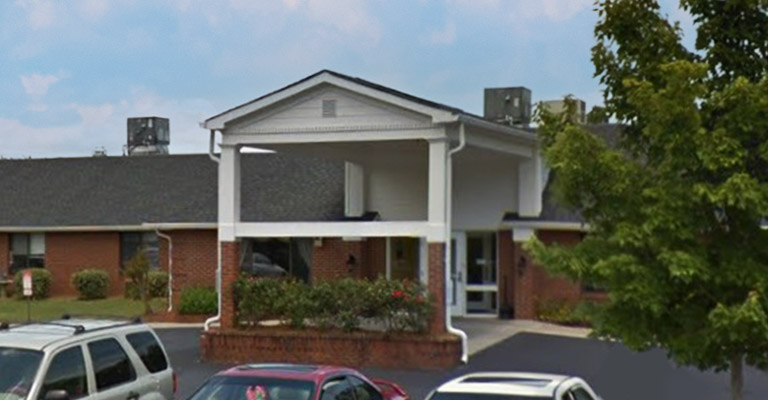
321 HOSPITAL ROAD, CANTON, GA 30114 (770) 479-8791
Government - County 100 Beds EMPIRE CARE CENTERS Data: November 2025
Trust Grade
50/100
#176 of 353 in GA
Last Inspection: August 2025

Inspected within the last 6 months. Data reflects current conditions.

Overview

Canton Center for Nursing and Healing LLC has a Trust Grade of C, indicating it is average compared to other facilities. It ranks #176 out of 353 in Georgia, placing it in the top half, and #1 out of 3 in Cherokee County, meaning it outperforms all local options. The facility appears to be improving, with the number of issues decreasing from 7 in 2024 to 6 in 2025. However, staffing is a concern, with a low rating of 1 out of 5 stars and a high turnover rate of 60%, which is above the state average. On a positive note, the facility has not incurred any fines, signaling compliance with regulations. However, there have been specific incidents that raise concerns, such as failure to properly perform hand hygiene between residents and the presence of expired medications on medication carts, which could potentially harm residents. Additionally, some resident rooms were found to be unclean, with issues like soiled air filters and stained floors, indicating a need for better maintenance. Overall, while there are some strengths, families should be aware of the areas that need improvement.

Trust Score
C
50/100
In Georgia
#176/353
Top 49%
Safety Record
Low Risk
No red flags
Inspections
Getting Better
7 → 6 violations
Staff Stability
⚠ Watch
60% turnover. Above average. Higher turnover means staff may not know residents' routines.
Penalties
✓ Good
No fines on record. Clean compliance history, better than most Georgia facilities.
Skilled Nurses
○ Average
Each resident gets 32 minutes of Registered Nurse (RN) attention daily — about average for Georgia. RNs are the most trained staff who monitor for health changes.
Violations
⚠ Watch
13 deficiencies on record. Higher than average. Multiple issues found across inspections.
★★☆☆☆
2.0
Overall Rating
★☆☆☆☆
1.0
Staff Levels
★★★☆☆
3.0
Care Quality
★★★☆☆
3.0
Inspection Score
Stable
2024: 7 issues
2025: 6 issues

The Good

  • Full Sprinkler Coverage · Fire safety systems throughout facility
  • No fines on record

Facility shows strength in fire safety.

The Bad

2-Star Overall Rating

Below Georgia average (2.6)

Below average - review inspection findings carefully

Staff Turnover: 60%

14pts above Georgia avg (46%)

Frequent staff changes - ask about care continuity

Chain: EMPIRE CARE CENTERS

Part of a multi-facility chain

Ask about local staffing decisions and management

Staff turnover is elevated (60%)

12 points above Georgia average of 48%

The Ugly 13 deficiencies on record

Aug 2025 6 deficiencies
CONCERN (D)

Potential for Harm - no one hurt, but risky conditions existed

Deficiency F0628 (Tag F0628)

Could have caused harm · This affected 1 resident

**NOTE- TERMS IN BRACKETS HAVE BEEN EDITED TO PROTECT CONFIDENTIALITY** Based on record review, staff interviews, and review of facility policy, the facility failed to properly document the transfer/d...

Read full inspector narrative →
**NOTE- TERMS IN BRACKETS HAVE BEEN EDITED TO PROTECT CONFIDENTIALITY** Based on record review, staff interviews, and review of facility policy, the facility failed to properly document the transfer/discharge for one of three residents (Resident (R) 102) reviewed for discharge from a sample 34 residents. The deficient practice had the potential for the resident and/or resident representative to be uninformed on the transfer and appeal process. Findings include:Review of the facility's policy titled, Transfer and Discharge, Including Against Medical Advice (AMA) with a revision date of March 2025, reads in part, For Emergency Transfers to Acute Care the facility will obtain a physician's order for emergency transfer or discharge stating the reason for the transfer or discharge is necessary on an emergency basis.contact information of the practitioner who was responsible for the care of the resident; resident representative information including the contact information; information necessary to meet the resident needs such as diagnoses, allergies, baseline and current mental, behavioral, and functional status, and reason for transfer.Medications (including last does received) recent labs, immunizations; special instructions and/or precautions for ongoing care.Provide notice of transfer and facility's bed hold policy notice to the resident and representative as indicated.Review of R102's admission Record located on the resident's electronic medical record tab titled Profile, revealed the resident was admitted to the facility on [DATE] with diagnoses that included drug induced myopathy (muscle disease caused by certain drugs), rhabdomyolysis (damage skeletal muscle tissue breakdown), and diabetes mellitus type II.Review of R102's admission Minimum Data Set (MDS) with an Assessment Reference Date (ARD) of 8/04/2024 located in the resident EMR tab titled MDS, revealed the resident had a Brief Interview for Mental Status (BIMS) score of 15 points out of 15, which indicated the resident was cognitively intact. The resident was assessed to require substantial to maximal assistance with most of her activities of daily living (ADLs).Review of R102's discharge MDS with an ARD of 8/11/2024 located in the resident's EMR tab titled MDS, revealed the resident was an unplanned discharge to a short-term acute hospital. The resident was expected to return to the facility.Review of R102's Nurses Notes, dated 8/11/2024, located in the resident's EMR tab titled Progress Notes, revealed the resident had complained about stomach pains and having a problem with bowel movements. The resident was alert and verbally responsive. Vital signs were stable. The nurse practitioner was made aware of the resident's complaints, and a fleets enema was ordered. The resident had positive results with four large stools. The resident vital signs were rechecked and found to be in normal range. The resident had good oxygen levels, and her skin was warm and dry.There was no further documentation in the progress notes to indicate if R102 had a change in condition that warranted her transfer to an acute care setting. The facility was unable to provide documentation of a physician's order for the resident to be transferred to an acute care setting, or that the resident's responsible party was notified of a change in the resident's condition necessitating the resident's transfer.During an interview on 8/22/2025 at 1:10 PM, the Interim Regional Director of Nursing (DON) was asked to review the resident's EMR to locate the documentation as to why R102 was transferred, transfer order, and notification of the resident's responsible party regarding the transfer. After reviewing the resident's EMR, the DON stated that she was unable to locate any of the requested information. The DON stated that it was an expectation that any time there was a change in the resident's condition, treatment, or need for transfer to an emergency room, it should be documented in the nurses' notes, there should be an order for the transfer. The DON further stated that the nurses were responsible for making the resident aware of the transfer in progress and the bed hold policy. The DON stated the nurses were responsible for sending a copy of the resident's medications, physicians' orders, and the resident's code status.During an interview on 8/23/2025 at 1:45 PM, the Assistant Director of Nursing (ADON) revealed that when a resident was an emergency transfer to the hospital, the bed hold policy was discussed, and a copy of the bed hold notification was given to the resident. The ADON stated copies of the resident's Advance Directive/Code Status, physicians' orders, and medication list were sent with the resident. The ADON stated that she was unable to locate any information regarding R102's transfer.During an interview on 8/23/2025 at 3:00 PM, the Regional Nurse revealed the staff had not followed the facility's policy regarding transfer/discharge to an acute care setting.
CONCERN (D)

Potential for Harm - no one hurt, but risky conditions existed

Deficiency F0655 (Tag F0655)

Could have caused harm · This affected 1 resident

**NOTE- TERMS IN BRACKETS HAVE BEEN EDITED TO PROTECT CONFIDENTIALITY** Based on staff interviews, record review, and facility policy review, the facility failed to complete a baseline care plan withi...

Read full inspector narrative →
**NOTE- TERMS IN BRACKETS HAVE BEEN EDITED TO PROTECT CONFIDENTIALITY** Based on staff interviews, record review, and facility policy review, the facility failed to complete a baseline care plan within 48 hours of admission for two of 34 sampled residents (Resident (R) 66 and R99). The deficient practice had the potential to disrupt continuity of care and communication among nursing home staff and the residents.Findings include:Review of the facility's policy titled, Baseline Care Plan, revised April 2025, indicated .2. The admitting nurse, or supervising nurse on duty, shall gather information from the admission physical assessment, hospital transfer information, physician orders and discussion with the resident and resident representatives, if applicable. a. Once gathered, initial goals shall be established that reflects the resident's stated goals and objectives. b. Interventions shall be initiated that address the resident current needs. 1. Record review of R66's admission Record under the Profile tab of the electronic medical record (EMR) revealed R66 was admitted to the facility on [DATE] with a diagnosis of type two diabetes mellitus without complication, heart disease without heart failure, and injury of head. Review of the Baseline Care Plan, dated 8/6/2025, found under the Assessment tab of the EMR, revealed the resident was always incontinent of bowel and bladder and had an indwelling catheter. The baseline care plan did not include interventions. The baseline care plan was incomplete.During an interview on 8/21/2025 at 11:54 PM Licensed Practical Nurse (LPN) 1 stated she was aware of the catheter and nursing was the one responsible for ensuring there was an order when a resident was admitted but was not responsible for the care plan. Interview with the Administrator on 8/21/2025 at 12:56 PM revealed, My expectation is that all residents admitted with indwelling foley catheters have a medical diagnosis to justify the use as well as ensure all care plans have measurable goals and interventions.2. Review of R99's admission Record located in the resident's EMR tab titled Profile revealed the resident was admitted to the facility on [DATE] with diagnoses that include displaced intertrochanteric fracture of the left femur, abnormalities of gait and mobility, and generalized muscle weakness.Review of R99's admission Minimum Data Set (MDS) with an Assessment Reference Date (ARD) of 6/5/2024 located in the resident's EMR tab titled MDS, revealed a Brief Interview for Mental Status (BIMS) score of 15 out 15, which indicated the resident was cognitively intact. The resident was assessed to have impairment of the lower extremity. The resident required substantial to maximal assistance with toileting, personal hygiene, and shower.Further review of R99's EMR failed to contain a baseline care plan that would address the resident's needs.During an interview on 8/22/2025 at 10:30 AM, the Assistant Director of Nursing (ADON) revealed it was an expectation that a baseline care plan would be completed within 48 hours of the resident's admission.During an interview on 8/22/2025 at 10:55 AM, the Administrator revealed the floor nurses were responsible for starting the baseline care plans which were to be completed within 48 hours of the resident's admission.
CONCERN (D)

Potential for Harm - no one hurt, but risky conditions existed

ADL Care (Tag F0677)

Could have caused harm · This affected 1 resident

**NOTE- TERMS IN BRACKETS HAVE BEEN EDITED TO PROTECT CONFIDENTIALITY** Based on record review, staff interviews, and review of facility policy, the facility failed to ensure that one of three residen...

Read full inspector narrative →
**NOTE- TERMS IN BRACKETS HAVE BEEN EDITED TO PROTECT CONFIDENTIALITY** Based on record review, staff interviews, and review of facility policy, the facility failed to ensure that one of three residents (Resident (R) 99) reviewed for dependency on staff for activities of daily living (ADLs) received baths/showers and personal hygiene from a sample of 34 residents. The deficient practice had the potential to promote further deterioration of R99's ADLs and hygiene.Findings include:Review of the facility's policy titled, Activities of Daily Living with a revision date of April 2025, directs staff .A resident who is unable to carry out activities of daily living will receive the necessary services to maintain good nutrition, grooming, and personal and oral hygiene.Review of R99's admission Record located in the resident's electronic medical record tab titled Profile, revealed the resident was admitted to the facility on [DATE] with diagnoses that include displaced intertrochanteric fracture of the left femur, abnormalities of gait and mobility, and generalized muscle weakness.Review of R99's admission Minimum Data Set (MDS) with an Assessment Reference Date (ARD) of 6/5/2024 located in the resident's EMR tab titled MDS revealed a Brief Interview for Mental Status (BIMS) score of 15 out 15, which indicated the resident was cognitively intact. The resident was assessed to have impairment of the lower extremity. The resident required substantial to maximal assistance with toileting, personal hygiene, and shower.Review of R99's Comprehensive Care Plan with an initiated date of 6/10/2024 located in the resident's EMR tab titled Care Plans, revealed a care plan for self-care deficit which would address the resident's need for personal hygiene and baths/showers was not developed.Review of R99's Activities for Daily Living documentation for June 2025 and provided by the facility, revealed R99 received personal hygiene on the following days: on the 7AM-7PM shift 5/30/2024 and 5/31/2024; and the 7PM -7AM shift on 5/30/2024. There was no documentation of the resident receiving personal hygiene for the month of June. The staff documented that the resident received a shower only on 6/13/2024 for the month of June.During an interview on 8/19/2025 at 11:15 AM with the assigned bath Certified Nursing Assistant (CNA) 5, after reviewing the R99's bath/shower sheets, CNA5 revealed that the documentation did not show that R99 had received personal hygiene, bath/showers as needed.During an interview on 8/19/2025 at 3:30 PM, the Administrator revealed she reviewed the ADL sheets. The Administrator stated that it appeared the resident did not receive the showers or personal hygiene as needed.
CONCERN (D)

Potential for Harm - no one hurt, but risky conditions existed

Incontinence Care (Tag F0690)

Could have caused harm · This affected 1 resident

Based on observations, staff interviews, record review, and facility policy review, the facility failed to ensure that a resident with a urinary catheter bag was properly positioned in a manner to pre...

Read full inspector narrative →
Based on observations, staff interviews, record review, and facility policy review, the facility failed to ensure that a resident with a urinary catheter bag was properly positioned in a manner to prevent potential urinary tract infections due to contamination and ensure an order was in place for the use of a catheter for one of two residents (Resident (R) 66) reviewed for urinary catheters and urinary tract infections out of a total sample of 34 residents. The deficient practice had the potential for increased risk of infection and a diminished quality of life for R66.Findings include:Review of the facility's policy titled, Indwelling Cather Use and Removal, revised August 2023, indicated .2. Residents that are admitted with an indwelling catheter or subsequently receives one will be assessed for removal of the catheter as soon as possible unless the resident's clinical condition demonstrates that the catheter is necessary.4. If an dwelling catheter is in use, the facility will provide appropriate care for the catheter in accordance with current professional standards of practice and resident care policies and procedures that include but are not limited to.b. Timely and appropriate assessment related to the indications for use of the catheter; as well as criteria for discontinuation of the catheter when the indication for use is no longer present.Review of R66's admission Record under the Profile tab of the electronic medical record (EMR) revealed R66 was admitted to the facility with a diagnosis of type two diabetes mellitus without complication, heart disease without heart failure, and injury of head. Review of the Baseline Care Plan, dated 8/6/2025, found under the Assessment tab of the EMR, revealed the resident was always incontinent of bowel and bladder and had an indwelling catheter. Review of the Physician Order under the Order tab of the EMR revealed there were no orders for the catheter as well as justification for its use. Observation on 8/18/2025 at 2:36 PM revealed R66 was lying in bed while the indwelling foley catheter bag was attached to the second bar of the rolling walker at waist level. Observation on 8/19/2025 at 10:08 AM revealed R66's indwelling foley catheter bag was still at waist level. Observation and interview on 8/19/2025 at 11:30 AM revealed after providing activities of daily living (ADL) care, Certified Nursing Assistant (CNA) 4 returned R66 to bed. CNA4 placed the resident's urinary drainage bag on the second bar of the resident's rolling walker. The drainage tubing was at the same level of the resident's bladder .the tubing had yellow urine with small amount of sediment backing up into the resident's bladder area. Interview with CNA4 during the observation revealed that she provided care to R66 periodically. CNA4 stated the resident preferred to have the drainage bag on the walker so he could go to the bathroom easier. CNA4 stated the urinary drainage bags were positioned on the side of the bed and was not sure how to position the drainage bag lower on the walker to promote proper drainage.During an interview on 8/21/2025 at 11:54 PM, Licensed Practical Nurse (LPN) 1 stated she was aware of the catheter and nursing was responsible for ensuring there was an order when a resident was admitted . At 12:10 PM, LPN1 confirmed there was no order for the catheter.Interview with the Administrator on 8/21/2025 at 12:56 PM revealed, My expectation is that all residents admitted with indwelling foley catheters have a medical diagnosis to justify the use of such and that staff follow policies and procedure for catheter management.
CONCERN (D)

Potential for Harm - no one hurt, but risky conditions existed

Deficiency F0806 (Tag F0806)

Could have caused harm · This affected 1 resident

Based on observations, record review, resident and staff interviews, and review of facility policy, the facility failed to ensure that one of six residents (Resident (R) 9) with nutritional problems i...

Read full inspector narrative →
Based on observations, record review, resident and staff interviews, and review of facility policy, the facility failed to ensure that one of six residents (Resident (R) 9) with nutritional problems in a total sample of 34 was offered a substitute meal after refusing the meal on the menu.Findings include:Review of the facility's undated policy titled Resident Nutrition Services revealed item two reading reasonable efforts will be made to accommodate resident choices and preferences.Review of the Diagnosis located in the electronic medical record (EMR) under the Medical Diagnosis tab revealed R9 was admitted from the hospital to the facility with multiple comorbidities including but not limited to cerebral palsy.Review of the order located under the Orders tab of the EMR, revealed R9's diet order consisted of regular diet, regular texture, and regular liquids as of 8/1/2025.Review of the admission Minimum Data Set (MDS) with an Assessment Reference Date (ARD) of 6/19/2025 and located under the MDS tab of the EMR revealed an eating status of independent.Review of the care plan, located under the Care Plan tab of the EMR dated 6/19/2025 revealed a goal that R9 would improve his current level of function and gain two-three pounds per week through review. The interventions were to update preferences (which was completed) and add med pass 3.0 (liquid supplement) three times a day.Observations on 8/20/2025 at 5:50 PM revealed Certified Nursing Assistant (CNA) 3 removing a tray from R9's room approximately 20 minutes after receiving the tray. CNA3 was returning the tray to the kitchen cart in the corridor when CNA3 was asked if the tray contained R9's meal and if R9 ate anything. CNA3 stated it was the tray containing R9's meal and opened the cover to the plate showing R9 did not eat any part of the meal. When CNA3 was asked if he offered R9 a substitute meal, CNA3 responded no, he never eats anything.During an interview on 8/20/2025 at 5:51 PM, R9 stated that he did not want his meal. R9 stated CNA3 did not ask him if he wanted anything else since he refused him meal.During an interview on 8/21/2025 at 1:10 PM, the Registered Dietitian (RD) revealed she expected staff to offer substitutes to residents who ate less than 25% (percent) of their meals. The RD was not aware that staff were not offering an alternative to residents who refused their meal.Interview with the Administrator on 8/22/2025 at 2:45 PM revealed she expected staff to offer residents substitutes when they did not eat the meal on the menu.Interview with the Director of Nursing (DON) on 8/22/2025 at 2:50 PM revealed she expected CNAs to offer alternatives to residents eating less than 25% of a meal of choice or less.
CONCERN (E)

Potential for Harm - no one hurt, but risky conditions existed

Deficiency F0761 (Tag F0761)

Could have caused harm · This affected multiple residents

**NOTE- TERMS IN BRACKETS HAVE BEEN EDITED TO PROTECT CONFIDENTIALITY** Based on observations, staff interviews, and review of facility policy, the facility failed to ensure that medications and suppl...

Read full inspector narrative →
**NOTE- TERMS IN BRACKETS HAVE BEEN EDITED TO PROTECT CONFIDENTIALITY** Based on observations, staff interviews, and review of facility policy, the facility failed to ensure that medications and supplies were not expired in one of one medication rooms and two of six medication carts. The facility also failed to ensure one treatment cart, and two of six medication carts were secured when not being used by staff. The deficient practices increased the risk of residents receiving expired medications and/or access to medications from the medication cart and had the potential to result in residents being subject to unsafe or ineffective treatment or adverse effects leading to serious illness. Findings include:Review of the facility's policy titled, Medication Administration with a revision date of April 2025, directs the staff Keep medication cart clean, organized, and stocked with adequate supplies.Review of facility's policy titled, Medication Storage with a revision date on March 2022, directs the staff .All drugs and biologicals will be stored in locked compartments (i.e., medication carts, cabinets, drawers, refrigerators, medication rooms).During a medication pass, medications must be under the direct observation of the person administering medications or locked in the medication storage area/cut.1. During an observation on 8/18/2025 at 12:27 PM, the treatment cart was unlocked, and no staff were in sight. The treatment cart was between room [ROOM NUMBER] and 402. The treatment care supplies contained wound cleanser, several types of wound care supplies, hydrogen peroxide, alcohol wipes, zinc oxide, etc. The Corporate Wound Care Registered Nurse (CWRN) returned to the cart at 12:32 PM During an interview on 8/18/2025 at 12:32 PM, the CWRN acknowledged that she had left the treatment cart unlocked. She stated she was trying to attend to a resident request for pain medications and coffee and forgot to lock the cart.During an interview on 8/18/2025 at 3:30 PM, the Administrator revealed the CWRN had made her aware of the unlocked treatment cart. The Administrator further stated the Assistant Director of Nursing (ADON) was in the process of preparing staff in-service regarding securing the medication and treatment carts. 2. During an observation on 8/18/2025 at 2:52 PM, the medication cart for the 300-hall was left unlocked at the nurses' station. At 2:54 PM there were no staff at the nurses' station to monitor the unsecured medication cart. Several residents and staff members passed by the unsecured cart. At 2:57 PM, the Regional Nurse approached the surveyor to inquire if they needed anything. At that time the Regional Nurse was informed about the unlocked medication cart.During an interview on 8/18/2025, the Regional Nurse stated that the nurses were expected to lock the medication cart when it was not in use.During an interview on 8/18/2025 at 3:10 PM, the WCRN revealed she did not realize that she had left the medication cart unlocked and that she was pulled away by Physical Therapy (PT) to help with a resident.3. Inspection of the medication room located between units 100, 200, 300, and 400 on 8/30/2025 at 4:00 PM revealed 10 of 10 blue top vacuette tubes used for blood labs had an expiration date of 7/1/2025.Interview with the Administrator on 8/20/2025 at 4:15 PM revealed staff were responsible for checking and cleaning the medication room on the night shift. The Regional Director of Nursing (DON) was also present to observe the findings.4. Inspection of the medication cart for the 300 Hall on 8/20/2025 at 4:35 PM with Licensed Practical Nurse (LPN) 3 revealed the following:Two of two [NAME] (BD) Insyte Auto guard Intravenous catheters 24-gauge x .75 inch had an expiration date 2/29/2024.One of one BD Insyte Auto guard intravenous catheter size 22-gauge x 1.00 inch had an expiration date 9/1/2024.One of one BD Insyte Auto guard intravenous catheter size 20-gauge x 1.00 inch had an expiration date 7/1/2022.One bottle of Dr. [NAME] Ultimate Lung and Bronchial Support had an expiration date 6/2025.One bottle of Liquid Protein Supplement had dried sticky residue.One bottle of Geri Tussin DM had dried sticky residue.All the drawers of this medication cart had dirt and trash debris. Also, three yellow pills, two white pills, one dark green pill, one red colored pill, and one oblong white pill (unlabeled) were found in the top drawer. During an interview on 8/20/2025 at 5:24 PM, LPN3 confirmed the findings on the inspection of the medication cart. LPN3 identified the unlabeled pills as Tylenol, aspirin, Motrin, and iron; however, LPN3 was unable to identify the oblong white pills. LPN3 further stated the nursing staff should be cleaning and checking the carts weekly.During an interview on 8/20/2025 at 5:30 PM, the Administrator asked the surveyor what medications were found on the medication cart. The findings were reviewed with the Administrator, and she was given the unlabeled medications. The Administrator stated it was the responsibility of the night nurse to check and clean the medication carts every night. Observation on 8/21/2025 at 6:10 AM revealed the medication cart for the 100-hall was left unlocked and no staff was in sight to observe the unlocked medication cart. At 6:16 AM, LPN4 exited the resident's room, checked her computer, and then locked the cart. An inspection of the medication cart revealed dirt and trash debris in all the drawers and a bottle of Geri-Lanta with an expiration date of July 2025.During an interview on 8/21/2025 at 6:17 PM, LPN4 revealed at first, she did not remember if the cart was unlocked. LPN 4 was asked if she could see the medication cart while she was in the resident's room, and LPN4 replied that she could not see the medication cart. LPN4 was asked if she locked the medication cart when she exited the resident's room and the LPN replied, no.
Jan 2024 7 deficiencies
CONCERN (D) 📢 Someone Reported This

A family member, employee, or ombudsman was alarmed enough to file a formal complaint

Potential for Harm - no one hurt, but risky conditions existed

Comprehensive Care Plan (Tag F0656)

Could have caused harm · This affected 1 resident

**NOTE- TERMS IN BRACKETS HAVE BEEN EDITED TO PROTECT CONFIDENTIALITY** Based on observations, resident and staff interviews, record review and review of facility policy titled Comprehensive Care Plan...

Read full inspector narrative →
**NOTE- TERMS IN BRACKETS HAVE BEEN EDITED TO PROTECT CONFIDENTIALITY** Based on observations, resident and staff interviews, record review and review of facility policy titled Comprehensive Care Plans, the facility failed to ensure that specialty needs related to oxygen (O2) use were on the care plan for one of 44 sampled residents (R) (R30). Findings include: Review of the facility policy titled Comprehensive Care Plans revealed that the care plan will describe, at minimum, the services that are to be furnished to attain or maintain the residents highest practicable physical, mental, and psychosocial well-being. Review of the electronic medical record (EMR) for resident R30 revealed that he was admitted to the facility with diagnoses that included but were not limited to heart failure, atrial fibrillation, and diabetes, type 2, and chronic obstructive pulmonary disease (COPD). Review of the physician orders for R30 revealed an order dated 12/11/2023 for Oxygen (O2) at 2L/min (liters per minute) via nasal cannula (NC) as tolerated, every day and night shift. Review of the quarterly minimum data set (MDS) dated [DATE], revealed that R30 had a Basic interview mental status (BIMS) score of 15, indicating R30 had limited or no cognitive impairment. Section O-Special Treatments revealed that the resident was using O2 while he was at the facility. Review of the care plan revealed that R30 has emphysema/COPD related to being a former smoker. The only intervention in place for this problem was to keep the head of bed elevated or out of bed in a chair during episodes of difficulty breathing. Observation on 1/2/2024 at 10:23 am, R30 was observed laying in his bed with his eyes closed. He was wearing his NC with O2 flowing at the rate of two L/min. Observation on 1/3/2024 at 3:39 pm, R30 was observed laying in the bed with his eyes closed. O2 tubing was hanging on the bed rail and the O2 flow was set at 1.5 liters per minute. Observation and interview on 1/4/2023 at 10:05 am, R30 was observed awake, laying in the bed. The O2 NC was off the resident and lying next to him on the bed. The resident stated that he only wears O2 at night. The flow was set at one L/min. Interview on 1/5/2024 at 5:20 pm with the MDS Coordinator revealed that she would receive her information for the assessments from nurses' notes, physicians' documentation, therapy documentation, hospital records, plan of care and documentation in the EMR. She then stated that all specialty care needs for residents need to be care planned and stated that the information comes from the nurses notes and physician notes. When asked why O2 was not on the care plan, she stated that she was not the only one that did care plans. Interview 1/5/2023 at 5:38 pm with the Director of Nursing DON) revealed that she expected that O2 be on the care plan because it was a specialty need and considered a medication.
CONCERN (D) 📢 Someone Reported This

A family member, employee, or ombudsman was alarmed enough to file a formal complaint

Potential for Harm - no one hurt, but risky conditions existed

ADL Care (Tag F0677)

Could have caused harm · This affected 1 resident

**NOTE- TERMS IN BRACKETS HAVE BEEN EDITED TO PROTECT CONFIDENTIALITY** Based on observations, resident and staff interviews, record review, and review of the facility policy titled, Activities of Dai...

Read full inspector narrative →
**NOTE- TERMS IN BRACKETS HAVE BEEN EDITED TO PROTECT CONFIDENTIALITY** Based on observations, resident and staff interviews, record review, and review of the facility policy titled, Activities of Daily Living, the facility failed to provide fingernail care to one of 42 sampled residents (R) (R64). Findings include: Review of the facility policy titled Activities of Daily Living [ADL] revealed under POLICY: Based on the comprehensive assessment of a patient and consistent with the patient's needs and choices, the Center must provide the necessary care and services to ensure that a patient's abilities and activities of daily living do not diminish unless circumstances of the individual's clinical condition demonstrate that such diminution was avoidable. PRACTICE STANDARDS: 1. The Center must ensure that: 1.1 A patient is given the appropriate treatment and services to maintain or improve his/her ability to carry out ADLs. Review of the electronic medical record (EMR) for R64 revealed that the resident was admitted with diagnoses that included but were not limited to chronic kidney disease, heart failure, depression, abdominal aortic aneurysm without rupture and lung cancer. Review of the admission Minimum Data Set (MDS) dated [DATE] for R64 revealed that the basic interview for mental status (BIMS) score was 15, indicating that R64 had little or no cognitive deficit, and he required partial/moderate assistance with most ADLs. Review of the care plan for R64 revealed that the resident requires extensive assistance from staff with personal hygiene and oral care. Observation and interview on 1/2/2024 at 10:18 am revealed R64 laying in his bed with his eyes open. R64 had long, dirty fingernails. R64 stated that the staff had cleaned and clipped his fingernails once before but had not done it since then. Observation on 1/3/2024 at 3:34 pm, R64 was observed sitting up in his bed. His fingernails were long and dirty. Observation on 1/4/2024 at 1:55 pm, R64 was laying in his bed with his eyes open. He stated that he had a bed bath, but his fingernails had not been cleaned or trimmed. His fingernails were still long and dirty. Interview on 1/5/2024 at 4:04 pm with Certified Nursing Assistant (CNA) II revealed that if a resident refused a bath or shower, she would document it on the shower sheet. She then stated that when a bed bath was given, it was at that time that peri-care (genital area) was done, hair was washed, the skin assessment was completed, and oral care, fingernail care and shaving were also completed. Interview on 1/5/2024 at 4:44 pm with CNA EE revealed that a shower was given two times a week, and if a bath was requested or if they were unable to receive a shower, she would give them a bed bath. She then stated that a bed bath was a head-to-toe wash and in addition to the bath, the hair was washed with a wash cap, the nails were cleaned and trimmed, the men and the ladies shaved if needed, and cream and moisturizer would be applied. She was asked if R64 often refused a shower or bed bath, and she stated that she had not had him long on her hall. She stated that he received a bed bath, and she often had to bribe him with coffee. She stated that he did receive a bed bath today, but that she did not offer or try to clean and clip his fingernails. Interview on 1/5/2024 at 4:55 pm with CNA JJ revealed that residents get a bed bath at least once or twice a week and more if they request it. She then revealed that a bed bath consisted of a head-to-toe wash, cleaning of nails, washing of hair, applying of cream, and the skin assessment. Interview on 1/5/2024 at 5:38 pm with the Director of Nursing (DON) revealed that residents are scheduled for showers two times a week. She stated that they can receive a bed bath instead of a shower if it is requested and have them more than two times a week. When asked about showers or bed baths, she stated that a shower or a bed bath should also include oral care, shaving for both men and women, deodorant, washing hair and styling of hair if it is requested, dressing, and fingernail care.
CONCERN (D) 📢 Someone Reported This

A family member, employee, or ombudsman was alarmed enough to file a formal complaint

Potential for Harm - no one hurt, but risky conditions existed

Quality of Care (Tag F0684)

Could have caused harm · This affected 1 resident

**NOTE- TERMS IN BRACKETS HAVE BEEN EDITED TO PROTECT CONFIDENTIALITY** 2. Review of the electronic medical record for R181 reviewed that he was admitted with diagnoses that included but were not limi...

Read full inspector narrative →
**NOTE- TERMS IN BRACKETS HAVE BEEN EDITED TO PROTECT CONFIDENTIALITY** 2. Review of the electronic medical record for R181 reviewed that he was admitted with diagnoses that included but were not limited to acute/chronic diastolic heart failure, chronic obstructive pulmonary disease (COPD), and atrial fibrillation. Review of the physician orders on admission revealed that R181 was to receive amlodipine, clopidogrel, digoxin, apixaban, and metoprolol medications. The resident was to have orthostatic vital signs taken as ordered on 12/1/2022. The order read: orthostatic blood pressure while lying, sitting, and standing, three times a day for 5 days related to the resident having complaints of dizziness when he stands. Review of the electronic Medication Administration Record (MAR) reveal the follow medications and administration dates: Amlodipine ordered to be started on 11/26/2022. A blank was noted on 11/26/2022, and then was signed off on 11/27/2022. Clopidogrel was ordered to be started on 11/26/2022 at 9:00 am. There was a blank noted for 11/26/2022 and was signed off received on 11/27/2022. Digoxin 125mcg (microgram) was ordered to be started on 11/26/2022 and a blank was noted for 11/26/2022 and was signed off as given on 11/27/2022. Apixaban was ordered on 11/25/2022 and received on 11/25/2022. A blank was noted for both doses on 11/26/2022 and was signed off as given for both doses on 11/27/2022. Hydralazine was ordered on 11/25/2022 and R181 received the dose on 11/25/2022. The MAR was blank on the 11/26/2022 dose and signed off as given for both doses on 11/27/2022. Metoprolol was ordered on 11/25/2022, R181 received a dose on 11/25/2022, but both doses on 11/26/2022 were left blank on the MAR and both doses were signed off as given on 11/27/2022. Review of the vital signs tab and the nurse's notes in the EMR revealed that orthostatic vital signs were obtained on the following days and times: 12/1/2022 at 1:00 pm, 12/1/2022 at 8:45 pm, 12/6/2022 at 4:27 am, 12/6/2022 at 3:45 pm, 12/6/2022 at 8:38 pm, and 12/7/2022 at 5:43 am. Interview on 1/3/2024 at 3:08 pm with Licensed Practical Nurse (LPN) GG revealed that when a medication for a resident needs to be reordered, she would click on the medication and then click on the reorder tab. If it had already been ordered, then she would document that it was ordered. She also stated that she would order medication when there were five days' worth of medication so that the resident would not run out. She then stated that most medications will come in the same day, or later in the day, if ordered early enough. She stated that if a resident did run out, most medications can be pulled from the automated medication dispensing system. Interview on 1/5/2024 at 4:15pm with LPN HH revealed that when she was passing a medication, when the number of pills left was in the last, dark row of the blister pack, she then would reorder so that the resident would not run out of medication. When she needed to reorder, she would go into the EMR and click on the reorder tab for that medication. She then revealed that if the medication did not come in time and the medication did run out, they are able to pull most medications out of the automated medication dispensing system. Interview on 1/5/2024 at 4:20 pm with LPN FF revealed that she would try her best to never let a resident be without their medication. She stated that if a medication was ordered or reordered and didn't come in, then they could always use the backup pharmacy and /or pull the medication from the automated medication dispensing system. She stated that she would reorder when the medications are down to the last row of the blister pack. Another surveyor asked her what a blank on the MAR meant, and she revealed that it usually meant that the medication was not given, or it was not charted. Interview on 1/5/2024 at 5:14 pm with LPN GG revealed that if there were a blank on the MAR then it probably meant the resident did not receive the medication, or the resident refused. She stated that if it was refused, then it should have been documented as a nurse note as a refusal. She then ended her interview by stating that if a resident did not have one of their prescribed medications, and it was reordered, she could pull it from the automated medication dispensing system so the resident would not go without. Interview on 1/5/2024 at 5:38 pm with the Director of Nursing (DON) revealed during the interview she was asked what it would mean if a blank occurred on the MAR, and she stated that either the resident didn't receive the medication or that the nurse did not come back and chart that it was administered. She then stated that if the medication was not administered, that the nurse should complete a nurse's note explaining why it was not received by the residents, and then the physician and their family should be notified. 3. Review of the EMR for R57 revealed a BIMS score of 12, indicating moderate cognitive impairment, and diagnoses that included but not limited to cerebral aneurysm, unruptured, history of pulmonary embolism, and atrial fibrillation (AFib). Review of physician's orders dated 6/13/2022, with a revised date of 10/2/2023 revealed an order for Xarelto 20 milligram (mg) by mouth every day at bedtime for chronic pulmonary embolism. Review of the MAR for R57 revealed that in October 2023 R57 did not receive Xarelto on 10/1/2023, 10/2/2023, 10/3/2023, and 10/4/2023, in November 2023 he did not receive the medication on 11/18/2023 and 11/21/2023, and in December 2023 did not receive the medication on 12/11/2023, 12/15/2023, 12/19/2023, 12/22/2023, 12/23/2023, 12/25/2023, and 12/31/2023. Based on observations, staff interviews, record review, and review of the facility policies titled, Oxygen Administration and Medication Administration, the facility failed to provide care and services that met the needs and followed professional standards of practice for three of 44 sampled residents (R) (R29, R181, and R57). Specifically, oxygen (O2) was provided without an order and the proper signage for O2 was not displayed for R29, medications were not provided as prescribed on admission, nor were obtaining orthostatic (while standing) vital signs as ordered for dizziness for R181, and the facility did not ensure that all doses of anticoagulant (anti blood clotting) medication were given as ordered for R57. Findings include: A review of the facility policy titled Oxygen Administration revealed PURPOSE: The purpose of the policy is to provide guidelines for safe oxygen administration. PREPARATION: 1. Verify there is a physician's order for this procedure Review the physician's orders or facility protocol for oxygen administration .3. Assemble the equipment and supplies as needed. EQUIPMENT AND SUPPLIES: .4. No Smoking/Oxygen In Use signs. Review of the electronic medical record (EMR) for resident R29, revealed that he was admitted with diagnoses that included but were not limited to chronic diastolic congested heart failure, chronic obstructive pulmonary disease (COPD), and atrial fibrillation. Review of the physician orders revealed that he had orders for breathing treatments but there was no order for oxygen noted. Review of the admission Minimum Data Set (MDS) dated [DATE] revealed that R29 had a Basic Interview for Mental Status (BIMS) score of 14, indicating little or no cognitive deficit, and section O-Special Treatments revealed that O2 was received in the hospital and in the facility continuously. Review of the care plan for R29 dated 11/11/2023 revealed that he has altered respiratory status/difficulty breathing related to acute respiratory failure with hypoxia. One of the interventions in place for him is humidified oxygen set at four liters per minute (L/min.) by nasal cannula (NC). Observation on 1/2/2024 at 12:05 pm revealed R29 was laying in the bed with his eyes open, complaining of being short of breath (SOB). R29 stated that he uses four L/min. of O2 all the time. It was observed that his O2 was set at 3.5 L/min. There was no signage at the door that indicated there was O2 in use by the resident. The nurse was at the bedside, providing a nebulizer treatment to the resident. Observation on 1/3/2024 at 2:40 pm revealed there was no oxygen in use sign on the door. Observation on 1/4/2024 at 4:05 pm revealed R29 was receiving O2 via NC at four L/min. There was no signage indicating that O2 was in use by the resident. Interview on 1/5/2024 at 5:38 pm with the Director of Nursing (DON) revealed that she expects that an order was obtained for O2 and she would expect that the room door would have an O2 in use sign for any resident that was using O2.
CONCERN (D) 📢 Someone Reported This

A family member, employee, or ombudsman was alarmed enough to file a formal complaint

Potential for Harm - no one hurt, but risky conditions existed

Medication Errors (Tag F0758)

Could have caused harm · This affected 1 resident

**NOTE- TERMS IN BRACKETS HAVE BEEN EDITED TO PROTECT CONFIDENTIALITY** Based on record review and staff interview, and review of the facility policy titled, Use of Psychotropic Medications, the facil...

Read full inspector narrative →
**NOTE- TERMS IN BRACKETS HAVE BEEN EDITED TO PROTECT CONFIDENTIALITY** Based on record review and staff interview, and review of the facility policy titled, Use of Psychotropic Medications, the facility failed to ensure that psychotropic medications were ordered for 14 days as needed (PRN) with the prescribing physician's rationale and a stop date documented for one of 44 sampled residents (R) (R50). Findings include: Review of the facility policy titled Use of Psychotropic Medications revised August 2023, revealed under Policy Explanation and Compliance Guidelines number 9. PRN orders for all psychotropic drugs shall be used only when the medication is necessary to treat a diagnosed specific condition that is documented in the clinical record, and for a limited duration (i.e. 14 days). 9a. If the attending physician or prescribing practitioner believes that it is appropriate for the PRN order to be extended beyond 14 days, he or she shall document their rationale in the residents medical record and indicate the duration for the PRN order. Review of the quarterly Minimum Data Set (MDS) assessment dated [DATE] revealed that R50 had a Brief Interview for Mental Status (BIMS) score of 7 (a BIMS score of 0 to 7 indicates severe cognitive impairment), and diagnoses on admission include but are not limited to atrial fibrillation (AFib), cancer, and Alzheimer's disease. Review of the Physician Order dated 11/3/2023 for R50 revealed and order for alprazolam 0.25 milligrams (mg) give one tablet every 12 hours for anxiety. Did the resident demonstrate any behaviors during your shift? If yes, document on a progress note and describe behavior. Review of electronic medical record (EMR) for R50 revealed that there was a prescription for alprazolam oral tablet 0.25 (mg), give one tablet by mouth every 12 hours as needed for anxiety with a start date of 11/3/2023. Review of the orders for this medication indicated a start date but no end date. Review of the Medication Administration Record (MAR) for November 2023 revealed: alprazolam tablet was received two times in November, 11/9/2023 and 11/16/2023. Review of the MAR for December 2023 revealed alprazolam tablet was not received in December. Interview on 1/5/2024 at 5:38 pm with the Director of Nursing (DON) revealed she was unaware that PRN psychotropic medications must have a 14-day stop date and needed the physician's rationale documented for the duration to be extended.
CONCERN (E) 📢 Someone Reported This

A family member, employee, or ombudsman was alarmed enough to file a formal complaint

Potential for Harm - no one hurt, but risky conditions existed

Safe Environment (Tag F0584)

Could have caused harm · This affected multiple residents

**NOTE- TERMS IN BRACKETS HAVE BEEN EDITED TO PROTECT CONFIDENTIALITY** Based on observations and staff interviews, the facility failed to provide a safe, clean, comfortable, homelike environment for ...

Read full inspector narrative →
**NOTE- TERMS IN BRACKETS HAVE BEEN EDITED TO PROTECT CONFIDENTIALITY** Based on observations and staff interviews, the facility failed to provide a safe, clean, comfortable, homelike environment for four of 52 resident rooms (room [ROOM NUMBER], room [ROOM NUMBER], room [ROOM NUMBER], and room [ROOM NUMBER]) on two of four halls (100 Hall and 400 Hall). Specifically, resident rooms contained soiled ceiling return air filter grilles, stained floor tile, and a footboard not secured to a bed. Observation on 1/2/2024 at 1:15 pm and 1/5/2024 at 9:00 am in room [ROOM NUMBER] revealed the bathroom ceiling return air vent was soiled with dust debris and stained floor tile with reddish-brown marks. Observation on 1/2/2024 at 1:26 pm and 1/5/2024 at 9:10 am in room [ROOM NUMBER] revealed the bathroom ceiling return air vent was soiled with dust debris. Observation on 1/2/2024 at 1:45 pm and 1/5/2024 at 9:15 am in room [ROOM NUMBER] revealed the bathroom ceiling return air vent was soiled with dust debris. Interview on 1/5/2024 at 9:55 am during walking rounds with the Administrator and the Maintenance Director confirmed bathrooms ceiling return air vents were soiled with dust debris in rooms [ROOM NUMBER], floor tile was stained in room [ROOM NUMBER], and one damaged bed frame footboard needed repair in room [ROOM NUMBER]. The Administrator asked the Maintenance Director to immediately correct and address the damaged items in each room. The facility did not have an environmental policy.
CONCERN (E) 📢 Someone Reported This

A family member, employee, or ombudsman was alarmed enough to file a formal complaint

Potential for Harm - no one hurt, but risky conditions existed

Deficiency F0727 (Tag F0727)

Could have caused harm · This affected multiple residents

Based on record review and staff interview, the facility failed to provide the services of a Registered Nurse (RN) for at least eight consecutive hours a day, seven days a week for two days in August ...

Read full inspector narrative →
Based on record review and staff interview, the facility failed to provide the services of a Registered Nurse (RN) for at least eight consecutive hours a day, seven days a week for two days in August 2023, and one day in September 2023. Findings include: Review of the PBJ (payroll-based journal system) Staffing Data Report for fiscal year 2023, quarter 4 revealed no RN hours for 8/5/2023, 8/6/2023, and only four hours of RN coverage for 9/4/2023. Review of the Daily Staffing Forms revealed no RN hours for 8/5/2023 and 8/6/2023, and only four hours of RN coverage on 9/4/2023. Interview on 1/5/2024 at 5:35 pm with the Director of Nursing, she confirmed the identified dates without sufficient RN coverage. She stated when she started in June 2023, the facility was using mostly agency staff to care for their residents. She stated the facility had not used agency staff since November 2023.
CONCERN (F) 📢 Someone Reported This

A family member, employee, or ombudsman was alarmed enough to file a formal complaint

Potential for Harm - no one hurt, but risky conditions existed

Infection Control (Tag F0880)

Could have caused harm · This affected most or all residents

Based on observations, staff interviews, record review, and review of the facility policies titled, Handwashing/Hand Hygiene, Medication Administration, Glucometer Disinfection, and PPE Source Control...

Read full inspector narrative →
Based on observations, staff interviews, record review, and review of the facility policies titled, Handwashing/Hand Hygiene, Medication Administration, Glucometer Disinfection, and PPE Source Control, the facility failed to ensure and maintain effective infection control practices for four of 44 sampled residents (R) (R32, R186, R187, and R188). Specifically, the facility failed to properly perform hand hygiene between residents, to properly clean glucometers after each use, by not wearing proper PPE, to properly clean blood pressure cuff in between use on residents, and by not allowing the proper dwell (kill) time when cleaning glucometers in between residents. The deficient practice had the potential to affect all facility residents. Findings include: Review of the undated facility policy titled Handwashing/Hand Hygiene revealed under Policy Statement: This facility considers hand hygiene the primary means to prevent the spread of infections. Under Policy Interpretation and Implementation: .7. The nurse should use an alcohol-based hand rub containing at least 62% alcohol: or, alternatively, soap (antimicrobial or non-antimicrobial) and water before the following situations: .b. Before and after direct contact with residents; c. Before preparing or handling medications. Review of the facility policy titled Medication Administration date reviewed/revised January 2023 revealed under Policy: Medications are administered by licensed nurses, or other staff who are legally authorized to do so in this state, as ordered by the physician and in accordance with professional standards of practice, in a manner to prevent contamination or infection. Under Policy Explanation and Compliance Guidelines it states: .4. Hands are to be washed prior to administering medication per facility protocol and product. It also states that after administering medication, wash hands using facility protocol and product. Review of the facility policy titled Glucometer Disinfection date implemented 10/1/2022 and date reviewed/revised 9/12/2022 revealed under Policy Explanation and Compliance Guidelines, 3. The glucometers will be disinfected with a wipe pre-saturated with an EPA registered healthcare disinfectant that is effective against HIV, Hepatitis C and Hepatitis B virus. 4. Glucometers will be cleaned and disinfected after each use and according to manufacturer's instructions regardless of whether they are intended for single resident or multiple resident use. Review of the facility policy titled PPE Source Control date reviewed/revised December 2022 revealed under Policy: Personal protective equipment, or PPE, refers to a variety of barriers used alone or in combination to protect mucous membranes, skin, and clothing from contact with pathogens. It includes gloves, gowns, face protection (facemasks, goggles, and face shields), and respiratory protection (respirators). On 1/3/2024 at 8:44 am, Licensed Practical Nurse (LPN) BB was observed during medication administration. She entered R32's room, assessed the pain, and obtained vital signs before preparing medications. She returned to the medication cart after placing the portable blood pressure machine in the hallway. The nurse then prepared the medications for R32. She then knocked on the door and explained to the resident what she was doing and what the resident was receiving. R32 took the medications, and then the nurse placed gloves on to administer eye drops. The nurse administered the eyes drop using the correct procedure, and then removed the gloves and disposed of them in the trash can. The nurse then left the resident sitting on the side of the bed and returned to the medication cart to prepare the medications for the next resident. Interview on 1/3/2024 at 8:58 am with LPN BB, she was asked when she was supposed to perform hand hygiene during medication administration. She revealed that she probably needed to perform hand hygiene in between each resident. Observation on 1/3/2024 at 9:32 am of Licensed Practical Nurse (LPN) CC during medication administration revealed she first gowned up, donned (put on) goggles and a face shield, and left her surgical mask on. She entered a COVID 19 positive room. She removed the gown in the room and performed hand hygiene before leaving the room. She cleaned her goggles and removed the face shield and hung it on the medication cart. She was also asked what kind of mask she should use in a droplet/COVID 19 positive room. She stated that she should be using an N-95 mask. She stated that she did not realize that she had left her surgical mask on. On 1/3/2024 at 9:37 am, LPN CC then got a blood pressure cuff and entered the next room, that was not on droplet precautions, to take the blood pressure for R187. She entered the room after knocking on the door. She then obtained the blood pressure and pulse rate for that resident. She performed hand hygiene then left the room. She then took the blood pressure cuff into the same room and then obtained the blood pressure for R188. Interview on 1/3/2024 at 9:41am with LPN CC, she was asked when the blood pressure cuff should be cleaned. She stated that it should have been cleaned in between use with R187 and R188. Observation on 1/3/2024 9:51 am of LPN CC performing a glucose check for R186. She performed hand hygiene and then gathered her supplies. She knocked on the door and let the resident know what she would be doing. She donned gloves. She cleaned the area and obtained a sample using proper technique. She returned to the cart after performing hand hygiene. She obtained a germicidal/disinfectant wipe, wiped the glucometer down, and then returned the glucometer to the drawer. LPN CC was asked what the dwell time was for the wipe, and she stated, I do not know. LPN CC was shown the dwell time that was posted on the container, then asked if wiping it down and then immediately placing it in the cart was enough time to kill anything, and she stated, no. Interview on 1/3/2024 at 5:38 pm with the DON, she was asked what she expected the nurses to do when they used a blood pressure cuff on one resident and before using it on another resident. She stated that the blood pressure cuff should be disinfected in between uses on one resident to the next. She also stated that she expects the staff to wear an N-95 mask when they enter a COVID 19 positive room.
Understanding Severity Codes (click to expand)
Life-Threatening (Immediate Jeopardy)
J - Isolated K - Pattern L - Widespread
Actual Harm
G - Isolated H - Pattern I - Widespread
Potential for Harm
D - Isolated E - Pattern F - Widespread
No Harm (Minor)
A - Isolated B - Pattern C - Widespread

Questions to Ask on Your Visit

  • "Why is there high staff turnover? How do you retain staff?"
  • "Can I speak with families of current residents?"
  • "What's your RN coverage like on weekends and overnight?"

Our Honest Assessment

Strengths
  • • No major safety red flags. No abuse findings, life-threatening violations, or SFF status.
  • • No fines on record. Clean compliance history, better than most Georgia facilities.
Concerns
  • • 13 deficiencies on record. Higher than average. Multiple issues found across inspections.
  • • Grade C (50/100). Below average facility with significant concerns.
  • • 60% turnover. Above average. Higher turnover means staff may not know residents' routines.
Bottom line: Mixed indicators with Trust Score of 50/100. Visit in person and ask pointed questions.

About This Facility

What is Canton Center For Nursing And Healing Llc's CMS Rating?

CMS assigns CANTON CENTER FOR NURSING AND HEALING LLC an overall rating of 2 out of 5 stars, which is considered below average nationally. Within Georgia, this rating places the facility higher than 0% of the state's 100 nursing homes. A rating at this level reflects concerns identified through health inspections, staffing assessments, or quality measures that families should carefully consider.

How is Canton Center For Nursing And Healing Llc Staffed?

CMS rates CANTON CENTER FOR NURSING AND HEALING LLC's staffing level at 1 out of 5 stars, which is much below average compared to other nursing homes. Staff turnover is 60%, which is 14 percentage points above the Georgia average of 46%. High turnover can affect care consistency as new staff learn residents' individual needs. RN turnover specifically is 83%, which is notably high. RNs provide skilled clinical oversight, so turnover in this role can affect medical care quality.

What Have Inspectors Found at Canton Center For Nursing And Healing Llc?

State health inspectors documented 13 deficiencies at CANTON CENTER FOR NURSING AND HEALING LLC during 2024 to 2025. These included: 13 with potential for harm.

Who Owns and Operates Canton Center For Nursing And Healing Llc?

CANTON CENTER FOR NURSING AND HEALING LLC is owned by a government entity. Government-operated facilities are typically run by state, county, or municipal agencies. The facility is operated by EMPIRE CARE CENTERS, a chain that manages multiple nursing homes. With 100 certified beds and approximately 88 residents (about 88% occupancy), it is a mid-sized facility located in CANTON, Georgia.

How Does Canton Center For Nursing And Healing Llc Compare to Other Georgia Nursing Homes?

Compared to the 100 nursing homes in Georgia, CANTON CENTER FOR NURSING AND HEALING LLC's overall rating (2 stars) is below the state average of 2.6, staff turnover (60%) is significantly higher than the state average of 46%, and health inspection rating (3 stars) is at the national benchmark.

What Should Families Ask When Visiting Canton Center For Nursing And Healing Llc?

Based on this facility's data, families visiting should ask: "How do you ensure continuity of care given staff turnover, and what is your staff retention strategy?" "Can you walk me through typical staffing levels on day, evening, and night shifts?" "Can I visit during a mealtime to observe dining assistance and food quality?" "How do you handle medical emergencies, and what is your hospital transfer rate?" These questions are particularly relevant given the facility's high staff turnover rate and the below-average staffing rating.

Is Canton Center For Nursing And Healing Llc Safe?

Based on CMS inspection data, CANTON CENTER FOR NURSING AND HEALING LLC has a clean safety record: no substantiated abuse findings (meaning no confirmed cases of resident harm), no Immediate Jeopardy citations (the most serious violation level indicating risk of serious injury or death), and is not on the Special Focus Facility watch list (a federal program monitoring the lowest-performing 1% of nursing homes). The facility has a 2-star overall rating and ranks #100 of 100 nursing homes in Georgia. While no facility is perfect, families should still ask about staff-to-resident ratios and recent inspection results during their visit.

Do Nurses at Canton Center For Nursing And Healing Llc Stick Around?

Staff turnover at CANTON CENTER FOR NURSING AND HEALING LLC is high. At 60%, the facility is 14 percentage points above the Georgia average of 46%. Registered Nurse turnover is particularly concerning at 83%. RNs handle complex medical decisions and coordinate care — frequent RN changes can directly impact care quality. High turnover means new staff may not know residents' individual needs, medications, or preferences. It can also be disorienting for residents, especially those with dementia who rely on familiar faces. Families should ask: What is causing the turnover? What retention programs are in place? How do you ensure care continuity during staff transitions?

Was Canton Center For Nursing And Healing Llc Ever Fined?

CANTON CENTER FOR NURSING AND HEALING LLC has no federal fines on record. CMS issues fines when nursing homes fail to meet care standards or don't correct problems found during inspections. The absence of fines suggests the facility has either maintained compliance or corrected any issues before penalties were assessed. This is a positive indicator, though families should still review recent inspection reports for the full picture.

Is Canton Center For Nursing And Healing Llc on Any Federal Watch List?

CANTON CENTER FOR NURSING AND HEALING LLC is not on any federal watch list. The most significant is the Special Focus Facility (SFF) program, which identifies the bottom 1% of nursing homes nationally based on persistent, serious quality problems. Not being on this list means the facility has avoided the pattern of deficiencies that triggers enhanced federal oversight. This is a positive indicator, though families should still review the facility's inspection history directly.