CARROLLTON NURSING & REHAB CTR
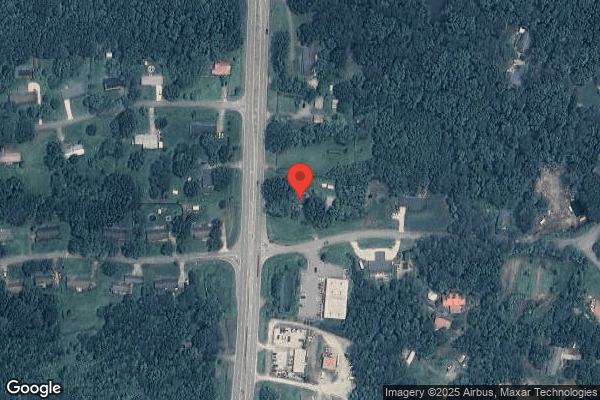
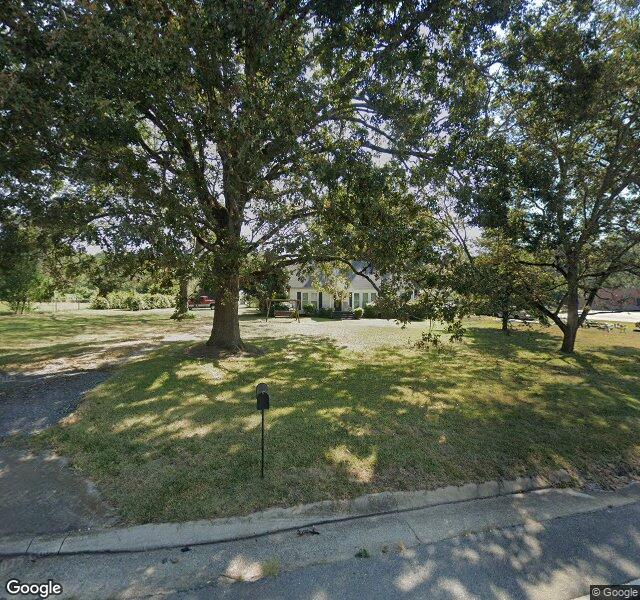
2327 NORTH HIGHWAY 27, CARROLLTON, GA 30117 (770) 834-4404
For profit - Corporation 159 Beds CYPRESS SKILLED NURSING Data: November 2025
Trust Grade
13/100
#259 of 353 in GA
Last Inspection: March 2025

Within standard 12-15 month inspection cycle. Federal law requires annual inspections.

Overview

Carrollton Nursing & Rehab Center has received a Trust Grade of F, indicating significant concerns and a poor overall rating. It ranks #259 out of 353 facilities in Georgia, placing it in the bottom half, and is the lowest-rated option in Carroll County at #4 of 4. Unfortunately, the facility is worsening, with issues increasing from 4 in 2023 to 16 in 2025. Staffing is a notable weakness, with a low rating of 1 out of 5 and a very high turnover rate of 70%, which is concerning as it exceeds the state average of 47%. While they have average RN coverage, they faced fines of $3,728, which is typical compared to other facilities. Specific incidents of concern include a resident who was not given timely intervention for dangerously low blood sugar, leading to hospitalization, and another resident who developed a serious pressure ulcer due to inadequate care and monitoring. Additionally, safety measures failed, resulting in a resident suffering a fracture during transport due to insufficient supervision. Overall, families should weigh these serious deficiencies against any potential strengths when considering this facility for their loved ones.

Trust Score
F
13/100
In Georgia
#259/353
Bottom 27%
Safety Record
High Risk
Review needed
Inspections
Getting Worse
4 → 16 violations
Staff Stability
⚠ Watch
70% turnover. Very high, 22 points above average. Constant new faces learning your loved one's needs.
Penalties
✓ Good
$3,728 in fines. Lower than most Georgia facilities. Relatively clean record.
Skilled Nurses
⚠ Watch
Each resident gets only 20 minutes of Registered Nurse (RN) attention daily — below average for Georgia. Fewer RN minutes means fewer trained eyes watching for problems.
Violations
⚠ Watch
34 deficiencies on record. Higher than average. Multiple issues found across inspections.
★☆☆☆☆
1.0
Overall Rating
★☆☆☆☆
1.0
Staff Levels
★☆☆☆☆
1.0
Care Quality
★★☆☆☆
2.0
Inspection Score
Stable
2023: 4 issues
2025: 16 issues

The Good

  • Full Sprinkler Coverage · Fire safety systems throughout facility
  • No fines on record

Facility shows strength in fire safety.

The Bad

1-Star Overall Rating

Below Georgia average (2.6)

Significant quality concerns identified by CMS

Staff Turnover: 70%

24pts above Georgia avg (46%)

Frequent staff changes - ask about care continuity

Federal Fines: $3,728

Below median ($33,413)

Minor penalties assessed

Chain: CYPRESS SKILLED NURSING

Part of a multi-facility chain

Ask about local staffing decisions and management

Staff turnover is very high (70%)

22 points above Georgia average of 48%

The Ugly 34 deficiencies on record

3 actual harm
Sept 2025 1 deficiency
CONCERN (D) 📢 Someone Reported This

A family member, employee, or ombudsman was alarmed enough to file a formal complaint

Potential for Harm - no one hurt, but risky conditions existed

Free from Abuse/Neglect (Tag F0600)

Could have caused harm · This affected 1 resident

**NOTE- TERMS IN BRACKETS HAVE BEEN EDITED TO PROTECT CONFIDENTIALITY** Based on record review, staff interviews, and review of the facility policy titled Abuse, Neglect, Exploitation, Mistreatment an...

Read full inspector narrative →
**NOTE- TERMS IN BRACKETS HAVE BEEN EDITED TO PROTECT CONFIDENTIALITY** Based on record review, staff interviews, and review of the facility policy titled Abuse, Neglect, Exploitation, Mistreatment and Misappropriation of Resident Property Policy, the facility failed to protect one of 14 sampled residents (R) (R3) right to be free from sexual abuse from R5. This deficient practice created the potential for R3 and other residents to experience further potential abuse. Findings include:Review of the facility's policy titled Abuse, Neglect, Exploitation, Mistreatment and Misappropriation of Resident Property Policy, reviewed 9/2024, read, in pertinent part, It is the policy of the facility to prevent abuse.1. Review of R3's admission Record, dated 9/9/2025 and found in the electronic medical record (EMR) under the Profile tab, revealed the resident was admitted to the facility on [DATE]. The resident's diagnoses included dementia and type 2 diabetes. Review of R3's quarterly Minimum Data Set (MDS) with an Assessment Reference Date (ARD) of 7/8/2025 and found in the EMR under the MDS tab, revealed a Brief Interview for Mental Status (BIMS) score of four out of 15, which indicated R3 was severely cognitively impaired. Review of R3's Progress Notes, dated 6/24/2025 at 3:34 am, and found in the EMR under the Notes tab, indicated CNA [Certified Nurse Aide] reported to nurse resident from room [ROOM NUMBER]B [R5] got up and went into female resident and was being touched by male resident on her leg and trying to pull her cover down. CNA redirected resident [R5] back to his room.2. Review of R5's admission Record, dated 9/9/2025 and found in the EMR under the Profile tab, revealed the resident was admitted to the facility on [DATE]. The resident's diagnoses included vascular dementia, chronic kidney disease, and type two diabetes. Review of R5's quarterly MDS with an ARD of 6/19/2025 and found in the EMR under the MDS tab, revealed a BIMS score of four out of 15, which indicated R5 was severely cognitively impaired.Review of R5's Progress Notes, dated 6/24/2025 at 3:10 am and found in the EMR under the Notes tab, revealed CNA reported to nurse resident got up and went into room [ROOM NUMBER]A and was touching the female [R3] in bed A on her leg and trying to pull her cover down. CNA redirected resident [R5] back to his room.Review of the facility's investigation records, provided by the facility, related to the 6/24/2025 incident during which R5 touched R3 inappropriately on her leg and was trying to remove her covers, and revealed that the facility substantiated that R5 was in R3's room and inappropriately touching R3's upper thigh while trying to remove her bed covers. During an interview on 9/8/2025 at 1:20 pm, the Director of Nursing (DON) confirmed that it had been substantiated that R5 went into R3's room and inappropriately touched her on her thigh while trying to remove her covers during the incident on 6/24/2025. During an interview with the Administrator and DON on 9/9/2025, at 1:15 pm, both confirmed their expectation was that residents in the facility would remain free from abuse.
Mar 2025 15 deficiencies 1 Harm
SERIOUS (G) 📢 Someone Reported This

A family member, employee, or ombudsman was alarmed enough to file a formal complaint

Actual Harm - a resident was hurt due to facility failures

Quality of Care (Tag F0684)

A resident was harmed · This affected 1 resident

**NOTE- TERMS IN BRACKETS HAVE BEEN EDITED TO PROTECT CONFIDENTIALITY** Based on record review and interviews, the facility failed to act upon a change of condition for one of 28 sampled residents (R)...

Read full inspector narrative →
**NOTE- TERMS IN BRACKETS HAVE BEEN EDITED TO PROTECT CONFIDENTIALITY** Based on record review and interviews, the facility failed to act upon a change of condition for one of 28 sampled residents (R) (263) related to low blood sugar, which resulted in being transferred to the hospital for treatment. This failure to provide quick intervention led to harm being identified on 12/29/2023, when R263's blood sugar went so low, to the point where the resident was unresponsive and slow to respond to the emergency use of Glucagon intramuscular when administered at the facility. R263 had to be transferred to the emergency room (ER). Findings included: 1. A review of the electronic medical record (EMR) revealed that R263 had been admitted to the facility on [DATE] with the diagnosis of type 2 diabetes mellitus. A review of R263's quarterly Minimum Data Set (MDS) assessment with an assessment Reference Date (ARD) of 12/6/2023 indicated a Brief Interview for Mental Status (BIMS) score of four out of 15, which indicated R263 was severely cognitively impaired. R263 was also coded as taking Hypoglycemic medication, insulin, while a resident at the facility. A review of R263's care plan revealed a care plan dated 10/20/2023 which indicated, I have a diagnosis of Diabetes Mellitus [sic]. Interventions were Diabetes medication as ordered by doctor [sic]. Monitor/document for side effects and effectiveness . Monitor/document/report PRN [as needed] any s/s [signs/symptoms] of hypoglycemia: Sweating, Tremor, Increased heart rate (Tachycardia), Pallor, Nervousness, Confusion, slurred speech, lack of coordination, Staggering gait [sic]. A review of R263's Blood Sugars revealed documentation on 12/29/2023 at 10:04 am of having a blood sugar reading of 45 milligrams per deciliter (mg/dl). The EMR was reviewed in its entirety, and no documentation of the nurses' response to the low blood sugar was identified. A review of the facility's undated Blood Sugar Protocol indicated, If BS [blood sugar] < [less than]60 and asymptomatic, treat with 15 mg [milligrams] of oral glucose. If symptomatic (confusion and/or inability to swallow), treat with IM [intramuscular] Glucagon 1 mg. Recheck BS in 1 hour. If BS > [greater than] 60, continue to monitor. If BS still <60 notify MD [medical doctor] [sic]. A review of the progress notes dated 12/29/2023 at 12:05 pm, written by the Nurse Practitioner (NP)1 indicated, .Patient seen for nurse reports of lethargy. Patients are noted to be unresponsive. Glucose level 39, nurse reports unknown last baseline, reports patient was not able to take meds [medicines] this am d/t [due to] lethargy. Oral glucose was attempted, but the patient was too unresponsive. Glucagon IM given; patient still poorly responsive . Gen: Unresponsive, diaphoretic . Resp [Respirations]: Irregular breathing . Hypoglycemia unawareness due to type 1 diabetes mellitus, unknown down time, poorly responsive to glucagon. Send to ER for full eval [evaluation] . A review of the hospital records revealed [R263] was found unresponsive at [name of nursing facility] this morning and noted to be hypoglycemic with blood glucose of 30. EMS [Emergency Medical Services] was called, she [R263] received glucagon and D50 with improvement to 67 and improvement in mentation. She [R263] presented to the ED [emergency department] and a recurrent episode of hypoglycemia after initial improvement, and this improved again with dextrose and juice . During an interview on 3/18/2025 at 2:24 pm, Licensed Practical Nurse (LPN)1 stated, I must have done something because that [blood sugar] is too low. I must have forgotten to document it. During an interview on 3/21/2025 at 3:00 pm, NP1 stated, That was a while ago, and I don't remember anything except what I had documented. During an interview on 3/21/2025 at 4:30 pm, the Interim Director of Nursing (DON) stated, I would expect the nurses to follow the Blood Sugar Protocol if they obtained a low blood sugar and notify the doctor of what had occurred and what treatment had to be given.
CONCERN (D) 📢 Someone Reported This

A family member, employee, or ombudsman was alarmed enough to file a formal complaint

Potential for Harm - no one hurt, but risky conditions existed

Deficiency F0554 (Tag F0554)

Could have caused harm · This affected 1 resident

**NOTE- TERMS IN BRACKETS HAVE BEEN EDITED TO PROTECT CONFIDENTIALITY** Based on record review, staff interview, and a review of the facility policy titled Resident Self-Administration of Medication, ...

Read full inspector narrative →
**NOTE- TERMS IN BRACKETS HAVE BEEN EDITED TO PROTECT CONFIDENTIALITY** Based on record review, staff interview, and a review of the facility policy titled Resident Self-Administration of Medication, the facility failed to ensure that one of 28 sampled residents (R) (R89) was assessed for self-administration of medications before medications were left at the bedside. This failure had the potential for the residents to overmedicate themselves or for medications to be accessed by other residents. Findings included: A review of the facility's policy titled Resident Self-Administration of Medication and dated November 2017 revealed that if the resident desires to self-administer medications, an assessment will be conducted by the interdisciplinary team of the resident's cognitive, physical, and visual ability to carry out this responsibility. A review of the Electronic Medical Record (EMR) revealed that R89 was admitted to the facility on [DATE] with the diagnosis of dementia, anxiety disorder, hypertension, and major depressive disorder. A review of R89's quarterly Minimum Data Set (MDS) assessment, an Assessment Reference Date (ARD) of 9/17/2024, revealed R89 had a Brief Interview for Mental Status (BIMS) score of three out of 15, which indicated R89 was severely cognitively impaired. A review of R89's physician orders revealed there were no orders for R89 to be allowed to self-administer medications. A review of R89's care plan revealed that there was no plan of care developed for R89 to be allowed to self-administer medications. During an interview on 3/20/2025 at 10:30 am, the Assistant Director of Nursing (ADON) stated, Her [R89] sister brought a cup of pills to my office [on 9/27/2024] and stated that she found them on the nightstand in her sister's [R89] room. The ADON was asked if R89 was able to self-administer her medications, and the ADON confirmed that R89 was not able to self-administer her medications.
CONCERN (D) 📢 Someone Reported This

A family member, employee, or ombudsman was alarmed enough to file a formal complaint

Potential for Harm - no one hurt, but risky conditions existed

Notification of Changes (Tag F0580)

Could have caused harm · This affected 1 resident

**NOTE- TERMS IN BRACKETS HAVE BEEN EDITED TO PROTECT CONFIDENTIALITY** Based on record review and interviews, the facility failed to notify one of 28 sampled resident's (R) (R89) responsible party (R...

Read full inspector narrative →
**NOTE- TERMS IN BRACKETS HAVE BEEN EDITED TO PROTECT CONFIDENTIALITY** Based on record review and interviews, the facility failed to notify one of 28 sampled resident's (R) (R89) responsible party (RP) of a new medication order before the administration of the medication to the resident. This failure had the potential for R89 to be administered with medication that the RP may not want the resident to receive. Findings included: A review of the Electronic Medical Record (EMR) revealed that R89 was admitted to the facility on [DATE] with the diagnoses of dementia and anxiety disorder. A review of R89's admission Minimum Data Set (MDS) assessment, with an Assessment Reference Date (ARD) of 5/17/2024, coded R89 as having a Brief Interview for Mental Status (BIMS) score of zero out of 15, which indicated R89 was severely cognitively impaired. A review of R89's physician orders revealed an order dated 8/8/2024 for Naltrexone 50 mg (milligrams), give one tablet by mouth one time a day for OCD (obsessive-compulsive disorder) related behaviors. A review of R89's psychotherapy summary dated 8/7/2024 stated, Recommendations . Start Naltrexone 50 mg QD [every day] for OCD . A review of R89's nursing progress notes revealed no documentation of R89's RP being notified of Naltrexone being started for OCD related behaviors. During an interview on 3/20/2025 at 3:30 pm, the Assistant Director of Nursing (ADON) stated, I did not notice that the nurse who signed the order for Naltrexone did not notify the RP until I made a note in the resident's record on 8/26/2024. The ADON confirmed the nurse should have notified the resident's RP of the new medication and documented it in the medical record. During an interview on 3/20/2025 at 5:00 pm, the Interim Director of Nursing (IDON) confirmed that when a new medication is ordered, the resident's RP should be notified by the nurse that is working on the shift when it was ordered.
CONCERN (D) 📢 Someone Reported This

A family member, employee, or ombudsman was alarmed enough to file a formal complaint

Potential for Harm - no one hurt, but risky conditions existed

Free from Abuse/Neglect (Tag F0600)

Could have caused harm · This affected 1 resident

**NOTE- TERMS IN BRACKETS HAVE BEEN EDITED TO PROTECT CONFIDENTIALITY** Based on record review, interviews, and review of facility policy titled Abuse Prevention Program, the facility failed to ensure...

Read full inspector narrative →
**NOTE- TERMS IN BRACKETS HAVE BEEN EDITED TO PROTECT CONFIDENTIALITY** Based on record review, interviews, and review of facility policy titled Abuse Prevention Program, the facility failed to ensure one of three sampled residents (R) (R33) reviewed for abuse was free from abuse. This failure had the potential for psychosocial impairment from being physically abused by another resident. Findings included: A review of the facility's policy titled Abuse Prevention Program, with a revised date of May 2023, indicated, As part of the resident abuse prevention, the administration will: Protect our residents from abuse by anyone, including . other residents. Physical Abuse includes, but is not limited to, hitting, slapping, pinching, and kicking . A review of the electronic medical record (EMR) revealed R33 was admitted to the facility on [DATE] with diagnoses of metabolic encephalopathy, anxiety disorder, bipolar disorder, and depression A review of R33's quarterly Minimum Data Set (MDS) assessment with an Assessment Reference Date (ARD) of 1/1/2025 revealed a Brief Interview for Mental Status (BIMS) score of six out of 15, indicating R33 was severely impaired with diagnosis of metabolic encephalopathy, coronary artery disease, anxiety disorder, bipolar disorder, and depression. A review of the facility's investigation revealed that on 2/19/2025, R33 and R10 were involved in a physical altercation, hitting each other in the arm. A review of the skin assessment dated [DATE] revealed that both R33 and R10 had no redness, no discoloration, and no open areas as a result of the incident. During an interview on 3/20/2025 at 1:04 pm, the Assistant Director of Nurses (ADON) stated that residents were immediately separated. Then R33 was moved to the 300 Hall, in a room without a roommate, to prevent further interactions with R10. During an interview on 3/20/2025 at 1:44 pm, the Social Service Director (SSD) stated that she spoke with R33 and R10 regarding the incident, and both blamed each other.
CONCERN (D) 📢 Someone Reported This

A family member, employee, or ombudsman was alarmed enough to file a formal complaint

Potential for Harm - no one hurt, but risky conditions existed

Report Alleged Abuse (Tag F0609)

Could have caused harm · This affected 1 resident

Based on record review, interviews, and a review of the facility policies titled Abuse, Neglect and Exploitation and Abuse Prevention Program, the facility failed to ensure allegations of abuse were r...

Read full inspector narrative →
Based on record review, interviews, and a review of the facility policies titled Abuse, Neglect and Exploitation and Abuse Prevention Program, the facility failed to ensure allegations of abuse were reported to the facility's abuse coordinator/administrator promptly for one of four residents (R) (R62) with allegations of abuse. The facility failed to notify the State Agency (SA) promptly. This deficient practice placed the resident at risk for uninvestigated abuse allegations. Findings included: A review of the facility's policy titled Abuse, Neglect and Exploitation dated December 2017 indicated, .staff to report abuse to the abuse coordinator/administrator immediately when a resident reports an allegation of abuse, and an investigation is to begin immediately . A review of the facility policy titled Abuse Prevention Program, revised May 2023, indicated, .the abuse coordinator will report allegations or suspected abuse . immediately to .State Survey and Certification agency . A review of R62's Electronic Medical Record (EMR) revealed an admission date of 3/3/2022 with diagnoses of dementia and anxiety. A review of the annual Minimum Data Set (MDS) assessment with an Assessment Reference Date (ARD) of 9/19/2024 revealed a Brief Interview for Mental Status (BIMS) score of two out of 15, which indicated R62 cognition was severely impaired. A review of the facility' investigation document indicated that R62 reported to an agency Licensed Practical Nurse (LPN) 3 on 6/29/2024 around 12:00 am and 12:13 am, that Something ain't right, I feel like I've been raped. A review of the facility's Facility Incident Follow-Up Investigation Report revealed the SA was notified on 7/2/2024. During an interview on 3/20/2025 at 10:49 am, the Regional Nurse confirmed that the SA was not notified promptly.
CONCERN (D) 📢 Someone Reported This

A family member, employee, or ombudsman was alarmed enough to file a formal complaint

Potential for Harm - no one hurt, but risky conditions existed

Comprehensive Care Plan (Tag F0656)

Could have caused harm · This affected 1 resident

**NOTE- TERMS IN BRACKETS HAVE BEEN EDITED TO PROTECT CONFIDENTIALITY** Based on record review, staff interview, and a review of the facility's policy titled Care Plans, the facility failed to develop...

Read full inspector narrative →
**NOTE- TERMS IN BRACKETS HAVE BEEN EDITED TO PROTECT CONFIDENTIALITY** Based on record review, staff interview, and a review of the facility's policy titled Care Plans, the facility failed to develop and implement a comprehensive care plan for two of 28 sampled residents (R) (R44 and R263). This failure had the potential for R44 to not receive the appropriate treatment needed, and R263 did not have the newly identified pressure ulcer treatment ordered to prevent the area from becoming larger. Findings included: A review of the facility's policy Care Plans, Comprehensive Person-Centered dated September 2023 stated, .Describe the services that are to be furnished to attain or maintain the resident's highest practicable physical, mental, and psychosocial well-being . 1. A review of the electronic medical record (EMR) revealed that R44 had been admitted to the facility on [DATE] with the diagnosis of dementia. A review of R44's admission Minimum Data Set (MDS) assessment with an Assessment Reference Date (ARD) of 11/21/2024 revealed a Brief Interview for Mental Status (BIMS) score of 12 out of 15, which indicated that R44 was moderately cognitively impaired. A review of R44's care plan revealed there was no documentation of a dementia care plan that had been developed for R44. During an interview on 3/19/2025 at 2:45 pm, Licensed Practical Nurse (LPN)5 stated, I don't see where a care plan was developed for dementia for this resident. I think it got overlooked because the resident had a high BIMS score, and the nurse doing the MDS failed to look back at the diagnosis. LPN5 stated that R44 should have a care plan for dementia. 2. A review of the EMR revealed that R263 was admitted to the facility on [DATE] with the diagnoses of dementia and type 2 diabetes mellitus. A review of R263's quarterly MDS assessment with an ARD of 12/6/2023 indicated a BIMS score of four out of 15, which indicated R263 was severely cognitively impaired. R263 was also coded as being at risk for developing pressure ulcers/injuries. A review of R263's Change of Condition form dated 12/25/2023 revealed, During a brief change, sacral wound found. Wound measured and cleansed. AG [Silver] applied to the wound bed. Covered with foam dressing [sic]. The on-call physician was informed of the wound on 12/25/2023 at 2:05 am. The measurements of the sacral wound were documented as being 2.0 inches long; .5 inches wide, depth shallow [sic]. A review of R263's care plan revealed no documentation of a care plan for the newly identified sacral wound found and documented on 12/25/2023. During an interview on 3/19/2025 at 2:45 pm, LPN5 confirmed that the resident's care plan should reflect anything that is going on with that particular resident.
CONCERN (D) 📢 Someone Reported This

A family member, employee, or ombudsman was alarmed enough to file a formal complaint

Potential for Harm - no one hurt, but risky conditions existed

Accident Prevention (Tag F0689)

Could have caused harm · This affected 1 resident

**NOTE- TERMS IN BRACKETS HAVE BEEN EDITED TO PROTECT CONFIDENTIALITY** Based on the record review and interviews, the facility failed to investigate a fall for one of three residents (R) (R70) review...

Read full inspector narrative →
**NOTE- TERMS IN BRACKETS HAVE BEEN EDITED TO PROTECT CONFIDENTIALITY** Based on the record review and interviews, the facility failed to investigate a fall for one of three residents (R) (R70) reviewed for falls. This failure had the potential for the fall not to be investigated thoroughly, and allowed R70 to experience another fall. Findings included: A review of the electronic medical record revealed that R70 was admitted to the facility on [DATE] with the diagnosis of Huntington's Disease. A review of R70's quarterly Minimum Data Set (MDS) assessment with an Assessment Reference Date (ARD) of 9/8/2024 indicated R70 had short-term and long-term memory loss and was severely impaired in cognitive skills for daily decision-making. R70 was coded as being independent in bed mobility. A review of R70's care plan dated 1/25/2024 revealed that R70 was at risk for falls related to Huntington's Disease with Chorea and decreased mobility. The interventions indicated, .Educate the me/my family/caregiver about safety reminders and what to do if a fall occurs [sic] . A review of R70's nursing progress note EMR revealed on 9/28/2024 at 4:16 am, CNA [certified nursing assistant] changing resident and when rolled her to her side, resident slid off the edge of the bed onto the floor. ROM [range of motion] within normal limits for this resident. No S/Sx [signs/symptoms] pain observed . During an interview on 3/20/2025 at 5:25 pm, the Assistant Director of Nursing (ADON) stated, I did the investigation report for this fall. I filled it out by reading over the note that the nurse documented. The ADON provided a copy of this report. The ADON was then asked if she had taken statements from the CNA and the nurse who was working when this fall occurred. The ADON stated, No, I didn't. I wasn't aware that I needed to do that.
CONCERN (D) 📢 Someone Reported This

A family member, employee, or ombudsman was alarmed enough to file a formal complaint

Potential for Harm - no one hurt, but risky conditions existed

Deficiency F0698 (Tag F0698)

Could have caused harm · This affected 1 resident

**NOTE- TERMS IN BRACKETS HAVE BEEN EDITED TO PROTECT CONFIDENTIALITY** Based on interviews, record review, and a review of the facility policy titled End-Stage Renal Disease, Care of a Resident with,...

Read full inspector narrative →
**NOTE- TERMS IN BRACKETS HAVE BEEN EDITED TO PROTECT CONFIDENTIALITY** Based on interviews, record review, and a review of the facility policy titled End-Stage Renal Disease, Care of a Resident with, the facility failed to complete a Dialysis Communication Form for one of 28 sampled residents (R) (R77) to ensure effective communication regarding the provision of care and medication administration for dialysis. The failure had the potential for R77 to have unmet care needs and complications with her dialysis treatments. Findings included: A review of the facility's policy titled End-Stage Renal Disease, Care of a Resident with, dated September 2010, indicated residents with end-stage renal disease (ESRD) will be cared for according to currently recognized standards of care. Policy Interpretation and Implementation. Staff caring for residents with ESRD, including residents receiving dialysis care outside the facility, shall be trained in the care and special needs of these residents. Agreements between this facility and the contracted ESRD facility include all aspects of how the resident's care will be managed, including: How information will be exchanged between the facilities . A review of the electronic medical record (EMR) revealed that R77 was admitted to the facility on [DATE] with a diagnosis of ESRD. A review of R77's quarterly Minimum Data Set (MDS) assessment with an Assessment Reference Date (ARD) of 12/26/2024 revealed a Brief Interview for Mental Status (BIMS) score of 15 out of 15, which indicated R77 was cognitively intact. A review of 77's care plan with a start date of 2/17/2025 revealed the following: Focus: [R77's name] has AKF [acute kidney failure] and ESRD. She requires dialysis and medications. The care plan goal specified, [R77's name] will have no unaddressed complications through next review. A review of R77's physician orders revealed an order dated 7/30/2024, which indicated, Dialysis @ [at] [Center's name] Tues [Tuesday], Thurs [Thursday], Saturday. During an interview on 3/18/2025 at 9:15 am, R77 stated she had just returned to the facility from her dialysis treatment. R77 stated that when she went to dialysis, she took her dialysis notebook with her, and the facility and dialysis center documented information, including her vital signs, in the book. During an interview on 3/18/2025 at 3:57 pm, the Assistant Director of Nursing (ADON) stated that the facility and dialysis center communicated with each other by completing R77's Dialysis Communication Form, which the resident took to each of her treatments. The ADON stated that when R77 went to dialysis, the facility nursing staff completed Section 1 (the resident's pre-dialysis information) and Section 3 (the resident's post-dialysis information) on the form, and the dialysis center completed Section 2 on the form. The ADON explained that these forms were kept either in R77's Dialysis Communication Notebook or were scanned into the resident's EMR. A review of R77's EMR and R77's Dialysis Communication Notebook revealed Dialysis Communication Forms since 12/3/2024 were not completed by the facility or dialysis center on the following treatment dates; 12/3/2024, 12/7/2024, 12/14/2024, 12/21/2024, 12/28/2024, 12/31/2024, 1/2/2025, 1/7/2025, 1/11/2025, 1/16/2025, 1/23/2025, 1/25/2025, 1/30/2025, 2/8/2025, and 2/22/2025. During an interview on 3/20/2025 at 3:45 PM, Registered Nurse Consultant (RNC) confirmed Dialysis Communication Forms were not completed by the facility when R77 received dialysis treatments on 12/3/2024, 12/7/2024, 12/14/2024, 12/21/2024, 12/28/2024, 12/31/2024, 1/2/2025, 1/7/2025, 1/11/2025, 1/16/2025, 1/23/2025, 1/25/2025, 1/30/2025, 2/8/2025, and 2/22/2025. During an interview on 3/20/2025 at 4:06 pm, the Director of Nursing (DON) stated she expected the nursing staff to complete a Dialysis Communication Form each time R77 received dialysis treatment.
CONCERN (D) 📢 Someone Reported This

A family member, employee, or ombudsman was alarmed enough to file a formal complaint

Potential for Harm - no one hurt, but risky conditions existed

Medication Errors (Tag F0758)

Could have caused harm · This affected 1 resident

**NOTE- TERMS IN BRACKETS HAVE BEEN EDITED TO PROTECT CONFIDENTIALITY** Based on record review, interviews, and a review of the facility policy titled Behavioral Assessment, Intervention and Monitorin...

Read full inspector narrative →
**NOTE- TERMS IN BRACKETS HAVE BEEN EDITED TO PROTECT CONFIDENTIALITY** Based on record review, interviews, and a review of the facility policy titled Behavioral Assessment, Intervention and Monitoring, the facility failed to implement policies and procedures to monitor response to psychoactive medications, including specific behaviors to monitor, non-pharmacological interventions, and response to the interventions for two of five residents (R) (R62 and R66). The facility's failure to identify specific targeted behaviors and non-pharmacological interventions to address the behaviors placed the R62 and R66 at risk of inappropriate psychoactive medication use. Findings included: A review of the facility's policy titled, Behavioral Assessment, Intervention and Monitoring dated September 2022 indicated, Assessment .3. the nursing staff shall identify, document, and inform the physician about specific details regarding changes in an individual's mental status, behavior, and cognition, including b. Any precipitating or relevant factors . Management 2. The care plan shall incorporate findings from the comprehensive assessment to develop a plan of care, and 3. Non-pharmacological approaches shall be attempted . 1. A review of R62's Electronic Medical Record (EMR) revealed an admission date of 3/3/2022 with diagnoses of dementia and anxiety. A review of R62's EMR revealed that there was an order for Clonazepam 0.5 mg every six hours prn (as needed). There was no indication of the rationale for the use of the medication. Further, R62 had an order for Seroquel 50 mg (by mouth) for psychosis (term used for residents who lose touch with reality) daily at bedtime. A review of the consulting pharmacist report dated 1/25/2025 requested additional information regarding the use of this medication for R62. The document had no response to the consulting pharmacist's request for additional information. A review of the EMR for R62 under the orders tab, in January 2025, the physician ordered Clonazepam (a sedative that treats anxiety and panic attacks) 0.5 mg every six hours as needed which was discontinued and R62 received new orders for Seroquel (an antipsychotic medication used to treat schizophrenia and bipolar disorder). A review of R62's plan of care revealed monitor behaviors like Physical/Verbal/Sexual Behaviors or aggression, Hitting, Biting, Spitting, Cursing, Yelling, Elopement, Delusions, Hallucinations, Refusing Care or Meds, Suicidal ideations, Insomnia, and/or Other. R62 had not displayed any of these behaviors in January 2025, February 2025, or March 2025. A review of the Medication Administration Record (MAR) the facility documented that R62 displayed no behaviors for January 2025, February 2025, and March 2025. During an interview on 3/19/2025 at 2:13 pm, the Medical Director confirmed the facility did not develop and implement a behavior monitor or care plan to address resident-specific behaviors and the continued need for psychoactive medications. During an interview with the Director of Nursing (DON) on 3/20/2025 at 9:20 am, the DON confirmed that the facility staff are to document residents' behaviors on the MAR, and care plans are not resident-specific and targeted to how R62 demonstrates behaviors. 2. A review of the EMR revealed that R44 was admitted to the facility on [DATE] with the diagnosis of major depressive disorder and psychotic disorder with hallucinations due to an unknown physiological condition. A review of R44's significant change MDS with an Assessment Reference Date (ARD) of 1/9/2025 revealed a BIMS score of eight out of 15, which indicated R44 was moderately cognitively impaired. A review of R44's physician orders revealed an order dated 11/14/2024 for Quetiapine Fumarate (Seroquel) 25 milligrams (mg), give one tablet by mouth at bedtime. A review of R44's care plan revealed there were no specific targeted behaviors to be monitored while receiving a psychotropic medication, Quetiapine Fumarate. A review of R44's Medication Administration Record (MAR) dated March 2025 indicated Monitor for behaviors, not limited to: Physical/Verbal/Sexual Behaviors or aggression, Hitting, Biting, Spitting, Cursing, Yelling, Elopement, Delusions, Hallucinations, Refusing Care, or Meds, Suicidal ideations, Insomnia, and/or Other. During an interview on 3/19/2025 at 3:15 pm, the Interim Director of Nursing (DON) stated, We monitor everyone who is on psychotropic medications for these behaviors. When asked what R44's specific behaviors were for receiving Seroquel, the DON stated, I really don't know.
CONCERN (D) 📢 Someone Reported This

A family member, employee, or ombudsman was alarmed enough to file a formal complaint

Potential for Harm - no one hurt, but risky conditions existed

Unnecessary Medications (Tag F0759)

Could have caused harm · This affected 1 resident

**NOTE- TERMS IN BRACKETS HAVE BEEN EDITED TO PROTECT CONFIDENTIALITY** Based on observation, interview, record review, and review of facility policy titled Administering Medications,, the facility fa...

Read full inspector narrative →
**NOTE- TERMS IN BRACKETS HAVE BEEN EDITED TO PROTECT CONFIDENTIALITY** Based on observation, interview, record review, and review of facility policy titled Administering Medications,, the facility failed to ensure a medication error rate below five percent. During medication administration, two medication errors for one of 25 residents (R) (R5) opportunities resulted in a medication error rate of eight percent (%). These failures had the potential to increase or decrease the effectiveness of these medications. Findings included: A review of the facility's policy Administering Medications dated February 2020 indicated, . The individual administering the medication should check the label to verify the right resident, right medication, right dosage, right time, and right method (route) of administration before giving the medication . A review of R5's undated Face Sheet located under the Profile tab in the electronic medical record (EMR) revealed R5 had been admitted to the facility on [DATE] with the diagnosis of gout and schizoaffective disorder. A review of R5's quarterly Minimum Data Set (MDS) assessment with an Assessment Reference Date (ARD) of 12/24/2024 revealed R5 was coded as having a Brief Interview for Mental Status (BIMS) score of 15 out of 15, indicating that R5 was cognitively intact. A review of R5's physician orders revealed an order dated 10/9/2024 for Allopurinol (medication to decrease the body's production of uric acid) 200 milligrams (mg), give one tablet by mouth one time a day. Another order dated 9/5/2024 was for Quetiapine Fumarate (Seroquel) (antipsychotic medication) 200 mg, give one tablet by mouth two times a day, and Seroquel 400 mg, give one tablet by mouth at bedtime. During an observation on 3/18/2025 at 8:37 am, Licensed Practical Nurse (LPN)7 administered Allopurinol 100 mg one tablet and Seroquel 400 mg one tablet to R5. The medication label from the pharmacy for the Allopurinol stated, Allopurinol 100 mg, give two tablets (200 mg) by mouth daily. The pharmacy label for Seroquel indicated, Quetiapine Fumarate [Seroquel] 400 mg, give one tablet by mouth at bedtime. During an interview on 3/18/2025 at 8:45 am, LPN7 confirmed that she had given one Allopurinol 100 mg tablet instead of the two tablets as directed by the physician order and that she had given the bedtime dose of Seroquel that was 400 mg instead of the 200 mg of Seroquel that was ordered two times a day. LPN7 stated, I gave the wrong doses of the medications that you just showed me. During an interview on 3/18/2025 at 8:47 am, the Assistant Director of Nursing (ADON) stated, The nurse is expected to give medications using the five rights of med [medication] administration. They are the right medicine, the right dose, the right frequency, the right route, and the right person.
CONCERN (D) 📢 Someone Reported This

A family member, employee, or ombudsman was alarmed enough to file a formal complaint

Potential for Harm - no one hurt, but risky conditions existed

Menu Adequacy (Tag F0803)

Could have caused harm · This affected 1 resident

**NOTE- TERMS IN BRACKETS HAVE BEEN EDITED TO PROTECT CONFIDENTIALITY** Based on observation, interview, record review, facility menu review, and facility policy review, the facility failed to ensure ...

Read full inspector narrative →
**NOTE- TERMS IN BRACKETS HAVE BEEN EDITED TO PROTECT CONFIDENTIALITY** Based on observation, interview, record review, facility menu review, and facility policy review, the facility failed to ensure that menus were followed as planned for one (R) (R105) of seven sampled residents reviewed for food in a total sample of 28 residents. This failure had the potential to cause nutritional needs to go unmet for 110 residents who consumed food prepared from the facility's kitchen. Findings included: A Review of the facility's policy titled, Menu Planning and Nutrition Adequacy dated 4/5/2024 indicated, Purpose The dining services department shall serve meals that meet the nutritional needs of the resident in accordance with the recommended dietary allowances (RDAs) of the Food and Nutrition Board of the National Research Council, of the National Academy of Sciences. A review of R105's undated admission Record located in the electronic medical record (EMR) under the Profile tab indicated R105 was admitted to the facility on [DATE], with a diagnosis of diabetes mellitus. A review of R105's quarterly Minimum Data Set (MDS) assessment with an Assessment Reference Date (ARD) of 1/24/2025 revealed a Brief Interview for Mental Status (BIMS) score of 14 out of 15, which indicated R105 was cognitively intact. A review of R105's March 2025 physician orders revealed an order for the resident to receive a Reduced Concentrated Sweets diet, Regular texture, Regular consistency dated 12/16/2024. During an interview on 3/16/2025 at 12:55 pm, R105 stated that he was diabetic and was not always served the food listed on his meal tray slip at meals. The resident specified his breakfast tray slip specified that he was to receive cereal of choice, but he was not always served cereal at breakfast. A review of the facility's planned menu for the breakfast menu of 3/17/2025 indicated residents on a reduced concentrated sweets diet were to be served four ounces of cereal of choice at this meal. During an interview on 3/17/2025 at 8:32 am, R105 stated he was finished with his breakfast, but he was not served any cereal with his breakfast even though his 3/17/2025 breakfast tray slip specified that he was to receive cereal at this meal. An observation on 3/17/2025 at 8:32 am revealed R105's tray slip, which was served with his breakfast meal, indicated he was to receive cereal of choice - 4 OZ [ounces] at this meal. An observation of the resident's finished meal tray revealed R105 was not served any cereal with his breakfast meal. A review of the facility's planned menu for the breakfast menu of 3/19/2025 indicated residents on a reduced concentrated sweets diet were to be served Cold Cereal of Choice at this meal. During an interview on 3/19/2025 at 8:35 am, R105 stated he was finished with his breakfast, but he was not served any cereal with his breakfast even though his 3/19/2025 breakfast meal tray slip specified that he was to receive cereal at this meal. An observation on 3/19/2025 at 8:35 am revealed R105's tray slip that was served with his breakfast meal indicated he was to receive cold cereal of choice - 1 EA [each] at this meal. An observation of the resident's finished meal tray revealed that R105 was not served any cereal with his breakfast meal. R105 stated he was still hungry and would like to be served some cold cereal. During an interview on 3/19/2025 at 8:40 am, Certified Nursing Assistant (CNA)2 confirmed R105's breakfast tray slip specified cold cereal of choice, but the resident was not served any cereal with his 3/19/2025 breakfast meal. During an interview on 3/19/2025 at 8:45 am, the Dietary Manager (DM) stated if a resident's breakfast tray slip indicated the resident was to be served cold cereal of choice but did not specify the type of cereal the resident was to receive the resident's CNA was to provide a cold cereal to the resident at this meal. The DM stated that during the 3/17/2025 breakfast meal, R105 should have received grits at this meal, and he should have been served cold cereal with his 3/19/2025 breakfast meal as specified on the facility's planned menus and on the resident's tray slips. During an interview on 3/19/2025 at 9:00 am, the Administrator stated that if a food item was on a resident's meal tray slip, the kitchen was responsible for serving this food on the resident's meal tray.
CONCERN (D) 📢 Someone Reported This

A family member, employee, or ombudsman was alarmed enough to file a formal complaint

Potential for Harm - no one hurt, but risky conditions existed

Deficiency F0809 (Tag F0809)

Could have caused harm · This affected 1 resident

**NOTE- TERMS IN BRACKETS HAVE BEEN EDITED TO PROTECT CONFIDENTIALITY** Based on interviews, record review, and facility policy review, the facility failed to provide a bedtime snack each night for th...

Read full inspector narrative →
**NOTE- TERMS IN BRACKETS HAVE BEEN EDITED TO PROTECT CONFIDENTIALITY** Based on interviews, record review, and facility policy review, the facility failed to provide a bedtime snack each night for three of three diabetic residents (R) (R76, R77, and R83). This failure had the potential to cause unmet nutritional needs for residents who received meals and snacks from the facility's kitchen. Findings included: A review of the facility's undated policy titled, Snacks (Between Meals and Bedtime) Serving indicated, The purpose of this procedure is to provide the residents with adequate nutrition . A review of the facility's undated policy titled, Food Preferences indicated, . 10. The Food Services Department will offer a variety of foods at each scheduled meal, as well as access to nourishing snacks throughout the day and night. 1. A review of R77's undated admission Record, located in the electronic medical record (EMR) under the Profile tab, indicated R77 was admitted to the facility on [DATE], with diagnoses including end-stage renal disease (ESRD) and diabetes mellitus. A review of R77's quarterly Minimum Data Set (MDS) located in the EMR under the MDS tab with an Assessment Reference Date (ARD) of 12/26/2024 revealed a Brief Interview for Mental Status (BIMS) score of 15 out of 15, which indicated R77 was cognitively intact. A review of R77's March 2025 Physician orders located in the EMR under the Orders tab revealed an order for the resident to receive a snack at bedtime for insulin dependence dated 9/26/2024. During an interview on 3/20/2025 at 9:33 am, R77 stated she was an insulin-dependent diabetic and was not always offered a bedtime snack each night. R77 explained that approximately three to four times a week, staff do not provide her with a bedtime snack, and she would like to receive a snack every night. 2. A review of R76's undated admission Record, located in the EMR under the Profile tab, indicated R76 was admitted to the facility on [DATE] with a diagnosis of diabetes mellitus. A review of R76's quarterly MDS located in the EMR under the MDS tab with an ARD of 12/23/2024 revealed a BIMS score of 12 out of 15, which indicated R76 had moderate cognitive impairment. During an interview on 3/20/2025 at 10:10 am, R76 stated she was an insulin-dependent diabetic, and she was not always provided with a bedtime snack each night. R76 explained that the staff used to offer her a snack at night, but she had not received one in a while. The resident stated she would like to receive a nightly bedtime snack. 3. A review of R83's undated admission Record indicated R83 was admitted to the facility on [DATE], with a diagnosis of diabetes mellitus. A review of R83's quarterly MDS assessment with an ARD of 1/1/2025 revealed a BIMS score of 15 out of 15, which indicated R83 was cognitively intact. A review of R83's March 2025 physician's orders tab revealed an order for a snack at bedtime for insulin dependence dated 9/26/2024. During an interview on 3/20/2025 at 9:55 am, R83 stated she was not offered a bedtime snack each night. R83 explained she only received a snack a couple of times per week at night. R83 stated she was an insulin-dependent diabetic, and she would like to receive a snack each night at bedtime. During an interview on 3/19/2025 at 4:07 pm, Certified Nursing Assistant (CNA)3 stated the kitchen will send residents' bedtime snacks to the 400 hallway with the evening meal cart. CNA3 estimated the kitchen only provided enough snacks for ten or eleven residents. CNA3 explained that the kitchen sent three or four juices, packages of cookies and crackers, and some ginger ale to offer residents in the hallway for their bedtime snacks. CNA3 stated the kitchen did not always provide snacks labeled with resident names for the residents who were diabetic. During an interview on 3/20/2025 at 9:40 am, CNA2 stated the kitchen did not always provide bedtime snacks for residents. CNA2 stated that approximately three times per week, the kitchen staff did not provide resident bedtime snacks, including snacks for diabetic residents. During an interview on 3/20/2025 at 11:05 am, the Dietary Manager (DM) stated that all diabetic residents should receive a bedtime snack each night. The DM explained that the dietary staff were to prepare a bedtime snack for each diabetic resident and were to label the snack with each diabetic resident's name. The DM stated that the dietary staff were also to provide and deliver additional snacks to the hallways for residents who were not diabetic and wanted to receive a bedtime snack.
CONCERN (E) 📢 Someone Reported This

A family member, employee, or ombudsman was alarmed enough to file a formal complaint

Potential for Harm - no one hurt, but risky conditions existed

Deficiency F0804 (Tag F0804)

Could have caused harm · This affected multiple residents

Based on observation, interview, record review, and facility policy review, the facility failed to serve food that was palatable and hot to four of seven residents (R) (R22, R77, R83, and R105) review...

Read full inspector narrative →
Based on observation, interview, record review, and facility policy review, the facility failed to serve food that was palatable and hot to four of seven residents (R) (R22, R77, R83, and R105) reviewed. Findings included: A review of the facility's undated policy titled Assistance with Meals indicated, . All foods shall be held at a temperature of 136 degrees or above until served. Cold foods shall be held at 40 degrees or below until served. Nursing and Dietary Services will establish procedures such that the delivery of food to serving areas accommodates this requirement. A review of the facility's policy titled, Food Temperatures and Test Tray Audits dated 04/05/24, indicated, Policy Test trays will be audited periodically to ensure that food temperatures, food quality, and overall dining experience are at optimal levels. Procedure . 11. Minimum temperatures at the time of service are defined below: a. Soups >[above]135 degrees F [Fahrenheit]. b. Milk & Milk Products < [below] 45 degrees F., Cold Entrees < 55 degrees F., Hot Entrees > 135 degrees F., Starches > 135 degrees F., Hot Vegetables > 135 degrees F., Cold Desserts (pudding/gelatin) < 55 degrees F., Cold Beverages < 55 degrees F., Hot beverages > 140 degrees F. 1. A review of R22's electronic medical record (EMR) revealed a quarterly Minimum Data Set (MDS) with an Assessment Reference Date (ARD) of 12/23/2024 indicated a Brief Interview for Mental Status (BIMS) score of 14 of 15, which indicated the resident was cognitively intact. During an interview on 3/17/2025 at 9:35 am, R22 stated she ate her meals in her room, and the food served at meals was not hot. R22 specified that she would prefer her food to be served hot. 2. A review of R77's quarterly MDS assessment with an ARD of 12/26/2024 revealed a BIMS score of 15 of 15, which indicated the resident was cognitively intact. During an interview on 3/16/2025 at 1:35 pm, R77 stated the food served at meals lacked seasoning and was not hot. R77 specified that the hot food she was served at breakfast was cold. 3. A review of R83's quarterly MDS assessment with an ARD of 1/1/2025 revealed a BIMS score of 15 of 15, which indicated the resident was cognitively intact. During an interview on 3/16/2025 at 1:10 pm, R83 stated she ate her meals in her room, and the food she was served was cold, especially at breakfast. R83 stated that the hot food she was served at other meals was cold, too. 4. A review of R105's EMR revealed a quarterly MDS with an ARD of 1/24/2025 located under the MDS tab, revealed a BIMS score of 14 of 15, which indicated the resident was cognitively intact. During an interview on 3/16/2025 at 12:55 pm, R105 stated he ate his meals in his room, and when his meals were served, his food was cold. R105 specified that at breakfast, he was served cold eggs and cold breakfast meat. In response to resident complaints about food, a test tray was requested to be sent to the facility's 400 hallway during the breakfast meal on 3/18/2025. An observation revealed that before the meal tray cart, which contained the test tray, left the kitchen at 8:02 am, resident meals were observed being served on unheated plates, and food temperatures were at acceptable levels of 140 degrees Fahrenheit (F) and above on the kitchen tray line. The meal trays were placed on an open tray cart that was covered, but the cart had no heating element and was delivered to the 400 hallway at 8:04 am. The last resident breakfast tray was served on the 400 hallway on 3/18/2025 at 8:29 am. At this time, the food on the test tray was sampled in the presence of Licensed Practical Nurse (LPN)2. Tasting of the food revealed the following: a. The scrambled eggs tasted cold. LPN2 also tasted the scrambled eggs and confirmed that the eggs were cold. b. The grits served tasted cold and had begun to congeal on the plate. LPN2 also tasted the grits and confirmed that the grits were cold. During an interview on 3/18/2025 at 8:45 am, the Dietary Manager (DM) confirmed that residents' breakfast meals on 3/18/2025 were served on unheated plates. The DM stated the kitchen had a plate warmer, but staff were currently not using it because the suction cup the staff used to get the plates out of the warmer was broken. The DM explained that the kitchen also had insulated plate holders available to help keep the plate and food hot, but the staff did not use them at this meal.
CONCERN (F) 📢 Someone Reported This

A family member, employee, or ombudsman was alarmed enough to file a formal complaint

Potential for Harm - no one hurt, but risky conditions existed

Food Safety (Tag F0812)

Could have caused harm · This affected most or all residents

Based on observation, interview, and facility policy review, the facility failed to keep the kitchen's two convection ovens, deep fat fryer, steamer, storage shelves, large manual can opener, and the ...

Read full inspector narrative →
Based on observation, interview, and facility policy review, the facility failed to keep the kitchen's two convection ovens, deep fat fryer, steamer, storage shelves, large manual can opener, and the main dining room's ice machine and microwave oven clean and sanitized. Additionally, the dietary staff failed to label, date, and/or cover food and beverages stored in the kitchen. This failure had the potential to create an environment for food-borne illnesses, which could affect 101 residents who consumed food prepared from the facility's kitchen. Findings included: A review of the facility's policy titled Sanitation dated October 2008 indicated Policy Statement: The food service area shall be maintained in a clean and sanitary manner. Policy Interpretation and Implementation 1. All kitchens, kitchen area and dining areas shall be kept clean . 2. All utensils, counters, shelves, and equipment shall be kept clean, maintained in good repair and free from breaks, corrosions, open seams, cracks, and chipped areas that may affect their use or proper cleaning . 3. All equipment, food contact surfaces and utensils shall be washed to remove or completely loosen soils by using manual or mechanical means necessary and sanitized using hot water and/or chemical sanitizing solutions . 12. Ice machines and ice storage containers shall be drained, cleaned, and sanitized per manufacturer's instructions and facility policy . A review of the facility's policy titled Dating and Labeling Policy dated 04/05/24 indicated, Policy: The kitchen will ensure food safety by maintaining proper dates and labels on all goods and ready-to-eat food products. Procedure: . 2. Label products in storage with the date the package was opened . 4. Ready-to-eat foods must be dated with a 72-hour use-by date and discarded when they expire. 7. Keep all storage areas clean and dry . 1. An observation during the initial kitchen inspection on 3/16/2025 from 7:55 am to 8:25 am revealed the following unclean food preparation and storage equipment: a. The kitchen's two convection ovens had a heavy accumulation of dried and burned food substances on their inner cooking compartments. The doors on both convection ovens also had brown substances on them. b. Both sides of the kitchen's deep fat fryer had a heavy accumulation of a yellow-colored gritty substance, and grease was encrusted on both exterior sides of the deep fryer. c. A shelving unit above the kitchen's two-compartment sink was unclean with a heavy accumulation of dried substances. Food storage containers and lids were stored directly on this unclean shelf. d. The kitchen's steamer had dried food substances and loose debris around the exterior of the steamer's door and on its top. e. Six shelving units in the kitchen's walk-in refrigerator were unclean with accumulated dried substances. f. The kitchen's large manual can opener had dried and sticky substances on its blade and table base attachment. During an interview on 3/16/2025 at 9:00 am, the Dietary Manager (DM) confirmed that the kitchen's convection ovens, deep fat fryer, steamer, large manual can opener, and shelving units were unclean, that were observed during the initial kitchen inspection. The DM stated that the dietary staff were to follow the kitchen's cleaning schedule and keep all kitchen equipment clean. 2. An observation during the initial kitchen inspection on 3/16/2025 from 7:55 am to 8:25 am revealed the following concerns with food storage: a. An observation of the kitchen's walk-in refrigerator revealed the following stored food and beverages were unlabeled and/or undated: one large pan of Sheppard's pie, one large pan of cooked broccoli, 10 cups of juice, 15 ham sandwiches, one 32 ounce opened package of ham slices, one opened package of shredded cheese that was not closed, and one opened bag of lettuce that was not closed. b. Observation of the kitchen's bread storage racks revealed three opened and undated packages of hamburger buns. c. Observation of the kitchen's food storage bins revealed an open 25-pound bag of flour that was stored completely uncovered. During an interview on 3/16/2025 at 9:00 am, the DM confirmed the undated, unlabeled, and/or uncovered food that was observed stored in the kitchen's walk-in refrigerator, bread storage racks, and food storage bins that were observed during the initial kitchen inspection. The DM stated that food should be labeled, dated, and covered when stored by staff. 3. An observation on 3/16/2025 at 8:35 am of the facility's ice machine that was located just outside the kitchen, revealed its interior had a black mold-like substance that could be wiped away with a paper towel. During an interview on 3/16/2025 at 8:55 am, the Administrator confirmed the interior of the ice machine was unclean with a black substance. The Administrator stated that the ice machine should be cleaned by maintenance every month. 4. An observation on 3/16/2025 at 8:35 am of the microwave oven located in the facility's main dining room, just outside the kitchen, revealed the microwave's inner cooking compartment had a heavy accumulation of dried food spills and loose food debris. During an interview on 3/16/2025 at 8:55 am, the Administrator confirmed the microwave oven in the facility's main dining room was unclean. The Administrator stated that the microwave was utilized by staff to heat resident food and should be cleaned as needed by the staff. 5. An observation on 3/16/2025 at 9:10 am of food stored in the kitchen's walk-in freezer, with the DM present, revealed that two large bags of frozen potato cakes, one large box of biscuits, and one large box of chicken tenderloins were stored open and unprotected from possible contamination. During an interview on 3/16/2025 at 9:10 am, the DM confirmed the opened potato cakes, biscuits, and chicken tenderloins were stored in the kitchen's walk-in freezer. The DM stated that food should be completely covered when stored by staff.
CONCERN (F) 📢 Someone Reported This

A family member, employee, or ombudsman was alarmed enough to file a formal complaint

Potential for Harm - no one hurt, but risky conditions existed

Infection Control (Tag F0880)

Could have caused harm · This affected most or all residents

Based on observation and interview, the facility failed to ensure that the soiled and clean sides of the laundry room were in good repair. Specifically, the facility failed to repair a gap under the e...

Read full inspector narrative →
Based on observation and interview, the facility failed to ensure that the soiled and clean sides of the laundry room were in good repair. Specifically, the facility failed to repair a gap under the exterior door that opens into the soiled laundry area; failed to repair broken wallboard with exposed insulation; failed to clean the air vents in the soiled side of the laundry that had debris build up; the doorless opening between the sorting area and the room with the washing machines was trimmed with unfinished molding, rendering the surface uncleanable; the floor where the washing machine was located had heavy debris build up; reusable rubber gloves were on the floor in the drying area; and the floor (standing) fan had heavy debris build-up on the fan grate. This deficient practice had the potential for the clean linen for all residents to be contaminated. Findings included: During an observation and interview on 3/18/2025 at 8:47 am with the Laundry Supervisor and the Infection Preventionist (IP) nurse revealed the following: 1. A three-fourth-inch gap under the exterior door that opens into the soiled laundry area, where items are sorted before washing, had a broken wallboard about five feet from the floor to the ceiling with exposed insulation around the missing and broken wallboard. Three pillows were stacked on top of a bin and resting against the insulation. The air vents in the room had debris built up and exposed steel beams. 2. The doorless opening between the sorting area and the room with the washing machines was trimmed with unfinished molding, rendering the surface uncleanable. 3. The floor where the washing machine was located had heavy debris built up on the horizontal surfaces, including the floor and the plastic crates supporting the buckets of laundry chemicals. There were reusable rubber gloves on the floor behind a bucket of chemicals, which was next to the washing machine. 4. In the drying area, the floor (standing) fan had heavy debris buildup on the fan grate. During an interview on 3/20/2025 at 10:11 am, the Laundry Supervisor confirmed the laundry area was in need of repair, and the standing floor fan should be cleaned before being used in the clean laundry area.
Dec 2023 4 deficiencies
CONCERN (D)

Potential for Harm - no one hurt, but risky conditions existed

Deficiency F0567 (Tag F0567)

Could have caused harm · This affected 1 resident

Based on resident and staff interviews, record review, and review of the facility policy titled, Resident Trust Fund, the facility failed to allow two of 74 residents (R) (R74 and R59) with personal f...

Read full inspector narrative →
Based on resident and staff interviews, record review, and review of the facility policy titled, Resident Trust Fund, the facility failed to allow two of 74 residents (R) (R74 and R59) with personal funds accounts to take out an amount greater than $20.00 a day. This deficient practice had the potential to not allow a resident to make purchases greater than $20.00 a day affecting 74 residents with personal funds. Findings include: Review of the facility policy titled, Resident Trust Fund with a date of September 2022 revealed, Policy . The resident has a right to manage his or her financial affairs . 1. Review of R74's admission Record, located in the electronic medical record (EMR) under the Profile tab, revealed diagnoses that included chronic obstructive pulmonary disease (COPD), bipolar disorder, and adjustment disorder. Review of R74's quarterly Minimum Data Set (MDS), located in the EMR under the MDS tab with an Assessment Reference Date (ARD) of 8/17/2023, revealed a Brief Interview for Mental Status (BIMS) score of 15 out of 15, indicating intact cognitive capacity. Interview on 12/4/2023 at 10:55 am, R74 was asked if she had a personal funds account. R74 stated, Yes, but I can only get out $20.00 a day. If I need something that costs more than $20.00 a day, I have to either save up or they tell me to get my family to get it. My family is not here. 2. Review of R59's admission Record, located in the EMR under the Profile tab, revealed diagnoses that included acute posthemorrhagic anemia, COPD, and bipolar disorder. Review of R59's quarterly MDS, located in the EMR under the MDS tab with an ARD of 8/28/2023, revealed a BIMS score of 14 out of 15, indicating intact cognitive capacity. Interview on 12/4/2023 at 1:49 pm, R59 was asked if she had a personal funds account. R59 stated, I can only get $20.00 a day. I have to save up if I want to buy groceries or get something that cost more than $20.00. Interview on 12/5/2023 at 2:50 pm with the Business Office Manager (BOM), they were asked about the personal funds account. The BOM stated, The residents can only draw $20.00 at a time each day. If they need more money, they can have a check. We do this so we keep $600.00 in the petty cash, and this allows all residents to get money per day rather than allow a resident to remove all the personal fund's money before we can go back to the bank. Interview on 12/6/2023 at 9:58 am with R74, she was asked if she knew she could get a check for more than $20.00. R74 stated, What good does that do! I can't get a check cashed. Interview on 12/6/2023 at 1:01 pm, R59 was asked if she knew she could get a check for more than $20.00. R59 stated, I did not know that, but what good does that do me. I don't have a bank and that would take more days to get cashed. Interview on 12/7/2023 at 11:08 am, the Nurse Consultant (RNC) and former Director of Nursing (DON) was asked about the residents' personal funds accounts and only being able to get $20.00 a day. The RNC stated, I don't know anything about personal funds. Residents should be allowed to get out as much as they want. Interview on 12/7/2023 at 2:50 pm, the Administrator was asked about the personal funds accounts and only being allowed $20.00 a day. The Administrator stated, We only carry $600.00 in petty cash. We encourage the residents to only take out $20.00 a day so they won't have so much cash in their rooms. If the resident wants more, we can write them a check.
CONCERN (D)

Potential for Harm - no one hurt, but risky conditions existed

Respiratory Care (Tag F0695)

Could have caused harm · This affected 1 resident

Based on observations, resident and staff interviews, record review, and review of the facility policy titled, CPAP/BIPAP Support, the facility failed to ensure appropriate respiratory services for on...

Read full inspector narrative →
Based on observations, resident and staff interviews, record review, and review of the facility policy titled, CPAP/BIPAP Support, the facility failed to ensure appropriate respiratory services for one of two residents (R) (R59) reviewed for respiratory services. Specifically, the facility failed to ensure clean filters were in the Continuous Positive Airway Pressure (CPAP) machine. The deficient practice had the potential for respiratory infections for R59. Findings include: Review of the facility policy titled CPAP/BIPAP Support, with a revised date of March 2015, revealed, Purpose, 1. To provide the spontaneously breathing resident with continuous positive airway pressure with or without supplemental oxygen. 2. To improve arterial oxygenation (PaO2) in residents with respiratory insufficiency, obstructive sleep apnea, or restrictive/obstructive lung disease. 3. To promote resident comfort and safety . General Guidelines for Cleaning . 6. Filter cleaning: a. Rinse washable filter under running water once a week to remove dust and debris. Replace this filter at least once a year. b. Replace disposable filters monthly . Review of the undated and untitled CPAP machine manufacturer guidelines, provided by the facility, revealed, Caring for filters, Replace the blue disposable, ultra- fine filter if it is damaged or has accumulated debris. Under normal usage, you should rinse the grey reusable filter at least once every two weeks and replace it with a new one every six months. The disposable, ultra-fine filter should be replaced after 30 nights use, or sooner, if it appears clogged. Review of R59's Profile tab, located in the electronic medical record (EMR), revealed an admission Record for R59 that indicated diagnoses of chronic obstructive pulmonary disease (COPD) and obstructive sleep apnea. Review of R59's quarterly Minimum Data Set (MDS), located in the EMR under the MDS tab with an Assessment Reference Date (ARD) of 8/28/2023, revealed a Basic Interview for Mental Status (BIMS) score of 14 out of 15, indicating the resident had intact cognitive capacity. Review of the physician's Orders, located in the EMR under the Orders tab, revealed an order dated 4/11/2023 to Use C-PAP (6cm [centimeters] H2O [water pressure]) at hs [sleep, bedtime] for Apnea [cessation of breathing] as needed for SOB [Shortness of breath] at sleep. Observation and interview on 12/5/2023 at 4:02 pm, R59 was lying in bed wearing their CPAP. She was asked if the machine had filters. R59 stated, It does not have any filter. It's never had filters. Interview on 12/6/2023 at 5:20 am, Licensed Practical Nurse (LPN) 3 was asked about the CPAP machine. LPN3 stated, The resident [R59] is independent. She can put it on and off herself. We just furnish the water for her to put in the tub. I have not looked at the machine. Observation on 12/6/2023 at 1:01 pm, the Interim Director of Nursing (DON) was in the hall and was asked to come to R59's room. The DON was asked about the CPAP filter. The DON stated, I am aware the CPAP has no filter. The resident fiddles with it too. I will have to order filters. The DON was asked who should be maintaining the machine. The DON stated, Nursing staff. Interview on 12/7/2023 at 11:09 am, the Nurse Consultant (RNC) and former DON was asked about maintaining the CPAP. The RNC stated, The staff have been in-serviced on all the different types of equipment used in the facility. The resident has a diagnosis of being bipolar and when she is manic, she will tear the machine apart. She has gone through 10 since she has been here. When asked who was responsible to ensure it was maintained, the RNC stated the nurses were.
CONCERN (D)

Potential for Harm - no one hurt, but risky conditions existed

Infection Control (Tag F0880)

Could have caused harm · This affected 1 resident

Based on observations, staff interviews, record review, and review of the facility policy titled, Handwashing/Hand Hygiene, the facility failed to follow the facility's policy regarding the wearing of...

Read full inspector narrative →
Based on observations, staff interviews, record review, and review of the facility policy titled, Handwashing/Hand Hygiene, the facility failed to follow the facility's policy regarding the wearing of Personal Protective Equipment (PPE) for two of three residents (R) (R360 and R84). Specifically, facility staff failed to don (put on) PPE prior to entering the isolation room of R360, and to perform hand hygiene after doffing (removing) gloves for R84 during pressure ulcer treatment observations. Findings include: Review of the facility's policy titled, Handwashing/Hand Hygiene, dated August 2015, revealed, .7. Use an alcohol-based hand rub and water for the following situation: .m. After removing gloves . 1. Observation on 12/6/2023 at 8:19 am, Licensed Practical Nurse (LPN) 1 was standing by the medication cart outside of R360's room preparing for medication administration. LPN1 informed the surveyor that about 10 minutes ago she was notified by the lab of a critical lab result that R360 had extended-spectrum beta-lactamase (ESBL) in her urine. LPN1 stated that she notified the Unit Manager, LPN8, who notified the Infection Preventionist (IP) to bring the isolation set up (which contained the PPE and the signage for the door) to R360's room. Observation on 12/6/2023 at 8:19 am, Certified Nurse Aide (CNA) 4 entered the room without wearing a gown and gloves, sat in a chair next to R360's bed, and assisted R360 with her breakfast. At 8:32 am, LPN1 confirmed that CNA4 was in the room without wearing a gown and gloves. When CNA4 exited the room, LPN1 told CNA4 that R360 was in isolation and that staff were to wear a gown and gloves whenever they entered the room. CNA4 stated at that time that no one had told her that R360 was in isolation and to wear a gown and gloves when she entered the room. Observation on 12/6/2023 at 8:39 am revealed the IP brought the cabinet with PPE and placed it outside of R360's room. The IP taped the Contact Isolation sign to R360's door. The IP entered the room without wearing PPE of gown and gloves and turned off R360's call light. The IP exited the room and at 8:42 am, re-entered the room without wearing a gown or gloves. Immediately after exiting the room, an interview was conducted with the IP regarding whether contact isolation required the staff to wear a gown and gloves when entering the room. The IP confirmed that she entered R360's isolation room without wearing a gown or gloves and stated that she did not have to wear a gown or gloves because she did not touch the resident. She stated that she just turned off R360's call light. The IP brought the surveyor the facility's policy which indicated to follow CDC guidelines. Review of the CDC guidelines provided by the IP titled, Transmission-Based Precautions, dated January 7, 2016, revealed, .Use Contact Precautions .Use Personal Protective Equipment (PPE) including gloves and gown for all interactions that may involve contact with the patient or the patient's environment . The IP brought the surveyor a copy of the sign she taped to R360's door which indicated, Everyone must . gown and gloves at door . Interview on 12/7/2023 at 10:50 am, the Regional Nurse Consultant (RNC) stated that her expectation was that LPN1 should have educated the staff that R360 was to be in contact isolation and that supplies had been ordered, what PPE to wear in the room, and that a sign will be posted. 2. Observation on 12/6/2023 at 9:43 am revealed the Wound Nurse, LPN2 and the Director of Nursing (DON) washed their hands, donned gloves, and assisted R84 to lie on his left side. LPN2 doffed her gloves and donned clean gloves without performing hand hygiene. LPN2 cleansed R84's sacral pressure ulcer and the area around it with normal saline. LPN2 doffed her gloves and donned clean gloves without performing hand hygiene. LPN2 applied zinc cream to the sacral pressure ulcer and area around it with a tongue depressor, doffed her gloves and donned clean gloves without performing hand hygiene. LPN2 and the DON assisted R84 with reapplying his adult incontinence brief, disposed of supplies, and washed their hands before exiting the room. Interview with LPN2 and the DON immediately after exiting the room regarding the facility's policy whether hand hygiene was required when gloves were doffed and before donning clean gloves. Both stated that they were not aware of the facility's policy requirement and would have to review the policy. Review of the facility's document titled, Nursing Competency Dressing Change, dated December 2017 and provided by the DON, revealed, 16. Removes gloves, discard in plastic bag and washes hands. 17. Dons a clean pair of disposable gloves . Interview on 12/7/2023 at 10:50 am, the RNC stated that her expectation was that the nurse should perform hand hygiene after glove change.
CONCERN (E)

Potential for Harm - no one hurt, but risky conditions existed

Safe Environment (Tag F0584)

Could have caused harm · This affected multiple residents

**NOTE- TERMS IN BRACKETS HAVE BEEN EDITED TO PROTECT CONFIDENTIALITY** Based on observations, staff interviews, record review, and review of the facility policy titled, Safe and Homelike Environment,...

Read full inspector narrative →
**NOTE- TERMS IN BRACKETS HAVE BEEN EDITED TO PROTECT CONFIDENTIALITY** Based on observations, staff interviews, record review, and review of the facility policy titled, Safe and Homelike Environment, the facility failed to ensure residents' room were in good repair in five of 70 resident rooms (room [ROOM NUMBER], room [ROOM NUMBER], room [ROOM NUMBER], room [ROOM NUMBER], and room [ROOM NUMBER]) observed for a safe, homelike environment. Specifically, a black substance was observed next to the air conditioning unit next to bed C in room [ROOM NUMBER], the bathroom door would not close in room [ROOM NUMBER], a large hole was observed in room [ROOM NUMBER]'s bathroom, the drywall was damaged with a hole in room [ROOM NUMBER]'s bathroom, and the caulking was dirty and needed replacement and drywall patching was left unpainted in room [ROOM NUMBER]'s bathroom and next to bed C. Findings include: Review of the undated facility policy titled, Safe and Homelike Environment, revealed, Policy: In accordance with residents' rights, the facility will provide a safe, clean, comfortable and homelike environment . This includes ensuring that the resident can receive care and services safely and that the physical layout of the facility maximizes resident independence and does not pose a safety risk. 1. Observation on 12/4/2023 at 2:48 pm in room [ROOM NUMBER] revealed a black substance next to the air conditioning unit at the base of the unit. 2. Observation and interview on 12/4/2023 at 1:52 pm in room [ROOM NUMBER] with R59 (who lived in room [ROOM NUMBER]) revealed she could not close the door when in the bathroom. R59 stated she reported it to maintenance a week ago. 3. Observation on 12/6/2023 at 3:15 pm in room [ROOM NUMBER] revealed the baseboard near bed A was detached from the wall and lying on the floor. In the bathroom, the drywall behind the toilet and close to the floor was broken, creating a large hole. 4. Observation on 12/4/2023 at 11:05 am in room [ROOM NUMBER] revealed R38's bathroom wall, across from the toilet was marred and a large portion of the drywall was damaged creating a hole in the drywall. 5. Observation on 12/4/2023 at 10:49 am in room [ROOM NUMBER] revealed the caulking around the edge of the bathroom sink was pulling away from the wall. The caulking appeared dirty and the sink moved back and forth. The walls in the bathroom were patched white, but the walls in the bathroom were a dark olive-green color. The walls next to bed C and at the head of the bed were marred. During a tour of the areas listed above and interview with the Maintenance Director on 12/6/2023 at 3:30 pm, the Maintenance Director stated that he was not aware of the bathroom wall issues, the sink's caulking issues, or the baseboard issue. He stated that at each nurses' station, the nurses, nurse aides, and housekeeping were to write on the clip board any issues that maintenance needed to repair. He stated that the issues he observed during the tour were not added to the clip board. Interview on 12/6/2023 at 5:08 am, Licensed Practical Nurse (LPN) 7 was asked how issues were brought to the attention of maintenance. LPN7 stated there was a clip board kept at the nurses' station on which they would write down the issue and maintenance would look at the clip board daily. LPN7 also stated, If it's an emergency, the maintenance can be called. Review of the clipboard did not reveal any of the issues observed. Interview on 12/7/2023 at 2:50 pm, the Administrator stated she was not aware of any of the issues mentioned. The Administrator stated, I expect someone to have reported the concerns to maintenance and the repairs be completed. Not only does nursing go into the rooms, but maintenance also performs rounds on the rooms as does housekeeping. We also have Ambassadors assigned to each room and they should be making rounds as well.
Mar 2022 14 deficiencies 2 Harm
SERIOUS (G)

Actual Harm - a resident was hurt due to facility failures

Pressure Ulcer Prevention (Tag F0686)

A resident was harmed · This affected 1 resident

**NOTE- TERMS IN BRACKETS HAVE BEEN EDITED TO PROTECT CONFIDENTIALITY** Based on observation, interview, record review, review of Centers for Medicare and Medicaid (CMS) guidance, and policy review, t...

Read full inspector narrative →
**NOTE- TERMS IN BRACKETS HAVE BEEN EDITED TO PROTECT CONFIDENTIALITY** Based on observation, interview, record review, review of Centers for Medicare and Medicaid (CMS) guidance, and policy review, the facility failed to ensure that one resident (R) (R#48) of three residents reviewed for pressure sores who was at risk for pressure ulcer development did not develop a pressure ulcer and received the treatment needed to promote healing. R#48 was re-admitted to the facility post hospitalization on 1/7/22 with skin issues which deteriorated to a Stage III pressure ulcer with signs of infection. The facility failed to conduct weekly assessments, change treatments when the pressure ulcer did not respond, and did not provide treatment in a manner designed to promote healing. This deficient practice harmed the resident and caused localized infection, tissue loss, and pain. Findings include: Review of the facility's Administrative Policy and Procedure titled Pressure Injury Prevention and Management, dated May 2018, revealed that, Pressure Ulcer/Injury refers to localized damage to the skin and/or underlying soft tissue usually over a bony prominence or related to a medical or other device .Licensed nurses will conduct a skin assessment on all residents upon admission/readmission, weekly, and as needed. Findings will be documented in the medical record . Assessments of pressure injuries will be performed by a licensed nurse and documented in the medical record. Interventions for Prevention and to Promote Healing: a. Interventions will be based on specific factors identified in the risk assessment, skin assessment, and any pressure injury . c. Evidenced-based treatments in accordance with current standards of practice will be provided for all residents who have a pressure injury present . i. Treatment decisions will be based on the characteristics of the wound, including the stage, size, amount of exudate, and presence of pain, infection, or non-viable tissue. Per CMS's RAI Version 3.0 Manual, Section M1040: Other Ulcers, Wounds and Skin Problems states, Definition Moisture Associated Skin Damage is superficial skin damage caused by sustained exposure to moisture such as incontinence, wound exudate, or perspiration .M1040H Moisture Associated Skin Damage (MASD). MASD is also referred to as maceration and includes incontinence-associated dermatitis, intertriginous dermatitis, peri wound moisture-associated dermatitis, and peristomal moisture-associated dermatitis. Moisture exposure and MASD are risk factors for pressure ulcer/injury development. Provision of optimal skin care and early identification and treatment of minor cases of MASD can help avoid progression and skin breakdown. MASD without skin erosion is characterized by red/bright red color (hyperpigmentation), and the surrounding skin may be white (hypopigmentation). The skin damage is usually blanchable and diffuse and has irregular edges. Inflammation of the skin may also be present. MASD with skin erosion has superficial/partial thickness skin loss and may have hyper or hypopigmentation; the tissue is blanchable and diffuse and has irregular edges. Inflammation of the skin may also be present. Necrosis is not found in MASD. If pressure and moisture are both present, code the skin damage as a pressure ulcer/injury in M0300. If there is tissue damage extending into the subcutaneous tissue or deeper and/or necrosis is present, code the skin damage as a pressure ulcer in M0300. Review of R#48's admission Record located in the Profile tab of the electronic medical record (EMR) revealed R#48 was admitted to the facility on [DATE] for long term care. Review of R#48's discharge Minimum Data Set (MDS) with an Assessment Reference Date (ARD) of 1/3/22 revealed R#48 had an unplanned discharge to the hospital and was expected to return. At the time of the transfer to the hospital, the resident had no skin problems. Review of R#48's admission Nursing Evaluation dated 1/7/22 under the Assessments tab in the EMR and documented by Licensed Practical Nurse (LPN)1 revealed the resident was re-admitted from the hospital. Review of the evaluation completed upon readmission to the facility revealed that LPN1 documented the resident had skin issues upon re-admission; however, there was no documented evaluation of the skin issues (i.e. no description of the skin issue, including type of issue, location, physical appearance including size, color, and stage, if appropriate.) Review of R#48's quarterly Minimum Data Set (MDS) with an Assessment Reference Date (ARD) of 1/12/22 documented the resident had a Brief Interview for Mental Status (BIMS) score of nine, which indicated the resident had moderate cognitive impairment. The MDS documented the resident was at risk for developing pressure ulcers, had MASD, and required the use of pressure reducing devices for the bed and chair and application of ointments. Although the 1/12/22 MDS documented the present of MASD, review of R#48's clinical record revealed that there was no documentation in the EMR from 1/7/22 to 1/12/22 of the presence of MASD. Review of a 1/17/22 nursing Progress Note in the Progress Notes tab in the EMR revealed the resident had a 3 cm [centimeter] breakdown area on the right buttock located near the sacrum area. Cleaned wound, applied zinc oxide to the area, and dressed with border dressing. There was no further evaluation that included complete measurements and identification of the wound. In addition to the skin breakdown to right buttock/sacrum, review of R#48's Skin/Wound Note dated 1/20/22 by the Wound Care Nurse (WCN) revealed the resident also had, excoriation to left ischium 3 x 4 cm. area clean with NSS [normal saline solution], and duoderm [occlusive, waterproof dressing for dry to lightly exuding wounds] dressing applied. Excoriation to sacral area 2 x 2 cm. area clean with NSS, pat dry, zinc oxide applied. Resident denies discomfort. Resident place on [Wound Physician] list for evaluation. Although the facility policy called for weekly skin assessments, there was no further documentation of the left ischium site wound or evidence that the wound was resolved. Treatment orders remained active as of the date of the survey and were administered per the Medication/Treatment Administration Records. Review of the Wound Physician (WP) Wound Evaluation & Management Summary located in the Miscellaneous tab in the EMR dated 1/28/22 revealed that R#48 now had a full thickness wound of the right buttock that measured 3 cm length (L) x 3 cm width (W) x 0.1 cm. depth (D) with light serous exudate with 30% slough (a mass of dead tissue separating from an ulcer) and 70% granulation (pink tissue containing new connective tissue that is part of the healing process). The physician performed a surgical debridement to 2.7 cm of devitalized tissue including slough, biofilm and non-viable subcutaneous fat and surrounding connective tissues were removed at a depth of 0.1 cm and healthy bleeding tissue. The WP diagnosed MASD with a treatment of daily zinc ointment dressing changes. The goal for this wound was for healing as evidenced by a decrease in surface area of the wound and/or a decrease in the percentage of necrotic tissue within the wound bed. The best medical estimate of the time required for this wound to heal with continued physician evaluation and intervention is 21 days. This estimate is made with an 80% degree of certainty. Although facility policy called for weekly skin assessments, review of the EMR revealed no evidence of wound evaluations in the EMR from 1/28/22 until 2/15/22 by either the Wound Physician or licensed nursing staff. Review of the Wound Physician (WP) Wound Evaluation & Management Summary located in the Miscellaneous tab in the EMR dated 2/15/22 documented a full thickness wound of right buttock measuring 4 cm L x 3 cm W x 0.1 cm. D with moderate serous drainage, 30% slough, and 70% granulation. The summary documented there was no change in the wound progression. The WP documented that he surgically excise [sic] 3.6 cm of devitalized tissue including slough, biofilm [a thin, slimy film of bacteria that adheres to a surface] and non-viable subcutaneous fat and surrounding connective tissues were removed at a depth of 0.3 cm and healthy bleeding tissue was observed. Treatment Alginate Calcium w/silver with border dressing. Review of the WP Wound Evaluation & Management Summary located in the Miscellaneous tab in the EMR dated 2/21/22 documented that the visit for that day was rescheduled and there was no wound evaluation documented by either the Wound Care Physician or licensed nursing staff in the EMR until 2/28/22 Review of the WP Wound Evaluation & Management Summary located in the Miscellaneous tab in the EMR dated 2/28/22 documented a full thickness wound of right buttock healing MASD 5 cm x 3 cm x 0.1 cm with moderate serous drainage, 30% slough, and 70% granulation. There was no change in the wound progression. The WP surgically excised 4.5 cm of devitalized tissue including slough, biofilm and non-viable subcutaneous fat and surrounding connective tissues were removed at a depth of 0.3 cm and healthy bleeding tissue was observed. Although there was no progression in wound healing, the treatment was not changed and the orders for the Alginate Calcium with silver dressing continued. There were no wound evaluations, per facility policy, from 3/1/22 to 3/17/22 documented in the EMR by either the Wound Care Physician or licensed nursing staff. Review of the WP Wound Evaluation & Management Summary located in the Miscellaneous tab in the EMR dated 3/18/22 documented the full thickness right buttock wound measured 5 cm x 5 x 0.1 cm with moderate serous drainage, 30% slough, and 70% granulation with no change in the wound progression. The WP surgically excised 7.5 cm of devitalized tissue including slough, biofilm and non-viable muscle and surrounding fascial fibers were removed at a depth of 0.5 cm and healthy bleeding tissue was observed. Review of orders revealed that the wound treatment remained unchanged, even though the physician documented that there was no change in wound progression. Review of the WP Wound Evaluation & Management Summary located in the Miscellaneous tab in the EMR dated 3/21/22 documented a full thickness right buttock wound that measured 3.0 cm x 4.0 x 0.1 with moderate serous drainage, 30% slough, and 70% granulation and improved for the wound progression. The WP excised 3.6 cm of devitalized tissue including slough, biofilm and non-viable muscle and surrounding fascial fibers were removed at a depth of 0.3 cm and healthy bleeding tissue was observed. Review of the WP Wound Evaluation & Management Summary located in the Miscellaneous tab in the EMR dated 3/28/22 documented the full thickness right buttock wound measured 4 cm. x 4 cm. x 0.1 cm with moderate serous drainage, 30% slough, and 70% granulation with no change in the wound progression. The WP surgically excise [sic] 4.8 cm of devitalized tissue including slough, biofilm and non-viable muscle and surrounding fascial fibers were removed at a depth of 0.8 cm and healthy bleeding tissue was observed. There was no evidence of consideration of changes to the wound treatment, which had been in place for six weeks, and had not been effective in promoting healing of the wound. Review of each WP Wound Evaluation & Management Summary located in the Miscellaneous tab documented the Coordination of Care as Data and history pertinent to this patient's care were obtained via Nursing Staff, Patient. This patient's care was discussed with another health care provider Nursing Staff Member during this visit. Review of each of these records revealed the Wound Physician only evaluated the right buttock (sacral) wound. There was no evidence that either the Wound Physician or licensed nursing evaluated, on an ongoing basis, the left ischial wound, even though treatment had been ordered and administered since 1/17/22. As part of the survey, wound care was observed. Review of R#48's active Clinical Physician Orders in the Orders tab located in the EMR dated 1/20/22 directed Cleanse left ischium with NSS, pat dry apply duoderm dressing, change every three day and PRN [as needed]. In addition, review of R48's active Clinical Physician Orders in the Orders tab located in the EMR dated 2/16/22 directed Clean right buttock with NSS, pat dry, apply calcium alginate with silver once daily until resolved. During an observation on 3/29/22 at 8:55 a.m., the Wound Care Nurse (WCN) entered R#48's room to perform wound care. LPN/MDS Coordinator 2 was present to assist. After gathering supplies consisting of sterile water, calcium alginate dressing, clean 4 x 4 dressings, and a composite island dressing, the WCN removed the resident's brief. Although review of the Medication Administration Record (MAR) located in the Orders tab in the EMR revealed treatments had been performed as ordered, observation revealed there was no barrier composite dressing in place over the wound. Observation of the full thickness right buttock (sacral) wound, which was depressed with denuded skin in the center revealed it was the approximate size of a half dollar with yellow and brown/black slough and was surrounded by a large pink/red peri wound. During the observation at 9:12 a.m., the WCN acknowledged that there was no dressing on the wound, stating that that the dressings probably fell off and the CNAs should have informed the nurse so the dressings could have been immediately replaced. The WCN used sterile 4 x 4 dressings soaked in the sterile water to cleanse the outer peri wound area; however, the nurse did not cleanse/irrigate the center of the wound bed. During the task, R#48 said Ow, and acknowledged the wound was painful. R#48 then told the WCN to finish the wound care without pain medication, stating she would be all right. The WCN placed one DermaGinate (a primary dressing for wounds with moderate to heavy exudate such as pressure injuries, diabetic ulcers, post-operative wounds, leg ulcers, donor sites, lacerations, and abrasions.) 2 x 2 sterile dressing flat on top of the peri wound. Observation revealed the nurse failed to use her hands to depress the dressing on the center of the wound bed to make contact then covered it with the composite island dressing (wound covers that combine physically distinct components into a single product to provide multiple functions such as a bacterial barrier, absorption, and adhesion.) During an interview on 3/29/22 at 9:24 a.m., the WCN initially stated that she cleansed the wound with normal saline and applied the calcium alginate as the physician ordered. However, when the WCN checked the supplies in the treatment cart which only contained sterile water containers, she acknowledged that she used sterile water because that's what we have. She confirmed that the physician order directed staff to clean the wound with normal saline, pat dry, and apply calcium alginate. The WCN acknowledged that center of the wound was deeper and stated she did not irrigate the center of the wound because the Wound Physician did not give orders to perform wound irrigation. During an interview on 3/30/22 at 3:35 p.m., the Director of Nursing (DON) expressed the belief that R#48 did not have a pressure ulcer, stating that the resident had MASD and that R#48 was being treated and evaluated weekly in accordance with facility policy by a Wound Physician and the facility's WCN. During an interview on 3/30/22 at 5:33 p.m., R#48's Nurse Practitioner (NP) stated that she leaves the weekly evaluations to the WP. The NP stated that she had never performed an examination of the resident's wounds and stated that if the WP was not available to perform the weekly evaluation, then the WCN should perform the weekly evaluation. During an interview on 3/30/22 at 5:16 p.m., the WP stated that generally he evaluates and treats residents with wounds weekly. The WP stated that he could not remember the exact reasons that some of his evaluations were not weekly; however, he recalled one time his car broke down. The physician stated that it was the facility's responsibility to ensure that weekly wound measurements were done. The wound physician confirmed that he had debrided the sacral wound several times due to necrotic tissue and that the wound was a full thickness wound whose origin was MASD, adding that he last evaluated and debrided the wound on 3/28/22. When asked about the current status of the wound as MASD versus pressure ulcer in accordance with definitions in the MDS 3.0 Manual, he acknowledged It was probably an oversight on my part, adding that he generally does not vary terminology from the origin of the wound. When asked about wound care, the physician stated the wound required cleansing with normal saline or wound cleanser and that the calcium alginate dressing needs to contact the wound base to be effective. The physician confirmed that incorrect wound treatments could impede healing of the sacral wound. An additional observation and interview of R#48's wounds was conducted at bedside on 3/31/22 at 10:05 a.m. The DON was present with the WCN for the wound treatment at the request of the surveyor. The WCN removed the resident's brief and there was a composite dressing on the right/buttock and a Duoderm dressing on the left ischium. The DON inquired about the two separate dressings and the WCN stated that the Duoderm on the left ischium was scheduled for changing every three days. When the WCN removed the dressing from the right buttock wound at 10:09 a.m., the DON acknowledged that she could see the depth of the wound. The DON instructed the WCN to clean the wound and measure the length, width and depth of the wound and check for undermining. During the observation, the WCN measured the wound as 5.0 x 5.0 cm. During this observation, the DON had to instruct the WCN on the correct way to measure the depth with at sterile cotton applicator and to measure the deepest portion of the wound; the WCN did not perform this correctly during the observation and had to make several attempts with oversight by the DON to perform the task correctly. In addition, the DON had to instruct he WCN to measure and correctly identify the area(s) of undermining in the wound. During an interview on 3/31/22 at 10:34 a.m., the DON acknowledged that the sacral wound looked different from the WP report documented on 3/28/22, and stated she doubted the WP's documentation was accurate. The DON confirmed that the resident's sacral wound had deteriorated. The DON also confirmed that the current treatment order directed cleansing the wound with NS in accordance with wound treatment guidelines and she was not aware the facility did not have the normal saline in the facility until staff informed her on 3/29/22 after surveyor intervention. The DON stated the WCN would update the wound documentation and she would contact the WP and obtain treatment orders based on the discovery of the condition of the sacral wound during the observation. Review of R#48's Weekly Wound Report located in the Assessments tab in the EMR dated 3/31/22 at 11:56 a.m., revealed the WCN documented the right buttock wound was acquired on 1/7/22 and had MASD that was unchanged with slough present and 1 cm of undermining, serous fluid with an odor present that measured 5.5 cm x 5.0 cm x 2.5 cm depth. Per the report, infection was suspected, the resident had pain associated with the wound and the treatment was changed to Dakin's solution (antiseptic that kills most forms of bacteria and viruses) wet to dry dressing daily for 30 days and Flagyl (antibiotic) 500 milligrams (mg) tabs crushed daily to wound bed, for 10 days. No location of the undermining was documented. During a concurrent record review and interview on 3/31/22 at 3:49 p.m. with the DON, the DON stated that she had not viewed the 3/31/22 11:56 a.m. Weekly Wound Report documented by the WCN. The DON stated that the WCN was responsible to ensure weekly documentation of both the sacral and left ischial wound. Upon review of the current documentation in the EMR, the DON confirmed the sacral wound that started as MASD had now progressed to a full thickness loss of skin and was a pressure ulcer. The DON also reviewed the 1/7/22 Nursing Skin Assessment and stated that all admitting nurses were required to perform a full skin assessment and document a full evaluation of any existing skin issues. The DON confirmed that this was not done for R#48 upon re-admission on [DATE]. At the direction of the DON, the WCN joined the interview and stated that she documented the wound as MASD because she did not think she could change the WP's assessment. The DON then instructed the WCN to correct her documentation and acknowledged to the surveyor that the wound documentation was inaccurate, based on the current observation of a Stage III worsening pressure ulcer with slough and odor present.
SERIOUS (G)

Actual Harm - a resident was hurt due to facility failures

Accident Prevention (Tag F0689)

A resident was harmed · This affected 1 resident

**NOTE- TERMS IN BRACKETS HAVE BEEN EDITED TO PROTECT CONFIDENTIALITY** Based on observation, interview, record review, and review of facility policy, the facility failed to ensure that supervision to...

Read full inspector narrative →
**NOTE- TERMS IN BRACKETS HAVE BEEN EDITED TO PROTECT CONFIDENTIALITY** Based on observation, interview, record review, and review of facility policy, the facility failed to ensure that supervision to prevent accidents and/or an environment free of hazards was provided for five residents (R) (R#8, R#10, R#21, R#30, and R#48) of nine sampled residents reviewed for accidents. This failure caused actual harm, when R#8 sustained a fracture while being transported in her Broda chair. In addition, fall interventions such as non-skid strips designed to prevent accidents were not in place. Staff failed to provide the sufficient amount of supervision/assistance during a transfer. Hazardous substances were left within access of a confused resident. Findings included: 1. Review of a policy provided by the facility titled Hazardous Areas, Devices and Equipment dated July 2017, revealed All hazardous areas, devices and equipment in the facility will be identified and addressed appropriately to ensure resident safety and mitigate accident hazards to the extent possible. A hazard is defined as anything in the environment that has the potential to cause injury or illness.Examples of environmental hazards include but are not limited to.Equipment and devices that are left unattended or are malfunctioning.Devices and equipment that are improperly used. Review of a document provided by the facility titled Job Description for Activity Aides (AA) dated as reviewed with AA2, 8/23/19 indicated Report all unsafe/hazardous condition equipment immediately. Observation of R#8 on 3/29/22 at 3:28 p.m. revealed the resident was in bed in her room. The resident was unable to be interviewed, due to her cognitive status. During this observation, a Broda chair (reclining, movable chair) with leg rests attached to the chair was noted in the resident's room. Review of R#8's undated admission Record in the Electronic Medical Record (EMR) revealed R#8 was admitted to the facility on [DATE]. The resident had diagnoses including Alzheimer's disease with late onset, unspecified protein-calorie malnutrition, and a contracture of the right ankle. Review of R#8's annual Minimum Data Set (MDS) with an Assessment Reference Date (ARD) of 4/7/21 revealed staff could not complete a Brief Interview for Mental Status (BIMS) score to determine cognition, and R#8 had short- and long-term memory problems. The assessment indicated R#8 the resident required extensive assistance with bed mobility with one staff member and was totally dependent on two staff for transfers. The assessment indicated R#8 was dependent on staff for locomotion. Review of R#8's EMR care plan, located under the Care Plan tab and dated 5/8/21, revealed R#8 required total assistance from staff with all activities of daily living related to her diagnoses of Alzheimer's disease with dementia, depression, psychosis, and schizophrenia. Per the care plan, the resident required a Broda chair for positioning, initiated 10/27/20. Review of the health status Progress Notes located under the Prog [Progress] Note tab and dated 4/29/21, revealed R#8 sustained an accident three days earlier on 4/26/21. Specifically, the progress note stated Charge nurse reported to Risk Manager, on 4/29/2021 at 0700, that resident presents with discoloration, to left lower extremity. Vital signs initiated and within normal limits. Resident resting peacefully in bed, no physical signs or symptoms of pain observed. Skin assessment performed: edema, heat, and discoloration to left lower extremity, noted. Resident's lateral, left, foot and ankle has [sic] blue/purple discoloration present, with pitting edema. Lateral, posterior portion of resident's calf and patella, has blue/purple discoloration, heat, and mild edema present. Resident is able to [sic] wiggle toes and move foot, without physical signs of pain. Passive ROM [range of motion] performed, with no difficulty or crepitus noted, but resident presents with facial grimacing and moaning, upon palpation of left lower extremity.NP [Nurse Practitioner], notified, and provided orders for stat x-ray. RP [Responsible Party] .notified. RP reports that when resident was rolled away, from visit, on 4/26/2021, her left foot, was noted to be dragging under her Broda Chair. RP reports that staff immediately corrected resident's positioning, and that her foot was under the chair, for less that [sic] 20 seconds. Activities Aide confirmed that she corrected resident's positioning. Resident was provided with PRN [as needed] Tylenol 650 mg [milligrams], PO [per mouth]. X-ray resulted and revealed fracture of left proximal lateral tibia, with 11 mm [millimeters] displacement. NP notified and ordered resident to be sent to ER [emergency room], for further evaluation and treatment. RP notified of X-ray results and order to send resident to ER. RP verbalized understanding and stated that 'accidents happen'. Review of a document provided by the facility titled Skin Condition, dated 4/29/21, reiterated the same information as the health status progress note. Review of the hospital x-ray results dated 4/29/21 indicated R#8 sustained a minimally displaced fracture of the lateral proximal tibia with a subtle medial tibial plateau compression fracture. R#8 also sustained a nondisplaced proximal fibular head/neck fracture. R#8 required no surgery, and the hospital notes indicated the resident had generalized osteopenia. R#8 was readmitted back to the facility from the hospital on 5/3/21. Review of R#8's EMR current care plan, located under Care Plan tab and dated 4/29/21, revealed that, after this accident, a new intervention to recline R#8 in her Broda chair prior to transport. There was no mention in the current care plan to ensure the leg rests were on the Broda chair prior to transport. Review of a document provided by the facility titled Teachable Moment dated 4/29/21 indicated the Activity Director (AD) met with AA2 and wrote When transporting residents to and from visits check resident legs and arms to make sure up and inside w/c [wheelchair] before pushing them to and from the room. This document was signed by the AD and AA2. A review of a document provided by the facility titled Physical Therapy Plan of Care, dated 5/4/21 indicated R#8 sustained a left tibial plateau fracture due to the resident's left foot being caught under a Broda chair. The therapy plan indicated R#8 was unable to hold her legs up while seated in the Broda chair and the resident was dependent on all aspects of care. A telephone interview was conducted on 3/29/22 at 3:24 p.m. with AA2, who confirmed that while she was transporting R#8, the resident's left foot went under the Broda chair. AA2 stated that when this occurred, she lifted the chair and moved the resident's left foot out from under the Broda chair. AA2 stated that R#8's Broda chair did not have leg rests attached at the time of the incident, and that R#8 could lift her legs upon command. During an interview on 3/29/22 at 3:36 p.m., the Director of Rehabilitation stated a pad was placed across both footrests as a response to the 4/29/21 identification of the incident with injury. The Director of Rehabilitation stated this was to prevent R#8's feet from slipping through. The Director of Rehabilitation stated she was not aware R#8's Broda chair did not have leg rests attached at the time of the incident. The Director of Rehabilitation was asked to provide any additional training that therapy may have provided AA2 after the incident. No information was provided by the end of the survey. During an interview on 3/30/22 at 8:25 a.m., the AD stated AA2 alerted her to R#8's left foot being pulled under the Broda chair. The AD stated she would have reported any body part being caught in a piece of equipment and left the resident until nursing could come and assess the resident. During an interview on 3/30/22 at 9:49 a.m., the Risk Manager (RM) stated in the ideal world, AA2 should have notified nursing before moving R#8's foot from under her Broda chair, and the resident should not have been moved until an assessment was completed. The RM stated she did not remember speaking with AA2 and stated never took note of the footrests and if they were on or off the Broda chair. During an interview on 3/30/22 at 12:12 p.m., the Administrator stated it was her understanding that R#8 had her left toe touching the ground/floor and was pushed by AA2. The Administrator stated it was concerning to learn AA2 lifted the Broda chair to release R#8's foot from under the Broda chair. The Administrator stated she would have expected AA2 to have alerted nursing to the incident so nursing could have assessed R#8. 2. Review of the facility's undated policy titled Activities of Daily Living [ADL], Supporting directs Appropriate care and services will be provided for residents who are unable to carry out ADLs independently, with the consent of the resident and in accordance with the plan of care, including appropriate support and assistance. Review of R#48's admission Record located in the Profile tab of EMR revealed R#48 was admitted to the facility on [DATE] for long term care. Review of R#48's quarterly MDS, with an ARD of 1/12/22, documented the resident had a BIMS score of 9, which indicated the resident had moderate cognitive impairment. The MDS documented R#48 required the extensive assistance of two people for transfers. Review of R#48's active Care Plan located in the Care Plan tab in the EMR identified R#48 was at risk for falls related to weakness and altered cognition. The care plan also noted the resident had self-care deficits related to overall generalized weakness, required staff assistance with activities of daily living (ADL) functioning, and is at risk for functional declines. Although the 1/12/22 MDS identified that the resident required extensive assistance of two persons for transfers, the care plan called for assist with transfers of one staff with the use of a gait belt. Review of the undated plan of care (POC) [NAME] (Certified Nurse's Aide (CNA) Care Plan) provided by the Director of Nursing (DON) on 3/30/22 at 4:00 p.m. and identified as current, revealed there was no information on staff requirements for transfer. During an observation on 3/30/22 at 7:35 a.m., AA1, who is also a Temporary Nurse's Aide (TNA), was at R#48's bedside and had finished washing and dressing the resident. AA1 instructed the resident to sit at the side of the bed and informed her she would help her transfer her to the wheelchair. R#48 rocked her body forward and backward, stood up with bent knees, was shaky and sat back down on the bed and was slightly short of breath and mouth breathing. The resident did this several times and said she was too weak and asked AA1 to get someone to help her with the transfer. AA1 told her to try one more time and the resident told AA1 to turn around and draped her whole body on AA1 and placed her arms around AA1's waist as they both pivoted. As R#48 stood, still slightly shaky, AA1 turned around and hooked R#48's left arm under her armpit. During this transfer, she did not use a gait belt and performed the stand pivot transfer with only one staff. During an interview on 3/30/22 at 7:45 a.m., AA1 did not know the resident's transfer status and was unable to locate R#48's POC/[NAME]. During an interview on 3/31/22 at 11:15 a.m., the DON stated that AA1 should have viewed the [NAME] for R#48 prior to transferring the resident and should have used a gait belt to perform a safe transfer. The DON was asked about the MDS assessment which stated the resident need the extensive assistance of two staff for transfer. The DON acknowledged in order to perform a safe transfer, the information from the MDS assessment should be followed, and she did not know why the recommendations were not on the care plan or [NAME]. The DON summoned MDS2 to join the interview. During an interview on 3/31/22 at 11:20 a.m., MDS2, confirmed that she was responsible for maintaining the accuracy of R#48's care plan, and it should have been updated for a two-person transfer after the resident was re-admitted from the hospital on 1/7/22. 3. Review of R#30's undated admission Record located in the Electronic Medical Record (EMR) under the Resident tab indicated he was originally admitted on [DATE] with type 2 diabetes mellitus with diabetic neuropathy. Review of R#30's quarterly MDS, with an ARD of 1/29/22, revealed the resident had a BIMS of 14, indicating the resident was cognitively intact. Per this MDS, the resident required extensive of one person assistance for toileting. Review of R#30's Care Plan, revised on 3/17/22 and located in the EMR under the Care Plan tab, revealed he was at risk for falls related to morbid obesity and daily psychotropic medications. Per the care plan, the resident had a history of falls, including on 7/13/18, 7/25/19, and 2/2/22. Care plan approaches to prevent accidents included non-skid strips on the floor at bedside, which were to be installed and maintained as of 3/20/15. Observation on 3/28/22 at 2:58 p.m. revealed R#30 did not have non-skid strips next to his bed as indicated on his care plan. Interview on 3/29/22 at 2:40 p.m. with R#30 confirmed he had non-skid strips in his restroom, but not next to his bed. Observation on 3/29/22 at 3:24 p.m. with the MDS Coordinator (MDSC) confirmed that non-skid strips were not in place as indicated on the care plan. In addition, during this observation, a puddle of fluid was noted on the resident's floor under the bedside table by the survey team and confirmed by the MDSC. The MDSC stated that although there were two non-skid strips in front of R#30's commode, there were none next to his bed, and she would notify the maintenance director for installation. During this interview, the MDSC stated that no one had noticed, prior to surveyor intervention, that the non-skid strips were not in place. Review of the facility's policy titled Falls and Fall Risk, Managing, revised March 2018 included Monitoring Subsequent Falls and Fall Risk: 1. The staff will monitor and document each resident's response to interventions intended to reduce falling or the risk of falling. Review of the facility's policy titled Fall Risk Assessment revised March 2018 included Policy Statement: The nursing staff, in conjunction with the attending physician, consultant pharmacist, therapy staff, and others, will seek to identify and document resident risk factors for falls and establish a resident-centered falls prevention plan based on relevant assessment information. Review of the facility's policy titled Safety and Supervision of Residents revised July 2017 included .Individualized, Resident-Centered Approach to Safety .4d Ensuring that interventions are implemented .5b Evaluating the effectiveness of interventions; 5c Modifying or replacing interventions as needed. 4. Review of R#10's Face Sheet located in the EMR under the Clinical tab, indicated R#10 was admitted on [DATE] with diagnoses including congestive heart failure (CHF), chronic respiratory failure with hypoxia, and chronic obstructive pulmonary disease (COPD). Review of R#10's progress notes, located in the EMR under the Progress Note tab, revealed R#10 had a history of falls, including falls on 12/7/21, 12/9/21, 1/12/22 and 1/15/22. Review of R#10's quarterly MDS, with an ARD of 12/10/21, revealed the facility assessed R#10 to have a BIMS score of 12, indicating R#10 had moderately impaired cognition. R#10's functional status included the need for limited assistance with bed mobility, extensive assistance with transfers and toileting and supervision with dressing. Review of R#10's Care Plan last revised on 3/19/22 and located in the EMR under the Care Plan tab, revealed a Focus area stating that R#10 is at risk for falls due to COPD, CHF, stage III chronic kidney disease, generalized weakness, cellulitis, lower extremity edema [swelling] .Goal: [R#10's] falls will be minimized thru management of risk factors thru next review. The Interventions/Tasks listed in the care plan included 10/14/20 Non-skid strips to be placed in bathroom due to safety .5/12/21 Strips at bedside and in front of commode due to: Room change. Observation on 3/30/22 at 10:25 a.m. in R#10's bathroom revealed there were no non-skid strips placed on the floor. During an interview on 3/30/22 at 10:20 a.m. with R#10, he stated he has fallen several times. R#10 stated that the non-skid strips that are on the floor beside his bed keep his feet from slipping when he is getting in and out of bed. R#10 was unsure whether there were non-skid strips on the floor in his bathroom. Interview with the DON on 3/31/22 at 2:35 p.m. revealed that the resident had changed rooms, indicating that the non-skid strips had not followed him to his new bathroom. 5. Review of a policy provided by the facility titled Hazardous Areas, Devices and Equipment dated July 2017, revealed, Identification of Hazards. Access to toxic chemicals. Any element of the resident environment that has the potential to cause injury and that is accessible to a vulnerable resident is considered hazardous. Review of R#21's undated admission Record in the EMR revealed R#21 was admitted to the facility on [DATE] with diagnoses including unspecified dementia without behavioral disturbances. Review of R#21's quarterly MDS with an ARD of 1/19/22 revealed R#21 had a BIMS score of 8, which revealed the resident was moderately cognitively impaired. Review of R#21's current care plan located under Care Plan tab revealed the resident was at risk for alteration in cognition related to dementia. The care plan indicated R#21's cognition varies throughout the day and seemed clearer in the morning. During an observation on 3/28/22 at 12:19 p.m., R#21 was observed to have a bottle of nail polish remover on the windowsill above her wall heater/cooler. During an additional observation on 3/30/22 at 9:01 a.m., upon entry to R#21's room, the nail polish remover was still placed on the windowsill above her wall heater/cooler. The temperature for the heater was set at 75 degrees Fahrenheit (F). The Social Services Director (SSD) was present and grabbed the bottle of nail polish remover, stating R#21 was not to have this in her room. Observation of the bottle of nail polish remover revealed it was labeled, Warning: Extremely Flammable Keep Away From Flame and Storage: Do Not Store Near Fire, Flame or Heat.
CONCERN (D)

Potential for Harm - no one hurt, but risky conditions existed

Report Alleged Abuse (Tag F0609)

Could have caused harm · This affected 1 resident

**NOTE- TERMS IN BRACKETS HAVE BEEN EDITED TO PROTECT CONFIDENTIALITY** Based on interview, record review, and facility policy review, the facility failed to report an allegation of potential neglect/...

Read full inspector narrative →
**NOTE- TERMS IN BRACKETS HAVE BEEN EDITED TO PROTECT CONFIDENTIALITY** Based on interview, record review, and facility policy review, the facility failed to report an allegation of potential neglect/abuse to the State Survey Agency (SSA) for one resident (R) (R#8) of 18 residents reviewed for abuse/neglect. R#8 sustained a fracture after staff injured the resident's foot during transport. The resident did not receive assessment/treatment for three days, until bruising was identified, and an x-ray was ordered. The failure to assure that the resident was transported appropriately with all needed equipment (footrests on a Broda chair) and immediately assessed by clinical staff after the accident was not reported to the SSA, even after the facility became aware that the failures resulted in the delay of treatment for a fracture. Findings include: Review of a policy provided by the facility titled Abuse, Neglect, and Exploitation, dated December 2017, revealed, Immediately report all alleged violations to the Administrator/designee, state agency, adult protective services and to all other required agencies (e.g., law enforcement when applicable) within specified timeframes. Assure that reporters are free from retaliation or reprisal.The center will notify the resident and resident representative that a report to the appropriate state agency has been made unless.The center in the exercise of professional judgement, believes informing the resident would place the resident at risk of serious harm; or, The center reasonably believes the representative is responsible for the abuse, neglect, or other injury, and that informing such person would not be in the best interests of the resident as determined by the Center, in the exercise of professional judgement . All reports will be confidential. Review of R#8's Electronic Medical Record (EMR) undated admission Record, revealed R#8 was admitted to the facility on [DATE] with a diagnosis of Alzheimer's disease. Review of R#8's EMR health status Progress Note, dated 4/29/21, revealed R#8 had edema and heat and discoloration to the left lateral foot and ankle. When the former Risk Manager (RM) notified R#8's Representative, the RM learned that three days earlier, on 4/26/21, that while a prior Activities Aide (AA) 2 rolled R#8 from a visitation R#8's left foot dragged under the wheelchair. The health note, written by the RM indicated, per R#8's representative, the resident's foot was under the Broda chair for less than 20 seconds and AA2 stated she had corrected R#8's positioning. (Refer to F689.) During an interview on 3/29/22 at 3:24 p.m., AA2 confirmed she was the staff member who pushed R#8 in her wheelchair on 4/26/21. AA2 stated she pulled R#8, while in her Broda chair, from a table after the conclusion of a family visit and then began to push her through the annex of the facility. AA2 stated R#8's leg went under her Broda chair, and the foot went backwards. AA2 stated she lifted the Broda chair high enough to remove R#8's left foot from under the Broda chair. AA2 stated she never received any training on pushing a resident in a Broda chair. AA2 stated there were no leg rests on the Broda chair. AA2 stated she did not see any injury to R#8's left foot and reported the incident to the Activity Director. Review of R#8's EMR revealed no evidence that this incident was reported to Nursing or Administration or that the resident was assessed for injury until three days later, when bruising was noted. Review of facility abuse investigations revealed no evidence that the facility reported the injury/fracture or delay in assessment/treatment as an allegation of possible neglect to the SSA. During an interview on 3/30/22 at 9:49 a.m., the previous RM confirmed she was the nurse who was alerted to R#8's leg bruising on 4/29/21. The RM stated the Administrator may have reported the incident to the SSA and there might have been a five-day report but said she was unsure. Interview on 3/31/22 at 9:53 a.m. with the Administrator revealed she was the abuse coordinator. The Administrator stated AA2 meant no harm to R#8 and confirmed she did not report the incident to the SSA, stating there was no neglect and R#8's family member witnessed the incident.
CONCERN (D)

Potential for Harm - no one hurt, but risky conditions existed

Investigate Abuse (Tag F0610)

Could have caused harm · This affected 1 resident

**NOTE- TERMS IN BRACKETS HAVE BEEN EDITED TO PROTECT CONFIDENTIALITY** Based on record review, interview, and policy review, the facility failed to complete a thorough investigation for one resident ...

Read full inspector narrative →
**NOTE- TERMS IN BRACKETS HAVE BEEN EDITED TO PROTECT CONFIDENTIALITY** Based on record review, interview, and policy review, the facility failed to complete a thorough investigation for one resident (R) (R#8) reviewed for a complaint related to an allegation of potential neglect out of a survey sample of 21 residents. The facility failed to conduct a thorough investigation to determine all relevant factors related to a fracture which occurred when R#8's leg rests were not attached to the resident's Broda chair. The facility's investigation failed to identify and investigate the failure of nursing to immediately be notified and assess the resident prior to moving R#8 after the incident, or the ongoing failure to assess the resident until three days later, when bruising was noted. Findings include: Review of a policy provided by the facility titled Abuse, Neglect and Misappropriation, dated December 2017, revealed, When suspicion of abuse, neglect or exploitation, or reports of abuse, neglect or exploitation occur, an investigation is immediately warranted. Once the resident is cared for and initial reporting has occurred, an investigation should be conducted. Components of an investigation may include.Identifying staff responsible for the investigation .Physically assess resident .Identifying and interviewing all involved persons, including the alleged victim, alleged perpetrator, witnesses, and others who might have knowledge of the allegations .Focusing the investigation on determining if abuse, neglect, exploitation, and/or mistreatment has occurred, the extent, and cause; and Providing complete and thorough documentation of the investigation. Continue investigation to determine if other residents may be at risk for similar occurrences. If similar residents are at risk, appropriate measures/changes will be implemented. Review of R#8's Electronic Medical Record (EMR) undated admission Record, revealed R#8 was admitted to the facility on [DATE]. Review of R#8's EMR health status Progress Note, dated 4/29/21, revealed that the previous Risk Manager (RM) was alerted to bruising and swelling to R#8's left lower extremity. The progress note indicated R#8's family member was notified of the injury and the family member stated that three days earlier (4/26/21) they observed R#8's left leg being pulled under wheelchair while wheelchair was being propelled by staff. Per this note, the Activities Aide (AA2) who was transporting the resident, corrected the resident's positioning. (Refer to F689.) During an interview on 3/29/22 at 3:24 p.m., AA2 confirmed while she was transporting R#8, the resident's left foot went under the Broda chair. AA2 stated R#8's Broda chair did not have leg rests attached at the time of the incident. The lack of leg rests on the Broda chair was also confirmed during a separate interview on 3/30/22 at 12:53 p.m. with the family member who observed the incident. During an interview on 3/30/22 at 8:25 a.m., the Activity Director (AD) stated Activity Aide (AA) 2 reported the incident in which R#8's foot was pulled under the resident's Broda chair. The AD stated she reported the incident to the Risk Manager. During an interview on 3/30/22 at 9:49 a.m., the previous Risk Manager (RM) confirmed she was the nurse who was alerted to R#8's leg bruising on 4/29/21. The RM stated she remembered interviewing several staff members and could not remember if it was AA2 or the AD who provided her with a statement. The RM stated per her investigation, R#8's foot slipped off the leg rest. However, RM then stated that during her investigation, she did not take note whether the leg rests were on the Broda chair or not at the time of the incident. During an interview on 3/30/22 at 12:12 p.m., the Administrator, who was also the facility's Abuse Coordinator, stated there was no investigation other than an incident report. The Administrator stated the incident report was completed by the previous RM. The Administrator stated AA2 was not a clinical staff member, and it was concerning to her to know AA2 lifted the Broda chair to release R#8's foot. The Administrator stated AA2, and the AD should have reported the incident to nursing to assess R#8's left foot. Review of the incident report referenced by the Administrator revealed it was the information detailed in the 4/29/21 Progress Note. Review of the incident report revealed that it did not contain a thorough investigation and failed to review pertinent information related to possible causes of the incident, such as the failure to have the leg rests attached to the Broda chair. Further review of the incident report revealed no investigation as to the failure of Activities staff to immediately notify Nursing staff of the incident so that clinical staff could assess the resident for injury prior to moving her. The incident report failed to address the three-day lag in notification of the incident and assessment of R#8, which only became known after the resident displayed bruising. The incident report failed to include statements from all possible witnesses or persons who could have knowledge of either the initial incident, the failure to have clinical staff immediately assess the resident, and/or the failure to assess the resident for injury until three days after the incident occurred. Although requests were made for any such witness statements, none were provided prior to exit from the facility on 3/31/22. During an interview on 3/30/22 at 4:55 p.m., the Director of Nursing (DON) confirmed she was not informed AA2 had an incident with R#8 and stated AA2 should have reported the incident to nursing so nursing could assess the resident. The DON stated she could not remember whether she participated in any investigation or not and it may have included the RM at the time. Additional interview on 3/31/22 at 9:53 a.m. with the Administrator indicated that the facility's investigation was not thorough and did not address all possible causes of the incident, as she was not aware of the Broda chair not having the leg rests attached until the survey team's investigation of this incident.
CONCERN (D)

Potential for Harm - no one hurt, but risky conditions existed

Transfer Notice (Tag F0623)

Could have caused harm · This affected 1 resident

**NOTE- TERMS IN BRACKETS HAVE BEEN EDITED TO PROTECT CONFIDENTIALITY** Based on interview, record reviews, and facility policy review, the facility failed to ensure written notice was sent to the res...

Read full inspector narrative →
**NOTE- TERMS IN BRACKETS HAVE BEEN EDITED TO PROTECT CONFIDENTIALITY** Based on interview, record reviews, and facility policy review, the facility failed to ensure written notice was sent to the resident and/or the resident's representatives and the ombudsman after emergent transfers from the facility to the hospital for two of five residents (R) (R#48 and R#59) who were reviewed for hospitalizations. Findings include: Review of the facility's policy titled Bed Hold Notice Upon Transfer, dated December 2017, revealed that, At the time of transfer for hospitalization or therapeutic leave, the center will provide to the resident and/or the resident representative written notice which specifies the duration of the bed-hold policy .The center will keep a signed and dated copy of the bed-hold notice information given to the resident and/or resident representative in the resident's file. Although the facility policy stated that bed hold information would be provided, the facility had no policy which directed that the resident and the resident's representative also receive a written transfer notice, which included all required information, and that a copy of the notice would also be provided to the ombudsman. 1. Review of R#48's admission Record located in the Profile tab of the electronic medical record (EMR) revealed R#48 was admitted to the facility on [DATE] for long term care. Review of an 1/3/22 nursing Progress Note, located in the Progress Notes tab in the EMR revealed R#48 had a change in condition and became very weak, was short of breath and kept falling forward on her face due to weakness. The Nurse Practitioner (NP) was notified, and the resident was transferred to the hospital. Review of the Progress Notes and Miscellaneous documents in the EMR revealed there was no evidence that a written notice, with all required information, was provided to the resident, the responsible party, and /or ombudsman regarding the transfer to the hospital. 2. Review of R#59's admission Record located in the Profile tab of the electronic medical record (EMR) revealed R#59 was admitted to the facility on [DATE] for long term care. Review of an 11/28/21 nursing Progress Note located in the Progress Notes tab in the EMR revealed R#59 had a change of condition, with nausea and vomiting with coffee ground emesis, and was transferred to the hospital. Review of the Progress Notes and Miscellaneous documents in the EMR revealed there was no written notification to the resident, responsible party and /or ombudsman regarding the transfer to the hospital. Review of Fax documents sent to the Ombudsman, which were dated 11/4/21, 12/10/21, 1/5/22, 2/2/22, and 3/8/22 revealed monthly Admission/Discharge reports generated from the EMR were faxed to the ombudsman. However, review of these Fax documents, which were provided to the survey team by the Social Services Director (SSD) on 3/30/22 at 8:21 a.m., revealed that R#48 and R#59's transfer information was not contained in the reports. During an interview on 3/30/22 at 5:07 p.m., the SSD stated that she informs the ombudsman about transfers by faxing the Admission/Discharge report. The SSD stated that R#48 and R#59 were not on the reports because they had a bed hold. The SSD stated that she did not provide written notices to the residents, adding that someone in Administration would do that. During an interview on 3/31/21 at 5:10 p.m., the Administrator stated that there was no written transfer notice provided to R#48 and R#59 and/or their responsible parties because she was not aware that the facility was required to issue written notices upon transfer/discharge to the hospital. The Administrator confirmed that the facility did not have a policy which directs that the residents, their responsible party, and the ombudsman receive a written notice of all resident transfers, including for residents with a bed hold.
CONCERN (D)

Potential for Harm - no one hurt, but risky conditions existed

Comprehensive Care Plan (Tag F0656)

Could have caused harm · This affected 1 resident

**NOTE- TERMS IN BRACKETS HAVE BEEN EDITED TO PROTECT CONFIDENTIALITY** Based on observation, interview, record review, and policy review, the facility failed to implement all care plan interventions ...

Read full inspector narrative →
**NOTE- TERMS IN BRACKETS HAVE BEEN EDITED TO PROTECT CONFIDENTIALITY** Based on observation, interview, record review, and policy review, the facility failed to implement all care plan interventions for one resident (R) (R#10) of 21 sampled residents. Strips needed to prevent falls were not provided for R#10, in accordance with the resident's care plan. Findings include: Review of R#10's Face Sheet located in the electronic medical record (EMR) under the Clinical tab, indicated R#10 was admitted on [DATE] with the diagnoses of type II diabetes, congestive heart failure (CHF), chronic respiratory failure with hypoxia, and chronic obstructive pulmonary disease (COPD). Review of R#10's Care Plan reviewed 12/30/21 and located in the EMR under the Care Plan tab, revealed that R#10 is at risk for falls due to COPD, CHF, stage III chronic kidney disease, generalized weakness, cellulitis, lower extremity edema (swelling). The goal was that R#10's falls will be minimized thru management of risk factors thru next review. Interventions on the care plan included, 10/14/20 Non-skid strips to be placed in bathroom due to safety .5/12/21 Strips at bedside and in front of commode due to: Room change. Date initiated 5/13/21. Revision on: 5/13/21. Observation on 3/30/22 at 10:25 a.m. in R#10's bathroom revealed the care plan was not implemented and there were no non-skid strips placed on the floor. (Refer to F689.) During an interview on 3/31/22 at 2:35 p.m. with the Director of Nursing (DON), she stated the non-skid strips may not have been placed in R#10's bathroom due to R#10 being moved to a different room. Review of the facility's policy titled, Comprehensive Care Plans dated December 2017 indicated, Policy: It is the policy of this center to develop and implement a comprehensive person-centered care plan for each resident, consistent with resident rights, that includes measurable objectives and timeframes to meet a resident's medical, nursing, and mental and psychosocial needs that are identified in the resident's comprehensive assessment.
CONCERN (D)

Potential for Harm - no one hurt, but risky conditions existed

Deficiency F0687 (Tag F0687)

Could have caused harm · This affected 1 resident

**NOTE- TERMS IN BRACKETS HAVE BEEN EDITED TO PROTECT CONFIDENTIALITY** Based on observation, interview, record review, and facility policy review, the facility failed to ensure one resident (R) (R#9)...

Read full inspector narrative →
**NOTE- TERMS IN BRACKETS HAVE BEEN EDITED TO PROTECT CONFIDENTIALITY** Based on observation, interview, record review, and facility policy review, the facility failed to ensure one resident (R) (R#9) of 21 sampled residents was provided foot care as needed. The resident, whose diagnoses included diabetes, failed to receive nail care, which had the potential to limit mobility or cause pain if the toenails were left untreated. Findings include: Review of a policy provided by the facility titled Fingernails/Toenails, Care of, revised February 2018, revealed, Purpose .are to clean the nail bed, to keep nails trimmed, and to prevent infection .Unless otherwise permitted, do not trim the nails of diabetic residents or residents with circulatory impairments .stop and report to the nurse supervisor if there is evidence of ingrown nails, infections, pain, or if nails are too hard or too thick to cut with ease. Review of R#9's undated admission Record, located in the electronic medical record (EMR) under the Resident tab, indicated he was originally admitted on [DATE] with diagnoses including diabetes mellitus. Review of R#9's Physician's Order located in the EMR under the Orders tab included an order as of 3/2/21 for Podiatry Care as needed. Review of R#9's Care Plan, revised on 2/23/22, included the resident's diagnosis of diabetes mellitus with interventions to check feet daily for open areas, sores, pressure ulcers/blisters, edema, redness and notify nurse. Also clean daily. Review of R#9's Kardex Report (abbreviated care plan used by direct care staff) dated 3/30/22, included interventions of checking the resident's feet daily for open areas, sores, pressure ulcers/blisters, edema, redness and notifying the nurse of any concerns. Observation on 3/28/22 at 4:09 p.m. revealed R#9 had bilateral toenails that were long, thick, curled, and discolored. Interview on 3/28/22 at 4:09 p.m. with R#9 revealed he did not know how long it has been since they have trimmed his toenails and that the nurses do not check his skin. Interview on 3/30/22 at 10:32 a.m. with the Director of Nursing (DON) revealed that she was not aware that R#9 needed nail care from the podiatrist. Observation and interview on 3/30/22 at 11:00 a.m. with Certified Nursing Assistant (CNA)1 revealed that if any resident had skin or nail issues, the CNAs were to notify their charge nurse or the wound care nurse. CNA1 stated that CNAs are allowed to trim and file nails; however, if the resident is diabetic, the nurses would have to do that. CNA1 stated she bathed R9 today but did not notice any skin or nail issues. CNA1 then asked the resident if she could check his feet, and the resident gave permission. CNA1 then observed the resident's feet and confirmed his nails were long and very thick. CNA1 stated she should have noticed this but did not. Observation and interview on 3/30/22 at 11:06 a.m. with Licensed Practical Nurse (LPN) 2 revealed the podiatrist was at the facility recently; however, she did not know if the resident was provided care at that time. LPN2 further stated that one of the CNAs told her a few weeks ago that R#9 needed to have his feet looked at but she forgot to notify anyone and should have. Interview on 3/30/22 at 11:20 a.m. with the Social Services Director (SSD) revealed the facility has a contract for podiatry services. Residents or their responsible party are asked if they would like ancillary services such as podiatry care. The SSD stated the podiatrist saw residents on 3/8/22 and she was not aware that R#9 needed foot and nail care. The SSD stated it is the responsibility of the nurses to let her know when a resident needs podiatry services. Interview on 3/30/22 at 5:31 p.m. with the Business Office Manager (BOM) revealed the podiatry provider contacted R#9's significant other on 6/18/21 and they declined podiatry services at that time. The BOM further stated that when a resident does not have the funds or insurance to pay for podiatry services, the facility can usually get the podiatrist to perform nail care for free. The BOM stated had they known the resident needed nail care, they would have made sure the podiatrist saw him.
CONCERN (D)

Potential for Harm - no one hurt, but risky conditions existed

Drug Regimen Review (Tag F0756)

Could have caused harm · This affected 1 resident

**NOTE- TERMS IN BRACKETS HAVE BEEN EDITED TO PROTECT CONFIDENTIALITY** Based on record review and interview, the facility failed to act on a pharmacy recommendation for one resident (R) (R#21) of fiv...

Read full inspector narrative →
**NOTE- TERMS IN BRACKETS HAVE BEEN EDITED TO PROTECT CONFIDENTIALITY** Based on record review and interview, the facility failed to act on a pharmacy recommendation for one resident (R) (R#21) of five residents reviewed for unnecessary medications. The facility failed to act on the consultant pharmacist's recommendation that R#21, who was prescribed an antipsychotic medication (Risperdal), receive an AIMS test (Abnormal Involuntary Movement Scale - used to monitor for antipsychotic side effects) every six months, or more frequently with dose changes. The failure to act on this recommendation had the potential for the resident to experience undetected tardive dyskinesia (a condition affecting the nervous system, often caused by long-term use of psychiatric drugs). Findings include: Review of R#21's Electronic Medical Record (EMR) undated admission Record, revealed R#21 was admitted to the facility on [DATE]. Review of R#21's EMR physician Orders, located under the Orders tab in the EMR, revealed that the resident had an order for Risperdal (antipsychotic) dated 10/15/20. Per the Orders tab, R#21 continued on Risperdal as of the date of the survey. Review of a document provided by the facility titled Consultation Report dated 11/30/20, revealed the consultant pharmacist recommended an AIMS be completed on R#21 at least every six months or per facility protocol. The pharmacy report also noted, It is recommended that monitoring frequency increase during dose adjustments. Review of the 11/30/20 Consultation Report revealed no evidence that the facility responded to the recommendation. There were no notes or signature to indicate that either the physician or Director of Nursing (DON) reviewed the recommendation and either accepted or declined it. Review of R#21's EMR revealed an AIMS - Abnormal Involuntary Movement Scale located under the (Assessments) tab, was completed on 6/8/21, and indicated R#21 had mild tongue thrusting. There were no other symptoms identified. Review of R#21's EMR physician Orders, located under Orders tab, revealed that on 6/9/21, R#21 had a dose adjustment of Risperdal, to 0.5 milligrams (mg) one tablet twice a day by mouth. Further review of R21's EMR revealed that the pharmacy recommendation was not followed. Although R#21 had a dose change to their antipsychotic, no further AIMS testing was completed until eight months later, on 2/7/22. Review of this AIMS test revealed R#21 had no symptoms at that time of tardive dyskinesia. During an interview on 3/31/22 at 1:24 p.m., the Director of Nursing (DON) confirmed R#21 needed an AIMS completed every six months and verified this was not done per the consultant pharmacist's recommendation. The DON stated that the facility's previous Risk Manager was responsible, adding that she recently caught the error and therefore, completed the February 2022 AIMS test for the resident.
CONCERN (D)

Potential for Harm - no one hurt, but risky conditions existed

Medication Errors (Tag F0758)

Could have caused harm · This affected 1 resident

**NOTE- TERMS IN BRACKETS HAVE BEEN EDITED TO PROTECT CONFIDENTIALITY** Based on observation, interview, record review, and facility policy review, the facility failed to ensure one resident (R) (R#21...

Read full inspector narrative →
**NOTE- TERMS IN BRACKETS HAVE BEEN EDITED TO PROTECT CONFIDENTIALITY** Based on observation, interview, record review, and facility policy review, the facility failed to ensure one resident (R) (R#21) of five residents reviewed for unnecessary medications had ongoing clinical indications for the use of an antipsychotic (Risperdal). The facility failed to monitor for the target behavior related to the rationale for the antipsychotic and failed to assure adequate monitoring related to the use of the antipsychotic in the presence of a possible adverse consequence. Findings include: Review of R#21's undated admission Record, in the Electronic Medical Record (EMR), revealed R#21 was admitted to the facility on [DATE] with diagnoses that included unspecified dementia without behavioral disturbances and hallucinations. Review of physician orders in the EMR revealed that the resident had orders for Risperdal (an antipsychotic) since at least 2020. Review of R#21's annual Minimum Data Set (MDS) with an Assessment Reference Date (ARD) of 5/3/21 revealed R#21 was moderately cognitively impaired, based on a Brief Interview for Mental Status (BIMS) score of 11. Per the MDS, the resident displayed no delusions or behaviors, and received an antipsychotic all seven days of the assessment period. Review of a document provided by the facility titled Subsequent Medication Evaluation, dated 6/9/21 indicated R#21 Still has hostility and paranoia. Believes clothes are missing and won't allow RMs [Resident Managers] in the room. Other times verbal and relaxed. Always back and leg pains, needy and more forgetful. Walks well. Takes meds. Risperdal tapered down during the increase in delusions.Still concerning delusions in the context of dementia. Dementia seems to be progressing and she is unaware of things more. Will increase the Risperdal gently to 0.5 mg [milligrams] po [by mouth] BID [two times a day] for paranoia and psychosis. The Psychiatrist who completed this evaluation indicated R#21 was then given a diagnosis of major neurocognitive disorder due to vascular disease with delusions. Review of R#21's EMR physician Orders, located under Orders tab and dated 6/9/21, revealed R#21's antipsychotic was increased to Risperdal tablet 0.5 mg one tablet twice a day by mouth. Further review of the Orders tab revealed the resident remained on this dose of antipsychotic as of the date of the survey. a. Lack of Indication for Use of Antipsychotic/Failure to Monitor for Target Behavior: Review of R#21's EMR Medication Administration Record (MAR) from June 2021 through March 2022 revealed no evidence that the facility was monitoring for the target behavior of delusions, in association with the physician's order for Risperdal. Review of R#21's EMR nursing Progress Notes, located under Prog (Progress) Note tab failed to indicate monitoring of R#21's behavior of delusions. Review of R#21's Care Plan, located under the Care Plan tab dated 12/8/21 indicated R#21 would stop staff in hallway and would ask them if the staff were mad at her numerous times. The care plan indicated R#21 would also curse and yell at her roommate. Per the care plan, approaches included the need for staff to Document behavior alterations/triggers, initiated 10/16/19. Review of R#21's most current MDS, a quarterly assessment with an ARD of 1/19/22, revealed the resident had moderate cognitive impairment, based on a BIMS score of 8, and displayed no delusions, hallucinations, or behaviors. During an interview on 3/28/22 at 12:19 p.m., R#21 stated she was fine and had no current concerns. Observations on R#21 on 3/28/22 at 12:19 p.m., 3/28/22 at 3:32 p.m., and 3/29/22 at 1:38 p.m. revealed the resident was pleasant, calm, and displayed no signs of delusions, hallucinations, or behaviors. During an interview on 3/31/22 at 10:20 a.m., Physical Therapist Assistant (PTA) 1 stated she has worked with R#21 since last week and has not seen the resident with delusions or other behaviors, such as yelling out. During an interview on 3/31/22 at 10:25 a.m., Temporary Nursing Assistant (TNA) stated she has been working with R#21 for a while and has not seen R#21 with delusions and has not seen the resident yell out constantly and was not afraid of R#21. During an interview on 3/31/22 at 1:08 p.m., the Psychiatrist stated he made a note of the resident's increase in her behaviors. The Psychiatrist stated he gathers his information on R#21's behaviors from the Director of Nursing (DON), Social Workers and even the Certified Nursing Assistants (CNA). The Psychiatrist stated he liked to gather this information directly from the staff. The Psychiatrist stated R#21 fractured her hip in the past and this changed her behavior, and the resident was getting worse. The Psychiatrist stated he saw the change in R#21's behavior directly. The Psychiatrist stated he saw the symptomology and provided treatment needed for R#21's delusions. During an interview on 3/31/22 at 1:40 p.m., the DON stated she recently identified that staff were not monitoring R#21's behaviors. Review of a policy provided by the facility titled Antipsychotic Medication Use dated December 2016 indicated Antipsychotic medications may be considered for residents with dementia but only after medical, physical, functional, psychological, emotional psychiatric, social and environmental causes of behavioral symptoms have been identified and addressed .Residents will only receive antipsychotic medications when necessary to treat specific conditions for which they are indicated and effective.The Attending Physician and other staff will gather and document information to clarify a resident's behavior, mood, function, medical condition, specific symptoms, and risks to the resident and others. b. Failure to Monitor for Possible Adverse Consequences: Review of a document provided by the facility titled Consultation Report, dated 11/30/20, revealed the consultant pharmacist recommended an AIMS test (Abnormal Involuntary Movement Scale - a test used to monitor EPS for persons on antipsychotics) be completed on R#21 at least every six months or per facility protocol. Specifically, the pharmacy report revealed It is recommended that monitoring frequency increase during dose adjustments. Review of R#21's record revealed no evidence that the facility acted upon the pharmacist's recommendation (Refer to F756.) Review of the consultation form revealed it was blank, with no evidence that the recommendation had been reviewed and either accepted or declined. Review of R#21's EMR revealed a document titled AIMS - ABNORMAL INVOLUNTARY MOVEMENT SCALE located under (Assessments) tab, dated 6/8/21, which indicated R#21 had mild tongue thrusting. There were no other EPS symptoms identified. Review of R#21's EMR physician Orders, located under Orders tab and dated 6/9/21, revealed R#21 was ordered Risperdal tablet 0.5 milligrams (mg) one tablet twice a day by mouth. Although the pharmacist had recommended that monitoring frequency increase during dose adjustments, review of R#21's EMR revealed that, after the dose adjustment of 6/9/21, there was no evidence of another AIMS test for eight more months, until 2/7/22. Review of this AIMS Scale revealed that R#21 had no symptoms of tardive dyskinesia at the time of the assessment. Observations of R#21 on 3/28/22 at 12:19 p.m., 3/28/22 at 3:32 p.m., and 3/29/22 at 1:38 p.m. revealed no current evidence of tongue thrusting. During an interview on 3/31/22 at 1:24 p.m., the Director of Nursing (DON) confirmed R#21 needed an AIMS completed every six months and verified this was not done per the consultant pharmacist's recommendation. The DON stated there were no policies on the completion of AIMS when a resident was on an antipsychotic medication.
CONCERN (D)

Potential for Harm - no one hurt, but risky conditions existed

Infection Control (Tag F0880)

Could have caused harm · This affected 1 resident

**NOTE- TERMS IN BRACKETS HAVE BEEN EDITED TO PROTECT CONFIDENTIALITY** Based on observation, interview, record review, and review of facility policy, the facility failed to assure infection control m...

Read full inspector narrative →
**NOTE- TERMS IN BRACKETS HAVE BEEN EDITED TO PROTECT CONFIDENTIALITY** Based on observation, interview, record review, and review of facility policy, the facility failed to assure infection control measures were appropriately implemented related to hand hygiene, use of gloves, and sharps disposal after resident care for one (Resident (R) 73) of five residents reviewed for infection control. Findings include: Review of the facility's policy titled Personal Protective Equipment - Using Gloves, revised 09/2010, revealed staff were to discard used gloves into the waste receptacle inside the examination or treatment room. Review of the facility's policy titled Obtaining a Fingerstick Glucose Level, revised 10/2011, revealed staff were to verify orders, prepare supplies, ensure the glucometer is cleaned appropriately, obtain blood sample, then, dispose of the lancet in the sharps disposal container .discard disposable supplies in the designated containers .remove gloves and discard into designated container .wash hands. Review of the facility's policy titled Insulin Administration revised 09/14 stated that after insulin is administered, staff are to dispose of the needle in a designated container. Review of R73's quarterly Minimum Data Set (MDS), with an Assessment Review Date (ARD) of 03/07/22, revealed the resident had a diagnosis of diabetes mellitus, and received daily insulin injections. The MDS documented that the resident was originally admitted to the facility on [DATE]. Observation on 03/30/22 at 11:44 AM revealed Licensed Practical Nurse (LPN)1 performed blood glucose monitoring for R73. LPN1 verified physician's orders for glucose monitoring, performed hand hygiene, knocked on the resident's door, donned gloves, greeted the resident, explained the procedure, and performed a finger stick with a lancet and obtained the glucose reading. LPN1 then walked out of the resident's room with her used gloves still on and the used lancet in her hand. Another staff member handed LPN1 a set of keys as she walked down the hall to her medication cart and then disposed of the lancet into the sharps container mounted to the side of medication cart. LPN1 then doffed her gloves and performed hand sanitizing before verifying physician's orders for insulin administration. LPN1 next obtained a Novolog pen from the medication drawer, selected the appropriate dose, retrieved the covered needle, and then applied the cap. LPN1 then re-entered R73's room, explained the procedure, cleansed the resident's abdomen, injected Novolog 28 units to the right lower quadrant, then recapped the needle. LPN1 then walked out of the resident's room with her used gloves still in place. LPN1 walked down the hall to the medication cart, placed the contaminated needle in the sharps container, doffed her gloves and then performed hand sanitizing. Interview on 03/30/22 at 11:50 AM with LPN1 stated that there was not a sharps container in R73's room and that she did not know where to discard the contaminated lancet and needle, so she decided to carry the items down the hall in her gloved hand to her medication cart to dispose of them at her first opportunity. Interview on 03/30/22 at 11:57AM with the Director of Nursing (DON), who also serves as the Infection Preventionist (IP), revealed nursing staff should never be in the hallways with gloves on. She confirmed there were no sharps containers in the resident's room. The DON stated it would have been better for the nurse to park her cart at the resident's doorway and then discard the lancet and insulin needle in the sharps container in the cart.
CONCERN (D)

Potential for Harm - no one hurt, but risky conditions existed

Deficiency F0883 (Tag F0883)

Could have caused harm · This affected 1 resident

**NOTE- TERMS IN BRACKETS HAVE BEEN EDITED TO PROTECT CONFIDENTIALITY** Based on interview, record review, facility policy review, and review of the Centers for Disease Control and Prevention (CDC) gu...

Read full inspector narrative →
**NOTE- TERMS IN BRACKETS HAVE BEEN EDITED TO PROTECT CONFIDENTIALITY** Based on interview, record review, facility policy review, and review of the Centers for Disease Control and Prevention (CDC) guidelines, the facility failed to offer two residents (R) (R#64 and R#69) of five residents reviewed for flu/pneumonia vaccinations and/or their representatives, the opportunity for the resident to be vaccinated in accordance with nationally recognized standards. The facility failed to offer R#64 the opportunity to be vaccinated with Pneumococcal 15-valent Conjugate Vaccine (PCV15) in accordance with nationally recognized standards. The facility failed to offer R#69 the opportunity to be vaccinated with Pneumococcal conjugate vaccine (PCV13) prior to 10/21/21 and/or offer one dose of Prevnar 20 (PCV20) after 10/21/21. The facility failed to update their most current policies to reflect current standards on pneumococcal vaccinations. This practice had the potential to increase the risk for these residents to contract pneumonia. Findings include: Review of Center of Disease Control (CDC) website titled Pneumococcal Vaccination: Summary of Who and When to Vaccinate, indicated CDC recommends pneumococcal vaccination for all adults 65 years or older. The tables below provide detailed information . For adults 65 years or older who have not previously received any pneumococcal vaccine, CDC recommends you . Give 1 dose of PCV15 or PCV20 . If PCV15 is used, this should be followed by a dose of PPSV23 at least one year later. The minimum interval is 8 weeks and can be considered in adults with an immunocompromising condition, cochlear implant, or cerebrospinal fluid leak . If PCV20 is used, a dose of PPSV23 is NOT indicated . For adults 65 years or older who have only received a PPSV23, CDC recommends you . May give 1 dose of PCV15 or PCV20 . The PCV15 or PCV20 dose should be administered at least one year after the most recent PPSV23 vaccination. Regardless of if PCV15 or PCV20 is given, an additional dose of PPSV23 is not recommended since they already received it. For adults 65 years or older who have only received PCV13, CDC recommends you . Give PPSV23 as previously recommended. For adults who have received PCV13 but have not completed their recommended pneumococcal vaccine series with PPSV23, one dose of PCV20 may be used if PPSV23 is not available. If PCV20 is used, their pneumococcal vaccinations are complete . The CDC guidelines went into effect on 10/21/21 per recommendations from the Advisory Committee on Immunization Practices (ACIP). Review of the facility's Administrative Policy and Procedure titled Pneumococcal Vaccination dated December 2017, revealed, Each resident will be assessed for pneumococcal immunization upon admission. Self-report of immunization shall be accepted. The center will make efforts to obtain information of previous vaccination (s) and determine date of immunization or type of vaccine(s) received .Prior to offering the pneumococcal immunization, each resident or the resident's representative will receive education regarding the benefits and potential side effects of the immunization. a. The individual receiving the immunization, or the resident representative, will be provided with a copy of CDC's current vaccine information statement relative to that vaccine .The type of pneumococcal vaccine (PCV13, PPSV23/PPSV) offered will depend upon the recipient's age and susceptibility to pneumonia, in accordance with current CDC guidelines and recommendations, and/or according to physician orders. 1.Review of R#64's admission Record located under the Profile tab in the electronic medical record revealed R#64, was greater than [AGE] years old and was admitted to the facility on [DATE] for long term care. Review of R#64's physician Orders in the Orders tab in the EMR dated 2/28/22 revealed an order for pneumococcal vaccination when indicated. Review of the Immunization tab in the EMR revealed R#64 did not have any information for influenza and pneumococcal vaccination in the EMR. There was no evidence in the clinical record that R#64, or her representative, were offered the pneumococcal vaccination in accordance with CDC recommendations. During a concurrent record review and interview on 3/30/22 at 2:54 p.m., the Director of Nursing (DON), who is also the facility's Infection Preventionist (IP) stated that there was no information about the pneumococcal and influenza vaccines because the resident hadn't been offered the vaccinations yet. During the interview the DON checked GRITS (Georgia Immunization Registry) and determined that R#64 had the flu vaccine on 10/14/21 and based on the admission packet, R#64 reported that she had been vaccinated for pneumonia within the past five years. The DON confirmed that the facility did not know the exact type and/or date of the pneumococcal vaccination and expressed the belief that R#64 would not require a pneumococcal vaccination for five years per CDC guidelines. 2. Review of R#69's admission Record located under the Profile tab in the EMR revealed R#69, was greater than [AGE] years old and was admitted to the facility on [DATE] for long term care. Review of R#69's physician Orders in the Orders tab in the EMR dated 7/16/19 directed pneumococcal vaccination when indicated. Review of the Immunization tab in the EMR revealed R#69 received Pneumovax 23 on 5/16/19 with a notation that documented the resident was next due for pneumococcal vaccination on 5/16/24. There was no evidence in the clinical record that R#69, or her representative, were offered the pneumococcal vaccination in accordance with current CDC recommendations. During an interview on 3/30/22 at 2:58 p.m., the DON stated that the recommendations for R#69's pneumococcal vaccination were made in accordance with CDC guidance for pneumococcal vaccination for five years per CDC guidelines. During the interview, the DON acknowledged that she had not checked the CDC Guidance recently and was not aware that new guidance was issued after 10/21/21. The DON reaffirmed that her understanding of CDC guidance was to administer pneumococcal vaccinations every five years. During the interview, the DON stated that she would review the facility's current policy and the current CDC guidance on pneumococcal vaccination and education.
CONCERN (E)

Potential for Harm - no one hurt, but risky conditions existed

Deficiency F0657 (Tag F0657)

Could have caused harm · This affected multiple residents

**NOTE- TERMS IN BRACKETS HAVE BEEN EDITED TO PROTECT CONFIDENTIALITY** Based on record review, interviews, and facility policy review, the facility failed to ensure that either the resident or their ...

Read full inspector narrative →
**NOTE- TERMS IN BRACKETS HAVE BEEN EDITED TO PROTECT CONFIDENTIALITY** Based on record review, interviews, and facility policy review, the facility failed to ensure that either the resident or their representative was invited to participate in care plan meetings for two residents (R) (R#8 and R#9) of 21 residents sampled residents; and failed to revise care plan for one resident (R#48) of 21 sampled residents when the resident had a change in the condition which resulting in an increased need for staff assistance with transfers. Findings include: 1. Failure to include resident and/or resident representative in care planning: Review of the facility's policy titled Resident Rights, dated December 2017, revealed, 3. b. The right to participate in the development and implementation of his or her person-centered plan of care, including but not limited to: i. The right to participate in the planning process, including the right to identify individuals or roles to be included in the planning process, the right to request meetings and the right to request revisions to the person-centered plan of care. Ii. The right to participate in establishing the expected goals and outcomes of care, the type, amount, frequency, and duration of care, and any other factors related to the effectiveness of the plan of care. a. Review of R#8's undated admission Record in the electronic medical record (EMR), located under the Profile tab, indicated R8 was admitted to the facility on [DATE]. Review of R#8's annual Minimum Data Set (MDS) with an Assessment Reference Date (ARD) 12/28/21 indicated R#8's Brief Interview for Mental Status (BIMS) score could not be determined, and staff indicated R#8 had short-and long-term memory problems. Review of R#8's clinical record failed to include evidence that the resident was invited to each care conference or documentation as to why the resident's participation was not practicable. In addition, there was no evidence that R#8's representative was invited to the resident's care conferences, which are scheduled on a quarterly and annual basis. During an interview on 3/30/22 at 10:30 a.m., R#8's representative stated she was not invited to R#8's care conferences. During an interview on 3/31/22 at 4:36 p.m., the Director of Nursing (DON) stated her expectations were for staff to invite the resident and/or the resident representative to their care conferences. At 4:38 p.m., MDS Coordinator 2 (MDS2) entered the DON's office and confirmed there was no information in the clinical records to show R#8's representative was invited to the quarterly care conference. MDS2 stated the last care conference held for R#8 was on 12/29/21 and again confirmed there was no documentation to support R#8's representative was invited to the care conference for the resident. On 3/31/22 at 4:52 p.m., MDS2 provided a document titled Interdisciplinary Care Plan Conference Record for R#8, which had a handwritten note dated 12/29/21 that the facility was unable to contact family. There was no date of when the attempt was made. b. Review of R#9's admission Record located in the electronic medical record (EMR) under the Resident tab indicated he was originally admitted on [DATE] with diagnoses including chronic obstructive pulmonary disease. Review of R#9's quarterly MDS with an ARD of 1/9/22 revealed the resident had a BIMS score of 11, indicating the resident was moderately cognitively impaired. Review of R#9's documents titled Interdisciplinary Care Plan Conference Record. located in the EMR under the Miscellaneous tab, revealed no evidence that either the resident or their representative participated in the resident's care plan meetings. There was no documentation to show that the resident's participation in care planning was not practicable. Notes for the 1/4/22 meeting documented that MDS2 was unable to contact family, and facility members present included dietary, social services, MDS, and activities departments. The Annual Interdisciplinary Care Plan Conference Record, dated 11/30/21, documented that MDS2 was unable to contact family and that members present included dietary, social services, MDS, and activities departments. The Interdisciplinary Care Plan Conference Record dated 9/18/21 documented that MDS2 was unable to contact family and that members present included dietary, social services, MDS, and activities departments. Interview on 3/28/22 at 4:09 p.m. with R#9 revealed he had not been invited to or made aware of any care plan meetings since he was admitted to the facility. Interview on 3/30/22 at 4:25 p.m. with MDS2 stated the interdisciplinary team (IDT), consisting of the activities, dietary, and social services departments, meet with her and the MDSC for care planning every three months, as needed, or when a significant change occurs for each resident. MDS2 revealed that the family is not provided advance notification of the date of the care plan meeting or invited to attend the meeting with the IDT. Instead, MDS2 stated that she calls the family the day after the meeting to review any changes that the IDT made in the care plan. Regarding R#9, MDS2 stated she did not recall speaking to R#9's wife/significant other regarding care plan meetings. MDS2 further confirmed that she had not invited R#9 to any of his care plan meetings but should have. During this interview, MDS2 also stated that the facility could not provide any evidence that the physician or their representative had any input in regard to the care plan process. MDS2 stated that although the resident's physician was given a calendar with meeting dates, times were not provided, and the physician does not participate in care plan meetings either in person, telephone, or virtually. MDS2 stated that physician was only notified if the team met and there were any new concerns the team discussed. Interview on 3/31/22 at 4:33 p.m. with the DON revealed the interdisciplinary team meets quarterly, as needed and at the time of any significant changes. Per the DON, the meetings should include the resident if they are able to attend, along with their family member or representative. The DON was not aware that R#9 had not been invited or informed of his care plan meetings. 2. Failure to revise care plan as needed: Review of the facility's policy titled, Comprehensive Care Plans dated December 2017 indicated, Policy: It is the policy of this center to develop and implement a comprehensive person-centered care plan for each resident, consistent with resident rights, that includes measurable objectives and timeframes to meet a resident's medical, nursing, and mental and psychosocial needs that are identified in the resident's comprehensive assessment .5. The comprehensive care plan will be revised by the interdisciplinary team after each comprehensive and quarterly MDS assessment. Review of R#48's admission Record located in the Profile tab of the electronic medical record (EMR) revealed R#48 was admitted to the facility on [DATE] for long term care. Review of R#48's quarterly MDS, with an ARD of 1/12/22, documented R#48 required the extensive assistance of two people for transfer. Review of R#48's active Care Plan located in the Care Plan tab in the EMR identified that R#48 has self-care deficits related to overall generalized weakness, requires staff assistance with activities of daily living (ADL) functioning, and is at risk for functional declines with plans initiated on 8/20/21 to assist with transfers of one staff with the use of a gait belt. Review of the care plan revealed no evidence it was revised to show the increased need for two staff for transfers, as documented on the 1/12/22 MDS assessment. Review of the undated plan of care (POC) [NAME] (Certified Nurse's Aide (CNA) Care Plan) provided by the Director of Nursing on 3/30/22 at 4:00 p.m. and identified as current, revealed there was no information on the number of staff needed for transfers. During an observation on 3/30/22 at 7:35 a.m., Activities Aide (AA) 1, who is also a Temporary Nurse's Aide (TNA), transferred R#48 from the bed to a wheelchair with one person. (Refer to F689.) During an interview on 3/31/22 at 11:20 a.m., MDS2, acknowledged that she is responsible for maintaining accuracy of R#48's care plan. MDS2 stated R#48's care plan should have been revised and updated to show the need for a two-person transfer after the resident was re-admitted from the hospital on 1/7/22.
CONCERN (F)

Potential for Harm - no one hurt, but risky conditions existed

Food Safety (Tag F0812)

Could have caused harm · This affected most or all residents

Based on observation, interview, review of facility policy and temperature logs, and review of the Food and Drug Administration (FDA) Code, the facility failed to assure that food was stored, prepared...

Read full inspector narrative →
Based on observation, interview, review of facility policy and temperature logs, and review of the Food and Drug Administration (FDA) Code, the facility failed to assure that food was stored, prepared, and served in dishware that was clean and sanitized. The facility failed to monitor the dish machine temperatures, as well as assure that the dish machine was providing the correct amount of chemicals needed to sanitize dishware. These failures had the potential to increase the risk of food borne illnesses and affect 78 of 80 residents living at the facility who received food from dietary services. Findings include: Review of the FDA Code 2017 revealed, Adequate cleaning and sanitization of dishes and utensils using a ware-washing machine is directly dependent on the exposure time during the wash, rinse, and sanitizing cycles. Failure to meet manufacturer and Code requirements for cycle times could result in failure to clean and sanitize. For example, high temperature machines depend on the buildup of heat on the surface of dishes to accomplish sanitization. If the exposure time during any of the cycles is not met, the surface of the items may not reach the time-temperature parameter required for sanitization. Contact time is also important in ware-washing machines that use a chemical sanitizer since the sanitizer must contact the items long enough for sanitization to occur. In addition, a chemical sanitizer will not sanitize a dirty dish; therefore, the cycle times during the wash and rinse phases are critical to sanitization. Review of a policy provided by the facility titled General HACCP [Hazard Analysis Critical Control Point] Guidelines dated January 2022, revealed, Dishwashing.Be sure the wash and rinse temperatures are appropriate for your dish machine.Document temperatures regularly on a temperature log. Review of a document provided by the facility titled Dish Machine Ware Washing Log (Low Temp) dated March 2022, indicated the wash and rinse cycle temperatures and chlorine sanitizer was not documented as completed from 3/25/22 through 3/28/22. During an observation on 3/28/22 at 11:42 a.m., the Dietary Manager (DM) started the dishwasher. The DM took a test strip and placed it in the water collection pan which hung from the front of the dishwasher. After checking the test strip, the DM stated there were no chemicals flowing from the dishwasher. At 11:43 a.m., the DM started the dishwasher again. Observation at this time revealed there were three clear tubes which hung over the water collection pan. From left to right, the first tube was blue, then pink/red, and finally, a green tube. The blue tube poured fluid into the water collection pan. The DM stated the pink/red fluid was to pour out first before the blue fluid, indicating that the system was not working correctly, and the necessary chemicals to sanitize the dishware was not being provided. The DM stated she needed to prime the dishwasher. During this interview, the DM also confirmed the dishwasher log was not completed. During an interview on 3/31/22 at 2:50 p.m., the Registered Dietician (RD) confirmed the dishwasher temperatures and chlorine content needs to be logged regularly.
CONCERN (F)

Potential for Harm - no one hurt, but risky conditions existed

Room Equipment (Tag F0908)

Could have caused harm · This affected most or all residents

Based on observation, interview, and document review, the facility failed to ensure all dietary department equipment was in safe working condition, as the walk-in freezer, located on the outside of th...

Read full inspector narrative →
Based on observation, interview, and document review, the facility failed to ensure all dietary department equipment was in safe working condition, as the walk-in freezer, located on the outside of the facility, was in disrepair. The failure to assure that the equipment, which was used to store food, was working correctly, had the potential to affect 78 of 80 residents who orally consumed food prepared in the facility. Findings include: During an observation on 3/28/22 at 11:49 a.m., the Dietary Manager (DM) opened a free-standing freezer located outside the facility, in the back of the building. Once the freezer was opened, frozen condensation was observed on the ceiling of the unit. Directly across from the inside door of the freezer, two large tapering mounds of ice were observed. One ice pile was on a box of cured turkey which was located on a shelf. The second mound was on top of a box of frozen food. The DM stated each time they receive a large truck food delivery, this was what happened inside the freezer. During an additional observation on 3/29/22 at 8:57 a.m., the DM opened the door to the free-standing outside freezer. There were two large tapering mounds of ice still in the same formation as first observed on 3/28/22. The floor of the freezer had a thick layer of ice, which extended on the floor towards the back of the freezer. Lima beans and carrots were stuck in the ice. At 8:58 a.m., the Maintenance Assistant (MA) stated the ice formation has been occurring for the past three years. The MA stated he would come into the freezer and melt it with a heat gun, when needed. The MA stated the food in the freezer would not be damaged due to the ice buildup. At 9:00 a.m., the Director of Maintenance stated he was unaware of the ice buildup in the freezer. During this interview, the DM was observed taking a hammer to the tapering ice mounds. During an interview on 3/29/22 at 9:30 a.m., the Administrator stated she was not aware of the ice buildup in the freezer and would get a technician involved. Review of a document provided by the facility titled TELS [soft-ware based maintenance program] Service Request dated 3/30/22 and completed after surveyor intervention revealed, Freezer pan frozen, upon initial inspection drain pan was froze [sic], had to take time to thaw ice out of pan, once ice was out, turned unit on went into defrost and was working properly after several other tests found out that the entire freezer structure is not level, unit will need to be leveled off for proper drainage, until the unit is level it is likely to freeze in the drain pan causing the same issue at a later date.
Understanding Severity Codes (click to expand)
Life-Threatening (Immediate Jeopardy)
J - Isolated K - Pattern L - Widespread
Actual Harm
G - Isolated H - Pattern I - Widespread
Potential for Harm
D - Isolated E - Pattern F - Widespread
No Harm (Minor)
A - Isolated B - Pattern C - Widespread

Questions to Ask on Your Visit

  • "Why is there high staff turnover? How do you retain staff?"
  • "Can I speak with families of current residents?"
  • "What's your RN coverage like on weekends and overnight?"

Our Honest Assessment

Strengths
  • • $3,728 in fines. Lower than most Georgia facilities. Relatively clean record.
Concerns
  • • Multiple safety concerns identified: 3 harm violation(s). Review inspection reports carefully.
  • • 34 deficiencies on record, including 3 serious (caused harm) violations. Ask about corrective actions taken.
  • • Grade F (13/100). Below average facility with significant concerns.
  • • 70% turnover. Very high, 22 points above average. Constant new faces learning your loved one's needs.
Bottom line: Trust Score of 13/100 indicates significant concerns. Thoroughly evaluate alternatives.

About This Facility

What is Carrollton Nursing & Rehab Ctr's CMS Rating?

CMS assigns CARROLLTON NURSING & REHAB CTR an overall rating of 1 out of 5 stars, which is considered much below average nationally. Within Georgia, this rating places the facility higher than 0% of the state's 100 nursing homes. A rating at this level reflects concerns identified through health inspections, staffing assessments, or quality measures that families should carefully consider.

How is Carrollton Nursing & Rehab Ctr Staffed?

CMS rates CARROLLTON NURSING & REHAB CTR's staffing level at 1 out of 5 stars, which is much below average compared to other nursing homes. Staff turnover is 70%, which is 24 percentage points above the Georgia average of 46%. High turnover can affect care consistency as new staff learn residents' individual needs. RN turnover specifically is 73%, which is notably high. RNs provide skilled clinical oversight, so turnover in this role can affect medical care quality.

What Have Inspectors Found at Carrollton Nursing & Rehab Ctr?

State health inspectors documented 34 deficiencies at CARROLLTON NURSING & REHAB CTR during 2022 to 2025. These included: 3 that caused actual resident harm and 31 with potential for harm. Deficiencies causing actual harm indicate documented cases where residents experienced negative health consequences.

Who Owns and Operates Carrollton Nursing & Rehab Ctr?

CARROLLTON NURSING & REHAB CTR is owned by a for-profit company. For-profit facilities operate as businesses with obligations to shareholders or private owners. The facility is operated by CYPRESS SKILLED NURSING, a chain that manages multiple nursing homes. With 159 certified beds and approximately 110 residents (about 69% occupancy), it is a mid-sized facility located in CARROLLTON, Georgia.

How Does Carrollton Nursing & Rehab Ctr Compare to Other Georgia Nursing Homes?

Compared to the 100 nursing homes in Georgia, CARROLLTON NURSING & REHAB CTR's overall rating (1 stars) is below the state average of 2.6, staff turnover (70%) is significantly higher than the state average of 46%, and health inspection rating (2 stars) is below the national benchmark.

What Should Families Ask When Visiting Carrollton Nursing & Rehab Ctr?

Based on this facility's data, families visiting should ask: "How do you ensure continuity of care given staff turnover, and what is your staff retention strategy?" "Can you walk me through typical staffing levels on day, evening, and night shifts?" "Can I visit during a mealtime to observe dining assistance and food quality?" "How do you handle medical emergencies, and what is your hospital transfer rate?" These questions are particularly relevant given the facility's high staff turnover rate and the below-average staffing rating.

Is Carrollton Nursing & Rehab Ctr Safe?

Based on CMS inspection data, CARROLLTON NURSING & REHAB CTR has a clean safety record: no substantiated abuse findings (meaning no confirmed cases of resident harm), no Immediate Jeopardy citations (the most serious violation level indicating risk of serious injury or death), and is not on the Special Focus Facility watch list (a federal program monitoring the lowest-performing 1% of nursing homes). The facility has a 1-star overall rating and ranks #100 of 100 nursing homes in Georgia. While no facility is perfect, families should still ask about staff-to-resident ratios and recent inspection results during their visit.

Do Nurses at Carrollton Nursing & Rehab Ctr Stick Around?

Staff turnover at CARROLLTON NURSING & REHAB CTR is high. At 70%, the facility is 24 percentage points above the Georgia average of 46%. Registered Nurse turnover is particularly concerning at 73%. RNs handle complex medical decisions and coordinate care — frequent RN changes can directly impact care quality. High turnover means new staff may not know residents' individual needs, medications, or preferences. It can also be disorienting for residents, especially those with dementia who rely on familiar faces. Families should ask: What is causing the turnover? What retention programs are in place? How do you ensure care continuity during staff transitions?

Was Carrollton Nursing & Rehab Ctr Ever Fined?

CARROLLTON NURSING & REHAB CTR has been fined $3,728 across 1 penalty action. This is below the Georgia average of $33,116. While any fine indicates a compliance issue, fines under $50,000 are relatively common and typically reflect isolated problems that were subsequently corrected. Families should ask what specific issues led to these fines and confirm they've been resolved.

Is Carrollton Nursing & Rehab Ctr on Any Federal Watch List?

CARROLLTON NURSING & REHAB CTR is not on any federal watch list. The most significant is the Special Focus Facility (SFF) program, which identifies the bottom 1% of nursing homes nationally based on persistent, serious quality problems. Not being on this list means the facility has avoided the pattern of deficiencies that triggers enhanced federal oversight. This is a positive indicator, though families should still review the facility's inspection history directly.