HEALTHCARE AT COLLEGE PARK, LLC
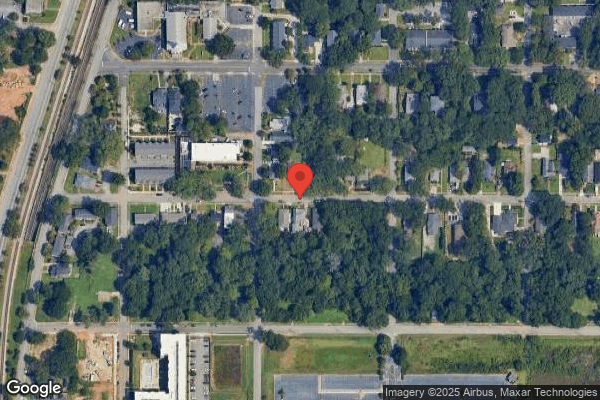

1765 TEMPLE AVENUE, COLLEGE PARK, GA 30337 (404) 767-8609
For profit - Limited Liability company 100 Beds C. ROSS MANAGEMENT Data: November 2025
Trust Grade
55/100
#196 of 353 in GA
Last Inspection: August 2024

Within standard 12-15 month inspection cycle. Federal law requires annual inspections.

Overview

Healthcare at College Park, LLC has a Trust Grade of C, indicating an average performance that places it in the middle of the pack among nursing homes. It ranks #196 out of 353 facilities in Georgia, meaning it falls into the bottom half, and #6 out of 18 in Fulton County, indicating that only five local options are better. The facility is worsening, with the number of issues reported increasing from 4 in 2023 to 10 in 2024. Staffing is a strong point with a turnover rate of 0%, suggesting that staff remain long-term, providing consistent care. However, there have been specific concerns raised, such as a dirty ice machine that was not cleaned properly and a failure to maintain food safety standards, both of which could pose health risks to residents. Despite these weaknesses, the facility has no fines on record, which is a positive sign.

Trust Score
C
55/100
In Georgia
#196/353
Bottom 45%
Safety Record
Low Risk
No red flags
Inspections
Getting Worse
4 → 10 violations
Staff Stability
○ Average
Turnover data not reported for this facility.
Penalties
✓ Good
No fines on record. Clean compliance history, better than most Georgia facilities.
Skilled Nurses
○ Average
RN staffing data not reported for this facility.
Violations
⚠ Watch
18 deficiencies on record. Higher than average. Multiple issues found across inspections.
★★☆☆☆
2.0
Overall Rating
★☆☆☆☆
1.0
Staff Levels
★★★★★
5.0
Care Quality
★★☆☆☆
2.0
Inspection Score
Stable
2023: 4 issues
2024: 10 issues

The Good

  • 5-Star Quality Measures · Strong clinical quality outcomes
  • Full Sprinkler Coverage · Fire safety systems throughout facility
  • No fines on record

Facility shows strength in quality measures, fire safety.

The Bad

2-Star Overall Rating

Below Georgia average (2.6)

Below average - review inspection findings carefully

Chain: C. ROSS MANAGEMENT

Part of a multi-facility chain

Ask about local staffing decisions and management

The Ugly 18 deficiencies on record

Aug 2024 10 deficiencies
CONCERN (D) 📢 Someone Reported This

A family member, employee, or ombudsman was alarmed enough to file a formal complaint

Potential for Harm - no one hurt, but risky conditions existed

Free from Abuse/Neglect (Tag F0600)

Could have caused harm · This affected 1 resident

**NOTE- TERMS IN BRACKETS HAVE BEEN EDITED TO PROTECT CONFIDENTIALITY** Based on observation, interviews, review of relevant facility documentation, and review of the facility policy titled Abuse, Neg...

Read full inspector narrative →
**NOTE- TERMS IN BRACKETS HAVE BEEN EDITED TO PROTECT CONFIDENTIALITY** Based on observation, interviews, review of relevant facility documentation, and review of the facility policy titled Abuse, Neglect, Exploitation, or Misappropriation-Reporting and Investigating, the facility failed to protect one of seven sampled residents (R5) from sexual abuse by another resident, R425. This deficiency had the potential to place R5 and other residents at risk for repeated sexual abuse. Findings include: Review of the facility policy titled, Abuse, Neglect, Exploitation, or Misappropriation-Reporting and Investigating revised September 2022, revealed the following: Reporting Allegations to the Administrator and Authorities, #6: Upon receiving any allegations of abuse, neglect, exploitation, misappropriation of resident property or injury of unknown source, the administrator is responsible for determining what actions (if any) are needed for the protection of residents. Review of the electronic medical record (EMR) for R5 revealed she was a [AGE] year-old female admitted to the facility with diagnoses to include multiple sclerosis, obstructive sleep apnea, end-stage renal disease with hemodialysis, left hand contracture, idiopathic peripheral autonomic neuropathy, mood disorder, and major depressive disorder Review of the Quarterly Minimum Data Set (MDS) assessment, dated 6/25/24, documented a Brief Interview for Mental Status (BIMS) score of 15, indicating no cognitive impairment; a Mood score of zero, indicating no depression; and exhibited verbal behavioral symptoms directed towards others. In addition, she required maximum to dependent assistance for toileting hygiene, bathing, and dressing; setup for wheelchair mobility. She received antidepressant, diuretic, opioid, and hypoglycemic medications. Review of the Care Plan documented focus areas to include antidepressant medication and limited mobility related to stroke/hemiplegia, initiated 7/24/24. Review of the EMR for R425 revealed he was a [AGE] year old male admitted to the facility with diagnoses to include cerebral infarction with right-sided hemiplegia, and major depressive disorder. Review of the Quarterly MDS assessment, dated 11/29/23, documented a BIMS score of 14, indicating no cognitive impairment, a Mood score of 0, indicating no depression, and exhibited no behaviors. He required setup to supervision for all activities of daily living (ADLs). Review of the Care Plan for R425 revealed focus areas to include risk for alcohol intoxication, risk for injury related to smoking, non-compliance with medical care, verbally aggressive behavior, potential for adverse effects related to psychotropic medications, and physical altercations. Review of the Facility Reported Incidents (FRIs) dated 8/1/2023 through 8/6/2024 revealed FRI # 202313358 dated 12/11/23 which documented an abuse allegation involving R425 touching R5 inappropriately. The allegation was substantiated the same day, R425 was transferred to a local hospital for psychiatric evaluation and did not return. In an observation/interview with R5 in her room on 8/8/24 at 10:45 am, she was alert, oriented, and pleasant; dressed and groomed. She stated she was doing well and the facility staff took good care of her. She stated R425 groped her a few months ago when he walked up to her in her wheelchair and started rubbing on her legs. She stated she reported the incident immediately to staff and R425 was discharged from the facility not long after. She stated the facility staff acted immediately and she was pleased with how everything was handled. She stated R425 had a history of hitting and groping other residents, usually when he was drunk. When asked how she knew he was drunk, she stated he just looked like it. She stated he even hit her on the left side of her head a few weeks prior to the day he touched her inappropriately. She stated she now feels safe in the facility. In an interview with the Director of Nursing (DON) on 8/12/24 at 5:26 pm, she confirmed there was a substantiated sexual abuse allegation involving R5 and R425. She stated the two residents had once dated and periodically had conflict with each other but R5 was discharged from the facility after the last incident and now resides in an assisted living facility. In an interview with the Administrator on 8/12/24 at 6:00 pm, she stated she was not employed at the facility at the time of the incident and could not speak to the manner in which multiple allegations involving R425 were managed. She stated she would always advocate for the health and safety of the residents in her care.
CONCERN (D) 📢 Someone Reported This

A family member, employee, or ombudsman was alarmed enough to file a formal complaint

Potential for Harm - no one hurt, but risky conditions existed

Deficiency F0645 (Tag F0645)

Could have caused harm · This affected 1 resident

Based on record review, staff interviews and review of the facility policy titled, Resident Assessment- Coordination with PASARR Program the facility failed to follow PASARR level II program recommend...

Read full inspector narrative →
Based on record review, staff interviews and review of the facility policy titled, Resident Assessment- Coordination with PASARR Program the facility failed to follow PASARR level II program recommendations for one of 28 residents (R)420 with a PASARR level II. Findings include: A review of the facility policy titled, Resident Assessment- Coordination with PASARR Program revealed 7. Recommendations, such as any specialized services, from a PASARR level II determination and/or PASARR evaluation report will be incorporated into the assessment, care planning, and transitions of care. A review of the medical records for R420 revealed a PASARR level II which documented recommendations for R420. The facility was able to complete a behavioral health assessment through CHE Behavioral Health. The PASARR level II further recommended, due to circumstances of this admit and diagnosis and onset of major stressors, specialized mental health services are recommended during SNF stay; specifically psychiatric care for assessment and medication monitoring, behavioral health monitoring and individual counseling for coping and adjustment as needed and desired. Recommend behavioral assessment to rule out history of depressive disorder. Relapse prevention is recommended. Crisis intervention is recommended as needed, the development of individualized interventions to maintain emotional and other health stability. Support and presence from her friends during stay is recommended. Other social and mental stimulation is recommended. Cognitive assessment to assist with care planning is recommended, and other care goals is recommended staff support for doing what's most important to her is recommended. An interview on 8/8/2024 at 10:57 am with the Director of Nursing (DON) revealed she has been working at the facility for two years. She revealed she was working at the facility when R420 was a resident and was familiar with R420's needs. When asked about the PASARR level II recommendations for R420 and how the facility addressed them, the DON was able to pull out the PASARR book. She informed R420 was seen by CHE Behavioral health and the assessment goes to mental health. The facility follows behind the residents every morning to ensure they are receiving the proper treatment. The DON revealed the assessment documented R420 has suicidal ideations but does not remember R420 stating anything related to that. The DON read through the recommendations which documented a referral for psychological assessment and behavior monitoring, stating we did both. She revealed the facility does not restrict visitation and had to end visitation for R420's significant other when he wanted to spend the night. She further revealed the recommendations were care planned but the behavior monitoring could have possibly been just for the diagnosis, care planned for behavior health. The DON revealed staff did not receive any special training but do receive behavioral health training quarterly. Continued interview with the DON revealed R420 did not receive any psych therapies although behavior monitoring was completed every shift which are 8 hours. She further revealed R420 did have behavioral episodes but only when it came to her boyfriend. When she pulled the MAR, the DON revealed she did not see any behavior monitoring documented on the MAR. In addition, she checked one other place in the electronic medical record and was not able to see any documentation for behavioral health monitoring. She revealed she is unsure of how she was not able to catch that. She revealed none of R420's diagnosis warranted the monitoring which is why she feels the nurse missed it but she should not have missed it. The DON revealed if these recommendations are not followed it will cause an increase in behaviors and more issues of defense with the residents. An interview on 8/8/2024 at 3:56 pm with the Administrator revealed she was not at the facility when R420 was a resident and has only been here for four months. She stated with PASARR's the social services coordinator does a review/audit to make sure they are in place.
CONCERN (D) 📢 Someone Reported This

A family member, employee, or ombudsman was alarmed enough to file a formal complaint

Potential for Harm - no one hurt, but risky conditions existed

Comprehensive Care Plan (Tag F0656)

Could have caused harm · This affected 1 resident

**NOTE- TERMS IN BRACKETS HAVE BEEN EDITED TO PROTECT CONFIDENTIALITY** Based on record review, staff interview, and a review of the facility's policy Comprehensive Care Plans the facility failed to d...

Read full inspector narrative →
**NOTE- TERMS IN BRACKETS HAVE BEEN EDITED TO PROTECT CONFIDENTIALITY** Based on record review, staff interview, and a review of the facility's policy Comprehensive Care Plans the facility failed to develop a care plan that was consistent with the resident's specific conditions, risks, needs, and current standards of practice for one residents (R) R45. The sample size was 39. Findings include: Review of the policy titled Comprehensive Care Plans revealed that: Is the policy of this facility to develop and implement a comprehensive person-centered care plan for each resident, consistent with resident rights, that includes measurable objectives and timeframes to meet a resident's medical, nursing, and mental and psychosocial needs that are identified in the resident's comprehensive assessment. Review of the admission Minimum Data Set (MDS) assessment dated [DATE] revealed that R45 received dialysis while a resident. Review of electronic medical record (EMR) revealed R45 diagnoses included but not limited to end stage renal disease and dependence on renal dialysis. Review of the physicians' orders revealed R45 was to receive dialysis on (Tuesday, Thursday, Saturday). Interview on 8/9/24 at 3:30 pm with R45 revealed he is scheduled to receive off-site dialysis treatment three times per week. Interview on 8/12/24 at 10:20 am with Licensed Practical Nurse (LPN) Unit Manager DD revealed that nurses have access to an electronic care plan to add information after MDS assessment. Interview with the Minimum Data Set (MDS) coordinator on 8/12/24 at 10:25 am revealed that he was not aware of his responsibility of developing a care plan related to resident's specific conditions. During an interview with Director of Nursing (DON) on 8/12/24 at 10:30 am, she stated that developing a care plan is an MDS coordinator responsibility
CONCERN (D) 📢 Someone Reported This

A family member, employee, or ombudsman was alarmed enough to file a formal complaint

Potential for Harm - no one hurt, but risky conditions existed

ADL Care (Tag F0677)

Could have caused harm · This affected 1 resident

Based on observation, record review, resident and staff interviews, the facility failed to provide two hour check and change for one Resident (R14) dependent on staff for activities of daily living (A...

Read full inspector narrative →
Based on observation, record review, resident and staff interviews, the facility failed to provide two hour check and change for one Resident (R14) dependent on staff for activities of daily living (ADLs) The sample size was 39. Findings include: Review of the medical record for R14 revealed an admission date of 1/17/2019 with diagnoses of but not limited to, esophageal reflux disease without esophagitis, neuromuscular dysfunction of bladder, paraplegia, and other lack of coordination. Review of the Minimum Data Set (MDS) assessment revealed R14 had a Brief Interview for Mental status (BIMS) score of 15, indicating R14 had no cognitive impairment. During an observation and interview on 8/12/2024 at 4:08 pm, R14 revealed she was not able to feel anything below her waist and was not sure when she was wet or soiled. Resident 14 revealed a Certified Nursing Assistant (CNA) changed her brief at 12:00 pm before lunch. During an interview on 8/12/2024 at 4:12 pm, CNA OO revealed she checked and changed R14 before lunch and did not check R14 until notified by this surveyor at 4:12 pm on 8/12/2024. The CNA OO revealed she offered R14 hydration at 3:00 pm but did not check R14's brief during that time. CNA OO reported she checked R14 at 4:18 pm, and R14 needed to be changed. Further during the interview CNA OO indicated she did not realize it had been more than two hours since R14 had been checked and changed. During an interview on 8/12/2024 at 4:22 pm, the Director of Nursing (DON) revealed residents who depend on staff for incontinent care should be checked and changed every two hours, and if they have increased incontinent periods; those residents are checked more frequently. The DON revealed she was not aware R14 had not been checked and changed since before lunch at or around 12:00 pm. The DON revealed her expectation is that the residents are checked and changed every two hours.
CONCERN (D) 📢 Someone Reported This

A family member, employee, or ombudsman was alarmed enough to file a formal complaint

Potential for Harm - no one hurt, but risky conditions existed

Deficiency F0761 (Tag F0761)

Could have caused harm · This affected 1 resident

Based on observation, interview, and record review the facility failed to secure a central supply storage room that contained medications and medical supplies. Findings Include: On 8/7/24 at 3:03 pm ...

Read full inspector narrative →
Based on observation, interview, and record review the facility failed to secure a central supply storage room that contained medications and medical supplies. Findings Include: On 8/7/24 at 3:03 pm a central supply room on the first floor was observed open with no staff member in the room. On 8/7/24 at 3:05 pm, licensed practical nurse (LPN) PP confirmed and verified the door to the central supply room on the first floor was open and not locked. LPN PP confirmed there were no other staff members in the central supply room on the first floor. LPN PP stated the door to the central supply room didn't have to be kept shut or locked, it was where they stored supplies and where staff obtained supplies needed. LPN PP confirmed that there were over the counter medications in the room and stated they had never been told to keep this room closed and locked. On 8/7/24 at 3:10 pm the Dircetor of Nursing (DON) revealed the door to this office belonged to the central supply clerk and the scheduler. The DON revealed supplies and over the counter medications were kept in the office and that office should have been shut and locked. Review of the facility's' Medication Labeling and Storage policy revised February 2023, documented the facility stored all medications and biologicals in locked compartments under proper temperature, and light controls. Only authorized personnel had access to the keys.
CONCERN (D) 📢 Someone Reported This

A family member, employee, or ombudsman was alarmed enough to file a formal complaint

Potential for Harm - no one hurt, but risky conditions existed

Infection Control (Tag F0880)

Could have caused harm · This affected 1 resident

**NOTE- TERMS IN BRACKETS HAVE BEEN EDITED TO PROTECT CONFIDENTIALITY** Based on observation, record review, and resident and staff interviews, the facility failed to properly protect resident (R) R37...

Read full inspector narrative →
**NOTE- TERMS IN BRACKETS HAVE BEEN EDITED TO PROTECT CONFIDENTIALITY** Based on observation, record review, and resident and staff interviews, the facility failed to properly protect resident (R) R37 from the risk of infection related to resident having an external catheter and per policy, was on enhanced barrier precautions. The staff were to use personal protective equipment (PPE) when rendering care for R37. The facility census was 65. Findings included: Review of the electronic medical record for R37 revealed that he was admitted on [DATE]. He was admitted with diagnoses that included but were not limited to unspecified injury of the cervical spinal cord, quadriplegia, central pain syndrome, and type 2 diabetes mellitus with diabetic autonomic neuropathy, depression and anxiety. R37 was interviewed on 8/9/2024 at 10:48 am., and stated that when staff is providing care for him, they are not gowned up and has never been. An observation was conducted on 8/9/2024 at 11:25 am. This observation revealed that two certified nurse's aides (CNA) entered the room of R37 to provide care. The resident's door was noted to have an Enhanced Barrier Precautions signage, which means that staff is to don (put on) personal protective equipment (PPE) when rendering care with R37, related to his catheter. The two CNAs entered without donning PPE. They then closed the door behind them. During an interview with CNA BB, at 12:12 pm on 8/9/2024, she verified that R37 was the resident that was on EBP. She stated that she was not told that they needed to use PPE. CNA RR was interviewed at 12:13 pm on 8/9/2024. She stated that there is usually a stop sign on the door when it is a room that they need to gown up for. When asked if that sign, that was on the door of R37, meant that she should gown up, she stated no, but then stated that yes, she is supposed to gown up when rendering care for that resident. An interview with Director of Nursing was completed on 8/9/2024 at 5:50 pm. She stated that she expects staff to properly wear PPE in the rooms that it is required in. She stated that EBP is used to protect the residents. AS
CONCERN (E) 📢 Someone Reported This

A family member, employee, or ombudsman was alarmed enough to file a formal complaint

Potential for Harm - no one hurt, but risky conditions existed

Deficiency F0658 (Tag F0658)

Could have caused harm · This affected multiple residents

Based on observation, interview, and record review the facility failed to provide services that met professional standards of quality by the failure to administer 5:00 pm medications on 8/9/24, for se...

Read full inspector narrative →
Based on observation, interview, and record review the facility failed to provide services that met professional standards of quality by the failure to administer 5:00 pm medications on 8/9/24, for seven of nine Residents (R) 27, R32, R20, R21, R45, R26 and R13. This failure could have caused adverse reactions in all seven of the residents who missed their medications. Findings Include: On 8/6/24 at 8:35 pm Certified Medication Aide (CMA) FF began her medication administration for the first-floor residents. As she passed her scheduled medications, she would tear off pouches from the roll in each resident labeled box, in her medication cart. The perforated individual pouches with resident names, medication names, and time, and date to be administered were then put in a separate drawer in her cart. She had a paper list of the residents she was passing medications to and would consult that as she passed the medications. Review of physician's orders revealed that seven residents' medications had not been given on 8/9/24 between 4:30 pm and 5:30 pm and was verified by the resident's individual medication administration record (MAR). The following residents missed their 5:00 pm medications: R27 - med order dated 7/1/24, for Hydrocortisone tablet 10 milligram (mg), give one and a half tablet, scheduled at 5:00 pm. med order dated 7/1/24, for Potassium Chloride 10 MEQ, scheduled at 5:00 pm. med order dated 7/1/24, for Ferrous Sulfate 325 mg, scheduled at 5:00 pm. med order dated 7/1/24, for Omeprazole 20 mg, scheduled at 4:30 pm. For R32, An order dated 7/1/24, for Docusate sodium 100 mg scheduled at 5:00 pm. An order dated 7/1/24, for Venlafaxine 25 mg scheduled at 5:00 pm. R20 - med order dated 7/1/24, for Levetiracetam 750 mg, give two tablets, scheduled at 05:00 pm. med order dated 7/1/24, for Memantine 5 mg scheduled at 05:00 pm. med order dated 7/1/24, for Metoprolol tartrate 50 mg scheduled at 05:00 pm. R21 - med order dated 7/1/24, for Calcium Carbonate 650 mg scheduled at 5:00 pm. med order dated 7/1/24, for Niacin 500 mg scheduled at 05:00 pm. R45 - medorder dated 7/16/24, for Renvela 800 mg scheduled at 5:00 pm med order dated 7/16/24, for Polyvinyl Alcohol Ophthalmic solution 1.4% scheduled at5:00 pm. R26 - med order dated 6/29/24, for Xarelto 20 mg scheduled at 5:00 pm. med order dated 7/1/24, for Boost scheduled at 4:30 pm. med order dated 7/25/24, for Gabapentin 400 mg scheduled at 5:00 pm. R13 - med order dated 7/1/24, for Dextromethorphan-Guaifenesin 10-100 mg/5 milliliter (ml), give 5ml, scheduled at 5:00 pm med order dated 7/1/24, for Oyster Shell Calcium 500 mg scheduled at 5:00 pm. On 8/6/24 at 9:05 pm, CMA FF stated that the password they had given her for the electronic health record (EHR) would not work, so she used her written paper medication list to pass the residents' medications. CMA FF confirmed the medication pouches that were placed in the separate drawer of her cart were extra medications for each of the residents that she had administered medications to. CMA FF stated that the pouches were for the 5:00 pm medication pass for today (8/6/24). CMA FF confirmed that the medication pouches would be placed in the pharmacy return receptacle in the locked medication room. CMA FF stated that she could not say why the medications were not passed as she only took the cart at 7:00 pm. On 8/10/24 at 10:07 am, the director of nursing services (DNS) confirmed that the seven residents' medications were in the receptacle and that the CMA should have reported it to the nurse who should have reported it to her. The DON confirmed that she was aware that the password for CMA FF had not worked, and she had contacted the information technology (IT) to have it reset and could not remember what date that was completed on. She stated that they had paper medication administration records (MAR) at each nurse station for that floor. She confirmed and verified that the 5:00 pm, and 9:00 pm medications were not signed for on 8/6/24. Review of the facility Administering Medications policy revised April 2019, documented medications were to be administered in a safe and timely manner, and as prescribed. That staffing schedules were arranged to ensure that medications were administered without unnecessary delay. Medications were to be administered within one hour of their prescribed time. If a medication was withheld, refused, or given at a time other than the prescribed time the individual administering the medication shall make note.
CONCERN (E) 📢 Someone Reported This

A family member, employee, or ombudsman was alarmed enough to file a formal complaint

Potential for Harm - no one hurt, but risky conditions existed

Deficiency F0760 (Tag F0760)

Could have caused harm · This affected multiple residents

Based on observation, interview, and record review the facility failed to ensure seven of nine sampled Residents (R) 27, R32, R20, R21, R45, R26 and R13 were free from a significant medication error r...

Read full inspector narrative →
Based on observation, interview, and record review the facility failed to ensure seven of nine sampled Residents (R) 27, R32, R20, R21, R45, R26 and R13 were free from a significant medication error related to not administering medications according to the physician orders. Specifically, when medications, such as metoprolol tartrate, potassium, venlafaxine, Xarelto, and gabapentin, scheduled for 5:00 pm on 8/6/24 were not administered as ordered. Findings Include: On 8/6/24 at 8:35 pm, Certified Medication Aide (CMA) FF passed medications for her assigned first-floor residents. As she passed her scheduled medications, it was noted that the following resident's did not receive their 5:00 pm medications as ordered., and CMA FF did not notify licensd staff. R27 - med order dated 7/1/24, for Potassium Chloride 10 MEQ with the adverse effect of hypokalemia, scheduled at 5:00 pm. R32 - med order dated 7/1/24, for Venlafaxine 25 mg with the adverse effect of increased depression, scheduled at 5:00 pm. R20 - med order dated 7/1/24, for Levetiracetam 750 mg with the adverse effect of seizure activity, give two tablets, scheduled at 5:00 pm. - med order dated 7/1/24, for Memantine 5 mg with the adverse effect of dementia, scheduled at 5:00 pm. - med order dated 7/1/24, for Metoprolol tartrate 50 mg with the adverse effects of high blood pressure, scheduled at 5:00 pm. R21 - med order dated 7/1/24, for Niacin 500 mg with an adverse effect of high cholesterol, scheduled at 5:00 pm. R45 - med order dated 7/16/24, for Renvela 800 mg with an adverse effect of increased phosphorus in the blood possibly causing acute kidney injury, scheduled at 5:00 pm R26 - med order dated 6/29/24, for Xarelto 20 mg with an adverse effect of internal bleeding, scheduled at 5:00 pm. - med order dated 0/25/24, for Gabapentin 400 mg with an adverse effect of increased pain, scheduled at 5:00 pm. On 8/6/24 at 9:05 pm CMA FF confirmed the medication pouches that were placed in the separate drawer of her cart were medications not given at the scheduled time for each of the residents that she had administered medications scheduled for her shift to. CMA FF stated that the pouches were for the 5:00 pm medication pass. CMA FF stated that she could not say why the medications were not passed as she only took the cart at 7:00 pm. On 8/10/24 at 10:07 am, the director of nursing (DON) confirmed that the seven residents' medications were in the receptacle and that the CMA should have reported it to the nurse who should have reported it to her. She stated that they had paper medication administration records (MAR) at each nurse station for that floor. She confirmed that the 5:00 pm medications were not signed for or given on 8/6/24. On 8/12/24 at 3:43 pm, licensed practical nurse (LPN) unit manager DD confirmed that she had not gotten any reports of medications not being administered as ordered. LPN DD stated that the nurse would notify the provider and, depending on the medication, the resident may require monitoring for adverse reactions. On 8/12/24 at 4:18 pm, provider extender HH stated that she would expect facility staff to call if a resident was exhibiting adverse effects of a missed medication, however she stated that several residents at this facility tend to refuse their medications, so she would not expect a call every time. Physician extender HH confirmed that she had gotten no reports of missed medications. She confirmed that levetiracetam could result in seizure activity, metoprolol tartrate could result in high blood pressure crisis, potassium could result in hypokalemia, and gabapentin could result in the resident having unnecessary pain. Review of the facility Administer Medication policy revised April 2019, documented that if a medication was believed to be excessive or inappropriate for a resident, or the medication was identified as having potential adverse effects or was suspected of being associated with adverse effects for the resident, the staff preparing or administering the medication would contact the prescriber, the residents primary physician, or the facilities medical director to discuss the concern.
CONCERN (F)

Potential for Harm - no one hurt, but risky conditions existed

Food Safety (Tag F0812)

Could have caused harm · This affected most or all residents

Based on observations, interviews, and record reviews, the facility failed to assure that the ice machine was clean and properly functioning. The facility failed to maintain clean facility equipment a...

Read full inspector narrative →
Based on observations, interviews, and record reviews, the facility failed to assure that the ice machine was clean and properly functioning. The facility failed to maintain clean facility equipment and failed to document the cleaning of the ice machine. The census of the facility was 65. Findings include: On 8/6/2024 at 9:35 am a tour of the facilities kitchen was conducted with the Dietary Manager revealed the ice machine had a black residue. The residue appeared to be a result of build up from not being cleaned. It was confirmed that the residents in the facility was served ice from that machine. Record review of the log titled Ice Machine Cleaning Days, shows the last cleaning date was 8/6/2024 and had no issues. However, observation of ice machine on 8/6/2024, during the initial tour, revealed the ice machine had a black build up located on the inside where the ice is made. In addition there was no scoop for the ice located near the machine. In an interview on 8/8/2024 at 12:42 pm with the Administrator she revealed there was no policy relating to the facilities Ice Machine. She stated she was unaware of an ice machine in a facility needing a policy. She stated the facility keeps a log of each time the ice maker is cleaned. Her rationale for the ice maker having build up was that the responsible person needs in-service education relating to the proper maintenance of ice machines. In an interview with Dietary Kitchen Manager she revealed she had no knowledge of the ice machine being dirty. She stated if she was made aware it was not clean, she would not have served any of her resident's ice. She revealed that the kitchen staff is not in charge of cleaning the ice maker, the Housekeepers and Maintenance staff are responsible.
CONCERN (F) 📢 Someone Reported This

A family member, employee, or ombudsman was alarmed enough to file a formal complaint

Potential for Harm - no one hurt, but risky conditions existed

Antibiotic Stewardship (Tag F0881)

Could have caused harm · This affected most or all residents

Based on interviews, record review and facility policy titled Antibiotic Stewardship, the facility failed to properly maintain an Antibiotic Stewardship Program. The deficient practice placed the resi...

Read full inspector narrative →
Based on interviews, record review and facility policy titled Antibiotic Stewardship, the facility failed to properly maintain an Antibiotic Stewardship Program. The deficient practice placed the resident at risk for not receiving the appropriate antibiotics to treat their infection and could place the resident at risk for developing antibiotic resistant infections. The facility census was 65. Findings: Review of the facility policy titled Antibiotic Stewardship with the revision date of December 2016, revealed that the policy statement is Antibiotics will be prescribed and administered to residents under the guidance of the facility's antibiotic stewardship program. The purpose of the facility's antibiotic stewardship program was revealed to monitor the use of antibiotics in their residents. Step 4 of the policy Interpretation revealed that if an antibiotic is indicated, prescribers will provide complete antibiotic orders including the following elements: a. drug name, b. Dose, c. frequency of administration, d. duration of treatment, e. route of administration: and f. indications for use. Step 8 of the policy interpretation revealed that when a nurse calls the physician/prescriber to communicate a suspected infection, he or she will have the following information available: a. signs and symptoms; b. when symptoms were first observed; c. residents hydration status; d. current medication list; e. allergy information; f. infection type; g. any orders for warfarin and results of last INR; h. last creatinine clearance or serum creatinine, if available; and i. time of the last antibiotic dose. On 8/12/2024 at 3:28 pm, the Infection Preventionist (IP) provided infection control surveillance for February 2024 through July 2024. At that time she stated that she has been the IP since March of 2024. She stated that she obtained her certificate from the CDC on 2/24/2020. Review of the surveillance of infections revealed the following: 7/2024, there were no infections but there were four (4) antibiotic starts for the whole month. 6/2024, there was one (1) ear infection, and 3 antibiotic starts for the whole month. 5/2024, there were 4 other skin infections and one urinary tract infection for the month. There was a total of nine antibiotic starts. 4/2024, there were two urinary tract infections, I upper respiratory infection and 1 other infection with a total of 5 antibiotic starts. Per her documentation, only one met the criteria for infection. 3/3034, 4 urinary tract infections, one lower respiratory infection, one upper respiratory infection, and 4 other infections were seen on the map. There were 9 infections on the line listing, and there was no information about signs and symptoms. 1/2024- no infections, three antibiotic starts and no documentation of signs and symptoms. 12/2023- 1 upper respiratory infection with an antibiotic start. This was not counted on the summary report and no symptoms were charted. 11/2023, 1 upper respiratory infection, but no record of whether it was an antibiotic start. 10/2023, 1 upper respiratory and 1 other. No other documentation noted. 9/2023- 3 wounds and another that is called ascites. One wound was a surgical wound and the other 2 were decubitus. One was stated culture was MRSA, and no cultures were completed on the others. 8/2023- one lower respiratory and had a COVID outbreak and was not counted as any infections. Infection surveillance was requested for July /August 2023. Per the infection preventionist, and the information provided for August surveillance, there was COVID outbreak for the residents. The information that was provided by the DON just documentation that it was only Staff that had infections. An interview was conducted with the infection preventionist (IP) on 8/8/2024 at 4:25 pm. She stated that she has not been in the position for too long and understands that her documentation needs to give the picture of the situation. She stated that she is working with the providers and is in the process of trying to get the providers to start documenting, and to only order when they meet criteria. An interview with the Director of Nursing on 8/9/2024 at 5:50 pm revealed that all antibiotic use is monitored and that all infections are trended, and that the IP gets all the testing to properly monitor the antibiotic starts, and to educate staff to antibiotic stewardship documentation.
Jan 2023 4 deficiencies
CONCERN (D)

Potential for Harm - no one hurt, but risky conditions existed

MDS Data Transmission (Tag F0640)

Could have caused harm · This affected 1 resident

Based on record review, staff interviews, and review of the facility policy titled, Electronic Transmission of the Minimum Data Set (MDS), the facility failed to ensure MDS assessments were transmitte...

Read full inspector narrative →
Based on record review, staff interviews, and review of the facility policy titled, Electronic Transmission of the Minimum Data Set (MDS), the facility failed to ensure MDS assessments were transmitted within 14 days of completion to the Centers for Medicare and Medicaid Services (CMS) Quality Improvement Evaluation System (QIES) Assessment and Submission and Processing (ASAP) system for 5 of 19 residents (R) (R#1, R#4, R#22, R#25, and R#43) reviewed for MDS transmittal. Findings included: Review of a facility policy titled, Electronic Transmission of the MDS, dated November 2019, revealed, All MDS assessments (e.g. [for example], admission. annual, significant, quarterly review, etc. [et cetera]) and discharge and reentry records are completed and electronically encoded into our facility's MDS information system and transmitted to CMS' QIES Assessment Submission and Processing (ASAP) system in accordance with current Omnibus Budget Reconciliation Act (OBRA) regulations governing the transmission of MDS data. Review of the Long-Term Care Facility Resident Assessment Instrument 3.0 User's Manual, version 1.17.1, revealed, Comprehensive assessments must be transmitted electronically within 14 days of the Care Plan Completion Date. Additionally, the manual indicated, All other MDS assessments must be submitted within 14 days of the MDS Completion Date. 1. A review of the quarterly Minimum Data Set (MDS) for R#1 with an assessment reference date (ARD) (last date of the look back period for the assessment) of 11/10/2022 revealed that as of 1/03/2023, the assessment had not been signed by the Registered Nurse (RN) MDS Coordinator and had not been transmitted. 2. A review of the quarterly MDS for R#4 with an ARD of 11/02/2022 revealed that as of 1/03/2023, the assessment, which was signed by the RN MDS Coordinator on 12/30/2022, had not been transmitted. 3. A review of the quarterly MDS for R#22 with an ARD of 12/14/2022 revealed that as of 1/03/2023, the RN MDS Coordinator had not signed the assessment, and the assessment had not been transmitted. 4. A review of the quarterly MDS for R#25 with an ARD of 11/17/2022 revealed that as of 1/03/2023, the RN MDS Coordinator had not signed the assessment and the assessment had not been transmitted. 5. A review of the quarterly MDS for R#43 with an ARD of 11/03/2022 revealed that as of 1/03/2023, the assessment had not been signed by the RN MDS Coordinator and the assessment had not been transmitted. During an interview on 1/04/2023 at 10:15 a.m., Licensed Practical Nurse (LPN) #7 (facility MDS Nurse) indicated the corporate RN MDS Coordinator was responsible for signing and completing the MDS. LPN #7 further indicated the corporate RN had been on family medical leave since November 2022 and that was why the MDS assessments had not been transmitted. LPN #7 indicated she was aware the MDS assessments were not transmitted timely. During an interview on 1/05/2022 at 4:54 p.m., the Director of Clinical Services revealed the Corporate RN MDS Coordinator was out on family medical leave and was responsible for signing off on the MDS for facilities that did not have an MDS Coordinator. The Director of Clinical Services further indicated it was her expectation that the MDS assessments were submitted timely in accordance with the federal regulations. During an interview on 1/05/2022 at 5:15 p.m., the Administrator revealed he was unaware the MDS assessments were not transmitted timely. The Administrator further indicated it was his expectation that the MDS assessments be transmitted timely in accordance with the federal regulations.
CONCERN (D)

Potential for Harm - no one hurt, but risky conditions existed

Deficiency F0740 (Tag F0740)

Could have caused harm · This affected 1 resident

**NOTE- TERMS IN BRACKETS HAVE BEEN EDITED TO PROTECT CONFIDENTIALITY** Based on interview, record review, and facility policy review, it was determined that the facility failed to ensure intervention...

Read full inspector narrative →
**NOTE- TERMS IN BRACKETS HAVE BEEN EDITED TO PROTECT CONFIDENTIALITY** Based on interview, record review, and facility policy review, it was determined that the facility failed to ensure interventions were developed, care planned, and implemented to address behavioral symptoms for 1 (Resident #11) of 4 sampled residents reviewed for psychotropic medications. Resident #11 exhibited behavioral changes related to telephone use and the facility failed to develop behavioral health interventions to address the behaviors. Findings included: Review of a facility policy titled, Care Plan Revisions Upon Status Change, revision date 11/01/2022, revealed, The purpose of this procedure is to provide a consistent process for reviewing and revising the care plan for those residents experiencing a status change. The comprehensive care plan will be reviewed, and revised as necessary, when a resident experiences a status change. Upon identification of a change in status, the nurse will notify the MDS [Minimum Data Set] coordinator, the physician, and the resident representative, if applicable. The MDS coordinator and the Interdisciplinary Team will discuss the resident condition and collaborate on intervention options. The team meeting discussion will be documented in the nursing progress notes. The care plan will be updated with the new or modified interventions. Staff involved in the care of the resident will report resident response to new or modified interventions. A review of a Face Sheet revealed Resident #11 had diagnoses that included paranoid schizophrenia, delusional disorders, bipolar disorder, and psychotic disorder with delusions. The quarterly Minimum Data Set, dated [DATE], revealed Resident #11 exhibited no behavioral symptoms during the seven-day look back period. A review of Resident #11's Care Plan, dated 12/02/2019, revealed the resident had a problem area of inappropriate conversation and may mistake facts or accuse others of things. The goal was for the resident to have no increased incidence of undesirable behavior through the next review. A planned intervention was to observe for and eliminate contributing factors whenever possible. There were no revisions to this problem area on the care plan since the onset date of 12/02/2019. A review of Resident #11's Progress Notes, dated from July 2022 through December 2022, revealed an incident occurred on 08/17/2022 in which the resident was accused of making harassing phone calls and the resident's family member came and took the resident's phone. There were no other documented incidents indicating the resident was using the cell phone to make harassing phone calls. On 01/04/2023 at 9:54 AM, during an interview with the Social Services staff member, she stated she had been working for the facility since June 2022, and Resident #11's behaviors started in July. She indicated Family Member #3 had given a cell phone to the resident and the resident had used the cell phone to call the news, the police, and different facilities, harassing them. The Social Services staff stated the resident had called the family member and threatened to have them arrested, so the family member came and took the phone back. On 01/04/2023 at 2:43 PM, during an interview with Family Member #3, the family member stated they took Resident #11's phone after the resident had called other family members and cursed at them. Family Member #3 stated the resident would also call the police and call people to come get the resident, and then it was hard to get the resident back into the facility. The family member stated the police said someone would have to start paying for the non-emergent phone calls. The family member indicated that was the reason the phone was picked up. On 01/05/2023 at 4:26 PM, during a follow-up interview with the Social Services staff, she stated if the resident was having behaviors such as abusing the cell phone, this should be included on the care plan. She stated she had never witnessed the behaviors, but she listened to some of the inappropriate messages which had been left on Family Member #3's cell phone. On 01/05/2023 at 4:38 PM, during an interview with Registered Nurse (RN) #4, she stated while Resident #11's roommate was in the hospital, Resident #11 kept calling the roommate's cell phone, and the family of the roommate wanted Resident #11 to quit calling. She stated the family asked the resident to stop calling. On 01/05/2023 at 4:46 PM, during an interview with Certified Nursing Assistant (CNA) #5, she stated she had not witnessed the behaviors, but other staff told her Resident #11 had called the police one time, called the state, and called Resident #11's roommate's phone and told that resident's family that the resident was going to die. On 01/05/2023 at 4:56 PM, during an interview with Licensed Practical Nurse (LPN) #6, she stated sometimes Resident #11 would call people, cursing them and being loud. She stated she would hear it because she had an office right across the hall. She stated Resident #11 would tell people their fathers were not really their father. Resident #11 would call their family members and say bad things to them. She stated she never documented the things she heard Resident #11 say. On 01/05/2023 at 5:46 PM, during an interview with the Director of Clinical Services (DCS), she stated there should have been a care conference regarding the phone and the behaviors exhibited by Resident #11. She stated the care plan should be updated with the behaviors regarding the phone and confirmed the care plan did not reflect the behaviors. On 01/05/2023 at 5:50 PM, during an interview with the Administrator, he stated he would expect the care plan to reflect any behavior the resident was exhibiting, and indicated the care plan should be updated if the resident had new behaviors.
CONCERN (E)

Potential for Harm - no one hurt, but risky conditions existed

Medical Records (Tag F0842)

Could have caused harm · This affected multiple residents

Based on observation, interviews, and facility policy review, the facility failed to maintain confidentiality of medical records that had been damaged in 1 of 1 record storage rooms. Observations reve...

Read full inspector narrative →
Based on observation, interviews, and facility policy review, the facility failed to maintain confidentiality of medical records that had been damaged in 1 of 1 record storage rooms. Observations revealed water-damaged medical records were stacked outside a storage building with protected health information (PHI) exposed. Findings included: A review of a facility policy titled, Confidentiality of Personal and Medical Records, dated as implemented 12/28/2022, revealed, The facility honors the resident's right to secure and confidential personal and medical records. This includes the right to confidentiality of all information contained in a resident's records, regardless of the form of storage or location of the record. A review of a facility policy titled, Flood Damaged Medical Records, dated as implemented 12/28/2022, revealed, The facility's policy is to establish procedures for preparing and responding to flooding resulting in damaged medical records. The policy also indicated, Secure damaged medical records to protect PHI during your assessment of the damage. During an interview with the Certified Dietary Manager (CDM) on 01/03/2023 at 9:21 AM, she stated the facility pipes burst in the basement, causing a flood during a period of cold weather the previous week (12/25/2022-12/31/2022). She stated the facility had to empty out the basement and had been piling stuff out in the alley. She stated the furniture and resident records that had been in the basement needed to be disposed of and they had been stacking the damaged resident records alongside the storage unit used to hold nursing supplies. Observations on 01/03/2023 at 9:24 AM revealed multiple stacks of water-damaged resident records in the alley next to the facility. The records were piled along the length of an approximately 17-foot-long storage container. Some of the stacks were approximately five feet high. Approximately half of the resident records were covered haphazardly by a tarp and others were exposed, with residents' PHI visible. During an interview with the Director of Clinical Services (DCS) on 01/03/2023 at 4:25 PM, she stated all the records in the alley should have been stored and disposed of following the facility's policy. She stated she was made aware of the exposed resident records and spoke with the corporate office about how to secure them. She stated the damaged resident records should be secured until they could be disposed of. During an interview with the Administrator on 01/03/2023 at 4:27 PM, he stated the damaged records were moved out into the alley on Friday (12/30/2022). He stated the damaged records should have been kept secured under lock and key until a determination from corporate was received to destroy or salvage the records. During an interview with the Maintenance Director on 01/04/2023 at 9:11 AM, he stated he had overseen moving the records out of the basement. He stated no outside individuals had been brought in to assist with the record removal. He stated the basement of the facility flooded 12/24/2022 and 12/25/2022 when the pipes burst from the cold weather. He revealed no one was able to get into the basement until 12/27/2022, at which point the water began to be pumped out. He stated the basement had flooded with seven feet of water. He indicated he had moved furniture and resident records into the alley on 12/28/2022 and 12/29/2022. According to the Maintenance Director, the Administrator, on the phone with corporate, had directed him to put the water-damaged resident records in the alley so someone from corporate could come over and go through them. He stated no one from corporate had gone through the records yet, so the records had remained in the alley. During an interview with the Administrator on 01/04/2023 at 9:47 AM, he stated a corporate member had instructed him to place the records in the alley. He stated the Director of Nursing was supposed to go through the records to see if anything could be salvaged. He indicated there was only one record room in the basement where the discharged resident records were stored. During an interview with the Corporate Maintenance Risk Manager on 01/05/2022 at 1:00 PM, he stated he had instructed the facility to remove the water-damaged records into the alley. He stated there was five feet of water in the records room and paper was everywhere. He stated that after the water was pumped out, there were two feet of damaged records covering the floor that had to be removed before removing the furniture. He stated that on 12/28/2022, the records were removed to the alley, covered with a tarp, and monitored by a staff member. He stated he had instructed the facility to secure the damaged records back in the facility on 12/28/2022. The Corporate Maintenance Risk Manager stated he was made aware by the facility on 01/03/2023 that the records were still exposed in the alley. He stated he came to the facility to assess the situation and instructed the facility to secure the damaged records in the basement that day. He stated corporate and management had determined the records were not salvageable from the water damage and should be destroyed securely.
CONCERN (F)

Potential for Harm - no one hurt, but risky conditions existed

Food Safety (Tag F0812)

Could have caused harm · This affected most or all residents

Based on observations, interviews, and facility policy review, the facility failed to store food in accordance with professional standards for food service safety in the kitchen. Specifically, the fac...

Read full inspector narrative →
Based on observations, interviews, and facility policy review, the facility failed to store food in accordance with professional standards for food service safety in the kitchen. Specifically, the facility failed to: - Store food items off the floor in the dry storage area and - Maintain a clean dry storage area. This deficient practice had the potential to affect 66 residents who received nutrition from the kitchen (total census: 68). Findings included: 1. A review of a facility policy titled, Food Safety Requirements, updated 11/02/2022, revealed, It is the policy of the facility to procure food from sources approved or considered satisfactory by federal, state, and local authorities. Food will also be stored, prepared, distributed, and served in accordance with professional standards for food service safety. The policy also indicated, Dry food storage-keep foods/beverages in a clean, dry area off the floor and clear of ceiling sprinklers, sewer/waste disposal pipes, and vents. Observations of the dry storage area on 01/03/2023 at 9:05 AM revealed a 25-pound bag of sugar and a 35-pound box of canola oil on the floor of the dry storage room. During an interview with the Certified Dietary Manager (CDM) on 01/03/2023 at 9:09 AM, she stated everything should be stored on the shelves in dry storage. She stated the bag of sugar and box of cooking oil should have made it onto a shelf. She stated the food delivery arrived late on 01/02/2023 and she had left for the day. During an interview with [NAME] #1 on 01/05/2023 at 2:28 PM, he stated nothing should be stored on the floor of the dry storage area. He stated he was not at work on Monday (01/02/2023) to help put away the order, but if he saw something on the floor of dry storage, he would pick it up and place it on the shelf. He stated he normally would put away the orders and do the cleaning on Mondays and Thursdays, but the kitchen was short a cook, so he had been taking on extra cook duties. During an interview with the Director of Clinical Services (DCS) and Administrator on 01/05/2023 at 3:18 PM, the DCS and Administrator both stated nothing should be stored on the floor of the dry storage area. 2. A review of a facility policy titled, Dietary Services, updated in 2012, revealed the purpose of the policy was, To prevent contamination of food products and therefore prevent food borne illness. The policy also indicated, All floor surfaces must be wet mopped daily and as needed using a bucket with wringer and germicide. Observations of the dry storage area on 01/03/2023 at 9:05 AM revealed the floor underneath the storage rack was littered with sugar and sugar substitute packets, wrappers, food crumbs, condiment packets, and a coating of a dirt-like substance. During an interview with the CDM on 01/03/2023 at 9:09 AM, she stated cleaning of the dry storage area and kitchen occurred every night. During an interview with [NAME] #1 on 01/05/2023 at 2:28 PM, he stated all the kitchen staff helped keep the kitchen clean. He stated he was assigned to clean the dry storage area on Mondays and Thursdays and when he cleaned the dry storage area, he would sweep and mop, using bleach. He stated the floors should be swept and mopped daily underneath the storage racks to remove all the debris. He stated the kitchen was short a cook, so he had been taking on extra cook duties. During an interview with the Director of Clinical Services (DCS) and Administrator on 01/05/2023 at 3:18 PM, the DCS and Administrator both stated the kitchen should have a cleaning schedule that included pulling the storage racks out of the storage room and cleaning the floor underneath. The Administrator stated the kitchen staff tried to mop up the dirt substance, but the floor had to be stripped to remove the substance.
Mar 2020 4 deficiencies
CONCERN (D)

Potential for Harm - no one hurt, but risky conditions existed

Safe Environment (Tag F0584)

Could have caused harm · This affected 1 resident

Based on observations and interviews, the facility failed to maintain a safe and clean wheelchair for one Resident (R)#1 and failed to maintain clean enteral tube feeding pump poles and bases for two ...

Read full inspector narrative →
Based on observations and interviews, the facility failed to maintain a safe and clean wheelchair for one Resident (R)#1 and failed to maintain clean enteral tube feeding pump poles and bases for two residents, R#6 and R#17 of 36 sampled residents. Findings include: Observations made on 3/2/2020 at 1:43 p.m., 3/3/2020 at 9:55 a.m. and 2:00 p.m., 3/4/2020 at 10:33 a.m., and 3/5/2020 at 8:43 a.m. and 8:50 a.m. revealed Resident (R)#6 and R#17 poles and bases of their enteral tube feeding pump poles and bases were heavily soiled with a dry tan substance. Observations made on 3/2/2020 at 1:43 p.m., and 3/3/2020 at 9:55 a.m. and 1:52 p.m. revealed that R#1's wheelchair was heavily soiled with dried crusty debris and the left wheelchair arm rest was partially off exposing a screw which was sticking up. An interview and observation on 3/3/2020 at 1:52 p.m. with the Maintenance Director verified that the left arm rest on R#1's wheelchair had an exposed screw protruding up, with the potential to cause injury. He stated that he taped foam over the screw, because he did not have an arm rest to replace it with. He further stated he does not do the ordering of supplies, although he will alert the Administrator about the situation. An interview and observation on 3/5/2020 at 8:43 a.m. with the Central Supply/Medical Records (CS/MR) Clerk revealed she is responsible for ensuring patient care equipment is clean. She confirmed, at this time, that the enteral tube feeding pump poles/bases for R#6 and R#17 were dirty. Additionally, she indicated she tries to clean the equipment monthly but does not have a cleaning schedule in place. An interview and observation on 3/5/2020 at 8:50 a.m. with the Director of Nursing (DON) and Administrator confirmed the condition of the enteral tube feeding pump poles and bases. An interview on 3/5/2020 at 10:05 a.m. with the Administrator revealed the Maintenance Director informed her yesterday regarding R#1's arm rest. She reported the repair he made was unacceptable. She stated that he could have put a temporary arm rest (if available) or use a temporary/back up wheelchair for the resident until the armrest could be properly repaired.
CONCERN (D)

Potential for Harm - no one hurt, but risky conditions existed

Pharmacy Services (Tag F0755)

Could have caused harm · This affected 1 resident

Based on record review, staff interviews, Pharmacist interview, and review of the facility policy Medication Destruction, the facility failed to establish a system of records of receipt for destroying...

Read full inspector narrative →
Based on record review, staff interviews, Pharmacist interview, and review of the facility policy Medication Destruction, the facility failed to establish a system of records of receipt for destroying unused controlled medications. In addition, the records of controlled medication destruction were not readily accessible for review. The facility census was 80 residents. Finding include: Review of the undated policy titled Medication Destruction revealed: Discontinued medications, medications left in the facility after a patient's discharge, and expired medications are to be destroyed. Procedure: Reverse Distributor Destruction If a long-term care facility (LTCF) obtains a qualified collection receptacle set up through an authorized collector and licensed reverse distributor, the following policy and procedure for drug destruction will apply. The collection receptacle must contain within: a numbered, waterproof, tamper-evident resistant inner liner. Collection receptacles can only be used in facilities where a Consultant Pharmacist's services are required. Only authorized, designated personal will have access to the inner liner, one of which is a pharmacist. 4. When medications are expired, discontinued from use, or the patient/resident for whom they are ordered is no longer a patient/resident, the medication shall immediately be removed from active stock and inventoried by two who shall be licensed as nurses, licensed practical nurses, or pharmacist. Once inventoried, these same two people must sign the inventory then place these medications in the collection receptacle at the facility. 5. The original inventory record shall be maintained by the facility for two years by one designated, supervisor-level employee. A copy will be kept with the drugs until their final disposition. 6. Upon each monthly visit, the consultant pharmacist and the designated, supervisor level employee will inspect the collection receptacle to determine if the inner liner should be replaced and all procedures are being followed correctly. 7. If the inner liner should be replaced, the designated supervisor-level employee and the consultant pharmacist will review all inventory. After review and satisfied completion of all inventory requirements the locked container may be entered and the inner liner sealed immediately. 8. Upon sealing the inner liner, the consultant pharmacist will arrange for transfer and pick up of sealed inner liners with authorized reverse distributor with current permits issued by the board. 10. A log will be maintained by the facility and by the reverse distributor for two years. The log will contain at a minimum. A. Each sealed inner liners transferred; B. The date and time the liners were taken from the facility; D. The name and signature of the responsible person representing the reverse distributor physical removing the inner liner; and E. The name and signature of the person transferring the sealed inner liner to the reverse distributor. An interview was conducted on 3/3/2020 at 2:05 p.m. with the Director of Nursing (DON) revealed that controlled and uncontrolled medication destruction is the responsibility of the DON. She revealed when a medication is discontinued, changed or the resident is no longer in the facility the medication is removed immediately from active stock. The medication is logged on to the certificate of inventory and destruction and placed in the double locked collection receptacle. She revealed that medication destruction is completed no less than every two weeks. She revealed that herself and the Administrator hold the key to the collection receptacle. She also revealed the reverse distributor conducted a pick up on 3/3/2020. An interview was conducted on 3/3/2020 at 3:45 p.m. with the DON which revealed that she could not find the policy or the certificate of inventory and destruction sheets. She stated that this informaiton has been requested and it will be available tomorrow for the surveyor to review. An interview on 3/4/2020 at 3:35 p.m. with the DON revealed she does not have the Certificate of Inventory and Destruction sheets for controlled drugs (narcotic). The DON revealed she was not aware that the original sheets should be kept on file in the facility and a copy keep with the medication until destroyed. She also, revealed she was not aware that documentation of the reverse distribution should be obtained when the inner liner is picked up with a tracking number and kept on file. An interview on 03/5/20 at 12:16 p.m. with the Administrator, DON, and the Regional Representative revealed that they confirmed the Certificate of Inventory and Destruction sheets could not be located. The Administrator confirmed that she is holding the key to the collection receptacle and was not aware that the keys should be held by the consultant pharmacy. A telephone interview was conducted on 3/5/2020 at 1:05 p.m. with the owner of the pharmacy with the Administrator and Regional staff present who revealed the following controlled and non-controlled medication should be reconciled, logged on the certificate of inventory form and destruction and signed by two nurses then the medication should be placed in the double locked collection receptacle. The key to the receptacle should be held by the DON and Pharmacy Consultant. The container can only be opened when the consultant is in the facility to determine if the inner liner should be replaced and if all procedures are being followed. When the receptacle is open and the inner is determined to be full the liner must be sealed by the Pharmacy Consultant who will arrange for a pickup of the sealed inner liner with an authorized reverse distributor. The sealed liner must pick up the within 72 hours and a signature is required from the reverse distributor along with a tracking number and a signature from the DON/nurse. He also, revealed all paper (destruction sheets and the name and signatures removing the sealed liner) work must be keep in the facility for two years. The owner revealed he was not aware the both keys to the collection receptacle container was being held by the DON and the Administrator rather than the DON and the Consultant Pharmacist. He revealed that both keys should not be in the facility. The owner revealed that medication destruction was discussed in a meeting that was conducted by himself on 10/2019.
CONCERN (F)

Potential for Harm - no one hurt, but risky conditions existed

Food Safety (Tag F0812)

Could have caused harm · This affected most or all residents

Based on observation, interviews and reviews of policy titled Cleaning Instructions: Microwave Oven, the facility failed to appropriately label and date sealed and opened, food items, in the refrigera...

Read full inspector narrative →
Based on observation, interviews and reviews of policy titled Cleaning Instructions: Microwave Oven, the facility failed to appropriately label and date sealed and opened, food items, in the refrigerator and freezer, maintain clean microwave ovens, a trash bin with foot peddle and lid near the hand wash sink, and failed to allow air dry kitchen ware to air dry. This had the potential to affect 74 residents receiving an oral diet. Findings include: A review of policy titled Cleaning Instructions: Microwave Oven, dated 2017 revealed, Policy: The microwave oven will be kept clean, sanitized and odor free. The microwave oven interior should be cleaned after each use as needed, and at a minimum, after each meal service. Procedure: 3. Remove any food particles from the interior of the microwave oven with a clean, wet cloth. An observation and interview on 3/2/2020 at 9:45 a.m. with the Food Service Director (FSD) revealed a hand wash station with no trash bin with foot peddle or lid near it. The FSD motioned for staff to bring the large trash bin from across the room so the surveyor could deposit the used paper towel. An observation on 3/2/2020 at 9:50 a.m. of the reach in freezer revealed French fries, tater-tots, pancakes and gumbo in clear packages with no label, date or use by date. An observation on 3/2/2020 at 9:54 a.m. of the bread holders revealed an opened bag of buns, opened bag of sliced bread and an opened bag of rolls with no labels, open dates or use by dates. During further observation revealed that the microwave was noted with dried food debris on ceiling and sides. An observation on 3/2/2020 at 9:57 a.m. of the reach in refrigerator revealed three bags of lettuce, undated and with no use by date, and two packages of cheese with an open date and withut a use by date. An observation on 3/2/2020 at 10:02 a.m. in the dish machine area revealed plates, dome bases and lids, stacked one on top of the other, with visible moisture noted. An observation on 3/2/2020 at 1:20 p.m. and 1:42 p.m. revealed the microwave ovens in the first and second floor pantries were heavily soiled with dried reddish-brown substanc. The second-floor pantry microwave, front inside panel, was damaged and peeling away. An observation and interview on 3/05/2020 at 8:03 a.m. with the FSD revealed the hand wash sink remained without a trash can with foot peddle and lid. Reviewing the findings with the FSD, he verified the unlabeled and undated food items, the stacked wet dishes coming out of the dish machine, and the hand wash station with no trash bin with lid and foot peddle nearby. An interview and observation on 3/05/2020 at 8:50 a.m. with the Director of Nursing (DON) and Administrator confirmed the condition of the microwave ovens in the pantry of the first and second floors. The damage to the inside front panel of the microwave oven in the second floor panty was also verified at this time. The DON reported the nurses are responsible for cleaning these after use and night shift cleans daily. The Administrator indicated housekeeping should also be cleaning the microwave ovens. An interview on 3/5/2020 at 10:05 a.m. with the Administrator reported that housekeeping is responsible for cleaning the microwave ovens and they are aware this is their responsibility. She stated that the third shift staff clean the microwave ovens daily and they should be cleaned after each meal. An interview on 3/5/2020 at 10:22 a.m. with the Housekeeping/Laundry Supervisor stated that prior to today (3/5/2020) the housekeeping staff were not responsible for cleaning the microwaves and refrigerators in the nurse station pantries. He reported that nursing had previously been responsible for maintaining the cleaniness of the pantries, including the microwave ovens behind the nurse stations. During further interview he revealed he is now taking it over and will be responsible for it moving forward. A review of an undated document titled Deep Cleaning List provided by the Administrator revealed housekeeping is responsible for cleaning the microwaves on each floor. The Administrator verified they do not have a policy on food labeling and storage, dish washing or cleaning. They utilize the Food Service Tip Sheet as their guidance. A review of an undated document titled Food Service Tip Sheet revealed that opened or leftover food items are dated and labeled and that dishes, glasses, etc., are not stacked while wet. An interview and review of the undated Deep Cleaning List on 3/5/2020 at 11:08 a.m. with the Housekeeping/Laundry Supervisor revealed the form Deep Cleaning List he uses is not the same as the one provided by the Administrator and is not the what his staff goes by for cleaning. A review of an undated Daily Cleaning Schedule revealed the microwave oven is not listed as one of the items to be cleaned in the kitchen.
MINOR (B)

Minor Issue - procedural, no safety impact

MDS Data Transmission (Tag F0640)

Minor procedural issue · This affected multiple residents

Based on record review and staff interviews, the facility failed to ensure that Minimum Data Set (MDS) Assessments were transmitted within 14 days of completion to CMS's (Centers for Medicare and Medi...

Read full inspector narrative →
Based on record review and staff interviews, the facility failed to ensure that Minimum Data Set (MDS) Assessments were transmitted within 14 days of completion to CMS's (Centers for Medicare and Medicaid Services) Quality Improvement Evaluation System (QIES) Assessment and Submission and Processing (ASAP) system for ten residents (R) R#1, R#9, R#5, R#6, R#7, R#3, R#4, R#11, R#22 and R#10 and a Discharge Assessment for one resident R#8 of 36 sampled residents. Findings include: An interview was conducted on 3/3/2020 at 1:30 p.m. with the Administrator and the Corporate Minimum Data Set (MDS) Coordinator (by phone) who stated she had been helping the facility with 100% of their MDS transmissions because the facility did not have a fulltime MDS Coordinator. She further revealed that she oversees the MDS for timeliness and completion. She further stated she had pulled a Missing Assessment Report on Friday (1/28/2020) and reviewed it over the weekend and realized the facility had several assessments with issues. An interview and record review on 03/3/2020 at 3:00 p.m with the Regional MDS Coordinator of the Validation reports revealed that there were no transmitted and accepted reports for January 2020. An interview was conducted on 3/4/2020 at 9:00 a.m. with the facility MDS Coordinator who verified the MDS Assessments were completed for the following residents in January 2020 but was unable to provide transmission dates for any of the assessments completed in Jaunary. 1. R#1-A Quarterly Assessment was due on 12/18/19 and was completed on 1/1/2020. 2. R#9-An admission Assessment was completed on 10/4/19. A Quarterly Assessment was completed on 1/9/2020. 3. R#5-A Quarterly Assessment was completed on 7/10/19 and 10/9/19. The next Quarterly Assessment was due on 1/8/2020 and was completed on 1/19/2020. 4. R#6-An Annual Assessment was completed on 7/13/19 and a Quarterly Assessment was completed on 10/12/19. A Quarterly Assessment was due on 1/11/2020 and completed on 1/19/2020. 5. R#8-An Annual Assessment was completed on 7/10/19 and Quarterly Assessment was completed on 10/9/19. A Discharge Return Anticipated Assessment was due on 12/12/19 and completed on 1/4/2020 6. R#7-A Quarterly Assessment was completed on 7/9/19. An Annual Assessment was completed on 10/8/19 with a Quarterly Assessment due on 1/7/2020 which was completed on 1/14/2020. 7. R#3-A 60 day Assessment was completed on 8/12/19 with a Quarterly Assessment completed on 9/13/19. A Quarterly Assessment was due on 12/20/2020 and was completed on 1/3/2020. 8. R#4-A Quarterly Assessment was completed on 6/29/19 and on 9/20/19. An Annual Assessment was due on 12/20/19 and completed on 1/3/2020. 9. R#11-A Quarterly Assessment was completed on 8/26/19 and 10/20/19. An Annual Assessment was due on 12/28/19 and was completed on 1/4/2020. 10. R#22-An admission Assessment was completed on 10/4/19 with a Quarterly Assessment completed on 1/17/2020. 11. R#10-An Annual Assessment was completed on 10/12/19 with a Quarterly Assessment completed on 1/19/2020. An interview with the facility MDS Coordinator and Administrator on 3/4/2020 at 3:30 p.m. revealed that all of the above MDS Assessments were completed timely but when transmitted there was a 'glitch' and none were transmitted. The Administrator stated since October or November 2019 they had new software installed for MDS, Activities of Daily Living (ADL), and Electronic Charting. The Administrator also stated the Regional MDS Coordinator is responsible for checking the Validation Reports once the assessments were completed and transmitted. In an interview on 03/5/2020 at 10:39 a.m. with the Administrator who stated the Regional MDS Coordinator was not able to provide the Validation Reports for the assessments that were transmitted in January 2020.
Understanding Severity Codes (click to expand)
Life-Threatening (Immediate Jeopardy)
J - Isolated K - Pattern L - Widespread
Actual Harm
G - Isolated H - Pattern I - Widespread
Potential for Harm
D - Isolated E - Pattern F - Widespread
No Harm (Minor)
A - Isolated B - Pattern C - Widespread

Questions to Ask on Your Visit

  • "Can I speak with families of current residents?"
  • "What's your RN coverage like on weekends and overnight?"

Our Honest Assessment

Strengths
  • • No major safety red flags. No abuse findings, life-threatening violations, or SFF status.
  • • No fines on record. Clean compliance history, better than most Georgia facilities.
Concerns
  • • 18 deficiencies on record. Higher than average. Multiple issues found across inspections.
  • • Grade C (55/100). Below average facility with significant concerns.
Bottom line: Mixed indicators with Trust Score of 55/100. Visit in person and ask pointed questions.

About This Facility

What is Healthcare At College Park, Llc's CMS Rating?

CMS assigns HEALTHCARE AT COLLEGE PARK, LLC an overall rating of 2 out of 5 stars, which is considered below average nationally. Within Georgia, this rating places the facility higher than 0% of the state's 100 nursing homes. A rating at this level reflects concerns identified through health inspections, staffing assessments, or quality measures that families should carefully consider.

How is Healthcare At College Park, Llc Staffed?

CMS rates HEALTHCARE AT COLLEGE PARK, LLC's staffing level at 1 out of 5 stars, which is much below average compared to other nursing homes.

What Have Inspectors Found at Healthcare At College Park, Llc?

State health inspectors documented 18 deficiencies at HEALTHCARE AT COLLEGE PARK, LLC during 2020 to 2024. These included: 17 with potential for harm and 1 minor or isolated issues.

Who Owns and Operates Healthcare At College Park, Llc?

HEALTHCARE AT COLLEGE PARK, LLC is owned by a for-profit company. For-profit facilities operate as businesses with obligations to shareholders or private owners. The facility is operated by C. ROSS MANAGEMENT, a chain that manages multiple nursing homes. With 100 certified beds and approximately 0 residents (about 0% occupancy), it is a mid-sized facility located in COLLEGE PARK, Georgia.

How Does Healthcare At College Park, Llc Compare to Other Georgia Nursing Homes?

Compared to the 100 nursing homes in Georgia, HEALTHCARE AT COLLEGE PARK, LLC's overall rating (2 stars) is below the state average of 2.6 and health inspection rating (2 stars) is below the national benchmark.

What Should Families Ask When Visiting Healthcare At College Park, Llc?

Based on this facility's data, families visiting should ask: "Can you walk me through typical staffing levels on day, evening, and night shifts?" "Can I visit during a mealtime to observe dining assistance and food quality?" "How do you handle medical emergencies, and what is your hospital transfer rate?" "Can I speak with family members of current residents about their experience?" These questions are particularly relevant given the below-average staffing rating.

Is Healthcare At College Park, Llc Safe?

Based on CMS inspection data, HEALTHCARE AT COLLEGE PARK, LLC has a clean safety record: no substantiated abuse findings (meaning no confirmed cases of resident harm), no Immediate Jeopardy citations (the most serious violation level indicating risk of serious injury or death), and is not on the Special Focus Facility watch list (a federal program monitoring the lowest-performing 1% of nursing homes). The facility has a 2-star overall rating and ranks #100 of 100 nursing homes in Georgia. While no facility is perfect, families should still ask about staff-to-resident ratios and recent inspection results during their visit.

Do Nurses at Healthcare At College Park, Llc Stick Around?

HEALTHCARE AT COLLEGE PARK, LLC has not reported staff turnover data to CMS. Staff turnover matters because consistent caregivers learn residents' individual needs, medications, and preferences. When staff frequently change, this institutional knowledge is lost. Families should ask the facility directly about their staff retention rates and average employee tenure.

Was Healthcare At College Park, Llc Ever Fined?

HEALTHCARE AT COLLEGE PARK, LLC has no federal fines on record. CMS issues fines when nursing homes fail to meet care standards or don't correct problems found during inspections. The absence of fines suggests the facility has either maintained compliance or corrected any issues before penalties were assessed. This is a positive indicator, though families should still review recent inspection reports for the full picture.

Is Healthcare At College Park, Llc on Any Federal Watch List?

HEALTHCARE AT COLLEGE PARK, LLC is not on any federal watch list. The most significant is the Special Focus Facility (SFF) program, which identifies the bottom 1% of nursing homes nationally based on persistent, serious quality problems. Not being on this list means the facility has avoided the pattern of deficiencies that triggers enhanced federal oversight. This is a positive indicator, though families should still review the facility's inspection history directly.