ORCHARD VIEW REHABILITATION & SKILLED NURSING CTR
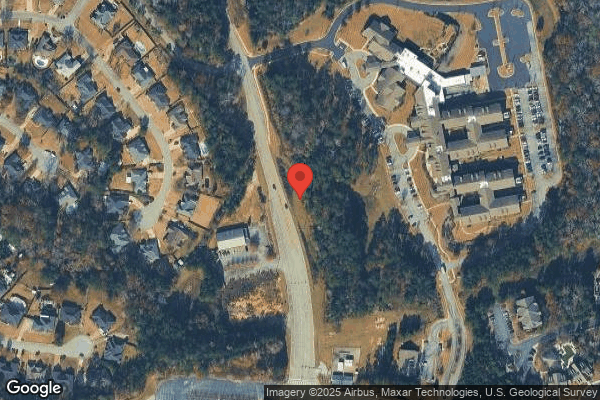
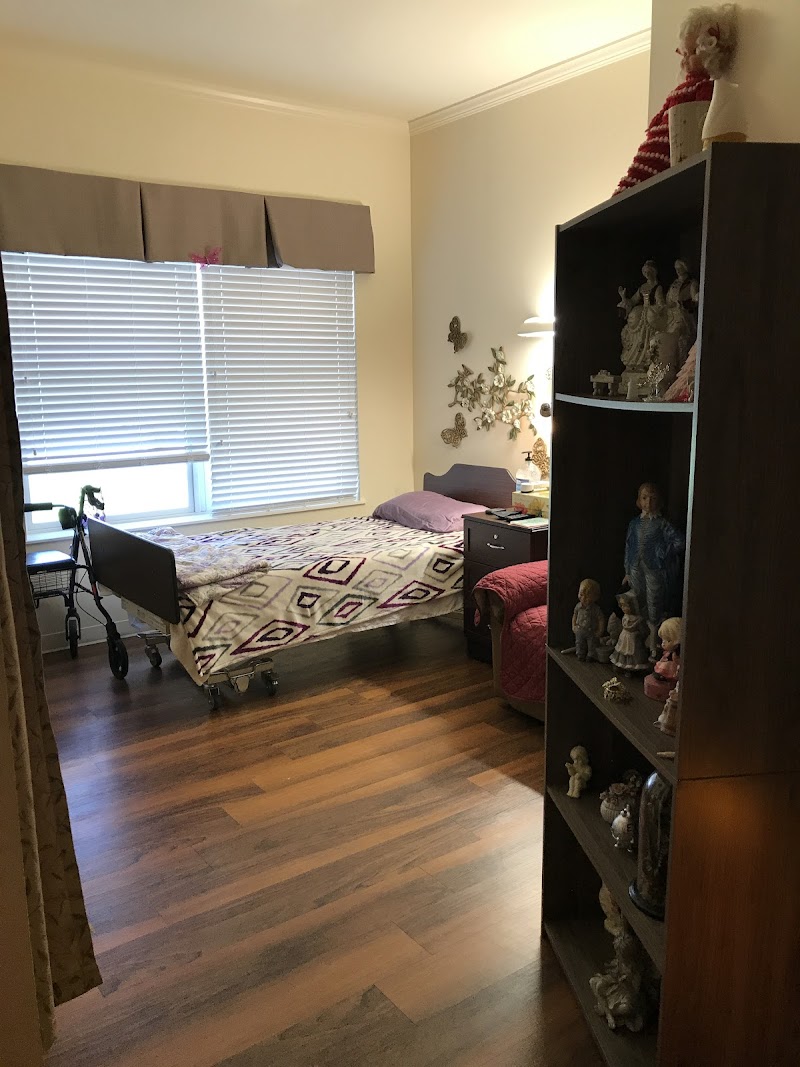
8414 WHITESVILLE ROAD, COLUMBUS, GA 31907 (706) 225-1100
Government - City/county 200 Beds Independent Data: November 2025
Trust Grade
80/100
#78 of 353 in GA
Last Inspection: June 2025

Inspected within the last 6 months. Data reflects current conditions.

Overview

Orchard View Rehabilitation & Skilled Nursing Center in Columbus, Georgia, has a Trust Grade of B+, which means it is recommended and performs above average compared to other facilities. It ranks #78 out of 353 in Georgia, placing it in the top half of nursing homes in the state, and #2 of 7 in Muscogee County, indicating only one local option is superior. The facility is improving, having reduced its issues from three in 2024 to two in 2025. Staffing is rated 4 out of 5 stars, with a turnover rate of 53%, which is average for Georgia, but it has less RN coverage than 80% of state facilities, raising some concerns about oversight. While there have been no fines, there are notable issues; for example, the facility failed to accurately assess the use of alarms for residents, did not ensure proper restraint orders for some residents, and did not report an injury of unknown origin in a timely manner, which could impact resident safety and well-being.

Trust Score
B+
80/100
In Georgia
#78/353
Top 22%
Safety Record
Low Risk
No red flags
Inspections
Getting Better
3 → 2 violations
Staff Stability
⚠ Watch
53% turnover. Above average. Higher turnover means staff may not know residents' routines.
Penalties
✓ Good
No fines on record. Clean compliance history, better than most Georgia facilities.
Skilled Nurses
⚠ Watch
Each resident gets only 26 minutes of Registered Nurse (RN) attention daily — below average for Georgia. Fewer RN minutes means fewer trained eyes watching for problems.
Violations
⚠ Watch
11 deficiencies on record. Higher than average. Multiple issues found across inspections.
★★★★☆
4.0
Overall Rating
★★★★☆
4.0
Staff Levels
★★☆☆☆
2.0
Care Quality
★★★★☆
4.0
Inspection Score
Stable
2024: 3 issues
2025: 2 issues

The Good

  • 4-Star Staffing Rating · Above-average nurse staffing levels
  • Full Sprinkler Coverage · Fire safety systems throughout facility
  • No fines on record

Facility shows strength in staffing levels, fire safety.

The Bad

Staff Turnover: 53%

Near Georgia avg (46%)

Higher turnover may affect care consistency

The Ugly 11 deficiencies on record

Jun 2025 2 deficiencies
CONCERN (D) 📢 Someone Reported This

A family member, employee, or ombudsman was alarmed enough to file a formal complaint

Potential for Harm - no one hurt, but risky conditions existed

Assessment Accuracy (Tag F0641)

Could have caused harm · This affected 1 resident

**NOTE- TERMS IN BRACKETS HAVE BEEN EDITED TO PROTECT CONFIDENTIALITY** Based on observations, staff interviews, record review, and review of the facility's policy titled Assessment and Nursing Care S...

Read full inspector narrative →
**NOTE- TERMS IN BRACKETS HAVE BEEN EDITED TO PROTECT CONFIDENTIALITY** Based on observations, staff interviews, record review, and review of the facility's policy titled Assessment and Nursing Care Screening the facility failed to complete an accurate Minimum Data Set (MDS) assessment that indicated the use of an alarm for two of 15 residents (R) (R2) and (R108). This deficient practice had the potential to lead to several negative impacts on the residents physical and psychological well-being. Findings include: Review of the facility's undated policy titled Policy titled Assessment and Nursing Care Screening revealed, A nursing assessment, the first step in the nursing process, is completed on each new admission, quarterly, annually, and when a change in condition occurs. Under the Policy section revealed, The Minimum Data Set (MDS) Form records information obtained during the nursing assessment. The MDS Form becomes a permanent part of the medical record. Under the Procedures revealed, 1. A licensed nurse initiates a nursing assessment on newly admitted residents that occurred during the shift. 2. The MDS Form is used as a baseline for information for initiation of the Resident Care Plan. (a.) Documentation should reflect resident's involvement in completing the Resident Assessment Instrument (RAI).(b.)Ensure it is comprehensive and captures resident's needs, strengths, goals, life history, psychosocial, and preference. 3.The admission Assessment Form serves as the interim care plan until the Interdisciplinary Team Meeting (IDT) meeting. 4.Information, which must be obtained over a period of time, is added to the assessment form by the nurse obtaining the information.5. For each 90-day IDT Team Meeting, the RN Manager or designee completes the quarterly MDS review and updates the resident care plan as necessary. 6. For each change in level of care, the appropriate discipline completes the portion of the MDS relevant to the change. 7. The MDS Form is placed in the Care Plan/MDS section of the chart. 1. Review of the electronic medical record (EMR) revealed resident (R2) was admitted to the facility with pertinent diagnoses that included but was not limited to atherosclerotic heart disease of native coronary artery without angina pectoris, fracture of superior rim of unspecified pubis, subsequent encounter for fracture with routine healing, and cognitive communication deficit. Review of R2 quarterly Minimum Data Set (MDS) assessment dated [DATE] for Section C (Cognitive Patterns) revealed, a Brief Interview for Mental Status (BIMS) of 3, which indicated R2 was severe cognitive impairment; Section GG (Functional Abilities and Goals) revealed, R2 required assistance for activities of daily living (ADLs) and Section P (Restraints and Alarms) did not indicate the use of a chair alarm. Review of the Physician's Orders for R2 revealed there was no order for the use of the wheelchair alarm. However, review of R2's care plan with revision date of 10/15/2024 revealed, a Focus that indicated Resident is at fall/injury r/t (related) to meds, impaired mobility, medical factors, Hx (history) of falls incontinence. Interventions included Bed Alarm-Staff to ensure proper placement and proper functioning. Date initiated 8/15/2023; bed alarm-Ensure proper placement and proper functioning q (every) shift. Observation on 6/6/2025 at 9:43am revealed R2 sitting in the dining area sleeping in her wheelchair with an alarm hanging from the wheelchair. Observation on 6/6/2025 at 11:15 am revealed R2 sitting in the activity/ dining area with an alarm attached to the wheelchair Observation on 6/7/2025 at 9:22 am revealed R2 was noted to be sitting in a wheelchair in the activity/dining area with an alarm hanging on the wheelchair. Interview on 6/7/2025 at 10:55 am with Licensed Practical Nurse (LPN) DD confirmed that the alarm attached to the back of R2 wheelchair was to alert staff if the resident falls. Observation on 6/7/2025 at 12:30 pm revealed R2 sitting in the dining area with the alarm attached to her wheelchair. 2. Review of the EMR revealed R108 was admitted to the facility with diagnoses that included but not limited to chronic obstructive pulmonary disease (COPD), dementia (unspecified severity), cognitive communication deficits, and difficulty walking, muscle weakness and a healing intertrochanteric femur fractur, and history of falls. Review of R108's quarterly MDS assessment dated [DATE] revealed a BIMS of 5 which indicated R108 had severe cognitive impairment and Section GG (Functional Abilities and Goals) revealed no impairment to upper/lower extremities, wheelchair use; and Section P (Restraints and Alarms) did not indicate the use of a chair alarm. Review of the Physician's Orders for R108 revealed there was no order for use of alarms. However, review of R108's care plan with revision date of 10/15/2024 revealed a Focus that indicated [Name] is at Risk for Fall/Injury r/t advanced age, medical factors, impaired mobility. Interventions included, Chair alarm while out of bed date initiated 2/3/2025. Observation on 6/6/2025 at 9:43 am revealed R108 sitting in the dining area sleeping in her wheelchair with an alarm attached to chair. Observation 6/6/2025 at 11:15 am revealed R108 sitting in the activity/dining area with an alarm attached to his wheelchair. Observation on 6/7/2025 at 9:30 am revealed R108 was noted to be sitting in a wheelchair with alarm hanging on his wheelchair. Interview on 6/7/2025 at 10:55 am with LPN DD confirmed that the alarm on the back of the R108 chair was to alert staff if the resident falls. Observation on 6/7/2025 at 12:30 pm revealed R108 sitting in the activity/dining area with alarm attached to his wheelchair. Interview on 6/7/2025 at 4:25pm with the Director of Nursing (DON) revealed the alarms on the residents' chairs was used as preventive intervention for falls. The DON confirmed R2 and R108 alarm was not indicated on their MDS assessment. Interview on 6/7/2025 at 4:35 pm with the Minimum Data Set (MDS) Coordinators BB and CC both revealed that if a resident has an alarm on the chair, it should be included in Section P on the MDS indicator. MDS BB and MDS CC revealed after they review the residents' physician orders, the would put this information in the MDS and then a care plan would be developed to address the resident needs.
CONCERN (D) 📢 Someone Reported This

A family member, employee, or ombudsman was alarmed enough to file a formal complaint

Potential for Harm - no one hurt, but risky conditions existed

Quality of Care (Tag F0684)

Could have caused harm · This affected 1 resident

**NOTE- TERMS IN BRACKETS HAVE BEEN EDITED TO PROTECT CONFIDENTIALITY** Based on observations, staff interviews, record review, and review of the facility's policy titled [Name of Organization] Policy...

Read full inspector narrative →
**NOTE- TERMS IN BRACKETS HAVE BEEN EDITED TO PROTECT CONFIDENTIALITY** Based on observations, staff interviews, record review, and review of the facility's policy titled [Name of Organization] Policy: Restraint Use, the facility failed to ensure two of 15 residents (R) (R2 and R108) had a physician order for restraint use. Findings include: Review of the facility's policy titled [Name of Organization] Policy: Restraint Use dated 10/28/2024 revealed [Name of Organization] facilities create and maintain an environment that fosters minimal use of restraints. [Name of Organization] facilities ensure that the resident is free from physical or chemical restraints imposed for purposes of discipline or convenience and that are not required to treat the resident's medical symptoms. When the use of restraints is indicated, the facility must use the least restrictive alternative for the least amount of time and document ongoing re-evaluation of the need for restraints. The purpose of selective restraint use is to enhance resident quality of life by assuring safety while promoting an optimal level of function. It is the intent of this facility to attain and maintain a restraint free environment. Under the Policy section revealed, 1. The need of each resident for alternatives to restraint use is assessed on occasion, at regularly scheduled Interdisciplinary Care Plan Conference reviews, and as needed. 2. The family of each resident is informed of the plan of care for restraint use at the time of the initial interdisciplinary resident care review and when a change is instituted. 3. A physician order is required to apply any type of restraint. 4.Monthly documentation in Clinical Notes includes type of restraint, date and time of use, reason for use, and resident tolerance. 5. In a situation that requires restraint use as a short-term intervention nursing administration. Is apprised of the issue, a physician order is obtained, families or a responsible party are notified within 24 hours, and the effect is documented in Clinical Notes on each shift for 24 hours. 6. Resident, family, or responsible person signs the Informed Consent Form for short term restraint use. 7. The interdisciplinary approved plan for restraint use is outlined in Resident Care Plans and is revised as needed. 1. Review of the electronic medical record (EMR) revealed resident (R2) was admitted to the facility with pertinent diagnoses that included but was not limited to atherosclerotic heart disease of native coronary artery without angina pectoris, fracture of superior rim of unspecified pubis, subsequent encounter for fracture with routine healing, and cognitive communication deficit. Review of R2's quarterly Minimum Data Set (MDS) assessment dated [DATE] for Section C (Cognitive Patterns) revealed, a Brief Interview for Mental Status (BIMS) of 3, which indicated R2 was severe cognitive impairment; and Section GG (Functional Abilities and Goals) revealed, R2 required assistance for activities of daily living (ADLs). Review of the Physician's Orders for R2 revealed there was no order for the use of an alarm. Observation on 6/6/2025 at 9:43am revealed R2 sitting in the dining area sleeping in her wheelchair with an alarm hanging from the wheelchair. Observation on 6/6/2025 at 11:15 am revealed R2 sitting in the activity/ dining area with an alarm attached to the wheelchair Observation on 6/7/2025 at 9:22 am revealed R2 was noted to be sitting in a wheelchair in the activity/dining area with an alarm hanging on the wheelchair. Interview on 6/7/2025 at 10:55 am with Licensed Practical Nurse (LPN) DD confirmed that the alarm attached to the back of R2 wheelchair was to alert staff if the resident falls. Observation on 6/7/2025 at 12:30 pm revealed R2 sitting in the dining area with the alarm attached to her wheelchair. 2. Review of the EMR revealed R108 was admitted to the facility with diagnoses that included but not limited to chronic obstructive pulmonary disease (COPD), dementia (unspecified severity), cognitive communication deficits, and difficulty walking, muscle weakness and a healing intertrochanteric femur fractur, and history of falls. Review of R108's quarterly MDS assessment dated [DATE] revealed a BIMS of 5 which indicated R108 had severe cognitive impairment and Section GG (Functional Abilities and Goals) revealed no impairment to upper/lower extremities and wheelchair use. Review of the Physician's Orders for R108 revealed there was no order for the use of an alarm. Observation on 6/6/2025 at 9:43 am revealed R108 sitting in the dining area sleeping in her wheelchair with an alarm attached to chair. Observation 6/6/2025 at 11:15 am revealed R108 sitting in the activity/dining area with an alarm attached to his wheelchair. Observation on 6/7/2025 at 9:30 am revealed R108 was noted to be sitting in a wheelchair with alarm hanging on his wheelchair. Interview on 6/7/2025 at 10:55 am with LPN DD confirmed that the alarm on the back of the R108 chair was to alert staff if the resident falls. Observation on 6/7/2025 at 12:30 pm revealed R108 sitting in the activity/dining area with alarm attached to his wheelchair. Interview on 6/7/2025 at 4:25pm with the Director of Nursing (DON) confirmed R2 and R108 did not have an order for the alarm. Interview on 6/7/2025 at 4:40 pm with the Administrator revealed that it is the unit manager 's decision to put orders in place for alarms. The Administrator stated the alarms were used to reduce the risk of falls. The Administrator was not aware of residents needing an order for alarms. The Administrator stated moving forward he would work on a plan in Quality Assurance and Performance Improvement (QAPI) to eliminate the alarms and would look to implement another course of action.
Feb 2024 3 deficiencies
CONCERN (D)

Potential for Harm - no one hurt, but risky conditions existed

Report Alleged Abuse (Tag F0609)

Could have caused harm · This affected 1 resident

**NOTE- TERMS IN BRACKETS HAVE BEEN EDITED TO PROTECT CONFIDENTIALITY** Based on staff interviews, record review, and review of the facility's policy titled, Abuse Prevention, Intervention, Investigat...

Read full inspector narrative →
**NOTE- TERMS IN BRACKETS HAVE BEEN EDITED TO PROTECT CONFIDENTIALITY** Based on staff interviews, record review, and review of the facility's policy titled, Abuse Prevention, Intervention, Investigation, and Reporting, the facility failed to ensure an injury of unknown origin was reported to the proper authorities immediately, but no later than two hours for one Resident (R) 31. The sample size was 24. Findings include: Review of abuse police titled, Abuse Prevention, Intervention, Investigation, and Reporting dated 2/15/2024 under the section titled Injury of Unknown Source: revealed, An injury for which both of the following conditions are met: The source of the injury was not observed by any person, or the source of the injury could not be explained by the resident, AND The injury is suspicious because of the extent of the injury or the location of the injury (e.g., the injury is located in an area not generally vulnerable to trauma) OR the number of injuries observed at one particular point in time OR the incident of injuries over time. Reporting: 1. Once a complaint or situation is identified involving alleged mistreatment, neglect, or abuse, including injuries of unknown source and misappropriation of resident property the incident will be immediately reported. Review of R31's medical records revealed she admitted to the facility on [DATE] with diagnoses of but not limited to, hypertensive heart disease without heart failure, unilateral primary osteoarthritis right knee, anxiety disorder, diabetes type II, unspecified dementia unspecified severity without behavioral disturbance, and unspecified fracture shaft of right fibula (11/30/2023) while in facility. Review of Nurse's Note dated 11/29/2023 at 11:25 pm revealed R31 complained of right leg pain. R31 reported that her leg hurt from the bottom of her foot to behind her thigh. Review of Nurse's Note dated 11/30/2023 at 6:39 pm revealed R31 complained of pain in right foot. R31's right foot was noted with redness, swelling, warmth and was painful to touch. The Medical Director (MD) and Responsible party (RP) were notified, and an x-ray was ordered. Review of Nurse's Note dated 12/1/2023 at 9:15 am revealed the MD and RP were contacted to discuss the results of the x-ray for R31. Review of Nurse's Note dated 12/1/2023 at 2:04 pm revealed R31 had a fracture (f/x) to her right distal fibula. Review of the facility's incident reports revealed there was no evidence of an incident report related to the right distal fibula fracture for R31. Interview on 2/15/2024 at 12:51 pm with the Director of Nursing (DON) reported she could not confirm when or how R31 received the f/x to her right ankle. The DON revealed she did not consider this to be an injury of unknown origin, and therefore did not report the injury to the proper authorities. Interview on 2/15/2024 at 1:50 pm with the Assistant Director of Nursing (ADON) revealed she could not confirm how R31 received the right distal fracture.
CONCERN (D)

Potential for Harm - no one hurt, but risky conditions existed

Investigate Abuse (Tag F0610)

Could have caused harm · This affected 1 resident

Based on staff interviews, record review and review of the facility's policy titled, Abuse Prevention, Intervention, Investigation, and Reporting, the facility failed to investigate an allegation of i...

Read full inspector narrative →
Based on staff interviews, record review and review of the facility's policy titled, Abuse Prevention, Intervention, Investigation, and Reporting, the facility failed to investigate an allegation of injury of unknown origin for one Resident (R) (R31). This failure not to conduct an investigation had the potential to result in other residents not being identified as potential victims of injury of unknown origin. The sample size was 24. Findings Include: Review of the facility's policy titled, Abuse Prevention, Intervention, Investigation, and Reporting dated 2/15/2014 under the section titled, Investigation revealed, 1. Once a complaint or situation is identified involving alleged mistreatment, neglect, or abuse, including injuries of unknown source and misappropriation of resident property, an investigation ensues. 3. Information gathering- The following information will be gathered: What allegedly occurred? Who is the alleged victim? Who allegedly did it? When did it happen? Where did it happen? 4. Document the description of the injury. 5. Interviews will be conducted of all pertinent parties. 9. When a resident has an injury of unknown sources, interviews will be conducted, and signed statements will be gathered from staff who cared for the resident prior to and just after the injury. Review of the Facility Incident Reports (FRIs) showed no documentation of an investigation to determine how R31 received the fracture to her right distal fibula. Interview on 2/15/2024 at 12:51 pm with the Director of Nursing (DON) revealed they did not thoroughly conduct an investigation into how R31 received a fracture to her right distal fibula. Interview on 2/15/2024 at 2:54 pm with Occupational Therapist Licensed (OT/L) EE reported he was unaware of how R31 received the fracture. OT/L EE reported he went to transport R31 for occupational therapy when R31 complained of pain to her right ankle and foot. OT/L EE revealed he did not transfer R31 for therapy and reported findings to the Therapy Director and documented it. No investigation was conducted.
CONCERN (D)

Potential for Harm - no one hurt, but risky conditions existed

Deficiency F0761 (Tag F0761)

Could have caused harm · This affected 1 resident

Based on observations, staff interviews, record review, and review of the facility's policy titled, Medication Storage in the Care Center, the facility failed to store medications in a locked compartm...

Read full inspector narrative →
Based on observations, staff interviews, record review, and review of the facility's policy titled, Medication Storage in the Care Center, the facility failed to store medications in a locked compartment when unattended for one of five treatment carts. The facility census was 128. Findings include: Review of the policy, titled, Medication Storage in the Care Center dated July 2012, under the section titled, Intent revealed Medications and biologicals are stored safely, securely, and properly following manufacturer's recommendations or those of the supplier. The medication supply is accessible only to licensed nursing personnel, pharmacy personnel, or staff members lawfully authorized to administer medications. Under the section titled, Procedural Guidelines, revealed 2. Only licensed nurses, the consultant pharmacist, and those lawfully authorized to administer medications are allowed access to medications. Medication rooms, carts, and medication supplies are locked or attended to by persons with authorized access. During an observation on 2/14/2024 at 1:04 pm of a wound treatment, the Assistant Director of Nursing (ADON) unlocked the treatment cart to get supplies. She then went into the resident's room to complete wound care and left the treatment cart unlocked which was in the hallway. During an observation on 2/14/2024 at 1:40 pm, the ADON came back into the hallway after providing wound care for a resident; the treatment cart remained unlocked. ADON was asked if medications were stored in the cart. She opened each drawer, and the following medications were observed in the unlocked treatment cart: Medihoney, DermaSyn/AG, A&D Ointment, Wound Gel, skin protectant, antifungal cream, and betadine solution. Interview was conducted during this time with the ADON, verified the treatment cart was unlocked and had been unattended with the medications inside. During an interview on 2/15/2024 at 10:00 am with the Director of Nursing (DON), she stated the contents of the treatment carts included: dressings, ointments, and wound cleaning solutions. DON confirmed the treatment carts should be kept locked when unattended.
May 2022 6 deficiencies
CONCERN (D)

Potential for Harm - no one hurt, but risky conditions existed

Deficiency F0558 (Tag F0558)

Could have caused harm · This affected 1 resident

**NOTE- TERMS IN BRACKETS HAVE BEEN EDITED TO PROTECT CONFIDENTIALITY** Based on observation, interview, and record review, the facility failed to ensure accommodation of needs were met for one (Resid...

Read full inspector narrative →
**NOTE- TERMS IN BRACKETS HAVE BEEN EDITED TO PROTECT CONFIDENTIALITY** Based on observation, interview, and record review, the facility failed to ensure accommodation of needs were met for one (Resident [R] #47) of 25 sampled residents. Specifically, the resident's call light was not maintained within the reach of the resident. Findings include: A review of R#47's annual Minimum Data Set (MDS), dated [DATE], revealed R#47 had diagnoses that included non-Alzheimer's dementia, hemiplegia or hemiparesis, psychotic disorder, schizophrenia, unspecified dementia without behavioral disturbances, and dysphagia. Further review of the MDS revealed R#47's Brief Interview for Mental Status (BIMS) score was four, indicating severe cognitive impairment. The MDS revealed R#47 was dependent on staff for all activities of daily living. A review of R#47's Care Plan, dated 03/24/2022, revealed that R#47 had self-care/mobility deficits due to advanced age, multiple medical factors, a diagnosis of lupus, history of encephalopathy due to urosepsis, and pneumonia. One of the approaches for this care plan was to keep the call light within easy reach and check on needs frequently. An additional care plan, dated 03/24/2022, revealed R#47 had a diagnosis of systemic lupus, psychosis due to a history of mood disorder, catatonic schizophrenia, and dementia. Interventions included keeping the call light within easy reach and checking needs on a frequent basis. Observations of R#47 on 05/23/2022 at 2:53 PM and on 05/25/2022 at 8:42 AM, 11:31 AM, and 3:10 PM revealed R#47 was lying in the bed with the call light hanging off the bed rail, outside of the reach of the resident. An interview with Certified Nursing Assistant (CNA) RR on 05/25/20222 at 3:17 PM revealed all call lights should be in the resident's hand or near the resident. The call light should be in a spot they could reach. An interview with Licensed Practical Nurse (LPN) HH on 05/25/2022 at 3:40 PM revealed the call light should be in the resident's hand or close to their hand. An interview with Restorative CNA OO on 05/25/2022 at 3:50 PM revealed the call light should always be within the resident's reach. On 05/25/2022 at 4:08 PM the Administrator revealed there was no policy and procedure for call lights. An interview with the Administrator and Director of Nursing on 05/26/2022 at 9:25 AM revealed the expectation was the call light should be within reach at all times.
CONCERN (D)

Potential for Harm - no one hurt, but risky conditions existed

Notification of Changes (Tag F0580)

Could have caused harm · This affected 1 resident

**NOTE- TERMS IN BRACKETS HAVE BEEN EDITED TO PROTECT CONFIDENTIALITY** Based on interview, record review, and review of policies titled Change in Resident Condition and Insulin Protocol, the facility...

Read full inspector narrative →
**NOTE- TERMS IN BRACKETS HAVE BEEN EDITED TO PROTECT CONFIDENTIALITY** Based on interview, record review, and review of policies titled Change in Resident Condition and Insulin Protocol, the facility failed to notify the physician and the responsible party following two events of hypoglycemia for one (Resident [R] #33) of two sampled residents reviewed for a change in condition. Findings include: A review of the facility policy titled, Change in Resident Condition, initiated on 03/02/2021, revealed, .Healthcare professionals maintain communication with the physician, resident/patient and/or the responsible party when the resident/patient experiences changes in status which affect the current level of care. Procedure: The procedure for assuring compliance with this policy includes but is not limited to, the following measures: 1) The appropriate facility staff will immediately inform the resident/patient, physician and/or resident patient legal representative when there is: b. A significant change in the residence [sic]/ patient's physical, mental, or psychosocial status. 3) Notification regarding resident change in condition will be documented in the medical record including the licensed nurse assessment of the change in any directives given by the physician. Licensed nursing will document the following information the medical record: a. Date/time of notification b. Name of person notified c. Significant response(s) from the notified parties. A review of the facility's undated Insulin Protocol, provided by Physician JJ, revealed the following directive: 5. Call physician for finger stick blood glucose that are < [less than] 50 mg [milligrams]/dl [deciliter]. A review of the Face Sheet revealed the facility admitted R#33 with a diagnosis of type 2 diabetes mellitus with diabetic polyneuropathy. Review of R#33's quarterly Minimum Data Set (MDS), dated [DATE], revealed R#33 was cognitively intact with a Brief Interview for Mental Status (BIMS) score of 15 out 15, which indicated no cognitive deficits. R#33 received insulin seven of seven days during the seven-day look back period. A review of R#33's Departmental Notes revealed a nurses note written by Unit Manager (UM) NN and dated 04/03/2022 at 3:47 AM. The note indicated at 2:45 AM the resident's blood sugar was taken and was 30. The resident was alert, shaking, and had trouble speaking. The resident was given orange juice and a sandwich and was able to eat without difficulty. At 3:40 AM, the resident's blood sugar was 93 and was able to speak clearly. The note did not include documentation that the physician or responsible party was notified. A review of R#33's Departmental Notes revealed a nurses note written by Licensed Practical Nurse (LPN) MMM and dated 05/24/2022 at 6:56 AM. The note indicated the nurse was called into the resident's room due to the resident yelling. The resident was shaking uncontrollably and yelling and was unable to respond to the nurse. The resident's blood sugar was checked and was 35. The nurse administered glucose and the resident's blood sugar dropped to 28. The nurse gave the resident a coke and orange juice and the resident's blood sugar eventually went back up. The last blood sugar taken was 228. The note did not contain documentation that the physician or responsible party was notified. On 05/23/2022 at 2:00 PM, R#33 was interviewed in the resident's room. During the interview, R#33 stated a history of experiencing hypoglycemic episodes in the mornings and one time it was as low as 28. The resident indicated that was not a pleasant feeling. During an interview on 05/25/2022 at 11:28 AM, R#33's responsible party stated there had been no contact from the facility when the R#33 had hypoglycemic events. On 05/25/2022 at 4:43 PM, Physician JJ stated for significant hypoglycemia nursing staff were to call him. Physician JJ was asked if he was notified when R#33 experienced two recent hypoglycemic events. He responded that he did not remember, but he felt sure they would have called him because that's what they do. On 05/26/2022 at 9:07 AM, attempted to contact LPN MMM to discuss the hypoglycemic event that occurred on 05/24/2022 but LPN MMM was not available for interview. During an interview on 05/26/2022 at 9:18 AM, UM NN stated that if blood sugars were over 450, they followed Physician JJ's protocol found in the chart, and if the blood sugars were below 50 to also follow the protocol and to call the physician. UM NN further stated that she would document the event and notification in the nursing notes. UM NN stated she did not believe she called the physician when the resident had a low blood sugar on 04/03/2022. UM NN stated that the resident recovered quickly and was able to drink and eat a snack. UM NN stated, Notification of the doctor allows him to know what is happening and he can make changes as needed so it does not happen in the future. On 05/26/2022 at 9:31 AM, RN EEE stated in an interview if a resident's blood sugar was less than 50 the resident's physician should be notified. RN EEE stated the physician may need to change dosing of insulin to keep the resident from continuing to have hypoglycemic events. On 05/26/2022 at 2:05 PM, the Director of Nursing (DON) was made aware of the concern that the physician and responsible party had not been notified when R#33 had two separate hypoglycemic events. The DON stated her expectation regarding notification included to follow the physician's protocols/orders to treat the resident's hypoglycemic/hyperglycemic events, and if there were multiple events the physician should have been made aware. On 05/26/2022 at 3:44 PM, the Administrator was made aware of the concern regarding notification of the physician and responsible party. The Administrator stated that it was his expectation that the nursing staff follow protocols and to call the physician.
CONCERN (D)

Potential for Harm - no one hurt, but risky conditions existed

Comprehensive Care Plan (Tag F0656)

Could have caused harm · This affected 1 resident

**NOTE- TERMS IN BRACKETS HAVE BEEN EDITED TO PROTECT CONFIDENTIALITY** Based on observations, interviews, and record review, the facility failed to ensure staff followed a care plan for two of 25 sam...

Read full inspector narrative →
**NOTE- TERMS IN BRACKETS HAVE BEEN EDITED TO PROTECT CONFIDENTIALITY** Based on observations, interviews, and record review, the facility failed to ensure staff followed a care plan for two of 25 sampled residents (Resident [R] #33 related to hypoglycemic/hyperglycemic episodes and R #52 related to oxygen usage) reviewed for care plans. Findings include: 1. A review of the Face Sheet revealed the facility admitted R#33 with a diagnosis of type 2 diabetes mellitus with diabetic polyneuropathy. Review of R#33's quarterly Minimum Data Set (MDS), dated [DATE], revealed R#33 was cognitively intact with a Brief Interview for Mental Status (BIMS) score of 15 out 15, which indicated no cognitive deficits. R#33 received insulin seven of seven days during the seven-day look back period. The Care Plan, dated 06/21/2021, revealed that R#33 was at risk for abnormal bloods sugars and complications related to a diagnosis of diabetes. Interventions included to follow facility protocol for hypoglycemic/hyperglycemic episodes. A review of R#33's Departmental Notes revealed a nurses note written by Unit Manager (UM) NN and dated 04/03/2022 at 3:47 AM. The note indicated at 2:45 AM the resident's blood sugar was taken and was 30. The resident was alert, shaking, and had trouble speaking. The resident was given orange juice and a sandwich and was able to eat without difficulty. At 3:40 AM, the resident's blood sugar was 93 and was able to speak clearly. The note did not include documentation that the physician or responsible party was notified. A review of R#33's Departmental Notes revealed a nurses note written by Licensed Practical Nurse (LPN) MMM and dated 05/24/2022 at 6:56 AM. The note indicated the nurse was called into the resident's room due to the resident yelling. The resident was shaking uncontrollably and yelling and was unable to respond to the nurse. The resident's blood sugar was checked and was 35. The nurse administered glucose and the resident's blood sugar dropped to 28. The nurse gave the resident a coke and orange juice and the resident's blood sugar eventually went back up. The last blood sugar taken was 228. The note did not contain documentation that the physician or responsible party was notified. 2. A review of the quarterly Minimum Data Set (MDS) assessment, dated 03/18/2022, revealed R#52 had a Brief Interview for Mental Status (BIMS) score of 15, indicating no cognitive deficits. Additionally, R#52's MDS revealed R#52 had shortness of breath or trouble breathing with exertion, while sitting at rest, and lying flat. The MDS indicated R#52 was receiving oxygen therapy. A review of R#52's Care Plan, updated 03/11/2022, revealed the resident was at risk for impaired gas exchange/respiratory distress and shortness of breath due to a diagnosis of acute/chronic respiratory failure with hypoxia and chronic obstructive pulmonary disease (COPD) exacerbation. An approach was to administer oxygen as ordered. A review of the Physician's Orders for May 2022 revealed an order dated 03/11/2022 for oxygen at four liters via nasal cannula. An observation on 05/23/2022 at 9:25 AM with R#52 confirmed R#52's oxygen was set at five liters per minute. An observation of R#52 in their room on 05/25/2022 at 2:56 PM revealed R#52 was receiving oxygen at five liters per minute. An interview with the Director of Nursing (DON) on 05/26/2022 at 1:25 PM revealed it was important for staff to follow facility policy regarding care plans. An interview with the Administrator on 05/26/2022 at 1:34 PM revealed he expected the staff to follow each resident's care plan.
CONCERN (D)

Potential for Harm - no one hurt, but risky conditions existed

Quality of Care (Tag F0684)

Could have caused harm · This affected 1 resident

**NOTE- TERMS IN BRACKETS HAVE BEEN EDITED TO PROTECT CONFIDENTIALITY** Based on observations, interviews, record review, and review of Wound Care Suggestive Guidelines, the facility failed to ensure ...

Read full inspector narrative →
**NOTE- TERMS IN BRACKETS HAVE BEEN EDITED TO PROTECT CONFIDENTIALITY** Based on observations, interviews, record review, and review of Wound Care Suggestive Guidelines, the facility failed to ensure care and treatment was provided to treat a skin tear for one of two residents (Resident [R] #105) who was reviewed for non-pressure related skin conditions. Specifically, R#105 obtained a skin tear to the hand and the facility failed to assess the area and provide treatment according to the facility's wound care guidelines. Findings include: Review of the facility's Wound Care Suggestive Guidelines, undated, revealed skin tear treatment options were to monitor for infection, put arrow on dressing in direction of flap to protect integrity of flap. The guidelines further noted that the frequency of the dressing change was every three days and as needed. A review of R#105's quarterly Minimum Data Set (MDS), dated [DATE], revealed the resident had a Brief Interview for Mental Status (BIMS) score of 11, which indicated the resident had moderate cognitive impairment. The MDS indicated the resident had no skin conditions. A review of Departmental Notes dated 05/20/2022 at 8:18 PM, revealed a nursing note that indicated the resident's responsible party reported R#105 slid out of their wheelchair during dinner with family outside of the facility. A skin tear was noted on the dorsal side of the left hand and the resident denied pain or discomfort. An observation on 05/23/2022 at 2:13 PM, revealed R#105 was in room with a dressing applied to left hand. The dressing had a date of 05/20/2022 written on the top of the bandage. An interview with R#105 at the time of the observation revealed R#105 reported that they had fallen, tried to stop the fall, and obtained a skin tear on the hand. A review of the medical record on 05/24/2022 at 1:26 PM revealed no orders for wound or skin care were located on the treatment administration record (TAR) for the month of May 2022. The resident did not have any treatments; therefore, the resident did not have a TAR. A review of the Physician's Orders for May 2022 revealed there was no order for treatment for the skin tear to R#105's left hand until 05/25/2022. Observations of R#105 on 05/24/2022 at 2:59 PM and again on 05/25/2022 at 10:09 AM revealed the dressing on the left hand was in place and had the date 05/20/2022 written on the dressing. During an interview on 05/25/2022 at 10:10 AM, Licensed Practical Nurse (LPN) KK indicated R#105 received a skin tear on left hand on 05/20/2022. LPN KK reported that when a skin tear was identified, the nurse who identified it should address it and decide what treatment was needed for the injury. The treatment nurse was then notified to assess the area and the treatment changed if the treatment nurse decided other treatment options were better. LPN KK attempted to look up the treatment order in the electronic medical record for R#105's skin tear. After looking for the order, LPN KK stated there was no order for a treatment for the skin tear. LPN KK reported that the same dressing should not have been in place for five days. During an interview on 05/25/2022 at 3:41 PM, Unit Manager (UM) LL reported that if a resident obtained a skin tear, the nurse who identified it would implement the first treatment for it and notify the treatment nurse. The treatment nurse would then assess the skin tear and decide if the treatment was appropriate. UM LL also indicated that when a resident obtained a skin tear there should be an order written, family should be informed, staff should communicate with the next shift, and it should be placed on the 24-hour report. UM LL reported that the dressing should have been changed at least every three days. During an interview on 05/25/2022 at 3:51 PM, LPN PP reported she was the treatment nurse and that she had not been made aware of a skin tear on R#105. During an interview on 05/26/2022 at 9:40 AM, the Director of Nursing (DON) reported that skin tears should be treated, family notified, and orders on the wound care protocol sheet should be implemented. The DON reported that the expectations of the staff was for the wound care protocols to be followed. During an interview with the Administrator on 05/26/2022 at 9:55 AM, he reported that the expectation was to follow the policy and procedure for treatments of skin tears.
CONCERN (D)

Potential for Harm - no one hurt, but risky conditions existed

Respiratory Care (Tag F0695)

Could have caused harm · This affected 1 resident

Based on observations, interviews, record reviews, and review of policy titled, Oxygen Therapy Guidelines/Equipment changes, the facility failed to ensure oxygen was provided according to physician's ...

Read full inspector narrative →
Based on observations, interviews, record reviews, and review of policy titled, Oxygen Therapy Guidelines/Equipment changes, the facility failed to ensure oxygen was provided according to physician's orders for one of one resident (Resident [R] #52) who was reviewed for oxygen use. Specifically, R#52's was receiving oxygen at a rate of five liters per minute but the Physician's Orders were for oxygen at 4 liters per minute. Findings include: A review of the facility policy titled Oxygen Therapy Guidelines/Equipment changes, undated, revealed Protocol: III. The following sequence should be used in evaluating adjusting (titrating) a patient's oxygen therapy: F. Document new liter flow or discontinuance of oxygen therapy in patient chart and notify physician/RN [Registered Nurse]/RRT [Registered Respiratory Therapist] per accepted protocol mechanism. Clinical Responsibilities: II. The following guidelines will be adhered to in all oxygen therapy patients at all times: A. All oxygen titration will be communicated to and coordinated between the nurse and the RRT in charge of the patient. An observation on 05/23/2022 at 9:25 AM with R#52 in R#52's room revealed oxygen set at five liters per minute. An observation of R#52 in room on 05/25/2022 at 2:56 PM revealed R#52 was receiving oxygen at five liters per minute. A review of the Face Sheet for Resident (R) #52 revealed the facility admitted the resident with diagnoses that included heart failure, hypertensive heart disease with heart failure, and chronic obstructive pulmonary disease with (acute) exacerbation. A review of the quarterly Minimum Data Set (MDS) assessment, dated 03/18/2022, revealed R#52 had a Brief Interview for Mental Status (BIMS) score of 15, indicating no cognitive deficits. Additionally, R#52's MDS revealed R#52 had shortness of breath or trouble breathing with exertion, while sitting at rest, and lying flat. The MDS indicated R#52 was receiving oxygen therapy. A review of the Physician's Orders for May 2022 revealed an order dated 03/11/2022 for oxygen at four liters via nasal cannula. A review of Departmental Notes, dated 03/22/2022, revealed a respiratory therapy note that indicated R#52's oxygen was in use via a nasal cannula at five liters per minute and that the resident requested the oxygen liter flow be increased from four liters per minute due to feeling short of breath the previous day after moving back to their room. The note further indicated R#52's oxygen saturation was 99%, and indicated the resident wanted to leave the liter flow rate at five liters per minute. Further review of Departmental Notes, dated 05/20/2022, 05/23/2022, and 05/25/2022 revealed documentation by respiratory therapy that R#52 was receiving oxygen via a nasal cannula at five liters per minute. An interview with Certified Nursing Assistant (CNA) QQ on 05/26/2022 at 11:10 AM revealed R#52's oxygen should be at four liters per minute. An interview with Licensed Practical Nurse (LPN) MM on 05/26/2022 at 11:15 AM revealed R#52's oxygen should be at four liters per minute. An interview with Respiratory Therapist SS on 05/26/2022 at 12:00 PM revealed R#52's oxygen should be on five liters of oxygen and had been for a few weeks. An interview with the Administrator on 05/26/2022 at 1:50 PM revealed all physician orders should be followed and any changes in an order should be communicated to the pharmacy and staff. An interview with the Director of Nursing (DON) on 05/26/2022 at 1:59 PM revealed all physician's orders were expected to be followed. If there were any changes made, they should be communicated to the staff.
CONCERN (D)

Potential for Harm - no one hurt, but risky conditions existed

Deficiency F0810 (Tag F0810)

Could have caused harm · This affected 1 resident

**NOTE- TERMS IN BRACKETS HAVE BEEN EDITED TO PROTECT CONFIDENTIALITY** Based on record review, observations, interviews, and review of policy titled Adaptive Devices, the facility failed to assure th...

Read full inspector narrative →
**NOTE- TERMS IN BRACKETS HAVE BEEN EDITED TO PROTECT CONFIDENTIALITY** Based on record review, observations, interviews, and review of policy titled Adaptive Devices, the facility failed to assure that one of one sampled resident (Resident [R] #32) was provided with a therapy-recommended adaptive device to facilitate self-feeding during mealtimes. Specifically, R#32 was to utilize right angled silverware during meals; however, observations revealed the resident was utilizing regular utensils. Findings include: A review of the facility policy titled, Adaptive Devices, dated 11/28/2016, revealed, It is our policy to utilize adaptive devices at mealtime to facilitate resident's meal consumption. Procedure: It is the responsibility of the Dietary Supervisor to assure the Physician's order for adaptive devices is included on the diet tray card. It is the responsibility of the Dietary employee preparing the tray at mealtime to place the specified adaptive device directly onto the tray before releasing the tray to be served. During observations on 05/25/2022 at 5:45 PM, during mealtime, revealed R#32 was sitting upright in bed, in room, self-feeding. The food was mechanical soft, and the resident was eating with a regular spoon. During observation on 05/26/2022 at 9:10 AM, during mealtime, R#32 was sitting upright in bed, self-feeding. The food was mechanical soft and the resident was eating with a regular spoon. During observation on 05/26/2022 at 12:54 PM, during mealtime, R#32 was in the dining room eating lunch, using a divided plate and regular utensils. A review of the Face Sheet revealed the facility admitted R#32 with diagnoses which included hypertensive heart disease and dysphagia. A review of R#32's quarterly Minimum Data Set (MDS), dated [DATE], revealed R#32 had a Brief Interview for Mental Status (BIMS) score of 4, indicating severe cognitive impairment. Further review of the MDS revealed R#32 required supervision with the physical assistance of one-person for eating. A review of R#32's Care Plan, dated 12/28/2021, revealed R#32 had a problem of weight loss related to receiving a mechanically altered diet with pureed meats and nectar thickened liquids and required extensive eating assistance. The approaches included right angled silverware to assist with self-feeding and for staff to set-up the resident's tray and assist with meals as needed. A review of a dietary notes input by the Registered Dietitian (RD) FFF on 05/17/2022 revealed the resident had no significant weight change in the past 30 to 180 days. The note further indicated the resident received a mechanical soft diet with pureed meats and nectar thickened liquids. The note indicated that the resident took in approximately 75% for meals and required extensive assistance and utilized adaptive feeding devices. A review of the facility document titled, Restorative Nursing Program, dated 04/03/2021 revealed the equipment to be used for dining for R#32 was a divided plate, built up curved handle spoon, and Dycem. A review of the Physician's Orders for May 2022 revealed an order to provide right-handed silverware at meals. On 05/26/2022 at 12:07 PM, an interview was conducted over the telephone with RD FFF regarding R#32. RD FFF stated that R#32 had been eating well and was independent with eating, utilizing the right-angled utensils ordered for the resident for assistance with self-feeding. RD FFF stated when R#32 was using regular silverware, the resident was losing weight as it was difficult for the resident to self-feed. RD FFF stated that occupational therapy initiated the use of the adaptive equipment on or around 11/10/2021. RD FFF stated that the adaptive equipment was kept in the kitchen and the kitchen was aware of the need for adaptive equipment and it should be sent with the meal when it was served. On 05/26/2022 at 12:33 PM, an interview was conducted with Director of Rehabilitation (DOR) GGG. DOR GGG stated that R#32 was seen by occupational therapy (OT) back in April 2021, at which time the resident was placed on a restorative nursing program with the instruction to use a divided plate, built-up curved handled spoon, and Dycem (under the plate). DOR GGG further stated that R#32 was still on the program, and that in December 2021 the therapy staff reinforced the approach, as the resident had some decline with speech therapy and occupational therapy. They reiterated the need for a built-up spoon to be used. On 05/26/2022 at 10:13 AM, an interview was conducted with Licensed Practical Nurse (LPN) III. LPN III stated there were four residents who required assistance with feeding on the Grove Terrace unit. R#32 was not included in her list. LPN III further stated that R#32 does well with eating. LPN III stated that R#32 used a divided plate and regular silverware. Certified Nursing Assistant (CNA) JJJ, the team leader, was interviewed on 05/26/2022 at 12:57 PM in the dining room, where R#32 was eating at that time. CNA JJJ stated that the kitchen sent up any ordered adaptive equipment with the meal trays, and the CNAs were required to review the AAR book (the CNA book) to review the activities of daily living requirements for each resident. CNA JJJ stated that she would have to review the AAR book to determine if R#32 had any requirements for adaptive equipment. CNA JJJ showed reviewed the book and saw that R#32 was required to have right-handled silverware at meals. CNA JJJ stated that it should have come up from the kitchen. On 05/26/2022 at 1:06 PM, Registered Nurse (RN) EEE, Unit Manager, stated that she was unaware that R#32 required a right-handled utensil for mealtimes. She referred to the CNA AAR book and verified that it was documented in the book. On 05/26/2022 at 1:31 PM, an interview was conducted with Dietary Manager (DM) AA. The DM stated that when a resident required adaptive equipment the kitchen would receive a communication slip. Once the communication was received, the directive was put into the computer system so that when the individual menus were printed out it showed up on the menu. At the end of the plating line, the utensils were placed on the tray. If there was a directive for adaptive equipment that replaced the regular silverware, it was wrapped in the napkin in the same manner. The DM provided a copy of R#32's menu which revealed Angled Utensil was listed under the Beverages/Equipment section of the menu. On 05/26/2022 at 2:06 PM, the Director of Nursing (DON) stated in an interview that it was her expectation that orders for adaptive equipment should be followed. She expected staff, licensed and unlicensed, to follow and know what was on the AAR (CNA book). In an interview on 05/26/2022 at 3:47 PM, the Administrator stated that his expectation was that staff followed the orders as written.
Understanding Severity Codes (click to expand)
Life-Threatening (Immediate Jeopardy)
J - Isolated K - Pattern L - Widespread
Actual Harm
G - Isolated H - Pattern I - Widespread
Potential for Harm
D - Isolated E - Pattern F - Widespread
No Harm (Minor)
A - Isolated B - Pattern C - Widespread

Questions to Ask on Your Visit

  • "Can I speak with families of current residents?"
  • "What's your RN coverage like on weekends and overnight?"

Our Honest Assessment

Strengths
  • • Grade B+ (80/100). Above average facility, better than most options in Georgia.
  • • No major safety red flags. No abuse findings, life-threatening violations, or SFF status.
  • • No fines on record. Clean compliance history, better than most Georgia facilities.
Concerns
  • • 11 deficiencies on record. Higher than average. Multiple issues found across inspections.
Bottom line: Generally positive indicators. Standard due diligence and a personal visit recommended.

About This Facility

What is Orchard View Rehabilitation & Skilled Nursing Ctr's CMS Rating?

CMS assigns ORCHARD VIEW REHABILITATION & SKILLED NURSING CTR an overall rating of 4 out of 5 stars, which is considered above average nationally. Within Georgia, this rating places the facility higher than 99% of the state's 100 nursing homes. This rating reflects solid performance across the metrics CMS uses to evaluate nursing home quality.

How is Orchard View Rehabilitation & Skilled Nursing Ctr Staffed?

CMS rates ORCHARD VIEW REHABILITATION & SKILLED NURSING CTR's staffing level at 4 out of 5 stars, which is above average compared to other nursing homes. Staff turnover is 53%, compared to the Georgia average of 46%.

What Have Inspectors Found at Orchard View Rehabilitation & Skilled Nursing Ctr?

State health inspectors documented 11 deficiencies at ORCHARD VIEW REHABILITATION & SKILLED NURSING CTR during 2022 to 2025. These included: 11 with potential for harm.

Who Owns and Operates Orchard View Rehabilitation & Skilled Nursing Ctr?

ORCHARD VIEW REHABILITATION & SKILLED NURSING CTR is owned by a government entity. Government-operated facilities are typically run by state, county, or municipal agencies. The facility operates independently rather than as part of a larger chain. With 200 certified beds and approximately 114 residents (about 57% occupancy), it is a large facility located in COLUMBUS, Georgia.

How Does Orchard View Rehabilitation & Skilled Nursing Ctr Compare to Other Georgia Nursing Homes?

Compared to the 100 nursing homes in Georgia, ORCHARD VIEW REHABILITATION & SKILLED NURSING CTR's overall rating (4 stars) is above the state average of 2.6, staff turnover (53%) is near the state average of 46%, and health inspection rating (4 stars) is above the national benchmark.

What Should Families Ask When Visiting Orchard View Rehabilitation & Skilled Nursing Ctr?

Based on this facility's data, families visiting should ask: "Can I visit during a mealtime to observe dining assistance and food quality?" "How do you handle medical emergencies, and what is your hospital transfer rate?" "Can I speak with family members of current residents about their experience?"

Is Orchard View Rehabilitation & Skilled Nursing Ctr Safe?

Based on CMS inspection data, ORCHARD VIEW REHABILITATION & SKILLED NURSING CTR has a clean safety record: no substantiated abuse findings (meaning no confirmed cases of resident harm), no Immediate Jeopardy citations (the most serious violation level indicating risk of serious injury or death), and is not on the Special Focus Facility watch list (a federal program monitoring the lowest-performing 1% of nursing homes). The facility has a 4-star overall rating and ranks #1 of 100 nursing homes in Georgia. While no facility is perfect, families should still ask about staff-to-resident ratios and recent inspection results during their visit.

Do Nurses at Orchard View Rehabilitation & Skilled Nursing Ctr Stick Around?

ORCHARD VIEW REHABILITATION & SKILLED NURSING CTR has a staff turnover rate of 53%, which is 7 percentage points above the Georgia average of 46%. Moderate turnover is common in nursing homes, but families should still ask about staff tenure and how the facility maintains care continuity when employees leave.

Was Orchard View Rehabilitation & Skilled Nursing Ctr Ever Fined?

ORCHARD VIEW REHABILITATION & SKILLED NURSING CTR has no federal fines on record. CMS issues fines when nursing homes fail to meet care standards or don't correct problems found during inspections. The absence of fines suggests the facility has either maintained compliance or corrected any issues before penalties were assessed. This is a positive indicator, though families should still review recent inspection reports for the full picture.

Is Orchard View Rehabilitation & Skilled Nursing Ctr on Any Federal Watch List?

ORCHARD VIEW REHABILITATION & SKILLED NURSING CTR is not on any federal watch list. The most significant is the Special Focus Facility (SFF) program, which identifies the bottom 1% of nursing homes nationally based on persistent, serious quality problems. Not being on this list means the facility has avoided the pattern of deficiencies that triggers enhanced federal oversight. This is a positive indicator, though families should still review the facility's inspection history directly.