PRUITTHEALTH - COVINGTON
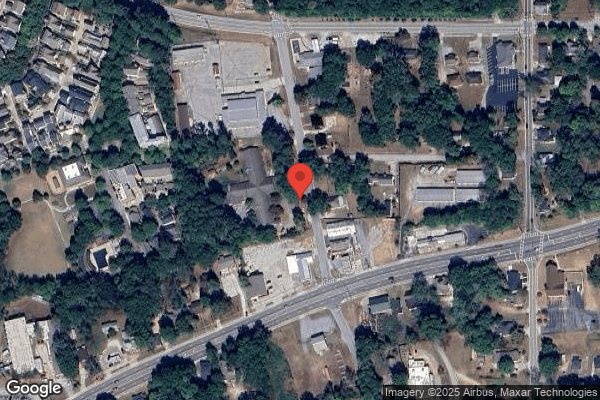
4148 CARROLL STREET, COVINGTON, GA 30015 (770) 786-0427
For profit - Corporation 71 Beds PRUITTHEALTH Data: November 2025
Trust Grade
70/100
#147 of 353 in GA
Last Inspection: March 2025

Within standard 12-15 month inspection cycle. Federal law requires annual inspections.

Overview

PruittHealth - Covington has a Trust Grade of B, which indicates it is a good facility, offering a solid choice for families. It ranks #147 out of 353 nursing homes in Georgia, placing it in the top half, and #1 out of 2 in Newton County, meaning it is the best local option. Unfortunately, the facility is experiencing a worsening trend, with issues increasing from 1 in 2024 to 3 in 2025. Staffing is a concern, with a low rating of 1 out of 5 stars, but a turnover rate of 36% is better than the state average, suggesting that some staff members remain long-term. Although there have been no fines, the inspector found some issues, such as unsecured medications in a resident's room, which could lead to medication errors, and the presence of pests and unclean conditions in some bathrooms, indicating areas where improvement is needed.

Trust Score
B
70/100
In Georgia
#147/353
Top 41%
Safety Record
Low Risk
No red flags
Inspections
Getting Worse
1 → 3 violations
Staff Stability
○ Average
36% turnover. Near Georgia's 48% average. Typical for the industry.
Penalties
✓ Good
No fines on record. Clean compliance history, better than most Georgia facilities.
Skilled Nurses
⚠ Watch
Each resident gets only 23 minutes of Registered Nurse (RN) attention daily — below average for Georgia. Fewer RN minutes means fewer trained eyes watching for problems.
Violations
○ Average
8 deficiencies on record. Average for a facility this size. Mostly minor or procedural issues.
★★★☆☆
3.0
Overall Rating
★☆☆☆☆
1.0
Staff Levels
★★★☆☆
3.0
Care Quality
★★★★☆
4.0
Inspection Score
Stable
2024: 1 issues
2025: 3 issues

The Good

  • Full Sprinkler Coverage · Fire safety systems throughout facility
  • No fines on record
  • Staff turnover below average (36%)

    12 points below Georgia average of 48%

Facility shows strength in fire safety.

The Bad

3-Star Overall Rating

Near Georgia average (2.6)

Meets federal standards, typical of most facilities

Staff Turnover: 36%

Near Georgia avg (46%)

Typical for the industry

Chain: PRUITTHEALTH

Part of a multi-facility chain

Ask about local staffing decisions and management

The Ugly 8 deficiencies on record

Mar 2025 3 deficiencies
CONCERN (D) 📢 Someone Reported This

A family member, employee, or ombudsman was alarmed enough to file a formal complaint

Potential for Harm - no one hurt, but risky conditions existed

Deficiency F0554 (Tag F0554)

Could have caused harm · This affected 1 resident

**NOTE- TERMS IN BRACKETS HAVE BEEN EDITED TO PROTECT CONFIDENTIALITY** Based on observations, resident and staff interviews, record review, and review of the facility policy titled, Medication Admini...

Read full inspector narrative →
**NOTE- TERMS IN BRACKETS HAVE BEEN EDITED TO PROTECT CONFIDENTIALITY** Based on observations, resident and staff interviews, record review, and review of the facility policy titled, Medication Administration; General Guidelines, the facility failed to ensure that one of 30 sampled residents (R) (R36) did not have unauthorized and unsecured medications at the bedside. This failure created the potential for medication errors and unauthorized access to medications by other residents. Findings include: A review of the policy titled, Medication Administration: Guidelines review date 7/22/2024 under the section titled Procedure revealed, 3. Patients/residents are allowed to self-administer medications when specifically authorized by the attending physician and in accordance with procedures for self-administration of medications. 5. All current medications and dosage schedules, except topicals used for treatments, are listed on the patient/resident's Medication Administration Record (MAR)or within the e-MAR System for facilities using electronic charting of medications. 10. Medications are administered within 60 minutes before or after scheduled time, except for medications ordered to be taken with food and before or after meals, which are administered precisely as ordered. Unless otherwise specified by the physician, routine medications are administered according to the established medication administration schedule for the healthcare center. 11. After medication administration for facilities using paper MAR, the patient/resident's MAR is initialed by the person administering a medication in the space provided under the date, and on the line for that specific medication dose administration. Initials on each MAR are verified with a full signature in the space provided. After medication administration for facilities utilizing electronic MAR, the patient/resident's e-MAR is electronically signed off. 13. If a dose of regularly scheduled medication is withheld, refused, or given at other than the scheduled time, the space provided on the front of the paper MAR for that dosage administration is initialed and circled and for facilities utilizing the e-MAR system the not administered button will be utilized with the appropriate reason given for the not administering medication at scheduled time. An explanatory note is entered is entered on the reverse side of the record provided for PRN indication and general medication notes and for e-MAR the note can be typed into the appropriate space provided within the electronic system. If more than two consecutive doses of a viral medication are withheld or refused, the physician is notified. Review of the electronic medical record (EMR) for R36 revealed diagnosis including but not limited to hemiplegia and hemiparesis following cerebral infarction affecting right dominant side, coronary artery disease, hypertension, diabetes mellitus, aphasia, cerebrovascular accident (CVA), transient ischemic attack (TIA), or stroke, hemiplegia or hemiparesis, anxiety disorder, depression, asthma, and chronic obstructive pulmonary disease (COPD). Review of the Quarterly Minimum Data Set (MDS) assessment dated [DATE] revealed, Section C (Cognitive Patterns), a Brief Interview for Mental Status (BIMS) score of 6 indicating R36 was not cognitively intact. Review the EMR revealed, R36 had not been assessed to determine if she was a candidate to self-administer medications. Review of the Medication Administration Record (MAR) dated 2/24/2025-2/28/2025 revealed, R36's 9 AM medications included: amlodipine 5 mg (milligram) tablet, aspirin tablet, chewable- 81 mg, buspirone Tablet- 7.5 mg, Colace (docusate sodium) capsule- 100 mg, Diovan HCT (valsartan-hydrochlorothiazide) tablet- 320-12.5 mg, duloxetine capsule, delayed release(DR/EC)- 60 mg, famotidine tablet- 20 mg, gabapentin capsule-400 mg, and metformin tablet- 500 mg; all documented as administered to R36 by the nurse. Observation and interview on 2/25/2025 at 10:46 am in R36's room revealed, one plastic medication cup sitting on R36's bedside table containing one pink oblong shaped tablet, one blue and white capsule, one orange capsule, one tan circular shaped tablet, two white circular shaped tablets, and two other odd shaped white tablets for a total of eight pills. R36 revealed, that the nurse had brought the medications and left it there. Observation on 2/25/2025 at 11:04 am revealed R36's lying in bed with the plastic medicine cup containing the same eight pills remaining at the bedside. Interview on 2/27/2025 at 10:13 am with Registered Nurse (RN) AA revealed that at times, R36 had to be prompted to take medications however it's never a problem. RN AA stated that if any resident refused their medication she would try again within a certain timeframe for example, before the last med pass within an hour. She stated that she would wait and confirm that the resident had ingested all medications before going on to the next resident or room. RN AA revealed, that she was not aware of any residents that had an order for self-administering medications at the facility. During an interview on 2/28/2025 at 3:48 pm with the Director of Nursing (DON) revealed, that medications should not be left in a resident's room. DON stated nurses should not leave medications at the bed side during the medication pass and her expectations was for the nurse to observe the residents ingesting the medications prior to leaving the room. DON confirmed that they did not have any residents in the facility that had been assessed to self-administer medications. Surveyor presented DON with the eMar via MatrixCare for review and was asked to verify information listed however, she was unable to provide a clear answer to what the initials/numbers meant. Interview on 2/28/2025 at 4:05 pm with the Director of Nursing (DON) and Licensed Practical Nurse (LPN) CC revealed an explanation to the eMAR (electronic Medication Administration Record) coding. LPN CC pointed out the key near the bottom of the eMAR via MatrixCare and explained that the initials/numbers correspond with nurse that administers the medication to that resident within a two-hour timeframe. She stated that if the nurses code appears in the box that indicate that the medication was given within an hour before or an hour after scheduled time. LPN CC stated that if medication was not given then the nurses code would be in parenthesis. It was observed on the eMAR and confirmed by both DON and LPN CC that on 2/25/2025 the 9:00 am medications were documented as administered to R36 by the nurse.
CONCERN (D) 📢 Someone Reported This

A family member, employee, or ombudsman was alarmed enough to file a formal complaint

Potential for Harm - no one hurt, but risky conditions existed

Safe Environment (Tag F0584)

Could have caused harm · This affected 1 resident

**NOTE- TERMS IN BRACKETS HAVE BEEN EDITED TO PROTECT CONFIDENTIALITY** Based on observations, staff and resident interviews, the facility failed to provide a safe, clean, comfortable, homelike enviro...

Read full inspector narrative →
**NOTE- TERMS IN BRACKETS HAVE BEEN EDITED TO PROTECT CONFIDENTIALITY** Based on observations, staff and resident interviews, the facility failed to provide a safe, clean, comfortable, homelike environment for two out of 35 rooms (room [ROOM NUMBER] and room [ROOM NUMBER]). Specifically, room [ROOM NUMBER] bathroom contained missing tiles on the left side of the toilet, the floor was sticky and malodorous with multiple large spiders and spider webs noted in the corners of the ceiling. In addition, a roach was observed crawling on the wall in room [ROOM NUMBER]. The sample size was 30 residents. Findings include: 1. Observation and interview on 2/25/2025 at 3:36 pm in room [ROOM NUMBER] revealed, multiple spiders and spider webs in the bathroom ceiling and broken tiles around the toilet bowl. The bathroom floor was sticky and malodorous. R52 who resided in room [ROOM NUMBER] revealed, he did not have a problem with rodents or pests, but the spiders had been there for a while. Observation on 2/26/2025 at 1:51 pm and at 4:30 pm in room [ROOM NUMBER] revealed, the spiders and spider webs remaining in the ceiling of the bathroom. The bathroom reeked heavily of urine, and the tiles remained missing from the bathroom floor on the left side back of the toilet. Observation on 2/28/2025 at 10:40 am in room [ROOM NUMBER] revealed, the spiders and spider webs had been removed from the ceiling. room [ROOM NUMBER] bathroom had been cleaned and did not [NAME] of urine odor; however, the missing tiles had not been replaced on the left side back of the toilet. 2. Observation on 2/28/2025 at 11:05 am in room [ROOM NUMBER] revealed, a roach crawling on the wall. Interview on 2/28/2025 at 11:35 am with the Maintenance Director (MD) revealed, the facility was contracted with [Name of business] for pest control. He stated that they came out monthly and was typically good at coming out for additional services as needed. The MD revealed, if there were additional concerns [Name of business] would leave the suggested recommendations in the pest control book. The MD confirmed the picture shown of the roach in room [ROOM NUMBER] and stated that it was an isolated occurrence because he had not seen any roaches. Interview on 3/1/2025 at 10:30 am with the Administrator revealed the documentation for the most recent pest control visit was done on 2/24/2025. The Administrator stated they were contracted with [Name of business] Pest Control and that they came out monthly to spray the facility and as needed. A policy for homelike environment was requested but not delivered by the exit. Instead, a goods and services agreement were provided.
CONCERN (D) 📢 Someone Reported This

A family member, employee, or ombudsman was alarmed enough to file a formal complaint

Potential for Harm - no one hurt, but risky conditions existed

Medication Errors (Tag F0758)

Could have caused harm · This affected 1 resident

Deficiency Text Not Available

Read full inspector narrative →
Deficiency Text Not Available
Jul 2024 1 deficiency
CONCERN (D) 📢 Someone Reported This

A family member, employee, or ombudsman was alarmed enough to file a formal complaint

Potential for Harm - no one hurt, but risky conditions existed

Report Alleged Abuse (Tag F0609)

Could have caused harm · This affected 1 resident

Based on staff interviews, record review, and review of the facility's policy titled, Reporting Patient Abuse, Neglect, Exploitation, Mistreatment, and Misappropriation of Property, the facility faile...

Read full inspector narrative →
Based on staff interviews, record review, and review of the facility's policy titled, Reporting Patient Abuse, Neglect, Exploitation, Mistreatment, and Misappropriation of Property, the facility failed to report an allegation of abuse to the State Survey Agency within two hours for one of four Residents (R) (R2) reviewed for abuse. Findings include: Review of the facility's policy titled, Reporting Patient Abuse, Neglect, Exploitation, Mistreatment, and Misappropriation of Property, dated 7/29/2019, indicated, 1. Any allegation, suspicion, or identified occurrence is identified involving patient abuse, neglect, exploitation, mistreatment, and misappropriation of property, including injuries of an unknown source, should be immediately reported to the Administrator of the provider entity. 2. In accordance with applicable laws and regulations, the Administrator or his or her designee should notify the appropriate state agency (or agencies), the patient's attending physician, and the patient's designated representative of any allegation or incident described above and of the pending investigation. The state survey agency and the state agency for adult protective services should be notified in accordance with state law through established procedures of any allegations of abuse, neglect, exploitation or mistreatment, including injuries of an unknown source and misappropriation of patient property, within 2 hours after the allegation is made if the events upon which the allegation is based involve abuse or result in serious bodily injury, and not later than 24 hours if the events upon which the allegation is based do not involve abuse and do not result in serious bodily injury. Review of R2's Resident Face Sheet revealed diagnoses that included but not limited to, metabolic encephalopathy (a brain disorder resulting from other organ system failures), diabetes mellitus with diabetic kidney complication, end stage renal disease, pain in left shoulder, and vascular dementia. Review of R2's Quarterly Minimum Data Set (MDS), with an Assessment Reference Date (ARD) of 9/22/2023, revealed Section C:Cognitve Patterns, a Brief Interview for Mental Status (BIMS) score of 10, which indicated the resident had moderate cognitive impairment; Section GG: Functional Abilities and Goals revealed, functional limitations in range of motion on one side of their upper and lower extremities. Review of R2's Care Plan revealed a problem area initiated on 4/1/2023, that indicated R2 had frequent complaints of pain to their left shoulder. The Care Plan was updated on 11/15/2023 that indicated R2 had a left shoulder dislocation. R2's Care Plan also included a problem area, initiated on 4/1/2023, that indicated R2 had experienced a decline in their ability to perform activities of daily living (ADLs) related to a recent hospitalization secondary to metabolic encephalopathy, acute respiratory failure, acute cardiovascular accident (CVA, a stroke) with left-sided weakness, and dementia. An intervention started on 4/1/2023 directed staff to provide physical assistance with ADL care needs. Review of R2's Progress Notes revealed the following entries: - a note, dated 11/4/2023 at 2:37 pm, that indicated R2 complained of pain to their left shoulder blade. The note indicated that the resident rated their pain an 8 on a scale of 0-10, with 10 being the worst possible pain. The note indicated that the resident was given an as needed (PRN) pain medication; - a note, dated 11/5/2023 at 10:04 am, that indicated R2's left hand was swollen and was warm to the touch. The note indicated that R2 denied numbness but reported pain when touched. The note indicated that a PRN pain medication was given, and the resident's physician was notified of the resident's condition; - a note entered by Nurse Practitioner (NP) #17, dated 11/6/2023 at 11:55 am, that indicated R2 was evaluated for complaints of pain to left hand and arm; and - a note, dated 11/6/2023 at 2:00 pm, that indicated that the resident's left upper extremity and hand were swollen. The note indicated that a pain medication was given, and NP #17 evaluated the resident and ordered an ultrasound of the left upper extremity. Review of R2's Patient Report for the left upper extremity venous doppler ultrasound, dated 11/6/2023, revealed no evidence of a deep vein thrombosis or a superficial vein thrombosis. The report revealed R2 had a patent (open) dialysis shunt to their left arm. Review of R2's Progress Notes revealed a note entered by NP #17, dated 11/8/2023 at 1:00 pm, that indicated the resident was re-evaluated, and the resident reported their hand still hurt. Review of R2's Progress Notes revealed a note, dated 11/10/2023 at 2:55 pm, that indicated the resident had Slight swelling to their left upper arm. The note indicated the resident was unable to move their shoulder. Review of R2's Progress notes revealed a note, dated 11/11/2023 at 3:23 pm, that indicated the x-ray results were received and revealed an Acute anterior dislocation. Review of R2's Facility Incident Report Form, dated 11/14/2023, indicated the facility notified the state survey agency of an abuse allegation on 11/14/2023 at 10:51 am, six days after receiving the allegation from R2's family. The form indicated, This is an ALLEGED mishandling by the resident's [family member]. Resident has a dislocated shoulder. During an interview on 7/16/2024 at 4:12 pm, the Director of Health Services (DHS) stated that R2 was admitted to the facility with chronic pain. The DHS stated R2 started to complain of more pain to their shoulder, and on 11/10/2023, the resident's family called and alleged R2 had a displaced shoulder and alleged facility staff caused it. She stated that she called the dialysis provider, who said they had sent the resident to a vascular doctor. She stated that she called the vascular doctor, who reported that the resident's shunt had been displaced, and the shunt needed to be pushed back in. The DHS stated she then contacted NP #17 and got an order for an x-ray. Further interview with the DHS revealed, if she received a complaint of staff being rough, she would report it to the Administrator, suspend the staff member, speak to the resident, complete a head-to-toe assessment, and it should be reported to the state within two hours. The DHS further stated if a resident had an injury and they did not know how the injury occurred, she would report it to the Administrator and report it to the state. The DHS stated that while they were working to identify the cause of R2's arm pain, the resident's family called on 11/10/2023 and alleged the resident had a dislocated shoulder, caused by facility staff. The DHS said that despite discussions with the dialysis provider and vascular doctor, the family member continued to accuse facility staff of causing the injury. The DHS revealed after the family member made the allegation, it should have been reported to the state survey agency within two hours. During an interview on 7/16/2024 at 4:37 pm, the Administrator confirmed R2's family made the allegation on 11/10/2023, but the facility did not submit the initial report to the state survey agency until 11/14/2023. The Administrator stated the allegation should have been reported to the state on 11/10/2023.
Sept 2023 2 deficiencies
CONCERN (D) 📢 Someone Reported This

A family member, employee, or ombudsman was alarmed enough to file a formal complaint

Potential for Harm - no one hurt, but risky conditions existed

Comprehensive Care Plan (Tag F0656)

Could have caused harm · This affected 1 resident

**NOTE- TERMS IN BRACKETS HAVE BEEN EDITED TO PROTECT CONFIDENTIALITY** Based on observations, record review, staff interviews, and review of the facility's policy titled, Care Plans, the facility fai...

Read full inspector narrative →
**NOTE- TERMS IN BRACKETS HAVE BEEN EDITED TO PROTECT CONFIDENTIALITY** Based on observations, record review, staff interviews, and review of the facility's policy titled, Care Plans, the facility failed to develop a person-centered care plan for one of 17 residents (R) (R#59). Specifically, the facility failed to develop a care plan that addressed R#59 indwelling urinary catheter care needs. Findings include: Review of the facility policy titled Care Plans, revised July 27, 2023, subtitled, Care Plan Review and Update revealed: 1. Care plan updates/reviews will be performed within seven days of each quarterly assessment, each acute change in condition, and as needed following each hospital stay. 2. Updates to the care plans should be made with any changes in condition at the time the change in condition occurred. Record review for R#59 revealed diagnoses of but not limited to hydronephrosis with renal and ureteral calculous obstruction, chronic kidney disease, stage 4 (severe), and end stage renal disease. Review of Minimum Data Set (MDS) dated [DATE], revealed for Section C (Cognitive Patterns)-a Brief Interview for Mental Status (BIMS) of 06, which indicated severe cognitive impairment. Section G- (Functional Status) -revealed she required extensive assistance for bed mobility, transfers, dressing, toilet use and personal hygiene. Section H (Bladder and Bowel) revealed an indwelling urinary catheter and always incontinent of bowel. Observations of R#59 on 9/5/2023 at 11:00 a.m., 9/6/2023 at 10:40 a.m., and 9/7/2023 at 12:40 p.m. revealed she had an indwelling urinary catheter. Review of R#59's care plans dated 8/8/2023 revealed there was no care plan that addressed her indwelling urinary catheter needs. Interview on 9/7/2023 at 12:40 p.m. with MDS LPN revealed she updated care plans quarterly, she gathers information from nurse's notes, clinical records, and facility activities reports. She also revealed it is the responsibility of the nurse on duty for that resident's room number to update the physician orders and care plan upon residents return from the hospital if necessary. She verified R#59 did not have a care plan for the indwelling urinary catheter. Interview on 9/7/2023 at 1:15 p.m. with Licensed Practical Nurse (LPN) CC revealed nurses are responsible for updating physician orders and care plans as soon as possible when a resident returns from the hospital to the facility. Interview on 9/7/2023 at 1:55 p.m. with the Director of Nursing revealed her expectation is for physician orders and care plans to be updated as soon as possible for all new equipment, behaviors, medications, and orders. She confirmed R#59 did not have a care plan for the indwelling urinary catheter.
CONCERN (D) 📢 Someone Reported This

A family member, employee, or ombudsman was alarmed enough to file a formal complaint

Potential for Harm - no one hurt, but risky conditions existed

Infection Control (Tag F0880)

Could have caused harm · This affected 1 resident

**NOTE- TERMS IN BRACKETS HAVE BEEN EDITED TO PROTECT CONFIDENTIALITY** Based on observations and staff interviews, the facility failed to properly store and maintain personal care use equipment in a ...

Read full inspector narrative →
**NOTE- TERMS IN BRACKETS HAVE BEEN EDITED TO PROTECT CONFIDENTIALITY** Based on observations and staff interviews, the facility failed to properly store and maintain personal care use equipment in a sanitary manner for two shared bathrooms on the 100 Hall for four residents' rooms (Rooms 104, 105, 106, 107); Specifically, the facility failed to properly label and store contoured fracture bedpans, urinals, and specimen collector pan. The facility census was 69. Findings include: Observation on 9/5/2023 at 11:50 a.m. revealed in the shared bathroom located between rooms [ROOM NUMBERS], one urinal stored on the top of commode tank was unlabeled and unbagged. Two contoured bedpans and a fracture bedpan nested together on the floor were unlabeled and not secured in a bag. Observation on 9/5/2023 at 12:03 p.m. revealed in the shared bathroom located between rooms [ROOM NUMBERS], one urinal stored on the top of commode tank was unlabeled and unbagged. One contoured bedpan and one fracture bedpan nested together on the floor were unlabeled and not secured in a bag. Observation on 9/6/2023 at 8:28 a.m. revealed in the shared bathroom between rooms [ROOM NUMBERS], one urinal stored on the bathroom wall handrail was unlabeled and unbagged. Two contoured bedpans and one fracture bedpan nested together on the floor were unlabeled and not secured in a bag. Observation on 9/6/2023 at 8:31 a.m. revealed in the shared bathroom located between rooms [ROOM NUMBERS], one urinal stored on the top of commode tank was unlabeled and unbagged. One contoured bedpan and one fracture bedpan were nested together on the floor unlabeled and not secured in a bag. Interview on 9/6/2023 at 9:15 a.m. with Certified Nursing Assistant (CNA) AA revealed she had received in-service education training on proper cleaning and storing of urine measuring pan, fracture bedpan, wash basins and urinals. She further revealed that after they give a resident their bed bath, they are required to wash the basins out, dry it out, bag it in a storage bag, and place them on the bottom shelf of the resident's nightstand next to their bed. Interview on 9/6/2023 at 9:35 a.m. with CNA BB revealed she had received in-service education trainings on cleaning and proper storing of urine measuring pan, fracture bedpan, wash basins and urinals. She further revealed that after they give a resident their bed bath, they are required to wash the basins out, dry it out, bag it in a storage bag, and place it on the bottom shelf of the resident's nightstand next to their bed. Interview on 9/6/2023 at 9:51 a.m. with the Director of Nursing (DON) stated that all bedpans, graduated urinal containers, fracture pans, specimen collector pans, and wash basins, should be cleaned, properly labeled, and covered with a bag. Interview on 9/6/2023 at 11:00 a.m. with the DON revealed the facility did not have a policy on bed pans and urinal storage. She further stated the facility conducted an in-service education training immediately to train on labeling and storing multiple elimination containers in a bag with all nursing staff.
Apr 2022 2 deficiencies
CONCERN (D)

Potential for Harm - no one hurt, but risky conditions existed

Deficiency F0698 (Tag F0698)

Could have caused harm · This affected 1 resident

**NOTE- TERMS IN BRACKETS HAVE BEEN EDITED TO PROTECT CONFIDENTIALITY** Based on observations, record review, interviews, and review of the facility policy titled, Dialysis Care-Pre and Post Dialysis,...

Read full inspector narrative →
**NOTE- TERMS IN BRACKETS HAVE BEEN EDITED TO PROTECT CONFIDENTIALITY** Based on observations, record review, interviews, and review of the facility policy titled, Dialysis Care-Pre and Post Dialysis, the facility failed to ensure that pre and post dialysis assessments were conducted for one resident (R) R#39. In addition, the facility failed to ensure ongoing communication between the facility and the dialysis center for R#39. Findings include: Review of the facility policy titled, Dialysis Care-Pre and Post Dialysis, revised May 25, 2018, revealed under Documentation Tools: Dialysis Communication Form-maintain Dialysis Communication Form in the patient/resident chart. Review of the clinical record for R#39 revealed he was admitted to the facility on [DATE] with diagnoses including but not limited to end-stage renal disease (ESRD), cerebral vascular accident (CVA), and chronic pulmonary edema. The resident's most recent quarterly Minimum Data Set (MDS) dated [DATE], revealed a Brief Interview for Mental Status (BIMS) score of 13, indicating no cognitive impairment. Section O revealed resident was receiving Dialysis. Review of the updated care plan revised 3/1/2022 documented resident is on dialysis three times per week due to end stage renal disease. Interventions to care include coordinate residents' transportation to dialysis center as scheduled, observe for sign and symptoms of fluid retention, and observe shunt for patency. Review of the electronic medical record (EMR) for R#39 revealed missing and incomplete Dialysis Communication Form. For the month of January 2022, there was no evidence of communication between the facility and the Dialysis center for 11 of 12 scheduled Dialysis treatments. The one form available for review for the month of January, was incomplete. For the month of February 2022, there was no evidence of communication between the facility and the Dialysis center for four of 12 scheduled Dialysis treatments. Three of the eight forms available for review were incomplete. For the month of March 2022, there was no evidence of communication between the facility and the Dialysis center for three of the 14 scheduled Dialysis treatments. Four of the eight forms available for review were incomplete. Observation and interview on 4/13/2022 at 11:15 a.m. with R#39, stated he had no problems with his dialysis treatments. He stated he takes the Dialysis Communication Forms with him to the dialysis center but does not always bring them back. Interview on 4/13/2022 at 11:47 a.m., with Licensed Practical Nurse (LPN) Unit Manager (UM) BB she stated the nurses complete the top section of the Dialysis Communication Form and send them to the Dialysis clinic with the resident. The form includes the resident's vital signs and an update of the resident's overall condition. The resident should return with the bottom section completed by the clinic which also includes post treatment vital signs and weight, condition of the vascular access/shunt site, any new physician orders, and any occurrence during dialysis. She stated, when the dialysis clinic fails to complete their section, it is the facility nurse's responsibility to call the clinic and obtain the data to complete the form. Once completed, Medical Records scans them into the EMR. Interview on 4/14/22 at 3:03 p.m. with the Director of Health Services (DHS), stated the bottom section of the Dialysis Communication Form should be filled out by dialysis clinic before resident leaves the clinic. If the form is returned incomplete, the facility nurses should call the clinic to obtain the information and complete the form before it's scanned into the system. During further interview, she stated she has had many discussions with the clinic about their inconsistency in completing the Dialysis Communication Form. She confirmed the facility nurses were not calling the clinic to obtain the missing data per facility policy.
CONCERN (D)

Potential for Harm - no one hurt, but risky conditions existed

Deficiency F0761 (Tag F0761)

Could have caused harm · This affected 1 resident

**NOTE- TERMS IN BRACKETS HAVE BEEN EDITED TO PROTECT CONFIDENTIALITY** Based on observations, staff interviews, and facility policy titled Medication Administration: Equipment and Supplies, the facil...

Read full inspector narrative →
**NOTE- TERMS IN BRACKETS HAVE BEEN EDITED TO PROTECT CONFIDENTIALITY** Based on observations, staff interviews, and facility policy titled Medication Administration: Equipment and Supplies, the facility failed to ensure one of three medication carts (the same cart on two separate observations) was locked, attended (by licensed staff) and inaccessible to others. The deficient practice had the potential to allow unauthorized persons, including residents, visitors, and other staff, to access medications. The sample size was 31. Findings include: Review of facility policy titled, Medication Administration: Equipment and Supplies, revised 12/10/2021, documented the policy is that the healthcare center maintains equipment and supplies necessary for the preparation and administration of medications to patients/residents. Procedure 1. The following equipment and supplies are acquired and maintained by the healthcare center for proper storage, preparation, and administration of medications: Locking medication carts and medication cabinets, drawers, or bins labeled with patient/resident names. Observations on 4/12/2022 from 10:30 a.m. to 10:41 a.m., a medication cart on the 100 Hall, near room [ROOM NUMBER] was unlocked and unattended. A housekeeping employee was cleaning rooms on the 100 Hall and walked past the unlocked medication cart two times. At 10:38 a.m., a cognitively impaired resident in a wheelchair self-propelled past the unlocked cart. Interview on 4/12/2022 at 10:41 a.m. with Licensed Practical Nurse (LPN) AA as she walked to the cart, stated she was responsible for the cart. LPN AA was able to open the drawers without using the keys to unlock the cart and acknowledged that the cart was unlocked. LPN AA stated she did not realize she had left the cart unlocked. She stated that she is aware that the cart should be locked when unattended. Observation on 4/13/2022 at 11:42 a.m. during Medication Administration on the 100 Hall with LPN AA, she gathered supplies from the medication cart to check a resident's blood glucose. The medication cart was parked along the wall by room [ROOM NUMBER]. LPN AA proceeded across the hall into room [ROOM NUMBER], leaving the medication cart unlocked and unattended. The medication cart was not in direct view of the nurse. Interview on 4/13/2022 at 11:46 a.m. with LPN AA, after returning to the medication cart, acknowledged that she had left the medication cart unlocked and unattended. Interview on 4/13/2022 at 12:10 p.m. with the Director of Health Services (DHS), stated the nurses are aware that medication carts should be locked when they are not working on the cart and/or when it is not in the nurse's view.
Understanding Severity Codes (click to expand)
Life-Threatening (Immediate Jeopardy)
J - Isolated K - Pattern L - Widespread
Actual Harm
G - Isolated H - Pattern I - Widespread
Potential for Harm
D - Isolated E - Pattern F - Widespread
No Harm (Minor)
A - Isolated B - Pattern C - Widespread

Questions to Ask on Your Visit

  • "Can I speak with families of current residents?"
  • "What's your RN coverage like on weekends and overnight?"

Our Honest Assessment

Strengths
  • • No major safety red flags. No abuse findings, life-threatening violations, or SFF status.
  • • No fines on record. Clean compliance history, better than most Georgia facilities.
  • • 36% turnover. Below Georgia's 48% average. Good staff retention means consistent care.
Concerns
  • • No major red flags. Standard due diligence and a personal visit recommended.
Bottom line: Mixed indicators with Trust Score of 70/100. Visit in person and ask pointed questions.

About This Facility

What is Pruitthealth - Covington's CMS Rating?

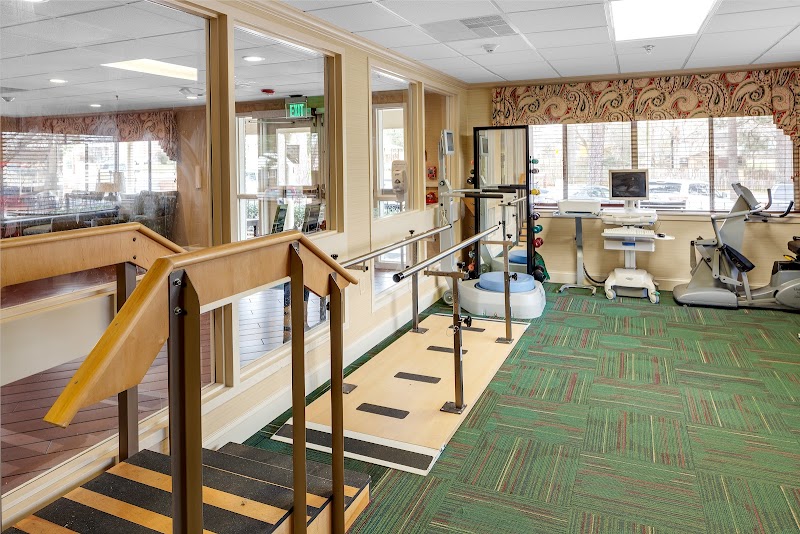
CMS assigns PRUITTHEALTH - COVINGTON an overall rating of 3 out of 5 stars, which is considered average nationally. Within Georgia, this rating places the facility higher than 99% of the state's 100 nursing homes. This mid-range rating indicates the facility meets federal standards but may have areas for improvement.
How is Pruitthealth - Covington Staffed?

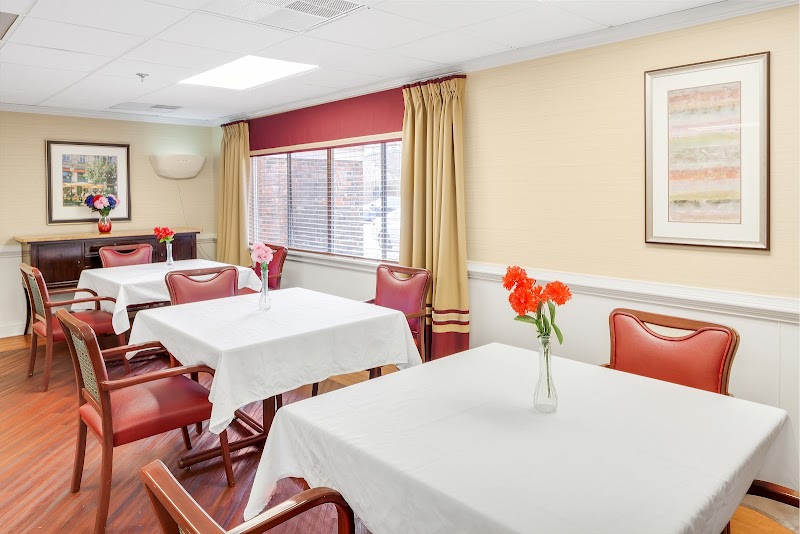
CMS rates PRUITTHEALTH - COVINGTON's staffing level at 1 out of 5 stars, which is much below average compared to other nursing homes. Staff turnover is 36%, compared to the Georgia average of 46%. This relatively stable workforce can support continuity of care.

What Have Inspectors Found at Pruitthealth - Covington?

State health inspectors documented 8 deficiencies at PRUITTHEALTH - COVINGTON during 2022 to 2025. These included: 8 with potential for harm.
Who Owns and Operates Pruitthealth - Covington?

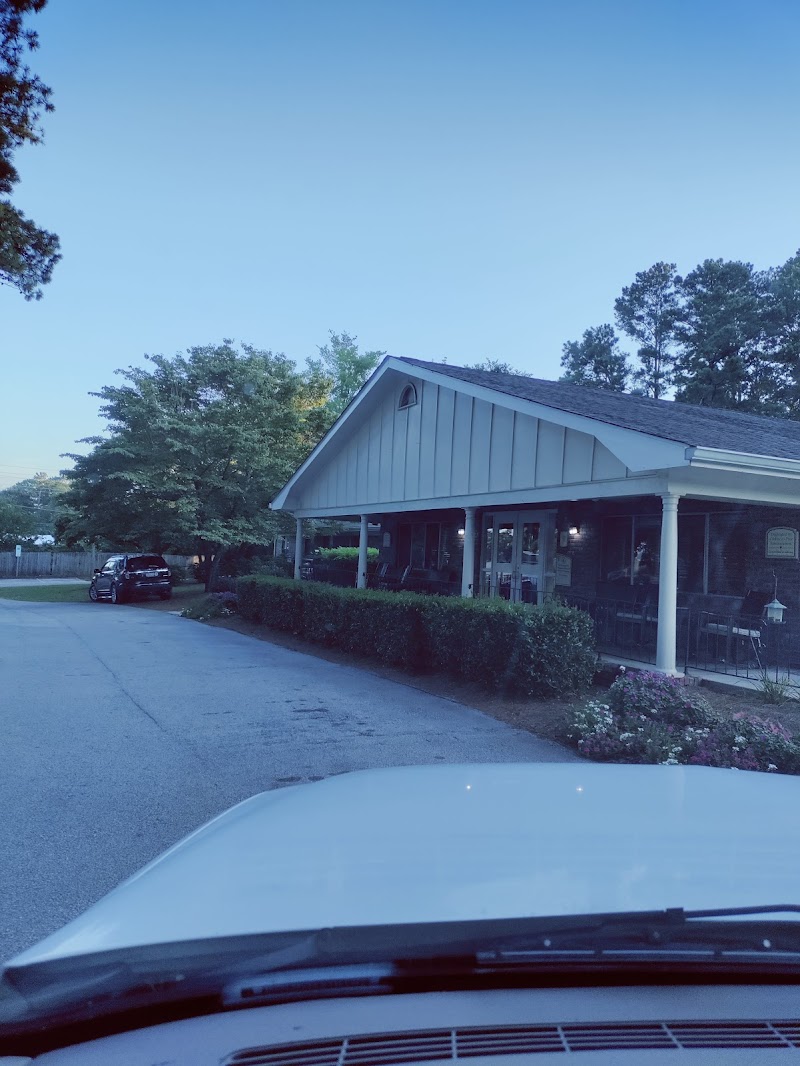
PRUITTHEALTH - COVINGTON is owned by a for-profit company. For-profit facilities operate as businesses with obligations to shareholders or private owners. The facility is operated by PRUITTHEALTH, a chain that manages multiple nursing homes. With 71 certified beds and approximately 68 residents (about 96% occupancy), it is a smaller facility located in COVINGTON, Georgia.
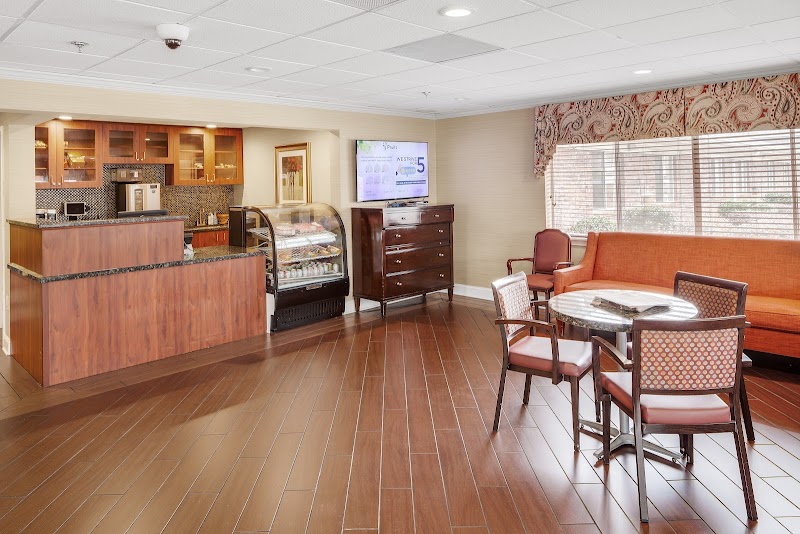
How Does Pruitthealth - Covington Compare to Other Georgia Nursing Homes?

Compared to the 100 nursing homes in Georgia, PRUITTHEALTH - COVINGTON's overall rating (3 stars) is above the state average of 2.6, staff turnover (36%) is near the state average of 46%, and health inspection rating (4 stars) is above the national benchmark.

What Should Families Ask When Visiting Pruitthealth - Covington?

Based on this facility's data, families visiting should ask: "Can you walk me through typical staffing levels on day, evening, and night shifts?" "Can I visit during a mealtime to observe dining assistance and food quality?" "How do you handle medical emergencies, and what is your hospital transfer rate?" "Can I speak with family members of current residents about their experience?" These questions are particularly relevant given the below-average staffing rating.

Is Pruitthealth - Covington Safe?

Based on CMS inspection data, PRUITTHEALTH - COVINGTON has a clean safety record: no substantiated abuse findings (meaning no confirmed cases of resident harm), no Immediate Jeopardy citations (the most serious violation level indicating risk of serious injury or death), and is not on the Special Focus Facility watch list (a federal program monitoring the lowest-performing 1% of nursing homes). The facility has a 3-star overall rating and ranks #1 of 100 nursing homes in Georgia. While no facility is perfect, families should still ask about staff-to-resident ratios and recent inspection results during their visit.

Do Nurses at Pruitthealth - Covington Stick Around?

PRUITTHEALTH - COVINGTON has a staff turnover rate of 36%, which is about average for Georgia nursing homes (state average: 46%). Moderate turnover is common in nursing homes, but families should still ask about staff tenure and how the facility maintains care continuity when employees leave.

Was Pruitthealth - Covington Ever Fined?

PRUITTHEALTH - COVINGTON has no federal fines on record. CMS issues fines when nursing homes fail to meet care standards or don't correct problems found during inspections. The absence of fines suggests the facility has either maintained compliance or corrected any issues before penalties were assessed. This is a positive indicator, though families should still review recent inspection reports for the full picture.

Is Pruitthealth - Covington on Any Federal Watch List?

PRUITTHEALTH - COVINGTON is not on any federal watch list. The most significant is the Special Focus Facility (SFF) program, which identifies the bottom 1% of nursing homes nationally based on persistent, serious quality problems. Not being on this list means the facility has avoided the pattern of deficiencies that triggers enhanced federal oversight. This is a positive indicator, though families should still review the facility's inspection history directly.