GOLD CITY HEALTH AND REHAB
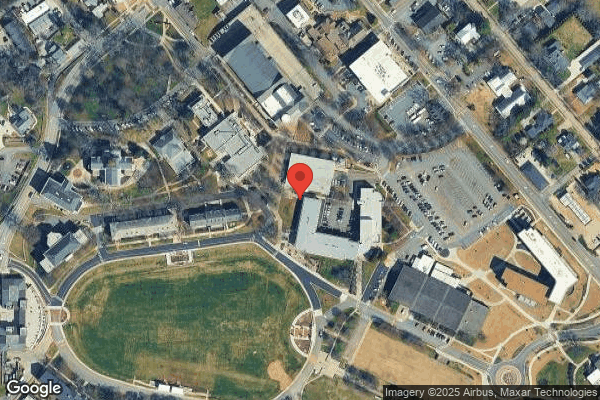
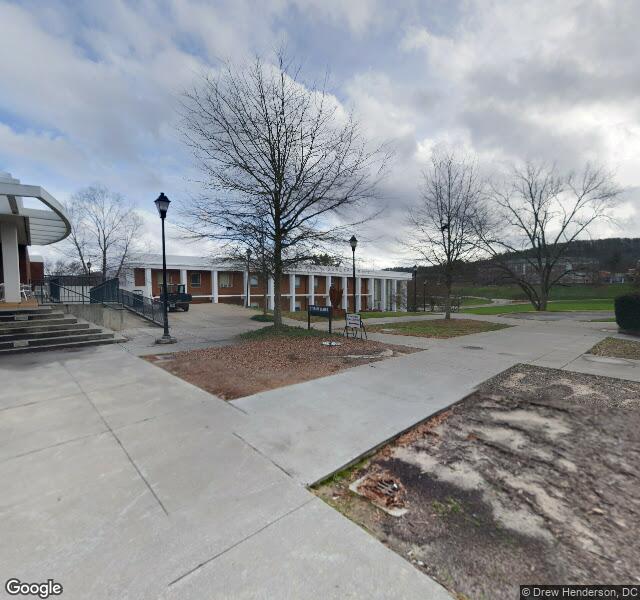
222 MOORE DRIVE, DAHLONEGA, GA 30533 (706) 864-3045
For profit - Limited Liability company 102 Beds C. ROSS MANAGEMENT Data: November 2025
Trust Grade
25/100
#280 of 353 in GA
Last Inspection: August 2024

Within standard 12-15 month inspection cycle. Federal law requires annual inspections.

Overview

Gold City Health and Rehab has received a Trust Grade of F, which indicates significant concerns about the facility’s operations and care quality. Ranking #280 out of 353 facilities in Georgia, they are in the bottom half, and they are the second of two options in Lumpkin County, meaning families have limited choices. The facility is showing an improving trend, decreasing issues from 11 in 2024 to 3 in 2025, but it still has alarming staffing challenges, with a turnover rate of 61% and a poor staffing rating of 1 out of 5 stars. Additionally, the facility has incurred $55,505 in fines, which is concerning as it is higher than 92% of Georgia facilities, indicating potential compliance issues. Specific incidents include failures to maintain sufficient Registered Nurse (RN) coverage, which could leave residents without necessary medical assistance for extended periods. There was also a failure to ensure that the dishwasher sanitized dishes properly, posing a risk of spreading infections. Moreover, the facility was found lacking in protections against verbal and mental abuse, with multiple residents reporting harassment. While there are some improvements, families should weigh these significant weaknesses carefully when considering this nursing home for their loved ones.

Trust Score
F
25/100
In Georgia
#280/353
Bottom 21%
Safety Record
Moderate
Needs review
Inspections
Getting Better
11 → 3 violations
Staff Stability
⚠ Watch
61% turnover. Above average. Higher turnover means staff may not know residents' routines.
Penalties
⚠ Watch
$55,505 in fines. Higher than 86% of Georgia facilities, suggesting repeated compliance issues.
Skilled Nurses
⚠ Watch
Each resident gets only 16 minutes of Registered Nurse (RN) attention daily — below average for Georgia. Fewer RN minutes means fewer trained eyes watching for problems.
Violations
⚠ Watch
26 deficiencies on record. Higher than average. Multiple issues found across inspections.
★☆☆☆☆
1.0
Overall Rating
★☆☆☆☆
1.0
Staff Levels
★☆☆☆☆
1.0
Care Quality
★★☆☆☆
2.0
Inspection Score
Stable
2024: 11 issues
2025: 3 issues

The Good

  • Full Sprinkler Coverage · Fire safety systems throughout facility
  • No fines on record

Facility shows strength in fire safety.

The Bad

1-Star Overall Rating

Below Georgia average (2.6)

Significant quality concerns identified by CMS

Staff Turnover: 61%

15pts above Georgia avg (46%)

Frequent staff changes - ask about care continuity

Federal Fines: $55,505

Above median ($33,413)

Moderate penalties - review what triggered them

Chain: C. ROSS MANAGEMENT

Part of a multi-facility chain

Ask about local staffing decisions and management

Staff turnover is elevated (61%)

13 points above Georgia average of 48%

The Ugly 26 deficiencies on record

Aug 2025 3 deficiencies
CONCERN (D) 📢 Someone Reported This

A family member, employee, or ombudsman was alarmed enough to file a formal complaint

Potential for Harm - no one hurt, but risky conditions existed

Free from Abuse/Neglect (Tag F0600)

Could have caused harm · This affected 1 resident

Based on interviews, record review, and facility policy review, the facility failed to prevent resident to resident abuse for one of three residents (Resident (R)10) reviewed in a total sample of 20. ...

Read full inspector narrative →
Based on interviews, record review, and facility policy review, the facility failed to prevent resident to resident abuse for one of three residents (Resident (R)10) reviewed in a total sample of 20. This failure resulted in R9 having unsupervised access to R10 providing opportunity for R9 to pull R10's arm inappropriately and attempt to kiss R10's hands. Findings include:Review of the facility's policy Abuse, Neglect and Exploitation with an implementation date of 12/19/2022, provided by the facility indicated under Definitions: Definition of sexual abuse is non-consensual sexual contact of any type with a resident. Under III. Prevention of Abuse, Neglect and Exploitation-The facility will implement policies and procedures to prevent and prohibit all types of abuse, neglect, misappropriation of resident property, and exploitation that achieves: A. Establishing a safe environment that supports, to the extent possible, a resident's consensual sexual relationship and by establishing policies and protocols for preventing sexual abuse. This may include identifying when, how, and by whom determinations of capacity to consent to a sexual contact will be made and where this documentation will be recorded; and the resident's right to establish a relationship with another individual, which may include the development of or the presence of an ongoing sexually relationship.Review of R9's admission Record found under the Profile tab of the electronic medical record (EMR) revealed diagnoses of Alzheimer's disease, dementia, hypertension, anxiety disorder, major depressive disorder, and high-risk heterosexual behavior.Review of R9's quarterly Minimum Data Set (MDS) with an Assessment Reference Date (ARD) of 7/8/2025 found under the MDS tab of the EMR indicated that R9 Brief Interview for Mental Status (BIMS) score was 3 of 15, indicating R9 had severe cognitive impairment. The MDS indicated physical behavior, directed toward others one to three days, other behavioral symptoms - occurred one to three days.Review of R9's Care Plan found under the Care Plan tab of the EMR with a revised date of 7/3/2025, revealed that R9 had a care plan for a behavior problem related to inappropriate sexual behavior toward other residents with interventions to intervene as necessary to protect the rights and safety of others, approach/speak in a calm manner, divert attention, and monitor behavior episodes and attempt to determine underlying cause. Review of R10's admission Record found under the Profile tab of the EMR diagnoses of Alzheimer's disease, dementia, restlessness and agitation, chronic pain, spinal stenosis, and hypertension.Review of R10's admission MDS with an ARD of 3/24/2025 found under the MDS tab of the EMR indicated that R10's BIMS was not assessed, no score was entered. Review of R10's Care Plan found under the Care Plan tab of the EMR with a revised date of 8/19/2025 revealed that R10 had a care plan for self-care deficit, verbal and physical aggression when redirected, wandering, resistive to care, and impaired cognitive function/dementia or impaired thought processes related to Alzheimer's disease. Review of R10's Progress Note, dated 8/21/2025 found in the Progress Notes tab of the EMR, authored by Licensed Practical Nurse (LPN)1 revealed LPN1 witnessed R9 holding onto R10's hand and attempting to kiss his hands and arms. R10 attempted to disentangle himself without success. LPN1 separated R10 and R9. Another staff member assisted R10 away from the area at this time. No apparent injuries or distress noted at this time. Placed on 30-minute checks for R10's safety.Review of a Facility Incident Report Form provided by the facility dated 8/22/2025 indicated an incident on 8/21/2025 involving R9 touching R10's arm and kissing his hand while R10 was attempting to pull away. During an interview on 8/29/2025 at 3:26 PM, LPN1 stated that the incident occurred at shift change. LPN1 stated that she had just left her office and as she entered the area around the nurses' station, she saw R9 and R10. R9 was holding R10's arm and R9 attempted to pull away but was unable. R9 was seated in a wheelchair facing R10 who was standing. R9 attempted to pull on R10's arm which created a back-and-forth motion as R10 attempted to pull his arm back. LPN1 stated that R9 attempted to kiss R10's hand but was unsuccessful. LPN1 stated the certified nurse aides (CNAs) were making rounds and no staff member was at the nurses' station. R9 became upset when R10 was escorted to his room and attempted to follow R10. LPN1 stated that she stood between R9 and the entrance to R10's hallway at the double doors so that R9 could not follow R10.During an interview on 8/29/2025 at 5:30 PM, the Administrator stated that her expectations of staff were to meet the basic needs of residents, know their characteristics and behaviors, strategize their interventions, and talk to family members to glean more clues about resident interventions. The Administrator stated she would educate staff, hold impromptu care plan meetings, and provide an individualized supervision approach in the care and protection of the residents.
CONCERN (D) 📢 Someone Reported This

A family member, employee, or ombudsman was alarmed enough to file a formal complaint

Potential for Harm - no one hurt, but risky conditions existed

Comprehensive Care Plan (Tag F0656)

Could have caused harm · This affected 1 resident

**NOTE- TERMS IN BRACKETS HAVE BEEN EDITED TO PROTECT CONFIDENTIALITY** Based on observations, staff interviews, record review, and facility policy review, the facility failed to develop a comprehensi...

Read full inspector narrative →
**NOTE- TERMS IN BRACKETS HAVE BEEN EDITED TO PROTECT CONFIDENTIALITY** Based on observations, staff interviews, record review, and facility policy review, the facility failed to develop a comprehensive person-centered care plan that included specific interventions to ensure psychosocial well-being and safety for one of three residents (Resident (R) 4) reviewed in a sample of 20 residents.Findings include: Review of the facility policy titled, Comprehensive Care Plans with an implementation date of 4/1/2025 indicated under Policy: It is the policy of this facility to develop and implement a comprehensive person-centered care plan for each resident, consistent with resident rights, that includes measurable objectives and timeframe to meet a resident's medical, nursing, and mental and psychosocial needs and ALL services that are identified in the resident's comprehensive assessment and meet professional standards of quality.Review of R4's admission Record, found in the Profile tab of the electronic medical record (EMR) revealed an admission date to the facility on [DATE] with diagnoses of cerebral palsy, schizoaffective disorder, bipolar disorder, major depressive disorder, anxiety disorder, suicidal ideations, paraplegia, Review of R4's admission Minimum Data Set (MDS) located in the MDS tab in the EMR with an Assessment Reference Date (ARD) of 11/25/2024 indicated a Brief Interview for Mental Status (BIM) score of 15, which indicated R4 was cognitively intact.Review of R4's Care Plan revised on 06/15/25 and located in the EMR under the Care Plan tab revealed a plan for a behavior problem related to having auditory and visual hallucinations at time and has a history of suicidal ideations and suicidal attempts. Interventions initiated on06/16/2025 were to perform 15-minute resident safety checks, resident to have only plastic silverware, resident moved to a room with a roommate, and the room was cleared of items that are potentially harmful.Review of Progress Note dated 5/20/2025 indicated the R4 called out to the nurse tearfully and stated that she was suicidal and drank hand sanitizer.Review of a Progress Note, dated 6/3/2025, authored by Licensed Practical Nurse (LPN)3 indicated that LPN3 found R4 with a plastic bag over her head loosely and stated she was trying to kill herself. Observation on 8/26/2025 at 4:05 PM revealed R4 in her electric wheelchair attempting to get an item from inside the personal refrigerator that was on the floor. Observed clear trash liners in R4's roommate's trash can and in R4's trash can.In an interview on 8/26/2025 at 4:45 PM Certified Nurse Aide (CNA)1 stated that it would be ok to have a trash liner in the trash can if it was not in reach of the resident. In an interview on 8/26/2025 at 4:49 PM CNA2 stated that it would be ok the have a trash liner in the trash can.In an interview on 8/29/2025 at 5:30 PM, when asked about specific care plan interventions and how to communicate those interventions to staff, the Administrator stated it didn't matter what the changes were, they should document the specific interventions that relate to the situation, and then ensure they monitor for effectiveness. The Administrator stated going forward, all care plans would have to be reviewed and triaged regarding negative potential impact on residents.
CONCERN (D) 📢 Someone Reported This

A family member, employee, or ombudsman was alarmed enough to file a formal complaint

Potential for Harm - no one hurt, but risky conditions existed

Deficiency F0700 (Tag F0700)

Could have caused harm · This affected 1 resident

Based on observations, staff interviews, record review, and facility policy review, the facility failed to ensure a resident was evaluated for appropriate bed rail use and that alternative measures we...

Read full inspector narrative →
Based on observations, staff interviews, record review, and facility policy review, the facility failed to ensure a resident was evaluated for appropriate bed rail use and that alternative measures were attempted prior to installation of bed rails for one of one resident (Resident (R) 4) reviewed for bed rails out of a total sample of 20. The lack of alternate bed rail measures had the potential to lead to safety concerns related to bed rail use. Findings include:Review of the facility's policy titled Bed Safety and Bed Rails, provided by the facility, with a revision date of August 2022 indicated, Use of Bed Rails.The use of bed rails or side rails (including temporarily) raising the side rails for episodic use during care) is prohibited unless the criteria for use of bed rails have been met, including attempts to use alternatives, interdisciplinary evaluation, resident assessment, and informed consent.Review of R4's admission Record, found in the Profile tab of the electronic medical record (EMR) revealed diagnoses of cerebral palsy, schizoaffective disorder, bipolar disorder, major depressive disorder, anxiety disorder, suicidal ideations, and paraplegia, Review of R4's admission Minimum Data Set (MDS) located in the MDS tab in the EMR with an Assessment Reference Date (ARD) of 11/25/2024 indicated a Brief Interview for Mental Status (BIM) score of 15, which indicated R4 was cognitively intact.Review of R4's Care Plan dated 11/14/2024 and located in the EMR under the Care Plan tab revealed an Activity of Daily Living self-care performance deficit related to cerebral palsy care plan with a side rail intervention initiated on 1/28/2025. Quarter rails up on both sides to assist with bed mobility. Observe for injury or entrapment related to side rail use. Reposition as necessary to avoid injury. Review of R4's medical record did not reveal an initial bed rail assessment; documented alternatives tried prior to consideration of bed rail or a consent for bed rails.Observation on 8/25/2025 at 5:30 PM revealed a bedrail in the lowered position on the right side of the bed and the bed pushed against the wall on the left side.During an interview on 8/26/2015 at 2:15 PM, Licensed Practical Nurse (LPN)2 acknowledged that there was a bed rail on R4's bed and stated that she had not seen R4 use it.In an interview on 8/29/2025 at 10:00 AM, the Administrator confirmed that R4's bed rail evaluation, consent for use, and alternatives tried before installing the bed rail were not done.In an interview on 8/29/2025 at 5:30 PM, the Administrator and Director of Nursing (DON) stated that they did not know how the alternatives tried documentation, assessment by nurses and interdisciplinary (IDT) review and documentation were missed. The Administrator stated that her expectations going forward would be for more communication between nurses, IDT members and herself prior to installing bed rails to ensure that they were appropriate for resident use and safety.
Aug 2024 11 deficiencies
CONCERN (D)

Potential for Harm - no one hurt, but risky conditions existed

Deficiency F0578 (Tag F0578)

Could have caused harm · This affected 1 resident

**NOTE- TERMS IN BRACKETS HAVE BEEN EDITED TO PROTECT CONFIDENTIALITY** Based on staff interview, record review, and review of the facility's policy titled Advanced Directives, the facility failed to ...

Read full inspector narrative →
**NOTE- TERMS IN BRACKETS HAVE BEEN EDITED TO PROTECT CONFIDENTIALITY** Based on staff interview, record review, and review of the facility's policy titled Advanced Directives, the facility failed to ensure one of 43 sampled residents (R) (R16) reviewed for advanced directives had a medical record that accurately reflected her request to not have cardiopulmonary resuscitation (CPR) in the event she should experience cardiopulmonary failure. The deficient practice had the potential to result in the resident receiving CPR against her wishes. Findings include: The facility's policy titled, Advanced Directives, dated [DATE] revealed, the resident had a right to formulate an advance directive. The policy revealed the resident's wishes were communicated to the residents' direct care staff and physician by placing the advanced directive documents in a prominent, accessible location in the medical record. Review of R16's the quarterly Minimum Data Set (MDS) with an Assessment Reference Date (ARD) of [DATE] and located in the MDS tab of the electronic medical record (EMR) revealed the resident had a Brief Interview for Mental Status (BIMS) score of 15 out of 15 which indicated she was cognitively intact. Review of the Diagnosis tab of R16's EMR revealed diagnoses which included unspecified psychosis, personal history of transient ischemic attack and cerebral infarction, transient cerebral ischemic attack, and subarachnoid hemorrhage affecting left side. Review of R16's EMR revealed it was documented that she was a FULL CODE, meaning to attempt CPR in the event of cardiopulmonary failure, in capital letters on the dashboard section of the EMR. Review of R16's admission Record, dated [DATE] and located in the paper record, identified her as a full code. Review of R16's paper record/chart revealed a sticker located on the inside of the chart cover that read DNR (Do Not Resuscitate) and a document titled, Do Not Resuscitate for Resident with Decision Making Capacity, signed and dated by the resident on [DATE] and located at the front of the chart, revealed CPR was not to be initiated in the event of cardiopulmonary failure. In addition, the Advanced Directive Checklist, signed by the resident on [DATE] had DNR order check marked. Review of physician's orders located under the Orders tab of the EMR revealed she had a current physician's order with a start date of [DATE] for DNR. During an interview on [DATE] at 1:28 pm, the Assistant Director of Nursing (ADON) verified the dashboard in the EMR and the admission Record in the paper chart were inaccurate. She stated in the event the resident experienced cardiorespiratory failure the staff would know not to start CPR because they would have checked the advanced directive paper in the paper chart.
CONCERN (D) 📢 Someone Reported This

A family member, employee, or ombudsman was alarmed enough to file a formal complaint

Potential for Harm - no one hurt, but risky conditions existed

Report Alleged Abuse (Tag F0609)

Could have caused harm · This affected 1 resident

**NOTE- TERMS IN BRACKETS HAVE BEEN EDITED TO PROTECT CONFIDENTIALITY** Based on staff interviews, record review, and review of the facility's policy titled Abuse, Neglect, and Exploitation, the facil...

Read full inspector narrative →
**NOTE- TERMS IN BRACKETS HAVE BEEN EDITED TO PROTECT CONFIDENTIALITY** Based on staff interviews, record review, and review of the facility's policy titled Abuse, Neglect, and Exploitation, the facility failed to ensure an allegation of abuse was reported within two hours of occurrence for two of 12 residents (R) (R6 and R36) sampled for abuse out of a total sample of 43. The deficient practice had the potential for timely intervention to not be implemented for the protection of the residents. Findings include: Review of the facility's policy titled Abuse, Neglect, and Exploitation, dated 12/19/2022 revealed, Reporting of all alleged violations to the Administrator, state agency, adult protective services and to all other required agencies (e.g., law enforcement when applicable) within specified timeframes: a. Immediately, but not later than 2 hours after the allegation is made, if the events that cause the allegation involve abuse or result in serious bodily injury . Review of R6's admission Record, located in the electronic medical record (EMR) under the Profile tab, revealed R6 had diagnoses that included Alzheimer's disease, vascular dementia, paranoid schizophrenia, delusional disorder, unspecified dementia with behavioral disturbances, and major depressive disorder. Review of R6's annual Minimum Data Set (MDS), located in the EMR under the MDS tab and with an Assessment Reference Date (ARD) of 7/25/2024, revealed R6 had a Brief Interview for Mental Status (BIMS) score of 99, which indicated staff was unable to assess his cognitive state. It was recorded R6 was severely cognitively impaired and rarely/never made decisions. Review of R36's admission Record, located in the EMR under the Profile tab, revealed R36 was readmitted to the facility on [DATE] with diagnoses that included bipolar disease, seizures, schizophrenia, and vascular dementia. Review of R36's annual MDS, located in the EMR under the MDS tab and with an ARD of 2/20/2024, revealed R36 had a BIMS score of 5 out of 15, indicating R36 was severely cognitively impaired. Review of a Progress Note for R36, provided by the facility and dated 4/27/2024 at 3:20 pm, revealed . reported to staff that a male resident had entered the room sometime during the night, seated in a wheelchair, began touching [R36] all over, pulling off her blankets and yelling at [R36] to get up. [R36] roommate stated it was about 6:00 am when this occurred . Review of a Progress Note, for R36, provided by the facility and dated 4/27/2024 at 3:57 pm, revealed, . it was reported to this nurse [Licensed Practical Nurse (LPN) 2] at approximately 11:00 am on 4/27/2024 by the dayshift CNA [Certified Nurse Aide] that a female resident [R36] reported [R6] had been in her room at approximately 6:00 am on 4/27/2024. [R36] reported to the night shift CNA that [R6] entered her room and wheeled himself over to her bedside. [R36] stated that [R6] began feeling around on her blanket and touched her and he started yelling at her to get out of bed . During an interview on 8/27/2024 at 5:34 pm, LPN2 stated that at approximately 11:00 am on 4/27/2024, CNA7 reported to her that R6 had went into R36's room about 6:00 am on 4/27/2024, propelled himself to R36's bed, and began feeling around on the bed, pulling off the covers, and demanding R36 get out of the bed. LPN2 stated she then reported the incident to the Assistant Director of Nursing (ADON). LPN2 confirmed the incident should have been reported earlier. LPN2 stated the incident was not included in the change of shift report the day it occurred. Review of the facility's investigation of the incident revealed a handwritten document by CNA7, dated 4/27/2024 at 7:26 pm, who was present at the time of the incident and removed R6 from the room of R36. The statement recorded, . at approximately 6:30 am, I heard yelling coming from A hall, A 3 bed B, [R36] was yelling 'stop, don't touch me' and I found [R6] touching her. My first instinct was to pull [R6] out of her room. After that I went back to make sure [R36] was okay. I asked her what happened. [R36] told me that he was touching her legs and arms and yelled at her to 'get out of his bed.' Around 6:40-6:45 am, I went to the nurse's station to tell the charge nurse because I thought [R6] was under her care. I did not make sure the nurses heard me and that was my mistake. I just wanted to be sure [R36] was okay and charted the actions [R6] made. I am not sure who heard my statement this morning. During an interview on 8/27/2024 at 11:54 am, the Administrator confirmed the incident on 4/27/2024 between R6 and R36 was not reported to the abuse coordinator until five and one-half hours after the incident occurred. The Administrator confirmed there was a delay in reporting and that the incident should have been reported when it occurred.
CONCERN (D) 📢 Someone Reported This

A family member, employee, or ombudsman was alarmed enough to file a formal complaint

Potential for Harm - no one hurt, but risky conditions existed

Investigate Abuse (Tag F0610)

Could have caused harm · This affected 1 resident

Based on resident and staff interviews, record review, and review of the facility's policy titled, Abuse, Neglect and Exploitation, the facility failed to thoroughly investigate an allegation of staff...

Read full inspector narrative →
Based on resident and staff interviews, record review, and review of the facility's policy titled, Abuse, Neglect and Exploitation, the facility failed to thoroughly investigate an allegation of staff to resident abuse involving one of 12 residents (R) (R68) reviewed for abuse out of a total sample of 43. This failure increased the risk of ongoing staff to resident abuse. Findings include: Review of the facility's policy titled, Abuse, Neglect and Exploitation, dated 12/19/2022, revealed, . Written procedures for investigations include . Providing complete and through documentation of the investigation . Review of R68's admission Record, located in the Profile tab of the electronic medical record (EMR), revealed admission to the facility on 5/2/2024 with diagnoses including type 2 diabetes, monoplegia of lower limb, and depression. Review of R68's quarterly Minimum Data Set (MDS), with an Assessment Reference Date (ARD) of 8/8/2024 and located in the MDS tab of the EMR, revealed the resident had a Brief Interview for Mental Status (BIMS) score of 12 out of 15, which indicated the resident was cognitively intact. Review of R68's nursing Progress Note, dated 6/7/2024 and located under the Notes tab of the EMR, revealed R68 had reported to the Certified Nursing Aide (CNA) staff that the night shift CNA was rough with her. It was recorded R68 stated that CNA2 pushed her wheelchair out of reach and that she made her lie in her own urine in bed. It was recorded R68 stated CNA2 shoved her, and this was immediately reported to the abuse coordinator and a police report was made. It was recorded R68 was assessed for injury, with scratches on her wrists and bruising to her shins noted. It was recorded that the incident was under investigation. Review of the facility's investigative file for the incident, provided by the Administrator, revealed: An interview with R68, dated 6/7/2024, that recorded, Interview with [R68] on 6/7/2024, abuse coordinator along with the police officer interviewed [R68]. [R68] stated 'the CNA on my hall at night was very rude and pushed me around.' The police officer asked if she knew the CNA and she stated, '[CNA 2], the skinny black girl.' When asked how she pushed her around she stated, 'She was just rude, and she pushed my chair on the other side of the room so I could not get up.' There was no documentation R63 was asked about the scratches on her wrists or the bruising on her shins. An investigation summary conclusion, dated 6/6/2024, recorded, The facility investigated the incident, and abuse could not be substantiated. [CNA2] was suspended immediately while investigation underway. [CNA2] was informed of her suspension and quit without notice via text message shortly after. [R68] was assessed for injuries, a few bilateral scratches to her wrist and bilateral bruise to shins probably occurred while attempting to self-ambulate in her room as she is non-compliant at times. Nursing completed skin assessments on all residents on hall with no concerns noted. A follow-up interview with R68, dated 6/11/2024, recorded, On 6/11/2024 the abuse coordinator/administrator, along with the social worker went to interview [R68] and [R68] stated 'CNA' was very rude to me, pushed me down in the bed and pushed my wheelchair to the other side of the room and then left the room and said you are my responsibility. Review of R68's interview did not reveal any documentation that R68 was asked about the scratches on her wrists or the bruising on her shins. Review of facility's investigation revealed no documentation R68 was asked about the scratches on her wrists or the bruising on her shins. During an interview on 8/26/2024 at 3:11 pm, R68 stated CNA2 was rough while assisting her to bed one night. R68 stated after she was placed in bed, CNA2 moved her wheelchair to the opposite side of the room so she could not reach it. R68 stated it was a while ago, and she could not recall the whole incident. R68 stated CNA2's employment was terminated, and she had no other abuse or neglect concerns since. R68 denied any marks or bruises currently and could not remember scratches related to the incident. During an interview on 8/26/2024 at 5:52 pm, the Administrator stated she was not employed during the abuse investigation for R68. The Administrator stated she felt that R68 should have been asked about the scratches and bruises that were documented as being observed during the investigation.
CONCERN (D)

Potential for Harm - no one hurt, but risky conditions existed

Transfer Notice (Tag F0623)

Could have caused harm · This affected 1 resident

**NOTE- TERMS IN BRACKETS HAVE BEEN EDITED TO PROTECT CONFIDENTIALITY** Based on resident and staff interviews, record review, and review of the facility's policy titled, Transfer and Discharge, the f...

Read full inspector narrative →
**NOTE- TERMS IN BRACKETS HAVE BEEN EDITED TO PROTECT CONFIDENTIALITY** Based on resident and staff interviews, record review, and review of the facility's policy titled, Transfer and Discharge, the facility failed to provide the resident and the responsible party with notice of the transfer and the reasons for the transfer in writing and in a language and manner they understand for one of two residents (R) (R4) reviewed for hospitalization out of a total sample of 43. The deficient practice had the potential to result in the resident and/or responsible party not knowing the resident was transferred to the hospital and the reasons for the transfer. Findings include: Review of the facility's policy titled, Transfer and Discharge dated 12/19/2022, revealed a transfer notice would be provided to the resident and representative when a discharge was initiated by the facility for medical reasons to an acute care setting such as a hospital. Review of R4's Face Sheet, located under the Profile tab of the electronic medical record (EMR), revealed R4 was readmitted to the facility on [DATE] with diagnoses that included acute respiratory failure with hypoxia, psychosis, chronic kidney failure, intellectual disabilities, and lobar pneumonia. Review of R4's quarterly Minimum Data Set (MDS) with an Assessment Reference Date (ARD) of 7/24/2024 and located under the MDS tab of the EMR, revealed he had a Brief Interview for Mental Status (BIMS) score of eight out of 15, which indicated the resident had moderately impaired cognition. During an interview on 8/25/2024 at 8:48 pm, R4 was asked if he had been hospitalized in the past six months. He stated, Yes, but he could not remember any details related to the hospitalization or if he received any written notices. Review of the Prog (Progress) Notes tab of the EMR, dated 6/12/2024 at 10:32 am, revealed R4 was discharged to the hospital emergency room on 6/12/2024 at 8:20 am after he had problems breathing and his oxygen levels dropped. A progress note, dated 6/17/2024 at 6:33 pm, revealed he returned to the facility on 6/17/2024 at 5:30 pm. Review of the EMR and hard chart revealed no transfer/discharge notices. During an interview on 8/28/2024 at 5:52 pm, the Business Office Manager (BOM) stated they did not send a written transfer/discharge notice with the resident or to the resident's responsible party; however, the ombudsman was notified of the transfer.
CONCERN (D)

Potential for Harm - no one hurt, but risky conditions existed

Medication Errors (Tag F0758)

Could have caused harm · This affected 1 resident

Based on staff interview, record review, and review of the facility's policy titled, Antipsychotic Medication Use, the facility failed to monitor for adverse consequences and behaviors related to anti...

Read full inspector narrative →
Based on staff interview, record review, and review of the facility's policy titled, Antipsychotic Medication Use, the facility failed to monitor for adverse consequences and behaviors related to antidepressant use for one of five residents (R) (R24) reviewed for unnecessary medications out of a total sample of 43. The deficient practice had the potential to place the resident at risk of untreated adverse consequences to the medication. Findings include: Review of the facility's policy titled, Antipsychotic Medication Use dated July 2022 revealed, . The staff will observe, document, and report to the attending physician information regarding the effectiveness of any interventions, including antipsychotic medications. Nursing staff shall monitor for and report any of the following side effects and adverse consequences of antipsychotic medications to the attending physician: a. General anticholinergic: constipation, blurred vision, dry mouth, urinary retention, sedation. b. Cardiovascular: orthostatic hypotension, arrhythmias. c. Metabolic: increase in total cholesterol triglycerides, unstable or poorly controlled blood sugar, weight gain; or d. Neurologic: akathisia, dystonia, extrapyramidal effects, akinesia; or tardive dyskinesia, stroke, or TIA [transient ischemic attack] . Review of R24's admission Record, located in the electronic medical record (EMR) under the Profile tab, revealed an admission date of 7/22/2024 with diagnoses that included bipolar disorder and generalized anxiety disorder. Review of R24's admission Minimum Data Set (MDS), located in the EMR under the MDS tab and with an Assessment Reference Date (ARD) of 7/29/2024, revealed R24 had a Brief Interview for Mental Status (BIMS) score of 15 out of 15, indicating R24 was cognitively intact. Review of R24's Physician Order, located under the Orders tab in the EMR and dated 7/22/2024, revealed R24 was to receive sertraline HCl (Zoloft, an antidepressant) 100 milligram (mg) orally every day for depression. Review of R24's Care Plan, located under the Care Plan tab in the EMR and dated 8/2/2024, revealed, . The resident uses psychotropic medications [related to] Bipolar . Interventions included, . Monitor/document/report PRN (as needed) any adverse reactions of psychotropic (antidepressant) medications: unsteady gait, tardive dyskinesia, EPS (shuffling gait, rigid muscles, shaking), frequent falls, refusal to eat, difficulty swallowing, dry mouth, depression, suicidal ideations, social isolation, blurred vision, diarrhea, fatigue, insomnia, loss of appetite, weight loss, muscle cramps nausea, vomiting, behavior symptoms not usual to the person . Review of R24's Medication Administration Record (MAR), Treatment Administration Record (TAR), and the TASKS tab (information completed by the certified nursing assistants (CNAs) of the EMR revealed no documentation of adverse consequence or behavior monitoring for R24. During an interview on 8/28/2024 at 10:40 am, the Assistant Director of Nursing (ADON) confirmed R24 was prescribed an antidepressant and, after reviewing the EMR, the ADON confirmed there was no documentation the resident was being monitored for behaviors or adverse consequences. The ADON confirmed the monitoring should be documented.
CONCERN (D)

Potential for Harm - no one hurt, but risky conditions existed

Deficiency F0761 (Tag F0761)

Could have caused harm · This affected 1 resident

Based on observation and staff interviews, the facility failed to ensure that one of three medication carts (B Hall) was secure when left unattended and out of the site of the nursing staff. The defic...

Read full inspector narrative →
Based on observation and staff interviews, the facility failed to ensure that one of three medication carts (B Hall) was secure when left unattended and out of the site of the nursing staff. The deficient practice had the potential to allow residents and/or visitors unauthorized access to medications. Findings include: Review of the facility's policy titled, Security of Medication Cart dated April 2007 under the section titled Policy Interpretation and Implementation revealed, 4. Medication carts must be securely locked at all times when out of the nurse's view. Observation on 8/27/2024 at 12:20 pm revealed a medication cart on the B hallway between rooms B5 and B78. The cart was out the sight of the nurse. The medication cart was unlocked, and inside the drawer were residents' liquid medications and vials of residents' insulin. The drawers to the cart were easily accessible to anyone walking down the hall. R56 and R61 and were both within 2-3 feet of the unlocked cart. The cart remained unlocked until 12:37 pm, when the Assistant Director of Nursing (ADON) was observed locking it. During an interview on 8/27/2024 at 1:11 pm, Licensed Practical Nurse (LPN) 2 stated she was moving too fast and forgot to lock the cart before proceeding to another hall. LPN2 stated R61 notified her that the surveyor opened the cart and that it was left unlocked. LPN2 stated it was important to ensure that the medication cart remained locked so that residents were safe. During an interview on 8/27/2024 at 1:28 pm, the Director of Nursing stated she expected medication carts to be locked and secured when not in sight or being used. The DON stated nursing staff had been educated on keeping the medication carts locked, but she did not know the last time.
CONCERN (E) 📢 Someone Reported This

A family member, employee, or ombudsman was alarmed enough to file a formal complaint

Potential for Harm - no one hurt, but risky conditions existed

Free from Abuse/Neglect (Tag F0600)

Could have caused harm · This affected multiple residents

**NOTE- TERMS IN BRACKETS HAVE BEEN EDITED TO PROTECT CONFIDENTIALITY** Based on observation, staff and resident interviews, record review, and review of the facility's policy titled Abuse, Neglect, a...

Read full inspector narrative →
**NOTE- TERMS IN BRACKETS HAVE BEEN EDITED TO PROTECT CONFIDENTIALITY** Based on observation, staff and resident interviews, record review, and review of the facility's policy titled Abuse, Neglect, and Exploitation, and Abuse, Neglect, Exploitation and Misappropriation Prevention Program, the facility failed to protect the residents' right to be free from mental/verbal abuse for four of 13 residents (R) (R53, R11, R122, and R71) and free from physical abuse for one of one resident (R48) reviewed for abuse out of a total sample of 43 residents. Specifically, R19 verbally harassed R53 and verbally insulted R11. Also, R16 verbally harassed R53 and verbally disrespected R122 and R71. This failure had the potential to cause psychosocial harm to the residents. Findings include: Review of the facility's policy titled, Abuse, Neglect, and Exploitation, dated 12/19/2022, revealed, It is the policy of this facility to provide protections for the health, welfare and rights of each resident by developing and implementing written policies and procedures that prohibit and prevent abuse, neglect, exploitation and misappropriation of resident property . The policy continued, . the facility will make efforts to ensure all residents are protected from physical and psychosocial harm, as well as additional abuse, during and after the investigation. Review of the facility's policy titled, Abuse, Neglect, Exploitation and Misappropriation Prevention Program, dated 4/2021, revealed, . residents have the right to be free from abuse, neglect, misappropriation of resident property and exploitation This includes but is not limited to freedom from corporal punishment, involuntary seclusion, verbal, mental, sexual or physical abuse, and physical or chemical restraint not required to treat the resident's symptoms 1. Review of R19's quarterly Minimum Data Set (MDS), with an Assessment Reference Date (ARD) of 9/29/2023 and located under the MDS tab of the electronic medical record (EMR), revealed R19 had a Brief Interview for Mental Status (BIMS) score of 14 out of 15, indicating no cognitive decline; and had diagnoses that included diabetes and acute kidney failure. Review of R19's Misc (Miscellaneous) tab, located in the EMR revealed a Care Plan, initiated on 1/3/2019 related to behaviors. Interventions included not arguing with R19 and for Social Services to visit with R19 as needed. Review of R53's annual MDS, located under the MDS tab and with an ARD of 5/22/2024, revealed R53 had severely impaired cognitive skills; had long-term and short-term memory problems; was dependent on a wheelchair for mobility; and had diagnoses which included dementia with behavioral disturbances, cognitive communication deficit, and Alzheimer's disease. Review of the Facility Incident Report Form, dated 10/24/2023 and provided by the facility, revealed on 8/30/2024, R19 was talking to R53 and accusing her of stealing. R19 tried to move away when their wheelchairs became interlocked. R19 then began accusing R53 of stealing again, and R53 then struck R19 in the face with magazines. There were no injuries noted to R19. The immediate steps taken to prevent further incidents were the facility separated the residents, the police were called, the State, physician, Ombudsman, and resident representatives were notified, and the abuse coordinator initiated an investigation. The follow-up investigation revealed the facility substantiated an incident between R53 and R19. Review of a post-incident Behavior PAR (Patient at Risk) Tracking Documentation form, dated 10/26/2023 and provided by the facility, revealed R19 was having his behavior tracked due to taunting other residents causing another resident (R53) to hit him. The Intensity of Behavior section was filled with typically severe. The Goals section was filled with to monitor and redirect negative behaviors. R19 was monitored for five weeks post incident with the following indications: Week One: No changes in medications per pharmacy and R19 was informed that it was not good behavior to taunt other residents. Week Two: R19 was making fun of another resident in the dining room. Week Three: R19 had a mellow week. Week Four: R19 continued to make upsetting comments to residents. Week Five: No aggressive or demeaning comments. Review of a [Name of psychiatric services] Subsequent Medication Evaluation report, dated 11/20/2023 and located under the Misc tab in the EMR, revealed R19's behavior was recorded as appropriate, with the report summary stating there was nothing new reported, R19 was stable, no medication side effects were noted, and a gradual dose reduction (GDR) of medications were not indicated. There were no Care Plan updates for the 10/24/2023 incident with R53. The CP was reviewed and continued on 11/23/2023, and no new interventions were identified or implemented related to R19's behaviors. Review of R11's quarterly MDS, with an ARD of 10/17/2023 and located under the MDS tab of the EMR, revealed R11 was admitted to the facility on [DATE] and had a BIMS score of 99, which indicated staff was unable to assess the resident's cognitive status. Review of the Facility Incident Report Form, dated 12/19/2023 and provided by the facility, revealed on 12/19/2023, R19 entered the room of R11 and made inappropriate remarks related to R11's body, not knowing a staff member was behind the curtain in the room. The staff member asked R19 to leave the room. The immediate steps taken to prevent further incidents were the facility separated the residents, the police were called, the State, physician, Ombudsman, and resident representatives were notified, R19 refused to be sent to the hospital for evaluation, and the abuse coordinator initiated an investigation. The follow-up investigation revealed the facility substantiated an incident between R19 and R11. The facility followed time frames and requirements for incident. Review of R11's Progress Note, dated 12/20/2023 and located under the Prog tab of the EMR, R19 had wheeled himself into R11's room and made inappropriate comments related to R11's body. R19 did not notice the staff in the room and was immediately confronted about what he said, and R19 tried to quickly change the subject. R19 was escorted from the room, and incident protocol was initiated. Review of a Behavior PAR Tracking Documentation form, dated 12/21/2023 revealed R19 was having his behavior tracked due to making sexually inappropriate comments to R11. The Frequency of Behavior section was filled with often (multiple times weekly), and the Intensity of Behavior section was filled with typically severe. The Goals section was filled with to monitor and redirect, educate resident on inappropriate statements, and to have [psychiatric services] re-evaluate R19. R19 was monitored for four weeks post incident with the following indications: Week One: sexually inappropriate comments. Week Two: continued to slander facility, staff, and other residents because of the reported incident with R11. Week Three: continued to make negative comments towards other residents. Week Four: Negative behaviors continued. Review of a [Name of psychiatric service] Subsequent Medication Evaluation report, dated 2/5/2024 and located under the Misc tab of the EMR, revealed R19's behavior was indicated to be appropriate and R19's weight was discussed, but not his behaviors. There were no Care Plan updates for the 12/20/2023 incident with R11, and no new interventions were identified or implemented related to R19's behaviors. Interview on 8/27/2024 at 11:30 am with Licensed Practical Nurse (LPN) 4 stated that R16 and R19 have not liked R53 for a long time. LPN4 stated R16 and R19 will say things quietly, thinking the staff are not aware and so only R53 can hear them, just to get her to react. LPN4 added that R16 and R19 go around to other residents saying that R53 is a thief trying to turn the residents against R53. LPN4 added R53 is normally calm and sweet until R16 and R19 instigate something. During a Resident Council meeting on 8/27/2024 at 2:00 pm, no resident raised concerns related to fear or distrust of other residents. R16 and R19 were present during the Resident Council meeting and were antagonistic towards the Resident Council President for praying before the meeting. Interview on 8/28/2024 at 12:45 pm with the Administrator, who started July 2024, verified R19's care plan had not been updated with new interventions each time R19 was involved in an inappropriate behavior situation. The Administrator stated she was not sure why ([psychiatric) Services evaluation forms indicated R19 was stable on most of his encounters, with no behavioral issues brought to the physician's attention and stated she would contact [psychiatric service]. On 8/28/2024 at 1:30 pm, the ADON was asked for any documented behavior monitoring or 15-minute checks for R19. The documentation was not received before the end of the survey. 2. Review of R16's Face Sheet, located in the EMR under the Profile tab, revealed R16 was admitted to the facility on [DATE] with diagnoses which included tobacco use, psychosis, restlessness and agitation, major depressive disorder, and generalized anxiety disorder. Review of R16's quarterly MDS, with an ARD of 8/8/2024 and located under the MDS tab of the EMR, revealed R16 had a BIMS score of 15 out of 15, which indicated the resident was cognitively intact. Review of R16's paper Plan of Care, provided by the facility, dated 3/14/2017, and last reviewed 5/9/2024, revealed R16 had a problem with displaying verbally aggressive behaviors at times. The care plan problem recorded, .I make inappropriate comments to other residents and staff members during smoke breaks. I have been educated on my behaviors . Under the approach section of the care plan, the care plan recorded to remove R16 from public areas when the behavior was disruptive and unacceptable. An entry, dated 03/03/24, in the approach section of the plan of care recorded the resident continued to be verbally abusive to other residents. Review of R53's annual MDS, located under the MDS tab of the EMR and with an ARD of 5/22/2024, revealed R53 had severely impaired cognitive skills; had long-term and short-term memory problems; was dependent on a wheelchair for mobility; and had diagnoses which included dementia with behavioral disturbances, cognitive communication deficit, and Alzheimer's disease. Review of a complaint summary, completed by the former Administrator, titled [Name of the Facility], dated 7/19/2023 and provided by the Administrator, revealed the document was a follow up to the self-reported incident #202306917. The document recorded that on Wednesday 7/12/2023 at approximately 2:25 pm, LPN8 and the Social Service Director (SSD) came to the Abuse Coordinator/Administrator and informed him that LPN6 reported to them that she overheard R16 asking R53 multiple times if she wanted to get raped. According to the report, it was reported to the Department of Health, police, physician, ombudsman, and the responsible party. According to the written statement from LPN6 on 7/12/2023 at 2:00 pm, she was in the dining room passing medications when she heard R16 ask R53 twice if she knew Kyane [NAME] and R53 did not respond and then ask her if she knew Bow-Wow twice and again R53 did not respond. Then R16 stated yeah you know Bow-Wow he got raped, 'Do you want to be raped?' and then she repeated it and said to her again do you want to be raped so they can suck your face. According to the statement, LPN6 told R16 that was not the kind of thing to say and to not say it again. R16 told LPN6 that R53 knew all the rappers and LPN6 told R16 that R53 did not and to not repeat it again. The complaint summary stated they were immediately separated. According to the report and attached documents, the police questioned R16, and she admitted to police that she asked R53 if she wanted to be raped and should not have said it and apologized. The report concluded there was a verbal altercation between the two residents and R16 did speak inappropriately to R53. The facility obtained a new consultation for psychiatric services for R16. Review of R16's Care Plan revealed no new interventions were identified or implemented related to the resident's behaviors. Interview on 8/27/2024 at 12:58 pm, with the SSD via telephone revealed, the incident was reported to her by an agency nurse, and R53 did not seem bothered by it. She stated she did consider it to be verbal abuse, and R16 had a history of vulgar behavior. During an interview on 8/27/2024 at 5:44 pm, LPN4 stated she had heard R16 speak inappropriately to other residents and at times try to irritate other residents. She stated when she saw it, she immediately redirected and separated them and reported it to the SSD and the charge nurse. Review of R122's annual MDS, with an ARD of 4/18/2024 and located under the MDS tab of the EMR, revealed R122 was admitted to the facility on [DATE] and had a BIMS score of 13 out of 15, which indicated he was cognitively intact. According to the admission/discharge record, located in the Profile tab of the EMR, R122 was discharged from the facility on 6/21/2024. Review of R71's annual MDS, with an ARD of 4/12/2024 and located under the MDS tab of the EMR, revealed R71 was admitted to the facility on [DATE] and had a BIMS score of 15 out of 15, which indicated she was cognitively intact. According to the admission/discharge record, located in the Profile tab of the EMR, R71 was discharged from the facility on 6/21/2024. Review of a Resident Incident Report, dated 2/21/2024 at 3:00 pm and provided by the Administrator, revealed the SSD had reported to the Administrator that R122 had reported that R16 was being verbally abusive to him and R71 on 2/20/2024 at approximately 7:00 pm to 8:00 pm. Review of the abuse summary titled, [Name of the Facility] dated 2/28/2024 and provided by the Administrator, revealed that on 2/21/2024 at approximately 3:00 pm, it was reported to the SSD and then to the previous Administrator/Abuse Coordinator that on 2/20/2024 between approximately 7:00 pm and 8:00 pm, R16 allegedly called R122 queer and R71 a lesbian. Review of R122's Progress Note, dated 2/21/2024 at 3:34 pm, written by LPN7, and located under the Prog Note tab of the EMR, revealed R122 reported to LPN7 that on 2/20/2024 around 7:30 pm that he and R71 were sitting in the hall when R16 rolled up to them and spoke verbal insults to them, including calling him a queer and R71 gay. According to the note, R16 denied it happened. Review of R16's Care Plan revealed no new interventions were identified or implemented related to the resident's behaviors. On 8/28/2024 at 12:24 pm, a telephone interview was conducted with LPN7. LPN7 stated she did not witness the incident. She stated R122 reported it to her the next day. She stated she felt R16 had a history of saying a lot of inappropriate comments to other residents but she had a history of being discreet about it so there were no witnesses. 3. Review of the Facility Incident Report Form dated 8/30/2023 and provided by the facility revealed at 3:45 pm on 8/30/2023 R53 struck R48 on the arm with a very thin lightweight green plastic plate. There were no injuries noted on R48 and she denied any pain. The immediate steps taken to prevent further incidents were the facility separated the residents, the police were called, R53 was sent to the hospital for observation, the State, physician, Ombudsman, and resident representatives were notified, and the abuse coordinator initiated an investigation. The follow-up investigation revealed R53 was by the bingo prize table during activities when R48 came up to her and told R53 that she [R53] could not have any prizes. R53 then hit R48 with the plastic plate in the arm. The facility followed time frames and requirements for incident. Review of the Census tab located in the electronic medical record (EMR) revealed R48 was admitted on [DATE]. Review of the Med Diag [Medical Diagnoses] tab located in the EMR revealed R48 had diagnoses including post-stroke affecting the right dominant side and aphasia. Review of the quarterly Minimum Data Set (MDS) with an Assessment Reference Date (ARD) of 7/11/2023 revealed R48 had a Brief Interview for Mental Status (BIMS) score of eight out of 15 indicating a moderate decline in cognition. Review of the Prog Note [Progress Note] tab of the EMR revealed a historical note dated 8/30/2023 that stated bingo had ended in activities and R48 began telling R53 to get away from the prize table and that she [R53] could not have anything. R53 then took a plastic plate and hit R48 in the arm. Review of the Census tab located in the EMR revealed R53 was admitted on [DATE]. Review of the Med Diag tab located in the EMR revealed R53 had diagnoses including Alzheimer's disease with late onset, cognitive communication deficit, and dementia. Review of the quarterly MDS with an ARD of 8/23/2023 located in the EMR revealed R53 had a BIMS score of 99 out of 15 indicating the interview could not be completed due to R53's cognitive decline. Review of the Misc [miscellaneous] tab located in the EMR revealed a Care Plan (CP) with a concern related to negative behaviors initiated on 5/16/2022 with interventions including redirection, observation for root cause, and behavior documentation. Review of the Prog Note tab located in the EMR revealed a note dated 9/1/2023 that stated R53 had hit R48 in the arm with a plastic plate during activities. During a Resident Council meeting on 8/27/2024 at 2:00 pm, no resident raised concerns related to fear or distrust of other residents.
CONCERN (E) 📢 Someone Reported This

A family member, employee, or ombudsman was alarmed enough to file a formal complaint

Potential for Harm - no one hurt, but risky conditions existed

Accident Prevention (Tag F0689)

Could have caused harm · This affected multiple residents

Based on staff interviews, record review, and review of the facility policy Abuse, Neglect, and Exploitation, the facility failed to provide adequate supervision to prevent accidents for four of four ...

Read full inspector narrative →
Based on staff interviews, record review, and review of the facility policy Abuse, Neglect, and Exploitation, the facility failed to provide adequate supervision to prevent accidents for four of four residents (R) (R6, R3, R23, and R36) reviewed for supervision out of a total sample of 43. Specifically, R6 had diagnoses of severe dementia, delusions, and paranoid schizophrenia and exhibited aggressive behaviors towards R3, R23, and R36. As a result of this deficient practice the residents in the facility had the potential for harm from the aggressive behaviors from R6. Findings include: Review of the facility policy Abuse, Neglect, and Exploitation, dated 12/19/2022 revealed, The identification, ongoing assessment, care planning for appropriate interventions, and monitoring of residents with needs and behaviors which might lead to conflict or neglect . Identifying, correcting and intervening in situations in which abuse, neglect, . with the deployment of trained and qualified, registered, licensed, and certified staff on each shift in sufficient numbers to meet the needs of the residents, and assure that the staff assigned have knowledge of the individual residents' care needs and behavioral symptoms. 1. Review of facility incident reports revealed a resident-to-resident altercation occurred between R6 and R3 on 11/22/2023. Review of R6's admission Record, located in the electronic medical record (EMR) under the Profile tab, revealed R6 had diagnoses that included Alzheimer's disease, vascular dementia, paranoid schizophrenia, delusional disorder, unspecified dementia with behavioral disturbances, and major depressive disorder. Review of R6's Care Plan, located in the EMR under the Misc (Miscellaneous) tab and dated 8/11/2023, revealed, . [R6] have [sic] negative behaviors. [R6] can be combative at times. The interventions included, . Observe for wander/elopement behavior I am physically aggressive towards staff members at times I am verbally aggressive at times I enjoy coffee and books to help me when [R6 is] angry . Review of R6's annual Minimum Data Set (MDS), located in the EMR under the MDS tab and with an Assessment Reference Date (ARD) of 9/22/2023, revealed R6 had a Brief Interview for Mental Status (BIMS) score of 99, which indicated staff was unable to assess his cognitive status. It was recorded R6 was severely cognitively impaired and rarely/never makes decisions. Review of R3's admission Record, located in the EMR under the Profile tab, revealed diagnoses that included major depressive disorder, unspecified intellectual disabilities, and seizures. Review of R3's quarterly MDS, located in the EMR under the MDS tab and with an ARD of 9/22/2023, revealed R3 had a BIMS score of 6 out of 15, indicating R3 was severely cognitively impaired. Review of R6's Patient at Risk (PAR), flow sheet, provided by the facility and dated 11/10/2023, revealed R6 had been agitated since some medications were reduced and taken away, and had exhibited some behaviors of kicking another resident's wheelchair. It was recorded that the medications were added back due to agitation and aggressive behaviors. Review of R6's Progress Note, provided by the facility and dated 11/22/2023 at 12:45 pm, revealed, . resident witnessed having altercation with [R3] in the dining room during lunch. Witness saw [R6] with tray cover [used to keep food warm] in hand and very upset, hitting [R3] and other residents in the dining room stated that R6 hit R3 on the top of the head. Review of R3's Progress Note, provided by the facility and dated 11/22/2023 at 2:43 pm, revealed, [R3] in dining room for lunch at 12:45 another resident [R6] took his tray lid and hit resident over the head three times. No apparent injury. No c/o [complaint of] of [sic] pain just scared. [R3] was removed from the dining room to prevent any further contact . Review of R6's Care Plan, located in the EMR under the Misc tab, revealed no new interventions were identified or implemented after the incident on 11/22/2023. 2. Review of facility incident reports revealed there was a resident-to-resident altercation between R6 and R23 on 4/26/2024. Review of R23's admission Record, located in the EMR under the Profile tab, revealed an admission date of 3/23/2023 with medical diagnoses that included anxiety and dementia. Review of R23's annual MDS, located in the EMR under the MDS tab and with an ARD of 3/25/2024, revealed R23 had a BIMS score of 99, which indicated staff was unable to assess R23's cognitive status. It was recorded R23 was severely cognitively impaired and rarely/never makes decisions. Review of R23's Progress Note, provided by the facility and dated 4/26/2024 at 3:18 pm, revealed, It was reported to this nurse that in the dining room, shortly after lunch [R23] ran into another resident [R6] with her w/c [wheelchair]. [R6] then struck [R23] in the face. [R23] redirected and assessed for injury. No apparent [injury]. During an interview on 8/28/2024 at 9:59 am, the Activities Director (AD) recalled the incident between R6 and R23 had happened so fast. The AD stated R23 propelled her wheelchair backwards. The AD stated she saw R23 was going to run into R6, and she jumped up right then but was not quick enough to prevent the incident. The AD stated she should have been able to stop the incident. 3. Review of facility incident reports revealed there was a resident-to-resident altercation between R6 and R36 on 4/27/2024. Review of R36's admission Record, located in the EMR under the Profile tab, revealed R36 had diagnoses that included bipolar disease, seizures, schizophrenia, and vascular dementia. Review of R36's annual MDS, located in the EMR under the MDS tab and with an ARD of 2/20/2024, revealed R36 had a BIMS score of 5 out of 15, indicating R36 was severely cognitively impaired. Review of R36's Progress Notes, provided by the facility and dated 4/27/2024 at 3:20 pm, revealed, . reported to staff that a male resident had entered the room sometime during the night, seated in a wheelchair, began touching [R36] all over, pulling off her blankets and yelling at [R36] to get up. [R36] roommate stated it was about 6:00 am, when this occurred . Review of R6's Progress Notes, provided by the facility and dated 4/27/2024 at 3:57 pm, documented R6 was assessed and sent to the local medical center for evaluation. Review of R6's Care Plan, located in the EMR under the Misc tab and updated 4/27/2024, revealed, . Monitor behaviors. On Q [every]15-minute check x 72 hours. Notify [psychiatric services] of current behaviors . Review of R6's Progress Notes, provided by the facility and dated 4/28/2024 at 1:11 am, revealed, . [R6] was returned to the facility, placed in room B 14B with no new orders. Will continue 15-minute checks and continue to monitor . During an interview on 8/26/2024 at 10:52 am, the Business Office Manager (BOM) confirmed the room change for R6 occurred on 4/27/2024, and R6 was moved from room A 10B to room B 14B. During an interview on 8/27/2024 at 5:34 pm, Licensed Practical Nurse (LPN) 2 explained R6 did enter the room for R36 and began feeling around the bed, removing the covers, and saying get out. LPN2 explained R6 had recently changed rooms and was on the wrong hallway looking for his room. LPN2 stated R6 was confused, on the wrong hallway, went into a room he thought was his, and thought that someone else was in his bed. LPN 2 confirmed R6 should have been monitored and redirected to the correct hallway after the room change. On 8/27/2024 at 3:00 pm, the facility was asked to provide the [psychiatric services] consultation report following the resident-to-resident interaction on 4/27/2024. The report was not provided by the end of the survey. 4. Review of facility incident reports revealed there was a resident-to-resident altercation between R6 and R23 on 5/11/2024. Review of R23's Progress Notes, dated 5/11/2024 at 2:30 pm, revealed R23 was propelling backwards in the wheelchair in the front lobby when the chair ran over the foot of R6, who then hit R23 on the shoulder with a closed fist. Review of R23's Progress Notes, dated 5/11/2024 at 3:44 pm, revealed, . this nurse was walking out of another resident's room when the receptionist notified me, she witnessed [R23] wheelchair ran over the foot of [R6] and then [R6] punched [R23] in the left shoulder. Both residents were separated and assessed for injury. No injury was found . Review of R6's Care Plan, located in the EMR under the Misc tab and updated 5/11/2024 revealed, . Monitor behaviors. On Q [every] 30-minute check x 72 hours . Review of R6's PAR flow sheet, provided by the facility and dated 5/17/2024, revealed, . recently had an altercation where he hit another resident after being bumped into [with a wheelchair]. [R6] will be redirected and monitored to try to prevent altercations . During an interview on 8/28/2024 at 11:50 am, the Assistant Director of Nursing (ADON) confirmed the facility needed to provide monitoring of R6 all the time. The ADON stated staff were aware of R6's behaviors and were on alert to monitor R6 when he came out of his room. The ADON stated after the incident on 4/27/2024, every 15-minute monitoring should have remained in place until the [psychiatric services] consultation was completed.
CONCERN (F)

Potential for Harm - no one hurt, but risky conditions existed

Deficiency F0727 (Tag F0727)

Could have caused harm · This affected most or all residents

Based on staff interview and review of the facility provided form titled Daily Nursing Staff Report(s), the facility failed to maintain Registered Nurse (RN) coverage for eight consecutive hours seven...

Read full inspector narrative →
Based on staff interview and review of the facility provided form titled Daily Nursing Staff Report(s), the facility failed to maintain Registered Nurse (RN) coverage for eight consecutive hours seven days a week on 8/10/2024, 8/11/2024, 8/24/2024, and 8/25/2024. This failure had the potential to render all 68 residents without the necessary medical assistance that only an RN could provide, leading to adverse outcomes. Findings include: Review of the Daily Nursing Staff Report(s), dated 8/10/2024, 8/11/2024, 8/24/2024, and 8/25/2024 that was provided by the Administrator, indicated the absence of RN coverage during each shift of each day listed. The form revealed, report contains nursing staff directly responsible for resident care. The form continued, daily posting of this information is required for nursing homes participating in Medicare and Medicaid programs. During an interview on 8/28/2024 at 11:25 am, the Administrator [interim since July 2024, but familiar with facility] verified that there should have been RN coverage for at least eight consecutive hours every day of the week. She acknowledged that not having an RN during each day had the potential for negative outcome situations.
CONCERN (F)

Potential for Harm - no one hurt, but risky conditions existed

Food Safety (Tag F0812)

Could have caused harm · This affected most or all residents

Based on observation, staff interviews, record review, and review of the facility's policies titled Dishwashing and Temperature Log Guidelines, the facility failed to ensure the chemical level of the ...

Read full inspector narrative →
Based on observation, staff interviews, record review, and review of the facility's policies titled Dishwashing and Temperature Log Guidelines, the facility failed to ensure the chemical level of the low temperature dishwasher was maintained at a level that would sanitize the soiled dishes with the potential to affect 68 of 68 residents. The deficient practice had the potential to result in the spread of infections/viruses and food borne illness. Findings include: Review of the facility's undated policy titled, Dishwashing revealed the low temperature dishwasher rinse temperature should be in the temperature range of 120 degrees Fahrenheit (F) to 150 degrees F and the chlorine should be 50 part per million concentration minimum to 100 PPM concentration maximum. Review of the facility's undated policy titled, Temperature Log Guidelines revealed the dish machine log should have been completed three times daily to ensure the temperatures and the sanitizer levels were properly maintained and controlled. During an observation on 8/25/2024 at 7:04 pm, Dietary Aide (DA) 3 was observed running the dishes from the evening meal through the dishwasher. DA3 stated the dishwasher was a low temperature dishwasher. The sanitizer level of the rinse water of the dishwasher was checked and when the test strip was placed in the rinse water of the dishwasher it did not change color indicating it was at zero (0) parts per million (PPM) concentration level of chlorine. DA3 stated she probably needed to prime the machine. She pushed the primer button three times, ran the dishwasher repeatedly, and it tested at zero PPM. The sanitizer was checked a third time while she continually pushed the primer button throughout the wash and rinse cycles and the sanitizer was still measuring zero parts per million. She continued to wash the dishes without telling anyone about the dishwasher not dispensing any sanitizer into the rinse cycle of the dishwasher with DA2 continuing to remove the dishes from the racks on the clean end of the dishwasher and putting them away in the kitchen. During continued observation on 8/25/2024 at 7:29 pm, the sanitizer was checked for a fourth time and was zero PPM. DA3 stated she had worked a double shift and the last time she checked the sanitizer level of the dishwasher was at 8:14 am that morning and the test strip turned purple indicating it was between 50 and 100 PPM of chlorine sanitizer. When queried about what she was supposed to do if the sanitizer was not testing at the correct level, she stated she was supposed to tell the Dietary Manager (DM). When asked when she would be telling the DM, she stated in the morning after the DM arrived at work. She stated they were supposed to check the levels three times a day and write it down on the temperature log. The temperature logbook located on a shelf in the dishwasher room was provided by DA2. The book contained instructions for testing the level of the sanitizer and a log titled Dishwasher Temperature. The log had a space for the temperature and the sanitizer levels. Review of the log revealed it was not completed for 8/22/2024, 8/23/2024, lunch and dinner on 8/24/2024 and 8/25/2024. A document in the book used to write sanitizer levels titled, Test for Chlorine Sanitizer revealed the sanitizer should have been 50 PPM. During an interview on 8/25/2024 at 7:57 pm, the Dietary Manager (DM) stated she shook the sanitizer container and then primed it, and she got it to 100 PPM. She was informed it was zero PPM and verified it should have been at 50 PPM and if it was not, the staff should not have been using the dishwasher.
MINOR (C)

Minor Issue - procedural, no safety impact

Staffing Information (Tag F0732)

Minor procedural issue · This affected most or all residents

Based on staff interview and review of the facility provided form titled Daily Nursing Staff Report(s), the facility failed to indicate the daily census in the space provided on the daily posted form....

Read full inspector narrative →
Based on staff interview and review of the facility provided form titled Daily Nursing Staff Report(s), the facility failed to indicate the daily census in the space provided on the daily posted form. This failure had the potential for resident family, friends, or other visitors to not know the ratio of nursing staff to residents causing uncertainty of ability and availability of the staff for residents' needs. The facility census was 68 residents. Findings include: Review of the Daily Nursing Staff Report(s) from 7/29/2024 through 8/26/2024 that was provided by the Administrator, presented a space, but the facility census information was not filled in. The form revealed, report contains nursing staff directly responsible for resident care. The form continued, daily posting of this information is required for nursing homes participating in Medicare and Medicaid programs. During an interview on 8/28/2024 at 11:25 am, the Administrator [interim since July 2024, but familiar with facility] verified that the Daily Nursing Staff Report(s) posted daily in the front of the facility should have had the census indicated in the space provided.
Apr 2023 3 deficiencies
CONCERN (D) 📢 Someone Reported This

A family member, employee, or ombudsman was alarmed enough to file a formal complaint

Potential for Harm - no one hurt, but risky conditions existed

Investigate Abuse (Tag F0610)

Could have caused harm · This affected 1 resident

Based on staff interviews, record review, and a review of the facility policy titled, Abuse, Neglect, and Exploitation, and Wandering and Elopements, the facility failed to complete a thorough investi...

Read full inspector narrative →
Based on staff interviews, record review, and a review of the facility policy titled, Abuse, Neglect, and Exploitation, and Wandering and Elopements, the facility failed to complete a thorough investigation related to an allegation of abuse for one of six residents (R) (#1) reviewed for abuse. In addition, the facility failed to complete a thorough investigation related to neglect for one of one resident (R) (#7) reviewed for the elopement of the facility without staff knowledge. Findings included: A review of the facility's policy titled, Abuse, Neglect and Exploitation, with an implementation date of 11/28/2016, indicated, Each resident has the right to be free from abuse, neglect, misappropriation of resident property and exploitation. The policy indicated, Investigation of Alleged Abuse, Neglect and Exploitation. - When suspicion of abuse, neglect or exploitation, or reports of abuse, neglect or exploitation occur, an investigation is immediately warranted. Once the resident is cared for and initial reporting has occurred, an investigation should be conducted. Components of an investigation may include: a. Interview the involved resident, if possible, and document all responses. If a resident is cognitively impaired, interview the resident several times to compare responses. b. If there is no discernible response from the resident, or if the resident's response is incongruent with that of a reasonable person, interview the resident's family, responsible parties, or other individuals involved in the resident's life to gather how he/she believes the resident would react to the incident. c. Interview all witnesses separately. Include roommates, residents in adjoining rooms, staff members in the area and visitors in the area. Obtain witness statements, according to appropriate policies, all statements should be signed and dated by the person making the statement. 1.Review of the most recent quarterly Minimum Data Set (MDS) for R#1 dated 03/16/2023, revealed the resident had short-term and long-term memory problems and moderately impaired cognitive skills for daily decision making based on the Staff Assessment for Mental Status. The MDS indicated that the resident did not have behavioral symptoms directed toward others. Record review of the care plan for R#1 dated 03/29/2023, indicated the resident had a self-care deficit. Approaches directed staff to check for incontinence every two hours and as needed (PRN) and provide incontinence care per the protocol and after each incontinent episode. A review of a Facility Incident Report, dated Monday, 03/20/2023 at 7:45 p.m., revealed the activities director had reported to the abuse coordinator that he/she witnessed an agency certified nursing assistant (CNA) allegedly forcefully bump Resident #1 on the arm, with the back of their hand. The report indicated that the facility reported the incident to the state agency, ombudsman, physician, and responsible party. A five-day follow-up report to the self-reported incident, dated 03/27/2023, indicated the agency CNA who allegedly bumped R#1's arm finished her shift and left the building before the incident was reported. The CNA was flagged as DNR, meaning do not return, by the facility. The report indicated that the agency that employed the CNA was contacted online. The abuse coordinator interviewed the activities director concerning the reported incident. The activities director stated they walked by the door to R#1's room, and the resident had been incontinent, and it was all over the floor. The activities director stated they went to find a CNA to clean up R#1. The activities director stated that the CNA was very rude to them and then forcefully bumped R#1 on the arm with the back of her hand. A skin assessment was completed by the interim Director of Nursing, and no concerns were noted. The report indicated that during the investigation, the activities director was asked for a written statement but quit without notice before submitting the statement. The facility abuse coordinator also interviewed the charge nurse, who stated she did not recall any of the events that allegedly occurred on 03/20/2023, she only remembered that R#1 was changed without incident. The conclusion to the five-day follow-up report indicated that the facility could not substantiate that the incident occurred. The five-day report was submitted to the state agency on 03/27/2023. A review of the statement written by the charge nurse who had been on duty at the time of the alleged incident, dated 03/27/2023, revealed, This nurse was never notified of any resident not being cleaned or taken care of by the activity director. This nurse also never saw any resident in D hall that was not taken care of on Monday, March 20, 2023. R#1 was changed without incident. A review of the facility's investigation revealed that no other staff or residents were interviewed during the investigation regarding the allegation of abuse. Interview on 04/28/2023 at 6:42 p.m. with Administrator stated that staff should have followed the facility abuse/neglect policy and additional staff and residents should have been interviewed. 2. A review of the facility policy titled, Wandering and Elopements, with a revision date of March 2019, indicated, The facility will identify residents who are at risk of unsafe wandering and strive to prevent harm while maintaining the least restrictive environment for residents. Record Review of the most recent annual Minimum Data Set (MDS) for R#7 dated 01/27/2023, did not indicate the resident had wandering behavior and did not indicate the resident was at risk of getting to dangerous places or intruding on the privacy of others. The MDS indicated the resident had no functional limitations in range-of-motion in the upper or lower extremities and did not use mobility devices. Record review of the care plan for R#7 dated 03/29/2023, revealed the resident was at risk for wandering and elopement due to leaving grounds. Approaches instructed staff to provide distraction/redirection as indicated, provide simple commands and prompting, assess the resident for changes in mental status, and promptly check all exit doors if an alarm is sounding. The Care Plan indicated that on 03/29/2023, R#7 walked to a store off grounds and called the facility for someone to come get them. The Care Plan indicated that no injury was noted, and the incident was investigated according to facility policy. Record review of an Elopement Risk Assessment, dated 07/25/2022, indicated that R#7 was not at risk for elopement. A review of a five-day follow-up report to a self-reported incident, dated 04/03/2023, revealed that on 03/29/2023 at 3:30 p.m., it was reported to the abuse coordinator that R#7 had called the facility and asked the Business Office Manager (BOM) to come pick them up. R#7 provided their location, which was 1.3 miles away. The report revealed that during the investigation, it was determined that R#7 frequently sat on the front porch of the facility, and the resident left frequently with their family. After investigating the incident, the facility substantiated that the incident had occurred. The five-day follow-up report and an investigation did not contain information regarding interviews with staff, other residents, or the resident's family or responsible party related to the root cause of R#7's elopement. A thorough investigation was not conducted to determine how the resident left the facility without the knowledge of the staff. Interview on 04/27/2023 at 9:05 a.m. with Administrator and BOM both reported that R#7 had not eloped from the facility prior to this incident or since that time, and he left the facility daily with family or sat on the porch in a rocking chair. The Administrator and BOM both revealed that the facility had locks on the doors and a code was required to open them. They did not know who opened the door on 03/29/2023 so the resident could sit on the porch. A continued interview with the BOM on 4/27/2023 at 9:05 a.m. revealed that on 03/29/2023, the resident was sitting on the porch, and at about 3:30 p.m., she received a call from the resident's cell phone from the resident to come pick them up. The BOM stated that the resident was at the grocery store down the road and did not want to walk back up the hill to get back to the facility. The BOM further revealed that R#7 reported they left the facility unattended to clear their head, and when they returned to the facility, R#7 was assessed and instructed to take a staff member with them if they were going outside. A continued interview with the Administrator on 4/27/2023 at 9:05 a.m. revealed that the staff received education on the emergency response procedures for elopement and code yellow drills and the resident's care plan was updated after the incident. The Administrator stated that the resident did not know the door code, and staff had been instructed not to open the door and let the resident go outside unaccompanied by staff. The Administrator further revealed that the resident was added to the elopement precautions binder kept at the nurses' station; the binder contained a face sheet and photo. Interview on 04/28/2023 at 6:42 p.m. with Administrator revealed he had not interviewed additional staff and other residents and did not feel it was necessary at the time.
CONCERN (D) 📢 Someone Reported This

A family member, employee, or ombudsman was alarmed enough to file a formal complaint

Potential for Harm - no one hurt, but risky conditions existed

Incontinence Care (Tag F0690)

Could have caused harm · This affected 1 resident

Based on observation, staff interviews, record review, and a review of the facility policy titled, Nursing Standards of Care, and Urinary Continence and Incontinence Management, the facility failed to...

Read full inspector narrative →
Based on observation, staff interviews, record review, and a review of the facility policy titled, Nursing Standards of Care, and Urinary Continence and Incontinence Management, the facility failed to ensure thorough incontinence care was provided for 1 of 3 dependent residents (R) (#1) reviewed for incontinence care. Findings included: A review of a facility policy titled, Nursing Standards of Care, with a review date of April 2023, indicated, Incontinent residents will be checked every two to three hours for episodes of incontinence. They will receive incontinent [incontinence] care with each incontinent occurrence. A review of a facility policy titled, Urinary Continence and Incontinence Management, with a revision date of August 2022, indicated, The staff and practitioner will appropriately screen for, and manage, individuals with urinary incontinence. Management of incontinence will follow relevant clinical guidelines. Although requested, no policy was provided that described the procedure for incontinence care. Record review of the most recent quarterly Minimum Data Set (MDS), for R#1 dated 3/16/2023, revealed that the resident required extensive assistance with toilet use. The MDS indicated R#1 was occasionally incontinent of bowel and bladder. Record review of the care plan for R#1 Care Plan dated 03/29/2023, indicated the resident had a self-care deficit. Approaches directed staff to check for incontinence every two hours and as needed (PRN) and provide incontinence care per protocol after each episode of incontinence. Observation on 04/25/2023 at 10:04 a.m. R#1 was observed lying in their bed. Licensed Practical Nurse (LPN) #1 was observed checking the resident for incontinence. The resident's adult brief was soiled with urine. Incontinence care was provided by Certified Nursing Assistant (CNA) #7. CNA #7 donned gloves and pulled down the front of the resident's brief, obtained pre-moistened cloths, and wiped the resident's anterior perineal area and genitals. CNA#7 did not clean the area behind the genitals or the buttocks where the soiled brief had been in contact with the resident's skin. CNA #7 then placed a clean brief on the resident and assisted the resident with dressing. On 04/25/2023 at 2:15 p.m., CNA #7 was interviewed and reported completing Resident #1's incontinence care according to her training. After the observation was reviewed with the CNA, CNA #7 stated she did not complete incontinence care as trained. CNA #7 was unable to recall the date of her last skills training for incontinence care. Interview on 04/28/2023 at 6:22 p.m. with the Director of Nursing (DON) she stated there were plans to provide competency testing and skills training for staff related to incontinence care. Interview on 04/28/2023 at 6:42 p.m. with the Administrator revealed that staff were trained in incontinence care when initially hired and annually. The Administrator stated he planned to work with the new DON to provide additional staff training.
CONCERN (D) 📢 Someone Reported This

A family member, employee, or ombudsman was alarmed enough to file a formal complaint

Potential for Harm - no one hurt, but risky conditions existed

Infection Control (Tag F0880)

Could have caused harm · This affected 1 resident

Based on observations, staff interviews, and a review of the facility policy titled, Infection Control and Prevention, the facility failed to ensure infection control practices were maintained during ...

Read full inspector narrative →
Based on observations, staff interviews, and a review of the facility policy titled, Infection Control and Prevention, the facility failed to ensure infection control practices were maintained during incontinence care for 1 of 3 residents (R) (#1) observed receiving incontinence care. This failure had the potential of exposing patients to infections due to cross contamination. Findings included: A review of the facility policy titled, Infection Control and Prevention with a revision date of 2018 revealed that an infection prevention and control program (IPCP) is established and maintained to provide a safe, sanitary, and comfortable environment and to help prevent the development and transmission of communicable diseases and infections. 11. Prevention of Infection; (3) educating staff and ensuring that they adhere to proper techniques and procedures. Observation on 04/25/2023 at 10:04 a.m. R#1 was lying in their bed. The Certified Nursing Assistant (CNA) #7 without first doffing gloves, conducting hand hygiene, and donning a clean pair of gloves, CNA #7 placed a clean brief on the resident. While wearing the same gloves, CNA #7 touched the resident's clothing, privacy curtain, and some magazines lying on the resident's bed. Interview on 04/25/2023 at 2:15 p.m. with CNA #7 revealed that she did not realize she had touched items in the resident's room with soiled gloves. Post survey interview on 5/11/2023 at 12:00 p.m. with the Director of Nursing revealed that the facility is currently providing competencies regarding infection control for proper donning and doffing and hand hygiene. The DON stated her expectation for all staff is to maintain infection control precautions from contact precautions through airborne.
Feb 2023 7 deficiencies
CONCERN (D) 📢 Someone Reported This

A family member, employee, or ombudsman was alarmed enough to file a formal complaint

Potential for Harm - no one hurt, but risky conditions existed

Deficiency F0558 (Tag F0558)

Could have caused harm · This affected 1 resident

**NOTE- TERMS IN BRACKETS HAVE BEEN EDITED TO PROTECT CONFIDENTIALITY** Based on observations, interviews, record review, and policy review, the facility failed to ensure the call light was placed wit...

Read full inspector narrative →
**NOTE- TERMS IN BRACKETS HAVE BEEN EDITED TO PROTECT CONFIDENTIALITY** Based on observations, interviews, record review, and policy review, the facility failed to ensure the call light was placed within reach to enable the resident to call for assistance, for one resident (R) (R#61) of 21 sampled residents. Findings included: Review of the policy titled, Call System, Residents, copyright 9/2022, revealed residents are provided with a means to call staff for assistance through a communication system that directly calls a staff member or a centralized workstation. Review of the policy titled, Answering the Call Light, copyright 9/2022, revealed under General Guidelines number 5. Ensure that the call light is accessible to the resident when in bed, from the toilet, from the shower or bathing facility and from the floor. Review of the clinical record revealed R#61 was admitted to the facility on [DATE] with diagnoses that included vascular dementia with behavioral disturbance and age-related physical debility. The resident's most recent quarterly Minimum Data Set (MDS) dated [DATE], revealed a Brief Interview for Mental Status (BIMS) was coded as 5, which indicated severe cognitive impairment. The MDS indicated the resident required extensive assistance with bed mobility, transfer, and toilet use and required limited assistance with locomotion. Observation on 1/30/2023 at 9:35 a.m., R#61 was observed lying in bed on their right side, facing the wall. The call light was lying on the mattress at the foot of the bed, out of the resident's reach. Observation on 1/30/2023 at 12:54 p.m., R#61 was observed lying in bed on their back. The call light remained at the foot of the bed, out of the resident's reach. Observation on 1/31/2023 at 8:51 a.m., R#61 was observed sitting in a wheelchair next to the bed. The call light remained on the foot of the bed, out of the resident's reach. Interview on 1/31/2023 at 12:55 p.m., Certified Nursing Assistant (CNA) AA stated R#61 could and did use the call light if it was within the resident's reach. CNA AA observed and confirmed the call light was not within the resident's reach at this time. She indicated she usually kept the call light within the resident's reach when the resident was in bed. Interview on 1/31/2023 at 1:15 p.m., Licensed Practical Nurse (LPN) BB indicated the resident could use the call light if it was close to the resident's hands. LPN BB stated the resident's call light should be placed near the resident's hands when the resident was in bed so the resident could access and use it. Interview on 2/2/2023 at 11:10 a.m., Director of Nursing (DON) indicated R#61 should have the call light placed within her reach so she could use it to call for help. The DON confirmed R#61 could use the call light if it was within the resident's reach. Interview on 2/2/2023 at 4:10 p.m., Administrator indicated there was no excuse for a resident's call light not being within their reach. During further interview, the Administrator stated if the resident could not use the traditional call light, the facility needed to get the resident a touch pad call light or some type of system the resident could use.
CONCERN (D) 📢 Someone Reported This

A family member, employee, or ombudsman was alarmed enough to file a formal complaint

Potential for Harm - no one hurt, but risky conditions existed

Notification of Changes (Tag F0580)

Could have caused harm · This affected 1 resident

**NOTE- TERMS IN BRACKETS HAVE BEEN EDITED TO PROTECT CONFIDENTIALITY** Based on record review, interviews, and review of the policy titled Change in a Resident's Condition or Status, the facility fai...

Read full inspector narrative →
**NOTE- TERMS IN BRACKETS HAVE BEEN EDITED TO PROTECT CONFIDENTIALITY** Based on record review, interviews, and review of the policy titled Change in a Resident's Condition or Status, the facility failed to ensure the physician was immediately notified of a significant change in condition for one resident (R)(R#69). The sample size was 30. Findings included: Review of the policy titled, Change in a Resident's Condition or Status, revised 5/2017, Revealed the policy is facility shall promptly notify the resident, his or her Attending Physician, and representative (sponsor) of changes in the resident's medical/mental condition and/or status. Policy Interpretation and Implementation 1. The nurse will notify the resident's Attending Physician or physician on call when there has been a(an) a. accident or incident involving the resident; b. discovery of injuries of an unknown source; c. adverse reaction to medication; d. significant change in the resident's physical/emotional/mental condition. The policy also indicated, 2. A 'significant change' of condition is a major decline or improvement in the resident's status that: a. will not normally resolve itself without intervention by staff or by implementing standard disease-related clinical interventions. Review of the clinical record revealed R#69 was admitted to the facility on [DATE] with diagnoses that included type 2 diabetes without complications and acute kidney failure. The resident's most recent quarterly Minimum Data Set (MDS) dated [DATE] was not scored but indicated the resident had moderately impaired cognitive skills for daily decision making/supervision required per staff assessment for mental status. The MDS revealed the resident received insulin injections on seven days during the seven-day assessment period. Review of the care plan, last reviewed 5/19/2022, revealed resident at risk for hyper/hypoglycemia (high/low blood sugar) due to a diagnosis of diabetes. Interventions included to monitor for symptoms of hyper/hypoglycemia, check blood glucose levels as ordered and PRN (as needed), and notify the medical doctor (MD) as needed. Review of the January 2023 Physician Orders revealed an order dated 2/17/2022 for metformin (an oral insulin response enhancing medication) 500 milligrams (mg) one tablet twice daily and Levemir insulin (a long-acting insulin) 10 units via subcutaneous injection at bedtime for type 2 diabetes mellitus. Additionally, the resident had a physician's order dated 2/23/2022 for their blood sugar to be monitored twice daily. Review of Departmental Notes, dated 1/2/2023 at 1:57 p.m., indicated resident did not look good this morning, sounded congested, and tested positive for COVID-19. There was no indication in the note that the physician was notified of the resident's change in condition. Review of Departmental Notes, dated 1/3/2023 at 5:37 a.m. and signed by Licensed Practical Nurse (LPN) CC, revealed resident fingerstick blood sugar (FSBS) result that morning was 32 milligrams per deciliter (mg/dL). The note indicated the resident was given a dose of instant glucose, responded to verbal stimuli, followed directions, and swallowed the instant glucose and water without difficulty. According to the note, the resident's blood sugar would be rechecked in one hour. There was no indication in the note that the physician was notified of the resident's low blood sugar. Review of Departmental Notes, dated 1/3/2023 at 6:47 a.m. and written by LPN CC, revealed resident FSBS was 61 mg/dL. There was no indication the resident's physician was notified of the resident's low blood sugar. Telephone interview on 2/1/2023 at 11:40 a.m., LPN CC stated it was not normal for R#69 to have a low blood sugar. LPN CC stated she did not notify the resident's physician of the FSBS of 32 mg/dL because the resident's blood sugar rose to 61 mg/dL after one hour. During further interview, LPN CC stated she did not know any blood sugar parameters set by the facility for which a physician should be notified. Interview on 2/1/2023 at 1:43 p.m., LPN BB stated she did not notify the physician about R#69's low blood sugar and further stated that would have been the responsibility of LPN CC. LPN BB stated the physician should have been notified when resident was found to have a FSBS of 32 mg/dL. Interview in 2/1/2023 at 2:02 p.m., the Director of Nursing (DON) stated the physician should be notified when a resident has a blood sugar less than 60 mg/dL or greater than 400 mg/dL. The DON stated she would expect any nurse to notify the physician of a FSBS of 32 mg/dL. The DON reviewed R#69's electronic health record and confirmed there was no documentation the physician was notified when the resident's FSBS was 32 mg/dL. Telephone interview on 2/1/2023 at 2:58 p.m., the Medical Director (MD), who was also R#69's attending physician, stated the FSBS parameters for which he would expect to be notified were blood sugars less than 60 mg/dL or greater than 400 mg/dL. During further interview, he stated he would expect to be notified if a resident's FSBS was 32 mg/dL. Per the MD, he was not notified when R#69's FSBS result was 32 mg/dL. Follow-up interview on 2/2/2023 at 8:43 a.m., the DON stated the facility had no written protocol that specified FSBS parameters for which physician notification was required. Per the DON, she talked to the MD on 2/1/2023, and discussed that the parameters needed to be written in the body of the resident's order for FSBS monitoring. Interview on 2/2/2023 at 2:48 p.m., the Administrator stated the nurse should have known to call the physician regarding the resident's low blood sugar. Cross Refer to F658
CONCERN (D) 📢 Someone Reported This

A family member, employee, or ombudsman was alarmed enough to file a formal complaint

Potential for Harm - no one hurt, but risky conditions existed

Assessment Accuracy (Tag F0641)

Could have caused harm · This affected 1 resident

**NOTE- TERMS IN BRACKETS HAVE BEEN EDITED TO PROTECT CONFIDENTIALITY** Based on observation, record review, interviews, and review of the policy titled Resident Assessments, the facility failed to en...

Read full inspector narrative →
**NOTE- TERMS IN BRACKETS HAVE BEEN EDITED TO PROTECT CONFIDENTIALITY** Based on observation, record review, interviews, and review of the policy titled Resident Assessments, the facility failed to ensure the Minimum Data Set (MDS) assessment was complete and accurately reflected residents' status for two residents (R) (R#25 and R#46) of 30 sampled residents. Findings included: Review of the policy titled Resident Assessments, revised 11/2019, revealed the policy statement is a comprehensive assessment of every resident's needs is made at intervals designated by OBRA [Omnibus Budget Reconciliation Act] and PPS [Prospective Payment System] requirements. Policy Interpretation and Implementation number 1. The Resident Assessment Coordinator is responsible for ensuring that the Interdisciplinary Team conducts timely and appropriate resident assessments and reviews according to the following requirements. 1. Review of the clinical record revealed R#25 was admitted to the facility on [DATE] with diagnoses including hemiplegia and hemiparesis (paralysis/weakness on one side of the body) and tobacco use. The medical record indicated the onset date for the tobacco use diagnosis was 3/14/2017. The resident's most recent quarterly Minimum Data Set (MDS), dated [DATE], revealed the resident had a Brief Interview for Mental Status (BIMS) score of 14, which indicated the resident was cognitively intact. The Health Conditions section of the MDS indicated the resident had no current tobacco use. Review of the care plan created 10/28/2019 and last reviewed 5/19/2022, indicated the resident was a smoker. Interventions to care include resident will smoke at designated smoking times, in designated smoking areas, and will wear a smoking apron. Observation on 1/31/2023 at 1:43 p.m., R#25 was observed smoking, in the designated smoking area. Interview on 2/2/2023 at 9:48 a.m., Director of Nursing (DON) revealed R#25 had been a smoker since admission and stated the resident's tobacco use should be indicated on the MDS. Interview on 2/2/2023 at 10:27 a.m., Administrator stated R#25's smoking status should be indicated on the MDS. 2. Review of the clinical record revealed R#46 was admitted to the facility on [DATE] with diagnoses that included dementia without behavioral disturbance, Vitamin D deficiency, and deficiency of other specified group B vitamins. The resident's most recent quarterly MDS, dated [DATE], revealed R#46 was severely impaired in cognitive skills for daily decision making per a staff assessment for mental status. The MDS indicated the resident required extensive assistance with eating and had difficulty or pain with swallowing. Per the MDS, Resident #46's weight was not assessed. Review of the care plan initiated 7/9/2019 and last reviewed 7/14/2022, revealed the resident had a potential for an alteration in nutrition with potential for weight loss. Interventions directed staff to weigh the resident per the facility's schedule and as needed and notify physician of significant weight changes. Review of R#46's electronic health record revealed on 11/5/2022, the resident weighed 139 pounds. Interview on 2/2/2023 at 11:06 a.m., Director of Nursing (DON) indicated R#46's recorded weight on 11/5/2022 should have been captured on the resident's MDS dated [DATE]. Per the DON, she expected residents' MDS assessments to be complete and accurate. Interview on 2/2/2023 at 4:07 p.m., Administrator stated he expected residents' MDS assessments to be accurate and complete.
CONCERN (D) 📢 Someone Reported This

A family member, employee, or ombudsman was alarmed enough to file a formal complaint

Potential for Harm - no one hurt, but risky conditions existed

Comprehensive Care Plan (Tag F0656)

Could have caused harm · This affected 1 resident

**NOTE- TERMS IN BRACKETS HAVE BEEN EDITED TO PROTECT CONFIDENTIALITY** Based on record review, interviews, and review of the policy titled Care Plans, Comprehensive Person-Centered, the facility fail...

Read full inspector narrative →
**NOTE- TERMS IN BRACKETS HAVE BEEN EDITED TO PROTECT CONFIDENTIALITY** Based on record review, interviews, and review of the policy titled Care Plans, Comprehensive Person-Centered, the facility failed to develop a comprehensive person-centered care plan to address the care, treatment, and monitoring of pressure ulcers for one resident (R) (R#172) of four sampled residents reviewed for pressure ulcers. Findings included: Review of the policy titled, Care Plans, Comprehensive Person-Centered, revised 12/2016, revealed policy statement is a comprehensive, person-centered care plan that includes measurable objectives and timetables to meet the resident's physical, psychosocial and functional needs is developed and implemented for each resident. Policy Interpretation and Implementation-the interdisciplinary team (IDT), in conjunction with the resident and his/her family or legal representative, develops and implements a comprehensive, person-centered care plan for each resident. Review of the clinical record revealed resident was admitted to the facility on [DATE] with diagnoses that included stage three pressure ulcer of the sacral region, stage three pressure ulcer of an unspecified buttock, and stage four pressure ulcer of the left buttock. Review of the Wound Evaluation and (&) Management Summary, dated 10/28/2022, revealed the wound physician evaluated a wound to R#172's left buttock. The summary indicated the resident had a stage IV pressure wound to the left buttock for at least 113 days' duration. The summary also revealed the physician debrided the wound (removed dead tissue) during the visit. The resident's most recent quarterly Minimum Data Set (MDS) dated [DATE] revealed a Brief Interview for Mental Status (BIMS) score of 12, which indicated moderate cognitive impairment. Per the MDS, R#172 was at risk of developing pressure ulcers and had one stage four pressure ulcer that was present on admission/reentry. Review of the care plan dated 7/11/2022, revealed the care plan did not address the resident's pressure ulcers, goals, and approaches for treatment of the resident's pressure ulcers. Interview on 2/2/2023 at 11:10 a.m., Director of Nursing (DON) indicated the MDS Coordinator should develop and update the residents' care plans. The DON further indicated Resident #172's pressure ulcers had been present for a while and should have been reflected on the resident's care plan. Interview on 2/2/2023 at 4:03 p.m., Administrator stated he expected care plans to be developed and updated as needed. According to the Administrator, the residents' care plans were being developed by the previous MDS Coordinator, who was no longer employed with the facility.
CONCERN (D) 📢 Someone Reported This

A family member, employee, or ombudsman was alarmed enough to file a formal complaint

Potential for Harm - no one hurt, but risky conditions existed

Deficiency F0657 (Tag F0657)

Could have caused harm · This affected 1 resident

**NOTE- TERMS IN BRACKETS HAVE BEEN EDITED TO PROTECT CONFIDENTIALITY** Based on record review, interview, and review of the policy titled Care Plans, Comprehensive Person-Centered, the facility faile...

Read full inspector narrative →
**NOTE- TERMS IN BRACKETS HAVE BEEN EDITED TO PROTECT CONFIDENTIALITY** Based on record review, interview, and review of the policy titled Care Plans, Comprehensive Person-Centered, the facility failed to ensure one resident (R) (R#17) of two sampled residents was provided the opportunity to participate in care plan meetings. Findings included: Review of policy titled, Care Plans, Comprehensive Person-Centered, revised 12/2016, revealed 'Policy Interpretation and Implementation' number 4. Each resident's comprehensive person-centered care plan will be consistent with the resident's right to participate in the development and implementation of his or her plan of care, including the right to participate in the planning process; number 5. The resident will be informed of his or her right to participate in his or her treatment; and number 7. The care planning process will facilitate resident and/or representative involvement. Review of the clinical record revealed resident was admitted to the facility on [DATE] with diagnoses that included chronic obstructive pulmonary disease (COPD) and generalized anxiety disorder. The residents annual Minimum Data Set (MDS) dated [DATE] revealed a Brief Interview for Mental Status of 14, which indicated the resident was cognitively intact. Review of the care plan dated 6/23/2022, revealed the resident was care planned for numerous problems/needs, including behavioral symptoms, risk for impaired breathing related to diagnoses of COPD and asthma, depression with episodes of crying, pain, risk for poor hygiene, activity preferences, anxiety, and assistance with activities of daily living (ADLs). Review of R#17's electronic medical record (EMR) revealed no evidence the resident had been invited to participate in meetings/conferences during which decisions were made regarding the resident's care plan. Interview on 1/30/2023 at 10:53 a.m., R#17 stated she had not been invited to participate in care plan conferences. Interview on 2/02/2023 at 10:50 a.m., the Director of Nursing (DON) verified she could not locate documentation to indicate R#17 had been invited to participate in her care plan conferences. The DON stated the previous Social Services Director (SSD) would post a note with the date and time of the resident's care plan conference in the residents' rooms. The DON stated it was the responsibility of the SSD to ensure the residents were invited to attend their care plan conferences. Follow-up interview on 2/2/2023 at 10:54 a.m., R#17 stated facility staff did not inform her of pending care plan conferences and/or posted a note with the date/time of the care conference in her room. Follow-up interview on 2/2/2023 at 11:14 a.m., the DON stated it is her expectation that residents are invited to their care plan meetings. Interview on 2/2/2023 at 2:53 p.m., the Administrator stated he expected residents to be invited to their care plan conferences.
CONCERN (D) 📢 Someone Reported This

A family member, employee, or ombudsman was alarmed enough to file a formal complaint

Potential for Harm - no one hurt, but risky conditions existed

Deficiency F0658 (Tag F0658)

Could have caused harm · This affected 1 resident

**NOTE- TERMS IN BRACKETS HAVE BEEN EDITED TO PROTECT CONFIDENTIALITY** Based on record review, interviews, review of Rule 410-10-.02 Standards of Practice for Licensed Practical Nurses, and policy re...

Read full inspector narrative →
**NOTE- TERMS IN BRACKETS HAVE BEEN EDITED TO PROTECT CONFIDENTIALITY** Based on record review, interviews, review of Rule 410-10-.02 Standards of Practice for Licensed Practical Nurses, and policy review, the facility failed to maintain professional nursing standards of quality evidenced by Licensed Practical Nurse (LPN) CC failing to consult the Director of Nursing or attending physician for one resident (R) (R#69), with an episode of hypoglycemia, low blood sugar of 32. LPN CC administered instant glucose to resident, waited one hour before rechecking the blood sugar and failed to notify the physician of change in condition for R#69. Additionally, licensed nursing staff failed to request the physician define blood sugar parameters to guide the nursing staff on when to notify the physician and/or when and how to provide treatment for hypoglycemia or hyperglycemia (high blood sugar). Findings included: A review of the policy titled, Nursing Professional Standard, revised 8/2001, revealed the policy of this facility is to conform with applicable Laws and Professional Standard dictating the facility to operate and provide services in compliance with current federal, state, and local laws, regulations, codes, and professional standards of practice that apply to our facility and types of services provided. Policy Interpretation and Implementation number 1. The facility's policies, procedures, and operational practices are developed and maintained in accordance with current accepted professional standards and principles as well as current commonly accepted health standards established by national organizations, boards, and councils. 2. The facility has developed written policies and procedures that govern the day-to-day operation and such policies and procedures. Review of the American Diabetes Association (ADA) online document titled, Hypoglycemia (Low Blood Glucose), at http://diabetes.org/healthy-living/medication-treatments/blood-glucose-testing-and-control/hypoglycemia, revealed low blood glucose was indicated by blood sugar levels less than 70 milligrams per deciliter (mg/dL). The recommended treatment for low blood glucose was referenced as The 15-15 Rule, which specified that 15 grams of carbohydrate be consumed, followed by rechecking the blood sugar within 15 minutes, then repeating these steps until the blood sugar level was greater than 70 mg/dL. Review of the Centers for Disease Control and Prevention (CDC) online document titled, How to Treat Low Blood Sugar (Hypoglycemia), dated 12/30/2022 and located at https://www.cdc.gov/diabetes/basics/low-blood-sugar-treatment.html, revealed for low blood sugar between 55-69 mg/dL, the 15-15 Rule should be followed. Additionally, the document indicated blood sugar levels below 55 mg/dL were considered severely low. Review of the Georgia Rule 410-10-.02 - Standards of Practice for Licensed Practical Nurses revealed that: (1) The practice of licensed practical nursing means the provision of care for compensation, under the supervision of a physician practicing medicine, a dentist practicing dentistry, a podiatrist practicing podiatry, or a registered nurse practicing nursing in accordance with applicable provisions of law. Such care shall relate to the promotion of health, the prevention of illness and injury, and the restoration and maintenance of physical and mental health through acts authorized by the board, which shall include, but not be limited to the following: (a) Participating in patient assessment activities and the planning, implementation, and evaluation of the delivery of health care services and other specialized tasks when appropriately educated and consistent with board rules and regulations: (b) Providing direct personal patient observation, care, and assistance in hospitals, clinics, nursing homes, or emergency treatment facilities, or other health care facilities in areas of practice including, but not limited to: coronary care, intensive care, emergency treatment, surgical care and recovery, obstetrics, pediatrics, outpatient services, dialysis, specialty labs, home health care, or other such areas of practice. Review of the clinical record revealed R#69 was admitted to the facility on [DATE] with diagnoses that included type 2 diabetes without complications and acute kidney failure. The resident's most recent quarterly Minimum Data Set (MDS) dated [DATE] was not scored but indicated the resident had moderately impaired cognitive skills for daily decision making/supervision required per staff assessment for mental status. The MDS revealed the resident received insulin injections on seven days during the seven-day assessment period. Review of the care plan, last reviewed 5/19/2022, revealed resident at risk for hyper/hypoglycemia (high/low blood sugar) due to a diagnosis of diabetes. Interventions included to monitor for symptoms of hyper/hypoglycemia, check blood glucose levels as ordered and PRN (as needed), and notify the medical doctor (MD) as needed. Review of the January 2023 Physician Orders revealed an order dated 2/23/2022 for residents' blood sugar to be monitored twice daily. The order did not include blood sugar parameters to guide nursing staff on when to notify the physician and/or initiate treatment for hypoglycemic episodes. Review of Departmental Notes, dated 1/3/2023 at 5:37 a.m. and signed by Licensed Practical Nurse (LPN) CC, revealed resident fingerstick blood sugar (FSBS) result that morning was 32 milligrams per deciliter (mg/dL). The note indicated the resident was given a dose of instant glucose, responded to verbal stimuli, followed directions, and swallowed the instant glucose and water without difficulty. According to the note, the resident's blood sugar would be rechecked in one hour. There was no indication that LPN CC consulted with the DON or physician in determining the best course of action for treatment and continued monitoring of the resident's hypoglycemic episode. Review of the Departmental Notes, dated 1/3/2023 at 6:47 a.m. and signed by LPN CC, revealed the resident's FSBS remained low after one hour, with a result of 61 mg/dL. There was no indication in the note that LPN #5 consulted with the physician or DON regarding the low blood sugar result. Telephone interview on 2/1/2023 at 11:40 a.m., LPN CC stated it was not normal for R#69 to have a low blood sugar. She stated she did not notify the resident's physician of the FSBS of 32 mg/dL because her blood sugar rose to 61 mg/dL after one hour. During further interview, LPN CC stated she did not know any blood sugar parameters set by the facility for which a physician should be notified. Interview on 2/1/2023 at 1:43 p.m., LPN BB stated the physician should have been notified when resident was found to have a FSBS of 32 mg/dL. Interview in 2/1/2023 at 2:02 p.m., the Director of Nursing (DON) stated the physician should have been notified when residents have a blood sugar less than 60 mg/dL or greater than 400 mg/dL. The DON stated she would expect any nurse to notify the physician of a FSBS of 32 mg/dL. The DON reviewed R#69's electronic health record and confirmed there was no documentation the physician was notified when the resident's FSBS was 32 mg/dL. Telephone interview on 2/1/2023 at 2:58 p.m., the Medical Director (MD), who was also R#69's attending physician, stated the FSBS parameters for which he would expect to be notified were blood sugars less than 60 mg/dL or greater than 400 mg/dL. During further interview, he stated he would expect to be notified if a resident's FSBS was 32 mg/dL. Per the MD, he was not notified when R#69's FSBS result was 32 mg/dL. Follow-up interview on 2/2/2023 at 8:43 a.m., the DON stated the facility had no written protocol for FSBS parameters that would require physician notification. The DON stated she talked to the MD on 2/1/2023, and discussed that the parameters needed to be written in the body of the resident's order for FSBS monitoring. Interview on 2/2/2023 at 2:48 p.m., the Administrator stated the nurse should have known to call the physician regarding the resident's low blood sugar.
CONCERN (D)

Potential for Harm - no one hurt, but risky conditions existed

Infection Control (Tag F0880)

Could have caused harm · This affected 1 resident

**NOTE- TERMS IN BRACKETS HAVE BEEN EDITED TO PROTECT CONFIDENTIALITY** Based on observations, interviews, record review, and policy review, the facility failed to maintain an effective Infection Cont...

Read full inspector narrative →
**NOTE- TERMS IN BRACKETS HAVE BEEN EDITED TO PROTECT CONFIDENTIALITY** Based on observations, interviews, record review, and policy review, the facility failed to maintain an effective Infection Control Program (ICP) to prevent potential cross-contamination which could result in disease or infection, by not ensuring staff removed a urinal and disinfected one resident (R) (R#40) bedside table before placing residents' meal tray on the table. The sample size was 30. Findings included: Review of the policy titled Homelike Environment, revised 2/2021, revealed policy statement is residents are provided with a safe, clean, comfortable and homelike environment and encouraged to use their personal belongings to the extent possible. Policy Interpretation and Implementation number 2. The facility staff and management maximize, to the extent possible, the characteristics of the facility that reflect a personalized, homelike setting. These characteristics include a. clean, sanitary, and orderly environment. Review of the clinical record revealed resident was admitted to the facility on [DATE] with diagnoses that included cerebral infarction (stroke), chronic kidney disease, and retention of urine. The resident's quarterly Minimum Data Set (MDS) dated [DATE] revealed a Brief Interview for Mental Status (BIMS) score of 15, which indicated the resident was cognitively intact. Per the MDS, R#40 required extensive assistance with toilet use and was occasionally incontinent of bowel and bladder. Observation on 1/30/2023 at 9:11 a.m., R#40 was observed lying in bed on his right side with knees pulled up in a fetal position and a blanket pulled over their head. The resident's breakfast tray was on top of the overbed table next to the bed. A Styrofoam cup with a lid and a straw was on the overbed table next to the breakfast tray, with a urinal containing approximately 120 cubic centimeters (cc) of urine sitting next to the Styrofoam cup and breakfast tray. Observation on 1/30/2023 at 12:34 p.m., R#40's breakfast tray remained on the overbed table. Certified Nursing Assistant (CNA) AA brought the resident's lunch tray to the room, removed the breakfast tray from the overbed table, and replaced it with the lunch tray. The urinal (which still contained urine) remained on the overbed table. At 12:36 p.m., R#40 moved the urinal and placed it on the floor at the foot of the bed. Interview on 1/31/2023 at 1:10 p.m., CNA AA stated resident always put his urinal on top of the overbed table. She stated she should have disinfected the resident's overbed table before placing the resident's meal tray. Observation on 2/1/2023 at 2:15 p.m., R#40 was observed lying in bed. The resident's urinal contained approximately 160 cc of urine and was on top of the overbed table next to a Styrofoam drinking cup. Observation on 2/2/2023 at 10:56 a.m., resident was observed lying in bed with the urinal hanging on the right-side bedrail. R#40 stated he put his urinal on top of the overbed table because that was where he liked it to be. R#40 stated the facility staff had just instructed that putting the urinal on the overbed table was not sanitary and that it should not be kept there. Interview on 2/2/2023 at 11:12 a.m., Director of Nursing (DON) stated staff should ask R#40 to remove the urinal during mealtimes, and if the resident refused, the staff should notify the nurse. The DON revealed if the resident did not remove the urinal, staff should disinfect the top of the resident's overbed table after removing the urinal and before placing a meal tray and/or beverage cup on the table. Interview on2/02/2023 at 4:10 p.m., the Administrator stated if a resident had a urinal on their overbed table, the staff should disinfect the table before placing the resident's meal tray there.
Aug 2021 2 deficiencies
CONCERN (D)

Potential for Harm - no one hurt, but risky conditions existed

Safe Environment (Tag F0584)

Could have caused harm · This affected 1 resident

Based on observations, it was determined that the facility failed to provide housekeeping and maintenance services necessary to provide a clean environment and maintain equipment in good repair in iso...

Read full inspector narrative →
Based on observations, it was determined that the facility failed to provide housekeeping and maintenance services necessary to provide a clean environment and maintain equipment in good repair in isolated areas of one hall of four halls (D hall) and the laundry room, which is in a separate building. Findings include: Observations during the initial tour on 8/15/21 at 1:15 p.m. and 1:25 p.m. of the D Hall revealed , chipped pain on the walls and the baseboards in D3B and ceiling with water stains in the restroom of D4B. Observations during the environmental tour with the Housekeeping Supervisor on 8/17/21 at 1:30 p.m. of the Laundry Room revealed, a ceiling tile over the hot water heater had fallen and was actively leaking, and water stains as well as black stains are present on the ceiling tiles. Also observed in the Laundry Room were two rusted breaker boxes, a rusted and corroded door frame and there was no doorknob on the outside door. Interview with the Maintenance Director, observation and record review on 8/18/21 at 9:50 a.m., revealed that he had been aware of the concerns for quite a while, yet no definitive time frame. Observation revealed that he and maintenance staff were repairing some of the concerns. There was also a Quality Assurance and Performance Improvement (QAPI) plan reviewed that all rooms are being renovated, one per month, which six have been renovated. The facility's failure to maintain and provide effective housekeeping and maintenance services could result in the potential for minimal harm.
CONCERN (D)

Potential for Harm - no one hurt, but risky conditions existed

Infection Control (Tag F0880)

Could have caused harm · This affected 1 resident

Based on observation, staff interviews, and review of the undated facility policy titled, Medication Administration - General the facility failed to use proper hand hygiene during the medication admin...

Read full inspector narrative →
Based on observation, staff interviews, and review of the undated facility policy titled, Medication Administration - General the facility failed to use proper hand hygiene during the medication administration observation for Resident (R) (R#59) by one of five nurses. Findings Include: Review of the undated facility policy titled, Medication Administration-General documented in section 3, For solid medications: Pour or push the correct number of tablets or capsules into the cup, taking care to avoid touching the tablet or capsule, unless wearing gloves. Observation of Licensed Practical Nurse (LPN) BB on 8/17/21 at 9:38 a.m. during medication pass for R#59 revealed that LPN BB opened the pill crush pack by inserting her bare finger into the inside of the crush pack for all ten medications. LPN BB put the crushed medication in separate medication cups then picked the medication cups up with her bare fingers touching the rim of the cups. Interview with LPN BB on 8/17/21 at 3:27 p.m., confirmed that she opened the medication crush pack by inserting her bare index finger in each crush packet to open during medication pass for R#59. LPN BB verified she should not have done that because it contaminated the inside of the packet where the medication was placed and was an infection control issue. LPN BB verified that she picked up the medication cups by the top/rim with her bare hands/fingers. LPN BB verified she contaminated the medication cup; she should have picked the medication cups up from the bottom of the cup. LPN BB verified this was an infection control issue. Interview with the Director of Nursing (DON), on 8/18/21 at 11:27 a.m., revealed that the medication crush pack should be opened by sliding it open with gloved hands. The DON verified the crush pack should never be opened with a bare finger, to avoid contaminating the inside of the packet. The DON also verified that the medication cups should be picked up from the bottom and with gloved hands, to avoid contaminating the inside of the cup.
Understanding Severity Codes (click to expand)
Life-Threatening (Immediate Jeopardy)
J - Isolated K - Pattern L - Widespread
Actual Harm
G - Isolated H - Pattern I - Widespread
Potential for Harm
D - Isolated E - Pattern F - Widespread
No Harm (Minor)
A - Isolated B - Pattern C - Widespread

Questions to Ask on Your Visit

  • "Why is there high staff turnover? How do you retain staff?"
  • "Can I speak with families of current residents?"
  • "What's your RN coverage like on weekends and overnight?"

Our Honest Assessment

Strengths
  • • Licensed and certified facility. Meets minimum state requirements.
Concerns
  • • 26 deficiencies on record. Higher than average. Multiple issues found across inspections.
  • • $55,505 in fines. Extremely high, among the most fined facilities in Georgia. Major compliance failures.
  • • Grade F (25/100). Below average facility with significant concerns.
  • • 61% turnover. Above average. Higher turnover means staff may not know residents' routines.
Bottom line: Trust Score of 25/100 indicates significant concerns. Thoroughly evaluate alternatives.

About This Facility

What is Gold City Health And Rehab's CMS Rating?

CMS assigns GOLD CITY HEALTH AND REHAB an overall rating of 1 out of 5 stars, which is considered much below average nationally. Within Georgia, this rating places the facility higher than 0% of the state's 100 nursing homes. A rating at this level reflects concerns identified through health inspections, staffing assessments, or quality measures that families should carefully consider.

How is Gold City Health And Rehab Staffed?

CMS rates GOLD CITY HEALTH AND REHAB's staffing level at 1 out of 5 stars, which is much below average compared to other nursing homes. Staff turnover is 61%, which is 15 percentage points above the Georgia average of 46%. High turnover can affect care consistency as new staff learn residents' individual needs.

What Have Inspectors Found at Gold City Health And Rehab?

State health inspectors documented 26 deficiencies at GOLD CITY HEALTH AND REHAB during 2021 to 2025. These included: 25 with potential for harm and 1 minor or isolated issues.

Who Owns and Operates Gold City Health And Rehab?

GOLD CITY HEALTH AND REHAB is owned by a for-profit company. For-profit facilities operate as businesses with obligations to shareholders or private owners. The facility is operated by C. ROSS MANAGEMENT, a chain that manages multiple nursing homes. With 102 certified beds and approximately 75 residents (about 74% occupancy), it is a mid-sized facility located in DAHLONEGA, Georgia.

How Does Gold City Health And Rehab Compare to Other Georgia Nursing Homes?

Compared to the 100 nursing homes in Georgia, GOLD CITY HEALTH AND REHAB's overall rating (1 stars) is below the state average of 2.6, staff turnover (61%) is significantly higher than the state average of 46%, and health inspection rating (2 stars) is below the national benchmark.

What Should Families Ask When Visiting Gold City Health And Rehab?

Based on this facility's data, families visiting should ask: "How do you ensure continuity of care given staff turnover, and what is your staff retention strategy?" "Can you walk me through typical staffing levels on day, evening, and night shifts?" "Can I visit during a mealtime to observe dining assistance and food quality?" "How do you handle medical emergencies, and what is your hospital transfer rate?" These questions are particularly relevant given the facility's high staff turnover rate and the below-average staffing rating.

Is Gold City Health And Rehab Safe?

Based on CMS inspection data, GOLD CITY HEALTH AND REHAB has a clean safety record: no substantiated abuse findings (meaning no confirmed cases of resident harm), no Immediate Jeopardy citations (the most serious violation level indicating risk of serious injury or death), and is not on the Special Focus Facility watch list (a federal program monitoring the lowest-performing 1% of nursing homes). The facility has a 1-star overall rating and ranks #100 of 100 nursing homes in Georgia. While no facility is perfect, families should still ask about staff-to-resident ratios and recent inspection results during their visit.

Do Nurses at Gold City Health And Rehab Stick Around?

Staff turnover at GOLD CITY HEALTH AND REHAB is high. At 61%, the facility is 15 percentage points above the Georgia average of 46%. High turnover means new staff may not know residents' individual needs, medications, or preferences. It can also be disorienting for residents, especially those with dementia who rely on familiar faces. Families should ask: What is causing the turnover? What retention programs are in place? How do you ensure care continuity during staff transitions?

Was Gold City Health And Rehab Ever Fined?

GOLD CITY HEALTH AND REHAB has been fined $55,505 across 2 penalty actions. This is above the Georgia average of $33,634. Fines in this range indicate compliance issues significant enough for CMS to impose meaningful financial consequences. Common causes include delayed correction of deficiencies, repeat violations, or care failures affecting resident safety. Families should ask facility leadership what changes have been made since these penalties.

Is Gold City Health And Rehab on Any Federal Watch List?

GOLD CITY HEALTH AND REHAB is not on any federal watch list. The most significant is the Special Focus Facility (SFF) program, which identifies the bottom 1% of nursing homes nationally based on persistent, serious quality problems. Not being on this list means the facility has avoided the pattern of deficiencies that triggers enhanced federal oversight. This is a positive indicator, though families should still review the facility's inspection history directly.