RIDGEWOOD MANOR HEALTH AND REHABILITATION
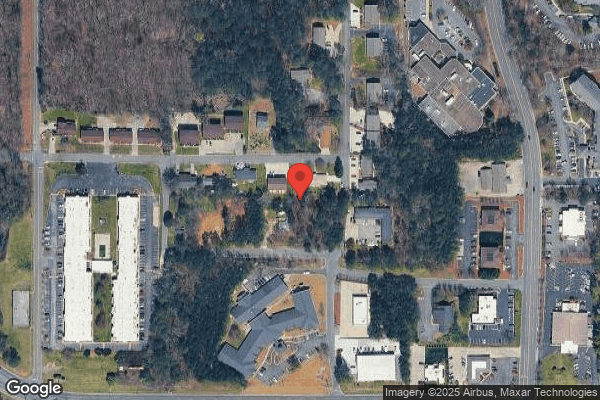
1110 BURLEYSON DRIVE, DALTON, GA 30720 (706) 226-1021
Non profit - Corporation 102 Beds Independent Data: November 2025
Trust Grade
80/100
#105 of 353 in GA
Last Inspection: March 2025

Within standard 12-15 month inspection cycle. Federal law requires annual inspections.

Overview

Ridgewood Manor Health and Rehabilitation has a Trust Grade of B+, indicating it is above average and recommended for families seeking care. It ranks #105 out of 353 facilities in Georgia, placing it in the top half, but is #3 out of 3 in Whitfield County, meaning only one local option is better. The facility is improving, with a decrease in reported issues from 8 in 2023 to just 2 in 2025. Staffing is a weak point here, rated 2 out of 5 stars with a turnover rate of 54%, which is around the state average. However, it has good RN coverage, surpassing 76% of state facilities, ensuring better oversight on residents' care. There have been some concerning incidents, including failures in food handling practices, such as improperly stored pans which can lead to bacterial growth and ice build-up in the freezer that risks food contamination. Additionally, the facility did not create a comprehensive care plan for a resident with PTSD, which could increase their emotional distress. While Ridgewood Manor has strengths like good RN coverage and no fines, families should be aware of the staffing issues and specific care plan deficiencies.

Trust Score
B+
80/100
In Georgia
#105/353
Top 29%
Safety Record
Low Risk
No red flags
Inspections
Getting Better
8 → 2 violations
Staff Stability
⚠ Watch
54% turnover. Above average. Higher turnover means staff may not know residents' routines.
Penalties
✓ Good
No fines on record. Clean compliance history, better than most Georgia facilities.
Skilled Nurses
○ Average
Each resident gets 31 minutes of Registered Nurse (RN) attention daily — about average for Georgia. RNs are the most trained staff who monitor for health changes.
Violations
⚠ Watch
12 deficiencies on record. Higher than average. Multiple issues found across inspections.
★★★★☆
4.0
Overall Rating
★★☆☆☆
2.0
Staff Levels
★★☆☆☆
2.0
Care Quality
★★★★☆
4.0
Inspection Score
Stable
2023: 8 issues
2025: 2 issues

The Good

  • Full Sprinkler Coverage · Fire safety systems throughout facility
  • No fines on record

Facility shows strength in fire safety.

The Bad

Staff Turnover: 54%

Near Georgia avg (46%)

Higher turnover may affect care consistency

The Ugly 12 deficiencies on record

Mar 2025 2 deficiencies
CONCERN (D)

Potential for Harm - no one hurt, but risky conditions existed

Comprehensive Care Plan (Tag F0656)

Could have caused harm · This affected 1 resident

**NOTE- TERMS IN BRACKETS HAVE BEEN EDITED TO PROTECT CONFIDENTIALITY** Based on record review, staff interviews, and facility policy review, the facility failed to develop and implement a comprehensi...

Read full inspector narrative →
**NOTE- TERMS IN BRACKETS HAVE BEEN EDITED TO PROTECT CONFIDENTIALITY** Based on record review, staff interviews, and facility policy review, the facility failed to develop and implement a comprehensive person-centered care plan that included trauma-informed care related to the resident's experiences in order to eliminate or mitigate triggers that may cause re-traumatization related to the resident's diagnosis of Post Traumatic Stress Disorder (PTSD) for one of one resident (Resident (R)46) reviewed for person-centered care plans for PTSD out of 21 sampled residents. This failure placed the residents at an increased risk for re-traumatization of emotional distress. Findings include: Review of R46's admission Record located in the resident's electronic medical record (EMR) under the Profile tab revealed the resident was admitted to the facility on [DATE]. Review of R46's annual Minimum Data Set (MDS) located in the resident's EMR, under the MDS tab, with an Assessment Reference Date (ARD) of 12/16/24, revealed R46 had a Brief Interview for Mental Status (BIMS) score of 15 out of 15 that indicated resident was cognitively intact. The MDS also revealed R46 had a diagnosis of PTSD. Review of R46's Encounter with PCP at [name of physician's group] located in the EMR under the Documents tab dated 04/26/22, revealed her diagnosis of PTSD was related to her past victimization from domestic violence and neglect, and to avoid triggering her PTSD by not talking about her husband or her past married life. Review of R46's Care Plan located in the resident's EMR, under the Care Plan tab, with a revision date of 10/07/24, revealed her diagnosis of PTSD with interventions to avoid PTSD triggers. However, the Care Plan did not identify the cause was a result of past victimization of neglect, domestic violence, and the triggers that could contribute to affecting her emotional and psychological health. During an interview with Certified Nursing Assistant (CNA)3 on 03/27/25 at 12:20 PM, she stated that she was not aware of the triggers that could contribute to R46's re-traumatization related to her diagnosis of PTSD. During an interview with Licensed Practical Nurse (LPN)2 on 03/27/25 at 12:30 PM, she stated she was not aware of the triggers that could contribute to R46's re-traumatization related to her diagnosis of PTSD. During an interview with the Director of Nursing (DON) on 03/27/25 at 12:45 PM, she stated she was not aware of the triggers that could contribute to R46's re-traumatization related to her diagnosis of PTSD. She said she would expect the triggers to be documented in R46's care plan and that R46's care staff should be informed of the triggers. Review of the policy titled, Care Plan revealed each resident will have a comprehensive care plan that reflects resident-centered care and services and in effort to attain or maintain the resident' highest practicable physical, mental, and psychological well-being.
CONCERN (D)

Potential for Harm - no one hurt, but risky conditions existed

Deficiency F0849 (Tag F0849)

Could have caused harm · This affected 1 resident

**NOTE- TERMS IN BRACKETS HAVE BEEN EDITED TO PROTECT CONFIDENTIALITY** Based on staff interviews, record review, and facility policy review, the facility failed to ensure three (Residents (R) 5, R15,...

Read full inspector narrative →
**NOTE- TERMS IN BRACKETS HAVE BEEN EDITED TO PROTECT CONFIDENTIALITY** Based on staff interviews, record review, and facility policy review, the facility failed to ensure three (Residents (R) 5, R15, and R59) reviewed out of 12 residents receiving hospice services out of a total sample of 21 residents had visit notes from the hospice agency. These failures could lead to the risk that the needs of these residents are not addressed. Findings include: Review of the facility policy titled, Hospice Services dated 11/01/19 revealed, Supervision/Coordination of Care Each party is responsible for documenting such communication in its respective clinical records to ensure the needs of hospice patients are addressed and met 24 hours a day. 1. Review of R59's admission Record located in the Profile tab of the electronic medical record (EMR) revealed R59 was admitted to the facility on [DATE] with diagnoses including unspecified dementia, cerebral infarction (stroke), and paraplegia. Review of R59's Orders tab of the EMR revealed an order dated 11/24/23 to admit to hospice services related to ischemic attack (stroke). Review of R59's quarterly Minimum Data Set (MDS) with an assessment reference date (ARD)of 03/11/25 revealed R59 was under hospice care. Review of R59's Care Plan located under the Care Plan tab of the EMR revealed a focus area for hospice services initiated 11/24/23 with an intervention to work cooperatively with hospice team to ensure spiritual, emotional, intellectual, physical and social needs are met. Review of R59's Documents tab of the EMR revealed only Interdisciplinary (IDT) notes, there were no visit notes. 2. Review of R5's admission Record located in the Profile tab of the EMR revealed he was admitted to the facility on [DATE] with diagnoses including Parkinson's Disease without dyskinesia, chronic obstructive pulmonary disease (COPD), emphysema, and Alzheimer's disease. Review of R5's quarterly MDS with an ARD of 12/26/24 revealed R5 was under hospice care. Review of R5's Care Plan located under the Care Plan tab of the EMR revealed a focus area for hospice services initiated 04/08/22 related to emphysema with an intervention to work cooperatively with hospice team to ensure spiritual, emotional, intellectual, physical and social needs are met. Review of R5's Documents tab of the EMR revealed only ITD notes, there were no visit notes. 3. Review of R15's admission Record located in the Profile tab of the EMR revealed R15 was admitted to the facility on [DATE]. Review of R15's Medical Diagnosis located in the Medical Diagnosis tab of the EMR revealed R15 was admitted with diagnoses including COPD with (acute) exacerbation. Review of R15's Orders tab of the EMR revealed an order dated 05/15/24 to admit to hospice services. Review of R15's quarterly MDS with an ARD of 02/17/25 revealed R15 was under hospice care. Review of R15's Care Plan located under the Care Plan tab of the EMR revealed a focus area for hospice services initiated 05/15/24 with an intervention to work cooperatively with hospice team to ensure spiritual, emotional, intellectual, physical and social needs are met. Review of R15's Documents tab of the EMR revealed only ITD notes, there were no visit notes. During an interview on 03/26/25 at 10:05 AM the Director of Nursing (DON) stated she had to reach out to hospice for copies of hospice records. She stated hospice usually sent them over and then medical records uploaded them to the Documents tab in the EMR. During an interview on 03/26/25 at 10:13 AM the DON reviewed the notes provided by hospice and stated they were IDT notes only. The DON stated the hospice staff documented their visits using an electronic tablet, and facility staff are required to sign off on the tablet, but the hospice staff did not leave a copy of those visit notes. She stated only the IDT notes were sent over to the facility, then scanned in to the EMR later. The DON stated she would have to ask hospice to send visit notes. During an interview on 03/26/25 at 1:30 PM Medical Records (MR) staff stated hospice faxed their IDT notes over and she scanned them into the Documents section of the EMR, but only the IDT documents. She reviewed the hospice documents in the Documents tab for the hospice residents and was unable to find any visit notes. She stated they did not keep any sort of hospice binder on the unit for hard copy of visit notes either. During an interview on 03/26/25 at 2:00 PM, Licensed Practical Nurse (LPN) 3 stated the hospice staff documented care on their own electronic record via an electronic tablet. Then facility staff signed the electronic note, but facility did not get a copy of the visit notes unless the facility requested it. LPN 3 stated they did not maintain a binder with hard copy of visit notes.
Jun 2023 8 deficiencies
CONCERN (D)

Potential for Harm - no one hurt, but risky conditions existed

Deficiency F0554 (Tag F0554)

Could have caused harm · This affected 1 resident

**NOTE- TERMS IN BRACKETS HAVE BEEN EDITED TO PROTECT CONFIDENTIALITY** Based on observations, staff interviews, record review, and review of the facility policies titled, Resident Self-Administration...

Read full inspector narrative →
**NOTE- TERMS IN BRACKETS HAVE BEEN EDITED TO PROTECT CONFIDENTIALITY** Based on observations, staff interviews, record review, and review of the facility policies titled, Resident Self-Administration of Medications and Medication Administration-General, the facility failed to clinically assess one of 26 sampled residents (R) (R#45) for the ability to self-administer medications prior to leaving medications at the bedside. The deficient practice had the potential to adversely affect the safety of R#45 and other residents in the facility. Findings include: Review of the facility's policy titled, Resident Self-Administration of Medications dated 10/1/2019 and revised 3/13/2023 revealed the purpose was each resident who desires to self-administer medications(s) is permitted to do so if the interdisciplinary team has determined that the practice would be safe for the residents and other residents of the facility. The policy stated residents are provided the opportunity to express their desire to self-administer medications. If the resident indicates they would like to self-administer, the Licensed Nurse will assess the resident's ability to safely administer medications using the Resident Medication Self-Administration Evaluation. The facility will obtain a physician's order for residents to self-administer medication and store medications at bedside. Review of the facility's policy titled, Medication Administration-General dated 10/1/2019 and revised 6/23/2022 revealed the policy was to provide resident medication efficacy and safety by following established principles of medication administration. The policy interpretation and implementation line numbered 5 stated: Residents may self-administer their medications in accordance with the Resident Self-Administration policy. Observation of medication pass on 6/3/2023 at 8:05 a.m. for R#45 with Licensed Practical Nurse (LPN) DD revealed her to leave the following medications in a 30 milliliter (ml) medication cup on R#45's overbed table without observing R#45 take them: aspirin chewable 81 milligram (mg) one tablet (a medication used to prevent pain, fever, and blood clots) atorvastatin calcium 40 mg one tablet (a medication used to lower cholesterol) isosorbide mononitrate extended release 60 mg one tablet (a medication used to treat heart failure) clopidogrel bisulfate 75 mg one tablet (a medication used to prevent blood clots) pantoprazole sodium delayed release 20 mg one tablet (a medication used to treat heartburn and acid-reflux) sitagliptin phosphate 50 mg one tablet (a medication used to lower blood sugar) vitamin B12 100 microgram (mcg) one tablet (a nutrient) vitamin D2 50 mcg one tablet (a nutrient) sertraline 50 mg one tablet (a medication used to treat depression) gabapentin 100 mg one capsule (a medication used to treat seizures) memantine 10 mg one tablet (a medication used to treat symptoms of Alzheimer's disease) ranolazine extended release 500 mg one tablet (a medication used to treat chronic chest pain) acetaminophen 325 mg two tablets (a medication used to treat pain and fever) divalproex sodium delayed release 125 mg one tablet (a medication used to treat seizures) Interview on 6/3/2023 at 8:10 a.m. with LPN DD verified she prepared the listed oral medications for R#45 and left them in a medication cup on his overbed table without observing him take the medications. She revealed R#45 preferred taking his medications with food and she left them for him to take with his meal. She further revealed R#45 did not have a completed self-administration of medication assessment or a physician's order for medication self-administration. She revealed R#45 had impaired cognition and she should have watched him take the medications and not left them in the room. Observation of R#45 on 6/3/2023 at 8:20 a.m. revealed R#45 to be sitting on his bed, eating breakfast. Further observation revealed one empty 30 ml medication cup sitting on the over bed table. Interview of R#45 revealed he did not remember taking the medication but if the cup was empty, he must have taken them. R#45 further revealed he always took his medication with meals. Interview on 6/3/2023 at 9:00 a.m. LPN EE revealed R#45 wanders frequently and his cognition was impaired. She revealed R#45 preferred to take medications with food and normally took medications without concern. She further revealed if a resident declined medications, the nurse should not leave medications at the bedside, and should return later with the medications. Review of the clinical record for R#45 revealed diagnoses including Alzheimer's disease, dysphagia, major depressive disorder, and heart failure. Review of the annual Minimum Data Set (MDS) dated [DATE] revealed: Section C-cognitive patterns, indicated a brief Interview for Mental Status (BIMS) of five (indicating severe cognitive impairment), Section G -functional status, indicated R#45 required set-up help with activities of daily living (ADLS). Review of the Care Plan revealed a focus area for R#45 was severely impaired for decision making ability and cognitive deficit was related to short-term and long-term memory loss. Interventions included administering medication(s) as ordered. Monitor for and document side effects and effectiveness. Further review of the care plan revealed there was not a care plan focus area for resident self-administration of medications. Review of the Physician's Orders for R#45 revealed there was not a physician's order for medication self-administration. Review of the clinical record for R#45 revealed there was not an assessment for self-administration of medications. Review of the medication administration records (MAR) dated 6/2023, 5/2023, and 4/2023 revealed self-administration of medications was not documented on the MAR's. Interview on 6/3/2023 at 12:30 p.m. with the Director of Nursing (DON) revealed her expectations were for medication nurses to observe residents taking their medications when administered and not to leave medications at the bedside. She revealed prior to a resident self-administering medication, a medication self-administration assessment should be completed, and the medication self-administration policy should be followed.
CONCERN (D)

Potential for Harm - no one hurt, but risky conditions existed

Assessment Accuracy (Tag F0641)

Could have caused harm · This affected 1 resident

**NOTE- TERMS IN BRACKETS HAVE BEEN EDITED TO PROTECT CONFIDENTIALITY** Based on record review and staff interview, the facility failed to ensure that Minimum Data Set (MDS) assessments were accurate ...

Read full inspector narrative →
**NOTE- TERMS IN BRACKETS HAVE BEEN EDITED TO PROTECT CONFIDENTIALITY** Based on record review and staff interview, the facility failed to ensure that Minimum Data Set (MDS) assessments were accurate for one of 26 sampled residents (R) (R#54) related to transfers. Findings include: Review of the 3/13/2023 Significant Change MDS revealed, in section G - Functional Status, the resident is an extensive 2+ person assist for transfers. Review of the care plan dated 3/3/2023 for R#54 revealed he required assistance with Activities of Daily Living (ADL) related to cognitive deficits, had functional limitations, and tires easily. R#54 had diagnoses of Parkinson's disease, dementia with behavioral disturbance, and Chronic Obstructive Pulmonary Disease (COPD). Interventions include: 3/3/2023 Use Maxi-Move (lift device) with extra-large sling for all transfers. Review of the HLTC Safe Patient Handling Evaluation dated 7/21/2023 revealed that the Arjo's passive and active series of lifts are designed for safe usage with one caregiver. There are circumstances, such as combativeness, obesity, contracture, and others that may dictate the need for a two-person transfer. The evaluation further revealed that R#54 was, as of 7/21/2023, a sit-to-stand lift ([NAME] Flex) 1-person physical assist. Review of the HLTC Safe Patient Handling Evaluation dated 3/3/2023 revealed that the Arjo's passive and active series of lifts are designed for safe usage with one caregiver. There are circumstances, such as combativeness, obesity, contracture, and others that may dictate the need for a two-person transfer. The evaluation further revealed that R#54 is, as of 3/3/2023, a total lift (Maxi Move) 1-person physical assist. Interview and record review on 6/3/2023 at 11:00 a.m. with the Director of Nursing (DON) revealed an assessment was done on R#54 on 3/3/2023 related to use of the lift. She stated the MDS assessment should have been changed to indicate R#54 was a one-person assist with transfers using the lift. DON revealed at the time of the assessment the care plan was updated to show R#54 only required one person assist while using the new lifts. Interview on 6/03/2023 at 11:30 a.m. with the MDS Coordinator revealed she was responsible for putting in Section G: Functional Status, of the assessment. She stated she reviewed the Certified Nursing Assistant (CNA) documentation to determine the resident's functional status. The MDS Coordinator stated she was not aware there had been a change in functional status for R#54 on 3/3/2023 but that she does review the evaluations and progress notes. She revealed she has told staff it is important they let her know when changes related to MDS assessments are made so she can put in the correct information. She revealed they have discussed the concern about informing her of changes when they occur and that things have gotten much better. The MDS Coordinator revealed she was not aware of the evaluation dated 7/21/2022 when R#54 was changed to the [NAME] Flex lift, one person assist.
CONCERN (D)

Potential for Harm - no one hurt, but risky conditions existed

Comprehensive Care Plan (Tag F0656)

Could have caused harm · This affected 1 resident

Based on record review and staff interview, the facility failed to follow the person-centered comprehensive care plan for one of 26 sampled resident (R) R#54 related to utilizing the correct lift for ...

Read full inspector narrative →
Based on record review and staff interview, the facility failed to follow the person-centered comprehensive care plan for one of 26 sampled resident (R) R#54 related to utilizing the correct lift for transfers. Findings include: Review of the 3/13/2023 Significant Change Minimum Data Set (MDS) revealed, in section G - Functional Status, the resident was an extensive 2+ person assist for transfers Review of the care plan dated 3/3/2023 for R#54 revealed he requires assistance with Activities of Daily Living (ADL) related to cognitive deficits, has functional limitations, and tires easily. R#54 has diagnoses of Parkinson's disease, dementia with behavioral disturbance, and Chronic Obstructive Pulmonary Disease (COPD). Interventions include: 3/3/2023 Use Maxi-Move (lift device) with extra-large sling for all transfers. Review of the nurse's note dated 5/16/2023 at 1:17 p.m. by Licensed Practical Nurse (LPN) CC revealed, in part, at approximately 2000 [8:00 p.m.], Certified Nursing Assistant (CNA) came to this nurse to report R#54 fell while she was transferring R#54 to bed. Interview on 6/3/2023 at 11:00 a.m. with the Director of Nursing (DON) revealed when the incident occurred with R#54, the CNA did not check the Plan of Care (POC) in the medical record and used the sit to stand device, which was the wrong lift.
CONCERN (D)

Potential for Harm - no one hurt, but risky conditions existed

Accident Prevention (Tag F0689)

Could have caused harm · This affected 1 resident

**NOTE- TERMS IN BRACKETS HAVE BEEN EDITED TO PROTECT CONFIDENTIALITY** Based on staff interview, record review, and review of the facility's policy titled, HLTC Safe Patient Handling, the facility fa...

Read full inspector narrative →
**NOTE- TERMS IN BRACKETS HAVE BEEN EDITED TO PROTECT CONFIDENTIALITY** Based on staff interview, record review, and review of the facility's policy titled, HLTC Safe Patient Handling, the facility failed to ensure the safety of one of 26 sampled residents (R) (R#54) by use of an incorrect lift resulting in a fall without injury. Findings include: Review of the facility's policy titled, HLTC Safe Patient Handling dated September 2022 revealed the facility will provide a safe work environment by implementing and maintaining a Safe Patient Handling Program that integrates evidence-based practices and technology designed to minimize the risk of injury to residents and staff caused by resident lifting and movement. Review of the HLTC Safe Patient Handling Evaluation dated 3/3/2023. The evaluation revealed that the resident is, as of 3/3/2023, a total lift (Maxi Move) one-person physical assist. Review of the HLTC Safe Patient Handling Evaluation dated 7/21/2023. The evaluation revealed that the resident was, as of 7/21/2023, a sit-to-stand lift ([NAME] Flex) one-person physical assist. Review of the nurse's notes for R#54 dated 5/16/2023 at 1:17 p.m. by Licensed Practical Nurse (LPN) CC revealed at approximately 2000 [8:00 p.m.], Certified Nursing Assistant (CNA) came to this nurse to say resident fell while she was transferring resident to bed. Upon entering the room, the resident was laying on his right side next to his bed on a fall mat. Resident denies pain, zero signs and symptoms of pain. Roommate was present in room but did not witness fall. Zero clutter noted. Resident wearing non-skid socks. Zero injuries. Zero changes with Range of Motion (ROM), Vital Signs (VS): 91/52, 66, 97.7, 20, 93% Room Air (RA). Zero changes with Level of Consciousness (LOC), Bilateral and equal hand grips, Pupils Equal, Round, Reactive to Light and Accommodation (PERRLA). Resident assisted from floor to bed with total lift, by three staff members. Resident Representative (RP) notified and Medical Doctor (MD) notified via tiger text. Immediate long-term interventions: Transfer to bed, assess need for pain meds, offer snack/drink. Long term interventions: Continue tab alarm to bed/chair, non-skid footwear, Fall mat x1. Review of the electronic medical record (EMR) revealed the plan of care indicates R#54 requires use of the Maxi-Move lift device with one person assist. Interview on 6/3/2023 at 11:00 a.m. with the Director of Nursing (DON) revealed an assessment was done on R#54 on 3/3/2023 related to use of the lift and the care plan was updated at the same time. DON explained the lifts are new and are designed so that only one person is required to assist the resident. Interview on 6/03/2023 at 1:50 p.m. with CNA AA revealed the lifts the facility currently have are new and only require one person to use the lift, but she stated if she was not comfortable with that she would get someone to help her. She stated if she was not sure what lift a resident was assessed for she looked on the computer in the plan of care and it says what type of lift the resident requires and how many people should assist. CNA AA revealed education was provided prior to the staff being able to use the new lifts and that they had to be checked off as being able to use them correctly before they were allowed to use them on the residents. Interview on 6/3/2023 at 2:00 p.m. with CNA BB revealed before she used a lift on a resident, she looked in the computer on their plan of care to see which lift they were required to have. She stated the new lifts only require one person to use but if the resident was not steady or she felt uncomfortable she would get another CNA to assist her. CNA stated they received training on the lifts 2 months prior to the lifts arriving and then when they arrived therapy trained them again and they had to be checked off as being able to use them correctly before using them on residents. Review of education provided by the DON revealed on 5/31/2023 an in-service was provided to all staff related to Lift Review. No sign-in sheets were provided and there were no in-services provided indicating the CNA was in-serviced on 5/16/2023 after the incident occurred with R#54. The CNA involved in the incident on 5/16/2023 was unavailable for interview.
CONCERN (D)

Potential for Harm - no one hurt, but risky conditions existed

Medication Errors (Tag F0758)

Could have caused harm · This affected 1 resident

Based on record review, staff interviews, and review of the facility's policy titled, Psychotropic Medication Management, the facility failed to ensure a stop date was implemented, not to exceed 14 da...

Read full inspector narrative →
Based on record review, staff interviews, and review of the facility's policy titled, Psychotropic Medication Management, the facility failed to ensure a stop date was implemented, not to exceed 14 days for psychotropic medications for two of five residents (R) (R#28 and R#64) reviewed for unnecessary medications. This failure had the potential for medication interaction, adverse reactions, respiratory depression, falls, constipation, and increased anxiety. Findings include: Review of the facility's policy titled, Psychotropic Medication Management, revised 5/3/2022, revealed as needed (PRN) orders for psychotropic medications are limited to 14 days, except if the attending physician believed it was appropriate for the PRN orders to be extended beyond 14 days. The attending physician would document their rationale in the resident's clinical record and indicate the duration and appropriateness of the PRN order. 1. Review of the Medical Doctor (MD) orders for R#28, dated 1/19/2023, revealed the MD ordered Ativan 0.5 milligram (mg), one tablet by mouth (PO) every 24 hours, PRN for agitation. The order had no stop date. Review of the Medication Administration Record (MAR) revealed R#28 was administered lorazepam 0.5 mg PO on 5/10/2023 at 8:52 a.m., 5/17/2023 at 10:52 p.m., and 5/22/2023 at 11:40 p.m., and 6/1/2023 at 11:06 p.m. Review of the Consultant Pharmacist Communication to the Physician dated January 2023 revealed lorazepam 0.5 mg every 24 hours was evaluated for R#28 based on the Centers for Medicare and Medicaid Services (CMS) regulatory limit of 14-day PRN psychotropic drugs. The medication was approved for a period of 90 days to treat agitation. The MD signed the form on 2/8/2023, which would expire on May 9, 2023, after 90 days. 2. Review of the MD orders for R#64, dated 5/2/2023, revealed the MD ordered lorazepam 0.5 mg, one tablet by mouth every 4 hours, as needed. The order had no stop date. Interview on 6/2/2023 at 9:41 a.m. with the Director of Nursing (DON), she stated the Pharmacist was supposed to ensure end dates for medications and review all the residents' medications. She noted the Resident Care Coordinator would audit the charts to ensure the monthly reviews and end dates were completed, but the position still needed to be filled at the facility. The DON stated that she and the Assistant Director of Nursing (ADON) were auditing charts until the facility filled the position. Additionally, the DON acknowledged R#28 and R#64 had a PRN order for lorazepam without an end date. Interview on 6/2/2023 at 9:47 a.m. with the ADON he said he was assisting with the medication chart audits. The ADON indicated that he understood psychotropic medications had an automatic stop date after 14 days unless the physician completed a medication extension form with clinical indications. The ADON explained that he monitored the charts at least monthly to ensure there were stop dates for psychotropic medications. The ADON acknowledged R#28 and R#64 had a PRN lorazepam order that did not have a stop date and had exceeded the 14 days.
CONCERN (D)

Potential for Harm - no one hurt, but risky conditions existed

Deficiency F0761 (Tag F0761)

Could have caused harm · This affected 1 resident

Based on observation, staff interviews, and review of the facility's policy titled, HLTC Non-Controlled and Controlled Medication Ordering, Receiving and Storage, the facility failed to ensure one ope...

Read full inspector narrative →
Based on observation, staff interviews, and review of the facility's policy titled, HLTC Non-Controlled and Controlled Medication Ordering, Receiving and Storage, the facility failed to ensure one open and punctured insulin vial was discarded on the discard date on one of four medication carts. The deficient practice resulted in resident (R) (R#17) receiving doses from an insulin vial that was past the discard date. Findings include: Review of the facility's policy titled, HLTC Non-Controlled and Controlled Medication Ordering, Receiving, and Storage dated 10/1/2019 with a revision date of 1/7/2022 revealed the purpose was for the facility to comply with all laws, regulations, and other requirements related to medication ordering, receiving, and storing processes for non-controlled and controlled medications. The policy section revealed: 1. Resident medications will be ordered, received, and stored in accordance with all state and federal requirements. Review of the document titled, Insulin In-Use Expiration Dates, located on the medication cart revealed Novolog insulin vials had an expiration date of 28 days once opened. Observation on 6/3/2023 at 9:20 a.m. of Short Hall Station 1 medication cart with Licensed Practical Nurse (LPN) FF revealed one opened vial of Novolog (aspart) insulin (a medication used to treat diabetes mellitus) 100 units per milliliters (ml), 10 ml vial with a label indicating an open date of 4/23/2023 and discard date of 5/21/2023. The pharmacy label indicated the insulin was prescribed for Resident (R)#17. LPN FF verified the vial of Novolog insulin was opened, beyond the discard date, and revealed if it was in the drawer, it was being administered to R#17. Interview on 6/3/2023 at 9:20 a.m. with LPN FF revealed nurses that work on the medication carts were responsible to ensure medications were discarded on the discard date and not administered to a resident. She revealed the vial of Novolog insulin beyond discard date must have gone unnoticed by the nurses. Review of the medication administration records (MAR's) for R#17 revealed R#17 received Novolog two times a day from 5/22/2023 through 6/2/2023 for a total of 24 doses received after the discard date of 5/21/2023. Interview on 6/3/2023 at 12:35 pm with the Director of Nursing (DON) revealed her expectations were for insulin vials to be labeled with an open and a discard date when opened and to be discarded on the discard date.
CONCERN (E)

Potential for Harm - no one hurt, but risky conditions existed

Room Equipment (Tag F0908)

Could have caused harm · This affected multiple residents

Based on observations and staff interviews, the facility failed to maintain the walk-in freezer in a manner to prevent ice build-up from forming on the air condenser piping, this failure had the poten...

Read full inspector narrative →
Based on observations and staff interviews, the facility failed to maintain the walk-in freezer in a manner to prevent ice build-up from forming on the air condenser piping, this failure had the potential to contaminate food items located under the ice. The facility census was 77 and 76 residents consumed an oral diet. Findings include: Observation on 6/2/2023 at 8:55 a.m. of the walk-in freezer revealed a large ice build-up on the piping to the air condenser. The ice build-up was six inches in height and five inches wide on the piping. Interview on 6/2/2023 at 8:55 a.m. with the Certified Dietary Manager (CDM) revealed that she has never seen that ice build-up before. Observation on 6/4/2023 at 8:45 a.m. of the walk-in freezer revealed the ice build-up remained on the piping to the air condenser. The ice build-up was smaller than previous observation due to an attempt at removal. Ice remained at the top of the pipe by the air condenser housing and was the size of a golf ball. Another area on the pipe towards the bottom near the metal food rack also had ice build-up about the size of a golf ball. Continued observation revealed a sealed case of frozen yellow squash located under the air condenser and near the piping. This case of yellow squash had a layer of clear ice build-up on the back part of the lid that was about 12 inches in length, four inches in width, and quarter inch thickness. Interview on 6/4/2023 at 8:45 a.m. with the CDM revealed that she did notify maintenance verbally about the ice build-up in the freezer. The CDM confirmed that ice remained on the piping and was on the lid to the case of yellow squash. Phone interview on 6/4/2023 at 9:05 a.m. with Interim Maintenance Staff (IMS) revealed that the CDM did make him aware of the ice build-up on the pipes to the air condenser. The IMS stated that he did assess the ice and removed what he could. The IMS stated that due to the weekend he would call Monday for heating, ventilation, and air conditioning (HVAC) services to assess the walk-in freezer.
CONCERN (F)

Potential for Harm - no one hurt, but risky conditions existed

Food Safety (Tag F0812)

Could have caused harm · This affected most or all residents

Based on observations, staff interviews, and review of the facility's policy titled, Preventing Foodborne Illness-Food Handling, the facility failed to store stacked pans free from wet nesting to prev...

Read full inspector narrative →
Based on observations, staff interviews, and review of the facility's policy titled, Preventing Foodborne Illness-Food Handling, the facility failed to store stacked pans free from wet nesting to prevent bacterial growth and to discard leftover food items by the use by date in the walk-in refrigerator. The facility census was 77 and the deficient practices affected all 77 residents who received an oral diet. Findings include: 1. Review of the facility's policy titled, Preventing Foodborne Illness-Food Handling revealed that all food service equipment and utensils will be sanitized according to current guidelines and manufacturers' recommendations. Observation on 6/2/2023 at 9:05 a.m. of the pot and pan storage rack revealed a stack of ten medium sized rectangle steam table pans. The top three pans were turned over and all three pans had water/moisture inside. Interview on 6/2/2023 at 9:05 a.m. with the Certified Dietary Manager (CDM) confirmed that all three steam table pans were stacked, and the inside of the pans were wet. The CDM stated that staff should let pans dry completely on the drying rack before stacking. Interview on 6/3/2023 at 1:15 p.m. with the Administrator and CDM revealed that the facility does not have a policy regarding the procedure for dish washing. 2. Observation on 6/2/2023 at 9:00 a.m. of the walk-in refrigerator revealed a square steam table pan with top lid labeled cream cheese with a prep date of 5/18 and use by date of 5/30. When the lid was lifted the pan contained a cream cheese type dip. Continued observation revealed a rectangle foil pan labeled peach cobbler with a prep date 5/30 and a use by date of 6/1. Interview on 6/2/2023 at 9:00 a.m. with the CDM confirmed that the pan labeled cream cheese had a use by date of 5/30 and the pan labeled peach cobbler had a use by date of 6/1 and should have been discarded. The CDM revealed that all staff are responsible for checking leftover labels and discard if needed. The CDM stated that she usually goes through the refrigerators to ensure foods are labeled and dated and discarded if needed but had not yet completed the task.
Nov 2021 2 deficiencies
CONCERN (D)

Potential for Harm - no one hurt, but risky conditions existed

Comprehensive Care Plan (Tag F0656)

Could have caused harm · This affected 1 resident

**NOTE- TERMS IN BRACKETS HAVE BEEN EDITED TO PROTECT CONFIDENTIALITY** Based on observations, record review, interviews, and review of the facility policy Care Planning, the facility failed to implem...

Read full inspector narrative →
**NOTE- TERMS IN BRACKETS HAVE BEEN EDITED TO PROTECT CONFIDENTIALITY** Based on observations, record review, interviews, and review of the facility policy Care Planning, the facility failed to implement the care plan for three dependent residents (R) R#14, R#30, and R#43 related to not providing shower/bath as scheduled. The sample size was 35. Findings include: Review of facility policy titled Care Planning dated 12/1/2019 revealed the purpose is to provide each resident with an individualized and resident-centered care plan. Number 7. The facility will develop and implement a comprehensive, resident-centered care plan for each resident that includes measurable objectives and timeframes to meet a resident's medical, nursing, and mental and psychosocial needs that are identified in the resident's comprehensive assessment. 1. Review of the clinical record for R#14 revealed resident was admitted to the facility on [DATE] with diagnosis of but not limited to fractured left leg, acute kidney failure, depression, dependency for care, and dementia. Review of R#14's Quarterly Minimum Data Set (MDS) dated [DATE] revealed a Brief Interview for Mental Status (BIMS) score of 15, indicating no cognitive impairment and resident requires extensive assistance with ADLs. Review of the care plan dated 8/3/2021 revealed R#14 has activities of daily living (ADL) self-care deficit related to confusion, dementia, pain in back, neck, and knees. Interventions to care include requires one person assistance with bathing/showers, avoid scrubbing and pat dry sensitive skin, and check nail length and clean/trim on scheduled bath days, and report changes to nurse. Interview on 11/08/2021 at 10:27 a.m. with R#14, she stated she had not received a shower in two weeks. She further stated she is scheduled to receive showers on Tuesdays, Thursdays, and Saturdays. Interview on 11/10/2021 at 8:34 a.m. with R#14, she stated she still had not received a shower. R#14 further stated the staff provided her with bath wipes to wipe herself off when a shower is not provided. 2. Review of the clinical record review for R#30 revealed resident was admitted to the facility on [DATE] with a diagnosis of but not limited to cerebrovascular accident (CVA) with left sided hemiplegia, diabetes, congestive heart failure (CHF), gastroesophageal reflux disease (GERD) and personal dependence for personal care. Review of R#30's Annual MDS dated [DATE] revealed a BIMS score of 15, indicating no cognitive impairment. Further review revealed, R#30 requires extensive two-person assistance with ADLs. Review of the care plan revised 10/9/2021 revealed R#30 has ADL self-care deficit related to history of cerebrovascular accident (CVA) with hemiplegia, decreased sitting balance, and functional limitations. Interventions to care include resident requires limited to extensive assistance with hygiene, toileting, and oral care. Interview on 11/7/2021 at 2:16 p.m. with R#30, she stated she is supposed to get a shower/bath three times a week but has not received a bath in approximately four weeks. Interview on 11/9/2021 at 12:20 p.m. with Certified Nursing Assistant (CNA) AA and Licensed Practical Nurse (LPN) BB, confirmed that there was no evidence that R#30 had received a shower or bath since 10/26/2021. 3. Review of the clinical record for R#43 revealed resident was admitted to the facility on [DATE] with diagnosis of but not limited to diabetes, hypothyroidism, hepatitis, hypertension (HTN), depression, legal blindness, and vascular dementia. Review for R#43's Quarterly MDS dated [DATE] revealed a BIMS score of 9, indicating moderate cognitive impairment and resident requires extensive assistance with ADLs. Review of the care plan dated 9/29/2021 revealed R#43 has an ADL self-care deficit related to dementia, legal blindness, impaired balance, limited mobility. Interventions to care include requires extensive dependence on staff for personal hygiene and oral care. Monitor/document/report any changes. Observation on 11/07/2021 at 1:45 p.m. R#43 was in his room sitting in his wheelchair watching TV. Resident's clothing was visibly soiled with what appeared to be red stains on pants and shirt. Resident had dried red substance on his face and his hair appeared greasy and disheveled. Interview on 11/10/2021 at 10:30 a.m. with the DON, stated residents should receive a shower/bath two or three times a week, depending on their bath schedule. DON further stated her expectations are that the baths should be completed as scheduled. Cross Refer F677
CONCERN (D)

Potential for Harm - no one hurt, but risky conditions existed

ADL Care (Tag F0677)

Could have caused harm · This affected 1 resident

**NOTE- TERMS IN BRACKETS HAVE BEEN EDITED TO PROTECT CONFIDENTIALITY** Based on observations, record review, interviews, and review of the policy Activities of Daily Living, the facility failed to pr...

Read full inspector narrative →
**NOTE- TERMS IN BRACKETS HAVE BEEN EDITED TO PROTECT CONFIDENTIALITY** Based on observations, record review, interviews, and review of the policy Activities of Daily Living, the facility failed to provide showers/baths as scheduled for three dependent residents (R) R#14, R#43, and R#30. The sample size was 35. Findings include: Review of facility policy titled Activities of Daily Living dated 1/1/2019 revealed residents will be provided with care, treatment, and services as appropriate to maintain or improve their ability to carry out activities of daily living (ADL's). Residents who are unable to carry out activities of daily living independently will receive the services necessary to maintain good nutrition, grooming, and personal and oral hygiene. 2. Appropriate care and services will be provided for residents who are unable to carry out ADLs independently, with the consent of the resident and in accordance with the plan of care, including appropriate support and assistance with: hygiene (bathing, dressing, grooming, and oral care), mobility (transfer and ambulation, walking), elimination (toileting), dining (meals and snacks), and communication (speech, language, and any functional communication systems). 1. Review of the clinical record for R#14 revealed resident was admitted to the facility on [DATE] with diagnosis of but not limited to fractured left leg, acute kidney failure, depression, dependency for care, and dementia. Review of R#14's Quarterly Minimum Data Set (MDS) dated [DATE] revealed a Brief Interview for Mental Status (BIMS) score of 15, indicating no cognitive impairment and resident requires extensive assistance with ADLs. Review of the Ridgewood Manor Documentation Survey Report for Activities of Daily Living (ADL) for R#14, revealed shower/bath days as Tuesday, Thursday, and Saturday, on the day shift (7:00 a.m. to 3:00 p.m.). For the month of September 2021, R#14 did not receive a shower/bath on her scheduled shower days for 11 of 13 days. For the month of October 2021, R#14 did not receive a shower/bath on her scheduled shower days 13 out of 13 days. For November 2021 revealed there was no documentation of R#14 receiving a bath during this timeframe. During further review, there is no documentation the resident refused showers or baths on the scheduled days. Interview on 11/8/2021 at 10:27 a.m. with R#14, she stated she is scheduled to receive showers on Tuesdays, Thursdays, and Saturdays. During further interview, she stated she had not received a shower in two weeks. Interview on 11/9/2021 at 1:26 p.m. with Certified Nursing Assistant (CNA) DD, stated that residents shower/bath days based on A bed or B bed. She stated that completed showers are documented in the shower book. She stated that if a resident refuses their shower/bath, staff will try again. If the resident continues to refuse, this is communicated to charge nurse. During further interview with CNA DD, she stated some days she feels she is rushed to complete resident showers/baths due to staff shortage. Interview on 11/10/2021 at 8:34 a.m. with R#14, she stated that she still had not received a shower. R#14 further stated the staff provided her with bath wipes to wipe herself off when a shower is not provided. 2. Review of the clinical record for R#43 revealed resident was admitted to the facility on [DATE] with diagnosis of but not limited to diabetes, hypothyroidism, hepatitis, hypertension (HTN), depression, legal blindness, and vascular dementia. Review for R#43's Quarterly MDS dated [DATE] revealed a BIMS score of 9, indicating moderate cognitive impairment and resident requires extensive assistance with ADLs. Review of the Ridgewood Manor Documentation Survey Report for Activities of Daily Living (ADL) for R#43, revealed shower/bath days as every other day, on the day shift (7:00 a.m. to 3:00 p.m.). For the month of September 2021, R#43 did not receive a shower/bath on his scheduled shower days for seven of 14 days. For the month of October 2021, revealed there was no documentation of R#43 receiving a bath during this timeframe. For November 2021, revealed there was no documentation of R#43 receiving a bath during this timeframe. During further review, there is no documentation the resident refused showers or baths on the scheduled days. Observation on 11/7/2021 at 1:45 p.m. R#43 was in his room sitting in his wheelchair watching TV. Resident's clothing was visibly soiled with red stains on pants and shirt. Resident had dried red substance on his face and his hair appeared greasy and disheveled. Interview on 11/9/2021 at 11:25 a.m. with CNA EE revealed that due to a shortage in staff, the shower team has not been able to provide showers on a consistent basis. CNA EE revealed they offer the residents the option of a bed bath when there is enough staff as an option. CNA EE stated when a shower is provided, this information is documented in the shower book and when a resident refuses a shower it is documented in the chart and reported to the charge nurse. 3. Review of the clinical record review for R#30 revealed resident was admitted to the facility on [DATE] with a diagnosis of but not limited to cerebrovascular accident (CVA) with left sided hemiplegia, diabetes, congestive heart failure (CHF), gastroesophageal reflux disease (GERD) and personal dependence for personal care. Review of R#30's Annual MDS dated [DATE] revealed a BIMS score of 15, indicating intact cognition. Further review revealed, R#30 requires extensive two-person assistance with ADLs. Review of the Ridgewood Manor Documentation Survey Report for Activities of Daily Living (ADL) for R#30, revealed shower/bath days as Tuesday, Thursday, and Saturday, on the day shift (7:00 a.m. to 3:00 p.m.). For the month of September 2021, R#30 did not receive a shower/bath on her scheduled shower days four out of 13 days. For the month of October 2021, R#30 did not receive a shower/bath on her scheduled shower days two out of 11 days. For November 2021 to current survey date, R#30 did not receive a shower/bath on three out of four scheduled days. During further review, there is no documentation the resident refused showers or baths on the scheduled days. Interview on 11/7/2021 at 2:16 p.m. with R#30, she stated that she is supposed to get a shower/bath three times a week but has not received a bath in approximately four weeks. Interview on 11/9/2021 at 12:20 p.m. with CNA AA and LPN BB, confirmed R#30 had not received a shower/bath since 10/26/2021. Interview on 11/10/2021 at 10:30 a.m. with Director of Nursing (DON) revealed there was a shower team but due to staff shortage, CNAs are responsible for completing showers as indicated by the shower schedule. She stated the shower/bath process is A Bed on one day and then B bed on the next day: then alternating days the following week. During further interview, she stated the resident should receive a bath two or three times a week and as requested by resident and according to preference. The DON stated that her expectation is that staff complete showers for residents as scheduled and requested.
Understanding Severity Codes (click to expand)
Life-Threatening (Immediate Jeopardy)
J - Isolated K - Pattern L - Widespread
Actual Harm
G - Isolated H - Pattern I - Widespread
Potential for Harm
D - Isolated E - Pattern F - Widespread
No Harm (Minor)
A - Isolated B - Pattern C - Widespread

Questions to Ask on Your Visit

  • "Can I speak with families of current residents?"
  • "What's your RN coverage like on weekends and overnight?"

Our Honest Assessment

Strengths
  • • Grade B+ (80/100). Above average facility, better than most options in Georgia.
  • • No major safety red flags. No abuse findings, life-threatening violations, or SFF status.
  • • No fines on record. Clean compliance history, better than most Georgia facilities.
Concerns
  • • 12 deficiencies on record. Higher than average. Multiple issues found across inspections.
Bottom line: Generally positive indicators. Standard due diligence and a personal visit recommended.

About This Facility

What is Ridgewood Manor's CMS Rating?

CMS assigns RIDGEWOOD MANOR HEALTH AND REHABILITATION an overall rating of 4 out of 5 stars, which is considered above average nationally. Within Georgia, this rating places the facility higher than 99% of the state's 100 nursing homes. This rating reflects solid performance across the metrics CMS uses to evaluate nursing home quality.

How is Ridgewood Manor Staffed?

CMS rates RIDGEWOOD MANOR HEALTH AND REHABILITATION's staffing level at 2 out of 5 stars, which is below average compared to other nursing homes. Staff turnover is 54%, compared to the Georgia average of 46%. RN turnover specifically is 67%, which is notably high. RNs provide skilled clinical oversight, so turnover in this role can affect medical care quality.

What Have Inspectors Found at Ridgewood Manor?

State health inspectors documented 12 deficiencies at RIDGEWOOD MANOR HEALTH AND REHABILITATION during 2021 to 2025. These included: 12 with potential for harm.

Who Owns and Operates Ridgewood Manor?

RIDGEWOOD MANOR HEALTH AND REHABILITATION is owned by a non-profit organization. Non-profit facilities reinvest revenue into operations rather than distributing to shareholders. The facility operates independently rather than as part of a larger chain. With 102 certified beds and approximately 76 residents (about 75% occupancy), it is a mid-sized facility located in DALTON, Georgia.

How Does Ridgewood Manor Compare to Other Georgia Nursing Homes?

Compared to the 100 nursing homes in Georgia, RIDGEWOOD MANOR HEALTH AND REHABILITATION's overall rating (4 stars) is above the state average of 2.6, staff turnover (54%) is near the state average of 46%, and health inspection rating (4 stars) is above the national benchmark.

What Should Families Ask When Visiting Ridgewood Manor?

Based on this facility's data, families visiting should ask: "Can you walk me through typical staffing levels on day, evening, and night shifts?" "Can I visit during a mealtime to observe dining assistance and food quality?" "How do you handle medical emergencies, and what is your hospital transfer rate?" "Can I speak with family members of current residents about their experience?" These questions are particularly relevant given the below-average staffing rating.

Is Ridgewood Manor Safe?

Based on CMS inspection data, RIDGEWOOD MANOR HEALTH AND REHABILITATION has a clean safety record: no substantiated abuse findings (meaning no confirmed cases of resident harm), no Immediate Jeopardy citations (the most serious violation level indicating risk of serious injury or death), and is not on the Special Focus Facility watch list (a federal program monitoring the lowest-performing 1% of nursing homes). The facility has a 4-star overall rating and ranks #1 of 100 nursing homes in Georgia. While no facility is perfect, families should still ask about staff-to-resident ratios and recent inspection results during their visit.

Do Nurses at Ridgewood Manor Stick Around?

RIDGEWOOD MANOR HEALTH AND REHABILITATION has a staff turnover rate of 54%, which is 8 percentage points above the Georgia average of 46%. Moderate turnover is common in nursing homes, but families should still ask about staff tenure and how the facility maintains care continuity when employees leave.

Was Ridgewood Manor Ever Fined?

RIDGEWOOD MANOR HEALTH AND REHABILITATION has no federal fines on record. CMS issues fines when nursing homes fail to meet care standards or don't correct problems found during inspections. The absence of fines suggests the facility has either maintained compliance or corrected any issues before penalties were assessed. This is a positive indicator, though families should still review recent inspection reports for the full picture.

Is Ridgewood Manor on Any Federal Watch List?

RIDGEWOOD MANOR HEALTH AND REHABILITATION is not on any federal watch list. The most significant is the Special Focus Facility (SFF) program, which identifies the bottom 1% of nursing homes nationally based on persistent, serious quality problems. Not being on this list means the facility has avoided the pattern of deficiencies that triggers enhanced federal oversight. This is a positive indicator, though families should still review the facility's inspection history directly.