FAIRBURN HEIGHTS OF JOURNEY LLC
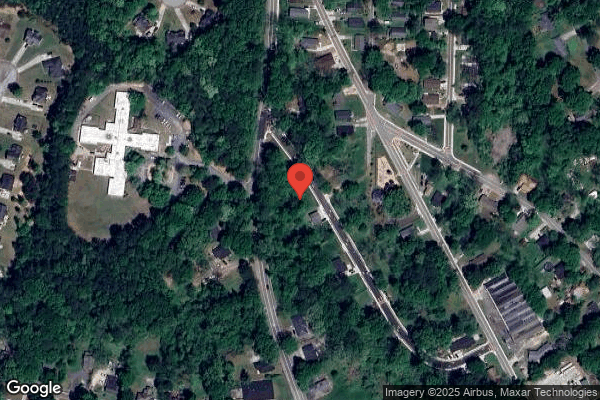

178 WEST CAMPBELLTON STREET, FAIRBURN, GA 30213 (770) 964-1320
For profit - Partnership 120 Beds JOURNEY HEALTHCARE Data: November 2025
Trust Grade
33/100
#273 of 353 in GA
Last Inspection: August 2024

Within standard 12-15 month inspection cycle. Federal law requires annual inspections.

Overview

Fairburn Heights of Journey LLC has received a Trust Grade of F, indicating poor performance with significant concerns about resident care. They rank #273 out of 353 nursing homes in Georgia, placing them in the bottom half of facilities statewide, and #13 out of 18 in Fulton County, suggesting limited local options for better care. However, the facility is showing signs of improvement, with the number of issues decreasing from 13 to 3 over the past year. Staffing is a notable strength, with a turnover rate of 0%, which is much lower than the state average; however, the facility has concerning RN coverage, falling below 96% of state facilities, which may impact resident care. Specific incidents include failure to properly manage pressure ulcers for a resident, leading to deterioration of wounds, and a lack of proper meal planning and infection control practices, which could put residents at risk for nutritional problems and infections. While there are strengths in staff retention, the overall quality of care appears to be a significant concern.

Trust Score
F
33/100
In Georgia
#273/353
Bottom 23%
Safety Record
Moderate
Needs review
Inspections
Getting Better
13 → 3 violations
Staff Stability
○ Average
Turnover data not reported for this facility.
Penalties
✓ Good
$12,155 in fines. Lower than most Georgia facilities. Relatively clean record.
Skilled Nurses
⚠ Watch
Each resident gets only 9 minutes of Registered Nurse (RN) attention daily — below average for Georgia. Fewer RN minutes means fewer trained eyes watching for problems.
Violations
⚠ Watch
25 deficiencies on record. Higher than average. Multiple issues found across inspections.
★☆☆☆☆
1.0
Overall Rating
★☆☆☆☆
1.0
Staff Levels
★☆☆☆☆
1.0
Care Quality
★☆☆☆☆
1.0
Inspection Score
Stable
2024: 13 issues
2025: 3 issues

The Good

  • Full Sprinkler Coverage · Fire safety systems throughout facility
  • No fines on record

Facility shows strength in fire safety.

The Bad

1-Star Overall Rating

Below Georgia average (2.6)

Significant quality concerns identified by CMS

Federal Fines: $12,155

Below median ($33,413)

Minor penalties assessed

Chain: JOURNEY HEALTHCARE

Part of a multi-facility chain

Ask about local staffing decisions and management

The Ugly 25 deficiencies on record

1 actual harm
Jun 2025 3 deficiencies
CONCERN (E) 📢 Someone Reported This

A family member, employee, or ombudsman was alarmed enough to file a formal complaint

Potential for Harm - no one hurt, but risky conditions existed

Safe Environment (Tag F0584)

Could have caused harm · This affected multiple residents

**NOTE- TERMS IN BRACKETS HAVE BEEN EDITED TO PROTECT CONFIDENTIALITY** Based on observations, staff interviews, and facility policy review, the facility failed to ensure resident rooms and dining roo...

Read full inspector narrative →
**NOTE- TERMS IN BRACKETS HAVE BEEN EDITED TO PROTECT CONFIDENTIALITY** Based on observations, staff interviews, and facility policy review, the facility failed to ensure resident rooms and dining rooms were in good repair creating a homelike environment for 13 of 49 resident rooms (room [ROOM NUMBER], room [ROOM NUMBER], room [ROOM NUMBER], room [ROOM NUMBER], room [ROOM NUMBER], room [ROOM NUMBER], room [ROOM NUMBER], room [ROOM NUMBER], room [ROOM NUMBER], room [ROOM NUMBER], room [ROOM NUMBER], room [ROOM NUMBER], and room [ROOM NUMBER]) and the main Dining Room. Findings include: Review of the facility's policy titled Resident Environmental Quality, dated 2/16/2024 indicated that the facility is to keep a safe, functional, sanitary, and comfortable environment for residents. Observation of the four units, 100, 200, 300 and 400, of the facility on 6/17/2025 at 9:50 am through 11:06 am revealed the following: 1. In the main dining room, the lower portion of the wall adjacent to the door to enter the dietary department had gauged and marred drywall. There were missing tiles from underneath the soda machine, snack machine and ice machine in this room. Behind these machines, there was dark discoloration around the baseboard. Two of the 20 tables in the dining room had the laminate worn off in places. The wall by the door to the hallway was marred with areas of gouged drywall. The dining room door to the hallway had areas of gauged wood that had splintered. 2. room [ROOM NUMBER] revealed the base of the wall next to the bathroom door and the drywall was crumbing. The window blind had broken slats. The wall next to bed A had streaks of black marks. 3. room [ROOM NUMBER]'s bathroom door had a half inch hole in the door. 4. room [ROOM NUMBER]'s wall behind the bed had been patched with white plaster; however, the wall had not been sanded and repainted to match the blue/gray paint. 5. room [ROOM NUMBER]'s window blind had missing slats and broken ends. Additionally, the wall behind Bed A had drywall that had separated at the seam exposing the area behind. 6. room [ROOM NUMBER]'s wall along the sink had marred and gauged dry wall. The window blind had broken and missing slats. 7. room [ROOM NUMBER]'s drywall next to the bathroom door had deteriorated at the base of the wall. 8. room [ROOM NUMBER]'s window blind had slats that were broken off. 9. room [ROOM NUMBER]'s window blind appeared to be loose from the top frame of the window causing the window blind to hang down and had slats that were either broken or bent. 10. room [ROOM NUMBER] had three tiles underneath the sink that had missing pieces of tile. 11. room [ROOM NUMBER]'s window blind had missing slats and slats that were broken off. 12. room [ROOM NUMBER]'s wall behind the bed closest to the door was marred and gauged behind the bed. 13. room [ROOM NUMBER]'s free-standing closet was missing a bottom drawer. The wall behind the bed was marred and gauged. Three tiles under the sink were missing pieces of tile. 14. room [ROOM NUMBER]'s base molding was missing from sections under the sink and around the corner next to the bathroom door. Observations and interviews on 6/19/2025 at 1:44 pm were completed with the facility's Maintenance Director and Regional Maintenance Director. The Regional Maintenance Director stated that he was new to the corporation and was not aware of the repair issues that was needed. The facility's Maintenance Director stated that he was aware of the issues. He confirmed that he had repaired the drywall with the white patching; however, he had not sanded the patching or repainted the wall.
CONCERN (F) 📢 Someone Reported This

A family member, employee, or ombudsman was alarmed enough to file a formal complaint

Potential for Harm - no one hurt, but risky conditions existed

Menu Adequacy (Tag F0803)

Could have caused harm · This affected most or all residents

Based on observations, document review, and resident and staff interviews, the facility failed to ensure menus were prepared in advance for residents' diet orders. The facility failed to ensure menus ...

Read full inspector narrative →
Based on observations, document review, and resident and staff interviews, the facility failed to ensure menus were prepared in advance for residents' diet orders. The facility failed to ensure menus indicated the serving size for each diet and whether each food item could be served for the diet. The failure placed all residents in the facility who receive oral meals from the kitchen at risk of nutritional problems and dissatisfaction with their meals. Findings include: During the entrance conference with the Administrator, Director of Nursing (DON), and Assistant DON (ADON), they were all asked for copies of all the weeks of the facility's menu cycle and for this week's menu the spread sheet with includes the extensions, portion size and whether the food item could be served, for each diet. During an interview on 6/17/2025 at 12:09 pm, the Administrator was again asked for the menus and meal extensions for this week's menu. She stated that she would get the menus. During an observation on 6/17/2025 at 12:06 pm of the lunch meal, all residents received beef stew, minced vegetables, a cup of ice cream, and a drink. During an interview on 6/17/2025 at 1:34 pm, the Administrator stated that on 6/17/2025 the dietary department oven caught fire, and dietary staff were unable to use the stove. She stated food was prepared using three induction burners and one hot plate that had two electric burners. During an interview on 6/17/2025 at 2:45 pm, the District Dietary Manager stated that the facility had been using the emergency menus since the fire. She provided the five weeks of menus and only provided the menu extensions for the week of the survey and only the lunch menu. Review of an undated Modified Diet document provided by the facility revealed the document did not identify what foods the residents would receive who were ordered diets of soft and bite sized diets, the Potassium (K+) restriction diets, the finger food diets or the reduced Sodium diets. Additionally, the document did not include what foods the residents would receive who were ordered no added salt (NAS) diets or the residents who were ordered renal (kidney) diets. The Regional Dietary Manager stated that the NAS and renal diets would receive the same meal as the regular diet. During an interview on 6/17/2025 at 2:45 pm, the District Dietary Manager stated that the facility had been using the emergency menus since the fire. She provided the five weeks of menus and only provided the menu extensions for the week of the survey (6/17/2025) and only the lunch menu. The District Dietary Manager also stated residents who were ordered the NAS and the renal diets would receive the same meal as the regular diet. Review of a document titled Three-day emergency menu from [Name of food service vendor] and provided by the facility revealed for lunch on 6/16/2025, the residents were to receive chicken and dumplings for lunch and sloppy joe sandwiches for supper. During an interview on 6/17/2025 at 9:58 am, Resident (R) 22 stated for the 6/16/2025 lunch meal, he received ravioli, a salad, and a sandwich. The resident stated he received soup for supper. During an interview on 6/17/2025 at 12:23 pm, R23 and R24 stated they received ravioli, a salad, and a sandwich for lunch on 6/16/2025. Observation and interview on 6/17/2025 at 3:11 pm in the dietary department revealed Dietary Aide (DA) 1 was preparing turkey or ham sandwiches using two slices of wheat bread. DA1 placed two pieces of meat of either turkey or ham on the bread until DA2 stated to use three pieces of meat. The Dietary Manager (DM) stated at this time, all residents would receive a ham or turkey sandwich, chips, and pasta salad for the dinner meal on this date. The DM stated the potato chips would be either plain chips or barbeque chips. Observation at this time revealed taped to the tray line was a handwritten document that indicated for the dinner meal tonight to serve turkey or ham sandwich, chips, and pasta salad. This handwritten document did not indicate how much turkey or ham to add to the sandwiches, how much pasta salad to serve, or how much chips to serve. This document did not indicate which diets would receive these food items and did not indicate the portion size for each diet. During an interview with the Registered Dietician (RD) on 6/18/2025 at 1:24 pm, that the RD stated the facility received all of their menus from (Name of food service vendor) and that (name of food service vendor) provided each meal for all the diets whether that food item was to be served and the portion size. The RD stated that she was aware of the stove's fire and that the facility purchased the three induction burners and one hot plate with two electric burners. The RD stated that (name of food service vendor) had a three day, a five day, and a seven-day emergency menu that indicated for each meal for all diets, whether the food item could be served and the portion size. The RD stated that (name of food service vendor) also provided the recipes and a shopping list of what to order. The RD stated that the DM only had to communicate with GFS and had the DM done that, their representative would have helped them during this emergency period. The Administrator was asked for the dietary policy regarding menus that will be prepared in advance and that the menus will indicate for each diet whether the food item would be served and the portion size. The policy was not provided before exit on 6/19/2025 at 5:15 pm.
CONCERN (F) 📢 Someone Reported This

A family member, employee, or ombudsman was alarmed enough to file a formal complaint

Potential for Harm - no one hurt, but risky conditions existed

Infection Control (Tag F0880)

Could have caused harm · This affected most or all residents

**NOTE- TERMS IN BRACKETS HAVE BEEN EDITED TO PROTECT CONFIDENTIALITY** Based on document review, staff interviews, and review of the facility's policy, the facility failed to ensure their infection c...

Read full inspector narrative →
**NOTE- TERMS IN BRACKETS HAVE BEEN EDITED TO PROTECT CONFIDENTIALITY** Based on document review, staff interviews, and review of the facility's policy, the facility failed to ensure their infection control and prevention program included infection control surveillance documentation for the year 2024. This failure placed all residents at risk of the spread of infections. Findings include: Review of the facility's policy titled Infection Surveillance dated 2/1/2024 revealed, .The purpose was to identify infections and to monitor adherence to recommended infection prevention and control practices in order to reduce infections and prevent the spread of infections . Review of R3's undated admission Record, located in the resident's electronic medical record (EMR) under the Profile tab revealed R3 was admitted on [DATE], readmitted on [DATE], and discharged on 3/2/2025. Review of R3's physician Orders located in the resident's EMR under the Orders tab revealed an order dated 12/24/2024 for Cipro [an antibiotic medication] 500 milligram (MG) tablet by mouth twice a day for a urinary tract infection (UTI) for two days to start on 12/25/2024. Review of R3's Medication Administration Record (MAR) dated December 2024 and located in the resident's EMR under the Orders tab revealed the resident was administered the Cipro antibiotic medication as ordered on 12/25/2024 and 12/26/2024. Review of R3's laboratory results dated [DATE] and provided by the facility revealed the culture and sensitivity confirmed the resident had a UTI. Review of the facility's Infection Control Surveillance manual provident by the facility revealed the only surveillance documentation was for the months of January 2025 through June 2025. The manual did not contain any surveillance information for the year 2024. During an interview on 6/18/2025 at 9:41 am, the Director of Nursing (DON) confirmed that the facility was unable to locate any Infection Control surveillance for 2024.
Aug 2024 13 deficiencies
CONCERN (D) 📢 Someone Reported This

A family member, employee, or ombudsman was alarmed enough to file a formal complaint

Potential for Harm - no one hurt, but risky conditions existed

Deficiency F0554 (Tag F0554)

Could have caused harm · This affected 1 resident

**NOTE- TERMS IN BRACKETS HAVE BEEN EDITED TO PROTECT CONFIDENTIALITY** Based on observations, interviews, record review, and review of the facility policy titled Medication Storage, the facility fail...

Read full inspector narrative →
**NOTE- TERMS IN BRACKETS HAVE BEEN EDITED TO PROTECT CONFIDENTIALITY** Based on observations, interviews, record review, and review of the facility policy titled Medication Storage, the facility failed to assess four of 65 sampled residents (R) (R56, R44, R41, and R21) for the ability to self-administer medications before leaving medications at the bedside. Findings included: A review of the policy titled, Medication Storage dated 2/12/2022 revealed that the facility will ensure all medications housed on our premises will be stored in the pharmacy and/or medication rooms according to the manufacturer's recommendations and sufficient to ensure proper sanitation, temperature, light, ventilation, moisture control, segregation, and security. 1. A review of the electronic medical record (EMR) for R56 revealed that the resident presented with diagnoses of lupus erythematosus, asthma, Muscle weakness (generalized), cognitive-communication deficit, adult failure to thrive, and major depressive disorder. A review of the current physicians orders included Trelegy Ellipta Inhalation Aerosol Powder Breath Activated 100-62.5-25 mcg (microgram) (Fluticasone Umeclidinium-Vilanterol), Albuterol Sulfate Inhalation Aerosol Solution 108 (90 Base) mcg (Albuterol Sulfate), Incentive Spirometry, Claritin Tablet 10 MG (milligram) (Loratadine), Prednisone Tablet 5 MG. There was no assessment for self-administration of medications documented in the EMR. During an observation on 7/30/2024 at 10:00 am, the following medications were observed at R56's bedside: Zinc Oxide Ointment and Trelegy Ellipta Inhaler Aerosol. During an observation of R56's room on 7/30/2024 at 1:15 pm, a tube of Bacitracin Zinc was seen on the counter in the middle of the room. During an interview on 7/30/2024 at 1:30 pm, the DON and the Infection Control Nurse confirmed Zinc Oxide Ointment and Trelegy Ellipta Inhaler Aerosol were at R56's bedside. The DON stated there should not be medications at the bedside. During this observation, additional medications were found at the bedside: Dulcolax, Fluticasone Nasal Spray, and rubbing alcohol. DON stated she did not know who the medications belonged to. During an interview on 7/30/2024 at 2:15 pm, Licensed Practical Nurse (LPN) QQ confirmed that R56 was ordered the medications as needed (PRN) but stated that she was not sure who left the medication at the bedside. 2. A review of the EMR for R44 revealed that the resident had orders for Hydrocortisone External Lotion 2.5 % Hydrocortisone (Topical), Remeron Tablet 15 MG (Mirtazapine), Ferrous Sulfate Tablet 325 mg, Ergocalciferol Capsule 50000 Unit; that the resident presented with diagnoses of Alzheimer's Disease, adjustment disorder with mixed anxiety and depressed mood, pruritus, and atopic dermatitis. During an observation on 7/30/2024 at 2:00 pm, R44 was sitting on the side. The following medication was observed on the bedside table: Triamcinolone 0.1% cream. The resident stated that she uses this cream mostly at night for itching. During an interview on 7/30/2024 at 2:15 pm, LPN QQ confirmed that the medication was at the bedside in the resident's room and stated that the triamcinolone acetonide was ordered for R44 earlier in the year and discontinued on 6/17/2024. She pointed out the discontinued date located on the medication. She does not know who left the medication in R44's room. 3. A review of R41's EMR revealed diagnoses that included major depressive disorder, single episode, unspecified upper limb, unspecified glaucoma, insomnia, unspecified, muscle weakness, type 2 diabetes mellitus without complications, and hoarding disorder. A review of R41's quarterly Minimum Data Set (MDS) assessment dated [DATE] revealed that the resident presented with a Brief Interview for Mental Status (BIMS) score of 15, indicating that the resident was cognitively intact. A review of R41 orders revealed she has orders for Flonase suspension 50 mcg (fluticasone propionate) two sprays in both nostrils one time a day for postnasal drip/sinus/allergy and refresh ophthalmic solution 1.4-0.6 % (polyvinyl alcohol-povidone) instill one drop in both eyes twice (BID) a day for dry eyes, however, there is no order for self-administration in the chart Observation on 7/30/2024 at 11:19 am revealed fluticasone propionate nasal spray, a 24-hour nasal spray; tear eye drops; and medication in a small plastic cup on R41's bedside table. During an interview on 7/30/2024 at 11:35 am, LPN II revealed she gave R41 her morning medication but did not wait until she swallowed the medication. LPN II confirmed the medication in the plastic cup on R41's bedside table was her morning medication given to her at 8:40 am. LPN II also confirmed that R41 should not have nasal spray or tear eye drops at her bedside. During an interview on 8/1/2024 at 9:15 am, LPN II revealed she has been working at the facility since 2006 and that her hours are from 7:00 am to 3:00 pm. LPN II stated staff complete rounds daily to ensure there is no medication at the bedside. LPN II stated that R41 does not have an order for self-administration. During an interview on 8/2/2024 at 10:16 am, R41 revealed that the reason the nasal and eye medication was in the room was because she could get it when she needed it. 4. A review of R21 EMR revealed diagnoses that included hypertension, gastritis, chronic right heart failure, and obstructive sleep apnea. A review of R21 MDS dated [DATE] revealed, Section C-Cognitive Patterns: Brief Interview for Mental Status (BIMS) of 15; Section GG-indicated resident having no impairment. A review of R21's orders revealed she had an order for diclofenac sodium external Gel 1 %, however, there is no order in the chart for self-administration. During an observation on 7/31/2024 at 12:16 pm, medication (diclofenac sodium) was observed on R21's bedside table. During an interview on 8/1/2024 at 9:15 am, LPN II stated that R21 does not have an order for self-administration and confirmed that the medication (confirmed diclofenac sodium) was on R21's bedside table. During an interview on 8/1/2024 at 3:26 pm, the DON revealed she has been working at the facility since June 2023. She confirmed that prescribed medications should not be left with any resident and that no residents in the facility had self-administration orders. The DON stated all nurses are expected to visually see all residents take their medication before leaving the room.
CONCERN (D) 📢 Someone Reported This

A family member, employee, or ombudsman was alarmed enough to file a formal complaint

Potential for Harm - no one hurt, but risky conditions existed

Deficiency F0561 (Tag F0561)

Could have caused harm · This affected 1 resident

Based on observations, record reviews, staff interviews, and a review of the facility policy titled Menus, the facility failed to honor residents' rights to make choices related to meals and snacks. T...

Read full inspector narrative →
Based on observations, record reviews, staff interviews, and a review of the facility policy titled Menus, the facility failed to honor residents' rights to make choices related to meals and snacks. This had the potential to affect 108 of 112 residents who can consume meals. Findings included: A review of the facility policy titled Menus revealed that the residents' council would be included periodically in menu planning . and if a food group is missing from a resident's daily diet (e.g. dairy products) the resident will be provided with an alternate means of meeting the resident's nutritional needs (e.g. calcium supplementation or fortified non-dairy alternative). A review of the last six months of resident council meeting minutes revealed that residents voiced that they had not been receiving snacks and that residents were not notified if snacks were being put out or distributed; food was cold and not delivered promptly; and residents could not eat in the dining room because staff did not assist them into the dining area. During an observation on 7/31/2024 at 5:30 pm, no residents were in the dining room awaiting dinner. During an interview on 8/1/2024 at 1:03 pm, R66 stated all residents eat dinner in their room because they do not have the staff to assist them to the dining room. Trays come down the hall around 4:30-5:30 pm with no snacks afterward. The resident stated that the staff will go around and ask the residents about dinner preferences, but it is pointless because it is not what they will have for dinner. She further stated that the staff was not passing out snacks or letting the residents know snacks were available. The resident stated there used to be a store in the facility available for the residents to buy their own snacks but they closed it down. During an interview on 8/3/2024 at 1:45 pm, the Dietary manager (DM) stated there is a menu that has been developed but due to the menu constantly changing, he has to substitute the meal that is on the menu. He further stated to not pay attention to the menu he handed out because it is not correct. During an interview on 8/5/2024 at 12:20 pm, the Registered Dietitian (RD) HH revealed she understood that if a resident voiced a request, nursing would communicate that to the dietary department. She revealed the menu is on the wall and the alternatives she can't remember seeing on the wall. Furthermore, RD HH revealed she noticed that with the alternatives, there may be some gaps. She revealed she does not recall seeing menu cards on the resident's tray. Tray cards are the keyway to communicating alternatives. The tray card is the direct dietary communication and at the time of the tray card it will show preferences and allergies for the resident.
CONCERN (D) 📢 Someone Reported This

A family member, employee, or ombudsman was alarmed enough to file a formal complaint

Potential for Harm - no one hurt, but risky conditions existed

Deficiency F0625 (Tag F0625)

Could have caused harm · This affected 1 resident

**NOTE- TERMS IN BRACKETS HAVE BEEN EDITED TO PROTECT CONFIDENTIALITY** Based on interview, record review, and review of the facility policy titled Bed Hold Policy, the facility failed to provide bed ...

Read full inspector narrative →
**NOTE- TERMS IN BRACKETS HAVE BEEN EDITED TO PROTECT CONFIDENTIALITY** Based on interview, record review, and review of the facility policy titled Bed Hold Policy, the facility failed to provide bed hold information, in writing, at the time of transfer to the hospital, or within 24 hours, for one resident (R), R154 of three sampled residents. Findings included: A review of the facility policy titled Bed Hold Policy (2/12/22) stated at the time of transfer for hospitalization or therapeutic leave, the facility will provide to the resident and/or the resident representative written notice which specifies the duration of the bed-hold policy and addresses information explaining the return of the resident to the next available bed. Bed Holds Notice Upon Transfer 1. Before a resident is transferred to the hospital or goes on therapeutic leave, the facility will provide the resident and/or the resident representative written information that specifies. (a). The duration of the state bed-hold policy, if any, during which the resident is permitted to return and resume residence in the nursing facility. A review revealed that R157 has the following diagnoses but not limited to chronic diastolic (congestive) heart failure, renal disease, and Type 1Diabetes Mellitus. The admission Minimum Data Set (MDS) dated [DATE] listed a Brief Interview Mental Status Score of 14 which indicates little to none cognitive impairment. A review of R157 's hospital record, census, and MDS record (discharge and entry tracking record) revealed that R157 was hospitalized on [DATE], 3/5/2024, 4/12/2024, 5/6/2024, and 6/20/2024. Although the facility provided written information about the bed hold policy on admission, a review of the clinical and financial records revealed no evidence that the resident and responsible party were provided with written information on bed hold at the time of transfer or within 24 hours for the hospitalizations. During an interview on 8/3/2024 at 2:42 pm, the Business Office Manager (BOM) confirmed not having any electronic medical record (EMR) or hard copy bed hold forms documents to show that bed hold information was provided for the hospitalizations. She stated that the business office manager and licensed nursing staff are responsible for ensuring the resident/family are provided with the form at the time of transfer to the hospital. The next step is to upload the hard copy into the resident's EMR record. During an interview on 8/3/2024 at 2:43 pm LPN reported licensed nurses' staff are responsible for giving the resident bed hold form at the time of transfer hospital. During an interview on 8/3/2024 at 3:40 pm, the Administrator reported that she expects the bed hold form to be given to the resident by the staff. She was unaware that the forms were not being given. The Administrator stated that she would provide a copy of the bed hold policy to the surveyor.
CONCERN (D) 📢 Someone Reported This

A family member, employee, or ombudsman was alarmed enough to file a formal complaint

Potential for Harm - no one hurt, but risky conditions existed

Deficiency F0645 (Tag F0645)

Could have caused harm · This affected 1 resident

Based on observations, interviews, and record reviews the facility failed to identify and submit a Preadmission Screening/Resident Review (PASARR) Level 2 review for one of three residents (R) (R60). ...

Read full inspector narrative →
Based on observations, interviews, and record reviews the facility failed to identify and submit a Preadmission Screening/Resident Review (PASARR) Level 2 review for one of three residents (R) (R60). Findings included: A review of the PASRR Level I Assessment revealed that the Resident has a Primary Diagnosis of serious mental illness, developmental disability, or related condition. There is presenting evidence to indicate a suspected diagnosis for an undiagnosed condition as indicated by substantial functional limitations in three or more of the following areas of major life activities; self-care, understanding and use of language, learning, mobility, self-direction and capacity for independent living. Review of the Nurse Practitioner Psychiatric Consultant on 7/16/2024 included: Assessment and Plan: 1) Schizophrenia ICD-10 code F20.9- Stable on current regime. Continue with the plan of care as GDR is contraindicated due to the risk of worsening depression, psychosis, and/or anxiety. 2) Staff to continue to monitor mood and behavior and document accordingly. 3) Will continue to care with a follow-up in 12 weeks or sooner if needed. Time Spent: 16 minutes A review of the medical record revealed the physician's orders (e.g., psychoactive medications) - Ativan Tablet 0.5 mg give 1 tablet by mouth one time a day for Anxiety Lyrica Capsule 150 MG (Pregabalin) give 150 mg by mouth three times a day for tremors, Target Behavior: Anxiety, Agitation, Delusions, Hallucinations). Document # of behaviors each shift. Frequency= number of times behavior occurred and Intensity= how easily behavior is redirected. 0= did not occur, 1= easily redirected, 2= difficult to redirect, Care now to evaluate and treat. Diagnosis: schizophrenia, Cyanocobalamin Tablet 1000 MCG Give 1000 mcg by mouth one time a day related to Adult Failure to Thrive, Benztropine Mesylate Tablet 2 mg give 2 mg by mouth at bedtime related to Schizophrenia, Remeron Tablet 15 MG (Mirtazapine) give 15 mg by mouth at bedtime related to Adult Failure to Thrive, Zyprexa Tablet 15 mg give 15 mg by mouth at bedtime related to Schizophrenia. Medical Diagnosis - Hemiplegia and hemiparesis, Other Hereditary and Idiopathic Neuropathies, Lack of Coordination, Schizophrenia, Generalized Anxiety Disorder, Adult Failure to Thrive, Cerebral Infarction The care plan includes Self-care deficits related to the diagnosis of failure to thrive, neurological deficits, pain, and Mood; The resident has a mood problem diagnosis of Schizophrenia, Resident uses daily anti psychotropic medication for his diagnosis of Schizophrenia During an interview on 8/2/2024 at 12:55 pm NP RR; this Resident has not exhibited any adverse behaviors. During an interview on 8/3/2024 at 10:00 am with the Wound Care Nurse; he does not have any behaviors. During an interview on 8/3/2024 at 12:15 p.m. with LPN JJ, no behaviors were noted. He is independent and makes his needs known. During an interview on 8/3/2024 at 1:15 pm, the Social Service Director; PASARR Level 1 and 2 came with the Resident from the hospital. There is only a Level 1 for this Resident. He does see psych services. During an interview with the administrator on 8/3/2024 at 3:42 p.m., it was revealed that the Resident did not have a Level 2 completed by the hospital in 2021. The Social Service Director will complete Level 2 now. During an interview on 8/5/2024 at 2:50 pm with the Social Service Director; the process for PASARR is the hospital will initiate Levels 1 and 2. If the hospital does not initiate Level 2 the Social Service Director at the facility should initiate Level 2. She is not sure why Level 2 was not initiated for this Resident; she states he was admitted before her time.
CONCERN (D) 📢 Someone Reported This

A family member, employee, or ombudsman was alarmed enough to file a formal complaint

Potential for Harm - no one hurt, but risky conditions existed

Deficiency F0661 (Tag F0661)

Could have caused harm · This affected 1 resident

**NOTE- TERMS IN BRACKETS HAVE BEEN EDITED TO PROTECT CONFIDENTIALITY** Based on record review staff interviews, and a review of the facility policy titled, Discharge Summary, the facility failed to r...

Read full inspector narrative →
**NOTE- TERMS IN BRACKETS HAVE BEEN EDITED TO PROTECT CONFIDENTIALITY** Based on record review staff interviews, and a review of the facility policy titled, Discharge Summary, the facility failed to reconcile all pre-discharge medications with the resident's post-discharge medication for one of three residents (R) (R158). Findings included: A review of the facility policy, Discharge Summary stated It is the policy of this facility to ensure that a discharge summary is provided upon a resident's discharge which addresses each resident's discharge goals and needs, including caregiver support and referrals to local contact agencies. Reconciliation of medications means a process of comparing pre-discharge medications to post discharge medications by creating list of both prescription and over the counter medication that includes the drug name, dosage, frequency, route, and indication for use the purpose of preventing unintended changes. A review of R158's record revealed a discharge date of 2/29/2024. The resident had the following diagnoses at the time of discharge not limited to vascular dementia, Parkinson's disease, and type 2 diabetes mellitus. The facility's Annual Minimum Data Set (MDS) dated [DATE] assessed a Brief Interview Mental Status Score of 14 which indicates little to noncognitive impairments. A review of the Physician Order Form revealed a discharge order dated 2/29/2024 that stated discharge to home with health services for disease process and medication management. DME: Durable Medical equipment: high back wheelchair 18in cushion, hospital bed, oxygen. No directions were specified for the order. A review of the Discharge Summary form failed to list the medications and documentation of signatures of the staff providing the information to the residents. The form listed the resident as a full code. A review of the physician order in the medical record lists the resident as a Do Not Resuscitate (DNR). The recap of the functional level for ADL care was not transcribed on the form. During an interview on 4/27/2024 at 2:19 pm, the Family of R158's family, Family member A (complainant) reported that the facility nurse failed to give the resident all her medications. The resident only received some of her medications. Family Member A reported that at the time of discharge there were no specific information provided about the resident capabilities and functional level at the time of discharge. Interview on 8/3/2024 at 3:11 pm, Social Service Worker (SS) reported that this was an oversight and a mistake to list the resident as full code and not a DNR. During an interview on 8/5/2024 at 3:13 pm, the Director of Nursing (DON) reported that the discharge summary should consist of the care instructions (diet, disease process, wound orders, and functional level. She stated that the therapy department staff (Occupational Therapy/Physical Therapy OT/PT) should have completed their part for the functional level. The medications should be documented that it was given. The discharge summary should have stated that the resident is a DNR, and the resident medications should have been signed off by the nurse along with the resident/resident's family member's signature. During an interview on 8/5/2024 at 3:40 pm, the DON reported that she was able to speak with LPN II by phone. LPN II admitted to her that she failed to make a copy of the medication form with the resident's signature and the family's signature to place in the resident's medical record. The nurse stated that she gave the original copy to the family. The DON stated that without proof of the copy, she could not confirm that the resident or family received the medications from the nurse. She stated that a copy of the medication form is what staff should place in the resident chart at the time of discharge to verify medications were given.
CONCERN (D) 📢 Someone Reported This

A family member, employee, or ombudsman was alarmed enough to file a formal complaint

Potential for Harm - no one hurt, but risky conditions existed

Accident Prevention (Tag F0689)

Could have caused harm · This affected 1 resident

**NOTE- TERMS IN BRACKETS HAVE BEEN EDITED TO PROTECT CONFIDENTIALITY** Based on observations and resident and staff interviews, the facility failed to provide a safe environment free from accident ha...

Read full inspector narrative →
**NOTE- TERMS IN BRACKETS HAVE BEEN EDITED TO PROTECT CONFIDENTIALITY** Based on observations and resident and staff interviews, the facility failed to provide a safe environment free from accident hazards for three of 64 residents (R) (R41, R9, and R24). Findings included: 1. A review of R41 Electronic Medical Records (EMR) revealed diagnoses that included major depressive disorder, single episode, unspecified upper limb, unspecified glaucoma, insomnia, unspecified, muscle weakness, type 2 diabetes mellitus without complications, and hoarding disorder. A review of R41 Quarterly Minimum Data Set (MDS) dated [DATE] revealed, Section C-Cognitive Patterns: Brief Interview for Mental Status (BIMS) of 15; Section GG-indicated resident using a wheelchair. An observation on 7/30/2024 at 11:19 am revealed nail polish remover on the R41 bedside table. An Interview on 8/1/2024 at 9:15 am with Licensed Practical Nurse (LPN) II LPN II revealed she has been working at the facility since 2006, her hours are from 7:00 am to 3:00 pm. LPN II acknowledges some of the rooms have clutter. LPN stated staff are consistently decluttering, residents are told they cannot have certain things in their room. LPN II confirmed the hazardous items on the R41 bedside table. 2. A review of R9 MDS dated [DATE] revealed, Section C-Cognitive Patterns- BIMS of 13; Section GG-indicated resident using a wheelchair. A review of R9 EMR revealed diagnoses that included heart failure, anemia in chronic kidney disease, hypertension, type two diabetes mellitus without complications, chronic kidney disease, gastro-esophageal reflux disease without esophagitis, and mood disorder due to known physiological conditions with depressive features. An observation on 7/30/2024 at 12:49 pm with R9 revealed a bottle of Isopropyl alcohol on her bedside table. R9 was observed to be alert and oriented. An Interview on 7/31/2024 at 12:42 pm with R9 revealed she bought the Isopropyl alcohol from the store herself, she stated someone took her to the store. R9 stated she uses it on her legs. R9 stated her grandson took her to the store. In an Interview on 7/31/2024 at 12:44 pm LPN II confirmed the rubbing alcohol in R9's room. LPN stated the residents and families have been informed that certain things are not allowed in their room, LPN stated she would reach out to the resident's grandson regarding this matter. The Isopropyl alcohol was removed from the R9's room. LPN confirmed daily rounds are made by the facility to ensure the residents safety. 3. A review of R24 EMR revealed diagnoses that included hemiplegia and hemiparesis following unspecified cerebrovascular disease affecting the right dominant side, essential (primary) hypertension, paranoid schizophrenia, major depressive disorder, single episode, type two diabetes mellitus without complications. Review of R24 MDS dated [DATE] revealed, Section C-Cognitive Patterns: Brief Interview for Mental Status (BIMS) of 14; Section GG-indicated resident having lower and upper impairment on one side. Observation revealed R24 had four bottles of Hibiclens Antiseptic on her bedside table and there was also clutter on the side of the bed. An interview on 7/31/2024 at 12:02 pm revealed R24 sleeping, there were 4 bottles on was noted to be sleeping. R24 awakened to surveyor and Certified Nursing Assistant (CNA) CNA KK knock on the door. R24 stated another resident at the facility gave her 4 bottles of Hibiclens Antiseptic. R24 permitted CNA KK to take the 4 bottles of Hibiclens Antiseptic. CNA KK educated R24 about not having certain chemicals in her possession. R24 does not have any concerns. An interview on 7/31/2024 at 12:03 pm with CNA KK revealed she has been working at the facility since April of 2024. CNA KK stated she tried decluttering the resident's room by throwing away some things, but the resident does not want anyone touching her personal belongings, resident carries a bag of her personal belongings with her, and the staff tries to make her bed every other day but sometimes the resident refuses, the resident has not had any falls that she knows of. CNA KK confirmed the four bottles of Hibiclens Antiseptic on the resident's bedside table. An Interview on 8/1/2024 at 09:15 am with LPN II revealed she has been working at the facility since 2006. LPN II acknowledges some of the rooms have clutter. LPN II stated staff are consistently decluttering, and residents are told they can't have certain things in their rooms. LPN II stated no residents have spoken about not getting bedtime snacks. An interview on 8/1/2024 at 3:26 pm with the Director of Nursing (DON) DON revealed she has been working at the facility since June of last year. DON stated it is not appropriate for a resident to have a nail polish remover, Hibiclens Antiseptic, and rubbing alcohol, in his or her room. DON stated all residents are educated about what they should and should not have in their rooms. DON stated is aware of clutter in some of the residents as some of the residents do not want to let go of their personal belongings as they like to hold on to their stuff.
CONCERN (D) 📢 Someone Reported This

A family member, employee, or ombudsman was alarmed enough to file a formal complaint

Potential for Harm - no one hurt, but risky conditions existed

Respiratory Care (Tag F0695)

Could have caused harm · This affected 1 resident

**NOTE- TERMS IN BRACKETS HAVE BEEN EDITED TO PROTECT CONFIDENTIALITY** Based on observations, interviews, record review, and the policy titled, Oxygen Administration, the facility failed to provide e...

Read full inspector narrative →
**NOTE- TERMS IN BRACKETS HAVE BEEN EDITED TO PROTECT CONFIDENTIALITY** Based on observations, interviews, record review, and the policy titled, Oxygen Administration, the facility failed to provide effective oxygen therapy for four of 10 residents (R) (R47, R62, R21, and R100. Findings included: Review of the policy titled, Oxygen Administration, date implemented 2/12/2022, Under the Policy section, Oxygen is administered to residents who need it, consistent with professional standards of practice, the comprehensive person-centered care plans, and the resident's goals and preferences. Under the section Policy Explanation and Compliance Guidelines: Oxygen is administered under orders of a physician, except in the case of an emergency. Infection control measures include following manufacturer recommendations for the frequency of cleaning equipment filters and keeping delivery devices covered in plastic bags when not in use. 1. A review of the medical record for R47 includes Medical Diagnosis - Diffuse traumatic brain injury with loss of consciousness of unspecified duration, Persistent vegetative state, Chronic Respiratory Failure with Hypoxia, Tracheostomy, Gastrostomy. Orders - Suction trach every shift and as needed every shift, Trach Care- the area with normal saline, pat dry apply gauze, and apply neck strap. - Assess for drainage, bleeding, discomfort, and redness, Emergency trach with Obturator and keep at bedside, Change Tracheostomy tube every 30 days (s) for monitoring, Change disposable Inner cannula (#6 Shiley) every night shift for trach care, and Albuterol Sulfate Nebulization Solution (2.5 mg/3ml) 0.083% 3 ml via trach every 4 hours as needed for wheezing SOB. Care Plan - Resident is receiving all fluids and/or nutrients via a tube secondary to a swelling problem related to having a tracheotomy due to an MVA. Care Plan - Resident is at risk for bacterial/viral infection related to tracheostomy status, incontinence of bowel and bladder. The resident is at risk for respiratory infection, UTI, R47 has a Tracheostomy related to her diagnosis of Traumatic Brain Injury. She is in a Persistent Vegetative State secondary to cervical vertebrae Injury due to an MVA. Beside, there will be an O2 cylinder, suction machine, and obturator. During an observation on 7/30/2024 at 10:00 am in R47 room an Ambu bag, yanker suction was seen on the floor. During observation on 7/31/2024 at 9:30 am in R47 room an Ambu bag, yanker suction was seen on the floor and respiratory tubing was lying on the air conditioner and not in a bag. During an interview on 8/1/2024 at 9:00 am with LPN QQ; she confirmed there was an Ambu bag on the floor and unbagged oxygen tubing was on the air conditioner unit. 2. A review of medical records for R62 includes Medical Diagnosis - Chronic Respiratory Failure with Hypoxia, Congestive Heart Failure, Chronic Obstructive Pulmonary Disease, and Morbid Obesity. Physician's orders - Saline Nasal Solution (Saline) 1 unit in both nostrils every 6 hours as needed for dry nasal cavity, Prednisone Oral Tablet 20 mg give 2 tablets by mouth one time a day for gout, Hospice to evaluate and treat as indicated, Incentive Spirometry every shift for Shortness of Breath and as needed for Shortness of Breath. Care plan - Hospice Services: Resident has a condition or chronic disease that may result in a life expectancy of less than 6 months. He was admitted to hospice with a Diagnosis of CHF, The Resident is at risk for COPD and is dependent on supplemental oxygen, The resident has a potential risk for altered respiratory status related to diagnosis of COPD, CHF, Sleep Apnea, morbid obesity, and history of acute respiratory failure with hypoxia. The resident utilizes oxygen via NC at 2L/min continuously. During an observation on 7/30/2024 at 10:30 am with R62 it was revealed he has 0xygen on at 3 liters nasal cannula and there was no respiratory distress noted. During an observation on 7/31/2024 at 12:15 pm it was revealed R62 has oxygen on at 3 liters nasal cannula. He has no respiratory distress noted. During an interview on 8/1/2024 at 9:20 am with LPN QQ; she confirmed the Resident was on oxygen but there was no order. During an interview on 8/3/2024 at 10:00 am with CNA BB; it was revealed he is in total care, he does get short of breath sometimes, but he usually keeps his oxygen on. During an interview on 8/3/2024 at 10:15 am with LPN AA it was revealed that the nurses check the oxygen levels every shift and they maintain oxygen therapy for the Residents. During an interview on 8/3/2024 at 12:09 pm with LPN JJ, it was revealed the R62 is in total care, he wears his oxygen all the time; nurses should check the oxygen every shift; if a new nurse comes on shift and needs to know what the oxygen level should be they will need to check the Medication Administration Record (MAR). The MAR was reviewed, and the Oxygen is not on the MAR. During an interview on 8/5/2024 at 2:30 pm with the DON it was revealed the nurses are responsible for maintaining oxygen therapy. 3. A review of R21 Electronic Medical Records (EMR) revealed diagnoses that included hypertension, gastritis, chronic right heart failure, and obstructive sleep apnea. A review of R21's Quarterly Minimum Data Set (MDS) dated [DATE] revealed, Section C-Cognitive Patterns: Brief Interview for Mental Status (BIMS) of 15; Section GG-indicated resident having no impairment. A review of R21's orders revealed she has an order for nasal 02 at two liters per minute(2LPM), as needed (PRN) every six hours as needed for shortness of breath (SOB). Observation on 7/30/2024 at 12:50 pm revealed R21 oxygen level to be set at one point five liters per minute(1.5LPM), the filter was dirty, and the tubing was not bagged. R21 turned off oxygen. Observation on 8/01/2024 at 11:09 am revealed R21 to be alert and oriented, her oxygen tubing was bagged, and her level was set at three liters per minute(3LPM). An interview on 7/30/2024 at 12:50 pm with R21 revealed R21 to be alert and oriented. R21 oxygen was on but she was not using it. An interview on 7/31/2024 at 12:16 pm with R21 revealed she uses her oxygen as needed. The tubing was not bagged, the filter was dirty, and the level was set at 1.5 LM. An Interview on 8/1/2024 at 9:15 am with LPN II revealed she has been working at the facility since 2006, her hours are from 7:00 am to 3:00 pm. LPN II stated staff complete rounds daily to ensure there is no medication at the bedside. LPN II stated that R21 has PRN orders for oxygen to receive 2LPM. LPN II confirmed oxygen tubing should be bagged, and the filter should be cleaned. 4. A review of R100's clinical record revealed that she was admitted on [DATE]. Pertinent diagnoses are but not limited to other toxic encephalopathy, type 2 diabetes mellitus with other specified complications, acute respiratory failure with hypercapnia, other asthma, morbid obesity, and major depressive disorder. A review of R100's quarterly Minimum Data Set (MDS) dated [DATE] revealed a Brief Interview for Mental Status (BIMS) of 15, indicating intact cognition. Section N revealed resident received an anti-coagulant and section O documented the resident received continuous oxygen. A review of R100's care plan revealed there was no care area, goals, or interventions for the administration of oxygen. A review of the Physician's orders revealed no order for oxygen therapy. A review of the Medication Administration Record (MAR) dated 7/1/2024-7/31/2024 revealed oxygen therapy was omitted from the MAR. Observations on 7/30/2024 at 12:34 pm, 7/31/2024 at 12:15 pm, and 8/1/2024 at 10:30 am revealed R100 was receiving oxygen via nasal cannula at two liters per minute (2 LPM). An interview on 8/1/2024 at 10:30 am with LPN AA revealed she was familiar with R100 and that she had passed her morning medications. LPN AA searched for the resident's order for oxygen therapy and confirmed there was no order. She revealed that there should be an order for oxygen use and confirmed the resident was currently receiving oxygen. An interview on 8/1/2024 at 3:30 pm with the Director of Nursing revealed that she expects all nursing staff to check the resident's oxygen order on every shift to the concentrator to ensure the correct prescribed liter per minute rate is set. She confirmed that was not occurring since R100 had no physician's order for oxygen therapy.
CONCERN (D) 📢 Someone Reported This

A family member, employee, or ombudsman was alarmed enough to file a formal complaint

Potential for Harm - no one hurt, but risky conditions existed

Deficiency F0698 (Tag F0698)

Could have caused harm · This affected 1 resident

**NOTE- TERMS IN BRACKETS HAVE BEEN EDITED TO PROTECT CONFIDENTIALITY** Based on staff interviews, record review, and review of the facility policy titled, Hemodialysis, the facility failed to ensure ...

Read full inspector narrative →
**NOTE- TERMS IN BRACKETS HAVE BEEN EDITED TO PROTECT CONFIDENTIALITY** Based on staff interviews, record review, and review of the facility policy titled, Hemodialysis, the facility failed to ensure communication was documented between the facility staff and dialysis staff to ensure pertinent information was being communicated for one of three residents (R) (R54) reviewed for dialysis. Findings included: A review of facility policy titled Hemodialysis (dated 2/1/2022) stated that the facility will provide the necessary care and treatment, consistent with professional standards of practice, physician orders, the comprehensive person-centered care plan, and the resident's goal and preferences, to meet the special medical, nursing, mental, and psychosocial needs of residents receiving hemodialysis. The facility will assure that each resident receives care and services for the provision of hemodialysis consistent t with professional standards of practice. this will include Ongoing assessment and oversight of the resident before, during, and after dialysis treatments, including monitoring of the resident's condition during treatment, monitoring for complications, implementation of appropriate interventions, using appropriate infection control practices, and ongoing communication and collaboration with the dialysis facility regarding dialysis care and services. (8). The nurse will monitor and document the status of the resident's access site(s) upon return from the dialysis treatment to observe for bleeding and other complications. A review of R54's medical record revealed the following diagnoses but not limited to hypertensive chronic kidney disease or end stand renal disease (onset 9/1/2023), legal blindness, and cerebellar stroke syndrome. A review of R54's Quarterly Minimum Data Set (MDS) dated [DATE] revealed the resident was receiving dialysis. A review of R54's physician orders revealed a physician order dated 9/21/2023 for dialysis on Monday, Wednesday, and Friday. A review revealed missing dialysis forms for the months of May 2024,7/17/2024, 7/19/2024, and 7/24/2024. A review of the Dialysis Communication Form for Section 1 (pre-treatment to be completed by facility staff) for a period of 6/1/2024 through 7/31/2024) was incomplete for 7/1/2024 completed but no nurse signature, 7/8/2024 completed but no nurse signature, 7/22/2024 with no nurse signature, Continued review of the Dialysis Communication Form for Section 2 (to be completed by dialysis center) for a period of 6/1/2024 through 7/31/2024 revealed no documentation for dates of 7/1/2024, 7/5/2024, 7/8/2024, 7/10/2024, 7/12/2024, 7/15/2024. 7/22/2024 (partially completed with no signature, 7/26/2024, 7/29/2024. A review of the Dialysis Communication Form for Section 3. (to be completed upon return from dialysis by the facility staff) revealed no documentation. In addition, the form dated 6/1/2024 through 7/31/2024 revealed no documentation for the time returned, temperature, blood pressure, and other vitals. The form revealed incomplete vital sign information and no staff signature for 7/1/2024, 7/5/2024, 7/8/2024, 7/10/2024, 7/12/2024, 7/15/2024, 7/26/2024, 7/29/2024. The form revealed no information was documented related to the resident's vital signs, assessment of thrill and brut (the feeling or sound of blood flow through the fistula) and/or mental status. In addition, the data was partially completed with missing data, including a missing dialysis staff signature. During an interview on 8/2/2024 at 2:00 pm, Licensed Practical Nurse (LPN) II confirmed that R54 's dialysis communication forms that was in his hard copy folder at the nurse station and the electronic system were missing documentation from the receiving nurse. She reported that the nurse should complete vitals, weights, and other information on the form once the resident returns from dialysis. The completed forms are given to the Medical Record to upload into the facility electronic system (EMR). The last hard copy form at the nurse station was dated 2/26/2024 During an interview on 8/2/2024 at 2:25 pm, the Director of Nursing (DON) printed the dialysis forms from the EMR for R54. She stated that once the resident returns from dialysis, the hard copy form is given to the medical record to upload into the system. At that the time, the forms would have been completed by the receiving nurse who received the resident from dialysis. During an interview on 8/2/2024 at 3:00 pm with Medical Record /Business Office Manager Staff LL at the time of observation of R54's dialysis form, Medical Record Staff confirmed the dialysis communication forms that the surveyor received from the DON was not thoroughly completed with the nurse information. She reported that she does not review the dialysis communications forms to ensure the forms are correct. She stated that once the licensed nursing staff submits the forms to her, all forms are uploaded into the facility's electronic systems. During an interview on 8/5/2024 at 3:10 pm, the DON reviewed the dialysis communication forms with the surveyor. She confirmed that the forms were not being completed by the facility nursing staff once the resident returns from dialysis. DON reported that she was not aware that the form was not being completed until brought to her attention during the survey. She reported that she expects that the forms are completed based on policy. She stated that any care that staff provides to a resident is important. She stated that care for services for any dialysis resident depends on the order. R54 order stated that communication forms are to be completed. If the order states to evaluate and assess the resident once he returns, then this is what is supposed to happen. The charge nurses are to check the resident's bruit and thrill to ensure the shunt is working, vitals, and weight. Any sudden changes in fluids can cause the resident to become orthostatic.
CONCERN (D) 📢 Someone Reported This

A family member, employee, or ombudsman was alarmed enough to file a formal complaint

Potential for Harm - no one hurt, but risky conditions existed

Deficiency F0809 (Tag F0809)

Could have caused harm · This affected 1 resident

Based on observations, staff interviews, and a review of the facility policy titled, Menus the facility failed to ensure meals and snacks are served at times per resident's needs, preferences, and req...

Read full inspector narrative →
Based on observations, staff interviews, and a review of the facility policy titled, Menus the facility failed to ensure meals and snacks are served at times per resident's needs, preferences, and requests. Nourishing alternative snacks were not provided for 97 of 112 residents to eat at non-traditional times or outside of scheduled mealtimes. The facility census was 112. Findings included: 1. A review of the facility policy titled, Menus dated April 2024 revealed Guidelines: 2. Menus and available snacks shall be adjusted to meet individual caloric and nutrient-intake needs of the resident. Reviewing the Resident Council minutes revealed the resident's expressed concerns about not receiving snacks. A Resident Council meeting was held on 7/31/2024 from 2:00 pm to 3:00 pm with 21 residents in attendance. The residents stated they do not receive snacks at night. The following residents were in attendance: R66 Brief Interview for Mental Status (BIMS)15, R95 BIMS13, R80 BIMS15, R41 BIMS15, R21 BIMS 15, R67 BIMS 14, R69 BIMS 15, R68 BIMS 12, R56 BIMS 15, R79-BIMS 15, R51 BIMS 9, R87 BIMS 3, R43 BIMS 15, R73 BIMS 15 ,R96 BIMS 15, R7 BIMS 00, R42 BIMS 11, R103 BIMS 12,and R1 BIMS 8 An observation on 8/1/2024 at 11:35 am of snacks in the pantry revealed chocolate sandwich cookies, graham crackers, and six chocolate wafer bars. An interview on 8/1/2024 at 11:23 am with the Dietary Manager (DM) revealed that he leaves 20 snacks at the nurse's station for residents and diabetic residents are provided sandwiches. The DM stated that he only provides a limited number of snacks because the food comes up missing at night. The DM confirmed that he did not have meat or peanut butter and jelly to prepare sandwiches for residents. An interview on 8/1/2024 at 11:40 am with the Administrator revealed that she was aware of food coming up missing but was unaware of the limited number of snacks provided to residents. An interview on 8/3/2024 at 12:20 pm with Licensed Practical Nurse (LPN) JJ revealed snacks are not offered; some residents get a snack bag. LPN JJ stated that they had never seen snacks offered to the residents.
CONCERN (E) 📢 Someone Reported This

A family member, employee, or ombudsman was alarmed enough to file a formal complaint

Potential for Harm - no one hurt, but risky conditions existed

Unnecessary Medications (Tag F0759)

Could have caused harm · This affected multiple residents

Based on observation, record review, staff interview, and review of the policy titled, Medication Administration the facility failed to ensure a medication error rate of less than five percent (5%) du...

Read full inspector narrative →
Based on observation, record review, staff interview, and review of the policy titled, Medication Administration the facility failed to ensure a medication error rate of less than five percent (5%) during medication administration for three of six Residents (R) (R44, R46, and R61). There were 35 opportunities observed resulting in three medication errors. The medication error rate was 8.57%. The facility census was 112. Findings included: Review of the policy titled, Medication Administration date implemented 2/12/2022, under the section, Policy Explanation, and Compliance Guidelines: Review MAR to identify medication to be administered and Compare medication source with MAR to verify resident name, medication name, form, dose, route and time. Record review for R44 revealed diagnoses of but not limited to Alzheimer's Disease, Retention of urine, and Essential Hypertension. Orders - cranberry 450 mg 1tab po daily for urinary tract health, order started 8/2/2024, Ferrous Sulfate Tablet 325 (65 Fe) mg. Care Plan - The resident is at risk of bladder incontinence related to abnormalities in gait, diagnosis of urinary retention, dementia, and Alzheimer's disease. During Medication Administration Observation on 7/31/2024 at 9:03 am R44 was given Cranberry 450mg - 1; the order is Cranberry 425mg. Record review for R46 revealed diagnoses of but not limited to Type 2 Diabetes Mellitus, Urinary incontinence, and a History of Cerebral Infarction. Orders - cranberry 450 mg 1 tab po daily for urinary tract health, the order started 8/2/2024. Care Plan - Resident has a risk for infection related to incontinence of bowel and bladder and a history of UTI. During Medication Administration Observation on 7/31/2024 at 11:36 am R46 was given Cranberry 450mg 1; Order was Cranberry 425mg. Record review for R61 revealed diagnoses of but not limited to Cerebral Infarction and Prediabetes. Orders - VIT Ds 125mcg 1 tab po daily for a supplement, order changed on 8/2/2024. Care Plan - The resident has DM II dx and should be monitored for hyperglycemia: increased thirst, appetite, pallor, and slurred speech. During Medication Administration Observation on 7/31/2024 at 12:02 pm R61 Vitamin D3 5000 IU 125mcg - 1 was given but the Order is Vitamin D3 25mcg. During an interview on 8/1/24 at 9:10 am, with Licensed Practical Nurse (LPN) QQ, the following medications were reviewed and confirmed as given with the nurse; R44 - given Cranberry 450mg but the order was for Cranberry 425mg, R46 - given Cranberry 450mg but the order was for Cranberry 425mg, R61 - given Vitamin D3 125mg but the order was for Vitamin D3 25mcg. During an interview on 8/1/2024 at 3:15 pm DON revealed she expects the staff to follow the orders of the physician. DON's role and responsibility is to make sure everything flows well between the departments and nursing. The DON monitors staff to make sure they are doing what needs to be done for the Residents through audits, being on the floor, and observation.
CONCERN (E) 📢 Someone Reported This

A family member, employee, or ombudsman was alarmed enough to file a formal complaint

Potential for Harm - no one hurt, but risky conditions existed

Deficiency F0804 (Tag F0804)

Could have caused harm · This affected multiple residents

Based on observations, record reviews, staff interviews, and a review of the facility policy titled, Menus the facility failed to ensure residents were served meals that were palatable, appetizing, an...

Read full inspector narrative →
Based on observations, record reviews, staff interviews, and a review of the facility policy titled, Menus the facility failed to ensure residents were served meals that were palatable, appetizing, and attractive. The deficient practice had the potential to affect 97 of 112 residents who consume an oral diet. Findings included: A review of the facility policy titled, Menus issued April 2024 revealed, Menus shall meet the nutritional needs of residents, be prepared in advance, and be followed Guidelines 6. Deviations from menus that have already been posted will be noted (including the reason for the substitution and/or deviation) in the kitchen and/or recorded in the record book used solely for recording such changes. The Dietitian should be made aware of these changes and have signed off on them on the Substitute log. 7. Menus will provide a variety of foods from the basic daily food groups and will indicate standard portions at each meal. An observation on 8/1/2024 at 6:30 pm revealed a meal that included meatless hotdog bun with a slice of cheese and 8 ounces of chicken noodle soup along with a side portion of lettuce. Interview on 8/1/2024 at 6:37 pm with Administrator and Regional Nurse Consultant verified the dinner meal was unacceptable and proceeded to the kitchen for the Dietary Manager CC to address and prepare a meal. Interview on 8/1/2024 at 6:41 pm with Dietary Manager (DM) CC revealed he was providing the menu of submarine bread with grilled cheese; however, he used a hot dog bun due to the kitchen running out of bread. He stated that the small portions of chicken noodle soup were the correct ounces according to his Registered Dietician. He stated the salads did not have meat because he did not have any deli meats in the cooler. An interview on 8/3/2024 at 1:45 pm with DM CC revealed the items purchased are limited since they have to use the upright freezer as well as the deep freezer. He stated there is a menu that has been developed by the registered dietitian but due to the menu constantly changing, he must constantly substitute the meals that are on the menu. He further stated the meal that is served is not on the menu that he handed me but what is served is always on the menu that is posted outside for the residents. Interview with the Registered Dietitian (RD) LL on 8/1/2024 at 12:55 pm revealed when asked about the menus, such as the alternate food or always available menu, she stated she has not checked to see if they were posted but they should be posted. Furthermore, RD LL revealed the alternate menu consists of comparable choices to the posted menu. She revealed the residents should know what the alternate meal choice is when they choose their meal for the day because the coordinator should tell them at the time when they are picking what they would like to eat for their meal. She further stated choices should be available for the residents even if they decide at the last minute, that they no longer want what they chose to eat earlier in the day. The RD LL revealed the menus were on a 30-day cycle, therefore they repeat monthly.
CONCERN (E) 📢 Someone Reported This

A family member, employee, or ombudsman was alarmed enough to file a formal complaint

Potential for Harm - no one hurt, but risky conditions existed

Infection Control (Tag F0880)

Could have caused harm · This affected multiple residents

**NOTE- TERMS IN BRACKETS HAVE BEEN EDITED TO PROTECT CONFIDENTIALITY** Based on observations, staff interviews, and a review of the facility policy titled, Disinfection of Bedpans and Urinals the fac...

Read full inspector narrative →
**NOTE- TERMS IN BRACKETS HAVE BEEN EDITED TO PROTECT CONFIDENTIALITY** Based on observations, staff interviews, and a review of the facility policy titled, Disinfection of Bedpans and Urinals the facility failed to ensure a safe, sanitary, and comfortable environment and to help prevent the development and transmission of communicable diseases and infections by not labeling and properly storing bath basins, bed pans, and urinals in eight of 49 rooms (309, 313, 315,402, 404, 405, 407, and 408). Findings included: A review of the policy titled Disinfection of Bedpans and Urinals dated 2/12/2022, revealed policy: bedpans and urinals are handled in a manner to prevent the spread of infection through personal equipment. Under Policy Explanation and Compliance Guidelines: 1. Bedpans and urinals are for single resident use only. [NAME] with resident's name and discard upon discharge. 2. Store bedpans and urinals in the resident's bedside cabinet or drawer after placing them in a plastic bag or as per facility policy. Observations on 7/30/2024 at 11:19 am and 8/1/2024 at 11:15 am revealed eight basins and two bedpans in the bathroom located in room [ROOM NUMBER] on the 300 hall were not labeled or bagged. Observations on 7/30/2024 at 11:19 am and 8/1/2024 at 11:15 am revealed five basins and one bedpan in the bathroom located in room [ROOM NUMBER] on the 300 hall were not labeled or bagged. Observations on 7/30/2024 at 12:26 pm and 8/1/2024 at 11:15 am revealed one basin located in room [ROOM NUMBER] B on the 300 hall not labeled or bagged. Observations on 7/30/2024 at 2:00 pm, 7/31/2024 at 8:30 am, and 8/1/2024 at 11:50 am revealed bed pans, bath basins, and urinals not bagged or labeled in the following bathrooms: An observation in the bathroom shared between room [ROOM NUMBER] and room [ROOM NUMBER] revealed three bath basins not bagged or labeled. An observation in the bathroom shared between room [ROOM NUMBER] and room [ROOM NUMBER] revealed two bath basins, and three urinals, were not bagged or labeled. An observation in the bathroom of room [ROOM NUMBER] revealed four urinals on the floor, four urinals on the shelf above the toilet, and three bath basins on the shelf above the toilet all not bagged or labeled. During an interview and rounding on 8/1/2024 at 12:18 pm, CNA BB revealed after observing all rooms, CNA BB revealed all bath basins and urinals should be bagged and labeled. She stated all basins and urinals should be cleaned after each use and changed out every night. During an interview and rounding on 8/1/2024 at 12:23 pm, LPN AA confirmed all urinals and bath basins should be bagged and labeled. During an interview on 8/1/2024 at 3:30 pm, the Director of Nursing (DON) confirmed all urinals and bed pans should be bagged and labeled to eliminate the risk of cross-contamination.
CONCERN (F) 📢 Someone Reported This

A family member, employee, or ombudsman was alarmed enough to file a formal complaint

Potential for Harm - no one hurt, but risky conditions existed

Food Safety (Tag F0812)

Could have caused harm · This affected most or all residents

Based on observations, staff interviews, and a review of the facility policy titled Date marking for food safety, the facility failed to ensure that food was properly labeled, stored, and prepared in ...

Read full inspector narrative →
Based on observations, staff interviews, and a review of the facility policy titled Date marking for food safety, the facility failed to ensure that food was properly labeled, stored, and prepared in a sanitary condition to prevent foodborne illness, failed to monitor and log daily temperature of refrigerator and freezer temperatures to ensure food was preserved per recommended guidelines, failed to monitor and log daily steam table temperatures, failed to monitor and log daily dishwasher temperatures, failed to test and log daily test sanitation solution in three-compartment sink. In addition, the facility failed to ensure the cleaning of appliances (stoves, ovens, fryers), countertops, food preparation areas, floor tiles, and ceilings. The deficient practice had the potential to affect 97 of 112 residents receiving an oral diet. Findings included: Review of the facility policy titled, Date marking for food safety, not dated, stated under Policy: The facility adheres to date marking system to ensure the safety of ready-to-eat, time/temperature control for safety food. Under, Policy Explanation and Compliance Guidelines for Staffing: 2. The food shall be marked to indicate the date or by which the food shall be consumed or discarded. 3. The individual opening or preparing a food shall be responsible for date marking the food at the time the food is opened or prepared. 4. The marking system shall consist of a color-coded label, the day/date of opening, and the day/date the item must be consumed or discarded. 6. The head cook, or designee, shall be responsible for checking the refrigerator daily for food items that are expiring, and shall discard accordingly. 7. The Dietary Manager or designee shall spot-check refrigerators weekly for compliance and document accordingly. Corrective action shall be taken as needed. The tour of the kitchen on 7/30/2024 started at 9:30 am with the Dietary Manager (DM). The following concerns were noted during the tour: 1. Observation of the walk-in cooler revealed a container of a brown liquid substance later identified as tea was not labeled or dated, a bag of shredded lettuce that was not dated, a jar of relish with the best used-by date of 7/9/2024, a tub of dark brown items later identified by DM as cooked sausage patties not labeled or dated, and two opened bags of hot dog buns not dated. 2. Observation of one stand-up freezer revealed four containers of Yoplait yogurt with an expiration date of 12/8/2023. 3. No record of daily temperature logs for two stand-up freezers and a walk-in cooler 4. No record of daily temperature logs for the dishwasher since March 2024. 5. No record of daily steam table temperatures 6. No records or logs of the testing of the sanitizing solution for the three-compartment sink since March 2024. 7. The oven had a buildup of dark, thick, greasy substances that coated the outside walls and oven doors. 8. The fryer contained dark brownish almost black colored oil 9. The fryer was coated with the buildup of a dark brown greasy substance 10. The convection oven was covered with a white and light brown substance 11. Food preparation areas were soiled in food crumbs, dirt, and grime. 12. A wired rack was pushed against a wall that stored pots and pans. The wall was covered in a dark brownish-black substance, and the floor underneath the shelf was covered in food crumbs, dirt, and debris 13. A black substance was found in the ice machine once the surveyor wiped the inside frame 14. Sanitizing sink soiled with a white substance, debris containing food particles surrounding it. The shelving unit above is rusty, missing paint, and covered in a greasy soiled substance 15. Glassware crates stored on the floor covered in a brown substance 16. Kitchen floor covered with food particles, grime, and grout-stained 17. Handwashing sink lacked paper towels and a garbage can; a five-gallon bucket was observed under the sink covered in a brown substance with an insect glue trap on top. 18. The meat and vegetable sink is not labeled. A broken broom and handle under the meat and vegetable sink; under the sink, floor soiled, white pipes with a dark brown substance; the meat and vegetable sink counter on the left side contained a soiled rag, two different cleaning substances, and a container with a brown liquid substance. The surface was soiled with debris and particles. On the right side, the counter contained a hose, a steel sponge, a butcher knife a serrated knife, and a bottle of a cleaning agent. The surface was covered with debris containing food particles and dust. 19. A container of clean utensils was observed to be sitting on top of a counter in a food preparation area with paper receipts on top of them. 20. Three holes in different ceiling tiles along with a sticky fly trap hanging from the ceiling. 21. The hood vent located above the stove was coated in a dark brown substance 22. Dish washing machine covered in debris, and food particles both on top of the machine and underneath. Interview and rounding on 7/30/2024 at 10:30 am with the Dietary Manager and Administrator confirmed there are no temperature logs for the low-temperature dishwasher machine for April 2024, May 2024, June 2024, or July 2024. The DM confirmed there are no temperature logs for the walk-in cooler or two stand-up freezers for the last year. The DM confirmed there are no logs of the testing of the sanitizing solution for the 3-compartment sink for April 2024, May 2024, June 2024, or July 2024. The DM also confirmed that steam table temperatures were not being done. The DM and administrator confirmed environmental concerns of the kitchen including the condition of the appliances (fryer, oven, and convection oven; soiled, covered in grime), dark colored grease in the fryer, floors (covered in debris, grime, food particles), ceiling (tiles with holes), food preparation counters covered in debris, grime, and grease, glassware storage crates resting on the floor and covered in a brown substance. The Administrator confirmed the hood needed cleaning. DM revealed that clean utensils should not be stored in the food preparation area and that paper receipts should not be covering clean utensils. DM revealed there is no cleaning list. The staff just communicate what needs to be cleaned. The DM revealed his staff do not use the two-compartment sink for meat or vegetables and that is why it is not labeled. He revealed his staff cannot read and if they needed to wash vegetables they would use a large bowl. The Administrator advised that the facility needs to deep clean the kitchen by pressure washing but it would need to be closed. She stated that she intends to close the kitchen and have the cook's grill outside so deep cleaning can be done and ceiling tiles can be replaced. The Administrator revealed everything in the kitchen needed to be scrubbed. DM and the Administrator confirmed there were four expired yogurts in the stand-up freezer a container of tea not labeled or dated, a bag of lettuce not dated, 2 opened bags of hot dog buns not dated, and a jar of relish expired in the walk-in cooler. The Administrator revealed that she expects the DM to manage the kitchen appropriately and that all food items were labeled and dated according to policy. An interview on 7/30/2024 at 10:10 am with the day shift cook revealed he has been a cook for four months. He revealed he has never logged steam table temperatures because he never knew he was supposed to do it. He reported he wipes down appliances every day. An interview on 7/30/2024 at 11:55 am with Dietary Aid EE revealed she has worked at the facility for two years. She revealed that she has received in-services on various topics such as food handling and handwashing but does not remember when the last time she had an in-service. She stated that if a resident complained of their food being cold, she would replace the food with another tray. She revealed that there used to be a cleaning list posted but there has not been one for a while. An interview on 7/30/2024 at 4:25 pm with the only maintenance worker for the facility who has been employed for 19 years revealed he cleans the ice machine every 3 months, which is the manufacturer's recommendation. He stated the administrator keeps the logs and he last did them in May. Otherwise, no other cleaning/maintenance is completed. The surveyor was given a document titled ice machine cleaning and sanitation log dated 5/20/2024. The document had a time of 8:30 pm and a checkmark under the header cleaned and a checkmark under the header sanitized. Neither the maintenance worker nor the Administrator have the manufacturer's cleaning recommendations. An interview on 7/30/2024 at 4:30 pm with the Administrator revealed if the ice machine is dirty, she expects that it be emptied, drained, and cleaned. She revealed having a dirty ice machine is a risk to residents and could make them ill. The surveyor asked for the manufacturer's cleaning recommendations and all policies on the sanitation of the ice machine.
Dec 2022 5 deficiencies 1 Harm
SERIOUS (G) 📢 Someone Reported This

A family member, employee, or ombudsman was alarmed enough to file a formal complaint

Actual Harm - a resident was hurt due to facility failures

Pressure Ulcer Prevention (Tag F0686)

A resident was harmed · This affected 1 resident

**NOTE- TERMS IN BRACKETS HAVE BEEN EDITED TO PROTECT CONFIDENTIALITY** Based on observations, record review, interviews, and facility policy review, it was determined that the facility failed to prov...

Read full inspector narrative →
**NOTE- TERMS IN BRACKETS HAVE BEEN EDITED TO PROTECT CONFIDENTIALITY** Based on observations, record review, interviews, and facility policy review, it was determined that the facility failed to provide care and treatment to promote healing of pressure ulcers and prevent new ulcers from developing for one of three sampled residents (R) (R#101) reviewed for pressure ulcers. Specifically, the facility failed to complete weekly skin assessments to allow for identification and treatment of new areas of skin breakdown; failed to complete weekly measurements and assessments of existing pressure ulcers to track healing progress or determine if deterioration had occurred; and failed to complete pressure ulcer treatments per the physician's orders to promote the healing and prevent potential infection for R#101. The failures resulted in R#101's pressure ulcer deteriorating from a stage 2 wound to an unstageable wound. The facility identified nine residents who had pressure ulcers. Findings included: A review of a facility policy titled, Skin Assessment, dated as implemented 2/1/22, revealed, A full body, or head to toe, skin assessment will be conducted by a licensed or registered nurse upon admission/re-admission, and weekly thereafter. The assessment may also be performed after a change of condition or after any newly identified pressure injury. A review of a facility policy titled, Pressure Injury Prevention and Management, dated as implemented 2/1/22, indicated, This facility is committed to the prevention of avoidable pressure injuries, unless clinically unavoidable, and to provide treatment and services to heal the pressure ulcer/injury, prevent infection and the development of additional pressure ulcers/injuries. The policy also indicated, Assessments of pressure injuries will be performed by a licensed nurse and documented on the (fill in blank for designated form). The staging of pressure injuries will be clearly identified to ensure correct coding on the MDS [Minimum Data Set]. Additionally, the policy specified, Evidence based treatments in accordance with current standards of practice will be provided for all residents who have a pressure injury present. A review of an admission Record revealed R#101 had diagnoses that included hypertension, diabetes, chronic kidney disease-stage 3, and chronic deep vein thrombosis (a condition in which blood clots form in veins located deep inside the body, usually in the thigh or lower legs). A review of Weekly Skin Assessments, completed by a licensed nurse, revealed skin assessments were completed weekly from 3/25/21 through 7/21/21. The results of the 7/21/21 weekly skin assessment for R#101 indicated the resident had no pressure injuries but had a skin tear to the left lower leg. The next weekly skin assessment was dated as completed four months later, on 11/23/21. This skin assessment indicated R#101 had a stage 2 pressure injury to the left buttock measuring 1.5 centimeters (cm) long by (x) 1.7 cm wide x 0.1 cm deep. The nurse documented the date of onset for the pressure injury was 11/23/21. Review of a Progress Note, dated 11/23/21 by the treatment nurse, revealed staff had requested she assess R#101. The nurse documented the resident had a shear injury involving superficial skin. She noted there was no drainage or signs of infection. The note indicated the treatment nurse cleansed the wound and applied a protective dressing. A review of the November 2021 Treatment Administration Record (TAR) revealed that on 11/26/21, a treatment was added for R#101's left buttock wound to be washed with soap and water, patted dry, and covered with a foam dressing as needed every Monday and Friday. The treatments were signed as completed on Friday, 11/26/21 and Monday, 11/29/21. A review of a quarterly MDS, dated [DATE], revealed R#101 had a Brief Interview for Mental Status (BIMS) score of three, indicating the resident was severely cognitively impaired. The MDS indicated the resident had no behaviors, including rejection of care. According to the MDS, R#101 required extensive to total assistance for all activities of daily living and had one stage 2 pressure injury that was present on admission. A review of a weekly skin assessment list, completed by licensed nurses, revealed weekly skin assessments for R#101 were completed on 12/2/21, 12/7/21, 12/19/21, and 12/27/21. Review of the 12/2/21 Weekly Skin Assessment revealed the pressure wound to the resident's left buttock measured 1.5 x 1.5 x 0.1 cm and was a stage 2 wound. Review of the 12/7/21 Weekly Skin Assessment for R#101 revealed the location of the resident's pressure wound was now identified as the sacrum. The wound measured 1.5 x 1 x 0.1 cm and was a stage 2. A review of a Progress Note, dated 12/7/21, revealed the resident was assessed by a nurse following a staff request. The note indicated R#101 had a wound on the sacrum with a red skin base and peri-skin alteration with suspected deep tissue injury to the peri-skin. The nurse indicated the Nurse Practitioner (NP) was made aware and a new order was obtained for a foam dressing change weekly. A review of Progress Notes revealed on 12/7/21, the NP's assessment and plan for R#101 indicated there was a sacral wound and to continue to monitor. The note further indicated that treatments were in progress and to encourage the resident to turn and reposition. Review of a Progress Note, dated 12/19/22 by the treatment nurse, revealed a draw sheet was utilized for R#101. The note indicated other interventions included a wheelchair cushion; the head of the bed maintained at less than or equal to 30 degrees elevation, with the knees elevated; and turning and repositioning at least every two hours while in bed. The treatment nurse documented a semi-occlusive dressing was applied over the ulcer, affected by incontinence. A review of a skin assessment completed by the treatment nurse and signed on 12/22/21 indicated R#101 had a stage 2 pressure area to the sacrum measuring 1.5 cm x 1 cm x 0.1 cm. The date of onset was entered as 12/7/21, and the treatment was listed as a foam dressing. On the same day (12/22/21) the treatment nurse had completed another assessment of R#101's sacral pressure ulcer and documented the measurements as 1 cm x 0.8 cm x 0 cm and identified the wound as a stage 2. A review of the 12/27/21 weekly skin assessment completed by a licensed nurse for R#101 revealed the pressure injury was identified as a sacral pressure injury measuring 0.2 cm x 0.2 cm with the stage identified as not applicable (N/A). The treatment nurse completed a weekly skin assessment as well and entered the same information, with N/A for the stage. The treatment nurse identified the treatment for the sacral wound as skin barrier. A review of a Progress Note, dated 12/27/21 and written by the treatment nurse, indicated R#101 continued to receive skin care for a stage 2 wound to the sacrum. The pressure ulcer was described as pale pink epithelial tissue with no drainage or signs of infection. There were no more assessments of the sacral pressure ulcer found in R#101's medical record. A review of R#101's December 2021 TAR indicated multiple treatments. These treatments included: - A treatment dated as initiated 11/26/21 and discontinued 12/3/21 indicated to wash the left buttock with soap and water and pat dry, then apply a foam dressing. The dressing was to be changed as needed every Monday and Friday. The treatment was signed as completed on 12/3/21. - A treatment dated as initiated 12/3/21 and discontinued 12/7/21 indicated to wash the left buttock with soap and water and pat dry, then apply skin barrier every shift for a skin alteration. Seven scheduled treatments were signed as completed and four scheduled treatments were not signed as completed. - A treatment dated as initiated on 12/14/21 and discontinued 12/27/21 indicated to clean the sacral wound with saline, pat dry, and cover with a foam dressing, which was to be changed weekly and as needed every Tuesday on day shift. This treatment was signed as completed on Tuesday 12/14/21 and Tuesday 12/21/21. - A treatment dated as initiated 12/27/21 and discontinued 1/15/22 indicated to clean the sacrum with soap and water, pat dry, and apply skin barrier protection every shift. The area was to be left open to air. Four of the scheduled treatments were not signed as completed. The review of the January 2022 TAR for R#101 indicated the following treatments for the sacral wound: - A treatment dated as initiated 12/27/21 and discontinued 1/15/21 indicated to wash the sacrum with soap and water, pat dry, and apply skin barrier protection every shift. The area was then to be left open to air. Fourteen of the 43 opportunities to provide this treatment were not signed as completed for the resident. - A treatment dated as initiated 1/15/22 and discontinued 2/4/22 indicated to cleanse the sacrum with normal saline, pat dry, and apply skin prep and a dry dressing every shift until healed. Fourteen of the 47 opportunities to provide this treatment for R#101 were not signed as completed. Review of a nurse's Progress Note, dated 1/15/22, indicated the dressing to R#101's sacrum was changed. The nurse documented the area was a dime-sized opening. There were no sacral wound assessments found in R#101's chart that indicated if the sacral wound improved or declined during the month of January 2022. A review of a Registered Dietitian's (RD) Progress Note, dated 2/7/22, indicated the resident received a liquid supplement twice daily that was well accepted most of the time. The RD noted R#101's skin was intact, with no skin breakdown, and the resident was off the wound care caseload. Review of the February 2022 TAR for R#101 indicated the sacral wound was cleansed with normal saline and a skin prep was applied. This was to continue every shift until the wound was healed. The treatment started on 1/15/22 and ended on 2/4/22. Ten treatment opportunities were identified for R#101, with only five of the treatments signed as completed. No further treatments were documented for R #101's sacral pressure ulcer. There were no treatment notes that included measurements or descriptions of the resident's wound. A review of the weekly skin assessment listing indicated that after 12/27/21, the next weekly skin assessment for R#101 was completed three months later, on 3/29/22. Review of the results of the 3/29/22 skin assessment, completed by a licensed nurse, revealed R#101 had a stage 2 left buttock pressure ulcer measuring 1.5 cm x 1.5 cm x 0 cm. Additionally, the assessment indicated the resident had a stage 2 right buttock pressure ulcer measuring 2 cm x 2 cm x 0 cm. The assessment indicated R#101 had a wound on the right heel measuring 3 cm x 3 cm x 0 cm with the stage identified as N/A. This was not identified as a pressure wound. The onset date for the wounds was indicated to be 3/29/22. The description of the right heel wound was black tissue (indicating the tissue was dead) with no granulation (healthy) tissue. The treatment was to apply Betadine, a dry dressing, and kerlix (a gauze product that can be wrapped around an extremity to secure a dressing in place). Review of a Progress Note, dated 3/29/22 and written by a licensed nurse, indicated R#101 had two new wounds. The nurse noted R#101 had superficial wounds to the right and left buttock and a blister to the right heel. There were no further weekly skin assessments completed by the nurses for R#101 after 3/29/22. Review of the March 2022 TAR for R#101 indicated that on 3/30/22, treatments were initiated for R#101's right heel blister and right and left buttock wounds. The treatments were documented as completed on 3/30/22 and 3/31/22. Review of the RD's quarterly assessment, dated 4/5/22, indicated there were no wounds documented for R#101. Review of a Skin/Wound progress note, dated 4/11/22, revealed the resident's representative (RR) was notified the wound nurse would be assessing R#101. The RR requested a wedge for positioning and boots for the resident's feet. The nurse indicated the boots had already been ordered. A review of a consultant wound care note, dated 4/25/22, indicated R#101 had two pressure injuries. The first wound was a stage 2 on the buttock. The NP did not identify which buttock. Measurements were documented as 1.5 cm x 0.9 cm x 0.1 cm, with no drainage or odor. The wound was identified as improving. Wound #2 was identified as an unstageable pressure injury on the right heel, measuring 4 cm x 4 cm with no measurable depth. The NP indicated the wound bed was 76%-100% eschar. The NP indicated a recommendation to off-load the resident's heels per facility protocol. The NP also indicated under, Lower Extremity Assessment that there was no off-loading device in use for the resident's right heel and that there had been poor wound progression. A review of the April 2022 TAR for R#101 indicated the following treatments: - A treatment dated as initiated 3/30/22 and discontinued 4/6/22 indicated to cleanse the resident's right and left buttock wounds with normal saline and apply betadine and a dry dressing daily. Out of six opportunities to provide the treatment for R#101, only three were signed as completed. - A treatment dated as initiated 3/30/22 and discontinued 6/7/22 indicated to apply Betadine and kerlix daily to the resident's right heel blister. Of 30 opportunities to complete the heel treatment for R#101 in April 2022, five were not signed as completed. - A treatment dated as initiated 4/18/22 and discontinued 5/29/22 indicated to cleanse the resident's right and left buttock wounds with normal saline and apply hydrocolloid (an occlusive dressing) every three days. However, the TAR also indicated this treatment was to be completed on Mondays and Fridays. The treatments were signed as completed on Mondays and Fridays but not every three days. A review of a consultant wound care note, dated 5/3/22, indicated the right buttock wound had resolved. There was another right buttock pressure ulcer identified that was a stage 2, measuring 2.5 cm x 1 cm x 0.2 cm. A left buttock, stage 2 pressure ulcer measured 1.2 cm x 3 cm x 0.3 cm. The NP documented there was a moderate amount of drainage from the left buttock wound with no odor. The NP recommended a gel treatment that provided nutrients for new tissue growth and a calcium alginate (an absorbent fiber) treatment three times a week. The right heel wound for R#101 continued to be unstageable and measured 4.5 cm x 4.5 cm. There was no drainage or odor noted. The NP documented the recommendation of an off-loading device for the lower extremities and again noted there were no devices for off-loading in place. Further review of notes from the consultant wound care NP revealed the NP saw R#101 on 5/9/2022 and 5/16/22 and noted little change in the wound status. For both visits, the NP recommended offloading of the lower extremities and noted there were no off-loading devices in use for R#101's feet. A review of RD nutrition progress notes dated 5/9/22 indicated the resident had stage 2 pressure injuries to the right and left buttock and an unstageable wound to the right heel that had improved. The RD requested the current diet be continued and recommended encouraging intake and protein rich foods, continuing the frozen nutritional supplement, monitoring the resident's intake, diet status, and tolerance, and adding liquid protein 30 milliliters (ml) per day to help aid in wound healing. A review of the May 2022 Medication Administration Record (MAR) for R#101 revealed the RD's 5/9/22 recommendation for added protein for wound healing was not initiated. Review of a consultant wound care note, dated 6/6/22, revealed the right heel remained unstageable, with measurements of 3.5 cm x 6 cm. The wound was described as 76% to 100% eschar. A sacral wound was identified as stage 3, and no left or right buttock wounds were noted. The note indicated there was poor progression of the wounds. The NP again recommended off-loading of R#101's lower extremities and again noted there were no off-loading devices in place. Review of a RD nutrition progress note dated 6/13/22 indicated the RD again recommended adding 30 ml of liquid protein for R#101 to aid in wound healing. A review of a consultant wound care NP note, dated 6/13/22, indicated Resident #101's right heel remained unstageable and measured 4.2 cm x 5 cm with no drainage or odor. The NP noted there had been no change in the wound progression. The sacral wound was measured as 11 cm x 4 cm x 0.2 cm, with a moderate amount of drainage and a strong odor. The NP stated the peri-wound exhibited maceration (a term used to describe the softening and breaking down of skin because of prolonged exposure to moisture). The NP again noted there were no off-loading devices being used for R#101's feet. A review of Progress Notes, dated 6/14/22, indicated R#101's RR was notified to get consent for debridement (the surgical removal of non-viable tissue) of the sacral wound. Later that day, the progress notes indicated a midline intravenous catheter was placed in R#101's left upper arm. A review of Progress Notes, dated 6/14/22 and written by the facility NP, revealed R#101's sacral wound assessment was performed with the assistance of the treatment nurse. The NP indicated a strong odor was noted from the wound, along with necrotic tissue around the wound bed with a foul odor. The NP noted there was yellowish-green drainage oozing from the center of the wound bed and added that the wound NP had scheduled debridement for the following week. The NP indicated wound infection prophylaxis would be initiated, consisting of intravenous (IV) cefepime (an antibiotic) and Flagyl (an antibiotic) for 10 days. A review of the June 2022 MAR for R#101 revealed the liquid protein was added on 6/14/22. Review of Progress Notes, dated 6/20/22 by the facility NP, revealed R#101 had a wound infection/deterioration and was receiving IV hydration and continued antibiotic therapy. The NP noted the family was aware of R#101's health decline. A review of Progress Notes, dated 6/22/22, indicated R#101 was sent to the hospital per the RR's request. Licensed Practical Nurse (LPN) #1 was interviewed on 12/14/22 at 1:46 p.m. The LPN stated that when a pressure injury was found, the nurse was expected to start a treatment plan. She stated the facility had no wound care protocols in place, so the physician had to be called to order the needed treatments. The LPN stated skin checks for residents were completed weekly, either by the nurse on the hall or the treatment nurse. She stated that when a resident was due to have their skin checked, the information popped up on the electronic MAR. The LPN stated the danger of missing skin checks would be unrecognized skin breakdown. The LPN stated if an entry on the MAR or TAR lacked initials, that meant the treatment was not done or the medication was not given. The LPN stated she remembered R#101, adding the resident had been on hospice but the family dropped hospice due to wanting more aggressive treatment for the resident. During a telephone interview on 12/14/22 at 4:08 p.m., the Hospice Registered Nurse (HRN) stated R#101 was discharged from hospice sometime in late 2021. The HRN stated that right before R#101 was discharged from hospice, the resident had reddened skin on the buttocks but no skin breakdown. During an interview on 12/15/22 at 9:00 a.m., the Administrator stated that the treatment nurse who cared for R#101 had not worked in the building for over a year and indicated she had no contact number for the nurse. A telephone interview with the consultant wound nurse practitioner (WNP) was conducted on 12/15/22 at 9:21 a.m. The WNP stated she was only able to remember R#101's sacral wound. The WNP stated R#101 had limited mobility due to their size and had been difficult to position side to side. She stated she remembered the facility using a wedge to help position the resident, but the resident's feet were not off-loaded. She stated that even when staff used a pillow, R#101's heels were not off-loaded and just sat on the pillow. The WNP added that the initial sacral stage 2 wound could have been avoided, but the progressive decline of the sacral wound could not have been prevented due to the resident's poor intake and overall decline. The WNP stated missing treatments to the sacral wound did not help the wound healing. A telephone interview was conducted with the hospice case manager (HCM) on 12/15/22 at 9:45 a.m. The HCM had been R#101's first hospice nurse. She stated that during the time she had seen R#101, the resident had no injuries related to pressure. An interview was conducted with the facility NP on 12/15/22 at 10:08 a.m. The NP stated she consulted for all wounds, in addition to having the WNP see the residents. She stated staff made her aware of the wounds and she also reviewed wound care notes. The NP stated that when she was informed of R#101's sacral wound, the wound was already a stage 3. The NP stated she had a difficult conversation with R#101's family about the wound and the need for the wound care specialist to look at the resident's sacrum. The NP stated any missed treatments would increase the deterioration of the wound, especially in the condition R#101 had been in, adding the resident had co-morbidities that included diabetes, hypertension, recovering from COVID-19, blood clots in the resident's bilateral legs, seizures, hypothyroidism, and dementia. The NP reviewed the 4/25/22 WNP note for R#101 and stated the nursing assistants should have seen some type of impairment prior to R#101's heel wound becoming an unstageable wound. The NP stated she would have expected the staff to assess and measure the wounds weekly. The NP reviewed the list of skin assessments completed by the licensed staff and stated the nurses had done a poor job with skin assessments. The NP stated that during the months when no skin assessments were completed, R#101's wounds may have become worse with no one noticing. The RD was interviewed on 12/15/22 at 10:52 a.m. The RD stated she saw high-risk residents with weight loss or wounds monthly. The RD stated she usually was in the facility on Monday and expected recommendations to be implemented at the latest by Friday. She reviewed the recommendations for a frozen nutritional supplement and the liquid protein she had made and saw the delay in implementation. The RD added that between March 2022 and April 2022, and in May 2022 and June 2022, there had been several turnovers in the facility's Director of Nursing (DON). She stated one DON refused to initiate the recommendations, and it was left for other staff to complete. The RD stated the negative outcomes in delaying dietary recommendations for R#101 were delayed wound healing and weight loss. LPN#5 was interviewed on 12/15/22 at 11:41 a.m. LPN #5 had cared for R#101 during the resident's stay. The LPN stated R#101 had a pressure ulcer on the sacrum but she was unsure of any other skin breakdown. The LPN stated that when she first saw R#101's sacral pressure injury, it was considered a stage 2 and was not bad. She added the resident was followed by the wound consultant. LPN#5 stated interventions in place to help heal the sacral pressure injury and prevent more wounds included liquid supplements, vitamins, and frequent turning when in bed. The LPN stated R#101's feet were elevated on pillows. LPN#5 stated if a treatment was not signed as completed, it meant the nurse either forgot to sign the treatment or failed to do the treatment. She added if wound care treatments were not completed then the wound would get worse. The nurse stated weekly assessments and measuring wounds was the responsibility of the treatment nurse. Weekly skin checks for residents were the responsibility of the treatment nurse and the nurse on the halls. LPN#5 stated if skin checks were not done weekly, something could be missed. The nurse stated skin assessments for the residents were done on bath days and popped up on the MAR when they were due. The nurse reviewed the weekly skin checks and stated she was unaware there had been that many skin checks missed and could not explain why there had been a period of four months without skin checks and another period of three months without skin checks. She could not explain why treatments were missed. She indicated that at the time of discharge, R#101's wound was worse, and the family wanted the resident transferred to the hospital. CNA#13 was interviewed on 12/15/22 at 12:22 p.m. CNA#13 stated she was familiar with R#101. The CNA stated she remembered R#101 had a dressing on the buttock and had a bandage on the heels, but she had not seen the resident's wounds. The CNA stated R#101's position was changed every two hours, the heels were up on a pillow, and pillows were used for positioning. The DON was interviewed on 12/15/22 at 2:50 p.m. The DON stated the treatment nurse who had been responsible for R#101 left before she had arrived on 7/14/22. The DON stated if a treatment had no signature of completion, that treatment had to be counted as omitted since one could not be sure the treatment had been completed. The DON reviewed the December 2021 and January 2022 treatment sheets and stated with that many missed treatments, there had to be a negative effect on R#101's wounds. The DON stated her expectation was for all residents' skin to be inspected at least weekly and added if a resident failed to have a weekly skin check, then wounds could develop without anyone's knowledge. The DON reviewed the skin checks for R#101 and stated going three or four months without skin checks could result in wounds not being found until they were unstageable wounds. The DON stated she was unaware there were issues with skin checks being completed. The DON stated she expected wounds to be assessed weekly to include measurements and the condition of the wound. The DON stated she was unaware skin assessments, to include descriptions and measurements, were not being done weekly. The DON stated she thought no skin inspections between December 2021 and March 2022 had something to do with R#101's right heel wound not being found until it was an unstageable pressure injury. The DON stated it was the responsibility of the treatment nurse to teach staff how to offload and teach other preventative measures. The Administrator was interviewed on 12/14/22 at 4:20 p.m. The Administrator stated the treatment nurse was expected to provide treatments the way they were ordered, make rounds with the wound nurse, and communicate any wound changes to the DON. The Administrator stated treatments and weekly measurements of the wounds was the responsibility of the treatment nurse, and in her absence, the DON. The Administrator stated she expected skin checks to occur as scheduled. The Administrator stated any blank on the treatment sheet meant the treatment was not done. The Administrator stated if treatments were not completed as ordered, wounds could deteriorate, and omitted skin checks would delay identification of new areas of breakdown. The Administrator stated the negative outcome of not measuring wounds would be no knowledge of the progression of the wound. The Administrator stated she had changed DONs three times since November 2021, and there may have been problems with implementation of dietary recommendations. The Administrator stated she had expected the DON at the time R#101 was in the facility to make sure the assessments, skin checks, and treatments had been completed and added she was not aware of the problems with skin checks, wound assessments, and completion of treatments.
CONCERN (D) 📢 Someone Reported This

A family member, employee, or ombudsman was alarmed enough to file a formal complaint

Potential for Harm - no one hurt, but risky conditions existed

Report Alleged Abuse (Tag F0609)

Could have caused harm · This affected 1 resident

**NOTE- TERMS IN BRACKETS HAVE BEEN EDITED TO PROTECT CONFIDENTIALITY** Based on interviews, record review, and facility policy review, it was determined that the facility failed to thoroughly investi...

Read full inspector narrative →
**NOTE- TERMS IN BRACKETS HAVE BEEN EDITED TO PROTECT CONFIDENTIALITY** Based on interviews, record review, and facility policy review, it was determined that the facility failed to thoroughly investigate an injury of unknown origin and report to the State Agency for one of two sampled residents (R) (R#101) reviewed for injury of unknown origin. Findings included: Review of a facility policy titled, Abuse, Neglect and Exploitation, dated 2/1/22, specified, Policy: It is the policy of this facility to provide protections for the health, welfare and rights of each resident by developing and implementing written policies and procedures that prohibit and prevent abuse, neglect, exploitation and misappropriation of resident property. The policy indicated, IV. Identification of Abuse, Neglect and Exploitation A. The facility will have written procedures to assist staff in identifying the different types of abuse - mental/verbal abuse, physical abuse, and the deprivation by an individual of goods and services. This includes staff to resident abuse and certain resident to resident altercations. B. Possible indicators of abuse include but are not limited to: 3. Physical injury of a resident, of unknown source. The policy also indicated, VII. Reporting/Response - A. The facility will have written procedures that include: 1. Reporting of all alleged violations to the Administrator, state agency, adult protective services and to all other required agencies (e.g. law enforcement when applicable) within specified timeframes: a. Immediately, but not later than 2 hours after allegation is made, if the events that cause the allegation involve abuse or result in serious bodily injury, or b. Not later than 24 hours if the events that cause the allegation do not involve abuse and do not result in serious bodily injury. The policy indicated, B. The Administrator will follow up with government agencies, during business hours, to confirm the initial report was received, and to report the results of the investigation when final within 5 working days of the incident, as required by state agencies. A review an admission Record indicated the facility admitted R#101 with diagnoses including senile degeneration of brain, hypertension, personal history of COVID-19, chronic embolism and thrombosis of unspecified deep veins of unspecified lower extremity, chronic kidney disease, stage 3, hypothyroidism and type 2 diabetes mellitus with diabetic neuropathy. The significant change Minimum Data Set (MDS), dated [DATE], revealed R#101 had a Brief Interview for Mental Status (BIMS) score of four, indicating the resident was severely cognitively impaired. The resident required extensive assistance of one person for bed mobility, required total dependence of two people for transfers, and required total dependence of one person for dressing, eating, toilet use, personal hygiene, and bathing. The resident was always incontinent of bladder and bowel. Per the MDS, the resident had had falls since admission and one fall with no evidence of any injury. A review of R#101's Care Plan, revised on 4/1/22, revealed the resident had a risk for additional alteration in skin integrity due to decreased mobility and weakness. A review of a nursing Skin/Wound Note, dated 3/25/21, revealed R#101 was admitted under hospice services with diagnoses of degeneration of the brain and stage 3 kidney disease. R#101's skin was clean, dry, and intact and preventive skin care was provided. A review of a nursing Progress Note, dated 4/19/21, revealed R#101 was assessed following staff request. The note indicated the resident was observed with skin abrasions to the right and left shin areas. No drainage or signs or symptoms of infection were noted. The Nurse Practitioner was made aware of a new order for triple antibiotic ointment and to leave the area open to air daily. Hospice and the resident's responsible party were aware. Review of R#101's Weekly Skin Assessments, Skin/Wound Notes, Nurse Practitioner Notes, and Progress notes, dated from 4/22/21 to 8/14/21, revealed the resident received wound care until both wounds were resolved. There was no documentation that the skin tear was reported or that the origin of the skin tear was determined. During a telephone interview on 12/15/22 at 9:53 a.m., the Hospice Case Manager indicated she initially worked with R#101 when the resident was admitted to hospice. The Hospice Case manager indicated she was aware of two or three falls that R#101 had while residing at the facility. The Hospice Case Manager indicated she remembered R#101 having one skin tear on the shin that healed quickly. During an interview on 12/15/22 at 11:00 a.m., the Nurse Practitioner (NP) indicated she was aware that R#101 had some skin abrasions and did not know how they occurred. During an interview on 12/15/22 at 2:32 p.m., the Director of Nursing (DON) indicated it was her expectation that skin tears be investigated. She further indicated that if the injury was unknown, it should be reported to the abuse coordinator, and it would be reported to the State Agency as an injury of unknown origin. The DON indicated she began her employment at the facility in the month of July 2022. During an interview on 12/15/22 at 3:51 p.m., the Administrator indicated it was her expectation that she would be notified of any incident and that they would be thoroughly investigated. She further indicated that if the nature or cause of incident was unknown, then she would report to the State Agency as an injury of unknown origin. The Administrator began her employment at the facility in the month of September 2021 and was unaware of R#101's skin tears.
CONCERN (D) 📢 Someone Reported This

A family member, employee, or ombudsman was alarmed enough to file a formal complaint

Potential for Harm - no one hurt, but risky conditions existed

Deficiency F0657 (Tag F0657)

Could have caused harm · This affected 1 resident

**NOTE- TERMS IN BRACKETS HAVE BEEN EDITED TO PROTECT CONFIDENTIALITY** Based on interviews, record review, and facility policy review, it was determined that the facility failed to revise a comprehen...

Read full inspector narrative →
**NOTE- TERMS IN BRACKETS HAVE BEEN EDITED TO PROTECT CONFIDENTIALITY** Based on interviews, record review, and facility policy review, it was determined that the facility failed to revise a comprehensive care plan to include a post-fall intervention of a fall mat for one of four sampled residents (R) (R#101) reviewed for falls. Findings included: Review of a facility policy titled, Care Plan Revisions Upon Status Change, dated 2/1/22, specified, Policy: The purpose of this procedure is to provide a consistent process for reviewing and revising the care plan for those residents experiencing a status change. The policy also indicated, d. The care plan will be updated with the new or modified interventions. e. Staff involved in the care of the resident will report resident response to new or modified interventions. f. Care plans will be modified as needed by the Minimum Data Set (MDS) Coordinator or other designated staff member. g. The Unit Manager or other designated staff member will communicate care plan interventions to all staff involved in the resident's care. A review an admission Record indicated the facility admitted R#101 with diagnoses including senile degeneration of brain, hypertension, personal history of COVID-19, chronic embolism and thrombosis of unspecified deep veins of unspecified lower extremity, chronic kidney disease, stage 3, hypothyroidism, and type 2 diabetes mellitus with diabetic neuropathy. The significant change MDS, dated [DATE], revealed R#101 had a Brief Interview for Mental Status (BIMS) score of four, indicating the resident was severely cognitively impaired. The resident required extensive assistance of one person for bed mobility, required total dependence of two people for transfers, and required total dependence of one person for dressing, eating, toilet use, personal hygiene, and bathing. The resident was always incontinent of bladder and bowel. Per the MDS, the resident had had falls since admission and one fall with no evidence of any injury. A review of R#101's Care Plan, revised on 4/1/22, revealed the resident had a risk for falls with injuries due to cognitive status and weakness, history of falls, use of anticoagulant, hormones, diuretic, anticonvulsants, and antidepressant medications. Interventions included maintaining a clutter-free environment in the resident's room, maintaining a low bed, safe footwear, providing incontinent care, providing verbal cues for safety, physical therapy evaluate, and keeping the call bell light within reach. A review of R#101's admission Fall Risk Evaluation, dated 3/24/21, revealed the resident had a score of 14 which indicated the resident was at risk for falls. A review of R#101's Incident Report, dated 6/8/21, revealed the nurse was called to R#101's room. R#101 was observed sitting on the floor, alert, and responsive. R#101 was assessed and there were no injuries noted. R#101 was helped back to bed. An intervention was implemented for the bed to be in the lowest position. A review of R#101's Incident Report, dated 10/18/21, revealed the nurse was in the hallway passing medication and noted R#101 sliding off the bed, onto their buttocks. R#101 stated, The bus stop drop me off. R#101 was helped back to bed. R#101 had no noted injuries or pain. Incontinent care was given, a fall mat was placed beside the bed, and the bed was to be in lowest position when care was not being provided. A review of R#101's Care Plan, revised on 4/1/22, revealed the fall mat implemented after the incident on 10/18/21 was not carried over to the resident's care plan. During an interview on 12/15/22 at 2:32 p.m., the Director of Nursing (DON) indicated it was her expectation that the MDS Coordinator update the care plans timely and accurately. During an interview on 12/15/22 at 3:51 p.m., the Administrator indicated it was her expectation that the nursing department update the care plan timely and accurately.
CONCERN (D) 📢 Someone Reported This

A family member, employee, or ombudsman was alarmed enough to file a formal complaint

Potential for Harm - no one hurt, but risky conditions existed

Respiratory Care (Tag F0695)

Could have caused harm · This affected 1 resident

**NOTE- TERMS IN BRACKETS HAVE BEEN EDITED TO PROTECT CONFIDENTIALITY** Based on observations, interviews, review of the facility policy, and record review it was determined that the facility failed t...

Read full inspector narrative →
**NOTE- TERMS IN BRACKETS HAVE BEEN EDITED TO PROTECT CONFIDENTIALITY** Based on observations, interviews, review of the facility policy, and record review it was determined that the facility failed to obtain a physician's order for one of three residents (R)(R#42) reviewed for the use of oxygen. Findings included: The facility policy titled, Oxygen Administration, with an implementation date of 2/1/22, indicated under policy explanation and compliance guidelines that Oxygen is administered under orders of a physician, except in case of an emergency. In such case, oxygen is administered and orders for oxygen are obtained as soon as practicable when the situation is under control. A review of the admission Record indicated the facility admitted R#42 with diagnoses of personal history of COVID-19, pneumonia, obstructive sleep apnea, and obesity. R#42 was most recently discharged from an acute care hospital, on 6/29/22, with an additional diagnosis of acute respiratory failure with hypoxia (low oxygen levels). A review of the care plan for R#42, with a revision date of 7/4/22, indicated the resident was at a potential risk for an altered respiratory status related to sleep apnea and had a history of respiratory failure with hypoxia. The interventions to meet the goal of no complications related to shortness of breath did not indicate R#42 required the use of supplemental oxygen. A review of R#42's quarterly Minimum Data Set (MDS), dated [DATE], indicated R#42 scored 15 on the Brief Interview for Mental Status (BIMS), which indicated the resident was cognitively intact. The resident required extensive assistance for bed mobility and personal hygiene, was totally dependent for transfer and toilet use, required limited assistance for locomotion and was independent with eating. The MDS further indicated R#42's active diagnoses included respiratory failure, congestive heart failure, and obesity. R#42 was not identified as receiving oxygen on the MDS. A review of R#42's current physician's orders did not include supplemental oxygen to be used continuously or as needed. An observation was made on 12/12/22 at 10:18 a.m. R#42 was receiving oxygen at 2.5 liters per minute per nasal cannula. Additional observations of R#42 receiving oxygen at 2.5 liters per nasal cannula occurred on 12/14/22 at 12:50 p.m. and 12/15/22 at 3:30 p.m. Certified Nursing Assistant (CNA)#6 was interviewed on 12/14/22 at 1:04 p.m. CNA#6 stated R#42 had received oxygen for the year she had worked at the facility. Licensed Practical Nurse (LPN)#1 was interviewed on 12/14/22 at 1:33 p.m. The LPN stated before a resident received oxygen a physician's order had to be obtained. The LPN stated without an order the nurse would not know how much oxygen to give the resident. LPN#1 added that R#42 had been oxygen dependent since returning from the hospital approximately six months ago. The LPN reviewed physician's orders for R#42 and confirmed R#42 had no orders to receive oxygen continuously or as needed. The LPN stated she was unsure how the oxygen order had slipped by all staff for at least six months. The Director of Nursing (DON) was interviewed on 12/14/22 at 3:46 p.m. The DON stated prior to starting oxygen therapy for a resident an order had to be obtained from the physician. The DON added oxygen was considered a medication and if nurses had given oxygen for an extended period without an order the nurses would have been considered to have prescribed and dispensed medication without an order. The Administrator was interviewed on 12/15/22 at 4:15 p.m. The Administrator stated prior to giving oxygen to a resident she expected a respiratory assessment to be completed and a physician's order to be obtained that included route of administration and how many liters per minute the resident was to receive.
CONCERN (F) 📢 Someone Reported This

A family member, employee, or ombudsman was alarmed enough to file a formal complaint

Potential for Harm - no one hurt, but risky conditions existed

Food Safety (Tag F0812)

Could have caused harm · This affected most or all residents

Based on observations, interviews, and review of facility policy, the facility failed to ensure sanitary practices were followed in one of one kitchen to prevent potential food borne illness for resid...

Read full inspector narrative →
Based on observations, interviews, and review of facility policy, the facility failed to ensure sanitary practices were followed in one of one kitchen to prevent potential food borne illness for residents. Specifically, the facility: 1. failed to ensure dishes were properly washed and allowed to air dry before stacking/storing. 2. failed to ensure food items were stored off the floor in the freezer. The failed practices had the potential to affect 94 residents who received food from the kitchen. Findings included: Review of a facility policy titled, Education and Training, dated October 2019, revealed, It is the center policy that all Dining Services employees will be provided education and training upon hire and ongoing to insure [sic] that they have the appropriate competencies and skill sets to carry out the functions of the food and nutrition services, taking into consideration the needs of the resident population. The policy also indicated, Evidence of education will be maintained in employee files. 1. Review of a facility policy titled, Ware Washing, dated October 2019, revealed, All dishware and service ware will be cleaned and sanitized after each use. The policy also indicated, The Dining Services Director ensures that all dishware is air dried and properly stored. Observations in the kitchen on 12/12/22 at 9:10 a.m. revealed the following: - Dietary Aide (DA)#9 removed clean dishes from the dish machine, including a tray filled with cups and plate covers. The cups were three different sizes, with five small, four medium, and one large cup. As the tray was removed, it was noted that three of the cups were upright in the tray and contained water from the dishwasher. Another cup was inside a larger cup. One cup was positioned on its side. Several of the cups contained a white foamy substance. During an interview at this time, the Certified Dietary Manager (CDM) stated the cups should be placed in a tray specifically for cups. - DA#9 placed plate covers in a tray by stacking them very tightly at an angle that would not allow water from the dishwasher to spray between each cover to properly clean them. During an interview at this time, when asked about the placement of the covers, the CDM instructed DA#9 that the covers should be stacked upright. DA#9 stated they did not know to stack the covers upright. Observations in the dish room on 12/13/22 at 10:03 a.m. revealed cups were stacked upside down drying on cup trays located on the clean side of the dishwasher. Beside those were approximately 10 stacks of cups, with two or three cups in each stack. The cups were wet. During an interview at 10:15 a.m., DA#10 stated cups that were being filled with beverages for lunch had been moved from the clean dish area. DA#10 stated she restacked the cups to move them to the beverage area. DA#10 indicated the cups were wet and needed to be dried, then began drying the cups with a pink cloth. Observations of the lunch tray line on 12/14/22, beginning at 11:40 a.m., revealed DA#11 picked up the bottom portions of the plate covers, which were wet. There were four stacks of plate covers, with approximately 25 in each stack. The dietary staff began to dry them with a towel, and the CDM stated all dishes needed to be air dried. During an interview with the CDM on 12/14/22 at 2:11 p.m., he stated all staff should follow the facility's policies for cleaning and sanitation. The CDM stated all staff were trained initially when they were hired. The CDM stated posters and handouts were used for more training. The CDM stated no list of the trainings was maintained. When asked for training documentation or a training log, the CDM stated no log was being kept, but that staff knew the correct procedures. On 12/15/22 at 5:31 p.m., the Administrator stated it was her expectation that all kitchen staff were to follow the policies and procedures for all concerns found. 2. Review of a facility policy titled, Food Storage: Cold, dated October 2019, revealed, The Dining Services Director is responsible for storing all items six inches above the floor and 18 inches below the sprinkler unit. Observations during the initial tour of the kitchen on 12/12/22 at 9:10 a.m. revealed one box of steaks on the floor of the walk-in freezer. The box had turned over, and some of the steaks had fallen out of the box. There were also French fries on the floor of the walk-in freezer. During an interview at this time, the Certified Dietary Manager (CDM) stated all dietary staff knew not to put boxes on the floor. During an interview with the CDM on 12/14/22 at 2:11 p.m., he stated all staff should follow the facility's policies for storing food. The CDM stated all staff were trained initially when they were hired. The CDM stated posters and handouts were used for more training. The CDM indicated no list of trainings was maintained. When asked for training documentation or a training log, the CDM stated no log was being kept, but that staff knew the correct procedures. On 12/15/22 at 5:31 p.m., the Administrator stated it was her expectation that all kitchen staff were to follow the policies and procedures for all concerns found.
Aug 2019 4 deficiencies
CONCERN (D)

Potential for Harm - no one hurt, but risky conditions existed

Deficiency F0583 (Tag F0583)

Could have caused harm · This affected 1 resident

**NOTE- TERMS IN BRACKETS HAVE BEEN EDITED TO PROTECT CONFIDENTIALITY** Based on resident and staff interviews, the facility failed to maintain privacy during a discussion of financial matters related...

Read full inspector narrative →
**NOTE- TERMS IN BRACKETS HAVE BEEN EDITED TO PROTECT CONFIDENTIALITY** Based on resident and staff interviews, the facility failed to maintain privacy during a discussion of financial matters related to the health, occupancy, and financial coverage of one resident (R)#52 from a sample of 33 residents. Findings include: R#52 was a [AGE] year old female admitted to the facility on [DATE] with diagnoses to include congestive heart failure, atrial fibrillation, hypertension, depression, anxiety disorder, obesity, bilateral myopia, diverticulosis of the large intestine, and localized edema. The most recent quarterly Minimum Data Set (MDS) assessment, dated 8/7/19, documented a Brief Interview for Mental Status (BIMS) score of 14, which indicated she was cognitively intact. During an interview with R#52 on 8/6/19 at 1:13 p.m., she stated last week she had to speak with the Social Worker (SW) and business office staff who came to her room while her new roommate was present. She stated they came to discuss financial matters related to coverage and billing. She stated she was embarrassed to have these business matters discussed in the presence of her roommate. She stated she felt there were privacy laws against that. During an interview on 8/8/19 at 11:20 a.m. the SW stated they did not talk about anything that would violate Health Insurance Portability and Accountability Act (HIPPA) guidelines. She stated she recalled the resident in-question and they were speaking about her finances. She stated she did not feel like they violated any HIPPA guidelines because they were talking about finances. She stated she was there only as a witness for the Business Office. She stated R#52 did not voice any concerns about the conversation, but later learned the resident complained to nursing services about having the conversation with her roommate present. She stated after she learned about the resident's concern she did not follow up with R#52 to offer a resolution for future conversations requiring privacy. During an interview on 8/8/19 at 11:30 a.m. with the Business Office Manager (BOM), she stated usually when conversations take place in resident rooms, they are by themselves. She stated when there is another person in the room, they try to lower their voices. She stated when she and the SW entered the room, R#52 stated she did not want to talk at that time, but they engaged her in the discussion anyway. The BOM stated she later found out R#52 voiced concerns to the Director of Nursing (DON). The BOM stated she did apologize to R#52 and went in later to speak with her with the roommate present, but the BOM pulled the curtains and spoke in softer tones. She stated R#52 did not complain. She stated she did not discuss a resolution with R#52 for future private conversations.
CONCERN (D)

Potential for Harm - no one hurt, but risky conditions existed

Comprehensive Care Plan (Tag F0656)

Could have caused harm · This affected 1 resident

**NOTE- TERMS IN BRACKETS HAVE BEEN EDITED TO PROTECT CONFIDENTIALITY** 2. Review of the clinical record revealed R#83 was readmitted to the facility on [DATE] with diagnosis including but not limited...

Read full inspector narrative →
**NOTE- TERMS IN BRACKETS HAVE BEEN EDITED TO PROTECT CONFIDENTIALITY** 2. Review of the clinical record revealed R#83 was readmitted to the facility on [DATE] with diagnosis including but not limited to: unspecified Lymphoedema, congestive heart failure, hypertension, myxedema coma, diabetes type 2, and acute myocardial infraction. The resident's Minimum Data Set (MDS), assessment dated [DATE] revealed a Brief Interview for Mental Status (BIMS) in Section C coded as 15, indicating no cognitive impairment. Section G functional Status documented that the resident required limited assistance with dressing including donning, prosthesis and removing compression wrap. Review Care Plan dated 7/9/19 revealed that intervention was initiated on 7/23/19, to apply compression wraps on R#83's lower legs by nurses every day and remove at night. Review of the Physician Order Form (POF) dated on 7/9/19 revealed an order to apply compression wraps due to lymphedema, can wear day and night, remove wrap daily; wash both lower legs and apply lotion. Keep inner stocking clean and dry every day and every shift, start date 7/23/19. Observation on 8/5/19 at 11:40 a.m. revealed R#83 laying on bed with compression wraps on. During an interview with R#83, she stated that Certified Nursing Assistance (CNA'S) wrapped her legs every day but sometimes they forget to remove it. On 8/7/19 at 12:00 p.m., an interview was conducted with Licensed Practical Nurse (LPN) AA, she stated that resident (R) R#83 returned to the facility via non-emergency transportation on wheel chair. R#83 returned with tennis shoes on and compression wear on to bilateral legs to knees. R#83 was discharged from Lymph clinic, with referral Physical Therapy (PT), Occupation Therapy (OT) and Nursing service and to wear long term compression thigh wraps high best to knee high at minimum including foot with Velcro pieces. R#83 was alert and oriented to time, person, place and things. LPN AA, also stated she thought that CNA's could wrap R#83 legs with compression wraps. On 8/7/19 at 12:30 p.m., an interview was conducted with Certified Nursing Assistant (CNA) BB, stated that R#83 asked her to wrap her legs with compression wrap and she did. CNA BB, also stated that all CNA'S did wrap R#83 legs with compression wraps in the morning and they removed it sometimes before the end of their shift or at the next shift. On 8/7/19 at 12:35 p.m., an interview was conducted with Director of Nursing (DON), related to compression legs wraps. DON stated the CNAS' were not trained to wrap any resident's legs with compression wraps. That was a nurse's duty. Besides that, R#83 was diagnosed with Heart failure and Lymphedema. DON stated that she was going to do in-service to all CNAS and Nurses immediately. DON stated that it was care plan that nurses should wrap R#83 legs with compression wrap. On 8/8/19 at 7:45 a.m., an interview was conducted with CNA CC, stated that she wrapped R#83 legs after morning care because resident asked her to do it. CNA CC, also stated that R#83 was alert and oriented to time, person, place and things. On 8/8/19 at 8:00 a.m., an interview was conducted with CNA DD, he denied the allegation of compression wrap of R#83 legs; but R#83 insisted that CNA DD, had wrapped her legs more than five times. Reference to F684. Based on record review, observation, staff interviews, and review of the facility policy titled, Care Plans, Comprehensive Person-Centered, the facility failed to develop and implement a Comprehensive Care Plan that included the appropriate goals and interventions for one of one Resident (R) R#46 reviewed with a NPO (nothing per mouth) nutritional status; and failed to follow the care plan for one of one Resident #83 related to the application of bilateral compression leg wraps. The facility census was 88, the sample size was 33. Findings Include: 1. An observation was conducted on 8/7/19 at 8:30 a.m. where the resident was observed quietly lying on her left side, the head of her bed elevated. A tube feeding was in process of infusing via a pump without issues. The trach and trach collar with humidified oxygen was in place, the trach site was clean, ties secure with clean and dry gauze. Review of the clinical record for R#46 revealed that the resident was admitted with multiple diagnoses; respiratory failure, tracheostomy, gastrostomy tube, hypertension, diabetes, cerebral infarction, hemiplegia and hemiparesis, aphasia, anemia, and chronic kidney disease. In addition, resident was admitted with a Stage 4 sacral wound and a Stage 3 wound to right heel. A review was conducted of the resident's active orders dated 8/8/19. The orders included an initial order date of 6/17/19 for the following: NPO (nothing by mouth); to have oxygen at 5L/min via a tracheostomy type with a FIO2 at 28% (humidified oxygen); to receive tube feedings of Nepro with Carb Steady at 40ml/hour for 20 hours via pump, with a down time at 10 a.m. and an uptime of 2 p.m., water flushes of 325ml every six (6) hours, one time a day for supplement. To elevate the head of the bed 30-45 degrees during feedings and for 30-45 mins after. Check tube for proper placement prior to each feeding, flush, or medication administration. Review of the Minimum Data Set (MDS) assessment dated [DATE] reflects in Section C. that a Brief Interview for Mental Status (BIMS) was not conducted related to the resident rarely or never understands. Functional, Section G. documents resident is totally dependent, every day during a 7-day period, needing a two-person physical assist for bed mobility and transfers. Section K. indicates that resident has a feeding tube and receives 51% or more of her calories for a feeding tube, and at least 501 ml of her fluids per day by a feeding tube. In Special Programs/Treatments, Section O., resident receives oxygen, suctioning and tracheostomy care. Review of the Comprehensive Care Plan, initiated 6/18/19, revised 6/19/19 documented under section titled, Focus-Nutrition- the resident is at risk for alteration in nutrition/hydration secondary to terminal diagnosis. Under the section titled, Goal- documented that the resident will consume greater than 50% of meals, snacks and supplements through the review date. Under section titled, Interventions- documented to assist and encourage at meals as needed, encourage the resident to consume all fluids provided within parameters of ordered diet, food preferences provided as available. Observe for signs and symptoms of difficulty swallowing, pocketing, choking, coughing, holding food in mouth and refusing to eat. Observe skin for signs of dehydration/fluid overload (tenting, edema). The Registered Dietitian (RD) to make diet change recommendations as necessary (PRN). In care plan section Focus-Feeding Tube, initiated 7/29/19- documents resident is at risk for aspiration related to feeding tube. Under section titled Goal- the resident will be free of any signs and symptoms of complications of tube feeding through review date. An interview was conducted on 8/8/19 at 12:58 p.m. with the DON and the Regional Corporate Nurse, where the DON explained the process for obtaining information for the care plan. The DON confirmed that nurses evaluate the resident initially, then if needed, the therapy department, Physical Therapy and or Occupational Therapy will do their evaluation, then give information to the MDS Coordinator with recommendations. A confirmation of the physician's orders that the resident had a NPO status and review of the resident's Comprehensive Care Plan with the Regional Corporate Nurse was conducted. The nurse confirmed that the goals for nutrition and interventions were not specific or appropriate to the resident that does not eat orally. She stated she would have a teaching review with the MDS coordinator and correct it. A review was conducted of the health note, dated 8/8/19, documenting Nepro with Carb Steady @ 40mLs/hour x 20 hours, via pump. Downtime at 10 a.m. and uptime at 2 p.m. Water flush of 325 ml. every 6 hours via pump, one time a day for supplement. Resident left to the Emergency Department for evaluation of the peg tube. A confirmation of the physician's orders that the resident had a NPO status and a review of the resident's Comprehensive Care Plan with the Regional Corporate Nurse was conducted. The nurse confirmed that the goals for nutrition and interventions were not specific or appropriate to the resident that does not eat orally. She stated she would have a teaching review with the MDS coordinator and correct it. A review was conducted of the facility policy, titled Care Plans, Comprehensive Person-Centered, last revised December 2016. Under the section titled Policy Interpretation and Implementation at No.2- documentation reflects that the care plan interventions are derived from a thorough analysis of the information gathered as part of the comprehensive assessment. Section No. 9 documents that areas of concern that are identified during the resident assessment will be evaluated before interventions are added to the care plan. Section No. 11 documents care plan interventions are chosen only after careful data gathering, proper sequencing of events, careful consideration of the relationship between the resident's problem areas and their causes and relevant clinical decision making. Section No. 13 documents assessments of residents are ongoing and care plans are revised as information about the residents and the resident's condition changes.The care plan nutritional goals and interventions for meal consumption is inappropriate related to the physician's order that the resident is to be NPO.
CONCERN (D)

Potential for Harm - no one hurt, but risky conditions existed

Quality of Care (Tag F0684)

Could have caused harm · This affected 1 resident

**NOTE- TERMS IN BRACKETS HAVE BEEN EDITED TO PROTECT CONFIDENTIALITY** Based on observation, record review, and staff interviews, the facility failed to follow Physician's order for one resident of o...

Read full inspector narrative →
**NOTE- TERMS IN BRACKETS HAVE BEEN EDITED TO PROTECT CONFIDENTIALITY** Based on observation, record review, and staff interviews, the facility failed to follow Physician's order for one resident of one of one Resident (R) R#83 related to compression wrapping for both legs. Sample size was 33 residents. Findings include: Review of the clinical record revealed R#83 was readmitted to the facility on [DATE] with diagnosis including but not limited to: unspecified Lymphoedema, congestive heart failure, hypertension, myxedema coma, diabetes type 2, and acute myocardial infraction. The resident's Minimum Data Set (MDS), assessment dated [DATE] revealed a Brief Interview for Mental Status (BIMS) coded as 15, indicating no cognitive impairment. Section G - Functional Status documented that the resident required limited assistance with dressing including donning, prosthesis and removing compression wrap. Review of the Physician Order Form (POF) dated 7/9/19 revealed an order to apply compression wraps due to lymphedema; can wear day and night; remove wrap daily; wash both lower legs and apply lotion. Keep inner stocking clean and dry every day and every shift, start date 7/23/19. Observation on 8/5/19 at 11:40 a.m. revealed R#83 laying on bed with compression wraps on. During an interview with R#83, stated that Certified Nursing Assistance (CNA'S) wrapped her legs everyday but sometimes they forget to remove it. On 8/7/19 at 12:00 p.m., an interview was conducted with Licensed Practical Nurse (LPN) AA, stated that resident (R) R#83 returned to the facility via non-emergency transportation on wheel chair. R#83 returned with tennis shoes on and compression wear on to bilateral legs to knees. R#83 was discharged from Lymph clinic, with referral Physical Therapy (PT), Occupation Therapy (OT) and Nursing service and to wear long term compression thigh wraps high best to knee high at minimum including foot with Velcro pieces. R#83 was alert and oriented to time, person, place and things. LPN AA, also stated she thought that CNA's could wrap R#83 legs with compression wraps. On 8/7/19 at 12:30 p.m., an interview was conducted with Certified Nursing Assistant (CNA) BB, stated that R#83 asked her to wrap her legs with compression wrap and she did. CNA BB, also stated that all CNA'S did wrap R#83 legs with compression wraps in the morning, and they removed it sometimes before the end of their shift or removed it at the next shift. On 8/8/19 at 7:45 a.m., an interview was conducted with CNA CC, stated that she wrapped R#83 legs after morning care because resident asked her to do it. CNA CC, also stated that R#83 was alert and oriented to time, person, place and things. On 8/8/19 at 8:00 a.m., an interview was conducted with CNA DD; he denied the allegation of compression wrap on R#83 legs, but R#83 insisted that CNA DD, wrapped her legs more than five times. On 8/7/19 at 12:35 p.m., an interview was conducted with Director of Nursing (DON) related to compression legs wraps. DON stated that the CNAS' were not trained to wrap any resident's legs with compression wraps; that was a nurse's duty. Besides that R#83 was diagnosed with Heart failure and Lymphedema. DON stated that she was going to do in-service to all CNAS and Nurses immediately. DON stated that it was care plan that nurses should rap R#83 legs with compression wrap.
CONCERN (D)

Potential for Harm - no one hurt, but risky conditions existed

Medical Records (Tag F0842)

Could have caused harm · This affected 1 resident

**NOTE- TERMS IN BRACKETS HAVE BEEN EDITED TO PROTECT CONFIDENTIALITY** Based on observation, record review, and staff interviews, the facility failed to document Activities of Daily Living (ADLs) for...

Read full inspector narrative →
**NOTE- TERMS IN BRACKETS HAVE BEEN EDITED TO PROTECT CONFIDENTIALITY** Based on observation, record review, and staff interviews, the facility failed to document Activities of Daily Living (ADLs) for two of two residents (R) R#83 and R#1 related to bowel and bladder incontinence. The sample size was 33 residents. Findings include: 1. Review of the clinical record revealed R#83 was readmitted to the facility on [DATE] with diagnoses including but not limited to: unspecified lymphoedema, congestive heart failure, hypertension, myxedema coma, diabetes type 2, and acute myocardial infraction. The resident's Minimum Data Set (MDS), assessment dated [DATE] revealed a Brief Interview for Mental Status (BIMS), Section C, coded as 15, indicating no cognitive impairment. Section G - Functional Status documented the resident required extensive assistance with toileting and incontinent care. Review of the incontinent care papers revealed that the Certified Nursing Assistants (CNA'S) failed to document daily bowel and bladder for R#83. Blank spaces for bowel and bladder in June 2019, were for nine days (6/1/19, 6/10, 6/13, 6/16, 6/18, 6/20, 6/22, 6/23, and 6/24). In July 2019, signatures in blank spaces were missing for 12 days (7/12, 7/13, 7/14, 7/15, 7/16, 7/17, 7/20, 7/21, 7/22, 7/26, 7/27 and 7/31/19). In August 2019, missing signatures appeared for three days (8/1/19, 8/5 and 8/7/19. On 8/5/19 at 11:40 a.m., during an interview with R#83, she stated the Certified Nursing Assistants (CNAs) have left her wet in bed with feces for long periods before they changed her. On 8/8/19 at 7:45 a.m., an interview was conducted with CNA CC, stated that she toileted and changed R#83 as needed, and never saw her laying in feces or wet bed. On 8/8/19 at 8:00 a.m., an interview was conducted with CNA DD, assigned to care for R#83. CNA DD, stated that R#83 was alert and oriented to time, person, place and things; she called them whenever she needed to be changed. CNA DD, denied leaving R#83 on wet bed. On 8/7/19 at 12:35 p.m., an interview was conducted with Director of Nursing (DON) relating to blank spaces in bowel and bladder incontinent papers. DON stated that the CNAS were responsible to sign the incontinent papers after care was done, and it was nurses' duty to monitor that the care was done and CNA's document and sign the bowel and bladder papers. R#83 was care plan for potential alteration in skin integrity and they must provide a good skin care after each incontinent episode. 2. R#1 was a [AGE] year-old male, admitted to the facility on [DATE] with diagnoses to include intracranial hemorrhage with right hemiparesis, diabetes mellitus, thrombocytopenia, congestive heart failure, and schizophrenia. The most recent quarterly Minimum Data Set (MDS) assessment, dated 4/12/19, documented a BIMS score of 12, which indicated moderate cognitive impairment. The MDS assessment further documented R#1 rejected care one to three days of the assessment period; required extensive/one-person assistance for bed mobility, eating, toilet use, and personal hygiene; total dependence with one-person assistance for transfers, locomotion off unit, and dressing. Continued assessment revealed R#1 was always incontinent of bladder and bowel, was at risk for pressure ulcers but no unhealed pressure ulcers at the time of assessment. During an interview with R#1 in his room on 8/6/19 at 11:46 a.m., he stated he has waited up to 19 hours for toileting and diaper change. He stated staff usually changed him three times per day which is not enough because his genital area is often irritated with some skin breakdown. He stated he often uses a cream for the genital area due to irritation. During an interview with R#1 on 8/7/19 at 10:48 a.m., he stated he was toileted only once yesterday morning and remained in a wet, feces-filled diaper for approximately 12 hours. He stated he did not call for help but no one made rounds either to see if he needed a diaper change or anything else. Perineal care observation was conducted on 8/7/19 at 11:15 a.m. with Certified Nursing Assistant (CNA) EE for peri-care for R#1. CNA EE washed the peri-area with soap and water and rinsed with water; used good technique. During peri-care the R#1 complained that his testicles were on fire. Peri-area and scrotal sac were reddish in color and skin appeared inflamed. Writer asked for assigned Licensed Practical Nurse (LPN) FF and the Treatment Nurse (TN) to observe skin integrity. The TN confirmed skin redness and stated she would contact the attending Nurse Practitioner for further instructions. LPN FF confirmed R#1 had been on antibiotic Bactrim for a urinary tract infection (UTI) and had a history of refusing his oral antibiotic, Fluconazole, used for fungal infections. Review of the policy titled, Activities of Daily Living revealed under Policy and Implementation, item #1, Residents will be provided with care, treatment and services to ensure that their activities of daily living (ADLs) do not diminish unless the circumstances of their clinical condition demonstrate that diminishing ADLs was unavoidable. Item #2 stated, Appropriate care and services will be provided for residents who are unable to carry out ADLs independently, with the consent of the resident and in accordance with the plan of care, including appropriate support and assistance with a. hygiene (bathing, dressing, grooming, and oral care), and c. elimination (toileting). Review of the Activities of Daily Living (ADL) documentation revealed on 8/5/19, staff documented ADL/incontinence care was performed at 12:16 a.m., 1:49 p.m., and 9:43 p.m. On 8/6/19, staff documented ADL/incontinence care at 10:48 a.m. and 7:47 p.m. On 8/7/19, staff documented care at 4:17 a.m., 9:33 a.m. and 10:02 a.m. On 8/8/19, staff documented care on 1:19 p.m. before the close of this survey. During an interview with the Director of Nursing (DON) on 8/7/19 at 11:00 a.m. in her office, she stated the electronic medical record (EMR) screen for charting ADLs allowed for charting incontinent care once a shift but acknowledged there was a mechanism in place to input additional times of care that perhaps all staff were not aware of. She stated staff are probably assisting residents more often than they were charting because they did not realize they could add more. She stated she expected her staff to make resident rounds at least every two hours for toileting and other needs. During an interview with the corporate MDS Director on 8/7/19 at 11:10 a.m., she stated she would compose an educational tool for the DON to inservice staff to chart each ADL care event to more accurately determine the quality and quantity of care. During an interview with CNA GG on 8/7/19 at 1:55 p.m., she stated staff provide ADL care as needed but round at least every two hours. She denied ever leaving any resident for long periods of time without incontinence care. During an interview with CNA HH on 8/8/19 at 2:15 p.m., he stated when he attended to R#1 earlier at approximately 1:00 p.m., R#1 was wet but not soaked which indicated to him R#1 had been attended to in a reasonable amount of time. CNA HH stated he made efforts to round on all his residents every two hours and believed the facility staffed well enough to accomplish that.
Understanding Severity Codes (click to expand)
Life-Threatening (Immediate Jeopardy)
J - Isolated K - Pattern L - Widespread
Actual Harm
G - Isolated H - Pattern I - Widespread
Potential for Harm
D - Isolated E - Pattern F - Widespread
No Harm (Minor)
A - Isolated B - Pattern C - Widespread

Questions to Ask on Your Visit

  • "Can I speak with families of current residents?"
  • "What's your RN coverage like on weekends and overnight?"

Our Honest Assessment

Strengths
  • • Licensed and certified facility. Meets minimum state requirements.
Concerns
  • • 25 deficiencies on record, including 1 serious (caused harm) violation. Ask about corrective actions taken.
  • • $12,155 in fines. Above average for Georgia. Some compliance problems on record.
  • • Grade F (33/100). Below average facility with significant concerns.
Bottom line: Trust Score of 33/100 indicates significant concerns. Thoroughly evaluate alternatives.

About This Facility

What is Fairburn Heights Of Journey Llc's CMS Rating?

CMS assigns FAIRBURN HEIGHTS OF JOURNEY LLC an overall rating of 1 out of 5 stars, which is considered much below average nationally. Within Georgia, this rating places the facility higher than 0% of the state's 100 nursing homes. A rating at this level reflects concerns identified through health inspections, staffing assessments, or quality measures that families should carefully consider.
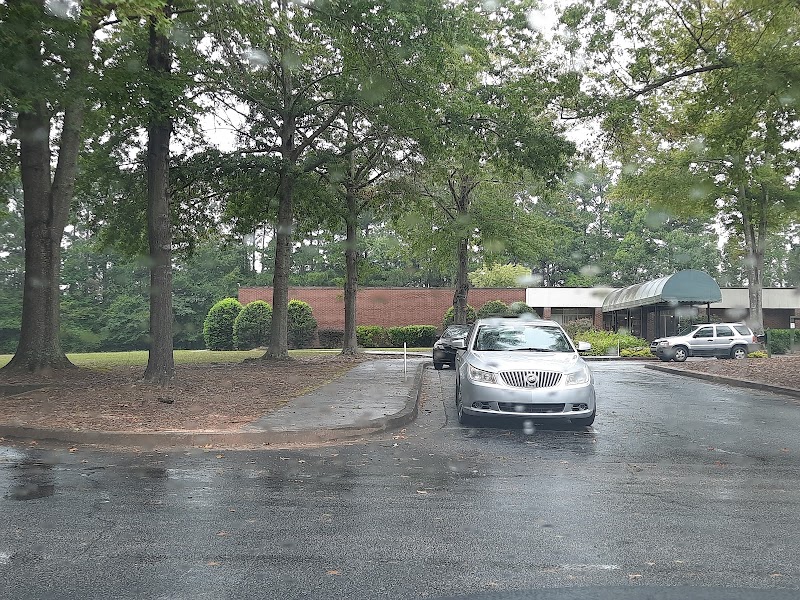
How is Fairburn Heights Of Journey Llc Staffed?

CMS rates FAIRBURN HEIGHTS OF JOURNEY LLC's staffing level at 1 out of 5 stars, which is much below average compared to other nursing homes.

What Have Inspectors Found at Fairburn Heights Of Journey Llc?

State health inspectors documented 25 deficiencies at FAIRBURN HEIGHTS OF JOURNEY LLC during 2019 to 2025. These included: 1 that caused actual resident harm and 24 with potential for harm. Deficiencies causing actual harm indicate documented cases where residents experienced negative health consequences.
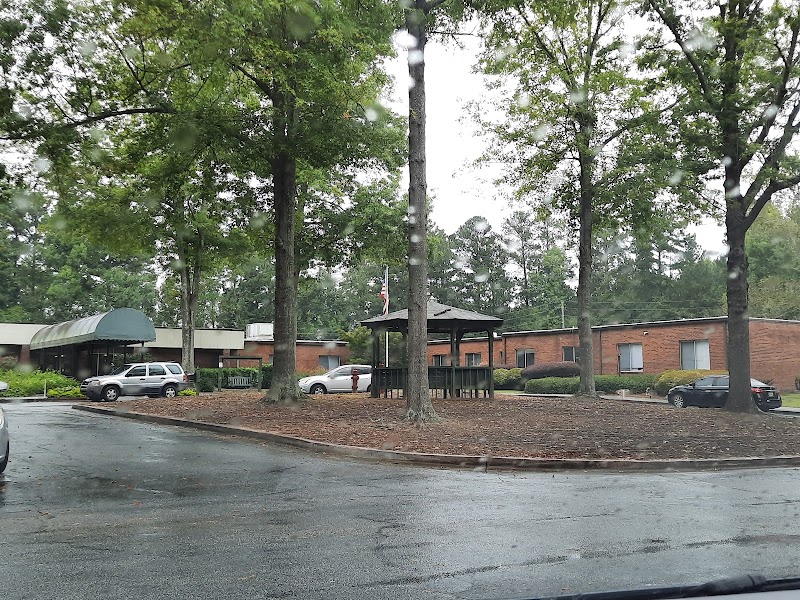
Who Owns and Operates Fairburn Heights Of Journey Llc?

FAIRBURN HEIGHTS OF JOURNEY LLC is owned by a for-profit company. For-profit facilities operate as businesses with obligations to shareholders or private owners. The facility is operated by JOURNEY HEALTHCARE, a chain that manages multiple nursing homes. With 120 certified beds and approximately 98 residents (about 82% occupancy), it is a mid-sized facility located in FAIRBURN, Georgia.
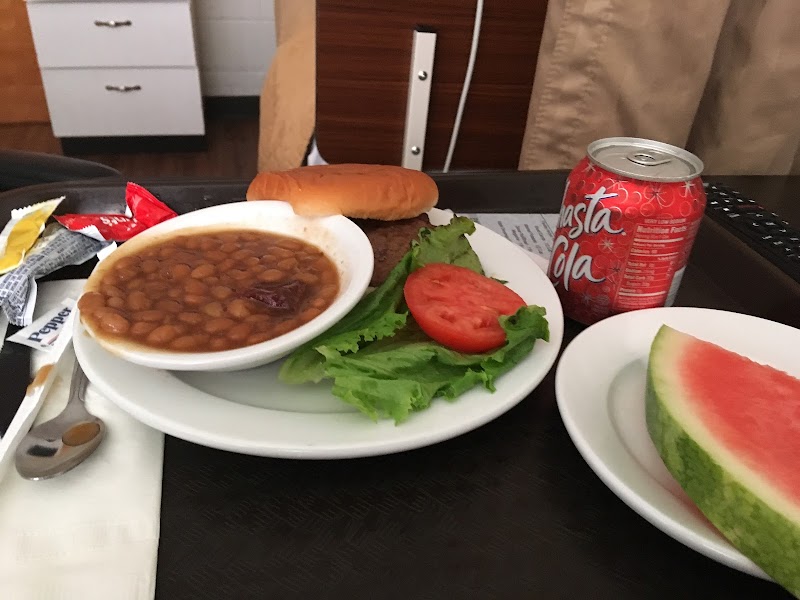
How Does Fairburn Heights Of Journey Llc Compare to Other Georgia Nursing Homes?

Compared to the 100 nursing homes in Georgia, FAIRBURN HEIGHTS OF JOURNEY LLC's overall rating (1 stars) is below the state average of 2.6 and health inspection rating (1 stars) is much below the national benchmark.

What Should Families Ask When Visiting Fairburn Heights Of Journey Llc?

Based on this facility's data, families visiting should ask: "Can you walk me through typical staffing levels on day, evening, and night shifts?" "Can I visit during a mealtime to observe dining assistance and food quality?" "How do you handle medical emergencies, and what is your hospital transfer rate?" "Can I speak with family members of current residents about their experience?" These questions are particularly relevant given the below-average staffing rating.

Is Fairburn Heights Of Journey Llc Safe?

Based on CMS inspection data, FAIRBURN HEIGHTS OF JOURNEY LLC has a clean safety record: no substantiated abuse findings (meaning no confirmed cases of resident harm), no Immediate Jeopardy citations (the most serious violation level indicating risk of serious injury or death), and is not on the Special Focus Facility watch list (a federal program monitoring the lowest-performing 1% of nursing homes). The facility has a 1-star overall rating and ranks #100 of 100 nursing homes in Georgia. While no facility is perfect, families should still ask about staff-to-resident ratios and recent inspection results during their visit.

Do Nurses at Fairburn Heights Of Journey Llc Stick Around?

FAIRBURN HEIGHTS OF JOURNEY LLC has not reported staff turnover data to CMS. Staff turnover matters because consistent caregivers learn residents' individual needs, medications, and preferences. When staff frequently change, this institutional knowledge is lost. Families should ask the facility directly about their staff retention rates and average employee tenure.

Was Fairburn Heights Of Journey Llc Ever Fined?

FAIRBURN HEIGHTS OF JOURNEY LLC has been fined $12,155 across 1 penalty action. This is below the Georgia average of $33,200. While any fine indicates a compliance issue, fines under $50,000 are relatively common and typically reflect isolated problems that were subsequently corrected. Families should ask what specific issues led to these fines and confirm they've been resolved.

Is Fairburn Heights Of Journey Llc on Any Federal Watch List?

FAIRBURN HEIGHTS OF JOURNEY LLC is not on any federal watch list. The most significant is the Special Focus Facility (SFF) program, which identifies the bottom 1% of nursing homes nationally based on persistent, serious quality problems. Not being on this list means the facility has avoided the pattern of deficiencies that triggers enhanced federal oversight. This is a positive indicator, though families should still review the facility's inspection history directly.