PRUITTHEALTH - FORSYTH
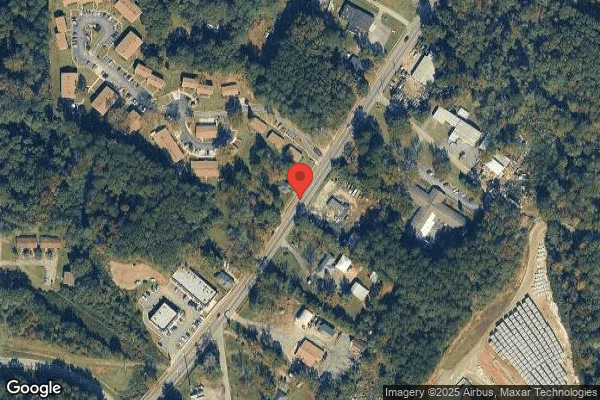

521 CABINESS ROAD, FORSYTH, GA 31029 (478) 994-5671
For profit - Limited Liability company 72 Beds PRUITTHEALTH Data: November 2025
Trust Grade
68/100
#150 of 353 in GA
Last Inspection: May 2025

Inspected within the last 6 months. Data reflects current conditions.

Overview

PruittHealth - Forsyth has a Trust Grade of C+, indicating it is slightly above average among nursing homes. It ranks #150 out of 353 facilities in Georgia, placing it in the top half, and is #2 out of 3 in Monroe County, meaning only one local option is better. The facility has been improving, with issues decreasing from 5 in 2023 to 2 in 2025. However, staffing is a significant weakness, rated at only 1 out of 5 stars, and the turnover rate is 52%, which is about average for the state. Additionally, the facility incurred $10,615 in fines, which is higher than 77% of Georgia facilities, suggesting some compliance issues. Regarding specific incidents, there were concerns about food safety practices, such as expired chemical test strips for dishwashers and improper food storage temperatures, which could risk foodborne illnesses for residents. Dietary staff also failed to follow proper sanitation procedures, which may lead to cross-contamination. On a positive note, the facility has average RN coverage, which can help catch issues that might be missed by other staff. Overall, while there are strengths, particularly in RN oversight, families should be aware of the staffing challenges and the recent food safety concerns.

Trust Score
C+
68/100
In Georgia
#150/353
Top 42%
Safety Record
Low Risk
No red flags
Inspections
Getting Better
5 → 2 violations
Staff Stability
⚠ Watch
52% turnover. Above average. Higher turnover means staff may not know residents' routines.
Penalties
✓ Good
$10,615 in fines. Lower than most Georgia facilities. Relatively clean record.
Skilled Nurses
⚠ Watch
Each resident gets only 19 minutes of Registered Nurse (RN) attention daily — below average for Georgia. Fewer RN minutes means fewer trained eyes watching for problems.
Violations
○ Average
8 deficiencies on record. Average for a facility this size. Mostly minor or procedural issues.
★★★☆☆
3.0
Overall Rating
★☆☆☆☆
1.0
Staff Levels
★★★☆☆
3.0
Care Quality
★★★★☆
4.0
Inspection Score
Stable
2023: 5 issues
2025: 2 issues

The Good

  • Full Sprinkler Coverage · Fire safety systems throughout facility
  • No fines on record

Facility shows strength in fire safety.

The Bad

3-Star Overall Rating

Near Georgia average (2.6)

Meets federal standards, typical of most facilities

Staff Turnover: 52%

Near Georgia avg (46%)

Higher turnover may affect care consistency

Federal Fines: $10,615

Below median ($33,413)

Minor penalties assessed

Chain: PRUITTHEALTH

Part of a multi-facility chain

Ask about local staffing decisions and management

The Ugly 8 deficiencies on record

May 2025 2 deficiencies
CONCERN (D) 📢 Someone Reported This

A family member, employee, or ombudsman was alarmed enough to file a formal complaint

Potential for Harm - no one hurt, but risky conditions existed

Deficiency F0804 (Tag F0804)

Could have caused harm · This affected 1 resident

Based on observation, staff interview, and facility recipe review, the facility failed to ensure dietary staff followed recipes for preparing pureed foods to avoid compromising the nutritive value, fl...

Read full inspector narrative →
Based on observation, staff interview, and facility recipe review, the facility failed to ensure dietary staff followed recipes for preparing pureed foods to avoid compromising the nutritive value, flavor, or appearance. This deficient practice had the potential to affect residents who received a pureed diet from the kitchen. Findings include: A review of the facility recipe for Puree Potato revealed that the smallest amount to prepare was 34 servings. The recipe ingredients were: 1. Pour four liters (about one gallon plus one cup) of hot water (170-190 degrees Fahrenheit [F]) into a 6-inch deep half steamtable pan. 2. Add all potatoes and stir for 15 seconds 3. Let stand for five minutes, stir, and serve. Observation on 5/14/2025 at 12:00 pm revealed [NAME] EE prepared pureed potatoes for the lunch meal. She placed a small pan and an eight-ounce milk carton on the prep area. [NAME] EE measured mashed potato flakes into a container, added 10 cups of hot water, and whisked. [NAME] EE then added one-fourth cup of butter and an unmeasured amount of milk. She stated she used one-fourth of the carton of milk. [NAME] EE combined all the ingredients and let the potatoes thicken for a minute. The mixture was scraped into a sprayed pan, covered with foil, and placed in the warming oven. In an interview on 5/14/2025 at 3:38 pm, [NAME] EE revealed that the puree recipe for mashed potatoes was located on the back of the potato flake ingredients bag and in a red binder on a shelf next to the food processor. [NAME] EE confirmed she did not measure the milk due to her experience and knowledge of how much milk to add.
CONCERN (F) 📢 Someone Reported This

A family member, employee, or ombudsman was alarmed enough to file a formal complaint

Potential for Harm - no one hurt, but risky conditions existed

Food Safety (Tag F0812)

Could have caused harm · This affected most or all residents

Based on observations, staff interviews, and review of the facility's policy titled Emergency Water Requirements, the facility failed to ensure that chemical test strips for the low-temperature dishwa...

Read full inspector narrative →
Based on observations, staff interviews, and review of the facility's policy titled Emergency Water Requirements, the facility failed to ensure that chemical test strips for the low-temperature dishwasher and three-compartment sink were not expired. In addition, the facility failed to ensure the emergency drinking water supply was stored in a sanitary manner. Additionally, the facility failed to ensure that cold foods were held at proper temperatures during meal preparation and that dietary staff performed proper hand hygiene. These deficient practices had the potential to place 52 residents who received an oral diet from the kitchen at risk of contracting a foodborne illness. Findings included: Review of the facility's policy titled Emergency Water Requirements, dated 12/11/2015, revealed the Policy Statement section included, It is the policy of [corporate name] for each healthcare facility to stock drinking water, available for immediate use per patient/resident as required by the state emergency regulation. The Procedure section included, 1. In an emergency where there is a threat or lack of water supply for the facility, the facility will first use the stored gallons of water for drinking purposes. Each gallon of water will have an expiration date located on the gallon. 1. Observation on 5/14/2025 at 8:40 am revealed that the chemical test strips for the sanitizing solution for the low-temperature dishwasher expired May 1, 2001, and the chemical test strips for the three-compartment sink sanitizing solution expired September 21, 2022, June 15, 2021, September 15, 2021, October 15, 2021, and April 15, 2023. In an interview on 5/14/2025 at 9:05 am, the Dietary Manager (DM) revealed that he was unaware of the expired test papers used for the low-temperature dishwasher and the three-compartment sink. 2. Observation on 5/14/2025 at 9:10 am revealed that the emergency drinking water supply was stored in a shed adjacent to the facility. Observation of the emergency drinking water revealed that the boxes in which the water was stored were damaged, and water was leaking from the water supply. The DM confirmed the damaged boxes and leaking water from various emergency drinking water supply boxes. 3. Observation on 5/14/2025 at 1:08 pm revealed that the kitchen staff placed individual bowls of salad on the residents' trays before adding the hot food. The salad bowls remained on the residents' trays, in the kitchen, until 1:30 pm. Observation at 1:35 pm revealed the temperature of the salad was 55 degrees Fahrenheit (F). During an interview, the DM stated the salad was too warm to serve the residents and discarded the salads. 4. Observation on 5/14/2025 at 1:26 pm, during the lunch meal preparation, revealed that [NAME] EE changed gloves without performing hand hygiene between removing used gloves and putting on new gloves. In an interview on 5/14/2025 at 3:38 pm, [NAME] EE confirmed she did not practice hand hygiene between glove changes while preparing the residents' lunch meal.
Dec 2023 5 deficiencies
CONCERN (D) 📢 Someone Reported This

A family member, employee, or ombudsman was alarmed enough to file a formal complaint

Potential for Harm - no one hurt, but risky conditions existed

PASARR Coordination (Tag F0644)

Could have caused harm · This affected 1 resident

**NOTE- TERMS IN BRACKETS HAVE BEEN EDITED TO PROTECT CONFIDENTIALITY** Based on staff interviews and record review, the facility failed to conduct a Level II Preadmission Screening and Resident Revie...

Read full inspector narrative →
**NOTE- TERMS IN BRACKETS HAVE BEEN EDITED TO PROTECT CONFIDENTIALITY** Based on staff interviews and record review, the facility failed to conduct a Level II Preadmission Screening and Resident Review (PASRR) screening for two residents (R) (R26 and R47) with mental health diagnosis from a sample of 17 residents. This deficient practice increased the potential for R26 and R47 to not receive services and/or care according to their needs. Findings include: 1. R47 was admitted to the facility on [DATE] with diagnoses including but not limited to cerebral palsy, anxiety, and depression. On 3/11/2023 R47 was readmitted from the hospital with a diagnosis of bipolar disorder. Interview on 12/17/2023 at 9:15 am with the Minimum Data Set Coordinator revealed R47's diagnosis of bipolar disorder was added on 3/11/2022 following a hospitalization. She stated she added the diagnosis to R47's clinical record but did not notify any other clinical staff of the new diagnosis. She stated she does not notify staff of new mental health diagnosis. Interview on 12/17/2023 at 11:46 am with the Administrator revealed her expectation for PASRR is for the admission Coordinator to ensure correct coding is completed on the PASRR form. She further stated she expects residents with a new diagnosis of mental illness to have a new PASRR Level 1 completed at the time of the diagnosis. She stated the facility did not have a PASRR policy. 2. R26 was admitted to the facility on [DATE] with diagnoses including but not limited to bipolar disorder and depression. Review of the medical record revealed that R26 was receiving psychotherapy sessions. The psychotherapy notes stated that R26 had symptoms of depression related to bipolar. Review of the medical record revealed a PASRR Level 1 was completed on 8/9/2023. An interview on 12/17/2023 at 7:55 am with the social worker revealed that R26 was admitted to the facility with a Level 1 PASRR, and she assumed that if a Level II PASRR was needed it would have been completed at the hospital before his admission to the facility. The social worker revealed that she does not reassess newly admitted residents with mental health diagnosis to ensure if a PASRR Level II is needed. During an interview on 12/17/2023 at 9:20 am the Director of Nursing (DON) revealed she expects the social worker to reassess residents that do not have a Level II PASRR that have a mental health diagnosis such as bipolar.
CONCERN (D) 📢 Someone Reported This

A family member, employee, or ombudsman was alarmed enough to file a formal complaint

Potential for Harm - no one hurt, but risky conditions existed

Deficiency F0698 (Tag F0698)

Could have caused harm · This affected 1 resident

**NOTE- TERMS IN BRACKETS HAVE BEEN EDITED TO PROTECT CONFIDENTIALITY** Based on staff interviews, record review, review of the facility policy titled Dialysis Care Pre and Post Dialysis, and review o...

Read full inspector narrative →
**NOTE- TERMS IN BRACKETS HAVE BEEN EDITED TO PROTECT CONFIDENTIALITY** Based on staff interviews, record review, review of the facility policy titled Dialysis Care Pre and Post Dialysis, and review of the facility document titled Dialysis Center Communication Form, the facility failed to ensure communication between the facility and the dialysis center was documented after each dialysis treatment for one of one resident (R) (R44) reviewed for receiving hemodialysis. This failure had the potential to place R44 at risk for complications related to dialysis after dialysis treatments. Findings include: Review of the facility policy titled Dialysis Care Pre and Post Dialysis, revised 8/22/2022, revealed the policy statement of: It is the policy of [NAME] Health organization to initiate the appropriate measures to care for residents pre and post dialysis. Review of the facility document titled Dialysis Center Communication Form, revised 11/28/2022, revealed a section titled To Be Completed by Dialysis Center that contained areas for documentation of the vascular access and shunt site condition, physician orders, occurrence during dialysis, and a Dialysis Representative signature. Review of the Quarterly Minimum Data Set (MDS) dated [DATE] revealed Section O indicated the resident was receiving dialysis while in the facility. Review of diagnoses included, but was not limited to, End Stage Renal Disease (ESRD) with dependence on renal dialysis. Review of the physician orders revealed an order dated 6/22/2023 for R44 to receive dialysis three times per week on Monday, Wednesday, and Friday. Review of the dialysis communication book revealed the book is kept in R44 room and sent with her to dialysis treatments. Review of the dialysis communication forms for the month of December 2023 revealed the section of the form titled To Be Completed by Dialysis Center were not completed on any of the forms. An interview on 12/16/2023 at 9:05 am with Registered Nurse (RN) Unit Manager (UM) revealed the facility sends the dialysis communication book containing the communication forms with the resident to dialysis and the dialysis center is to complete the bottom portion of the form at completion of treatment and return the book to facility. The RN UM stated the facility staff has a difficult time getting the dialysis center to complete the communication forms, and staff calls the dialysis center to obtain post treatment information and post weight. The RN UM stated that staff should enter a progress note in R44's medical record if they call the dialysis center to obtain post dialysis treatment information. The RN UM confirmed that there were no progress notes entered in December 2023 for the missing post dialysis information. An interview on 12/16/2023 at 11:05 am with the Director of Nursing (DON) confirmed that the dialysis communication forms for the month of December were not completed by the dialysis center. The DON confirmed there were no progress notes in R44's medical record for December indicating that nursing staff had called the dialysis center for R44's post dialysis information.
CONCERN (D) 📢 Someone Reported This

A family member, employee, or ombudsman was alarmed enough to file a formal complaint

Potential for Harm - no one hurt, but risky conditions existed

Medication Errors (Tag F0758)

Could have caused harm · This affected 1 resident

Based on staff interviews, record review, and review of the facility policy titled Monitoring of Antipsychotics, the facility failed to ensure that psychotropic medications, specifically antianxiety m...

Read full inspector narrative →
Based on staff interviews, record review, and review of the facility policy titled Monitoring of Antipsychotics, the facility failed to ensure that psychotropic medications, specifically antianxiety medications, were not ordered as needed (PRN) for more than 14 days unless clinically indicated for one of five residents (R) R14 reviewed for unnecessary medications. Findings include: Review of facility policy titled Monitoring of Antipsychotics, revised 7/20/2020, revealed the Procedure section line numbered 7 stated: PRN orders for antipsychotic drugs are limited to 14 days and cannot be renewed unless the attending physician or prescribing practitioner evaluated the resident for the appropriateness of that medication. All PRN antipsychotic orders will be automatically stopped after 14 days. Review of physician orders for R14 revealed an order dated 11/26/2023 for alprazolam tablet 0.5 milligrams (mg) (a medication used to treat anxiety and panic disorders) give one tablet by mouth prn for increased anxiety every four hours. There was no evidence of a 14 day stop date or a rationale from the physician for use beyond 14 days. Interview on 12/17/2023 at 9:25 am with Licensed Practical Nurse BB revealed all nursing staff are responsible to ensure psychotropic medications that are ordered PRN have a stop date. Interview on 12/17/2023 9:27 am with Director of Nursing revealed all PRN psychotropic medications should have a stop date. The DON stated the medication should have been stopped after 14 days unless otherwise indicated by the physician.
CONCERN (D) 📢 Someone Reported This

A family member, employee, or ombudsman was alarmed enough to file a formal complaint

Potential for Harm - no one hurt, but risky conditions existed

Deficiency F0804 (Tag F0804)

Could have caused harm · This affected 1 resident

Based on observation, staff interviews, and recipe review, the facility failed to ensure dietary staff followed recipes for preparing pureed foods to avoid compromising the nutritive value, flavor, or...

Read full inspector narrative →
Based on observation, staff interviews, and recipe review, the facility failed to ensure dietary staff followed recipes for preparing pureed foods to avoid compromising the nutritive value, flavor, or appearance. This deficient practice affected eight of 52 residents receiving an oral diet. Findings include: Review of the recipe for Pureed Cheeseburger Deluxe revealed the smallest amount to prepare was for 50 servings. The recipe ingredients were: 19 pounds of prepared Cheeseburger Deluxe; One quart, three cups, and eight tablespoons of broth; Two cups and eight tablespoons of thickener. Observation on 12/16/2023 at 9:30 am of Dietary [NAME] AA preparing pureed cheeseburgers for the lunch meal revealed she placed nine cooked hamburger patties in the food processor, added an unmeasured amount of beef broth, and pureed the items. She then added an unmeasured amount of breadcrumbs and pureed the items again. Dietary [NAME] AA then added breadcrumbs two additional times to achieve the desired consistency. She then placed the pureed hamburger mixture in a steam table pan, covered it with foil, and placed it in the oven. Observation on 12/16/2023 at 10:00 am of Dietary [NAME] AA pureeing fried onion rings revealed she placed an unmeasured amount of fried onion rings in the food processor, added an unmeasured amount of chicken broth, and pureed the items. She then added an unmeasured amount of breadcrumbs and pureed the items again. Dietary [NAME] AA added additional breadcrumbs until a desired consistency was achieved. Interview on 12/16/2023 at 10:00 am with Dietary [NAME] AA revealed that the puree meal for lunch was hamburger and onion rings. She revealed that there were recipes for pureed foods and pointed to a black colored binder on a shelf above the area of the food processor. She further revealed that she reviewed/referenced to the recipes for pureed hamburger and onion rings prior to starting the process. She revealed that due to lack of space on the food preparation table, she did not have the recipe binder open to the actual recipes while pureeing the food items. Interview on 12/16/2023 at 10:10 am the Dietary Manager (DM) revealed that he expects dietary staff to follow all recipes as written. Interview on 12/16/2023 at 11:30 am with the DM revealed that there was not a recipe for puree onion rings. The DM revealed that Dietary [NAME] AA did not review and follow the cycle menu which stated that puree diets were to receive puree peas instead of puree onion rings. The DM revealed that he expects dietary cooks to review the cycle menu and prepare foods accordingly.
CONCERN (F) 📢 Someone Reported This

A family member, employee, or ombudsman was alarmed enough to file a formal complaint

Potential for Harm - no one hurt, but risky conditions existed

Food Safety (Tag F0812)

Could have caused harm · This affected most or all residents

**NOTE- TERMS IN BRACKETS HAVE BEEN EDITED TO PROTECT CONFIDENTIALITY** Based on observations, staff interviews, and facility policy review, the facility failed to ensure steam table pans were not sta...

Read full inspector narrative →
**NOTE- TERMS IN BRACKETS HAVE BEEN EDITED TO PROTECT CONFIDENTIALITY** Based on observations, staff interviews, and facility policy review, the facility failed to ensure steam table pans were not stacked together while wet to prevent bacteria growth; failed to ensure food items stored in the resident nourishment refrigerator were properly labeled and dated; failed to ensure dietary staff properly used the three-compartment sink for sanitation to prevent cross contamination; and failed to ensure cold food items served to residents were maintained below 41 degrees Fahrenheit (F). The deficient practices had the potential to adversely affect 127 of 138 residents receiving an oral diet. Findings include: 1. Review of facility policy titled Dishroom Sanitation, revised 3/22/2016 revealed the Procedure section line numbered 7 stated: Check all items for cleanliness at the clean end of the dish table. Rewash items that are not clean. Review of the facility policy titled Pot/Pan Washing and Sanitation, revised 4/11/2016 revealed the Policy Statement was: It is the policy of [NAME] Health that equipment and utensils are cleaned and sanitized appropriately after use to maintain a clean and sanitary environment for food preparation. The Procedure section included a line stating: Inspect for cleanliness and store pots and pans inverted in a clean, dry, protected area. Observation on 12/15/2023 at 8:45 am of stacks of steam table pans located on a shelf in the dish area, revealed three square steam table pans stacked together with water observed on the inside of the middle pan. Also observed was a stack of four medium sized rectangle steam table pans with the middle pan observed to have a pea sized area of an off-white-colored substance on the bottom of the pan and an additional pencil eraser sized spot of off-white colored substance on the top of pan. An interview on 12/15/2023 at 8:45 am with the Dietary Manager (DM) confirmed the middle stacked square steam table pan had moisture inside and confirmed the rectangle steam table pan was not properly cleaned and had off-white substance on it. The DM stated that dietary staff should have ensured stacked pans were dry before stacking and should have ensured pans were clean before stacking. Observation on 12/17/2023 at 8:50 am of the steam table pans stacked on a shelf in the dish room revealed a stack of two medium sized pans. When the top pan was turned over, the inside contained moisture. During an interview on 12/17/2023 at 8:50 am the DM confirmed that the rectangle steam table pan was stacked with moisture inside. The DM stated that staff should allow pans to completely dry before stacking. 2. Review of the facility policy titled Residents/Patients' Personal Food, dated September 2001, revealed the Policy Statement was: To attempt to cooperate with the resident/patient and their family regarding food items brought into the healthcare center for resident/patient consumption that will maintain a clean, healthy environment and prevent foodborne illnesses. The Guidelines section stated: (4). Food refrigerated must be labeled and dated and will be discarded after 24 hours. (5). Nursing personnel will be responsible for the disposal of outdated foods maintained in the resident/patient's room and those stored in the nursing unit refrigerators. Observation on 12/16/2023 at 8:05 am of the resident nourishment room revealed a sign adhered to the front of the resident refrigerator that stated all food items need a label and date. Continued observation of the resident refrigerator revealed two four-ounce cups on the top shelf containing an orange smooth textured substance. The two cups were not labeled or dated. Further observation revealed one paper plate covered with foil in a gray colored plastic bag on the bottom shelf without a label or date. An interview on 12/17/2023 at 8:05 am with the DM revealed that nursing staff are responsible for ensuring resident foods items in the resident refrigerator are labeled and dated and should discard items without a label and date. The DM confirmed that the gray colored plastic bag with a foiled covered paper plate and the two four-ounce cups with the orange substance did not have a label or date. The DM stated the two four-ounce cups contained pureed fruit and nursing staff had placed them in the refrigerator from a resident meal tray. The DM revealed that dietary staff does not label or date the portioned food cups for resident meal trays. An interview on 12/16/2023 at 8:15 am with the Director of Nursing (DON) confirmed that nursing staff is responsible for ensuring resident foods stored in the refrigerator are properly labeled and dated. The DON confirmed that the gray colored plastic bag containing a paper plate wrapped in foil did not have a label or date. The DON stated that nursing staff are to view the resident refrigerator every shift and ensure resident foods items are labeled and dated. 3. Review of the facility policy titled Pot/Pan Washing and Sanitation, revised 4/11/2016 revealed the Policy Statement was: It is the policy of [NAME] Health that equipment and utensils are cleaned and sanitized appropriately after use to maintain a clean and sanitary environment for food preparation. The Procedures section included a line stating: Items need to be immersed for 60 seconds in the Quaternary. Review of the Eco Lab Product Specification Document for Multi- Quaternary Sanitizer revealed: Expose all surfaces to the sanitizing solution for a period of not less than 1 minute. Observation on 12/16/2023 at 9:45 am of Dietary [NAME] AA washing the food processor bowl, lid, and blade using the three-compartment sink, revealed she washed the items, rinsed them in water, placed the food processor blade in the sanitizing solution for only a few seconds and placed the food processor bowl in the sanitizing solution for ten seconds before placing each on a drying rack. An interview on 12/16/2023 at 9:45 am with Dietary [NAME] AA confirmed that the food processor blade and bowl were not in the sanitizing solution for at least 60 seconds. Dietary [NAME] AA stated that items need to be in the sanitizing solution for at least one minute, but she did not do this due to nervousness. An interview on 12/16/2023 at 9:45 am with the DM revealed he has not conducted any in-services with dietary staff regarding the three-compartment sink and he assumed that dietary staff knew how to properly use the three-compartment sink. The DM stated that staff should submerge dishware in the sanitizing solution for 30 seconds. The DM confirmed that the facility is using Eco Lab Quaternary sanitizing solution. The DM revealed that he forgot that the contact time for the sanitizing solution was at least 60 seconds. The DM stated that he expects dietary staff to use the three-compartment sink correctly to properly sanitize dishware. 4. Review of the facility policy titled Food Temperatures, revised 2/24/2023, revealed the Policy Statement was: It is the policy of [NAME] Health that the Dietary Manager or designee be responsible for ensuring that all food has reached and continues to maintain proper temperatures prior to tray assembly. The Procedure section revealed line numbered (2): All potentially hazardous cold foods must be held at 41 degrees or less. (12). Potentially hazardous cold food should be held on the line in an ice bath at 41 degrees or below. Observation on 12/16/2023 at 12:30 pm in the kitchen revealed two tall, large racks with pre-assembled resident lunch meal trays. Continued observation revealed that beverages had been placed on the pre-assembled meal trays including cartons of milk. On 12/16/2023 at 1:00 pm food temperatures were checked with the assistance of the DM using the facility's calibrated thermometer. The temperature check of one eight-ounce carton of chocolate milk from one of the pre-assembled resident meals trays revealed a temperature of 48 degrees F. The temperature check of one eight-ounce carton of whole milk on a different pre-assembled resident meal tray had a temperature of 49 degrees F. An interview on 12/16/2023 at 1:00 pm with the DM confirmed that the carton of chocolate milk had a temperature of 48 degrees and the carton of whole milk had temperature of 49 degrees. The DM stated that cold food items should be served at or below 40 degrees. The DM stated that dietary staff should place cartons of milk on resident meal trays after the trays are completely assembled.
Mar 2022 1 deficiency
CONCERN (D)

Potential for Harm - no one hurt, but risky conditions existed

Infection Control (Tag F0880)

Could have caused harm · This affected 1 resident

Based on observation, record review and staff interview, the facility failed to maintain infection control standard precautions by not removing gloves and performing hand hygiene during wound care for...

Read full inspector narrative →
Based on observation, record review and staff interview, the facility failed to maintain infection control standard precautions by not removing gloves and performing hand hygiene during wound care for two residents (R #3) and (R# 20). The sample size was 22 residents. Findings include: 1. During observation of wound care with RN AA on 3/30/22 at 10:39 a.m., she washed her hands and set up supplies on a clean field on the residents overbed tray table. She donned clean gloves and removed the soiled dressing from the resident's sacral area wound. RN AA removed her gloves but did not wash/sanitize her hands prior to donning clean gloves. She cleansed the wound with cleanser and removed one glove and did not wash/sanitize her hand. RN applied clean dressing and applied tape to dressing. She removed remaining glove and discarded soiled dressings. RN washed her hands and removed soiled dressing from residents left buttock area. She removed dressing and did not wash/sanitize her hands before donning gloves and applying Dakin's solution and clean dressing to left buttock wound. After completing dressing on left buttock, RN removed gloves and removed dressing to right heel with ungloved hand. She then applied gloves without washing or sanitizing hand and applied Santyl to right heel before applying gauze to the wound on heel. RN/Treatment nurse failed to wash/sanitize her hands after removing gloves and prior to donning clean gloves during wound treatment for R#20. 2. Observation of wound care for R#3 on 3/31/22 at 8:55 a.m. revealed Registered Nurse (RN) AA place a clear plastic bag on the floor. RN AA washed her hands, donned gloves, and removed the old dressing to the resident's left heel wound. RN AA washed her hands and donned gloves. RN AA cleaned the wound with a normal saline soaked gauze and patted dry with a clean gauze. She then applied Santyl to wound base, applied 4x4 dry dressing and wrapped left heel with kerlix wrap. RN AA removed gloves then donned one glove to the right hand and applied Vitamin A&D ointment to dry skin on R#3's left leg. RN AA then removed glove and donned one glove to right hand. She then applied Vitamin A&D ointment to dry skin on R#3's right leg. RN AA did not wash/sanitize hands or change gloves after cleaning the wound and before applying the medication. The wound treatments for R#20 and R#3 were performed in accordance with physician orders and the wounds had no signs of infection. Interview on 3/31/22 at 9:15 a.m. with RN AA, after wound care, revealed she stated she did not really mean to wear one glove. RN AA stated it was just A&D ointment. RN AA confirmed that she did not sanitize or wash her hands throughout providing wound care. Interview with the Director of Health Services (DHS) on 3/31/22 at 11:35 a.m. revealed she would expect for the nurse to wash and sanitize her hands before the procedure and if she had to step out to do something. DHS stated she has provided in-services to the nurses on infection control as it relates to wound care. DHS was unable to produce proof of in-services provided.
Understanding Severity Codes (click to expand)
Life-Threatening (Immediate Jeopardy)
J - Isolated K - Pattern L - Widespread
Actual Harm
G - Isolated H - Pattern I - Widespread
Potential for Harm
D - Isolated E - Pattern F - Widespread
No Harm (Minor)
A - Isolated B - Pattern C - Widespread

Questions to Ask on Your Visit

  • "Can I speak with families of current residents?"
  • "What's your RN coverage like on weekends and overnight?"

Our Honest Assessment

Strengths
  • • No major safety red flags. No abuse findings, life-threatening violations, or SFF status.
Concerns
  • • $10,615 in fines. Above average for Georgia. Some compliance problems on record.
Bottom line: Mixed indicators with Trust Score of 68/100. Visit in person and ask pointed questions.

About This Facility

What is Pruitthealth - Forsyth's CMS Rating?

CMS assigns PRUITTHEALTH - FORSYTH an overall rating of 3 out of 5 stars, which is considered average nationally. Within Georgia, this rating places the facility higher than 99% of the state's 100 nursing homes. This mid-range rating indicates the facility meets federal standards but may have areas for improvement.

How is Pruitthealth - Forsyth Staffed?

CMS rates PRUITTHEALTH - FORSYTH's staffing level at 1 out of 5 stars, which is much below average compared to other nursing homes. Staff turnover is 52%, compared to the Georgia average of 46%. RN turnover specifically is 89%, which is notably high. RNs provide skilled clinical oversight, so turnover in this role can affect medical care quality.

What Have Inspectors Found at Pruitthealth - Forsyth?

State health inspectors documented 8 deficiencies at PRUITTHEALTH - FORSYTH during 2022 to 2025. These included: 8 with potential for harm.

Who Owns and Operates Pruitthealth - Forsyth?

PRUITTHEALTH - FORSYTH is owned by a for-profit company. For-profit facilities operate as businesses with obligations to shareholders or private owners. The facility is operated by PRUITTHEALTH, a chain that manages multiple nursing homes. With 72 certified beds and approximately 54 residents (about 75% occupancy), it is a smaller facility located in FORSYTH, Georgia.

How Does Pruitthealth - Forsyth Compare to Other Georgia Nursing Homes?

Compared to the 100 nursing homes in Georgia, PRUITTHEALTH - FORSYTH's overall rating (3 stars) is above the state average of 2.6, staff turnover (52%) is near the state average of 46%, and health inspection rating (4 stars) is above the national benchmark.

What Should Families Ask When Visiting Pruitthealth - Forsyth?

Based on this facility's data, families visiting should ask: "Can you walk me through typical staffing levels on day, evening, and night shifts?" "Can I visit during a mealtime to observe dining assistance and food quality?" "How do you handle medical emergencies, and what is your hospital transfer rate?" "Can I speak with family members of current residents about their experience?" These questions are particularly relevant given the below-average staffing rating.

Is Pruitthealth - Forsyth Safe?

Based on CMS inspection data, PRUITTHEALTH - FORSYTH has a clean safety record: no substantiated abuse findings (meaning no confirmed cases of resident harm), no Immediate Jeopardy citations (the most serious violation level indicating risk of serious injury or death), and is not on the Special Focus Facility watch list (a federal program monitoring the lowest-performing 1% of nursing homes). The facility has a 3-star overall rating and ranks #1 of 100 nursing homes in Georgia. While no facility is perfect, families should still ask about staff-to-resident ratios and recent inspection results during their visit.

Do Nurses at Pruitthealth - Forsyth Stick Around?

PRUITTHEALTH - FORSYTH has a staff turnover rate of 52%, which is 6 percentage points above the Georgia average of 46%. Moderate turnover is common in nursing homes, but families should still ask about staff tenure and how the facility maintains care continuity when employees leave.

Was Pruitthealth - Forsyth Ever Fined?

PRUITTHEALTH - FORSYTH has been fined $10,615 across 1 penalty action. This is below the Georgia average of $33,185. While any fine indicates a compliance issue, fines under $50,000 are relatively common and typically reflect isolated problems that were subsequently corrected. Families should ask what specific issues led to these fines and confirm they've been resolved.

Is Pruitthealth - Forsyth on Any Federal Watch List?

PRUITTHEALTH - FORSYTH is not on any federal watch list. The most significant is the Special Focus Facility (SFF) program, which identifies the bottom 1% of nursing homes nationally based on persistent, serious quality problems. Not being on this list means the facility has avoided the pattern of deficiencies that triggers enhanced federal oversight. This is a positive indicator, though families should still review the facility's inspection history directly.