SPALDING POST ACUTE LLC
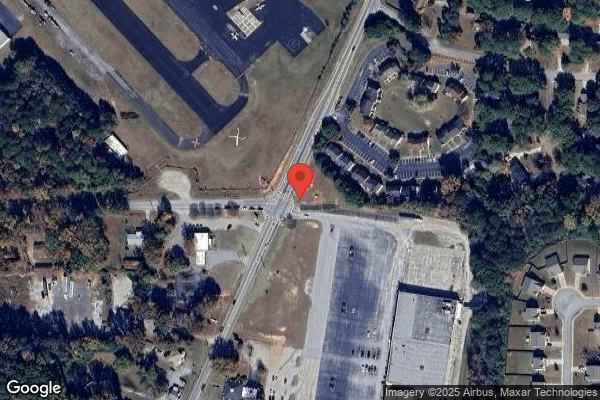
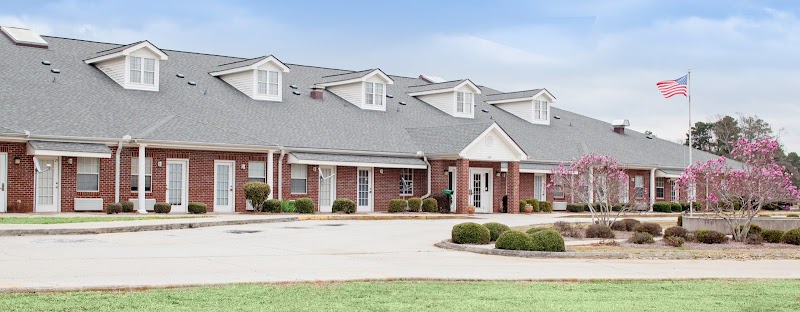
415 AIRPORT ROAD, GRIFFIN, GA 30224 (770) 227-8636
For profit - Limited Liability company 148 Beds ELEVATION HEALTHCARE Data: November 2025 4 Immediate Jeopardy citations
Trust Grade
0/100
#338 of 353 in GA
Last Inspection: February 2025

Within standard 12-15 month inspection cycle. Federal law requires annual inspections.

Overview

Spalding Post Acute LLC has received a Trust Grade of F, indicating significant concerns about the facility's care and operations. Ranking #338 out of 353 nursing homes in Georgia places it in the bottom half of facilities in the state, and as the lowest of the three options in Spalding County, it has limited local competition. The situation is worsening, with the number of reported issues increasing from 4 in 2024 to 9 in 2025. Staffing is notably weak, with a low rating of 1 out of 5 stars and a high turnover rate of 62%, which is above the state average. Although the facility has not incurred any fines, serious deficiencies were noted, including a failure to provide emergency tracheostomy care for several residents, putting them at risk of life-threatening situations.

Trust Score
F
0/100
In Georgia
#338/353
Bottom 5%
Safety Record
High Risk
Review needed
Inspections
Getting Worse
4 → 9 violations
Staff Stability
⚠ Watch
62% turnover. Above average. Higher turnover means staff may not know residents' routines.
Penalties
✓ Good
No fines on record. Clean compliance history, better than most Georgia facilities.
Skilled Nurses
⚠ Watch
Each resident gets only 15 minutes of Registered Nurse (RN) attention daily — below average for Georgia. Fewer RN minutes means fewer trained eyes watching for problems.
Violations
⚠ Watch
35 deficiencies on record. Higher than average. Multiple issues found across inspections.
★☆☆☆☆
1.0
Overall Rating
★☆☆☆☆
1.0
Staff Levels
★☆☆☆☆
1.0
Care Quality
★☆☆☆☆
1.0
Inspection Score
Stable
2024: 4 issues
2025: 9 issues

The Good

  • Full Sprinkler Coverage · Fire safety systems throughout facility
  • No fines on record

Facility shows strength in fire safety.

The Bad

1-Star Overall Rating

Below Georgia average (2.6)

Significant quality concerns identified by CMS

Staff Turnover: 62%

15pts above Georgia avg (46%)

Frequent staff changes - ask about care continuity

Chain: ELEVATION HEALTHCARE

Part of a multi-facility chain

Ask about local staffing decisions and management

Staff turnover is elevated (62%)

14 points above Georgia average of 48%

The Ugly 35 deficiencies on record

4 life-threatening
Feb 2025 9 deficiencies
CONCERN (D) 📢 Someone Reported This

A family member, employee, or ombudsman was alarmed enough to file a formal complaint

Potential for Harm - no one hurt, but risky conditions existed

Resident Rights (Tag F0550)

Could have caused harm · This affected 1 resident

**NOTE- TERMS IN BRACKETS HAVE BEEN EDITED TO PROTECT CONFIDENTIALITY** Based on observations, staff interviews, record review, and review of the facility's policies titled Catheter Care, and Quality ...

Read full inspector narrative →
**NOTE- TERMS IN BRACKETS HAVE BEEN EDITED TO PROTECT CONFIDENTIALITY** Based on observations, staff interviews, record review, and review of the facility's policies titled Catheter Care, and Quality of Life-Dignity, the facility failed to promote, maintain, and protect residents' dignity for one of five residents (R) (R475) with an indwelling urinary catheter. This failure had the potential to diminish R475's quality of life in an environment that promotes the maintenance or enhancement of each resident's quality of life. Findings include: Review of the facility's policy titled Catheter Care, dated 7/1/2024, revealed the Policy section stated, It is the policy of this facility to ensure that residents with indwelling catheters receive appropriate catheter care and maintain their dignity and privacy when indwelling catheters are in use. The Policy Explanation section included, . 2. Privacy bags will be available and catheter drainage bags will be covered at all times when in use. Review of the facility's undated policy titled Quality of Life-Dignity revealed the Policy Statement stated, Each resident shall be cared for in a manner that promotes and enhances quality of life, dignity, respect, and individuality. The Policy Interpretation and Implementation section included, . 11. Demeaning practices and standards of care that compromise dignity are prohibited. Staff shall promote dignity and assist residents as needed by: a. Helping the resident to keep urinary catheter bags covered. Review of R475's electronic medical record (EMR) revealed diagnoses including, but not limited to, hemiplegia (paralysis affecting one side of the body) and hemiparesis (weakness on one side of the body), major depressive disorder, generalized anxiety disorder, and a personal history of urinary tract infections. Review of R475's admission Minimum Data Set (MDS), dated [DATE], revealed section GG (Functional Abilities and Goals) documented the resident was dependent for activities of daily living (ADLs). Section H (Bowel and Bladder) documented that the resident had an indwelling catheter. Observations on 2/15/2025 at 9:32 am and 9:58 am revealed R475 in her room with the door open. The urinary catheter drainage bag was secured to the bed frame, not in a privacy bag, allowing her urine to be visible from the hallway. During an interview on 2/15/2025 at 9:32 am, R475 expressed concerns about the lack of privacy. During a simultaneous observation and interview on 2/15/2025 at 9:59 am, Licensed Practical Nurse (LPN) GG acknowledged that R475's catheter should have been covered. During an interview on 2/16/2025 at 9:05 am, Certified Nursing Assistant (CNA) FF stated she had replaced R475's urinary catheter drainage bag on 2/15/2025 morning and ensured it was placed in a privacy bag. She verified that the catheter drainage bag had been uncovered and exposed prior to her replacing the bag. During an interview on 2/16/2024 at 1:00 pm, the Director of Nursing (DON) stated that R475 had transferred from a personal care home a couple of days ago. She stated that the staff had forgotten to cover the catheter bag after R475 returned to the facility. She stated that he expected staff to ensure the resident's urinary catheter drainage bag was covered at all times.
CONCERN (D) 📢 Someone Reported This

A family member, employee, or ombudsman was alarmed enough to file a formal complaint

Potential for Harm - no one hurt, but risky conditions existed

Deficiency F0554 (Tag F0554)

Could have caused harm · This affected 1 resident

**NOTE- TERMS IN BRACKETS HAVE BEEN EDITED TO PROTECT CONFIDENTIALITY** Based on observations, staff and resident interviews, record review, and review of the facility's policy titled Self-Administrat...

Read full inspector narrative →
**NOTE- TERMS IN BRACKETS HAVE BEEN EDITED TO PROTECT CONFIDENTIALITY** Based on observations, staff and resident interviews, record review, and review of the facility's policy titled Self-Administration of Medications by Patients/Residents, the facility failed to ensure that one of 51 sampled residents (R) (R55) was assessed for safe medication self-administration before allowing medications to be stored at the bedside. This deficient practice had the potential to place R55 at risk of self-administering medications in an unsafe manner. Findings include: Review of the facility's policy titled Self-Administration of Medications by Patients/Residents, reviewed 1/1/2025, revealed the Policy statement included, Each resident who desires to self-administer medication is permitted to do so if the healthcare center's Licensed Nurse/Registered Nurse and physician have determined that the practice would be safe for the resident and other residents of the healthcare center. The section titled Procedure included . 2. If the resident or family member desires to self-administer medications, an assessment is conducted by the Licensed Nurse to assess the individual's cognitive, physical, and visual ability to carry out this responsibility. 6. All nurses and aides are required to report to the Charge Nurse on duty any medications found at the bedside not authorized for bedside storage and to give unauthorized medications to the Charge Nurse for return to the family or responsible party. Review of R55's electronic medical record (EMR) revealed diagnoses including, but not limited to, chronic atrial fibrillation, muscle weakness, chronic combined systolic and diastolic heart failure, essential hypertension, unilateral primary osteoarthritis of the right knee, anxiety disorder, major depressive disorder, and other chronic pain. Review of R55's Quarterly Minimum Data Set (MDS) assessment dated [DATE] revealed section C (Cognitive Pattern) documented a Brief Interview for Mental Status (BIMS) score of 15 (indicating little to no cognitive impairment). Review of R55's care plan revealed no care area or interventions for medication self-administration. Review of R55's Physician Orders revealed no orders for medication self-administration. Review of R55's EMR revealed no documentation of evaluation for self-administration of medications. Observation on 2/15/2025 at 8:49 am in R55's room revealed one container of diclofenac sodium one percent cream (a topical medication used to treat pain) on the resident's bedside table. The resident stated that the cream was provided by her sister and used for knee pain relief. She acknowledged that she used the cream as needed. Observation on 2/16/2025 at 9:43 am in R55's room revealed that the diclofenac sodium one percent cream remained on the bedside table. Further observation revealed a container of sore throat spray. The resident stated that a nurse had allowed her to keep the sore throat spray at her bedside because it could not be placed on the medication cart. During a simultaneous observation and interview on 2/16/2025 at 9:05 am, Certified Nursing Assistant (CNA) DD revealed that she was unaware of the medication in R55's room. She stated that she was unsure if R55 was allowed to have the items at the bedside. During simultaneous observation and interview on 2/16/2025 at 9:14 am, Unit Manager (UM)/Licensed Practical Nurse (LPN) EE revealed that facility staff were unaware of the medications in R55's room. He acknowledged that family members frequently bring unauthorized items, and staff must monitor and remove them. During an interview on 2/16/2025 at 3:37 pm, the Director of Nursing (DON) confirmed that the facility does not allow self-administration of medications without a physician's order and assessment by the interdisciplinary team. The DON stated that if a resident had medication in their possession, it was typically brought in by a family member without the facility's knowledge. She acknowledged that unauthorized medications should be removed and that education should be provided to the resident and family.
CONCERN (D) 📢 Someone Reported This

A family member, employee, or ombudsman was alarmed enough to file a formal complaint

Potential for Harm - no one hurt, but risky conditions existed

Abuse Prevention Policies (Tag F0607)

Could have caused harm · This affected 1 resident

Based on staff interviews, record review, and review of the facility's policy titled Abuse, Neglect, and Misappropriations, the facility failed to ensure pre-employment screenings, specifically a back...

Read full inspector narrative →
Based on staff interviews, record review, and review of the facility's policy titled Abuse, Neglect, and Misappropriations, the facility failed to ensure pre-employment screenings, specifically a background check for one employee and a background check and fingerprints for one employee, were obtained for two of 10 staff reviewed. This deficient practice had the potential to place residents residing in the facility at risk of abuse, neglect, and exploitation from staff. The facility census was 126 residents. Findings include: Review of the facility's policy titled Abuse, Neglect, and Misappropriations, effective date 2/1/2024, revealed the Policy Components section included A. Screening . 3. Criminal background checks will be conducted prior to permanent employment. Review of the facility employee files revealed the following: 1. The Director of Nursing (DON) was hired on 2/22/2023 with no background process completed. 2. The Dietary Manager (DM) was hired on 2/7/2023 with no background or fingerprint process completed. A review of the facility-provided Employee Roster Georgia Criminal History Check System (GCHEXS) report revealed that the DON or DM were not listed on the report. The DON had an active, unencumbered Registered Nurse (RN) license. There were no concerns identified related to abuse or neglect within the facility during the survey. In an interview on 2/16/2024 at 1:15 pm, the Human Resources (HR)/Payroll Manager stated the corporate office was aware that the DON was missing a background check and the DM was missing a background check and fingerprints. In an interview on 2/16/2024 at 3:35 pm, the Administrator stated that there was an issue with their system in retrieving the fingerprints and background checks for the identified employees. In a post-survey interview on 2/24/2025 at 11:45 am, the Administrator stated she was unable to locate a background check for the DON or a background check and fingerprints for the DM. She stated the facility's HR Manager had recently left employment, and she was unable to locate the reports. She confirmed both employees' hire dates and stated she felt sure both had the required checks performed after the facility's last recertification survey. She stated she did not know why the DM was not included in the GCHEXS report and confirmed she should be on the report if she had had her fingerprints performed.
CONCERN (D) 📢 Someone Reported This

A family member, employee, or ombudsman was alarmed enough to file a formal complaint

Potential for Harm - no one hurt, but risky conditions existed

Comprehensive Care Plan (Tag F0656)

Could have caused harm · This affected 1 resident

**NOTE- TERMS IN BRACKETS HAVE BEEN EDITED TO PROTECT CONFIDENTIALITY** Based on staff interviews, record review, and review of the facility's policy titled Care Planning-Interdisciplinary Team, the f...

Read full inspector narrative →
**NOTE- TERMS IN BRACKETS HAVE BEEN EDITED TO PROTECT CONFIDENTIALITY** Based on staff interviews, record review, and review of the facility's policy titled Care Planning-Interdisciplinary Team, the facility failed to ensure that one of five residents (R) (R475) with an indwelling urinary catheter had a person-centered comprehensive care plan for the use of the indwelling urinary catheter. This deficient practice had the potential to place R475 at risk of not receiving treatment and/or care according to their needs. Findings include: Review of the facility's undated policy titled Care Planning-Interdisciplinary Team revealed the Policy Interpretation and Implementation section included, 1. A comprehensive care plan for each resident is developed after completion of the resident assessment (MDS) [Minimum Data Set]. Review of R475's electronic medical record (EMR) revealed diagnoses including, but not limited to, hemiplegia (paralysis affecting one side of the body) and hemiparesis (weakness on one side of the body), major depressive disorder, generalized anxiety disorder, and a personal history of urinary tract infections. Review of R475's admission Minimum Data Set (MDS), dated [DATE], revealed section H (Bowel and Bladder) documented the resident had an indwelling catheter. Review of R475's care plan dated 2/14/2025 revealed no care area or interventions for the indwelling urinary catheter. In an interview on 2/4/2025 at 9:15 am, the MDS Coordinator verified there were no care areas or interventions for an indwelling urinary catheter on R475's care plan. The MDS Coordinator stated that the care plan should include a care area and interventions for the indwelling urinary catheter. She stated that the oversight occurred because the resident was initially admitted for respite care, and the catheter was not considered a priority at that time.
CONCERN (D) 📢 Someone Reported This

A family member, employee, or ombudsman was alarmed enough to file a formal complaint

Potential for Harm - no one hurt, but risky conditions existed

Incontinence Care (Tag F0690)

Could have caused harm · This affected 1 resident

**NOTE- TERMS IN BRACKETS HAVE BEEN EDITED TO PROTECT CONFIDENTIALITY** Based on staff interviews and record review, the facility failed to ensure that one of five residents (R) (R475) with an indwell...

Read full inspector narrative →
**NOTE- TERMS IN BRACKETS HAVE BEEN EDITED TO PROTECT CONFIDENTIALITY** Based on staff interviews and record review, the facility failed to ensure that one of five residents (R) (R475) with an indwelling urinary catheter had a qualifying medical diagnosis for the use of an indwelling urinary catheter. The deficient practice had the potential to place R475 at risk of avoidable urinary tract complications. Findings include: Review of R475's electronic medical record (EMR) revealed diagnoses including, but not limited to, hemiplegia (paralysis affecting one side of the body) and hemiparesis (weakness on one side of the body), major depressive disorder, generalized anxiety disorder, and a personal history of urinary tract infections. Review of R475's admission Minimum Data Set (MDS), dated [DATE], revealed section H (Bowel and Bladder) documented the resident had an indwelling catheter. Section I (Active Diagnoses) did not include any genitourinary diagnoses. Section M (Skin Condition) documented that there were no wounds. Review of R475's Physician's Orders revealed an order dated 2/14/2025 for a urinary catheter 16 French with a 10 cc (cubic centimeter) balloon to bedside drainage for diagnosis/history of wounds. In an interview on 2/4/2025 at 9:30 am, the Director of Nursing (DON) confirmed that R475 did not have a clinically qualifying diagnosis for the use of an indwelling urinary catheter. The DON stated that the provider would be notified.
CONCERN (D) 📢 Someone Reported This

A family member, employee, or ombudsman was alarmed enough to file a formal complaint

Potential for Harm - no one hurt, but risky conditions existed

Unnecessary Medications (Tag F0759)

Could have caused harm · This affected 1 resident

Based on observations, staff interviews, record reviews, and a review of the facility's policy titled Medication Administration, the facility failed to ensure a medication error rate of less than five...

Read full inspector narrative →
Based on observations, staff interviews, record reviews, and a review of the facility's policy titled Medication Administration, the facility failed to ensure a medication error rate of less than five percent. There were three errors with 29 opportunities for two of four residents (R) (R43 and R74) observed during medication administration. The medication error rate was 10.34 percent. These failures had the potential to place R43 and R74 at risk of medical complications and decreased therapeutic effects of medications. Findings include: Review of the facility's undated policy titled Medication Administration revealed the Policy section included A licensed nurse, Med Tech (medication technician), or medication aide, per state regulations, will administer medications to patients. Accepted standards of practice will be followed. The Purpose section stated, To provide a safe, effective medication administration process. 1. Review of R43's Physician's Orders revealed an order dated 8/13/2024 for divalproex sodium oral capsule delayed release (DR) sprinkle 125 milligrams (mg), four capsules by mouth one time a day related to unspecified convulsions. Observation on 2/16/2025 at 9:01 am revealed that Licensed Practical Nurse (LPN) AA administered divalproex sodium oral capsule DR sprinkle 125 mg one capsule by mouth to R43. 2. Review of R74's Physician's Orders revealed an order dated 2/6/2024 for vitamin B12 oral tablet extended release (ER) 1000 micrograms (mcg), one tablet by mouth one time a day. Further review revealed an order dated 9/26/2023 for calcium carbonate 600 mg oral tablet, one tablet by mouth daily. Observation on 2/16/2025 at 9:20 am revealed that LPN AA administered vitamin B12 1,000 mcg regular release one tablet by mouth and calcium carbonate 500 mg oral tablet one tablet by mouth to R74. In an interview on 2/16/2025 at 12:15 pm, LPN AA confirmed she administered R43 divalproex sodium oral capsule DR sprinkle 125 mg one capsule by mouth and confirmed the physician's order was for divalproex sodium oral capsule DR sprinkle 125 mg four capsules by mouth. She confirmed she administered R74 vitamin B12 1,000 mcg regular release, one tablet by mouth, and the physician's order was for vitamin B12 oral tablet ER 1000 mcg, one tablet by mouth, and further confirmed she administered R74 calcium carbonate 500 mg oral tablet one tablet by mouth and the physician's order was for calcium carbonate 600 mg oral tablet one tablet by mouth. In an interview on 2/17/2025 at 11:05 am, the Director of Nursing (DON) stated that LPN AA was a new nurse and needed additional training. The DON further stated that when administering medications, the nurse should look at the order on the Medication Administration Record (MAR) and follow the physician's orders.
CONCERN (D) 📢 Someone Reported This

A family member, employee, or ombudsman was alarmed enough to file a formal complaint

Potential for Harm - no one hurt, but risky conditions existed

Infection Control (Tag F0880)

Could have caused harm · This affected 1 resident

**NOTE- TERMS IN BRACKETS HAVE BEEN EDITED TO PROTECT CONFIDENTIALITY** Based on observations, staff interviews, record reviews, and review of the facility's policies titled Hand Hygiene and Infection...

Read full inspector narrative →
**NOTE- TERMS IN BRACKETS HAVE BEEN EDITED TO PROTECT CONFIDENTIALITY** Based on observations, staff interviews, record reviews, and review of the facility's policies titled Hand Hygiene and Infection Prevention and Control Policy, the facility failed to ensure infection control processes were followed during resident care for three residents (R). Specifically, during a fingerstick blood sugar (FSBS) test for one of 36 R requiring a FSBS (R8), during wound care for one of 20 R receiving wound care (R6), and for one of eight R receiving tube feeding (R91). The deficient practices had the potential to place R8, R6, and R91 at risk of avoidable exposure to infections. Findings include: Review of the facility's policy titled Hand Hygiene, effective date 2/1/2024, revealed the Policy Statement included, . Handwashing is the single most important procedure for preventing nosocomial infections. The facility requires personnel to wash hands thoroughly to remove dirt, organic material, and transient microorganisms. Handwashing is mandated between resident contact in an effort to prevent the spread of infection. Hands must be washed after the following, including, but not limited to: contact with blood/body fluids, contact with contaminated items or surfaces, initiating a clean procedure, and removal of gloves. Review of the facility policy titled ''Infection Prevention and Control,'' effective date 2/1/2024, revealed the Policy Statement included, An infection prevention and control program (IPCP) is established and maintained to provide a safe, sanitary, and comfortable environment and to help prevent the development and transmission of communicable diseases and infections. 1. Review of R8's electronic medical record (EMR) revealed diagnoses including, but not limited to, type 1 diabetes mellitus. Review of R8's Physician Orders revealed an order dated 11/12/2024 for a FSBS two times a day. Observation on 2/16/2025 at 9:38 am of Licensed Practical Nurse (LPN) AA performing a FSBS on R8 revealed that LPN AA put on gloves, performed the FSBS, removed the gloves, put on a pair of gloves, and sanitized the glucometer (a machine used to check blood sugar). LPN AA did not sanitize her hands between glove changes. In an interview on 2/17/2025 at 11:44 am, the Infection Control Nurse (ICN) stated that staff should wash their hands before and after dealing with patients and that nurses should sanitize their hands between glove changes. In an interview on 2/17/2025 at 4:10 pm, the Director of Nurses (DON) stated she expected staff to follow procedures and guidelines for infection control. 2. Observation on 2/17/2025 at 9:10 am of the Wound Care Nurse (WCN) performing wound care for R6 revealed that she carried a tray of wound care supplies into R6's room and placed the tray on the resident's bedside table without sanitizing the table or placing a barrier on it. After wound care was complete, the WCN placed the tray on the treatment cart without cleaning the tray or placing a barrier on the cart. The WCN stated she forgot to sanitize the bedside table, the tray, and the treatment cart. In an interview on 2/17/2025 at 11:30 am, the ICN stated there should have been a barrier used on the bedside table and the treatment cart. In an interview on 2/17/2025 at 4:10 pm, the Director of Nurses (DON) stated she expected staff to follow procedures and guidelines for infection control. 3. Review of R91's Quarterly Minimum Data Set (MDS), dated [DATE], revealed section K (Swallowing/Nutritional Status) documented that R91 had a feeding tube and received 51 percent or more of total calories through the tube feeding. An observation on 2/15/2025 at 8:57 am in R91's room revealed a catheter tip syringe lying on the bedside table, unbagged and unlabeled. In a concurrent observation and interview on 2/15/2025 at 8:17 am, LPN GG verified the unbagged syringe on R91's bedside table and stated that all enteral feeding syringes should be labeled, stored properly, and disposed of if not in use. In an interview on 2/16/2025 at 3:17 pm, the DON revealed that all enteral feeding syringes should be bagged and labeled with the resident's name and date and that staff was responsible for ensuring all enteral feeding equipment was properly stored and discarded after use.
CONCERN (F) 📢 Someone Reported This

A family member, employee, or ombudsman was alarmed enough to file a formal complaint

Potential for Harm - no one hurt, but risky conditions existed

Deficiency F0570 (Tag F0570)

Could have caused harm · This affected most or all residents

Based on staff interviews, record review, and review of the facility's policy titled Patient/Resident Trust Funds, the facility failed to maintain a Surety Bond in an adequate amount to cover the resi...

Read full inspector narrative →
Based on staff interviews, record review, and review of the facility's policy titled Patient/Resident Trust Funds, the facility failed to maintain a Surety Bond in an adequate amount to cover the resident trust fund account balance for six of six months reviewed. This deficient practice had the potential to adversely affect the finances of 84 residents with trust fund accounts managed by the facility. Findings include: Review of the facility's undated policy titled Patient/Resident Trust Funds, dated 2/1/2024, revealed the Policy section included, It is the policy of this healthcare center to maintain all resident trust fund money, except for petty cash, in one interest-bearing checking account. Review of the facility's Surety Bond revealed the penal sum of $85,207.06. The bond stated, The liability of the surety for any and all losses incurred under this bond shall not exceed the stated penal sum. Review of a facility-provided invoice revealed the Resident Personal Fund Bond was effective from 4/21/2024 to 4/21/2025, and the bond amount was $85,207.06. Review of the facility's Resident Fund Trust Account bank statements revealed the ending balance for August 2024 was $107,015.20, for September 2024 was $115,620.23, for October 2024 was $121,247.26, for November 2024 was $120,513.10, for December 2024 was $142,282.45, and for January 2025 was $144,539.69. Review of the facility-provided document titled Resident Fund Management Service revealed that 84 residents had an active resident trust fund account at the facility. In a post-survey telephone interview on 2/21/2025 at 11:30 am, the Administrator confirmed the facility's Surety Bond was for the amount of $85,207.06. She further verified that the resident trust fund end-of-the-month bank statement totals for the months of August 2024 through January 2025 were in excess of the amount of the Surety Bond. She stated she was unaware that the Surety Bond amount was less than the resident trust fund monthly balances and that the Surety Bond amount should be more than the resident trust fund balances to ensure the security of the resident's personal funds. She further stated that the corporate office had requested an increase in the Surety Bond coverage.
CONCERN (F) 📢 Someone Reported This

A family member, employee, or ombudsman was alarmed enough to file a formal complaint

Potential for Harm - no one hurt, but risky conditions existed

Deficiency F0761 (Tag F0761)

Could have caused harm · This affected most or all residents

Based on observations, staff interviews, record review, and review of the facility's policy titled Storage of Medication, the facility failed to ensure there were no expired medications in two of two ...

Read full inspector narrative →
Based on observations, staff interviews, record review, and review of the facility's policy titled Storage of Medication, the facility failed to ensure there were no expired medications in two of two medication storage rooms. The deficient practice had the potential to place residents at risk of receiving expired medications. Findings include: Review of the facility's policy titled Storage of Medication, dated 1/2025, revealed the Procedures section included . 14. Outdated, contaminated, discontinued or deteriorated medications and those in containers that are cracked, soiled, or without secure closures are immediately removed from stock, disposed of according to procedures for medication disposal, and reordered from the pharmacy, if a current order exists. On 2/16/2025 at 10:45 am, observation of the Gardenia Hall medication storage room with Licensed Practical Nurse (LPN) BB revealed the following: Three containers of mineral oil lubricant laxative with an expiration date of 11/19/2024. Three containers of iron supplement liquid with an expiration date of 9/2024. Two containers of arthritis relief with an expiration date of 10/2024. LPN BB confirmed the medications were expired and discarded the expired drugs. On 2/16/2025 at 12:30 pm, observation of the Sunnyville Hall medication storage room with Registered Nurse (RN) CC revealed three containers of Geri Lanta with an expiration date of 1/2025. RN CC confirmed the expired medication and discarded it. She stated she was unsure why the expired medication was in the medication storage room and that the nurses randomly checked the medication expiration dates. In an interview on 2/17/2025 at 11:22 am, the Director of Nursing (DON) stated that the nurses were instructed to look at the expiration date when medications were taken from the medication storage rooms.
Dec 2024 4 deficiencies
CONCERN (D) 📢 Someone Reported This

A family member, employee, or ombudsman was alarmed enough to file a formal complaint

Potential for Harm - no one hurt, but risky conditions existed

Deficiency F0568 (Tag F0568)

Could have caused harm · This affected 1 resident

**NOTE- TERMS IN BRACKETS HAVE BEEN EDITED TO PROTECT CONFIDENTIALITY** Based on resident interviews, staff interviews, review of the facility policy titled, Patient/Resident Trust Funds, and review o...

Read full inspector narrative →
**NOTE- TERMS IN BRACKETS HAVE BEEN EDITED TO PROTECT CONFIDENTIALITY** Based on resident interviews, staff interviews, review of the facility policy titled, Patient/Resident Trust Funds, and review of the facility-provided document titled, Resident Fund Accounts, the facility failed to provide resident trust fund account quarterly statements for three of 100 residents (R) with trust fund accounts managed by the facility (R4, R6, and R9). This deficient practice had the potential to affect all residents who had a trust fund account with the facility. Findings include: Review of the facility policy titled, Patient/Resident Trust Funds, dated 2/1/2024, revealed the Procedure section included .3. At the time of admission, the resident will sign an authorization indicating understanding of the policy and giving the healthcare center authorization to handle such funds. This authorization is to be maintained in the financial file. Review of the undated document located in the resident admission packet titled, Resident Fund Accounts revealed, The center shall furnish resident/patients with quarterly statements at the end of each calendar quarter. 1. Review of R6's Quarterly Minimum Data Set (MDS) assessment dated [DATE] revealed a Brief Interview for Mental Status (BIMS) was assessed as 15 (indicating intact cognition). Review of the document titled Resident Fund Accounts revealed it was signed by R6's resident representative and the facility representative on 11/4/2018. Review of the Trial Balance dated 10/31/2024 and Resident Fund Statement revealed R6 had a resident trust fund account managed by the facility. In an interview on 11/7/2024 at 10:25 am, R6 stated she had a trust fund account that the facility managed. The resident stated the last quarterly statement the facility provided to her was in February 2024. The resident stated she would like to receive statements and to know how much money is in the account. In an interview and observation on 11/12/2024 at 1:15 pm with the Business Office Manager (BOM) and R6, R6 stated she had not received a statement since February 2024. The resident gave the BOM permission to look through the nightstand for a statement. The BOM did not locate a quarterly statement. 2. Review of R4's Annual MDS assessment dated [DATE] revealed a BIMS was assessed as 15 (indicating intact cognition). Review of the Trial Balance dated 10/31/2024 and Resident Fund Statement revealed R4 had a resident trust fund account managed by the facility. In an interview on 11/8/2024 at 11:25 am, R4 stated she had a trust fund account that the facility managed. The resident stated she did not receive a quarterly statement for the trust fund account. The resident stated someone in the front office would tell her the balance in the account if she (R4) asked. 3. Review of R9 MDS Quarterly assessment dated [DATE] revealed a BIMS was assessed as 15 (indicating intact cognition). Review of the Trial Balance dated 10/31/2024 and Resident Fund Statement revealed R9 had a resident trust fund account managed by the facility. In an interview on 11/12/2024 at 10:50 am, R9 stated he had a trust fund account that the facility manages and did not receive the quarterly statements. R9 stated he did not know how much money was in his account. In an interview and observation on 11/12/2024 at 1:25 pm with the BOM and R9, R9 stated he did not receive bank statements. The resident gave the BOM permission to look through his dresser drawers for a quarterly statement. The BOM did not locate a quarterly statement. In an interview on 11/12/2024 at 11:51 am, the BOM stated she managed the residents' trust fund accounts. She stated the statements were provided to the residents quarterly. The BOM stated the resident quarterly statements were placed in an envelope by the business office and provided to the Receptionist and Activities Director for distributing to the residents. The BOM stated it was ultimately the responsibility of her office to ensure the residents received the quarterly bank statement.
CONCERN (D) 📢 Someone Reported This

A family member, employee, or ombudsman was alarmed enough to file a formal complaint

Potential for Harm - no one hurt, but risky conditions existed

Grievances (Tag F0585)

Could have caused harm · This affected 1 resident

**NOTE- TERMS IN BRACKETS HAVE BEEN EDITED TO PROTECT CONFIDENTIALITY** Based on resident and staff interviews, record review, and review of the facility policies titled, Grievances Policy, Missing It...

Read full inspector narrative →
**NOTE- TERMS IN BRACKETS HAVE BEEN EDITED TO PROTECT CONFIDENTIALITY** Based on resident and staff interviews, record review, and review of the facility policies titled, Grievances Policy, Missing Items (Including Misappropriation of Property), and Resident Council Meetings, the facility failed to make a prompt effort to file a grievance for two of 25 sampled residents (R) (R7 and R9) who verbally reported grievances. This deficient practice had the potential to place residents at risk of not having their grievances resolved in a timely manner. Findings include: Review of the facility's policy titled, Grievances Policy, dated 2/1/2024, revealed the Policy Statement was It is the policy for healthcare centers to have and follow an established process whereby residents and/or other customers may have their grievances and complaints resolved in a prompt, reasonable and consistent manner. All employees will take an active part in efforts to resolve grievances voiced without discrimination or retaliation. Review of the facility's undated policy titled, Missing Items (Including Misappropriation of Property), revealed the Additional Instructions section included, Complaints of missing property from patients should be immediately reported to the Social/Patient Services Director. If reports of missing property are made to the Nursing Department or any other department head, the department head or staff person should fill out a Tracking system grievance form and return the completed form(s) to the Social/Patient Services Director within 24 hours or the next business day. Review of the facility's policy titled, Resident Council Meetings, dated 1/1/2023, revealed the Policy Explanation and Compliance Guidelines included . 7. The facility shall act upon concerns and recommendations of the Council, make attempts to accommodate recommendations to an extent practicable, and communicate its decisions to the Council. 1. Review of the admission Record for R7 revealed he was admitted to the facility on [DATE] with diagnoses of, but not limited to, asthma and chronic obstructive pulmonary disease. Record review of the Quarterly Minimum Data Set (MDS) assessment dated [DATE] revealed a Brief Interview for Mental Status (BIMS) assessed at 15 (indicating cognitively intact). Review of the facility document used for notes/minutes during resident council meetings revealed the Comments/Concerns/Recommendations section dated 1/24/2024 revealed that R7 voiced concern that the facility did not have enough nebulizers for resident use and residents' not receiving medications at night. Review of the Grievance Log for January 2024 revealed there were five grievances filed for the month. There was no documented grievance filed for R7. 2. Review of the admission Record for R9 revealed he was admitted to the facility on [DATE] with diagnoses of, but not limited to, blindness and chronic obstructive pulmonary disease. Record review of the Quarterly MDS quarterly assessment dated [DATE] revealed a BIMS assessed at 15 (indicating cognitively intact). Review of the facility document used for notes/minutes during resident council meetings revealed the Housekeeping/Laundry/Maintenance section dated 2/8/2024 revealed that R9 voiced concerns that the washcloths were dirty, the clothes returned from laundry smelled bad, and his wallet was missing. Review of the Grievance Log for February 2024 revealed there was one grievance filed for the month of February, and there was no documented grievance filed or R9. In an interview on 11/22/2024 at 12:00 pm, R9 stated he had never found his wallet. He stated he reported the missing wallet but was never told if the wallet was located. The resident stated, I am blind, and the only way to know the wallet was found would be by someone telling him. In an interview on 11/12/2024 at 10:57 am, the Social Service Director (SSD) stated they were responsible for tracking the grievance on the Grievance Log form. The SSD revealed anyone can complete a Grievance/Concern Form, and stated a grievance can be verbal or in writing. The SSD further stated after the Grievance/Concern Form was completed, the form was turned in to the Social Service Department, and the grievance was reviewed and discussed with the Administrator. After the grievance was reviewed a copy of the grievance was given to the appropriate department to investigate. The SSD stated the facility had three days to respond/resolve the grievance. In an interview on 11/13/2024 at 2:39 pm, the Activities Director stated when a resident voices concerns in the resident council meeting, she will have the person in charge of the department step in the meeting immediately. She stated if the person in charge of the department was not available, she would complete the Grievance/Concern Form and give the form to the Administrator or the SSD. In an interview on 11/21/2024 at 11:00 am, the SSD stated she did not have a grievance for R7 for January 2024. She stated R7 never verbalized concerns to the Social Service Department. She further stated it was never reported in February or any other time that R9 was missing a wallet.
CONCERN (E) 📢 Someone Reported This

A family member, employee, or ombudsman was alarmed enough to file a formal complaint

Potential for Harm - no one hurt, but risky conditions existed

Infection Control (Tag F0880)

Could have caused harm · This affected multiple residents

Based on observations, staff interviews, and review of the facility's policies titled, Glucometer Disinfection, and Infection Prevention and Control, the facility failed to ensure the infection contro...

Read full inspector narrative →
Based on observations, staff interviews, and review of the facility's policies titled, Glucometer Disinfection, and Infection Prevention and Control, the facility failed to ensure the infection control process was followed by two of three nurses observed using a glucometer (a device used to measure blood glucose) to check resident's blood sugar levels. The deficient practices had the potential to increase the potential for cross-contamination and spread of infection. Findings include: Review of the facility's policy titled, Glucometer Disinfection, dated 11/2017, revealed the Policy stated, The purpose of this procedure is to provide guidelines for the disinfection of capillary-blood sampling devices to prevent transmission of blood borne diseases to residents and employees. The Policy Explanation and Compliance Guidelines section included 1. The facility will ensure blood glucometers will be cleaned and disinfected after each use and according to manufacturer's instructions for multi-resident use. 3. Glucometers should be cleaned and disinfected after each use and according to manufacturer's instructions regardless of whether they are intended for single resident or multiple resident use. Review of the facility's policy titled, Infection Prevention and Control, dated 2/1/2024, revealed the Policy Statement was An infection prevention and control program (IPCP) is established and maintained to provide a safe, sanitary and comfortable environment and to help prevent the development and transmission of communicable diseases and infections. The Policy Interpretation and Implementation section included . 11. Prevention of Infection a. Important facets of infection prevention include: . (3) educating staff and ensuring that they adhere to proper techniques and procedures. An observation on 11/8/2024 at 10:57 am of Licensed Practical Nurse (LPN) EE performing a glucometer test on R25 revealed the LPN removed the glucometer from the medication cart and placed the glucometer on top of the medication cart without a barrier. The LPN gathered additional supplies, carried the supplies to the resident's room, and placed the glucometer and supplies on the overbed table without placing a barrier on the table or sanitizing the table. After obtaining the resident's blood sugar, the LPN exited the room and placed the glucometer in the medication cart on top of the pill crushers. The LPN stated that before placing the glucometer in the medication cart, it should have been cleaned with a sanitizing wipe. An observation on 11/8/2024 at 11:57 am of LPN DD performing a glucometer test on R9 revealed the LPN removed the glucometer and supplies from the medication cart and placed the items on top of the medication cart without a barrier. After entering R9's room, the LPN placed the glucometer and supplies on the overbed table without a barrier or sanitizing the table. The LPN stated a barrier should have been used before placing the items on any surface. In an interview on 11/8/2024 at 12:10 pm, the Director of Nursing (DON) stated the glucometer machines should be cleaned with a germicidal disposable wipe after each use. She further stated a barrier must be used when placing the glucometer and supplies on any surface. The DON stated she would start educating the staff on the proper way to disinfect the glucometer and use a barrier.
CONCERN (F) 📢 Someone Reported This

A family member, employee, or ombudsman was alarmed enough to file a formal complaint

Potential for Harm - no one hurt, but risky conditions existed

Transfer Notice (Tag F0623)

Could have caused harm · This affected most or all residents

**NOTE- TERMS IN BRACKETS HAVE BEEN EDITED TO PROTECT CONFIDENTIALITY** Based on record review, staff interviews, and review of the facility policy titled, Transfer and Discharge Including AMA [agains...

Read full inspector narrative →
**NOTE- TERMS IN BRACKETS HAVE BEEN EDITED TO PROTECT CONFIDENTIALITY** Based on record review, staff interviews, and review of the facility policy titled, Transfer and Discharge Including AMA [against medical advice], the facility failed to ensure the Ombudsman was notified for six of six residents (R) (R5, R1, R2, R7, R8, and R11) reviewed for discharge from the facility. Findings include: Review of the facility's undated policy titled, Transfer and Discharge Including AMA, revealed the Policy was It is the policy of this facility to permit each resident to remain in the facility, and not initiate transfer or discharge for the resident from the facility, except in limited circumstances. The Policy Explanation and Compliance Guidelines section included . 4. The facility's transfer/discharge notice will be provided to the resident and the resident's representative in a language and manner in which they can understand. The notice will include all of the following at the time it is provided: . h. The name, address (mailing and email), and phone number of the representative of the Office of the State Long-Term Care Ombudsman. 12. h. The Social Services Director, or designee, will provide copies of notices for emergency transfers to the Ombudsman, but they may be sent when practicable, such as in a list of residents on a monthly basis, as long as the list meets all requirements for content of such notices. 1. Review of R5's admission Record revealed she was admitted to the facility on [DATE], transferred to the hospital on [DATE], did not return to the facility, and was discharged from the facility on 11/22/2023. Review of the admission Minimum Data Set (MDS) assessment dated [DATE] revealed Section Q (Resident Participation in Assessment and Goal Setting) documented active discharge planning was not occurring for the resident to return to the community. Review of the care plan dated 11/16/2023 revealed no documentation of a care plan for discharge planning. Review of a Social Service Note dated 11/24/2023 revealed, SSD [Social Service Director] called the resident's legal guardian and notified that the resident was off of bed hold and we would not be able to take her back. Review of R5's electronic medical record (EMR) revealed no documentation that the Ombudsman was notified that R5 was discharged from the facility. 2. Review of R1's admission Record revealed she was admitted to the facility on [DATE], transferred to the hospital on 1/19/2024, did not return to the facility, and was discharged from the facility on 1/19/2024. Review of the Annual MDS assessment dated [DATE] revealed Section Q (Resident Participation in Assessment and Goal Setting) documented active discharge planning was not occurring for the resident to return to the community. Review of the care plan dated 1/7/2024 revealed no documentation of a care plan for discharge planning. Review of a Social Service Note dated 1/19/2024 revealed, The resident's daughter called the facility on 1/18/2024 and stated she was discharging her mother from the facility . Review of R1's EMR no documentation that the Ombudsman was notified that R1 was discharged from the facility. 3. Review of R2's admission Record revealed he was readmitted to the facility on [DATE] and was discharged from the facility on 3/14/2024. Review of the Annual MDS assessment dated [DATE] revealed Section Q (Resident Participation in Assessment and Goal Setting) documented active discharge planning was not occurring for the resident to return to the community. Review of the care plan revealed no documentation of a care plan for discharge planning. Review of the Progress Notes eINTERACT Change in Condition Evaluation V5 dated 3/12/2024 documented that R2 was assessed by the Nurse Practitioner and was transferred to the hospital. Review of R2's EMR revealed no documentation that the Ombudsman was notified that R2 was discharged from the facility. 4. Review of R7's admission Record revealed he was admitted to the facility on [DATE], transferred to the hospital on 9/3/2024, did not return to the facility, and was discharged from the facility on 9/10/2024. Review of the Quarterly MDS assessment dated [DATE] revealed Section Q (Resident Participation in Assessment and Goal Setting) documented active discharge planning was not occurring for the resident to return to the community. Review of the care plan dated 4/12/2023 revealed no documentation of a care plan for discharge planning. Review of the Progress Notes eINTERACT Change in Condition Evaluation V5 dated 9/3/2024 documented that R7 was sent to the emergency room. There was no documentation that the Ombudsman was notified that R7 was discharged from the facility. 5. Review of R8's admission Record revealed he was readmitted to the facility on [DATE] and was discharged from the facility on 10/19/2023. Review of the Discharge MDS assessment dated [DATE] revealed Section Q (Resident Participation in Assessment and Goal Setting) documented active discharge planning was not occurring for the resident to return to the community. Review of the care plan dated 4/12/2023 revealed no documentation of a care plan for discharge planning. Review of the Progress Note (general) dated 10/19/2023 revealed R8 left the facility with emergency medical service to be admitted to hospice care. There was no documentation that the Ombudsman was notified that R8 was discharged from the facility to hospice care. 6. Review of R11's admission Record for R11 revealed he was admitted to the facility on [DATE], transferred to the hospital on [DATE], did not return to the facility, and was discharged from the facility on 12/23/2023. Review of the admission MDS assessment dated [DATE] revealed Section Q (Resident Participation in Assessment and Goal Setting) documented active discharge planning was not occurring for the resident to return to the community. Review of the care plan dated 12/22/2023 revealed no documentation of a care plan for discharge planning or desires. Review of the Progress Notes eINTERACT Change in Condition Evaluation V5 dated 12/23/2023 revealed R11 was transferred to the hospital. There was no documentation that the Ombudsman was notified that R11 was discharged from the facility. In an interview on 11/12/2024 at 10:57 am, the SSD stated she was unaware the Ombudsman should be notified when a resident is discharged from the facility. She stated the Ombudsman visited the facility frequently and had never communicated she wanted to be notified of discharges. In an interview on 11/12/2024 at 3:45 pm, the Administrator stated she spoke with the SSD and was made aware that the Ombudsman had not been notified of resident discharges from the facility. The Administrator stated she has also spoken with the Ombudsman regarding the preference of communication of the resident discharges. The Administrator stated a process would be implemented to ensure that the Ombudsman was aware of the discharged residents going forward.
Nov 2023 10 deficiencies
CONCERN (D)

Potential for Harm - no one hurt, but risky conditions existed

Safe Environment (Tag F0584)

Could have caused harm · This affected 1 resident

**NOTE- TERMS IN BRACKETS HAVE BEEN EDITED TO PROTECT CONFIDENTIALITY** Based on observations, and staff interviews, the facility failed to maintain a clean and homelike environment as evidenced by th...

Read full inspector narrative →
**NOTE- TERMS IN BRACKETS HAVE BEEN EDITED TO PROTECT CONFIDENTIALITY** Based on observations, and staff interviews, the facility failed to maintain a clean and homelike environment as evidenced by the presence of dusty fans in resident rooms in two of six halls. This failure had the potential to place residents at risk for use of unsanitary and unsafe equipment and a potential for diminished quality of life.The facility census was 139. Findings included: On 10/31/2023 at 11:05 am, it was observed that a fan that was in resident room [ROOM NUMBER] was dusty. On 10/31/2023 at 11:15 am, it was observed that the fan in resident room [ROOM NUMBER] was dusty. On 10/31/2023 at 11:20 am, it was observed that the fan in resident room [ROOM NUMBER] was dusty. On 10/31/2023 at 11:23 am, it was observed that the fan in resident room [ROOM NUMBER] was dusty on the resident's overbed table and was blowing towards the resident's head. On 10/31/2023 at 11:17 am, it was observed that the fan in resident room [ROOM NUMBER] was dusty. On 10/31/2023 at 11:20 am, it was observed that the fan in resident room [ROOM NUMBER] was dusty. On 10/31/2023 at 11:55 am, it was observed that the fan in resident room [ROOM NUMBER] was dusty. On 10/31/2023 at 12:16 pm, it was observed that the fan in resident room [ROOM NUMBER] was dusty. On 10/31/2023 at 12:33 pm, it was observed that the two fans in resident room [ROOM NUMBER] were dusty. On 11/1/2023 at 7:45 am, it was observed that the fan in resident room [ROOM NUMBER] was dirty. On 11/1/2023 at 7:46 am, it was observed that the fan in resident room [ROOM NUMBER] was dusty and was sitting on the overbed table facing towards the resident. On 11/1/2023 at 7:48 am, it was observed that the fan in resident room [ROOM NUMBER] was dusty. On 11/1/2023 at 7:54 am, it was observed that both fans in resident room [ROOM NUMBER] were dirty. On 11/2/2023 at 8:30 am, it was observed that the fan in resident room [ROOM NUMBER] was dusty. On 11/2/2023 at 8:33 am, it was observed that the fan in resident room [ROOM NUMBER] was dusty. On 11/2/2023 at 8:34 am, it was observed that the fan in resident room [ROOM NUMBER] was dusty. During a facility tour on 11/2/2023 at 5:30 pm with the Director of Nursing (DON), the Maintenance Director (MD), and the Environmental Services Director, the following was verified: The fan in resident room [ROOM NUMBER] was dusty, the fan in resident room [ROOM NUMBER] was dusty, the fan in resident room [ROOM NUMBER] was dusty, the fan in resident room [ROOM NUMBER] was dusty, the fan in resident room [ROOM NUMBER] was dusty, the fan in resident room [ROOM NUMBER] was dusty, both fans in resident room [ROOM NUMBER] were dusty, the fan in resident room [ROOM NUMBER] was dusty, and both fans in resident room [ROOM NUMBER] were dusty. An interview with the Environmental Services Director (EVS) on 11/2/2023 at 6:00 pm revealed that housekeeping is responsible for the cleaning of the fans. He then stated that it was the time of the year, that we should be taking the fans out of resident rooms. An interview with the DON on 11/2/2023 at 6:03 pm revealed that it is the resident's right to have a fan in their room if they desire, and staff would not be able to remove them if the resident wants to keep the fans. An interview with the EVS Director on 11/2/2023 at 6:05 pm revealed that he would ask the residents if they would like to keep the fans, and then ask them if they could remove the fans from their rooms, so they could be cleaned and then return the fans back to them. He then ended his interview by stating that the Maintenance Director offered to help him with cleaning the fans.
CONCERN (D)

Potential for Harm - no one hurt, but risky conditions existed

Report Alleged Abuse (Tag F0609)

Could have caused harm · This affected 1 resident

Based on observations, staff interviews, record review, and a review of the facility policy titled Reporting Reasonable Suspicion of a Crime, the facility failed to report an alleged violation of misa...

Read full inspector narrative →
Based on observations, staff interviews, record review, and a review of the facility policy titled Reporting Reasonable Suspicion of a Crime, the facility failed to report an alleged violation of misappropriation of property, specifically the medication Morphine for one of 39 residents (R) (R286) sampled, to the State Agency (SA). Findings include: Review of the policy titled, Reporting Reasonable Suspicion of a Crime, copyright 2022, section, Policy Explanation and Compliance Guidelines it was revealed that annually the facility will notify all employees, managers, agents, and contractors of the facility of the obligation to report any suspicion of a crime committed against a resident of this facility to one of more law enforcement agencies and the state survey agency. Although it remains the responsibility of each covered individual to ensure that his/her individual reporting responsibility is fulfilled in addition to reporting to law enforcement and SA it is the policy of this facility that employees report suspicion to the administrator or their designee. A review of the Controlled Drug Record revealed give Morphine 0.25 milliliters (ml) 5 milligrams (mg) by mouth or sublingually every 3 hours as needed for severe pain and/or shortness of breath; Morphine 20mg/ml solution 30ml with disposition of remaining doses noted; doses transferred to a Federally approved waste container, quantity 30 date 9/29/2023. Interview on 11/1/2023 at 10:45 am with Licensed Practical Nurse (LPN) JJ it was revealed that when narcotics are used for the Resident the nurse will get the medication out of the locked narcotic box and will sign the medication out at that time. Nurses count controlled medications at the change of the shift. The nurse coming on the shift takes the box and the other nurse will read what should be in the box; if there is an issue or the count is not correct the nurse will call the Director of Nursing (DON). Interview on 11/1/2023 at 4:00 pm with the DON, she discussed an incident in August 2023; a nurse was terminated because she was found sleeping during the shift and she refused to take a drug test. A couple of days later, one of the nurses noticed that all the Morphine was not the same color. The color was supposed to be blue but some of the vials looked clearer than the others. The Administrator and Pharmacist were notified, and all the vials were discarded. The nurses count the narcotics at the end of each shift. The nurse coming on shift counts what is in the box and the other nurse will read what should be in the box. If there is an issue the nurse will contact the DON. Interview on 11/2/2023 at 11:00 am with the DON it was revealed the Morphine in question was discarded; the SA was not notified because they could not prove the nurse tampered with the medicine; there were no cameras, and no one witnessed any tampering with medication. Interview on 11/2/2023 at 2:13 pm with Pharmacist RR revealed Morphine oral liquid solution 10mg/5ml should be blue in color and Morphine oral liquid solution 20mg/5ml should be pink in color. She stated the nurses should count the controlled medications and document the accuracy of the count as directed by the facility guidelines or policies. Interview on 11/2/2023 at 7:30 pm with the Administrator and the DON revealed that the SA was not notified of the suspicion the Morphine may have been altered because they did not have any proof that any of the nurses tampered with the medication. The DON states Hospice brought the medication for R286, but he did not have much pain and did not use the medication. The DON stated when the Morphine was discarded it was emptied from the container and put into a biohazard container.
CONCERN (D)

Potential for Harm - no one hurt, but risky conditions existed

ADL Care (Tag F0677)

Could have caused harm · This affected 1 resident

**NOTE- TERMS IN BRACKETS HAVE BEEN EDITED TO PROTECT CONFIDENTIALITY** Based on observations, resident and staff interviews, record review, and a review of the facility's policy titled, Activities of...

Read full inspector narrative →
**NOTE- TERMS IN BRACKETS HAVE BEEN EDITED TO PROTECT CONFIDENTIALITY** Based on observations, resident and staff interviews, record review, and a review of the facility's policy titled, Activities of Daily Living the facility failed to ensure two of 137 residents (R) (R42 and R127) were given showers as scheduled. This failure had the potential to impact residents' quality of life and decrease functional status. Finding include: Review of the facility's policy titled the Activities of Daily Living Based on the comprehensive assessment of a patient and consistent with the patient's need and choices, the center must provide the necessary car and services to ensure that a patient's abilities in activities of daily living do not dimmish unless circumstances of the individual's clinical conditions demonstrates that such diminution was unavoidable. 1. Record review of the most recent Quarterly Minimum Data Set (MDS) dated [DATE] for R42 revealed a Brief Interview for Mental Status (BIMS) of 15, indicating the resident had intact cognition. Further review revealed R42 had no behaviors, requiring limited assistance with one-person physical assistance for dressing, and required one-person physical assistance for hygiene. Interview and observation on 10/31/2023 at 11:30 am, with R42 while in the resident's room, she stated she has only had one shower this month (October 2023) and that she currently needs a shower. R42 said that when she does get a shower the staff in the facility will shave her to get the grey hair off her chin and upper lip. R42 further revealed that she did not know what days she was scheduled for showers, but needed a shower and would like a shower every day if she could. Observation, at this time, revealed the resident had grey facial hair under her chin and above her upper lip. Interview on 11/01/2023 at 9:32 am with Certified Nursing Assistant (CNA) BB revealed she is a part of the shower team and indicates she completes baths according to the assignment noted in her phone. CNA BB states when she completes resident showers, she provides her bath to the wound care nurse or unit manager. She further revealed the last few months and weeks have been a bit crazy and she has been filling in all over and not able to focus on each resident as she would like. She cannot recall the last time she gave R42 a shower. 2. Record review of the most recent Quarterly Minimum Data Set (MDS) dated [DATE] for R127 had a Brief Interview for Mental Status (BIMS) of 15 indicating the resident had intact cognition. Further review revealed that R127 had no behaviors, required limited assistance with one-person physical assistance for dressing, and required one-person physical assistance for hygiene. A review of the bath sheets related to baths for R127 revealed baths for 6/28/2023, 7/3/2023 7/6/2023, 7/17/2023, 8/3/2023 9/11/2023, and 9/20/2023. Interview on 10/31/2023 at 11:00 am with R127 while in the resident's room revealed she cannot remember when she had a shower last, she mentions that it has been over a week. She states she does need a little help with bathing but not that much. R127 cannot remember the last day she had taken a shower but expresses it has been a long time and not within the last seven days. Interview on 11/01/2023 at 10:00 am with CNA AA 10:00 am revealed that R127 was assigned to get showers during the day shift on Wednesdays and Saturdays however, she was unable to confirm the last shower R2 did not receive a shower but received a bed bath. CNA AA expresses the bath team works 12-hour shifts totaling 15 days a month. Interview on 11/01/2023 at 10:05 with the Assistant Director of Nursing (ADON) revealed the bath team completes the bath sheet and are instructed to place them in the bath book, however, she expressed the bath sheets are not always placed in the shower book. When asked how the facility keeps up with residents' bath, she expressed there has been a lot of recent changes in leadership and a lot of documents have been missing. Interview on 11/01/23 at 12:02 pm with Director of Nursing (DON) revealed when she was hired in February 2023, she immediately identified concerns regarding the showering of the residents. The DON provided a quality performance/ facility plan of action/continuous quality improvement plan. The problems listed in the problem area identified were residents not being bathed per bath schedule and nurses not signing off that baths are complete. The action step included but was not limited to the CNAs and bath scheduled compliance. She continues to express the importance of documenting if the resident refuses. DON continued to express she is aware of the lack of showers the residents are receiving however it is a work in process with the nursing staff. Review of the Surveyor reviewed the quality performance for the following dates 3/6/2023 and 7/7/2023 including concerns about residents not getting showers regularly.
CONCERN (D)

Potential for Harm - no one hurt, but risky conditions existed

Tube Feeding (Tag F0693)

Could have caused harm · This affected 1 resident

**NOTE- TERMS IN BRACKETS HAVE BEEN EDITED TO PROTECT CONFIDENTIALITY** Based on observations, staff interviews, record review, and a review of the facility policy titled, Enteral feeding process, the...

Read full inspector narrative →
**NOTE- TERMS IN BRACKETS HAVE BEEN EDITED TO PROTECT CONFIDENTIALITY** Based on observations, staff interviews, record review, and a review of the facility policy titled, Enteral feeding process, the facility failed to label and date nutritional enteral feedings and failed to follow physician orders to Label each component with date and initials every night shift for two of fourteen residents (R) (R120 and R132). This failure had the potential for tube feeding to exceed the expiration date and time while administering an incorrect formula. Findings include: Observation on 11/2/23 at 1:49 pm revealed that R120 was lying in bed with tube feeding on. The formula bag and the flush bag were not labeled and dated. Observation on 11/2/23 at 1:52 pm revealed that R132 was lying in bed with tube feeding on. The formula bag and the flush bag were not labeled and dated. Review of the facility's policy titled Enteral feeding process, revealed Policy Statement: Formula order: State feeding route, formula name, rate and if continuous or bolus feeding. If it is continuous add start and end times. if bolus state times bolus should be given. include the volume/kcal to be delivered in a 24-hour period in order. Record review for R120 revealed a diagnosis that includes gastroesophageal reflux disease without esophagitis, gastrostomy status, persistent vegetative state, and anoxic brain injury. Record review of the most recent Minimum Data Set (MDS) dated [DATE] for R120 revealed the resident required extensive assistance with activities of daily living and received tube feeding. Record review of the care plan for R120 revealed resident has nutritional problem related to cardiac arrest. NPO (nothing by mouth) status. history of intolerance to certain supplements. Record review of Order Summary Report Active Orders dated 7/20/2023 for R120 revealed enteral feed every shift for Nutrition/ Hydration related to anoxic brain damage via PEG tube: ____ 1.0 at 100 milliliters (mL)/ over 10 hours; start at 0800/ stop at 1800 or until total nutrition is delivered (1000 mL volume (vol)/day, 1000 kcal). May be off for 2 hours a day for ADL care. Enteral feed every 4 hours for hydration related to anoxic brain damage via peg tube: 100 mL free water flushes every 4 hours. Record review of the Registered Dietitian recommendation dated 10/12/2023 revealed a recommendation for R120 to decrease ____ 1.0 per Family to 100 mL/ 10 hours (provides 1000 mL vol/day, 1000 kcal, 49 g pro, 791 mL feed water) Recommend increase protein liquid 30 mL BID (200 kcal, 30 g pro). Interview on 11/2/2023 at 1:56 pm with Licensed Practical Nurse (LPN) DD, acknowledged that the formula bag and the flush bag for R120 and R132 were not dated, when asked what the process for the feeding tube she revealed that residents who receive tube feedings are required to have the formula and flush bags labeled and dated. LPN DD revealed she forgot to label and date the formula and the flush bag. Interview and observation on 11/2/2023 at 2:03 pm with Director of Nursing (DON) she acknowledged that the R120 and R132 formula and flush bags were not labeled and dated. When asked what her expectation of the staff is regarding the formula and flush bag, she revealed that she expects staff to label and date the formula and flush bag.
CONCERN (D)

Potential for Harm - no one hurt, but risky conditions existed

Respiratory Care (Tag F0695)

Could have caused harm · This affected 1 resident

**NOTE- TERMS IN BRACKETS HAVE BEEN EDITED TO PROTECT CONFIDENTIALITY** 2. Review of the undated facility policy titled Oxygen Safety revealed that Defective cylinders and equipment shall be removed f...

Read full inspector narrative →
**NOTE- TERMS IN BRACKETS HAVE BEEN EDITED TO PROTECT CONFIDENTIALITY** 2. Review of the undated facility policy titled Oxygen Safety revealed that Defective cylinders and equipment shall be removed from use. Record review of the Electronic Medical Record (EMR) for R93, revealed a diagnosis of chronic systolic (congestive) heart failure. Record review of the physician orders for R93 revealed that the resident is to receive oxygen at 3 liters per minute, via nasal cannula continuously for ineffective gas exchange every shift related to chronic systolic congestive heart failure. The review of the physician orders also revealed that staff is to change oxygen/nebulizer tubing weekly and to label each component with date and initials to be completed every night shift every Sunday. Record review of the care plan for R93 revealed that he has shortness of breath related to decreased energy and fatigue. An intervention for this focus is to administer oxygen as ordered. Record review of the most recent quarterly Minimum Data Set (MDS) dated [DATE] revealed that R93 has a Basic Interview for Mental Status (BIMS) score of 15, which indicates that he is cognitively intact. Section O describes the needs that the resident was admitted with and reveals that the resident was not admitted with oxygen which was something he required since admission. Observation on 10/31/2023, at 12:11 pm, R93 was observed lying in his bed with his eyes open. He had oxygen delivered via nasal cannula at 4.5 liters per minute. The tubing and the humidity bottle were not labeled with a change date. Observation on 11/1/2023 at 7:48 am, R93 had oxygen set at 1 liter per minute. Observation on 11/1/2023 at 1:54 pm, R93 had oxygen being delivered via nasal cannula at a rate of 1 liter per minute. At this time, the resident was sitting up in his bed, with no signs of distress, and stated that he tried to change it from 1 liter to 3 liters, but the oxygen tank dial did not work, and he was unable to change it. Interview on 11/1/2023 at 3:10 pm with Registered Nurse (RN) EE revealed that the oxygen amount is supposed to be checked every shift, and then stated that the oxygen was flowing at 1 liter per minute and was unsure that the amount needed to be charted. She verified that the resident was being delivered at 1 liter per minute and verified that the correct amount was supposed to be at 3 liters. She turned the dial, and the dial was unable to be changed. She stated It must be broken. I will go find another concentrator. Sometime later, she returned with an oxygen canister. Interview on 11/1/2023 at 4:05 pm with Director of Nursing (DON) revealed that she expects the nurses to check the oxygen amount and it should match the physician's orders. Based on observations, staff interviews, record review, and a review of the facility policy Oxygen Safety, the facility failed to provide necessary respiratory care consistent with professional standards of practice by not ensuring the oxygen equipment gauge was set on the prescribed flow rate for two of four residents (R) (R122 and R93) receiving oxygen therapy. This deficient practice has the potential to cause respiratory distress for the residents. The sample size was 39. Findings include: 1. Record review of the physician orders for R122 include Oxygen at 6 LPM (liters per minute) via tracheostomy continuous for acute respiratory failure. Record review of R122 diagnoses includes acute and chronic respiratory failure with hypoxia. Record review of the care plan for R122 a history of respiratory failure. Creates risk for altered breathing patterns, infection, and complications. Observation on 11/01/2023 at 10:34 am in R122's room Oxygen was on by tracheostomy at 7.5 liters. Observation on 11/02/2023 at 11:00 am in R122's room has oxygen on by tracheostomy at 7.5 liters. Interview on 11/2/2023 at 11:12 am with Certified Nursing Assistant (CNA) NN, revealed she assists R122 by changing sheets and gown, assisting with baths, and helping clean wounds; the nurses take care of the respiratory equipment and care. Interview on 11/2/2023 at 4:00 pm with Director of Nursing (DON) revealed by chart review that the oxygen level is ordered for 6 liters. The DON went to the room and she and LPN FF confirmed oxygen was not at 6 liters, she stated it looked like it was at 7 liters. Interview with on 11/2/2023 at 4:05 pm Licensed Practical Nurse (LPN) FF; the DON asked what liters the oxygen should be on, and the LPN FF stated she did not know. Both the DON and LPN FF went into R122's room and looked at the oxygen gauge, they stated they believed it was 7 liters, but it should be 6 liters.
CONCERN (D)

Potential for Harm - no one hurt, but risky conditions existed

Deficiency F0761 (Tag F0761)

Could have caused harm · This affected 1 resident

Based on observations, staff interviews and a review of the facility policy titled Storage of Medications, the facility failed to secure drugs and biologicals in a safe, secure manner for one of six m...

Read full inspector narrative →
Based on observations, staff interviews and a review of the facility policy titled Storage of Medications, the facility failed to secure drugs and biologicals in a safe, secure manner for one of six medication cart and one of one treatment cart. This failure placed residents, staff and visitors at risk for having unauthorized access to resident's medications. The facility census was 139. Findings included: Review of the policy with the revision date of August 2021 titled Storage of Medications revealed that Compartments (including, but not limited to, drawers, cabinets, rooms, refrigerators, carts, and boxes.) containing drugs and biologicals shall be locked when not in use, and trays or carts used to transport such items shall not be left unattended if open or otherwise potentially available to others. On 10/31/2023 at 11:31 am, it was observed that the treatment cart was unlocked with the key in the lock. The treatment cart was observed outside a resident door with the door closed. The treatment nurse opened the door of the room and returned to the cart. She revealed that I knew I left the cart unlocked, that is why I came out. The medication administration was observed during the day of 11/1/2023. On 11/1/2023 at 11:08am, Licensed Practical Nurse (LPN) JJ was to be observed for a blood glucose check. When this surveyor approached the medication cart, it was observed at 11:08 am , the cart was unlocked with the drawers of the cart facing the hallway. At 11:10am, she returned to the cart after leaving a resident ' s room. This surveyor asked LPN JJ, is the cart supposed to be left unlocked and unattended. She stated that, no, I was not supposed to leave my cart unlocked. An interview was conducted on 11/1/2023 at 4:00pm with the Director of Nursing (DON). She stated that she expects that nursing do not leave their cart unlocked and unattended. She stated that they were just educated a few months ago about that very thing.
CONCERN (E)

Potential for Harm - no one hurt, but risky conditions existed

Abuse Prevention Policies (Tag F0607)

Could have caused harm · This affected multiple residents

Based on interviews, record reviews, and the document Rules and Regulations for Criminal Background Checks the facility failed to consistently require new hires to go through a criminal background che...

Read full inspector narrative →
Based on interviews, record reviews, and the document Rules and Regulations for Criminal Background Checks the facility failed to consistently require new hires to go through a criminal background check before beginning employment. This deficient practice affected 5 out of 10 new employees. The census was 137. Findings include: Review of the document Rules and Regulations for Criminal Background Checks, no revised date noted, Licensed Healthcare Providers who are exempt from state fingerprint background check requirements as long as the employer checks with the applicable licensing board to verify that the license is in good standing, Nurses, Occupational Therapists, Physical Therapists, Social Workers. Unlicensed personnel are subject to state fingerprint background check requirements because they are not licensed Certified Nursing Assistants (CNA), Recreational Therapists. During an interview with the Human Resources Director on 11/1/2023 at 9:00 am it was revealed five new employee files reviewed out of 10 did not have a criminal background check. 1. Administrator hired 5/1/2023, no background check 2. Director of Nursing (DON) hired 2/22/2023, no background check 3. Registered Nurse (RN) Supervisor OO hired 9/7/2023, no background check 4. Licensed Practical Nurse (LPN) PP hired 9/12/2023, no background check 5. Occupational Therapist (OT) QQ hired 8/11/2023 with no background check The lack of background checks for the Administrator, DON, RN Supervisor OO, LPN PP, and OT QQ was confirmed by the HR Director (HR). They would not be able to get the results back if they sent the staff who needed the background check to get one today. They used the document Rules and Regulations for Criminal Background Checks to make the decision that all employees did not need the criminal background check. Interview on 11/2/2023 at 11:30 am with the Administrator the Administrator confirmed that five of the new employee files reviewed did not have the Criminal Background Check in the folder. Interview on 11/2/2023 at 7:15 pm with the Administrator stated new employees will be going through fingerprinting and background checks. It was too late today to get the criminal background checks done and have the results back on the same day.
CONCERN (E)

Potential for Harm - no one hurt, but risky conditions existed

Pharmacy Services (Tag F0755)

Could have caused harm · This affected multiple residents

Based on staff interviews, record reviews, and the facility policy titled Controlled Substance Administration and Accountability the facility failed to maintain accurate records on controlled substanc...

Read full inspector narrative →
Based on staff interviews, record reviews, and the facility policy titled Controlled Substance Administration and Accountability the facility failed to maintain accurate records on controlled substances on four of six medication carts (Magnolia Hall, [NAME] Lane Hall, Pine Circle Hall, and Cedar Street Hall). Findings include: Review of the undated policy titled Controlled Substance Administration and Accountability revealed the policy was to promote safe, high quality patient care, compliant with state and federal regulations regarding monitoring the use of controlled substances. The facility will have safeguards in place in order to prevent loss, diversion or accidental exposure. The Policy Explanation and Compliance Guidelines section line numbered 9 stated: Inventory Verification: b. For areas without automated dispensing systems, two licensed nurses account for all controlled substances and access keys at the end of each shift. Observation on 11/2/2023 at 10:30 am with the Director of Nursing (DON), of the controlled medication document titled Nurse Signature Sheet and located on the Magnola Hall medication cart revealed three missing signatures out of 68 opportunities for the dates of 10/16/2023 through 11/2/2023 including: one on 10/19/2023, one on 10/23/2023, one on 10/29/2023. The missing signatures were verified by the DON. Observation on 11/2/2023 at 11:30am with the DON, of the controlled medication document titled Nurse Signature Sheet and located on the [NAME] Lane Hall revealed 24 missing signatures of 52 opportunities for the dates of 10/20/2023 through 11/2/2023, (one on 10/20/2023, two on 10/22/2023, four on 10/24/2023, two on 10/25/2023, two on 10/26/2023, four 4 on 10/28/2023, two on 10/29/2023, three on 10/30/2023, two on 10/31/2023, two on 11/1/2023). The missing signatures were verified by the DON. Observation on 11/2/2023 at 11:45am with the DON, of the controlled medication document titled Nurse Signature Sheet and located on the Pine Circle Hall revealed three missing signatures of 40 opportunities for the dates of 10/23/23 through 11/1/23 (one on 10/26/2023, two on 10/27/2023); 26 missing signatures of 124 opportunities for the dates of 9/22/2023 through 10/22/2023 (four on 9/22/2023, four on 9/23/2023, four on 9/24/2023, four on 9/28/2023, two on 10/11/2023, two on 10/16/2023, two on 10/17/2023, two on 10/20/203, four on 10/21/2023, two on 10/22/2023); 25 missing signatures of 128 opportunities for the dates of 8/22/2023 through 9/22/2023 (four on 8/22/2023, two on 8/27/2023, two on 8/30/2023, two on 8/31/2023, two on 9/10/2023, two on 9/13/2023, four on 9/14/2023, one on 9/18/2023). The missing signatures were verified by the DON. Observation on 11/2/2023 at 12:00pm with the DON, of the controlled medication document titled Nurse Signature Sheet and located on the Cedar Street Hall revealed 27 missing signatures of 76 opportunities for the dates of 10/14/2023 through 11/2/2023 (two on 10/18/2023, two on 10/20/2023, two on 10/21/2023, two on 10/23/2023, two on 10/24/2023, two on 10/27/2023, four on 10/28/2023, four on 10/29/2023, three on 10/31/2023, four on 11/1/2023). The missing signatures were verified by the DON. Interview on 11/2/2023 at 12:30pm with the DON revealed agency nurses normally worked the Pine Circle, [NAME] Lane and Cedar Street medication carts and she stated she thought the missing signatures on the documents titled Nurse Signature Sheet were probably dates the agency nurses worked. She stated her expectation was for nurses to count the controlled medications at each shift change and each nurse to sign the document titled Nurse Signature Sheet to verify the controlled medication counts were accurate. She stated she had not conducted compliancy audits to ensure the nurses were conducting and documenting the count of controlled medications at each shift change. She stated the Unit Manager was responsible for ensuring the nurse signed the shift count document at each shift change after the count of the controlled medications to verify the count was accurate. She further stated the DON was ultimately responsible for ensuring nurses counted the controlled medications on each cart at each shift change and documented the count was accurate by signing the Nurse Signature Sheet. She stated if the nurse did not sign the document to verify the controlled medication count was correct, there was not a way to know if the controlled medication count was conducted and the controlled medications count was accurate. She further stated without verification counts conducted at the change of each shift, diversion of controlled medication could occur. She verified the controlled medication shift count document was incomplete for four of six medication carts.
CONCERN (E)

Potential for Harm - no one hurt, but risky conditions existed

Infection Control (Tag F0880)

Could have caused harm · This affected multiple residents

**NOTE- TERMS IN BRACKETS HAVE BEEN EDITED TO PROTECT CONFIDENTIALITY** 3. A review of the policy titled Tracheostomy Care, no expiration date noted, it was revealed that under General and Procedure G...

Read full inspector narrative →
**NOTE- TERMS IN BRACKETS HAVE BEEN EDITED TO PROTECT CONFIDENTIALITY** 3. A review of the policy titled Tracheostomy Care, no expiration date noted, it was revealed that under General and Procedure Guidelines; Aseptic technique must be used; During cleaning and sterilization of reusable tracheostomy tubes and tracheostomy tube changes, either reusable or disposable. Gloves must be used on both hands during any or all manipulation of the tracheostomy. Sterile gloves must be used during aseptic procedures; A mask and eyewear must be worn if splashes, spattering, or spraying of blood or body fluids is likely to occur when performing this procedure. Remove old dressings Pull soiled glove over the dressing and discard into the appropriate receptacle, wash hands. Record review of the most recent Minimal Data Set (MDS) for R122 revealed under Section C- the Brief Interview for Mental Status (BIMS) is 15 (intact cognition). Record review of physician's orders includes tracheostomy care and trach tie change every day/night shift for trach care, change disposable inner cannula every day shift and PRN (as needed) for tracheostomy care, Size 6 tracheostomy tube, change as needed, tracheostomy suctioning every 4 hours PRN, change oxygen/nebulizer/trach tubing weekly. Label each component with date and initials, Oxygen at 6LPM (liters per minute) via tracheostomy continuous for acute respiratory failure. Record review of the care plan for R122 revealed he has a tracheostomy. History of respiratory failure. Creates risk for altered breathing patterns, infection, and complications. During an observation and interview on 11/1/2023 at 11:14 am with Licensed Practical Nurse (LPN) FF revealed the nurse completed Trach care on R122. The nurse washed her hands before starting the procedure and put on gloves, had paper towels on the bedside table, and then put equipment on paper towels; the procedure was sterile according to the nurse. During the procedure LPN FF opened the trach care kit and put on the sterile gloves, she then opened a 4x4 that was not in the sterile kit, LPN FF touched the Resident's hair but did not change the gloves. She removed the soiled dressing and untied one side of the trach tie. She cleaned the trach area with contents from the Trach kit which were in a sterile container. She did not change her gloves, nor did she sanitize her hands after handling the soiled material. The nurse used one of the 4x4s and needed another one and proceeded to open the drawers on the bedside table and supply cabinet without taking off the gloves that were used to change the soiled dressing nor did she sanitize her hands. R122 coughed and expectorated sputum three times during the procedure. After the procedure was completed, the nurse gathered up the soiled material and put it in a plastic bag, took it to the medication cart, put it in that trash container, and placed the bag on the floor before taking it to another area to discard. During an interview with the Assistant Director of Nursing (ADON) on 11/1/2023 at 12:15 pm it was revealed; the nurses are responsible for doing trach care; this procedure is done once per shift and as needed; this is a clean procedure, removing neck tie, remove soiled gauze, clean around the trach or stoma site and replace inner cannula per shift; replace neck ties and mask; the whole tubing set changed on Sundays; sanitize hands before the procedure and then sanitize and wash after removing soiled material; change gloves after cleaning site, sanitize and put on new gloves. During an Interview with CNA NN on 11/2/2023 at 11:12 am, it was revealed she assists R122 by changing sheets and gowns, assisting with baths, helping clean wounds; the nurses take care of the respiratory equipment and care. Review of an undated facility policy titled Cleaning and Disinfection of Resident-Care Items and Equipment, revealed that Single resident-use items are cleaned/disinfected between uses by a single resident and disposed of afterwards (e.g., bedpans, urinals). The policy also revealed that single-use items will be discarded after a single use. Observation on 10/31/2023 at 11:25 am revealed that the bathroom of room [ROOM NUMBER] contained a urinal and two bath basins that were not labeled with a room number or a name and were not stored in a bag. Observation on 10/31/2023 at 2:07 pm revealed that the bathroom shared with the residents of 227 and 229 had three bath basins, that were not labeled with resident names, or room numbers, and were not stored in bags. Observation on 10/31/2023 at 2:27 pm revealed that the bathroom that shared with the residents in rooms [ROOM NUMBERS] contained three bath basins, that were not labeled with resident names, or room numbers, and were found not stored in bags. Observation on 10/31/2023 at 2:38 pm revealed that the bathroom shared with the residents in rooms [ROOM NUMBERS] contained four bath basins. Two of the four bath basins were not labeled with a name or a room number. The other two bath basins were labeled with resident names and room numbers 233-A and 233-B. Both residents that were labeled on those two bath basins, were no longer in room [ROOM NUMBER]. All four of those bath basins were not stored in a bag. Observation on 11/1/2023 at 7:45 am revealed that the bathroom shared with rooms [ROOM NUMBERS], contained three bath basins that were not labeled with a resident name or room number and were not stored in a bag. Observation on 11/1/2023 at 7:38 am revealed that the bathroom shared with the residents in rooms [ROOM NUMBERS], contained two bath basins that were not labeled with a resident name or a room number and were not stored in a bag. Observation on 11/1/2023 at 7:57 am revealed that the bathroom shared with the residents in rooms [ROOM NUMBERS] contained three bath basins that were not labeled with a resident name or a room number and were not stored in a bag. It was also observed that a toothbrush was lying in one of those bath basins, uncovered. Observation on 11/1/2023 at 8:30 am revealed that the bathroom for room [ROOM NUMBER] contained a urinal and a bath basin that was not labeled with a resident name or a room number and both were not stored in a bag. Observation on 11/1/2023 at 8:33 am revealed that the bathroom that is shared with rooms [ROOM NUMBERS] contained two bath basins that were not labeled with a resident name or a room number and were not stored in a bag. Observation on 11/2/2023 at 5:20 pm, this surveyor did a tour of the facility with the Director of Nursing (DON), Maintenance Director (MD), and the Director of Environmental Services (EVS). The bathroom that was shared with 218 and 220, contained two bath basins that were not labeled with a resident name or room number and were not stored in a bag. The bathroom of room [ROOM NUMBER] contained a bath basin that was not labeled with a resident name or a room number, and it was not stored in a bag. The bathroom between rooms [ROOM NUMBERS] contained three bath basins that were not labeled with a resident's name or room number and were not stored in a bag. The bathroom that was shared with rooms [ROOM NUMBERS] contained a bedpan and two bath basins that were not labeled with a resident name or a room number and were not stored in a bag. The bathroom that is shared with rooms [ROOM NUMBERS] contained a bath basin that was not labeled with a resident name or room number and was not stored in a bag. After the tour of the facility was completed on 11/2/2023 at 5:50 pm, the DON stated I just went through the rooms last month, and got rid of all the bedpans, and bath basins, especially the ones that were not labeled and bagged. I also went around and handed out bags for all the residents that would need one, so that they could be stored in between uses. I also handed out Sharpies to staff so that they could label them. Based on observations, staff interviews, and facility policy titled Handwashing/Hand Hygiene Cleaning and Disinfection pt Resident - Care Items and Equipment, and Tracheostomy Care, the facility failed to maintain proper infection control practices by not performing hand hygiene between residents during meal pass on one hall of six, one resident (R) (R122) during tracheostomy care, and not properly labeling and storing of resident- care items on two of six halls. The facility census was 139. Findings included: 1.A review of an undated facility policy titled Handwashing/Hand Hygiene, revealed that all personnel shall follow the handwashing/ hand hygiene procedures to help prevent the spread of infections to other personnel, residents, and visitors. The policy also revealed that staff are to use an alcohol-based hand rub, or alternatively, soap and water before and after direct contact with residents. During observation of the lunch pass on Magnolia Lane Hall, on 10/31/2023 from 11:35 am until 11:50 am, it was observed that two staff out of five staff were passing trays to residents and did not perform hand hygiene in between each resident contact. Interview on 10/31/023 at 12:00 pm with Certified Nursing Assistant (CNA) LL stated that I thought I heard something about doing hand hygiene in between residents, and she did verify that hand hygiene was not performed by her after meal tray passes to each resident. Interview on 10/31/2023 at 12:05 pm with Rehabilitation Director revealed that she did not perform hand hygiene between each meal tray pass. Interview on 10/31/2023 at 2:35 pm with Director of Nursing (DON) revealed that she expects all staff to perform hand hygiene during and after contact with residents and that staff has been educated on performing hand hygiene and would be educated again. 2. A review of the policy titled Tracheostomy Care, no expiration date noted, it was revealed that under General and Procedure Guidelines; an Aseptic technique must be used; During cleaning and sterilization of reusable tracheostomy tubes and tracheostomy tube changes, either reusable or disposable. Gloves must be used on both hands during any or all manipulation of the tracheostomy. Sterile gloves must be used during aseptic procedures; A mask and eyewear must be worn if splashes, spattering, or spraying of blood or body fluids is likely to occur when performing this procedure. Remove old dressings Pull soiled glove over the dressing and discard into the appropriate receptacle, wash hands. Record review of the most recent Minimal Data Set (MDS) for R122 revealed under Section C- the Brief Interview for Mental Status (BIMS) is 15 (intact cognition). Record review of physician's orders includes tracheostomy care and trach tie change every day/night shift for trach care, change disposable inner cannula every day shift and PRN (as needed) for tracheostomy care, Size 6 tracheostomy tube, change as needed, tracheostomy suctioning every 4 hours PRN, change oxygen/nebulizer/trach tubing weekly. Label each component with date and initials, Oxygen at 6LPM (liters per minute) via tracheostomy continuous for acute respiratory failure. Record review of the care plan for R122 revealed he has a tracheostomy. History of respiratory failure. Creates risk for altered breathing patterns, infection, and complications. During an observation and interview on 11/1/2023 at 11:14 am with Licensed Practical Nurse (LPN) FF revealed the nurse completed Trach care on R122. The nurse washed her hands before starting the procedure and put on gloves, had paper towels on the bedside table, and then put equipment on paper towels; the procedure is sterile according to the nurse. During the procedure LPN FF opened the trach care kit and put on the sterile gloves, she then opened a 4x4 that was not in the sterile kit, LPN FF touched the Resident's hair but did not change the gloves. She removed the soiled dressing and untied one side of the trach tie. She cleaned the trach area with contents from the Trach kit which were in a sterile container. She did not change her gloves, nor did she sanitize her hands after handling the soiled material. The nurse used one of the 4x4s and needed another one and proceeded to open the drawers on the bedside table and supply cabinet without taking off the gloves that were used to change the soiled dressing nor did she sanitize her hands. R122 coughed and expectorated sputum three times during the procedure. After the procedure was completed, the nurse gathered up the soiled material and put it in a plastic bag, took it to the medication cart, put it in that trash container, and placed the bag on the floor before taking it to another area to discard. During an interview with the Assistant Director of Nursing (ADON) on 11/1/2023 at 12:15 pm it was revealed; the nurses are responsible for doing trach care; this procedure is done once per shift and as needed; this is a clean procedure, removing neck tie, remove soiled gauze, clean around the trach or stoma site and replace inner cannula per shift; replace neck ties and mask; the whole tubing set changed on Sundays; sanitize hands before the procedure and then sanitize and wash after removing soiled material; change gloves after cleaning site, sanitize and put on new gloves. During an Interview with CNA NN on 11/2/2023 at 11:12 am, it was revealed she assists R122 by changing sheets and gowns, assisting with baths, helping clean wounds; the nurses take care of the respiratory equipment and care.
CONCERN (F)

Potential for Harm - no one hurt, but risky conditions existed

Food Safety (Tag F0812)

Could have caused harm · This affected most or all residents

Based on observation and staff interviews the facility failed to ensure the kitchen was maintained in a clean and sanitary condition. The deficient practice had the potential to affect 122 of 136 resi...

Read full inspector narrative →
Based on observation and staff interviews the facility failed to ensure the kitchen was maintained in a clean and sanitary condition. The deficient practice had the potential to affect 122 of 136 residents receiving an oral diet. Findings include: A review of the cleaning schedule submitted by the dietary manager indicated a Sunday-to-Sunday cleaning schedule with a focus on sweeping and mopping kitchen floors under the prep tables and behind the oven, stove, and steamers every day. During an interview and initial tour of the kitchen with the Dietary Manager (DM) on 10/31/23 at 8:56 am an observation of the floor behind the deep fryer was full of debris that was noted to be black and sticky. The area was unclean and continued to be unclean throughout the survey process. The DM confirmed the findings in the kitchen. During an Interview on 11/01/2023 at 12:08 pm with DM revealed the findings as being unclean and presenting an unsanitary condition. The DM expresses it is the responsibility of the kitchen staff to ensure that the main kitchen, floors, and appliances are clean and in good working order. The continued interview also revealed that it is the DM's responsibility to ensure that the cleaning schedule is followed and completed daily. Observation on 11/01/2023 at 9:02 am of the kitchen area revealed the floor behind the deep fryer was noted to have black sticky debris on the floor. Observation on 11/02/2023 at 12:13 pm of the kitchen area revealed the floor behind the deep fryer was noted to have black sticky debris on the floor.
Feb 2022 12 deficiencies 4 IJ (4 affecting multiple)
CRITICAL (K)

Immediate Jeopardy (IJ) - the most serious Medicare violation

Comprehensive Care Plan (Tag F0656)

Someone could have died · This affected multiple residents

**NOTE- TERMS IN BRACKETS HAVE BEEN EDITED TO PROTECT CONFIDENTIALITY** Based on record review, interview, and facility policy review, the facility failed to ensure care plan interventions regarding e...

Read full inspector narrative →
**NOTE- TERMS IN BRACKETS HAVE BEEN EDITED TO PROTECT CONFIDENTIALITY** Based on record review, interview, and facility policy review, the facility failed to ensure care plan interventions regarding emergency tracheostomy care were developed for one of five residents (Resident (R) 5) sampled for tracheostomy care. Additionally, the facility failed to ensure care plan interventions regarding emergency tracheostomy care were implemented for three of five residents (R23, R27, and R31) sampled for tracheostomy care. On 2/8/2022, a determination was made that a situation in which the facility's noncompliance with one or more requirements of participation had caused or had the likelihood to cause, serious injury, harm, impairment, or death to residents. The facility's Administrator and Regional Director of Operations were informed of the Immediate Jeopardy (IJ) on 2/8/2022 at 6:46 p.m. The noncompliance related to the Immediate Jeopardy was identified to have existed on 2/7/2022. The IJ is outlined as follows: The facility failed to ensure four of five residents with a tracheostomy had the necessary supplies in the event of a life-threatening emergency and failed to train facility nursing staff on the need and use of emergency tracheostomy kits at the bedside. The facility had five residents with tracheostomies. Upon observations on 2/7/2022 and 2/8/2022, four of the five residents, R5, R23, R27, and R31 did not have necessary emergency tracheostomy supplies at bedside and additional supplies were not located in the facility. In addition, interviews on 2/7/2022 and 2/8/2022 with nursing staff caring for the residents with tracheostomies (Licensed Practical Nurse (LPN)1, LPN2, and LPN3) revealed a lack of knowledge and training regarding emergency tracheostomy supplies. The IJ was related to the facility's noncompliance with the program requirements as follows: 42 CFR 483.21(b)(1) -- Develop/Implement Comprehensive Care Plan (F656 Scope/Severity (S/S): K), 42 CFR 483.25(i) -- Respiratory/Tracheostomy Care and Suctioning (F695 S/S: K), 42 CFR 483.35(a)(3)(4)(c) -- Competent Nursing Staff (F726 S/S: K), and 42 CFR 483.70 - Administration (F835 S/S: K). Additionally, Substandard Quality of Care was identified with the requirements at 42 CFR 483.25(i) -- Respiratory/Tracheostomy Care and Suctioning (F695 S/S: K). An Acceptable Removal Plan was received on 2/10/2022. The removal plan included placing tracheostomy supplies at the bedside in the resident's room and extra tracheostomy supplies in the nursing supply room, in-servicing nursing staff on location of tracheostomy supplies and tracheostomy care, care plan revision, and re-education of administration staff. Through interviews with facility staff, observation of tracheostomy supplies, clinical record review of revised care plans, and review of staff in-services, the survey team verified all elements of the facility's IJ Removal Plan, and the immediacy of the deficient practice was removed on 2/10/2022. The facility remained out of compliance while the facility continues management level staff oversight as well as continues to develop and implement a Plan of Correction (POC). This oversight process includes the analysis of facility staff's conformance with the facility's policies and procedures governing the provision of care for residents with tracheostomies. Findings include: Review of facility-provided policy titled, Person-Centered Care Plan, dated 06/21/19 revealed, . A comprehensive, individualized care plan will be developed within 7 days after completion of the comprehensive assessment for each patient that includes measurable objectives and timetables to meet a patient's medical, nursing, nutrition, and mental and psychosocial needs that are identified in the comprehensive assessments. Care plans will be . communicated to appropriate staff . Review of the facility-provided policy titled, Tracheostomy Care-Suctioning dated 09/19/20 revealed, . The facility will ensure that residents who need respiratory care, including tracheal suctioning, are provided such care consistent with professional standards of practice, the comprehensive person-centered care plan and resident goals and preferences. Review of facility-provided undated policy titled, Oxygen Administration revealed, .The purpose of this procedure is to provide guidelines for safe oxygen administration .Verify that there is a physician order for this procedure .Review the resident's care plan to assess any special needs of the resident . 1. Review of R5's undated Face Sheet provided by the facility revealed R5 was admitted to the facility on [DATE]. R5 was admitted with a tracheostomy. Review of R5's current Care Plan, located in the electronic medical record (EMR) under the Care Plan tab, revealed R5 had a tracheostomy and addressed tracheostomy general care; however, the care plan did not address emergency care and supplies for R5's tracheostomy. 2. Review of R23's undated Face Sheet, provided by the facility revealed R23 was admitted to the facility on [DATE] with a tracheostomy. Review of R23's current Care Plan, located in the EMR under the Care Plan tab, revealed R23 had a tracheostomy and addressed emergency tracheostomy care as follows: Tube out procedures: Keep extra trach [tracheostomy] tube and obturator at bedside. If tube is coughed out, open stoma with hemostat. If tube cannot be reinserted, monitor/document for signs of respiratory distress. If able to breathe spontaneously, elevate HOB 45 degrees and stay with resident. Obtain medical help immediately. R23's care plan did not include the location of emergency supplies. Observations on 02/07/22 at 2:15 PM and 2:42 PM revealed an ambu (self-inflating bag resuscitator) bag hanging on R23's closet door and a red cloth bag hanging on the closet door. An interview and observation on 02/08/22 at 9:16 AM with the ADON revealed R23 had an emergency kit (red cloth bag) that was missing sterile gloves, lubricating jelly, and obturator. 3. Review of R27's undated Face Sheet, provided by the facility revealed R27 was admitted to the facility on [DATE] with a tracheostomy. Review of R27's current Care Plan, located in the EMR under the Care Plan tab, revealed R27 had a tracheostomy, and the care plan addressed emergency tracheostomy care as follows: Tube out procedures: Keep extra trach tube and obturator at bedside. If tube is coughed out, open stoma with hemostat. If tube cannot be reinserted, monitor/document for signs of respiratory distress. If able to breathe spontaneously, elevate HOB 45 degrees and stay with resident. Obtain medical help immediately. R27's care plan did not include the location of emergency supplies. Observations on 02/07/22 at 2:12 PM, 3:22 PM, and 4:44 PM (with LPN3) revealed no emergency supplies available in R27's room. 4. Review of R31's electronic medical record (EMR), labeled R31, under the tab Clinical revealed R31 was admitted to the facility on [DATE] with a re-admission date of 02/04/22. R31 was re-admitted with a tracheostomy. The Care Plan tab of R31's EMR revealed, R31's care plan included tracheostomy care (He does exhibit anxiety related to his trach, suctioning and trach care at times) as follows: Administer oxygen as ordered .Change Trach tube/inner cannula as ordered by physician .Provide education related to trach and trach care needs .Trach care as ordered . and addressed tracheostomy emergency .Tube out procedures: Keep extra trach tube and obturator at bedside. If tube is coughed out, open stoma with hemostat. If tube cannot be reinserted, monitor/document for signs of respiratory distress. If able to breathe spontaneously, elevate HOB 45 degrees and stay with resident. Obtain medical help immediately. There was no information regarding trach cannula size. Review of R31's Physician Orders, located in R31's EMR under the Orders tab revealed, R31's orders did not include any tracheostomy information including, physician orders for tracheostomy size, no physician orders for tracheostomy care management or emergency management. Review of R31's Medication Administration Record (MAR) for the month of February 2022, contained no information regarding trach management, suctioning, cleaning or changing inner cannula, trach cannula size, trach emergency management or oxygen administration through trach mask. Attempted to review, the Treatment Administration Record (TAR), the results obtained were No Order data found for TREATMENT ADMINISTRATION RECORD. An observation was conducted on 02/07/22 at 12:38 PM, entered R31's room (during the initial tour) there were no emergency tracheostomy supplies visible in R31's room. During an interview on 02/09/22 at 1:58 PM, the Medical Director confirmed the residents' EMR under care plans should include all aspects of care for trach on resident's care plan including trach care management, the size of the trach, suctioning procedure and trach emergency management care. An interview was conducted on 02/10/22 at 9:09 PM with MDS Coordinator (MDSC) 1 regarding R5, R23, R27, and R31. MDSC1 stated the tracheostomy care plans should have included, but not limited to, the following: risk for complications, location of emergency supplies, doctor orders, emergency process if tracheostomy becomes dislodged. MDSC1 stated R5 did not have comprehensive care plan that addressed the emergency process regarding tracheostomy care. MDSC1 also stated R23, R27, and R31's care plan had not been implemented. An interview was conducted on 02/10/22 at 9:11 PM with the MDSC2 regarding R5, R23, R27, and R31. MDSC2 confirmed R5's tracheostomy care plan was not comprehensive. Cross refer to F695.
CRITICAL (K)

Immediate Jeopardy (IJ) - the most serious Medicare violation

Respiratory Care (Tag F0695)

Someone could have died · This affected multiple residents

**NOTE- TERMS IN BRACKETS HAVE BEEN EDITED TO PROTECT CONFIDENTIALITY** Based on observation, record review, interview, and review of facility policies titled NSG Trach Care and Tracheostomy Emergency...

Read full inspector narrative →
**NOTE- TERMS IN BRACKETS HAVE BEEN EDITED TO PROTECT CONFIDENTIALITY** Based on observation, record review, interview, and review of facility policies titled NSG Trach Care and Tracheostomy Emergency Bedside Supplies, the facility failed to have emergency tracheostomy supplies readily available at the bedside for four of five residents (Resident (R) 5, R23, R27, and R31) sampled for tracheostomy care. On 2/8/2022, a determination was made that a situation in which the facility's noncompliance with one or more requirements of participation had caused or had the likelihood to cause, serious injury, harm, impairment, or death to residents. The facility's Administrator and Regional Director of Operations were informed of the Immediate Jeopardy (IJ) on 2/8/2022 at 6:46 p.m. The noncompliance related to the Immediate Jeopardy was identified to have existed on 2/7/2022. The IJ is outlined as follows: The facility failed to ensure four of five residents with a tracheostomy had the necessary supplies in the event of a life-threatening emergency and failed to train facility nursing staff on the need and use of emergency tracheostomy kits at the bedside. The facility had five residents with tracheostomies. Upon observations on 2/7/2022 and 2/8/2022, four of the five residents, R5, R23, R27, and R31 did not have necessary emergency tracheostomy supplies at bedside and additional supplies were not located in the facility. In addition, interviews on 2/7/2022 and 2/8/2022 with nursing staff caring for the residents with tracheostomies (Licensed Practical Nurse (LPN)1, LPN2, and LPN3) revealed a lack of knowledge and training regarding emergency tracheostomy supplies. The IJ was related to the facility's noncompliance with the program requirements as follows: 42 CFR 483.21(b)(1) -- Develop/Implement Comprehensive Care Plan (F656 Scope/Severity (S/S): K), 42 CFR 483.25(i) -- Respiratory/Tracheostomy Care and Suctioning (F695 S/S: K), 42 CFR 483.35(a)(3)(4)(c) -- Competent Nursing Staff (F726 S/S: K), and 42 CFR 483.70 - Administration (F835 S/S: K). Additionally, Substandard Quality of Care was identified with the requirements at 42 CFR 483.25(i) -- Respiratory/Tracheostomy Care and Suctioning (F695 S/S: K). An Acceptable Removal Plan was received on 2/10/2022. The removal plan included placing tracheostomy supplies at the bedside in the resident's room and extra tracheostomy supplies in the nursing supply room, in-servicing nursing staff on location of tracheostomy supplies and tracheostomy care, care plan revision, and re-education of administration staff. Through interviews with facility staff, observation of tracheostomy supplies, clinical record review of revised care plans, and review of staff in-services, the survey team verified all elements of the facility's IJ Removal Plan, and the immediacy of the deficient practice was removed on 2/10/2022. The facility remained out of compliance while the facility continues management level staff oversight as well as continues to develop and implement a Plan of Correction (POC). This oversight process includes the analysis of facility staff's conformance with the facility's policies and procedures governing the provision of care for residents with tracheostomies. Findings include: Review of the facility's policy titled, NSG Trach Care, revised 01/02/19, indicated, A replacement tracheostomy tube must be available at the bedside at all times. The policy further stated, A suction machine, supply of suction catheters, exam and sterile gloves, and flush solution, must be available at the bedside at all times. Review of facility's undated policy titled, Tracheostomy Emergency Bedside Supplies, revealed, .Each tracheostomy patient will have the following supplies at the bedside: Spare tracheostomy tube with obturator of the same make and size currently used, or one size smaller if the same size is not available .syringe .manual resuscitation bag, any necessary connectors to fit patient's tracheostomy tube. 1. Review of R5's undated Face Sheet provided by the facility revealed R5 was admitted to the facility on [DATE] with a tracheostomy. Review of R5's Physician Orders, located in the resident's electronic medical record (EMR) under the Orders tab revealed an order dated 10/19/21 of Shiley (brand of tracheostomy) #6. Upon entering R5's room during the initial tour on 02/07/22 at 11:44 AM, emergency tracheostomy supplies were not visible. An additional observation by a second surveyor was completed on 02/07/22 at 12:15 PM. During this observation, there were no emergency supplies visible at bedside or in R5's room. An interview was conducted on 02/07/22 at 4:14 PM with LPN2 regarding R5. LPN2 confirmed there were no emergency supplies available in R5's room. LPN2 stated she did not know how to use the emergency tracheostomy kit. An interview and observation were conducted by two surveyors on 02/08/22 at 9:21 AM with the Assistant Director of Nursing (ADON) regarding R5. The ADON stated the tracheostomy emergency supplies should be readily visible in the resident's room. The ADON looked through R5's bedside table drawers and found the emergency kit with the following items: three foam tracheostomy ties, tracheostomy cleaning kit, Shiley size 7.6 mm (millimeter), Shiley size 6.4 mm, and tracheostomy mask. The ADON confirmed there were no sterile gloves, lubricating jelly, or obturator in R5's room. Review of a Respiratory Therapy note, provided to the survey team by the facility's Respiratory Therapist (RT), dated 01/06/22 revealed the following for R5: Pt needs #8 trach @ [at] bs [bed side] for emergency purposes, a red airway emergency bag . 2. Review of 23's undated Face Sheet provided by the facility revealed R23 was admitted to the facility on [DATE]. R23 was admitted with a tracheostomy. Review of R23's Physician Orders located in the resident's EMR under the Orders tab, revealed an order dated 10/24/21 of Shiley #6. Upon entering R23's room during the initial tour on 02/07/22 at 2:15 PM, there was an ambu (self-inflating bag resuscitator) bag hanging on the resident's closet door and a red cloth bag hanging on the closet door. At the time of observation, the contents of the red cloth bag were unknown. An additional observation by a second surveyor was completed on 02/07/22 at 2:42 PM. During this observation, R23's had an ambu bag and red cloth bag remained hanging on the closet door. An interview was conducted on 02/07/22 at 4:46 PM with LPN3 regarding R23. LPN3 stated she did not know the location of tracheostomy emergency supplies for R23. An interview and observation were conducted by two surveyors on 02/08/22 at 9:16 AM with the ADON regarding R23. The ADON confirmed R23 had an ambu bag and emergency kit containing the following supplies: Shiley size 5.0 mm, two Shiley size 6.4, suctioning kit, tracheostomy cleaning kit, two foam tracheostomy ties, tracheostomy mask. The ADON confirmed there were no sterile gloves, lubricating jelly, or obturator in R23's room. 3. Review of R27's undated Face Sheet provided by the facility revealed R27 was admitted to the facility on [DATE]. R27 was admitted with a tracheostomy. Review of R27's Physician Orders located in the EMR under the Orders revealed an order dated 12/02/21 for Shiley #6. Review of R27's significant change Minimum Data Set (MDS) located in the EMR under the MDS tab with an Assessment Reference Date (ARD) of 12/20/21 indicated R27 had a Brief Interview for Mental Status (BIMS) of 13 out of 15, which indicated the resident was cognitively intact. Upon entering R27's room during the initial tour on 02/07/22 at 2:12 PM, emergency tracheostomy supplies were not visible. An additional observation by a second surveyor was completed on 02/07/22 at 3:22 PM for R27. During this observation, the ambu bag was covered by other items and there was no emergency tracheostomy supplies available. An interview was conducted on 02/07/22 at 4:44 PM with LPN3 regarding R27. LPN3 confirmed there were no emergency supplies available in R27's room. An interview was conducted by two surveyors, with the ADON present, on 02/08/22 at 9:14 AM with R27. The resident stated that she has an ambu bag in her room but does not have the emergency kit. R27 further stated, I have heard other people receiving the red emergency kit, but I didn't get one. Review of a Respiratory Therapy note, provided to the survey team by the facility's RT, dated 01/06/22 revealed the following for R27: Pt needs placed @ bs: red emergency airway bag, #6 trach and #4 trach for emergency bs equip. An additional RT note, dated 12/17/21 revealed the following for R27: Pt needs emergency bs equipment noted as well as a red emergency airway bag. An additional RT note dated 12/08/21 revealed the following for R27: Pt needs emerg bs equipment - Ambu bag/mask, #6 trach, #4 trach (red airway bag). These items should remain visible and easily accessible. An interview and observation were conducted by two surveyors on 02/08/22 at 9:10 AM with the ADON regarding R27. The ADON stated the tracheostomy emergency supplies should be readily visible in the resident's room. The ADON searched through R27's drawers, closets, and bathroom. The ADON confirmed the emergency supply kit was not in R27's room nor an obturator but did find the ambu bag behind R27's curtain. 4. Review of R31's electronic medical record (EMR), labeled R31, under the tab Clinical revealed R31 was admitted to the facility on [DATE] with a re-admission date of 02/04/22. R31 was re-admitted with a tracheostomy. Review of R31's Physician Orders, located in the resident's EMR under the Orders tab revealed, R31 had no information regarding his trach including, physician orders for tracheostomy size, no physician orders for tracheostomy care management or emergency management and no physician order for oxygen administration. Review of R31's Medication Administration Record (MAR) for the month of February 2022, contained no information regarding trach management, suctioning, cleaning, or changing inner cannula, trach cannula size, trach emergency management or oxygen administration through trach mask. Attempted to review, the Treatment Administration Record (TAR), the results obtained were No Order data found for TREATMENT ADMINISTRATION RECORD. The Med Review of R31's Med Diag [diagnosis] tab located in the resident's EMR revealed multiple diagnoses including tracheostomy (03/21/21), malignant neoplasm of glottis and absence of larynx, acute and chronic respiratory failure with hypoxia, and chronic obstructive pulmonary disease (COPD). An observation was conducted on 02/07/22 at 12:38 PM, entered R31's room (during the initial tour) there were no emergency tracheostomy supplies visible in R31's room. An interview was conducted on 02/07/22 at 3:46 PM with LPN1 regarding R31. LPN1 confirmed and verified there were no emergency supplies available in R31's room. LPN1 further stated she had not received tracheostomy care or emergency tracheostomy training from the facility. An interview and observation were conducted by two surveyors on 02/08/22 at 8:47 AM with LPN4 regarding R31. LPN4 stated there should be a replacement tracheostomy at R31's bedside. LPN4 confirmed with two surveyors that there was no replacement tracheostomy in R31's room. LPN4 stated she received training last year on suctioning and cleaning the tracheostomy but not on emergency tracheostomy (in the event R31's tracheostomy became dislodged). LPN4 further stated she would obtain a replacement tracheostomy from the nursing supply room. An interview and observation were conducted by two surveyors on 02/08/22 at 8:56 AM with the ADON regarding R31. The ADON stated the tracheostomy emergency supplies should be readily available and visible in the resident's room. The ADON confirmed the emergency supplies were not available or visible. The ADON searched R31's room and found the emergency supply kit in the resident's closet. The ADON confirmed the emergency supply kit contained the following: tracheostomy cleaning kit, inner cannula size 6.4 mm, and an opened suction catheter. The ADON stated the emergency supply kit should have also contained the following: extra tracheostomy, lubricating jelly, sterile gloves, suction cannula, and obturator. The ADON further stated she would check the nursing supply room for tracheostomy supplies if the supplies were not available in the resident's room. An interview and observation were conducted by two surveyors on 02/08/22 at 9:04 AM in the supply room with the ADON regarding the nursing supply room on the Gardenia Unit. The ADON stated the supply room did not have the following items: emergency tracheostomy kits, inner cannulas, sterile gloves, or suctioning catheter kits. An interview was conducted on 02/08/22 at 10:07 AM, with the ADON, Director of Nursing (DON) and Administrator. The DON and Administrator confirmed and verified emergency tracheostomy equipment was not at bedside for R5, R23, R27, and R31. The DON and Administrator verified emergency tracheostomy equipment should be visible and available for residents residing at the facility with tracheostomies. An interview was conducted on 02/10/22 at 3:25 PM with the facility's RT regarding R5, R23, R27, and R31. She stated the following emergency equipment should be at bedside, readily visible and accessible: suction machine, ambu bag with mask, same size tracheostomy and a size smaller, and obturator.
CRITICAL (K)

Immediate Jeopardy (IJ) - the most serious Medicare violation

Deficiency F0726 (Tag F0726)

Someone could have died · This affected multiple residents

**NOTE- TERMS IN BRACKETS HAVE BEEN EDITED TO PROTECT CONFIDENTIALITY** Based on interviews, record review and review of facility's policies, the facility failed to ensure tracheostomy (trach) care ma...

Read full inspector narrative →
**NOTE- TERMS IN BRACKETS HAVE BEEN EDITED TO PROTECT CONFIDENTIALITY** Based on interviews, record review and review of facility's policies, the facility failed to ensure tracheostomy (trach) care management for an artificial airway (cuff inflation, airway cleaning, tube changes, assessments and ongoing monitoring of respiratory functioning) was provided by competent, trained and skilled licensed staff, who were allowed to provide tracheostomy care for four of five sampled residents (Resident (R) 5, R24 R37 and R31). On 2/8/2022, a determination was made that a situation in which the facility's noncompliance with one or more requirements of participation had caused or had the likelihood to cause, serious injury, harm, impairment, or death to residents. The facility's Administrator and Regional Director of Operations were informed of the Immediate Jeopardy (IJ) on 2/8/2022 at 6:46 p.m. The noncompliance related to the Immediate Jeopardy was identified to have existed on 2/7/2022. The IJ is outlined as follows: The facility failed to ensure four of five residents with a tracheostomy had the necessary supplies in the event of a life-threatening emergency and failed to train facility nursing staff on the need and use of emergency tracheostomy kits at the bedside. The facility had five residents with tracheostomies. Upon observations on 2/7/2022 and 2/8/2022, four of the five residents, R5, R23, R27, and R31 did not have necessary emergency tracheostomy supplies at bedside and additional supplies were not located in the facility. In addition, interviews on 2/7/2022 and 2/8/2022 with nursing staff caring for the residents with tracheostomies (Licensed Practical Nurse (LPN)1, LPN2, and LPN3) revealed a lack of knowledge and training regarding emergency tracheostomy supplies. The IJ was related to the facility's noncompliance with the program requirements as follows: 42 CFR 483.21(b)(1) -- Develop/Implement Comprehensive Care Plan (F656 Scope/Severity (S/S): K), 42 CFR 483.25(i) -- Respiratory/Tracheostomy Care and Suctioning (F695 S/S: K), 42 CFR 483.35(a)(3)(4)(c) -- Competent Nursing Staff (F726 S/S: K), and 42 CFR 483.70 - Administration (F835 S/S: K). Additionally, Substandard Quality of Care was identified with the requirements at 42 CFR 483.25(i) -- Respiratory/Tracheostomy Care and Suctioning (F695 S/S: K). An Acceptable Removal Plan was received on 2/10/2022. The removal plan included placing tracheostomy supplies at the bedside in the resident's room and extra tracheostomy supplies in the nursing supply room, in-servicing nursing staff on location of tracheostomy supplies and tracheostomy care, care plan revision, and re-education of administration staff. Through interviews with facility staff, observation of tracheostomy supplies, clinical record review of revised care plans, and review of staff in-services, the survey team verified all elements of the facility's IJ Removal Plan, and the immediacy of the deficient practice was removed on 2/10/2022. The facility remained out of compliance while the facility continues management level staff oversight as well as continues to develop and implement a Plan of Correction (POC). This oversight process includes the analysis of facility staff's conformance with the facility's policies and procedures governing the provision of care for residents with tracheostomies. Findings include: Review of facility-provided paper document titled, Facility Assessment Tool, dated 04/22/21 under the heading Staff training, education and competencies ., revealed .Training and competencies are maintained in the associates personnel file and updated periodically & annually as determined by center and recertification needs. Review of facility-provided paper document titled, Assistant Director or Nursing [ADON] job description revealed .Ensures that staff participates in training programs .relevant policies and procedures Review of facility-provided paper document titled, Licensed Practical Nurse [LPN] job description revealed .Attends continuing education programs to maintain competency . Requested from the facility a policy for tracheostomy management and tracheostomy emergency management. The facility did not provide policy for review. Review of the facility-provided policy titled, Tracheostomy Care-Suctioning dated 09/19/20 date revealed, .The facility will ensure that residents who need respiratory care, including tracheal suctioning, are provided such care consistent with professional standards of practice, the comprehensive person-centered care plan and resident goals and preferences. 1. Review of R5's undated Face Sheet provided by the facility revealed R5 was admitted to the facility on [DATE]. R5 was admitted with a tracheostomy. Review of R5's Physician Orders, located in the resident's electronic medical record (EMR) under the Orders tab revealed an order dated 10/19/21 of Shiley (brand of tracheostomy) #6. Observations on 02/07/22 at 11:44 AM and 12:15 PM revealed no emergency supplies visible at bedside or in R5's room. An interview was conducted on 02/07/22 at 4:14 PM with Licensed Practical Nurse (LPN) 2 regarding R5. LPN2 stated she did not know how to use an emergency tracheostomy kit. LPN2 further stated she had not received tracheostomy care or emergency tracheostomy training at this facility. 2. Review of 23's undated Face Sheet provided by the facility revealed R23 was admitted to the facility on [DATE]. R23 was admitted with a tracheostomy. Review of R23's Physician Orders located in the resident's EMR under the Orders tab, revealed an order dated 10/24/21 of Shiley #6. Observations on 02/07/22 at 2:15 PM and 2:42 PM revealed an ambu (self-inflating bag resuscitator) bag hanging on R23's closet door and a red cloth bag hanging on the closet door. The emergency kit (red cloth bag) was missing sterile gloves, lubricating jelly, and obturator. An interview was conducted on 02/07/22 at 4:46 PM with LPN3 regarding R23. LPN3 stated she did not know the location of tracheostomy emergency supplies for R23. 3. Review of R27's undated Face Sheet provided by the facility revealed R27 was admitted to the facility on [DATE]. R27 was admitted with a tracheostomy. Review of R27's Physician Orders located in the EMR under the Orders revealed an order dated 12/02/21 for Shiley #6. Observations on 02/07/22 at 2:12 PM and 3:22 PM, and 4:44 PM (with LPN3) revealed no emergency supplies available in R27's room. An interview was conducted on 02/07/22 at 4:44 PM with LPN3 regarding R27. LPN3 stated she did not know what emergency equipment would be used if R27's tracheostomy became dislodged. LPN3 further stated she received approximately two minutes of training regarding suctioning of tracheostomy but did not receive training on emergency care. 4. Review of R31's electronic medical record (EMR), labeled R31, under the Clinical tab, revealed R31 was re-admitted to the facility on [DATE] with a tracheostomy. An observation was conducted on 02/07/22 at 12:38 PM and there were no emergency tracheostomy supplies visible in R31's room. An interview was conducted on 02/07/22 at 3:46 PM with LPN1 regarding R31. LPN1 further stated she had not received tracheostomy care or emergency tracheostomy training from the facility. An interview and observation were conducted by two surveyors on 02/08/22 at 8:47 AM with LPN4 regarding R31. LPN4 stated there should be a replacement tracheostomy at R31's bedside. LPN4 stated she received training last year on suctioning and cleaning the tracheostomy but not on emergency tracheostomy (in the event R31's tracheostomy became dislodged). Review of the Daily Assignment Sheet, provided to the survey team by the facility, revealed that the LPNs interviewed were the primary caregivers for R5, R23, R27, and R31. Review facility-provided paper document titled Trach Training by RT [Respiratory Therapist] dated 10/07/21 (2 hours) revealed six licensed staff members signatures. The content of the material taught was not provided by the facility. An informal interview was conducted on 02/08/22 at 10:30 AM with the Administrator who verified and confirmed the facility's staff had no access to facility's policies and procedures. The Administrator also verified and confirmed facility's policy and procedures were for guidance for staff members including licensed staff. The Administrator confirmed and verified, DON was not able to access facility's policies or procedures. The Administrator further stated the DON was a new employee at the facility and did not have authorization to access the information in the computer. An interview conducted on 02/10/22 at 3:09 PM revealed, Respiratory Therapy (RT), confirmed she provided trach education to LPN staff regarding trach care on 10/07/21. The RT confirmed only six staff attended the trach education class at the facility on 10/07/21. The RT stated, the content of the material covered in the class included: trach suctioning, trach care, 30-day replacement, manual resuscitation (ambu) for trach residents. The RT confirmed emergency trach equipment should be kept at resident's bedside and visible, including an ambu bag for manual ventilation. The RT also confirmed and verified she taught LPN staff to reinsert trachs for residents with dislodged or displaced trachs. The RT stated the staff could cover the trach stoma with their finger and perform rescue breathing using an ambu bag mask, sealed over resident's nose and mouth to aid with oxygen replacement, for respiratory distress (in the event of an emergency (for displacement or dislodged trach).
CRITICAL (K)

Immediate Jeopardy (IJ) - the most serious Medicare violation

Administration (Tag F0835)

Someone could have died · This affected multiple residents

Based on observation, record review, interview, and facility policy review, the facility failed to ensure the facility was administered in a manner that enabled it to use its resources effectively and...

Read full inspector narrative →
Based on observation, record review, interview, and facility policy review, the facility failed to ensure the facility was administered in a manner that enabled it to use its resources effectively and efficiently to maintain the highest practicable level of well-being four of five residents (Resident (R) 5, R23, R27, and R31) sampled for tracheostomy care. Specifically failing to ensure that competent nursing staff were available and trained to care for residents admitted with special care needs such as care for a tracheostomy. The facility also failed to ensure staff had adequate supplies in the event of an emergency for residents with tracheostomies. On 2/8/2022, a determination was made that a situation in which the facility's noncompliance with one or more requirements of participation had caused or had the likelihood to cause, serious injury, harm, impairment, or death to residents. The facility's Administrator and Regional Director of Operations were informed of the Immediate Jeopardy (IJ) on 2/8/2022 at 6:46 p.m. The noncompliance related to the Immediate Jeopardy was identified to have existed on 2/7/2022. The IJ is outlined as follows: The facility failed to ensure four of five residents with a tracheostomy had the necessary supplies in the event of a life-threatening emergency and failed to train facility nursing staff on the need and use of emergency tracheostomy kits at the bedside. The facility had five residents with tracheostomies. Upon observations on 2/7/2022 and 2/8/2022, four of the five residents, R5, R23, R27, and R31 did not have necessary emergency tracheostomy supplies at bedside and additional supplies were not located in the facility. In addition, interviews on 2/7/2022 and 2/8/2022 with nursing staff caring for the residents with tracheostomies (Licensed Practical Nurse (LPN)1, LPN2, and LPN3) revealed a lack of knowledge and training regarding emergency tracheostomy supplies. The IJ was related to the facility's noncompliance with the program requirements as follows: 42 CFR 483.21(b)(1) -- Develop/Implement Comprehensive Care Plan (F656 Scope/Severity (S/S): K), 42 CFR 483.25(i) -- Respiratory/Tracheostomy Care and Suctioning (F695 S/S: K), 42 CFR 483.35(a)(3)(4)(c) -- Competent Nursing Staff (F726 S/S: K), and 42 CFR 483.70 - Administration (F835 S/S: K). Additionally, Substandard Quality of Care was identified with the requirements at 42 CFR 483.25(i) -- Respiratory/Tracheostomy Care and Suctioning (F695 S/S: K). An Acceptable Removal Plan was received on 2/10/2022. The removal plan included placing tracheostomy supplies at the bedside in the resident's room and extra tracheostomy supplies in the nursing supply room, in-servicing nursing staff on location of tracheostomy supplies and tracheostomy care, care plan revision, and re-education of administration staff. Through interviews with facility staff, observation of tracheostomy supplies, clinical record review of revised care plans, and review of staff in-services, the survey team verified all elements of the facility's IJ Removal Plan, and the immediacy of the deficient practice was removed on 2/10/2022. The facility remained out of compliance while the facility continues management level staff oversight as well as continues to develop and implement a Plan of Correction (POC). This oversight process includes the analysis of facility staff's conformance with the facility's policies and procedures governing the provision of care for residents with tracheostomies. Findings include: Review of the facility administrator's job description revealed under the Administrative Functions Plan, develop, organize, implement, evaluate, and direct facility's programs and activities, and Assist in development of written policies and procedures that govern operation of facility . Staff Development Participates in in-service training prior to performing tasks that are new or that employee does not feel competent performing . Competency section Maintains competency & is tested to be competent in: subject to change based on educational needs of staff . Equipment & Supply Functions Ensure that all personnel have proper equipment needed to do their job. Review of the facility-provided paper document titled, Director of Nursing . [DON's] job description revealed the position was, .plan, organize, develop, and direct the overall operations of the Nursing Service Department .to ensure that the highest degree of quality of care is maintained at all times . Facility Administration, including the Administrator and DON, failed to consistently and effectively oversee areas of the facility that were included in their job descriptions. 1. Administration failed to ensure care plan interventions regarding emergency tracheostomy care were developed for R5; and failed to ensure care plan interventions regarding emergency tracheostomy care were implemented for R23, R27, and R31. Cross refer to F656. 2. Administration failed to ensure emergency tracheostomy supplies were readily available at the bedside for R5, R23, R27, and R31. Cross refer to F695. 3 Administration failed to ensure residents with tracheostomies (R5, R24 R37 and R31) were provided nursing care by competent, trained and skilled licensed staff. Cross refer to F726. R5, R23, R27, and R31 were observed on 02/07/22 with lack of emergency tracheostomies supplies at bedside. An interview and observation were conducted by two surveyors on 02/08/22 at 9:04 AM in the supply room with the ADON regarding the nursing supply room on the Gardenia Unit. The ADON stated the supply room did not have the following items: emergency tracheostomy kits, inner cannulas, sterile gloves, or suctioning catheter kits. An interview was conducted on 02/08/22 at 10:07 AM with the ADON, Director of Nursing (DON) and Administrator. The DON and Administrator confirmed and verified emergency tracheostomy equipment was not at bedside for R5, R23, R27, and R31. The DON and Administrator verified emergency tracheostomy equipment should be visible and available for these residents. The Administrator stated, the trach supplies were delivered to the facility on Friday and currently are sitting outside on the dock in boxes. The Administrator stated the staff would not know to look for tracheostomy supplies on the dock outside. An interview was conducted on 02/08/22 at 10:30 AM with the Administrator, DON, and the Regional Director of Operations. The Administrator verified and confirmed the facility's staff had no access to facility's policies and procedures. The Administrator verified and confirmed facility's policy and procedures were for guidance for staff members including licensed staff. The Administrator confirmed and verified, DON was not able to access facility's policies or procedures. The Administrator stated the DON was a new employee at the facility and did not have authorization to access the information in the computer. The Regional Director of Operations stated the staff at the facility did not have access to the policies and procedures due to the company recently purchasing the building and the policies and procedures had not transitioned from the corporate level to the facility level. An interview was conducted on 02/10/22 at 10:06 PM with the Administrator. The Administrator stated he was not aware tracheostomy supplies were not at R5, R23, R27, and R31's bedside, and was unaware of the lack of tracheostomy supplies in the nursing supply closet. The Administrator also stated tracheostomy care was not included in any of the facility quality assurance plans.
CONCERN (D)

Potential for Harm - no one hurt, but risky conditions existed

Deficiency F0578 (Tag F0578)

Could have caused harm · This affected 1 resident

**NOTE- TERMS IN BRACKETS HAVE BEEN EDITED TO PROTECT CONFIDENTIALITY** Based on interviews, record reviews, and facility policy review, the facility failed to ensure a code status (advance directive)...

Read full inspector narrative →
**NOTE- TERMS IN BRACKETS HAVE BEEN EDITED TO PROTECT CONFIDENTIALITY** Based on interviews, record reviews, and facility policy review, the facility failed to ensure a code status (advance directive) was consistently recorded accurately throughout the clinical record for one resident (Resident (R) 31) of 10 residents reviewed for advanced directives. The facility's deficient practice had potential to affect treatment provided by the facility, to R31 (incorrect with R31's wishes or desires) in an emergent situation. Findings include: Review of facility-provided undated policy titled Code Status Orders revealed .All patients require a code status order as soon as possible upon admission/re-admission .Purpose To ensure that the patient's desired resuscitation wishes are documented in the medical record .document the resident's wishes in the medical record . Review of facility-provided policy titled ELECTRONIC MEDICAL RECORDS dated 11/2021 revealed .Electronic medical records may be used in lieu of paper records . Review of R31's electronic medical record (EMR) under the Clinical tab, Clinical Resident Profile revealed R31 had an admission date of 03/12/21 with a re-entry date of 02/04/22 to the facility. Review of R31's EMR Clinical tab, under the Profile tab, and the heading Code Status, revealed no information for R31's code status. The Orders tab revealed no information regarding code status. The Care Plan tab revealed no information regarding the R31's code status. Interview on 02/07/22 at 12:45 PM revealed, License Practical Nurse (LPN) 4 confirmed staff at the facility would access the EMR under the profile tab to obtain a resident's code status information (if resident were to be found unresponsive). LPN4 confirmed the facility did not have hard charts for residents residing at the facility. Interview on 02/07/22 at 12:47 PM revealed, LPN5 confirmed staff at the facility would access the EMR under the profile tab to obtain a resident's code status information (if resident were to be found unresponsive). LPN5 confirmed the facility did not have hard charts for residents residing at the facility. During an interview on 02/10/22 at 11:30 AM, Certified Nursing Assistant (CNA) 1 stated, I do not know what code status he [R31] was. CNA1 confirmed and verified the facility did not have hard charts for the facility's residents. CNA1 confirmed the staff would access the resident's EMR to obtain code status information. During an interview on 02/10/22 at 02:22 PM, the Director of Nursing (DON) confirmed the facility staff would access resident's information on the EMR (under the profile tab), to obtain and or verify resident's code status information. DON verified and confirmed R31's EMR did not have code status information documented under profile, orders, Medication Administration Record (MAR) or care plan. The DON confirmed and verified the facility failed to ensure R31's code status information was entered on R31's EMR (therefore unavailable for staff access). The DON also confirmed the facility's failure to ensure the resident's EMR contained the correct code status information had the potential for resident's wishes or desires for treatment (in an emergent situation) to be administered incorrectly. DON stated R31's code status was not entered on his medical record when he was readmitted to the facility on [DATE]. During an interview on 02/10/22 at 6:19 PM, the Social Service Director (SSD) confirmed she entered information on the facility's residents' EMR regarding code status. SSD confirmed she reviewed the facility's residents' code status information, yearly and as needed. SSD confirmed and verified R31's EMR under profile tab should have contained his code status information for staff to access.
CONCERN (D)

Potential for Harm - no one hurt, but risky conditions existed

Deficiency F0602 (Tag F0602)

Could have caused harm · This affected 1 resident

**NOTE- TERMS IN BRACKETS HAVE BEEN EDITED TO PROTECT CONFIDENTIALITY** Based on interviews, record reviews and facility policy review, the facility failed to ensure residents were free from misapprop...

Read full inspector narrative →
**NOTE- TERMS IN BRACKETS HAVE BEEN EDITED TO PROTECT CONFIDENTIALITY** Based on interviews, record reviews and facility policy review, the facility failed to ensure residents were free from misappropriation for three of three sampled residents reviewed for misappropriation (Resident (R) 21, R35, and R48). The residents' narcotic medications were diverted. The failure had the potential to affect any resident who resided at the facility. Findings include: Review of facility's policy titled .Freedom from Abuse, Neglect, and Exploration Policy and Procedure dated 2019 revealed, .facilitate resident's rights to be free from abuse, neglect misappropriation of resident property . Requested employee file for Licensed Practical Nurse (LPN) 9, who was allegedly involved with misappropriation for review. LPN9's employee file was requested; however, the facility did not provide the file for review. Review of a facility-provided document, on the facility's letter head with .RE: [reference] .5-Day follow . no date was included, revealed .investigation report regarding misappropriation of funds incident which occurred on 09/21/21 . The heading Complaint revealed .three of the residents were missing narcotic medication (sic) in the narcotic drawer . The heading Findings revealed . The investigation substantiate (sic) that drug diversion (sic) occurred thus misappropriation of residents funds took place ., regarding R21, R35, and R48. Review of a facility-provided document, on the facility's letter head with .RE: [reference] .5-Day follow . no date was included, revealed .This is 5 days follow up investigation report on the misappropriation of funds/meds missing incident which took place on 10/13/21 . The heading Complaint revealed . The heading revealed . [R35's name] Oxycodone [a narcotic pain medication] 5 mg narcotic .The narcotic card showed in the back that the blister were (sic) opened and the medication was taken out of the blister pack. There was another medication placed back into the medication blister pack and taped back . The heading Findings revealed . The investigation substantiate (sic) that drug diversion occurred thus misappropriation of residents funds took place . The follow up revealed LPN9 was the alleged perpetrator. Review of R21's admission Record, located in the resident's electronic medical record (EMR) under the Profile tab revealed R21 was admitted to the facility on [DATE]. The Med Diag [diagnosis] tab revealed multiple diagnoses to include chronic pain. Review of electronic medical record (EMR) labeled R35 revealed R35 was admitted to the facility on [DATE]. The Med Diag tab revealed multiple diagnoses to include chronic pain. Review of electronic medical record (EMR) labeled R48 revealed R48 was admitted to the facility on [DATE]. The Med Diag tab revealed multiple diagnoses to include chronic pain. The facility's former Director of Nursing (DON) involved with conducting the facility's investigations for misappropriation of resident's personal property (diversion of medication) on 09/21/21 and 10/13/21 was no longer employed at the facility. The alleged employee (LPN 9) was no longer employed at the facility. During an interview was on 02/10/22 at 2:58 PM, the facility's current DON, confirmed resident's narcotic medications for destruction, were stored in a lock box, in a locked file cabinet, in her locked office, when removed from use for residents at the facility. An interview was conducted on 02/10/22 at 7:00 PM, the Assistant Director of Nursing (ADON) confirmed and verified the facility terminated alleged LPN 9 regarding the incident on 10/13/21 for the allegation related to misappropriation of resident's property (narcotic medications). ADON stated, I do not know how the decision to terminate was involved. ADON confirmed, narcotic medication card had pill replaced in blister pack and resealed with tape. ADON was unsure if LPN 9 was reported to Georgia Board of Nursing. ADON stated, I heard there was an incident prior to that incident, when I was hired by the facility. An interview was conducted on 02/10/22 at 7:44 PM, the Administrator confirmed and verified the facility substantiated the allegations of misappropriation of R 21's, R 35's, and R48's narcotic medications (drug diversion) on 09/21/21 and on 10/13/21 for R35. The Administrator also confirmed full medication cart audit performed on 09/21/21. The Administrator further confirmed the audit revealed missing narcotics as follows: R21's 50 plus tablets of Hydrocodone, R35's 90 plus tablets of Oxycodone 5 mg tablets and R48's 120 tablets of Hydrocodone, from the locked narcotic drawer on the medication cart. Continued interview with the Administrator revealed the second incident (10/13/21), of drug diversion (misappropriation), R35's oxycodone narcotic card was resealed with tape. The Administrator stated, pharmacy evaluated the pill behind the tape in the blister back of R35's oxycodone medication card and determined the pill was not oxycodone. The Administrator confirmed the first incident (09/21/21) alleged LPN9's drug screen results was positive for marijuana but not for the oxycodone. The Administrator stated, the facility did not fire LPN9 at that time. When asked about a policy, the Administrator stated he was unsure if the facility had a policy regarding positive drug screen for employees. The Administrator stated the second incidence of missing narcotics occurred on 10/13/21 and confirmed LPN9 was terminated from employment at the facility due alleged involvement with both incidents of drug diversion. The Administrator stated LPN9 was working at the facility when both incidents occurred. The Administrator confirmed and verified both incidents of misappropriation of R21's, R35's and R48's personal belongs of narcotic medications (drug diversion) for dates 09/21/21 and 10/13/21 were reported to the proper authorities.
CONCERN (D)

Potential for Harm - no one hurt, but risky conditions existed

ADL Care (Tag F0677)

Could have caused harm · This affected 1 resident

Based on observation, interview and record review, the facility failed to provide activities of daily living (ADLs) for residents who were unable to provide their own ADLS such as trimming of finger a...

Read full inspector narrative →
Based on observation, interview and record review, the facility failed to provide activities of daily living (ADLs) for residents who were unable to provide their own ADLS such as trimming of finger and toenails and receiving showers for three residents (Resident (R) 37, R154, and R156) in the sample of 34. Findings include: 1. Observation on 02/07/22 at 10:58 AM revealed R37 had long fingernails on each hand and a dark substance underneath the nails. During an interview on 02/07/22 at 2:10 PM, Registered Nurse (RN) 1 confirmed that R37's fingernails were long, and that underneath the nail was a dark substance that needed to be cleaned. 2. Observation on 02/07/22 at 1:50 PM revealed that R154 had long fingernails. During an interview on 02/07/22 at 3:18 PM, RN3 confirmed that R154's fingernails were long and in need of trimming. 3. Observation on 02/07/22 at 4:08 PM during wound treatment of R156's pressure ulcers revealed that R156 had long toenails and that R156's hair appeared oily and unkept. During an interview on 02/07/22 at 4:08 PM, RN1 confirmed that R156 had long toes nails and that she would be added to the podiatrist list the next time he comes to the facility. During an interview with the Assistant Director of Nursing (ADON) on 02/10/22 at 02:42 PM, the ADON provided the surveyor R156's shower sheets dated 01/19/22 through 02/04/22 revealed that R156 last received a shower on 01/31/22. The ADON indicated residents are to receive two showers per week. During an interview on 02/10/22 at 12:57 PM, the Social Worker (SW) confirmed that the podiatrist was last here on 02/03/22 and would return on 02/15/22, at which time he would return and trim finger and toenails for all of the new residents, any residents that staff put on the list. The SW confirmed that the residents on the PUI (persons under investigation)/COVID unit where R37, R154 and R156 reside were not seen by the Podiatrist on 02/03/22.
CONCERN (E)

Potential for Harm - no one hurt, but risky conditions existed

Resident Rights (Tag F0550)

Could have caused harm · This affected multiple residents

**NOTE- TERMS IN BRACKETS HAVE BEEN EDITED TO PROTECT CONFIDENTIALITY** Based on observation, interview, record review, and review of facility policy titled Resident's Rights, the facility failed to e...

Read full inspector narrative →
**NOTE- TERMS IN BRACKETS HAVE BEEN EDITED TO PROTECT CONFIDENTIALITY** Based on observation, interview, record review, and review of facility policy titled Resident's Rights, the facility failed to ensure each resident's dignity was maintained related to wearing hospital gowns in bed during the day for 10 residents (Resident (R) 22, R37, R41, R80, R84, R154, R155, R156, R157, and R158) of 11 residents reviewed for dignity. Findings include: 1. Review of R80's Face Sheet located under the Misc. [miscellaneous] tab of the electronic medical record (EMR) revealed R80 was admitted to the facility on [DATE]. Review of R80's Quarterly Minimum Data Set (MDS) located in the EMR under the MDS tab with an Assessment Reference Date (ARD) of 01/14/22 revealed R80 did not have a score for the Brief Interview for Mental Status (BIMS). The MDS revealed R80 was totally dependent on staff for dressing. Review of R80's 10/19/21 Care Plan, located in the EMR under the Care Plan tab, reflected a care plan for ADLs (activities of daily living) assistance with the goal of R80 will have all her ADL care needs met as evidenced by being clean, odor free and appropriately groomed and dressed daily through next review. On 02/07/22 at 10:05 AM, R80 was observed in her room in bed. R80 was awake and she was wearing a hospital gown. At 12:30 PM, R80 was observed again in her room in bed eating lunch and wearing a hospital gown. On 02/09/22 at approximately 12:45 PM, R80 was observed in her room in bed awake eating lunch and wearing a hospital gown. When R80 was asked about wearing hospital gowns, R80 stated she had clothes and pointed to two bins next to her bed. R80 said she would like to wear her normal clothes instead of a hospital gown if she could. On 02/10/22 at 8:25 AM, R80 was observed in her room in bed awake and wearing a hospital gown. At this time Certified Nurse Aide (CNA) 3 confirmed she was R80's CNA. CNA3 was asked about R80 wearing a hospital gown and CNA3 stated she did not think R80 had any clothes. But when R80 pointed to the bins at her bedside, CNA3 stated she did not know why residents were wearing hospital gowns as she has not worked with R80 in a while as she is agency staff. 2. Review of R41's Face Sheet located under the Misc. tab of the EMR revealed R80 was admitted to the facility on [DATE]. Review of R41's Discharge MDS located in the EMR under the MDS tab with an ARD of 01/18/22 revealed R41 did not have a score for the BIMS and was checked as severely impaired for cognition. The MDS also revealed R41 was totally dependent on staff for dressing. Review of R41's 08/28/21 Care Plan, located under the Care Plan tab in the EMR, reflected a care plan for ADL assistance with the goal of R80 will have all his ADL care needs met as evidenced by being clean, odor free and appropriately groomed and dressed daily through next review. On 02/7/22 at 10:50 AM, 12:32 PM, and 4:30 PM, R41 was observed in his room in bed wearing a hospital gown while connected to a gastrostomy feeding tube. On 02/08/22 at 2:15 PM, R41 was observed in his bed wearing a hospital gown while connected to a gastrostomy feeding tube. On 02/09/22 at 8:30 AM, R41 was observed in his bed wearing a hospital gown while connected to a gastrostomy feeding tube. At 12:54 PM, R41 was observed in his bed wearing a hospital gown connected to a gastrostomy feeding tube. At this time R41's closet was observed with no clothes with his name on them. On 02/10/22 at 8:43 AM, R41 was observed in bed asleep wearing a hospital gown connected to a gastrostomy feeding tube. At this time CNA2 was asked about R41 being dressed in a hospital gown. She confirmed she was R41's CNA and stated she was not sure why R41 was dressed in a hospital gown, but she thought it could have been because R41 just came back from the COVID-19 hall. She went on to say residents who wear hospital gowns either want to wear a gown, they do not have clothes, or their clothes were in the laundry. On 02/10/22 at 2:15 PM, the Social Work Assistant was interviewed about R41's hospital gown. She states R41 had clothes in bags, but they had not been washed and hung up yet. 3. Review of R22's admission Record located under the Profile tab of the EMR revealed R22 was admitted to the facility on [DATE]. Review of R22's significant change MDS located in the EMR under the MDS tab with an ARD of 11/21/21 revealed R22 had BIMS score of six out of 15, which indicated the resident was cognitively impaired. The MDS revealed R22 was totally dependent on staff for dressing. Review of R22's 04/23/21Care Plan, located under the Care Plan tab, reflected a care plan for ADL assistance with the goal of [R22's name] will have all her ADL care needs anticipated and met as evidenced by being clean, dry, odor free and appropriately groomed and dressed daily through next review. On 02/07/22 at 12:50 PM, R22 was observed in her room sitting in a Geri-chair eating lunch and wearing a hospital gown. On 02/08/22 at 10:05 AM, R22 was observed in her room in bed awake and wearing a hospital gown. On 02/10/22 at 8:25 AM, R22 was observed in her room in bed wearing a hospital gown. On 02/10/22 at 1:15 PM, the Social Work Assistance (SWA) stated R22 did have clothes for staff to dress her in. 4. Review of the EMR revealed the admission Record under the Profile tab indicated that R84 was originally admitted to the facility on [DATE] and readmitted to the facility on [DATE]. Observation on 02/07/22 at 10:39 AM revealed R84 was not in his room. Interview at this time with Licensed Practical Nurse (LPN) 7 revealed R84 left earlier this morning for dialysis. Observation of R84's room revealed R84 had no clothes in the closet. 5. Review of the EMR revealed the admission Record under the Profile tab indicated that R156 was originally admitted to the facility on [DATE] and readmitted to the facility on [DATE]. Observation on 02/07/22 at 10:50 AM revealed R156 was in bed wearing a hospital gown and there were no clothes in the closet. 6. Review of the EMR revealed the admission Record under the Profile tab indicated that R37 was originally admitted to the facility on [DATE]. Observation on 02/07/22 at 10:58 AM revealed R37 was in bed wearing a hospital gown and there were no clothes in the closet. 7. Review of the EMR revealed the admission Record under the Profile tab indicated that R155 was originally admitted to the facility on [DATE]. Observation on 02/07/22 at 11:02 AM revealed R155 was in bed wearing a hospital gown and there were no clothes in his closet. 8. Review of the EMR revealed the admission Record under the Profile tab indicated that R157 was originally admitted to the facility on [DATE] and readmitted to the facility on [DATE]. Observation on 02/07/22 at 12:15 PM revealed R157 was in bed wearing a hospital gown and there were no clothes in the closet. 9. Review of the EMR revealed the admission Record under the Profile tab indicated that R158 was originally admitted to the facility on [DATE]. Observation on 02/07/22 at 12:30 PM revealed R158 was in bed wearing a hospital gown and there were no clothes in closet. Interview with LPN7 at this time revealed that R158 was positive for COVID-19 and was a transfer from another facility that did not keep residents that were COVID-19 positive. 10. Review of the EMR revealed the admission Record under the Profile tab indicated that R154 was originally admitted to the facility on [DATE]. Observation on 02/07/22 at 1:50 PM revealed R154 was in bed wearing a hospital gown and in the closet was a coat but there were no other clothes. During an interview with the Social Worker (SW) on 02/09/22 at 9:10 AM, the surveyor asked the SW if she was aware that residents on the PUI (person under investigation)/COVID unit were wearing hospital gowns and that they had no clothes in the closet. The SW stated that she was not aware that residents on this unit did not have clothes. She stated that when a resident was admitted to the facility, the nurse aides were responsible for completing the Inventory Sheet and if the resident did not have any clothes, the nurse aides would let the SW know. The SW stated that she would go to laundry and see if any of the donated clothing would fit the resident, she would contact the resident's family and that she could go to Walmart and purchase clothing for the resident. On 02/09/22 at 9:10 AM, the SW went to the PUI/COVID unit with the surveyor and confirmed that the residents were wearing hospital gowns and did not have clothing in their closet. While in R155's room, R155 indicated that in the plastic bag he brought from the hospital, he had one shirt and one pair of pants but that they needed to be washed. The SW stated to R155 that she would see that these clothes were washed and returned to him this evening. R155 stated that he would like to wear clothes instead of the hospital gown. Review of the facility's policy for Resident Rights, dated 2020, reflected IV. Respect and dignity. Every resident has a right to be treated with respect and dignity, including: .B. The right to retain and use personal possessions, including furnishings, and clothing, as space permits, unless to do so would infringe upon the rights or health and safety of other residents.
CONCERN (E)

Potential for Harm - no one hurt, but risky conditions existed

Deficiency F0883 (Tag F0883)

Could have caused harm · This affected multiple residents

**NOTE- TERMS IN BRACKETS HAVE BEEN EDITED TO PROTECT CONFIDENTIALITY** Based on record review, interview, and review of policy, the facility failed to document which pneumococcal vaccine residents re...

Read full inspector narrative →
**NOTE- TERMS IN BRACKETS HAVE BEEN EDITED TO PROTECT CONFIDENTIALITY** Based on record review, interview, and review of policy, the facility failed to document which pneumococcal vaccine residents received. In addition, the facility failed to provide the pneumococcal vaccines to residents who were eligible for the vaccine and had not received the vaccine. This deficient practice affected five residents (Resident (R) 14, R32, R65, R85 and R97) reviewed for pneumococcal vaccination in the sample of 34. Findings include: Review of the Resident Listing Report dated 02/07/22 provided by the facility revealed that R14 was [AGE] years old, R32 was [AGE] years old and R97 was [AGE] years old. Review of R14, R32 and R97's Electronic Medical Record (EMR) revealed the Immunization Report under the Misc. tab documented R14, R32 and R97 received the pneumovax vaccine on 01/14/21. There was no documentation on the form to indicate which pneumovax vaccine, Prevenar 13 (PCV13) or Pneumovax (PPSV23), these residents received. Interview with the Assistant Director of Nursing (ADON) on 02/10/22 at 2:42 PM, the ADON provided R14's, R32's, and R97's immunization document and confirmed that there was no documentation on the forms to indicate which pneumovax the residents received. The ADON indicated that she obtained the pneumovax immunization information from the GRIT [Georgia Registry of Immunization Tracking]. The ADON stated that she has not been able to contact these residents' physicians or the residents' families to obtain further information regarding what type of pneumovax the residents received. Review of the Resident Listing Report, dated 02/07/22 provided by the facility revealed R65 was [AGE] years old and R85 was [AGE] years old. Review of R65 and R85's EMR revealed the Immunization Report under the Misc. tab documented that R65 and R85 had not received the pneumovax vaccine. During the interview with the ADON on 02/10/22 at 2:42 PM, revealed that there was no documentation in these residents' EMRs that the pneumovax was offered and education was provided, so that the residents could make an informed decision whether to receive the pneumovax vaccine. Review of the undated facility's policy titled, Pneumococcal Vaccination: Prevenar 13 (PC13) or Pneumovax (PPSC23) revealed, The Center will provide the opportunity to receive the pneumococcal vaccine to all patients. A licensed nurse will provide pneumococcal vaccinations to patients .Process. 1. Upon admission, obtain the pneumococcal vaccination history of all patients .2.1 provide the patient/resident representative education .regarding the benefits and potential side effects of vaccination .2.3 For patients [AGE] years of age or older .document discussion between healthcare provider and patient/resident representative .4. Document the patient either receive the pneumococcal vaccination in patient's MAR [Medication Administration Record] and in the [EMR], did not receive the pneumococcal vaccination due to contraindications, refusal or already received in [EMR] .
CONCERN (E)

Potential for Harm - no one hurt, but risky conditions existed

Deficiency F0885 (Tag F0885)

Could have caused harm · This affected multiple residents

Based on interview, record review, and review of Centers for Medicare & Medicaid Services (CMS) Quality, Safety & Oversight (QSO) memo 20-29, the facility failed to notify the residents, families and ...

Read full inspector narrative →
Based on interview, record review, and review of Centers for Medicare & Medicaid Services (CMS) Quality, Safety & Oversight (QSO) memo 20-29, the facility failed to notify the residents, families and their representatives by 5:00 PM the next calendar day following the occurrence of a resident or staff that tested positive for COVID-19 four times in December 2021. Findings include: Interview with the Administrator on 02/10/22 at 9:00 AM, the Administrator described her process for the notification of residents, families, and their resident representatives of residents and/or staff that test positive for COVID. The Administrator stated that she creates a message which identifies how many staff and/or residents were positive for COVID-19 and then sends out the information per email or text messages to the resident, families, and residents' representatives. Review of the facility's line list which indicated COVID-19 positive residents and/or staff revealed that on 12/18/21, a staff person tested positive for COVID-19. Review of the Administrator's notification revealed that there was no documentation to indicate that the residents, families, and representatives were notified by 12/19/21 at 5:00 PM. Review of the facility's line list which indicated on 12/20/21 a staff person tested positive for COVID-19. However, review of the Administrator's message that was sent to residents, families and representatives revealed that they were notified on 12/22/21 at 5:00 PM. Review of the facility's line list which indicated on 12/24/21, that a staff person tested positive for COVID-19. However, there was no documentation that residents, families, and representatives were notified by 12/25/21 at 5:00 PM. Review of the facility's line list which indicated on 12/25/21, that a staff person tested positive for COVID-19. However, review of the Administrator's notification revealed that the message that was sent to residents, families, and representatives on 12/27/21 at 5:00 PM. During the interview on 02/10/22 at 9:00 AM, the Administrator confirmed that based on the line list and her emails, two instances, 12/20/21 and 12/25/21, residents, families and representatives were not notified by the next day at 5:00 PM. She also verified that on 12/18/21 and 12/24/21, she did not send out a message per email or text to notify residents, families, and representatives that staff had tested positive for COVID-19. Review of the undated facility's policy titled, Coronavirus (COVID19) (SARS-CoV-2) revealed, .Inform residents, their representatives, and families of those residing in facilities by 5 p.m. the next calendar day following the occurrence of either a single confirmed infection of COVID-19 . Review of the CMS QSO memo 20-29 which indicates, .Include any cumulative updates for residents, their representatives, and families . by 5 p.m. the next calendar day following the subsequent occurrence of either: each time a confirmed infection of COVID-19 is identified .
CONCERN (F)

Potential for Harm - no one hurt, but risky conditions existed

Abuse Prevention Policies (Tag F0607)

Could have caused harm · This affected most or all residents

Based on record review, interview, and policy review, the facility failed to develop policies for abuse, neglect, exploration, or misappropriation of resident property that included screening of poten...

Read full inspector narrative →
Based on record review, interview, and policy review, the facility failed to develop policies for abuse, neglect, exploration, or misappropriation of resident property that included screening of potential employees, related to obtaining reference checks prior to new employees starting work at the facility, for seven of nine newly hired employees' records reviewed. This had the potential to affect all 114 residents who resided in the facility. The findings include: 1. Review of the Administrator's employee file revealed a hire date of 08/01/21. No evidence was found in the employee file that reference checks had been conducted or any attempt to obtain information from previous employers and/or current employers. On 02/20/22 at 7:42 PM, the Administrator stated her hire information was kept at the corporate level. The Administrator did not provide the survey team with any documented evidence of reference checks or any information from previous employers prior to the exit. 2. Review of Licensed Practical Nurse (LPN) 4's employee file revealed a hire date of 12/29/21. No evidence was found in the employee file that reference checks had been conducted or any attempt to obtain information from previous employers and/or current employers. 3. Review of Registered Nurse (RN) 1's employee file revealed a hire date of 11/22/21. No evidence was found in the employee file that reference checks had been conducted or any attempt to obtain information from previous employers and/or current employers. 4. Review of LPN6's employee file revealed a hire date of 01/04/22. No evidence was found in the employee file that reference checks had been conducted or any attempt to obtain information from previous employers and/or current employers. 5. Review of the Staff Development's employee file revealed a hire date of 01/17/22. No evidence was found in the employee file that reference checks had been conducted or any attempt to obtain information from previous employers and/or current employers. 6. Review of RN2's employee file revealed a hire date of 01/26/22. No evidence was found in the employee file that reference checks had been conducted or any attempt to obtain information from previous employers and/or current employers. 7. Review of LPN7's employee file revealed a hire date of 01/02/19. No evidence was found in the employee file that reference checks had been conducted or any attempt to obtain information from previous employers and/or current employers. On 02/10/22 at 6:00 PM, the Human Resource Manager confirmed no reference checks were in the above employees' files. On 02/10/22 at 7:42 PM, the Administrator confirmed reference checks had not been performed on new hires. She stated she had to terminate the past human resource employee and the new Human Resource Manager would be doing the reference and previous employee checks going forward. Review of the facility's policy for Abuse Prohibition, dated 08/2019, reflected .2. The Center will screen potential employees for a history of abuse, neglect or mistreating patients, including checking with the appropriate licensing boards and registries. 2.1 The Center will not employ individuals who: 2.l.1 have been found guilty by a court of law of abusing, neglecting, or mistreating others; or 2.1.2 had a finding entered in the state nurse aide registry concerning abuse, neglect, mistreatment of others, or misappropriation of property. 2.1.2.1 Knowledge of actions by a court of law against an employee, which would indicate unfitness for service will be reported to the state nurse aide registry or licensing authority. Nothing was found in the policy about obtaining information from former employers whether favorable or unfavorable for prospective employees.
CONCERN (F)

Potential for Harm - no one hurt, but risky conditions existed

Food Safety (Tag F0812)

Could have caused harm · This affected most or all residents

Based on observation, interview, record review, and policy review, the facility failed to ensure ovens, cold storage units, walls, ceiling, light fixtures, furniture, and floors throughout the kitchen...

Read full inspector narrative →
Based on observation, interview, record review, and policy review, the facility failed to ensure ovens, cold storage units, walls, ceiling, light fixtures, furniture, and floors throughout the kitchen and other food areas were kept clean and/or in good repair. This deficient practice had the potential to affect 112 of 114 residents who receive meals prepared in the facility's only kitchen. Findings include: During the kitchen tours with the Dietary Manager (DM) on 02/07/22 at 9:42 AM and with the DM and District Manager on 02/09/22 at 10:00 AM the following observations were made: The wall columns were gouged with broken edges. The walls throughout kitchen were scraped and the blue paint was peeling and worn, especially around the hand sink and three-compartment sink. The double door reach-in refrigerator was noted to have standing water throughout the bottom shelf. The DM stated the unit had a leak that needed to be addressed. The walk-in freezer contained a large accumulation of ice on 02/07/22. The DM stated at this time the unit had a leak. On 02/09/22, the district manager confirmed there was still a leak that needed to be addressed. The floor in front of the three-compartment sink had five ceramic tiles missing. The DM stated repairs to the floor had just been completed and the tiles had come lose since the repairs. A section of the ceiling contained large water stains. The DM stated the stains were from two months ago. Another ceiling section adjacent the air duct contained a torn piece of gypsum (fire resistant dry wall) board. The DM stated at this time the air conditioning was recently repaired. The oven on the left side of the range and the left convection oven contained an accumulation of baked-on residue. At least three pans were noted to have a build-up of cooked-on black residue on the exterior bottoms. The bottom shelf on the beverage station contained rust stains and torn shelf liner paper. The area in and around the dish machine was noted to have low level lighting. A ceiling light fixture above the dish machine had exposed wires hanging down and no light bulbs. Two other light fixtures above the dish machine area were noted to have burnt out bulbs. The window seal in the dish machine area was badly gouged and worn paint. The DM confirmed the observations and stated new pans had been ordered. The double doors leading into the utility hall contained worn, scraped paint. The vinyl tile flooring in the space across the kitchen housing the ice machine and a cold storage unit was noted to be worn, stained and gapping tiles. During the tours of the nourishment rooms called pantries on 02/10/22 at 8:53 AM for the north station and at 3:40 PM for the south station, the following observations were made: The north station pantry was noted to contain rodent-like droppings and old condiment packet trash debris in the drawer against the wall. The lower cabinet was noted to have more rodent-like droppings, a broken shelf, trash debris, and dried spillage. The Housekeeping Supervisor observed these conditions at 9:30 AM and he stated it was housekeeping's responsibility to clean these rooms. The south station pantry was noted to contain a bed spread in the cabinet below sink soaking up water. The right-side cabinet contained dead bug debris. Review of the kitchen's policy for the environment, revised 9/2017, reflected All food preparation areas, food service areas, and dining areas will be maintained in a clean and sanitary condition. Review of the kitchen's policy for equipment, revised 9/2017, reflected All food service equipment will be clean, sanitary, and in proper working order.
Understanding Severity Codes (click to expand)
Life-Threatening (Immediate Jeopardy)
J - Isolated K - Pattern L - Widespread
Actual Harm
G - Isolated H - Pattern I - Widespread
Potential for Harm
D - Isolated E - Pattern F - Widespread
No Harm (Minor)
A - Isolated B - Pattern C - Widespread

Questions to Ask on Your Visit

  • "What changes have you made since the serious inspection findings?"
  • "Why is there high staff turnover? How do you retain staff?"
  • "Can I speak with families of current residents?"
  • "What's your RN coverage like on weekends and overnight?"

Our Honest Assessment

Strengths
  • • No fines on record. Clean compliance history, better than most Georgia facilities.
Concerns
  • • Multiple safety concerns identified: 4 life-threatening violation(s). Review inspection reports carefully.
  • • 35 deficiencies on record, including 4 critical (life-threatening) violations. These warrant careful review before choosing this facility.
  • • Grade F (0/100). Below average facility with significant concerns.
  • • 62% turnover. Above average. Higher turnover means staff may not know residents' routines.
Bottom line: This facility has 4 Immediate Jeopardy findings. Serious concerns require careful evaluation.

About This Facility

What is Spalding Post Acute Llc's CMS Rating?

CMS assigns SPALDING POST ACUTE LLC an overall rating of 1 out of 5 stars, which is considered much below average nationally. Within Georgia, this rating places the facility higher than 0% of the state's 100 nursing homes. A rating at this level reflects concerns identified through health inspections, staffing assessments, or quality measures that families should carefully consider.
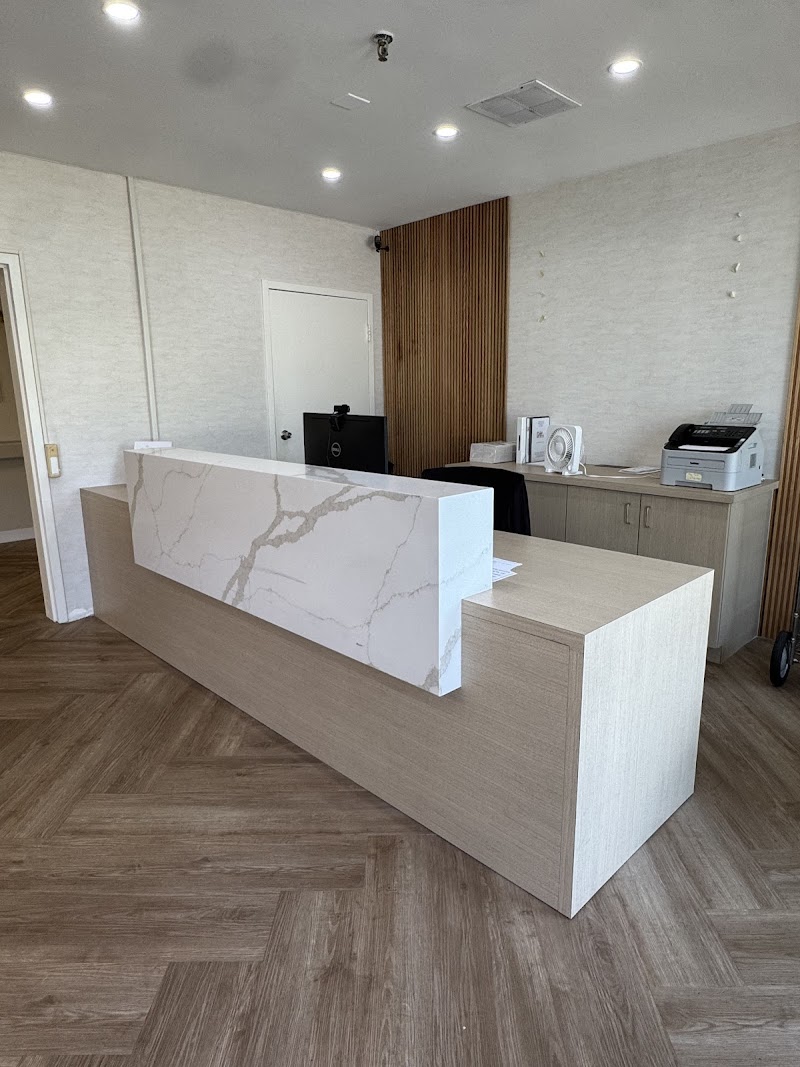
How is Spalding Post Acute Llc Staffed?

CMS rates SPALDING POST ACUTE LLC's staffing level at 1 out of 5 stars, which is much below average compared to other nursing homes. Staff turnover is 62%, which is 15 percentage points above the Georgia average of 46%. High turnover can affect care consistency as new staff learn residents' individual needs.

What Have Inspectors Found at Spalding Post Acute Llc?

State health inspectors documented 35 deficiencies at SPALDING POST ACUTE LLC during 2022 to 2025. These included: 4 Immediate Jeopardy (the most serious level, indicating potential for serious harm or death) and 31 with potential for harm. Immediate Jeopardy findings are rare and represent the most serious regulatory concerns. They require immediate corrective action.
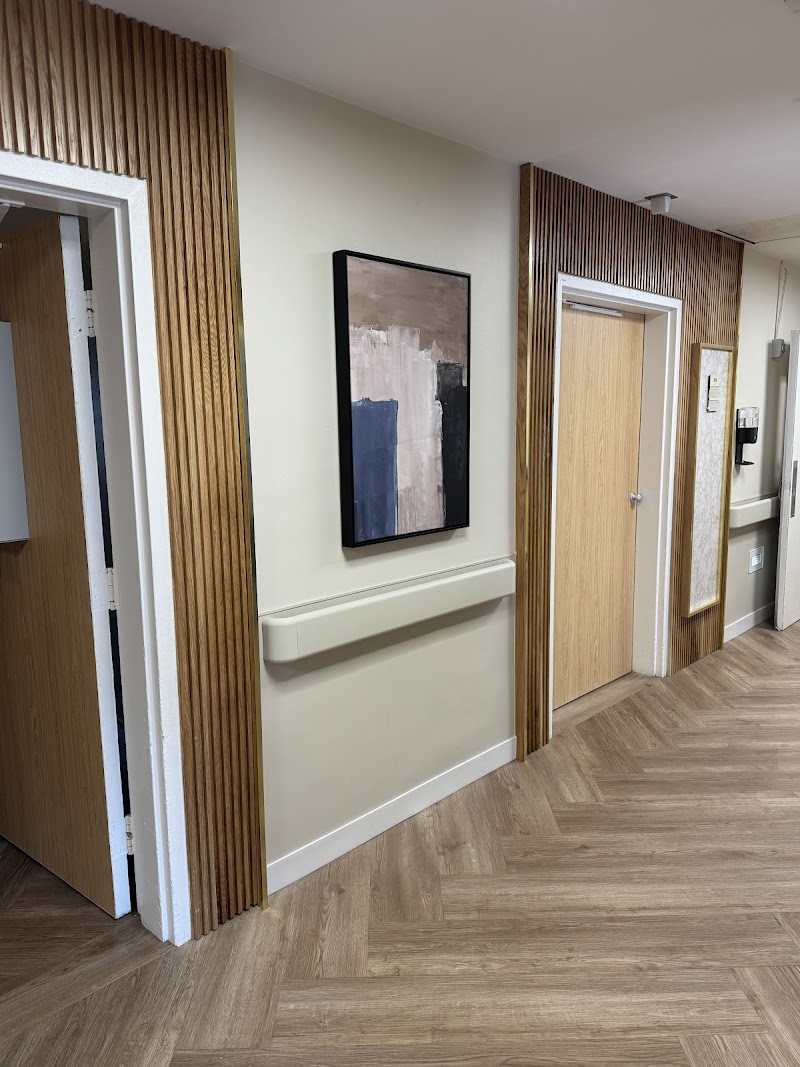
Who Owns and Operates Spalding Post Acute Llc?

SPALDING POST ACUTE LLC is owned by a for-profit company. For-profit facilities operate as businesses with obligations to shareholders or private owners. The facility is operated by ELEVATION HEALTHCARE, a chain that manages multiple nursing homes. With 148 certified beds and approximately 132 residents (about 89% occupancy), it is a mid-sized facility located in GRIFFIN, Georgia.

How Does Spalding Post Acute Llc Compare to Other Georgia Nursing Homes?

Compared to the 100 nursing homes in Georgia, SPALDING POST ACUTE LLC's overall rating (1 stars) is below the state average of 2.6, staff turnover (62%) is significantly higher than the state average of 46%, and health inspection rating (1 stars) is much below the national benchmark.

What Should Families Ask When Visiting Spalding Post Acute Llc?

Based on this facility's data, families visiting should ask: "What changes have been made since the serious inspection findings, and how are you preventing similar issues?" "How do you ensure continuity of care given staff turnover, and what is your staff retention strategy?" "Can you walk me through typical staffing levels on day, evening, and night shifts?" "Can I visit during a mealtime to observe dining assistance and food quality?" These questions are particularly relevant given the facility's Immediate Jeopardy citations, the facility's high staff turnover rate, and the below-average staffing rating.

Is Spalding Post Acute Llc Safe?

Based on CMS inspection data, SPALDING POST ACUTE LLC has documented safety concerns. Inspectors have issued 4 Immediate Jeopardy citations (the most serious violation level indicating risk of serious injury or death). The facility has a 1-star overall rating and ranks #100 of 100 nursing homes in Georgia. Families considering this facility should ask detailed questions about what corrective actions have been taken since these incidents.

Do Nurses at Spalding Post Acute Llc Stick Around?

Staff turnover at SPALDING POST ACUTE LLC is high. At 62%, the facility is 15 percentage points above the Georgia average of 46%. High turnover means new staff may not know residents' individual needs, medications, or preferences. It can also be disorienting for residents, especially those with dementia who rely on familiar faces. Families should ask: What is causing the turnover? What retention programs are in place? How do you ensure care continuity during staff transitions?

Was Spalding Post Acute Llc Ever Fined?

SPALDING POST ACUTE LLC has no federal fines on record. CMS issues fines when nursing homes fail to meet care standards or don't correct problems found during inspections. The absence of fines suggests the facility has either maintained compliance or corrected any issues before penalties were assessed. This is a positive indicator, though families should still review recent inspection reports for the full picture.

Is Spalding Post Acute Llc on Any Federal Watch List?

SPALDING POST ACUTE LLC is not on any federal watch list. The most significant is the Special Focus Facility (SFF) program, which identifies the bottom 1% of nursing homes nationally based on persistent, serious quality problems. Not being on this list means the facility has avoided the pattern of deficiencies that triggers enhanced federal oversight. This is a positive indicator, though families should still review the facility's inspection history directly.