PRUITTHEALTH - SHEPHERD HILLS
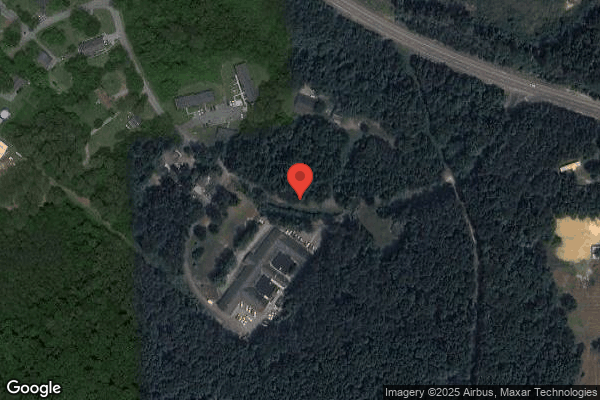

800 PATTERSON RD, LA FAYETTE, GA 30728 (706) 638-4112
For profit - Corporation 112 Beds PRUITTHEALTH Data: November 2025
Trust Grade
80/100
#95 of 353 in GA
Last Inspection: July 2024

Within standard 12-15 month inspection cycle. Federal law requires annual inspections.

Overview

PruittHealth - Shepherd Hills in La Fayette, Georgia has a Trust Grade of B+, indicating it is above average and recommended for families considering care options. It ranks #95 out of 353 facilities in the state, placing it in the top half, and #2 out of 3 in Walker County, meaning only one local facility is rated higher. However, the facility is experiencing a concerning trend, worsening from 1 issue in 2022 to 8 in 2024, with 12 total issues found during inspections, most of which are concerning but not critical. While staffing is a positive aspect with a turnover rate of 34%, which is lower than the state average, the facility does have less RN coverage than 75% of Georgia facilities, potentially impacting resident care. Specific incidents noted include uncovered laundry carts entering the facility, a catheter bag dragging on the floor without proper covering, and delays in reporting an alleged abuse incident, which could undermine resident dignity and safety.

Trust Score
B+
80/100
In Georgia
#95/353
Top 26%
Safety Record
Low Risk
No red flags
Inspections
Getting Worse
1 → 8 violations
Staff Stability
○ Average
34% turnover. Near Georgia's 48% average. Typical for the industry.
Penalties
✓ Good
No fines on record. Clean compliance history, better than most Georgia facilities.
Skilled Nurses
⚠ Watch
Each resident gets only 18 minutes of Registered Nurse (RN) attention daily — below average for Georgia. Fewer RN minutes means fewer trained eyes watching for problems.
Violations
⚠ Watch
12 deficiencies on record. Higher than average. Multiple issues found across inspections.
★★★★☆
4.0
Overall Rating
★★★☆☆
3.0
Staff Levels
★★☆☆☆
2.0
Care Quality
★★★★☆
4.0
Inspection Score
Stable
2022: 1 issues
2024: 8 issues

The Good

  • Full Sprinkler Coverage · Fire safety systems throughout facility
  • No fines on record
  • Staff turnover below average (34%)

    14 points below Georgia average of 48%

Facility shows strength in fire safety.

The Bad

Staff Turnover: 34%

11pts below Georgia avg (46%)

Typical for the industry

Chain: PRUITTHEALTH

Part of a multi-facility chain

Ask about local staffing decisions and management

The Ugly 12 deficiencies on record

Jul 2024 2 deficiencies
CONCERN (D)

Potential for Harm - no one hurt, but risky conditions existed

Resident Rights (Tag F0550)

Could have caused harm · This affected 1 resident

Based on observations, resident and staff interviews, record review, and review of the facility policy titled, Residents Rights, the facility failed to promote, maintain, and protect the dignity of on...

Read full inspector narrative →
Based on observations, resident and staff interviews, record review, and review of the facility policy titled, Residents Rights, the facility failed to promote, maintain, and protect the dignity of one of four residents (R) (R1) with a catheter with the use of a catheter privacy bag. The deficient practice had the potential to diminish the resident's quality of life in an environment that promotes the maintenance or enhancement of each resident's quality of life. Findings include: Review of the facility policy, Residents Rights, dated 12/1/2023 revealed under Procedure, 2. The center will make every effort to assist the patient/resident in understanding and exercising his/her rights to assure the patient/resident is always treated with respect, kindness, and dignity. Review of R1's diagnoses in the electronic medical record (EMR) included but was not limited to attention to other artificial openings of urinary tract. Review of the annual Minimum Data Set (MDS) for R1 dated 7/3/2024 revealed a Brief Interview for Mental Status (BIMS) score of 11, indicating moderate cognitive impairment. Review of Section G-Functional Status revealed extensive assistance with bed mobility, eating, totally dependent on transfers, locomotion, dressing, toileting, personal hygiene, and bathing; Section H-Bowel and Bladder revealed resident has a patient has a urostomy and a colostomy-risk for complications related to ostomy and stomas. Review of R1's care plan revised on 7/3/2023 revealed R1 had a urostomy catheter. Interventions included cleansing sites daily and PRN (as needed), notifying MD as indicated, and observing for any signs of redness, pain, or swelling. Observations and interview on 7/9/2024 at 9:39 am, R1 was resting in bed. He said he was being treated well and appeared well kept. A urostomy bag was noted on the left side of his bed, near his roommate in bed B, dragging on the floor without a privacy bag covering it. R1 went on to tell me he had a colostomy bag as well and raised his shirt to show me. Observation on 7/9/2024 at 4:30 pm another surveyor and I both observed R1's urostomy bag still dragging on the floor, which had no privacy bag. Observation and interview on 7/10/2024 at 9:28 am, R1 was in his room getting a warm towel from Certified Nursing Assistant (CNA) BB to wash his face and hands. R1's urostomy bag still didn't have a privacy bag and was dragging on the floor. CNA CC was asked if she could come to see the urostomy bag dragging on the floor and without a privacy covering. CNA CC acknowledged that it was not appropriate for the urostomy bag to be on the floor without a privacy bag. When asked what the usual protocol was, she said first it should be off the floor and then placed in a blue privacy bag. She said she would be right back to get this taken care of. R1 was asked if he was aware of the urostomy bag being dragged on the floor without a privacy cover. He said no, the bag had been changed the day before, and he thought she had put it in a bag and off the floor. He told me he preferred it to be in a blue bag, and he was aware of the process. CNA CC returned with a new blue privacy bag. She picked up the catheter off the floor, sanitized it, and placed it in a private bag. When asked if she understood not covering catheter bag was a deficient practice, she said, absolutely.
CONCERN (F)

Potential for Harm - no one hurt, but risky conditions existed

Infection Control (Tag F0880)

Could have caused harm · This affected most or all residents

2. Observation on 7/10/2024 at 9:41 am revealed in the outdoor laundry department, two clean clothing carts, uncovered, near the dryer section. Observation on 7/10/2024 at 11:18 am, Laundry Tech AA en...

Read full inspector narrative →
2. Observation on 7/10/2024 at 9:41 am revealed in the outdoor laundry department, two clean clothing carts, uncovered, near the dryer section. Observation on 7/10/2024 at 11:18 am, Laundry Tech AA entered the south 100 hall to distribute clothes with the cart uncovered. Interview on 7/10/2024 at 11:37 am with Laundry Tech AA confirmed he entered the facility with the laundry carts covered, but when inside the facility, going room to room, he removed the covering. 3. Observation and interview on 7/10/2024 at 9:28 am, R1 was in his room, washing his face and hands. His urostomy bag didn't have a privacy bag cover and was dragging on the floor. CNA CC was asked if she would come into R1's room to see the catheter bag dragging on the floor and without a privacy covering. She acknowledged that it was not appropriate, and stated the usual protocol was for it to be off the floor and in a blue privacy bag. R1 stated that he preferred it to be in a blue bag, and he was aware of the process. Based on observations, staff interviews, record review, and review of the facility policies titled, Glucometer Cleaning and Disinfecting, Infection Control, Linen and Laundry, and review of the manual for the blood glucose monitoring system, the facility failed to use proper infection control practices for one of 24 diabetic residents (R) (R61) during blood glucose monitoring, not properly covering clean linen during transport through the facility, and not properly securing an indwelling catheter. The deficient practice had the potential to spread microorganisms. Findings include: Review of the facility policy titled Glucometer Cleaning and Disinfecting with a revision date of 6/27/2023 revealed under Policy, A blood glucose monitor that is shared must be cleaned and disinfected after every use following the manufacturer's instructions to prevent carryover of blood and infectious agents. Under Procedure, 4. Clean and disinfect the meter by using the EPA (Environmental Protection Agency) approved germicidal/virucidal disinfectant wipes. Wipe all external areas of the meter including both the front and back surfaces until visibly clean. Avoid wetting the meter test strip port. Review of the Healthcare Professional Operator's Manual, page 11, for the 'company name' Blood Glucose Monitoring System revealed, to disinfect your meter, clean the meter surface with one of the approved disinfecting wipes. Review of facility policy titled Infection Control-Linen and Laundry reviewed 11/30/2023 revealed under Transporting of Soiled and Clean Laundry, 2. a. Clean laundry will be transported in covered carts used exclusively for clean laundry, or in laundry carts that have been decontaminated after being used for soiled laundry. b. Clean laundry should be covered and should remain covered until ready for use. Covers should be replaced after retrieving clean linen. 1. An observation of Licensed Practical Nurse (LPN) GG on 7/10/2024 at 12:01 pm, she was observed performing a blood glucose check for R61. She applied gloves and cleaned the area of the resident's right thumb. She allowed it to dry and then pricked the thumb, wiped the blood off, and then collected the sample. She then discarded the trash, removed her gloves, and then returned to the cart. LPN GG applied a glove and then cleaned the glucometer with a hand sanitizing wipe. During an interview with LPN GG on 7/10/2024 at 12:05 pm revealed that she was not able to give the amount of time needed for the hand sanitizing wipe to kill and disinfect any microorganisms on the used glucose monitor. LPN HH was asked if she knew what the kill time was for the hand sanitizing wipes. She stated that it should be on the container. LPN GG was asked if those were the correct wipes to be used for cleaning and disinfecting of the glucose monitor. She stated that they were the wipes that housekeeping gave her when she needed some. Observation of LPN HH on 7/10/2024 at 12:08 pm, she removed the hand sanitizing wipes container from the medication cart that LPN GG was using and replaced them with a container of disinfecting/sanitizing wipes. She stated that we would use these until she could find out if they were the correct wipes to use on the glucometers. An interview on 7/11/2024 at 4:25 pm with LPN II, she was asked if the glucometers could be cleaned and disinfected with hand sanitizing wipes. She stated that glucometers needed to be cleaned and disinfected with the purple top sanitizing wipes. An interview on 7/11/2024 at 4:45 pm with the Director of Nursing (DON), she stated that the glucometers were to be cleaned and disinfected with the purple top sanitizing wipes.
Apr 2024 6 deficiencies
CONCERN (D) 📢 Someone Reported This

A family member, employee, or ombudsman was alarmed enough to file a formal complaint

Potential for Harm - no one hurt, but risky conditions existed

Report Alleged Abuse (Tag F0609)

Could have caused harm · This affected 1 resident

**NOTE- TERMS IN BRACKETS HAVE BEEN EDITED TO PROTECT CONFIDENTIALITY** Based on staff interviews, record review, and review of the facility policies titled, Reporting Patient Abuse, Neglect, Exploita...

Read full inspector narrative →
**NOTE- TERMS IN BRACKETS HAVE BEEN EDITED TO PROTECT CONFIDENTIALITY** Based on staff interviews, record review, and review of the facility policies titled, Reporting Patient Abuse, Neglect, Exploitation, Mistreatment, and Misappropriation of Property and Investigation of Patient Abuse, Neglect, Exploitation, Mistreatment, and Misappropriation of Property, the facility failed to protect the resident's right to be free from sexual abuse by another resident by not reporting an abuse allegation in a timely manner for two of five residents (R) (R2 and R3) reviewed for abuse. Specifically, the facility failed to ensure a final investigation report was submitted to the state survey agency within five business days. Findings include: Review of the facility's policy titled Reporting Patient Abuse, Neglect, Exploitation, Mistreatment, and Misappropriation of Property dated [DATE], revealed .to comply with all applicable federal and state requirements regarding the reporting of patient abuse, neglect, exploitation, mistreatment, and misappropriation of property .Follow specific state reporting form/web portals for documenting reportable event. Unless state requirements specify otherwise, a written investigation report should be submitted to the state agency within 5 days of the incident. Review of the facility's policy titled Investigation of Patient Abuse, Neglect, Exploitation, Mistreatment, and Misappropriation of Property dated [DATE] revealed .to investigate allegations and occurrences of patient abuse, neglect, exploitation, mistreatment, and misappropriation of patient property .A written report of the investigation and follow-up should be submitted to the appropriate agency within five working days of the occurrence, unless otherwise indicated. Review of R2's electronic medical record (EMR) under the Profile tab revealed admission to the facility with diagnoses of hemiplegia and hemiparesis following cerebral infarction affecting left non-dominant side, cervical disc degeneration, and depression. Review of R2's quarterly Minimum Data Set (MDS) under the MDS tab of the EMR, with an Assessment Reference Date (ARD) of [DATE], revealed a Brief Interview for Mental Status (BIMS) score of six out of 15, which indicated severe cognitive impairment. Further review revealed R2 used a wheelchair and was independent with mobility. R2 had no documented behaviors. Review of R3's EMR Profile tab revealed admission to the facility with diagnoses of Alzheimer's disease, dementia with mood disturbance, and depression. The resident expired on [DATE]. Review of R3's quarterly MDS under the MDS tab of the EMR, with an ARD of [DATE], revealed a BIMS score of 00 out of 15, which indicated severe cognitive impairment. Further review revealed R3 required partial/moderate assistance with mobility. R3's medical record was documented with physical behaviors directed toward others for one to three days of the assessment period. Review of Progress Notes, located under the Progress Note tab in the EMR and written by Registered Nurse (RN) 3, dated [DATE] at 7:03 pm, indicated R2 was .rubbing another resident on the leg all the way up. RN went to see and found [R2] holding the dementia females [sic] hand on his private area and rubbing. Got them apart and took the dementia female to her room. Review of the facility's Incident Report, provided by the facility, revealed an initial report was submitted [DATE] at 7:59 pm. The incident reported a suspected sexual behavior between cognitively impaired residents. Details of the incident revealed a, Nurse witnessed male resident with dementia holding female resident's with dementia hand with hand resting over the male resident's groin area. Both residents were on [sic] male resident's room. The incident reported, Residents separated. Female resident placed on 1 to 1 monitoring until room change arrangement can be made. Will 5 day follow up. [sic] An undated Follow Up Report was provided by the facility which documented, in part, that R3 . is/was simply seeking companionship not sexual behavior. She does roam the building at times and will enter other resident rooms. She will try to sit next to male residents but not with sexual activity. It appears she simply wants to have male companionship at times. There have been no other episodes of concern. During an interview on [DATE] at 10:28 am, the Administrator stated that when he submitted the follow-up report of the abuse investigation, he had done so within the required five business days. The Administrator was unable to provide documentation that the report was submitted in a timely manner and stated that the reporting system did not show the time that the follow-up report was submitted. During an interview on [DATE] at 11:58 am, the Director of Nursing (DON) stated that she was aware that the facility had five days to get the follow-up investigation report submitted to the state survey agency. The state survey agency provided the date and time of the submitted five business day follow-up investigation which revealed the facility provided the report on [DATE] at 10:14 am. The report was received by the state survey agency on the eighth business day. During an interview on [DATE] at 2:06 pm, the Administrator stated that the facility reported back to the state survey agency in five days with the follow-up investigation report. He stated that he was not aware of why the state survey agency documented a delay in the follow-up report.
CONCERN (D) 📢 Someone Reported This

A family member, employee, or ombudsman was alarmed enough to file a formal complaint

Potential for Harm - no one hurt, but risky conditions existed

Investigate Abuse (Tag F0610)

Could have caused harm · This affected 1 resident

**NOTE- TERMS IN BRACKETS HAVE BEEN EDITED TO PROTECT CONFIDENTIALITY** Based on record review, staff interviews, document review, and review of the facility policy titled, Investigation of Patient Ab...

Read full inspector narrative →
**NOTE- TERMS IN BRACKETS HAVE BEEN EDITED TO PROTECT CONFIDENTIALITY** Based on record review, staff interviews, document review, and review of the facility policy titled, Investigation of Patient Abuse, Neglect, Exploitation, Mistreatment, and Misappropriation of Property, the facility failed to protect the residents' right to be free from sexual abuse by another resident by failing to conduct a thorough investigation for an incident of potential sexual abuse behavior for two of five residents (R) (R2 and R3) reviewed for abuse. Findings include: Review of the facility's policy titled, Investigation of Patient Abuse, Neglect, Exploitation, Mistreatment, and Misappropriation of Property, dated [DATE], revealed .to investigate allegations and occurrences of patient abuse, neglect, exploitation, mistreatment, and misappropriation of patient property .Documentation of the investigation should include, but not be limited to, the following: names of accused and any witnesses .details of the alleged incident and injury .signed statements from pertinent parties .information gathered from the investigation .any other police or ombudsman reports or other documentation related to the investigation .Interviews should be conducted of all individuals who have relevant information, utilizing open-ended questions. Review of R2's electronic medical record (EMR) Profile tab, revealed admission to the facility on [DATE] with diagnoses of hemiplegia and hemiparesis following cerebral infarction affecting left non-dominant side, cervical disc degeneration, and depression. Review of R2's quarterly Minimum Data Set (MDS) under the MDS tab of the EMR, with an Assessment Reference Date (ARD) of [DATE], revealed a Brief Interview for Mental Status (BIMS) score of six out of 15 which indicated severe cognitive impairment. Further review revealed R2 used a wheelchair and was independent with mobility. R2 had no documented behaviors. Review of R3's electronic medical record (EMR) Profile tab, revealed admission to the facility with diagnoses of Alzheimer's disease, dementia with mood disturbance, and depression. The resident expired on [DATE]. Review of R3's quarterly MDS under the MDS tab of the EMR, with an ARD of [DATE], revealed a BIMS score of 00 out of 15 which indicated severe cognitive impairment. Further review revealed R3 required partial/moderate assistance with mobility. R3 was documented with physical behaviors directed toward others for one to three days of the assessment period. Review of Progress Notes, located under the Progress Note tab in the EMR for R2, and written by Registered Nurse (RN) 3, dated [DATE] at 7:03 pm, indicated Another resident came to the nurse's station and reported R2 was .rubbing another resident on the leg all the way up. RN3 went to see and found [R2] holding the dementia females (sic) hand on his private area and rubbing. Got them apart and took the dementia female to her room. The resident who came to RN3 was not interviewed for the investigation. RN3 was also not documented with an interview in the investigation report. Review of Progress Notes, located under the Progress Note tab in the EMR for R3 and written by Licensed Practical Nurse (LPN) 5, dated [DATE] at 1:11 am, documented Resident at this time on one-on-one for incident earlier in this shift where a male resident place (sic) her hand on his crotch. LPN5 was not documented with an interview in the investigation report. Review of the facility's Incident Report, provided by the facility, revealed an initial report was submitted [DATE] at 7:59 pm. The incident reported a suspected sexual behavior between cognitively impaired residents. Details of the incident revealed a, Nurse witnessed male resident with dementia holding female resident's, with dementia, hand with hand resting over male resident's groin area. Both residents were on [sic] male resident's room. The incident reported stated, Residents separated. Female resident placed on 1 to 1 monitoring until room change arrangement can be made. Will 5 day follow up. (sic) There were no statements by any residents or staff in the investigation report. An undated Follow Up Report was provided by the facility, which documented, in part, that R3 . is/was simply seeking companionship not sexual behavior. She does roam the building at times and will enter other resident rooms. She will try to sit next to male residents but not with sexual activity. It appears she simply wants to have male companionship at times. There have been no other episodes of concern. No additional documentation was provided with the investigation follow-up report to indicate a thorough investigation was completed, to include any record reviews, staff and resident interviews, or other pertinent information used in the conclusion of the report. During an interview on [DATE] at 3:50 pm, the Administrator stated that the nurse documented the observation of the two residents holding hands with the hands resting along the upper thigh of R2. He stated the incident was documented on the facility 24-hour report, but it might not have been a reportable event. He stated that both residents had dementia, and there was no intent for anything inappropriate. The Administrator stated he was not aware of whether they interviewed any staff members who saw the incident, and did not think they interviewed the residents, because they were confused. During an interview on [DATE] at 11:08 am, the Director of Nursing (DON) stated that the incident happened at nurse shift change. She stated the nurse that saw the incident was RN3, who charted the incident in the progress notes for R2. She stated that LPN5 charted the situation in R3's chart. The DON confirmed that there were no documented interviews from staff or residents about the incident, just what was in the progress notes. During an interview on [DATE] at 11:37 am, LPN2 stated that R2 and R3 both had dementia. LPN2 stated that after any potential abuse, the staff had two hours to alert the Director of Nursing and the Administrator, and then do the reportable [sic]. She stated it was important to gather statements, witness statements, and to paint a picture of what happened. LPN2 stated the staff would let the physician and the family know. During an interview on [DATE] at 2:30 pm, RN3 stated that another resident was going down the hallway and came up to her and told her that R2 had his hand on the leg of R3. RN3 stated she went down to the room and R3 was sitting on R2's bed. She stated her hand was on his groin, and his hand was resting on top of her hand. RN3 stated R2 was rubbing his hand on top of hers, not forcefully or against him. RN3 stated there was no nudity or other activity going on, but R2 should not have had his hand on R3's leg. She stated R2 was sitting in his wheelchair. She stated she had not seen this behavior before from either of them. RN3 stated she had interviewed both R2 and R3, but neither really said anything. Record review revealed no documentation of resident interview attempts in the investigation. During an interview on [DATE] at 11:58 am, the DON stated that during an investigation she would ask for statements from those who witnessed the incident. She stated she would look at the assessments to see if the resident's BIMS scores indicated they were interviewable, then she would interview them. She stated that usually after an incident, she would talk to residents and families and get observers' statements. If unclear, she stated she would ask more in-depth questions to better understand the incident. During an interview on [DATE] at 1:02 pm, LPN5 stated that she had documented the incident in the resident record only. She stated that the full investigation would be completed by the DON and Administrator. During an interview on [DATE] at 2:06 pm, the Administrator stated that he was the Abuse Coordinator. He stated that he would receive the reporting documentation and would put in the initial basic information into the State Survey Agency portal. He stated that the staff would discuss the incident in the morning meeting if there had been a reportable, and ask the team if they had any additional information that they could provide. The Administrator stated that they would process the information gathered about the situation. He stated that for a thorough investigation he would determine if there were direct witnesses or if anyone heard anything. He stated he would not want to rely on secondary information. He stated that would include talking to residents, or others as needed. He stated that they usually tried to have statements from residents if they were reliable or interviewable, and have the interview dictated and have them sign it if they could.
CONCERN (D) 📢 Someone Reported This

A family member, employee, or ombudsman was alarmed enough to file a formal complaint

Potential for Harm - no one hurt, but risky conditions existed

ADL Care (Tag F0677)

Could have caused harm · This affected 1 resident

Based on observation, interview, record review, and review of the facility policies titled, Procedure: Perineal Care and Procedure: Catheter Care, the facility failed to clean the perineal area of bow...

Read full inspector narrative →
Based on observation, interview, record review, and review of the facility policies titled, Procedure: Perineal Care and Procedure: Catheter Care, the facility failed to clean the perineal area of bowel movement during incontinence care for one of two residents (R) (R12) reviewed for ADL (activities of daily living) care for dependent residents. The deficient practice had the potential to cause infection for R12. Findings include: Review of the facility policy titled Procedure: Perineal Care dated 2019 revealed .11. If heavy soiling is present, wear gloves and use tissues or wipes to remove soiling prior to perineal care .Remove and discard gloves and wash hands .13. Wash hands and put on clean gloves for perineal care. 14. Gently wash, rinse, and dry the perineal area, wiping from the clean urethral area toward the dirty rectal area to avoid contaminating urethral area .15. If indwelling urinary catheter is present: Hold catheter tubing .while washing perineum. 16. turn resident on their side .17. Gently wash, rinse, and dry the rectal area and buttocks wiping from the labia downward over rectal area until area is clean .19. Perform hand hygiene Review of the facility policy titled Procedure: Catheter Care dated 2019 revealed 2. Separate inner labia with nondominant hand. Wash down the center, wiping downward from front to back and stopping at the base of the labia .3. Rinse and dry the urethral and perineal area, .until entire area is clean, soap free and dry. 4. Hold catheter tubing .while washing perineum .5. When washing, rinsing, and drying the urethral area: a. Gently wash, rinse and dry around the juncture of the catheter and meatus. b. Wash the catheter from the meatus down the tube about 3 inches .12. Perform hand hygiene . Review of R12's electronic medical record (EMR) Profile tab, indicated R12 was admitted to the facility with diagnoses of sepsis, urinary tract infection, paraplegia, morbid obesity, bed confinement status, and diarrhea. Review of R12's admission Minimum Data Set (MDS) with an Assessment Reference Date (ARD) of 3/30/2024 in the EMR under the RAI tab indicated a Brief Interview for Mental Status (BIMS) score of 15 out of 15 which indicated resident was cognitively intact. The MDS indicated resident was dependent on staff for hygiene, resident was incontinent of bowel, and resident had an indwelling urinary catheter. Observation of Training Nurse Aide (TNA) 2, TNA3 and Certified Nurse Aide (CNA) 3 on 4/18/2024 at 11:10 am, revealed TNA2, TNA3, and CNA3 entered R12's room and applied gloves. When the top sheet was lowered, a large amount of bowel movement was observed on the pad between R12's legs and R12's indwelling foley catheter tube was underneath R12's left leg. R12 was turned to her right side. TNA2 removed the bowel movement from R12's right buttocks and folded the pad covering the bowel movement underneath R12. TNA3, TNA2, and CNA3 turned R12 to her left side and TNA3 wiped R12's left buttocks of bowel movement and with a wipe, picked up the bowel movement that was on the pad. R12's indwelling foley catheter tubing was underneath R12's leg. R12 was turned back onto her back and the indwelling urinary catheter tubing was underneath R12's left leg. While wearing the same gloves, TNA3 was observed cleaning the catheter tubing while holding the catheter tubing close to the perineum (groin) and cleaned the actual indwelling foley catheter. TNA3 did not clean R12's perineal area. TNA2, wearing the same gloves, used the resident's bed control and raised the head of the bed. R12 requested to have her the Continuous Positive Airway Pressure (CPAP) device placed on her chest. TNA2, wearing the same gloves, opened the bottle of water and filled the CPAP humidifier and then picked up the CPAP mask and placed it on R12's chest. TNA3 removed her gloves, performed hand hygiene, exited the room, and returned with clean bed linen. TNA2, TNA3, and CNA3 removed all soiled bed linen, applied clean linen, and covered R12 with the top sheet. R12's indwelling urinary foley catheter tubing remained underneath R12's left leg. During an observation and interview on 4/18/2024 at 12:10 pm, Licensed Practical Nurse (LPN) 1 was asked about the positioning of R12's indwelling urinary catheter tubing. LPN3 stated that R12's indwelling urinary catheter tubing was positioned underneath R12's left leg and it should not be under her leg. LPN3 moved the catheter tubing so that it was not under the leg. During an interview on 4/18/2024 at 12:52 pm, TNA2 was asked about R12's incontinence observation and that TNA2 touched the bed control and the CPAP device without changing her gloves after they were contaminated with bowel movement. TNA2 confirmed that she did not change her gloves and did not perform hand hygiene prior to touching the bed control, the CPAP humidifier, and placing the CPAP mask on R12's chest. TNA2 stated that she was trained to change her gloves, perform hand hygiene, and apply clean gloves before touching these items. TNA2 confirmed that R12's catheter tubing was under R12's leg and that the tubing should be over the leg, which TNA2 confirmed during the incontinence care, and also they did not clean the perineal area and they should have cleaned this area. During an interview on 4/18/2024 at 1:08 pm, TNA3 confirmed the indwelling urinary catheter tubing was under R12's leg and that it was supposed to be over her leg. TNA3 confirmed that she did not clean R12's perineal area after she cleaned the catheter tubing.
CONCERN (D) 📢 Someone Reported This

A family member, employee, or ombudsman was alarmed enough to file a formal complaint

Potential for Harm - no one hurt, but risky conditions existed

Deficiency F0727 (Tag F0727)

Could have caused harm · This affected 1 resident

Based on facility document review and staff interview, the facility failed to provide eight hours of consecutive Registered Nurse (RN) coverage for three of 14 days on the nursing schedule. Findings ...

Read full inspector narrative →
Based on facility document review and staff interview, the facility failed to provide eight hours of consecutive Registered Nurse (RN) coverage for three of 14 days on the nursing schedule. Findings include: Review of the Staffing Sheets provided by the Director of Nursing (DON), dated 4/7/2024 through 4/20/2024, indicated that there was no RN coverage for 4/10/2024, 4/17/2024, and 4/18/2024. During an interview on 4/19/2024 at 9:30 am, the DON confirmed that there was no RN coverage for 4/10/2024, 4/17/2024, and 4/18/2024. The DON stated she thought her hours working as the DON would count as the RN eight hours of consecutive coverage when there was not an RN providing direct resident care on the unit.
CONCERN (D) 📢 Someone Reported This

A family member, employee, or ombudsman was alarmed enough to file a formal complaint

Potential for Harm - no one hurt, but risky conditions existed

Infection Control (Tag F0880)

Could have caused harm · This affected 1 resident

Based on observations, staff interviews, record review, and review of the facility policies titled, Procedure: Perineal Care and Glove Use, the facility failed to follow standard and transmission-base...

Read full inspector narrative →
Based on observations, staff interviews, record review, and review of the facility policies titled, Procedure: Perineal Care and Glove Use, the facility failed to follow standard and transmission-based precautions to prevent the spread of infection for one of two residents (R) (R12) who was dependent on nursing staff to provide incontinence care. Specifically, facility staff failed to perform hand hygiene, apply clean gloves during incontinence care, after contamination of bowel movement, before cleaning the indwelling foley urinary catheter, before touching the bed control, and before touching the Continuous Positive Airway Pressure (CPAP) humidifier and mask. The deficient practice had the potential to spread infection. Findings include: Review of the facility's policy titled, Procedure: Perineal Care dated 2019 revealed .11. If heavy soiling is present, wear gloves and use tissues or wipes to remove soiling prior to perineal care .Remove and discard gloves and wash hands .13. Wash hands and put on clean gloves for perineal care. 14. Gently wash, rinse, and dry the perineal area .15. If indwelling urinary catheter is present: Hold catheter tubing .19. Perform hand hygiene Review of the facility's policy titled Glove Use dated 11/20/2020 revealed .6. Anytime a contaminated surface is touch [sic], the glove mush [sic] be changed .7. Wash hands when removing and or changing gloves. Review of R12's electronic medical record (EMR) Profile tab, indicated R12 was admitted to the facility with diagnoses of sepsis, urinary tract infection, paraplegia, morbid obesity, bed confinement status, and diarrhea. Review of R12's admission Minimum Data Set (MDS) with an Assessment Reference Date (ARD) of 3/30/2024 in the EMR under the RAI (Resident Assessment Instrument) tab indicated a Brief Interview for Mental Status (BIMS) score of 15 out of 15 which indicated resident was cognitively intact. The MDS indicated resident was dependent on staff for hygiene, resident was incontinent of bowel, and resident had an indwelling urinary catheter. Observation of Training Nurse Aide (TNA) 2, TNA3 and Certified Nurse Aide (CNA) 3 on 4/18/2024 at 11:10 am revealed TNA2, TNA3, and CNA3 entered R12's room and applied gloves. When the top sheet was lowered a large amount of bowel movement was observed between R12's legs on the pad. R12 was turned to her right side. TNA2 removed the bowel movement from R12's right buttocks. TNA3, TNA2, and CNA3 turned R12 to her left side and TNA3 wiped R12's left buttock of bowel movement, and with a wipe picked up the bowel movement that was on the pad. R12 was turned back onto her back. While wearing the same gloves, TNA3 was observed cleaning the catheter tubing while holding the catheter tubing close to the perineal area. While wearing the same gloves, TNA2 used the resident's bed control to raise the head of the bed. R12 requested to have her CPAP mask placed on her chest. Still wearing the same gloves, TNA2 opened the bottle of water, filled the CPAP humidifier, and then placed the CPAP mask on R12's chest. During an interview on 4/18/2024 at 12:52 pm, TNA2 was asked about R12's incontinence observation and informed that TNA2 touched the bed control and the CPAP mask without changing her gloves after they were contaminated with bowel movement. TNA2 confirmed that she did not change her gloves and did not perform hand hygiene prior to touching the bed control, the CPAP humidifier, and placing the CPAP mask on R12's chest. TNA2 stated that she was trained to change her gloves, perform hand hygiene, and apply clean gloves before touching these items. During an interview on 4/18/2024 at 1:08 pm, TNA3 confirmed that she did not change her gloves, perform hand hygiene, and apply clean gloves prior to cleaning R12's catheter tubing.
MINOR (C) 📢 Someone Reported This

A family member, employee, or ombudsman was alarmed enough to file a formal complaint

Minor Issue - procedural, no safety impact

Staffing Information (Tag F0732)

Minor procedural issue · This affected most or all residents

Based on observations, staff interview, record review, and review of the facility policy titled, State Minimum Staffing for Healthcare Centers, the facility failed to ensure that posted staffing infor...

Read full inspector narrative →
Based on observations, staff interview, record review, and review of the facility policy titled, State Minimum Staffing for Healthcare Centers, the facility failed to ensure that posted staffing information was accurate and current on the daily nurse staffing document and accurately reflected Registered Nurses (RN) on the unit directly responsible for resident care per shift. The deficient practice presented staffing levels higher than the actual staffing levels to residents and visitors reviewing posted staffing documents. Findings include: Review of the facility policy titled State Minimum Staffing for Healthcare Centers dated 7/15/2016 revealed .1. Each facility will complete the Daily Nursing Hours for Healthcare Centers Form Information on the form .d. The total number of each category directly responsible for resident care per shift Registered Nurse .The total number of hours worked for each category per shift . Observations on 4/17/2024 at 10:00 am, on 4/18/2024 at 9:00 am, and on 4/19/2024 at 8:30 am revealed the daily nurse staff posting document was taped to the glass information board on the North hallway. The document identified the date, the facility's name, the facility's census, the total number and the actual hours worked by the licensed and unlicensed nursing staff directly responsible for resident care per shift. The document indicated on the day shift for 4/17/2024, three RNs working eight hours each, with the census of 105; on the day shift for 4/18/2024, three RNs were working eight hours each, with the census of 104; and on the day shift for 4/19/2024, two RNs were working eight hours each, with the census of 104. Review of the Nursing Schedule provided by the Director of Nursing (DON), dated 4/17/2024 through 4/19/2024, revealed that an RN was not scheduled on the day shift for these days. During an interview on 4/18/2024 at 1:28 pm, the DON stated that the three RNs on the day shift for 4/17/2024 and 4/18/2024 were the Infection Preventionist (IP), the Clinical Care Competency (CCC) person, and herself. During an interview on 4/19/2024 at 9:30 am, the DON stated that the Administrator called the Corporate Office and was told that the DON could not count her hours on the daily nurse staff posting document. The DON stated that was why 4/19/2024 indicated two RNs on the day shift working eight hours. The DON confirmed after reviewing the nursing schedule for 4/17/2024 to 4/19/2024, that there were no RNs scheduled on the day shift to provide direct resident care for these days.
Dec 2022 1 deficiency
CONCERN (D) 📢 Someone Reported This

A family member, employee, or ombudsman was alarmed enough to file a formal complaint

Potential for Harm - no one hurt, but risky conditions existed

ADL Care (Tag F0677)

Could have caused harm · This affected 1 resident

**NOTE- TERMS IN BRACKETS HAVE BEEN EDITED TO PROTECT CONFIDENTIALITY** Based on resident and staff interviews and record review, the facility failed to provide activities of daily living (ADL) care f...

Read full inspector narrative →
**NOTE- TERMS IN BRACKETS HAVE BEEN EDITED TO PROTECT CONFIDENTIALITY** Based on resident and staff interviews and record review, the facility failed to provide activities of daily living (ADL) care for two of four residents (R)(R#85 and R#61) related to showers. Findings include: The facility did not have a policy, procedures, or formal guidance for ADL cares, including showers. 1. A review of the clinical record for R#85 revealed the resident was admitted to the facility on [DATE] with diagnoses including schizophrenia, major depressive disorder with psychotic symptoms, unspecified psychosis, anxiety disorder, diabetes mellitus with diabetic nephropathy, low back pain. The Quarterly Minimum Date Set (MDS) assessment dated [DATE] revealed R#85 presents with a Brief Interview for Mental Status (BIMS) score of 14, indicating that the resident is cognitively intact. The MDS revealed R#85 requires supervision for ADLs and required set-up assistance for bathing. Review of the care plan with ADL section dated 6/7/2021, revealed R#85 required set up assistance with ADLs due to risk for falls and weakness. Approaches included assist with baths/showers as scheduled and as needed (PRN) and to assist the resident with dressing, oral, and personal hygiene prn. During an interview with R#85 on 11/29/2022 at 9:37 a.m. and on 11/30/2022 at 10:10 a.m. she confirmed that she requires set up assistance with ADLs including showers and stated that she needs assistance with showers. She stated that she did have a shower on 11/28/2022 but had not had one for two weeks prior to that. She confirmed that she is scheduled for a shower one time a week and that she often does not get a shower weekly because staff told her there is no staff available to assist her on her shower days. Record review of documentation in the electronic medical record (EMR) in dated 9/1/2022-9/30/2022 revealed R#85 only had a shower on one of the four weeks in September (9/17/2022). A review of the document dated 10/1/2022-10/31/2022 revealed R#85 had a shower on four of the five weeks in October (10/2/2022, 10/8/2022, 10/15/2022, and 10/22/2022). A review of the document dated 11/1/2022-11/30/2022 revealed R#85 had a shower on three of the four weeks in November (11/12/2022, 11/19/2022, 11/26/2022). There was no documented refusal of a shower for the months of September 2022, October 2022, or November 2022. Review of the shower schedule (not dated) revealed R#85 scheduled shower day was to be Sunday. Record review of the nursing notes revealed no documented refusal of ADL care. During an interview on 11/30/2022 at 11:20 a.m. with Certified Nursing Aide (CNA) AA confirmed that residents are scheduled for showers once weekly and as needed (prn). She also confirmed that R#85 required set up assist with showers and her scheduled shower day is Sunday. CNA AA revealed R#85 often declines shower on Sunday and is provided shower set up when she requests assistance. CNA AA revealed she reports refusal of care to the nurse and documents in the EMR. During an interview on 11/30/2022 at 11:40 a.m. with Licensed Practical Nurse (LPN) BB revealed R#85 requires supervision with most ADLs and requires set up assist with showers. LPN BB revealed R#85 may take a shower any time she desires. She stated that ADLs, including showers and refusal of care are documented in the EMR. She stated that all residents are scheduled for showers one time a week and may have shower on other days. During an interview on 12/1/2022 at 9:00 a.m. with the Director of Health Services (DHS) she confirmed that all residents are scheduled to receive a bath/shower one time per week and prn or when requested and that it is her expectation for residents to receive cares as instructed in their care plan. DHS stated that it is her expectation that ADL care including showers and refusal of showers be documented in the EMR and that it is her expectation for all residents to receive a shower/bath weekly and prn or as requested. The shower history documentation was reviewed for R#85 with the DHS. She verified that documentation revealed that R#85 did not receive a shower weekly and that there were no documented refusals of showers. 2. A review of the clinical record revealed that R#61 was admitted to the facility on [DATE] with diagnoses including hemiplegia and hemiparesis following cerebral infarction affecting left non-dominant side, chronic obstructive pulmonary disease, acquired absence of left leg above knee, and morbid obesity. A review of the Annual MDS dated [DATE] revealed R#61 presented with a BIMs score of 13, indicating the resident was cognitively intact. Section G (functional status) indicated that R#61 requires extensive assistance for bed mobility, toileting, personal hygiene, and dressing and total dependance for transfers. A review of care plan for R#61, with last review date of 11/29/2022, revealed the resident required assistance with ADL's due to impaired mobility with goal of maintaining current level of functioning. Interventions include but are not limited to assist with personal and oral hygiene daily and as needed as tolerated, assist with showers/baths as scheduled and as needed as tolerated, and incontinence care on rounds and as needed. These interventions were assigned to the CNA and nursing. During an interview on 11/29/2022 at 10:30 a.m. with R#61 she stated that she does not go to the shower and that she believes she only gets a bed bath due to facility not having a lift that will accommodate her weight. During an interview on 11/30/2022 at 9:15 a.m. with CNA EE, she confirmed that the facility does not have a lift to accommodate residents up to 650 lbs. During a follow-up interview on 11/30/2022 at 9:30 a.m. with R #61, she stated she has not had a bath in a month. She feels she should have a bath at least once a week and believes she is scheduled for bathing on Monday's. She further states she has asked staff multiple times for a bath but was told either there was not enough staff, or the bathtubs were not draining properly. She reports staff occasionally give her a bed bath. R#61 denies refusing baths. A review of document titled South End Shower Schedule revealed R# 61 was scheduled for showers on Tuesdays. Further review of document's titled South End Showers and South End Monthly Showers from July 2022 to current revealed R#61 did not receive a bath/shower on constantly and there was no documentation of refusals. Interview on 12/1/2022 at 10:45 a.m. with the DHS revealed that all residents are scheduled for a shower/Bath at least once a week. Residents are scheduled per their preference. Frequency of bathing is also per residents' preferences. States residents can request bath at any time, but all residents are scheduled for bathing on their preferred day(s) of week.
Apr 2019 3 deficiencies
CONCERN (D)

Potential for Harm - no one hurt, but risky conditions existed

Safe Environment (Tag F0584)

Could have caused harm · This affected 1 resident

**NOTE- TERMS IN BRACKETS HAVE BEEN EDITED TO PROTECT CONFIDENTIALITY** Based on observation and interviews, the facility failed to ensure that it was maintained in a safe, clean and comfortable home-...

Read full inspector narrative →
**NOTE- TERMS IN BRACKETS HAVE BEEN EDITED TO PROTECT CONFIDENTIALITY** Based on observation and interviews, the facility failed to ensure that it was maintained in a safe, clean and comfortable home-like environment in three rooms on one of three halls (215 B, 221 A, 222 B); also failed to clean wheelchair for one (1) resident (#209) . The facility census was 106. Findings include: Observation on 4/15/19 at 12:02 p.m. revealed in room [ROOM NUMBER]-B, three small patches of ripped sheetrock, approximately two by two inches in diameter. Observation on 4/15/19 at 12:02 p.m. revealed resident (R) R#209 wheelchair to have heavy layer of dirt/dust buildup around the wheels and spokes. Observation on 4/16/19 at 8:34 a.m. revealed in room [ROOM NUMBER]-B, two broken slats on wooden window blinds; also bathroom door knobs were loose and wobbly. Observation on 4/16/19 at 9:57 a.m. revealed in room [ROOM NUMBER]-A, top drawer of the nightstand is broken off track and there are no knobs to pull the drawer open. Interview on 4/19/19 at 11:00 a.m. with Maintenance Director, stated his daily duties include checking the wander guards, exit doors and water temperatures. He further stated that staff complete electronic work orders for items that need to be serviced. He also stated that staff will tell him things in passing if repairs are needed. He verified during walking rounds the concerns identified during the survey. He stated that he is not certain who is responsible for washing the resident wheelchairs. Interview on 4/19/19 at 11:43 a.m. with Housekeeping Supervisor, stated that the 3:00 p.m. to 11:00 p.m. floor tech washes wheelchairs on Mondays, Wednesdays and Fridays. He further stated the floor tech is washing six-eight wheelchairs each day. He stated there is no documentation being done as far as the washing of the wheelchairs. He stated that he does get a list of all new admits, and stated that he was not aware of R#209 having a wheelchair. He verified the dust buildup on R#209 wheelchair and stated he would have the floor tech wash it.
CONCERN (D)

Potential for Harm - no one hurt, but risky conditions existed

Deficiency F0657 (Tag F0657)

Could have caused harm · This affected 1 resident

**NOTE- TERMS IN BRACKETS HAVE BEEN EDITED TO PROTECT CONFIDENTIALITY** Based on observation, record review, policy review titled Patient/Resident [NAME] of Rights, staff and resident interviews, the ...

Read full inspector narrative →
**NOTE- TERMS IN BRACKETS HAVE BEEN EDITED TO PROTECT CONFIDENTIALITY** Based on observation, record review, policy review titled Patient/Resident [NAME] of Rights, staff and resident interviews, the facility failed to invite three resident's (R) R#58, R#86, R#104, to participate in Quarterly care plan meetings. The facility also failed to provide revision of quarterly care plans by the complete Interdisciplinary Team (IDT) for the three residents. The sample size was 53. Findings include: Review of the facility policy titled Patient/Resident [NAME] of Rights with revision date of 2/27/18, 2: you have the right to participate in the development and periodic revision of the plan of care/service. 1. A review of the clinical record for R #58 revealed resident was admitted to the facility on [DATE] with diagnoses of but not limited to hyperlipidemia, urinary tract infection (UTI), diabetes, schizophrenia, depression, dysphagia, seizure disorder and hypertension (HTN). The resident's most recent Minimum Data Set (MDS) dated [DATE], revealed a Brief Interview for Mental Status (BIMS) was coded as 13, which indicated no cognitive impairment. Interview on 4/16/19 at 8:32 a.m. with revealed that he used to get invited to care plan meetings, but hasn't been invited in over one year. A review of R#58's clinical record did not reveal any documented evidence that the resident had been invited to any care plan meetings in the past year. Review of the Multidisciplinary Care Conference Meeting dated 1/8/19, revealed the last meeting was held on 1/3/19. The meeting was attended by Activities Director and Case Mix Director. There is no evidence that the full Interdisciplinary team attended this quarterly care plan conference. 2. A review of the clinical record for R #86 revealed resident was admitted to the facility on [DATE] with diagnoses of but not limited to dysphagia, Spondylolisthesis, hypothyroidism, anemia, anxiety, depression, chronic obstructive pulmonary disease (COPD), cirrhosis of liver, diabetes, gastro esophageal reflux disease (GERD), hypertension (HTN), acute resp failure, neuromuscular dysfunction of bladder and neuropathic pain. The resident's most recent Minimum Data Set (MDS) dated [DATE], revealed a Brief Interview for Mental Status (BIMS) was coded as 13, which indicated no cognitive impairment. Interview on 4/15/19 at 12:35 p.m. with R#86 revealed that she has not been invited to her quarterly care plan meetings. A review of R#86's clinical record did not reveal any documented evidence that the resident had been invited to any care plan meetings in the past year. Review of the Multidisciplinary Care Conference Meeting dated 3/19/19, revealed the last meeting was held on 3/14/19. The meeting was attended by Activities Director, Social Services Director and Case Mix Director. There is no evidence that the full Interdisciplinary team attended this quarterly care plan conference. 3. A review of the clinical record for R #104 revealed resident was admitted to the facility on [DATE] with diagnoses of but not limited to subdural hematoma, chronic pain, chronic obstructive pulmonary disease (COPD), diabetes, Mononeuropathy, gastroesophageal reflux disease (GERD), bipolar disorder, hyperlipidemia, dementia, anxiety, depression, history of deep vein thrombosis (DVT) and dysphagia. The resident's most recent Minimum Data Set (MDS) dated [DATE], revealed a Brief Interview for Mental Status (BIMS) was coded as 14, which indicated no cognitive impairment. An interview on 4/15/19 at 2:40 p.m. with R#104 revealed that he has not been invited to his quarterly care plan meetings. A review of R#104's clinical record did not reveal any documented evidence that the resident had been invited to any care plan meetings in the past year. Review of the Multidisciplinary Care Conference Meeting undated, revealed the last meeting was held on 3/28/19. The meeting was attended by Activities Director and Case Mix Director. There is no evidence that the full Interdisciplinary team attended this quarterly care plan conference. Interview on 4/18/19 at 7:44 a.m. with Case Mix Director (CMD) stated she keeps a paper calendar of when assessments are due. She gives a list to the Social Services Director (SSD) who sends invitations to the residents responsible party. She further stated that the care conference meetings are held on Thursday's, and all members of the interdisciplinary team (IDT) are given a copy of the monthly list of scheduled conferences. During further interview, she confirmed there was no evidence that the three residents were invited to participate. She further stated that she did not invite the residents herself. Interview on 4/18/19 at 8:05 a.m. with Social Services Director (SSD) stated she mails a letter to the residents responsible party, two weeks in advance, inviting them to the residents quarterly care plan meeting. She further stated that she gives the residents a copy of the letter as well, and residents will sign acknowledgement of the meeting. During further interview, she stated she was unable to locate evidence that any of the three residents were invited to the quarterly care plan conferences.
CONCERN (D)

Potential for Harm - no one hurt, but risky conditions existed

Deficiency F0914 (Tag F0914)

Could have caused harm · This affected 1 resident

**NOTE- TERMS IN BRACKETS HAVE BEEN EDITED TO PROTECT CONFIDENTIALITY** Based on observation and staff interview the facility failed to ensure that privacy curtains provided full visual privacy, which...

Read full inspector narrative →
**NOTE- TERMS IN BRACKETS HAVE BEEN EDITED TO PROTECT CONFIDENTIALITY** Based on observation and staff interview the facility failed to ensure that privacy curtains provided full visual privacy, which included a total of three beds (222A, 225A, 226A) of 106 beds on one of three halls. The facility census was 106 residents. Findings include: Observation on 4/15/19 at 3:11 p.m. revealed room [ROOM NUMBER] bed A did not have a privacy curtain, to provide full visual privacy during care. Observation on 4/15/19 at 4:06 p.m. revealed room [ROOM NUMBER] bed A did not have a privacy curtain, to provide full visual privacy during care. Observation on 4/15/19 at 4:20 p.m. revealed room [ROOM NUMBER] bed A did not have a privacy curtain, to provide full visual privacy during care. Interview on 4/19/19 at 11:43 a.m. with Housekeeping Supervisor, stated that privacy curtains are inspected daily by the housekeeping staff, and are laundered only when visibly soiled or dirty. The staff take down the soiled or dirty curtain, and replace with a temporary curtain, until the original curtain is washed and ready to be re-hung. He stated he is not sure why replacement curtains were not placed when they were taken down to be laundered. He verified during walking rounds the rooms identified during the survey that were missing privacy curtains.
Understanding Severity Codes (click to expand)
Life-Threatening (Immediate Jeopardy)
J - Isolated K - Pattern L - Widespread
Actual Harm
G - Isolated H - Pattern I - Widespread
Potential for Harm
D - Isolated E - Pattern F - Widespread
No Harm (Minor)
A - Isolated B - Pattern C - Widespread

Questions to Ask on Your Visit

  • "Can I speak with families of current residents?"
  • "What's your RN coverage like on weekends and overnight?"

Our Honest Assessment

Strengths
  • • Grade B+ (80/100). Above average facility, better than most options in Georgia.
  • • No major safety red flags. No abuse findings, life-threatening violations, or SFF status.
  • • No fines on record. Clean compliance history, better than most Georgia facilities.
  • • 34% turnover. Below Georgia's 48% average. Good staff retention means consistent care.
Concerns
  • • 12 deficiencies on record. Higher than average. Multiple issues found across inspections.
Bottom line: Generally positive indicators. Standard due diligence and a personal visit recommended.

About This Facility

What is Pruitthealth - Shepherd Hills's CMS Rating?

CMS assigns PRUITTHEALTH - SHEPHERD HILLS an overall rating of 4 out of 5 stars, which is considered above average nationally. Within Georgia, this rating places the facility higher than 99% of the state's 100 nursing homes. This rating reflects solid performance across the metrics CMS uses to evaluate nursing home quality.

How is Pruitthealth - Shepherd Hills Staffed?

CMS rates PRUITTHEALTH - SHEPHERD HILLS's staffing level at 3 out of 5 stars, which is average compared to other nursing homes. Staff turnover is 34%, compared to the Georgia average of 46%. This relatively stable workforce can support continuity of care.

What Have Inspectors Found at Pruitthealth - Shepherd Hills?

State health inspectors documented 12 deficiencies at PRUITTHEALTH - SHEPHERD HILLS during 2019 to 2024. These included: 11 with potential for harm and 1 minor or isolated issues.

Who Owns and Operates Pruitthealth - Shepherd Hills?

PRUITTHEALTH - SHEPHERD HILLS is owned by a for-profit company. For-profit facilities operate as businesses with obligations to shareholders or private owners. The facility is operated by PRUITTHEALTH, a chain that manages multiple nursing homes. With 112 certified beds and approximately 99 residents (about 88% occupancy), it is a mid-sized facility located in LA FAYETTE, Georgia.

How Does Pruitthealth - Shepherd Hills Compare to Other Georgia Nursing Homes?

Compared to the 100 nursing homes in Georgia, PRUITTHEALTH - SHEPHERD HILLS's overall rating (4 stars) is above the state average of 2.6, staff turnover (34%) is significantly lower than the state average of 46%, and health inspection rating (4 stars) is above the national benchmark.

What Should Families Ask When Visiting Pruitthealth - Shepherd Hills?

Based on this facility's data, families visiting should ask: "Can I visit during a mealtime to observe dining assistance and food quality?" "How do you handle medical emergencies, and what is your hospital transfer rate?" "Can I speak with family members of current residents about their experience?"

Is Pruitthealth - Shepherd Hills Safe?

Based on CMS inspection data, PRUITTHEALTH - SHEPHERD HILLS has a clean safety record: no substantiated abuse findings (meaning no confirmed cases of resident harm), no Immediate Jeopardy citations (the most serious violation level indicating risk of serious injury or death), and is not on the Special Focus Facility watch list (a federal program monitoring the lowest-performing 1% of nursing homes). The facility has a 4-star overall rating and ranks #1 of 100 nursing homes in Georgia. While no facility is perfect, families should still ask about staff-to-resident ratios and recent inspection results during their visit.

Do Nurses at Pruitthealth - Shepherd Hills Stick Around?

PRUITTHEALTH - SHEPHERD HILLS has a staff turnover rate of 34%, which is about average for Georgia nursing homes (state average: 46%). Moderate turnover is common in nursing homes, but families should still ask about staff tenure and how the facility maintains care continuity when employees leave.

Was Pruitthealth - Shepherd Hills Ever Fined?

PRUITTHEALTH - SHEPHERD HILLS has no federal fines on record. CMS issues fines when nursing homes fail to meet care standards or don't correct problems found during inspections. The absence of fines suggests the facility has either maintained compliance or corrected any issues before penalties were assessed. This is a positive indicator, though families should still review recent inspection reports for the full picture.

Is Pruitthealth - Shepherd Hills on Any Federal Watch List?

PRUITTHEALTH - SHEPHERD HILLS is not on any federal watch list. The most significant is the Special Focus Facility (SFF) program, which identifies the bottom 1% of nursing homes nationally based on persistent, serious quality problems. Not being on this list means the facility has avoided the pattern of deficiencies that triggers enhanced federal oversight. This is a positive indicator, though families should still review the facility's inspection history directly.