DELMAR GARDENS OF GWINNETT
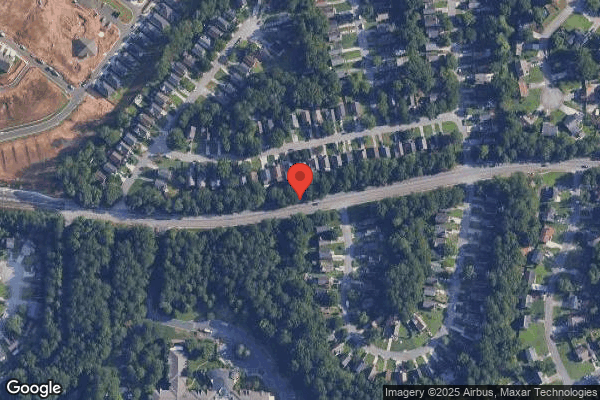

3100 CLUB DRIVE, LAWRENCEVILLE, GA 30044 (770) 923-3100
For profit - Corporation 67 Beds DELMAR GARDENS Data: November 2025
Trust Grade
50/100
#184 of 353 in GA
Last Inspection: April 2024

Within standard 12-15 month inspection cycle. Federal law requires annual inspections.

Overview

Delmar Gardens of Gwinnett has received a Trust Grade of C, which means it is average and sits in the middle of the pack compared to other facilities. In Georgia, it ranks #184 out of 353, placing it in the bottom half, and #6 out of 11 in Gwinnett County, indicating there are only five local options that are better. Unfortunately, the facility's trend is worsening, with the number of issues identified increasing from 4 in 2022 to 8 in 2024. Staffing is a concern, rated at 2 out of 5 stars, with a turnover rate of 56%, which is slightly above the state average, suggesting challenges in retaining staff. There have been no fines reported, which is a positive sign, but the facility has been cited for several issues, including improperly dated food items, a dumpster that was not properly maintained, and a malfunctioning oven, all of which could potentially affect the residents' well-being. Overall, while there are some strengths, such as the absence of fines, the facility has notable weaknesses that families should consider.

Trust Score
C
50/100
In Georgia
#184/353
Bottom 48%
Safety Record
Low Risk
No red flags
Inspections
Getting Worse
4 → 8 violations
Staff Stability
⚠ Watch
56% turnover. Above average. Higher turnover means staff may not know residents' routines.
Penalties
✓ Good
No fines on record. Clean compliance history, better than most Georgia facilities.
Skilled Nurses
⚠ Watch
Each resident gets only 18 minutes of Registered Nurse (RN) attention daily — below average for Georgia. Fewer RN minutes means fewer trained eyes watching for problems.
Violations
⚠ Watch
16 deficiencies on record. Higher than average. Multiple issues found across inspections.
★★☆☆☆
2.0
Overall Rating
★★☆☆☆
2.0
Staff Levels
★★☆☆☆
2.0
Care Quality
★★☆☆☆
2.0
Inspection Score
Stable
2022: 4 issues
2024: 8 issues

The Good

  • Full Sprinkler Coverage · Fire safety systems throughout facility
  • No fines on record

Facility shows strength in fire safety.

The Bad

2-Star Overall Rating

Below Georgia average (2.6)

Below average - review inspection findings carefully

Staff Turnover: 56%

Near Georgia avg (46%)

Frequent staff changes - ask about care continuity

Chain: DELMAR GARDENS

Part of a multi-facility chain

Ask about local staffing decisions and management

Staff turnover is elevated (56%)

8 points above Georgia average of 48%

The Ugly 16 deficiencies on record

Apr 2024 8 deficiencies
CONCERN (D) 📢 Someone Reported This

A family member, employee, or ombudsman was alarmed enough to file a formal complaint

Potential for Harm - no one hurt, but risky conditions existed

PASARR Coordination (Tag F0644)

Could have caused harm · This affected 1 resident

**NOTE- TERMS IN BRACKETS HAVE BEEN EDITED TO PROTECT CONFIDENTIALITY** Based on staff interviews, record review, and review of the facility's policy titled, Pre-admission Screening and Resident Revie...

Read full inspector narrative →
**NOTE- TERMS IN BRACKETS HAVE BEEN EDITED TO PROTECT CONFIDENTIALITY** Based on staff interviews, record review, and review of the facility's policy titled, Pre-admission Screening and Resident Review (PASARR) Program the facility failed to ensure a Level II PASARR was conducted for one of two sampled residents (R) (R21) reviewed for PASARR. Specifically, the facility failed to refer R21 to the appropriate state-designated authority for a Level II evaluation following a mental illness diagnosis. Findings include: Review of the undated facility's policy titled, Pre-admission Screening and Resident Review (PASARR) Program revealed It is the policy of the facility to assure that all residents admitted to the facility receive a Pre-admission Screening and Resident Review, in accordance with State and Federal Regulations. 3. Preadmission Screening for individuals with a mental disorder. The facility will not admit any new residents with a. Mental disorder, unless the State mental health authority has determined, based on an independent physical and mental evaluation performed by a person or entity other than the State mental health authority, prior to admission: i. That, because of the physical and mental condition of the individual, the individual requires the level of services provided by a nursing facility. Review of the Resident Face Sheet for R21 revealed she was readmitted to the facility on [DATE] and a diagnosis that included but not limited to generalized anxiety disorder and depression. Review of R21's Annual Minimum Data Set (MDS) dated [DATE] revealed Section A- Identification Information, the question was asked, had the resident been evaluated by Level II PASRR and determined to have a serious mental Illness, and/or Mental Retardation or related condition? No, was checked; Section C-Cognitive Patterns, a Brief Interview for Mental Status (BIMS) score of 15, which indicated the resident was cognitively intact; Section D-Mood, no mood exhibited; Section N-Medications, received antidepressants and antipsychotics; and Psychotropic drug use triggered as an area of concern on the Care Area Assessment Summary (CAAS). Review of R21's care plan initiated on 2/28/2024 revealed that R21 is at risk for adverse consequences related to receiving antipsychotic and antidepressant; Intervention to be implemented included monitor resident's behavior and response to medication. Review of the Pre-admission Screening/Resident Review (PASRR) Level I assessment dated [DATE] (Form: DMA-613): Review Request revealed no mental illness was selected for R21. An interview on 4/15/2024 at 6:15 pm with the Social Service Director (SSD) stated the resident's Level I was to be completed prior to admission by the hospital. She stated the previous admission director completed the Level I application for R21. The SSD stated the application for R21 did not trigger a Level II. The SSD confirmed that the diagnosis anxiety and depression was not selected on the application. The SSD stated there was no process in place to review Level I to ensure accuracy. An interview on 4/16/2024 at 10:20 am with the Administrator and the current admission Director. The facility was unable to give an answer regarding who reviews Level I for accuracy to ensure that a Level II is not required.
CONCERN (D) 📢 Someone Reported This

A family member, employee, or ombudsman was alarmed enough to file a formal complaint

Potential for Harm - no one hurt, but risky conditions existed

Comprehensive Care Plan (Tag F0656)

Could have caused harm · This affected 1 resident

**NOTE- TERMS IN BRACKETS HAVE BEEN EDITED TO PROTECT CONFIDENTIALITY** Based on record review, staff interviews, and review of the facility's policy titled Care Plan Conference, Interdisciplinary, th...

Read full inspector narrative →
**NOTE- TERMS IN BRACKETS HAVE BEEN EDITED TO PROTECT CONFIDENTIALITY** Based on record review, staff interviews, and review of the facility's policy titled Care Plan Conference, Interdisciplinary, the facility failed to follow the individualized care plan for monitoring for side effects of anticoagulant drug use for two residents (R) (R27 and R31). The sample size was 25. Findings include: Review of the facility's policy titled Care Plan Conference, Interdisciplinary revised 5/2021 indicated the STANDARD is an Interdisciplinary Care Planning Conference identifies resident needs and establishes obtainable goals. An appropriate plan of action is designed to ensure optimal levels of activity and independence for all residents. The purpose is the resident care plan is conducted according to the procedures established. Number 5. Care plan is completed in the RAI section of the electronic health record. Procedure Number 10. The care plan coordinator or the appropriate discipline updates the resident care plan and the resident profile at each Interdisciplinary Conference. 1. Review of the clinical record for R27 revealed she was admitted to the facility on [DATE]. Diagnoses include deep vein thromboses (DVT) right popliteal vein and atrial fibrillation (A-fib). Review of the most recent quarterly Minimum Data Set (MDS) assessment for dated 3/4/2024 for R27 revealed Section C-Cognitive Patterns, a Brief Interview Mental Status (BIMS) score of 11 which indicated moderate cognitive impairment; Section N-Medications, indicated R27 received anticoagulant medication during seven days of the look back period. Review of R27's April 2024 Physicians Orders (PO) revealed an order dated 2/22/2024 for Coumadin (a medication used to treat and prevent blood clots) three mg (milligrams) one tablet once per day on the 3:00 pm - 11:00 pm shift. Review of the care plan initiated on 9/18/2023 documented that resident is at risk for abnormal bleeding/bruising related to use of anticoagulant use. Approaches to care include administer anticoagulant (coumadin) as ordered, monitor for adverse effects, labs as ordered and report abnormal labs to physician, monitor resident for signs and symptoms of abnormal bruising or bleeding, observe stools for dark, tarry, or bright red blood. 2. Review of the clinical record for R31 revealed she was admitted to the facility on [DATE]. Diagnoses include atrial fibrillation (A-fib) and anxiety. Residents most recent quarterly MDS assessment dated [DATE] for R31 revealed Section C-Cognitive Patterns, a BIMS score of 15 which indicated no cognitive impairment; Section N-Medications revealed resident received anticoagulant medication during seven days of the look back period. Review of R31's April 2024 Physicians Orders (PO) for R31 revealed an order dated 12/22/2023 for Eliquis (a medication used to treat and prevent blood clots and prevent strokes in patients with atrial fibrillation) five mg (milligrams) two times per day from 7:15 am - 11:15 am and 3:15 pm - 6:45 pm. Review of the care plan initiated on 6/26/2023 documented that resident is at risk for abnormal bleeding/bruising related to use of anticoagulant (Eliquis). Approaches to care include administer anticoagulant as per physician's order, labs as ordered and report abnormal labs to physician, monitor resident for signs and symptoms of abnormal bruising or bleeding, observe stools for dark, tarry, or bright red blood. Interview on 4/15/2024 at 6:00 pm, Minimum Data Set (MDS) Nurse stated she gets information for the assessments from her observations, Physician Orders, Progress Notes, Nurses Notes, lab results, and interviews with staff. She stated the care plans are generated from what she codes in the MDS assessment. She stated that she was responsible for ensuring the assessments are accurate and care plans are developed to reflect the residents current status. Interview on 4/16/2024 at 3:20 pm, Director of Nursing (DON) stated was her expectation that residents who are prescribed anticoagulant medications, should have a care plan for monitoring for side effects of the medication and abnormal bruising and bleeding. During further interview, she stated all staff are to follow the residents care plan for all aspects of care, including monitoring for side effects of anticoagulant med use.
CONCERN (D) 📢 Someone Reported This

A family member, employee, or ombudsman was alarmed enough to file a formal complaint

Potential for Harm - no one hurt, but risky conditions existed

Deficiency F0745 (Tag F0745)

Could have caused harm · This affected 1 resident

**NOTE- TERMS IN BRACKETS HAVE BEEN EDITED TO PROTECT CONFIDENTIALITY** Based on staff and resident interviews, record review, review of the facility's policy titled Treatment/Devices to Maintain Hear...

Read full inspector narrative →
**NOTE- TERMS IN BRACKETS HAVE BEEN EDITED TO PROTECT CONFIDENTIALITY** Based on staff and resident interviews, record review, review of the facility's policy titled Treatment/Devices to Maintain Hearing/Vision and review of the facility's document titled Job Description Director of Social Service, the facility failed to provide three out of five sampled residents (R) (R21, R30, and R7) reviewed for adequate assistance and support from social service with receiving vision care. In addition, R21 was hard of hearing and had not been provided assistance by an audiologist. The failure to adequately address the residents' concern has the potential to affect their quality of life. Findings include: Review of the facility policy titled Treatment/Devices to Maintain Hearing/Vision dated April, 2024 indicated: It is the policy of the facility to ensure it identifies and provides needed care and services that are resident centered, in accordance with the resident's preferences, goals for care and professional standards of practice that will meet each resident's physical, mental, and psychosocial needs. Procedure: 1. The facility will ensure that the residents receive proper treatment and assistive devices to maintain vision and hearing abilities. 6. The facility utilizes outside service providers for vision services. 7. If a resident does not have a preferred provider, a provider will be offered for in house. Review of the undated facility's document titled Job Description Director of Social Services revealed: Purpose- To plan, organize, develop, and direct the overall operation of the Social Services Department in accordance with current federal, state, and local standards, guidelines and regulations, our established policies and procedures, and as may be directed by the Administrator, to assure that the medically related emotional and social needs of the resident are met/maintained on an individual basis. 1. Review of the Resident Face Sheet for R21 revealed she was readmitted to the facility on [DATE] and a diagnosis of, but not limited to macular degeneration. Review R21's Annual Minimum Data Set (MDS) dated [DATE] revealed Section B- Hearing, speech, Vision: indicated hearing was adequate with no hearing aid, vision adequate, sees fine detail, including regular print in newspaper and books and corrective lenses (contacts, glasses, or magnifying glass) used. Section C-Cognitive Patterns: a Brief Interview of Mental Status (BIMS) score was assessed as fifteen which indicated the resident was cognitively intact. Review of R21's care plan dated 2/28/2024 indicated there was no documented vision or hearing care plan. An interview on 4/13/2024 at 10:54 am with R21 stated she had not had an eye examine in two years. R21 stated she would like to have her eyes checked. She revealed she had macular degeneration and was almost blind. R21 also stated that she could not hear. 2. Review of the Resident Face Sheet for R30 revealed he was admitted to the facility on [DATE] and had a diagnosis of, but not limited to diabetes mellitus. Review of R21's Annual MDS dated [DATE] revealed Section B- Hearing, speech, Vision: indicated vision was adequate, sees fine detail, including regular print in newspaper and books and corrective lenses (contacts, glasses, or magnifying glass) used; Section C-Cognitive Patterns: BIMS was assessed as 15 which indicated the resident was cognitively intact. Review of R21's care plan dated 4/9/2024 revealed that R30 had a potential for complications related to diabetes mellitus; Intervention to be implemented included monitor for headaches and light headedness. An interview on 4/13/2024 at 10:23 am with R30 stated he wore eyeglasses. R30 stated he had not seen an optometrist in two years. The resident voiced concern about his eyes because he was a diabetic. He also stated it was difficult to go out for an appointment because he only had one daughter that could take him out on appointments. The resident stated he had seen the podiatrist and dentist in the facility. The resident stated he had never been offered to see an optometrist in the facility. 3. Review of the Resident Face Sheet for R7 revealed she was admitted to the facility on [DATE] with a readmission date of 10/4/2023 and a diagnosis of, but not limited to diabetes mellitus. Review of the R7's Quarterly MDS dated [DATE] revealed Section B- Hearing, speech, Vision: indicated vision was adequate, sees fine detail, including regular print in newspaper and books and no corrective lenses (contacts, glasses, or magnifying glass) used; Section C- BIMS score was assessed as 12, which indicated the resident was moderately impaired. Review of R7's care plan dated 10/20/2023 revealed R7 was at risk for deterioration in her activity of daily living related to diabetes mellitus; Intervention to be implemented included glucometer as ordered by the physician. An observation and interview on 4/13/2024 at 11:05 am with R7 stated she wore glasses. She stated she was a diabetic and should have their vision checked. The resident stated she had not had her vision checked in a while. An interview on 4/13/2024 at 10:45 am with the Social Service Director (SSD) stated the facility provides podiatry and dental service. She stated the facility does not have an optometrist that visits the facility. An interview on 4/15/2024 at 10:55 am with the SSD and Administrator, the SSD stated was the practice of the facility that residents use an outside service for vision. She stated she was not aware that vision services could be provided in the facility. The Administrator stated she accepts that she did not have the knowledge regarding providing vision service in the facility. She stated she will verify to see if the facility has a contract with vision services. An interview on 4/15/2024 at 11:00 am with the MDS Coordinator stated she was responsible for completing Section B (Hearing, speech, Vision) of the MDS. She stated the resident's vision was assessed by asking the resident to read her name tag in addition to an interview with the resident to assess if the resident wears glasses or has any problems with reading the newspaper etc. She stated if a resident voiced a complaint with vision, she would notify the Director of Nursing and the physician. An interview on 4/15/2024 at 1:30 pm with the Administrator stated the facility had been meeting the residents' needs. She stated the facility will investigate having a contract for in-house vision service. The Administrator stated she spoke with the sister facility and was provided with Name Eye Care. The Administrator stated the facility would reach out to the company to secure a contract for in-house vision care.
CONCERN (D) 📢 Someone Reported This

A family member, employee, or ombudsman was alarmed enough to file a formal complaint

Potential for Harm - no one hurt, but risky conditions existed

Deficiency F0757 (Tag F0757)

Could have caused harm · This affected 1 resident

**NOTE- TERMS IN BRACKETS HAVE BEEN EDITED TO PROTECT CONFIDENTIALITY** Based on observation, record review, staff interviews, and review of facility's policy titled Coumadin Therapy/Dosing Protocol, ...

Read full inspector narrative →
**NOTE- TERMS IN BRACKETS HAVE BEEN EDITED TO PROTECT CONFIDENTIALITY** Based on observation, record review, staff interviews, and review of facility's policy titled Coumadin Therapy/Dosing Protocol, the facility failed to document monitoring and side effects of anticoagulant use for two of five sampled residents (R) (R27, R31) reviewed for unnecessary medications. Findings include: Review of the facility's policy titled Coumadin Therapy/Dosing Protocol revised 6/2021 defined Coumadin as an anti-coagulant that prevents thrombophlebitis. Coumadin is used to treat deep vein thrombosis, myocardial infarction, pulmonary emboli, heart valve disease and atrial arrhythmia. Consideration of Coumadin Administration: Only licensed nurses will pass all coumadin doses. Procedure: Number 3. Nurses should chart all pertinent information related to Coumadin administration, physician orders and signs and symptoms of hemorrhagic adverse effects as they relate to each resident receiving Coumadin therapy. 1. Review of the clinical record revealed R27 was admitted to the facility on [DATE] with diagnoses including deep vein thromboses (DVT) right popliteal vein, acute pulmonary edema, congestive heart failure (CHF), hypertension (HTN), chronic kidney disease (stage 4), diabetes, atrial fibrillation (A-fib), and depression. Review of R27's quarterly Minimum Data Set (MDS) assessment dated [DATE] revealed Section C-Cognitive Patterns, a Brief Interview Mental Status (BIMS) was coded as 11, which indicated moderate cognitive impairment. Section N-Medications revealed R27 received anticoagulant medication during the seven days of the look back period. Review of the April 2024 Physicians Orders (PO) for R27 revealed an order dated 2/22/2024 for Coumadin (a medication used to treat and prevent blood clots) three mg (milligrams) one tablet once per day on the 3:00 pm - 11:00 pm shift. Further review of the April PO revealed there was no order to monitor resident for anti-coagulant use until 4/16/2024, after questioning by the survey team. Review of R27's medication administration record (MAR) for the month of April 2024, revealed no evidence that anti-coagulant monitoring was documented for the period of April 1 through April 16 for signs or symptoms or side effects of Coumadin therapy. 2. Review of the clinical record revealed R31 was admitted to the facility on [DATE] with diagnoses including atrial fibrillation (A-fib), congestive heart failure (CHF), hypertension (HTN), chronic kidney disease (stage 4), anxiety, and depression. Review of R31's quarterly MDS assessment dated [DATE] revealed Section C-Cognitive Patterns, BIMS was coded as 15, which indicated no cognitive impairment. Section N-Medications revealed R31 received anticoagulant medication during the seven days of the look back period. Review of the April 2024 Physicians Orders (PO) for R31 revealed an order dated 12/22/2023 for Eliquis (a medication used to treat and prevent blood clots and prevent strokes in patients with atrial fibrillation) five mg (milligrams) two times per day from 7:15 am - 11:15 am liberated time frame and 3:15 pm - 6:45 pm liberated time frame. Further review of the April PO revealed there was no order to monitor residents for anti-coagulant use. Review of R31's MAR for the month of April 2024, revealed no evidence that anti-coagulant monitoring was documented for the period of April 1 through April 16 for signs or symptoms or side effects of Eliquis use. Interview on 4/14/2024 at 1:08 pm, Licensed Practical Nurse (LPN) MM stated she provides support to the Certified Medication Tech's (CMT's) administering the medications they are not allowed to administer, such as controlled substances. She stated that the medication techs should be monitoring the residents' behaviors and monitoring for side effects of anticoagulants, and documenting that they have completed the monitoring. Interview on 4/14/2024 at 2:13 pm, Certified Nursing Assistant (CNA)/Certified Medication Aide (CMA) LL stated that she was not aware that she was supposed to be monitoring residents on blood thinners for side effects of bleeding or bruising. She stated it was not on the medication record, so she was not aware that she should be doing that. Interview on 4/16/2024 at 12:32 pm, LPN NN, stated that she monitors residents for behaviors and documents on the MAR if they exhibit any behaviors. She stated she was not monitoring residents for signs or symptoms of bleeding, and because it was not on the MAR, she was not thinking that was something she needed to do. Interview on 4/16/2024 at 12:40 pm, Minimum Data Set (MDS) Nurse, stated that the nurse who enters the order for the anticoagulants, should check a box for that order that would go to a template for monitoring anticoagulant medications, which then would auto-populate to the MAR. Interview on 4/16/2024 at 3:20 pm, Director of Nursing (DON) stated that residents who are prescribed any type of anticoagulant medication should be monitored every shift for signs and symptoms of bleeding. She stated the nurse who transcribes the medication order into the system is responsible for putting in the monitoring order. During further interview, she revealed that the nurses and the CMT's should be monitored before administering the anticoagulants and document on the MAR the monitoring was done. The DON confirmed that R27 and R31 did not have anticoagulant monitoring on the Physician Order or the MAR.
CONCERN (D) 📢 Someone Reported This

A family member, employee, or ombudsman was alarmed enough to file a formal complaint

Potential for Harm - no one hurt, but risky conditions existed

Deficiency F0761 (Tag F0761)

Could have caused harm · This affected 1 resident

**NOTE- TERMS IN BRACKETS HAVE BEEN EDITED TO PROTECT CONFIDENTIALITY** Based on observations, interviews and review of the facility's policies titled Expiration Dating of Medications and Medications ...

Read full inspector narrative →
**NOTE- TERMS IN BRACKETS HAVE BEEN EDITED TO PROTECT CONFIDENTIALITY** Based on observations, interviews and review of the facility's policies titled Expiration Dating of Medications and Medications with Shortened Expiration Dates, and review of the Pharmacy Nurse Consultant report, the facility failed to ensure medications were dated appropriately when opened to determine the discard date. In addition, the facility failed to discard expired medical supplies prior to expiration dates in one of three medication carts. The sample size was 25. Findings include: Review of the facility's policy titled Expiration Dating of Medications with effective date April 1, 2016, Procedure: F. Ophthalmic medications will be discarded sixty days after initial dose. The medication will be noted with the date the med was initially opened. G. Nasal medications dispensed by the pharmacy will be discarded sixty days after initial dose. The medication will be noted with the date the med was initially opened. I. Injectable medications dispensed by the pharmacy will be discarded thirty days after initial dose. The medication will be noted with the date the med was initially opened. Review of an undated document provided by the facility titled Medications with Shortened Expiration Dates revealed brand names of medications and notes specific to discard dates for Symbicort inhaler-discard when the counter reads 0 or 90 days after removal from the protective foil and Novolog insulin product expires 28 days after first use. Review of the Pharmacy Nurse Consultant report, dated 4/5/2024, revealed that the medication carts had multiple medications including inhalers, nasal sprays, and insulin vials/pens, which were not labeled with an open date, so staff would know when the medications would need to be discarded. Observation on 4/14/2024 at 8:35 am during medication administration with Certified Medication Aide (CMA) LL, on Cart AB, revealed one opened Symbicort inhaler for R31, with no open or discard date on it; one 0.5-ounce bottle of artificial tears with no open or discard date on it. Interview on 4/14/2024 at 8:40 am, CMA LL stated that she dates all the medications when she opens them, and stated she did not know who had opened the Symbicort inhaler or the artificial tears for R31. She stated she does not pay attention to the dates on the bottles and did not notice that the Symbicort and artificial tears did not have an open date on them. Observation on 4/16/2024 at 8:06 am of medication storage room with the Director of Nursing (DON) and Infection Preventionist, revealed a clean and organized storage room. Medication shelves organized. On a separate storage shelf revealed five 30-ounce bottles of [name] oral supplements with expiration date of 4/13/2024. The DON discarded the bottles, leaving the shelves empty of the oral supplement. Interview on 4/16/2024 at 8:10 am with DON, stated the Central Supply clerk was out on leave and she had been keeping the supply stock in her absence. She stated she missed the expiration date on the oral supplements. She stated she would check all the bottles of the supplement on the med carts, to ensure they were not expired. During further interview, she stated she would go buy some bottles of the oral supplement, so they would have some before the order came in. Observation on 4/16/2024 at 9:10 am, medication cart check Cart AB with CMA JJ, revealed one vial of Levemir insulin without an open or discard date on it; one 10-ounce single use bottle of Magnesium Citrate with a broken seal; one 0.54-ounce bottle of fluticasone propionate without an open or discard date on it. Interview on 4/16/2024 at 9:10 am, CMA JJ stated that she knows each bottle of medication needs to be dated when opened, and stated she always dates the bottles when she opens them. She stated that she refers to the list inside the medication book on each cart as a list of medications and when they should be discarded. Observation on 4/16/2024 at 9:37 am, medication cart check Cart EF with Licensed Practical Nurse (LPN) NN, revealed one two-ounce bottle of olopatadine eye drops, with an open date of 3/8/2024. Manufacturer instructions revealed product was to be discarded 30 days after opening. In the locked narcotic box was one [NAME] of hydrocodone tablets for a resident that had been discharged from the facility. Interview on 4/16/2024 at 9:41 am, LPN NN stated that she dates the bottles of mediations when she opens them. She stated when medications are discontinued or when residents are discharged from the facility, the medications are removed from the cart and given to the DON to destroy, per the facility policy. Interview on 4/16/2024 at 11:22 am, the DON stated the pharmacy consultant nurse comes to facility quarterly to do cart audits and she provides a report on what the audits reveal. She stated that the consultant has provided in-services to staff for expired medications and no open dates on medications. During further interview, she stated it is her expectation that everything in the med carts be labelled by the nurse who opens the meds. Phone interview on 4/16/2024 at 1:30 pm, Pharmacy Nurse Consultant OO stated she visits the facility approximately every eight to 10 weeks. She stated she checks each of the three medication carts for cleanliness and checks all the medications and narcotics in each cart. She stated that the facility has had several reviews in the past that had expired medications and meds that were not being labeled when opened. She stated she discards the medications that were not labeled and instructs the facility to re-order those meds. She stated she provides the facility with a written report for the facility to provide in-service training related to continued identified concerns.
CONCERN (F) 📢 Someone Reported This

A family member, employee, or ombudsman was alarmed enough to file a formal complaint

Potential for Harm - no one hurt, but risky conditions existed

Food Safety (Tag F0812)

Could have caused harm · This affected most or all residents

**NOTE- TERMS IN BRACKETS HAVE BEEN EDITED TO PROTECT CONFIDENTIALITY** Based on observations, interviews, record review, and review of the facility's policies titled, Food Storage Dry/Refrigerated/Fr...

Read full inspector narrative →
**NOTE- TERMS IN BRACKETS HAVE BEEN EDITED TO PROTECT CONFIDENTIALITY** Based on observations, interviews, record review, and review of the facility's policies titled, Food Storage Dry/Refrigerated/Frozen and Labeling/Dating Foods (Date Marking), the facility failed to ensure opened food items were properly dated and labeled in the cooler, freezer, and dry food pantry. In addition, the facility failed to ensure the oven and ice machines were clean, all dietary staff were wearing appropriate hair covering, and the recipe for pureed food was followed. This deficient practice had the potential to affect 58 of 58 residents who received an oral diet from the kitchen. Findings include: Review of the facility's policy titled Food Storage Dry/Refrigerated/Frozen, 2014 Edition, under Procedure: 1. General storage guidelines to be followed: revealed, All food items will be labeled Discard food that has passed the expiration date and discard food that has been prepared in the facility after seven days of storing under proper refrigeration. Review of the facility's policy titled Labeling/Dating Foods (Date Marking) 2014 Edition, under Procedure: 1. Date marking for dry storage food items revealed, Unopened cases of dry food items will be dated with the date the case was received into the facility first in-first out method of rotation .Expiration dates on commercially prepared dry storage food items will be followed. During an interview and tour of the kitchen on 4/13/2024 at 8:30 am with the Chef, food was observed in the dry pantry, refrigerator, and freezer. The following deficiencies were noted: one bag of slider buns with no open date; one bag of lentils with no open date, one bag of spinach with no open date, one bag of okra with no open date, and one bag of corn flakes with no open date in the (satellite kitchen); The oven flat top was observed to be dirty with old grease and food in the oven; the ice machine filters and the area around the opening was dirty. During an interview on 4/13/2024 at 9:00 am with Utility Worker EE was not wearing hairnet and this was brought to the attention of the Chef. The Chef asked the Utility Worker EE why he did not have on a hairnet and the Utility Worker stated he lost his hat that he usually wear and then proceeded to put on a hairnet. During an observation on 4/14/2024 at 9:50 am of pureed food with the Chef revealed, greens were pureed and the thickening that goes into the dish was not measured. He confirmed he did not measure out the thickener. During an interview on 4/15/2024 at 11:00 am with Lead Dining Server FF, stated she would look at the date on food container. She stated, usually she only got food that had been opened out of the refrigerator or pantry. She stated if there was no date on the container, the food would not be used. During an Interview on 4/15/2024 at 11:12 am with [NAME] HH stated, food should be labeled and dated; and if it was not dated, he would toss it out. During an interview on 4/15/2024 at 11:20 am with the Chef revealed he received the food items when they were delivered off the truck. He stated he would make sure there were no dented cans and would put the date received on the container. The Chef was asked what happened with food that had the [NAME] code on it and no expiration date, and stated he thought the code was the date. During an interview on 4/15/2024 at 5:50 pm with the Administrator, she stated there should be systems in place and the staff should be educated in labelling. She stated, if staff were unsure about this process, they should speak with their supervisor. During an observation on 4/16/2024 at 10:10 am of the Dietary Manager revealed the [Name] representative was present with the [NAME] Calendar and providing information on how to read the codes using the [NAME] Calendar to the Dietary Manager and the Chef. During a tour of the pantry on 4/16/2024 at 10:20 am the following foods had the [NAME] code on the container; neither the Dietary Manager nor the Chef knew how to read the following codes and could not tell if the food had expired for the following items: three containers of Catalina, three bottles of dressing, three jars of cherries, seven canned tomatoes, one can of sloppy joe sauce, four boxes of [Name] rice, three containers of coleslaw and six containers of [Name] sauce that was determined by looking at the [NAME] Calendar this product had expired.
CONCERN (F) 📢 Someone Reported This

A family member, employee, or ombudsman was alarmed enough to file a formal complaint

Potential for Harm - no one hurt, but risky conditions existed

Garbage Disposal (Tag F0814)

Could have caused harm · This affected most or all residents

Based on observations, staff interviews, and record review, the facility failed to ensure one of two dumpsters had a plug in place and the surrounding area around the dumpster was free of trash and de...

Read full inspector narrative →
Based on observations, staff interviews, and record review, the facility failed to ensure one of two dumpsters had a plug in place and the surrounding area around the dumpster was free of trash and debris. This deficient practice had the potential to affect all residents. The census was 58 residents. Findings include: During an observation of the dumpster on 4/14/2024 at 10:15 am with the Dietary Manager (DM) revealed, the dumpster on the right side had the appropriate plug. However, the dumpster on the left was unplugged and did not have a cap on it. There was trash observed on the ground in the back of the dumpster including soiled diapers. The DM began to pick the trash up at this time and put it in the dumpster. During an interview on 4/15/2024 at 5:50 pm the Administrator revealed she expect staff to have a system in place to take care of problems. This process should be taken to the Quality Assurance (QA) meeting. During an observation of the dumpsters on 4/16/2024 at 10:00 am the Maintenance Director (MD) revealed the dumpsters would be changed out that day. (MD) verified the dumpster on the left side was unplugged and did not have a cap on it; he stated the opening was sealed and the drain was inside the dumpster.
CONCERN (F) 📢 Someone Reported This

A family member, employee, or ombudsman was alarmed enough to file a formal complaint

Potential for Harm - no one hurt, but risky conditions existed

Room Equipment (Tag F0908)

Could have caused harm · This affected most or all residents

Based on observations, staff interviews, and record review, the facility failed to ensure the flat top oven was working. Specifically, the facility failed to ensure the oven door would close efficient...

Read full inspector narrative →
Based on observations, staff interviews, and record review, the facility failed to ensure the flat top oven was working. Specifically, the facility failed to ensure the oven door would close efficiently to prepare cooked meals. This deficient practice had the potential to affect 58 of 58 residents who received an oral diet from the kitchen. Findings include: Record review of the Nursing Home Maintenance work orders from 2/14/2024 through 4/13/2024 revealed there was no order to repair the oven located in the kitchen. During an interview and tour of the kitchen on 4/13/2024 at 8:30 am with the Chef, the flat top stove oven was observed not clean with old grease and food particles in the oven. There was a towel pushed between the top of the door and stove which was used to keep the door closed. An interview with the Chef revealed the door was broken and that they would remove the towel when the oven was used. The Chef stated he had discussed the oven door with the Maintenance Director (MD). During an interview on 4/15/2024 at 11:00 am with the MD, revealed he fixed the broken oven and that there was a latch on the side of the door that allows the door to close. MD stated staff should complete a maintenance work order to get broken equipment repaired. MD stated work orders were kept at the front desk and he did not receive a written request to fix the oven. During an interview on 4/15/2024 at 5:50 pm with the Administrator revealed she expect staff to have a system in place to take care of problems and that this process should be taken to the Quality Assurance (QA) meeting. During an interview on 4/15/2024 at 11:10 am with [NAME] GG revealed, he used the flat top stove to cook. He reported the stove had been broken for a couple of weeks. During an interview on 4/15/2024 at 11:15 am with [NAME] HH revealed, the flat top stove had been broken for a couple of weeks. [NAME] HH stated while it was broken it was used for storage for example, the thickener was put in it and sometimes they put rags in there. During an interview on 4/16/2024 at 10:30 am with the Chef revealed, he did not fill out a work order for the flat top stove oven door that was broken but verbally told the Maintenance Director.
Dec 2022 4 deficiencies
CONCERN (D)

Potential for Harm - no one hurt, but risky conditions existed

Comprehensive Care Plan (Tag F0656)

Could have caused harm · This affected 1 resident

**NOTE- TERMS IN BRACKETS HAVE BEEN EDITED TO PROTECT CONFIDENTIALITY** Based on record review, observation, staff interviews and review of the facility policy titled, Care Management, the facility fa...

Read full inspector narrative →
**NOTE- TERMS IN BRACKETS HAVE BEEN EDITED TO PROTECT CONFIDENTIALITY** Based on record review, observation, staff interviews and review of the facility policy titled, Care Management, the facility failed to develop a person-centered comprehensive care plan for respiratory and oxygen therapy for one of 21 residents (R#58). The deficient practice had the potential to affect the overall implementation of the resident's care. Findings: A review of the facility policy, Care Management, number C-4, effective 12/20/2020, revealed that coordination of the care plan is the nursing responsibility; however, planning, implementation, and evaluation required joint participation from all disciplines. Each resident's plan of care was individualized and would reflect the current need of each resident and undergo review during the resident's stay. Nursing utilized assessment, diagnosis, goal setting, implementation, and evaluation as the guide while establishing the plan of care. A review of the record revealed R#58 was admitted to the facility on [DATE] with a past medical history of coronary artery disease (CAD), chronic back pain, chronic kidney disease (CKD) Stage III, dementia, depression, gout, hypertension, hypothyroidism, pneumonia, scoliosis, and urinary tract infection. Review of the physician orders (PO) revealed the following orders: 10/18/2022 Oxygen per nasal canula 2 liters per minute every Day/Evening and at bedtime. 10/18/2022 Change oxygen tubing weekly and as needed (PRN). 10/18/2022 Elevate the head of bed (HOB) due to shortness of breath (SOB) when lying flat related to pulmonary congestion. Review of the care plan revealed R#58 was not care planned for respiratory issues or concerns or oxygen therapy. Review of the Nursing Progress Notes dated 11/4/2022 at 10:15 p.m. revealed that R#58 had an episode of shortness of breath. The head of the bed was elevated, and R#58 was placed on oxygen at 2 liters per minute via nasal cannula. The staff stayed with the resident until she calmed down. R#58's oxygen saturation was 94%, with oxygen at 2 liters per minute via nasal cannula. Review of the Nursing Progress Notes dated 11/22/2022 at 7:58 p.m. revealed R#58 was in bed with both eyes closed and head of bed elevated at 30 degrees. The resident was receiving oxygen at 2 liters per minute via nasal cannula. R#58's oxygen saturation was 95%. Review of the care plan revealed R#58 was not care planned for respiratory issues or concerns or oxygen therapy. Observation of R#58 on 12/3/2022 at 12:30 p.m. revealed she was in the dining room having lunch. The resident was in her wheelchair, had her nasal cannula on, and conversed with the other three residents at her table. The wheelchair had an oxygen canister attached to the wheelchair. The resident did not appear short of breath or in pain or distress. Interview on 12/3/2022 at 11:47 a.m. with the Certified Nursing Assistant (CNA) AA revealed R#58 would become short of breath and became panicked at times. She stated she ensured R#58 had her oxygen on and encouraged her to take deep breaths. The CNA AA explained when she talked to R#58, it would calm her down, and she made sure the head of the bed was elevated at least 30 degrees. CNA AA stated she monitored R#58's oxygen saturation when she did her vital signs and would notify the nurse immediately regarding any changes. Interview on 12/3/2022 at 12:50 p.m., Licensed Practical Nurse (LPN) BB stated she monitored R#58 for lung sounds, cough, oxygen saturation, and capillary refill. She further stated she also assessed for any shortness of breath or increased/decreased respirations. LPN BB revealed it was essential to keep the head of the bed elevated per MD orders and ensure the oxygen was administered at the proper dose. She stated she always double-checked the order to ensure a resident was given the oxygen properly. She also monitored the tubing, changed it when ordered, and watched for kinks. LPN BB stated she utilized the care plan for any changes in interventions or updates in the plan of care. Interview on 12/3/2022 at 10:59 p.m., the Minimum Data Set Coordinator (MDS) CC acknowledged that R#58 did not have a care plan for respiratory issues or oxygen treatment. MDS CC said that the resident should have been care planned for this area, and she could not explain why it had not been done.
CONCERN (D)

Potential for Harm - no one hurt, but risky conditions existed

Medication Errors (Tag F0758)

Could have caused harm · This affected 1 resident

**NOTE- TERMS IN BRACKETS HAVE BEEN EDITED TO PROTECT CONFIDENTIALITY** Based on record review, staff interview, and review of the facility policy titled, Behaviors Using Person-Centered Care, Accommo...

Read full inspector narrative →
**NOTE- TERMS IN BRACKETS HAVE BEEN EDITED TO PROTECT CONFIDENTIALITY** Based on record review, staff interview, and review of the facility policy titled, Behaviors Using Person-Centered Care, Accommodating the facility failed to ensure a stop date was implemented, not to exceed 14 days for psychotropic medications for one of five residents (R) (R#31) reviewed for unnecessary medications. Specifically, the facility failed to ensure a stop date was implemented for antianxiety medication ordered as need (PRN) for R#31. Findings includes: Review of the facility policy title Behaviors Using Person-Centered Care, Accommodating revised February 2021, revealed PRN usage of any psychopharmacological agent (including antidepressants) A. Residents must not receive PRN psychotropic medication unless that medication is necessary to treat a diagnosed specific condition that is documented in the clinical record. A PRN order for psychotropic medications should only be limited to 14 days. Physician or prescribing practitioner should document their rationale for continued use if they believe it is appropriate to extend the order beyond 14 days. Review of the electronic medical record (EMR) for revealed R#31 was admitted to the facility on [DATE]. Diagnoses included but are not limited to dementia without behaviors, glaucoma, type 2 diabetes, hypertension, anxiety disorder, long term use of insulin, pain, depression, and hypothyroidism. R#31 is receiving hospice services for severe protein calorie malnutrition Review of R#31's Minimum Data Set (MDS) assessment dated [DATE], Section C revealed the Brief Interview for Mental Status (BIMS) was coded as 6, which indicates severe cognitive impairment. Section G revealed resident requires extensive assistance of one person with bed mobility, dressing, toileting, and personal hygiene. Section N revealed resident had not received any antianxiety medications during the look back period. Review of the physician orders (PO) for R#31 revealed an order dated 11/17/2021 for lorazepam 1 milligrams (mg) every 4 hours prn. There is no evidence of a 14 day stop date or a rationale from the physician for the extension past 14 days. Interview on 12/4/2022 at 10:20 a.m. the Director of Nursing (DON) confirmed there is not a 14 day stop order for the lorazepam, or an order to continue the lorazepam past the 14 days. The DON stated that the antianxiety medication is part of the hospice comfort care kit that hospice services orders. The DON revealed that she brought the issue of prn medication need an end date with hospice service, but they continue to order as prn The DON revealed that the pharmacy consultant should have also notified her of the no end date for the prn lorazepam and not sure if they did or not.
CONCERN (E)

Potential for Harm - no one hurt, but risky conditions existed

Abuse Prevention Policies (Tag F0607)

Could have caused harm · This affected multiple residents

**NOTE- TERMS IN BRACKETS HAVE BEEN EDITED TO PROTECT CONFIDENTIALITY** Based on record review, staff interviews and review of facility policy titled Abuse, Neglect, and Exploitation, Freedom From, th...

Read full inspector narrative →
**NOTE- TERMS IN BRACKETS HAVE BEEN EDITED TO PROTECT CONFIDENTIALITY** Based on record review, staff interviews and review of facility policy titled Abuse, Neglect, and Exploitation, Freedom From, the facility failed to complete a background check screening process for four nursing staff of 10 total staff reviewed. Findings include: The facility policy titled Abuse, Neglect, and Exploitation, Freedom From revised September 2022 documented: it is the policy of [NAME] Gardens to maintain a work and living environment that is professional and residents are free from threat or occurrence of harassment, abuse (verbal, physical, mental, or sexual), neglect, corporal punishment involuntary seclusion and misappropriation of property. Application/Prevention: Procedures: A. New employee screening. 3. All potential employees shall have a criminal background check. Review of the facility employee files revealed the following: 1. Licensed Practical Nurse (LPN) DD was hired on 9/21/2022 with no background check completed. 2. The Director of Nursing (DON) was hired on 12/28/2020 with no background check completed. 3. Registered Nurse (RN) EE was hired on 10/5/2022 with no background check completed. 4. LPN FF was hired on 9/17/2022 with no background check completed. The above nursing staff had active, unencumbered nursing licenses and there were no concerns identified related to abuse or neglect within the facility. Interview on 12/4/2022 at 9:59 a.m. with Human Resources (HR) GG revealed that it was the understanding of the facility that nurses get a background check through license verification. They have not been doing criminal background checks on nurses since they started doing fingerprint background checks on all other staff. Interview on 12/4/2022 at 11:00 a.m., the Regional [NAME] President provided the guidance from the Department of Community Health (DCH) excluding the fingerprint background check for nurses and stated they have been following that guidance related to background checks for licensed nursing staff.
CONCERN (F)

Potential for Harm - no one hurt, but risky conditions existed

Food Safety (Tag F0812)

Could have caused harm · This affected most or all residents

Based on observations, interviews, and review of the facility policy titled, Trayline Refrigerated Leftover Storage, the facility failed to maintain a clean and sanitary kitchen. Specifically, the fac...

Read full inspector narrative →
Based on observations, interviews, and review of the facility policy titled, Trayline Refrigerated Leftover Storage, the facility failed to maintain a clean and sanitary kitchen. Specifically, the facility failed to ensure that food items had an open date and were properly labeled; failed to have the meat slicer and floor stand mixer cleaned and free from food debris to prevent cross contamination; and failed to properly use the three compartments sink to prevent food borne illness. The deficient practice had the potential to affect 56 out of 58 residents (R) receiving an oral diet. Findings include: 1. Review of facility policy titled Trayline Refrigerated Leftover Storage revised 1/1/2014, revealed procedure 2. Date container with use by date. 3. Label unless easily identifiable without removing cover. Observation on 12/2/2022 at 8:55 a.m. of the walk-in freezer revealed a two-pound bag of diced green peppers that was opened with no date. Continued observation revealed an opened brown bag of steak fries that was not securely wrapped, labeled, or dated. Observation on 12/2/2022 at 9:00 a.m. of the walk-in refrigerator revealed a one-gallon container of tartar sauce that was opened with no date and a one-gallon container of poppy seed dressing was opened with no date. Observation on 12/2/2022 at 9:05 a.m. of large white storage bins in the food prep area that contain flour and breadcrumbs revealed that there was no date when items were taken from original package and placed in the bins. Observation on 12/4/2022 at 8:20 a.m. of the walk-in freezer revealed a frozen five-pound bag of blue cheese crumbles that was open with no date. Observation on 12/4/2022 at 8:36 a.m. of the spice rack in the food prep area revealed a one-gallon container of chili sauce that had been opened and had no date. Interview on 12/2/2022 at 9:24 a.m. the Director of Dietary (DD) confirmed that the frozen diced green peppers were opened with no date and also confirmed that the steak fries were not securely wrapped, labeled, or dated. The DD stated that she expects staff to wrap, label, and date all opened food items before placing in the freezer. Interview on 12/2/2022 at 9:25 a.m. the DD confirmed that the one-gallon containers of tartar sauce and poppy seed dressing had been opened and did not have a date. The DD expects staff to label and date all opened food items before placing in refrigerator. Interview on 12/2/2022 at 9:26 a.m. the DD confirmed that the large white storage bins with flour and breadcrumbs did not have a date. The DD stated she expects staff to place a label on the top lid to indicate date food items were placed in the storage bins. Interview on 12/4/2022 at 8:20 a.m. the Assistant Director of Dietary (ADD) confirmed the blue cheese crumbles were opened and undated. The ADD expects staff to date any food item after opening and placing in freezer. Interview on 12/4/2022 at 8:36 a.m. the ADD confirmed that the chili sauce was opened and undated. 2. Observation on 12/2/2022 at 9:10 a.m. of the meat slicer revealed multiple crumbs of dried food debris and also small clear plastic plate under the meat slicer. Observation on 12/2/2022 at 9:12 a.m. of the floor stand mixer revealed a dried white substance under the mixing arm as well as on the front motor metal band. Continued observation revealed dried orangish yellow food debris on the arms that hold the mixing bowl. When the substances were touched it would flake off. Interview on 12/2/2022 at 9:28 a.m. the DD confirmed that there was a plastic plate and dried food debris under the slicer. The DD stated that she expects staff to clean under the slicer when they clean the slicer after use. Interview on 12/2/2022 at 9:29 a.m. the DD confirmed that there was a dried white substance on the mixer and also dried food debris on the mixer bowl arms that was able to be removed when touched. The DD revealed that she expects staff to clean the mixer after use. 3. Review of facility policy titled Dishwashing: Manual dated 2014, revealed #4 the pots and pans will be washed in a hot detergent solution in the first compartment, rinsed well in the second compartment, and sanitized by either heart or chemicals in the third compartment. Review of the manufactures recommendation for quaternary sanitizing solution revealed expose all surfaces to the sanitizing solution for a period of not less than one minute. Observation on 12/3/2022 at 10:05 a.m. of the ADD use the three compartment sink to wash the blender bowl, blade and lid revealed that he rinsed off the visible food, then washed in soapy water, rinsed in clean water, and then placed in the sanitizing solution for 30 seconds. Continued observation of the sanitizing sink revealed that staff was in the process of filling the sink with sanitizing solution when the ADD placed the blender bowl in the solution and it was not completely covered/submerged. Observation on 12/4/2022 at 8:30 a.m. of the three-compartment sink revealed that the facility is using a quaternary sanitizing solution. Continued observation of the manufactures label on the back of the container revealed expose all surfaces to the sanitizing solution for a period of not less than one minute. Interview on 12/3/2022 at 10:05 a.m. the ADD revealed that he thought dishware was to be in the sanitizing solution for 30 seconds. He confirmed that the sanitizing sink was in the process of being filled and therefore blender bowl was not completely covered/submerged in the sanitizing solution for the entire 30 seconds. Interview on 12/3/2022 at 12:20 p.m. the Registered Dietitian (RD) and DD provided documentation for the use of Sink & Surface Sanitizer and the documentation stated that dishware needed to be submerged for 30 seconds. The DD stated this was the chemical that is used in the three compartment sink to sanitize dishware. Interview on 12/4/2022 at 8:30 a.m. the ADD confirmed that they are using a quaternary sanitizing solution and confirmed that the manufactures recommendations on the container stated for dish items to be in the solution for not less than one minute. The ADD stated that he did not realize items needed to be in the solution for greater than one minute.
Oct 2019 4 deficiencies
CONCERN (D)

Potential for Harm - no one hurt, but risky conditions existed

Comprehensive Care Plan (Tag F0656)

Could have caused harm · This affected 1 resident

**NOTE- TERMS IN BRACKETS HAVE BEEN EDITED TO PROTECT CONFIDENTIALITY** Based on observation, record review and staff interview, the facility failed to develop a person-centered care plan for one depe...

Read full inspector narrative →
**NOTE- TERMS IN BRACKETS HAVE BEEN EDITED TO PROTECT CONFIDENTIALITY** Based on observation, record review and staff interview, the facility failed to develop a person-centered care plan for one dependent resident (R) (#52) related to nail care of 32 sampled residents. Findings include: The Quarterly Minimum Data Set (MDS) assessment dated [DATE] revealed R#52 was unable to complete the Brief Interview for Mental Status (BIMS) as resident is rarely/ never understood. Section G - Functional Status documented resident requires total assistance with bathing and personal hygiene. The resident has diagnoses including dementia and Cerebrovascular Accident with right hemiparesis. Review of the care plan revised 9/30/19 revealed that R#52 is dependent on staff for entire bathing and dressing with two-person assistance. The care plan does not indicate the need for nail care. Observation on 10/2/19 at 7:58 a.m., 10/2/19 at 2:58 p.m. and 10/3/19 at 8:46 a.m. revealed resident with brown substance underneath fingernails on both hands. Interview on 10/3/19 at 9:20 a.m. with Certified Nursing Assistant (CNA) AA stated that each resident has a Resident Care Assignment sheet taped to the inside of their closet door. She stated that is how she knows what to do for each resident. She stated that nails are done on Sundays, and she will do them as needed, if they are dirty. Cross Refer F677
CONCERN (D)

Potential for Harm - no one hurt, but risky conditions existed

Deficiency F0657 (Tag F0657)

Could have caused harm · This affected 1 resident

**NOTE- TERMS IN BRACKETS HAVE BEEN EDITED TO PROTECT CONFIDENTIALITY** Based on record review, review of the facility policy titled Care Plan Conference, Interdisciplinary and staff interviews, the f...

Read full inspector narrative →
**NOTE- TERMS IN BRACKETS HAVE BEEN EDITED TO PROTECT CONFIDENTIALITY** Based on record review, review of the facility policy titled Care Plan Conference, Interdisciplinary and staff interviews, the facility failed to ensure that a quarterly care plan conference was held for one resident (R) (#8) for two consecutive quarters of 32 sampled residents. Findings include: Review of the undated facility policy titled Care Plan Conference, Interdisciplinary, the standard purpose revealed documentation is done on the Interdisciplinary Resident Care Conference form. Purpose number 2. Conferences are held within 21 days of admission and every 90 days thereafter. Procedures number 1. The Care Plan Coordinator prepares a list of residents to be reviewed to all disciplines one week in advance of the conference. Number 5. Documentation is made on the Interdisciplinary Care Conference Summary form at the time of the Interdisciplinary Conference by the individual representing each discipline. The form must be dated and signed. Number 14. c. The resident care plan is reviewed/revised within 21 days, and every 90 days thereafter. A review of the clinical record for R#8 revealed resident was admitted to the facility on [DATE] with diagnoses of but not limited to dementia, bone density disorder, dysphagia, lupus, depression, anxiety, hypertension (HTN), osteoporosis, Vitamin D deficiency, gastroparesis, gastroesophageal reflux disease (GERD), hyperlipidemia and anemia. Review of the Care Conference Information sheet dated 2/21/19 revealed one nurse, social services, activities and resident's sister in law attended the meeting. During further review, there was no evidence that the quarterly Care Plan Conference meetings were held for the second quarter (April, May, June) 2019 or third quarter (July, August, September) 2019. During an interview on 10/3/19 at 9:50 a.m., Minimum Data Set Registered Nurse BB stated she gets information for the quarterly assessments from staff and face to face visits with the residents, along with medical record review. She stated that the Social Worker sets up the quarterly care plan meetings after she completes the assessments. She stated that residents are invited verbally, and the family members are sent an invitation card one week before the meeting. She stated Social Services Director sends out the invites for the families. During an interview on 10/3/19 at 10:35 a.m., Social Services Director stated she sends the care plan meeting invitations to the families. She stated there is not any response required from the family to indicate if they will attend the meeting or not. She further stated that the interdisciplinary team (IDT) meets and discusses the resident's current status and any future plans for care. She stated that activities, nursing and dietary members attend, and she documents on the care conference in the electronic medical record, those in attendance. She stated if family members attend the meeting, she will document their names on the attendance section. She further stated if the family is not able to attend, she doesn't have a care conference meeting and does not document anything in the electronic medical record (EMR). Interview on 10/3/19 at 10:40 a.m. with Assistant Director of Nursing revealed the facility does have quarterly care plan meetings for the residents, even if family members and/or residents don't attend the meeting. She confirmed that resident EMR did not reflect any type of documentation that quarterly care plan meeting was held with IDT for 2nd or 3rd quarters of this year, 2019.
CONCERN (D)

Potential for Harm - no one hurt, but risky conditions existed

ADL Care (Tag F0677)

Could have caused harm · This affected 1 resident

**NOTE- TERMS IN BRACKETS HAVE BEEN EDITED TO PROTECT CONFIDENTIALITY** Based on observation, record review, staff interviews and policy review, the facility failed to ensure that activities of daily ...

Read full inspector narrative →
**NOTE- TERMS IN BRACKETS HAVE BEEN EDITED TO PROTECT CONFIDENTIALITY** Based on observation, record review, staff interviews and policy review, the facility failed to ensure that activities of daily living (ADL) was provided for one dependent resident (R) (#52) related to nail care of 32 sampled residents. Findings include: Review of the undated facility policy titled Delmar Gardens Nursing Policy and Procedure Manual Bed Bath revealed: procedure: 18. clean resident's fingernails. A review of the clinical record for R#52 revealed resident was admitted to the facility on [DATE] with diagnoses including dementia, right hemiparesis, depression, macular degeneration, and cerebral vascular accident (CVA). The resident's Quarterly Minimum Data Set (MDS) 9/16/19 revealed R#52 was unable to complete the Brief Interview for Mental Status (BIMS) as resident is rarely/ never understood. Section G - Functional Status revealed resident requires total assistance with personal hygiene. Observation on 10/2/19 at 7:58 a.m., 10/2/19 at 2:58 p.m. and 10/3/19 at 8:46 a.m. revealed resident with brown substance underneath fingernails on both hands. Interview on 10/3/19 at 9:20 a.m. with Certified Nursing Assistant (CNA) AA revealed that each resident has a Resident Care Assignment sheet taped to the inside of their closet door indicating what to do for that resident. She stated that she gives every resident a bed bath when they get up, even if they are scheduled for a shower. She stated that nails are done on Sundays, and she will do them as needed, if they are dirty. During an interview on 10/3/19 at 12:54 p.m., the Assistant Director of Nursing (ADON) stated that it is her expectation for staff to keep the residents well-groomed and fingernails clipped and clean. They should do it as needed, not just on Sundays.
CONCERN (D)

Potential for Harm - no one hurt, but risky conditions existed

Accident Prevention (Tag F0689)

Could have caused harm · This affected 1 resident

**NOTE- TERMS IN BRACKETS HAVE BEEN EDITED TO PROTECT CONFIDENTIALITY** Based on record review, interviews, and review of the facility policy, the facility failed to implement new measures to prevent ...

Read full inspector narrative →
**NOTE- TERMS IN BRACKETS HAVE BEEN EDITED TO PROTECT CONFIDENTIALITY** Based on record review, interviews, and review of the facility policy, the facility failed to implement new measures to prevent additional falls for one of three residents (R) (#11) reviewed for falls. Findings include: Review of the facility policy titled Post-Fall Assessment with effective date of 8/1/15, revealed the purpose is all falls are investigated to determine the reasons for the fall and to develop interventions to minimize or eliminate future falls. Residents at risk for falls are identified based on the Fall Risk/Prevention Program. Procedure number 5. The charge nurse will review the resident's plan of care and make any additions to the care plan that are needed. Be sure to note the date of the fall, any injuries and any new/revised interventions. Number 7. The Interdisciplinary Fall Review Team will meet weekly and formally address each resident that has fallen during the previous week. Discussion will focus on interventions that have been implemented and other interventions that may be required to reduce falls and meet the resident's needs. A review of the clinical record for R#11 revealed resident was admitted to the facility on [DATE] with diagnoses of but not limited to dementia, insomnia, anxiety, depression, arthritis and repeated falls. The resident's most recent Minimum Data Set (MDS) dated [DATE], revealed a Brief Interview for Mental Status (BIMS) was coded as 7, which indicated severe cognitive impairment. Section G revealed resident requires extensive assistance with bed mobility and transfers and limited assistance locomotion on and off unit. Section V revealed resident at risk for falls. Review of the care plan revised 8/1/19 revealed that R#11 is able to ambulate with assistance of staff. Approaches include provide frequent reminder to not get up without help, apply dycem to wheelchair, offer night time snack, give resident verbal reminders not to ambulate/transfer without assistance, occupy resident with meaningful distractions, anticipate resident's needs, walk with restorative nursing, keep resident in common area while awake, staff to provide frequent rounding of resident, and floor mats at bedside. Review of document titled Delmar Gardens of Gwinnett-Falls for Facility revealed R#11 experienced eight falls in the past six months: On 9/5/19 at 10:27 p.m., called to dining room. Resident observed on floor. Per many witnesses in dining room resident got up and legs gave out. Resident sustain an abrasion to left knee otherwise resident is stable and continue to be pleasantly confused. Family and MD (medical doctor) notified. Interventions put in place: Provide frequent reminders to resident not to get up without help. On 8/21/19 at 9:57 p.m.-Resident observed getting up from chair in front of nursing station, before staff could get to her, she pushed against her wheelchair and slid to the floor. No apparent injury. Remain alert and pleasantly confused. Interventions put in place: Apply Dycem to wheel chair, offer resident night time snack. On 8/1/19 at 9:30 p.m. Resident observed on floor in hallway in front of nurse's desk. Resident was in wheelchair in front of nurse's desk for monitoring. Resident got up from wheelchair and fell. Fall witness by staff at the desk but staff was unable to get to resident before the fall occur. Resident fell on buttocks and no apparent injury noted. Family and MD (medical doctor) notified, and resident brought closer to staff within hand reach. Interventions put in place: Give resident reminders not to ambulate/transfer without assistance. Occupy resident with meaningful distractions (music, companion, crafts). On 6/24/19 at 8:57 p.m. Resident observed on right side of bed sitting on bed side floor pad. No apparent injury noted, and resident was alert but was only said sorry. Two-person assist to bed and bed in lowest position. The clinical record did not reflect any new interventions added at the time of the fall. On 6/24/19 at 3:01 p.m. Staff observe resident sitting on floor mat on buttocks resident states I got out a slip. The clinical record did not reflect any new interventions added at the time of the fall. On 6/15/19 at 7:30 a.m. Housekeeping notified Skilled Nurse (SN) this resident walking in hallway and went to her room. SN noted resident sitting on floor in front of bathroom door, upon asking resident states she fell, passive range of motion (PROM) done to all extremities without pain, staff notified and was assisted back to bed. The clinical record did not reflect any new interventions added at the time of the fall. On 5/12/19 at 2:48 p.m., observed resident on the floor on right side in hallway by her door. The clinical record did not reflect any new interventions added at the time of the fall. On 4/3/19 at 7:05 p.m., observed sitting on buttocks on the floor in hallway nearby nurse's station. The clinical record did not reflect any new interventions added at the time of the fall. Interview on 10/3/19 at 9:20 a.m. with Certified Nursing Assistant (CNA) AA stated that she walks R#11 back and forth to the bathroom, but Restorative Aide walks her in the hallways. She stated that resident falls when she tries to get up and walk, or to go to the bathroom, or sometimes she says that she is looking for her husband. She stated that resident has had many falls but has not really hurt herself. She further stated that if she saw a resident on the floor, she would stay with them and call for the nurse. During an interview on 10/3/19 at 9:25 a.m., the Assistant Director of Nursing (ADON) stated they discuss all falls in their morning meeting and discuss interventions that are currently in place and discuss what further interventions can be used to try to alleviate falls. She further stated there is no paper copy kept of the meeting discussions. She stated R#11 wants to get up and walk all the time, so that is what restorative does for her daily. During further interview, she confirmed that the falls for 6/24/19 (two falls), 6/15/19, 5/12/19 and 4/3/19 had no interventions put into place for these falls. She stated she is pretty sure they discussed them but does not know why interventions were not put in place. Interview on 10/3/19 at 10:50 a.m. with Minimum Data Set (MDS) Registered Nurse BB revealed she does the MDS assessments for the long-term care residents. She stated that it was her responsibility to update the care plans for the falls, and she does not remember what was discussed specifically for those five falls, so she has no reason to explain why there were no interventions put in place.
Understanding Severity Codes (click to expand)
Life-Threatening (Immediate Jeopardy)
J - Isolated K - Pattern L - Widespread
Actual Harm
G - Isolated H - Pattern I - Widespread
Potential for Harm
D - Isolated E - Pattern F - Widespread
No Harm (Minor)
A - Isolated B - Pattern C - Widespread

Questions to Ask on Your Visit

  • "Why is there high staff turnover? How do you retain staff?"
  • "Can I speak with families of current residents?"
  • "What's your RN coverage like on weekends and overnight?"

Our Honest Assessment

Strengths
  • • No major safety red flags. No abuse findings, life-threatening violations, or SFF status.
  • • No fines on record. Clean compliance history, better than most Georgia facilities.
Concerns
  • • 16 deficiencies on record. Higher than average. Multiple issues found across inspections.
  • • Grade C (50/100). Below average facility with significant concerns.
  • • 56% turnover. Above average. Higher turnover means staff may not know residents' routines.
Bottom line: Mixed indicators with Trust Score of 50/100. Visit in person and ask pointed questions.

About This Facility

What is Delmar Gardens Of Gwinnett's CMS Rating?

CMS assigns DELMAR GARDENS OF GWINNETT an overall rating of 2 out of 5 stars, which is considered below average nationally. Within Georgia, this rating places the facility higher than 0% of the state's 100 nursing homes. A rating at this level reflects concerns identified through health inspections, staffing assessments, or quality measures that families should carefully consider.

How is Delmar Gardens Of Gwinnett Staffed?

CMS rates DELMAR GARDENS OF GWINNETT's staffing level at 2 out of 5 stars, which is below average compared to other nursing homes. Staff turnover is 56%, which is 10 percentage points above the Georgia average of 46%. High turnover can affect care consistency as new staff learn residents' individual needs. RN turnover specifically is 57%, which is notably high. RNs provide skilled clinical oversight, so turnover in this role can affect medical care quality.

What Have Inspectors Found at Delmar Gardens Of Gwinnett?

State health inspectors documented 16 deficiencies at DELMAR GARDENS OF GWINNETT during 2019 to 2024. These included: 16 with potential for harm.

Who Owns and Operates Delmar Gardens Of Gwinnett?

DELMAR GARDENS OF GWINNETT is owned by a for-profit company. For-profit facilities operate as businesses with obligations to shareholders or private owners. The facility is operated by DELMAR GARDENS, a chain that manages multiple nursing homes. With 67 certified beds and approximately 58 residents (about 87% occupancy), it is a smaller facility located in LAWRENCEVILLE, Georgia.

How Does Delmar Gardens Of Gwinnett Compare to Other Georgia Nursing Homes?

Compared to the 100 nursing homes in Georgia, DELMAR GARDENS OF GWINNETT's overall rating (2 stars) is below the state average of 2.6, staff turnover (56%) is near the state average of 46%, and health inspection rating (2 stars) is below the national benchmark.

What Should Families Ask When Visiting Delmar Gardens Of Gwinnett?

Based on this facility's data, families visiting should ask: "How do you ensure continuity of care given staff turnover, and what is your staff retention strategy?" "Can you walk me through typical staffing levels on day, evening, and night shifts?" "Can I visit during a mealtime to observe dining assistance and food quality?" "How do you handle medical emergencies, and what is your hospital transfer rate?" These questions are particularly relevant given the facility's high staff turnover rate and the below-average staffing rating.

Is Delmar Gardens Of Gwinnett Safe?

Based on CMS inspection data, DELMAR GARDENS OF GWINNETT has a clean safety record: no substantiated abuse findings (meaning no confirmed cases of resident harm), no Immediate Jeopardy citations (the most serious violation level indicating risk of serious injury or death), and is not on the Special Focus Facility watch list (a federal program monitoring the lowest-performing 1% of nursing homes). The facility has a 2-star overall rating and ranks #100 of 100 nursing homes in Georgia. While no facility is perfect, families should still ask about staff-to-resident ratios and recent inspection results during their visit.

Do Nurses at Delmar Gardens Of Gwinnett Stick Around?

Staff turnover at DELMAR GARDENS OF GWINNETT is high. At 56%, the facility is 10 percentage points above the Georgia average of 46%. Registered Nurse turnover is particularly concerning at 57%. RNs handle complex medical decisions and coordinate care — frequent RN changes can directly impact care quality. High turnover means new staff may not know residents' individual needs, medications, or preferences. It can also be disorienting for residents, especially those with dementia who rely on familiar faces. Families should ask: What is causing the turnover? What retention programs are in place? How do you ensure care continuity during staff transitions?

Was Delmar Gardens Of Gwinnett Ever Fined?

DELMAR GARDENS OF GWINNETT has no federal fines on record. CMS issues fines when nursing homes fail to meet care standards or don't correct problems found during inspections. The absence of fines suggests the facility has either maintained compliance or corrected any issues before penalties were assessed. This is a positive indicator, though families should still review recent inspection reports for the full picture.

Is Delmar Gardens Of Gwinnett on Any Federal Watch List?

DELMAR GARDENS OF GWINNETT is not on any federal watch list. The most significant is the Special Focus Facility (SFF) program, which identifies the bottom 1% of nursing homes nationally based on persistent, serious quality problems. Not being on this list means the facility has avoided the pattern of deficiencies that triggers enhanced federal oversight. This is a positive indicator, though families should still review the facility's inspection history directly.